ஆந்தைகள் அலறல்: நல்ல சகுனமா? – பகுதி 2

owl (1)coin
owl on Greek coin

கட்டுரையாளர்:- லண்டன் சுவாமிநாதன்
கட்டுரை எண்:- 1067; தேதி:- மே 27, 2014.
(This article is posted in English as well)

முதல் பகுதியில் சங்க இலக்கியத்தில் ஆந்தை பற்றிய பாடல்களைக் கொடுத்தேன். ஆந்தையை மரணத்துடன் தொடர்பு படுத்துவது, இசையுடன் தொடர்பு படுத்துவது பற்றியும், பல நாட்டுக் கலாசாரங்களில் உள்ள நம்பிக்கைகள் பற்றியும் பார்த்தோம்.

கல்வி நிறுவனங்களில் ஆந்தைச் சின்னம்
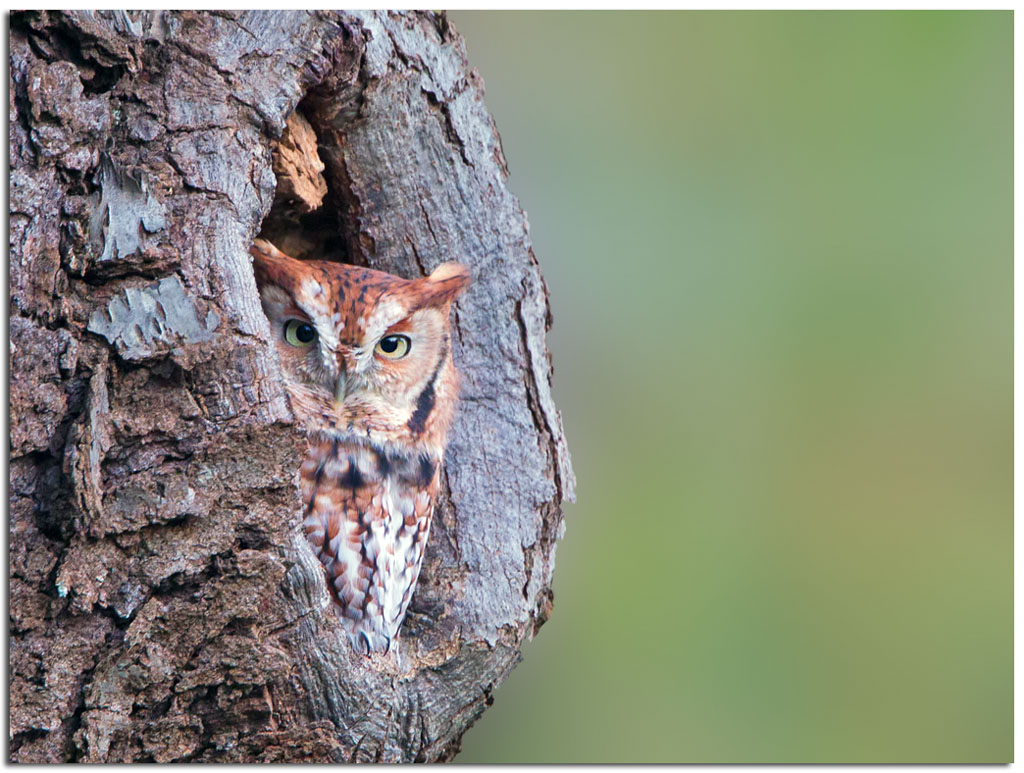
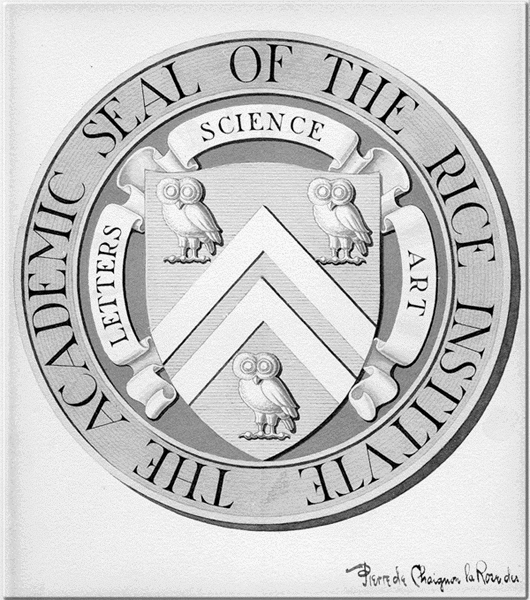
மேலை நாடுகளில் ஆந்தையை ஞானத்தின் சின்னமாக, அறிவின் சின்னமாகக் காண்கின்றனர். கிரேக்க நாட்டு சரஸ்வதி அதீனாவின் சின்னம் ஆந்தை. கிரேக்க நாட்டுத் தபால் தலைகளிலும், பழைய நாணயங்களிலும் ஆந்தையைக் காணலாம். லண்டன்,அமெரிக்கா போண்ர இடங்களில் உள்ள க்லவி நிறுவனங்கள் ஆந்தையை தங்கள் சின்னங்களில் பொறித்துள்ளன.
owl tree1

ஆந்தையும் ஜெங்கிஸ்கானும்

மங்கோலிய தார்தார் இனத்தைச் சேர்ந்த ஜெங்கிஸ்கான சூறாவளித் தாக்குதல் நடத்தி உலகின் பலபகுதிகளைப் பிடித்தான். அவனது படையினர் உடைகளில் ஆந்தைச் சின்னத்தைப் பொறித்துக் கொண்டனர். இதற்குக் காரணம், அந்த சாம்ராஜ்யத்தை நிறுவிய ஜெங்கிஸ்கானை ஒரு ஆந்தை காப்பாற்றியதாகும். பல போர்களைப் புரிந்து முன்னேறிவந்த ஜெங்கிஸ் கானின் குதிரையை எதிரிகள் தாக்கிக் கொன்றனர். அவன் உயிருக்குத் தப்பி ஓடினான்.. ஒரு பெரிய மரத்துக்கு அடியில் போய் ஒளிந்து கொண்டான். எதிரிகள் துருவித் துருவி தேடிக் கொண்டிருந்தனர். அப்போது ஒரு பெரிய ஆந்தை அந்த மரத்தின் மேல் உட்கார்ந்தது. ஆந்தை அமைதியாக உட்கார்ந்து இருப்பதால் அந்தப் புதர்ப் பகுதியில் மனித நடமாட்டம் இருக்க வாய்ப்பில்லை என்று கருதி எதிரிகள் எதிர்த் திசையில் தேடச் சென்றனர்.
இவ்வாறு ஆந்தையே வந்து தன்னைக் காப்பாற்றியதால் அவன் ஆந்தைச் சின்னத்தைத் தன் படைகளில் பொறிக்கச் செய்தான்.

மந்திர தந்திரத்தில் ஆந்தை

தீபாவளிப் பண்டிகை காலத்தில் ஆயிரம் ஆந்தைகள் வரை கொல்லப்படுவதாகப் பத்திரிக்கை செய்திகள் கூறும். ஆந்தைகளைப் பலி கொடுத்தால் செல்வம் கிடைக்கும், அபூர்வ சக்திகள் கிட்டும் என்ற நம்பிக்கையே இதற்குக் காரணம். இரவு நேரத்தில் ஓசையின்றி பறப்பதாலும், பாழடைந்த கட்டிடங்களில் பயமின்றி உலவுவதாலும் ஆந்தையை மாய, மந்திரத்தில் தொடர்புடையதாகக் கருதி இருக்கலாம்.
மேலும் ஆந்தை இறைச்சி, குழந்தைகளின் வியாதிகளைத் தீர்க்கும் என்ற நம்பிக்கை காரணமாகவும் ஆந்திகள் கொல்லப்படுகின்றன.

birbeck college,London
London Birkbeck College Emblem with owl.

வேதத்தில் ஆந்தை
உலகின் மிகப் பழமையான மத நூல் ரிக் வேதம். இதிலும் ஆந்தை இடம் பெறுகிறது. உலூக (10-165-4; 7-104-17) என்ற பெயரில் ஆந்தையைக் குறித்தனர். தீய சகுனமாகவே வருணிக்கிறது (அதர்வ வேதம் 6-19-2)வாஜசனேய சம்ஹிதையில், அஸ்வமேத யாகத்தில் அக்னியில் போடப்பட்ட பட்டியலில் ஆந்தையை வனதேவதைகளுக்கு என சொல்லி இருக்கிறது.

பஞ்ச தந்திரக்கதைகளில் ஆந்தை
காகங்களுக்கும் ஆந்தைகளுக்கும் இடையே ஏற்பட்ட மோதல் பஞ்ச தந்திரக்கதைகளில் முக்கிய இடத்தைப் பிடிக்கிறது. ‘காகோலூகீயம்’ (காகம்+ உலூகம்) என்ற தத்துவத்தில் எப்படிப் பகைவர்களை அழிப்பது என்பது மிக விரிவாகக் கூறப்பட்டுள்ளது. கூகைக்குப் பகலில் கண் தெரியாது என்பதால் ஆந்தைகள் வாழும் மரங்களைச் சுற்றி காகங்கள் சுள்ளிகளை வைத்து அவைகளை எரித்டுக் கொன்றதை விஷ்ணுசர்மன் விரிவாக கூறுகிறார். பறவை இயல் நிபுணர் தவே எழுதிய புத்தகத்தில் இப்படி காகங்களை மட்டும் விரும்பிச் சாப்பிடும் ஆந்தை வகை இமயமலையில் இருக்கின்றன என்று புத்தகம் எழுதியுள்ளர். ஆகையால் ஆந்தை—காகம் மோதல் என்பது உண்மையில் நடந்ததே.
வள்ளுவனும் இந்த பஞ்சதந்திரக் கதையை ஒரு குறளில் தருகிறான்:–

பகல் வெல்லும் கூகையைக் காக்கை இகல்வெல்லும்
வேந்தர்க்கு வேண்டும் பொழுது (குறள் 481)

பொருள்: பகற்பொழுதில் பெரிய கோட்டானை சிறிய காகம்கூட வென்றுவிடும். பகைவர்களை வெல்ல அரசர்களும் இவ்வாறு உரிய காலத்தைத் தேர்ந்தெடுக்க வேண்டும்.
rice seal
University Emblem with owl (Bird of Wisdom)

அஸ்வத்தாமன் கொலைகளும் ஆந்தையும்

கௌரவர்கள் அடியோடு அழிந்தவுடன் அன்றிரவில் துரோணரின் புதல்வன் அஸ்வத்தாமனுக்குக் கொலைவெறி வந்துவிடுகிறது. கிருபர் அவனை எவ்வளவோ தடுத்துப் பார்க்கிறார். ஆயினும் அவன் பாண்டவர் கூடாரத்துக்குச் சென்று அவர்களுடைய புதல்வர்களை வஞ்சனையாகக் கொன்றுவிடுகிறான். இதற்குக் காரணம் ஆந்தைகல்தான். அவைகள் இரவு நேரத்தில் காகங்களைத் தாக்கிக் கொன்றதைப் பார்த்தவுடன அவனுக்கு கொலைவெறி ‘ஐடியா’ கிடைக்கிறது. இதில் ஆந்தைகளுக்குரிய பங்கு பணியல் மஹாபாரதம் தெளிவாக விளக்கியுள்ளது.

ராமாயணத்தில் ஆந்தை

ராவணனைக் கைவிட்டு ராமபிரான் கட்சியில் சேரவந்த விபீஷணன் பற்றி சுக்ரீவன் எச்சரிக்கையில்இவன் ஆந்தை போல தந்திரம் உடையவ்னாக இருக்கலாம் என்பான்.
ஆந்தை, கூகை, கோட்டான் பற்றிய பழமொழிகள்
ஆந்தை அலறல் கெட்ட சகுனம்
ஆந்தைக் காதலை பொய்க்காது
ஆந்தை சிறிது கீச்சுப் பெரிது
ஆந்தை பஞ்சையாய் இருந்தாலும் சகுனத்தில் பஞ்சை இல்லை
ஆந்தை விழிக்கிறது போல விழிக்கிறான்
கூகைக்குப் பகலில் கண் தெரியாது
கூகை விழித்தாற் போல விழிக்கிறான்
கோட்டானை மடியிற் கட்டிக் கொண்டதுபோல
owl in tree

பஞ்சாங்கத்தில் ஆந்தை

பஞ்சாங்கத்தில் ஐந்து பறவைகளின் படங்களைப் போட்டு அதற்கான பலன்களை எழுதி இருப்பர். அவைகளில் ஆந்தையும் ஒன்று. இது தவிர அவை பறக்கும் திசை, எழுப்பும் ஒலி, எத்தனை முறை ஒலி எழுப்பின என்பனவற்றின் அடிப்படையிலும் ஆரூடம் கூறுவர். மயில் வல்லூறு, சேவல்,காகம் ஆகிய நான்குடன் ஆந்தையையும் சேர்த்துக்கொண்டது இதன் முக்கியத்துவத்தைக் காட்டுகிறது. நேரத்தையும் பறவைகளின் அடிப்படையில் பிரிப்பர்.

முடிவுரை: 1. ஆந்தைக்கும் கெட்ட சகுனங்களுக்கும் (மரணத்துக்கும்) உள்ள தொடர்பு, வேத காலம் முதல் சங்க இலக்கிய காலம் வரை ஒரே மாதிரியாக இருக்கிறது. ஆரிய-திராவிட இனவாதம் பேசும் அறிவிலிகளுக்கு இது அடி கொடுக்கிறது. 2,லிங்க புராணமும் சங்க இலக்கியமும் ஆந்தைக்கும் இசைக்கும் உள்ள தொடர்பை நிலை நாட்டுகின்றன. இது ஆரிய-திராவிடக் கொள்கையினருக்கு அடி கொடுப்பதாக அமைகிறது. 3. பஞ்சதந்திரக் கதையை வள்ளுவனும் குறள் 481ல் தருகிறார். 4.மாயன் முதலிய மத்திய அமெரிக்க நாகரீகங்களில் ஆந்தை பற்றிய இந்து மதக் கருத்துகள் இருப்பது நோக்கற்பாலது. இந்திய நாகர்களே, மாயா நாகரீக அடிகோலிகள் (ஸ்தாபகர்கள்) என்று நான் எழுதிய பல கட்டுரைகளை இது மேலும் உறுதிப் படுத்துகிறது.யூத மதத்தினரும் ஆந்தைகளை மரணத்துடன் தொடர்புபடுத்துவது ஆய்வுக்குரியது 4. காகம் தின்னும் (Dusky Horned Owls) ஆந்தை, நீண்ட காது ( Long eared owl ) ஆந்தை முதலிய பலவகை ஆந்தைகள் பற்றிய தற்கால அறிவு மஹாபாரத (M.Bh.10-1-36), பஞ்சதந்திர, ராமயணக் கதை உவமைகளை உண்மை என்று உறுதிப் படுத்துகிறது. 5. சங்க இலக்கியம், காளிதாசனின் மேகதூதம், ரிக்வேதம் ஆகியவற்றில் புள் நிமித்தமும் ஒரே மாதிரியாக இருப்பதும் ஆரிய திராவிட இன வாதத்தை ஆட்டம் காண வைக்கிறது.6.ஆந்தையின் சம்ஸ்கிருதப் பெயர்களாகிய கௌசிக, உலூக, ரிஷி என்பனவற்றை சங்கப் புலவர்களான பிசிர் ஆந்தையார், ஓதல் ஆந்தையார், கூகைக் கோழியார் ஆகியோர் பயன்படுத்தி இருப்பது வேத காலப் பண்பாடும் தமிழர் பண்பாடும் ஒரே நாணயத்தின் இரண்டு பகுதிகளே என்பதை உறுதிப்படுத்துகிறது.

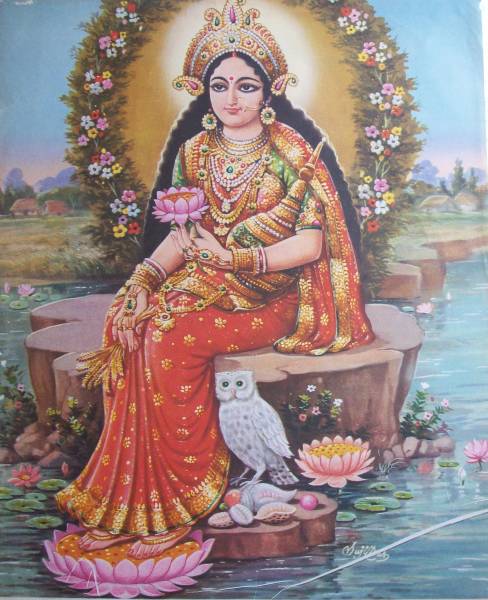
owl-uluka and Lakshmi

“வெற்றி எட்டு திக்கும் எட்ட கொட்டு முரசே
வேதம் என்றும் வாழ்க என்று கொட்டு முரசே” – பாரதியார்

“தமிழில் பழமறையைப் பாடுவோம்” — பாரதியார்

வாழ்க தமிழ்!! வளர்க வேதம்!!
ஆந்தைகள் அலறல்: நல்ல சகுனமா? கெட்ட சகுனமா?- பகுதி 1

owl-uluka and Lakshmi
Lakshmi with owl.

கட்டுரையாளர்:- லண்டன் சுவாமிநாதன்
கட்டுரை எண்:-1065 ; தேதி:- மே 26, 2014.

(This article is posted in English as well)

பகல் வெல்லும் கூகையைக் காக்கை இகல்வெல்லும்
வேந்தர்க்கு வேண்டும் பொழுது (குறள் 481)

ஆந்தைகள் பற்றி ரிக்வேத காலம் முதல் இன்றுவரை பல நம்பிக்கைகள் இருந்து வருகின்றன. மேலை நாடுகளில் ஆந்தைகளுக்கு நல்ல பெயர். கீழை நாடுகளிலோ கெட்ட பெயர். ஏன் இப்படி? சகுன சாஸ்திரம் பற்றி ஆராய்வோம்

கிரேக்க நாட்டின் தேவதை அதீனாவுக்கு ஆந்தை வாகனம் அல்லது பிரியமான பறவை. இதேபோல இந்துக்களின் தெய்வங்களான சாமுண்டிக்கும் லெட்சுமிக்கும் ஆந்தை வாஹனம். இப்படி தெய்வ வாஹனமாக இருந்தபோதிலும் ஆந்தைகள் அலறலைக் கண்டு அஞ்சுவது ஏன்?
முதலில் சங்கத் தமிழ் இலக்கியத்தில் உள்ள பாடல்களைப் பார்ப்போம்:

“எம்மூர் வாயில் உண்டுறைத் தடை இய
கடவுள் முதுமரத்து உடனுறை பழகிய
தேயா வளைவாய்த் தெண்கண் கூருகிர்
வாய்ப்பறை அசாஅம் வலிமுந்து கூகை
மையூன் தெரிந்த நெய்வெண் புழுக்கல்
எலி வான்சூட்டொடு மலியப் பேணுதும்
எஞ்சாக் கொள்கைஎங் காதலர் வரல்நசைஇத்
துஞ்சாது அலமரும் பொழுதில்
அஞ்சுவரக் கடுங்குரல் பயிற்றாதீமே”–( நற்றிணை 83 )

பொருள்: வலிமைமிகு கூகையே! ஊர்வாசலில் நீர்த்துறையில் நிற்கும், கடவுள் இருப்பதாகக் கருதப்படும் மரத்தில் இருப்பாய். வளைந்த வாய், தெளிந்த கண்கள், கூரிய நகங்கள் உடைய நீ, உன் வாயால் பிறரை வருத்துகிறாய்.. உனக்கு ஆட்டு மாமிசத்தோடு நெய் கலந்த சோறு தருவோம். வெள்ளெலியின் சூட்டிறைச்சியும் தருவோம். என் காதலர் வரும் இரவு நேரத்தில் பயமுறுத்தும் சப்தத்தைப் போடாமல் இரு.

ஆந்தையும் இசையும்

“மரந்தலை மணந்த நனந்தலைக் கானத்து
அலந்தலை ஞெமையத்து இருந்த குடிஞை
பொன்செய் கொல்லனின் இனிய தெளிர்ப்ப”– (நற்றிணை 394, அவ்வையார்)

பொருள்:–மரங்கள் உள்ள அகன்ற காட்டில் வாடிய ஞெமை மரத்தில் பேராந்தை இருந்தது. அது பொற்கொல்லன் தொழில் செய்யும்போது ஏற்படும் ஒலி போல இனிய ஒலியை எழுப்பியது.

“உருள்துடி மகுளியின் பொருள்தெரிந்து இசைக்கும்
கடுங்குரல் குடிஞை” –(அகம் 19)

பொருள்: உருளும் இழுகு பறையின் ஓசையினைப் போல பொருள் தெரிய ஒலிக்கும் கடுமையான குரலை உடைய ஆந்தைகள் உள்ள பெரிய மலை.
OWL

ஐம்பெருங் காப்பியங்களில் ஒன்றான சீவக சிந்தாமணியில் ஆந்தையின் பாட்டு நல்ல நிமித்தம் எனப் பாடப்பட்டுள்ளது. இதற்கு உரை எழுதிய ‘’உச்சிமேற் புலவர் கொள்’’ நச்சினார்க்கினியர், “மணம் பரப்பும் கோங்கின் உச்சியிலே குவிந்த அரும்பின் முகட்டிலே தேன் போல இனிமை பொருந்திய ஒலியையுடைய யாழினைப் போல ஆந்தை அமர்ந்து பாடும்” – என்று கூறுகிறார். அதன் குரல் யாழின் ஒலிக்கு உவமையாக்கப் பட்டுள்ளது.

இதையே சம்ஸ்கிருதத்தில் உள்ள லிங்க புராணமும் கூறுகிறது.
ஆந்தைகள் எழுப்பும் ஒலி, சங்கீத ஸ்வரம் போல இருப்பதாக இந்துமத நூல்கள் சில கூறும். (Brown Wood Owl is said to consist of four deep musical syllables, who—hoo—hoo—hoo) மர ஆந்தையின் குரல் 4 ஸ்வரங்களை உடையது. லிங்க புராணத்தில் நாரத முனிவரை இமய மலையில் மானசரோவர் ஏரிக்கரையில் வசிக்கும் ஆந்தையிடம் சங்கீதம் கற்கச் சொன்னதாக எழுதி இருக்கிறது. ஆகவே ஆந்தையில் ஒருவகை எழுப்பும் இசை ஒலியை இந்துக்கள் போற்றினர் என்று இந்தக் குறிப்புகளில் இருந்து அறிய முடிகிறது.

அசுணம் என்னும் இசையறி பிராணியை மிருகம் என்றும் பறவை என்றும் தமிழ் இலக்கியம் கூறும். சிலர் ஆந்தையில் ஒருவகை அசுணம் (ஆசிரிய நிகண்டு) என்றும் கருதுவர். அசுண மா பற்றிய எனது கட்டுரையில் விவரம் காண்க)

சில வகை ஆந்தைகள் எழுப்பிய ஒலி கர்ண கடூரமாக இருந்ததும் தெரிகிறது:–
“அத்தக் குடிஞைத் துடிமருள் தீங்குரல்” (புறம் 370)
பொருள்: கூகைகள் எழுப்பும் துடி போன்ற கடிய குரல் ஓசை……

“கூகைச் சேவல் குராலோழடேறி
ஆரிருஞ் சதுக்கத் தஞ்சுவரக் குழறும்
அணங்கு கால் கிளருங் மயங்கிருள் நடுநாள்”–-(அகம் 260)

பொருள்: முதிய மரத்தில் எப்போதும் இருக்கும் முழங்கும் பெரிய வாயை உடைய பேராந்தை வாய்குழறி ஒலிப்பதும் பேய் திரிவதும் ஆகிய பாதி இரவில்……………………….

barn owl

சாவுக்கும் ஆந்தைக்கும் தொடர்பு
புறநானூற்றுப் பாடல்கள் ஆந்தையை மரணத்துடனும் இடுகாடு–சுடுகாட்டுடனும் தொடர்புபடுத்திக் காட்டுகின்றன. தமிழர்களுக்கு சகுன சாத்திரத்தில், அதாவது புள் நிமித்தத்தில் மிகுந்த நம்பிக்கை உண்டு. ஆந்தையின் கூக்குரல் பற்றி அவர்கள் பயப்படுகின்றனர். மரணத்தோடு தொடர்பு படுத்தும் மூன்று புறநானூற்றுப் பாடல்களே இதற்குச் சான்று கூறும்.

“திங்கள் கல்சேர்பு கனையிருள் மடியின்
இல்லெலி வல்சி வல்வாய்க் கூகை
கழுது வழங்கு யாமத்து அழிதகக் குழறும்”– (அகம் 122)

பொருள்: நிலவானது மேற்குத் திசையில் மறைந்து இருளைப் பரப்பும் நேரத்தில் வீட்டில் வாழும் எலிகளை இரையாக உண்ணும் கூகை— பேய்கள் உறங்கும் நள்ளிரவில் அழிவு உண்டாகக் குழறும்.

“பொத்த அறையுள் போழ்வாய்க் கூகை
சுட்டுக்குவியென செத்தோர்ப்பயிரும்
கள்ளியம் பறந்தவை” – (புறம்.240)

பொருள்: ஆயண்டிரன் இறந்தவுடன் அவனது உரிமை மகளிரும் தீப்பாய்ந்து மாய்ந்தனர். பிளவுபட்ட வாயுடைய பேராந்தைகள், ‘சுட்டுக்குவி’ என்று செத்தோரை அழைப்பது போலக்கூவும். கள்ளிச் செடிகளை உடைய சுடுகாட்டில்,,,,,,,,,,,,,,,

பல் ஆ தழீஇய கல்லா வல்வில்
உழைக்குரற் கூகை அழைப்ப ஆட்டி–(புறம்.261)
இப்போது பல பசுக்கூட்டங்களைக் கைப்பற்றிய கல்லாத வன்மையான வில்வீரனை கூகையானது தன் இனத்தாரை அழைப்பது போல அலைத்து துரத்தும்
முதுமரப் பொத்தின் கதுமென இயம்பும்
கூகைக் கோழி ஆனாத்
தாழிய பெருங்காடெய்திய ஞான்றே (புறம்.364, கூகைக் கோழியார்)
பொருள்:
முதிய மரத்தின் பொந்துகளில் இருந்து கதும் எனக்கூவும் பேராந்தைகள் நீங்காத தாழிகளை உடைய இடுகாட்டை………………………..

குடும்பங்கள் வாழும் கூடாரத்தின் மேல் கோட்டான்கள் உட்கார்ந்தால் பழங்குடி மக்கள் சில பரிகாரங்களைச் செய்வர். சிலநேரங்களில் புதுக் கூரையே வேய்ந்துவிடுவர் என்று பிலோ இருதயநாத் கூறுவார். இவர் பழங்குடி இனங்களை ஆராய்பவர்.
மாயன் நாகரீகத்திலும்…………

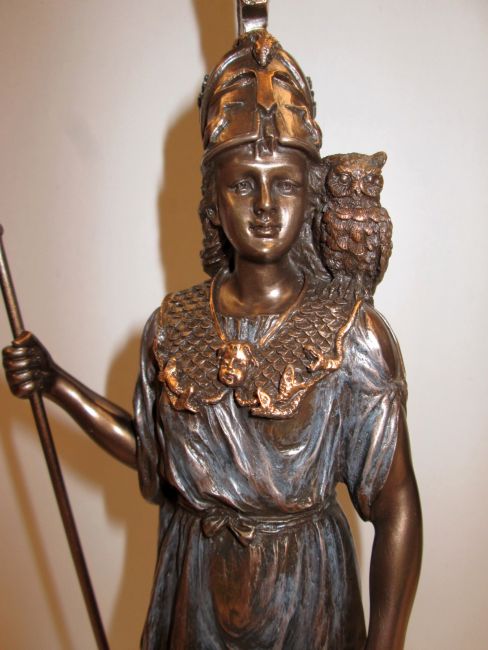
athena-owl-spear-face-tl-3196
Greek Goddess Athena with an owl

இன்னொரு வியப்பான ஒற்றுமையும் இருக்கிறது:
புறநானூற்றில் எப்படிப் புலவர்கள் ஆந்தையை மரணத்துடனும் சுடுகாட்டுடனும் தொடர்புபடுத்தினரோ அதே போல மாயன் நாகரீக மரணக் கடவுள் ஹூனாஹுவும் ( God Hunahau) ஆந்தையுடன் தொடர்புடையது. இதனுடைய தலை ஆந்தைத் தலைபோலவே காட்டப்பட்டிருக்கும். சாவு பற்றிய ஒற்றுமையுடன் நின்றுவிடவில்லை. எப்படி இதற்கு ஆந்தையின் தலை (long eared owl )இருக்கிறதோ அதே போல கந்தனுடைய சேவகர்களில்(M.Bh. 9-45-79) ஒருவனுக்கு ஆந்தைத் தலை என்றும் மாத்ரீகளில் ஒருவர்க்கும் இப்படி இருப்பதாகவும் கந்தபுராணம் கூறும்.

மெக்சிகோவில் அஸ்டெக் நாகரீகத்துக்கு முந்தைய நாகரீகம் ஆந்தையைப் புனிதப் பறவையாகக் கருதியது. ஆனால் அஸ்டெக் நாகரீகத்தில் இது தீய பறவையாகக் கருதப் பட்டது. சீனாவிலும் இப்படித் தீய பறவையாகவே கருதப் பட்டது.

இந்தியாவில் பொதுவாக மரணத்துடன் சம்பந்தப்பட்ட பறவை, எப்படி செல்வத்துகு அதிதேவதையான லெட்சுமிக்கு வாகனமாகியது என்பது மர்மமாகவே நீடிக்கிறது.

ஆந்தையின் பல பெயர்கள்
ஆண்டலை, ஆந்தை, இருடி, உலூக, ஊமன், கின்னரம், கின்னரி, குரால், குடிஞை, கௌசிக, கூகை,கூன், கோட்டான், பிங்கலை, கேகயம், (அசுணமா, இசையறி பறவை:– ஆசிரிய நிகண்டு)
ஆந்தையின் வடமொழிப் பெயாரான உலூக என்பதில் இருந்தே ஆங்கிலச் சொல்லான ‘’அவுல்’’ வந்தது. உலூக, கௌசிக, இருடி என்பதெல்லாம் ரிஷிகளின் பெயர்கள். இந்தப் பெயரில் பழங்காலத்தில் ரிஷிகள் இருந்தனர். தமிழில் பிசிர் ஆந்தையார், ஓதல் ஆந்தையார், கூகைக் கோழியார் என்பன ஆந்தையின் பெயர்கள் உடையன.பெருங் கௌசிகன் என்ற புலவரும் சங்க இலக்கிய காலத்தில் இருந்தனர்.
கட்டுரையின் இரண்டாவது பகுதியில் ராமாயணம், மஹாபாரதம், வேதங்களில் ஆந்தைகள் பற்றி என்ன இருக்கிறது என்பதையும் பழமொழிகள், பஞ்சாங்கத்தில் உள்ள பக்ஷி சாஸ்திரம் பற்றியும் பஞ்ச தந்திரக் கதை, ஜெங்கிஸ்கான் கதை பற்றியும் காண்போம் — தொடரும்

OWLS : Are they Good or Bad Omens?

lakshmimod
Lakshmi and her Vahana Uluka/owl

Written by London Swaminathan
Post No. 1062; Dated 24th May 2014.

Owls are nocturnal birds. They are known as very intelligent and good birds in the Western World. As a symbol of knowledge and of erudition that can see through obscurity, the owl appears in the emblems of educational institutions, book stores and publishing houses. In Greece owls are associated with Goddess Pallas Athena/Minerva, the Goddess of Wisdom.

In India and China owls are not liked by the people because of its demonic gaze. They consider them as the harbinger of misfortune. Owls have earned a bird name in Indian mythology and folk lore. People associate their calls with the God of death.

Goddess Lakshmi and Chamunda have owls as their Vahanas. In Judaism, the female night demon Lilith is described in the company of the owl; Mayan death God Hunahau is often depicted with a head like an owl’s.
In the pre –Aztec civilization of ancient Mexico (Teotihuacan), the owl was the sacred animal of the rain god. But Aztecs considered it an evil omen.

birbeck college,London
Emblem of Birbeck college,London

Owls have negative associations in popular thinking: with their nocturnal habits, solitude, silent flight and plaintive cry they came to symbolize evil and death. Hooting of the owls was regarded an ill omen.

In India the famous fable book Panchatantra has a long story of a fight between the crows and owls. At the end, the owls are burnt with their nests by the clever crows. Indians who practise black magic kill owls during Deepavali to ward off evil or to gain magical powers. Villagers kill owls for their meat thinking that it would cure many diseases.

In the Vedas
“Uluka is the ordinary word for owl from the Rig Veda (10-165-4) onwards. The bird was noted for its cry and was deemed the harbinger of (nairrta) ill fortune (AV 6-19-2;Taittiriya samhita 5-5-18-1;Vajasaneyi samhita 24-38). Owls were offered at the horse sacrifice to the forest trees (Vajasaneyi Samhita 24-23; Maitrayani Samhita 3-14-4)”.
(page 102, Vedic Index of Names and Subjects, A A Macdonell & AB Keith)

athena-owl-spear-face-tl-3196
Greek Goddess Athena with owl

Narada and owl
Scriptures refer to calls of owls as having the character of songs i.e. one note or or a simple combination of notes repeated at various intervals. Thus the call of the Brown Wood Owl is said to consist of four deep musical syllables, who—hoo—hoo–hoo. There is a story that narrates how sage Narada was advised to learn music from an owl residing near the Manasarovar lake on the Himalayas (Lingapuranam). This shows that the ancient Indians also appreciated the musical calls of the hated bird. (Tamils also had the same belief; see below for more details).

The long eared owl is distinguished by long tufts, usually borne erected and is most probably the ‘sasoluka’ which has served as a model for the face of a particular attendant of Lord Skanda (M.Bh. 9-45-79). One of the Matris of the same deity is said to have a face like that of the sasoluka (ch 30)
(Mayans also had the same description; see above)

rice seal
University seal with owl.

Crow killing owls
A particular species of owl has the habit of killing crows. ‘Kakolukiya’ section of the Panchatantra describes it in detail. They live in the Himalayan region. They are the species of Dusky Horned Owls. Mahabharata describes them as Pravarakarna and long lived (3-199-4). There is also a reference in the Ramayana. When after a break with Ravana, Vibhishana goes to Rama, the latter’s ally Sugriva warns him against the owl like tactic of the enemy (96-17-19).

Again after seeing this owl work havoc among the crows at night, Aswaththamam decided to kill Pandavas while asleep during the night time ( M.Bh 1-2-296) and the epic gives an interesting description of the bird:
Ulukam ghora darsanam
Mahasvanam mahakayam haryaksham bhabrupidangalam
Sudhirgagonanakaram suparnamiva veginam
Suptanjagana subahun vayasan dayasantaka: (M.Bh.10-1-36)

The Skandapurana also relates the above incident and calls the owl the powerful bearded vulture a (31-44/45)
Page 179 of Birds in Sanskrit Literature by K.N Dave.

My Comments:

1.It is interesting to note that the Jews and Hindus believed that owls are messengers of death. Sanskrit literature and Sangam Tamil literature associate owls with death (See Tamil Purananuru verses 240, 261,364)

2.It is equally interesting that owl like face of Lord Skanda’s attendant and one of the Matri’s is like Mayan Death God Hunahau, who has owl like face.

3.It is also interesting God Indra is called Uluka and several Rishis have the name Uluka and Kausika ,another name of owl. It is same in Tamil literature, as many of the Sangam age poets have Andhai (owl) attached to their names. Previously it was thought they were from the towns with the name of owl (Andhai). So we can conclude that both the positive and negative notions existed side by side. Otherwise we cannot have many Rishis with the name Uluka, Kausika and many Tamil names like Kukai Koziyaar, Pisiranthaiyaar, Othal andhaiyaar etc.

4. It is amazing to read that Tamils and their counterparts in the North has the same belief the owls have musical skills.
OWL

All these debunk the racist Aryan – Dravidian divisive theories created by foreigners with a motive to stabilise their rule and spread their religion.
We also have various types of demons named after large birds like Uluka (owl), Suparna (Eagle) and Grudhya (RV: 7-104-17)

We can also conclude that Hindus are very good observers of nature. There are lot of references to owls in the epics Ramayana and Mahabharata.

Tamil References:
The shriek of the owl in the Nemai tree in the desert tract is like the sound of the smithy (Natrinai 394)
A stanza in Natrinai (verse 83) is an apostrophe to the owl that has its abode in the deep recess of a tree on the bank of the village tank. Its shriek at night is said to be alarming and the lady-companion promises it a fine pleasant dish of meat boiled in ghee and fried flesh of rats if only it kept silent at nights when the hero comes on visit.

One description is of a night bright with the moon light and full of disturbances with the barking of dogs and the hooting of owls (Aka.122)

owl (1)coin
Greek Coin with owl

Owl’s Music
The owl’s harsh hooting is heard like the tune of the instrument called Makuli and seems to have some signification (Aka.351)
(Compare it with Narada learning music from owl :Linga Purana)
Jeevaka Chintamani, one of the Five Tamil Epics, says that the owl emitted sweet music like a lyre. It is in Nachinarkiniyar commentary on the epic.

In a rare reference in the epic, owl is praised as giving a positive message about the hero. But in other places the negative image is projected like other epic Manimegalai where the owl is described as the messenger of death. The oldest section of Sangam Tamil literature associated the bird with death and crematorium (See Purananuru verses 240, 261,364).

Kukai koziyar says that the shrill cry of the owl breaks the eerie silence of the graveyard (Pura.364)
The owl with nocturnal habits living in the burning grounds and other wastelands is said to make the sound ‘’cuttukkuvi ‘’and is imagined to call the dead (Pura. 240)

Owls hoot and keep time to peacock’s dance, says a poet (Aink.291)
Bilo Irudayanath, who has done research with the tribal peoples, says that if an owl sits on top of the hut, they will dismantle the old thatched roof and do a new roof.

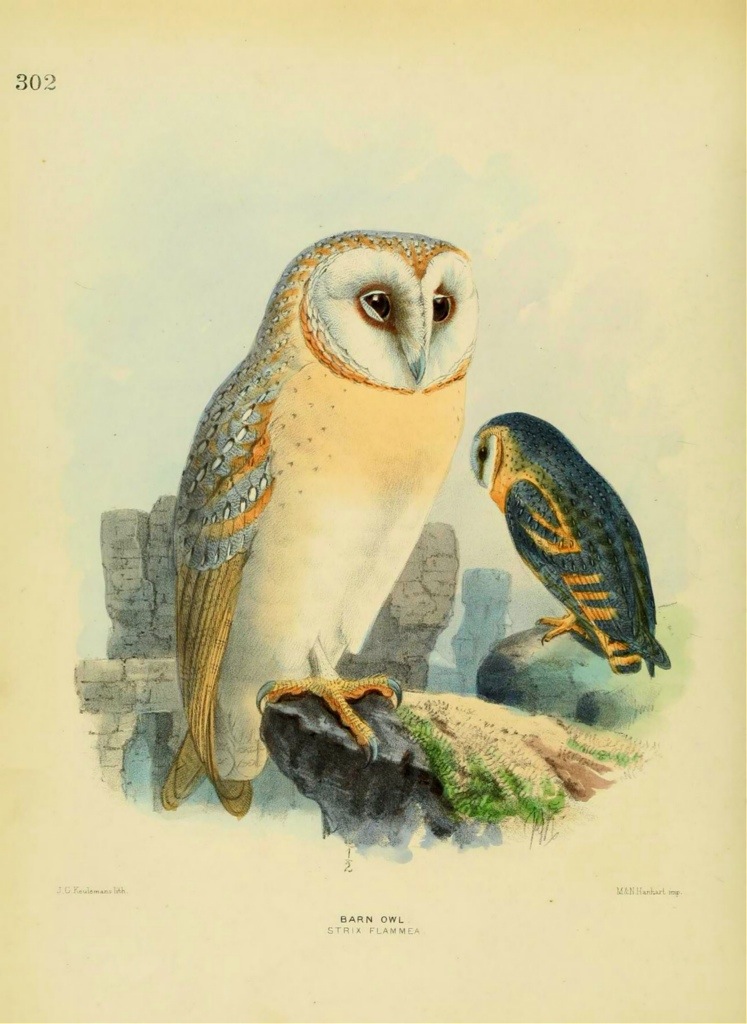
barn owl
Barn Owl.

Owl has several names in Tamil such as Aandhai,Aandalai, Kuukai, Kuraal, Kutinjai. But some names in Tamil Nigandu/Dictionary have the Sanskrit names Kinnara, Kinnari, Kausika, irudi (Rishi),Uluka and Pingalai. The words Kinnara, Kinnari are linked with musical skills.

Owl who saved Genghis Khan
The arms of the Tartar rulers contain a black night owl in a golden shield, because the first of them, Genghis Khan was saved his life with the help of such a bird. They believed that the barn owl saved his life. When his horse was shot in one of the battles he ran for his life and hid under a bush. His enemies were looking for him. At that time a white owl came and sat on the tree under which he was hiding. They did not even come near that tree thinking that he would definitely not be there. His enemies thought the owl would not have sat there if any man had been hiding under the tree. So owl earned a permanent place in their emblems!
owl-uluka and Lakshmi
Goddess Lakshmi with Uluka

Contact swami _ 48 @yahoo.com

ரோகிணி நட்சத்திர மர்மம்! தமிழர் திருமணம் நடத்தியது ஏன்?

Taurus_constellation
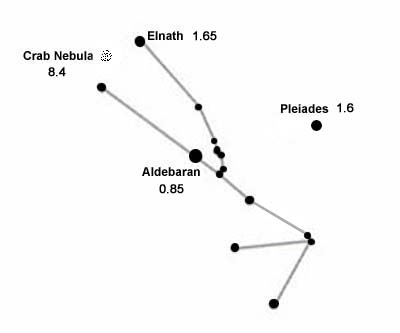
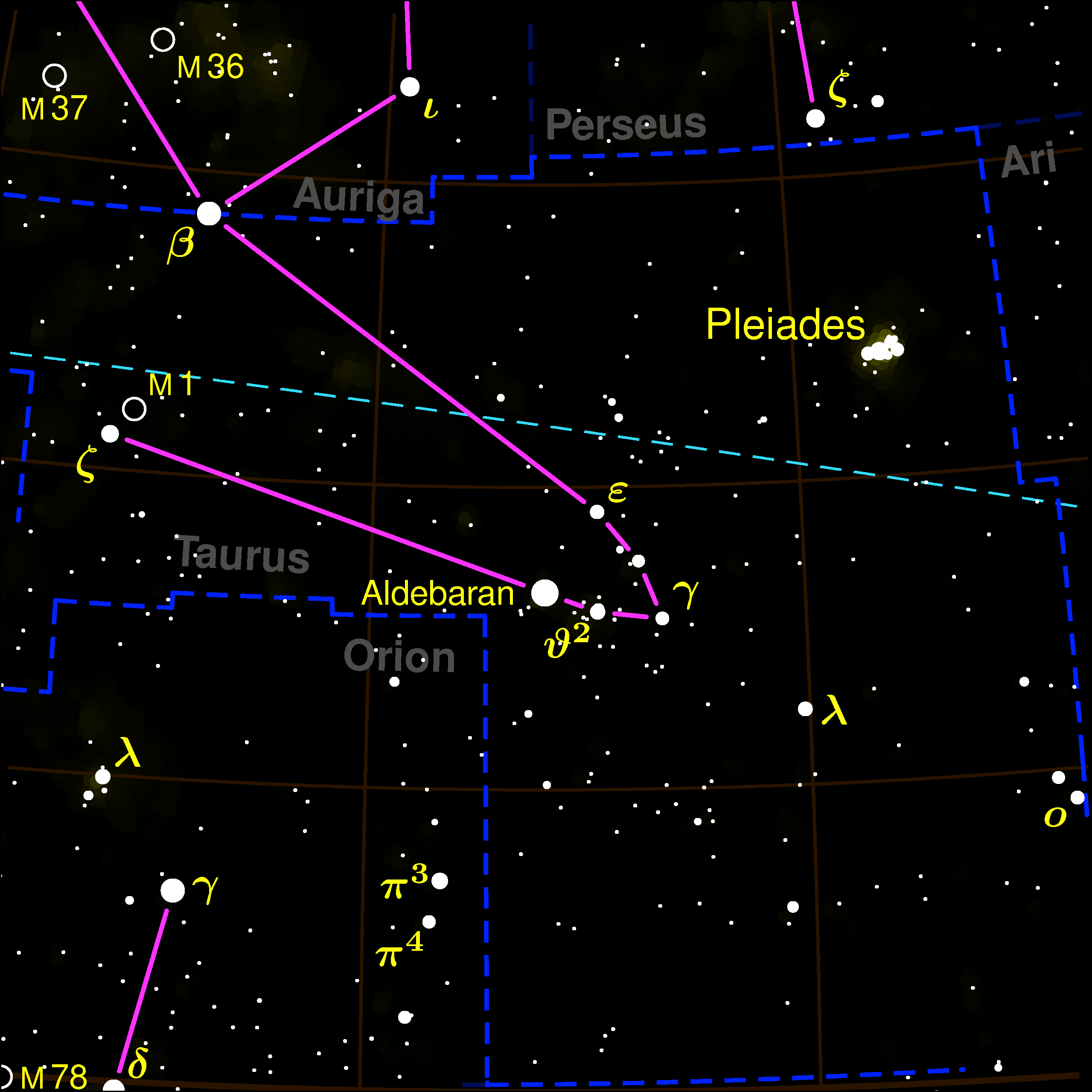
படம்: ரிஷப ராசி, ரோகிணி நட்சத்திரம்

கட்டுரையாளர்- லண்டன் சுவாமிநாதன்
கட்டுரை எண்:-1055; தேதி:– மே 21, 2014.

தமிழர்கள் ரோகிணி நட்சத்திர நாளில் திருமணம் செய்ததாக அகநானூற்றில் இரண்டு பாடல்களும் கண்ணகி- கோவலன் திருமணம் ரோகிணி நட்சத்திரத்தில் நடந்ததாக சிலப்பதிகாரமும் கூறும். ரோகிணி நட்சத்திரத்தில் திருமணம் ஏன்?

தமிழர்களுக்கு சோதிடத்திலும் பல்லி சொல்லும் பலனிலும், புள் (பட்சி) நிமித்தத்திலும், தும்மல்,கண் துடிப்பு விஷயத்திலும், அபார நம்பிக்கை இருந்ததை சங்க இலக்கியத்தில் நூற்றுக்கணக்கான இடங்களில் காண முடிகிறது. இந்த ரோகிணி நட்சத்திர நம்பிக்கை வட இந்தியாவிலும் உண்டு. தமிழ் இலக்கியத்தில் இது இடம்பெறும் 500, 600 ஆண்டுகளுக்கு முன்னரே இது சம்ஸ்கிருத இலக்கியத்தில் இருக்கிறது.

இந்துக்கள் வட இமயம் முதல் தென் குமரி வரை (‘ஆ சேது ஹிமாசலம்’) — ஒரே நம்பிக்கை வைத்திருந்ததை இது காட்டுகிறது. அது மட்டுமல்ல, ஆரிய – திராவிட இனவாதம் பேசி நாட்டைப் பிரிக்க, இந்து மதத்தை ஒழிக்க முற்பட்டோரின் பொய்மை வாதத்தையும் வெளிச்சம் போட்டுக் காட்டுகிறது.

போதாயன கிருஹ்ய சூத்திரம், மனுதர்ம சாஸ்திரம், வால்மீகி ராமாயணம், காளிதாசனின் படைப்புகள் முதலியன நிலவு- ரோகிணி நெருக்கத்தைப் புகழ்ந்து உரைக்கின்றன. கணவன் – மனைவி, காதலன் – காதலி அன்புக்கு உவமையாகப் பயன்படுவது ‘’நிலவு – ரோகிணி’’ நெருக்கம்தான். சங்க இலக்கியத்திலும் இந்த நெருக்கம் பல இடங்களில் உவமையாகப் பயன்படுத்தப்படுகிறது.
அகநானூற்றில் இரண்டு கல்யாணப் பாடல்கள் இருக்கின்றன. இரண்டும் தமிழர் திருமண முறையைப் படம்பிடித்துக் காட்டுகின்றன. இதை விட்டால் அடுத்தபடியாக சிலப்பதிகாரத்தில்தான் கல்யாணக் காட்சி. அதையும் விட்டால் ஆண்டாளின் வாரணம் ஆயிரத்தில்தான் அடுத்த கல்யாணக் காட்சி வருகிறது.

taurus-constellation-new-3
ஆல்டிபாரன் என்பது ரோகிணியின் அராபிய பெயர்

அகநானூறு 86 (நல்லாவூர்க் கிழார்) பாடிய பாடலில்

“கனை இருள் அகன்ற கவின்பெறுகாலை
கோள்கால் நீங்கிய கொடுவெண் திங்கள்
கேடுஇல் விழுப்புகழ் நாள் தலைவந்தென……….”
பொருள்:- வெண்மையான சந்திரனை குற்றமில்லாத சிறந்த புகழினை உடைய உரோகிணி என்ற நாள் (நட்சத்திரம்) அடைந்தது…………………………

அகநானூறு 136 (விற்றூற்று மூதெயினனார் பாடிய பாடல்)
“மைப்பு அறப்புழுக்கின் நெய்க்கனி வெண்சோறு
வரையா வண்மையொடு புரையோர்ப்பேணி
புள்ளுப் புணர்ந்து இனிய ஆக, தெள் ஒளி
அம்கண் இருவிசும்பு விளங்கத் திங்கட்
சகடம் மண்டிய துகள்தீர் கூட்டத்து………………”
(திங்கள்=சந்திரன், சகடம்=ரோகிணி நட்சத்திரம்)

இந்த இரண்டு பாடல்களும் தரும் பொருளின் சுருக்கம்: கல்யாணம் என்பது சந்திரன் ரோகிணி நட்சத்திரத்தை அடைந்த நாளில் நடைபெறும். அந்த வீட்டில் ‘’வெஜிட்டேரியன்’’ சாப்பாடு (வெண்சோறு+ நெய் அல்லது உளுந்து கலந்த பொங்கல்) கிடைக்கும். சுமங்கலிகள் கூடி நின்று மங்கள முழக்கம் செய்வர். வீடு பந்தல் போட்டு, மணல் தூவி அலங்கரிக்கப்பட்டிருக்கும். சுவற்றில் தெய்வ ஓவியங்கள் இருக்கும்.புத்தாடைகள் உடுத்தி இருப்பர் முதலிய பல விஷயங்களை நீண்ட பாடலில் காணலாம்.

taurus_constellation_map

வால்மீகி ராமயணத்தில் பல இடங்களில் சந்திரனைச் சேர்ந்த ரோகிணி போல என்ற உவமை வருகிறது. காளிதாசனும் விக்ரம ஊர்வசீயம், சாகுந்தலம் நாடகங்களிலும், ரகுவம்ச காவியத்திலும் இந்த உவமைகலைப் பயன்படுத்துகிறான். ஆனால் இவைகளுக்கெல்லாம் முன்னர் படைக்கப்பட்ட போதாயன க்ருஹ்ய சூத்திரத்திலும், மனு தர்ம சாஸ்திரத்திலும் ரோகிணி நட்சத்திர நாள் திருமணத்துக்கு உரிய நாள் என்று தெளிவாகவே எழுதப்பட்டுள்ளது. அதை இளங்கோவும் நல்லாவூர்க் கிழாரும் விற்றூற்று மூதெயினனாரும் பின்னொட்டிச் செல்வது பாரதீய கலாசாரத்தின் செல்வாக்கைக் காட்டுவதாக அமைந்துள்ளது.

தமிழ் இலக்கியத்தில் மணநாள் குறிப்பு தவிர, பொதுவாக ரோகிணி-நிலவு உறவு பற்றிக் கூறும் செய்யுள்கள்: திருமுருகாற்றுப்படை வரி 87/ 88, நெடுநல்வாடை-163, புறம் 60, 160 பாடல்கள்.

சம்ஸ்கிருத இலக்கியத்தில்:- ஐதரேய பிராமணம், சதபத பிராமணம் மற்றும் போதாயன, மானவ க்ருஹ்ய சூத்திரங்கள்; வால்மீகி ராமாயணம்(5-33-7;5-24-10;5-37-24;5-15-22 etc). காளிதாசனின் விக்ரம ஊர்வசீயம்3-4, 3-12
சாகுந்தலம் 7-22; ரகு வம்சம்-14-40.

புராணக் கதை

தக்ஷன் என்ற ரிஷியுனுடைய 27 பெண்களை சந்திரன் திருமணம் செய்துகொண்டார். அவர்களில் ரோகிணியிடம் மட்டும் அதிகம் அன்பு செலுத்தவே பற்ற மனைவியர் தந்தையிடம் முறையிட்டனர். அவர் சந்திரன் தேய்ந்து அழியட்டும் என்று சாபமிட்டார். எல்லா மனைவியரும் அவ்வளவு கடுமையான சாபம் வேண்டாம் என்று மன்றாடினர்.

இந்துமதத்தில் கடவுளேயானாலும் ஒரு வரமோ சாபமோ கொடுத்துவிட்டால் அதைத் திரும்பி எடுக்கவே முடியாது ஏனெனில் இது சத்தியத்தின் அடிப்படையில் அமைந்த மதம். ஆனால் குறைக்கவோ, கூட்டவோ முடியும். உடனே நிலவு என்பது 15 நாள் தேய்ந்து (கிருஷ்ண பட்சம்) அடுத்த 15 நாள் வளரட்டும் என்றார் தக்ஷன்.

உண்மையில் இது வான சாஸ்திர உண்மை. அந்தக் காலத்தில் விஞ்ஞானப் பாடங்களை இப்படிக் கதையாகச் சொல்வது மரபு. ஆக நிலவின் சுக்ல பட்சம், கிருஷ்ண பட்சம் பற்றி விளக்க இப்படிக் கற்பனைக் கதை உற்பத்தி செய்தனர்.

ஆயினும் ரோகிணிக்கு அதிக அன்பு காட்டியது என்ன விஞ்ஞான நிகழ்ச்சி என்று இப்போது சொல்ல முடியவில்லை. ஒருவேளை முன்னொரு காலத்தில் நிலவு ரோகிணிக்கு மிக அருகில் வந்திருக்கலாம். அல்லது அந்த இடத்தைக் கடக்க கூடுதல் நாட்கள் எடுத்திருக்கலாம். இப்போது நிலவு 29 நாட்களுக்கு ஒருமுறை பூமியைச் சுற்றுகிறது.

Taurus web

இதே போல பூமியே நடுங்கும்படியான ஒரு நிகழ்ச்சிக்குப் பின்னர் புதன் பிறந்ததாகவும் இன்னொரு புராணக் கதை கூறுகிறது. இதில் பிருஹஸ்பதியும் சம்பந்தப்படுவதால் இதுவும் ஒரு விண்வெளி விஞ்ஞானக் கதையே. பூமி, நிலவு மோதலால் அல்லது குரு (வியாழன் கிரக ஈர்ப்பால்) ஈர்ப்பால் புதன் உருவாகி இருக்கலாம். எதிர்காலத்தில் புதன் கிரகம் பற்றி புதிய தகவல் வரும்போது நம் புராணக் கதைகள் விஞ்ஞானக் கதைகளாகக் கருதப்படும்.

கிரகணம் பற்றி நாம் நன்கு அறிந்து, அதைக் கணக்கிட்டு பஞ்சாங்கத்தில் குறித்தபோதும் பாமர மக்களுக்கு இதெல்லாம் விளங்காது என்பதால் சந்திரனை பாம்பு விழுங்குகிறது என்று கதை சொல்லுவது போலத்தான் நிலவு- ரோகிணி கதையும்.

நிலவு பூமியை ஒரு முறை வலம் வர 27 நாட்கள் ஆகும். பூமியும் சூரியனைச் சுற்றுவதால் 27 நாட்களுக்குள் பூமி இரண்டரை நாள் தூரம் முன்னேறி இருக்கும். இதனால் நிலவு ஒரு முறை பூமியை வலம் வர ஆகும் நாட்கள் 29-5 (இருபத்தொன்பதரை) நாட்கள். இதை ஒரு சாந்திர மாதம் என்பர். நிலவு போகும் பாதையில் தெரியும் 27 நட்சத்திரங்களை அவனது மனைவியர் என்று பாமர மக்களுக்காக கதை சொன்னார்கள்.

நிலவுக்கு ‘’அருகில்’’ ரோகிணி நட்சத்திரம் வருகிறது என்பதெலாம் மாயத்தோற்றமே. ஏனெனில் நட்சத்திரங்கள் கோடி கோடி மைல்கள் அப்பால் இருக்கின்றன. நிலவு அவைகளைக் கடந்து போவது போலத் தோன்றினாலும் நிலவுக்கும் அவைகளுக்கும் இடையில் கோடானு கோடி மைல்கள் இருக்கின்றன.

பாலகங்காதர திலகர் என்ற சுதந்திரப் போராட்ட வீரர் ரிக் வேதத்தில் உள்ள வான சாத்திரக் குறிப்புகளை வைத்து அதன் காலம் கி.மு.6000 என்று கணித்தார். இவர் ஆராய்வது தெரியாமல், தனியாக ஆராய்ந்த ஜெர்மானிய அறிஞர் ஜாகோபியும் வான சாஸ்திரத்தை வைத்து ரிக் வேதம் கி.மு.4500 என்று கூறினார்.

பகவத் கீதையில் கண்ணன்– ‘’மாதங்களில் நான் மார்கழி’’– என்று கூறுவது போல கி.மு.ஏழாம் நூற்றாண்டில் வாழ்ந்த பாணினியும் மார்கழியே வருடத்தின் முதல் மாதம் என்கிறார். அப்போதைய கோள் நிலை கொண்டு கணிக்கப்பட்ட கணக்கில் ரோகிணி, கார்த்திகை நட்சத்திரங்களுக்கு அதிக முக்கியத்துவம் இருப்பது தெரிகிறது. எதிர்காலத்தில் தமிழர்களும் வடவர்களும் ஏன் ரோகிணியில் கல்யாணம் செய்தார்கள் என்பது தெரியவரலாம்.

contact swami _48@yahoo.com

Why did Sangam Tamils marry on Rohini Star day?

taurus_constellation_map
ALDEBARAN= ROHINI

Written by London Swaminathan
Post No.1054; Dated-20th May 2014.

Tamil Sangam Literature which is 2000 year old is full of Hindu stories and Hindu beliefs. Even if all the Sanskrit scriptures disappear overnight, Tamil Sangam literature with over 2000 poems by 400+ poets is enough to give all the Vedic and Upanishidic thoughts. The oldest anthology Purananuru is full of Hindu customs. But we have more Tamil anthologies on sex and family life than war and day today life. One among them is Akananuru which has got two beautiful poems on ancient Tamil weddings.

Akananuru verses say that the Tamil marriages were celebrated on Rohini star (Star Aldebaran in conjunction with the moon) days. Tamils strongly believed in astrology and Hindu mythology. This belief is found in Vedic literature, Valmiki Ramayana and dramas of Kalidasa. This also debunks the Aryan-Dravidian Race theory. Indian culture has been the same from the Himalayas to the southernmost Kanyakumari from time immemorial!

Tamils might have borrowed it from the works of Kaliadsa who lived in the first century BCE. (See my earlier six posts on the topic of Kalidasa and Tamil literature).

Moon goes around earth and completes one full circle in 27 days. Ancient Hindu astronomers noticed that there are 27 star clusters in its path. Just to explain it to laymen they told some allegorical stories. They told that the moon has 27 wives meaning 27 ‘nakshatras’ i.e star clusters or constellations. Whenever the moon is “near a star” (not in real terms; it looks like it is near a particular star) we call that is the asterism of the day. Rohini is one of the 27 stars.

Though the moon takes only 27 days for one circle, we must remember that the earth is also going around sun and it goes forward by two and half days in that period. So it takes 29.5306 days what we call a lunar month. We have divided this period into two parts as Krishna/black Paksha and Sukla/white paksha.
Taurus web

Rohini is called Alpha tauri or Aldebaran. It is very bright red in colour. It can be seen near the Pleiades constellation. Pleiades is Krittika nakshatra with six stars. No one can miss it. Rohini is called the dearest wife of moon in Hindu mythology. Today we can’t see why it was called the dearest. But at one time in the past, probably the paths of the earth and the moon in the backdrop of the fixed stars in the heavens were such that the time taken by the moon to cross the “home of Rohini” (constellation) used to take a little more time or it might have come “very close to Rohini”.

In Vedic times the sky looked differently. Balagangadhara Tilak has explained it in detail in his book ‘’The Arctic Home in the Vedas’’ and said that the Vedas were composed sometime in 6000 BCE. According to the ancient writers like Panini, the month Markazi/Margasheersa was the first month of the year at one time.
(Stars are billions and billions of miles away from the earth and the moon. What we describe is the way it ‘appears’ when we look up in the night time)

Hindus have another story about why the moon is increasing and decreasing in size every fifteen days (Sukla Paksha and Krishna Paksha). The gods were angry with the moon for being partial to Rohini and cursed the moon would wax for 15 days and wane for 15 days (actually it is 29 and half days). Hindus teach all astronomy lessons through allegorical stories such as Rahu devouring moon (eclipse) etc. This is their way of teaching science. (I have already explained it in “Is Brahmastra a Nuclear Weapon?” and “Ancient Engineers of India”).

Taurus_constellation
TAURUS= RISHABHA RASI

ROHINI in Valmiki Ramayana and Kalidasa
Rohini, as an auspicious star for weddings, is already in the Vedic literature: Bodhayana Grhyasutra and Manava Grhyasutra. Aithareya and Satapata Brahmana mention Rohini asterism (Vedi Index Vol.1,page 415). Valmiki Ramayana has many similes such as ‘Rohini sasinam yatha’ and ‘Chandramso Rohini’ in several places (5-33-7;5-24-10;5-37-24;5-15-22 etc).

Kalidasa also mentions the conjunction of Rohini with moon in several places:
“By Fortune’s grace, you now stand before me,
O,Lady of the most gracious face!
Like Rohini in conjunction with the Moon
Appearing at the end of an eclipse” (Sakuntala, 7-22)
Other references are in Ragu14-40, Vikrama Urvasiyam 3-4, 3-12
Tamils have reference to Rohini with the moon in Tirumurugu-7/88; Nedu.163; Puram60 and 160)

Tamil Weddings ( I give below an excerpt from my previous post)
Two thousand year old Sangam Tamil literature describes Tamil Hindu weddings in two beautiful verses in Akananauru (verses 86 and 136). The poets bring the wedding ceremony in front of our eyes. Anyone who reads those poems can visualise that day. It is like a live running commentary.

In the first verse (86), poet Nallavur Kizar describes the food and the dress. There was a huge heap of rice cooked with black gram (Pongal). There was a wooden shed (pandal) with fresh sand from the river banks spread. Since they believed in astrology and auspicious days, it was celebrated on the day when Rohini star was with the moon. Since they were orthodox Hindus they lighted lamps even though it was celebrated in the day time. Bridegroom and bride were adorned with flower garlands. Some women were carrying the pots on their head, others bearing new, broad bowls, handed them one after another, while fair elderly dames were making noise. Mothers of sons, with bellies marked with beauty spots, wearing beautiful ornaments, poured water on the bride, so that her black hair shone bright with cool petals of flowers and rice grains (probably yellow rice called Akshatai). They blessed her saying ,’do not swerve from the path of chastity, be serviceable in various ways to your husband who loves you and live with him as his wife. They greeted her ‘Dirgha Sumangali Bhava: in Tamil– Per Il Kizaththi Aguka’–.On the night after the marriage ceremony was over, the neighbouring ladies assembled and sent her to the arms of her lover, to which she went with trepidation ( This is the Shanti Muhurtham alias First Night).
taurus-constellation-new-3

Aldebaran= Alpha tauri = Rohini

In another verse136, poet Vitrutru Mutheyinanar says, white rice well cooked with plenty of ghee was served generously to the elders. Since Tamils believed in astrology, the poet remarks, the omens shown by the birds were propitious. It was a bright morning. The moon was in faultless conjunction with the Rohini star. The marriage house was decorated. They worshiped God. The big drums sounded with wedding tunes. Excited women were peeping without a wink with their flower like eyes at the bride who had been bathed. The image (to be worshiped) was made of big flower petals. Clear like a gem that has been well washed, was placed on the soft Vagai flower with the double leaf and the Arukam grass. It was decked with cool, sweet flower buds and white thread clothed with holy cloth, so as to look grand. The bride was seated on the fresh sand under the Pandal ( A thatched shed made over a row of wooden poles). The bride was perspiring with loads of ornaments. They fanned her to dry the wet.( I have used the translations given in History of the Tamils by PT Srinivasa Iyengar).

What is very clear in the above two Sangam Tamil verses is the Tamils believed in God and astrology. They used lot of vegetarian food and flowers during weddings. Ornaments and decorations, respect for elders are all like modern day weddings. The bride wore a thread (protective Kaappu) and new dress after a shower. Music was part of Tamil Hindu weddings.

Tamil epic Silappadikaram says that the marriage of Kannanki and Kovalan took place on the day moon approaching Rohini(Mankala vazthu patal).

Please read my earlier posts:
Kannaki and Andal Weddings (Posted on Sept2, 2012)
Three beautiful Tamil Hindu Weddings (Sept.2, 2012)

What India could teach NASA Scientists?

nadi 4

By London Swaminathan
Post No. 1022; Date 5th May 2014.

Our body is the microcosm and the earth is the macrocosm. Whatever we find on the earth we can see in our body. Blood vessels are like the rivers running on earth. Body hair can be compared to the vegetation on earth. There is a proverb in Tamil and other Indian languages saying what you see in Andam is found on Pindam. Andam (egg) is a globular thing meaning earth, universe etc. Pindam is our body. Both are Sanskrit words. Hindus know that the earth is globular in shape from time immemorial.

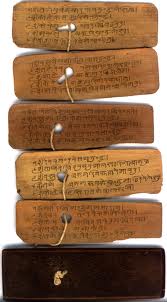
Hindus know a secret which no Western scientists knew. Your birth chart is in your hand is known to Hindus. If an astrologer who has specialised Nadi Jothidam, looks at your hand he can tell you the planetary positions at the time of your birth. No scientists can explain it scientifically. By looking at your palm he tells where the planets were in the sky the day you were born. This is not astrology but astronomy. The other thing about what is going to happen in future is astrology. I am not writing about astrology. The reason being no one can give you an accurate prediction.

Both my brothers went to see a Nadi Jothida astrologer in Kavalur near Madurai thirty years ago. The astrologer predicted the planetary positions accurately in my brothers’ horoscopes. When they came back home they checked the birth chart which was written by our family astrologer. It was exactly the same. The astrologer even predicted my brother’s would be wife’s name and it came true. How is it possible?
But I must admit that other predictions about future did not come true.

nadi book

(Birth Chart: Every orthodox Hindu family casts a horoscope/ birth chart as soon as their children celebrate their first birth anniversary.

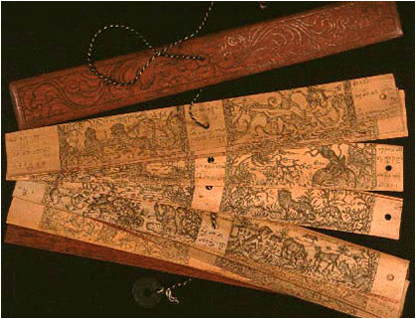
Nadi Jothidam astrologer: They have lot of palm leaf manuscripts where in our future predictions are already written by the ancient sages. But there are more frauds than genuine people in this filed. So one must be careful in approaching any so called Nadi Jothidar)

Your palm shows which planets are stronger in your birth chart. It comes under palmistry as well. Again it is not science. But predicting the exact positions of planets in the sky has got more scientific implications. If the astronomers learn this from the Hindus, they can understand the mysteries of universe better and may even unravel several more mysteries. Before the genuine Nadi Jothidas disappear it is the duty of the scientists to study this ‘science’.

palm 1

Picture from your Finger prints?

There is another mystery in Indian literature. But I don’t think anyone can do it today. This art has disappeared long ago. The Brhatkatha translated into Tamil as Perunkatai has an anecdote. A person tells the features of a beautiful woman from her finger prints. Finger prints are used now in forensic investigation. Ancient Indians used it to identify people, draw pictures etc. if it is revived the criminal investigation will be much more easier. Following anecdote is in Perunkatai, Tamil adaptation of Bruhat Katha:–

A beautiful lady by name Madana Manjika was playing ball game on the terrace of her highly raised building. The ball jumped out and fell on Naravanan who was riding an elephant at that time. Naravanan looked at the girl and the ball and fell in love with her. Madana also looked at Naravanan and fell in love with him. But she did not collect he ball. Naravanan called his friend Gomukhan and asked him to find the owner of the ball.

nadi 3

Gomukhan simply looked at the ball and found out her finger prints in the sandal paste on the ball. He started giving the description of every part of her body . Then told him it must be Madana manjika. It may sound like fiction today. But in those days there were people who could draw the picture of a person by simply looking at the hand or the finger prints.

Even the finger print technology used in the modern criminal investigation had its beginning in India.

nadi2
Please read my Earlier Posts:

Is Brahmastra a Nuclear Weapon?
Time Travel by Two Tamil Saints
Hindu’s Future Predictions (Part 1 and art2)
Science Behind Deepavai (Part 1 and Part 2)
Great Engineers of Ancient India
933. Medical Science solves Ten Mysteries in Maha Bharata 26-3-14
Head towards North is wrong
‘OM’ BOOSTS BRAIN POWER
Acoustic Marvel of Madurai Temple
Orbiting the Earth: Skanda beat Yuri Gagarin
Hindu God with “an IPod”
Power of Holy Durva Grass
Science Behind Deepavali-1
Science Behind Deepavali-2
Prayers Good for Your Heart, says Scientists (posted on 10July 2013)

Contact swami_48@yahoo.com

நாடி ஜோதிட ரகசியங்கள்: ‘நாஸா’ விஞ்ஞானிகள் கவனிக்க!

nadi 1

By London Swaminathan
Post No. 1021: Date 5th May 2014.

அமெரிக்க விண்வெளி (நாஸா) விஞ்ஞானிகளுக்கும் தெரியாத விஷயங்கள் நமக்குத் தெரியும்!!

இந்திய இலக்கியங்களில் எவ்வளவோ விஞ்ஞான ரகசியங்கள் உள்ளன. ஒருவர் கண்டுபிடித்த பின்னர் இது எங்கள் சமய நூல்களில் அந்தக் காலத்திலேயே எழுதிவிட்டனரே என்றால் நம்மைப் பார்த்து நகைப்போர் தொகையே அதிகம் இருக்கும். இதுவரை நாம் மட்டுமே அறிந்த பல விஷயங்களை நான் பட்டியலிட்டு எழுதிவிட்டேன். இதோ இன்னும் ஒரு ரகசியம். இதை உலக விஞ்ஞானிகள் அறிந்தால் பிரபஞ்சத்தின் ரகசியங்களைக் கண்டுபிடிக்க முடியும்.

nadi2

நாடி ஜோதிடம் உண்மையா?

நாடி ஜோதிடம் என்னும் துறையில் விஷயம் தெரிந்தவர்களைவிட போலிகளும் மோசடிக்காரர்களுமே அதிகம். ஆயினும் இத்துறையில் சில அபூர்வமான விஞ்ஞான விஷயங்கள் உள்ளன. ஒருவருடைய கைகளைப் பார்த்தே அவர்கள் பிறந்த நேரத்தில் வானத்தில் கிரகங்கள் எந்தெந்த இடத்தில் இருந்தன என்பதை துல்லியமாகச் சொல்லி விடுகின்றனர். பின்னர் அவர்களுடைய எதிர்கால வாழ்வு பற்றி ஆரூடங்களும் சொல்லுவர்.

ஒருவர் பிறந்தபோது வானில் எந்த கிரகம் எந்த இடத்தில் (ராசியில்) இருந்தது என்பதைக் கூறுவது வான சாஸ்திரம். அதற்குப் பின் எதிர்காலத்தில் அவர்களுக்கு என்ன என்ன நேரிடும் என்று சொல்லுவது ஜோதிடம். இரண்டும் வெவ்வேறு துறைகள். என்னுடைய சகோதரர் இருவர் 30 ஆண்டுகளுக்கு முன் மதுரை அருகில் கவலூர் என்னும் கிராமத்தில் இருந்த நாடி சோதிடர்களைப் பார்க்கப் போயினர். கைகளைப் பார்த்த மாத்திரத்திலேயே கிரக நிலைகளை எழுதிக் கொடுத்துவிட்டனர். பின்னர் சோதிடமும் கூறினர். வீட்டிற்கு வந்து பார்த்தபோது குடும்ப ஜோதிடர் ஏற்கனவே எழுதிக் கொடுத்த ஜாதகத்தில் இருந்த கிரக நிலைகளையே அந்த நாடி ஜோதிடர்களும் எழுதி இருந்தனர். இது பெரிய அதிசயம். வரப்போகும் மனைவியின் பெயரையும் கூறியிருந்தனர். அதுவரை எல்லாம் உண்மையாக இருந்தது. ஆனால் எதிர்காலம் பற்றிச் சொன்னது நடக்கவில்லை.

கைகளை மட்டும் பார்த்து ஒருவருடைய பிறந்த நாள் கிரக நிலைகளை சொல்லமுடிவது பல வகைகளில் விஞ்ஞானிகளுக்கு உதவும். இந்தக் கலை அழிவதற்கு முன் இதை விஞ்ஞானிகள் ஆராய்வது நம் கடமை. இந்த ரகசியத்தை அறிந்தால் பிரபஞசத்தின் புரியாத புதிர்களை விடுவிக்கமுடியும். இது இந்துக்கள் உலகிற்கு வழங்கும் ஒரு கொடையாக அமையும்!

nadi book

அண்டத்தில் உள்ளது பிண்டத்திலும் உண்டு

அண்டத்தில் உள்ளது பிண்டத்திலும் உண்டு என்று ஒரு பழமொழி உண்டு. அண்டம், பிண்டம் ஆகிய இரண்டும் சம்ஸ்கிருதச் சொற்கள் அதாவது கோள (முட்டை) வடிவில் இருக்கும் பிரபஞ்சம் அல்லது பூமியைக் குறிக்கும். அதில் இருக்கும் மலைகள், ஆறுகள், தாவரங்கள் ஆகியன உடலில் ரத்த நாளங்கள், முடி முதலியன வடிவில் இருப்பதாகச் சொல்லுவர். இதற்கு மேலும் அழ்ந்த பொருள்களும் உண்டு. நம்முடைய மனமும் பிரபஞ்ச மனமும் ஒன்றாகும் போது காலத்தைக் கடந்து நின்று கடந்த கால, நிகழ் கால, வருங்கால நிகழ்ச்சிகாஇக் காணமுடியும்! மற்றொரு பொருள்: பிரபஞ்சத்தில் எத்தனை அண்டசரசரங்கள் இருக்கின்றனவோ அவைகள் நம்மில் உள்ளன. இமயமலையை பொருட்காட்சி சாலையில் மண்ணில் செய்துவைப்பது போல நம்மை இறைவன் ஒரு சின்ன பொம்மை (மாடல்) யாகப் படித்திருக்கிறான். (‘’பாபாவின் வாழ்வும் ரமணரின் வாக்கும்’’– என்ற கட்டுரைஅயில் முன்னர் இது விளக்கப்பட்டுள்ளது)

ரேகையைப் பார்த்து உருவத்தை வரையும் அபூர்வ கலை!

இன்னொரு விஷயம் ஒருவருடைய கை ரேகைகளைப் பார்த்து உருவத்தையே வரையும் அல்லது சொல்லும் கலை. இந்த அபூர்வ கலை இப்பொழுது அழிந்துவிட்டது என்றே தோன்றுகிறது. குற்றவியல் விஞ்ஞானத்திலும் தடய அறிவியலிலும் கை விரல் ரேகைப்பதிவுகள் பயன் படுத்தப்படுகின்றன. இதுவும் முதலில் இந்தியாவில்தான் தோன்றியது.

nadi 3

பிருஹத் கதா என்னும் நூல் தமிழில் பெருங்கதை என்று கவிதை வடிவில் உள்ளது. அருமையான ஒரு இலக்கியம். இதில் ஒரு அபூர்வ காட்சி வருகிறது. மதன மஞ்சிகை என்ற பேரழகி மாடியில் (உப்பரிகையில்) தோழியருடன் பந்து விளையாடிக் கொண்டு இருக்கிறாள். அப்பொழுது அந்த வழியாக நரவாணன் என்பவன் யானை மீது பவனி வந்தான். அந்த நேரத்தில் பந்து தவறிப் போய் அவன் மீது விழுந்தது. பந்தை எடுக்க ஓடோடி வந்த ‘அவளும் நோக்கினாள், அண்ணலும் நோக்கினான்’. காதல் மலர்ந்தது. பந்தை எடுக்காமல் திரும்பி விடுகிறாள். ஆனால் யார் அந்த நங்கை? அவள் பெயர் என்ன? என்பதெல்லாம் நரவாணனுக்குத் தெரியாது.

நண்பன் கோமுகனிடம் பந்தைக் கொடுத்து இதை எறிந்தது யார் என்று கண்டுபிடிக்கச் சொல்லுகிறான். கோமுகனோ இருந்த இடத்திலேயே அமர்ந்து காரியத்தை முடித்துவிடுகிறான். சந்தனக் கையில் தோய்த்த கையுடன் மதனமஞ்சிகா பந்து விளையாடியதால் அவளுடைய விரல் ரேகைகள் அதில் பதிந்திருந்தன. அந்த சாத்திரத்தில் கோமுகன் வல்லவன். ஆதலால் ரேகையைக் கொண்டே அந்த அழகியின் அங்க அடையாளங் களை வருணிக்கிறான். அந்த அடையாளங்களை உடையவள் மதனா தான் என்பதையும் உறுதிபடக் கூறுகிறான். இதோ அந்த பெருங்கதைப் பாடல்:-

palm 1

“விரலும் விரலிற்கு ஏற்ற அங்கையும்
அங்கைக்கு ஏற்ற பைந்தொடி முன்கையும்
முன்கைக்கு ஏற்ற நன்கு அமைதோளும்
தோளிற்கு ஏற்ற வாள் ஒளி முகமும்
மாப்படு வடு உறழ் மலர் நெடுங் கண்ணும்
துப்பு அன வாயும் முத்துஒளி முறுவலும்
ஒழுகுகொடி மூக்கும் எழுதுநுண் புருவமும்
சேடு அமைசெவியும் சில் இருங்கூந்தலும்
ஒல்குமயிர் ஒழுக்கும் அல்குற்பரப்பும்
மருங்கின் நீளமும் நிறம்கிளர் சேவடித்
தன்மையும் எல்லாம் முன்முறை நூலின்
அளந்தனன் போல வளம்பட எழுதி
பாவை இலக்கணம் பற்றி மற்று அதன்
நிறமும் நீளமும் பிறவும் தெரியாச்
செறிதாள் அண்ணலைச் செவ்வியின் வணங்கி
இதன் வடிவு ஒப்போள் இந்நகர் வரைப்பின்
மதனமஞ்சிகை ஆகும்!”

பெருங்கதை 5-8-100/116

nadi 4

இந்துமதம் வெளியிடும் விஞ்ஞான ரகசியங்கள் பற்றி முன்னர் வெளியான கட்டுரைகள்:
1.வடக்கே தலை வைக்காதே
2. Post No. 934.மஹாபாரத மர்மங்கள்: விஞ்ஞான விளக்கம்-பகுதி1 (Date 26-3-14)
3. Post No.935. மஹாபாரத மர்மங்கள்: விஞ்ஞான விளக்கம்-பகுதி2 (Date 26-3-14)
4. Post No. 951.அபாயநோயிலிருந்து பிரபஞ்ச ஆற்றலால் மீண்டவர், நாகா, (Date 3-4-14)
5. Post No.1003. வெள்ளி கிரகம்—மழை தொடர்பு பற்றி உபநிஷத்! (Date 26th April), 2014.
6. அருகம்புல் ரகசியங்கள்
7.நிலவு பற்றிய தமிழனின் அபார அறிவு
8.நிலவு பற்றிய புதிய விஞ்ஞான உண்மைகள்- Part 2
9. ராமரின் புஷ்பக விமானம் எப்படி பறந்தது?
10. தக்காளி ரசத்தின் மகிமை
11. ஒரு வேளை உண்பான் யோகி
12.தீபாவளி ரகசியங்கள்
13.பஜனை செய்வது உடம்புக்கு நல்லது (10 ஜூலை 2013)

nadi book 2

Please read my Earlier Posts:
Is Brahmastra a Nuclear Weapon?
Time Travel by Two Tamil Saints
Hindu’s Future Predictions (Part 1 and art2)
Science Behind Deepavai (Part 1 and Part 2)
Great Engineers of Ancient India
Post No. 933. Medical Science solves Ten Mysteries in Maha Bharata 26-3-14
Head towards North is wrong
‘OM’ BOOSTS BRAIN POWER
Acoustic Marvel of Madurai Temple
Orbiting the Earth: Skanda beat Yuri Gagarin
Hindu God with “an IPod”
Power of Holy Durva Grass
Science Behind Deepavali-1
Science Behind Deepavali-2

Contact swami_48@yahoo.com

வெள்ளி கிரகம்—மழை தொடர்பு பற்றி உபநிஷத்!

shisya

உபநிஷத அற்புதங்கள்– Part 4; எனது ஆராய்ச்சிக் குறிப்புகள்

எழுதியவர்:– லண்டன் சுவாமிநாதன்
கட்டுரை எண்:-1003; தேதி:– 26th April 2014.

32. “உபநிஷத் காலத்தில் புவியியல் அறிவு” என்று பூகோள விஷயங்கள் பற்றி B G தமஸ்கர் என்பவர் ஒரு புத்தகம் எழுதியுள்ளார். அதில் அவர் 250 உபநிஷத்துகள் இருப்பதாகவும் தான் 134 புத்தகங்களை மட்டும் எடுத்துக்கொண்டு இந்த ஆய்வை நடத்தியிருப்பதாகவும் சொல்லி 134 உபநிஷத்துகளின் பட்டியலைக் கொடுத்திருக்கிறார்.

33.பூமியின் இரண்டு பகுதிகளும் ரிஷிகளுக்குத் தெரியும் என்பதை சாந்தோக்கிய உபநிஷத் (2-2-3) மூலம் காட்டுகிறார். பிரபஞ்சம் தோன்றியதும் அதே உபநிஷத்தில் இருக்கிறது (5-6-1; 6-8-7)

34. நிலம், நீர் ஆகியன எந்த அளவுக்கு இருக்கிறது என்பதை பிருஹத் ஆரண்யக உபநிஷத் (3-3-2) சொல்கிறது.

35.வலம் வருதல் பற்றியும் பி.ஆ.உ.-வில்(4-2-4) வருகிறது கடிகார முள் சுற்றுவதில் இருந்து கோவில் சுற்றுவது வரை எல்லாம் வலமாகவே இருக்கும். இது இந்துக்களின் கண்டுபிடிப்பாகத் தான் இருக்க வேண்டும். கண்ணகி சிலையை பிரதிஷ்டை செய்த செங்குட்டுவன் அச்சிலையை மும்முறை வலம் வந்து வணங்கியதாக சிலப்பதிகாரம் கூறுகிறது.

36.வடமொழியிலும் தமிழிலும் பருவத்தை ஆறு பிரிவுகளாகப் பிரித்திருக்கிறோம். இது வேத காலத்தில் துவங்கியது தைத்ரீய சம்ஹிதையில் இதை முதல் முதலில் (4-3-2; 5-6-3; 7-6-19) படிக்கிறோம். பாரதம் முழுதும் ஒரே நாகரீகம், பண்பாடு இருந்ததற்கு இதுவும் ஒரு சான்று. மஹாகவி காளிதாசன் ஆறு பருவங்கள் பற்றி ருது சம்ஹாரம் என்ற ஒரு கவிதை நூலே எழுதிவிட்டார்.

தமிழர்கள் கண்டுபிடிப்பு

37. புற நானூற்றிலும் ஏனைய சங்க இலக்கிய நூல்களிலும் வெள்ளி கிரகத்துக்கும் மழைக்கும் உள்ள தொடர்பு பற்றி நிறைய பாடல்கள் இருக்கின்றன. இன்னும் விஞ்ஞானிகள் இதுபற்றி எதுவும் கண்டு பிடிக்கவில்லை. எதிர்காலத்தில் என்ன என்ன கண்டுபிடிப்புகள் வரும் என்று நான் ஏற்கனவே இரண்டு கட்டுரைகள் எழுதி இருக்கிறேன். அதில் வெள்ளி கிரகம்—மழை பற்றிய கண்டுபிடிப்பும் ஒன்று. தமிழ் ,சம்ஸ்கிருத நூல்களில் உள்ள இந்தக் கருத்து மைத்ரீ உபநிஷத்தில் இருக்கிறது (7-4)

sondara_gurukula

38.ஆதி காலத்தில் மார்கழி மாதத்தில் ஆண்டு துவங்கியது. இதனால்தான் கீதையில் மாதங்களில் நான் மார்கழி என்று பகவத் கீதையில் கண்ணன் கூறுகிறான். பகவத் கீதையில் கிருஷ்ணன் இப்படி ஒவ்வொரு விஷயத்திலும் தான் என்ன என்னவாக இருக்கிறேன் என்று கூறுவதை வைத்து கண்ணதாசன் ஒரு திரைப்பட பாடலே எழுதிவிட்டார்:- “காலங்களில் அவள் வசந்தம், கலைகளில் அவள் ஓவியம்”– என்ற பாடல் பலருக்கும் தெரிந்திருக்கும் நிற்க.

ஆண்டு துவக்கம், பிற்காலத்தில் வசந்த கலத்துக்கு மாற்றப்பட்டது.. அதாவது மார்ச் மாதம்தான் முதல் மாதம். ஜனவரி அல்ல. இதனால்தான் செப்டம்பர் (சப்த=ஏழு), அஷ்டோபர் (அஷ்ட=எட்டு), நவம்பர் (நவ=ஒன்பது), தசம்பர் (தச= பத்து) என்று ஆங்கில மாதங்களுக்கு சம்ஸ்கிருத எண்களை பயன்படுதுகிறோம். மார்ச் முதல் மாதம் என்றால்தான் இது சரியாக, 7, 8, 9, 10 ஆவது மாதங்களாக வரும்.

தைத்ரீய பிராமணத்தில் (1-12; 6-7; 3-10-4-1; 6-5-3) வசந்த காலம்தான் முதல் மாதம் என்று இருக்கிறது. வேதங்கள் பல்லாயிரக் கணக்கான வருடங்களாக இருப்பதால் ஒரு காலத்தில் மார்கழி முதலாவது இருந்திருக்க வேண்டும். இதுகுறித்து சுதந்திரப் போராட்ட வீரரும் பேரறிஞருமான பால கங்காதர திலகர் விரிவான நூல் எழுதி இருக்கிறார்.

39. எங்கெங்கோ தோன்றும் நதிகள் எல்லாம் இறுதியில் கடலில் சங்கமித்து தன் நாமத்தை இழந்து கடல் நீர் என்று பெயர் பெறும் உவமை= ஆகாசாத் பதிதம் தோயம் யதா கச்சதி சாகரம்= நிறைய வடமொழி நூல்களில் பயன்படுத்தப்படுகிறது. பிராமணர்கள் ஒரு நாளில் மூன்று பொழுதுகளில் செய்யும் சந்தியாவந்தனத்திலும் இதைக் கூறுவர். இது முண்டகோபநிஷத் (3-2-8) என்னும் பழைய உபநிஷத்திலேயே வருகிறது. இந்துக்களுக்கு கடலும் நதியும் “தண்ணீர் பட்டபாடு: என்று சொல்ல முடியும். கடல்கடந்து வணிகம் செய்த மக்கள் இந்த உவமையைப் பயன்படுத்துவதில் வியப்பே இல்லை. மதத்திலும் கூட புவியியல் உண்மைகளைப் புகுத்தும் மதிநுட்பம் உயையோர் பாரத நாட்டு மக்கள்.!!
40.தாமரை: உபநிஷத்தில் தாமரைக்கு எட்டு பெயர்கள் வருகின்றன. பிற்கால நிகண்டுகளில் இன்னும் அதிகமான சொற்கள் வருகின்றன. இது தெரிந்துதான் பாரதீய ஜனதா கட்சி இதை சின்னமாகத் தேர்ந்தெடுத்தார்களோ என்னவோ!

siddha2

41. தானிய வகைகளில் எள், அரிசி, பார்லி, கடுகு முதலியன மிகவும் பழைய , பெரிய உபநிஷத்தான பிருஹத் ஆரண்யக. உபநிஷத்திலேயே வருகிறது. ஏற்கனவே சிந்து சமவெளி அகழ்வாரய்சியில் வெட்டி எடுக்கப்பட்ட எள் வேதங்களிலும் பிராமணர்களின் சடங்குகளிலும் (திவசம், தர்ப்பணம்) பயன்படுத்தப்படுவது பற்றி ஒரு ஆராய்ச்சிக் கட்டுரை எழுதி இருக்கிறேன்.

42. இன்னொரு விநோதம் என்னவென்றால் மூன்று உபநிஷத்துகள் பறவைகளின் பெயரில் இருப்பதாகும்: கருட உ., ஹம்ச உ., சுகரஹஸ்ய உ., ஆகியன கழுகு, அன்னம், கிளி ஆகியவற்றின் பெயரில் உள்ளன. உலகில் முதல் முதலில் மேகத்தை தூது விட்டு புத்தகம் (மேகதூதம்) எழுதியவன் காளிதாசன். உலகில் முதல் முதலில் காலங்களின் பிரிவுகளை (அறுபொழுது) வைத்து நூல் எழுதியவன் (ருதுசம்ஹாரம்) காளிதாசன். இதற்கெல்லாம் அவனுக்கு உதவியது உபநிஷத்துகள்தான்!! பறவைகளையும், காற்றையும் தூதுவிடுவது வேத,உபநிஷத ,இதிஹாசங்களிலேயே வந்துவிட்டது.

43. உபநிஷத்துகள் என்பவை தத்துவம், இறையுணர்வு பற்றிய நூல்கள். ஆனால் அதில் கூட தங்கம் (சாந்தோக்யம் 3-19; 5-10-9; 8-3-2; 6-24-1) பற்றியும், வெள்ளி (சாந்தோ. 3-19-1) பற்றியும் இரும்பு, காரீயம், வெள்ளீயம் பற்றியும் குறிப்புகள் வருகின்றன.

guru

44. வெளிநாட்டு “அறிஞர்கள்” (? ! ? ! ? ! ) சங்க இலக்கிய நூல்களிலும் சம்ஸ்கிருத வேத இதிஹாச, புராணங்களிலும் இல்லாத ஆரிய—திராவிட இனவெறியைப் புகுத்தி இந்திய வரலாற்றில் விஷம் கலந்ததை மகாத்மா காந்தி, ஹரிஜன தலைவர் அம்பேத்கர், மகரிஷி அரவிந்தர், காஞ்சி பரமாசார்ய சுவாமிகள் ஆகியோரின் கண்டனம் செய்தது பற்றி ஆறு, ஏழு கட்டுரைகளில் கொடுத்துவிட்டேன்.

அப்படியானால் நம்மவர்கள் எல்லோரையும் எப்படிப் பிரித்தார்கள் என்ற கேள்வி எழுகிறதல்லவா? புற நானூற்றின் முதல் பாடலிலேயே 18 கணம் பற்றிய செய்தி வருகிறது. பாரியின் மகள்களை கபிலன் என்ற பிராமணப் புலவன் ஒவ்வொரு மன்னனிடமாக அழைத்துச் சென்று திருமணம் செய்துகொள்ளுங்கள் என்று கெஞ்சும் புற நானூற்றுப்பாடல்களில் ஒரு பாட்டின் உரையில் 18 கணத்தினரை அகத்தியர் அழைத்துவந்த செய்தியும் வருகிறது.

மைத்ரீ உபநிஷத் இந்த 18 கணங்களீல் அசுர, கந்தர்வ, யக்ஷ, ராக்ஷச, பூத பிசாச வர்க்கத்தினரைக் குறிப்பிடுகிறது. உபநிஷத்துகள் தத்துவ நூல்கள் என்பதால் இதற்கு மேல் எதிர்பார்ப்பதில் நியாயம் இல்லை. இதில் என்ன பெரிய அதிசயம் என்றால் இவர்கள் எல்லோரையும் ஒரு தாய் வயிற்று புதல்வர்கள் என்றே புராண, இதிஹாசக் கதைகள் கூறுகின்றன. வெள்ளைக்காரன் பிரித்தது போல போண்டா மூக்கு- கருப்புத் தோல் திராவிடன் மத்தியதரைக் கடல் வாசி, என்றும் கூரிய மூக்கு- வெள்ளைத் தோல் ஆரியன் மத்திய ஆசியப் பேர்வழி என்றெல்லாமும் உபநிஷத்துகள் பேசவில்லை! கிருஷ்ணன் கருப்பன், அவனுடைய அண்ணன் பலராமன் வெள்ளையன்!! திரவுபதி கருப்பாயி, அவள் புருஷன் அர்ஜுனன் ஒரு வெள்ளையத் தேவன்!!

45. ரிக்வேதத்தில் புருஷசூக்தத்தில் முதல் முதலாக வரும் நான்கு ஜாதிகள், சாந்தோக்ய உபநிஷத்தில் ஒரு இடத்தில் (5-10-7) வருகிறது

தொடரும்……………………………………. (பகுதி–5-ல் மிகுதியைக் காண்க)

Please read Part 1, 2, 3 of this article posted in the past few days.

contact swami_48 @ Yahoo.com

Lord Shiva’s Favourite Number 8

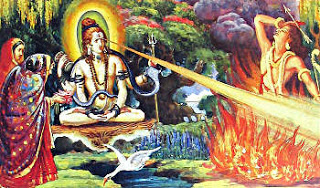
Picture Shiva killing Elephant Demon (Gaja Samhara Murthy)

Lord Shiva’s Favourite Number 8

Lord Shiva, one of the Hindu Trinity, is linked with number eight. It looks like his favourite or his devotees’ favourite number is 8. Saivite saint Appar alias Thirunavukkarasu, of the seventh century AD, praised him in a verse that Shiva enjoys Puja with eight flowers ‘inside’ and ‘outside’. It means he likes eight flowers and eight good qualities in a man or woman. Apart from this Shiva is called Ashta Murthy. Sanskrit word ‘Ashta’ is the root for English ‘eight’ and Tamil ‘Ettu’. Tami Nadu boasts of Eight Shrines of Shiva’s  Eight Heroic deeds known as Ashta Veerattanams. Read about the interesting coincidence below:


Ashta Veerattanas ( Eight Heroic Attack Shrines)

Eight of Siva’s heroic deeds are highlighted in eight places in Tamil Nadu. Siva punished eight demons here. The fact of the matter is Siva did not kill or punish anyone. He was not a violent attacker. The bad qualities and thoughts that come to any human being are personified as demons. When we say Siva killed Kama Deva Manmathan, what we mean is Siva kills the lustful thoughts in any one who worships him. When we read that Siva decapitated Daksa, then we understand Siva kills ego and envy in us. So whoever worships Lord Siva can be sure of demonic thoughts in us destroyed at that very minute. Devotion to Siva or visit to these eight temples will enlighten us.

Picture of Shiva burning Lust

Tirukkovilur : Siva killed Andhakasuran. Andhaka represents darkness=ignorance. Worshippers of Siva get enlightenment by ‘killing’ ignorance.

Tiruvirkudi : He killed Jalandaran (water demon). Symbol of unlimited power. One who thinks that one is above God. To avoid ‘know all’ feeling one should worship Siva.

Tirukkurukkai : He burnt the god of Love Manmathan. Manmathan means one who churns or stimulates our mind with lust. By worship of Siva, one can drive away lust.

Tiruppariyalur/ Parasalur:  Siva decapitated Daksa, embodiment of envy and ego. He was given a goat’s head. When your ego is taken, you follow God like a goat.

Vazuvur: He hilled the elephant demon (Gaja Samahara). Elephant is used as a symbol of uncontrolled thoughts. One gets lost when one loses self control. Mahout uses the spear to control the elephant. Siva worship is the weapon to control the thoughts.

Tirukkadaiyur : He punished the God of Death by kicking him out. The fear of death in us will be killed or kicked out by the worship of Siva.

Tiruvadigai : Tripura Samharam. When one gets lot of power one gets corrupted, like our politicians. Absolute power corrupts absolutely, Says Bacon. Three demons Kamalan, Kamalakshan and Vidyunmali were flying with their three metal forts disturbing others and Siva destroyed them.

Kandiyur : One of the five  heads of Brahma was cut. Arrogance due to learning represents fifth head of Brahma.

Picture of Shiva decapitating Daksha

Eight Flowers:

What are the eight flowers suitable for Shiva Puja (‘Puja’ is offering)?

Alari, Pathiri, Punnai, Senthamarai, Kuvalai, Vellerukku, Shanpakam, Nandhiyavartham are the eight flowers according to the commentators of Thevaram verse.

அலரி(Oleander) Nerlum indicum or odorum apocyanaceae

பாதிரி patali/ Steriospermum suaveolens  bignoniaceae

புன்னை (Alexandrian Laurel), Calophyllum inophyllum (Family: Guttiferae)

செந்தாமரை,  Nelumbo nucifera , Nymphaeaceae

குவளை, Nymphaea rubra or nouchali  Nympheaceae

வெள்ளெருக்கு, Calotropis gigantea  Asclepiadaceae

சண்பகம், Michelia champaca Magnoliaceae

நந்தியாவர்த்தம் Ervatamia divaricata,or coronaria Apocyanaceae


( Picture of Ervatamia  and Water Lily)

Eight Virtues:

கொல்லாமை (non violence), புலனடக்கம் (self control), சாந்தம் (Equanimity) அன்பு (kindness/love), தியானம்(Meditation), தவம், /சகிப்புத் தன்மை Tolerance, சத்தியம், Truth, மெய்யறிவு (Faith in God/ Wisdom) are the eight qualities of devotees of Shiva according to commentators.


Eight Forms of Shiva/ Ashtamurthy

Shiva is called Ashtamurthy . His eight forms are Air, Water, Fire, Ether, Earth, Sun, Moon and Soul (or the master).


8 Parts / Construction of Shivalaya/Shiva Temple

Shivalinga ( Formless shape)= Pathi

Nandhi/ Bull= Pasu

Balipeedam/Paltform for offering = Pasam

Thiruvatchi/ Arch behind the god = Pranava

Thirai seelai/ Curtain = Maya

Kodimaram/ Flag staff = Anava

Gopuram/Tower = Jeevarasi/ living beings

Garba griha/ Sanctum sanctorum = Manas/Mind

The darkeness inside the sanctum sanctorum is equal to ignorance. The Deepa Arti will drive away this darkness/ignorance and enlighten a devotee.


Eight fold path of Buddha

The rare coincidence with Buddhism is that they also use number 8. The Buddha’s teachings are eight fold. Buddha was agnostic, that means he did not talk about God, but he advise his followers to follow the eight fold path to attain nirvana (mukti). Those are

Right View/ understanding

Right Intentions

Right Speech

Right Action

Right Livelihood

Right Effort

Right Concentration

Right Mindfulness


Eight Symbols

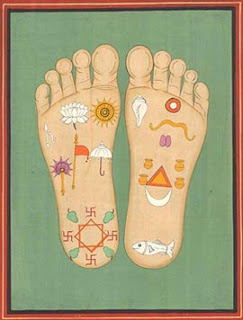
They consider eight symbols as auspicious and they are Fish, Parasol, Conch, Lotus, Victory banner Vase with holy water, Wheel of Dharma, Knot of eternity. Saints are said to have them in their foot in the fingerprints.

We see number eight is important for both Buddhists and Saivites. Their approach is almost similar. Even Vaishnavites consider the Eight Letter Mantra Om Namo Narayana is the holiest mantra. Ashta Mangalyam are ,known as eight auspicious products, used by malayali Hindus in Kerala.


Tamil References:

எட்டு நாண்மலர் கொண்டவன் சேவடி

மட்டலரிடு வார்வினை மாயு மால்

கட்டித் தேன்கலந்தன்ன கெடிலவீ

ரட்ட னாரடி சேருமவருக்கே (அப்பர் 5-54-1)

&&&&&

புகையெட்டும் போக்கேட்டும் புலன்களெட்டும்

பூதலங்களவையெட்டும் பொழிகளெட்டும்

கலையெட்டும் காப்பெட்டும் காட்சியெட்டுங்

கழற்சேவடி யடைந்தார் களைகளெட்டும்

நகையெட்டும் நாளெட்டும் நன்மையெட்டும்

நலஞ்சிறந்தார் மனத்தகத்து மலர்களெட்டும்

திகையெட்டும் தெரிப்பதற்கு முன்னோபின்னோ

திருவாரூர் கோயிலாக் கொண்டநாளே (அப்பர் தேவாரம் 6)

**********

 contact swami_48@yahoo.com  

Tamil Astrology: Rope Trick for Predictions!

book 1

Tamil Astrology: Rope Trick for Predictions!

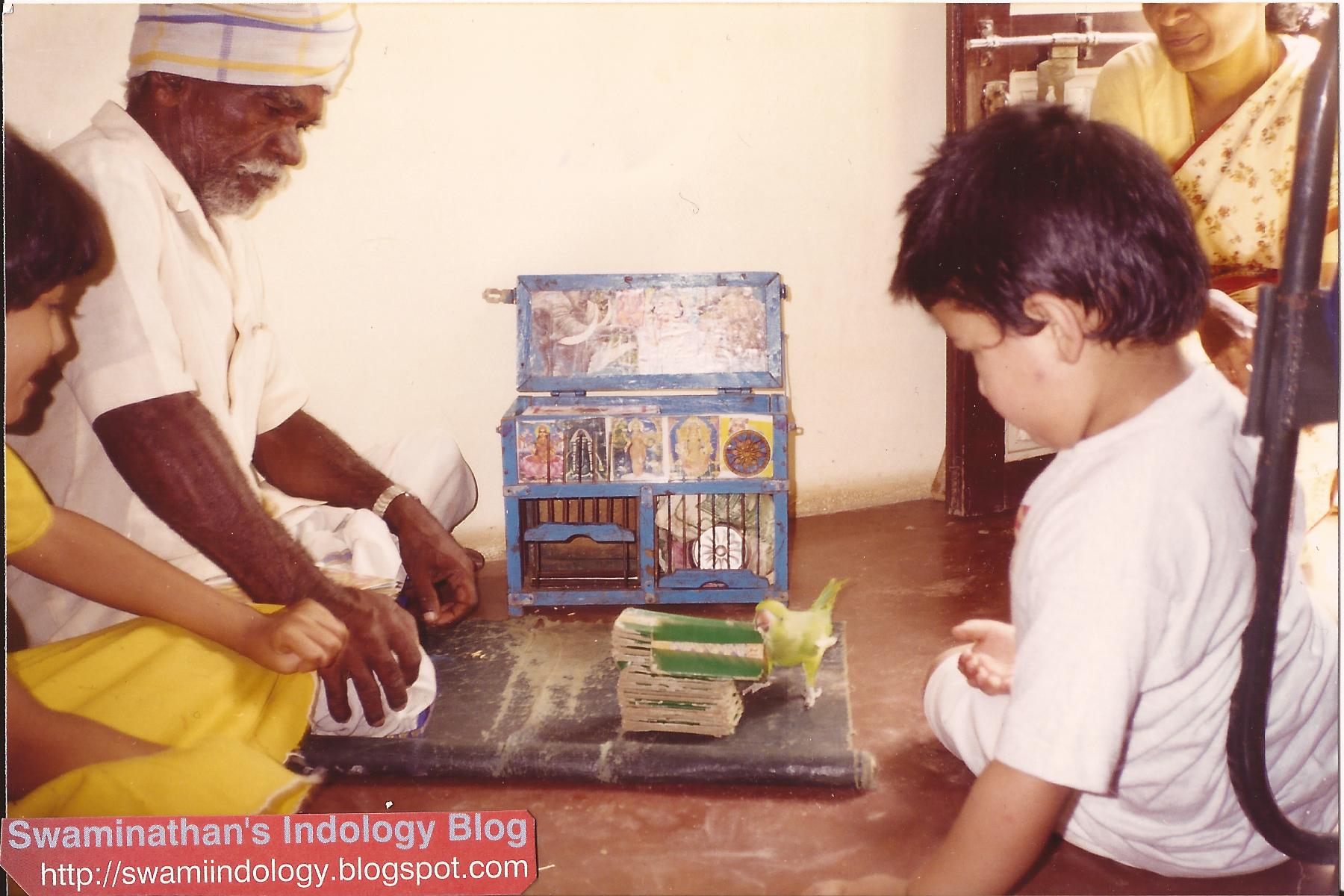
Tamils have novel ways of predicting your future. They listen to lizards and predict what is going to happen. They watch the flight of birds and tell your future. They bring parrots to your door step and the parrot picks up a card to tell what is going to happen at your home, office or school next day! They look at the daily Panchang (almanac) and tell you whether you can travel towards north or south! I have already explained these things in my posts in CAN BIRDS PREDICT YOUR FUTURE? Etc.

Today’s article is about a Rope Trick. It is not a magic like the famous Indian Rope Trick by the magicians. Actually it is a thread trick. What they do is they use a thread to tell you what is going to happen. In Tamil they call it Kayiru Sarrip Parththal meaning using a thread to see (the future).

When you have an unsolvable problem you resort to this technique. I have heard from my friends from other faiths who do the same. When you have a problem and you want a decision from the god then they use this rope or thread prediction.

You hold a holy book in your hand and after deep prayer, you open any page and read what is in it. If there is a positive message then you take it as a YES to your question. If you read anything negative then it says a NO.


Achutha Kalappalar’s Strange Experience

Achutha Kalappalar was born in a Saiva Vellalar family in Thiru Pennadagam in Tamil Nadu,India. He had no issue. He was worried about the future because Hindu scriptures insist that you should have a son to avoid the hell called ‘Puth’. So he went to his Guru (Sanskrit word for teacher) Arul Nandhi Sivachariyar to seek his advice. He asked him to sit in his Puja room and took a thread and inserted in to the book of Thevara Hymns. Thevara hymns were sung by three great Tamil Saivaite saints between 7th and 9th centuries.

book 3

Sivachariyar got  a verse when he opened the page where the thread (rope) was lying. That verse was about the god residing in Thiruven Kadu. It said clearly that those who bathe in the tank will get all including sons. Immediately Sivachariyar told Achutha Kalappalar that he would definitely have a child soon. When he went to Thiru Vena du as directed by his Guru he had a strange dream that he could not get a child in this birth. But he prayed intensely for a child and his prayers were answered in ten months.

Achutha Kalappalar named his new born child Suvethana Perumal.  Paranjothi Munivar who saw the child understtod that the chld was not a normal child and gave a new name Mey Kandar (truth Finder). He wrote the Sutras for the Saiva Siddhantam known as Sivangnana Bodham. Those 12 Sutras (short aphorisms) running to 40 lines are considered the authority for Saiva Siddhanta philosophy.

Tamil Reference: Thirugnana Sambandhar’s Thevaram Hymn referred above:

பேயடையா பிரிவெய்தும் பிள்ளையினோடுள்ள நினை

வாயினவே வரம் பெறுவ ரையுற வேண்டாவொன்றும்

வேயனதோ ளுமைபங்கன் வெண்காட்டு முக்குளநீர்

தோய்வினையா ரவர்தம்மைத் தோயாவாந் தீவினையே


Contact swami_48@yahoo.com

kili-2

Read my earlier posts:

Amazing Powers of the Human Mind

Can Birds Predict your future?

Birds and Gods