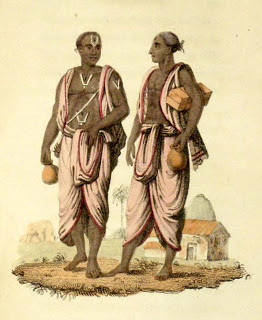
உலகம் கெட்டுப் போனதற்கு பிராமணர்களே காரணம்?

18TH_CLIMATE_CHANG_1656852f

Picture of Topsy-Turvy World

கட்டுரையாளர் லண்டன் சுவாமிநாதன்
கட்டுரை எண்…885 தேதி 4-3-14

பிராமணர்களுக்கு தமிழ் மன்னர்கள் வாரி வழங்கியது ஏன்?

சங்க இலக்கியத்திலுள்ள எட்டுத் தொகை, பத்துப் பாட்டு ஆகிய 18 நூல்களில் உள்ள 27,000+ வரிகளைக் கரைத்துக் குடித்தவர்களுக்கும் அதற்குப் பின் எழுந்த திருக்குறள் முதலான 18 கீழ்க்கணக்கு நூல்களைப் படித்துக் கரை கண்டவர்களுக்கும் ஒன்று தெள்ளிதின் புலனாகும். ஐயர்களுக்கு மன்னர்கள் வாரி வழங்கினர். அவர்களுக்கு தானம் செய்து வார்த்த நீர் ஆறு போல ஓடியதாம். கரிகால் பெருவளத்தான், பருந்து வடிவத்தில் யாக குண்டம் செய்து வேள்வி செய்ததையும். மகத்தான வல்லமை பொருந்திய பல் யாகசாலை முதுகுடுமிப் பெருவழுதி, பாண்டிய நாடு முழுதும் யாகக் கம்பங்களை (யூப நெடுந்தூண்) நட்டதையும், சோழன் பெருநற்கிள்ளி மஹாபாரத தருமனுக்கு நிகராக ராஜசூய யக்ஞம் செய்ததையும் புறநானூறு போற்றிப் புகழ்வதை பல கட்டுரைகளில் தந்துவிட்டேன்.

80,000 தமிழ்க் கல்வெட்டுகளைப் படித்தோருக்கு இது இன்னும் நன்றாகவே விளங்கும். பெரும்பாலான கல்வெட்டுகள் பிரமதேயம் ( பிராமணர்களுக்கு நிலம் தானம்) அல்லது தேவதானம் ( கோவில்களுக்கு மான்யம் வழங்கல்) பற்றியே பேசுகின்றன.

இவ்வாறு எதற்காகப் பார்ப்பனர்களுக்கு வாரி வழங்கினார்கள்? பார்ப்பனர்கள் அவர்களை நன்றாக ஏமாற்றினார்களா? பாவ புண்யம் என்று சொல்லி மிரட்டினார்களா? இல்லை, இல்லவே என்றே சொல்லவேண்டும்.

ஏனெனில் சங்க இலக்கியத்தில் அதிகமாகப் பாடப்படவர், போற்றப்பட்டவர் ஒரே புலவர்தான். அவர் பெயர் கபிலர். அவரை புலன் அழுக்கற்ற அந்தணாளன் என்று பாராட்டினர். அவர்தான் சங்க காலத்தில் அதிகப் பாடல்கள் பாடியவர். அதற்காக அவரைப் பாராட்டவில்லை. புலன் அழுக்கற்ற பிராமணன் என்பதற்காகப் பாராட்டினர். மூவேந்தர்களையும் எதிர்க்கும் ஆற்றல்பெற்ற ஒரே தைரியசாலி அவர் ஒருவரே. வேற்று ஜாதியைச் சேர்ந்த பாரி என்ற குறு நில மன்னனின் புதல்விகளை ஏற்றுக் கொண்டு , ஒவ்வொரு அரண்மனையாக ஏறி இவளை திருமணம் செய்துகொள்ளுங்கள் என்று கெஞ்சிக் கதறினார். ஒரு மன்னனுக்கும் துணிவு இல்லை!!!

இதற்கு ஆயிரம் ஆண்டுகளுக்குப் பின்னர் அப்பர் பெருமான் பெயரை தன் பிள்ளைகளுக்கும் தண்ணீர் பந்தலுக்கும் சூட்டிய இன்னொரு புரட்சிப் பிராமணன் அப்பூதி அடிகள். அதற்குப் பின்னர் வந்தப் புரட்சிப் பார்ப்பான் பாரதியை உலகமே அறியும்.

ஆக தமிழ் மன்னர்களும், கற்றோரும் மற்றோரும் எதற்காகப் பிராமணர்களுக்கு வாரி வழங்கினர்?

1.அவர்களுடைய ஒழுக்கத்திற்காக; காதலிக்குத் தூது அனுப்பவும், மன்னர்களுக்குத் தூது செல்லவும், மந்திராலோசனை வழங்கவும் அவர்களே நம்பத் தகுந்தவர்கள்.

2.தனக்கென வாழா பிறர்குரியாளராகத் திகழ்ந்தனர். கபிலர் போல பலர் இருந்தனர். வேத மந்திரங்கள் மூலம் எப்போது பார்த்தாலும் ஆக்க பூர்வ எண்ணங்களைப் பரப்பி (positive thoughts பாஸிட்டிவ் தாட்ஸ்) மனித குல முன்னேற்றத்துக்கு உதவினர். ஆயிரம் Self Improvement ‘’செல்F இம்ப்ரூவ்மென் ட்’’ புத்தகங்களில் உள்ளதை சூத்திர வடிவில் சொல்லிக்கொண்டே இருந்தனர்.

3.இறந்துபோன அத்தனை முன்னோர்களுக்கும் (departed souls) நீர்க்கடன் (தர்ப்பணம்) செய்தனர். அவர்கள் தர்ப்பண முடிவில் உறவினர் இல்லாதோர், நண்பர்கள் எல்லோருக்கும் சேர்த்து எள் இரைக்கும் ஒரு மந்திரத்தைச் சொல்லியே முடிப்பர்.

4.எப்போது பார்த்தாலும் நாடு வாழவேண்டும், தீங்கின்றி மும்மாரி மழை பெய்ய வேண்டும், ஓங்கு செந்நெல் வளர வேண்டும், மன்னர்கள் நல்லாட்சி நடத்த வேண்டும். நோய் நொடியில்லாமல் இருக்க வேண்டும் மாதா, பிதா, குரு, தெய்வத்தை வணங்க வேண்டும் என்று சொல்லி எல்லோருக்கும் மஞ்சள் அட்சதை போட்டு மங்களம் பாடினர். (ஸ்வஸ்தி பிரஜாப்ய பரி பாலயந்தாம்………….). நூறாண்டுக் காலம் வாழ்க, நோய் நொடியில்லாமல் வாழ்க என்ற சினிமாப் பாட்டு வேத மந்திரத்தின் மொழி பெயர்ப்பு என்பதை எல்லாம் முன்னரே காtடிவிட்டேன்.

இவ்வாறு இருந்த பிராமணர்கள் அவர்களுடைய அன்றாடக் கடமைகளைச் செய்யாததே உலக வீழ்ச்சிக்குக் காரணம் என்கிறார் விவேக சூடாமணி ஆசிரியர். வள்ளுவருக்கும் அக்கருத்து உடன்பாடானதே.

ஆசாரம் செய்வாராகில் அறிவொடு புகழும் உண்டாம்
ஆசாரம் நன்மையானால் அவனியில் தேவர் ஆவார்
ஆசாரம் செய்யாராகில் அறிவொடு புகழும் அற்றுப்
பேசார்போற் பேச்சுமாகிப் பிணியொடு நரகில் வீழ்வார்
— விவேக சிந்தாமணி

பொருள்; ஆசாரங்களை அனுசரித்து ஒழுக்கத்தோடு வாழ்ந்தால்அறிவும் புகழும் உண்டாகும். ஒழுக்கம் இருந்தால் அவரை இந்தப் பூவுலகிலேயே தெய்வமாகக் கருதுவர். ஆசாரம் தவறினால் ஊமை போல நடிக்க நேரிடும்; நோய்கள் பெருகும்; இறுதியில் நரகத்தில் வீழ்வர்.

வையத்துள் வாழ்வாங்கு வாழ்பவன் வான் உறையும்
தெய்வத்துள் வைக்கப் படும் ( திருக்குறள் 50)—என்றான் வள்ளுவன்.
காஞ்சி பரமாசார்ய சுவாமிகள், ரமண மகரிஷி, ராமகிருஷ்ண பரஹம்சர் முதலிய பெரியோர்களை நாம் தெய்வமாகப் போற்றுவது வள்ளுவனின் மேற்கண்ட குறளைப் பின்பற்றியே.

இந்திரன் பதங்கள் குன்றும்
இறையவர் பதங்கள் மாறும்
மந்தரம் நிலைகள் பேற
மறுகு அயல் வறுமையாகும்
சந்திரன் கதிரோன் சாயும்
தரணியில் தேகம் மாளும்
அந்தணர் கருமம் குன்றில்
யாவரே வாழ்வர் மண்ணில்?
— விவேக சிந்தாமணி

பொருள்: வேதியர்கள் அவர்களுக்குரிய ஆசார அனுஷ்டானங்களைப் பின்பற்றாவிடில்:
1.இந்திரனுடைய செல்வம் குறையும்
2.அரசாங்கம் ( மன்னர் ) நடக்கும் முறை தேயும்
3.மலைகளும் ( பூமி அதிர்ச்சி, சுனாமி ) இடம் பெயரும்
4.வறுமை அதிகரிக்கும்
5.சந்திரனும் சூரியனும் சரியாக (வறட்சி) ஒளி தராது
பிறகு யார்தான் நல்ல வாழ்க்கை வாழ முடியும்?

இந்த விவேக சிந்தாமணி நூல் யார் எழுதியது என்பது யாருக்கும் தெரியாது. ஆனால் இவருக்கு 1500 ஆண்டுகளுக்கு முன் திருக்குறளை எழுதிய வள்ளுவனும் இதே கருத்தை மொழிகிறான்:
மறப்பினும் ஒத்துக்கொளல் ஆகும் பார்ப்பான்
பிறப்பு ஒழுக்கம் குன்றக்கெடும் (134)

ஐயா, இந்த ஐயர்கள் வேதத்தை மறந்தால் கூடப் போனால் போகட்டும் என்று விட்டு விடலாம். காரணம்—திருப்பியும் படித்து மனப்பாடம் செய்து விடலாம். ஆனால் அவர்கள் பிறந்த காலத்திலேயே அவர்களிடம் சில ஒழுக்கங்கள் எதிர் பார்க்கபடுகின்றன. அது ஒரு முறை கெட்டுவிட்டாலும் ஆபத்து என்கிறார் வள்ளுவர்.

இந்தக் குறளையும் மேற்கண்ட விவேக சிந்தாமணி செய்யுளையும் காணும்போது உலகம் ஏன் கெட்டுப்போச்சு என்பது சொல்லாமலே விளங்கும். பிராமணர்/ அந்தணர் என்ற சொல்லை எல்லாம் மறந்துவிட்டு அவர்களைப் போல வேறு யாராவது சிலர் இருந்தாலும் போதும் உலகம் சிறக்கும்.

நல்லார் ஒருவர் உளரேல் அவர் பொருட்டு எல்லார்க்கும் பெய்யும் மழை என்பது தமிழர் கண்ட புதுமை அறிவியல்!!

contact swami_48@yahoo.com

How ‘Non Brahmins’ became ‘Brahmins’

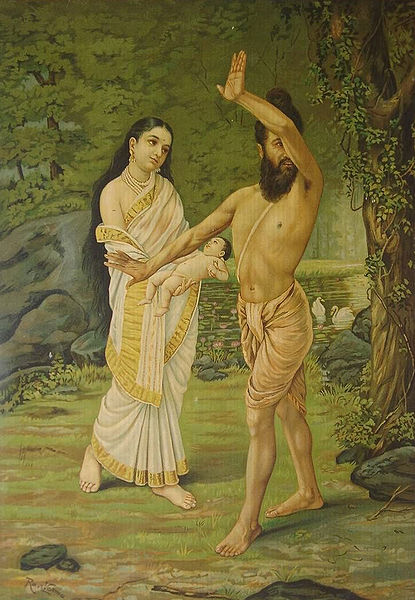
415px-Raja_Ravi_Varma_-_Mahabharata_-_Birth_of_Shakuntala

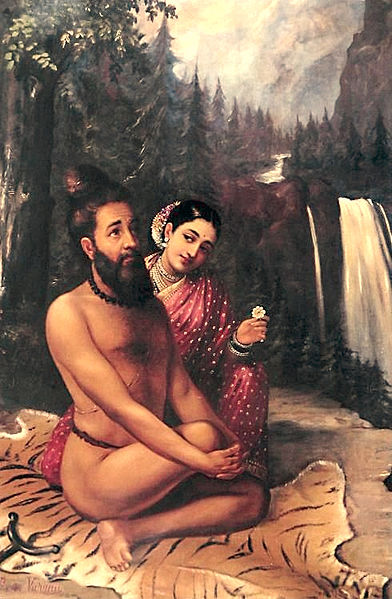
Viswamitra and Menaka

Compiled by by London Swaminathan;
Post No.848 dated 18th February 2014

I have already written how Ramanuja converted lot of people from non Brahmins to Brahmins. I have also written another post ‘Who is a Brahmin?’

Now see what Sarvapalli Radhakrishnan, a great scholar, philosopher and former President of India, says about non Brahmins becoming Brahmins:

“Caste divisions are based on individual temperament, which is not immutable. In the beginning there was only one caste. We were all Brahmins or Sudras. A Smriti text says that one is born a Sudra, and through purification he becomes a Brahmin. People were divided into different castes according to social needs and individual action.

The Brahmins are the priests. They should have neither property nor executive power. They are the seers who constitute the conscience of society.

392px-Menaka_Vishwamitra_by_RRV
Viswamitra and Menaka

The Kshatriyas are the administrators, whose principle is reverence for life.
The Vaisyas are traders and craftsmen, men of technical ability who aim at efficiency.
The routine workers, the proletariat are the Sudras. They take no interest in their work as such, where they carry instructions and contribute only a fraction. They lead a life of innocent impulse and adopt traditional ways.

“Hinduism has a bewildering variety of racial elements at all levels of development. The four orders supersede the original racial elements. It is a classification based on social facts and psychology. The recognition of the spirit in man is the essential feature of Hindu religion, and in this respect all men are equal.
india_brahimns_map_20070604
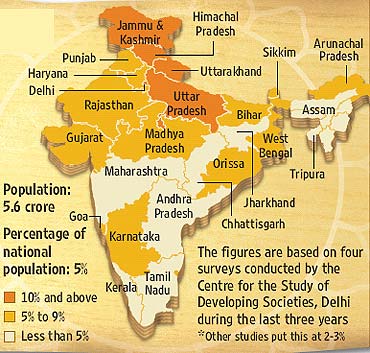
Brahmin Poulation of India Map

In the Mahabharata , we are told that the Yavanas (Greeks), the Kiratas, the Dardaras (Dards), the Chinas (Chinese), the Sakas (Scythians), the Pahlavas (Parthians), the Savaras (Pre Dravidian Tribes) and several other non Hindu peoples, belonged to the one or the other of the four classes. These foreign tribes were absorbed into the Hindu society.

“The great empire builders, the Nandas, the Mauryas and the Guptas were according to the orthodox view, low-born. The Gupta emperors married the Licchavis, who were regarded as Mlecchas.

The basis of the Varna dharma is that every human being must try to fulfil the law of his development.

Non Brahmins who became Brahmins:

“While it was the intention of the scheme to develop the requisite spirit and tradition in the members of the classes by a proper employment of the forces of heredity and education, it was not viewed in a rigid way. In special cases individuals and groups changed their social class.

Visvamitra, Ajamidha and Puramidha were admitted to the status of the Brahmin class, and even composed Vedic hymns.

Yaska in his Nirukta, tells us of two brothers Santanu and Devapi , one became a Kshatriya king and the other a Brahmin priest.

Kavasa, the son of a slave girl Ilusa, was ordained as a Brahmin priest at a sacrifice.
Janaka, a Kshatriyas by birth, attained the rank of a Brahmin by virtue of his ripe wisdom and saintly character.

The Bhagavatham tells us the elevation of the Kshatriya clan named Dhastru to Brahminhood.
Jatyutkarsa is provided for. Even though a Sudra, if you do good, you become a Brahmin. We are Brahmins not on account of birth or the performance of rites, not by study or family, but on account of our behaviour. Even if we are born Sudras, by good conduct we can raise ourselves to the highest status.

“The human being is always becoming. His essence is movement, not arrested movement. Megasthenes gives us a division different from the caste groupings. He puts the class of statesmen and officials at the top and hunters and jungle men as the sixth division.

Patanjali refers to Brahmin kings, and Manu to sudra rulers. There were Brahmin soldiers in the time of Alexander, as there are today.

“Manu’s unfortunate references to Sudras were perhaps motivated by his opposition to Buddhism. Manu limits the right to study the dharma sastras to Brahmins, while Sankara holds the members of all castes can read them.

A famous verse of Mahabharata makes out that we are all born Brahmins, and happen to belong to different classes on account of our conduct and occupation.

The Bhagavad Gita points out that there are only four Varnas based on natural aptitude and vocation, and two classes of persons, divine (Deva) and demoniac (Asura)”.

From the book Radhakrishnan Reader- An Anthology, published by Bharatiya Vidya Bhavan.

Brahmin_boy_ritual

Picture of Present day Brahmin

King Baliraja’s wife was Sudeshna. Bali persuaded her to produce a son through Dirghatama. She had five sons named Anga, Vanga, Kalinga, Pudrya and Suhya. Each of them started a separate dynasty and ruled over different parts. This anecdote describing how Kshatriyas kings were sometimes born of Brahmana fathers, was related by Bhishma to Satyavati to support his suggestion that a Brahman be invited to produce sons in the wives of Vichitravirya who had died childless (MB 1/104)

Yajur Veda prays for all the Four Castes:

“Give lustre to our Brahmanas
Give lustre to our Kingly men
Give lustre to our Vaisyas and Sudra” (Y.V. VS 18-48)

Buddha and Asoka on Brahmins:

Buddha has one full chapter on Brahmins in The Dhammapada. That was the last chapter, probably to emphasise their importance. He admired the ascetic virtues of the Brahmanas. Buddha talked about building a new type Brahminhood irrespective of one’s heredity.

Emperor Asoka showed respect to Brahmins by mentioning them first and then other sects like Sramans etc. in his edicts. (E.g Girnar Edict No-13).

Buddha had two Brahmin Teachers :
Gautama’s search led him to become the disciple of the Brahmin ascetics Aalaara Kaalaama and Uddlaka Raamaputta who instructed him in their own doctrine and discipline.

Brahmins
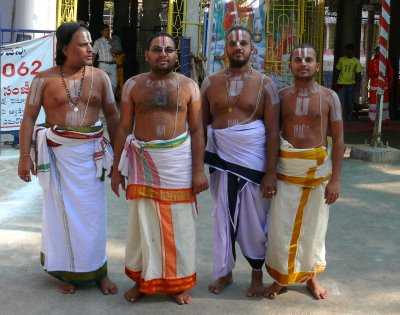
Picture of Brahmins at present.

Brhad- aranyaka Upanishad

Knowing him, the atman, the Brahmins relinquish the desire for posterity, the desire for possessions, the desire for worldly prosperity and go forth as mendicants (bhikshacaryam caranti)iii-5

Brahmins in Ancient Tamil Nadu

There were two types of Brahmins in ancient Tamil Nadu, those who followed the Srutis (Vedas) and Smritis (Law Books) and others who did not follow the Vedic strictures. Prof. V R RAMACHANDRA DIKSHITAR in his commentary on The Cilappatikaram (Purancheri iruththa katai lines 37,38) adds the following details:

“A community of Brahmanas , but coming low in the social hierarchy. They are said to be ‘ambanavar’ who took to the profession of acting and dancing. As they did not pursue their swadharma society regarded them as inferior. The position which the Brahmanas held in the society in the age of the Cankam classics is clear. There was the Vedic Brahmana engaged in reading and teaching the Vedas and also in performing Vedic sacrifices. He evoked respect from every one. There was the laukika Brahmana who strayed from the prescribed path and took to professions other than those enjoined by the law of the land.

“In the Akananuru (24) we have the expression ‘velaparppan’ meaning Brahmana engaged in making bangles. Among the laukikas come the ‘ambanava’ also. The term ‘ur parppan’ in South Indian inscriptions is another reference to the laukika members of the Brahmana community. This only shows that in addition to the Vedic Brahmanas there also existed Brahmanas who took to worldly professions, and to whom society did not give the same status as that enjoyed by the Vedic Brahmanas”.

My comments: Nakkirar was a well known Tamil poet of Sangam Age. Though he was a Brahmin ,he did not follow the Brahminical customs. He was making bangles cut out of white Chanks (conches). When he questioned another poor Brahmin by name Dharumi in the Royal Court of Pandyas, Shiva himself came in support of the Brahmin poet. But Nakkirar challenged even Lord Shiva. When Shiva laughed at his challenge, he asked him “At least I belong to the sect of Bangle makers. You don’t even have a clan, or caste or creed.”
(Sangu Aruupathu Engal Kulam, Sankaranaarkku Ethu Kulam? In Tamil)
This shows that there were a s group of Brahmins doing other types of jobs. This historical incident was referred to in Thevaram by Appar and in Tiru Vilayatal Purana by Paranjothi.

Quotes from Katha Sarit Sagara (Largest Story Collection in the World)
On Brahmanas:–
Brahmanas are always soft hearted (Story of Vararuci)
Brahmanas can accomplish all things in the world by means of ceremonies in accordance with the scriptures (Story of Devasmita)
Brahmanas who live by chanting Samaveda are the home of timidity, boorishness and ill- temper (Story of Vidusaka)

Contact swami_48@yahoo.com

My previous posts:
1. Ramanuja and Non Brahmins; posted on 15 May 2013
2. Who is a Brahmin?; Posted on 4 June 2013
3. No Brahmins! No Tamil ! (posted on 14 January 2012)
4. Foreign Travel banned for Brahmins (posted 26 November. 2013
5. Who are Dravidians? Posted on July 17,2013
6. Brahmins deserve an entry into Guinness Book of Records (26 January 2012 in this blog and earlier as a series in a Tamilbrahmin site)

Contact swami_48@yahoo.com

Pictures are taken from various sites.Thanks.

Foreign Travel Banned for Brahmins!

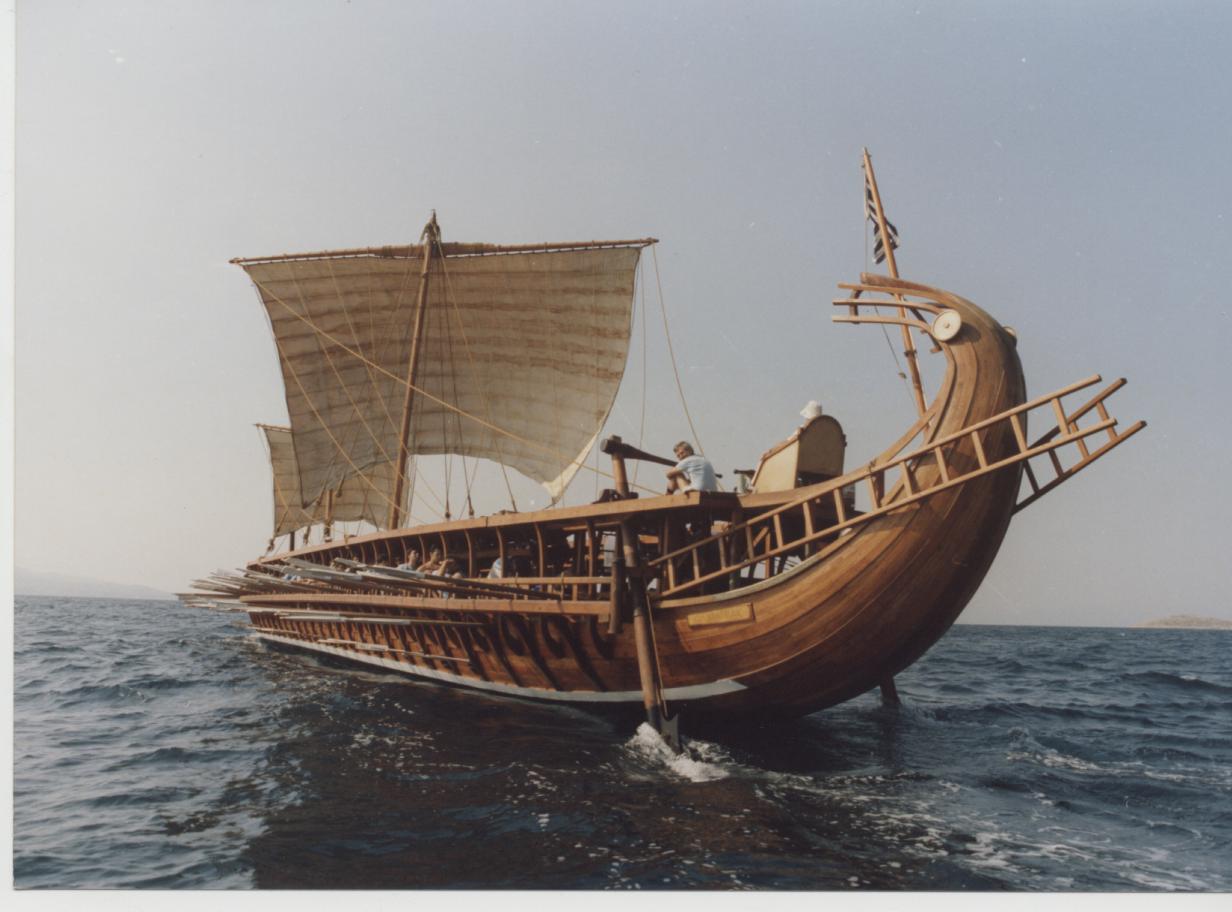
ship 1

Post No. 723 dated 26th November 2013

By London swaminathan

Hindu Dharma Sastras (ancient law books) ban foreign travel. Crossing the sea was a taboo in those days. There were reasons for it. But great Brahmins like Agastya and Kaundinya travelled to South East Asia and established a Hindu empire which lasted 1300 years in Thailand, Laos, Cambodia, Vietnam, Philippines, Malaysia, Singapore and Indonesia. I have written a lot about it my earlier posts.

His Holiness Sachidananda Siva Abhinava Narasimha Bharati Svaminah of Sringeri Mutt (33rd Head of Sringeri Shankara Mutt) answered a devotee’s question on the ban on orthodox Hindus travelling abroad:-

“ Some gentlemen pleaded with His Holiness for relaxation of the rules prohibiting foreign travel and urged the great need and the advantages of such travel in the interests of the welfare and advancement of our country. His Holiness said:-

“Brahmanyam is the highest asset of a Brahmana and for preserving it he is asked not to mix with all and sundry people even in this land whose contact or company is likely to affect the Brahmanyam. How can a Brahmana then be permitted to go to foreign lands and stay there with people of quite different tastes, tendencies and habits? No kind of expiatory rite can completely eradicate the effect of such contact. So the Sastras do not permit free intercourse as before with one who has returned from foreign lands though he may have performed some expiation ceremony. It is in no sense cruel to have such segregation.
Though we equally love all the portions of our body, do we not allow some portions to be operated upon and even removed if we find that they are likely to affect the general health of the whole body? It may be a painful process but is a necessary one. Similarly a person who has seriously impaired or lost his Brahmanyam is sure to affect the purity of others and nothing wrong in segregating him from the main society.

It will be well to bear in mind that the prohibition as regards foreign travel applies only to the small communities of Brahmana, Kshatriya, Vaisya collectively called Dvijas and not to Sudras and other castes which form the overwhelming majority in our society. Let the latter take to foreign travel and the former encourage and help them. If they do so, this will incidentally reduce the heart burning and hatred caused by the Brahmanas competing with others in all fields of worldly enterprise.
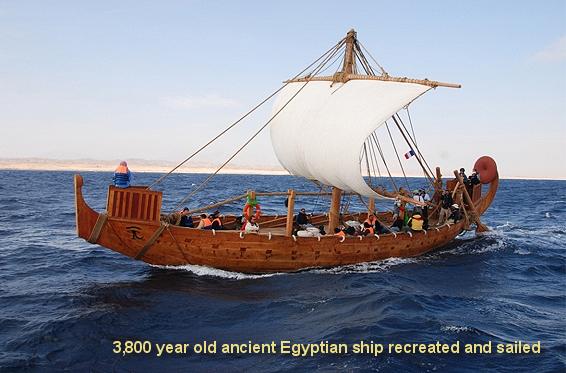
ship2

If it is said that the Brahmanas particularly are required for foreign travel by reason of their superior intelligence, quick grasp of new ideas, power of adjustment to circumstances etc., we must recollect that this superior capacity is not the result of physical labour but only of their habits of self restraint, strict adherence to the Sastras, frequent exercise of their intellect in the pursuit of subtle problems of life and more so of their inborn state of contentment.

If the Brahmana is allowed to give up all these and join in the race for worldly prosperity and imbibe the spirit of discontent, the superiority will vanish in no time and he will be just like others and sometimes even inferior to them. It is therefore dangerous to try to dilute and ultimately eradicate Brahmanyam from our land and make the Brahmanas remain so only in name to be treated with contempt.”

From the book ‘Golden Sayings’,1969 publication by Sri Jnanantha Grantha Prakasana Samiti, Thenkarai, Madurai District.

My (London Swaminathan) comments: What Swamiji said several decades ago is very true. It is a bitter truth that we are not ready to admit. No one will follow Swamiji’s advice. We have hundreds of excuses to put forth before him. Bu the religious heads cant dilute the Satras. I myself have noticed the following changes during my 27 year stay in London:

1. We can’t follow all the rituals in foreign countries which we followed in India.
2. Our sons and daughters are not following or believing what we believed when we were young.
3. Every family got marital connection with a Non Hindu. The minute it happened, their entire tone changed and began to talk about “universal brotherhood!”
4. Names of Sri Lankan and Mauritian Tamil children have been distorted beyond recognition. By the third generation they didn’t even understand their names. Neither do their parents! When they followed false numerology their names got wrong and negative connotations.

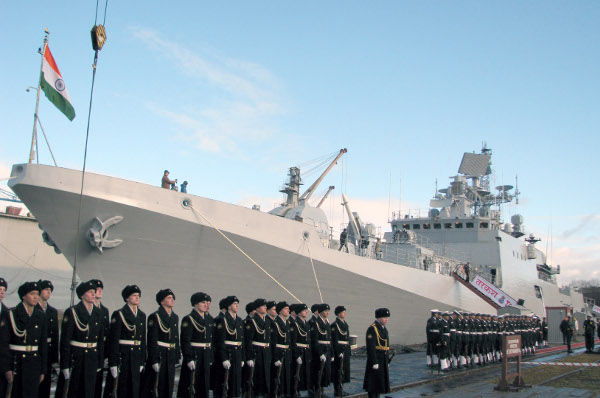
commissioning of INS Tarkash on 09 Nov 2012

5. The Non residents did not see anything wrong in religious conversions.
6. They did not attend their parents’ funerals for the fear of losing their asylum status.

7. Most of the youths lost their roots and forgot their mother tongue. Most of their religious hymns are in their mother tongue. When they read them through Roman letters they sounded awkward.

8. Few old people have become mental patients because of cultural and religious conflicts in their families.

9. Children who are born to couples belonging to two different religions feel like rudderless ships!
10. First generation forget their mother tongue. By second generation, they forget their culture. By third generation they forget their religion. By fourth generation they are rootless and feel like rudderless ships. Since their parents also forgot most of their language and culture they are unable to help their children

11. The writer can give hundreds of incidents to substantiate the above statement. Very few Brahmins do Sandhya Vandhana three times a day and monthly rituals like Tharpanam. Going to temples is rarer.

12. We must see His Holiness in the right context. He advised Brahmins to be content and be the torch bearers of religion and culture like in the olden days. You and I look at present day and care for our family and our friends, but Shankaracharyas and saints like him look at future and care about generations to come.

Contact:- swami_48@yahoo.com

Who is a Brahmin?

In the Vanaparva of Maha Bharata, Yudhisthira, the Dharmaraja, had an encounter with a huge python, who was in fact king Nahusa, one of the forefathers of Yudhisthira. Nahusa, through his good deeds and piety, obtained as his reward, the throne of Heaven but then his downfall started. For he became too proud and forgot the distinction between Dharma and Adharma.  He kicked at the head of sage Agastya, and was cursed, which turned him into a python for thousands of years. He had been waiting, in the form of a python, for long time, to be saved by the pious Yudhisthira through a discourse on Dharma.

So one day Nahusa (in python form) got hold of Bhima, and was about to crush him when Yudhisthira appeared in search of his brother. The fabulous power of Bhima, who used to kill endless numbers of demons, elephants, pythons etc., was of no avail. Nahusa was more powerful for he had a noble mission—a discourse on Dharma.


Nahusa said to Yudhisthira, “ I will let your brother go, if you answer my questions on Dharma”. So the discourse started. The first question was; what makes a Brahmin a Brahmin? Yudhisthira listed a number of virtues: truthfulness, generosity, forgiveness, goodness, kindness, self control and compassion—all these qualities together constitute a Brahmin. The list is not very different from the one found in Bhagavad Gita Chapter 18 verse 42.

The python asked, “But this goes against the principle of four varnas/ castes. For even a Shudra may have all these virtues. Virtues cannot be the monopoly of any caste.”  Yudhisthira replied in unambiguous language, “Indeed ,if a Shudra is characterised by all these virtues, he is to be defined as a Brahmin. And if a Brahmin lacks them then he is to be regarded as a Shudra.”


The python asked again, “but if Brahminhood is constituted by a number of virtues, then birth (In a Brahmin family) would be in vain, where such virtues are conspicuous by their absence”. Yudhisthira replied, “Indeed. Since through sexual urge (raga) people copulate and produce children, birth is always a dubious criterion in such matters. Therefore, the old sages depend upon good conduct as the indicator of a better person. Even one who is a Brahmin by birth would be a Shudra through poor despicable conduct”.  Yudhisthira even referred to the “self originating” (Swayambhuva) Manu as his authority.

From the book “ The Gita in World Literature”


Brahmin’s Contribution to Advaitic Philosophy

Sometimes it has been stated that the Upanishadic doctrine of the unity of the psychic and cosmic spirit is a contribution of the Kshatriya kings like Janaka of Videha, Ashvapati of Kekaya and Ajatashatru of Kashi to ancient Indian metaphysics. This was eloquently championed by Richard Garbe. It is true some of the Brahmin scholars were initiated into the mysteries of the monistic metaphysics by enlightened philosophical idealists who are regarded as Kshatriyas. But this sociological research in to caste based theoretical genesis does not seem convincing.


The monistic metaphysics has its roots in the Dirghatama (R.V.I/164) and the Nasadiya hymns (RV. X/129) of the Rigveda which, there is no evidence to prove, were composed by Kshatriyas. The Kshatriya group specialised in political, administrative and military pursuits. They could not reasonably be expected to have the surplus mental energy to have formulated the doctrine of idealistic metaphysics as a counterpoint of the Kshatriyas against the ritualistic priestly cult of sacrifices. If the Kshatriyas had the intellectual vigour to be the originators of speculative and transcendental metaphysics, why were all the Vedantic commentators, interpreters and exegetes from the times of Baudhayana and Shankara to Sriharsha and Madhusudana only Brahmins?


Gautama Buddha was a mighty intellectual genius but most of the formulators of the Buddhist philosophical schools like Asanga, Vasubhandhu, Maitreya, Nagarjuna, Dignaga and Dharmakirti were Brahmins and not Kshatriyas?

The Gita is said to have been written by Vyasa whose father Parasara was a Brahmin. Neither the Vedantic idealism nor the Samkhya dualism, Bhagawatism and Yoga were ever formulated by  Kshatriyas.

From the book “ The Gita in World Literature” (Picture is taken from another site)

Ramanuja and Non Brahmins


(1) Penitence for Pride— As told by Mukulbhai Kalarthi, Ahmedabad

Ramanujacharya lived in Tamil Nadu and Karnataka between 1017 AD and 1137 AD. He lived for 120 years.

On account of old age the renowned Vaishnava preceptor and propounder of the philosophy of Vishistadwaita (Qualified Monism), Ramanuja had become very weak. Therefore, while going to the river for his daily bath he had to take the help of someone.

Going to the river he would rest his hand on the shoulder of one of his Brahmin disciples. But while returning home, he took the help of a disciple, belonging to the lowest caste Shudra.

The orthodox people were greatly perturbed at this peculiar behaviour of the preceptor. Therefore one day some of them got together and went to Ramanuja and said to him, “Revered teacher, should you desire, you can take the help of the untouchable disciple before your bath. But once after the bath you have made yourself clean, you ought not to touch him”.

The preceptor replied, “Brothers, I place my hand on the shoulder of him, whom you consider an untouchable, after my bath, only to wash away the dirt of pride, which still sticks to me because of my belonging to the so called highest caste. And this dirt cannot be washed away with mere water!”


(2) Story of Kanchipurna (Thiru Kachi Nambi) as told by Swami Sivananda

“One of Ramanuja’s disciples, by name Kanchipurna, was serving in the temple at Kancheepuram. Although a Shudra, Kanchipurna was so very pious and good that the people of the place had great respect and reverence for him. At present, there is a temple at Kancheepuram where Kanchipurna’s image has been installed and where he is worshipped as a saint.

Young Ramanuja came under Kanchipurna’s influence and had such reverence for him that he invited him to dinner in his house. Ramanuja’s intention was to attend on Kanchipurna and personally serve him at dinner and himself take meals afterwards. Unfortunately, Kanchipurna came to dinner when Ramanuja was not at home, and took his meals being served by Ramanuja’s wife. When Ramanuja returned home, he found the house washed and his wife bathing for having served meals to a Shudra. This irritated Ramanuja very much and turned him against his wife who was an orthodox lady of a different social ideal. After a few incidents of this nature, Ramanuja abandoned the life of a householder and became a Sannyasin”— Swami Sivananda of Divine Life Society.

(3) Acme of Compassion –As told by Swami Ramdas of Anandashram

“You must have heard of the three great teachers : Shankara, Ramanuja and Madhwa. They have established their systems of philosophy in India. Ramanuja went to a Master and asked him to initiate him. The Master gave him God’s name and also advised him not to give this NAME to anybody, adding if he did so, he would go to hell. At once Ramanuja went to the top of the local temple (at Sri Perumpudur near Madras) and shouted, “ I am going to give you all a NAME which will save you. My master has given me that Name”. He uttered the name loudly so that everybody could here.


(God’s name he uttered was OM NAMO NARAYANA)

The Master heard about it and asked why he did so in spite of his warning. Ramanuja’s reply was, “I am prepared to go to hell a hundred times if I can save thousands”.

Compiled by swami_48@yahoo.com


தூதர்கள் படுகொலை

பிராமண தூதர்கள் படுகொலை

(இந்தக் கட்டுரை ஏற்கனவே ஆங்கிலத்தில் என்னால் வெளியிடப்பட்டுள்ளது)


தூய்மை துணைமை துணிவுடைமை இம்மூன்றின்

வாய்மை வழியுரைப்பான் பண்பு (தூது, குறள் 688)


உலகிலேயே தூதர்களுக்கான இலக்கணம் வகுத்த முதல் நாடு இந்தியாதான். தூதர்களுக்கான குண நலன்களை வகுத்ததோடு அவர்களுக்கான சட்ட திட்டங்களையும் வகுத்தது பாரதம் தான். இதற்கான சாட்சியங்கள் ராமாயணத்திலும் மகா பாரதத்திலும் இருக்கின்றன. தமிழ் வேதமான திருக்குறள் “தூது” என்ற அதிகாரத்தில் பத்து குறட் பாக்களில் தூதர்களின் லட்சணங்களை முன்வைக்கிறது.

ராவணனிடம் தூது சென்ற அனுமனைக் கொல்ல ராவணன் உத்தரவிடுகிறான். உடனே விபீஷணன் அதைத் தடுத்து தூதர்கள் விஷயத்தில் பின்பற்றப்படவேண்டிய அறப் பண்புகளை நினைவு படுத்துகிறான். இதுதான் இந்தக் காலத்தில் “டிப்ளமேடிக் இம்யூனிட்டி” என்ற பெயரில் சர்வதேச அளவில் பின்பற்றப்படுகிறது.


கவுரவர்கள் இடத்தில் தூது சென்ற கிருஷ்ணன் தன்னுயிரையும் பொருட்படுத்தாமல் தனது பணியைச் செய்ததை மகா பாரதம் எடுத்துரைக்கிறது. ஆனால் இக் கட்டுரையில் நான் சொல்ல வந்த விஷயம் பலரும் அறியாத ஒரு விஷயம். வரலாற்றுக் காலத்தில் இரண்டு பார்ப்பன தூதர்கள் படுகொலை செய்யப்பட்ட சோக நிகழ்வு அது.

பிராமணர்கள் கல்வி கற்றதாலும் அந்தக் காலத்தில் ஒழுக்க சீலர்களாக இருந்ததாலும் பழங் காலத்தில் தூதர் பணியையும் செய்து வந்தனர். இப்படிப்பட்ட இரண்டு பிராமணர் பற்றி அக நானூறும் புற நானூறும் பாடுகின்றன. பாலை நிலம் வழியாக ஓலைச் சுவடியைக் கையில் ஏந்திவந்த பார்ப்பனனை தங்கம் கொண்டு செல்லும் ஆள் என்று நினைத்து பாலை நில மாக்கள் கொன்று விடுகின்றனர். அவர் ஒரு ஒல்லியான வறிய பார்ப்பனன் என்று அறிந்தவுடன் வருத்தத்துடன் கையை நொடித்துச் சென்று விடுகின்றனர். இதோ அந்தப் பாடல்:


“ கண நிரை அன்ன , பல் கால், குறும்பொறை

தூது ஒய்ப் பார்ப்பான் மடி வெள் ஓலைப்

படையுடைக் கையர் வரு தொடர் நோக்கி

உண்ணா மருங்கும் இன்னோன் கையது

பொன் ஆகுதலும் உண்டு என கொன்னே

தடிந்து உடன் வீழ்த்த கடுங்கண் மழவர்

திறன் இல் சிதாஅர் வறுமை நோக்கி

செங்கால் அம்பினர் கைந்நொடியாப் பெயர

கொடிவிடு குருதித் தூங்கு குடர் கறீஇ”

——

(அகம் 337, பாலை பாடிய பெருங் கடுங்கோ)


புறநானூறு வேறு ஒரு சித்திரத்தைக் காட்டுகிறது. ஒரு பிராமணர் நள்ளிரவு என்று கூடப் பார்க்காமல் அரண்மனைக்குள் ஓலைச் சுவடியுடன் அவசரம் அவசரமாக நுழைகிறார். அடுத்த நிமிடம் அந்த மன்னன் பயந்து போய் தனது போர்க் கால நடவடிக்கைகளைக் கைவிட்டு பணிந்து விடுகிறார். அந்த பார்ப்பனன் பேசிய சொற்களோ வெகு சில என்று வியக்கிறார் புலவர். இதோ அந்தப் பாடல்:

“ வயலைக் கொடியின் வாடிய மருங்கின்

உயவல் ஊர்திப், பயலைப் பார்ப்பான்

எல்லி வந்து நில்லாது புக்குச்

சொல்லிய சொல்லோ சிலவே; அதற்கே

ஏணியும் சீப்பும் மாற்றி

மாண்வினன யானையும் மணிகளைந்தனவே”

(புறம் 305, புலவர் மதுரை வேளாசான்)


கொடுமையிலும் கொடுமை


போர்ச்சுகீசியர்கள், ஸ்பானியர்கள், டச்சுக்காரர்கள், ஆங்கிலேயர்கள் ஆகியோர் சென்ற இடமெல்லாம் படு கொலை, கொள்ளைகளில் ஈடுபட்டு வணிகத்தையும் அரசாட்சியையும் நிறுவியது உலகறிந்த உண்மை. மனிதர்களை கொக்கு, குருவி போல சுட்டுக் குவித்ததையும் வரலாறு அறியும். ஆஸ்திரேலிய, அமெரிக்கப் பழங்குடிகளையும், இன்கா, மாயா, அஸ்டெக் நாகரீகத்தையும் அழித்த ரத்தக் கரை எந்தக் காலத்திலும் இவர்கள் கைகளில் நாற்றம் வீசும். இந்தியாவில் இவர்கள் இழைத்த கொடுமைகள் ஏராளம். வீரபாண்டிய கட்ட பொம்மன், மருது சகோதரர் முதல் ஜாலியன்வாலாபாக் வரை ஆயிரக் கணக்காணோர் கொல்லப்பட்டனர்.

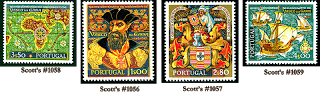
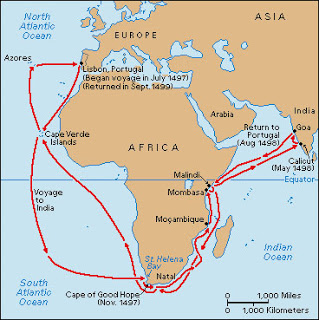
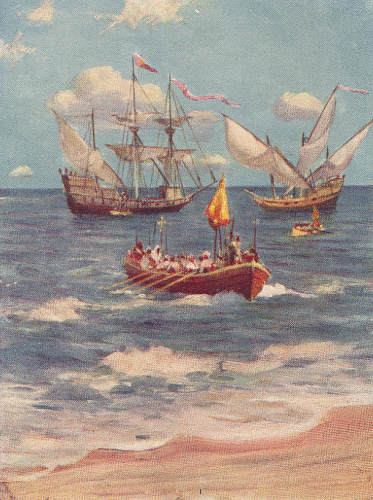
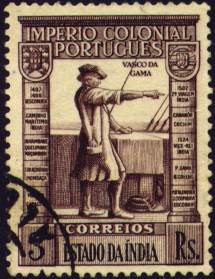
போர்ச்சுகீசியர்களும் ஸ்பானிஷ்காரகளும் நயவஞ்சகத்தில் வெள்ளைக்காரர்களுக்கு ஒரு படி மேல்தான். வாஸ்கோடகாமா என்ற கிராதகன் கோழிக்கோட்டில் 1498-ல் வந்திறங்கியபோது அப்போது அரசாட்சி செய்த ஹிந்து மன்னன் (ஜாமொரின்) நல்ல வரவேற்பு கொடுத்தார். ஒரு பிராமண நம்பூதிரி காமாவுக்கு மொழிபெயர்த்தார். பின்னர் போர்ச்சுகீசிய- இந்திய உறவு சீர்கெடவே 70 போர்ச்சுகீசியர்கள் கோழிக்கோடில் கொல்லப்பட்டனர். 1502ம் ஆண்டில் இரண்டாவது முறை இந்தியாவுக்கு வந்த வாஸ்கோட காமா,  பழிவாங்கும் நோக்கத்தில் 400 பேருடன் மெக்காவுக்குப் புனித யாத்திரை சென்ற கப்பலை தீயிட்டுக் கொளுத்தினார். புகையை அதிகமாக்கி கப்பலில் இருந்த ஆண்,பெண், குழந்தைகளை சித்திரைவதை செய்து கொன்றார். கோழிக்கோடு மீது குண்டு வீசித் தாக்கினார்.

எந்த பிராமணர் முதலில் பேச்சுவார்த்தையில் உதவினாரோ அதே பிராமணர், தூதர் என்ற முறையில்,  வாஸ்கோவின் கப்பலுக்குச் சென்றார். அவரைப் பிடித்து வைத்து அவரது காதுகளை வெட்டி ஒரு நாயின் காதுகளை அவர் காதுகளில் வைத்துத் தைத்தார். உதடுகளைத் தைத்து ஜாமொரின் மன்னரிடம் அனுப்பிவைத்தார். ராவணன் கூட செய்யாத காடுமிராண்டித்தனமான செயல் இது. இதற்குப் பின் பேச்சுவார்த்தைக்கு வந்த ஒரு பிராமணரைக் கண்டம் துண்டமாக வெட்டி அனுப்பினார். இபோதும் கூட எந்த ஒரு நாடும் தூதர்களை இப்படி அவமானப் படுத்துவதில்லை. கோவாவிலும் இலங்கையில் யாழ்ப்பாணத்திலும் போர்ச்சுகீசியர்கள் செய்த கொடுமைகள் தனிக் கதை.


தூதர்களுக்கு இலக்கணம் வகுத்த பூமியில் இப்படி நடந்தது வருந்ததக்கது. இதில் வேடிக்கை என்னவென்றால் ஹிட்லர் செய்த கொடுமை பற்றி வாரம் தோறும் ஒரு டாக்குமெண்டரி அல்லது சினிமா அல்லது புத்தகம் வெளியிடும் வெள்ளைக்காரர்கள் அவர்கள் செய்த கொடுமைகளை அழகாக மறைத்து வருகின்றனர். முழுப் பூசணிக்காயைச் சோற்றில் மறைக்க முடியுமா?

contact swami_48@yahoo.com

Ancient Indian Ambassadors

Murder of Two Brahmin Ambassadors

India is the first country in the world to frame rules regarding international ambassadors. India is the first country in the world that framed law regarding diplomatic immunity. This shows civilization has advanced to the highest level in ancient India, which has got no parallel. We have two episodes of peace missions in Ramayana and Mahabharata. Both the episodes describe the rules for ambassadors. Hanuman went on a mission to Sri Lanka to see Ravana. Krishna went on a peace mission to see the Kurus: Dhritarashtara  and Duryodhana. On both the occasions, when kings tried to ill treat the ambassadors, the ministers reminded the kings of the accepted norms and warned them not to do so.

Hanuman went to Lanka to see Ravana and demand return of Sita, whom he abducted. Enraged Ravana wanted to execute Hanuman, but Ravana’s brother Vibhishana reminded him that an ambassador cannot be ill treated.

Tamil Rules

Tamil Veda Tirukkural has an entire chapter about ambassadors. Brahmins were sent as ambassadors in the historical period. Brahmins can travel to any part of ancient India without any hurdles.  2300 year old Arthashastra of Chanakya says that Brahmins need not pay even ferry charges.

People of highest calibre only were appointed as ambassadors. Tirukkural has got ten couplets on this subject. Following three describe the qualities required for ambassadors:

“The faithful ambassador is pure in heart, obtains helpful alliance and is bold in presenting facts”.

“The proper messenger to a foreign court is he who is flawless in words, and brave in heart, but never loose in tongue”.

“The bold envoy, even at the cost of his life, assures the well being, safety and joy of his leader”. (Tirukkural 688- 690)

We see these virtues in Hanuman and Sri Krishna. Anjaneya (Hanuman  or Maruthi) was described as ‘Master of Words’.

We have two unfortunate reports of two Brahmin ambassadors’ murder in the historical period. Sangam Tamil literature narrates one incident where a Brahmin messenger was killed by illiterate robbers. The other murder is an atrocious betrayal by the ruthless Portuguese traveller Vasco da Gama.

2000 year old Akananuru (Sangam Anthology) verse 337 says:

A Brahmin was coming with a message in his hand. It was a message written on palm leaf and rolled. The robbers thought it was gold and killed the Brahmin messenger. When they realised that he was a poor Brahmin in rags, they regretted their action very much, says the poet Palai Padiya Perum Katunko.

Purananauru verse 305 by poet Madurai Velasan praises a Brahmin messenger for his quick and positive role. The slim and tired Brahmin came and went quickly in to the palace in the dark night. Next minute the king who got his message changed his mind and stopped the war fearing defeat. The poet adds the Brahmin spoke only few words but it was tremendously fruitful.

Evil Vasco da Gama

Portuguese sailor Vasco da Gama came to Calicut (Kozikodu) in Kerala in 1498. He met the Hindu king of Calicut and he was given a warm welcome. But relationship deteriorated in the next few years and 70 Portuguese workers were killed in Kerala. So he avenged their death by bombarding Calicut during his second voyage to India in 1502. He attacked a ship going to Mecca with 400 pilgrims and burnt them to death. He insulted the Nambudiri priest who came for negotiation. The priest’s ears and lips were cut and dog’s ears were sewed and sent back to Zamorin of Calicut. In fact he was the one who interpreted for him during his first voyage. On another occasion he killed the Brahmin messenger sent for negotiations.He cut him into pieces. Both the incidents took place in his ship. Portuguese destruction of all that is Hindu in Goa, Diu and Daman is a different story.

Krishna, the Divine Ambassador

Swami Krishnannda of Divine Life Society wrote a beautiful poem about Krishna’s Peace mission:

  1. Sri Krishna turned his gracious glance and spoke in soothing terms,
    “Well, what is past is past, of course, now further steps be thought.”
  2. “A messenger, learned in lore, be despatched quickly hence,
    To court of Kurus with a request that your share is due.”
  3. “Since errand sent with milder touch bore not a happy end,
    Methinks a stronger politic take up this task on hand.”
  4. “Whom shall we send, thou, all-knowing, may kindly suggest us,
    A person who would speak and explain facts of justice plain.”
  5. So wondered eldest of the brethren, good Yudhishthira,
    To which Sri Krishna thus replied in loving tender words.
  6. “I am here, king, ready am I to do this work of peace,
    As errand-man I go to Kurus and convey your views.”
  7. “No, nothing doing, thou shalt not, our heart and soul thou art,
    Thy single march to camp of foes I wholly disapprove.
  8. “Thou shalt not go, our life thou art, our life is in thy life,
    No, never, Master, I shall myself or my brothers go.”
  9. In loving kindness Krishna spoke to fear struck righteous king,
    “Fear not my life, I have the strength to protect myself safe;
  10. “Not all the kings, with all weapons can face me in battle,
    As herd of deer dare not stand before a lion’s rage.

—–Swami Krishnanada of DLS

Contact swami_48@yahoo.com

****

பார்ப்பனர் மாமிசம் சாப்பிடுவார்களா?

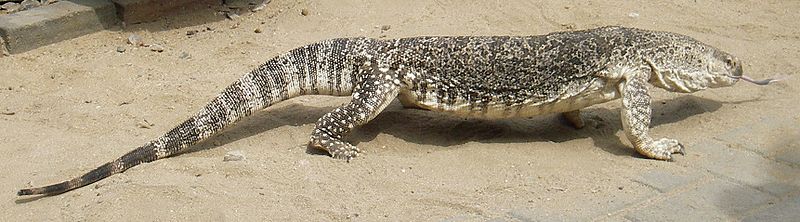
உடும்பின் படம் (varanus exanthematicus, garden lizard)

நான் சொல்லுவது பழந்தமிழகப் பிராமணர்களைப் பற்றியது. இப்பொழுதுள்ள பிராமணர்களைப் பற்றி அல்ல!!

புலன் அழுக்கற்ற அந்தணாளன் என்று கற்றோராலும் மற்றோராலும் புகழப்படும் கபிலர் பாடிய சில பாடல்களில் (புறம் 113, புறம் 14) மாமிச உணவு பற்றிய செய்திகள் வருகின்றன. இதனால் பழைய தமிழ் நாட்டில் பார்ப்பனர்கள் மாமிசம் (இறைச்சி) உண்டனரா என்ற கேள்விகள் எழுந்தன. உலகப் புகழ் காளிதாசனும் விதூஷகன் வாயிலாக வரும் வசனத்தில் மாமிசம் பற்றிப் பேசுவான். இதற்கெல்லாம் நீண்ட விவாதங்களுக்குப் பின்னர் ஆன்றோர்களும் சான்றோர்களும் பதில் கூறிவிட்டனர்.

அதாவது ஒருவன் இறைச்சி உணவு பற்றிப் பாடியதால் அவர்கள் உண்டதாகாது என்றும் பல தமிழ்ப் புலவர்கள் தங்களையே பாணர்கள் போல உருவகித்துப் பாடியபோதிலும் அவர்கள் பாணர் சாதியினர் அல்ல, அந்தணரே என்றும் விடை கூறி, எடுத்துக் காட்டுகள் தந்து சமாதானப் படுத்திவிட்டனர்.

பத்துப் பாட்டில் ஒன்றான பெரும்பாணாற்றுப் படையில் பார்ப்பார் வீட்டை கோழியும் நாயும் கூட நெருங்காது என்று அவர்கள் தூய்மை பெரிதும் போற்றப்படுகிறது. அதே நூல் வரிகள் 302-310 ஐயர் வீட்டில் என்ன என்ன கிடைக்கும் என்ற “மெனு” வையும் கொடுக்கிறது:

இராசன்னம் (அரிசிச் சோறு)

வெண்ணெயில் வெந்த கொம்மட்டி மாதுளைத் துண்டு

(மிளகு பொடியும் கருவேப்பிலையும் கலந்தது)

மாவடு

இதைப் பாடிய உருதிரங்கண்ணானார் ஒரு அந்தணரே.

இது இப்படி இருக்க, நீண்ட நாட்களாக எல்லா உரைகளிலும் வரும் பழமொழிப் பாட்டின் ஒரு வரி புதிராகவே இருக்கிறது:


கள்ளி அகிலும் கருங்காக்கைச் சொல்லும்போல்

எள்ளற்க யார்வாயின் நல்லுறையைத்—தெள்ளிதின்

ஆர்க்கும் அருவி மலை நாட ! நாய் கொண்டால்

பார்ப்பாரும் திண்பர் உடும்பு (பழமொழி நானூறு)

பொருள்: அருவி உடைய மலைநாடனே! பார்ப்பனரும் நாய் கவ்வியதாயினும் உடும்பின் தசையை அதன் உயர்வை எண்ணித் தின்பர். அதுபோல கள்ளியிடம் தோன்றும் அகிலையும் கரிய காக்கையின் சொல்லையும் அவை தோன்றிய இடத்தை எண்ணி இகழாது உயர்வாய்க் கருத வேண்டும்.


உடும்பு என்னும் பல்லி இனப் பிராணியை எந்த எந்த இனத்தினர் சாப்பிடுவர்? உடும்புக் கறிக்கு ஏதேனும் மருத்துவ சக்தி இருப்பதால் இப்படிச் சொன்னார்களா? அல்லது இதை அப்படியே பொருள் கொள்ளாது வேறு வகையில் பொருள் கொள்ள வேண்டுமா?

இது நீண்ட காலமாக விடை காணப்படாத ஒரு கேள்வி. விடை தெரிந்தால் எழுதுங்கள்.contact swami_48@yahoo.com

Brahmins deserve an entry in to Guinness Book of Records

(This is written for Brahmins by S Swaminathan. If they do Sandhyavandhanam everyday, they will understand it better.)

(Sandhyavanhana Bhashyam by a layman)
I do Sandhyavandhanam everyday in London (on the banks of River Thames). Every morning I wonder shouldn’t the Brahmins get an entry in to the Guinness Book of Records for using from Astronomy to Zoolatry in their life on day today basis?
1.       A for Astronomy is in our blood. The day , one was born the parents cast one’s horoscope. When I asked about the stars ,my dad showed me the Orion constellation and showed me the red star as Arudra (Betelgeuse) and the three stars as Mrigashirsa.  Below which the V shaped constellation with red colour Rohini (aldebaran) and twinkling six stars Karthika (Pleiades) are seen. Which culture in the world use astronomy and astrology from the day of their birth till the day of death. So we must be entered in to the book of records for this knowledge.
2.       When one gets married the priest shows us  the Arundhathi and Vashista stars in the Saptarishi mandala (Known as Ursa Major or Great Bear constellation). To identify it easily, he shows us the Dhruva star (Pole Star). To identify the northern direction he points out the Tri Shanku (Sothern Cross Constellation) in the opposite southern direction.
Now that I live in London I can’t see Tri shanku stars and the Agastya star (Canopus) because I am away from equator and the Southern sky is not visible here. Which culture in the world has this Star watching ceremony in their wedding? So we must be entered in to the Book of Records for our use of astronomy.
3.       We are the one who use Panchangam on day to day basis. The eclipses are calculated precisely well in advance. Though other cultures like Sumerians and Babylonians calculated eclipses we are the ones that use it continuously to find out the good and bad. Those Middle Eastern civilizations have become a history now their clay tablets and gods are in museum.
4.       A for Arts : Every Brahmin family use arts every day. Whether it is the Kolam (rangoli) or flower garlands to Gods, or singing with Ragas in front of Gods- the art is mingled with our life. No culture in the world uses this as everyday business. Don’t we deserve a place in the Book of Records?
5.       B for Biology is in our blood. Brahmins used to feed ants with some rice in the ant hill every day. I asked the elders why they did this. They told me Brahmins must do Pancha yagna (Five sacrifices) every day and one of them is Bhutayagna (looking after living beings). He told me that was the reason women throw food to the crows every morning and our grandparents giving Agathikeerai to the cows every day. I wondered which culture had this in their day to day life. So we must get an entry in to Book of Records for this Bhutayagna alone.
6.       Everyday Brahmin women cleaned the kitchen with fresh cow dung. Now we knew it is a powerful anti bacterial agent. This is the only animal excretion which doesn’t emit any bad smell which can be used even in the kitchen! Once they even drank cow’s urine almost on daily basis knowing that it is a powerful anti bacterial agent. Now we follow this custom only on the day of Punul Kalyanam as Panchakavyam. No animal’s milk is used on a mass scale as cow’s milk which is the closest to mother’s milk. The Brahmins not only domesticated this animal but also classified it as a holy animal. Which culture in the world does this?
7.       C for Castes: The status of a Brahmin is not decided by caste alone but by virtues. In the Vedic period ,a born Kshatriya Viswamitra became a Brahmarishi and at last Vashista himself called him a Brahmarishi (Vashistar vaayaal Brahmarishi is a phrase in Tamil equivalent to from the horse mouth in English).The most powerful mantra of all the three Vedas is composed by this Viswamitra. Brahmins recite this mantra every day, This shows Brahmins never bothered about castes, but allowed anyone to become a Brahmin by following virtues and controlling passions. Brahmins were the first to throw the caste barriers in to wind. So they deserve a palce in the Book of Records for this achievement.
8.       C for Chemistry in our blood. Elderly people like grandparents are fasting on Ekadasi day and next day they eat only certain type sof food .When I asked them the reason ,they told me that it would soothe the empty stomach. Now I know that they did it because of acidity in the empty stomach, they used Agathi keerai to bring the acidity down. We deserve an entry in to book of records for following chemistry in our day to day life.
9.       D for Dreams and Sleep:   Psychologists and scholars like Sigmund Freud, Carl Jung and William Donhoff interpreted dreams from a different angle. But Brahmins knew that dreams can’t be avoided by any one as it happens to everyone during REM sleep (Rapid Eye Movement) we pray every day at the end o f the Sandhyavandhanam to get rid of  Dus swpnam ( nightmares, bad dreams) only. Ref Mantra Adhyano deva savita—–.
In Western countries, proper sleep is a rare commodity. A lot of people are on sleeping pills. We know that sleep is more important than anything and we pray for ‘sayanam cha me’ (good sleep) in Rudram and Chamakam. Who else pray for good dreams and good sleep in their daily prayers? Even if you don’t say Rudram and Chamakam every day, Brahmin priests
in every Shiva temple around the world do it for us. Don’t we deserve a place in the Book of records for following it?
10.   E for Environment: Go to any South Indian temple and you will see one local tree associated with the temple or god. I went to various temples in Madurai. One god was under Neem Tree another god was under Peepal tree (Ficus Religiosa) and main god Sundaresa had a Kadamba tree. The Ganesh was under a Banyan tree (Ficus Indica). Devotees collect Vilva and Tulsi for Puja. Devotees never ever harm these divine plants. Now I know they cared for environment more than the modern man. That is the reason every temple has a particular tree as Sthala Vriksha. We must get an entry in to the Book of records for this knowledge about environmental protection.
11.   F for Full circle: When one does Sandhyavandhanam one does a  full circle worshipping all the four directions . Which race in the world worship East,South,West and North praying for good news from all the four directions. Perhaps we were the one who discovered clocks and clockwise direction. We do go round temples in clockwise direction. In addition to four directions we add two more up and down and the middle too(aparaya,antharikshaya , Bhumyai nama:) Who in the world worship earth (Bhumi) every day? Don’t we deserve a place in the Book of Records? We show respect to every direction.
12.   G for Geography is in our blood: When we do Puja in London  or India we always start with a sankalpa (Intention to do…..) and this vow has full geography of the place where we do it. Bharata Varshe, Bharata Kande, Mero: Dakshina Parswe.. etc. Now that I live in London I slightly change it to Mero: uttare parswe. I marvelled at the way our mantas are structured. Which culture in the world says their geographical location when they do the Prayer. Even before the GPS system was invented we used our own GPS and said that we do the puja in this particular place on the earth. What a marvellous and amazing geographical sense we have. We must definitely be in the Book of Records for using geography for our daily rituals.
13.   G for Grammar: When we do the Gayatri  Japa we do touch our nose and say Gayathri (24 syllables) , Ushnik (28), Anushtub (32), Bruhathi (36), Pankthi (40), Trustub (44), jagathi  (48 syllables)–all these are Vedic meters. Grammar for writing poetry-prosody. Who in the world use grammar (prosody) term for worship? Don’t we deserve a place in the Book of Records for using grammar for our daily rituals?
14.   H for Homeopathy: In the olden days Brahmins went from village to village to perform pujas and other ceremonies. They have to drink different types of water from different sources like rivers, wells and tanks. The water contamination gave them a lot of diseases. So they invented ACHAMANAM.  Achamanam is sipping water in tiny quantity reciting god’s names. If we drink this way no water infection will affect us. This is the basic principle of Homeopathy: Like cures Likes. If you take the disease causing agents in small quantity that won’t harm your body, because your body develops immunity. Even when they go to temples, they do achamanam first, sprinkle the water on the head and then dip in to water. We must get an entry to the Book of Records for this Homeopathic practice.
15.   H for Heritage: Finding your roots has become a craze in the Western countries. Genealogy websites are doing roaring business. Brahmins touch their heads and recite the names of Seven Rishis (Atri, Bruhu, Kutsa, Vashista, Gauthama, Kasyapa, Angirasa) in their daily ritual. Human beings came from these seven rishis/seers. We have been doing this recitation for ages. This practice matches with the latest Western theory that the entire humanity came from seven mothers.
16.   H for History is in our blood. No culture in the world has so much historical sense as we have. We even know the cyclical nature of TIME. So we start from Manvatara and finish with Kali yugam, year, month, thithi , star etc. The Manvantara calculation goes back to the time of The Big Bang. We must be entered in to Book of Records for using the History of our earth in our every day puja/prayer.
17.   I for Indra: Thousands of years ago our ancestors did worship Indra on the banks of River Saraswathi and Sindhu. Indra is praised in all the four Vedas. He is mentioned as one of the gods of the Tamils in the oldest Tamil book Tolkappiyam. He is later praised in Purananuru and Tirukkural. Brahmins worship Indra every day in their Sandhyavandhanam. When Sumerian, Egyptian, Babylonian gods have gone in to the window showcases of museums we still worship Indra. Indra’s name is still used in the naming of new born children as Surendran, Rajendran, Mahendran etc. on the subcontinent. Brahmins deserve a reference in the Book of Records for this continuity.
18.   I for India : India is in our blood. Indian constitution begins with the line INDIA ,THAT IS BHARATH. Brahmins use it in their sankalpam. Even when we do a ritual inEurope or USA our priests always start the sankalpa mantra  “ Bharatvarshe, Bharata kande.”  Brahmins will never forget the holy motherland India (That is Bharat) wherever they go. For this patriotism we must be entered in to the Book of Records.
19.   J for Japa: When one does Gayathri Japa everyday day one doesn’t stop praying for oneself only. The mantra says ‘we’ ,’us’ ( Na: ). So we pray for all the humanity. That is why Kings of ancient days always funded the Brahmins. Who else in the world pray for ‘us’ in plural in any part of the world in their daily prayers? Don’t we deserve a place in Book of Records?
20.   K for “Kayena vacha manasendhriyair ——Narayanaethi Samarppayaami”:  Bank Clerks count millions of rupees every day, jewellery shop assistant sells very expensive gems and gold every day, sari shop lady assistant displays expensive silk saris everyday but all these people know that the goods are not theirs. Whatever we do or enjoy in this world is not ours.  So we dedicate everything to the God at the end of all our ceremonies including Sandhyavandhan. The mantra ‘Kayena vacha’ reminds us this every day. Nothing is mine and nothing is done by me. If we develop this attitude there won’t be any worries. Who teaches us on day to day basis?
21.   K for “Kamo Karsheet manyura karsheen namo nama:”: Watch any crime film or read any crime story in the newspapers. They were all based on two things: Kama/desire-greed and manyur-anger. We are reminded of this every day by this mantra. (The meaning of the mantra is-The sins generated through desire and anger from ignorance may please be forgiven”). If one sheds these two vices, one becomes God. Aim High is the teaching of Sandhyavandhan. Who does it every day other than Brahmins? Don’t they deserve a place in the Book of Records?
22.   L for Language: When we do Sandhyavandanam every day we use Sanskrit like Christians use Latin in Catholic churches and Muslims use Arabic in mosques. But my teacher told me Sanskrit is the only language in the world which was not named after an ethnic group. That means it belongs to the entire humanity. It is the language of the Gods-Deva Bhasha. We have been using the same Vedic recitation for more than 3500 years without a break. I also thought the person who called Sanskrit a ‘dead language’ must be an idiot. Hindu priests use it every day in the prayers  like Latin is used by the Pope. For this language reason alone we must get an entry in to the Book of Records.
23.   Living Fossil: Brahmins are like living fossils. Jurassic Park of Michael Crichton created a lot of interest in Dinosaurs when Steven Spielberg made a film on it. The reason was people thought one day we can produce even Dinosaurs from the plant resin which contains the gene of a dinosaur. Brahmins who preserve the ancient heritage – The Vedas- are like the plant resin and they may create wonders one day. Kanchi Mahaswamikal said in one of his speeches that Brahmins must preserve this rituals even if they don’t understand the full meaning of it. One day an Adi Shankara  may come again and spread our name and fame far and wide.
24.   M for Mathematics: Everyday in the Madhanhika/noon time Sandhyavandhanam we pray to the sun god to give us 100 years of life. Pashyema sharadash-shatam,Jeevema sharadash-shatam,nandaama sharadash-shatam, modaama sharadash-shatam, bhavaama sharadash-shatam, shrunavama sharadash-shatam, prabravaama sharadash-shatam, ajeetaasyaama sharadash-shatam, jok cha sooryam drushe is a beautiful mantra.(Meaning: We must be able to see, live, speak, hear, enjoy, praise the glory of god for one hundred years). Even Kannadasan has used it in one of the Tamil film songs as Nuuraanduk kaalam vaazka, Noy nodi illaamal vaazka நூறாண்டு காலம் வாழ்க,நோய் நொடி இல்லாமல் வாழ்க. I used to wonder how we use decimal system even in our dally prayers. In addition to it, we pray to Lord Ganesh  as Surya Koti Samaprabha meaning He is as brilliant as 10 million suns. Now the astronomers say that millions of stars in the sky are suns! Even when someone curses they say “ that must break in to Hundred pieces “ (decimal again). For using mathematics in daily prayers ,we must get a place in the book of Records. Tell me which culture uses the decimal system in the daily prayers?
25.   N for Numbers : Brahmins read Vishnu or Lalitha or Shiva Sahasranamam (decimal system again). But they have found the mystic number  9. So instead of just 100 or just 1000 they added 8 to make it 108, 1008. Even when Gayatri is recited in the daily Sandhya we do 108 or 1008.
26.   N for Nature Worship : Worship of nature is part of Hinduism. Sun light, particularly Sandhya/twilight, gives us a lot of peace. It elevates our thoughts. Newer and newer meanings are found for the mantras and our practices at that time .A Brahmin does it every day if he sticks to the saying Kaanaamal konaamal kandu kodu காணாமல் கோணாமல்கண்டு கொடு. (Kaanaamal- without seeing the sun-just before sunrise, konaamal-without getting your shadow-exactly at 12 noon, kandu-seeing the sun-just before sunset, kodu-give the water argyam-do Sandhyavandhanam).
27.   O for OM: Hundreds of pages of articles are available to understand the greatness of this primordial sound. From The Vedas to The Gita, we read it, we recite it. A Brahmin recites this in the Sandhyavandhanam a number of times. Who else does it every day?
Don’t we deserve a place in the Book of Records for all the above categories?
28.   P for Pranayamam: Pranayamam is part of our daily Sandhya. By this breathing exercise we increase our life span. Now the Yoga, Meditation and TM of Maharishi Mahesh Yogi are taught throughout the western world. Even if I want to learn it in London, most of the teachers available are British Whites! If you have learnt it from your father or family priest, your mental health will be far better than many people. Probably in100 year time foreigners will be teaching Pranayama to us in India.
29.   Q for Quest for truth:
Sandhyavandhanam is a proof for Brahmin’s quest for truth. The word BRHMIN has got several meanings: one who has knowledge of god, one who knows god and one who seeks Brahman/God. I will go by the last meaning because two thousand year old Tamil literature has beautifully translated the word as PAARPAAN and ANTHANAN. The meaning is very clear: one who looks inward one who is seer. In the Sandhya , a Brahmin invokes over fifty Gods and 15 Rishis(seers) thrice a day. If the repetitions of God’s names are also taken in to account one will say God’s names hundreds of times. If one recites Gayathri 108 or 1008 times that must be added to the above statistics. The structure of Sandhayvandhanam is amazing. A great genius must have developed this. If one does Sandhayavandhanam that
itself will give him the status of a Brahmin, because he is always seeking Him/Brahman.
30.   R for river Narmada : Worship of river Narmada river is included in the Mantra “Narmadayai Nama: It is strange that we have not included the holy Ganges or Sindhu or Saraswathi. It may be due to the Yagna conducted on the banks of Narmada. There is scope for research on this mantra. I hope some intellectual throws more light on this mantra.
31.   S for Seven and S for Serpent: Seven is the most sacred number is many religions. Number seven is used more times than any other number in the Indus Valley Civilisation which proves its Hindu origin and religious nature.We repeat Seven Rishis, Seven Chandas and Seven Gods in the mantra ‘Atri,Bruhu……’.
 In the above said Narmada mantra the historical clash between the Naga race and the Kuru race is explained. To avenge the death of his father Parikshit, Janamejaya started killing Nagas (euphemistically called serpents).But a sage called Astika stopped that killing and peace prevailed over thereafter. Every day Brahmins recall this 3000 year old historical clash. Who in the world remembers a peace agreement in this way in their daily prayer? That is why I say Brahmins deserve a mention in the Book of Records
32.   S for sin and confession: Confession (paava mannippu in Tamil) and atonement are part of Hindu worship. A Brahmin prays for this every day in the mantra Suryascha or Agnnischa mamnyuscha, many kruthebya:  paapebyo Rakshanthaam…….
33.   S for Sindhudwipa/Indus valley civilisation: Each Hindu mantra has a rishi, chandas and devata. The rishis for Apohista Mayo Bhuva: is Sindhudwipa Rishi-probably a seer from the Indus Valley area. This takes the origin of Sandyavandhana to the Indus valley. The Sandhyavandhana also proves that he Brahmins were original inhabitants of Indus valley. Because from birth to death they use water in all the ceremonies. Even before eating, they sprinkle water around the leaf or plate with a mantra. If they were from any cold area like Central Asia they wouldn’t use water for each and every thing. They would have frozen to death. Brahmin ladies can’t survive without water. If they touch any cooked food they wash their hands. This proves they were from a riverside culture, not cold areas.
34.   T for Twelve/Dwadasa Namam & Touching twelve places: When Brahmins do Achamanam, they touch their bodies with cold water in twelve places. They also recite twelve names of Lord Vishnu starting with Kesava,Narayana——-. Each of these names has a detailed story.
Touching 12 places in the body with cold water makes a person alert. Even Christians do it but touching only three places. It is an abridged version of what Brahmins do.
35.   T for Twilight: The very word Sandhya means twilight. Nature can take anyone to SAMADHI and give concentration power very easily. One day Sri Ramkrishna Paramahamsa  was walking along the ever green paddy fields of West Bengal. The sky was darkening due to gathering thick clouds. At that time, beautiful white cranes were flying in the sky. Emerald green Paddy fields, Dark blue clouds, Pure white cranes- When Ramakrishna looked at this beautiful colour combination as creation of God , he fell in to Samadhi. His disciples had to carry him home. Knowing the power of Nature ,ingenious Brahmins selected the twilight time for Sandhya.
36.   U for Upanishad Mahavakyas: The ultimate aim of all the Hindu prayers is to elevate man to the status of GOD. Our Vedas have four Maha Vakyas.
(a)PRAJNANAM BRAHMA: Consciousness is Brahman (Aitareya Upanishad of Rik Veda)
(b)AHAM BRAHMA ASMI: I am Brahman (Brihadaranya Upanishad of Yajur Veda)
(c) TAT TVAM ASI : That Thou Art  (Chandokya Upanishad of Sama Veda)
(d)AYAM ATMA BRAHMA: This self is Brahman (Mandukya Upanishad of Atharva Veda)
When Brahmins say Asavaadityo Brahma, Brahmaivahamasmi, it reminds us of the highest goal. பிரக்ஜ்நானம்பிரம்ம , அஹம் பிரம்மாஸ்மி, தத் த்வம் அசி , அயமாத்ம பிரம்ம
 Even Valluvar says man can become God: வையத்துள் வாழ்வாங்கு வாழ்பவன்  வான் உறையும்தெய்வத்துள் வைக்கப்படும்
37.   V for Vedic Gods : Throughout Sandhya Vandhana we invoke all the Vedic Gods from Agni to Varuna. Veda starts with the letter A. AGNI MEELE PUROHITHAM is the first mantra of Rik Veda. Lord Krishna says in the Gita  ‘Aksharanam Akaarosmi’-I am the first letter of the alphabet. Tamil Poet Valluvar also says அகர முதல எழுத்தெல்லாம் ————-
The beauty in the Sandhyavandhana is all the ancient Gods like Agni, Vayu, Indra, Yama, Varuna and the later Gods like Brahma, Vishnu, Shiva(Rudra) are all covered.
We can’t see such higher thoughts anywhere else in the daily prayers. That is why I think Brahmins deserve a place in the Book of Records.
38.   W  for Water:
The use of water by the Hindus, particularly Brahmins, remains a mystery. From Birth to Death they use it in all the ceremonies. No one can imagine doing Sandhyavandhana without water. Ancient Rishis used it to bless, curse, donate, wed, purify, to satisfy the departed souls and cleanse. Though Christians use it for Baptism, Brahmins use it for everything. How can water get so much power when it is used in a curse or in a blessing (Prokshanam), no one knows.
W for We: Most of the Vedic mantras including Gayatri pray for the entire mankind. It is always ‘We’ and not ‘I’.
39.   X for Who are you? : Another beauty of Sandhyavandhanam is the self introduction. When unknown value is mentioned, we always use X and Y as we do in Algebra. With the Brahmins no one needs to ask’ Who are you?’ From Sandhyavandhanam to meeting elders (Except Sanyasins) a Brahmin introduces himself by saying Abhivadaye—- which indicates his Kulam, Gothram, Vedam etc. What a beautiful system we have. Who else in the world do it in their daily prayers?
40.   Y for Yamaya Nama: Everyone is afraid of death. But for Brahmins even death is a subject of worship. He faces South and prays to Yama everyday in his Sandhya and praises him as Dharmarajan-A king of Justice! This mantra will drive away the fear of death. No one else worships the God of Death every day. This reminds everyone that Life is short and Art is long. It motivates us to do more good. Which community in the world does it?
41.   Z for Zodiac and Z for Zoolatry : Nine planets travelling through twelve zodiac signs are worshipped by the Brahmins every day to ward off  their evil influence. The beauty of the worship lies in the order of the heavenly bodies in Sunday (adityam Tarpayami) ,Monday (somam),Tuesday (angarakam),Wednesday (budham),Thursday(bruhaspathim) ,Friday(sukram) and Saturday (sannaischaram tarpayami). We invented the days of the week. Neither the Egyptians nor the Europeans invented this. They haven’t got the heavenly bodis for all the seven days. Norse gods and Roman gods take the place for several days. Whereas our system has been the same from the Vedic days. Even Thirugnana Sambhandhar sings this in his KolaRu Thiruppathikam
ஞாயிறு திங்கள் செவ்வாய் புதன் வியாழன் வெள்ளி
சனி பாம்பிரண்டும் உடனே ஆசறு நல்ல நல்ல அவை
நல்ல நல்ல அடியாரவர்க்கு மிகவே
                                                                –கோளறு பதிகம் (சம்பந்தர்)
Zoolatry is the worship of animals. We do worship the snakes in the Narmadhayai  nama: mantra. The mantra is actually done on two planes. One is the Naga race Vs Kuru race clashes as explained earlier. The other is actual snakes which ancients wanted to avoid.
So Sandhyavandhanam contains all sciences from Astronomy to Zoolatry. We must get an entry in to the Guinness Book of Records for carrying out this practice for several thousand years.
(Posted in Tamilbrahmins.com until 3rd December 2011 in 9 parts over nine days)
**************

No Brahmins, No Tamil!!

Written by By S Swaminathan

Posted on 14th January 2012

Tamil is one of the oldest, richest and sweetest languages in the world. A great many people, irrespective of their religion and caste, have shed their blood and sweat to foster and preserve the language and the culture. We salute all those great people. But yet a lot of mischievous propaganda by the Dravidian political parties in Tamil Nadu has misled the public to a great extent that they really believed Brahmins were aliens to Tamil culture. But anyone who goes deeper in to ancient Tamil literature known as Cankam (also called Sangam) literature would find out that without Brahmins Tamil would have died or at least become poorer two thousand years ago. The reason being Brahmins were the teachers of that language, like in other parts of India. So much was their contribution that any deletion of references to words like Brahmins, Vedas, Yagas, Sanskrit words, Sanskrit names from those books would leave the Tamil literature like a virus affected software. That is to say it would be incomplete without their contribution. Literally hundreds of references are there in the books. Ramayana ,Mahabharata and Puranic references are also in abundance.

The oldest Tamil book Tolkappiyam says Tamils worshipped the Vedic gods Indra , Varuna and Vishnu (Ref.Porul Adhikaram-1.5)

Two great Tamil kings were praised for their great yagnas- RAJASUYAM vetta Perunarkilli and Mudukudumi Peruvazithi. The first one was a Choza who did the great fire ceremony called Rajasuyam. We knew from Mahabharata that Dharma did this yaga. The second one was a Pandya king whose country was full of Yupa pillars. He was praised as if he would bow only twice-when he goes around a temple or when he sees a Brahmin. He was indomitable and invincible that the entire world would bow to him (ref.Purananuru Poem 6)

Nalliakodan’s palace is open to Brahmins 24 hours a day,  says Sirupantruppadai. Seraman Selvak Kadungo Vaziyathan will bow only to Brahmins , says Pathitru Pathu. In short we have so many references about kings bowing only before Gods and Brahmins.

Kapila was the giant among Cankam poets. He composed the highest number of poems (over 230) in Cankam period. Not only he composed Tamil poems, he taught a North Indian King Brahadhathan and made him to write a poem in Tamil. When he ridiculed Tamils, Kapila did teach him a real lesson. Kapila was praised by other Cankam poets as “A Brahmin of spotless character”.

A lot of Cankam poets have Sanskrit Names : Damodaran, Kesavan, Mahadevan, Vishnudasan, Kannadasan, Valmiki, Sahadevan, Gauthaman, Kausikan (Viswamitra), Kavya (written as Kappiya), Acharya (aasaan),Brahmachari

Over twenty Tamil poets are Nagas! They may not be Tamils. There is no reference to Nagas in five fold land division of traditional Tamils: Kurinji, Mullai,Marutham,Neithal and Palai landscapes have their own set of peoples and their own Gods such as Skanda Murugan,Vishnu,Indra, Varuna and Durga. Naga race lived in different parts of India.

The word Veda was beautifully translated by the Tamil poets. One poet described Veda as ‘Ezutha Kilavi’= unwritten word. Another poet praises it as ‘Ezutha Karpu’= unwritten chastity. He means that once written it’s purity would be lost and that is why the Brahmins pass it by word of mouth. Other poets call the Vedas as Marai= secret. They understood that the Vedas are written in a secret language with enigmatic or hidden meanings. Kaduvan Ilaveyini says that God is in secret form in the Vedas (Ref. Paripatal)

Karikalan and the Vedas

Karikalan and Rig Veda: Karikal Choza was praised as a supporter of Vedic practices. When you want to see your friends off you will have to walk seven steps with them and say good bye-says Rig Veda. The Saptapadthi ceremonly in wedding is also part of it. Karikalan was praised to have walked seven teps with his guest and see them off (Ref. Line 166 in Porunar Atruppadai by Mudathama Kanniyaar)

Brahmins are always referred to as one who looks inward (Anthanan or Paarppaan), one who always think of Brahman (Brahmanan). They are called one who do six jobs –Aru Thozilor- (In Sanskrit Shad Karma sukrutha:) because they do the following six kind of jobs,1.Learning,2.Teaching,3.Performing fire ceremonies  for others 4.Doing fire ceremonies for themselves,5. Accepting Gifts and 6.Donating gifts.

They are attributed with six virtues 1.One who seeks Brahman,2.One who takes two Births/Dwija,3.One who worships three forms of Agni/fire 4.One who practises four Vedas,5. One who controls all the five senses and 6. One who does six kinds of Jobs. Anyone can notice numbers 1,2,3,4,5 and 6 are used to describe Brahmins. The play on numbers has been used by thevTamil poets for two thousand years.

Brahmins acted as messengers as well during Cankam period. Dramas of Kalidasa and Bhasa also attributed this messenger role to Brahmins.

VEDIC GODS IN OLD TAMIL BOOKS

Following Hindu Gods and Godly persons were mentioned in Cankam literature:

Indra,Varuna,Agni,Yama,Rama,Krishna,Balarama, Shiva,Uma, Vishnu,Lakshmi, Parasurama,Kubera,Surya,Chandra,Arundhati, Gods in City Squares, Gods in trees, Gods in Hero Stones, Goddess of Kolli Hills,Gods in water sources etc. Reference of Holy bath in Cape Comorin and Dhanuskoti is also found in Tamil books.

Tamil Queen Committed Sati

There is a reference of a Pandya queen, Bhuta Pandyan Perun Devi, committing Sati as well. There is another reference of a poet going straight to heaven after performing a particular type of Yagna (Ref. Pathitru Pathu/Tenfold Ten poems).Gowthamanar who sang about Kuttuvan Cheral was transferred to Swarga (heaven) when he completed ten yagams with the help of the king. It is mentioned in Silappathikaram as well.

List of Brahmin poets and their contribution in Cankam literature:

Agasthyar ,who received Tamil language from Shiva

Tolkappiyar (Thruna dumagni), who wrote grammar after Agaththiyam became obsolete.

Amur Gowthaman Sathevanar (Sahadevan)

Kadiyalur uruththiran Kannanar ( Rudra Aksha)

Kodimangalam Vathula (Gothra) Narsenthan

Sellur Kosikan (Kausika Gothra) kannanar

Madurai Teacher Nalanthuvan

Madurai Ilam kausikanar

Madurai Kanakkayanar

Nakkiran,son of Madurai Kanakkayanar

Madurai gownian (Kaundinya Gothra) daththnar

Mamulanar

Uraiyur enicheri mudamosi

Perunkundrur Perungkausikan

Kumattur kannan

Gowthaman

Valmiki

Vadamavannakkan damodaran

Vembathur kumaran

PARANAR

Kapilar-Paranar, Kallada-Mamulanar are always treated as pairs. Of them Kapilar and Mamulanar are known Brahmins. But others are not classified under any caste. But my research shows Paranar is a Brahmin.

  1. Chera King sent his son with him for education. This was done in those days only with Brahmins.
  2. He was given land (Umbarkadu as Brahmadeyam) which was also done only to Brahmins or Temples in those days.
  3. Paranar is not a Tamil name. It is one of the Gothra Rishi’s name.
  4. Scholars like P T Srinivasa Iyengar also consider him a Brahmin.
  5. Dr R Nagaswamy, eminent historian and archaeologist of Taminadu also listed Paranar as a Brahmin in his book Yavarum Kelir.
  6. Paranar must be well versed in Sanskrit because he has translated and used lines from Kalidas’s poems and Vedic hymns.
  7. The name Paranar comes as a Brahmin’s name in the Story of Vikramaditya.

If we include Paranar’s  80+ poems with Kapilar’s 230+,  it will form a huge chunk in the Cankam works.


Books by Brahmin poets

Tolkappiyam (Pre Cankam period)

Kurinji pattu (lines 261)

Thiru murugatruppadai (lines 317)

Pattinap palai (Lines 301)

Perumpanatrup padai (Lines 500)

Malaipadukadam (lines 583)

Nedunal vadai (lines 188)

Six out of Ten Idylls sung by Brahmins

Pathitrup pathu (all except one)

Ainkurunuru (Kapilar’s 100)

Brahmin’s contribution adds up to 10,000 lines, nearly one third of the Cankam literature. The man who went from village to village to collect all these manuscripts was Mr U V Swaminatha Iyer, a Brahmin. We would have lost most of the Tamil treasures without his hard work.

Post Cankam Brahmin Writers

Thiru Gnana Sambandhar

Sundarar

Manikka Vasagar

Andal

Periyalvar

Madura kavi alvar

Tondaradippodi alvar

Jayamkondar

Ramanujar

(Though Adi Shankara and Dandi are from the South they did wrote only in Sanskrit)

Parimel Azkar: Though ten scholars wrote commentaries on the most famous Tamil ethics Tirukkural, Parimel Azakar’s was the best and most popular.

Nachinarkiniyar: The greatest commentator of Tamil literature. What Adi Sankara did for Upanishads, Brahmasutra, Bagavad Gita and Vishnu Sahasranama, Nachinarkiniyar did for Tamil literature. He wrote and wrote and never stopped. Without his commentaries we wouldn’t understand the Tamil poems at all. He was a voracious reader and a prolific writer.

Senavaraiyar: He wrote commentary on Tolkappiyam

U Ve Swaminatha Iyer: He was the doyen of Tamil literature. He saved Tamil books by visiting village after village to collect the old palm leaf manuscripts. Without his collection Tamil would have lost very valuable works. The Tamil world is indebted to him forever.

Bharathiyar: This twentieth century revolutionary poet was the giant of modern Tamil. He simplified the language of the poems and made it popular. He was the first one to write on various themes like God, nature, women’s liberation, education, freedom from poverty and patriotism. He broke the shell which insulated Tamil and made it available for laymen.

Parithimar Kalaignar: He was the first one to suggest Tamil should be declared a classical language.

We don’t want class and caste divisions in the society. But if anyone says that Brahmins came from outside India via Khyber Pass and they were alien to Tamil language and culture, my argument will be a nail in the coffin of those Brahmin haters.