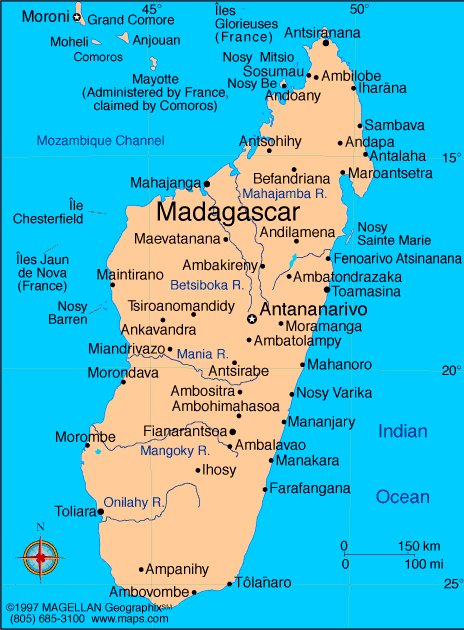
Madagascar –India Link via Indonesia

Sri Shankaracharya of Kanchi gave a series of talks in Madras (Chennai) in 1932. He was talking about the Hindu symbols and names found all over the world. He mentioned that 75 percent of the place names in Madagascar were Sanskrit names (page 68 of Jagadguru’s lectures published in 1933). Shankaracharya also pointed out many names carry the name of Rama. Now there is some scientific proof to confirm the links between India and Madagascar via Indonesia.

Prestigious science magazine New Scientist (issue dated 24th March 2012) has published a news story that Madagascar settlers came from Indonesia 1500 years ago. Around that time a Hindu empire flourished in Indonesia. Mulavarman’s inscription in Sanskrit was discovered in the middle of thick tropical forest in the last century. Mulavarman’s fourth century Sanskrit inscription spoke of the Yagna he performed, the pole he erected (Yupa Sthamba) and the donations he made to Brahmins. Mulavarman also said about his forefathers ruling that place. Since the migration took place around that time no wonder we see so many Sanskrit names in Madagascar Island.


(For more information read my articles Sanskrit inscriptions in strange places and Old Sanskrit inscriptions in mosque and coins)

“ Madagascar is a country of paradoxes. It lies just 400 kilometres off the coast of Africa yet it appears to have been colonised only within the last 1500 years. Stranger still, it now looks as if most of the women in that first population came from Indonesia rather than Africa .We know from language and culture that modern Malagasy have African and Indonesian ties”-says New Scientist.  When they analysed the genes of local women  it showed 93 percent had Indonesian links. Research scholars from Massey University of New Zealand and University of Cambridge conducted research in this area.


After the Indonesians, came the Bantu Africans, the Arabs, Portuguese, French and the British. So it is difficult now to recognise many of the original names. But rice is cultivated like India and Indonesia. Two hundred million years ago the island split from South Western India. Now the sapphire dug out in Madagascar is similar to Indian and Sri Lankan gem stones. Malagasy language is of Malayo-Polynesian origin. Since the South East Asians received the script, architecture, language via the east coast of India we may find some Tamil influence in the island. Gujarati Hindus have migrated to the island from East Africa in the nineteenth century.


Some signs that show the link with India:

1.Unlike African countries people traditionally cultivate rice, which is the South Indians staple diet.

2. Swastika symbol is found.

3.People worship their dead which is part of Hindu life. Hindus have to do Pancha Yagna (five sacrifices) every day. Remembering them and giving oblations is done by orthodox Hindus. Other Hindus do it on monthly (Amavasya Tarpanam) or Annual (Tithi) basis in India.

4. Boabab is considred a holy tree like Peepal tree in India.

5. Malagasy houses are accurately oriented so that the door faces west. In India most of the houses will face East.

6. Merina is the tribe that ruled Malagasy for many centuries. They came from Malaya-Indonesia area. Merina may be a corrupted form of Varuna, the Hindu Sea God. Linguistically M=V=P changes are possilbe.

7. Like Hindus worship monkeys (Hanuman) they worship Lemurs and call them Indra/ Indri. Lemurs are considered their ancestors.
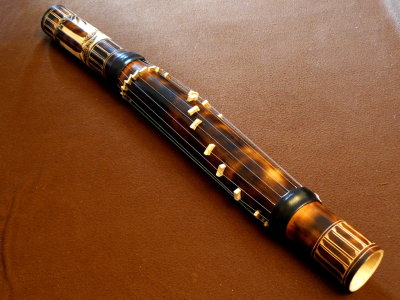
 

8. Valiha is a musical instrument made up of a long piece of bamboo with 15 strings stretched along its length between two collars. It is not found anywhere in Africa, but in Thailand, Burma and the East.

9.Famadi Hany (turning the dead): They exhume the body of the relatives every year and carry them to the land and then start farming. We have no similarity with any culture in this regard, but the word Famadi may be interpreted as Samadhi (Hindu Grave). Bali is a predominantly Hindu island in Indonesia where some strange customs like this exist.

10. Anovorano: Sacred lake where the women feed the crocodiles. As soon as the women call them, the crocodiles come. We have only Naga Panchami where the Hindu women feed the snakes every year.


Following place names sounds like Sanskrit names:

Antananarivo (capital city), Ambanizana, Mahajanga ( Maha Ganga?),Toamasina (Deva—-?),Sambhava, Manakara,Madirovalo (Mathura),Mahafali (Maha Bali, Mavali),Maevatanana (Maya vatana),Ankara fantsika (Ankara—)Marontsetra (Maran Kshetra),Moron dava (Maran Theva)Ambositra (Amba Sitra)Anala lava(Analan=Agni). More than ten town names begin with AMBA. Most of the river names begin with MAN, which may be Vana (forest).

A lot of place names start with A,U,M . As a matter of fact , all the famous islands start with Mala: Malaca, Malaya, Maldives, Malagasy, Mauritius, Malta, Mayotte, Molucas (Raja Raja chola conquered Mayirudingam, Mabuppalam Manakkavaram islands).

People’s names: Ravalomanana ,Ratsiraka ,Queen Rana Valona. Riija Rama is a name found in the island which may be Raja Rama.

A patient chronological analysis of names may reveal more details. As of now we can only make a safe guess.


From another book: “Who were the Malayo-Polynesian migrants?”

Higher numerals and calendrical terms are originally Malay and/or Javanese adaptations of Sanskrit terms. Sanskrit loanwords came into Malagasy via Malay or Javanese, as their shape or meaning often betray. Compare the following instances:

sisa ‘remainder, rest’ < Malay sisa ‘id.’ < Sanskrit çe a ‘id.’

asotry (dialectal) ‘Winter’ < (Old) Javanese asuji ‘September-October’ < Sanskrit a çvayuja ‘id.’

tantara ‘story, legend’ < Malay tantra (obsolete), Old Javanese tantra ‘id.’ < Sanskrit tantra– ‘chapter of a scientific book, doctrine, theory’

hetsy ‘100,000’ < Malay ti, Javanese sa-kəṭi ‘id.’ (both obsolete) < Sanskrit koṭi ‘ten million’

That these terms were borrowed via Malay and Javanese is supported by the fact that, of all Sanskrit loanwords in Malagasy (at least 35 in total), there is only one word that is not also found in Malay or Javanese.[6]

A large part of the vocabulary for body-parts in Malagasy was originally Malay or Javanese.

trozona ‘whale’ < Malay duyu ŋ ‘sea cow’

hara ‘mother-of-pearl’ < Malay karah ‘patchy in colouring (of tortoise-shell)’

fanohara (dialectal) ‘turtle with a particular kind of shell’ < Malay pəɲu karah ‘tortoise-shell turtle, Chelonia imbricata’

vontana (dialectal) ‘kind of fish’ < Malay ikan buntal ‘box-fish, globe-fish or sea-porcupine’

tona ‘k.o. large nocturnal snake; enormous eel’ < Malay tuna ‘name of a mud-snake or eel with yellowish body’

lamboara ‘a species of fish’ < Malay mbuara, Old Javanese mbwarambora ‘a giant fish (possibly a whale)’

vidy (dialectal) ‘k.o. small fish’ < Malay ikan bilis ‘anchovy, Makassar redfish; small fish, esp. Stolephorus spp.’

hoala (dialectal) ‘bay, inlet’ < Malay kuala ‘river mouth’

rivotra ‘wind, storm’ < Malay ( inribut ‘stormwind’

tanjona ‘cape, promontory’ < Malay taəjuŋ ‘id.’

an/drefana ‘West’ < Malay pan ‘(in) front’

valaha (dialectal) ‘East’ < Malay lakaŋ ‘back; space behind’

a/varatra ‘North’ < Malay barat ‘West’

sagary ‘a northeast wind’ < Malay or Javanese gara ‘sea’ (< Sanskrit)

*****************
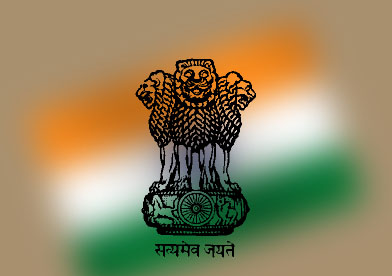
Flags & Country Names: India showed the way

India that is Bharat…..begins the preamble to the Constitution of India. India is the first country in the word to name a country after a man. India is the first country in the world to use flags as well. Maha Bharata, the longest epic in the world, has proof for this. We are all descendants of King  Bharata.

All those born in this land before Bharata,

All those born after, are called after his name

(Mbh.: I.69.49)

Bharata means he who bears, protects and sustains the world. This is the role of India in the world. As long as India survives, Dharma, Truth, Morality and Honesty will survive. India is the only country in the world with the motto “ Truth alone triumphs “ (Satyameva Jayate from Mundakopanishad)

India is called Bhara Varsa after the great king Bharata, son of Shakuntala and King Dushyanta. He was called Sarva Damana=All Tamer. Kalidasa, the greatest poet India praised Bharata sky high:

He will be a Sovereign of the World, Know this too

Crossing the oceans in a chariot gliding smooth

He shall conquer and rule unopposed

The rich earth with her seven continents

Named All Tamer here, because he subdues all creatures

By his strength, the future will see his name

Proclaimed Bharata: He who bears the world (Shakuntalam VII-33)

We may take these lines as a poet’s prediction about the future of our great country-Bharat. India will rule the world, a Super Power for ever, not by sword but by the sword of wisdom. The great Tamil poet Subramanya Bharati also said the same about India: he sang that India will liberate everyone in the world by showing the right path. He repeated the line three times in a verse to make it more emphatic.

There are more than one Bharata in Hindu Mythology. Rishabadeva’s son was also called Bharata. And Jatabharata was also mentioned in the Hindu mythologies. Rig Veda mentions a tribe called Bharatas. Tamil Sangam literature also mentioned sea faring tribe Bhatratavar.

The Hindu priests always mentions in their Sankalpa (Intention to do a Puja or ritual), the time they perform and the place where they perform the ritual, which is unique in the world. No culture has this historical and geographical sense except Hindus. The priest says “ Jambudwipe, Bharata Varshe, Bharata Kande——“ when he mentions the geographical location. So Bharata’s name is repeatedly used even today.

Many people think that India was united by the British and there was no single country before that. But the Tamil Sangam literature and the oldest of the Puranas, Vishnu Puranam clearly said that it was one country from the Himalayas to the southern oceans. There are innumerable references in ancient Tamil works. Here is the Vishnu Puranam reference:

– Vishnu Purana (2.3.1)

uttara yatsamudrasya himādreścaiva dakiam
var
a tadbhārata nāma bhāratī yatra santati


उत्तरं यत्समुद्रस्य हिमाद्रेश्चैव दक्षिणम् ।

वर्षं तद् भारतं नाम भारती यत्र संततिः ।।

“The country (varam) that lies north of the ocean and south of the snowy mountains is called Bhāratam; there dwell the descendants of Bharata.”

Flags

India was the first country in the world to use flags. Unlike today, even individual leaders used flags in ancient India. We have proof for this even in Indus-Sarawathi  Valley civilization. The seals show some people carrying a standard in a procession. Some scholars identified the standard with a bird and others a bowl. Vedas also talk about flags and symbols . Ketu, Dwaja, Pathaka are the Sanskrit words used for the flags. Several mythological characters have these words as suffixes. e.g Asva Ketu, Kusa Dwajan


Temple Dwajarohana

All the Hindu temple festivals (in South India) start with Dwajarohana (raising the flag). The flag will be lowered ceremonially at the end of the festival. Every temple has a Dwajasthamba (Flag pole). All these show that the flags are part and parcel of Hinduism.

Poles known as Yupas were installed wherever Yagna or Yagas (fire ceremonies) were held.


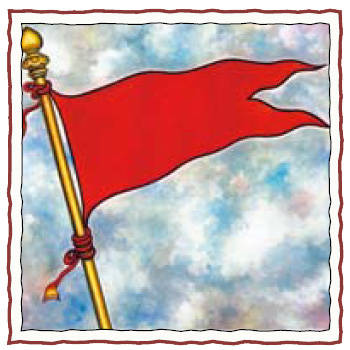
Even Phoenician ships flew double cone flags in ancient times. Now we can see saffron coloured double cone flags on top of Hindu temples. Some temples have Aum or Swastik symbols on these flags. This is the most ancient flag. Dwaja is the Sanskrit word for flag (Tamil: Kodi).


Flags of Hindu Gods and Kings:

Shiva- Bull Flag

Vishnu/ Krishna- Garuda/ eagle flag

Skanda- peacock or cock

Hindu Gods were given various flags with symbols. When laymen asked questions about the logic behind such symbols they started telling various stories and eventually those symbols became Mounts of Gods-Vahanas. First there were only flags, later came the Vahanas.  Even Indo- Greek king Heliodorus in the North Western India built a Garuda Sthamba for Vishnu and he called himself Parama Bhagavata- a great devotee of Vishnu !


We have lot of references about flags from the Mauryan period. Paurava who fought against Alexander carried the flag of Heracles, says the Greek ambassador. By Heracles he meant Krishna or a Hindu God equal to Hercules.


Tamil kings Chera –Bow and arrow flag

Chola –Tiger flag

Pandya- Fish flag

Pallavas –Bull –Vrsa Dwaja

Other Pallavas- Khatwanga (Skull) flag

Some Pandyas-  Thunder and Lightning flag

(From page 45 of Yavarum Kelir by Dr R Nagaswamy)


Indra-Elephant called Erawan (Airavata )

Even today Laos and Thailand use this flag of Airavata, elephant of Indra

Kamadeva/Manmatha- Makara or Karkadwaja

Duryodana- Snake

Ravana – Veena (musical  instrument)

Arjuna- Hanuman/ monkey (Kapi Dwaja or Vanara Ketu)

Sanaiscara (planet Saturn)- Varaha Dwaja (Boar)

Indus King Jayadratha- Varaha Dwaja

Krupacharaya- Vrsabha Dwaja

Bhoja- Gaja Dwaja (elephant)

Lion flag was used by lot of people Meghanada (Ravana’s son), Bhima, Brhadbala, Varuna, Sri, Budha, Durga, Agni and Toya.

Sahadeva- Hamsa Dwaja

Nakula-Sarabha Swaja

Kumara Gupta, Yaudeyas,, Vrsa sena- Peacock Dwaja, Siki Dwaja

Pradyumna- Makaradwaja (Besnagar temple had this flag from 2nd Century BC)

Kushana king Kumara- Cock flag, Kukkuta Dwaja

Gahtotkacha and other Rakshasas- Vulture dwaja

Other flags:

Yakshas- Owl ,Alayudha- jackal,Yama-buffalo, Yamuna-Fish, ,Jyesta- Kaka Dwaja, Sura and Vatsarasa_ Pigeon,Bhisma- Palmyra flag,Tala Dwaja, Rama’s brother Bharata,Drstadyumna- Kovidara tree flag, Several sages_-Kusa Dwaja (kusa grass), Brahmanas- Lotus flag, Kinnaras- Lotus stalk/nala dwaja, Yaksha in Kalidasa’s Meghaduta- Cloud flag, Gupta king Chandra Gupta- Crescent moon,  Dronacharya- Vedika ( fire altar), Yudhistra/Dharma- Mrdanga drums, Ravana- Kapala/skull and Veena,Ramagupta- Chakra Dwaja.

Minor deities and Navagrahas are attributed with various flags.  Apart from animals and birds, other objects like swords, ladles, flowers were also used as flags. We can compare them to the modern day election symbols of the candidates. India can be proud of showing a very useful technique for illiterates and neo literates. They can easily remember symbols rather than words or names.


Tamil reference:


எல்லாரும் அமர நிலை எய்தும் நன்முறையை

இந்தியா உலகிற்களிக்கும்- ஆம்

இந்தியா உலகிற்களிக்கும்- ஆம் ஆம்

இந்தியா உலகிற்களிக்கும் வாழ்க (பாரதி)

Tamil References about flags from Dr R Nagaswamy’s book “Yavarum Kelir”

விசைய வெண்கொடி (புறம் 462),  விசையம் வெல் கொடி (முல்லை 91) வென்றெழு கொடி (மலைபடு 582), வான் தோய் வெல் கொடி (பதிற். 67-1)

அடலேறு வலத்துயர் வைத்த பிரான் (தெள்ளாற்றெரிந்த நந்திவர்மனின் கொடி), இடியுருவேந்திய கோன்(பாண்டிக்கோவை 242).

************************


ஆதி சங்கரர் காலம்: தமிழ் இலக்கிய சான்றுகள்

ஆதி சங்கரர் கிறிஸ்துவுக்கு முன் வாழ்ந்தாரா அல்லது கிறிஸ்துவுக்குப் பின்னுள்ள காலத்தில் வாழ்ந்தாரா என்பது புரியாத புதிராகவே நீடிக்கிறது. அவருடைய காலம் கி.மு.வா, கி.பி.யா என்பதில் கருத்து வேறு[பாடு உண்டு. இதற்குக் காரணம் ஆதி சங்கரர் என்ன என்ன சாதனைகளைச் செய்தாரோ அதே போல பெரும் சாதனைகளைச் செய்த ஒரு மஹான் அவதரித்து எல்லோரையும் வியப்புக்குள்ளாக்கியதே. அவர்கள் பழைய சங்கரரே புது அவதாரம் எடுத்து வந்ததாக நம்பி, அவருக்கு புதிய சங்கரர் –-“அபி நவ சங்கரர்” (மீண்டும் புதிய சங்கரர் ) என்று பெயர் சூட்டினார்கள். எப்படி போப்பாண்டவர், தலாய்லாமா எனபது பட்டப்பெயர்களோ அதே போல சங்கராசார்யார் என்பது பட்டப் பெயர். ஆகையால் அவர் செய்த ஸ்லோகங்களையும் சங்கராசார்யார் செய்தது என்று பொதுப் படையாகச் சொன்னதால் பெரிய குழப்பம் ஏற்பட்டு பழைய சங்கரரும் இவரும் ஒன்றே என்று கருதி கி.பி.788 என்று கூறிவிட்டார்கள். உண்மையில் அப்போது வாழ்ந்தவர் அபினவ சங்கரர். ஆதி சங்கரர் இவருக்கு ஆயிரம் ஆண்டுகளுக்கு முன் வாழ்ந்தவர்.


காஞ்சி மஹா பெரியவர் தனது நீண்ட உரையில் ஆதி சங்கரர் கி.மு ஐந்தாம் நூற்றாண்டில் வாழந்தவர் என்பதை நிரூபித்துள்ளார். தெய்வத்தின் குரல் புத்தகத்தில் இதைப் படிக்கலாம். அதையே மீண்டும் சொல்லாதபடி சில புதிய சான்றுகளை மட்டும் முன்வைத்து அவர் கூறியது சரியே என்று நிரூபிப்பேன்.

சங்கரரின் சவுந்தர்ய லஹரியில் (பாடல் 75) வரும் “திராவிட சிசு” என்ற சொற்களை திருஞான சம்பந்தரைப் பற்றி ஆதி சங்கரர் கூறியது என்று ஒருவர் முதலில் கதை கட்டி விட்டார். உண்மையில் திராவிட சிசு என்பது ஆதி சங்கரர் பற்றி அபிநவ சங்கரர் கூறிய புகழ் மொழியே.

இது தவிர சம்பந்தர் எப்படி தன்னையே தனது பாடல்களில் புகழ்ந்து கொண்டாரோ அப்படியே சங்கரரே இப்படி தன்னைப் பற்றிச் சொல்லிக் கொண்டார் என்றும் வாதாட முடியும். இப்படி ஒரு முன் உதாரணம் இருந்ததால்தான் சிறு பாலகனான சம்பந்தரும் தன்னையே ஆங்காங்கு புகழ்ந்துகொண்டார். சங்கரரும் சம்பந்தரும் சிவன், முருகன் ஆகியோரின் மறு அவதாரம் எனக் கருதப்படும் மாபெரும் புனிதர்கள். ஏசு கிறிஸ்துவும் கூட பைபிளில் இப்படி தன்னையே படிப்படியாக உயர்த்திக் கொண்டே போவதை விவேகானந்தர் குறிப்பிட்டு ஏசு அத்வைத போதனையை படிப்படியாக மக்களுக்கு உணர்த்தியதாகக் குறிப்பிடுவார்.

நேபாள நாட்டில் கிடைத்த ஒரு சுவடியில் ஆதி சங்கரர் தன்னையே இப்படி திராவிட சிசு என்று சொல்லிக் கொண்டதாகவும் இருக்கிறது. இது தவிர சவுந்தர்ய லஹரியிலும் பாதியை ஆதி சங்கரர் இயற்றவில்லை என்பதும் அது தொடர்பான கதையில் ஏற்கனவே உள்ளது.


நான்கு முக்கிய சான்றுகள்

உபநிஷதம், பிரம்ம சூத்திரம் முதலிய பாஷ்யங்களை எழுதியவர் ஆதி சங்கரர் என்றும் எளிய சம்ஸ்கிருத ஸ்லோகங்களை எழுதியவர் அபிநவ சங்கரர் அல்லது அதற்கும் பின் பட்டம் ஏறிய சங்கராசார்யார்கள் என்றும் கொண்டால் தவறில்லை.


சான்று 1

ஆதி சங்கரரின் முக்கிய உவமை அல்லது உதாரணம் கயிறு- பாம்பு உவமையாகும். இதை கி.மு.360-270ல் வாழ்ந்த பைரோன் என்ற கிரேக்க அறிஞரும் பயன்படுத்துகிறார். அவர் அலெக்ஸாண்டருடன் வந்தவர். சாக்ரடீஸ், பிளாட்டோ, அரிஸ்டாடில், அவரது மாணாக்கரான அலெக்சாண்டர் ஆகிய அனைவரும் இந்திய தத்துவ ஞானத்தின் மீது கொண்ட பெருமதிப்பை அறிஞர் உலகம் நன்கு அறியும். இதற்கு மறுக்க முடியாத சான்றுகள் உள்ளன. ஆகையால் பைரோனும் சங்கரரின் உதாரணத்தைப் பயன்படுத்தினார் என்று சொல்லலாம். அவருக்கு முன் சங்கரர் வாழ்ந்ததை இது காட்டுகிறது. திருமூலரும் கயிறு-பாம்பு உவமையைப் பயன்படுத்துகிறார்.

இந்த உவமை சங்கத்தமிழ் நூலான அகநானூற்றிலும் இருக்கிறது (அகம் 68, ஊட்டியார்)

அசோக மரத்தில் ஊஞ்சல் கட்டிய கயிற்றைப் பாம்பு என்று எண்ணி இடி தாக்கியது என்று ஊட்டியார் என்னும் புலவர் பாடுகிறார்.

ஓங்கு சினை தொடுத்த ஊசல் பாம்பு என

முழு முதல் துமிய உரும் எறிந்தன்றே (அகம் 68)


சான்று 2

காஞ்சி மகாஸ்வாமிகள் போகும்போது அவருடைய பக்தர்கள் “ஜய ஜய சங்கர, ஹர ஹர சங்கர” என்று கோஷமிட்டுச் சென்றதைப் பலரும் பார்த்திருப்பீர்கள். இது இன்றோ நேற்றோ தோன்றிய வழக்கம் அல்ல. ஆயிரக் கணக்கான ஆண்டுகளாக உள்ள வழக்கம். அதாவது சங்கரர் மூலமாக 2000 ஆண்டுகளாகப் பரப்பப்பட்ட விஷயம். இதை அப்பர் தனது பாடலில் “சய சய சங்கரா போற்றி” என்று பாடுகிறார். ஆகையால் அப்பர். சம்பந்தர் ஆகியோருக்கு முந்தியவர் ஆதி சங்கரர்.

சங்கரர் என்ற சிவ நாமத்தை தேவார மூவரும் அவர்களுக்கு முன் உதித்த மாணிக்க வாசகரும் பாடுகின்றனர். மாணிக்கவாசகர் காலம் தேவார மூவருக்கு முந்திய காலம் என்பது என் நீண்ட ஆராய்ச்சியில் கண்ட ஒரு முடிவு (அதை தனி கட்டுரையில் காண்க) மாணிக்கவாசகர் கணபதி (விநாயகர்) பற்றிப் படாததே அவரது காலத்தைக் காட்டிவிடுகிறது. மேலும் அப்பரும் நரியைப் பரியாக்கிய திருவிளையாடல், தருமிக்கு பொற்கிழி அளித்த திருவிளையாடல் ஆகியவற்றைப் பாடி நமக்கு பல வரலாற்று உண்மைகளைப் போகிற போக்கில் தெரிவிக்கிறார்.

அப்பர் “தோத்திரங்கள் பாடும் அடியார்கள்” என்று கூறுவது யாரை என்று ஆராய வேண்டும். தூய தமிழில் பதிகம் பாடிய பெரியோரை இப்படி தோத்திரங்கள் என்ற சம்ஸ்கிருத சொல்லால் கூறியிருக்க மாட்டார். ஆதி சங்கரர்தான் கனகதாரா ஸ்தோத்திரம் முதலியன செய்து புகழ் பெற்றார். ஆகவே அவரை மனதில் கொண்டே இப்படி தோத்திரங்கள், கீதங்கள் என்ற வட சொற்களை சைவப் பெரியார்கள் நால்வரும் பாடியிருக்க வேண்டும்.

(ஆதீ சங்கர, செய செய சங்கர என்று ஒரே பாட்டில் வருவதைக் காண்க)

“நிலை பெறுமாறு எண்ணுதியேல் நெஞ்சே—-

தலையாரக் கும்பிட்டுக் கூத்தும் ஆடி

சங்கரா செய போற்றி போற்றி என்றும்

அலை புனல் சேர் செஞ்சடையெம் ஆதீ என்றும்

ஆரூரா என்று என்றே அலறா நில்லே”

—அப்பர் தேவாரம்

மாணிக்க வாசகரின் திருவாசகத்தில் உபநிஷத்தின் சாரங்களும் சங்கரரின் போதனைகளும் மிக மிக அதிகம் காணப்படுகிறது.


சான்று 3

சங்கரர் கி.பி.788ல் அவதரித்திருந்தால் அவருக்கு புத்த மதத்தையும் சமண மதத்தையும் எதிர்த்துப் போராடவேண்டிய தேவையே இல்லை. ஏனெனில் அந்த இரண்டு மதங்களும் சுங்க வம்சத்து, குப்த வம்சத்து, சதகர்ணி வம்சத்து அரசர்களால் 90 சதவிகிதம் அழிக்கப்பட்டுவிட்டது. வன்முறையால் அல்ல. மக்கள் மீண்டும் தாமாகவே தாய் மதத்துக்கு திரும்பிவிட்டார்கள். ஏனெனில் இந்துக்கள் மத மாற்றம் செய்ததாகவோ வன்முறையில் ஈடுபட்டதாகவோ எங்கேயும் குறிப்பிடப்படவில்லை. காமாலைக் கண்களுடன் இந்திய வரலாற்றைப் பார்க்கும் மேலை நாட்டினர் கூட அப்படி எழுதவில்லை. தென்னாட்டில் மட்டும் புத்த, சமணர்களுக்கு இருந்த செல்வாக்கைத்தான் தேவார முதலிகளும் ஆழ்வார்களும் ஒடுக்கினார்கள். ஆக புத்த மதத்துடன் வாதிட்டவர் பழைய சங்கரரான ஆதி சங்கரரே.


சான்று 4

மாயம், நிலையாமை ஆகிய சொற்கள் சங்கரரின் பாஷ்யங்களிலும் ஸ்லோகங்களிலும் அதிகமாக வருகின்றன. புறநானூற்றில் பாடல் 363, 366 முதலியவற்றில் மாயம், நிலையாமை ஆகியவற்றை சங்கரர் பாணியில் எடுத்துச் சொல்லி “போகும் வழிக்குப் புண்ணியம் சேருங்கள்” என்ற அறிவுரை உள்ளது. பாடல் வரிகளைக் கீழே காண்க:

“அதனால் நீயும் கேண்மதி அத்தை ! வீ யாது

உடம்பொடு நின்ற உயிரும் இல்லை !

மடங்கல் உண்மை மாயமோ அன்றே:” (புறம் 363 சிறுவெண்டேரையார்)

துறை: பெருங்காஞ்சி

“காவுதோறும்————-

மடங்கல் உண்மை மாயமோ அன்றே”. (புறம் 366, கோதமனார்)

துறை: பெருங் காஞ்சி

பொருள்: இறப்பது என்பது உண்மை. இதில் மாயம் ஏதும் இல்லை.

இதில் இன்னும் ஒரு முக்கிய அதிசியம் இந்த மாதிரிப் பாடல்கள் எல்லாம் பொருண்மொழிக் காஞ்சித் துறையில் அடக்கப் பட்டுள்ளன. காஞ்சி என்ற பெயர் குறிப்பிடத் தக்கது. சங்கரர் முக்தி அடைந்த இடம் அது. பாடிய புலவர் பெயர்கள் எல்லாம் ரிஷி முனிவர்களின் பெயர்கள்! ஒருவேளை சங்கரரின் சீடர்களோ பக்தர்களோ! சிறுவெண்தேரையார் (மண்டூக மகரிஷி), கோதமனார் (கௌதம மஹரிஷி)

(புறநானூற்றில் வால்மீகி, மார்க்கண்டேயர் போன்றோரின் பாடல்கள் மிகப் பழைய பாடல்களாகக் கருதப்படுகின்றன. இவைகள் மஹரிஷிகளின் பெயர்கள்.)


மேலும் சில புதிர்கள்

பிரம்ம சூத்திரத்துக்கு சங்கரர் எழுதிய உரையில் பல பெயர்கள் வருகின்றன. இன்று வரை அவர்கள் யார், எந்தக் காலத்தில் வாழ்ந்தவர்கள் என்பதெல்லாம் ஐயம் திரிபற நிரூபிக்கப்படவில்லை. ஹாலன், மனு குல ஆதித்தன், சுந்தர பாண்டியன்,பூர்ண வர்மன் ஆகிய மன்னர்களின் பெயர்கள். இவர்களுடைய காலத்தை ஆதி அல்லது அபிநவ சங்கரர்களின் காலத்துடன் பொருத்த முயன்றால் “இடிக்கிறது”. ஆக குமாரில பட்டர் காலம் கூட சந்தேகத்துக்கு இடமில்லாத வகையில் நிரூபிக்கப் படவில்லை. சுந்தர பாண்டியன் அன்னை மீனாட்சி அம்மனை மணந்த சுந்தரேஸ்வரா, மனு குல ஆதித்தன் என்பவன் மனு நீதிச் சோழனா, ஹாலன் என்பவன் முதல் நூற்றாண்டில் ஆந்திரத்தில் இருந்தவனா அல்லது கல்ஹணரின் ராஜ தரங்கிணியில் குறிப்பிடப்படும் கி.மு நாலாம் நூற்றாண்டு ஹாலனா என்று பல்வேறு கேள்விக்குறிகள் தொக்கி நிற்கின்றன.

கம்போடியாவில் இந்திரவர்மன் என்ற மன்னரின் குருவான சிவசோமன் தன்னை பகவான் சங்கரரின் சீடன் என்று சொல்லிக் கொண்டிருக்கிறான். ஆனால் நமக்குத் தெரிந்தவரை எந்த சங்கரருக்கும் இப்படி ஒரு சீடன் இருந்ததாக சரித்திரம் இல்லை. உண்மையில் சங்கர மடத்தை அலங்கரித்த எவ்வளவோ சங்கரசார்யார்களில் ஒருவரின் சீடராக இருந்திருக்கலாம்.


சிவ பெருமானின் 3 தொழில்களும் 5 தொழில்களும்

மாணிக்க வாசகர், தேவார முதலிகள், சைவ சித்தாந்தப் பெரியோர்கள் யாவரும் சிவ பெருமானின் ஐந்து தொழில்களைக் குறிப்பிடுகின்றனர். ஆனால் காலத்தால் முந்திய சிலப்பதிகாரம் ஆதிசங்கரர் ஆகீயோர் சிவனின் மூன்று தொழில்களை மட்டுமே குறிப்பிடுகின்றனர். ஆக ஆதி சங்கரரின் பழமையை இதுவும் நிரூபிக்கிறது.

காஞ்சி, சிருங்கேரி, பூரி, துவாரகா, ஜோதிர்மட சங்கராசார்யார்களின் எண்ணிக்கையும் வேறுபடுகிறது. துவாரகையில் 79,காஞ்சியில் 69, பூரியில் 140+, சிருங்கேரியில் 36, கூடலியில் 60 சங்கராசார்யார்கள் இருந்திருக்கிறார்கள். எண்ணிக்கையில் ஏன் இவ்வளவு வித்தியாசம்? என்பதும் புரியாத புதிரே.

சீனாவில் சங்கரரின் குருவுக்குக் குருவான கவுடபாதரின் நூல் ஆறாம் நூற்றாண்டிலேயே சீன மொழியில் மொழி பெயர்க்கப்பட்டுள்ளது. இதுவும் சங்கரரின் காலக் கணக்கோடு ஒத்துவரவில்லை.


இனி யாராவது ஒருவர் கம்யூட்டர் மூலமாகாக ஆதி சங்கரரின் பாஷ்ய சொற்களை ஆராய்ந்து அவரது காலத்தைக் கண்டுபிடிக்க முடியுமா என்று பார்க்கவேண்டும். தமிழ் இலக்கியத்திலிருந்து தெரிவது என்னவென்றால் பெரும்பாலோர் கருதும் காலத்துக்கு (கி.பி.788) முன்னாலேயே சங்கரர் வாழ்ந்திருகக்கிறார் என்பதாகும்.

ஜய ஜய சங்கர ! ஹர ஹர சங்கர !!


Tulabharam: Indian-Sumerian connection

By S Swaminathan


Sibi in Borobudur (Indonesia)

Tulabharam is a Hindu ritual that has been practised from Dwapara Yuga. Tulabharam means a person weighing himself or herself in a balance and pay in equal weight of gold, fruits or grains to God when one’s prayers are fulfilled. Temples in Tirupati, Guruvayur, Dwaraka, Udupi and several other towns practice such offerings. Recently, Guruvayur temple hit the headlines in newspapers when a businessman from Bangalore gave the temple his weight in gold – 70 kg. Tirupati temple hits the headlines now and then when famous politicians and film stars give something to god measure for measure. This is offered to the gods when their prayers are answered.

The earliest reference to a Tulabharam comes from the Mahabharata, about the great emperor Sibi. He was so famous his name is found in ancient Tamil Sangam literature in four places and later in hundreds of places. He was even praised in Buddhist Jataka stories and Borobudur (Indonesia) sculptures. Emperor Sibi was a just king. Lord Indra and Agni wanted to test him and came in the form of an eagle and a dove. When the dove came to Sibi for protection from the chasing eagle, Sibi was ready to offer anything to save the dove. The eagle asked him to give his flesh measure for measure. Sibi cut himself bit by bit but the pans in the balance were never equal. At last when he himself stood on the pan the Gods appeared in front of him and blessed him. The story is found in other Sanskrit works as well.

The Tamil king who refused to take gold

The worst thing we read in Sangam Tamil literature is the execution of a little girl just because she took a mango fruit from the king’s garden. Tamil poets were so angry that not only they refused to sing about him but also ridiculed him in the Cankam poems. The story is as follows: Nannan was a king who ruled part of Kerala called Poozi Nadu. A mango fell from one of the trees in his garden and it was washed away in the water of a canal. Any little girl or boy who sees a fruit will naturally go for it. So did a little girl in his town. The servants reported this ‘theft’. Immediately Nannan ordered to kill the girl for theft. The whole town rose against him. The girl’s father with the support of the VIP’s of the town met the king and begged to release his daughter. He even came forward to give Nannan 81 elephants as a penalty. Nannan did not budge.

Then her father told him that that he WOULD GIVE GOLD MEASURE FOR MEASURE. But evil Nannan executed the girl refusing to accept the gold. One of the great poets of Tamil Cankam (Tamil Academy) Paranar gave this story in Kurunthokai poem 292. Perunthalai Sathanar who sang a poem long after this incident refused to sing about another king Ilam Vichiko (puram 151) just because he was born in Nannan’s clan. Till this day Nannan was ridiculed as a ‘Murderer of a little girl’. This story shows the practice of Tulabharam in ancient Tamil Nadu. Look at the words – MEASURE FOR MEASURE in gold.

Tulabharam in Silappadikaram

Indian kings used to give sixteen kinds of gifts to Brahmins and poets. The Vijayanagara empire period inscriptions mention Tulabharam as one of them. We have a literary reference to such a practice in the famous Tamil epic Silappadikaram. Cheran Chenguttuvan who went to the holy Himalayas to get a stone for the chaste woman Kannaki washed it in the holy river Ganges and consecrated the statue at a place in modern Kerala. At that time he gifted his body weight of gold to a Brahmin called Matalan. The epic says the king weighed 50 Tulams (not Tola which is only 12 grams).

Periapuranam: Amarneethi Nayanar

Peria Puranam gives the life story of 63 Saivite saints called Nayanmars. Amarneethi Nayanar of Pazaiyarai was one of them. He was running an inn at Thirunalloor. One day a bachelor came to the town and asked Amarneethi to take care of his loin cloth until he comes back from bathing in a nearby river. When he came back the loin cloth was not found at the place he left it. After a frantic search Amarneethi started panicking and offered anything in compensation. The bachelor, who was God himself in disguise, asked him to give some cloth equal in weight to what he was keeping as a spare. When Amarneethi put one loin cloth after loin cloth on the pan, it did not rise even a single inch. Getting ready to sacrifice himself he stood on it. Even then, the scale did not move. When all his family members came and stood on the pan of the balance the pans were equal. God blessed all of them after this Tulabharam.

Krishna Tulabharam

 
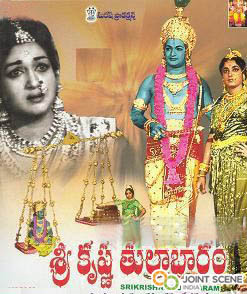
Telegu film of Krishna Tulabharam


The most famous Tulabharam story comes from the life of Lord Krishna. Tamil and Telugu films were made using this story long back. Krishna had several wives including Rukmini, Sathyabhama and Jhambavati.

There was a rivalry between the posh, proud, jealous and fashionable Sathyabhama and simple and innocent Rukmini. The heavenly sage Narada wanted to teach Sathyabhama a lesson. When he met her he mooted a plan to attract Krishna towards her. Sathyabhama fell prey to his clever and cunning plan. The plan was to sell Krishna as a slave to Narada and buy him back with gold. Whoever pays more would win Krishna. Sathyabhama was so confident that she would win hands down because Rukmini was not as rich as her. Innocent Rukmini had to accept this when Krishna himself agreed to be sold. When the scene was set, Sathyabhama brought all her gold and diamond jewellery to buy back Krishna. It could not match Krishna’s weight. Seeing Sathyabhama struggling, the mischievous Narada himself suggested that she borrowed some gold from Rukmini. Pure hearted Rukmini knew that nothing was greater than the Tulsi (Holy Basil) leaves and she put some Tulsi leaves onto the pan after removing all of the jewellery. The problem was thus solved. This story also showed the importance of Tulsi in Hindu worship. Tulsi is one of the most powerful medicinal herbs.

Sumerian Tulabharam

Sumerian culture has a lot of similarities with Indian culture. No one can dismiss them as sheer coincidences. (Please read my article DOUBLE HEADED EAGLE: INDIAN SUMERIAN CONNECTION). Clay tablets from the 13th century BC unearthed at Ugarit give some interesting information about a king. His name is given only in consonants KRT (perhaps Kirta or Kurita rather than Keret). The king lost his brothers and seven wives but had no heir. Praying for a son, he was advised in a dream by their chief god El to sacrifice to Baal then march with his army to Udumu to ask for it’s king’s daughter Hurriya as his wife. On the way he VOWED TO GIVE TWICE HER WEIGHT IN SILVER AND THRICE HER WEIGHT IN GOLD TO THE GODDESS ATHIRAT (AHSERATH) of Tyre, if he were successful. When he got her, he did not fulfil his vow to the god Athirat. The god struck him with an illness. This story of Keret was published in the Dictionary of the Ancient Near East. The story continued with what his wife did later etc. We can even see some similarities in the names with Hindu mythological names Kratu (KRT), Surya (Hurriya), Kreeta and many more. But we could clearly see the practice of Tulabharam to gods and goddesses, offering in silver and gold.


*******************


Tamil article: The Age of Tamil Race

Click the title below for my Tamil article about The Age of Tamil Race


தமிழ் இனத்தின் வயது என்ன

Double Headed Eagle: Sumerian-Indian Connection

By S Swaminathan

 
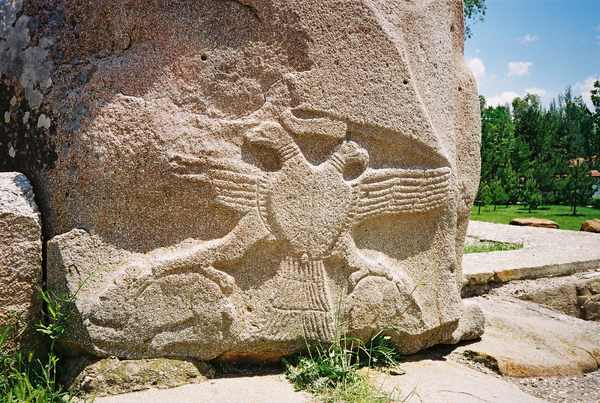
Double-Headed bird found in Alaja Huyuk, Turkey, 14th C BC


There are striking similarities between the Indian and Sumerian civilizations. One of them is the use of the Double Headed Eagle as a royal symbol. From 3800 BC until today this mythical bird is used as a symbol of royalty. Russia and other Eastern European countries use it on their currency notes and national flags. Tamil Nadu, Karnataka and Andhra Pradesh praise the mighty strength of this bird in coins, sculptures and literature. The Panchatantra used the story of double headed bird, also known as Ganda Berunda bird, to emphasize unity. Ancient Cankam (Sangam) Tamil literature used this bird in their love poetry. Devotional poets of India like Ekanath also used this bird as a simile.

Sumerians considered this bird the symbol of God Ninurta of Lagash. They thought it had divine power. We can trace the history of this mythical bird from the Sumerian days. A cylindrical seal shows the double headed eagle from 3800 BC. Later, the Hittite empire which had its capital in Bogazkoy (in Modern Turkey) used it in several monuments. Even today we can see the monuments displaying this symbol in huge sculptures in Hattusa and Yazilikaya. Bogazkoy was the place where a tablet with the names of the Vedic Gods: Indra, Mitra, Nasatya and Varuna was discovered. The tablet was dated 1380 BC. This establishes the Indian connection of the region.

Even the Holy Roman Empire and the Byzantine Empire used this symbol. This Hindu symbol was used by the Christians.

In Sanskrit literature – the Panchatantra (book of fables) has a story about Ganda Berunda bird. It says that the bird had two heads but one stomach. In the story, one head wanted to drink Amrita (ambrosia) but the other head went for poison. Ultimately, the head that drank the poison made the bird die. The moral of the story is that disunity is dangerous.

 
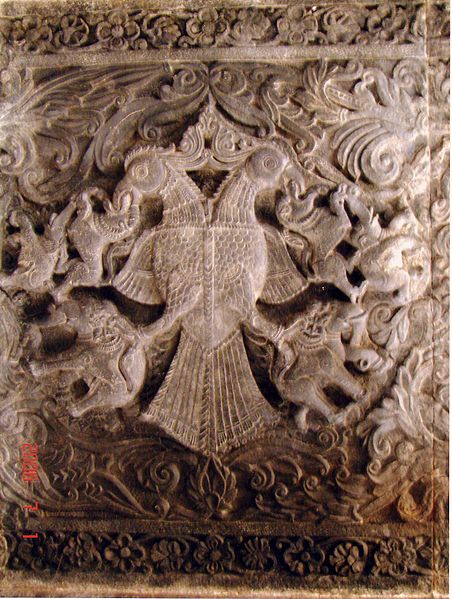
Sculpture in Keladi Temple, Karnataka


Tamil literature, dated two thousand years old, mentions it in three places. In Akananuru, poet Kapilar (verse 12) compares this double-headed, single-bellied bird to two people in love. Though there were two physical bodies, they have one life. Nallanthuvanar also used this simile in Paripatal (Verse 8-72). But another Tamil poet Maruthan Ilanagan in Kalithokai (verse 89) used this bird in the form of two fighting heads, like the Panchatantra story. It shows that Indians from one end of the land to the other knew this bird very well. Thakadur Yaththirai is a lost Tamil book, but excerpts are available as quotes in other works. These quotes compared the fight between two kings Athiyaman and Peruncheral Irumporai to the double headed bird fighting with itself. (Ref. Purath thirattu verse 785).


The Bird that lifts elephants

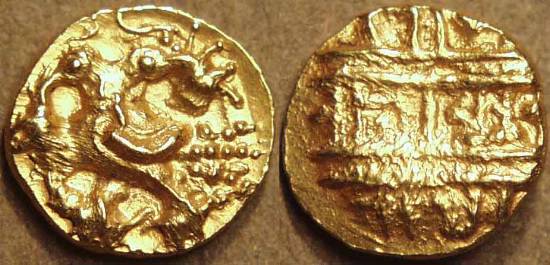
The most imaginative story of the bird comes from the Vijayanagar Empire. Gold Coins issued by Achyuta Raya (1530-1542) show the Ganda Berunda bird lifting an elephant in each of its beaks. Its power is legendary. Other coins show each head holding a snake. Before Achyuta Raya Devaraya II (1422-1446) issued coins with the bird’s name in Deva Nagari script.

Jain Stupa at Sirkap, Taxila is the most ancient Ganda Berunda monument in India. We can see this mythical bird sculptures in Srisailam, Keladi, Koramangala, Belur and the medieval art of Sri Lanka.


Achyuta Gold coin with the bird


Recently even dances were choreographed showing the magical strength of the bird. Dasara Flower Show in Mysore had a 10 foot flower decoration of the bird to commemorate the 500th anniversary of the bird symbol in Karnataka.

The Wodeyar family of Mysore use this as their royal emblem. Later the Government of Karnataka used it as the emblem of the state. There are stories connecting this bird with the Narasimha (Man-Lion) avatara of Vishnu.

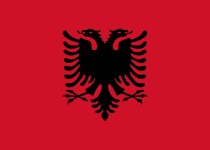
Eastern European country Albania has this bird in its national flag. Several countries issued stamps and coins as well. Russian Roubles and Kopeks had this bird.


National flag of Albania


In the Eastern Province Erzurum of Turkey, a huge double headed eagle is being erected in 2011 which is visible from space. Turkey gives so much importance to this legendary bird.

An ancient monument of Turkey shows this bird lifting two hares on its beaks. But the imagination of Indians made it a dinosaur lifting two elephants on its beaks!

Follow me on Twitter @Swami_48 and find me on Facebook.


‘Is California, USA – Kapila Aranya?’ – Kanchi Sankaracharya

By S Swaminathan

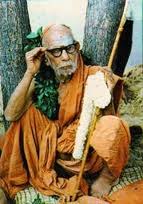
Sri Kanchi Sankarcharya

Kanchi Sankaracharya Sri Chandrasekarendra Saraswathi (1894-1994) who lived for one hundred years and attained Samadhi in 1994 was a great scholar, a voracious reader and a good speaker. His great scholarship is seen in his speeches that were published in seven volumes in Tamil. Some of his lectures were translated in to English. He was very fluent in Tamil, Sanskrit and English. He was met by famous leaders and prominent writers like Mahatma Gandhi, Indra Gandhi, Arthur Koestler, Paul Brunton, Milton Singer and the Queen of Greece to mention a few. Mr R Venkatraman, former President of India was a devotee of Sankaracharya.

Sri Sankaracharya made a passing remark about California (USA) in his talk on 12th of October 1932 in Chennai. His talks were published in 1933 ( by Sri Kamakoti Kosathanam, Chennai).

When he gave a lot of examples to show Hinduism prevailed in different parts of the globe he also happened to mention California. He narrated the Puranic story of King Sagara and the incident where his horse was stolen by Indra during a yajna (fire sacrifice). When he sent all his 60,000 sons in search of the horse they travelled to the Patala Loka.(Please read my article about the ancient idioms and phrases under the title Is Brahmastra a Nuclear Weapon? in which I have explained sixty thousand means innumerable, countless, a lot).

When Sagara’s sons reached the netherworld (all the places down south of the Indian Sub Continent were called Patala Loka in Sanskrit literature) they saw the horse near the seer Kapila who was in deep meditation. They thought that he was the one who took the horse and abused him. When Kapila opened his eyes all Sagara’s sons were burnt to ashes. King Sagara felt very sad. Baghiratha who was a descendant of Sagara vowed to bring the river Ganges to earth to dissolve the ashes so that they would go to heaven. Baghiratha tried for a very long time and ultimately succeeded. That is why the ocean is called ‘Sagar’ and Ganges was called ‘Bhagirathi’(please read my article GreatEngineers of Ancient India in which I explained the symbolic language used by our forefathers about Ganges and Bhagiratha).

Kanchi Sankaracharya Swamiji, after narrating this story pointed out that a Horse Island and an Ash island near California. He humorously explained how the residents of Madurai call the city Marudai and how a Tamil folk called a Kuthirai (horse) Kuruthai – interchanging the letters. He continued to say that the words KAPILA ARANYA might have been misspelt as KALIFO ARANYA (California). Ash Island was the place where the sons of Sagaras were burnt to ashes. Horse Island was the place where they found the horse. But he never reopened this topic in his future lectures.

Now let us analyse it. English people who have migrated to USA, Canada, South Africa and Australia named the new places after their native towns or states. Now we have duplicates of those place names all over these countries. So it is possible that ancient Indians who went to different parts of the globe by planned voyages or by shipwrecked and washed ashore might have named them after the Sagara story. The modern atlas shows the existence of an Ash Island in Oregon, USA and a Horse Island in California. Oregon is the neighbouring state of California.

A lot of research is going on about the link between the Mayas and the Hindus and the Red Indians and the Hindus. So far the researchers have found out amazing similarities between the North American and South American tribes and the Hindus. It may not be outright migration of the Hindus. But a few wayward adventurers might have gone there and left some indelible Hindu marks on those civilizations.

(I will explain the Hindu-Maya links in another article)

No one can miss the fact that Hinduism is the only religion without a name because it was the only one prevailed in the olden times. Foreigners named it as the Hindu religion. We call this nameless religion Sanatana Dharma (the Eternal Truth). Sanskrit is the only language which is not named after people because it was one of the oldest languages and spoken by all. All other languages were spoken only by their own people and so are named after that particular community.

Send comments and feedback to: swami_48@yahoo.com.

Please visit  my blogs: swamiindology.blogspot.com and tamilandvedas.wordpress.com for more interesting articles.

The Mysterious link between Karnataka and Cambodia


By S Swaminathan


It is very interesting to find out a mysterious link between the Indian state of Karnataka and a South East Asian country Cambodia. This is an ancient link but existing till today. In both these places we find the sculptures SAHASRA LINGA, literally translated one thousand Lingas. Linga is the shapeless form of Hindu God Shiva.

Cambodia is famous for its Angkor Watt temple. This is the largest Hindu temple in the world outside India. The temple is dedicated to Lord Vishnu and full of beautiful sculptures. It is a historical fact that the Hindus ruled various parts of South East Asia for 1300 years from 1st century AD. But not many people noticed the mystery of Sahasra Linga.

Sahasra Linga is located seventeen kilometres from Sirsi In the northern part of Karnataka known as Uttara Kanara. One can see hundreds of Shivalingas carved in stones and rocks in the middle of the river. The river is called Shalmala.  All the statues are washed by this holy river water for ever. During Hindu festival Shivratri thousands of pilgrims visit this place and offer pujas. One advantage of visiting this place during Shivratri is the water level in the river is low and most of the Lingas are visible with their bases called Yonis. No one knew when and who carved them. People visit this spot for its scenic beauty as well. This place is situated in the middle of forest in the Western Ghats.

There is another place in Cambodia with the same name Sahasra Linga and there also the carved Shiva Lingas are in the middle of a river. The only difference is nobody worships it in Cambodia but tourists visit his place out of curiosity and to enjoy nature.

Cambodian Sahasralinga is located 25 kilometres from Angkor watt. There are statues of Hindu gods Lakshmi, Rama and Hanuman in addition to the Lingas. The place is called Kbal Spean and its meaning is ‘the Head  Bridge’. Unlike Karnataka this place is not easily accessible. Tourists have to climb very hard and rough rocks. They have to go via a stone bridge. Animal figures are also carved on the side rocks. The river Slung Kbal Spean is flowing from Kulen mountains. There is a fifty feet high water falls which adds beauty to this holy spot. Long ago the kings used to come here for holy bath. No one knew who carved these lingas and for what purpose. But the tourists are told that the Lingas are symbols of creative energy and the river water that flows on the lingas will make the Cambodian paddy fields more fertile. A lot of Hindu symbols were destroyed during the civil war in Cambodia. But these Sahasra Lingas were not affected because of the surrounding thick forest. Those who wanted to travel to this place leave from Banteasy Srei and travel 12 kilometres and then walk for 45 minutes through rough terrain. The area is closed for tourists around 3 pm.

One of the remarkable sculptures here is of Maha Vishnu and Brahma emerges from his belly on a lotus flower. It is very heartening to see Brahma, Vishnu and Shiva, all the three greats of the Hindu Trinity at the same place.

Any one who wants to see the pictures can see them on You Tube and images through google websites. Just type Sahasralinga in Karnataka and Sahasralinga in Kbal Spean you will see the beautiful images and videos.

Now the question is how come the same name and the same sculptures exist in two different places which are wide part by thousands of miles? Who and Why did they carve them? Neither the Indians nor the Cambodians knew. But if we dig deeper we can find the answers. I have shown somewhere  (Please read my articles Did Agastya drink theocean under Brahamastra – a nuclear weapon? And my other article The PandyaKing who ruled Vietnam) that Agastya was associated with the Pandyas in many copper plate inscriptions of the Pandyas and the famous Raghuvamsa Kavya of Kalidas. He led the Pandyas and other South Indian kings to South Asian countries two thousand years ago. He was the torch bearer of Hindu culture. Since those people were without a religion and culture Sage Agastya civilised them. This was not invasion but cultural expansion.  As a token of gratitude Agastya statues were installed by the local people in different countries in South East Asia. Even before the British reached these areas French archaeologists and historians went to do a lot of research and published books on the temples. Anyone who has access to those  French books can see the pictures of Agastya statues.

It is a well recognised fact that all the South East Asian scripts are evolved from Indian Brahmi. All Indian scripts also evolved from the same Brahmi. The Pallava script contributed to most of the S E Asian scripts. If one places the pictures of  Pallava temples and S E Asian temples the similarity can’t be missed . And if one places more pictures from the Central American Maya temples the link can be easily established. So we can assume that the culture travelled from South India towards S E Asia and then to Central and South America. There is even mention of 1000 pillar Hall/Mandap in the Maya culture.

There are more Sahasralingas in India. For instance Pathan in North Gujarat has one Sahasralinga. But because of the foreign invasions followed by destructions only a 48 pillar mandap exists today with few lingas.

Sahasralinga also means one thousand linga forms on the face of a single big linga. The best of the Sahasralingas of this type is seen in Parasurameshwara Temple in Bhuvaneswar,Orissa.


 Please send comments and feedback to: Swami_48@yahoo.com. Follow me on Twitter @Swami_48. Find me on Facebook.

How Old is Indian Civilization?


“We owe a lot to the Indians, who taught us how to count, without which no worthwhile scientific discovery could have been made” -Albert Einstein

“If there is no one place on the face of the earth where all the dreams of living men have found a home from the very earliest days when man began the dream of existence, it is India”– French scholar Romaine Rolland.

Western scholars always underestimate anything Indian (of course except a few like Einstein, Romiane Rolland, Max Muller). They would give all credits to anything Greek or Roman. After the excavations in Egypt, Sumerian and Babylonia (Iraq & ,Syria) they slowly shifted the credits to the Middle East. When Indians point out that they were all in Indian books, they say that they were all written later and we borrowed from them. We have a long list of Indian kings in the Puranas and Ithihasas (Mythologies and Epics). But they simply ignore them.  Indian scholars who always long for foreign trips and foreign awards must play second fiddle to them otherwise they will be rejected or dubbed as extremists.

We have very clear proof in Tamil and Sanskrit literature to show that we lived for thousands of years on the same soil and we never said anywhere in our literature that we came from outside. But westerners say that the Tamil/ Dravidians came from the Mediterranean and the Northern Aryans came from Central Asia. According to them Indian History begins from 2500 BC in the Indus valley and the first king they say historical belongs to sixth century BC. Bimbisaran ruled  around 600 BC. That means we did not have any king for 1900 years from the beginning of the Indus period. Though we have a long list of kings in our scriptures they did not consider them historical. Indus valley has no King!

Following proofs are enough to say that we have history supported by literature:

Kapila, the greatest of the Tamil Cankam (Sangam) poets, sings about a king called Irunkovel in Purananuru poem 201.He praises him as the 49th king in the lineage of kings who have migrated from Dwaraka after Krishna’s death. Even if we give 20 years for one generation according to western calculations, it will take us back to nearly 1000 years. Kapila lived around 100 AD. That means the first king of Irunkovel’s dynasty must have ruled around 1000 BC
  1. Tamil and Sanskrit books always use the simile of stars in the sky and sand particles on the sea shore to compare with the kings who ruled the earth. This shows their historical sense.
  2. Siru Ven Theraiyar who composed poem 363 in Pura Nanuru says that the kings who ruled this earth are more than the number of sand particles on the sea shore. He also lived around first century AD. When he sang this song he must have studied Indian History or heard from his fore fathers.
  3. Brihad Aranyaka (Big Forest ) Upanishad, which is dated by the westerners to eighth century BC ,gives a long list of teachers explaining who taught to whom ,generation after generation. They were not kings. They were all sages, around sixty names. So they wouldn’t have died young like kings in the battle fields. They would have lived for at least fifty to sixty years. Even if we allocate thirty year period for each teacher that would take us back by another 1800 years from 8th century BC. i.e 2600 BC
  4. A Greek writer who visited India around 3rd century BC says that India had over 140 kings before his time. Probably he was talking about the Magadha dynasty (Bihar area). Even if we have allocated 20 years each it would take us back to 2800 years from his time i.e. the day kali yuga started.
  5. Tamil and Sanskrit sources give the date of Kaliyuga without any doubt. Parthivasekapuram Copper plates of Ay Dynasty in Tamilnadu was dated 865 AD. The inscription says that it was written in the Kali year 3967. The beauty of the inscription is, it mentions the Kali year in days 14,49,087. This shows the mathematical genius of Tamils and their strong belief in Kali Yuga calculations.
  6. Panini was the first grammarian of the world. The greatest genius the world has ever seen. He wrote a grammar for Sanskrit which made Sanskrit the fittest language for computers. With every addition of a prefix or suffix to a word the meaning changes. He was not a Brahmin. But yet Patanjali who wrote a commentary on his grammatical treatise Ashta Adhyaye (Eight Chapters) praised him as Baghavan (God) Panini. Panini in his Sutra 2.1.19 explains a custom in India. Talking about the lineage and number he gives examples as “Eka Vimsathi Bharatwajam” meaning 21st generation of Bharatwaja, “tri panchasat Gowthamam meaning 53rd generation of Gowthama. This custom is followed in all the Mutts in India. When they say who heads Sringeri or Kanchi at the moment, they always say his lineage.
  7. Brahmin priests who perform puja on important days start it with a sankalpa (Intention to do—) where in they clearly say which part of the world they do it, when they do it and for what purpose they do it. They clearly say the year in Kali yuga under which Manvantara even today. This historical and geographical sense has no parallel in any part of the world.
  8. The entire Indian history is balancing on a single rock-the date of Buddha’s death. Western scholars calculate everything from this back and forth. If one can tilt this balance everything will change. That is to say Indian history is on shaky grounds. But even the date of Buddha  differs from country to country. In Sri Lanka 483 BC, in Burma 544 BC ,in Tibet 835 BC and in China 11th century BC is the date of death (nirvana) for Buddha. If anyone can prove one is better or truer than others, we have to rewrite the Indian history. The shame is present day Indians have no time to do all these. They are happy to earn more and enjoy life and leave all the research to jaundice eyed western scholars.

    I can give many more examples from other epigraphs (Aihole Incription) and scriptures.Scholars like Bala Gangadhara Tilak ,Jacobi have used astronomical calculations to date our scriptures.

  9. Over forty thousand year old human remains have been discovered in various parts of India. Human beings have been living here for thousands of years.

I want to remind you of two Tamil proverbs before concluding. “For a scared person anything dark is a ghost” (Arandavan Kannukku Irundathu Ellam Pey). “For a person afflicted with jaundice, everything he looks at is yellow”. (Kaamaalai kannanukku kandathu ellam manjal).


When India’s status as a super power is fully recognised, these scholars will eventually listen to us. Unless one has political or economic power nobody listens to that person.


Pandya King Who Ruled Vietnam

By S Swaminathan
It is a well known fact that India’s cultural empire extended to South East Asia in the first few centuries of our era. Hindu empire existed for over a thousand years in several countries in the region. But the fact that a Pandya king ruled Vietnam was missed by many historians. The first king in Vietnam was known by the name Sri Maran. Translated in to Tamil it is Thiru Maran. We knew several Pandya kings by these names through inscriptions and Tamil Cankam literature. The oldest Sanskrit inscription discovered in Vietnam mentions the name Sri Maran. Unfortunately we did not get the complete inscription. Most of it is not legible.
The inscription is known as Vo-Chanh Inscription. It was inscribed on a rock as two parts. This is about the donation made by the family of the king Sri Maran. We have fifteen lines on one part of the rock and seven more lines on the other side. Of these only nine lines are readable. Scholars who took a copy of the inscription say the poetry part is in Vasantha Thilaka metre in Sanskrit and rest is in prose.
The king donated all his property to the people who were close to him and ordered that it should be honoured by the future kings. The inscription ends abruptly. But we could read the words ‘Sri Mara raja kula’ very clearly. Though we couldn’t get much information about this king from other sources, Chinese historians confirmed that the Hindu empire that existed in Vietnam, Laos and Cambodia started with Sri Maran.
Chinese historians named Thiru Maran as Kiu Lien and said that he captured Champa following a revolt. Champa was part of modern Vietnam. The French scholars who excavated most of the South East Asian sites have identified Kiu Lien as Sri Maran. All the kings’ names who followed Sri Maran were in Chinese style and beyond recognition. The revolt started in AD 132 against Chinese and Sri Maran ruled from AD 192.But the kings’ names end with Fan (in Chinese) which is nothing but Varman. As a surprising co incidence we have both Varman and Maran names in the Pandyan Kingdom in Tamil Nadu.
There are more than 800 Sanskrit inscriptions in South East Asia. Mula Varman was another king whose inscription was found in the thick jungle of Borneo (Indonesia).
Now let us look at the Tamil literature to get some corroborative evidence. The last king who ruled during the second Tamil Academy (Second Tamil Sangam) was Thiru Maran. When a tsunami struck his capital he moved his capital to the present day Madurai. May be he or his representative might have ruled Vietnam.
Velvikkudi Copper Plate inscription also mentions Thiru Maran, Sri Maran as titles for a few kings. The king who ruled during the days of Tolkappiyar also had the title Thiru. He was Nilam Tharu Thiruvil Pandyan. We see the name Maran at least ten times in the colophon of Cankam poems. Most importantly the author of Natrinai poems 105 and 228 was Muda Thiru Maran. Velvikkudi Copper Plate says that Agastya was the Kula Guru of the Pandya clan and we see Agastya statues in several places in S.E. Asia. (See my article ‘Did Agastya drink the ocean?’ for more information) .
The author of Purananuru poem 182 was Kadalul Maintha Ilam Peru Vazuthi. The translation of the king’s name will sound ‘the king who died in the sea’. This king might have died during an expedition to S E Asian countries. So it was not uncommon for a Pandya king to travel to a foreign country in first or second century.
We have more evidence from the Tamil inscription in Malaysia, the discovery of Tamil coins in Thailand, Greek and Roman writers’ references about South Indian Marine trade to support our argument in favour of Pandya’s expedition to South East Asia. (For more information on inscriptions of Champa/Vietnam please read R.C. Mazumdar’s book).
Please do contact me with feedback at: swami_48@yahoo.com, or leave comments below.