Pallankuzhi (Mancala) Mystery

பல்லாங்குழி ஆட்டம் பரவிய மர்மம்!

Did the board game Mancala/Pallankuzi/Alagulimane originate in South India? It looks like it.
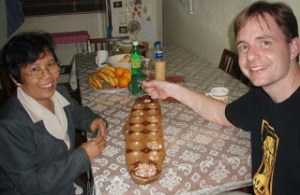
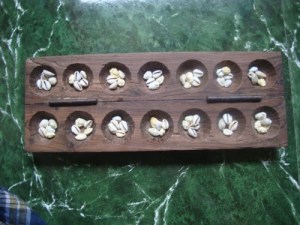
Pallankuzhi is played on a rectangular board with 2 rows and 7 columns on either side. There are a total of 14 cups (kuzhi in Tamil language). Seeds, shells, small stones are all commonly used as counters in the board game. As the game proceeds, each player distributes the shells over all the pits. The players may capture the shells, as permitted by the rules of the game. The rules of capture depend on the variant of the game played. The game ends when one of the players captures all the shells, and is declared as a winner.

12 counters are placed in each cup except the middle of each row into which only 2 counters are placed. The starting player lifts the counters from any of his holes and, going counter-clockwise, distributes one counter in each hole. If he reaches the end of his cups he goes on his opponent’s side of the board. When the player drops his last counter, he takes the counter. This is what we get from the encyclopaedias. But this game is in many parts of Africa and Indonesian islands. What is the origin? Who invented it? It is a mystery.


My research shows that this game originated in India. There are valid reasons to believe so 1.The game is played all over India 2. Wherever Indians went for trade /commerce this game spread to that parts of the world. 3. The words used in the game are of Tamil or Sanskrit origin.4.We have a reference to this game in the ancient Pallava copper plates which is in two parts: Tamil and Sanskrit. Read the details below:

Pallaang Kuzi is the Tamil name and Mancala is the Hindi name for the game.
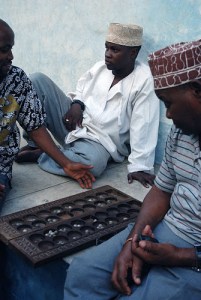
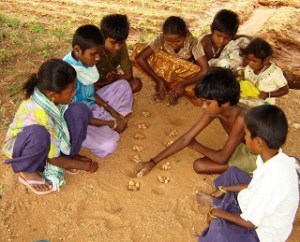
Picture from Zanzibar

Copper Plate Inscription

Pallava king Simhavarman’s Pallankovil Copper Plates, while mentioning a land donation to a Jain teacher Vajranandhi, gives the four borders of the donated land. One of the borders land mark is PALLANKUZI Ka meaning garden with Pallankuzi or a garden that looks like Pallankuzi with many pits. Whatever the meaning may be we have the word on a copper plate dated to 550 AD.

The Egyptians had played this game 3000 years ago. We have pits on the ground near Pyramids and in Ethiopia. I have already written in my post ‘DID INDIANS BUILD PYRAMIDS?’, that Indian workers were involved in the building of the pyramids. And from them the Africans might have learnt it. Our Trade links were strong with the Indonesian islands according to Kalidas and others. Kalidas refers to “Islands beyond Indian mainland” where from the spices came.
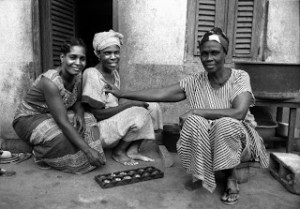
Picture from East Africa

India is a vast country. If the game is played in nook corner of India for thousands of years it must have originated here like Chess and Snakes and Ladders (Paramapatha Sopana Patam in South India). The words used in Mancala and Pallankuzi are native words. We used seeds (Vithai or Kottai in Tamil or shells).


Indonesians called this Congkak and Philippines called this Sungka which is the corrupted from of Sankya (Numbers in Sanskrit) Indonesians’ link with India and Madagascar was already explained in my posts: “India –Madagascar Link via Indonesia” and “Ancient Sanskrit Inscriptions in strange places” In my blogs. South East Asian Countries were ruled by Hindus for 1300 years from second century AD.
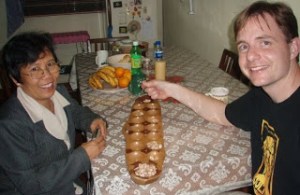
Picture from Philippines

Only the coastal areas in Africa knew this game which again showed that it was brought to them by ancient mariners. But slowly it got local words for the game and changes in the rules.

African/Caribean words such as Oware, Nanoware, Awale( Awari) have the Tamil word (Vidhai=Virai=Ware=seeds/nuts).


Indians were leading in Mathematics in the ancient world. Even the Greeks like Pythagoras learnt it from us. The world has accepted that Chess originated in India and slowly spread to the Western world. Many scholars believed that what we call Pythagoras theorem today, the value of Pi etc went from India. Pallankuzi/ Mancala is no exception. Needless to say it would not have originated in Ancient Africa or Indonesia where mathematical genius was lacking or at least not as good as India.
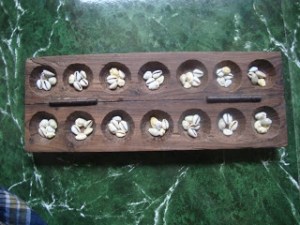
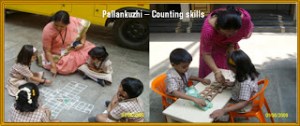
This game sharpens counting skills and improves mental calculation. Making a quick estimate of the seeds and judging the number of pockets (pits) to be filled requires one to be very attentive. Kannadigas call this game Alugulimane. The Hindi word for this game is Mancala. They attribute Arabic origin (nagala= moved) for this word. It did not make any sense in the meaning or the letters. Wikipedia says this word is used in Egypt, Syria and Lebanon, but it did not mean the same game.
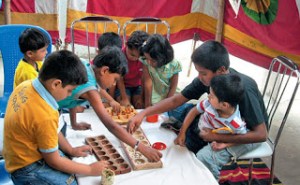
Hindi Name Mancala

Mancala might have come from Mangala (auspicious). Tamils used the words Kasi, Pasu when they capture the counter. Sanskrit words like Sita Pandi, Raja Pandi, Kasi Pandi shows its Indian origin. More over Sita Pandi is the board game Sita played in Asoka vana in Sri Lanka. Native words like 3 Virai (Vidhai) and 6 Virai Attam were used. No mixture of foreign words. Wikipedia adds more than 800 Mancala games are known. This is one of the ancient games of Sri Lanka s well.
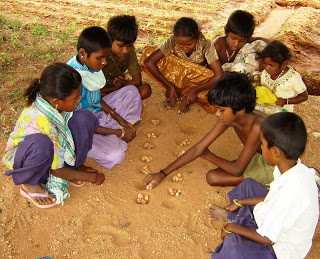
There is a long list of names for this game in different parts of the world. So the Arabic origin can’t be right. If anyone sticks to the Arabic origin for the word Mancala, then they have to explain how come it is played in South India with pure Tamil words. They must also explain why it has got different names in other parts of the world. In short Arabic origin is not correct. Arabic learnt all sciences from India which is a well known fact. Hindu numerals are called Arabic numerals because they took it to the western world. I have shown elsewhere in my blogs all the Arabian Night stories are from India adapted for the Arabs. Mancala may be a distortion of the Tamil words Man +Kuzi= sand pits. It is played by the villagers on the floor.

Pictures are taken from various websites. Thanks
பல்லாங்குழி ஆட்டம் பரவிய மர்மம்!

பல்லாங்குழி விளையாட்டு உலகின் பல பகுதிகளில், குறிப்பாக ஆப்பிரிக்காவின் கிழக்குக் கடற்கரை நாடுகளிலும் இந்தோநேசியா உள்பட தென் கிழக்கு ஆசிய நாடுகளிளும் பரவலாக விளையாடப்படுகிறது. தமிழ்நாட்டின் கிராமப் புறங்களில் தூய தமிழ்ச் சொற்கள் அல்லது சில சம்ஸ்க்ருத சொற்களுடன் ஆடப்படும் இந்த ஆட்டம் எங்கே தோன்றியது என்று ஆராய்ந்தேன். தமிழ்நாட்டில்தான் இது பெரும்பாலும் தோன்றியிருக்க வேண்டும் பின்னர் தமிழர்கள் வணிகத்துக்காக சென்ற இடங்கள் எல்லாம் இதை எடுத்துச் சென்று பரப்பியிருக்கலாம். இவ்வாறு நம்புவதற்குப் பல காரணங்கள் இருக்கின்றன.

1.நாம் இந்தோநேசியா, வியட்நாம், மலேசியா முதலிய நாடுகளுடன் தொடர்பு கொண்டிருந்தோம். பல்லவ கிரந்தம் என்னும் வட்டெழுத்துதான் தென்கிழக்காசிய நாடுகளின் எழுத்து வடிவங்களுக்கு மூலம். இதை

1.India-Madagascar Link via Indonesia,

2.Sanskrit Inscriptions in Strange Places,

3.Pandya King who ruled Vietnam,

4.Did Indians build Pyramids?

ஆகிய கட்டுரைகளில் ஏற்கனவே விளக்கிவிட்டேன். 2.இரண்டாவது காரணம் காசி, பசு, மூன்று விரை(விதை) ஆட்டம், ஆறு விரை ஆட்டம், சீதா பாண்டி, ராஜா பாண்டி, காசி பாண்டி முதலிய சொற்கள் அனைத்தும் தமிழ் அல்லது வடமொழிச் சொற்கள் ஆகும் 3. சீதை அசோகவனத்தில் ஆடிய ஆட்டம் என்பதே சீதாப் பாண்டி என்று மக்கள் நம்புவதாகும். இது இலங்கையிலும் பழங்காலம் முதலே இருக்கிறது. 4.எண்கள், கணக்கு விஷயத்தில் இந்தியர்கள் கண்ட முன்னேற்றத்தை உலகமே ஒப்புக் கொள்கிறது. செஸ் விளையாடு நம் நாட்டிலேயே தோன்றியது. பிதகோரஸ் தியரம், பை என்பன எல்லாம் இந்தியாவில் தோன்றியனவே. செஸ் தோன்றிய சுவையான கதையை “இந்தியா மீண்டும் உலக செஸ் சாம்பிய”னென்ற கட்டுரையில் கொடுத்துவிட்டேன். 5. தமிழ்நாட்டின் பழைய செப்பேட்டில் பல்லாங்குழி என்ற சொல் இருக்கிறது.

தென்கிழக்கு ஆசிய நாடுகளுடன் நமக்குள்ள தொடர்பை அங்குள்ள 800 சம்ஸ்கிருத கல்வெட்டுகளும் காளிதாசர் முதலியோரின் குறிப்புகளும் காட்டுகின்றன. இந்தோநேசியா, பிலிப்பைன்ஸ் போன்ற நாடுகளில் பல்லாங்குழியை சொங்கக் ,சுங்க என்று அழைக்கிறார்கள். இது சங்க்யா(எண்ணிக்கை) என்ற சம்ஸ்கிருத சொல்லின் திரிபாகும். தென் கிழக்காசிய நாடுகளின் சொற்களில் ஏராளமான சம்ஸ்கிருத சொற்கள் இருப்பது மொழியியல் நிபுணர்கள் அறிந்த விஷயமே.

செப்பேட்டில் பல்லாங்குழி

பல்லாங்குழி என்ற சொல் கி.பி 550-இல் பல்லவ மன்னன் சிம்மவர்மன் வெளியிட்ட பள்ளன்கோவில் செப்பேட்டில் காணப்படுகிறது. வஜ்ரநந்தி குரவர்க்கு பள்ளிச் சந்தமாகக் கொடுக்கப்பட்ட நிலத்துக்கு நாற்பால் எல்லைகளைச் சொல்லுகையில் கீழ்க்கண்ட வரி வருகின்றது:

“ வட பால் எல்லை பல்லாங்குழிக் காவின் தெற்கும்”

பல்லாங்குழிகள் நிறைந்த தோட்டம் அல்லது பல்லாங்குழி போல பல குண்டும் குழியும் நிறைந்த தோட்டம் என்று இதற்குப் பொருள் கொள்ளலாம். என்ன பொருளாக இருந்தாலும் பல்லாங்குழி என்ற சொல் அப்போதே புழக்கத்தில் இருந்ததை அறிகிறோம்.

இந்தியில் மங்கலா

இந்தி மொழியில் இந்த ஆட்டத்துக்கு மங்கலா என்று பெயர். இது அராபிய சொல் நகலா (நகர்த்தல்) என்பதில் இருந்து வந்ததாக ஆராய்ச்சியாளர்கள் கருதுகிறார்கள் இது சரியில்லை என்றே தோன்றுகிறது. முதலில் நகலா என்பதே தமிழ் சொல் நகர்த்து என்பதுடன் தொடர்புடையது! இந்தியாவின் வடகோடி முதல் இலங்கையின் தென்கோடி வரை ராமாயண காலத்தில் இருந்து ஆடப்படும் (சீதாப் பாண்டி) ஆட்டம் எப்படி அராபிய நாட்டில் இருந்து வந்திருக்க முடியும்? மேலும் நகலா என்பதற்கும் மங்கலாவுக்கும் தொடர்பு மிகவும் குறைவு.

உண்மையில் அராபியர்கள் விஞ்ஞான விஷயங்கள் முழுதையும் நம்மிடம் கற்று மேலை உலகத்துக்கு எடுத்துச் சென்றனர். இதனால்தான் இந்து எண்களை அராபிய எண்கள் என்று மேலை உலகம் கூறுகிறது. அல்பெருனி, இபின் படூடா போன்ற எழுத்தர்கள் இந்திய அறிவியல் முன்னேற்றத்தைப் பற்றி வியந்து போற்றி இருக்கிறார்கள்.

மங்கலா என்பது மங்களம் (சுபம்) என்ற சொல்லில் இருந்தே வந்திருக்க வேண்டும் இதை எதிர்ப்போர் நம் எல்லோருக்கும் வேறு ஒரு கேள்விக்கு பதில் சொல்ல வேண்டி இருக்கும். உலகம் முழுதும் 800 வகையான பல்லாங்குழி ஆட்டங்கள் இருப்பதாக விக்கிபீடியா கூறுகிறது. இந்திக்காரர்களைத் தவிர மற்ற எல்லோரும் புதுப் பெயர் வைத்துக் கொண்டார்கள் என்பதை நம்ப முடியாது. அப்படியானால் உண்மை என்ன? மண் கல என்பது மண் குழி என்பதன் திரிபாகவும் இருக்கலாம். பலர் மண்ணில் குழி செய்தும் விளையாடும் படங்கள் என்னிடம் உள்ளன.

இந்த விளையாட்டு தென் இந்தியாவில் தோன்றி மெல்ல மெல்ல இந்தோநேசியா மூலம் மடகாஸ்கர், மொசாம்பிக் மற்றும் ஆப்பிரிக்க எல்லை நாடுகளுக்குள் நுழைந்திருக்கவேண்டும். ஆப்பிரிக்காவிலும் கிழக்குக் கரை அருகிலேயே இது பரவி இருப்பது நோக்கற்பாலது.

ஓவாரி, நானோவாரி ஆவாரி(அவாலி) என்ற ஆப்பிரிக்க பல்லாங்குழி ஆட்டப் பெயர்களில் உள்ள வாரி என்பது தமிழ் சொல்லாகும். வாரி எடுத்தல் அல்லது விரை=வாரி என்று மருவி இருக்கலாம். சிரியா, எகிப்து, லெபனான் நாடுகளில் கூட மங்கலா என்பது ஒரே ஆட்டத்தைக் குறிக்கவில்லை.

இந்தியர்களின் கணிதப் புலமை, செஸ் முதலிய ஆடங்களை உண்டாக்கிய பழமை, தென்கிழக்காசிய நாடுகளை 1300 ஆண்டுகளுக்கு ஆண்ட திறமை, பல்லாங்குழி ஆட்டச் சொற்களின் வளமை ஆகியவற்றைப் பார்க்கையில் நாம் இதை உலகுக்கு ஏற்றுமதி செய்தோமா அல்லது நாம் வேற்று நாட்டிலிருந்து இறக்குமதி செய்தோமா என்பதை வாசகர்களே உய்த்துணர்வது கடினமல்ல.

பல்லாங்குழி என்றால் என்ன?

“இது ஒரு விளையாட்டுப் பலகை. இதில் பக்கத்திற்கு ஏழாக இரண்டு பக்கத்திற்கு 14 குழிகளில் குழிக்கு ஐந்தாக 70 காய்களைக் கொண்டு ஒவ்வொரு குழியிலுள்ள காயை ஒவ்வொன்றாக எடுத்து இருவர் குழியிற் போட்டு ஆடுகையில் யாருடைய பக்கத்தில் காய்கள் எல்லாம் சேர்ந்துவிடுகின்றனவோ அவர்கள் வென்றவர்களாம். இது ஒரு வகை. இதிற் இன்னும் பலவகை யுண்டு” (பக்கம் 1052, அபிதான சிந்தாமணி)

பல்லாங்குழி ஆட்டத்தின் மூலம் மனக்கணக்கு, மனதைக் குவியப்படுத்தும் சக்தி, பொதுவாக கணக்கில் ஆர்வம் உண்டாகும்.

ஆன்மீக வாழ்க்கை மூளையில் ஏற்படுத்தும் அதிசய மாற்றங்கள்!

how god


ஞான ஆலயம் ஜனவரி 2013 இதழில் வெளியான சிறப்புக்கட்டுரை


உலகின் பிரபல நியூரோஸயின்டிஸ்டான (neuroscientist) ஆண்ட்ரூ நியூபெர்க்கை ஞான ஆலயம் வாசகர்களுக்காகத் தொடர்பு கொண்டோம். அவரது ஆராய்ச்சிகளைப் பற்றி எழுதவும் படங்களை வெளியிட அனுமதி வேண்டியும் அவரை வேண்டியபோது உடனே இசைவைத் தெரிவித்ததுடன் ஞான ஆலயம் வாசகர்களுக்குத் தன் வாழ்த்துக்களையும் தெரிவித்து தனது புகைப்படத்தையும் மகிழ்வுடன் அனுப்பி வைத்தார். உலகெங்கும் உள்ள ஆன்மீகவாதிகளுக்கு கடவுளை மூளை இயல் விஞ்ஞான அடிப்படையில் நிருபித்து பெரும் நம்பிக்கையை ஊட்டி வருபவர் அவர். மதம் கடந்த ஆன்மீகம் என்ற நிலையில் விஞ்ஞானம் கடவுளை அறிய முயன்று ஒரு சிறிது வெற்றியும் பெற்று ஆதாரங்களையும் அள்ளி வீசுகிறது. அவருக்கு ஞான ஆலயம் வாசகர்கள் சார்பில் நன்றி தெரிவித்து இந்தக் கட்டுரையை ஆங்கிலப் புத்தாண்டின் சிறப்புக் கட்டுரையாக அளிக்கிறோம்


ஆன்மீக வாழ்க்கை மூளையில் ஏற்படுத்தும் அதிசய மாற்றங்கள்!

ச.நாகராஜன்


விஞ்ஞானி ஆண்ட்ரூ நியூபெர்க்

உலகின் பிரபல மூளை இயல் நிபுணரும் விஞ்ஞானியுமான ஆண்ட்ரூ நியூபெர்க் தனது அதிசய ஆராய்ச்சிகளின் மூலம் ஆன்மீகவாதிகளுக்கு ஒரு அற்புதமான செய்தியை அளித்துள்ளார். இறை நினைவு ஏற்படும்போதெல்லாம் மூளையில் அதிசயத்தக்க    விதத்தில் மாறுதல்கள் ஏற்பட்டு பல நல்ல விளைவுகளை ஏற்படுத்துகிறது என்பது தான் அது!


ஆண்ட்ரூ நியூபெர்க் பல பிரமிக்க வைக்கும் புத்தகங்களைப் படைத்தவர். 150க்கும் மேற்பட்ட அரிய ஆய்வுக் கட்டுரைகளை அறிஞர்கள் வியக்கும்படி சமர்ப்பித்தவர். பென்சில்வேனியா பல்கலைக்கழகத்தில் ரேடியாலஜி பிரிவில் அசோசியேட் பேராசிரியராகப் பணியாற்றும் இவர் ஆன்மீகம் மற்றும் மன மையத்தின் இயக்குநராகவும் இருக்கிறார்.


புதிய அறிவியல் உத்தி தரும் மூளையின் படங்கள்


ஆன்மீக அனுபவங்களால் பல்வேறு நிலைகளை அடையும் ஏராளமானோரை அவர் தனது ஆய்வுக்கு உட்படுத்தினார். இதற்காக அவர் கையாளும் தொழில்நுட்ப உத்தியின் பெயர் சிங்கிள் போடான் எமிஷன் கம்ப்யூடட் டோமோகிராபி (single photon emission computed tomography). இந்த ஆய்வுக்கு உட்படுவோரின் உடல்களில் காமா கதிர்களை வெளிப்படுத்தும் ஒரு வித கெமிக்கல், ஊசி மூலம் செலுத்தப்படுகிறது. இந்த கதிர்கள் தரும் தகவல்களை ஒரு கணினி சேகரிக்கிறது. அதன் மூலம் அவர்களின் மூளையில் ரத்தம் பாயும் பகுதிகள் பற்றிய படம் சித்தரிக்கப்படுகிறது. எந்தப் பகுதியில் அதிகமாக ரத்தம் பாய்கிறதோ அங்கு மூளை அதிகமாகச் செயல்படுகிறது என்று அர்த்தம்.


ஆறு பகுதிகளில் ஏற்படும் அதிசய மாறுதல்கள்

செயிண்ட் பிரான்ஸிஸ் ஆஃப் அஸிஸியின்(St Franscis of Assisi) விதிமுறைகளைப் பின்பற்றுவோரை பிரான்ஸிஸ்கன் நன் என்று அழைப்பர். அவர்களையும் திபெத்திய யோகிகளையும் தனது ஆய்வுக்கு வருமாறு ஆண்ட்ரூ அழைத்தார். மகிழ்வுடன் அவர்களும் இசைந்தனர். சுமார் 15 ஆண்டுகாலம் பென்சில்வேனியாவில் இடையறாது தன் குழுவினருடன் ஆய்வை நடத்தி வந்த ஆண்ட்ரூ மூளையின் முக்கியமான ஆறு பகுதிகளில் இறை உணர்வால் பெரும் மாற்றங்கள் ஏற்படுவதைக் கண்டறிந்தார்.


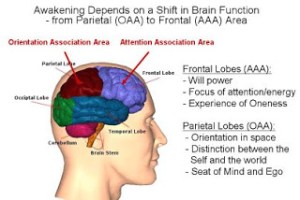
அந்த ஆறு முக்கிய பகுதிகள் : 1) முன் மடல் (frontal lobe) 2)லிம்பிக் அமைப்பு (limbic system)3)ஆன்டீரியர் சிங்குலேட் (anterior cingulated) 4) அமிக்தலா (amygdale) 5) தாலமஸ்(thalamus) 6) சுவர் மடல்(parietal lobe)

தியானம் அல்லது ஆன்மீக உணர்வுகள் மேம்படும்போது மடல்கள் ஒரு வலிமை வாய்ந்த உணர்வை அனுபவிக்க வைக்கின்றன. ரத்த ஓட்டத்தினால் முன் மடல் மேலே செல்வதற்குப் பதிலாக கீழே செல்கிறது! இதன் மூலம் அவர்கள் கூறும் அல்லது அனுபவிக்கும் அற்புத அனுபவங்கள் உண்மையே என்பதைத் தெளிவாக அறிய முடிகிறது.


இறை நினைவு அனைத்து மதத்தினருக்கும் ஏற்றம் தரும்

ஆச்சரியமான விஷயம் என்னவெனில் இறைவனைப் பற்றி நினைக்க ஆரம்பிக்கும் போதே மூளையில் வெவ்வேறு சர்க்யூட்டுகள் உருவாகின்றன. ஹிந்து, புத்த, யூத, கிறிஸ்தவ, இஸ்லாம் மதத்தில் எந்த மதத்தைச் சேர்ந்தவராக இருந்தாலும் இது ஏற்படுகிறது.


அறிவியல் உணர்த்தும் ஐந்து பேருண்மைகள்


பிரான்ஸிஸ்கன் நன்கள் மற்றும் புத்த குருமார்களை நான்கு வருட காலம் சிறப்பாக ஆய்வுக்குட்படுத்திய பின் ஆண்ட்ரூ பின் வரும் உண்மைகளைக் கண்டறிந்தார்.

1)   மூளையின் ஒவ்வொரு பகுதியும் கடவுள் பற்றிய வெவ்வேறு கருத்தை அமைத்துக் கொள்கிறது. அதிகம் தியானிக்கத் தியானிக்க கடவுள் இன்னும் அதிக மர்ம புருஷராகிறார்!

(ஒப்பீடு:-சொல் பதம் கடந்த தொல்லோன் போற்றி-மாணிக்கவாசகர் திருவண்டப்பகுதியில்)

2)   கடவுள் பற்றிய அமைப்பை ஒவ்வொரு மனிதனும் வெவ்வேறு விதமாக அமைத்துக் கொள்வதோடு, கடவுளுக்கு வெவ்வேறு குணநலன்களையும், மதிப்பையும், அர்த்தத்தையும் கற்பித்துக் கொள்கிறான்.

(ஒப்பீடு:-அவரவர் தம தமது அறிவு அறி வகைவகை

அவரவர் இறையவர் என அடி உடையவர்கள்

அவரவர் இறையவர் குறைவிலர் – நம்மாழ்வார்)

3)   மத நம்பிக்கையே இல்லாவிட்டாலும் கூட ஆன்மீகப் பயிற்சிகளை ஒருவர் மேற்கொள்ளும்போது உடல் நலமும் உள்ளநலமும் மேம்படுகிறது.(ஒப்பீடு:-வல்லார்க்கும் மாட்டார்க்கும் வரமளிக்கும் வரமே – வள்ளலார்)

4)   நீண்ட கால தியானப் பயிற்சி மூளையின் அமைப்பையே முற்றிலுமாக மாற்றி விடுகிறது!இது மூட் எனப்படும் மனநிலையை சீராக ஒரே மாதிரி இருக்கும்படி செய்கிறது.ஆன்ம அறிவை ஏற்படுத்தி புலன் உணர்வுகளை நன்கு உருவாக்குகிறது.

(ஒப்பீடு: அடிமுடியும் நடுவும் அற்ற பரவெளிமேல் கொண்டால்

அத்வைத ஆனந்த சித்தம் உண்டாம்: நமது குடி முழுதும் பிழைக்கும்; ஒரு குறையும் இலை – தாயுமானவர்)

5)   சாந்தி, சமூகம் பற்றிய விழிப்புணர்வு. தயை ஆகியவற்றிற்கு ஆதாரமான  குறிப்பிட்ட மூளை சர்க்யூட்டை அதற்குரிய பகுதியில் வலிமைப்படுத்துகிறது. (தாயிற் சிறந்த தயா ஆன     தத்துவனே- மாணிக்கவாசகர் – சிவ புராணத்தில்)

கடவுளை இடைவிடாது நினைக்க நினைக்க அவர் உங்கள் மூளையை நிச்சயம் மாற்றிக்கொண்டே வருகிறார்.

இப்படி ஆழ்ந்த ஆன்மீக அனுபவத்தில் நம்பிக்கை கொண்டவர்களே அதிக நோபல் பரிசுகளை சமாதானத்திற்காகப் பெற்றதை ஆண்ட்ரூ சுட்டிக் காட்டுகிறார்.மார்ட்டின் லூதர் கிங்.,பிஷப் டெஸ்மாண்ட் டுடு. தலாய் லாமா, மதர் தெரஸா ஆகியோர் உலக அமைதிக்காகப் பாடுபட்டதற்கு அவர்கள் உலகின் பால் கொண்டுள்ள அதீத தயை உணர்ச்சியே ஆகும்!


நியூரோபிளாஸ்டிசிடி

நியூரான்கள் ஒரு கட்டத்தில் கற்பதை நிறுத்தி விடுகின்றன என்று மூளை இயல் நிபுணர்கள் இது வரை கருதி வந்தனர். ஆனால் நோபல் பரிசு பெற்ற விஞ்ஞானியான எரிக் காண்டல்,” மூளை நியூரான்கள் கற்பதை ஒருபோதும் நிறுத்துவதில்லை.உள்ளும் புறமும் ஏற்படும் ஒவ்வொரு மாறுதலுக்கும் ஏற்ப நரம்பு செல்கள் மாறுகின்றன.இது வயதானாலும் தொடர்கிறது” என்று கூறுகிறார். இப்படிப் பல கண்டுபிடிப்புகளை இன்று நமக்குத் தரும் புதிய துறையின் பெயர் நியூரோபிளாஸ்டிசிடி!


மூன்று ‘சி’க்களும் இரண்டு படங்களும்

ஆன்மீகவாதிகளுக்கு மூன்று ‘C’க்களில் அதிக திறன் ஏற்படுகிறது. Cognition. Communication creativity ஆகிய அறிவுத் திறன், தகவல் தொடர்புத் திறன், படைப்பாற்றல் திறன் மூன்றும் அபரிமிதமாக செழிக்கிறது.இறுதியாக ஆன்மாவை அறியச் செய்கிறது!

ஒழுங்கான முறையான விரதம், தியானம், பிரார்த்தனை, வழிபாடு, இதர மதச் சடங்குகள் ஆகியவற்றை மேற்கொள்ளும் போது இரண்டு விதமான படங்களை ஏற்படுத்துவதை மூளை காண்பிக்கிறது.


1)முதலாவது மேப் ஆழ்மனம் பற்றியது. அன்றாட உலகில் போட்டிக்கு ஈடு கொடுத்து உயிர் வாழ்ந்து வாழ்க்கையை நடத்துவது.உடலை ஆரோக்கியத்துடன் தக்க வைத்துக் கொள்வது ஆகியவற்றை காண்பிக்கிறது இந்தப் படம்!

2) இரண்டாவது மேப் பிரபஞ்சம் பற்றிய நமது பிரக்ஞையைச் சித்தரிக்கிறது.புலன்களுக்கும் உணர்ச்சிகளுக்கும் அப்பாற்பட்டது இது!


ஆன்மீகப் பயிற்சி தரும் அளப்பரிய நன்மைகள்


ஆகவே 1)உலகில் நிலை பெற்றிருக்கும் கடவுள். 2)அவரைப் பற்றிய ஆழ்மன நிலையில் நமது அறிவும் அனுபவமும், 3)வெளிப்படையாக அவரைப் பற்றிய நமது கருத்தினால் முன்மடல், பக்கமடல்,சுவர் மடல் ஆகிய மூளைப் பகுதிகளில் நாம் அமைத்துக் கொள்ளும் அமைப்பு ஆகிய மூன்று நிலைகளை நாம் கருத்தில் கொள்ள வேண்டியவர்களாக இருக்கிறோம்.

இதற்கு பிரார்த்தனை உள்ளிட்ட அனைத்தும் நமக்கு உதவி செய்து  வியக்கவைக்கும் சாந்தியை நமக்கு அளிக்கிறது.

தயை என்பது நமக்கு உயரிய ஆன்மீக அனுபவத்தைத் தருகிறது. இந்த தயை (பிற உயிர்களிடத்து இரக்கம்) உச்சநிலையை எட்டுவதற்கும் நமது ஆன்மீகப் பயிற்சியே அடித்தளமாக அமைகிறது.


மூளையை மாற்றும் இறைவன்

இவற்றையெல்லாம் தெள்ளத் தெளிவாக கடவுள் உங்கள் மூளையை எப்படி மாற்றுகிறார் (How God Changes Your Brain)  என்ற பல லட்சம் பிரதிகள் விற்பனையான தனது புத்தகத்தில் மார்க் ராபர்ட் வால்ட்மேன் என்பவருடன் இணைந்து எழுதியுள்ளார் ஆண்ட்ரூ!

இந்த அறிவியல் தரும் அற்புத ஆராய்ச்சியின் முடிவை நமது அருளாளர்கள் மிகத் தெளிவாக சில வார்த்தைகளிலேயே சொல்லியிருப்பது நம்மை பிரமிக்க வைக்கும் இன்னொரு விஷயம்;

நினைப்பவர் மனங் கோயிலாக் கொண்டவன் (அப்பர் –பனைக்கை என்று தொடங்கும் பாடலில்)

மனத்துள் நின்ற கருத்தானை – (அப்பர் வாயானை என்று தொடங்கும் பாடலில்)

உளன் கண்டாய் நன்னெஞ்சே! உத்தமன் என்றும்

உளன் கண்டாய்; உள்ளுவார் உள்ளத்து உளன் கண்டாய் –(பொய்கை ஆழ்வார் முதல் திருவந்தாதியில்)

என்ற வார்த்தைகளின் ஆழமான பொருள் அறிவியல் ஆராய்ச்சியால் அல்லவா இப்போது விளங்குகிறது.

அவன் அருளாலே அவன் தாள் வணங்குவோம்!!

**************

படங்களும் விளக்கங்களும்


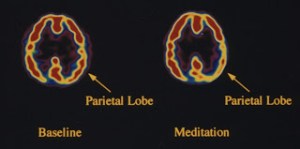
திபெத்திய யோகிகள் தியானம் செய்யும் போது அதன் விளைவுகளை மூளையின் இந்தப் படங்களில் பார்க்கலாம்!

Frontal lobe (முன்மடல்)

சிங்கிள் போடான் எமிஷன் கம்ப்யூடட் டோமோகிராபி (SPECT) என்ற தொழில்நுட்ப உத்தி மூலமாக யோகிகள் தியானம் செய்யும் போது மூளைப்பகுதியான ஃப்ரண்டல் லோப் எனப்படும் முன்மடலில் ஏற்படும் மாற்றங்கள் கண்டறியப்பட்டது. இரத்த ஓட்டம் அதிகரிப்பது அதிக செயலாற்றலை அந்தப் பகுதியில் காண்பிக்கிறது. இடது பக்கப் படம் மூளை சாதாரண நிலையையும் வலது பக்கப் படம் மூளை தியானத்தில் இருக்கும் நிலையையும் காண்பிக்கிறது. இதில் ஒருமுனைப்படுத்தும் பகுதிகள் அதிகமாக ஒளிர்வதைப் பார்க்கலாம்.


Parietal Lobes (சுவர் மடல்)

சுவர்மடலிலோ குறைந்த செயல்பாடே காண்பிக்கப்படுகிறது. இந்தப் பகுதி தான் இடம் மற்றும் காலம் பற்றிய உணர்வை நமக்குத் தெரிவிக்கிறது. இந்தப் பகுதியை முற்றிலுமாக அடைத்து விட்டோமானால் இடம் மற்றும் காலம் கடந்த நிலையை எய்தி விடலாம்.இது தியானத்தின் மூலமாக அடையப் படுகிறது. இது பற்றிய இன்னும் அதிகமான நுட்பமான படங்களும் ஏராளமாக எடுக்கப்பட்டுள்ளன. அவை தியானம் எல்லையற்ற பிரபஞ்சத்தில் லயமாகும் நிலையைத் தெரிவிக்கின்றன!

This article is written by my brother S Nagarajan, Engineer, Bangalore

contact: swami_48@yahoo.com


Aladdin’s Magic in Valmiki Ramayana

Ramyana Wonders 6

Aladdin’s Magic in Valmiki Ramayana

Valmiki Ramayana has some magic shows as well. Bharadvaja Maharishi (seer) showed some amazing magic to Bharata. Chapter 91 of Ayodhya Kanda gives a vivid description of the magic shown by Bharadvaja.

The seer asked him why he came alone leaving his army behind. Bharata replied to him that his army was huge and they may damage the trees and huts and defile the water.

Look at the environmental concerns of Bharata!

But Bharadvaja insisted to him to bring the army so that he can entertain everyone. In the middle of the thick jungle, he summoned all the angels. Suddenly a cool breeze came from Malaya and Dardura hills. There was a rain of flowers. Sound of divine gongs could be heard on every side. Apsaras women danced to the tune of the Gandharvas. Earth and sky were filled with sweet and harmonious sounds. Bharata’s army could see the wonderful creations of Viswakarma (Divine Architect).

The forest looked like a paradise with fruit bearing trees. A royal palace emerged from nowhere. Ambrosial drinks of every kind were provided as also magnificent attire and food of every variety well prepared. Rivers were running with sweet water. Magnificent mansions appeared. Bharata entered a palace full of gems. Rivers of Payasa flowed at the feet of Bharata.20,000 Apsara girls appeared and danced.

All were in ecstasy at these marvels and they thought they were dreaming. Then the Gandharvas returned from whence they had come, as also the lovely Apsaras girls.

This is from the translation of Valmiki Ramayana by Hari Prasad Shastri. Bharadvaja achieved more than what Aladdin achieved through his magic lamp. Probably the authors of Arabian Nights copied it from Valmiki!

Sita worshipped Banyan Tree

I have already written about the Indian Wonder: The Banyan Tree. Valmiki gives more information about this tree in Ayodhya Kanda chapter 55:

Rama, Lakshmana and Sita crossed the river Kalindi in a raft. Sita offered obeisance to the river. Then she went to a banyan tree (nyagrodha) named “Shyama”. Vaidehi approached the tree and offered salutations to it, saying, “ “Homage to thee, Oh Mighty tree! May my lord fulfil his vow! May we behold Kausalya and the blessed Sumitra once more!”

With these words, the virtuous Sita with joined palms circumambulated the tree. This shows tree worship was among royals and general public from time immemorial. We have ancient coins with fenced trees. After killing Ravana Rama, Lakshmana and Sita returned to Ayodhya by aerial car. Rama pointed out the tree to her once again and reminded her.

In chapter 56, there is a beautiful description of Chitrakuta forest. All nature lovers must read it. Valmiki must have been well versed with the jungle trees. He never missed an opportunity to mention the trees. Hundreds of trees are mentioned by name in a lot of places. Valmiki must be a great lover of nature.

Rama—A Tiger

Vedas describe Indra and others as Bull. Ramayana described Rama as a tiger  among men in several places and bull among men in other places.

Venkateswara Suprabatham sung at Tirupati Balaji temple begins with

“Kausalya Supraja Rama purva sandhya pravarthathe

Uththishta narasardhula karthavyam daivamahnikam” (Balakanda)

Not many people know that this is a couplet from Valmiki Ramayana. The meaning of ‘Narasardhula’ in the couplet is Tiger among men.

Cave of Horrors

We have seen mysterious caves with treasures etc in films such as Indiana Jones and the Temple of Doom. But Valmiki beat Indiana Jones stories in the description of mysterious Nikumbila caves. It is a Cave of Horrors where Ravana’s son Indrajit did voodoo ceremonies by sacrificing blood and human beings. Read Valmiki’s own words about this eerie place:

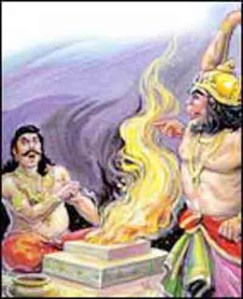
The cave was in a dark place with lot of trees. It was “darkened by trees”. There was “a huge Nyagrodha tree (banyan tree) of fearful aspect”  under which the sacrifice was done.

Indrajita went to the sacrificial altar of Nikumbhila and invoked the God of Fire, Pavaka. Indrajita started pour on the libations and the fire blazed up, consuming the oblations of blood. Then he poured libations on the earth.

Indrajita had a boon of winning anyone provided he does a sacrifice there. Vibheeshana warned Rama and Lakshmana to finish off Indrajita before he did the sacrifice. Lakshmana with Hanuman went on time to Nikumbhila and prevented the sacrifice.

Nobody knew what God was worshipped in the cave .Some think it may be Kali or Pratyankara Devi.

Please read other posts by Santanam Swaminathan :

1. Ram –the Best PR Man 2. தியாகராஜ சுவாமிகளுடன் 60 வினாடி பேட்டி 3.நாமும் அனுமார் ஆகலாம் 4.கம்பனுடன் 60 வினாடி பேட்டி 5.ராமாயண வினா-விடை (க்விஸ்) 5.Where is Rama Setu (Rama’s Bridge) ? 6. Did Sita Devi Die in Earth Quake? 7. Ramayana Wonders Part1 (8) . Ramayana Wonders Part2 :How many miles did Rama walk? (9) Ramayana Wonders Part 3: Rama and Sanskrit G’ramma’r 10) Part 4: Who can read all 300 Ramayanas? 11) Ramayana Wonders part 5: Indus Valley Cities in Ramayana 12) Indian wonder: The Banyan Tree  13) இந்திய அதிசயம்: ஆலமரம்

contact : swami_48@yahoo.com

Pictures are from various websites; thanks.

Ghost that killed 72 Tamil People!

( Tamil version of this article has been posted already. Pictures are from various websites. Thanks: swami )

There are many ghost stories in ancient Indian literature. The most famous one is the Vetal and Vikramaditya. There are stories of Shiva Bhutas, the fore runner of Aladdin and the Magic Lamp stories. I have already written about them and showed those foreign stories are carbon copies of Tamil and Sanskrit stories. Sangam Tamil literature has got innumerable references to ghosts and ghouls, demons and devils.


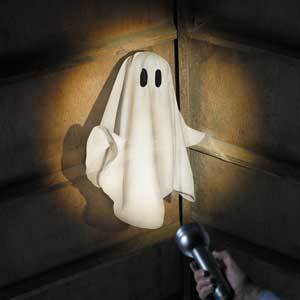
Not many people know the Tamil Nili or Neeli ghost story that made a lasting impact in Tamil life. Tamils have proverbs and literary references about this ghost. This is a story that shook the ancient Tamil Nadu. Neeli in her second birth took revenge upon 72 people and killed all of them. If there is a Guinness Book of Records entry for a ghost killing large number of people then Neeli will get the first and foremost entry.


Hundred years ago, A Singaravelu Mudaliyar, who published the first Encyclopaedia of Tamil literature under the title Abithana Chintamani in Tamil, narrated the story of Pazaiyanur Neeli.

Tamils have a proverb “Don’t shed Neeli tears” equivalent to Don’t shed Crocodile tears. Neeli has a reference in a poem of Viveka Chintamani. The author famous for his anti women tirade says in one of the verses that we can even trust Neeli, but not the women who throws her charms on anyone.

The story of Neeli spans over her two births. A merchant of Tamil country travelled to the holiest city of Hindus, Varanasi (also known as Benares and Kasi). There he received the hospitality of a Brahmin. His daughter was Navanjani. The guest fell in love with her and married her. He never told them that he was already married in Tamil Nadu. The newly married travelled towards Tamil Nadu with Navanjani’s brother. As they reached Tiru Alankadu in Tamil Nadu, the merchant sent his brother in law to fetch some water and killed her new wife in the meantime. When her brother returned with water he saw the gory scene and hanged himself.

Now the story continues in her second birth:

The merchant was reborn as Darsana Chetty and Neeli and her brother were born as abnormal children. Darsana Chetty was forewarned by astrologers that he may be revenged by a ghost. So he received a magic sword which will protect him. The abnormal children Neeli and her brother killed the cattle in the night and left them with blood stained wounds. Parents of the abnormal children tied the ghostly children to an acacia tree and abandoned them. People from Palaiyanur came and cut the tree for wood when Neeli went for a revenge. Her brother who occupied the tree was left ‘homeless’ and later killed by another man at the instigation of a temple priest.

Neeli went in the guise of a woman with a child. The story goes that the child was created by her from the broken branch of a tree. She made a big scene in front of the village council which consists 70 elders from the Velala caste. She told the council that Darsana Chetty was her husband and the child in her hand was born to him. She pleaded to them to reunite her with her ‘husband’. He tried his best to tell the council that this woman was a fraud. But her cries and tears moved the council and they reached a compromise that he must live with her and the child.


Neeli tried one more trick now. Knowing the power of the magic sword she told the council that there was no need for a sword when there was a child with her. Village council also agreed with her. He told him that his life would be in danger without the sword. Village council promised him that all the 70 will sacrifice their lives in the fire if anything happened to him. The final piece of the gig saw puzzle fell into its place. Neeli killed Darsana Chetty in the night. Next day Neeli herself went in the guise of Darsana Chetty’s mother to the council and asked all of them to sacrifice their lives as promised. Out of the 70 elders, 69 immolated themselves. Neeli was very happy to take revenge upon those who cut the tree and took her brother’s life.

So far she killed 69+1. The story did not stop there. She went after the person who escaped from the council. He went to him in the guise of his daughter and trapped him. He became the 71st victim. Neeli knowing that he finished her job killed the child in her hand by crushing it under her feet. This was the Murder most foul. This story of death of 72 people+ Neeli and her brother made her notorious as Pazaiyanur Neeli. Now the village has got a ‘temple’ for her in the village.


Had it happened in a place like England it would have become a big tourist spot for Halloween day fans.

Silappadikaram, the most famous Tamil epic has another Neeli, which has no connection to Pazaiyanur Neeli.

Please read earlier Ghost Stories posted by me in the past:

1. Most feared Numbers 666 and 13

2. Aladdin’s Magic Lamp and Tamil saints

3. கடலில் தோன்றிய மர்மத் தீ

4. Mysterious Messengers for Ajanta, Angkor Wat and Sringeri

5. Largest Story Collection in the World

6. தமிழ் பூதமும் கிரேக்க பூதமும்

7. டெல்பி ஆரூடமும் குறிசொல்வோரும்

8. பெரியோர்கள் மரணம் பற்றிய உண்மைகள்

9. Mysterious disappearance of Great Hindu saints

10. Time Travel by Two Tamil Saints

10. Do Hindus believe in E.T.s and Alien Worlds?

Contact : swami_48@yahoo.com or swaminathan.santanam@gmail.com

தமிழ்நாட்டை உலுக்கிய பேய்!


படியினப் பொழுதே வதைத்திடும் பச்சை நாவியை நம்பலாம்

பழி நமக்கென வழி மறித்திடும் பழைய நீலியை நம்பலாம்

கொடுமதக்குவ டெனவளர்த்திடு குஞ்சரத்தையும் நம்பலாம்

………………

(விவேக சிந்தாமணி—பாடல் 30)

பெண்களை நம்பாதே என்ற பாடலில் முதலில் “உடனே கொல்லும் விஷத்தை நம்பலாம், பழியைக் கருதாத ஒரு வணிகனை வழிமறித்துக் கொலை செய்த பழையனூர் நீலியை நம்பலாம், கொடிய மும்மதங்களை உடைய மலை போன்று வளர்ந்த யானையையும் நம்பலாம்…………….. என்று சொல்லிக்கொண்டே போய்  “நடை குலுக்கி முகம் மினுக்கி நகை நகைத்திடு மாதரை நம்பொணாது மெய் நம்பொணாது மெய் நம்பொணாது மெய் காணுமே” என்று முடிகிறது கவிதை.

யார் இந்த பழையனூர் நீலி?

தமிழ்நாட்டை உலுக்கிய பயங்கரப் பேய் நீலி. புறநானூறு முதலிய 18 சங்க இலக்கிய நூல்களில் ஏராளமான பேய்க் கதைகள் வருகின்றன. ஆயினும் நீலி என்ற பேய்தான் தமிழர்கள் மனதில் பெரும் அச்சத்தை ஏற்படுத்திய பேய். பல நூற்றாண்டுகளாகப் பலரும் பாடல்களில் உவமையாகக் கூறும் அதி பயங்கர தமிழ்ப் பேய்.

சிங்காரவேலு முதலியார் பழைய தமிழில் தொகுத்தளித்த அபிதான சிந்தாமணி (என்சைக்ளோபீடியா/ கலைக் களஞ்சியம்) கூறும் கதையை முதலில் பார்ப்போம்:

1.“இவள் முற்பிறப்பில் நவஞ்ஜயென்னும் பார்ப்பனி. தன் கணவனையும் குமாரனையும் ஒருவன் கொலை செய்ததால் பழிக்குப்பழி வாங்க  திருவாலங்காட்டில் புரிசைக்கிழாருக்குப் புத்திரியாகப் பிறந்து  அவன் பேயென்று  நீக்க அலைந்து திரிந்து  தரிசன செட்டியாகப் பிறந்திருக்கும்  தன் கணவனைக் கண்டு களித்து  அவனைப் பலவாறு மயக்கி  பழையனூர் வெள்ளாளரிடம் முறையிட்டு அவர்கள் 70 பேரையும் அவன் உயிர்க்கு பிணையாக இருக்க உடன்படுத்தினள். அவர்கள் அவ்வாறு பிணை இருப்பதாக செட்டிக்குக் கூறி  அவளுடன் இருக்கும்படி உடன்படுத்தினர். இவள் அவனிடம் இருந்த மந்திர வாளை நீங்கச் செய்து  அவனுடனிருந்து அவனைக் கொலைபுரிந்து  மீண்டும் செட்டியின் தாய் போல வந்து  வேளாளர்  69 பேரையும்  தீயில் முழுகச் செய்வித்து  மிகுந்த ஒருவன் போயிருந்த கழனியிடம்  அவன் மகள் போலச் சென்று நடந்த செய்தி கூறிப் பழி வாங்கினள்.  வேல மரத்தில் இருந்த அண்ணன் இறந்ததற்கு  ஊரார் வெட்டிய வேல மரம் காரணமாதலால்  ஊரார் எழுபது பெயரையும் பழிவாங்கினள்.”

2. சங்கமன் என்ற வைசியன் மனைவி. கோவலன் கொலையுண்டிருக்க முற்பிறப்பில் அவனைச் சபித்தவள் (சிலப்பதிகாரம்)

இது நூற்றாண்டுக்கு முந்தைய தமிழ் நடை. சுருக்கமான கதை இதோ:

திரு ஆலங்காட்டுக்குப் பக்கத்தில் பழையனூர் இருக்கிறது. அங்கே நீலிக்கு ஒரு கோவிலும் உண்டு. தமிழில் நீலிக் கண்ணீர் வடிக்காதே என்ற பழமொழியும் இருக்கிறது. நீலியின் கதை தெரியாதோருக்கு இது என்ன என்று தெரியாது. நீலி கதை இரண்டு ஜன்மங்களில் நடந்த கதை.

நவக்ஞானி என்ற பார்ப்பனி காசியில் தந்தையுடன் வசித்துவந்தார். அவருடைய தந்தை காஞ்சீபுரத்தில் இருந்து வந்த ஒரு வணிகரை விருந்துக்கு அழைத்தார். அவர் ஏற்கனவே திருமணமாகியும் கூட விருந்து கொடுத்தவரின் மகளான நவக்ஞானியை மணம் புரிந்தார். ஊருக்குத் திரும்பிய அவர் வீட்டுக்கு வரும் முன்னரே ஆலங்காட்டில் நவக்ஞானியக் கொலை செய்து விடுகிறார். அவளுடைய மறு அவதாரம்தான் நீலி. அந்தப் பெண்ணுடன் வந்த அண்ணன் தூக்குப் போட்டு இறக்கிறான்.


மறு பிறப்பில் நீலியாகப் பிறந்த பெண்ணும் அண்ணனும் பேயாகத் திரிந்து ஆடு மாடுகளை வதம் செய்கின்றனர். அவ்விருவரையும் பெற்றெடுத்தோர் ஒரு வேல மரத்தில் கட்டி விட்டுவிட்டுப் போய்விடுகிறார்கள் நீலி, தன் கணவர் தரிசன செட்டியாகப் பிறந்ததை அறிந்து பழிவாங்கக் காத்திருந்தாள். தரிசன செட்டிக்கு எப்படியோ உயிருக்கு ஆபத்து ஏற்படும் என்பது தெரிந்தது. மந்திர தந்திரம் அறிந்தோரிடம் இருந்து தன்னைப் பாதுகாக்க ஒரு மந்திர வாளை பெற்றுக் கொண்டார்.

இது இப்படி இருக்க நீலியின் அண்ணன் தங்கியிருந்த வேல மரத்தை பழையனூர் வணிகர்கள் கலப்பை செய்ய வெட்டிச் சென்றுவிட்டனர். அந்தப் பேய்க்கிருந்த வீடும் போய்விட்டது. அதுவும் பழிவாங்கக் காத்திருந்தது. இதற்கிடையில் அதன் தொல்லை தாங்காதபடி ஒருவர் அந்த பேய்க்கு முடிவுகட்டுகிறார்.

நீலியின் ஆத்திரம் தரிசன செட்டி மீது மட்டும் இல்லாமல், வேளாளர் மீதும் பாய்ந்தது. உரிய தருணத்துக்காக காதிருந்தாள். நீலி வேறு ஒரு தந்திரம் செய்தாள். ஒரு மரக் கிளையை ஒடித்து அதைக் குழந்தையாக ஆக்கி ஊர் ஜனங்கள் அனைவரையும் கூட்டி தரிசன செட்டி தன் கணவர் என்றும் அவர் பெற்ற குழந்தைதான் இது என்றும் கதறி அனுதாபத்தைப் பெற்றாள். (இதுதான் நீலிக் கண்ணீர் !!) ஊர் ஜனங்களின் கெட்ட காலம்– 70 வேளாளர்கள் பஞ்சாயத்து கூடி அவளுடன் செல்ல உத்தரவிட்டனர். பெண்ணுடனும் குழந்தையுடனும் இரவில் தங்கும் போது வாளுக்கு வேலை இல்லை என்று கூறி அதை விட்டுப் போகச் சென்றனர். தரிசன செட்டிக்கு பயம் வந்தது. எவ்வளவோ மன்றாடியும் வாளை விட்டுத் தூங்கவேண்டிய தருணம் வந்தது. இதற்குக் காரணம் 70 பேரும் “உங்கள் உயிருக்கு ஏதேனும் ஆபத்து நேர்ந்தால் நாங்கள் 70 பேரும் தீக்குளித்து உயிர்விடுவோம்” என்று சூளுரைத்ததுதான்.

நீலிப்பேயின் ஆற்றலை அறியாத அப்பாவிகள் அவர்கள். அன்றிரவு தரிசன செட்டியைத் தீர்த்துக்கட்டியது நீலிப் பேய். மறு நாள் சத்தியத்துக்குக் கட்டுப் பட்ட 69 பேர் தீக்குளித்து உயிர் நீத்தனர். இதுதான் பாரதத்தின் பெருமை. உண்மைக்கும் சொன்ன சொல்லுக்கும் அவ்வளவு மதிப்பிருந்த காலம் அது.ஒருவர் மட்டும் ஒளிந்து கொண்டார். விடடுவாளா நீலி? அவன் ஒளிந்திருந்த கழனிக்குப் போய், அவன் மகள் போல நடித்து அவனையும் ஏமாற்றிக் கொன்றாள்.

சிலப்பதிகாரம், மணிமேகலை ஆகிய இரட்டைக் காப்பியங்களில் ஒரு நீலி வருகிறாள். அவள் முற்பிறப்பில் கோவலனைச் சபித்ததால்தான் கோவலன் கொலை உண்டான் என்பது சிலப்பதிகாரத்தின் பூர்வ கதை.

நீலி கொன்றது 70+1 பேர் மட்டும் அல்ல. புளியங் கொப்பை ஒடித்து குழந்தை ஆக்கினாள் அல்லவா? அதையும் காலுக்கடியில் போட்டு மிதித்துக் கொன்றதாக பழையனூர் கதைகள் கூறுகின்றன.. அந்த இடங்கள் இன்னும் பழையனூரில் இருக்கின்றன. இதே இடம் எங்கள் இங்கிலாந்தாக இருந்திருந்தால் பேய் நகரம் என்று பெரிய டூரிஸ்ட் ஸ்பாட்டாக/ சுற்றுலாத் தலமாக ஆகி இருக்கும். இங்கிலாந்தில் ஆண்டு தோறும் பேய் தினமான ஹாலோவீன் தினத்தில் பேய் வீடு சுற்றுலா நடத்துகிறார்கள். பேய்கள் நடமாடும் பிரபல பத்து இடங்களுக்கு நிறைய பேர் தைரியமாகப் போவார்கள். ஆனால் பழையனூர் நீலியைப் பற்றிக் கேட்டால் அவர்களும் நடுங்குவார்கள் என்பதில் ஐயம் இல்லை.

Please read earlier Ghost Stories posted by me in the past:

1. Most feared Numbers 666 and 13

2. Aladdin’s Magic Lamp and Tamil saints

3. கடலில் தோன்றிய மர்மத் தீ

4. Mysterious Messengers for Ajanta, Angkor Wat and Sringeri

5. Largest Story Collection in the World

5.தமிழ் பூதமும் கிரேக்க பூதமும்

6.டெல்பி ஆரூடமும் குறிசொல்லுவோரும்

7.பெரியோர்கள் மரணம் பற்றிய உண்மைகள்

8. Mysterious disappearance of Great Hindu saints

9. Time Travel by Two Tamil Saints

10. Do Hindus believe in E.T.s and Alien Worlds?


contact :swami_48@yahoo.com or swaminathan.santanam@gmail.com


கலியுக முடிவு பற்றி லிங்க புராணம்

முன்னர் வெளியான சந்தானம் சுவாமிநாதன் கட்டுரைகள்: (1) டிசம்பர் 21ஆம் தேதி உலகம் அழியுமா? (2) “உலக அழிவு” பற்றி மகா பாரதம். இவ் வரிசையில் இதோ மூன்றாவது கட்டுரை:


கலியுக முடிவு பற்றி லிங்க புராணம் என்ன கூறுகிறது என்று பார்ப்போம்:

1.திருடர்கள் மன்னர்கள் ஆகிவிடுவர். மன்னர்கள் திருடர்கள் ஆகிவிடுவர்.

2.மக்களின் சொத்துக்களை ஆட்சியாளர்கள் பறிமுதல் செய்து அதைக் கெட்ட வழியில் செலவிடுவர்.

3.கொஞ்சம் படித்த அடிப்படை ஒழுக்கம் இல்லாதவர்கள் பெரிய சாமியார்களாகக் கருதப்படுவர்.

4.நிறைய நாடோடிகள் (அகதிகள்?) நாடு நாடாகச் செல்வர்.

5.தாய்மார்களின் கர்ப்பத்திலேயே கருக்கள் அழிக்கப்படும்

6. கோர மிருகங்களின் தொல்லைகள் அதிகரிக்கும்

7.மக்கள் தவறான முடிவுகளுக்கு ஜே போடுவார்கள்

8.ஒருவரை ஒருவர் நம்பமாட்டார்கள். பொறாமை அதிகரிக்கும்.

9.ஆயுட்காலம் குறையும். பலர் 16 வயதி இறப்பார்கள்.

10.பசி, பிணி இவற்றால் கஷ்டப்படுவோர் பூமிக்கடியில் வசிப்பார்கள்.

11.இளம் பெண்கள் கற்பை விலை பேசுவார்கள்

12. மழைக்கான அதிபதி கண்ட கண்ட இடங்களில் கண்ட கண்ட காலங்களில் மழையைக் கொட்டுவான்.

13.கடைக்காரர்கள் கொள்ளை லாபம் அடிப்பர்.

14.கடுமையான, அசிங்கமான மொழி பயன்படுத்தப்படும்

15.பிச்சைக்காரர்கள், வேலை இல்லாதோர் அதிகரிப்பர்

16.ஆட்சியாலர்கள் மக்களுக்கு பாதுகாப்பு வழங்காமல் மக்களின் செல்வத்தை வரிகள் மூலம் பறிப்பதில் குறியாக இருப்பர்.

17.பணம் சம்பாதிப்பதே குறிக்கோளாக இருக்கும். வேறு லட்சியம் அதுவும் இல்லாமல் பானக்காரர்களின் சொல் கேட்பர்.

18.தண்ணீர் பற்றாக்குறை ஏற்படும்.

19.ஏற்கனவே தயாரிக்கப்பட்ட உணவு வகைகள் விற்கப்படும்.

லிங்க புராணம் எழுதப்பட்டு 1500 ஆண்டுகட்கு மேலாகிவிட்டது. அப்போதே இப்படி உலகம் தறிகெட்டுப் போகும் என்று எப்படிக் கண்டுபிடித்தனர்? ஞானிகளின் த்ரிகால ஞானம் (முக்காலப் பார்வை) என்றே சொல்ல வேண்டும்.

Contact swami_48@yahoo.com


“உலக அழிவு” பற்றி மகாபாரதம்

மகா பாரதத்தில் இல்லாதது எதுவும் இல்லை. “வ்யாச்சோசிஷ்டம் ஜகத் சர்வம்” என்பது பெரியோர் வாக்கு. அதாவது வியாச முனிவரின் எச்சில்தான் இந்த உலகம் முழுதும். அவர் வாயில் விழாத சப்ஜெக்ட் (விடயம்) இப்பூவுலகில் எதுவும் இல்லை. முன்னரே வெளி உலக வாசிகள் பற்றியும், பீஷ்மரின் ஊசி மருத்துவம் (அக்யுபன்க்சர்) பற்றியும் காலப் பயணம் பற்றியும் (டைம் ட்ராவல்) தனித் தனி கட்டுரைகள் எழுதிவிட்டேன்.

இப்பொழுது மாயன் காலண்டரில் உலக அழிவு பற்றி இருப்பதாக வதந்தி கிளம்பி இருப்பதால் எல்லோருக்கும் இதில் ஆர்வம் பிறந்திருக்கிறது. மகாபாரதம் கலியுக முடிவு பற்றி என்ன சொல்லி இருக்கிறது எனபதைச் சொல்லுகிறேன். பல இடங்களில் உலக முடிவு பற்றிப் பேசப்பட்டாலும் வன பர்வத்தில் கலியுகத்தின் இறுதிக் காலம் பற்றி விரிவாகக் காணலாம்.

நம்மைப் போலவே பாண்டவர்களில் மூத்தவரான தர்மருக்கும் இதில் ஆர்வம் இருந்திருக்கிறது. இது ஒரு அதிசயமான, ஆர்வமூட்டும் விஷயம் என்று பீடிகை போட்டுவிட்டு, மார்க்கண்டேய முனிவரிடம் கீழ்கண்ட கேள்விகளைக் கேட்கிறார் தர்மர்:

தர்மங்களும் நற்குணங்களும் அழிந்தபின்னர் என்ன நடக்கும்? அப்போது மனிதர்கள் என்ன உண்ணுவார்கள், எப்படிப் பொழுதைக் கழிப்பார்கள்?, அவர்கள் எந்த அளவுக்கு பலம் உடையவர்களாக இருப்பர்? கலியுகம் முடிந்த பின்னர் கிருத யுகம் துவங்குமா?

(தர்மரின் கேள்விகளை இந்தக் காலத்தில் படிக்கும்போது நம் முன்னோர்கள் எவ்வளவு தீர்க்க தரிசனம் படைத்தவர்கள் என்று எண்ணி வியக்க வேண்டியுள்ளது. அன்றாட உப்பு ,புளி, மிளகு பற்றிப் பேசாமல் இந்தப் பூவுலகின் தோற்றம், முன்னேற்றம், முடிவு குறித்து சிந்திப்பதை வேறு எங்கும் காண முடியாது. இந்துப் புராணங்களிலும் மகாபாரதத்திலும் மட்டுமே காண முடியும்)

மார்கண்டேய முனிவரின் பதிலில் உள்ள ‘பாயிண்டு’களை மட்டும் பார்ப்போம்:

1.கிருத (சத்திய) யுகத்தில் ஏமாற்று, மோசடி, பேராசை, பொய் கிடையாது. அப்போது தர்மம் என்னும் மாட்டுக்கு நான்கு கால்கள் இருந்தன. திரேதா யுகத்தில் பாவங்கள், ஒரு காலை வெட்டிவிட்டன. அடுத்த தூவாபர யுகத்தில் பாவங்கள் பெருகி அறம் அழியவே தர்மத்துக்கு இரண்டு கால்கள் மட்டுமே எஞ்சின. கலியுகத்திலோ இது ஒரே கால் ஆகிவிடும்.

2.ஒவ்வொரு யுகத்திலும் மனிதனின் உடல் பலம், ஆன்ம பலம், புத்தி ஆகியன குறைந்து கொண்டே வரும். கலியுகத்தில் நான்கு வருணத்தாரும் பொய்யாக ஆசார அனுஷடானங்களைப் பின்பற்றுவர். ஒருவரை ஒருவர் ஏமாற்றுவர். போலி அறிஞர்கள் பொய்மை வாதத்தால் உண்மையை மறைப்பர். ஆயுள் குறைவால அதிகம் கற்க முடியாது. கல்விக் குறைவால் விவேகம் வராது. பேராசை, காமம், கோபம், அறியாமை ஆகியவற்றால் ஒருவரை ஒருவர் வஞ்சிப்பர். முதல் மூன்று ஜாதியினர் நாலாவது ஜாதி அளவுக்கு தாழ்ந்து விடுவர்.

3.மீன், ஆடு முதலிய உணவு அதிகரிக்கும். பசுமாடுகள் குறைந்துவிடும். ஆசை காரணமாக ஒருவரை ஒருவர் கொல்லுவர். மனைவியர் நண்பர்கள் போல இருப்பார்கள். திருடர்கள், நாஸ்தீகர்கள் அதிகரிப்பர். தானியங்கள் விளையாமையால் ஆறுகளிலும் ஏரிகளிலும் இறங்கி பயிர் செய்வர். அப்படியும் வறண்ட பூமியாகவே இருக்கும்

4. அப்பன் , மகன் சொத்தையும், மகன் அப்பன் சொத்தையும் அபகரிப்பன். சாஸ்திர விதிகளுக்குப் புறம்பான விஷயங்களை அனுபவிப்பர். பிராமணர்கள் வேதங்களை நிந்திப்பர்.. ஹோமம் முதலியவற்றைப் பின்பற்றார்.

5.மிலேச்சர் போன்று நடக்கத் துவங்குவர். யாக யக்ஞங்கள் நடக்காது. மகிழ்ச்சி குறையும். பலமும் அறிவும் குறையும் ஒருவர் ஒருவருடன் வாதிடுவர். காக்கும் தொழிலில் உள்ளவர்கள் தண்டனை அளிப்பதில் மட்டும் கருத்தைச் செலுத்துவர். அவர்கள் நேர்மையான மக்களையும் அவர்களுடைய குழந்தைகள், மனைவிமார்களையும் அபகரிப்பர்.

6. மனைவிமார்கள், கணவனுக்கு பணிவிடை செய்யார். பார்லி, கோதுமை விளையும் நாடுகளை நோக்கி மக்கள் செல்லுவர். ஆண்களும் பெண்களும் ஒருவரை ஒருவர் மதியார். வருண வேறுபாடுகள் அகன்று எல்லோரும் ஒரே மாதிரி இருப்பர். தோட்டங்களையும் மரங்களையும் அழிப்பர்.ஐயோ போன்ற கதறல்கள் அதிகரிக்கும்.

கல்கி அவதாரம்

7. சூரியன், சந்திரன், குரு மூவரும் புஷ்ய நட்சத்திரத்துடன் ஒரே ராசியில் பிரவேசிக்கையில் புதிய கிருத யுகம் துவங்கும். (பீஷ்ம பர்வத்தில் ஓரிடத்தில் யுக முடிவில் சந்திரனை ஐந்து கிரகங்கள் பீடிக்கும் என்று கூறப்பட்டுள்ளது. நிறைய கிரகங்கள் ஒரே ராசியில் சேருவது பொதுவாக நன்மை இல்லை என்பது கருத்து.)

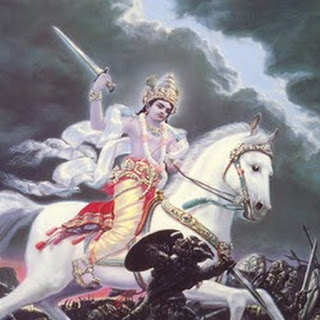
இந்த நேரத்தில் சம்பல என்னும் ஊரில் ஒரு பிராமணர் குடும்பத்தில் கல்கி அவதரிப்பார். அவர் விஷ்ணுவின் புகழ் பாடுவார். தீயோரை அழித்து நல்லோரைக் காப்பாற்றுவார். அவர் பிறந்த பின்னர் பூமி எங்கும் மழையும் சுபிட்சமும் அமைதியும் நல்லாட்சியும் நிலைபெறும். அவர் கிருதயுகத்தைத் துவக்கிவைப்பார். அவர் துராசாரம் மிக்க மிலேச்சர்கள் அனைவரையும் ஒழிப்பார். அவர் மன்னர்களுக்கெல்லாம் மன்னராக விளங்குவார். அவர் நினைத்த மாத்திரத்தில் ஆயுதங்களும் படை பலமும் வந்து குவியும். கல்கி என்பவர் மகா பலவானாகவும், புத்திமானாகவும், குணவானாகவும், தேஜோமயமாகவும் ஜொலிப்பார். (வேறு சில புராணங்களில் அவர் வெண் புரவியில் (வெள்ளைக் குதிரை) பவனி வருவார் என்றும் சொல்லப்பட்டிருக்கிறது).


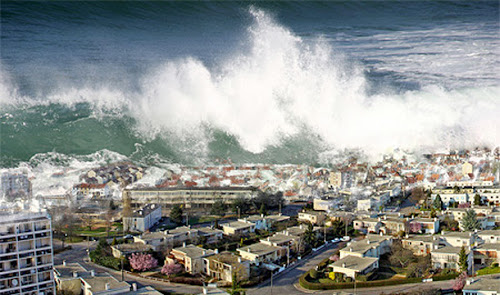
8. உலக அழிவின்போது ஏற்படும் இயற்கைச் சீற்ற வருணணைகளைப் படிக்கையில் பூகம்பம், கடல் சீற்றம், சுனாமி, பெருந்தீ, வறட்சி, வெள்ளம், எரிமலைச் சீற்றம், விண்கல் வீச்சு —ஆகிய எல்லாம் நினைவுக்கு வருகிறது. ஆக முன்னோர்களும் தர்மம் குன்றும் போது இயற்கையும் மாறுபடும் என்று எதிர்பார்க்கின்றனர்.

9. இவை எதுவும் நாளையே நடைபெறப் போவதில்லை. ஆனால் சில விஷயங்கள் இப்போதே நடப்பதை மறுப்பதற்குமில்லை. இன்னும் நூறு ஆண்டுகளுக்குப் பின் இதே வன பர்வத்தைப் படித்து புது அர்த்தம் ஏதேனும் புலப்படுகிறதா என்பதைப் பார்ப்போம்.

மண்ணில் நல்லவண்ணம் வாழலாம்; வைகலும்

எண்ணில் நல்ல கதிக்கு யாதும் ஓர் குறைவில்லை

-திரு ஞான சம்பந்தர்

சேல் பட்டு அழிந்தது செந்தூர் வயல் பொழில், தேன் கடம்பின்

மால் பட்டு அழிந்தது பூங்கொடியார் மனம்; மாமயிலோன்

வேல் பட்டு அழிந்தது வேலையும் சூரனும் வெற்பும்; அவன்

கால் பட்டு அழிந்தது இங்கு என் தலைமேல் அயன் கை எழுத்தே

-அருணகிரிநாதர்

சந்தானம் சுவாமிநாதன் எழுதிய இவைகளையும் காண்க:

(1)பழமொழியில் இந்துமதம் (2) Do Hindus Believe in E.T.s and Aliens? (3)Bhishma: First Man to Practise Acupuncture (4) Great Engineers of Ancient India 5) டிசம்பர் 21ம் தேதி உலகம் அழியுமா?

டிசம்பர் 21ம் தேதி உலகம் அழியுமா?

Mayan-Calendar


Picture of Mayan Calendar

தென் அமெரிக்காவிலும் மத்திய அமெரிக்காவிலும் 3000 ஆண்டுகளுக்கு முன் ஒரு நாகரீகத்தை நிலைநாட்டியவர்கள் மாயா இன மக்கள். அவர்களுடைய பழைய காலண்டர்/ பஞ்சாங்கம் டிசம்பர் 21 ஆம் தேதி முடிவு அடையப்போகிறது. இதைக் காரணம் காட்டி அந்த நாளில் உலகம் அழிந்துவிடும் என்று பல ஆண்டுகளாக ஏராளமான நூல்களும் கட்டுரைகளும் வந்த வண்ணம் இருக்கின்றன. அமெரிக்க விண்வெளி ஆராய்ச்சி அமைப்பான ‘நாசா’வை ஆயிரக கணக்கான மக்கள் இது பற்றி கேள்வி கேட்ட வண்ணம் இருக்கிறார்கள். அத்தனை பேருக்கும் இது பற்றி ‘நாசா’ பதில் சொல்லி வருகிறது உலகம் அழியாது என்று.


உலகில் இன்னும் எத்தனை முட்டாள்கள் இருக்கிறார்கள் என்பதற்கு மேலும் சாட்சியம் கிடைத்து இருக்கிறது. உலகம் அழியும் நாளில் உங்களைப் பாதுகாத்துக் கொள்ள இதை வாங்குங்கள் என்று முகமூடி, உடுப்பு ஆகியவற்றை விற்போரிடம் ஏரளமானோர் அதை வாங்கியும் வருகின்றனர்!


மாயாக்கள் சொன்னதன் உண்மை என்ன?

மாயா இன மக்கள் இந்தியாவிலிருந்து சென்ற நாகர்கள் என்றும்  பாண்டவர்கள்- நாகா இன மோதல் அதிகரித்து ஜனமேஜயனின் சர்ப்ப யாகத்தில் (அதாவது நாகர்கள் படுகொலை) முடிவடைந்தது என்றும் நான் ஏற்கனவே எழுதிய கட்டுரைகளில் காண்க.

மாயா இன மக்கள் இந்தியாவிலிருந்து சென்றதால் கலியுகக் கணக்கையே துவக்க ஆண்டாக வைத்திருக்கின்றனர். கொஞ்சம் வித்தியாசம் உண்டு. ஆனால் அதன் பின்னர் அவர்களாகவே இரண்டு மூன்று வகையான காலண்டர்களை உருவாக்கிப் பின்பற்றினர். அதில் ஒன்று டிசம்பர் 21 ஆம் தேதி முடிவடைவது உண்மைதான். ஆனால் அவர்கள் உலகம் அழியும் என்று சொல்லவில்லை. இருந்தபோதிலும் டிசம்பர் மாதத்தில் உலகையே உலுக்கிய சுனாமி ராட்சத அலைகள் வந்தது மக்களின் நினைவில் இன்னும் இருப்பதால் ஒரு பக்கம் பயம்!


மெக்சிகோவுக்கு அடித்தது ‘லக்கி ப்ரைஸ்’!

சாதாரணமாக மெக்ஸிகோ நாட்டில் உள்ள மாயா தொல் பொருட் சின்னங்களைப் பார்ப்பதற்கு இரண்டு கோடி சுற்றுலாப் பயணிகள் வருகிறார்கள். இந்த ஆண்டு இந்த மாயா புரளியால் ஐந்தரைக் கோடி சுற்றுலாப் பயணிகள் வந்து மாயா இனச் சின்னங்களைப் பார்க்கிறார்கள். புரளி, வதந்திகளில் கூட கொஞ்சம் பயன் இருக்கிறது—சுற்றுலா வளர்ச்சி!

நாசா அமைப்புக்கு 5000 ஈ மெயில்கள் வந்திருப்பதால் அவர்கள் வான சாஸ்திரம் பற்றிச் சொல்லிக்கொடுக்க ஒரு அரிய வாய்ப்பும் இந்த வதந்தியால் கிடைத்துள்ளது! உயிரைக் காப்பாற்ற உபகரணங்கள், சிறப்பு உடைகள் விற்போருக்கு காசும் கிடைக்கிறது!


உலகம் அழிவது எப்போது?

உலகம் அழியும் என்ற புரளிகளும் வதந்திகளும் இந்த பூமிக்குப் புதிதல்ல. 1960—களில் அஷ்ட கிரஹ சேர்க்கையில் உலகம் அழியும் என்று புரளி கிளப்பப்பட்டது. உடனே சோதிடர்களும் கோவில்களும் நன்கு பயனடைந்தன. ஞான சம்பந்தரின் ‘கோளறு திருப்பதிகம்’ பிரபலமாகியது

போப்பண்டவர் இன்னொசென்ட்-3 1244ல் உலகம் அழியும்—அதாவது இஸ்லாமிய சமயம் தோன்றி 666 ஆண்டுகளில்— என்று கூறினார்.

மார்ட்டின் லூதர் 1600 ஆம் ஆண்டை ஒட்டி உலகம் அழியும் என்றார்.

கிறிஸ்டோபர் கொலம்பஸ் 1658ல் உலகம் அழியும் என்றார். அவர் கணக்கின் படி கடவுள் உலகைச் சமைத்த 7000 ஆண்டுகளில் உலகம் அழியவேண்டும்!

பிரபல ஆரூடக்காரர் நாட்ர்தாமஸ் 1999 இல் உலகத்தின் கதை முடிந்துவிடும் என்றார். சர் ஐஸக் நியூட்டன் 2000 ஆண்டில் உலகம் அழியும் என்றார். ஆனால் இன்று இதை நீங்கள் படித்துக் கொண்டிருக்கிறீர்கள் உலகம் அழியவில்லை!


மாயா இன காலண்டர்

மாயா இன மக்களின் காலண்டர் துவங்கிய ஆண்டு கி.மு 3114.

அது 144,000 நாட்களுக்கு ஒரு முறை மாறும்.

அவர்கள் 394 ஆண்டுகளை ஒரு பக்தூன் என்று அழைப்பர். இப்போது 13ஆவது பக்தூன் முடிவடையப் போகிறது.

மாயா காலண்டர் டிசம்பர் 21 என்று உலக அழிவுக்கு நாள் குறிக்காவிட்டாலும் டிசம்பர் 21 நீண்ட இரவு நாள் என்பதால் மேலை நாட்டு சோதிடர்கள் இப்படி நாள் குறித்தார்கள்!

இதற்கிடையில் பிரான்ஸ் நாட்டில் பத்திரிக்கைகளில் தினமும் அடிபடும் பெரிய செய்தி பைரினிஸ் மலையில் இருக்கும் பிக் டெ புகாரா கிராமம் ஆகும். அங்கு வருபவருக்கு வெளி உலக வாசிகள் பாதுகாப்பு தருவார்கள் என்ற வதந்தி காரணமாக வீட்டு வாடகை லட்சக் கணக்கில் உயர்ந்து விட்டது. அதாவது டிசம்பர் 21 இரவு மட்டும் தங்க 1200 பவுண்டுகள் என்று ப்ரிட்டிஷ் பத்திரிக்கைகள் செய்தி வெளியிட்டுள்ளன. பிரெஞ்சு போலீசார் மிகவும் விழிப்புடன் நிலைமையைக் கவனித்து வருகின்றனர்.


மாயா இன மக்கள் பற்றிய எனது ஏனைய கட்டுரைகள்:

1.Amazing similarities between Hindu Ngas and Mayas 2.Are Mayas ,Hindu Nagas? 3. Amazing similarities—Part 2 (all published in April, May 2012 in my blogs) 4.மாயா இன மக்கள் இந்திய நாகர்கள் 5. நாகர்- மாயா இன அற்புத ஒற்றுமைகள்—பகுதி 1,பகுதி 2

contact: swami_48@yahoo.com


Ramayana Wonders-1


Ramayana and Mahabharata are two great epics in Sanskrit language. Hindus consider these two epics as their sacred literature. They worship the books. They won’t even touch them with unclean hands or on unclean days. Though the illiterate Hindus do not read the books the story is known to every Hindu through hymns, songs, lullabies, nursery rhymes, proverbs, paintings, sculptures, dances and religious/musical discourses. There are lot of hidden gems in the Ramayana.

Valmiki Ramayana is the original Ramayana written by Valmiki in 24,000 couplets. It is considered Adi Kavyam= First Epic. 

300 Different Ramyanas

1.There are 300 different Ramayana versions in the world. It is written in all major Indian languages in the olden days. Now it has been translated into all major western languages in the world.

2. Gayatri mantra in the Rig Veda is the holiest mantra for Hindus. One of the 300 Ramyanas is called Gayatri Ramayana. It is formed from 24 couplets from Valmiki Ramayana. Each couplet starts with one letter of Gayatri which has got 24 letters. Whoever reads these 24 hymns will get the merits of reading the full Ramayana.

3. There are more than 200 different types of plants described by Valmiki. More than 185 weapons are described by Valmiki!

3. Divya Prabanda Pasura Ramayana: An ingenious Tamil Periyacvachan Pillay selected Tamil Hymns from 12 Vaishnavite saints (known as Alvars) and composed a Ramayana. It is called Divya Prabanda Ramayana after the book Divya Prabandam, which contains 4000 hymns of the Tamil Vaishnavite Saints.

4.Nama Ramayana: The English word Name came from the Sanskrit word ‘Nama’. So this Ramayana is full of Rama’s name at the end of each line. No one knew who composed this. But this has been repeated by thousands every day. In sixty simple Sanskrit lines it relates the whole story of Ramayana. It begins with the line ‘Sudha Brahma Parathpara Rama’ and ends with ‘Ragupati Ragava Rajaram- Patita Pavana Sita Rama’.

3462 Similes

5.Ramayana has Seven Cantos, 24,000 couplets. But the seventh canto is considered a later addition. It has got 500 chapters. Ramayana has 3462 similes. Kalidasa who is famous for his similes has used less than half of this number. Valmiki’s 3462 similes belong to 13 different types.

In Sundara Kanda, more than 30 similes are used in just 22 couplets. A heap of similes are in canto 19 of this Kanda.

6.Jain Ramayana: Padma Sarita (pavuma sariya) is a Prakrit language book containing 118 pervas/sections. This big book has been dated to 4th Century AD by the German Scholar Jacobi. This book analyses Ramayana in a logical way and says Ten Heads for Ravana, Six Month Sleep of Kumbakarna  etc are wrong.

No ‘Sati’, so older than Mahabharata

7.In Ramayana the custom of Sati is not mentioned anywhere. All the wives of Dasaratha and other characters did not die with their husbands in the funeral pyre. So it is definitely older than the Mahabharata where there are numerous references to sati.

8.Cremation was practised by everyone. Dasaratha, Vali, Jatayu, Ravana and Andhamuni were all cremated. So burial was unknown to Ramyana. Dasaratha’s body was preserved in oil till Bharata came from Iran-Afganistan border. His mother Kaikeyi was from Kekaya which was in the border of modern Iran-Afganistan. Eldest son was supposed to do the cremation, a custom followed by the Hindus until today. Since Rama was banished Bharata had to do it.


Announcing Three Times

9.Janaka, father of Sita, repeats three times the decision to give her to Rama in marriage. This custom is followed around the world in many ceremonies (In Judicial Courts, Muslim Talaqs/divorces, going round the temple etc).

King lists differ from the king lists in thirteen Puranas. But it is not uncommon. We have similar conflicting and contradicting king lists of Sumerians and Egyptians.

Tamil Festival Pongal

10.Tamils celebrate Pongal, a Harvest festival on Makara Sankranti Day. A harvest festival known as AGRAYANA is mentioned in Valmiki Ramayana (III-16-16)

Ramayana says Candalas wore blue clothes. Sangam Tamil Literatures says Roman Body Guards wore blue clothes. Sanskrit literature says that those who were sentenced to death wore Red clothes.

Pet Birds: Parrots and Peacocks

11.Parrots and pea cocks were raised as pet birds. We have numerous references to parrots in Tamil and Sanskrit literature (Please read my posts Can Birds Predict Future, Animal Einsteins and Lie Detectors in the Upanishads)

Pet Birds (VI-75-20, II-65-5), caged female parrots (V-13-13), sportive peacocks (V-6-38), Parrot-Myna (II-53-22), parrots in palace (II-88-7) are some of the references to pet birds.

Elephants are mentioned in a number of places. Even 60 year old elephant (ii-67-20) is mentioned.

Swastika Symbol

12.Hindu Mangala (Auspicious) emblem Swastika is found around the world from pre historic times. But it is considered Hindu because they have been using it from Vedic/ Indus Valley days until today. Swastika is found on Royal raft (II-89-2) and panegyrists (II-16-46).

1000 pillar mandap ( now seen in Nayak Temples of Madurai, Tiruvannamalai etc) is mentioned in Ramayana (V-15-16 and VI-39-22)

Contd. in second part…………………………

Source Materials: India in the Ramayana Age by Shantikumar Nanooram Vyas; The Ramyana of Valmiki- translated by Hari Prasad Shastri and JM Macfie; Stotramala by LIFCO. Pictures are from Face Book and other websites. Thanks. Contact swami_48@yahoo.com

Please read other posts about Rama: 1. Ram –the Best PR Man 2. தியாகராஜ சுவாமிகளுடன் 60 வினாடி பேட்டி 3.நாமும் அனுமார் ஆகலாம் 4.கம்பனுடன் 60 வினாடி பேட்டி 5.ராமாயண வினா-விடை (க்விஸ்)