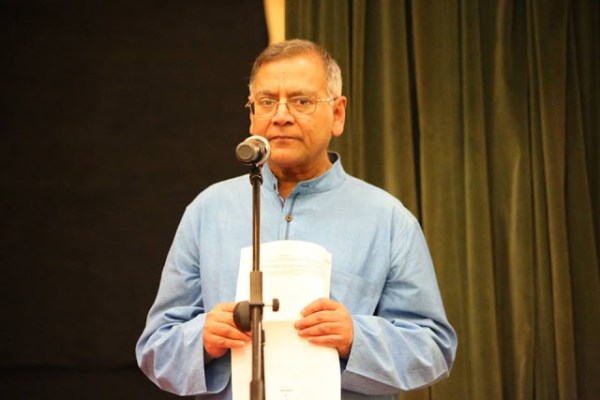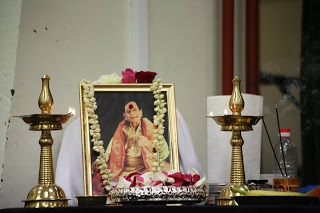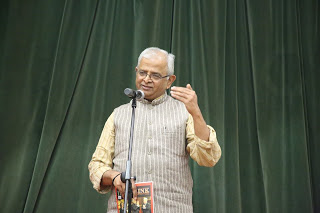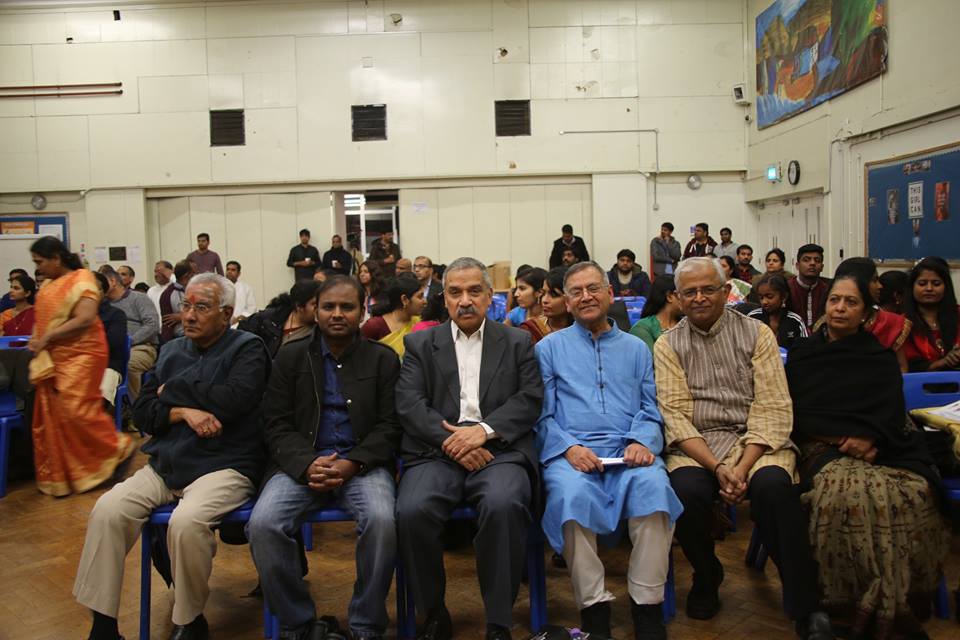
The Man Who Wrote 120 Plays! (Post No.4132)

Compiled by London Swaminathan


Date: 5 August 2017


Time uploaded in London- 15-38


Post No. 4132

Pictures shown here are taken from various sources such as Facebook friends, Books, Google and newspapers; thanks.


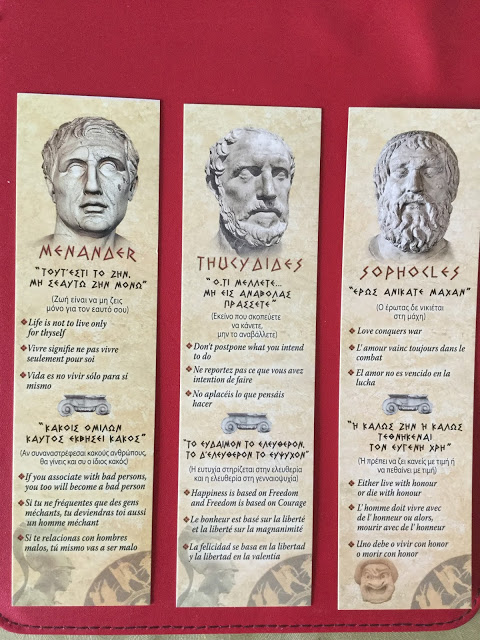
Menander 100 Plays

Menander was a Greek comic dramatist. Though he was known only by reputation, some fragments of his plays were discovered in 1957 in Egyptian papyrus. he lived between 342 BCE and 291 BCE. His comedies with their wit and ingenuity of plot often cornering domestic intrigue, were adapted by Roman comic dramatists Plautus and Terence.


Menander was born in Athens. into a wealthy family. Scholars think that his father was a general and prominent politician. Menander probably got his enthusiasm for the theatre from his uncle Alexis, who was a friend of several playwrights.


Not much is known about Menander’s life, and very little of his writing has survived. He is remembered because other writers, particularly the Roman writers Terence and Plautus, based many of their plays on his. For centuries after his death Menander was the most popular of ancient Greek writers.


Drama had been an important part of Greek society for hundreds of years before Menander was born. Regular competitions were held to find the best play., and almost everybody attended drama festivals to see the entrants. The earliest dramas were tragedies. Later, comedy became more popular and writers such as Aristophanes wrote plays in a style known as Old Attic Comedy (attic came from the region Attica in Greece). Menander became the leading representative of a more sophisticated style known as New Attic Comedy.


Although he wrote over 100 plays, Menander won drama prizes only eight times! His comedy was much more subtle and clever than audiences were used to and was not popular with the ordinary public. Though the work of later imitators, however Menander became the inspiration for a style of European drama called comedy of manners, which has been popular since the 17th century.


Publications

Only one of Menander’s plays survives in a complete form: ‘The Bad Tempered Man’, performed about 317 BCE. Fragments of other plays have been found. Their titles include ‘Anger’, ‘Afraid of Noises’, ‘The Unpopular Man’ and ‘The Girl with her Hair Cut Short’.


xxxx

Sophocles 120 Plays

Sophocles was one of the great playwrights of ancient Greece. He developed the art of tragic drama from the work of the first tragic playwright Aeschylus. Sophocles was born into a wealthy family at Colonus, near the city of Athens. He was well educated and mixed with some of the most powerful figures of his day.


Drama was an important part of ancient Athenian society. Plays were treated  as a kind of public political and religious discussion. Playwrights addressed important issues of the day by presenting stories from mythology that contained problems or dilemmas similar to the ones being faced by the city.


During Sophocles’ life time Athens fought a long and bitter war, called the Peloponnesian War, with its archival, the City of Sparta. Many of Sophocles plays reflect the patriotic mood of the Athenian people and later, their desire for peace. His play Antigone, which is about moral dilemmas faced by people in a war, so impressed the Athenians that they elected him to be a general in the army.


in 486 BCE Sophocles entered the most important Athenian drama competition of the year for the first time. Aeschylus, by then a well-established and respected figure, regularly won the competition, but amazingly the unknown Sophocles beat him to first place. The result caused great excitement in Athens. Sophocles over 120 plays in his life time and went to win the first prize 24 times. When he won for the first time he was only 27 years old. He is credited with having developed tragedy by introducing a third actor and scene painting and ranked with Aeschylus and Euripides as one of the three great tragedians. He lived at the time when Pericles ruled the City of Athens, a period of great prosperity.


In his tragedies, heroic determination leads directly to violence unless, as in Philoctetes and Oedipus at Colonus, it contains an element of resignation. Among his other works are a lost treatise on the chorus, and a large surviving fragment of one of his satyr-dramas, Ichneutai

Only seven of his plays survived to the present day.

Born 496 BCE

Died 406 BCE

Age at Death 90

Publications:-

450 BCE- Ajax

442 – Antigone

430 – Oedipus the King

420 – Women of Trachis

413 – Electra

409 – Philocteles


Published after he died

401 BCE – Oedipus at Colonus


Following anecdotes are from my old posts:

Sophocles (406 BCE) wrote tragedies to the end of his long life. On account of this zeal for writing he seemed to be neglecting his business affairs so his sons summoned him to court that a jury may pronounce him as incompetent to manage his estate on the ground of senility. Then the old man is said to have recited to his judges a play which he has just finished and had in his hands, the Oedipus at Colonous and to have asked whether the poem seemed the work of a man

In his dotage (old and weak period).  After his recitation he was freed by the vote of the jurors.


xxx
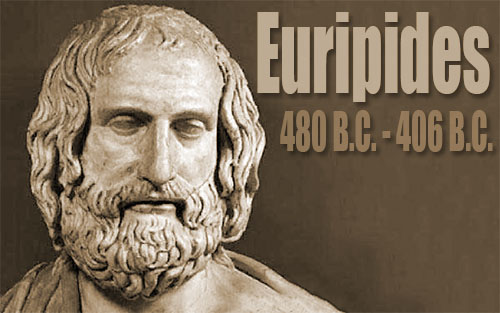
Words are more powerful than Swords!- Euripides


The power of pen is excellently illustrated by an incident in the war between the ancient Greeks and Romans. A group of Athenians were seized and held captive at Syracuse. To help pass the time they enacted many scenes from the plays of Euripides (480 BCE) . Their captors were so favourably impressed by the beauty of the verses that instead of treating their prisoners cruelly as was their custom, they persuaded them to continue their play acting and held them as their as honorary guests.


Upon their return to Athens, the former captives went to the home of Euripides and informed him of the effect of his plays upon the supposedly heartless men of Syracuse. So great was their gratitude toward the great dramatist they treated him as though he had actually rescued them in combat on the field of the battle.


—Subham–
 

MY TRIP TO SANTORINI ISLANDS IN GREECE (Post No.4120)

Written by London Swaminathan
Date: 2 August 2017
Time uploaded in London- 6-13 am
Post No. 4120
Pictures shown here are taken from various sources such as Facebook friends, Books, Google and newspapers; thanks.


pictures by london swaminathan.

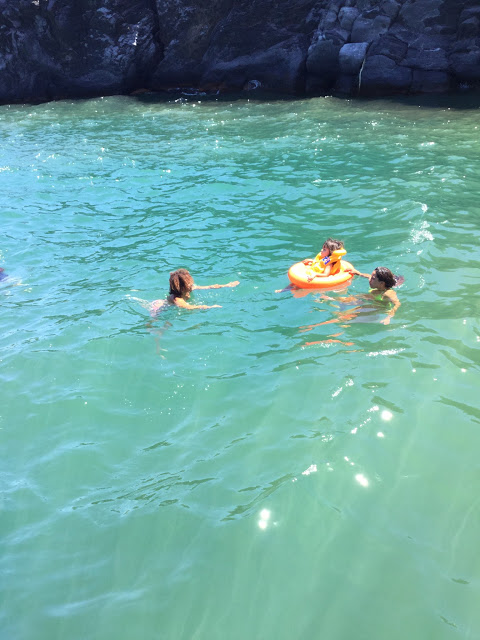
We went to Athens and Santorini Islands in Greece for six days in July 2017. The islands are volcanic islands and Hot water springs are in the middle of the sea. The ferry took us to the place where the sea water was heating up due to the volcanic rocks underneath. Tourists jumped from the boat into ocean and swam for 15 minutes and then all of them returned to the boat. I was just watching from the deck of the boat. Even children were swimming with the help of floating life jackets.

One young couple boarded the wrong boat and tried very hard to jump from one boat to other.  Husband succeeded but his wife with bikinis was struggling with fear and embarrassment. At last she managed to jump into our ferry.

If you look at all the pictures you can see the water colour changes from blue to green to yellow. The spot where the color of the water is yellow is the hottest place. swimmers go up to the point to get good hot water bath with sulphur content which will cure skin diseases. Volcanoes underneath is heating the water.

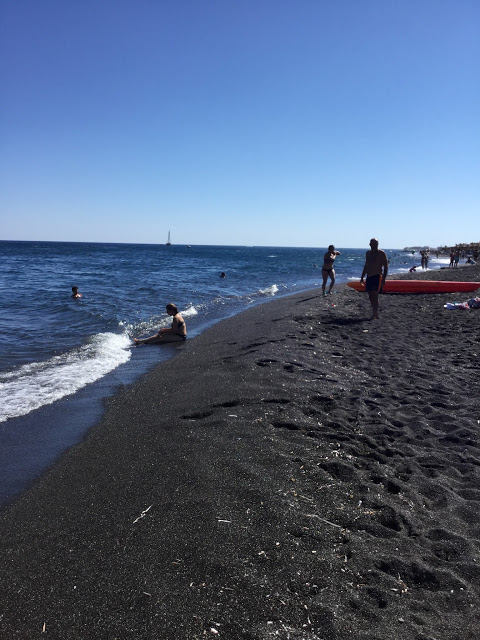
There are two important beaches in Santorini, one is with black sand beach and another is red beach. This is due to the volcanic activity in the islands. I have taken these pictures from the black sand beach. Santorini buildings are in white and blue colours. The churches have six or ten bells at the top. The domes of the churches are in Muslim’s mosque style. People come here for relaxing and to enjoy the breath taking views of the Agean sea , part of the Mediterranean sea. Palm leaf umbrellas are in thousands all along the coast which the tourists hire. They relax themselves there and get tanned in the sun bath.


Greece has 2000 islands and out of them 225 are inhabited. If you count all the protruding rocks you may say Greece has 6000 islands.


Biggest Volcanic Eruption


These volcanic islands have a long history. The biggest eruption happened around 1660 BC. and the Minoan civilization was destroyed because of the tsunami following the explosion or eruption. People believed that the Mysterious Atlantis continent disappeared because of this huge eruption. It must have affected Indus Valley Civilization and the legendary Tamil Kumari Kandam (Lemuria continent). The climatic changes after the biggest eruption in human history affected everyone on earth in one way or other.

Greece survive by tourism. Boarding and Lodging are more expensive in Santorini than in Athens. But the breath-taking views make the trip worthwhile. The blue sea and dry climate give plenty of time to do outdoor activities.


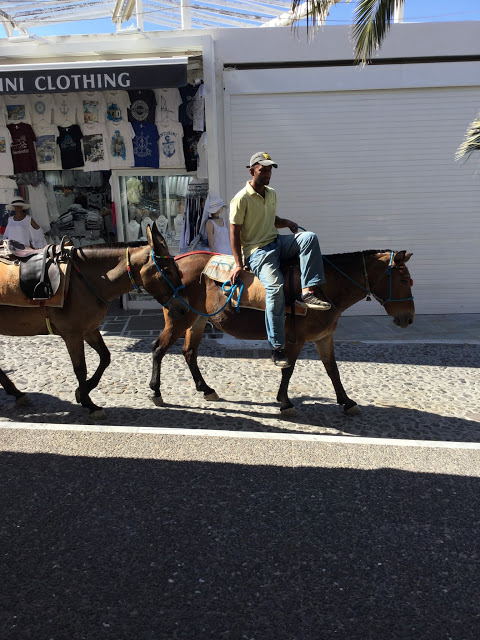
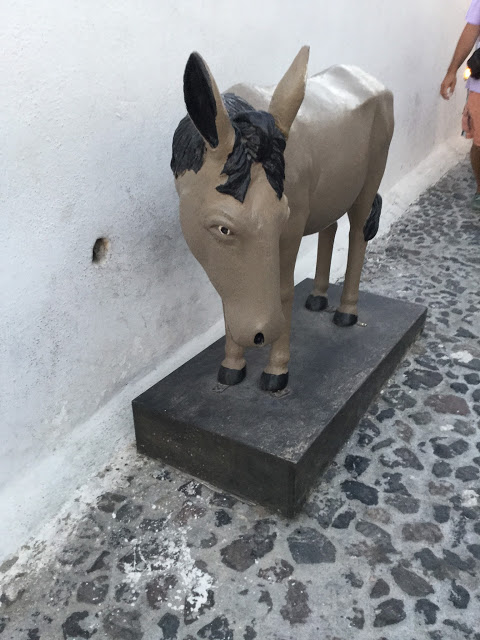
One of the emblems of Santorini is donkeys. This helped the people before the modern transport was introduced

There is a monastery in the islands. The islands are famous for the wine. It has a particular type of wine. There is a winery museum.


Sunset along the west coast is watched b thousands of people. Sunset point at Oia village attracts thousands of tourists. There is a bazar with lot of shops selling specialised, localised artefacts


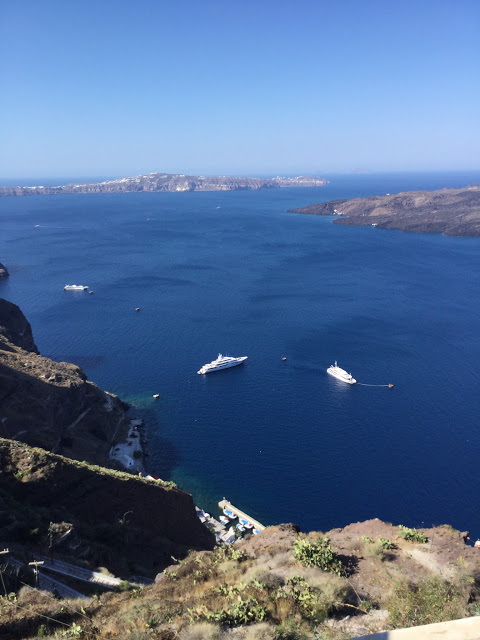
Fira is the capital of the islands. All the islands were created by the volcanic eruption.

While we were doing shopping in the narrow streets of Oia in Santorini, The White Door Theatre group marched with a band distributing their leaflets of daily show.


–Subham–
அரச்சலூர் இசைக் கல்வெட்டில் ஒரு அற்புதம்! (Post No.4095)

Written by London Swaminathan


Date: 19 July 2017


Time uploaded in London-8-50 am


Post No. 4095


Pictures shown here are taken from various sources such as Facebook friends, Books, Google and newspapers; thanks.


என்ன அற்புதம்?

முதல் இரண்டு கல்வெட்டுகளையும் இடமிருந்து வலமாகப் படித்தாலும் மேலிருந்து கீழாகப் படித்தாலும் ஒரே மாதிரி உள்ளதைக் (Palindrome) காணலாம். இவை இசைத் துறையிலும், கூத்துத் துறையிலும் பயன்படுத்தப்படுகின்றன.


சங்க இலக்கியத்திலும் வண்ணக்கன், தேவன் , சாத்தன் முதலிய பெயர்கள் வருகின்றன.


தேவன், சாத்தன் (சாஸ்தா) முதலிய சம்ஸ்கிருதச் சொற்கள் இரண்டாயிரம் ஆண்டுகளுக்கு முன் தமிழ் நாட்டில் புழங்கின. வால்மீகி, கண்ணதாசன், காமாக்ஷி, விஷ்ணுதாசன் (கண்ணந்தாயன், காமக்கண்ணி, விண்ணந்தாயன்) என்ற பெயர்கள் புறநானூற்றில் இருப்பதால் இதில் வியப்பதற்கு எதுவும் இல்லை.

இரண்டாயிரம் ஆண்டுகளுக்கு முன்னரே தமிழர்கள் இசைத் துறையிலும் நாடகத் துறையிலும் நல்ல முன்னேற்றம் கண்டனர் என்பதற்கு இது ஒரு எடுத்துக் காட்டு.


எங்கே உள்ளது?

ஈரோட்டிலிருந்து காங்கேயம் செல்லும் பாதையில் 12 மைல் தொலைவில் அரச்சலூர் இருக்கிறது.

ஊரின் எல்லை ஓரமாகவுள் ள நாக மலையில் ஆண்டிப்பாறையில் பாண்டியர் குழியில் (குகை) உள்ளது. அங்கேதான் இக் கல்வெட்டுகள் உள. சில வரிகள் சிதைந்து உள்ளன.


சிதைந்த எழுத்துக்களை அடைப்புக்குறிக்குள் காணலாம். எளிதில் ஊகிக்க முடியும்.

எந்தக்காலம்?

இக்கல்வெட்டு கி.பி. இரண்டாம் நூற்றாண்டைச் சேர்ந்த (பிராமி) தமிழி எழுத்துக்களில் எழுதப் பட்டுள்ளது


முதல் கல்வெட்டு


த தை தா தை த

தை தா தே தா தை

தா தே தை தே தா

தை தா தே தா தை

த தை தா தை த


இரண்டாம் கல்வெட்டு

தை த தை த தை

த தை (த) தை த

தை த தை த தை

த தை (த) தை த

(தை த தை த தை)

மூன்றாம் கல்வெட்டு

எழுத்துப் புணருத்தான் மணிய்

வண்ணக்கன் தேவன் சாத்தன்

xxxx


புணருத்தான் = தொகுத்தான்


தொல்காப்பியம், சிலப்பதிகாரம் முதலிய பழந்தமிழ் நூல்களில் இசையில் எப்படி எழுத்துக்கள் நீட்டித்தும், தனித்தும் உச்சரிக்கப்படும் என்பது உரை ஆசிரியர்களால் விளக்கப்பட்டுள்ளது. இன்றும் சங்கீதக் கச்சேரிகளில் இப்படிச் சொற்கள் பயன்படுத்தப்படுவதைக் காணலாம்.


கன்யாகுமரியில் என்பதை , கன்னியாக்கு…………… மரியிலே………. என்று முழங்கும் பாடல் என் நினைவுக்கு வருகிறது!


உதவிய நூல்

கல்வெட்டு – ஓர் அறிமுகம்

தமிழ்நாடு அரசு தொல்பொருள் ஆய்வுத்துறை வெளியீடு 1976

TAGS:– அரச்சலூர், இசை, கல்வெட்டு, அற்புதம்

–Subham–
சச்சரி, குச்சரி, பிச்சரின் பிதற்றல் — கம்பனின் சங்கீத அறிவு (Post No.3786)

Written by London swaminathan


Date: 4 APRIL 2017


Time uploaded in London:- 6-59 am


Post No. 3786


Pictures are taken from various sources; thanks.


contact; swami_48@yahoo.com


தமிழர்களின் அபார இசை அறிவை விளக்கும் சில பாடல்களைக் காண்போம்:-


நச்சு எனக் கொடிய நாகக் கள்ளொடு குருதி நக்கி

பிச்சரின் பிதற்றி அல்குல் பூந்துகில் கலாபம் பீறி

குச்சரித் திறத்தின் ஓசை களம் கொள குழுக்கொண்டு ஈண்டி

சச்சரிப் பாணி கொட்டி நிறை தடுமறுவாரும்

–ஊர்தேடு படலம், சுந்தர காண்டம்


பொருள்:

அரக்கியர் சிலர் பாம்பின் விஷம் என்று கூறத்தக்க கள்ளையும், பல வகைப் பிரணிகளின் குருதியையும் குடித்து மயங்கினர்; அதனால் குச்சரி என்னும் பண்ணின் தன்மை குரலில் கலக்க, பைத்தியக்காரர் போலப் பிதற்றினர்; சச்சரி என்னும் தோல் கருவி போலக் கைகளைத் தட்டினர். அல்குலின் மீது அணிந்த மெல்லிய ஆடையையும், கலாபம் என்னும் 25 கோவையுள்ள இடையணியையும் கிழித்துக்கொண்டு மனநிலை  தடுமாறினர்.


இந்தப் பாட்டில் இன்னொரு விஷயமும் உள்ளது. 25 கோவையுள்ள கலாபம் என்ற இடையணியையும் அரக்கியர் அணிந்து கொண்டிருந்தனர். வராஹமிஹிரர் என்னும் அறிஞர் 1500 ஆண்டுகளுக்கு முன் எழுதிய பிருஹத் சம்ஹிதா என்னும் என்சைக்ளோபீடியவில் (கலைக் களஞ்சியத்தில்) ஏராளமான கோவையுள்ள முத்து மாலைகளைப் பட்டியலிடுகிறார். உலகிலேயே அதிக நகைகளை அணிந் தவர்கள் இந்துக்கள் இதை 2200 ஆண்டுகளுக்கு முன்னுள்ள பார்ஹுத் சிற்பங்களில்கூடக் காணலாம்.

இன்னொரு பாட்டில் அரக்கியர் வீட்டில் கேட்ட சங்கீத ஒலிகளைக் கம்பன் பாடுகிறான்.


சங்கொடு சிலம்பும் நூலும் பாத சாலகமும் தாழ

பொங்கு பல்முரசம் ஆர்ப்ப இல்லுறை தெய்வம் பேணி

கொங்கு அலர் கூந்தல் செவ்வாய் அரம்பையர் பாணிகொட்டி

மங்கல கீதம் பாட மலர்ப் பலி வகுக்கின்றாரை.


–ஊர்தேடு படலம், சுந்தர காண்டம்


பொருள்:

கூந்தலையும் செவ்வாயயையும் உடைய தேவ மகளிர், தாளம் போட்ட படி மங்கலப் பாடல்கள் பாடினர். சங்கு வளையல், சிலம்பு, மேகலை, பாதரசம் ஆகிய அணிகலன்களின் ஒலிகள் தாழுமாறு பலவகையான முரசுகள் முழங்கின. அச்சூழலில் இல்லுறை தெய்வத்தை வணங்கி, மலரினால் அருச்சனை செய்யும் அரக்க மகளிரை, சீதையத் தெடிச் சென்ற அனுமான கண்டான்.


இங்கு அரக்கர் வீட்டில் மங்கல கீதம் ஒலித்தது, முரசுகள் முழங்கியது ஆகிய சங்கீத விஷயங்களைச் சொல்லும் கம்பன், ஆரிய-திராவிட இனவாதப் புரட்டர்களுக்கு ஆப்பு வைப்பதையும் பார்க்க வேண்டும்.

சில வெளிநாட்டு அரைவேக்காடுகளும், திராவிடப் புரட்டர்களும், ராவணன் என்பவன் திராவிடன் என்றெல்லாம் கதைகட்டி, அரசியல் செய்து வருவதை நாம் அறிவோம். ஆனால் இங்கே அரக்க மகளிர் வீட்டிலுள்ள பூஜை அறைகளில் மலர்கொண்டு பூஜை செய்ததைக் கூறுகிறான். ஒவ்வொரு வீட்டிலும் இப்படி இல்லுறை தெய்வம் இருந்ததையும் அந்த தெய்வங்களுக்குத் தமிழர்கள் மலர், இலை (வில்வம், துளசி), புல் (அருகம் புல்) முதலியன கொண்டு பூஜை செய்ததையும் கபிலர் முதலான சங்கப் புலவர்கள் பாடியிருப்பதையும் கவனிக்க வேண்டும், அரக்கர்கள், இத்தோடு, தீய குணங்களுடன் வாழ்ந்தனர் என்பதையும் அறிதல் வேண்டும்.  நமது ஊரிலுள்ள திருடர்களும்   , ஏமாற்றுப் பேர்வழிகளும், கொள்ளையர்களும் கூட தெய்வத்தை பூஜிப்பது போன்றது இது.


xxxx


நான்கு ஆண்டுகளுக்கு முன் நான் எழுதிய “இசைத் தமிழ் அதிசயங்கள்” என்ற கட்டுரையின் ஒரு பகுதியை மட்டும் கீழே தருகிறேன். முழுக்கட்டுரையும் வேண்டுவோர் இதே பிளாக்கில் 4 ஆண்டுகளுக்கு முன் நான் எழுதிய கட்டுரையைக் காண்க.


இசைத் தமிழ் அதிசயங்கள்

posted on 31 January 2013; by London swaminathan

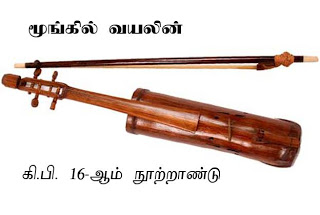
1).காரைக்கால் அம்மையார் திருவாலங்காட்டு மூத்த திருப்பதிகத்தில் தமிழ் இசைக் கருவிகள் பட்டியலை ஒரே பாடலில் அழகாகக் கொடுத்திருக்கிறார்:

துத்தங்கைக் கிள்ளை விளரி தாரம்

உழைஇளி ஓசைபண் கெழும பாடிச்

சச்சரி கொக்கரை தக்கை யோடு

தகுணிதம் துந்துபி டாளம் வீணை

மத்தளம் கரடிகை வன்கை மென்றோல்

தமருகம் குடமுழா மொந்தை வாசித்து

அத்தனை விரவினோ டாடும் எங்கள்

அப்பன் இடம்திரு வாலங் காடே”


இதில் குரல், துத்தம், கைக்கிளை உழை இளி விளரி தாரம் என்பன ஏழு ஸ்வரங்களாகும்.

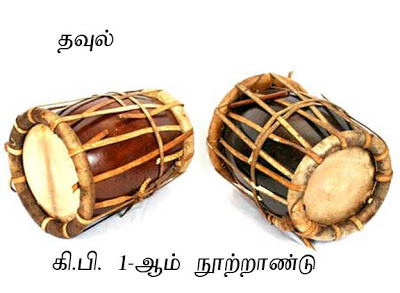
சச்சரி,கொக்கரை, தக்கை, தகுணிதம் கரடிகை, வங்கை, மெந்தோல் ,டமருகம், குடமுழா என்பன தோல் கருவிகள். அல்லது தாளம் எழுப்பும் கருவிகள். துந்துபி ஊதும் கருவி.


 பத்துப் பாட்டில்

2).பத்துப் பாட்டில் ஒன்றான மலைபடு கடாம் என்ற நூலில் கூத்தர் கொண்டு சென்ற வாத்தியங்களின் பட்டியல் வருகிறது:

“ திண்வார் விசித்த முழவோடு ஆகுளி

நுண்ணுருக் குற்ற விளங்கடர்ப் பாண்டில்

மின்னிரும் பீலி அணிதழைக் கோட்டொடு

கண்ணிடை வகுத்த களிற்றுயிர்த் தூம்பின்

இளிப்பயிர் இமிரும் குறும்பரத் தூம்பொடு

விளிப்பது கவரும் தீங்குழல் துதைஇ

நடுவுநின் றிசைக்கும் அரிக்குரல் தட்டை

கடிகவர்பு ஒலிக்கும் வல்வாய் எல்லரி

நொடிதரு பாணிய பதலையும் பிறவும்

கார்க்கோட் பலவின் காய்த்துணர் கடுப்ப

நேர்சீர் சுருக்கிய காய கலப்பையீர் ( மலைபடு. 1-14)


இவ்வரிகளில் முழவு, ஆகுளி, பாண்டில்,  கோடு, தூம்பு, குழல்,  தட்டை, எல்லரி, பதலை முதலிய கருவிகளைக் காண்கிறோம்.

இசைக் கருவிகளை தமிழர்கள்  தோல் கருவி, துளைக் கருவி, நரம்புக் கருவி ,கஞ்சக் கருவி என்று பகுத்து வைத்தனர். குழலும் கோடும் தூம்பும் துளைக் கருவிகள் முழவு, முரசு, பறை, பதலை, துடி போன்றன தோல் கருவிகள். யாழ் என்பது நரம்புக் கருவி. பாண்டில் என்பது கஞ்சக் கருவி. (ஜால்ரா போன்றது).


சிலப்பதிகார உரையில்

சிலப்பதிகார உரையில் அடியார்க்கு நல்லார் மேற்கோளாகத் தரும் பாடல்:
பேரிகை படக மிடக்கை யுடுக்கை
சீர்மிகு மத்தளஞ் சல்லிகை கரடிகை
திமிலை குழமுழாத் தக்கை கணப்பறை
தமருகந் தண்ணுமை தாவிறடாரி
யந்திர முழவொடு சந்திர வலைய
மொந்தை முரசே கண்விடு தூம்பு
நிசாளந்த் துடுமை சிறுபறையடக்க
மாறி றகுனிச்சம் விரலேறு பாகந்
தொக்க வுபாங்கந் துடிபெறும் பாஇயென
மிக்க நூலோர் விரித்துரைத்தனரே
(தோற் கருவிகள்: தண்ணூமை, முழவு, தட்டை, முரசு, பறை, பம்பை, குளிர், தொண்டகச் சிறுபறை, கிணை, பதலை, ஆகுளி, துடி, தடாரி, எல்லரி, மத்தரி.


–subham–


Vedic Ribhu is Greek Orpheus: Nicholas Kazanas (Post No.3720)

Compiled by London swaminathan


Date: 13 March 2017


Time uploaded in London:- 20-43


Post No. 3720


Pictures are taken from various sources; thanks.


contact; swami_48@yahoo.com


“Rbhu is a Vedic God. Rbhu means Intelligent fashioner. Scholars generally agree that this word is cognate with English/Germanic elf (Elfe, Alp etc.), old Slavic Rahb (servant) and the name of the Greek poet- musician- hero Orpheus.


In the Rig Veda (1-20, 110; 3-60; 7-48 etc) the Rbhus are three brothers, sons of Sudhanvan who perform several miraculous deeds “through the power of mind”.


For instance, Rig Veda 4-2 says ‘ratham ye cakruh suvrtam sucetaso avibvarantam manasas pari dhyaya’ The wise ones who fashioned the fine-rolling, impeccable car by visionary power ’dhi’ – out of mind/manas – But three are often indicated by the singular Rbhu as one. Thus, in the RV, the name appears both in the singular and in the plural. The three brothers, though mortal, thanks to their great mental power gain the favour of the gods and stay in the mansion of the Sun god where they serve as priests and there become immortal gods themselves.


The Slavic servant can be put aside as of no significance other than the cognation rbhu=rabh. The Germanic elves are in the plural, a whole tribe of them. They are of two kinds: the dark ones live underground and  often identified with the Dwarfs who often are greedy and who are craftsmen dealing with metals, precious stones and ether minerals; the fair ones live in the light in Alfheim, are associated with the sun and can heal. Thus it is not difficult to see the connection with the Rigvedic Rbhus.


Greek Orpheus was a figure of veneration from very ancient times and a multitude of legends were woven around him. He too was a clever craftsman with music and became a devotee (and in later legend a priest) of the Sun god. Only instead of gaining immortal godhood he was torn apart by the Maenads; his head was thrown into the river Hebros, floated still singing into the sea and finally was washed ashore on Lesbos where a shrine was established giving out oracular prophecies. A different strand has him killed by the lighting of Zeus.


Here again countless generations of ancient and modern scholars tried to trace his antecedents. Some said Orpheus was a historical figure who performed miraculous deeds and founded a religion — Orphism”. Others said he was the son of the Sun god or even the very incarnation of Apollo. Some said his origin was to be found with the Thracians or the shamans in the Hyperborean regions (and farthest Siberia); others claimed that he came from Anatolia and still others argued that he was a native Greek and and/or son of Oiagros.


But, of course, Orpheus is a PIE (-Prtco-Indo-European) as the evidence shows and some IEans brought a memory of him with them when they came and settled into Greece, in the 3rd or the 2nd millennium BC. Although this fact is now well known among IE scholars, classicists continue to speculate and argue in their accustomed vein.

Reincarnation Theory


Closely connected with the Orphics are the Pythagoreans. Both held the idea of reincarnation, albeit clearly, in their early but only in their later traditions.


Now, since the very early Greekliterature of Homer, Hesiod and other poets until Pindar and Empedocles (early 5th century BCE), shows no definite knowledge of this doctrine, hellenists tend to accept what Herodotus says in the Second Book of his Histories (2-123), namely that Pythagoreans brought it into Greece from Egypt. In fact several scholars have the Greeks importing many ideas into Greece from the Near East (e.g. Pengalese 1994; West 1971, 1994).


We can say with certitude that Herodotus is often totally unreliable and this is one such instance. The Egyptians had no doctrine of reincarnation; they mummified the corpses of noblemen and held that their souls rose into heaven joining Ra or Osiris in his sky boat. In fact no, Near -eastern culture had reincarnation at this period.


It would be far more reasonable to accept that Greece brought the idea of metempsuchosis (reincarnation) or palingenesia (rebirth) together with the Erinus (Vedic Goddess Saranyu) legend, the memory of Orpheus and many other elements from the PIE culture, rather than assume that these were borrowed from near-eastern cultures that did not have them anyway.”


Source: Vedic and Indo-European Studies, Nicholas Kazanas, Aditya Prakashan, New Delhi, 2015


–Subham–
 

Nature’s Orchestra in the Forest: Sanskrit Tamil Poets’ Chorus (Post No. 3489)

Written by London swaminathan


Date: 27 December 2016


Time uploaded in London:-  13-05


Post No.3489


Pictures are taken from different sources; thanks.


contact; swami_48@yahoo.com


The amazing thing about India is it was the largest country in the world 2000 years ago. Invaders like Alxander, Genghis khan wetn from one end to the other part of the world and plundered the wealth of the countries they invaded. Before they returned to their starting points, whatever they “conqurered” broke into pieces. But Bharat was united for long time, though there were so called “56 Desas” (countries or Kingdoms). The second amazing thing about the olden days is that all the Tamil and Sanskrit poets followed the same customs in such a vast space. There was no internet or mobile phone or fast transport and yet they did it!


Kalidasa sings about nature’s orchestra in Meghaduta, Raghuvamsa and Kumara sambhava. Tamil poets Kapilar and Kamban echoed it in their verses.


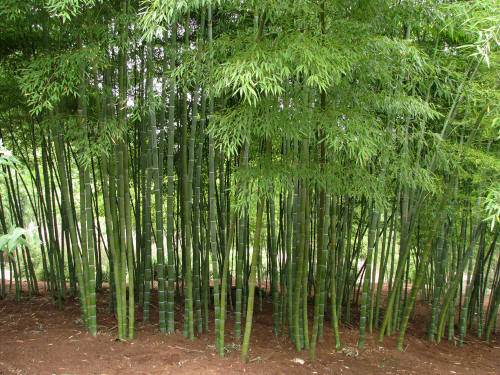
Kapilar lived in age nearer to Kalidasa. He was the Sangam period poet who contributed the highest number of poems. He and Kalidasa sang about the flute music that originated in the bamboo forest. The holes made by the beetles in the bamboos produced music when the wind passed through its holes. Whenever the clouds made thunderous noise it served as the drum beats. Moreover, it echoed through the caves in the mountains.


When there are rainy clouds with rolling thunderous sound naturally the peacocks begin to dance. The forest is full of noises from deer, frogs and song birds. This kindled the imagination of the poets to sing beautiful verses. Sudraka, author of the Sanskrit Drama Mrcha katika (The Clay Cart) also used such imagery.


Let us look at the verses from Kalidasa:


“Who by filling the holes of the bamboos with wind breathed from the mouths of the caves, appears as if he wishes to play an accompaniment to the Kinnaras, singing in high pitch”–Kumarasambhava 1-8

xxx

And in the Meghaduta, Kalidasa addresses the Cloud Messenger (megha duta):

“The wind breathing through the hollow bamboos makes sweet music

woodland nymphs sing with passion-filled voices

of the victory over the Triple City (Tri pura);

If your thunder rumbles in the glens like a drum

would not the ensemble then be complete

for the Dance-Drama of the Lord of Beings?

xxx

the same thing is repeated in the Raghu vamsa (2-12 and 4-73)


While Dilipa is on his way he heard the hum and thrum of nature that seemed to be the full score singing of georgic deities to the accompaniment of high-pitched fluty bamboos while the air is filling their holes like a flutist, and he is all ears for that symphony as if it is having the sonata form of his glory. [2-12]

The soft breeze causing murmuring rustle in the leavers of birch trees and melodious sounds in bamboo trees, and surcharged with the coolness of the sprays of River ganga has adored Raghu on his way. [4-73]

Tamil Poets Love of Nature


Kapila, the Brahmin poet of Sangam age, sang the highest number of verses in the Sangam literature. He was a great Sanskrit scholar and must have mastered Kalidasa who lived just a few hundred years before Kapila. When a Northern King by name Brhat Dutta ridiculed Tamil he called him, and taught Tamil and made him to compose verses in Tamil. His poems were also included in the Tamil Sangam literature. To impress upon Brhat Dutta, Kapilar composed a poem Kurinji Pattu. It is nearly an imitation of Kalidasa. Kapila must have used Sanskrit to teach him Tamil


In the Akananuru verse 82, Kapilar used the bamboo flute music imagery of Kalidasa. But it has more than what Kalidasa said; here is a rough translation of the Tamil verse:-

“Beetles made holes in the bamboo trees; the wind blowing through the holes produced sweet music; on the other side the water falls made big noise by rolling the big stones; deer made noise; the humming of the bees came from another direction. Hearing this the peacocks danced and the monkeys were the audience! For the poet Kapilar it was like an orchestra with wind sound as flute, water falls as drums, deer cry as a musical instrument, humming of the beetles as lute and the peacock as bard’s wife and monkeys as the fans.

Kamban who composed Ramayana in Tamil, also has a similar scene in the Kishkinda Kanda. He describes the rainy season beautifully:

Humming of the beetles sounded like lute; the thundering clouds were like the playing of drums; peacocks looked like the girls with bangles in their arms. Red colour Kanthal flowers looked like the lamps on the stage. Karuvilam flowers looked like the eyes of the onlookers.

It is very interesting to compare both Tamil and Sanskrit literature and see the same similes, same messages and same approach in both of them

–Subham–


மெதுவாக ருசித்து சாப்பிடுங்கள்: பால முரளி கிருஷ்ணா ‘அட்வைஸ்’ (Post No.3423)

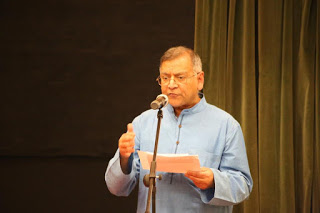
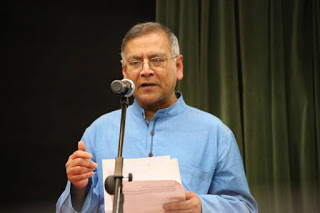
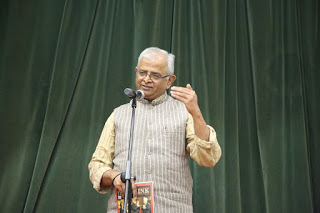
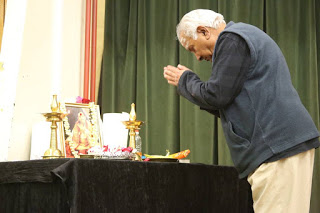
Pictures are at London Sraddhanjali to Balamurali Krishna on 3-12-2016

Written by London swaminathan


Date: 6 December 2016


Time uploaded in London: 6-24 am


Post No.3423


Pictures are taken by ADITYA KAZA


contact; swami_48@yahoo.com


லண்டனில் இசை மேதை பாலமுரளி கிருஷ்ணாவின் மறைவை ஒட்டி நடந்த அஞ்சலிக் கூட்டத்தில் வெளியான சுவையான தகவல்களின் முதல் பகுதியை “கஷ்டம் வந்தால் கவிதை பிறக்கும்” — என்ற தலைப்பில் நேற்று வெளியிட்டேன். இதோ இரண்டாவது பகுதி:–


எனது (London Swaminathan) சொற்பொழிவின் தொடர்ச்சி:


“தோன்றின் புகழொடு தோன்றுக அஃதிலார்

தோன்றலின் தோன்றாமை நன்று (236)


தக்கார் தகவிலர் என்பது அவரவர்

எச்சத்தாற் காணப்படும் (114)


குழலினிது யாழினிது என்பர்தம் மக்கள்

மழலைச் சொல் கேளாதவர் (66)


முதல் குறளின்படி பார்த்தால் அவர்தம் வாழ்க்கை புகழ்மிக்க வாழ்க்கை என்பது புலப்படும். பால முரளி கிருஷ்ணா 86 ஆண்டுகள் இந்த உலகில் வாழ்ந்தார். ஆறு வயதில் இசை கற்றார்; ஒன்பது வயதில் முதல் கச்சேரி செய்தார். ஏறத்தாழ 80 ஆண்டுக்காலம் இசைத்துறைக்கே தன் வாழ்வை அர்ப்பணித்தார். இதுபோல வேறு ஒருவரைக் காணமுடியாது. ஈடு இணையற்ற சாதனை இது.


இரண்டாவது குறளின்படி பார்த்தால் ஒருவர் பெரியவரா இல்லையா என்பது அவர் விட்டுச் சென்றதை (எச்சம்) வைத்தே ஒருவரை எடைபோட வேண்டும்.. பால முரளி கிருஷ்ணா பன்மொழி  வித்தகர். 400 கிருதிகளை இயற்றியுள்ளார். 25,000 கச்சேரிகளைச் செய்துள்ளார். அவை அனைத்தும் யூ ட்யூப், டேப்புகள், சி.டி.க்களில் கிடைக்கின்றன. இது பெரிய பொக்கிஷம். ஆக அவர் ஒரு பெரியவர் என்பதும் வெள்ளிடை மலை.


மூன்றாவது குறளை நான் சிறிது மாற்றிப் பாடுகிறேன்.


குழல் இனிது யாழ் இனிது என்பர் பாலமுரளி பாடல்களைக் கேளாதவர் — என்று. நான் இதைச் சொல்லவில்லை. ஒரு நாள் போதுமா பாடலில் கண்ணதாசனே பாலமுரளி பாடுவதற்கு எழுதிக் கொடுத்த வரிகள் இவை!!

குழலென்றும் யாழென்றும் சிலர் கூறுவார் – என்
குரல் கேட்ட பின்னாலே அவர் மாறுவார்


இனி டாக்டர் நந்தகுமாரா சொன்ன இன்னொரு சம்பவத்தையும் கேளுங்கள் (நேற்று மீன் போட்ட தயிரினால் எழுந்த கவிதை பற்றி அவர் கூறியதைக் கேட்டோம்); பாரதீய வித்யா பவன் நந்த குமாரா மேலும்  கூறியதாவது:


“டாக்டர் பாலமுரளி கிருஷ்ணா, லண்டனில் பாரதீயா வித்யா பவனில் கச்சேரிக்காகவும் சங்கீத ஒர்க்ஷாப் WORKSHOP புக்காகவும் பல நாட்கள் தங்கியதுண்டு. அப்பொழுது தினமும் சாப்பிட அழைப்பேன். நான் வேக மாகச் சாப்பிடும் பழக்கம் உடையவன். ஆகையால் வேகமாகச் சாப்பிட்டுவிட்டு அடுத்த கட்டிடத்திலுள்ள பவனின் அலுவலத்துக்குச் சென்று விடுவேன். பால முரளியோ கொஞ்சம்தான் சாப்பிடுவார். ஆனால் மிகவும் ருசித்து ரசித்து மெதுவாகச் சாப்பிடுவார். ஒரு நாள் என் மனைவியைப் பார்த்து பாலமுரளி சொன்னார்:


“ஜானகி, ஏன் இந்த நந்தா அவசரம் அவசராமாகச் சாப்பிட்டுவிட்டு ஓடுகிறான்? நாளைக்கு வரட்டும்; அவனை நான் சாப்பிட்டு முடியும் வரை உட்கார வைக்கிறேன்”.

மறு நாளும் வந்தது. “இன்று நான் சாப்பிட்டு முடியும் வரை நீ எழுந்துபோகக் கூடாது” என்று சொல்லிவிட்டார். நானும் பொறுமையாக உட்கார்ந்தேன். அப்பொழுது பாலமுரளி ஸார் சொன்னார்.

“இதோ பார் சாப்பாட்டை நன்கு ருசித்துச் சாப்பிட வேண்டும் அவசரம் அவசரமாக அள்ளிப்போட்டுக் கொண்டு ஓடக்கூடாது” என்றார்.

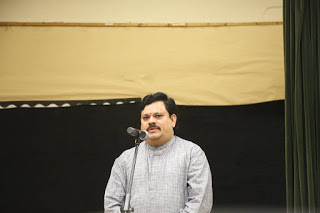
Violinist Mr Nagaraju is in the picture


(எனது கருத்து:- உண்மைதானே? அவரும் ராக ஆலாபனை எதுவும் இல்லாமல் அவசரம் அவசரமாகப் பாடிவிட்டு ஓடினால் நமக்கு எப்படி இருக்கும்? பால் மக்கன்னா Paul McKenna என்பவர் பெரிய ஹிப்னாடிஸ்ட். மனோவசிய நிபுணர். அவரது டெலிவிஷன் காட்சிகள் லண்டன் மக்களுக்கு நன்கு தெரிந்தவை. உடற்பருமனைக் குறைப்பதற்கு அவரும் இதே வழியைத்தான் சொன்னார். ஒரு கிரிஸ்ப் (உருளைக் கிழங்கு சிப்ஸ்) பாக்கெட்டை எடுத்தால் ஒவ்வொரு துண்டாக எடுத்து மெதுவாகச் சாப்பிட்டீர்களானால் அதுவே வயிறு நிறைந்தது போலக் காட்டும். திருப்தி ஏற்படும். அதில்லாமல் டெலிவிஷன் பார்த்துக்கொண்டே பொட்டலம்,பொட்டலமாக உள்ளே தள்ளினீர்கள் என்றால் கலோரிகள் கூடி உடல் பருக்கும் என்றார்.


இந்துக்கள் மிகவும் புத்திசாலிகள்.அந்தக் காலத்திலேயே இலையில் உட்கார்ந்தவுடன் அன்னத்தைப் போற்றித் துதிக்கும் மந்திரத்தைச் சொல்ல வேண்டும் என்ற வழக்கத்தை ஏற்படுத்தினர். அது மட்டுமல்ல. வேதத்திலேயே உணவைக் கடவுள் என்று போற்றும் மந்திரங்களும் உள.

சாப்பிட்டு முடித்த பின்னரும் “அன்ன தாதா சுகீ பவ” ( உண்டி கொடுத்தோர் உயிர் கொடுத்தோரே; அவர்கள் சுகமாக வாழட்டும்! என்று வாழ்த்திவிட்டு இலையிலிருந்து எழுந்திருப்பர். அந்த உணவை அமிர்தத்துக்கு நிகரானது என்பர்.. இவை யெல்லாம் உணவின் மீது நமக்கு மதிப்பை ஏற்படுத்தும். உணவு பரிமாறும் மனைவி அல்லது அம்மாவைத் திட்டாமல் பாராட்டச் செய்யும்).

சுபம்–

கஷ்டம் வந்தால் கவிதை பிறக்கும்: பால முரளி கிருஷ்ணா அனுபவம் (Post No.3419)

Picture of Sri Balamurali Krishna


Written by London swaminathan


Date: 5 December 2016


Time uploaded in London: 9-24 AM


Post No.3419


Pictures are taken by ADITYA KAZA; thanks.


contact; swami_48@yahoo.com


பாலமுரளி கிருஷ்ணாவின் மறைவை ஒட்டி, அவருக்கு அஞ்சலி செலுத்த லண்டனில் 3-12- 2016ல் ஒரு அஞ்சலிக் கூட்டம் நடந்தது. அதில் சிறப்புரை ஆற்ற என்னையும் அழைத்திருந்தனர். முதலில் அதில் கேட்ட, பிறர் சொன்ன சுவையான விஷயங்களைச் சொல்லுகிறேன்.


பாரதியார் மற்றும் சங்கீத மும்மூர்த்திகளின் வாழ்க்கை வரலாற்றைப் படிக்கும்போதெல்லாம் அவர்கள் கஷ்டப்பட்டபோதெல்லாம் இறைவனை நினைத்து கவிகளையும், கீர்த்தனைகளையும், கிருதிகளையும் இயற்றியதைப் படிக்கிறோம்.


லண்டன் கூட்டத்தில் சிறப்புரை ஆற்றிய பாரதீய வித்யா பவன் டைரக்டர்  டாக்டர் நந்த குமாரா சொன்னதாவது:

“ஒரு முறை சங்கீத மாமேதை பாலமுரளி கிருஷ்ணா, ரஷ்யாவில் சுற்றுப் பயணம் செய்தார். ஹோட்டலில் நான்கு நாட்கள் தனியாகத் தங்கி இருந்தார். அங்கு மரக்கறி (சைவ) உணவு கிடைப்பது அபூர்வமாக இருந்தது. ஒரு புறம் தனிமை; மறுபுறம் வயிற்றைக்கிள்ளும் பசி; ஹோட்டல்காரர் களிடம், ‘ அப்பா! கொஞ்சம் தயிராவது கொடேன் என்று பாலமுரளி சொன்னார். உணவு விடுதிக்காரரும் மறுநாள் நல்ல கெட்டித் தயிர் கொண்டுவந்தார்.

“ஒரே ஆச்சரியம். அட இந்த உறைபனி வெப்ப நிலையிலும் இப்படி வெண்ணை போலத் தயிர் கொண்டு வந்துவிட்டீர்களே! என்றார் பாலமுரளி

Dr Nandakumara, Director, B V Bhavan, London Kendra

அந்த உணவுவிடுதிக்காரர் சொன்னார், “அது ரொம்ப எளிது, ஸார். நாங்கள் விரைவில் தயிர் ஆக அதில் ஒரு மீனைப் போட்டுவிடுவோம் என்றார். இதைக் கேட்ட பாலமுரளி கிருஷ்ணா, நொந்து போய், மனம் வெந்து போய் அதை நைஸாக ஒரு ஓரத்தில் ஒதுக்கிவைத்து விட்டு ஜன்னல் வழியாக வெட்ட வெளியைப் பார்த்தார். நள்ளிரவு. ஆனாலும் சூரியன் தெரிந்தது (துருவத்தை ஒட்டி, வட அட்ச ரேகைகளில் இருக்கும் நாடுகளில் நள்ளிரவிலும் சூரியனைப் பார்க்கலாம்.) உடனே அவருக்கு ஒரு கவிதை (க்ருதி) பிறந்தது. இறைவா! சூரியனே நீதான் எங்கு போனாலும் எனக்குத் துணை” என்று.


(என் கருத்து: நமக்குக் கஷ்டங்கள் வந்தால் கோபப் படுவோம். இறைவன் மீது கூட அந்த சினம் பாயும் . ஆனால் பெரியோர்களுக்குக் கஷ்டம் வந்தாலோ அது பாட்டாக மலரும்)


அடுத்ததாக லண்டனிலுள்ள சீனியர் மிருதங்க வித்துவான் திரு கிருஷ்ண மூர்த்தி பேசினார்; அவர் சொன்னதாவது:


ஒரு முறை என் குருநாதருக்கு உடம்பு சரியில்லை. ஆகையால் அவருக்கு வந்த எல்லா மிருதங்கக் கச்சேரிப் பணிகளையும் ரத்து செய்துவிட்டார். ஆனால் பாலமுரளி கிருஷ்ணாவுக்கு வாசிக்க ஒப்புக்கொண்டது மறந்து போயிற்று. எதேச்சையாக சபா காரியதரிசி என் குரு நாதரைப் பார்த்து “நாளை கச்சேரி; அதான் உங்களைப் பார்த்துவிட்டுப் போகலாம்” என்று வந்தேன் என்று சொல்ல, என் குருநாதர் “முடியவே முடியாது என் உடல் நிலை மிகவும் மோசமாக இருக்கிறது” என்று சொல்லிவிட்டார்.

சபா காரியதரிசியோ, இவ்வளவு கடைசி நேரத்தில் நான் போய் யாரைக் கேட்டாலும் வர மாட்டார்கள்; உங்கள் சிஷ்யன் கிருஷ்ணமூர்த்தியை (என்னை) வாசிக்கச் சொல்லுங்களேன் என்றார். அதற்கு என் குருநாதர் எனக்கு ஒரு ஆட்சேபணையும் இல்லை, பாலமுரளி ஸார் ஒத்துக்கொள்ள வேண்டுமே என்றார்.

Senior Mridangist Mr Krishnamurthy (first in the row)

சபா காரியதரிசி பாலமுரளி கிருஷ்ணாவைக் கேட்டவுடன் அவர் இசைவு தெரிவித்தார். மறு நாள், நான் பயந்துகொண்டே போய் வாசித்தேன். அவர் எனக்கு மிகவும் ஆதரவு கொடுத்துப் பாடினார் — என்றார் திரு கிருஷ்ணமூர்த்தி


இதற்குப் பின், நான் பேசினேன்.

என் சிற்றுரை:

கூட்டத்தில் நான் (லண்டன் சுவாமிநாதன்) பேசியதாவது.


என்னைப் பேச அழைத்த வயலின் வித்வான் திரு நாகராஜு அவர்களுக்கு நன்றி.

டாக்டர் நந்தகுமாரா பேசி முடித்தவுடன் இதையெல்லாம் புத்தகமாக எழுதுங்கள் உங்கள் அனுபவம் எல்லாம், எதிர்கால சந்ததியினருக்குப் பயன்படும் என்றேன். அது போல கிருஷ்ணமூர்த்தி ஸாரும் அவரது அனுபவங்களை எழுத வேண்டும். அவர் நீண்ட காலத்துக்கு முன்னர் எதிர்பாராத விதமாக பாலமுரளிக்கு வாசித்தபோது அவர் எவ்வளவு ஆதரவு கொடுத்தாரோ அதை பாலமுரளி கிருஷ்ணா கடைசி வரை செய்து வந்ததை நான் FACE BOOK பேஸ் புக் மூலம் அறிவேன். தினமும் யாராவது ஒரு இளம் கலைஞர் பாலமுரளிகிருஷ்ணா அவர்களிடம் ஆசி பெறுவது போல படஙகள் வரும். நமக்குத் தெரியும்; பிரபல பாடகி சுதா ரகுநாதன் முதல் புதிய கலைஞர்கள் வரை அனைவரும் அவரது ஆசியையும் ஆதரவையும் பெற்றவர்கள் என்பது.


நான் ஒரு திரைப்படப் பாடல், இரண்டு சம்பவங்கள் , மூன்று திருக்குறள்கள் சொல்லி அதில் அவரது வாழ்வு எப்படிப் பின்னிப் பிணைந்துள்ளது என்று காட்ட விழைகிறேன்.


திருவிளையாடல் என்ற திரைப்படத்தில் ஒரு நாள் போதுமா என்ற அருமையான பாட்டு பாலமுரளி குரலில் ஒலித்தது. அதை எழுதியவர் கவிஞர் கண்ண்ணதாசன். கவிஞர்களின் வரிகள் எப்போதுமே தீர்க்கதரிசனம் உடைய வரிகள். அவர் பாலமுரளியின் வாய் மூலம் வரவழைத்த ஒவ்வொரு வரியும் எப்படி அவருக்குப் பொருந்துகிறது என்று பாருங்கள் (நான் ஆங்கிலத்தில் பேசியதால் ஒவ்வொரு வரியையும் தமிழில் சொல்லி ஆங்கிலத்தில் மொழிபெயர்த்தேன்).

Mr Prabhakar Kaza, London swaminathan and Dr Nandakumara with his wife.

பாடல்: ஒருநாள் போதுமா? இன்றொரு நாள் போதுமா?
திரைப்படம்: திருவிளையாடல் (ஆண்டு 1965)
பாடியவர்: M. பாலமுரளிகிருஷ்ணா
இயற்றியவர்: கவிஞர் கண்ணதாசன்
இசை: K.V. மஹாதேவன்

ஓரு நாள் போதுமா இன்றொரு நாள் போதுமா?
நான் பாட இன்றொரு நாள் போதுமா?

………………………………….

………………………….
ராகமா சுகராகமா கானமா தேவகானமா? – என்
கலைக்கிந்தத் திருநாடு சமமாகுமா? – என்
………………………………………
குழலென்றும் யாழென்றும் சிலர் கூறுவார் – என்
குரல் கேட்ட பின்னாலே அவர் மாறுவார்
அழியாத கலையென்று எனைப் பாடுவார் ஆ..
அறியாமல் எதிர்ப்போர்கள் எழுந்தோடுவார் –

இசை கேட்க எழுந்தோடி வருவாரன்றோ?

……………………………….
கானடா.. ஆ.. என் பாட்டு தேனடா இசை தெய்வம் நானடா


கண்ணதாசன் வரிகளில் வந்தது போல பால முரளியின் கானம் தேவ கானம், அவருடைய பாட்டுக்கு இந்த நாடே இணையாகாது, அவரது பாட்டைக் கேட்க எல்லோரும் எழுந்தோடி வந்தனர்; அவர் சொன்னது போலவே அவர் இசைத் தெய்வம். எனக்கு முன்னே பேசியோரும் பாலமுரளியை சங்கீத சார்வபௌமன் என்றும் அவதாரம் என்றும் போற்றினர். எவ்வளவு உண்மை! எவ்வளவு உண்மை!

நான் சொல்ல விரும்பும் இரண்டு சம்பவங்களும் விக்கிபீடியாவில் உள்ள விஷயங்கள்தான். தந்தை விரும்பாதபோதும் எப்படி அவர் தானே ஒரு வயலின் செய்து வாசித்து தந்தையையும் இணங்க வைத்தார் என்பதும், அபூர்வ ராகங்கள் என்ற படத்திற்கு அவர் எப்படி மஹதி ராகத்தில் அதிசய ராகம் பாடல் எழுதினார் என்பதும் இரண்டு சம்பவங்கள் (விக்கி பீடியாவில் காண்க)


அடுத்ததாக மூன்று திருக்குறள்கள்; அவை எப்படி அவருக்குப் பொருந்துகிறது என்பதைச் சொல்கிறேன்.

Mr Nagaraju playing on violin

-தொடரும்…………………….


A Fish Inspired Balamurali Krishna to compose a Krti (song)! (Post No.3417)

Written by London swaminathan


Date: 4 December 2016


Time uploaded in London: 15-13


Post No.3417


Pictures are taken by ADITYA KAZA; thanks.


contact; swami_48@yahoo.com


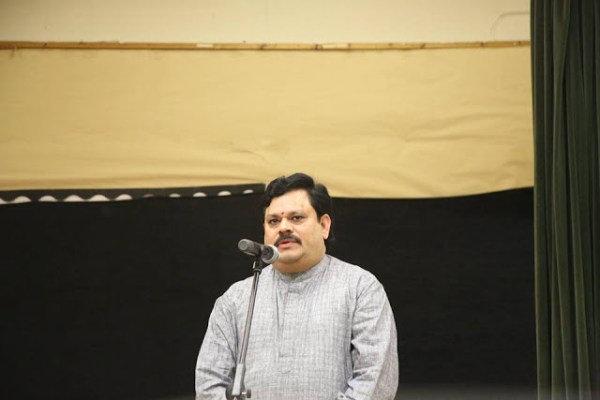
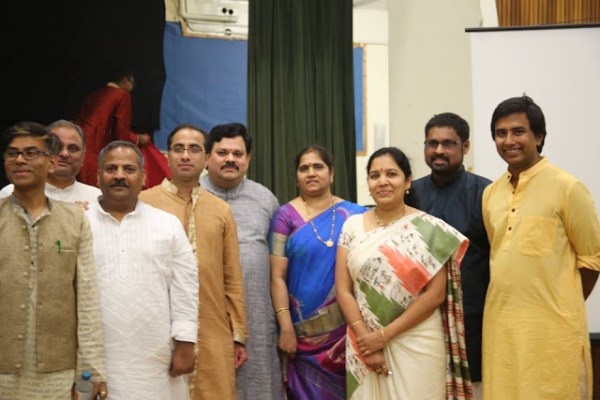
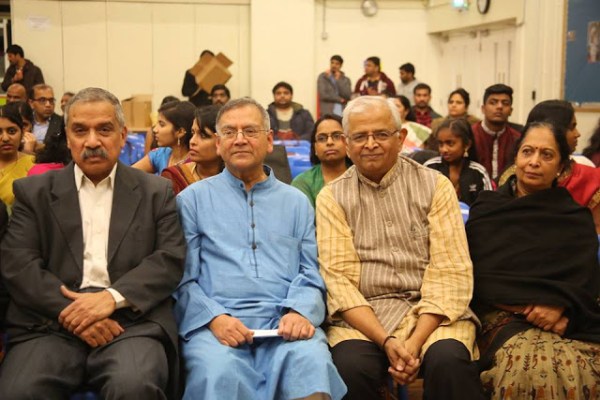
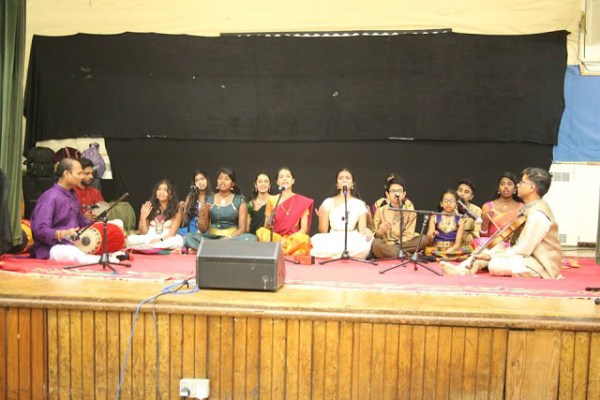
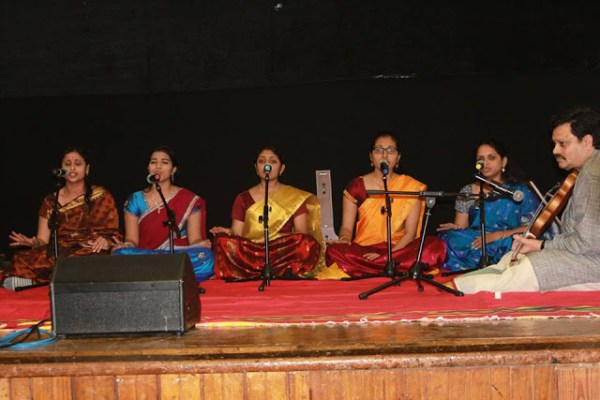
A Sraddhanjali meeting was organised by Violinist Mr Nagaraju and his team in London yesterday to pay homage to the departed musician Dr Balamurali Krishna. All the famous musicians of London were present and paid homage to the departed musician by singing his krtis. Dr Nandakumara, Director of London Bharatiya Vidhya Bhavan was the main speaker. Violinist Nagaraju, Mrdangist Karaikudi, Krishnamurthy London Swaminathan, Mr Prabhakar Kaza and Jagatheeswaran Pillai spoke on the occasion. Ms Bhanu sistla compered the programme. Young and budding artistes also participated in the event.


Now I give a gist of what I (London Swaminathan) said in my speech: –


Good Evening, Namste, Vanakkam, Namskaram


I recite Vishnu Shasranama everyday and my wife plays Lalitha Sahsranama everyday while she cooks. Today I listened to the Balamuralkrishna “Ashtottarm” (108 names) for the first time! Mr Nagaraju has ‘recited’ (actually recalled) all the titles of the great master Balamurai—so many titles and awards! – it is like an ashtottaram on a god! That shows how great he was.


Thank you Mr Nagaraju for inviting me to this event. I am neither a musician like Mridangist Krishnamurthy sir nor a musicologist like Dr Nandakumara. They gave us very interesting anecdotes though their personal contacts (the interesting titbits are at the end of this article). I am going to approach this matter as a layman. I will tell you one film song, two anecdotes and three couplets from the Tamil Veda Tirukkural and see where and how Dr Balamurali fits into it.


Dr Balamurali Krishna was known to every music lover in Tamil Nadu, but not to laymen. When his song Oru Nal Pothuma (Is one day enough) came in the Tamil Film TIRU VILAIYADAL, he became very famous and popular. A great lyricist Kannadasan wrote this film song and was sung by Blamurali Krishna. The lines in the song have come true today. Knowingly or unknowingly Kannadasan put some words in the mouth of Balamurali Krishna. Here are some lines from the song:-

Tamil Film Song Lines:
OrunaaLpothumA? Is a day enough?
Indr-oru naaL pothumA? Is this day enough?
Naan paada indr-oru naal pothumA?
Is this day enough for me to sing?
………

……….

Gaanam- ah? Deva gaanam-Ah?
Song? is it a heavenly song?

My comments: Very True. His songs are heavenly songs

Enn Kalai-kk indha thiru naadu samam aagumA?
Will this country ever be equal to my art?
Enn kalai-kk indha thir naadu samam aagum-ah?
Will this country ever be equal to my art?

My comments: Very true. Not even a country will be equal to his songs
KuLaL endrum yaaLl endrum silar kuruvar
Some describe it (voice) as a flute or YaLl
Enn kuraL kay-ta pinnalay avar maaruvar
They change (their opinion) after they  hear my voice
My comments: I am going to refer these lines in the Tirukkural next. Neither flute nor lute will come nearer to his divine voice.
ALiyatha kallai endru ennai paduvar
They praise me as an indestructible art
Isai kett-ka eLinth-thodi varuvarr endro
To hear (my) music (people) come running
ELinth-thodi varuvarr endro —- Come running
My comments: These lines also came true. He was listened to by thousands of people wherever he went. And Balamurali finished his gong in the film by saying ,

Issai theivam naan aDa           I am the god of music!


It is very true. Earlier speakers described Balamurali as an avatar (incarnation) and a Sangeetha Sarvapauman.


Now to the episodes which I read in Wikipedia


Balamuralikrishna learnt violin by listening to his father playing the instrument.

“Since my father was against me playing violin, I created my own instrument. Once I summoned courage and played his instrument in his absence. When questioned by my father I admitted and played Bhairavi ata thala varnam.  My father was impressed and allowed me to play the instrument,” he had recalled in his biography Sangita Perunkadal, penned by Ranimynthan.


When K. Balachander directed Apoorva Ragangal, he told M.S. Viswanthan to compose a song in a rare raga to justify the title of the film. It was Balmuralikrishna who helped him compose the song Athisaya Ragam in raga Mahathi. His other creations are raga Sarvashri, Lavangi, and Sumukham.

He also scored music for the first Sanskrit film Adi Sankarar


I wanted to quote

Three couplets from the Tamil Veda- Tirukkural written by Tiru Valluvar:-


1.ONLY THOSE WHO HAVE NOT HEARD THE MELODY OF THEIR CHILDREN’S LISPING PRATTLE, WILL SAY THE MUSIC OF FLUTE AND LUTE IS SWEET -66


2.THE JUST AND THE UNJUST COME TO BE KNOWN BY THE REPUTATION THEY LEAVE BEHIND -114


3.IF ONE TAKES BIRTH IN THIS WORLD ONE SHOULD COME WITH QUALITIES WHICH BRING FAME; IF NOT IT IS BETTER NOT TO APPEAR AT ALL -236


Let us see how great he is in the background of these 3 couplets:

He lived for 86 years. He learnt music when he was six and gave his first concert when he was nine years old! That means he dedicated 80 years of his life for music—for the development of classical music. We cant find a parallel to it in the music world.


He has garnered two National Film awards, the Sangeet Nataka Academy award and Padmavibhushan and many more awards. He gave 25,000 concerts in his life time which are available on records, tapes and You Tube. It will inspire generations to come. He spoke many languages in addition to his mother tongue Telugu.


WHAT DID HE LEVE US

Balamuralikrishna had over 400 compositions to his credit and is one of the very few people to have composed in all the 72 Melakarta Ragas and has created several ragas, with 4 notes and 3 notes and also has invented a new Tala system. His compositions encompass every facet in Carnatic Music that includes Varnas, Krithis, Thillanas.


So like Valluvar said, a man’s greatness is decided on the basis of what he leaves behind. He left us a big treasure. Valluvan said if you are born, lead a glorious life which Balamurali did.

People who listened to him wont praise flute or lute. Thus he justified the three couplets from Tirukkural.


Dr Nanda Kumara and Krisnamurthy (sir) told us interesting anecdotes. As soon as Dr Nandakumara finished his speech I requested him to write a book with these inspiring anecdotes for the benefit for the future generation. I request Sri Krishnamurthy sir also to write his experience.

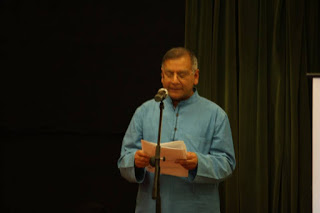
Picture: Dr Nandakumara speaking


Fish Yogurt inspired Balamurali Krishna!

Dr Nandakumara told the gathering the following interesting anecdote:-

Dr Balamurali Krishna travelled in Russia at one time. He could not have any proper vegetarian food for four days. He was staying in a hotel all alone. One day he asked the restaurant to give him at least curd (yogurt). At last they brought him Yogurt. He was surprised to see a thick fermented yogurt. He wondered how they were able to achieve it in that cold temperature. They told him,

“It is very simple sir. We put a fish in it for fermentation (as a curdling agent)!

Immediately Balamurali pushed it to one side and prayed to God.

He looked at outside through the window in the mid night. Sun shines during mid night in the northern most latitudes. When he looked at the sun he composed a Krti, Oh, Sun God you are my companion and helper (for ever).

Thus Fish Yogurt (curd) inspired Balamurali Krishna to compose a new song. Dr Nandakumara related many more anecdotes.

Picture: Mr Krishnamurthy paying homage

Mr Krishnamuthy was learning Mridangam under his Guru. His guru took many assignments but could not fulfil them due to poor health. He cancelled all those in time, but forgot his accompaniment for Dr Balamurali. The Sabha secretary came to him casually to remind him about the next day concert. My Guru told him that he could not come. When the Sabha secretary told that it was too late to approach anyone and asked whether me (MR Krishnamurthy) could accompany Balamurali on Mridang. My Guru told him that he had no objection but Balamurali must give his consent. Sabha (Music association) secretary came with the good news that I could play Mridangam for Balamurali sir. But I survived only with his (Balamurali’s) support on that day.


My comments

Later I also referred to it and said that Balamurali was a great supporter of young and budding artistes. Every day I see in Facebook one or the other, from great singers like Sudha Ragunathan to youngest artists pose with Balamurali sir and getting his blessings.


Thank you for the opportunity given to me to pay my respects.

Thank you.


Picture: Men behind the event: Violinist Mr Nagaraju and Mr Prabhakar Kaza.

–Subham–


Classical Indian Dance Vs Dance in the West (Post No.3306)

Compiled  by London Swaminathan


Date: 31 October 2016


Time uploaded in London: 6-05 AM


Post No.3306


Pictures are taken from various sources; thanks to Facebook friends.


Following is the superficial comparison of classical dance in the East and the West by Arthur Miles


Source:
THE LAND OF THE LINGAM by Arthur Miles


“In the West the dissociation of art and the Church has left a chasm which neither can bridge. Whatever lofty idealism it is always judged as alone, and is never linked with a spiritual thought which might have inspired it.


In the East art and devotion are one and the same, it would be impossible for the West to make the dance other than theatrical, for the restlessness of cities demands amusement and diversion, and seeks to achieve forgetfulness in spectacular thrill. When Eastern dances are taken to the West it is for the sake of novelty and amusement, and consequently at once a false note is struck. The authenticity of the dance is lost; Indian dancing being essentially a rite, a symbol of the race spirit.


The dance has been one of the chief forms of religious expression in India since the beginning of her history. The earliest Vedic scripture mentions the divine singers, the dancing nymphs, and the players of musical instruments, and chants to the various gods were accompanied by dancing. Siva was the first dancer, and his the dance of creation, the ecstasy of motion, the preservation and destruction of cosmic energy.


Krishna danced and played his flute, while women, overcome by his music and his dancing, left home and husband to follow him. Lakshmi, the Hindu Venus, the goddess who was born from a lotus and the consort of Vishnu, was the dancer of heaven. Arrayed with anklets and bells she won the acclaim of the heavenly court and taught the apsaras (the heavenly nymphs) to dance. The eight energies were the saktis of Indra’s court, before they degenerated into the disgusting spectacles they are to-day.


The early Hindus spiritualized their emotions. Everything emanated from one divine source, namely from God. In ancient India dancing and music were supposed to regulate the emotions, to winnow from them any chaff which did not originate in the spiritual idea.


Brahma, the creator, entered into divine meditation and brought forth the arts of music, dancing, and drama. His nayaka (dancing master) had a character without blemish, and only people who were without ty and clean of mind were permitted to witness the dance.


Emotions in Dance

The emotions were classified as sringara, the sex emotion, which lies at the heart of creation; vir, heroism; karuna, compassion; adbhuta, wonder: hasya, laughter; bhayankara; bibhatsa, the grotesque; raudra, the terrible;shanti,peace; dasya, devotion; sakhya, friendship; vatsalya, paternal feeling; madhura, romance.  And all these have their symbols in the dance.


Kama, the Indian Eros, represents awakening and desire, and his is the dance of spring, the dance of love. In his dance he uses five arrows to pierce the five senses.


The dance of Durga signifies the mother aspect, and is the harvest dance, the dance of fulfilment. An old Indian legend relates that when the saint Rishabha Deva saw a dance per formed by Nilanjasa, a woman dancer in the service of the god Indra, he lost all desire for the world and retired to Kailasa (Siva’s heaven) to meditate upon eternal bliss.


Sri Chaitanya, a famous dancer of the sixteenth century, used to go about singing hymns in the praise of Krishna, and, continually thinking of the god, he was moved to execute some of the most beautiful dances the East has ever seen. Many who witnessed his performance became his pupils and devotees.

Tandava and Lasya


Dancing is divided into two types, known as Tandava and Lasya. Tandava is the expression of intense excitement and characterizes cosmic activity, divine and heroic. The conquest of evil and the attainment of bliss are moods of the Tandava. The prekshani mood of Tandava is a movement of the limbs without facial expression, and might be compared to the Noh dance of Japan, which is an Eastern adaptation of the masque dance of early Greece. Siva expresses himself in the Tandava of which his dance of joy, his evening dance, his dance to slay evil and ignorance, his dances with his two consorts, Uma and Gauri and his dance of death in the burning ground, signifying the soul’s release from illusion, are all phases.


The dance of Kali (one of Siva’s wives), the slayer of demons with garlands of skulls and death dealing weapons, also belongs to the Tandava, as does the dance of Krishna which expresses ecstatic and supreme joy.


Lasya is the mood of desire, and in this movement the expression is amorous and the gestures inviting. It is the dance of the woman before her lover.


The buffoon dance has its place in Hindu ritual, and is called the rudushaka

The dance Macabre is known as the bhringi, and Siva’s skeleton attendant dances it in the burning-ground. Hindu art, having originated with the gods, was taught to mortals by the rishis. The attainment of spiritual power is associated with certain postures of the body capable invoking inner vision, and Yoga was the growth of the early dance rituals.


The Nautch dance and the Manipuri dance of Bengal have been influenced by the Moghul and later schools. In these dances more attention is paid to the stepping of the measure than to the hand and arm gestures. The Indians are the only dancers who can be graceful on the flat of the foot, and so flexible are their feet, they convey the impression of dancing on the toes. The costume of the Nautch has taken on something of Western influence, the skirt being very wide and sewn with glittering spangles. Transparent veils are waved to create an effect.

Snake Dance and Peacock Dance


The Ajanta dance has toe movement, and in this it differs from most of the dances in India. It is the dance usually copied by Western devotees, and the dance of attraction is favourite phase of it. This movement seeks to disturb meditations of Lord Buddha, and betray him to the emotions. There are puzzling contrasts in the Ajanta, which are intended to portray good and evil. There is much head movement, and the arms are waved and folded in a series of gestures. Inspired by the Hindu dances and Western ideas, the Indians have evolved a new style of dancing. There is a snake dance, a peacock dance, a sword dance, and many others. In the peacock dance, which I watched in Bengal, powder was spread on the floor and the dancer, when her dance was finished, had traced the movements of the peacock in the powder. This dance entirely depends upon the movement, and lacks the expression or the of the classical dance.


In South India alone have the original dances been preserved. The temple dance of the Devadasi is seen in the south, and watching it might be attending the Dionysia of Greece, when the whole country was in a state of sanctity, under taboo, or in the grip of heroic drama. We see Clytemnestra waiting to slay Agamemnon as he returns from Troy; the hate of Medea and the slaying of her children; the love of Phedra and Hippolytos. We see the vestal virgins tending their god – worshipping him, singing to him, dancing for delight. We see the pure, natural dance of joy, with its roots in the ritual; the only dance that in the true meaning of the word can be called classic.


The ancient people knew that before you could perform a rite, something must be actually done. You could not content yourself in merely thinking about anything. Here they called on the law of magic, and perhaps it is a law, one the fundamental laws of the universe. We however have allowed it to become the weapon of charlatans.


All ancient religions were founded upon such a law –namely on formula, chants, and cadence; as might we say, on an enchantment produced by voice and sounds. There was not enough faith behind the desire for rain to make corn to grow, or to cause the soul to pass from the body. Accordingly, the fall of the rain, the sowing of the seed, the soul’s release all had to be danced. The mind required to be impressed by the movement of the body, in the same way that to-day the mind is impressed by prayers and services.


The ancient people worked themselves up with pantomime, as we work ourselves up with prayers and poetry. Their war dance and hunting dance stood in the place of our prayers. They occurred before the event, when something was desired, and again when something was finished or fulfilled.


The dances were performed at fixed times, until they became rites, and were closely associated in the mind with the object for which they came into being. The corn dance was associated with corn, the rain dance with rain, and one was seen in terms of the other. We must not forget that if our own forms are more practical, they are nevertheless ritual; for it is across the bridge of ritual we must pass to religion, science, art, or anything that needs a formula.

kudalur-adivadi-women

Adivasi dance in the Nilgris, South India

The ecstasy and triumph in Siva’s dance of creation were founded, no doubt, upon an expression of pure joy which had nothing to do with pleasure. The dance of pleasure came later. More and more sensuality entered into the dance with each succeeding generation, until it became the dance of lust, the present ………. sakta.


The cessation of the Hindu dances (with the exception of the Sakta) would be a great loss to art. The ……. words of some of the songs could be changed without weakening the stories they tell”.


xxx