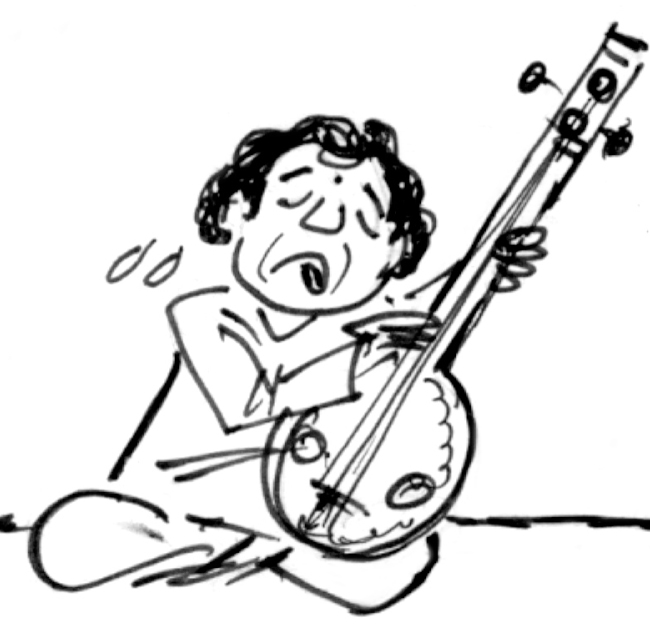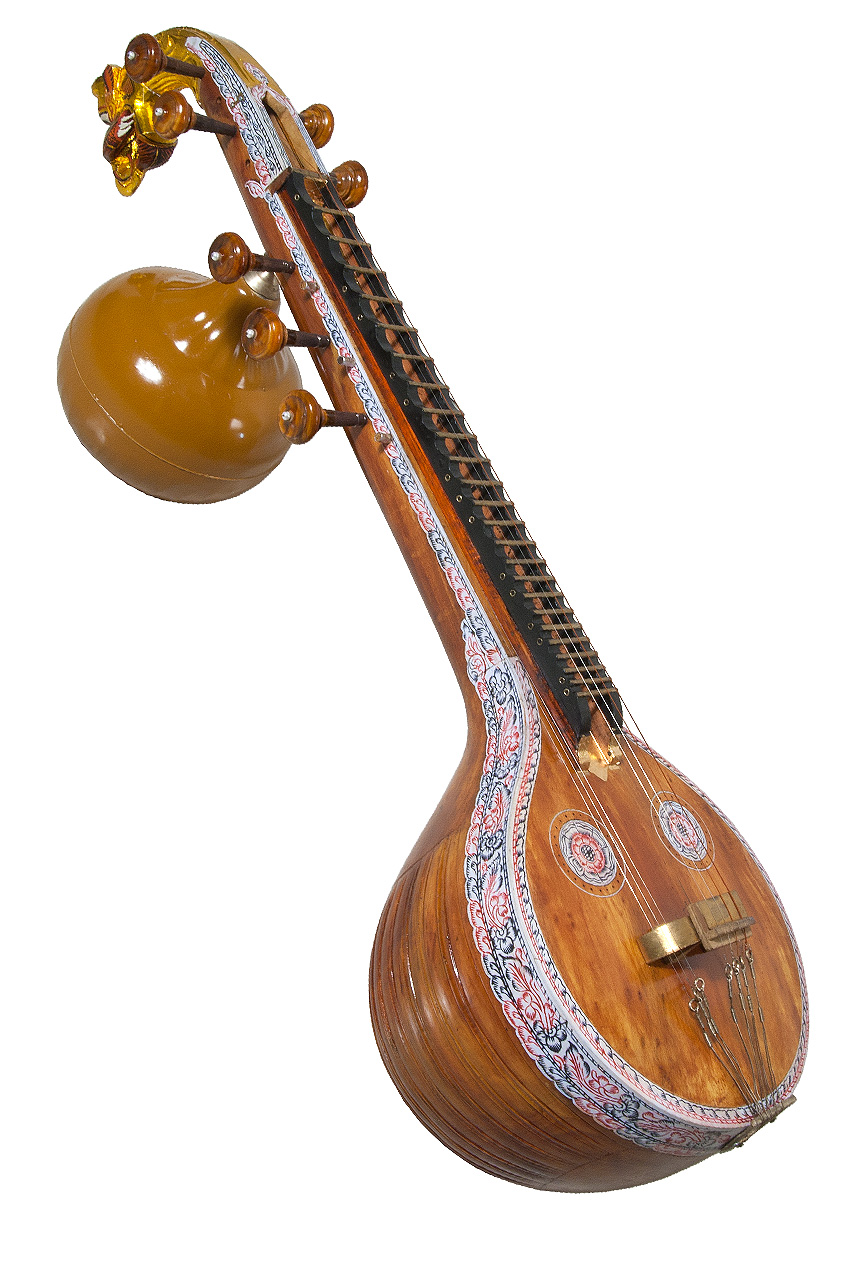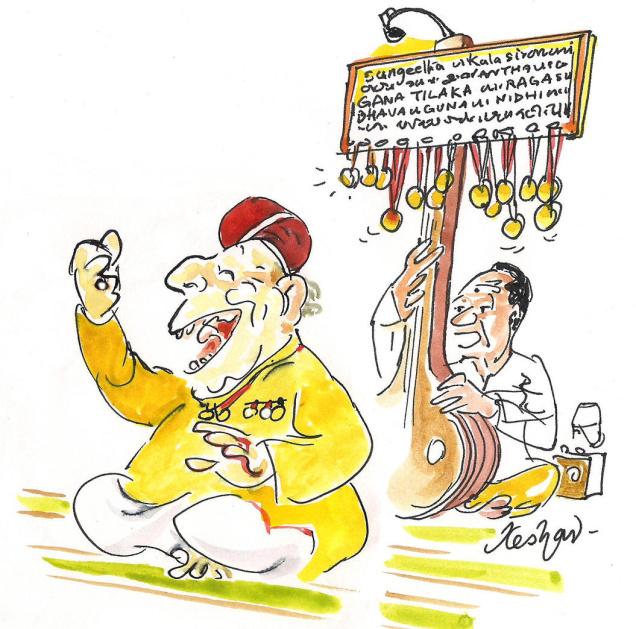
ராக தேவதைகளின் அருள் பெற்ற தான்ஸேன்! (Post No. 2466)

ragamala2

WRITTEN BY S NAGARAJAN, BANGALORE


Date: 7 January 2016


Post No. 2466


Time uploaded in London :–  5-54 AM


( Thanks for the Pictures  ) 


DON’T REBLOG IT AT LEAST FOR A WEEK!  DON’T USE THE PICTURES; THEY ARE COPYRIGHTED BY SOMEONE.


இந்திய சங்கீதம்

ராக தேவதைகளின் அருள் பெற்ற தான்ஸேன்!


ச.நாகராஜன்


ஹரிதாஸரின் சீடர்


இந்திய சரித்திரத்தில் பாடகர்களின் வரிசையில் இணையிலா இடத்தை வகிப்பவர் தான்ஸேன்.


இவரைப் பற்றி ஏராளமான சுவையான சம்பவங்கள் பல்வேறு நூல்களில் எழுதப்பட்டுள்ளன. ஆனால் அவையெல்லாம் உண்மையா பொய்யா என்பதை அறிவது முடியாத காரியம்.

தான்ஸேனின் தந்தையின் பெயர் முகுந்த மிஸ்ரா.

ஐந்து வயதிலேயே சங்கீதத்தில் தேர்ச்சி பெற்றவராக ஆகி இருந்தார் தான்ஸேன். அவரது இளமைக்காலப் பெயர் ராமதனு.

அவரது குருநாதர் பிருந்தாவனத்தில் வாழ்ந்து வந்த பெரிய மகானான ஸ்வாமி ஹரிதாஸ்.


காடு வழியே சென்று கொண்டிருந்த குருநாதர் புலி போல குரல் (மிமிக்ரி) கொடுத்த ராமதனுவின் திறமையை மெச்சி அவருக்கு அனைத்தையும் சொல்லிக் கொடுத்ததாக ஒரு கதை.

அவரது தந்தையின் ஏற்பாட்டின் படி குருகுலவாஸம் செய்து தான்ஸேன் சங்கீதம் கற்றுக் கொண்டதாக இன்னொரு கதை.

எது எப்படியானாலும் ஹரிதாஸர் தனக்கு இணையாகப் பாடும்படி தான்ஸேனுக்கு அருளைப் பொழிந்தது வரலாற்று உண்மை. அனைத்து ராக தேவதைகளும் தான்ஸேன் மீது அருளைப் பொழிந்ததும் உண்மை!


ragamala3

அக்பரின் அழைப்பு


தான்ஸேனின் புகழைக் கேட்ட அக்பர் எப்படியும் அவரைத் தன் அரசவைக்கு அழைத்து வர விரும்பினார். அப்போது அக்பருக்கு வயது 20.


ரேவாவின் மஹாராஜாவான ராமச்சந்திராவின் அரசவையில் இருந்த தான்ஸேன் ஒருவாறாக அக்பர் அரசவைக்குச் சென்று தன் முதல் கச்சேரியை நிகழ்த்தினார். அப்போது அவருக்கு வயது 57.


அடுத்த 27 வருடங்களுக்கு அக்பர் தான்ஸேனை விடவே இல்லை. (1589ஆம் ஆண்டு வாக்கில் தான்ஸேன் மறைந்தார்)

அப்படி ஒரு மோகம், மரியாதை அக்பருக்கு தான்ஸேன் மேல் ஏற்பட்டது.


முதல் கச்சேரிக்கு ஒரு லட்சம் தங்க நாணயங்களை அக்பர் தான்ஸேனுக்கு வழங்கியதாக கர்ண பரம்பரைச் செய்தி தெரிவிக்கிறது.


தனது நவரத்தினங்களில் முக்கியமான இடத்தை அக்பர் தான்ஸேனுக்கு அளித்தார்.


ragamala1

நரபதியும் தான்பதியும்


தன்னை புலவர்கள் நரபதி என்று அழைத்த போது தான்ஸேனை தான்பதி என்று அழைக்க வைத்தார் அக்பர்.

பாரத சாம்ராட் என்று கவிஞர்கள் அக்பரைப் புகழ்ந்த போது தான்ஸேனை சங்கீத சாம்ராட் என்று அவர் அழைத்தார்.


அவர் மேக மல்ஹார் ராகத்தைப் பாடினால் மழை பொழியும்!

(தான்ஸேன் தீபக் ராகம் பாடிய போது தீ ஜுவாலை எழுந்ததையும் குருநாதர் ஹரிதாஸைப் பார்க்க அக்பர் விரும்ப அவரை அழைத்துச் சென்ற போது நடந்த சுவையான சம்பவங்களையும் ஏற்கனவே கட்டுரைகளில் எழுதி இருப்பதால் அவற்றை இங்கு மீண்டும் எழுதவில்லை)


ஒரு அழகிய பாடல் நரபதி-தான்பதி விஷயத்தை விளக்குகிறது.

முராரே த்ரிபுவநபதே, இந்த்ர சுரபதே,, சேஷநாக் ஹை ஃபநபதே |

(முராரி மூன்று உலகங்களுக்கும் அதிபதி

இந்திரன் தேவலோகத்திற்கு அதிபதி

ஆதிசேஷன் நாகங்களுக்கு அதிபதி)

க்ஷீர உததி சலிலபதே, கௌஸ்துப மணி ரத்னபதே தினகர் தீனனபதே, கமலாபதே ||

(க்ஷீர சமுத்ரம் கடல்களுக்கு அதிபதி, கௌஸ்துப மணி  ரத்னங்களுக்கு அரசன், தினகரனும் விஷ்ணுவும் தீனர்களுக்குத் துணைவர்)

சசி உட்கணபதே, ஹநுமான் பலிநபதே, நாரதாதி பக்தநபதே, சாஜன் வீணா ம்ருதங்கபதே |

(நட்சத்திரங்களின் தலைவன் சந்திரன், ஹநுமான் பலசாலிகளின் அதிபதி, நாரதர், பக்தர்களின் தலைவர், வாத்தியங்களில் வீணை முதன்மையானது)


சிரஞ்சீவௌ சாஹ் அக்பர் நரபதே, தான்ஸேன் தான்பதே ||

இது போலவே சிரஞ்சீவி அக்பர் நரர்களுக்கு அதிபதி, அது போலவே தானபதி தான்ஸேன் தான்!


 raga1

சங்கீத ரஸிகர்கள் சென்று காணும் வட விருக்ஷம்


அக்பரின் அந்தப்புரத்தில் அக்பரைத் தவிர உள்ளே நுழையக் கூடிய உரிமையை தான்ஸேன் மட்டுமே பெற்றிருந்தார்.

அங்கு அவரது கச்சேரிகளை அந்தப்புரத்தில் இருக்கும் அரசமகளிருடன் அக்பரும் கேட்டு மகிழ்வது வழக்கம்.

தீபக் ராகம் பாடியபோது எழுந்த அக்னி ஜுவாலையில் தான்ஸேன் இறந்ததாக கர்ண பரம்பரைச் செய்தி தெரிவிக்கிறது.

அவரது அந்திமக் கிரியையின் போது கண்ணீருடன் அக்பர கலந்து கொண்டார் என்பதை வரலாற்று ஆசிரியர்கள் எழுதி வைத்துள்ளனர்.


தான்ஸேனின் சமாதி, அவர் சங்கீதத்தை சாதகம் செய்த வட விருக்ஷம் முதலிய அனைத்தும் இன்றும் சங்கீத ரஸிகர்கள் செல்லும் இடங்களாக இன்றும் திகழ்கின்றன.

சுவையான சம்பவங்கள் நிறைந்த தான்ஸேனின் வாழ்க்கை இந்திய சங்கீதத்தின் பெருமைக்கான ஒரு வரலாறே. ஹிந்து(ஸ்தானி) ராகங்கள் பற்றியும் ராக தேவதைகளைப் பற்றியும் அறிய விரும்புவோர் தான்ஸேனின் வரலாறைப் படிப்பது பயன் தரும் ஒன்றாக அமையும்!


*******

இதைப் படிக்கும் அன்பர்கள் நேற்று வெளியான அக்பரும் சூரிய நமஸ்காரமும் கட்டுரையையும் படித்து மகிழலாம்.

The Efficacy of Mantras (Post No. 2435)

om flag

Written by S NAGARAJAN

Date: 28 December 2015


Post No. 2435


Time uploaded in London :– 9-19 AM

( Thanks for the Pictures  ) 


DON’T REBLOG IT AT LEAST FOR A WEEK!  DON’T USE THE PICTURES; THEY ARE COPYRIGHTED BY SOMEONE.


By S.Nagarajan


Vedas are the genesis of the Hindu religion. Vedas are eternal sounds. The source of sound is in the atoms of air and the quality of the sound follows the exit of the air propelled by the attempt of the speaker through particular anatomical parts of the mouth and its precincts.


Each and every sound has its own meaning and corresponding effect.

The Sanskrit word mantra means potent sounds or words.

Mantras are ‘heard’ or ‘seen’ by the great sages and hence unwritten. Vedic Mantras are innumerable and the correct mantra is to be used as per the correct intonation to achieve a desired result.


Indra satru


One interesting incident is described in Hindu Scriptures. Where the object of a sacrifice was ‘to generate such a person as is capable of killing Indra (God of devas or Angels), and for that purpose, the invocation should be ‘svahendrasatrurvadhasva’ the chanting of this invocation with a wrong intonation on the first syllable ‘Indra’ produced the contrary result, for a person was generated, but he was killed by Indra. The compound Indra-satru means either ‘destroyer of Indra’ or ‘one that can be destroyed by Indra’ according to the intonation used on the syllables.


That is why it is recommended that the mantras are to be initiated properly by a genuine Guru.


In the 18th century Ernest Chladni, a German physicist found that when a violin bow was drawn vertically across the rim of a metal plate the sound waves produced created patterns in sand sprinkled on the plate. The vibration produced by the bow throws the sand particles into violent commotion and when these particles settle down beautiful patterns are formed depending upon the nature of the vibration. These are called Chladni Figures.


Different musical notes would cause the sand particles to move into geometric patterns.

It is interesting to note that the Indian music swaras, seven in number, sa, ri, ga, ma, pa, da, ni produce and maintain basic emotions also.
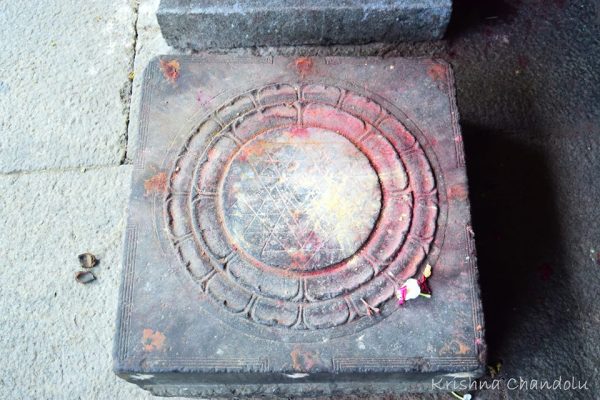
 sri yantram,ekambareswar

OM and Sri Yantra


In the 1960s Hans Jenny, a Swiss Scientist, spent over ten years conducting experiments to discover the effects of sound waves on materials placed on metal plates vibrated with sound. Materials such as glycerin, mercury, gel, powder and iron fillings were used. He photographed the patterns created.

He found that low frequency sounds produced simple geometric shapes in the materials. As the sound frequency was increased, these simple frames would break up and more complex patterns would appear. The sound ‘OH’ would produce a perfect circle.  The sound ‘OM’ produced a pattern that resembles the Shri Yantra; the ancient mandala for ‘OM’ used in India for thousands of years!


Alexey  Kulaichev, a Russian Scientist has concluded that Shri Chakra could not be analysed even by the present day computers!


He says, “I wish to note, however, that the present day level of scientific and technical knowledge is insufficient to analyse the structure of  Sri Yantra .


“The analysis involves a complex system of algebraic equations and complicated computations which are beyond the capability of the present generations of computers.


“How such an object could have appeared in antiquity? How did people there come to know that nine triangles arranged in such a way can intercept each other, their numerous crossing points coinciding? There are many more other questions that I can not answer”


Every Mantra has six aspects: a rishi or Seer, a raga or melody, the Devatha or the presiding Deity, a Bija or seed sound, the Sakthi or power and a kilaka or pillar.


The Mantras were transmitted from generation to generation from Guru to disciple. The successful use of mantras was and is simply a common part of Indian mentality.


OM is a powerful, simple mantra that could be recited by anybody. Mantra Sastra or Mantra Scripture says that OM could be chanted in 170 different ways. Madam Blavatsky has quoted some ancient Indian text that it can be chanted in 250 different intonations and that the siddhis or results attained by each method is different and good.

 gayatri

Gayatri Mantra


The power of Gayatri Mantra is indescribable and beyond words. The definition of Gayatri itself indicates the tremendous power of this prayer: Gayantam traete iti Gayatri or that which saves on chanting. The mantra protects the chanter of Gayatri. It is glorified as ‘Mantra Rajam’


The Gayatri mantra was discovered by the great sage Viswamitra.

The mantra is given below:


Om

Bhur Bhuva Svaha

Tat Savitur Varenyam

Bhargo Devasya Dheemahi

Dhiyo yonah Prachodayat

The mantra may be translated as follows:


Om. We meditate upon the spiritual effulgence of THAT Adorable supreme Divine Reality the Source of the physical, the Astral and the Heavenly Spheres of Existence.

May THAT supreme Divine Being enlighten which our Intellect.

The mantra consists of 24 syllables.


24 rishis or sages are associated with each syllable. Similarly each syllable is associated with 24 special powers and 24 flowers.


Automatically the chanter will get all the benefits and all round success. Each syllable bestows a particular ‘Siddhi’ or power.


The twenty four powers are: Strength, Energy, Attraction, Suggestion, Motion, Awe, Discrimination, Activity, Courage, Memory, Determination, Desire, Affection, Aversion, Union, Disunion, Analytic capacity, Synthetic capacity, Hearing, Touch, Sight, Taste, Smell and Knowledge.
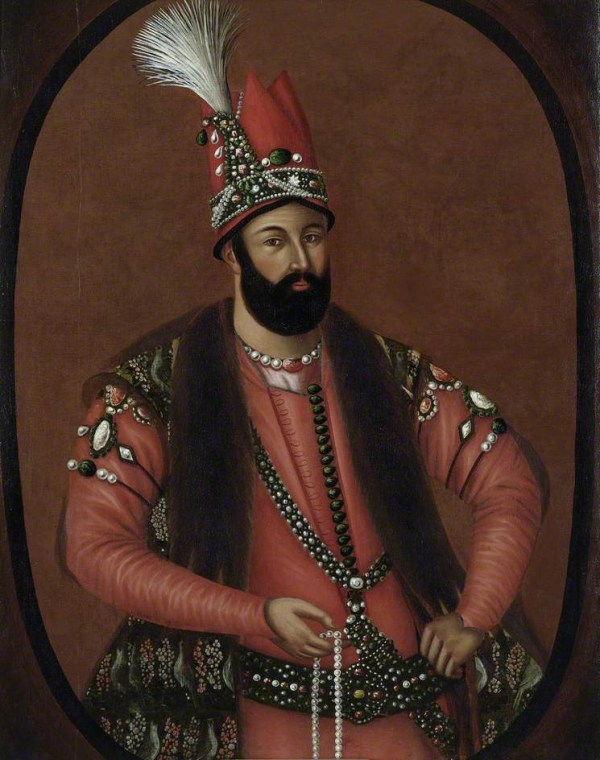
(c) British Library; Supplied by The Public Catalogue Foundation

(c) British Library; Supplied by The Public Catalogue Foundation


Nadir Shah and Guru Charndas


Nadir Shah, the King of Iran heard about the golden treasures of India and suddenly he decided to invade India. He attacked Delhi with all his might. Mohemmed Shah, the then ruler of Delhi gave a fitting reply in the battle field. Nadir Shah was defeated. He returned to Iran with disappointment. Mohemmed Shah had written a letter to Nadir Shah stating that he was informed by a sage about Nadir Shah’s invasion and was advised to prepare himself for the fight. Hence he was able to defeat him easily. Nadir shah waswonderstruck. He wanted to see the sage. Mohemmed shah obliged. Nadir shah prostrated before the sage Guru Charandas and asked him how he knew that he would attack Delhi, for he himself did not conceive the very idea six months back. Charandas replied that through Gayatri Mantra everything is possible.


Even today in the village of Sukradal, Uttarpradesh, India, he is being remembered every year during the festival of ‘Gayatri Jayanthi’ or ‘Birthday festival of Gayatri’.

It is worth mentioning about the Agnihotra  which saved two families in Bhopal.


All of us very well know the tragic incident that occurred on the night of December 3, 1984 when the poisonous MIC gas leaked from Union Carbide factory at Bhopal. Hundreds of people died and thousands were hospitalized but there were two families – those of Shri Sohan Lal S Khushwaha and Shri M.L. Rathore, living about one mile away from the plant who came out unscathed. These families were regularly performing agnihotra (havan). In these families nobody died, nobody was even hospitalized despite being present in the area worst affected by the leakage of the toxic gas. This observation implies that agnihotra is a proven antidote to pollution.
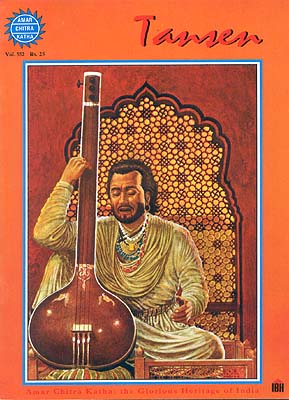
 

tansen_acl76

Akbar and Tansen


The power of sound can better be explained from the following incident!


The great Emperor Akbar heard about the talents of famous musician Tansen (1492-1589 A.D) and invited him to his court. Tansen was given a place of honour among the nine jewels like Birbal, Abdul Fazal,Todarmal and Rahim in Akbar’s court.


Tansen symbolized the best in Hindusthani Music. Tansen with his enchanting music made ‘ the trees swing and the rocks sway’! Once Akbar wanted Tansen to sing a special music known as ‘Deepak Rag’ which produced lightning effect.


Deepak in Sanskrit means ‘Light’. Tansen requested Akbar to erect a special platform near a lake for his performance. Akbar ordered immediately to erect the platform wondering why it should be constructed, near a lake! Tansen started singing the special music ‘Deepak Rag’. Suddenly his body temperature went up! He had to jump into the lake to save himself from being burned and suffering from electric shock. The lightning  effect was caused by the vibrations of the music or sound!


The scientific studies on the effect of Mantras and Sound reveal that the ancient seers are themselves perfect spiritual scientists. They have shown the perfect way for the betterment of the mankind.


Let us  recite the mantras as instructed by the great seers for the betterment of the world!


Sarve Jana Sukino bhavanthu!

–subham–


A Rare Musical Instrument: Panchamuka Vadhya

പഞ്ചമുഖമിഴാവ്൧

Written by London swaminathan

Research article no.1884, Date: 23 May 2015.

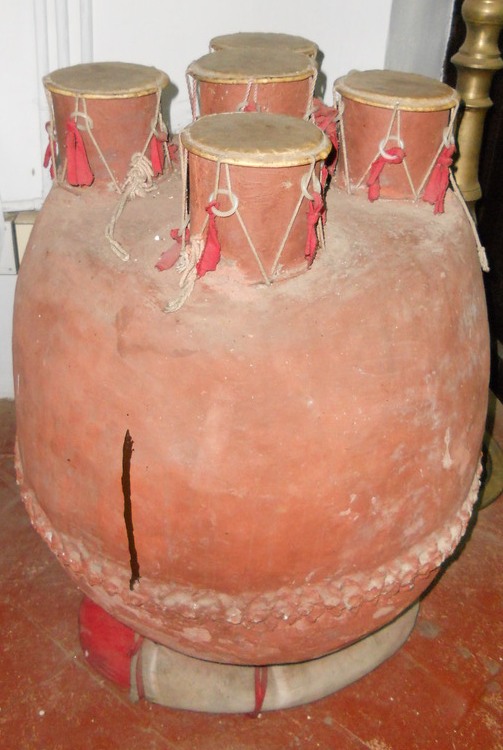
Panchamuka vadhyam (Five faced drum) is shown in some of the Nataraja (Dancing Siva) sculptures in South India. This is a rare musical instrument found in Kerala and Tamil Nadu. Nandideva is said to play on it during the cosmic dance of Shiva/Nataraja. It is associated with Five Faces of Shiva and Five functions of Shiva. Now it is found in Tiruvarur and Tituththuraipundi in Tamil Nadu and a few places in Kerala. It is used during Puja time.

The instrument is made up of metal and covered with cow skin. Since it has got five faces to play on, it requires good practice to use it. Slowly this art is disappearing. Since it is very heavy, they fix it on a wooden frame with wheels, so that it can be rolled to any place. The five faces of the instrument are named after the five faces of Lord Shiva: Isanam,Satyojatam, Vamadevam, Tatpurusam, Agoram.

Creation, Preservation, Destruction, Concealing Grace and Revealing Grace are the five actions of Lord Shiva according to Saiva Siddhanta. It is believed that these five faces represent those five actions. The varying thickness of the skin covering the five faces help the player to create five different sounds. Five faces of the instrument are named after four directions (N E W S ) and the middle one is called the sky direction(Up). The player used to stand near the North face and play on it. All the five faces are circular in shape. In Tamil they are called Vatta Thattu, meaning circular plate.

IMG_3721 (2)

The instrument was made to explain the principles of Saiva Agamas. So the scholars have produced the following table:

West              — Satyojatham – Creation
North             — Vamadevam – Preservation

South             — Agoram —             Destruction

East                            — Tatpurusam – Concealing Grace

Skyward (Up)          — Isanam                  — Revealing Grace

Lord Krishna’s conch is called Panchajanya (Bhagavad Gita 1-15). It is a strange coincidence that Panchajanya also mean the producer of five different sounds. It will be useful to do some research into the words Panchamuka Vadhya drum and Paanchajanya conch.

IMG_3722 (2)

DANCE in the Vedas!

IMG_2753

Written by London Swaminathan

Research Article No.1766;  Dated 1April 2015.

Uploaded at London time 21-22 (GMT 20-22)

Dance and music are mentioned in the Vedas in several places. It shows that the Vedic society was a happy and prosperous society. Scores of musical instruments are mentioned and scores of ornaments are also mentioned in the Vedic literature. Unless a society is content in the three basic needs Roti, Kapda aur Makan (Food, clothing and housing), no art form would have developed. Those who study the Vedas in full can see a developed society and advanced civilization. The marriage hymns show that they are an organised community. There were rules guiding a humans from birth to death. They had rules for everything. The existence of highly developed form of dance is confirmed by the dancing statue found in the Indus valley Civilization. Mention of agriculture shows that they cultivated the lands. So naturally there would be harvest season and celebrations following it.

The Vedic women had something like Garba or the Maypole dance. Dancing Gods are found in the Vedas. Indra has been thought of in the Rig Veda (1-130-7) as one who also made others to dance and delight (RV 2-22-4, 8-24-9, 8-24-12, 8-92-2)

IMG_2759

‘Nrtuh’ equals ‘nartayitaa’ in one of the epithets (RV 8-92-3). His close associates the Maruts and the Asvins, are also dancers. As the leaders of a troupe of dancers (RV 5-52-12, 8-20-22) the Maruts are extolled. Dancing and singing are also attributed to Asvins, who dance in association with Surya (RV6-63-5). Dancing is one of the accomplishments of these gods.

Gandharvas are praised as celestial singers. They are also associated with dance and music in later literature.

Dancing Nymphs

The concept of nymphs is closely related to the dancing gods. They are consorts of the Gandharvas (RV 10-123-5, 7-33-9, 7-33-12, 7-10-95, 10-132-6) but do not belong to the category of gods; they are the semi divine people. By the time of Atharva Veda, they became Indra’s favourite dancers.

Description of the Apsaras as dancing with the Gandharvas are found in abundance in AV (4-371, 4-37-4, 4-37-5). Men and women sang and danced even amidst the disease and pestilence they feared. They gathered in the assembly house (AV 7-12-2) ‘sabha’, which was meeting place for social entertainment including dance and music.

The hymn addressed to the Earth (AV. 12-1-1, 12-1-41) presents picture of joyous life, where the mortals sing and dance. Dancing Gandharvas and the Apsarasses help us visualize the picture of a society where dancing and music were regarded as an integral part of everyday life, whether in joy or in sorrow, as a profession or as an important communal activity.

IMG_2752

Source: A Cultural Index to Vedic Literature, Edited by N N Bhattacharya, Rabindra Bharat University, 2007

A B Keith and A A Macdonell adds in Vedic Index adds:–

Silpa in the Vedas means art, of which three kinds – nrtya/dance, gita/music and Vaadita/instrumental music, are enumerated in the Kausitaki Brahmana (29-5)

‘Nrti’ in one passage of the RV 3-514 means dancer in Ludwig’s translation

‘Nrtu’ occurs once in the RV denoting female dancer 1-92-4. Dancing is often referred to in the RV (1-10-1, 1-92-4).

Nrta-Gita (dance and song) are mentioned in the Jaiminiya Brahmana.

IMG_2758

If we put all the terms on Music, Musical Instruments, Dance, Jewellery and Ornaments in the four Vedas together, that will give us a beautiful picture of the Vedic society. No wonder Bharata wrote a beautiful treatise on dance in Sanskrit in the post-Vedic period.

Pictures of dancing statues in Foreign museums.

Bhumi Dundhubi: Drums in Rig Veda and Sangam Tamil Poems

modi in Japan
Prime Minister Modi in Japan with Japanese PM.

Research paper written by London Swaminathan
Research article No.1385; Dated 2nd November 2014.

Very interesting information about musical instruments is available in the Rig Veda, oldest book in the world. Sangam Tamil literature which came 1700 years after the Rig Veda, adds more interesting details about Drums!

Bhagavad Gita begins (1—12 to 19) with musical instruments that were used on the battle ground! “Conches, kettledrums, tabors, drums and trumpets blared forth and the noise was tumultuous. And the terrible sound, echoing through heaven and earth rent the hearts of Dhrtarashtra’s sons”. When we read this description we can imagine the noise it created in the battle field.

(English word tumultuous is derived from the Sanskrit word Dumula)

The use of drums in the war started in the days of the Rig Veda and continued through the Sangam period. Sangam Tamil poems were composed in the first three centuries of modern era. The most interesting information comes from the Rig Veda about Bhumi Dundubhi! It means Earth Drum.

jaffna
Temple Drum in Jaffna in Sri Lanka

Dundubhi is an onomatopoetic word : Dum Dum = dum dum dhubi= drum. (The English word drum must have come from this). It is mentioned in RV 1-28-5; 6-47-29; 6-47-31. Atharva Veda and other Vedic literature repeat it many times. A special sort of drum was the earth drum, made by digging a hole on the ground and covering it with a hide. This was employed in the Mahavrata, a rite performed at the winter solstice, for the purpose of driving away the influences hostile to the return of the sun; bhumi dundubhi is mentioned in the Samhitas and Brahmanas. Taitriya Samhita vii.5-9-3 and other books refers to it. Though drums are found in all ancient civilizations from Egypt to Peru, no where we come across earth drums. Other references in the Rig-Veda are about war drums.

( From Vedic Index by Keith and Macdonell)

kollam
Drums in Kollam, Kerala

Rig Vedic Word Adambara in Tamil!

Another interesting word is Adambara. Even modern day Tamils use this word for pomp and ostentation. Not many people know that it came from the Rig Veda. Tamils say that they celebrated the marriage with Adambara. Actually it was the drum used in such ceremonies. It occurs in Vajasaneyi samhita 30—19
Lambara and Vanaspati are other drums mentioned in the Vedic literature. Of all the Hindu gods, Shiva was the one who is associated with drums like Damaruka. Tamil and Sanskrit language came from this Damaruka sound according to Panini and Tamil poet Paranjothi. The basic 14 sounds of Sanskrit language called Maheswarani Sutrani came from Shiva’s drum.

The English word tomtom also came from India. In India, kings’ and governments’ announcements came through tom toming. I myself have seen it in Madurai during my childhood days. When there is a breakout of infectious disease or 144 ban they announced it by tomtoming! We, children used to stand round the drumme,r and look at him curiously!

chenda vadhya
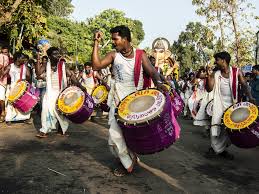
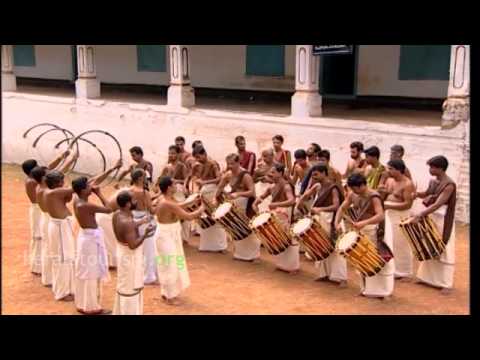
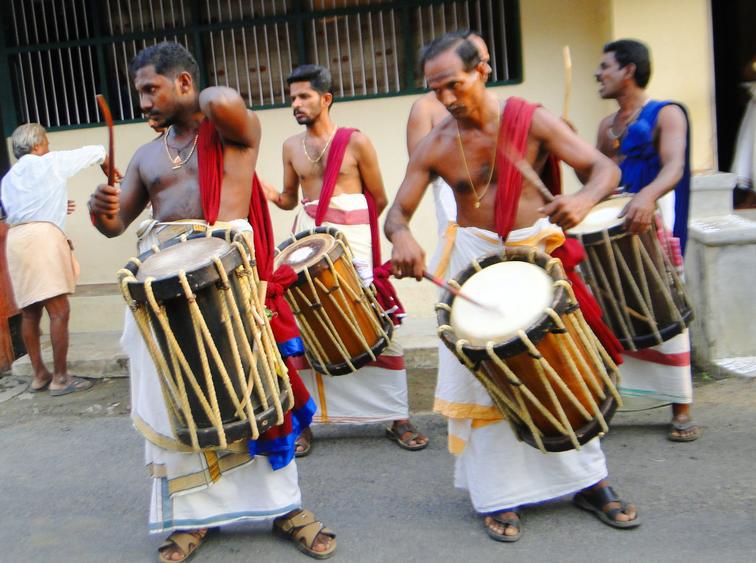
Chenda Vadhya in Kerala

Vedic Orchestra

During Mahavrata festival, grand music festival was organised. Agnihotram Ramanujachariar gives the following information:

“We have concrete information from the Vedas of prevalence of the orchestral music. A grand music festival with different instruments is associated with the Mahavrata Yaga. In this yaga (fire ceremony) the Udgata is seated in a chair, the Hotha in a swing and the Adhwaryu on a plank. Hotha prays to god while swinging. The wives of the performers of the Yaga sing along with the Udgata with a variety of instruments. The following instruments are mentioned in this connection:

A Vana with 100 Strings ( my comment: Vana might have given the Tamil word Pana- singer; Yaz Pana; P=V=M are interchangeable)

Naady (pipe), Thunava (wooden lute), Shanka (conch)
Kanda Veena, Godha Veenaka ( a small veena covered with the skin of godha)
Agati (cymbals), Pichchola, Apa Ghatalathika, Karkarika
Ghata karkarika, Shambala veena Ghatari with vandanam (plectrum)
Thaluka Veena, Alabu, Kapisharsaki etc.

At the same time women standing in a circle with water pots on their heads singing rhythmically, keeping time with their feet. This is like modern Tamil Karakam dance”
(From “The Hindu Speaks on Music”)

garo tribals of meghalaya
Garo Tribes of Meghalaya, India

Interesting Information on Ancient Tamil Drums

Sangam Tamil literature has hundreds of words about drums (Murasu, Parai, Kinai and Panai). A lot of percussion instruments are listed in Amarakosa and other Nighandu dictionaries in Sanskrit and Tamil.

1.Tamil forts had drums on the top floor of the forts near the entrance. Kamban in his Tamil Ramayana says that the drums were beaten on top of the gate at Ayodhya. Sangam Tamil literature says that there were three types of drums constantly beaten and they were Kodai, Padai, Mana Murasu meaning Donation, Army and Auspicious messages (Pathitru pathu 2- 4/9). In another place in the same book, they are described as Tyaga, Veera, Nyaya Murasus.

2.Drums were considered dwelling place of deities. They were worshipped with flowers and rice and meat balls (Pathitrupathu 2-17 lines 5 to 8).

3. When the person in charge of worship of drums chanted the Mantras holding the offering in his hands, even the ghosts were trembling. Those meat balls mixed with blood and rice won’t be touched even by the ghosts and ants says Pathiru pathu 3—30/39.

4.Murasu or Drum was considered one of the ten royal symbols. When Saivite saints sang about Shiva as a King they included drum in one stanza. Tamil poet Bharati who composed “Bharat Mata Dasanga”, sang about Drums as one symbol of Bharatmata.

???????????????????????????????
Drums in Japan

4. One of the Sangam poets who came to see a king was dead tired and he slept on the cot meant for placing the drum. It is a crime fit for capital punishments. But the king was sympathetic to the poet and rewarded him amply.

5.War drums will be covered with the hide of a heroic bull. The hide of a bull which killed a tiger will be chosen for this purpose. This is repeated in several places in Sangam literature.

6.Abithana Chinthamani, Tamil encyclopaedia, adds that the drums were decorated with garlands, peacock feathers and Uzinjai flowers and took it in a procession.

chinese drums from incredipedia
Chinese drum from increpedia

Communication through Drums
African countries are for famous for communication through drums. The tribes exchanged information through drum beats. It is like a language understood by the tribal communities. Tamils also followed such a system and the poets were aware of it (Akam.63 and Kuruntokai 390). When the robbers saw a caravan of business people crossing through the forest or arid land they started beating the Thannumai drum and attacked the merchants. Even the sound will shake anyone. So they sent waves of fear by beating the drums – say Tamil poets.

The most popular book of Tamil language Tirukkural which is called Tamil Veda was written by a drummer. The author Tiru Valluvar belonged to Valluvar caste who used to announce the orders of the king by beating the drum from top of an elephant. Though he belonged to Pariah caste he held a high position is the caste. Valluvars used to be priests for the caste. The word Parai means a drum and Pariah means an announcer (by beating the drums).

Hundreds of different percussion instruments are available throughout India.

contact swami_48@yahoo.com

சிந்து சமவெளி பாடகர்கள்: ஹாஹா, ஹூஹூ!!

two_thai_bronze_kinnara_
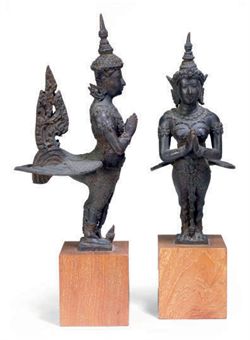
Kinnaras in Thailand

கட்டுரையை எழுதியவர் :– லண்டன் சுவாமிநாதன்
ஆராய்ச்சிக் கட்டுரை எண்- 1375; தேதி அக்டோபர் 28, 2014.

உலகின் முதல் அகராதி / நிகண்டின் பெயர் அமரகோசம். இது சம்ஸ்கிருதத்தில் உள்ளது. இதை அமரசிம்மன் என்பவர் எழுதினார். இது விக்ரமாத்தித்தன் -(கி.மு.முதல் நூற்றாண்டு)– காலத்தில் எழுதப்பட்டதாக செவிவழி வந்த செய்திகள் கூறின. ஆனால் கட்டாயம் ஏழாம் நூற்றாண்டுக்கு முன் இது இருந்ததற்கான சான்றுகள் உள. சுமார் 2000 ஆண்டுப் பழமையுடையது என்று கொண்டால் தவறில்லை. உலகின் முதல் நிருக்தம் ( கி.மு 800 சொற் பிறப்பியல் நூல்), உலகின் முதல் இலக்கண நூல் ( கி.மு 700 பாணீனீயம்), உலகின் முதல் காம நூல் (காம சூத்ரம்), உலகம் வியக்கும் டெசிமல் சிஸ்டம் ( தசாம்ச முறையின் மிகப்பெரிய எண்கள்; கி.மு.1000 வேத கால பிராமணங்களில் உள ) – ஆகிய அனைத்தையும் உண்டாக்கியோருக்கு ‘அகராதி’ என்பது ஒரு எளிய பணியே.

சிறு குழந்தைகள் சம்ஸ்கிருத பள்ளிக்குப் போனவுடன் இலக்கண வாய்ப்பாட்டையும், நாம லிங்கானுசாசனம் எனப்படும் அமரகோசத்தையும் மனப்பாடம் செய்ய வைத்துவிடுவர். வாழ்நாள் முழுதும் இதை மறக்க முடியாது. நானே பள்ளிக்கூட வகுப்பு முடிந்தவுடன் மதுரை மேலச்சித்திரை வீதி ஆடிட்டர் வீட்டு நடையில், தரையில் உட்கார்ந்து இப்படிக் கற்றவன். உலகமே வியக்கும் அற்புதமான வகையில் சம்ஸ்கிருதம் கற்பிக்கப்படுகிறது. நிற்க. சொல்ல வந்த விஷயம் வேறு.
kashmir Kinnara_600x450
Kinnars in Avantipur, Kashmir

அமரகோஷத்தில் ஒவ்வொரு கடவுளருக்கும் சொல்லுக்கும் உள்ள பல பெயர்கள் இருக்கின்றன. இதற்கு வியாக்கியானம் செய்த உரைகார்கள் அற்புதமான விஷயங்களை நமக்கு அளிப்பர். அவைகளை ஒருவன் கற்றால் அறிவு ஒளிரும். லண்டனில் ஒரு சம்ஸ்கிருத ஆசிரியரை வீட்டிற்கு அழைத்து கற்றுக்கொண்ட சில விஷயங்களை ஏற்கனவே ஆங்கிலத்தில் கொடுத்தேன். இன்று அமரகோசம் குறிப்பிடும் கந்தர்வர்கள் “ஹாஹா ஹூஹூ” பற்றி பார்ப்போம்.

“கந்தர்வானாம் (அஹம்) சித்ரரத:”
— என்று பகவத் கீதையில் (10-26) கண்ண பிரான் கூறுகிறார்.

மஹாபாரதம் மூலம் சித்ரரதனை நமக்குத் தெரியும். ஆனால் ‘’ஹாஹா’’, ‘’ஹூஹூ’’ பற்றி எங்குமே தகவல் இல்லை. கந்தர்வர் பற்றி வரும் விஷயங்களை வைத்து நாம் ஊகிக்கத்தான் வேண்டும்.

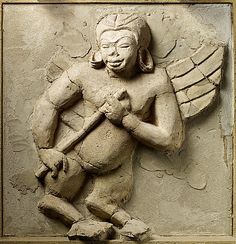
celestials
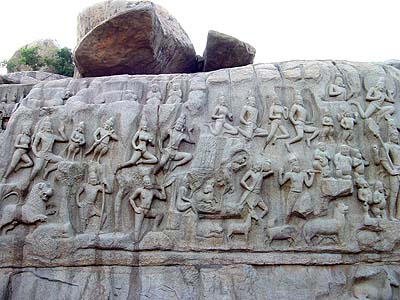
Gandharvas in Mamallapuram

கந்தர்வர் பற்றிய ஆராய்ச்சி மிகவும் முக்கியமானது; ஏனெனில்
1.ராமாயணமும் மஹாபாரதமும் கந்தர்வர்களை சிந்து சமவெளியுடன் தொடர்பு படுத்துகின்றன. ஆகவே சிந்து சமவெளி நாகரீக ஆட்சியாளர் பற்றி அறிய உதவும்.

2.வெள்ளைக்காரர்கள் வந்து ஆரியர், திராவிடர், முண்டா என்று இந்தியர்களை 3 கூறு போடுவதற்கு முன் நம் வடமொழி, தமிழ் மொழி இலக்கியங்கள் இந்தியர்களை 18 கூறுகளாகப் போட்டன. ஆனால் எல்லோரும் ஒரு தாய் வயிற்றுப் பிள்ளைகள் என்றும் எழுதி வைத்தார்கள். அந்த 18 வகையினரில் கந்தர்வர் என்பவர் பாடகர்கள் — கின்னரர்கள் என்போர் வாத்யம் வாசிப்போர். துருக்கி வரை பல இசைக் கருவிகளுக்கு கின்னர, கின்னரி, தும்புரு, தம்புரா, டாம்போரின் என்று தான் பெயர்!!! ஆகவே வேத காலம் முதல் வழங்கும் கந்தர்வ என்னும் சொல் இசை ஆராய்ச்சி செய்வோருக்கு மிகவும் முக்கியம்.

chiron
Chirone from Greek mythology

சித்ரரதன் யார்?

மஹாபாரதத்தில் சித்ரரதன் பற்றி இரண்டு விஷயங்கள் வருகின்றன. இவன் கந்தர்வ இனத் தலைவன். இவன் தலைமையில் இருந்த படைகள் கௌரவர் படையைத் தாக்கவே கர்ணன் போன்ற பெருந் தலைவர்கள் உயிருக்குப் பயந்து ஓடி விட்டனர். துரியோதனனை கந்தர்வர்கள் கைது செய்தனர். அர்ஜுனன் போய் சமாதானம் பேசி மீட்டு வந்தான். ஏனெனில் சித்ரரதன் அர்ஜுனனின் நண்பன். அது என்ன கதை?

பஞ்சாப் (பாஞ்சாலம்) நோக்கி பாண்டவர்கள் சென்றபோது அவர்களை சித்ரரதன் தாக்கினான். அவனை அர்ஜுனன் கைது செய்து சிறைப் பிடித்தபோது, அவனது மனைவி கும்பிநாசி கெஞ்சவே, அவனை விடுதலை செய்தான். அவன் நன்றி பாராட்டும் முகத்தான் அர்ஜுனனுக்கு கந்தர்வ வகைப் போர்க்கலையை கற்றுக் கொடுத்தான். இருவரும் நண்பராயினர்.

கந்தர்வர்கள், ஒரு குறிப்பிட்டவகை போர்ப் பயிற்சியில் வல்லவர்கள். இசைக் கலையிலும் மன்னர்கள். அவர்களுடைய மனைவியரான அப்சரஸ் என்ன்னும் அழகிகள் நாட்டியக் கலையில் வல்லவர்கள் ஆகவே இந்தியாவில் இசை-நடனக் கலைக்குப் பெயர் கந்தர்வ வேதம். இது ஆய கலைகள் 64-இல் ஒன்று.

kinnari
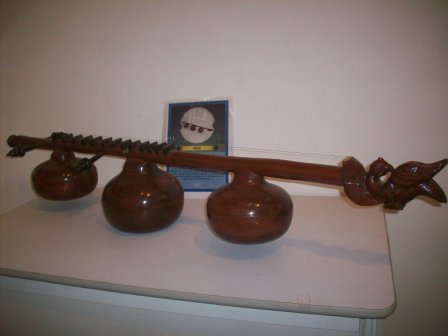
Kinnari instrument

அர்ஜுனன், மாதலி ஓட்டி வந்த –ஸ்பேஸ் ஷட்டிலில்—விண்வெளிக் கப்பலில் — சென்று ஐந்து ஆண்டுக் காலத்துக்கு வேறு கிரகத்தில் வசித்தான். அப்போது சித்ர சேனன் என்னும் ஒரு கந்தர்வன் அவனுக்கு இசையையும் நடனத்தையும் பயிற்றுவித்தான். தேவலோக ஊர்வசி அர்ஜுனனைக் காதலித்து அங்கேயே இருக்கும்படி கெஞ்சினாள். அர்ஜுனன் மறுக்கவே ‘’நீ அலியாகப் போ’’ என்று சபித்தாள். சித்ர சேனன் இடைமறித்து சமாதான உடன்படிக்கை செய்தான். அதன்படி குறிப்பிட்ட காலம் மட்டுமே அவன் அலியாக முடிவு செய்யப்பட்டது .பிற்காலத்தில் அஞ்ஞாதவாச காலத்தில் அவன் அலியாகி– உத்தராவுக்கு நடனம் கற்பித்து கரந்துறை வாழ்வு நடத்த இது பயன்பட்டது.

இந்தக் கதையிலும் ராமாயணக் கதையிலும் பஞ்சாப், சிந்து மாகாணம் மட்டுமே கந்தர்வர்களுடன் தொடர்புபடுத்தப் படுகிறது. இப்போது ஒரு சந்தேகம் எழும். தேவ லோக கந்தர்வர்களுக்கும் பூலோக கந்தர்வர்க ளுக்கும் என்ன தொடர்பு? இதற்கு விடை என்னவென்றால் கந்தர்வர் என்னும் சொல்லும் கின்னரர் என்ற சொல்லும் பூவுலகில் வேறு பொருள் உடைத்து. இந்தியாவில் உள்ள எல்லா ஜாதிகளும், தாங்கள் கடவுள் அல்லது தேவர்களிடம் தோன்றியதாகக் கூறும். அதாவது தேவலோகம் வேறு, அவர்களுடன் தங்களை அடையாளம் காண விழையும் பூலோக வாசிகள் வேறு. இதனைப் புரிந்து கொண்டு இரு மட்டங்களில் – இரு வேறு தளங்களில் இந்தச் சொற்கள் பயன்படுத்தப்படுகின்றன என்பதைத் தெளிதல் வேண்டும்.

kinnara_1
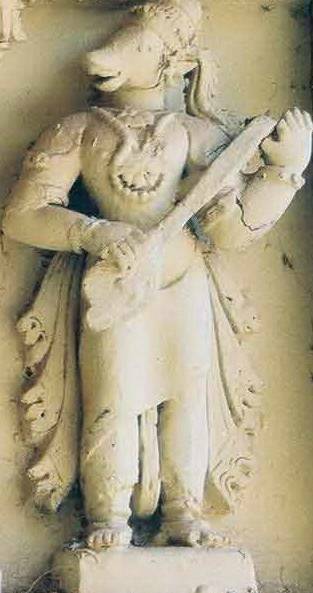
Tumburu from Hindu Mythology

ராமாயணத்தில் பரதன் படையெடுத்து வென்ற இடம் சிந்து சமவெளி நகரங்கள் ஆகும்— இதை வருணிக்கும் வால்மீகி முனிவர் ‘’நன்கு கட்டப்பட்ட கட்டிடங்களும் நகரங்களும்’’ அங்கே இருப்பதாக வருணிக்கிறார். லாகூர் என்னும் பாகிஸ்தானிய நகரமும் லவன் – இராமனின் மகனால்- உருவாக்கப்பட்டது. ஆக கந்தர்வர் பற்றிப் பேசும் வடமொழி இலக்கியங்கள் மூன்று விஷயங்களைத் தெளிவு படுத்துகின்றன:–

1.பஞ்சாப், சிந்து மாகாணங்களில் கந்தர்வர் –கின்னரர் என்னும் ஒரு இனம் வசித்தது. (அங்குதான் மொஹஞ்சதாரோ, ஹரப்பா ஆகிய நகரங்கள் உள்ளன).

2.அவர்கள் கட்டிடக்கலை மன்னர்கள். இசை நாட்டியத்துறை நிபுணர்கள். சிந்துவெளியில் கிடைத்த நடன மாதுவின் வெண்கலச் சிலை இதற்குச் சான்று. அங்குள்ள செங்கல் வீடுகளும் மிகப்பெரிய குளமும், குதிர்களும் இதற்குச் சான்று.

3.அவர்கள் குறிப்பிட்ட போர்க்கலையில் வல்லவர்கள். பரதன், துரியோதனன், அர்ஜுனன் ஆகியோரை அவர்கள் தாக்கியதே இதற்குச் சான்று. கர்ணனையும் உயிருக்குப் பயந்து ஓட வைத்தவர்கள்!!

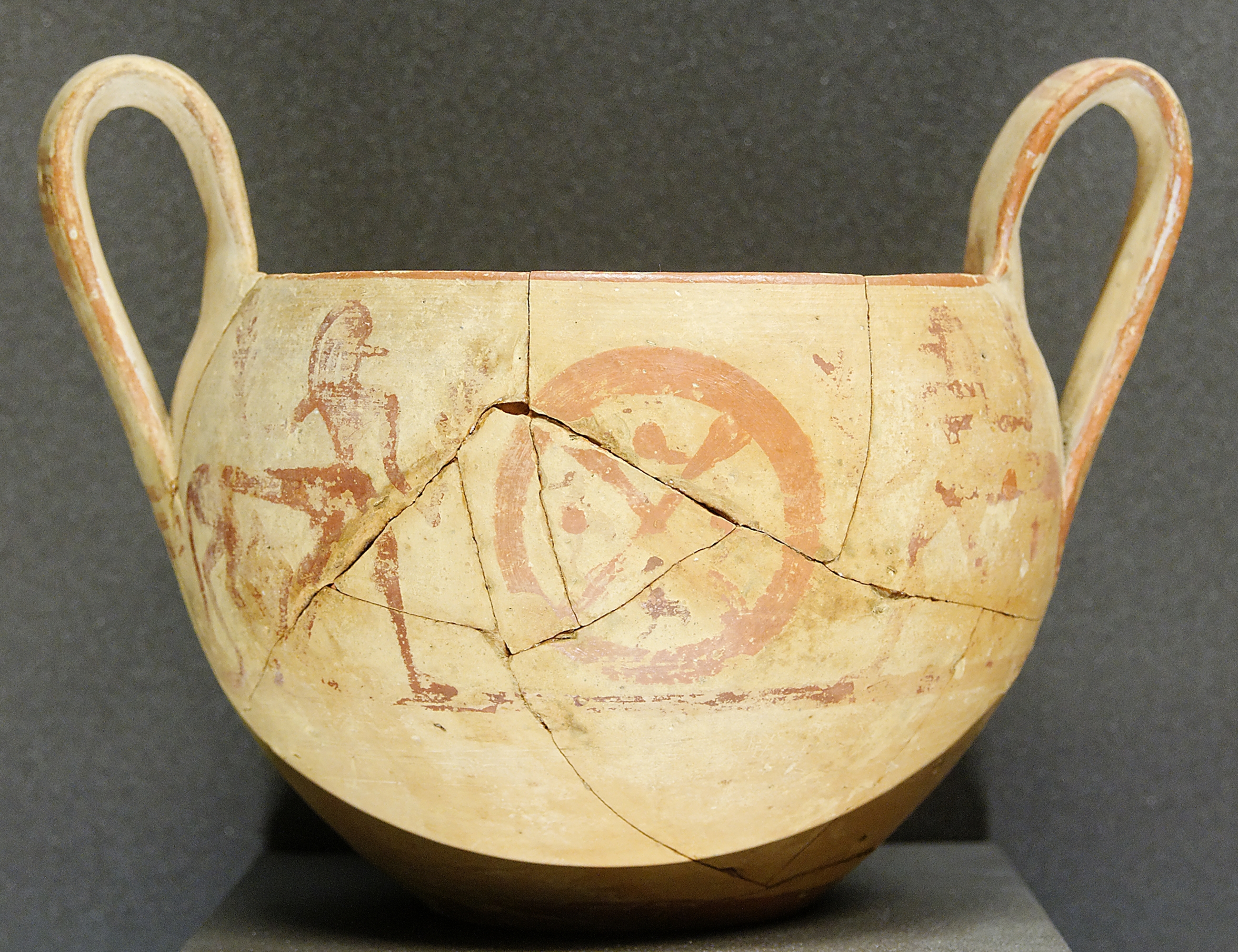
Cantharus_Stathatou_Louvre_CA1987

Mycenaean Cantharus (Gandharva) from Louvre Museum, France

வேத காலச் சான்றுகள்:–
ஊர்வசி என்னும் பெண், ரிக் வேத காலத்திலேயே பிரபலமானவள். தேவலோகப் பெண்கள், கந்தர்வர்களின் மனைவியராவர். இது தவிர, போதாயன ஸ்ரௌத சூத்திரத்தில் (20-25) பஞ்சாப் மாநிலத்தைச் சேர்ந்த காந்தர்வாய பாலேய அக்னிவேஷ்ய என்னும் பெயர் இருக்கிறது. ஆக கந்தர்வர், அப்சரஸ் ஆகியோர் ரிக்வேத காலத்தில் இருந்ததும், அவர்கள் பஞ்சாப் சிந்து பிரதேசத்தில் வசித்ததும், அவர்கள் வடமொழிப் பெயர்கள் வைத்திருந்ததையும் வேத கால இலக்கியங்கள் உறுதி செய்கின்றன.

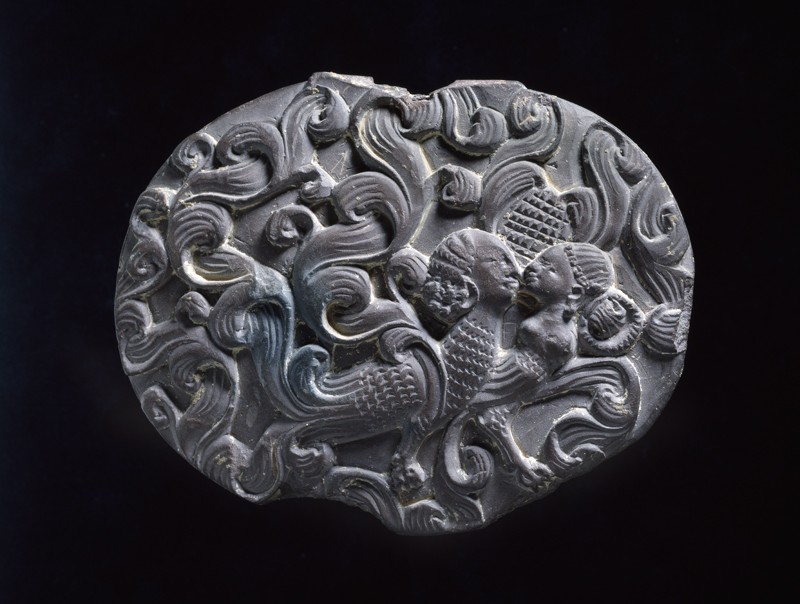
ashmoloean
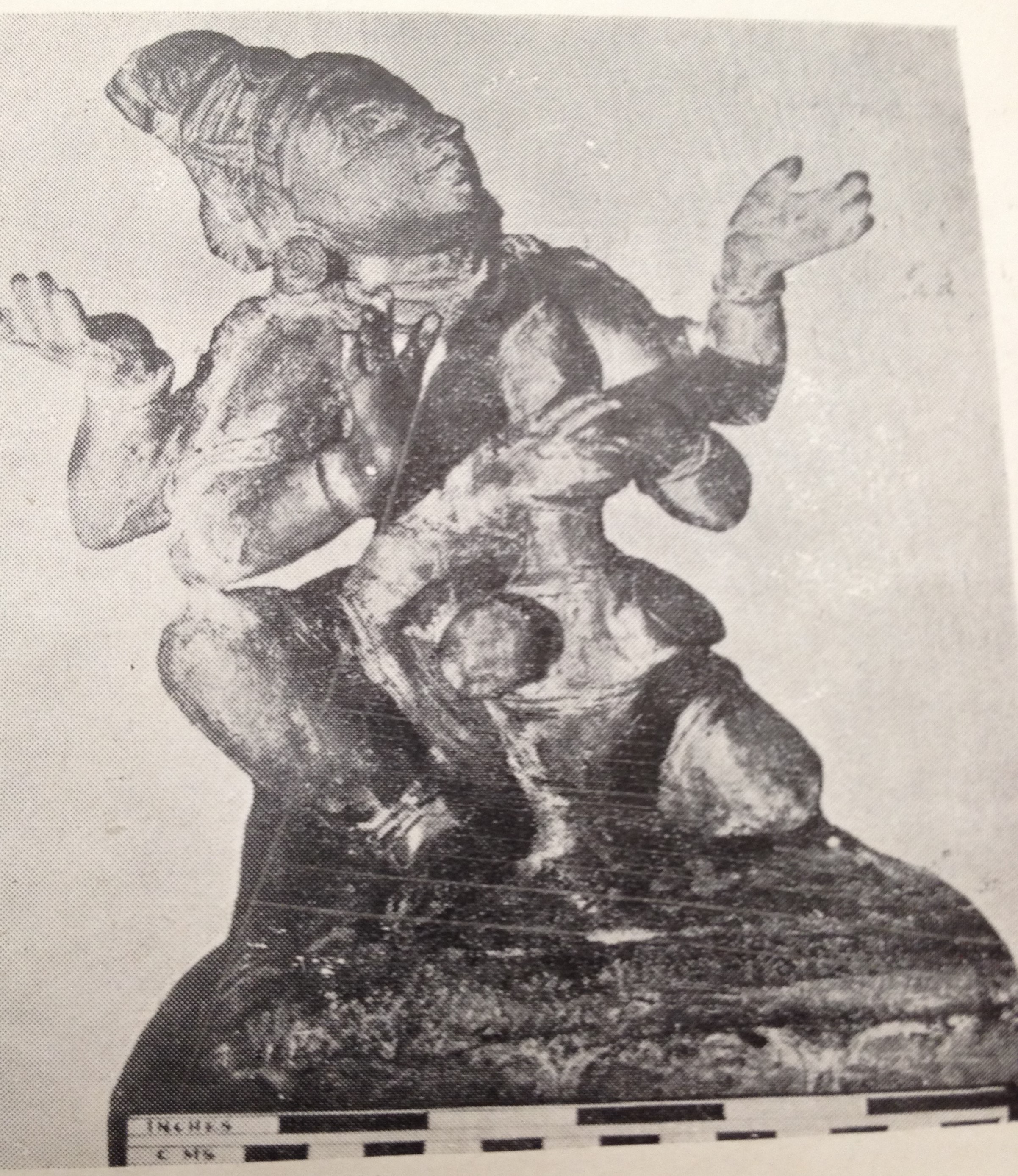
Box with Kinnara figures in Asmolean Museum, Oxford, UK

இசை மன்னர்கள்
கின்னரர் என்ற பக்க வாத்தியக்காரர்களின் பெயரில் பல்வேறு வகை இசைக் கருவிகள் துருக்கி வரை இருக்கின்றன. கின்னரர் தலைவன் தும்புரு என்பவர், நாரதருக்கே இசை கற்பித்தவர். அவருடைய பெயரில் தம்பூரா, டாம்போரின் முதலிய கருவிகளும் பல நாடுகளில் காணப்படும். ஆக இசை ஆய்வுக்கும் ‘’கின்னரர் ஆய்வு’’ உதவும். தும்புரு போலவே குதிரை முகமும் மனித உடலும் கொண்ட ‘சிரோன்’ என்ற கிரேக்க தேவனும் குறிப்பிடத்தக்கவர். கிரேக்க நாகரீகத்துக்கு முன்னர் அங்கே நிலவிய மைசீனிய நாகரீகத்தில் ‘காந்தரோஸ்’ (கந்தர்வோஸ்??) என்பவர் இப்படிக் குதிரை உடலுடன் காட்டப்பட்டுள்ளார். இந்து மதக் கதைகள் இப்படி வெளிநாடுகளை அடையும்போது உருச் சிதைவதும், காலப்போக்கில் பழைய உண்மைக் கதைகள் மறைந்து புதுக்கதைகள் எட்டுக்கட்டபடுவதும் ஆய்வளர்களுக்கு புதுமை அன்று.

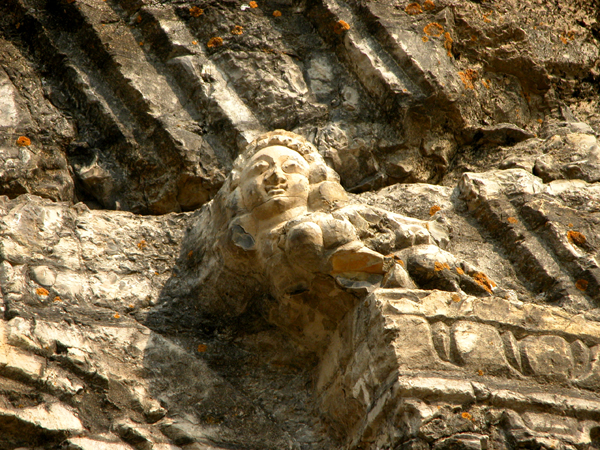
என்ன காரணத்தினாலோ கின்னரர்கள குதிரை உடல் அல்லது பறவை உடலுடன் சித்தரிக்கப் பட்டுள்ளனர். முகம் மட்டும் மனித முகம்!! இந்திய கின்னரர்- கந்தர்வர் உருவங்கள் தென்கிழக்காசியா முழுதும் பரவிக் கிடக்கின்றன. தாய்லாந்து நாட்டில் இது மிகவும் அதிகம். உலகிலேயே மிகப் பெரிய முஸ்லீம் நாடான இந்தோநேசியாவின் போரோபுதூர், கம்போடியாவின் அங்கோர்வட், ப்ராம்பனான், தாய்லாந்தின் பாங்காக் ஆகிய இடங்களில் இந்தியாவை விட அழகிய கந்தர்வர்- கின்னரர் உருவங்கள் இந்தியப் பண்பாட்டைப் பறை சாற்றி நிற்கின்றன.

kinnara in thailand musuem
Kinnara from Thailand Museum

தேவலோக கந்தர்வர் என்போரும் உண்மையே. ரமண மகரிஷிக்கு முந்திய, திருவண்ணாமலை ஸ்ரீ சேஷாத்ரி சுவாமிகள் பல அற்புதங்களைச் செய்து காட்டியவர். அவர் ஒரு இசைப் பிரியர். திடீரென வானத்தை உற்று நோக்கி இசைய ரசித்து மகிழ்வார். பக்தர்கள் கேட்டபோது வானுலக கந்தர்வர் பாடிக்கொண்டே போனதாகவும் அவர்கள் இசையைக் கேட்டு அதில் லயித்ததாகவும் கூறுவார். ஆக விண்ணுலக கந்தர்வர் என்றுமுளர். மண்ணுலக சிந்து சமவெளி கந்தர்வர் மண்ணில் கலந்துவிட்டனர் என்று கொள்வதில் தவறில்லை.

உலகம் முழுதும்— மைசீனிய நாகரீகம் வரை — கிடைக்கும் எல்லாத் தகவல்களையும், கின்னர, தும்புரு இசைகருவிகள் முதலியவற்றையும் இராமாயண, மஹாபாரத, சிந்து சமவெளி தகல்களுடன் ஒப்பிட்டால் மேலும் பல உண்மைகள் வெளியாகும். நான் முன்னர் எழுதியதுபோலவே சிந்து சமவெளி என்பது பல இன மக்கள்—பல வகை வழிபாட்டுடையோர்- ஒருங்கே வசித்த பூமி என்பதையும் நினைவிற் கொண்டால் பல புதிர்கள் விடுபட்டுப்போகும்!

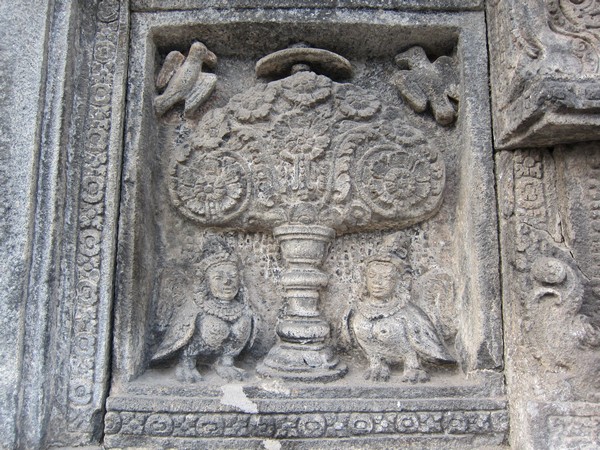
Prambanan-Kinnara-bas-relief
Kinnaras from Prambanan, Cambodia

-சுபம்-

Gandharvas-Elephants

contact swami_48@yahoo.com

Haha and Huhu: Famous Musicians!

kinnara in thailand musuem
Kinnara in Thailand Museum

Research paper written by London Swaminathan
Research article No.1374; Dated 27th October 2014.

“Gandharvanam (aham) Chitra ratha:”
—Lord Krishna in Bhagavad Gita 10-26

Gandharvas and Kinnaras are celestial musicians in Hindu mythology.

Very interesting information about celestial musicians is available in Hindu literature. Not much research has been done about these semi divine beings. One must be very careful about this word ‘Gandharva’. It is used at two levels to convey two different messages. One is about the mythical semi divine beings in the heaven. Very often saints mentioned that they listened to such music. Sri Seshadri Swamikal of Tiruvannamalai was one who referred to their music (Please read my post about the miracles of Seshadri Swamikal, who was senior to Ramana Maharishi).

two_thai_bronze_kinnara_
Thai bronze Kinnaras

The second meaning is at terrestrial level about some race or community who occupied Indus valley. Several castes in India trace their origin to Devas or mythical beings or Hindu deities. We need more research in this area for two reasons:

1.Gandharvas are associated with the Indus Valley area.
2.Muscial instruments around the world have their names.

Amarakosa, the first dictionary cum thesaurus in the world, written by Amarasimha in Sanskrit, gives lot of interesting information about Hindu deities. In the sloka on celestial musicians known as Gandharvas, it gives the names of Haha and Huhu. We don’t know about these Gandharvas. But in the Bhagavad Gita Krishna mentions Chitraratha whom we know.

Chitraratha tried to stop Pandavas on their way to Punjab, but Arjuna defeated him and later released him at the request of his wife Kumbhinasi. Chitraratha thanked him by teaching him the art of Gandharva style of warfare and gave him divine horses. This is in the Adiparva of Mahabharata. Another chief of Gandharvas, Chitrasena taught Arjuna music in the heaven where he stayed for sometime before the great war. Later it helped him to become a music teacher during the 13th year of his stay (incognito) in the forest. This is in the third section of the epic. The same section adds one more bit of information about the fight between the armies of Kauravas and the Gandharvas. Duryodhana was captured alive and Karna ran for his life. Arjuna came and released Duryodhana through his good offices with his old friend Chitraratha.

ashmoloean
Box with Kinnara, Ashmoloean Museum, Oxford, UK

Gandharvas in the Ramayana
Following is from my previous post: Ramayana Wonders Part 5 posted by me in this blog on 18 December 2012

Indus Valley Cities in Ramayana
The “destruction of Indus Valley cities” was debated by scholars at one time. The latest theory is that the civilisation declined not because of attacks by foreigners but by natural catastrophes. The changing course of Saraswati River and the resultant drought may be one of the causes. Ramayana gives valuable information about Indus valley. It was ruled by the Gandharvas and Rama sent Bharata to conquer the cities. The description of the Indus cities by Valmiki matches very well with Harappa and Mohanjo Daro. Gargya says these words:

“There is a country of Gandharvas, rich in fruits and roots, situated on the banks of Sindhu River; that the country is extremely fertile. The Gandharvas, armed and skilful warriors , defend it. When you have conquered them and destroyed their magnificent CITADELS, take possession of their CITIES, which are WELL CONSTRUCTED , none other can achieve this; the country is extremely beautiful.(Uttara Kanda, chapter 100)
Rajavalia, Sri Lankan history book, puts Rama’s date as 1844 years before the Buddha. This means Rama lived in2500 BC which coincides with the Indus Valley Civilization. Since information given by Rajavalia and Valmiki coincides we may consider it authentic. Later Lahore ( in Pakistan) is called Lava puri, named after Lava, son of Rama.

The information about the Gandharvas in the two epics shows that they were a powerful force in the western part of India. It is history, not mythology.
kinnari
Kinnari

Musical Instruments

One of the famous Gandharva singers was Tumburu. Narada, the Inter- galactic traveller of Hindu mythology, learnt music from Tumburu. Several musical instruments in Asia are named after Tumburu. Kinnaras also gave the name to several musical instruments around the world:

Eg.Tambura, Tamborine, Tambora, Kinnari; we can trace more musical instruments to Kinnari and Gandharva.

Gandharva and Kinnaras are depicted in pictures and sculptures throughout South East Asian countries. In fact, we find more figures in Thailand, Cambodia and Indonesia than India.

Gandharva myth travelled to other parts of the world and the name and story got corrupted slowly. Greeks called them Gantharus (Mycenaean civilization) and it became Centaurs in the classical Greek civilization. Like Tumburu of Hindu mythology, Chiron is portrayed as half horse and half human with a lyre in his hand.
Apsara women, the consorts of Gandharvas, are celestial dancers. The art of music and dance are categorised as Gandharva Veda in India.

chiron
Greek Chiron with Horse body

Vedic Gandharvas
Urvasi is known from the Vedic days. There is another Gandharvayena Baleya Agniveshya in the Baudhayana Srauta Sutra (20-25). Interesting coincidence is he also belonged to Punjab (Pancala). So the Gandharava rule of Indus area is attested even by the Vedic literature.

Mythological Gandharvas
Gandharvas are singers and Kinnaras are accompanying artistes. They are called Gatus and Pulakas. They were the offspring of Kashyapa and his wife Arishta. Another version is that they came from Brahma
Kinnaras play on instruments. The cities of Gandharvas are often referred to as being “very splendid”. This is the reason I believe that Mohenjo-Daro and Harappa are Gandharva cities. We have even recovered the dancing girl bronze from the place. Vishnu Purana described a fight between the Nagas of Narmada River basin and the Gandharvas. In this battle Gandharvas were defeated. Kinnaras were portrayed as half horse and half human or half bird and half human. They are sculpted in all the temples of India and South East Asia. History is mixed with myths and a scholar can filter the facts from the myths easily. One has to gather all the available materials from the Mycenaean Cantharus and Greek Chiron to Vedic literature for the research.

kashmir Kinnara_600x450
Kinnara from Avantipur, Kashmir

contact swami_48@yahoo.com

Gandharvas-Elephants

Gandharvas from Mamallapuram
celestials

தமிழ் நாட்டில் கேட்ட ஒலிகள்! இளங்கோ ‘’சர்வே’’!!

veena
Mr Abdul Kalam on Veena, Former President of India

ஆராய்ச்சிக் கட்டுரையாளர்: லண்டன் சுவாமிநாதன்
கட்டுரை எண்:1240; தேதி:-18 August 2014

தமிழ் கூறு நல்லுலகை நன்கு சுற்றிப் பார்த்த சுற்றுலாப் பயணிகள் இளங்கோ அடிகளும் கவிச் சக்கரவர்த்தி கம்பனும் அங்கே கண்ட காட்சிகளை அற்புதமாக வருணித்துப் பாடியுள்ளனர். அவர்கள் கண்களை ஈர்த்த கவின்மிகு காட்சிகளை விட, காதுகளை ஈர்த்த இசைமிகு ஒலிகள் சிறப்புடைத்தாம். ஒன்று, இரண்டு கவிதைகளோடு நில்லாமல் பத்துப் பதினைந்து என்று பாட்டியற்றி மகிழ்ந்தனர் இருவரும் —- கம்பரைப் பொறுத்த மட்டில் கோசல நாடு பற்றி அவர் பாடியது, தமிழ் நாட்டுக்கும் பொருந்தும். இளங்கோ அடிகள் தமிழ் நாடு பற்றியே இதைக் கூறியுள்ளார்.

“ஒரு பானைச் சோற்றுக்கு ஒரு சோறு பதம்” — என்பர் ஆன்றோர். இதோ அவ்வழியில் சில கவிதைகளை மட்டும் கேட்டு ரசிப்போம்! சுவைப்போம்!!

இளங்கோவின் சிலப்பதிக்காரக் காட்சிகள்
குன்றக் குரவையொடு கொடிச்சியர் பாடலும்
வென்றிச் செவ்வேள் வேலன் பாணியும்
தினைக் குறு வள்ளையும் புனத்தெழு விளியும்
நறவுக் கண் உடைத்த குறவர் ஓதையும்
பறையிசை அருவிப் பயங்கெழும் ஓதையும்
பலியொடு பொரூஉம் புகர்முக ஓதையும்
கலிகெழு மீமிசைச் சேணோன் ஓதையும்
பயம்பிழ் வீழ் யானைப் பாகர் ஓதையும்
இயங்குபடை அரவமொடு, யாங்கணும் ஒலிப்ப
— காட்சிக் காதை, சிலப்பதிகாரம்

sikkil mala chandrasekar
Sikkil Mala Chandrasekar on Flute

பொருள்:
குன்றுகளில் குறிஞ்சி நிலத்தில் வாழும் குறவர்கள் பாடிய குரவைப் பாட்டு
கொடிச்சியர் பாட்டு
வேலன் வெறியாடும் பாட்டு
உரலில் தினை மாவு இடிப்போர் பாடும் வள்ளைப் பாட்டு
வயல்களில் சாப்பிட வரும் பறவைகளை விரட்டும் பாட்டு
தேன் கூட்டினை உடைத்தவுடன் குறவர் எழுப்பும் ஆராவார ஒலியும்
பறை முழக்குவதுபோல அருவிகள் எழுப்பும் ஓசையும்
புலியுடன் பொருதும் ஆண் யானையின் பிளிற்று ஒலியும்
பரண் உச்சியில் இருப்போர் விலங்குகளை விரட்டும் ஒலியும்
குழியில் விழுந்த யானைகளை பிடிப்போர் ஆரவாரமும்
சேர மன்னனின் படைகள் எழுப்பும் ஓசையும்
எனப் பல்வேறு ஒலிகள் ஒலித்தன என்பார் இளங்கோ.

வேறு ஒரு இடத்தில் பாண்டிய மன்னன் காதில் பார்ப்பனர் ஓதும் வேதமுழக்கமே கேட்கும், புகார் செய்வதற்கான ஆராய்ச்சி மணி ஒலி கேட்டதே இலை என்கிறார் இளங்கோ:

மறை நா ஓசை அல்லது; யாவதும்
மணி நா ஓசை கேட்டதும் இலனே
–கட்டுரைக் காதை

யானை பிடிக்கும் போது வேடுவர் எழுப்பும் ஆரவாரத்தை கம்பரும் இளங்கோவும் குறிப்பிடத் தவறவில்லை.

பாட்டு என்பதற்கு ஓதை (ஓசை), பாணி, பாடல் என்பனவற்றையும், சப்தம் என்பதற்கு ஒலி, விளி என்பனவற்றையும் இளங்கோ பயன்படுத்துகிறார்.

chenda mela,thrissur
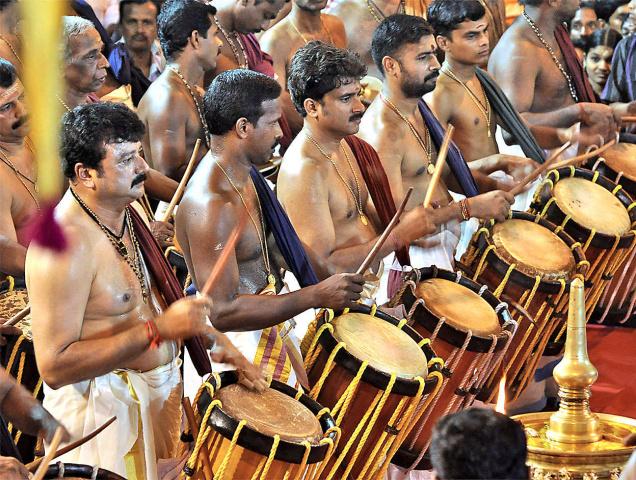
Chenda Mela in Thrissur

கம்ப ராமாயணக் கவிதைகள்

வளை ஒலி வயிர் ஒலி மகர வீணையின்
கிளை ஒலி முழவு ஒலி கின்னரத்து ஒலி
துளை ஒலி பல் இயம் துவைக்கும் கம்மையின்
விளை ஒலி கடல் ஒலி மெலிய விம்முமே (பால காண்டம் 154)

பொருள்:– கடல் ஒலியைத் தோற்கடிக்கும் அளவுக்கு அயோத்தியில் கேட்ட ஒலிகள்: சங்கு, ஊது கொம்பு, மகர வீணை, மத்தளம் கின்னரம் என்னும் இசைக் கருவி, புல்லாங்குழல் ஆகியவற்றின் ஒலிகளாம்.

மண்ணும் முழவின் ஒலி, மங்கையர் பாடல் ஓதை,
பண்ணும் நரம்பின் பகையா இயல் பாணி ஓதை,
கண்ணும் முடை வேய் இசை, – கண்ணுளர் ஆடல்தோறும் –
விண்ணும் மருளும்படி விம்மி எழுந்த அன்றே.

(வரைக் காட்சிப் படலம் 44)

dusserah festival in Gulbarga
Dusserah Festival in Gulbarga

புதுக் கொண்ட வேழம் பிணிப்போர் புனை பாடல் ஓதை,
மதுக் கொண்ட மாந்தர் மடவாரின் மிழற்றும் ஓதை,
பொதுப் பெண்டிர் அல்குல் புனை மேகலைப் பூசல் ஓதை,
கதக் கொண்ட யானை களியால் களிக்கின்ற ஓதை.

(வரைக் காட்சிப் படலம் 46)

((ஓதை= பாட்டு, ஒலி, முழவு= தோல்கருவி, நரம்பு= யாழ், வீணை, வேய்= புல்லாங்குழல், வேழம்=யானை, மது=கள், மேகலை=ஒட்டியாணம்))

இது தவிர பல இடங்களில் உழவர்கள் மாடுகளை அதட்டி ஓட்டும் ஒலி, வீரர் கால்களில் இருந்து ஒலிக்கும் கழல் ஒலி, மகளிர் கால்களில் இருந்து ஒலிக்கும் சிலம்பு ஒலி, குயில் ஒலி, கிளி மொழி என்று ஏராளமான இடங்களில் ஒலிகளை வருணிக்கிறான் கம்பன்.
gopalakrishna bagavathar
Sri Gopalakrishna Bagavathar on tambura

contact swami_48@yahoo.com

ராகங்கள்- தமிழ்,வடமொழிப் பெயர்கள்

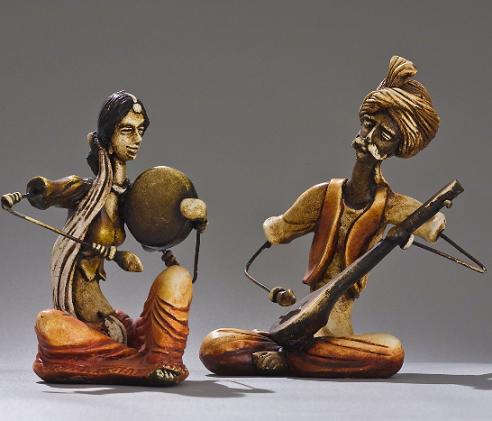
indian-figurines-banjara-musician-statues

தகவல் தொகுப்பு:- லண்டன் சுவாமிநாதன்
கட்டுரை எண்:– 1090; தேதி:– ஜூன் 7, 2014.

தற்போது இன்னிசை நிகழ்ச்சிகளுக்குச் செல்வோரிடம் தமிழ் பண்களின் (ராகம்) பெயரைச் சொன்னால் அவர்களுக்கு என்ன ராகம் என்று தெரியாது. ஏனெனில் தேவாரம் முதலிய திருமுறைகள் பாடப்பட்ட ராகங்களின் தமிழ்ப் பெயர்கள் காலப்போக்கில் மறைந்துவிட்டன. ஆயிரம் ஆண்டுகளாகப் பயன்படுத்தப்பட்ட பழைய பண்களின் பெயர்களை நாம் மீண்டும் உயிர்ப்பிப்பது தமிழ் பண்பாட்டின் பெருமையையும், பழமையையும் நிலைநாட்டும். இப்போது வழக்கத்திலுள்ள பெயர்களுடன் பழைய பண்களின் பெயர்களையும் பயன்படுத்துவது நல்லது.

சம்பந்தரின் தோடுடைய செவியன் என்ற முதற்பாட்டு நைவளம் (நட்டபாடை) என்னும் பண்ணிலும் காரைக்கால் அம்மையாரிம் சில முதல் பாட்டுகளும் இதே பண்ணில் பாடப்பட்டதும் ஒப்புநோக்கத் தக்கது.

பழந்தமிழ் நூல்களில் 103 பண்கள் இருந்ததாகச் சொல்லபடுகிறது. அவைகளில் 23 பண்கள் தேவாரத் திருப்பதிகங்களில் பயன்படுதப்பட்டன:–

செவ்வழி, தக்கராகம், நேர்திறம்-புறநீர்மை, பஞ்சமம், காந்தாரம், நட்டபாடை, அந்தாளிக் குறிஞ்சி, பழம் பஞ்சுரம், மேகராகக் குறிஞ்சி, கொல்லிக் கௌவாணம், பழந்தக்கராகம், நட்டராகம், குறிஞ்சி, வியாழக் குறிஞ்சி, செந்துருத்தி, தக்கேசி, கொல்லி, இந்தளம், காந்தார பஞ்சமம், கௌசிகம், பியந்தை, சீகாமரம், சாதாரி.
Surdas (1)
Bhaktakavi Surdas

பழைப பண்கள் இப்போது என்ன பெயரில் உலவுகின்றன என்பதைக் கீழ்கண்ட பட்டியல் காட்டும்:–

செவ்வழி = யதுகுல காம்போதி
சதாரி = காம வர்த்தினா
வியாழக் குறிஞ்சி = சௌராஷ்டிரம்
பழந்தக்க ராகம் = ஆரபி /சுத்த சாவேரி
இந்தோளம் = மாய மாளகௌளம்
புறநீர்மை = பூபாளம் /ஸ்ரீகண்டி
நட்டராகம் = பந்துவராளி
நட்டபாடை = நாட்டை
கொல்லி = பிலஹரி
கொல்லி கவ்வாமை = நவரோகி
தக்கேசி = காம்போதி
தக்கராகம் = ஏகதேச காம்போதி
நேரிசை = சிந்து கன்னடா
குறிஞ்சி = மலகரி
கௌசிகம் = பைரவி
காந்தார பஞ்சமம்= கேதார கௌளம்
பழம்பஞ்சுரம் = சங்கராபரணம்
மேகராக குறிஞ்சி == நீலாம்பரி
குறுந்தொகை = நாதநாமக்கிரியை
அந்தாளிக் குறிஞ்சி = சாமா / சைலதேசாட்சி
செந்துருத்தி = மத்யமாவதி
திருத் தாண்டகம் = ஹரிகாம்போதி
பஞ்சமம் = ஆஹிரி
ஏகாமரம் = புன்னாக வராளி
சீகாமரம் = நாதநாமக்கிரியை
கொல்லி, கொல்லி,க்கௌவாணம் = சிந்து கன்னடா

தேவார மூவர் ஊர் ஊராகச் சென்றபோது பண்களோடு பதிகங்களைப் பாடிச் சென்றனர். “நாளும் இன்னிசையால் தமிழ் பரப்பிய ஞானசம்பந்தன் என்று அவர் போற்றப்படுவதால் அவர் தமிழையும் இசையையும் தலம் தலமாக கோவில் கோவிலாகப் பரப்பியது தெரிகிறது. அவர்கள் காலத்துக்கு முன்னரே இந்தப் பண்கள் வழக்கில் இருந்ததால்தான் அவர்களால் இப்படிச் செய்யமுடிந்தது.

கோவில்களிலும் காலை, உச்சிக்காலம், மாலை, இரவு/ அர்த்தசாமம் என்று ஒவ்வொரு பொழுதுக்கும் ஒவ்வொரு பண் (ராகம்) பாடப்பட்டது. நாதசுரம் அல்லது வாய்ப்பாட்டு மூலம் இது நிகழ்ந்தது.
jandai melam

Jandai Melam.

இசை பற்றிய எனது பழைய கட்டுரைகள்:-
Saint who went to Heaven with a Flute in Hand (16 April 14,Post No 983)
How did Rare Indian Animal Asunam become extinct? (15 April 14,Post No 981)
True Art is Never Made to Order, post No.1066, 26-5-14
Acoustic Marvel of Madurai Temple 13-5-13
Superstition in the World of Music 12-4-14 (Post No.975)
Musical Pillars in Hindu Temples
Interesting Anecdotes from the World of Music (29 May 2014;Post No.1072)
Musician who Pledged a Raga (30 May 2014,Post No.1074)
Rain Miracles: Rain by Fire and Music (7 January 2012)
மழை அற்புதங்கள் (7 ஜனவரி 2012)
வலியைப் போக்க சங்கீதம் உதவும்!
Music Therapy for Pain Relief

இசைத் தமிழ் அதிசயங்கள் 31-1-2013
சங்கீதம் தோன்றிய வரலாறு- ஒரு புராணக் கதை 13-4-14 (976)
சப்தம் கேட்டால் இறந்துவிடும் அசுணமா? 15-4-14 (980)
கையில் புல்லாங்குழலுடன் சுவர்க்கத்துக்குப் போன மனிதர் 16-4-14 (982)
ஸ்ரீராமர் மீது முத்துசுவாமி தீட்சிதர் கிருதிகள் 8-4-14 (963)

Musician who pledged a Raga!

singer

Compiled by London Swaminathan
Post No. 1074; Dated 30th May 2014.

An interesting story has been told of Todi Sitaramiah who was a court musician in Thanjavur in Tamil Nadu. He was a great favourite of the king; his rendering the raga Todi was considered to be unrivalled. Sitaramiah was a spendthrift and in spite of all the favour showered on him by the king he was always in want. Once he was badly in need of money. He had pledged all his belongings for various debts incurred by him and so he could not again approach his creditors for money.

There was a money lender in Thanjavur who was somewhat like a Shylock and so people went to him as the last resource. Sitaramiah had to go to him for a loan. The moneylender offered to give him the loan on a suitable security. Sitaramiah pleaded that he pledged all his properties and there was nothing left over to pledge as security. The shrewd moneylender had a brain wave. The moneylender’s eyes twinkled and said, “ Your Todi Raga is still yours; you may pledge it and take the loan, and when you return the loan you can have it back”.

singer 2

Sitaramiah was nonplussed, but he had no choice and so pledged his Todi raga and got the loan. One day the king asked him to sing Todi raga for which he was hungering. Sitaramiah was in a fix; he was gulping in his throat and wringing his hands. On the king’s demanding an explanation the truth came out. The king appreciated the shrewdness of the moneylender, cleared the loan taken by Sitaramiah and redeemed his favourite Todi Raga.

vene

Music anecdotes in Epics and Purana

1.We find in one of the legendary stories of Mangal Kavya that Sati Behula of ancient days could bring back the life of her beloved husband by means of her divine music and exquisite dance which pleased the gods.

2.We learn from the great epic Ramayana that Kumbhakarna, the younger brother of king Ravana, was a great singer. He is also believed to have left some literature concerning music. Ravana had a Veena emblem in his flag.

3.There are other stories about some kings who soothed mad elephants with enchanting music. We learn from the remarkable Sanskrit work Svapna Vasavadatta that king Udayana soothed a terribly furious and mad elephant by playing on his Veena.

4.In one of the Puranas, we find how a young girl was askd to mind her brother who had fainted with fatigue till the father went to fetch water. Meanwhile a hungry beast happened to come on the scene, when this girl, out of fear, demonstrated the vocal recital of a beautiful raga. The beast was enchanted with the song and forgot to pounce upon its prey and stood hypnotised. So potent was the effect of music produced by the young girl even in fear.

5.We all know how the Ramayana was recited by Lava and Kusa (Rama’s twin sons) in the most melodious style with jatis, etc. I the court of Rama, as it is recited today.

6.The first exponent of this divine art, according to some legends, is believed to be Lord Siva Himself. The most important traditionof music and dance in India is that of Nataraja, that is Siva, Lord of Kailasa, who danced his famous Tandava Nrtya, the dance of destruction.

7.We also know how Hanuman sang the glories of Rama in the form of Kirtanas.
carnatic

8.Lord Krishna, the Divine Cowherd,in His Leelas always attracted the Gopis and His cowherds with the sweet, melodious music of Hid flute.

9.The Five Brothers, the Pandavas, during their banishment or Ajnata Vasa (period of living incognito) happened to stay at the palace of King Virata. Arjuna used to give music and dance lessons to Princess Uttara in the palace. Arjuna has assumed the name of Brihannala (a female name) as a music cum dance teacher.

These anecdotes from our ancient scriptures show that music had attained a very standard even in those early days.

( I have already given the episodes from Sangam Tamil literature separately where an elephant listened to the music of a girl and stood spellbound in the paddy field ; also about the strange creature ASUNAM that dies when it hears any loud sound and rain by the music of Muthuswami Dikshitar.)

Source Books: Facets of Indian Culture by R Srinivasan and Sixty Four Arts by A B Ganguly

Please read my earlier articles on Music

True Art is Never Made to Order, post No.1066, 26-5-14
Acoustic Marvel of Madurai Temple 13-5-13
Superstition in the World of Music 12-4-14 (Post No.975)
Musical Pillars in Hindu Temples
Interesting Anecdotes from the World of Music (29 May 2014;Post No.1072)
Saint who went to Heaven with a Flute in Hand (16 April 14,Post No 983)
How did Rare Indian Animal Asunam become extinct? (15 April 14,Post No 981)
Rain Miracles: Rain by Fire and Music (7 January 2012)

மழை அற்புதங்கள் (7 ஜனவரி 2012)
இசைத் தமிழ் அதிசயங்கள் 31-1-2013
சங்கீதம் தோன்றிய வரலாறு- ஒரு புராணக் கதை 13-4-14 (976)
சப்தம் கேட்டால் இறந்துவிடும் அசுணமா? 15-4-14 (980)
கையில் புல்லாங்குழலுடன் சுவர்க்கத்துக்குப் போன மனிதர் 16-4-14 (982)
ஸ்ரீராமர் மீது முத்துசுவாமி தீட்சிதர் கிருதிகள் 8-4-14 (963)