கெட்ட மனைவியும் விஷப் பாம்பும்!

snake

Article No.1983

Compiled by London swaminathan

Date 9th July 2015

Time uploaded in London: 8-44 am


இதுவரை ஆயிரத்துக்கும் மேலான சம்ஸ்கிருத பழமொழிகள், பொன் மொழிகளையும், ஆயிரத்துக்கும் மேலான தமிழ் பழமொழிகள், பொன் மொழிகளையும் இந்த பிளாக்-கில் கொடுத்திருக்கிறேன். கூடிய மட்டிலும் அதைத் தலைப்பு (சப்ஜெக்ட்) வாரியாக வகைப் படுத்தி இருக்கிறேன். மேலும், அது குறிப்பாக எந்த இடத்தில் இருக்கிறது என்றும் புத்தகம், அத்தியாயம், வரிசை எண் ஆகியவற் றையும் கொடுத்திருக்கிறேன். இதோ மேலும் 20 அழகான பழமொழிகள்:–

1.தண்டேன ச ப்ரஜா ரக்ஷ மா ச தண்டமகாரணே – ராமாயணம்

சட்டத்தால் குடிகளைக் காக்க வேண்டும்; காரணமில்லாமல் தண்டிக்காதே.

2.துஷ்டா பார்யா சடம் மித்ரம் ப்ருத்யசசோத்தரதாயக:சமர்பே ச க்ருஹே வாஸோ ம்ருத்யுரேவ ந சம்சய: — ஹிதோபதேசம், சாணக்ய நீதி தர்பணம்

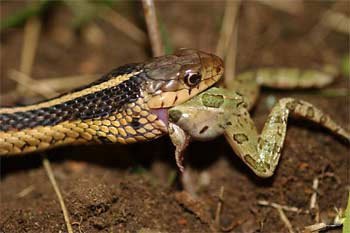
பாம்புள்ள வீட்டில் இருப்பவனுக்கு மரணம் ஏற்படும்; அதே போல கெட்ட மனைவி, முட்டாள் நண்பன், கீழ்ப்படியாத வேலைக் காரன்  ஆகியோருடன் இருப்பவனுக்கும் மரணமே மிஞ்சும். சந்தேகமே யில்லை.

3.ந கச்சேத் ப்ராம்மணத்ரயம்

மூன்று பிராமணர்கள் சேர்ந்து போகக்கூடாது

(சகுன சாஸ்திரப்படி ஒற்றைப் பிராமணன் – அபசகுனம்)

4.ந நக்னோ ஜலம் ப்ரவிசேத்

நிர்வாணமாக நீரில் இறங்கக்கூடாது

5.ந நிஷ்ப்ரயோஜனம்  அதிகாரவந்த: ப்ரபுபிராஹூயந்தே- முத்ரா ராக்ஷசம்

அதிகார வர்கம், காரணமில்லாமல், பிரபுக்களை அணுகுவதில்லை.

6.ந யுக்தம் ப்ராக்ருதமபி ரிபுமவஞாதும்  – முத்ரா ராக்ஷசம்

சாதாரண எதிரிகளையும் புறக்கணிக்காதே

(எந்தப் புற்றில் எந்தப் பாம்பு இருக்குமோ?)

2natarajan

7.நவாங்கானானாம் நவ ஏவ பந்தா: – சுபாஷிதரத்ன பாண்டாகாரம்

இளம் யுவதிகளின் நடை, உடை பாவனை எல்லாமே புதுமைதான்

8.ந வ்யாக்ரம் ம்ருகசிசவ: ப்ரதர்ஷயந்தி – ப்ரதிமா நாடகம்

மான் குட்டிகள், புலியை ஒன்றும் செய்ய முடியாது


9.நாங்கிக்ருதேஷு குணதோஷ விசாரணா ஸ்யாத்

ஏற்றுக் கொண்ட இடத்தில் குணமும் குற்றமும் காணக் கூடாது

10.நிகடஸ்தம் கரீயாம்சமபி லோகோ ந மன்யதே – ஹிதோபதேசம்

பெரியவர்கள் பக்கத்தில் இருந்தால் மதிக்கப்படுவதில்லை

(உள்ளூர் சரக்கு விலை போகாது)

11.நிஜமதனநிவிஷ்ட: ஸ்வா ந சிம்ஹாயதே கிம்

தன்னுடைய வீட்டில் நுழைந்த நாய் சிங்கம் போல இருக்காதா?

12.நிரஸ்தபாதபே தேசே ஏரண்டோபி தூமாயதே – ஹிதோபதேசம்

மரங்கள் இல்லாத இடத்தில் புதர்கள் கூட மரமாகக் கருதப்படும்

(ஆலை இல்லாத ஊரில் இலுப்பைப் பூ சர்க்கரை)

aaddu

13.கதானுகதிகோ லோக:– ஹிதோபதேசம்

ஒருவன் சென்ற பாதையை பின்பற்றிச் செல்வதே உலகம்

(மக்கள் ஆட்டு மந்தை)

14.ஜலபிந்து நிபாதேன க்ரமச: பூர்யதே கட: — ஹிதோபதேசம், சாணக்ய நீதி தர்பணம்

ஒவ்வொரு சொட்டுச் சொட்டினாலும் பானையே நிரம்பிவிடும்.

(சிறு துளி பெரு வெள்ளம்)

15.தஸ்தபதி தர்மாம்சௌ கதமாவிர்பவிஷ்யதி – சாகுந்தலம்

சூரியன் பிரகாசிக்கையில் இருட்டு எங்கே வர முடியும்?

16.நிர்குண: ஸ்வஜன: ஸ்ரேயான், ய: பர: பர ஏவ ச: — ராமாயணம்

நமக்கு வேண்டியவர்கள் குணமில்லாதவரானாலும் சிறந்தவனே

17.நிர்வாணதீபே கிமு தைலதானம் – சுபாஷித ரத்ன பாண்டாகாரம்

அணைந்து போன தீபத்துக்கு எண்ணை ஊற்றி என்ன பயன்?

(கண் கெட்ட பிறகு சூரிய நமஸ்காரமா?)

LION KING

18.நைகஸ்மின் காந்தாரே சிம்ஹயோர் வசதி: க்வசித்

ஒரு காட்டில் 2 சிங்கங்களின் வசிப்பிடம் இருப்பதில்லை

(ஒரே உறையில் இரண்டு வாட்கள் இருக்காது)

19.பங்கோ ஹி நபஹி க்ஷிப்த: க்ஷேப்து: பததி மூர்தனி – கதா சரித் சாகரம்

வானத்தைப் பார்த்து சேற்றை எறிந்தால் அது அவன் மீதே விழும்

(சேற்றில் கல்லை எறியாதே, உன் மீதுதான் தெறிக்கும்)

(யானை தன் தலையிலே மண்ணைப் போட்டுக் கொள்ளும்)

20.பயசா சிஞ்சிதம்  நித்யம் ந நிம்போ மதுராயதே

எலுமிச்சை மீது தினமும் பால் வார்த்தாலும் அது தித்திக்காது.

(நாயைக் குளிப்பாட்டி நடு வீட்டில் வைத்தாலும் வாலைக் குழைத்துக் கொண்டு — —  — தின்னதான் போகும்)

படங்கள் என்னுடையவை அல்ல; பேஸ் புக் நண்பர்கள், பல வெப் சைட்டுகளில் இருந்து எடுத்தவை: பஹு தன்யவாத்! ரொம்ப ரொம்ப நன்றி!!

-சுபம்-
ஆண்டியைக் கண்டால் லிங்கன், தாதனைக் கண்டால் ரங்கன்!

Article No.1979

Date: 7 July 2015

Compiled by London swaminathan

Uploaded from London at  11-01 am


‘அகத்தின் அழகு முகத்தில் தெரியும்’ என்ற தலைப்பில் மே 28 ஆம் தேதி 50 பழமொழிகளுக்கு இணையான ஆங்கிலப் பழமொழிகள் கொடுத்தேன். இதோ மேலும் 25 பழமொழிகள்:–

51.To dance to everyman’s pipe

ஆண்டியைக் கண்டால் லிங்கன், தாதனைக் கண்டால் ரங்கன்

52.A hasty man never wants woe

ஆத்திரக் காரனுக்கு புத்தி மட்டு

53.ஆபத்தும் சம்பத்தும் ஆருக்கும் உள்ளவை

Sadness and gladness succeed each other

54.Of evil seed no good grain can come

ஆமணக்கு விதைச்சால் ஆச்சா முளைக்குமா?

55.What is pound of butter among kennel of hounds?

ஆயிரம் பாம்புக்குள் அகப்பட்ட தேரை போல

56.Experience is the mother of science

ஆயிரம் பேரைக் கொன்றவன் அரை வைத்தியன்

57.Empty vessels make most sound

ஆயிரம் பணமுடையான் அமர்ந்திருக்கும், அரை பணமுடையான் ஆடி விழும்

நிறைகுடம் தழும்பாது, குறைகுடம் கூத்தாடும்

58.Time will bring out the truth of every transaction

ஆராத்தாள் செத்ததும் பொழுது விடிந்தால் தெரியும்

59.A fool’s tongue is clean enough to cut his own throat

ஆரால் கேடு, வாயால் கேடு

நுணலும் தன் வாயால் கெடும்

யாகாவாராயினும் நா காக்க

60.Among ignorant people, Scoogin is a doctor

ஆலையில்லாத ஊரில் இலுப்பைப்பூ சர்க்கரை

Among the blind, the one eyed is the king

61.Death devours lambs as well as sheep

ஆறிலும் சாவு, நூறிலும் சாவு

62.The street of Bye and Bye leads to the house of Never

ஆறின கஞ்சி பழங்கஞ்சி

63.Vows made in! storms are forgotten in calms

ஆறு கடக்கிற மட்டும் அண்ணன் தம்பி, அப்புறம் நீ யார், நான் யார்?

64.You can afford to be free with another man’s pottage

ஆற்றிலே போற தண்ணீரை அம்மா குடி! அப்பாகுடி!

கடைத்தேங்காயை எடுத்து வழிப்பிள்ளையாருக்கு உடை

ஊரான் வீட்டு நெய்யே, என் பெண்டாட்டி கையே

65.ஆற்றிலே போட்டாலும், அளந்து போடு

Weight and measure take away strife

66.ஆனைக்கும் அடி சறுக்கும்

Great Homer sometimes nods

67.ஆனைக்கொரு காலம், பூனைக்கொரு காலம்

Every dog hath its day, every man has his hour

68.இக்கரை மாட்டிற்கு அக்கரை  பச்சை

Distance lends enchantment to the view

69.இடத்தைக் கொடுத்தால் மடத்தைப் பிடுங்குவான்

Give him an inch he will take an elf

70.இடுவது பிஷை, ஏறுவது மோக்ஷம்

The poor furnish the ladder up which the rich ascends to heaven

71.இட்ட உறவு எட்டு நாளைக்கு, நக்கின உறவு நாலு நாளைக்கு

A friend that you buy with presents will be bought from you

72.இட்டுகெட்டார் எங்குமே இல்லை

Good deeds are never lost

73.இரப்பவனுக்கு பஞ்சம் என்றுமே இல்லை

Beggars can never be bankrupts

74.இரவற் சேலையை நம்பி இடுப்புக் கந்தையை எறியாதே

அரசனை நம்பிப் புருஷனை கைவிடாதே

Quit not certainty for hope

A bird in hand is worth two in the bush

75.ஆனை வரும் பின்னே, மணி ஓசை வரும் முன்னே

Coming events cast their shadows before.

((Pictures are taken from face book and other websites;thanks.))

swami_48@yahoo.com

Never lend A Book!

mark twain  clemens

Article No.1978

Date: 6 July 2015

Written by London swaminathan

Uploaded from London at  21-48

A saying in the book Samayochita Padyamalika says,

“Pustakm, Vanita, Vittam Parahasta Gatam Gatam!”

The meaning is that once a book or a woman or money is gone from your hand, it is gone for ever. The following episodes explain it beautifully well.

Mark Twain once went to borrow a certain book from a neighbour.

“Why, yes, Mr.Clemens (Mark Twain), you are more than welcome to it” the neighbour told him. “But I must ask you to read it here. You know I make it a rule never to let any book go out of my library”.

Some days later the neighbour wished to borrow Twain’s lawn mower.

“Why, certainly”, the humourist genially assured him. “You are more than welcome to it. But I must ask you to use it here. You know I make it a rule”

Xxx

A visitor in the home of Mark Twain remarked upon the great number of books, many of which piled about without any adequate provision for them.

“You see”, Twain explained, “it is so very difficult to borrow shelves.”

Xxx

“I visit my friends occasionally”, remarked Hazlitt bitterly, just to look over my library”

Xxx

french stamp  voltaire

The famous French satirical writer, Voltaire, was worth $500, 000 at the age of forty. But he did not earn his money from books. He made most of it by lendng money to noblemen. He would lend an heir to an estate a large sum on condition that he would pay him 10% interest on the amount as long as both of them lived the heir would be neither required nor allowed to pay off the principal; and the agreement ended only when Voltaire died. Voltaire picked only younger men, and because of his tubercular appearance, had no difficulty in getting clients. It is said that when a prospective buyer hesitated, the satirist would cough in a way that always closed the deal.

Xxx

Having persuaded Benjamin Franklin to lend him $50, his “poor relation” asked for a sheet of paper in order to give him a note for the sum.

“What”, said Franklin, “do you want to waste my stationery as well as my money?”

benjamin

xxx

The first time Jerrold saw Tom Dibdin, British song writer said to him, “Youngster, have you sufficient confidence in me to lend me a guines?”

(guinea is old gold coin used in Britain)

“Oh, yes” was the reply. “I have all the confidence – but I haven’t the guinea”.

SOURCE: THESARUS OF ANECDOTES

SWAMI CHINMAYANANDA QUOTATIONS

July 2015 Good Thoughts Calendar


Compiled by London swaminathan

Post  No.1960

Date: 28 June 2015;

London Time 15-11

I HAVE GIVEN BELOW 31 BEAUTIFUL QUOTATIONS OF SRI SWAMI CHINMAYANANDA (1916 TO 1993) WHOSE BIRTH CENTENARY IS CELEBRATED NEXT YEAR. QUOTATIONS ARE TAKEN FROM “CHINMAYA UVACHA” PUBLISHED BY CENTRAL CHINMAYA  MISSION TRUST, BOMBAY-400 072

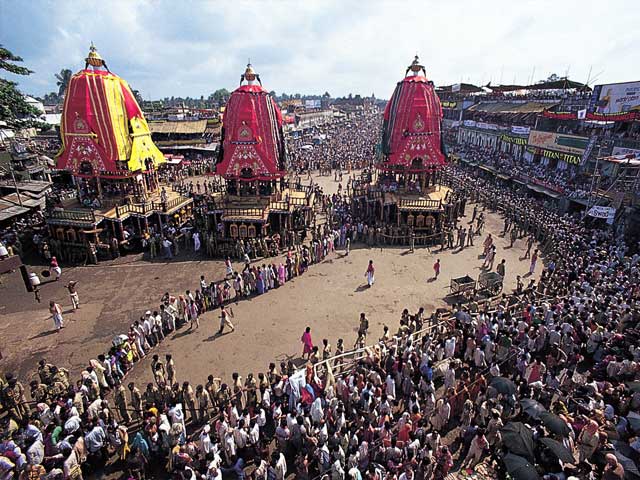
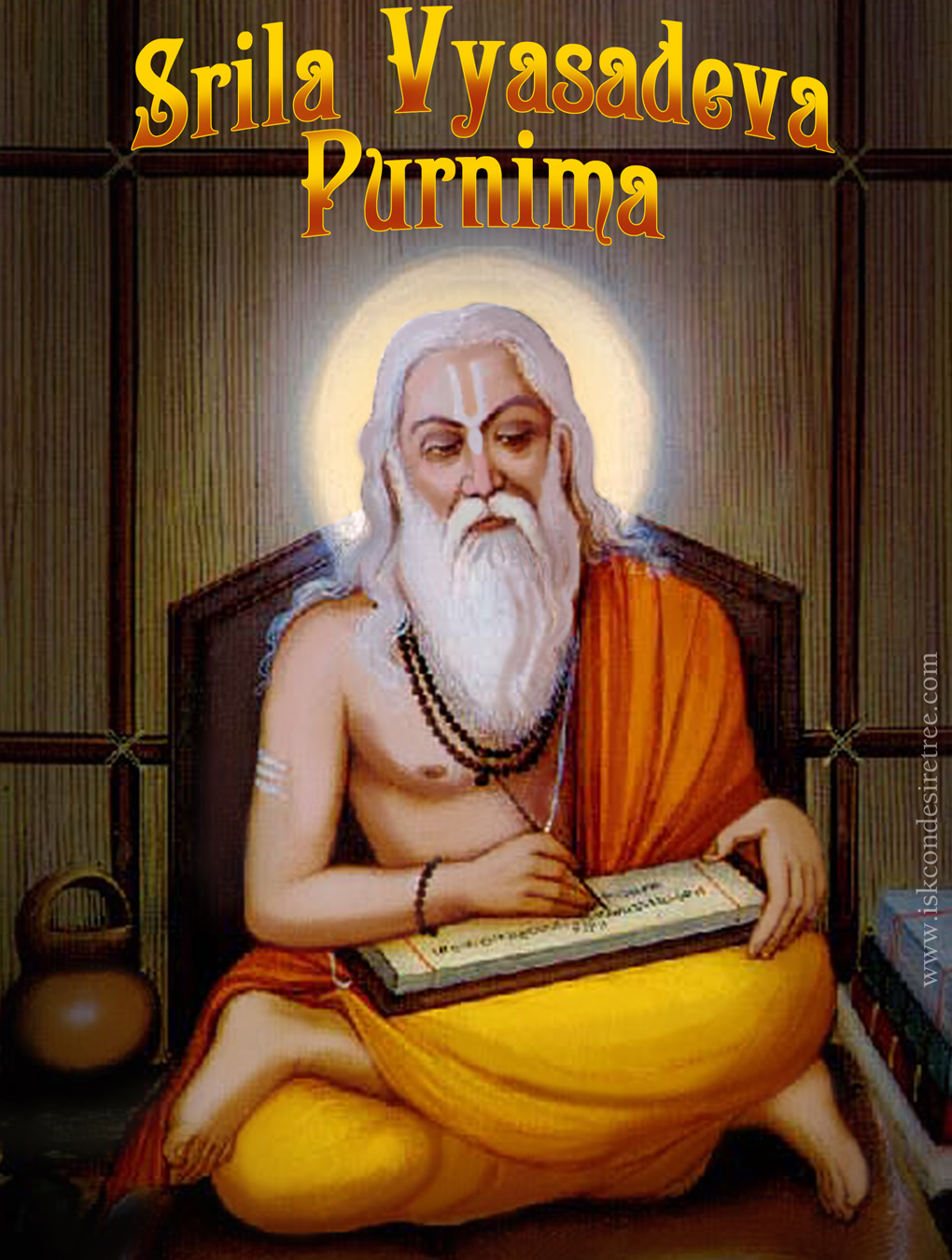
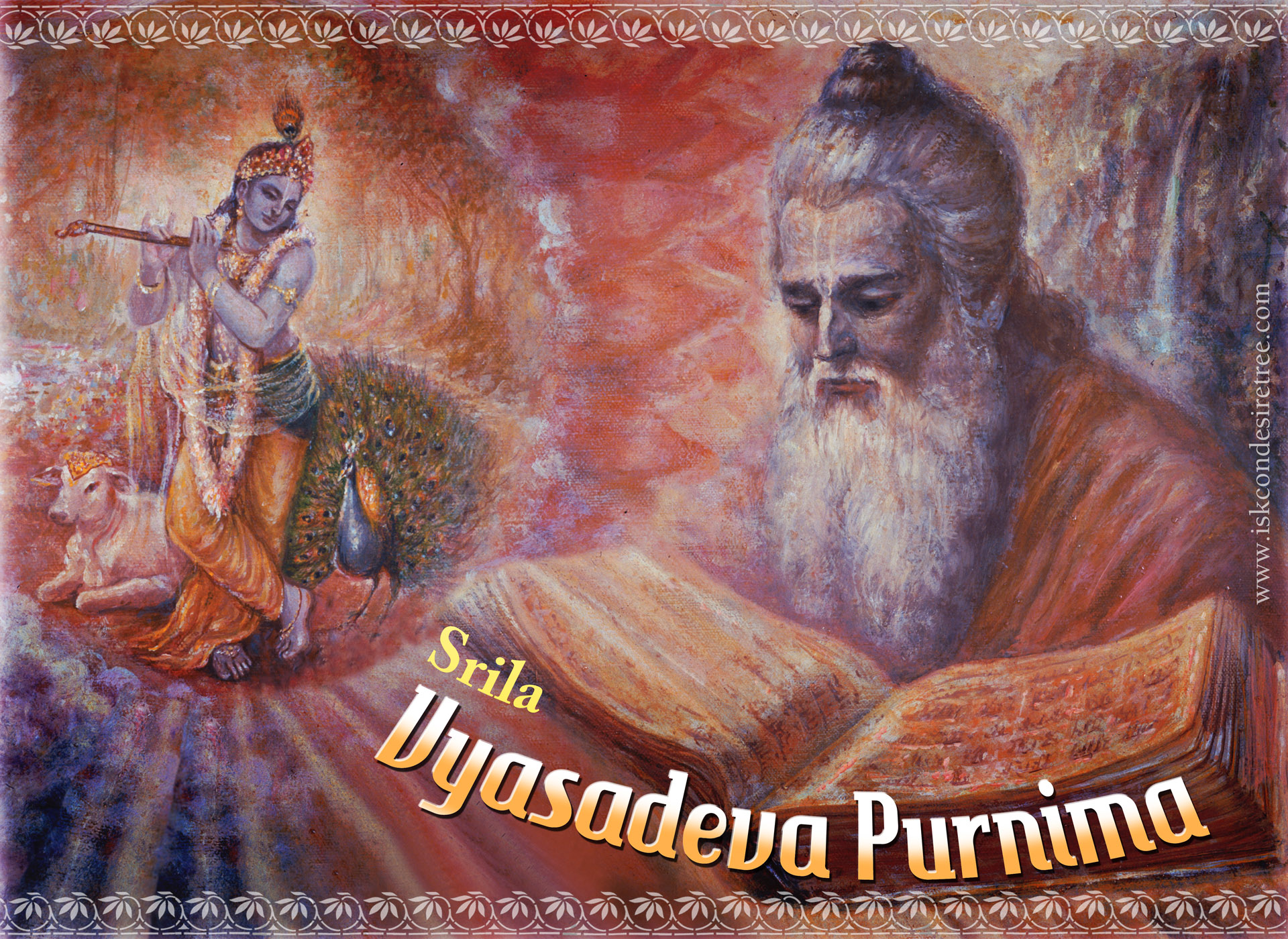
July -18- Puri Jagannath Rath Yatra and Ramzan; 31- Vyasa (Guru) Purnima
Auspicious days – July 6 and 8; July 1 and 31 -Pournami /Full moon day; July 12 and 27 – Ekadasi; July 15 – Amavasya/ New moon day

July 1 Wednesday

Any attempt of mind to rise from the low values of its present existence to a healthier and diviner scheme of living is Yoga.

July 2 Thursday

Nothing can remain the same even for a short period in the world of objects. Continuous change alone is the changeless law.

July 3 Friday

You can stop worrying by refusing to worry. Surrender all your worries at his feet.

July 4 Saturday

Never complain, about the number of hours you have put in, to do a job. Your nobility must estimate how much of you was put into each of your daily work.

July 5 Sunday

Till final illumination in pure wisdom is achieved, a strict policing of the mind is necessary, lest we slip back into our false identifications with the body, mind and intellect.

chinmayananda

July 6 Monday

For the man who relies on wealth, of what avail is God’s aid? For the devotee of God, of what use is the worldly wealth.

July 7 Tuesday

Today belongs to us. Yesterday was. Tomorrow will be. Every day was bursting out with opportunities for us to do and to serve, to act and to express, to love and to live.

July 8 Wednesday

Every good thought sent out rebounds with a hundred times its force on the sender himself; so too bad thoughts. Let us, therefore, avoid sending out even a single bad thought.

July 9 Thursday

All ancient Hindu Vedic gods are but functional names of the One Supreme Power, manifesting in myriad forms.

July 10 Friday

To weep is folly and to smile is wisdom – KEEP SMILING. Do the Best and leave the Rest.

P56

P56

July 11 Saturday

Man is never punished FOR his sins but BY his sins. To dissipate our energies through the sense organs is the vulgar hobby of the thoughtless mortal.

July 12 Sunday

Revolution comes from the bottom to the top; evolution proceeds from the top and seeps down to the lowest level.

July 13 Monday

When I slip outside, I fall. When I slip inside I rise.

July 14 Tuesday

A quiet mind produces a more brilliant intellect. The quitter the mind is sharper the intellect.

July 15 Wednesday

Mind can make a hell of heaven or a heaven of hell.

raTH YATRA

July 16 Thursday

The suffering of each depends, not upon the factual happenings, but upon the texture of each one’s mind. A strong man is one who faces facts. He is weak who wants to escape from them.

July 17 Friday

Love is the heart of religions, the theme of all classical works of art and literature, the song of all devotees. Scientists know only what love does not what love is.

July 18 Saturday

Never brood over things which have happened or worry over things yet to happen. Live in the present.

July 19 Sunday

Elimination of the wicked and the protection of the Good is the very creed of every true Hindu. Whether it be the priest of God or Government.

July 20 Monday

Happiness depends on what you can give, Not on what you can get.

Rath-Yara-Festival-Puri

July 21 Tuesday

If money does not give happiness, Give it back.

July 22 Wednesday

Learn to be happy alone. If we do not enjoy our own company, why inflict it on others.

July 23 Thursday

One may change one’s dress easily, but who can change his heart with the same ease.

July 24 Friday

You can cheat others, but never your conscience, your God.

July 25 Saturday

Love for one’s equal is called friendship.

VyasaPurnima05

July 26 Sunday

The future is carved out of the present moment. Tomorrow’s harvest depends upon today’s ploughing and sowing.

July 27 Monday

Whatever leads man to God is acceptable; whatever stands in the way of realising God, should be rejected totally and unceremoniously.

July 28 Tuesday

Great achievements are earned not through proficiency alone, but achievements are rewards of efficiency.

July 29 Wednesday

Learn to speak softly, always words of love and affection, then friends multiply. Be like a flower— Give happiness and fragrance to all.

July 30 Thursday

Sandalwood perfumes even the axe that hews it down! The more we rub sandalwood against a stone, the more its fragrance spreads. Burn it, and it wafts it glory in the entire neighbourhood. Such is the enchanting beauty of forgiveness in life.

4.0.1

4.0.1

July 31 Friday

Forgiveness is the fragrance, which crushed Tulsi leaves on the fingers that crushed them, in a thoughtless act!!

(Pictures are taken from various websites for non commercial use; thanks.)

Oldest Bribery in the World! Rig Veda speaks of Bribes!!

bribery_2

Research paper No 1954

Written by London swaminathan

Date: 25 June 2015

Uploaded in London at 14-23

I wrote about the Vedic Dog Sarama and the story’s occurrence in various cultures in mutilated or corrupted forms. The hymn in the Rig Veda (10-108) is very interesting in various ways. Here we read about

1.Corruption

2.Inducement to change party loyalty

3.Ambassadorial role

4.Dog as human pet

5.Dog employed in detective work

All these show that the Vedic society is well advanced. Earlier I wrote about the Rig Vedic Sabha and Samitis, oldest democratic institutions in the world. All these are my observations.

Bribery01

Here is the Sarama hymn (RV.10-108):–

The hymn, as Griffith notes, “is a colloquy between Sarama, the messenger of the Gods or of Indra …… and the Panis or the envious demons who have carried off the cows or Rays of Light which Indra wishes to recover”.

But, according to Macdonell, the hymn is about “the capture by Indra of the cows of the Panis ….. (who) possess herds of cows which they keep hidden in a cave far beyond the Rasaa, a mythical river. Sarama, Indra’s messenger, tracks the cows and asks for them in Indra’s name, but is mocked by the Panis”.

Clearly there is a basic difference in the above descriptions of the myth, says Shrikant Talageri in his book—“The Rig Veda – A Historical Analysis”.

From Griffith’s translation (R V 10-108):–

“I come appointed messenger of Indra, seeking your ample stores of wealth, O Panis

This has preserved me from the fear of crossing; thus I have made my way over Rasaa’s waters (Sarama said this) 10-108-2

Wat is that Indra like, what is his aspect whose envoy, Sarama, from afar thou comest?

Let him approach, and we will show him friendship; he shall be made the herdsman of our cattle (Panis said this) 10-108-3

Even thus, O Sarama, hast thou come here by celestial might to make the journey

Turn thee not back, for thou shalt be our sister; O Blest One, we will give thee of the cattle (10-108-9)

bribe 2

My comments:


1.From the above three stanzas we come across the word MESSENGER/ENVOY.

This shows that the dogs have detective power to find the hidden cows and the hymn says the dog travelled long distances, even crossed a river. Nowadays we hear amazing animal stories where the dogs travel hundreds of miles to go back to their owners. Probably this is the oldest dog story. Dogs have powerful smelling – 3000 times more powerful than human beings.

2.The second point is that sending an animal as AMBASSADOR. We come across swan as a messenger in the Nala – Damyanti story and later great poet Kalidasa sings about Cloud Messenger in his poem Meghaduta. In the 2000 year old Sangam Tamil poetry and later devotional poetry we see lot of animal and bird messengers to their lovers or God. Probably Rig Veda has the oldest reference to such ambassadors (apostrophes to birds etc).

3.The third point is that Panis were ready to bribe Sarama with some cattle and ready to take her their sister. But Sarama rejected the bribe. Panis were the bad people in this episode.

Later Vedic literature Jaiminiya Brahmana (2-440/442) has a slightly different story, according to Talageri. Here, the cows and are clearly referred to as the cows of the Gods stolen by the Panis. This time, the Gods first send Suparna, the eagle or the Sun Bird. However the Panis BRIBE him into silence, and he accepts their gifts and returns without any information. The enraged Gods strangle him, and he vomits out the curds etc. received from the Panis.

Then the Gods send Sarama. She crosses the River Rasaa and approaches the Panis. She is also offered BRIBES, but (as in the Rig Veda), she refuses their bribes and returns to Indra with the information that the cows are hidden (DETECTIVE WORK) inside the Rasa. She and her descendants are then blessed by a grateful Indra.

bribe3

4.Dogs are grateful animals. Sarama stick to her loyalty in spite of temptations. Dogs are kept as pets from the Vedic days.

According to Talageri, the myth appears in Brhatdevata (8-24/36). Here the myth develops a curious twist. The same sequence of events take place, but this time Sarama accepts the bribe of the Panis, and apparently transfer her loyalty to them. When she returns to Indra and refuses to disclose the hideout of the cows, Indra kicks her in a rage she vomits out the milk she received as a BRIBE and then goes back trembling to the Panis (Ayaram, Gayaram stories in Indian political field).

We know that all these are symbolic stories of what is happening in Nature. But even if we accept it, the similes such as bribe etc used reflects the ways of life in Vedic days. But the good thing about the bribe is, it is offered by the bad people (Panis). Moreover good people reject it or get punishment for accepting it.

prison-cell-phone-bribery2

5.Two other notes won’t be out of context here:

Chanakya, the author of Arthashastra, says that like the fish that lives in water drinks water, the government officers take bribe!

There is a Tamil Proverb, “Wont the person who extracted honey (from the honeycomb) lick his fingers?”

So, taking bribes has been there from Vedic days, but it is condemned in the Vedas.

(Bribery pictures are used from various sites;thanks)

Indian Poets’ favourite topic: Instability of Riches,Youth and Body

kuruvi weaver bird

Picture of Bird and nest

Research paper No 1946

Written by London swaminathan

Date: 21 June 2015

Uploaded in London at 18-32

Saints and the Poets of India from the Himalayas to Kanyakumari have sung about one theme with the same tune, from the Bhagavad Gita to Bharati, the great Tamil poet, from Adi Shankara to Tiruvalluvar, the famous Tamil poet, all of them used the same similes, same words and same concerns. It is their most favourite topic. Hundreds of proverbs are available in every Indian language on the theme.

Though we find such references in other cultures Indians are unanimous in urging the public to do some charity before they leave the world and to do something to get out of the cycle of birth and death. This is absent in Abrahamic (Semitic) religions. This shows that the Indians are united in their thought. They are not divided on racial lines as propagated by the vested interests.

Poets of India deal with the instability of youth, riches and the body. Here are some examples from the two ancient languages of India, Sanskrit and its younger sister Tamil:

1.In this world of transmigratory existence, impermanence is the only permanence (Katha Sarit Sagara)

Aasamsaaramjagatyasminnekaa nityaa hyanityataa

2.Who can pity whom with this bubble like body? (Valmiki Ramayana 4-21-3

Kasca kasyaanusocyosti dehesmin budbudopame

bubliny

Picture of Bubbles

Tamil poem Naladiyar also use the same bubble simile:

Who are there in this wide world who can be compared to those men of profound wisdom, who look upon the body as nothing more than a thing which like the bubbles caused in the falling rain many a time vanishes, and who in consequence determine to rid themselves of the evil of births?

3.Joy and sorrow come and go like a revolving wheel (Yoga Vasistha and Hitopadesa 1-174

Chakravath parivaratante  duhkhaani ca sukhaani ca

This wheel simile is also used by most of the poets. Life is full of ups and downs. It goes up and comes down like a wheel.

rainbow

Picture of Rainbow

Our body is like a Rainbow

4.Life is like an autumnal cloud (Kahavat Ratnakar)

Jiivanam saradabhravat

The first verse in Naladiyar compared the body to a rainbow. The poet Padumanar says, Knowing that our body is as unstable as the rainbow that appears in the sky, I prostate before you and invoke the God, whose feet do not touch the earth, that the objects in my view may be well accomplished (Hindus believe that the feet of Devas (Extra Terrestrials) never touch the earth.

5.Everything born is transient

Sarvamutpaadi bhanguram

This is in the Bhagavad Gita (2-27)

Jatasya hi dhruvo mrtyur

Dhruvam janma mrtyur ca

For to the one that is born death is certain and certain is birth for the one that has died.

Bird and Nest: Soul and Body

The most famous Tamil poet Tiru valluvar in his Tirukkural, which is considered the Veda in Tamil language, summarises the Hindu teachings beautifully well in 100 couplets in some chapters such as impermanence, penance, virtue, charity, vegetarianism, renunciation, purity, realization, desire and fate.

He says

“Wealth is of a transitory nature; therefore one should seize the opportunity to do charity when one gets it “(Kural 333)

“The affinity of the body and the soul is like is like that of the egg and the chick within. The soul departs from the body even as the chick deserts the egg”. This is in Naladiyar, another Tamil book

Lord Krishna compared this to changing garments (2-22)

“Just as a person casts off the worn out garments and puts on others that are new, even so does the embodied soul cast off worn out bodies and take on others that are new.”

Katha Upanishad (1-6) gives the same message with corn simile:

“Like corn a mortal ripens and like corn he is born again”.

“The characteristic feature of the world is the transistorines of life. The disappearance today of one who existed yesterday is a common occurrence”. This is in Yaksha Prasna of Mahabharata as well.

IMG_1187 (2)

Picture of Wheel

World is a Drama Theatre

Another famous simile is comparing the world to a drama theatre and the people to actors who leave the stage when the drama is over.

“Great wealth is gradually accumulated like the audience tickling in to witness a show

But its disappearance will be instantaneous, also as it happens after a show”-  -Kural 332

It is in Bhartruhari’s Neeti Satakam

Tamil anthology Purananuru 29 has also referred to the filling up and emptying of the show-arena to bring out the impermanence of the world.

Shakespeare in his Play As You Like it, says

“All the world’s a stage, and all the men and women merely players; They have their exits and their entrances, And one man in his time plays many parts, His acts being seven ages. At first, the infant, mewling and puking in the nurse’s arms”.

We come across similar similes in Viveka chudamani 292 and Bhagavad Gita 18-61

Great men think alike!

Easy Way to become a Philosopher!

Socrates-large

Written by London swaminathan

Article No.1934

Date :15th June 2015

Time uploaded in London: 20-50

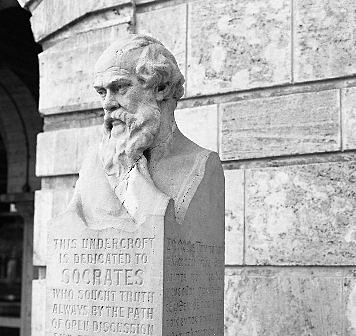
Socrates’ marital difficulties are well known. Out of them he coined this sage advice: “By all means marry. If you get a good wife, you will become very happy; if you get bad one you will become a philosopher – and that is good for everyman”.

To be or Not to be

When Socrates was asked whether it was better for a man to marry or remain single, he answered:

“Let him take which course he will, he will repent of it”

Thunder and Rain

From my post 60 Second Interview with Socrates (posted on 12-2-2012)

We understand that your wife was very rude to you. One day she scolded you for lecturing. When you did not stop, she poured on you a bucket full of water. Shakespeare in his play “Taming of the Shrew” mentions your wife’s rudeness. What did you say to your friends then?


You heard thunder and now it is raining”.

HOD HASHARON, ISRAEL - OCTOBER 31:  A flash of lightning lights up the sky before dawn on October 31, 2009 over Hod Hasharon in central Israel. The storm brought much needed rain to the Holy Land which has been suffering from years of below normal precipitation leaving the Sea of Galilee and underground aquifers at dangerously low levels.  (Photo by David Silverman/Getty Images)

HOD HASHARON, ISRAEL 

Football and Marriage

An old gentleman, who had never attended a football game, allowed himself to be persuaded by a fan to accompany him. “Now then”, said his friend, as the game was about to begin, “you are going to see more excitement for a couple of dollars than you ever saw before”. “I doubt it”, said the old timer, “that’s all I paid for my marriage license”

The Light has Gone out

A widower in his great bereavement, expressed his feelings by having engraved on the tombstone of his wife the line, “My light has gone out”. As he was about to marry again, he asked the advice of Bishop Henry C.Potter as to  whether or not he should have the inscription erased as it seemed at variance with the new conditions.

“Oh, No,” said the Bishop, “I wouldn’t have taken it off; just put underneath it, “I have struck another match”.

Rose and Thorns

When the poet Milton was blind he married a shrew. The Duke of Buckingham called her a rose. “I am no judge of colours”, replied Milton, “and it may so, for I feel the thorns daily”.

milton

Tamil and English Proverbs

There is a Tamil proverb , “After marriage there will be  desire for sixty days, lust will last thirty days, and after ninety days have passed, she will be considered a broomstick ( In Tamil – Aasai arupathu Naal, moham muppathu Naal, Thonnuuru Naalum ponaal Thudappai kattai).

There is an equivalent English proverb:

“When a couple are newly married, the first month is honey moon or smick and smack;

The second is hither and thither;

The third is thwick-thwack;

The fourth – The devil take them that brought thee and me together”.

“Mother, what sort of a thing is marriage?

Daughter, it is spinning, bearing children and weeping”.

MORE PROVERBS, MORE STORIES!

lion and fox

Compiled by London swaminathan

Article No.1928

Date :12th June 2015

Time uploaded in London: 15-42

Please read earlier posts for Stories behind Tamil Proverbs:

Queen who bolted the door doubly, posted on 5th June (Post No 1913) and

Stories behind five Tamil Proverbs, posted on 3rd June (Post No 1908)

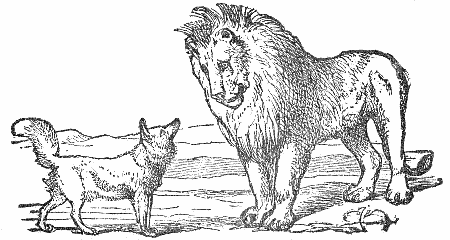
1.It has come to this that grass is sold in the flower market, that a cat lives in the forest where a tiger lived, a jackal occupies the den where the lion lived, and that who he used to ride on an elephant now herds sheep.

பூ விற்ற கடையிலே புல் விற்கவும், புலி இருந்த காட்டிலே பூனை இருக்கவும், சிங்கம் இருந்த குகையிலே நரி இருக்கவும், ஆனை ஏறினவன் ஆடு மேய்க்கவுமாச்சுதே!

This is about the story of King Nala in Hindu scriptures. He lost all his property and wandered in the forest with his queen Damayanti. After sometime he lost his wife as well. Now quoted about losses of property and fortune.

2.There has been enough of your help in my confinement, and of your embracing my husband!

பிள்ளைப்பேறு பார்த்ததும் போதும், என் ஆம்புடையானைக் கட்டி அணைத்ததும் போதும்

One woman went to help another woman who was pregnant. She went to her house every day under the excuse of helping her, but she had developed intimacy with the husband of pregnant woman. Her real intention was to get access to her husband with whom she was in love. The pregnant lady realised it only after some time. But she could not do anything about it because the delivery day approached.

When she became pregnant for the second time, the next door neighbour went and offered her help. She rebuked her with the above statement.

This proverb is used when someone offered some help with bad intention or a motive.

glass-cosmetic-crystal-perfume-bottle-purple

3.When I entered the home, the smell disappeared!

நானும் வந்தேன், நாற்றமும் போச்சுது!

A young merchant whose father sold salt fish, married the daughter of a dealer in perfumes, and after the wedding the girl came to her father-in-law’s home to live with her husband. At first she could not bear the smell of the fish, but after a while she became used to the odour and ceased to perceive it. She was conceited enough to suppose that her presence her driven it away.

The meaning of the proverb is, that those who live in an atmosphere of sin become blind to the disgrace of sin.

Even if you bathe a dog and leave it in the kitchen of your house it will run out for the leftover food in the streets.

4.He speaks like the nose less man in the story!

மூக்கறையன் கதை போல பேசுகிறான்!

A certain man who had no nose was always ridiculed in the village. To make the other people as badly off as himself, he began at certain times to praise god and to thank him that he had enabled him to see him. When he thus burst out loud praise, people gathered around him, and asked what they should do to see god. His advice was that they should cut off their noses. This they did one after another. And though they could not see god, they pretended that they could out of very shame. Thus wicked people will try to draw good people over to their own wicked ways.

“A hog that is bemired, endeavours to bemire others”

5.Ponnan has become old Ponnan, the vessel has become an old vessel

பழைய பொன்னனே பொன்னன், பழைய கப்பரையே கப்பரை!

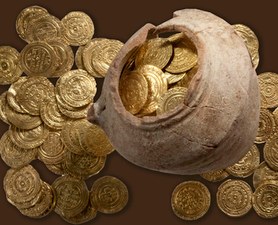
There was once a servant, who found a vessel full of gold buried in the earth. He did not remove it, but went daily to look at it. At the same time he became proud and unruly. His master watched him closely and found out about the treasure, which he took secretly. When the servant found out that his treasure was gone, he resumed his usual docility and when asked for the reason of the change in his bearing, he replied as above.

This is said of one who suddenly becomes rich, but as suddenly loses his wealth.

gold-coin-israel-found-

6.If the dancing girl be alive, and her mother dies, there will be beating of drums; but if the dancing girl dies there will be no such display.

தேவடியாள் இருந்து ஆத்தாள் செத்தால் கொட்டு முழக்கம், தேவடியாள் செத்தால் ஒன்றுமில்லை.

To get the favour of the dancing girl, many men will attend her mother’s funeral; but if the dancing girl herself dies, there is nothing to be gained by attending the funeral.

A famous dancing girl’s mother died in a town; there was a big crowd attending the funeral. Each one went to the front row to show his face to the girl, just to register his presence. When the dancing girl died after a few months’ time there were only her close relatives in the funeral.

In like manner:– if somebody die in a rich man’s house, all people will attend the funeral that they may gain his favour; but if the rich man die, no one will care as nothing more is to be had from him in future.

கீதை, வேதம் பற்றிய பழமொழிகள்

சாந்தம்

Compiled by London swaminathan

Article No.1927

Date :12th June 2015

Time uploaded in London: 9-25 am

கீதா கங்கோதகம் பீத்வா புனர்ஜன்ம ந வித்யதே

பகவத் கீதையையும், கங்கை நீரையும் அருந்தியவருக்கு மறு பிறப்பு என்பதே இல்லை

கீதா சுகீதா கர்தவ்யா கிமந்யை: சாஸ்த்ர விஸ்தரை:

கீதையை நன்றாகப் படிக்க வேண்டும். மற்ற சாஸ்திரங்களால் என்ன பயன்? – மஹாபாரதம்

ஒப்பிடுக:

பகவத் கீதா கிஞ்சித் அதீதா

கங்கா ஜல லவ கணிகா பீதா

சத்க்ருதபி யேன முராரி சமர்ச்சா

க்ரியதே தஸ்ய யமேன ந சர்ச்சா – பஜகோவிந்தம்,20

பொருள்:கீதையைக் கொஞ்சமேனும் படித்தவர்களுக்கு, கங்கை ஜலத்தை ஒரு துளியாவது பருகியவருக்கு முரஹரியை (கண்ணன்) ஒரு முறையாவது வனங்கியவருக்கு யமனுடன் சண்டை போட வேண்டியது வராது (பீஷ்மர் போல நீங்கள் நினைத்த நேரத்தில் அமைதியாக, ஆனந்தமாக, சுற்றம் புடைசூழ நிற்க, உயிர் துறக்கலாம்)

இதிஹாச புராணாப்யாம் வேதம் சம உப ப்ரும்மயேத் – மஹாபாரதம்

வேத மந்திரங்களை இதிஹாச புராணங்கள் வாயிலாக விளங்கிக் கொள்ள வேண்டும்

ருஷயோ மந்த்ர த்ருஷ்டார:

ரிஷிகள் மந்திரத்தைக் கண்டவர்கள் (இயற்றியவர்கள் அல்ல; ஐன்ஸ்டைன், நியூட்டன் சொன்ன விதிகள் போல அவை முன்னமே உள்ளன; என்றும் இருப்பன)

சின்ன பையன்கள்

வேதோகில தர்மமூலம் (மனு 2-6)

எல்லா  தர்மங்களுக்கும் வேதங்களே வேர் போன்றவை

பாரதே பாது பாரதி

பாரத தேசத்தில் பாரதி (சம்ஸ்கிருதம்) பிரகாசிக்கட்டும் (வாழ்க சம்ஸ்கிருதம் என்று பொருள்)

வேதானாம் சாமவேதோஸ்மி – பகவத் கீதை

வேதங்களில் நான் சாம வேதமாக இருக்கிறேன்

ஸ்ரவணசுகசீமா ஹரிகதா – ப்ரசங்காபரணம்

கேட்பதில் கிடைக்கும் சுகங்களில் உயர்ந்தது ஹரிகதை கேட்கும் சுகமாகும்.

ஸ்ருதிர்விபன்னா ச்ம்ருதயஸ்ச பின்னா: – சுபாஷித ரத்ன பாண்டாகாரம்

வேதங்கள் வேறு; ஸ்மிருதிகள் வேறு (வேதங்கள் சொல்வதை திருத்தவே முடியாது. ஸ்மிருதிகளை பெரியோர்கள் ஒவ்வொரு காலத்திலும் திருத்துவர் அல்லது புதிதாக எழுதுவர்)

ஸம்ஸ்க்ருதி: ஸம்ஸ்க்ருதாஸ்ரிதா

பண்பாடு, சம்ஸ்கிருதத்தை அண்டி வாழ்கிறது.

சர்வஞானமயோ ஹி ச:

வேத இலக்கியமே அனைத்து அறிவும் அடங்கிய களஞ்சியம்.

சர்வம் வேதாத் ப்ரசித்யதி

வேதத்திலிருந்தே எல்லாம் கிடைக்கிறது

சர்வத சம்ஸ்க்ருதீ பூய சுகின: சர்வ சந்து சர்வதச

எல்லாவிதத்திலும் பண்பட்டு எப்போதும் சௌக்கியமாக வாழுங்கள்!

ஸ்துதா மயா வரதா வேத மாதா – அதர்வ வேதம்

வரங்களை அளிக்கும்  வேத மாதா என்னால் தொழப்பட்டாள்.

Pictures are from Face book friends; probably from Art of Living Centre.

–SUBHAM-

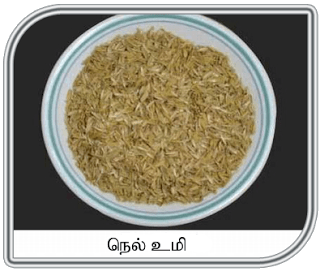
நீ அவல் கொண்டு வா, நான் உமி கொண்டு வருகிறேன்……

Compiled by London swaminathan

Article No.1922; Dated 10 June 2015.

Uploaded at London time: 10-56 am


சுய நலம் பற்றி தமிழ், சம்ஸ்கிருதம், ஆங்கிலத்தில் உள்ள பழமொழிகளைப் பாருங்கள். வயிற்றுக்காக சாமியார் வேஷம் போடுவோரை ஆதிசங்கரர் எப்படித் தாக்கித் தகர்க்கிறார் என்றும் படியுங்கள். இதோ 16 பொன்மொழிகள்:–


1.கோ ஹி  ஸ்வாதர்த்துமுபேக்ஷதே

யார்தான் தன்னலத்தில் அக்கறை இல்லாதிருப்பர்?

2.அவரவர் அக்கரைக்கு அவரவர் பாடுபடுவார்

Each one will exert himself for his own interest

3.ஊரார் வீட்டைச் சோற்றைப் பார், ஒசுபாடி வயிற்றைப்பார்

Look at the villager’s rice; look at this shameless man’s stomach

4.எங்கள் வீட்டுக்கு வந்தால் என்ன கொண்டு வருகிறாய்? உங்கள் வீட்டுக்கு வந்தால் என்ன தருகிறாய்?

If you come to my house what will you bring me? If I come to your house what will you give me?

What is yours is mine, what is mine, is my own


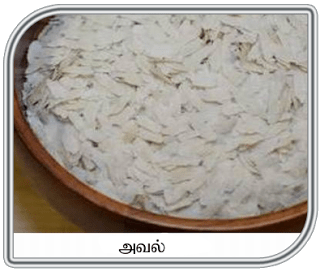
5.நீ அவல் கொண்டு வா; நான் உமி கொண்டு வருகிறேன்; அதை எங்கள் வீட்டுத் திண்ணையில் ஊதி ஊதித் திண்ணலாம். (அதாவது கொண்டுபோன உமியும் திரும்பக் கிடைக்கும்)

6.எது எப்படி போனாலும் தன் காரியம் தமக்கு

7.தன் காரியம் என்றால் தன் சீலை பதைபதைக்கும்

If it concerns her own affair, even her cloth will be restless

Everyman wishes water to his own mill – English proverb

8.பார்த்திருக்க தின்று, முழித்திருக்க கை கழுவுவான்

Though I saw him, he went on eating; and though I watched him, he washed his hands

(He finished his meal without giving me a share said of one who enjoys himself selfishly.)

9.குக்ருத்யே கோ ந பண்டித: – சுபாஷித ரத்ன பாண்டாகாரம்

கெட்ட செயல்களில் யாருக்குத்தான் கெட்டிக்காரத்தனம் இல்லை?

10.அரைக்கிரவன் ஒன்று நினைத்து அரைக்கிறான், குடிக்கிறவன் ஒன்று நினைத்துக் குடிக்கிறான்

He who grinds the ingredients thinks one thing and grinds, he who drinks the medicine thinks of something else, and drinks

(A doctor only thinks of the profit he will get by medicine he is preparing, the sick person only wonders whether it will cure him or not. Each thinks of his own interests.)


11.உதரநிமித்தம் பஹுக்ருதவேஸ:

வயிற்றுப்பாட்டுக்காக பல வேஷம் போடுகிறான்

12.வெட்கம் கெட்டாலும் கெடட்டும், தொப்பை இட்டால் போதும்

Let me lose my respect (if necessary); I am satisfied, if I get fat (said of one who seeks profit at any cost

Kashmiri proverb: A fat man has no religion.

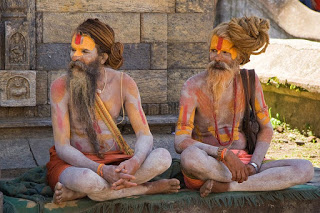
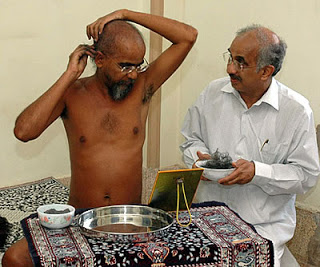
These pictures are shown only  as examples. Shankara made the statement only in general.

13.BHAJA GOVINDAM

“Matted locks, the shaven heads, and the plucked hair,

Diverse, the guises in saffron robe,

The fool sees it, but perceives not

All guises are, indeed devices to fill the belly big”- verse 14, Bhaja Govindam

jaûilo muïãi luòchitakeùaç
káúayámbarabahukøtaveúaç
paùyannapi ca na paùyati müãho
hyundaranimittam bahukøtaveúaç.(14)

The ascetic with matted lock, the one with his head shaven, the one with hairs pulled out one by one, the one who disguises himself variously with the ochre-coloured robes – such a one is a fool who, though seeing, does not see. Indeed, this varied disguise is for the sake of the belly.

ஜடிலோ முண்டி, லுஞ்சித கேச:

காஷாயாம்பர பஹுக்ருத வேஷ:

பஸ்யன்னபி ச ந பஸ்யதி மூடோ

ஹி உதர நிமித்தம் பஹுக்ருத வேஷ:

—–(பாடல் 14, ஆதி சங்கரரின் பஜ கோவிந்தம்)

14.ஆத்மார்தே கோ ந ஜீவதி – ஹிதோபதேசம்

தனக்காக வாழாதவர் யார்?

தனக்கு என்றால் பிள்ளையும் களை வெட்டும்

தன் காரியத்தில் புலி (சுய கார்யப் புலி)

15.ஆத்மார்தே கோ ந பண்டித:

தன் விஷயத்தில் யார்தான் அறிவாளி இல்லை?

16.சுய காரிய துரந்தரன், சுவாமி காரியம் வழ வழ

He is smart about his own business, but let God’s things slip.