21 லிட்டர் கொழுக்கட்டை எதற்காக?

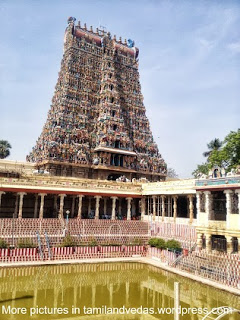
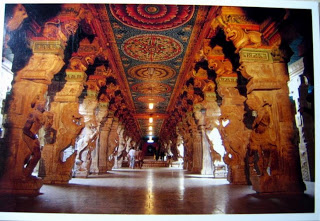
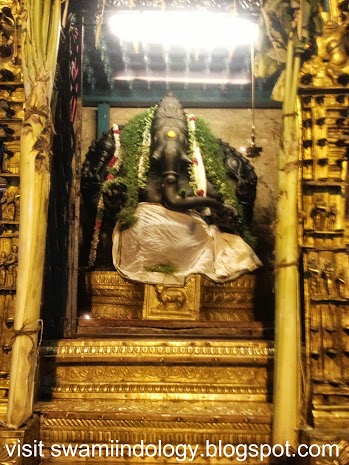
உலகப் புகழ்பெற்ற மதுரை மீனாக்ஷி கோவிலில் பல புரியாத புதிர்கள் உள்ளன. திருக்கல்யாண மஹாலில் இருக்கும் பூகோள ,ககோள வட்டங்கள், வெள்ளியம்பலத்தில் வலது காலை தூக்கி ஆடும் நடராஜர், முக்குறுணி விநாயகர் ஆகியன அவற்றில் சில. 55 ஆண்டுகளாக நான் தரிசித்து வரும் முக்குறுணி விநாயகரை சென்ற வாரம் இந்தியா சென்றிருந்த போது மீண்டும் தரிசித்தேன். அதே அழகு, அதே கம்பீரம்! கோவிலுக்கு வெளியே மதுரையே தலை கீழாக மாறிவிட்டது. ஆனால் எனது இஷ்ட தெய்வம் பிள்ளையார் மாறவில்லை.

இந்தப் பிள்ளையார் பற்றிய சுவையான விவரங்கள்:

இந்த கற்சிலை எட்டு அடி உயரம் உடையது. நாயக்க மன்னர்களில் மிகவும் கீர்த்தி வாய்ந்த திருமலை நாயக்கர் (1623- 1659), மதுரை நகருக்கு வெளியே வண்டியூரில் ஒரு குளத்தை அமைக்க திட்டமிட்டார். அதற்காக நிலத்தைத் தோண்டிய போது இந்த எட்டு அடி விநாயகர் சிலை பூமிக்கடியில் இருந்து கிடைத்தது. இது எப்படி அங்கே போனது? ஏதாவது பெரிய கோவில் அங்கே இருந்ததா? அலாவுதீன் கில்ஜியின் படைத் தளபதி மாலிக்காபூர் தமிழ் நாட்டின் கோவில்களைச் சூறையாடி அழித்தபோது அங்கிருந்த கோவில் அழிந்ததா? என்ற கேள்விகளுக்கு இன்று வரை விடை கிடைக்காமல் ஒரு புதிர் நீடிக்கிறது.

இந்த விநாயகர் திருப்பரங்குன்றம், பிள்ளையார்பட்டி குடைவரைக் கோவில்களில் உள்ள பழமையான பாணியில் அமையவில்லை. ஆகவே பிற்காலத்தைச் சேர்ந்ததாகவே இருக்கவேண்டும். மதுரை மீனாக்ஷி கோவிலில் மட்டும் சுமார் 100 பிள்ளையார்கள் சிலைகள் இருக்கின்றன!

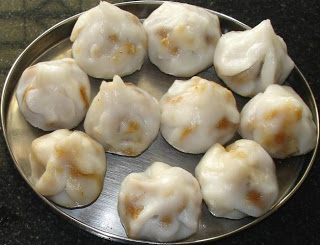
ராட்சத கொழுக்கட்டை (மோதகம்)

இதைப் பற்றிய இன்னொரு புதிர் 21 லிட்டர் அரிசிமாவால் செய்யப்படும் ராட்சத கொழுக்கட்டையாகும். இதை பழைய அளவுகோலில் சொல்லவேண்டுமானால் முக்குறுணி என்று சொல்ல வேண்டும். ஒருகுறுணி என்பது நாலு பட்டணம் படிக்குச் சமம். 3 குறுணி என்பது 12 படி அல்லது 21 லிட்டருக்குச் சமம்.. பிள்ளையார் சதுர்த்தி நாளன்று இவ்வளவு பெரிய கொழுக்கட்டையை நெய்வேத்தியம் செய்வார்கள். அதை ஒட்டியே இவருக்கு முக்குறுணி விநாயகர்/ பிள்ளையார் என்ற பெயர் வந்தது. ஏன் முக்குறுணி என்பதற்கு சரியான விடை கிடைக்காமல் புதிர் நீடிக்கிறது. இந்தப் பிள்ளையாருக்கு முன் உள்ள விளக்குகளில் திருமலை நாயக்கர் மற்றும் அவரது குடும்பத்தினரின் உருவங்கள் இருக்கின்றன.

நான்கு கரங்களுடன் காணப்படும் இப்பிள்ளையாரை கோவிலில் தற்போதுள்ள இடத்தில் பிரதிஷ்டை செய்தவர் கந்தப் பொடி பெத்து செட்டி ஆவார்.

இன்னொரு அதிசயம் என்னவென்றால் தெற்குக் கோபுரத்துக்கு வெளியே தெற்குச் சித்திரை வீதி உள்ளது. அந்த ரோட்டிலிருந்து கொண்டே சைக்கிள் பஸ்களில் போவோர்கூட கோவிலுக்கு மிகவும் உள்ளே அமைந்திருக்கும் பிள்ளையாரைத் தரிசிக்கமுடியும். அப்படிப்பட்ட நேர்கோட்டில்  இதை அமைத்திருப்பது பழங்காலத் தமிழரின் கட்டிடக் கலைச் சிறப்புக்கு மற்றொரு எடுத்துக் காட்டு.

மீனாக்ஷி கோவிலின் ஏனைய அதிசயங்களை கீழ்கண்ட ஆங்கிலக் கட்டுரைகளில் ஏற்கனவே கொடுத்துள்ளேன்:

1. The Wonder That is Madurai Meenakshi Temple

2. Musical Pillars in Hindu Temples

3. Acoustic Marvel of Madurai Temple

GOD IS NOWHERE

Once there was an atheist who argued about the presence of God. He even had it written on the wall of his house, “God is nowhere” A child was born to him and as the child began to grow, he started teaching language to it. One day as he played with his child he began to teach language. The child had to say “God is nowhere”. Since the word ‘Nowhere’ was too big for the child to pronounce, the atheist father had to break it to make it more articulate. The little child babbled, Now-Here. It went on to say “God is now-here” The atheist could not jump into an argument as his reaction normally would have been as it was a child’s babble. Rather he enjoyed playing with the child.


Swami Ramtirtha says that the company of a child is meditative and existential. For the first time it struck him that ‘Nowhere’ actually contained ‘Now-here’ A great transformation took place in him that in due course, people around him caught sight of it. He was not argumentative as before and when he was questioned, he simply said, “Ask this child for I am myself puzzled. Hearing the sentence, “God is Now-Here” has brought about this change in me! Looking into his eyes I got transformed. I am all together a different person now.


Since then I have been seeing God Now-Here; when the wind passes through the trees, when rain pitter patters on the roof. When the birds sing I realise God is Now-Here, when the sun rises, I get reminded that “God is Now-here!” Osho says that the mind is never ‘now-here’. It is shuttles between the past and future. To think of the future and past may be logical but it is not existential. Existence is, only in now-here, for once when one starts to think that he caught hold of it logically it has already escaped into the past. Hence existence is thus Now-here and God is simply existence.— Swami Ramathirtha’s story retold by Osho

God sneaks in to a Communist City


Letter published in Indian Express, July 1981:


Very few people know that about 23 years ago the communist party and the Polish government built a city at Novahuta, a village in the district of Kroscvia, Poland and named it as a city without God. The aim was to fulfil the instructions of Marx in which he said religion is opium. In this city they built a huge steel factory and thousands of workers were employed here. After some time, thousands of citizens of the city and workers of the factory demanded sanction to build a church in the city. The credit for this non violent movement goes to the factory worker Cardinal Kairol Vaziryala, who later became a popular priest of Poland. This movement gained strength and ultimately in the city without a God, a grand church was built.

Only after 20 years of public dissatisfaction and civil movement permission to build the church was granted. There is hardly any person in Poland who has not visited this city and its church. There appears to be the blessing of Providence in all that is happening in Poland. Had this not been the case, the people of Poland by their unique solidarity would not have been able to obtain permission to form an independent labour union and independent farmers association. The influential Communist Government of Poland had its biggest defeat in its movement against God.


(letter by Surendra Trivedi, Chinmaya Mission, Lucknow, July 1981)


1. God Exists


Every breath that flows in the nose,
Every beat that throbs in the heart,
Every artery that pulsates in the body,
Every thought that arises in the mind,
Speaks to you that God is near.

Every flower that wafts fragrance,
Every fruit that attracts you,
Every gentle breeze that blows,
Every river that smoothly flows,
Speaks of God and His mercy.


The vast ocean with its powerful waves,
The Mighty Himalayas with its glaciers,
The bright Sun and stars in the wide sky,
The lofty tree with its branches,
The cool springs in the hills and dales,
Tell me of His omnipotence.

The melody of sweet music,
The oration of powerful orators,
The poems of reputed poets,
The inventions of able scientists,
The operations of dexterous surgeons,
The utterances of holy saints,
The thoughts of the Bhagavad Gita,
The revelations of the Upanishads,
Speak of God and His wisdom.

—swami Sivananda in his book ‘GOD EXISTS’


Contact swami_48@yahoo.com


Why do Holy men ‘Suffer’?

Picture of naked Sri Sadasiva Brahmendra

“Weapons do not cleave this self (Atma), fire does not burn him; waters do not make him wet; nor does the wind make him dry; He is uncleavable, He cannot be burnt,  He can neither be wetted nor dried. He is eternal, all pervading, unchanging and immovable. He is the same forever”.

–(Bhagavad Gita 2-23/24)


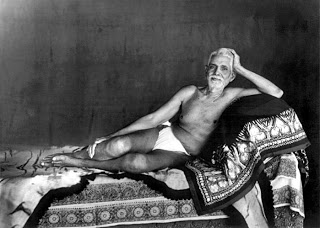
When devotees see their Master at old age, they wonder how come such a holy soul ‘suffers’ like this. Actually it is our ignorance that makes us think this way. Ramakrishna Paramahamsa and Ramana Maharishi ‘’suffered’’ from cancer in the eyes of an ordinary man. But for them,’ it is like casting off worn out garments’. If ink or colour spills on a rich man’s shirt, he is least bothered; he simply wears a new shirt the next minute. But a poor man will react differently. Ramana and Ramakrishna were rich in spiritual wealth, we are poor spiritually. So we see it differently.

Following stories will illustrate this:


Story of Sadasiva Brahmendra—As told by Paramahamsa Yogananda

“On the way we stopped before a little shrine sacred to the memory of Sadasiva Brahman in whose eighteenth century life story miracles cluster thickly. A larger Sadasiva shrine in Nerur, created by the Raja of Pudukottai, is a pilgrimage spot that has witnessed many divine healings.

Many quaint stories of Sadasiva, a lovable and fully illumined master, are still current among South Indian villagers.  Immersed one day in Samadhi on a bank of the Kavery river, Sadasiva was seen to be carried away by a sudden flood. Weeks later he was found buried deep beneath a mound of earth near Kodumudi in Coimbatore District. As the villagers’ shovels struck his body, that saint rose and walked briskly away. (From ‘Autobiography of a Yogi’)

Picture of Sri Ramana Maharishi

Swami Sivananda adds……….

“More than one hundred and fifty years ago there lived a very famous Yogi-Jnani by name Sadasiva Brahmendra Saraswati in Nerur, near Karur, in the district of Trichinopoly, South India. He is the author of Brahma Sutra Vritti and Atma Vidya Vilas and various other books. He has performed innumerable miracles. One day Sadasiva Brahman who was  an Avadhoot  entered the zenana (tent) of a Muslim chief naked. The chief was quite enraged at the sage. He cut off one of his arms. Sadasiva Brahman walked away without uttering a word and without showing any sign of pain. The chief was greatly astonished at this strange condition of the sage. He thought that this man must be a Mahatma, a superhuman being. He repented much and followed the sage to apologize. Sadasiva did not even know that his arm was cut off. When the chief narrated to the sage what had happened in the camp, Sadasiva excused the chief and simply touched his maimed arm. Sadasiva Brahman had a fresh arm.

These incidents in the life of this sage should convince everyone that there is a sublime divine life independent of objects and the play of the mind and the senses. The sage was quite unconscious of the world. He did not feel a bit when his arm was cut off. He ought to have been absorbed in the Divine Consciousness and become one with the Divine. Ordinary people yell out even when there is a pin prick on their body. The above incidents in the life of Sadasiva Brahman amply prove the existence of God and a divine, eternal life, where all sorrows melt, all desires are satisfied and where one gets supreme bliss, peace and knowledge” (From the book GOD EXISTS by Swami Sivananda).

Picture of Sri Ramakrishna Paramahamsa


Story of Epictetus—As told by Swami Ramdas of Anandashram

There was a Greek philosopher. His name was Epictetus. He was a slave under the Roman Emperor and he was harshly punished by his master even for slight mistakes. He was almost every day beaten by his master. One day, for no fault of Epictetus, the master beat him so severely that his leg broke and he became lame. After some time, a friend of Epictetus, who lived far away, came to see him and finding him limping, asked him how he became lame. Then Epictetus gave a characteristic reply, “I am not lame, but my leg is lame”. His detachment from the body was so perfect that whatever happened to it, he never thought it had anything to do with his real Self.

(From Stories As Told By Swami Ramdas)

Temple Visit ‘good for health’

Temple Visit ‘good for health’: College girls’ proved it

The Indian Express, Januray 1, 1983

Why go to temples for worship, when the same spiritual experience could be had at home in the pooja (prayer) room? For reasons of health temple worship is as good a health trip as it is spiritual. This is sought to be proved by a series of interesting experiments at the tourist trade fair now being held in Madras (December 31, 1982).


Teachers and students of Parasakthi Women’s college, Courtallam at the HR and CE stall in the fair through a set of experiments using laboratory gadgets reason out a scientific interpretation of the chanting of Slokas (hymns), the Abhisheka (bathing) of the idol and the offerings of fruits and leaves made to the gods. “Temple worship has a definite scientific reasoning behind it”, the assistant professor in charge said.


First the viewers are explained how there is a proportionate configuration to the sanctum sanctorum (inner chamber) and the idol it houses. The sanctorum is structured in such a way that the idol inside reflects any sound waves to the maximum effect. A tuning fork is vibrated in the hall with little sound reproduction, but when it is struck and placed before the entrance of small model of sanctorum a loud hum is heard. And the forks invariably produce a sound resembling the Hindu chant OM (Aum). The lecturer explained that among the various chants OM has the largest resonant effect and displaces a sizeable amount of atmosphere inside the sanctorum. This was possible only when the sanctorum and the idol are made of granite stone, as in most of the temples.

Next it is explained how the presence of ions increases amidst conditions other than in a dry one using a condenser to infer why the sanctum sanctorum is always kept moist  by pouring water over the idol and washed with water continuously. Similarly the conductivity of the stone idol also increases when it is moist. This is demonstrated by measuring the conductivity of a dry granite stone and that of a wet idol.


The materials used for Abisheka (bathing) of the idol increase the conductivity of the stone, through their own values. PH value of a substance is the negative ion concentration it possesses and most of the materials  used for Abisheka – milk, curd ,sandal paste, turmeric powder, vermillion powder, vibhuti/holy ash are of high PH values. And when these are poured over the idols they not only increase the conductivity of the idol but also ionise it.


A resistance reading on an Ohmeter of the idol after all these elements are poured shows the increased conductivity of the idol. The chanting of the Mantras, more frequently OM sets the air column inside vibrating and the highly sensitised idol conducts the ions of the Abisheka substance to the moist atmosphere. With the lighting of the camphor during the Deeparadhana (Arti) displaces the air which is partially charged with ions and these ions are inhaled by the devotees inside the sanctorum, the lecturer explained. These negative ions have the physiological function of fixing the oxygen with haemoglobin in the blood. They are concentrated on beaches and mountain tops at early mornings which explain doctor’s advice to heart patients for early morning beach walks.


The final inference, it is explained that a devotee’s presence in the sanctorum during Abishekas helps his physical system inducting more negative ions than he usually inhales. A visit to the temple is a good substitute for a morning walk, and a tonic for health.


But with temples becoming over crowded it wouldn’t be a wonder if these negative ions are submerged by excessive carbon di oxide  exhaled in packed sanctorum which is meant  to house only ten people at a time. Similarly the chanting of OM has also been reduced to a more inaudible mumble affecting its highly resonant quality.


Other scientific aspects of Hindu religion are also demonstrated by the enthusiastic lot. The posture of Nataraja for example though externally represents the asymmetric make-up of planets of the solar system the symmetry of the simple harmonic motion of the solar system is explained by rotating the statue on two vertical pins fixed at the statue’s head and the sole of the right foot; similarly the evolution of man through the Ten Avatars of Lord Vishnu.  A parallel experiment to the musical pillars at some temples is also demonstrated.

The Indian Express, January 1, 1983.

Swami Harshananda

Swami Harshananda in his book Hinduism through Questions and Answers says: “once it is conceded that God exists, there must be an easy means of approaching Him and propitiating Him. That is the temple. The temple is the structure we put up with devotion for the residence of God when He descends to this world for our sake. It is something like camping of the king of a country in a part of his territory.

The structure of a temple is highly symbolical. Primarily it indicates God as a Cosmic Person. Alternatively it represents the body of man, with God residing in his heart. The temple may represent the whole creation.

In temples consecrated according to scriptural rites, the images are considered to be alive. Hence formal worship is a must. Those who want to visit the temple are expected to enter it physically clean and with the proper mood of faith and devotion. If worship is performed with faith and devotion, it generates peace and joy in our minds”.

When people of same faith come together it is easy to concentrate and meditate on God. The atmosphere is surcharged with devotion and the effect is manifold.


Swami Ramakrishna Paramahamsa

The milk of the cow in reality pervades the whole of the body of the animal through its blood, but you cannot milk it by squeezing its ears or the horns; you can get the milk only from the teats. Similarly God pervades the universe everywhere, but you cannot see him everywhere. He manifests more readily in sacred temples which are full of the spirit of devotion diffused by the lives and spiritual practices of the devotees of former times.


From time immemorial, numberless Sadhus , devotees and men of realisation have come to these holy places to have a vision of god, and have prayed to him  in an outpouring of their hearts, setting aside all worldly desires therefore god has equally present everywhere, manifests himself specially in these places.


Water can be had anywhere by digging into the earth, when, however, there is a well or a tank or a lake, one has not to dig for water, but can get it whenever one likes to have it”—-Ramakrishna Paramahamsa


Please read my earlier posts

1. Two Million Gods in India by Mark Twain

2.100, 008 temples in India


Acoustic Marvel of Madurai Temple

( Based on Madurai ‘Indian Express’ News Report on 30th July 1981)

Ancient Tamils have used the principles of “vibration of bodies” in constructing musical pillars in Madurai Meenakshi Temple, according to a study made by a team of ENT specialists in Tamil Nadu on the acoustic beauty of this glorious temple.


The sculptors have cleverly varied the length and diameter of the pillars to obtain different musical sounds choosing the right type of stone. By using the same stone, but by varying the shape, they were able to achieve it.

Besides the medical team led by Dr S Kameswaran, Project Director and Chief of the ENT institute in General Hospital, Madurai, geologists, musicologists and audiologists took part in the research. HRCE of Tamil Nadu Government funded this research project.


The study team is of the view that the temple is an ‘acoustic marvel’. The noise level at the Ashta Sakthi Mandapam situated near the road was only 40 decibels during non visiting hours. Near the Lotus Tank and adjoining sanctum sanctorum (Garba Gruha), the sound level is again in the order of 40 DB. With this ambient noise it is possible for a person to contemplate and meditate the divinity. The sound level recorded during the peak hours in the evening is of the order of 70 to 80 DB. What is remarkable is there is absolutely no echo in any part of the temple and even with all the crowd around, the sound level seldom exceeds 80DB. There is built in mechanism for containing the echo and at the same time, the total noise does not exceed a specific level.


The artisans who built this huge temple must have been aware of the basic principles of acoustics. The huge icons on the unpolished pillars, the distribution of vents, the allocation of open spaces all around, are all mechanisms to contain the noise level, says the study team.

Again, the Hall of Thousand Pillars is a classical example of perfect sound engineering technique. The hall has got very low ceiling with 985 pillars—each pillar averaging about 12 feet in height. All are exactly of the same size and shape and at mathematically accurate positions. Many can sit in this echo resistant hall to hear the entire proceedings in quietitude.


The team which also studied the architectural beauty of the Meenakshi Temple saw an interesting feature of the floor in Kambaththadi Mandapam in the outer prakaram (corridor)  in front of the Lord Sundareswarar. One finds large square slabs arranged from end to end covering conduits carrying drinking and drainage water separately and admired the perfect example of hygienic planning of the ancient architects. Even in recent times, with heavy downpour, one seldom sees stagnation of water inside the Mandapam.


Please read my earlier post : THE WONDER THAT IS MADURAI MEENAKSHI TEMPLE

Contact swami_48@yahoo.com (Pictures are used from other websites. Thanks)

சோம பானமும் சுரா பானமும்

(I have already posted this article in English: London swaminathan)

வேத காலத்தில் ரிஷி முனிவர்களும் பிற்காலத்தில் யாகம் செய்த மன்னர்களும் அருந்தியது சோம பானம். குடிகாரர்கள் அருந்துவது சுரா பானம், அதாவது, கள் மது பான வகைகள். வேதத்தை ஆராய்ச்சி செய்த வெளிநாட்டு “அறிஞர்கள்” இவ் விஷயத்தில் மகா குழப்படி செய்து விட்டார்கள். ஆரிய சிவன் வேறு , திராவிட சிவன் வேறு, தமிழ் முருகன் வேறு, வடமொழி ஸ்கந்தன் வேறு, தமிழ் கிராம தேவதைகள் வேறு, வேத இதிகாச, புராண தெய்வங்கள் வேறு, ஆரியன் வேறு, திராவிடன் வேறு என்று இந்து மதத்தில் மாபெரும் விஷ வித்துக்களை ஊன்றியவர்களுக்கு “அறிஞர்” என்று நாம் பட்டம் சூட்டியதற்கு மூன்றே காரணங்கள் தான்: 1. அவனுக்கு வெள்ளைத்தோல், நமக்கு கருப்புத் தோல் 2. அவன் எழுதியது ஆங்கிலத்தில், தமிழனுக்கு வடமொழி தெரியாது, வடக்கத்தியானுக்குத் தமிழ் தெரியாது. 3. அவன் நம்மை ஆண்டவன், நாமோ அடிமையாக ஆயிரம் ஆண்டு வாழ்ந்தவன்.


‘ஆயிரம் ஆண்டு அன்பிலா அந்நியர் ஆட்சி’ என்று பாரதி பாடியதற்கும், “ஏ, வெளிநாட்டுக்காரர்களே, நீங்கள் செய்த தீங்குகளுக்கு இந்துமஹா சமுத்திரத்தில் உள்ள சகதி அனைத்தையும் எறிந்தாலும் போதாது” என்று சுவாமி விவேகநந்தர் கூறியதற்கும் இதுதான் காரணம். இந்துமதம் என்று அழிகிறதோ அன்று இந்தியாவும் அழிந்துவிடும் என்று சுவாமி விவேகாநந்தர் கூறுவதற்கு முன்னரே வெள்ளைத் தோல் “அறிஞர்”களுக்கு இவ்வுண்மை நன்கு விளங்கியது.இந்து மதத்தை அழித்து இந்தியாவைப் பிரிது ஆள திட்டம் வகுத்தனர். அது பலிக்கவில்லை.


அவர்கள் நாட்டைவிட்டு வெளியேறி 65 ஆண்டுகளுக்குப் பின்னரும் நாம் மாறாதது நமது குறையே. சங்கத் தமிழ் இலக்கியத்திலோ, பழைய வடமொழி நூல்களிலோ வெளிநாட்டு அறிஞர்கள் கூற்றுகளுக்கு எள்ளளவும் ஆதாரம் இல்லை.

தமிழ் இலக்கியத்தில் சோம பானம்

ரிக்வேதத்தின் ஒன்பதாவது மண்டலம் முழுதும் சோம பானம் பற்றிய பாடல்களுக்கு ஒதுக்கப்பட்டுள்ளது. மற்ற மண்டலங்களில்லும் சோமலதை (கொடி) பற்றிய பாடல்கள் கொஞ்சம் உண்டு. பகவத் கீதையிலும் கண்ண பிரான் (காண்க 9-20) சோமலதையின் பெருமையைப் பேசுகிறார். இதை அருந்துவோர் இந்திர லோகப் பயன்களைப் பெறுவர். ஆனால் முக்தி பெற உதவாது என்று கூறுகிறார்.


இந்தத் தாவரம் இமய மலையின் வடமேற்குப் பகுதியான முஜாவத் மலையில் விளைந்தது. இப்போது அழிந்துவிட்டது அல்லது இன்ன தாவரம் என்று தெரியாமல் போய்விட்டது.. இது என்ன தாவரம் என்று தெரியாதது வெளி நாட்டு அறிஞர்களுக்கு மிகவும் வசதியாகப் போய்விட்டது. ஆகவே இதை கஞ்சா, அபினி வகையில் சேர்த்து போதையூட்டும் மருந்து என்று கூறிவிட்டனர். அதுமட்டுமல்ல மூன்று நான்கு பேர் வெவேறு தாவரங்களின் பெயர்களைக் குறிப்பிட்டு இவைதான் சோமலதை என்று “சத்தியம் செய்து”விட்டார்கள். நமது ஊரில் இவர்களுக்கு ஜால்ரா போடுவதையே வாடிக்கையாகக் கொண்டவர்கள், டாக்டர் பட்டம் (பிஎச்.டி) பெறுவதற்காக இன்னும் கொஞ்சம் குழப்பம் உண்டாக்கிப் புது விசயங்களைக் கற்பித்தனர். இங்குள்ள இந்துமத விரோத “திராவிட”ங்களுக்கோ இதைப் படிக்கப் படிக்க ஏக சந்தோஷம். கஞ்சா அபினி, வெளி நாட்டுச் சரக்குகள் அத்தனையும் சேர்த்துச் சாப்பிட்டால் எவ்வளவு போதை ஏறுமோ அவ்வளவுக்கு கிறுகிறுப்பு, கிளுகிளுப்பு!


பராந்தக வீரநாராயணனின் தளவாய்புரக் கல்வெட்டில் ஒருவரி வருகிறது: ‘சோமபானம் சாப்பிட்டு மனோ சுத்தராகிய காடக சோமயாஜி’ என்று. அதாவது சோமபானம் சாப்பிட்ட ரிஷிகள் குடிபோதையில் ஆடவில்லை. இந்த பானம் அவர்களின் மனதைச் சுத்தப்படுத்தியது. சோமக் கொடி ஒரு அபூர்வமான காய சித்தி மூலிகை! வடமொழியில் அதற்கு மற்றொரு பெயர் ‘பவமான’. இந்தச் சொல்லின் மறு பொருள் : சுத்தம், தூய்மை.

ராஜசூயம் வேட்ட பெருநற்கிள்ளியுடன் சேரமன்னன்  பாண்டிய மன்னன் ஆகிய இருவரும் சேர்ந்த காட்சியைக் கண்ட அவ்வைப் பாட்டிக்கு ஏக சந்தோஷம். இன்று போல் என்றும் ஒற்றுமையுடன் வாழ்க என்று பாராட்டுகிறார். வாழ்நாள் முழுதும் ஒருவனை ஒருவன் அடித்துக் கொண்டு அழிந்த இனம் தமிழ் இனம். இதனால் மூவேந்தர்களும் ஒன்றுபட்ட காட்சியைக் கண்ட ( புறநானூறு பாடல் 367) அவ்வைப் பாட்டி பூரித்துப்போனார்.


சங்க இலக்கியம் எழுதிய காலத்திலேயே சோமலதை அருகிவிட்டது. கடலைக் கடந்து எடுத்த அமிழ்தத்தை 6 இடங்களிலும் வசிஷ்ட மஹரிஷியின் மனைவி பத்தினித் தெய்வம் அருந்ததியை 6 இடங்களிலும் வடமொழிச் சொல்லிலேயே குறிப்பிடும் சங்கப் புலவர்கள்,  சோமக் கொடியைப் பற்றி நேரடியாக ஒரு இடத்திலும் பேசவில்லை.


ராஜசூயம் யாகம் செய்வோர் சோம ரசத்தை அருந்துவதால்தான் அதற்கு ராஜ சூயம் என்று பெயர் ஏற்பட்டதாக வடமொழி நூல்கள் கூறுகின்றன. அதாவது மூலிகைகளின் ராஜாவான சோமத்தைப் பிழிந்து ராஜா குடிக்கும் யாகம் ராஜசூயம். சதபத பிராமணம் என்னும் பழைய நூல் பூமியின் முதல் மன்னன் சோமன் என்றும் கூறும், ஆக, சோம என்ற பதத்துக்கே ராஜ என்று பொருள். இதைச் சாப்பிட்டனர் ராஜசூய யாகம் செய்த தமிழ் மன்னர்கள்.


வடமொழி இலக்கியத்தில் சோம பானம்

ஸ்ரீசூக்தம் என்ற வேத மந்திரமும் (பாடல் 23) சோமரசத்தைப் புகழ்கிறது.

வடமொழி நூல்களான சதபத பிராமணமும் தைத்ரீய பிராமணமும் சோமபான- சுராபான வேறுபாடுகளை அழகாகப் பட்டியல் போட்டுக் காண்பிக்கிறது:

சோம ரசம்: இது சத்தியமானது, வளம் தருவது, ஒளியூட்டுவது.


சுராபானம்: கண்டிக்கத்தக்க பானம்; தீயது, இருளூட்டுவது, வறுமைகொடுப்பது; இதைக் குடித்தால் கோபம் வரும். பிராமணர்கள் தொடக் கூடாதது ( சதபத. 5-1-2-1-10; 12-8-1-5; 12-7-3-20).


சோமலதை என்பது பழுப்பு நிறம் கொண்டது. அதைக் காய்ச்சி வடித்து ரசத்தைப் பாலுடன் கலந்து குடித்தனர். சிந்து சமவெளி முத்திரைகளில் இனம் தெரியாத ஒரு சல்லடை போன்ற வடிகட்டி இருக்கிறது. இதை சோமபான வடிகட்டியாக இருக்கலாம் என்று மெள்ள மெள்ள ஆராய்ச்சியாளர்கள் ஒப்புக்கொள்ளத் துவங்கிவிட்டனர்.
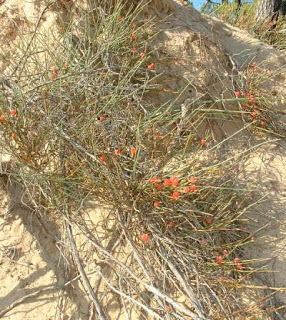
எபிட்ரா தாவரம்

சோமலதையை கழுகுகள் தூக்கி வந்ததாகவும் அதை முஜாவத் மலையில் இருந்தவர்கள் விரட்டியதாகவும் பல பாடல்களில் ரிஷி முனிவர்கள் குறிப்பிடுகின்றனர். சோமக் கொடியை கழுகுகள் என் தூக்கிவர வேண்டும்? இது விளங்காமல் வெளி நாட்டு அறிஞர்கள் முழிக்கின்றனர். இந்த விஷயத்தைத் தொடாமல் மறைத்து நிறைய எழுதுகின்றனர்!!


சோமலதை போதைப் பொருள் என்றால், எந்த முட்டாளாவது அதில் முக்கால் வாசியை சோமயாகத் தீயில் கொட்டிவிட்டு மீதியை மட்டும் குடிப்பானா? முழுச் சரக்கையும் உள்ளே இறக்கிக் கூத்தடிக்க மட்டார்களா?


சோமலதை போதைப் பொருள் என்றால் அதை விலைக்கு விற்றவர்கள் கொஞ்சமாவது ருசி பார்த்து ஆட்டம் போடிருப்பார்களே. அப்படி வேதத்திலோ பிற்காலத்திலோ ஒரு குறிப்பும் இல்லையே. ரிஷி முனிவர்கள் மட்டும் ஏன் சாப்பிட்டனர்? மலை ஜாதி மக்களிடம் இதை விலைக்கு வாங்கியதையும் அதைப் பாதுகாத்துப், பதனப் படுத்தி வைத்ததையும் நிறைய பாடலகளில் காணலாம்.


த்வஷ்டா என்ற வேத கால தெய்வத்தை சோமலதையுடன் தொடர்புபடுத்தும் வேதப் பாடல்கள் உண்டு. ஒரு அறிஞர் (Hildebrandt) இந்த த்வஷ்டா வேதகால தெய்வம் இல்லை. வெளியிலிருந்து இறக்குமதியான தெய்வம் என்று ஒரு போடு போட்டார்! கொள்கைகளை வளைத்தும் திரித்தும் சுழித்தும் முறுக்கியும் வெளியிடுவது வெள்ளைத் தோல்களின் வாடிக்கை!!!


சோமபானத்தில் எபிட்ரின் Ephedrine என்ற ரசாயனப் பொருள் இருந்ததாகவும் அதை இப்போதும் போதைப்பொருளாக சிலர் பயன்படுத்துவதாகவும் இருவருக்கு (‘Prof.N.A.Quazilbash and Dr C.G.Kashikar )’ஞானோதயம்’’ ஏற்பட்டு ஒரு புத்தகம் எழுதிவிட்டார். இந்த ரசாயனப் பொருள் பல தாவரங்களில் உள்ளது. ஏன் அதை இன்று வரை நம்மவர்கள் பயன்படுத்தவில்லை? ஏனெனில் அது சோம லதை இல்லை!!


இன்னொருவருக்கு (R. Gordon Wasson) ஏற்பட்ட ‘’ஞானோதயம்’’: சைபீரியாவில் பயன்படுத்தும் காளான் Amanita muscaria (Fly Agaric) வகை இது!! ஏனெனில் அங்கும் சாமியார்கள் இதைப் பயன்படுத்தி போதை பெறுகின்றனர். இப்படி ஒரு ஆராய்ச்சிப் புத்தகம்!


லாசன் (Mr.Lassen :-Sarcostemma viminale or brevistigma) ராத் (Mr Roth:-Sarcostemma acidum), ஜார்ஜ் வாட் (Mr George Watt :- Afgan grape) ரைஸ் (Mr.Rice :- sugarcane) மாக்ஸ்முல்லர் (Mr.Max Muller with a species of hop) ஆகியோர் மனம் போன போக்கில் அவர்களுக்குத் தெரிந்த தாவரங்களின் பெயர்களை எல்லாம் கூறிவைத்தனர்.


இதற்கு மூல காரணத்தைப் பார்க்கவேண்டும். நாம் மதிக்கும் ஒழுக்கம் தெரியாத ஒரு இனத்தில் பிறந்தவர்கள் இந்த ஆய்வாளர்கள். பிறந்து ஞான ஸ்நானம் செய்த அன்றே ஒயின் குடிப்பவர்கள் அவர்கள். தினசரி சாப்பாட்டுக்குப் பின்னர் நாம் தண்ணிர் குடிக்கிறோம், அவர்களோவெனில் பிராந்தி, விஸ்கி குடிக்கிறார்கள். வயதான பின்னரோ புகையிலை முதல் போதைப்பொருள் வரை பயன் படுத்தாத குடும்பமே இல்லை. ஆனால் ரிஷிமுனிவர்களோ தங்களைத் தூய்மைப் படுத்த பசு மூத்திரம் குடித்தார்கள். ஆக ‘’நீரளவே ஆகுமாம் நீராம்பல், தான் கற்ற நூல் அளவே ஆகுமாம் நுண் அறிவு’’ என்பதற்கு இணங்க அவர்களின் சிற்றறிவுக்கு எட்டியதை எல்லாம் ஆராய்ச்சி என்று கொட்டித் தீர்த்துவிட்டார்கள். நம்மவர்களுக்கு மூளை எங்கே போனது? இதை இன்னும் நம்பும் நம்மவர்களை நினைத்து சிரிப்பதா அழுவதா என்று தெரியவில்லை.


Books for further reading: Identification of Soma by Dr.C.G Kashikar,Pune, 1990; The Rig Veda- A Historical Analysis—Shrikant G.Talageri, New Delhi, 2000; Life in Brahmana Period.

Contact swami_48@yahoo.com
 

இரண்டு சாமியார்கள் இடையே அடிதடி!

(I have already posted this article in English: London swaminathan)

இந்தக் கதையை ஆனதாஸ்ரமம் ஸ்ரீ சுவாமி ராம்தாஸ் கூறினார். ‘சுவாமி ராமதாஸ் சொன்ன கதைகள்’ என்ற ஆங்கிலப் புத்தகத்தில் இது உள்ளது.


“ இரண்டு சாமியார்கள் ஒரே நேரத்தில் ஒரு ஊருக்கு வந்தார்கள். ஒருவர் அரச மரத்துக்கு அடியில் உகார்ந்தார். பக்தர்கள் கூட்டம் குவியத் தொடங்கியது. மற்றொருவர் ஆலமரத்துக்கு அடியில் உகார்ந்தார். அங்கும் கூட்டம் குவிந்தது. கடவுள் நம்பிக்கை உடைய ஒருவருக்கு சாமியார்களைப் பார்கத்து ஆசி பெற வேண்டும் என்று ஆசை வரவே முதலில் அரச மர சாமியார் இடத்துக்குப் போனார்.


“சுவாமிஜி, இந்த ஏழை எளியேன் மீது உங்கள் அருள் பார்வை படவேண்டும” என்று இறைஞ்ச, அவரும் ‘அப்படியே ஆகட்டும்’ என்றார். அத்துடன் நிறுத்தி இருக்கக் கூடாதோ?

“சுவாமிஜி, உங்களுக்குத் தெரியுமா? ஊரின் மேற்குப் பக்கத்தில் ஆல மரத்துக்கு அடியில் ஒரு சாமியார் வந்து அமர்ந்து இருக்கிறார். அங்கும் கூட்டம் அலை மோதுகிறது. உங்களுக்கு அவரைத் தெரியுமோ?”

சுவாமிஜி பட்டெனப் பதில் கொடுத்தார். “அவனா? அவன் ஒரு எருமை!” என்று இளப்பத்துடன் சொன்னார்.


அந்த பக்தன் ஒரு வைக்கோல் கட்டை வாங்கிக் கொண்டு ஆலமர சாமியாரிடம் சென்றான். வைக்கல் கட்டுடன் சாஷ்டாங்கமாக அவர் காலில் விழுந்தான்.

“பக்தா எழுந்திரு. உன் பக்தியை மெச்சினோம். இது என்ன வைக்கோல்  கட்டு. வயலிலிருந்து நேரடியாக வந்தாயா?” என்றார். “இல்லை, சுவாமிஜி. நீங்கள் எருமை அல்லவா? நீங்கள் சாப்பிடவே கொண்டு வந்தேன்” என்றான் பக்தன்.

வந்ததே கோபம் சுவாமிஜிக்கு! மடையா, மூளை பிறண்டுவிட்டதா? என்று கத்தினார்.


“மன்னிக்கவேண்டும் சுவாமிஜி. உங்களைப் போலவே ஊரின் கிழக்கு பக்கத்தில் ஒரு சுவாமிஜி வந்திருக்கிறார். அவரிடம் உங்களைப் பற்றிக் கேட்ட போது நீங்கள் எருமைச் சாமியார் என்று சொன்னார். அன்போடு உங்களுக்காகக் கொண்டுவந்தேன்” என்றான்.

“ஓ, அவன் சொன்னானா? அவன் கழுதை அல்லவா!” என்றார்.


பக்தன் மெதுவாக பின்னோக்கி வந்தான். நேராகக் கடைக்குப் போய் இரண்டு கிலோ பருத்திக் கொட்டை வாங்கிக் கொண்டு அரச மர சாமியாரிடம் வந்து நெடுஞ்சாண் கிடையாக கீழே விழுந்து நமஸ்கரித்தான். “சுவாமிஜி ,உங்களுக்குப் பிடித்த பருத்திக் கொட்டை கொண்டு வந்திருக்கிறேன். நீங்கள் உடனே சாப்பிட்டு என்னையும் என் குடும்பத்தையும் ஆசீர்வதிக்க வேண்டும்” என்றான்.

“மடையா, நான் என்ன குதிரையா, கழுதையா ,மாடா? இதை எல்லாம் தின்பதற்கு? எடுத்துக்கொண்டு ஓடு” என்றார்.

“சுவாமிஜி , சொன்னால் கோபிக்க மாட்டீர்களே. நீங்கள் சொன்ன எருமைச் சாமியாரிடம் போனேன். உங்கள் பெருமை பற்றிக் கேட்டபோது அவன் ஒர் கழுதை என்று உங்களைப் பற்றிச் சொன்னார். அதனால்தான் இப்படிச் செய்தேன்”.


பக்தன், இதைச் சொல்லி முடிப்பதற்குள்,, எழுந்தார் கழுதைச் சாமியார். “எங்கே அந்த எருமை? அவன் இருக்கும் இடத்தைக் காட்டு”, என்று புறப்பட்டார்.

பக்தன், பயபக்தியுடன் அவரைப் பின் தொடர்ந்து ஆல மரத்துக்கு அழைத்துச் சென்றான். இருவரும் ஒருவரை ஒருவர் “ஏ, கழுதை, ஏ எருமை” என்று ஏசிய சப்தத்துடன் மின்னலும் இடிச் சப்தமும் தோன்றின.


பக்தன் என்ன முட்டாளா, பக்கத்தில் போக!! மரத்துக்குப் பின்னால் நின்று ரசித்தான்!! அவனுக்கோ ஒரே சிரிப்பு” !!

Contact : swami_48@yahoo.com
Two Fighting Sadhus


Story of Buffalo Maharaj and Ass Maharaj

Once two Sadhus (ascetics) came to a town from different directions. One settled down beneath the shade of a peepal tree and the other under a banyan tree. Hearing of their arrival a householder first went to the Sadhu of the peepal tree and prostrated before him.


“Maharaj”, said the devotee, “it appears another Mahatma (great man) has come to our town. Do you know him?”

“Yes”, returned the Sadhu contemptuously, “I know him, He is a buffalo”.


Soon after, the devotee arming himself with a bunch of hay visited the Sadhu of the banyan tree and placing the hay before him, prostrated.

“Well”, cried out the Sadhu. “What do you mean by this? Why this hay?”


“It is an offering Maharaj; deign to feed upon it and bless your devotee”, appealed the householder with folded hands.

“What? Are you mad?—eat hay!” flared up the Sadhu.


“Maharaj, a Sadhu under the peepal tree, at the other corner of the town, was good enough to inform me that you were a buffalo. So I thought I could bring you a fitting present”, coolly said the devotee.


“ How could you believe him? Have you no sense, asked the Sadhu reprovingly.


“ Maharaj, how could a poor and ignorant man like your slave dare to understand Sadhus? A Mahatma alone can know a Mahatma”, returned the devotee.

“Go and then tell him he is an ass”, said the Sadhu.

The devotee left the place, and directly going to the bazaar, purchased a kilo of cotton seeds and making a bundle of it proceeded to the first Sadhu of the peepal tree. Untying the bundle he poured out the contents in front of the Sadhu and prostrated before him.


“ How now”, asked the Sadhu with a surprise look, “What is this for?—it is cotton seed!”.

“Right, Maharaj, a stuff so dear to you. Do accept the humble present and making a full meal of it shower your grace upon your slave”, prayed the householder.

“Is anything wrong with you?”—what do you mean, eat cotton seeds”, uttered the Sadhu in consternation.

“Why not Maharaj, a Sadhu over there, under the banyan tree, told me that you are an ass. An ass has a great partiality for cotton seeds”—


“ You fool”, he roared in rage, “don’t you see I am not an ass?”


“ How should I know, Maharaj- a poor man like me caught in the meshes of Maya. It is said, A Mahatma alone can recognise a Mahatma” replied the devotee with a sly twitch at the corner of his thin lips.

The Sadhu was by this time thoroughly roused and rising to his feet, said in an impetuous voice:


“Bhakta (devotee), take me to the place where the other Mahatma is; I should like to teach him how to speak of his betters”

They went. It appears there was a terrible fight between the two Mahatmas, the householder devotee witnessing the fun from a distance. The affaire ended in the Sadhus going without for the day!

—From “Stories As Told by Swami Ramdas”.

Swami Ramdas  of Kanhangd Anandashram attained Mahanirvana in 1963.


2 Stories to introduce Swami Vivekananda

Two-sides-of-the-same-coin

2 Stories to introduce Swami Vivekananda

While introducing Swami Vivekananda to a large audience at the Detroit Opera House (USA) on the evening of 11th March 1894, The Hon’ble Thomas W.Parmer said:


Story 1

“ Two Knights of honour once met on the field and seeing a shield Hanging on a tree, they halted. One said: “What a very fine silver shield”. The other hastened to reply that it was not silver, but copper.  Each disputed the other’s statement until at last they got off their horses, tied them on a tree, and drawing on their swords, fought for several hours. After they were exhausted by loss of blood, they staggered against each other and fell on the opposite sides from where they had been fighting. Then one chanced to glance up at the pendent shield and said, “Oh! You were right, my Friend! The shield is copper.” The other also looked up and said, “It is I who was mistaken. The shield is silver.” If they had the patience to look at both the sides of the shield, in the first place, it would have saved the unnecessary loss of much precious blood. I think, that if we care to dispassionately look at both sides of every question, perhaps there would be no argument or fighting”

“ We have with us tonight, who from the Christian standpoint is, I suppose, a pagan. But he belongs to a religion which was old, long before ours was even thought of by men. I am sure it will be pleasant to hear from the copper side of the shield. We have looked at it only from the silver side.”

Most of us do not have the patience to see the other side. The lesson is obvious. Here is a humble attempt to present the other side of the shield.


Story 2

A savage man might find a few gems, and prizing them, tie them together with a rude thong and string them around his neck. As he becomes slightly civilized, he would perhaps exchange the thong for a string. Becoming still more enlightened, he would fasten his gems with a silken cord and when possessed of high civilisation, he would make an elaborate setting for his gems (with gold wire etc.). But throughout all these changes in the settings, the gems,–that is, the essentials—would remain the same.” -From “Swami Vivekananda in America—New Discoveries”– by Marie Louise Burke.

Krishna in Bhagavad Gita says,

“ Mayi sarvmidam proktam

Sutre maniganaa eva” (Gita VII-7)

( All this is strung on Me, as rows of gems on a string)


Read my earlier posts: 60 Second Interview with Swami Vivekananda (Posted on 15 January 2012)

One Minute Bhagavad Gita (posted on 4th February 2012)

Contact:-  swami_48@yahoo.com
 

காளை வாகனம் எப்படிக் கிடைத்தது?

காளை வாகனம் எப்படிக் கிடைத்தது?

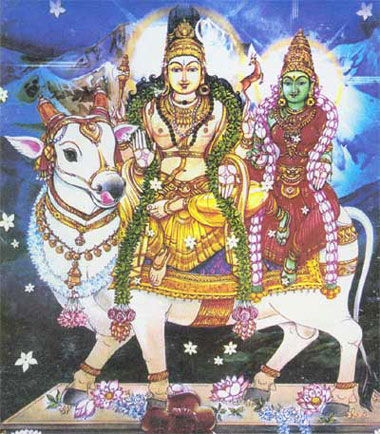
சிவனுக்குக் காளை வாகனம் எப்படிக் கிடைத்தது? என்று அருணகிரிநாதர் திருப்புகழிலும் மாணிக்கவாசகர் திருவாசகத்திலும் பாடுகின்றனர்:


“காமபாண மட்டனத கோடிமாதரைப் புணர்ந்த

காளியேறு கர்த்தனெந்தை அருள்பாலா” (திருப்புகழ்)

“தட மதிகள் அவை மூன்றும்டழல் எரித்த அந்நாளில்

இடபமதாய்த் தாங்கினான் திருமால் காண் சாழ்லோ” (திருவாசகம்)


முப்புரத்தை எரிக்க சிவன் புறப்பட்டார். தேவர்களும் அவருக்கு உதவியாக வந்தனர். ஒவ்வொருவரும் தன்னுடைய பலத்தாலதான் சிவன் முப்புரங்களையும் எரிக்கப்போகிறார் என்று ஆணவம் கொண்டனர். இதை அறிந்த சிவ பெருமான் தனது தேரை சிறிது கீழே அழுத்தினார். தேர் ஒடிந்துபோனது. தேவர்கள் பயந்தனர். இனி சிவபெருமான் எப்படி பயணம் செய்வார் என்று கலங்கி நின்றனர். இச் சமயத்தில் திருமால் களையாக வன்ஹு அவரைத் தான்கிச் சென்றார்.

ஆட்டு வாகனம் எப்படி வந்தது?

இந்தப் பூவுலகில் நாரதர் ஒரு வேள்வி செய்தார். அதில் இருந்து முரட்டு ஆட்டுக் கிடா புறப்பட்டது. அதைக் கண்டு தேவர்கள் பயந்தோடினர். நாரதரும் கயிலயை நோக்கி ஒடினார். சிவனுக்குச் செய்தி அனுப்ப முருகனிடம் முறையிட்டனர். முருகனோ தனது படைத்தலைவர் வீரவாகு தேவருக்கு உத்தரவு இட்டார். அவர் ஓடிப் போய் ஆட்டைப் பிடித்துவந்தார். நாரத்ர் முதலியோரின் வேண்டுகோளுக்கிணங்க ஆட்டை தனது வாகனமாக்கினார் முருகப் பெருமான் (ஆதாரம்: கந்தபுராணம்).


பெருச்சாளி வாகனம் எப்படி உண்டானது?

தேவர்களுக்கும் முனிவர்களுக்கும் மிகப் பெரிய தொல்லைகள் கொடுத்தவன் கஜமுகாசுரன். அவனை எப்படியாகிலும் ஒழித்துவிடும்படி பிள்ளையாரை வேண்டினான் இந்திரன்.

கணபதியும் அவர்களுடைய வேண்டுக்கோளுக்கிணங்க அவனைச் சம்ஹாரம் செய்யப் புறப்பட்டார். கடுமயான சண்டையில் விநாயகப் பெருமான், தனது ஒரு தந்தத்தை ஒடித்து கஜமுகாசுரன் மீது எறிந்தார். கீழே விழுந்து இறந்தவன் போல நடித்த அவன, திடீரெனப் பெருச்சாளி ரூபம் எடுத்து கணேசர் மீது பாய்ந்தான். பிளையார் அவன் மீது தாவி ஏறி அமர்ந்தார். இனி எப்போதும் இதுபோலவே என்னைச் சுமக்கக்கடவாயாக என்றும் ‘ஆசிர்வத்திதார்’.

“கசமுகத்தவுணனைக் கடியானை” (ஆதாரம்: புராணம்)

சிவன் வாகனம் எலி!!

யஜுர் வேதத்தின் மிக முக்கியமான பகுதி ருத்ரம். அதில் சிவனை கணபதி, சேனானி (மக்கள் தலைவன், படைகளின் தலைவன்,) என்று ரிஷிக்கள் வருணிக்கின்றனர். இதுவே பிற்காலத்தில் கணபதியாகவும், முருகனாகவும் தனி தெய்வங்களாக உருப்பெற்றன என்பது ஆராய்ச்சியாஅரின் துணிபு. இதற்கு ஒரு ஆதாரமும் உளது. ருத்ரனின் வாகனம் ஆகு, அதாவது எலி. சதபத பிராமணமும், தைத்ரீய பிராமணமும் (S.B.2-6-2-10, T.B.1-6-10-2) ருத்திரனின் வாகனமாகக்க் கூறும் எலி, புராண காலத்தில் விநாயகரின் வாகனமாக மாறிவிட்டது. பல கொள்கைகளையும் தத்துவங்களையும் விளக்குவதற்காகக் கூறப்பட்ட கதைகள், உவமைகள் பிற்காலத்தில் பல தெய்வங்களையும் வாகனங்களையும் உருவாக்கிவிட்டன. கடவுளரின் சின்னங்களாக எழுந்த கொடிகள் பிற்காலத்தில் வாகனங்களாக உருப்பெற்றன.

Picture  shows Indra’s Airavata vahana in Indus valley seal. Indra’s other name is Chakra which is inscribed over his head.

அந்தகக் கவி வீரராகவனார் வாகனப் பாட்டு

அந்தகக் கவி வீரராகவ முதலியார் தன்னுடைய இல்லாளுடன் கோபித்துக் கொண்டு நண்பர் வீட்டில் போய்ச் சாப்பிட்டார். அவர் கொஞ்சம் கட்டுச் சோற்றைக் கட்டிக் கொடுத்டு வழி அனுப்பினார். முதலியார் தன்னுடைய சீடர் ஒருவருடன் வழிபயணத்தைத் தொடர்ந்தார். வழியில் சீடன், கட்டுச் சோற்று மூட்டையை வைத்துவிட்டு, தண்ணிர் எடுக்க அருகிலுள்ள குளத்தில் இறங்கினான். ஒரு நாய் வந்து அந்த சோற்று மூடையைக் கவ்விக் கொண்டு கற்றய்ப் பறந்துவிட்டது. அப்போது அவர் பாடிய பாடல்:


“சீராடையற்ற வயிரவன் வாகனம் சேரவந்து

பாராரும் நான்முகன் வாகனம் தன்னை முன் பற்றிக்கொண்டு

நாராயணனுயர் வாகன மாயிற்று நம்மை முகம்

பாரான் மை வாகனன் வந்தே வயிற்றினிற் பற்றினனே”


வயிரவன் வாகனம்=நாய், நான்முகன் வாகனம்= அன்னம், நாராயணன் வாகனம்= கருடன், மை வாகனன் = அக்னி பகவான். கட்டுச் சோற்று மூட்டையை நாய் தூக்கிக்கொண்டு போனதால் பசித் தீ வயிற்றில் பற்றிக்கொண்டது என்று பொருள்பட பாடினார். அன்னம் என்பது சோற்றையும் அன்னப் பறவையையும் குறிக்கும்.


My Articles on VAHANAS (Mounts of GODS):

வாகனங்கள் தோன்றியது எங்கே?

எந்தக் கடவுளுக்கு என்ன வாகனம்?

Vahanas in Kalidasa and Ancient Tamil Literature

Hindu Vahanas Around the World

Hindu Vahanas in Italy and Greece

Vahanas on Coins and in Sculptures

Interesting Facts About Vahanas

Seven Gods Procession on Vahanas

Who Rides on What Vahana (Animal or Bird)?


தொடர்பு முகவரி: swami_48@yahoo.com