Confusion about Vedic Soma Plant

Confusion about Vedic Soma Plant

Soma  was the famous plant used by the Vedic priests to make juice for the fire sacrifice. The whole of Ninth Mandala of Rig Veda (RV) is devoted to its praise. We have more references in other Mandalas too. The seers described Soma as the King of Herbs. They attributed divinity to it.


Lord Krishna in Bhagavad Gita praised Soma Juice. Two thousands year old Sangam Tamil Literature praised Soma Juice. Ninth century Tamil Copper plates praised Soma Juice. But foreign scholars sowed the seeds of doubts in the Indian minds. They dubbed it as hallucinative or psychotropic drug. They were very happy to dub the Vedic seers as drug addicts and drunkards. Indian Ph.D walas felt happier when they found some stuff to grind in their Mill of Falsehood. They wanted to get their Ph.D.s by hook or crook. Now, who should we believe?


Have we to believe Shankara and Sayana who purified them by drinking Go Mutra (cow’s urine) on the day of their baptism? Or Have we to believe pork and beef eaters who drank wine on the day of their baptism and use whisky and brandy after their meals every day as a routine? Have we to believe a set of seers who do not know what a drug is, what alcohol is or we have to follow whose generations were floating and swimming in alcoholic drinks and piping tobacco and opium polluting the earth?

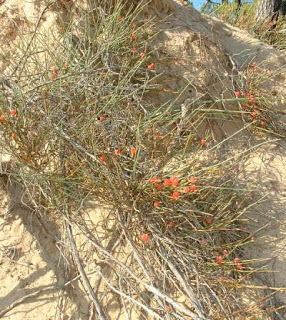
Picture of Sarcostemma

Tamils praise for Somarasam

Ninth Century Copper Plates of Pandya King Paranthaka Veera Narayanan praised Kataka Somyaji of Somasikurichi village as one who drank Soma juice and purified himself. The impression that the Tamil and Sanskrit literature left in the minds of Hindus is Soma juice is a purifier; purifier of the mind.

‘’Somapana manosudhdha Kataka Somayaji’’

The other name of Soma is Pavamana meaning of which is that which flows, that which purifies.

Avvaiyar, the grand old lady of Tamil literature, praised a Choza king on the day of successful completion of Rajasuya Yagna by the great Choza king Rajasuyam vetta Peru Narkilli (Reference: Pura Nanuru verse 367). Not only she praised the Cholza king, but also was extremely happy to see the three great Tamil kingdoms united under one banner. She saw the great Pandya and Chera kings along with the Choza king and greeted them to live longer like this. Tamils were a fighting race. They killed one another just to show heroism. But the poetess did not like war mongering kings. Rajasuyam is called Rajasuyam because the king/Raja presses the King of the Plants- Soma and drinks it. So Tamils used Soma rasam (Juice) 2000 years ago.


Krishna’s View on Soma plant

Krishna gave qualified support for Soma drinking. It won’t take you to your final goal of Mukti, but gives the joy of Indra Loka, says Krishna.

In Bhagavad Gita (9-20), he says,

‘Trividya mam somapah putapap……….’

Meaning : the knowers of the three Vedas who drink the Soma juice are cleansed of sin, worshipping Me with sacrifices, pray for the way to heaven they reach the holy world of Indra and enjoy the heavenly pleasures of the gods.

Sri Suktam also (verse 23) also glorified Soma Juice. ‘Let Indra drink Soma juice. Let the Devas who enjoyed drinking Soma juice give me enough wealth to do more Soma Yagas. It links Soma juice with Garuda, the eagle.

Soma is mythically reported to be brought by an eagle to the Vedic people, and even to their gods, from its place of origin:

Eagle/ Garuda reference: RV- I-80:2; 93-6; RV. III 43-7; IV 18-13, 26-4/7, 27-3/4; V-45-9; VI-20-6; VIIII-82-9; 100-8; IX 68-6, 77-2, 86-24, 87-6;X-11-4; 99-8;144-4/5.

The guardians of Soma tried to attack eagle and it escaped, according to Rig Veda(RV). Gandharvas also linked with the Soma plant in many verses. Mandalas of Kasyapa, Angirases and Bhrgus have more verses on Soma than others.

The Rig Veda and Avesta (Yasna Ceremony) agree on many points regarding Soma (Haoma plant).

Foreign scholars kept quiet about this Eagle-Soma link. They couldn’t explain it because it went against their views. Why should an eagle bring a plant? Eagle may even be a tribe’s name or their totem symbol.

Foreign scholars couldn’t explain another point as well. If it is an intoxicating drink why should they waste it by pouring it in to fire instead of fully consuming it? They did not explain why in the whole world only priests were drinking it? The herb sellers must have also used it and danced if it is an intoxicating drink.

Identification Confusion

Mr.Lassen identified it with Sarcostemma viminale or brevistigma, Mr Roth with Sarcostemma acidum, Mr George Watt with Afgan grape, Mr.Rice with sugarcane, Mr.Max Muller with a species of hop. Mr.Hillebrandt said that it was unidentifiable.

What we know from the Vedic literature is the colour of the shoots was brown, it grew on Mujavant mountain. it was purchased from the Gandharvas or hill tribes. They soaked it in water and pressed it for juice and filtered it. The Vedic seers mixed it with milk and drank it. Since it was difficult to get, they used alternate plants. If it was really an intoxicating one, they would have found many alternates. None of the ones we knew of intoxicating.

Prof.N.A.Quazilbash and Dr C.G.Kashikar Identified  Soma with Ephedra. If it is really Ephedra, lots of other plants with the chemical  Ephedrine are available even today and they would have used them as alternates. This plant is known as Uma in certain parts of the world and that is the basis for this identification!

R. Gordon Wasson identified Soma with a mushroom known as Amanita muscaria (Fly Agaric) used in Siberian Shamanism.

Whenever foreign scholars got stuck up and could not give reasonable explanation they simply hid behind something else. If they couldn’t find anything to support their theories they simply dubbed them as outside the Vedic tribes. Vedic deity Tvastr was linked with the far away areas of soma plant. Hillebrandt escaped by saying Tvastr came from outside the Vedic Tribes.
 Sura and Soma

Hieratic Soma is eulogised by Bramana literature

Alcoholic Sura is always denounced.

Satapata Brahmana remarks,” Soma is truth, prosperity and light; sura is untruth, misery or vice and darkness ( S.B. 5-1-2-1-10)

“satyam sri jyotih somah, anrtam, papma tamah sura”.

A Brahmana is enjoined not to drink Sura (wine) because it is unpropitious for him (S.B.12-8-1-5)

By drinking wine one becomes violent in temper (SB 12-7-3-20)

Tatriya Brahmana compares Soma with men and Sura with women.

Latest interpretation on Indus seals identifies the Stand in front of animals in the seals as soma juice filter.

Books for further reading: Identification of Soma by Dr.C.G Kashikar,Pune, 1990; The Rig Veda- A Historical Analysis—Shrikant G.Talageri, New Delhi, 2000; Life in Brahmana Period.

Pictures are taken from Wikipedia and other sites.Thanks.

Contact swami_48@yahoo.com


Shiva’s Help in Wrestling and Fencing!

Shiva’s Help in Wrestling and Fencing!

There are three interesting stories about wrestling and fencing matches in Tamil Literature. One story is from 2000 year old Sangam literature. But the other two are from recent writings wherein Lord Shiva figured as the saviour. Thiruvilaiadal Puranam was written by Tamil poet Paranjothi in the seventeenth century. It narrates the stories of Lord Shiva’s 64 ‘leelas’ (plays) in and around the Madurai. One of them is about a fencing match that happened over 1000 years ago. Another wrestling match happened just 300 years ago. Thiru U.Ve.Swaminatha Iyer, ‘Grandfather of Tamil’ and ‘Re discoverer of Ancient Tamil Manuscripts’, has written one anecdote in his beautiful, lucid Tamil.


A Brahmins fight with a Wrestler:

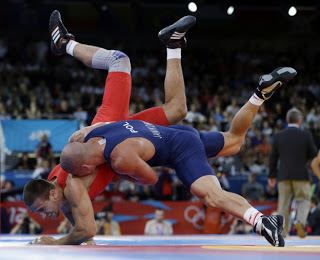
During the Maharastrian rule of Thanjavur region, Navaratri was celebrated on a grand scale. Descendents of Shivaji ruled from Thanjavur from 17th to 19th centuries (Bhonsle Kingdom). During one such Navaratri event, a wrestler came from North India with his followers. He challenged every one and came out victorious in all the matches. Even the Royal Thanjavur wrestlers were defeated. The King was worried very much. During one such match the king and the general public noticed something unusual. Among the spectators one Brahmin was standing with big bags on his head. But he did not care for the weight and enjoyed betel leaves and nuts. The king and ministers also became curious. Immediately the king sent for him. When his servants approached the Brahmin, he was wondering why the king wanted to see him. He wanted to unload the heavy bags he was carrying. The king’s servants couldn’t help him because it was too heavy. He asked the servants to get out of his way and unloaded them with effortless ease.

When he went to the king, he asked what the load was and what he was doing. He told the king that he was enjoying the game (wrestling) and laughing at them with the paddy bags on his head. The paddy bags were due to the landlord from whom he leased the land. The king asked him what made him to laugh. He gave an explanation in his reply: “I was wondering why the crowd is jubilant for nothing. For him it was not at all wrestling. The king became more curious and asked him for more details. He introduced himself as Kailasa Iyer of Mangudi, where all the Brahmins used to do wrestling. For them, what he saw today was a little boy’s game. The king’s face blossomed like lotus. He asked whether he could fight with the Northern wrestler. The Brahmin said he was ready and he did not need anything like armour. The king pointed out that the Northerner was a non vegetarian and reminded the Brahmin  he was only a vegetarian. Immediately Kailasa Iyer replied that what they ate daily was Prasad/offering of Lord Shiva which gave them added power and strength.


He went on the stage and challenged the wrestler. The wrestler first thought he was a novice. But as soon the wrestling started his limbs were caught in the grip of the Brahmin. The wrestler begged to him to leave him alone. The Brahmin told him he would do so provided he go to the king and admit his defeat. The wrestler went straight to the king and said that he was defeated.

The king and the retinue with the defeated wrestler wanted to see Mangudi wrestlers. Kailasa Iyer sent a word to his town. They were preparing the usual dinner for the guests. When the king’s party went to the town they were given the left over rice with pickles. This is called ‘Old Rice’ (Pazaiya Saadham)  in Tamil. The previous day cooked rice was soaked in water and used on the following day. On the banana leaf there was sesame seeds. Everyone was wondering what it was for. The Brahmin told them to squeeze it and get the gingelly (Seame seed) oil to mix with the rice. They thought the Brahmin was joking. But the Brahmin asked one of the boys to help them. He went to every leaf and squeezed it easily and the oil was coming in stream. The king was very happy that the Brahmin saved the honour of the Maharashtrian rule. He gave him lot of awards.


( One must read this in U Ve Swaminatha Iyer’s own words. I couldn’t do justice in my abridged translated version).

Fencing in Pandyan Kingdom

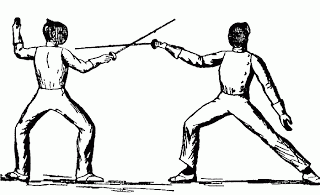
Now the story from Thiruvilayadal Puranam: During the reign of Kulothunga  Pandyan in Madurai , an old man from another country (region) was teaching fencing. Youths came to him in big numbers to learn the sword fight. One of his students named Siddhan started his own school of fencing. He became very jealous and slowly poached the students from the old man. Old man just prayed to Lord Shiva, the presiding deity of Madurai. Siddhan went to the old man’s house and tried to molest his wife. One day when he tried to grab her, she bolted the door and drove Siddhan out. But she did not say anything to her husband who went to the temple. She prayed to Lord Shiva to help her and her husband.


In the meantime Lord Shiva came in the guise of an old man and asked Siddha to come for a fight to test their strength. As planned they met outside Madurai. A big crowd gathered there. The old man fought valiantly and cut Siddhan’s limbs one by one. While he was doing it, he told Siddhan this was the hand that touched my wife, this was body that molested my wife, these were the eyes that looked at my wife. The Siddhan died of injuries and the old man (Shiva in disguise) disappeared. The crowd ran to his house and asked his wife where her husband was. She told them he had gone to the temple. When the jubilant crowd saw him coming, they congratulated him for the victory. He said that he did not know anything they say. Later he came to know the hardship his wife went through and Shiva’s sword fight. The king who came to know about this, arranged for a procession for the old man and his wife.


Clash of Wrestlers in Sangam Age

I have explained the Arya Porunan fight with Tamil wrestlers in my earlier post: “Did Olympics originate in India?”


9. Arya Porunan Vs Panan
Another tragic tale is about a wrestling contest. Panan, a wrestler from North India visited Tamil Nadu and challenged everyone for a contest. His friend Katti was also a North Indian. Tamil Nadu also had a great name in Wrestling –Kanaiyan. He was friendly with another northerner called Arya Porunan. At first Panan from the North challenged Arya Porunan, a migrant from north settled in Tamil country. Arya Porunan’s body was cut into two pieces. His friend Kanaiyan was shaking in fear and ran away from the scene. Now Panan became more arrogant and went to Uraiyur, the capital of Chola country to challenge Thithan Veliyan. Before entering the town he heard about big celebrations for Thithan Veliyan. People were praising his heroic acts. That gave Panan a big shock and now he was shaking in fear. Panan ran away without entering Uraiyur. Tamil poet Paranar made fun of him in his poems (please read my article The First Tamil Historian-Paranar).


If you want to read more about other wrestling matches during Mahabharata times, please read my earlier post —-DID OLYMPICS ORIGINATE IN INDIA?

Contact swami_48@yahoo.com


மழை வர பிரார்த்தனை

வினவுங்கள் விடை தருவோம் கேள்வி-2

மழை வர பிரார்த்தனை


மழை பெய்விக்க வருண ஜபம் செய்கிறார்கள். தமிழில் ஏதேனும் பாடல்கள் இருக்கிறதா? (ராமதாஸ் கேட்கும் கேள்வி)


கீழ்கண்ட பாடல்களை சில ‘வெப்சைட்டில்’ இருந்து எடுத்துள்ளேன். இவைகளை மழை பெய்விக்கவும் பொதுவாக கிரகங்கள் தொடர்பான கோளாறுகள் போகவும் படிப்பதுண்டு.


1.திருப்பாவை : ஆண்டாள் பாடியது


ஆழிமழைக்கண்ணா! ஒன்று நீ கைகரவேல்

ஆழியுட்புக்கு முகந்து கொடார்த்தேறி

ஊழிமுதல்வ னுருவம்போல் மெய்கறுத்துப்

பாழியந்தோளுடைப் பற்பநாபன் கையில்

ஆழிபோல் மின்னி வலம்புரிபோல் நின்றதிர்ந்து

தாழாதே சார்ங்க முதைத்த சரமழைபோல்

வாழ உலகினில் பெய்திடாய் நாங்களும்

மார்கழி நீராட மகிழ்ந்தேலோ ரெம்பாவாய்.


விளக்கம்: உலகில் நல்ல செயலைச் செய்யத் தொடங்கினால் பலரும் வந்து தன்னாலியன்ற உதவியைச் செய்வார்கள். நல்ல மழைபொழிந்து நாட்டில் நன்மை ஏற்படுவதற்காக கிருஷ்ண பக்தர்களான ஆயர் சிறுமியர் நோற்கும் நோன்புக்குத் தானும் உதவி செய்யவேண்டும் என்ற நோக்கத்தோடு மழையைத் தரும் வருணதேவன் இவர்களின் எதிரில் வந்து நிற்கிறான். அவனை ஆழிமழைக்கண்ணா! என்றழைத்து நாங்களும் கண்ணனும் மகிழ்ந்து நீராடும்படி மழைபொழிய வேண்டும் என்று அவனுக்குக் கட்டளை இடுகிறார்கள். மழைபொழியும் செயலைக் கண்ணும் கருத்துமாக நடத்தும் வருணதேவனே! உன்னுடைய கொடைத்தன்மையில் சிறிதும் மறைத்துக் கொள்ளாமல் மழைபொழிந்து எல்லோருக்கும் உதவவேண்டும். நிறைய மழையைத் தர தண்ணீருக்கு எங்கே போவது என்று நினையாதே! நடுக்கடலுக்குச் சென்று முகத்தைத் தண்ணீரில் வைத்து உனக்குத் தேவையான அளவு தண்ணீரைப் பருகு; ஆரவாரித்துக்கொண்டு வானத்திற்குச் செல்; ஊழி முதல்வனின் உருவம்போல் கருமை நிறத்தைப் பெறு; மிக்க வலிமையுடைய பத்மநாபனின் வலக்கையில் இருக்கும் சக்கரம்போல் சுடரொளியால் மின்னலை மின்னிக்காட்டு; பகவானின் கையில் இருக்கும் வலம்புரிச் சங்குபோல் ஒலித்துக்காட்டு; ராமனுடைய கையில் இருக்கும் திருச்சார்ங்கத்திலிருந்து கிளம்பும் ராமபாணம்போல் அனைவரும் வாழ இவ்வுலகினில் மழைபொழிந்திடாய்! நாங்களும் கண்ணனும் மகிழ்ந்து நீராட தாமதிக்காமல் மழைபொழிந்திடு என்கிறார்கள்.


2. இசை விற்பன்னர்கள் இருந்தால் அமிர்தவர்ஷினி ராகம் அல்லது மேகரஞ்சனி ராகத்தில் பாடவோ வாத்தியங்களை இயக்கவோ செய்யலாம். எல்லாவற்றுக்கும் மேலாக நம்பிக்கையும் மனம் குவிந்த பிரார்த்தனையும் இருந்தால் கைமேல் பலன் கிடக்கும் என்பது முன்னோர் கண்ட முடிவு. எட்டயபுரம் பகுதியில் வறட்சி நிலவியதைப் பார்த்து வருத்தம் அடைந்த முத்து சுவாமி தீட்சிதர்,  அமிர்த வர்ஷினி ராகத்தில் “ஆனந்த அம்ருதகர்ஷினி” என்ற பாடலைப் பாடியவுடன் மழை கொட்டியது.


3.ஆதிகாலத்தில் வறட்சி எற்பட்டால் ரிஷி முனிவர்களை நாட்டிற்குள் வர அழைப்பார்கள். கோசல நாட்டில் வரட்சி ஏற்பட்டவுடன் ரிஷ்யசிருங்க (கலைக்கோட்டு) முனிவரை காட்டில் இருந்து அழைத்துவந்தார் தசரத மாமன்னன். உடனே மழை கொட்டியது. இதனால்தான் “நல்லார் ஒருவர் உளரேல் எல்லோர்க்கும் பெய்யும் மழை” என்ற வாசகம் வந்தது.


4.தெய்வம் தொழாள் கொழுநன் (கணவன்) தொழுதெழுவாள் பெய்யெனப் பெய்யும் மழை என்று வள்ளுவரும் கூறுகிறார்.


5.தேவாரம்: கோளறு திருப் பதிகம் (திருஞான சம்பந்தர் பாடியது. இதைப் பாடினால் கிரகங்கள் காரணமாக நிகழும் அனைத்துத் துன்பங்களும் நீங்கும் என்பது நம்பிக்கை)


1. வேய் உறு தோளிபங்கன் விடம் உண்ட கண்டன்

மிக நல்ல வீணை தடவி

மாசறு திங்கள் கங்கை முடிமேல் அணிந்து என்

உளமே புகுந்த அதனால்

ஞாயிறு திங்கள் செவ்வாய் புதன் வியாழன் வெள்ளி

சனி பாம்பு இரண்டும் உடனே

ஆசறு நல்லநல்ல அவை நல்ல நல்ல

அடியார் அவர்க்கு மிகவே.


2. என்பொடு கொம்பொடு ஆமை இவை மார்பு இலங்க

எருது ஏறி ஏழை உடனே

பொன்பொதி மத்தமாலை புனல் சூடி வந்து என்

உளமே புகுந்த அதனால்

ஒன்பதொடு ஒன்றொடடு ஏழு பதினெட்டொடு ஆறும்

உடனாய நாள்கள் அவைதாம்

அன்பொடு நல்லநல்ல அவைநல்ல நல்ல

அடியார் அவர்க்கு மிகவே.


3. உரு வளர் பவளமேனி ஒளி நீறு அணிந்து

உமையோடும் வெள்ளை விடைமேல்

முருகு அலர் கொன்றை திங்கள் முடிமேல் அணிந்து என்

உளமே புகுந்த அதனால்

திருமகள் கலையது ஊர்தி செயமாது பூமி

திசை தெய்வம் ஆன பலவும்

அருநெதி நல்லநல்ல அவை நல்லநல்ல

அடியார் அவர்க்கு மிகவே.


4. மதிநுதல் மங்கையோடு வடபால் இருந்து

மறை ஓதும் எங்கள் பரமன்

நதியொடு கொன்றைமாலை முடிமேல் அணிந்து என்

உளமே புகுந்த அதனால்

கொதிஉறு காலன் அங்கி நமனோடு தூதர்

கொடுநோய்கள் ஆன பலவும்

அதிகுணம் நல்லநல்ல அவை நல்லநல்ல

அடியார் அவர்க்கு மிகவே.


5. நஞ்சு அணி கண்டன் எந்தை மடவாள் தனோடும்

விடை ஏறும் நங்கள் பரமன்

துஞ்சு இருள் வன்னி கொன்றை முடிமேல் அணிந்து என்

உளமே புகுந்த அதனால்

வெஞ்சின அவுணரோடும் உரும் இடியும் மின்னும்

மிகையான பூதம் அவையும்

அஞ்சிடும்  நல்லநல்ல அவை நல்லநல்ல

அடியார் அவர்க்கு மிகவே.

6. வாள்வரி அதள் ஆடை வரி கோவணத்தர்

மடவாள் தனோடும் உடனாய்

நாண்மலர் வன்னி கொன்றை நதிசூடி வந்து என்

உளமே புகுந்த அதனால்

கோள் அரி உழுவையோடு கொலை யானை கேழல்

கொடு நாகமோடு கரடி

ஆள் அரி நல்லநல்ல அவை நல்லநல்ல

அடியார் அவர்க்கு மிகவே.


7. செப்பு இளமுலை நல் மங்கை ஒருபாகம் ஆக

விடையேறு செல்வன் அடைவு ஆர்

ஒப்பு இளமதியும் அப்பும் முடிமேல் அணிந்து என்

உளமே புகுந்த அதனால்

வெப்பொடு குளிரும் வாதம் மிகை ஆன பித்தும்

வினையான வந்து நலியா

அப்படி நல்லநல்ல அவை நல்லநல்ல

அடியார் அவர்க்கு மிகவே.


8. வேள்பட விழிசெய்து அன்று விடைமேல் இருந்த

மடவாள் தனோடும் உடனாய்

வாண்மதி வன்னி கொன்றை மலர்சூடி வந்து என்

உளமே புகுந்த அதனால்

ஏழ்கடல் சூழ் இலங்கை அரையன் தனோடும்

இடரான வந்து நலியா

ஆழ்கடல் நல்லநல்ல அவை நல்லநல்ல

அடியார் அவர்க்கு மிகவே.


9. பலபல வேடமாகும் பரன் நாரிபாகன்

பசு ஏறும் எங்கள் பரமன்

சலமகளோடு எருக்கும் முடிமேல் அணிந்து என்

உளமே புகுந்த அதனால்

மலர்மிசையோனும் மாலும் மறையோடு தேவர்

வருவகாலமான பலவும்

அலைகடல் மேருநல்ல அவை நல்லநல்ல

அடியார் அவர்க்கு மிகவே.


10. கொத்து அவர் குழலியோடு விசயற்கு நல்கு

குணம் ஆய வேட விகிர்தன்

மத்தமும் மதியும் நாகம் முடிமேல் அணிந்து என்

உளமே புகுந்த அதனால்

புத்தரொடு அமணை வாதில் அழிவிக்கும் அண்ணல்

திருநீறு செம்மை திடமே

அத்தகு நல்லநல்ல அவை நல்லநல்ல

அடியார் அவர்க்கு மிகவே.


11. தேனமர் பொழில் கொள் ஆலை விளைசெந்நெல் துன்னி

வளர் செம்பொன் எங்கும் நிகழ

நான்முகன் ஆதியாய பிரமாபுரத்து

மறைஞான ஞானமுனிவன்

தான் உறு கோளும் நாளும் அடியாரை வந்து

நலியாத வண்ணம் உரைசெய்

ஆன சொல்மாலை ஓதும் அடியார்கள் வானில்

அரசாள்வர் ஆணை நமதே.

என்ற கோளறு திருப்பதிகம் பாடியருளினார்.


நம்பினார் கெடுவதில்லை. இது நான்கு மறை தீர்ப்பு

அம்பிகையைச் சரண் புகுந்தால் அதிக வரம் பெறலாம் (மகா கவி பாரதி)


Please read my earlier posts:

1.Spaceships and Special Prayer Days (February 2012)

2.மாதத்துக்கு மூன்று மழை ஏன்? (டிசம்பர் 2012)

3.Rain Miracles: Rain by Fire and Music

Please send your questions to : swami_48@yahoo.com


Lord Shiva’s Favourite Number 8

Picture Shiva killing Elephant Demon (Gaja Samhara Murthy)

Lord Shiva’s Favourite Number 8

Lord Shiva, one of the Hindu Trinity, is linked with number eight. It looks like his favourite or his devotees’ favourite number is 8. Saivite saint Appar alias Thirunavukkarasu, of the seventh century AD, praised him in a verse that Shiva enjoys Puja with eight flowers ‘inside’ and ‘outside’. It means he likes eight flowers and eight good qualities in a man or woman. Apart from this Shiva is called Ashta Murthy. Sanskrit word ‘Ashta’ is the root for English ‘eight’ and Tamil ‘Ettu’. Tami Nadu boasts of Eight Shrines of Shiva’s  Eight Heroic deeds known as Ashta Veerattanams. Read about the interesting coincidence below:


Ashta Veerattanas ( Eight Heroic Attack Shrines)

Eight of Siva’s heroic deeds are highlighted in eight places in Tamil Nadu. Siva punished eight demons here. The fact of the matter is Siva did not kill or punish anyone. He was not a violent attacker. The bad qualities and thoughts that come to any human being are personified as demons. When we say Siva killed Kama Deva Manmathan, what we mean is Siva kills the lustful thoughts in any one who worships him. When we read that Siva decapitated Daksa, then we understand Siva kills ego and envy in us. So whoever worships Lord Siva can be sure of demonic thoughts in us destroyed at that very minute. Devotion to Siva or visit to these eight temples will enlighten us.

Picture of Shiva burning Lust

Tirukkovilur : Siva killed Andhakasuran. Andhaka represents darkness=ignorance. Worshippers of Siva get enlightenment by ‘killing’ ignorance.

Tiruvirkudi : He killed Jalandaran (water demon). Symbol of unlimited power. One who thinks that one is above God. To avoid ‘know all’ feeling one should worship Siva.

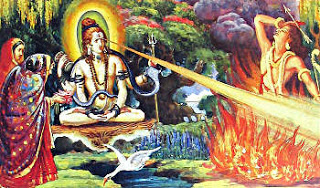
Tirukkurukkai : He burnt the god of Love Manmathan. Manmathan means one who churns or stimulates our mind with lust. By worship of Siva, one can drive away lust.

Tiruppariyalur/ Parasalur:  Siva decapitated Daksa, embodiment of envy and ego. He was given a goat’s head. When your ego is taken, you follow God like a goat.

Vazuvur: He hilled the elephant demon (Gaja Samahara). Elephant is used as a symbol of uncontrolled thoughts. One gets lost when one loses self control. Mahout uses the spear to control the elephant. Siva worship is the weapon to control the thoughts.

Tirukkadaiyur : He punished the God of Death by kicking him out. The fear of death in us will be killed or kicked out by the worship of Siva.

Tiruvadigai : Tripura Samharam. When one gets lot of power one gets corrupted, like our politicians. Absolute power corrupts absolutely, Says Bacon. Three demons Kamalan, Kamalakshan and Vidyunmali were flying with their three metal forts disturbing others and Siva destroyed them.

Kandiyur : One of the five  heads of Brahma was cut. Arrogance due to learning represents fifth head of Brahma.

Picture of Shiva decapitating Daksha

Eight Flowers:

What are the eight flowers suitable for Shiva Puja (‘Puja’ is offering)?

Alari, Pathiri, Punnai, Senthamarai, Kuvalai, Vellerukku, Shanpakam, Nandhiyavartham are the eight flowers according to the commentators of Thevaram verse.

அலரி(Oleander) Nerlum indicum or odorum apocyanaceae

பாதிரி patali/ Steriospermum suaveolens  bignoniaceae

புன்னை (Alexandrian Laurel), Calophyllum inophyllum (Family: Guttiferae)

செந்தாமரை,  Nelumbo nucifera , Nymphaeaceae

குவளை, Nymphaea rubra or nouchali  Nympheaceae

வெள்ளெருக்கு, Calotropis gigantea  Asclepiadaceae

சண்பகம், Michelia champaca Magnoliaceae

நந்தியாவர்த்தம் Ervatamia divaricata,or coronaria Apocyanaceae


( Picture of Ervatamia  and Water Lily)

Eight Virtues:

கொல்லாமை (non violence), புலனடக்கம் (self control), சாந்தம் (Equanimity) அன்பு (kindness/love), தியானம்(Meditation), தவம், /சகிப்புத் தன்மை Tolerance, சத்தியம், Truth, மெய்யறிவு (Faith in God/ Wisdom) are the eight qualities of devotees of Shiva according to commentators.


Eight Forms of Shiva/ Ashtamurthy

Shiva is called Ashtamurthy . His eight forms are Air, Water, Fire, Ether, Earth, Sun, Moon and Soul (or the master).


8 Parts / Construction of Shivalaya/Shiva Temple

Shivalinga ( Formless shape)= Pathi

Nandhi/ Bull= Pasu

Balipeedam/Paltform for offering = Pasam

Thiruvatchi/ Arch behind the god = Pranava

Thirai seelai/ Curtain = Maya

Kodimaram/ Flag staff = Anava

Gopuram/Tower = Jeevarasi/ living beings

Garba griha/ Sanctum sanctorum = Manas/Mind

The darkeness inside the sanctum sanctorum is equal to ignorance. The Deepa Arti will drive away this darkness/ignorance and enlighten a devotee.


Eight fold path of Buddha

The rare coincidence with Buddhism is that they also use number 8. The Buddha’s teachings are eight fold. Buddha was agnostic, that means he did not talk about God, but he advise his followers to follow the eight fold path to attain nirvana (mukti). Those are

Right View/ understanding

Right Intentions

Right Speech

Right Action

Right Livelihood

Right Effort

Right Concentration

Right Mindfulness


Eight Symbols

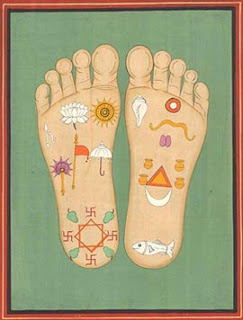
They consider eight symbols as auspicious and they are Fish, Parasol, Conch, Lotus, Victory banner Vase with holy water, Wheel of Dharma, Knot of eternity. Saints are said to have them in their foot in the fingerprints.

We see number eight is important for both Buddhists and Saivites. Their approach is almost similar. Even Vaishnavites consider the Eight Letter Mantra Om Namo Narayana is the holiest mantra. Ashta Mangalyam are ,known as eight auspicious products, used by malayali Hindus in Kerala.


Tamil References:

எட்டு நாண்மலர் கொண்டவன் சேவடி

மட்டலரிடு வார்வினை மாயு மால்

கட்டித் தேன்கலந்தன்ன கெடிலவீ

ரட்ட னாரடி சேருமவருக்கே (அப்பர் 5-54-1)

&&&&&

புகையெட்டும் போக்கேட்டும் புலன்களெட்டும்

பூதலங்களவையெட்டும் பொழிகளெட்டும்

கலையெட்டும் காப்பெட்டும் காட்சியெட்டுங்

கழற்சேவடி யடைந்தார் களைகளெட்டும்

நகையெட்டும் நாளெட்டும் நன்மையெட்டும்

நலஞ்சிறந்தார் மனத்தகத்து மலர்களெட்டும்

திகையெட்டும் தெரிப்பதற்கு முன்னோபின்னோ

திருவாரூர் கோயிலாக் கொண்டநாளே (அப்பர் தேவாரம் 6)

**********

 contact swami_48@yahoo.com  

கற்பூரம் ஏற்றுவது ஏன்?

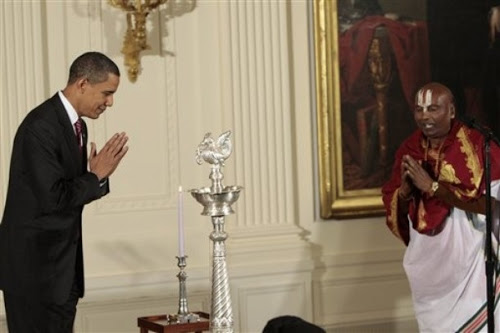
Picture of President Obama with Hindu Priest at White House in 2009.

வினவுங்கள் விடை தருவோம்- பகுதி 1

கற்பூரம் ஏற்றுவது ஏன்?

(பயன்படுத்திய நூல்கள்: 1) இந்துமத தத்துவங்களும் சடங்குகளும்- பேராசிரியர் டி.கே. நாராயணன்; 2) இந்து சமயக் களஞ்சியம்—மு.திரவியம், 3) இந்துமதம் பதில் அளிக்கிறது,பகுதி-3, தொகுப்பு எஸ்.லட்சுமி சுப்பிரமண்யம்).

Q) Why do we light camphor in temples? A)The answer is available in English as well.

“தீப மங்கள ஜோதி நமோ நமோ

தூய அம்பல லீலா நமோ நமோ” (திருப்புகழ்)


“தமசோ மா ஜோதிர் கமய”

(இருளில் இருந்து ஒளிக்கு அழைத்துச் செல்: பிருஹத் ஆரண்யக உபநிஷத்)

1.ஏன் இறைவனுக்கு கற்பூரம் காட்டுகிறோம்? (கு.அருள் ஜெகன் கேட்ட கேள்வி)

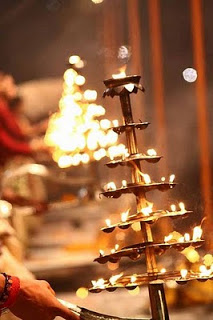
அ) கோவில்களில் கடவுளின் பிரதிமை/ உருவம் உள்ள கர்ப்பக்கிரகம் (கருவறை) இருட்டாக இருக்கும். பழங் காலத்தில் மின் விளக்குகள் கிடையாது.புகை, எண்ணெய் முதலியன பட்டு மூர்த்தியின் உருவம் கெட்டுவிடக் கூடாது என்பதற்காக பல கோவில்களில் வெளியே தான் விளக்குகள் வைக்கப்பட்டு இருக்கும். கற்பூரமோ நெய் விளக்கோ காட்டும்போது கடவுளின் உருவம் நன்கு தெரியும். அப்போது பட்டர் அல்லது அர்ச்சகர் அந்தக் கோவிலின் , மூர்த்தியின் பெருமையை மனப்பாடமாக ஒப்புவிப்பார். இது புத்தகத்தில் படித்துச் சொல்லும் விஷயம் அல்ல. அவர் கூறுவது ஆயிரக்கணக்கான ஆண்டுகளாக செவி வழி மூலம் பெறப்பட்ட அரிய விஷயம். அவ்வாறு ஒருவர் சுவாமியின் மீது வெளிச்சம் போட்டுக் காட்டி, விவரிக்கும்போது நமது முழு கவனமும் அதன் மீது இருக்கும். இவ்வாறு மனம் குவியும்போது நாம் செய்யும் பிரார்த்தனை அப்படியே நிறைவேறும். அப்போது கடவுளைத் தரிசனம் செய்யும் எல்லோரும் ஒரே ‘வேவ் லெந்த்’தில் இருப்பதால் இறையருள் பெறுவது எளிதாகிறது.

Picture of pure camphor

ஆ) இதற்கு ஒரு தத்துவ விளக்கமும் உண்டு. மனத்திலுள்ள இருட்டு, அதாவது அஞ்ஞானம், விலக இறை அருள் தேவை. ஆரத்தியில் காட்டும் தீபம் எப்படி கர்ப்பக்கிரக இருளைப் போக்குகிறதோ அதுபோல, நம் அகத்தில் உள்ள இருளும் வழிபாட்டில் மறைந்து விடும்.


இ) கற்பூரத்துக்கும் நெய் தீபத்துக்கும் வேறுபாடு உண்டு. கற்பூரம் என்பது ஒரு விநோதமான ஹைட்ரோகார்பன் பொருள். இதை எரிக்கும்போது பதங்கமாதல் (சப்ளிமேஷன் ) என்னும் முறையில் எரிகிறது. அதாவது அந்தப் பொருளை சூடு படுத்தும்போது திட நிலையில் இருந்து திரவ நிலைக்குச் செல்லாமல் நேரடியாக வாயு நிலைக்குப் போய்விடும். இதே போல கற்பூரம் போல வெள்ளை உள்ளம், தூய உள்ளம் உடையோர், இடைப்பட்ட நிலைகளைக் கடந்து நேராக இறைவனிடத்தில் ஐக்கியமாகலாம் என்பதையும் கற்பூர ஆரத்தி நினைவுபடுத்துகிறது.


ஈ) கற்பூரம் வெண்மையானது. அது போல ஆன்மா சுத்த தத்துவ குணமுள்ளது. கற்பூரம் ஏற்றியவுடன் அது தீபம் போல எரிகிறது.  அதே போல மலம் நீங்கப்பெற்ற ஆன்மாவானது ஞானாக்கினியால் சிவகரணம் பெற்று நிற்கிறது. கற்பூரம் இறுதியில் ஒன்றுமின்றி கரைந்து போகிறது. அதே போல ஆன்மாவானது சரீரத்தை விட்டு நீங்கி மறைந்து இறைவனோடு ஒன்றுபடுகிறது.

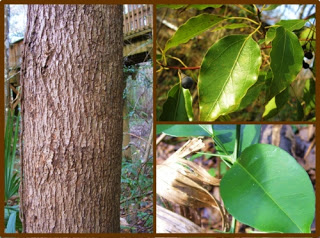
Picture of camphor tree

உ) இதோ சுவாமி தயானந்த சரஸ்வதி அளிக்கும் பதில்: ஆலயத்துக்குச் செல்லும்போது வெளிச்சம் நிறைந்த வெளிப் பிரகாரத்தில் இருந்து கருவறைக்கு முன் வந்து நிற்கிறோம். அங்கே இருள் சூழ்ந்து இருக்கிறது. விளக்கு ஒளியில் மங்கலாக விக்ரகம் தெரிகிறது. அர்ச்சகர் கற்பூரத்தை ஏற்றி நம்மை தரிசிக்க வைக்கிறார். தலையில் உள்ள மணிமுடியால் தலை இருக்கும் இடம் தெரிகிறது. காதில் உள்ள குழையால் முகம் இருக்கும் இடத்தைப் பார்க்கிறோம். கழுத்தில் உள்ள மாலை அவருடைய மார்பைக் காட்டுகிறது இடையில் உள்ள அணி இறைவனின் மேனியைக் காட்டுகிறது, காலில் உள்ள சதங்கை அவனது பாதங்களைக் காட்டுகிறது. ஆகக் கற்பூரம் ஒவ்வொரு இடத்திலும் ஒளியேற்றும்போது, இறைவனின் உருவத்தை நாம் ஒவ்வொரு பகுதியாகப் பார்த்து விடுகிறோம்.

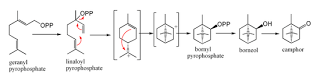
Picture of chemical formula of camphor

இது எப்படி இருக்கிறது? இறைவனின் சக்தியை உணருவதன் மூலம் , அவனைப் புகழ்ந்து பாடுவதன் மூலம்  அவனை அடையாளம் காணுவதைப் போலத்தான் இருக்கிறது. சூடான சூரியனின் கதிர்களும், குளிர்ந்த நிலவின் ஒளியும்,  கண்ணைக் குளிரச் செய்யும்  தாவரங்களின் பசுமையும் தாகத்தைத் தணிக்கும் ஊற்றின்  நீரும் இறைவனின் பிரதியாக , அவனுடைய புகழின் வடிவமாக  நமக்குத் தரிசனம் தருகின்றன. அவற்றின் மூலம் இப்படி நாம் இறைவனைப் புரிந்து கொள்கிறோம். “எத்தனை கோடி இன்பம் வைத்தாய் இறைவா?” என்று கூறி மகிழ்கிறோம். இதே செயலைத் தான் நாம் ஆலயத்தின் கருவறையிலும் செய்கிறோம். இத்தனை சிறப்பான வடிவத்தை சுடர் ஒளி அங்கம் அங்கமாகக் காட்டும் போது, அடையாளம் கண்டு கொள்கிறேனே! என்று கூறி வியக்கிறோம். அப்படி உணரும்போது நமது அறியாமை கரைந்து மறைகிறது. அதே போல கற்பூரமும் ஒளி அணைந்து காற்றில் கரைந்து மறைந்து விடுகிறது.


ஞானாக்கினியில் அறியாமை எரிக்கப்படுவதை, கற்பூரம் நமக்கு ஒளிகாட்டி எரிந்து மறைவதன் மூலம் உணர்த்துகிறது. ஒளியே வடிவான இறைவனை ஒளி மூலம் உணர்கிறோம். அப்போது ஞானமே வடிவான இறைவன் நமக்குள்ளேயே இருப்பதை உணர்கிறோம்.

இந்தத் தத்துவத்தைக் காட்டுவதே கற்பூரம் ஏற்றித் தரிசனம் செய்ய வைக்கும் நிகழ்ச்சியாகும்”. (சுவாமி தயானந்த சரஸ்வதி).

(குறிப்பு: இப்போது தமிழ்நாட்டுக் கோவில்களில் கற்பூரம் ஏற்றுவதை அனுமதிப்பதில்லை. இதற்குக் காரணம் தூய கற்பூரத்துடன் செயற்கையான மெழுகைச் சேர்க்கும்போது அது கரித் தூளை உமிழ்கிறது. இது புறச் சூழலைக் கெடுக்கிறது. இதற்குப் பதிலாக அதே ஒளியூட்டும் பணியை நெய் விளக்கு செய்கிறது. தத்துவம் ஒன்றே.)


(பி.பி.சி. தமிழோசையில் தமிழ் ப்ரொட்யூசராகப் பணியாற்றிய ஆறு ஆண்டுக் காலத்தில், ‘வினவுங்கள் விடை தருவோம்’ என்று நான் (லண்டன் சுவாமிநாதன்) நடத்திய நிகழ்ச்சி, 35 மொழிகளில் முதன்மையாக நின்றது. ஒரே ஆண்டில் 19,000 நேயர் கடிதங்களைப் பெற்று  சாதனை படைத்தது (1987- 1992). அந்தக் கேள்வி பதில்களை அதே தலைப்பில் புத்தகமாக வெளியிட்டவுடன் 3000 புத்தகங்களும் உடனே விற்றுத் தீர்ந்துவிட்டன. இப்போது எனது 500 ஆய்வுக்கட்டுரைகளைப் படிப்போர் தனிப்பட்ட மெயிலில் சில கேள்விகளைக் கேட்கின்றனர். அவைகளுக்குப் பதில் அனுப்பி வந்தேன். இனி அதையும் பழைய பி.பி.சி. பாணியில் வெளியிட்டால் என்ன என்று தோன்றியது. நீங்களும் கேள்விகள் கேட்கலாம்).


contact : swami_48@yahoo.com

The King who saw God in Everything

The King who saw God in Everything

(Tamil version of this article is posted separately: Swaminathan)

Varaguna Pandya was a great devotee of Lord Shiva. Dalavaipuram Copper Plates of Pandyan Paranthaka Veeranarayan praised ‘Varagunan as one who always kept Shiva’s name in his heart’. Tamil books such as Tirukkovaiyar of Manikavasagar and Pattinathar Poems also praised his devotion to Lord Shiva. He lived in the ninth century AD. There are very strange stories about his blind devotion. He stood as an example of nine qualities attributed to a Bhakta/devotee by the Bhagavatha Purana.


Sravanam: Hearing about God

Kirtanam: Reciting God’s name

Sramanam: Remembering him in everything he sees or hears

Padasevanam: Service of him as manifested in all beings

Arachanam: Worshipping him in images and holy places

Vandanam: Showing proper respect to all holy images, holy persons, symbols

Dasyam: Feeling as his servant

Sakhyam: Treating God as his intimate friend

Atma nivedanam: Surrendering oneself to Him.


Appar alias Tirunavukkarasu also said the same thing about Bhakti/ devotion in his Thevaram verse. It is like a girl falling madly in love with a man. Then she sees him everywhere and in everything. We have lot of such references in the Sangam literature.

Pattinathar’s book ‘Tiruvidai Marudur Mummani Kovai’ is included as the Eleventh book (Tirumurai) in Saivite canon. Pattinathar has given all the anecdotes about Varaguna Pandya in his verse:

1.When Varaguna Pandya was staying in Tiruvidai Marudur, his guards caught a thief and brought him to the king. The thief wore holy ash on his forehead. Immediately Varaguna was reminded of Lord Shiva. He ordered his guards to release him at once.

2.When the foxes howled in the night, he thought they are saying the name of Lord Shiva and immediately he called his servants and asked them to give shawls to the animals so that they feel warm in the cold.

This is not new to the Tamils. Chieftain Pari provided his chariot for the jasmine climber as a support. Another chieftain Bekan gave a shawl to the dancing peacock thinking that it was shivering in the cold.  They are among the Seven Philanthropists of Tamil speaking world. King Kulasekara ordered his army to march to provide support to Rama who was fighting the demons. This happened while he was just listening to Ramayana. Rama lived several thousands of years before King Kulasekara.

3. When the frogs croaked in the nearby ponds Varaguna heard only Shiva’s name and asked the servants to throw gold coins and flowers in to the ponds.

4. Sesame seeds were dried in the hall of the local temple. It was meant for the sesame oil for the temple lamps. Varaguna saw a person eating it. He chastised him for eating God’s sesame seeds and asked whether he knew the consequences. Immediately he replied that he knew that he would be born as a bull that is used in the temple Oil Expeller unit. That oil will be used to light the lamps in the Shiva temple. As soon as the king heard it, he made him to spit the sesame seeds and ate it. Now it was the turn of the man to question. He asked the king why he ate the spat. Varaguna told him at once, the Oil Expeller needs two bulls to operate and he wanted to be the second bull.

5.While he was circling the temple , he saw a skull in the temple complex. He prostrated before the skull saying that the person must have done a lot of good things in his life to be this lucky.

6.When he saw some dog’s mess in the temple, though he was a king,  he himself cleaned it saying that it was a big service to Shiva.

7.Wherever he saw the fruits of Neem tree he was reminded of Shivlinga form and so he ordered to install sheds (shelter) on top of those fruits.

8. When his ministers brought the women of defeated kings for him to marry, he ordered them to be offered at the temples for service.


All these anecdotes are in a single verse of Pattinathar. King Varaguna was an extremist in Bhakti. If we look at his deeds superficially, we may think that he had gone mad. If we look deeper in to his activities, we would appreciate his devotion. At the end of the day, his activities never hurt anyone, never harmed anyone. We have such examples in several leaders’ lives. The disciple of a Guru or the follower of a leader does  something like this for the sake of his or her Master.

Tamil References mentioned above are given in the Tamil version of this article.

Contact: swami_48@yahoo.com

****************

பாண்டிய மன்னனின் அளவற்ற பக்தி!

பக்திக்கு இலக்கணமாகத் திகழ்ந்தவன் வரகுண பாண்டியன். இவனுடைய கதையைக் கேட்டால் இப்படியும் பித்துப் பிடித்தவர் போல பக்திமான் இருக்க முடியுமா என்று வியக்கத் தோன்றும். பாகவதத்தில் பக்திக்கு இலக்கணம் வகுக்கப்பட்டுள்ளது. நல்ல பக்தனுக்கு ஒன்பது வகையான செயல்கள் உண்டு. இதையே நாரத பக்தி சூத்திரம், அப்பர் பாடல் ஆகியவற்றிலும் காணலாம். ஏறத்தாழ காதல் வயப்பட்ட ஒரு இளைஞனோ யுவதியோ எப்படி இருப்பரோ அப்படி பக்திமானும் இருப்பார். ஆனால் காதலில் கிடைப்பது உடல் சம்பந்தமான சிற்றின்பம். பக்தியில் கிடைப்பாதோ ஆன்மா சம்பந்தமான நிரந்தரமான பேரின்பம்.


பாகவத புராணத்தில் வரும் ஸ்லோகம் இதோ:

ஸ்ரவணம் கீர்த்தனம் விஷ்ணோ: ஸ்மரணம் பாத சேவனம்

அர்ச்சனம் வந்தனம் தாஸ்யம் ஸக்ய ஆத்மநிவேதனம் (பாகவதம் 7-5-23)


அதாவது கடவுளின் நாமத்தைக் 1.கேட்டல், பக்திப் பரவசத்துடன் 2.பாடுதல், கடவுளின் பெயரை சதாசர்வ காலமும் 3.நினைத்தல், அவனுடைய பாதாரவிந்தங்களில் 4.பணிவிடை செய்தல், பூவாலும் இலையாலும் பொன்னாலும் மணியாலும் அவனை 5.அர்ச்சித்தல், அவனை சிரம் மேற் கைகூப்பி 6.வணங்குதல், அவனுக்கு 7.அடிமைபோல பணியாற்றல், அவனை உயிருக்குயிரான 8.நண்பனாகக் கருதல், இருதயபூர்வமாக 9.தன்னையே அர்ப்பணித்தல் ஆகிய ஒன்பது செயல்களைப் பக்தனிடம் காணலாம். இவைகளை ஆண்டவனுக்கு மட்டுமின்றி இறையடியார்க்கும் செய்வர்.

இந்தக் கருத்துகளை அப்பர் பெருமான் தனது தேவாரப் பாடலில் அப்படியே வடித்துள்ளார்:


அப்பர் தேவாரம்

முன்னம் அவனுடைய நாமம் கேட்டாள்

மூர்த்தி அவனிருக்கும் வண்ணம் கேட்டாள்

பின்னம் அவளுடைய ஆரூர் கேட்டாள்

பெயர்த்தும் அவனுக்கே பிச்சியானாள்;

அன்னையும் அத்தனையும் அன்றே நீத்தாள்

அகன்றாள் அகலிடத்தே ஆசாரத்தை

தன்னை மறந்தாள் தன் நாமங் கெட்டாள்

தலைப் பட்டாள் நங்கை தலைவன் றாளே


சங்க இலக்கியத்தில் அகப்பாட்டுகளைப் படித்தோருக்கு காதலன், காத்லியின் நிலை விளங்கும். அப்பர் கூறிய பக்திப் பித்தை, பைத்தியத்தை அங்கும் காணலாம்.

இந்த குணநலன்களை வரகுண பாண்டியன் விஷயத்தில் நன்கு பார்க்கமுடிகிறது. இது தமிழர்களுக்குப் புதிதல்ல. முல்லைக் கொடிக்குத் தேர் ஈந்தான் பாரி வள்ளல், மேகத்தைக் கண்டு மகிழ்ச்சியாக ஆடிய மயிலைக் கண்டு குளிரால் நடுங்குகிறது என்று போர்வை அளித்தான் பேகன். ராமாயாண உபந்யாசம் கேட்டு உணர்ச்சிவசப்பட்ட குலசேகரன், தனது படைகளை உடனே ராமருக்கு உதவியாக அனுப்ப உத்தரவிட்டான். இது போல புகழ்சோழன், ஏனாதிநாயனார் கதைகளிலும் பல நிகழ்ச்சிகளைப் படிக்கிறோம். மேம்போக்காகப் பார்த்தால் அவர்களுடை செயல்கள் அறிவிழந்தவர் செயல் போலத் தோன்றும். ஆழமாகப் பார்த்தால் அவர்களுடைய ஆத்மார்த்த பக்தி விளங்கும். இன்றும் கூட அரசியல் தலைவர்களுக்காகவும், குருவுக்காகவும் உயிர்கொடுக்கும் தொண்டர்களைக் காண்கிறோம். அந்தக் கண்ணோட்டத்தோடு வரகுணன் கதைகளை அணுகவேண்டும்.

ஒன்பதாம் நூற்றாண்டில் வாழ்ந்த வரகுணன் மாபெரும் சிவ பக்தன் என்பதை பட்டினத்தார் பாடல், மாணிக்க வாசகரின் திருக்கோவையார், தளவாய்புரம் செப்பேடுகளில் காண்கிறோம்:


தளவாய்புரம் செப்பேடு

 “மற்றதற்கு மகனாகிய கொற்றவனெங் கோவரகுணன்

பிள்ளைப் பிறைச் சடைக்கணிந்த பினாக பாணி எம்பெருமானை

உள்ளத்தினிலிதிருவி உலகங் காக்கின்ற நாளில்”

******

வரகுணனாம் தென்னவன் ஏத்து சிற்றம்பலத்தான் (திருக்கோவை 306)

******

பன்னிரு திருமுறைகளில் பதினோராவது திருமுறையாக அமைந்தது

‘திருவிடைமருதூர் மும்மணிக்கோவை’. இதில் வரகுணன் செய்த வியப்பான பக்தி விஷயங்கள் வருகின்றன:


1.ஒரு திருடனைக் கையும் களவுமாகப் பிடித்து வந்து, வரகுண பாண்டிய மன்னர் முன்னர் நிறுத்துகின்றனர் காவல்காரர்கள். திருடனின் நெற்றியில் விபூதி இருப்பதைப் பார்த்து விடுகிறார். உடனே அவனை விடுதலை செய்ய உத்தரவிடுகிறார்.

2. இரவில் நரிகள் ஊளை இடுகின்றன. அவை அனைத்தும் அரன் நாமத்தை உச்சரிப்பதூபோல இவர் காதில் விழவே அனைத்துக்கும் சால்வை போர்த்த உத்தரவிடுகிறார்!

3.குளத்தில் வாழும் தவளைகள் கத்துகின்றன. அவை அனைத்தும் சிவன் பெயரை உச்சரிப்பதாக எண்ணி குளத்தில் பூவையும் பொன்னையும் தூவ உத்தரவிடுகிறார்.

4.கோவிலில் விளக்கு ஏற்ற எண்ணை தேவை. அதற்காக எள்ளைக் காயவத்திருந்தனர். அதை ஒருவன் தின்றுகொண்டிருந்தான். அதைப் பார்த்த வரகுணனுக்கு ஒரே கோபம். சிவன் சொத்தை இப்படித் தின்னால் உனக்கு என்ன நேரிடும் தெரியுமா? என்று கேட்கவே அவன் பட்டென்று பதில் தந்தான்:’’ ஓ, தெரியுமே, நான் செக்கு மாடாகப் பிறப்பேன். சிவன் கோவிலுக்கு எண்ணை ஆட்டிக் கொடுத்த புண்ணியம் கிடைக்கும்”’. இதைக் கேட்ட அடுத்த நொடியில் எள்ளைத் துப்பசெய்து அதை விழுங்கினான் மன்னன். இப்போது எள்ளித் தின்னவன் கேட்டான், ஓ மன்னரே, நீவீர் ஏன் எள்ளைத் தின்றீர்? என்றான். மன்னரும் பட்டென்று பதில் தந்தார், இது தெரியாதா எள்ளை ஆட்டி எண்ணை எடுக்க இரண்டு மாடுகள் தேவையே. நான் தான் இரண்டாவது மாடு”. இது வரகுணனின் அதீத பக்தியைக் காட்டுகிறது.

5.ஒருநாள் சிவன் கோவில் வளாகத்தில் ஒரு மண்டை ஓடு கிடந்தது. அதைப் பார்த்து மன்னன் வணங்கினான். என்ன புண்ணியம் செய்தனை, இப்படி சிவன் கோவிலில் தலை கிடக்க, எனக்கும் இக்கதி வரவேண்டும் என்றான் வரகுணன்.

6.வேப்பம் பழங்கள் கீழே விழுந்து பாதி மணலிலும் பாதி வெளியிலும் கிடந்தன. அவைகள் அனைத்தும் சிவலிங்கம் போல தோன்றவே, அவைகளுக்கு விதானம் அமைக்க உத்தரவிட்டான்.

7. ஒருநாள் நாயின் மலத்தைக் கோவிலில் பார்த்தவுடன் மன்னன் என்பதையும் மறந்து, தானே அதைச் சுத்தப்படுத்தினான்.

8.மன்னர்கள் பல நாடுகளின் மீது படை எடுத்து வெற்றி கிடைத்தால் தோல்வி அடைந்த நாட்டில் அந்தப்புரத்தில் உள்ள பெண்களை மன்னரிடம் ஒப்புவிப்பர். அவன் விரும்பிய பெண்களை மணப்பான். இப்படி வேற்று நாட்டுப் பெண்கலை அவனிடம் அழைத்து வந்தபோது இவ்வளவு அழகானவர்கள் சிவன் கோவில் சேவைக்கே உரியவர்கள் என்று அனுப்பிவைத்தான் வரகுண பாண்டியன்.

இதோ பட்டினத்தார் பாடலில் இதைப் படியுங்கள்:


“வெள்ளை நீறு மெய்யிற்கண்டு

கள்ளன் கையிற் கட்டவிழ்ப்பித்தும்

ஓடும் பல்நரி ஊளை கேட்டு அரனைப் பாடின

என்று படாம்பல அளித்தும்

குவளைப் புனலில் தவளை அரற்ற

ஈசன் தன்னை ஏத்தின என்று

காசும் பொன்னும் கலந்து தூவியும்

வழிபடும் ஒருவன் மஞ்சனத்தியற்றிய

செழுவிடை எள்ளை தின்னக் கண்டு

பிடித்தலும் அவன் இப் பிறப்புக்கென்ன

இடித்துக்கொண்டவன் எச்சிலை நுகர்ந்தும்

மருதவட்டத் தொருகனிக் கிடந்த

தலையைக் கண்டு தலையுற வணங்கி

உம்மைப்போல எம் இத்தலையும்

கிடத்தல் வேண்டுமென்று அடுத்தடுத்திரந்தும்

கோயில் முற்றத்து மீமிசை கிடப்ப

வாய்த்ததென்று நாய்க்கட்டம் எடுத்தும்

காம்பவிழ்த்துதிர்ந்த கனியுறுக் கண்டு

வேம்புகட்கெல்லாம் விதானம் அமைத்தும்

விரும்பின கொடுக்கை பரம்பரற்கென்று

புரி‘குழல்தேவியைப் பரிவுடன் கொடுத்த

பெரிய அன்பின் வரகுண தேவர்’’


ராமகிருஷ்ண பரமஹம்சர் வழ்விலும் இப்படிப் பல நிகழ்ச்சிகலைக் காண்கிறோம்.ஒரு நாள் வானத்தில் கருமையான மேகக் கூட்டம் காணப்பட்டது. அங்கு வெள்ளை நிறக் கொக்குகள் பறந்தன. அந்தக் காட்சியைக் கண்ட பரமஹம்சர், அப்படியே சமாதி நிலையில் ஆழ்ந்துவிட்டார். இயற்கைக் காட்சியைக்கூட இறைவனின் லீலையாகக் கண்டார்.

Contact: swami_48@yahoo.com

The Sandals


Tears nor sighs nor sad entreaty Rama’s changeless purpose shook,

Till once more with hands conjoined Bharat to his elder spoke:


“Rama, true to royal mercy, true to duties of thy race,

Grant this favour to thy mother, to thy brother grant this grace,


Vain were my unaided efforts to protect our father’s throne

Town and hamlet, lord and tiller, turn to thee and thee alone!


Unto Rama, friends and kinsmen, chiefs and warriors, turn in pain,

And each city chief and elder, and each humble village swain,


Base thy empire strong, unshaken, on a loyal nation’s will,

With thy worth and with thy valour serve their faithful people still!”


Rama raised the prostate Bharat to his ever loving breast,

And in voice of tuneful hansa thus his gentle speech adrest:

“Trust me, Bharat, lofty virtue, strength and will to thee belong,

Thou could’st rule a world-wide empire in thy faith and purpose strong,


And our father’s ancient ministers, ever faithful, wise and deep,

They shall help thee with their counsel and thy ancient frontiers keep,


List! The Moon may lose his lustre, Himalaya lose his snow,

Heaving ocean pass his confines surging from the caves below,


But the truth abiding Rama will not move from promise given,

He hath spoke and will not falter, help him righteous Gods in heaven!”


Blazing like the Sun in splendour, beauteous like the Lord of Night,

Rama vowed his Vow of Duty, changeless in his holy might!


“Humble token”, answered Bharat, “still I seek from Rama’s hand,

Token of his love and kindness, token of his high command,


From thy feet cast forth those sandals, they shall decorate the throne,

They shall nerve my heart o duty and shall safely guard thy own,


They shall to a loyal nation absent monarch’s will proclaim,

Watch the frontiers of the empire and the people’s homage claim!


Rama gave the loosened sandals as his humble younger prayed,

Bharat bowed to them in homage and his parting purpose said:


“Not alone will banished Rama barks and mated tresses wear,

Fourteen years the crowned Bharat will in hermit’s dress appear,


Henceforth Bharat dwells in palace guised as the hermit of the wood,

In the sumptuous hall of feasting wild fruit is his only food,

Fourteen years will pass in waiting, weary toil and penance dire,

Then, if Rama comes not living, Bharat dies upon the pyre!”  (II.122.9-26)


Valmiki Ramayana translated by Romesh Dutt


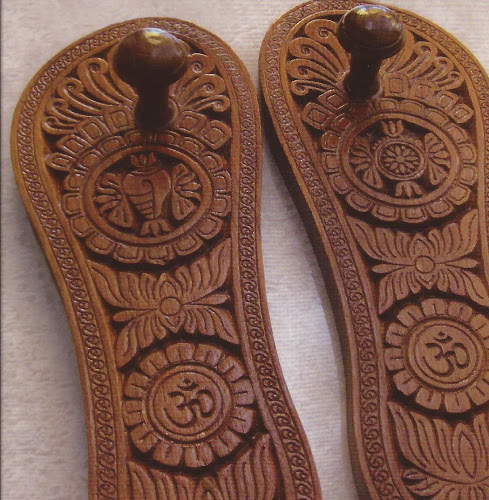
Please read my earlier post: WHY DO HINDUS WORSHIP SHOES?

Contact:  swami_48@yahoo.com


G for Ganga….. Gayatri…… Gita…. Govinda…

G for Ganga….. Gayatri…… Gita…. Govinda…

If  you are on the telephone and the person at the other end could not understand your name , you use the phonetic alphabet spelling A for Alpha, B for Bravo, C for Charlie etc; when it comes to G for,  you use G for Golf in NATO phonetic alphabet or G for George in Western Union’s phonetic alphabet. Actually Hindus were the first to use it, but for a different purpose. Around 800 BC, the Vedic seers of Upanishads used it for the first time. There is a beautiful story in the oldest Upanishad — Brihat Aranyaka (Big Forest) Upanishad (5-2). This story was used by T.S. Eliot in his poem ‘The Wasteland’.


D for Damyata (self control),Datta (charity’ Giving ),Dayadhvam (compassion)

When Devas (demi gods), men and demons approached Prajapati for a message, he said ‘Da’. When he asked the Devas whether they understood it, the devas said D for Damyata (self control). That is what they lacked in the heaven enjoying all sorts of luxuries. When he asked men what they understood by the sound ‘Da’,  they told him,  “Yes, We knew  D meant Datta ( donating)’’. Men were selfish and they lacked the spirit of charity. Prajapati said to them they got it right. The demons came last. They said D stands for Dayadhvam. That is what the demons needed. They were cruel and killed everything that came their way. So they got the message of compassion. The same story has a different version. The thunder made the noise ‘’Da, Da, Da’’.


G for Ganga

Ai Shankara, who lived before Christ, (please see my earlier post about his age or read Kanchi Paramacharya’s lecture) in his beautiful hymn Bhaja Govindam, says:

Bhagavadgita kincid adita

Ganga jalalakanika pita

Sacrd api yena murari samarca

Kriyate tasya yamena na carca

For him who has studied GITA even a little, who has drunk a drop of GANGA water and who has performed the worship of Murari (GOVINDA) at least once, there is no tiff with Yama (god of death)— Bhajagovindam, Sloka 20.

A popular Sanskrit Subahsitha (golden saying) runs like this:

Gita Ganga cha Gayatri Govindho hrdhi samsthitha:I

Chathurr gakara samyogad punarjanma na vidyate II


Words starting with the syllable GITA, GANGA, GAYATRI, GOVINDA are so holy that the recitation of these will liberate one form the cycle of birth and death.

Krishna also says in Bhagavad Gita that he is Gayatri among Chandas (Vedic metres).

Ramakrishna Paramahamsa says that Ganges water in not to be regarded as water; nor the dust of Brindavan as dust; nor the Maha Prasada of Sri Jagannatha Deva as rice. These three are objective manifestations of the Supreme Being.

About Gita, he says, “Utter the word GITA in quick succession, a number of times Gi Ta Gi Ta Gi Ta gi…. It is then virtually pronounced as Tagi, Tagi (Thyagi), which means one who has renounced the world for the sake of God. Thus in one word the Gita teaches, “Renounce Ye world bound men! Renounce everything, and fix the mind on the Lord”.


Adi Shankara’s Bhaja Govinda sloka (couplet) and the popular Sanskrit couplet clearly said G ( Gakaram)  stands for what. Upanishad ‘s ‘ Da,Da,Da’  did the same with ‘D’ letter 2800 years ago!

(Please read my earlier posts ‘One minute Bhagavad Gita’ and ‘Gangajal Medicine’).


Free Charter Flight to Heaven

Pictures are taken from other sites such as vaimanika.com, Bharat Gyan etc. Thanks.
 

Free Charter Flight to Heaven

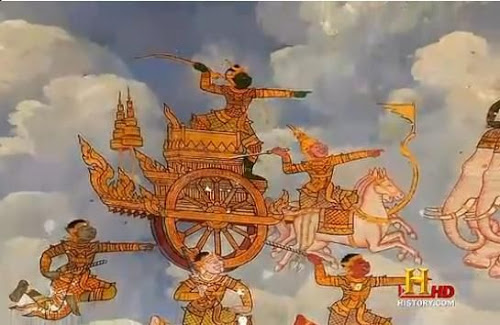
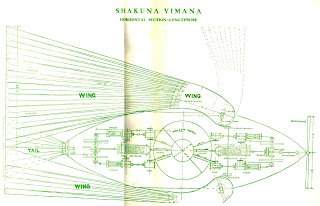
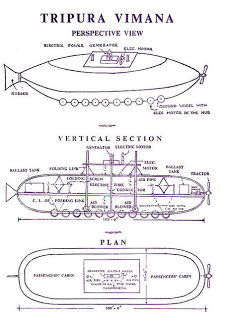
Hindu saints talk about special planes coming from heaven to pick up the good people on earth. Sangam Tamil literature, Tamil epic Silappadikaram and Ramayana also speak about such airplanes coming from heaven.

The Boy Wonder, Child Prodigy and Youngest Poet in recorded history Sambandhar (Tirugnana Sambandhar who lived in Seventh Century) sings about it in crystal clear language (here is arough translation):

“ Whoever sings all the ten verses that I sang with great devotion will go to heaven. The angels from heaven will bring the plane and devotees can board it. Those who go there will rule the world sitting there majestically” (Thevaram First Chapter). This decad was sung by him at his own native place called Sirkazi (venkuru). Sambandhar started composing poems at the age of three.


Purananuru verse 27

Sangam Tamil Poet Muthukannan Sathanar, who lived 2000 years ago, also sings about planes coming from heaven for the people who did good deeds on earth. He adds another interesting detail that those planes are pilotless remote controlled planes! The poet asks Chozan Nalakillil to do good things, particularly help the needy. The people who travel to heaven are sung by the poets, he says.


Kannaki goes to heaven in Airplane

( I have already given this anecdote in ‘Miracles by the Departed Souls’)

Tamil epic Silappadikaram also has one such story. Kovalan, the hero of the epic was sentenced to death by the Pandya king under the false accusation of stealing the queen’s anklet. Fourteen days after this execution, his wife Kannaki was standing under a tree and Kovalan came back to earth in an aerial car and took Kannaki to heaven. The tribal women in the hill watched this in awe. They praised her as goddess and reported the incident to the Chera King Senguttuvan. The story of what women had seen under the Venkai tree at the top of the hill Tiruchenkunru astonished all who heard it. The wonder struck king decided to erect a s temple for Kannaki and marched all the way to Himalayas with an army and brought back a holy stone from the Himalayas. He bathed the stone in the Ganges and made it holier. This episode shows that 2000 years ago the values and beliefs were same throughout India.

From Ramayana

Dasaratha appears to Rama (chapter 121,Yudda Kanda, Valmiki Ramayana)


‘’Dasaratha stood in his chariot. He came back from Indraloka. Rama and Lakshmana bowed before him who was standing in his aerial car in the sky. Dasaratha took Rama and Lakshmana and embraced them. They mutually praised each other. Dasaratha even told Sita not to mistake him for sending her to Agni pareeksha (Fire Test). After addressing all the three he ascended to Indraloka in his chariot. Mounted on his aerial car, full of majesty, his body blazing with effulgence, Dasaratha returned to the abode of the Sovereign of the Gods’’.

Rama also used an airplane. He travelled back to Ayodhya with his retinue from Sri Lanka. But it belonged to Kubera of the Himalayan country. Ravana took it from his cousin Kuber and rama got it as war booty.

Why did I give the title as ‘Charter Flight’?

It is because the aerial chariot comes just for a single devotee. Not any Tom, Dick and Harry can board it. Moreover it is a nonstop flight to Heaven, no changes or stop over!

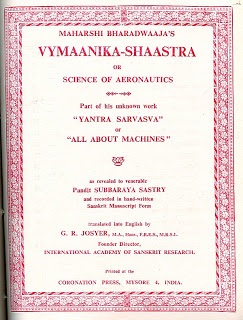
(Two articles on Subbaraya Shastry, author of Vaimanika Shastra, written by my brother S Nagarajan have been posted in this blog last year.)

Tamil References cited above:

விண்ணியல் விமானம் விரும்பிய பெருமான்

வெங்குரு மேவியுள் வீற்றிருந்தாரை

நண்ணிய நூலன் ஞான சம்பந்தன்

நவின்ற இவ்வாய்மொழி நலமிகு பத்தும்

பண்ணியல்பாகப் பத்திமையாலே

பாடியும் ஆடியும் பயில வல்லோர்கள்

விண்ணவர் விமானம் கொடுவர ஏறி

வியனுலகாண்டு வீற்றிருப்பாரே (முதல் திருமுறை/சம்பந்தர்)


புறநானூறு

புலவர் பாடும் புகழுடையோர் விசும்பின்

வலவன் ஏவா வான ஊர்தி

எய்துப, என்ப, தம் செய்வினை முடித்து எனக்

கேட்பல் எந்தை! சேட்சென்னி! நலங்கிள்ளி (புறம்.27, மு.க.சாத்தனார்)


சிலப்பதிகாரம்

என்றலும் இறைஞ்சி, அஞ்சி,

இணை வளைக்கை எதிர்கூப்பி,

நின்ற எல்லையுள் வானவரும்

நெடுமாரி மல்ர் பொழிந்து,

குன்றவரும் கண்டு நிற்பக்,

கொழுநனொடு கொண்டுபோயினார்;

இவள் போலும் நங்குலக்கோர்

இருந்தெய்வம் இல்லை;

பெரிய தெய்வம் (குன்றக் குறவை, சிலப்பதிகாரம்)