Hanuman Killed Rama! Sanskrit Puzzle!

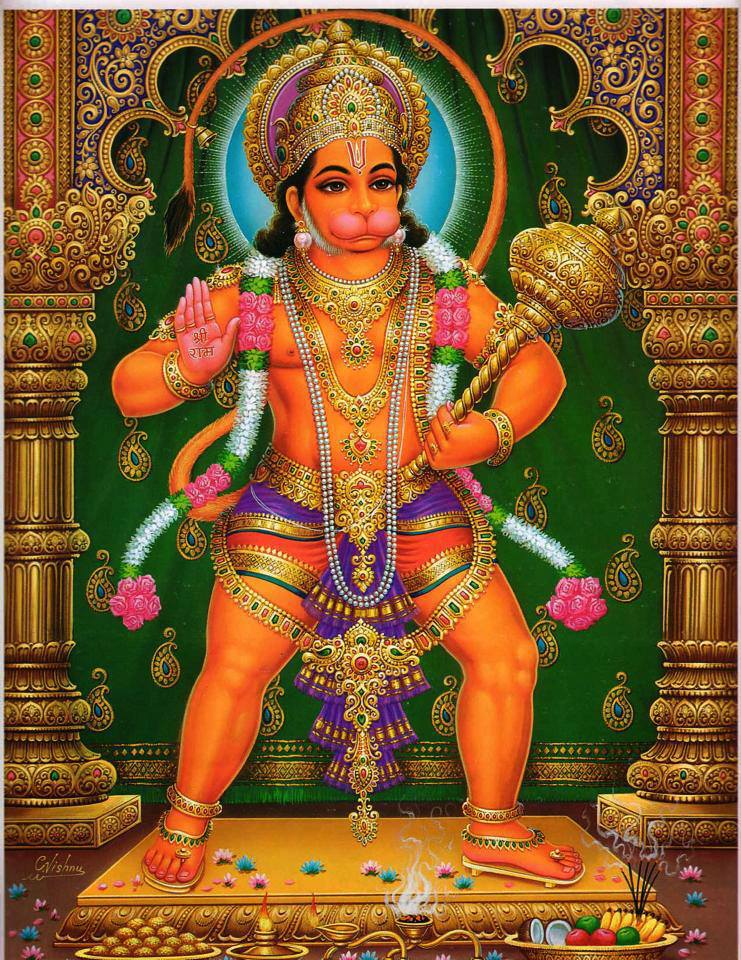
anjaneya,fb

Compiled by London Swaminathan
Post No. 1014; Date- 1st May 2014

Prahelikaa means puzzles. This is very ancient art. Puzzles featured in Vedic sacrifices called ‘satras’ which went on for a long period. To dispel the inevitable monotony, the priests used to discuss set puzzles.
Prahelikaa (puzzles) is of two kinds: invented puzzles and traditional ones. This is practised for a two fold purpose – innocent sport and fooling people. In the past, puzzles used to be employed to befool the bridegroom’s party. These sports are becoming rarer with the progress of civilization.

The Sanskrit literature contains hundreds of udbhata-slokas (verses) which are beautiful specimens of this art. One can be cited for illustration:

“Hato hanuumataa raama, sitaa harsam
Upaagataa rudanti raakshasaa sarve haa haa raamo hato hatah

angry ram

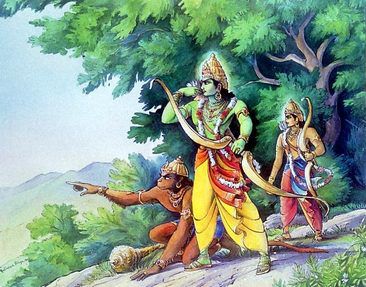
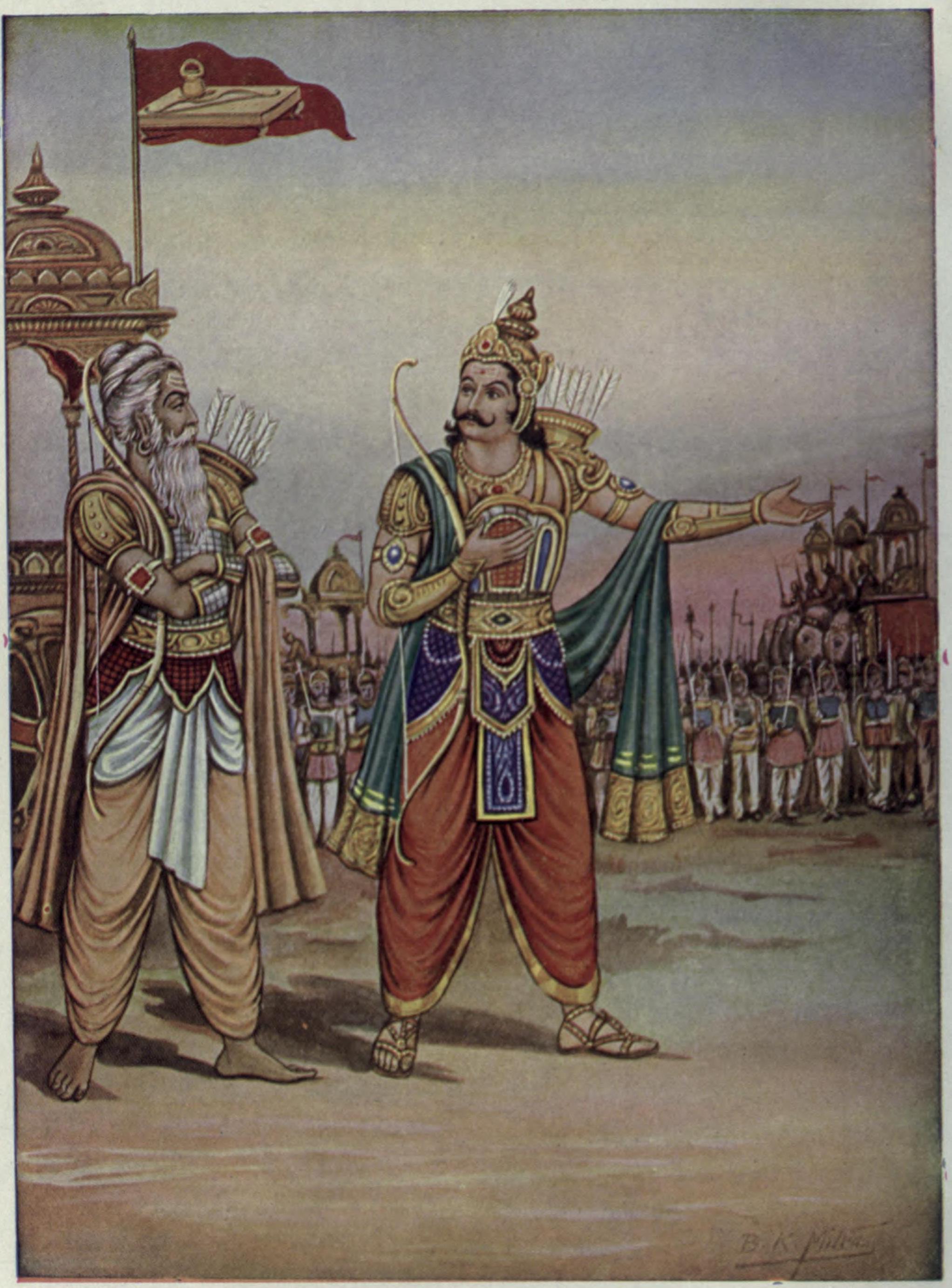
The puzzle is based on the popular story of Ramayana. It means Hanumat has killed Rama, Sita is delighted, and the Rakshasas are crying – Alas, alas , Rama is killed. This is absolutely contradictory. The puzzle is solved by detecting a simple euphonic combination in two places, the word ‘aaraama’ (means garden) and not ‘rama’. Then it means, Hanumat has destroyed the garden, viz, the Asokavana, Sita is delighted and the Rakshasas are crying, “Alas, Alas the garden is destroyed.”

In our Pauranic literature we find so many beautiful illustrations of this art of Prahelika (puzzles).
(This is taken from Sixty Four Arts in Ancient India by A.B.Ganguly)

In the Mahabharata we have stories of Vyasa dictating difficult and tricky verses/slokas to the fulfil condition of Lord Ganesh that composing verses should be nonstop. Vyasa has already put a condition on Ganesh that he should not write anything without understanding. This shows that the great art of puzzles and riddles has been used by the Hindus from time immemorial.

Yaksha Prasna (question and answer session) is also another proof for tricky questions and intelligent answers.

( I have dealt with both these Mahabharata stories elsewhere in my posts)

Sanskrit Wordplay ‘Slesa’ (puns)

Classical Sanskrit literature can abound in puns (slesa). Such paronomasia or wordplay is raised to a high art; rarely it is a cliché. Multiple meanings merge into single word or phrase. Most common are pairs of meanings, but as many as ten separate meanings are attested.
kadambari

Yuktam kadambarim srutva kavayo maunam asritah
Banadhvanav anadhyayo bhavat iti smritir yatah

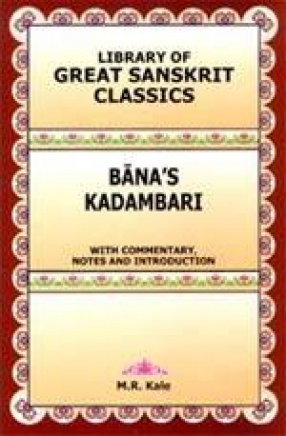
It is right that poets should fall silent upon hearing the Kadambari, for the sacred law rules the recitation must be suspended when the sound of an arrow (the poetry of Bana) is heard.
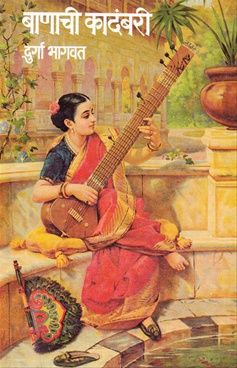
Bana is the author of Kadambari; bana means arrow in Sanskrit

——-Someshvaradeva’s Moonlight of Glory 1-15
bana

Sanskrit Pun is taken from HITOPADESA introduction, Translated by Judit Torzsok, Newyork

contact swami_48@yahoo.com

அனுமன் ராமனைக் கொன்றான் ! சம்ஸ்கிருத புதிர் !!

anjaneya,fb

By London Swaminathan
Post No. 1013; Dated 1st May 2014.

தமிழைப் போலவே சம்ஸ்கிருதமும் வளமான மொழி. ஆனால் சம்ஸ்கிருதம் தமிழைவிட 1500 ஆண்டுப் பழமையான மொழி என்பது தொல்பொருட் சின்னங்களால் நிரூபிக்கப்படுள்ளது இது பற்றி ஏற்கனவே எழுதியுள்ளேன். துருக்கி- சிரியா எல்லையில் கண்டுபிடிக்கப்பட்ட கல்வெட்டில் வேத கால தெய்வங்கள் பெயர், ரிக் வேதத்தில் உள்ள அதே வரிசையில், ஒரு உடன்படிக்கையில் இருப்பது எல்லோரும் அறிந்ததே. காஞ்சிப் பெரியவர் தனது உரையில் இதை 1932 ஆம் ஆண்டிலேயே சுட்டிக்காட்டினார்.

எகிப்தில் கண்டுபிடிக்கப்பட்ட தசரதன் கடிதங்களும் (ராமாயண தசரதன் அல்ல), கிக்குலி எழுதிய குதிரைப் பயிற்சி நூலும், இராக்-துருக்கி-சிரியா பகுதியை ஆண்ட மிட்டன்னி நாகரீக மன்னர்கள் பிரதர்தனன், தசரதன் ஆகியோர் பெயர்களும் மறுக்கமுடியாத தொல்பொருட் துறை சான்றுகளாகப் பட்டொளி வீசிப் பறக்கின்றன.

இந்தோநேசியாவில் மனிதர்கள் புகமுடியாத காடு என்று எண்ணியிருந்த போர்னியோ தீவில் மூலவர்மனின் நாலாம் நூற்றாண்டு சம்ஸ்கிருதக் கல்வெட்டு கண்டுபிடிக்கப்பட்டதையும் காஞ்சி மாமுனிவர் தனது உபந்யாசங்களில் குறிப்பிட்டதை நாம் அறிவோம்.

வியட்நாம், கம்போடியா, லாவோஸ், தாய்லாந்து, இநதோநேஷியா பகுதிகளில் 800-க்கும் அதிகமான சம்ஸ்கிருத கல்வெட்டுகள் இருப்பதையும் அறிஞர் உலகம் நன்கு அறியும். ஆசியா கண்டம் முழுதும் சம்ஸ்கிருதக் கல்வெட்டுகள் இருப்பதையும் ஆப்பிரிக்காவில் எகிப்தில் தசரதன் கடிதங்கள் இருப்பதையும் அறிஞர் உலகம் எந்தவித ஆட்சேபணையும் இன்றி ஒப்புக்கொள்வது மகிழ்ச்சிக்குரியது.

என்னைப் போன்றோர் எழுதிய மாயா- இந்து தொடர்புகளைப் பலர் ஏற்பதில்லை. அது ஏற்கப் பட்டால் தென் அமெரிக்க கண்டத்தில் உள்ள மாயா, ஒலமக், ஆஸ்டெக் (ஆஸ்தீக), இன்கா நாகரீகங்களும் சம்ஸ்கிருதமே என்பதை உலகம் ஏற்கும். நிற்க.

இனி புதிருக்கு வருவோம். தமிழில் 20,000 பழமொழிகள் இருப்பதைப் போல சம்ஸ்கிருதத்திலும் பல்லாயிரக் கணக்கான பழமொழிகள் உண்டு. இது தவிர விடுகதைகளும், புதிர்களும், ஏராளம், ஏராளம். எண்ணி மாளாது. யாரேனும் ஒருவர் தமிழ் மொழி இலக்கியங்களையும் சம்ஸ்கிருத இலக்கியங்களையும் படிக்காமல் இந்தியப் பண்பாட்டை எடைபோட முன்வந்தால், அது குருடன் யானையைப் பார்த்த கதையாக முடியும். குருடர்கள் யானை பார்த்த கதையை திருமூலரும், சம்ஸ்கிருத, பாலி இலக்கியங்களும் பாடி இருப்பதை ஏற்கனவே எழுதிவிட்டேன்.

அனுமன் ராமனைக் கொன்றான்!

“ஹதோ அனூமதா ராமா, சீதா ஹர்ஷம்
உபாகதா ருதந்தி ராக்ஷசா சர்வே ஹா ஹா ராமோ ஹதோ ஹத:”

என்ற சம்ஸ்கிருத ஸ்லோகத்தை இரண்டுவிதமாகப் பிரிக்கலாம்.
ராம என்பது எல்லோரும் அறிந்த புனிதனின் பெயர். ‘ஆராம’ என்றால் தோட்டம். இந்த ஒரு சொல் தெரிந்தால் போதும். புதிரை விடுவித்து விடலாம்.

முதலில் எழுதப்பட்ட ஸ்லோகத்தின் பொருள்: அனுமன் ராமனைக் கொன்றான். சீதைக்கு மகிழ்ச்சி. ராக்ஷசர்களும் ஹா, ஹா, ராமன் கொல்லபட்டான் என்று கூத்தாடுகின்றனர்.

ஆராம என்ற சொல்லுடன் அர்த்தம் கொண்டால் கிடைக்கும் பொருள்: “அனுமன் தோட்டத்தை (அசோகவனம்) அழித்தான், சீதைக்கு மகிழ்ச்சி. ராக்ஷசர்கள், ஹா, ஹா, தோட்டம் அழிக்கப்பட்டுவிட்டது” என்று கூச்சல் இட்டனர்.

இதே போல தமிழிலும் ஏராளமான சுவைமிகு பகுதிகள் உண்டு. அவைகளைத் தனியாகக் காண்போம்.

angry ram

சம்ஸ்கிருத சிலேடை

கவி காளமேகம் பொழிந்த சிலேடைக் கவிதைகளைப் பள்ளிக் கூடத்திலேயே தமிழ்ப்பாட வகுப்பில் படித்து இருக்கிறோம். அதே போல ஒரு சம்ஸ்கிருத (ஸ்லேச) சிலேடைக் கவிதை:
பாணன் என்ற கவிஞன் காளிதாசனுக்குப் பின் தோன்றி புகழ் அடைந்தவன். அவன் எழுதிய காதம்பரி என்னும் புகழ் பாடும் சிலேடைக் கவிதை இதோ:

யுக்தம் காதம்பரீம் ஸ்ருத்வா கவயோ மௌனம் ஆஸ்ரித:
பாணத்வனாவ் அனத்யாயோ பரிதிர் ஸ்ம்ருதிர்யத:

பாண என்ற சொல்லில் இருபொருள் (சிலேடை) அமைந்துள்ளது. பாண என்பது மாபெரும் கவிஞனின் பெயர். இதற்கு ‘அம்பு’ என்ற பொருளும் உண்டு .ராம பாணம் என்ற சொல் தமிழிலும் வழக்கில் உண்டு.

kadambari
முதல் பொருள்: காதம்பரீயைக் கேட்ட மாத்திரத்தில் புலவர்கள் மௌனம் ஆகிவிடவேண்டும் என்பது சரியே ( நிசப்தமாகக் கேட்க வேண்டும் ). ஏனெனில் பாணன் கவிதை என்ற உடனேயே மற்ற கவிதைகளை நிறுத்திவிட வேண்டும் என்பது ஒரு புனித விதி ஆகும்.
அம்பு என்ற பொருள் கொண்டால் வரும் பொருள்:

காதம்பரீயைக் கேட்ட புலவர்கள் மௌனம் ஆகிவிடவேண்டும் என்பது சரியே ( நிசப்தமாகக் கேட்க வேண்டும் ). ஏனெனில் அம்பு ஒலி கேட்ட உடனேயே மற்றவைகளை நிறுத்திவிட வேண்டும் என்பது ஒரு புனித விதி ஆகும்.

போர்க்காலத்தில் அம்பு ஒலி சப்தம் வரும்போது அங்கு கவிதைக்கு என்ன வேலை?

மஹாபாரதத்தை எழுதிக் கொடுக்க பிள்ளையார் போட்ட நிபந்தனையும் அதற்கு வியாசர் போட்ட பதில் நிபந்தனையும் நாம் அனைவரும் அறிந்ததே. யக்ஷப் ப்ரஸ்நம் என்ற பகுதியில் மரதேவதை கேட்ட பல கேள்விகளுக்கு தர்மன் திறம்பட பதில் அளித்ததையும் நான் ஏற்கனவே எழுதிவிட்டேன். இவை அனைத்தும் அந்தக் காலத்தில் இந்துக்களின் அறிவு, குறிப்பாக விடுகதை, புதிர், சிலேடை விஷயங்களில் எவ்வளவு முன்னேறி இருந்தது என்பதைக் காட்டுகின்றன.

bana

contact swami_48@yahoo.com

Stories of 4 Bad Kings: Manu’s Warning to Rulers

Kamsa
Kamasa,A bad king in the Bhagavata Purana

By London swaminathan
Post no. 1010; Date 29th April 2014.

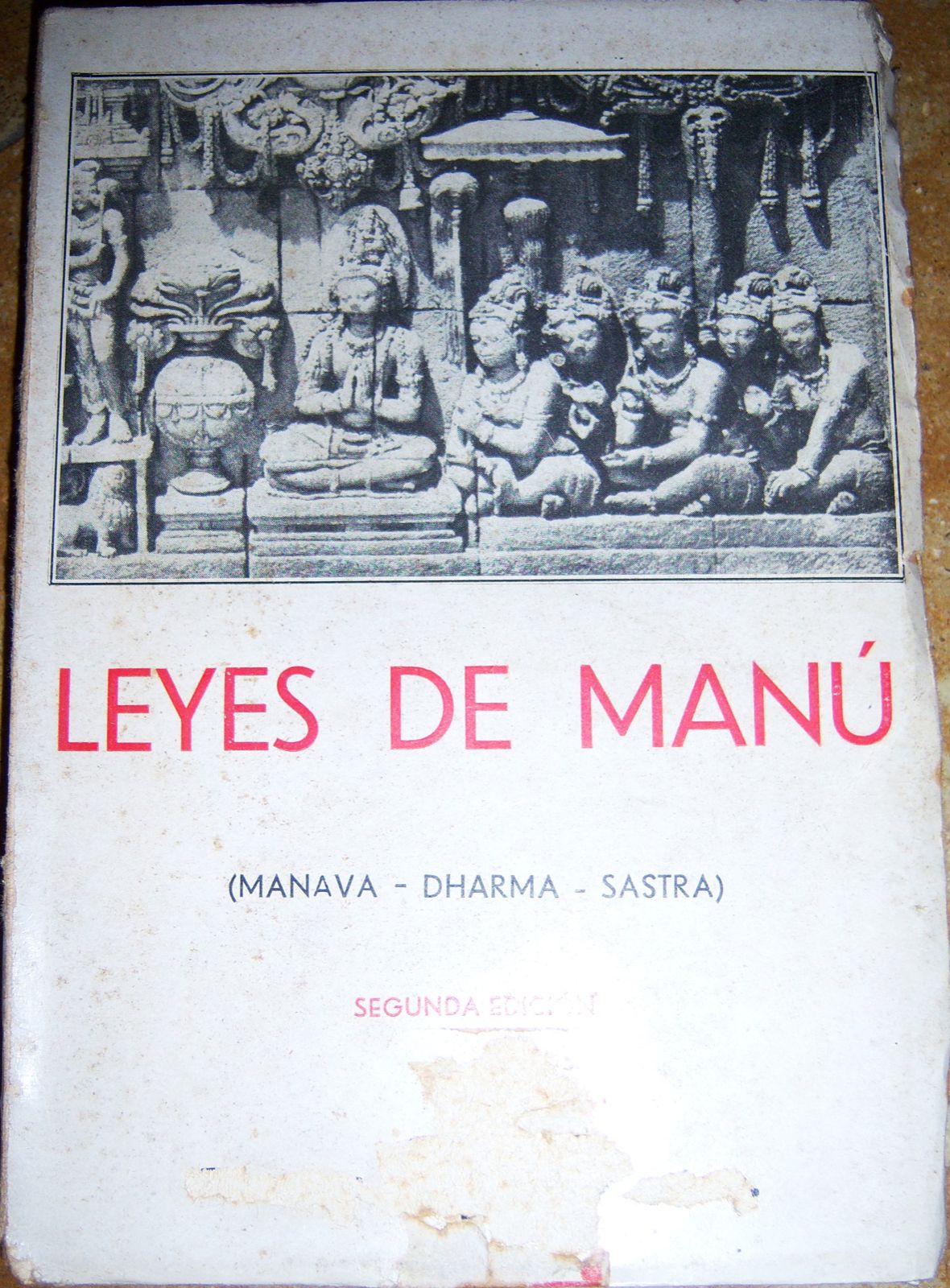
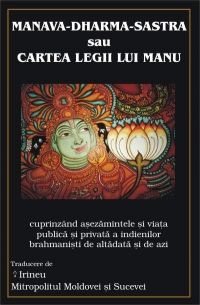
Manu was the world’s first comprehensive law giver. Hammurabi and others did not deal with all the topics dealt with by Manu. He lived during Vedic times. His name is mentioned in the Vedas. The present book, known as Manava Dharma Shastra or Manu Smriti, was put to writing around second century CE with lot of additions and omissions. The contradictions in the present book point in the direction of interpolations. Manu Smriti itself refers to Manu as an ancient king.

Manu warns the rulers by quoting the names of five bad kings. Of the five bad kings, four are known through other sources like Mahabharata and Puranas. But Sumukha was the only one unknown king to earlier commentators.

Now read what Manu says about kings:

“Many kings have been destroyed, together with their entourages, through lack of humility, while even forest dwellers have won kingdoms through humility”–7-40

“Vena was destroyed through lack of humility, and so was king Nahusa, Sudas son of Pijavana, Sumukha and Nimi”– 7-41

“But through humility Prthu won a kingdom, and so did Manu, and Kubera become Lord of Wealth, and (Visvamitra) the son of Gadhi became a priest”– 7-42
(See Manu himself says that Manu was a good king! This is where the confusion comes!)

Story of Bad Kings
Vena was an evil king who murdered people and prevented sacrifices until the priests killed him M. Bh.12-59.99

When he became king Vena issued a proclamation, “Men must not sacrifice or give gifts or present oblations. Who else but myself is the enjoyer of the sacrifices? I am forever the Lord of offerings”. The sages remonstrated respectfully with him, but in vain. When the situation deteriorated beyond redemption, they slew him with blades of consecrated Dharba grass. He died without a child. So the country was kingless. Sages rubbed the thigh of the dead king and a man like a charred log came out. Then they rubbed his hand and Pruthu came. Sages appointed him as the king who ruled the kingdom as a just king.

Duryodhana
Duryodhana, a bad king in Mahabharata

Story of Nahusha
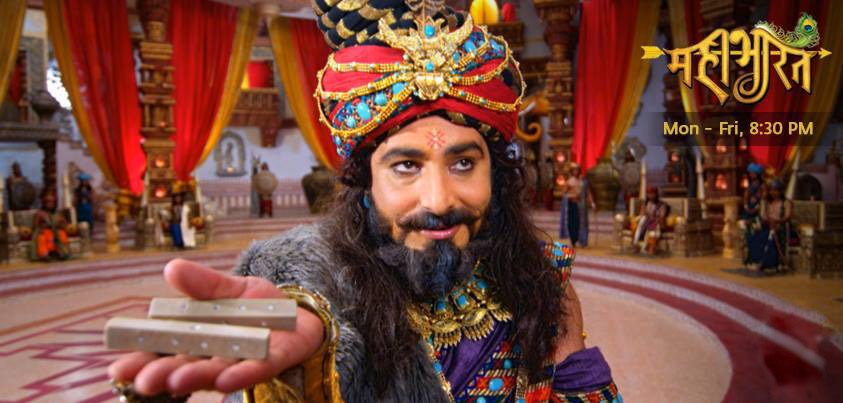
When the post of Indra fell vacant temporarily, Nahusha became the interim Indra. Nahusa, in all arrogance, went to the extent of proposing to Indra’s wife. He made the Sapta Rishis/ seven sages to pull his chariot.
Indra’s wife Indrani devised a plan with the help of Brahma. She asked Nahusha to come in a palanquin carried by eminent Rishis/ seers. Agastya was too short to maintain the balance. So Nahusha kicked Agastya saying “sarpa, sarpa” meaning hurry up, hurry up. Sarpa meant serpent as well. Agastya cursed him to become a snake. Nahusha fell from heaven because of this curse. See M. Bh 5-9-17

Story of Kalmashapada
Sudas, son of Pijavana was a great king, with Visvamitra as his family priest and Vashista as his enemy. His men killed Sakti ,son of Vashista. Visvamitra abandoned him and he was defeated in a war. See RV 7-18, 7-32. He reappears in M.Bh. as Saudasa Kalmashapada where he again kills Sakti and Visvamitra curses him to become an ogre.
Mahabharata has a long story. He and Sakti met in a narrow path. There was a heated argument when both of them refused to give way to the other. Kalmasha pada beat Shakti and Shakti cursed him to become a cannibal. Later he was cursed by another Brahmin and Vashista helped him to get out of the curse.
Sumukha does not seem to appear in the Vedas or epics. This is what the commentators said.

shakuni
Shakuni, the king ofgambling

Story of Nimi
Nimi would not wait for his family priest, Vashista, to return before he undertook a great sacrifice; Vashista cursed him to lose his body; when he died the priests churned his body to produce a son, Janaka of Videha. See M.Bh. 13-91

Vishnu Purana has a different version. Nimi also cursed Vashista and he lost his body. Nimi’s body was kept in oil and was preserved. if the story is correct Hindus started the mummification probably even before Egypt. When Nimi refused to enter his body, sages put him in the eyelids. That is why the beating of eyelids is called ‘Nimi’sha (Miniute in Sanskrit) .

We saw one common factor in all the stories of bad kings. That is arrogance. So Manu warns rulers against becoming arrogant.

One of the good kings mentioned by Manu (7-42) was Prthu, son of evil king Vena. He was so good the earth was named after him as Pruthvi. Manu was also named as a good king. We have several Manus mentioned in the Rig Veda Swayambhuva, Chaksusa, Tamasa, Raivata and Vaivasvata. Being the first Manu Swayambhuva was considered the author of Manu Smriti. i.e. before 1500 BCE!!

Another good king Kubera, Lord of Wealth, was the half brother of Ravana. His story is in Ramayana.
Vena was the worst of all the kings. Priests themselves killed him with Kusa (Dharba) grass. It may be an indirect reference to his murder or assassination.

dhritrashtra-apr23
Another King corrupted by affection for his son Duryodhana

Vena = Tamil ‘Veen’

The Tamil word “Veen” meaning useless, waste, futility(Noun) and waste(verb) is NOT found in Sangam Tamil literature. The word first appeared in eighth century books such as Pazamozi, Muththollayiram. I wonder whether this word came from Vena, the king’s name. Vena =veen is possible. In the same way, eye lids are called ‘Imai; in Tamil. It may be the mirror image of Nimi.

Tamil Veda Warning to Bad Kings

Tamil Veda Tirukkural also warns the rulers in the same way as Manu:

“The king, who is not easy of access, and does not render justice according to law and procedure,
Will by himself go into oblivion before long and perish” – Kural 548

“A king, who fails to inform himself daily of the wrongs suffered by the people ,and, render justice, will find his rule and kingdom wearing away to nought by the day” Kural 553

“There is no weapon more potent than the bitter tears of the people,
Who are groaning under the oppression of a king” Kural 555

“If the ruler does not perform his protective function righteously,
The cows yield less, and the Brahmins forget their mantras” Kural 560

Contact swami_48@yahoo .com

More Interesting quotations from Manu’s Law Book

manava statue

By London Swaminathan
Post No1008; Date-28th April 2014.

(First part of the article “30 Important Quotations from Manu” posted on 27th April 2014 and the Post No. was 1006)

If anyone comments on Manu Smriti without reading all the 2694 verses and the ancient commentaries, s/he proclaims herself or himself an ignoramus.

If s/he believes some comments of foreign “scholars”, s/he declares herself or himself a pawn in the hand of others or a simpleton.

The reason being there are lot of Smritis (Law Books) in Hinduism and Manu Smritis is not the only one followed by them. When there were some doubts they always used or consulted many law books of the Hindus. No one knows when Manu Smriti was originally written. Even in the Manu Smriti, commentators differ in interpreting the verses!!

manava-dharma-sastra-59174

Manu is referred to in the Rig Veda, the oldest scripture in the world. No one knew when and to whom Manu wrote it or what geographical regions used it. No one knew whether they followed verbatim the laws in Manu Smriti. No ancient foreign traveller said anything against Manu Smriti. No one knew whether it was without any interpolation. There are contradictory verses in it like all the old scriptures where we purely depend upon different commentaries. Foreigners never mentioned any interpolations in this book because it suited their motives.

Ancient kings praised it and treated it as their own and they were proud to say they followed Laws of Manu. (Read my earlier post for thestory of Tamil king Manu Neethi Choza).

In Tamil literature and inscriptions the words Manu Smriti (Manu Neethi= Manu’s Justice) stood for ‘strict rules and equal justice’. Later it earned a bad name because the foreigners projected only ten or 15 verses from the 2674. They never compared it with any other ancient Law Book. The ancient Western World did not even have any Law book as comprehensive as Manu’s. If there were some laws they were more discriminatory than Manu. The ancient Hammurabi laws in the Middle East spoke of blood for blood, eye for an eye etc. One must study anything in its proper context. I am writing this because there were lot of bad things written about Manu Smriti by quoting one or two verses. Half truth is more dangerous than a lie!

The author has read the Laws of Manu with its commentary only once. It is very confusing. Many of the verses are of only theoretical or hypothetical value rather than practical. There were lots of things about mixed marriages and the rules governing them. We did not know in what period such things happened if it all they happened. This is only one example. What Manu ‘meant’ is more important than what he ‘said’. Taking literal meaning is not good. Many verses are only hypothesis! I have given some illustrations below:-
codigo-de-manu

Manu on Indus Valley Civilization!
31.That land created by the Gods, which lies between the two divine rivers SARASWATI and DRISHADVATI, the sages call BRAHMAVARTA 2-17
(Brahmavarta= God’s Land; THIS VERSE IS ABOUT INDUS VALLEY CIVILIZATION)

32.The custom handed down in regular succession (since time immemorial) among the four chief castes and the mixed races of that country, is called the conduct of the virtuous men 2-18

33.The plains of the Kurus, (the country of ) Matsyas, Panchalas and Surasenas, these form indeed the land of Brahmarishis (Brahminical sages) which ranks immediately after Brahmavarta 2-19

Dravidas and Chozas
34.But in consequence of omission of the sacred rites, and of their not consulting Brahmanas the following tribes of Kshatriyas have gradually sunk in this world to the condition of Sudras.
35.The Paundrakas, the Chozas, the Dravidas, the Kambojas, the Yavanas, the Sakas, the paradas, the Pahlavas, the kinas, the Kritas and the Dardaras 10-44
(It is interesting to see that Chozas are not Dravidas) .
36.All these tribes in this world which are excluded from the community of those born from the mouth (Brahmins), the arms (Kshatriyas), the thighs (Vaisyas) and the feet of the God (Sudra), are called ‘dasyus’ whether they speak of the language of the Mlechas or that of the Aryans(cultured) .

My comments on point 36:–
Those who studied Sangam Tamil literature know this was not the condition of Tamil Nadu 2000 years ago. So this verse must have been written somewhere around 500 BCE.

There are many interesting points here:
(a).Sudras are Aryans (born from the feet of Gods) and they are not dasyus.
(b).Dravidas and Chozas are two different people!!
(c).But the reality is Karikal Choza (First Century BCE), the greatest of the Tamil Choza Kings, erected big eagle shaped Yaga Kunda and performed Yagas according to ancient Sangam Tamil literature. He followed the Vedic rite of walking the guests seven feet to see them off. (Please read my post ‘Eagle Shaped Yaga Kunda of Karikal Choza’).

(d).All the Cholza kings called themselves the descendants of Sibi of North West India and Manu Neethi Choza (one who followed Manu’s Law Book). They called them their illustrious forefathers!

(e).Another strange thing about the languages: Tamil considered all non Tamil foreigners as ‘mlecchas’! They called northern seers as Aryans in Sangam Tamil literature. But no racial connotation is there. One must be very careful in reading the words Arya and Dravida in Manu. They have no racial connotation and they are used in the sense of cultured (Aryan) and Southerner( Dravida).

On the basis of many such verses we have to reconsider the date of the law book. We can’t place Manu Smriti in 2nd centrury CE. The present book was put to writing in 2nd centrury CE, but it belonged to a very ancient period. The current book is corrupted with interpolations. All those verses against low castes were inserted by manipulative hands!

The greatest of the modern Tamil poets, Subramanya Bharati, has even gone to the extent of calling this as a ‘conspiracy’!

37.The root of religion is the entire Veda and the traditions and customs of those who know the Vedas and the conduct of virtuous people, and what is satisfactory for one self 2-7

manava 1

TEN COMMANDMENTS OF HINDUS
38.Twice born men in all four stages of life must constantly and carefully fulfil their TEN POINT DUTY 6-91

39.The TEN FOLD LAW is
Contentment
Forgiveness
Self control
Not stealing
Purification
Mastery of sensory powers
Wisdom
Truthfulness
Abstention from anger
Learning (Knowledge of the Supreme)6-92

40.Those Brahmanas who thoroughly study the tenfold law, and after studying obey it enter the highest state 6-93

Protocols for kings
It is very interesting that the following hygiene and safety precautions are followed even today when a president or a prime minister of a country visits another country:–
41. When the king has taken counsel about all of this with his counsellors, and when his exercise and bathed, he should enter the harem at noon to eat 7-216

42.There he should eat food over which the Vedic verses that dispel poison have been chanted, food that has been well tested by the kitchen servants who are like his second self, who cannot be seduced and who know the time for the food.7-217

43.And he should clean all of his articles with waters that destroy poison, and he should always be careful about wearing gems that destroy poison 7-218

44.Well tested women whose clothing and ornaments have been thoroughly cleaned should attentively caress him with fans, water and incense 7-219

45.In the same way he should be careful about his vehicle, bed, seat and food and about bathing, dressing and anointing his body, and all his ornaments.
(One is reminded of what happened to Mrs Indra Gandhi and Mr Rajeev Gandhi , two former prime ministers of India).

Four Dangerous– “D”s
46.Drinking, Dice (gambling), Damsels (women) and Death to Animals (hunting) are the four worst vices born of desire 7-50

47.The whole world is kept in order by punishment, for a guiltless man is hard to find; through fear of punishment the whole world yields the enjoyments (which it owes) 7-22

48.Punishment alone governs all created beings,
Punishment alone protects them,
Punishment watches them while they sleep
The wise declare punishment is identical with the Law 7-18

Contact swami_48 @ Yahoo.com

30 Important quotations from Manu

the_hindu_law_codes_the_dharma_
By London Swaminathan
Post No. 1006; Date 27th April 2014

Manu was the greatest of the Hindu Law Givers. Though there were several Law Books, Manu was considered the best. But the present Manava Dharma Sastra is not the original book. Lot of people have added unwanted remarks against the lower castes. The contradictions in the book itself are a proof for these interpolations. It has got 2694 verses (slokas). Foreign scholars who found interpolations and additions in all the Indian books from the Rig Veda to Tolkappiam in Tamil never said a word about such things in Manu’s law book. It suited their purpose to spread lies against Hinduism. This is the only book where they kept quiet about interpolations!!

Another mystery about Manu is that he lived during Vedic age. The present book is dated to 2nd century CE by foreigners. There is no historical proof for such a person at that time of history. Original Manu must have lived during Vedic times i.e. at least 3500 years ago. There are several Manus in the Rig Veda, the oldest scripture in the world.

Manu is not a personal name. It is a generic name like Dalai Lama, Pope, Shankaracharya, President, Magistrate, Prime Minister etc. All the English words about Man, Mankind and words such as Manual came from this Manu. Here are some important quotations from the Manava Dharmasatra. Tamils proudly declared that they follow Manu Dharma Sastra in their ancient epigraphs and inscriptions. One Choza king was even named Manu Neethi Choza for his equal justice to an animal and human being. He executed his son under the wheel of a chariot which ran over a calf. The calf came to his palace add rang the Bell of Justice at the gate. The king ordered the execution of his son for killing the calf under his chariot wheel.

dolly manu

This story went far and wide and found even in the Mahavamsa of Sri Lanka. The story is repeated in Tamil epic Silappadikaram, Pazamozi 400, Periapuranam and local Sthalapuranas. In all these stories they praised the Laws of Manu.

Man is a Teachable Animal

Man is a teachable animal. That is why we have framed rules for him. Animals have no morality. They can’t learn morals. Hindus believed in changes. So they had various law books during different periods. Nothing remained static in the Hindu world. It kept on changing. Manu was one of the law givers. Parasara Smrti (Smrti=law book) declared that in the four ages Krta, Treta, Dwapara and Kali the Laws of Manu, Gautama, Sankhalikita and Parasara are respectively of the highest authority. So no one needs to worry about the interpolated shortcomings or discrepancies in the present law book. It was only used by anti Hindus, atheists and foreigners who came to rule India and spread their religion. There was no major historical incident in the past to show that Manu’s law discriminated against any particular community. In the last few centuries vested interests misused this law book.
laws of manu

The present book with all the interpolations was put to writing around second century CE. Before that, it should have existed in its purest form. No foreign traveller said anything against this law or the book. On the contrary they praised that this was a country where there were no locks for the houses and Hindus never locked their doors. Such was the morality during Gupta period.

Several of Manu’s slokas are found in Tamil Veda Tirukkural and Sangam Tamil literature.
Here are some Laws of Manu:

Fathers, brothers, husbands, and brothers-in-laws who wish for great good fortune should revere women and adorn them 3-55

The gods delight in places where women are respected, but where women are not honoured all rites are fruitless 3-56
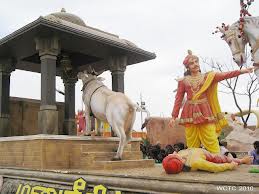
manu4
Manu Neethi Chola

Where the women of the family feel miserable, that family is soon destroyed, but the family where the women are happy thrives well 3-57

Homes that are cursed by the women who have not treated with reverence are completely destroyed, as if struck down by magic 3-58

Therefore men who wish to prosper should always revere those women with ornaments, clothes and food at celebrations and festivals 3-59

There is unwavering good fortune in a family where the husband is always satisfied by the wife, and the wife by the husband 3-60

The great sages devised five great sacrifices (Pancha Maha Yajnas) for the householder to do every day 3-70

The study of the Vedas, libation to the ancestors, fire offering to the gods, food for the animals and insects and feeding the guests are the (Pancha Maha Yajnas) five great sacrifices 3-71
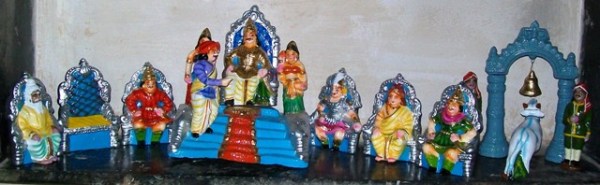
Manuneethichoan

As the man who digs with a spade (into the ground) obtains water, even so an obedient student obtains the knowledge which lies hidden in his teacher 2-218
Kural 396 in Tamil can be compared with it.

For by punishing the wicked and by favouring the virtous, kings are constantly sanctified, just as twice born men by sacrifices. 8-311
Kural 550 in Tamil can be compared with it.

As the weeder plucks up the weeds and preserves the corn even so let the king protect his kingdom and destroy his opponents.7-110
Kural 550 in Tamil can be compared with it.

As an elephant made up of wood, as an antelope made of leather, such is an unlearned Brahmana, those three have nothing but the names of their kind 2-157
Kural 407 in Tamil can be compared with it.

Just as a sower who sows seeds in barren soil reap no harvest, so the donor who gives the offering to someone ignorant of the Vedas obtains no benefits 3-142
Kural 406 in Tamil can be compared with it.
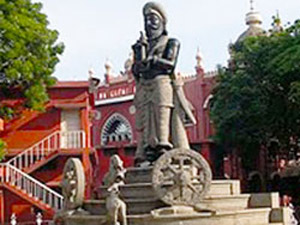
manu highcourt

Manu Neethi Choza King statues in Madras High Court

Unless one is asked, one must not explain anything to anybody, nor must one answer a person who asks improperly; let a wise man though he knows the answer behave among men as if he were an idiot 2-110

A wise man should strive to restrain his organs which run wild among alluring sensual objects, like a charioteer his horses.2-88

One should not sit in a lonely place with one’s mother, sister or daughter; for the senses are powerful, and master even a learned man 2-215

As the sun draws up water with his rays during eight months, even so let the king gradually draw his taxes (9-305); As Indra sends copious rains during the four months of the rainy season, even so let the king, taking himself upon the office of Indra, shower benefits on his kingdom (9-304)

Food sacred to the manes or to the gods must be given to a man distinguished by sacred knowledge; for hands smeared with blood, cannot be cleansed with blood (3-132)

He who leaves this body as a tree torn from the river bank or a bird that quits a tree, is freed from the misery of this world (6-78)
(It can be compared with Tirukkural 338 in Tamil)
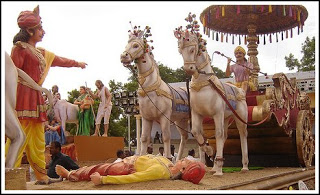
manu1

He who possess faith may receive pure learning even from a man of lower caste, the highest law even from the lowest and an excellent wife from a base family ( 2-38)
(Compare it with Tirukkural 409 and Purananauru 183 in Tamil)

Even from poison nectar may be taken, even from a child good advice, even from a foe good conduct and even from impure substance gold (2-239).

Desire is never extinguished by the enjoyment of the desired objects; it grows only stronger like a fire fed with clarified butter (2-94)
(It is used by Tiruvalluvar in Tirukkural 1148 in Tamil)

As a fire in one moment consumes with its bright flame the fuel that has been placed on it, even so he who knows the Vedas destroys all guilt by the fire of knowledge (11-247)
As a eunuch is unproductive with women, as a cow with is unprolific and a gift made to an ignorant man yields no reward, even so is a Brahmana useless who does not know the mantras (2-158)
(Compare Kural 402)

A Brahmana who neither performs austerities nor studies the Vedas, yet delights in accepting gifts sinks with the donor into hell just as he who attempts to cross over in a boat made of stone is submerged in the water( 4-190)

He who when in danger of losing his life, accepts food from anyone whatsoever, is no more tainted by sin than the sky by mud (10-104)

A son is even as one self, such a daughter is equal to a son; how can another heir take the property while such one lives? 9-130

And if a Brahmana, though learned in the Veda, accepts through covetousness a gift from such a man, he will quickly perish, like a vessel of un burnt clay in water (3-179)

Unrighteousness practised in this world, doesn’t at once produceits effect,like a cow; but advancing slowly, it cuts off the roots of him who committed it 4-172
Compare Dhammapada 5-71

Contact swami_48@yahoo.com
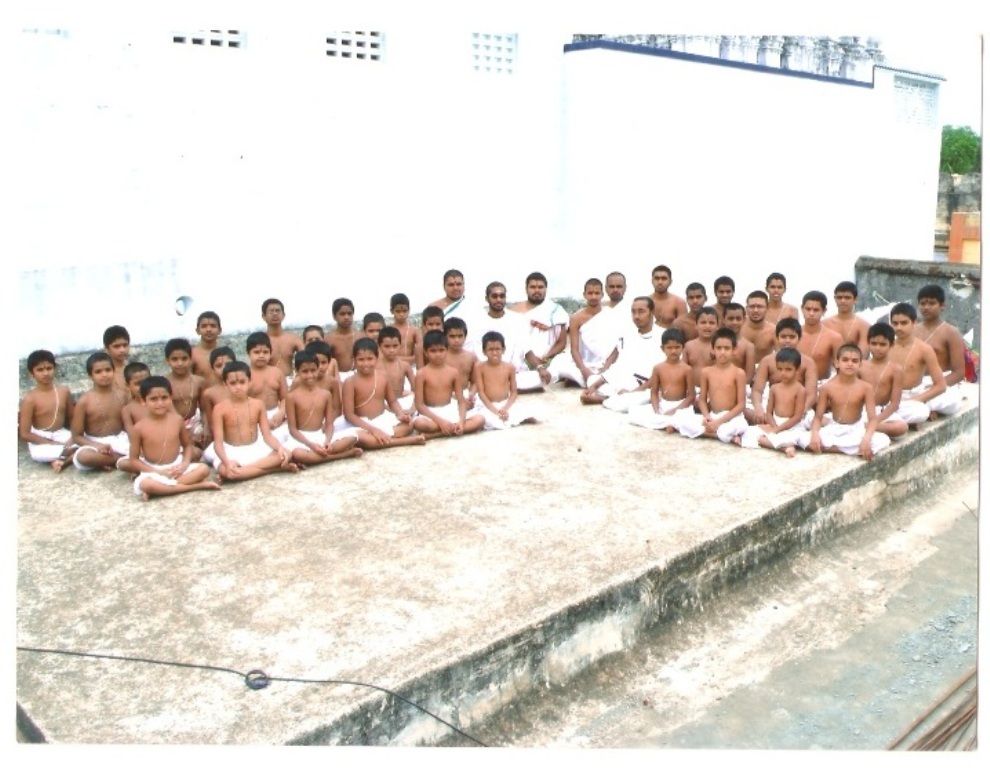
ராமாயணத்தில் அந்தணர்கள்

21-gurukulam-tv-serial-2-600

எழுதியவர்—லண்டன் சுவாமிநாதன்
கட்டுரை எண்- 1005 தேதி—-27th April 2014.

கம்பன் காலத்தில் பிராமணர்கள் புகழ் ஓங்கியிருந்தது என்பதை அவன் பாடல்களில் இருந்து அறிய முடிகிறது. வால்மீகி, போதாயனர், வஷிஷ்டர் ஆகிய மூவர் எழுதிய ராமாயணங்களில் தேவபாஷையில் எழுதப்பட்ட வால்மீகி முனிவரின் கவிதைகளையே—காவியத்தையே அடிப்படையாகக் கொண்டு எழுதியதாக அவனே ஒரு பாடலில் கூறிகிறான். ஆக வால்மீகி முனிவன் பிராமணர்கள் பற்றிச் சொன்னதைத் தானே அவனும் சொல்லியிருப்பான் என்று சிலர் எண்ணலாம். அது சரியல்ல. எவ்வளவோ இடங்களில் அவன் வால்மீகி ராமாயணத்தில் சொன்னதை எழுதாமல் விட்டிருக்கிறான். இன்னும் பல இடங்களிலும் மாற்றியும் எழுதி இருக்கிறான். ஆக கம்பன் கூறுவதை அவன் நம்பிய ஒரு கருத்தாகவே எடுத்துக் கொள்வதில் தவறு ஒன்றும் இல்லை. கம்பன் என்ன சொன்னான்?

வசிட்ட முனிவன் இராமனுக்குக் கூறிய உறுதிப்பொருள்

அயோத்தியா காண்டம்—மந்தரை சூழ்ச்சிப் படலம்

பாடல் 99
என்று பின்னும் இராமனை நோக்கிநான்
ஒன்று கூறுவது உண்டு உறுதிப்பொருள்
நன்று கேட்டு கடைப்பிடி நன்கு என
துன்று தாரவற் சொல்லுதல் மேயினான்

பொருள்: நான் உனக்குச் சொல்ல வேண்டிய உறுதிப்பொருள்
ஒன்று இருக்கிறது. அதை நீ நன்றாகக் கடைப்பிடிக்க வேண்டும். மாலை அணிந்த ராமனுக்குச் சொல்லத் தொடங்கினான்

பாடல் 100
கரிய மாலினும் கண்ணுதலானினும்
உரிய தாமரைமேல் உறைவானினும்
விரியும் பூதம் ஓர் ஐந்தினும் மெய்யினும்
பெரிய அந்தணர் பேணுதி உள்ளத்தால்

அந்தணர்களை மனமார ஆதரிக்கவேண்டும். ஏன் தெரியுமா? அவர்கள்
பிரம்மா (தாமரைமேல் உறைவான்), விஷ்ணு (கரிய மால்), சிவன் (கண்ணுதலான்) ஆகிய மூவரைக் காட்டிலும், ஐந்து பூதங்களையும், சத்தியத்தைக் காட்டிலும் பெரியவர்கள்.

பாடல் 101
அந்தணாளர் முனியவும் ஆங்கு அவர்
சிந்தையால் அருள் செய்யவும் தேவருள்
நொந்து உளாரையும் நொய்து உயர்ந்தாரையும்
மைந்த எண்ண வரம்பும் உண்டாம் கொலோ

மகனே! அந்தணர்கள் கோபித்தபோது எத்தனை தேவர்கள் கஷ்டப் பட்டார்கள் என்று சொல்லி மாளாது; கணக்கே இல்லை. அது போல அவர்கள் மகிழ்ந்தபோது எத்தனை தேவர்கள் இன்பம் அடைந்தார்கள் என்பதையும் கணக்கிட்டுப் பார்க்க இயலாது. இல்லையா?

GURUKULAM Water color 10x13in

பாடல் 102
அனையர் ஆதலின் ஐய இவ் வெய்ய தீ
வினையின் நீங்கிய மேலவர் தாள் இணை
புனையும் சென்னியையாய்ப் புகழ்ந்து ஏத்துதி
இனிய கூறி நின்று ஏயின செய்தியால்

மகனே! அந்தணர்கள் இப்படிப்பட்டவர்கள் என்பது புரிகிறதல்லவா? கொடிய பாவங்களில் இருந்து விலகி நிற்கும் மேன்மை உடையவர்கள் அந்தணர்கள் .ஆகவே அவர்கள் திருவடிகளை உன் முடிமேல் தாங்கி, இனிய சொற்களைக் கூறி அவர்களை வாழ்த்து. அவர்கள் ஏவும் செயல்களை உடனே முடிப்பாயாக.

பாடல் 103
ஆவதற்கும் அழிவதற்கும் அவர்
ஏவநிற்கும் விதியும் என்றால் இனி
ஆவது எப்பொருள் இம்மையும் அம்மையும்
தேவரைப் பரவும் துணை சீர்த்தே

ஒருவனை உச்சாணிக் கொம்பில் வைப்பதும், அதள பாதாளத்தில் வீழ்த்துவதும் ஒருவனுடைய தலைவிதி ஆகும். அந்த விதிகூட, அந்தணர் ஏவலின் படி நடக்கும் என்றால் பார். அவர்களைக் காட்டிலும் சிறந்தவர் உண்டா? எதுவுமே இல்லை. ஆகவே இப்பிறவியிலும் மறு பிறவியிலும் பூலோக தேவர்களாகத் திகழும் அவர்களைப் போற்றுவதே சிறப்புடைய செயல்.

இதைத் தொடர்ந்து நல்லாட்சி, அமைச்சர் சொல் கேட்டல், அன்புடன் இருத்தல் ஆகியவற்றையும் வசிஷ்டர் உபதேசிக்கிறார்.

இங்கு ஒரு கேள்வி எழும். அந்தணர்கள் என்பது பிராமணர்களா? அல்லது முனிவர்களா என்று. புறநானூற்றிலும் ஏனைய சங்க நூல்களிலும், அதற்குப்பின் வந்த சிலப்பதிககரத்திலும் ‘நான்மறை அந்தணர்கள்’, ‘முத்தீ வழிபடும் அந்தணர்கள்’ என்று வருவதை நோக்குங்கால் இது பிராமணர்களையே குறிக்கும் என்பது வெள்ளிடை மலையென விளங்கும். வள்ளுவனும் (543) குறளில் அந்தணர் என்பவரை வேதத்தோடு தொடர்புபடுத்திப் பேசுவதைக் கண்கிறோம்.

பிராமணர்களை பூவுலக தேவர்கள் (பூசுரர்) என்றும் அழைப்பர். பாடல் 103–ல் பூலோக தேவர்கள் என்ற சொல்லைக் குறிக்கும் விளக்கம் வருகிறது. உரைகாரர்களும் பூலோக தேவர் என்றே உரை செய்கின்றனர். ஆக இந்தப் பாடல்களில் கம்பன் குறிப்பது பிராமணர்களைத் தான் என்பதில் ஐயமில்லை.
பாலகாண்டத்தில்

“அருந்தவ முனிவரும் அந்தணாளரும்” (பாடல் 183) என்று பிராமணர்களையும் முனிவர்களையும் கம்பன் வேறுபடுத்திப் பாடி இருப்பதையும் காண்கிறோம்.

மற்றொரு பாடலில்
மாதவத்து ஒழுகலம்; மறைகள் யாவையும்
ஓதலம்; ஓதுவார்க்கு உதவல் ஆற்றலம்;
மூதெரி வளர்க்கிலம்; முறையும் நீங்கினேம்;
ஆதலின் அந்தணரேயும் அல்லாமால் (பாடல் 2644)

மா தவம் செய்தல், வேதங்களை ஓதுதல், ஓதுவித்தல், முத் தீ வளர்த்து யாகம் செய்தல் ஆகியன் அந்தணர் பணியாக மேல் கூறிய பாடலும் கூறுகிறது.

ஒரு காலத்தில் பிராமணர்களும் துறவியரும் சத்தியம், ஒழுக்கம் என்பனவற்றில் சம நிலையில் இருந்தனர். ஆகவே இரண்டு பொருள்களிலும் சில நூல்களில், இச் சொல் பயன்படுதப்பட்டது என்பதும் உண்மையே.

contact swami_48@yahoo.com
Hindus are the Pioneers of National Anthems

indian anthem
By Santanam Swaminathan (London Swaminathan)

(S Swaminathan was a Senior Sub Editor of Dinamani, a Tamil language daily, in Madurai before taking over as the Producer of the BBC Tamil Service in London. Later he started teaching Tamil as a part time tutor at SOAS; now retired and contributing to magazines.)

Post No 1004; Date:- 26th April 2014.

Many inquisitive youths ask the question, “Who invented the National Anthem? Who sang the first national Anthem? Which one is the oldest?” If you go to encyclopaedias you would not get an answer in one word or one sentence. They will start from the oldest lyric or the oldest one set to music or the oldest one to appear in print etc. But my answer to the questions is ‘THE HINDUS’ are the one who started singing the national anthem.

What is a National Anthem?

It is a song in praise of a particular country wishing all the best for its people and the land. Hindus started singing this, thousands of years ago and continue this even today, though the official national anthem of India is different. The official national anthem of India was written by the great poet Rabindranath Tagore in highly Sanskritised Bengali.

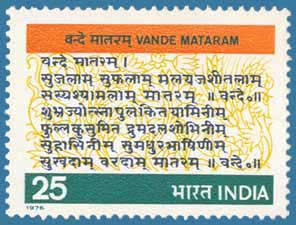
Every religious discourse, traditional Bhajan (Hindu Choir) and temple Pujas (Flower offering to Gods) recite the following two hymns/anthems at the end of the ceremony:

Swasthi prajabhya paripalayantam
Nyayena margena mahim mahisaha
Go Brahmanebhya subhamastu nityam
Lokas samasto sukhino bhavantu

May there be happiness for all people
May the rulers righteously rule the earth
May there be welfare for the animals and men of wisdom at all times
May all beings be happy and prosperous

Though the translation of the third line says ‘animals and men of wisdom’ in the above hymn, the literal translation is ‘Cows and Brahmins’. The ancient Hindu society placed these two at the top of the animal world and human world for their purity and holiness. What they really meant is that starting from the cows and Brahmins every creature and every human must be prosperous.

This is a beautiful and universal anthem that can be used by any country. One of the great Four Saivite Saints (called Naalvar i.e The Four in Tamil) Tiru Jnana Sambandhar also translated it verbatim in Tamil. Sambhandar, the Boy Wonder, who started composing poems at the age of three, lived in Tamil Nadu in the seventh century CE.
india 1

The second hymn (sloka in Sanskrit) that is sung at the end of all the Hindu ceremonies is as follows:

Kale varshatu parjanya,
Prithivi sasya shalini
Deshoyam kshobharahitaha
Brhamana santu nirbhayaha

May the clouds rain at proper time
May the earth produce plenty of grains
May this country be free from famine
May men of contemplation be fearless

Alternative translation:
Let the monsoon be timely and plentiful
Let earth be covered with vegetation
Let the country live without problems
And let good people never have fear.

The beauty of these two slokas/hymns is that they are universal and can be used by anyone at any time. Another beauty is that it prays for fearless survival of intellectuals of the country. Only when intellectuals live fearless, they can suggest novel ideas and execute progressive policies. We have seen such reforms in India in the past.

janaganamana

My humble suggestion is that these two hymns should be sung at every event in all parts of the world. They are the property of the humanity. Sri Jagadguru Chandra Sekarendra Saraswati of Kancheepuram, who is known as Paramacharya, gives the following suggestion:-

Better than National Anthem:

“The concluding sukta of the Rig Veda contains a hymn that should be regarded having a higher significance than the national anthem of any country: it is a prayer for amity among all nations, a true international anthem “May mankind be of one mind”, it goes, “May it have a common goal”, “May all hearts be united in love. And with the mind and the goal being one, may all of us live in happiness”- – Kanchi Paramacharya (1894-1994).

Page 193 of Hindu Dharma, Bharatiya Vidhya Bhavan, Bombay, 1995

national-song-of-india

Bharatavakyas in Sanskrit Literary Works

Hindus prayed for the welfare of the people and their king even in the entertainment shows such as dramas staged in the public!

Bharatavakya is the benedictory address spoken at the close of every Sanskrit drama. We find this in all the dramas of Bhasa and Kalidasa. It expresses good wishes to everyone and prosperity for the country. Kalidasa’s master piece ‘Abhijnana sakuntalam’, has the following benediction (Bhatatavakya):

Marica says:
Honour the gods in full measure
With holy rites and all due offerings;
May the God of gods in return
Bless your people with abundant rains;
Let Time run its round in this pattern
Woven of acts of mutual service:
May both the Worlds enjoy Glory and Plenitude
Built on such enduring friendship

King
May kings ever work for the good of their subjects;
May the utterance of those blessed by the Word
Be ever honoured;
May the Self-Existent Lord who unites in Himself
The Dark and the Light
Whose Infinite Power pervades the Universe
Annihilate forever the round of my birth.

(Translated by Chandra Rajan, Kalidasa, The Loom of Time, Penguin, 1990)

vandemataram_stamp
Author’s e mail: swami_48 @ yahoo.com

வெள்ளி கிரகம்—மழை தொடர்பு பற்றி உபநிஷத்!

shisya

உபநிஷத அற்புதங்கள்– Part 4; எனது ஆராய்ச்சிக் குறிப்புகள்

எழுதியவர்:– லண்டன் சுவாமிநாதன்
கட்டுரை எண்:-1003; தேதி:– 26th April 2014.

32. “உபநிஷத் காலத்தில் புவியியல் அறிவு” என்று பூகோள விஷயங்கள் பற்றி B G தமஸ்கர் என்பவர் ஒரு புத்தகம் எழுதியுள்ளார். அதில் அவர் 250 உபநிஷத்துகள் இருப்பதாகவும் தான் 134 புத்தகங்களை மட்டும் எடுத்துக்கொண்டு இந்த ஆய்வை நடத்தியிருப்பதாகவும் சொல்லி 134 உபநிஷத்துகளின் பட்டியலைக் கொடுத்திருக்கிறார்.

33.பூமியின் இரண்டு பகுதிகளும் ரிஷிகளுக்குத் தெரியும் என்பதை சாந்தோக்கிய உபநிஷத் (2-2-3) மூலம் காட்டுகிறார். பிரபஞ்சம் தோன்றியதும் அதே உபநிஷத்தில் இருக்கிறது (5-6-1; 6-8-7)

34. நிலம், நீர் ஆகியன எந்த அளவுக்கு இருக்கிறது என்பதை பிருஹத் ஆரண்யக உபநிஷத் (3-3-2) சொல்கிறது.

35.வலம் வருதல் பற்றியும் பி.ஆ.உ.-வில்(4-2-4) வருகிறது கடிகார முள் சுற்றுவதில் இருந்து கோவில் சுற்றுவது வரை எல்லாம் வலமாகவே இருக்கும். இது இந்துக்களின் கண்டுபிடிப்பாகத் தான் இருக்க வேண்டும். கண்ணகி சிலையை பிரதிஷ்டை செய்த செங்குட்டுவன் அச்சிலையை மும்முறை வலம் வந்து வணங்கியதாக சிலப்பதிகாரம் கூறுகிறது.

36.வடமொழியிலும் தமிழிலும் பருவத்தை ஆறு பிரிவுகளாகப் பிரித்திருக்கிறோம். இது வேத காலத்தில் துவங்கியது தைத்ரீய சம்ஹிதையில் இதை முதல் முதலில் (4-3-2; 5-6-3; 7-6-19) படிக்கிறோம். பாரதம் முழுதும் ஒரே நாகரீகம், பண்பாடு இருந்ததற்கு இதுவும் ஒரு சான்று. மஹாகவி காளிதாசன் ஆறு பருவங்கள் பற்றி ருது சம்ஹாரம் என்ற ஒரு கவிதை நூலே எழுதிவிட்டார்.

தமிழர்கள் கண்டுபிடிப்பு

37. புற நானூற்றிலும் ஏனைய சங்க இலக்கிய நூல்களிலும் வெள்ளி கிரகத்துக்கும் மழைக்கும் உள்ள தொடர்பு பற்றி நிறைய பாடல்கள் இருக்கின்றன. இன்னும் விஞ்ஞானிகள் இதுபற்றி எதுவும் கண்டு பிடிக்கவில்லை. எதிர்காலத்தில் என்ன என்ன கண்டுபிடிப்புகள் வரும் என்று நான் ஏற்கனவே இரண்டு கட்டுரைகள் எழுதி இருக்கிறேன். அதில் வெள்ளி கிரகம்—மழை பற்றிய கண்டுபிடிப்பும் ஒன்று. தமிழ் ,சம்ஸ்கிருத நூல்களில் உள்ள இந்தக் கருத்து மைத்ரீ உபநிஷத்தில் இருக்கிறது (7-4)

sondara_gurukula

38.ஆதி காலத்தில் மார்கழி மாதத்தில் ஆண்டு துவங்கியது. இதனால்தான் கீதையில் மாதங்களில் நான் மார்கழி என்று பகவத் கீதையில் கண்ணன் கூறுகிறான். பகவத் கீதையில் கிருஷ்ணன் இப்படி ஒவ்வொரு விஷயத்திலும் தான் என்ன என்னவாக இருக்கிறேன் என்று கூறுவதை வைத்து கண்ணதாசன் ஒரு திரைப்பட பாடலே எழுதிவிட்டார்:- “காலங்களில் அவள் வசந்தம், கலைகளில் அவள் ஓவியம்”– என்ற பாடல் பலருக்கும் தெரிந்திருக்கும் நிற்க.

ஆண்டு துவக்கம், பிற்காலத்தில் வசந்த கலத்துக்கு மாற்றப்பட்டது.. அதாவது மார்ச் மாதம்தான் முதல் மாதம். ஜனவரி அல்ல. இதனால்தான் செப்டம்பர் (சப்த=ஏழு), அஷ்டோபர் (அஷ்ட=எட்டு), நவம்பர் (நவ=ஒன்பது), தசம்பர் (தச= பத்து) என்று ஆங்கில மாதங்களுக்கு சம்ஸ்கிருத எண்களை பயன்படுதுகிறோம். மார்ச் முதல் மாதம் என்றால்தான் இது சரியாக, 7, 8, 9, 10 ஆவது மாதங்களாக வரும்.

தைத்ரீய பிராமணத்தில் (1-12; 6-7; 3-10-4-1; 6-5-3) வசந்த காலம்தான் முதல் மாதம் என்று இருக்கிறது. வேதங்கள் பல்லாயிரக் கணக்கான வருடங்களாக இருப்பதால் ஒரு காலத்தில் மார்கழி முதலாவது இருந்திருக்க வேண்டும். இதுகுறித்து சுதந்திரப் போராட்ட வீரரும் பேரறிஞருமான பால கங்காதர திலகர் விரிவான நூல் எழுதி இருக்கிறார்.

39. எங்கெங்கோ தோன்றும் நதிகள் எல்லாம் இறுதியில் கடலில் சங்கமித்து தன் நாமத்தை இழந்து கடல் நீர் என்று பெயர் பெறும் உவமை= ஆகாசாத் பதிதம் தோயம் யதா கச்சதி சாகரம்= நிறைய வடமொழி நூல்களில் பயன்படுத்தப்படுகிறது. பிராமணர்கள் ஒரு நாளில் மூன்று பொழுதுகளில் செய்யும் சந்தியாவந்தனத்திலும் இதைக் கூறுவர். இது முண்டகோபநிஷத் (3-2-8) என்னும் பழைய உபநிஷத்திலேயே வருகிறது. இந்துக்களுக்கு கடலும் நதியும் “தண்ணீர் பட்டபாடு: என்று சொல்ல முடியும். கடல்கடந்து வணிகம் செய்த மக்கள் இந்த உவமையைப் பயன்படுத்துவதில் வியப்பே இல்லை. மதத்திலும் கூட புவியியல் உண்மைகளைப் புகுத்தும் மதிநுட்பம் உயையோர் பாரத நாட்டு மக்கள்.!!
40.தாமரை: உபநிஷத்தில் தாமரைக்கு எட்டு பெயர்கள் வருகின்றன. பிற்கால நிகண்டுகளில் இன்னும் அதிகமான சொற்கள் வருகின்றன. இது தெரிந்துதான் பாரதீய ஜனதா கட்சி இதை சின்னமாகத் தேர்ந்தெடுத்தார்களோ என்னவோ!

siddha2

41. தானிய வகைகளில் எள், அரிசி, பார்லி, கடுகு முதலியன மிகவும் பழைய , பெரிய உபநிஷத்தான பிருஹத் ஆரண்யக. உபநிஷத்திலேயே வருகிறது. ஏற்கனவே சிந்து சமவெளி அகழ்வாரய்சியில் வெட்டி எடுக்கப்பட்ட எள் வேதங்களிலும் பிராமணர்களின் சடங்குகளிலும் (திவசம், தர்ப்பணம்) பயன்படுத்தப்படுவது பற்றி ஒரு ஆராய்ச்சிக் கட்டுரை எழுதி இருக்கிறேன்.

42. இன்னொரு விநோதம் என்னவென்றால் மூன்று உபநிஷத்துகள் பறவைகளின் பெயரில் இருப்பதாகும்: கருட உ., ஹம்ச உ., சுகரஹஸ்ய உ., ஆகியன கழுகு, அன்னம், கிளி ஆகியவற்றின் பெயரில் உள்ளன. உலகில் முதல் முதலில் மேகத்தை தூது விட்டு புத்தகம் (மேகதூதம்) எழுதியவன் காளிதாசன். உலகில் முதல் முதலில் காலங்களின் பிரிவுகளை (அறுபொழுது) வைத்து நூல் எழுதியவன் (ருதுசம்ஹாரம்) காளிதாசன். இதற்கெல்லாம் அவனுக்கு உதவியது உபநிஷத்துகள்தான்!! பறவைகளையும், காற்றையும் தூதுவிடுவது வேத,உபநிஷத ,இதிஹாசங்களிலேயே வந்துவிட்டது.

43. உபநிஷத்துகள் என்பவை தத்துவம், இறையுணர்வு பற்றிய நூல்கள். ஆனால் அதில் கூட தங்கம் (சாந்தோக்யம் 3-19; 5-10-9; 8-3-2; 6-24-1) பற்றியும், வெள்ளி (சாந்தோ. 3-19-1) பற்றியும் இரும்பு, காரீயம், வெள்ளீயம் பற்றியும் குறிப்புகள் வருகின்றன.

guru

44. வெளிநாட்டு “அறிஞர்கள்” (? ! ? ! ? ! ) சங்க இலக்கிய நூல்களிலும் சம்ஸ்கிருத வேத இதிஹாச, புராணங்களிலும் இல்லாத ஆரிய—திராவிட இனவெறியைப் புகுத்தி இந்திய வரலாற்றில் விஷம் கலந்ததை மகாத்மா காந்தி, ஹரிஜன தலைவர் அம்பேத்கர், மகரிஷி அரவிந்தர், காஞ்சி பரமாசார்ய சுவாமிகள் ஆகியோரின் கண்டனம் செய்தது பற்றி ஆறு, ஏழு கட்டுரைகளில் கொடுத்துவிட்டேன்.

அப்படியானால் நம்மவர்கள் எல்லோரையும் எப்படிப் பிரித்தார்கள் என்ற கேள்வி எழுகிறதல்லவா? புற நானூற்றின் முதல் பாடலிலேயே 18 கணம் பற்றிய செய்தி வருகிறது. பாரியின் மகள்களை கபிலன் என்ற பிராமணப் புலவன் ஒவ்வொரு மன்னனிடமாக அழைத்துச் சென்று திருமணம் செய்துகொள்ளுங்கள் என்று கெஞ்சும் புற நானூற்றுப்பாடல்களில் ஒரு பாட்டின் உரையில் 18 கணத்தினரை அகத்தியர் அழைத்துவந்த செய்தியும் வருகிறது.

மைத்ரீ உபநிஷத் இந்த 18 கணங்களீல் அசுர, கந்தர்வ, யக்ஷ, ராக்ஷச, பூத பிசாச வர்க்கத்தினரைக் குறிப்பிடுகிறது. உபநிஷத்துகள் தத்துவ நூல்கள் என்பதால் இதற்கு மேல் எதிர்பார்ப்பதில் நியாயம் இல்லை. இதில் என்ன பெரிய அதிசயம் என்றால் இவர்கள் எல்லோரையும் ஒரு தாய் வயிற்று புதல்வர்கள் என்றே புராண, இதிஹாசக் கதைகள் கூறுகின்றன. வெள்ளைக்காரன் பிரித்தது போல போண்டா மூக்கு- கருப்புத் தோல் திராவிடன் மத்தியதரைக் கடல் வாசி, என்றும் கூரிய மூக்கு- வெள்ளைத் தோல் ஆரியன் மத்திய ஆசியப் பேர்வழி என்றெல்லாமும் உபநிஷத்துகள் பேசவில்லை! கிருஷ்ணன் கருப்பன், அவனுடைய அண்ணன் பலராமன் வெள்ளையன்!! திரவுபதி கருப்பாயி, அவள் புருஷன் அர்ஜுனன் ஒரு வெள்ளையத் தேவன்!!

45. ரிக்வேதத்தில் புருஷசூக்தத்தில் முதல் முதலாக வரும் நான்கு ஜாதிகள், சாந்தோக்ய உபநிஷத்தில் ஒரு இடத்தில் (5-10-7) வருகிறது

தொடரும்……………………………………. (பகுதி–5-ல் மிகுதியைக் காண்க)

Please read Part 1, 2, 3 of this article posted in the past few days.

contact swami_48 @ Yahoo.com
உபநிஷதத்தில் நகைச்சுவை!

madhva2

உபநிஷத அற்புதங்கள்–Part 3; எனது ஆராய்ச்சிக் குறிப்புகள்

எழுதுபவர் – லண்டன் சுவாமிநாதன்
கட்டுரை எண் 998; தேதி 24th April 2014.

23.நூற்றுக்கும் மேலான உபநிஷத்துக்கள் இருந்த போதிலும் பத்து உபநிடதங்கள் மட்டும் முக்கியமானதாகவும் பழமையான தாகவும் கருதப்படுகின்றன. இவைகளுக்கே ஆதி சங்கரர் உரை (பாஷ்யம்) எழுதினார். அவையாவன: ஈச, கேன, கட, பிரஸ்ன, முண்டக, மாண்டூக்ய, தைத்ரீய, ஐதரேய, சாந்தோக்ய, பிருஹத்ஆரண்யக உபநிஷத்துகள். ஸ்ரீ சங்கர பகவத்பாதர், ஸ்வேதஸ்வதார உபநிஷத்திற்கும் உரை எழுதியதாக சில அறிஞர்கள் கருதுகின்றனர். கௌசீதகி, மஹநாராயண, பைங்கள, ஜாபால உபநிடதங்களின் பெயர்களையும் அவர் தனது பிரம்மசூத்ர பாஷ்யத்தில் குறிப்பிடுகிறார்.

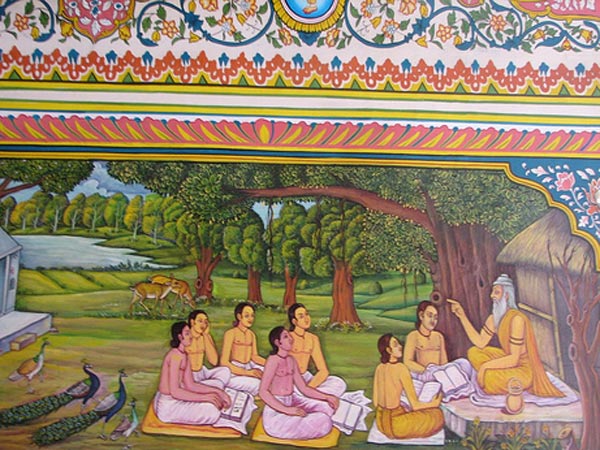
24. முக்கிய பத்து உபநிடதங்களில் மாண்டூக்யம் மிகவும் சிறியது. பிருஹத் ஆரண்யகம் மிகவும் பெரியது. உபநிஷத் என்றால் அருகில் அமர்ந்து கற்றல் என்று பொருள். குறைந்தது 12 ஆண்டுகளாவது ஆசிரியர் வீட்டில் தங்கி படிக்கவேண்டும் ஒருவர் 12 ஆண்டுகள் மனம், மொழி, மெய் மூன்றாலும் பிரம்மசர்யத்தைக் கடைப்பிடித்தால் அவர்களுக்கு அபூர்வ சக்திகள் உண்டாகும் என்று நமது சாத்திரங்கள் கூறுகின்றன.

சுவாமி விவேகநந்தரும் தனது அபூர்வ ஞாபக சக்திக்கும், மற்றவர் மனதில் உள்ள சிந்தனைப் போக்கை அறியும் சக்திக்கும் பிரம்மசர்யமே காரணம் என்று கூறியிருக்கிறார்.

gurukulam1

நகைச்சுவைக் காட்சிகள்

25. உபநிஷத்துகள் என்பவை தத்துவ நூல்கள் என்று பலருக்கும் தெரிந்திருக்கும். ஆயினும் இதில் நகைச்சுவை இல்லாமல் இல்லை! ஜெப்ஃரி பரீந்தர் என்பவர் சில காட்சிகளைப் பட்டியலிட்டு உள்ளார். அவைகளை ஒவ்வொன்றாகக் காண்போம்:-

26.விதேக நாட்டின் மன்னன் ஜனகனுடைய குரு யாக்ஞவல்கியர் என்ற பெரிய வேத அறிஞர். தானே தலை சிறந்த அறிஞன் என்று சொல்லி ஆயிரம் பொற்கிழிகள் கட்டப்பட்ட பசுமாடுகளை வீட்டுக்கு ஓட்டிச் செல்லும்படி தன் மாணவர்களுக்குக் கட்டளையிடுகிறார். இதற்கு அவர் கூறும் காரணம்: நான் தலை சிறந்த அறிஞன் மட்டுமல்ல. எனக்கு பசுமாடுகள் வேண்டாமா? என்கிறார்.

(முகமது பின் துக்ளக் நாடகத்தில் நகைச்சுவை நடிகர் சோ பேசுவது நினைவுக்கு வருகிறது. அமெரிக்கா போக ஏற்பாடு செய்யவேண்டும் என்று அவர் சொன்னவுடன், எதற்காக அமெரிக்கா என்று மந்திரிகள் வியக்கின்றனர். உடனே சோ, “நான் அமெரிக்கா பார்க்கவேண்டாமா? என்று கூச்சலிடுவார்).

27.இதற்குப் பின்னர் ஜனக மன்னன் தனது ஆசிரியர் யாக்ஞவல்கியரைப் பார்த்து ஒரு கேள்வி கேட்கிறார். உங்களுக்குப் பசு மாடுகள் வேண்டுமா, தத்துவ விசாரனை செய்ய வேண்டுமா? என்று. அப்போதும் அவர் சொல்கிறார்: எனக்கு இரண்டும் வேண்டும் என்கிறார்! ஆனால் எதையும் சொல்லிக்கொடுக்காமல் எந்த தானத்தையும் ஏற்கக் கூடாது என்று என் தந்தை கற்பித்திருக்கிறார் என்றும் சொல்கிறார்.

( இதைப் படித்தவுடன் ஒரு ஹோட்டலில் நடந்த சம்பாஷணை நினைவுக்கு வருகிறது. இட்லி, வடை இரண்டையும் வைத்துவிட்டு உங்களுக்கு சாம்பார் வேண்டுமா?, சட்னி வேண்டுமா? என்று சர்வர் கேட்கிறான். சாம்பாரும் வேண்டும், சட்னியும் வேண்டும் ஏன், இரண்டும் போடமாட்டீர்களோ ? என்று சாப்பிட வந்தவன் சொல்கிறான்!)

28. ஓம் என்ற அரிய மந்திரத்தை முனிவர்கள் ஜபித்துக் கொண்டிருக்கின்றனர். ஆனால் பகன் என்பவருக்கு, நாய்கள் ‘ஒம்’ என்று ஊளையிட்டுக் கொண்டு முன்னும் பின்னும் வரும் காட்சி மனதில் தோன்றுகிறது. அது ‘உணவு கொடுங்கள், உணவு கொடுங்கள்’ என்று ஊளையிடுகிறதாம். இது அர்த்தமில்லாமல் பகட்டாக மந்திர உச்சாடனம் செய்வோரை நையாண்டி செய்வதாகும்.

(இதைப் படித்தவுடன் மாமன்னன் மகேந்திர பல்லவன் எழுதிய ‘மத்தவிலாசப் பிரகசனம்’ என்ற சம்ஸ்கிருத நாடகத்தில் போலி புத்த பிட்சுக்களையும் சமணத் துறவிகளையும் நையாண்டி செய்வது நினைவுக்கு வருகிறது. காஞ்சி பரமாசார்ய சுவாமிகள் இந்த நாடகம் பற்றி அருமையான, சுவையான சொற்பொழிவு ஆற்றியிருக்கிறார்.)

21-gurukulam-tv-serial-2-600

29.கடவுள்களின் மொத்த எண்ணிக்கை எவ்வளவு என்பதை சொல்லும்போது யாக்ஞவல்கியர் பல ஆயிரம் கடவுளரில் இருந்து கொஞ்சம் கொஞ்சம் ஆகக் குறைத்து கடைசியில் ‘ஒன்றரைக் கடவுள்’ என்று முடிக்கிறார். இது நகைச் சுவையாக தோன்றினாலும் இதன் பின்னால் ஆழ்ந்த அர்த்தம் உள்ளதை பாஷ்யம் படிப்பவர்கள் அறிவார்கள். அவர் தனது எதிரிகளை எச்சரிப்பதும் குறிப்பிடத் தக்கது. நீங்கள் இந்த உண்மையை ஒப்புக்கொள்ளாவிடில் உங்கள் தலை தெரித்துவிழும் என்பார். விதக்தா என்பவர் தலை தெரித்துவிழ அவருடைய எலும்புகளை ஏதோ விலையுயர்ந்த பொருள் என்று நினைத்து திருடர்கள் திருடிக்கொண்டு போய்விடுகின்றனர்! இதுவும் ஒரு நகைச் சுவை காட்சி போல தோன்றினாலும் அந்தக் காலத்தில் உண்மையில் நடந்த சில சம்பவங்களை இவர் பயன்படுத்துகிறாரோ என்று எண்ணத் தோன்றுகிறது.

30. ஜனஸ்ருதி என்ற பெரிய பணக்காரன் பல அன்ன சத்திரங்களைக் கட்டி அன்னதானம் செய்துவிட்டு பெருமை அடித்துக்கொள்ளும்போது ஒரு அன்னப் பட்சி சொல்கிறது:– “நீ, அதோ சொறி சிரங்குடன் வண்டிச் சக்கர நிழலில் அமர்ந்திருக்கும் ரைக்வன் என்பவனுக்கு ஈடாக மாட்டாய் என்று. உடனே ஜனஸ்ருதி, ரைக்வனிடம் போய் கெஞ்சுகிறார். எனக்கு இறையுணர்வு பற்றிய உண்மை–களை போதித்தால் உனக்கு ஏராளமாகப் பணம் தருகிறேன் என்று சொன்னவுடன் அவன் அதை மறுத்து விடுகிறான். ஆனால் அந்த பணக்காரர் தனது அழகான மகளைக் கூட்டிக்கொண்டு வந்தவுடன், இவளுடைய அழகிய முகம் ஒன்றே போதுமே! என்னைப் பேச வைப்பதற்கு என்கிறான்!

மேம்போக்காக இவை நகைச்சுவையாக எழுதப்பட்டதா அல்லது ஆழ்ந்த தத்துவப் பொருளுடன் எழுதப்பட்டதா என்பதை ஆராய்ந்தறிய வேண்டும். ஜெஃப்ரீ பரீந்தர் என்பவர் எழுதிய நூலில் இவைகளை நகைச்சுவைப் பட்டியலில் சேர்க்கிறார்.

31.உஷஸ்தி என்ற ஏழை முனிவர் யார் எதைக் கொடுத்தாலும் வாங்கிச் சாப்பிடுவார். ஆனால் தண்ணீர் கொடுத்தபோது, இதுதான் எங்கும் கிடைக்குமே! எனக்கு எதற்கு! என்பார். பின்னர் ஒரு மன்னரின் சபைக்குச் செல்கிறார் அங்கே வேதம், தத்துவம் பற்றி பலமாக வாதப்ரதிவாதங்கள் நடக்கின்றன. நிறுத்துங்கள் என்று சொல்லி நிறுத்திவிட்டு, எனக்கும் அவர்களுக்குச் சமமான தட்சிணை கொடுத்தால் விவாதம் நீடிக்கலாம் என்கிறார்.

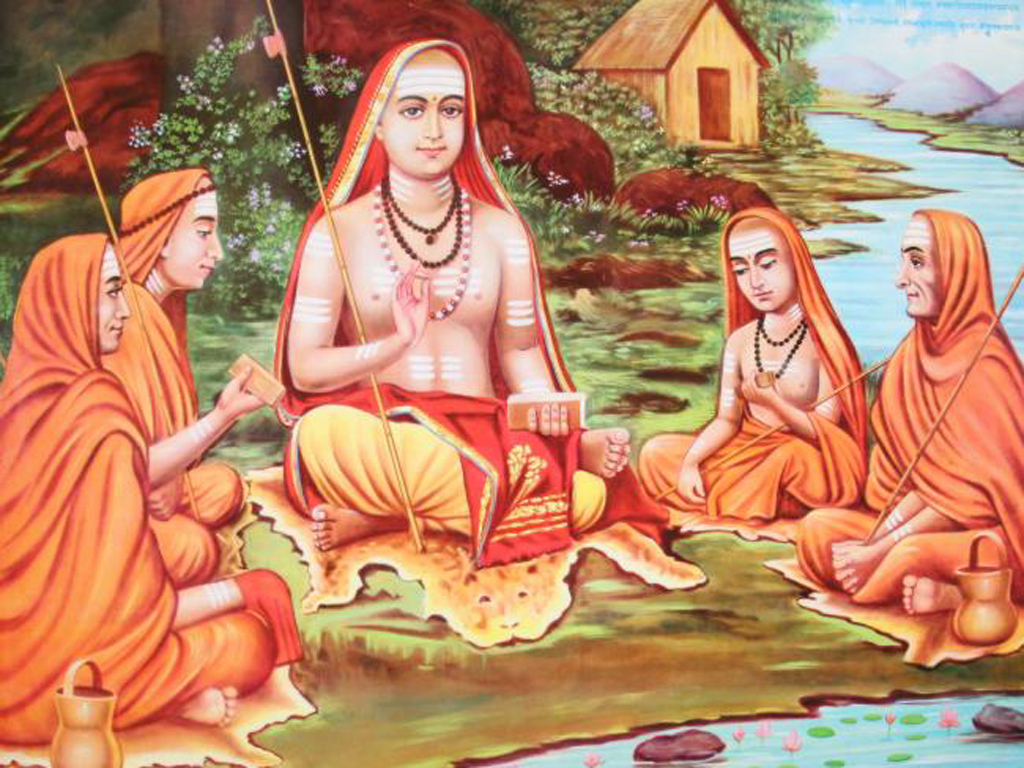
Adi shankaracharya with his disciples
நான் முன்னர் கூறியபடி, இவைகள் எல்லாம் 3000 ஆண்டுகளுக்கு முன் நடந்த உண்மைச் சம்பவங்கள். இவைகளின் பொருள் என்ன என்பதை அறிய முழு உபநிஷத்தையும் படித்து அவை சொல்ல வந்த விசயம் என்ன என்பதை ஆராய்தல் நலம்.

உபநிஷத அற்புதங்கள் பகுதி-1 ஏப்ரல்-22, பகுதி-2 ஏப்ரல் 23 தேதிகளில் வெளியிடப்பட்டன. அவைகளையும் படிக்க வேண்டுகிறேன்.

Contact :— swami_48 @ Yahoo.com
To be continued……………………………………….

Humour in the Upanishads!

upanishad book

Compiled by London Swaminathan
Post No. 997 ; Dated 23 April 2014.

Upanishads are philosophical treatises. In the forests and quiet places of India many thoughtful men and women have meditated upon truth and sought for union with the universal being. The principal Upanishads are the following ten Upanishads on which Adi Shankara wrote commentaries: Isa, Kena, Katha, Prasna, Mundaka, Mandukya, Tattiriya, Aitareya, Chandogya and Brahadaranyaka Upanishads. Some scholars believe Shankara also commented on Svetasvatara Upanishad. In his commentary on the Brahma Sutra, he refers to four more, namely, Kausitaki, Jabala, Mahanarayana and Pingala.

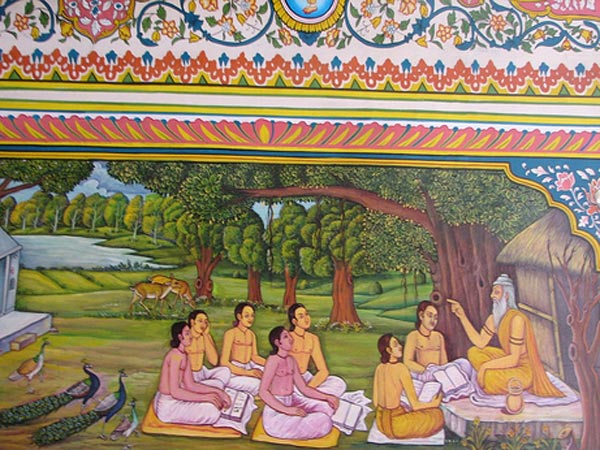
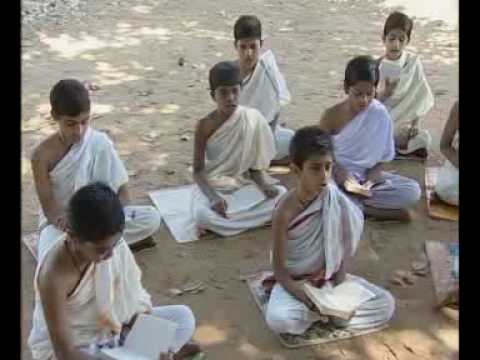
The Mandukya Upanishad is the briefest of the surviving principal Upanishads. Brihadaranyaka Upanishad is the longest Upanishad. Upanishad means “sitting down near. This means Gurukula vasam. The students sit at the feet of their teachers/Gurus for at least twelve years and learn about Brahman.

Though the sages discussed serious philosophical matters, the discussions were not bone dry. Geoffrey Parrinder has selected some humorous anecdotes and presented in his book ‘The Wisdom of the Forest’:–

1.Yajnya-valkya tells his pupils to drive away the cows, not only because he claims to be the best scholar but he wants cows. And when King Janaka later asks his teacher if he wants cows or subtle arguments, he answers ‘both’, though he qualifies this by saying that his father had taught him not to accept gifts without giving instruction.

2.Elsewhere he reduced the number of gods from thousands to one and a half. Opponents were often told that if they did not accept the truth their heads would fall off and Vidagtha’s head did fall off, and robbers stole his bones thinking they were something valuable.

purmada

3.The sages meditated upon the mystic syllable OM but Baka saw dogs moving backwards and forwards like holy beggars and howling OM, ‘give us food’. Modern reciters of OM and other mantras might note the mockery of vain repetition.

4.Then there are subtle digs at the wealthy Jana-Shruti who built many rest houses and provided food but heard the swan comparing him unfavourably with Raikva who lived underneath a cart scratching his itchy scabs. When Jana-Shruti came offering greta wealth for his knowledge Raikva called him a serf, but when the rich man brought his daughter Raikva said that her face alone would make him speak.

5.Ushasti was another poor sage who accepted beans when hungry, against the rules of purity, but when he was offered water he refused it because water could be had anywhere. Then he went off to a king who was ordering a sacrifice, stopped the priests while they had a philosophical discussion, then allowed them to continue provided he received the same payment as they did.

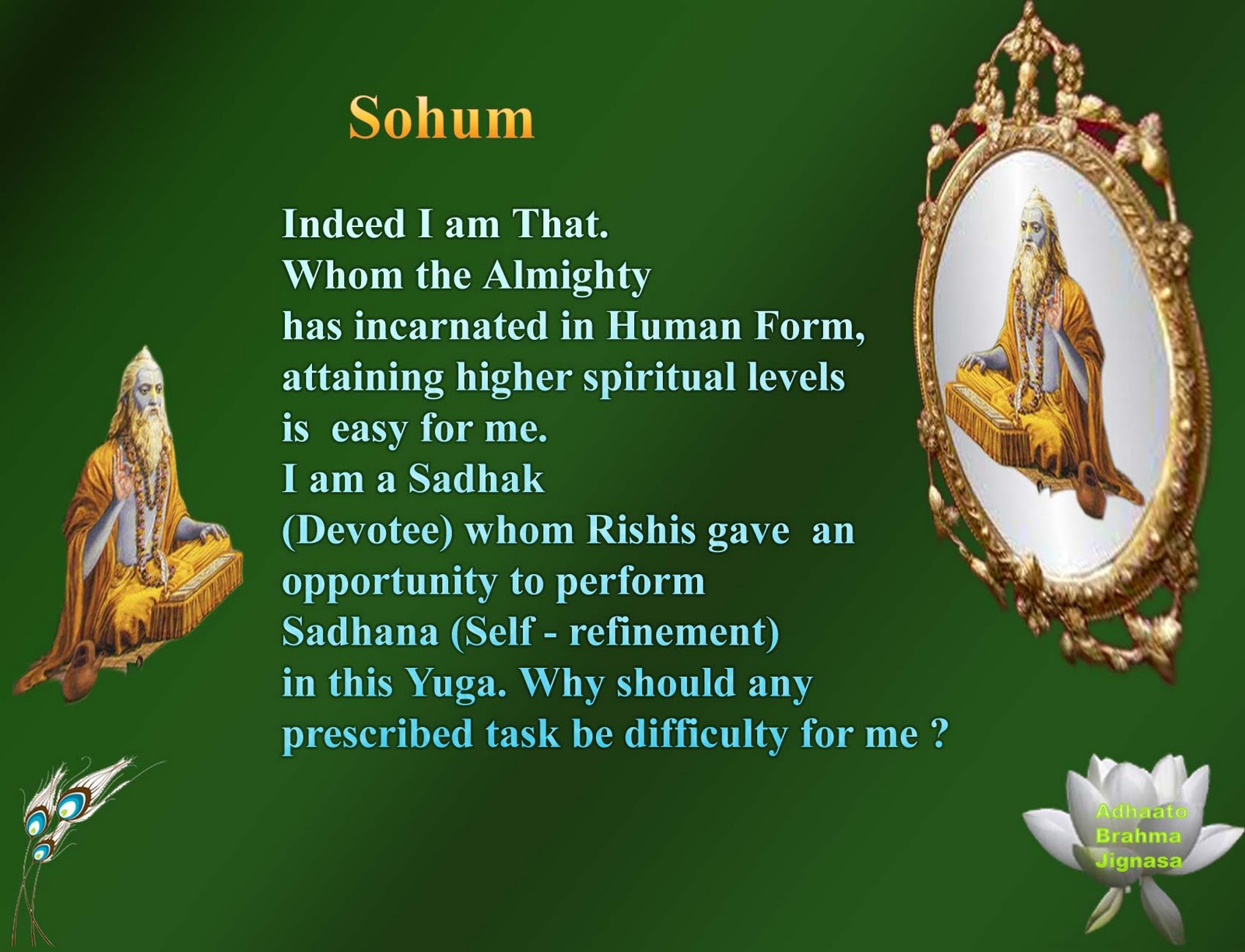
sohum-upanishad

Please read my earlier Post:–
Post No.852 Da………..Da……………Da…………… (Posted on 19 the February 2014).

Post No.909 Good Thoughts Calendar 2014 (April): It has 30 important quotes from the Upanishads (posted on 15th March 2014.

Contact swami_48@yahoo.com