பல்கலை வித்தகன் அதிசய மன்னன் போஜராஜன்

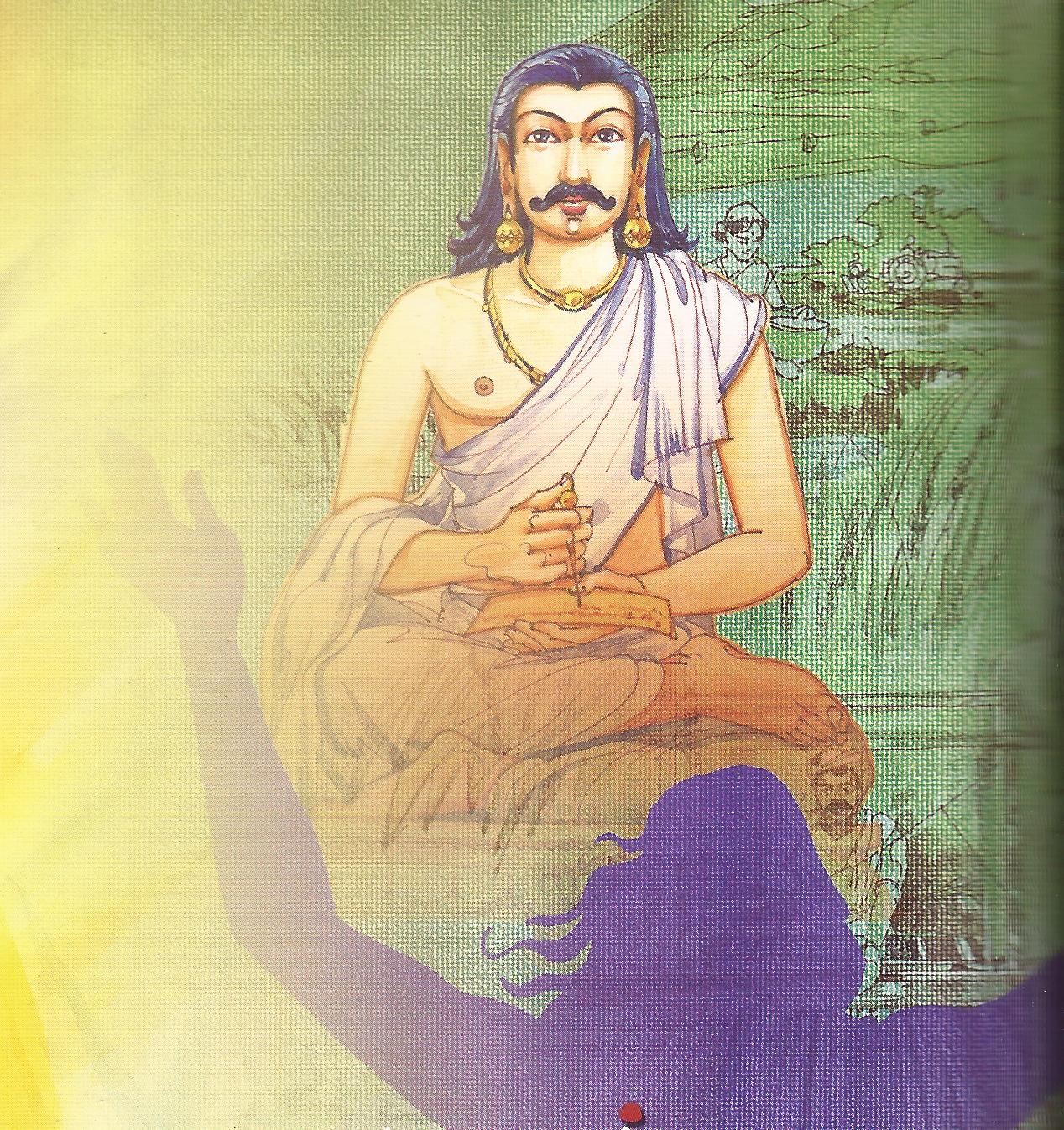
பல்கலை வித்தகன் அதிசய மன்னன் போஜராஜன்

எழுதியவர்: ச.நாகராஜன்
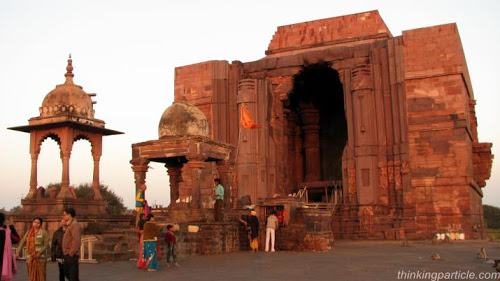


Picture of Siva Temple at Bhojapuri (Bhopal)

கவிதா ரஸிகர்களைக் கொண்ட உலகின் ஒரே தேசம் 

உலகிலேயே சரித்திரத்தில் நாம் காணும் எந்த தேச மன்னனும் நினைக்கக் கூட முடியாத ஒரு அபூர்வத்தை நிகழ்த்திக் காட்டிய ஒரே மன்னன் போஜராஜன். இன்றைய போபால் (போஜன் நிறுவிய போஜபாலே இன்று போபால்!)அந்தக் காலத்தில் போஜ சாம்ராஜ்யமாகத் திகழ்ந்தது. தாரா என்ற நகரைத் தலை நகராகக் கொண்டு ஆட்சி நடத்திய போஜராஜன்,

விப்ரோபி யோ பவேன்ன மூர்க்க: ச புராத்ஹிரஸ்து மேI                      கும்பகாரோபி யோ வித்வான் ச திஷ்டது புரே மமII“

என்று பிரகடனம் செய்தான்!

(இதன் பொருள்:-“அந்தணன் என்றாலும் படிப்பறிவற்றவன் என் தேசத்தில் வசிக்க வேண்டாம். குயவனாக இருந்தாலும் கற்றறிந்தவன் என் தேசத்தில் வசிக்கட்டும்”) அதே போல அங்கு வாழ்ந்த மக்கள் அனைவரும் உன்னதமான கவிதையை ரசிக்கும் திறன் கொண்டவராகத் திகழ்ந்தனர்.


84 அபூர்வ நூலைப் படைத்தவன் 

போஜராஜன் பல் கலை வித்தகன் . அஸ்வ சாஸ்திரம் சங்கீதம்,இசை, ஜோதிடம்,வானியல் உள்ளிட்ட ஏராளமான கலைகளில் வல்லவனாததால் இவனை பஹ¤வித்யா விஷாரத் (பல்கலை வித்தகன்) என அறிஞர்கள் அழைத்துப் போற்றினர். சுமார் 84 அரிய நூல்களைப் படைத்தவன். ஒவ்வொன்றும் ஒவ்வொரு துறையின் தலையாய நூலாகத் திகழ்வதோடு அந்தத் துறையில் வேத கால ரிஷிகள் தொட்டு அன்றைய வரை இருந்த மேதைகள் அந்த துறை பற்றி கூறியவற்றைத் தொகுத்துக் கூறும் களஞ்சியமாகவும் திகழ்கிறது. அவன் இயற்றிய நூல்களில் சில:

சரஸ்வதி கண்டாபரணா: வடமொழி இலக்கணம் பற்றியது; சமராங்கத சூத்ரதாரா: ஆகாயவிமான வகைகள் அவைகள் கட்டும் விதம் பற்றிய தொழில்நுட்ப நூல்;தத்வ ப்ரகாசா: சிவன் குறித்த சித்தாந்த தந்த்ர சாஸ்த்ரம் பற்றியது;ரஸராஜ ம்ரிகங்கா: இரசாயன நூல் யுக்திகல்பதரு: கப்பல் எப்படிக் கட்டுவது, கப்பல் வகைகள் பற்றியது; தர்மசாஸ்த்ர விருத்தி: தர்மசாஸ்திரம் பற்றியது; சம்புராமாயணம்:காளிதாஸனுடன் இணைந்து பாடியது; ராஜமார்த்தாண்ட வ்ருத்தி அல்லது போஜ விருத்தி:பதஞ்சலி யோக சூத்ர விரிவுரை;         ச்ருங்காரப்ரகாசா: இந்த அரிய நூலில் சிருங்கார ரஸமே பிரதான ரஸம் என்பதை போஜராஜன் சுட்டிக் காட்டுகிறான். (இந்த நூல் மட்டும் 1926லிருந்து 2007 முடிய 25 பதிப்புகளைக் கண்டிருக்கிறது. உலகின் 74 நூலகங்களில் இது தனியிடம் பெற்றுள்ளது!)


பிரபல வரலாற்று ஆசிரியரான வின்சென்ட் ஆர்தர் ஸ்மித் உள்ளிட்ட ஏராளமான மேலை நாட்டு அறிஞர்கள் போஜராஜனைப் பற்றியும் அவனது வாழ்க்கை வரலாறுகள் பற்றியும் நூற்றுக் கணக்கான ஆய்வுக் கட்டுரைகளையும் நூல்களையும் எழுதி அவனை வெகுவாகப் புகழ்ந்துள்ளனர்.


காளிதாஸனோடு இயற்றிய போஜ சம்பூ 

      மஹாகவி காளிதாஸனின் உயிர் நண்பன் போஜன், போஜனைப் பற்றிய நூற்றுக் கணக்கான சம்பவங்களில் முக்கியமான ஒன்றை மட்டும் இங்கு பார்ப்போம்.

தன்னைப் பற்றிய காளிதாஸனின் உண்மையான மதிப்பீட்டை அறிய விரும்பிய போஜன் காளிதாஸனை தன் பேரில் ஒரு சரம கவி பாடுமாறு வேண்டிக் கொண்டான். சரம கவி என்பது ஒருவர் இறந்தவுடன் துக்கம் தாளாமல் அவரைப் பற்றி மனம் நெகிழ்ந்து பாடும் கவிதை. காளிதாஸன் திடுக்கிட்டான். பொய்யா வாக்கை உடைய தான் சரம கவி பாடினால் தன் ஆருயிர் நண்பன் உயிரை இழந்து விடுவானே! மனம் நடுங்கிய காளிதாஸன் அந்தப் பாட்டைப் பாட முடியாது என்று மறுத்து விட்டான். இதனால் கோபமடைந்த போஜன் காளிதாஸனிடம் என் முகத்தில் விழிக்காதே, போ என்று கூறி விட்டான்.


மனம் நொந்த காளிதாஸன் ஒரு சந்யாசி வேடம் பூண்டு நாடெங்கும் சுற்றலானான். சில நாட்களிலேயே காளிதாஸன் இல்லாத வாழ்க்கை சாரமற்றுப் போக போஜன் அவனைத் தேடி மாறுவேடம் பூண்டு அலையலானான். ஒரு நாள் தற்செயலாக காளிதாஸனை ஒரு மண்டபத்தில் சந்திக்க இருவரும் அளவளாவினர். சந்யாசி வேடம் பூண்டவன் காளிதாஸனே என்பதைக் கண்டு கொண்ட போஜன் தான் யார் என்பதைத் தெரிவிக்கவில்லை.தான் தாரா நகரத்திலிருந்து வருவதாக அவன் தெரிவித்துக் கொண்டான். உடனே மனம் நெகிழ்ந்த காளிதாஸன், “அங்கே போஜ மன்னர் சௌக்கியமாக இருக்கிறாரா?” என்று ஆவலுடன் கேட்டான். தன் எண்ணம் நிறைவேற இது தான் சரியான சமயம் என்று எண்ணி மனம் மகிழ்ந்த போஜன்.”அடடா, உங்களுக்கு விஷயம் தெரியாதா? போஜ மன்னர் இறந்து விட்டார்!” என்று கூறினான். உடனே மனம் கலங்கி அழுத காளிதாஸனிடமிருந்து அற்புதமான சரம கவிதை வெளிப்பட்டது:


“அத்ய தாரா நிராதாரா நிராலம்பா சரஸ்வதி I                                    பண்டிதா கண்டிதா சர்வே போஜராஜம் திவம் கதே II”


(இன்று தாரா நகரம் நிராதரவாகி விட்டது; சரஸ்வதி ஆதரவற்றுப் போனாள். பண்டிதர்கள் அனைவரும் போஜராஜன் சொர்க்கம் அடைந்ததால் சிதறிப் போனார்கள்) இதைக் கேட்டவுடன் மனம் மகிழ்ந்தான் போஜன். ஆனால் கவி வாக்கு பொய்க்காது என்பதால் அவன் உடனே கீழே விழுந்து உயிரை விட்டான். தன் நண்பன் போஜ ராஜனே தன் பாட்டைக் கேட்டு உயிரை விட்டான் என்பதை அறிந்த காளிதாஸன் அவன் உயிர் பிழைக்க  மாற்றுப் பாடலைப் பாடி அவன் உயிர் பிழைக்க வைக்குமாறு காளி தேவியை இறைஞ்சினான்.

“அத்ய தாரா சதாதாரா சதாலம்பா சரஸ்வதி I                                      பண்டிதா மண்டிதா சர்வே போஜராஜம் புவம் கதே II”


(போஜன் பூமியை அடைந்ததால்   தாரா நகரம் எப்போதும் ஆதரவுடன் திகழ்கிறது. சரஸ்வதிக்கு நிரந்தர ஆதரவு உள்ளது.பண்டிதர்கள் அனைவரும் மிகவும் ஆதரிக்கப்படுகின்றனர்)

பாடலைக் கேட்ட போஜன் உயிர் பிழைத்து எழுந்தான். நேரில் பிரசன்னமாகிய காளி அவன் விதி முடிந்தாலும் காளிதாஸனின் பாடலுக்காக மூன்றே முக்கால் நாழி அவன் உயிர் வாழ்வான் என்று அருளினாள். மீதமிருக்கும் ஒரு கணத்தையும் வீணடிக்காத போஜன் வாழ்வாங்கு வாழ ராமாயணத்தைத் தானும் காளிதாஸனும் சேர்ந்து பாடி இலக்கியம் படைக்க விரும்பினான். இருவருமாக இணைந்து பாடிய காவியம் போஜ சம்பூ என்றும் சம்பு ராமாயணம் என்றும் பெயரிடப்பட்டு நாடெங்கும் புகழ் பெற்றது. இன்றும் படிக்கக் கிடைக்கிறது.


கஜினியை விரட்டியவன்

கி.பி. 1000ம் ஆண்டு முதல் 1050 முடிய அவன் செய்தஅரசாட்சி அனைவரையும் வியக்க வைத்தது! இன்றைய மத்யபிரதேசத்தில் உள்ள போபாலிலிருந்து 30 கிலோமீட்டர் தொலைவில் உள்ள போஜ்பூரை அவனே ஸ்தாபித்தான். போஜேஸ்வர ஆலயம் உள்ளிட்ட பல ஆலயங்களை அவன் நிறுவினான்.இன்று தார் என்று கூறப்படும் நகரில் அவன் நிறுவிய வடமொழி மையம் ஒன்று போஜ்சாலா என்ற பெயரில் பல் கலைகளையும் கற்பித்தது. புஜபலா மற்றும் பீம பராக்ரம என்ற விசேஷ விருதுகளால் உலகினரால் அவன் அழைக்கப்பட்டதால் பாண்டவ பீமனைப் போன்ற அசாத்திய பலமும் வீரத்தையும் அவன் பெற்றிருப்பது தெரிய வருகிறது!மாபெரும் வீரனான போஜன் முகம்மது கஜினியைத் தாக்கி ஓட ஓட விரட்டினான். ஹிந்து மதத்தைப் பாதுகாத்த தீரனாகத் திகழ்ந்தான்.


போஜ ப்ரபந்தம்

போஜராஜனின் மூளையில் ஒரு கட்டி இருந்ததாகவும் அதை அறுவை சிகிச்சை மூலமாக எடுத்து அவனை வைத்தியர்கள் குணப்படுத்தியதாகவும் வரலாறு கூறி அதிசயிக்கிறது! இந்த அறுவைசிகிச்சையைத் தாங்கி போஜன் உயிர் பிழைத்து அரும் பெரும் செயல்களைப் புரிந்தான் என்பதையும் வரலாறு குறிப்பிடுகிறது!

போஜனின் சரித்திரம் பற்றி போஜ சரித்ரம் மற்றும் போஜப்ரபந்தம் ஆகிய இரு நூல்கள் மிகவும் பிரசித்தி பெற்றவை.இவற்றில் நூற்றுக்கணக்கான சம்பவங்கள் சுவை பட சித்தரிக்கப்பட்டுள்ளன. ஆனால் இவை காலகட்டங்களைப் பற்றிக் கவலைப்படாமல் அனைத்து மன்னர்களும் கவிஞர்களும் வீரர்களும் ஒரே காலகட்டத்தில் வாழ்ந்தது போல எழுதப்பட்டுள்ளன என ஆய்வாளர்கள் குறிப்பிடுகின்றனர்!


பின்னால் 17ம் நூற்றாண்டில் பல்லாள தேவர் எழுதிய போஜ ப்ரபந்தம் போஜனின் வாழ்க்கை வரலாற்றை நன்கு சித்தரிக்கிறது. இதன் படி சிந்துலர் முஞ்சர் ஆகிய இருவர் அண்ணன் தம்பிகள். சிந்துலரின் மகனாக போஜன் பிறந்தார். தன் தம்பிக்கு மகுடம் சூட்டி உரிய வயது வரும் போது போஜனுக்கு முடி சூட்டி அரியணையில் ஏற்றுமாறு கூறி சிந்துலர் முடி துறந்தார். ஒரு நாள் அரண்மனைக்கு வந்த ஜோதிடர் போஜனின் ஜாதகத்தைப் பார்த்து


“பஞ்சாஸர் பஞ்சவர்ஷாணி ஸப்தமாஸாதிநத்திரியம்                          போஜராஜோ போக்த வ்யஹ கௌடோதக்ஷ¢ணாபத’ என்றார்.

அதாவது இந்த போஜன் 55 வருடம் 7 மாதம் 8 நாள் கௌடதேசம் உள்ளிட்ட தென்னாட்டை பெரும் புகழுடன் ஆளப் போகிறான் என்று கூறினார். இதனால் கலக்கம் அடைந்த முஞ்ச ராஜன் போஜனைக் கொல்லுமாறு தன் பணியாளரிடம் உத்தரவிட்டான். குருகுலத்திலிருந்த போஜன் கொலை செய்வதற்காக அழைத்து வரப்படும் போது தன்னை முஞ்ச ராஜன் கொலை செய்ய ஆணை பிறப்பித்திருப்பதை அறிந்து ஒரு ஓலை நறுக்கைக் கொடுத்து அதை முஞ்ச ராஜனிடம் கொடுத்துத் தனது கடைசி ஆசையை நிறைவேற்றுமாறு வேண்ட கொலை செய்ய வந்தவர்கள் அதை முஞ்ச ராஜனிடம் சென்று தந்தனர். அந்த ஓலை நறுக்கில் ஒரு சுலோகம் இருந்தது.அதில் மகா புத்திசாலியான போஜன், “சத்யயுகத்தில் இருந்த உலகின் ஜ்வலிக்கும் மணி என்று கருத்தப்பட்ட சக்கரவர்த்தி மாந்தாதா இறந்து போனான். கடல் மீது பாலம் கட்டி ராவணனைக் கொன்ற ராமரும் இப்போது இல்லை! யுதிஷ்டிரர் போன்ற சக்தி வாய்ந்த அரசர்கள் இந்த பூவுலகை ஆண்டுள்ளனர். ஆனால் இந்த பூமி அவர்கள் இல்லாமல் கூட இன்னும் இருக்கிறது. ஓ முஞ்ச ராஜனே! இந்த பூமி நீ நிலையாக இருக்க, தான் போக விரும்புகிறது போலும்!” என்று  எழுதி இருந்தான்! இதைப் பார்த்தவுடன் முஞ்ச ராஜனுக்கு ஞானம் வந்து அவன் அரசைத் துறந்து போஜனையே அரசனாக்கினான். இளைஞனாக இருந்த போதே இப்படி அபாரமான கவித் திறமையையும் கூர்மையான புத்தியையும் கொண்டிருந்த போஜன் எப்படி நாட்டை ஆண்டிருப்பான் என்பதை நாம் யூகித்து உணர்ந்து கொள்ளலாம்!


ஜோதிட நூல் வித்வத்ஞான வல்லபா 

பூபாலக்ருத்ய சமுச்சயா என்னும் அவனது நூல் பல்வேறு விரதங்களை எப்படி எந்த திதியில் அனுஷ்டிப்பது என்பதையும் அதற்கான பலன்களையும் விவரிக்கிறது.கார்த்திகை சுக்ல ஏகாதசி அன்று விஷ்ணுவை எழுப்ப வேண்டும் என்றும் ஆஷாட சுக்ல ஏகாதசி அன்று அவர் நித்திரைக்குச் செல்வார் என்றும் இந்த நூல் விவரிக்கிறது. இது போன்ற ஏராளமான ரகசியங்களை ஜோதிடத்தின் அடிப்படையிலான திதி, நாள் முதலியவற்றால் இது விவரிப்பதால் போஜனது பரந்துபட்ட ஜோதிட மற்றும் ஆன்மீக அறிவு விளங்குகிறது!விலக்க வேண்டிய கறிகாய்கள், பழங்கள், உப்புகள். தாம்பத்ய உறவைத் தவிர்க்க வேண்டிய நாட்கள் உள்ளிட்ட நுட்பமான விஷயங்களை இதில் போஜன் விவரிப்பது ஆச்சரியம் அளிப்பதாக உள்ளது என்று  மேலை நாட்டு ஆய்வாளர்கள் வியந்து கூறுகின்றனர்.

அடுத்து ஜோதிட சாஸ்திரத்தை விரிவாக விளக்கி வித்வத்ஞானவல்லபா என்ற அற்புதமான ஜோதிட நூலையும் அவன் எழுதியுள்ளான். 1970ல் பரோடா பல்கலைக் கழகத்தால் இந்த நூல் பிரசுரிக்கப்பட்டது. உலகின் தலை சிறந்த 31 பல்கலைக்கழகங்களில் இந்த நூல் இருக்கிறது.தஞ்சாவூர் சுவடிகள் காடலாக்கில் இந்த நூல் 14வது தொகுதியில் 11604 கேடலாக் எண்ணாகக் குறிப்பிடப்பட்டு அங்கு இருப்பதை உறுதி செய்கிறது!


சுருக்கமாகச் சொல்லப் போனால் இராமாயண மஹாபாரதம் மற்றும் புராணங்கள் சித்தரிக்கும் மாபெரும் மன்னர்களுக்கு நிகராக போஜன் தர்ம சாஸ்திரம் நூலை எழுதியதோடு அந்த தர்மத்தின் படி வாழ்ந்த  பல்கலை வித்தகன் என்று போற்றிப் புகழ்ந்து வணங்கலாம்!

*******************

Note: There were tow great kings with the same name Bhojarajan ruling at different times

காளிதாசரின் நூதன உத்திகள்: தமிழிலும் உண்டு


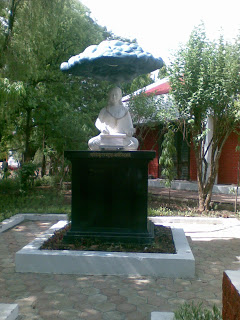
Picture: சீனாவின் ஷாங்காய் நகரில் உள்ள காளிதாசன் சிலை


மகா கவி காளிதாசன் 1250 உவமைகளையும் உருவகங்களையும் வேறு பல உத்திகளையும் கையாளுகிறான். இவைகளை சங்கத் தமிழ் புலவர்களும் பின்பற்றுவதால் அவர்களுக்கு முன் காளிதாசன் வாழ்ந்தான் என்பது என் துணிபு. குறிப்பாக மிகவும் கற்றறிந்த மக்களிடையே மட்டுமே பயன் படுத்தக்கூடிய சில உத்திகளைக் காளிதாசன் பயன்படுத்துவது போலவே தமிழ்ப் புலவர்களும் பயன்படுத்துகின்றனர்.

இலக்கணம் போன்ற விஷயங்களை உவமையாகவோ சொல் அணிகளாகவோ பயன்படுத்த வேண்டுமென்றால் அதைக் கேட்டு ரசிப்போரின் அறிவும் அதிகமாக இருக்கவேண்டும். இதைத் தமிழிலும் சம்ஸ்கிருதத்திலும் காணும் போது களிபேருவகை ஏற்படுகிறது. இந்திய மக்கள் மேதாவிலாசம், அதே கால ஏனைய நாகரீகங்களை விட மிகவும் அதிகம். வேறு எந்த பழங்கால இலக்கியத்திலும் சிலேடைகள், புதிர்கள், விடுகதைகள், பழமொழிகளை உவமைகளாகப் பயன்படுத்துவதில்லை! முன்னரே ஒரு கட்டுரையில் ‘கொம்பு சீவுதல்’ என்பதை காளிதாசன் எப்படிப் பயன்படுத்தினான் என்பதைக் கண்டோம்.


நான்கூறும் தமிழ் உதாரணங்கள் சங்க கால பிராமணப் புலவர்கள் கையாண்ட உத்திகள். அவர்கள் வடமொழியில் வல்லவர்கள். காளிதாசனைக் கரைத்துக் குடித்த மேதாவிகள். தமிழைக் கிண்டல் செய்த பிரமத்ததன் என்ற வட இந்திய மன்னனுக்கு கபிலர் என்ற பிராமணப் புலவர் (சம்ஸ்கிருதம் மூலம்) தமிழைக் கற்பித்து அவனைப் பாட்டும் எட்டுக்கட்டச் செய்து அதை சங்க இலக்கியத்திலும் சேர்த்து விட்டார்!

சொற்சிலம்பம் ஆடுவதில் வல்லவன் காளிதாசன். வண்டு என்பதற்கு ‘ப்ரமர’ என்று வடமொழியில் சொல்லுவார்கள். அதைக் கவிதையில் பயன் படுத்துகையில் 2 “ர” க்களை உடைய பூச்சி என்று விடுகதை போடுவான் (குமார.3-36).


இதோ மற்ற இடங்களும் தமிழ் ஒப்பீடுகளும்:

1.வண்டு அல்லது தேனீயை அறுகாலி (6 கால்) என்று அழைப்பது (குமார.5-9) தமிழிலும் உண்டு:- புறம் 70 ,கோவூர் கிழார்:

2. ரத அங்க நாம்னா: ரகு.3-24, 13-31: (சக்ரவாகம்): தேரின் ஒரு உறுப்பு (அங்கம்) சக்கரம். அதைப் பெயரில் உடைய பறவை ‘சக்ரவாகம்’. இதைத் தமிழில் அன்றில் பறவை என்பர்.

3. தமிழில் மதுரை. வரி 87, 88 (நெல்லின் பெயரை உடைய ஊர்=சாலியூர்): மதுரைக்காஞ்சி எழுதிய மாங்குடி மருதன் இந்த ‘ரத அங்க நாம்னா’ உத்தியைப் பின்பற்றி சாலியூர் என்பதை நெல்லின் பெயரை உடைய ஊர் என்கிறார்.

ஏன் இப்படிச் சுற்றிவளைத்துப் பேசவேண்டும்? நேராக சாலியூர் என்று சொல்லிவிடலாமே என்று வாசகர்கள் நினைக்கலாம். சில நேரங்களில் கவிதையின் எதுகை மோனைக்காகவும் ,சில நேரங்களில் தன் புலமையைக் காட்டவும் கவிஞர்கள் இந்த உத்தியைக் கடைப் பிடிப்பர். இது போல பல இடங்களில் செய்வதும் இப்படி சுற்றி வளைத்து ஒரு விஷயத்தைச் சொல்லும்போது கவிதையின் அழகு கெடாமல் காப்பதும் கவிஞனின் திறமையைக் காட்டுகிறது.

4. பெரும்பாணாற்றுப்படை வரிகள் 297-310 (இராச அன்னம்): சங்க கால பிராமணப் புலவர்களில் ஒருவர் பெயர் ருத்ராக்ஷன். இதைத் தமிழில் உருத்திரங்கண்ணன் என்று சொல்லுவர். இவர் பிராமணர் வீடுகளில் என்ன என்ன ‘வெஜிடேரியன்’ உணவு கிடைக்கும் என்பதை மிக அழகாகச் சொல்லுகிறார். கோழியும் நாயும் அசுத்தம் செய்யாத இடம் அக்ரஹாரம் என்றும் புகழ்கிறார். அப்படிச் சொல்லும்போது, விறலியரே, பாணர்களே, புலவர்களே, அதோ அந்த ஐயர் வீட்டுக்குச் சாப்பிடப் போங்கள். அந்த வீட்டு அம்மாமி, அருந்ததி போன்று கற்புடையவள். உங்களுக்கு வெண்ணெயும், மாதுளைப் பொறியலும், மிளகுபொடியோடு “ பறவைப் பெயர்  கொண்ட சோற்றையும்” பரிமாறுவாள். இதுதான் காளிதாசன் ‘டெக்னிக்’. இராச அன்னம் என்னும் அரிசி வகை= பறவைப் பெயர்  கொண்ட சோறு.


5.நெடு. நக்கீரர் பாடியது, வரிகள் 82, 114 (உத்தரம், கர்பக் கிரகம்):- நக்கீரர் பாடிய நெடுநல்வாடையில், ‘‘நாளொடு பெயரிய விழுமரத்து கோள் அமை நெடு நிலை’’ என்பது உத்தர நட்சத்திரத்தைக் குறிக்கும். ஆனால் புலவர் சொல்ல வருவது வீட்டின் பகுதியான உத்தரம். இன்னொரு இடத்தில் கர்ப்பக்கிரஹம் என்பதை ‘’கருவொடு பெயரிய காண்பு இன் நல் இல்’ என்றும் கூறுவர்.

6. கலி.25:1 வயக்குறு மண்டிலம் வடமொழிப் பெயர்=திருதராஷ்டிரன்: ஆதித்த/சூரிய மண்டலத்துக்கு மற்றொரு பெயர் பகன்.அவனுக்குக் கண் கிடையாது. மகாபாரத திருதராஷ்டிரனுக்கும் கண் தெரியாது. ஆக திருதராஷ்டிரன் என்று சொல்வதற்காக பாலைக் கலி பாடிய பெருங் கடுங்கோ இப்படி’ வயக்குறு மண்டிலம் வடமொழிப் பெயர்’ என்கிறார். தமிழ்ப் புலவர்கள் சங்க காலத்தில் எந்த அளவுக்குப் புராண இதிஹாசங்களையும், வடமொழியையும் கரைத்துக் குடித்திருந்தனர் என்பதற்கு கலித்தொகையில் நூற்றுக் கணக்காண சான்றுகள் உள.

இதே வரிக்கு வேறு உரைகளும் உள. வயக்குறு மண்டிலம் என்பது கண்ணாடி என்றும் அது பிறர் முகத்தைக் காட்டுமேயன்றி அதனால் காணமுடியாது என்றும் ஆகவே இது தர்ப்பண (கண்ணாடி) ஆனனன் (முகத்துடையோன்) என்பதே என்பர்.

7.வாடா வஞ்சி (மாறோக்கத்து நப்பசலையார், புறம்.39): இவரும் பிராமணப் பெண் புலவர். வாடா வஞ்சி என்பது வாடிப்போகாத வஞ்சி, அதாவது, கருவூர்.


8.கலி. 99-1,2 -அறவினை இன்புறூஉம் அந்தணர் இருவர் (சுக்ரன், பிருஹஸ்பதி) : தேவர்களுக்கும் அசுரர்களுக்கும் இரண்டு பிராமணர்கள் குருவாக இருந்தனர். அதை சுக்ரன், பிருகஸ்பதி என்று பெயர் சொல்லாமல் அந்தணர் இருவர் என்கிறார் ஒரு தமிழ்ப் புலவர்.

9. பரி.3-31 கூந்தல் என்னும் பெயர் உடைய அசுரன்= கேசாசுரன். தலைமயிர்/ கூந்தல் பெயரை உடைய அசுரன் கேசாசுரன். கேசம் என்ற வட மொழிச் சொல்லுக்கு தலை முடி என்று பொருள்.

10.திருமுறுகு.18 (நக்கீரர்): “நாவலொடு பெயரிய பொலம்புனை அவிர் இழை (ஜம்பூத்வீபம்) சேன் இகழ்ந்து விளங்கும் செயிர் தீர் மேனி” இந்தியாவின் பழம்பெரும் பெயர் நாவலந்தீவு. நாவல்பழ மரங்கள் நிறைந்த பூமி. எந்த வகை மரம் செடி கொடிகள் ஓரிடத்தில் செழிப்பாக இருகிறதோ அதை வைத்து அந்த நாட்டுக்குப் பெயர் சூட்டுவது புராண மரபு. இதையே பின்பற்றி தமிழர்களும் குறிஞ்சி, முல்லை, நெய்தல், மருதம், பாலை என்று நிலப் பாகுபாடு செய்தனர். நக்கீரர் என்ற பிராமணப் புலவர் இதே உத்தியை தங்கத்தைக் குறிக்கப் பயன்படுத்துகிறார். பலவகை தங்கங்களில் ஒன்று சம்பூநதம் (ஜம்பூத்வீப தங்கம்)= நாவலொடு பெயரிய பொலம்புனை.


காளிதாசன் உலகம் புகழும் மகா கவி. அவனுடைய ரகுவம்சம் உவமைக் கருவூலம்! ரத்தினக் களஞ்சியம்! அவனுடைய உவமைகளில் முக்கால்வாசியை அதில் கொட்டிவிட்டான். எடுத்தஎடுப்பிலேயே

‘வாகார்த்தாவிவ சம்ப்ருக்தௌ வாகர்த்தப் ப்ரதிபத்தயே

ஜகதப் பிதரௌ வந்தே பார்வதி பரமேஸ்வரௌ’

என்று துவங்குகிறான். பொருள்: பார்வதியும் பரமசிவனும் உலகத்துகே தாய் தந்தையர். அவர்கள் சொல்லும் பொருளும் சேர்ந்திருப்பது போல இணைந்து இருப்பவர்கள். அவர்களை வணங்குகிறேன். இந்த உவமைக்கு ஈடு இணை இல்லை. இந்திய மக்களின் மொழி அறிவுக்குச் சான்று பகரும் மாபெரும் உவமை இது!

இன்னும் தொடரும்………………… (காளிதாசன்– சங்க காலத்துக்கு முன் வாழ்ந்தவன் என்பதைக் காட்ட அவ்வரிசையில் வரும் ஏழாவது கட்டுரை இது. பழைய கட்டுரைகளையும் படித்துப் பயன்பெறுக.)

Old Posts: 1.Indra Festival in the Vedas and Tamil Epics2. Sea in Kalidasa and Tamil Literature 3. Ganges in Kalidasa and Sangam Tamil Works 4.Gem Stones in Kalidasa and Tamil Literature 5. Bird Migration in Kalidasa and Tamil Literature 6. Kalidasa’s Age: Tamil Works confirm 1st Century BC + Same Articles in Tamil

For further information contact author at   swami_48@yahoo.com


வள்ளுவன் ஒரு சம்ஸ்கிருத அறிஞன்

Picture: Tamil Poet Valluvar’s statue at SOAS, University of London

பொய்யா மொழிப் புலவன் திருவள்ளுவன் ஒரு பெரிய சம்ஸ்கிருத அறிஞன். அவன் செய்த திருக்குறள் போல வேறு எம்மொழியிலும் நூல் இல்லை. இனி ஒரு காலத்திலும் இவ்வளவு அழகாக ஒரு புலவர் செய்ய முடியுமா, அப்படியே செய்தாலும் அதை வள்ளுவனை ஏற்றார் போல உலகம் ஏற்குமா என்பதெல்லாம் கேள்விக்குறியாகவே தொக்கி நிற்கும். இப்படி வான் புகழ் பெற்று தேன் தமிழில், தென் தமிழில், தெள்ளு தமிழில் குறள் செய்த வள்ளுவன் தமிழில் ஒரு அமைதிப் புரட்சியையும் செய்தான். தமிழில் முதல் தடவையாகத் துணிந்து சம்ஸ்கிருதத்தைப் புகுத்தினான். அதனால் தமிழ் அழகு பெற்றதே அன்றி சோபை குன்றவில்லை. மொழியைக் கெடுக்காமல், அளவோடு செய்தான். நம் காலத்தில் பாரதியார் செய்ததைப் போல.


வள்ளுவப் பெருமான், பகவத் கீதையைக் கரைத்துக் குடித்திருப்பாற் போலத் தோன்றுகிறது. ஏனெனில் தானம்,தவம் என்ற சொற்றொடரும் குணம் என்ற சொல்லும் சமன் என்ற சொல்லும் பகவத் கீதையில் ஏராளமான ஸ்லோகங்களில் வரும். தமிழில் தைரியமாக இப்படி சம்ஸ்கிருதச் சொற்களுடன் வேறு யாரும் கவிதையையோ பாடலையோ துவக்கியதில்லை.


கீதையில் தானம்,தவம் என்ற 2 சொற்களும் சேர்ந்தே வரும் (கீதை 10-5, 16-1,17-7,17-28,18-5; கீதையில் 14ஆவது அத்யாயம் குணத்ரய விபாக யோகம். ஒவ்வொரு செய்யுளிலும் குணம் என்ற சொல் வருகிறது. அதே சொல்லுடன் தவங்கும் ஸ்லோகமும் உண்டு. சமம் என்ற சொல்லுடன் கீதையில் குறைந்தது ஆறு ஸ்லோகங்களாவது துவங்குகின்றன. இதை எல்லாம் பார்க்கையில் அவர் குறளை எட்டுக்கட்டும்போது அவரை அறியாமலே இந்தச் சொற்கள் பீறிட்டெழுந்திருக்க வேண்டும்.

வள்ளுவன் கையாண்ட பல கருத்துக்கள் வடமொழி நூல்களான பர்த்ருஹரியின் சதகங்கள், மனுதர்ம சாஸ்திரம், கீதை, தம்மபதம் ஆகியவற்றில் இருப்பதைச் சுட்டிக்காட்டி நிறைய கட்டுரைகள் வந்துவிட்டதால் அவைகளைத் திரும்பச் சொல்லப் போவதில்லை.


‘தானம் தவம் இரண்டும்’ (குறள் 19, 295) என்றும், ‘குணம் என்னும் குன்று ஏறி’ என்றும் ‘சமன்’ செய்து என்றும் துணிவாகச் சம்ஸ்கிருதச் சொற்களுடன் குறளைத் துவக்குகிறார். முதல் குறளிலேயே அ’கரம்’, ‘ஆதி பகவன்’ என்றும் அடித்து நொறுக்குகிறார். இந்தத் துணிவு இவர் ஐந்தாம் நூற்றாண்டில் வாழ்ந்ததால்தான் வந்தது. மனம், கருமம், காமம்,தெய்வம், முகம் போன்ற சம்ஸ்கிருதச் சொற்களுடன் இன்னும் நிறைய குறள்களைத் துவக்குகிறார். இவருக்குப் பின் வந்த நாயன்மார்களும், ஆழ்வார்களும் ஏராளமான வட மொழிச் சொற்களைப் பயன்படுத்த வள்ளுவனே வழி வகுத்தான் போலும்.


வள்ளுவன் உள்ளத்தால் பொய்யாதொழுகிய உத்தமன். அதனால்தான் அவன் உலகத்தாற் உள்ளத்துள் எல்லாம் உளன். அவனுக்கு வட மொழி தென் மொழி என்ற காழ்ப்புணர்ச்சி இல்லை. இரு மொழியும் இரு கண்கள் என்பதை உணர்ந்த பெரியோன் அவன். யாராவது திருக்குறளில் இருந்து வடமொழிச் சொற்களை எடுத்தால் அது செல்லரித்துப் போன ஏடு போல, வைரஸ் பாதிப்புக்குள்ளான ‘சாFட்வேர்’ போல ஆகிவிடும்.


தொல்காப்பியத்திலும், சங்க இலக்கியத்திலும் வட மொழிச் சொற்கள் இல்லாமல் இல்லை. நக்கீரர் கூட ‘உலகம்’ (லோக) என்ற வடமொழிச் சொல்லோடு திருமுருகாற்றுப் படையைத் துவக்குகிறார். சிறுபாணாற்றுப் படை, ‘மணி’மலை என்று துவங்குகிறது. ஆனால் இவ்விரு நூல்களும் பிற்காலத்தில்  எழுந்தவை என்பது சில ஆராய்ச்சியாளரின் கருத்து. சிறுபாணாற்றுப்படை,  கடை எழு வள்ளல்களை வரிசைப்படுத்தி உரைப்பதால், இப்படி ஏற்பட கபிலர் பரணர் காலத்திலிருந்து 200, 300 ஆண்டுகளாவது ஆயிருக்கும். ஆனால் தொல்காப்பியர், வள்ளுவர், இளங்கோ ஆகிய மூவரும் ஒரே காலத்தில் வாழ்ந்ததால்தான் “அதிகாரம்” என்ற சொல்லை மூவரும் தங்கள் நூல்களில் பயன்படுத்தினர். (காண்க என் கட்டுரை: தொல்காப்பியர் காலம் தவறு)

The Opening Ceremony took place on 13th May 1996. Dr L M Singhvi, High Commissioner of India in grey suit is at left extreme, Dr Stuart Blackburn in grey suit is in the middle and I am (London Swaminathan, author of this article) at the far right in the picture.


அதிகாரம் என்ற சொல்லைக் கருத்திற் கொண்டால் வள்ளுவன் சம்ஸ்கிருத் சொற்களைப் பயன்படுத்தாத அதிகாரமே இல்லை! ஒவ்வொரு அதிகாரத்திலும் சம்ஸ்கிருதச் சொற்களைக் குறள்களிலும் காண்கிறோம். நான் ‘ஹைலைட்டரை’க் கொண்டு வடமொழிச் சொற்களை ‘ஹைலைட்’ செய்தபோது எல்லா பக்கங்களிலும் வடமொழிச் சொற்கள்  இருப்பதைக் கண்டேன்.

வள்ளுவனுக்கு பகவத் கீதை அத்துபடி என்பதற்கு இன்னும் ஒரு சான்றும் இருக்கிறது. கீதையில்:

“ப்ரஹ்மார்ப்பணம் ப்ரஹ்மஹவிர் ப்ரஹ்மாக்னௌ ப்ரஹ்மனாஹுதம்

ப்ரஹ்மைவ தேன கந்தவ்யம் ப்ரஹ்மகர்ம சமாதினா” (4-24)


என்று ஒரு ஸ்லோகம் வருகிறது. இதே போல உபநிஷதத்தில்


“பூர்ணமதப் பூர்ணமிதப் பூர்ணாத் பூர்ணமுதச்யதே

பூர்ணஸ்ய பூர்ணமாதாய பூர்ணமேவா வஷிஷ்யதே” –

என்று ஒரு மந்திரம் வருகிறது. இதே ‘ஸ்டைலில்’—பாணியில்– வள்ளுவனும்


துப்பார்க்குத் துப்பாய துப்பாக்கித் துப்பார்க்குத்

துப்பாய தூஉம் மழை —-(குறள் 12)

என்று பாடுகிறான். முன் எவரும் இப்படிச் செய்ததில்லை.


வடமொழிச் சொற்பட்டியல்

வள்ளுவர் பயன்படுத்திய வடமொழிச் சொற்கள் பட்டியலை தமிழ் பேரறிஞர் வையாபுரிப் பிள்ளை அளிக்கிறார். அத்தோடு வள்ளுவர்  பயன்படுத்தும் புதிய தமிழ் இலக்கண அமைப்புகளும் அவர் எக்காலத்தவர் என்பதை காட்டிவிடுகிறது.வள்ளுவர் 137 வட மொழிச் சொற்களைப் பயன்படுத்துகிறார். ஒவ்வொரு சொல்லையும் பலமுறை பயன்படுத்தும் போது இது பன்மடங்கு அதிகரிக்கும்.:


அகரம், அச்சு, அதி, அவி, அந்தம், அமிர்தம், அங்கணம், அரங்கு, அமர், அமரர், அமைச்சு, அரங்கு, அரண், அரசர், அவம்,அவலம், அவை, ஆசை, ஆகுலம், ஆசாரம், ஆதி, ஆணி, ஆயிரம், ஆயம், இசை, இந்திரன், இமை, இரா, இலக்கம்,உரு, உருவு, உலகு, உல்கு, உவமை, உறு, ஏமம், ஏர், கஃசு, கருமம், கணம், கணிச்சி, கதம்,காந்து, கலுழும், கவரி, கவுள், கழகம், களம், களன், கனம், காரிகை,கானம், காமம், காரணம், காமன், காலம், குணம், குடங்கர், குலம், குவளை, கூர், கூகை, கொக்கு, கோடி, கோட்டி, கோட்டம், சலம், சமன்,சிவிகை,சுதை,சூது,சூதர் , தகர், தண்டம், தவம், தானம், தாமரை, திண்மை, திரு, துகில், துலை,தூது, தெய்வம், தேயம், தேவர்,தொடி, தோட்டி, தோணி, தோள், நத்தம், நயம், நாகம், நாவாய், நாகரிகம், நாமம், நிச்சம், நீர், நுதுப்பேம்,பகவன், பக்கம், பகுதி, படாம், படிவத்தர், பதம், பயன், பரத்தன், பண்டம்,பளிங்கு, பள்ளி, பாக்கியம்,பாகம், பாவம்,பாவி, பூரியர்,பூசனை. புருவம், பூதம், பீழிக்கும் ,பீழை, புருவம், பூசனை, பூதங்கள் பேடி, பேய், மங்கலம், மடமை, மதலை, மயிர், மயில், மனம், மந்திரி, மணி, மதி, மா, மாடு, மாதர், மாத்திரை, மாயம், மானம், மீன், முகம், யாமம், வஞ்சம், வண்ணம்,வளை, வாணிகம், வித்தகர்


பொய்யாமொழியைச் சுற்றி ஒரே பொய் மூட்டைகள்!!!

வள்ளுவன் காலம் அவன் பயன்படுத்தும் வடமொழிச் சொற்களாலும், புதிய சொற்றொடர்களாலும், பிற்கால இலக்கணத்தாலும் நன்கு தெரிந்த பின்னரும், இதை வையாபுரியார் முதற்கொண்டு பல அறிஞர் பெருமக்கள் எடுத்துக்காட்டிய பின்னரும், சிலர் ‘கட்டைப் பஞ்சாயத்து’ முறையில் வள்ளுவனை கி.மு.31 என்று முத்திரை குத்தியது பொய்யாமொழிப் புலவனையே அவமானப் படுத்துவதாகும். இது தொடர்பான பழைய மகாநாட்டில் காரசார விவாதங்கள் நடந்து வெளிநடப்பு நடந்தபின்னர் ஒரு கோஷ்டி இப்படி வள்ளுவருக்குப் பொய்க் காலம் போட்டுக் கொடுத்தது. இதை வள்ளுவனே மன்னிக்கமாட்டான்.

வள்ளுவன் பெருமை அவன் வாழ்ந்த காலத்தால் அல்ல. அவன் எழுதிய நூலால்தான். இன்று வள்ளுவன் இப்படி ஒரு நூல் எழுதியிருந்தாலும் இந்தியாவிலேயே அவன் ஒருவன் தான் இப்படிப்பட்ட சாதனையைச் செய்தவனாக இருந்திருப்பான். ஏற்கனவே நேர்மையற்ற அரசியல்வாதிகள் எல்லாம் அவன் குறளை மேடை தோறும் முழக்கி அவனை மஹாத்மா காந்தியைப் போல மதிப்பு இல்லாமல் நகைப்புக்குரியவராகச் செய்துவிட்டார்கள். அவன் வாழ்ந்த காலம் பற்றிய மோசடியையாவது மாற்றி உண்மையைச் சொன்னால் அவனுக்கு ஆத்ம சாந்தியாவது ஏற்படுமே.


மொழியியல் ரீதியில் வள்ளுவனை கி.மு.வில் வைக்க முடியாது. அப்படி வைத்தால் சங்க இலக்கியம் முழுவதையும் கி.மு 4 அல்லது 5ஆம் நூற்றாண்டுக்குத் தள்ள வேண்டியிருக்கும். அதுவும் முடியாது. கடல் வணிகம் பற்றிய சங்க இலக்கிய குறிப்புகளும் ரோமானிய ,கிரேக்க எழுத்தர் குறிப்புகளும் சங்க இலக்கியத்தை முதல் மூன்று (கி.பி) நூற்றாண்டுகள் தான் என ஐயம் திரிபு அற முடிவு செய்துவிட்டன (காண்க கனக சபைப் பிள்ளை, டாக்டர் இரா.நாகசாமி, கமில் சுவலெபில் நூல்கள்)


வள்ளுவன் வடமொழி வாசகத்துடன் பாடலைத் துவக்கியதோடு நிற்காமல் ஆங்காங்கே சில சம்ஸ்கிருதச் சொற்றொடர்களுக்கு அருமையான மொழிபெயர்ப்பும் செய்திருக்கிறான். சினம் பற்றிய அதிகாரத்தில் ‘சேர்ந்தாரைக் கொல்லி ‘என்ற சொல் ‘ஆஸ்ரயாச:’ என்பதன் தமிழாக்கம். தாமரைக் கண்ணன் என்பது கமலநயன, அரவிந்தாக்ஷன் என்பதன் தமிழாக்கம். தர்ம,அர்த்த,காம (அறம், பொருள், இன்பம்) என்ற இந்து மதக் கோட்பாடுகளுடன் இந்திரன் முதலாக பல்வேறு இந்துக் கடவுளரையும் குறிப்பிடுகிறார்.


வள்ளுவனின் வேறு சில அழகான மொழிபெயர்ப்பு:சம்சார சாகரம்=பிறவிப் பெருங்கடல்,அஹங்காரம்,மமகாரம்=யான்,எனது என்னும் செருக்கு, ரிக்வேதத்தில் வரும் கவீம் கவீனாம்=நூலாருல் நூல் வல்லான், கீதை ஸ்லோகம் உத்தரேத் ஆத்மநாத்மானம்= உள்ளுவது எல்லாம் உயர்வுள்ளல், தர்மோ ரக்ஷதி ரக்ஷித:= அல்லவை தேய அறம் பெருகும்.


வள்ளுவர் “இந் நான்கும்”, “இம்முன்றும்” என்று சொல்லுவதும் வட மொழி அணுகுமுறை. பழந்தமிழ் நூல்களில் காணப்படா.

கடவுள் வாழ்த்தில் உள்ள பத்து பாக்களில் ஏழு குறள்களில் இறைவனுக்கு பாத நமஸ்காரம் செய்கிறார் (அடி போற்றுதல், தாள் வணங்குதல்). இது சம்ஸ்கிருத நூல்களில் தடுக்கி விழுந்தால் பார்க்கக்கூடியது. (Please read my post WHY DO HINDUS WORSHIP SHOES?).


கோடி என்ற வடமொழிச் சொல்லை இவர் பயன்படுத்திய அளவு வேறு எந்த பழந்தமிழ் கவிஞனும் பயன்படுத்தியிருக்க மாட்டான். சின்னக் குழந்தை சொல்லும் வடமொழி ஸ்லோகத்தில் கூட “சூர்யகோடி சமப்ரபா” என்ற வடமொழி வாசகம் வரும்.

வேறு யாரும் சொல்லாத இன்னொரு விஷயம். வள்ளுவர் பஞ்ச தந்திரக் கதைகளையும் நன்கு படித்தவர் என்பது குறள்கள் 273, 274, 277, 481, 495, 633 முதலியவை மூலம் தெரிகிறது.


வாழ்க வள்ளுவன் புகழ். வளர்க வாய்மை, பொலிக தூய்மை!

Hindu Vahanas in Kalidasa and Tamil Literature

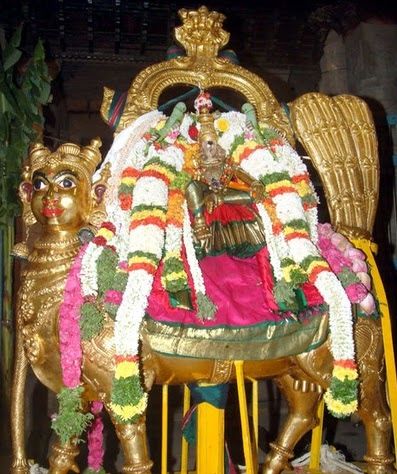
Picture shows Meenakshi on Kamadhenu vahana


I have posted at least six articles on Kalidasa and Sangam Tamil Literature to prove that the greatest poet of India, Kalidasa, lived in the first century BC or before that. A lot of similes, metaphors, expressions in Tamil literature are echoes of Kalidasa. Now I give a lot of Vahana (Mounts of Gods) references from Tamil and Kalidasa. Sangam Tamil literature belongs to the first three centuries of our era.

Tamil poets were well versed with Hindu mythology and iconography. They had so much belief in Hinduism that they can’t avoid using Vahana references even in secular verses.

Poet Nakkirar of Puram verse 56 sings about four Hindu Gods in one verse referring to their flags or Vahanas. My research in to Vahanas shows that the origin of Vahanas lied in the symbols or flags of Gods. First we see the references of flags which are slowly turned in to Vahanas in course of centuries. I will give you some examples.

The Gayatri verse on Sanaischara (Planet Saturn) says that he has Kakadwaja (Flag with crow on it). Later we see crow as his vehicle. This shows that the myths about vahanas were later developments to cater to the popular tastes. When rational minds questioned whether an elephant god (Ganesh) can travel on a little mouse, then all philosophical explanations were given. Most of the vahanas are considered symbols of evils, which the god subdued and made them as their vehicles.

Some western scholars tried to bring Aryan Dravidian controversy even into the vahanas saying that the Dravidian gods were subdued and made vahanas for Aryan gods. But anyone who has read my previous posts of Sumerian, Greek and Babylonian vahanas would easily dismiss this western theory as absurd. Other cultures also used animals as vahanas. We didn’t have much detail about how the foreign deities got their vahanas.

Kalidasa also described Shiva as one who rides a bull or a person with a bull on his flag (Vrushapaarootan or Vrshabadwajan). Lord Vishnu also had Garutadjwaja or Garudavahana.

Tamil Poet Bharatham Padiya Peruntheanar (Mahadevan who sang Mahabharata) of Purananuru prayer song also described Shiva with Bull vehicle and with Bull flag. Needless to say that this was an echo of Kalidasa.

Kalidasa’s references:

Raghu. VI-4, Meghaduta verse 46: Lord Skanda’s peacock vahana

Mega.54, Raghu-III-23, Kumara.III-14, VII-29, II-35, III-62, VIII-20, Raghu-II-35=Bull Vehicle or Bull flag of Lord Shiva.

Raghu.III-56=Vajra flag of Indra

We have lot of references to God of Love Manmatha with Makaradwaja or Makaravahana.

Ragu. 10-13, 10-61=Garudavahana


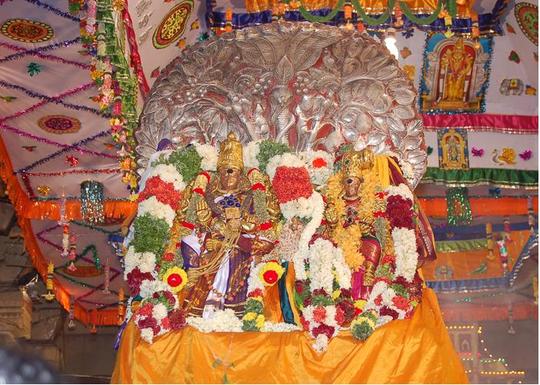
Picture shows Karpaka Vrksha vahana

Tamil References:

Kalitokai-101-24, 103-43= Yama’s buffalo vahana

Lord Skanda (Murugan) had an elephant by name Pinimukam as his vehicle. This was referred to in various places:Pari.5-2, Pathirru.11-6, Pari.21-1, Murugu.78-82, Puram-56,Murugu-247,

Indra’s elephant with four tusks- Murugu155-59

Kali.150-13, Palaikali-26-5,Murugu151= Bull Vehicle

Pari. 1-11,13-41, 4-37, 3-18,8-2, Kuru.prayer song= Garudavahana

Sesha vahana of Vishnu is referred to in Perum.372

Balarama’s Palmyra flag was referred to in Tolkappiyam and Puram.58

Tamil poets also spoke about Manmatha, God of Love, and his Shark flag or Shark vahana.


Please read my other articles on Vahanas in my blogs:

Iraq: 7 Gods Procession on Vahanas

Deer Chariot: Rig Veda to Santa Claus

Hindu Vahanas around the World

Vahanas in Kalidasa and Tamil Literature

உலகம் முழுதும் இந்து தெய்வ வாகனங்கள்

சங்கத் தமிழ் இலக்கியத்தில் வாகனங்கள்

வாகனங்கள் தோன்றியது எங்கே?ஏன்? எப்போது?

எந்தக் கடவுளுக்கு என்ன வாகனங்கள்?

Who Rides What Vahanas?

Contact: swami_48@yahoo.com

45 Words for Elephant!


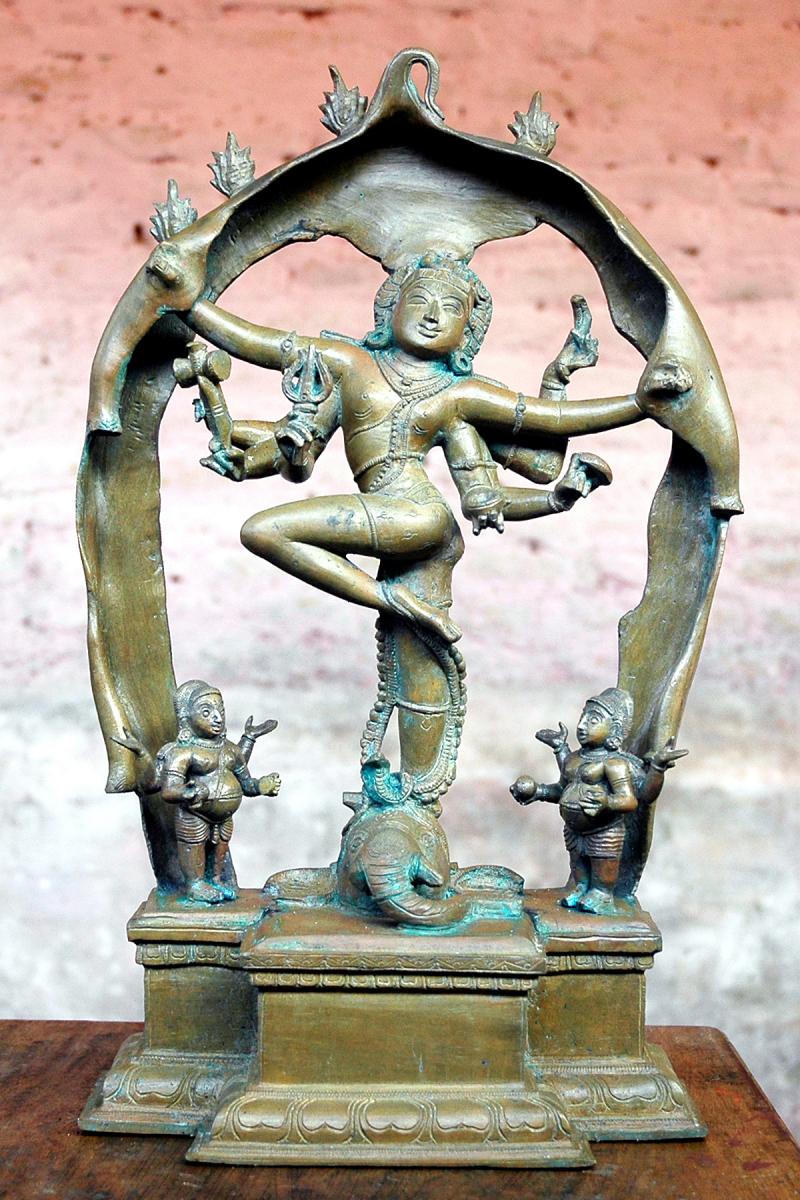
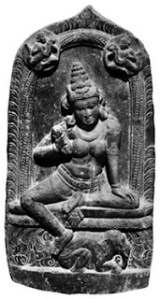
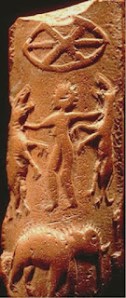
Picture shows Gaja Samhara Murthy (Shiva), Indrani and Indus Seal (Indra?)

Elephants are renowned for their long memories, so it’s probably not a good idea to make an enemy of one. But a boy in Kumbakonam (Tamil Nadu, India) made an elephant enemy. He gave the elephant a coconut shell without coconut but, with white colour lime. The elephant was taken through the same street for the same festival after a year. It identified the boy and took revenge upon him by hurling him through the air. He died on the spot.

Scientists in Africa have confirmed elephant’s long memory. They claim the mammals are capable of storing up grievances and wreaking their revenge on humans. Evidence is now emerging that they are capable of passing their grievances from mother to calf—ensuring that their anti human vendettas carry on for generations. Mr Joyce Poole of Amboseli Elephant research Project in Kenya has collected evidence for this.

U.Ve. Saminatha Iyer, the doyen of Tamil literature, has written some true stories about elephants in his collection of essays.

Earlier under the title ‘Indra in Indus Valley’, I posted Indra on his Vahana Airavata. Some scholars thought that the figure standing on the elephant is a woman. A Bangladesh statue shows even Indrani on elephant. So if it is not Indra, we may take it as Indrani. (Please see the pictures). A form of Lord Shiva is known as Gaja Samhara Murthy, also stands on an elephant.

Pallava Elephant Crown and N.W.kings

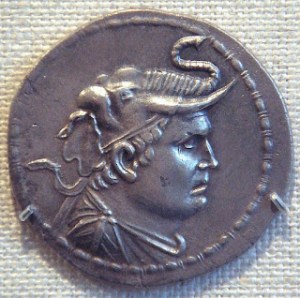
A Pallava  inscription in Kanchi Vaikunda Perumal Temple (Vide. Dr Nagasamy’s Tamil book Yavarum Kelir, page 30) says a crown looking like an elephant head puzzled Nandivarma Pallavan’s father. The ministers who brought it on a plate explained it as the crown of the Pallavas. Indo Greek Kings in North Western Part of India wore such elephant head shaped crowns.


Picture shows Coin of Indo-Greek King Demetrius (200 BC)

U.Ve.Sa’s elephant story: TEARS OF AN ELEPHANT

The following anecdote was narrated by U.Ve Saminath Iyer, Doyen of Tamil Literature, in his essays: The royal elephant of Pudukottai Samasthanam refused to eat any food for several days. When the Dewan Regent Seshayya Satrigal summoned the mahout, he told him he was appointed only recently after the death of old mahout. He told the regent that the elephant was in ruts and so he put chains in all it’s four legs. When the regent visited the elephant he gave him rice, sugarcane and jaggery. It refused to eat them and shed loads of tears. Suddenly the elephant extended its trunk towards a lady in the crowd which gathered there out of curiosity. That lady started crying loudly. When the Dewan Regent asked her the reason for her sorrow, she told him that her husband who died two weeks ago was the ex mahout. “I myself have fed this elephant umpteen times when my husband was alive. When people told me it had gone mad I wanted to see it as I raised it as my own son”.

When the dewan regent asked her to give the elephant a sugar cane she did it with utmost fear. But to everyone’s surprise the elephant patted its body with the sugarcane and started eating it. She gave more fodder and the elephant ate everything she gave. Now everybody knew that it was the sadness that made the elephant to shed tears. The lady continued feeding it for a long time till the new mahout was accepted by the elephant. Elephants were kinder and more grateful than human beings!

45 Names for Elephant

Following names are found in the ( தமிழ் நிகண்டு )Nighandu (poetical Lexicon) for elephant:

Tumbi=தும்பி, Karini=கரிணி, Tol=தோல், Sundali=சுண்டாலி, Kumbi=கும்பி, Karaiyadi=கறையடி, Kunjaram =குஞ்சரம், Pakadu=பகடு, Kaliru=களிறு, Putkai=பூட்கை, Kari=கரி, Matangam=மாதங்கம், Vazuvai=வழுவை, Vezam=வேழம், Varanam=வாரணம், Moy=மொய், Umbal=உம்பல், Erumbi=எறும்பி, Uva=உவா, Pongadi=பொங்கடி, Tanti=தந்தி, Atti=அத்தி Kadivai=கடிவை, Kayam=கயம்,Nagam-நாகம, , Sinduram=சிந்துரம், Tungal=தூங்கல், Nirumatam=நிருமதம், Pazaikkai=புழைக்கை, Val vilangu=வல் விலங்கு, Nalvay=நால்வாய், Pukarmukam=புகர்முகம், Matavalam=மதாவளம்,Dantavalam=தந்தாவளம், Marunma=மருண்மா, Kaima=கைம்மா, Vayama=பெருமா, Manthama= மதன்மா, Matakayam=மதகயம், Ambal=ஆம்பல், Ibam=இபம், Poakamபோதகம், Kalabham=களபம்

Female Elephants

Atttini=அத்தினி, Karini=கரிணி, Vadavai=வடவை, Piti=பிடி

Young ones

Kayantalai=கயந்தலை, Potakam=போதகம், Tudiyadi=துடியடி, Kalabham= களபம், Kayanmuni=கயமுனி

Special Names

Indra’s elephant Airavata இந்திரனின் யானை பெயர்=ஐராவதம், Mahabharat elephant name =Asvattama மகாபாரதத்தில் வரும் யானை பெயர்=அஸ்வத்தாமா, Elephant killed by Krishna =Kuvalayapeetam கிருஷ்ணன் கொன்ற யானை=குவலயாபீடம், Elephant tamed by Buddha= Nalagiri புத்தர் அடக்கிய யானை= நளகிரி, Lord Kartikeya’s elephant= Pini Mukam பிணிமுகம், சம்ஸ்கிருத இலக்கியத்தில் மற்றொரு யானையின் பெயர் சந்திரலேகா Chandraleka

Words for elephant in other languages came from the Sanskrit word Ibha= Ebur (Latin), Ephos (Greek), Ebu (Ehyptian).

Hindus believe that there are eight Sacred Elephants posted at Eight Cardinal Directions. So they are called Ashta Dik Gajas. They are : East- Airavata, South East—Pundarika, South—Vamanam, South West—Kumudam, West—Anjanam, North West—Pushpadantam, North—Sarvabhaumam, North East—Supra Deepam .(தமிழில் அஷ்ட திக்கஜங்கள்: ஐராவதம், புண்டரீகம், வாமனம், குமுதம், அஞ்சனம், புஷ்பதந்தம், சர்வபௌமம், சுப்ரதீபம்).

Also read 1)200+ Tamil Proverbs about elephants 2)Elephant Miracles and 3.Indra in Indus Valley.

Veera Matha–‘Mother of Heroes’ in the Vedas and Tamil literature

Greatest of the Hindu Heroines Rani Padmini of Chittoor. When lustful Alauddin Khilgi wanted to take her she entered fire with hundreds of women to save her honour in 1303 AD.

Veera Matha–‘Mother of Heroes’ in the Vedas and Tamil literature

Rig Veda, the oldest religious book in the world, and the 2000 year old Sangam Tamil books praise Hindu women as mother of heroes- Veera Matha. They agree on one more point. They say that those who die in the battle field will go to heaven. Bhagavad Gita and Purananuru are very clear about it. Women are blessed with Vedic mantras to give birth to heroes. Lalitha Sahasranama praises Goddess Sakthi as Veera matha. Tamil poet Bharathi goes one step further and says this country will call a woman Maladi (infertile woman) only if she doesn’t give birth to heroes. This is a novel concept.

They were all forerunners to Swami Vivekananda who thundered that Fear and Cowardice are to be shunned most. He always advocated youths to go forward by quoting the Upanishad mantra, “Uhthishta, Jagratha, Prapyavaran Nibodhatha”-Arise, Awake, Stop not till the goal is reached!

Poet Kalidasa says in Kumara sambhava (Canto VII-87):

“The bride was greeted by the Creator with the words: “Blessed one, be you the mother of a Hero” (In Sanskrit : Veeraprasavaa Bavethi).

A Tamil poet puts it beautifully in a verse in Purananuru:

What a Hero’s Mother (Veera Thay in Tamil) said:

“ You stand against the pillar

Of my hut and ask me:

Where is your son?

I don’t really know.

My womb is only a lair

For that tiger.

You can see him now

Only in the battlefields” —(Purananuru Verse 86 by Kavarpendu)

(Purananauru is part of Sangam Tamil Literature. It is an anthology of 400 poems).

There a hymn in the Rig Veda praising Veera Matha:

Rig Veda: Tenth Mandala ,Hymn 86

10-86-43

So may Prajapati bring children forth to us; may Aryaman adorn us till old age come nigh.

Not inauspicious enter thou thy husband’s house. Bring blessings to our bipeds and quadrupeds.

10-86-44

Not evil eyed, no slayer of thy husband, bring weal to cattle, radiant, gentle hearted;

Loving the gods, delightful, bearing heroes, bring blessing to our quadrupeds and bipeds

Heroes go to Heaven

Krishna in Bhagavad Gita (II-37) says:

“Either slain thou shalt go to Heaven; or victorious thou shalt enjoy the earth; therefore arise, O son of Kunti, resolved on battle.

Puram verses 26, 62, 93, 287, 341, 362;PathiRRu Pathu 52 give the same message to the heroes. There are more Tamil verses where in the poets talk about kings reaching heaven after dying. There are even special funeral ceremonies conducted by Brahmins for the kings who die elsewhere. If the kings die due to natural causes Brahmins spread the dharba grass under the king’s body and cut them into pieces by saying ‘let you go to heaven where the heroes go’. Avvaiyar describes this ceremony in a praise to Athiyaman Anji (Pura Nanuru verse 93): you escaped from this ceremony because you are a hero wounded in the battle field.

All these are echoes of Kalidasa who lived a few centuries before the Sangam poets. Kalidasa sings about wounds that happened in the battle fields throughout his works. In Raghuvamasam 14-4 he says Kausalya and Sumitra were fond of the word ‘Veeramatha’. But having seen the wounds inflicted by the Rakshasas on young Rama and Lakshmana , their mothers Kausalya and Sumithra did not want to hear that sound of Veera matha.

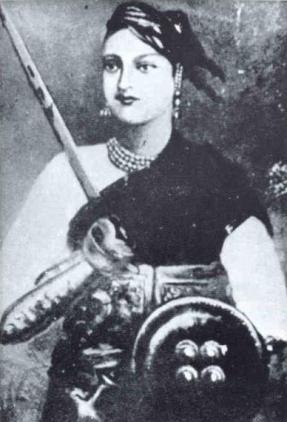
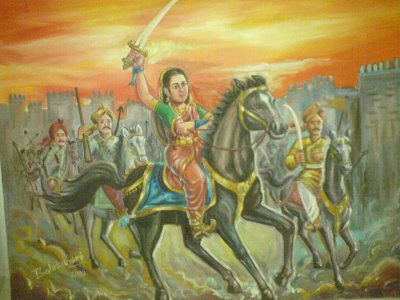
Pictre: Rani Lakshmibhai of Jhansi was killed by the British

Slogans on the Flags

“The kings of Surya Vamsa (solar race) Raghu and Ajan took all your name and fame, but not your lives– were written with blood on the flags with arrow heads”. That is, out of mercy, Raghu and Aja let you all run alive. The interesting message Kalidasa gives in this sloka (Raghu.7-65) is that devoted workers of politicians (Kings) wrote slogans like this 2000 years ago!

So political workers writing with their blood for their leaders is nothing new!

Ascetics bless Sakuntala Veera Prasavini Bhava (Be a mother of heroes)”.

In Sakuntala 7-28,  Sakuntala was blessed by the elders:

“ With a husband the equal of The Breaker of Dark Clouds (Indra)

With a son like his son, Jayanta, no other blessing fits you but this;

Ravana was equal to Rama

Rama was so happy to meet a great hero like Ravana in the battle field, says Kalidasa in Raghu 12-89. Heroes never favour unequal fights.

Like Tamil poets Kalidasa used words like battle wounds on the chest (not on the back), wounds or injuries due to arrow and bow in the hands in several places (Raghu III-68, II-64,  18-48, 16-84, VII-65, 12-89, 13-73, 16-1).

In the Asvameda Yagna (Horse Sacrifice), Kshatriya women(Kings’ wives) have to cut the horse into pieces.

Picture of Kittoor Rani Chennamma

தமிழ் REFERENCES:

1.பாரதி பாடல் Bharathi Poems:

“வீரரைப் பெறாத மேன்மைதீர் மங்கையை

ஊரவர் மலடி என்று உரைத்திடு நாடு”—பாரதி

***

2.புறம் 86 (காவற்பெண்டு)

சிற்றில் நற்றூண் பற்றி, ‘நின் மகன்

யாண்டுள்ளனோ? என வினவுதி; என் மகன்

யாண்டு உளன் ஆயினும் அறியேன்;ஓரும்

புலி சேர்ந்து போகிய கல் அளை போல

ஈன்ற வயிறோ இதுவே;

தோன்றுவன் மாதோ, போர்க்களத்தானே!

***

3.Lalitha Sahsranama லலிதா சஹஸ்ரநாமா

Praneswari pranadatri panjasatpeedarupini

Visrungala vivikthasdha veeramatha viyathprasuhu:

ப்ராணேச்வரி ப்ராணதாத்ரீ பஞ்சாசத்பீடரூபினி

விஸ்ருங்கலா விவிக்தஸ்தா வீரமாதா வியத்ப்ரஸூ:

****************

Did TOLKAPPIYAR copy from Sanskrit Books?

(Read First part: Who was Tolkappiar?. Following is the Second Part: swami)

Prof. Vaipapuri Pillai has given the following matter in Tamil in his book ‘Tamil Sudar Manikal’. So I am not giving it in Tamil in my Tamil article.

Following is an excerpt from “ History of Tamil language and Literature” by Prof. S. Vaiyapuri Pillai:

“ The Tolkappiam is directly indebted to Panini is quite clear.

For instance Panini II, 3,18 is followed in Tolkappiam II, 557:

Panini VII,3,107 is Tamilised in Tolkappiam II, 761. In a relatively late work, a sloka has been altered in Tolkappiam II, 575 in consonance with Tamil literary usage. Even from Paniniya Siksha rendered by Tolkappiar (Tolkappiam I, 83), Patanjali’s Mahabhashya is also laid under contribution. For instance, Patanjali classified compounds (samasas) into four kinds according to the place where their sense becomes full and significant, viz., Purva padartha  pradhanah, Uttara padartha pradhanah ,Anya Padartha pradhanah and Ubhaya Padartha pradhanah. This classification was adopted by Tolkappiyar and the terms are literally translated in his grammar (II,4/9)

He also indicates by adding “enba” that this matter has been taken from some ancient authority. Manu has been studied and utilised by Tolkappiar in regard to certain social prescriptions (compare Manu III, 46, 47 and Tolkappiam III, 185).This will give Tolkappiar a date posterior to 200 AD

Kautilya’s Arthashastra has also furnished material to Tolkappiam( e.g. enumeration of 32 uktis at the end of both the works) But as Kautilya’s date is a disputed point, we may leave this out of account.

Lastly Tolkappiar is very much indebted to Bharata Natya Sastra and Vatsyayana’s Kamasutra. I need only to mention the eight rasas (Natya VI 15) and eigth meipadu (Tolkappiam III, 3) and the dasavasthas (Kama V 1= Tolkappiam III, 97). This gives us a date perhaps later than fourth century AD. Considering all the earliest Tolkappiar may be assigned is the fifth century AD.

The famous Sangha of Vajranandhi was established in 470 AD and perhaps Tolkappiam was its first literary output. This accords well with the fact that its author uses (III,133) the word ‘orai’ (Sanskrit Hora) which is a Greek word borrowed in Sanskrit astrological works about third or fourth century AD.

Date of Tolkappiar

The date of Tolkappiyar has been a disputed point. But, there are very strong grounds for holding that he flourished during the second half of the 5th century A.D.

Tolkappiyar’s grammar consists of three ‘adhikaras’ or sections.The first section deals with phonology and accidence in nine subsections or Iyals; the second section, with syntax in nine iyals; and the third with poetical themes, rhetoric (rasa, figures of speech), prosody, and usages in nine iyals.

In the subsection on phonology, it may be noted with interest that the letter forms of the consonants, in particular of ‘m’ and of short ‘e’ and ‘o’ are given in nun-marapu (13-17) in the same sub section, we find an important piece of original investigation. The structure of words has been studied and the sequence of sounds noted with care (sutras 23-30). This is a feature which has not been found elsewhere in the whole range of Indian grammatical literature, not excluding Paniniyam. The peculiarity of the Tamil language in which the short ‘u’ plays such an important part is also adequately treated.

The next section, i.e. on syntax continues with the treatment of accidence or morphology in the earlier subsections. As Tamil is an agglutinative language, we see the necessity of treating of treating its morphology in extensor. Parts of speech are next dealt with; we find four parts of speech viz. peyar(noun), vinai(verb), idai (particles, increments, augments etc.) and uri (indeclinables, adjuncts etc). These correspond to the four parts of speech, in Sanskrit, viz. nama, akhyaya, upasarga and nipata. The last subsection on uri mainly consists of lexical matter.

Tolkappiar had liberal views regarding the vocabulary of Tamil language. He says that the poetic or literary vocabulary consists of common native words, artificial of affected words consisting of homonyms and synonyms, provincial and local words and Sanskrit words (echchaviyal, 1).


Besides making this general observation, he provides us a cardinal principle for our guidance. He tells us that, , if in course of time new words get in to currency, they should not, on the score of their newness, be treated as unacceptable (echchaviyal 56).

Sanskrit Words

So far as Sanskrit words are concerned, he uses several of them in his grammar. He defines Sanskrit technical terms, e.g.suttiram, patalam, pindam (seyyul 161) ambotarangam (seyyul 145, Kandigai (marapu 98). He formulates rules regarding Sanskrit words, e.g. Bharani etc.(uyir Mayangiyal 145), chittirai phalakai (pullimayangiyal 79), tamarai (Sanskrit. Tamarasa (pullimayangiyal 98). He translates Sanskrit terms, e.g. Tam verrumai= Sanskrit Vibhakti; avaiyalmoli=asabhya; nul=sutra.

Also he translated Sanskrit sutras (eg. Pirappiyal 1= Panini siksha 12; meypattiyal 3= Bharata Natya Sastra, VI-15). He refers to classifications mentioned in Sanskrit works such as the eight kinds of marriage (Kalviyal 1), ten kinds of poetic defects (marapiyal 95, 105) and 32 kinds of uktis ( marapiyal 95, 107).

In addition to the above Sanskrit elements, he uses several Prakrit words also e.g. paiyul (uri 45), kamam (uri59), pannatti (Seyyuliyal 173), padimai (ahattinai 30) etc.,  he adopts Prakrit sutras  e.g the 21st and 22nd sutras of molimarapu corresponds to two  sutras of Prakrita –prakasam (I:36, 42)

The third section, that is, on poetic themes etc., deserves careful examination. Some sub sections, the first five, are believed to throw much light on the social customs of the ancient Tamils.the subsections one, three, four and five treat of love themes and the second sub section, of non-love themes, technically known as ‘aham’ and ‘puram’ respectively.

Taking ‘aham’ first some general considerations relating thereto are first mentioned in the first iyal (ahaattinai iyal). There are seven love aspects of ‘tinais’, including five regional tinais. The first, known as ‘kaikilai’, is the one sided love of a man for an immature girl. The last, known as ‘perundinai’ is the unequal love leading to excesses. The five regional ‘tinais’ deal with mutual love reciprocated in equal degree, between a youth and a maid well matched in every respect. These are called regional because the Tamil land is divided into five regions- mountainous (kurinji), forest or pastoral (mullai), agricultural (marudam), maritime (neydal) and desert (palai)- to each of which a particular love act is ascribed. This reciprocated love is divided into two kinds, pre marital love and marital love; the former being called ‘kalavu’ and the latter ‘karpu’.

Kalavu, Tolkappiyar takes care to add, corresponds to the Ghandarva union of the Aryan system of marriages, made famous by the union of Dushyanta and Sakuntala. The third subsection deals with Kalvu and the fourth with karpu. The fifth subsection, poruliyal and sixteen sutras (177-192) of seyyuliyal treat of some miscellaneous matters relating to love. The second subsection deals with non-love themes (puratinai) whose sub divisions have been noticed already.

Even the rough outline is sufficient to show the utterly artificial or at best conventional character of the treatment. Tolkappiyar himself recognises the distinction between the art and reality in a sutra (ahattinai 56). The former he calls ‘nataka valakku’ and the latter ‘ulagiyal valakku’, corresponding to natya dharma and loka dharma of Bharata Natya Sastra (Ch. XIV, 69-73). Hence one must be careful when trying to find out any substratum of reality beneath the artificialities mentioned above. To deduce the existence of free love in ancient Tamilakam on the evidence of these artificialities is to follow the will-o-the-wisp. The ‘tinais’ may have had some meaning and function in pre Tolkappiyam days; but they never had any influence on the development of Tamil literature. Today as it has been for many centuries past, they have no meaning except for the antiquarian.

But we may absolve Tolkappiyar of all responsibility for originating these ‘tinais’. Even in the opening sutra of the third section, he refers to previous authors collectively. As Tolkappiyar was a Jain, perhaps we owe to Jain authors, these infelicitous classifications. At any rate, the conception of the meaning of the lovers in a grove, all alone, their mutual love of equal intensity and their immediate union so characteristic of the pre marital love of regional tinais (kalavu) corresponds to the Jain conception of enjoyment in Bhoga Bhumi.


The famous commentator on Tirukkural defines kalavu as the sanctionless union of two lovers who remain changeless being free from disease, old-age and death, who are well matched in beauty, wealth, age, family, character, love etc., and who meet each other induced by fate, all alone with no one in their vicinity. The commentator has developed the idea of bhoga bhumi and made the utterly conventional character quite obvious. But Tolkappiyar, be it said, keeps the extra mundane aspect entirely in the background and is more in accordance with the spirit of the love lyrics of the Sangam age. He is mainly concerned with the several situations when the various characters in the stray love scenes are entitle to speak. It is only the later grammarians that have tried to piece together a connected love drama and made it schematic and thoroughly conventional”.

Please read the third part TOLKAPPIYAN WAS A GENIUS. Contact swami_48@yahoo.com


Vedas and Egyptian Pyramid Texts

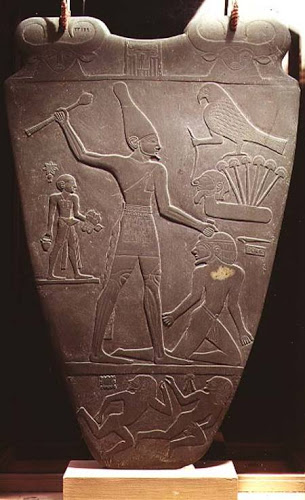
Picture shows Egyptian Manu= Narmer

Did Indians build Pyramids?-Part 2

( Please read first part before reading this SECOND PART: swami )

The Pyramid texts are unique. Those who read it will be reminded of Hindu Vedas. They are presented in the form of “utterances, declarations” either in the voice of kings or gods. In the case of Vedas it was Rishis or gods. The texts were older than the known kings. They have come from pre dynastic period. The texts are full of magic. Much of the texts are written in the form of dialogues like our Upanishads and Puranas. Scholars find it difficult to translate it  just like our Vedas. They are literally untranslatable. The complexity of the language of the texts is multiplied by the Egyptian’s enthusiasm for punning. They not only pun verbally but also visually by using appropriate pictorial hieroglyphs. Vedic seers also say they delight in speaking in coded, secret language. It is not known when the Pyramid texts were collected in the form in which they appear in Unas’s (2375 BC) pyramid; certainly it must have been long before his time. Many of the texts are similar to Vedic hymns. The Book of Dead is also similar to Hindu scriptures.

Misra Desa

Egypt is known as Misra Desa in Sanskrit literature. Misra means mixed. People of different races were living and ruling Egypt for 3000 years. It has a long history. This gave birth to hundreds of Gods like Hinduism. Whoever studies must be careful enough to differentiate between different races and Gods of Egypt. There are three layers of Gods. The oldest layer is just fetishes (reverential objects connected with God), the second layer is full of Gods in human forms and the third layer is Gods with animal forms. This is exactly same with Hinduism. In Vedic times we did not have much other than symbols. Then comes the Avatars- gods in human form. Later came the gods with animal forms like Ganesh, Anjaneya, Hayagriva, Sarabeshvara, Nandikeswara, Purushamrga, Veda Murthys and so on.

Arabic name for Egypt is Masr=Misra in Sanskrit. Hebrew word for Egypt is Misrayim. In English Bible it was translated as Musri. All these corresponds with Sanskrit Misra.

Indian invasion

Sahadevan invaded Misra desam and defeated them, says Mahabharata. Subhanu’s inscription also confirmed it.

The sea people and Hyksos who invaded Egypt may be South Indians and Sri Lankans, from Lanka the land of Yakshas/Hyksos.

Board Games

The world’s oldest board game is in Tamil Nadu, North India, Indonesia, Mayan civilisation and several African countries including Egypt. It is called Pallangkuzi in Tamil Mancala in Africa. It has got hundreds of names around the world and dozens of versions of play. A lime stone board from Ancient Egypt had three rows of 14 holes. It is also cut on rocks in temples at Thebes, Luxor and Karnak.

The Egyptians were enthusiastic board game players. They developed variety of games with counters in the form of animals; some of these , the lions and the dogs for example, were like Indian games (Adu-Puli Attam in Tamil).

Teak and Linen

Now scholars have established that the teak and linen found in Egyptian mummies and palaces came from India. W.H.Schoff said that India and Egypt had commercial contacts in the 3rd millennium BC. Muslin and spices were exported from South India.

In the inscriptions of Harkhuf, an Assuran noble under the Egyptian king Mernere of the VI dynasty  occurs the following:-“ I descended from country of Yam (Southern Nubia) with 300 asses laden with incense, ebony, grain, panthers, ivory, throw sticks and every good product.”

The ebony referred here is Indian ebony was confirmed in later writings. Theophrastus (4th century BC) ascribed this ebony to India. Virgil speaks of it (Georgics ii,116,7) as peculiar to India.  We don’t see elephants in Egyptian paintings or monuments which confirms that the ivory was from India. Indian ivory is found in Greece and other countries in the ancient world. Iron was also exported from India in later days.

Vedas confirm commercial contacts

Unfortunately we don’t have anything in South India to confirm that happened in 2nd or 3rd millennium BC. But Vedas speak about long sea voyages in big ships. The Vedic mantras refer to men who went to far off lands for ‘interchange of merchandise’ (Atharva Veda ), ‘desiring wealth sent ships to sea’ (Rik Veda ); parties of men went on the ocean in ships with a hundred oars’ (AV ) to distant lands for sale and barter (RV).

Kassites (from Kasi Desa of Gangetic plain?) in Western Iran worshiped Maruts and Surya in 1800 BC. Indians went to different parts of the world and established Vedic culture is proved beyond doubt.

Falcon/Garuda

Vedic altars were constructed in different shapes. The popular one was eagle or Garuda. Eagle or Garuda was praised in the Vedas in the epics and in the Puranas. Brahmins used to read Garuda Purana in the bereaved houses for the good of the departed soul in the other world. In Egypt falcon or Nakhbet as a vulture is associated with dead people. We see a beautiful golden collar on the chest of the Tutankhamen’s mummy. Nakhbet is in the form of eagle. Nakh+ bet may be a corrupted Sanskrit word  Naga +Vatha=one who kills snakes). Hindus also associate Garuda Purana with the departed souls. ( I have already written about the most famous Tamil king Kaarikal Cholza constructing a Yaga Kunda in he shape of a falcon. It is in Purananuru)

Imhotep

The most famous priest /minister was Imhotep (Mahadev). He was considered the first universal genius known to history. His parents were creator deity ‘Ptah ‘(Brahma Pitha). He was an architect and revered as a demi god of wisdom, magic and medicine. Imhotep lived 5000 years ago during the rule of Djoser and he was hailed as the greatest of magicians. One who looks at his statue will be reminded of a Hindu Rishi/seer or a Jain Thirthankara.

Ka

One Rik Vedic poet punned on this letter ‘KA’ and Max Muller was baffled by it. Actually ‘Ka’ means God or Brahma in Sanskrit and Egyptian Hieroglyphs. The symbol of ‘ka’ is the raised arms of a human being. This is the first letter of Brahmi consonants. It looks exactly same. Tamil ka came from Brahmi ka which means Katavul/god.


Egyptian Ka (god) and Brahmi Ka (Brahma)

Devas and Asuras are Prajapati’s children. It is crystal clear in our scriptures. Dasyu’s are Vishvamitra’s exiled children. It is said in our own books. But foreign “scholars” deliberately misled Indians and wrote the Aryan Dravidian invasion theory to destabilise India and Hinduism. No Indian scholar came forward to argue against it with relevant quotes from the epics and mythologies at that time, because British were ruling.

Another name for Prajapati is Ka (who).

The interrogative pronoun ‘Who’ has been raised to the position of a deity. In the Brahmana literature Ka is Prajapati. Some of the hymns in which ‘Ka’ occurred were called Kadvat (kadavul in Tamil). During the time of Panini, it became Kaya. Manu called Prajapathi marriage Kaya. Later day epics and Puranas identified Ka with Daksha and Kasyapa.

Ntr = Indra

The Egyptian hieroglyph ‘ntr’ meant god. The vowels are never written. We have to fill the words with vowels. So ‘ntr’  may be indra. Scholars think that the sign was derived from a staff bound with cloth, a fetish of very early date. I think it was Indra’s  vajrayudha/thunderbolt that gave this hieroglyph.

Narayana in Egypt

In the cenotaph at Abydos of king Seti, the sarcophagus was placed on an island. The hieroglyph for this was a double stair, which was the hieroglyph for the primeval hill (Meru?) or island on which all creation began. The island is made with perpetual water supply from subterranean waters. These were the “waters of Nun” from which the supreme creator god has first risen.

In Hindu mythology, Narayanan means water god. Neer /water is an indo European word, which is in Nereids in Greek meaning water nymphs. In both Sumerian and Egyptian mythology water was profoundly important. Atum or Nun in Egypt and Enki (Gangai) in Sumer are water gods

Cow and calf

Similes in Vedas often compare cow with everything good. Vatsalyam=affection  is the love of a cow towards its calf. The symbol for happiness in Egyptian tombs is a cow turning around to succour its calf.

Red and White

In south India the temple walls are painted always  in red and white stripes. This is what the Egyptians also did. The taxmen of Southern kingdom worked from White house and the tax men from the Northern kingdom worked from Red house. When both the kingdoms united the house walls were painted red and white like Hindu temples.

Continued in Part 3 (swami_48@yahoo.com)

*******

27 Similes in One Vedic Hymn!


By London Swaminathan


Rig Veda, the oldest religious book in the world, has beautiful poetry in it. The Vedas are records of man’s earliest thoughts on God and philosophical matters. When the Vedic seers wanted to convey their thoughts they used lot of similes as well. Vedas can be interpreted symbolically, metaphorically and literally. Hindus believe that the RISHIS (seers) have heard it (SRUTI) and not composed it. Westerners think 400+ poets composed it. Whatever may be the interpretation, nobody can deny the poetic content in it.

Vedas are dated 1500 BC by Max Muller. Hindus believe that they are eternal-timeless. Whatever the date may be, no one can deny that they were the earliest records. The wonder of wonders is that it was not written, but passed by word of mouth from one generation to another. No book in the word has this credit. It was not a single poem or hymn. It was huge-1028 hymns, 10,552 rcs or couplets, 4,32,00 syllables. Veda Patasalas (Vedic schools) in South India teach the Vedas the same way as it was done on the banks of Saraswati, Sindhu and Ganges thousands of years ago. It is a literary marvel- greater than the Seven Wonders of the World.

Hindus called the Vedas- Word of God. Veda means knowledge. God revealed this knowledge for the greatest good of mankind. Otherwise who will sing,

“May all be happy and rid of diseases

May all have a happy and harmonious life

May nobody ever be afflicted with suffering”

When people in other parts of the earth were killing each other or the animals for food and fighting for their survival, Hindu seers were praying for the welfare of the humanity. But they were not arrogant. They also said,

“Let noble thoughts come to us from all directions”.

Kalidasa, the classical Sanskrit poet, used more similes than any other poet in the world (Please read my post AMAZING STATISTICS ABOUT KALIDASA). But the root of his similes lies in the Vedas. If a society has to understand complicated similes they must be highly educated. If a poet has to use so many similes in a single hymn, he must be a great poet. A lot of later day poets do it only when they sing about a woman. Men become poetical when they see beautiful women! But here one poet by name Grtsadama sings about the Vedic Twins Asvini Devas. It is a spontaneous outburst of his thoughts. It is gushing out like water from a natural spring or an artesian well. I have given below Griffith’s translation of RV. II-39


गरावाणेव तदिदथं जरेथे गर्ध्रेव वर्क्षं निधिमन्तमछ |
बरह्माणेव विदथ उक्थशासा दूतेव हव्या जन्या पुरुत्रा ||
परातर्यावाणा रथ्येव वीराजेव यमा वरमा सचेथे |
मेने इव तन्वा शुम्भमाने दम्पतीव करतुविदा जनेषु ||
शर्ङगेव नः परथमा गन्तमर्वाक छफाविव जर्भुराणातरोभिः |
चक्रवाकेव परति वस्तोरुस्रार्वाञ्चा यातं रथ्येव शक्रा ||
नावेव नः पारयतं युगेव नभ्येव न उपधीव परधीव |
शवानेव नो अरिषण्या तनूनां खर्गलेव विस्रसः पातमस्मान ||
वातेवाजुर्या नद्येव रीतिरक्षी इव चक्षुषा यातमर्वाक |
हस्ताविव तन्वे शम्भविष्ठा पादेव नो नयतं वस्यो अछ ||
ओष्ठाविव मध्वास्ने वदन्ता सतनाविव पिप्यतं जीवसेनः |
नासेव नस्तन्वो रक्षितारा कर्णाविव सुश्रुता भूतमस्मे ||
हस्तेव शक्तिमभि सन्ददी नः कषामेव नः समजतं रजांसि |
इमा गिरो अश्विना युष्मयन्तीः कष्णोत्रेणेव सवधितिं सं शिशीतम ||
एतानि वामश्विना वर्धनानि बरह्म सतोमं गर्त्समदासो अक्रन |
तानि नरा जुजुषाणोप यातं बर्हद … || (RV 2-39)

ghrāvāṇeva tadidathaṃ jarethe ghṛdhreva vṛkṣaṃ nidhimantamacha |
brahmāṇeva vidatha ukthaśāsā dūteva havyā janyā purutrā ||
prātaryāvāṇā rathyeva vīrājeva yamā varamā sacethe |
mene iva tanvā śumbhamāne dampatīva kratuvidā janeṣu ||
śṛṅgheva naḥ prathamā ghantamarvāk chaphāviva jarbhurāṇātarobhiḥ |
cakravākeva prati vastorusrārvāñcā yātaṃ rathyeva śakrā ||
nāveva naḥ pārayataṃ yugheva nabhyeva na upadhīva pradhīva |
śvāneva no ariṣaṇyā tanūnāṃ khṛghaleva visrasaḥ pātamasmān ||
vātevājuryā nadyeva rītirakṣī iva cakṣuṣā yātamarvāk |
hastāviva tanve śambhaviṣṭhā pādeva no nayataṃ vasyo acha ||
oṣṭhāviva madhvāsne vadantā stanāviva pipyataṃ jīvasenaḥ |
nāseva nastanvo rakṣitārā karṇāviva suśrutā bhūtamasme ||
hasteva śaktimabhi sandadī naḥ kṣāmeva naḥ samajataṃ rajāṃsi |
imā ghiro aśvinā yuṣmayantīḥ kṣṇotreṇeva svadhitiṃ saṃ śiśītam ||
etāni vāmaśvinā vardhanāni brahma stomaṃ ghṛtsamadāso akran |
tāni narā jujuṣāṇopa yātaṃ bṛhad … || (RV 2-39)

Rig Veda Hymn xxxix (RV 2-39)-Asvins

1.Sing like the two press-stones for this same purpose; come like two misers to the tree of treasure;

Like two laud-singing Brahmans in the assembly, like the folk envoys called in many places.

2. Moving at morning like two car borne heroes, like to a pair of goats ye come electing;

Like two fair dames embellishing their bodies, like a wise married pair among the people.

3. Like to a pair of horns come first to usward, like to a pair of hoofs with rapid motion;

Come like two Cakavas in the grey of morning, come like two chariot wheels at dawn, ye Mighty;

4.bear us across the rivers like two vessels, save as ye were yokes, naves, spokes and fellies.

Be like two dogs that injure not our bodies; preserve us, like two crutches, that we fall not.

5. Like two winds ageing not, two confluent rivers, come with quick vision like two eyes before us.

Come like two hands most helpful to the body, and guide us like two feet to what is precious.

6. even as two lips that with the mouth speak honey, even as two breasts that nourish our existence,

Like two nostrils that protect our being, be to us as our ears that hear distinctly.

7. like two hands give ye us increasing vigour; like heaven and earth constrain the airy regions

Asvins, these hymns that struggle to approach you, sharpen ye like an axe upon a whetstone.

8. These prayers of ours exalting you, O Asvins, have the Grtsamadas, for a laud, made ready.

Welcome them, O ye Heroes, and come hither. Loud may we speak with brave men, in assembly.

When we read it, we have to remember that Homer started to write the first book in Greek (Illiad) nearly 700 years after this. Tamils started to write their first book (Tolkappiyam) 1500 years after this. Moses said his ten commandments only 500 years after this. Unlike the primitive similes in the Gilgamesh we see high quality here in the Vedas.

Please contact swami_48@yahoo.com or Swaminathan.santanam@gmail.com for more details.

***********

Amazing statistics on Kalidasa!


By London swaminthan

Seven Books—40,000 words—93 commentaries for three of his works—he beat Shakespeare in writing poetry+ dramas+ Epics+  stotras (Shyamaladandakam) and usage of similes. He covered the history of 29 kings in Raghuvamsam. He used 1250 similes! He gives a description of a vast geographical area from Iran to Indonesia! He called the Himalayas “the measuring rod of earth” even before George Everest told the world the height of Everest Peak!!! An amazing poet the world has ever produced. Read the incredible statistics below.


“ Kalidasa’s achievements in poetry and drama are great. Not only was Kalidasa a supreme delineator of the play of human character and motive but he was an expert in the creation of dramatic situations. Above all, he was an unrivalled exponent in Sanskrit of every type of poetic rhythm and melody ranging in subject from simple and crystal clear historical narrative to the elaborate description of natural phenomena and the moods of the human spirit. His Meghasandesa is perhaps the most perfect example, in all literature, of verbal felicity”—C P Ramaswami Aiyar

“ The occasional echoes in Gatha Sapta Sati of ideas in Kalidasa’s poems and dramas e.g. GSS 14, 44, 47, 232, 251 etc. would lead to the conclusion that Kalidasa belonged to the 1st century BCE and enjoyed the patronage of Vikramaditya  who started  Vikrama Era 56 years before the Christian era. Vikramaditya was referred to in the GSS sloka 465.

–Gathakosa translated by M V Patwardhan, 1988


“ One is bound to remain in bewildering wonderment when one thinks of marvellous art of Kalidasa, the supreme poet of senses, of aesthetic beauty, of sensuous emotion, the consummate artist profound in conception and wonderful in expression. The vision, the majestic and vigorous style, the warm humanism, the wealth of striking similes, the vividness of thought and fancy, the expressive and happy descriptions, all these and very many more easily and undoubtedly mark out his poems as perfect patterns of exquisite poetic grace and charm.—V.S.Venkata Ragavacharya in his  Foreword to Raghuvamsam.

Picture: Scene from Shakuntalam, Indian Postage Stamp

Greater than Shakespeare

“ It is not often that a great dramatist is also a supreme lyrical poet. Shakespeare is, of course,  the most celebrated instance of such a combination. It is rarer still to find, along with the gift of lyrical poetry, the capacity to produce epics or narrative poems of authentic excellence. Kalidasa has, however triumphantly achieved this triune greatness”.

“ In the Rithusamhara, he has given us a marvellous descriptions of the Indian seasons and his Meghasandesa is, in my view,  the finest example of descriptive poetry interwoven with one of the greatest love poems of the world”.

“His work as a dramatist has evoked worldwide admiration and the name of Goethe  is enrolled among his devotees.

In Kumarasambhava and Raghuvamsa, he has essayed a most comprehensive task and the latter is the memorable example of a historical narrative containing descriptive and poetic passages of transcendent merit.

It is not as well known as it should be that Kalidasa was one of those who dreamt centuries ago of a unified and powerful India”.

— Sir C P Ramaswamy Aiyar

Picture: Scene from Meghaduta

Kumara Sambhavam

17 Sargas—1000 slokas

20 commentaries

Ragu Vamsam

19 Sargams—1569 slokas

29 kings

33 commentaries

Rtu Samharam

6 divisions —144 stanzas

Megadhutam

121 stanzas

40 commentaries


How many words did Shakespeare know?

In his collected writings, Shakespeare used 31,534 different words. 14,376 words appeared only once and 846 were used more than 100 times..

This means that in addition the 31,534 words that Shakespeare used, there were approximately 35,000 words that he knew but didn’t use. Thus, we can estimate that Shakespeare knew approximately 66,534 words.

According to one estimate the average speaker of English knows between 10,000-20,000 words. (This is taken from a website)


How many words did Kalidasa Know?

Now it is my guess. Kalidasa composed a total of 2570 slokas +245 longer stanzas.

At the rate of ten words per sloka he would have used 25700 words for Kumarasambhavam and Raghuvamsam. For Ruthusamharam and Meghadutam, he would have used 20 words per stanza and in total he would have used 144+121X20=5300 words. This makes a total of 31,000 words for four books.

If we give his three dramas another 9000 words (3000 each), it will make a grand total of 40000 words.

If Kalidasa used 40,000 words for seven books he would have used 211,429 words for 37 books if he has followed Shakespeare. But still we may not know how many new words who would have used. We need to work like English people to get better statistics!

I have already posted seven articles proving that Kalidasa lived before Sangam Tamil period, i.e in the first century BCE. More to come.

Please read Kalidasa. Anyone who wants to know about Indian literature and culture must study Kalidasa. I recommend Chandra Rajan’s translation of Kalidasa.

For more of the same, contact swami_48@yahoo.com or Swaminathan.santanam@gmail.com

*****************