தொல்காப்பியர் காலம் தவறு–பகுதி3


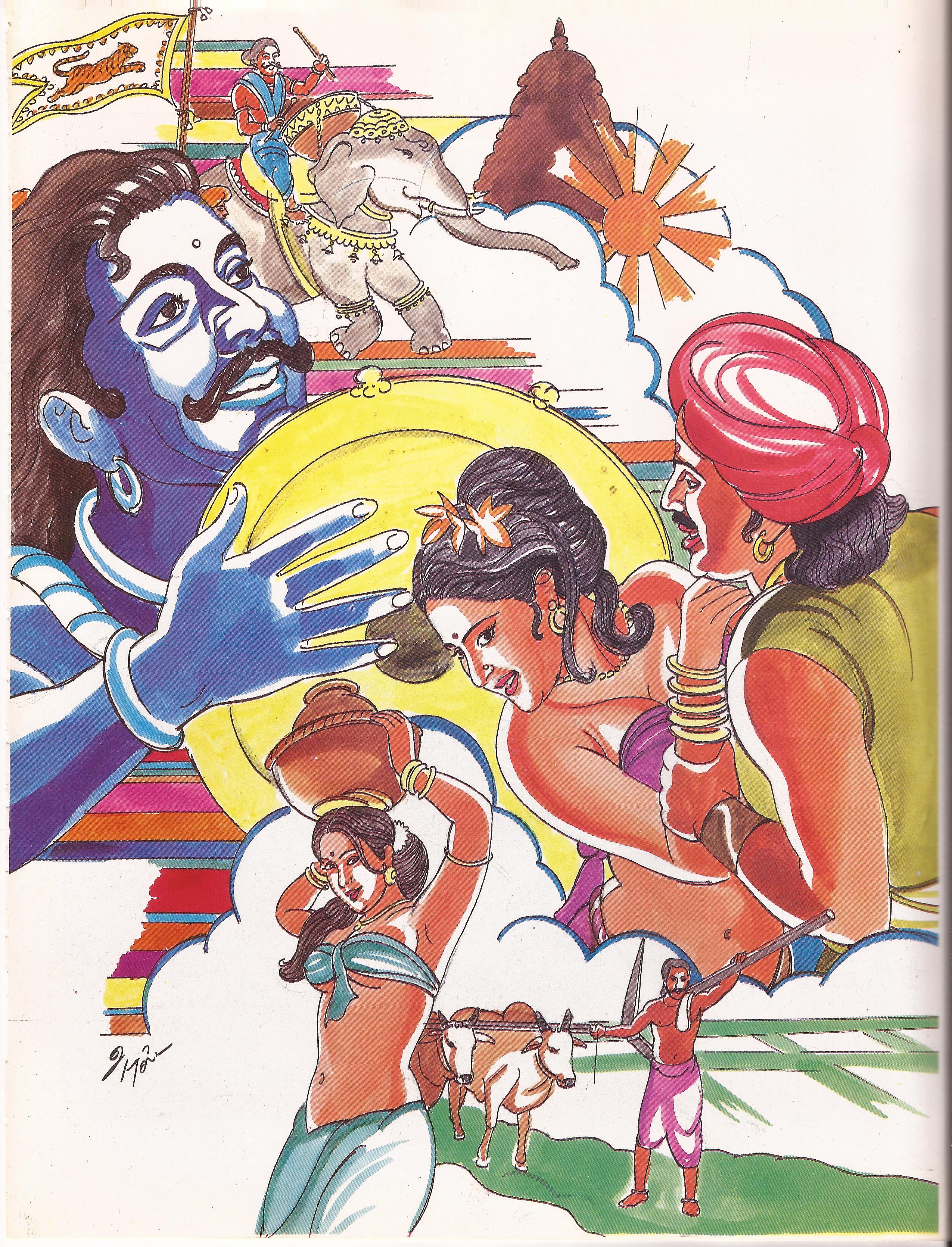
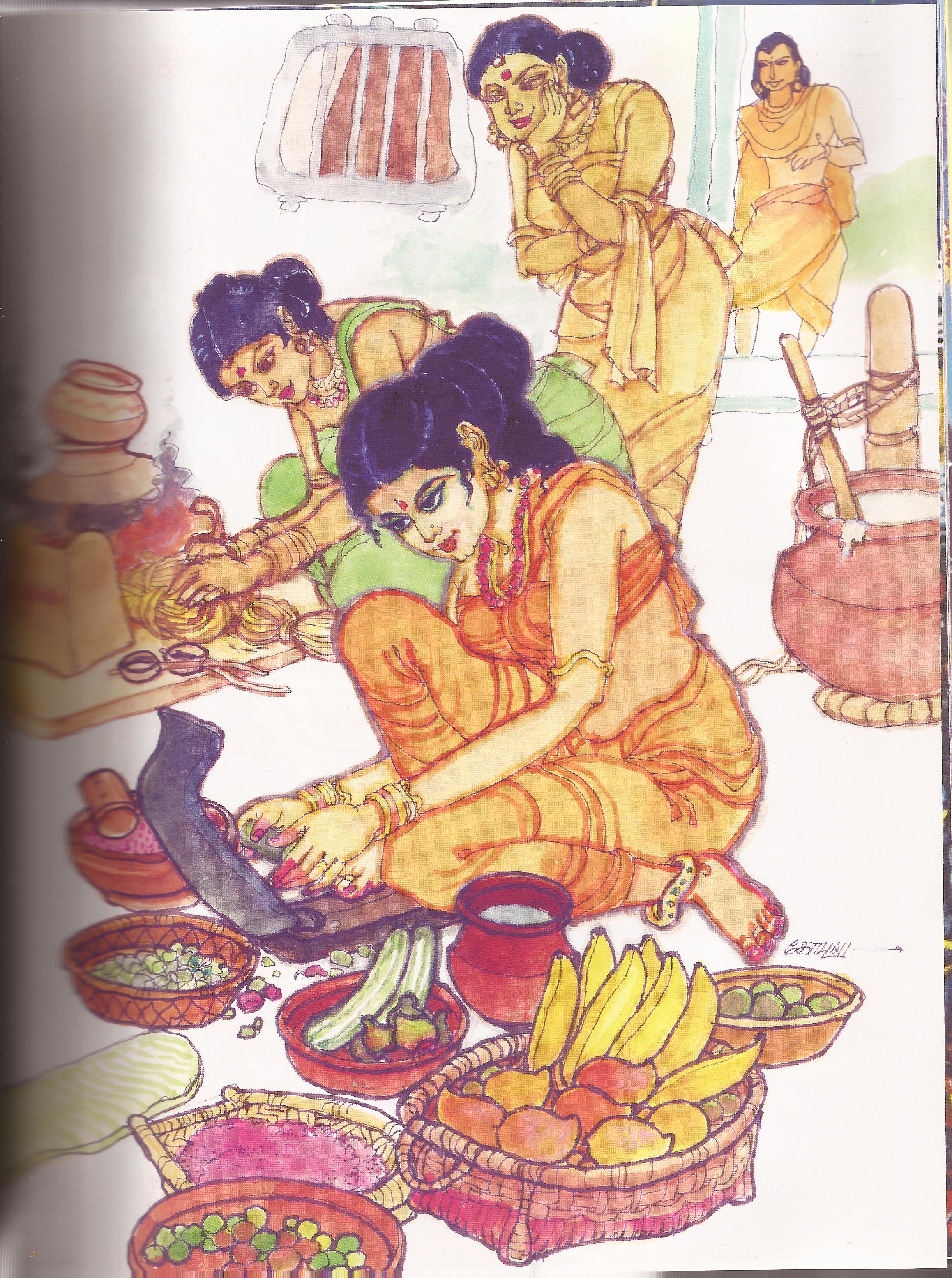
Picture shows Kannaki’s cooking for Kovalan

தொல்காப்பியத்தின் துவக்க வரியே நெருடலாக இருக்கிறது. “எழுத்தெனப்படுவது” என்று செயப்பாட்டு (வினை) பொருளில் –Pseudo Passive voice–துவக்குகிறார். இதை பொருளதிகாரத்திலும் காண்கிறோம்.உலகத்தில் எந்த நூலும் இப்படி துவங்குவது இல்லை.

சொல்லப்/ பட்டன/ படும்/ பட்ட (3-564-1, 651-1; 3-63-22, 68-8, 253-2,). இது போல மணிமேகலை-24,30. திருக்குறளிலும் ‘கொல்லப்படு’ என்ற சொல் வருகிறது. இதுவும் தொல்காப்பியத்தின் காலத்தைக் காட்டுவதோடு மூன்று அதிகாரங்களும் ஒரே காலத்தவை என்பதையும் காட்டும். புரிதல், புரிந்தோள் என்பன தொல்காப்பியத்தோடு சிலப்பதிகாரம், மணிமேகலையில் மட்டூமே வரும்.

ஆகும்: இந்தச் சொல் மூன்று அதிக்கரங்களிலும் நிறைய இடங்களில் வரும். மேலும் சம அளவில் பயன்படுத்தப்பட்டிருக்கிறது. ஒரே ஆசிரியர் மூன்று அதிகரங்களையும் எழுதாவிடில் இப்படி இருக்கமுடியாது. புறநானூற்றில் மூன்றே இடங்களில் மட்டுமே வருகிறது.

எண்ணுங்காலும்: இது தொல். இல் 2-47-1 ல் உள்ளது. இதைத் தவிர திணைமாலை ஐம்பதில் (150-2) மட்டுமே வருகிறது. இப்படிக் ‘கால்’ விகுதியுடன் வருவது சங்க காலத்தில் மிகமிகக் குறைவு. கலி., குறள் போன்ற நூல்களில்தான் அதிகம்.

எப்பொருள்: இது சொல் அதிகாரத்துக்குப் பின்னர் குறள் முதலான பிற்கால நூல்களில் மட்டுமே உள்ளது. மேலும் ‘எப்’ துவக்கத்துடன் சங்க இலக்கியத்தில் சொற்களே இல்லை.

என்ப: தொல்காப்பியருக்கு மிகவும் பிடித்த இச்சொல் மூன்று அதிகாரங்களிலும் பரவலாகக் காணப்படுவதால் ஒரே ஆசிரியர், ஒரே காலத்தில் எழுதியதே என்பதைக் காட்டும்.

என்மனார்: முன்னர் குறிப்பிட்டது போல 60–க்கும் மேலான இடத்தில் வரும் இச்சொல்லும் 3 அதிகாரங்களிலும் காணப்படுகிறது. இது தவிர கலித்தொகை, குறுந்தொகையில் இரண்டே இடங்களில்தான் வருகிறது.

என்றா: இந்தச் சொல்லும் 3 அதிகாரங்களைத் தவிர வேறு எங்கும் இல்லை.

ஏனை, ஏனவை: ஏனவை என்ற சொல்லை 1, 3 அதிகாரங்களைத் தவிர வேறு எங்கும் காண முடியாது. ஏனை, என்ற சொல் குறிஞ்சிப்பாட்டில் ஒரு இடத்தில் மட்டுமே வரும். தொல். இல் எல்லா அதிகாரங்களிலும் காணப்படுகிறது.

எண்கள்: ஐந்து, எட்டு, ஐம்பது, ஐயீர் ஆயிரம் போன்ற எண்களை 3 அதிகாரங்களிலும் பரவலாகப் பயன்படுத்துகிறார். உயிர் எழுத்துக்களில் துவங்கும் சொற்களில் இருந்து மட்டுமே எடுத்துகாட்டுகளைக் கொடுத்தேன். ஏணையவற்றைக் கொடுத்தால் கட்டுரை நீளும்.

எள்: தொல்காப்பியர் காலமும் கலித்தொகை- பரிபாடல் காலமும் ஒன்றே என்பதற்கும் பல சான்றுகள் உள்ளன.

எள் என்ற வித்தைக் கொண்டு பல வினைச் சொற்கள் உருவாக்கப்பட்டன. இவை புற நானூற்றில் குறைவாகவும், பிற்காலத்தில் அதிகமாகவும் புழக்கத்தில் உள்ளன.எள்ளின், எள்ளாமை, எள்ளாது— குறள் முதலிய நூல்களில் மட்டுமே வரும். எள்ளின் என்ற சொல் தொல். 3-109-7 தவிர குறள், கலி. மணி.யில் மட்டுமே வருகிறது.

‘இன்’– னில் முடியும் சொற்கள் ஒன்றின், நுவலின், நீங்கின், மறுப்பின், மறைப்பின் முதலியன தொல். தவிர குறள், சிலம்பு முதலிய சங்கம் மருவிய கால நூல்களிலேயே காணலாம்.

Continued in Part 4; contact swami_48@yahoo.com

TOLKAPPIAN – A GENIUS


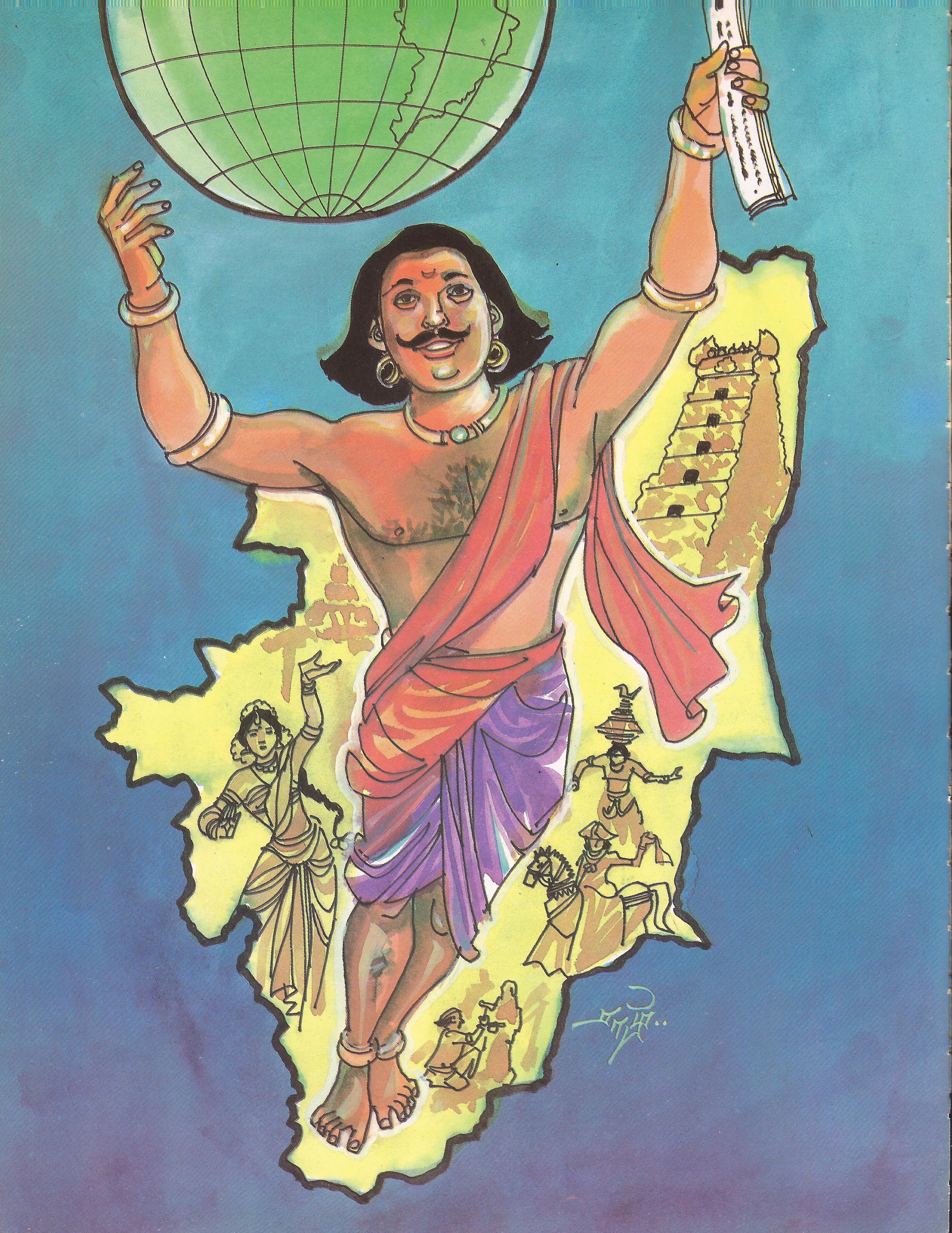
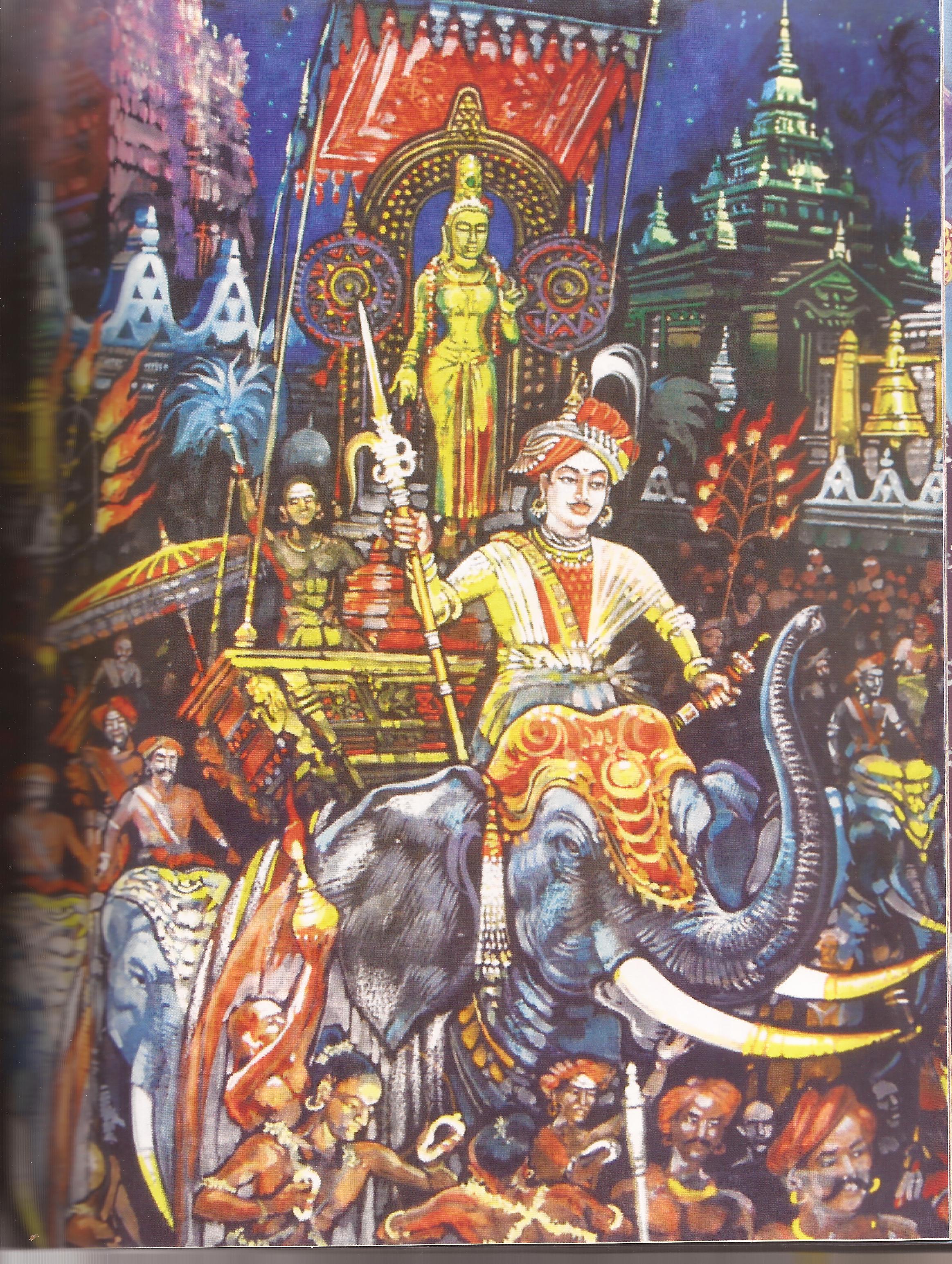
Picture shows Cheran Senguttuvan’s procession with Kannaki statue

Please read first two parts 1.Who was Tolkappiar? And 2.Did Tolkappiar copy from Sanskrit sources? Following excerpt is Third Part:- swami

Prof. S. Vaiyapuri Pillai continues:

“Besides the poetic themes, the third section of Tolkappiyam contains a subsection on sentiments and their physical manifestations, another on figure of speech, a third on prosody and, finally, a subsection on literary usage. These subsections show a master mind of extraordinary profundity of learning. The chapters on sentiment and figures of speech no doubt based upon works like Bharatanatya Sastra; but the treatment shows a rare inwardness, a brilliant expository power and a crystal clear formulation peculiar to the author. His sub sections on prosody and on literary usage are master pieces of their kind. His deep knowledge of the works of the earlier grammarians, his thoroughness on the mechanistic side of prosody and his accuracy in ascertaining the usage of words have not been approached by any grammarian since his time.

More than twenty works on grammar are cited in the valuable commentary on Yapparungalam. But none of them definitely is earlier than Tolkappiam”. (Vaiyapuri Pillai also gives reasons for his conclusion).


Tolkappiyan Statue in Indonesia

Mr A Kalyanaraman in his book Aryatarangini, Volume 1, Page 51 says.

“The Tolkaapiam is full of material, showing strong parallelism with corresponding in Sanskrit grammatical and other works: the number of Sanskrit words used in the Tamil work, is also large, as is the case with ancient Tamil works generally, a laboured attempt at finding an equivalent ‘southern word’ is often in evidence.

( 35 items are mentioned by Charaka, and 32 by Kautilya, as the prime requisites of a literary composition. Of these items, technically known as ‘tantra yuktis’ , the Tolkappiyam enumerates 32 in Porul Adhikaram, 22 of which coincide with those of Kautilya).

Some sutras of Tolkappiam are of special significance in this context. For instance, sutras 142 and 143 read as follows:

Sutra 142 of Porul Adhikaram translation:

“There was ,once upon a time,  when the karanam as enjoined on the three highest (castes), began to be applied to the lowest (caste) also”.

Sutra 143 translation:

“ They say that karanam was introduced by Aryans, after lovers began to be false, and the ladies were considered unworthy.”

Karanam in the above sutras, refers to the rite of Agnikaranam or the Daiva, Brahma forms of marriage before the sacred fire, prescribed by manu and other Smritikaras, as the best form of nuptials.

(Aiyan in the Tamil sutra is Aryan in Sanskrit)

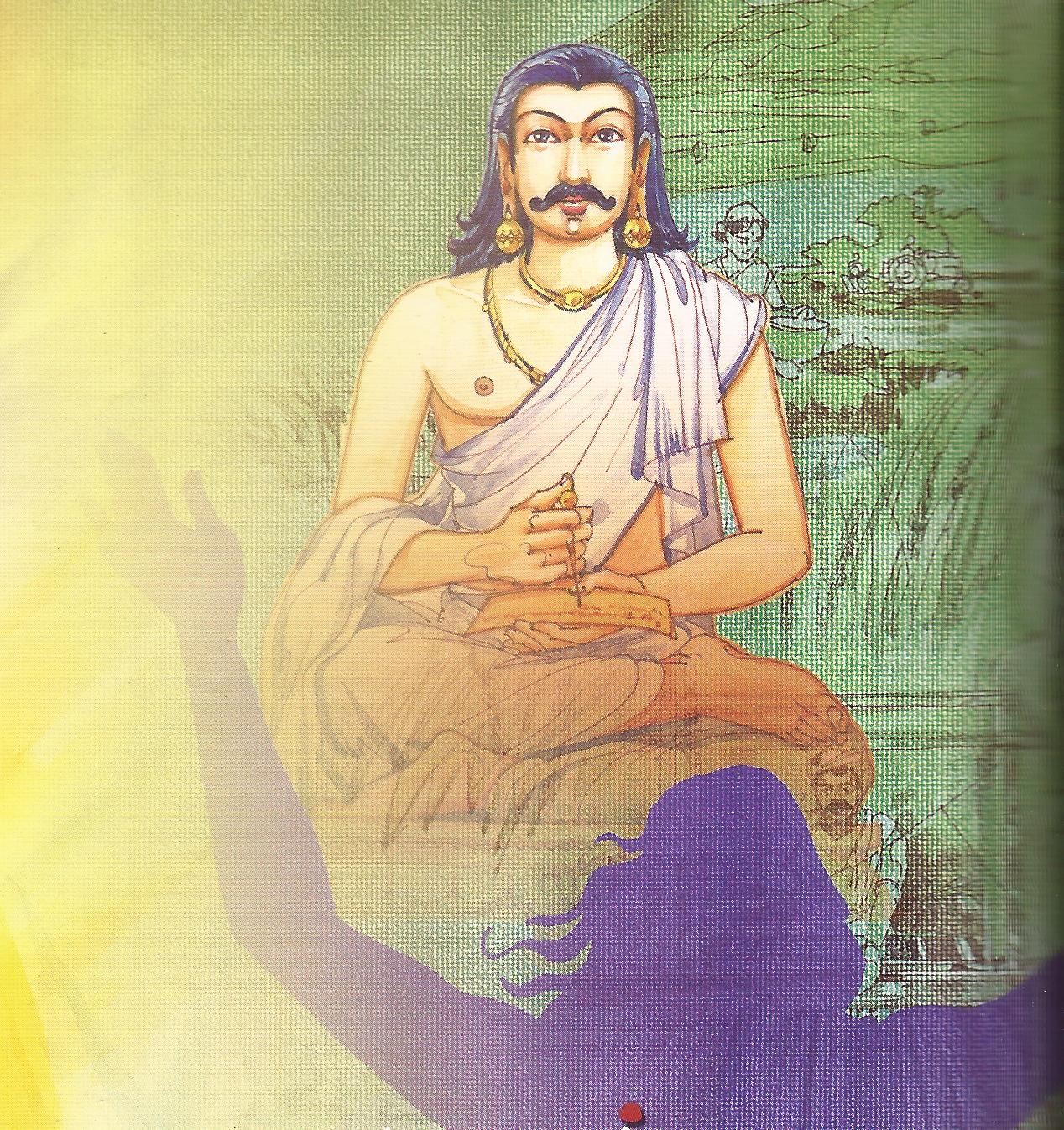
Tolkappiyanar whose Sanskrit name was Trinabindu, was a follower of Agastya. A sculpture of Trinabindu, with this name written in Nagari script has been found in Java, in an Agastya shrine of the 8th century AD.

My Opinion

(My personal view is Silappadikaram, Tolkappiyam and Tirukkural all these belong to the dark period of Tamil Nadu-4th century AD. All the three have the Sanskrit word ADHIKARAM. But the rules mentioned by Tolkappiar were ancient. That is the reason he says hundreds of times, “They say”, “it is said that”—journalist’s language to show that he was not the one who codified all the rules. There is internal evidence to prove it. I have given a lot of examples in my five part Tamil article.)

No linguist can push back the date of Tolkappiar beyond 1st Century BC. We know his style and the language that is found in Tolkappiam and the verse of Panamparanar, his contemporary. We have the verses composed by poets of first and second Tamil Sangam in the Sangam anthologies. We don’t see any change in the style or language. So they belong to the first few centuries.

(Please read my post: 3 Tamil Sangams Myth and Reality)

Max Muller followed a theory that a language changes every 200 years when he fixed the age of the Vedas. Whether he is right or wrong, we know that the style of Sangam Anthologies, Silappadikaram, Tirukkural and Thevaram are different from one another. Language is not stagnant. Even when we have printed media, the language keeps on changing. Every one of us knows Tiruvalluvar can’t read Today’s Tirukkural book. Tamil script has changed in 1500 years.

The words used by Tolkappiar betray his age. The concepts (borrowed from Sanskrit books) he followed betray his age. But we should never forget that he compiled a grammar faithfully that existed long before him. Like Veda Vyasa compiled Vedas, he compiled the old rules. Tolkappiar gives 38 ‘Uvamai Urupu’( particles of comparison:- like, as, similar and such words used to compare with another). But only 24 of the 38 are used by Sangam poets. And Sangam poets added another 28 new ones. So we can conclude that Tolkappian had compiled only rules that existed before his time.

One may try to push back the age of Tolkappiar by saying that 14 Uvama Urupus lost coinage by the time of Third Tamil Sangam and 28 new Uvama Urupus were added by the Sangam poets and so a lot of time must have lapsed between his time and the time of Tamil Sangam. Since his language and style are not that old, this argument won’t be accepted by linguists. Even a Tamil living today can understand his simple language. Contact swami_48@yahoo.com 

****************

தொல்காப்பியர் காலம் தவறு–பகுதி 2

(முதல் பகுதியைப் படித்துவிட்டு இதைப் படிக்கவும்: லண்டன் சுவாமி)

1.தொல்காப்பியத்தில் கடவுள் வாழ்த்து இல்லை. இதை அடுத்து வந்த குறள், சிலப்பதிகாரத்தில் மங்கல வாழ்த்தோ கடவுள் வாழ்த்தோ உண்டு. ஐந்தாம் நூற்றாண்டில் சிதறிக்கிடந்த பாடல்களை எல்லாம்– வியாச மாமுனிவன் வேதத்தைத் தொகுத்தது போல —பாரதம் பாடிய பெருந்தேவனார் முதலியோர் தொகுத்தபோது அதில் கடவுள் வாழ்த்தை இணைத்தனர். தொல்காப்பியர் அதற்கு ஒரு நூற்றாண்டு முந்தியவராக இருக்கலாம்.

2.இந்த நூலை ஒட்டி வளர்ந்த சொற்களான சூத்திரம், காப்பியம், அதிகாரம் ஆகியன வட மொழிச் சொற்கள். சங்க இலக்கியத்தில் 27,000+ வரிகளில் காண முடியாதவை. புலவர் பெயரில் மட்டும் ‘காப்பிய’ உண்டு. ஏனெனில் அவர்கள் காப்பிய (உஷனஸ் மஹா கவியின் காவ்ய கோத்திரம்) கோத்திரத்தைச் சேர்ந்த பிராமணர்கள்.

3.ஒல்காப் புகழ் தொல்காப்பியன் என்று பிற்காலத்தில் புகழப்பட்ட பேரறிஞரைப் பற்றி சங்க இலக்கியத்தில் ஒரு குறிப்பும் இல்லாதது ஏன்? இவருக்கு முன் இலக்கியம் இருந்தால் அவை யாவை? அழிந்த நூல்கள் பட்டியலில் நூல்கள் பெயர்களில் சம்ஸ்கிருதச் சொற்கள் அல்லவா இருக்கின்றன! மேலும் தொல்காப்பியர் காலத்தவராகக் கருதப்படும் பனம்பாரனார் போன்றோரின் தமிழ், எளிய தற்காலத் தமிழாக இருக்கிறதே! மொழி இயல் ரீதியில் இவர்களை மிகவும் முன் போட முடியாதே. மேலும் முதல், இடைச் சங்க புலவர் பாடல்களும் சங்க இலக்கியத் தொகுப்பில் இருக்கின்றன. அவைகளின் நடையைப் பார்க்கையில் மூன்று தமிச் சங்கங்களும் 200  அல்லது 300 ஆண்டுகளுக்குள்தான் இருந்திருக்க வேண்டும்.

(எனது ‘ 3 தமிழ் சங்கங்கள் உண்மையா கட்டுக் கதையா?’ Three Tamil Sangams: Myth and Reality என்ற கட்டுரையில் மேல் விவரம் காண்க)

4. தொல்காப்பியனாரின் ஒரு சாலை மாணாக்கரான பனம்பாரனார் பாட்டிலும் ஆதிரையாரின் சிறப்புப் பாயிரத்திலும் வடமொழி சொற்களும் (அவையம், உலகம்), பிற்காலக் கருத்துகளும் இருக்கின்றன. தமிழ் கூறும் நல் உலகம் வேங்கட மலைக்குள் சுருங்கி விட்டதை மாமுலனார் போன்ற புலவர்களும் வேங்கடத்துக்கு அப்பால் உள்ள நாடுகளை ‘மொழி பெயர் தேசம்’ என்று குறிப்பிடுவர். ஆகையால் ஏறத் தாழ ஒரே காலத்தைப் பற்றி அல்லது மாமுலனாருக்குப் பிந்திய காலத்தைப் பற்றியே சிந்திக்க வேண்டி இருக்கிறது.

5. தொல்காப்பியர் 68 இடங்களில் பயன்படுத்தும் “என்மனார்” முதலிய சொற்கள் சங்கச் சொல்லடைவில் இல்லை என்பதோடு ‘ஆர்’ விகுதி பிற்கால விகுதியாகும். வினைச் சொற்கள் ஆன், ஆய், ஆர் என்று நெடிலில் முடிவது கலித்தொகை, பரிபாடலில் அதிகம் வரும். இவை பரிபாடல், கலித்தொகை காலத்தைச் சேர்ந்தவை. இந்த இரு நூல்கள் பற்றிய குறிப்பும் தொல். இல் உண்டு. இதற்கு முந்திய பரிபாடல், கலித்தொகை பற்றிய சான்றுகள் இழந்த நூற்பட்டியலிலும் இல்லை.

6. தொல். பயன்படுத்தும் இலக்கணம் ,வணிகன், காரணம் போன்ற வடமொழிச் சொற்கள் சங்க கால நூல்களில் இல்லை.

7. தொல்காப்பியர் காலப் பாண்டியனை வழுதி, மாறன், செழியன் என்று சொல்லாமல் பாண்டியன் என்று மட்டும் அழைப்பதையும் கருத்திற் கொள்க. அகம், புறம் முதலிய பாடல்களில் இச் சொல் உண்டு என்றாலும் அவைகளின் காலம் சங்க கால இறுதிக் கட்டமா என்பதை ஆராய வேண்டும்.

8.தர்ம, அர்த்த, காம, (மோட்சம்)= அறம், பொருள், இன்பம், (வீடு) என்ற வடமொழி வரிசை திருக்குறள் காலத்தில் தோன்றி பதினென் கீழ்க்கனக்கு நூல்களில் பெருகுவதைக் காணலாம். புறம் 28, 31 பாடல்களில் காணப்படும் இந்த இந்து மதக்கருத்துக்கள் தொல். இல் 1363, 1038 சூத்திரங்களிலும் காணக்கிடக்கிறது.

9.பரைத்தமை: பரத்தையிற் பிரிவு என்பது தலைவனின் ஒழுக்கக் கேட்டிற்கு அடையாளம். சங்க நூல்கள் இவைகளை அன்றாட வாழ்வியல் நிகழ்ச்சியாகப் பேசும். ஆனால் திருக்குறள் காலத்திலிருந்து இதைக் கண்டனப் பார்வையில் காண்கின்றனர். தொல்காப்பியர் இதை ஒரு பிரிவாக இலக்கணத்திற் சொல்ல மனமில்லாமல் ஒதுக்கிவிட்டது போலத் தோன்றுகிறது. அதாவது காலத்தின் தாக்கம். பிற்கால இறையனார் களவியல் இதை ஒரு சூத்திரமாக வைத்து நூல் செய்துள்ளார். ஏழாம் நூற்றாண்டில் எழுதப்பட்டதாக பலர் சந்தேகிக்கும் சிலப்பதிகாரத்தில் பரத்தையர் வாழும் வீதியை இளங்கோ அடிகள் 22 வரிகளில் வருணிக்கிறார்.

10.எதுகை:- குறளைப் போல, அதிகம் காணப்படுகிறது. ஆய்த எழுத்துப் பிரயோகமும் சங்க நூல்களை விட அதிகம்.

11.ஒட்டகம்: தொல்காப்பியர் ஒட்டகம், குதிரை முதலிய சொற்களைப் பயன்படுத்துவதும் இவரது காலத்தைக் காடுகிறது. சங்க காலத்தின் இறுதிகட்டத்தில் வந்த சிறுபாணாற்றுபடையிலும் அகம் 245லும் மட்டுமே ஒட்டகம் வருகிறது.

12.தொல்காப்பியர் 287 இடங்களில் தனக்கு முந்தி இருந்தவர்கள் கூறியது என்று பல விதிகளைக் கூறுகிறார். அவருக்கு முந்திய அத்தனை பேரின் நூல்களில் ஒரு சில கிடைத்திருந்தாலும் கூட, இந்தக் கட்டுரைக்குத் தேவையே எழுந்திராது. ஆக அவர் கூறுவது நாமறிந்த சங்க காலப் புலவர்கள் என்றே கருதவேண்டும்.

13. தொல்காப்பியர் பயன்படுத்தும் சம்ஸ்கிருதச் சொற்கள் பட்டியல் மிக மிக நீண்டது; கீழே காண்க:

எழுத்து அதிகாரம்: உவமம், காலம், காரம், காயம், திசை, பூதம், பூதன், மதி, ஆசிரியர், இமை, உரு, உருவு, துணி (12)

சொல் அதிகாரம்: அத்தம், ஆனை, இலக்கணம், உவமம், கருமம், களம், காரணம், திசை, தெய்வம், பூதம், சுண்ணம், வண்ணம் (12)

பொருள் அதிகாரம்: அத்தம், அந்தரம், அம்போதரங்கம், அமரர், அமுதம், அவை, ஆரம், உலகம், உவமம், உரு, ஏது, கபிலை, கரகம், கருமம், கரணம், காமம், காயம், காரணம், காலம், குணம், குஞ்சரம், சிந்தை, சின்னம், சூதர், தாரம், திசை, தூது, தெய்வம், நாடகம், நிமித்தம், பழி, பருவம், பலி, பூதம், மங்கலம், மண்டிலம், மந்திரம், மதி, மாயம், மானம், முகம், முரசு, வருணன், வள்ளி, வாணிகம் (46)

கீழ்கண்ட வார்த்தைகள் பிராக்ருதம் மூலமாக நுழைந்த சம்ஸ்கிருதச் சொற்கள்: அரசன், அரணம், அவை, ஆசான், ஆசிரியர், ஆணை, இமை, இலக்கணம், உரு, ஏமம், ஐயர், கவரி, சுண்ணம், தாமதம், தூணி, தேயம், நிச்சம், பக்கம், PஆதீMஆஈ, பண்ணத்தி, பார்ப்பனன், பையுள், மாராயம், வண்ணம்.

சில சொற்கள் மீண்டும் வந்த போதும் திருப்பிக் கொடுத்தமைக்குக் காரணம் தொல்காப்பியத்தின் மூன்று அதிகாரங்களும் ஒரே காலத்தவை அல்லது ஒரே காலத்தில் இருவேறு ஆசிரியர்களால் எழுதப்பட்டவை எனபதைக் காட்டவே.

தொடரும்………………………….. பகுதி மூன்றில் காண்க.

தொடர்பு கொள்ள: swami_48@yahoo.com

Did TOLKAPPIYAR copy from Sanskrit Books?

(Read First part: Who was Tolkappiar?. Following is the Second Part: swami)

Prof. Vaipapuri Pillai has given the following matter in Tamil in his book ‘Tamil Sudar Manikal’. So I am not giving it in Tamil in my Tamil article.

Following is an excerpt from “ History of Tamil language and Literature” by Prof. S. Vaiyapuri Pillai:

“ The Tolkappiam is directly indebted to Panini is quite clear.

For instance Panini II, 3,18 is followed in Tolkappiam II, 557:

Panini VII,3,107 is Tamilised in Tolkappiam II, 761. In a relatively late work, a sloka has been altered in Tolkappiam II, 575 in consonance with Tamil literary usage. Even from Paniniya Siksha rendered by Tolkappiar (Tolkappiam I, 83), Patanjali’s Mahabhashya is also laid under contribution. For instance, Patanjali classified compounds (samasas) into four kinds according to the place where their sense becomes full and significant, viz., Purva padartha  pradhanah, Uttara padartha pradhanah ,Anya Padartha pradhanah and Ubhaya Padartha pradhanah. This classification was adopted by Tolkappiyar and the terms are literally translated in his grammar (II,4/9)

He also indicates by adding “enba” that this matter has been taken from some ancient authority. Manu has been studied and utilised by Tolkappiar in regard to certain social prescriptions (compare Manu III, 46, 47 and Tolkappiam III, 185).This will give Tolkappiar a date posterior to 200 AD

Kautilya’s Arthashastra has also furnished material to Tolkappiam( e.g. enumeration of 32 uktis at the end of both the works) But as Kautilya’s date is a disputed point, we may leave this out of account.

Lastly Tolkappiar is very much indebted to Bharata Natya Sastra and Vatsyayana’s Kamasutra. I need only to mention the eight rasas (Natya VI 15) and eigth meipadu (Tolkappiam III, 3) and the dasavasthas (Kama V 1= Tolkappiam III, 97). This gives us a date perhaps later than fourth century AD. Considering all the earliest Tolkappiar may be assigned is the fifth century AD.

The famous Sangha of Vajranandhi was established in 470 AD and perhaps Tolkappiam was its first literary output. This accords well with the fact that its author uses (III,133) the word ‘orai’ (Sanskrit Hora) which is a Greek word borrowed in Sanskrit astrological works about third or fourth century AD.

Date of Tolkappiar

The date of Tolkappiyar has been a disputed point. But, there are very strong grounds for holding that he flourished during the second half of the 5th century A.D.

Tolkappiyar’s grammar consists of three ‘adhikaras’ or sections.The first section deals with phonology and accidence in nine subsections or Iyals; the second section, with syntax in nine iyals; and the third with poetical themes, rhetoric (rasa, figures of speech), prosody, and usages in nine iyals.

In the subsection on phonology, it may be noted with interest that the letter forms of the consonants, in particular of ‘m’ and of short ‘e’ and ‘o’ are given in nun-marapu (13-17) in the same sub section, we find an important piece of original investigation. The structure of words has been studied and the sequence of sounds noted with care (sutras 23-30). This is a feature which has not been found elsewhere in the whole range of Indian grammatical literature, not excluding Paniniyam. The peculiarity of the Tamil language in which the short ‘u’ plays such an important part is also adequately treated.

The next section, i.e. on syntax continues with the treatment of accidence or morphology in the earlier subsections. As Tamil is an agglutinative language, we see the necessity of treating of treating its morphology in extensor. Parts of speech are next dealt with; we find four parts of speech viz. peyar(noun), vinai(verb), idai (particles, increments, augments etc.) and uri (indeclinables, adjuncts etc). These correspond to the four parts of speech, in Sanskrit, viz. nama, akhyaya, upasarga and nipata. The last subsection on uri mainly consists of lexical matter.

Tolkappiar had liberal views regarding the vocabulary of Tamil language. He says that the poetic or literary vocabulary consists of common native words, artificial of affected words consisting of homonyms and synonyms, provincial and local words and Sanskrit words (echchaviyal, 1).


Besides making this general observation, he provides us a cardinal principle for our guidance. He tells us that, , if in course of time new words get in to currency, they should not, on the score of their newness, be treated as unacceptable (echchaviyal 56).

Sanskrit Words

So far as Sanskrit words are concerned, he uses several of them in his grammar. He defines Sanskrit technical terms, e.g.suttiram, patalam, pindam (seyyul 161) ambotarangam (seyyul 145, Kandigai (marapu 98). He formulates rules regarding Sanskrit words, e.g. Bharani etc.(uyir Mayangiyal 145), chittirai phalakai (pullimayangiyal 79), tamarai (Sanskrit. Tamarasa (pullimayangiyal 98). He translates Sanskrit terms, e.g. Tam verrumai= Sanskrit Vibhakti; avaiyalmoli=asabhya; nul=sutra.

Also he translated Sanskrit sutras (eg. Pirappiyal 1= Panini siksha 12; meypattiyal 3= Bharata Natya Sastra, VI-15). He refers to classifications mentioned in Sanskrit works such as the eight kinds of marriage (Kalviyal 1), ten kinds of poetic defects (marapiyal 95, 105) and 32 kinds of uktis ( marapiyal 95, 107).

In addition to the above Sanskrit elements, he uses several Prakrit words also e.g. paiyul (uri 45), kamam (uri59), pannatti (Seyyuliyal 173), padimai (ahattinai 30) etc.,  he adopts Prakrit sutras  e.g the 21st and 22nd sutras of molimarapu corresponds to two  sutras of Prakrita –prakasam (I:36, 42)

The third section, that is, on poetic themes etc., deserves careful examination. Some sub sections, the first five, are believed to throw much light on the social customs of the ancient Tamils.the subsections one, three, four and five treat of love themes and the second sub section, of non-love themes, technically known as ‘aham’ and ‘puram’ respectively.

Taking ‘aham’ first some general considerations relating thereto are first mentioned in the first iyal (ahaattinai iyal). There are seven love aspects of ‘tinais’, including five regional tinais. The first, known as ‘kaikilai’, is the one sided love of a man for an immature girl. The last, known as ‘perundinai’ is the unequal love leading to excesses. The five regional ‘tinais’ deal with mutual love reciprocated in equal degree, between a youth and a maid well matched in every respect. These are called regional because the Tamil land is divided into five regions- mountainous (kurinji), forest or pastoral (mullai), agricultural (marudam), maritime (neydal) and desert (palai)- to each of which a particular love act is ascribed. This reciprocated love is divided into two kinds, pre marital love and marital love; the former being called ‘kalavu’ and the latter ‘karpu’.

Kalavu, Tolkappiyar takes care to add, corresponds to the Ghandarva union of the Aryan system of marriages, made famous by the union of Dushyanta and Sakuntala. The third subsection deals with Kalvu and the fourth with karpu. The fifth subsection, poruliyal and sixteen sutras (177-192) of seyyuliyal treat of some miscellaneous matters relating to love. The second subsection deals with non-love themes (puratinai) whose sub divisions have been noticed already.

Even the rough outline is sufficient to show the utterly artificial or at best conventional character of the treatment. Tolkappiyar himself recognises the distinction between the art and reality in a sutra (ahattinai 56). The former he calls ‘nataka valakku’ and the latter ‘ulagiyal valakku’, corresponding to natya dharma and loka dharma of Bharata Natya Sastra (Ch. XIV, 69-73). Hence one must be careful when trying to find out any substratum of reality beneath the artificialities mentioned above. To deduce the existence of free love in ancient Tamilakam on the evidence of these artificialities is to follow the will-o-the-wisp. The ‘tinais’ may have had some meaning and function in pre Tolkappiyam days; but they never had any influence on the development of Tamil literature. Today as it has been for many centuries past, they have no meaning except for the antiquarian.

But we may absolve Tolkappiyar of all responsibility for originating these ‘tinais’. Even in the opening sutra of the third section, he refers to previous authors collectively. As Tolkappiyar was a Jain, perhaps we owe to Jain authors, these infelicitous classifications. At any rate, the conception of the meaning of the lovers in a grove, all alone, their mutual love of equal intensity and their immediate union so characteristic of the pre marital love of regional tinais (kalavu) corresponds to the Jain conception of enjoyment in Bhoga Bhumi.


The famous commentator on Tirukkural defines kalavu as the sanctionless union of two lovers who remain changeless being free from disease, old-age and death, who are well matched in beauty, wealth, age, family, character, love etc., and who meet each other induced by fate, all alone with no one in their vicinity. The commentator has developed the idea of bhoga bhumi and made the utterly conventional character quite obvious. But Tolkappiyar, be it said, keeps the extra mundane aspect entirely in the background and is more in accordance with the spirit of the love lyrics of the Sangam age. He is mainly concerned with the several situations when the various characters in the stray love scenes are entitle to speak. It is only the later grammarians that have tried to piece together a connected love drama and made it schematic and thoroughly conventional”.
Please read the third part TOLKAPPIYAN WAS A GENIUS. Contact swami_48@yahoo.com


WHO WAS TOLKAPPIYAR?

There is an interesting story about Tolkappiar in the commentary written by Nachinarkkiniar (abbreviated as Nachi.)  Nachi was a Brahmin who lived in 14th century Tamil Nadu. He wrote commentary after commentary like the greatest commentator of India, Adi Shankara. Nobody has beaten Adi Shankara in Sanskrit and Nachi in Tamil. Nachi was a Tamil enthusiast and so he believed Tolkappiam was written even before the Vedas were classified in to four by Veda Vyasa. So he committed many blunders. In spite of his blunders, still he is held in high esteem by all the Tamil scholars for his sheer qualitative and quantitative Tamil commentaries.

(Kanchi Paramacharya Swamikal has pointed out the blunder committed by Nachi. without naming him in one of his lectures. See his 1932 lectures in Madras)

Tolkappiyar’s name was Trnadumagni and he was one of the 12 disciples of Agastya was the old story. Agastya’s wife was Lopamudra.

Now I give the version of PT Srinivasa Iyengar’s translation from his book “History of the Tamils”, page 224)

“ The worst myth is what what Nachinarkiniyar tells us in his commentary on the prefatory ode to the Tolkappiyam, called Payiram, that Agathiyanar asked his disciple, Trnadumagni, to escort the master’s wife, Lopamudra of Vidarbha to the Podhiya Hill. He at the same time warned his disciple not to approach his wife nearer than the length of four rods. When Trnadumagni and Lopamudra had to cross the river Vaigai, the river was in flood, and fearing that she would be washed away by the river, he extended his walking stick to her and asked her to cling to it. He thus isobeyed his master’s solemn injunctions, for in crossing the river, he was but one rod’s length from her.The irate master, when he heard of this, exclaimed, “ May you two not reach Swarga”. The pupil in turn said, “ As you have cursed us for no fault of ours, may you not reach svarga”. This legend was invented perhaps to explain the fact tht the Agathiyam has perished, where as the Tolkappiyam has not.”


My Comments:

People who wanted to date Tolkappiyar must remember certain facts:

  1. The Payiram says that it was launched at the court of Nilam Tharu Thiru Vil Pandyan in front of the teacher Athangottu Asan, who was well versed in the four Vedas.
  2. Tolkappiar’s Tamil is not very far from Sangam Tamil. So there was not a big gap between the two.
  3. Tolkappiayar mentined Vedic Gods Indra and Varuna as Tamils’ Gods. He also mentioned Dharma Artha Kama Moksha (Aram Porul Inbam Veedu).
  4. He also mentioned the pamyra flag of Balarama, Krishna’s brother.
  5. He used the word Adhikaram for the the three sections like Tirukkural and Sillpadikaram.
  6. If anyone argues any of the above as interpolation then we have to reconsider everything in Tolkappiyam. We are shaking the very foundations of Tamil. My guess is, if given into computer, his vocabulary will show that he belongs to 5th century or fourth century AD. No body dared to probe into this for the fear being dubbed as a Tamil Traitor.
  7. If he was proved to be a Brahmin belonging to Kappiya Gotra and his original name was Trna Dumagni or Trna Bindu, he must be the person who invented the special Tamil letter (247th in Tamil Alphabet known as Aytha Ezuthu). Trna Bindu means Three Dots=  Aytha Ezuthu of Tamil language.


Please read DID TOLKAPPIYAR  COPY SANSKRIT BOOKS? In the second part: London swami. Contact swami_48@yahoo.com

*****************

தொல்காப்பியர் காலம் தவறு-1

ஒல்காப் புகழ் தொல்காப்பியன் என்று கற்றோரும் மற்றோரும் போற்றும் தமிழ் அறிஞனின் உண்மைக் காலம் எது என்பது பலருக்கும் புரியாத புதிராக இருந்து வருகிறது. இதனால் ஒரே ஆசிரியரே அவரை கி.மு. முதல் நூற்றாண்டு என்றும் கி.மு.ஆயிரம் ஆண்டு என்றும் எழுதிக் குழம்புவதையும், மற்றோரைக் குழப்புவதையும் காணலாம். மற்றும் பலர் மொழி இயலின் அடிப்படைக் கொள்கைகளை காற்றில் பறக்கவிட்டுவிட்டு 20,000 ஆண்டுகளுக்கு முந்தியவர் என்று பிதற்றுவதையும் பார்க்கலாம். தமிழின் மீது தீராக் காதல் கொண்டவர்கள், தொல்காப்பியன் காலம் எதுவானாலும் சரி—அவர் பாணிணிக்கு முந்தியவர் என்று சொன்னால் போதும் என்று வட மொழி வெறுப்பில் தவிப்பதையும் காணலாம்.

உலகமே வியக்கும் வண்ணம் முதல் இலக்கண நூலை எழுதிய பாணினியைக் குருவாகக் கொண்டே தொல்காப்பியர் நூலை எழுதினார் என்பதை இரு மொழியும் அறிந்தவர்கள் அறிவர். பி.எஸ்.சுப்ரமண்ய சாஸ்திரி, வையாபுரிப் பிள்ளை போன்றோருக்கு இது புரியும். தமிழையும் சம்ஸ்கிருதத்தையும் இரு கண்களாகக் கருதுவோருக்கு இது விளங்கும். ஒல்காப் புகழ் தொல்காப்பியனுக்கும் இது தெரிந்தே உளது என்பதை கட்டுரையில் போகப் போகக் காண்பீர்கள்.

அதனால்தான் தொல்காப்பியரின் புகழைப் பாட மறந்த பாரதியும் கூட பாணினியின் புகழைப் பாட மறக்கவில்லை:

“ நம்பருந்திறலோடு ஒரு பாணினி

ஞாலம் மீதில் இலக்கணம் கண்டதும்” என்று பாடினான்.

வையாபுரிப் பிள்ளை போன்றோரின் கருத்துக்களை முன்வைப்பதற்கு முன் என் கருத்துக்களை முன்வைக்கிறேன்.

தொல்காப்பிய சூத்திரங்கள் 1610

மொத்த அடிகள் 3999

சொல் வடிவங்கள் 5630

தொடை விகற்பம் 13,708

பிரிவுகள் 3: எழுத்து, சொல், பொருள் அதிகாரங்கள்

என்று நாம் எல்லோரும் படித்திருக்கிறோம்.

பெரிய பெரிய புதிர்

தொல்காப்பியர் ஏன் வேத கால தெய்வங்களான இந்திரனையும் வருணனையும் தமிழ்க் கடவுள் என்று கூறினார்?

தொல்காப்பியர் சிவன், கணபதி போன்ற தெய்வங்களைக் குறிப்பிடாதது ஏன்?

வள்ளுவர், இளங்கோ போலவே அதிகாரம் என்ற சொல்லை நூலில் புகுத்தியது ஏன்?

வள்ளுவர் போலவே அறம், பொருள், இன்பம், (வீடு) (தர்ம அர்த்த காம (மோட்ச) என்ற வேத வழி முறையை வலியுறுத்துவது ஏன்?

பலராமனின் கொடியான பனைக் கொடியைக் குறிப்பிடுவது ஏன்?

தொல்காப்பியர் நான்மறை முற்றிய பிராமணன் அதங்கோட்டு ஆசார்யார் (ஆசான்) தலைமையில் நூலை நிறவேற்றியது ஏன்?

த்ருண தூமாக்கினி என்பதே இவருடைய ‘ஒரிஜினல்’ பெயர் என்றும் பாணினி ‘ஸ்டைலில்’ பாணினீயம் என்று பெயர் வைத்தது போலவே தொன்மையான காப்பியக் குடியில் வந்தவர் தொல்காப்பியர் என்றும் அதன் மூலம் நூலுக்கு தொல்காப்பியம் என்று பெயரிட்டதாகவும் நச்சினார்க்கினியர் முதலியோர் கூறுவது ஏன்?

சங்க கால இலக்கியத்துக்குப் பின்னர் வந்த சொற்களை மூன்று அதிகாரங்களிலும் பயன்படுத்துவது ஏன்?

இதுவரை எந்த தமிழ் அறிஞரும் இந்த சொற் பிறப்பியல் விஷயத்தை அலசாமல் மறைத்தது ஏன்?

மொழியியலில் எல்லோரும் ஒத்துக் கொண்ட கொள்கைகளை தொல்.ஐ மதிப்பிடும்போது மட்டும் “அறிஞர்கள்” கண்டு கொள்ளாதது ஏன்?

தொல். ஆய்த எழுத்து ( ஃ ) பற்றிப் பேசுவதால் முதல் நூற்றாண்டுக்கு முன்னர் வைக்க முடியாது என்று பல அறிஞர்கள் வாதிடுவது ஏன்?

ஏதேனும் சிறிது இசகு பிசகு வந்தால், இது எல்லாம் இடைச் செருகல் என்று சொல்லி சில “தமிழ் அறிஞர்கள்” தப்பிக்க முயல்வது ஏன்?

பொருள் அதிகாரம் பிற்காலச் சேர்க்கை என்று வெளி நாட்டு அறிஞர் பலரும் கூறுவது ஏன்?

இதற்கெல்லாம் விடை காண்போம். சுருக்கமான விடை:- தொல். உடைய காலம் நாலாவது அல்லது ஐந்தாவது நூற்றண்டுதான். ஆனால் அவர் கூறும் விதிகளோ அவருக்கு 1000 ஆண்டுக்கு முந்திய தமிழ் மொழியின் பழைய விதிகள்.

கல் தோன்றி மண் தோன்றாக் காலத்தே முன் தோன்றிய மூத்த குடியின் விதிகளை அவர் தொகுத்தளித்தமைக்கு தமிழ் கூறு நல் உலகம் அவருக்கு என்றும் கடப்பாடு உடையதே.

தொல்காப்பியரை ஐந்தாம் நூற்றாண்டில் வைக்க அவருடைய சொற்களே சாட்சி. இதோ ஒவ்வொன்றாகப் படியுங்கள்.

காண்க: பகுதி 2. தொடர்பு கொள்ள: swami_48@yahoo.com

************


Indra Festival in the Vedas and Tamil Epics

By London Swaminathan (my posts are simultaneously uploaded into five websites)

(This article is available in Tamil as well in my blogs.)

Worship of God Indra was popular in ancient Tamil Nadu. The oldest Tamil Book is Tolkappiyam, which is dated to 1st century BCE. Vedic gods Indra and Varuna were among the four Gods mentioned by Tolkappiam as Gods of the Tamils. Interestingly, Shiva was not one of them. That book was written by a Brahmin by name Trundadumagni and launched in the court of Pandya king under the chairmanship of Athankottu Asan, who was well versed in the four Vedas. Today we see the amazing continuity of Indra worship in India and Nepal. Brahmins worship Indra and Varuna three times a day in their Sandhya vandhana. Nepalese celebrate Indra Festival every year. Hindu Temple priests around the world invoke all the Vedic Gods in their day to day rituals.

Indra Festival was a very popular festival in ancient Tamil Nadu according to twin Tamil epics Silappadikaram and Manimekalai. It was first mentioned in Mahabharata and Ramayana. But in the Vedas we have some information which is interpreted by scholars as Indra festival. Atharva Veda mentioned Indra Dwaja (banner or flag of Indra). Rig Veda hinted at it.

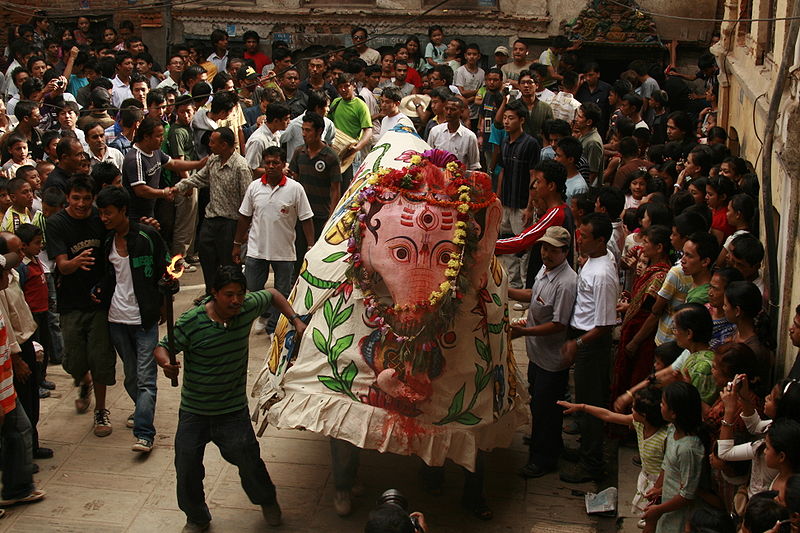
At present Indra festival is celebrated as a grand Royal festival in Nepal. Gunabhadra, a king of 10th century CE started this festival in Nepal. They call it Yenya or Indra Jatra. Bengalese also celebrated it.

Raksha Bhandan celebrated all over India and the Water Festivals celebrated in Laos, Cambodia, Thailand and Burma has got some links with Indra, the god of rain.


Picture: Elephant dance in Indra Festival,Kathmandu, Nepal

All the important Hindu scriptures like Bhagavatha, Ramayana and Mahabharata and Jain and Buddhist scriptures refer to Indra festival. This shows that Indra was held in high esteem from the southernmost tip of India up to Nepal in the Himalayas. Jains and Buddhists competed with each other in praising Indra by saying that “even Indra” worshipped the Buddha or Jain Tirthankara. Ramayana used the simile of Indra Dwaja in many places. Bringing down Indra Dwaja (flag)on the last day of the festival was a ritual used very often by Valmiki.

2000 year old Sangam Tamil literature refers to Indra (Pura Nanuru 182 and 241, Ainkuru. 62, Tirumurugu. 155-59 ) and Amruta (ambrosia of Indraloka) in a lot of places. Didactic books including Tirukkural also refer to Indra and Amruta.

The rare coincidence between the Tamils and the Nepalese is that both of them install a pole and hoist the Indra flag. In Nepal it is celebrated for 8 days but in Tamil Nadu it was celebrated for 28 days.

Another rare coincidence of Indra Festival in north and south is that they believed stoppage of the festival would result in a natural catastrophe. When Krishna stopped it, it was raining incessantly and Krishna had to lift the Govardhana Hill to protect his people. When the Choza king stopped it, the harbour city of Kaveripumpattinam in Tamil Nadu was devoured by the sea. Both of them believed Indra was in charge of rains and water.


Who Started the Festival?

Mahabharata says it was started by Uparichara Vasu. The life story of Uparichara Vasu itself is interesting. He was given an aeroplane and a garland of never fading lotus flowers by Indra. He married Girika but he was asked to go to a forest where his seed (semen) fell at the thought of his wife. It was devoured by a fish and Matsya (satyavati) was born to the fish. Each one of his sons started a separate dynasty in India. He was credited with some engineering feats  such as breaking down a hill to create a new river (Please read my post GREAT ENGINEERS OF ANCIENT INDIA).

Jain scriptures link Indra festival with Rishabadeva, the first Thirthankara. Tamil epic Silappadikaram (Kathai 5) says that one choza king Thungeyil  Erintha Thodithot  Sembiyan started this festival. Both may be correct if we take one started it in the north and another started in the south of India. Interestingly Chozas themselves claimed that their ancestors ruled north India. All their ancestors were mythological characters mentioned in Mahabharata and Ramayana. The very word Sembiyan came from Sibi Chakravarthy of the famous pigeon story  (Sibi=Saibya=Sembiya). The story of Sibi is in Sangam Tamil literature, Pancha Tantra and Tamil epic Silappadikaram.

The details of the celebrations were given in Silappadikaram  (5: 141-4) and Manimekalai (1:27-72, 2:1-3, 1:1-9, 24: 62-69, 25: 175-200). The drummer will announce that the festival began and then people will assemble to hoist the Indra Dwaja (Banner). The whole town wore a festive look with lot of decorations. Indra was bathed with holy water. It started on a full moon day in Chitra month (coinciding with April). Other deities were also decorated. Dance and Music were the highlights.

According to Maimekalai, Agastya asked the Sembian (Choza) king to start this festval. In Nepal, it is celebrated in September. In Tamil Nadu, the festival Bogi, celebrated on the eve of Makarasanranti/ Pongal also linked with Indra. Bogi itself means Indra.


In the Vedas

Indra is said to have shaken in front of Maruts in the Vedas. Actually it means that Indra Flag was fluttering in the Wind (Maruts are wind gods; The word Maruti/ Anjaneya came from it). Vedic scholars Dange and Meyer have written about the festival in detail.

In the Rig Veda it is said that Indra shook in the company of his followers. His companions Maruts were the wind god. Vedas also say, “ priests have raised you up on the high, O, Satakratu like a pole” (RV 1.X.1). Vedic poets used symbolic language to convey the message that the Indra flag was hoisted and it was fluttering in the wind. Meyer gives more evidence from Atharva Veda.

In Kuchipudi and other dance performances a victory flag and staff are installed in the name of Indra. In ancient Tamil Nadu a big honour in the name of Indra’s son Jayanta was given to the court dancer. It was called Talai kol.

Tamils celebrate Bogi festival on the eve of Pongal (Makara Sankaranti). Bogi is another name of Indra. Indra and Varuna are worshipped by the Brahmins in their day to day Sandhayvandana (thrice a day water oblation to Sun God) and in all the temples during Puja and Abhisheka (ritual bathing of Gods). It is amazing to see the same custom is followed for more than at least 3500 years.


Nivedita and Indra Flag

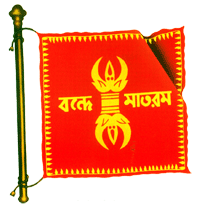
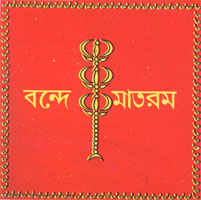
Swami Vivekananda asked his Irish disciple Nivedita alias Margaret Noble to design a Hindu flag. She came with a design of Indra’s  weapon Vajrayutha and word “Vandemataram” in Bengali language. South East Asian countries had Indra’s vehicle Iravatha elephant on their flags or on their national emblems. Now we see lot of Indra Idols and statues in the museums around the world.

Now we realise that the theory of Aryan Dravidian divisions proposed by the Western “scholars”  were utter lies. Indians had one culture from time immemorial though out India. We have seen the same festival celebrated from Vedic days to modern days in Nepal via Krishna of Mathura and Chozas of Tamil Nadu.

(Read other posts Indra Seal in Indus Valley, Vishnu Seal in Indus Valley by Swaminathan. Contact for more information: swami_48@yahoo.com or swaminathan.santanam@gmail.com)

***************

அப்பர் தேவாரத்தில் பழமொழிகள்

Written by ச.நாகராஜன்

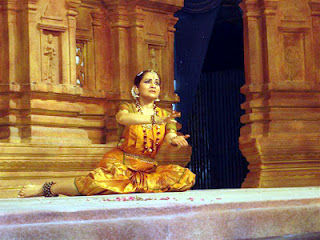
Appar Thevaram Dance at Natyanjali by Uma B.Ramesh

மொழிக்கு அணியாய்த் திகழ்வன பழமொழிகள்

ஒரு மொழிக்கு அணியாய்த் திகழ்வது பழமொழிகள்.செம்மொழியான தமிழ் மொழியில் ஆயிரக்கணக்கான பழமொழிகள் உள்ளன.

மைடரின் விளக்கம்

அமெரிக்காவில் உல்ப்கேங் மைடர் என்ற அறிஞர் ப்ராவெர்பியம் (Proverbium – journal)என்ற பத்திரிக்கையையே நடத்தி வருவது அனைவரும் அறிந்த ஒன்று. பழமொழிகளின் இன்றியமையாமை மற்றும் சிறப்பு குறித்து இவர் ஐம்பதுக்கும் மேற்பட்ட நூல்கள் எழுதியுள்ளார்.

பழமொழி பற்றி அவர், A proverb is a short, generally known sentence of the folk which contains wisdom, truth, morals, and traditional views in a metaphorical, fixed and memorizable form and which is handed down from generation to generation” என்று கூறுகிறார். இதன் பொருள் : ஒரு பழமொழியானது, மக்கள் அனைவரும் அறிந்த ஒரு சிறிய வாக்கியம். அதில் உலக ஞானம், நீதி, அறநெறி, பாரம்பரியப் பார்வைகள் உருவகமாகவும், சிறிய உறுதியான வாக்கியங்களாகவும், சுலபமாக நினைவில் கொள்ளக் கூடியதாகவும் இருக்கும். இவை தலைமுறை தலைமுறையாக தொடர்ந்து வழக்கில் இருந்து வரும்” என்கிறார்.

வாழ்க்கையின் எந்த நிலைக்கும் ஏற்ற பழமொழி தமிழில் உண்டு

தமிழ்ப் பழமொழிகளைக் காக்கும் பணியை சாமான்ய மக்களும். புலவர்களும் தொடர்ந்து செய்து வந்ததால் இன்றளவும் அவை உயிருடன் இருந்து வருகின்றன. ஒரு பழமொழியைக் கூறாத எந்த ஒரு பெண்மணியையும் தமிழகத்தில் பார்க்கவே முடியாது. வாழ்க்கையின் எந்த ஒரு நிலையையும் பழமொழி தமிழில் உள்ளது என்று உறுதி கூறலாம்.

அற்புத புருஷர் அப்பரின் இணையிலா தேவாரம்

தமிழகத்தின் சரித்திரத்திலும் தமிழின் சரித்திரத்திலும் பக்தி இலக்கியத்திலும் இடம் பெறும் மாபெரும் அற்புத புருஷர் அப்பர்! திருநாவுக்கரசர் என அனைவராலும் போற்றப்படும் அவரது
தேவாரம் தேனிலும் இனியது. திகட்டாதது. தமிழின் இனிமையைச் செவ்வனே காண்பிப்பது. ஆயிரக்கணக்கான தமிழ்ப் பதிகங்களை அவர் பாடியுள்ள போதிலும் இன்று நமக்கு அவரது பதிகங்களீல் கிடைத்திருப்பவை சிலவே.

சுந்தரர், “இணைகொள் ஏழெழுநூறு இரும்பனுவல் .
என்று பாடி இருப்பதால் அப்பர் சுமார் 4900 பதிகங்களை அதாவது சுமார் 49000 பாடல்களை இயற்றியுள்ளது தெரிய வருகிறது. இன்று நம்மிடம் இருப்பதோ 313 பதிகங்கள் அதாவது சுமார் 3068 பாடல்கள் தாம்!
பன்னிரு திருமுறைகளில் அப்பரின் தேவாரப் பாடல்கள் நான்காம்,ஐந்தாம் மற்றும் ஆறாம் திருமுறையாக அமைகின்றன.
இவற்றில் நூற்றுக்கணக்கான பழமொழிகளை அப்பர் எடுத்துக் கூறி அரும் பெரும் விஷயங்களைச் சுருங்க்க் கூறி விளங்க வைக்கிறார்.
அவற்றுள் சிலவற்றைப் பார்ப்போம்.

திருவாரூர் பழமொழிப் பதிகம்

அப்பரின் தனிச் சிறப்பு என்னவெனில் அவர் திருவாரூர்ப் பதிகத்தில் பத்துப் பாடல்களிலும் கடைசி அடியில் ஒவ்வொரு பழமொழியை வைத்துப் பாடி இருப்பது தான்.

மெய்யெலாம் வெண் நீறு என்று ஆரம்பிக்கும் இந்தப் பதிகம் திருவாரூர்ப் பழமொழிப் பதிகம் என்ற சிறப்புப் பெயராலேயே வழங்கப்படுகிறது.

1) கையினால் தொழாது ஒழிந்து
கனி இருக்கக் காய் கவர்ந்த கள்வனேனே
2) முன்பு இருக்கும் விதி இன்றி
முயல் விட்டுக் காக்கைப்பின் போனவாறே
3) அருகு இருக்கும் விதி இன்றி அறம்
இருக்க மறம் விலைக்குக் கொண்டவாறே
4) பண்டு எலாம் அறியாதே பனி நீரால்
பாவை செயப் பாவித்தேனே
5) என் ஆகத்து இருத்தாதே ஏதன்
போர்க்கு ஆதனாய் அகப்பட்டேனே
6) எப்போதும் நினையாதே இருட்டு
அறையில் மலடு கறந்து எய்த்தவாறே
7) விதி இன்றி மதிஇலியேன் விளக்கு
இருக்க மின்மினித்தீக் காய்ந்தவாறே
8) பாவியேன் அறியாதே பாழ்ஊரில்
பயிக்கம் புக்கு எய்த்தவாறே
9) தட்டானைச் சாராதே தவம் இருக்க
அவம் செய்து தருக்கினேனே
10) கறுத்தானைக் கருதாதே கரும்பு இருக்க
இரும்பு கடித்து எய்த்தவாறே

என்ன அருமையான பாடல்கள்! அற்புதமான கருத்துக்களைப் பொதித்து பழமொழியையும் ஈற்றடியில் வைத்து அமைந்திருக்கும் இது போன்ற பாடல்கள் உலக இலக்கியத்தில் இவை மட்டுமே என்பது உண்மை, வெறும் புகழ்ச்சி இல்லை!

இருட்டு அறையில் மலட்டு மாட்டைக் கறத்தல் போல என்ற பழமொழி ஒன்றை உதாரணத்திற்காக எடுத்துக் கொண்டால், அதில் தான் suggestion என்று ஆங்கிலத்திலும் த்வனி என்று சம்ஸ்கிருதத்திலும், உள்ளுறை உவமம் என்று தமிழிலும் கூறப்படும் ஏராளமான கருத்துக்களை விளக்கும் அற்புதப் பாங்கை எவ்வளவு அழகிய முறையில் பார்க்க முடிகிறது!!

மேலும் பற்பல பழமொழிகள்.

இவை தவிர அப்பர் தேவாரத்தில் உள்ள மேலும் சில பழமொழிகள் பின் வருமாறு :

1)அறு கயிறூசல் போல
2)ஆற்றிலே கெடுத்துக் குளத்திலே தேடுதல் போல
3) இருதலைக் கொள்ளியின் இடையகப்பட்ட எறும்பு போல
4) இன்றுளார் நாளை இல்லை
5) உலை நீரில் திளைத்து விளையாடிய ஆமை போலத் தெளிவிலாதேன்
6) உழுத கால் வழியே உழுவான்
7) உற்றலால் கயவர் தேறார்
8) ஓடும் நீரினை ஓட்டைக் குடத்தட்டி மூடி வைத்திட்ட மூடர்கள்
9) கழியிடைத் தோணி போன்றேன்
10) காம்பிலா முழை போல (முழை – அகப்பை)
11) கூவலாமை குரைகடலாமையைக் கூவலோடொக்குமோ கடல் என்றல் போல்
12) கையில் உள்ள நெல்லிக்கனி போல
13) கொத்தைக்கு மூங்கர் வழி காட்டல் போல (கொத்தை- குருடர்; மூங்கர் – ஊமையர்)
14) தழலை நீர் மடிக் கொள்ளன்மின்
15) நரி வால் கவ்வச் சென்று நற்றசை இழந்தது ஒத்தது
16) நூலும் வேண்டுமோ நுண்ணுணர்வோகட்கே
17) பாம்பின் வாய்த் தேரை போல
18) பாழுக்கே நீர் இறைத்தது
19) பாழூரிற் பயிக்கப் புக்கெய்த்தவாறே (பயிக்கம் – பைக்ஷம் என்ற வார்த்தையிலிருந்து பிறந்த பிக்ஷை – பிச்சை)
20) மத்துறு தயிரே போல மறுகும் என் உள்ளம்
21) மன்றத்துப் புன்னை போல மரம்படு துயரம் எய்தி
22)மோத்தையைக் கண்ட காக்கை போல (மோத்தை- பிணம்)
23) விளக்கத்திற் கோழி போன்றேன்
ஒவ்வொரு பழமொழி வாயிலாகவும் ஒரு பெரும் கருத்தை முன் வைக்கும் அப்பரின் பதிகம் உள்ளிட்ட இலக்கியம் போல இன்னொரு இலக்கியம் இன்று வரை தமிழில் இல்லை! இந்தப் பழமொழிகள் வரும் பாடல்களை உற்றுப் பயில்வோர் அடையும் பயனுக்கு எல்லை இல்லை!

அதனால் தான் போலும், ‘திருநாவுக்கரசர் திரு ஏகாதசமாலை’ என்ற நூலை எழுதி அவரைப் போற்றிய நம்பி ஆண்டார் நம்பி,

“வாய்மைக் கவிதையிற் பல
உபரியாகப் பொருள் பரப்பிய
அலகில் ஞானக் கடலிடைப்படும்
அமிர்த யோக சிவ ஒளிப்புக
அடியரேமுக்கருளினைச் செயும்
அரைய தேவத் திருவடிக்களே”
என்று போற்றிப் பரவுகிறார்.

அப்பரின் தேவாரத்தை வீடு தோறும் கொண்டு செல்வோம்; நாடு தோறும் முழங்குவோம். வாழ்க தேவாரம்! வளர்க தெய்வத் தமிழ்!!

This is written by my brother S Nagarajan
****************

பெண்கள் பற்றி 300 தமிழ் பழமொழிகள்- பகுதி 2

இரண்டாம் பகுதி

கட்டுரையின் முதல் பகுதியில் முன்னுரை கொடுத்திருக்கிறேன். முதல் பகுதியையும் ஏனைய பழமொழிக் கட்டுரைகளையும் படிப்பது பயன் தரும்.

வாழுகிற பெண்ணும் வாழாத பெண்ணும்

மேட்டில் ஏறினால் முத்தாச்சி, பள்ளத்தில் இறங்கினால் அத்தாச்சி
மெலிந்தவளுக்கு மெத்தப் பலன், மேனி மினுக்கெட்டவளுக்கு மெத்தக் கசம்
மேலைக்குத் தாலி கட்டுகிறேன்,, கழுத்தே சுகமே இரு என்றார்போல
மேலைக்குத் வாழ்க்கைப்படுகிறேன்,, கழுத்தே சுகமே இரு
மேனி எல்லாம் சுட்டாலும் விபசாரம் செய்கிறவள் விடாள்
மைலங்கி மைலங்கி பூ எங்கே வைத்தாய், வாடாதே வதங்காதே அடுப்பிலே வைத்தேன்
வரப்பு ஏறித் தாண்ட மாட்டாள், அவள் பேர் தாண்டாய் (110)
வர வர மாமியார் கழுதை போல ஆனாளாம்
வருகிற வரும்படி எல்லாம் பூசாரிக்கு, சந்தடியெல்லாம் கங்காளம்மைக்கு
வறுமைக்கு மூதேவியும் செல்வத்துக்குச் சீதேவியும்
வாய் மதத்தால் வழக்கு இழந்தாள்
வாலிபத்தில் இல்லாத மங்கையை வயது சென்றபின் என்ன செய்கிறது?
வாலிபத்தில் தேடாத தேவடியாள் வயது போனபின் தேடப்போகிறாளா?
வாழாத பெண்ணுக்கு மை ஏண்டி, பொட்டு ஏண்டி, மஞ்சள் குளி ஏண்டி?
வாழாத பெண்ணைத் தாழ்வாய் உரைக்காதே
வாழாப் பெண் தாயோடெ
வாழுகிற பெண்ணை தாய் கெடுத்தது போல
வாழைப் பழம் கொண்டுபோனவள் வாசலில் இருந்தாள் (120)
வாயைக் கொண்டுபோனவள் நடுவீட்டில் இருந்தாள்

கைம்பெண்சாதி, எருமையில் கறவை பழகினாற் போல
கைம்பெண்டாட்டி தாலியைக் கூழைக்கையன் அறுத்தானாம்
கைம்பெண்டாட்டி பெற்ற கழிசடை
கைம்பெண்டாட்டி வளர்த்த கழுக்காணி
கைம்பெண்டாட்டி பெற்ற பிள்ளையானாலும் செய்யுஞ் சடங்கு சீராய் செய்யவேண்டும்
எட்டுக் கிழவரும் ஒரு மொட்டைக் கிழவியைக் கட்டிக் கொண்டார்கள்
எட்டும் இரண்டும் தெரியாத பேதை (நாத்தை)
ஒரு வீடடங்கலும் பிடாரி/ பஜாரி
ஏர் உழுகிற பிள்ளை இளைத்துப் போகிறது, பரியம்போட்ட பெண்ணைப் பார்த்து வளர்
ஏர் பிடித்தவன் என்ன செய்வான்? பானை பிடித்தவள் பாக்கியம் (130)
ஏழைக்கும் பேழைக்கும் காடுகாள் அம்மை
ஏற்கனவே மாமி பேய்க்கோலம், அதிலும் கொஞ்சம் மாக்கோலம்
ஆமுடையானை நம்பி அவசாரி ஆடலாமா?
ஆமுடையானைக் கொன்ற அறநீலி
ஆமுடையான் அடித்ததற்குக் கொழுநனைக் கோபித்துக் கொண்டாளாம்
ஆமுடையான் அடித்ததது பெரிதல்ல; சக்களத்தி சிரிப்பாள் என்று அழுகிறேன்
ஆமுடையான் செத்த பின்பு அறுதலிக்குப் புத்தி வந்தது
ஆமுடையான் செத்தபோதே அல்லலுற்ற கஞ்சி
ஆமுடையான் செத்தவளுக்கு மருத்துவச்சி தயவேன்?

சீதேவியும் மூதேவியும்

சீதை பிறக்க இலங்கை அழிய (140)
சீதேவியுடன் மூதேவி பிறந்தாற் போல
சீராளன் கல்யாணத்தில் முன்றுபேர் பெண்டுகள் மாரோடே மார் தள்ளுது
சீரங்கத்துக்குப் போகிறவன் வழியிலெ பாரியைப் பறிகொடுத்தது போல
சீர்கேடனுக்குக் வாக்குப்பட்டு திரிச்சீலை துணிக்கு வாதைப் படாமல் இருந்தேன், சீராளனைப் பெற்ற பிறகு திரிச்சீலை துணிக்கு வருத்தமாச்சுது
சீலை இல்லை என்று சின்னாயி வீட்டுக்குப் போனாளாம், அவள் ஈச்சம்பாயைக் கட்டிக்கொண்டு எதிரே வந்தாளாம்
நாட்ட ஆளப் பெண் பிறந்தாலும் போட்ட புள்ளி தப்பாது
நாணம் இல்லாத சிறுக்கிக்கு நாலு திக்கும் வாசற்படி
நாணம் இல்லாத வாத்தி நாலு திக்குக்கும் கூத்தி
நாணம் இல்லாத பெண் நகைப்புக்கு இடம் வைப்பாள்
பூவுள்ள மங்கையாம் பொற்கொடியாம் , போன இடமெல்லாம் செருப்படியாம் (150)
பூ விற்றவளை பொன் விற்கப் பண்ணூவேன்

பெண்சாதி

பெண்சாதி இருந்தால் புது மாப்பிள்ளை
பெண்சாதி இல்லாதவன் பேயைக் கட்டித் தழுவியது போல
பெண்சாதி கால் விலங்கு, பிள்ளை சுள்ளாணி
பெண்சாதி கால்கட்டு, பிள்ளை வாய்க்கட்டு
பெண்சாதி சொந்தம், போகுவரத்துப் புறம்பே
பெண்சாதி பேச்சைக் கேட்டவன் பேய் போல அலைவான்
பெண்சாதி முகத்தைப் பார்க்காவிட்டாலும், பிள்ளை முகத்தைப் பார்க்க வேண்டும்
பெண்சாதியைக் குதிரை மேல் ஏற்றி, பெற்ற தாயின் தலையிலே புல்லுக் கட்டை வைத்தடிக்கிற காலம்
பெண்சாதியைத் தாய் வீட்டில் விட்டவனுக்கு ஒரு சொட்டு (160)
பெண்டாட்டி ஆசை திண்டாட்டத்தில் விட்டது
பெண்டாட்டி குதிர் போல அகமுடையான் கதிர்போல
பெண்டாட்டியுடன் கோபித்துப் பரதேசம் போவாருண்டோ
பெண்டுகளுக்கு பெற்றோரிடத்திலும் பிள்ளைகளிடத்திலும் மூப்பில்லை
பெண்டுகள் இருந்த இடம் சண்டைகள் பெருத்திடும்
பெண்டுகள் சமர்த்து அடுப்பங்கரையில்தான்
பெண்டுகள் சோற்றுக்குத் தண்டமில்லை
பெண்டுகள் வைத்தியம்
பெண்டு வாய்க்கும் புண்ணியவானுக்கு, பண்டம் வாய்க்கும் பாக்கியவானுக்கு
பெண் அரம்பைக் கூத்து போய், பேய்க் கூத்து ஆச்சுதே (170)
பெண் ஆசை ஒரு பக்கம், மண் ஆசை ஒரு பக்கம்
பெண் ஆசை கொண்டு பெருக்கத் தவிக்கிறது
பெண் ஆணையைத் தொடரும் பேரானையைப்போல
பெண்ணின் குணமும் அறிவேன், சம்பந்தி வாயும் அறிவேன்

தங்கமே தங்கம்

பெண்ணின் கோணல் பொன்னிலே நிமிரும்
பெண்ணுக்கு ஒரு கும்பிடு வில்லுக்கு ஒரு கும்பிடு
பெண்ணின் குணம்தான் சீதனம்
பெண்ணின் பெண்தான் சீதனம்
பெண்ணுக்கு பொன்னிட்டுப் பார், சுவருக்கு மண்ணிட்டுப் பார்
பெண்ணுக்கு பொன்னாசை கொள்ளும் பேரணங்கு 180
பெண்ணுக்கு போட்டுப் பார், மண்ணுக்குப் பூசிப்பார்
பெண்ணுக்குப் போய்ப் பொன்னுக்குப் பின்வாங்கலாமா?
பெண்ணுக்கு மாமியாரும் பிள்ளைக்கு வாத்தியாரும்
பெண்ணுக்கும் பொன்னுக்கும் தோற்பு உண்டா?
பெண்ணும் இல்லாமல் ஆணும் இல்லாமல் பெருமரம் போல் வளருகிறது
பெண்ணைக் கட்டிக் கொடுப்பார்கள், பிள்ளை பெறுவதற்குப் பிணைபடுவார்களா?
பெண்ணைக் கொண்டு பையன் போனான், பிள்ளை பெற்றுச் சிறுக்கி நாயானாள்
பெண்ணைத் திருத்தும் பொன் (190)
பெண்ணைப் பிழை பொறுக்கப் பெற்ற தாய் வேண்டாமா?
பெண்ணை வேண்டும் என்றால் இளியற் கண்ணை நக்கு
பெண் என்று பிறந்தபோதே புருடன் பிறந்திருப்பான்
பெண்ணோடு ஆணோடு பிறக்காத பெரும்பாவி
பெண் படையும் பலமும் பெருக்கத் தவிக்கிறதோ?
பெண் புத்தி கேட்கிறவன் பேய்
பெண் மூப்பான வீடு பேரழிந்துபோம்
பெண் வளர்த்தி பீர்க்கங் கொடி
பொன்னாலே மருமகளானாலும், மண்ணாலே ஒரு மாமியார் வேண்டும்
பொன்னையும் புடவையையும் நீக்கிடில் பெண் மலக்கூடு (200)
போக்கற்றாள் நீக்கற்றாள், பொழுது விடிந்து கந்தை அற்றாள்

(மூன்றாம் பகுதியில் தொடரும்)

பெண்கள் பற்றி 300 தமிழ் பழமொழிகள்- Part 1

பெண்கள் பற்றி 300 தமிழ் பழமொழிகள்- Part 1

பெண்களைப் பற்றிய பழமொழிகள் பெரும்பாலும் அவர்களுக்கு எதிரானதாகவும், அவர்களைக் குறைகூறுவதாகவும் இருக்கின்றன. இதைக் காலத்தின் பிரதிபலிப்பு என்றுதான் சொல்ல வேண்டும். பல கலாசாரங்களிலும் பழங்காலத்தில் இப்படிதான் இருந்தது. வேற்று மொழிப் பழமொழிகள், பொன்மொழிகளைப் பயிலுவோருக்கு இது தெளிவாக விளங்கும்.

சில தமிழ்ப் பழமொழிகள் கடுமையான மொழியில் இருக்கும். வாசகர்கள் என்னை மன்னிப்பார்களாக. ஆயிரக் கணக்கான ஆண்டுகளாக இருப்பதைத்தான் நான் மீண்டும் கொடுக்கிறேன். மிகவும் கடுமையான, பாலியல் தொடர்பான பழமொழிகளையும், படிப்பதற்கு நாராசமாக உள்ள பழமொழிகளையும் கூடுமான அளவுக்கு தவிர்த்துவிட்டேன்.
பெண் பல ரூபங்களில் இருப்பவள். தாயாகவும் மனைவியாகவும், மகளாகவும்,மருமகளாகவும், மாமியாரகவும், மாமியாகவும், அத்தை/சித்தியாகவும், மிக அபூர்வமாக வேசியாகவும் வருகிறாள். பெண்களைப் பற்றிய சுமார் 300 பழமொழிகளை மூன்று பகுதிகளாகத் தருகிறேன். இவைகளை ஆராய்ச்சிப் படிப்பாக எடுப்பவர்களுக்கு இது பயன் தரும். நேரம் கிடைக்கும்போது வேற்று மொழிப் பழமொழிகளுடன் ஒப்பிட்டும் காட்டுவேன்.

முதல் பகுதி

குடியில் பிறந்த பெண் வயிற்றெரிந்தால் கொடியில் உள்ள துணி எரியும்
நார்த்தங்காய்க்குப் போடுகிற உப்பும், நாத்தனாருக்குப் போடுகிற சாதமும் வீண்போகாது
தாயும் பிள்ளையும் ஆனாலும் வாயும் வயிறும் வேறுதான்
மழை வருவதும், பிள்ளை பெறுவதும் மகாதேவனுக்கே தெரியாது
ஆவதும் பெண்ணாலே, அழிவதும் பெண்ணாலே
பெண் என்றால் பேயும் இரங்கும்
பெண் புத்தி பின் புத்தி
ஐந்து பெண்களைப் பெற்றால் அரசனும் ஆண்டியாவான்
பணம் படைத்த சீமாட்டி எஸ் கொண்டையும் போடுவாள் ஒய் கொண்டையும் போடுவாள்
ஆடத்தெரியாத பெண் தெருக்கோணல் என்றாளாம் (கூடம் போதாது என்றாளாம்) 10

அரசனை நம்பி புருஷனைக் கைவிட்டாளாம்
அண்டை வீட்டு நெய்யே என் பெண்டாட்டி கையே என்றானாம்
அரச மரத்தைச்சுற்றிவிட்டு அடிவயிற்றைத் தொட்டுப் பார்த்தாளாம்
ஒண்டவந்த பிடாரி ஊர்ப்பிடாரியை விரட்டியதாம்
ஒத்த கணவனும் ஒரு சிறு நெல்லும் இருந்தால் சித்திரம் போல் குடித்தனம் செய்வேன் என்றாளாம்
ஓடுகாலி வீடு மறந்தாளாம்
பெண்ணைக் கொடுத்தாயோ கண்ணைக் கொடுத்தாயோ என்பார்கள்
பெண் கொடுத்த மாமியோ கண் கொடுத்த சாமியோ !
ஒய்யாரக் கொண்டையாம் தலக்குள்ளே இருக்குமாம் ஈறும் பேனும்
தாயா ? பேயா ?
பேய்க்கு வாக்குப்பட்டால் புளியமரத்தில் ஏறித்தான் ஆகவேண்டும்
பேயானாலும் தாய் (20)

பெற்றவளுக்கு பிள்ளை பாரமா?
அத்தைக்கு மீசை முளைத்தால் சித்தப்பா
தாயில் சிறந்ததொரு கோயில் இல்லை
தாய்க்குப் பின் தான் தாரம்
பொம்பளை (பெண்) சிரிச்சா போச்சு பருத்தி விரிச்சா போச்சு
குனிந்து சேவித்து நிமிர்ந்து வாழ்த்திக் கொண்டாளாம்
அத்தை பகையில்லை அம்மாள் உறவில்லை
குறத்தி பிள்ளை பெற்றாளாம் குறவன் மருந்து சாப்பிட்டானாம்
மகள் பிறக்கும் முன் பூட்டிக்கோ, மருமகள் வருவதற்கு முன் சாப்பிட்டுக்கோ
இடுப்பில் குழந்தையை வைத்துக்கொண்டு ஊர் முழுவதும் தேடினாளாம்
கொடுக்காத மகராசி இருக்கவே இருக்கிறாள் கொடுக்கிற மூதேவி கொடுப்பதற்கு என்ன என்றாளாம்
மனம் காவலா மதி காவலா ?(பெண்ணுக்கு)
மருமகளுக்கு தீவளிக்கு தீவளி எண்ணை தேய்ப்பேன், மகளுக்கு வெள்ளியோடு வெள்ளிதான் தேய்ப்பேன் என்றாளாம்
ஆசைக்கு ஒரு பெண்ணும் ஆஸ்திக்கு ஒரு பிள்ளையும் வேண்டும் என்பார்கள்

மகளே உன் சமத்து

மகளுக்கு குடல் பாக்கியம் தவிர மற்ற பாக்கியம் எல்லாம் இருக்கின்றன
மகளுக்கு புத்தி சொல்லித் தாய் அவசாரி போனாளாம்
மகளே வல்லாண்மை
மகள் செத்தாள் தாய் திக்கற்றாள்
மகள் செத்தால் பிணம், மகன் செத்தால் சவம்
மகன் செத்தாலும் சாகட்டும், மருமகள் கொட்டம் அடங்கினால் போதும்
மகாரசன் பெண்சாதி மர்மக்காரி,, யாருடன் சொன்னாலும் திறமைக்காரி
மகாலெட்சுமி பரதேசம் போனாற்போல
மகிமை சுந்தரி கதவை ஒஞ்சரி
மகிமையிலே ஒரு பெண் குவளையிலே வாழுகிறாள், அதில் ஒரு பெண் அறுத்துவிட்டு அழுகிறாள்
மங்கை தீட்டானால் கங்கையிலே முழுகுவாள், கங்கை தீட்டானால் எங்கே முழுகுவாள்?
மங்கை நல்லாள் பெண் பெருமாள், வாழ்ந்ததெல்லாம் எத்தனை நாள், திங்கள் ஒருபொழுது செவ்வாய் பகலறுதி
மச்சத்தின் குஞ்சுவுக்கு இப்படி என்றால் மாதாவுக்கு எப்படியோ?
மஞ்சள் குளித்து மணை மேலே இருக்கும்போது மட்டேன் என்றீரே, பிள்ளை பெற்று நொந்திருக்கச்சே வேண்ட வந்தீரே
மடிப் பிச்சை மாங்கலியப் பிச்சை
போனதினம் போகப் புதனன்றைக்கு வந்தாள்
அடைமழைக்குக் குடை இல்லாதவனுக்கு ஐந்து பெண்டாட்டியாம் (50)
அட்டிகைக்கு ஆசைப்பட்டு எருமைச் சங்கிலியைக் கட்டிக் கொண்டாளாம்
அண்டை வீட்டுக்காரி பிள்ளை பெற்றாள் என்று அயல் வீட்டுக்காரி இடித்துக் கொண்டது போல
அண்டை வீட்டுச் சுப்பிக்கும் எதிர் வீட்டுக் காமாட்சிக்குமா கவலை?
உதறுகாலி முண்டை உதறிப் போட்டாள்
உதறுகாலி வந்தாள், உள்ளதும் கெடுத்தாள்
ஏண்டி பெண்ணே, இளைத்தாய் குதிர் போல
ஏண்டி பெண்ணே குந்தியிருக்கிறாய்? சோறு பற்றாமல்
ஏண்டி பெண்ணே சோர்ந்திருக்கிறாய்? சோறு பத்தியம்
ஏண்டி சிறுக்கி புல்லு ஆச்சா? ஒரு நொடிக்கு முன் கட்டாச்சே
ஏய்த்தால் மதனியை ஏய்ப்பேன், இல்லாவிடால் பரதேசம் போவேன்
மயிர் உள்ள சீமாட்டி வாரி முடிக்கிறாள்
மயிற்கண்ணிக்கு மசக்கை, மாப்பிள்ளைக்கு அவத்தை
மரியாள் குடித்தனம் சரியாய் போச்சு

மருமகள்-மாமியார் மோதல்

மருமகளுக்கு மாமியார் பிசாசு; மாமியாருக்கு மருமகள் பிசாசு
மருமகனுக்கென்று சமைத்ததை மகனுக்கு இட்டு வயிறு எரிந்தாளாம்
மலைபோல பிராமணன் போகிறான், பின்குடுமிக்கு அழுதாளாம்
மலை விழுங்கின மாணிக்கத்தாளுக்குக் கதவு சுண்டரங்கி
மறு மங்கையர்க்கும், மறு மன்னவர்க்கும், மார்பும் முதுகும் கொடாமலிரு
மாதா ஊட்டாத அன்னம் மாங்காய் ஊட்டும்
மாதா செய்தது மக்களுக்கு (மக்களைக் காக்கும்) 70
மாதா மனம் எரிய வாழான் ஒரு நாளும்
மாதவுக்குச் சுகம் இருந்தால் கர்ப்பத்துக்கும் சுகம்
மாமி மெச்சிய மருமகள் இல்லை
மாமி ஒட்டினாலும் பானை ஒட்டாது
மாமியாருக்கு கண் மண்டை பிதுங்கிப் போகிறது
மாமியாருக்கு சுவாமியார் இவள்
மாமியாருக்கும் மாமியார் வேண்டும்
மாமியாரும் ஒரு வீட்டு நாட்டுப் பெண்

மாமியாரும் சாகாளோ, மனக்கவலை தீராதோ
மாமியாரைக் கண்டு மருமகன் நாணுவதைப் போல
மாமியாரோடு போகாத மாபாதகன்
மாமியார் இல்லாத மருமகள் உத்தமி, மருமகள் இல்லாத மாமியார் குணவதி
மாமியார் துணி அவிழ்ந்தால் வாயாலும் சொல்லக் கூடாது, கையாலும் காட்டக்கூடாது
மாமியார் உடைத்தால் மண்குடம், மருமகள் உடைத்தால் பொன்குடம்
மாமியார் கை வெல்லத்தைப் பார்க்கிலும் மருமகள் கைத்தவிடு தேவலை
மாமியார் செத்த ஆறாம் நாள் மருமகள் கண்ணில் தண்ணீர் வந்ததாம்
மாமியார் செத்த ஆறாம் மாதம் மருமகள் கண்ணில் தண்ணீர் வந்ததாம்
மாமியார் செத்து மருமகள் அழுகிறது போல
மாமியார் செய்த காரியங்களுக்கு நிந்தை கிடையாது
மாமியார் தலையில கையும் வேலிப் புறத்துல கண்ணும் (90)
மாமியார் தலையில கையும் மாப்பிள்ளை மேல் சிந்தையும்
மாமியார் நன்மையும் வேம்பு இனிப்பும் இல்லை
மாமியார் மெச்சின மருமகள் இல்லை, மருமகள் மெச்சிய மாமியார் இல்லை
மாமியார் வீடு மகா சவுக்கியம்
மாம்பழத்தில் இருக்கும் வண்டே ! மாமியாருக்கும் மருமகளுக்கும் சண்டை

மதனி/ மைத்துனி

மாலை இட்ட பெண்சாதி காலனை (எமனை)ப் போல வந்தாள்
மாலை சுற்றிப் பெண் பிறந்தால் மாமனுக்கு ஆகாது
மாற்றானை நம்பினாலும் மாதரை நம்பொண்ணாது (100)
மேய்த்தால் மதனியை மேய்ப்பேன்
மேய்த்தால் மைத்துனியை மேய்ப்பேன், இல்லாவிட்டால் பரதேசம் போவேன்