Pictures shown here are taken from various sources including google, Wikipedia,
Facebook friends and newspapers. This is a non- commercial blog.
மநு நீதி நூல்- பகுதி 35
மநு ஸ்ருதியின் ஆறாவது அத்தியாயத்தை இன்று முடித்து விடுவோம்.
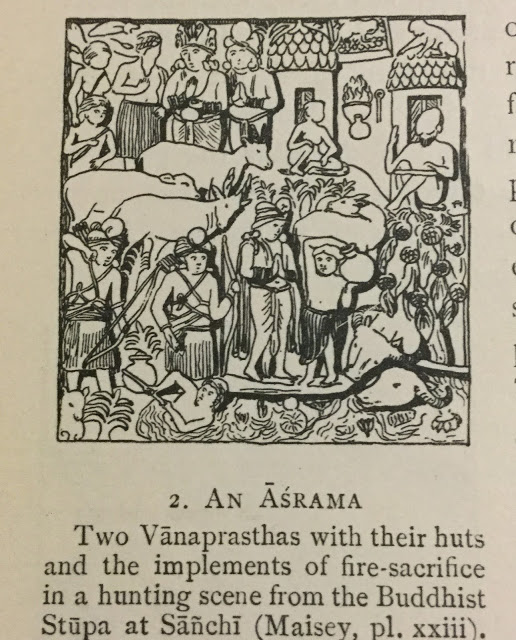
இதற்குப் பின்னர் இன்னும் ஆறு அத்தியாயங்கள் உள. மொத்தம் 2685 ஸ்லோகங்கள்; ஒன்பது பேரின்
முழு பாஷ்யங்கள்/ உரைகள். ஆயிரக்கணக்கான வெளிநாட்டுப் பிதற்றல் பேர்வழிகளின் நூல்கள்
வேறு.
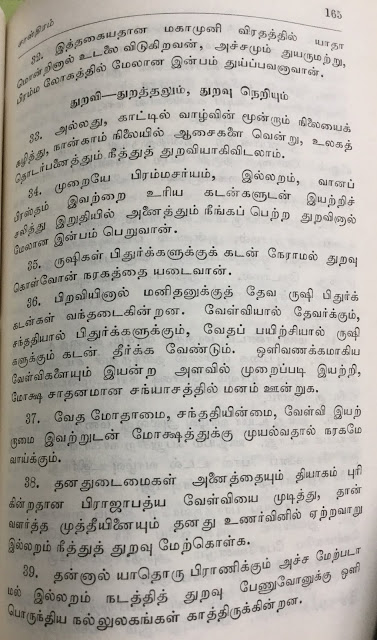
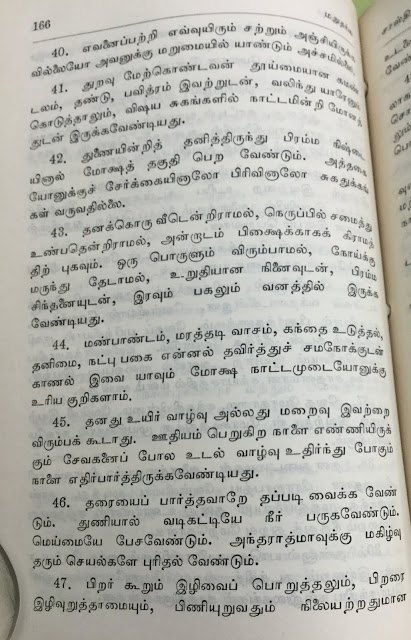
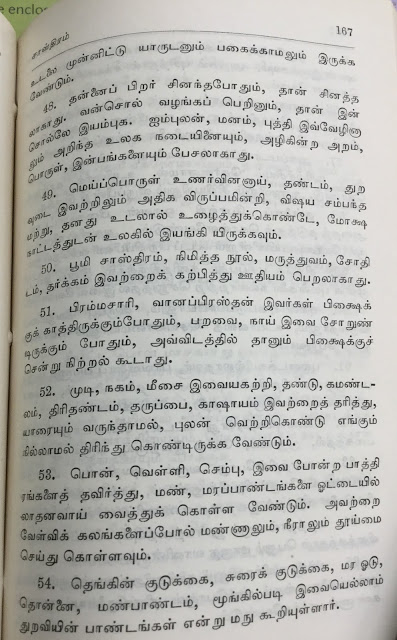
ஸ்லோகம் 50 முதல் இறுதிவரையுள்ள (97) ஸ்லோகங்களின் புல்லட்
bullet points பாயிண்டுகளை மட்டும் முதலில் தருகிறேன்.
1.வள்ளுவனுக்கு மிகவும் பிடித்த ‘இல்லறமே நல்லறம்’ என்ற கருத்து
இங்கே வருகிறது. இதனால் வள்ளுவர் அப்படியே 4 குறள்களில், மநுவின் ஸ்லோகத்தை (6-87,
6-88, 6-89 etc) மொழி பெயர்த்து விடுகிறார்.
இல்வாழ்வான் என்பான் இயல்புடைய மூவர்க்கும்
நல்லாற்றின் நின்ற துணை- குறள் 41
பிரம்மச்சாரி, வாநப்ரஸ்தன், ஸந்யாஸி ஆகிய மூவர்க்கும் கிரஹஸ்தனே
துணை/ ஸப்போர்ட் support
துறந்தார்க்கும் துவ்வாதவர்க்கும் இறந்தார்க்கும்
இல்வாழ்வான் என்பான் துணை – 42
அநாதைகள்,ஏழைகள், பிச்சை எடுப்போர்க்கும் கிரஹஸ்தனே (இல்வாழ்வான்)
துணை
இயல்பினான் இல்வாழ்க்கை வாழ்பவன் என்பான்
முயல்வாருள் எல்லாம் தலை- 47
தர்ம நெறிப்படி வாழும் கிரஹஸ்தனே வேறு எவரைக்காட்டிலும் பெஸ்ட்/best
தலை சிறந்தவன்.
ஆற்றின் ஒழுக்கி அறனிழுக்கா இல்வாழ்க்கை
நோற்பாரின் நோன்மை உடைத்து -48
தூய வாழ்க்கை நடத்தி மற்றவர்களையும் நல்வ வாழ்வு நடாத்த உதவி வாழும்
வாழ்க்கை தவங்களையெல்லாம் விட மஹிமை வாய்ந்தது.
வள்ளுவனுக்கு பல நூற்றாண்டுகளுக்கு முந்தி வாழ்ந்தவர் மநு என்பதில்
எவருக்கும் கருத்து வேற்பாடு இல்லை. ஆக வள்ளுவன்
இல்லறம் பற்றிச் சொன்ன பத்து குறள்களுமே முன்னரே மநு தர்ம சாஸ்திரத்தில் உள்ளதே.
உலகில் எந்த மத நூல்களும் இப்படி 4 வகை மனிதர்களைச் சொல்லவும் இல்லை. அதில் இல்லற த்தானே
சிறந்தவன் என்று பேசவும் இல்லை. இது பாரதீய சிந்தனையின் ஆணிவேர்- அஸ்திவாரம்.
அந்தக்காலத்தில் காடக (தேற்றாங்கொட்டை) விதைகளைப் போட்டு தண்ணீரைச்
சுத்தம் செய்ததை சங்க நூல்கள், காளிதாசன் முதலியோர் சொன்னது மநுவிலிருந்து போயிருக்கலாம்
(ஸ்லோகம் 67)
4.வனவாசிக்கும் (வாந்ப்ரஸ்தன்) ஸந்யாஸிக்கும் அன்பும் அருளுமே
அவஸியம் என்பதை மீண்டும் மநு வலியுறுத்துகிறார்- ஸ்லோகம் 6-52, 6-60
5.ஸ்லோகங்கள் 6-91, 6-92ல் வாழ்க்கையில் முன்னேற— ஸந்யாசி நிலையை
அடைய–த் தேவையான பத்து குணங்களின் பட்டியலைத் தருகிறார். இவற்றை பகவத் கீதையும் திருக்குறளும்
பல இடங்களில் வலியுறுத்துகின்றன.
ஸத்யம் என்னும் ஒரு குணத்தை இந்துக்கள் மட்டுமே ‘உண்மை,வாய்மை,மெய்மை’ (மனோ, வாக், காயம்= த்ரி கரண சுத்தி) என்று மூன்று பகுதிகளாக வரையறுத்துச்சொல்லுகின்றனர். இது மூன்றும் இருப்பவர்கள் மஹத்தான அற்புதங்களைச் செய்யலாம்– எல்லாஉயிரும் கை கூப்பித் தொழும்—வன விலங்குகளும் வணக்கம் செய்யும் – என்பது இந்துமத நூல்கள்மட்டுமே இயம்பும் கருத்து. கிறிஸ்தவ ஸந்யாஸிகளில் செயிண்ட் பிரான்ஸிஸ் ஆப் அஸிஸி (StFrancis of Assisi0 இப்படிப்பட்டவர்.
6.கொஞ்சமாகச் சாப்பிடு
அதிகம் சாப்பிடாதே (ச்லோகம் 55, 59); நிறைய சாப்பிட்டால் புலன்கள்
சேட்டை செய்யும் என்றும் மநு எச்சரிக்கிறார்.
இதோ ஆறாவது அத்தியாயத்தின் இறுதிப் பகுதி—
TAGS- மநு நீதி நூல்- பத்து கட்டளைகள், இல்லறம், நல்லறம், கிரஹஸ்தன்,வானப்பிரஸ்தன்
Pictures shown here
are taken from various sources including google, Wikipedia, Facebook friends
and newspapers. This is a non- commercial blog
ஆங்கிலஇலக்கியம்
பதில் சொல்லார்! தர்க்கம் புரியார்!! செய்வர், அல்லது செத்து
மடிவர்!!!
ச.நாகராஜன்
1
இங்கிலாந்தைச் சேர்ந்த கவிஞரான லார்ட்
ஆல்ஃப்ரெட் டென்னிஸனின் (Lord Alfred Tennyson – பிறப்பு 6-8-1809 மறைவு 6-10-1892) அற்புதமான
கவிதைகளில் ஒன்று ‘தி சார்ஜ் ஆஃப் தி லைட் ப்ரிகேட்’
இந்தக் கவிதை 1854ஆம் ஆண்டு டிசம்பர் 2ஆம் நாள் எழுதப்பட்டு
டிசம்பர் 9ஆம் தேதி தி எக்ஸாமினர் இதழில் பிரசுரிக்கப்பட்டது. சில நிமிடங்களில் இந்தப்
பாடல் எழுதப்பட்டது. ரஷியாவிற்கு எதிராக நடந்த க்ரிமியன் போரைப் பற்றி எழுதிய இந்தக்
கவிதையை அவர் ஏ.டி. என்ற பெயரில் வெளியிட்டார்.
இந்தக் கவிதை கருங்கடலின அருகே நடந்த பலக்லாவா சண்டையைப் (Battle of Balaclava) பற்றிய பாடலாகும்.
படைத் தலைவனின் தவறான ஒரு உத்தரவு காரணமாக (Someone
had blundered)
ரஷியர்களை எதிர் கொண்டனர் பிரிட்டனின் போர் வீரர்கள். சாவு நிச்சயம்
என்ற நிலையில் கூட அவர்கள் பின்வாங்கவில்லை. (Into the
valley of Death
Rode the six hundred)
கீழே பள்ளத்தாக்கை
நோக்கி அவர்கள் செல்ல எதிரில் எதிரி பீரங்கி வைத்துக் குண்டுமழை பொழிந்தான்!
உத்தரவுக்குக் கீழ்ப்படிந்தனர்; அவர்கள் பதில் சொல்லார்; தர்க்கம் புரியார்; செய்வர்
அல்லது செத்து மடிவர். (Theirs not to make
reply,Theirs not to reason why,
Theirs but to do and die)
ஆணை சரியா தவறா என்ற தர்க்கத்திற்கே அந்தக் களத்தில், அந்தக்
கணத்தில் இடமில்லை.
சந்தோஷமாக சாவை அவர்கள் எதிர் கொண்டனர்; அவ்வளவு தான்!
அந்தப் போரில் படையில் பாதிக்குப் பாதி போர்வீரர்கள் இறந்தனர்.
ரஷியர்கள் பின்வாங்குவதை மீதி பாதிப்பேர் பார்த்தனர்!
பிரிட்டனின் ராணுவ வீரர்களின் தேச பக்தியையும் உயிர் தியாகத்தையும் புகழ்ந்து டென்னிஸன்
இதை எழுதினார். அவர் தம் புகழ் என்றேனும் மங்குமா? மறையுமா! (When can their glory fade?)
இதை அமெரிக்க கவிஞரான ப்ரெடரிக் கோடார்ட் டக்கர்மேனும் இன்னும்
சிலரும் கடுமையாக விமரிசனம் செய்யவே டென்னிஸன் கவிதையில் சில மாற்றங்களைச் செய்தார்.
இந்தக் கவிதை டாக்டலிக் டைமீடர் (dactylic
dimeter) என்னும் சந்தத்தில் எழுதப்பட்ட கவிதையாகும். ஆறு செய்யுள்கள்
அடங்கிய இந்தப் பாடலில் சின்னச் சின்ன வரிகளையே பார்க்க முடிகிறது; அது ஆழ்ந்த பொருளைத்
தருகிறது!
2
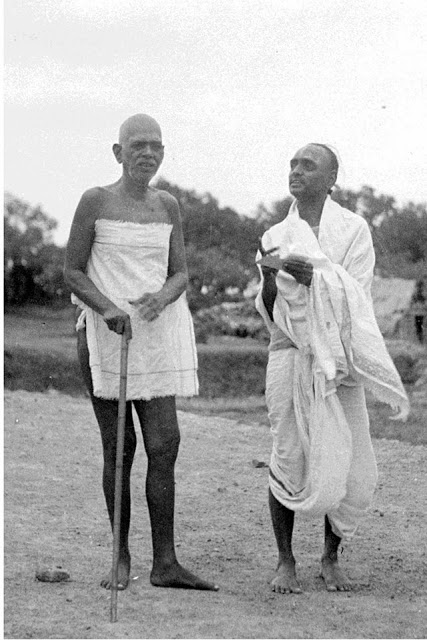
ரமணாஸ்ரமத்தில் டென்னிஸனைப் பற்றிய
பேச்சு ஒரு முறை வந்தது.
தேதி 16-6-1946
அன்று பகலில் ஜி.வி.எஸ் என்ற அன்ப,
‘டென்னிஸன் தனது பெயரைப் பல முறை சொன்னவுடன் சுற்றி இருக்கும் உலகையே அவர் மறந்து விடுவார்;
அது ஒரு மாயத் தோற்றம் தான் என உணர்வார்’ என்று கூறினார்.
இந்த விஷயத்தை அவர் எங்கு படித்தார்
என்பதைப் பற்றிய ஒரு விவாதமும் கூடவே நிகழ்ந்தது.
இன்னொரு முறை ரமண மஹரிஷியின் அணுக்க
பக்தரான தேவராஜ முதலியார் டென்னிஸன் பி.பி. ப்ளட் என்பவருக்கு எழுதிய கடிதத்தை பகவான்
முன்னிலையில் படித்துக் காண்பித்தார். அதில் இளமைப் பருவத்தில் தனியாக இருந்த போது
தன் பெயரை இரண்டு அல்லது மூன்று முறை சொன்னவுடன் தன் உணர்வை இழந்து இருந்ததை டென்னிஸன்
குறிப்பிட்டிருந்தார்.பகவான் உடனே, ‘அந்த நிலை ஆன்மாவில் ஒன்றித் தங்கும் நிலை” என்று கூறினார்.
இதிலிருந்து டென்னிஸன் ஒரு உயரிய கவிஞர்
என அறிய முடிகிறது!
3
மேலே கூறிய ரமணாஸ்ரம நிகழ்ச்சிகளின்
மூலப் பதிவை ஆங்கிலத்தில் கீழே காணலாம்:
16-6-46
Later in the day G.V.S. said, “It is
said that by repeating
his own name a number of times Tennyson
used to get into a
state in which the world completely
disappeared and he
realised that it was all illusion.” And
a discussion ensued as
to where the quotation came from and
whether we could
find it.
The
following extract from a letter of the poet Tennyson to B. P. Blood was read
out in Bhagavan’s presence: ‘… a kind of waking trance I have frequently had,
quite up from boyhood, when I have been all alone. This has generally come upon
me through repeating my own name two or three times to myself, silently, till
all at once, as it were out of the intensity of consciousness of individuality,
the individuality itself seemed to dissolve and fade away into boundless being;
and this not a confused state but the clearest of the clearest, the surest of
the surest, the weirdest of the weirdest, utterly beyond words, where death was
an almost laughable impossibility, the loss of personality (if so it were)
seeming no extinction but the only true life’. Bhagavan said, ‘That state is
called abidance in the Self.’
Pictures shown here are taken from various sources including google, Wikipedia,Facebook friends and newspapers. This is a non- commercial blog.
MY COMMENTS
We are finishing chapter six of Manu Smrti with
the following portion.
1.Old water purification technique is mentioned
in sloka 67. This is in Tamil post Sangam literature as well.
2.Slokas 52 and 60emphasizes AGAIN the love and
affection
3.Householder is praised as the supporter of the
other three types of people. Tamil poet Tiruvalluvar translated this verbatim.
See sloka 87,88, 89
Tamil poet Tiruvalluvar says in Tamil Veda
Tirukkural,
The true house holder is the mainstay of of the other three orders (Brahmachari,
Vanaprastha and Sanyasin)- Kural 41
Among those who labour for the eternal the
greatest are those who lead a virtuous family life -_Kural 47
Far holier and more patient than the recluse is
the householder who helps the hermits in the observance of their duties, and
himself swerves not from virtue- 48
Tiruvalluvar was so impressed with Manu Smrti that
he used four couplets to translate Manu verbatim (the other one was about
Pancha yajna)
4.Similes in slokas 67,71, 76, 77, 78, 90 are
good
5.Slokas 91 and 92 gives Manu’s Ten Point plan to
become a Sanyasin (renouncer)
Ten virtues are,
Patience, Forgiveness, Self- control, Not
stealing, Purification, Mastery of the sensory powers, Wisdom, Truth, Learning
and Lack of anger.
These are emphasized by Valluvar in Tirukkural and
by Krishna in Bhagavad Gita umpteen times.
xxx
HERE WE CONTINUE THE SIXTH CHAPTER OF MANU SMRTI
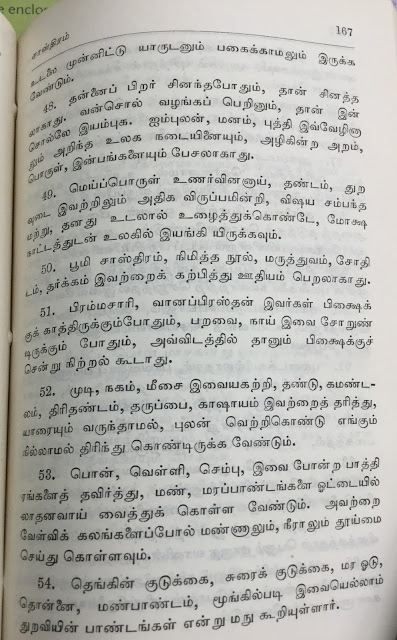
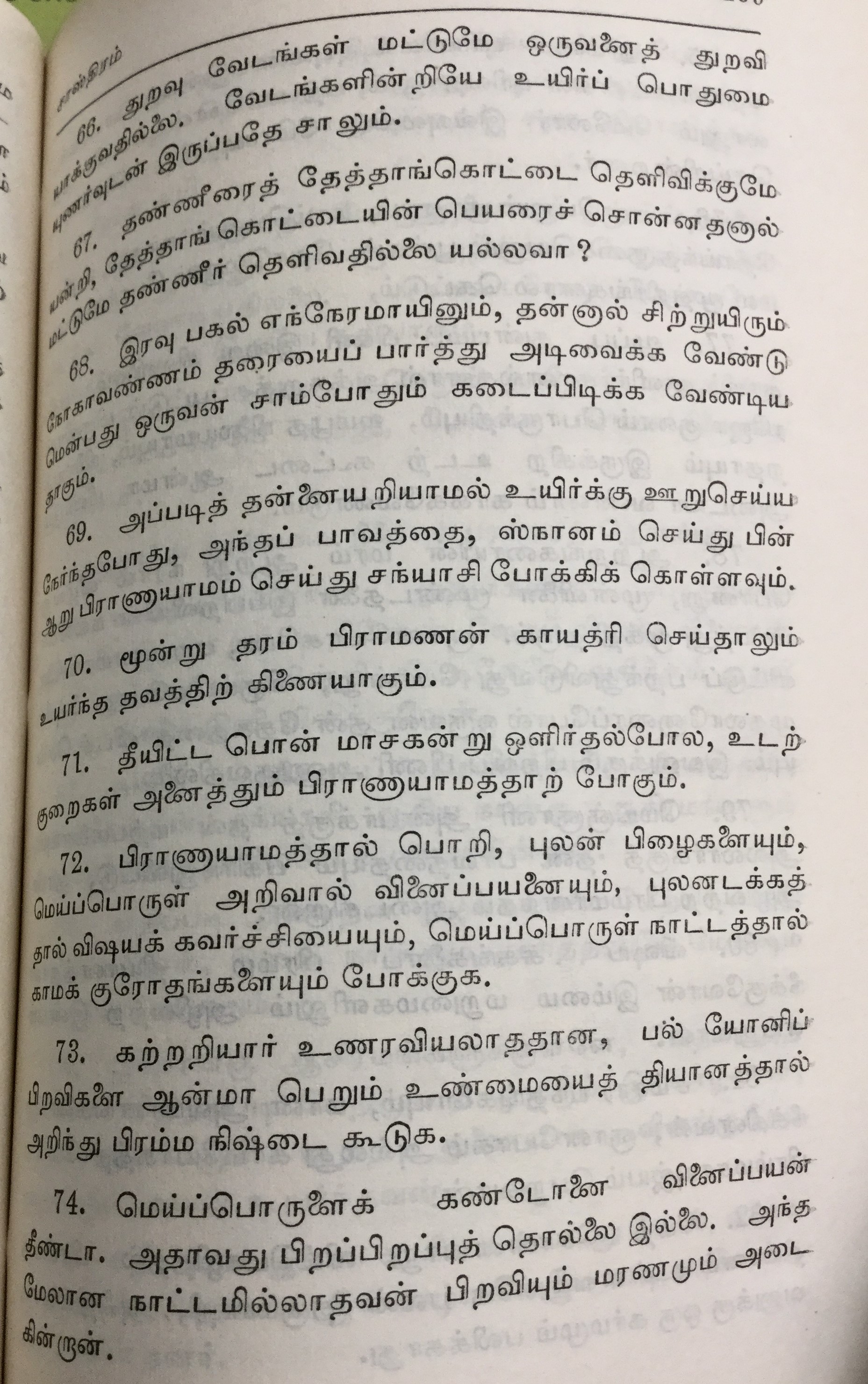
6-51. Let him not in order to beg go near a
house filled with hermits, Brahmanas, birds, dogs, or other mendicants.
52. His hair, nails, and beard being clipped, carrying an alms-bowl, a
staff, and a water-pot, let him continually wander about, controlling himself
and not hurting any creature.
53. His vessels shall not be made of metal, they
shall be free from fractures; it is ordained that they shall be cleansed with
water, like (the cups, called) Kamasa, at a sacrifice.
54. A gourd, a wooden bowl, an earthen (dish),
or one made of split cane, Manu, the son of Svayambhu, has declared (to be)
vessels suitable) for an ascetic.
55. Let him go to beg once (a day), let him not
be eager to obtain a large quantity (of alms); for an ascetic who eagerly seeks
alms, attaches himself also to sensual enjoyments.
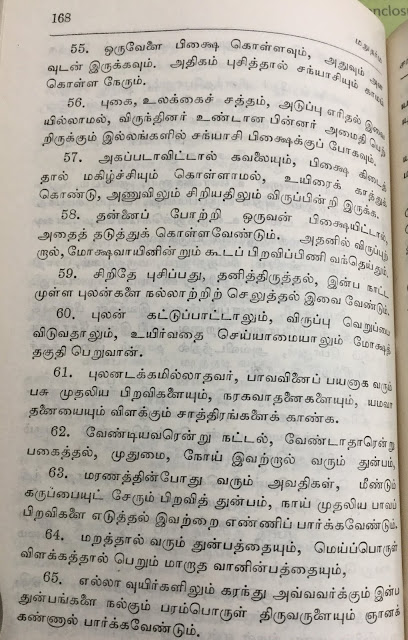
56. When no smoke ascends from (the kitchen),
when the pestle lies motionless, when the embers have been extinguished, when
the people have finished their meal, when the remnants in the dishes have been
removed, let the ascetic always go to beg.
57. Let him not be sorry when he obtains
nothing, nor rejoice when he obtains (something), let him (accept) so much only
as will sustain life, let him not care about the (quality of his) utensils.
58. Let him disdain all (food) obtained in
consequence of humble salutations, (for) even an ascetic who has attained final
liberation, is bound (with the fetters of the Samsara) by accepting food given
in consequence of humble salutations.
59. By eating little, and by standing andsitting in solitude, let him restrain his senses, if they are attracted bysensual objects.
6-60. By the restraint of his senses, by the destruction of love and
hatred, and by the abstention from injuring the creatures, he becomes fit for
immortality.
61. Let him reflect on the transmigrations of
men, caused by their sinful deeds, on their falling into hell, and on the
torments in the world of Yama,
62. On the separation from their dear ones, on
their union with hated men, on their being overpowered by age and being
tormented with diseases,
6-63. On the departure of the individual soul from this body and its new
birth in (another) womb, and on its wanderings through ten thousand millions of
existences,
(Adi Shankara says it in Viveka Chudamani as well)
64. On the infliction of pain on embodied
(spirits), which is caused by demerit, and the gain of eternal bliss, which is
caused by the attainment of their highest aim, (gained through) spiritual
merit.
65. By deep meditation let him recognise the
subtle nature of the supreme Soul, and its presence in all organisms, both the
highest and the lowest.
66. To whatever order he may be attached, let
him, though blemished (by a want of the external marks), fulfil his duty,
equal-minded towards all creatures; (for) the external mark (of the order) is
not the cause of (the acquisition of) merit.
Water Purification Techniques
6-67. Though the fruit of the Kataka tree (the clearing-nut) makes water
clear, yet the (latter) does not become limpid in consequence of the mention of
the (fruit’s) name.
68. In order to preserve living creatures, let
him always by day and by night, even with pain to his body, walk, carefully
scanning the ground.
69. In order to expiate (the death) of those
creatures which he unintentionally injures by day or by night, an ascetic shall
bathe and perform six suppressions of the breath.
70. Three suppressions of the breath even,
performed according to the rule, and accompanied with the (recitation of the)
Vyahritis and of the syllable Om, one must know to be the highest (form of)
austerity for every Brahmana.
6-71. For as the impurities of metallic ores, melted in the blast (of a
furnace), are consumed, even so the taints of the organs are destroyed through
the suppression of the breath.
72. Let him destroy the taints through
suppressions of the breath, (the production of) sin by fixed attention, all
sensual attachments by restraining (his senses and organs), and all qualities
that are not lordly by meditation.
73. Let him recognise by the practice of
meditation the progress of the individual soul through beings of various kinds,
(a progress) hard to understand for unregenerate men.
74. He who possesses the true insight (into the
nature of the world), is not fettered by his deeds; but he who is destitute of
that insight, is drawn into the circle of births and deaths.
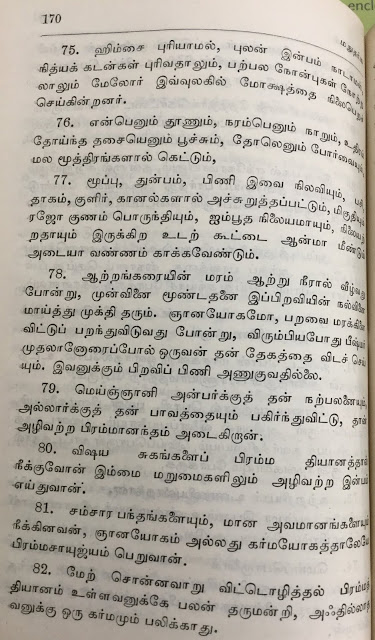
75. By not injuring any creatures, by detachingthe senses (from objects of enjoyment), by the rites prescribed in the Veda,and by rigorously practising austerities, (men) gain that state (even) in this(world).
6-76-77. Let him quit this dwelling, composed of the five elements,
where the bones are the beams, which is held together by tendons (instead of
cords), where the flesh and the blood are the mortar, which is thatched with
the skin, which is foul-smelling, filled with urine and ordure, infested by old
age and sorrow, the seat of disease, harassed by pain, gloomy with passion, and
perishable.
SIMILES
6-78. He who leaves this body, (be it by necessity) as a tree (that is
torn from) the river-bank, or (freely) like a bird (that) quits a tree, is
freed from the misery (of this world, dreadful like) a shark.
79. Making over (the merit of his own) good
actions to his friends and (the guilt of) his evil deeds to his enemies, he
attains the eternal Brahman by the practice of meditation.
80. When by the disposition (of his heart) he
becomes indifferent to all objects, he obtains eternal happiness both in this
world and after death.
81. He who has in this manner gradually given up
all attachments and is freed from all the pairs (of opposites), reposes in
Brahman alone.
82. All that has been declared (above) depends
on meditation; for he who is not proficient in the knowledge of that which
refers to the Soul reaps not the full reward of the performance of rites.
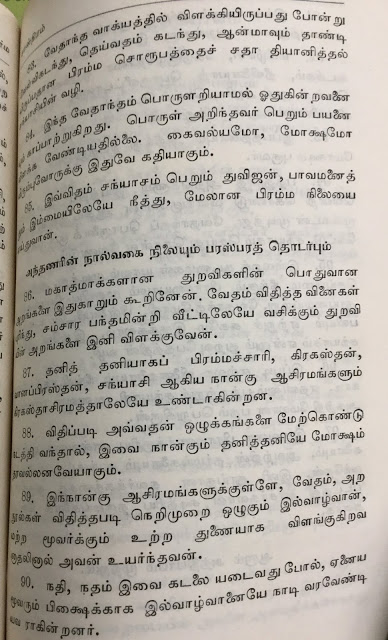
83. Let him constantly recite (those texts of)
the Veda which refer to the sacrifice, (those) referring to the deities, and
(those) which treat of the Soul and are contained in the concluding portions of
the Veda (Vedanta).
84. That is the refuge of the ignorant, and even
that (the refuse) of those who know (the meaning of the Veda); that is (the
protection) of those who seek (bliss in) heaven and of those who seek endless
(beatitude).
85. A twice-born man who becomes an ascetic,after the successive performance of the above-mentioned acts, shakes off sinhere below and reaches the highest Brahman.
STOPPING THE RITES
6-86. Thus the law (valid) for self-restrained
ascetics has been explained to you; now listen to the (particular) duties of
those who give up (the rites prescribed by) the Veda.
87. The student, the householder, the hermit,
and the ascetic, these (constitute) four separate orders, which all spring from
(the order of) householders.
88. But all (or) even (any of) these orders,
assumed successively in accordance with the Institutes (of the sacred law),
lead the Brahmana who acts by the preceding (rules) to the highest state.
89. And in accordance with the precepts of the Veda and of the Smriti,
the housekeeper is declared to be superior to all of them; for he supports the
other three.
90. As all rivers, both great and small, find a resting-place in the
ocean, even so men of all orders find protection with householders
TEN FOLD LAW
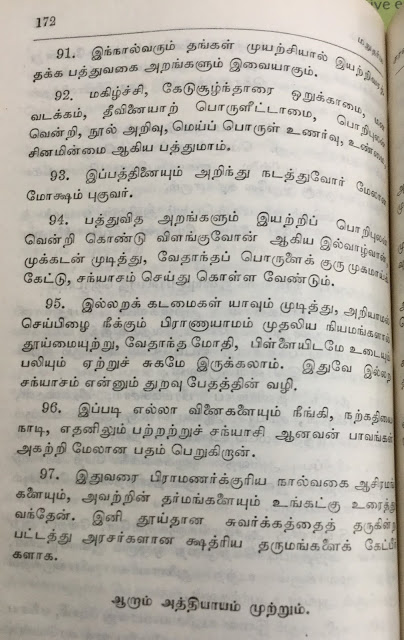
6-91. By twice-born men belonging to (any of) these four orders, the
tenfold law must be ever carefully obeyed.
92. Contentment, forgiveness, self-control, abstention from
unrighteously appropriating anything, (obedience to the rules of) purification,
coercion of the organs, wisdom, knowledge (of the supreme Soul), truthfulness,
and abstention from anger, (form) the tenfold law.
93. Those Brahmanas who thoroughly study the
tenfold law, and after studying obey it, enter the highest state.
94. A twice-born man who, with collected mind,
follows the tenfold law and has paid his (three) debts, may, after learning the
Vedanta according to the prescribed rule, become an ascetic.
95. Having given up (the performance of) all
rites, throwing off the guilt of his (sinful) acts, subduing his organs and
having studied the Veda, he may live at his ease under the protection of his
son.
96. He who has thus given up (the performance
of) all rites, who is solely intent on his own (particular) object, (and) free
from desires, destroys his guilt by his renunciation and obtains the highest
state.
97. Thus the fourfold holy law of Brahmanas,
which after death (yields) imperishable rewards, has been declared to you; now
learn the duty of kings.
Pictures shown here are taken from various sources including google, Wikipedia,
Facebook friends and newspapers. This is a non- commercial blog.
இன்னா செய்தாரை வெட்கப்படும்படி நல்லதைச் செய்து விடு– என்று
வள்ளுவன் பறைந்தான். கனியிருக்கக் காய் கவராதே; அகராதியில் இனிய சொல் இருக்கும் போது
சுடு சொற்களைப் பெய்யாதே –என்றும் மொழிந்தான். ஏசு பிரானோ ஒரு கன்னத்தில் அறைந்தால்
மறு கன்னத்தைக் காட்டு- என்றான். இவர்கள் எல்லாம் மநு தர்ம சாஸ்திரத்தைக் ‘காப்பி’
அடித்தார்களோ என்று எண்ணத் தோன்றுகிறது. ஏனெனில் மநு இவர்கள்
எல்லோருக்கும் முந்தையவன் என்பதில் இரு வேறு கருத்துக்கு இடமே இல்லை. ஐயம் திரிபற நிரூபிக்கப்பட்ட
காலம் கி.மு.இரண்டாம் நூற்றாண்டு அல்லது அதற்கு
முந்தைய நூற்றாண்டு. நானோ அவரை ரிக் வேத காலத்தில் வைக்கிறேன். முதல் ஐந்து அத்தியாயம்
பற்றிய முப்பதுக்கும் மோலான கட்டுரைகளில் காரணங்களைக் கரைந்து விட்டேன்.
இப்போது ஆறாவது அத்தியாயத்தில் நுழைகிறோம். முதலில் பீடிகை போட்டுவிட்டு
ஸ்லோகங்களைத் தருகிறேன்
மநுவின் புகழ்பெற்ற பாடலை நாலாவது அத்தியாயத்தில் கண்டோம்
உண்மையே பேசு
இனிமையாகப் பேசு
கசப்பான உண்மையைப் பேசாதே
அன்பின் முகத்தான் பொய்யும் புகலாதே -4-138
இது மநுவின் உலகப் புகழ்பெற்ற ஸ்லோகம். மநுவின் ஜீனியஸுக்கு
(genius) முன்னுதாரணம். வள்ளுவனும் ‘வாய்மை என்பது யாதொன்றும் தீமை இலாத சொலல்’ என்றான்.
மநு ஆறாவது அத்தியாயத்தில் சொல்லுவது எல்லாம் வாநப்ரஸ்தனுக்கும்
சந்யாஸிக்கும் ஆனது. அதாவது இந்துக்களுக்கு நான்கு கட்ட வாழ்க்கை உண்டு. மாணவர் வாழ்வு
(பிரம்மசர்யம்), இல்லற வாழ்வு (கிரஹஸ்தன்), கானக வாழ்வு (ஓய்வுக் காலத்தில், குடும்ப
பாரத்தை மகனிடம் ஒப்படைத்துவிட்டு காட்டுக்குப் போய் வாழ்தல்); இறுதி கட்டமாக முற்றும்
துறந்த முனிவன் ஆதல் (ஸந்யாஸம்).
ஆறாவது அத்தியாயத்தில் முழுக்க முழுக்க வானப் ப்ரஸ்தம், ஸந்யாஸம்
பற்றியே கதைக்கிறார்.
இந்த அத்தியாயம் ஆரிய- திராவிட வாதம் பேசும் கூத்தாடிகளுக்கு செமையடி,
வகையடி,தொகையடி, சுத்தியடி, நெத்தியடி, மிதியடி கொடுக்கிறது. ஏதோ ஆரியர்கள் வெளி நாட்டிலிருந்து
வந்ததாகவும் அதற்கு ஐரோப்பிய மொழிகளில் உள்ள ஸம்ஸ்க்ருதச் சொற்களே சான்று என்றும் மாக்ஸ்
முல்லர்களும் வில்லியம் ஜோன்ஸ்களும், கால்டுவெல்களும் கழுதையாகக் கத்துவர். ஆனால் முக்கியமான
இந்துமதக் கோட்பாடுகள் அங்கே இல்லை என்பதை அவர்கள் மூடி மறைப்பர். பெண்களைப் போற்றும்
இடத்திலேயே கடவுள் வசிப்பார் என்று மநு சொல்லுவதையும், உண்மையே அனைத்துக்கும் ஆதாரம்
என்பதையும் வேற்றுமத நூல்களில் காண முடியாது. இந்த அத்தியாயத்தில் வரும் வாழ்வின் நான்கு
கட்டங்களோ மநுவும் வள்ளுவனும் தொல்காப்பியனும் சொல்லும் அறம், பொருள், இன்பம் வீடு
(தர்ம அர்த்த காம மோக்ஷ) என்ற வாழ்க்கையின்
லட்சியங்களோ கிரேக்கம்,எபிரேயம், லத்தீனியம்
வரை எங்குமே காணக்கிடைக்கில. ஆக மநுவின் ஆறாவது அத்தியாயம் இந்த ஆரிய- திராவிடப்
பொய்மைவாதப் பேர்வழிகளின் கண்களைத் தோண்டி எடுத்து, கழுத்தை நெரிக்கிறது.
நிற்க.
ஆறாம் அத்தியாயத்தின் முக்கிய அம்சங்களைக் காண்போம்.
ஸ்லோகம் 6-47
“அவன் சுடு சொற்களைப் பொறுத்துக் கொள்வானாக; எவனையும் இகழாது இருப்பானாக;
இந்த உடலின் காரணமாக எவனையும் எதிரியாக ஆக்கிவிடக்கூடாது” (அதாவது எதிரியே இலாது அன்பே
உருவாக வாழ்க)
ஸ்லோகம் 6-48
“கோபத்துடன் சீறுவோன் இடத்தில் கோபம் காட்டாதே;
அவன் சுடு சொற்களைச் சொல்லும்போது அவனுக்கு இனிமையான சொற்கள் சொல்லி
வாழ்த்து; அதற்காக பொய்மைப் புகழ்ச்சியும் வேண்டாம்
ஸ்லோகம் 6-40
இரு பிறப்பாளன் ஒருவன், அணு அளவேனும் பிற உயிர்களுக்குத் தீங்கு
செய்யாது இருப்பின் அவனுக்கு வேறு எந்த உயிரிடத்திலிருந்தும் தீங்கு வராது.
இதைத்தான் வள்ளுவனும் ஆங்காங்கே, ‘மன்னுயிர் எல்லாம் தொழும்’,’எல்லா
உயிர்களும் கை கூப்பித் தொழும்’ என்றெல்லாம் பகர்வான்.
இனிய உளவாக இன்னாத கூறல்
கனியிருப்பக் காய் கவர்ந்தற்று- 100
இன்னாசெய் தாரை ஒறுத்தல் அவர்நாண
நன்னயம் செய்து விடல் – 314
இதை ஒருவரை ஒருவர் ‘காப்பி’ அடித்தனர் என்று சொல்லுவதைவிட இந்துமத
சிந்தனை என்று சொல்லுவதே சாலப் பொருந்தும்; ஏசு பிரான் 13 வயதில் போனார்- 33 வயதில்
திரும்பி வந்தார் என்று இயம்பும் பைபிள், அவரது இருபது வயது இளமைக் காலத்தில் அவர்
இமயமலை முனிவர்களிடையே பாடம் கற்றதை மறைத்துவிட்டது. ஆகையால்தான் சில கருத்துக்களை
மட்டும் அவர் எதிரொலிப்பதை நாம் காணமுடிகிறது ( உம். ஒரு கன்னத்தில் …..); இது பாரத மண்ணின் மைந்தர்கள்
சிந்தனை என்பதால், புத்தரின் தம்ம பதத்திலும் காணலாம்.
ஏழுவாசல்
ஸ்லோகம் 6-48-ல் ஏழுவாசல் ‘ஸப்த த்வார’ என்ற சொல்லைப் பயன் படுத்துகிறார். இதற்கு உரைகாரர்கள் பல விளக்கங்களைத்தருவர். இதனால் மநு நூலின் பழமை புலப்படும் அவர் சொன்னது பலருக்கும் பல பொருள்களைத்தருவதால் அவர் மிகப் பழங்காலத்தவர் என்பது தெளிவு. இதே போல 3 விலக்கத்தக்க காய்கறிகளை(ஸ்லோகம் 14) மநு குறிப்பிடுவது பலருக்கும் பலவித அர்த்தங்களைத் தொனிக்கச் செய்கிறது.
நான் கொடுத்திருக்கும் தமிழ் மொழிபெயர்ப்பு ஒரு வழிகாட்டியேயன்றி
சரியான மொழிபெயர்ப்பு அன்று; மநு நூலுக்கு பழைய உரைகள் மட்டுமே ஒன்பது உள. நாம் அரசியல்சாசனம்
இயற்றி அதற்கு ஆண்டுதோறும் திருத்தம் செய்வது போல மநு நூலூம் காலாகாலத்தில் பல இடைச்
செருகல்களைப் பெற்றுளது.
ஸ்லோகம் 31 வடக்கு நோக்கி நடந்து, நடந்து உயிரை விடும் வழக்கத்தைப்
புகலும்; இதை மஹாபாரதத்தின் 18ஆவது பர்வத்தில் காணலாம். அப்படி வடக்கே போக முடியாதவர்
வடதிசை நோக்கி அமர்ந்து உயிர் விடுவர். இது புறநானூற்றிலும் ராமாயணத்திலும் உளது. புனிதமான
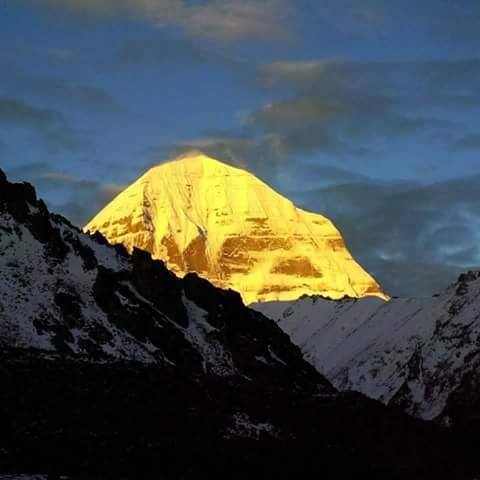
மேரு, கயிலாயம் ஆகியன வடதிசையில் உள்ளன. சுந்தரர், அவ்வையார், சேரமான் பெருமாள் நாயனார்
ஆகியோரும் வடதிசை வந்தனர்.
கல்யாணம் செய்யாமல், குழந்தை பெறாமல், திடீர் சந்யாசி ஆவதும் பாபம்
என்பார் மநு (ஸ்லோகம் 37).புறநானூற்றிலும் சாகும்வரை உண்ணாவிரதம் இருந்த குழுவில் சேர
வந்த ஒரு புலவரை பிள்ளை பெற்ற பின்னர் வா என்று திருப்பி அனுப்பி விடுகின்றனர். ஆனால்
பிசிரந்தையார் போன்ற வயதானவர்களை வரவேற்று ஏற்றுக் கொள்கின்றனர்.
சம்பள நாள்
உவமை
மநுவும் காளிதாசன் போல உவமையில் வல்லவன். வானப்ரஸ்தம் செய்பவன்தானாகவும் உயிரை விடக்கூடாது; வாழவும் ஆசைப்படக் கூடாது .சம்பளநாள் வருவதை எதிர்பார்த்துநிற்கும் தொழிலாளி போல, மரண காலம் வருவதை எதிர்பார்த்து ஆவலுடன் காத்திருக்க வேண்டும்என்பார் (ஸ்லோகம் 45)
ஜோதிடம் வேண்டாம்
மநு சில இடங்களில் ஜோதிடத்துக்கு எதிர்ப்பு தெரிவிக்கிறார். ஸ்லோகம்
50-ல் வானப்ரஸ்தன் (கானக வாழ்வினன்) ஜோதிடம், ஆரூடம், நிமித்தம் எல்லாம் சொல்லி காசோ
உணவோ பெறக்கூடாது என்கிறான்.
கடுமை, கடுமை, கடுமை
கானக வாழ்வினனுக்கு மநு இடும் கட்டளைகள் எவ்வளவு கடுமையான வாழ்வு
என்பதைக் காட்டும்; இதற்கெல்லாம் கட்டு திட்டங்களை– ஒழுங்கு நெறிகளை விதித்த-சொன்ன
— ஒரே மதம் இந்து மதம்.
மரவுரி அல்லது மான் தோலாடை.
உயர்த்திக் கட்டிய கொண்டைமுடி, தாடி,
மரவோடு அல்லது திருவோடு
வீடு கூடாது, மரத்தடி வாழ்வு
ஒரே முறை உணவு
மூன்று முறை குளியல்
தானிய உணவு, மரக்கறி உணவு
தேனீக்கள் சேகரித்த தேனைத் திருடாதே; புற சூழலை அழிக்காதே
இப்படியெல்லாம் அற்புதமான கட்டளைகள்! இவையெல்லாம் பாரத மண்ணின்
மைந்தர்கள்– அவர்கள் என்பதைக் காட்டும்.
இதோ ஆறாம் அத்தியாயத்தின் முதல் ஐம்பது ஸ்லோகங்கள் (மொழி பெயர்ப்புசுமார்தான்).
Pictures shown here
are taken from various sources including google, Wikipedia, Facebook friends
and newspapers. This is a non- commercial blog
தமிழ் இலக்கியம்; அறநூல்!
பாண்டியன் வள்ளுவரிடம் கேட்கச் செய்த நூறு இரகசியம் விளக்கும்கேள்விகள்! – 7
ச.நாகராஜன்
நாளுக்கு நாள் பெருகி
வரும் கூட்டத்தை நல்ல முறையில் எதிர் கொண்டான் பாண்டியன். அனைத்து ஏற்பாடுகளும் அருமை
என்றனர் மக்கள்!
அவை கூடியவுடன் ஒரு பெரியவர்
எழுந்தார்.
“ஐயனே! எதன் மீது பற்று
கொள்ள வேண்டும்?” என்றார்.
வள்ளுவர் கண்களை மூடிக்
கொண்டு ஒரு நொடி தியானித்தவர் கூறினார்:
“பற்றுக பற்றற்றான் பற்றினை
பற்றுக அப்பற்றைப்
பற்று விடற்கு”
பற்றற்றவனாகிய கடவுள்
மீது பற்று கொள்க; அப்பற்று இதர பற்றுகளை விடச் செய்து விடும்!
அருமையான இந்த அறிவுரையைக்
கேட்ட பெரியவர் அமரவே புலவர் ஒருவர் எழுந்தார்.
“அற்புதமான கருத்துரைகளை
ஆழ்ந்த தமிழ்ச் சொற்களுடன் கூறுகிறீர்கள்.
ஒரே சொல் மீண்டும் மீண்டும்
வந்து ஒரு உண்மையைத் தருமாறு அருளிச் சொன்னீர்கள் என்றால் தமிழின் அருமையையும் நாங்கள்
உணர்வோம்”!
உடனே வள்ளுவர் சிரித்தவாறே
கூறினார்:
துப்பார்க்குத் துப்பாய
துப்பாக்கித் துப்பார்க்கு
துப்பாய தூஉம் மழை
கேள்வி கேட்ட புலவர்
அர்த்தம் தெரியாமல் மயங்கவே புலவர் குழாமின் தலைவர் ஒருவர் எழுந்தார். அர்த்தத்தை விளக்க
ஆரம்பித்தார்.
துப்பார் என்பது உண்பவரைக்குறிக்கும். துப்பாய எனில் உணவுப் பொருள்களை என பொருள் கொள்ளல் வேண்டும்.துப்பாக்கிஎனில் அவற்றைத் தருவதோடு துப்பார்க்கு, அதாவது அருந்துவோருக்கு தானும் ஓர் உணவாகவேஅமைவது மழை அல்லவா? அதன் சிறப்பைச் சொல்லி மாளுமா?
வள்ளுவர் தொடர்ந்தார்:
கெடுப்பதூஉம் கெட்டார்க்குச்
சார்வாய்மற் றாங்கே
எடுப்பதஉம் எல்லாம் மழை.
உண்ணுவோருக்கு ஒன்றும்
இல்லாமல் அவர்கள் வாழ்வைப் பெய்யாமல் கெடுக்க வல்லது மழை; அப்படி மழையின்றி உளம் நொந்தோருக்கு
துணையாய் வந்து அவர்களைக் காக்க வல்லதும் அதே
மழையே.
விவரத்தைப் புரிந்து
கொண்ட மக்கள் மனம் மகிழ்ந்த போது அங்கு ஒரு
அதிசயம் நிகழ்ந்தது.இலேசாக சாரலாக மழை ஆரம்பித்தது.
வள்ளுவர் வாயிலாக இருமுறை
மழை என்ற சொல்லைக் கேட்ட வருண தேவன் தானும் வள்ளுவர் சொல்வதைக் கேட்டுக் கொண்டிருப்பதை
மறைமுகமாகக் காட்டி அருளினான் என்று தங்களுக்குள் சொல்ல மகிழ்ந்த மக்கள் ஆஹா, ஆஹா என்று
கூவி மகிழ ஒருவர் எழுந்தார்.
“வாய்மை எனப்படுவது யாது?”
வாய்மை எனப்படுவது யாதெனின்
யாதொன்றும்
தீமை இலாத சொலல்
வாய்மை எனப்படுவது யாது
என்றால் மற்றவர்க்கு ஒரு சிறிதும் தீங்கில்லாத சொற்களைக் கூறுவதே ஆகும்.
வள்ளுவர் தொடர்ந்து கூறினார்:
புறந்தூய்மை நீரான் அமையும்
அகந்தூய்மை
வாய்மையால் காணப் படும்
யாமெய்யாக் கண்டவற்றுள்
இல்லை எனைத்தொன்றும்
வாய்மையில் நல்ல பிற
மழை பெய்து கொண்டிருக்கும்
போதே புலவர் வள்ளுவர் கூறியதை மழையைச் சுட்டிக் காட்டி விளக்கினார்.
“நீரால் புறத்தில் தூய்மை
ஏற்படும். அகத் தூய்மை வாய்மையால் அமையும்.
அது மட்டுமல்ல. பிரான்
முதன் முதலாக இங்கு தன்னை முன்னிலைப் படுத்தி கூறுகிறார்.
அவர் கண்டவற்றுள் எந்த
ஒன்றும் கூட வாய்மையைக் காட்டிலும் சிறந்ததாக, நல்லதாக இல்லை!
பொய் பேசுதலே தவறு” என்று
அந்தப் புலவர் முடித்த போது வள்ளுவர் சிரிப்பு தவழ கூறினார்:
பொய்மையும் வாய்மை யிடத்த
புரைதீர்ந்த
நன்மை பயக்கும் எனின்
ஒரு பெரிய நன்மைக்காகவென்று பொய் சொல்ல நேர்ந்தால் அது வாய்மை என்றே கருதப்படும்.
அருமை, அருமை என அனைவரும்
எண்ணி மகிழ்ந்தனர்.
அப்போது புலவரின் பேச்சைக்
கேளாமல் பெண்கள் பகுதியிலிருந்து சிறிது உரத்த குரலில் பேச்சுச் சப்தம் கேட்க பாண்டியன்
சப்தம் வந்த திசையை நோக்கினாண்.
மூன்று அழகிய இளம் பெண்கள்
தங்களுக்குள் ஏதோ விவாதித்துக் கொண்டிருந்ததைக் கண்ட அவன் சற்று திடுக்கிட்டான்.
பாண்டியன் நோக்கிய திசையை
அனைவரும் நோக்க பெரும் நிசப்தம் நிலவியது. ஆனால் அந்தப் பெண்களோ அனைவரும் தங்களைக்
கவனிப்பது தெரியாமல் பேசிக் கொண்டிருந்தனர்.
“யாரது! அங்கே பேசிக்
கொண்டிருப்பது?” பாண்டியனின் உரத்த குரலைக் கேட்டவுடன் அனைவரும் தங்களையே பார்த்துக்
கொண்டிருப்பதை அந்த மூன்று பெண்கள் உணர்ந்தனர்; திடுக்கிட்டனர்.
“இங்கே வாருங்கள்” –
மன்னனின் ஆணையைக் கேட்ட அவர்கள் நடுங்கியவாறே மேடைக்குச் சென்றனர்.
“வள்ளுவப் பிரான் அற்புதமான
அறிவுரைகளைத் தர அதை அனைத்து நாடுமே உன்னிப்பாகக் கேட்டுக் களிக்கிறது. ஆனால் நீங்களோ
உங்களுக்குள் சளசளவென்று பேசிக் கொண்டிருக்கிறீர்கள். அப்படியானால் அது வள்ளுவப் பிரானின்
கூற்றை விட மிக முக்கியமானதாகத் தான் இருக்க வேண்டும். அப்படி என்ன தான் பேசினீர்கள்.
அந்த முக்கியமான விஷயத்தை அனைவருமே அறிந்து கொள்ளட்டும்!”
வெடவெடவென்று இளம் மேனி
நடுங்க அவர்கள் அழும் நிலைக்கு வந்து விட்டனர்.
கண்கள் கலங்கின. அவர்களின்
மூவரின் சிவந்த மேனியைக் கண்டு கூட்டம் வியந்தது. இப்படி ஒரு அழகா!
பாண்டியன் மீண்டும் உரத்த
குரலில் காரணத்தைக் கேட்கவே, நடுவில் நின்றிருந்த பேரழகி விளக்கலானாள்.
“மன்னரே! எங்களை மன்னித்து
விடுங்கள். நான் தான் ஆரம்பித்தேன் பேச்சை.
பாண்டிமாதேவியின் சிவந்த
மேனியில் மார்பிலே தவழும் முத்து மாலையின் வெண்மை அழகா அல்லது அவர்களின் பற்களின் வெண்மை
அழகா என்று கூறிய நான் அவர் தம் சிவந்த மேனியில் தவழும் வெண் முத்து மாலையே உலகின்
ஒப்பற்ற அழகு என்றேன். ஆனால் இதைக் கேட்ட என் தோழி – இதோ இடப்பக்கத்தில் நிற்கிறாளே
இவள், இல்லை இல்லை, சேரமாதேவி தான் சிவப்பின் உச்ச கட்ட அழகைக் கொண்டவர். அவர் அணிந்திருக்கும்
சேரத்துத் தந்தத்திலான ஆபரணங்களுக்கு உவமையே இல்லையே! அவரே பேரழகி என்றாள். உடனே அதை
மறுத்த இவள் – இதோ என் வலப்பக்கத்தில் இருக்கிறாளே இவள், இல்லை இல்லை, சோழமாதேவி தான்
ஒப்பற்ற அழகி. அவர் அணிந்திருக்கும் மரகத மாலையும், இடுப்பில் மரகதப் பரல்கள் கொண்ட
ஒட்டியாணமுமே அவரது சிவப்பிற்கு ஏற்ற பச்சையாக அமைந்து என் உள்ளத்தைக் கொள்ளை கொள்கிறது.
மற்ற இருவரும் அழகில்லை. சோழமாதேவியே உலகின் ஒப்பற்ற பேரழகி என்றாள். இதை நான் மறுக்க,
அவர்களும் மறுக்க விவாதத்தில் எங்களை மறந்து உரத்த குரலில் பேசி விட்டோம். எங்களை மன்னித்து
விடுங்கள்” – இப்படி அவள் கூறியவாறே மஹாராணியை நோக்கிக் கைகூப்பி வணங்கினாள்.
பாண்டியன் அதிர்ந்து
போய் குழம்பி நின்றான். இப்படி ஒரு விவாதமா! இங்கேயா!
மூன்று தேவியரும் கலீர்
என்று சிரித்தனர். கூட்டத்தினரும் சிரித்தனர். வள்ளுவரும் புன்முறுவல் பூத்தார்.
பாண்டியன் இவர்களை என்ன
செய்வது என்று நினைத்து பாண்டிமாதேவியைப் பார்க்க அவளோ, விவாதத்தின் உண்மையைச் சொன்ன
அந்தப் பெண்ணைப் பார்த்து, “உண்மையைச் சொல்லவா! நீ தான் அழகு” என்றாள். அதைக் கைதட்டி
சேரமாதேவியும் சோழமாதேவியும் ஆமோதித்தனர். “அதுமட்டுமல்ல, உன் தோழிகளும் அழகிகளே” என்று
கூற மூவரும் நாணத்தால் இன்னும் சிவந்தனர். தன் கழுத்திலிருந்த முத்து மாலையை மஹாராணி
அவளுக்கு அணிவிக்க மற்ற இரு தேவியரும் தங்கள் பங்கிற்கு ஒரு தந்த அணியையும், மரகத மாலையையும்
முறையே மற்ற இருவருக்கும் அணிவித்தனர்.
பாண்டிமாதேவி வள்ளுவரை
நோக்கினாள்.
வள்ளுவர் அந்தப் பெண்ணைப்
பார்த்துக் கூறினார்:
அணங்கு கொல் ஆய்மயில்
கொல்லோ கனங்குழை
மாதர்கொல் மாலும் என்
நெஞ்சு
“அட, இவள் தெய்வப் பெண்ணோ,
மயிலோ, கனமான குழை அணிந்த மனிதப் பெண் தானோ! என் நெஞ்சம் மயங்குகிறதே”
அனைவரும் எழுந்து நின்று
கைதட்டி ஆரவாரித்தனர். ஒரு தலைவனின் கூற்றாக இதை வள்ளுவர் கூறியதை அவர்கள் உணர்ந்தனர்.
ராணி இன்னும் மூன்று
ஆசனங்களை மேடைக்கு வரவழைத்துத் தங்கள் அருகில் அந்த மூவரையும் அமரச் சொன்னாள். அன்று
கூட்டம் முடியும் வரை அங்கும் அமரும் பெருமையை அவர்கள் பெற்ற போது, “உண்மையைச் சொன்னதற்கான
பரிசு” என்று சிலரும், ‘அவர்களின் அழகுக்கான பரிசு’ என்று சிலரும் ‘அவர்களது ஆகூழ்
தந்த பரிசு’ என்று சிலரும் இப்படிப் பலவிதமாகக் கூறி மகிழ்ந்தனர்.
பாண்டியன் கையை உயர்த்த
அமைதி நிலவியது. சபை தொடர்ந்தது.
கலகலப்பான அந்த நேரத்தில்
பெண்ணின் பார்வை எப்படிப்பட்டது என்று ஒரு ரஸிகர் வேகமாகக் கேட்டு விட்டார்.
புன்முறுவல் பூத்த வள்ளுவர்
கூறினார்:
கூற்றமோ கண்ணோ பிணையோ
மடவரல்
நோக்கமிம் மூன்றும் உடைத்து
கூட்டத்தினர் அனைவரும்
ஆஹா என்று கூறி மகிழ்ந்தனர்.
நினைக்க நினைக்கப் பல
பொருள் தரும் அதைக் கூறி வியப்பை அடைந்தனர்.
எமனோ, அல்லது கண்ணோ,
பெண் மானோ, அட,இந்த இளம்பெண்ணின் பார்வை இந்த மூன்றின் தன்மையையும் ஒரு சேர அல்லவா
கொண்டிருக்கிறது!
ஒரு இளைஞன் எழுந்து கேட்டான்.
‘பெண்ணழகை எப்படி வர்ணிக்கலாம்,
ஐயனே!’
முறிமேனி முத்தம் முறுவல்
வெறிநாற்றம்
வேலுண்கண் வேய்த்தோ ளவட்கு
மதியும் மடந்தை முகனும்
அறியா
பதியின் கலங்கிய மீன்
அறுவாய் நிறைந்த அவிர்மதிக்குப்
போல
மறுவுண்டோ மாதர் முகத்து
மூங்கில் போன்ற தோளைக்
கொண்ட இவளுக்கு தளிரே மேனி. முத்தே பல், இவள் கொண்டிருக்கும் இயற்கை மணமே மணம். வேலே
மை உண்ட கண்.
வானத்து நட்சத்திரங்கள்இவளுடைய முகத்தையும் சந்திரனையும் கண்டு வேறுபாடு அறிய முடியாமல் கலங்கித் திரிகின்றன!
அட, ஏன் நட்சத்திரங்கள்
படிப்படியாக நகரும் பெண்ணின் முகத்தைப் பார்த்துக் கலங்கித் திரிய வேண்டும்? சந்திரனுக்கு
உள்ளது போல இவள் முகத்தில் களங்கம் இருக்கிறதா என்ன, இல்லையே!
புலவர் ஒருவர் அனைத்தையும்
விளக்கி வள்ளுவப் பிரான் அறம், பொருள், இன்பம் ஆகிய விளக்கிய பான்மையை வியந்து போற்றியதோடு
கடவுளில் ஆரம்பித்து காமத்தில் முடிந்தது இன்றைய தினம் என்று கூறி அவரை வணங்கக் கூட்டம்
அன்று முடிந்தது.
அனைவரும் மகிழ்ச்சி பொங்க
அந்த மூன்று மகளிரையும் பாராட்டினர். அவர்களால் அல்லவோ காமத்துக்கு விளக்கமாக சில உரைகளை
வள்ளுவர் மூலமாகக் கேட்க முடிந்தது. கூட்டம் முடிந்தவுடன் மகளிர் பலர் அவர்களைத் தொட்டு
மகிழ்ந்து பாராட்டினர்.
Pictures shown here are taken from various sources including google, Wikipedia,
Facebook friends and newspapers. This is a non- commercial blog.
We have completed five chapters so far. Now let us
look at the sixth chapter of Manava Dharma Shastra or Manu Smrti
My Comments
1.This whole chapter is about the Forest Life of
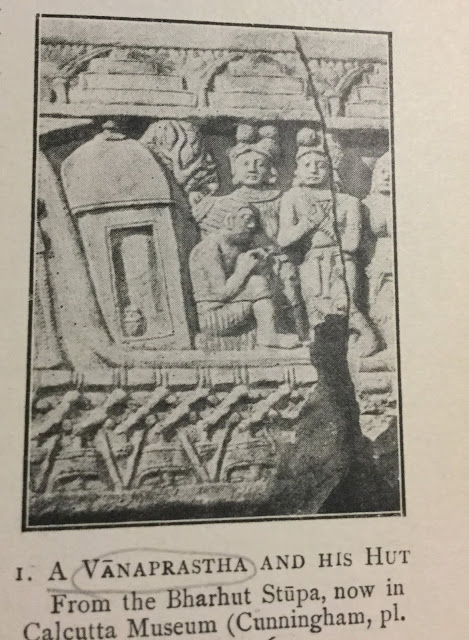
Hindus i.e Vanaprastha Stage, third in the Four Stages of a Hindu’s life.
We have examples for it in Mahabharata (Pandu and Madri), Ramayana (Sabari and seers), Puranas (Gautama,Ahalya) and Kalidasa’ works (Kanva).
2.This explodes the Aryan Migration theory because this concept of Four Stages of life and Four Goals of Life are not seen in any other culture in the world. This shows that
all the writings about migration is ridiculous.
Manu’s genius and generosity are reflected in this chapter.
3.Walking towards death is in the last chapter of
Mahabharata.
Sangam Tamil Literature book Purananuru, which is 2000 year old confirms it. There a poet who came to die by fasting was sent home saying ‘come after getting a child’. See Manu’s sloka No.31and 37
Purananuru has fast unto death facing North; see
Manu sloka No.31
4.Manu lived during Rig Vedic age. May be 4000 to
6000 years before our time. The current updated and interpolated version is
dated 300 years before Christ. What Manu said before
Valluvar (Tamil poet) Christ is a proof of Indian Thinking (See Sloka No. 8, 40, 47, 48)
Since Jesus came to Indian Himalyas
between his age 13 and 33 to study under the seers (Bible is silent about these youthful years of Jesus), he might have
learnt Manu’s Code or in general Hindu scriptures.
5.Manu’s expression about SEVEN gates cannot be explained by any
commentator. That shows Manu’s code was very very old (See sloka 48)
6.Manu says no to Astrology and Palmistry (see sloka 50). His No to
astrology and plamistry, at least in the forest life, is an evidence to his
honest approach.
7.Manu’s strictness about forest life- No House, No Gifts, No staying inone place but wander and wander alone, skin dress,three baths a day, only one meal a day, all the fire rituals, No cultivation but forest produce only, environmental concern about preserving Honey bees (No honey) etc are proof for Manu’s genius.
We are reminded of Tennyson’s lines……
To strive, to seek, to find, and not to yield’: Tennyson, –‘Ulysses’
To seek Brahman and not to
yield is Manu’s motto
8.Saints did miracles with animals because their adrenaline prodction was
same even when they saw wild animals and snakes. So they never harmed the
saints. See sloka 40.
9.This chapter gives a severe blow to bluffing about Aryans coming from outside. Hindus are the sons of the soil. They are born here and their thinking developed in this land. When we look at the same period around the world, we see primitive thinking in other parts. Pliny the Elder’s encyclopedia of first century CE is a proof for their primitiveness. If at all we see some high thinking in Socrates or Plato,that is due to their acquaintance with the Upanishads.
Here is the frist 50 slokas…………………….
CHAPTER VI.
6-1. A twice-born Snataka (Vedic graduate) , who
has thus lived according to the law in the order of householders, may, taking a
firm resolution and keeping his organs in subjection, dwell in the forest, duly
observing the rules given below.
2. When a householder sees his skin wrinkled,and his hair white, and. the sons of his sons, then he may resort to the forest.
3. Abandoning all food raised by cultivation,
and all his belongings, he may depart into the forest, either committing his
wife to his sons, or accompanied by her.
4. Taking with him the sacred fire and the implements required for domestic sacrifices, he may go forth from the village into the forest and reside there, duly controlling his senses.
Only Vegetarian
6-5. Let him offer those five great sacrifices according to the rule, with various kinds of pure food fit for ascetics, or with herbs, roots, and fruit.
No Shaving!
6-6. Let him wear a skin or a tattered garment;let him bathe in the evening or in the morning; and let him always wear his hair in braids, the hair on his body, his beard, and his nails being unclipped.
7. Let him perform the Bali-offering with such
food as he eats, and give alms according to his ability; let him honour those
who come to his hermitage with alms consisting of water, roots, and fruit.
No gifts
6-8. Let him be always industrious in privately reciting the Veda; lethim be patient of hardships, friendly towards all, of collected mind, ever liberal and never a receiver of gifts, and compassionate towards all living creatures.
9. Let him offer, according to the law, the
Agnihotra with three sacred fires, never omitting the new-moon and full-moon
sacrifices at the proper time.
10. Let him also offer the Nakshatreshti, the
Agrayana, and the Caturmasya (sacrifices), as well as the Turayana and likewise
the Dakshayana, in due order.
11. With pure grains, fit for ascetics, which
grow in spring and in autumn, and which he himself has collected, let him
severally prepare the sacrificial cakes (purodasa) and the boiled messes
(karu), as the law directs.
12. Having offered those most pure sacrificial viands, consisting of the produce of the forest, he may use the remainder for himself, mixed with salt prepared by himself.
Forest Produce
6-13. Let him eat vegetables that grow on dry land or in water, flowers, roots, and fruits, the productions of pure trees,and oils extracted from forest-fruits.
Things to be Avoided
6-14. Let him avoid honey, flesh, and mushrooms
growing on the ground or elsewhere, the vegetables called Bhustrina, and
Sigruka, and the Sleshmantaka fruit.
ie. Andropogon Schoenanthus
Moringa Pterygosperma
Cordia Myxa
6-15. Let him throw away in the month of Assassinate food of ascetics, which he formerly collected, likewise his worn-out clothes and his vegetables, roots, and fruit.
16. Let him not eat anything grown on ploughed land,though it may have been thrown away by somebody, nor roots and fruit grown in avillage, though he may be tormented by hunger.
17. He may eat either what has been cooked with
fire, or what has been ripened by time; he either may use a stone for grinding,
or his teeth may be his mortar.
18. He may either at once after his daily meal cleanse his vessel for collecting food, or lay up a store sufficient for month, or gather what suffices for six months or for a year.
One meal a day!
6-19. Having collected food according to his
ability, he may either eat at night only, or in the day-time only, or at every
fourth meal-time, or at every eighth.
WHAT IS CANDRAYANA?
6-20. Or he may live according to the rule of the lunar penance Candrayana, daily diminishing the quantity of his food in the bright half of the month and increasing it in the dark half; or he may eat on the last days of each fortnight, once a day only, boiled barley-gruel.
21. Or he may constantly subsist on flowers,
roots, and fruit alone, which have been ripened by time and have fallen spontaneously,
following the rule of the Institutes of Vikhanas.
Vaikhanasas= Diggers who dig for roots
22. Let him either roll about on the ground, or
stand during the day on tiptoe, or let him alternately stand and sit down;
going at the Savanas at sunrise, at midday, and at sunset) to water in the
forest in order to bathe.
Five Fires
6-23. In summer let him expose himself to thereat of five fires, during the rainy season live under the open sky, and in winter be dressed in wet clothes, thus gradually increasing the rigour of his austerities.
Three Bathing a Day
6-24. When he bathes at the three Savanas
(sunrise, midday, and sunset), let him offer libations of water to the manes
and the gods, and practising harsher and harsher austerities, let him dry up
his bodily frame.
25. Having reposited the three sacred fires in
himself, according to the prescribed rule, let him live without a fire, without
a house, wholly silent, subsisting on roots and fruit,
26. Making no effort to procure things that give
pleasure, chaste, sleeping on the bare ground, not caring for any shelter, dwelling
at the roots of trees.
27. From Brahmanas who live as ascetics, let him receive alms, barely sufficient to support life, or from other householders of the twice-born castes who reside in the forest.
28. Or the hermit who dwells in the forest may
bring (food) from a village, receiving it either in a hollow dish of leaves, in
his naked hand, or in a broken earthen dish, and may eat eight mouthfuls.
29. These and other observances must a Brahmana
who dwells in the forest diligently practise, and in order to attain complete union
with the supreme Soul, he must study the various sacred texts contained in the
Upanishads,
30. (As well as those rites and texts) which
have been practised and studied by the sages (Rishis), and by Brahmana householders,
in order to increase their knowledge (of Brahman), and their austerity, and in
order to sanctify their bodies;
Walk towards NE till your body falls
6-31. Or let him walk, fully determined and going straight on, in north-easterly direction, subsisting on water and air, until his body sinks to rest.
32. A Brahmana, having got rid of his body by
one of those modes practised by the great sages, is exalted in the world of
Brahman, free from sorrow and fear.
6-33. But having thus passed the third part of a man’s natural term of
life in the forest, he may live as an ascetic during the fourth part of his
existence, after abandoning all attachment to worldly objects.
34. He who after passing from order to order,after offering sacrifices and subduing his senses, becomes, tired with giving alms and offerings of food, an ascetic, gains bliss after death.
35. When he has paid the three debts, let him
apply his mind to the attainment of final liberation; he who seeks it without
having paid his debts sinks downwards.
36. Having studied the Vedas in accordance withthe rule, having begat sons according to the sacred law, and having offeredsacrifices according to his ability, he may direct his mind to the attainmentof final liberation.
You must Marry and beget Sons
6-37. A twice-born man who seeks final liberation, without having
studied the Vedas, without having begotten sons, and without having offered
sacrifices, sinks downwards. (will go to hell)
38. Having performed the Ishti, sacred to the
Lord of creatures Prajapati, where he gives all his property as the sacrificial
fee, having reposited the sacred fires in himself, a Brahmana may depart from
his house as an ascetic.
39. Worlds, radiant in brilliancy, become theportion of him who recites the texts regarding Brahman and departs from hishouse as an ascetic, after giving a promise of safety to all created beings.
NO HARM TO ANY CRAETURE
6-40. For that twice-born man, by whom not the smallest danger even is
caused to created beings, there will be no danger from any quarter, after he is
freed from his body.
No Mobile Phone, No Internet
41. Departing from his house fully provided with
the means of purification Pavitra, let him wander about absolutely silent, and
caring nothing for enjoyments that may be offered to him.
42. Let him always wander alone, without any
companion, in order to attain final liberation, fully understanding that the
solitary man, who neither forsakes nor is forsaken, gains his end.
No House, Sky is the Roof
6-43. He shall neither possess a fire, nor a dwelling, he may go to a
village for his food, he shall be indifferent to everything, firm of purpose,
meditating and concentrating his mind on Brahman.
44. A potsherd instead of an alms-bowl, the
roots of trees for a dwelling, coarse worn-out garments, life in solitude and
indifference towards everything, are the marks of one who has attained
liberation.
Wait for the Appointed Time
6-45. Let him not desire to die, let him not desire to live; let him
wait for his appointed time, as a servant waits for the payment of his wages.
46. Let him put down his foot purified by hissight, let him drink water purified by straining with a cloth, let him utter speechpurified by truth, let him keep his heart pure.
Did Jesus Copy Manu?
6-47. Let him patiently bear hard words, let him not insult anybody, and
let him not become anybody’s enemy for the sake of this perishable body.
6-48. Against an angry man let him not in return show anger, let him
bless when he is cursed, and let him not utter speech, devoid of truth,
scattered at the seven gates.
Various interpretations for 7 Gates
Seven Gates= five senses +mind+ sense of I
Seven Gates= 7 vital breaths in the head
Seven Gates = Permutation of the combination of 3 goals Dharmaa, Artha Kama
No one could explain it clearly.
49. Delighting in what refers to the Soul,
sitting in the postures prescribed by the Yoga, independent of external help,
entirely abstaining from sensual enjoyments, with himself for his only
companion, he shall live in this world, desiring the bliss of final liberation.
No Astrology
6-50. Neither by explaining prodigies and omens, nor by skill inastrology and palmistry, nor by giving advice and by the exposition of theSastras, let him ever seek to obtain alms.
Tags– Forest life, Vanaprastha, Astrology, Manu and Jesus
















 Tamil and Vedas
You must be logged in to post a comment.