Pictures are taken from various sources for spreading knowledge.
this is a non- commercial blog. Thanks for your great pictures.
tamilandvedas.com, swamiindology.blogspot.com
இந்தியாவின் ஒரு அபூர்வமான பிரதம மந்திரி!
ச.நாகராஜன்
இந்தியாவின் பிரதம மந்திரிகளின் வரலாற்றில் மிக அபூர்வமான பிரதம மந்திரி ஒருவர் இருக்கிறார்.
அவர் தனது தாயாரிடம் தான் பாரதத்தின் மத்திய அரசில் ஒரு முக்கியமான மந்திரி என்றே சொல்லவில்லை.
அவர் யார்?
லால் பகாதூர் சாஸ்திரிஜி!
அவர் ரயில்வே மந்திரியாக இருந்த போது தான் ரயில்வே மந்திரி என்பதைத் தன் தாயாரிடம் சொல்லவே இல்லை.
அவர் ரயில்வே மந்திரியாக இருந்த காலத்தில் முகல்சராயில் ஒரு ரயில்வே சம்பந்தமான பெரிய நிகழ்ச்சி ஏற்பாடாகி இருந்தது.
அதில் கலந்து கொள்ள சாஸ்திரிஜி முகல்சராய் வந்து சேர்ந்தார்.
அவரது தாயாரும் அந்த நிகழ்ச்சிக்கு வந்தார்.
தன் மகன் ரயில்வேயில் இருப்பதாகவும் ஆகவே அவன் கூட அந்த நிகழ்ச்சியில் கலந்து கொள்ள வந்திருப்பதாகவும் அங்கிருந்தோரிடம் சொன்னார்.
அங்கிருந்தோர், “சரி, அம்மா உங்களின் பையன் பெயர் என்ன?” என்று கேட்டனர்.
“லால் பகாதூர் சாஸ்திரி!”
இந்த பதிலைக் கேட்ட அவர்கள் திகைத்து பிரமித்து நின்றனர்.
சிலர், ‘அந்த அம்மா பொய் சொல்கிறார்’ என்றனர்.
“இல்லை, இல்லை, என் பையன் நிச்சயமாக இந்த நிகழ்ச்சிக்கு வந்தாக வேண்டும்” என்றார் அவர்.
சிலர் பரிதாபப்பட்டனர். அவர்களில் ஒருவர் அவரை அழைத்துக் கொண்டு மேடை அருகில் சென்றார்.
“இதில் யார் உங்கள் பையன்?” என்று கேட்டார்.
மிக்க மகிழ்ச்சியோடு லால்பகாதூரைச் சுட்டிக் காட்டிய அவரது தாயார், “அதோ, பாருங்கள், அவர் தான் எனது பையன்” என்றார்.
அனைவரும் திகைத்துப் போனார்கள்.
அவரை மரியாதையோடு மேடை மேல் அழைத்துச் சென்றனர்.
லால்பகாதூர் சாஸ்திரிஜியிடம் அவர்கள், “இவர் உங்கள் தாயாரா?” என்று கேட்டனர்.
“ஆம்” என்று நிதானமாக பதில் அளித்த அவர் சற்று ஆச்சரியப்பட்டார், தனது தாயாரை அங்கு பார்த்து!
பிறகு சிறிது நேரம் அவருடம் பேசிக் கொண்டிருந்து விட்டு அவரை வீட்டிற்கு அனுப்பினார்.
அங்கு இதையெல்லாம் பார்த்துக் கொண்டிருந்த பத்திரிகையாளர்கள் ஆச்சரியப்பட்டனர்.
அவர்கள் சாஸ்திரிஜியிடம். “அவரை இங்கேயே இருக்கச் செய்து உங்கள் உரையை நிகழ்த்தி இருக்கலாமே, அவரும் கேட்டிருப்பாரே, ஏன் அப்படிச் செய்யவில்லை?” என்று கேட்டனர்.
“நான் ஒரு மந்திரி என்பது எனது தாயாருக்குத் தெரியாது” என்றார் சாஸ்திரிஜி.
“நான் மந்திரி என்பது தெரிந்தால் பல பேருக்கு பரிந்துரை செய்ய ஆரம்பிப்பார். அதை என்னால் மறுக்க முடியாது. ஒருவேளை மறுத்தாலோ என் அம்மாவின் முரட்டுகுணத்திற்கு நான் ஆளாக வேண்டி வரும்” என்றார் அவர்.
அனைவரும் இப்படி ஒரு மந்திரியா என்று திகைத்தனர்; ஆச்சரியப்பட்டனர்!
அவருக்கு அரசு சார்பில் அரசாங்க காரியங்களுக்காகப் பயன்படுத்த ஒரு செவர்லட் இம்பாலா கார் அளிக்கப்பட்டிருந்தது.
ஒரு சமயம் அவரது மகன் அதைப் பயன்படுத்தி இருந்தார்; அது சாஸ்திரிஜிக்குத் தெரிய வந்தது.
உடனே தனது டிரைவரை அழைத்தார் சாஸ்திரிஜி.
“எவ்வளவு தூரம் தன் மகன் அதில் போனார்?” என்று கேட்டார்.
‘14 கிலோ மீட்டர்’ என்று பதில் வந்தது.
உடனடியாக டிரைவரிடம் அதை, “சொந்த காரியத்திற்காக” என்று எழுதச் சொன்னார்.
தனது தாயாரிடம் அதற்குரிய பணத்தைத் தனது அந்தரங்க செயலாளரிடம் கொடுக்குமாறு கூறினார் சாஸ்திரிஜி.
செயலாளரிடம் அந்தப் பணத்தை அரசு வங்கிக் கணக்கில் போடச் சொன்னார்.
இப்படி ஒரு அபூர்வமான பிரதம மந்திரியைக் கொண்டிருந்த அற்புத தேசம் தான் நமது தேசம்!
ஒரு சின்ன விஷயம்.
மரணமடைந்த பின்னர் பாரத ரத்னா விருது அளிக்கப்பட்டவர்களில் லால் பகாதூர் சாஸ்திரிஜி தான் முதலானவர்.
Marriage is not an instinct but an institution based on an instinct. While we are under a biological necessity to mate and perpetuate our kind as birds and animals, we can make it as the basis of marriage of minds the interplay of the inmost thoughts and feelings of two human beings. The adjustment of two personalities to a common way of life is full of delights and difficulties, reconciliation s and disagreements. Marriage is not to be regarded as a temporary association to be dissolved at the fancy of the parties. There is a good deal to be said for the ideal of wife as ardhangi .
The Greek myth represents that human beings were originally composed of a man and a woman that some god divided each being in two and these separated halves are continuously searching for one another. To look upon husband and wife as complementaries which make up a whole is the true implication of married life. ——By S Radhakrishnan
Foreword in the book Women in Rigveda by BS Upadhyaya
Xxxx
GSS on Marriages
Gatha Sapta Sati (GSS) , the Prakrit anthology has some songs celebrating marriage .on the approach of the marriage of a girl, females used to sing auspicious songs loudly 7-43 and there in the female singers mentioned the name of the wound be groom to the delight of the bride 7-42. The fourth day ceremony after the marriage indicates the first separation of the groom and the bride from each other 7-44
In a description of marriage between Hara and Parvati there is a reference to the wearing of bracelets even by the groom 1-69
Look here! The horripilation on the person of the wound be bride who directs her ear to the uttered name of the bridegroom wishes as if to listen to the songs sung by the female singers at the auspicious ceremony 7-42
I think the cane bowers along with those young men laugh at me hearing the auspicious loud songs sung in connection with my imminent marriage ceremony 7-43
Her hands and those of the bridegroom which are particularly clasped fast in view of the future separation on the coming fourth day ceremony after marriage weep with on the person of the would be bride tears as it were in the shape of their sweats 7-44
It is indeed a mystery as to why the company of a new bride is so dear,although she doesn’t direct her sight towards her husband s face, nor does she allow herself to be touched by him, nor does she talk of anything to him. 7-45
The female friends of Parvati could recognise her good fortune at the time of her marriage by placing hand on hand of the couple, when Pasupati removed at a distance from his hand his bracelet formed of the Vasuki snake 1-69 GSS
xxxx
Chanakya
“A wise man should marry a girl of a good family, though she be ugly, and not the beautiful one (the daughter) of a lowly family. Marriage has to be in a matching family”-
chapter 1, sloka 14 of Chanakya Niti.
Xxxx
Tamil Jain poets
Marriage is throwing Stones at you!
Naladiyar, the didactic book has 400 verses composed by Jain saints of Tamil Nadu who were great Tamil scholars. Here are two poems opposing marriage:
“Since it is a hard thing for a husband to reject his wife though she may neither have borne children nor have a good disposition, the wise have, on account of the misery entailed by matrimony, called it a thing to be eschewed – Naladiyar verse 56.
“Though one is advised to eschew marriage, he eschews it not; though the sound of death-drum pierces his ear , he heeds it not. He moreover takes in another wife and indulges in the delusion of matrimonial pleasures. These the wise say ‘ like one stoning himself’ “- Naladiyar 364
Xxxx
Manu Smrii
“The nuptial ceremony is considered as the complete institution of women, ordained for them in the Veda, together with reference to their husbands (Manu, ii. 67.)
Love Marriage in not wrong!
“Three years let a damsel wait, though she be marriageable; but, after that term, let her choose for herself a bridegroom of equal rank.
If, not being given in marriage, she chooses her bridegroom, neither she nor the youth chosen commit any offence.
But a damsel, thus electing her husband, shall not carry with those her the ornaments which she received from her father, nor given by her mother or brethren: if she carries them away, she commits theft (Manu, ix. 90-92.)
A thirty year old man should marry a twelve year old girl who charms his heart, and a man of twenty four, an eight year old girl; and if duty is threatened, he should marry in haste.
A husband takes his wife as a gift from the gods, not by his own wish; he should always support a virtuous woman, thus pleasing the gods- 9-94-96
Don’t marry Talkative Girl!
“Let him not marry a girl with reddish hair, nor with any deformed limb, nor one troubled with habitual sickness, nor one either with no hair or with too much, nor one immoderately talkative, nor one with inflamed eyes.
“Let him choose for his wife a girl whose form has no defect, who has an agreeable name, who walks gracefully, like a swan, or like a young elephant, whose hair and teeth are moderate respectively in quality and in size, whose body has exquisite softness.” (iii. 8 and 10).
or the first marriage of the twice born classes, a woman of the same class is recommended; but for men who are driven by desire to marry again women in the direct order of the classes are to be preferred. (iii. 13)
Five people go to hell!
“He who makes a marriage contract with the connubial fire, whilst his elder brother continues un married, is called a parivetru and the elder brother a parivitti. The parivetru, the parivitti, the damsel thus wedded, the giver of her in wedlock and fifthly, the performer of the nuptial sacrifice, all sink to a region of torment (Manu, iii. 171, 172.)
–SUBHAM—
Tags- Wedding, Marriage, quotations, Manu, Dr Radhakrishnan, Naladiyar, Chanakya
வால்மீகி ராமாயண கிஷ்கிந்தா காண்டத்தின் முக்கிய ஸ்லோகங்களைக் காண்போம். இந்தக் காலத்தில் நல்ல விஷயங்களுக்கு நல்ல உவமைகளையும் தீய விஷயங்களுக்கு தீய உவமைகளையும் பயன்படுத்துவோம். அந்தக் காலத்தில் அப்படி இல்லை; வாலி அடிபட்டு இறந்துகொண்டிருக்கிறான். அவனை லெட்சுமி போல ஜொலித்தான் என்கிறார் வால்மீகி .
தஸ்ய மாலா ச தேஹச்ச மர்மகாதீ ச யச்சரஹ
த்ரிதேவ ரசிதா லக்ஷ்மீஹீ பதிதஸ்யாபி சோபிதஹ
பொருள்
அந்த வாலியின் மாலையும் திருமேனியும் அவன் மர்ம ஸ்தானத்தைத் தாக்கிய ராமபாணமும் , அ வன் கீழே விழுந்த பின்னரும் கூட மூன்றாக வகுத்து அமைக்கப்பட்ட செளந்தர்ய லக்ஷ்மீ போல சோபித்தான் .
என் கருத்து
இந்திய பெண்களின் சிலைகள் , விக்ரகங்களை ஆராயும் மக்கள் பிறநாட்டுப் பெண்கள் சிலைகளிலிருந்து எளிதில் வேறுபடுத்த இரண்டு விஷயங்கள் உதவும்.
1. இந்தியப் பெண்கள் , கிரேக்க, எகிப்திய பெண்கள் போல நேராக நிற்க மாட்டார்கள் . அவர்கள் த்ரி பங்க — மூன்று வளைவுகளுடன் —நிற்பார்கள் . இதை எல்லா அம்மன் விக்ரகங்களிலும் காணலாம். வால்மீகியும் இந்த ‘த்ரி பங்க’ நிலையில் வாலியின் உடல் இருந்ததைக் கண்டார் போலும்.
2. இந்தியப் பெண்களின் உடலில், தலை முடி முதல் கால் அடி வரை நகைகள் இருப்பதைக் காணலாம். எகிப்தில் கூட உடலின் மேல்பாகத்தில் மட்டுமே பெண்களின் நகைகளைக் காண முடியும் .
XXXX
பஹுமான்ய ச தம் வீரம் வீக்ஷமாணம் சனைரிவ
லக்ஷ்மணானுகதோ ராமோ ததர்சோப ஸஸர்ப ச
மெள்ள உன்னிப்பாக நாற்புறமும் கவனித்த அந்த வீரனான வாலியை, பெறுமதிப்புடன் பார்த்த ராமர், லக்ஷ்மணன் பின்தொடர, அவனை நெருங்கி வந்தார் .
நான் வானுலகு சென்றதும் சுக்ரீவன் நாட்டை அடைவது நியாயமானதே. ஆனால் நான் வேறு ஒருவனுடன் போரிடுகையில் உன்னால் தவறான மு றையில் கொல்லப்பட்டது நியாயமாகாது .
என் கருத்து
1.வாலி, தான் ஸ்வர்கத்துக்குப் போவதாக சொல்வது குறிப்பிடத்தக்கது ; போரில் இறந்த வீரர்கள் சொர்கத்துக்குப் போவார்கள் என்பது பகவத் கீதையிலும் புற நானூற்றிலும் உள்ளது .
2.இரண்டாவது, யுக்தம் , அயுக்தம் என்று எதுகை மோனையுடன் கவி இயற்றுகிறார் முனிவர்.
3. மூன்றாவது, எங்கேயாவது நாட்டை ராமன் அபகரித்துவிடுவானோ என்ற அச்சத்தில் தனக்குப் பின்னர் சுக்ரீவனும் அதற்குப் பின்னர் அங்கதனும் ஆள வேண்டும் என்றும் வேண்டுகிறான். ஆனால் ராமன் எந்த நாட்டையும் அபகரிக்காமல், சந்தேகத்துக்கு இடமேயன்றி, சுக்ரீவனையும் பின்னொரு கட்டத்தில் விபீஷணனையும் மன்னன் ஆக முடி சூட்டுகிறான் . உலகில் அமைந்த முதல் FIRST EXILE GOVERNMENT IN THE WORLD வெளிநாட்டு அரசு விபீஷண அரசு ஆகும்.
4.இது ராமனுடைய குணம் மட்டும் அன்று; சூரிய வம்ச மன்னர் அனைவரின் குணமுமாம் . காளிதாசனின் அற்புதமான ரகு வம்ச காவியத்தில் முதல் 20 ஸ்லோகங்களுக்குள் ரகு வம்ச மன்னர்களின் அபூர்வ குணங்களின் பட்டியலைத் தருகிறான் . அதில் ஒன்று- அவர்கள் வீரத்தைக் காட்டவே பிற நாடுகளின் மீது படையெடுப்பார்கள்; நாட்டை ஆக்கிரமிக்க அல்ல என்கிறான் . இதை அலெக்சாண்டர் கதையிலும் காணலாம். தோற்றுப்போன புருஷோத்தமன் (ALEXANDER Vs PORUS) என்ற மன்னரிடம் அலெக்ஸ்சாண்டர் உனக்கு என்ன வேண்டும்? என்று கேட்ட போது என்னை மன்னனாக நடத்த வேண்டும் என்று கம்பீரத்துடன் சொல்லவே, அவனிடமே அலெக்சாண்டர் நாட்டைக்கொடுத்து விடுகிறான்.
ஆனால் பிற் காலத்தில் சண்டையிட்ட சங்கத் தமிழ் மன்னர்கள் உள்பட அனைவரும் எதிரிகள் நாட்டை அடியோடு அழித்து விட்டனர். அதனால் நமக்கு வரலாற்றுச் சான்றுகளே இல்லாமற் போய்விட்டன..
XXXXX
தம் நிஷ் ப்ரபம் இவம் ஆதித்யம் முக் தோயம் இவம் அம்புதம்
அதி க்ஷிப்தஸ் ததா ராமஹ பச்சாத் வாலிமப்ரவீத்
ஒளியிழந்த சூரியனையும் நீரை இழந்த மேகத்தையுமொத்த அந்த வாலியைப் பார்த்து, கடுமையாகக் குற்றம் சாட்டப்பட்ட ராமர் பிறகு கூறினார் :—
ஸூ க்ஷ் ஷமஹ பரம துர்ஜ்ஞேய ஹ ஸதாம் தர்ம ப்லவங்கம
ஹ்ரு திஸ்த ஹ ஸர்வ பூதானாமாத்மா வேத சுபாசுபம்
வானர வீரனே ! பெரியோர்களின் தர்ம நெறி மிக நுட்பமானது புரிந்து கொள்ளுவதற்கு மிக அரியது
எல்லோருடைய உள்ளத்தில் உறையும் பரமாத்மா ஒருவரே நன்மை தீமைகளை உள்ளபடி உணர்வார்.
இதுதான் மிக முக்கியமான ஸ்லோகம் . வாலி செய்த தவறு எல்லோருக்கும் தெரியும். பிறன் மனைவியை அபகரித்தான். தம்பிக்கு உரிய பங்கினை அளிக்காமல் நாட்டை விட்டே விரட்டினான். இது போன்ற பல கட்டங்கள் மஹாபாரதத்திலும் நவீன உலகிலும் வருகின்றன. முடிவு நன்றாக இருந்தால் அதற்கு முன்னர் நடந்த அக்கிரமச் செயல்களை யாரும் கண்டுகொள்வதில்லை .
END JUSTIFIES MEANS
வள்ளுவனும் ஆதிசங்கரரும் கூட பொய் சொல்லலாம் ; ஆனால் அது புரைதீர்த்த நம்மை பயக்கும் எனின் என்பர். முடிவு நன்மையாக இருக்குமானால் பொய் சொல்லலாம் என்பது அவர்கள் தீர்ப்பு
வானரர்தம் தலைவா ! பரதனது ஆணையை என் பணியாக ஏற்று யாம், தர்ம வரம்பை மீறும் உன்னைப் போன்றவர்களை அடக்கும் செயலில் ஈடுபட்டுள்ளோம் .
இது பின்னர் நடக்கப்போகும் ராவணன் வதத்துக்கும் பொருந்தும் . என் மனைவி, உன் மனைவி கடத்தப்பட்டாள் என்பது மட்டுமல்ல. பரித்ராணாய சாதூனாம் விநாசாய ச துஷ்க்ருதாம் என்பதே அரசாங்கத்தின் அணுகுமுறை
XXXX
அமெரிக்க அணுகுண்டு AMERICAN ATOM BOMBS
இரண்டாவது உலக மஹா யத்தத்தில் ஒன்றுமே அறியாத அப்பாவி புத்த- ஷிண்டோ மத மக்கள் தலையில் இரண்டு அணுகுண்டுகளைப் போட்டு 20 லட்சம் பேரை நொடிப்பொழுதில் படுகொலை செய்தது அமெரிக்கா . யாராவது அந்தப் படுகொலையைக் கண்டித்தார்களா ? சம்பந்தப்பட்டவர்களை உலக கோர்ட்டில் வழக்குத் தொடுத்து சிறையில் அடைத்தார்களா ? அட, ஹிட்லர் வாழும் ஜெர்மனி மீது அணு குண்டு போட்டு கிறிஸ்தவர்களையும் அங்கு வாழும் பிற மக்களையும் அல்லவா கொன்றிருக்க வேண்டும் என்று யாராவது சொன்னார்களா ? இல்லையே. அதாவது முடிவுதான் முக்கியம்; வழி முறைகள் பிழையாக இருக்கலாம் என்பதே வாதம்
ஒசாமா பின் லாடனை , சட்ட விரோதமாக வேறு ஒரு நாட்டில் அமெரிக்க ஏஜெண்டுகள் கொல்கிறார்கள் ; அதை அமெரிக்க அதிபர் ஒபாமா வாயில் ஈ புகுந்தது தெரியாமல் பார்த்துக்கொண்டு இருக்கிறார். அதை சட்ட விரோதமான கொலை என்று எவரும் சொல்லவில்லையே. பிரிட்டிஷ் பார் லிமெண்ட்டில் பொய் சொல்லி டோனி பிளேர் இராக் மீது படை எடுத்து ஸதாம் ஹுசைனைக் கொன்றார். இப்போது அவர் சொன்னது பொய் என்று அம்பலமாகியும் அவரைக் குற்றவாளிக் கூண்டில் ஏற்றவில்லையே. ஆகவே மஹாபாரதம், ராமாயணத்தில் உள்ள சர்ச்சைக்குரிய காட்சிகள் இன்றும் என்றும் நடைபெற்றுக்கொண்டுதான் இருக்கும்.
உலகம் முழுதும், குற்ற வழக்குகளில் நீதிபதிகள் குறைவான, வினோதமான தண்டனைகளை வழங்குகின்றனர். அதை விமர்சனம் செய்யக்கூட நமக்கு உரிமை இல்லை. அப்படிச் செய்தால் கோர்ட் அவமதிப்பு வழக்கில் நாம் தண்டிக்கப்படுவோம்.
இதை எல்லாம் ஒதுக்கிவைத்துவிட்டு வால்மீகி ராமாயணத்துக்குச் சென்றால், அங்கு வாலியே ராமனைப் புகழ்ந்து நீ செய்தது சரியே என்று சொல்லிவிடுகிறார். வால்மீகி போன்ற மஹரிஷிகள் பொய்யா சொல்லுவார்கள் ?
அலெக்ஸ்சாண்டர் போப் ALEXANDER POPE என்னும் பிரபல ஆங்கில எழுத்தாளர் எழுதிய ஒரு கட்டுரையில் TO ERR IS HUMAN, TO FORGIVE IS DIVINE = தவறு செய்வது மனித குணம்; அதை மன்னிப்பது தெய்வீக குணம் என்று எழுதினார். இதை பலரும் அடிக்கடி மேற்கோள் காட்டி அவருக்குப் பெருமை சேர்ப்பர். ஆனால் அவருக்குப் பல ஆயிரம் ஆண்டுகளுக்கு முன்னமேயே இதை வால்மீகி எழுதியுள்ளார் ; உலகில் தவறு செய்யாதவன் உண்டா? மன்னித்து விடுங்கள் என்கிறான் சுக்ரீவன். அதை வால்மீகி சொற்களில் காண்போம் .
XXX
காட்சி 1
இராமபிரான் :
டேய் லெட்சுமணா ! இங்கே வாடா. இந்த சுக்ரீவன் அக்கினி சாட்சியாக நம்முடன் நட்புறவு ஒப்பந்தம் செய்துகொண்ட்டான் ; ஆளையே காணோமே , என்ன ஆச்சுன்னு கேட்டுட்டு வா
இந்தோ பார்; இதற்கெல்லாம் கோபப் படக் கூடாது ; அமைதியான முறையில் அழகாகப் பேசிவிட்டுவா
லெட்சுமணன் :
சர்ர் ரி அண்ண் ணா????????????
XXXXX
காட்சி 2
லெட்சுமணன் ஒரு முன்கோபக்காரன். அதுவும் ராமனுக்கு யாரேனும் தீங்கு நினைப்பரோ என்று நினைத்தாலே அவன் பொங்கி விடுவான் . என்ன சொல்லியும் கேட்கவில்லை. அவன் கிஷ்கிந்தை குஹை நகரத்துள் தடால் படால் என்று நுழைந்தான். எல்லா குரங்கு மனிதர்களும் எழுந்து நின்று மிலிட்டரி சல்யூட் MILITARY SALUTE அடித்தனர் . லெட்சுமணன் எடுத்தான் வில்லினை; தொடுத்தான் அம்பினை; அது வானத்தில் பாய்ந்தது. .கிஷ்கிந்தை குஹைகள் பூகம்பம் வந்தது போல நடு நடுங்கின. வாலியின் மனைவி தாரா ஓடிவந்து லெட்சுமணனை சமாதானம் செய்தாள் . அவனை நேரே அந்தப்புரத்துக்கே அழைத்துச் சென்றாள் ; சாதாரணமாகப் பெண்கள் இப்படிச் செய்யமாட்டார்கள். ஆயினும் எமர்ஜென்ஸி EMERGENCY DECLARED என்பதால் அழைத்துச் சென்றாள் ; சுக்ரீவன் அலறிப் புடைத்துக் கொண்டு எழுந்தான்.
XXX
மறப்போம் மன்னிப்போம்
வால்மீகி சொல்கிறார்
அவன் குடிபோதையில் இருந்தான்; அவனது விலை உயர்ந்த மாலையைப் பிய்த்தெறிந்தான் பின்னர் சொன்னான்:–
यदि किञ्चिदतिक्रान्तं विश्वासात्प्रणयेन वा।
प्रेष्यस्य क्षमितव्यं मे न कश्चिन्नापराध्यति।।4.36.11।।
யதி கிஞ்சித் அதிக்ராந்தம் விச்வாசாத் ப்ரணயே ன வா
ப்ரேஸ்யஸ்ய க்ஷமிதவ்யம் மே ந கஸ்ச்சின்னாபராத்யதி 4-36-11
विश्वासात् விசுவாசத்திலோ, प्रणयेन वा அன்பிலோ किञ्चित् கொஞ்சம் கூட अतिक्रान्तं यदि எல்லை மீறவில்லை , प्रेष्यस्य ஒரு வேலைக்காரனை, मे என் தவறுகளை क्षमितव्यम् எஜமானன்) எப்படி மன்னிப்பாரோ அப்படி மன்னிக்க வேண்டுகிறேன், कश्चित् (இந்த உலகத்தில்) எவனாவது ஒருவன் नापराध्यति इति न தவறு செய்யாமல் இருந்திருக்கானா ?
ராமன் மீதான அன்பினில் , விசுவாசத்தில் கொஞ்சமும் பிழை செய்யவில்லை கால வரையரையிலும் எல்லை மீறவில்லை. அப்படிச் செய்திருந்தால் ஒரு வேலைக்காரனை மன்னிப்பது போல என்னுடைய தவறுகளை மன்னித்துவிடுங்கள். இந்த உலகினில் பிழை செய்யாதவர் உண்டா?
உலக இயல்பினை வால்மீகி அருமையாகப் படம்பிடித்துக் காட்டியுள்ளார்.
XXXX
வள்ளுவனும் இதைச் சொல்கிறான் குறள் 159
துறந்தாரின் தூய்மை உடையர் இறந்தார்வாய்
இன்னாச்சொல் நோற்கிற் பவர்–159
வரம்பு கடந்து நடப்பவரின் வாயில் பிறக்கும் கொடுஞ் சொற்களைப் பொறுத்துக் கொள்பவர் துறந்தவரைப் போலத் தூய்மையானவர் ஆவர்.
மேலும் இரண்டு ஒப்புமை :
1.அக்கினி சாட்சியாக உடன்படிக்கை செய்வது இந்துக்கள் வழக்கம். இன்றும் திருமணங்களில் காண்கிறோம். கோவலனும் கண்ணகியும் வைஸ்ய ஜாதியினர். அவர்கள் தீயை வலம் வந்து கல்யாணம் கட்டியதாக இளங்கோ அடிகள் சிலப்பதிகாரத்தில் செப்புகிறார்.
2.அடுத்த ஒப்புமை குறள் 788
உடுக்கை இழந்தவன் கைபோல ஆங்கே
இடுக்கண் களைவதாம் நட்பு. -788
உடைநெகிழ்ந்தவனுடைய கை, உடனே உதவிக்காப்பது போல் (நண்பனுக்குத் துன்பம் வந்தால்) அப்போதே சென்று துன்பத்தைக் களைவது நட்பு.
தாரா சொன்ன சமாதான வார்த்தைகளை லெட்சுமணன் ஏற்றுக்கொண்டவுடன் வானர மன்னன் சுக்ரீவன் ஈரத்துணியை ஒருவன் கழற்றி எறிவது போல பயத்தை வெளியே எறிந்தான்.
XXXX
மன்னிப்பது தெய்வீகம்
மனிதன் செய்யும் பாவங்களுக்கு மன்னிப்பு கேட்பது இந்துக்களின் தினசரி வழிபாட்டிலேயே இடம்பெற்றுள்ளது. எல்லா பூஜைகளும் முடிந்தபின்னர் யானிகானிச பாபானி… என்ற மந்திரத்தைச் சொல்லி ஆத்ம ப்ரதக்ஷிணம் (தன்னையே சுற்றிக் கொள்ளல்) செய்வது வழக்கம். பிராமணர்கள் தினமும் 3 முறை செய்யும் சந்தியாவந்தனத்திலும் பாவ மன்னிப்பு கோரும் மந்திரம் வருகிறது. ஆண்டுதோறும் வரும் உபாகர்மா (ஆவணி அவிட்டம்-பூணூல் மாற்றும் நிகழ்வு) மந்திரத்தில் பாபங்களின் நீண்ட பட்டியல் வருகிறது; பெரிய பாவவங்கள், சின்ன பாவங்கள் முன் ஜன்மங்களில் செய்த பாவங்கள் ஆகிய எல்லாவற்றையும் சொல்லி மன்னிப்பு கேட்பர். இந்த மாதிரியான அற்புத மந்திரம் உலகில் வேறு எந்த நூலிலும் இல்லை.
இந்துமதத்தில் தினசரி பிரார்த்தனையில் இருப்பது அதன் சிறப்பு. எல்லோரும் சொல்லும் கந்த சஷ்டி கவசம் போன்றவற்றிலும் “எத்தனை குறைகள்,எத்தனை பிழைகள் எத்தனையடியேன் எத்தனை செயினும் பெற்றவன் நீ குரு பொறுப்பது உன் கடன்” என்று வேண்டுகிறோம்.
“To err is human , to forgive divine” is a famous quotation from ‘Essay on Criticism’ by Alexander Pope. But thousands of years ago, Valmiki said it first in the Kishkinda Kanda of Ramayana.
The meaning is ‘everyone makes mistakes and to forgive that person is divine’.
This is put in the mouth of Sugriva by Valmiki.
Xxx
Forgive and Forget
Rama killed Vali because he abducted his brother Sugrivaa’s wife and drove him away from his kingdom. Later Rama crowned him as the king gave him a few months’ time to enjoy life. But four months rolled on and nothing happened. Rama was unhappy and asked Lakshmana to meet Sugriva and find out whether he is going to honour the Friendship Treaty that was done in front of the Holy Fire (Agni) or not.
The Hindu custom is to make a treaty using Fire God Agni as witness. All Hindu marriages are done this way. We see it in the most famous Tamil epic Silappadikaram where Kovalan and Kannaki go round the fire and sanctify their wedlock. They were not Brahmins ; they belonged to Vaisya caste.
Xxx
Rama knew that Lakshmana becomes angry at anything that disturbs him and so he warned him to go in a peaceful way. But Lakshmana entered Kishkinda in a rush and all of them stood up and saluted him. He simply shot his arrow skyward and the whole Kishkinda had shock waves like an earth quake. Tara came running, apologising to him, took him to Sugriva’s harem. No woman would do it normally. But knowing the urgency of the problem she did it.
तस्मिन् when such, वाक्ये words, प्रतिगृहीते were accepted, हरिगणेश्वरः leader of the vanara clan, लक्ष्मणात् from Lakshmana, सुमहत् great, त्रासम् fear, क्लिन्नम् wet, वस्त्रमिव like a garment, अत्यजत् cast aside.
Sugriva, king of the Vanara clan, cast aside his great fear when Lakshmana accepted the words of Tara just as one discards a wet garment from the body.
Xxxxx
SUGRIVA WAS DRUNK
ततः कण्ठगतं माल्यं चित्रं बहुगुणं महत्।
चिच्छेद विमदश्चासीत्सुग्रीवो वानरेश्वरः।।4.36.3।।
ततः then, वानरेश्वरः lord of vanaras, सुग्रीवः Sugriva, कण्ठगतम् worn on the neck, चित्रम् colourful, बहुगुणम् valuable, महत् great, माल्यम् garland, चिच्छेद tore off, विमदश्च relieved (from drunkenness), आसीत् got free.
Thereupon Sugriva, relieved from his drunken state tore off the great, colourful valuable garland worn on his neck.
सर्ववानरसत्तमः the noble of all the vanaras, सः सुग्रीवः that Sugriva, भीमबलम् a man of great prowess, लक्ष्मणम् to Lakshmana, सम्प्रहर्षयन् pleasing manner, प्रश्रितम् वाक्यम् these polite words, अब्रवीत् spoke.
Sugriva, the noblest of all monkeys, spoke these polite words in a pleasing manner to Lakshmana of terrific strength:
सौमित्रे O Saumitri, प्रणष्टा lost from me, श्री:च prosperity also, कीर्ति: च and fame, शाश्वतम् permanent, कपिराज्यं च and the kingdom of monkeys, इदम् this, रामप्रसादात् by the grace of Rama, मया by me, पुनः again, प्राप्तम् has been regained.
‘O Saumitri my prosperity, fame and the permanent sovereignty of vanaras had been lost. It was regained by the grace of Rama.
विश्वासात्due to faith, प्रणयेनवाor with love, किञ्चित्even a little, अतिक्रान्तंयदिhave exceeded time, प्रेष्यस्यof a servant, मेmy, क्षमितव्यम्one should pardon, कश्चित्any one, नापराध्यतिइतिनis not flawless in the world.
‘If I have committed even a little transgression in my faith in Rama or affection for him and exceeded the time limit, my mistakes are to be excused as one would pardon a servant. No one is flawless in the world.’
महात्मनः of the great self, तस्य his, सुग्रीवस्य Sugriva’s, इति thus, ब्रुवाणस्य of him while speaking, लक्ष्मणः Lakshmana, प्रीतः अभवत् was happy, प्रेम्णा with affection, च also, एवम् in this way, उवाच ह spoke.
Lakshmana who was happy to hear great Sugriva replied affectionately
सुग्रीव Sugriva, ते your, यः whatever, प्रभावः power, आर्जवम् straightforward nature, यत् such, शौचं च purity, त्वम् your, कपिराज्यस्य of vanara kingdom, अनुत्तमाम् excellent, श्रियम् prosperity, भोक्तुम् to enjoy, अर्हः you deserve.
‘You are powerful and straightforward by nature. You are humble and noble. Therefore, you deserve the high prosperity of the kingdom of the monkeys.
Xxxx
सहायेन तु सुग्रीव त्वया रामः प्रतापवान्।
वधिष्यति रणे शत्रूनचिरान्नात्र संशयः।।4.36.15।।
सुग्रीव Sugriva, सहायेन with you as associate, त्वया by your, प्रतापवान् valiant hero, रामः Rama, शत्रून् enemies, रणे in war, अचिरात् shortly, वधिष्यति he will kill, संशयः is doubt, न not, अत्र in this case
‘O Sugriva with you as associate, valiant hero Rama will kill his enemies in war very soon. There is no doubt about it.
XXX
YOU ARE GRATEFUL
धर्मज्ञस्य कृतज्ञस्य सङ्ग्रामेष्वनिवर्तिनः।
उपपन्नं च युक्तं च सुग्रीव तव भाषितम्।।4.36.16।।
सुग्रीव Sugriva, धर्मज्ञस्य who is aware of dhrama, कृतज्ञस्य of a grateful one, सङ्ग्रामेषु in battles, अनिवर्तिनः of one who does not retreat, तव your, भाषितम् word, उपपन्नम् true, युक्तं च is fitting also.
‘O Sugriva you know dharma. You are grateful and will not turn back from the battle. So your words are true and befitting.
XXX
इत्यार्षे श्रीमद्रामयणे वाल्मीकीय आदिकाव्ये किष्किन्धाकाण्डे षट्त्रिंशस्सर्गः।। Thus ends the thirtysix sarga of Kishkindakanda of the Holy Ramayana, the first epic composed by sage Valmiki.
Xxxx
TAMIL POET VALLUVAR SAID THE SAME THING
In Tirukkural 159, he says
The householder, who practises forbearance , in the face of insult
Is purer than the ascetic himself – Kural 159
Forbearance is not mentioned by Greek philosophers Plato and Aristotle. But we find it in Mahabharata and Ramayana. Hindus were more civilised than the westerners in the ancient world .
We find it in Sangam books Kalittokai and Natrinai.
Xxx
Another simile used by Valmiki here may be compared with Tirukkural 788
Where valluvar said
Genuine friendship hastens to redress distress like the hand which picks up quickly the garment that slips.
And Valmiki said,-4-36-2
Sugriva, king of the Vanara clan, cast aside his great fear when Lakshmana accepted the words of Tara just as one discards a wet garment from the body.
— subham—
Tags- Sugriva, Lakshmana, To err is human, No one is flawless, Pope, Valmiki
Pictures are taken from various sources for spreading knowledge.
this is a non- commercial blog. Thanks for your great pictures.
tamilandvedas.com, swamiindology.blogspot.com
ராமாயண வழிகாட்டி!
ஒரு கடினமான விஷயத்தை ஆரம்பிக்கும் முன்னர் செய்ய வேண்டியது என்ன?
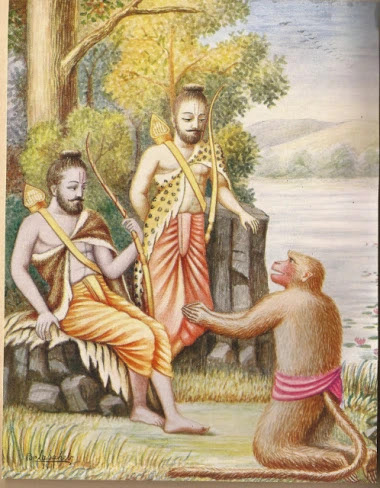
ஹனுமான் காட்டும் வழி!
ச.நாகராஜன்
வால்மீகி ராமாயணத்தில் ஏராளமான அதிசய விஷயங்கள் அடங்கி உள்ளன.
அதில் ஒன்று ஹனுமான் காட்டும் பல வழிகள்.
ஒரு கஷ்டமான காரியத்தை ஆரம்பிக்கும் முன்னர் ஒருவர் என்ன செய்ய வேண்டும்?
சீதையைக் கண்டு பிடிக்கச் சொல்லி ஶ்ரீ ராமர் ஆணையிட்டு விட்டார்.
எப்படி, எங்கே தேடிக் கண்டுபிடிப்பது?
ஹனுமார் உடனே செய்த காரியம் நமக்கு காட்டும் வழியாகும்.
ஒரு காரியத்தை ஆரம்பிக்கும் முன்னர்
1) நாம் கடவுளைப் பிரார்த்திக்க வேண்டும்.
2) மஹான்களையும் பெரியோரையும் பிரார்த்திக்க வேண்டும்.
3)யாருக்காக அந்தக் காரியம் ஆரம்பிக்கப்படுகிறதோ அந்தப் பெரியோரைப் பிரார்த்திக்க வேண்டும்.
4) அந்தக் காரியத்தைத் தடை செய்யக் கூடிய பெரிய இயற்கை சக்திகளை தனக்கு இடையூறின்றி காரியத்தை முடிப்பதற்காகப் பிரார்த்திக்க வேண்டும்.
5) நண்பர்கள், உறவினர்கள் மற்றும் அந்தக் காரியத்தை செவ்வனே முடிக்க உதவக்கூடிய யாராக இருந்தாலும் அவர்கள் – ஆகியோரைப் பிரார்த்திக்க வேண்டும்.
ஹனுமார் சீதையைத் தேடிக் கிளம்பும் முன்னர் செய்த பிரார்த்தனை இது:
அந்த சிவந்த முகத்தை உடைய ஹனுமார் சீதை, இந்திரன், வாயு, பிரம்மா, மற்றும் பல்வேறு இயற்கை சக்திகளை நோக்கிப் பிரார்த்தனை செய்தார். பிறகு கிழக்கு நோக்கி தனது தந்தையான வாயுவை வணங்கிப் பிரார்த்தனை செய்தார். ராமர், லக்ஷ்மணரை பிரார்த்தித்தார். மற்றும் ஆறுகள், கடலை பிரார்த்தித்தார். பிறகு தனது உறவினர்களையும் நண்பர்களையும் தழுவிக் கொண்டார். மரியாதை செலுத்தும் விதமாக அவர்களை வலம் வந்தார்.
பின்னரே லங்கையை நோக்கிய அவரது பயணம் தொடங்கியது.
அகங்காரம் இன்றி தனியாக நான் தான் இதை முடித்தேன் என்று சொல்லாமல் அனைவரையும் வணங்கி அவர்களின் ஆசீர்வாதங்களைப் பெற்று நண்பர்கள், உறவினர்களின் ஆதரவைப் பெற்று, தடை செய்யக் கூடிய இயற்கை சக்திகளை வணங்கி, இந்தக் காரியத்தில் எனக்கு இடையூறு விளைவிக்க வேண்டாம் என்று வணங்கி அவர் செல்கிறார்.
காரியத்தை ஆரம்பித்து விட்டாலோ ஒரு முனை கவனத்துடன் அதை முடிப்பது எப்படி என்பதிலேயே குறியாக இருக்க வேண்டும்.
எனது கடமை என்னை முன்னேறச் சொல்கிறது. நாள் வெகு விரைவாக மறைகிறது; பயணத்தின் நடுவில் எங்கும் நிற்க மாட்டேன் என்று சபதம் செய்திருக்கிறேன்.
இப்படிப் பதில் கூறிய வீர புருஷனான அவர் புன்னகை பூத்த முகத்துடன் மலையைத் தொட்டார்; லங்கையை நோக்கித் தான் பறப்பதைத் தொடர்ந்தார்.
நடுவழியில் ஓய்வு எடுக்க அவர் விரும்பவில்லை. உடல் களைப்பு என மனம் நினைத்தால் அது மனதின் பலவீனம். அது காரியத்தைக் கெடுத்து விடும். ஆகவே மனதை உற்சாகமாக வைத்துக் கொள்ள வேண்டும் – காரியம் முடியும் வரை.
அநிர்வேதம் (மனம் தளராமை அல்லது உற்சாகம்) என்ற இந்தச் சொல்லை ஹனுமான் பயன்படுத்துகிறார்.
உற்சாகமே உயிர் என்கிறார் அவர்.
அநிர்வேத: ஸ்ரியோ மூலம் அநிர்வேத: பரம் ஸுகம் |
அநிர்வேதோ ஹி ஸததம் ஸர்வார்த்தேஷு ப்ரவர்த்த: ||
(சுந்தர காண்டம், 12ஆம் ஸர்க்கம், ஸ்லோகம் 10)
உற்சாகமே செல்வத்திற்குக் காரணம்; உற்சாகமே மேலான சுகம்; எப்பொழுதும் எல்லா விஷயங்களிலும் முயலும்படி செய்வது உற்சாகமே!
அடுத்து முதல் காரியத்திற்கு கேடின்றி அடுத்த காரியங்களை மேற்கொள்ள வேண்டும் என்றும் அவர் கூறுகிறார்.
கார்யே கர்மணி நிர்திஷ்டே யோ பஹூந்யபி ஸாதயேத் |
பூர்வகார்யா விரோதேந ஸ கார்யம் ஸ கர்து மர்ஹதி || (
சுந்தர காண்டம், 41ஆம் ஸர்க்கம், ஸ்லோகம் 5)
செய்து முடிக்க வேண்டிய ஒரு காரியத்தில் ஏவப்பட்ட போது எவன் ஒருவன் முதல் காரியத்திற்கு ஒரு கேடுமின்றி அனேகங்களையும் சாதிக்கிறானோ அவன் காரியத்தைச் செய்து முடிக்கத் திறமை உள்ளவன் ஆகிறான் என்று இப்படி நினைக்கும் அவர் முதல் குறிக்கோளை மனதில் கொண்டே ஒவ்வொரு காரியத்தையும் செய்து சாதனை படைக்க வேண்டும் என்கிறார்.
இவற்றை மனதில் கொண்டு அவர் தனது காரியத்தை மேற்கொண்டார்; சீதையைக் கண்டார்; தன் காரியத்தை சாதித்தார்; வெற்றி பெற்றார்.
மேலாண்மை நிர்வாக இயலில் உதாரண புருஷனாக விளங்குபவர் ஹனுமான்!
இதை வால்மீகி மஹரிஷி திறம்பட ராமாயணத்தில் விளக்குகிறார்!
He was a king who lived in a palace. Because his step mother Kaikeyi sent him to forest for 14 years, he had to live in a hut like a saint. He lived there for many years happily till Ravana abducted his wife Sita (seethaa)
ते वनेन वनं गत्वा नदीस्तीर्त्वा बहूदका: ।।1.1.30।।
चित्रकूटमनुप्राप्य भरद्वाजस्य शासनात् ।
रम्यमावसथं कृत्वा रममाणा वने त्रय: ।।1.1.31।।
देवगन्धर्वसङ्काशास्तत्र ते न्यवसन् सुखम् ।
ते they, वनेन from one forest, वनम् to another forest, गत्वा having gone, बहूदका: नदी: deep and broad rivers with plenty of waters, तीर्त्वा having crossed, भरद्वाजस्य sage Bharadwaja’s, शासनात् order, चित्रकूटम् Chitrakuta mountain, अनुप्राप्य having reached, रम्यम् delightful, आवसथम् abode (a hut made of leaves), कृत्वा having constructed, ते they (having enjoyed such comforts), त्रय: three, तत्र वने in the forest located in Chitrakuta mountain, रममाणा: enjoying, देवगन्धर्वसङ्काशा: resembling devas and gandharvas, सुखम् happily, न्यवसन् dwelt.
Moving from one forest to another and crossing deep and wide rivers with plenty of waters, reached the Chitrakuta mountain by the command of sage Bharadwaja. They raised a hut made of leaves in the forest located in Chitrakuta mountain. and dwelt there happily resembling devas and gandharvas.
Xxxx
Next Stop Dandaka Forest
Rama was enjoying forest life. Why didn’t he live near Ayodhya? Because he wanted to see all the forests and the dwellers of forests, the Rishis.
Here we have to stop and ponder over a little. Those forests were deep inside India, the modern Madhya Pradesh. We have found Bhimbetka caves where forty thousand year old paintings are discovered. This is one of the world wonders deep inside India. This explodes the theories of Max Muller gang. The Rishis were living deep inside the forest meditating. This is because they wanted peace, far from the madding world.
Then why did the Rakshasas attack them? They were uncivilised and cannibals. Among the animals, some tigers are called Man Eaters; that is once they taste the blood of human beings they leave the deer and wildebeest alone and attack only men.
The rakshasas were man eaters. Is it possible? Yes. Even today we find man eaters in Andaman Nicobar Islands. They are called Jharava tribes. In spite of several attempts to civilise them, nothing fructified.
Xxx
What happened in Dandaka Forest?
प्रविश्य तु महारण्यं रामो राजीवलोचनः ।
विराधं राक्षसं हत्वा शरभङ्गं ददर्श ह ।।1.1.41।।
सुतीक्ष्णं चाप्यगस्त्यं च अगस्त्यभ्रातरं तथा ।
राजीवलोचनः lotuseyed, रामः Rama, महारण्यम् dreary forest (Dandakaranya) प्रविश्य तु having entered, विराधम् Viradha, राक्षसम् Rakshasa, हत्वा after slaying, शरभङ्गम् sage Sarabhanga, सुतीक्ष्णं च also sage Sutikshna, अगस्त्यं च sage Agastya, तथा and, अगस्त्यभ्रातरं च brother of sage Agastya, ददर्श ह saw.
Having entered the dense forest Dandaka, Rama slew the demon Viradha and saw the sages Sarabhanga, Sutikshna and Agastya with his brother.
Xxxx
Agastya gave Divine Weapons
अगस्त्यवचनाच्चैव जग्राहैन्द्रं शरासनम् ।।1.1.42।।
खड्गं च परमप्रीतस्तूणी चाक्षयसायकौ ।
अगस्त्यवचनात् च एव as directed by sage Agastya, ऐन्द्रम् given by Indra, शरासनम् bow, खड्गं च a sword, अक्षयसायकौ inexhaustible arrows, तूणी च and quivers, परमप्रीतः extremely delighted, जग्राह received.
As directed by sage Agastya, Rama received with extreme delight a bow, a sword and quivers with inexhaustible arrows, given by Indra to Agastya (to be passed on to Rama.)
Xxx
How many did Rama Kill and Why?
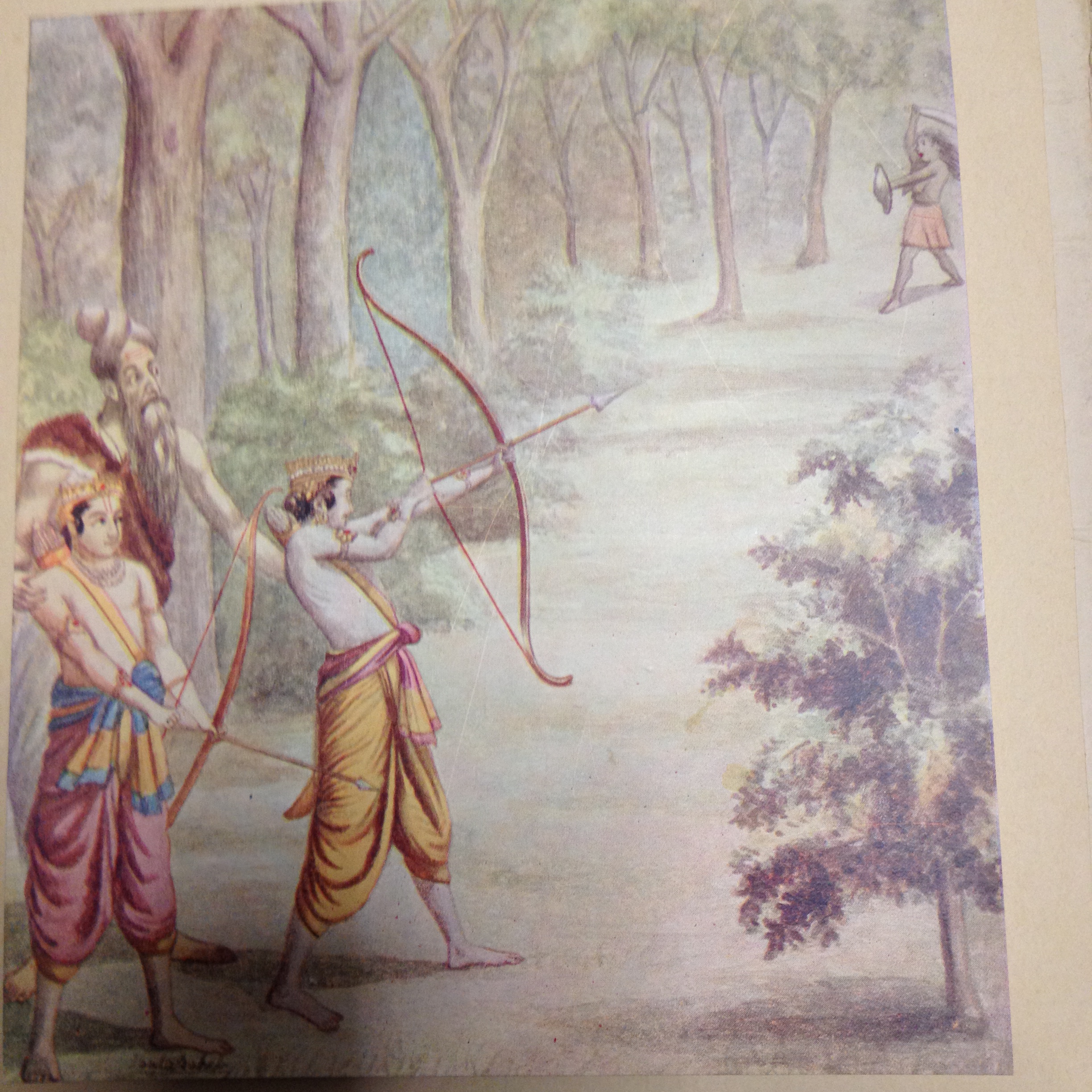
After this at the request of sages, Rama killed Kara, Dushana, Kabandha and 14,000 demons. Surpankha came from Janasthaana and tried to entice them. Lakshmana cut her nose. She reported it to Ravana and he came and abducted Sita. Jataayu, the eagle king tried to stop him but got fatal wounds. Rama met him and got the eye witness account of Sita’s abduction . Later he cremated him.
तेनैव शोकेन pervaded by that sorrow, तत: then, गृध्रं जटायुषम् vulture Jatayu, दग्ध्वा having consigned to flames, वने in the forest, सीताम् Sita, मार्गमाण: wandering in search of, रूपेण in form, विकृतम् deformed, घोरदर्शनम् dreadful appearance, कबन्धन्नाम named Kabandha, राक्षसम् rakshasa, सन्ददर्श ह beheld.
Then he performed in the midst of tears the funeral rites of the vulture Jatayu. Wandering in search of Sita, he beheld a rakshasa named Kabandha who was dreadful, in deformed in appearance.
Xxx
Let us stop and ponder
Deep inside the forest there was an Eagle King. Actually it was a man with Eagle totem (symbol). Since they followed Hindu customs, Rama cremated him. But Max Muller gang and Marxist gangs interpreted all these forest visits as colonising the area by Aryans.
If it is true there wont be so many friends inside the forest. There wont be one Eagle King ruling, who claimed that he was friend of Dasaratha.
We can compare it to the modern castes of Hindus. Each one follows their own customs from birth to death, but they have common Hindu beliefs about life and its aims. Even a deformed person like Kabnadha advised Rama to meet a tribal woman saint Sabari.
तं निहत्य महाबाहुर्ददाह स्वर्गतश्च स: ।
स चास्य कथयामास शबरीं धर्मचारिणीम् ।।1.1.56।।
श्रमणीं धर्मनिपुणामभिगच्छेति राघव । 1151
महाबाहु: mightyarmed Rama, तम् that Kabandha, निहत्य having killed, ददाह consigned him to flames, स: he (his soul), स्वर्गतश्च ascended heaven, स च Kabandha (while leaving for heavens), राघव O Raghava, धर्मचारिणीम् performing religious duties, धर्मनिपुणाम् proficient in practising austerities duties, श्रमणीम् female ascetic, शबरीम् belonging to Sabara community, अभिगच्छ visit her, अस्य to Rama, इति कथयामास informed.
Mighty armed Rama, having killed Kabandha, consigned his body to flames. While leaving for heavens he informed him saying, ‘O Raghava, there is a female ascetic in Sabara community, performing religious duties and proficient in practising austerities. You may visit her’.
Sabara community is a tribal community. There was no Aryan or Dravidian until Max Muller and Caldwell Gangs manufactured them in their factory of lies.
राम: Rama, दशवर्षसहस्राणि for ten thousand years, दशवर्षशतानि च ten hundred years, राज्यम् kingdom, उपासित्वा reigning, ब्रह्मलोकम् Brahmaloka, प्रयास्यति will attain.
Rama, reigning the kingdom for eleven thousand years, will attain Brahmaloka.
The first chapter/ Sarga of Bala Kanda finished the story of Rama by saying he rued for 11,000 years. What is the significance?
In those days they used to add Sahsram/1000 with everything to mean a lot. Even today if you go to Brahmins’ weddings, the priest will say so and so presenting Rs100 equal to 100 000 gold nuggets (Lakshaam Katti Varaahan). Rama Ruled only for 11 years after the coronation.
But Patanjali who lived 2200 years ago, approached it from a different angle. He divided the number by 365 and arrived at 30 years.
Whatever it is , 11 or 30 years of rule is reasonable. Moreover all poets including Kalidasa clearly say that Rama himself made Kusa the next king and went to Jala Samadhi (watery grave). When people came to know that Rama is going to enter Sarayu river ritually, lakhs of people, and birds and animals followed him and attained heaven. We see such ritual deaths even in Sangam Tamil literature. When the great Choza King Koperum Chozan announced fast unto death facing Holy Direction North, a lot of poets joined him . Pandavas also walked towards North and died.
Xxx
Why should we listen to Rama’s Story?
The last three slokas/ couplets give the benefit of reading Ramayana .
इदं पवित्रं पापघ्नं पुण्यं वेदैश्च सम्मितम् ।
य: पठेद्रामचरितं सर्वपापै: प्रमुच्यते ।।1.1.98।।
इदं रामचरितम् this story of Rama, पवित्रम् sacred, पापघ्नम् destroyer of sins, पुण्यम् auspicious, वेदै: by vedas, सम्मितं च equal to, य: who, पठेत् reads, सर्वपापै: from all sins, प्रमुच्यते will be released.
This story of Rama is sacred and holy. It destroys sins and is equal to the Vedas. Whosoever reads it will be freed from all sins.
एतद् रामायणम् this Ramayana, आख्यानम् true meaning, आयुष्यम् longevity, पठन् reading, नर: men, सपुत्रपौत्र: with sons and grandsons, सगण: with servants and relations, प्रेत्य after death, स्वर्गे in heavens, महीयते worshipped.
This story of Ramayana enhances longevity of those who read it and recite it. They will be worshipped in heavens after their death along with their sons and grandsons, servants and relations.
पठन्द्विजो वागृषभत्वमीयात्
स्यात्क्षत्रियो भूमिपतित्वमीयात् ।
वणिग्जन: पण्यफलत्वमीयात्
जनश्च शूद्रोऽपि महत्वमीयात् ।।1.1.100।।
पठन् जन: People by reading this, द्विज: स्यात् if he is a brahmin, वागृषभत्वम् proficient in the eighteen branches of learning, ईयात् attains, क्षत्रिय: kshatriya, भूमिपतित्वम् lordship over landed possessions, ईयात् gets, वणिग्जनः vaisya, पण्यफलत्वम् fruits of his merit, ईयात् gets, जनश्च men, शूद्रोऽपि sudra also, महत्वम् greatness, ईयात् attains.
A brahmin becomes proficient in the eighteen branches of learning a kshatriya gets lordship over landed possessions a vaisya gets the fruits of his business and sudra also attains greatness by reading Ramayana”. इत्यार्षे श्रीमद्रामायणे वाल्मीकीय आदिकाव्ये बालकाण्डे (श्रीमद्रामायणकथासङ्क्षेपो नाम) प्रथम: सर्ग:।। Thus ends the first sarga of Balakanda of the holy Ramayana in synopsis of the first epic composed by sage Valmiki.
Xxxx
About Shudras
Kamban, the great Tamil poet, who composed Ramayana in Tamil, also sings about the benefits of reading or listening to Ramayana in the same way. But how the four castes (division of labour) would benefit is not found there. Why?
Ramayana was written several thousand years before, Kamban So the Varna Asrama (division of labour) slowly changed to ‘caste by birth’ and got divided into many thousand castes.
But no poet opposed it. We see it even in 18th century Arappaleeswara sataka by Ambalavana Kavirayar who was not a Brahmin. Only iconoclastic Tamil Siddhars opposed the caste system openly because by their time it became worse and abusive and meaningless. The Siddars came very late in the picture. They opposed all rituals.
2600 years ago Buddha mentioned only Brahmins in his Dhamma pada, Holy Book Of Buddhists. He praised them sky high, but defined who a brahmin is. Like Manu he defines Brahmins with very strict rules
Why do I pray for Shudras everyday?
Each caste values something more than some other things. For Brahmins Knowledge, for Kshatrias Victory, for Vaisyas Wealth and for Shudras full welfare is more important.
This I say it in my daily Vishnu Sahasranama (part of Mahabharata)
When Chinese Virus Corona killed millions on earth, people said I don’t want Money, Victory, Knowledge, but only health. We read it in newspapers. Thousands threw money on roads in Italy and thousands deposited their money in Balaji temple at Tirupati. So, in my opinion, Shudras get the most valuable thing in the world. Whenever I read that couplet in Vishnu Sahasranama Pala stuti , I used to wonder how great our people are in allocating the welfare, health and happiness to them.






 Tamil and Vedas

