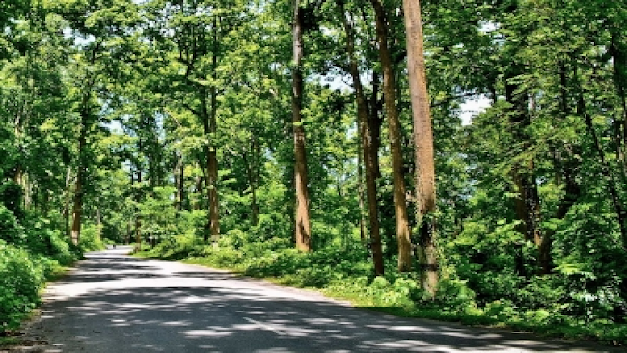
Picture: This board is found in Vazhachal, Athirappilly Panchayath of Thrissur district in Kerala
1.
वायूनां शोधकाः वृक्षाः रोगाणामपहारकाः ।
तस्माद् रोपणमेतेषां रक्षणं च हितावहम् ।।”
20,000– க்கும் மேற்பட்ட ஸம்ஸ்க்ருத சுபாஷிதங்களில் இருந்து மரங்கள், செடி, கொடிகள் பற்றிய சுவையான பொன்மொழிக் கவிதைகளைக் காண்போம்
வாயூனாம் சோதகாஹா வ்ருக்ஷாஹா ரோகாணாமபஹாரகாஹா
தஸ்மாத் ரோபணமே தேஷாம் ரக்ஷணம் ச ஹிதாவஹம்
மரங்கள் காற்றைத் தூய்மையாக்குகின்றன ; நோய்களை விரட்டுவதில் உதவி புரிகின்றன..ஆகையால் மரங்களை நட்டு வளர்ப்பதும் பாதுகாப்பதும் உயிரினங்களுக்குநன்மை பயக்கும்.
Xxx
2
“त्वक्शाखापत्रमूलैश्च पुष्पफलरसादिभिः।
प्रत्यङ्गरुपकुर्वन्ति वृक्षाः सद्भिः समं सदा ।।”
த்வக் சாகா பத்ர மூலைஸ் ச புஷ்ப பல ரஸா திபிஹி
ப்ரத்யங்க ரூப குர்வந்தி சத்பிஹி ஸமம் ஸதா
மரங்களும் நல்லோரைப் (முனிவர்களைப் ) போல பட்டை, கிளைகள் வேர், பூக்கள், பழங்கள், சாறு முதலியன மூலம் உயிரினங்களுக்கு நன்மை செய்கின்றன.
Xxx
3
पश्यैतान् महाभागान् पराबैंकान्तजीवितान्।
वातवर्षातपहिमान सहन्तरे वारयन्ति नः॥”
பஸ்யைதான மஹாபாகான் பராபைங்கான்தா ஜீவிதாம்
வாதவர்ஷாதப ஹிமான் ஸஹந் தரே வாரயந்தி நஹ
மரங்கள் மற்றவர்களுக்காகவே வாழும் மஹத்தானவை (ஏனெனில் ).அவைகள் யார் உதவியும் இன்றி, தாங்களாகவே புயல், மழை, குளிர், வெப்பம் அனைத்தையும் பொறுத்துக் கொள்கின்றன
Xxx
4
“अहो एषां वरं जन्म सर्वप्राण्युपजीवनम्।
सुजनस्यैव येषां वै विमुखा यान्ति नार्थिनः॥”
அஹோ ஏஷாம் வரம் ஜன்ம ஸர்வ ப்ராண யுபஜீவனம்
சுஜனஸ்யைவ யேஷாம் வை விமுகா யாந்தி நார்த்தினஹ
இதன் பிறப்பு நல்லதாய்ப் போயிற்று; அதனால்தான் மற்ற உயிரினங்கள் வாழ்கின்றன. ஒரு நல்ல வள்ளலைக் காண வந்த எவரும் வெறும் கையோடு போவதில்லை ; அது போலவே மரத்தை நாடிய எவரும் வெறும் கைகளோடு போவதில்லை .
Pictures are taken from various sources for spreading knowledge.
this is a non- commercial blog. Thanks for your great pictures.
tamilandvedas.com, swamiindology.blogspot.com
ஆஹா! அதிரடிச் செய்திகள்!
ச. நாகராஜன்
இன்று (15-11-2022) டைம்ஸ் ஆஃப் இந்தியாவைப் புரட்டிய போது, ஆஹா, பல அதிரடி செய்திகளைப் பார்க்க முடிந்தது.
800 கோடி பேர்!
உலகத்தின் ஜனத்தொகை 8 பில்லியனை இன்று எட்டி விட்டதாம்.
அதாவது 800 கோடி பேர் உலகில் இன்று வாழ்கின்றனர்!
2100ஆம் ஆண்டு வாக்கில் 10 பில்லியனை உலக ஜனத்தொகை எட்டுமாம்.
அதாவது ஆயிரம் கோடி!
மலைக்க வைக்கும் இந்த எண்ணிக்கையுடன் விரிவான விளக்கம் ஒன்றும் தரப்பட்டுள்ளது.
2100 இந்தியாவும் சீனாவும் உலக ஜனத்தொகையைக் குறைப்பதில் வழிகாட்டும் தலைமை இடத்தில் இருக்குமாம்!
மதமாற்றம் தேசத்திற்கு எதிரான செயல்! நீதிபதிகள் கருத்துரை!
இதே இதழில் (15-11-2022) சுப்ரீம் கோர்ட்டின் அருமையான கருத்துரை ஒன்றும் வெளியாகியுள்ளது.
Forced conversions a threat to national security, says SC
Court Asks Govt to detail steps it has taken to curb Trend
இது தான் தலைப்பு.
திங்கள் கிழமையன்று (14-11-2022) அஸ்வினி உபாத்யாயா என்பவர் போட்டிருந்த ஒரு பெடிஷன் மீது விசாரணை நடத்திய சுப்ரீம் கோர்ட் அருமையான கருத்துக்களைத் தந்துள்ளது.
மத சுதந்திரம் என்றால் அவரவர் மதத்தைக் கடைப்பிடிக்க உள்ள சுதந்திரம் தான். அடுத்தவரை மதமாற்றம் செய்ய உள்ள முயற்சிகள் தேச துரோகமாகும். இதைத் தடுக்க அரசு என்ன நடவடிக்கை எடுத்துள்ளது? என்ற வினாவை எழுப்பியுள்ளது சுப்ரீம் கோர்ட்.
நீதிபதிகள் எம்.ஆர். ஷா மற்றும் ஹிமா கோஹ்லி தங்கள் கருத்துரையில் பல விஷயங்களைக் கூறியுள்ளனர்.
பெடிஷனர், கடந்த இருபது ஆண்டுகளில் ஷெட்யூல்டு வகுப்பினரை ஆசைகளைக் காட்டி ஏமாற்றி கிறிஸ்தவ மதத்திற்கு மாற்றும் போக்கைச் சுட்டிக் காட்டியுள்ளார்.
2010இல் மட்டும் ஹூஸ்டனை தளமாகக் கொண்டு இயங்கும் சென்ட்ரல் கிறிஸ்டியன் மிஷன் 3.2 லட்சம் பேர்களை மதம் மாற்றியுள்ளது. மத்திய இந்தியாவில் மட்டும் 1.9 லக்ஷம் பேர் மதம் மாற்றப்பட்டுள்ளனர்.
2010 அக்டோபரில் ஜாய்ஸ் மேயர் மினிஸ்ட்ரீஸ் ஒரு வார மருத்துவ முகாம் ஒன்றை கொல்கத்தாவில் நடத்தியது.அதில் 3200 பேருக்கு சிகிச்சை அளிக்கப்பட்டது. அதில் 1300 பேர்கள் கிறிஸ்தவ மதத்திற்கு மாற்றப்பட்டுள்ளனர்.
புதிய சர்ச்சுகளைக் கட்ட ஒரு குழு தனியே இயங்குகிறது.
ஏமாற்றி ஆசை வார்த்தைகள் சொல்லி ஏழ்மையையும் இதர ஷெட்யூல்ட் வகுப்பினரின் பிரச்சினைகளையும் அடிப்படையாக வைத்து மதம் மாற்றும் போக்கு அதிகரித்து வருகிறது.
நீதிமன்றம் மிகச் சரியான அணுகுமுறையை மேற்கொண்டு உரிய நேரத்தில் கொடுத்துள்ள எச்சரிக்கை இந்தியா கிறிஸ்தவ நாடாக ஆகி மீண்டும் அடிமைப்படுத்தப்படும் நிலையைத் தடுக்கும் ஒன்று என்பதில் ஐயமில்லை.
யூ டியூப் காணொளிக் காட்சிகள்!
இந்த அதிரடி செய்தியைத் தொடர்ந்து சமூக ஊடகங்களில் நுழைந்தால் யூ டியூபில் இப்போதுள்ள வீடியோக்கள் 33 பில்லியன் என்ற எண்ணிக்கையைப் பார்த்து மயக்கம் போடும் நிலை வருகிறது.
அதாவது 3300 கோடி யூ டியூப் வீடியோக்கள் இன்று உள்ளன.
இவற்றிற்கு எந்த விதக் கட்டுப்பாடும் சரிபார்க்கும் தன்மையும் இல்லை.
பல கோடி பொய்கள். பல ஆபாச வீடியோக்கள். எது உண்மை எது பொய் என்றே எந்தச் செய்தியிலும் தெரியாத நிலை நோக்கி உலகம் போய்க் கொண்டிருக்கிறது.
எந்தச் செய்தி உண்மை என்பதே தெரியாத நிலையை அடைகிறோம் என்பதே பரிதாபகரமான உண்மை!
சமூக ஊடகங்களால் மனச்சோர்வு, ஏமாற்றம் அடைவதாக பலரும் சொல்ல இது ஒரு வியாதியாக உருப்பெறுவதை உளவியல் மருத்துவர்கள் சுட்டிக் காட்டுகின்றனர்.
இவ்வளவும் அதிரடிச் செய்திகள்!
300 கோடி டாலர் உதவி!
இதில் ஆறுதல் அளிக்கும் ஒரு செய்தியாக 16-9-2022 அன்று டைம்ஸ் ஆஃப் இந்தியா தந்துள்ள செய்தி ஒன்று நம்மைக் கவர்கிறது.
படகோனியா (Patagonia) நிறுவனத்தின் உரிமையாளரான வான் சூயினார்ட் (Yvon Chouinard) தனது 300 கோடி டாலர் நிறுவனத்தை ஒரு டிரஸ்டுக்கு உரிமையாக்கி அந்த டிரஸ்ட் உலக தட்பவெப்ப மாற்றத்தின் சீர்கேடுகளைத் தடுக்க தனது முழு சக்தியையும் பணத்தையும் பயன்படுத்தும் என்று அறிவித்திருக்கிறார்.
ஒரு வருடத்திற்கு அந்த நிறுவனம் பெறும் லாபம் பத்து கோடி டாலராம்.
ஆக இப்படி ஒரு அருமையான செய்தி மனதிற்கு பெரிதும் ஆறுதல் அளிக்கிறது.
உலகம் எப்படிப் போகிறது என்பதை இந்த அதிரடிச் செய்திகள் சொல்கின்றன, சொல்லிக் கொண்டே இருக்கின்றன!
***
புத்தக அறிமுகம் – 115
டயானாவின் கதை
பொருளடக்கம்
நூலில் உள்ள அத்தியாயங்கள்
1. உலகிற்குப் பெருமை என்ன?
2. காதல் மலர்ந்தது!
3. அரண்மனைத் திருமணம்
4. தேனிலவு
5. நிலவில் ஒரு களங்கம்
6. புதுவரவு
7. வசந்த காலம்
8. பாஷன் ராணி
9. புதிய காதலன்
10. மேலும் சில நட்புகள்
11. சுதந்திர இளவரசி
12. அதிரடிப் பேட்டி
13. ஓலம் தீர்க்க ஏலம்
14. டோடியின் துணை
15. ரோஜா உதிர்ந்தது!
16. மறைவுக்குப் பிறகு
17. பின்னுரை *
நூலைப் பற்றிய சிறு குறிப்பு இது:
This book is an excellent work that tells the story of British Princess Diana. All the details such as Diana’s birth, upbringing, becoming the British Princess and transformation that made her the favorite angel of the world, are given in this book. It also describes the bitter truth of her fate which ended her life that made her to flee to hide from the eyes of Paparazzi. Diana Lovers! This is going to be a lovable gift to all of you.
பிரிட்டிஷ் இளவரசியாகி உலகையே கவர்ந்த டயானாவின் வரலாற்றைச் சுவைபடக் கூறும் நூல்! டயானாவின் பிறப்பு, வளர்ப்பு, அவர் பிரிட்டிஷ் இளவரசியானது, உலக மக்களின் அபிமான தேவதையாக மாறியது என அனைத்து விவரங்களையும் இதில் காணலாம். இறுதியில் பாப்பராசிகளின் பிடியிலிருந்து தப்பிக்க அவர் மேற்கொண்ட பயணமே அவர் வாழ்க்கையின் இறுதிப் பயணத்திற்குக் காரணமான நிகழ்ச்சியையும் உருக்கமாக இந்நூல் விளக்குகிறது! டயானா அன்பர்களே நீங்கள் விரும்பக்கூடிய நூல் இது!
இந்த நூல் திருமதி நிர்மலா ராஜூ அவர்களால் அவரது www.nilacharal.com மூலமாக வெளியிடப்பட்டுள்ளது. இதை (EBOOK) டிஜிடல் வடிவமாகப் பெற விரும்புவோர் www.nilacharal.com இணையதளத்தில் EBOOKS என்ற பகுதியில் AUTHOR-ஐ தேர்ந்தெடுத்தால் எழுத்தாளர் பகுதியில் ச.நாகராஜன் (61) என்ற பெயரைக் காணலாம்.
அங்கு சொடுக்கினால் ச.நாகராஜன் எழுதிய 61 புத்தகங்களின் விவரத்தைக் காண முடியும். ‘டயானாவின் கதை!’ நூலைப் பற்றிய சிறுகுறிப்பு, விலை விவரத்தைக் காணலாம்; அதை வாங்கலாம்.
பழங்கால இந்துக்கள் இயற்கையை மிகவும் மதித்தனர். இது பாம்பையும் மரத்தையும் வழிபடும் மூட நம்பிக்கையில் எழுந்த சிந்தனை அன்று. மிகவும் விஞ்ஞான பூர்வமாக எழுந்த சிந்தனை. இதற்கு தெள்ளிய எடுத்துக் காட்டு மரம் என்ற ஸம்ஸ்க்ருத்ச் சொல்லில் உள்ளது. தரு என்ற ஸம்ஸ்க்ருதச் சொல்லுக்கு மரம் என்று பொருள். பல தமிழ்ச் செய்யுட்களிலும் இச் சொல் கையாளப்பட்டுள்ளதால் தமிழர்களும் அறிந்த சொல்லே. ஆங்கிலத்தில் மரத்தை ட்ரீ TARU= TREE என்பர். அதுவும் சம்ஸ்க்ருத தரு- விலிருந்து பிறந்ததே.
மரம் என்றால் என்ன?
தரு (மரம்) என்ற சொல் தாரணே என்ற வேர்ச் சொல்லிலிருந்து பிறந்தது. தாரணே என்றால் பாதுகாக்க TO PROTECT என்பது பொருள். இந்த பூமியையும் அதில் வாழும் மனிதர்களையும் பாதுகாப்பது மரங்கள் என்ற அறிவியல் சிந்தனையில் எழுந்தது இந்தச் சொல்.
மரத்திற்கு சம்ஸ்க்ருதத்தில் இன்னும் ஒரு நல்ல சொல் உளது. பாத பாஹா ; இதன் பொருள் கால்கள் மூலம் தண்ணீர் குடிப்பவன். அதாவது மனிதர்கள் கைகளில் தண்ணீரை எடுத்து, பருகுகிறோம். ஆனால் மரங்களோவெனில் கால்கள் மூலம் — அதாவது கால் பகுதியில் உள்ள வேர்கள் மூலம் — நீரை உறிஞ்சுகிறது. என்ன அற்புதமான நாமகரணம்!!
XXXX
ஜீவகன் கதை
மனிதர்களின் நோய்களுக்கு மருந்துகளையும் சிகிச்சை முறைகளையும் கண்டுபிடித்த இந்துக்கள் அதை சம்ஸ்க்ருதத்தில் எழுதியும் வைத்தனர். 2600 ஆண்டுகளுக்கு முன்னர் இந்த சிந்தனை உலகில் வேறு எங்கும் எழுந்தது இல்லை மஹாபாரதக் கதை ஒன்று நம் எல்லோருக்கும் தெரிந்ததே. துரியோதனனுக்கும் தரும புத்திரனான யுதிஷ்டிட்டிரனுக்கும் உள்ள சிந்தனை வேறுபாட்டைக் காட்டுவதற்காக கிருஷ்ணன் ஒரு டெஸ்ட் வைக்கிறார். உலகிலுள்ள நல்லவர் யார் கெட்டவர் யார் என்று கண்டுபிடித்து வாருங்கள் என்பது அந்தப் பரீட்சை. இருவரும் திரும்பி வந்த போது தர்மன் சொன்னான்: கண்ணா ! இவ்வுலகில் எவருமே கெட்டவர் இல்லை; எல்லோரிடத்திலும் ஒரு நல்ல குணமாவது இருக்கிறது. துரியோதனன் சொன்னான்; கண்ணா ! இந்த உலகத்தில் நல்லோர் இல்லை; அத்தனை பேரிடத்திலும் கெட்ட குணமே உளது என்று. இது இருவரின் மனத்தின் உயர்வு தாழ்வைக் கட்டுகிறது .
இதே போல மற்றொரு கதை உளது. ஜீவகன் என்பவன் புத்தர் காலத்தில் வாழ்ந்த ஒரு புகழ்பெற்ற மருத்துவன்/ டாக்டர். அவனுடைய குரு மருத்துவ உபயோகமில்லாத ஒரு மூலிகையைக் கொண்டு வா என்று அனுப்புகிறார். அவன் திரும்பி வந்து குருவிடம் சொல்கிறான்: குருவே ! இந்தப் பூவுலகில் மருந்துக்குப் பயன்படாத தாவரம் இல்லை ; விஷ சத்துடைய மூலிகைகளையும் பயன்படுத்த முடிகிறதே என்று வியக்கிறான் . உடனே குரு அவனை சிறந்த மாணவன் என்று ஏற்றுக்கொண்டு எல்லா ரகசியங்களையும் கற்பிக்கிறார். இதனால்தான் சம்ஸ்க்ருதத்தில் நாஸ்தி மூலம்ஒளஷதம் என்பர். மருந்ததாகப் பயன்படாத வேர், தாவரம் எதுவுமே இல்லை.
அமந்த்ரம் அக்ஷரம் நாஸ்தி நாஸ்தி மூலம் ஔஷதம்
அயோக்யப் புருஷோ நாஸ்தி யோஜகஸ் தத்ர துர்லப:
எல்லா எழுத்துக்களும் மந்திரங்களில் பயன்படும்; மந்திரத்துக்கு உதவாத எழுத்து என்று எதுவுமே இல்லை.
எல்லா செடிகளின் வேரும் ஏதோ ஒரு மருத்துவ குணம் உடையது; பயன்படாத தாவரம் எதுவும் இல்லை.
தகுதியற்ற மனிதர், உதவாக்கறை என்று உலகில் யாருமே இல்லை; ஒவ்வொருவரும் ஒருதுறையில் வல்லவன்.
ஆனால் அரிதான விஷயம், அவர்களைக் கண்டுபிடித்து, அவரவர் திறமைக்கேற்ற பணியைக் கொடுப்பவன் இருக்கிறானே– அவன் தான் அரிதானவன்.
அந்தக் காலத்திலேயே எல்லா தாவரங்களும் மருத்தாகப் பயன்படும்; அதைக் கண்டுபிடிப்பதே திறமை; அருமை என்று சொல்லி வைத்தனர்.
விஷஸ்ய விஷம் ஒளஷதம் என்ற சொல் வழக்கும் சம்ஸ்க்ருதத்தில் உண்டு. விஷத்தை விஷத்தால் முறிக்கலாம் . ஹோமியோபதி தத்துவமும் இதுதான். எந்தக் கிருமி நோயை உண்டாக்குகிறதோ அதையே மிகச் சிறிய அளவில் உடலில் ஏற்றினால் அதுவே நோயை எதிர்த்துப் போராடும் .
மஹா பாரதக் கதையும் இதை நமக்கு காட்டுகிறது. பீமன் மீது பொறாமை கொண்ட துரியோதனாதிகள் அவனுக்கு விஷத்தைக் கொடுத்து பாம்புகளும் முதலைகளும் நிறைந்த குளத்தில் தூக்கி எறிந்தனர். அங்குள்ள விஷப் பாம்புகள் பீமனைக் கடித்தபோது அவன் உடலில் ஏறியிருந்த விஷம் முறிந்து அவன் ஆரோக்கியத்துடன் மேலே வந்தான்.எவ்வளவு உண்மைகளை வியாசர் நமக்கு எழுதி வைத்துச் சென்றார் என்று எண்ணி எண்ணி வியக்கிறோம்.
பூமி எனது தாய்; நான் அவள் மகன் என்ற வரிகள் அதர்வண வேத பூமி சூக்தத்தில் இருப்பதைப் பலரும் அறிவர் (அ .வே மாதா பூமிஹி; புத்ரோஹம் ப்ருதிவ்யாஹா)
ரிஷி அகஸ்தியர் சொன்ன இந்த மந்திரம் “நம்மை அவைகள் காண்பதாகவும் நாம் அவர்களைக் காண்பதில்லை” என்றும் பாடி இருக்கிறார்.அவைகள் என்பதை நாம் வைரஸ் கிருமிகள் எனலாம்; அல்லது இயற்கையில் மறைந்திருக்கும் அற்புத சக்திகள் நம்மைப் பார்த்துக் கொண்டு இருக்கின்றன. நாம் கண்ணிருந்தும் காணாத/ அறியாத குருடர்களாக இருக்கிறோம் என்றும் சொல்லலாம்.
தாவர வைத்தியம் பற்றிய நூல்கள் நிறைய இருந்து அழிந்து போயின. ஆயினும் வராஹமிஹிரர் எழுதிய பிருஹத் சம்ஹிதா என்னும் என்சைக்ளோபீடியாவில்/ கலைக் களஞ்சியத்தில் இதற்காக ஒரு அத்தியாயமே ஒதுக்கியுள்ளார். அதற்கு வ்ருக்ஷ ஆயூர்வேதம் என்று பெயரும் சூட்டியுள்ளார். இது 1500 ஆண்டுகளுக்கு முற்பட்டது.. பராசரரும் இது பற்றி எழுதியுள்ளார்.
700 ஆண்டுகளுக்கு முன்னர் எழுதப்பட்ட சாரங்க பத்ததியில் ‘உபவன விஹார’ இருக்கிறது. நகரங்களில் சுற்றுலா பூங்காக்களை அமைப்பது எப்படி என்பதை இந்த நூல் விளக்குகிறது. மணி மேகலை முதலிய தமிழ் நூல்களிலும் புத்த மதக் கதைகளிலும் காளிதாசன் நூல்களிலிலும் பூங்காக்கள் வருகின்றன. இவற்றை மனிதர்கள் திட்டம் தீட்டிக் கட்டியதையும் காண்கிறோம்.
பத்தாம் நூற்றாண்டில் வாழ்ந்த சுரபால, வ்ருக்ஷ ஆயூர்வேதம் என்ற முழு நீள நூலையே எழுதி நமக்கு விட்டுச் சென்று இருக்கிறார்.
வேத கால ஆஸ்ரமங்கள்
பெரிய கட்டிடங்கள், ஏழு நிலை மாடங்களையும் வருணிக்கும் தமிழ் சம்ஸ்க்ருத நூல்களும் கூட முனிவர்களை வருணிக்கையில் அவர்கள் பர்ண சாலைகளில் வசித்ததாகவே வருணிக்கின்றன ; பர்ண என்றால் இலை / ஓலை. . அவர்கள் இயற்கையோடு இயைந்த வாழ்க்கையை நடத்தியதால் மரம் செடி கொடிகளுக்கு எவ்வளவு முக்கியம் கொடுத்தனர் என்பதை இராமாயண, மஹாபாரதத்திலும் காளிதாசனின் சாகுந்தலத்திலும் காண முடிகிறது.
ரிக் வேதத்தில் உள்ள அரண்யாணி சூக்தம் காடுகளை அற்புதமாக வருணிக்கிறது. அதை உயிருள்ள ஒரு ஜீவனாக நமக்குக் காட்டுகிறது. காளிதாசனும் வன தேவதை பற்றி வர்ணிக்கிறன். சங்கத் தமிழ் நூல்கள் இயற்கையின் எல்லா அம்சங்களிலும் அணங்கு என்னும் தேவதை இருப்பதைப் பாடுகிறது. ஒரு பயம்/ மரியாதை கலந்த பக்தியை நாம் உணர்கிறோம்.
உபநிஷத்தில் வரும் தத்துவ விஷயங்களுக்குப் பின்னால் இயற்கைக்கு அவர்கள் கொடுத்த மதிப்பு, மரியாதையை அறிய முடிகிறது இதோ ஓரிரு உதாரணங்கள் . உடலை மூடியுள்ள பல அடுக்குகளில் முதலாவது இருப்பது அன்னமய கோசம் . சுவரை வைத்துதான் சித்திரம் என்பது போல உடலே கோவில் என்று முன்னோர்கள் அறிந்தனர். தமிழில் திருமூலர் இதைத் தெளிவாகப் பாடியுள்ளார். ஆயினும் அவர்க்கு சில ஆயிரம் ஆண்டுகளுக்கு முன்னர் வாழ்ந்த ரிஷிகளும் இது பற்றிப் பேசியிருக்கின்றனர்.
சாந்தோக்ய உபநிஷத்தின் ஆறாவது அத்தியாயத்தில் உத்தாலக / ஆருணி அவருடைய மகன் ஸ்வேதகேதுவுடன் பேசுகையில் மனம், உயிர், பேச்சு இவை உணவு, தண்ணீர், வெப்ப நிலையைச் சார்ந்தவை என்றும் ஒருவனுடைய அறிவும் நினைவாற்றலும் உண்ணுவதாலும் உண்ணாவிரதம் இருப்பதாலும் பாதிக்கப்படும் என்றும் அறிவுறுத்துகிறார்.
தைத்ரீய உபநிஷத்தில் தந்தை வருணன் கட்டளைப்படி, ப்ருகு , கடவுளைத் தேடி — பிரம்மனை அறியச் செல்கிறான். அவன் முதலில் கண்டது உணவு தானியங்கள் ; மனிதர்கள் அவைகளை உண்டு வாழ்வதால் அதுவே பிரம்மன்/ கடவுள் என்று கருதுகிறான். பின்னர் பிராணன் இல்லாமல் தானியம் வறண்டு அழிகிறது ; பிராணனும்/ உயிரும் தானியம் இல்லாமல் அழிகிறது; ஒன்றை ஒன்று சார்ந்துள்ளது என்பதை உணர்கிறான். உடலை மூடியுள்ள முதல் திரையான அன்னமய கோசம் மாசுபடக்கூடாது என்பதில் வேத கால ரிஷிகள் கண்ணும் கருத்துமாக இருந்தனர் ; அது எப்படித் தெரியும் என்ற வினா நம் மனதில் எழக்கூடும். பொது இடங்களில் எல்லா பூஜைகள், பஜனைகள் முடியும் போதும் ஒரு சாந்தி மந்திரத்தைச் சொல்லி முடிப்பார்கள். அது உலக நாடுகளின், ஐ.நா சபையின் தேசீய கீதமாக அமையும் தகுதி உடைத்து.
சுக்ல யஜுர் வேதத்தில் வரும் அந்த அற்புத மந்திரம் புறச் சூழலைப் போற்றும் மந்திரம் மட்டுமல்ல. உலகம் முழுதும் சாந்தி அளிக்கும் மந்திரமும் ஆகும்.
வானம் (நமக்கு) அமைதி வழங்கட்டும்
காற்றுமண்டலம் அமைதி வழங்கட்டும்
பூமி அமைதி வழங்கட்டும்
தண்ணீர் நமக்கு அமைதியை நல்கட்டும்
மூலிகைகள் அமைதி வழங்கட்டும்
தாவரங்கள் நமக்கு அமைதியை நல்கட்டும் எல்லாக் கடவுளரும் நமக்கு அமைதியை நல்கட்டும் எங்கும் அமைதி நிலவட்டும் பிரபஞ்சம் முழுதும் அமைதி நிலவட்டும் நலங்கள் பெருகட்டும்.
பிராமணர்கள் மாதம் தோறும் செய்யும் தர்ப்பண மந்திரத்திலும் புறச் சூழலுக்காகப் பிரார்த்திக்கிறார்கள் ; இதோ அந்த மந்திரம்
ஓம் மதுவாதா ரிதாயதே மதுக்ஷரந்தி ஸிந்தவ: மாத்வீர் நஸ்ஸந்த்வோஷதீ: மது நக்தமுதோஷஸி மதுமத் பார்த்திவக்ம் ரஜ: மது த்யௌரஸ்து ந: பிதா மதுமான் நோ வனஸ்பதிர் மதுமாகம் அஸ்து ஸூர்ய: மாத்வீர் காவோ பவந்தி ந:
ஓம் சாந்தி: சாந்தி: சாந்தி:
(சிறந்த செயலைச் செய்ய விரும்புகின்ற நமக்கு காற்று இனிமையாக வீசட்டும், நதிகள் இனிய நீருடன் ஓடட்டும், செடிகொடிகள் வளம் பெற்று விளங்கட்டும், இரவும் பகலும் நன்மையைத் தரட்டும், பூமி இனிமையைத் தரட்டும், நமது தந்தையான வானம் இனிமையைப் பொழியட்டும், செடிகொடிகளின் அதிபதியான சந்திரன் இனிமையாக இருக்கட்டும், பசுக்கள் அதிக பாலைப் பொழியட்டும்.)
அரிமுகத்தினன் எதிர்த்திடு களத்தினின் … அழகிய முகத்தை
உடையவன், எதிர்த்துச் சண்டைசெய்யும் போர்க்களத்தில்
மிகுத்து அமர்புரிக் கணபதிக்கு இளையோனே … பெரிய போரைச்
செய்யும் கணபதிக்குத் தம்பியே,
–subham–
புத்தக அறிமுகம் – 114
விலங்கு உலகப் புதுமைகள்
பொருளடக்கம்
நூலில் உள்ள அத்தியாயங்கள்
1. மிருகங்கள் பேசும் மொழி
2. இது மனித காதல் அல்ல
3. ஆணா, பெண்ணா எது வேண்டும்?
4. மிருகங்களின் செக்ஸ் வாழ்க்கை!
5. மிருகங்களின் புத்திசாலித்தனம்
6. மிருக ஆராய்ச்சி
7. கடல் நாகம்
8. ராட்சஸ மிருகம் ஒகோபோகோ!
9. கடல் வேதாளம்
10. நிலா ஜெல்லி மீன்!
11. டார்ச்போல் விளக்காக ஒளிரும் மீன்!
12. தேவதை மீன்
13. புதிய கடல் வாழ் உயிரினங்கள் கண்டுபிடிப்பு
14. அன்னத்துக்கு என்றுமே ஒரு துணைதான்!
15. நீலத் திமிங்கலங்களின் ஓலக்குரல்
16. நீர் யானையும், கடல் சிங்கமும்!
17. நட்புக்கு ஒரு யானை
18. யானை ஆஸ்பத்திரி
19. யானைகள் ஜாக்கிரதை
20. பழங்கால கம்பளி யானை மண்டை ஓடு!
21. அதிசயக் கிளி!
22. ‘A’ to ‘Z’ பட்டர்ஃப்ளைஸ்
23. எருமை அளவுள்ள சீமை பெருச்சாளி
24. ராஜ நண்டு
25. திரும்பி வந்த பூனை
26. யமனுக்கும் நாய்க்கும் என்ன தொடர்பு?
27. அதிசய நாய்
28. குரங்கினால் உயிர் பிழைக்கும் பறவைகள்
29. பேசும் குரங்குகள்!
30. பல் வலிக்கு உதவி கேட்கும் குரங்கு
31. டாக்டர் குரங்கு
32. உலகின் பெரிய ஆமைகள் உலவும் தீவு!
33. இராட்சஸ கடல் சிலந்திகள்
34. சிலந்தி வலையிலிருந்து சில ரகசியங்கள்
*
நூலைப் பற்றிய சிறு குறிப்பு இது:
The world of animals has been barely explored by humanity. Though we attempt to analyze human anatomy by studying the behavior of animals, there are several thousands species of animals which have not been completely understood. This book spells out several interesting facts regarding animals. In addition to discussion regarding how animals communicate amongst themselves, there are descriptions about rare animal species – a monstrous animal named Ogobogo, self-illuminating fishes, incredibly huge rats, etc. The readers are sured to be lured into a discovery channel-like world while reading this book.
விலங்குகளின் உலகம் ஓர் அதிசய உலகம்! அங்கு பல ரகசியங்கள் உள்ளன! மனிதனின் இன்றைய அறிவியல் முன்னேற்றத்திற்கு உயிரினங்களின் செயல்பாடுகளை ஆராய்வது ஒரு முக்கிய விஷயமாகி விட்டது. உயிரினங்கள் தமக்குள் பேசிக் கொள்ளும் மொழி பற்றியும், ஓகோபோகோ எனும் ராட்சச விலங்கு, விளக்கு போல் ஒளிரும் மீன், எருமை அளவுள்ள சீமைப் பெருச்சாளி போன்ற அதிசய விலங்குகள் பற்றியும் கூறுகிற இந்த நூல் ஓர் எழுத்து வடிவ டிஸ்கவரி சேனல் என்றால் அது மிகையாகாது!
*
இந்த நூல் திருமதி நிர்மலா ராஜூ அவர்களால் அவரது www.nilacharal.com மூலமாக வெளியிடப்பட்டுள்ளது. இதை (EBOOK) டிஜிடல் வடிவமாகப் பெற விரும்புவோர் www.nilacharal.com இணையதளத்தில் EBOOKS என்ற பகுதியில் AUTHOR-ஐ தேர்ந்தெடுத்தால் எழுத்தாளர் பகுதியில் ச.நாகராஜன் (61) என்ற பெயரைக் காணலாம்.
அங்கு சொடுக்கினால் ச.நாகராஜன் எழுதிய 61 புத்தகங்களின் விவரத்தைக் காண முடியும். ‘விலங்கு உலகப் புதுமைகள்!’ நூலைப் பற்றிய சிறுகுறிப்பு, விலை விவரத்தைக் காணலாம்; அதை வாங்கலாம்.
Sangam Tamil Literature praised Brahmins sky high. Yagas and Yagnas (also spelt Yajnas) are found in good light throughout Sangam literature.
Tiru Muruga Aaatruppadai (abbreviated as Murugu), one of the 18 books of Sangam period , was written by a controversial Brahmin poet by name Nakkiran. He clashed even with God Siva for the sake of Tamil Language. He found an error in the poem composed by Lord Siva to save a poor Brahmin called Dharmi. Later the poet submitted to Siva when he opened his Third Eye to reveal his original identity. Later a Saivite poet ,popularly called Appar, mentioned this anecdote in 600 CE during the days of Mahendra Pallava in his poem Tevaram (tevaaram).
This book Tiru Muruga Aaatruppadai (Murugu) is a full poem on Lord Muruga (Skanda, Kartikeya) like Kumara Sambhava of Kalidasa. There are beautiful descriptions of Lord Skanda and his famous abode Tirupparamkundram (திருப்பரங்குன்றம்) near Madurai. This is one of his famous Six Abodes (in Tamil Aru Padai Veedu அறுபடை வீடு)
This is the only religious book available from Sangam period. Other 17 books contain religious matter, but they deal with secular subjects.
Poet Nakkiran says, ‘ of the Six Faces of Lord Muruga one face is there for protecting Brahmins Yagas (Fire Rituals). The purpose of that face is to destroy all the hurdles that may happen to Yagas of Brahmins. Another face helps saints to enjoy the real meaning of the scriptures. It brightens them like the moon (full moon)
Xxx
Yaga Smoke
Paripatal (paripaatal) comes next to Murugu in describing Hindu Religion. It contains secular matter as well.
One poet says people thong to places where Yaagaas are performed (pari.19-43). Another poet depicts Vishnu in the form of Yaga (Velvi வேள்வி in Tamil). He mentioned Garuda Dwaja of Vishnu as well which we see even in Garuda Pillar of Greek ambassador in Madhya Pradesh around second century BCE.
(The Heliodorus pillar is a stone column that was erected around 113 BCE in central India[1] in Besnagar (near Vidisha, Madhya Pradesh). The pillar was called the Garuda-standard by Heliodorus, referring to the deity Garuda. The pillar is commonly named after Heliodorus, who was an ambassador of the Indo-Greek king Antialcidas from Taxila, and was sent to the Indian ruler Bhagabhadra.[2] A dedication written in Brahmi script was inscribed on the pillar, venerating Vāsudeva, the Deva deva the “God of Gods” and the Supreme Deity).
One Paripaal poem (17-28/32) describes the Yaga smoke that came from Tirupparamkundram (திருப்பரங்குன்றம். It blotted out the sunlight and there was darkness. Even Devas who never blink , closed their eye lids due to the enormous smoke of Yaga and burning of fragrance wood Aquila/eaglewood).
(While describing the alien civilizations and ETs , Hindus give seven attributes to them. One of them is they never blink).
xxx
ANIMALS HELP IN YAGAS
One or two Sangam poems describe how the animals help the saints in the forest to perform Yagas. Elephants bring fuel wood to the saints for the fire ceremonies. It is in the book Perumpaanaatruppadai lines 494-500.
Some rare details are also given by Sangam poets:
There were saints who observed celibacy for 48 years (Murugu.lines 179-180)
Brahmacharis (young Brahmin students), who observed vow and fasting, came to get food holding the ceremonial stick and water pot in their hands (Kurunthokai verse 156). Brahmin boys were easily identified by their long tuft which resembled horse tail (Ainkuru. Verse 202).
Perumpaanaantruppadai portrays a picture of Brahmin’s house and streets and vegetarian food available there (Lines 297-310)
1.Neither dogs nor hens and cocks enter the street (not allowed)
2.Pet parrots at the entrance recite Vedas (they imitate Vedic sounds)
3.Their food is Vegetarian consisting of high quality rice (Raja Annam, similar to Basmati), Pomegranate curry powdered with black pepper, Curry leaf sprinkled, Butter milk from Cow’s Yoghurt full of good fragrance.
4. you may see good calf tied to a post and the place is smeared with cow dung paste (anti bacterial)
5.Brahmin woman is as chaste as the Northern Star (part of Sapta Rishi Mandala/ Ursa Major constellation)
Most of the 100,000 inscriptions in South India, mostly in Tamil, speak about the land donation given to Brahmins and Gods. They are mentioned as Brahmadeyam and Devadhaanam. Kabilar says Kari, the philanthropist Chieftain gave/ donated all his lands to Brahmins (Puram.122) . Pathitruppathu, singing the glory of Chera )Kerala) kings , also list what they gave the Brahmins. All MAGALAM suffixed towns in Tamil Nadu also show that they were originally Brahmins only towns. In Kerala Graamam meant Brahmin only villages. Now the picture is completely changed. Most of the Brahmin Agraharams ( first street immediately after the river) are sold to others including Muslims.
Xxx
Brahmin Murder
Akananuru , an anthology 400 sexy/family life poems, one of the 18 Sangam books, describes what happened to a poor Brahmin. From olden days, when the Four Castes appeared on Indian Horizon, as described by Bhagavad Gita and Tamil Tirukkural, as profession-based divisions of society, Brahmins are allowed to do in four areas. They served as teachers teaching subjects from A to Z, served as Ministers or Commanders in Army, worked as Amabassadors and Messengers for Lovers and working as Priests. These four tasks are described even in Tamil Tolkappiam.
One such Brahmin, who was nothing but a skeleton and lean, was given an ambassadorial task. He was carrying something yellow in the hand. Throughout India we see robbers living in forests, who way lay the businessmen crossing the forest or bushy areas to other towns. One such group is called Mazavar in Tamil land. They waylaid this poor Brahmin and killed him to snatch the ‘something’ in his hand thinking that he was carrying some gold. Brahmins get gold coins from Kings, philanthropists as Dhaana/Donation. But this poor Brahmin was carrying only the message given by a king to another person. When they realised that they killed a poor brahmin whose ribs were clearly visible due to his poverty, they regretted their action and shook off their hands in frustration (thinking Oh My God What wretched action we did for nothing).
Xxx
Vraatya Brahmins
Rig Veda and other Vedas speak about Vratya (vraatya) Brahmins. They were the rebellious Brahmins who did not follow Vedic rites. They performed dance and music and did other jobs.they were nomadic like Gypsies. We see such revolting brahmins in Sangam literature as well. They involved themselves in making bangles out of conch shells. Aka naanuuru (verse 24) refers to them. It is believed one Nakkirar belonged to this Vraatya sect, cutting sea shells for bangles.
xxx
Did brahmins eat Meat? Did Kalidasa and Kabilar (Puram.113) eat Meat?
Most famous Indian poet is Kalidasa and most famous Tamil poet is Kabila, who contributed the highest number of poems to Sangam corpus. Both are Brahmins. They mentioned wine and meat in one or two poems in such a way as if they tasted them. Immediately anti Brahmin modern commentators started commenting those two brahmins really tasted them and enjoyed them. If we apply the same rule to other Tamil poets, we have to comment they enjoyed violence, they enjoyed prostitutes etc. when one poet praises the king for destroying the enemy’s land, killing his 1000 elephants and cutting the hair of enemy queens, making rope out of their hair to pull his victorious chariot, what we understand is that the poet praises his heroism but not cutting women’s hair to make rope to pull his car. We read between the line and don’t take it literally (actually all these were done by Tamil kings according to Sangam poems and later Barani poems; River of Blood is also mentioned by Sangam poems).
So my view is that they praised wine and women prostitutes not because of their personal experience or liking but to show the common folks of their times. This argument is in Mankakavasagar’s Tiruvaasagam, most famous Saivite devotional anthology, where the poet called himself a dog more than 100 times in his poems. He was not a dog or lead a dog’s life. He has in mind the common folk and feels empathy.
Kabilar was the poet who was praised more than any other poets by the colleagues. Not only the number of poems but also the wordings say ‘A Brahmin of spotless character’. They mentioned that Brahmin was above the black spots created by Five Senses. He was bold enough to say that “I AM THE BRAHMIN who brought these Kshatria girls as my own daughters; Marry them”. If he was consuming wine visiting prostitutes neither he would not have the arrogance to say I am the Brahmin nor other colleagues would have praised him A MAN OF SPOTLESS CHARACTER புலன் அழுக்கற்ற அந்தணாளன். This Brahminical pride is also seen in the most famous commentator of ancient Tamil literature Nachchiaarkiniyar. He was the one who gave us highest number of commentaries. At the end of each commentary he said Madurai Bharadwaaji (meaning Bharwaja Gotra of Brahmins). Kalidasa, who was also suspected by half baked commentators of tasting meat , put himself in others’ shoes when he wrote about wine and meat.
Xxx
Yaga Created/produced People
Hindus believe great people are produced or created in Yaga Fire. Several North Indian Castes claim their forefathers came from Yaga fire. When Tamil poet Kabilar encountered Irungovel, the chieftain, he says “I know you Man! You are the 49th in your generation who came from the Yaga Fire”. He was a North Indian who came to Tamil Land with 17 other groups led by Agastya probably around 1000 BCE. This is also in Tamil commentary of another poem. This shows ancient Tamils believed like their North Indian counterparts that one can appear from Yaga Fire and one can disappear in Yaga Fire ( I wrote it in one of the previous articles in this series. Brahmin Tamil poet and his wife disappeared when the Chera king did the Tenth Yaga as per the poet’s wish).
Ancient Tamils were not only great believers in Hinduism but also great followers of Vedic Hinduism.
Xxx
Tamil Reference:
ஐயர் கொலை (BRAHMIN KILLED )
அகநானூறு 337 Agananuru 337
”சாரல் யாஅத்து உயர் சினை குழைத்த
மாரி ஈர்ந் தளிர் அன்ன மேனி,
பேர் அமர் மழைக் கண், புலம்பு கொண்டு ஒழிய,
ஈங்குப் பிரிந்து உறைதல் இனிது அன்று; ஆகலின்
அவணது ஆக, பொருள்” என்று, உமணர்
கண நிரை அன்ன, பல் கால், குறும்பொறை,
தூது ஒய் பார்ப்பான் மடி வெள் ஓலைப்
படையுடைக் கையர் வரு தொடர் நோக்கி,
”உண்ணா மருங்குல் இன்னோன் கையது
பொன் ஆகுதலும் உண்டு” என, கொன்னே 1
தடிந்து உடன் வீழ்த்த கடுங்கண் மழவர்,
திறன் இல் சிதாஅர் வறுமை நோக்கி,
செங் கோல் அம்பினர் கைந் நொடியாப் பெயர,
………………………………………………………………
–பாலை பாடிய பெருங் கடுங்கோ
Xxxx
BANGLE MAKING VRATYA BRAHMIN ( IN TAMIL YAGA-LESS BRAHMINS= வேளாப் பார்ப்பான்
This book is a dramatical portrayal of the life of Mahatma Gandhi, who uplifted India at a time when it was poverty-stricken and had lost its deliverance and fortitude. A drama that had been broadcasted over the radio week after week and had been marveled by thousands is now out in the form of a book. The book gives a special importance to the incidents that occurred during Mahatma Gandhi’s visit to Southern India. It enlightens the readers with plenty of historical events. A must read for those who are passionate about drama and want to do service through dramas.
இந்த வையத்து நாட்டில் எல்லாம் தாழ்வுற்று வறுமை மிஞ்சி, விடுதலை தவறிக் கெட்டுப், பாழ்பட்டு நின்ற பாரதத்தை உய்விக்க வந்த காந்தி மஹான் வாழ்க்கையை நாடக வடிவில் சித்தரிக்கும் நூல்! வானொலி மூலம் வாரா வாரம் பல்லாயிரக்கணக்கானோரை மகிழ்வித்த நாடகம் இப்பொழுது நூல் வடிவில்! காந்தியடிகளின் தென்னாட்டு வருகையின்போது நடந்த நிகழ்வுகளுக்கு முக்கியத்துவம் கொடுத்து எழுதப்பட்ட நாடகம் என்பது இதன் சிறப்பு! இந்தத் தொகுப்பில் வேறு சில நாடகங்களும் இணைக்கப்பட்டுள்ளன. நாடகம் மூலமாக நற்பணி செய்ய விரும்புவோருக்கும் நாடகப் பிரியர்களுக்குமான நூல் இது! பல வரலாற்றுச் செய்திகளை அறிந்து கொள்ளலாம்.
*
இந்த நூல் திருமதி நிர்மலா ராஜூ அவர்களால் அவரது www.nilacharal.com மூலமாக வெளியிடப்பட்டுள்ளது. இதை (EBOOK) டிஜிடல் வடிவமாகப் பெற விரும்புவோர் www.nilacharal.com இணையதளத்தில் EBOOKS என்ற பகுதியில் AUTHOR-ஐ தேர்ந்தெடுத்தால் எழுத்தாளர் பகுதியில் ச.நாகராஜன் (61) என்ற பெயரைக் காணலாம்.
அங்கு சொடுக்கினால் ச.நாகராஜன் எழுதிய 61 புத்தகங்களின் விவரத்தைக் காண முடியும். ‘வருவார் காந்திஜி!’ நூலைப் பற்றிய சிறுகுறிப்பு, விலை விவரத்தைக் காணலாம்; அதை வாங்கலாம்.
விருட்ச ஆயுர்வேதம் எனப்படும் துறையில் இந்தியா 1500 ஆண்டுகளுக்கு முன்னரே நூல்கள் எழுதி உலகில் புதுமை செய்ததை முந்தைய கட்டுரையில் கண்டோம். உலகிலேயே பிராணிகளுக்கு தனி மருத்துவ மனைகளை நிறுவி இலவச சிகிச்சை அளித்ததும் இந்தியாதான். குறிப்பாக சமண மதத்தினருக்கு அஹிம்சை மிகப் பெரிய கொள்கை என்பதால் மெளரியர் காலத்திலேயே இப்படி ஆஸ்பத்திரிகள் வைத்து இலவச சிகிச்சை செய்தனர். பிற் காலத்தில் மேலை நாட்டினர் இதையே வெடினரி சயின்ஸ் (Veterinary Science) என்று வைத்து நாய் ,பூனை வளர்ப்பவர்களிடம் கொள்ளை அடிப்பதை இன்றும் லண்டனில் காணலாம்.
என் நண்பரின் பெண்ணுக்கு குழந்தை இல்லை. அவள் ஆயிரம் பவுண்டுக்கு மேல் விலை உள்ள ஒரு நாய்க்குட்டியை வாங்கி வளக்கிறார். அது தும்மல் போட்டால் இவருக்கு ஜலதோஷம் பிடித்துவிடும் நாய், பூனை மருத்துவரிடம் சென்றால் வகையா கத் தீட்டி பர்ஸை காலி செய்து வீட்டுக்கு அனுப்புவார். அதில் வியப்பில்லை,
ஆனால் நாமோ வாடிய பயிரைக் கண்டபோதெல்லாம் வாடினேன் என்று பாடிய அருட் பிரகாச வள்ளலாரைக் கண்ட நாட்டினர். செடி கொடிகளுக்கு தண்ணீர் பாய்ச்சி, அவைகளுக்கு அன்பான பெயரையும் சூட்டி, செடி கொடிகளைச் சுற்றியுள்ள பாத்தியில் பறவைகள் தண்ணீர் குடிப்பதைக் கண்டு மகிழ்ந்த சகுந்தலை வளர்ந்த நாட்டினர். அதை சாகுந்தல காவியத்தில் வடித்த காளிதாசனை இன்று உலகமே போற்றுகிறது இந்த சூழ்நிலையில் வ்ருக்ஷ ஆயூர் வேதம் வளர்ந்ததில் வியப்பில்லை.
மேலும் சில விஷயங்களைக் காண்போம்.
வராஹமிகிஹிரர் (505- 587 CE ) எழுதிய பிருஹத் ஸம்ஹிதாவில் ஒரு அத்தியாயம் முழுதும் தாவர நோய்களுக்கு ஒத்துக்கப்ப்பட்ட போதும் சுரபால எழுதிய நூல்தான் முழுக்க முழுக்க தாவர நோய்கள், சிகிச்சை,ஆரோக்கியமான தாவர வளர்ச்சி பற்றி விவாதிக்கிறது
இவைகளைப் படிக்கையில் அவர் சொல்லும் சில விஷயங்கள் நமக்கு நகைப்பை ஏற்படுத்தலாம். ஆயினும் அந்தக் காலத்தில் இவை பற்றி மக்கள் கவலைப்பட்டதையும், நோய்களைத் தடுக்க முயன்றதையும், விஷயங்களை அறிவியல் முறையில் அணுகியதையும் காண முடிகிறது.
நோய்களில் இருந்து தாவரங்களைக் குறிப்பாக, மரங்களை, பாதுகாக்க எல்லா திசைகளிலும் லோத்ரா மரங்களை நடச் சொல்கிறார். இதை தமிழில் வெள்ளை அத்தி என்பர்.சுரபால பயன்படுத்திய சொல் பில்லோட(bhillota) மரம். மேலும் பனியால் வரக் கூடிய பாதிப்புகளைத் தவிர்க்க, புல்லை எரித்து அதன் சாம்பலை துணியில் கட்டி மரங்களுக்கு அடியில் வைக்கச் சொல்கிறார்.
பூச்சிகள், எலிகள், புழுக்களால் ஏற்படும் தாக்குதலைச் சமாளிக்க மந்திரங்களை இலைகளில் எழுதி தாவரத்துக்கு (ஸ்லோகம் 160-163) அ டியில் புதைக்கச் சொல்கிறார். இது நமக்கு விநோதமாகத் தோன்றும்
ஆயினும் அவருடைய அறிவியல் அணுகுமுறையைப் பிற பாடல்களில் காணமுடிகிறது. உதாரணமாக தாவரங்களுக்கு வரும் நோய்களை அவற்றின் உடலில் இருந்து வரும் நோய்கள் என்றும் வெளித் தாக்குதலில் இருந்து வரும் நோய்கள் என்றும் பிரித்துப் பேசுகிறார்.
தாவரங்களுக்கு உள்ளிருந்து வரும் நோய்களை வாதம், பித்தம், கபம் என்று மனிதர்களுக்கு உள்ளது போலவே பி ரிக்கிறார். திருவள்ளுவரும் குறள் 941ல் வளி முதலா எண்ணிய மூன்று என்ற சொற்றொடரில் இதை அப்படியே சொல்கிறார்.
வெளியிலிருந்து வரும் தாக்குதல் பற்றிக் கதைக்கையில் புழுப் பூச்சிகள் , பனி முதலியவற்றைக் குறிப்பிடுகிறார்.
1.வாத பாதிப்பு ஏற்படக்கூடிய தாவரங்கள் :-
ஒல்லியாக, உயரமாக வளரும்; சொர சொர பட்டை இருக்கும் ; கொஞ்சம் வெய்யில் அதிகமானாலும் இலைகள் உதிரும்
2.பித்த தோஷமுள்ள தாவரங்கள்:
வெய்யிலைத் தாங்கி நிற்கும்; கிளைகள் பலமற்று இருக்கும் ; எளிதில் ஒடிந்து விழும்; பூக்களும் பழங்களும் காய்த்துக் குலுங்கும்; பருவமில்லாத காலங்களிலும் பழங்களைக் கொடுக்கும் .
உதாரணம் – கொய்யா, முருங்கை மரங்கள்
3.கப தோஷமுள்ள தாவரங்கள் :-
தடித்த அடிப்பகுதியுள்ள மரங்கள்.தடித்த இலைகள் இருக்கும் ; பூக்களும் பழங்களும் காய்த்துக்கு குலுங்கும்;
அவற்றைச் சுற்றி கொடிகள் படரும்; மேலே ஏறும் .
உதாரணம் – பலா, நாகப்பழ , மா மரங்கள்
(இவைகளை படிக்கையில் அவருடைய அறிவியல் அணுகுமுறையைக் காண முடிகிறது. மரங்களை எவ்வளவு உன்னிப்பாகக் கவனித்து இருக்கிறார் என்பதும் புரிகிறது.)
வாத ரோக நோய்கள் வந்தால் தாவரங்களில் சுருக்கங்கள், முடிச்சுகள் காணப்படும். பழங்களில் சாறு இல்லாமல் வறட்சியாக இருக்கும். இதைக் குணப்படுத்த மாமிசம், கொழுப்பு, நெய் அடங்கிய நீர்ப்பாசனத்தை செய்யவும் . சில குறிப்பிட்ட பொருட்களை எரித்து புகை அடிக்கவும். என்ன பொருட்கள் என்பதையும் சுரபால பட்டியல் இட்டுள்ளார்
பித்த ரோகம் வந்தால் இலைகள் மஞ்சள் நிறம் ஆகும். பழங்கள் முன்கூட்டியே உதிரும் இதைக் குணப்படுத்துவதற்கு, பாலும் தேனும்கலந்த தண்ணீரைப் பயன்படுத்தவும்.. த்ரிபலா கஷாயத்துடன் நெய்கலந்து தெளிக்கவும் சர்க்கரை, தேனை எரித்து புகை அடிக்கவும்.
தாவரங்களுக்கு கப ரோகங்கள் வந்தால் இலைகள் சுருங்கும்; தாமதமாகப் பழங்கள் கொடுக்கும். இதைக் குணப்படுத்த காரமான கஷாயங்களைக் கொண்டு சிகிச்சை தரலாம். கடுகு சர்க்கரைக்கு களிம்பு உண்டாக்கி தடவலாம்; பின்னர் எள்ளுப்பொடி கலந்த நீர்ப்பஸனம் செய்யலாம்.அத்தி, வேம்பு முதலிய மரங்களின் கஷாயத்தை ஊற்றவும் .வேர்களில் வெள்ளைக்கடுகு பிண்ணாக்கை வைக்கவும்.
பருவ நிலைக் கோளாறுகளும் , பூச்சிகள் பிராணிகளின் தொல்லையும்
தாவரங்களுக்கு வரும் வெளிப்புறத் தாக்குதல்கள் என்பதை எல்லோரும் அறிவர் இவைகளுக்கும் சிகிச்சைகளை பட்டியல் இட்டுள்ள சுரபால, மரங்களுக்கு வரும் மஞ்சள் காமாலை, அஜீரணக் கோளாறுகள் பற்றிக் கூட பேசுகிறார். பல விஷயங்கள் இன்று பயன்படாமல் போகலாம். ஆயினும் சில விஷயங்களை அதிக பொருட்செலவின்றி பயன்படுத்தலாம்.
சுரபால, எழுத்துக்களில் பாராட்டப்பட வேண்டிய அம்சங்கள, அவர் தாவரங்களைக் கவனித்த விதம். நோயின் குறிகளை பட்டியலிட்ட விதம், மனிதர்களுக்குள்ளது போலவே வாத, பித்த, கப தோஷங்களுக்கு பரிகாரம் சொல்லும் முறை ஆகியன ஆகும். இவை அவரை ஒரு தாவர வியல் விஞ்ஞானியாகவே காட்டுகிறது
சம்ஸ்க்ருதத்தில் இந்த நூலைப் பயிலுவோர் மேலும் பல அறிய விஷயங்களைக் காணலாம்.
பாண்டிய நாடு செழிப்போடு பாண்டிய மன்னனால் ஆண்டு கொண்டிருந்த காலம் அது.
பாண்டி மண்டலத்தில் ஆறகழூர் வாணன் என்பவன் பாண்டியனை மதிக்காமல் கொட்டம் அடித்துக் கொண்டிருந்தான். அவனை அடக்குவார் யாரும் இல்லை.
இந்தச் சமயத்தில் கொங்கு மண்டலத்தைச் சேர்ந்த சூரிய காங்கேயன் என்னும் வீரன் அவனைத் தந்திரமாகப் பிடித்தான். அவனைக் கொண்டு வந்து நேராக பாண்டிய மன்னனுக்கு முன்னால் நிறுத்தினான்.
பாண்டியன் அடைந்த மகிழ்ச்சிக்கு எல்லையே இல்லை.
அவனது வலிமையை அறிந்து அவனுக்கு ஆகவராம பாண்டியன் என்ற சிறப்புப் பட்டத்தைப் பாண்டியன் தந்தான்.
இந்த விருதுப் பெயரோடு, வேப்ப மாலை, மீனக் கொடி மற்றும் தனக்குள்ள விருதுகளையும் ஏழுகரை நாட்டின் ஆதிக்கமும் கௌரவமாக அளித்து அவனை உபசரித்து அனுப்பினான் பாண்டிய மன்னன்.
அவற்றைப் பெற்ற ஆகவராம பாண்டியன் கம்பீரமாக வாழ்ந்து வரலானான்.
இந்த வரலாற்றை கொங்குமண்டல சதகம் தனது 88வது பாடலில் பதிவு செய்து சூரிய காங்கேயனைப் பாராட்டுகிறது.
பாடலின் பொருள் : ஆறகழூர் வாணன் கொட்டத்தை அடக்கக் கண்டு மகிழ்ந்த பாண்டிய மன்னன், ஆகவராம பாண்டியன் என்னும் விருதுப் பெயரும், வேப்ப மாலையும், மீனக் கொடியும், இன்னும் தனக்குள்ள விருதுகளையும் மகிழ்ந்து அளிக்க அவற்றை ஏற்றுக் கொண்ட சூரிய காங்கேயனும் கொங்கு மண்டலத்தைச் சேர்ந்தவனே என்பதாம்.
இந்த வரலாற்றை தக்கை ராமாயணப் பாயிரம் கீழ்க்கண்ட பாடல் மூலம் தெரிவிக்கிறது:
அவனுஞ் சடையன் காராளனவன்றனூரும் வெண்ணெய் நல்லூர்
இவனு நலதம்பிக் காங்கேயனிவன்ற னூருமோ ரூராம்
அவனுங்கண்ணன் சரராம னாகவராம னிவனுங் கண்ணன்
இவனு மவனைப்போ லுலகுதனில் ராமகதைதனைப் பாடுவித்தான்
இந்த ஆகவராம பாண்டியன் என்னும் பட்டம் பெற்றுள்ளதற்கு ஏற்ப ஆகவராம பட்டம் என்னும் குடிப்பெயரோடு புலவர் குடும்பம் இருக்கிறது.
ஆண்டுக்கான ஆண்டு சன்மானமும், கல்யாணம் முதலில் நாட்களில் உரிமையான வரியையும் இந்தக் காங்கேயர்கள் சந்ததியாரிடமிருந்து பெற்று வருகின்றார்கள்.
ஏழுகரை நாட்டதிகாரம் உடையார் என்பதற்கு மற்றும் ஒரு உதாரணம் இது:
இந்த வரலாற்றை மோரூர்ப் பள்ளு இப்படிக் குறிப்பிடுகிறது:
மன்னனாகவராமன் வடகொங்கு மன்னியர்தினம் வாழ்ந்திடு நாடு
தென்னவன்றரு மெழுபது தண்டிகை சேரும் பூந்துறை நாடெங்கள் நாடே (மோரூர்ப் பள்ளு)
கொங்குமண்டலச் சிறப்பைச் சேர்க்கும் ஆகவராம பாண்டியனின் வரலாறு இப்படி சுவை மிக்கதாய் இருக்கிறது!
***
புத்தக அறிமுகம் – 112
அறிவியல் நோக்கில் ஆன்மீக அதிசயங்கள்
பொருளடக்கம்
நூலில் உள்ள அத்தியாயங்கள்
1. நாமங்கள் ஆயிரம்! நலங்கள் பல்லாயிரம்!!
2. சப்த சக்தி என்ன செய்யும்?
3. ஒலிக்குச் சக்தி உண்டோ?.
4. பிரார்த்தனை என்ன தரும்?
5. எண்ண சக்தி என்ன செய்யும்?
6. காயத்ரி மந்திரம் பெண்களும் கூறலாம்!
7. உதவத் துடிக்கும் தேவதைகள்
8. அமெரிக்க டாலரின் மர்மங்கள்!
9. ருத்ராக்ஷம் பெண்களும் அணியலாம்!
10. ஜபமாலை ரகசியம்!
11. தீபமங்கள ஜோதி நமோ நம!
12. அஷ்டநிதிகளை அள்ளித் தரும் பத்மினி வித்யா!
13. அம்பிகையைச் சரண் புகுந்தால் அதிக வரம் பெறலாம்!
14. யுகாவதாரம் ஸ்ரீகிருஷ்ணன்
15. அறிவியல் வியக்கும் கங்கை!
16. அறிவியல் பார்வையில் புராண, இதிஹாஸங்கள் பொய்மூட்டையா
பொக்கிஷமா?
17. அறிவியல் வியக்கும் அற்புத ஆலயங்கள்!
18. ஆயுள் நீடிக்க ரத்தினங்களை அணிக!
19. வெற்றி தரும் ஆசிர்வாதம்!
20. மேலை நாட்டு விஞ்ஞானிகள் வியக்கும் தியான பலன்கள்!
21. தற்செயலா? இறைவன் விளையாட்டா?
22. மனமே எல்லாம்!
23. நமக்கு நாமே நல்ல நேரம் அறியலாம்!
24. உலகம் வியக்கும் உயர்ந்த வேத சிந்தனைகள்!
25. அறிவியல் வியக்கும் ஜோதிடம்!
26. சந்திரனுக்கும் மனிதனுக்கும் சம்பந்தம் உண்டா?
27. ஆண்டுகள் அறுபது ஏன்?
*
இந்த நூலுக்கு முன்னாள் தமிழ் நாட்டுக் காவல்துறைத் தலைமை இயக்குநரும் தமிழறிஞருமான திரு சு. ஶ்ரீபால் அவர்கள் அளித்துள்ள அணிந்துரை.
அணிந்துரை
அன்பிற்குரிய நண்பர் திரு ச.நாகராஜன் அவர்கள் எழுதியுள்ள இருபத்தேழு கட்டுரைகள் இருபத்தேழு நட்சத்திரங்களைப் போல ஜொலிக்கின்றன. ஒரு கட்டுரையைப் படித்தால் அது முன்பு படித்த கட்டுரையை விட சிறந்தது என்று எண்ணத் தோன்றுகிறது.
இந்த நூல் நமக்கு எடுத்து இயம்புகின்ற பாடம் இது தான்:
“மனிதனின் அறிவியலும் ஆராய்ச்சியும் மனிதனே. மனித இனம் ஆராய்வதற்கு மிகுந்த தகுதி வாய்ந்த பொருள் மனிதனே. மண்ணுலகில் தொன்றுதொட்டு பார்க்கும் போது மனிதனை விட சிறந்த பொருள் இல்லை. மனிதனில் மனத்தைத் தவிர சிறந்தது ஒன்றுமில்லை.”
சுவாமி விவேகானந்தர் சொன்னார் – “வேதங்களிலும் உபநிடதங்களிலும், பெண்கள் உண்மைகளைப் போதித்து, ஆண்களைப் போலவே போற்றி வணங்கப்பட்டனர்.”
இந்த வரலாற்று உண்மையைப் பெண்கள் பற்றி ஆசிரியர் எழுதியுள்ள கட்டுரைகளில் படிக்கிறோம். காயத்ரி மந்திரத்தைப் பெண்களும் ஜெபம் செய்யலாம், உருத்திராட்சம் பெண்களும் அணியலாம் என்ற கருத்துக்கள் அழகாக எடுத்துச் சொல்லப்படுகின்றன.
மனிதனின் வரலாறு பல்வேறு கால கட்டங்களில் அவன் புரிந்த சாதனைகளை, உருவாக்கிய படைப்புகளை, வாழ்க்கை முறையை, பழக்க வழக்கங்களை, பண்புகளை, நம்பிக்கைகளை எடுத்துச் சொல்கிறது. ஆசிரியர் மனித வரலாற்றை நன்கு படித்து உள்ளார். மேலை நாடுகளில் செய்த ஆராய்ச்சிகளை அறிந்து உள்ளார். இவற்றையெல்லாம் பல கட்டுரைகளில் எடுத்து உரைக்கும் பாங்கு பாராட்டுக்குரியது.
ஒரு இடத்தில் அமெரிக்க வரலாற்றில் எப்படி ‘13’ என்ற எண் நல்ல பிணைப்புகளுடன் இருக்கிறது என்று விளக்குகிறார். இது ஒரு நல்ல தகவல் ஆகும். அமெரிக்க சுதந்திரம் அடைந்த நாள் 4-7-1716.
4 என்ற எண் 1 + 3 = 4 என்று 13இன் கூட்டுத்தொகையே ஆகும். எண் கணிதத்தில் ‘4’ என்ற எண் ராகு கிரகத்துக்கு உரிய எண்.
பண்டைய காலத்தில் முன்னோர் வகுத்த நெறிகளுக்கும், நியதிகளுக்கும் காரணங்கள் உண்டு. சில காரணங்கள் இப்போதும் நமக்கு விளங்குகின்றன. சில நமக்கு விளங்குவது இல்லை. ஆனால் அதற்காக அவற்றை ஒதுக்கி விடுவது நல்லது என்று கூற முடியாது. இந்தக் கருத்தைப் பல இடங்களில் ஆசிரியர் உரைப்பது பொருத்தமாகும்.
குளிர்காலத்தில் சூட்டை உண்டாக்க மரக்கட்டைகளை எரித்து நெருப்பில் குளிர் காய்வோம். சூடு என்ற சூழ்நிலையை நெருப்பு உண்டாக்குகிறது. அதைப் போல ஆன்மீகச் சூழ்நிலையை உண்டாக்குவது எப்படி என்ற வழிமுறையை ‘பிரார்த்தனை’ பற்றி எழுதியுள்ள கட்டுரையில் படித்து மகிழ்ந்தேன்.
நம்முடைய வீட்டில் பூட்டி வைத்து இருக்கும் காசு பணத்தை எண்ண முற்படும் போது வெளிக் கதவுகளை மூடி விடுகிறோம். அது போல ஆன்மாவில் புதைந்து கிடக்கும் பொக்கிஷத்தைக் காண வெளிக்கதவுகளாகிய புலன்களை மூட வேண்டும். ‘தியானம்’, ‘எண்ணங்கள்’ பற்றிய கட்டுரைகளில் வெளிக்கதவுகளாகிய புலன்களை எப்படி மூடுவது என்பது குறித்த வழி முறைகளைப் படிக்கின்றோம்.
மனத்தை ஈர்த்து சிக்க வைத்து சுயமாகச் சிந்திக்கத் தூண்டுவதே புத்தகங்களின் உண்மையான நோக்கம். அந்த நோக்கத்தை இந்த நூல் சிறப்பாக நிறைவேற்றி இருக்கிறது.
“சில புத்தகங்கள் சுவைக்க வேண்டியவை; வேறு சில விழுங்க வேண்டியவை; ஒரு சில புத்தகங்களே சுவைத்து உண்டு சீரணிக்க வேண்டியவை:
சுவைத்து உண்டு சீரணிக்க வேண்டிய இந்தப் புத்தகத்தை எழுதி இருக்கும் திரு ச.நாகராஜன் அவர்களுகு என்னுடைய மனமார்ந்த பாராட்டுகள்.
வளர்க அவர் தம் எழுத்துப் பணி!
சு.ஶ்ரீபால்
*
நூலில் இடம் பெறும் முன்னுரை இது:
ஹிந்து மதம் ஒரு மதம் மட்டுமல்ல; ஒரு தத்துவமும் கூட, ஒரு மதமும், தத்துவமும் மட்டுமல்ல; அது ஒரு வாழ்க்கை முறை என்று மேலை நாட்டு அறிஞர்களில் ஆரம்பித்து உலகின் பெரும் சிந்தனையாளர்கள் கிழக்கு, மேற்கு என்ற பாகுபாடின்றிப் போற்றிப் புகழ்கிறார்கள்.
இந்த வாழ்க்கை முறையில் பிறந்ததிலிருந்து இறக்கும் வரை, காலையில் எழுந்ததிலிருந்து இரவு உறங்கப் போகும் வரை மனிதராய்ப் பிறந்தோர் என்னென்ன செய்ய வேண்டும் என்பது தெளிவாகக் குறிப்பிடப்பட்டிருக்கிறது.
நலம் பயக்கும் இந்த வாழ்க்கை முறையை முரட்டுத்தனமான பல்வேறு படையெடுப்புகள் தாக்கிப் பார்த்தன; ஆங்கில ஆதிக்கம் துளைத்துப் பார்த்தது. ஆனால் காலத்தை வென்ற ஹிந்து வாழ்க்கை முறை நில குலையவில்லை! என்றாலும் அறிவியல் உரைகல்லில் உரசிப் பார்த்தால் என்ன விடை கிடைக்கும் என்பதைப் பல விஞ்ஞானிகளும், சிந்தனையாளர்களும், இலக்கியவாதிகளும், பக்தர்களும், தொழில்நுட்ப நிபுணர்களும் முயன்று பார்த்துள்ளனர்.
அவற்றை எல்லாம் ஒருங்கே திரட்டி மாபெரும் கலைக் களஞ்சியமாக வெளியிட அதிகம் பொருட்செலவு ஆகும். ஏராளமான அறிஞர் பெருமக்கள் அந்தப் பெரும் பணியில் தம்மை அர்ப்பணித்து ஈடுபட வேண்டியிருக்கும். இந்தச் சூழ்நிலையில் சிறு வயது முதலே இந்தத் துறையில் என்னை சுதந்திரப் போராட்ட வீரரும் தினமணி பொறுப்பாசிரியருமான எனது தந்தையார் திரு வெ.சந்தானம் அவர்கள் ஊக்கி விட்ட காரணத்தால், ஏராளமான நூல்களைப் படித்ததோடு அவற்றிலிருந்து குறிப்புகள் எடுத்து வந்தேன். முடிந்த போதெல்லாம் புத்தகங்களை வாங்கிச் சேகரிக்க ஆரம்பித்தேன். படித்ததைப் பகிர்ந்து கொண்டால் இந்த வாழ்க்கை முறை அறிவியல் வியக்கும் ஒன்று என்பதை இளைய சமுதாயத்தினரும் ஏனையோரும் அறிந்து மகிழ உதவியாக இருக்கும் என்ற எண்ணம் தோன்றியதால் சிறு சிறு கட்டுரைகளாக மங்கையர் மலர், தின பூமி, கலை மகள், மஞ்சரி, ஞான ஆலயம், வாஸ்து, பெங்சுயி, ஜெம்மாலஜியும் ஜோதிடமும், கோகுலம் கதிர் போன்ற தமிழ் வார, மாத இதழ்களில் எழுதி வந்தேன்.
ஹிந்து வாழ்க்கை முறை மீதான அறிவியல் சோதனைகள் மற்றும் ஆராய்ச்சிகளின் முடிவுகள் மாபெரும் கலைக்களஞ்சியமாக இன்னும் உருவாகாத சூழ்நிலையில் இந்தக் கட்டுரைகள் சேதுவில் அணை கட்ட அணில் செய்த சேவை போல இருக்கும் என்பது என் நம்பிக்கை.
இந்தக் கட்டுரைகளைத் தொகுப்பு நூலாக வெளியிட வேண்டுமென்று நண்பர்கள் தூண்டினர். எனவே இந்த நூல் உங்கள் கரங்களில் இப்போது மலர்ந்துள்ளது. இதற்கு நல்லதோரு அணிந்துரை நல்கிய முன்னாள் தமிழ்நாட்டுக் காவ்பல்துறைத் தலைமை இயக்குநரும் பல்துறை வித்தகருமான திரு சு.ஶ்ரீபால் அவர்களுக்கு என் மனமார்ந்த நன்றியை உரித்தாக்குகிறேன்.
என் கட்டுரைகளைப் பிரசுரித்து ஊக்கிய பல்வேறு இதழ்களின் ஆசிரியப் பெருமக்களுக்கும், படித்து நேரிலும், தொலைபேசியிலும், கடித மூலமாகவும் பாராட்டிய வாசகர்களுக்கும் என் நன்றியைத் தெரிவித்துக் கொள்கிறேன்.
பல வழிகளிலும் உதவி செய்த என் மனைவி மற்றும் மகன்களுக்கும் என் நன்றி உரித்தாகுக.
அறிவியல் வியக்கும் ஹிந்து வாழ்க்கை முறை பற்றி அதிக நம்பிக்கையை ஏற்படுத்துவதோடு அதைக் கடைப்பிடிக்க அதிக ஆர்வத்தையும் இந்த நூல் படிப்பவரைத் தூண்டுமானால் அதை விட மகிழ்ச்சி எனக்கு வேறில்லை!
நன்றி
சென்னை ச. நாகராஜன்
3-8-2005
*
நூலைப் பற்றிய சிறு குறிப்பு இது:
Hinduism is not just a religion; it is a way of living. Today’s science astonishes at the hidden marvels of its principles. This book reveals the secret chambers of Hinduism to the readers. Former Inspector General and Elite Tamil writer Mr. S. Sribal has praised this work that the twentyseven chapter glitter like the twenty even starts. Every chapter seems better than the previous one in this book.
இந்து மதம் வெறும் மதம் மட்டுமில்லை, ஒரு வாழ்க்கை முறை! அதில் அடங்கியுள்ள ஏராளமான ரகசியங்களை இன்றைய நவீன அறிவியல் ஆராய்ந்து வியக்கிறது. இப்படிப்பட்ட ரகசியங்களைத் தெளிவாக அறியத் தரும் நூல் இது! இந்நூலுக்கு அணிந்துரை வழங்கியுள்ள தமிழ்நாட்டுக் காவல்துறையின் முன்னாள் தலைமை இயக்குநரும், தமிழறிஞருமான திரு சு.ஸ்ரீபால் அவர்கள், “இதிலுள்ள இருபத்தேழு கட்டுரைகள் இருபத்தேழு நட்சத்திரங்களைப் போல ஜொலிக்கின்றன. ஒரு கட்டுரையைப் படித்தால் அது முன்பு படித்த கட்டுரையை விடச் சிறந்தது என்று எண்ணத் தோன்றுகிறது” எனப் பாராட்டியுள்ளார்.
*
இந்த நூல் திருமதி நிர்மலா ராஜூ அவர்களால் அவரது www.nilacharal.com மூலமாக வெளியிடப்பட்டுள்ளது. இதை (EBOOK) டிஜிடல் வடிவமாகப் பெற விரும்புவோர் www.nilacharal.com இணையதளத்தில் EBOOKS என்ற பகுதியில் AUTHOR-ஐ தேர்ந்தெடுத்தால் எழுத்தாளர் பகுதியில் ச.நாகராஜன் (61) என்ற பெயரைக் காணலாம்.
அங்கு சொடுக்கினால் ச.நாகராஜன் எழுதிய 61 புத்தகங்களின் விவரத்தைக் காண முடியும். ‘அறிவியல் நோக்கில் ஆன்மீக அதிசயங்கள்!’ நூலைப் பற்றிய சிறுகுறிப்பு, விலை விவரத்தைக் காணலாம்; அதை வாங்கலாம்.
பார்த்துவிட்டோம்= Paarththuvittom= have seen, had seen.
The action is definite, complete.
How do we form these Definite verbs?
You simply add VIDU to the converbial form of the verb
விடு = vidu added to படித்து, வந்து, சாப்பிட்டு, போய் , தூங்கி, பார்த்து
படித்தேன் = படித்துவிட்டேன் = padiththen is I read; if I say Padiththuvitten that means I have read it completely or finished reading.
Depending upon the context, it gives a different shades of meanings
சாப்பிட்டேன்= சாப்பிட்டுவிட்டேன் = sappiiten = I ate= saappittuvitten is I had already eaten or it may even mean I ate everything leaving nothing for you.
வந்தான்= வந்துவிட்டான் = vanthaan = he came= vanthuvittaan= he has come; here he is
வந்தார்= வந்துவிட்டார் = people are waiting for a VIP in a meeting for long. When the leader or VIP is about to come to the stage, they announce our leader has come= He has finally arrived
பார்ப்பார்= பார்த்துவிடுவார் = paarththuviduvaar= he will see you; please hide yourself.
தூங்கிவிட்டேன்= Thuungivitten=I had slept (too long); Sorry, I am late I had slept too long= naan thoongkivitten.
xxx
NEW VERBS
xxx
NEW VERBS
Purappdu= starting a journey, leaving a place, setting out, departing புறப்படு,
Kumbidu= worship (God), salute a person or saying Namaste கும்பிடு
See attachments
Tags- Compound Verbs, Tamil, Definite, Vidu ending





.JPG)


 Tamil and Vedas
