Pictures are taken from various sources for spreading knowledge;
this is a non- commercial blog. Thanks for your great pictures.
tamilandvedas.com, swamiindology.blogspot.com
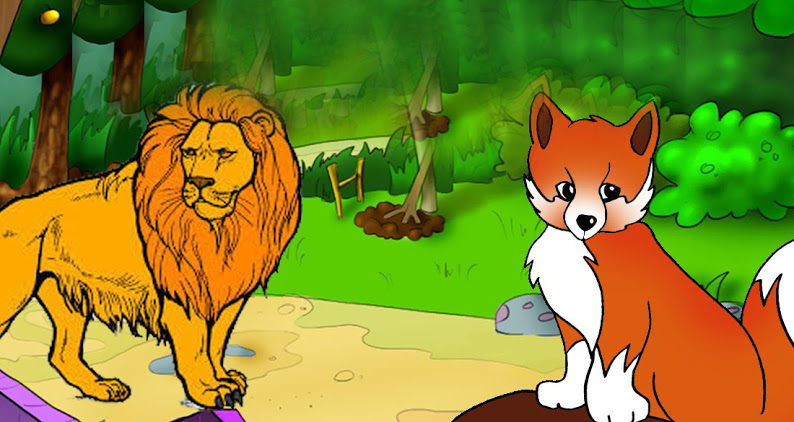
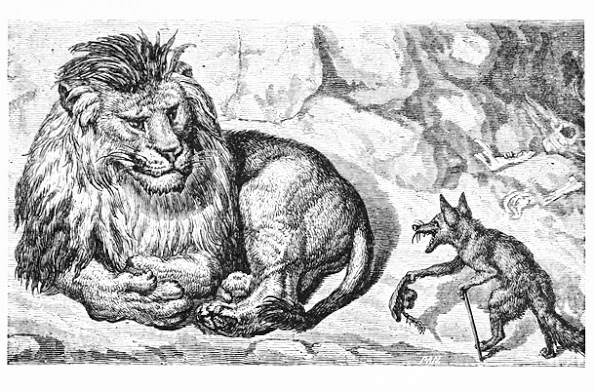
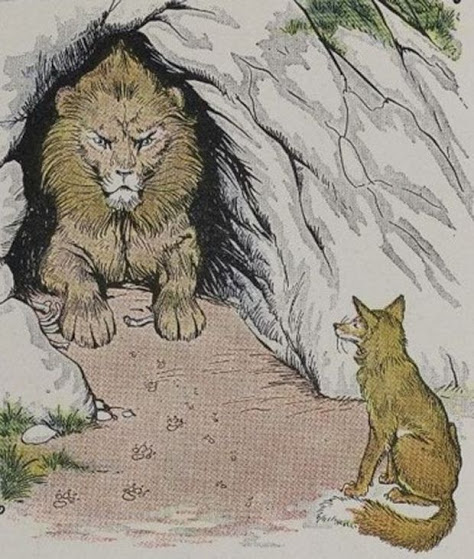
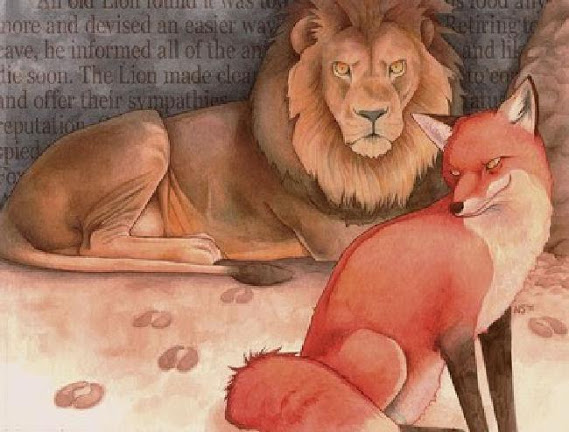
சிங்கத்தை ஏமாற்றிய தந்திரக்கார நரி
நீ அவல் கொண்டு வா ; நான் உமி கொண்டுவருகிறேன் ; அவை இரண்டையும் கலந்து எங்கள் வீட்டுத் திண்ணையில் உட்கார்ந்து ஊதி, ஊதித் தின்போம் என்ற கதை உங்களுக்குத் தெரிந்ததே. எங்கள் வீட்டுத் திண்ணை என்பது முக்கியம். அதே உமியைச் சேகரித்து அதை மீண்டும் மீண்டும் பயன்படுத்தலாம். ஆக அந்த ஆளுக்கு 100 சதவிகித லாபம். இதே போல 2000 ஆண்டுகளுக்கு முன்னர் எழுதப்பட்ட புத்த மதக் கதை ஒன்றைக் கேளுங்கள் –
வசுபந்து என்பவர் கி.பி.நாலாம் நூற்றாண்டில் வாழ்ந்தார். அவருடைய சாஸ்திர அறிவு மிகப் பரந்தது . அவர் இயற்றிய முக்கியமான நூல் அபிதர்மகோஸம் . இது நமக்கு கிடைக்கவில்லை. ஆயினும் யசோதர்மர் இதற்கு உரை எழுதியுள்ளார். மேலும் இந்த நூல் திபெத்திய மொழியிலும் சீன மொழியிலும் மொழி பெயர்க்கப்பட்டுள்ளது. இவற்றிலிருந்து நாம் இந்த நூலின் உள்ளடக்கத்தை அறிகிறோம். இதை பரமார்த்தர் என்பவர் கி.பி. 563-ல் மொழிபெயர்த்தார்
வசுபந்து ‘கதா சங்கிரகம்’ என்ற நீதிக்கதையையும் எழுதினார். இது தம்மபதக் கொள்கைகளை விளக்கும் நூல். ஆயினும் இதற்கு முன்னர் எழுந்த சம்ஸ்கிருதக் கதை நூலான பஞ்ச தந்திரக் கதையைப் பின்பற்றுகிறது.
இதோ ஒரு கதை –
ஒரு நரி, ஒரு சிங்கத்தைப் பின் தொடர்ந்து சென்றது சிங்கம் அடித்துக் கொன்று சாப்பிடும் மாமிசத்தின் மிச்சம் மீதி தமக்கு கிடைக்கும் என்பது அதன் எண்ணம். ஒரு முறை, சிங்கம் மிகப்பெரிய காட்டுப் பன்றியை அடித்துக் கொன்று புசித்தது. ஆனால் நிறைய பகுதி மிச்சமாக எஞ்சியிருந்தது. இதைத் தூக்கிக் கொண்டுவா என்று நரிக்கு கட்டளை இட்டது சிங்கம். நரியால் அதைத் தூக்க முடியவில்லை. உடனே தந்திர புத்தியைப் பயன்படுத்தியது. தூக்கிச் செல்லாவிட்டால் கோபத்தில் சிங்கம் தன்னைக் கொன்றுவிடும் என்றும் பயந்தது. சிங்கமோ கர்வம் உடைய பிராணி. ஆகையால் அதன் கர்வத்தை நரி பயன்படுத்திக்கொண்டது.
இதைத்தூக்கிச் சுமப்பதற்கு இரண்டு காரியங்கள் தேவை; ஒன்று பாரம் தாங்காமாட்டாமல் முனகுவது. அப்படிச் செய்தால் காரியம் மன அளவில் எளிதாகத் தோன்றும் . இரண்டாவது இதைத் தூக்கி வருவதாகும் ;இரண்டு காரியங்களையும் ஒரே ஆள் செய்ய முடியாது.ஆகையால் ஏதேனும் ஒரு பணியை நீ எடுத்துக் கொள் என்று நரி சொன்னது.
இதைக்கேட்ட சிங்கம் , முனகுவது தமது தகுதிக்கு உரிய செயலன்று என்று எண்ணி, நான் தூக்கி வருகிறேன் என்றது. நரியோ அதற்குப் பின்னால் ‘ஜாலி’யாக முனங்கிக் கொண்டே சென்றது . இது போல பெளத்த மதக் கொள்கைகளை சுமந்து சொல்லுகிறேன்.. என்னோடு ஒத்து, அது சரிதான் என்று முனகுவதற்குக் கூட உங்களால் முடியவில்லையே என்று நகைச் சுவை ததும்ப கதையை முடிக்கிறார் வசுபந்து!
Pictures are taken from various sources for spreading knowledge;
this is a non- commercial blog. Thanks for your great pictures.
ஹிந்து விரோதம் தான் செகுலரிஸம் என்றால் செகுலரிஸம் தேவையில்லை!
ச.நாகராஜன்
அரசையும் மதத்தையும் தனித் தனியே வைத்திருப்பது தான் செகுலரிஸம்.
ஆனால் பாரதத்தில் நடப்பது என்ன?
ஹிந்து விரோதம் தான் செகுலரிஸம் என்று கருதப்பட்டு ஓதப்பட்டு வருகிறது. இது தான் செகுலரிஸம் என்றால் – இந்த ஹிந்து விரோத மனப்பான்மை தான் செகுலரிஸம் என்றால் – ஹிந்துக்கள் ஒழிவதை ஒரே நோக்கமாகக் கொண்டிருப்பது தான் செகுலரிஸம் என்றால் – அப்படிப்பட்ட செகுலரிஸம் பாரதத்தில் உள்ள ஹிந்துக்களுக்கு வேண்டவே வேண்டாம்.
திரு அஸ்வின் சாங்கி ஆங்கிலத்தில் எழுதும் பிரபல இந்திய எழுத்தாளர். அவரது The Rozabal Line, Chanakya’s Chant, The Krishna Key, The Sialkot Saga, keepers of the Kalachakra, The Vault of Vishnu ஆகிய நாவல்கள் குறிப்பிடத் தகுந்தவை. அவரது இரண்டு நாவல்கள் நியூயார்க் டைம்ஸின் பெஸ்ட் செல்லர் பட்டியலில் இடம் பெற்றுள்ளன.
அவரது 8, ஆகஸ்ட் 2020 தேதியிட்ட கட்டுரை குறிப்பிடத் தகுந்த ஒரு கட்டுரை.
அதன் சில பகுதிகளை இங்கு பார்க்கலாம்.
*
எங்கு முஸ்லீம் மெஜாரிட்டி இருக்கிறதோ அப்படிப்பட முஸ்லீம் தேசங்கள் இஸ்லாமிய நாடுகளாக ஆகி விடுகின்றன. உலகெங்கும் உள்ள 49 முஸ்லீம் மெஜாரிட்டி நாடுகளைப் பாருங்கள். செகுலரிஸம் என்பதை நிஜமாகப் பாதுகாக்க வேண்டுமானால் அதற்கு ஹிந்து மனப்பான்மை தேவை என்பதைப் புரிந்து கொள்ளலாம்.
கங்கா- யமுனா கொள்கையைக் கடைப்பிடிப்பதில் நாம் கர்வம் கொள்கிறோம்.
ஒவ்வொரு பீம்சென் ஜோஷிக்கும் இங்கு ஒரு ஜாகீர் ஹுசைன் உண்டு. ஒவ்வொரு விக்ரம் சாராபாய்க்கும் இங்கு ஒரு அப்துல் கலாம் உண்டு. ஒவ்வொரு ரவீந்திரநாத் தாகூருக்கும் இங்கு ஒரு சல்மான் ருஷ்டி உண்டு. ஆனால் உங்களை நீங்களே கேட்டுப் பாருங்கள்! இந்த கங்கா- யமுனா கொள்கை ஏன் பாகிஸ்தானில் இல்லை?
இதில் அடிப்படையாக இருக்கும் ஹிந்து மனப்பான்மையை எவராலும் எளிதில் ஒதுக்கி விட முடியாது.
சமீபத்தில் ஆஸ்திரேலிய அரசு பூர்வகுடியினருக்கு எதிராக தாங்கள் செய்த கொடுமைகளுக்கு மன்னிப்பு கேட்டது. தென்னாப்பிரிக்க அரசு பூர்வ குடியினருக்கு எதிராக செய்யப்பட்ட கொடுமைகளுக்கு மன்னிப்பு கேட்டது.
ஜப்பானியர்கள் தாங்கள் ஆசியாவில் இழைத்த உலகப் போர் கொடுமைகளுக்கு மன்னிப்பு கேட்டனர். ஜெர்மானியர் தாங்கள் யூதர்களுக்கு எதிராக இழைத்த கொடுமைகளுக்கு மன்னிப்பு கேட்டனர். ஏன், போரிஸ் யெல்ட்சின் கூட போல்ஷ்விக் புரட்சிக்கு மன்னிப்பு கேட்டார்.
ஆனால் ஹிந்துக்கள் யாரிடமிருந்து மன்னிப்பை எதிர்பார்ப்பது? முகம்மது பின் காசிமை நமக்குத் தந்த அராபியர்களிடமிருந்தா? முகம்மது கஜினியைத் தந்த ஆப்கானிஸ்தானியரிடமிருந்தா? குதுப் டித் அய்பக்கைத் தந்த துருக்கியர்களிடமிருந்தா? அவுரங்கசீப்பைத் தந்த துருக்கி- மங்கோலியர்களிடமிருந்தா? அலெய்கோ டியாஸ் ஃபால்கோவைத் தந்த போர்த்துக்கீசியரிடமிருந்தா? அல்லது ரெஜினால்ட் டயரைத் தந்த ஆங்கிலேயரிடமிருந்தா?
ஹிந்துக்கள் யாரிடமிருந்தும் மன்னிப்பை எதிர்பார்க்கவில்லை. ஆனால் எனது தலைமுறையினர் ஹிந்துவாக இருப்பதற்காக யாரிடமும் மன்னிப்புக் கேட்கவும் தயாராக இல்லை.
எவ்வளவு செகுலராக நாங்கள் இருக்கிறோம் என்று அடிக்கடி நிரூபித்து நிரூபித்து நாங்களும் அலுத்து விட்டோம். இந்த அக்னி பரிக்ஷை நிறுத்தப்பட வேண்டும்.
நீங்கள் நிஜமாகவே செகுலரிஸத்தை இந்தியாவில் நிலைநிறுத்த விரும்புகிறீர்களா? அப்படியானால் ஹிந்துப் பண்பட்ட்டைக் காப்பாற்றுங்கள்.
இந்தக் கட்டுரை முதலில் ஸ்வராஜ்யா பத்திரிகையில் பிரசுரிக்கப்பட்டது.
இது கல்கத்தாவிலிருந்து வெளி வரும் வார இதழான ட்ரூத் பத்திரிகையில் மறு பிரசுரம் செய்யப்பட்டது. (Truth Volume 88 No 9 dated 4-9-2020)
***
நீண்ட கட்டுரையின் இறுதிப் பகுதியே இங்கு தரப்பட்டுள்ளது. இதன் ஆங்கில மூலத்தைப் படிக்க விரும்புவோருக்காக ஆங்கிலக் கட்டுரையின் இறுதிப் பகுதி இதோ:-
In most Muslim-majority countries, Islamisation eventually creeps in. Just look at the 49 Muslim- majority countries around the world and you will realize that the only way to preserve secularism is by preserving Hindu Syncretism.
We are proud of the Ganga- Jamuna techzeeb of India. For every Bhimsen Joshi there is a Zakir Hussain; for every Vikram Sarabhai there is an Abdul Kalam; for every Rabindranath Tagore there is a Salman Rushdie. But ask yourself; why did this Ganga-Jamuna syncretism not take root in Pakistan?
The answer is the underlying Hindu spirit that simply cannot be ignored.
In recent times, The Australian government has apologized to the aboriginal people for their crimes against them. The South African government has aplologized for apartheid. The Japanese have apologized for their war crimes in Asia. The Germans have apologized to the Jews for the holocaust. Even Boris Yeltsin apologized for the Bolshevik Revolution. But from whom should Hindus seek an apology? From the Arabs who gave us Muhammaed bin Qasim? From the Afgans who gave u Mahmud Ghzni? From the Turks who gave us Qutb al – Din – Aibak? From the Truko-Mongols who gave us Aurangazeb? From the Portuguese who gave us Aleixo Diaz Falcao? Or from the English who gave us Reginald Dyer?
Hindus do not expect an apology from anyone. But my generation is equally unwilling to apologize for being Hindu. We are also tired of being the ones who have to regularly prove how secular we are. This agni-pariksha must stop.
Do you really want to preserve secularism in India? Then preserve the Hindu ethos first.
Pictures are taken from various sources for spreading knowledge; this is a non- commercial blog. Thanks for your great pictures.
tamilandvedas.com, swamiindology.blogspot.com
Hindus divided the ages into four. They are called Krta Yuga, Treta Yuga, Dwapara Yuga and Kali Yuga.
Of these two are based on Numbers Treta =3 and Dwapra=2. Of the four Ages/Yugas Krta is the first and so it must be Four (4). So they are in descending order 4,3,2,1. But Kali yuga is 1 and 0.
The reason for this descending order is given in Dharma Shastras/ Hindu Law Books. They imagined Dharma as a cow with four legs. In the first age which is called as Satya Yuga, Golden Yuga etc Dharma was described a cow with four legs. In Treta Yuga it lost 25% of dharma/honesty and so it is named Number 3. In Dwapara Yuga it lost 50% of honesty, i.e. two legs/feet. So it is Dwapara (2) Yuga. In Kaliyuga , Dharma lost one more feet and so only one foot, I.e.25% alone is left. In other words Dharma is on shaky foot.
So, Kali may be called 25% Yuga with one leg. It is struggling to preserve dharma. In other words it is going to lose.
When the world is finished Kaliyuga would have finished and a new era would dawn. Hindus believed in cyclical time.
All these numbers are in gambling. We don’t know whether the Yugas came first or Gambling Numbers came first.
Here is the jargon in gambling:
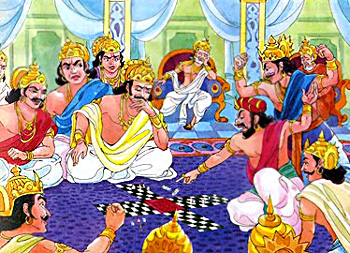
Dicing is mentioned as a game from the time of the Rig Veda onwards. 2000 year old Sangam Tamil literature mentioned the dicing. When a Brahmin and a king played dicing they became angry and threw coins at one another. Then they came to compromise according to a verse in Purananuru. Post Sangam period has the Tamil Veda Titukkural which has a full chapter on Dyuta (Soothu in Tamil). Tamil word for dicing is derived from Sanskrit word Dyuta. This shows the 3000 year long history on this game. Manu and other law makers brand this game as a vice. Whole of India knew that the greatest epic of Hindus , Mahabharata is based on dicing.
2700 year old Ashtadhyayi of Panini mentioned it in 4-4-19 and 3-3-37 Aksha Dyuta or simply Dyuuta.
Panini and Patanjali give more details and more words regarding this game. We see them in Mahabharata as well.
Nowadays two pieces are used to play this game. But in the ancient period, five coins/pieces were used according to Taittiriya Brahmana . Vedic Index gives the names of five pieces as :–
Aksharaja, Krita ,Treta ,Dwapara and Kali .
From the period of Panini till the latest commentary Kasika , they used Paanchikaa Dyuuta.
Gambler was called Kitava . When all the five pieces fall with faces turned upwards, or all the five pieces fall face down the thrower wins the game; when the fall is otherwise , he loses it.
When four pieces fall alike and one is different, the dicer exclaims
Akshapari
Salakaa pari
Ekapari
It means missed by one aksha or a by a single salaka.
If the throw fell amiss by two, it is called dwipari, three -tripri and four- chatuspari
When all the five pieces fell uniformly the throw was called a winning throw and the technical term for it is
Krita ; the name for the losing throw is Kali .
Buddhist Veda Dhammapada called a deceitful player kitavo satho. He tries to conceal his losing or kali throw- verse 252-. Chandogya Upanishad also called the winning throw krita.
In the sabhaparva of Mahabharata sakuni is described by vidura as krita—hasta- man of winning throws.
Panini also mentioned krita and kali throws 3-1-21
Vidura pandita Jataka tale –545—used the same words.
Later only four pieces were used
But whether it is 4 pieces or five pieces, Krita meant win and Kali meant loss.
We get more information from Mahabharata that it is played in Sabhas (sort of Casinos) . Kautilya also confirms it.
Panini even mentioned wager or stake money – satasya divyati ,satasya pratidivyati- 2-3-57, 2-3-59 all denoting he stakes a hundred rupees.
This shows that India had decimal coin/currency system 2700 years ago, even before the Greeks .
Pictures are taken from various sources for spreading knowledge; this is a non- commercial blog. Thanks for your great pictures.
tamilandvedas.com, swamiindology.blogspot.com
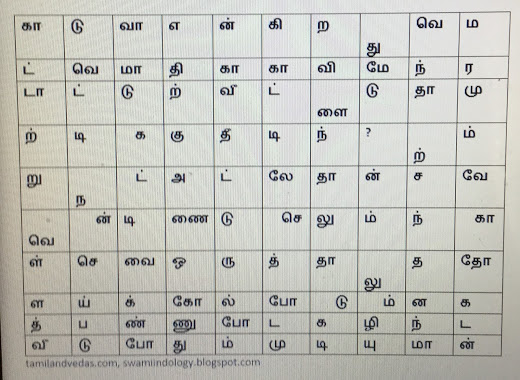
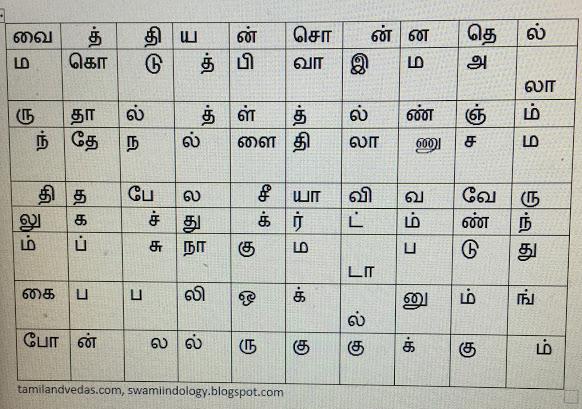
‘காட்டில் ஆனையைக் காட்டி வீட்டில் பெண்ணைக் கொடுக்கிறது போல. – என்பது ஒரு பழமொழி. இது போல மேலும் 6 காடு பற்றிய சுவையான பழமொழிகள் கட்டத்தில் உள்ளன. கண்டு பிடிக்கமுடியாவிட்டால் கீழே விடைகளைக் காண்க.
ஒரு முறை பழமொழியில் வரும் சொற்கள் மறுமுறை கட்டத்தில் இராது.; ஊகித்து அறிக
Pictures are taken from various sources for spreading knowledge; this is a non- commercial blog. Thanks for your great pictures.
BY ச.நாகராஜன்
வாலிப காசி என்று புகழப்படும் இடம் எங்குள்ளது தெரியுமா?
அது தமிழ்நாட்டில் கொங்கு மண்டலத்தில் உள்ளது.
பவானி நதி காவேரியுடன் கலக்கின்ற இடத்தைக் கூடுதுறை என்பர். கிரகண காலங்களில் மக்கள் வந்து அதில் ஸ்நானம் செய்வது தொன்று தொட்டு இருந்து வரும் பழக்கம். இதனால் பொன்னுலகம் கிடைக்கும் என்பது நம்பிக்கை. இப்படிப்பட்ட இடத்தில் அமைந்துள்ள ஆலயம் தான் திருநண்ணாவூர். பவானி என்றும் இது அழைக்கப்படுகிறது.
இதுவே வாலிப காசி எனப்படுகிறது.
இதை கொங்கு மண்டல சதகம் தனது 14ஆம் பாடலில் கூறி பெருமைப்படுகிறது.
பாடலைப் பார்ப்போம்:-
காலி லரவ மிருசுட ரைப்பற்றுங் காலத்திலே
மேலுல கம்பெறு வோர் புனல் மூழ்க விரும்புவதுங்
கோல மிகுந்தப வானியும் பொன்னியுங் கூடுதுறை
வாலிப காசி நண் ணாவூர் பயில்கொங்கு மண்டலமே
இதன் பொருள் :-
பொன்னுலகத்தைப் பெற விரும்புகின்ற சீலர்கள், சூரிய சந்திர கிரகண காலங்களில் பவானி நதி காவேரியுடன் கலக்கின்றதான கூடுதுறையில் முழுகுகிறார்கள். அந்த வாலிப காசியான திருநண்ணாவூர் இருப்பதும் கொங்கு மண்டலத்திலே தான்.
பவானி கூடல் என்பது திரிவேணி சங்கமமாகும். காவேரி நதியே கங்கை நதி.
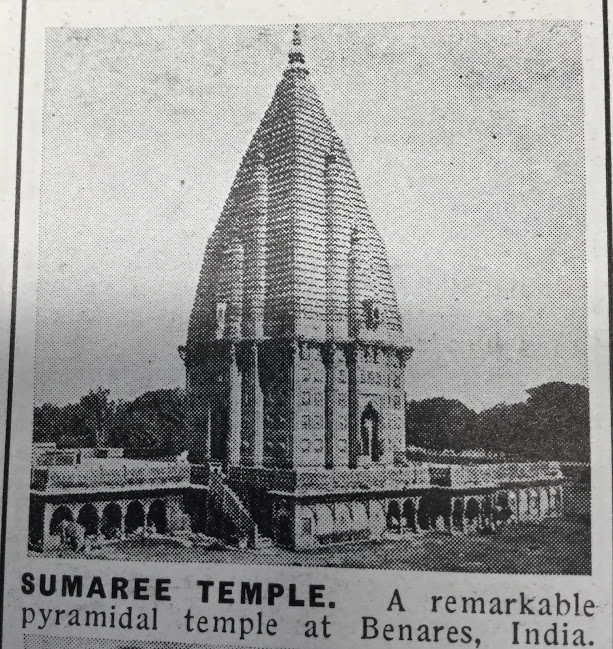
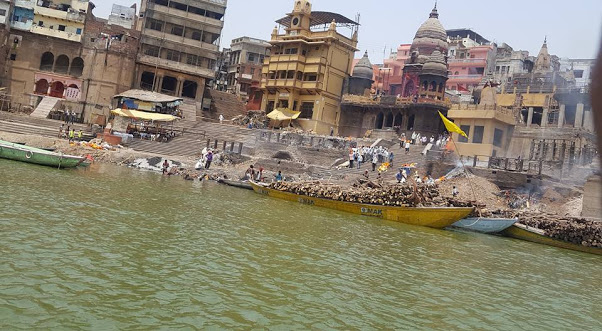
KASI TEMPLE IN NORTH INDIA
பவானி நதியே யமுனை. பராசர முனிவரால் உண்டாக்கப்பட்ட ஆலயத்திலிருந்து வரும் அமுத நதியே காசி க்ஷேத்திரத்தில் உள்ள பவானியாகும்.
ஆதலால் இந்த மூன்று நதிகள் கூடவே திரிவேணி சங்கமம் ஆயிற்று.
திருநண்ணாவூர் அமைந்துள்ள இடம் கொங்கு மண்டலத்தில் உள்ள வடகரை நாடு ஆகும்.
Pictures are taken from various sources for spreading knowledge; this is a non- commercial blog. Thanks for your great pictures.
tamilandvedas.com, swamiindology.blogspot.com
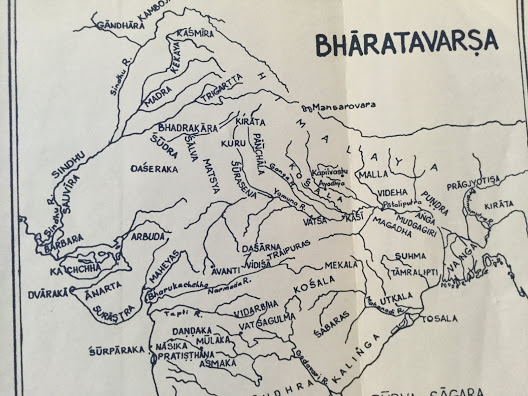
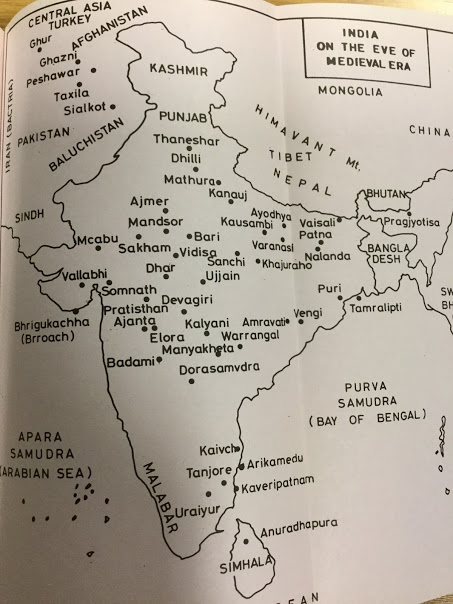
Though Panini wrote a grammar book we get amazing information about the rivers, mountains, hills, wells, crops and cities in ancient India from his own work and commentaries and supplementary attached to his book. Greek sources also confirm it. So, we get a clear picture of North India. But we must remember it is only the information about famous and big cities and ports and commercial centres and holy cities. India has over 600,000 towns. Even Kabilar, a Tamil poet who composed highest number poems in 2000 year old Sangam Tamil literature says Pari, a Tamil philanthropist, owned 300 towns in his small Parambu country. It is in Purananuru of Sangam corpus. If Pari can own 300 towns in a small area of Tamil Nadu there is no wonder that North India had 750 known cities 2700 years ago or even before that.
That ancient India possessed a large number of cities or towns is also attested to by Greek writers. According to them Punjab was full of towns , centres of industry and economic prosperity. Many of these figured as forts or centres of defence such as the famous town of Massage – Masakaavati- or Aornos – Varanass in the country of the Asvakas. Many towns had a population of 5000 to 10000.
Strabo said that in the territories of the nine nations situated between the Jhelum and Beas, such as the Malloi, Oxydrakai and others , there were 500 cities.
Megasthenes makes the following general statement on the cities of Mauryan India—
“Of their cities it is said that the number is so great that it cannot be said with precision”.
Greeks did not exaggerate and that is known from the lists attached to the two sutras 4-2-75 and 4-2-80 we have about 500 names. If we add the towns from Ghanas we will get the names of 750 towns.
The grammatical literature is now a valuable source of information regarding the old and forgotten cities of India. This literature like Yuan Chwang’s Travels has preserved landmarks .
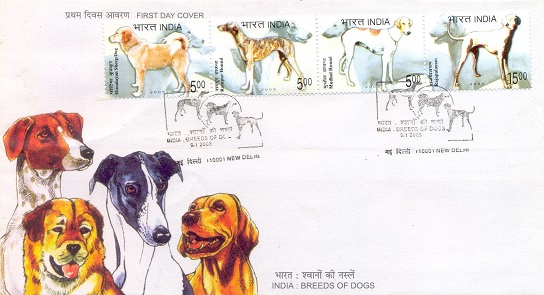
Famous breed of dogs in Ramayana and Panini
The Ghanapatha gives a list of 500 towns. Of them one is Saubhuta 4-2-75.
It is usually identified with the kingdom of Sophytes mentioned by the Greek writers. The place is especially noted by the Greeks for a ferocious breed of dogs whose fame spread to Greece even before Alexander’s time. Ramayana also refers to similar dogs bred in the Kekaya country of the Salt Range. It describes them as bred in the royal kennels , strong like tigers, big in size and with big teeth. It was probably the breed of dogs that was referred to by PaninI as Kauleyaka – 4-2-96. Saubhuta was thus a part of Kekaya in the Salt Range.
ஜோதிட சாஸ்திரம் வேதத்தின் ஆறு அங்கங்களில் ஒன்று. இது பல மஹரிஷிகள் போற்றிய சாஸ்திரமும் கூட.
கிருஷ்ணனுக்கும் சிசுபாலனுக்கும் யுத்தம் ஆரம்பிக்கும்போது பல நிமித்தங்கள் ஏற்பட்டன.
அப்போது யுதிஷ்டிரர் பல உற்பாதங்களையும் அபசகுனங்களையும் கண்டார். இவற்றைப் பற்றி அவர் நாரத முனிவரிடம் கேட்க நாரதர் அளித்த பதிலை ஸபா பர்வம் அறுபத்தொன்பதாவது அத்தியாயத்தில் காணலாம்.
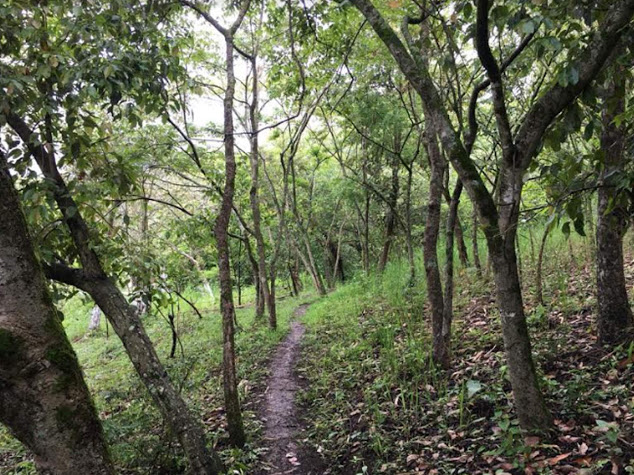
இது ஜோதிட சாஸ்திரம் பற்றியும் துர்நிமித்தங்கள் பற்றியும் நாரதர் கூறிய பகுதியாகும். நாரதர் மரங்களை வெட்டக் கூடாது என்பது பற்றிக் கூறுவது குறிப்பிடத்தகுந்தது. சுற்றுப்புறச் சூழ்நிலைகளை நாம் பாதித்தால் அது நம்மை வெகுவாக பாதிக்கும் என்பதை நாரதர் தெளிவாக விளக்குகிறார்.
மஹரிஷி நாரதர் கூறுவதன் ஒரு பகுதியை இங்கு பார்ப்போம்.
ஜோதிட சாஸ்திரம் கற்றுணர்ந்தவன் கிரகங்களின் வலிமையையும் செல்லும் வழியையும், சேருதலையும், உச்சத்தையும், ஆரோஹணத்தையும் – அதாவது அபிவிருத்தியையும் – ஒன்றையொன்று எதிர்த்துச் செல்வதையும், கிரணங்கள் சேருவதையும், முயற்சியோடிருப்பதையும், நிலைகுலைதலையும், காணக்கூடிய கிரஹங்கள் காணப்படாதிருத்தலையும், காணக்கூடாத கிரகங்கள் காணப்படுதலையும், நீசம் அடைதலையும், ஏற்றக்குறைவுகளையும், நிறத்தையும், இடத்தையும், பலாபலன்களையும், முழுவதுமாக பரீக்ஷிக்க வேண்டும்.
இவ்வுலகில் தெய்வீகமாக உண்டாக்கப்பட்ட உற்பாதங்கள், பூமியைச் சார்ந்தவை முதலிலும், ஆகாயத்தைச் சார்ந்தவை பிறகும் உண்டாகின்றன. சூரியன் மேற்குத் திசையில் இருக்கும் போது எல்லாப் பொருள்களின் நிழலும் கிழக்கே திரும்பாமல் இருந்தால் அது தோல்விக்கு ஒரு அடையாளமாகும்.
எப்போது கிராமங்களிலுள்ள தலைமையான மரங்களின் நிழல் (வெயில் இல்லாமல் இருக்கும் போது) பிரதிபிம்பம் போலத் தெளிவாகக் காணப்படுகிறதோ அப்போது பெரிய அச்சத்தை அறிய வேண்டும்.
கிராமங்களின் தலைமையான மரங்கள் இலைகள் உதிர்ந்தும், இலைகளும் தளிர்களும் (அகாலத்தில்) உதிர்ந்தும் துளிர்கள் கெட்டும் போமாயின் அப்போது நாசத்தைச் சொல்ல வேண்டும்.
கிராம விருக்ஷங்கள் செழித்த இலைகளும் தளிர்களுமுள்ளவையாகவும், விருத்தி அடைகின்றவையாகவும் காணப்படுமாயின் அப்போது க்ஷேமத்திற்குச் சந்தேகமே இல்லை.
பூவின் மேல் பூவும், காயின் மேல் காயும் சேர்ந்து உண்டாகுமாயின் அப்போது ராஜாவாயினும் ராஜாவைப் போன்றவனாயினும் மரணமடைவான்.
கார் காலம், சரத் காலம், பனிக் காலம், வஸந்த காலம் ஆகிய எல்லாக் காலங்களிலும் அவ்வக்காலத்திற்குரியவை அல்லாத மலர்களும் கனிகளும் உண்டாகுமாயின் தேசத்தில் கலக்கத்தை உரைக்க வேண்டும்.
சிலாக்கியமான மரமானது பூஜிக்கப் பெற்றதாயினும், பெறாததாயினும் காற்றினால் முறிக்கவாவது அல்லது பெயர்க்கவாவது அல்லது சாய்க்கவாவது படுமாயின் அக்னி பயத்தையாவது, வாயு பயத்தையாவது அறிய வேண்டும்; சிறந்த மனிதனாவது அழிந்து போவான். திசைகள் எல்லாம் எரியுமாயின் ராஜாக்களுக்கு மாறுதல்கள் உண்டாகும்.
வெட்டித் தள்ளப்பட்ட மரம் சப்தம் செய்யுமாயின் அதனுடன் கூட அந்த ராஜ்யமே விழுந்து போகும். ஆதலால், மரத்தை வீழ்த்தல் கூடாது.
மரத்தை ஒருவன் வெட்டுவிப்பானாயின் அந்த மரம் அவன் மேல் அதற்காகக் கோபிக்கும். வெட்டினவனும், பெயர்த்தவனும், அம்மரத்திற்கு உடையவனும் உடனே அழிவர்.
தேவதா விக்கிரஹங்கள் விழுவதும், மண்டபங்கள் இடிவதும், மலைகள் அசைவதும் தோல்விக்கான அறிகுறிகள்.
இரவில் வானவில்லைக் கண்டாலும் அதனால் பெரும்பயம் உண்டு. ஆனால், அதைக் கண்டவனுக்கு மட்டுமே பயம் உண்டாகுமே தவிர மற்றவருக்கு இராது. இரவில் வானவில்லைக் கண்டவன் உடனே அந்த தேசத்தை விட்டு அகல வேண்டும்.
எங்கே தேவதா விக்ரஹங்கள் ஆடவும், கூவவும், நகைக்கவும், கண் திறக்கவும், மூடவும் செய்கின்றனவோ அந்த தேசத்தில் கலக்கத்தைச் சொல்ல வேண்டும்.
கற்களிலிருந்து நீர்க்கசிவுகளும் மற்ற எவ்வகையான மாறுதல்களும் உண்டாகுமாயின் அவை பயத்திற்கான அடையாளங்கள்; பெரிய மனிதர்களாயினும், பரிஜனங்களோடு கூடிய அரசனாயினும் இறந்து போவார்கள். நகரத்தில் வியாதியாவது உண்டாகும்; ராஜ்யத்திலும், தேசத்திலும் கலக்கங்களாவது உண்டாகும்.
தேவதைகளின் ஆலயங்களிலும், ராஜாக்களின் அரண்மனைகளிலும், பூஷண சாலைகளிலும், ஆயுத சாலைகளிலும் தேன்கூடு கட்டப்படுமாயின் அப்போது அந்தத் தேசமே மேலான பலவானால் அழிக்கப்படும். அந்த தேசத்தில் திடீரென்று பயம் உண்டாகும் என்று சொல்ல வேண்டும்.
மரத்திலிருந்தும், யானை தந்தத்து நுனியிலிருந்தும், காளை மாட்டின் கொம்பிலிருந்தும் சிவந்த ரத்தம் பெருகுமாயின், மரத்தில் பெருகுவதால் தேசம் போகும்; யானை தந்தத்தில் பெருகுவதால் அரசு மாறும்; மாட்டுக் கொம்பில் பெருகுவதால் பசுக்களுக்கும், பிராமணர்களுக்கும் நாசமுண்டாகும் என்று சொல்லலாம்
“அரசனே! ராஜாவின் குடை தரையில் விழுமாயின் அவ்வரசனும், அவன் ராஜ்யமும் உடனே அழிந்து விடும். தேவாலயங்களிலும், ராஜ கிருஹங்களிலும், யானை கட்டுகிற இடங்களிலும் வேறுபாடு காணப்படுமாயின் அந்த தேசத்திற்கும், ராஜாவுக்கும், ஊருக்கும் பீடையுண்டாகும்.
கொடிய அனாவிருஷ்டியால் (அதாவது மழையில்லாததால்) பயத்தையும், பெரும் பஞ்சத்தையும் சொல்ல வேண்டும்.
தேவதா விக்ரஹங்களின் கைகள் ஒடிவதால் கிருஹஸ்தர்களுக்குப் பயம் உண்டாகும். (அவற்றின்) ஆயுதம் ஒடிந்தால் சேனாபதி இறப்பான் என்று அறிய வேண்டும்.
புதிதாக வந்த தேவதா விக்ரஹம் ஆறு மாதத்திற்குள் இடத்தில் நிலை பெறுத்தப்படாமல் போமாயின் அந்த நகரத்தை விட்டு ராஜா அகலுவான்.
பூமி வெடித்தாலும், சப்தம் செய்தாலும், இடிந்து விழுந்தாலும் அந்த தேசத்து அரசன் இறப்பான்; தேசமும் கெடும்.
ஏணீபதம், ஸர்ப்பம், டுண்டுபம், தீப்யகம் என்னும் பாம்பு ஜாதிகளைத் தவளை விழுங்குமாயின் அங்கே ராஜ நாசம் உண்டாகும்.
அன்னமானது ஒன்று சேர்க்கப்படாமலும், சமைக்கப்படாமலும், அதிகப்படுமாயின் அந்தத் தேசத்தார் நோயுற்று இறந்து போவர். அந்த அன்னத்தை அவர்கள் புசியார்.
தடாகம் முதலிய ஜலாசயங்களில் நீர் பொங்கினாலும், மரம் முதலிய ஸ்தலங்களில் தண்ணீர் உண்டானாலும், அங்கிருந்து வெளிப்பட்டாலும், பெண்கள் காலில்லாமலாவது மூன்று கால்கள், இரண்டு தலைகள், நான்கு கைகளோடு கூடவாவது இருக்கும் குழந்தையைப் பெற்றாலும் அந்த தேசத்திற்குத் தோல்வியைச் சொல்ல வேண்டும்.
வெள்ளாடுகளும், செம்மறியாடுகளும், பெண்களும், பசுக்களும் மற்றுமுள்ள பல ஜாதிகளும் இயற்கைக்கு மாறான சந்ததிகளைப் பிரசவித்தால் அந்தத் தேசத்தில் தோல்வி நிச்சயம்.
நதியானது கலங்கிய ஜலமாக எதிர் நோக்கிச் சென்றாலும் திசைகள் ஒளியில்லாமல் போனாலும் அவை தோல்விக்கான் அறிகுறிகளாகும்.
இவையும் பூமியையும், ஆகாயத்தையும் சேர்ந்த மற்றுமுள்ள சகுனங்களும் கிருஷ்ணனாலேயே உண்டாகின்றன.
சந்திர சூரியர்கள், க்ரஹங்கள், நக்ஷத்திரங்கள், காற்று, நீர், நிலம் இவையனைத்தும் கிருஷ்ணனிடமிருந்து உண்டானவை. எந்தத் தேசத்துக்குக் குறைவையாவது விருத்தியையாவது கிருஷ்ணன் செய்ய விரும்புகிறாரோ அந்தத் தேசத்தில் அதற்குரிய சகுனங்களை இவரே உண்டு பண்ணுகிறார்.
“இதோ பார், பூமி அசைகிறது. கெட்ட காற்று வீசுகிறது. பருவமில்லாத காலத்தில் ராகு சந்திரனைப் பிடிக்கிறான். இடிகளோடு எரிகொள்ளிகள் விழுகின்றன. இருள் மிகுதியாக உண்டாகிறது.”
இவ்வாறு நாரதர் தர்மபுத்திரரிடம் கூறும் போது இன்னும் பல துர்நிமித்தங்கள் ஏற்பட்டன.அதன் பின்னர் சிசுபாலனின் வதம் நிறைவேறியது.
இந்தப் பகுதி தரும் நிமித்தக் குறிப்புகள் ஆழ்ந்து ஊன்றிக் கவனிக்கத் தக்கவை. இயற்கை மனிதர்களுடன் பேசும் ஒரு பாஷையே நிமித்தமாகும்.
Pictures are taken from various sources for spreading knowledge; this is a non- commercial blog. Thanks for your great pictures.
tamilandvedas.com, swamiindology.blogspot.com
Panini, world’s first grammarian and linguist wrote a book named ‘Eight Chapters’. In Sanskrit it is called ‘Ashtadhyayi.’ Famous Sanskrit scholar Goldstucker dated him around eighth century BCE. It contains 3995 sutras/ rules. Three centuries after him, came Katyayana Vararuchi. He made 4263 notes/remarks on his 3995 sutras. Some notes have three or four points. Definitely he added over 10,000 notes. These are called Vartikas. Though he made over 10,000 omissions, additions, commissions and objections , world praised Panini as the greatest grammarian. The reason for 10,000 +++++ correction or objections is that he lived 300 years after Panini and so made some changes. So he is not praised like Panini. A few centuries later came the greatest commentator the world has ever seen. His name was Patanjali. He lived in 150 BCE. Everybody agrees on his date. His commentary on Panini’s Sanskrit grammar is called Maha Bhasya meaning great commentary. It is really great in contents and size. 1000 years after Patanjali came two gentlemen named Vamana and Jayaditya. Both of them sat in Kasi, the holiest city for Hindus, and wrote a new commentary with latest examples. Since they wrote it from Kasi/ Varanasi/Benares, the commentary is called Kaasikaa.
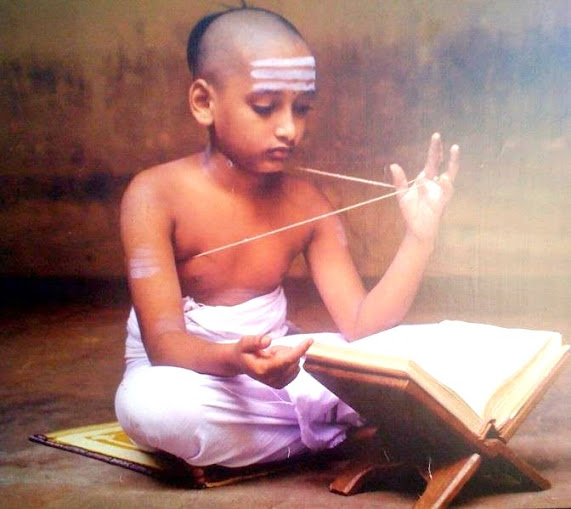
Though all the above mentioned books are grammar works, they are encyclopaedic in contents. They deal with Astronomy to Zoology. Panini gives interesting details about brahmins of North India. He twice uses the Vedic term Varna 5-2-132 and 6-3-84 (dharma sila varnach cha ).
The Brahmanas formed the highest caste. Katyayana mentioned Chaturvarnya ((5-1-124). The order is also given by Patanjali ‘Brahmana- Kshatriya- Vit- Sudrah ( Bhasya 1-436)
Panini in a sutra 51-124 refers to the Bhava (nature) and Karma (conduct) which should characterise a Brahmin. Katyayana applies this rule to all the four castes. Tamil Veda Tirukkural also repeated what Panini and Katyayana said in Kural couplets 972, 973. Manu also said it 2-168
“Alike is birth to all; but in their greatness they are not alike owing to the divergence of their actions” -972
“The ignoble are low though placed high by birth; noble souls are not low though born low”. -973
Manu also says 2-168
“A twice born man who does not study the Vedas but exerts himself doing something else quickly turns into a (Sudra) servant, even while he is alive ,and his descendants too”.
xxxx
Panini also knew brahmins were called after their native regions 5-4-104
A degraded Brahmana was called ‘Ku-brahman’a (5-4-105) while a Brahmin who is pre eminent in his duties is called Maha Brahmana (5-4-105)
Pali texts say Bodhisatva Narada as being the Maha Brahma in a particular epoch. The Matanga Jataka tale refers to the superior position of a Maha Brahma . The Pali texts use Maha Brahma to mean a Super Brahmana.
xxx
Arya Brahmana, Arya Kshatriya and Arya Vaisya
The term Arya Vaisya is used in Tamil Nadu even today
In Panniniyam Arya Brahmana meant Kings Chief Counsellor
Arya Kumara meant Crown Prince.
Arya Vaisya meant business people with high status. Even Tamil Epic Silappadkikaram called Maha Nayakan and Maha Sattuvan, the business leaders of marine trade and land trade , parents of hero and heroine Kovalan and Kannaki. They belonged to Super Vaisya category.
Panini mentioned Arya Vaisya in 3-1-103 (Aryah svaami – vaisyayoh)
Xxx
Many Types of Sudraas – Yavana Sudras, Saka Sudras, Funeral Service Sudras
Not all the sudras were degraded in Panini- Patanjalis time.
Patanjali mentioned the condition that prevailed 2200 years ago.
Sudras who lived within Aryavarta.
Foreign Sudras- outside Arya Varta – Yavanas were foreign Sudras.
Even Sangam Tamil literature mentioned them as Mlechas (who doesn’t speak Tamil) and men of harsh , unintelligible words (Van Sol Yavanar).
The foreign Sudras were:- Kishkindha- Gabdikam
Saka- Yavanam
Saurya- Krauncham (KRAUNCHA birds)
Of these Kishkindha Sudras make interesting reading. We read about tribes with Monkey totems on their bodies called Vanaras who ruled Kishkndha in Karnataka. But Patanjali’s Kishkindha was near Gorakpur in Uttar Pradesh. One has to probe more to find out about two Kishknidhas in Hindu scriptures; it is a rare Sanskrit word.
Bird Migration 2700 years ago!
Krauncha dwara is also an interesting term; Lord Kartikeya is also called Krauncha Bedanar. It is a natural pass in the Garhwal Himalayas through which Siberian birds migrate o India from Europe. The natural mountain pass is linked with Skanda mythology. Kalidasa also mentioned Krauncha Pass in Megadutam in verse 59. Our forefathers were keen observers of Bird Migration and named the Bird Migratory route after Krauncha birds It is also called Niti Pass and Parasurama is also linked to it.
Undertakers (funeral service) and Chandalas were the lowest category among the Sudras. These untouchable Sudras had to take food in their own utensils.
Carpenters, Metal workers, Weavers were sudras but allowed to do Yaga, Yajna (Fire Sacrifice) works.
So we know from different literary works that not all Sudras were untouchables. But the grammatical works cover periods of 1500 years—from Paniniyam to seventh century Kasika!!
One can get lot of information about ornithology, zoology , astronomy, botany, legal system etc. Innumerable references are there about stars which shows their great advancement in astrology and astronomy. Even different colour lightnings are scientifically interpreted showing their interest in meteorology.
–subham–
tags – super brahmins, Yavana, Shudra, Arya Vaisya















 Tamil and Vedas