Pictures are taken from various sources for spreading knowledge; this is a non- commercial blog. Thanks for your great pictures.
tamilandvedas.com, swamiindology.blogspot.com
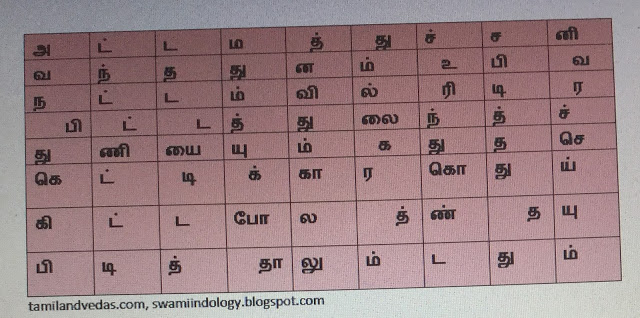
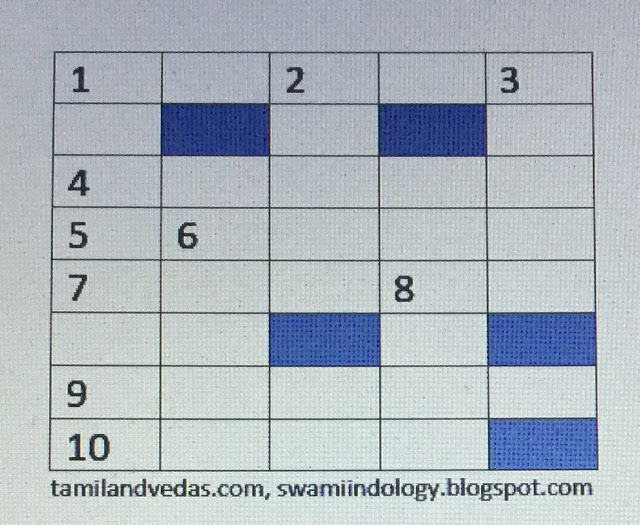
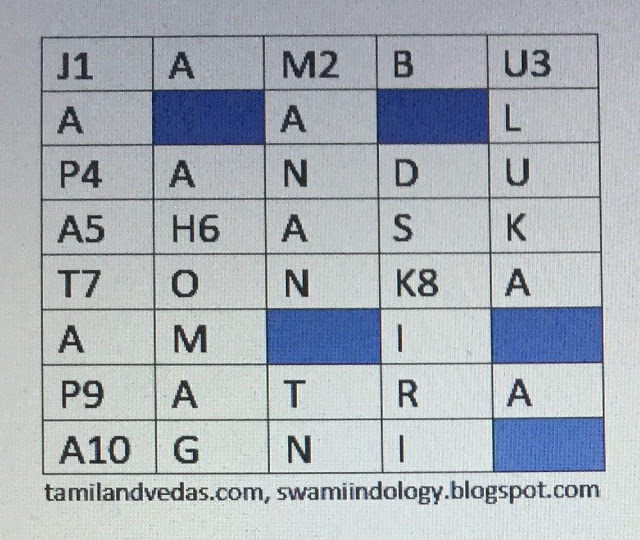
ஒரு முறை பயன்படுத்தப்பட்ட சொல், மற்ற பழமொழிகளில் இருந்தாலும், கட்டத்தில் திரும்ப எழுதப்படவில்லை . இத்துடன் பிரசுரமாகும் படங்கள் கொஞ்சம் துப்புத் துலக்க உதவலாம். கீழே விடைகள் உள .
விடைகள் :-
1.அட்டமத்துச் சனி கிட்ட வந்தது போல
2.அட்டமத்துச் சனி நாட்டம் வரச் செய்யும்
3.அட்டமத்துச் சனி பிடித்தது; பிட்டத்துத் துணியையும் உரிந்து கொண்டது
Pictures are taken from various sources for spreading knowledge; this is a non- commercial blog. Thanks for your great pictures.
tamilandvedas.com, swamiindology.blogspot.com
உலகில் பல்லலாயிரம் மர வகைகள் இருக்கின்றன. ஆனால் வேறு எவரும் கண்டு பிடிக்காத மரத்தைக் கம்பன் கண்டு பிடித்தான். அது மட்டுமல்ல அயோத்தியில் ஒரு ஹாலில் (Hall) பட்டிமன்றம் நடப்பதையும் பார்த்துவிட்டான்.; விடுவானா? உடனே இரண்டு பாட்டு எழுதி பிரசுரித்து விட்டான். அப்பொழுது பத்திரிக்கை இருந்திருந்தால் அது தலைப்புச் செய்தியாக வந்திருக்கும் இதோ முழுச் செய்தி:
கம்பன்:–
டேய் பையா , அந்த விதைகளைக் கொண்டுவா
அப்பா, கல்வி மர விதைகளா? ஆமாண்டா, மகனே
******
அப்பா , அப்பா மரம் பெரிசாச்சு; வந்து பாரு!
கிளைகள் முழுக்க கேள்வி/ வேதம் இலைகள் முழுக்க தவம்.
அடடா அரியகாட்சி !
****
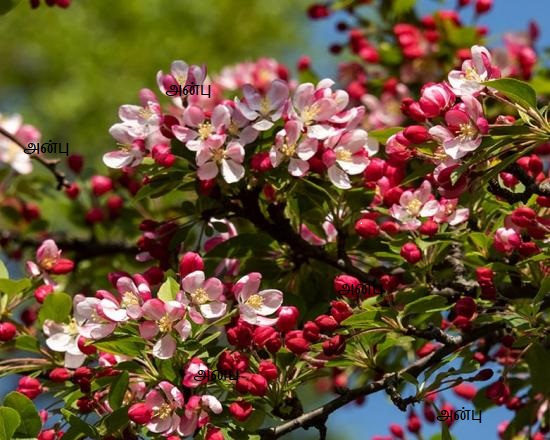
அப்பா அப்பா ஓடிவா ; மலர் மொட்டு வந்திருச்சு!
கம்பன் ஒடி வந்து பார்த்தார்; அன்பு என்னும் ‘மலர் மொட்டு’!
உடனே கம்பன், தன் மகனுக்கு ஒரு விடு கதை போட்டார்.
மகனே! கல்வியை விதைச்சோம் ; இப்ப அன்பு மொட்டு வந்து விட்டது
ஒரு விடுகதைக்கு பதில் சொல்லு பார்ப்போம்
இந்த மரத்துல என்ன மலர் பூக்கும்? என்ன பழம் கிடைக்கும் ?
கம்பன் மகன் பட்டென பதில் சொன்னான்:–
“என்னப்பா, எனக்கு இது கூட தெரியாதா?
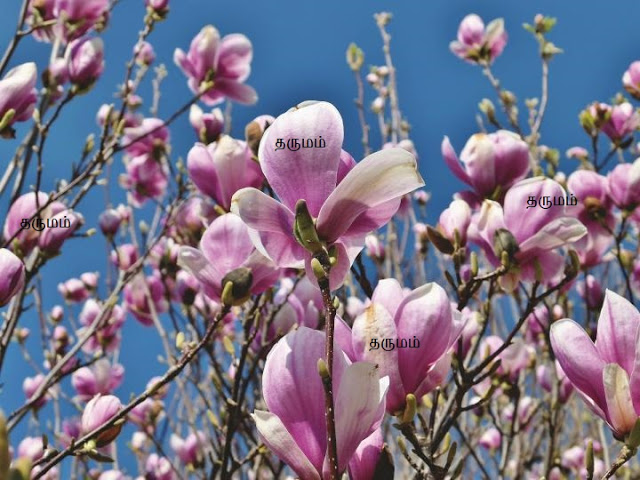
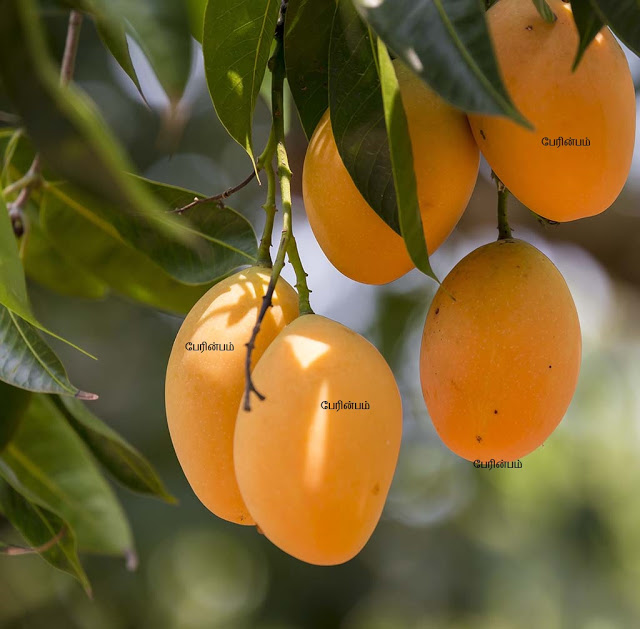
தருமம் மலர் பூக்கும்! பேரின்பம் பழம் காய்க்கும் !!
பேஷ், பேஷ் ; நீ கம்பன் மகன் என்பதை நிரூபித்து விட்டாய்.
என் நண்பன் கூட நேற்று என்னைப் புகழும்போது ‘கம்பன் வீட்டு கட்டுத்தறியும் கவி பாடும்’ என்றான் ; அப்படியே உண்மை ஆகிவிட்டதே!!
கம்பன் உடனே ஒரு பாட்டுப் பாடினான்:-
ஏகம் முதல் கல்வி முளைத்து எழுந்து எண் இல் கேள்வி
ஆகும் முதல் திண் பணை போக்கி அரு ந்தவத்து
சாகம் தழைத்து அன்பு அரும்பித் தருமம் மலர்ந்து
போகம் கனி ஒன்று பழுத்தது போலும் அன்றே
–கம்ப ராமாயணம் , பால காண்டம் , நகரப் படலம்
பொருள் :
“அந்நகரம் கல்வி என்னும் ஒரு விதையானது முளைத்து வளர்ந்து , அளவற்ற கேள்விகள் என்னும் அழகிய, சிறந்த, வலி ய கிளைகளை வளர விட்டு , செய்வதற்கு அரி ய தவம் என்னும் இலைகள் தழைக்கச் செய்து , அன்பு என்னும் அரும்பினைத் தோற்றுவித்து , தருமம் என்னும் மலரை மலரச் செய்து பேரின்பம் என்னும் பழத்தைப் பழுக்கச் செய்தற்கு ஏற்ற இடமாக உள்ளது”.
******
அயோத்தியில் ஒரே கூச்சல்!!
கம்பன் அயோத்தி நகர தெரு வழியாக நடந்து போனான். ஒரு மண்டபத்தில் இருந்து பெரிய கூச்சல், சப்தம் ; ஜன்னல் வழியாக எட்டிப் பார்த்தான் ; புலவர்கள் பெரிய பட்டி மன்ற விவாதம் நடத்திக் கொண்டிருந்தனர் ; நமக்கு எதுக்கப்பா இந்த வெட்டி வேலை?
நான் எதாவது சொல்வேன்; அவன் எதாவது சொல்வான்; நேரம்தான் Waste வேஸ்ட் !
நைசாக நழுவிய கம்பன் இன்னொரு ஹாலின் ஜன்னல் வழியே எட்டிப் பார்த்தான்; அழகிகள் பரத நாட்டியம் ஆடிக்கொண்டிருந்தனர் உடனே ‘டயரி’ diary யில் குறித்து வைத்துக் கொண்டான் ; இன்னொரு தெரு வழியே நடந்து போனால் ஒரு ஹால் (Hall) முன்னாடி பெரிய செக்யூரிட்டி (security ) ; ஓஹோ பிரதம மந்திரி ஏதோ துவக்க விழாவுக்கு வந்திருப்பார் போல என்று எண்ணி போலீஸ்காரர்களிடம் கெஞ்சிக் கூத்தாடி ஜன்னல் வழியாக எட்டிப் பார்த்தான். ஒவ்வொரு மூலையிலும் தங்கக் காசு குவியல், ரத்தினக் குவியல் என்று கணக்கு எழுதிக் கொண்டிருந்தனர் அத்தனையும் சோழ மகாராஜாவுக்கு சிற்றரசர்கள் அனுப்பிய கப்பம்!
இன்னொரு மண்டபத்தில் இருந்து பிராமணர்கள் விண்ணதிர வேத முழக்கம் செய்து கொண்டிருந்தனர்.
கம்பன் அங்கேயே நின்று விட்டான்; இதைக் கேட்டாலாவது ‘போகும் வழிக்குப் புண்ணியம் கிடைக்கும்’ என்று அங்கு தங்கி ஒரு நாலு வரிப் பாட்டும் எழுதினான் —
மன்னவர் தரு திறை அளக்கும் மண்டபம்
அன்னம் மென் நடையவர் ஆடு மண்டபம்
உன்ன அரும் அரு மறை ஓது மண்டபம்
பன்ன அருங்கலை தெரி பட்டி மண்டபம்
-கம்ப ராமாயணம் , பால காண்டம் , நகரப் படலம்
பொருள்
பிற நாட்டு வேந்தர்கள் கொண்டுவந்து கொடுக்கும் கப்பம் மூலம் வந்த பொருள்களை அளந்து கணக்குப் பார்க்கும் மண்டபம் / ஹால் ; அன்னம் போல நடக்கும் மென்மையுடைய மங்கையர் ஆடல் நிகழ்த்தும் மண்டபம் ; நினைவில் கொள்வதற்கு அரிய — ஓதுவதற்கு அரிய வேதங்களை ஓதுகின்ற மண்டபம் ; ஆராய்வதற்கு அரியதான பல்வேறு கலைகளை ஆராய்வதற்கு உரிய பட்டி மண்டபம் ஆகியன அந்நகரில் எண்ணற்றவை உள்ளன .
(பட்டி விக்கிர மாதித்தன் என்ற பெரிய அரசன் சிறந்த அறிவாளி; ஜனக மாமன்னன் அகில இந்திய தத்துவ அறிஞர்கள் மஹா நாடு நடத்தியது போல இவன் பல கலைகளை விவாதிக்கும் மண்டபம்/ மன்றம் உண்டாக்கினான்.அதுவே பட்டி மன்றத்தின் தோற்றம் )
tags- அயோத்தி, புது வகை மரம், கண்டுபிடிப்பு, பட்டி மன்றம், பட்டி மண்டபம்
Tanjore’s misfortune continued. The company somehow realised that wrong had been done to the Raja of Tanjore. A new Governor Mr.Pigot was appointed, and the Raja was restored to his seat on 30 March 1776. But trouble did not end, either for the Raja or for the Governor. There had been a petty official of the company, Paul Benfield, who had amassed wealth by lending for usury. He made a claim on Tanjore to the extent of 1,62, 000 sterling, for which he said he had assignments on the revenues of Tanjore, and another 72,000 on individuals in Tanjore. He claimed assignments on standing crops. This fellow was so resourceful, he made the company admit the claims after initial rejection, and when the Governor resisted, he had the Governor arrested and imprisoned by Colonel Stuart! The Governor died in confinement, before the company could free him!
This was how Tanjore was ruined. People at least might have heard about the misdeeds of Warren Hastings vis a vis the Begums of Oudh, and others. But what happened in the south is not so well known. Region after region of India thus lost their prosperity.
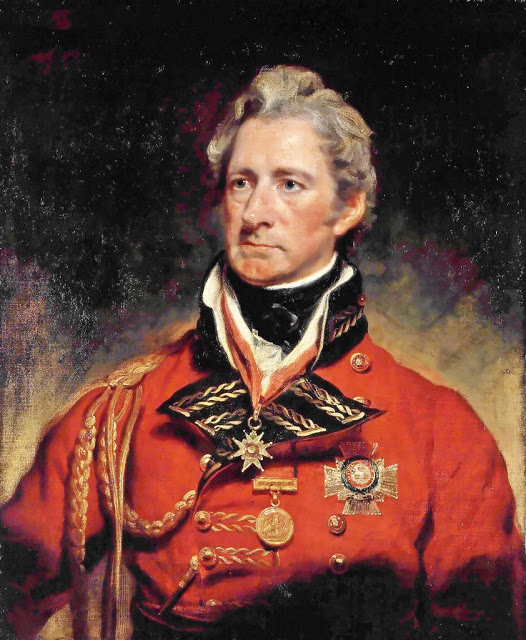
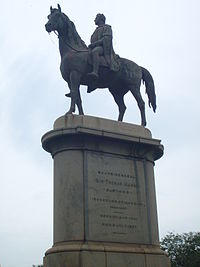
Minutes of Sir Thomas Munro
One strength of Dutt is that he relies on testimony and records from Englishmen themselves, and that too from official sources. He quotes extensively from the minutes of Sir Thomas Munro, one of the noblest British (Scottish) souls ever to grace the Indian
scene.Some gems:
The Ryot is the real proprietor, for whatever land does not belong to the Sovereign belongs to him.
Our books alone will do little or nothing; dry simple literature will never improve the character of a nation. to produce this effect, it must it must open the road to wealth and honour, and public employment.
Even if we could…conduct the whole affairs of the country…by means of Europeans, it ought not to be done, because it would be both politically and morally wrong.
It would certainly be more desirable that we should be expelled from the country altogether, than that the result of or system of government should be such a debasement of a whole people.
here, government …makes laws for the people who have no voice in the matter, and of whom it knows very little- it cannot adapt its laws to the circumstances of the people.
One of the greatest disadvantages of our Government in India is its tendency to lower or destroy the higher ranks of society, to bring them all too much to one level.
Sir Thomas Munro strove all his life to help the ryots, to have the ryotwari system with fixed land revenue as the standard. After some initial hope, the government office in England dashed it. But his zeal over the ryotwari system- the direct contact between the cultivator and the govt- had one undesirable consequence. It by passed and abolished all systems of local administration at the village level, which had been developed since ancient times. The ryot was left without a buffer against the government official. He became a tempting target and easy prey to the greedy official.
Pictures are taken from various sources for spreading knowledge; this is a non- commercial blog. Thanks for your great pictures.
ஹெல்த்கேர் ஜூன் 2020 இதழில் வெளியாகியுள்ள கட்டுரை. ஹெல்த்கேர் மாதந்தோறும் திருநெல்வேலியிலிருந்து வெளியாகிறது. ஜூன் 2020 முதல் டிஜிடல் இதழாகவும் வெளி வருகிறது. ஆர்வமுள்ளோர் ஆசிரியர் R.C. ராஜா அவர்களை – rcraja2001@gmail.com -என்ற மின்னஞ்சல் மூலமாகத் தொடர்பு கொள்ளலாம்.
புத்தக அறிமுகம்
ஆரோக்கியமான மனம்! ஆரோக்கியமான உடல்!! – 2
(Healthy Mind, Healthy Body)
வேதாந்த கேசரி பத்திரிகை வெளியீடு,ஸ்ரீ ராமகிருஷ்ண மடம் சென்னை – 4
ச.நாகராஜன்
சென்ற கட்டுரையின் தொடர்ச்சி.. ..
ஸ்ரீ பரிவ்ராஜக வ்ரஜப்ராணர் எழுதிய Native American Healing என்ற கட்டுரை பல் அரிய சுவையான செய்திகளைத் தருகிறது.
அமெரிக்காவின் பூர்வீகக் குடிமக்களின் சிகிச்சை முறை அபாரமானது. அவர்களில் சிலர் இயல்பாகவே வியாதிகளைக் குணப்படுத்தும் சக்தியைக் கொண்டுள்ளனர்.
Shoshone medicine man என்று அழைக்கப்படும் ரோலிங் தண்டர் (Rolling Thunder) என்பவர் ஒவ்வொரு வியாதியும் வலியும் ஒரு காரணத்தைக் கொண்டிருக்கிறது என்று கூறுகிறார்.
“மருத்துவர்களாகிய நாங்கள் சிலசமயம் கேஸை எடுப்பதற்கு முன்னர் அதை எடுக்கலாமா அல்லது வேண்டாமா என்பதை நிர்ணயிக்க மூன்று நாட்கள் ஒருவரைக் கவனிக்கிறோம்” என்று கூறுகிறார் அவர்
கனவுக் காட்சிகள் சிலரை மருத்துவராக்குகின்றன.
ப்ரேவ் பஃபலோ (Brave Fuffalo) என்பவரை பேட்டி காணும் போது அவருக்கு வயது 73. அவர் பத்து வயதுச் சிறுவனாக இருக்கும் போது அவர் ஒரு கனவு கண்டார். கனவில் தோன்றிய சிறிய வட்டமான கற்கள், “நாங்கள் வாகன் டங்காவால் (Wakan Tanka – அனைத்தையும் உருவாக்கிய இறைவனுக்கு பூர்வீகக் குடிமக்கள் தந்த பெயர்) படைக்கப்பட்டோம்; உனக்கு சிகிச்சை தருவதற்கான சக்தி உண்டு; தேவையான போது எங்கள் உதவியை நாடு” என்று கூறின. அவர் சிறந்த மருத்துவரானார்.
இப்படி பல ஒவ்வொரு பூர்வீகக் குடியும அபாரமான தகவல்களைத் தருகிறது.
ரால்ஃப் டாம்வெர்த் (Ralf Damwerth) என்பவர் The Need for Holistic Medicine என்ற கட்டுரையை எழுதியுள்ளார். அதில் ஜெர்மனியில் உள்ள மருத்துவ முறைகளை நன்கு விளக்கி விட்டு சரியாக ஜெர்மனி மருத்துவத்தை ஆராய்ந்தால் ஒரு லட்சம் மருத்துவர்கள் நோயாளிகளுடன் பேச்சு ரீதியான மருத்துவத்தை அடிப்படையாகக் கொள்ளலாம் என்கிறார்.
Listening to the Body’s Inner Voice என்ற கட்டுரையை கார்லா மார்டினெஸ் (Carla Martinez) தருகிறார்.
ஒரு நோயாளியுடன் ஒரு டாக்டர் பேசும் முதல் பத்து நிமிடமே அவரது சிகிச்சை முறையை நிர்ணயிக்கிறது என்பது ஒரு குறிப்பிடத்தகுந்த விஷயம்! நாம் நிச்சயம் குணமாகி விடுவோம் என்ற நம்பிக்கை ஒரு நோயாளிக்கு இருக்க வேண்டியது அவசியம். எல்லாவற்றையும் விட இறைவனின் அருள் வேண்டுவது இன்னும் முக்கியம். The will of God will never lead you where the grace of God cannot keep you – இறைவனின் கருணை அருள்பாலிக்காத இடத்திற்கு கடவுளின் சித்தம் உங்களைக் கொண்டு செல்லாது என்று அவர் முத்தாய்ப்பாகக் கூறுகிறார்.
சாம் கிரேசி (Sam Craci) எழுதியுள்ள An Appointment with Life என்ற கட்டுரை பல சுவையான அறிவியல் தகவல்களைத் தருகிறது. அவர் முழு ஆரோக்கியத்திற்கான 15 படிகளைக் கூறுகிறார் இப்படி:-
உங்கள் உணவை அது தான் வாழ்க்கையின் முக்கியமான அம்சம் என்று நினைத்து உண்ணுங்கள்.
ஜீரணம் சரியாக இருக்க உணவை நன்கு மென்று உண்ணுங்கள்.
வயிறை முழுவதுமாக நிரப்பாமல் 20 % காலியாக இருக்க விடுங்கள்.
உணவை ஜீரணித்து உட்கிரகிக்கத் தக்க வகையில் உணவு வகைகளைச் சேருங்கள்.
தினமும் 8 முதல் 12 கிளாஸ் தண்ணீரை அருந்துங்கள் – ஆனால் உணவுடன் அல்ல! மூடிய கண்டெய்னரில் வைக்கப்பட்ட நீரை ஸ்ட்ராவை உபயோகித்துக் குடியுங்கள்.
உணவு 75% ஆல்கலின் ஆஷ்- ஃபார்மிங்காகவும் 25% ஆசிட் ஃபார்மிங் உணவாகவும் இருக்க வேண்டும். இது மிக மிக முக்கிய்மானது. (75% alkaline ash-forming foods and 25% acid-forming foods- this is very ciritical)
ஆர்கானிக் பழங்களையும் கறிகாய்களையும் உண்ணுங்கள்
கறிகாய்களை அளவுக்கதிகமாக வேக வைக்காதீர்கள்.
குடலைச் சீராக வைக்க இனிப்பு கலக்காத தயிரை தினமும் சாப்பிடுங்கள்.
குடலைச் சுத்தமாக வைத்துக் கொள்ளுங்கள்
சுவாசத்தை ஆழ்ந்து உள்ளிழுத்து விட்டுச் சீராக வைக்க முயற்சி எடுங்கள். மன அழுத்தத்தைக் குறையுங்கள். வாழ்க்கையை அனுபவித்து வாழுங்கள்
தேவையான நேரம் உறங்குங்கள்; உடல்பயிற்சி செய்யுங்கள்.
தினமும் உங்கள் உடலில் சூரிய வெளிச்சம் தேவையான் அளவு படட்டும்.
யாரையும் விமரிசிக்காதீர்கள். அன்புடனும் இரக்கத்துடனும் அனைவரையும் நோக்குங்கள்; அவர்களை உங்களுடைய சொந்தமாகவே நினைத்துப் பழகுங்கள்.
தியானம் செய்யுங்கள்; பிரார்த்தனை செய்யுங்கள். உடல், மனம் அமைதியுறட்டும். நேர்மையான செயல்களைச் செய்யுங்கள். நல்ல எண்ணங்களை எண்ணுங்கள். வாக்கில் சுத்தமாக இருங்கள். புன்னகை புரியுங்கள். அது மாயாஜாலம் செய்யும்.
அடுத்து எம். லொநீ வு எழுதியுள்ள அகுபங்சர் (Acupuncture by M.Lonnie Wu) கட்டுரை இது பற்றிய பல சுவையான தகவல்களைத் தருகிறது 3000 ஆண்டுகளுக்கு முன்னர் சீனாவில் தோன்றிய கலை அக்கு பங்சர். உடலில் 14 பிரதான வழிகள் உள்ளன (14 main pathways) இவற்றில் 12 – வயிறு,பெருங்குடல் என்பன போன்ற – எந்த அங்கங்கள் வழியாக அது செல்கிறதோ அதன் பெயரைப் பெற்றுள்ளன. இது தவிர நிறைய இணைப்புத் தடங்களும் உள்ளன. அகுபங்சரில் முக்கியமான இடங்களில் ஊசி குத்தப்படுகிறது. எங்கு குறை இருக்கிறதோ அங்கு தேவையான சக்தி தரப்படுகிறது.
இந்த நூலில் இன்னும் பல அரிய கட்டுரைகள் ஆரோக்கியம் பெறுவதற்கான ஏராளமான குறிப்புகளைத் தருகின்றன.
ஆரோக்கியமும் சந்தோஷமும் ஒன்றுக்கொன்று சேர்ந்தே நடை போடுகின்றன. சந்தோஷமாக ஒருவர் இல்லையெனில் ஆரோக்கியமாக அவர் இல்லை என்று பொருள். ஆகவே ஆரோக்கியம் அடைவதை ஒருவர் முக்கிய லட்சியமாகக் கொண்டு அதற்கான வழிமுறைகளைக் கற்றுத் தேர்ந்தால் சந்தோஷம் தானே வந்து சேரும்.
Pictures are taken from various sources for spreading knowledge; this is a non- commercial blog. Thanks for your great pictures.
நமது பிளாக்கில் எஸ்.நாகராஜன் எழுதிய கட்டுரைகளின் பட்டியலை 2016 முதல் வெளியிடுகிறேன். இது அகர வரிசைப்படி இல்லாவிடினும் இண்டெக்ஸ் INDEX போன்றதே.
இந்தப் பட்டியலை பிரிண்ட் செய்து வைத்துக் கொண்டால் உங்களுக்குத் பிடித்த கட்டுரைகளை நேரம் கிடைத்தபோது படிக்கலாம்
கட்டுரைகளை பிளாக்கில் பெறுவது எப்படி?
பிளாக்கிற்குப் போய் தேடுவதை விட கூகுளில் (google) தேடுவது எளிது. கட்டுரையின் தலைப்பை காப்பிcopy செய்து கூகுளில் பேஸ்ட் paste செய்யுங்கள் அதன் பிறகு ஆங்கிலத்தில் from tamilandvedas.com என்று எழுதி க்ளிக் (click) செய்யுங்கள்.
from swamiindologly.blogspot.com
என்று எழுதியும் பெறலாம்.
எடுத்துக்காட்டு:
ஒவ்வொரு மனிதனின் கடைசி விநாடிfrom tamilandvedas.com
ஒவ்வொரு மனிதனின் கடைசி விநாடி from swamiindology.blogspot.com
நீங்கள் சிறு பிழை விட்டாலும் நீங்கள் எதிர்பார்த்தது கிடைக்காமல் வேறு விஷயம் வரும். அதில் நேரத்தை வீணடிக்காமல் மீண்டும் ஒரு முறை சரியாக எழுதி முயற்சி செய்யுங்கள். இரண்டு பிளாக்குகளில் ஒன்றில் கிடைத்து விடும்
கட்டுரை பெறுவதில் ஏதேனும் சிக்கல் இருந்தால் எங்களைத் தொடர்பு கொள்ளுங்கள் .
Pictures are taken from various sources for spreading knowledge; this is a non- commercial blog. Thanks for your great pictures.
tamilandvedas.com, swamiindology.blogspot.com
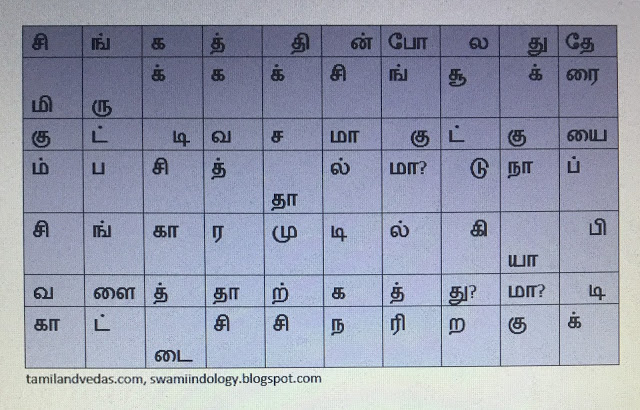
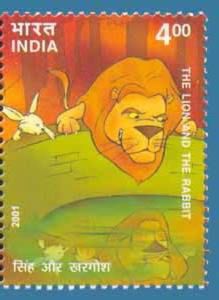
ஒரே சொல் மீண்டும் மீண்டும் வந்தால் ஓரிரு இடங்களில் மட்டுமே கட்டத்தில் இருக்கும். கொண்டு கூட்டி பொருள் கொள்க . விடை கீழே உள்ளது . சில நேரங்களில் படங்களைப் பார்த்தாலும் விடை காண உதவலாம்.
ANSWER
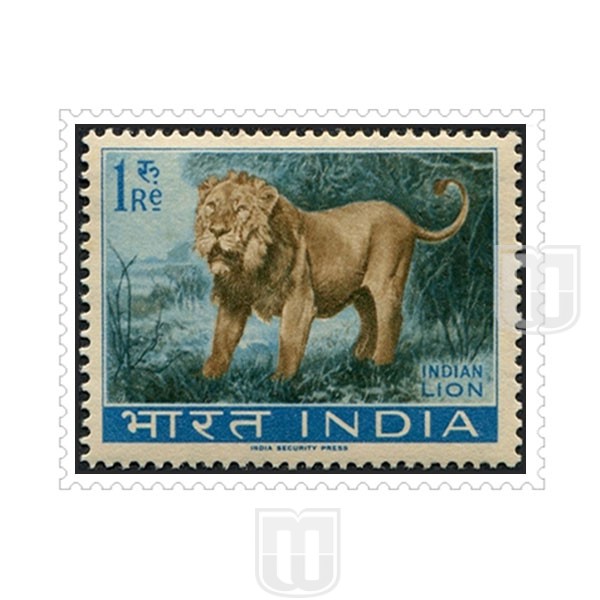
1.சிங்கத்தின் காட்டை சிறு நரி வளைத்தாற் போல
2.சிங்கத்துக்கு நாயா சிங்கார முடி சூட்டுகிறது ?
3.சிங்கமிருக்கக் குட்டி வசமாகுமா ?
4.சிங்கம் பசித்தால் தேரையைப் பிடிக்குமா?
Source book :–
பயன்படுத்திய நூல்- கழகப் பழமொழி அகர வரிசை, கழக வெளியீடு
Onomatopoeia means the formation of a word from a sound associated with what is named.
In simple language ‘sound based words’ or words based on sounds.
We call the cuckoo bird on the basis of the sound made by the bird.
Indians call the row crow ‘KA KA’ (in both Sanskrit and Tamil) on the basis of its call ‘KA KA KA’.
But in Europe it makes CROW, CROW, CROW sound and not ka ka ka sound! That is why English call it CROW.
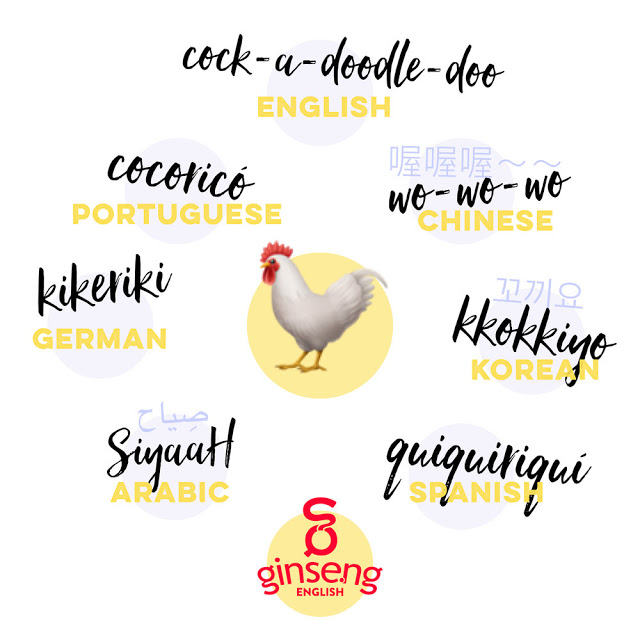
In Tamil, the cocks/roosters make the sound KOKKARA KOKKARA KO…. repeatedly. But English or European cocks make the sound
COCK-A -DOODLE- DO!
Now the question is ‘Do they speak differently depending upon their geographical locations?’ ‘Are they influenced by the languages the humans speak in those locations?’
I believe the humans correlate the sounds with the sounds in their languages. The best example is how the English and the Greeks corrupted the names in India for 2000 years.
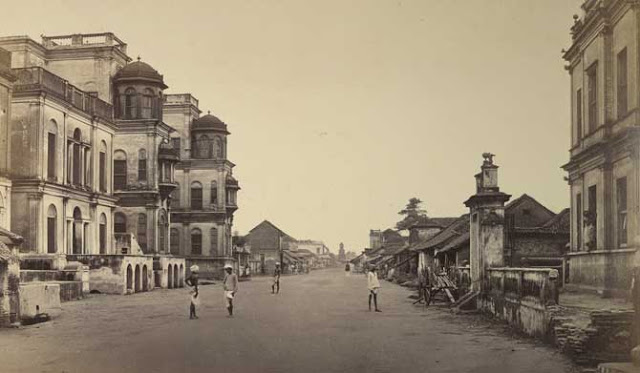
In my home state Tamil Nadu, a few famous towns are Thanjaavuur, Thuuththukkudi and Thirunelveli. The English corrupted them as Tanjore, Tuticorin and Tinnelvely.
The land’s southernmost holy town Kanyaa kumari became Cape Comorin. Thousands of Hindu names were corrupted like this. Invading Muslims were worse than the British invaders of India. They completely obliterated the Hindu names and corrupted them with Hydera, Ahmeda, Allaha etc retaining only the Sanskrit (Jan)apada.
In Asia all countries retained the Sanskrit’ Sthana’ in Pakistan, Turkmenistan, Kazakastan etc.
In a way it is good. No one can destroy Sanskrit language in any part of the world at any time in history. The word Grama is in all English towns as Ham!’. Unlike other languages Sanskrit will live as long as human race survives on earth. All Tamil books Sanskrit words!
Greeks corrupted more Hindu names –
Orthora – Uraiyur
Pandionoi – Pandyas
Soretoi – Chozas or cholas
Modoura – Madurai
Dymirike – Dramila , Tamil
Tyndis – Tondi
Mouziris – Musiri
There is a very long list covering from Sri Lanka to Afghanistan!
(We must also remember how the colloquial expressions by local people change some names beyond recognition:
Aral Vay Mozi- Aramboli,
Airavatha Nallur – Aylaanur
Kumbakonam – Kumbonam
Thirupparay Thurai – Tirupplathurai etc )
Coming back to onomatopoeia ,
I have taught Tamil to Europeans for over 20 years at the University of London (SOAS). Tamil has a special letter La (Za) which is similar to a sound in Chinese and French.
In the first class I taught them the pronunciation of 12 vowels and 18 consonants.
Whenever I said Za (la) they got it as RR.
Fruit is Pazam (Palam) in Tamil. With very great difficulty they learnt this simple Tamil word after several days of practise and said paRRam!
This shows that they associate the sound with which they are already familiar.
This proves one more thing-
Linguists are liars!
In English there is a famous Golden saying-
There are three kinds of LIES and they are
Lies, Damned Lies and Statistics!
Now please change them to Lies, Linguistics and Statistics!
The reason is there are beautiful Sanskrit names Dasaratha, Pratardhana etc in Mitanni civilisation of 1400 BCE. But they wrote in their own way like the corruptive Greeks and English.
They wrote them as Tushratta, Pratartana etc. Then the half baked scholars said it may be the early form of Sanskrt etc.
Even today Malaysian, Sri Lankan and Mauritius Hindus corrupt Sanskrit words in this way just to suit the native languages. They write Damyanti as Tamayanti, Devi as Tevi.
One Tamil name got corrupted beyond recognition!
Marutha Muthu as Murdermuthu!!!
A murderer from birth!!!!!
So never trust a linguistic rascal.
Throughout the Vedic literature these rascals have done immense damage.
200 JOKES IN HINDU VEDAS!!!!!!!!!!
There are 200 animals, plants that are SYMBOLICALLY sacrificed in the Asvamedha Yajna including persons like doctors, carpenters, potters . These Vedic linguists don’t know majority of the terms. One will interpret ‘X’ word as a plant, another as an animal, another as a tree and another as a creature. In short, there are 200 jokes cracked by 100 scholars. I will give the long list in another article.
So linguists are not only LIARS but also BLOODY JOKERS as well!
There is a bitch in the West and for her all Vedic literature talks about SEX, HOMO SEX , LESBIAN, INCEST and PERVERTED SEX. It reflects her family background.
Coming back to Linguistic liars,
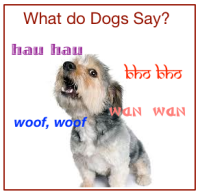
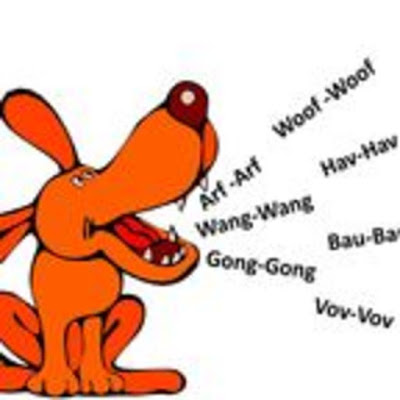
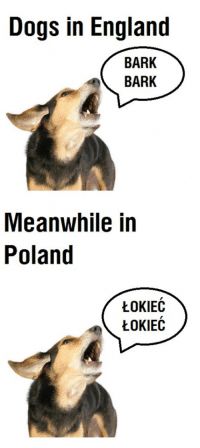
The linguists are splitting their hair and dashing their heads on walls after hearing the dog sound (Barking) in many languages. They cant explain why men hear it differently in Poland and Holland, Canada and Grenada, Pakistan and Kazakhstan!!!
In Tamil all children are taught the dogs bark
WAL, WAL, WAL or (LOL, LOL, LOL too)
In all Indian languages it makes different sounds!
Let me jump to my conclusion:
Never believe a linguist; each language is different. First study the culture and then interpret; foreigners who have translated Hindu Vedas and other scriptures have done immense damage to Hindus and India. Instead of writing a ‘southerner’ they wrote Dravidian with capital D by giving racial connotation; instead of writing noble, cultured, honourable they wrote Aryan with a capital A, giving racial connotation. That is why I call them half baked with a motive .
Now read about the Dog Linguistics!
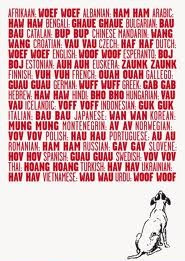
Here are some barks from different languages
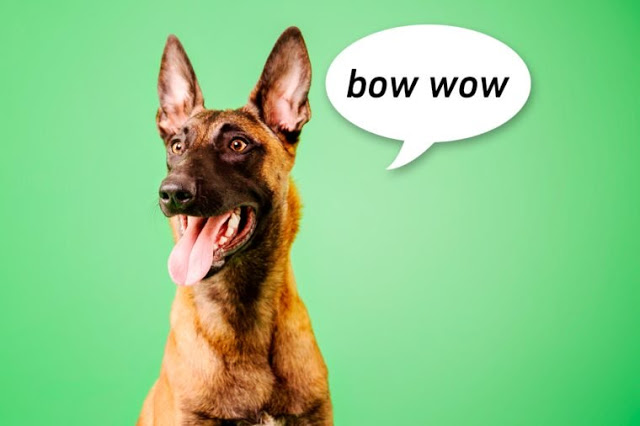
English – woof, woof; ruff, ruff; arf, arf (large dogs and also the sound of sea lions); yap, yap; yip, yip (small dogs), bow wow
What happened to the kingdom of Tanjore is typical of the British brutality, deception and dastardly double game of rank rascals. In 1769, when the British concluded the treaty with Haider Ali, the Raja of Tanjore was recognised as a British ally. Tanjore was a phenomenally rich region. But Mohammad Ali, the Nawab of Arcot had an eye on the fabulous wealth of Tanjore. He proposed to the English that the Raja of Tanjore should also be made to pay for his expenses, and thus repay the debt to the company. The company too had coveted the wealth of Tanjore- it was indeed so fabulous. So, the company’s court of Directors in London wrote to Fort.St.George on 17 March 1769:
It appears most unreasonable to us that the Raja of Tanjore should hold possession of the most fruitful part of the country, which can alone supply an army with subsistence ….We therefore enjoin you to give the Nawab such support in his pretensions as may be effectual…..Whatever sums may be obtained from the Raja of Tanjore, we expect shall be applied to the discharge of the Nawab’s debt to the Company.
The faithfuls in Madras followed the order. The Nawab besieged Tanjore in 1771, and it could save itself only by paying 400,000 sterling. But this only whetted the English appetite, and Tanjore was invaded once again and captured on 16 September, 1773. The Raja and his family were imprisoned in the fort, and his dominions were transferred to the Nawab! The Nawab regarded the Hindu kingdom as hostile and conquered, and exacted so much money that Tanjore was completely ruined within a few years.
Later, giving evidence before the Committee of Secrecy in 1782, an Englishman, Mr.Petrie said:
“Before I speak of the present stage of Tanjore country, it will be necessary to inform the Committee that not many years ago that province was considered as one of the most flourishing, best cultivated, populous districts of Hindustan. I first saw this country in 1768, when it presented a very different picture from its present situation.
Tanjore was formerly a place of great foreign and inland trade; it imported cotton from Bombay and Surat, raw and worked silks from Bengal, sugar, spices,etc. from Sumatra, Malacca, and the eastern islands; gold, horses, elephants and timber from Pegu, and various articles of trade from China. It was by means of Tanjore that a great part of Haider Ali’s dominions and the north-western parts of Mahratta empire were supplied with many European commodities, and with a species of silk manufacture from Bengal , which is almost universally worn as a part of dress by the natives of Hindustan. The exports of Tanjore were muslins, chintz, handkerchiefs, ginghams, various sorts of long-cloths, and a coarse printed cloth, which last constitutes a material article in the investments of the Dutch and the Danes, being in great demand for the African, West Indian, and South American markets.
Few countries have more natural advantages than Tanjore: it possesses a rich and fertile soil, singularly well supplied with water from the two great rivers Cavery and Coleroon, which, by means of reservoirs, sluices, and canals, are made to disperse their waters through almost every field in the country; to this latter cause we may chiefly attribute the uncommon fertility of Tanjore. The face of the country is beautifully diversified, and in its appearance approaches nearer to England than any other part of India that I have seen.
Such was Tanjore not many years ago but its decline has been so rapid, that in many districts it would be difficult to trace the remains of its former opulence…Since the year 1771,…the country having been twice the seat of war, and having undergone revolutions in the government, trade, manufactures, and agriculture were neglected, and many thousands of inhabitants went in quest of a more secure abode.”
I will ask my Indian friends, even those who hail from Tamil Nad or Tanjore itself, whether they have read all this in their so called “history” books in school or college?
Pictures are taken from various sources for spreading knowledge; this is a non- commercial blog. Thanks for your great pictures.
ஹெல்த்கேர் மே 2020 இதழில் வெளியாகியுள்ள கட்டுரை!
புத்தக அறிமுகம்
ஆரோக்கியமான மனம்! ஆரோக்கியமான உடல்!! – 1
(Healthy Mind, Healthy Body)
வேதாந்த கேசரி பத்திரிகை வெளியீடு,ஸ்ரீ ராமகிருஷ்ண மடம் சென்னை – 4
ச.நாகராஜன்
ஸ்ரீ ராமகிருஷ்ண மடத்திலிருந்து மாதந்தோறும் வெளியாகும் பிரபலமான ஆங்கில ஆன்மீகப் பத்திரிகை வேதாந்த கேசரியில் வெளியாகியுள்ள கட்டுரைகளின் தொகுதி இது. 231 பக்கங்கள் கொண்ட இந்த நூலில் மொத்தம் 19 கட்டுரைகள் உள்ளன. ஒவ்வொரு கட்டுரையும் தேர்ந்த நிபுணர்களாலும் ஸ்வாமிஜிக்களாலும் எழுதப்பட்டுள்ளதால் ஆரோக்கியமான உடல் மற்றும் ஆரோக்கியமான மனம் பெறுவதற்கான அறிவுரைகளைப் பெற முடிகிறது.
ஹோலிஸ்டிக் ஹெல்த்
Holistic Health என்ற கட்டுரை ஸ்வாமி கௌதமானந்தா அவர்களால் எழுதப்பட்டுள்ளது.
அன்னை சாரதா தேவி ஜயராம்வாடியில் உள்ள சிம்ஹவாஹினி கோவிலில் உள்ள களிமண் மூலம் பல வியாதிகளைக் குணப்படுத்துவதில் நம்பிக்கை கொண்டிருந்தார். ஏன் பாம்பு கடித்த விஷம் கூட பூமியின் மண்ணால் போக்கப்பட்டிருக்கும் பல கேஸ்களை நாம் காண்கிறோம். யோகா தெராபி என்பது ஆஸ்த்மா, அதிக இரத்த அழுத்தம், வயிற்றுப் புண், போன்ற வியாதிகளை மூலிகைகள் மூலமும் பிராணாயாமம் போன்ற யோக முறைகளின் மூலமும் தீர்க்கப்படும் ஒரு சிகிச்சை முறையாகும்.
மியூசிக் தெராபி என்பது இசையின் மூலம் சிகிச்சை பெறும் ஒரு முறையாகும்.
பெங்களூரில் உள்ள NIMHANS-ஐச் சேர்ந்த டாக்டர் பி.என். மஞ்சுளா (Dr B.N.Manjula) மற்றும் பல மூளை இயல் நிபுணர்கள் இசையானது பல மூளை சம்பந்தப்பட்ட வியாதிகளைக் குணப்படுத்துகிறது என்பதை உறுதிப்படுத்துகின்றனர்.
ஸ்வாமி விவேகானந்தா ஆன்மீக அருளுரைகள், வியாதிகளைக் குணப்படுத்தும் என நம்பினார். “நன்கு உறுதியாக மறுக்கமுடியும் எனில் விஷமுள்ள பாம்பின் விஷம் கூட உங்களை ஒன்றும் செய்ய முடியாது” என அவர் கூறினார்.
பாபுராம், யோகேன் என்ற பக்தர்கள் வியாதியால் அவஸ்தைப் பட்ட போது ஸ்வாமிஜி, ” ‘நான் ஆத்மா; வியாதியால் நான் எப்படி பாதிக்கப்பட முடியும்’ என்று தொடர்ந்து ஒரு மணி நேரம் தியானித்தால் வியாதி மறைந்தே போகும் என்று பாபுராம் மற்றும் யோகேனிடம் கூறுங்கள்” என்றார்.
ஆகவே வியாதி என்பதைப் போக்க என்னென்ன வழிமுறைகள் உண்டோ அவை அனைத்தையும் கையாள முடிவதைப் பார்க்கிறோம். வாழ்க்கையின் அடிப்படை மதிப்புகள் பற்றிய அறிவும் சேரும் போது சிகிச்சை பூரண சிகிச்சையாக மிளிரும்.
ஹெல்த் அண்ட் ஸ்பிரிட்சுவல் லைஃப்
Health and Spritual Life என்ற கட்டுரை ஸ்வாமி பஜனானந்தா அவர்களால் எழுதப்பட்டுள்ளது.
அன்னம் என்பது பிரம்மம்.
தைத்திரீய உபநிஷத் நான்கு விரதங்களை அனைத்து மக்களுக்கும் உபதேசிக்கிறது.
உணவை வீணாக்காதே (உணவைத் தவறான முறையில் சமைப்பது அல்லது அதை வீணாக்குவது)
உணவை மறுக்காதே
உணவின்றி வீட்டிற்கு வரும் அதிதியைத் திருப்பி அனுப்பாதே
உணவு அதிகமாக சமைக்கப்பட வேண்டும். (அதாவது உணவு உற்பத்தி கூட வேண்டும்)
உணவிற்கு அடுத்தபடி உறக்கமும் உடல் பயிற்சியும் தேவை.
மனச்சோர்வுக்கும் இதர வியாதிகளுக்கும் நடைப்பயிற்சி உள்ளிட்ட உடல் பயிற்சிகள் தீர்வாக அமைகின்றன.
இத்துடன் பயோரிதம் எனப்படும் உடல் லயத்தையும் மனதில் கொள்ள வேண்டும்.
பயோ ரிதம், ல்யூனார் ரிதம், ஆன்யுவல் ரிதம் (Bio Rhythm, Lunar Rhythm, Annual Rhythm) என லயம் மூவகைப் படுகிறது.
சில மனிதர்கள் 24 மணி அல்லது 25 மணி அல்லது 36 மணி அல்லது 48 மணி நேர சுழற்சியைக் (Cycle) கொண்டிருக்கின்றனர். இது பயோரிதம் ஆகும்.
சிலர் சந்திரனின் அடிப்படையில் 28 நாள் சுழற்சிக்கு உட்படுகின்றனர். சிலரோ சூரிய சுழற்சிக்குத் தக ஒவ்வொரு பருவகாலத்திற்குத் தக்கபடி மாற்றங்களை அடைகின்றனர். ஆகவே நீங்கள் எந்த அடிப்படையில் இயங்குகிறீர்கள் என்பது முக்கியமானது.
இவற்றுடன் மனத் தடைகளைப் போக்க இறை பிரார்த்தனை இன்றியமையாதது.
ஆகவே இவை அனைத்தையும் மனதில் கொண்டு வாழ்க்கை முறையை அமைத்துக் கொள்ள வேண்டும்.
ட்ரஸ்டிங் இன்னர் விஸ்டம்
அடுத்து Trusting Inner Wisdom என்ற கட்டுரையை அந்தோணி ஏ.அல்லினா (Anthony A. Allina) எழுதியுள்ளார்.
ஆத்ம ஈடுபாட்டுடன் இல்லாத வேலை அர்த்தமற்றது என்று கூறும் அல்லினா 1978இல் தனது புதிய க்ளினிக்கைத் தொடங்கிய போது ஆடோஜெனிக் ட்ரெயினிங் (Autogenic Training) என்ற புதிய தியான முறையைக் கற்றார். பல வியாதியஸ்தர்களுக்கு அவர் இந்த தியான முறையைக் கற்பித்த போது அதிசயிக்கத் தக்க விதத்தில் அவர்கள் மன அமைதியை அடைந்தனர்.
மருந்து என்பது மேலை நாட்டு மருந்தை மட்டும் கொடுப்பதல்ல; உடலின் உள்ளிருக்கும் மனதிற்கும் அமைதியைத் தருவதே என்பதை உணர்ந்தேன் என்கிறார் அல்லினா.
இப்படி உடல் மற்றும் மன ஆரோக்கியம் சம்பந்தப்பட்ட 16 கட்டுரைகள் உள்ளன.


















 Tamil and Vedas