PARSU MYSTERY IN RIG VEDA; IRANIAN-YADAVA LINK (Post No.8308)

WRITTEN BY LONDON SWAMINATHAN

Post No. 8308

Date uploaded in London – 8 July 2020   

Contact – swami_48@yahoo.com

Pictures are taken from various sources for spreading knowledge; this is a non- commercial blog. Thanks for your great pictures.

tamilandvedas.com, swamiindology.blogspot.com

Kanchi Shankaracharya (Paramacharya 1894-1994) explains the word Purvottaram in one of his lectures and asked why it is called ‘East North’ instead of ‘East West’?

What is Purvottaram/EastNorth?

Purva = east; Uttara = north.

The actual meaning is ‘antecedents of a person’.

That is the beginning to end of a person.

That is all history of a person.

Then he says that in a circle , if you start from a point (east) and go clockwise you come to the point where you  started. In India if you start in east and turn right (clockwise) and continue you come to south (India) and go to Kerala (west) , Gujarat and the Himalayas (in the North). That is why two directions(east and north) are connected like this.

Swamiji continues……………………

Take for example two Tamil words for direction. They say Down and Up for East and West. Why?

Down – keez – Kizakku- East

Up – Mel – Merku- West

They named ‘down’ for east because east of Tamil Nadu is sea (Bay of Bengal)- sea level or below.

They named ‘up’ for west because of the Western Ghats; going up and up.

(the above is my rough translation)

Behitsun Inscription

My comments:-

This evokes many thoughts:-

Hindus allocated clockwise direction for all positive things; they go round the temple in clockwise direction even today. Sangam Tamil literature says Tiger wont eat its prey if it falls on its left side. All the poets praised tigers for its pro Right policy!

My Editor in Dinamani newspaper, Sri A N Sivaraman used to give us hours of lectures (where I worked as senior Sub Editor for 16 years) about English dividing the world as ‘Far East, Near East, Middle East, Third World Countries’ etc. They imposed their views on the world.

So people name different things like countries, directions in the way ‘THEY SEE’.

***

After reading Kanchi Paramacharya’s lecture for umpteenth time I turned the pages of Rig Veda for another reference. This is Parsu in the eight Mandala of Rig Veda. It is full of mysteries. It is full of Iranian and Mesopotamian connections. In every page Ralph T H Griffith honestly admits ,

The meaning is obscure; the meaning is uncertain ; ‘probably’ the poet means……..; it ‘may’ be……. ; Mr X says…..,Mr Y says…….. Mr Z denies; it is ‘improbable’ …………… etc.

In short no two clocks agree; no two foreign half baked, motivated, cunning , Christian translators agreed. All of them took to Rig Vedic studies to show that Bible is better than and truer than the Hindu Vedas. All jokers or cunning foxes……. sorry Scholars……… agreed on one point:

Hindus came from outside and destroyed local native population.

All Hindu dates are below 4100 BCE because the Bible says the earth appeared at that time.

They know if they say anything against such Christian belief they would be punished like Galileo, Copernicus, Miss Hypatia, Joan of Arc  and Telemachus. Hundreds of these scholars were brutally murdered by Christian fanatics.

 So, the foreign Sanskrit jokers (whom we call scholars) never touched the Bible or Koran.

***

Now let us apply Kanchi Paramacharya’s principle to Parasu and other Persian names.

Cyrus the Great was Second Cyrus who ruled Persia (Iran) from 600 BCE (before Buddha d Mahavira) ; His real name is Kuru. The First Cyrus ruled from 652 BCE; he was his grand father.

Every Hindu knows that Pandavas and Kauravas were called the descendants of a great king called Kuru. The dynasty in our Puranas is known as Kuru Vamsam.

All the scholars in the world agree on one point. Mahabharata war took place before 1000 BCE. Archaeological evidence shows before 1500 BCE. Hindus believe that Mahabharata war took place in 3100 BCE.

So the Persian King Kuru was named after the legendary Kuru of India. He lived 15 to 20 generations before  Mahabharata Kings. Like Paramacharya said we name the way we look at a things. Since the forefathers of Kuru (First Cyrus of 652 BCE) went to Iran form India they named him Kuru. Since the Greeks corrupted the spelling and changed it to Kuros and the English historians corrupted the name to Cyrus, we couldn’t recognise him. But government of India released a stamp for Cyrus the Great (Kuru of 600 BCE).

White people massacred the natives in America , Canada, South American Countries, South Africa  and Australia and gave the names to the places from where they went. This fact is in all the encyclopaedias. This is corroborated by Dasaratha (letters/ Amarna letters) of Egypt, Dasaratha of Syria/Turkey, Pratardana of Syria/Turkey of 1380 BCE. The Bogazkoi inscription is an unassailable archaeological proof for Vedic civilization in Syria/Turkey.

All the Iranian names are later than the Rig Veda. In fact there is no historical record even nearer to the date of Rig Veda. Modern Sarasvati River details show all parts of the Rig Veda were Pre Indus Valley and done in Sarasvati River Basin Civilization. So now we have scientific proof.

These things clearly show the way of Hindu migration before 2000 BCE. Kassites who ruled Babylon region for over 600 years from 1800 BCE went from India.

***

Now let us turn to Parasu

Parasu Rama , the avatar of Vishnu before Ramavatar, is known to every Hindu.  Great Scholar A Kalyanaraman of Aryatarangini, shows the connection between this Parasu and Persia. He has beautifully analysed the schism between the Vedic Hindus and Persian Hindus. Though the Zend Avestha refers to all Vedic Gods, he showed them Ulta (inverted) ; I will give the long list of differences in another article .

another inscription from Iran

Parsu in Rig Veda

There are four Parsu words with different meanings in the Vedic literature .

1.Parsu denotes rib in Atharva Veda;

2.Parsu passages seems to denote sickle in the Atharva Veda.

3.Parsu means sides of a cistern (Kuupa) in the Rig Veda

4.Parsu occurs in one passage in a Dana Stuti in the Rig Veda  as the name of a man; it is not certain that he is identical with Tirindira ; Sankhyayana Srauta Sutra mentions Triindira Paarasavya as the patron of  Vatsa Kanva.

In another passage in the Vrsakapi  hymn of Rig Veda 10-86-23, Parsu Maanavi occurs , apparently as a woman, daughter of Manu , but who is meant is impossible to say.

Though Parsu as a name of a person, does not occur in any other passage, Ludwig however sees in several other passages an allusion to the Parsus. Thus in passage of the Rig veda 10-33-2,  he finds a reference to the defeat of Kuru Sravana by the Parsus; in another 7-83-1, he finds a reference to  the Pruthus and Parsus, i.e. the Parthians and the Persians . Sayana interpreted it as broad axe (we are reminded of Parasu Rama)

There are more references in RV 6-27-8 etc.

Periplus knows a tribe of Parthoi in North India.

Before concluding, let us look at what Dr Agrawala says in his book ‘Panini as known to India’:-

Ashtadhayi of Panini 5-3-117

The Parsus may be identified with the Persians .

The Parsus are also known to Vedic literature – Rig Veda 8-6-46; Ludwig and Weber identify them with the Persians .

Gandhara and Parsa are mentioned in Behitsun inscription , brought under the common sovereignty of

Darius ,521-486 BCE .

Panini’s Paarsava is nearer to old Persian form Paarsa of the Behitsun Inscription . K ing Darius calls himself a

Parsa ,Paarsahyaa pusa – Persian, son of a Persian in

Susa inscription too.

greatest of the Yadavas

CONCLUSION

Persians went from India to Iran after some infighting. Kanchi Pramacharya says Zoroaster is Saurashtrar from Gujarat Saurashtra area and Zend Avesta is Chandas avastha; Chandas means Vedic Petry. When the Muslims started killing Parsees they came back to same Gujarat from where their forefathers left for Iran with Zoroaster. Now that the Marine archaeologists have found Dwaraka under sea they might have even left for Iran around the date when Dwaraka was devored by the sea, dated around 1500 BCE. But there may be earlier Tsunamis as well around Krishna’s time, around 3100 BCE. Because Hindu scriptures talk about one big Tsunami immediately after Krishna’s death. I myself have seen Dhanushkoti (Ramewaram) going into sea two times. Even before a big storm broke Pamban bridge in the 1960s Dhanuskoti buidings were half submerged in sea. After that storm, the buildings disappeared. And during 2004 Tsunami, further parts went down into sea. Whatever left is called Dhanushkoti today. The same thing might have happened to Dwaraka making the Parsis run for life (to Iran). Following hymn also links Yadavas of Dwaraka and Parsees of Iran.

YADAVA- IRAN CONNECTION

RIG VEDA 8-6-46

Note the highlighted mantras below; these are not satisfactorily explained by any one :-

HYMN VI Indra from 8th Mandala of RV

1. INDRA, great in his power and might, and like Parjanya rich in rain,
Is magnified by Vatsa’s lauds
.
2 When the priests, strengthening the Son of Holy Law, present their gifts,
Singers with Order’s hymn of praiser.
3 Since Kaṇvas with their lauds have made Indra complete the sacrifice.
Words are their own appropriate arms.
4 Before his hot displeasure all the peoples, all the men, bow down,
As rivers bow them to the sea.
5 This power of his shone brightly forth when Indra brought together, like
A skin, the worlds of heaven and earth.
6 The fiercely-moving Vṛtra’s head he severed with his thunderbolt,
His mighty hundred-knotted bolt.
7 Here are-we sing them loudly forth-our thoughts among-the best of songs.
Even lightnings like the blaze of fire.
8 When bidden thoughts, spontaneously advancing, glow, and with the stream
Of sacrifice the Kaṇvas shine.
9 Indra, may we obtain that wealth in horses and in herds of cows,
And prayer that may be noticed first.
10 I from my Father have received deep knowledge of the Holy Law
I was born like unto the Sun
.
11 After the lore of ancient time I make, like Kaṇva, beauteous songs,
And Indra’s selfgains strength thereby.
12 Whatever Ṛṣis have not praised thee, Indra, or have lauded thee,
By me exalted wax thou strong.
13 When his wrath thundered, when he rent Vṛtra to pieces, limb by limb,
He sent the waters to the sea.
14 Against the Dasyu Susna thou, Indra, didst hurl thy during bolt:
Thou, Dread one, hast a hero’s fame.
15 Neither the heavens nor firmaments nor regions of the earth contain
Indra, the Thunderer with his might.
16 O Indra him who lay at length staying thy copious waters thou,
In his own footsteps, smotest down
17 Thou hiddest deep in darkness itim, O Indra, who had set his grasp
On spacious heaven and earth conjoined.
18 Indra, whatever Yatis and Bhṛgus have offered praise to thee,
Listen, thou Mighty, to my call.
19 Indra, these spotted cows yield thee their butter and the milky draught;
Aiders, thereby, of sacrifice;
20 Which, teeming, have received thee as a life-germ, Indra, with their mouth,
Like Sūrya who sustaineth all.
21 O Lord of Might, with hymns of praise the Kaṇvas have increased thy power,
The drops poured forth have strengthened thee.
22 Under thy guidance, Indra, mid thy praises, Lord of Thunder, shall
The sacrifice be soon performed.
23 Indra, disclose much food for us, like a stronghold with store of kine:
Give progeny and heroic strength.
24 And, Indra, grant us all that wealth of fleet steeds which shone bright of old
Among the tribes of Nahusas.
25 Hither thou seemest to attract heaven’s fold which shines before our eyes,
When, Indra, thou art kind to us.
26 Yea, when thou puttest forth thy power, Indra, thou governest the folk.
Mighty, unlimited in strength.
27 The tribes who bring oblations call to thee, to thee to give them help,
With drops to thee who spreadest far.
28 There where the mountains downward slope, there by the meeting of the streams
The Sage was manifest with song.
29 Thence, marking, from his lofty place downward he looks upon the sea,
And thence with rapid stir he moves.
30 Then, verify, they see the light refulgent of primeval seed,
Kindled on yonder side of heaven.

31 Indra, the Kaṇvas all exalt thy wisdom and thy manly power,
And, Mightiest! thine heroic strength.
32 Accept this eulogy of mine, Indra, and guard me carefully:
Strengthen my thought and prosper it.
33 For thee, O Mighty, Thunder-armed, we singers through devotionhave
Fashioned the hymn that we may live.
34 To Indra have the Kaṇvas sung, like waters speeding down a slope:
The song is fain to go to him.
35 As rivers swell the ocean, so our hymns of praise make Indra strong,
Eternal, of resistIess wrath.
36 Come with thy lovely Bay Steeds, come to us from regions far away
O Indra, drink this Soma juice.
37 Best slayer of Vṛtras, men whose sacred grass is ready trimmed
Invoke thee for the gain of spoil.
38 The heavens and earth come after thee as the wheel follows Etaśa:
To thee flow Soma-drops effused.
39 Rejoice, O Indra, in the light, rejoice in Saryandyan, be Glad in the sacrificer’s hymn.
40 Grown strong in heaven, the Thunder-armed hath bellowed, Vṛtra-slayer, Bull,
Chief drinker of the Soma juice.
41 Thou art a Ṛṣi born of old, sole Ruler over all by might:
Thou, Indra, guardest well our wealth.
42 May thy Bay Steeds with beauteous backs, a hundred, bring thee to the feast,
Bring thee to these our Soma-draughts.
43 The Kaṇvas with their hymns of praise have magnified this ancient thought
That swells with streams of meath and oil.
44 Mid mightiest Gods let mortal man choose Indra at the sacrifice,
Indra, whoe’er would win, for help.
45 Thy steeds, by Priyamedhas praised, shall bring thee, God whom all invoke,
Hither to drink the Somajuice.
46 A hundred thousand have I gained from Parsu, from Tirindira,
And presents of the Yadavas.
47 Ten thousand head of kine, and steeds three times a hundred they bestowed
On Pajra for the Sāma-song.
48 Kakuha hath reached up to heaven, bestowing buffaloes yoked in fours,
And matched in fame the Yadavas
.

Hymn 8-6 from RV

महानिन्द्रो य ओजसा पर्जन्यो वर्ष्टिमानिव |
सतोमैर्वत्सस्य वाव्र्धे ||
परजां रतस्य पिप्रतः पर यद भरन्त वह्नयः |
विप्रा रतस्य वाहसा ||
कण्वा इन्द्रं यदक्रत सतोमैर्यज्ञस्य साधनम |
जामिब्रुवत आयुधम ||
समस्य मन्यवे विशो विश्वा नमन्त कर्ष्टयः |
समुद्रायेव सिन्धवः ||
ओजस्तदस्य तित्विष उभे यद समवर्तयत |
इन्द्रश्चर्मेवरोदसी ||
वि चिद वर्त्रस्य दोधतो वज्रेण शतपर्वणा |
शिरो बिभेदव्र्ष्णिना ||
इमा अभि पर णोनुमो विपामग्रेषु धीतयः |
अग्नेः शोचिर्न दिद्युतः ||
गुहा सतीरुप तमना पर यच्छोचन्त धीतयः |
कण्वार्तस्य धारया ||
पर तमिन्द्र नशीमहि रयिं गोमन्तमश्विनम |
पर बरह्मपूर्वचित्तये ||
अहमिद धि पितुष परि मेधां रतस्य जग्रभ |
अहं सूर्य इवाजनि ||
अहं परत्नेन मन्मना गिरः शुम्भामि कण्ववत |
येनेन्द्रःशुष्ममिद दधे ||
ये तवामिन्द्र न तुष्टुवुरषयो ये च तुष्टुवुः |
ममेद्वर्धस्व सुष्टुतः ||
यदस्य मन्युरध्वनीद वि वर्त्रं पर्वशो रुजन |
अपः समुद्रमैरयत ||
नि शुष्ण इन्द्र धर्णसिं वज्रं जघन्थ दस्यवि |
वर्षाह्युग्र शर्ण्विषे ||
न दयाव इन्द्रमोजसा नान्तरिक्षाणि वज्रिणम |
न विव्यचन्त भूमयः ||
यस्त इन्द्र महीरप सतभूयमान आशयत |
नि तं पद्यासु शिश्नथः ||
य इमे रोदसी मही समीची समजग्रभीत |
तमोभिरिन्द्र तं गुहः ||
य इन्द्र यतयस्त्वा भर्गवो ये च तुष्टुवुः |
ममेदुग्र शरुधी हवम ||
इमास्त इन्द्र पर्श्नयो घर्तं दुहत आशिरम |
एनां रतस्य पिप्युषीः ||
या इन्द्र परस्वस्त्वासा गर्भमचक्रिरन |
परि धर्मेव सूर्यम ||
तवामिच्छवसस पते कण्वा उक्थेन वाव्र्धुः |
तवां सुतास इन्दवः ||
तवेदिन्द्र परणीतिषूत परशस्तिरद्रिवः |
यज्ञो वितन्तसाय्यः ||
आ न इन्द्र महीमिषं पुरं न दर्षि गोमतीम |
उत परजां सुवीर्यम ||
उत तयदाश्वश्व्यं यदिन्द्र नाहुषीष्वा |
अग्रे विक्षुप्रदीदयत ||
अभि वरजं न तत्निषे सूर उपाकचक्षसम |
यदिन्द्र मर्ळयासि नः ||
यदङग तविषीयस इन्द्र परराजसि कषितीः |
महानपार ओजसा ||
तं तवा हविष्मतीर्विश उप बरुवत ऊतये |
उरुज्रयसमिन्दुभिः ||
उपह्वरे गिरीणां संगथे च नदीनाम |
धिया विप्रो अजायत ||
अतः समुद्रमुद्वतश्चिकित्वानव पश्यति |
यतो विपान एजति ||
आदित परत्नस्य रेतसो जयोतिष पश्यन्ति वासरम |
परो यदिध्यते दिवा ||
कण्वास इन्द्र ते मतिं विश्वे वर्धन्ति पौंस्यम |
उतो शविष्ठ वर्ष्ण्यम ||
इमां म इन्द्र सुष्टुतिं जुषस्व पर सु मामव |
उत परवर्धया मतिम ||
उत बरह्मण्या वयं तुभ्यं परव्र्द्ध वज्रिवः |
विप्रा अतक्ष्म जीवसे ||
अभि कण्वा अनूषतापो न परवता यतीः |
इन्द्रं वनन्वती मतिः ||
इन्द्रमुक्थानि वाव्र्धुः समुद्रमिव सिन्धवः |
अनुत्तमन्युमजरम ||
आ नो याहि परावतो हरिभ्यां हर्यताभ्याम |
इममिन्द्र सुतं पिब ||
तवामिद वर्त्रहन्तम जनासो वर्क्तबर्हिषः |
हवन्ते वाजसातये ||
अनु तवा रोदसी उभे चक्रं न वर्त्येतशम |
अनु सुवानास इन्दवः ||
मन्दस्वा सु सवर्णर उतेन्द्र शर्यणावति |
मत्स्वा विवस्वतो मती ||
वाव्र्धान उप दयवि वर्षा वज्र्यरोरवीत |
वर्त्रहा सोमपातमः ||
रषिर्हि पूर्वजा अस्येक ईशान ओजसा |
इन्द्र चोष्कूयसे वसु ||
अस्माकं तवा सुतानुप वीतप्र्ष्ठा अभि परयः |
शतंवहन्तु हरयः ||
इमां सु पूर्व्यां धियं मधोर्घ्र्तस्य पिप्युषीम |
कण्वा उक्थेन वाव्र्धुः ||
इन्द्रमिद विमहीनां मेधे वर्णीत मर्त्यः |
इन्द्रं सनिष्युरूतये ||
अर्वाञ्चं तवा पुरुष्टुत परियमेधस्तुता हरी |
सोमपेयायवक्षतः ||
शतमहं तिरिन्दिरे सहस्रं पर्शावा ददे |
राधांसियाद्वानाम ||
तरीणि शतान्यर्वतां सहस्रा दश गोनाम |
ददुष पज्राय साम्ने ||
उदानट ककुहो दिवमुष्ट्राञ्चतुर्युजो ददत |
शरवसा याद्वं जनम ||

Hymn 8-6 from RV

Parsu Rama

mahānindro ya ojasā parjanyo vṛṣṭimāniva |
stomairvatsasya vāvṛdhe ||
prajāṃ ṛtasya piprataḥ pra yad bharanta vahnayaḥ |
viprā ṛtasya vāhasā ||
kaṇvā indraṃ yadakrata stomairyajñasya sādhanam |
jāmibruvata āyudham ||
samasya manyave viśo viśvā namanta kṛṣṭayaḥ |
samudrāyeva sindhavaḥ ||
ojastadasya titviṣa ubhe yad samavartayat |
indraścarmevarodasī ||
vi cid vṛtrasya dodhato vajreṇa śataparvaṇā |
śiro bibhedavṛṣṇinā ||
imā abhi pra ṇonumo vipāmaghreṣu dhītayaḥ |
aghneḥ śocirna didyutaḥ ||
ghuhā satīrupa tmanā pra yacchocanta dhītayaḥ |
kaṇvāṛtasya dhārayā ||
pra tamindra naśīmahi rayiṃ ghomantamaśvinam |
pra brahmapūrvacittaye ||
ahamid dhi pituṣ pari medhāṃ ṛtasya jaghrabha |
ahaṃ sūrya ivājani ||
ahaṃ pratnena manmanā ghiraḥ śumbhāmi kaṇvavat |
yenendraḥśuṣmamid dadhe ||
ye tvāmindra na tuṣṭuvurṣayo ye ca tuṣṭuvuḥ |
mamedvardhasva suṣṭutaḥ ||
yadasya manyuradhvanīd vi vṛtraṃ parvaśo rujan |
apaḥ samudramairayat ||
ni śuṣṇa indra dharṇasiṃ vajraṃ jaghantha dasyavi |
vṛṣāhyughra śṛṇviṣe ||
na dyāva indramojasā nāntarikṣāṇi vajriṇam |
na vivyacanta bhūmayaḥ ||
yasta indra mahīrapa stabhūyamāna āśayat |
ni taṃ padyāsu śiśnathaḥ ||
ya ime rodasī mahī samīcī samajaghrabhīt |
tamobhirindra taṃ ghuhaḥ ||
ya indra yatayastvā bhṛghavo ye ca tuṣṭuvuḥ |
mamedughra śrudhī havam ||
imāsta indra pṛśnayo ghṛtaṃ duhata āśiram |
enāṃ ṛtasya pipyuṣīḥ ||
yā indra prasvastvāsā gharbhamacakriran |
pari dharmeva sūryam ||
tvāmicchavasas pate kaṇvā ukthena vāvṛdhuḥ |
tvāṃ sutāsa indavaḥ ||
tavedindra praṇītiṣūta praśastiradrivaḥ |
yajño vitantasāyyaḥ ||
ā na indra mahīmiṣaṃ puraṃ na darṣi ghomatīm |
uta prajāṃ suvīryam ||
uta tyadāśvaśvyaṃ yadindra nāhuṣīṣvā |
aghre vikṣupradīdayat ||
abhi vrajaṃ na tatniṣe sūra upākacakṣasam |
yadindra mṛḷayāsi naḥ ||
yadaṅgha taviṣīyasa indra prarājasi kṣitīḥ |
mahānapāra ojasā ||
taṃ tvā haviṣmatīrviśa upa bruvata ūtaye |
urujrayasamindubhiḥ ||
upahvare ghirīṇāṃ saṃghathe ca nadīnām |
dhiyā vipro ajāyata ||
ataḥ samudramudvataścikitvānava paśyati |
yato vipāna ejati ||
ādit pratnasya retaso jyotiṣ paśyanti vāsaram |
paro yadidhyate divā ||
kaṇvāsa indra te matiṃ viśve vardhanti pauṃsyam |
uto śaviṣṭha vṛṣṇyam ||
imāṃ ma indra suṣṭutiṃ juṣasva pra su māmava |
uta pravardhayā matim ||
uta brahmaṇyā vayaṃ tubhyaṃ pravṛddha vajrivaḥ |
viprā atakṣma jīvase ||
abhi kaṇvā anūṣatāpo na pravatā yatīḥ |
indraṃ vananvatī matiḥ ||
indramukthāni vāvṛdhuḥ samudramiva sindhavaḥ |
anuttamanyumajaram ||
ā no yāhi parāvato haribhyāṃ haryatābhyām |
imamindra sutaṃ piba ||
tvāmid vṛtrahantama janāso vṛktabarhiṣaḥ |
havante vājasātaye ||
anu tvā rodasī ubhe cakraṃ na vartyetaśam |
anu suvānāsa indavaḥ ||
mandasvā su svarṇara utendra śaryaṇāvati |
matsvā vivasvato matī ||
vāvṛdhāna upa dyavi vṛṣā vajryaroravīt |
vṛtrahā somapātamaḥ ||
ṛṣirhi pūrvajā asyeka īśāna ojasā |
indra coṣkūyase vasu ||
asmākaṃ tvā sutānupa vītapṛṣṭhā abhi prayaḥ |
śataṃvahantu harayaḥ ||
imāṃ su pūrvyāṃ dhiyaṃ madhorghṛtasya pipyuṣīm |
kaṇvā ukthena vāvṛdhuḥ ||
indramid vimahīnāṃ medhe vṛṇīta martyaḥ |
indraṃ saniṣyurūtaye ||
arvāñcaṃ tvā puruṣṭuta priyamedhastutā harī |
somapeyāyavakṣataḥ ||
śatamahaṃ tirindire sahasraṃ parśāvā dade |
rādhāṃsiyādvānām ||
trīṇi śatānyarvatāṃ sahasrā daśa ghonām |
daduṣ pajrāya sāmne ||
udānaṭ kakuho divamuṣṭrāñcaturyujo dadat |
śravasā yādvaṃ janam ||

TAGS – Parsu, Iran, Yadava, Persia, Cyrus, Kuru, Rig Veda 8-6-46, Kanchi Paramacharya , Purvottaram

— subham—

STORY OF INDIA’S ECONOMIC DOWNFALL – 5 (Post No.8307)

WARREN HASTINGS 

WRITTEN BY R. NANJAPPA                        

Post No. 8307

Date uploaded in London – – – 8 July 2020   

Contact – swami_48@yahoo.com

Pictures are taken from various sources for spreading knowledge; this is a non- commercial blog. Thanks for your great pictures.

INDIA WAS NOT POOR

STORY OF INDIA’S ECONOMIC DOWNFALL – 5

R. Nanjappa

Destruction of Indian Industry

One of the most important chapters in Dutt’s book traces the way Indian industry was deliberately destroyed by the company. It is one of the most moving portions of the book and it takes a stout heart to read it. But read it, we must.

Following irregularities, the company was required to renew its charter every twenty years, and before granting renewa, a Committee of the House of Commons enquired into the working of the company. A large number of witnesses were examined. The committee had a sort of general or superficial concern for the people, but their main objective was to increase the company business and profit, replacing Indian goods with their own manufactures. But some insights did emerge.

  • Thus, in 1813, Warren Hastings said to the Committee:

    • The supplies of trade are for the wants and luxuries of a people; the poor in India may be said to have no wants. Their wants are confined to their dwellings, to their food, and to a scanty portion of clothing, all of which they can have from the soil they tread upon
    • Sir John Malcolm, who had lived 
      in India and knew Indians well said:  
    •  

The Hindoo inhabitants are a race of men, generally speaking, not more distinguished by their lofty stature….than they are for some finest qualities  of the mind; they are brave, generous, and humane, and their truth is as remarkable as their courage.

They are not likely to become consumers of European articles, because they do not posses the means to purchase them, even if, from their simple habits of life and attire, they required them.

  • Graeme Mercer, who had served the company as a doctor and in other departments, described Indians as:
    •  
    • mild in their dispositions, polished in their general manners, in their domestic relations kind and affectionate, submissive to authority, and peculiarly attached to their religious tenets, and to the observance of the rites and ceremonies prescribed by those tenets.
    • Perhaps the most important witness examined by the Committee was our old friend Sir Thomas Munro. He said that Indians were good manufacturers and were likely to imitate English goods. Asked whether Hindu women were not slaves of their husbands, he said that they had as much influence as the English ladies had in their own country. Asked whether, introduction of  
    • Open trade would not improve the civilisation of Hindus, Munro made one of his most memorable submissions:
    •  
  • I do not understand what is meant by the civilisation of the Hindus; in the higher branches of science, in the knowledge of the theory and practice of good government, and in education which, by banishing prejudice and superstition, opens the mind to receive instruction of every kind, from every quarter, they are much inferior to Europeans. But if a good system of agriculture, unrivalled manufacturing skill, a capacity to produce whatever can contribute to convenience or luxury; schools established in every village for teaching reading, writing and arithmetic; the general practice of hospitality and charity amongst each other; and above all a treatment of the female sex full of confidence, respect, and delicacy, are among the signs which denote a civilised people, then Hindus are not inferior to the nations of Europe; AND IF CIVILISATION IS TO BECOME AN ARTICLE OF TRADE  BETWEEN THE TWO COUNTRIES, I AM CONVINCED THAT THIS COUNTRY (ENGLAND) WILL GAIN BY THE IMPORT CARGO. 
  •  
  • Sir Thomas Munro said that the excellent quality of Indians’ own manufactures would stand in the way of their buying from England and mentioned that he had used an Indian shawl for seven years and found very little difference, and that he had never seen an European shawl like that.

                     **                To be continued

tags – India, economic downfall-5

வயிற்றைப் பீறி, குழந்தையை எடுத்த மருத்துவி! (Post No.8306)

WRITTEN BY S NAGARAJAN                     

Post No. 8306

Date uploaded in London – – –8 July 2020   

Contact – swami_48@yahoo.com

Pictures are taken from various sources for spreading knowledge; this is a non- commercial blog. Thanks for your great pictures.

கொங்குமண்டல சதகம் பாடல் 92

வயிற்றைப் பீறி, குழந்தையை எடுத்த மருத்துவி!

ச.நாகராஜன்

கொங்கு நாட்டில் நடந்த ஒரு உண்மைச் சம்பவம் இது.

நீர்ச் செழிப்புற்ற நதியை அடுத்திருந்த ஊர் ஸ்கந்தபுரம். இங்கிருந்து கொங்கு நாட்டை ஆண்டு வந்த அரசனது செல்வ மகள் கர்ப்பமுற்றாள். பிரசவ காலம் வரவே சூல் முதிர்ந்து அவளுக்கு வயிற்றுவலி கண்டது. அரசனது ஆணைக்கு இணங்கி கை தேர்ந்த மருத்துவர் பலர் உடனே  வந்தனர். அவர்கள் அவளைச் சோதனை செய்து தலை திரும்பி விட்டது என்றனர்; ஒன்றும் செய்ய முடியாது என்று சொல்லி விட்டுத் திரும்பிச் சென்றனர்.
மன்னன் திகைத்தான்.

‘பிண்டத்திற்குச் சற்று தலை பெரியதாக இருக்கிறது. சாதாரணமாக குழந்தை வெளி வராது. குழந்தையும் தாயும் இந்த பேராபத்திலிருந்து மீள்வது அரிது’ என்ற கருத்தை மருத்துவர்கள் கூறினர்.

சிசுவை மாய்த்து தாயை மட்டும் காப்பாற்றலாம் என்று சிலர் சொன்னார்கள்.

ஆனால் மன்னனோ, “கர்ப்பத்தில் உள்ள குழந்தையையும் என் மகளையும் யார் பிழைக்க வைக்கிறார்களோ அவர்கள் கேட்ட பரிசை நான் அளிக்கத் தயார்” என்று அறிவித்தான்.

ஒருவரும் முன்வரவில்லை. மன்னன் வேதனையுற்றான்.

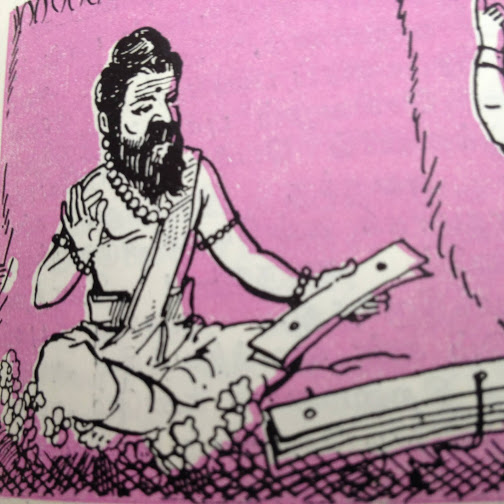
அப்போது நறையூர் நாட்டைச் சேர்ந்த ஒரு மங்கலை (கொங்கு நாவிதச்சி) மன்னனை அணுகினாள். அவள் ஆயுர்வேதக் கலையில் கை தேர்ந்தவள், பிரசவம் பார்ப்பதில் மிக்க அனுபவமுள்ளவள்.

“ஓ, மன்னா! வயிற்றில் பிண்டமிருக்க ஒருத்தி மரணமடைந்தால் அவள் வயிற்றைக் கீறி பிண்டத்தை எடுத்த பின்னரே அவளை இடுகாட்டில் (கனனம்) செய்வர்; அல்லது சுடுகாட்டில் தகனம் செய்வர். இதுவே மரபு. ஆகவே உங்களால் முடிந்தவரையில் தேர்ந்த அரச மருத்துவரை வைத்து முடிந்த வரை பாருங்கள். யாராலும் இயலவில்லை என்று சொல்லிவிட்டால் நான் பார்க்கிறேன்” என்றாள் அவள்.

அவள் மேலும் விளக்கிக் கூறினாள் “அடி வயிற்றைப் பீறி வழி கண்டு சிசுவை வெளியே எடுக்கிறேன். இரண்டு உயிர்களையும் உயிரோடு இருக்க வைப்பேன்” என்றாள்.

மன்னனும் மருத்துவர்களும் சம்மதித்தனர்.

ராஜகுமாரியை உரிய விதத்தில் கீழே கிடத்தி அவள் அடி வயிற்றைக் கீறி, மிகக் குறைந்த நேரத்திலேயே பிரசவத்தை அற்புதமாக முடித்து குழந்தையை உயிரோடு வெளியே எடுத்தாள் மருத்துவி. ராஜகுமாரியும் பிழைத்தாள்.

அரசன் மகிழ்ந்தான். அனைவரும் மகிழ்ச்சியுடன் ஆச்சரியப்பட்டனர்.

உடனே மன்னன் மங்கலைப்பட்டி என்னும் ஊரை இறையிலியாக அவளுக்குக் கொடுத்தான்.

அந்தக் காலத்திலேயே சிசேரியன் அறுவைச் சிகிச்சை ( C Section) யில் தேர்ந்தவர்கள் இருந்தனர் என்பதற்கு இந்தச் சம்பவம் ஒரு சான்று.

நறையூர் நாடு என்பது தாராபுரமும் சில ஊர்களும் சேர்ந்த ஒரு பகுதியாகும்.

1886ஆம் ஆண்டு வெளியான சாசன பரிசோதனைப் புத்தகம் தொகுதி 1 B -127ஆம் பக்கம் பழனி என்ற பாகத்தில் கொங்கு மண்டலம் நறையூர் நாடு வஞ்சிலாடபுர சீர்மையில், வைகாபுரி நாட்டில் பழனி என்று குறிப்பிடப் பட்டிருக்கிறது.

கொற்றனூர் சிவாலயத்திலும், பழனிக்கு அடுத்த பெரியாவுடையார் கோவிலிலும் விஜயமங்கலம் No 582,1905 எண்கள் உள்ள சாசனங்களிலும் இப்பெயர் காணப்படுகின்றன.

இராஜமா நகரமான ஸ்காந்தபுரத்தைப் பற்றி தமிழ் நூல்களில் எந்தவிதக் குறிப்பும் காணப்படவில்லை.

கொங்கு அரசர்கள் தானம் செய்த பட்டயங்களிலிருந்து ஸ்காந்தபுரம் என்பது வெளியாகிறது.

இங்கு வந்த மேலை நாட்டு யாத்ரீகர்கள் எழுதியுள்ள குறிப்புகளில், நதிக்கரையில் நஞ்சை நிலத்தின் நடுவில் இருப்பதாக குறிப்பிட்டிருப்பதால் தாராபுரம் அல்லது கரூராக இது இருக்கலாம்.

தாராபுரத்தில் இடிந்த கோட்டை ஒன்று இருக்கிறது. கரூருக்கு வந்த தாலமி அதை ராஜாங்கப்பட்டணம் என்று குறிப்பிடுகிறார்.

பெரிய புராணம், கரூரை சோழாமாநகரங்களுள் ஒன்றாகக் குறிப்பிடுகிறது.

ஆகவே தாராபுரம், கரூர் ஆகிய இரு ஊர்களில் ஒன்று ஸ்காந்தபுரமாக இருக்கலாம்.

இன்னும் நன்கு ஆராய்ச்சி செய்தால் ஸ்காந்தபுரத்தை அறிவியல் ரீதியாக ஆராய்ந்து கண்டுபிடிக்க முடியும்.

இப்படிப்பட்ட வரலாற்றுச் சம்பவத்தை கொங்கு மண்டல சதகம் பெருமையுடன் 92ஆம் பாடலில் விவரிக்கிறது.

பாடல் இதோ:-

குறைவறு தெண்ணீர் நதியணை காந்த புரத்தொருநல்

லிறை மக ளார்மக வீனப் பொறாதுட லேங்கவகிர்

துறைவழி யேற்று மகிழ்வூட்டு மங்கலை தோன்றிவளர்

மறைவழி தேர்நறை யூர்நாடு சூழ்கொங்கு மண்டலமே

பொருள் :-

நிறைந்த தெள்ளிய நீருற்ற ஆற்றினை அடுத்த காந்தபுரத்தை ஆளும் வேந்தன், தனது பெண் கர்ப்ப வேதனையுற்று கரு உயிர்த்தற்கு இயலாது துன்புறுவதைக் கண்ட மருத்துவி அந்தப் பெண்ணின் வயிற்றைப் பீறிக் குழந்தையை எடுத்து சந்தோஷமுறச் செய்தாள். அப்படிப்பட்ட மருத்துவி பிறந்து வளர்ந்த நறையூர் நாடு சூழ்ந்தது கொங்கு மண்டலமே.

tags – C SECTION,சிசேரியன் அறுவைச் சிகிச்சை, ஸ்கந்தபுரம்.

***

SWAMI CROSSWORD 772020 (Post No.8305)

WRITTEN BY LONDON SWAMINATHAN

Post No. 8305

Date uploaded in London – 7 July 2020   

Contact – swami_48@yahoo.com

Pictures are taken from various sources for spreading knowledge; this is a non- commercial blog. Thanks for your great pictures.

tamilandvedas.com, swamiindology.blogspot.com

ACROSS

1. —  5 letters – name of fighter jet plane made by HAL; meaning brilliance, lustre, sharp, boys name

8. – 8—Rama’s forefather who threw boys into Sarayu river in Ayodhya; he was exiled. Brahmin houses use his name for bad boys.

11. –  6 –inaccessible

12.–5—fire, wind, number 3, letter r in Sanskrit

15.– 9–a great poet of Pre Rig Veda days

16. – 5–section of a book. Ramayana has this type of divisions

17. – 9–several kings had this name; one of them clashed with Durvasa, known for short temper.

DOWN

1.—6 letters- language spoken in Andhra

2. – 4–old age; gerontology is derived from this word

3. —  5–seat and yoga posture

4. – 6—name of a king who had 60,000 sons

5. -6 – shortest of the Dasavataras

6.–4–  ‘another’ in Sanskrit

7.- –8–birth place of Janaki Devi

9. – -6– garland maker, florist

10 – 5— Rani/queen of this place, Lakshmi Bhai  took part in the battle.

13. –5–living, domicile

14  – – -5– dynasty that was toppled by Chanakya

–subham—

INDEX 6; எஸ்.நாகராஜன் கட்டுரை இன்டெக்ஸ் -6 (Post No.8304)

BUDDHA’S MOTHER MAYA DEVI DREAMING , SANCHI

SANCHI SCULPTURES; QUEEN MAYA DEVI’S DREAM ; BUDDHA AS ELEPHANT

WRITTEN BY S NAGARAJAN                     

Post No. 8304

Date uploaded in London – – –7 July 2020   

Contact – swami_48@yahoo.com

Pictures are taken from various sources for spreading knowledge; this is a non- commercial blog. Thanks for your great pictures.

நமது பிளாக்கில் எஸ்.நாகராஜன் எழுதிய கட்டுரைகளின் பட்டியலை 2016 முதல் வெளியிடுகிறேன். இது அகர வரிசைப்படி இல்லாவிடினும் இண்டெக்ஸ் INDEX போன்றதே.

இந்தப் பட்டியலை பிரிண்ட் செய்து வைத்துக் கொண்டால் உங்களுக்குத் பிடித்த கட்டுரைகளை நேரம் கிடைத்தபோது படிக்கலாம்

கட்டுரைகளை பிளாக்கில் பெறுவது எப்படி?

பிளாக்கிற்குப் போய் தேடுவதை விட கூகுளில் (google) தேடுவது எளிது. கட்டுரையின் தலைப்பை காப்பிcopy  செய்து கூகுளில் பேஸ்ட் paste செய்யுங்கள் அதன் பிறகு ஆங்கிலத்தில் from tamilandvedas.com  என்று எழுதி க்ளிக் (click) செய்யுங்கள்.

 from swamiindologly.blogspot.com

என்று எழுதியும் பெறலாம்.

எடுத்துக்காட்டு:

ஒவ்வொரு மனிதனின் கடைசி விநாடிfrom tamilandvedas.com

ஒவ்வொரு மனிதனின் கடைசி விநாடி from swamiindology.blogspot.com

நீங்கள் சிறு பிழை விட்டாலும் நீங்கள் எதிர்பார்த்தது கிடைக்காமல் வேறு விஷயம் வரும். அதில் நேரத்தை வீணடிக்காமல் மீண்டும் ஒரு முறை சரியாக எழுதி முயற்சி செய்யுங்கள். இரண்டு பிளாக்குகளில் ஒன்றில் கிடைத்து விடும்

கட்டுரை பெறுவதில் ஏதேனும் சிக்கல் இருந்தால் எங்களைத் தொடர்பு கொள்ளுங்கள் .

WORLD FAMOUS SANCHI SCULPTURES

April 2018

     1-4-18     4870      பாரதி போற்றி ஆயிரம் – 66+67 (485-491) & (492-525)

     2-4-18     4873     த்ரிவிக்ரம பட்டரின் நள சம்பு பாதியில் நின்றது ஏன்?

     3-4-18      4876     பாரதி போற்றி ஆயிரம் – 68+69 85 (526-548) & (550-569)

     4-4-18     4879     எண்களின் இரகசியம்- பதிமூன்றும் முப்பதும்!

  5-4-18      4882      பாரதி போற்றி ஆயிரம் – 70+71 (570-578) & (579-587)

  6-4-18      4886      நான் ஏன் நன்றாக இருக்கிறேன்?

  7-4-18      4890      பாரதி போற்றி ஆயிரம் – 72+73 (588-600)& (601-613)

  8-4-18      4893     அட்லாண்டிக் மகா மர்மம் – 1

  9-4-18      4897    அட்லாண்டிக் மகா மர்மம் – 2

 10-4-18      4900   பாரதி போற்றி ஆயிரம் – 74+75 (614-621) & (622-631)

  11-4-18       4903    புத்தரின் உருவ வழிபாடு!

  12-4-18       4906   மதுவினால் வரும் கேடு – திடுக்கிடும் தகவல்!

  13-4-18       4909     பாரதி போற்றி ஆயிரம் – 76 & 77 (632-641)&(642-653)

 14-4-18        4912     புலவனுக்குப் பரிசு கொடுக்க முடியவில்லையெனில் புலிக்கு

               இரையாவதே சிறந்தது!

15-4-18         4915     பாரதி போற்றி ஆயிரம் – 78 (654-665)

16-4-18         4919     குர் ஆனில் உள்ள எழுத்துக்கள்!

17-4-18         4922  Why does my child do Sanskrit?

18-4-18         4925     பாரதி போற்றி ஆயிரம் – 79 (666-691)

19-4-18         4928      அட்லாண்டிக் மகா மர்மம் – 3

                (பாக்யா 6-4-18 அ.து.  8-11)

20-4-18         4931      பாரதி போற்றி ஆயிரம் – 80 (692-701)

21-4-18         4934      ஆரோக்கிய மேம்பாட்டிற்கான மந்திரங்கள்!

22-4-18         4937     மஹாகவி பாரதியார் பற்றிய நூல்கள் – 48

                ப.கோதண்டராமன் அவர்களின் ‘பாரதி யுகம்’

23-4-18         4941      அல்லா உபநிஷத்தும், கிறிஸ்து கீதையும்!

24-4-18         4944      பாரதி போற்றி ஆயிரம் – 81 (702-727)

25-4-18         4947      ஸ்வாமி ராமதீர்த்தரின் குறிப்பேடுகள் – 1

26-4-18         4950     பாரதி போற்றி ஆயிரம் – 82 (728-741)

27-4-18         4953    Swami Ramathirtha’s Q & A – 2

28-4-18         4955  பாரதி போற்றி ஆயிரம் – 83 (742-778)

29-4-18         4959     மௌனத்தால் புரட்சி செய்த பெண்மணி!

30-4-18        4962    குயவன் ராஜகுமாரியின் வலிப்பு நோய் தீர்த்த வரலாறு!

May 2018

     1-5-18     4965      பாரதி போற்றி ஆயிரம் – 84 (779-819)

  2-5-18     4968     அறிவியல் அறிவு வாழிய! (பாக்யா  20-4-18 அ.து.  8-7)

     3-5-18      4974     மௌனத்தால் புரட்சி செய்த பெண்மணி!

     4-5-18      4975     பாரதி போற்றி ஆயிரம் – 85 (820-851)

  5-5-18      4978      சங்க காலத்தில் புலவர்கள் ஜாதி பேதம் பார்க்கவில்லை!

  6-5-18      4981      பாரதி போற்றி ஆயிரம் – 86 (852-883)

  7-5-18      4985     ஜாதி பேதமற்ற சங்க இலக்கியத்தில் புலவர் நால்வர்!

  8-5-18      4988     பாரதி போற்றி ஆயிரம் – 87 (884-918)

  9-5-18       4992    Swami Ramathirtha’s Q & A – 3

 10-5-18       4995   பாரதி போற்றி ஆயிரம் – 88 (919-948)

  11-5-18        4998    வெள்ளையன் ஹாலிடே வியந்த “சதி”

  12-5-18         5001   பாரதி போற்றி ஆயிரம் – 89 (949-976)

 13-5-18         5005     இந்தியாவில் உலகின் உயரமான சிலை! (பாக்யா 11-5-18

                அ.து.  8-10)

 14-5-18        5008     பாரதி போற்றி ஆயிரம் – 90 (977-1000)

15-5-18         5012    சதி – சதியா, சரியா?

16-5-18         5015     எல்லாப் பழியும் சமணன் தலையிலே!

17-5-18         5018   ஓசை இன்பம் கொண்ட டாஃபோடில்ஸ் – 1

18-5-18         5021     ஓசை இன்பம் கொண்ட டாஃபோடில்ஸ் – 2

19-5-18         5024      கண் திருஷ்டியும் அறிவியலும் – 1             

                (பாக்யா 18-5-18 அ.து.  8-11)

20-5-18         5027      நமது நூல்கள் தரும் நுட்பமான கருத்துக்கள்! (ஹெல்த்கேர்

               மே 2018 இதழில் வெளியாகியுள்ள கட்டுரை)

21-5-18        5031      ரமணரின் கருணை மழை!

22-5-18       5034     More Management Stories!

23-5-18       5037     மஹாகவி பாரதியார் பற்றிய நூல்கள் – 49

24-5-18       5041     கண் திருஷ்டியும் அறிவியலும் – 2             

               (பாக்யா 25-5-18 அ.து.  8-12)

25-5-18      5044  வள்ளுவப் பைத்தியம் தேர்வு செய்த முறை!

26-5-18      5047    Ramathirtha’s Diary – 4

27-5-18      5050    மிகச் சிறந்த ஆங்கிலக் காதல் கவிதைகள்!

28-5-18      5053  காந்திஜி, நேருஜி – தவறிய வார்த்தைகள்!

29-5-18      5056     யானை அரியணையில் அமர்த்திய கரிகாலன்!

                                  (கொங்குமண்டல சதகம் பாடல் 33)

30-5-18      5059    சிரித்துக் கொண்டே பாகிஸ்தான், சண்டையிட்டு ஹிந்துஸ்தான்!

31-5-18     5062     கண் திருஷ்டியும் அறிவியலும் – 3             

             (பாக்யா 1-6-18 அ.து.  8-13)

June 2018

      1-6-18     5065   உடனடித் தேவை – தாய்மதம் திரும்புவோருக்கு வரவேற்பு!

  2-6-18     5068     காசு மேலே காசு வரும்! வாஸ்து சாஸ்திரம்!

     3-6-18      5071     சர்ச்சிலின் டான்ஸ்!

     4-6-18     5074      எனது கம்பெனியில் சேருகிறீர்களா, சார், நீங்கள்!

  5-6-18      5077      ஹிந்துக்களின் உயரிய குணங்கள் – 1

  6-6-18      5080      ஹிந்துக்களின் உயரிய குணங்கள் – 2

  7-6-18      5083     CLUTTER-ஐ ஒழியுங்கள்!

  8-6-18      5086     காலத்தை உறைய வைக்கும் அதிசய புகைப்பட நிபுணர் – 1

               (பாக்யா 8-6-18 அ.து.  8-14)

   9-6-18       5090    மஹாகவி பாரதியார் பற்றிய நூல்கள் – 50 கைலாசபதி 

               அவர்களின் ‘பாரதி ஆய்வுகள்’

10-6-18        5094   புல்வெளியில் நடப்பதால் ஏற்படும் பலன்கள்! (ஹெல்த்கேர்

              ஜூன் 2018 இதழில் வெளியாகியுள்ள கட்டுரை)

 11-6-18       5097    நரேந்திரமோடி 20 மணி நேர உழைப்பின் ரகசியம்!

12-6-18        5101   வில்லிப்புத்தூராரை பாரதம் பாடச் செய்த ஆட்கொண்டான்!

               (கொங்கு மண்டல சதகம் பாடல் 32)

13-6-18       5104     சில புதிர்க் கவிதைகள் (ம்ருத்யுஞ்சயா, த்வலயம், அதர) 10382,

               10405, 10409)

14-6-18       5108     ஆகாகானின் அக்கிரம எண்ணம்!

15-6-18       5111     காலத்தை உறைய வைக்கும் அதிசய புகைப்பட நிபுணர் – 2

               (பாக்யா 15-6-18 அ.து.  8-15)

16-6-18       5115     நடக்காத சந்திப்பு – தப்பிப் பிழைத்த பாரதம்!

17-6-18       5119   DEAR GOD, I HAVE A PROBLEM!

18-6-18       5123     பிள்ளைமார் வாழ்க – 2 (கட்டுரை 1 – 31-12-17)

19-6-18       5126      நான் புத்தர்!

20-6-18       5130    அதிசய மஹாபுருஷர் ஜகத்குரு ஸ்ரீ சந்த்ர சேகரேந்த்ர

               சரஸ்வதி ஸ்வாமிஜி – 2

21-6-18      5133     காலத்தை உறைய வைக்கும் அதிசய புகைப்பட நிபுணர் – 3

               (பாக்யா 22-6-18 அ.து.  8-16)

22-6-18      5136    குரு தேக்பகதூரின் ஒப்பற்ற தியாகம்!

23-6-18     5139     காலம் வருமுன்னே காலன் வர மாட்டான்!

24-6-18     5142     விமான சாஸ்திரம் – சுப்பராய சாஸ்திரி – 1  

25-6-18     5145  விமான சாஸ்திரம் – சுப்பராய சாஸ்திரி – 2  

26-6-18     5148    காந்திஜி – ஹரிலால், மணிலால்!

27-6-18     5153    முதலை விழுங்கிய பாலகனை உயிர்ப்பித்து மீட்ட தலம்!

                               (கொங்குமண்டல சதகம் பாடல் 16)

28-6-18     5155  காந்திஜியும் மதமாற்றமும்!

29-6-18     5159    இகிகை-1 நீண்ட நாள் வாழ ஜப்பானிய ரகசியம்! – 1             

             (பாக்யா 29-6-18 அ.து.  8-17)

30-6-18     5163    ஏழாவது ஹிந்து மகாநாடு!

TO BE CONTINUED……………………………………………………………………

TAGS — INDEX 6, எஸ்.நாகராஜன், கட்டுரை இன்டெக்ஸ் -6

சிட்டுக் குருவி பற்றிய 4 பழமொழிகளைக் கண்டு பிடியுங்கள்  (Post No.8303)

WRITTEN BY LONDON SWAMINATHAN

Post No. 8303

Date uploaded in London – 7 July 2020   

Contact – swami_48@yahoo.com

Pictures are taken from various sources for spreading knowledge; this is a non- commercial blog. Thanks for your great pictures.

tamilandvedas.com, swamiindology.blogspot.com

ஒரே சொல் மீண்டும் மீண்டும் வந்தால் ஓரிரு இடங்களில் மட்டுமே கட்டத்தில் இருக்கும். கொண்டு கூட்டி பொருள் கொள்க . விடை கீழே உள்ளது . சில நேரங்களில் படங்களைப் பார்த்தாலும் விடை காண உதவலாம்.

ANSWER

1.குருவி கழுத்தில் தேங்காயைக் கட்டினது போல

2.குருவிக்குத் தக்க இராமேஸ்வரம்

3.சிட்டுக் குருவியின் மேல் ராம பாணம் தொடுக்கிறதா ?

4.சிட்டுக் குருவிக்குப் பட்டம் கட்டினால் , சட்டிப்பானை எல்லாம் லொட லொட வென்று தத்தும்

Source book :–

பயன்படுத்திய நூல்- கழகப் பழமொழி அகர  வரிசை, கழக வெளியீடு

Tags- ,  சிட்டுக் குருவி பழமொழிகள்

STORY OF INDIA’S ECONOMIC DOWNFALL – 4 (Post No.8302)

WRITTEN BY R. NANJAPPA                        

Post No. 8302

Date uploaded in London – – – 7 July 2020   

Contact – swami_48@yahoo.com

Pictures are taken from various sources for spreading knowledge; this is a non- commercial blog. Thanks for your great pictures.

INDIA WAS NOT POOR

STORY OF INDIA’S ECONOMIC DOWNFALL – 4

R. Nanjappa

Reports of Francis Buchanan- South

 In Feb, 1800, Lord Wellesley, Governor General asked Dr.Francis Buchanan, a medical officer of the company, to tour south India and make inquiries into the economic conditions of the people. His work was published in 1807 in London. Some highlights from this famous document.

  • He saw the old Hindu irrigation works for which southern India was always famous. He remarked on one such work in the Jagir of Madras, and said the reservoir could irrigate the lands of thirty-two villages during a drought of eighteen months!
  • On the whole, the Jagir of Madras which was under the East India company for half a century was not in a flourishing condition.
  • He saw an old Hindu reservoir in Kaveripakkam near Arcot – about eight miles long and three miles broad. “I never viewed a public work with more satisfaction, a work that supplies a great body of people with every comfort which their moral situation will permit them to enjoy”.
  • the villages along the road were miserable and poor, and some of them in ruins.
  • the govt which received the revenue was “bound to keep the canals and tanks in repair.”
    • Women (near Seringapatam) often worked in the fields and carried manure in baskets on their heads. They were generally well dressed, and elegantly formed. “I have never seen finer forms… Their necks and arms are, in particular, remarkably well shaped”
    • Reaching near Bangalore, he observed: Women of all castes, except Brahmans, bought cotton wool at weekly markets, spun them at home, and sold the thread to weavers. And thus people of all classes-men and women- found in spinning and weaving profitable occupation.
  •  
  • He then goes on to describe how the village agricultural produce was shared between the various people of the village- 16 categories, from the priest to the barber, potter, conductor of water, etc. and says: Thus a payment of 5.25% of the produce of the fields secured to the villagers the professional services of the barber, the potter and the blacksmith, the priest and the astrologer.10% was claimed by the village Deshmukh and the rest was divided between the farmer and the govt. Haider Ali abolished the Deshmukhs and took their share also.
  • The old Hindu rate of revenue, laid down in the ancient law books, was one-sixth, one-eighth or one-twelfth the produce; the rulers and chiefs who took such a large share excavated and maintained vast irrigation works at their own cost and made cultivation possible. And they took their share in kind, not in money.
    • Coming to Coimbatore, Dr. Buchanan found that Major Macleod the collector, had set aside the authority of the Gaudas or village chiefs, and merely employed them to collect the revenue on fixed salaries. The policy added to the revenue, but weakened the ancient village-system of India. 
    •  

The overall import of the report is that the revenue was over-assessed, and the condition of the people was therefore one of hopeless poverty.

Francis Buchanan
  • North India
  • Recognising the value of the report, the Company asked Dr. Buchanan to undertake a similar study tour of Northern India, and he again laboured there for 7 years from 1807. But his report was left to gather dust in London and he died. Montgomery Martin, a historian obtained permission to look at the material, and he published his findings in 1838. This too contains much valuable information.
  • In Bihar and Patna, great agricultural activity was noticed with irrigation from canals and wells in winter. Rents paid in kind were being substituted by money -rents.
    •  
    • Spinning and weaving were the great national industry after agriculture. All the spinners were women. As the demand for fine goods has been diminishing, women have suffered very much.
    • Paper manufacture, leather work, perfumery, iron-work, gold and silver work, stone-cutting, pottery, bricklaying, and lime manufacture, dyeing, blanket weaving, manufacture of gold and silver thread were among the other important industries.
      • many of these industries and sources have narrowed in the last 100 years. Agriculture has become virtually the sole means of subsistence, with the loss of many industries.
  •  
    • The raja of Bhojpur, a kayast, a Mohammadan landlord, a Mohammadan lady, two lalas of the kayasth community all fed all mendicants and strangers, honouring the ancient custom. (Their names are mentioned).
    • In Bhagalpur, it was noticed that people were not much involved in debt.
    • All castes were permitted to spin. Gold had almost entirely disappeared. Most commercial transactions were carried on by exchange of commodities.
    • Gorakhpur: land was subjected to heavy assessment, and the tax-gatherer was more rapacious than the invaders and freebooters of previous times.
  •  
    • 1,75,600 women found employment in spinning cotton.
    • Dinajpur: Cotton spinning was the main activity occupying leisure hours,” of all the women of the higher rank, and of the greater part of the farmers’ wives”.
      • the lower caste HIndus wove jute for their own use. Most families had looms, and most women worked in the afternoons. Gold had become scarce.
      •  
      • Purniya: One fourth of the produce would be considered fair rent, but the Zemindars in Purnea and elsewhere in Bengal were taking much less, in contrast to the much greater exaction by the company
      • No caste was considered disgraced by spinning, a very large proportion of women did some spinning in their leisure hours
      • On the whole the Zemindars offered some protection to the people. But the sources of income were declining due to the declining state of industries and manufacture.
      •  

Thus we observe through Dr.Buchanan the same features throughout India: high rent-revenue collected by the company, leaving little surplus for the people, decline of industries and local manufactures, making agriculture the sole source of income, spinning was the one saving grace where it was still practised, especially among women.

tags — economic downfall-4, wellelsley, buchanan

***

இரு கேள்விகளுக்கு ஒரு வார்த்தை பதில்! சம்ஸ்கிருத புதிர்!! (Post no.8301)

WRITTEN BY S NAGARAJAN                     

Post No. 8301

Date uploaded in London – – –7 July 2020   

Contact – swami_48@yahoo.com

Pictures are taken from various sources for spreading knowledge; this is a non- commercial blog. Thanks for your great pictures.

இரு கேள்விகளுக்கு ஒரு வார்த்தையிலேயே பதில் வேண்டும் – சம்ஸ்கிருத புதிர் கவிதை!

ச.நாகராஜன்

ஒரு சம்ஸ்கிருத புதிர் கவிதை. இரு கேள்விகள், ஆனால் விடை ஒன்றாகத் தான் இருக்க வேண்டும், இரு கேள்விகளுக்கும் பதில் அளிப்பதாக இருக்க வேண்டும்.

கேள்விகள் இதோ:

உலகைக் காப்பது எது?

யாரால் பார்க்க முடியாது?

இந்த இரு கேள்விகளுக்கும் ஒரு வார்த்தையில் பதில் வர வேண்டும்.

அடுத்த இரு கேள்விகள்:

யார் கடவுளரை வெறுக்கின்றனர்?

தானம் கொடுப்பவனின் கையை அலங்கரிப்பது  எது?

இந்த இரு கேள்விகளுக்கும் ஒரு வார்த்தையில் பதில் வர வேண்டும்.

அடுத்த இரு கேள்விகள் ;

வயிறு இல்லாதவன் யார்?

கண்ணைப் பார்க்க விடாமல் செய்வது எது?

இந்த இரு கேள்விகளுக்கும் ஒரு வார்த்தையில் பதில் வர வேண்டும்.

அடுத்த இரு கேள்விகள்:

வானில் விளையாடுவது எது?

அழகிய பெண்களுக்கு அழகைத் தருவது எது?

இந்த இரு கேள்விகளுக்கும் ஒரு வார்த்தையில் பதில் வர வேண்டும்.

இப்படிக் கேள்விகளைக் கேட்ட கவிஞர் கூறுகிறார்;

“ஓ, நுட்பமான புத்தியை உடையவனே, நீ உன் மனதை நன்கு கவனப்படுத்தி ஒவ்வொரு இரு கேள்விகளுக்கும் ஒரே பதிலைச் சொல், பார்ப்போம்!

கவிதை இது தான்:

கிம் த்ராணம் ஜகதாம் ந பஷ்யதி ச க: கே தேவதா வித்திஷ:

  கிம் தாது: கரபூஷணம் நிருதர: க: கிம் பிதானம் தூஷாம் |

கே கே கேலனமாசரந்தி சுத்ருஷாம் கிம் சாருதாபூஷணம்

   புத்தயா ப்ரூஹி விசார்ய சூக்ஷ்மமதிமம்ஸ்த்வேகம் த்ரயோருத்தரம் ||

இப்போது பதில்களைப் பார்ப்போம்:

உலகைக் காப்பது அந்தா: அதாவது உணவு.

பார்க்க முடியாதவன் அந்தா: அதாவது அதாவது குருடன்.

இரு கேள்விகளுக்கு ஒரே வார்த்தையில் விடை.

அடுத்து, கடவுளரை வெறுப்பவர் தானவா: அதாவது அசுரர்.

தானம் கொடுப்பவனின் கையை அலங்கரிப்பது தானவா: அதாவது தானத்தைக் கொடுக்கும் போது சொரியும் நீர்!

அடுத்து, வயிறு இல்லாதவன் தம: அதாவது ராகு.

கண்ணைப் பார்க்க விடாமல் செய்வது தம: அதாவது இருட்டு!

அடுத்து, வானில் விளையாடுவது வய: அதாவது பறவைகள்.

அழகிய பெண்களுக்கு அழகைத் தருவது வய: இளமைப் பருவ வயது!

ஆக இப்படி இரு பொருள் தரும் ஒரு வார்த்தையைத் தேர்ந்தெடுத்து கேள்விகளைத் தொடுத்து விட்டார் சாமர்த்தியமான கவிஞர்.

இது போன்ற புதிர்க் கவிதைகள் ஏராளம் சம்ஸ்கிருதத்தில் உள்ளன!

இந்தக் கவிதையின் ஆங்கில மொழியாக்கம் இதோ:

What protects the world (people)?

(andha – food)

Who does not see?

(Andha – blindman)

Who hate the Gods?

(Dhanavah – Demons)

What adorns the hand of donor?

(Danavaj – water offered at the time of giving gifts)

Who is without belly?

(tamah – Ragu)

What screens the eyes?

(tamah – darkness)

Who sport in the sky?

(vayah – birds)

What is the ornament that beautifies charming girls?

(vayah – youthful age)

Applying your mind tell the answers, O man of subtle intelligence, noting that the answer is the same for two questions each.

                                             (Translation by A.A.R)

***

tags – இரு கேள்வி, ஒரு வார்த்தை பதில், சம்ஸ்கிருத புதிர்,

INDEX 5; எஸ்.நாகராஜன் கட்டுரை இன்டெக்ஸ் -5 (Post No.8300)

HINDU STATUES FROM SOUTH EAST ASIA

INDEX 5; எஸ்.நாகராஜன் கட்டுரை இன்டெக்ஸ் -5 (Post No.8300)

WRITTEN BY S NAGARAJAN                     

Post No. 8300

Date uploaded in London – – –6 July 2020   

Contact – swami_48@yahoo.com

Pictures are taken from various sources for spreading knowledge; this is a non- commercial blog. Thanks for your great pictures.

நமது பிளாக்கில் எஸ்.நாகராஜன் எழுதிய கட்டுரைகளின் பட்டியலை 2016 முதல் வெளியிடுகிறேன். இது அகர வரிசைப்படி இல்லாவிடினும் இண்டெக்ஸ் INDEX போன்றதே.

இந்தப் பட்டியலை பிரிண்ட் செய்து வைத்துக் கொண்டால் உங்களுக்குத் பிடித்த கட்டுரைகளை நேரம் கிடைத்தபோது படிக்கலாம்

கட்டுரைகளை பிளாக்கில் பெறுவது எப்படி?

பிளாக்கிற்குப் போய் தேடுவதை விட கூகுளில் (google) தேடுவது எளிது. கட்டுரையின் தலைப்பை காப்பிcopy  செய்து கூகுளில் பேஸ்ட் paste செய்யுங்கள் அதன் பிறகு ஆங்கிலத்தில் from tamilandvedas.com  என்று எழுதி க்ளிக் (click) செய்யுங்கள்.

 from swamiindologly.blogspot.com

என்று எழுதியும் பெறலாம்.

எடுத்துக்காட்டு:

சாஸ்திரங்கள் கூறும் இரகசியங்கள்! from tamilandvedas.com

சாஸ்திரங்கள் கூறும் இரகசியங்கள்! from swamiindology.blogspot.com

நீங்கள் சிறு பிழை விட்டாலும் நீங்கள் எதிர்பார்த்தது கிடைக்காமல் வேறு விஷயம் வரும். அதில் நேரத்தை வீணடிக்காமல் மீண்டும் ஒரு முறை சரியாக எழுதி முயற்சி செய்யுங்கள். இரண்டு பிளாக்குகளில் ஒன்றில் கிடைத்து விடும்

கட்டுரை பெறுவதில் ஏதேனும் சிக்கல் இருந்தால் எங்களைத் தொடர்பு கொள்ளுங்கள் .

January 2018

     1-1-18     4570      பாரதி போற்றி ஆயிரம் – 22

  1-1-18     4571     ஒரு ரொபாட்டின் கடிதம்!

     2-1-18     4574      பிராணன், மனம், புத்தி, சித்ரூபம், அனந்தரூபம் விளக்கம்!

   3-1-18      4577    கண்ணதாசனின் ESP பவர்!

     4-1-18     4580     மாக்ஸ்முல்லர் மர்மம் – 12   

  5 -1-18    4583    சூரிய ஸ்துதிகள்!

     6 -1-18   4586   பாரதி போற்றி ஆயிரம் – 23 (137-141)

     6-1-18     4587    கடலிடம் கற்போம்! (பாக்யா அ.து.          )

     7-1-18     4590     காதலில் எத்தனை விதம் சொல்லு – 64 வகை!

     8-1-18     4593     சம்ஸ்கிருத காதல் கவிதைகள்! – ராகத்திலே அனுராகமேவினால்!

     9 -1-18    4596     பாரதி போற்றி ஆயிரம் – 24 (142-146) 

    9-1-18      4597    கோசம், ஆத்மா, சித்ரூபன் விளக்கம்!

10 -1-18      4600    பாரதி போற்றி ஆயிரம் – 25 (147-152)

10 -1-18      4601    மஹாராஜா புக்குசாதியின் ஆசை! 

11-1-18      4604    மஹாகவி பாரதியார் பற்றிய நூல்கள் – 46 ப.மீ. சுந்தரம்

              எழுதிய ‘பாரதியார் வரலாறும் கவிதையும்’                 

12-1-18       4607     ஹிந்து விவேகானந்தர்!

13-1-18      4611   காரிய வெற்றிக்கு சகுனங்கள்!

14-1-18     4614    கடிகதிகல கசெகய்களை

15-1-18     4617     பாரதி போற்றி ஆயிரம் – 26 (351-357)

15-1-18     4746    மாக்ஸ்முல்லர் மர்மம் – 13

16-1-18     4621     பாரதி போற்றி ஆயிரம் – 27 (157- 159) 

16-1-18     4622    கண்ணதாசனின் நல் எண்ணதாசன் நான்!

17-1-18     4625  பாரதி போற்றி ஆயிரம் – 28 (160- 164) 

17-1-18     4626    ஆரோக்கியம் மேம்பட அர்த்தமுள்ள சில குறிப்புகள்!

             (ஹெல்த்கேர் ஜனவரி 2018 இதழ் கட்டுரை)

18-1-18     4629     பாரதி போற்றி ஆயிரம் – 29 (165- 168)

18-1-18     4630      அத்வைத சார விளக்கம் – (கட்டுரை எண் 9)

19-1-18     4633      பாரதி போற்றி ஆயிரம் – 30 (169-173)

19-1-18     4634     சிறப்பாக வாழ சிரித்து மகிழுங்கள்!

20-1-18     4637      பாரதி போற்றி ஆயிரம் – 31 (174-179)

20-1-18     4638      இராமானுஜரை சந்தித்து அருள் பெற்ற அபூர்வ பெண்மணி!

21-1-18     4642      பாரதி போற்றி ஆயிரம் – 32 (180-187)

21-1-18     4643      கண்ணதாசனின் சம்ஸ்கிருதக் கவிதை!      

22-1-18     4646      பாரதி போற்றி ஆயிரம் – 33 (188-193)

22-1-18     4647     தேர் ஓடத் தலைமகனைப் பலி கொடுத்த வேணாடன்

               (கொங்குமண்டல சதகம் பாடல்   ) 

23-1-18         4651     பரபரப்பூடும் விண்வெளி ஆய்வுத் தகவல்கள்!

24-1-18         4654     பாரதி போற்றி ஆயிரம் – 34 (194-197)

24-1-18         4655      இயற்கைக்கு ஊறு விளைவிக்காதீர்கள்! AIR  -1

25-1-18         4658     பாரதி போற்றி ஆயிரம் – 36 (206-213)

25-1-18         4659     மஹாபாரதத்தில் புதிர் ஸ்லோகங்கள்!

26-1-18         4662   மரபணு விஞ்ஞானிக்குத் தன் மரபணு தெரியாத விசித்திரக்

                கதை!

26-1-18         4663   பாரதி போற்றி ஆயிரம் – 35 (198-205)

27-1-18         4666      பாரதி போற்றி ஆயிரம் – 37 (214-217)

27-1-18         4667     பெற்றோர்கள் அறிய வேண்டிய ஜிஹாதி லவ்!   

28-1-18         4670       பாரதி போற்றி ஆயிரம் – 38 (218-221)  

28-1-18         4671      நீடித்து ஆரோக்கியத்துடன் வாழ சரகர் கூறும்

               ஏழு மூன்றுகள் – 2    

29-1-18         4674      பாரதி போற்றி ஆயிரம் – 39 (222-231)    

29-1-18         4675     சைவத்தை விளக்குவது சிம்பிளா, சிக்கலா?    

30-1-18         4678       செரிங்கட்டி தரும் 6 விதிகள் AIR – 2 

30-1-18         4679   காப்பி அடிக்கும் எழுத்துக் கலைஞ(வாண)ர்கள்!    

31-1-18         4682         பாரதி போற்றி ஆயிரம் – 40 (232-240)

31-1-18         4667       வைரமும் இல்லை, முத்தும் இல்லை, எல்லாம் தப்பு!

February 2018

    1-2-18      4687     செரிங்கட்டி தரும் 6 விதிகள் AIR – 3

    1-2-18     4688     சோகத்தால் அழுத நான்கு புடவைகள்!

    2-2-18     4691     பாரதி போற்றி ஆயிரம் – 41 (241-249)

    2-2-18     4692     ஒளி மாசைத் தடுக்க முதலில் சட்டம் இயற்றிய நாடு! AIR – 4

  3-2-18     4694     பாரதி போற்றி ஆயிரம் – 42 (250-254)

    3-2-18     4695     மெடிக்கல் மிராகிள் புகழ் ஸ்டீபன் ஹாகிங் வயது 76!

    4-2-18     4698     பாரதி போற்றி ஆயிரம் – 43 (255-263)

  4-2-18    4699    பாராட்டுக்கும் கண்டனத்திற்கும் பயன் உண்டா?    

  5 -2-18    4702   பாரதி போற்றி ஆயிரம் – 44 (264-272)

      5 -2-18   4703   எந்தக் கேள்விக்கும் இதோ பதில்! 

      6-2-18     4706    பாரதி போற்றி ஆயிரம் – 45 (273-284))

     6-2-18     4707     இந்து மத உரையாடல்கள் – சம்வாதங்களின் சுருக்கம்!

     7-2-18     4710     பாரதி போற்றி ஆயிரம் – 46 (285-290)  

  7-2-18     4711    வள்ளலாரின் தமிழ்!    

     8-2-18      4714    பாரதி போற்றி ஆயிரம் – 47 (291-303) 

     8 -2-18     4715    மஹாகவி பாரதியார் பற்றிய நூல்கள் – 47 பெரியசாமி தூரன்

              எழுதிய ‘பாரதியும் உலகமும்’                

   9-2-18      4718    ஒளிமாசின் பாதிப்பு! AIR -5

  9-2-18       4719     சாது அளித்த ருத்ராக்ஷ மாலை!   

10 -2-18      4722    பாரதி போற்றி ஆயிரம் – 48 (306-317)

10 -2-18     4723    நடைப் பயிற்சியே நல்ல மருந்து! 

11-2-18      4726   கடலோர நகரங்கள் அழியும் அபாயம்!   AIR -6

11-2-18      4727    நிலவில் முதல் மனிதன் – சுவை மிகு தகவல்கள்!

 12-2-18     4731   பாரதி போற்றி ஆயிரம் – 49 (318-326) 

13-2-18     4732    அபிராமி அந்தாதியும் கண்ணதாசன் விளக்கவுரையும்!    

13-2-18     4735    பாரதி போற்றி ஆயிரம் – 50 (327-332)     

 14-2-18    4736    சிவாகமங்கள் என்ன பிரச்சினை

 14-2-18    4740    பாரதி போற்றி ஆயிரம் – 51 (333-350)

 14-2-18    4741    இருந்தும் இறந்தவன் யார்? -1

15-2-18     4745     பாரதி போற்றி ஆயிரம் – 52 (351-357)

15-2-18     4746    இருந்தும் இறந்தவன் யார்? -2

16-2-18     4749     பாரதி போற்றி ஆயிரம் – 53 (358- 366) 

16-2-18     4750    நான் ஜோதிடத்தைத் தவறாகப் பயன்படுத்திய மூன்று

              முறைகள் – 1

17-2-18     4753  பாரதி போற்றி ஆயிரம் – 54 (367- 376) 

17-2-18     4754    ஸ்ரீ ராமரின் ஜோதிட அறிவு!

18-2-18     4757     பாரதி போற்றி ஆயிரம் – 55 (377- 3860

18-2-18         4758      மனிதன் கடவுள் ஆகும் காலம் (பாக்யாஅ.து          )

19-2-18         4761      கால்களை இழந்தும் காட்டுவளம் காப்பவர் – AIR 7

20-2-18         4765      பாரதி போற்றி ஆயிரம் – 56 (387-395)

20-2-18         4766      நான் ஜோதிடத்தைத் தவறாகப் பயன்படுத்திய மூன்று

                முறைகள் – 2

21-2-18         4769      விண்வெளி வீரரின் உருக்கமான வேண்டுகோள் AIR 8

22-2-18         4772  பாரதி போற்றி ஆயிரம் – 57 (396-402)

22-2-18         4773     புதுப்பிக்கப்படக்கூடிய எரிசக்தியின் பயன்பாடு AIR 9

23-2-18         4776     விண்டர் ஒலிம்பிக்கில் ரொபாட்டுகள்!

24-2-18         4779     பாரதி போற்றி ஆயிரம் – 58 (403-411)

25-2-18         4783      வேலைக்காரர் படும் பாடு!

26-2-18         4786   நான் ஜோதிடத்தைத் தவறாகப் பயன்படுத்திய மூன்று

                முறைகள் – 3 (Part 1)

27-2-18         4789      நான் ஜோதிடத்தைத் தவறாகப் பயன்படுத்திய மூன்று

                முறைகள் – 3 (Part 2)

28-2-18         4792   பாரதி போற்றி ஆயிரம் – 59 (412-420)

March 2018

     1-3-18     4796     விண்வெளிச் சாதனைகள் – 1     (பாக்யா 9-3-18 அ.து      )

     2-3-18     4873     பாரதி போற்றி ஆயிரம் – 60 (421-429)

     3-3-18     4876     பாரதி போற்றி ஆயிரம் – 68+69 85 (526-548) & (550-569)

     4-3-18     4806     பாரதி போற்றி ஆயிரம் – 61 (430-441)

  4-3-18     4807     கஷ்டம் போக்கும் 100 அஷ்டகங்கள்!    

 13-3-18      4810     பாரதி போற்றி ஆயிரம் – 62 (442-454)

 14-3-18        4813     க்ராஸ் டாக்கில் உதயமானது கண்ணதாசனின் அர்த்தமுள்ள

               இந்து மதம்! -1

15-3-18         4816     பாரதி போற்றி ஆயிரம் – 63 (455-463)

16-3-18         4820     க்ராஸ் டாக்கில் உதயமானது கண்ணதாசனின் அர்த்தமுள்ள

               இந்து மதம்! -2

17-3-18         4823  சாஸ்திரங்கள் கூறும் இரகசியங்கள்!

18-3-18         4826     நமது பெண்மணிகளை மெல்லக் கொல்லும் விஷங்கள்!

19-3-18         4829      சூரியனோடு சுற்றும் ரிஷி – சூரிய ரகசியம் – 1

20-3-18         4832      சூரியனோடு சுற்றும் ரிஷி – 2

21-3-18         4835      நடைப்பயிற்சி நல்ல மருந்து – 2

22-3-18         4839  விண்வெளிச் சாதனைகள் – 2  (பாக்யா 9-3-18 அ.து      )   

23-3-18         4842      பாரதி போற்றி ஆயிரம் – 64 (464-495)

24-3-18         4845     ஓடுங்கள், உலகத்தோடு ஓடுங்கள்! – 1     

25-3-18         4848      ஓடுங்கள், உலகத்தோடு ஓடுங்கள்! – 2

26-3-18         4851  விண்வெளிச் சாதனைகள் – 3 (பாக்யா 16-3-18 அ.து      )

27-3-18         4854    பாரதி போற்றி ஆயிரம் – 65 (476-484)

28-3-18         4857     என் குழந்தை ஏன் சம்ஸ்கிருதம் படிக்க வேண்டும் -1  

29-3-18         4860     என் குழந்தை ஏன் சம்ஸ்கிருதம் படிக்க வேண்டும் -2  

30-3-18         4864    என் குழந்தை ஏன் சம்ஸ்கிருதம் படிக்க வேண்டும் -3   

31-3-18         4867    என் குழந்தை ஏன் சம்ஸ்கிருதம் படிக்க வேண்டும் -4  

TO BE CONTINUED……………………………………

TAGS –INDEX 5, எஸ்.நாகராஜன்,  கட்டுரை இன்டெக்ஸ் -5

SWAMI CROSSWORD 672020 (Post No.8299)

WRITTEN BY LONDON SWAMINATHAN

Post No. 8297

Date uploaded in London – 6 July 2020   

Contact – swami_48@yahoo.com

Pictures are taken from various sources for spreading knowledge; this is a non- commercial blog. Thanks for your great pictures.

tamilandvedas.com, swamiindology.blogspot.com

ACROSS

1.–10 letters— largest festival in the world; 20 million Hindus come to take bath in the holy Ganga river in Sangam in Uttar Pradesh.

6. -7— a sage of Puranic fame; never became angry in life; went to heaven straight.

11– 4— Star; English word Star is derived from this Sanskrit word

12. – 7—very fierce; fearful; Shiva’s dance

13. – 5—without body; an epithet of Rahu

14.– 4— rice in Sanskrit

15 – 6— human; Title of Manu’s dharma sastra

DOWN

1. — 6 letters – un married girl; In Nepal they worship a little girl as representative of goddess

2. –5— both for honey and liquor

3.– 4— acid, acidity; sour

4.—8—Guardians of 8 directions

5.– 7— feminine name; one who is happy

7.—5—one of the five vital airs such as Prana, Apana…..; also emotional utterance

8.—6—gifting of a cow; Brahmins receive it from kings.

9.—6—a gotra/ clan from Atri Maharishi

10. – 6— word for family  in many Indian languages

—SUBHAM—