INDIA WAS NOT POOR- PART 3 (Post 8272)

WRITTEN BY R. NANJAPPA                        

Post No. 8272

Date uploaded in London – – – 2 July 2020   

Contact – swami_48@yahoo.com

Pictures are taken from various sources for spreading knowledge; this is a non- commercial blog. Thanks for your great pictures.

INDIA WAS NOT POOR:

TESTIMONY FROM ADAM SMITH  – 3

R. Nanjappa
So, the ‘dearth’ was turned into a famine. (Other famines regularly followed- in 1783, 1866, 1873,1892,1897, and the last one in 1943-44, due largely to Churchill. But mercifully, the British had to leave India within 3 years this time!) More than some injudicious restrictions were however involved. Smith returns to it later. After referring to the oppressive measures of  the Dutch and the Portuguese in their territories, Smith says:

The English company have not yet had time to establish in Bengal so perfectly destructive a system. The plan of their government, however, has had the same tendency. It has not been uncommon for…the first clerk of a factory, to order a peasant to plough up a rich field of poppies, and sow it with rice or some other grain. The pretence was, to prevent scarcity of provisions; but the real reason, to give the chief an opportunity of selling at a better price a large quantity of opium, which he then happened to have on hand.

Upon other occasions, the order has been reversed; and a rich field of rice or other grain has been ploughed up, in order to make room for a plantation of poppies; when the chief foresaw that extraordinary profit was likely to be made by opium. The servants of the company have upon several occasions attempted to establish in their own favour the monopoly of some of the most important branches, not only of the foreign, but of the inland trade of the country….. In the course of a century or two, the policy of the English company would in this manner have probably proved as completely destructive as that of the Dutch.
 Part IV, chap.vii (Page numbers  vary in different editions. For convenience, one may refer to the one volume selected edition in the Oxford World’s Classics,1998: pages 29, 72, 325, 367. Do not miss to see the notes.)

We can see in these instances how objective and sensitive Smith is to the issues of human welfare among all the people! He is writing as a humanist, social scientist, with a thorough knowledge of his subject. He combines the social, historical and the economic aspects, and does not shrink from exposing the misdeeds of the company. He wrote within 6 years of the grave famine, but he knew why and how it happened! And as he predicted, within a century, the company totally destroyed India’s economic prosperity and even the bases of its survival.


Do politicians ever learn anything?
Incidentally, our politicians never seem to have a head to learn. Even today, whenever there is a shortage of anything, they impose restrictions on movement of food grains between States within India, and even between districts in the same state!  Finance ministers  and politicians routinely blame traders for shortage, when thousands and thousands of tons of grains are rotting in the open yards of the FCI. They have a shameful public distribution system, but cannot make it corruption-free! I have two experiences of drought in Indian states, and first hand knowledge of bureaucratic apathy and their utter idiocy and total muddle headedness.           

 Recent drought     

In 1972 and 1974, there were two severe droughts in Western India, where I was then. In Ahmedabad, there was no rationing for income-tax payers; prices of food grains and edible oil increased three-fold, but they were freely available, brought form every corner of the country. We could still get choice Surti Kolam rice, and Daudkhani wheat, but at higher prices. No one hoarded. 

But in neighbouring Maharashtra the picture was different. There everyone had to have a ration card. And when we came by train say from Gujarat or the South, the train would be stopped somewhere before Bombay and our luggage checked to see whether we were carrying rice or wheat. (Let me admit: we did, to help our friends there!) Now, the point is:

when we were bringing food grains into a region of shortage, why should they bother, and try to stop it? But that is bureaucracy! Can it be anything other than idiotic? Gujaratis were practical businessmen and they knew how to solve shortage.  In drought conditions, availability is more important than price, for those who could afford! But see how the govt-run Railways are charging high price for urgent travels, in the name of Tatkal!! They are eliminating black marketing, by themselves becoming the black marketers!!

Wah re wah!

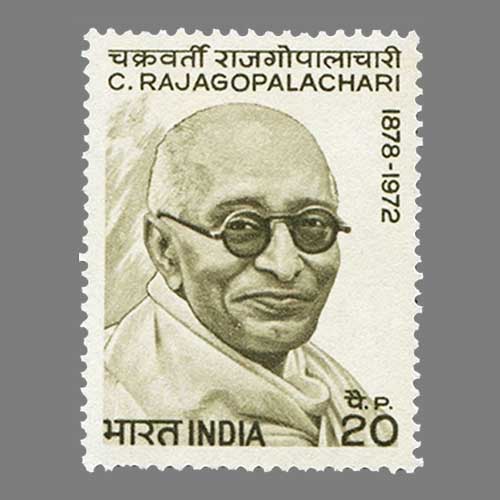
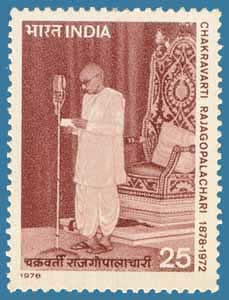
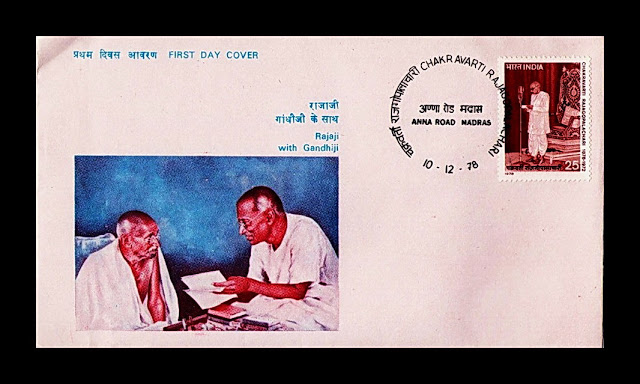
Incidentally, rationing was introduced by the colonial government during the War. It is a shame on our politicians, and double shame on bureaucrats, that even 70 years after Independence, they have not had the sense to get rid of it! Rajaji as Chief Minister abolished rationing in Madras in 1952, but alas, it has since come back!

tags – INDIA , NOT POOR- PART 3
பாரத ஸ்தலங்கள் – 6 (Post No.8271)

WRITTEN BY S NAGARAJAN                     

Post No. 8271

Date uploaded in London – – –2 July 2020   

Contact – swami_48@yahoo.com

Pictures are taken from various sources for spreading knowledge; this is a non- commercial blog. Thanks for your great pictures.

ஸ்தல யாத்திரை : இதுவரை நான்கு கட்டுரைகளில் நாம் பார்த்த தலங்களின் எண்ணிக்கை 1363! ஒரு தலமே இரு தலைப்புகளில் இடம் பெறக் கூடும் என்பதையும் கவனத்தில் கொள்ள வேண்டும்!

பாரத ஸ்தலங்கள் – 6

ச.நாகராஜன்

20. ஐந்து மணிகள் சிதறி விழுந்த தலங்கள்!

ஆதிசேடனுக்கும் வாயுவுக்கும் நடந்த போட்டியில் ஆதிசேஷன் சுற்றிய மேருவின் ஆயிரம் சிகரங்களுள் ஒன்று ஐந்து மணிகளாக உடைபட்டுச் சிதறியது.

அவற்றுள் சிவப்பு மணி – திருவண்ணாமலையாகவும்

மரகதம் – ஈங்கோய்மலையாகவும்

மாணிக்கம் – திருவாட்போக்கியாகவும்

நீலம் – பொதிகையாகவும்

வைரம் – கொடுமுடியாகவும் ஆயின.

21.ஆறு ஆதார தலங்கள்

திருவாரூர் – மூலாதாரம்

திருவானைக்கா – ஸ்வாதிஷ்டானம்

அருணகிரி – அநாகதம்

காளஹஸ்தி – விசுத்தி

காசி – ஆஞ்ஞா

கைலாஸம் – பிரமரந்தரம்

22. நவ தாண்டவ தலங்கள்

1. கைலாஸம் – ஸந்தியா நிருத்தம்

2. வெண்காடு – புஜங்க தாண்டவம்

3. வட ஆலங்காடு – ஊர்த்துவ தாண்டவம் (8 வகைகள்)

4. சிதம்பரம் – பரமானந்த தாண்டவம்

5. மதுரை, கீழ்வேளூர் – வியத்தியஸ்த தாண்டவம் (10 கை)

6. கும்பகோணம் – அம்பிகா தாண்டவம் (அம்பிகை கையில் தாளம், இடுப்பில்

  சங்கிலி மாத்திரம், வைகல் – இடுப்பில் சங்கிலி மாத்திரம்)

7. வழுவூர் – வாமாங்கிரிமூக தரிசனம் (8 கை)

8. பேரையூர் – ஸம்ஹாரதாண்டவம்

9. உத்தரகோசமங்கை – அதிரகசிய தாண்டவம்

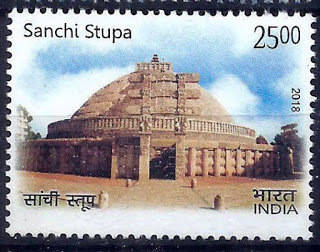
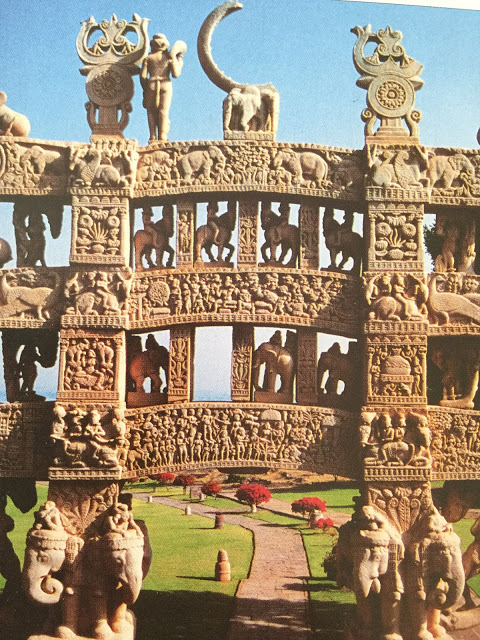
SANCHI STUPA

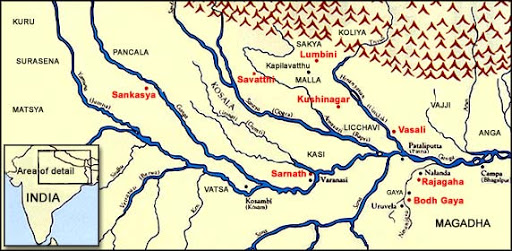
23. புத்தராலேயே சொல்லப் பட்ட புத்த ஸ்தலங்கள்

ஒவ்வொரு பௌத்தரும் செல்ல வேண்டிய நான்கு ஸ்தலங்களை புத்தரே அறிவித்திருக்கிறார். அவையாவன:-

லும்பினி :- புத்தர் அவதரித்த தலம் (நேபாளத்தில் உள்ளது)

புத்த கயா :- மஹாபோதி ஆலயம், பீஹார். இங்குள்ள போதி மரத்தின்              அடியில் தான் புத்தர் ஞானம் அடைந்தார்.

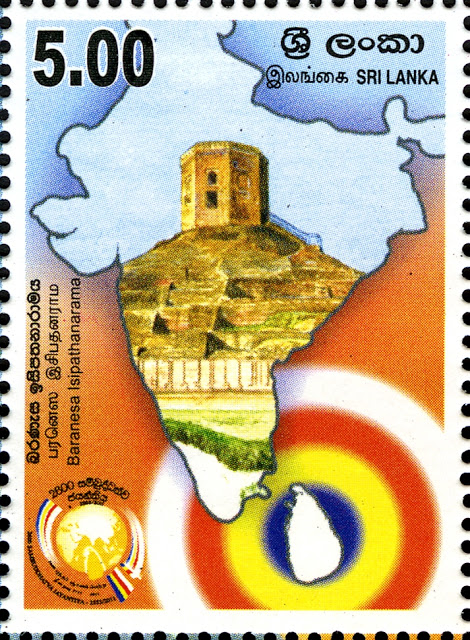
சாரநாத் :- உத்தர் பிரதேசத்தில் உள்ளது. இங்கு தான் புத்தர் தனது முதல்            உபதேச உரையை வழங்கினார்.

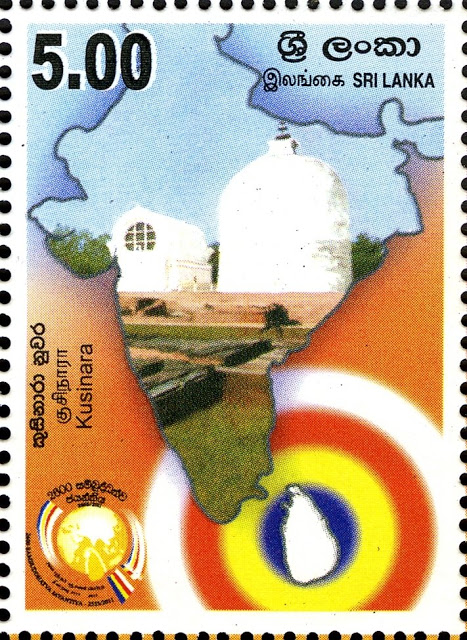
குசிநகரம் :-  (இப்போது குசி நகர் என அழைக்கப்படும் இது உத்தர  

             பிரதேசத்தில் உள்ளது).இங்கு தான் புத்தர் பரிநிர்வாண நிலையை                எய்தினார். (மரணமடைந்த இடம்)

24. பௌத்த ஸ்தலங்கள்

மேற்கண்ட நான்கு தலங்கள் புத்தராலேயே அறிவிக்கப்பட்ட தலங்களாகும். பின்னர் எழுந்த புத்த மத புனித நூல்கள் எட்டு தலங்களை புனித தலங்களாக கூறுகின்றன. ஒவ்வொரு பௌத்தரும் இந்த “எட்டு பெரும் இடங்களை” (The Eight Great Places) – அட்டமஹதானானி என குறிக்கப்படும் தலங்களை தரிசிக்க வேண்டும் என அறிவுறுத்துகின்றன.

  1. லும்பினி
  2. புத்த கயா
  3. சாரநாத்
  4. குசி நகரம்
  5. ஸ்ராவஸ்தி : இரு அற்புதங்கள் நிகழ்ந்த இடம். இங்கு தான் புத்தர் பல அற்புதங்களை நிகழ்த்திக் காட்டினார். இந்த நகரில் தான் பெரும்பாலும் புத்தர் வசித்து வந்தார்.
  6. ராஜ்கிர் : நளகிரி என்னும் மதயானையை அடக்கி நட்பு கொள்ள வைத்த இடம். பழங்காலத்தில் பாரதத்தின் புகழ் பெற்ற பெரும் நகரம் இது.
  7. சங்காஸா : சொர்க்கத்திலிருந்து பூமிக்கு எழுந்தருளிய இடம் இது.
  8. வைசாலி : ஒரு குரங்கிடமிருந்து தேனைப் பெற்ற இடம் இது. பீஹாரில் உள்ளது இது. பழைய காலத்தில் வைசாலி நாட்டின் தலைநகரமாகத் திகழ்ந்த மகோன்னத நகர் இது.


tags — பாரத ஸ்தலங்கள் – 6 ,பௌத்த ஸ்தலங்கள்

  ***

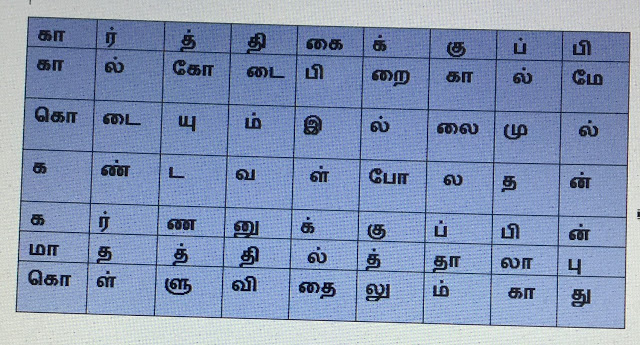
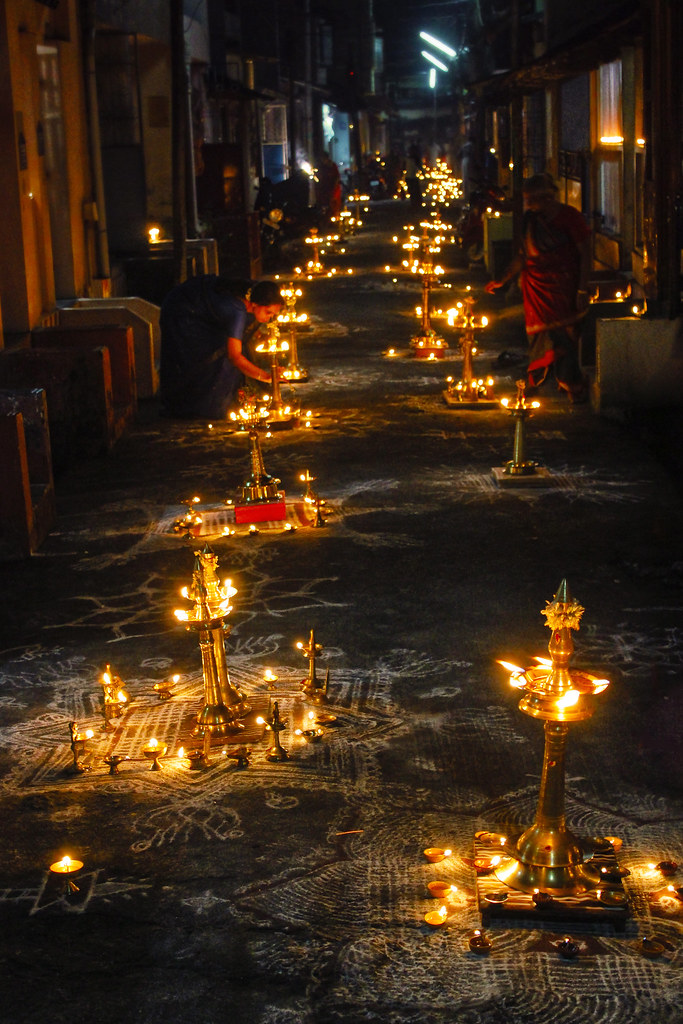
கார்த்திகை மாத பழமொழிகள் 4 கண்டு பிடியுங்கள் (Post No. 8270)

WRITTEN BY LONDON SWAMINATHAN

Post No. 8270

Date uploaded in London – 1 July 2020   

Contact – swami_48@yahoo.com

Pictures are taken from various sources for spreading knowledge; this is a non- commercial blog. Thanks for your great pictures.

tamilandvedas.com, swamiindology.blogspot.com

கார்த்திகை  மாதம் பற்றிய 4 பழமொழிகள் என்ன?

ஒரே சொல் மீண்டும் மீண்டும் வந்தால் ஓரிரு இடங்களில் மட்டுமே கட்டத்தில் இருக்கும். கொண்டு கூட்டி பொருள் கொள்க . விடை கீழே உள்ளது . சில நேரங்களில் படங்களைப் பார்த்தாலும் விடை காண உதவலாம்.

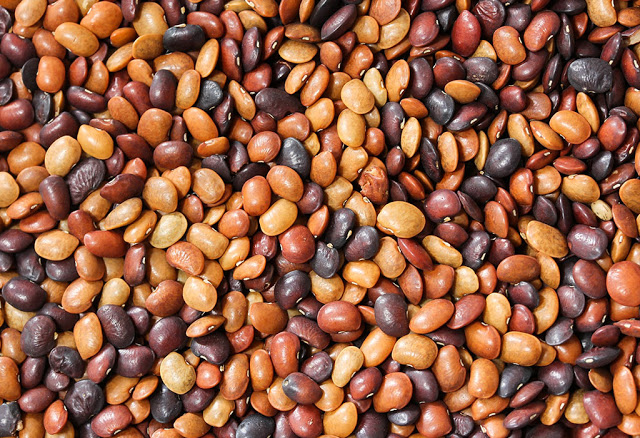
horse gram – kollu in Tamil

ANSWER

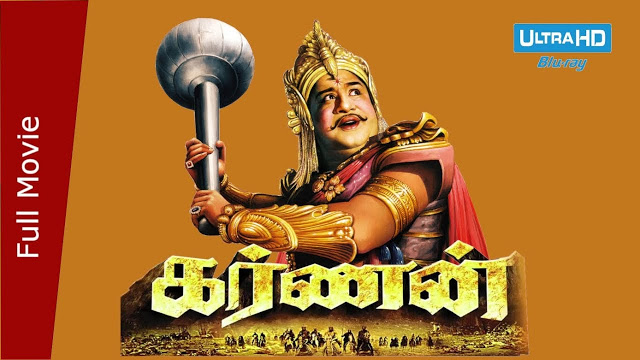
1.கார்த்திகைக்குப் பின் மழையும் இல்லை, கர்ணனுக்குப் பின்பு கொடையும் இல்லை

2.கார்த்திகைப் பிறை கண்டவள் போல

3.கார்த்திகை மாதத்தில் கால் கொள்ளு விதைத்தாலும் மேல் கொள்ளு முதலாகாது

4.கார்த்திகை கால் கோடை

Source book :–

பயன்படுத்திய நூல்- கழகப் பழமொழி அகர  வரிசை, கழக வெளியீடு

tags –கார்த்திகை,  மாத ,பழமொழிகள்

–subham–

HUSBAND IS ELEVENTH CHILD! – SAYS RIG VEDA (Post No.8269)

WRITTEN BY LONDON SWAMINATHAN

Post No. 8269

Date uploaded in London – 1 July 2020   

Contact – swami_48@yahoo.com

Pictures are taken from various sources for spreading knowledge; this is a non- commercial blog. Thanks for your great pictures.

tamilandvedas.com, swamiindology.blogspot.com

HUSBAND IS ELEVENTH CHILD! – SAYS RIG VEDA

The wedding hymn in the Rig Veda (10-85) is one of the most interesting hymns in the whole Vedic literature. It has got beautiful quotable quotes, interesting details about botany, gold, Vedic Gods, puzzles, and psychological observations.

Amazing thing about this hymn is when all other Gilgamesh verses have gone into museums of the world , this hymn is reverberating in Hindu marriages even today. You can hear it almost fully in South Indian Brahmin Weddings. This hymn has 47 Mantras (verses). Since 5 day Hindu wedding is celebrated in half a day nowadays, main mantras only used now but  extra rituals  are added.

First let me give the QUOTES in bullet points:-

1.Quotable Quotes in the hymn RV 10-85

“Truth is the base that bears the Earth ; by Suurya are the heavens sustained”.

Another translation of the same mantra-

“By truth is the earth sustained and by the sun are heavens” .

***

“Thought was the pillow of her couch

And sight the unguent of her eyes,

Heaven and earth her treasure box

When Suuryaa went to her husband”.

(Bride’s name is (Miss) Suuryaa; all Hindu girls are portrayed as Suuryaa in Hindu weddings. Suurya (short sound ‘a’ is Sun; Suuryaa, long sound ‘aa’ is Sun’s daughter.).

***

Sun and Moon are going round like playing children:–

“One after another , by their power move these Two

And they go round like two playing children around the sacrifice.

One surveys all existing things, and the other

Ordering the seasons , is born again and again”

( Sun and Moon are playing around Earth like children playing around the wedding hall)

***

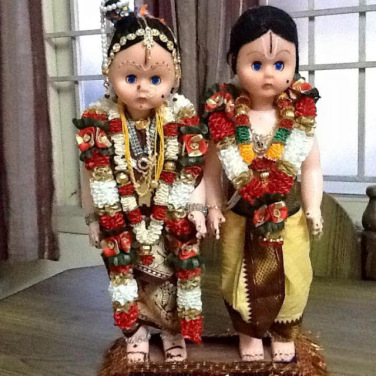
Husband 11th child

“Make her, thou bounteous indra

A good mother of sons; grant her

Good fortune; give her TEN SONS

AND MAKE HER HUSBAND THE ELEVENTH”.

(Newly married couple play around like little children till a child is born; they pay full attention to each other; they praise what each one does; as soon as a child is born 90% attention and affection of a woman is shown to the new born one; husband gets only 10% affection; not only that, husband is blamed for not caring for the baby: Vedic poets knew this woman’s mind. So they beg to the proud mother, please care for your husband as well even if you give birth to 10 children)

***

YOU ARE A QUEEN

“Be a queen to thy father in law

A queen to thy mother in law;

A queen to thy husband’s sisters,

And a queen to thy husband’s brothers.”

***

Take care of the Pets and Cattle:-

Vedic poets were so kind to animals; they remind the bride about pets and cattle in husband’s house and ask her to look after them—

“May Prajapati bring forth children of us, may

Aryaman unite us together till OLD AGE,

Not inauspicious, enter thy husband’s house,

Be gracious to our BIPEDS AND OUR QUAREPEDS”.

(Throughout Sanskrit and Tamil literature, we read about cattle and pets raised by the women. Brahmin houses had Parrots as pets (bipeds) and Cows (quadrupeds). Other three communities had all sorts of animals in their houses. We have even references about donkeys raised by them).

***

25 GODS AND GODDESSES!

Another amazing thing about the Wedding hymn in the Rig Veda (RV 10-85)  is the number of gods and goddesses mentioned in the hymn. No one could under stand them fully. The greatest of the Hindu commentators Sayana adds seven more names!

Griffith is always honest; he doesn’t pretend like Max Muller. In 47 mantra hymn he says THE MEANING IS UNCERTAIN at least three times! And in one more place he adds PROBABLY it is……………..

Other scholars are half baked; one fellow even pushed the hymn to appendix of the Vedas; either he is very jealous or a pukka idiot!.

Let me give the mysterious names now:-

Hindus worship Sun as God and Goddess (Savitri/Gayatri) every day. Brahmins does this thrice a day; in the Vedic days people of first three castes did this.

Here Savitr/Sun and his daughter Suuryaa are mentioned.

Foreigners are so confused about two words SOMA and INDRA , they bluffed through out their translation of 20,000 Vedic Mantras.

INDRA meant a Natural force (thunder, lightning, rain, cloud, rain bow) and a King, Leader, an engineer who diverted water, a Superman who cut the wings of Flying Mountains and husband of one woman Sasi or Indrani.

He is even called Bull etc. Without understanding this they attributed 1000 plus mantras addressed to Indra to one individual

Foreigners without understanding the meaning of SOMA , got confused and bluffed.

Here in this wedding hymn SOMA get all the three meanings-

Soma meant moon;

Soma meant life giving , rejuvenating, rare Himalayan herb;

Soma meant a bridegroom (Suuryaa being any bride)

In fact we use Soma in different meanings even today. It may be Monday or it may be Dhoti; Vedic Brahmins call white Dhoti a ‘Soman’.

***

Now to the Gods in the Mantra

1.Indra,2.Agni ,3.Mitra ,4.Varuna,5.Vayu, 6.Surya /sun, 7.Suuryaa – daughter of sun; bride, 8.Aaditya /sun

9.Soma /moon, 10.Asvin twins, 11.Savitaa/ saavitri

12.Visvaavasu, 13.Aryaman, 14.Bhaga,15.Puushan

16.Krityaa – evil spirit, 17.Purandhi, 18.Gandharva

19.Prajaapati, 20.Aapas, 21.Matarisvan

22.Dhaatri, 23.Deshtri – may be Sarasvati (this name comes only once in the whole Vedic literature)

24.Visvedevaah ,25 to 31 .Baarhatai (10-85-4) – though it is translated by many as Brihat Saaman, Sayana mentioned seven names for this such as Svaana, Braaja, Angaara etc

xxx

Metres in prosody

32.Brihati , 33.Narasaamsi , 34.Raibhi , 35.Kuriira

36.Rik / ric/ rig, 37.Saaman

Astronomical terms

38.Maagha, 39.Arjunis

Botanical terms

40.Kimsuka – flame of the forest –Delonix regia

41.Saalmali – silk cotton tree – Bombax malabaricum

***

MY COMMENTS

In the whole world, only one community worships Grammar and Prosody, metres in poems, song (gaathaa), verse (Rik), Saman (musical mantra) etc in their everyday prayer. The above grammatical terms show this. In the Brahmin’s thrice a day Sandhyavandana rituals Grammatical terms and most of these Gods are worshipped.

The star names and botanical ( tree ) names add more significance. Saalmali (silk cotton trees are mentioned elsewhere as well. In lot of Rig Vedic hymns herbs are mentioned in general. Unfortunately, only Atharva Veda gives some herb names; not in Rig Veda.

In the second part of the article, I will explain why every Hindu girl is getting ‘four husbands’, evil eye, golden chariot, bridal procession as we see in Yazilikaya of Turkey, heart symbol, love songs, additions and omissions in the modern day half a day weddings etc

—to be continued

tags– husband, 11th child, Wedding Mantras, RV 10-85

INDIA WAS NOT POOR: TESTIMONY FROM ADAM SMITH – 2 (Post No.8268)

WRITTEN BY R. NANJAPPA                        

Post No. 8268

Date uploaded in London – – – 1 July 2020   

Contact – swami_48@yahoo.com

Pictures are taken from various sources for spreading knowledge; this is a non- commercial blog. Thanks for your great pictures.

tamilandvedas.com, swamiindology.blogspot.com

INDIA WAS NOT POOR:

TESTIMONY FROM ADAM SMITH  – 2

R. Nanjappa

But by the time Smith was writing, things had turned bad- in fact dismal. Smith does not mince words either about the then prevailing state or about the causes. 

He writes:

“……..in a country where the funds destined for the maintenance of labour were sensibly decaying,….Many would not be able to find employment even upon these hard terms, but would either starve, or be driven to seek a subsistence either by begging, or by the perpetration perhaps of the greatest enormities. Want, famine, and mortality would immediately prevail in that class, and from thence extend themselves to all the superior classes, till the number of inhabitants in the country was reduced…..

This perhaps is nearly the present state of Bengal… we may be assured

that the funds destined for the maintenance of the labouring poor are fast decaying. 

The difference between the genius of the British constitution which protects and governs North America, and that of the mercantile company which oppresses and domineers in the East Indies cannot perhaps be better illustrated than by the different state of those countries.

 Book I, chap.vii


Smith also remarked on how the interest rates were driven high by the company policies and practices.

The diminution of the capital stock of the society, or of the funds destined for the  maintenance of industry, however, as it lowers the wages of labour, so it raises the profits of stock, and consequently the interest of money…..The great fortunes so suddenly and so easily acquired in Bengal and the  other British settlements in the East Indies may satisfy us that, as the wages of labour are very low, so the profits of stock are very high in those ruined countries. The interest of money is proportionately so.

In Bengal, money is frequently lent to the farmers at forty, fifty and sixty percent and the succeeding crop is mortgaged for the payment. As the profits which can afford such an interest must eat up almost the the whole rent of the landlord, so such enormous usury must in its turn eat up the greater part of those profits.

(Part I, chap. viii Penguin Edition, vol.i, p.197)

This explains how Bengal was gradually ruined, both its agriculture and industry declining, and the wealth thus obtained went to enrich England and fuel its Industrial revolution. 


How the company destroyed our economy

What exactly had happened? By 1757, the East India Company had established its supremacy in India and it soon acquired the rights to collect the land revenue (Diwani, in 1765) and proceeded to do so with thorough ruthlessness and without regard to local conditions, by appointing intermediaries. Thus from a trading post, Bengal became an imperial possession! The funds so collected were not spent on the people, but became the earnings of the company. And the company officials also syphoned off large sums for themselves, leading to a great epidemic of corruption.

Even Governor Clive was part of it, and impeachment charges were levelled against him later.. This led eventually to a great famine in 1770-  The first ever famine experienced in India, and that within 15 years of the British conquest. This famine killed one third of the population of Bengal. (Remember, Bengal was then much larger than the present puny West Bengal). Smith first briefly refers to this.

In rice countries, where the crop not only requires a very moist soil, but where in certain periods of its growing it must be laid under water, the effects of a drought are much more dismal. Even in such countries, however, the drought is perhaps, scarce ever so universal as necessarily to occasion a famine, if the government would allow a free trade. The drought in Bengal, a few years ago, might probably occasioned a very great dearth. Some improper regulations, some injudicious restrictions imposed by the servants of the East India Company upon the rice trade, contributed, perhaps, to turn that dearth into a famine.

Book IV, chap v

                               ***

tags — India, Not poor-2

இந்தியா, அயர்லாந்து, சீனா அரசியல் சட்டங்கள் – ஒப்பீடு (Post No.8267)

WRITTEN BY S NAGARAJAN                     

Post No. 8267

Date uploaded in London – – –1 July 2020   

Contact – swami_48@yahoo.com

Pictures are taken from various sources for spreading knowledge; this is a non- commercial blog. Thanks for your great pictures.

அரசியல் சட்டம் பற்றிய ஒப்பீடு – மூன்றாம் கட்டுரை!

இந்தியா, அயர்லாந்து, சீனா ஆகிய நாடுகளின் அரசியல் சட்டங்கள் – ஒரு ஒப்பீடு

ச.நாகராஜன்

அயர்லாந்து

அயர்லாந்தின் அரசியல் சட்டம் தெளிவாகயேசு கிறிஸ்துவை தெய்வீக புருஷர் என்று குறிப்பிட்டு அவருக்கு ‘ஒப்புக்கொடுப்பதை’த் தெளிவாகக் குறிப்பிடுகிறது.

1937ஆம் ஆண்டு உருவாக்கப்பட்ட அயர்லாந்தின் அரசியல் சாஸனத்தின் முன்னுரையில் குறிப்பிடப்படுவதை அப்படியே பார்ப்போம்:-

* In the name of the Most Holy Trinity, from whom is all authority and to Whom, as our final end, all actions of both men and States must be referred.

* We humbly acknowledge our obligation to our Divine Land, Jesus Christ who sustained our fathers.

* Gratefully remember their heroic and unremitting struggle.

அயர்லாந்து எவ்வளவு நேர்மையாகவும் நன்றியுடனும் அதனுடைய பழம் பெரும் பாரம்பரியத்தையும் அதன் தேசீய வீரர்களையும் யேசு கிறிஸ்துவையும் நினவு கூர்ந்து உரிய அங்கீகாரத்தைக் கொடுக்கிறது.

ஸ்ரீ லங்காவும் அயர்லாந்தும் இப்படித் தயங்காமல் தங்களது முன்னுரையை வகுத்து மக்களிடம் தரும் போது இந்தியாவை எடுத்துக் கொள்வோம்.

தெய்வீகத்திற்கான அங்கீகாரமும் இல்லை, நமது ஹிந்து பாரம்பரியம் பற்றிய குறிப்பும் இல்லை.

இத்தனைக்கும் ஹிந்து பாரம்பரியம் என்பது கல் தோன்றி மண் தோன்றாக் காலத்தே பிறந்த ஒன்று.

பாரதியாரோ அது என்று பிறந்தது என்று யாராலும் சொல்ல முடியவில்லை என்கிறார்.

“தொன்று நிகழ்ந்தது அனைத்தும் உணர்ந்திடு

    சூழ்கலை வாணர்களும் – இவள்

என்று பிறந்தவள் என்று உணராத

    இயல்பினளாம் எங்கள் தாய்” என்று பாரதத் தாய் பற்றிக் குறிப்பிடுகிறார்.

சீனா

இந்திய அரசியல் சட்டத்தின் முன்னுரை (IP 1950, 1976) கால் பக்கத்திற்கும் குறைவானது.

ஆனால் சீனாவின் அரசியல் சட்ட முன்னுரையோ இரண்டு பக்கங்கள் கொண்டது!

சீனாவின் CP மிகத் தெளிவாகத் தன் பழம் பெரும் பாரம்பரியத்தையும் தொன்மையையும் கம்பீரமாகக் கூறுகிறது.

* China is one of the countries with the longest histories in the world.

* A splendid culture and glorious tradition.

* Tortuous, heroic struggles (for socialism)

* Promotion of coordinated material, political, and spiritual civilizations.

* Preserving the integrity of the Motherland.

நமது அரசியல் சட்டத்திலோ இப்படிச் சில வழ வழா வார்த்தைகள் :-

‘soverign, socialist, secular, democratic republic’ –

ஏன் சுலபமான எளிய வார்த்தைகளைக் கொண்டு நம் முன்னோரின் பெருமையைக் கூறி அவர்களுக்கு நன்றி பாராட்டி அவர் வழி நடப்போம் என்று சொல்லவில்லை.

நைமிசாரண்யத்தில் கூடியிருக்கும் பெரும் ரிஷிகளே அங்கு தலைமை பீடத்தில் இருப்பவரிடம், “எங்களின் முன்னோர்களின் சரிதத்தைச் சொல்லுங்கள், அதைக் கேட்க மிகவும் ஆவலுடைவர்களாக இருக்கிறோம்’ என்று சொல்ல அதன் பின்னரே அனைத்து சரித்திரங்களும் தொடங்கப்படுகிறது. இதை நமது புராண இதிஹாஸங்களில் காண்கிறோம்.

ஆனால் இன்றோ… அவர்களைச் சொல்வது கூட மறக்கப்பட்டு விட்டதா, மறுக்கப்பட்டு விட்டதா…?

எத்துணை பெரிய வீழ்ச்சி!

சீனா ஸான் யாட் சென்னின் -‘people’s democratic dictatorship’ஐக் குறிப்பிடுகிறது.

Marxisim-Leninism,Mao, Deng ஆகியோரை வழிகாட்டிகள் எனப் புகழ்கிறது.

சோஷியலிஸம், சோஷியலிஸம் என்று பேசுகிறோமே அது என்ன என்பது தெளிவாக வரையறுக்கப்பட்டிருக்கிறதா?

மனதில் தோன்றியபடி பேசும் அனைத்துமே சோஷியலிஸம் தான்!

தான் பேசுவது தான் உண்மையான சோஷலிஸம் என்று சொல்லிக் கொண்ட எத்தனையோ தலைவர்களை இந்தியா கடந்த 73 ஆண்டுகளில் கண்டிருக்கிறது!

சீனாவின் அரசியல் சட்டம் முன்னோர்களின் பாதை வழியே செல்லப் போவதாக உறுதி கூறும் நேரத்தில் இந்தியா, ஏதோ ஆகஸ்ட் 47இல் தான் இந்தியா பிறந்ததாக கருதும் விதத்தில் அமைந்திருக்கும் அரசியல் சட்டத்தைக் கொண்டுள்ளது.

புகழோங்கிய அதன் வரலாறு எங்கே, அது ஏன் குறிப்பிட்ப்படவில்லை – ஒரு சின்ன வார்த்தை கூட இல்லையே!

சீனா தனது நாட்டின் தேசபக்தர்களை உரிய வார்த்தைகளால் சொல்கிறது இப்படி:-

“In the long years of revolution and construction, there has been formed under the leadership of CPC a broad patriotic united front ….. and embraces all patriots who support socialism, and all patriots who stand for reunification of the Motherland”.

கம்யூனிஸ ஆட்சிக்கே இவ்வளவு பெரிய பீடிகை என்றால் சமஸ்த உலகங்களும் சுகத்துடன் இருக்கட்டும் – ‘லோகாஸ் ஸமஸ்தோ சுகினோ பவந்து’ என்ற பெரும் கொள்கையைப் பாரம்பரியமாகக் கொண்டிருக்கும் நாம் நம்முடைய அரசியல் சட்டத்தின் பீடிகையை எப்படி அமைத்திருக்க வேண்டும்.

எல்லா உலகங்களும் எல்லா மக்களும் நலமுற வாழ பாரதம் முன்னணியில் நிற்கும் என்றல்லவா சொல்ல வேண்டும்.

நம்முடைய அரசியல் சட்டம் ‘தேசபக்தர்கள்’ என்ற வார்த்தையை மிகத் தெளிவாகத் தவிர்க்கிறது. ஏன்?

‘தாய் நாடு’ என்ற வார்த்தையையும் தவிர்க்கிறது, ஏன்?

‘உலகத் தொழிலாளர்களை ஒன்று சேர்க்கும் (!) கம்யூனிஸ கொள்கையை உடைய சீனாவா தாய்நாடு என்று சொல்லும் போது நாம் ஏன் நமது நாட்டை தாய் நாடு என்று சொல்லவில்லை.

வந்தே மாதரம் என்ற கீதம் நமது தேசீய கீதம். அந்த வந்தே மாதரத்தை அரசியல் சட்டம் உரிய கௌரவத்துடன் சொல்லி இருக்கிறதா?

சிந்திக்க வேண்டும்!

விக்கிபீடியா தரும் தகவல் இது:-

Rajendra Prasad, who was presiding the Constituent Assembly on 24 January 1950, made the following statement which was also adopted as the final decision on the issue:

…The composition consisting of the words and music known as Jana Gana Mana is the National Anthem of India, subject to such alterations in the words as the Government may authorise as occasion arises; and the song Vande Mataram, which has played a historic part in the struggle for Indian freedom, shall be honoured equally with Jana Gana Mana and shall have equal status with it. (Applause). I hope this will satisfy the Members.

Constituent Assembly of India, Vol. XII, 24-1-1950

யாருக்கு நாம் பயப்படுகிறோம் என்று தெரியவில்லை. அன்னையே உன்னை வணங்குகிறேன் என்று கூட சொல்லக் கூடாதா, நமது நாட்டில்?

சிந்திக்க வேண்டும்!

tags-  அயர்லாந்து,, சீனா அரசியல் சட்டங்கள்,

***

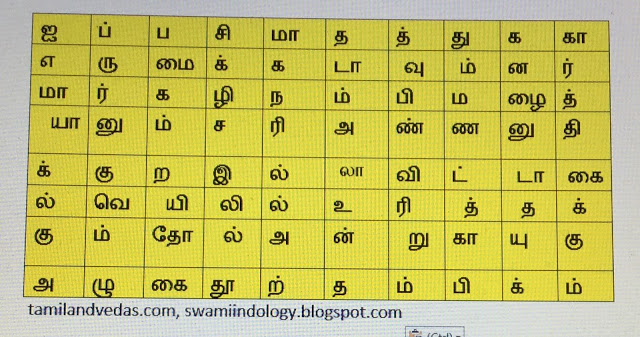
ஐப்பசி மாத பழமொழிகள் 4 கண்டு பிடியுங்கள் (Post No. 8266)

WRITTEN BY LONDON SWAMINATHAN

Post No. 8266

Date uploaded in London – 30 June 2020       

Contact – swami_48@yahoo.com

Pictures are taken from various sources for spreading knowledge; this is a non- commercial blog. Thanks for your great pictures.

tamilandvedas.com, swamiindology.blogspot.com

ஐப்பசி மாதம் பற்றிய 4 பழமொழிகள் என்ன?

ஒரே சொல் மீண்டும் மீண்டும் வந்தால் ஓரிரு இடங்களில் மட்டுமே கட்டத்தில் இருக்கும். கொண்டு கூட்டி பொருள் கொள்க . விடை கீழே உள்ளது . சில நேரங்களில் படங்களைப் பார்த்தாலும் விடை காண உதவலாம்.

ANSWER

1.ஐப்பசி  மாதத்து எருமைக்  கடாவும்  மார்கழி மாதத்து நம்பியானும் சரி

2.ஐப்பசிக்கும் கார்த்திகைக்கும் மழை  இல்லாவிட்டால் அண்ணனுக்கும் சரி, தம்பிக்கும் சரி

3.ஐப்பசி  மாதத்து வெயிலில் அன்று உரித்த தோல் அன்று காயும்

4.ஐப்பசி  மாதம் அழுகைத் தூற்றல், கார்த்திகை மாதம் கனத்த மழை

(ஐப்பசி, கார்த்திகை அடை மழைக் காலம் என்று என் அம்மா சொல்லக் கேட்டிருக்கிறேன் )

Source book :–

பயன்படுத்திய நூல்- கழகப் பழமொழி அகர  வரிசை, கழக வெளியீடு

–subham–

tags — ஐப்பசி மாத, பழமொழிகள்

RIG VEDIC WEDDING SCENE IN TURKEY (Post No.8265)

WRITTEN BY LONDON SWAMINATHAN

Post No. 8265

Date uploaded in London – 30 June 2020       

Contact – swami_48@yahoo.com

Pictures are taken from various sources for spreading knowledge; this is a non- commercial blog. Thanks for your great pictures.

tamilandvedas.com, swamiindology.blogspot.com

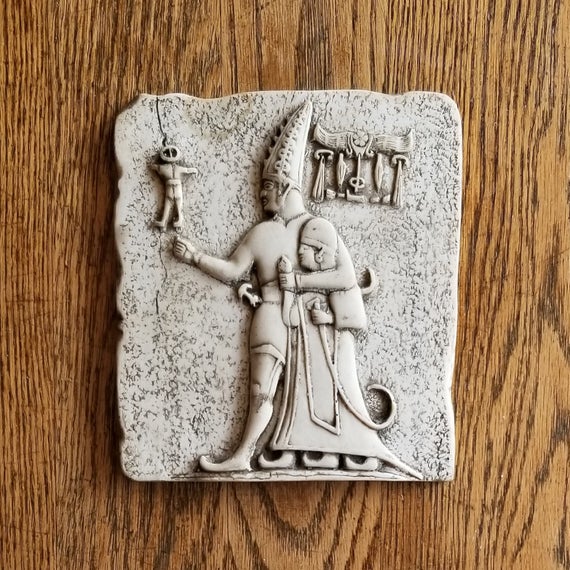
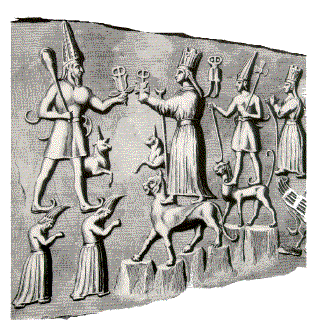
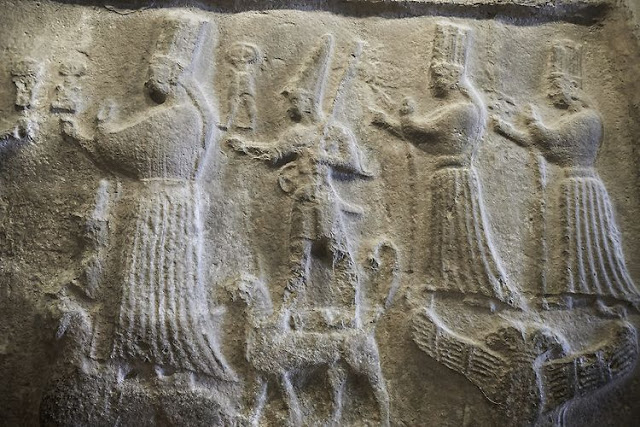
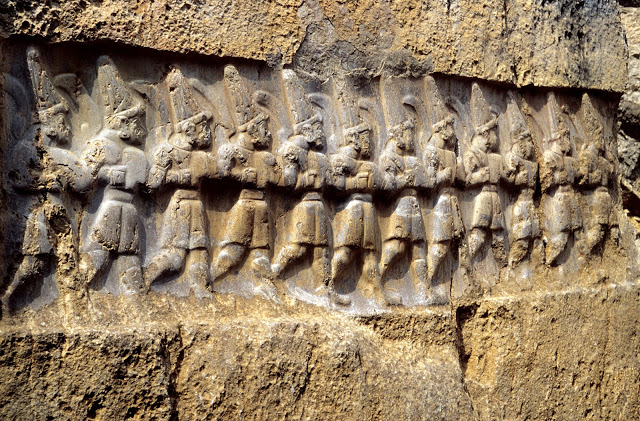
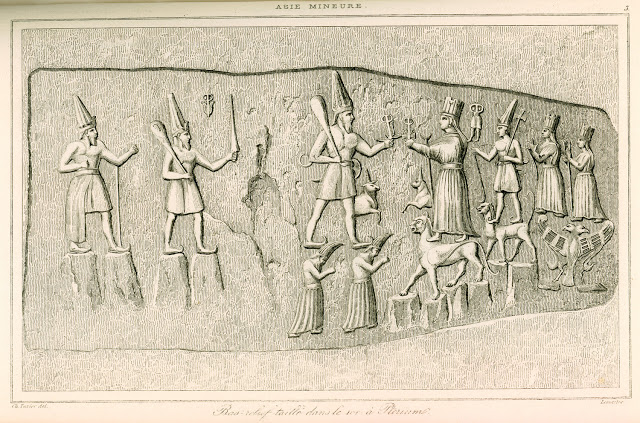
Yazilikaya means ‘inscribed rock’. It is in Turkey near another famous site Bogazkoy. We have already seen the evidence of Vedic Gods Indra, Mitra, Varuna and Nasatya in their records dated 1380 BCE in Bogazkoy/kaya. So we know for sure that Hindus or those who believed in Hindu Gods lived and ruled there 3400 years ago. And after the marriage of Hittite princesses to Egyptian Pharaohs, the whole region was influenced by Hindu culture. We find horses for the first time in Egyptian battles . Hittite princesses installed new festivals. This is the background of Yazilkaya. The Middle East had thousands of deities. So newly married princesses mixed lot of local deities and as a result they got new deities or at least new names for old deities.

For Hindus , it is very familiar. Same Shiva, Vishnu and Devi are called with different names with different local myths (Sthala puranas) in different parts of India.

We have to look at Yazilikaya sculptures on huge rocks with this in mind. Above all , Hittite’s language is related to Sanskrit (Indo-European).

In the Rig Veda the most famous mantra is Wedding Mantra (RV 10-85). Unlike other mantras it is used in social events like Weddings. And the wonder of wonder is, it is used until today. South Indian Brahmin families use Vedic mantras for weddings. It is heard in several film wedding scene as well.

Here are the amazing similarities between wedding mantras and the Yazilikaya rock sculptures:-

1.Rig Veda mantra sees every bride as Miss Suuryaa. She is the daughter of Savitr or the Sun (Surya).

In Yazili also we see the Sun Goddess.

2.Rock sculptures show wedding processions coming in opposite directions. Male deities are in the left and the female deities are in the right.

In Hindu marriages we see processions like this. More over, the seating arrangement is similar  in religious gatherings and  Bhajans and weddings. On the Muhurtha day bridegroom party sits at the left.

3.One male god is shown with bull/ Rishaba in the rocks. Hindu scriptures portray Lord Shiva with a bull. Madurai Siva is described as SOMA Sundara reminding us the Wedding mantra where Soma (moon) is used with bull. He has got two companions who may be Asvini twins. They are accompanying Surya in the wedding.

4. Goddess in the opposite side is riding on a lion in Yazilikaya. Hindu goddess Shivani, Bhavani, Durga and others ride on a lion in Hindu mythology (I have already explained the Vahanas in my research paper in his blog

5. The characters in the procession extend their hands and on the hands we find their names. Hindu Weddings are called Paani Grahanam. It means grip/grasp/holding the hand. That is the main ceremony. Here in the rocks we see figures are ready for action.

6.Hindu wedding mantras are like love poems. They praise husband and wife as ‘two bodied one soul’. To depict this the double headed eagle is portrayed under two gods in the rocks. Two bodies united one like a heart (shape).

7.Hindu Mantras praise the bride and bride groom as one entering or dwells in another’s heart.  This heart is shown in Western greeting cards and greeting stamps . Double headed eagle’s body looks like heart.

8.Hindu mantras welcome everyone to see the procession and bless the couple. According to Rig Veda they travel in a golden chariot.

9.Even if Yazilikaya wedding procession is interpreted as Annual ritual Sacred Wedding procession we have comparisons. Gods’ sacred marriages are celebrated in all major South Indian temples; It was celebrated in Sumeria too. But all those are in museums now. Sacred weddings (Kalyana Maha Utsavas)  are a regular feature in all major South Indian temples . That was the model for human weddings.

Along with the female deities we see little figures as well . in the Rig Vedic wedding hymn there are 47m mantras praising over 25 deities. So we may count them as any one or two from the list.

Rig vedic wedding mantras give very interesting details about bride and bridegroom. I will deal with them separately.

Any one who reads the wedding hymn in the Rig Veda and looks at this rock scene will definitely see the similarities in both.

Yazilikaya has got many sculptures. They must be explored more thoroughly  with Hindu stories in mind. I have already written about the Double Headed Bird, Sacred Sumerian Marriage and Vahanas (Mounts of Gods) in the Middle East .

tags  –  Wedding Mantras, Yazilikaya, Sun Goddess, Procession, Sacred marriage, double headed eagle, vahanas

-subham–

ஆஸ்துமாவுக்கு ஆனியன் (onion) ! டயபடீஸுக்கு நிலக்கடலை!! (Post.8264)

WRITTEN BY LONDON SWAMINATHAN

Post No. 8264

Date uploaded in London – 30 June 2020       

Contact – swami_48@yahoo.com

Pictures are taken from various sources for spreading knowledge; this is a non- commercial blog. Thanks for your great pictures.

tamilandvedas.com, swamiindology.blogspot.com

கை  மேல் பழம்! கை மேல் பலன் !

கை  நிறைய, பை  நிறைய பழங்களையும்  , காய்கறிகளையும் வாங்கிச் சாப்பிடுங்கள் ; கை மேல், அதாவது உடனே பலனும் கிடைக்கும் ; பலமும் வரும்; நோய்களுக்கு ‘குட் பை’  சொல்லவும் இயலும். 

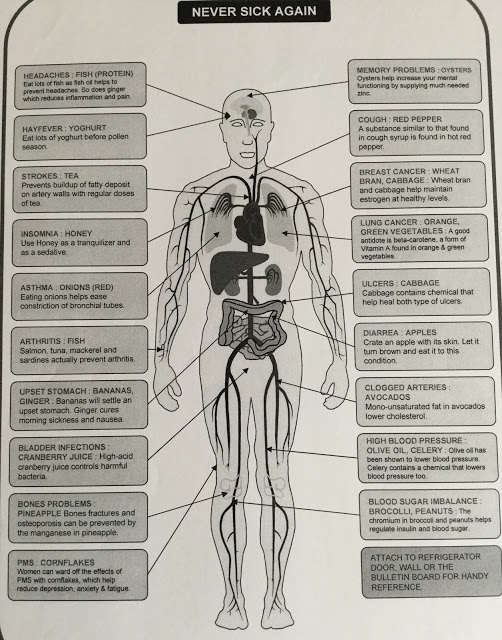
காய்கறிகள், பழங்கள் மூலமாக பல நோய்களைக் கட்டுப்படுத்தும் ஒரு பக்கப் படத்தைத் (ONE PAGE A 4 SHEET PICTURE) தருகிறேன். இதை பிரிண்ட் அவுட் எடுத்து வீட்டில் சுவரில் அல்லது கதவில் அல்லது பிரிட்ஜ்(Fridge) மீது ஒட்டிவையுங்கள் என்று இந்த ஆங்கிலப் பக்கத்தின் அடியில் எழுதப்பட்டிருப்பதையும் கவனியுங்கள்

ஆங்கில மூலத்தின் சுருக்கம் இதோ:–

1.தலை வலி தீர இஞ்சி சாப்பிடு!

மீன்களில் உள்ள புரதச் சத்து (Protein)  தலைவலி வருவதைத் தடுக்கும் ;

மீன் எண்ணையாகவும் ( Fish Oil) சாப்பிடலாம்  இஞ்சியும் (Ginger)  வலியையும் , ரணத்தையும் ஆற்றும்

*****

2.ஹே பீவர் HAY FEVER போக தயிர் உதவும்!

மேலை நாடுகளில் வசந்த காலப் பூக்கள் மகரந்தங்களைப் (Pollen grains) பரப்பும் ; அப்போது மூக்கு ஒழுகும், உடல் அரிக்கும்; கண் எரியும் ; இன்னும் பல தொல்லைகள் ஏற்படும். இவை நீங்க ‘யோகர்ட்’ (Yoghurt) என்று வெளிநாட்டினர் அழைக்கும்  கட்டித் தயிர் சாப்பிட்டால் குணம் கிடைக்கும் .

***

3.தேநீர் சாப்பிட்டால் ஸ்ட்ரோக் STROKE வராது!

அவ்வப்போது தேநீர் எனப்படும் ‘டீ’ (Tea)  குடித்தால் ரத்தக் குழாய்கள் அடைபடுவதைத் தடுக்கலாம் . ரத்தக் குழாய்களில் கொழுப்புச் சத்து படிந்து ரத்த ஓட்டம் தட்டைப்படும்போது ‘ஸ்ட்ரோக்’ ஏற்படுகிறது.

***

4.தேன் HONEY சாப்பிட்டால் தூக்கம் கிடைக்கும்

நம்மில் பலரும் இரவில் தூக்கம் வராமல் தவிக்கிறோம். தேன் சாப்பிட்டால் தூக்கமின்மை (Insomnia) அகன்று சுகமாகத் தூங்கலாம் ; சுவீட் ட்ரீம்ஸ்! SWEET DREAMS!!

****

CELERY

5.ஆஸ்த்மாவை அகற்ற வெங்காயம் போதும்

மூச்சு விடும் குழாய்கள் பாதிக்கப்படுவதால் ஆஸ்த்மா வருகிறது. இந்த மூச்சு இளைப்பு ஏற்படாமல் இருக்க  சிவப்பு வெங்காயம் (Red Onions)  சாப்பிட வேண்டும்

***

6.ஆர்த்ரைடிஸ் ARTHRITIS போக மீன் சாப்பிடுங்கள்

மூட்டு வலி, வீக்கம் , கீல் வாதம் பூக்கும் சக்தி சால்மன் , ட்யூனா , மகரில் (Salmon, Tuna, Mackerel)  மீன் வகைகளுக்கு உண்டு

(லண்டனில் என் நண்பர் ஒருவர் ரசம் குழம்பு, சாம்பாரில் புளிக்கு பதிலாக எலுமிச்சம் பழத்தைப் பயன்படுத்தி  கீல் வாதத்தை விரட்டினார் ; இது அனுபவ வைத்தியம் )

****

7.வயிற்றுக் கோளாறுக்கு (STOMACH UPSET) வாழைப்பழ வைத்தியம்

கல்யாணத்தில் ஐந்து முறை சாப்பிட்டு ‘அடித்து நொறுக்கியதால்’ வயிற்றுக்கு கோளாறா ? பரவாயில்லை . வாழைப்பழம் சாப்பிட்டால் வயிறு சம நிலை அடைய உதவி செய்யும்; இஞ்சியும் கைகண்ட மருந்து. காலையில் எழுந்தவுடன் குமட்டல், வாந்தி எடுக்கும் பயம் வந்தாலும் இஞ்சியே துணை !!

***

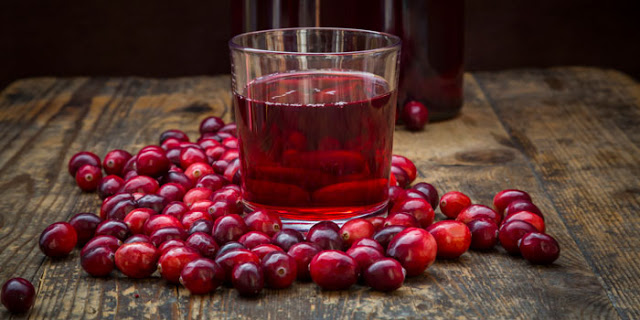
8.நீர்கடுப்புக்கு கிரான்பெரி ஜூஸ்

சிறு நீர் போக முடியாமல் அந்த இடத்தில் எரிச்சலோ , அரிப்போ (BLADDER INFECTIONS) ஏற்பட்டால் அடிக்கடி கிரான் பெரி பழ ரசம் (Cranberry juice) சாப்பிட வேண்டும். மேலை நாடுகளில் இது எல்லா சூப்பர்  ஸ்டார்களிலும் கிடைக்கிறது

***

9.எலும்புக்கு அன்னாசிப் பழம்

எலும்பு முறிவு ஏற்பட்டாலோ, அல்லது வயதான பெண்களுக்கு வரும் ஆஸ்தியோபொரோசிஸ் OSTEOPOROSIS ( எலும்புகள் பலவீனமாகி எளிதில் சேதம் அடையும் நிலைமை) ஏற்பட்டாலோ அன்னாசிப் பழம்  (Pine apple) சாப்பிட வேண்டும். அதிலுள்ள ‘மங்கனீஸ்’ நல்ல பலன் தரும்

***

10.மாத விலக்கு பிரச்சினைகளுக்கு (PMS) கார்ன் பிளேக்ஸ் (CORN FLAKES) 

பெண்களுக்கு மாதம் தோறும் ஏற்படும் பிரச்சினை இது (PRE MENSTRUAL SYNDROME) . மாத விலக்கு ஏற்படுவதற்கு  முன்னர் கவலை வரலாம்; மனத் தொய்வு ஏற்படலாம்; காரணமே இல்லாமல் கணவன் மீது சீறி விழலாம். உடம்பில் உள்ள ஹார்மோன்களின் அளவு மாறுபடுவதே இதற்குக் காரணம் . இதைத் தடுக்க, சோளத்தினால் ஆனா கார்ன் பிளேக்ஸ் (CORN FLAKES)  உதவும் .

***

11.ஞாபக சக்திக்கு ஆய்ஸ்டர் (OYSTERS)

வெளி நாடுகளில் சிப்பிகளுக்குள் இருக்கும் பூச்சியை (OYSTERS) சாப்பிடுவர். இதிலுள்ள துத்த நாகச் சத்து நினைவாற்றலை வளர்க்கும். மாமிசம், கடல் உணவு சாப்பிடாதோர் வல்லாரைக் கீரையைப் (BRAHMI)  பயன்படுத்தலாம்; வல்லாரைத் துவையல் சுவையானது. வேதங்களை ஆயிரக்கணக்கான ஆண்டுகளாக, எழுதாமல் மனப்பாடம் மூலம் பரப்பிவரும் பிராமணர் பாடசாலைகளில் வல்லாரைக் கீரையை அடிக்கடி பயன்படுத்துவர் ; இப்போது பிராமி டானிக் , பிராமி வில்லைகள் முதலியவையும் விலைக்குக் கிடைக்கிறது

***

CRANBERRY JUICE

12.இருமலுக்கு சிவப்பு மிளகாய் (RED PEPPER)

பெரிய மிளகாய் அல்லது கொடை மிளகாய் பச்சை , சிவப்பு, மஞ்சள்  வர்ணங்களில் கிடைக்கும். இதில் சிவப்பு மிளகாயில் இருமலைப் போக்கும் சத்து இருக்கிறது

***

13.மார்பக புற்று நோய் BREAST CANCER

பெண்களை அதிக அளவில் பாதிக்கும் நோய் மார்பக த்தில் ஏற்படும் புற்று நோய் ஆகும். பால் கொடுக்கும் உறுப்பில் (BREAST)  கட்டி போல கையில் நெருடினாலோ வலி ஏற்பட்டாலோ உடனே மருத்தவ பரிசோதனைக்குப் போகவேண்டும். பலரும் வெட்கப்பட்டுக் கொண்டு டாக்டரிடம் சொல்லாமல் இருந்து உயிரையே இழக்கின்றனர் கோதுமைத் தவிடு, முட்டைக் கோசு  (WHEAT BRAN, CABBAGE) ஆகியன பெண்களின் உடலில் சுரக்கும் ஈஸ்ட்ரோஜன் (ESTROGEN)  ஹார்மோனை ஆரோக்கியமான அளவில் வைக்க உதவுகின்றன .

***

14.நுரையீரல் புற்றுநோய் (LUNG CANCER)

ஆரஞ்சு மற்றும் கீரை முதலிய பச்சிலைகளில் உள்ள பீட்டா கரோட்டின் (BETA- CAROTENE) என்னும் வைட்டமின், நுரையீரல் புற்றுநோய் வராமல் தடுக்கும்

***

15.வயிற்றுப்  புண் (ULCERS)

குடலில் அல்லது வயிற்றில் புண்கள் ஏற்பட்டால் வயிற்று வலி, வயிற்று எரிச்சல் ஏற்படும். இதில் இரண்டு வகை உண்டு . இதைத் தடுக்கவும், குணப்படுத்தவும் முட்டைக்கு கோசு (CABBAGE) உதவுகிறது .

***

16.வயிற்றுப்போக்கு (DIARRHEA)

ஆப்பிள் பழத்தைத் தோலுடன் துருவி காற்றுப்படும்படி வைத்தால் அது கொஞ்சம் பழுப்பு நிறத்தை அடையும். தைச் சாப்பிட்டால் வயிற்றுப் போக்கு நிற்கும்

****

17.கொலட்ஸ்ரால் என்னும் கொழுப்பு (CLOGGED ARTERIES):–

கொலட்ஸ்ரால் (CHOLESTEROL) என்னும் கொழுப்புச் சத்து ரத்தக் குழாய்களில் படியும்போது  ரத்த ஓட்டம் தடைப்படும் . இதனால் இருதய நோய்கள் வருகின்றன. அவகாடோவிலுள்ள (AVOCADO) சத்து கொலஸ்ட்ரால் பிரச்சினைக்கு கைகண்ட மருந்து

***

RED PEPPER

18.உயர் இரத்த அழுத்தம் (HIGH BLOOD PRESSURE)

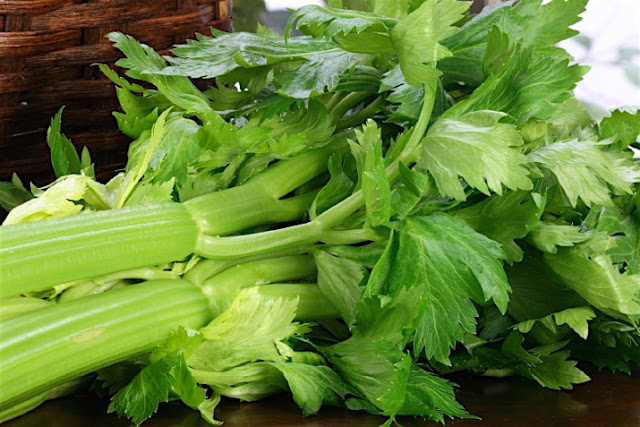
ஆலிவ் எண்ணை, செலரி (CELERY) தண்டுகள் இரத்த அழுத்தத்தைக் குறைத்து சரியான அளவில் வைக்க உதவுகின்றன

***

19.டயபட்டிஸ் (DIABETES) எனப்படும் நீரிழிவு நோய்

ரத்தத்தில் உள்ள இன்சுலின் (INSULIN) என்னும் ஹார்மோன் சம நிலையில் இல்லாதது  நீரிழிவு நோய்க்கு காரணம் ஆகும் . ப்ராக்கோலி (BROCCOLI) , நிலக்கடலை ஆகியவற்றில் காணப்படும் குரோமியம் இன்சுலினை ஒழுங்குபடுத்தும்

***

“எல்லோரும் இன்புற்றிருப்பதேயன்றி யாம் ஒன்றும் அறியோம் பராபரமே” – தாயுமான சுவாமிகள்

BROCCOLI

TAGS– ஆஸ்துமா, ஆனியன், நிலக்கடலை,புற்று நோய்


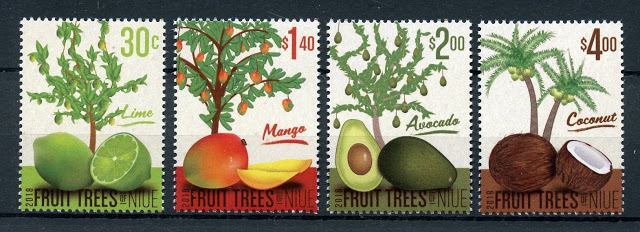
LEMON, MANGO, AVOCADO, COCONUT

INDIA WAS NOT POOR-1 (Post No.8263)

WRITTEN BY R. NANJAPPA                        

Post No. 8263

Date uploaded in London – – – 30 June 2020   

Contact – swami_48@yahoo.com

Pictures are taken from various sources for spreading knowledge; this is a non- commercial blog. Thanks for your great pictures.

INDIA WAS NOT POOR:

TESTIMONY FROM ADAM SMITH  – 1

R. Nanjappa

Tales of Our Economic woes

Most Indians, including the so called educated ones, have no idea how wealthy India was historically. They tend to dismiss claims of our ancient prosperity as mere tales. The colonial-oriented history that they have studied in the modern period has created the picture of a poor, illiterate, backward society based on primitive agriculture. And the Independent government of Nehru and his coterie followed exactly the same line. This was the common belief spread in the country by both the historians and economists of the establishment, reinforced through the schooling system.

During the freedom struggle, some Indian leaders explained that Indian poverty was due to the wrong policies of the colonial govt. Gandhiji wrote much on the subject. But they were not taken seriously. Nehru, and the leftists who dominated the scene after Independence completely sidelined the old leaders and their views, to promote a Marxist view of the matter.

If we turn to Adam Smith, we will get some great information and pleasant surprise. 

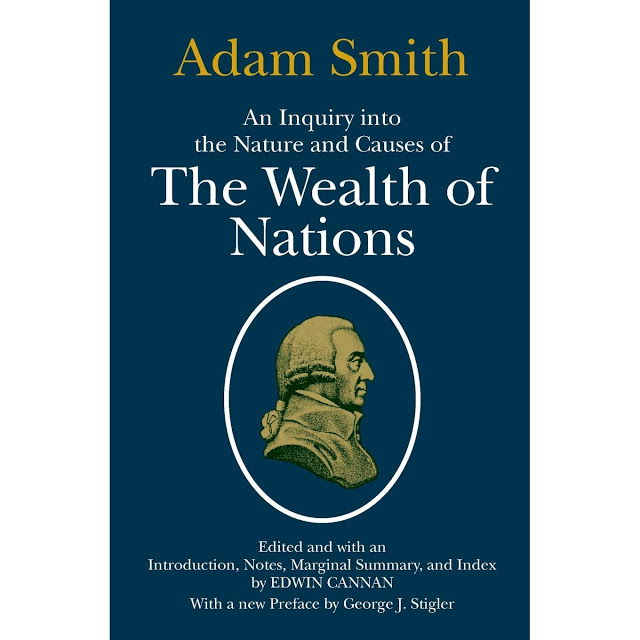
In his masterpiece ‘The Wealth of Nations’, (1776) he wrote in some detail about the state of Bengal, because that was where it all began, and that was where the English had their headquarters, the seat of their Governor-General.  Let us remember that Smith was writing within 20 years of the battle of Plassey in 1757 which finally established English supremacy in  India, and within 3 years of the Regulating Act of 1773, which noted the misdeeds of the Company regime in India, and which was meant to regulate its affairs, as its very title shows! Considering this, Smith seems to be accurately informed!
India’s legendary prosperity

After noting the early systems of some other ancient people, and Egypt, Smith said:

The improvements in agriculture and manufactures seem likewise to have been of very great antiquity in the provinces of Bengal in the East Indies..

In Bengal the Ganges and several other great rivers form a great number of navigable canals  in the same manner as the Nile does in Egypt. ..

It is remarkable that neither the ancient Egyptians, nor the Indians, nor the Chinese encouraged foreign commerce, but seem to have derived their great opulence from this inland navigation.

Book I, chap iii

Referring to the inland navigation facilities provided by the Egyptians, Smith says:  

Those of the same kind  which were constructed by the ancient sovereigns of

Indostan for the proper distribution of the waters of the Ganges as well as of

many other rivers, though they have been less celebrated, seem to have been equally great.

In both ancient Egypt and Indostan, indeed, the confinement of the foreign market was in some measure compensated by the conveniency of many inland navigations, which opened, in the most advantageous manner, the whole extent of the home market, to every part of the produce of every different district of those countries. The great extent of Indostan, too, rendered the home market of that country very great, and sufficient to support a great variety of manufactures…..Bengal, accordingly, the province of Indostan, which commonly exports the greatest quantity of rice, has always been more remarkable for the exportation of a great variety of manufactures than for that of its grain.

Part IV, chap ix. Penguin edition, 1999, pages 268-269.


Thus, India was not a poor, wretched, primitive agricultural country, as the many Indian idiots, calling themselves economists, or historians, long maintained.                 

To be concluded

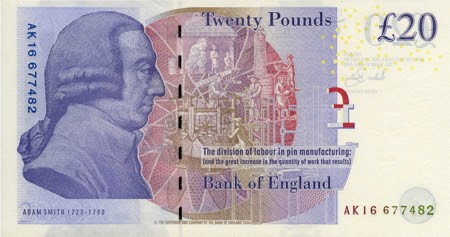
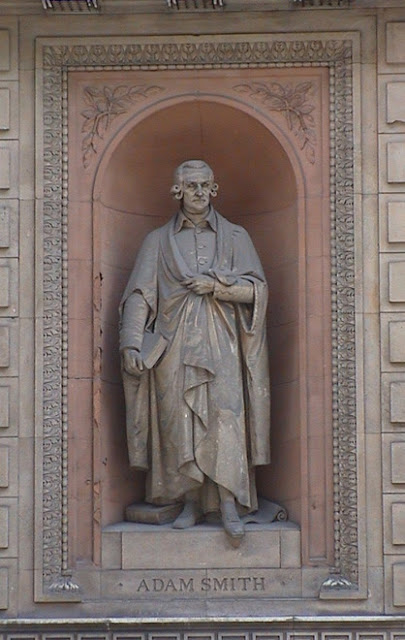
Adam Smith in London 
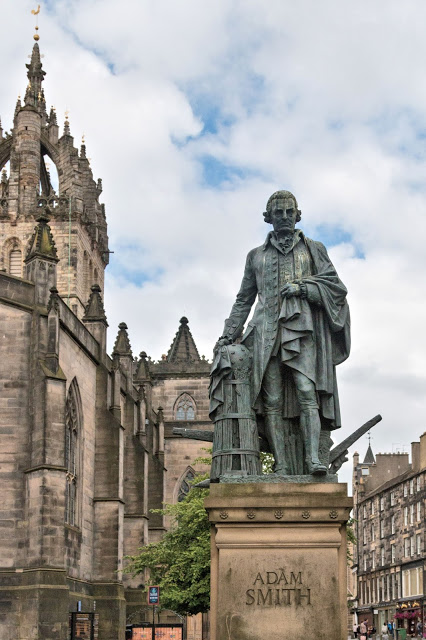
Adam Smith Statue In Edinburgh

tags –India not poor-1, Adam Smith, Wealth of Nations