K.4. Kylix/ Greek wine cup- kalam, por kalam = golden wine cup in Sangam Literature, mat kalam = mud cup. Chalice in English கலம் , பொற்கலம் , மட்கலம், ம்ருத் /சம்ஸ்க்ருதம் = மண், மட் /ஆங்கிலம் =மண்
Mud = mrd = Mann = soil, sand, clay
Mann is tamil, mrd is Sanskrit, mud is English
This explodes language family theories
Xxxx
K.5. Komes- Comet, Dhuma is Sanskrit, Dhumaketu is comet in Sanskrit, romam is Sanskrit for hair, Lomam is hair in Sanskrit , mayir is hair in Tamil, so komes is mayir and dhumaமயிர், தூமகேது , கோமஸ் , காமெட்; ரோமம் = லோமம் = மயிர்
Xxx
K.6. Ken/ prspective = kan for eye, kannottam is perspective outlook,
K.7. K/nit = ney/weaveகண்.நோட்டம் ,
நிட் , நெய் , நெய்த் (எகிப்திய நெசவாளர் தேவதை)
Egyptian god for weaving is Neith.
This shows the root Sanskrit word branched out into knit in European and ney in Tamil and Egyptian
Xxx
K.8. King- Kon in Tamil Literature, Khan in Middle East, கோன் , கான் (முஸ்லீம் மன்னர்கள்)
xxxx
K.9. Klepto/clepto mania- Greek word clepto explodes all indo European language theories, it changes into kalavu in Ancient Tamil, steal in English, also theftகளவு, திருட்டு
Theft becomes Thiruttu in Tamil
It shows two Tamil words kalavu and thiruttu in all languages of the ancient world.
Xxxx
There are over 30 Greek words in ancient Tamils. Half baked Tamil scholars of Tamil Nadu wrote Yavanika/ theatre curtain and hora/hour are Greek words and pages of research articles. Those fellows didn’t know over 30 pre Alexandrian Greek words are in Tamil. So invented fancy theories. யவனிகா/திரைச் சீலை , ஓரை = மணி
xxx
K.10. Kindle- kindu கிண்டு
K.11. Kid, Kindergarten- kuzandai, kulandai, குழந்தை
K.12. Kitchen- kichadi, a food variety, ?? கிச்சடி
K.13. Kot is the suffix of several North Indian towns, it means Kottai= fort
Kot becomes Chester in England, கோட்டை, கோட் , செஸ்டர்
K.14.Kit-Kithan கித்தான்,
K.15. Kinnor – biblical musical instrument, came from Knnara, heavenly musicians in Hindu mythology கின்னர்- கின்னர- கோட்டு வாத்தியம் , கிதார், சிதார்
Kithara- Greek musical instrument, gave birth to words like Guitar, Sitar and Gottu Vadhyam in Tamil
When a word is found in Greek it would be considered closely related to Sanskrit. Here we see it tamil, English, Greek, Hebrew etc
Xxx
K.16. Kibbutz in Israel is cooperative living, Kuuttu, co opt are cognates கிப்புட்ஸ்,
Kuuttu is Tamil for Copt, add, sweep and gather கூட்டு
K.17. Korf in Dutch is basket —kuudai in Tamil is basket; கூடை
Extended meaning- kuurai means thatched roof, both use same materials in India, கூரை
K.18. Karena ppuch- kan puuchu means eye application, mascara, collyrium
, it also means karu ney puchu meaning Black oily stuff கண் மை , கண் பூச்சு
K.19.Kernel- karu nel or Kuru nel கரு -நெல், குறு நெல், நெல்லின் கரு, குருத்து
K.20.Khepresh In Egyptian is Crown, kreeta in Sanskrit. கிரீட
In ancient Egypt we see both Tamil and Sanskrit words. That shows migration and civilisation started from India and went outwards..
Kali, Kaali, kari, Kaari, Karu, karuppu = Black; all these are cognate words of Krishna. Which means black skinned
Krishna gave birth to karu, kaali on one side and gave birth to Carbon, charred on the other side , கரி, காரி, காளி , கலி = கருப்பு= கிருஷ்ண
Since K and C have same phonetic value in European languages, I have repeated some C words.
எகிப்திய, கிரேக்க, ஆங்கில, தமிழ், சம்ஸ்க்ருத சொற்களில் ஒரே பொருள் வருவதால் பழைய மொழிக் கொள்கைகள் தவிடுபொடியாகின்றன.
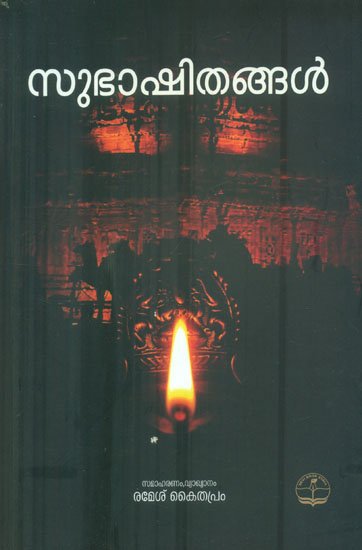
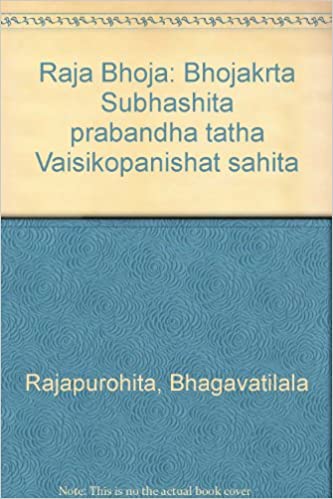
சம்ஸ்கிருதத்தில் பல்லாயிரக்கணக்கில் சுபாஷித ஸ்லோகங்கள் உள்ளன.
இவற்றைத் தொகுத்துள்ள நூல்களும் ஏராளாமாக காலம்தோறும் வெளி வந்துள்ளன.
இவற்றைப் படிப்பதே ஒரு சுகமான அனுபவம்.
இவற்றில் புதிர்கள் உண்டு; விடுகதைகள் உண்டு; புராண வரலாறுகள் உண்டு. இதிஹாஸ நாயகர்கள் பற்றிய அரிய தகவல்களை இவை தருகின்றன. அவதாரங்கள், மகான்கள், ஸ்தலங்கள் என்று இப்படி பல்வேறு பொருள்களில் வேறு எங்கும் காண முடியாத விவரங்களை சுபாஷிதங்கள் தருகின்றன.
அத்துடன் வாழ்க்கைக்குப் பயன் தரும் நூற்றுக் கணக்கான குறிப்புகளை இவை சுவைபடச் சொல்வதால் இவற்றைப் படிப்பதால் வாழ்க்கையில் வெற்றியும் சித்திக்கிறது.
இவற்றின் பட்டியல் நீண்ட ஒன்று.
சில நூல்கள் பற்றிய விவரங்களை இங்கு பார்க்கலாம்.
மஹா சுபாஷித ஸங்க்ரஹ – மொத்தம் எட்டுத் தொகுதிகள்
Maha Subhasihita Sangraha – Main Author Sternbach, Ludwik – with translation in English
1. முதல் தொகுதியில் உள்ள ஸ்லோகங்களின் எண்ணிக்கை 1873
(1 முதல் 1873 முடிய)
2. இரண்டாம் தொகுதியில் உள்ள ஸ்லோகங்களின் எண்ணிக்கை 2335
(1874 முதல் 4208 முடிய)
3. மூன்றாம் தொகுதியில் உள்ள ஸ்லோகங்களின் எண்ணிக்கை 2077
(4209 முதல் 6285 முடிய)
4. நான்காம் தொகுதியில் உள்ள ஸ்லோகங்களின் எண்ணிக்கை 1979
(6286 முதல் 8264 முடிய)
5. ஐந்தாம் தொகுதில் உள்ள ஸ்லோகங்களின் எண்ணிக்கை
(8265 முதல் 9979 முடிய) 1715
6. ஆறாம் தொகுதில் உள்ள ஸ்லோகங்களின் எண்ணிக்கை 1512
(9980 முதல் 11491 முடிய)
7. ஏழாம் தொகுதில் உள்ள ஸ்லோகங்களின் எண்ணிக்கை 1527
(11492 முதல் 13018 முடிய)
8. எட்டாம் தொகுதில் உள்ள ஸ்லோகங்களின் எண்ணிக்கை
(13019 முதல் 14653 முடிய) 1635
இந்த எட்டு தொகுதிகளையும் டவுன் லோட் செய்ய விரும்புவோர் நாட வேண்டிய தளம் :
Sanskrit Subhasitas in English Verse (An Anthology)
Dt Veluri Subba Rao – Professor of Sanskrit, Andhra University, Waltair
First Edition 1972
40 தலைப்புகளில் இந்த நூல் 300 அரிய சுவையான சுபாஷிதங்களைத் தருகிறது. இந்த நூலில் ஒரு சிறப்பு உள்ளது – ஆங்கில மொழிபெயர்ப்பும் அற்புதமாக கவிதையாகவே அமைந்துள்ளது!
10. Sanskrit Subhasita Ratnakara
English translation by Dr N.P. Unni – Ex-vice-Chancellor, Sri Sankaracharya Sanskrit University, Kaladim Kerala
Published by Chowkhamba Krishnadas Academy, Varanasi, 221002 First Edition 2009
சம்ஸ்கிருத மூலமும் ஆங்கில மொழியாக்கமும் உள்ளது இந்தப் புத்தகம்.
200 பக்கங்கள் உள்ள இந்தப் புத்தகத்தில் சுமார் 920 சுபாஷித ஸ்லோகங்கள் உள்ளன.
அடுத்து இன்னும் சில நூல்களைப் பார்ப்போம்!
****
This article gives you the details of 15873 Subhasita Slokas.
12 Aug 2019 — Tagged with சம்ஸ்க்ருத நூல்கள். 150 இந்திய வானியல் விஞ்ஞானிகளும், 300 சம்ஸ்க்ருத நூல்களும்! (Post No.6766). Written by London … are taken from various sources. ((posted by swamiindology.blogspot.com AND tamilandvedas.com)).
utkaLa /oRissa/ oDissa will show you how a word can change
O ‘d’ ysseus / U ‘L’ ysses will show you how a word can change.
WORDS BEGINNING WITH ‘ J ’ ARE CONTINUED…………………….
ALL J BEGINNING WORDS IN FOREIGN LANGUAGES ARE Y SOUNDING WORDS; BUT IN SANSKRIT WE HAVE BOTH J AND Y AS IN YAMUNA- JAMUNA; YADAV= JADAV.
THE BIGGEST CONFUSION AROSE BECAUSE NO LANGUAGE IN THE ANCIENT WORLD HAS THE SOUND J; SANSKRIT IS THE ONLY LANGUAGE THAT HAS J. FOREIGNERS BLUFFED WITH A NEW THEORY OF Y BECOMING J. I SHOWED IT WRONG IN MY J THEORY ARTICLE.
J.1. JACK FRUIT – SAKKAIP PAZAM சக்கைப் பழம்
J.2. JOWAR/SORGHUM- SOLAMசோளம் R=L
J.3. JUNE – AANI; BUT ALL TAMIL MONTHS ARE SANSKRIT NAMES; SEE KANCHI PARAMACHARYA’S TALK, ஆனி
J.4. JULY – YAALI; SIMHA MATHAM; YALI IS MIRROR OF LION AND LEO; IT IS NOTHING TO DO WITH JULIUS CAESAR; CEASAR ITSELF IS SANSKRIT KESARI=CESARI MEANS HAIRED ANIMAL யாளி/சிம்ம மாதம்
THERE IS NO J SOUND IN WORLD’S LANGUAGES EXCEPT SANSKRIT; IF ONE STUDIES THE ROUTE OF J, PATH OF J, THEN ONE CAN SEE THAT INDIA CIVILIZED THE WORLD
TRAVEL OF J TO OTHER PARTS OF THE WORD IS MY MOST IMPORTANT DISCOVERY WE KNEW HOW YADAVS BECOME JEWS.
JACOB BECOMES YAKOOB; JESUS BECOMES YESU; ORIGINAL IS Y ; DUPLICATE IS J IN FOREIGN LANGUAGES.
J.6. JALOUSIE/FRENCH – SAALARAM/WINDOWசாளரம்,
J.7. JOIN – INAI; YINAI; J=Y இணை,
J.8.JEOPARDY – AABATTU, ABAAYAM; SKT WORD USED IN ALL ஆபத்து,
J.9. JUMPER – AMBARA/CLOTH AS IN PEETAMBARA, SWETAMBARA JAINS; DIG-AMBAA JAINS ; J= Y/Aஅம்பர , பீதாம்பர, திகம்பர , ஸ்வேதாம்பர
J.10. JE IN FRENCH, JA IN SLAV – YAAN IN TAMIL; ENGLISH I CAME FROM AHAM OF SKT
THIS IS A VERY IMPORTANT WORD WHICH SHOWS TAMIL’S CONNECTION TO ALL EUROPEAN LANGUAGES; THIS EXPLODES ALL INDO-EUROPEAN LNGUAGE THEORIES.
YAAN FOR I AND AHAM ஜ – குடியேறிய பாதையே இந்து நாகரீகம் குடியேறிய பாதை FOR I SHOWS THE TWO ROUTES THAT IS FOLLOWED BY ALL LANGUAGES.
MAN’S FIRST WORD IS I; AHAMஐ= அஹம்
THAT BRANCHES INTO JE, JA ; YAAN IN TAMIL ROUTEஜெ/ ஷெ , ஜா=யா — யான்
THAT CHANGES INTO I IN SANSKRIT ROUTE
THERE ARE 100s OF WORDS LIKE THIS. I ALREADY SHOWED HOE EKAM BRANCHES INTO EIN; ONE- TAMIL ONNU.ஏக்கம், அய்ன் ein, ஒன்னு
J.11. JUBILEE – VICTORIOUS TOWER; VEDIC YUPA POLE IS IN SANGAM LITERATURE AND FOURTH CENTURY BORNEO FORESTS OF INDONESIA. J=Y; JUBILEE=YUPA TOWER/POLEஜூபிலி; யூப,
J.12. JAZZ – YAAZ/YAAL யாழ்
ALL ANCIENT INSTRUMENTS’ NAMES IN VEDAS AND SANGAM LITERATURE SHOW THE MIGRATORY ROUTE. THIS IS VERY IMPORTANT FIELD NOT MUCH STUDIED.
ORIGINAL ARAMIC , HEBREW BIBLE HAS —KINNARA—HEAVENLY MUSICIANS IN OVER 30 PLACES.
J.13. JANUS – HINDU GOD GANESH ; THE FIRST AND FOREMOST TO BE SALUTED; ROMAN JANUS HAS TWO FACES SEEING PAST AND PRESENT; IN SANGAM TAMIL LITERATURE YAANAR IS NEW FLOOD.
JANUARY/ GANESH/ YAANAR ARE ALL COGNATE WORDS, ஜேனஸ்/கணேஷ் = யாணர்/புது வெள்ளம்
ஜனவரி – கணேஷ் – ஜேனஸ் – யாணர்
YAANDU – YEAR யாண்டு
ALL OVER THE WORLD WE SEE SEVERAL CALENDARS WERE USED AT THE SAME TIME BY THE SAME PEOPLE FOR DIFFERENT PURPOSES.
ALL CHRISTIAN NAMES CAN BE TRACED BACK TO SANSKRIT AND TAMIL ROUTES
J.14. JARA – OLD AGE; GREY HAIR GIVES BIRTH TO GERONTOLOGY ஜரா
JARA BECOMES NARAI IN, TAMIL MEANING GREY HAIR AND OLD AGE.
J.15. JAR – JAADI, ஜாடி
J.16. JEW – YAADAVA/ JAADAVA [ THE ELEPHANT THAT LEADS THE HERD IS YUTHANATHA IN SKT.ஜூ= யாதவ , யூத =யாதவ ; யுத்தநாதன்- யானைகளின் தலைவன் ; இடையன் கோல் – காவலன்- செங்கோல் ; மாடு =செல்வம்
SO THE LEADER OF THE COWHERD IS YUTHANAATHAN; IN BIBLE IT IS MOSES.
SOCIOLOGISTS AND HISTORIANS SAY COWHERDS ONLY BECAME KINGS; WHOEVER IS MORE COMMANDING AND WHOEVER IS HOLDNG HIGHEST NUMER OF COWS BECAME LEADER AND THEN KING.
THE COWHERD’S STICK BECAME SCEPTER OF THE KING ACCORDING TO SOCIOLOGISTS.
AGRICULTURE CAME LATER.
SO JEW/ YUTHA/ YADAV/ JADAV ARE OF KINGLY RACE. THIS IS WHAT MADE LORD KRISHNA- A COWHERD A KING.
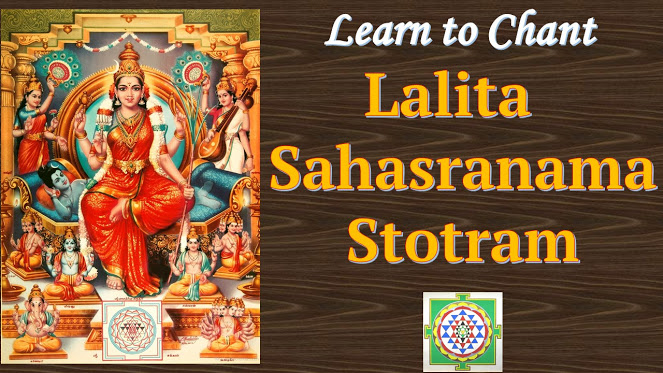
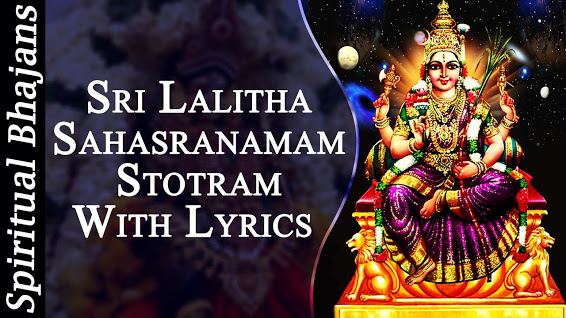
பாஸ்கரராயரிடம் லலிதா சஹஸ்ரநாமத்தில் 237வது நாமமாக வரும் ‘மஹா சதுஷ் ஷஷ்டி கோடி யோகினீ கண ஸேவிதா’ என்பதற்கு பொருளை விளக்குமாறு வேண்டினர்.
‘மஹா சதுஷ் ஷட்ஹ்டி கோடி யோகினீ கணங்களால் சேவிக்கப்படுபவள் என்று கூறப்படுவதால் அறுபத்தி நான்கு கோடி யோகினிகளின் உற்பத்தி லக்ஷணம், சரித்திரம் ஆகியவற்றைச் சொல்லும் படி அவர்கள் கேட்டனர்.
உடனே பாஸ்கரராயர், “நான் அவைகளைச் சொல்லிக் கொண்டு வருகிறேன். நீங்கள் எழுதிக் கொண்டு வாருங்கள்” என்று சொல்லி விட்டுக் கடகடவென சொல்ல ஆரம்பித்தார். அதை எழுத ஆரம்பித்தவர்கள் திகைத்துப் போனார்கள். வேகமாக பாஸ்கரராயர் சொல்லிக் கொண்டு வரவே அவரது வேகத்திற்கு அவர்களால் ஈடு கொடுக்க முடியவில்லை. சிறிது நேரத்திலேயே அவர்கள் அனைவரும் க்ளைத்துப் போயினர். திகைத்துப் பிரமித்துப் போன அவர்கள் அவரை வணங்கி தங்களை மன்னித்து அருள் புரிய வேண்டும் என வேண்டினர்.
இப்படி ஒன்றல்ல, இரண்டல்ல ஏராளமான சம்பவங்கள் மூலம் அம்பாளின் அனுக்ரஹம் எப்படி எல்லாம் வரக்கூடும் என்பதை அவர் நிரூபித்து அனைவரையும் அம்பாளின் அனுக்ரஹத்திற்கு பாத்திரமாகும்படி அருள் பாலித்து வந்தார்.
பாஸ்கரராயர் நாற்பதுக்கும் மேற்பட்ட அரிய நூல்களைப் படைத்துள்ளார். வேதாந்தத்திற்கு ஒரு சண்ட பாஸ்கரம், மீமாஸைக்கு ஒரு வாத கௌதூஹலம், வியாகரணத்திற்கு ஒரு ரஸிக ரஞ்ஜனி, நியாயத்திற்கு ஒரு நியாய கண்டனம், சந்தஸ் சாஸ்திரத்திற்கு ஒரு சந்தோ பாஸ்கரம், காவ்யத்திற்கு ஒரு ஸுபாஷிதம், வேதத்திற்கு ஒரு வைதீக கோசம், ஸ்மிருதிக்கு ஒரு ஸ்மிருதி தத்வம், ஸ்தோத்ரத்திற்கு ஒரு சிவ தண்டகம், மந்த்ர சாஸ்திரத்திற்கு ஒரு வரிவஸ்யா ரஹஸ்யம் என்று இப்படி சொல்லிக் கொண்டே போகலாம்.
லலிதா சஹஸ்ரநாமத்திற்கு அவர் அருளியுள்ள பாஷ்யம் சௌபாக்ய பாஸ்கரம் என்ற நூலாகும். ஆயிரம் நாமங்களுக்கும் பாஸ்கரராயர் தரும் அற்புதமான விளக்கங்கள் மெய்சிலிர்க்க வைப்பவையாகும்,
அம்பாளின் அருளைப் பெற விழையும் யாரானாலும் அற்புதமான இந்த நூலைப் படிக்காமல் யாரும் இருக்கக் கூடாது. நூற்றுக் கணக்கான அபூர்வமான ரகசியங்களை இதிலிருந்து பெறலாம். இதை உணர்ந்து சஹஸ்ரநாமத்தைச் சொல்பவர்கள், இகலோகத்திற்கான செல்வம், ஆரோக்கியம், குடும்ப மேன்மை, மன நிம்மதி ஆகியவற்றையும் பரலோகத்திற்கான அம்பாளின் அருளையும் நிச்சயமாகப் பெறலாம்.
விஷ்ணு சஹஸ்ர நாமம் ஆயிரத்தையும் சொல்ல முடியாதவர்கள் என்ன செய்வது என்று கவலைப்பட்ட அம்பிகை ஈஸ்வரனை நோக்கி கேன லகு உபாயம் – ஏதாவது ஒரு எளிய வழி Short Cut இருக்கிறதா என்று கேட்க ஈஸ்வரன், ஸ்ரீ ராம ராம ராமேதி ரமே ராமே மனோரமே சஹஸ்ர நாம தத்துல்யம் ஸ்ரீ ராம நாம வரானனே – ராம நாமம் ஆயிரம் நாமங்களுக்கு சமம் என்று கூறி லகு உபாயத்தைச் சொல்லி அருளினார்.
அது போல அம்பிகையின் நாமம் ஆயிரத்தையும் சொல்ல முடியாதோர் கங்கா, பவானி, காயத்ரி, காளி லக்ஷ்மி, சரஸ்வதி, ராஜராஜேஸ்வரி ,பாலா, சியாமளா, லலிதா என்ற நாமங்களைச் சொன்னால் அது ஆயிரம் நாமத்தைச் சொன்னதற்கு சமமாகும். இது போன்ற அபூர்வ தகவல்களைத் தரும் நூல் ஒன்று உள்ளது. அதுதான் லலிதாசஹஸ்ரநாம பாஷ்யம்!
சஹஸ்ரநாம பாஷ்யமானது G.V. கணேச ஐயரால் தமிழிலே வழங்கப்பட்டிருக்கிறது. இந்த தமிழ் நூல் 1938ஆம் ஆண்டு வெளியிடப்பட்டுள்ளது. இது பாஸ்கரராயரின் பாஷ்யத்திற்கிணங்க இனிய தமிழ் நடையில் தரப்பட்டுள்ள ஒரு அரிய நூலாகும்.
இதில் பாஸ்கரராயர் வரலாறு பற்றியும் ஆயிரம் நாமங்களுக்கான அதிசய அபூர்வ அர்த்தங்களும் உள்ளன. சுமார் 978 பக்கங்கள் உள்ள இந்த நூலின் அருமையை வர்ணிக்க வார்த்தைகளே இல்லை; அவ்வளவு ரகஸியார்த்தங்களைத் தரும் நூல் இது.
பாஸ்கரராயர் 1729ஆம் ஆண்டு ஆஸ்வீஜ சுக்ல நவமி அன்று இந்த பாஷ்யத்தை ஆரம்பித்து 1733ஆம் ஆண்டு சிவராத்ரி புண்யதினத்தன்று இதைப் பூர்த்தி செய்துள்ளார்.
பாஸ்கரராயரின் சமாதி கும்பகோணம் – மயிலாடுதுறை மார்க்கத்தில் திருவாலங்காடு ஊருக்கு அருகே உள்ள பாஸ்கரராயபுரத்தில் அமைந்துள்ளது. இந்த அதிஷ்டானத்தில் உரிய முறைப்படியான வழிபாடு இன்றும் சிறப்பாக நடைபெற்று வருகிறது.
அருமையான இந்த நூலை இணையதளத்திலிருந்து SCRIBD.COM உள்ளிட்ட பல தளங்களிலிருந்தும் டவுன்லோட் செய்து கொள்ளலாம்.
Pictures are taken from various sources for spreading knowledge;
this is a non- commercial blog. Thanks for your great pictures.
tamilandvedas.com, swamiindology.blogspot.com
வேதகாலத்தில் மக்கள் இன்பமாக வாழ்ந்தனர். பெண்களும் பொது இடங்களுக்குச் சென்று ஆடிப்பாடி மகிழ்ந்தனர். பாணினி 2700 ஆண்டுகளுக்கு முன் எழுதிய இலக்கண நூலிலும் அதன் உரைகளிலும் பல புதிய — அதாவது இப்போது வழக்கொழிந்த — விளையாட்டுகளைக் காண்கிறோம் .
வேத கால மக்களின் முக்கியத் தொழில் விவசாயம், தேர்கள் செய்யும் தச்சசு வேலை, கால்நடை- குதிரை வளர்ப்பு, போர்த் தொழில், ஆயுத உற்பத்தி முதலியன ஆகும்.
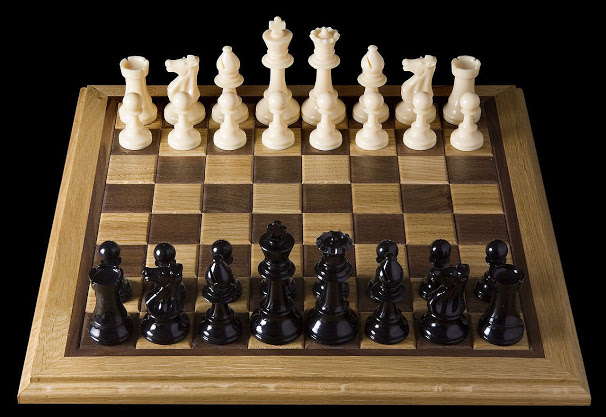
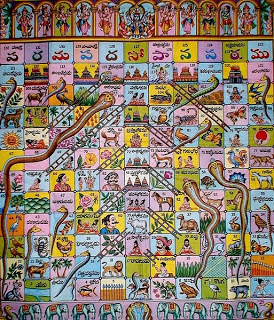
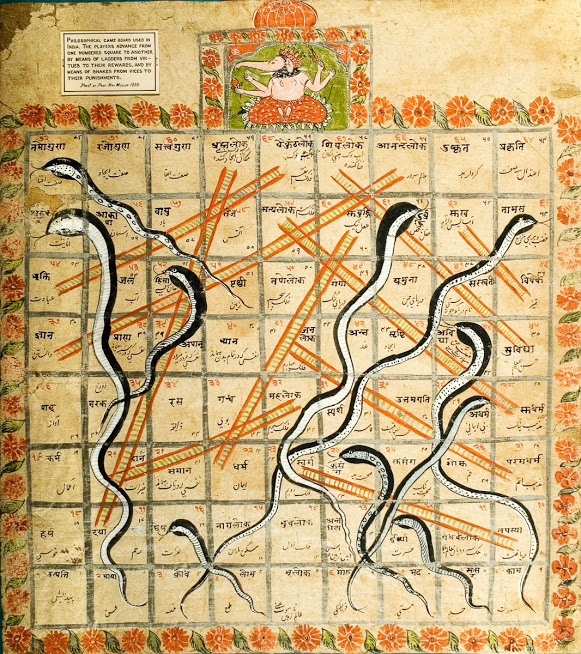
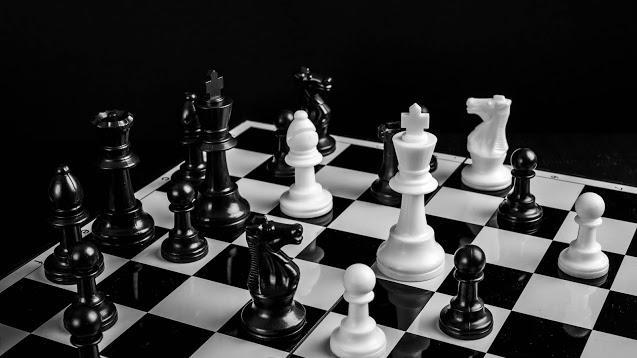
அவர்கள் பொழுது போக்கச் செய்தவை – சூதாட்டம், ஆடல், பாடல், இன்னிசைக் கருவிகள் வாசித்தல், தேர் ஓட்டல், தேர் பந்தயம்/ ரதம் ஓட்டும் போட்டி, BOARDS GAMES போர்டு/ அட்டை விளையாட்டுகள்– அதாவது சொர்க்கப்படம் — பாம்பு-ஏணி SNAKES AND LADDER படம் உள்ள அட்டைப்பட விளையாட்டுகள், பல்லாங்குழி முதலியன.
சூதாட்டத்தின் தாக்கத்தை மஹாபாரதம் வரை காண்கிறோம். நள- தமயந்தி சரிதத்தில் படிக்கிறோம். புறநானுற்றில் பிராமணனும் மன்னனும் ஆடிய வட்டு ஆட்டத்தில் ஒருவர் மீது ஒருவர் பகடைக் காய்களை எரிந்து கோபம் அடைந்த பாடல் உளது. திருவள்ளுவரோ பத்து குறள்களில் சூதாட்டம் பற்றி எச்சரிக்கிறார் ;ஆக, இமயம் முதல் குமரி வரை சூதாட்டம் ஆதிக்கம் செலுத்தியது.
உலகின் மிகப்பழமையான புஸ்தகம் ரிக்வேதம்; ஜெர்மானிய ஹெர்மன் ஜாகோபியும் இந்திய சுதந்திர சிற்பி பாலகங்காதர திலகரும் 6000 முதல் 8000 ஆண்டுப் பழமையானது என்று நிரூபித்துள்ளனர்; அதில் சூதாட்டத்தில் பணம் இழந்த ஒரு மனிதன் புலம்பு, புலம்பு என்று புலம்பி, உலகில் சிறந்தது வேளாண்மையே என்று விவசாயத்துக்குத் திரும்பி வந்ததை ரிக்வேத 10-34-13 சூதாட்டப் பாடல் காட்டுகிறது; உலகின் முதல் சொற்பிறப்பியல் புஸ்தகம் (ETYMOLOGY எடிமோலஜி )எழுதியவர் யாஸ்கர். உலகில் கிரேக்கர்கள் புஸ்தகம் எழுதுவதற்கு முன்னால் , அவர் சொற்பிறப்பியல் அகராதிக்கே போய்விட்டார். அவ்வளவு பழமையானது சம்ஸ்கிருதம். அவரும் சூதாட்டம் ஒழிக , விவசாயம் வாழ்க என்று நிருக்தம் 8-3 ல் கதைக்கிறார்.
வள்ளுவனும் உலகிற்கு ஆணி, வேளாண்மை என்று சொல்லி பத்து பாக்களில் விவசாயம் ஜிந்தாபாத் என்று சொல்லிவிட்டு, மேலும் 10 குறட் பாக்களில் சூதாட்டம் மர்தாபாத் என்று வசை பாடுகிறார். ஆக, சூதாட்டம் என்னும் விளையாட்டு இந்துக்களின் வாழ்வில் கொடிகட்டிப் பறந்ததைப் பார்க்கிறோம் .
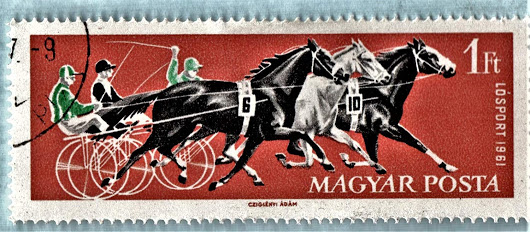
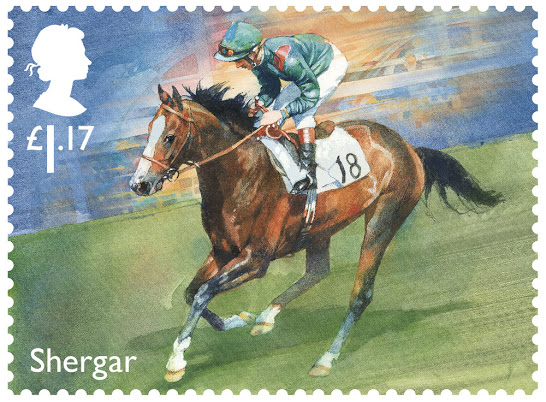
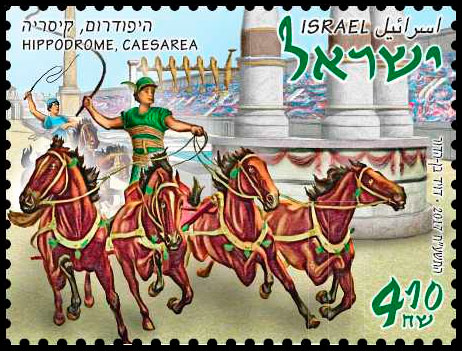
இதற்கு அடுத்த படியாக வரும் விளையாட்டுகள் குதிரைப் பந்தயம், தேரோட்டும் பந்தயம்.
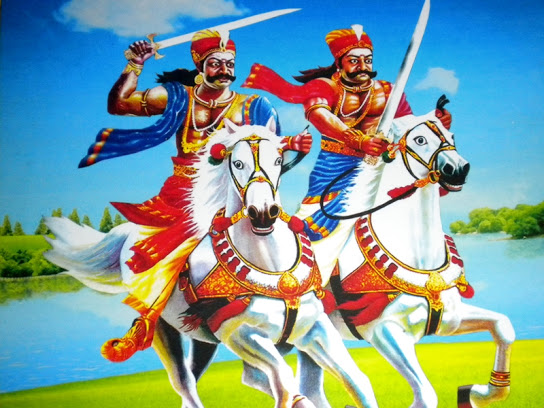
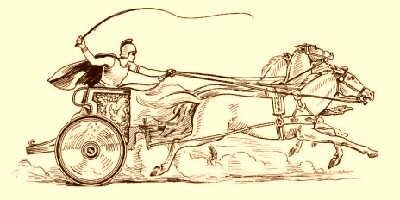
குதிரைப் பந்தயம் சென்னை கிண்டி முதல் உலகின் மிகப்பெரிய நாடுகள் வரை நடைபெற்றது. இப்பொழுது சூதாட்ட பெட்டிங் BETTING — பந்தயப்பணம் கட்டும் – கடைகள்உலகின் மிகப்பெரிய நகரங்களில் பேட்டைதோரும் உளது. இதைத் துவக்கி வைத்தவர்களும் இந்துக்களே. ‘இம்’ என்னும் முன்னே 700 காதம் சென்ற SUPER FAST சூப்பர் பாஸ்ட் ரதங்களை , நள தமயந்தி சரிதத்தில் படிக்கிறோம். ‘வைகலும் எண் தேர் செய்த தச்சர்’கள் பற்றி புறநானுற்றில் பயில்கிறோம்.; தச்சர் என்பது ஸம்ஸ்க்ருதச் சொல்..
அகநாநூற்றில் காதலியைக் காணவரும் காதலர்கள் SUPER FAST SPEED சூப்பர் பாஸ்ட் ஸ்பீடில் வண்டியை ஒட்டும்படி டிரைவர்களுக்கு கட்டளை இடுவதையும் எழுதி வைத்துள்ளனர்.
ஆப்கானிஸ்தான் — காந்தார- கேகய — வீராங்கனை கைகேயி, தசரதன் ரதத்துக்கு சாரதியாக இருந்து வெற்றிவாகை சூடி , இரண்டு வரம் பெற்று, அதை ‘மிஸ்யூஸ்’ MISUSE பண்ணி ராமாயணக் கதையை எழுதச் செய்ததையும் நாம் அறிவோம். ஆக இமயம் முதல் குமரி வரை ‘பக்கா’ ரோடுகள் இருந்ததும் அதில் ஜப்பானிய BULLET TRAIN புல்லட் ட்ரையினை விட அதி வேகத்தில் நம்மூர்க்கார்கள் சென்றதையும் உலகிற்கே சொன்னோம். அப்பொழுது எகிப்தியர்களும், பாபிலோனியர்களுக்கும் குதிரைக்கும் ரதத்துக்கும் ஸ்பெல்லிங் SPELLING கூடத் தெரியாது என்பதை சரித்திர வல்லுநர்கள் புகல்வர் . மாயா நாகரீக மக்களுக்கோ சக்கரம்/WHEEL என்பதே தெரியாது என்றும் பகர்வர்.
ரிக்வேதம் 10-102 பாடலில் ‘ரேக்ளா ரேஸ்’ போல அதிவேக மாட்டுவண்டி CHASE சேஸ் ஒன்றைப் படிக்கலாம். ஜேம்ஸ்பாண்ட் படங்களில் வரும் CAR CHASE கார் சேஸ் போன்றவற்றை விட அதிவேகத்தில் மாட்டு வண்டி பறந்ததையும் அந்த வீரனின் மனைவியும் வண்டி யி ல் சென்றதால் காற்றில் அவளுடைய ஆடை பறந்ததையும் படித்து மகிழலாம் ;
இது பற்றி வேதங்களுக்கு விளக்க உரை எழுதிய சாயனர் ஒரு கதை சொல்கிறார். முத்கலன் என்பவருடைய பசு, காளை மாடுகளைத் திருடர்கள் திருடிச் சென்றனர். அவனது மனைவி முத்கலானி வேகமாக காளை வண்டியை ஓட்டி ச் சென்றாள் . முதக்கலன் தன்னுடைய ‘கதை’–யைத் தூக்கி எறிந்து திருடர்களை விரட்டினான். அக்காலத்தில் இந்து தம்பதியர்கள் எவ்வளவு வீரர்களாகத் திகழ் ந் தனர் என்பதற்கு இப்பாட்டு எடுத்துக்காட்டு. வண்டி ஓட்டுதல் , ரதம் ஓட்டுதல் முதலியனவும் ஆண் பெண் பங்கேற்புடன் நடைபெற்றன.
அந்தக் காலத்தில் க்ஷத்ரியர்களாகப் பிறந்தால் வீரத்தை நிரூபித்தால்தான் பெண் கொடுப்பார்கள். கிருஷ்ணன், ஜல்லிக்கட்டில் பங்கு கொண்டு ஏழு காளைகளை அடக்கி நப்பின்னையை கல்யாணம் கட்டினான். அதைத் தொடர்ந்து யாதவ குல மாதர் அனைவரும் காளையை அடக்கியவரை மக்க விரும்பியதை கலித்தொகைப் பாடல்கள் காட்டுகின்றன. இது போல குதிரைப் பந்தயத்தில் வெற்றி பெறுவோருக்கே பெண் கொடுத்தனர் வடக்கத்திய இந்துக்கள். சில நேரங்களில் யாரும் தூக்க முடியாத சிவன் வில்லைத் தூக்கி நாண் ஏற்றிய ராமனுக்கு சீதையைக் கொடுத்ததையும் டில்லியில் நடந்த உலகத்தின் முதல் ஒலிம்பிக் போட்டியில் வெற்றிபெற்ற அர்ஜுனனுக்கு திரவுபதி கிடைத்ததையும் பார்க்கலாம். வில்வித்தை முதலிய விளையாட்டுகள் அடங்கிய ஒலிம்பிக் போட்டியை நாம் 5200 ஆண்டுகளுக்கு முன்னர் நடத்தியதை மஹாபாரதம், பாகவதம் முதலிய நூல்கள் காட்டும்.
குதிரைப் பந்தயத்தில் எல்லைக் கம்பம் ஒன்று இருக்கும் அதன் பெயர் கார்ஸ்ம என்று சாயனர் விளக்குகிறார் — RV. 1-116- 17
சவித் புதல்வியின் பெயர் சவிதா அல்லது சூர்யா . ரத போட்டியில் யார் வெல்வரோ அவருக்கே சவிதா/ சூர்யா கிடைப்பாள் என்று அறிவிக்கப்படுகிறது; எல்லாக் கடவுளரும் போட்டியில் பங்கேற்றனர். இறுதியில் அஸ்வினி தேவர்கள் வெற்றி பெற்றனர். உடனே எல்லோரும் சூர்யாவை தேரில் ஏற்றிச் சென்று அஸ்வினி தேவர்களுக்கு அளித்தனர் – காண்க ரிக்/ RV 1-119-5
ராஜசூய யாகத்தின்போது குதிரைப் பந்தயம், ரதம் ஓட்டும் பந்தயம் நடைபெறும். சோழன் ராஜசூய யாகம் செய்ததை புறநாநூறு பாடுகிறது. அதற்கு சேர, பாண்டிய மன்னர்களும் அவ்வையாரும் வந்தனர். அப்போதும் இந்தப் பந்தயங்கள் நடந்திருக்கவேண்டும்.
ரிக் வேதம் RV.1-116 பாடலில் இன்னும் ஒரு சம்பவம் உளது. விமதன் என்பவன் கல்யாணம் கட்டிமுடித்த பின்னர் புது மனைவியை ரதத்தில் அழைத்து வந்தான் . அப்போது அவனை எதிரிகளோ திருடர்களோ தாக்கினர். அஸ்வினி தேவர்கள் விரைந்து வந்து அந்த புதுமணத் தம்பதிகளுக்கு உதவுகின்றனர்.
இதே பாடலில் மேலும் சில வியப்பான செய்திகள் உள .
அஸ்வினி தேவர்கள் தங்கள் பலத்தைக் காட்ட — திறமையைக் காட்ட – ஒரு காளை மாட்டையும் காட்டுப் பன்றியையும் ரதத்தில் கட்டி இருந்தனர்.
100 சக்கரங்கள் 6 குதிரைகள் பூட்டிய ரதம் பற்றியும் இதே பாடல் பாடுகிறது 1-116-ரிக்.
இந்தப் பாடல் அதிசயங்களின் பட்டியல் ; விளையாட்டுக்குத் தொடர்பில்லாத அதிசயங்களை தனியே காண்போம்.
கேலா (Khela)என்ற மன்னனுடன் அவன் மனைவி விஸ்பலா(Vispala) வும் சென்றாள் . போரில் அவள் கால்களை இழந்தாள் . அஸ்வினி தேவர்கள் அவளுக்கு செயற்கைக் காலை பொருத்தினர். அந்த அளவுக்கு மருத்துவத் துறையில் இந்துக்கள் முன்னேறி இருந்தனர். தமிழ் நாட்டில் கீரந்தை என்ற பிரமணனுக்காக கைகளை வெட்டிக்கொண்ட பாண்டிய மன்னனுக்கு மருத்துவர்கள் தங்கக் கைகளைப் பொருத்தியதால் பொற்கைப் பாண்டியன் என அவன் பெயர்பெற்றான்
ஆக தேர்கள், தேர் விளையாட்டுகள் பற்றி சங்க இலக்கியத்திலும் ரிக் வேதத்திலும் நிறைய செய்திகள் கிடைக்கின்றன.
–SUBHAM–
tags– வேத காலம், சங்க காலம், விளையாட்டுகள், சூது , குதிரை, ரதம், பந்தயம்
காலம் கடுமையான காலமாக மாறி விட்டிருக்கிறது. அன்றாட வாழ்க்கையைச் சமாளிக்க முடியாதபடி கொரானாவின் பாதிப்பு லட்சக்கணக்கானோருக்கு ஏற்பட்டிருக்கிறது – உலகெங்கும்!
தள்ளு வண்டிகளில் கறிகாய் விற்போர், பூ முடித்து விற்போர், நடைபாதை வியாபாரிகள், டாக்ஸி, ஆட்டோ ஓட்டுபவர்கள், ஆம்னி பஸ் இயக்கங்களில் ஈடுபட்டுள்ளோர், சினிமா, மால், வணிகத் தளங்களில் வேலை பார்ப்போர் இப்படி எல்லோரும் பாதிப்புக்கு உள்ளாகி விட்டனர் – எதைச் சொல்ல, யாரை விட!
வீட்டில் பாதுகாப்பாக இருக்க வேண்டும்; கிருமி நாசினியைப் பயன்படுத்த வேண்டும்; சமூக விலகலுக்கான தூரத்தைச் சரியாகக் கடைப்பிடிக்க வேண்டும். சரி, வாழ்க்கை ஓட வேண்டுமே! என்ன வழி?
திறமையுள்ளோருக்கும், முயற்சி உடையோருக்கும், ஊக்கம் உடையோருக்கும் ஏராளமான வழிகள் உள்ளன.
சிந்தனைக்குச் சிறு வழிகாட்டியாக சில வழிகள் இதோ:
முதலில் ஒரு சம்பவம்:
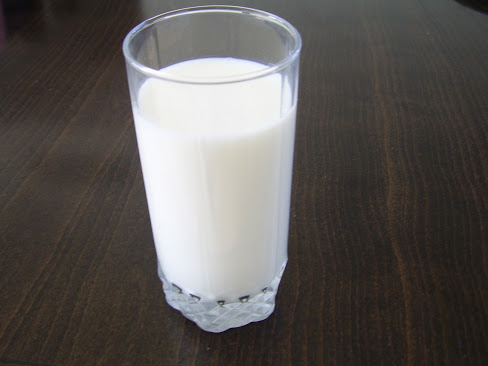
ஒரு டம்ளர் பால்!
ஒரு ஏழைச் சிறுவன். பள்ளிக்கூடக் கட்டணம் கட்ட வழி இல்லை. யோசித்தான். தானாக ஒரு வழியை அவன் கண்டுபிடித்தான். பலருக்கும் பல பொருள்கள் தேவைப்பட்டன. வெளியிலே செல்ல முடியாத வயதானோர், தனியே குழந்தைகளை விட முடியாத இளம் தாய்மார்கள், சற்று வசதியானவர்கள் இப்படிப்பட்டவர்களை அணுகினான்.
வீடு வீடாக அவர்களுக்குத் தேவைப்பட்ட பொருள்களை வாங்கித் தந்தான்.சில அத்யாவசிய பொருள்களைத் தானே விற்று சிறிது காசு சம்பாதிக்க ஆரம்பித்தான். இதில் கிடைக்கும் பணத்தை வைத்து பள்ளிக்கூட கட்டணத்தைக் கட்டஆரம்பித்தான். தனது புத்தகங்களையும் வாங்கிப் படித்தான்.
ஒரு நாள் அவன் கையில் ஒரே ஒரு பைசா (டைம் Dime) தான் இருந்தது. ஒரே பசி.
தான் செல்லவிருக்கும் அடுத்த வீட்டில் அந்த ஒரு டைமைக் கொடுத்து ஏதேனும் வாங்கி உண்ணலாம் என்று அவன் முடிவு செய்தான்.
ஆனால் அடுத்த வீட்டின் கதவைத் தட்டிய போது வெளியே வந்த அழகிய இளம் பெண்ணைப் பார்த்து அவன் தயங்கினான். தான் கேட்க நினைத்ததைக் கேட்க அவனால் முடியவில்லை. ஆனால் பசியோ பசி!
ஒரு டம்ளர் தண்ணீர் தருமாறு கேட்டான் அவன்.
அந்த இளம் பெண் அவன் முகம் வாடியிருப்பதைப் பார்த்து அவன் அளவற்ற பசியால் துடிக்கிறான் என்பதை உணர்ந்து கொண்டாள். ஆகவே தண்ணீருக்குப் பதிலாக ஒரு பெரிய டம்ளரில் பாலைக் கொண்டு வந்து கொடுத்தாள்.
மெதுவாக அதைக் குடித்த அந்தச் சிறுவன், “நான் இந்தப் பாலுக்காக எவ்வளவு கொடுக்க வேண்டும்?” என்று அந்தப் பெண்ணிடம் கேட்டான்.
“எனக்கு ஒன்றும் தர வேண்டாம். அன்பிற்கு விலை பேசக் கூடாது என்று என் அம்மா எனக்குக் கற்றுக் கொடுத்திருக்கிறாள்” என்றாள் அவள்.
“அப்படியானால் என் இதயத்தின் ஆழத்திலிருந்து உங்களுக்கு என் நன்றியைத் தெரிவித்துக் கொள்கிறேன்” என்றான் அந்தச் சிறுவன்.
அந்தச் சிறுவனின் பெயர் ஹோவர்ட் கெல்லி (Howard Kelly).
அந்த வீட்டை விட்டு வெளியேறும் போது ஒரு புத்துணர்ச்சியைப் பெற்றான் அவன். கடவுள் மேல் அவனுக்கு இருந்த நம்பிக்கை கூடியது; நல்ல உணர்ச்சிகள் கூடியது!
ஒரு தக்க தருணத்தில் இப்படி ஒரு அன்பைக் காட்டிய பெண்மணி அவனுக்கு வாழ்க்கையில் ஒரு புதிய பாடத்தைக் கற்றுக் கொடுத்தாள்.
வருடங்கள் ஓடின.
அவன் ஒரு பெரிய டாக்டராக ஆனான்; பெயரும் புகழும் பெற்றான்.
ஒரு நாள் எந்த இளம் பெண் அவனுக்குப் பாலை வழங்கினாளோ அவளுக்கு கடுமையான நோய் ஒன்று வந்தது.
அவள் வசித்து வந்த ஊரில் உள்ள டாக்டர்கள் திகைத்தனர்; அதைக் குணப்படுத்த அவர்களால் முடியவில்லை.
அவர்கள் நகருக்குச் சென்று ஹோவர்ட் கெல்லியைப் பார்க்குமாறு ஆலோசனை கூறினர்.
அந்தப் பெண்ணும் ஸ்பெஷலிஸ்டான ஹோவர்ட் கெல்லியைப் பார்க்கச் சென்றாள்.
அந்தப் பெண் எந்த ஊரிலிருந்து வந்திருக்கிறாள் என்பதைக் கேட்டவுடன் கெல்லியின் கண்கள் பளபளத்தன. நேராக நோயாளி இருந்த இடத்திற்கு விரைந்து சென்றார்.
ஆம், அதே பெண் தான்! அவர் நன்றாக அடையாளம் கண்டு கொண்டார்.
உடனடியாக சிகிச்சையைத் தொடங்கினார். எப்பாடு பட்டேனும் அவளைக் காப்பாற்றுவது என்று உறுதி பூண்டார்.
பெரும்பாடு பட்டு கடைசி கடைசியாக அவர் வென்றார். அந்தப் பெண் பூரண குணமடைந்தாள்.
கெல்லி அக்கவுண்ட்ஸ் பிரிவின் அதிகாரிக்கு அந்தப் பெண்மணிக்கு ஆன செலவுக்கான பில்லைத் தனக்கு அனுப்பச் சொன்னார். அக்கவுண்ட்ஸ் பிரிவும் அவரது அங்கீகாரத்திற்காக அந்த பில்லை அவரிடம் அனுப்பியது.
அந்தப் பில்லைப் பார்த்தார் அவர்! பெருந்தொகை தான்!!
அந்த பில்லின் கீழே கோடியில் சில வார்த்தைகளை அவர் எழுதி விட்டு, அந்த பில்லை அந்தப் பெண்ணிடம் அனுப்பச் சொன்னார்.
அந்தப் பெண்மணி நடுநடுங்கிக் கொண்டிருந்தாள், பில்லை நினைத்து – இந்த ஜென்மத்தில் அந்த பில் தொகையைத் தன்னால் கட்ட முடியுமா என்பதே அவள் பயம்!
அந்த பில்லை வாங்கிப் பார்த்தாள்! அடேயப்பா!
ஆனால் பில்லின் அடியில் ஓரத்தில் எழுதப்பட்ட வார்த்தைகள் அவள் கவனத்தை ஈர்க்கவே அவள் அதைப் படித்தாள் :
“Paid in full with one glass of milk”
Signed Howard Kelly
ஒரு டம்ளர் பாலால் பில் முழுவதும் கட்டப்பட்டது.
ஹோவர்ட் கெல்லி.
அந்தப் பெண்மணியின் கண்களில் நீர் துளித்தது.
அவள் ஹோவர்ட் கெல்லி யார் என்பதை இப்போது தெரிந்து கொண்டாள்.
அன்புக்கும் உண்டோ அடைக்கும் தாழ்?!
சாதாரணமாக வாழ்க்கையை ஆரம்பித்த கெல்லி தன் முயற்சியினால் பெரும் டாக்டரானார். மனிதப் பண்புகளோடு வாழ்ந்தார்.
ஏதோ ஒரு சம்பவம் என்று இதை ஒதுக்கி விட முடியாது.
நம் கண் முன்னே நடந்த, நடக்கும் நூற்றுக் கணக்கான சம்பவங்களை உன்னிப்பாகக் கவனித்தால் பார்க்க முடியும்.
டீ விற்றவர் நாடாளும் தகுதி பெறுகிறார்; வீட்டில் மின் வசதி இல்லாத காரணத்தால் தெரு விளக்கின் அடியில் படித்தவர் உயர் நீதி மன்ற நீதிபதியாகிறார்; பஸ் கண்டக்டராக இருந்தவர் கோடிக்கணக்கானோர் தலை உச்சி மீது வைத்துக் கொண்டாடும் பார் புகழும் நடிகராகிறார்; இசைக் குழுவில் உதவியாளராக இருந்தவர் இசை சாம்ராஜ்யத்திற்கே ராஜாவாகிறார்; பேப்பர் வாங்கக் காசில்லாத காரணத்தால் கணிதப் பிரச்சினையை சிலேட்டில் எழுதி அதன் விடையை அதற்கு அடியில் எழுதி இன்று வரை வழிமுறைகள் காணப்படாததால் அதை எப்படி அவர் கண்டுபிடித்தார் என்று கணித மேதைகள் எல்லாம் திணறும்படியான கணித மேதையாகிறார் – இப்படி ஆயிரக் கணக்கில் சம்பவங்களை நினைத்துப் பார்த்து வெற்றிக்கான அடிப்படை காரணங்களை உணரலாம்.
திறமை, சலியாத உழைப்பு, மனம் தளராத முயற்சி, டிமாண்ட் அண்ட் சப்ளை – தேவை அதற்குரியதைத் தருதல் – என்ற உத்தியைப் பயன்படுத்தல் போன்ற அருங்குணங்களே இந்த வெற்றிக்கு காரணம். அத்தோடு தன்னைப் போலவே திறமையுடன் இருப்போரைத் தட்டிக் கொடுத்து தூக்கி உயர ஏற்றுவதும் இவர்களது புகழ் இன்னும் மேலோங்கக் காரணமாகி விடுகிறது.
இன்றைய கால கட்டத்தில் ஏதேனும் வழிகள் உண்டா? உண்டு. மாதிரிக்காக சில வழிகளை இங்கே காணலாம்.
மொழி பெயர்ப்பு : தமிழ் மற்றும் ஆங்கிலத்தில் நிபுணரா நீங்கள்? கணினியும், இணைய தள இணைப்பும் உங்களிடம் இருக்கிறதா? இல்லையென்றாலும் அவற்றைக் கொண்டிருப்பவர்கள் உங்களுக்கு உதவி செய்பவர்களாக இருக்கிறார்களா?
ஆயிரக்கணக்கான மொழிபெயர்ப்பு வேலைகள் தயாராக இருக்கின்றன. வீட்டிலிருந்தே தனக்கு உகந்த நேரத்தில் வேலை செய்து பணத்தைப் பெறலாம். ஒரு ஆங்கில வார்த்தைக்கு மேலை நாட்டு கம்பெனிகள் ரூபாய் மூன்றிலிருந்து இரண்டு ரூபாயும், சிங்கப்பூர், சீனா உள்ளிட்ட நாடுகள் ஒரு வார்த்தைக்கு ஒன்றரை ரூபாயும், இந்தியக் கம்பெனிகள் (பிரதானமாக டெல்லி கம்பெனிகள்) ரூபாய் ஒன்றே கால் முதல் ஒரு ரூபாய் வரையும் தருகின்றன.
He went there – அவன் அங்கே போனான் என்று மொழி பெயர்த்தால் ரூபாய் ஒன்பது கிடைக்கும்; குறைந்த பட்சம் மூன்று ரூபாய் கிடைக்கும்.
http://www.proz.com இல் இலவசமாக ரிஜிஸ்டர் செய்து கொள்ளலாம். உங்களை நாடி அறிவிப்புகள் பல்வேறு நிறுவனங்களிலிருந்து வந்து கொண்டே இருக்கும். திறமைக்குத் தக, உழைப்புக்குத் தக வருமானம் உறுதி. (பதினைந்து நாட்களில் பணம் வங்கிக் கணக்கிற்கு வந்து விடும்)
வாய்ஸ் ஓவர் (Voice Over) : நல்ல குரல் வளம் கொண்டவரா? உச்சரிப்புத் தெளிவாக இருக்கிறதா? ஆண்கள், மற்றும் பெண்கள் குரலுக்கு ஏக டிமாண்ட்! உரையை நிறுவனங்கள் உங்களுக்கு அனுப்ப கம்ப்யூட்டரில் குரலைப் பதிவு செய்து அனுப்பி விடலாம்.
சப்-டைட்லிங், டப்பிங் : இன்றைய உலக சந்தையில் ஆயிரக்கணக்கான படங்கள் தமிழாக்கம் செய்யப்பட வேண்டிய தேவையில் இருப்பதால் இதில் தகுதி உள்ளோர் இதைச் செய்யலாம்; நல்ல வருமானத்தை அடையலாம்.
ஆன் லைன் டியூஷன்: இது ஒரு அருமையான வழி. படித்த இல்லத்தரசிகள் வீட்டிலிருந்தே கணிதம், விஞ்ஞானம் ஆகியவற்றை பல்வேறு ‘ஆப்ஸ்’ மூலமாக குழந்தைகளுக்குச் சொல்லித் தருகிறார்கள். நல்ல வருமானத்தை வீட்டிலிருந்தவாறே பெறுகின்றனர்.
ஆன்லைன் கலைகள் : யோகா, நடனம், இசை ஆகியவற்றிற்கும் இன்றைய கால கட்டத்தில் நாளுக்கு நாள் தேவை அதிகமாகிக் கொண்டே போகிறது. அனைவருமே வீட்டில் இருந்தவாறே கற்பதைப் பெரிதும் விரும்புகின்றனர்.
கற்பிக்கும் கூடங்களுக்குச் செல்லும் செலவு, நேரம் ஆகியவை மிச்சம். தேவைப்பட்ட போது மட்டும் மாஸ்டர் நேரடியாக வந்து கவனிப்பார்.
கைவினைஞர்களுக்கான காலம் : வீட்டிலிருந்தே ஏராளமான இல்லத்தரசிகள் வடிவமைப்பாளர்களாக – டிஸைனராக – ஆகி வருகின்றனர். நகைகளுக்கான வடிவமைப்பு, வாழ்த்து அட்டைகள், டி ஷர்ட்டுகளுக்கான பிரிண்டுகள் உள்ளிட்ட ஏராளமானவற்றைத் தரும் இவர்களது அனுபவ பழமொழி :- ‘கைத்தொழில் ஒன்றைக் கற்றுக் கொள்; கவலை உனக்கிலை ஒத்துக் கொள்!’ என்பதாகும். வடிவமைப்பதற்கு முன்னர் இன்றைய சந்தையில் எது அதிகமாகத் தேவைப்படுகிறது (டிமாண்ட் எதற்கு) என்பதைத் தெரிந்து கொள்ள வேண்டும்.
சர்வேக்கள், ஆவணச் சுருக்கங்கள் ; பல பெரிய நிறுவனங்கள் தங்கள் தயாரிப்புகளுக்கான சர்வே எடுக்க தக்க உதவியாளர்களைத் தேடுகின்றன; பெரிய ஆவணங்களைப் படிக்க நேரமில்லாததால் அதனுடைய சுருக்கத்தை முக்கியமானவற்றை விடாமல் சுருக்கித் தருபவர்களை நாடுகின்றன. போட்டொஷாப், இன் டிஸைன் தெரிந்தவர்களுக்குத் தனி யோகம் தான்! இவர்களுக்கான இன்றைய டிமாண்ட் மிக அதிகம்!
தேவையற்றதை அகற்றல், விற்றல் : வீட்டில் நிர்பந்தமான ஓய்வை எடுக்க வேண்டிய கொரானா காலத்தில் நமக்குத் தேவையற்ற பொருள்களைப் பிரித்து அதை விற்றுக் காசு பெறலாம். விற்பதற்கான சென்னை உள்ளிட்ட நகரங்களில் இதற்கென இருக்கும் கம்பெனிகளில் உங்கள் விளம்பரத்தை இலவசமாகக் கொடுத்தால் தேவைப்பட்டோர் வீடு தேடி வந்து தங்களுக்குத் தேவையானவற்றை பணத்தைக் கொடுத்து வாங்கிச் செல்கின்றனர்.
மாறுதல் ஒன்றே மாறாதது!
இயற்கையில் மாறுதலுக்கு உட்படாதது மாறுதல் ஒன்றே.
ஆகவே காலத்திற்குத் தக நாமும் நமது வழிமுறைகளும் மாறிக் கொண்டே இருக்க வேண்டும்; இது இயல்பு.
உலகின் ஆகப் பெரிய கம்பெனியான அமேஸானின் நிறுவனரான ஜெஃப் பெஜோஸ் சென்ற நவம்பரில், “அமேஸான் முழுகாத அளவிற்குப் பெரிய கம்பெனி ஒன்றும் இல்லை; இன்னும் 30 வருடங்கள் மட்டுமே தலைமை இடத்தை நாம் தக்க வைக்க முடியும்” என்ற பரபரப்பு வெடிகுண்டைத் தூக்கிப் போட்டார்.
அமேஸானுக்கே இந்த நிலை என்றால் மற்றவர்கள் கதி என்ன?
காலத்திற்கேற்ற மாறுபட்ட சூழ்நிலையில் நம்மிடம் இருக்கின்ற ஆதாரவளங்களையும் திறமையையும் வைத்துக் கொண்டு நமது உத்திகளை மாற்றிக் கொண்டே முன்னேற வேண்டும் என்பது தான் இன்றைய வழிமுறை.
வீடு தேடி வருகிறது கறிகாய்களும், மளிகை சாமான்களும்! வீட்டிலேயே திரைப்படக் காட்சிகளைக் கண்டு களிக்கும் காலம் இது.
ஆகவே கொரானா காலத்தில் ஆட்டோ, டாக்ஸி ஒட்டுநர் கூடத் தன் பழைய உத்தியான ஆட்டோ/டாக்ஸி ஸ்டாண்டில் வாடிக்கையாளரை வரவேற்கும் காலத்தை விட்டு விட்டு தனக்கென வாடிக்கையாளரை உருவாக்கி ஆஸ்பதித்திரி, கல்லூரி, பணியிடம் ஆகியவற்றிற்குச் செல்லும் முறையினால் முன்பை விட அதிக பணம் சம்பாதிக்கும் வழிமுறையை எண்ணிப் பார்க்கலாம்.
முன்னேற உத்தியை மாற்றுங்கள்!
டிமாண்ட் – சப்ளை – நமது திறமை- சலியாத உழைப்பு – மனம் தளராத முயற்சி இதுவே இன்றைய கொரானா காலத்தை அதை வென்று முன்னேறுவதற்கான வழிமுறை!
கொரானாவையே – சமூக விலகல் செய்து விடலாம் இதனால்! எப்போதும் நம்மிடமிருந்து அது ஆறு அடி தூரம் விலகியே நிற்கும்!
இறுதியாக எல்லாக் காலத்துக்கும் பொருந்தும்படியான வள்ளுவரின் அறிவுரையை மறக்கவே கூடாது.
முயற்சி திருவினை ஆக்கும்; முயற்றின்மை
இன்மை புகுத்தி விடும் -திருக்குறள் 616
பொருள் : முயற்சி ஒருவனுக்குச் செல்வத்தைப் பெருக வைக்கும்; முயற்சி இல்லாமல் இருத்தல் வறுமையைச் சேர்த்து விடும்.
***
(இந்தக் கட்டுரையாளர் 4000க்கும் மேற்பட்ட கட்டுரைகளைத் தமிழிலும் 250க்கும் மேற்பட்ட கட்டுரைகளை ஆங்கிலத்திலும் வானொலி, பத்திரிகைகள், தொலைக்காட்சி, இணையதளம் உள்ளிட்ட பல்வேறு ஊடகங்கள் வாயிலாக வழங்கியவர். வெற்றிக்கலை, திரைப்படப் பாடல்களோடு ஒரு பயணம் உள்ளிட்ட இவரது 61 புத்தகங்கள் மின்னணு புத்தகங்களாகவும் 20 புத்தகங்கள் அச்சிட்ட புத்தகங்களாகவும் வெளி வந்துள்ளன. பல்வேறு துறையினருக்கான பயிலரங்கம் மற்றும் பயிற்சி வகுப்புகளை நடத்தியவர். இவரது மின்னஞ்சல் முகவரி snagarajans@gmail.com))











 Tamil and Vedas