பாரத நாடெங்கும் பரவி இருக்கும் பல்லாயிரக் கணக்கான ஆலயங்கள் ஒவ்வொன்றிற்கும் ஒரு தனிச் சிறப்பு உண்டு. ரிஷிகள், மகான்கள், சித்தர்கள், அருளாளர்கள், யோகிகள் என ஏராளமானோர் வழிபட்ட தலங்கள் இவை.
அவதார புருஷர்கள் காலடி பதித்த தலங்கள் இவை. ராமாயண, மஹாபாரத இதிஹாஸங்களுடன் தொடர்பு கொண்ட தலங்கள் இவை. புராண சம்பவங்கள் நிகழ்ந்த இடங்கள் இவை.
ஒவ்வொரு தலமும் நமக்கு தர்மார்த்த காம மோக்ஷம் எனப்படும் நான்கு புருஷார்த்தங்களையும் – அதாவது அறம், பொருள், இன்பம், வீடு ஆகிய நான்கு பேறுகளையும் – தரும் என்பதில் ஐயமில்லை.
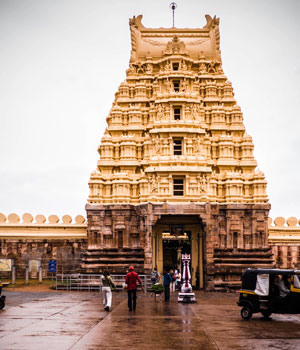
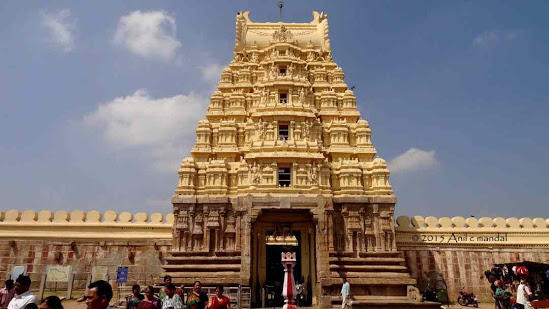
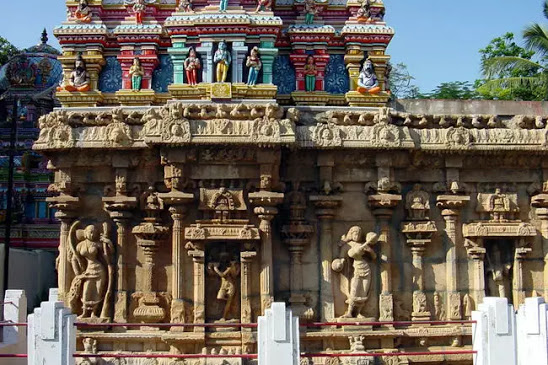
இனி இதோ, ஸ்ரீவைகுண்டத்தில் பாயும் விரஜா நதிக்கு சமானமான பெருமை உடைய காவிரி நதி தீரத்தில் அமைந்துள்ள தலமான ஸ்ரீரங்கபட்டிணம் பற்றிய ஒரு சிறிய அறிமுகம்.
பங்களூரிலிருந்து சுமார் 140 கிலோமீட்டர் தொலைவிலும் மைசூரிலிருந்து சுமார் 15 கிலோமீட்டர் தொலைவிலும் அமைந்துள்ள புனித தலம்
ஸ்ரீரங்கபட்டிணம்.
கோயிலின் மூலவர் ரங்கநாதர்; தாயார் ரங்கநாயகி.
காவிரி, ரங்கநாதரை நோக்கித் தவமிருந்து அவரது தரிசனம் பெற்ற தலம் இது.
ஸ்ரீரங்கநாதரை நோக்கி ஸ்ரீரங்கபட்டிணத்தில் காவிரி பாய்கின்ற முக்கூடலில் காவிரி தேவியானவள் தவம் செய்ய, காவிரியின் தவத்தை மெச்சிய பெருமாள் அவளுக்கு தரிசனம் தந்து மூன்று வரங்களைத் தந்தார்.
முதலாவது வரம் – கங்கா நதியை விட காவிரி நதியானவள் புனிதத் தன்மை உடையவளாகட்டும்.
இரண்டாவது வரம் – ஸ்ரீரங்கபட்டிணம் பல புண்ணியவான்கள் யாத்திரை செய்யும் புனிதத் தலமாகட்டும்.
மூன்றாவது தன்னுடைய பக்தர்களுக்கு இஷ்ட வரங்களைத் தந்தருள தானே இங்கே எழுந்தருளுவது.
இந்த மூன்று அரிய வரங்களையும் பெற்ற காவிரி ஸ்ரீரங்கநாதரை பூஜித்து அவரை அங்கேயே சிலையாக ஆதிசேஷனில் சயனம் கொண்டுள்ள ரூபத்தில் எழுந்தருளச் செய்தாள்.
அங்கே அரங்கநாதரை சேவிக்க வந்த லட்சுமி தேவி காவிரியில் ஸ்நானம் செய்து, அவரை தரிசித்து தானும் அங்கேயே தென்கிழக்கு மூலையில் ஒரு கற்சிலையாக எழுந்தருளினாள்.
இந்த தலத்தின் மஹிமையை உணர்ந்த பிரம்மா, ருத்திரன் உள்ளிட்ட தேவர்கள் அனைவரும் இங்கு வந்து எம்பெருமானைப் பூஜித்தனர்.
ஆலயத்தைச் சுற்றி காவிரி பாய்வதால் இது ஒரு தீவு ஆனது. பிரம்மா நாரதருக்கு உபதேசித்த பாஞ்சராத்திர வழிபாட்டு முறை இங்கு கடைப்பிடிக்கப்பட்டு வருகிறது.
மிகுந்த தவ வலிமை உடைய கௌதம மஹரிஷி இங்கு வசித்து வந்தார்.
கௌதம ரிஷியைப் பற்றிய பல வரலாறுகள் இந்த க்ஷேத்திரத்துடன் தொடர்பு கொண்டவையாகும்.
ஒருமுறை மஹரிஷிகள் அத்திரி, யாக்ஞவல்க்யர், கண்வர், போதாயனர், சுகர், பராசரர் ஆகியோர் கௌதம முனிவரின் ஆசிரமத்திற்கு வந்தனர். அவர்களை வரவேற்ற கௌதமர் ரங்கநாதரை வழிபட்டு ஒரு யாகத்தைச் செய்தார். யாகத்தின் முடிவில் பெருமாள் அவர்கள் முன் தோன்றி, அருகில் உள்ள ஒரு துளசிச் செடிகளின் மத்தியில் எறும்புப் புற்றினுள் தான் சிலா ரூபமாக இருப்பதாகக் கூறியருளினார். உடனே கௌதமர் அந்த புதர் மத்தியில் சென்று பிரம்மா, ருத்திரன் உள்ளிட்ட அனைத்து தேவர்களையும் காமதேனுவையும் அழைத்தார். காமதேனு அந்த எறும்புப் புற்றின் மீது தன் பாலை வர்ஷித்தது. புற்று மண் கரைந்தது; உள்ளே இருந்த பெருமாளை அனைவரும் கண் குளிரக் கண்டு சேவித்தனர்.
இது நிகழ்ந்த புண்யகாலம் மேஷ மாதம் சுக்கில பக்ஷம் சப்தமி திதி சனிக்கிழமையாகும்.
அன்றிலிருந்து இந்த க்ஷேத்திரம் கௌதம் க்ஷேத்திரம் என்ற பெயரைப் பெற்றது. கோவில் பிரம்மானந்த விமானம் என்று அழைக்கப்படலாயிற்று.
பஞ்ச ரங்கத் தலங்கள்
கௌதமர் ரங்கநாதரை முதன்முதலாக தரிசித்து வழிபட்ட தினமானது ஸ்ரீரங்கஜெயந்தி என்று இன்றளவும் கொண்டாடப்பட்டு வருகிறது.
இந்தத் தலம் பஞ்ச ரங்கத் தலங்களில் ஒன்று. ஸ்ரீரங்கபட்டிணம் ரங்கநாதர், ஸ்ரீரங்கம் ரங்கநாதர், கும்பகோணம் சாரங்கநாதர், திருப்பேர்நகர் எனப்படும் கோவிலடி அப்பால ரங்கநாதர், மாயவரம் பரிமளரங்கநாதர் ஆகிய ஐந்து ரங்கநாதர் ஸ்தலங்களும் பஞ்ச ரங்கத் தலங்களாகும்.
இந்தக் கோவிலுக்கு கங்க அரசர்கள், ஹொய்சாள அரசர்கள் உள்ளிட்ட ஏராளமான மன்னர்கள் காணிக்கைகள் பலவற்றை அளித்துள்ளனர். நூற்றுக்கணக்கான சுவையான வரலாறுகளைக் கொண்டது இந்த அபூர்வ ஆலயம்.
காலம் காலமாக மக்கள் பக்தியுடன் வணங்கி வரும் ஸ்ரீரங்கபட்டிணம் ரங்கநாதர், அனைவருக்கும் சர்வ மங்களத்தை தர ஞானமயம் சார்பில் பிரார்த்திக்கிறோம்.
Pictures are taken from various sources for spreading knowledge;
this is a non- commercial blog. Thanks for your great pictures.
tamilandvedas.com, swamiindology.blogspot.com
தமிழில் ஆயிரம் ஆங்கிலச் சொற்கள் – Part 17
Words beginning with – M
APPLYTIING RULES
M=V
M=V AND V=B/P
ம என்பது வ அல்லது ப — ஆக மாறும். இந்த விதி உலகிலுள்ள எல்லா மொழிகளிலும் உளது. எனது மாயா நாகரிக கட்டுரைகளில் விவரம் காண்க. பழங்குடி மக்கள் வாழும் பசிபிக் கடல் தீவுகளிலும் இந்த மொழி மாற்றம் உண்டு .
மக் Mc டொனால்ட் மற்றும் மேக் என்று துவங்கும் ஸ்கட்டிஷ் ஐரிஷ் பெயர்களில் மேக் MAC என்பது மகன் என்பது பலருக்கும் தெரியாது. இது போல பிரெஞ்சு மொழியிலுள்ள FILLS பில்/ஸ் என்பது பிள்ளை என்று பலருக்கும் தெரியாது. இந்தோ ஐரோப்பிய மொழிகளில் சம்ஸ்க்ருதம் மட்டும்தானே இருக்க வேண்டும்? எப்படி தமிழ் சொற்கள் புகுந்தன? ஆகவே உலகின் மூல முதல் மொழி தமிழும் சம்ஸ்கிருதமும் மட்டுமே; அவர்கள்தான் உலகம் முழுதும் நாகரிகத்தை எடுத்துச் சென்றனர் என்ற என் வாதம் வலுப்பெறுகிறது.
M.1 – MOUTH – MUTHTHAM/KISS; GIVE ME YOUR MOUTH= GIVE ME A KISS முத்தம்
M.2. – MARS/ PLANET; MURUKAN, MAAL MARUKAN, MARS; IN HINDU LITERATURE MURUGAN/SKANDA/KARTIKEYA IS WAR GOD மால் மருகன்/ முருகன்
M.3. MODIFY – MAATRU; MAATHTHIVAI மாற்று மாத்தி வை
M.4. MERE – VERUM ; M=V வெறும்
M.5. – MOHAR/ WEDDING GIFT IN MUSLIM WORLD- MOY IN TAMIL
ORIGINALLY GOLD, LATER ANY GIFT மொய் மொஹர்
M.6. MOEDERA/ PORTUGESE- CURRENCY; MOHAR, MOEDERA, MOY, MONEY=PANAM ARE COGNATE WORDS
AALL THESE CAME FROM VARUNA- THE SEA GOD OF OLDEST BOOK RIG VEDA AND THE OLDEST TAMIL BOOK TOLKAPPIAM
VARUNA=VAARI/SEA/WATER = MAARI/RAIN IN TAMIL
THESE CHANGES ARE SEEN IN ALL THE LANGUAGES IN THE WORLD.
I HAVE ALREADY SHOWN IN MY ARTICLE HOW PACIFIC ISLANDERS HAVE THESE CHANGES.
xxxxx
M.8. – MAN – FROM MANU; MANITHA IN TAMIL, MAANUSHA IN SANSKRIT.
THIS IS ALSO A VERY IMPORTANT WORD TO SHOW HINDU MIGRATION OUTSIDE INDIA. MAN AND MANU ARE FOUND IN ALL THE LANGUAGES. FIRST KNG OF EGYPT IS MANU/MENESமனு- மனித- மானுஷ்ய
KALIYUGA FIRST YEAR IS (3100 BCE) MAYAN CALENDER FIRST YEAR AS WELL. READ MY ARTICLES ON INDO-MAYAN LINKS.
M.9. MARE/LATIN – LATIN GOT IT FROM SANSKRIT VAARI/SKT AND TAMILS CHANGED IT TO MAARI; M=V மாரி = வாரி ; லத்தின் MARE மரி=கடல்
VARSHA RTU IS RAINY SEASON IN SKT.
xxx
M.10. MAMMA – AMMA IN TAMIL; PAPA=APPA IN TAMIL
THESE TWO WORDS ALSO PROVE SKT. AND TAM. CAME FROM SAME SOURCE AND THESE TWO LANGUAGE SPEAKERS WENT TO ALL PARTS OF THE WORLD AND CIVILISED THEM மம்மா / மம்மி/ – அம்மா ; பாப்பா – அப்பா
M.11.- MIRANDA – SHAKESPEARE’S TEMPEST; MRUNALINI .
MRTHU = METHTHU IN TAMIL; METHTHAI IN TAMIL IS SOFT/CUSHION BED/QUILT ETC MRUNALINI IS LOTUS STEM ; AS SOFT AS , AS SMOOTH AS LOTUS PLANT, LOTUS GROUP. மிராண்டா – மிருணாளினி – ம்ருது – மெது- மென்மை , மெல்லிய IF WE APPLY THE RULE OF HISTORICAL CHANGE OF MEANING, WE CAN SEE HOW IT DEVELOPS STEP BY STEP.
M.12. MACULA – BLACK SPOT IN EYE AND SKIN – MACHAM IN SKT, MAASU IN TAMIL.; MAASU IS SPOT மச்சம் / மாசு ,
M.13. MOLE – MARU/SPOT; L=R மரு
L=R, R=L CHANGES ARE UNIVERSAL
M.14. MACH – FIGHT, FIGHTING – MIRROR IMAGE OF SAMAR/WAR IN TAMIL AND SKT ; MACH/R= CHAMR மசர்= சமர்/போர்
M.15.MEGA, MAJOR, MAGNUS, MAJESTIC AND SCORES OF WORDS WITH MAG. IS DERIVED FROM MAHA OF SKT. TAMILS HAVE NO H SOUND AND THEY CHANGED IT INTO MAA WHIVH MEANS BIG; ALSO BIG ANIMALS HAVE THIS MAA SUFFIX. மகா=மா , மெகா
M.17.MALLEUS – HAMMER; THAT WHICH IS USED TO MAKE A METAL MALLEABLE- MELLISAAKKU மெல்லிய, மெல்லிதாக்கு
M.18. MAMMAL – ANIMALS WITH BREAST MILK; MAMMA= AMMA IN TAMIL; MULAI IS BREAST IN TAMIL மம்மல் = முலை, பால் கொடுக்கும் பிராணிகள்
M.19.MANTIS – FORETELLER, DIVINER, PROPHETIC – MANTRI IN SKT. AND TAMILS ADDED A. AMAICHAR IN TAM. IN MINISTER. மந்திர, மந்திரச் சுற்றம்; மந்திரி= அமைச்சர் மந்திர = மறை / ரகசிய ஆக்ஞா= ஆணை கமாண்ட் = மேன்டி = மந்திர
M.20. MINISTER – MANTRA SUTRAM IS CABINET IN TAMIL. MANTRI IN SKT.
THE ONE WHO IS CONSULTED SECRETLY; COGNATE WITH MANTRA IN SKT.
TRA BECOMES RAI IN TAMIL; MANTRA = MARAI/SECRET IN TAMIL
M.21. MAND. MANDATORY, ALSO COM-MAND – SEE ABOVE; ADDED MEANING IS IT BECOMES A COMMAND; IN SKT. THEY CALLED IT AGNAA AND TAMILS CHANGED IT INTO AANAI.
M.22. MAL – MELINTHA, WEAK ALSO BLACK மால்- மெலிந்த, பலவீனமான
ALL ENGLISH WORDS WITH MAL PREFIX HAVE BAD CONNOTATION. IT IS BECAUSE IT MEANS BLACK; M=V=B
MELANESA IN PACIFIC OCEAN IS FULL OF BLACK SKINNED. ALSO DANGEROUS INSLANDS.
M.23. MILECHA; MELUHA; MARICHA, MILAKU/BLACK PEPPER ALL HAVE BLACK IN ITHEM மால் – கருப்பு ; மால் – கரிய விஷ்ணு; மெலனீஷியா. மால் – மிலேச்ச, மிளகு, மெலுஹா/சிந்து சமவெளி
BLACK SKINNED FOREIGNERS.
MAAL IS BLACk VISHNU IN TAMIL AS WELL.
MILAKU/BLACK PEPPER= MARICHA IN SKT; L=R, K=C
M.24.MAC DONALD, Mc INTYRE
ALL SCOTTISH IRISH NAMES WITH MAC, Mc MEAN MAKAN/ SON OF SO AND SO; MAKAN IN TMIL= SON IN ENGLISH
INDRA’S SON IS Mc INTYRE IN SCOTLAND. மிளகு= மிலேச்ச= க ருப்பு
மக் டொனால்ட்= டொனால்ட் மகன், மேக் இந்திர – இந்திரன் மகன்
TAMIL MAKAN IS SEEN IN IRELAND AND SCOTLAND. TAMIL PILLAI/ SON IS SEEN IN FILLS IN FRENCH.
THIS CONFIRMS MY THEORY THAT TAMILS CIVILIZED CERTAIN PARTS OF THE WORLD AND SANSKRIT SPEAKERS CIVILIZED OTHER PARTS OF THE WORLD. ROOT WORDS OF BOTH LANGUAGES CAME FROM LORD SHIVA ACCORDING TO 2700 OLD PANINI AND LATER TAMIL LITERATURE.
M.25. MARINE – SEE MARE, VARI, MARI மரைன்/கடல் தொடர்பான ; மாரி/லத்தின் மொழி கடல்= தமிழ் மாரி /நீர் = சம்ஸ்க்ருத வாரி= நீர் , கடல் வாரிதி= கடல்
M.26. MAST = MAZOS IN GREEK IS BREAST; ALSO STITHA; IT IS DERIVED FROM STHANA/SKT
AMAZON WOMEN FIGHTERS WERE A- MASO = WITHOUT BREAST. THEY OPERATED ONE SIDE OF THE BREAST TO SHOOT ARROS FROM BOW.
AMAZON IS A SKT WORD. MATHA=MOTHER ARE COGNATES OF MAST/ MAZO, STITH, STHANA. மச = முலை; சண்டையிடும் யுத்த மங்கையர் = அமேசான்= முலையற்ற; வில்லில் அம்பேற்ற வசதியாக முலையை வெட்டி எறி ந்து விடுவார்கள் . மஸ்த = ஸ்தன /சம்ஸ்க்ருதம் = முலை/தமிழ் எல்லா மொழிகளிலும் உள்ள சொற்களை வரிசைப்படுத்தினால் ஒரு சொல் எப்படி உரு மாறுகிறது என்று அறியலாம்.
MAST/ STITH BECOMES MULAI IN TAMIL
‘M’ IS A LONG LIST .
-TO BE CONTINUED…………
tags- Tamil words-17, தமிழில் , ஆங்கிலச் சொற்கள்-17,
ஹிந்துக்கள் அயோத்தியை மீட்க மீண்டும் நவாப் நசிருத்தீன் ஹைதர் (Nawab Nasiruddin Haider) ஆளுகையில் முயற்சி செய்தனர். பல ஹிந்து மன்னர்கள் ஒன்று சேர்ந்தனர். சண்டை எட்டு நாட்கள் நீடித்தது. நவாபின் சேனை ஹனுமான்காடியை அடைந்தது. அங்கு ஹிந்து சேனைகளுக்கு சாதுக்களின் உதவி கிடைத்தது. அனைவரும் இணைந்து ஒருவாறாக நவாபின் சேனையைத் துரத்தி அடித்தனர். ராமஜென்ம பூமியைத் தங்கள் கட்டுப்பாட்டிற்குள் கொண்டு வந்தனர்.
ஆனால் இந்த வெற்றி நீடித்து நிலைக்கவில்லை. நவாபின் சேனை மீண்டும் ராம ஜென்ம பூமியைக் கைப்பற்றியது.
ஹிந்துக்கள் மனம் தளரவில்லை; தங்கள் முயற்சியைத் தொடர்ந்தனர். நவாப் வாஜித் அலி ஷா (Nawab Wajid Ali Shah) ஆளுகையில் அவருக்கு எதிராக இரண்டே இரண்டு அரசர்களைத் தவிர இதர அனைத்து ஹிந்து மன்னர்களும் ஒருங்கிணைந்தனர். போராட்டம் தொடர்ந்தது.
இதைப் பற்றி கன்னிங்ஹாமின் (Cunningham) ஒரு சிறு குறிப்பு ஃபைஜாபாத் இலக்கியத் தொகுப்பிலிருந்து (Faizabad Literary Collection) வெளியிடப்பட்டிருக்கிறது.
அவர் கூறுவது : அயோத்தியைக் கைப்பற்ற முஸ்லீம்களும் ஹிந்துக்களும் சண்டையிடுவதை நவாபின் ஆங்கில சேனை பார்த்துக் கொண்டிருந்தது. சண்டை இரு நாட்கள் நடந்தது. வீடுகள், மசூதிகள் தரைமட்டமாக்கப்பட்டன. ஆடு, மாடுகளும் கூட கொல்லப்பட்டன.ஆனால் இவ்வளவு தீவிரமான போரிலும் கூட ஹிந்துக்கள் தங்களின் தர்மத்தைக் கைவிடவில்லை. அவர்கள் முஸ்லீம் பெண்களையும் குழந்தைகளையும் தாக்கவில்லை; கொல்லவில்லை. முஸ்லீம்கள் அயோத்தியை விட்டு ஓடினர்.
நிலைமை தங்களது கையை விட்டு மீறி விடும் என்பதை உணர்ந்த நவாபின் சேனை அயோத்தியில் போக்குவரத்திற்குப் பல கட்டுப்பாடுகளை விதித்தது.
மஹாராஜா மான்சிங் நவாபுடன் கலந்து ஆலோசனை செய்தார். அயோத்தியில் ராமர் சிலை இருந்த மேடையை மீண்டும் அமைக்கச் செய்து அங்கு மீண்டும் ராமர் சிலையை நிறுவச் செய்தார். உடனடியாக ஒரு தற்காலிக கோவிலும் அமைக்கப்பட்டது.
பிரிட்டிஷார் அரசாட்சி செய்த காலத்திலும் கூட ஹிந்துக்கள் ராம ஜென்ம பூமியில் ஒரு ராமர் கோவிலைக் கட்ட வேண்டும் என்ற தங்கள் இலட்சியத்தை விடவில்லை.
1912இல் அவர்கள் கோவில் கட்ட எடுத்த முயற்சியை பிரிட்டிஷார் தடுத்து நிறுத்தி விட்டனர்.
1934ஆம் ஆண்டு ஹிந்துக்கள் அயோத்தியில் பிரிட்டிஷ் சேனையை மீறி மசூதிக்கு நிறைய சேதத்தைச் செய்தனர்.
என்றபோதிலும் ஜே.பி. நிக்கல்ஸன் (J.P. Nicholson) என்ற பிரிட்டிஷ் அதிகாரி சேதத்தைச் சரி செய்தார்; மீண்டும் மசூதி கட்டப்பட்டது.
ஒரு சிறிய அறிவிப்பு பலகை அங்கு தொங்கவிடப்பட்டிருக்கிறது.
தஹவார் கான் ஹிந்துக்களால் 27-3-1934 (1352 ஹிஜ்ரி) அன்று அழிக்கப்பட்ட மசூதியை மீண்டும் கட்டினார். (Tahawwar Khan rebuilt the mosque destroyed by the Hindus on 27-3-1934 – 1352 Hijri)
இப்படிப்பட்ட ஒரு தொடர் போராட்டத்தை ஹிந்துக்கள் கடந்த பல நூறாண்டுகளாக அயோத்தி ராமர் கோவிலுக்காகச் சந்தித்து வந்திருக்கின்றனர்.
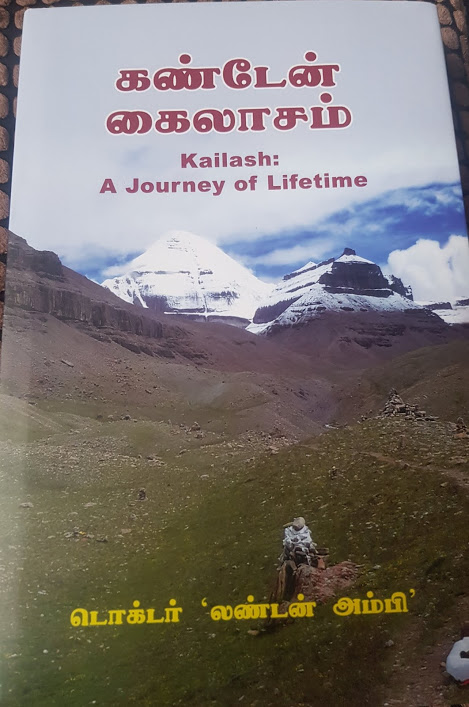
PLEASE JOIN US TODAY/MONDAY FOR KAILASH YATRA BOOK REVIEW; DR AMBIKAPATHY OF BRITAIN IS GOING TO TALK ON HIS UNIQUE DAY TO DAY DIARY STYLE BOOK OF KAILASH YATRA AFTER WORLD HINDU NEWS IN ENGLISH AND TAMIL; AS USUAL Q AND A ON HINDUISM IS ALSO THERE. EVERY MONDAY 1 PM LONDON TIME 6.30 PM INDIAN TIME. JUST CLICK FACEBOOK.COM/GNANAMAYAM. IF U WANT TO BECOME A BROADCASTER PLEASE WRITE TO US. WORLD TAMIL BROADCASTING TRIAL RUN IS ALSO HAPPENING ON THURSDAYS- GNANAMAYAM PRODUCER LONDON SWAMINATHAN.
Pictures are taken from various sources for spreading knowledge;
this is a non- commercial blog. Thanks for your great pictures.
tamilandvedas.com, swamiindology.blogspot.com
தமிழில் ஆயிரம் ஆங்கிலச் சொற்கள் – Part 16
Words beginning with – L
L WORDS HAVE A COMMON APPROACH. IN TAMIL La, Ra, Sa ,Ya AND Jna ARE BANNED AS INITIAL LETTERS ; I CANT WRITE LONDON IN TAMIL; I HAVE TO ADD ONE VOWEL A OR I OR U before that.
EXAMPLES–
I-RAMAYANAM, I-LONDON
U-LOKAM / METAL
A-RANGAM / STAGE
தமிழில் ல, ர ச, ஞ , ய- வில் சொற்கள் துவங்க முடியாது. தொல்காப்பியர் தடை விதிக்கிறார். அ , உ, இ சேர்ப்பது வழக்கம்- அரங்கன், இலண்டன், உலோகம் — சில எடுத்துக் காட்டுகள் . கீழே உள்ள சொற்களில் க, எ வ, ப வர்க்க எழுத்துக்களையும் சேர்க்க வேண்டியுள்ளது.
THE SAME APPROACH IS REQUIRED FOR THE FOLLWING WORDS. FOR SOME REASON, WE NEED E OR V OR K
XXXX
மிர்ரர் இமேஜ் MIRROR IMAGE என்று போட்ட சொற்களை எல்லாம் வள -இடமாகப் படிக்கவும்
L.1. LAVA – WASH -K/LAVA, லவ= கழுவு
L.2. LAVATORY , LATRINE – SAME AS ABOVE
L.3. LITHOS/ GREEK/LATIN- STONE IN TAMIL KAL+THALI OR THALI STANDS FOR STONE TEMPLES; THROUGHOUT MIDDLE EAST, ANCIENT TOWNS WILL HAVE ‘TEL’ AS PREFIX. IT IS THALI .
Sthala is also thali/tel லிதோ /கல்= தளி ; கற்றளி கல்+தளி மத்திய கிழக்கு நாடுகளில் ‘டெல்’ Tel என்பதெல்லாம் தளி ஆகும். ‘ஸ்தல’ என்ற கோவில் உள்ள இடங்களும் பாபிலோனிய கோவில் தளி- களும் ஒன்றே.
L.4. Lion /Leo – Yaali; mirror image of Leo and lion லயன்/லியா = யாளி
L.12. LEVITATION – LAGUVAANA, LESAANA IN TAMIL; LAHIMA IN SANSKRIT IS ONE OF THE 8 MAGICAL POWERS லேசான,
L.13. LIVER – L/IIRAL IN TAMIL ஈரல் ,
L.14. LETTER – E LUTTU; OLAITH THUUKKU IS LIKITAM. எழுத்து,
LITTERAE IN LATIN AND ETRUSCAN LANGUAGES IS WRITING. THAT BECAME LIKITAM IN SANSKRIT AND ELUTTU IN TAMIL
ILAKKIYAM/LITERATURE AND ILAKKANAM/ இலக்கணம் , இலக்கியம் – சம்ஸ்க்ருத சொற்கள் — லக்ஷியம், லக்ஷணம்
(LITERATURE/ GRAMMAR) ARE NOT TAMIL WORDS ACCORDING TO LINGUISTS இலக்கு, லிகிதம் (Letter)
L.15. LIGHT, LOOK BECOMES V LAKKU, VI ZI IN TAMIL; விளக்கு SAME BECOMES AALOKAM/ PUPIL IN SANSKRIT WHICH GIVES BIRTH TO LOOK, LIGHT ETC IN ENGLISH
L.16. LONGING – E /NGHU, ஏங்கு.
L.17. LAD – LADKAA, LADKII IN HINDI/SANSKRIT;
L.18. LADY – LADKII IN HINDI/SANSKRIT; LATHA/CLIMBER, CREEPER IN SANSKRIT லட் கா , லட்கி, லதா
IN TAMIL AND SANSKRIT THE SCHOLARLY APPROACH IS SAME. WOMEN ALWAYS DEPEND UPON MEN; THEY CANT SURVIVE WITHOUT MEN AND SO
LATHA/CREEPER = லதா LADY; TREE IS MAN; LATHA HAS TO HUG TREE
STARS/TARA ARE WOMEN; MAN IS MOON; WOMEN HAVE TO GO ROUND MOON.
RIVERS ARE WOMEN; SEA IS MAN; ALL RIVERS MUST GO TO SEA IN RIG VEDA, OLDEST BOOK IN THE WORLD.#
ALL THESE ARE IN OLD TAMIL SANGAM LITERATURE.
L.19. LAND – NI -LAM நிலம்
L.20. LEG – KAAL IN TAMIL; MIRROR IMAGE OF LEG = GA/EL கால்,
L.21. LA- THER – THIRAI, NURAI, திரை/நுரை
L.22. LEA- THER – THOL; ATHAL IN SANGAM LITERATURE தோல் அதள்
NEER KOZUMBU IN SRI LANKA IS WRITTEN NELOMBO. IT SHOWS HOW A WORD CHANGES IN SPOKEN LANGUAGE. நெ கொம்போ-நீர் கொழும்பு
L.23. LITTORAL – KADAL ORA கடல் ஒர , ஈயம் ,
L.24. L EAD – IIYAM ஈயம் ,
L.25. LEAD-ER- LEAD=THALAI/HEAD; MIRROR IMAGE OF LEAD-ER
IN TAMIL ALSO THALAI- VAR IS LEADER; SAME IN SANSKRIT—CAPITAL/KAPALA/ CEPHALOUS IN LATIN IS HEAD. லீத = தலை -கண்ணாடி போல காண்க/வல -இடம்; தலை – வர் ; லீடர்
L.26. LEAF – ILAI; MIRROR IMAGE OF LEAF IS F/ AEL இலை, ,
L.27- LAUGH – ILI இளி
L.28.LOOSE – IZA/ ILA இல , இல்லை, இன்றி , இரா
L.29. LIVE, LIFE – UYIR உயிர்,
L.30. LINK – SANKILI ; MIRROR IMAGE OF LINK IS SANKLINK சங்கிலி,
L.31. LILY – ALLI அல்லி
L.32. LOTUS- NI- LOTPALA; நீலோத்பல, NELUMBO IN LATIN
L.33. LOVE – KU-LOVE குலவு, களவு
L.34. LOW- K ILE; KEZE கீழே
L.35. LEMON – E LEMITCHAI, எ- லுமிச்சை,
L.36. LOINCLOTH – LANKODU லங்கோடு,
L.37. LOCATE – ILAKKU இலக்கு,
I- LAKKANAM, ILAKKIYAM- TWO KEY TAMIL WORDS ARE SANSKRIT WORDS.
L.38.LIE – POY; SALAM, I LUKKU ச -லம், பொய்
L.39. LIBA- TION – BALI IS MIRROR IMAGE OF LIBA. IT IS USED IN TAMIL AND SKT பலி
L.40.LAGOON- KAZI/ MUKAM, UPPAN-KAZI ; MIRROR IMAGE OF LAGO IS KALA/I, கழி / உப்பங்கழி
L.41. LEMURIA – IMAGINARY TAMIL CONTINENT LIKE ATLANTIS OF PLATO. SOME ATTRIBUTE IT TO LEMUR, HE ANIMAL; I ATTRIBUTE IT TO ILAMURI IN TAMIL INSCRIPTION. IT IS SUMATRA AND SORROUNDING ISLANDS. WE HAVE MADURA THERE AS WELL.
PROBABLY THE PEOPLE WHO ESCAPED FROM GREAT TSUNAMI NAMED THOSE PLACES AFTER THEIR ORIGINAL HOME LAND.
WHITE PEOPLE DID IT IN CANADA, AMERICA, AUSTRALIA AND NEW ZEALAND WHERE THEY MASSACRED NATIVES AND TOOK THEIR LANDS. லெ முரியா – இளமுரி தேசம்= சுமத்திரா/இந்தோனேஷியா
L.46. LUXURIOUS – LAKSHMI KARA; SRI IS LAKSHMI; SRI BECOMES THIRU IN TAMIL; LAKSHMIKARA- THIRU MIKU
SAME SRI BECOMES SIR IN BRITAIN; லக்ஷ்மீகர = திருமிகு = ஸர் பட்டம் ; SIR WINSTON CHURCHILL WHICH IS SRIMAN WINSTON CHURCHILL IN SKT AND THIRU MIKU WINSTON CHURCHILL IN TAMIL.
L.47. LAKH – ILATCHAM, ILAKKAM(BIG NUMBER) IS SKT BUT USED NOWADAYS IN TAMIL. OLD TAMIL IS NUURU AAYIRAM WHICH IS 50% TAMIL BECAUSE AAYIRAM IS SKT. லக்ஷம்,
Pictures are taken from various sources for spreading knowledge;
this is a non- commercial blog. Thanks for your great pictures.
அயோத்யா – சில உண்மைகள்! – 2
ச.நாகராஜன்
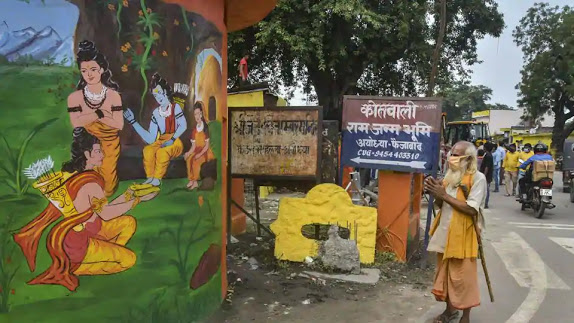
அக்பர் அந்த மேடையிலேயே ராமரது சிலையுடன் கூடிய ஒரு சிறிய கோவில் கட்ட அனுமதி தந்தார்.
இந்த சம்பவத்தைப் பற்றி அயின் -இ-அக்பரி (Ain-i-Akbari) தரும் தகவல்கள் இவை:-
ஹிந்துக்கள் ராம ஜென்ம பூமியை மீண்டும் பெற 20 முறைகள் முயற்சித்தனர். ராஜா பீர்பல், ராஜோ தோடர்மால் ஆகியோரின் வற்புறுத்தலின் பேரில் ஜலால்-உட்- டின் அக்பர் (Jalal – ud-din Akbar) பாப்ரி மஜ்ஜித்தின் எதிரில் ஒரு மேடையை அமைக்க அனுமதி தந்ததோடு அங்கு ஒரு சிறிய ராமர் கோவிலையும் அமைத்துக் கொள்ளலாம் என்றும் கூறினார். அத்துடன் அங்கு வழிபாடு செய்ய வரும் ஹிந்துக்களுக்கு ஒரு தீங்கும் இழைக்கக் கூடாது என்றும் உத்தரவிட்டார்.
இந்த ஆணையானது அக்பரின் மகனான நூருதீன் ஜஹாங்கீராலும் பேரன் ஷாபுடீன் ஷாஜஹானானாலும் பின்பற்றப்பட்டது; அங்கு தினசரி வழிபாடு தடையின்றி நடத்தப்பட்டு வந்தது.
ஷாஜஹானிடமிருந்து மகுடத்தைப் பறித்த அவுரங்கசீப் அயோத்தி பக்கம் தன் பார்வையைச் செலுத்தினான். தனது படைத் தளபதி ஜபாஸ் கானை (Jabaz Khan)
அங்கு அனுப்பினான். நடக்கப் போகும் தாக்குதலை உணர்ந்த ஹிந்துக்கள் ராமர் சிலையையும் கோவிலின் முக்கியமான பொருள்களையும் பத்திரமான இடத்திற்குக் கொண்டு சென்று பாதுகாத்தனர்.
அயோத்தியைச் சுற்றி இருக்கும் கிராமங்களுக்கெல்லாம் வரப் போகும் தாக்குதல் குறித்துச் செய்தி பரவியதால் அனைவரும் ஒன்று திரண்டு வருவதை எதிர்கொள்ளத் தயாராயினர்.
அயோத்தியாவில் உள்ள அஹல்யா காட்டில், பரசுராம ஆஸ்ரமத்தில் சமர்த்த ராமதாஸரின் புத்திரரான வைஷ்ணவ தாஸ் வசித்து வந்தார்.
அவருக்கு ஆதரவாக பத்தாயிரம் சாதுக்கள் ஒன்று திரண்டனர். ஜபாஸ் கானின் தாக்குதலைப் பற்றிக் கேள்விப் பட்ட அவர்கள் அனைவரும் ஏற்கனவே ஒருங்கு திரண்டிருந்த ஹிந்து சேனையுடன் இணைந்தனர்.
ஊர்வசி குண்டில் (Urvashikund) ஹிந்து சேனைக்கும் முகலாய சேனைக்கும் இடையே போர் மூண்டது. ஏழு நாட்கள் நடைபெற்ற இந்தப் போரில் முகலாயப் படை தோல்வியுற்று ஓடிப் போனது.
இதைத் தொடர்ந்து நான்கு வருடங்கள் அமைதி நிலவியது. ஆனால் பாதுகாப்பு இல்லாத ஒரு நிம்மதியற்ற நிலைமை தான் அது!
1664ஆம் ஆண்டு அவுரங்கசீப் மீண்டும அயோத்தியைத் தாக்கினான். பத்தாயிரம் ஹிந்துக்கள் படுகொலை செய்யப்பட்டனர்.
அவர்களின் உடல்கள் கோவிலின் மேற்கே இருந்த ஒரு பெரிய கிணற்றில் போடப்பட்டன. அதைச் சுற்றி சுவர் எழுப்பப்பட்டு மூடப்பட்டது. அவுரங்கசீப்பின் படுகொலையைச் சொல்ல அந்தக் கிணறு காலத்தை வென்று அவுரங்கசீப்பின் அக்கிரமச் செயலை பறை சாற்றும் வண்ணம் அப்படியே நின்றது.
இன்று அந்தக் கிணறையும் கூட முஸ்லீம்கள் தங்களுடையது தான் எனச் சொந்தம் கொண்டாடுகின்றனர்.
இந்தச் சண்டைக்குப் பின்னர் தான் ராமர் நிறுவப்பட்ட மேடையும் கூட அழிக்கப்பட்டது.
இன்றும் கூட ராம நவமியன்று ஹிந்துக்கள் இந்த சிதிலமான மேடைக்கு பூக்களைச் சமர்ப்பித்து தங்கள் வழிபாட்டைத் தொடர்கின்றனர்.
அவுரங்கசீப்பிற்குப் பின்னர் லக்னௌ நவாப்களின் ஆளுகைக்குள் அயோத்தி வந்தது.
ஹிந்துக்கள் மீண்டும் ராம ஜென்ம பூமி தங்களுடையதே என்பதை நவாப் சஹாதத் அலியிடம் (Nawab Sahadat Ali) கூறினர். ஆனால் பலன் ஒன்றும் ஏற்படவில்லை.
Pictures are taken from various sources for spreading knowledge;
this is a non- commercial blog. Thanks for your great pictures.
tamilandvedas.com, swamiindology.blogspot.com
MRS JAYANTHY SUNDAR
A NEW TAMIL BRAODCASTING- TELECASTING- CHANNEL VIA ZOOM AND FACEBOOK IS LAUNCHED ON 29TH OCTOBER 2020 FROM LONDON. PEOPLE GAVE A VERY BIG WELCOME. WE GOT 500 HITS WITHIN AN HOUR WITHOUT ANY ANNOUNCEMENT AND PUBLICITY.
It was broadcast via Facebook.com/gnanamayam; you can see us anytime by visiting the above address.
FOLLOWING WERE THE PROGRAMMES IN OUR TRIAL BROADCAST. IT WOULD BE TRIED FOR TWO MORE THURSDAYS AND THEN SWITCH OVER PERMANENLY TO SUNDAYS AFTER DEEPAVALI.
MS GOWRI KARTIKEYAN
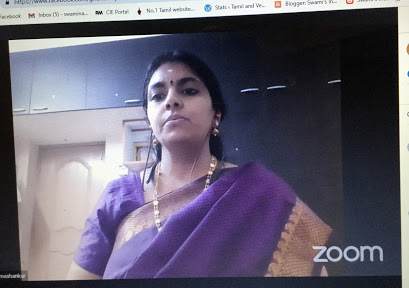
Mrs Harini Raghu presented Bharati’s “Vazka Nirantharam Vazka Thamil Mozi Vaziya Vaziyave” in a sweet, new tune.
Then Gnamayam Producer London Swaminathan announced the aims of the Tamil new channel.
It is called Thamiz Muzkkam following Bharatiyar’s dream that Tamil should echo in nook and corner of the world, if we want to survive.
New and budding Tamil writers, scholars, artistes would be given priority in its broadcasts. It would be Divine Tamil that is broadcast here.
New Tamil books and World Tamil organisations would be introduced every week; All news items regarding history and archelogy would be flashed.
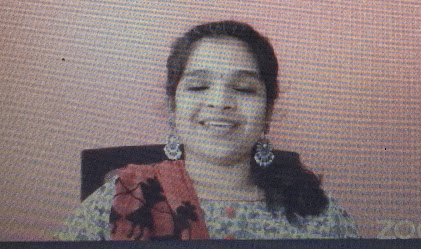
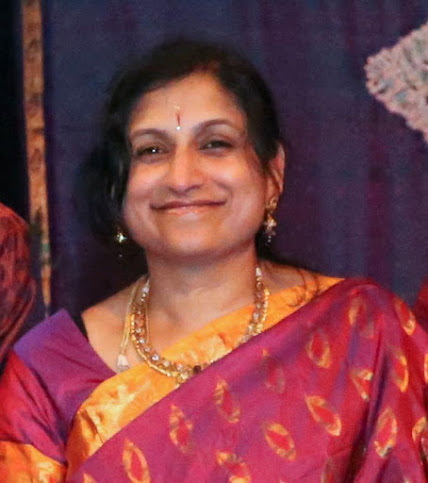
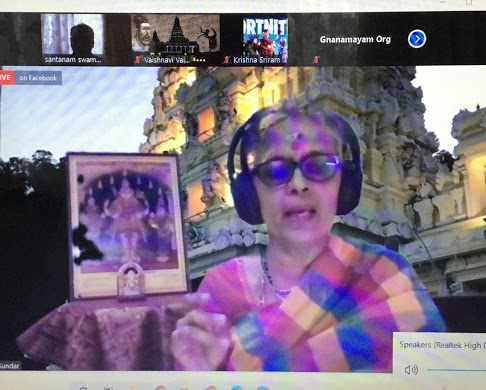
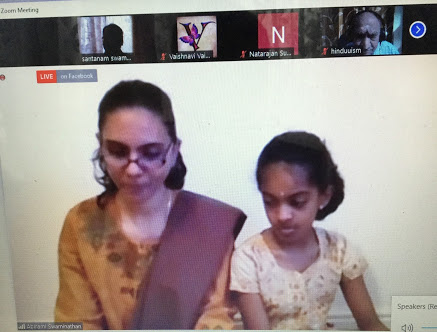
Following the announcement , Srimathi Jayanthi Sundar recited a Tamil prayer on Lord Ganesh.
MS KIRTI ANAND
Then Krishna Sriram presented a beautiful Bhajan.
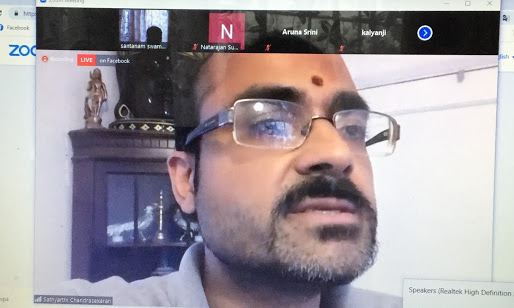
Following him Japanese language expert Mr Sathyarthi Chandrasekaran sang Bharatiyar’s song.
Then Mrs Jayanthi Sundar and her students Mr Srinivasan, Aruna Srinivasan and Jaya Srinivasan recited Thiruppugaz in their beautiful voice. We had another Thiruppugaz from Rithika Rajasekaran as well.
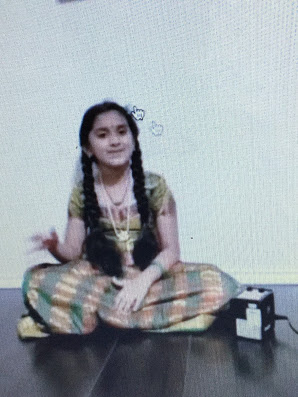
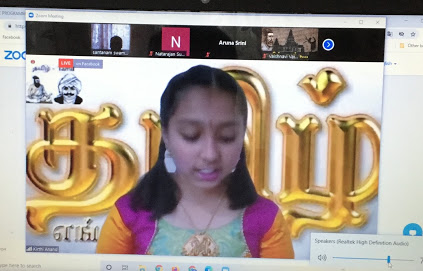
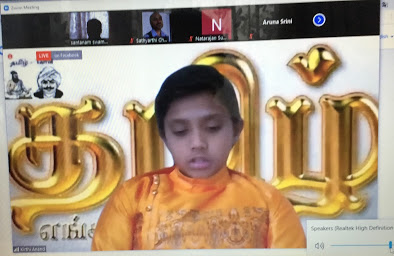
Tamil Producer Mrs Vaishnavi Anand’s children Gautham Anand and Kirti Anand spoke in Tamil .
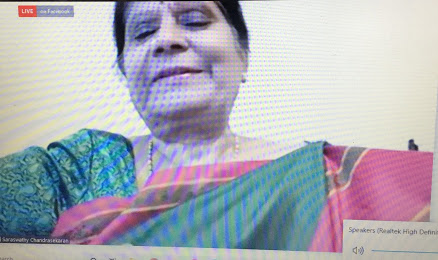
Mrs Sarasvathy Chandrasekaran of Guildford recited a Bharatiyar song. Before that Abhirami Swaminathan and Saritha Swaminathan sang a devotional song. A little girl Gowri Kartikeyan from USA sang beautifully well.
MASTER GOWTHAM ANAND
In short, the programme presented new and old talents. Swaminathan concluded the programme by inviting more child participants and he made it clear after trial broadcasts it would be almost a programme of adult participants.
New broadcasters and presenters are also welcome to join our team to interview budding artists, artistes and scholars.
Pictures are taken from various sources for spreading knowledge;
this is a non- commercial blog. Thanks for your great pictures.
tamilandvedas.com, swamiindology.blogspot.com
RIG VEDA IS THE OLDEST BOOK IN THE WORLD. HERMAN JACOBI AND BALA GANGADHARA TILAK DATED IT TO 6000 BCE. HINDUS TRAVELLED IN BIG SHIPS 8000 YEARS AGO. THERE ARE OVER 85 QUOTES ON OCEAN. I SELECTED ONLY 30. HERE IS THE PROOF FOR HINDU DOMINATION IN SEVEN OCEANS OF THE WORLD, SEVEN CONTINNTS OF THE WORD–
NOVEMBER 2020 ‘GOOD THOUGHTS’ CALENDER
FESTIVAL DAYS – DEEPAVALI/DIWALI/KUBERA PUJA- NOVEMBER 14; CHILDREN’S DAY -14; SKANDA SHASTI FASTING BEGINS – 15, SKANDA SASHTI- 20; KARTIK PURNIMA/ KARTIKAI DEEPA FESTIVAL -29
FULL MOON/PURNIMA- 29; NEW MOON/AMAVASYAI- 14; EKADASI/HINDU FASTING DAYS – 11, 26; MUHURTA DINA/AUSPICIOUS DAYS –4, 6, 11, 12, 13, 20, 26
VEDIC HINDUS DOMINATION OF MIGHTY OCEAN; SEA IN THE RIG VEDA- 30 QUOTATIONS
THE EARTH WITH THE OCEANS – 6-50-13; LATER TAMIL LITERATURE DESCRIBES THE WORLD AS SURROUNDED BY THE OCEAN
NOVEMBER 22 SUNDAY
PEACEFUL THE OCEAN – 7-35-13; LATER DAY TRAVELLERS CALLED IT -PACIFIC OCEAN.
NOVEMBER 23 MONDAY
LORD OF THE RIVERS – 9-15-5 ; LATER DAY SANSKRIT LITERATURE AND SANGAM TAMIL LITEARTURE USED THIS IMAGERY- RIVERS= WIVES/WOMEN, OCEAN=HUSBAND
NOVEMBER 24 TUESDAY
LIKE RIVERS DOWN TO THE SEA 9-88-6; HINDUS USE THIS IN EVERYDAY PRAYER; AAKAASATH PATITAM TOYAM YATHAA GACHCHATI SAAGARAM…….
NOVEMBER 25 WEDNESDAY
YOU ARE THE ALL KNOWING OCEAN ,OH SEER 9-86-29; THIS SIMILE IS USED EVEN TODAY;
NOVEMBER 26 THURSDAY
THE OCEAN GOING ANGELS – 9-78-3
NOVEMBER 27 FRIDAY
FROM FOUR OCEANS – 9-33-6 – IT MEANS OCEANS IN 4 DIRECTIOS; LATER DAY TAMIL INSCRIPTIONS USED THIS EXPRESSION.
NOVEMBER 28 SATURDAY
A FOURFOLD OCEAN, THE SUPPORT OF TREASURES – 10-47-2; TAMILS ALSO CALLED OCEAN, A TREASURE HOUSE BECAUSE OF CORAL AND PEARLS AND THE SHIPS WITH GOLD FROM FOREIGN LANDS.
NOVEMBER 29 SUNDAY
INCREASE THE OCEAN OF THE HYMN- 9-61-15 – IT MEANS SING THE GLORY OF THE GOD TO THE SIZE OF THE OCEAN
NOVEMBER 30 MONDAY
WHEN MEN WHO ARE EXPERT IN OCEAN TRANSPORTATION, AND CAN CALCULATE THE TIME, PLACE, AND GOODS, ESTABLISH AN INTEREST RATE, THAT IS THE RATE FOR PAYMENT OF THAT PARTICULAR TRANSACTION- MANU SMRTI- 8-157
XX
SOURCE- GODS, SAGES AND KINGS – BY DAVID FRAWLEY; WITH MY INPUTS FROM TAMIL LITERATURE.
TAGS- NOVEMBER 2020, HINDU DOMINATION, OCEAN, SEA, SHIP, RIG VEDA
ஆனால் இந்திய அகழ்வாராய்வு நிறுவனம் (ASI) உண்மையை வெளி உலகிற்குக் கொண்டு வந்து விட்டது.
அலெக்ஸாண்டர் கன்னிங்ஹாம் (Alexander Cunningham) லக்னோ கெஜட்டில் (Lucknow Gazatteer) ஒரு முக்கிய உண்மையைக் குறிப்பிடுகிறார்.
பாபரின் அரசாட்சி காலத்தில் கவர்னராக இருந்த மீர் பங்கி (Mir Banki) பீரங்கிகளை வைத்து அயோத்யா கோவில் முன்னர் குழுமி இருந்த ஒரு லட்சத்து எழுபத்திநான்காயிரம் பேர் மீது குண்டு மழை பொழிந்தான். பிணக்குவியல்கள் மலை மலையாய்க் குவிந்தன.
அந்த அயோக்கியன் ராமர் கோவிலின் மீதும் பீரங்கி மழை பொழிந்து அதை தரை மட்டமாக்கினான்.
ஹாமில்டன் (Hamilton – Barabanki Gazetteer) பாராப்ங்கி கெஜட்டில் ஜலால் ஷா (Jalal Shah) ஹிந்துக்களின் ரத்தம் தோய்ந்த கற்களைக் கொண்டு லாகூரில் மசூதியைக் கட்டினான் என்று குறிப்பிடுகிறார்.
காஜல் அப்பாஸ் முஸா அஷிகான் கலாந்தர் ஷாஹிப் (Kajal Abbas Musa Shikan Kalandarsahib) என்ற முஸ்லீம் பக்கீரே இந்தக் கோவிலை இடித்து மசூதி ஒன்றைக் கட்ட “உத்வேகம்” ஊட்டியவர் என்பதை வரலாறு கூறுகிறது.
தனது நினைவலைகளில் பாபர் ராமர் கோவிலை இடிக்க அப்பாஸ் முஸா அஷிகான் கலாந்தர் ஷாஹிப் கொடுத்த ஆணையைக் குறிப்பிடுகிறார்.
கோவிலை இடித்தவுடன் அதிலிருந்து கிடைத்த பொருள்களை வைத்து எப்படி மசூதி அதே இடத்தில் கட்டப்பட்டது என்பதையும் பாபர் குறிப்பிடுகிறார்.
ஆயிரக்கணக்கானோரை ஹிந்து விரோதிகள் கொன்று குவித்த போதும் ஹிந்துக்கள் பின்வாங்கவில்லை; மனம் தளரவில்லை.
பாபருக்குப் பின் அரசாளவந்த ஹுமாயூன் காலத்திலும் தங்கள் முயற்சியைத் தொடர்ந்தனர். அயோத்திக்கு அருகில் இருந்த சிர்சிந்தா மற்றும் ராஜேபூர் (Sirsinda and Rajepur) ஆகிய இடங்களிலிருந்து 10000 சூரியவம்சி க்ஷத்திரிய போர் வீரர்கள் ஒன்று திரண்டனர். இஸ்லாமியர் மீது போர் தொடுத்தனர். கோவிலைச் சுற்றிக் கட்டப்பட்ட இஸ்லாமிய ஆக்கிரமிப்புகளை இடித்துத் தள்ளினர். பாப்ரி மஸ்ஜித்தின் வாயிலைக் கூட அவர்கள் இடித்தனர். மூன்று நாட்கள் கழித்து அங்கு வந்த முகலாயர் சேனை அவர்களுடன் போர் செய்து அவர்களை அழித்தது. அது மட்டுமல்ல, இந்த க்ஷத்திரிய போர் வீரர்கள் எந்த கிராமத்திலிருந்தெல்லாம் வந்தார்களோ அந்த கிராமங்களுக்கெல்லாம் சென்று தீ வைத்து அவற்றை அந்த சேனை அழித்தது.
சில காலம் சென்றது.
ஹிந்துக்கள் மனம் தளராமல் மீண்டும் ஒன்று சேர்ந்தனர். அக்பர் காலத்தில் இன்னும் ஒரு போர் மூண்டது.
இந்த முறை நேருக்கு நேர் சண்டை நிகழ்ந்தது.
கோவிலுக்கு எதிரே ஒரு மேடையையும் அவர்கள் அமைத்தனர்.
ராஜா பீர்பலும் ராஜா தோடர்மாலும் அக்பரிடம் பேசி அந்த மேடையை அப்படியே இருக்குமாறு செய்தனர்.









 Tamil and Vedas