Pictures are taken from various sources for spreading knowledge; this is a non- commercial blog. Thanks for your great pictures.
tamilandvedas.com, swamiindology.blogspot.com
ரத்தன்பூர் என்ற ராஜ்யத்தை குமார சேனன் என்ற ராஜா ஆண்டு வந்தார். வீரத்துக்கும் நீதிக்கும் பெயர்போன நாடு அது. மன்னனுக்கு சங்கீதம் என்றால் உயிர் .அவரே மிருதங்கமும் வாசிப்பார். அதே ராஜ்யத்தில் நந்தலாலா என்ற சங்கீத நிபுணர் வாழ்ந்தார். அவர் தாள வாத்ய விற்பன்னர். புதிய தாளங்களைக் கண்டு பிடிப்பதில் மன்னன்.’இனம் இனத்தோடு சேரும்’ அல்லவா ? ஆகையால் நாட்டு மன்னனுக்கும் தாள வாத்ய மன்னனுக்கும் இடையே நட்பு மலர்ந்தது.
இருவரிடையே வளர்ந்த நட்பு பல மந்திரிகளிடையே பொறாமைத் தீயை வளர்த்தது .
ஒரு நாள் நந்தலாலாவும், குமார சேனனும் காட்டில் உலவிக்கொண்டிருந்த போது தாள மன்னன் நந்த லாலாவின் மனத்தில் ஒரு தாளக்கட்டு உருவாகியது. ஆனால் காட்டில் உலாவை முடிப்பதற்குள் முழு தாளமும் உருவாகவில்லை.
மாலை நேரம் வந்துவிட்டது; மலை வாயில் கதிரவனும் விழுந்தான். இருவரும் பிரிந்தனர். மறுநாள் பொழுதுவிடிந்தது. மன்னனுக்கு ஆர்வம் பொங்கி எழுந்தது. இவ்வளவு நேரத்தில் நந்தலாலா தாளம் முழுவதையும் கண்டு பிடித்து இருப்பார் ; அவரிடம் பேச வேண்டும் என்ற அவா எழுந்தது .
அக்காலத்தில் மொபைல் போனோ , ‘வாட்ஸ் அப்’போ, பேஸ் புக்கோ , ‘ஸ்கைப்’போ (Whats up, Mobile Phone, Facebook, Skype, Zoom ) எதுவும் கிடையாது. நந்தலாலாவை எப்போது மன்னர் சந்திக்க விரும்புகிறாரோ அப்போது வாத்ய கோஷம் முழங்க யானையையும் படை வீரர்களையும் நந்த லாலா வீட்டுக்கு அனுப்புவார். அவரும் ஊர்வலமாக வருவார். திரும்பிப் போகும் போதும் ‘ஓலா’ ,’ ஊபர்’ (Ola, Uber) டாக்சி வசதி இல்லாததால் யானை மீது ஏறி வீட்டுக்குப் போவார். அவர் போடும் தாளத்தை எல்லாம் யானையும் கேட்டு மகிழும்.
இந்த வழக்கப்படி, அன்றும் நந்த லாலா வீட்டுக்கு யானை அனுப்பப்பட்டது .ஆனால் அவரோ முழுக்க முழுக்க புதிய தாளம் கண்டு பிடிப்பதில் மூழ்கி இருந்தார். யானைப்பாகன் அரசர் அனுப்பிய செய்தியைச் சொன்னான் . அவரோ தாள சைகைகளையே காட்டினார். அவன் ஓஹோ இப்போது வரமாட்டேன் என்று சொல்கிறார் போலும் என்று எண்ணி அரண்மனைக்கே திரும்பிச் சென்றான்.
இவ்வளவு காலமாக பொறாமைத் தீயில் புகைந்து கொண்ட மந்திரிகளுக்கு நல்ல சாக்கு கிடைத்தது . அரசனை நந்த லாலா அவமதித்து விட்டதாக எல்லோரும் ஒரே குரலில் ‘கோரஸ்’ (Chorus) பாடினார்கள். நாட்டின் சட்டப்படி அரசனை அவமதித்த நந்தலாலாவுக்கு மரண தண்டனை விதிக்க வேண்டும் என்றும் வாதாடினர். இன்று இவர் ஒருவரை சும்மா விட்டால் நாளைக்கு நாட்டில் எல்லோரும் மன்னனை எள்ளி நகையாடும் நிலைமை வந்துவிடும் என்றும் அச்சுறுத்தினர் ; மன்னனும் நந்த லாலாவுக்கு மரணதண்டனை விதித்தான். நாளும் தேதியும் அறிவிக்கப்பட்டது.
பெரிய மைதானத்தில் ஒரு குழி தோண்டி நந்த லாலாவின் தலை மட்டும் தெரிய ஏற்பாடாகி இருந்தது ; அந்தத் தலையை யானை வந்து இடறி துண்டிக்கும். இதுதான் வழக்கமாக மரண தண்டனை நிறைவேற்றும் முறை ; மரண தண்டனை நாளும் வந்தது. மிக தீவிரமாக புதிய தாள முயற்சியில் இருந்த நந்தலாலா எப்படியும் தாளத்தை கண்டுபிடித்து மரணம் அடைய வேண்டும் என்று முழுவீச்சில் இறங்கினார். மரண தண்டனைக்காக வாசலில் வந்து நின்ற சேவகர்கள் அவரை சிவப்பு மாலை அணிவித்து அழைத்துச் செல்வதற்குள் இவர் மனதில் உதித்த தாளத்தின் முழு வடிவமும் கிடைத்தது; உடனே அவருக்குப் பேரானந்தம்; பிரம்மா நந்தம். ஆன பரவசத்தில் மரண தண்டனை ஊர்வலத்தில் அந்த புதிய தாளத்தை வாசித்துக்கொண்டே அதி பயங்கர சந்தோஷத்துடன் ‘டான்ஸ் ஆடிக்கொண்டே வந்தார். ஊரே பார்த்து வியந்தது.
இதற்குள் நந்தலாலாவை யானை கொல்லும் காட்சியைக் காண மைதானத்துக்குள் பல்லாயிரம் மக்கள் கூடினர். நந்த லாலா கழுத்தில் சிவப்பு மாலை போட்டு மரணதண்டனை மைதானத்துக்கு அழைத்து வந்தனர் ; அவர் புதிய தாளத்தை பரவசத்துடன் வாசித்துக் கொண்டே வந்தார். பின்னர் பேரமைதி ; ஏனெனில் மரண தண்டனைக்கு அறிவித்த நேரம் வந்துவிட்டது.
வழக்கமாக மரணதண்டனைக் கைதியின் கடைசி ஆசையைக் கேட்டு அதை நிறைவேற்றுவர். நந்தலாலாவிடம் கடைசி ஆசை என்ன என்று கேட்டபோது தான் கண்டுபிடித்த புதிய தாளத்தை மிருதங்கத்தில் வாசிக்க அனுமதிக்க வேண்டும் என்றார் ; அனைவரும் அது நிறைவேற ஒப்புதல் தந்தனர்.
இவர் போட்ட புதிய தாளம் அரசவை யானையின் காதையும் எட்டியது.; அதற்குள் ஆனந்த பரவசம் எழுந்தது. இவர் போட்ட தாளத்துக்கு ஏற்ப அது காலையும் துதிக்கையையும் தூக்கி டான்ஸ் ஆடத் துவங்கியது. அது மட்டுமல்ல நடன மாடிக்கொண்டே தாளம் வந்த திசையை நோக்கிச் சென்றது; மன்னனும் மந்திரிகளும் இந்த அதிசயத்தைக் கண்டு மலைத்தனர்; திகைத்தனர்.
நந்தலாலாவின் புதிய தளத்துக்கு ஏற்ப கன கச்சிதமாக, யானை டான்ஸ் ஆடியது . அவரை அப்படியே துதிக்கையால் வளைத்துத் தூக்கி தனது முதுகின்மேல் வைத்தது ; நந்த லாலாவோ தன்னை மறந்து தாளத்தில் மூழ்கிக் கிடந்தார்; யானை அவரை மைதானத்தில் ஊர்வலமாக அழைத்துச் சென்று மன்னன் முன்னிலையில் இறக்கிவிட்டு துதிக்கையால் பிளிறி வணக்கம் சொல்லிவிட்டு மீண்டும் தாளத்துக்கு ஏற்ப நடனம் ஆடியது !
மன்னனுக்கு ஒரே வெட்கம் ; யானைக்கு தெரிந்த சங்கீதம் கூட தனக்குத் தெரியவில்லையே என்று வருத்தப்பட்டு ஆசனத்திலிருந்து இறங்கி வந்து நந்த லாலாவைக் கட்டித் தழுவி பெரிய சன்மானங்களை வழங்கினான். புதிய. தாளத்துக்கு ‘கஜஜாம்பி’ என்ற புதுப் பெய ரும் சூட்டினர் .
Pictures are taken from various sources for spreading knowledge; this is a non- commercial blog. Thanks for your great pictures.
tamilandvedas.com, swamiindology.blogspot.com
Manu story
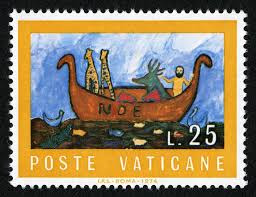
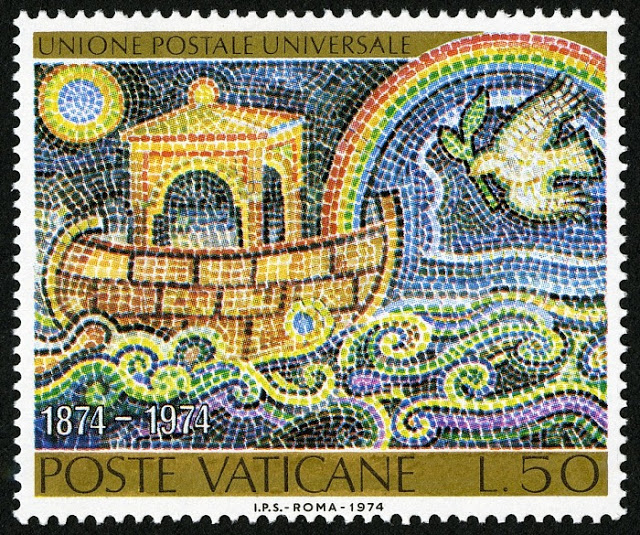
There are 14 Manus. And we are in the period of Seventh Manu, known as Vaiwasvata Manu. A great deluge happened during his reign. The first flood story appears in the Satapata Brahmana. The summary of the flood legend is—
One morning water was brought to Manu for washing his hands. When he was about to wash his hands he saw a fish in the water in the hand. It said to him that there is going to be a big deluge. If Manu saves the fish he will be saved by it and When Manu agreed, it asked him to preserve two species of each living being on earth and board the big ship specially built for it. Manu did it as instructed. In course of time, the fish grew bigger and bigger and Manu left it in the ocean. And the flood came. When it rose very high Manu tied the ship to the horn of the fish. He passed over the northern mountain and the fish told him to tie the ship to a tree. When he desired offspring a woman was produced . Manu lived with her and procreated . the story is in Mahabharata and the Bible. Bible used the name Noah which is Nava in Sanskrit. Nava means new.
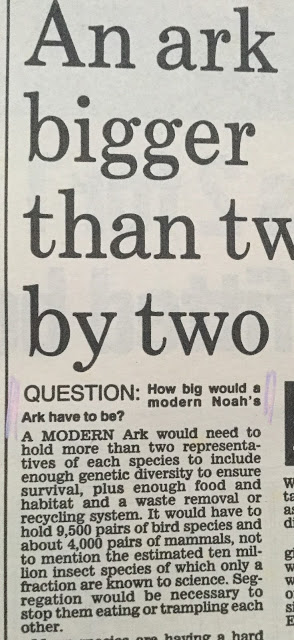
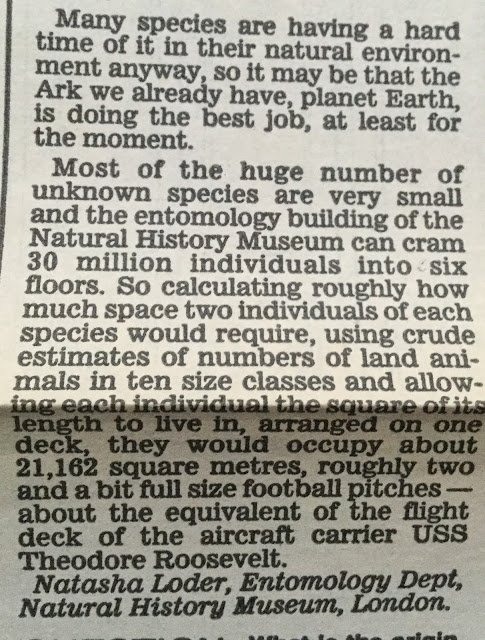
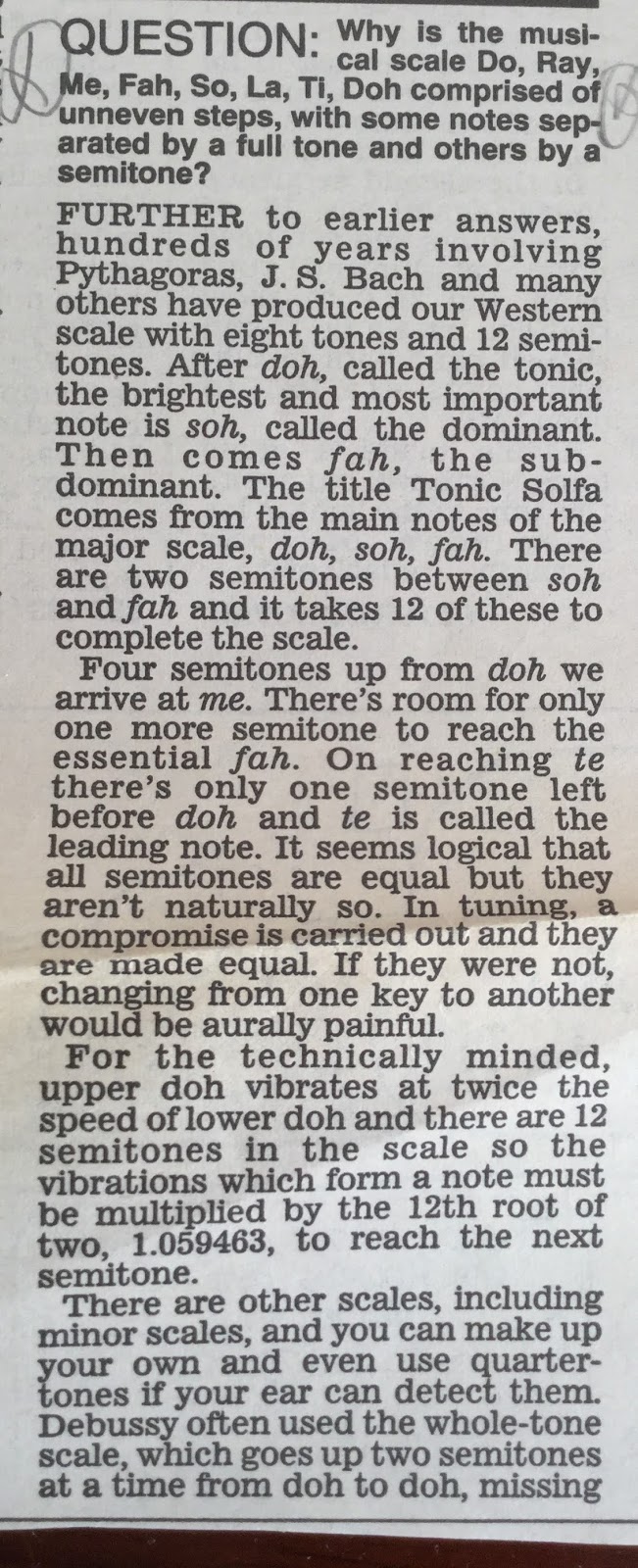
Here is a question that appeared in the Q and A column of Daily Mail
Xxx
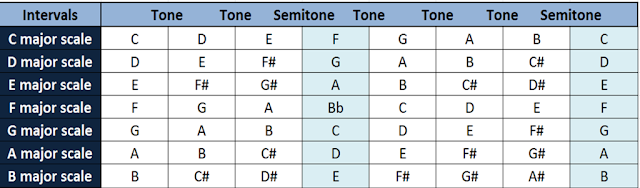
MUSIC SCALE IN WESTERN MUSIC
The second question is about the Music Scale from Daily Mail dated 22 July 1995.
tags– Noah’s arc, Manu’s ship, Deluge, Music scale
Pictures are taken from various sources for spreading knowledge; this is a non- commercial blog. Thanks for your great pictures.
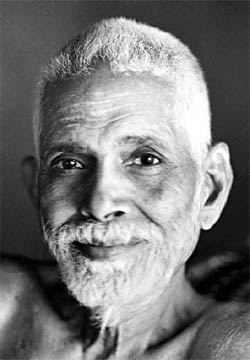
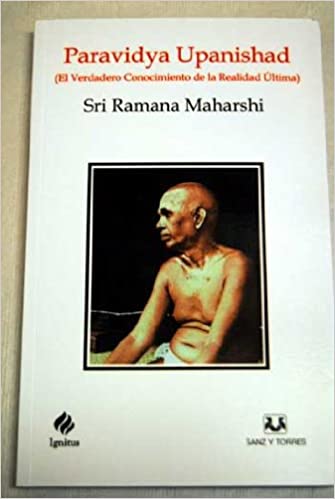
SRI RAMANA LITERATURE-2
R. Nanjappa
We may now deal with some other publications containing the instructions of Bhagavan.
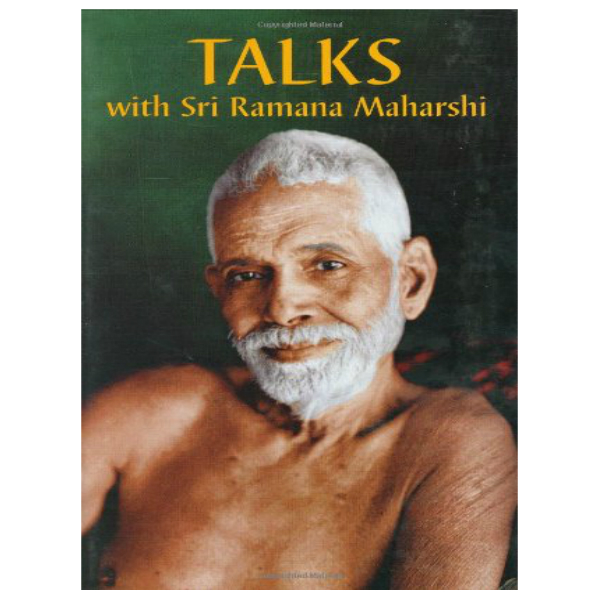
1. Talks.
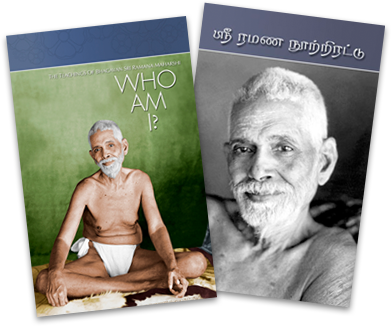
This is a record of questions asked of Bhagavan by visitors and Bhagavan’s replies, maintained by a devotee in the early 30s. Bhagavan invariably replied in Tamil, no matter in which language the question was put, and his replies were translated into English. This is what is recorded here. They contain Bhagavan’s answers, based on the questioner’s own belief system and state of mind or religious inclination, and not his spontaneous instructions. Bhagavan never forced anyone to adopt his way. However, he is always turning the questioner towards self-enquiry, showing how it is the culmination of all paths.
There is a strange development here. Bhagavan spoke and answered in Tamil, these were translated into English and conveyed to the questioner and recorded as Talks. These talks were later translated into Tamil. But here we got lucky, as the person who translated it, Visvanatha Swami, was himself present in the Hall during these talks on most days and he knew Bhagavan’s language well! So, this is no ordinary, academic translation.
2. Letters From Sri Ramanasramam. These letters were originally written in Telugu by a lady devotee (by name Suri Nagamma) to her brother in the late 40s. She resided near the Asramam and spent the time in Bhagavan’s presence, observing the things that happened there, and noting down any interesting developments. They reveal many interesting aspects of life in the Asramam and occasional teachings/observations made by Bhagavan. Later on, they were translated into English and published. Being the writings of a simple devotee with no literary pretensions, they have a directness and heart-warming quality, often revealing the human side of Bhagavan.
3. Day by Day With Bhagavan. This contains entries from the diary of a devotee, maintained in the late 40s. The author, Sri Devaraja Mudaliar was an admirer of The Gospel of Sri Ramakrishna. It too records in general things that happened in the presence of Bhagavan, not his instructions exclusively. But they are valuable to know the mind and method of Sri Bhgavan.
MURUGANAR’S WORKS IN TAMIL
Muruganar is a phenomenon. He was an accomplished poet, but on coming to Bhagavan, he gave up all his poetic ambitions. However Bhagavan’s grace induced him to use his poetic genius to write about Bhagavan, turning him into a divine bard of Bhagavan. He wrote about Bhagavan alone.
1. Ramana Sannidhi Murai.
This work contains 1850 verses sung in the classical Tamil style, patterned after the famed work of the Saivite Saint Manickavachaka and Tevaram hymns. They are in praise of Bhagavan Ramana, meant to be sung in set tunes. They celebrate the advent of Ramana and his divine excellence. They celebrate the Power of His Presence. The teachings of Bhagavan are also indicated.
One incident brings out its importance. These poems attracted very high praise and appreciation , at the time of first publication in 1933, from leading Tamil scholars of the day, who composed verses in its praise. One young Asramam inmate (Visvanatha Swami) also wanted to compose a verse in praise, but could not proceed beyond the first two words. He kept the pencil and paper aside and went away. Later, Bhagavan found the paper, took it up, and completed the verse, but recorded the name of the devotee as the author. Its gist is: Arunachala Ramana, who resides ever in the lotus of the heart, turned his look of Grace on Murugan from Mugavaapuri ( ie Muruganar) and his ego was completely annihilated. In that state of exceeding Grace, Muruganar composed these verses, for the benefit of the world, equalling Tiruvachakam ( of Manickavachaka).
அகத்தாமரைமலர்மீதுறைஅருணாசலரமணன்
நகைத்தான்உறவிழித்தான்அறச்செகுத்தானெனதுயிரை
மிகத்தான்அருள்சுரந்தானெனமுகவாபுரிமுருகன்
செகத்தாருயவகுத்தான்முறைதிருவாசகநிகரே.
Parts of this work have been rendered in English by Prof.K.Swaminathan under the title “Homage to the Presence”..
2. Guru Vachaka Kovai; Garland of Guru’s Sayings.
This is a very unique composition of 1254 verses by Muruganar and another 28 by Bhagavan, containing the direct instructions of Bhagavan.
Though Bhagavan had no interest in expounding philosophy, visitors often came who were acquainted with Hindu and other systems of philosophy and raised doubts in the light of their own studies and difficulties. Where the questioner was also an earnest seeker, Bhagavan would clarify, often referring to the sources familiar to them. He invariably answered in Tamil.While nearly every one noted them in English, Muruganar noted down the very words of Bhagavan in Tamil. He would compose verses using those words and submit them to Bhagavan for his perusal. Bhagavan would change or correct them as needed, or himself compose a verse, indicating the correct sense. Thus Guru Vachaka Kovai emerges as the most authentic record of the teachings of Bhagavan available to us.In matters of doubt on any point not covered by the verses of Bhagavan himself, Guru Vachaka Kovai is the authority for us.This too was affirmed by Bhagavan himself in a unique manner.
Sadhu Natanananda had recorded an introduction in Tamil to the first edition of this book in 1939, concluding with these words:
In summary,it can be said that this is a work that has come into existence to explain in great detail and in a pristine form Sri Ramana’s philosophy and its essential nature.
In the Tamil original, the word for ‘this’ is ‘idu’. (இது) Here Bhagavan made just one insertion: to the word ‘idu’, he added just one letter: ‘ve’ or ‘ay’ வே so that idu becomes ‘iduve’, இதுவே which translated into English would mean ‘only this’ or ‘this alone’.
We can now understand the importance of this work! Luckily, a beautiful English translation by Dr.Venkatasubramanian, Robert Butler and David Godman is now available!
3.Ramana Jnana Bodham.
This is a monumental work of more than 10,000 verses discovered after Sri Muruganar’s passing in 1973. Muruganar wrote on any piece of paper available, including on the reverse of bus tickets left by visitors. on the back of notices displayed, etc. And he just kept them. Because of his self-effacing nature, he would not mention this to any one. It must also be said that at one stage, he was out of favour with the Asramam management, who did not even bring out his Ramana Sannidhi Murai. Ramana Jnana Bodham was compiled from the thousands of verses,grouped and organised by Sadhu Om, another devotee with a poetic bent, and published in nine volumes due to the efforts of Prof.K.Swaminathan, outside the Asramam.
All these verses deal with one subject: the bliss of experiencing Ramana’s grace! Their majesty, power, beauty are beyond description. Their classical Tamil form and diction make it difficult even for those with Tamil as mother tongue to read them. Some earnest devotees have attempted to translate some verses into English. Those that contain the teachings are translated separately under the head ‘Padamalai’ by Dr.T.V.Venkatasubramanian, Robert Butler and David Godman. This is a wonderful treasure.
Ramana Jnana Bodham is unique, as so may thousands of verses deal with just one subject!
Growing Literature: Be Guarded
Over the years, huge literature has grown on the teachings of Bhagavan. At one stage, some thought that the words of Rishis are in Sanskrit and Bhagavan’s works should also be in Sanskrit. Efforts were made to render some teachings in Sanskrit, people wrote commentary on it, translated it and it went on like that. Then people wrote commentary on some works, commentary on commentary , etc. This goes on endlessly. The earnest seeker has to remember some basic facts:
1. Bhagavan’s stress is on actual practice-sadhana., not on theory or philosophy. 2. The only method advocated by Bhagavan is Self-enquiry or Self-attention ( “Buddhi idayatte porundi aha nokkal” புத்தி இதயத்தே பொருந்தி அக நோக்கால் as stated by him in his verse on Deepa Darsana Tatvam), or Surrender. 3. For those in need of supplementary explanations, Bhagavan’s own works are sufficient. 4. Those who want to follow Bhagavan’s path must accept him as the Guru, and he must also accept them! 5. On the basis of 40 years of reading Ramana literature, I have found the following to be sources of great practical help ( other than Bhagavan’s own words): i. Muruganar’s works. ii. Sadhu Om’s writings in Tamil, some translated by Michael James into English.
iii. Arthur Osborne’s books, the following:
Ramana Maharshi And the Path of Self Knowledge
Teachings of Bhagavan Sri Ramana Maharshi in His Own Words
The Collected Works of Bhagavan Sri Ramana Maharshi (original edition)
Ramana Arunachala. A slim volume, this is pure gem, full of practical hints for sadhana. How Ramana guides sadhaks is sensitively revealed here.
For Those With Little Dust
Be Still, It is The Wind That Sings.
The last two contain his writings in the quarterly Journal “Mountain Path” which he founded and edited till his death. These enable us to appreciate Bhagavan’s teachings in the light of historical trends and other spiritual traditions, and also serve as the standard to evaluate all spiritual lore in the light of Bhagavan’s life and teachings.
Sri Arthur Osborne was a Realised person, and his translations are simple, direct and effective.
Lucia and Arthur Osborne
iv. Writings of Lakshmana Sarma (WHO). Sarma did not know classical Tamil and found it difficult to understand the Forty Verses. He told Bhagavan so. Bhagavan himself explained to Sarma this work! Muruganar was the only other person who had the benefit of thus getting Bhagavan’s own explanation on his work!
Lakshmana Sarma was a Sanskrit scholar and he found the translations of Bhagavan’s works done by others unsatisfactory as they did not represent Bhagavan’s views accurately. So he complained to Bhagavan. Bhagavan simply told him why he could not write his own version if he was not satisfied with the others! Sarma set to work, and submitted his works to Bhagavan for approval. They have been published as corrected and approved by Bhagavn.
Bhagavan lived for 54 years at Arunachala. He was not an ascetic. He did not have a moment of privacy. He was always surrounded by devotees. He interacted with them normally. We get some flavour of those days from the reminiscences of the old devotees who lived in or near the Asramam those days. The reminiscences of Sadhu Arunachala (Major Chadwick), S.S. Cohen, Devaraja Mudaliar, G.V.Subbaramayya. N.Balarama Reddiar, T.K.Sundaresa Iyer, Kunju Swamy. T.R.Kanakammal, Suri Nagamma are valuable to understand the spirit of those days, in the presence of Bhagavan.
நமோ ரமணாய நலம் பெற வாழ்க
விமோசன மெய்யன் விரைமலர்த் தாள் வாழ்க.
Long live the mantra “Namo Ramanaya”
for the benefit of all living beings.
Long live the fragrant lotus feet of the True One
who releases from our ignorance.
[Translation by Robert Butler, T.V.Venkatasubramanian and David Godman}
Pictures are taken from various sources for spreading knowledge; this is a non- commercial blog. Thanks for your great pictures.
tamilandvedas.com, swamiindology.blogspot.com
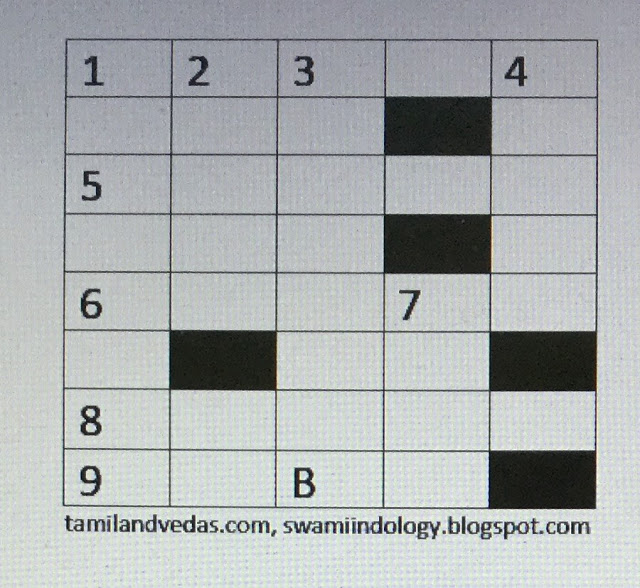
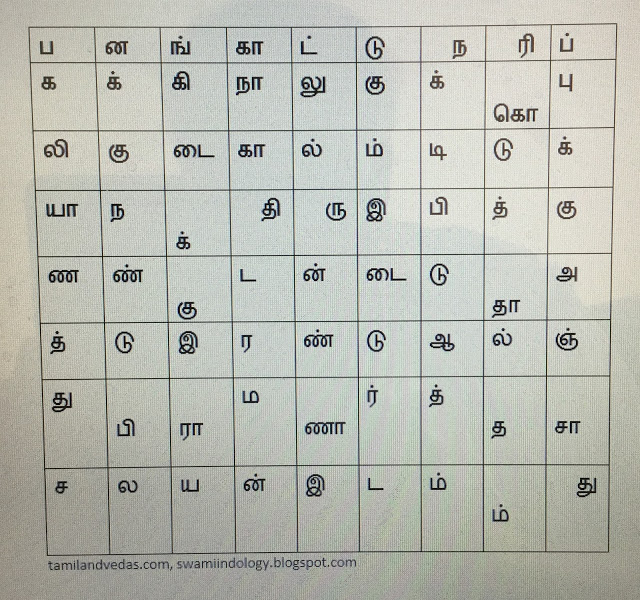
ஒரே சொல் மீண்டும் மீண்டும் வந்தால் ஓரிரு இடங்களில் மட்டுமே கட்டத்தில் இருக்கும். கொண்டு கூட்டி பொருள் கொள்க . விடை கீழே உள்ளது . சில நேரங்களில் படங்களைப் பார்த்தாலும் விடை காண உதவலாம்.
விடை
1.பனங்காட்டு நரி சலசலப்புக்கு அஞ்சாது
2.நரி கலியாணத்துக்கு நண்டு பிராமணார்த்தம்
3.நரிக்கு இடம் கொடுத்தால் கிடைக்கு இரண்டு ஆடு பிடிக்கும்
4.நரி நாலுகால் திருடன், இடையன் இரண்டுகால் திருடன்
Source book :–
பயன்படுத்திய நூல்- கழகப் பழமொழி அகர வரிசை, கழக வெளியீடு
ஹிந்தி படப் பாடல்கள் – 68 – ஒரு ராகத்தில் இரு மலர்கள் (Post N0.8176)
WRITTEN BY R. NANJAPPA Post No. 8176Date uploaded in London – – – 15 June 2020
Contact – swami_48@yahoo.com
Pictures are taken from various sources for spreading knowledge; this is a non- commercial blog. Thanks for your great pictures. ஹிந்தி படப் பாடல்கள் – 68 – ஒரு ராகத்தில் இரு மலர்கள் –
திலக் காமோத் – 1 R. Nanjappa
திலக் காமோத் ராகம்
நமது ராகங்கள் பல சூழ்நிலைகளுக்குத் தகுந்த உணர்ச்சிகளை வெளிப்படுத்தக் கூடியவை. அதனால் ஒரே ராகத்தின் மீது பல மெட்டுக்களை அமைக்க முடியும். அப்படி திலக் காமோத் ராகத்தின் அடிப்படையில் அமைந்த இரு பாடல்களைப் பார்க்கலாம். ஹியா ஜரத் ரஹத் தின் ரைன்
hiyaa jarat rahat din rain ho raamaa jarat rahat din rain hiyaa jarat rahat din rain ho raamaa jarat rahat din rain ambvaa ki daali pe koyal bole ambvaa ki daali pe koyal bole tanik na aavat chain O raamaa jarat rahat din rain baswaari mein madhur sur baaje baswaari mein madhur sur baaje birhi papiharaa bolan laage madhure madhur madhu bain O raamaa jarat rahat din rai aas adhoori pyaasi umariyaa chaaye andheraa sooni dagariyaa darat jiyaa bechain darat jiyaa bechain O raamaa jarat rahat din rain hiya jarat rahat din rain O raamma jarat rahat din rain
ஓ ராமா, கண்கள் இரவு பகல் மூடாமல் விழித்திருக்கின்றன மூடாமல் விழித்திருக்கின்றன குழலில் இனிமையான ஸ்வரம் எழுகிறது மரத்தின் கிளைகளில் குயில் பாடுகிறது (ஆனாலும்) சிறிது கூட நிம்மதி இல்லை, ஓ ராமா! கண்கள் விழித்திருக்கின்றன பபிஹரா இனிய குரலில் பாடத்தொடங்கி விட்டது மதுரக் குரலில் பாடுகிறது ஓ ராமா, கண்கள் மூடவில்லை! ஆசைகள் நிறைவேறாமல் இருக்கின்றன ஏக்கம் நிறைந்தே வயது கழிந்துவிட்டது! எங்கும் இருள் பரவுகிறது வெற்று வழியாகி விட்டது மனதில் கவலை, நிம்மதி இல்லை கண்கள் இரவு பகல் மூடாமல் இருக்கின்றன ஓ ராமா, கண்கள் மூடவில்லை
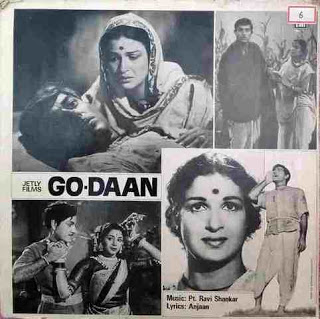
Song: Jarat rahat din rain Film: Godaan 1963 Lyrics: Anjaan Music: Pandit Ravishankar Singer: Mukesh Raag: Tilak Kamod
இது போஜ்புரி மொழியில் எழுதப்பட்ட பாடல். (இது உ.பி பகுதியில் பரவலாகப் பேசப்படும் பிராந்திய மொழி. இதை அரசியல் ஹிந்தி அல்லது ஹிந்தி அரசியல் கபளீகரம் செய்து வருகிறது,] ‘கோதான்’, முன்ஷி பிரேம்சந்த் எழுதிய (1936) புகழ்பெற்ற கதை. இப்படம் அதன் மீது எடுக்கப்பட்டது. இது ஒரு ஏழை விவசாயியின் வாழ்க்கையை விளக்குவது. இந்த பாட்டு வரும் இடம் மிக நன்றாக கிராமத்துச் சூழலை விளக்குவதாகத் தொடங்கும். ஆனால் நம் விவசாயிக்கு பல கவலைகள்-விவரித்துச் சொல்ல இயலவில்லை- கண்கள் இரவு பகல் மூடவில்லை என்கிறான். கடைசியில் வெளிப்படையாகவே சொல்கிறான்: தரத் ஜியா பேசைன்- மனதில் நிம்மதி இல்லை. இந்தப் பாட்டை முகேஷ் பாடியிருக்கும் விதம் மனதைக் கசக்கிப் பிழிவதாக இருக்கிறது; பாட்டின் கருத்தும் முகேஷின் குரலும் அப்படி ஒத்துப் போகின்றன! இதற்கு மெட்டமைத்த ஸிதார் மாஸ்டர் பண்டிட் ரவிஷங்கர் ஒரு ஜீனியஸ்! சரியான ராக பாவத்தைக் கொண்டுவந்து விட்டார்! இனி இதே ராகத்தில் இதே முகேஷ் பாடிய சற்று வித்தியாசமான பாடலைப் பார்க்கலாம்.
முஜே மில்கயீ ஹை mujhe mil gayi hai mohabbat ki manzil koi poochh le yeh mere hamsafar se mujhe mil gayi hai nazar se nazar ka bada faasla thhaa magar aaj dil ke kareeb ho gaye ho tujhe maine dekha dil ki nazar se meri bhi nazar mein haseen ho gaye ho haseen ho gaye ho mujhe mil gayi hai mere haath mein yoon tera haath aaya ke gulshan mein jaise bahaar aa gayi ho magar haath se yoon khincha haath tera main samjha kali koyi sharma gayi ho sharma gayi ho mujhe mil gayi hai mohabbat ki man jise sunkar dil ki huyi tez dhadkan mujhe aaj aisi kahani mili hai nigaho se chahe n nigahe mili na mohabbat ki lekin nishani mili hai mujhe mil gayi hai mujhe milgayi hai mohabbat ki manzil
இன்று எனக்கு காதலின் லட்சியம் எட்டிவிட்டது என் துணையிடம் கேட்டுப் பார்க்கட்டும்! காதலின் லட்சியம் எட்டி விட்டது! கண்களுக்கிடையே அதிக இடைவெளி இருந்தது ஆனால் இன்று இதயங்கள் நெருங்கி விட்டன இதயத்தின் வழியாக உன்னை நான் பார்த்தேன் என் கண்களிலும் அழகும் இனிமையும் நிறைந்துவிட்டன! எனக்குக் காதலின் லட்சியம் கிடைத்து விட்டது! என் கைகளில் உன் கை பட்டதும் சோலையில் வசந்தம் வந்தது போலாகியது! என் கைகளிலிருந்து உன் கை விலகினால், ஏதோ மலருக்கு வெட்கம் வந்தது என்று நினைப்பேன்! எனக்கு அன்பின் லட்சியம் கிடைத்துவிட்டது! கேட்டதும் மனது சந்தோஷத்தில் படபடக்கும்-அப்படிப்பட கதை இன்று கிடைத்துவிட்டது! முகத்தோடு முகம் சேரவில்லை- ஆனால் அன்பின் அடையாளம் கிடைத்துவிட்டது! எனக்கு அன்பின் லட்சியம் கிடைத்துவிட்டது!
இது வந்த சுவடே தெரியாமல் ஓடிப்போன படம்! B grade என்று கூடச் சொல்லமுடியாது. ஆனால் தத்தாராமின் இனிய இசையைக் கொண்டது. படம் படுத்துவிட்டதால் இசையை பலரும் அறியவில்லை. திலக் காமோத் ராகத்தையே விளக்கும் பாட்டு! அருமையான கவிதை எழுதியிருக்கிறார் குல்ஷன் பாவ்ரா!
அமெரிக்கரான ரேமாண்ட் கர்ஸ்வெய்ல் (Raymond Kurzweil – பிறப்பு : 12-2-1948, இப்போது வயது 72) ஒரு அதிசயமான விஞ்ஞானி. எதிர்காலம் எப்படி இருக்கப் போகிறது என்பதைச் சொவதில் இவர் வல்லுநர். ஜோதிடம் அல்ல இவர் கூறுவது; அறிவியல் கணிப்பு இவருடையது. சோவியத் யூனியன் சிதறுண்டு போகும் என்று இவர் சொன்னபடி நடந்தது. இண்டர்நெட் பெரிதாக வளர்ந்து உலகில் தகவல் புரட்சியைச் செய்யும் இன்று இவர் கூறியபடியே இன்று நடக்கிறது. ரொபாட்டுகளும், செயற்கை நுண்ணறிவும் அடுத்த புரட்சியை ஆரம்பிக்கும் என்று இவர் சொல்வது நடக்க ஆரம்பித்து விட்டது.
ஏராளமான கண்டுபிடிப்புகளைக் கண்டுபிடித்திருப்பதால் அமெரிக்க காப்புரிமை அலுவலகம் இவரை கௌரவிக்கும் வண்ணம் கண்டுபிடிப்பாளர் ஹாலில் இவர் பெயரை 2002 ஆம் ஆண்டு சேர்த்தது. பெறுதற்கு அரிய பரிசான 5 லட்சம் டாலர் (ஒரு டாலரின் இந்திய மதிப்பு சுமார் 76 ரூபாய்) பரிசுத் தொகையை லெமல்ஸன் – எம்.ஐ.டி.யிடமிருந்து 2001 இல் இவர் பெற்றார். இவரது ஏழு புத்தகங்களும் உலகில் பல லட்சக்கணக்கானோர் படித்து வியக்கும் புத்தகங்கள்.
இவர் உலகப் போக்கைக் கூர்ந்து கவனித்து தன் முடிவைக் கூறி இருக்கிறார். அவற்றில் தலையாய பத்து கணிப்புகளை, பத்திலிருந்து ஆரம்பித்து ஒன்று வரை செல்வோம் ;.
10. அயல்கிரகவாசிகளுடன் சந்திப்பு!
விண்வெளித் தொழில்நுட்பம் இன்னும் அதிக அளவில் வளர்ந்து தொலைதூர கிரகங்களுக்கு மனிதர்கள் சீக்கிரமாகச் செல்லும் காலம் வர இருக்கிறது. அயல்கிரகங்கள் பலவற்றில் உயிர் வாழும் இனங்களை நாம் சந்திக்கப் போகிறோம்.
9. பூமியின் எதிர்காலம்!
பூமி அழிந்து விடும், கடல் பொங்கும், காடுகள் அழியும், ஜனத்தொகை வீக்கத்தால் உலக மக்கள் பசியால் வாடுவார்கள் போன்ற பல அபாயங்கள் பல விஞ்ஞானிகளால் சொல்லப்பட்டு வருகிறது. இந்த சந்தேகப் பேர்வழிகள் சொல்வது போல எதுவும் நடக்காது. பூமி இன்னும் ஆயிரம் வருடம் கூட இருக்காது, எல்லா ஆதாரவளங்களும் குறைந்து மனித குலம் அழியும் என்ற இவர்களின் வாதத்தை ரே மறுக்கிறார். தொழில்நுட்பம் அபாரமாக வளர்ந்து நமக்குக் கை கொடுக்கும் என்பது அவர் கணிப்பு.
அது சரி, விண்வெளிக் கற்களும், எரி நட்சத்திரங்களும் வந்து மோதும் என்கிறார்களே அதற்கு என்ன சொல்கிறீர்கள் என்று அவரைக் கேட்டால், “இன்னும் அதிசயிக்கத் தக்க கண்டுபிடிப்புகள் நிகழும், அவற்றால் அழிவு என்பது எந்த விதத்திலும் நடக்காது. அழிவு பற்றிய எச்சரிக்கைகளும் ஊகங்களும் பொய்யாகும் என்கிறார் அவர்.
8. ஆற்றல் மற்றும் சுற்றுப்புறச் சூழல் மாசு
பூமி சுற்றுப்புறச்சூழல் மாசினால் மிகவும் கெட்டு விடும் என்ற விஞ்ஞானிகளின் கணிப்பை ரே மறுக்கிறார். “நேனோ டெக்னாலஜி எனப்படும் புது தொழில்நுட்பம் நமது ஆற்றல் தேவையை தேவைக்கு அதிகமாகவே தந்து விடும்; அது பூமியையும் வளி மண்டலத்தையும் சுத்தமாக்கும்; சுத்தமான காற்று, சுத்தமான பருகும் நீர் பூமி வாழ் மக்கள் அனைவருக்கும் நேனோ தொழில்நுட்பம் தந்து விடும்” என்கிறார் அவர்.
“இன்னொரு அதிசயம் நடக்கப் போகிறது! சூரிய ஒளியைப் ‘பிடித்து வைத்துக் கொள்ளப்’ போகிறோம். சோலார் பேனல்கள் ஏகப்பட்ட விந்தைகளை நிகழ்த்தும். 2030ஆம் ஆண்டிற்குள் இது நடந்து நமது ஆற்றல் தேவைகள் முற்றிலுமாக பூர்த்தி செய்யப்படும்” என்று அவர் கூறும் போது பிரமிக்க வேண்டியிருக்கிறது!
7. ஜனத்தொகை பெருக்கம் பற்றி கவலைப்பட வேண்டாம்!
இன்னும் ஆயிரம் வருடங்களில் நமது பூமியில் ஜனத்தொகை 1400 கோடியாக உயரப் போகிறது. (இப்போது 750 கோடி). இந்த ஜனத்தொகையிலிருந்து, ஏராளமான பேர்கள் ஒவ்வொரு பிரச்சினைக்கும் தக்க தீர்வை வழங்குவர். அதிகரிக்கும் உணவுத் தேவைக்கும், மனிதர்களின் பூரண ஆரோக்கியத்திற்கும் வழி கண்டுபிடிக்கப்படும்.
எப்படி தாவர வகைகள் தமக்கான ஊட்டச் சத்தை சூரியனிடமிருந்து பெற்றுக் கொள்கிறதோ அதே போல மனிதர்களும் தங்களுக்கான ஊட்டச் சத்தை சூரியனிடமிருந்தே பெறுவர். இதற்கான தொழில்நுட்பம் கண்டு பிடிக்கப்படும். ஆகவே இன்று நாம் உப்யோகிக்கும் கறிகாய், விடமின்கள் போன்ற ஆதார வளங்களை விட முற்றிலும் வேறான சத்தை நாம் பெறுவோம்.
அறிவியல் புனைகதைகளில் சொல்லப்படும் கதை போல இது இருந்தாலும் இப்படி நடக்கப் போவது உறுதி என்கிறார் ரே.
6. எதிர்காலத் தொழில்நுட்பம்!
சிங்குலாரிடி (Singularity) என்னும் ஒரு புது வித சேர்க்கை சீக்கிரமே உருவாகி விடும். சிங்குலாரிடி என்றால் என்ன? இப்போது புதுக் கண்டுபிடிப்புகளும் அதை உருவாக்குபவையும் ஒன்றாகி விடுவது தான் சிங்குலாரிடி. இதை சுலபமாக விளங்கிக் கொள்ள முடியும். கண்ணுக்குப் போடும் கண்ணாடியும் காண்டாக்ட் லென்ஸும் பார்வைக் கோளாறைப் போக்கி நமது பார்க்கும் சக்தியை இப்போது தருகிறது. இது மாறி பார்க்கப்படும் காட்சிகள் நேரடியாக நமது கண்களில் ரெடினாக்களில் எழுதப்பட்டு விடும்! இது நமது வாழ்க்கையையே முற்றிலுமாக மாற்றி விடும். அத்துடன் விண்வெளியிலிருந்தே நமக்குத் தேவையான அனைத்து ஆற்றலையும் நாம் பெறப் போகிறோம்!
நமது டி என் ஏ. எனப்படும் மரபணு ஆராய்ச்சி வெகுவாக முன்னேற்றம் அடைந்து விண்வெளியில் தொலை தூரங்களுக்கு நாம் வெகு விரைவில் சென்று விடுவோம். இனி நமது தொழில்நுட்பங்கள் மிக அதிகமான நுண்ணறிவைக் கொண்டிருக்கும்! இப்போது ஒவ்வொன்றையும் கண்டுபிடிக்க நிறைய காலம் ஆகிறது! ஆனால் இனி செயற்கை நுண்ணறிவானது மனித அறிவைப் போலவே செயல்பட ஆரம்பித்து புதிய அறிவுள்ள இயந்திரங்களை உருவாக்கும். சுருக்கமாகச் சொல்லப் போனால் இயற்கையான மனிதன் யார், செயற்கை நுண்ணறிவு மனிதன் யார் என்பதைச் சொல்லவே முடியாமல் போகும்!
5. நுண்ணறிவு இயந்திரங்கள்!
வரப்போகும் காலத்தில் நுண்ணறிவு இயந்திரங்கள் – ரொபாட்டுகள் மனிதர்களுக்குச் சரி பாதியாக இருக்கும். இந்த ரொபாட்டுகள் ஒரு கட்டத்தில் மனித அறிவை விட வேகமாகச் சிந்தித்து செயல்படும்.
இப்போதே மனிதன் நூறு நாட்கள் எடுத்துக் கொண்டு ஆராயும் புள்ளி விவரங்களை சூப்பர் கம்ப்யூட்டர் ஒரு நொடியில் அள்ளித் தந்து விடுகிறது!
இந்த புது ஜீவிகள் – ரொபாட்டுகள் நம்முடன் இரண்டறக் கலந்து நம் வாழ்க்கையையே மாற்றி விடும்!
இன்று படிப்படியாக ஆராய்ந்து கண்டுபிடிப்புகளைக் காணும் மனித குலம் ‘தாவித் தாவி’ பல அதிசயக் கண்டுபிடிப்புகளைக் காண இந்த புது ஜீவிகள் உதவும்!
4. விண்வெளி ஆராய்ச்சி இனி வரும் ஆயிரம் ஆண்டுகளில்!
இப்போது தரையில் மெதுவாக நடந்து செல்லும் மனிதன் சந்திரனுக்குச் சென்று காலடி பதித்தது உண்மை தான்! இன்னும் செவ்வாய் போன்ற கிரகங்களின் மீதும் மனிதன் பார்வையைச் செலுத்துகிறான். வருகின்ற ஆயிரம் ஆண்டுகளில் மனிதன் எவ்வளவு தூரம் செல்வான்?
இதற்கும் ரே பதிலைத் தயாராக வைத்திருக்கிறார். இன்று பிரபஞ்ச ஆராய்ச்சியில் வெகுவாக நாம் முன்னேறிக் கொண்டிருக்கிறோம். இதனால் விண்வெளியில் எங்கு என்ன நடக்கப்போகிறது என்பதை முன்னதாகவே துல்லியமாகத் தெரிந்து கொண்டு விடுவோம். ஆகவே நம்மை அழிக்க எநத சக்தியாலும் முடியாது.
மனித குலத்திற்கு உதவும் வகையில் நமக்கு ஆதரவான கிரகங்கள் கண்டுபிடிக்கப்படும்! ஒருவேளை பூமிக்கு இடர் ஏற்பட்டால் இந்த கிரகங்களுக்குச் செல்லவும் தயாராகி விடுவோம். ஆனால் பூமி போல நாம் வசிக்கக் கூடிய கிரகங்கள் நமது கற்பனைக்கும் அப்பாற்பட்ட தூரத்தில் இருப்பது உண்மை. அப்படியானால் மனித குலம் செய்யப் போவது என்ன?
3. எதிர்கால விண்வெளிப் பயணம்!
விண்வெளிப் பயணம் எளிதாக அமையப் போகிறது; இன்று விமானப் பயணம் மேற்கொண்டு தொலை தூரங்களுக்குச் செல்வது போல விண்வெளிப் பயணமும் அனைவரும் மேற்கொள்ளக் கூடிய அளவில் பாதுகாப்புடன், குறைந்த செலவுடன் கூடியதாக ஆகி விடும் என்றார் பிரபல விஞ்ஞானி ஆர்தர் சி.க்ளார்க். இதற்கு புதிய ராக்கெட் மெஷின்கள் ஒரு புறம் உதவும் என்றாலும், இப்படிப்பட்ட பயணங்களை மேற்கொள்ளும் போது மனித உடல் எதிர்கொள்ளும் பிரச்சினைகள் பல. ஆகவே நமது மரபணுக்களை விண்வெளிப் பயணத்திற்கு ஏற்ப மாற்றிக் கொண்டு விடுவோம் என்கிறார் ரே. இந்த மரபணு மாற்றம் தொலைதூர விண்வெளிப் பயணங்களை மனிதன் மேற்கொள்வதற்கு உதவும்.
2. மனிதனின் ஆயுள் நீட்டிக்கப்படுமா?
அது சரி, மனிதனின் ஆயுள் எப்படி இருக்கும் எதிர்காலத்தில்? மரபணு நிபுணர்களும், விஞ்ஞானிகளும் மனிதன் முதுமை அடைவதைத் தடுக்க முடியும் என்ற முடிவுக்கு வந்துள்ளனர்.
மனிதனின் ஆயுளை நீட்டிக்க நேனோ டெக்னாலஜியும், நேனோ-பாட்டுகளும் உதவும் என்கிறார் ரே. இந்த நேனோ-பாட்டுகள் மனித உடலில் பயணிக்கும். முதுமையை ஏற்படுத்தும் பாதோஜன்களை அழிக்கும். முதுமை அடைவதைத் தடுத்து மரபணுக்களை அதற்கேற்ப சரி செய்யும்.
இது சம்பந்தமாக ரே கூறும் இன்னொரு கருத்து நம்மை ‘அப்பப்பா’ என பிரமிக்க வைக்கும் ஒன்று. மனித மனத்தை இன்னொரு உடலுக்கு டவுன்லோட் செய்யும் காலம் வரும் என்கிறார்! அதே மனம்- புது உடல் எப்படிப் போகிறது கதை பார்த்தீர்களா? கதை அல்ல உண்மை என்கிறார் ரே.
1. மரணம் தவிர்க்கப்பட முடியுமா?
அடுத்த இன்ப அதிர்ச்சியையும் மனித குலத்திற்கு வழங்குகிறார் ரே!
முதுமை அடைவதைத் தடுக்கப் போகிறோம் என்பதை நினைத்தாலேயே ஆனந்தம் அடையும் மனித குலத்திற்கு அடுத்து ஒரு இன்ப அதிர்ச்சியைத் தன் கணிப்பாக வழங்குகிறார் ரே!
இப்படி மனிதனின் முதுமை அடைவதைத் தடுத்து வாழ்நாள் நீடித்துக் கொண்டே போகும் நிலையில் ஒரு நாள் மரணத்தையும் வெல்லும் வழி கண்டுபிடிக்கப்படும்!
உயிருடன் பிறந்த ஒரு மனிதன் மரணத்தை நிச்சயம் எதிர் கொள்ள வேண்டும் என்பது காலம் காலமாக நிலவி வரும் கொள்கை, இது வரை இது சத்தியம்!
ரே இதை மறுக்கிறார். மரணம் என்பது நாம் நமது உறவுகளை இழந்து நமது திறமைகளையும் சக்திகளையும் உடைமைகளையும் இழக்கும் ஒன்றாக இது வரை இருந்தாலும் வேறு வழியின்றித் தவிக்கும் நிலை போய் இனி என்றும் வாழும் நிலையை உருவாக்குவோம் என்று ஆணித்தரமாக அடித்துக் கூறுகிறார் ரே!
மருத்துவ விஞ்ஞானமும் நேனோ தொழில்நட்பமும் இணையும் போது மரணம் வெல்லும் அற்புதம் நிகழும் என்று முன்பேயே தனது ஃபண்டாஸ்டிக் வாயேஜ்: லிவ் லாங் எனஃப் டு லிவ் ஃபார் எவர்” என்ற தனது புத்தகத்தில் அவர் சொல்லி விட்டார்.
படிப்படியாக நேனோ டெக்னாலஜி வளர்ந்து நமது உடல் உறுப்புகளை மாற்றும் தன்மையை- அதாவது பழுதானவற்றை மாற்றி நல்லனவற்றை உடலில் ஏற்றிக் கொள்ளும் தன்மையை – நல்கும்; மனித குலம் அது வரை பொறுத்திருக்க வேண்டியது தான்!
இதற்கான முதல் படியாக, நாம் நமது என்ஜைம்களை இயக்கவும் தேவையெனில் நிறுத்தி வைக்கவும் கூடிய நிலைக்கு வெகு விரைவில் வரப் போகிறோம். இதன் மூலம் பல்வேறு நோய்களை விரட்டி அடிக்கப் போகிறோம். ஆயிரத்தி எண்ணூறுகளில் மனிதனின் சராசரி ஆயுட்காலம் 37 ஆண்டுகளாக இருந்தது; இன்று 70ஐ எட்டி விட்டது. இனி வரும் ஆயிரம் ஆண்டுகளில் மனிதன் சிரஞ்சீவியாக இருப்பான் என்கிறார் ரே.
நல்ல கதை என்கிறது இதைக் கேட்ட சாமான்யனின் மனம். ஆனால் ஏராளமான விருதுகளைப் பெற்று பல அறிவியல் கணிப்புகளை மெய்யாக்கிக் காட்டிய ரேயோ சிரித்தவாறே “நம்புங்கள், நான் சொல்வது கதை நிஜம்” என்கிறார்.
இதுவரை ரே கூறியுள்ள பிரமிக்க வைக்கும் 147 கணிப்புகளில் மூன்று தவிர மற்ற அனைத்தும் பலித்து விட்டன என்பதை எண்ணிப் பார்த்தால் ரேயின் அறிவியல் கணிப்புத் திறனை எளிதில் உணர முடியும்.
காலம் ரேயின் கணிப்புகளுக்கு சிறப்பான பதிலை கூறும்!
Pictures are taken from various sources for spreading knowledge; this is a non- commercial blog. Thanks for your great pictures.
tamilandvedas.com, swamiindology.blogspot.com
TRADITIONALLY MEN PROPSE TO WOMEN IN WESTERN COUNTRIES; BUT IN LEAP YEARS WOMEN CAN PROPOSE TO MEN. THIS LEAD TO MANY HUMOROUS COMMENTS, JOKES ETC. HERE ARE SOME OLD CARDS FROM DAILY MAIL DATED 23-02-2008.
Pictures are taken from various sources for spreading knowledge; this is a non- commercial blog. Thanks for your great pictures.
tamilandvedas.com, swamiindology.blogspot.com
OMKARAM, DASAVATARA & HINDU SAINTS IN SIKH’S HOLY BOOK of 6000 VERSES!
Not many people knew that the Ten Sikh Gurus respected Hindu gods and Hindu saints. Pranava mantra AUM and holy name of Lord Rama are in Sikh religion’s holy book Adi Granth.
Here are some interesting facts :-
In the Holy scripture of Sikhs, Shri Guru Granth Sahib, the word “Rama” is used 2533 times .The most frequently used word is “Hari” ;It is used 8344 times. The word “Gobind” is used 475 times. The word “Murari” is used 97 times.
Of the ten Gurus , three were killed by Muslim rulers.
All the attributes given to God in the Granth Sahib, are in Hindu Upanishads and Bhagavad Gita.
Guru Nanak, founder of Sikhism, who lived 500 years ago , has sung the glory of OM in (G.929, 930)
Sikhs believe in one formless god which is in Rig Veda (RV 1-164) and in the Upanishads.
Though One God is praised by the Sikhs, Holy Granth Sahib has all the Hindu beliefs such as
Suri Nara (G.775),
Devate kodi tetise (G.1079)
Tritia Brahma Bisanu Mahesa (G.839).
They believe in Punya, Papa, Karma theory and Rebirth.
Yama, Yama Dhuta and Yamadanda appear in Granth.
Mechanical recitation of Vedas without understanding the inner meaning is criticised both by Viveka Chudamani of Adi Shankara and Adi Granth.
Hindus’ Brahma Sutra says ‘God is not in any symbol (4-1-4)’ .That shows idol worship is not essential in Hinduism; it is only a step, particularly prescribed for people at lower levels.
***
Sikhs also praise Hindu Avatars of Vishnu.
Sunnahu upaje dasa avatara (G.1038)- declares Guru Nanakji praising Ten Avatars of Lord Vishnu.
Assuming the form of a child , you killed Kamsa, Keshi, Kuvalayapeeda- says Guru Ramdas (G.606).
Guru Arjun Dev enumerates various Avatars (G.1082)
Story of Prahalad is mentioned several times . This shows the sanctity and respect shown to Narasimha Avatara .
Guru Govind Singh, the tenth and last Guru wrote Ramavatara, Krishnavatara and Chobis Avatara.
Guru Govind Sing in his autobiographical Bachitra Natak says that the Bedis (Guru Nanak clan) and the Sodhis (his own clan) originated respectively from Kusha and Lava, the sons of Rama.
–facts collected from Organiser article dated 21-08-2005
***
From Wikipedia:–
Bhai Mati Das is one of the greatest martyrs in Sikh history, martyred at Chandni Chowk at Delhi in November 1675 to save Hindu Brahmins.
****
From Encyclopaedia of Sikhism
(following notes were taken by me on 3-10-1994)
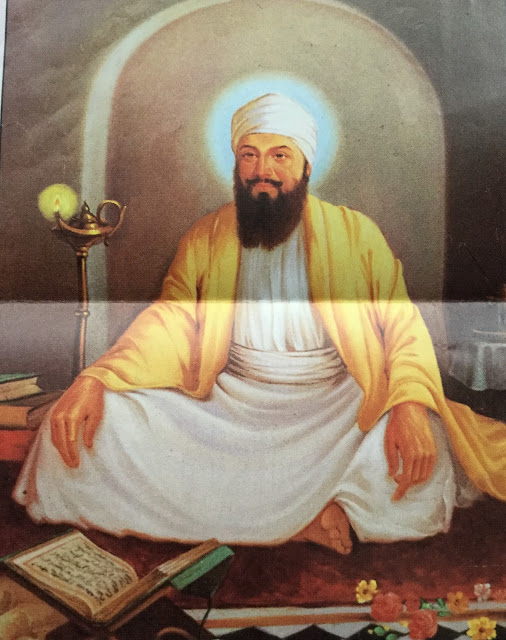
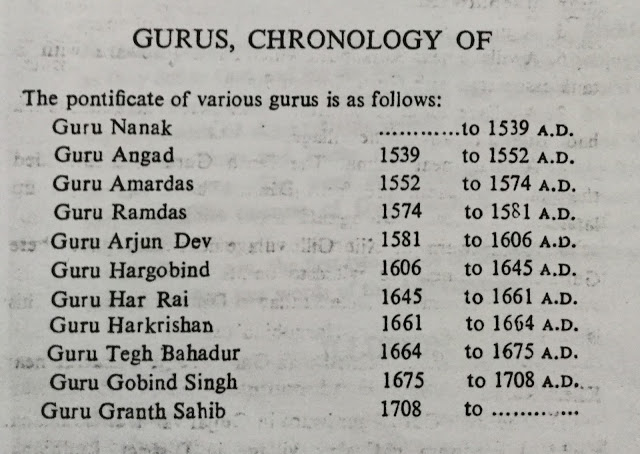
Guru Granth Sahib, the Sikh Holy book, also known as Adi Granth was made ‘the Guru’ in 1708. Before that there were Ten Gurus . They are
Guru Nanak until 1539 CE
Guru Angad – 1539-1552
Guru Amar Das 1552-1574
Guru Ram Das 1574-1581
Guru Arjun Dev 1581- 1606
Guru Har Gobind (Hari Govinda) – 1606-1645
Guru Har Rai – 1645- 1661
Guru Har Krishan (Hari Krishnan) 1661-1664
Guru Tej Bahadur 1664- 1675
Guru Gobind Singh 1675- 1708
Vaishnavite names dominate in the above list . Average life of Guruhood 20 years.
****
ADI GRANTH
The Holy Book of Sikhs, Adi Granth was compiled by Guru Arjun Dev. It was completed in 1604 and installed in the Golden Temple at Amritsar, Punjab. The second version was made by Guru Gobind Singh, who included his father Tej Bahadur’s hymns. He declared that there wont be any more Gurus, but the Holy Granth.
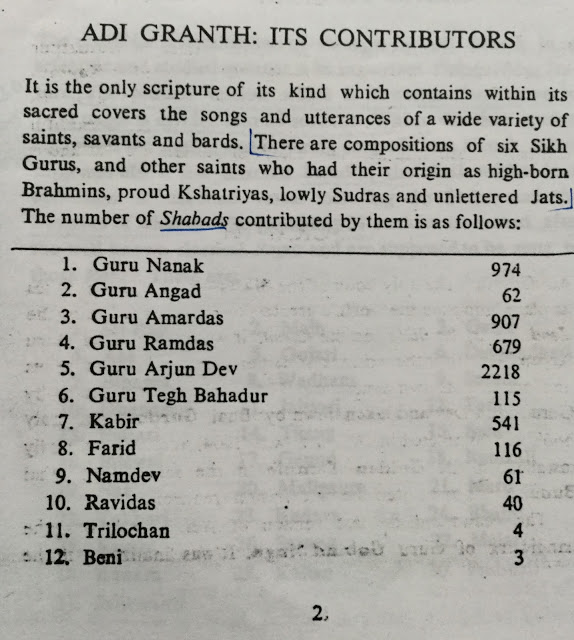
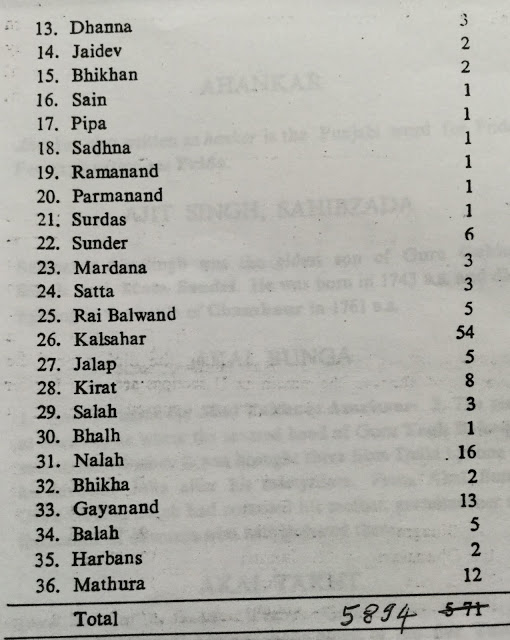
In the Granth there are contributions from 36 saints.
Nearly 6000 shahads/verses are in the book. Verses from Brahmins, Jats, Shudras, Kshatrias and six Sikh Gurus are in it.
Important saints and their contribution of Shahads:-
Guru Nanak -974, Guru Angad- 62, Guru Amardas- 907, Guru Ram Das 679, Guru Arjun Dev 2218, Guru Tej Bahadur 115.
From other saints (not Sikhs)-
Kabir 541, Namdev 61, Surdas 1
****
Languages in the Granth
Sanskrit, Prakrit, Persian, Arabic and Marathi
Pages in the printed version – 1430 pages;
Total sections – 33.
First section – Inspiring song of Guru Nanak called Japji and a few selected Paudis;
Last section- collection of assorted verses with slokas and the Swayyas of Bhatts.
31 ragas are used to sing the hymns.
(Please see the attached list)
***
IK OMKAR
Ik Omkar constitute the most significant words in Sikhism as they define god and lay the foundation for Sikh theology.
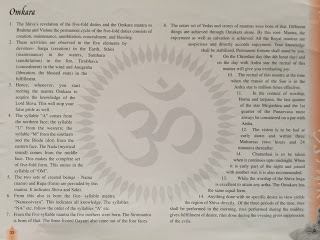
The word Onkar is derived from the Sanskrit word OM which consists of three syllable sounds representing the trinity of Brahma, Vishnu and Shiva. Omkar therefore is God in his entirety. The word IK means one. It emphasizes the oneness of God which is a basic tenet of Sikhism.
Ik Onkar are the first two words of the Mul Mantra and indeed the first two words of Adi Granth.
–Encyclopaedia of Sikhism
tags —Adi granth, guru granth sahib, om, Hindu gods, Sikhism, Ragas in Adi Granth
Pictures are taken from various sources for spreading knowledge; this is a non- commercial blog. Thanks for your great pictures.
tamilandvedas.com, swamiindology.blogspot.com
சம்சாரம் தொட்டால் மின்சாரம் வரும்; இலவசம்!
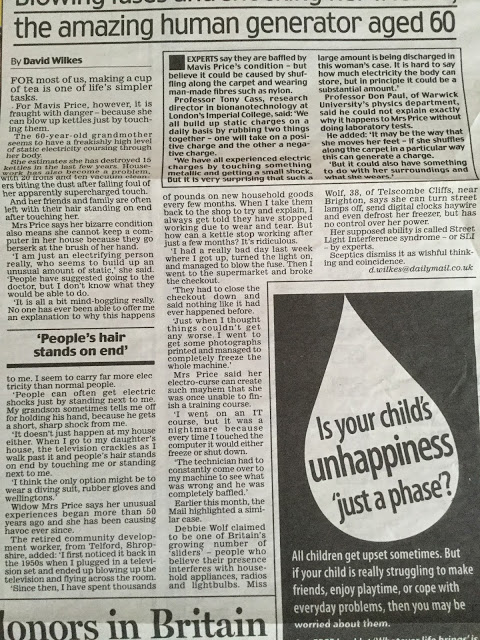
உலகில் பல அற்புத மனிதர்கள் வாழ்கிறார்கள் ; சிலர் உடலில் காந்த சக்தி இருக்கிறது. இன்னும் சிலர் உடலில் மின்சார சக்தி இருக்கிறது.ஞானிகளுக்கு நம்மைச் சுற்றியுள்ள ஒளி (AURA) வட்டத்தைப் பார்க்க முடிகிறது. அவ்வப்போது பத்திரிகைகளில் வரும் செய்திகளை சேகரிப்பது என் வழக்கம் இதோ 23-2-2008-ல் லண்டன் டெய்லி மெயில்
(DAILY MAIL) பத்திரிகையில் வந்த செய்தி.
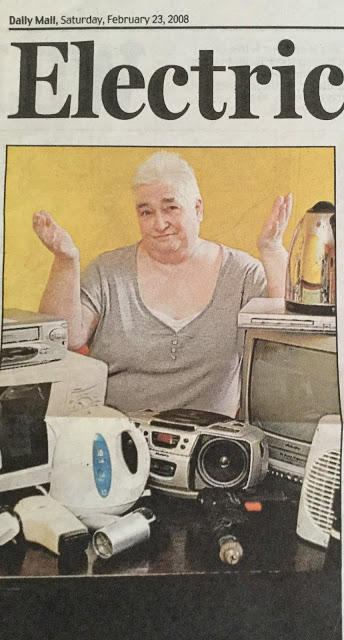
இந்தப் பெண்மணி யின் பெயர் மேவிஸ் ப்ரைஸ் MAVIS PRICE ; வயது 60. இவர் எ தைத் தொட்டாலும் அதில் அதி பயங்கர மின் சக்தி பாய்கிறது. இதனால் இவர் மின்சார கெட்டில் பக்கம் போகவே அஞ் சுகிறார். அம்மணி தொட்டால் வீடு முழுதும் எலெக்ட்ரிக் கட் (ELECTRICITY CUT) தான் . எல்லாம் பியூஸ் (FUSE) போய்விடும்.
இருடைய சாதனை — இவர் தொட்ட 15 மின்சார கெட்டில்கள், 20 அயன் பாக்ஸ்கள் (IRONS) , 10 வாக்வம் கிளீனர்கள் (VACUMN CLEANERS) எல்லாம் விளங்காமல் போய்விட்டது.
சிலர் தொட்டதெல்லாம் பொன் ஆகும்; அவ்வளவு அதிர்ஷ்டக் கை ; இவர் தொட்டதெல்லாம் பியூஸ் ஆகும்; அவ்வளவு துரதிருஷ்டக் கை!!
இவருக்கு 50 ஆண்டுகளாக இந்த அபூர்வ சக்தி இருக்கிறது.
மேவிஸ் ப்ரைஸ் சொல்கிறார் “சிறு வயதில் ஒரு முறை டெலிவிஷன பிளக்கை சாக்கெட்டில் சொருகப் போனேன். டெலிவிஷனும் இயங்காமல் போனது. என்னையும் தூக்கிப் போட்டது. அறையி ல் ஒரு மூலையில் போய் நன் விழுந்தேன். என் பேரக் குழந்தைகள் பக்கத்தில் வந்தால் பாட்டி, எனக்கு ‘ஷாக்’ அடிக்கிறது என்பர்”.
இவர் வசிப்பது இங்கிலாந்தில் ஷ்ராப்ஸைர் பகுதியில் உள்ள டெல்போர்ட் நகர்(TELFORD IN SHROPSHIRE, ENGLAND, UK)
இது போல டெப்பி உல்ப் ( DEBBIE WOLF OF TELLSCOMBE CLIFFS, NEAR BRIGHTON, ENGLAND, UK) என்னும் 38 வயது பெண்மணி இங்கிலாந்தில் பிரைட்டன் நகர் அருகில் வசிக்கிறார். அவர் உடலில் பாயும் மின்சார சக்தி மிகவும் வினோதமானது. அவர் தெருவில் நடந்து சென்றால் மின்சார விளக்குகள் எல்லாம் அணைந்துவிடும். இரவு நேரத்தில் இவர் நடந்தால் எல்லோருக்கும் திண்டாட்டம். எந்த மின்சார சாதனமும் இவர் வந்தால் அப்படியே அசந்து போய்விடும். அவ்வளவு ‘மின்சார அழகு’!!
பெண்களின் அன்ன நடையைக் கண்டால் நாம் மயங்குவோம். இவர் நம் அருகில் அன்ன நடை பயின்றால் நாம் மயங்கி விழுந்து விடுவோம். நம் கம்ப்யுட்டர் , மொபைல் போன் ஆகியன எல்லாம் இவர் மீது காதல் கொண்டுவிடும்.
சம்சாரம் என்பது மின்சாரம் மட்டுமா ; ஸம்ஹாரமும் கூட !!
சம்சாரம் = மனைவி; ஸம்ஹாரம் = அழிவு (மின்சாரப் பொருட்களுக்கு மட்டும்).
இது பற்றி விஞ்ஞானிகள் கூறுவது என்ன ?
நம் எல்லோருடைய உடலிலும் ஸ்டாடிக் எலெக்ட்ரிசிட்டி (STATIC ELECTRICITY) இருக்கிறது. சில நேரங்களில் உலோகப் பொருட்களைத் தொடும்போது நமக்கு இது தெரியும்; சிலருக்கு செயற்கை இழைகளால் ஆன நைலான் முதலிய உடைகளை அணியும்போது இது அதிகரிக்கிறது. இரண்டு பொருட்களை உராயும்போது இந்த வகை மின்சக்தி வரும். ஆயினும் மேவிஸ் ப்ரைஸ் போன்ற சிலரின் உடலில் இருக்கும் மின் சக்தியின் அளவு விஞ்ஞானிகளையும் திகைக்க வைக்கிறது என்கிறார்கள். அவர் வீட்டிலுள்ள கம்பளம், அவர் அணியும் உடை , அவரது நடை ஆகிய எல்லாவற்றையும் கவனித்தால்தான் விளக்க முடியும் என்றும் சொல்கிறார்கள்.
அறிவியல் அறிஞர்களுக்கு அதிசய விஷயங்களில் நம்பிக்கை வராது . அதை ஆராய்வதில் ஆர்வம் மட்டுமே பிறக்கும்.



























 Tamil and Vedas