Pictures are taken from various sources for spreading knowledge; this is a non- commercial blog. Thanks for your great pictures.
tamilandvedas.com, swamiindology.blogspot.com
I and YOU did not change for 15, 000 Years in English
As a person interested in languages and linguistics, I have collected a lot of paper cuttings over the years. Now due to my old age, I have been discarding them at a great speed. Just before throwing some cuttings into dust bin I wanted to make certain comments.
English is changing quickly. The Oxford English Dictionary (OED) adds between 2000 and 2500 words each year according an article in New Scientist dated 3 March 2012.
By studying English texts from the last 1000 years ,two research scholars noticed that the less a verb is used, the more likely it is to become regular. If a word is rare ,we don’t always remember if it is irregular.
To wed is already changing. Nowadays people say newly ‘wedded’ rather than newly ‘wed’.
The researchers speculate that irregular plurals will follow a similar trend – men could become mans. By such research, scholars can predict which words would be ousted by new coinages or terms imported from another language.
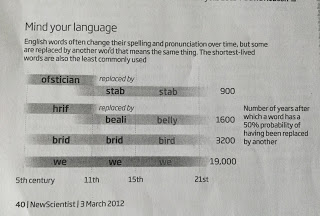
English words often change their spelling and pronunciation over time, but some are replaced by another word that means the same.
According to their computer model ‘we’ did not change for 19,000 years. ‘Brid’ became ‘bird’ before 3200 years. Just ‘R’ changed its place.
Another interesting thing is Rig Vedic word ‘Nama’ is in oldest English book ‘Beowuf’. Now it is changed as ‘Name’. Probably we may find more Sanskrit words in Beowulf. It is over 1000 years old.
My comments
In 2000 years old Sangam Tamil literature , poets used only ‘Yaan’ for ‘I’; but in less than 500 years it changed to ‘Naan’ for ‘I’. Now Tamils use only Naan. But ‘Nee’ for’ you’ did not change for 2000 years at all. There is a new puzzle. ‘Neengal’ for You (plural) was not used in Sangam age!! Now it is very common.
In short English research is not applicable to Tamil!!
In Sanskrit ‘Aham’ for ‘I’ and ‘Tvam’ for ‘You’ remain same from Vedic period. Famous statements like ‘Aham Brahmasmi’, ‘Tat Tvam Asi’ never changed.
Why did it happen in one part of India differently? We have to do more research.
I and You in English
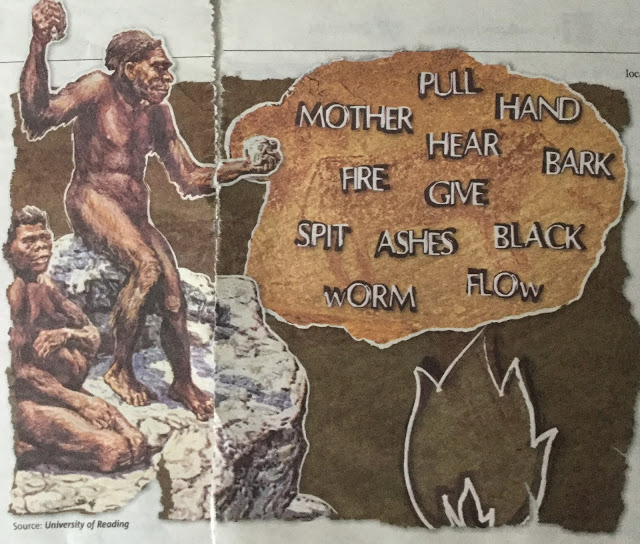
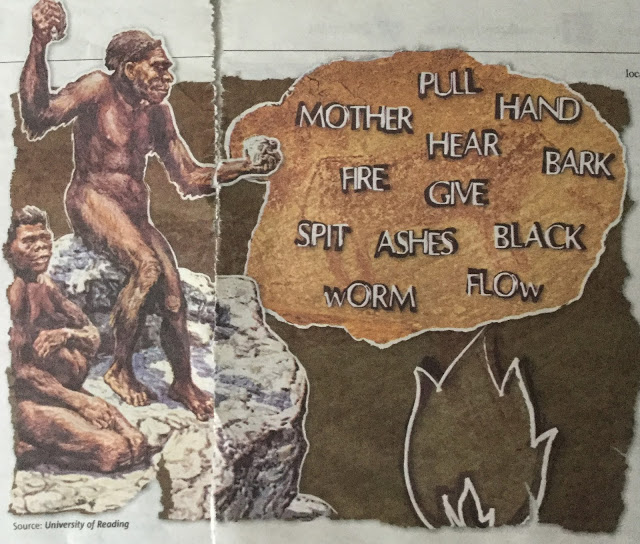
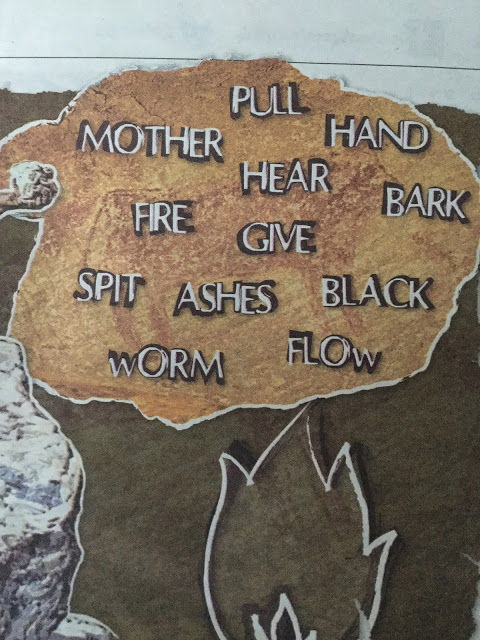
Another news item in Metro newspaper dated 8 May 2013 says 23 words were used 15,000 years ago by cave men. Once again they applied computer model by putting the words for the same object or pronoun from several European languages. They have come to the conclusion that there are Seven Super Language Families .
Research scholars from the University of Reading found out that our ancestors were not monosyllabic.
Using statistical models which examine the frequency with which certain words are used and their role in speech, those behind the study were able to predict which phrases were used at the time of the last Ice Age.
They claim people living in Southern Europe and Central Asia 150,00 years ago world have used words such as “I, You, Who, We and Not”. More interestingly words such as “Mother, Bark, Fire , Ashes, Spit, Worm” were also part of their vocabulary. In all 23 words were identified. The research pushes the boundaries of etymology in that it goes back 15,000 years
Hunter gatherers do a lot of spitting. There is a suggestion that ‘to spit’ is an onomatopoeia word – it sounds like what you are doing.
Onomatopoeia should be the same across different languages, the same sound. 15000 years ago everyone was a hunter gatherer.
‘Bark’ from the trees was used as an insulator. People slept on it. They burnt it to make fire. They used it to make fibres. Bark was sometimes used as medicine.
The word on the list which most caught the eyes of the researchers is ‘GIVE’. Human society is unique in the amount of ‘giving’ that they do.
We should be astonished really that our languages can be transmitted with such accuracy that they can retain traces of their ancestry for may be 15,000 years , Prof.Mark Pagel of the university’s evolutionary biology department said, adding that languages go back even further, perhaps 45000 years.
My comments
There is a beautiful Upanishad story which is at least 3000 years old. I have already posted it in this blog some years ago. This is about GIVING. When Humans, Devas and Sub Humans (Demons/Asuras) approached God for some advice God made the thunder to speak. It thundered ‘Da… Da…. Da……’ That sound was the advice they got. Humans lacked one virtue, i.e. Giving and Sharing. So they took Da means Datta Datta, Datta= Give Give Give.
Sub Human Demons lacked Mercy, Compassion be cause they were cannibals. So they took it Daya, Daya, Daya ;Be Compassionate , Be Compassionate, Be Compassionate.
Devas were always after Pleasure, Enjoying things. So they took Da as ‘Damyata, Damyata, Damyata’ = Have Self Control, Self Control, Self control.
Professor Pagel also said ‘GIVE’ was one of the 23 words that were used by the cave men
Second point I want to make is about the Tamils who claim their language and literature existed 10,000 or 20, 000 years ago. They must read the researches done in the field of Languages and Linguistics. They may also do some research by feeding the words into computer and come to the conclusion about their chronology.
BOLLYWOOD AND HOLLYWOOD GIVE NEW WORDS
The third paper cutting I am dust binning is from Metro newspaper dated 8 July 2008.
It says that a new English word is created every 98 minutes. But it will be included in the dictionary only when it is used at least 25,000 times in the mainstream global media.
Paul Payack of the Global Language Monitor said,
“language boils up from the people and we see this by the assimilation of words from hip-hop, Hollywood and Bollywood.
English is the global language. it is understood by 25 percent of the people on the planet. Despite having million words at our disposal, the average person’s vocabulary is fewer than 14,000 words. Someone linguistically gifted would use about 70,000 words.
Thanks to e mail and the internet new words are cropping up quickly.
Pictures are taken from various sources for spreading knowledge; this is a non- commercial blog. Thanks for your great pictures.
SRI TYAGARAJA-26, Prayer and Petition-2
Three important aspects are covered in the portions of Srimad Bhagavatam we saw in the last post.
1. The undesirability of seeking boons, in fact our inability to know what to seek! We do not know whether what we seek is in our interest.
2. The way to cultivate real devotion.
3. The way for a real devotee to conduct himself in the world, understanding the mysteries of karma.
On the first point, Bhagavatam gives original insights. On the second point too, it is almost entirely original, though something is shared with the Gita. On the third point, this is almost a total echo of the Gita! In the concluding portion, Bhagavan has given some very vital clues for spiritual life: how to get rid of the results of karma, how not to accumulate further results (good or bad, for both cause rebirth). Both enjoyment and suffering are due to past karma and get exhausted by experiencing them.This body is due to prarabda but in working it out,we incur further karma and have to face its consequences, leading to future births! Bhagavan gives here the secret of avoiding it: that karma has to be performed without desire and the fruits dedicated to Bhagavan- the message he explained to Arjuna! This is of momentous importance to practical spiritual life- this indeed is the ‘skill’ spoken of in the Gita as Yoga: “Yoga karmasu kausalam”.
We have seen in previous posts how Tyagaraja has dealt with the last two points. We will now see what he has to say on the matter of boons. We will notice how faithful he is to the ideal of devotion as laid down in the bhakti scriptures.
Tyagaraja says briefly ” Varaa laduga jaalara”- I cannot ask for boons- in the kriti ‘Eduta nilichite’; but has two remarkable kritis on the subject.
To ask for boon is tricky! Varalandukommani naayandu Vanchana seyuda nyaayama
O Rama! Venerated by both devas and asuras! When my mind is intent on bhakti alone, is it fair for you to tempt and deceive me , asking me to seek boons?
You honour those devotees who sincerely depend on you in their heart, without hankering after petty benefits. Such is your glory for which Prahlada, the son of Hiranyakasipu stands as witness. Does he not?
Even when, due to ignorance or otherwise, one seeks worldly pleasures, you confer on him an exalted and eternal status.Such is your magnanimity. Dhruva stands witness to this. Does he not?
Charaacharaatmaka surapujita ikaparaakulekanu satatamu nee daya raavalenanuchu korina Sri Tyagarajunipai krupaleka nanu…varaalandu
O the One who contains the whole universe within! O the one worshipped by the devas! This Tyagaraja is always longing for your mercy. Is it fair for you to ingore him, and tempt him with the offer of boons and thus trick him?
Well, friends! Is it possible to appreciate this kriti unless we know the full details of the Dhruva and Prahlada episodes? How deep is Tyagaraja’s fidelity to the scripture ! How strong is his adherence to the ideal of true devotion-ananya bhakti!
What boon to seek?
Ae vara madugudura Sri Rama nin Paavanamagu nee paada bhajanamu seyutakaina Dova lebaramainadi devara indu ne….ae vara
O Rama! What boon can I ask from you? It seems I have lost even the chance to serve your holy Feet!
Sri Raghuveera! sakalaadhara nee manasuna Gorina panulanu pada saarasamula naa manasaaraga vidavanane saaratara vairagyamu
saareki satatagati kumaaruni paalainadi
Raghuveera! Foundation of everything! To fulfil all your wishes (even unexpressed), and never to leave your lotus Feet- this has become the privilege of vayuputra Hanuman! (I can’t ask for it.)
O the One of the shade of the dark clouds! To ceaselessly attend on the crowds of your devotees and to have the pleasure of caring for them and thus be the subject of the bliss of your graceful sight- this has become the privilege of that youngster, Satrughna!
O the one with eyes like the red lotus! O the repository of all good qualities! To listen to your glories, to meditate on your blessed Name, to have darshan of your Padukas and have intense devotion for them- this has been appropriated by Bharataswami!
The opportunity to serve you every day, knowing the ways of your mind, without making a mistake, giving up food and sleep,- this has become the great fortune of Sumitra’s son Lakshmana.
Srihari! bharitasarasamooha sada ninu hrud- gehamunanukani duradaahamulanu rosi vi- vaahanudu neevanu mohambunanu marachi sohamanu sukamu Vaidehi paalai yundaga
Sri Hari! The one with mighty arrows! To always have your darshan in the heart, to destroy all the serious taapaas, to forget in love that you are the great Mahavishnu riding on the Garuda, to feel oneness with you-(So aham)- this privilege has become the property of Sita!
Ee jagatini galasukha raaajini mari nirjara rajapadambunu eejanmamuna naduganu rajavadana SriTyagarajuni madikeppudu rajapatha mulaite jayamau gaani
O one with moon-like face! In this birth, I will not seek from you the worldly pleasures, not even the position of Devendra. The royal path of bhakti alone will ever confer victory on the heart of Tyagaraja. So, what boon can I seek from you ?
Sri Tyagaraja fees so humble even among the devotees. When we think of the galaxy of devotees recorded in our scriptures, which of us can feel fit even to utter their names? Here Tyagaraja shows the ways in which his brothers , Sita and Hanuman serve Rama. This is a theme he covers in other kritis too. But here the focus is, that in view of the intensity of their devotion, these people have obtained such privileges no one else can even seek as a boon, even in the matter of service! This should make us all so humble, even among the devotees!
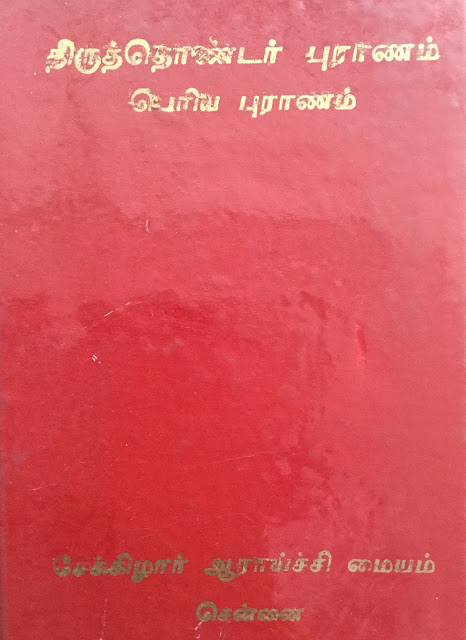
In the Tamil scripture “Periyapuranam”, dealing with the lives of the 63 great Saiva Saints, author Sekkizhar says on the nature of devotion of these saints:
They have contentment as the supreme wealth- so they are not bothered by loss or possession. They regard broken pot shred and gold in the same manner. Their love seeks nothing else, other than the chance to pay pure devotional obeisance.. They do not even seek Liberation. Such is their nobility and greatness.
So our great devotees across space and time have been of the same attitude: devotion is an end in itself, and is not a means to any other end. This is the highest standard which Indian scriptures hold up as the ideal of Bhakti. Sri Tyagaraja lived that ideal.
Note:
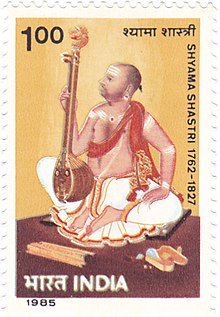
We do not know what is in our true interest. We have many wishes and seek their fulfilment through many means, in the name of religion and devotion. Often, the results are not what we expected.We regret what we prayed for- and got! Shyama Sastri therefore asks of the Divine Mother:
Birana vara lichi brovu, ninu nera nammiti!
O Mother, grant me all boons, but please also protect me ( that I do not suffer from getting them!) I depend on you.
Pictures are taken from various sources for spreading knowledge; this is a non- commercial blog. Thanks for your great pictures.
tamilandvedas.com, swamiindology.blogspot.com
Khadata – Modata ‘Eat and be Happy ‘: A DINING HALL 2700 YEARS AGO!! (Post No.8109)
Panini wrote a grammar for the living, spoken language of his days. From his Ashtadhyayi we come to know what sounds he heard in the kitchen and public. He never mentioned Sanskrit anywhere in his work. He simply mentioned ‘bhaashaa’ for spoken language, that is Sanskrit and Chandas for Vedic poetry . He gives some interesting information about the sounds he heard in dining halls and kitchen 2700 years ago . He took into account the whole of India because he mentioned the dialectical differences in the languages of the East and North. He covered an area from Afghanistan to Assam and Asmaka on the Godavari. He spoke about black pepper, liqorice and sandal from the Southernmost part of India. He mentioned,
Khadata – modata = Eat and be Happy
Asnita – pibhataa = Eat and Drink
Pachata- bhrinjjtaa = Cook and Fry
Bhinddhi- lavanaa= Pour the salt
Panini must have heard all these in the festive kitchens and dining halls during his days.
This extraordinary penetration into popular life and language accounts for panini’s extensive linguistic material. He noticed even such minute details as the names of the wells on the left and right banks of the river Vyas/ Beas 4-2-74
The term ‘Bhaashaa’ as used by Panini is the language distinguished from the sacred texts , viz. Chandas and Brahmana literature. He notes variations of idiom in Sanskrit spoken in the east and the north in India .
****
LET US EAT ‘ANU’
Panini mentioned several types of rice, pulses and other cereals known to us. But he mentioned certain plants not even known to Kautilya of fourth century BCE .This shows he lived at least a few hundred years before Kautilya of Arthasastra
Anu (Panicum Miliacaeum, Varagu in Tamil, Cheena in Hindi) 5-2-4- a very small grain consumed mostly by poor people. It is grown as a rainy cop. It is mentioned with Priyangu in the Yajur Veda 18-13
Among the fibrous plants panini mentioned Umaa (linseed ) and Bhangaa ( hemp). Kautilya refers to Atasi and sana (Sanal in Tamil) in place of Uma and Bhanga . Panini also mentioned cloth made from linen as Aumaa 4-3-158
XXX
Spoken language or not ?
The question whether Sanskrit was the spoken language in Panini’s time or only a written language is often raised. Goldstucker, Keith and Leibbich hold that panini’s Sanskrit was the spoken language used by the cultured classes of his time. Grierson only disagreed with them.
Following quotes prove that Panini wrote a grammar for a spoken language –
Prasna 3-2-117
Prishta-prativachana 3-2-120 = questions and answers
Prasamsaa – kutsaa = praise and censure
Duraad- dhuute = calling from a distance
Greetings 8-2-83/86
Nigrihyaanuyoga = expressions in oxytone for censuring an opponent worsted in arguments
Bhartsana = threats 8-2-95
Vichaaryamaana= mental deliberation 8-2-97
Kshiyaa = censuring a lapse in polite conduct
Aasiih – benediction
Praisha = bidding 8-2-104
Aakhyaana = narration 8-2-105
Aamantrana = friendly persuasion 8-1-33
Pariipsaa = haste 8-1-42
Anujnaaaishanaa = permission 8-1-43
As nanu gachchhaami = May I go, Sir ?
Ayathaabhiprettaakhyaana 3-4-59
Manye – I think 1-4-106; 8-1-46
The activities of all grades of persons in society , such as a musician, hunter, shoe-maker, cook, salesman, trader, ferryman, author, mendicant, devotee, farmer, cowherd, prince, councillor etc., were analysed and taken note of grammatically.
Source –
INDIA AS KNOWN TO PANINI , V S AGRAWALA, UNIVERSITY OF LUCKNOW, 1953 (with my inputs/comments)
tags – Eat and be Happy, Panini on food, Kitchen, Dining hall
Pictures are taken from various sources for spreading knowledge; this is a non- commercial blog. Thanks for your great pictures.
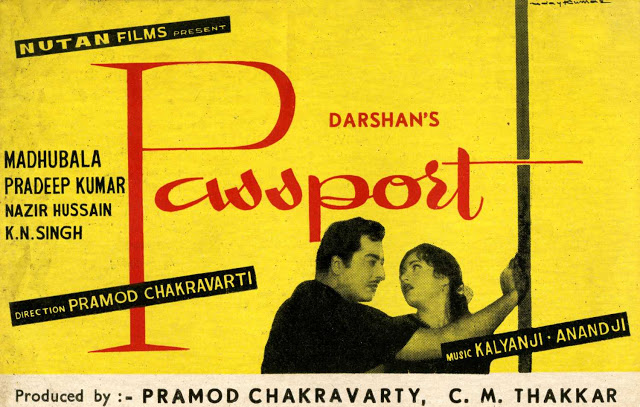
ஹிந்தி படப் பாடல்கள் – 58 – இரு மணிகள் – கல்யாண்ஜீ – ஆனந்த்ஜீ!
R. Nanjappa
கல்யாண்ஜீ – ஆனந்த்ஜீ!
30 வருஷங்கள் ஹிந்தித் திரை இசையில் தங்களுக்கென ஒரு இடத்தைப் பிடித்தவர்கள் கல்யாண்ஜீ-ஆனந்த்ஜீ சகோதரர்கள். சுமார் 250 படங்களுக்கு இசையமைத்தார்கள். இவர்கள் திரையிசையின் பொற்காலத்தில் பழைய ஜாம்பவான்கள் இருந்த பொழுது துறைக்கு வந்தார்கள்.-இவர்கள் காலத்தில் திரை இசை தன் பழைய பெருமையை படிப்படியாக இழந்தது.
1958-59ல் கல்யாண்ஜி தனியாக இசையமைத்து வந்தார். ஆனந்த்ஜீ அவருக்கு உதவியாளர். அப்போது லக்ஷ்மிகாந்த்-பியாரேலாலும் அவர்களுக்கு உதவியாளர்கள்! சலியா (1960) படத்தின் மூலம் பிரபலமடைந்தார்கள். இவர்களை ஏழைகளின் ஷங்கர்-ஜெய்கிஷன் என்று சொல்வார்கள்! அவ்வப்போது அக்கால கட்டத்திற்குத் தகுந்த முறையில் இசையமைத்தாலும் Outstanding என்று சொல்லும் படி எதுவும் இல்லை என்பது என் கருத்து. ஹிமாலய் கீ கோத் மே, சரஸ்வதிசந்தர், டான், லாவாரிஸ், முகத்தர் கா ஸிகந்தர், குர்பானி போன்ற படங்களில் இவர்கள் இசை ஜனரஞ்சகமானாலும் நீடித்து நிற்கும் அம்சங்கள் எதுவும் இல்லை. இவர்கள் இசையில் இனிமை அவ்வளவாக இருக்காது. இவர்களின் ஆரம்பகாலப் பாடல்கள் இரண்டைப் பார்க்கலாம்..
இந்த வீடியோவைப் பார்த்தவாறே இந்தப் பாடலைக் கேட்கவேண்டும். எத்தனை இனிய பாடல்! முன்பின் தெரியாத அறிமுக நடிகர்கள் மீது படமாக்கப்பட்டது! பாட்டு மாமூல் காதல் பாட்டுதான்-பெரிதாக எதுவும் இல்லை.
இது என்ன அழகான கவிதை! எத்தனை இனிமையான பாட்டு! 1961ல் இந்தப் படம் தான் வசூலில் முதலிடம் பெற்றது! சில நடிகர்களுக்கு நல்ல இசை ராசி! பிரதீப் குமார் சுமாரான நடிகர் தான், ஆனால் அவருடைய படங்கள் அனைத்துமே நல்ல இசை அமைந்தவை! இங்கே கருப்பு வெள்ளை படம் தான்-எத்தனை ரம்யமாக இருக்கிறது!
இந்த மெட்டிற்கும் முந்தைய பாட்டின் மெட்டிற்கும் உள்ள தொடர்பை கவனித்தீர்களா? அடிப்படையில் ஒரே மெட்டு அல்லது ராகம் தான்- ஓரிரு இடத்தில் சிறிது ஸ்வரத்தை மாற்றினால் வேறாகத் தோன்றுகிறது!
இங்கு ரஃபி-லதாவின் குரலில் இனிமை சொட்டுகிறது! முந்திய பாடலில் முகேஷ்-லதா!
இவ்விரண்டிற்கும் பின்னணி இசையும் கல்யாண்ஜீ ஆனந்த்ஜீயின் பிற பாடல்களிலிருந்து முற்றும் வித்தியாசமாக அமைந்திருக்கிறது!
இத்தகைய இனிய பாடலை பிறகு இவர்கள் இசையில் நாம் காணமுடியவில்லை!
These are exceptional songs from Kalyanji Anandji.
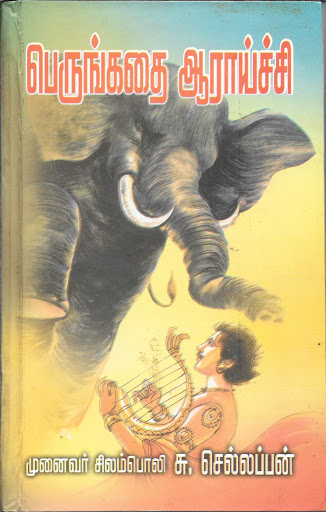
வச்ச தேசத்து அரசனான உதயணன் சரித்திரத்தை இந்தக் காவியம் விரித்துரைக்கிறது.
குணாத்யர் இயற்றிய ப்ருஹத் கதா இந்தக் காவியத்திற்கு மூலமாக அமைகிறது. (இது பற்றிய கட்டுரை எண் : 7965 வெளியான தேதி : 13-5-2020)
உதயணனின் தாய் கருவுற்று இருக்கையில் சரபம் என்னும் ஒரு பறவை அவளை அரண்மனையிலிருந்து தூக்கிச் செல்கிறது. விபுசாலம் என்ற இடத்தில் போடப்பட்ட அவளுக்கு உதயணன் பிறக்கிறான்.
உதயணனின் வீரச் செயல்களும் அவன் அரசனாகி பல பெண்களை மணம் செய்த வரலாறையும் பின்னர் அவன் துறவு பூண்டதையும் இந்தக் காவியம் 5 காண்டங்களில் கூறுகிறது.
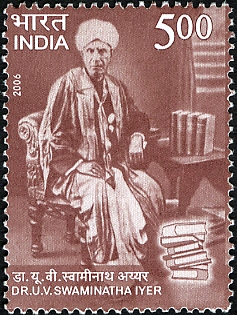
நூலின் சில பகுதிகள் கிடைக்கவில்லை. ஆறாவது காண்டமான துறவுக் காண்டம் முழுதுமாகக் கிடைக்கவில்லை. இதை அரும்பாடு பட்டு மஹாமஹோபாத்யாய உ.வே.சுவாமிநாதையர் (பிறப்பு 19-2-1855 மறைவு 28-4-1942) 1924ஆம் ஆண்டு பதிப்பித்தார்.
சிலப்பதிகாரத்திற்கு உரை எழுதிய அடியார்க்கு நல்லார் இந்த நூலைப் பற்றிப் புகழ்ந்து கூறியுள்ளார்.
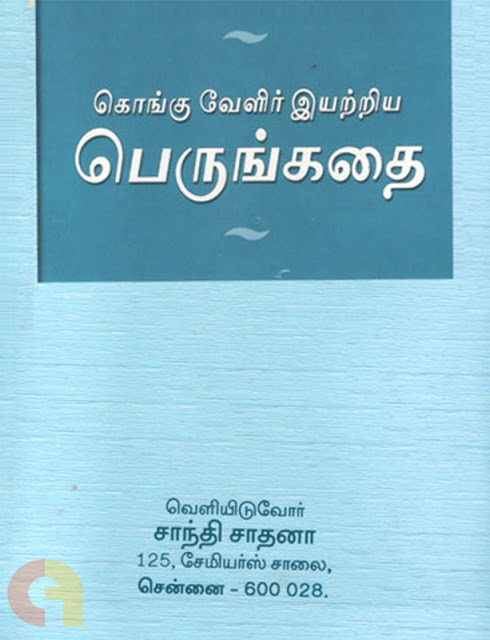
இதற்கு கொங்குவேள் மாக்கதை, உதயணன் கதை என்ற வேறு பெயர்களும் உண்டு.
பிற்காலத்தில் பலரும் இந்த நூலின் பகுதிகளை மேற்கோளாகக் காட்டியதிலிருந்தே இதன் சிறப்பு நன்கு புலனாகிறது.
இப்படிப்பட்ட கொங்குவேளிர் இயற்றிய பெருங்கதை அரங்கேறியதும் கொங்கு மண்டலமே என இதனைப் புகழ்ந்து கொங்குமண்டல சதகம் 99வது பாடல் புகழ்ந்து கூறுகிறது.
பாடல் இதோ:
நீதப் புகழுத யேந்திரன் காதை நிகழ்த்துதற்குக்
கோதற்ற மங்கையின் மூன்று பிறப்புற்றா கொள்கையன்றி
மேதக்க சொற்சங்கத் தார்வெள்க வேகொங்கு வேளடிமை
மாதைக் கொண்டுத்தாஞ் சொன்னது வுங்கொங்கு மண்டலமே
பெருங்கதையில் வரும் ஒரு பகுதி இது:-
தல முத லூழியிற் றானவர் தருக்கறப்
புலம்க ளாளர் புரிநரப் பாயிரம்
வலிபெறத் தொடுத்த வாக்கமை பேரியாழ்ச்
செலவுமுறை யெல்லாஞ் செல்வகையிற் றெரிந்து
மற்றை யாழுங் கற்றுமுறை பிழையான்
பண்ணுந் திறனுந் திண்ணிதிற் சிவணி
வகைகயக் காணத்து தகைநய நவின்று
நாரத கீதக் கேள்வி நுனித்து
பரந்தவந் நூற்கும் விருந்தின னன்றித்
தண்கோ சம்பி தன்னக ராதலிற்
கண்போற் காதலர்க் காணிய வருவோன்
கார்வழி முழக்கி நீர்நசைக் கெழுந்த
யானைப் பேரினத் திடைப்பட் டயலதோர்
கான வேங்கைக் கவர்சினை யேறி
யச்சமெய்தி யெத்திசை மருங்கினு நோக்கினன்
உதயணன் கதை – வத்தவகாண்டம் – யாழ் பெற்றது
***
ஆங்காங்கு கிடைக்கும் ஓலைச் சுவடிகளை ஆராய்ந்து அரும்பெரும் பழைய தமிழ்நூல்களை வெளியிட்டு வந்த உ.வே.சாமிநாதையர் அவர்களுக்கு ஆரம்பமும் முடிவும் இல்லாத ஒரு நூலின் சுவடி கிடைத்தது. அது தான் கொங்குவேளிர் இயற்றிய பெருங்கதை. பெரும் உழைப்புடன் தயாரித்த பிரதியை ராவ்பகதூர் கனகசபை பிள்ளை என்பவர் தனது சொற்பொழிவுக்கு வேண்டும் என்று கேட்க ஐயர் அதைக் கொடுத்து உதவினார். ஆனால் எதிர்பாராத விதமாக பிள்ளை அவர்கள் இறக்கவே பெருங்கதை பிரதி திரும்பி வந்து சேரவில்லை. மீண்டும் கிடைத்த சுவடிகளை ஆராய்ந்து பெருங்கதையை ஐயர் அவர்கள் 18-2-1924 அன்று பதிப்பித்தார்.
ஐயர் அவர்களின் ‘என் சரித்திரம்’ தமிழன்பர்கள் படிக்க வேண்டிய ஒரு நூல்!
Pictures are taken from various sources for spreading knowledge; this is a non- commercial blog. Thanks for your great pictures.
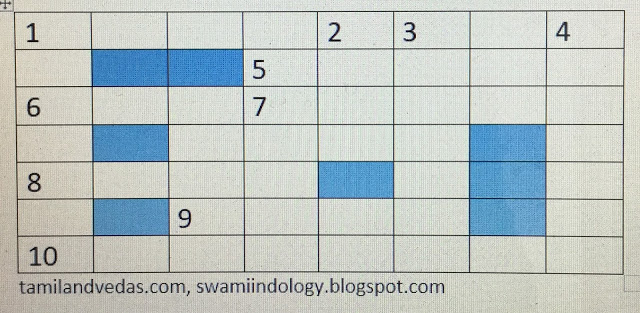
ACROSS
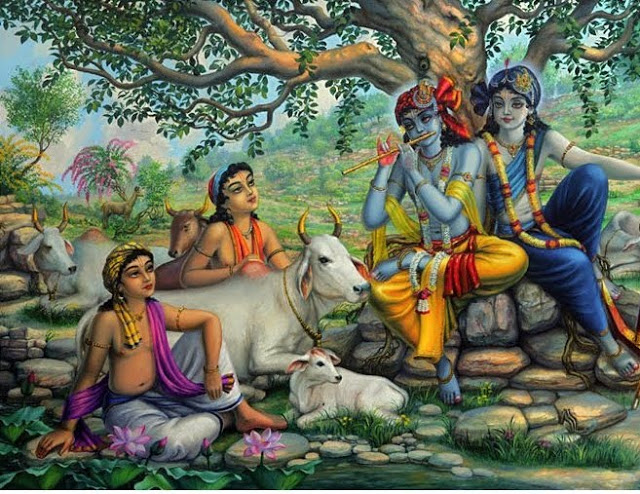
1. (8 letters )- Flute Music of Lord Krishna
5. (4)- virtues; classified as Satva, Rajo, and Tamasa
6. (8)- Hindu geographival division in the centre of Jaambudwipa; also the location of Sumeru mountain
8. (4)- pillar erected after each Yaga/fire sacrifice; they are found in Borneo of Indonesia 4h century CE of Mulavarman); also in Sangam Tamil literature
9. (4)- self; very much in Hindu Upanishads
10. – good smelling
DOWN
1. (7)- third caste in Hindu classification of workers; people doing business
2. 4)- means heavy; Teacher, Planet Jupiter
3. (6)- gap, hanging in balance, different, in Sanskrit
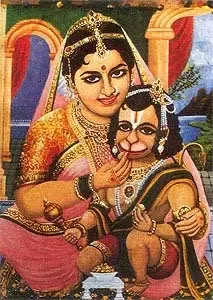
4. (6)- mother of Anjaneya, also means black
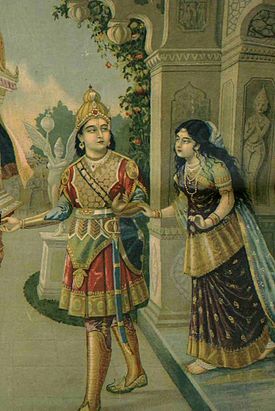
7. (5) – king of Matsya desa; father of Uttara who was married to Abhimanyu
Pictures are taken from various sources for spreading knowledge; this is a non- commercial blog. Thanks for your great pictures.
tamilandvedas.com, swamiindology.blogspot.com
ஒரு சொல் எவ்வளவு அதிகமாகப் பயன்படுத்தப்படுகிறதோ அவ்வளவு உறுதியாக அந்தச் சொல் நிலைத்து நிற்குமாம். இது ஆங்கிலத்தை ஆராய்ந்தோர் வெளியிட்ட ஆராய்ச்சி.
இதற்கான என்னுடைய மறுப்புரை கட்டுரையின் பின் பகுதியில் வருகிறது .
ஆங்கில மொழியில் நான் I (ஐ) YOU நீ (யூ ), நாங்கள் WE (வீ ) என்பன 15, 000 ஆண்டுகளாக மாறவில்லை என்று ஆராய்ச்சியில் தெரியவந்தது. 15,000 ஆண்டுகளுக்கு முன்னர் குகையில் வாழ்ந்த ஆதி மனிதன் பேசிய 23 சொற்களையும் இவர்கள் அடையாளம் கண்டுள்ளனர். இவர்கள் இங்கிலாந்திலுள்ள ரெடிங் (UNIVERSITY OF READING ) பல்கலைக் கழ கத்தைச் சேர்ந்தவர்கள் ஆவர்.தீ (FIRE) யைச் சுற்றி உட்கார்ந்துகொண்டு, மரவுரியை (BARK) அணிந்து கொண்டு, மாமிசத்தை வாட்டி, வதக்கிக் கடிக்கையில் துப்பிக் கொண்டே இருப்பார்கள். ஆகையால் துப்பு (SPIT), மாமிசம், தீ , நீ, நான், அம்மா (MOTHER மதர் ), பேன் /ஈறு (LOUSE, LICE) , சாம்பல், மரவுரி ஆகியன அவர்கள் அடிக்கடி பயன்படுத்திய சொற்கள் என்பது இவர்கள் துணிபு. ஆயினும் இவர்கள் சொல்வது, மாக்ஸ்முல்லர் சொல்வது ஆகியன எல்லாம் பிழையுடைத்து என்று இந்திய தேதிகள் (DATES OR PERIODS) காட்டுகின்றன.
ஒரு மொழி 200 ஆண்டுக்கு ஒரு முறை மாறும் என்ற கணக்கில் ரிக் வேதத்துக்கு தேதி குறித்தார் மாக்ஸ்முல்லர். உடனே வில்சன் முதலானோர் அது தவறு என்று காட்டியவுடன் அவர் ‘ஜகா’ வாங்கினார். இதே கொள்கையை நாம் தமிழுக்கும் வைத்தால் பல நூல்களின் காலம் சரிந்து விழும். திருக்குறள், சங்க நூல்கள், சிலப்பதிகாரம் ஆகிய எல்லாவற்றையும் 200 ஆண்டு வரம்புக்குள் வைக்க முடியாது. தொல்காப்பியத்தை மிகவும் முன் வைக்கிறோம். ஆயினும் மொழி நடை புரியும்படியாகவே இருக்கிறது..
இதை எல்லாம் எப்படிக் கண்டுபிடிக்கிறார்கள்? நமக்குக் கிடைத்த நூல்களில் உள்ள சொற்களை கம்யூட்டரில் போட்டு ஆவை என்ன வேகத்தில் எப்படி மாறுகின்றன என்று பார்ப்பார்கள். அதை வைத்து ஒரு மாடல் MODEL உருவாக்குவார்கள். அதை அதே குடும்பத்தைச் சேர்ந்த மொழிகளுடன் ஒப்பிடுவர். பின்னர் ஆராய்ச்சி முடிவுகளை வெளியிடுவர் . உலகிலுள்ள பழைய மொழிகளை 7 சூப்பர் மொழிக் குடும்பமாகப் பிரித்துள்ளனர் (SEVEN SUPER LANGUAGE FAMILIES) .
இதே போல நமது பழைய 36 நூல்களை (18 மேல் கணக்கு + 18 கீழ்க்கணக்கு) கம்பியூட்டரில் கொடுத்தால் நமது பழைய காலக்கணக்கீடுகள் அட்டை டப்பாக்களில் கட்டிய வீடு போல சரிந்து விழும். சங்க இலக்கிய, தொல்காப்பிய, திருக்குறள் சொல்லடைவுகளை வைத்து ஆராயும் எனக்கே இது தெரிகிறது. கம்ப்யுயூட்டரில் கொடுத்தால் அதன் முடிவுகளை மறுக்கமுடியாது.
‘நான்’, ‘நீ’ மாறாது என்பது தமிழ் மொழியில் பொய்யாக்கப்பட்டு வருகிறது. ‘நான்’ என்ற சொல்லே சங்க காலத்தில் கிடையாது. ‘யான்’தான் இருந்தது. சிலப்பதிகாரம், மணி மேகலையில் கடைசி அத்தியாயங்களில் (காதை) ஓரிரு இடங்களில் மட்டும் வருகிறது. திருக்குறளில் இல்லை. ஆனால் தேவார காலத்திலிருந்து ‘நான்’ வந்து விடுகிறது சங்க காலத்துக்கும் தேவார காலத்துக்கும் 500 ஆண்டு கூட இடைவெளி இல்லை. எப்படி ‘யான்’, நான் ஆக மாறியது? வெள்ளைக்கார ஐரோப்பாவில் மட்டும் 15, 000 (I, WE, YOU) ஆண்டுக்கு மாறவில்லையாம்.
ஆனால் சம்ஸ்கிருதத்தில் அஹம் (நான்) வேதகாலம் முதல் இன்று வரை மாறவில்லை. ‘அஹம்காரம்’ பிடித்தவன் என்று நாம் இப்போதும் சொல்கிறோம். ‘அஹம் பிரம்மாஸ்மி’ என்ற உபநிஷத கால வாக்கியம் மிகவும் பிரசித்தம்.
‘நீ’ என்னும் சொல் சங்க காலம் முதல் இன்றுவரை மாறவில்லை என்பது உண்மைதான். ஆனால் சங்க காலத்தில் இல்லாத ‘நீங்கள்’ எப்போது வந்தது? எப்படி வந்தது? சுருக்கமாகச் சொல்லப்போனால் மொழிக் கொள்கையாளர் (LINGUISTS) சொல்வதெல்லாம் பிதற்றல் என்றே சொல்லத் தோன்றுகிறது..
மாக்ஸ்முல்லர் சொல்வதை பயன்படுத்தினால் சங்க இலக்கியம், திருக்குறள், சிலப்பதிகாரம் முதலியவற்றுக்கு இடையே குறைந்தது தலா 200 ஆண்டு இடைவெளி இருக்க வேண்டும்! திருக்குறள் நடை வேறு. சொல் வேறு. 125 ஸம்ஸ்கிருதச் சொற்களை நூற்றுக் கணக்கான குறள்களில் பயன் படுத்துகிறார்!!
நிற்க !
இன்னும் ஒரு சுவையான விஷயம் .
கம்பியூட்டர் மூலம் கிடைத்த இன்னும் ஒரு ஆய்வு. நாங்கள் அதாவது ‘வீ ‘ WE 19,000 ஆண்டுகளாக மாறவில்லையாம். ஆனால் பிரிட் BRID என்பது 3200 ஆண்டுகளுக்கு முன்னர் BIRD பேர்ட் ஆகிவிட்டதாம் . அதாவது ‘R ‘ ஆர் என்னும் எழுத்து அல்லது உச்சரிப்பு இடம் மாறிவிட்டதாதம் . அப்படியானால் நாம் சொல்வதும் சரிதானோ!!! மருதமரம் நிறைந்த மருதை ‘ர்’ இடம் மாறி மதுரை ஆச்சாம் ; குருதை என்பதில் ர/ ஆர் இடம் மாறி குதிரை ஆச்சாம் . மருதை, குருதை என்ற கிராமத்தான் பேச்சுதான் சரி!
ஆங்கிலத்தில் ஆண்டுதோறும் 2500 புதிய சொற்களை ஆக்ஸ்போர்ட் அகராதி சேர்க்கிறது. தமிழ் ஏன் அப்படி வளரவில்லை?? எந்த தமிழ் அகராதி வாங்கினாலும் அதில் சம்ஸ்கிருத சொற்கள்தான் அதிகம் இருக்கின்றன. ஏன் ?
Pictures are taken from various sources for spreading knowledge; this is a non- commercial blog. Thanks for your great pictures.
ஒரே சொல் மீண்டும் மீண்டும் வந்தால் ஓரிரு இடங்களில் மட்டுமே கட்டத்தில் இருக்கும். கொண்டு கூட்டி பொருள் கொள்க . விடை கீழே உள்ளது . சில நேரங்களில் படங்களைப் பார்த்தாலும் விடை காண உதவலாம்.
விடை
1.இலவு காத்த கிளி போல
2.கிளியை வளர்த்து பூ னை கையில் கொடுக்கலாமா
3.கிளியைப் போல பேச்சும் மயிலைப் போல நடையும்
4.மாமரம் பழுத்தால் கிளிக்காகும், வேப்ப மரம் பழுத்தால் காக்கைக்காகும்
Source book :–
பயன்படுத்திய நூல்- கழகப் பழமொழி அகர வரிசை, கழக வெளியீடு.
Pictures are taken from various sources for spreading knowledge; this is a non- commercial blog. Thanks for your great pictures.
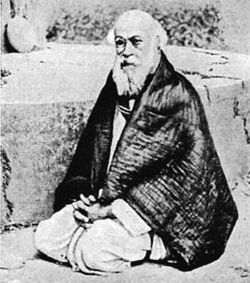
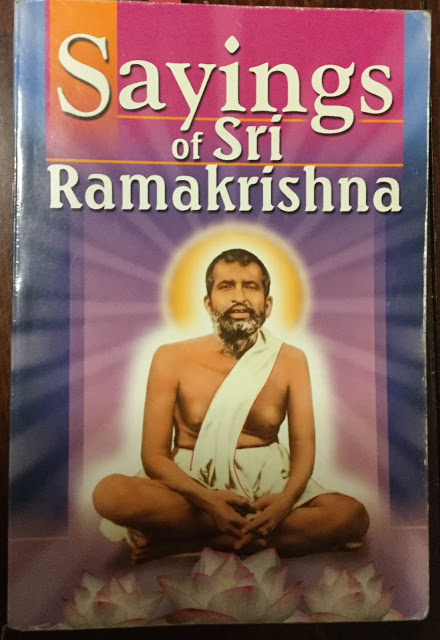
Sri Ramakrishna and His Gospel
R. Nanjappa
DON’T STEAL RAGS!
There is an interesting story about a devotee of Shirdi Sai Baba. He was desirous of reading Jnaneshwari, the acclaimed Marathi commentary of Bhagavad Gita by the Maharashtrian Saint Jnaneshwar (13th Century). He read the Gita, but whenever he attempted to read Jnaneshwari, he faced some obstruction or evil thoughts and he could not proceed. On a visit to Shirdi, a fellow devotee asked him of his own whether he was reading Jnaneshwari daily! Our man told him of his difficulties. The devotee advised him that he should take a copy of the book, give it to Baba and upon receiving it from Baba’s hands should start reading it. But our man felt it was unnecessary; Baba knew his mind and heart, so why should he resort to this, he thought.
Then he met another devotee, and asked him how he had secured the blessings and grace of Baba. He said that he would approach Baba directly after the Aarti and make his request. As they were thus talking, in the Masjid which was fully crowded, Baba asked our man to come and sit near him with a calm mind. Then Baba charged him with having stolen his rags, and abused him severely! Our friend was nonplussed. He retired to the resting place and was engaged in discussing this incident with two friends, when Baba sent for him and told him that he (Baba) was sitting there ready to give him silken shawl, then why was he intent on stealing the rags! Our man understood: he should approach Baba directly, not seek advice from just anyone!
Approach Teachings of Sages with Care!
This is something we have to remember in studying the life and teachings of the Sages and Saints.
Sri Ramakrishna, Sri Ramana Maharshi and Sri Aurobindo are the three pre-eminent Sages of our times. In studying their teachings we have to observe due care.
Of course, we have to exercise due care in approaching the teachings of any past or ancient sage. In most cases, their exact or own words have not come to us ( eg. Buddha). In some cases we do not know whether they wrote all the works which circulate in their name (eg. Sankaracharya). In cases like Tirumular, the words have inner meanings which are clear only to an initiate. Our Upanishads are not linear or logical like the ordinary literary language, and cannot be approached in a literal manner. So, one has to be cautious in approaching the teachings of any sage.
There are so may books on these Sages, we should know what to read to gain correct understanding.
Sri Ramakrishna was a born teacher and was eager to explain spiritual and religious truths to his devotees. Though not ‘schooled’, he was highly learned and proficient in our lore. Above all, he was a ‘realised’ person and ‘knew’. So his teachings had their direct impact on the right people, like seeds falling on well-prepared soil. But he never wrote anything down. All his teachings were given orally, and to specific persons or groups- never in general, as lectures. They were actually not in the form of formal teachings, but conversations, quite informal and spontaneous, addressed to specific persons on definite purpose, and in the local patois which alone Sri Ramakrishna knew and employed.
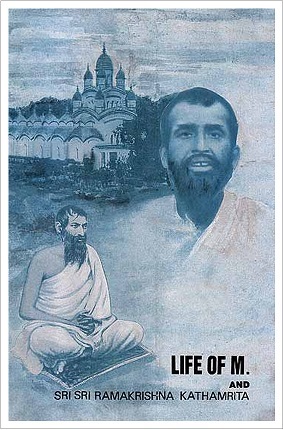
But there is an extraordinary phenomenon associated with the recording of his teachings. Mahendranath Gupta, a house holder, learned school teacher, was his devotee during the last four and a half years of the Sage’s life on earth. He was in the habit of writing his diary daily even from his school days, recording things that happened daily. He was blessed with a graphic memory. When he came to Sri Ramakrishna, he started taking notes of all that he personally observed and heard. He did not record anything on hearsay. He would record where they met, who were present, how they were seated or placed, what each one did or said, what Sri Ramakrishna said, etc. He kept this record in Bengali, his mother tongue and the language spoken by Sri Ramakrishna! So his exact words and expressions were captured. There are many incidents to show that Sri Ramakrishna intended this to happen this way. Sri Ramakrishna did not allow any other devotee to take any notes; when one or two others attempted, he clearly told them that it was not their work!
After Sri Ramakrishna’s passing in 1886, Gupta dedicated his entire life to live and expound the teaching of Sri Ramakrishna. ( We get some glimpses of his life in Paul Brunton’s book , ‘A Search in Secret India’, where he talks of Master Mahashay) He brought out the diary in the form of a Bengali book ‘Sri Sri Ramakrishna Kathamrita’. He did not want to draw any attention to himself, so merely called himself ‘M’, ‘ a disciple of the Master’. But he took many years to complete that. He completed correcting the proof of the last chapter of the last part, the night before he died, on 4 June, 1932. 3 June was Phalaharini Kali Puja day! Thus was the Gospel work completed on a day auspicious to Divine Mother.
How The Gospel came about:
Regarding how he wrote it, he himself said:
I wrote everything from memory after I returned home. Some times I had to keep awake the whole night. Some times I would keep on writing the events of one sitting for seven days, recollect the songs that were sung and the order in which they were sung, and the samadhi and so on. Many a time I did not feel satisfied with my description of the events; I would then plunge myself in deep meditation…..Then the correct image would arise……That is why in spite of the big gap in the physical sense, the story remains so fresh and life like in my mind as if it happened just now….
This is the wonder the reader experiences even today: as we read the Gospel, the scene rolls out before our mind’s eye. We feel the events are taking place just now, we are present there! This cannot be described in mere words. This is the power of the Truth behind it.
This was translated into English under the title ‘The Gospel of Sri Ramakrishna’ by Swami Nikhilananda in the US in 1942, and was edited by Miss Margaret Woodrow Wilson
(President Woodrow Wilson’s daughter) and Joseph Campbell. Swami Vivekananda had read some early chapters before he passed away and went into raptures, at the authentic way it recalled every small incident, mood, word,etc. Later on, all those who had been present and witnessed those incidents, like Holy Mother Sarada Devi were equally thrilled by it. Such is the authenticity of the chronicle. It brings Sri Ramakrishna before our eyes.
In his ‘Foreword’, Aldous Huxley too has gone into raptures:
” ‘M’ produced a book unique, so far as my knowledge goes, in the literature of hagiography……. Never have the small events of a contemplative’s daily life been described with such a wealth of intimate detail. Never have the casual and unstudied utterances of a great religious teacher been set down with so minute a fidelity……..To read through these conversations in which mystical doctrine alternates with an unfamiliar kind of humour, and where discussions of the oddest aspects of Hindu mythology give place to the most profound and subtle utterances about the nature of Ultimate Reality, is in itself a liberal education in humility, tolerance and suspense of judgement.”
So far Sri Sri Ramakrishna Kathamrita in Bengali and the Gospel in English have been the only authentic source of the life and teachings of Sri Ramakrishna. No one has been able to add a jot to it in any manner. Those who read it in the original Bengali are indeed fortunate; the rest of us have to be satisfied with translations. The translation in my own tongue,Tamil, appears unsatisfactory to me; I do not know about the other Indian language translations. But the English translation is superb, including the rendering of the original Bengali songs, thanks to John Moffitt Jr.
But as it happens in the life of every saint, subsequent interpreters, commentators, translators, ‘learned’ scholars have only added their own imagination and prejudices to the subject, and made even simple things sound complicated.
Sri Ramakrishna’s Times
Sri Ramakrishna appeared on the scene in Calcutta which was then the capital of British India, at a time when Bengalees were taking to English education on a large scale, had developed doubts about our religion, were attracted to reform, and generally abandoning their age old ‘dharma’ and taking to secular ways. Sri Ramakrishna was born in 1836- the year in which Macaulay’s scheme of education was introduced in India! After simple days in village during his childhood and boyhood, when he did not show any interest in ‘bread-winning education’, he came to Calcutta around 1855 to assist his elder brother in his priestly duties and eventually settled as the priest of the newly founded Kali temple at Dakshineswar. Here he had a series of direct personal encounters with his Deity, understood her as the Mother of the World. With her guidance, he followed the ways of every sect of Hinduism, as also of Islam ( Sufi) and Christ and realised the inherent truth of all faiths. By 1872, all his experiments were over and he emerged as a natural teacher. It is remarkable that people heard about him and flocked to the temple where he was living, he did not go out at all, except to visit devotees in and around Calcutta. It is more remarkable that it was mainly the educated class which heard about him and came to him. Sri Ramakrishna used to refer to them jokingly as ‘Englishmen’, saying they indulged in words like ‘that, but, it, put’-the few English words he uttered! It was even more remarkable that Narendranath Datta, later Swami Vivekananada, heard about him from an Englishman, a professor in College!
The Kathamritam
Sri Ramakrishna spoke in simple language, used common examples drawn from his rural days, from day to day life to illustrate the points. His teaching was very simple and direct: God alone is True, every thing else unreal. But this unreality is the show or ‘lila’ of God. It is like the magician and his magic. God is the magician, the world his magic. In the end the magician alone will remain. So we have to catch hold of the reality, and work in the world,take part in the lila. The best way for our age is to be a simple devotee, developing a personal attitude of intimacy with God. As people go to the same river to drink water but call it by different names like water, aqua, pani, jal. etc, so people approach the same God but call Him by different names. There is no sense in fighting over the names. He taught that the ancient religion founded by the Rishis would alone endure. He taught that our scriptures were true and still valid.
Sri Ramakrishna did not teach any philosophy. He expounded all the traditional Indian philosophies, and the various methods of practice. But his only advice was for people to have simple faith in God and work sincerely for His Grace. For him personally, God was the Mother. But he did not advocate any specific philosophy or theology. He did not found a new sect. He said the traditional ways of the Hindus were all valid, but all were not suited for our age. For our age, the most suitable path is simple devotion, Bhakti, as laid down by Narada. Sri Ramakrishna’s life and teaching were highly influenced by Ramayana , Srimad Bhagavatam, and the lore of Divine Mother.
But our ‘learned’ people will not be happy with simple solutions. How can an organisation grow without some dogma, some ritual,some mystification, some special claims? So, these have developed around Sri Ramakrishna also. But if I love you, I don’t have to love your dog also! Those who want to learn about Sri Ramakrishna and his life and teaching need only one source and one resource: The Gospel of Sri Ramakrishna. We need not steal or collect rags!
There is no other book like this in religious literature. This is the indispensable primer for all religious aspirants in the modern age.
Note:
1. The word KATHAMRITAM in the title of the Bengali original is a very happy choice, taken from the famous Gopika Gitam episode of Srimad Bhagavatam, that ultimate gospel of all devotees. In a moment of anguish of separation from Lord Krishna the Gopis of Brindavan sing in group:
Tava kathamritam tapta jivanam Kavi bhiriditham kalmashapaham Shravana mangalam shrimadatatam Bhuvi grunanti te bhurida jana 10.31.9
” The nectar of Thy excellences revives the scorched spirit of man. It purifies the sinner, while holy men live on it. To hear it is itself auspicious and peace-generating. They are the real gift-makers who spread Thy name far and wide. O Lord! Tarry not to come before our vision.”
From the translation of Swami Tapasyananda,
Sri Ramakrishna Math, Chennai.
2. In the Narada Bhakti Sutras, Sage Narada states that Bhakti itself is ‘amrutasvarupa’ ( Sutra 3). He holds up the Gopis as the supreme exemplars of Bhakti. ( ‘yatha vrajagopikanam’ Sutra 21) Sri Ramakrishna stressed that in our Kali Age, the way of devotion shown by Narada is the proper way. How apt that this “Kathamritam” taken from the Gopika Gitam should form the title of the Gospel in Bengali! Sri Mahendranath Gupta was a blessed soul!
3. There is a very remarkable incident which shows the Divine hand in bringing out the Kathamritam. Once ‘M’ was travelling in the tram in Calcutta carrying his notebooks which contained his diary entries. While alighting at the destination, he forgot his notebooks and left them in the tram. On reaching home, he realised that the notebooks were missing. He retraced his steps to the stop where he had alighted. He had torn and thrown away the tram ticket.He collected the torn pieces from the ground, put them together and got the ticket number. He then approached the manager of the tram depot. He was able to locate the tram with the aid of that ticket number and could contact the tram conductor. The conductor had noticed the notebooks, and on seeing the name ‘Jayarambati’ ( the place of the Holy Mother) written on it, had carefully kept them! Thus were the lost notebooks recovered! Holy Mother’s name had helped recovery!
4. Once when M expressed desire to renounce the world, Sri Ramakrishna told him that he could not do that since he had “Mother’s work” to do. Whenever Sri Ramakrishna spoke anything particularly important, he would ask M whether he had understood it and ask him to repeat it! Thus Sri Ramakrishna was ensuring that M had the correct understanding of his words! M completed the work of the Gospel on 3 June 1932, which was Phalaharini Kali Puja day- thus was the Mother’s work completed on a day auspicious to Her!
tags – Gospel, Sri Ramakrishna, Mahendranath Gupta
At least 102 Sanskrit words from Rig Veda are in Sangam Tamil Literature according to S Vaidyanathan’s research. His book INDO-ARYAN LOAN WORDS IN OLD TAMIL (Year 1971) is a valuable source for linguistics researchers. Some one must take it further and decide the rules Tamils followed. Several words have different spellings (Eg.Amrita, Balam ); it is strange to see the same author uses different spellings for Balam/strength. And my personal view is that future researchers should take only Sangam Tamil literature excluding Tolkappiam, Silappadikaram and Tirukkural. All the three books belong to fourth or fifth century CE. The language and grammar betray their period.
The next stage is to see what customs are similar in Rig Veda and Sangam Tamil literature and that will help us to decide the chronological order of Sangam Tamil poets and Sangam Tamil works. For instance, King’s white umbrella, Four Divisions of Army, Six seasons etc will help us in research. ( I have already written about these things in my articles)
In my current postings I have relegated Atharva Veda (AV) and Yajur Veda (VS, TS) to Post Sangam and Post Rig Vedic materials. This may be wrong. Actually, we must take it as part of Vedic period. Though foreigners say Rig Veda is the oldest among Vedas, no one is able to point out when Yajur Veda (TS, VS) came and when Atharva Veda (AV) was composed. Even the Rig Vedic period covers at least 500 years.
Foreign scholars themselves are confused and contradicting each other. Even Mr Vaidyanathan pointed out where Emeneau, Burrow, Paul Thieme and others differ in deciding a word is of Tamil or Munda or Sanskrit origin. In short Dravidian linguistics is not studied properly. All Tamil and Sanskrit scholars have pointed out the benders of Bishop Robert Caldwell. I have pointed out already even Neer/water is in old Greek (Nereids= water nymphs). Thanks to Mr Vaidyanathan we have at least a starting point. He has listed over 700 Tamil words in the Index as loan words. Since I think Tolkappiam(TK or Tol), Silappadikaram (CAM), Tirukkural (TKL) and Manimekalai belong to later period, I did not include them in the first part. My second part includes Post Rig Vedic or Post Sangam books.
XXX
POST RIG VEDIC OR POST SANGAM BOOKS
kunam, kunan, virtues, ANN379-22, ANN 83-14
Guna , virtues in Manu குணம், குணன்
**
Neya, PNN 3-4, affection நேய
Sneha , affection, Maitr. Upa
**
pantam , CAM 10-213, attachment
Bandha, binding in RV பந்தம்
**
koram, KLT 96-26, horrible
Ghora , horrible, in TS கோரம்
**
vekam , anger, PNN 37-2 வேகம்
Vega, violent agitation , in the case of earth quake,in AV
**
Jnaanam, CAM 10-94, supreme knowledge
Jnana, knowledge, Sank. Sra ஞானம்
**
antam, TOL.145-24, anti KLT.101-24, end
Anta, end, TS அந்தம்
**
antaram, difference, CAM 3-143
Antara,difference in KALIDASA அந்தரம்
**
aakulam, sorrow, KLT 65-27
Aaula , confusion, in R ஆகுலம்
**
aanai, order, PP 170 ஆணை
Aajnaa, order, in MANU, in R
**
aayulvetar, CAM 5-44, those who have studied the science of health ஆயுள்வேதர்



















 Tamil and Vedas