Pictures are taken from various sources for spreading knowledge; this is a non- commercial blog. Thanks for your great pictures.
ஒரே சொல் மீண்டும் மீண்டும் வந்தால் ஓரிரு இடங்களில் மட்டுமே கட்டத்தில் இருக்கும். கொண்டு கூட்டி பொருள் கொள்க . விடை கீழே உள்ளது . சில நேரங்களில் படங்களைப் பார்த்தாலும் விடை காண உதவலாம்.
விடை
1.ஆலமரம் பழுத்தால் வேடன் பாடு கொண்டாட்டம்
2.ஆலமரம் பழுத்தத்தை என்று பறவைக்கு ஆர் சீட்டு அனுப்பியது ?
3.ஆலை விழுது தாங்கினது போல
4.ஆலும் வேலும் பல்லுக்கு உறுதி , நாலும் இரண்டும் சொல்லுக்கு உறுதி
Source book :–
பயன்படுத்திய நூல்- கழகப் பழமொழி அகர வரிசை, கழக வெளியீடு.
The chronicles of Tyagaraja contain imaginary legends and invented incidents. Pauranikas will relate a story in respect of almost every kriti. Some kritis do have references to some personal issues or concerns, but it is not sound to construct an entire biography of his external life on the basis of his kritis. The life of a saint or Sage does not entirely consist of external events. Nor do they treat external events as we do. The life of a person like Tyagaraja who was almost always immersed in divine consciousness has to be understood on the basis of what he has revealed of his mind and thought and of his divine experiences, and not merely on the basis of reconstruction of some events supposed to have taken place, as interpreted by us. Sri Aurobindo said that his life was not on the surface for people to see! This applies to all mystics.
Sri Tyagaraja did not merely worship Rama, he experienced Him in many moods and aspects.This is what we have to learn from his kritis..
The definite elements known of his life are that he led a very simple life, wholly devoted to spiritual pursuit through the medium of devotion to his Ishta Devata- Sri Rama through ritual worship, japa, dhyana and devotional singing-sankirtana.. His literary output in the form of his musical compositions is an exuberant outpouring of his spiritual experiences. The extraordinary variety, richness and depth of his kritis reflect the quality of his spiritual life over many decades. They do give the clearest clue to his mind and heart. Saint Arunagirinatha sang of a devotee being ‘ skilled of mind and pure of heart’- “Matiyaal vitthakanaagi manadaal utthamanaagi”, மதியால்வித்தகனாகிமனதால்உத்தமனாகி– what in ordinary parlance we call the qualities of ‘head and heart’. We see this amply proved in the case of Tyagaraja.
Tyagaraja lived in troubled times. The foundations of religious life were being shaken. Orthodoxy was degenerating into mere show and hypocrisy. Hindu society was leaderless, dharma lacked royal protection and patronage.. At the same time the traditional economic arrangements were also breaking down. Independent sources of livelihood were disappearing, and large sections were becoming landless labourers. Patronage was dwindling for forms of traditional religious life. The crisis faced was thus religious, social and economic at the same time.
Even so, the Tanjore region- the famed Chola Desa- was still fortunate. There were pockets of traditional art and craft, learning and religion. Above all, some outstanding religious figures appeared and infused new life and arrangements. The chief among them was the path of Nama Siddhanta, and Sankirtan. This could be practiced individually and in groups, did not depend on any social or religious order, though it did not contradict or oppose them, either. It did not need elaborate paraphernalia or organization. Sri Tyagaraja is a great exemplar and advocate of this fresh trend, though he made use of all the ancient elements- like mantra japa and dhyana, legend and lore, itihasa-purana etc. All this is seen in his kritis.
Tyagaraja seeks to know the secrets of worship- from those who are themselves great worshippers- from Sita and Lakshmana- no less!
Pakkala nilabadi
Tanuvuche vandana monarinju chunnara
chanuvuna nama kirtana seyu chunnara
Manasuna dalachi maimarachi yunnara
nenarunchi Tyagarajunito Hari Hari meeru iru
Pakkala nilabadi koliche muchchata
Baaga telpa raada……
Sudati Sitamma Saumitri Ramuniki iru
Pakkala
O mother Sita! O Lakshmana! Can you not tell me the secret of the service you are rendering to Rama, standing by his side?
Do you worship him by prostrating with your body ( ie by sashtanga namaskar)?
Or do you engage in Nama Sankirtan with devotion?
Or do you meditate on Him in your heart and thus forget your body ( ie lose external consciousness)?
Can you two not reveal the secret to me?
Here, Tyagaraja is referring to the very basics- engaging the body ( namaskar), speech (kirtan) and mind (dhyana). True worship involves all three. Also, he is referring here to three aspects of the nine-step bhakti- vandana, kirtana and manana. It is the true blood of the die-hard bhakta that is coursing through the veins of Tyagaraja.
Tyagaraja is a keen observer of life around him. He notices how people indulge in mere show.
Teliyaleru Rama bhaktimargamu
Ilanandata tiruguchu galuvarincere gaani
Teliyaleru Rama bhaktimargamunu
Vega lechi neeta munigi bhuti boosi
vaellanenchi veliki slaaganeeyulai
baaga paina maarjanalolulaire gaani
Teliyaleru
People run about in frenzied activity all over the world, but they do not (care to) know the good way of Ramabhakti.
They get up early in the morning, and after bath, apply sacred ash all over the body and adopt other paraphernalia, count on their fingers ( as if doing japa), show themselves like good outside, but only desire to earn money!
Will such people know where Ayodhya is?
Nadachi Nadachi chooche
Nadachi nadachi chooche
Ayodhya nagaramu gaanare
Pudamisuta sahayudai chelange
Poornuni Atmaramuni gooda…..
Atte kanula goorchi terachi sootramu
batti veliki vesadaarulai
puttu chavuleni taavu teliyaka
pogaderu
Atmarama is perfect, and shines in the company of Sita. People wish to join this Atmarama, they keep walking but have not found Ayodhya! They just open and close their eyes; they hold the rosary and count the beads; they just don such disguises. They indulge in praising God but do not know the place beyond birth and death. Such people cannot find Ayodhya!
Here, Tyagaraja employs both deep philosophy and pungent irony. Rama is not just Ayodhyapati, but Atmarama ie the ruler of Atma! Ayodhya is not just a place out there, but the space of our heart! Unless we realise Rama as seated in our heart ie as our very Atma, how can we find him in any external, physical Ayodhya?
How can people who merely adopt the external signs and symbols without the inner dedication, lacking in spiritual insight, realise that truth of Atma? Hypocrisy will not do.
There is indeed a Royal path one must take!
Chakkani Raja margamu
Chakkani raja margamu lundaga sandula dooranelae O manasa Chikkani paalu meegada undaga cheeyanu ganga sagara mele kantiki sundara taramagu roopame muk- kanti nota chelage naamame Tyagaraju intane nela konna aadi deivame yitu- vanti Srisaketa Ramuni bhaktiyane
O mind! When there is the Royal path, why do you wish to enter the lanes and by lanes? When there is the nourishing milk and cream, why do you take the despicable liquor?
Rama has the beautiful form which delights the eyes.
He has the name which is ever on the tongue of Lord Shiva ( which takes one across the ocean of samsara). He has his abode at the residence of Tyagaraja, as his ancient Deity. Devotion to Him is the Royal path. When this is available, why do you wish to enter lanes
and bylanes ( ie take up less wholesome ways?) This kriti is rather well known among those who listen to Harikatha on Tyagaraja. The pauranikas delight in expounding that this song was sung when Serfoji, the ruler of Tanjore invited Tyagaraja to his court but Tyagaraja declined, incurring the wrath of his brother. The allusion is that Tanjore was full of lanes and by lanes, whereas Tiruvaiyaaru where Tyagaraja resided was better, with broad streets and a famous ancient temple of Lord Shiva. As we see here, the kriti has a philosophical import and can stand on its own.
However, there is a bit of social history here. Those days the poor labourers used to consume country liquor at the end of a day of hard labour, and roll on the streets, in a state of semi-stupor, as if floating on the waves of the ocean! This was called ‘gangasagar’.
(Incidentally, scenes of such people floating on gangasagar can be witnessed even today, in broad daylight, in several areas in Bangalore!) This kriti has as its theme the idea that Bhakti is the Royal path and contemplation on Rupa and japa and kirtan of Nama are sure aids- thus instantly connecting it to the classical ideas and authorities!
O my Father! Please do not stop showing your mercy to me. Considering that I lack the heroism to understand that everything appearing before me is the (one) Self, I am unable to control my five senses ( from wandering among the sense objects), I lack the courage to praise you constantly- do not stop showing your mercy.
Here, Tyagaraja reveals himself as the essential bhakta, who depends only on the mercy of God. As for sadhana, the things he is listing here are typically those of the jnani or yogi- the idea of universal oneness, the control of the senses and also the resort to constant praises- the path of viveka and vairagya. The other idea is even more fundamental for the devotee: we can never DESERVE God’s mercy, by anything that we do. It is only God’s causeless compassion-universal karuna- that can save us. This is what a bhakta pleads for. Sri Ramakrishna used to say: Mother, keep your jnana with you. Give me bhakti!’.
However, in a more basic sense, realisation of oneness of existence and control of the senses are common to all paths. Some strive by them as the means, to others they come as by products!
Everything appearing before me is the One Self: even the bhakta has this attitude- the idea of Vasudeva. In the pujas performed by Smartas, they do utter a mantra at the beginning invoking this oneness: ‘tyajeth ajnana nimalyam So’ham bhavena pujayet’.
Please accept the worship (Puja, archana) I perform with Tulasi, Bilva, Mallika, Lotus etc flowers! This Tyagaraja performs this aradhana to your blessed chest, face, head, your shoulders and arms, and your feet. He always offers these flowers, with deep love and great joy. Please accept this worship.
On the path of saguna worship, every aspect connected with the Deity’s form assumes importance- his feet, arms, eyes, weapons, his retinue etc. Even the mounts like garuda, peacock, sesha, or symbols in flags like the cock assume importance and their worship acquires cult status! Typically, the dhyana slokas systematically recall and describe these aspects! Every one of them symbolises some deep philosophical idea. It is typical of Tyagaraja’s universality that he uses both Tulasi ( held dear to Vishnu) and Bilva ( held sacred for Shiva ) for the puja of Rama! In another place, he says he uses both Shiva and Rama nama for archana! Kallaladaka molla sumamula nee challani padamu kollalaaduchu (Innaallu) I performed archana to your cool feet with jasmine flowers.
Tyagaraja also takes a typical dig at hypocrites, thereby telling us what we should avoid on the path of devotion.
Adikaadu bhajana Edalo jenjutokati pai- yedalo galginacho nokati Adikaadu bhajana manasa If what is thought in the mind, and what is performed outside are different, then that is not bhajan, o mind! Goppadanamukai aasa kuchchita vishaya pipaasa meppulakai bahu vesamidi uppadilledaru…..adikaadu bhajana Assuming different disguises,( as devotees but) wishing to amass wealth, desiring all sorts of despicable sense pleasures,for the sake of achieving worldly name and fame- this kind of activity is not bhajan!
Bhajana seyumani balikiri gaani Nijamuga nee mahima delpa leru They will say outwardly that they want to do your bhajan, but in fact these people are not qualified to expound your greatness. Ajagaja simha srugalaantaramani The difference is like that between sheep and elephant, or fox and lion – (between these people and the real devotees ) Buddhyanu tallini vishaya vidulaku proddu nosagi pakamu laarginche siddhulu sujanula sabhaku raanerani
peddalu……….nijaamuga
They have handed over their buddhi to sense pleasures, like handing over one’s mother to other men. They are the ‘adepts’, constantly engaged in amassing money; they are the ‘ big or great men’ unfit to enter the assembly of holy men. Such people are unqualified to talk about your greatness.
Tyagaraja can deal a deadly punch. He uses harsh language to describe bad people. And the sarcasm! Adepts (siddhulu) and ‘big or great men (peddulu)- oh, what venom is packed in these words! The point is, hypocrisy is bad anywhere but in the religious-spiritual sphere, it is just intolerable. See the damage done even now by false gurus and promoters of cults! So, we are tempted to say, ‘Well done, Swami’.
A real devotee need not be a bum.
Swararaga sudharasayuta bhakti swagaapavargamura o manasa Maddala taala gatula teliyagane mardinchuta sukhama suddhamanasuleka pooja seyuda sookara vrittira o manasa
O mind! Bhakti accompanied by (singing) with the divine essence of swara and raga alone can confer both heaven and Liberation!
Can we enjoy the playing of mridanga, when the player lacks knowledge of its nuances? Likewise, it is low type of existence, like that of a pig, when some one resorts to puja without a pure heart or mind.
O the compassionate Lord! The (so called ) Bhagavatas who lack knowledge of raga, tala, the right emotion, devotion, basic jnana, yoga discipline, love- are they not interested only in filling their belly? (using the art as a means to making a living, or living like animals) Is it becoming of you to treat these people and the real devotees as equal, O Lord of compassion!
We do not know the context in which Tyagaraja wrote this kriti. That God treats the bogus and real Bhagavatas as equal may be an observation based on how prosperous some of these musical exponents are, though they lack the qualifications and discipline required for a Bhagavata. Today, most performing professional musicians will sing any song, including a film song, in a serious classical music concert. And they will sing a song written by a known atheist right next to one by Tyagaraja! Because, it is all for the belly, for the money! These musicians treat ‘vaarini, veerini’ as equals! Those who take our classical music as noble and sacred should ponder over the situation. Above all, Sri Tyagaraja did not write for the concert platform or the sabhas. His kritis are the repositories of our traditional spiritual and religious treasure, based on our Itihasa-Purana-Upanishadic lore,and should be accorded the deserved respect, if we are real Hindus. We must create and evolve a separate order and arrangement for the recital of Tyagaraja keertanas. They cannot be reduced to the status of fillers in a sabha program, conducted for the sake of money, or name and fame.
Aasapaasamula dega kosi yanniyu
Aasapaasamula dega kosi yanniyu Madirosi karmamu baasi ninu karunaa vaaraasiyani puja jesi…. (Idhe bhagyamu) Giving up all worldly attachments, developing intense hatred for them in the heart, giving up all karmas, (one should) only worship You, the repository of all sacred traits.
Only this is real happiness and fortune.
It is important to note here the qualifications prescribed for taking up serious puja. The reference to giving up karma is a direct link to the Gita. Karma here is used in its technical sense- of those prescribed by our sastras, but they are kamya karmas. Gita has dealt with them elaborately, revealing what should be avoided, and what should not. ( We have seen this in earlier postings) Karma is anathema to people taking up the path of devotion seriously. “Give up all dharmas and surrender to Me alone ” is the supreme word of Bhagavan (Paramam vacha). Sadguru Tyagaraja is sticking to that line, undiluted.
Neeke dayaraaka
Manasu nilvanivaaru mayajalamujesi mari mukti konanaune Meppulagai bahu dharmamu jesite migul brova dagune Neeke dayaraaka ne jesiyu panulella neraveruna Rama The man who cannot control his mind (or concentrate on any object)- can he attain Liberation by resorting to some magic? If many dharmas are performed for the sake of attracting wealth, will God save us? If you do not have mercy on me, can my efforts bear fruit, O Rama!
(Gattiga nanu) Performing Siva puja and Vishnu puja, and puffed up that there are no equal to them in performing puja- such people lacking discrimination but full of the pride of wealth… Tyagaraja says in this kriti that Rama prevented Tyagaraja from seeking help (begging){ vedaga vaddu} from such people. A true devotee never advertises his piety or practices, nor does he develop pride.
Snanadi japa tapa yoga dhyana samadhi suka prada…….(ninne bhajana)
You are the one to confer happiness on those who take to the right path of snana, japa, tapas, yoga, dhyana and samadhi!
These are all traditional methods prescribed by experienced authorities- forming part of Vaidi Bhakti, an essential aid and stage on the path. They should not be discarded.
Good and bad people
When all is said and done, we observe that in the world there are people who are inherently religious and spiritual, while there also others who lack or dislike any notion of God, Religion, spirituality. How does this happen? Bhagavan Krishna explains this in an entire chapter of the Gita- chapter XVI titled ” the Yoga of Divine and Demonic Attributes- Deiva Asura Sampat vibhaga Yoga”. There Bhagavan makes it clear that people ARE BORN with divine or non-divine (Asuric) attributes. This is entirely due to their past karma. Bhagavan says there that one should avoid acting according to one’s fancy or inclination, but take sastra as the true guide for action, to avoid bad karma and itsevil effects. Saints do not blame God for their suffering or difficulties, but only blame their own past karma. Tyagaraja has a moving piece on this subject.
Ninne na valasina demi
Ninna na valasina demi Rama nannana vale gaaga Manasuna nenaruna ninu juchi naanaa Sajjana seva vinayamunu nijamuna jesi naanaa Gana padamuna puja nonarinchi naanaa Kalalonu galigina kalumulakale nenchi valachaka balu tapamunu jesinaanaa
Tolijanmamula puja phalamemo teliya O Rama! How can I blame or find fault with you? I have only to blame myself. Did I see you in my mind and meditate on you? Did I serve the true devotees with real humility? Did I perform puja to your holy Feet? Did I consider all the wealth of the world as equal to a dream and avoiding infatuation for it, did I undertake severe penance? I do not know what is the result of my karma in previous births.
Jalajaaptakula varatilaka veenula Neekatalu vinna balu paapamulu ponugaani kalumula palukula chelulu vachyunugaani O the gem of the line of Surya, who is the friend of the lotus! If one listens to your history, all the serious sins will be annihilated. Besides, he will also get the blessings of both Lakshmi and Saraswati!
Here, Tyagaraja Swami is indicating both that our past karmas bear fruit now and also how to achieve good karma! We should keep Bhagavan in our mind’s eye and meditate on Him. We should serve real holy people. We should perform Bhagavad puja. We should avoid infatuation with wealth and do tapas. Above all, we should listen to the divine lore, especially the accounts of the Avataras. This is the way to get good karma and also wisdom and prosperity in this world. Birth in a noble or pious family, or in prosperous circumstances, association with holy company etc are all obtained through spiritual effort in past births.No spiritual effort ever goes waste, as Bhagavan explains in the Gita, vide Chapter VI, slokas 40-44. When Jnanasambandha starts singing hymns at the age of 3, he states in the very first verse that it was God who blessed him to conduct the worship with flowers in previous birth (“Yedudaiya malaraal munai naal panindetta arul seida”).
While talking of divine and demonic qualities, Bhagavan assures Arjuna that he is born with divine attributes. Can one get the fortune of listening to the supreme words of Bhagavan unless he has sufficient merit? And we, who are able to read and listen to these words now, can also consider ourselves fortunate! The cow gives milk for the sake of the calf, but it feeds other children too! It raineth for the just, but the unjust fellow also reaps the benefit! So, there must be some small merit which has enabled us to learn these things, listen to the words of holy people, and read these holy books and scriptures. Sadguru Tyagaraja Swami has given us the accumulated wisdom as the butter roll placed in the palm of our hands- kaivalya navaneetam! Can we thank him enough? We can only prostrate before his blessed feet!
Pictures are taken from various sources for spreading knowledge; this is a non- commercial blog. Thanks for your great pictures.
tamilandvedas.com, swamiindology.blogspot.com
தமிழ் ஒரு வினோத மொழி
பழங்கால மொழிகளில் தமிழ் ஒரு வினோத மொழி. தமிழில் நிறைய எழுத்துக்கள் முதல் எழுத்தாக வராது. ஆனால் தொல்காப்பியர் சொன்ன விதிகளையும் மீறி சில விஷயங்கள் நடந்துள்ளன.
சம்ஸ்க்ருதத்தில் க் , ச் ம் , ன் முதலிய எல்லா எழுத்துக்களிலும் சொற்கள் உண்டு. ஆனால் தமிழ் மொழியில் புள்ளி வாய்த்த மெய் எழுத்துக்களில் துவங்க மாட்டோம்.
‘ஒள’ என்ற எழுத்தில் துவங்கும் சொற்களே சங்க காலம் அதற்குப் பின்னர் வந்த திருக்குறள் முதலான பதினெண் கீழ் கணக்கு நூல்களில் காண முடியாது !!! எல்லோருக்கும் தெரிந்த ‘ஒளவையார்’ பெயர் ஒன்று மட்டும் பாடலின் கீழ் இருக்கும். அதையும் கூட அவ்வையார் என்று எழுத முடியும் . தொல்காப்பியர் 12 உயிர் எழுத்துக்களிலும் சொற்கள் இருக்க முடியும் என்று சூத்திரம் எழுதியும் கூட 18 சங்க நூல்களிலும் 18 கீழ்க்கணக்கு நூல்களிலும் ஒரு “ஒள” சொல் கூட இல்லாதது வியப்பிலும் வியப்பே.
சம்ஸ்க்ருத மொழியின் உயிர் நாடியே “ச, ஸ , ஷ” சப்தங்களில்தான் இருக்கிறது. ஆனால் தமிழில் “ச” என்ற எழுத்திலும் “சை, சௌ” என்ற எழுத்துக்களிலும் சொற்களே துவங்கக் கூடாது என்று தொல்காப்பியர் தடை போடுகிறார். இது வியப்பிலும் வியப்பான செயல். இந்திய- ஐரோப்பிய மொழிகளில், குறிப்பாக சம்ஸ்க்ருதம் ஆங்கிலம் ஆகிய மொழிகளில் ‘ஸ்’ (sssssss) சப்தம்தான் அதிகம் கேட்கும்
தமிழின் உயிர் மூச்சே மூன்று தமிழ் ‘சங்க’ங்களில் தான். ஆனால் அந்த சங்கம் என்ற சொல்லே தமிழில் கிடை யாது . ஏனெனில் சங்கம் (கூட்டு அமைப்பு) என்பது சம்ஸ்கிருத சொல். பாணினி பலவகை சங்கங்கள் பற்றி 2700 ஆண்டுகளுக்கு முன்னர் எழுதி வைத்துள்ளார். சங்க இலக்கியத்தில் தொல்காப்பியரையும் மீறி சுமார் 30 “ச” எழுத்துச் சொற்கள் உண்டு!!
இதே போல ‘ய’ ,’ஞ’ எழுத்துக்களிலும் சொற்கள் துவங்கக் கூடாது என்று தொல்காப்பியர் தடை போட்டார்.. அவரை மீறி ஓரிரு சொற்கள் சங்க கால நூல்களில் இடம்பெற்றன .
தொல்காப்பியர் என் இப்படி ‘ச, ஞ , ய’ ஆகிய மூன்று எழுத்து துவக்கத்துக்கு தடை போட்டார் என்பது ஆச்சர்யமாக உள்ளது. உலகின் பழங்கால மொழிகளில் இவற்றுக்குத் தடை ஏதுமில்லை.
இதை விட வியப்பான விஷயம் ‘ல, ர’ எழுத்துக்களின் வர்க்கத்துக்கே தடை போட்டுவிட்டார். ஆயினும் இந்த எழுத்துக்களுக்கு முன்னர் உயிர் எழுத்தை இணைத்து அதைத் தமிழ் மயமாக்கும் வித்தையைத் தமிழர்கள் கற்றுக்கொண்டனர் (எ .கா . லோகம் -உலகு, ராமன் – இராமன், ரங்கன் -அரங்கன்)
ஒவ்வொரு மொழிக்கும் ஒரு சில குறைகள் இருக்கத்தான் செய்யும் தமிழில் ‘ஸ ஷ க்ஷ ஜ ஹ’ ஒலிகள் இல்லாமை பெரிய குறைபாடு ; ஷேக்ஸ்பியர், ஸ்டாலின் ,ஜெயலலிதா, ஹாரிபாட்டர், குஷ்பூ , புஷ்பம் முதலிய சொற்களை கிரந்த எழுத்துக்களான ஜ ,ஷ ஹ , க்ஷ , ஷ இல்லாமல் சொல்ல முடியாது!! அப்படிச் சொன்னாலும் அதைக் கேட்கும் எவருக்கும் புரியாது. ஒருவேளை தமிழர்களுக்குக் கொஞ்சம் புரியலாம்!!
Pictures are taken from various sources for spreading knowledge; this is a non- commercial blog. Thanks for your great pictures.
ஹிந்தி படப் பாடல்கள் – 54 – இரு மணிகள் – எஸ்.டி.பர்மன்!
R. Nanjappa
எஸ்.டி.பர்மன்!
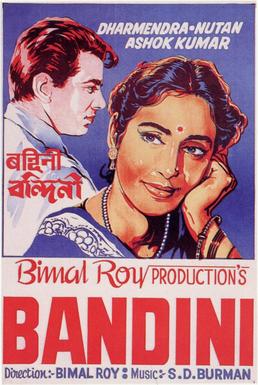
நமது பழைய ஹிந்தித் திரை இசைஞர்களில் மூத்தவர் எஸ்.டி பர்மன். (1906-1975) பர்மன் என்றால் என்னவோ ஏதோ வென்று நினைக்கவேண்டாம் – அது வர்மா தான். திரிபுரா ராஜவம்சத்தைச் சேர்ந்தவர். திரை இசைத்துறையில் தனித்தன்மையுடன் திகழ்ந்தவர். எல்லோராலும் மரியாதைக்குரியவராக மதிக்கப்பட்டவர். இவர் முதல் ஹிந்திபடத்திற்கு இசையமைத்த போதே (1946) இவருக்கு வயது 40. இறுதிவரை ஊக்கத்துடன் இருந்தார். 1975ல் “மிலி” படத்தின் பாடல்களுக்கு ஒத்திகை பார்த்துவிட்டு உடல் நலம் குன்றி சில மாதங்களில் காலமானார்.
இவர் சாஸ்திரிய சங்கீதத்தில் முறையான பயிற்சி பெற்றிருந்ததுடன், வங்காள பிராந்திய, கிராமிய இசை, ரவீந்திர சங்கீதம் ஆகியவற்றிலும் தேர்ச்சிபெற்றிருந்தார். இத்தனை அம்சங்களையும் இவர் இசையில் பார்க்கலாம்
இவருக்கு நல்ல குரல் வளமும் உண்டு. ஆனால் தன்பாட்டுக்கு பிறர் திரையில் வாயசைப்பதை விரும்பவில்லை. இவர் ஹிந்திப் படங்களில் 8 பாட்டுகள் தான் பாடியிருப்பார், ஒவ்வொன்றும் மணியானவை, மறக்க முடியாதவை. இவை திரை நிகழ்ச்சிகளின் பின்னணியாக வரும் இத்தகைய இரு பாடல்களைப் பார்க்கலாம்.
இந்த இரண்டு பாட்டுக்களையும் கேளுங்கள்! எவ்வளவு வித்தியாசமான குரல்! எத்தனை உணர்ச்சிபூர்வமாகப் பாடப்பட்டவை! இது பர்மன் குரலின் விசேஷம்!
இரு பாடல்களையும் கவனிப்போம்- எத்தனை அழகிய கவிதை!
பர்மன் பாடிய பாடல்களின் மெட்டுக்களுக்கு அவர் மனைவி மீராவும் உதவினார் என்பர். அவரும் இசையில் தேர்ந்தவர். ஓரிரு படங்களுக்கு பர்மனுக்கு உதவியாளராக இருந்திருக்கிறார்.
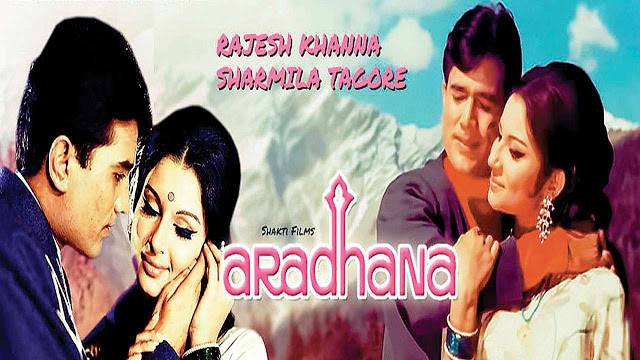
பர்மனுக்கு பணத்தாசை இருந்ததில்லை. இந்த ஆராதனா படம் எடுத்தபோது தயாரிப்பாளரிடம் பொருள் வசதி இல்லை என்று அறிந்த பர்மன், வழக்கமாக வாங்கும் தொகையையை விட குறைத்தே வாங்கினார். 40களின் இறுதியில் பம்பாய் நகரின் பணவெறி பிடித்த சூழ்நிலை அவருக்குப் பிடிக்கவில்லை- பம்பாயை விட்டு நீங்கவே முயற்சித்தார்! ஹிந்தித் திரை இசையில் முதலில் மெட்டமைத்து பின் அதற்குத் தக்கபடி பாட்டெழுதும் வழக்கத்தை முதலில் புகுத்தியவர் எஸ்.டி பர்மனே!
Date uploaded in London – 31 May 2020 Contact – swami_48@yahoo.com Pictures are taken from various sources for spreading knowledge; this is a non- commercial blog. Thanks for your great pictures.
ஒரே சொல் மீண்டும் மீண்டும் வந்தால் ஓரிரு இடங்களில் மட்டுமே கட்டத்தில் இருக்கும். கொண்டு கூட்டி பொருள் கொள்க . விடை கீழே உள்ளது . சில நேரங்களில் படங்களைப் பார்த்தாலும் விடை காண உதவலாம்.
விடை
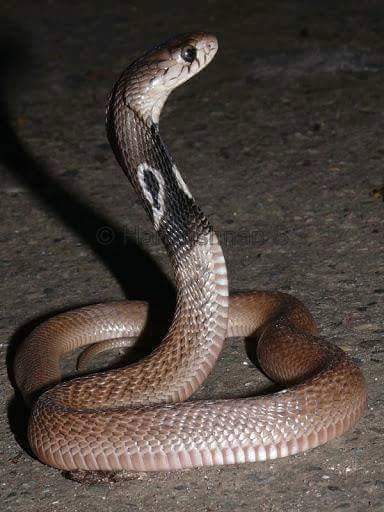
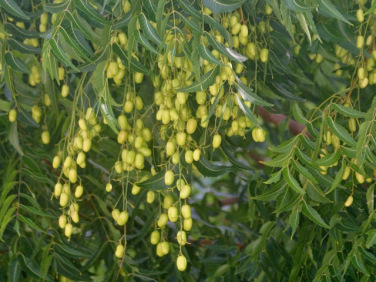
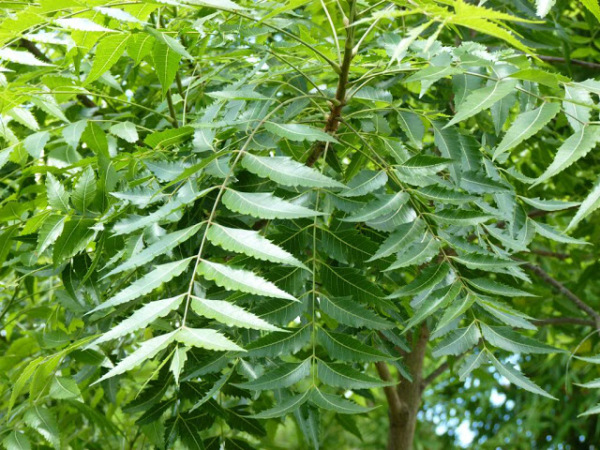
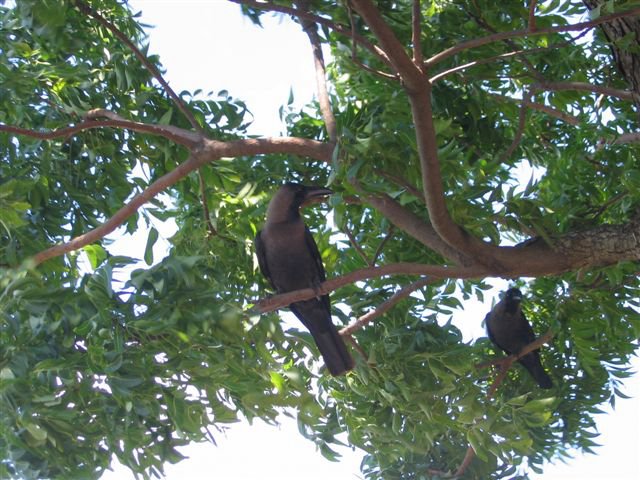
1.வேப்பம் பழம் சிவந்தாலும் விரும்புமா கிளி ? 2.வேப்பெண்ணை விற்ற காசு கசக்குமா 3.வே ம்பும் சரி , வேந்தனும் சரி 4.வேம்பில் தேனை விட்டால் கசப்பு நீங்குமா Source book :– பயன்படுத்திய நூல்- கழகப் பழமொழி அகர வரிசை, கழக வெளியீடு.
Pictures are taken from various sources for spreading knowledge; this is a non- commercial blog. Thanks for your great pictures.
SRI TYAGARAJA-22- Ways to Worship God
However much we may think of Bhakti, we need a method to practice it. In the absence of proper practice, it will remain a mere theory or sentimental interest.
Personal teacher
In respect of mundane professions like law, medicine, accountancy etc, there is a system of formal apprenticeship, even after obtaining theoretical qualification. In fact this was the method followed in the pre-modern period in any field: the student lived with the teacher and imbibed the knowledge and skills. In many cases. the father himself was the teacher. Today in India, this is still prevalent to some extent only in the field of classical music.
In the religious-spiritual area, the physical presence and guidance of a teacher is highly valued, is considered indispensable. This is not so much from the angle of theoretical learning, not even from the need to learn the correct techniques, avoid pitfalls ; it is from the deeper need to imbibe the values, attitudes ,and even more importantly in order to benefit directly from the power and presence of the Teacher. But in this case, the teacher himself must be a Realised or at least advanced soul. No teacher can take the student beyond what he himself had reached
Place of Scriptures
However, the Bhakti path is widespread as it is simple to adopt, and one is permitted great variety , latitude and liberty in practice. There have been great Saints whose teachings and example are available for study, reflection,emulation and adoption. There are manuals to teach us authentic methods- like Narada Bhakti Sutras and Sandilya Bhakti Sutras. Numerous teachings and techniques are explained in other scriptures, especially the Gita and Bhagavatam.
The Gita
The Gita is stated in its colophon to be Upanishad, Brahmavidya and Yoga sastram- that is, it takes one near the object, teaches the ultimate Truth and imparts the right techniques! The practice starts with formal worship, according to set rules and methods, called Vaidi Bhakti, (vidhi poorvakam) and gets transformed in numerous ways as one matures and advances on the path. Bhagavan says very clearly:
Ye yatha mam prapathyante
Taams tathaiva bhajaamyaham 4.11
In whatever manner the devotee worships Me, I approach him in the same manner.
Bhagavan also gives the assurance that His devotee is never destroyed:
Na Me bhakta: pranasyati 9.31
My devotee is never destroyed.
But who is a devotee, in the first place?
Bhagavan talks of 4 types of devotees:
Chaturvidhaa bhajante Mam
Janaa: sukritinoarjuna
Aarto jijnasur artharthi
Jnani cha bharatarshabha. 7.16
O Arjuna, four kinds of virtuous men worship Me- the one in distress (desiring relief), the seeker of Enlightenment, the seeker of (worldly or heavenly) enjoyment, and the Jnani, O bull among the Bharatas.
Sri Suka Brahmam says in Bhagavata:
Akama: sarvakamo va mokshakama udaradhi:
Tivrena bhaktiyogena bhajet purusham param.
2.3.10
Let a man be without desire, or with many desires; if he is intelligent and a sincere aspirant after Liberation, let him worship the Supreme Being with intense devotion.
But this is not a licence for resorting to devotion as a means of fulfilling worldly desires! (Many modern gurus and Christian evangelists promise just this!) Real devotion seeks nothing but God. That also is the highest Wisdom. Bhagavan clarifies in the Gita:
Teshaam jnani nityayukta
Ekabhaktir visishyate 7.17
Of them ( the 4 type of bhaktas) the Jnani, ever steadfast in devotion to the One (alone) excels.
Udaraa: sarva evaite
Jnani tvaatmaiva Me matam
Aasthita: sa hi yuktatma
Maamevanuttamaam gatim 7.18
They are all noble indeed. But I regard the jnani as My very Self.For with his mind steadfast, he is established in Me alone, as the supreme goal. (He does not desire anything else.)
Ananyachetaa:satatam yo Mam
Smarati nityasa:
Tasyaham sulabha: Partha
Nityayuktasya yogina: 8.14
Arjuna! I am easily attainable by that yogi who always thinks of Me, and remembers me daily with single mindedness ( completely united with Me in consciousness)
Teshaam satata yuktanam
Bhajatam preeti poorvakam
Dadaami buddhiyogam tam
Ye na Mam upayanti te. 10.10
To those who are engaged in constant dhyana on Me and are engaged in worship with deep love- I grant them that Wisdom by which they can reach Me.
Such is the power, promise and potential of Bhakti. Whether jnani, yogi or devotee-pure devotion is essential. This Bhagavan makes clear in the Bhagavatam too.
Srimad Bhagavatam
Mayi bhaktir hi bhutanam
Amrutatvaya kalpate 10.82.45
Loving devotion to Me (alone) enables all beings to attain Immortality (Mukti or Liberation)
Bhaktyoddhavanapayinya sarvaloka maheswaram
Sarvotpatyapyayam brahma karanam mopayaati sa:
11.18.45
Through constant and deep-rooted loving devotion, man attains to Me- the Supreme master of all the worlds, the First Cause and Brahman, in whom creation,preservation and destruction of the worlds take place.
(These words are addressed to Uddhava, parama bhagavata)
Just as the flames of blazing fire burn up all the fuel, even so devotion to Me destroys all sins.
Neither yoga, nor sankhya, nor dharma, nor scriptural study, nor austerity, nor renunciation can attract and dominate Me as deep-rooted devotion can.
With the aid of unswerving devotion coupled with earnest faith, holy men are able to attain Me, who am dear to them as their very soul. Deep-rooted devotion to me purifies even one who is a born sinner.
Prahlada and Nine Modes
In the Bhakti literature, the ideal of bhakti is expressed through nine modes, called nava vida bhakti. Prahlada, ranked first among the devotees in the classical tradition, gives the standard statement in the Bhagavatam.
Sravanam kirtanam vishno:
smaranam padasevanam
Archanam vandanam dasyam
Sakhyam atmanivedanam
Iti pumsarpita vishnau
Bhaktischen nava lakshana
Kriyate bhagavat yaddha
Tanmanye adheetam uttamam 7.5.23-24
The practice of devotion takes the following nine forms:
Sravanam: hearing about Bhagavan
kirtanam: Singing His greatness and glories
smaranam : constant remembrance
padasevanam: serving Him ( can include through consecrated images, devotees and holy men and living beings, generally)
archanam: worshipping Him in holy consecrated images
Vandanam: paying obeisance
dasyam: practicing the attitude of servant towards Him
sakhyam: cultivating loving intimacy with Him, as in the case of a friend or companion
atmanivedanam: surrendering one’s body, mind and soul to Him.
A person who offers this nine-fold devotion, in truth and spirit, is indeed a well-educated person.
Prahlada says further: Naalam dwijatvam devatvam rishitvam vasuratmaja: preenanaaya Mukundasya na vruttam na bahujnata Na daanam na tapo nejya na saucham na vrataanicha Preeyate amalaya bhaktya hariranyad vidambanam 7.7.51,52
Children of the asuras! In order to please Mukunda, it is not necesary to be a Brahmin, a deva, an all-renouncing Muni. Sadacharam or different types of jnana are not required. Danam, tapas, yajna, ceremonial cleanliness, vrataas- these are not required. Whatever is done without sincere devotion for Hari, is all mere external show.
Narada and Eleven Modes
Sage Narada has given us his exposition on devotion in his Sutra on Bhakti. He mentions Sanatkumara and three other Rishis, Vyasa, Suka, Sandilya, Garga, Vishnu, Kaundinya, Seshan, Uddhava,Aruni, Bali, Hanuman, Vibhishana as the Acharyas of the Bakti path who did not listen to the vain talk of people but unanimously held Bhakti to be supreme. Narada simply defines Bhakti as the form of “parama prema rupa” – the supreme love for the Divine. Though it is one, it takes eleven forms: “Ekadhab ekadasadha bhavati”. These are: (Sutra 82)
Desire to listen to the auspicious qualities of Bhagvan (guna maahaatmya)
Desire to see the Divine forms of the Lord (Rupa)
Desire for performing His puja
Desire for constantly remembering Him (Smarana)
Desire to be His servant (Dasyam)
Desire to be His companion(Sakhyam)
Desire to be His beloved (Kantha)
Desire to treat Him as one’s child (Vatsalya bhavam)
Desire to offer oneself fully (Atma nivedanam)
Desire to merge with Him, to become Him (tanmayad)
Desire to suffer, unable to stand separation from Him ( Viraha bhavam)
Though Narada mentions many Acharyas, he gives only one example of Bhakta: Yatha Vraja Gopikanam (Sutra 23). What is so special about the blessed Gopis? Bhagavatam gives us a glimpse.
Gopis supreme Bhaktas
Ya dohane avahanane mathanopalepa
prenkhkenkhanar bharudi toshana marjanadau
Gaayanti chaina manuraktadhi yoasru kanthyo
Dhanya vrajastriya urukrama chittayaanaa:
10-44-15
While milking the cows, while winnowing the grains, while churning curd, while cleaning the courtyard, while putting the children to sleep or while cajoling them with sweet nothings to pacify them while they cry, while washing the house with water, while cleaning with the broom, – while engaged in all this , their heart brimming with love, eyes brimming with tears, with voice choked due to emotion, the Gopikas were singing of Sri Krishna! Oh the Gopis of Vraja! How blessed they are, that they had their mind always fixed on Sri Krishna!
Tan manaskaastadaalaapaas
tad vicheshtaastadaatmikaa:
Tad gunaneva gaayantyo
Naatmaagaaraani sasmaru: 10.30.44
The mind of the Gopis had become Krishnamaya.
No speech escapes their mouths, except about Krishna. Their bodies displayed only those motions meant for Krishna, very much like those of Krishna!
Why express so much? Their whole atma had become Krishnamaya. They were singing only about the gunas and leelas of Krishna. They had become so integrated with Krishna that they did not even have any thought or memory of their very homes!.
No wonder even the Divine Sage Narada could only think of the Gopis of Vraja while talking of the ideal Bhakta! They did not want anything other than Bhagavan. This indeed is the ultimate mark of a true devotee. No wonder that great bhakta, Uddhava, desired to be born as a blade of grass in the land of Gopis!
Says Krishna in Bhagavatam:
Na paarameshthyam na mahendradhishnyam
Na saarvabhaumam na rasaadipatyam
Na yogasiddheerapurnavam va
Mayyarpitaatmechchati madvinaanyat. 11.14.14
Those who have dedicated themselves to Me- they do not like anything other than Me: either the position of Brahma, or the post of Indra. The desire to rule even the fourteen worlds does not arise in their mind; nor do they want kingship of Rasatala. They do not even desire the siddhis obtained through expertise in Yoga or even Liberation.
How do such devotees spend their time?
Machchitta madgadaprana :
Bodhayanta:parasparam
Kathayantascha Mam nityam
Tushyanti cha ramanti cha.
Teshaam satata yuktaanam
Bhajataam preeti poorvakam Gita. 10.9-10
The devotees who have dedicated their entire mind to Me, and offered their life force to Me- they discuss among themselves their devotion and thus enlighten themselves mutually; they engage in talks about my gunas and stories; thus they are always full of contentment and delight. They are ever steadfast and serve Me with affection.
Since Sri Tyagaraja belongs to the line of Bhakta-Bhagavata, I wanted to preface this piece with some initial references to the tradition, before covering what Tyagaraja himself wrote. Only that would enable us to appreciate Tyagaraja properly. But the references kept coming, and even after cutting down a lot, this section has become longish. We will cover Tyagaraja’s own words next.
Pictures are taken from various sources for spreading knowledge; this is a non- commercial blog. Thanks for your great pictures.
tamilandvedas.com, swamiindology.blogspot.com
ஒரு கதை –பழமும் தின்னு கொட்டையும் போட்டது யார்?
பெரிய அனுபவசாலிகளை ‘அவரா , அந்த ஆளு பழமும் தின்னு கொ ட்டையும் போட்டவன் ஆச்சே’ என்று புகழ்வர். எல்லார் பணத்தையும் வாங்கிச் சாப்பிட்டுவிட்டு ஏப்பம் விட்ட ஆளையும் இதே சொற்றொடரால் இகழ்வதும் உண்டு .
இந்தத் தொடர் எப்படி வந்தது என்பது ஒரு கதையில் உள்ளது . இதோ அந்தக் கதை –புத்த மதத்தின் விநய பிடகத்தில் சுள்ள வக்கத்தில் உள்ள கதை இது
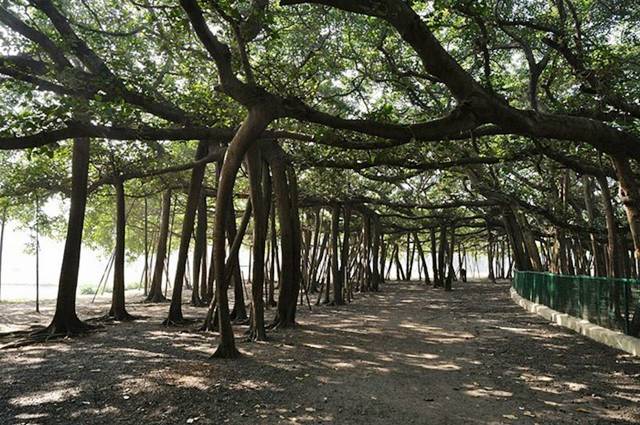
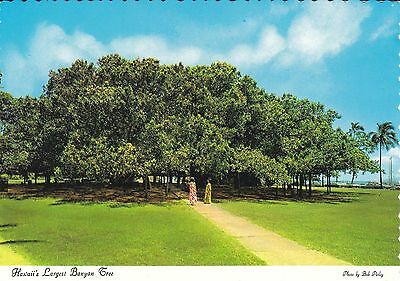
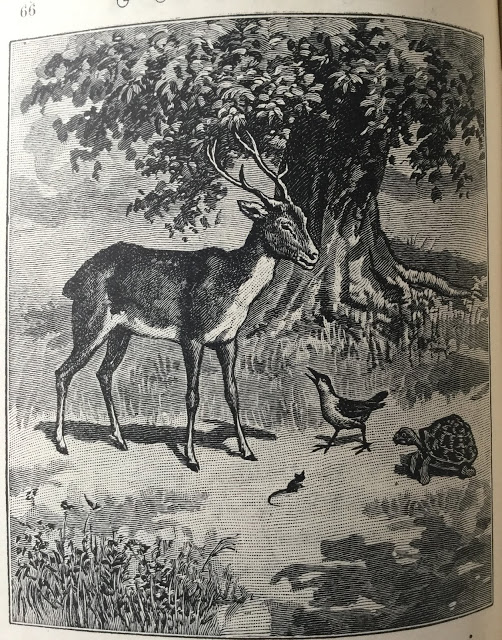
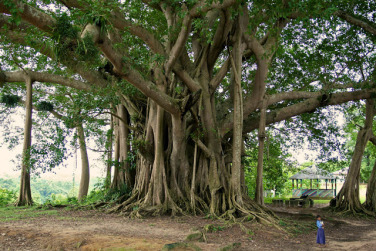
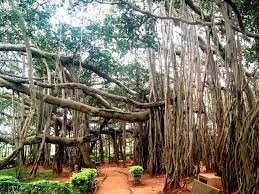
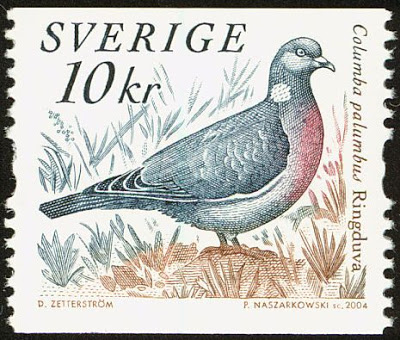
வெகு காலத்துக்கு முன்பு இமயமலைச் சாரலில் ஒரு ஆலமரம் இருந்தது அதனருகே ஒரு புறா , ஒரு யானை, ஒரு குரங்கு ஆகிய மூன்றும் நண்பர்கள் போல வாழ்ந்தன. ஆயினும் அவைகளிடையே பரஸ்பர நம்பிக்கை இல்லை; ஒருவரை ஒருவர் மதிப்பதும் இல்லை.யார் பெரியவர், யார் மூத்தவர் என்ற அஹம்காரம் கூத்தாடியது . ஒரு நாள் இந்தக் கூத்தை வெளிப்படையாகவே பேசி நம்முள் யார் பெரியவர் என்பதைத் தீர்மானிப்போம். அதை மற்றவர்களும் ஏற்றுக்கொண்டு அதன்படி மதிப்போம், மரியாதை செய்வோம் என்று முடிவு செய்தன.
இதன்படி புறாவும் குரங்கும் யானையிடம் ஒரு கேள்வி கேட்டன-
நண்பனே! உனது நினைவு எவ்வளவு பழைய காலம் வரை செல்கிறது?
இதற்கு யானை சொன்னது – நண்பர்களே! நான் சிறுவனாக இருந்த போது இந்த மகத்தான ஆலமரம் அதிகம் வளரவில்லை. அதன் மீதே நான் நடந்து சென்றது எனக்கு நன்றாக ஞாபகத்தில் இருக்கிறது.. அதன் உயரம் என் கால் களுக்கும் கீழேதான் இருந்தது. அதன் உச்சிக் கொம்பே என் வயிற்றைத் தொடும் அளவே இருந்தது”.
உடனே யானையும் புறாவும் சேர்ந்து இதே கேள்வியைக் குரங்கினிடம் கேட்டன
குரங்கு சொன்னது-
“நண்பர்களே! நான் சிறுவனாக இருந்தபோது ஒரு முறை தரையில் உட்கார்ந்து இருந்தேன் அப்போது தரையில் அமர்ந்தவாறே ஆலமரத்தின் உச்சிக் கொம்பைக் கடித்துத் தின்றது நினைவுக்கு வருகிறது “.
பின்னர் குரங்கும் யானையும் சேர்ந்து புறாவிடத்தில் இக்கேள்வியைக் கேட்டன. புறா சொன்னது-
“நண்பர்களே ! அதோ தெரிகிறதே பொட்டல்காடு. அங்கே முன்னொரு காலத்தில் ஒரு பெரிய ஆலமரம் இருந்தது . ஒருநாள் அதன் பழம் ஒன்றைத் தின்றுவிட்டு அதன் விதையை எச்சமாகக் கழித்தேன். அந்த விதையிலிருந்து உண்டானதே இந்தப் பெரிய ஆலமரம். ஆகையால் உங்கள் இருவரைக்காட்டிலும் நான்தான் மூத்தவன்” என்று புறா கூறியது இதைக்கேட்ட குரங்கும் யானையும் நீயே மூத்தவன் இனிமேல் உன்னை மதித்து உன் சொற்படி நடப்போம் என்று உறுதி கூறின.
இந்தக் கதையை புத்தர் சொன்னதாகவும் வினய பிடகம் எழுதிவைத்துள்ளது. இதுதான் பழமும் தின்று கொட்டையும் போட்டவனின் கதை.
பொதுவாக புத்த மதத்தில் உள்ள கதைகள் எல்லாம் பழங்கால பாரதத்தில் வழங்கிய கதைகள் ஆகும். அந்தக் கதைகளை புத்த மதத்தினர் எடுத்து புத்தர், போதி சத்துவர் என்ற பெயர்களை நுழைத்துப் பயன்படுத்தினர்.
Pictures are taken from various sources for spreading knowledge; this is a non- commercial blog. Thanks for your great pictures.
ஹிந்தி படப் பாடல்கள் – 53 – இரு மணிகள் – ஆர். டி. பர்மன்
R. Nanjappa
ஆர். டி. பர்மன்
ஹிந்தித் திரை இசையில் மேற்கத்திய அம்சங்களையும் உத்திகளையும் புகுத்தியவர்களின் வரிசையில் முதலில் நிற்பவர் சி.ராம்சந்த்ரா. ஆனால் இவர் ஓரளவோடு நிறுத்திக்கொண்டார். இவர் இசையில் இனிமைக்கே melody முதலிடம் இருந்தது. தாள ஜாலம் beats, rhythm என்றெல்லாம் அதிகம் போகவில்லை.
ஆர்.டி பர்மன் அதற்கென்றே பிறந்து வந்தவர்! நல்ல இந்திய இசைஞானம் இருந்தும், வலிந்து மேலை அம்சங்களை அதில் புகுத்தி ஏதாவது சோதனை செய்வதே அவர் வழக்கமாயிருந்தது. மேலை மெட்டுக்களை எடுத்தாள்வது, புதிய வாத்தியங்களை நுழைப்பது, புதிய ஒலிகளை நூதனமாக உருவாக்குவது என்று இப்படி ஏதாவது செய்வதே அவர் வழக்கம். இதே முறைகளை பின்னர் வந்த பலரும் கையாளத் தொடங்கியவுடன், ஆர்.டி.பர்மனின் மார்க்கெட் படுத்தது. இவர் யாருக்கும் குல்லாய் போட்டு காக்கா பிடிக்கும் நபரல்ல. தனக்கென்று சில தயாரிப்பாளர்களை தன் வசம் வைத்திருக்கவில்லை. அதனால் பின்னாட்களில் இவரால் சமாளிக்க முடியவில்லை.
சினிமா ரசிகர்கள் மத்தியில் ‘ஓ, இசை ஆர்.டி.பர்மனா- அது மேற்கத்திய இசையின் சாயல் அல்லது பாணி’ என்ற ஒரு கருத்து உருவாகி நிலவியது. அவர் இயக்கத்தில் இந்திய இசையில் உருவான பல நல்ல பாடல்கள் கவனிப்பாரில்லாமல் போயின. சில பாடல்கள் மிகப் பிரபலமடைந்தும் அவை இந்திய இசை மரபில் உருவானவை என்பது பலருக்கும் தெரியாது. அப்படிப்பட்ட இரு பாடல்களை இன்று பார்க்கலாம்.
This song has drawn great admiration from leading classical musicians from both North and South. Prince Rama Varma has analysed it beautifully, both the song and the background music. Pandit Ajoy Chakrabarty has praised it. Hemant Kumar said it was his favourite composition. A great song rendered for about 5 minutes, still admired after 50 years.
இங்கு நாம் பார்ப்பது நல்ல மெட்டு, நல்ல கவிதை, நல்ல பாடகர், அதை நன்றாகப் படமாக்கிய விதம் ஆகிய அனைத்து அம்சங்களும் சேர்ந்து உருவாக்கிய ஒரு விந்தை!
முதல் பாட்டிற்குச் சொன்ன அத்தனை விஷயங்களும் இந்தப் பாட்டிற்கும் பொருந்தும்.
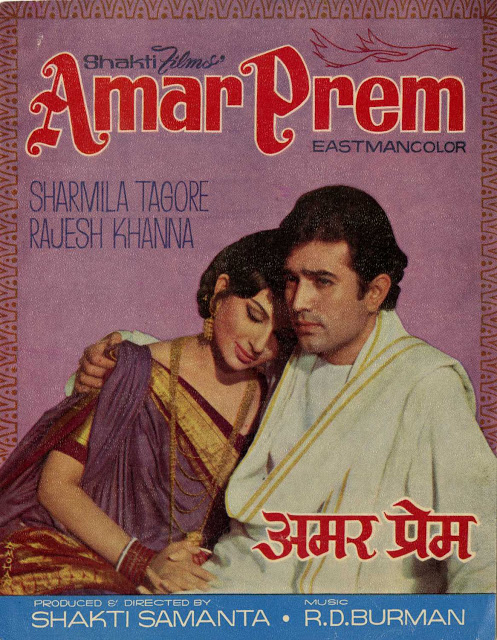
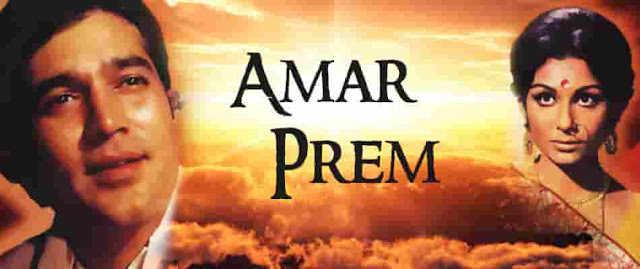
இந்த அமர்பிரேம் படத்தின் அத்தனை பாட்டுக்களும் நல்ல ராகத்தில் அமைந்தவை, மக்களிடம் நல்ல வரவேற்பும் பெற்றன. இப்படத்தின் இசையைப் பற்றி ஒரு செவிவழிச் செய்தி உண்டு. இதன் பாடல்களுக்கு மெட்டமைத்த ஆர்.டி அவற்றை தந்தை எஸ்.டி. பர்மனுக்குக் காட்டினாராம். இந்தப் படத்தின் கதைக்கு அவை பொருத்தமில்லை என்று அவர் சொல்லிவிட்டாராம். பின்னர் மீண்டும் முயன்று இந்த மெட்டுக்களை உருவாக்கினார் ஆர்.டி என்பார்கள்.
ஆனந்த பக்ஷியின் பாட்டுக்களையும் பாராட்டவேண்டும். நல்ல கவிதையும் மெட்டும் சேராமல் அதிக நாட்கள் நினைவில் நிற்கக்கூடிய பாட்டுக்கள் அமைவதில்லை.
ஆர்.டி பர்மன் (பன்சம்) என்றால் மேலை பாணி இசைதான் என்ற ஒரு அபிப்பிராயம் பொதுமக்களிடையே எப்படியோ பரவிவிட்டது. அதனாலேயே அவருக்கு வரவேண்டிய சில பரிசுகள் வராமல் போயின. அவர் மேலை நாட்டு இசையால் மிகவும் கவரப்பட்டார், அங்கிருந்து பல மெட்டுக்களுக்கான விஷயங்களை எடுத்துக்கொண்டார் என்பதும் உண்மையே, அவர் இதை மறைக்கவில்லை. ஆனால் அமர் பிரேம் போன்ற படங்கள் அவர் இந்திய இசையிலும் ஊறியவர் என்பதைக் காட்டும்.
பொற்காலத்திற்குப் பிறகும் நல்ல இசை வழங்கியவர்களில் ஆர்.டி பர்மனும் ஒருவர். ஆனால் தன் கவனத்தை சதா புதிய உத்திகளிலேயே செலுத்தி சக்தியை வீணடித்தார். பின் வந்தவர்கள் இவர் பாணியையே பின்பற்றி இவர் மார்க்கெட்டைக் கெடுத்தார்கள் (முன்பு ஓ.பி. நய்யாருக்கும் இதே நடந்தது.) இவர் கடைசியாக இசையமைத்தது “1942-எ லவ் ஸ்டோரி”என்ற படம்.(1994) மிகச் சிறந்த இசை கொண்டது. படம் ரிலீசாவதற்குள் அவர் காலமானார் (55 வயதுதான்) இப்படத்தின் இசைக்கு அவருக்கு ஃபிலிம்ஃபேர் அவார்டு கொடுத்தார்கள்.
Those interested may read: R.D.Burman: The Man, The Music by Anirudha Bhattacharjee & Balaji Vittal (HarperCollins, 2011)- winner of a National Award in that year. It is an engaging book.












 Tamil and Vedas