ஒருவனை ஒருபொருட்டும் மதிக்கமுடியாவிட்டாலும் பொருள் சேர்ந்துவிட்டால் உலகம் அவனை மதிக்கும் .ஆகையால் பொருளை விட சிறப்புடையது எதுவும் இல்லை
***
ஜூன் 7 ஞாயிற்றுக் கிழமை
நலம் வேண்டின் நாணுடைமை வேண்டும்; குலம் வேண்டின்
வேண்டுக யார்க்கும் பணிவு – 960
உலகில் நன்மை எல்லாவற்றையும் பெற வெட்கம் வேண்டும்; அதாவது தீய செயல்களைச் செய்ய வெட்கப்படவேண்டும் . வீட்டின் பெருமையைக் காக்க வேண்டுமானால் பணிவு வேண்டும் .அப்படியில்லாவிடில் அவனுடைய அப்பா, அம்மா வளர்த்த முறையை எண்ணி குலத்தைப் பழிப்பார்கள்
***
ஜூன் 8 திங்கட் கிழமை
ஞாலம் கருதினும் கைகூடும் காலம்
கருதி இடத்தாற் செயின் – குறள் 483
உலகமே வேண்டுமானாலும் கிடைக்கும் . தக்க காலத்தில், தக்க இடத்தில் செய்தால்.
Behind every great/successful man there stands a woman என்பது ஒரு ஆங்கிலப் பழமொழி. திரை இசையில் ஒவ்வொரு பெரிய இசைஞருக்கும் பின்னால் சில உதவியாளர்கள் இருக்கிறார்கள். இசைஞர் ஒரு மெட்டை அமைத்து விடலாம்- ஆனால் அதற்கு முழுவடிவம் கொடுத்து, தேவையான நுட்பங்களைப் புகுத்தி, அந்த மெட்டை மிளிரச் செய்வதில் உதவியாளர்களுக்கு பெரும்பங்கு உண்டு. இவர்களில் சிலர் பின்னாட்களில் தாமே இசைஞர்களாக வருவார்கள். மதன் மோஹன், ஜெய்தேவ், என்.தத்தா, ரவி, லக்ஷ்மிகாந்த்-பியாரேலால், ஆர்.டி பர்மன் போன்றவர்கள் உதவியாளர்களாக இருந்தவர்களே.
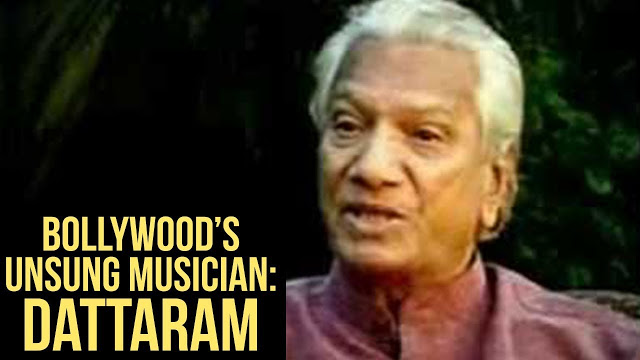
இப்படி இருந்த உதவியாளர்களில் ஒரு பெரிய பெயர் தத்தாராம் (வாட்கர்). 1949 முதல் 74 வரை இருபத்தைந்து ஆண்டுகள் ஷங்கர்-ஜெய்கிஷனுக்கு உதவியாளராக இருந்தார். இவருடன் இருந்த மற்றொருவர் செபாஸ்டியன் டிசூஃஜா. இருவரும் கோவாக்காரர்கள். டிசூஃஜா மேற்கத்திய வாத்யங்களை கவனிப்பதுடன் மேற்கத்திய உத்திகளையும் புகுத்தினார்; ஆர்கெஸ்ட்ராவையும் ‘நடத்துவார்’ தத்தாராம். இந்திய – குறிப்பாக தாளவாத்யப் பகுதிகளைக் கவனித்துக் கொள்வார். 1950 முதல் 70/71 வரை ஷங்கர்-ஜெய்கிஷன் இசையை ஊன்றிக் கேட்டவர்களுக்கு அதில் வரும் தாளவாத்யங்களின் சிறப்பும் பன்முகத்தன்மையும் புலப்படும். [இதை லக்ஷ்மிகாந்த்-பியாரேலால்/கல்யாண்ஜி-ஆனந்தஜீ ஆகியோரின் இசையுடன் ஒப்பிட்டுப் பார்க்கவும்]. தாளவாத்தியத்தில் ஒரு Zதுவகை தாளக்கட்டை தத்தாராம் உருவாக்கினார். இதற்கு “தத்தாராம் அல்லது தத்து தேகா” என்றே பெயர் வழங்கியது. (Dattu Theka) இதற்காக இவரை பிற இசைஞர்களும் நாடினர்.
[தத்தாராம், டிசூஃஜா இருவரும் 1974-75 வாக்கில் ஷங்கர்-ஜெய்கிஷன் குழுவிலிருந்து விலகினர். அதன்பிறகு ஷங்கர்-ஜெய்கிஷன் இசையின் தரமும் சரிந்தது]
தத்தாராம் சில படங்களுக்கு தனியாகவே இசையமைத்தார். இவை நல்ல வரவேற்பும் பெற்றன. ஆனாலும் இவர் இறுதிவரை உதவியாளராகவே தொடர்ந்தார். 1974ல் படவுலகை விட்டு நீங்கி சொந்த ஊருக்கே சென்றுவிட்டார். இறுதி நாட்களில் பொருள்வசதியின்றிச் சிரமப் பட்டார். ஒரு ஆபரேஷனுக்குத் தேவையான பணம் இல்லாமல் தனது 78 வது வயதில் 2007ல் காலமானார். திரைஇசைத் துறையில் பலர் இவ்வாறு சிரமத்தில் இறுதி நாட்களைக் கழித்தனர்.
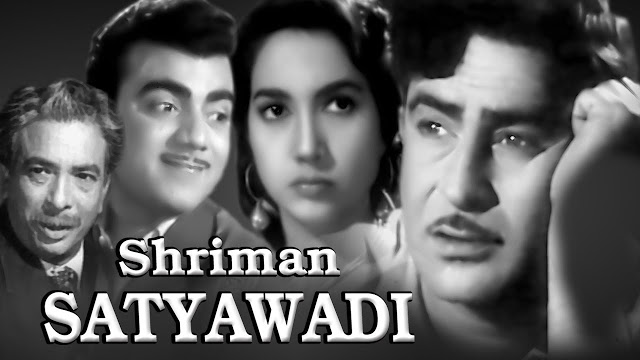
தத்தாராம் சுமார் 20 படங்களுக்கு இசையமைத்தார். இவற்றில் 10 படங்கள் நன்கு மதிக்கப்பட்டன. அவற்றில் இரு படங்களிலிருந்து இரு பாடல்களைப் பார்க்கலாம்.
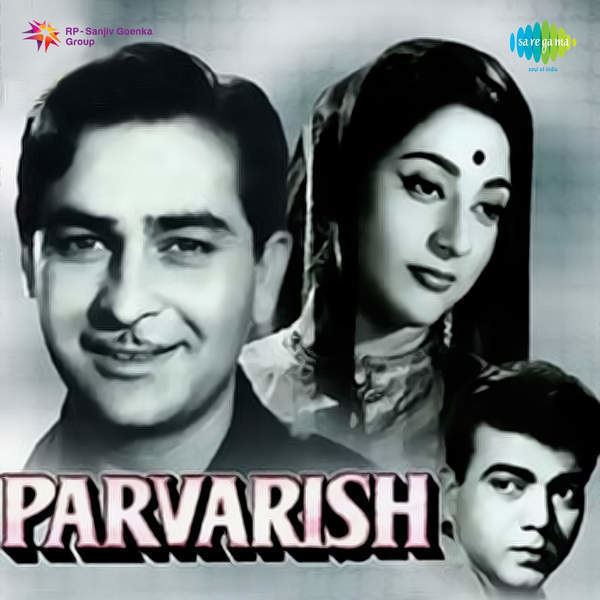
Song: Aansu bhari hai Film: Parvarish 1958 Lyrics: Hasrat Jaipuri
Music: Dattaram Singer: Mukesh
youtube link:
இந்தப் படத்திற்கு தத்தாராம் அமைத்த இசை நல்ல வரவேற்பு பெற்றது. இதில் பல நல்ல பாடல்கள் இருந்தாலும் யமன்/கல்யாண்ராகத்தில்அமைந்த இந்தப் பாடல் பண்டிதர்களிடமும் பாராட்டு வாங்கியது.
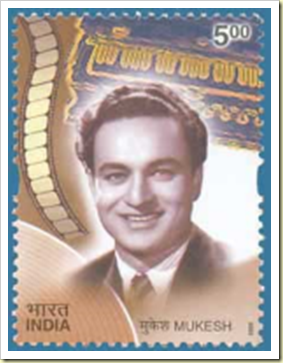
இந்த வகைப் பாடல்களுக்கு ஒரு மாதிரியாக அமைந்தது, இதில் வரும் சாரங்கி வாத்யத்தை இசைப்பது ஃஜாஹுர் கான். பிசிரில்லாமல் பாடியிருக்கிறார் முகேஷ்.
தத்தாராம் இசையில் மன்னா டே, முகேஷ் இருவருக்கும் பல நல்ல பாடல்கள் அமைந்தன.
இந்தப் பாட்டு மிகவும் சோகமாக இருக்கிறதா?
இதோ, மாறுதலான பாட்டு-அதே முகேஷின் குரலில்!
ஹாலேதில்ஹமாரா
hale dil hamara jane na bewafa ye jamana jamana hale dil hamara jane na bewafa ye jamana jamana suno dunia walo aayega laut kar din suhana suhana hale dil hamara
ek din dunia badal kar rashte par aayegi aaj thukra ti hai hamko kal magar sharmayegi bat ko tum man lo are jan lo bhaiya hale dil hamara jane na bewafa ye jamana jamana suno duniya walo
dag hai dil par hazaro hum to phir bhi shak hai aas ke deepak jalaye dekh lo aabad hai teer dunia ke sahe par khus rahe bhaiya hale dil hamara jane na bewafa ye jamana jamana suno duniya walo
மனதில்பலதுன்பங்களின்கறைகள்இருக்கின்றன
ஆனாலும்நான்சாந்தமாகவேஇருக்கிறேன்
நம்பிக்கைஎன்னும்தீபத்தைஏற்றிவைத்துப் பார்–
எங்கும்சுபிட்சமே!
உலகின்துன்பங்களைஏற்றுக்கொண்டேன்–
ஆனாலும்மகிழ்ச்சியாகவேஇருக்கிறேன், அண்ணே!.
jhuth ki manjil pe yaro hum na hargirz jayenge hum jami ki khak sahi aasma par chayenge kyu bhala dab kar rahe darte nahi bhaiya hale dil hamara jane na bewafa ye jamana jamana suno dunia walo aayega laut kar din suhana suhana hale dil hamara
முகேஷின் குரலைக் கேளுங்கள்! முன் பாட்டிற்கும் இதற்கும் எத்தனை வேறுபாடு! இதுதான் பாட்டின் மெட்டை அமைப்பவர்களின் சாமர்த்தியம்! முகேஷின் குரலுக்கு ஒப்ப மெட்டமைத்தவர்களில் தத்தாராம் ஷங்கர் ஜெய்கிஷனுக்கு சமம் அல்லது அடுத்தபடி எனச் சொல்லலாம். தத்தாராம் இசையில் முகேஷ் பல நல்ல பாடல்கள் பாடியிருக்கிறார்.
ஹஸ்ரத் ஜெய்புரியின் இனிய கவிதை! கவிதையும் இசையும் சேர்ந்தால்தான் நல்ல பாட்டு நிலைத்து நிற்கிறது!
இந்தப் பாட்டில் சொல்லிய கருத்துக்கள் பாத்திரத்தின் கருத்துக்களா, கவியின் கருத்துக்களா?
One gets the impression that the musicians who sat for discussions with music directors, to shape, finalise and finish the song, did not get paid well in those remote days they just about managed. Dattaram has stated:
“I played in the rehearsals and sittings, so I had a fixed rate for all that. I was paid two hundred rupees per song for sitting and rehearsals. So that was like fifteen days to finish one song by the time everything was done. I just accepted what they gave me.”
[“Behind The Curtain: Making Music in Mumbai’s Film Studios” by Gregory D.Booth, page 182]
No wonder, Dattaram faced financial difficulties later. We enjoy the songs after so many years, but let us spare a thought for these great men who laboured so much. May the good Lord keep them well, wherever they are.
Pictures are taken from various sources for spreading knowledge; this is a non- commercial blog. Thanks for your great pictures.
செகுலர் இந்தியா பிறந்த கதை!
ச.நாகராஜன்
செகுலரிஸம் என்றால் என்ன என்று கேட்டால், ‘அது தானே, எது ஹிந்து என்றாலும் அதை எதிர்ப்பது, எது முஸ்லிம் அல்லது கிறிஸ்தவம் என்றாலும் அதை ஆதரிப்பது. அவ்வளவு தான்!’, என்று பதில் வரும்.
அது சரி, முஸ்லீம், கிறிஸ்தவர்கள் ஒரு வேளை தவறு செய்தால் அதைச் சுட்டிக் காட்டலாமா என்று கேட்டால் ஐயையோ, நீ செகுலரிஸத்திற்கு எதிரி என்ற முறைப்பான பதில் ‘ஒரு பக்கத்திலிருந்து’ வரும்.
இந்த ‘ஒரு பக்கம்’ யார் என்று கேட்டால் அதற்கு நமது சமீபத்திய வரலாற்றைப் பார்த்தாலேயே தெரியும்.
மதமாற்றத் துடிக்கும் கிறிஸ்தவ மிஷனரிகள், மைனாரிடி, செகுலரிஸம் ஆகிய வார்த்தைப் போர்வைகளுக்குள் ஒளிந்து கொள்ளத் துடிக்கும் இஸ்லாமிய தீவிரவாதிகள், பிரிவினையைத் தூண்டும் கம்யூனிஸ்டுகள், தேசத்தின் முன்னேற்றத்தைத் தடுக்க அன்னிய சக்திகளிடமிருந்து பணம் பெற்று தேச ஒற்றுமைக்குப் பங்கம் விளைவிக்கக் காத்திருக்கும் ஆங்காங்குள்ள துண்டுக் கட்சிகள், மிகத் தவறான தேசத் துரோக, பிரிவினைவாத ஊடகங்கள், பத்திரிகைகள் ஆகியவையே இந்த ஒரு பக்கத்தில் இருப்பவர்கள்.
இவர்களுடன் வலுக்கட்டாயமாக இணைக்கப்பட்டிருப்பவர்கள் செகுலரிஸம் என்றால் என்ன என்று நிஜமாகவே புரியாத ஐந்து ஆண்டுக்கு ஒரு முறை ஓட்டுப் போடும் அப்பாவி மக்கள்!
1948ஆம் ஆண்டு நவம்பர் 15ஆம் தேதி அரசியல் சட்ட அமைப்பை நிர்ணயம் செய்ய கான்ஸ்டியுயன்ட் அசெம்பிளி குழுமியது. புரபஸர் கே.டி. ஷா, செகுலர் என்ற வார்த்தையை அரசியல் சட்டத்தின் முகவுரையில் (preamble) சேர்க்க வேண்டுமென்றார்.
க்ளாஸ் (1), ஆர்டிகிள் (1) இல் ‘shall be a’ என்பதற்குப் பின்னால் ‘Secular, federalist, Socialist, Union of States’ என்று இருக்க வேண்டும் என்றார்.
தொடர்ந்து சூடான விவாதம் ஆரம்பித்தது.
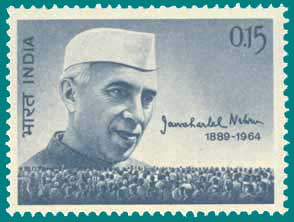
நேருவுக்கு இது பிடிக்கவில்லை. அனைத்து மதங்களும் ஒன்று போல அரசியல் சட்டத்தினால் பாவிக்கப்பட்டு அவரவர் மதத்தை அவரவர் தங்கு தடையின்றிப் பின்பற்றலாம் என்பதே அனைவரது கொள்கையும். ஆனால் செகுலர் என்ற வார்த்தையின் பொருள் என்ன? சரியான விளக்கத்தைத் தர முடியாத அந்த வார்த்தையை அவர் சேர்க்க வேண்டாம் என்றார்.
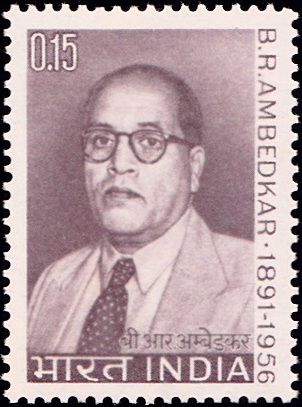
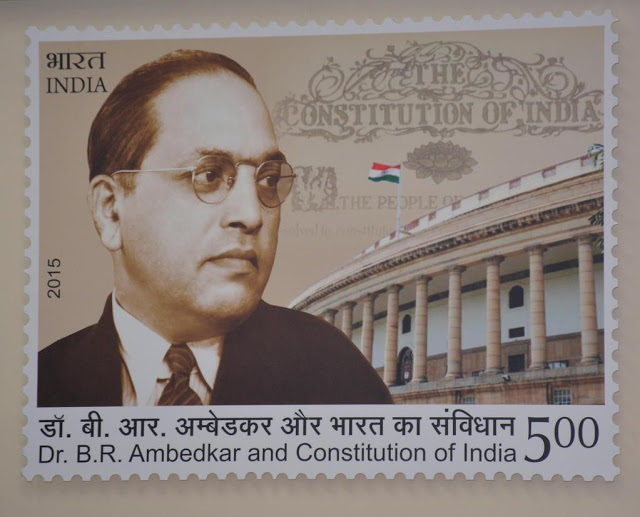
கமிட்டியின் தலைவராக இருந்தா பாபாசாஹப் அம்பேத்கரோ இந்த வார்த்தையைக் கடுமையாக எதிர்த்தார்.
அம்பேத்கர் கூறினார் :” இது மக்களால் தீர்மானிக்கப்பட வேண்டிய விஷயம்”
(Ambedkar said “what should be the policy of the State, how the Society should be organised in its social and economic side are matters which must be decided by the people themselves according to time and circumstances. It cannot be laid down in the Constitution itself because that is destroying democracy altogether.”)
இந்த செகுலர் விவாதத்தின் காரணமாக ஆர்டிகிள் 25, 26, 27 சேர்க்கப்பட்டன.
(The Constituent Assembly adopted Articles 25, 26 and 27 of theof the Constitution with the intention of furthering secularism).
ஆண்டுகள் உருண்டோடின.
இந்திரா காந்தியின் பிரதம மந்திரி பதவிக்கு கோர்ட் தீர்ப்பின் மூலமாக ஆபத்து வந்தது. 1975, ஜூன் மாதம் 26 ஆம் தேதி இந்திரா காந்தி அம்மையார் அவசர நிலை பிரகடனத்தைச் செய்தார்.
அவர் எடுக்கவிருக்கும் முன்னேற்ற நடவடிக்கைகளைத் தடுக்க உள்ள சதிக்கு எதிராக இந்த நடவடிக்கை அவசியம் என அவர் விளக்கம் அளித்தார்.
(This was a necessary response to “the deep and widespread conspiracy which has been brewing ever since I began to introduce certain progressive measures of benefit to the common man and woman of India.”)
தொடர்ந்து 38, 39,40, 41 என அரசியல் சட்டத் திருத்தங்கள் வந்த வண்ணம் இருந்தன.
கடைசியில் 42வது திருத்தம் வந்தது ; செகுலரிஸமும் அரசியல் சட்டத்திற்குள் நுழைந்தது. 20 பக்க திருத்தத்தில், ‘‘sovereign, socialist, secular, democratic republic” என்ற வார்த்தைகள் இடம் பெற்றன.
சாதாரணமாகவே ஹிந்து விரோத சக்திகள் ஆடும் குரங்காட்டம் கள் குடித்த குரங்காட்டமாக மாறியது.
இன்று அப்பாவி ஹிந்து சொந்த தேசத்தில் தவிக்கிறான்.
அவன் வணங்கும் ஆலயங்கள் அரசின் வசம் எடுக்கப்பட்டன.
சர்ச்சுகளோ, மசூதிகளோ ..மூச்.. செகுலரிஸம்!!!.
ஹிந்து மத சம்பந்தமான கொள்கைகளை பள்ளியில் மாணவர்களுக்குக் கற்பிக்கக் கூடாது.
கிறிஸ்தவ, இஸ்லாமியம் பற்றி … மூச் . கற்பிக்கலாம்!!!
மிக நீண்ட கதையை அனுபவத்தால் நாம் அறிகிறோம்.
சொந்த நாட்டில் நமக்கு நாமே செகுலரிஸம் வார்த்தைக்கு அடிமையான கதை இது தான்.
சொந்தத்தில் தனக்குத் தானே சூனியம் வைத்துக் கொள்ளும் ஹிந்துக்களை போகிறவன் வருபவன் எல்லாம் ஏறி மிதிக்கலாம்.
Pictures are taken from various sources for spreading knowledge; this is a non- commercial blog. Thanks for your great pictures.
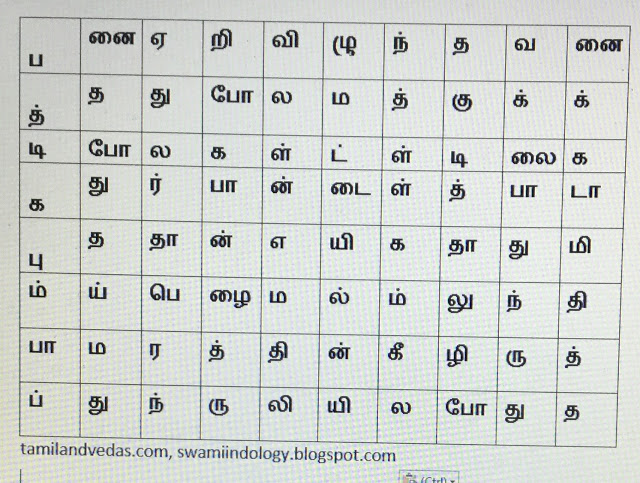
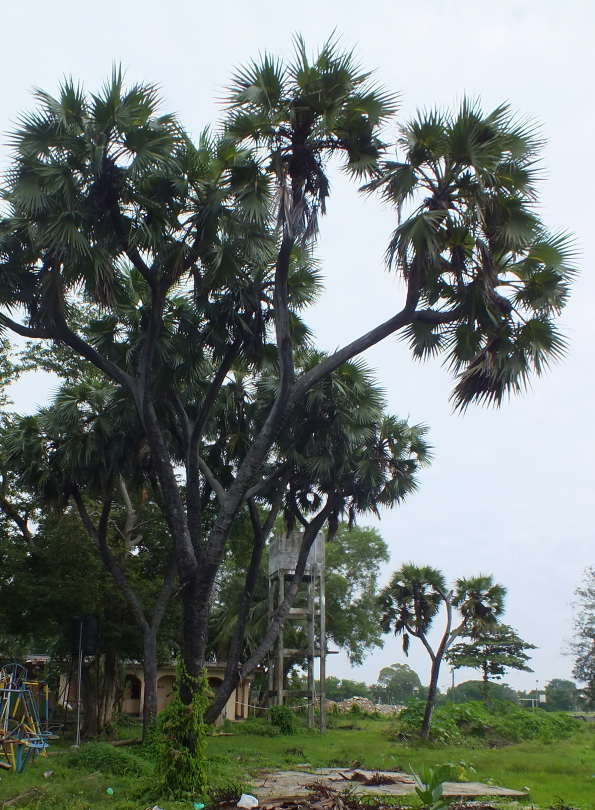
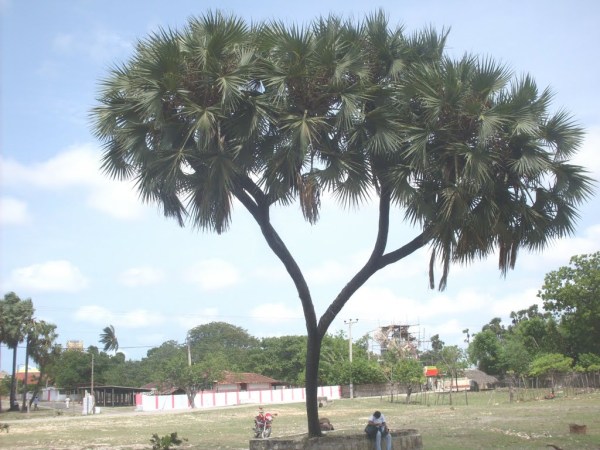
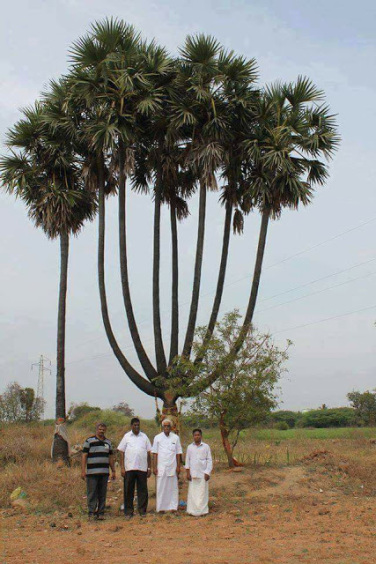
ஒரே சொல் மீண்டும் மீண்டும் வந்தால் ஓரிரு இடங்களில் மட்டுமே கட்டத்தில் இருக்கும். கொண்டு கூட்டி பொருள் கொள்க . விடை கீழே உள்ளது . சில நேரங்களில் படங்களைப் பார்த்தாலும் விடை காண உதவலாம்.
விடை
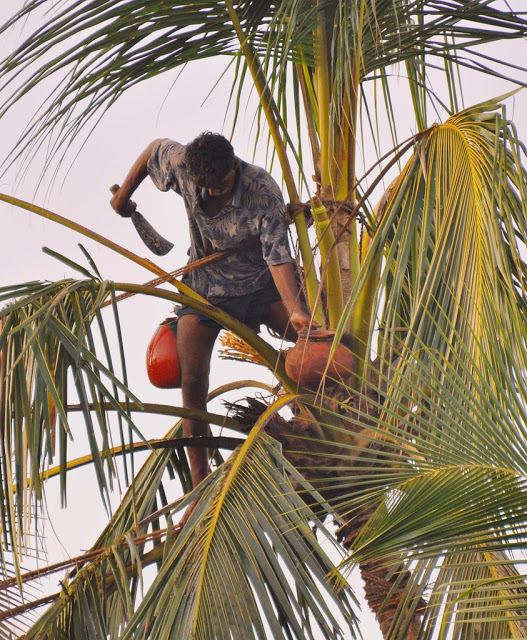
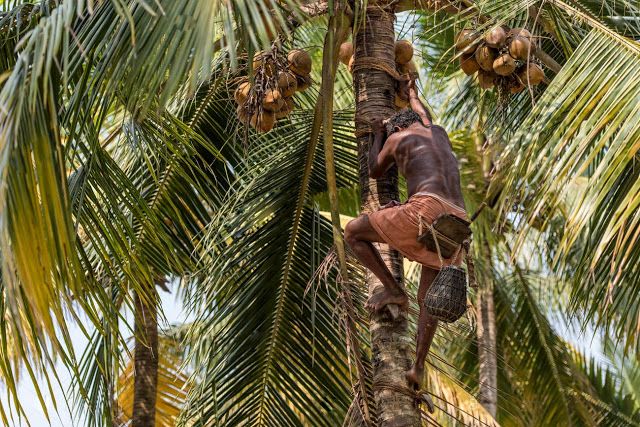
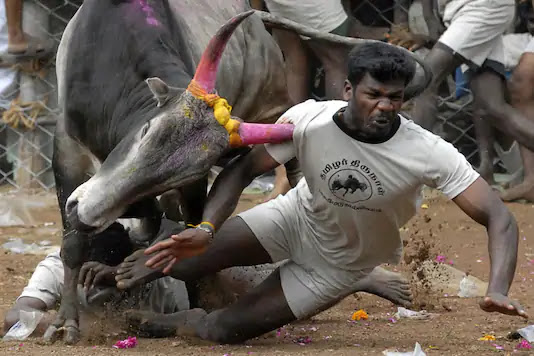
1.பனை ஏறி விழு ந்த வனைக் கடா ஏறி மிதி த்த து போல
2.பனையிலிருந்து விழுந்தவனைபப் பா ம்பு கடி த்தது போல
3.பனை மட் டையில் மழை பெய் தது போல
4.பனை மரத்தின் கீழிருந்து பாலைக் குடி த்தா லும் கள் குடித்தான் என்பார்கள்.
Pictures are taken from various sources for spreading knowledge; this is a non- commercial blog. Thanks for your great pictures.
Personal and Social
Bhakti is both personal and social. Personal practice is more ritualistic, rule-based, what is called Vaidi bhakti. This we see mostly prevalent in the South, and generally among the orthodox sections. But in the North, we observe the social aspects of bhakti, especially as when we see the Aarti performance in temples or other holy spots, where people participate freely. In the South, even when people congregate in temples, the worship is primarily individualistic, where they perform archana in individual names. Also, in the South, worship at temples is always mediated by a priest. It is only during mass festivals when large number of people go on pilgrimages to famous temples that we see congregational worship in the South. Communal worship is more common among the non-orthodox sections, especially in connection with cult or family deities. However, the bhajan and sankirtan performances are outstanding social events among the orthodox in the South, where in the smaller gatherings, the whole audience joins in! This often combines excellent music, lyrics of great saints in various languages, covering the lore and legend of the whole Bharatvarsha, easily traversing the centuries , along with minimum ritual, such as a pooja in the beginning and a ceremonial dance round a lamp at the conclusion!
Stories from Puranas
One of the standard methods of spreading and sharing devotion is by sharing stories from Puranas, lives of saints, events from the Itihasas , through methodical reading of holy books like Ramayana, Bhagavatam, etc in public congregations.[Harikatha] This is such a simple yet powerful way, requiring very little paraphernalia. Often, such recitals are accompanied by great music, and literary and philosophical exposition.
Our classical music compositions heavily drew from themes and motifs from our ancient lore, though in the north the Muslim rule had almost destroyed it. But now everywhere, the spread of light secular music through the cinema and the electronic and digital media is exerting a negative impact on such traditional forms. Among the so called educated ( that is those who have been through formal schooling), the focus is on tele-viewing or now, participating in social media through the cell phone and the internet. Serious listening has almost disappeared as an art. Sri Shuka declares in the Bhagavatam that its nectar has to be “drunk” through the ears- “pibata Bhagavatam rasam”. And Suta adds that the moment it enters through the ears, the bliss of Liberation is at hand- ” yat sravana gata muktyuktigathane” ( Bhagavatam, Mahatmyam, 6.80 & 100) But this would be Greek to our younger generation, getting increasingly alienated from our traditional air and fare.
Appeal of old legends & stories
The lives of saints and Avatars provide a staple source of edification, consolation and religious education in an informal setting. Even remote, legendary stories have perennial appeal and relevance, and provide inspiration, confidence and hope. They have the power to move our heart and appeal to our mind because they come from the depths of truth. That God saved an Ajamila, that he hastened to rescue a mere elephant, or provided succour to a Draupadi at the time of her trial in the assembly continues to inspire and motivate us even today. They give hope even to the least of us, even when we realise that we do not have perhaps even a millionth part of such faith as these legendary figures had.
This is quite scientific- how many of us have measured or even understood gravity, or relativity? One experiment by a noted scientist is taken as universally valid. Similarly, that one sinner was saved shows that sinners can be saved! This is the message ultimately conveyed by these stories and historical narratives- there is hope for every one. No theory or philosophy can ever match their power. Even in our day we see how the following of Shirdi Sai Baba is spreading, entirely on the basis of stories shared among the devotees, without any government. backing or central organization! This was how our saints kept alive the springs of devotion among the common people during the middle ages, when orthodoxy almost collapsed and neglected the common man and communal life, with hardly any royal protection or patronage for our dharma.
Tanjore, an oasis
Sri Tyagaraja appeared at one such turbulent period, and he lived in the one area in Tamil speaking land which somehow survived as a cultural centre- the Tanjore area, under the protection, though largely nominal and dwindling, of the Marathas, following the collapse of Vijaynagar. Traditional arts and music, learning and religious practices still prevailed, though under strain. Tyagaraja used music to spread the bhakti cult, along with his personal spiritual practice based on Unchavritti, which was rare even during his times, and saguna worship of his personal Deity. Like Sri Ramakrishna later, who proved by his life that one could lead a spiritual life without modern education, Sri Tyagaraja proved that one could still adopt ancient forms of spiritual practices even in changing times.
Tyagaraja rejuvenates tradition
Tyagaraja’s musical compositions combine stories from our ancient scriptures, along with relevant philosophical and social comment and exposition. However, the predominance gained by the musical aspects, especially the concert platform, has obscured the real religious and philosophical message. The damage or loss is serious, since people do not even regard his compositions as serious literature. The professional musicians do not render full justice to the kritis; they do not sing many of them, nor sing them fully, rendering all the charanams in any composition. And their diction and pronunciation are often atrocious, to put it mildly.
Coming in the Bhakta tradition, Sri Tyagaraja recalls major events recorded in our Itihasa-Purana lore, keeping alive the perennial flow. Almost all the events of the Ramayana are covered in his kritis, where often he adds his own subtle touches, and many chronicles from the Bhagavatam. He has composed a separate musical drama on the history of Prahlada- Prahlada Bhakti Vijayam and highlighted one incident from the life of Krishna in another musical drama- the Nauka Charitram. But today we will see how he refers to other histories and incidents in his other kritis.
Listening to, reading and reciting such incidents connected with the lives of devotees and Bhagavan cover three aspects of the nine-step bhakti advocated by our saints: sravanam, mananam and kirtanam!
Mari mari ninne (Kamboji)
Mari mari ninne moralida nee
manasuna daya radu
Kari mora vini saraguna chana neeku
garanamemi sarvantaryami
Karunato Dhruvuni keduta nilchina
katha vinnanayya
Suraripu tanayunikai nara mrugamau
suchana lemayya
Marachiyunna vanacharuni brochina
mahima delupavayya
Dharanuvelayu Tyagaraja sannuta
taramugadika ne vinanayya
O the one who pervades everywhere!
Even though I make repeated appeals, somehow your heart has not found mercy for me!
Did you not hasten to rescue,, listening to the pleading of a mere elephant? What was that due to?
I have listened to how you appeared before Dhruva, with all your kindness.
What is the mystery behind your assuming the form of Man-Lion, for the sake of the son of Hiranyakasipu, who was the enemy of the Devas?
Tell me the greatness of your saving Sugriva, who was wandering in the forest, without any hope, forgetting everything?
O my God! I cannot bear it any longer. I will simply not listen to you.
Na morala kim (Devagandhari)
Na morala kimpavemi Sri Rama
Nee mahimalu vini vini ne
nento nera nammiti
Oka vachana rudala nadu
sahodaru badhalu
talaka molalida brochitivi
tanaku sugrivamu gada
Oka nisicharudannamata
lorvaka charanaga
suka vachanamulo nadu
palukulanni vibhishanama
Poosalu goorchina yatuvale
pooni bhajinchaga
aasalu gala Tyagaraju
dasudanuchu delisi
Sri Rama! Will you not listen to my pleadings? I have heard of your greatness and am sorely dependent on you.
When one wandering in the forest, appealed to you, unable to bear the suffering caused by his brother, did you not save him? Was it because he had a beautiful neck? Is not mine as beautiful (sugrivam)?
When a Rakshasa wandering in the nights surrendered to you, unable to bear the hard words of his brother, and you protected him, did his words sound sweet to you like the sounds of a parrot? Are my words alone causing fear ( vibhishanam) for you?
You Know that this Tyagaraja is eager to worship you steadily, without any break, like beads strung together. Even then, you do not listen to his appeals.
Here, Tyagaraja is taking great liberties with the Lord, showing his intimacy. He is also punning on the words, Sugriva and Vibhishana. While he deals with their incidents, he skilfully avoids mentioning their names, while meaning them; but he uses their names as adjectives to pun on them! This is something we should enjoy on close reading by ourselves, as too much of explanation will spoil the refined fun intended by the Swami, the great poet that he is!
But in the next kriti, he is more conventional!
Ksheera sagara sayana (Devagandhari)
Ksheera sagara sayana nannu
chintala bettavalena Rama
Varana rajunu brovanu vegame
vachinadi vinnanura Rama
Narimaniki jeeralichinadi
naade ne vinnanura
Dheerudau Ramadasuni bandhamu
deerchinadi vinnanura
Neerajakshikai neeradhi daatina
Nee kirtini vinnanura
Taraka nama Tayagarajanuta
dayato nelukora Rama
O Rama! Sleeping blissfully in the milky ocean!
Why should you keep me submerged in worries? (and thus make me unable to sleep?)
I have heard the incident that you came post-haste to save the elephant king.
I heard long ago how you bestowed (endless) garments on Draupadi to save her honour.
I have heard how you removed the bond of chains from that heroic Ramadasu.
I have heard of your fame in crossing the ocean for the sake of the lotus-eyed Sita.
O the one with the Taraka nama! Please accept me mercifully.
Holy Feet
It is a strong tradition among bhaktas to rely on the Name and they also hold the Feet of the Lord as sacred- in fact the Name and the Feet are held in even greater esteem than the named! It is remarkable that Tiruvalluvar talks of the Feet of God in the opening section of his Kural- in 7 out of 10 couplets! No other parts like Face or eyes are even mentioned! Only the singing of His praises is mentioned in one Kural! In the still more ancient Sangam literature Paripadal, it is stated ” Your feet are even more glorious than you”- ” ninnir seeriya nin taal inaiyavai”. நின்னிற்சீரியநின்தாள்இணையவை
In the case of Rama, both his Name and Feet are especially famous. About his name, we have seen earlier. About the feet, Tyagaraja sings now.
Nee pada pankajamu (Begada)
Nee pada pankajamulanu
ne nera namminanu
Bhoopalula garvambu lanasu kora
ka Parameshvaru chapamu drunchina
kopamuto munu taapasiyichina
sapamuna Ahalya anudinamu
chaparati tanu taapa morvale
napenugani paritamapu deerchina
Nee pada pankajamu
I am firmly depending on your lotus feet.
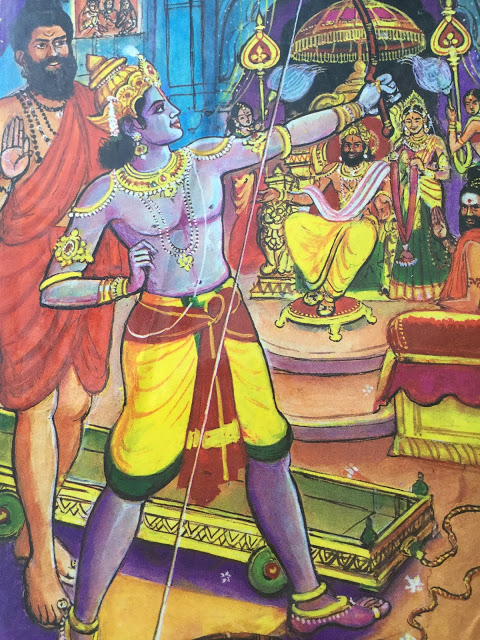
Your sacred feet helped you when you undertook to break the bow of Shiva, in order to subdue the inordinate pride of the assembled kings ( in Mithila).
Rishi Gautama cursed Ahalya with great anger. She turned into stone and underwent great bodily suffering. Your golden feet removed her suffering.
Feet V.Sandals
Sri Tyagaraja has a strange doubt- whether Rama’s feet are necessary; whether his sandals alone would not do?
Sandehamunu deeerpavayya
Saketa nilaya Ramayya
Nandarchita padayugamulu melo
Nagarikamagu paduka yugamu melo
Varamaunulelala jaranam mulanu
smariyimpa needu pada mosangene
Bharataarchana che paadukalu
dhara ninnosange Tyagaraja bhagyama
O Rama! With Ayodhya as your place! Please resolve my doubt.
Are your feet worshipped by Sunanda and others superior? Or are your sandals connected with the town of Ayodhya superior?
The great munis of excellent tapas meditated on your feet and they got Vaikunta, which is your abode.
But due to Bharata worshipping your sandals, he got You Yourself! So which of them are superior? Please resolve my doubt, O the fortune of Tyagaraja!
With such a background, Tyagaraja the parama Bhagavata- what would he wish for?
Sri Rama padama nee krupa jaalune
chittaniki raave
Vaarijabhava Sanaka Sanandana
vaasava Naradadu lella poojinche
Dhaarini silayai taapamu taalaka
vaaramu kannneerunu ralchaga
Sura Ahalyanu joochi brochina
reeti dhanyu seyave Tyagaraja geyama
O the blessed feet of Rama! Your blessings are sufficient for me. Please come and reside in my chitta.
You are worshipped by Brahma, Sanaka, Sanandana, Indra, Narada and others.
You are full of such valour that when you found Ahalya on the way, assuming the form of stone, and constantly shedding tears unable to bear the suffering, you saved her!
Please bless this Tyagaraja also in the same manner!
Again he requests:
Nee japamu nee smarane nee pada Puja neevaari chelimi yosagi rajiga daya cheyu………..Sri Lakshmi Narasimha
O Lakshmi Narasimha! Please consent to grant me your nama japa, your remembrance, worship of your feet, association with your devotees, and thus bless me.
Here, Tyagaraja is seeking four of the nine classical prescriptions: japa, smaranam, puja and satsanga! Thus is the Sadguru teaching us what to seek!
Milk poured into water mixes with it; but butter churned from milk, floats on top of water. Similarly the milk of an ordinary person’s mind is quickly diluted by the waters of delusion.
Xx
JUNE 2 TUESDAY
True healing is effected through spiritual understanding. Man’s ignorance of his real nature or soul is the real cause of all other evils- physical, mental and maternal.
Xx
JUNE 3 WEDNESDAY
Seek god for His own sake. Don’t yearn for visions, spiritual phenomena or thrilling experiences. The path to the Divine is not a circus.
Xx
JUNE 4 THURSDAY
We are looking at god in each other. It is the most beautiful relationship.
Xx
JUNE 5 FRIDAY
From the depths of silence the geyser of God’s bliss shoots up regularly and flows over man’s being
Xx
JUNE 6 SATURDAY
By Kriya Yoga one’s consciousness functions on a higher plane; devotion to the Infinite Spirit then arises spontaneously in man’s heart.
Xx
JUNE 7 SUNDAY
When a true Yogi performs an action, karmically it is like writing in water. No mark remains.
Xx
JUNE 8 MONDAY
Just as coals, glowing red, reveal the presence of fire, so to me the body reveals the causative presence of Spirit.
Xx
JUNE 9 TUESDAY
God understands you when everyone else misunderstands you. He is the Lover who cherishes you always, no matter what your mistakes. He abandons you never.
Xxx
JUNE 10 WEDNESDAY
Religious rites may help man to think of God, his infinite creator. But if there is too much ritual, everyone forgets what it is all about.
Xx
JUNE 11 THURSDAY
God is Eternal Bliss. But how can I convey to you in words the nature of God? only in deep meditation shall you know His unique essence.
Xx
JUNE 12 FRIDAY
The rains of God ‘s mercy cannot gather on mountain tops of pride, but flows easily into valleys of humbleness.
Woman is motivated primarily by feeling, and man by reason; marriage is meant to balance these qualities.
Xx
JUNE 15 MONDAY
God choses those who choose Him.
Xx
JUNE 16 TUESDAY
Wherever a devotee of God is, there His saints come.
Xx
JUNE 17 WEDNESDAY
Why be upset because God hasn’t shown Himself to you? Think of the long time you ignored Him.
Xx
JUNE 18 THURSDAY
Sing not to man, but to God.
Xx
JUNE 19 FRIDAY
Arouse in men the love of God. Don’t draw them to you by displays of unusual powers. This is what my master Sri Yukteswarji, who had control over all natural forces, said to me before I left India to lecture in America.
Xx
JUNE 20 SATURDAY
You should methodize your life. God created routine . The sun shines till dusk and the stars shine till dawn.
Xx
JUNE 21 SUNDAY
By removing the dark screen of egotism, all His children may equally reflect His rays of Omniscience.
Xx
JUNE 22 MONDAY
If a man bowing before a stone image, sees it as a symbol and reminder of the living omnipresent Spirit, God accepts that worship.
Xx
JUNE 23 TUESDAY
Renunciation is not negative but positive. It is not the giving up of any thing except misery.
Xx
JUNE 24 WEDNESDAY
Cheerful performance of your earthly duties, coupled with daily meditation, is the better path.
Xx
JUNE 25 THURSDAY
Life is a battle. Men are fighting their inward enemies of greed and ignorance. Many are wounded with bullets of desires.
Xx
JUNE 26 FRIDAY
To the members of each race He has given some special aptitude, some unique genius, with which they may make a distinctive contribution to the world civilisation.
Xx
JUNE 27 SATURDAY
Within your physical form is a secret door to divinity. Unlock its sacred spinal door by the practice of scientific meditation.
Xx
JUNE 28 SUNDAY
The life of each Master /Guru follows a certain unseen pattern. St Francis was afflicted with diseases; the fully emancipated Christ followed himself to be crucified. Other great personages such as St Thomas Aquinas , Lahiri Mahasaya passed their days without tremendous stress or tragedy
JUNE 29 MONDAY
Saints attain final salvation from backgrounds vastly different. true sages demonstrate that regardless of external conditions, they are able to reflect the Divine Image within them. They play whatever role god wills.
JUNE 30 TUESDAY
In countless ways god is daily seeking your love. He does not punish you even if you refuse Him, but you punish yourself.
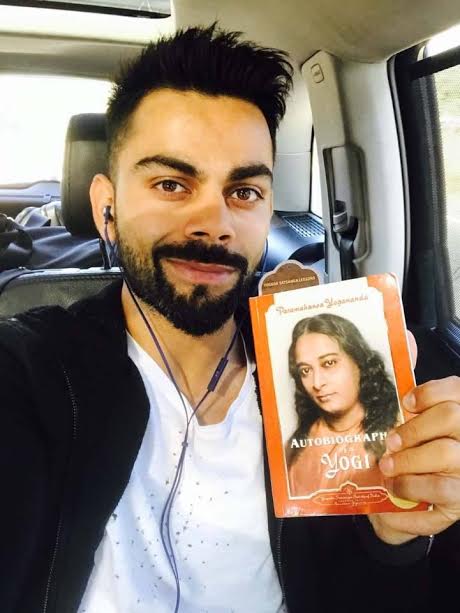
tags – Paramahamsa Yogananda ,Quotations, JUNE 2020 CALENDAR
Pictures are taken from various sources for spreading knowledge; this is a non- commercial blog. Thanks for your great pictures.
ஹிந்தி படப் பாடல்கள் – 51 – மலர்ந்தும் மலராத மலர்கள்!
R. Nanjappa
மலர்ந்தும் மலராத மலர்கள் ! திரை இசைத்துறை ஒரு கோட்டை போன்றது. புதிய ஆள் லேசில் உள்ளே வர முடியாது. 80 வரை இதில் கோலோச்சியவர்கள் 50க்கு முன்பே வந்தவர்கள். திரையிசையில் முக்கிய பாடல்கள் நாயக-நாயகி மேல் அமைபவை. ஒரு குரல் ஒருவருக்குப் பொருந்தி, அதை ரசிகர்கள் ஏற்றுகொண்டு விட்டால், வேறு ஒருவர் அந்த நாயக-நாயகிக்குப் பாடுவது அரிது. லதா மங்கேஷ்கர் மட்டும் தான் அனேகமாக எல்லா நாயகிகளுக்கும் பாடினார். ஆண்களில் இப்படி இல்லை. ரஃபி, கிஷோர், முகேஷ் , தலத் ஆகியோர் குரல் ஒவ்வொருவருக்கு என்று அமைந்துவிட்டது. 70க்குமுன் இந்த முறையை முற்றிலும் பின்பற்றாதவர் எ.ஸ்.டி பர்மன் ஒருவர்தான் 70க்குபிறகு கிஷோர் குமார் குரல் எல்லா நாயகர்களுக்கும் ஒலித்தது! லதாவின் ஆக்ரமிப்பால் பாடகிகளில் வேறு யாரும் (ஆஷாவைத் தவிர) பெரிய அளவில் வர இயலவில்லை! காரணத்திற்கு நாம் போகவேண்டாம். நடந்தது இதுதான்! சுமன் கல்யாண்பூர் இந்த நிலையில் முதலில் அடிபட்டது சுமன் கல்யாண்பூர். அவர் குரல் ஏறத்தாழ லதா குரல் போலவே இருக்கும். ஆனாலும் இவருக்கு வாய்ப்பு வரவில்லை. மம்தா படத்தில் சுசித்ரா ஸென் இரு வேடத்தில்-தாயாகவும் மகளாகவும் வருவார். ரஹே ந ரஹே ஹம் என்ற பாட்டை முதலில் லதா பாடுவார். பின்னர் இதே பாட்டு சுமன் குரலில் ஒலிக்கும், ஆனால் இசைத்தட்டுக் கம்பெனி சுமன் பாடிய இசைத்தட்டை வெளியிடவே இல்லை! டேப். சி.டி இல்லாத அந்தக் காலத்தில் , ரேடியோவையே நம்பியிருந்த அந்தக் காலத்தில், ரெகார்டு இல்லாமல் பாட்டை எப்படிக் கேட்கமுடியும்? ஏன் ரெகார்டு வெளியிடவில்லை? அதேபோல பின்னர் வெளியிட்ட டூயட் பாடல்கள் அடங்கிய சி.டியில் இவர் பாடிய 7 பாடல்கள் இருந்தும். மற்ற எல்லோருடைய ஃபோட்டோவைப் போட்டும், இவர் படம் கவரில் இடம்பெறவில்லை!
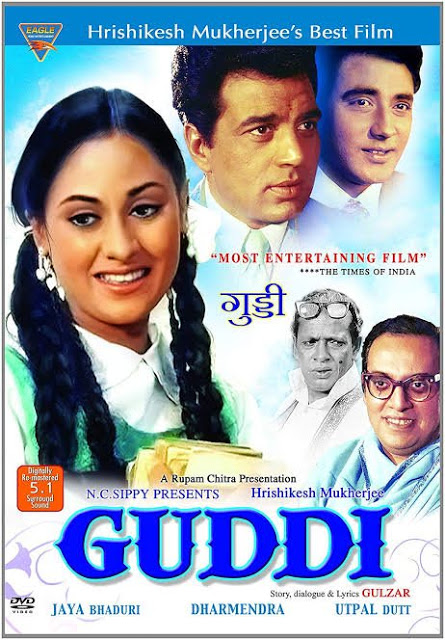
லதா-ரஃபியிடையே கருத்து வேறுபாடு வந்து , அவர்கள் டூயட் பாடல்கள் பாடாதபோது சுமன் லதா இடத்தில் பாடினார். வாய்ப்பு போகிறது என்று உணர்ந்த லதா ரஃபியுடன் மீண்டும் பாடத்தொடங்கினார்! வாணி ஜயராம் ஹிந்தி திரை இசை உலகில் சரியான வாய்ப்புகள் வராத மற்றொரு பாடகி வாணி ஜயராம். இவர் “குட்டி” படத்தில் பாடிய போலேரே பபிஹரா என்ற பாட்டு மிகப் பிரசித்த மாயிற்று. அவர் கர்னாடக இசையுடன் ஹிந்துஸ்தானி இசையும் முறைப்படி கற்றவர், குரலும் வளமாக இருந்தது. மராத்திப் பாடல்களும் பாடியிருக்கிறார். ஆயினும் ஹிந்தியில் வாய்ப்புகள் வரவில்லை. இதோ அந்தக் “குட்டி” பாட்டு.
போலே ரே பபிஹராबोले रे पपीहरा नित मन तरसे, नित मन प्यासा नित मन तरसे, नित मन प्यासा बोले रे पपीहरा…
पलकों पर इक बूँद सजाए बैठी हूँ सावन ले जाए जाए पी के देस में बरसे नित मन प्यासा, नित मन तरसे बोले रे पपीहरा…
सावन जो संदेसा लाए मेरी आँख से मोती आए जान मिले बाबुल के घर से नित मन प्यासा, नित मन तरसेबोले रे पपीहरा…போலே ரே பபிஹராநித் மன் தரஸே நித் மன் ப்யாஸாநித் மன் தரஸே, நித் மன் ப்யாஸாபோலே ரே பபிஹரா
பல்கோ(ன்) பர் இக் பூந்த் ஸஜாயேபைடீ ஹூ(ன்) ஸாவன் லே ஜாயேஜாயே பீ கே தேஸ் மே பர்ஸேநித் மன் ப்யஸா, நித் மன் தர்ஸேபோலே ரே பபீஹரா.
இமையில் ஒரு சொட்டு நீர் அலங்காரமாக இருக்கிறதுகார்கால மேகம் அதை எடுத்துப் போகும் என நினைத்து அமர்ந்திருக்கிறேன்அதை என் அன்பரின் இடத்தில் பொழியும் (என நினைத்திருக்கிறேன்)இதயம் காத்திருக்கிறது, இதயம் ஏங்குகிறதுகுயில் கூவுகிறதுஸாவன் ஜோ ஸந்தேஸா லாயேமேரீ ஆன்க் ஸே மோதீ ஆயே
ஜான் மிலே பாபுல் கே கர் ஸேநித் மன் ப்யாஸா, நித் மன் தர்ஸேகார் மேகங்கள் செய்தி கொண்டுவந்தனஎன் கண்களில் முத்து வந்ததுஎன் தந்தை வீட்டிலிருந்து உயிர் வந்ததுஇதயம் காத்திருக்கிறது, இதயம் ஏங்கி நிற்கிறதுகுயில் கூவுகிறது!
[There are differences in some words in different versions. The exact meaning or nuance of some words is also not clear, as Gulzar’s usage and imagination are different. I offer this version with considerable diffidence. To confess, I am yet to become comfortable with Gulzar’s poetry.] Vasant Desai was a mentor and guide for Vani Jairam, This song made her an all-India figure instantly. This song is set in the Raga
Mian ki Malhar. It became a classic. ஹிந்தியில் இல்லாவிட்டாலும் பிற மொழிகளில் சுமார் 10000 பாடல்கள் பாடியிருக்கிறார்.முபாரக் பேகம் நல்ல குரலிருந்தும் நன்றாகப் பாடியும் சரியான வாய்ப்புகள் இல்லாத மற்றொரு பாடகி முபாரக் பேகம். அவருடைய மிகப் புகழ்பெற்ற பாடல் இது.
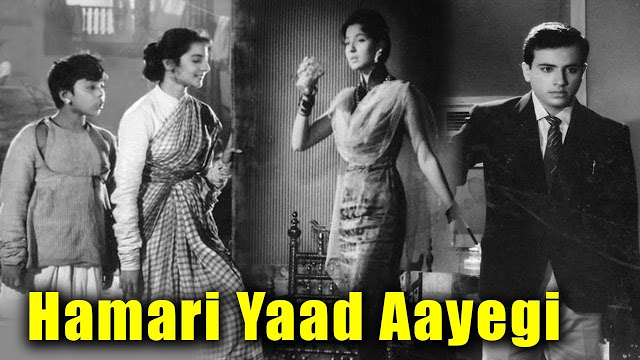
கபீ தன்ஹாயியோ(ன்) மேकभी तन्हाइयो मे यू हुमारी याद आएगी कभी तन्हाइयो मे यू हुमारी याद आएगी अंधेरे छा रहे होंगे, के बिजली कौंध जाएगी कभी तन्हाइयो मे यू अंधेरे छा रहे होंगे, के बिजली कौंध जाएगी अंधेरे छा रहे होंगेये बिजली रख कर जाएगी तेरे प्यार की दुनिया ये बिजली रख कर जाएगी तेरे प्यार की दुनिया ना फिर तू जी सकेगा और ना तुझको मौत आएगीकभी तन्हाइयो मे यू हुमारी याद आएगी
கபீ தன்ஹாயியோ(ன்) மே யூ(ன்) ஹமாரீ யாத் ஆயேகீஅந்தேரே சா ரஹே ஹோங்கே,கே பிஜ்லீ கௌந்த் ஜாயேகீகபீ தன் ஹாயியோ(ன்) மே….நீ தனிமையில் தவிக்கும்பொழுது எப்பொழுதாவது என் நினைவு வரலாம்!எங்கும் இருள் சூழும் பொழுது,மின்னல் பளிச்சிடலாம்!யே பிஜ்லீ ரக் கர் ஜாயேகீ தேரே ப்யார் கீ துனியாநா ஃபிர் தூ ஜீ ஸகேகா ஔர் நா துஜ்கோ மௌத் ஆயேகீஅந்த மின்னல் உன் அன்பு சூழ்ந்த உலகத்தை எரித்துவிடலாம்!அப்பொழுது உன்னால் வாழ முடியாது! உனக்கு மரணமும் நேராது!நீ தனிமையில் தவிக்கும் பொழுதுஎப்பொழுதாவது என் நினைவு வரலாம்!
எளிய, சிறிய பாடல்தான், ஆனால் கேட்பவர் அனைவரின் மனதைத் தொட்டது. பாட்டு சொன்ன பொருளும், அதைப் பாடியவர் குரலில் இருந்த ஒரு தனித்தன்மையும் கேட்டவர் அனைவரையும் உருகவைத்தது. What is that state in which one cannot live, but also not die? Can one imagine such a state of extreme misery? That is the feeling that this voice evokes. In the song “Tum na jaane kis jahan me kho gaye” in the film Saza, poet Sahir Ludhianvi expressed the same sentiment in this sharp line: maut bhi aati nahi, aas bhi jati nahi dil ko ye kya ho gaya, koi shah bhati nahi Mubarak Begum has sung her heart out in this song. இந்தப் பாடலில் வரும் “ஹமாரீ யாத் ஆயேகீ” என்ற சொற்களை இவர் பாடிய விதம் அனைவருக்கும் மிகவும் பிடித்துப் போயிற்று. படத்தின் பெயர் “ஜவான் முஹப்பத்” என்று இருந்ததை “ஹமாரீ யாத் ஆயேகீ” என்று மாற்றினார்கள்! Mubarak Begum was not new. She had been there since 1949, when she was introduced as a 13 year old for play back singing, and she got to sing about 150 songs in 100 odd films. But no major song like this. This song too she happened to get only because Lata Mangeshkar was not available for recording, and the producer could not wait!
மதுமதி (1958) படத்தில் ஷைலேந்த்ரா எழுதி சலில் சவுத்ரி இசையமைத்த ஒரு கஃஜல் பாட்டை மிக அருமையாகப் பாடினார்: rahegaa ishq teraa khaaq me milaa ke mujhe hue hai ibtadaa-e-raj itahaa ke mujhe ham haal-e-dil sunaayege suniye ki na suniye sau baar muskuraayege suniye ki na suniye suniye ki na suniye ham haal-e-dil sunaayege YouTube link :https://www.youtube.com/watch?v=1PNKSaYsHCE
1963ல் ஷங்கர்-ஜெய்கிஷன் இசையில் ரஃபியுடன் பாடிய டூயட் ஒன்று மிகப் பிரசித்தமாயிற்று- படம்: ஹம்ராஹீ “mujh ko apne gale laga lo” See the YouTube link here: https://www.youtube.com/watch?v=mNuGHO97JaI. முபாரக் பேகம் 81க்குப் பிறகு பாடவில்லை. மிகுந்த கஷ்டதசையில் இருந்து காலமானார்.(2016) நமது சினிமா உலகின் போக்கு இதுதான். கவி கைஃபி ஆஃஜ்மி எழுதினார்; (காகஃஜ் கே ஃபூல்) dekhi zamaane ki yaari bichhde sabhi, bichhde sabhi baari baari matlab ki duniyaa hai saari bichhde sabhi, kyaa le ke milen ab duniyaa se, aansoo ke siwaa kuchh paas nahin ik haath se deti hai duniyaa, sau haathon se le leti hai ye khel hai kab se jaari Y
Pictures are taken from various sources for spreading knowledge; this is a non- commercial blog. Thanks for your great pictures.
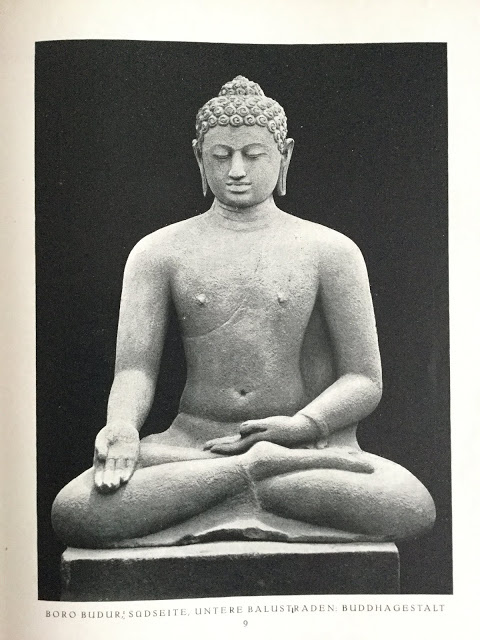
அமர்ந்தவாறே தியானம் செய்தால் புத்தராகி விட முடியுமா?
ச.நாகராஜன்
அமர்ந்தவாறே தியானம் செய்தால் புத்த நிலையை அடைந்து விடலாம் எனப் பலரும் நினைக்கின்றனர்.
இது சரிதானா?
சான் எனப்படும் தியானம் அமர்ந்து தியானம் செய்யும் போது மனதை வழிப்படுத்த வேண்டும் என்று போதிக்கிறது. அதைச் சரியாக அறிந்து கொள்ள வேண்டும்.
தர்மத்தை ஞானத்தைக் கொண்டு மனதைப் பயன்படுத்தி ஒளி பெறச் செய்தல் தான் புத்த நிலையை அடைய வழியாகும்!
ஒருமுறை மாஸ்டர் நான்யு ஹுவாய்ரங் (Master Nanyue Huairang) என்பவர் (677-744) தனது சீடரான மாஜு டாவோய் (Mazu Daoyi) அருகில் வந்தார்.
மாஜுவுக்கு தியானம் என்றால் நிரம்பப் பிடிக்கும். மணிக்கணக்காக அமர்ந்திருப்பார். இப்படி மாதக் கணக்கில் தியானத்தைப் பயிற்சி செய்து வந்தார்.
மணிக்கணக்கில் மாஜு தினம் அமர்வதைக் கேள்விப்பட்ட மாஸ்டர் நான்யு இந்த இளம் சீடன் அப்படி என்ன தியானம் செய்கிறான், அதன் மூலம் எந்த நிலையை அடைந்திருக்கிறான் என்று பார்க்கலாம் என நினைத்தார்.
மாஸ்டர் : அப்பனே! இப்படி அமர்ந்தவாறே தியானம் செய்து எந்த நிலையை அடைய நீ நினைக்கிறாய்?
மாஜு : நான் புத்தராக வேண்டும் என்று இப்படிச் செய்கிறேன்.
இதைக் கேட்ட மாஸ்டர் அருகிலிருந்த ஒரு செங்கல்லை எடுத்து பெரிய கல்பாறை ஒன்றில் மெதுவாகத் தேய்க்க ஆரம்பித்தார்.
சிறிது நேரம் இப்படிக் கழிந்தது.
மாஜுவுக்கு ஆவல் உந்தியது. ஏன் மாஸ்டர் இப்படிச் செய்கிறார்?
மாஜு கேட்டார் : மாஸ்டர்! ஏன் இப்படி செங்கலை பாறாங்கல்லில் தேய்த்துக் கொண்டிருக்கிறீர்கள்?
மாஸ்டர் உடனே பதில் கூறினார் இப்படி : “இந்த செங்கல்லை ஒரு கண்ணாடி ஆக்கத் தான் இப்படி பாலிஷ் செய்து கொண்டிருக்கிறேன்.”
மாஸ்டர் பதில் சொன்னார் : “ செங்கல்லை பாறாங்கல்லில் தேய்த்துக் கண்ணாடி ஆக்க முடியாதென்கிறாய், அப்படியானால் அமர்ந்த நிலையில் தியானம் செய்து நீ மட்டும் எப்படி புத்தராக முடியும்?”
நெடு நேரம் அமர்ந்து தியானம் செய்தால் புத்தராகி விடலாம் என நினைத்திருந்த மாஜு திகைத்துப் போனார்.
திகைப்பு மேலிட அவர் மாஸ்டரிடம் கேட்டார் : “பின்னர் எது தான் சரியான வழி?”
மாஸ்டர் புன்முறுவல் ததும்பச் சொன்னார் : “ அப்பனே! இது காளை மாடு வண்டியை இழுப்பதற்கு ஒத்தது. காளை நகரவில்லை என்றால் உன் கையிலிருக்கும் சவுக்கால் காளையை அடிப்பாயா அல்லது வண்டியை அடிப்பாயா?”
மாஜுவுக்கு வாய் அடைத்துப் போனது. காளை மாடு நகரவில்லை என்றால் வண்டியை அடித்து என்ன பிரயோஜனம்? அவருக்குச் சற்று புரிந்தது போல இருந்தது. மாஸ்டர் முகத்தை நோக்கினார்.
மாஸ்டர் தொடர்ந்தார் : “தியானம் என்பது மனதைப் பயிற்சிப்படுத்தும் வழிமுறை. உட்கார்ந்திருப்பது அல்ல வழி ! வெறுமனே உட்காருவதால் தியானம் சித்திக்காது. அல்லது கண்ணை மூடிப் படுத்திருந்தாலும் பலன் இருக்காது. மாறாக புத்த நிலையை எய்தி புத்தராக வேண்டுமெனில் புத்தருக்கென்று ஒரு வடிவம் தனியாக இல்லை என்பதை முதலில் அறிய வேண்டும். புத்த தர்மம் என்பது கீழ்ப்படிதல் இல்லாத தர்மம். உலகை ஒருவன் பற்றி இருக்கவும் கூடாது; உதறித் தள்ளவும் கூடாது. நீ இப்படி புத்த நிலையை அடைவதற்காகத் தொடர்ந்து அமர்ந்திருப்பதானது “புத்தரைக் கொலை” (Killing the Buddha) செய்வதாகும்.
தனது தவறை உணர்ந்த மாஜூ இன்னும் மாஸ்டரின் அறிவுரையை எதிர்
நோக்கி அவர் முகத்தை பக்தியுடன் பார்த்துக் கேட்டார் : “ அனைத்து தர்மங்களுக்கும் இயைந்தபடி என் மனதை நான் எப்படிப் பயன்படுத்திக் கொள்வது?”
மாஸ்டர் விளக்கினார் : “ நல்லது! நீ இப்போது நன்கு விளங்கிக் கொண்டாய் – மனம் என்னும் நிலத்தில் விதைகளை விதைக்க வேண்டும்; நான் போதிக்கும் தர்மம் தான் மழை! கர்மப் பிணைப்புக்குத் தக நீ உனது உண்மையான வழியை உணர்வாய்!”
அன்றிலிருந்து நெடுநேரம் அமர்வதை மாஜூ விட்டு விட்டார்.
சுமார் பத்து ஆண்டு காலம் மாஸ்டருடன் தொடர்ந்து இருந்தார்.
பெரும் நிலையை எய்தினார்!
தியானத்தின் முக்கிய வெற்றி நல்ல விதைகளை மனதில் பதிய வைப்பதில் தான் அடங்கி இருக்கிறது. அதில் பெரியோர் போதிக்கும் அறநெறிகள் அல்லது தர்மம் மழையெனப் பொழியும் போது விதை முளைத்துச் செடியாகி, பின்னர் மரமாகிப் பழங்களைத் தரும்.!
Pictures are taken from various sources for spreading knowledge; this is a non- commercial blog. Thanks for your great pictures.
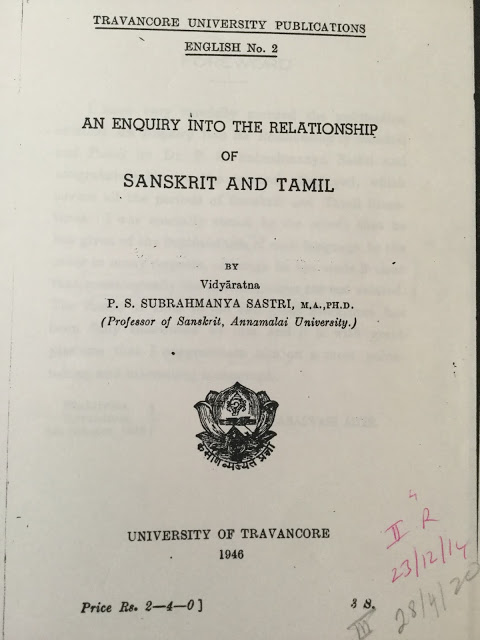
TAMIL – SANSKRIT RELATIONSHIP – PART 8 (CONCLUDING PART) BY PSS SASTRI (Post No.8062)
THIS IS THE EIGHTH AND LAST PART OF PS SUBRAHMANYA SASTRI’S LECTURE IN TRIVANDRUM IN JANUARY 1946.
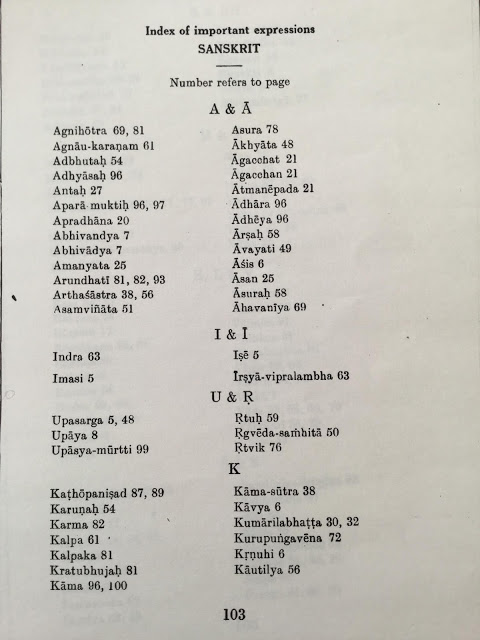
I have not posted all the pages from Index. Anyone interested in full index ,please e mail me. My e mail ID is at the top.
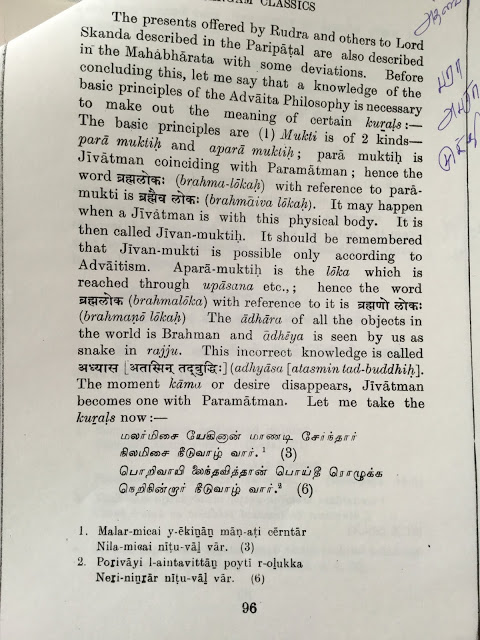
Page 96 – Presents given to Lord Skanda are same in Paripatal and Mahabharata
Page 96- 100 important Tirukkural couplets are explained and similarities are shown from Sanskrit.
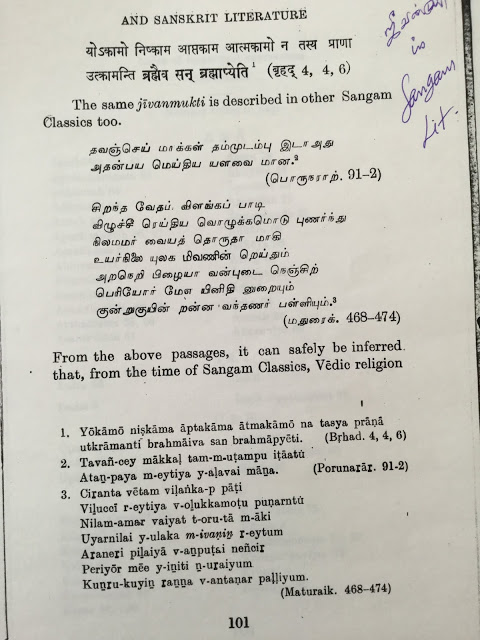
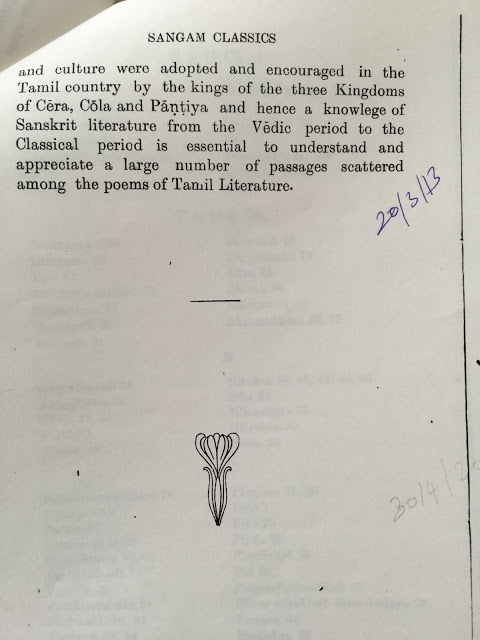
Pages 101 and 102 Conclusion
HIS CONCLUDING PARAGRAPH
“FROM THE ABOVE PASSAGES , IT CAN BE SAFELY BE INFERRED THAT, FROM THE TIME OF SANGAM CLASSICS, VEDIC RELIGION AND CULTURE WERE ADOPTED AND ENCOURAGED IN THE TAMIL COUNTRY BY THE KINGS OF THE THREE KINGDOMS OF CERA, COLA AND PANTIYA AND HENCE A KNOWLEDGE OF SANSKRIT LITERATURE FROM THE VEDIC PERIOD TO THE CLASSIC PERIOD IS ESSENTIAL TO UNDERSTAND AND APPRECIATE A LARGE NUMBER OF PASSAGES SCATTERED AMONG THE POEMS OF CLASSICAL TAMIL LITERATURE” .
CONCLUDED ON PAGE 102.
INDEX FROM PAGE 103 TO 112.
****
MY COMMENTS
Those who read Kanchi Paramacharya’s (1894-1994) lectures would know that Vedic culture was not adopted by Tamils in Sangam period. He gives examples with words like Velvi ,Marai, Nan Marai from the oldest poems. The Tamil words used by most of the poets shows its pre- existence.
My view is that even if we accept the date of Agastya’s first visit to do new grammar for Tamil language as 1000 BCE, a lot of things should have happened in 1000 years before Sangam Age. Most of the scholars date Agastya’s visit to Tamil Nadu between 700 BCE and 1000 BCE.
We have got secondary evidence from Sri Lanka’s Mahavamsa and Valmiki Ramayana. Both show Brahmins lived from Kashmir to Kandy in Sri Lanka from very ancient times. The Yagas performed by Karikal Choza,Rajasuya Yaga of Cholza Perunarkilli, Asvamedha of Pandya king Mudukudumi Peruvazuthi are some of the proofs.(Kalidasa in Raguvamsa talk about Pandya’s Asvamedha Yajna)
I have shown that mostly Brahmin Tamil poets of Sangam age using Kalidasa’s 200 similes out of 1500 placed Kalidasa in first century BCE (not Gupta period). Even G U Pope noticed it and remarked it in his comments on Kurinjippattu of Kapilar.
Except this ‘adopting’ theory of PSS, we may agree with him in other points.
Last but not the least I have been showing in my posts that at least 25 Greek words are of Tamil origin (Paleo=Pazaiya, Tele=Tolkai, Clepto= Kalavu, Odo=Odu, Nereids= Neer/water etc). And there are over 1000 Tamil words in English (One=Ondru, Eight=Ettu, Paraaya =Pray etc). I have a long list.
And there are thousands of Sanskrit words without any trace in Indo European languages. And hundreds of Hindu customs and beliefs are completely absent in other parts of the world. All these explode the theories of Suniti Kumar Chatterji, MB Emeneau, T Burrow et al. When they were not able to explain properly, they hide behind the supposed languages like Munda, Supposed Indo-European. It is similar to Tamils hiding behind Indus Valley Civilization to prove their antiquity. I have compared it to a child hiding in Mother’s sari when father is angry with his mischief.
If one is well versed in Greek, Sanskrit and Tamil, a new book will be written in the History of Linguistics.
I have been listing Tamil words found in Rig Veda or vice versa separately. To put it in a nutshell, (I believe that) Tamil and Sanskrit contributed a lot to all the ancient languages. Man might have originated in Kenya or Ethiopia in Africa and migrated to different parts of the world 60,000 years ago or even earlier; but culture spread from India to other parts of the world.
tags – Tamil- Sanskrit- 8, Relationship, PS S Sastri,






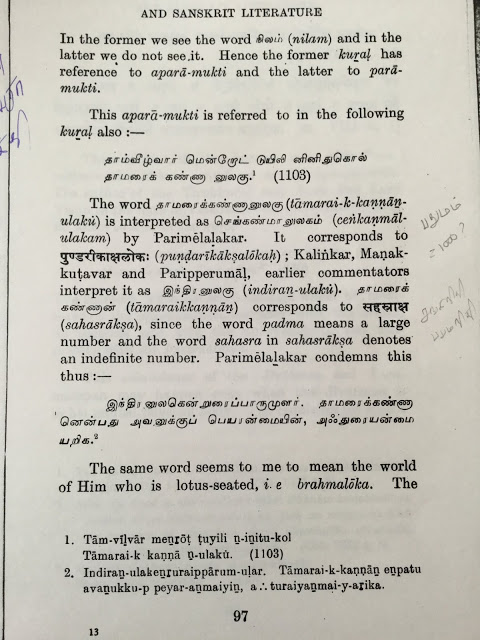

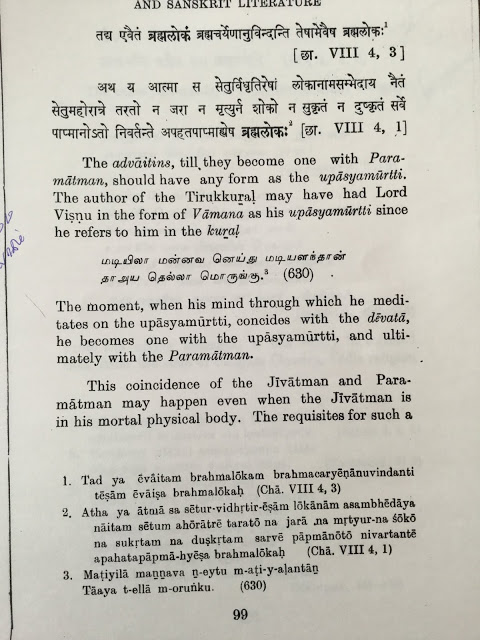
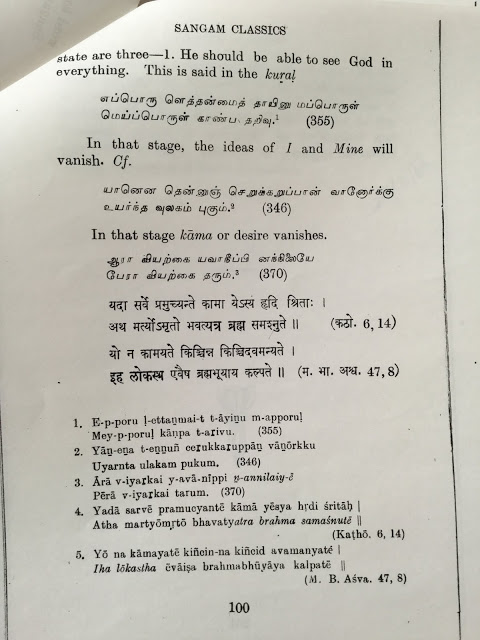

 Tamil and Vedas