Pictures are taken from various sources for spreading knowledge; this is a non- commercial blog. Thanks for your great pictures.
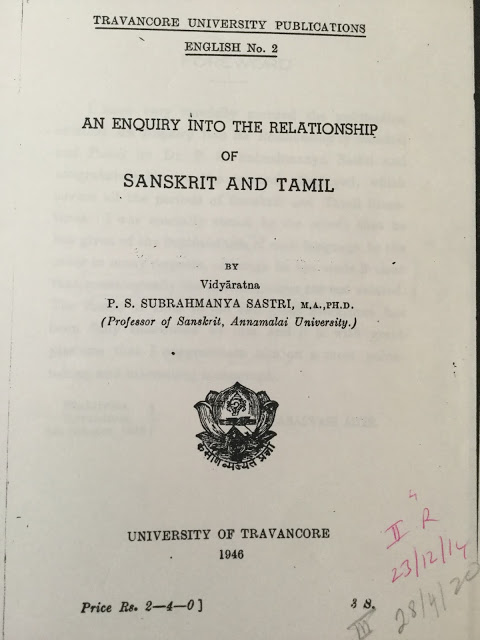
TAMIL – SANSKRIT RELATIONSHIP – PART 8 (CONCLUDING PART) BY PSS SASTRI (Post No.8062)
THIS IS THE EIGHTH AND LAST PART OF PS SUBRAHMANYA SASTRI’S LECTURE IN TRIVANDRUM IN JANUARY 1946.
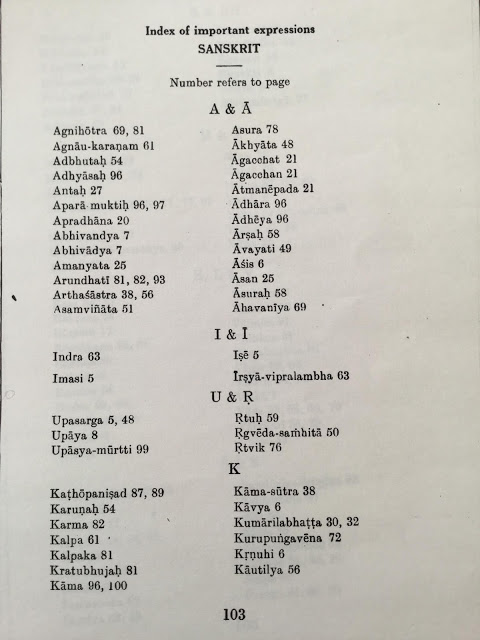
I have not posted all the pages from Index. Anyone interested in full index ,please e mail me. My e mail ID is at the top.
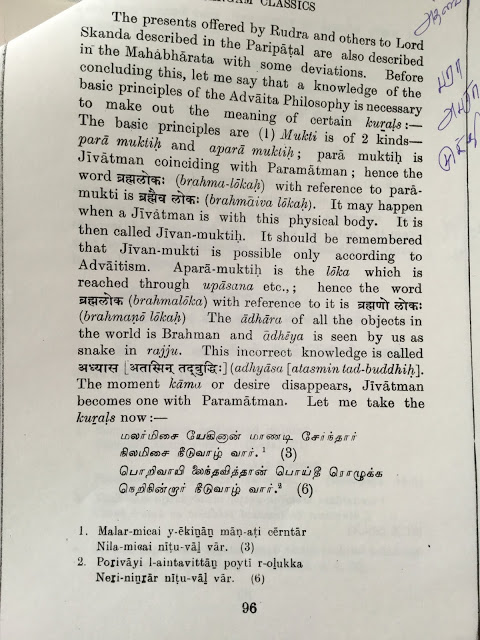
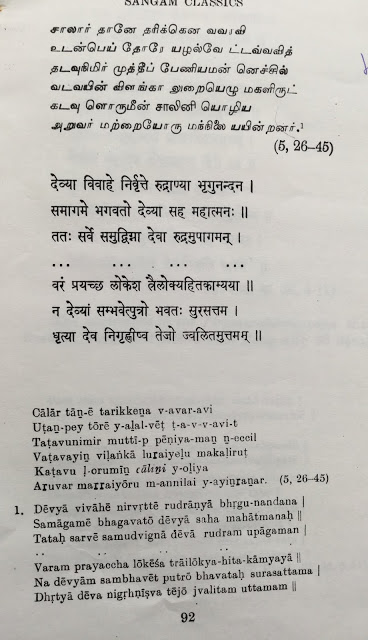
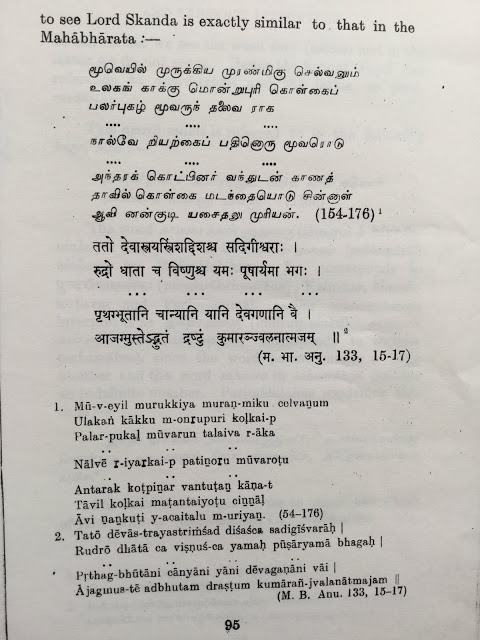
Page 96 – Presents given to Lord Skanda are same in Paripatal and Mahabharata
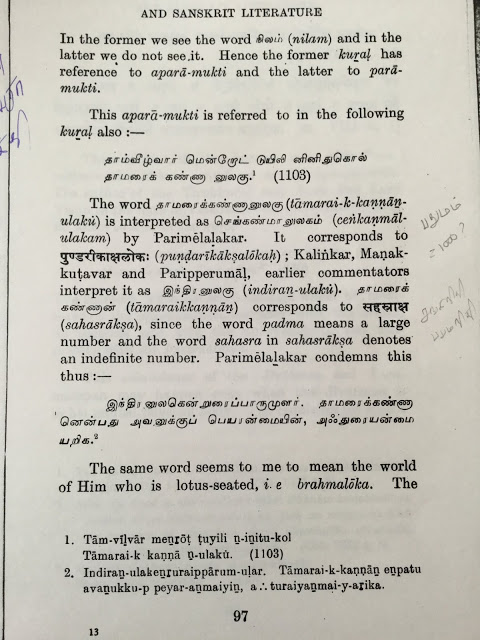
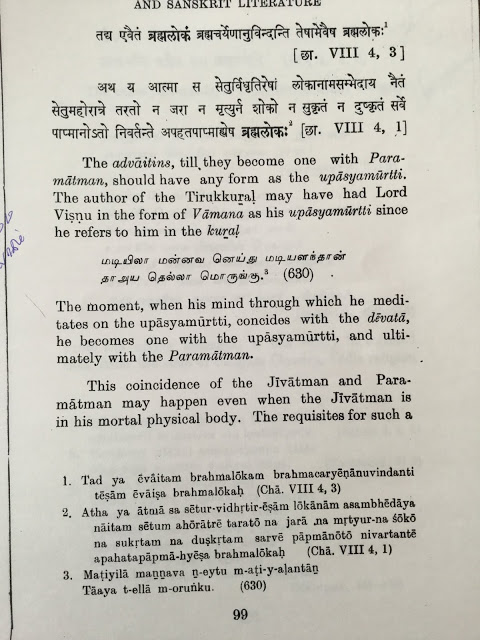
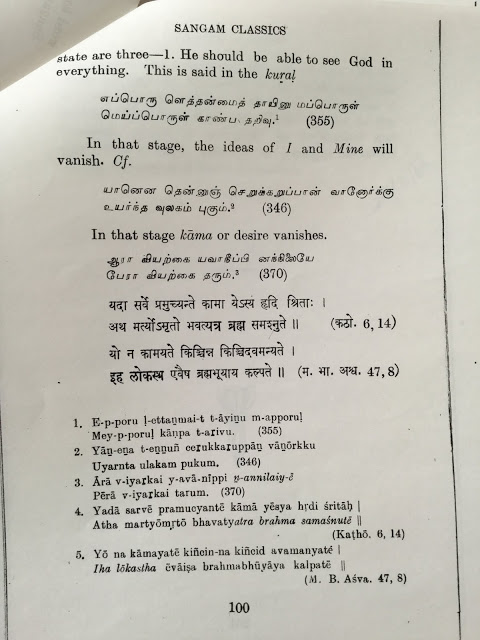
Page 96- 100 important Tirukkural couplets are explained and similarities are shown from Sanskrit.
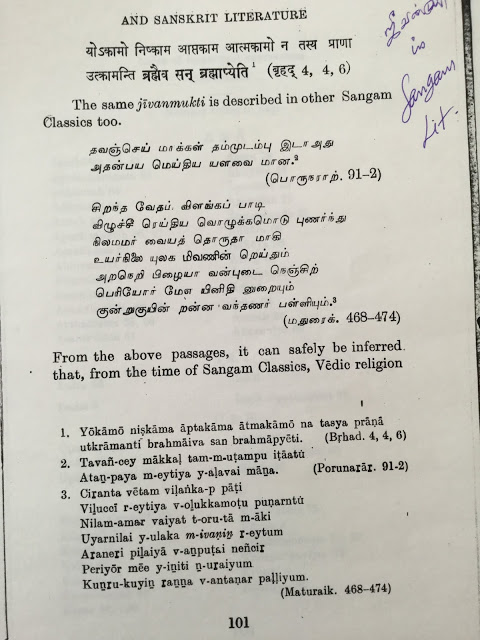
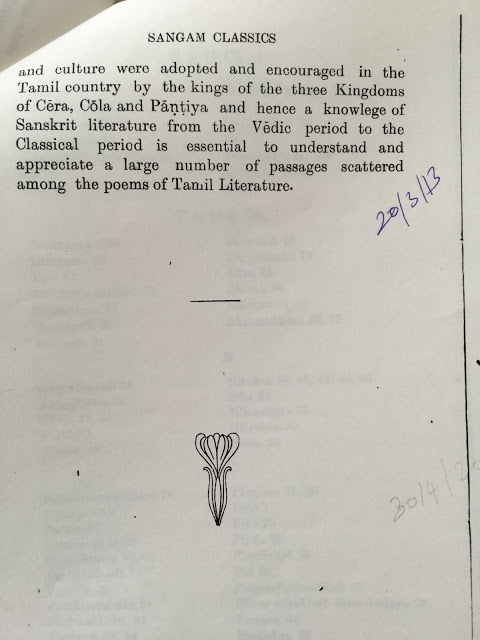
Pages 101 and 102 Conclusion
HIS CONCLUDING PARAGRAPH
“FROM THE ABOVE PASSAGES , IT CAN BE SAFELY BE INFERRED THAT, FROM THE TIME OF SANGAM CLASSICS, VEDIC RELIGION AND CULTURE WERE ADOPTED AND ENCOURAGED IN THE TAMIL COUNTRY BY THE KINGS OF THE THREE KINGDOMS OF CERA, COLA AND PANTIYA AND HENCE A KNOWLEDGE OF SANSKRIT LITERATURE FROM THE VEDIC PERIOD TO THE CLASSIC PERIOD IS ESSENTIAL TO UNDERSTAND AND APPRECIATE A LARGE NUMBER OF PASSAGES SCATTERED AMONG THE POEMS OF CLASSICAL TAMIL LITERATURE” .
CONCLUDED ON PAGE 102.
INDEX FROM PAGE 103 TO 112.
****
MY COMMENTS
Those who read Kanchi Paramacharya’s (1894-1994) lectures would know that Vedic culture was not adopted by Tamils in Sangam period. He gives examples with words like Velvi ,Marai, Nan Marai from the oldest poems. The Tamil words used by most of the poets shows its pre- existence.
My view is that even if we accept the date of Agastya’s first visit to do new grammar for Tamil language as 1000 BCE, a lot of things should have happened in 1000 years before Sangam Age. Most of the scholars date Agastya’s visit to Tamil Nadu between 700 BCE and 1000 BCE.
We have got secondary evidence from Sri Lanka’s Mahavamsa and Valmiki Ramayana. Both show Brahmins lived from Kashmir to Kandy in Sri Lanka from very ancient times. The Yagas performed by Karikal Choza,Rajasuya Yaga of Cholza Perunarkilli, Asvamedha of Pandya king Mudukudumi Peruvazuthi are some of the proofs.(Kalidasa in Raguvamsa talk about Pandya’s Asvamedha Yajna)
I have shown that mostly Brahmin Tamil poets of Sangam age using Kalidasa’s 200 similes out of 1500 placed Kalidasa in first century BCE (not Gupta period). Even G U Pope noticed it and remarked it in his comments on Kurinjippattu of Kapilar.
Except this ‘adopting’ theory of PSS, we may agree with him in other points.
Last but not the least I have been showing in my posts that at least 25 Greek words are of Tamil origin (Paleo=Pazaiya, Tele=Tolkai, Clepto= Kalavu, Odo=Odu, Nereids= Neer/water etc). And there are over 1000 Tamil words in English (One=Ondru, Eight=Ettu, Paraaya =Pray etc). I have a long list.
And there are thousands of Sanskrit words without any trace in Indo European languages. And hundreds of Hindu customs and beliefs are completely absent in other parts of the world. All these explode the theories of Suniti Kumar Chatterji, MB Emeneau, T Burrow et al. When they were not able to explain properly, they hide behind the supposed languages like Munda, Supposed Indo-European. It is similar to Tamils hiding behind Indus Valley Civilization to prove their antiquity. I have compared it to a child hiding in Mother’s sari when father is angry with his mischief.
If one is well versed in Greek, Sanskrit and Tamil, a new book will be written in the History of Linguistics.
I have been listing Tamil words found in Rig Veda or vice versa separately. To put it in a nutshell, (I believe that) Tamil and Sanskrit contributed a lot to all the ancient languages. Man might have originated in Kenya or Ethiopia in Africa and migrated to different parts of the world 60,000 years ago or even earlier; but culture spread from India to other parts of the world.
tags – Tamil- Sanskrit- 8, Relationship, PS S Sastri,
Pictures are taken from various sources for spreading knowledge; this is a non- commercial blog. Thanks for your great pictures.
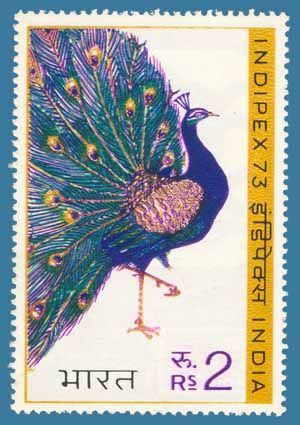
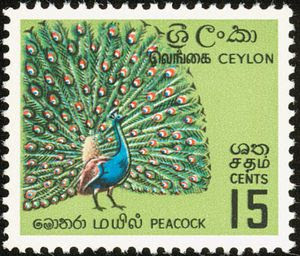
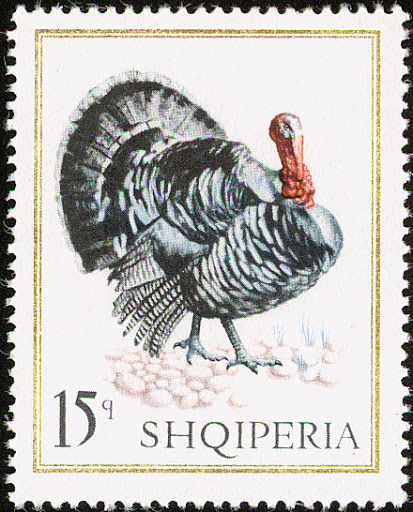
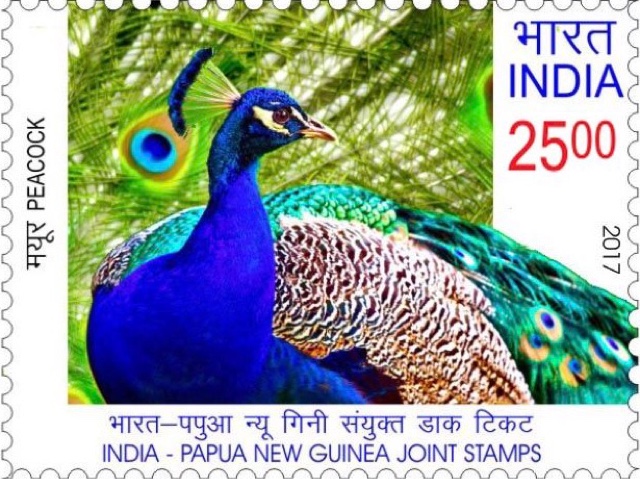
ஒரே சொல் மீண்டும் மீண்டும் வந்தால் ஓரிரு இடங்களில் மட்டுமே கட்டத்தில் இருக்கும். கொண்டு கூட்டி பொருள் கொள்க . விடை கீழே உள்ளது . சில நேரங்களில் படங்களைப் பார்த்தாலும் விடை காண உதவலாம்.
விடை
1.ம யில் கண்ணிக்கு மசக்கை, மாப் பிள் ளை க்கு அவத்தை
2.மயி லைக் கண் டு வான்கோ ழி ஆடி னாற் போ ல
3.மயி லே மயிலே இறகு கொடு என் றால் கொடுக்குமா?
4.மயில் ஓந் திக்கு வ லிய கண்ணைக் கொடுக்கிறது போல
Source book :–
பயன்படுத்திய நூல்- கழகப் பழமொழி அகர வரிசை, கழக வெளியீடு
Pictures are taken from various sources for spreading knowledge; this is a non- commercial blog. Thanks for your great pictures.
SRI TYAGARAJA-19, Tradition of Devotees
Devotees are a distinct community
Every saint in the bhakti tradition is unique, but together they all constitute a distinct category, different from those great souls who pursue other paths. In the end, all genuine paths should lead to God or Liberation and in that sense are equal but they are not the same.
In India, pundits have argued endlessly on the comparative merits or ease of the various paths, especially Bhakti, Jnana and Karma, each with its own almost endless variety. Such debate is often sickening and absurd. Real jnanis down the ages have been great devotees, as devotees have been full of Jnana. The debates are indulged in mainly by those who lack either jnana or bhakti or both. The Gita gives us detailed characteristics of stitaprajna, jnani, bhakta, yogi and we can observe that they are all the same, viewed from different angles.
Sri Tyagaraja regarded Narada as his Guru. And Narada combines both jnana and bhakti to an extraordinary measure, much as Vyasa did later. But Narada is taken as the prime exemplar of the path of devotion, especially suited for this Kali age.This was proclaimed clearly by Sri Ramakrishna in the 19th century. Coming before him, Sri Tyagaraja claimed his lineage from Narada, and is staking his claim to be regarded primarily as belonging to the parampara of Bhakta-Bhagavatas. With characteristic humility, such devotees consider themselves the devotee of devotees! Says Tyagaraja:
Bhadrachala Ramadasu
Ramadasa dasa Tyagarajanuta…..(brindavana lola) Tyagaraja who is the servant of Ramadasa.
The reference is to Kancherla Gopanna, affectionately called Bhadrachala Ramadasu, for his extraordinary devotion and exploits concerning the Rama temple at Bhadrachalam, also drawing in the Muslim ruler Tani Shah. He lived (1620-1680) just a hundred years before Tyagaraja (1767-1847) and his life must have assumed legendary proportions among the devout, especially during those turbulent times. He sang his heart out in devotion, if also in distress,and in a way his kirtanas can be regarded as models for Tyagaraja, as they combine intense personal call for protection, along with recalling incidents from the life of Rama the great Avatar, besides describing his gunas, Nama, etc. Tyagaraja had great admiration and fascination for Ramadas. He sings about him in at least 3 other places.
Bhagavadagresarulagu Narada Prahlada Parashara Ramadasulu baguga Sri Raghuramuni padamula bhakti jesina reeti Tyagarajuniki ipudu Kaligi yunte gada kalgunu……….(Kaligi yunte)
How can Tyagaraja obtain bhakti for Sri Rama like the great bhagavatas Narada, Prahlada, Parashara and Ramadasa had, unless he has great merits? ( ie unless it is ordained by his previous punya, as written in his forehead).
Here, Tyagaraja ranks Ramadas along with legendary,canonical figures like Narada, Prahlada and Parashara, who constitute the very foundation of the bhakta-bhagavata tradition!
In the Devagaandhari kriti, Ksheerasagara sayana, Sri Tyagaraja recounts how Rama saved Gajendra, Draupadi, and built the bridge to Lanka to save Sita and in that context recalls how he saved Ramadas:
Dheerudau Rama dasuni bandhamu deerchinadi vinnanura I have heard about how you removed the chains binding the heroic Ramadas.
Here, Tyagaraja values the heroism of Ramadas and ranks him along with Gajendra, Draupadi and even Sita! No wonder, he calls himself a servant of Ramadas!
In the kriti “Emi dova palkuma”, Sri Tyagaraja says: Ramadasu vale naite Sita Bhama mandalinchunu Had I been a devotee like Ramadasu, perhaps Sita Devi might have recommended my case.
The idea that Sita has to recommend his case to Rama is in accord with the Sri Vaishnava tradition that the Mother has to recommend the case to the Lord. Sri Ramadasu himself sings in a kirtan:
Sita to Recommend:
Nanu brovu mani cheppave, Sitamma talli
Nanu brovu mani cheppave
Nanu brovu mani cheppu narishiromani
Janakuni kuthura janai Janakamma
Prakkana jeruka chekkili nokkuchu
chakkaka marukeli chokki yundedi vela
Lokantharangudu Srikantha ninukooti
Ekanta muna neka chayyanuna vela
Atrija vinutudu bhadragirisudu
Nidramelkoluvela nelataro bodhinchi
Nanu brovu mani cheppave
O Mother Sita, please tell Rama to save me.
O jewel among women, Janaka’s daughter, Janaki,
O mother, please tell Rama to save me.
Please tell his sweetly, when he is alone with you at a pleasant moment..
This shows the esteem Tyagaraja had for Ramadasu. He feels a kinship with all devotees everywhere.
Devotees are relatives
Dhara nijabhagavadagresaru levaro varellanu vara Tyagarajuniki parama baandavulu …….Seetamma The genuine devotees all over the world constitute the dear relatives of Tyagaraja.
Devotees delight in the company of other devotees: Rama bhakti samrajyam emaanavula gabbeno manasa Aamanavula sandarsana matyanta brahmanandame
Getting devotion for Rama is like attaining the samrajyam ie the post of Chakravarti. Only the darsan of such devotees can confer delight like the bliss of Brahman.
Inta kannananda memi O Rama Rama Santa janula kolla sammatiyunte gani Aaduchunadamuna baduchu eduda raveduchu manasuna goodi yundedi chalu
O Rama! If the mind can feel at peace in the company of bhagavatas who are always engaged in Harikirtan, can there be a greater bliss?
It is enough to dance forgetting the self, to sing immersed in the flow of divine music, requesting Bhagavan to appear before us!
Devotees enjoy each other’s company
In fact Bhagavan tells us in the Gita that this is how the devotees enjoy themselves when they meet: Satatam kirtayanto mam yatantascha drudavrata: Namasyantascha mam bhaktya nityayukta upasate 9.14 Glorifying me always and striving with firm resolve, bowing down to Me in devotion, always steadfast, they worship Me.
Machchitta madgatapranaa bodhayanta: parasparam Kathayanthascha mam nityam tushyanti cha ramanti cha 10.9
With their minds wholly on Me, with their senses absorbed in Me, enlightening one another, and always speaking of Me, they are satisfied and delighted.
This is what the Gopis also sing about in the Gopika Gitam: (Srimad Bhagavatam) Tava kathamrutam taptajivanam kavi bhiriditam kalmashapaham sravana mangalam srimadatatam bhuvi grunanti te bhurida jana: 10.31.9
The nectar of your story saves people from the suffering due to the three kinds of taapas. It is sung by Kavis (Jnanis). It eradicates all our papas. It is sweet to listen to and confers auspiciousness. It confers prosperity and is widespread. Those who recite the story are the most blessed people in the world.
Viewed in this background, we realise how deeply soaked Tyagaraja is in the tradition of bhakta-bhagavata! At every step his kirtanas take us back to the very fountain and source of devotion : Bhagavatam, Gita, Ramayana! At various places Tyagaraja remembers and honours all the ancient bhaktas and bhagavatas.
Honour to ancient devotees
Parama bhagavata mauni vara sasi Vibhakara Sanaka Sanandana Digeecha sura kimpurusha kanaka- kachipusuta Narada Tumburu Pavanasunu balachandara dhara Suka Sarojabhava bhusuravarulu parama pavanulu ghanulu sasvatulu Kamalabhava sukhamu sadanubhavulu gaka
Endaro Mahanubhavulu
Andariki vandanamu
I salute all the great souls:
The great Munis who are supreme bhagavatas,
Chandra and Surya, Sanaka and Sanandana, Dikpalakas,Devas, Kimpurushas, Prahlada, Narada, Tumburu, Anjaneya, Lord Shiva, Suka, Brahma, the great among the Brahmanas. These are all pure souls, who have no end and always enjoy divine bliss. I salute all of them, and also all the other great souls.
Tushtudai barega sadbhakta (Manasa Sri Ramachandra)
Real bhaktas are always full of happiness.
With such a disposition, what can a real bhakta need or ask from God?
Devotee doesn’t ask for anything
Srimantulau nee sodarulu seyu reeti Paada seva koritini Chirakalamaina maata yokatira Vemaru balgajalara ……..(Sri maaninee) I only desire to render service to you such as your blessed brothers perform. This is what I have been requesting you for a long time. Should I repeat it a thousand times? Such devotees feel their job is over with surrender; it is for the Lord to dispense things in His own way:
Entarani tanakentaponi ni chenta viduvajala
Whatever comes, whatever goes, I will never leave your presence. (Because that itself is the greatest treasure or fortune)
Antakari nee chenta jeri Hanumantudai koluvaleda
Shiva who conquered Yama- did He not assume the form of Hanuman and serve you? Seshudu Shivuniki bhushudu Lakshmana veshiyai koluvaleda Adisesha, who is the ornament of Shiva- did he not incarnate as Lakshmana and serve you? Sishtudu mauni varishtudu gobba Vasishtudu hitudu gaaleda That great Jnani, the great Vasishta- did he not become your purohit (Acharya) to teach you the beneficial (correct ) way? Naravara neekai suraganamulu
Vanarulai koluvaleda
Did not the Devas assume the form of monkeys in order to serve you as Rama, the best of men? The idea is that all these great Ones merely desired to serve Rama in different ways. How can Tyagaraja wish for anything else? Everything is left to Him.
Manasu telisi brochinanu marachinanu neeve Rama ……(Itara daivamu) If you know my heart and save me, or forget me, you are my only refuge. Nee krupa vittamanusu jaala ….(Kori vachchiti) I take it that your blessings are the greatest wealth. Such devotees delight in the company and even at the mere sight of other devotees.
Bliss of Haridasas
Haridasulu vedale muchchata kani
Anadamaye dayalo
O the merciful, generous One! The sight of Haridasas walking the streets with Tyagaraja gives such great pleasure! Hari Govinda Narahari Rama Krishna yani Varusaga namamu karunato jeysusu They are singing names like “Hari, Govinda, Narahari, Rama, Krishna,” with great feeling. Sangatiganu mrudanga ghoshamulache Bongusu veethula kegusu merayuchu They are taking rounds of the streets with Sankirtan, blending with the sounds of mrudanga, full of overflowing happiness and delight Chakkani hariche jikkitimani madi jokkuchu namame dikkani pogaduchu
They feel so completely united with Bhagavan that they have lost their head , and take Him as the sole refuge and offer praise
Dittamuga nadu kattuto nadugulu Bettuchu talamu batti gal galla naga Tying the uttariyam firmly at the waist, keeping steps softly one by one, marking ‘gal, gal’ sound with karatalam, Jnamuto Rama dhyanamuto manchi Ganamuto menu dana mosanguchu With full awareness, complete dhyana on Rama, with sweet music , dedicating the body completely for Rama seva, Rajarajunipai jajulu challuchu Rajilluchu Tyagarajunito goodi haridasululu vedale They shower jaji flowers on Rama, the king of kings. Such a sight of the Haridasas together gives such great pleasure!
Such is the tradition of Bhakta-Bhagavata that Sri Tyagaraja represents , upholds and celebrates! We may say he has demonstrated that the way of true devotion is still possible and practicable. Here, Tyagaraja is not only the Sadguru, but Acharya who lived his life in the light of what he said.
ஜாதகக் கதைகள் புத்தரின் பூர்வ ஜன்மக் கதைகள் ஆகும் . இவற்றில் அவர் மனிதர்கள், மிருகங்கள், பறவைகள் முதலியனவாகப் பிறந்த கதைகளும் உண்டு. இவை குறைந்தது 2300 ஆண்டுப் பழமை உடைத்து; ஏனெனில் இந்தியாவிலும் பல நாடுகளிலும் இந்தக் கதைகள் சித்திரங்களாகவும் சிற் பங்களாகவும் படைக்கப்பட்டுள்ளன. பல மொழிகளில் ஆதிகாலத்திலேயே மொழிபெயர்க்கப்பட்டுள்ளன . இன்று 500 க்கும் மேலான ஜாதகக் கதைகள் இருந்த போதிலும் 500 மட்டுமே ‘ஒரிஜினல்’ கதைகள் என்பது தெரியவந்துள்ளது.
ஜாதகக் கதைகள் அனைத்தும் பழங்கால இந்தியாவில் வழங்கிய கதைகள் ; அவற்றை புத்த மதத்தினர் தங்கள் கொள்கைகளைப் பரப்ப பயன்படுத்தினர் என்பதை எல்லா ஆராய்ச்சியாளர்களும் ஒப்புக்கொள்வார்கள். மதம் என்பதை ஒதுக்கிவைத்துவிட்டு இக்கதைகளை ஆராய்ந்தால் அக்கால சமுதாய நிலை தெரியவருகிறது .
ஜாதகக் கதைகளில் 484-ஆவது கதை ‘சாலி கேதார ஜாதகம்’ எனப்படும். அதாவது நெல் வயல் பற்றியது. சாலி என்பது அரிசியைக் குறிக்கும்.
கதைச் சுருக்கம் பின்னவருமாறு :
போதிசத்துவர் ஒரு கிளியாகப் பிறக்கிறார். அறிவின் ஆற்றலால் கிளிகளின் தலைவர் ஆகிறார். தினந்தோறும் மற்ற கிளிகளுடன் சென்று நெல் வயல்களில் நெற் கதிர்களை மேய்வது வழக்கம். வயது முதிர்ந்த பெற்றோர்கள் (கிழ கிளிகள்) கேட்டுக்கொண்டதால் அது இப்பொறுப்பினை ஏற்றது. மற்ற கிளிகள் வயிறு புடைக்க தின்றுவிட்டுத் திரும்பிவிடும். போதி சத்துவராகப் பிறந்த தலைமைக் கிளி மட்டும் தான் சாப்பிட்ட பின்னர் தானியக் கதிர்களையும் எடுத்து செல்லும் . இவை அனைத்தும் ராஜகிருஹத்துக்கு அருகிலுள்ள சாண்டில்ய கிராமத்தில், கௌசிகன் என்ற அந்தணரின் நிலத்தில் நடந்தது. அவருக்கு 1000 ஏக்கர் நிலம் இருந்தது. அதில் 500 ஏக்கரை உறவினர்களுக்குப் பிரித்துக் கொடுத்துவிட்டு மீதி 500 ஏக்கர் நிலத்தை வைத்திருந்தார். அதைக் கிளிகள் மேய்ந்த வேகத்தைப் பார்த்தவுடன் காவற்காரன் அந்தணரிடம் சென்று என்ன செய்வதென்று கேட்கிறான். கௌசிகன் என்ற அந்தணரும் உனக்குத் தெரியாதா என்ன? குதிரை மயிரால் ஆன வலையை விரித்து தலைமைக் கிளியைப் பிடித்து வா என்கிறார்.
அவனும் அவ்வாறே செய்து கிளிகளின் தலைவனைச் சிறைப் பிடித்துக் கொண்டுவருகிறான் . பின்னர் அந்த ணருக்கும் கிளிக்கும் உராயாடல் நடக்கிறது. அதில் அந்த பிராமணன் கேட்ட கேள்விக்கு கிளி பதில் சொல்கிறது. தான் தினமும் சாப்பிட்டுவிட்டு மூன்று பேருக்கு தானியம் கொண்டு செல்வதாகாச் சொல்கிறது.
நான் ஒரு கடனைத் திருப்பிக் கொடுக்கிறேன். அதற்கு ஒரு கொத்து தானியம்.
நான் ஒரு கடனும் கொடுக்கிறேன் ; அதற்கு ஒரு கொத்து தானியம்.;
பிற்காலத்துக்காக வைப்பு நிதியும் வைத்துக் கொள்கிறேன் ;அதற்கு ஒரு கொத்து தானியம்.
ஆகையால் மூன்று தானியக் கதிர்களைக் கொண்டு செல்கின்றேன்.
கிளி சொன்ன பதிலைக் கேட்ட பிராமணன் வியப்படைந்து மேலும் விளக்கம் கேட்கிறான்.
அதற்குக் கிளி அளித்த விளக்கம் பின்வருமாறு-
என் வயதான பெற்றோர்க்கு நான் படைக்கும் தானியம் – கடனைத் திருப்பிச் செலுத்துவதாகும்
என் குஞ்ச்சுகளுக்கு நான் கொடுக்கும் உணவு கடன் கொடுப்பதாகும் .
ஏழை எளிய , இயலாத கிளிகளுக்கு நான் கொடுப்பது வைப்பு நிதி ஆகும். (அதாவது வங்கியில் போடும் பிக்ஸட் டெபாசிட் Fixed Deposit) .
இதைக்கேட்ட உடனே அந்தப் பிராமணன் தனக்குச் சொந்தமான 500 ஏக்கர் நிலத்தையும் கிளிக்கே அளிக்கிறான். ஆனால் அதுவோ நிலம் எனக்கு வேண்டாம் என்று சொல்லிவிடுகிறது அந்தணனும் நீயும் உன் சுற்றத்தாரும் வேண்டுமளவுக்கு இனிமேல் சாப்பிட்டுக் கொள்ளுங்கள் என்கிறான் . கிளியை விடுதலை செய்து விடுகிறான்.
இது அருமையான கருத்தைச் சொல்கிறது . முதலில் ஒருவன் பெற்றோர்க்கு செய்ய வேண்டிய கடமை ; இரண்டாவது குழந்தைகளைக் காப்பாற்ற வேண்டிய கடமை; கடைசி தருமம், சமுதாயத்துக்குச் செய்ய வேண்டிய கடமை. இந்தப் புண்ணியம் மறு ஜன்மப் பிறப்பிலும் உதவும் என்பதை இந்துக்கள் ஒப்புக்கொள்வர்
இது வள்ளுவன் குறளிலும் எதிரொலிக்கிறது:-
துறந்தார்க்கும், துவ்வாதவர்க்கும், இறந்தார்க்கும்
இல்வாழ்வான் என்பான் துணை – குறள் 42
மூன்று வகை விதிக்களுடனும் இதை ஒப்பிடலாம். பிராரப்தம், சஞ்சிதம், ஆகாம்யம் என்பது மூன்று வகை விதிகளை விளக்கும்.
கதையிலுள்ள நீதியைத் தாவிர நாம் அறியும் விஷயங்கள் –
1.மறு பிறப்பு 2.நம்பிக்கை, 3.அந்தணரும் 1000 ஏக்கர் நெல் வயல் வைத்திருந்தமை, 4.உறவினருக்குப் பிரித்துக் கொடுத்தது, 5.கிளிகளைப் பிடிக்க குதிரை மயிரால் வலை பின்னுவது, 6.சாண்டில்ய கோத்திர பெயரில் கிராமம் இருப்பது, 7.அந்தணரின் அறுதொழில்களில் ஒன்று தானம் கொடுத்தல்- அதன்படி 500 ஏக்கர் நிலத்தையும் அவன் கிளிக்குக்கு கொடுப்பது, 8.பறவைகளின் அறிவு. 9.மனிதர்களுக்குள்ள மூன்று கடமை முதலியன.
தமிழ் இலக்கிய ஒப்பீடு
திருக்குறளில் 42, 43 ல் இதே கருத்து இருப்பது;
சாண்டில்ய கோத்திரப் புலவர் அதே பெயரில் சங்க இலக்கியத்தில் இருப்பது.
கோசிக (கௌசிக) பெயரும் கோத்திரமும் சங்க இலக்கிய, சிலப்பதிகார நூல்களில் காணப்படுவது
இவற்றை ஒப்பிட்டு மகிழலாம்.
ஜாதகக் கதைகள் இமயம் முதல் குமரி வரை ஒரே பண்புகள் நிலவியத்தைக் காட்டுகின்றன.
இதில் வரும் கவிதைகளை ஆங்கிலத்தில் கவிதை வடிவிலேயே மொழி பெயர்த்துள்ளனர். கவிதைப் பகுதியை தமிழிலும் கவிதைகளாகச் செய்வது சுவையை அதிகரிக்கும் .
குறள் 42 என்பது மநு நீதி நூலின் 6-89 ஸ்லோகத்தின் மொழிபெயர்ப்பு. இல்வாழ்வான் என்பவன் பிரம்மச்சர்ய மாணவர்களுக்கும் , வானப்ரஸ்தாஸ்ரம PENSIONERS பென்ஷனர்களுக்கும் , யாசகம் கேட்கும் துறவியர்க்கும் உதவுவதால் இல்லலறத்தானே சிறந்தவன் என்பது மனுவின் வாக்கு. குறளிலும் ‘இறந்தார்’ என்பதை இரு பொருள்பட உரைகாரர்கள் வியாக்கியானம் செய்துள்ளனர்.
meethi meethi baato(n) se, meethi meethi meethi meethi baato(n) se, bachna zara duniya ke logo mein hai, jaadu bhara meethi meethi
இனிக்கஇனிக்கப்பேச்சைக்கேட்டால், ஜாக்கிரதையாகஇரு!
உலகத்தில்ஜனங்கள்கபடம்நிறைந்தவர்கள்!
khub tej hai, ilm jise koi chor bhi le na sake bhar le khazana, tera zamana jag mein rahega, tera naam sada
கல்விநிறைந்தபெருத்தசெல்வம்
இதைஎந்தத்திருடனும்எடுத்துச்செல்லமுடியாது!
இதைநீநிறப்பிக்கொள்! உலகம்உன்னுடையதாகும்
உன்பெயர்உலகில்என்றும்நிலைத்திருக்கும்!
mehnat se din raat padhunga pahla number pass karunga, shabash
நான்இரவுபகல்பாடுபட்டுப்படிப்பேன்
முதல்நம்பரில்தேறிவிடுவேன்!
சபாஷ்!
meethi meethi baato se, bachna zara duniya ke logo mein hai, jaadu bhara
இனிக்கஇனிக்கப்பேச்சைக்கேட்டால், ஜாக்கிரதை!
khel kud mein khona nahi baat baat mein rona nahi tu hai sitara, chanda se pyaara karna jahan mein, koi kaam bada
சதாவிளையாட்டுஎன்றுபொழுதைக்கழிக்காதே
தொட்டதற்கெல்லாம்அழாதே
நீயேதாரகை, சந்திரனைவிடஅழகு,
உலகில்எதாவதுசாதனைசெய்!
hindustan ki shaan banunga desh ka uncha naam karunga, shabash
இந்தியாவில் பிரகாசிப்பேன்!
தேசத்தின் பெயரை உயர்த்துவேன்!
சபாஷ்!
meethi meethi baato se, bachna zara duniya ke logo mein hai, jaadu bhara meethi meethi
இனிக்க இனிக்கப் பேச்சைக் கேட்டால், ஜாக்கிரதை!
jhoom jhoom tufa ki nazar raahe gher le teri agar jhoom jhoom tufa ki nazar raahe gher le teri agar hoga andhera, koi na tera fir tu bachega kaise, humko bata
புயல் உன் பாதையைச் சூழ்ந்துகொண்டு,
எங்கும் இருள் சூழ்ந்து, உனக்கென்று எவரும் இல்லாவிட்டால்
எப்படித் தப்புவாய், எனக்குச் சொல்!
tufano(n) se nahi darunga himmat se main nikal padunga, shabash
புயலுக்கெல்லாம் அஞ்சமாட்டேன்
துணிவுடன் வெளிவந்துவிடுவேன்!
சபாஷ்! meethi meethi baato se, bachna zara duniya ke logo mein hai, jaadu bhara
இனிக்க இனிக்கப் பேச்சைக் கேட்டால், ஜாக்கிரதை!
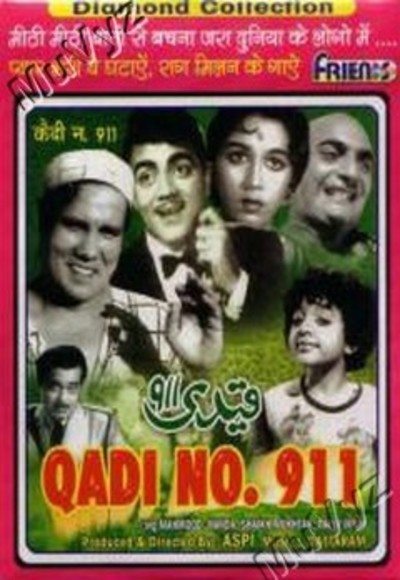
Song: Meethi meethi batho(n) se Film: Qaidi No.911 1959
Lyrics: Hasrat Jaipuri
Music: Dattaram Singers: Lata Mangeshkar & Daisy Irani
Pictures are taken from various sources for spreading knowledge; this is a non- commercial blog. Thanks for your great pictures.
காட்டு வாத்துக்கள் பறக்கின்றன, குருவே!
ச.நாகராஜன்
புத்த குருமார்கள் சீடர்களுக்கு ஞான நிலையை எய்த பல்வேறு வழிகளைக் கையாண்டனர். சில அடிகளும் சீடர்களுக்கு விழுவதுண்டு.
ஒவ்வொரு குருவுக்கும் ஒவ்வொரு வழி. மாஸ்டர் மாஜு ஒரு முறை கையாண்ட வழி இது:-
மாஸ்டர் மாஜு டயொய் (Mazu Daoyi) ஒரு நாள் தன் சீடரான பைஜாங் ஹுவாய்ஹையுடன் (Baizang Huaihai – 720-814) நடந்து சென்று கொண்டிருந்தார்.
எப்படியாவது தனது சீடர் உயரிய நிலையை எய்து விட வேண்டும் என்பது அவரது அவா.
அப்போது தலைக்கு மேலே சில பறவைகள் பறந்து சென்று கொண்டிருந்தன. மாஜு, பைஜாங் ஹுவாங்ஹையைப் பார்த்து, “ அவை என்ன?” என்று கேட்டார்.
பைஜாங் ஹுவாங்ஹை, “ காட்டு வாத்துக்கள் என்று பதில் கூறினார்.
“அவை எங்கே போகின்றன?” என்று அடுத்த கேள்வி வந்தது.
“அவை பறந்து போய் விட்டன” என்று பதில் சொன்னார் பைஜாங் ஹுவாங்ஹை.
இதைக் கேட்டவுடன் மாஜூ தனது சீடரின் மூக்கை அழுத்தமாகப் பிடித்துத் திருகினார். பைஜாங் ஹுவாங்ஹை வலியால் துடித்தார். ஓவென்று அலறினார்.
இப்போது மாஜு கேட்டார் :” இன்னும் அவை பறந்து போய் விட்டன என்று தான் சொல்கிறாயா?”
இந்தச் சொற்களைக் கேட்டவுடன் அந்த க்ஷணமே அவருக்கு உயரிய ஞானம் ஏற்பட்டு விட்டது! ஒரு பெரிய அரிய அனுபவத்தை அவர் பெற்றார்.
இது எப்படி ஞானம் திடீரென்று வந்தது.
மூக்கை அழுத்தமாகப் பிடித்து வலிக்கும் படி திருகினால் ஞானம் வந்து விடுமா?
முதலில் இருந்த நிலைக்கும் மூக்கைத் திருகிய பின்னர் இருந்த நிலைக்கும் இடையே என்ன நடந்தது?
உண்மையிலேயே காட்டு வாத்துக்கள் பறந்து தான் போயின. ஆகவே தான் பைஜாங் ஹுவாங்ஹை அவை பறந்து போய் விட்டன என்று பதில் சொன்னார்.
ஆனால் அவர் கூறிய பதில் உலகியல் நிலைக்கு ஏற்பச் சொன்ன பதில்.
அவர் உலகியல் இயல்பான, வருவது- போவது என்ற நிலையிலேயே இருந்தார்.
அதைக் கடந்து செல்ல வேண்டும் என்ற உணர்வு அவருக்கு இல்லை.
நிலையற்ற இந்த உலகில் வருவதும் போவதுமாக ஆயிரக்கணக்கான விஷயங்கள் ஒவ்வொரு கணமும் நடந்து கொண்டே தான் இருக்கின்றன. நல்லது, கெட்டது, வருவது, போவது இவை சகஜம்.
ஆனால் உண்மையான இயல்பான நிலை என்பது இவற்றையும் கடந்த சூனியம்; அமைதி! எழுவது, அழிவது, வருவது, போவது என்று பேசுவதற்கு எதுவுமே இல்லை.
இந்த வாய்ப்பைத் தன் சீடருக்கு ஞான நிலையை அடையச் செய்ய உறுதி பூண்ட குரு நன்கு பயன்படுத்திக் கொண்டார்.
அவரது மூக்கைத் திருகியவுடன் இந்த நிலையை அவர் கடந்து விட வேண்டும் என்று அவர் எதிர்பார்த்தார்.
அது தான் நடந்தது.
பின்னர் சீடர் பெரும் ஞானியானார். உலகியலில் நாம் பார்க்கும் அனைத்தையும் தாண்டி இருப்பது தான் சாந்தி என்பதை அவர் உணர்ந்து கொண்டு அனைவருக்கும் உபதேசிக்க ஆரம்பித்தார்.
அல்லல் படும் மனதை அமைதிப் படுத்தி அனைத்து சாதாரண உலகியல் நடப்புகளைத் தாண்டி அப்பால் போனால் வருவது சாந்தி! அதுவே புத்த நிலை!
Pictures are taken from various sources for spreading knowledge; this is a non- commercial blog. Thanks for your great pictures.
ஒரே சொல் மீண்டும் மீண்டும் வந்தால் ஓரிரு இடங்களில் மட்டுமே கட்டத்தில் இருக்கும். கொண்டு கூட்டி பொருள் கொள்க . விடை கீழே உள்ளது . சில நேரங்களில் படங்களைப் பார்த்தாலும் விடை காண உதவலாம்.




















 Tamil and Vedas