SRI TYAGARAJA- 18, Control of Mind (Post No.8053)

WRITTEN BY R. NANJAPPA                        

Post No. 8053

Date uploaded in London – – – 27 May 2020   

Contact – swami_48@yahoo.com

Pictures are taken from various sources for spreading knowledge; this is a non- commercial blog. Thanks for your great pictures.

SRI TYAGARAJA- 18,  Control of Mind

Sadhana involves all faculties

Sadhana in religious life involves the three faculties of man: body, speech (vak), and mind. There are many explanations, details, diverse paths but ultimately they all come to just these three. The rationale is very simple, though obscured by too much theory or philosophy: man performs karma  only through these faculties, and karmas usually result in punya or papa (religious merit or demrit); and hence these faculties should also be employed in seeking the remedy. Puja, japa and dhyana- these are done respectively by body, speech and mind.

As Sri Ramana Maharshi explained:

திடமிது பூசை  செபமுந் தியானம்
உடல்வாக்குளத்தொழில் உந்தீபற
உயர்வாகுமொன்றிலொன் றுந்தீபற


This is certain: worship, incantations and meditation are performed respectively with the body, the voice and the mind and are in this ascending order of value.
-Translation by Arthur Osborne

 All these amount to action, though most people regard only bodily action as action.(See Note below) 

Mind is the central faculty in man. Vak or speech arises first in mind, which also provides the blueprint for bodily action. Mindless action or speech is only done by an absolute idiot or mad person. Complete correspondence among thought, speech and action is the mark of virtue. The Veda declares:

Vang me manasi pratisthita

Mano me vachi pratisthitam….

Rtam vadishyami, Satyam vadishyami

May my speech be well established in my mind. May my mind be well established in my speech. I will speak the Rta (right). I will speak the truth (Satya).

Control of mind V.strengthening the mind

Control of mind is the highest discipline in all paths. All the diverse sadhanas ultimately involve control of mind, called by various names like mano nasa, mano laya, mano nigraha, etc. However, the different paths engage the mind in different ways, and do not always or invariably result in stilling the mind or controlling the thoughts. Modern psychological methods seek to ‘strengthen’ the mind, whatever it may mean. Many yogic practices also lead to strengthening the mind, resulting in development of unusual and usually undesirable and unspiritual powers, even though the classic definition by the greatest authority viz Patanjali means by yoga “chitta vritti nirodha” ie control of the modifications of the mind. Many forms of meditation too involve making the mind strong ie powerful; it may achieve temporary stillness but the mind asserts itself in the end.

As explained in the Katha Upanishad, the mind and other faculties of man are outward-oriented, ie they are naturally attuned to the external world. What happens in the case of “strengthening” the mind as prescribed by psychologists or practised  by  popular yogis is to incline the mind even more towards the external world. This surely is not the intention of real Yoga.

Only Two Ways

If we observe ourselves carefully, we will realise how fast our mind works and how thoughts succeed one  another, with lightning speed, even when our body is still. We traverse the whole universe in no time, sitting in an arm chair. On the contrary, when we circumambulate a holy place or undertake a pilgrimage on padayatra, the mind achieves stillness, even while the body is in motion!  Many thoughts are replaced by one thought, like an elephant is given a piece of wood to play with its trunk, which otherwise will not be still.

Traditionally, our religion prescribes many sadhanas for controlling the mind.  But in the modern day, only two authorities have made things clear, and simple. Sri Ramakrishna prescribed complete surrender to God as the way to kill the mind. Sri Ramana asked us to question the mind! The mind is a bundle of thoughts. If we ask to whom the thoughts occur, we will see they come to ‘us’. But who are we? This enquiry ( to be sharply distinguished from what is usually called ‘meditation’) will lead us to the source whence thoughts arise (as against the usual practice of trying to battle the thoughts to still them!) 

In both cases, the mind is the instrument of the ego, and when the ego is surrendered or its source questioned, the mind is annihilated, not just stilled. This is the essence of spiritual practice, as against ritual observances or psychological postures of the modern day.

Tyagaraja-practical teacher

Sri Tyagaraja is a practical teacher, and is not interested in developing theories.  All the mantras, tantras and other religious practices are prescribed only for controlling the mind, but what do they achieve if they fail in this?

Manasu Swadeenam

Manasu swadheenamaina aaghanuniki

mari mantra tantramu lela

Tanuvu taanu gadani yenchuvaniki

tapasu cheyanala Dasaratha bala

Anni nivanuchu yenchina vaniki

Asrama bhedamu lela

Kannu gattu mayalani yenchuvaniki

kanthala bhrama lela Dasaratha bala

Aajanmamu durvishaya rahituniki

gataa gata mika yela

Raja Rajesha Niranjana nirupama

Rajavadana Tyagaraja vinuta

For the adept (Jnani) who has controlled his mind, what is the need for mantra and tantra? ( The implication is that these are needed only for controlling the mind.)

O son of Dasaratha!

When one has realised that he is not the body ( ie given up the dehatma-buddhi), what is the necessity of undertaking Tapas?

When one realises that You are everything (in the universe ie Vasudeva sarvam iti, as the Gita says), where is the need for different ashramas (like Sanyasa, vanaprasta, etc)?

When one has understood that this world is the maya which blinds one’s (true) vision, how can he get attracted by women ( and wealth,etc)? 

When one has avoided any form of bad thoughts since birth, why should he indulge in thoughts about the past or the future?

O the king of kings! O the one without blemish! O the one without peer! O the one with the pleasant  countenance! O the one worshipped by Tyagaraja!

This is an important kriti which all earnest seekers should learn by heart, because it gives the essence of all spiritual sadhanas! It gives the secret of both what is to be achieved and how to achieve it! One has to control the mind; one has to give up the dehatma buddhi; one has to realise that God has become the whole universe; one has to realise that the world is unreal (ie impermanent); one has to avoid all bad thoughts. As we practice these, they become stabilised and become our achievements. This is the result of all mantra, tantra, tapas, ashrama regulations, etc. (If they do not lead to this, they are useless).

The repeated reference to Rama as Dasaratha bala has a tinge of sad irony. Dasaratha lost control of himself due to his infatuation for his young queen! But Rama is Niranjana ie without any blemish! (black spot) We have to worship him!

Sadly, our performing musicians do not sing this kriti often, nor do they render all the charanas!

Manasu Nilpa Shakti

Manasu nilpa sakti leka pote

madhura ghanta virula puja emi jeyunu

Ghana durmadudai ta munigite

Kaveri Mandakini yetu brochunu

Somidamma sogasu gandra gorite

Somayaji swargarhudauno

Kamakrodhudu tapam bonarchite

ghachi rakshinchuno Tyagarajanuta

If one cannot control the mind, what is the use of (performing ) puja with the ringing of bells ( and such ostentation)?

If one plunges in the water with thick ego ( or other bad qualities),how can Cauvery and Ganga save him?

If the wife of the Somayaji desires to seek pleasure with some one else, will the Somayaji become eligible for heaven?

If one full of kama and krodha performs tapas, will that tapas save him? Tell me, O Rama, worshipped by this Tyagaraja!

This is a hard-hitting kriti, exposing the hypocrisy  prevalent in  religious circles. Cultivation of moral and ethical virtues and standards (yama and niyama) is the first requisite for sincere religious practice in all true paths. Without them, mere rituals will not yield any results. Sri Ramakrishna used to say that while one goes to the Ganges for a ceremonial bath, his sins ascend the nearby tree and wait; and while he returns, they again seize him! Purity of mind, cultivation of virtues is the prime necessity. Tiruvalluvar says in the Kural:

Purat tooimai neeral amaiyum ahat tooimai

Vaaimaiyal kaanap padum.

புறந்தூய்மை  நீரால் அமையும் அகந்தூய்மை

வாய்மையால் காணப் படும். 298

External cleanliness is obtained by a bath with water; but inner purity is seen by correspondence between one’s word and  action.

Giving up kama and krodha is pre-requisite for even taking up tapas. Kama esha: krodha esha:, declares the Gita. The life of Visvamitra fully illustrates the fall due to kama and krodha.

Manasu Vishayam

How to control the mind? Only by resorting to the Lord’s feet.

Manasu vishaya natavitula kosagite

Ma Ramuni krupa galguno manasa

Tanatalu pokarintiki teesi petti

Taa gukkalu tolu reeti gado

Tavitiki rangada boyi kooti

tapila kothi kompoyinadu gado

chevitiki upadechinchinatu gado

Sri Tyagarajanutuni dalanchaka

O my mind! Tell me, if one does not meditate on the Murti worshipped by Tyagaraja, but hands over his mind to the evil forces represented by the five senses, can he obtain that Rama’s grace?

Is it not like removing the door of one’s house and handing it over to 

somebody else, and then trying to chase away the dogs (that try to enter his house)?

Is it not like the case of a woman who resorts to immoral conduct for the sake of powdered rice husk, whose rice-pot is carried away by the monkey?

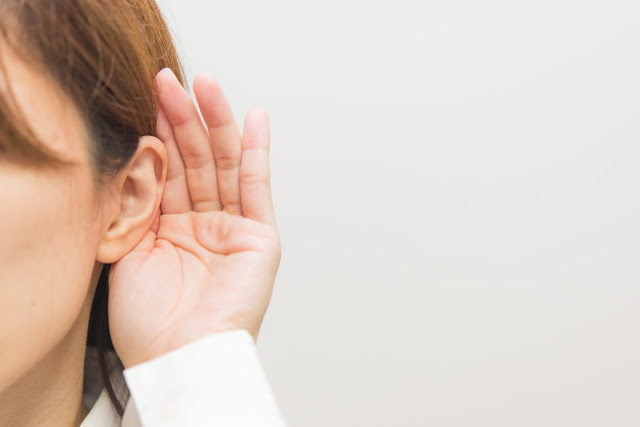
Is it not like blowing the conch shell in the ears of a deaf fellow?

So control of mind is the requisite for all spiritual endeavours, and is also the result of all such endeavours!

Gitartham

It is the controlled mind which can perceive the spiritual truths!

Gitarthamu sangitanandamu 

Nee tavuna judara o manasa

Sitapati charanabjamu lidukonna

Vatatmajuniki baaga telusura

Harihara bhaskara kaaladi karmamu

lanu matamula marmamula neringina

harivara roopudu hari haya vinutudu

vara Tyagaraja varadudu sugira

O mind! Realise the meaning of  Bhagavad Gita and the bliss of sangita in your own place! (In the mind itself!)

Hanuman, who always bears the feet of Sitapati in his heart knows this fact well.

The great leader of the monkeys knows well the secret of the five forms of authority viz Vishnu, Shiva, Surya, Time ( kala) and karma, and also the secrets of the religions. He is venerated by Indra and is always immersed in bliss.

Here, Tyagaraja enumerates the greatness of Hanuman, but even he is always having Rama’s lotus feet in his heart. So he has realised the meaning of Gita and Sangitananda in his own heart. Thinking of the Lord is the way to purify the mind, and all religious truths will be revealed to one of such pure mind/heart.

Purity of mind is obtained by worshipping the Lord, with true devotion.He gives it as a blessing.

Neeke dayarake

Neeke dayaraka ne jeyu panulella

neraveruna Rama

Ekopinchaka nenu neevanu jnani

kelaagu sukha michune O Raghava

Manasu nilvanivaaru mayajalamu jesi

mari mukti konanau ne

Rama! If you do not show mercy to this Tyagaraja, will the actions undertaken by me bear fruit?

Without having ananya bhakti for you, if a jnani thinks , ” I am different, You are different”, how can he attain sukham, O Raghava?

Can one unable to control the mind ( fix it in one place) attain Liberation through some magic ( maya jaalam)?

Control of mind gives one calmness and this in turn leads to saukyam, ie real welfare. No amount of learning is of use unless such shanti of mind is attained through its control.

Shantamu leka, saukyamu ledu

Taantunikaina Vedantunikaina

Shantamu leka saukhyamu ledu.

Whether one has subjected the indriyas, or mastered Vedanta, one cannot get sukham without getting a peaceful mind.

Daara sutulu dhana dhanyamu lundina

Saareku japatapa sampada galgina

Yagadi karmamu lanniyu jesina

baguga sakala hrda bhavamu delisina

Agama sastramu lanniyu jadivina

bhagavatulanuchu baguga beraina…

Shantamu leka saukhyamu ledu.

Even if one has wealth in the form of wife and children,

even if one has the fortune to be always engaged in japa, tapas, etc,

even if one performs yajnas and and all such rituals,

even if one can read the minds of all others,

even if one has fully learned all the Veda sastras,

even if one has earned a name as a Bhagavata,

if one does not have that quiet mind called upasantam, one cannot attain real welfare (happiness)


What happens when one is able to control the mind?

Maanasa vanachara vara sancharamu nilipi
Murti baguga podaganeva
rendaro mahanubhavulu ……….Endaro mahanubhavulu

Those who can stop the antics of the monkey that is mind, and can perceive the form of the Lord-  they are the great souls.

Saraguna padamulaku swanatamanu
sarojamunu samarpanamu seyuva
rendaro mahanubhavulu

Those who can  unreservedly offer the lotus of their heart at your Feet- they are the great souls. 

Purity of mind-heart is the highest virtue that Tyagaraja insists upon in the devotee. If he mentions any virtue of his own, even by inadvertence, it is that he is of a pure heart/mind as in vimala hrudaya Tayagaraja palam in Nadatanum,  sumati Tyagaraja in Nidhichala, etc. He has numerous references to this one virtue in his kritis; I have just indicated a few according to my limited capacity. But we learn one sure thing: Control of mind is both sadhana and the result of all sadhanas, made possible only by  Divine Grace.

Note:
Manu is our authority on this matter. He says:


Adattanam upadaanam himsa chaivavidhanata:

Paradaropaseva cha shariramtrividam smrutam.
                                         Manu.XII.7
Appropriating wealth without offering, slaughter without sanction, adultery- these are bodily sins.
Paarushyamanrutam chaiva paishunyam chapi sarvasa:

Asambaddha pralapascha vangmayam syachchaturvidam.                      Manu.XII.6
Harsh speech, telling a lie, backbiting, and idle and irrelevant talk- these are the four types of vocal sins.
Paradravyeshvabhidhyanam manasanishtachintanam

Vitathaabhiniveshascha trividam karma maanasam.
                                              Manu.XII.5
Thoughts about appropriating another’s property, thought of injuring another, identification of self with the body- adopting the false ‘dehatmabuddhi’- these are  the three types of mental sins.
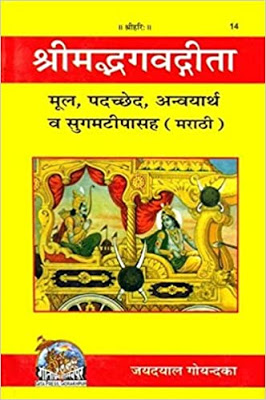
As if to address these exactly, the Gita prescribes:
Devadvijaguruprajna pujanam
Shaucham arjavam
Brahmacharyam ahimsa cha
Shariram tapa uchyate.                    XVII.14

Worship of Gods, Brahmanas, the preceptor and jnanis; purity observed in respect of person, conduct and wealth; straightforwardness, continence and harmlessness- these are called the penance of the body.


Anudvegakaram vakyam

Satyam priya hitam cha yat
Swadhyayabhyasanam chaiva
Vangmayam tapa uchyate                XVII.15

Speech which causes no offence, is truthful and pleasant; wholesome study and contemplation  of Veda, japa of the Divine names- these are called the penance of speech.

Mana: prasada: saumyatvam
Maunam atmavinigraha:
Bhava samshuddhi: ityetat
Tapo manasamuchyate.                  XVII.16

Cheerfulness of mind, gentleness, habit of constant meditation on God, control of mind and purity of heart- these are called penances of the mind.


Please see the excellent book ‘The Secrets of Gita’ by Sri Jayadayal Goyandka (Gita Press, Gorakhpur) for details.

To be continued……

tag – Sri Tyagaraja- 18
குட்டிக்கதை- கழுதைப் பிரம்மச்சாரி (Post No.8052)

WRITTEN BY LONDON SWAMINATHAN

Post No. 8052

Date uploaded in London – 27 May 2020   

Contact – swami_48@yahoo.com

Pictures are taken from various sources for spreading knowledge; this is a non- commercial blog. Thanks for your great pictures.

tamilandvedas.com, swamiindology.blogspot.com

குட்டிக்கதை- கழுதைப் பிரம்மச்சாரி

பலரும் குடும்ப பாரத்தைப் பொறுக்கமுடியாமலோ அல்லது ஏற்க பயந்தோ  அல்லது வாழக்கையில் நடந்த சோகம் காரணமாகவோ புத்த மாதத்தில் சேர்ந்தனர்.

கீழேயுள்ள புத்த மதக் கதை தம்ம பத , ஜாதகக்  கதைகளின் வியாக்கியானப் பகுதியில் வருகிறது. புத்தகோஷர் என்ற கயா நகர பிராமணன் இதை எழுதி இருக்கலாம். அவர் புத்த மதத்துக்கு மாறிய பின்னர் சம்ஸ்க்ருதத்தில் நிறைய எழுதினார்.

“ஒரு வணிகன் வாரணாசியிலிருந்து தட்சசீலத்துக்கு மட்பாண்டங்களை விற்கப் போனான். அவன் ஒரு ஆண் கழுதையின் மீதும் பொருட்களை ஏற்றிச்  சென்றான். அவன் வியாபாரம் செய்து கொண்டிருக்கையில் ஆண் கழுதை மேயப்போனது . அப்போது அதைச் சந்தித்த பெண் கழுதை , அடக் கடவுளே, எவ்வளவு தூரத்துக்கு நீ பெரிய பாரத்தைச் சுமந்து வந்திருக்கிறாய், என்ன கொடுமை என்று பரிந்து பேசியது. அதாவது கிணற்றடி ஊர்வம்பு.

ஆண் கழுதைக்கு சுதந்திர வேட்கை பிறந்தது. நான் உன்னுடன் வாரணாசிக்குத் திரும்பி வரமாட்டேன் என்று ‘ஸ்டிரைக்’ செய்தது. அவனுக்கு என்ன நேரிடப் போகிறது என்று வேடிக்கை பார்க்க, ஊர் வம்பு பேசிய பெண் கழுதையும் அருகில் வந்தது.

வியாபாரிக்குப் பெண் கழுதையின் விஷமம் புரிந்தது. ஓஹோ, இது பெண்ணாசையால் இது இப்படிப் பிதற்றுகிறது என்று யூகித்து ஒரு தந்திரம் செய்தான் . நீ வாரணாசிக்குத் திரும்பி வா. உனக்கு அழகான பெண் கழுதையைக் கல்யாணம் கட்டித் தருவேன் என்று ஆசை காட்டினான் . இதனால் ஆனந்தம் அடைந்த ஆண் கழுதை அவனுடன் வாரணாசிக்குத் திரும்பிச் சென்றது.

சில நாட்கள் சென்றன. ஆண்  கழுதை  எஜமானனின் வாக்குறுதியை நினைவுகூர்ந்தது . உடனே வணிகனும் , இதில் இரண்டு பேச்சுக்கு இடமேயில்லை. இதோ கல்யாணத்தை முடித்து வைக்கிறேன். ஆனால் ஒன்று. இதோ பார் . நீ என் வேலைக்காரன் ; உனக்கு மட்டும்தான் நான் தினமும் உணவு கொடுப்பேன். உன் மனைவிக்கு நீதான் உணவு தேடித் தரவேண்டும்; நாளைக்கு குழந்தை குட்டிப் பெற்றுக் கொண்டால் அதுவும் உன் பொறுப்பு – என்று செட்டியார் போலக்  கறாராகப் பேசினான் வணிகன். நீ எல்லாவற்றையும் யோசித்துப் பார் – என்றான்.

MY COMMENTS

கழுதை இதைக் கேட்டு பயந்தே போனது. Oh My God ‘ஓ மை காட்’ , இந்த குடும்ப பாரத்தை சுமந்து எனக்குப் பழக்கமில்லை . உங்கள் சரக்கு பாரத்தை சுமப்பதே போதும் ; கல்யாணமும் வேண்டாம் ; கத்தரிக்காயும் வேண்டாம் என்று சொல்லிவிட்டது” .

இதை வேடிக்கை கதை என்பதைவிட அக்கால புத்த விஹாரங்களின் உண்மை நிலை என்றே நான் நினைக்கிறேன். வெற்று ச் சோற்றுக்கு அலையும் சோம்பேறித் தடியன்களும் மடத்தில் சேர்ந்து ‘மடத்தடியன்’களாக மாறிய கதை இது.

சங்கம் சரணம் கச்சாமி

வாழ்க புத்தன் ;  வளர்க சங்கம்

tags — குட்டிக்கதை, கழுதை, பிரம்மச்சாரி, 

ஹிந்தி படப் பாடல்கள் – 49 – வாழ நினைத்தே வாழ்வோம்! (Post No.8051)

WRITTEN BY R. NANJAPPA                        

Post No. 8051

Date uploaded in London – – – 27 May 2020   

Contact – swami_48@yahoo.com

Pictures are taken from various sources for spreading knowledge; this is a non- commercial blog. Thanks for your great pictures.

ஹிந்தி படப் பாடல்கள் – 49 – வாழ நினைத்தே வாழ்வோம்!

R. Nanjappa

வாழ நினைத்தே வாழ்வோம்!   உலகம் என்பது என்ன? இங்கு எப்படி வாழவேண்டும்? இதை விளக்கத்தான் பல மதங்கள், தத்துவங்கள் முயற்சிக்கின்றன. பல ஞானிகளும் பெரியோர்களும் வாழ்ந்து காட்டி விளக்கியிருக்கிறார்கள். உலகம் அவர்களைப் போற்றிக் கும்பிடுகிறது, பின் தன் வழியிலேயே போகிறது. இதைப் புரிந்து கொள்வது கடினம், ஏன் புரிந்துகொள்ள வெண்டும்? நீயும் உலகத்தின் போக்கோடு செல் என்பது ஒருவகை  சித்தாந்தம்.

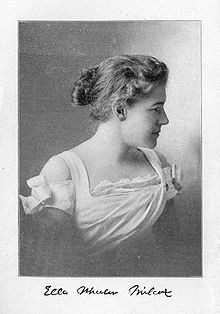
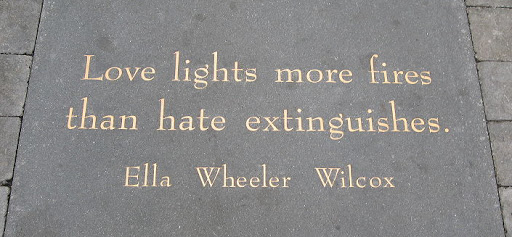
அமெரிக்க கவிஞர் Ella Wheeler Wilcox (1850-1919,),   The Way of The World என்று ஒரு கவிதை எழுதினார்.     The Way of The World 1884 Laugh, and the world laughs with you,
    Weep, and you weep alone ;
For the brave old earth must borrow its mirth,
    It has troubles enough of its own.
Sing, and the hills will answer,
    Sigh ! it is lost on the air ;
The echoes rebound to a joyful sound,
    But shrink from voicing care.
Rejoice, and men will seek you,
    Grieve, and they turn and go ;
They want full measure of all your pleasure,
    But they dont want your woe.
Be glad and your friends are many,
    Be sad and you lose them all ;
There are none to decline your nectard wine,
    But alone you must drink lifes gall.
Feast, and your halls are crowded ;
    Fast, and the world goes by ;
Succeed and give and it helps you live,
    But no man can help you die,
There is room in the halls of pleasure
    For a long and lordly train ;
But one by one we must all file on
    Thro the narrow aisles of pain.
 
 A long and lordly train –


இதை “காரவான்” என்று ஹிந்தி/உர்துவில் சொல்வார்கள்.  சிறு சிறு குழுக்கள் சாரிசாரியாகச் செல்வது!. உலகம் அப்படிப் போய்க்கொன்டிருக்கிறது. ‘இது எங்கு போகிறது என்று கேட்காதீர்கள்- நாமும் சேர்ந்து போகவேண்டும், பின் தங்கி விடக்கூடாது’ என்று ஒரு கருத்து! இதோ, இந்தக் கருத்தில் ஒரு பாடல்.     யே ஹன்ஸ்தா ஹுவா காரவான்   [Ye Hansata Hua Karavan Zindagi KaNa Poocho Chala Hai KidharTamanna Hai Ye Saath Chalte RaheHam Na Beete Kabhi Ye Safar] – [2]Wah Wah Hmm Hmm Hmm

Hmm]

சிரித்து மகிழ்ந்து செல்லும் இந்த ‘வாழ்க்கை” என்னும் பயணிகள் குழு சாரிசாரியாக எங்கு செல்கிறது? ஓ அதைக் கேட்காதே நாமும் அதனுடன் சேர்ந்து செல்லவேண்டும் என்பதே ஆசை! இந்தப் பயணத்தில் நாம் பின் தங்கிவிடக் கூடாது!  

Zameen Se Sitaro Ki Duniya Mein Jaaye Ha HaWahan Bhi Yahi Geet Ulfat Ke Gaye AchhaZameen Se Sitaro Ki Duniya Mein JaayeVahan Bhi Yahi Geet Ulfat Ke GayeMohabbat  Ki Duniya Ho Gham Se BegaanaRahe Na Kisi Ka Bhi Dar Ajee Dar KaisaYe Hansata Hua Karvan Zindagi Ka…….  

இந்த பூமியை விட்டு, அந்த தாரகைகளின் உலகிற்குச் செல்வோம்! அங்கும் இதே காதல் கீதத்தை இசைப்போம்! அந்த அன்பான உலகம் துக்கம் இல்லாமல் இருக்கட்டும்! யாரிடமிருந்தும் பயம் இல்லாமல் இருக்கட்டும்!  

Bahaaron Ke Din Ho Jawaan Ho Najare Aha Ha HaHaseen Chandni Ho Nadee Ke Kinare, Kya Baat HaiNa Aaye Jahan Bhool Kar BadnasibeeBanaaye Wahi Apna Ghar Na Na NaYe Hansata Hua Karavan Zindagi KaNa Poocho Chala Hai KidharTamanna Hai Ye Saath Chalte RaheHam Na Beete Kabhi Ye Safar  

எப்பொழுதும் அங்கு வசந்தம் நிலவட்டும்! காட்சிகள் என்றும் இளமையாக இருக்கட்டும்! அழகிய நதிக்கரையில் இனிமையான நிலவொளி வீசட்டும்! எந்த இடத்தில் தப்பித் தவறியும் துரதிருஷ்டம் வராதோ அந்த இடத்தில் நாம் வீடு கட்டி இருப்போம்! உலகம் சிரித்து மகிழ்ந்து எங்கு போகிறது?  

Song: Ye Hanstahua karavan zindagi  Film: Ek Jhalak 1957 Lyrics: S.H.Bihari Music: Hemant Kumar Singers: Hemant Kumar & Asha Bhonsle YouTube link: https://www.youtube.com/watch?v=0K3yhNy0Grs    

ஹேமந்த் குமாரின் இனிய இசை, இனிய குரல்! உற்சாகமூட்டும் பாடல்! அமெரிக்காவில் ஒருவர் பாடி ஒரு பாட்டு பிரபலமாகிவிட்டால், வேறு பல முன்னணிக் கலைஞர்களும் இசைக்குழுக்களும் அந்தப் பாட்டைப் பாடும்/இசைக்கும். இவற்றை “Version Song” என்று சொல்வார்கள். இந்த முறையை இந்தியாவில் கொண்டு வர முயன்றார்கள்- வெற்றியடையவில்லை! இந்த ஹேமந்த் குமார் பாட்டை முகேஷையும் பாட வைத்தார்கள் (தனியாக-சினிமாவில் அல்ல). அதுவும் நன்றாகவே அமைந்திருக்கிறது என்று நினைக்கிறேன்.  

அதற்கான YouTube link:https://www.youtube.com/watch?v=3lYcliQ86KU இதையும் கேட்டு மகிழுங்கள். இரண்டிற்கும் வீடியோ இல்லை.    

ராஹி தூ மத் ருக் ஜானா   ஹேமந்த் குமாரின் குரலிலேயே இன்னொரு அரிய பாட்டைக் கேட்போம்: அதுவும் எதிர்காலத்தில் நம்பிக்கையூட்டும் பாடல்.


Raahi tu mat ruk jaanaa, toofan se mat ghabaraana  Kabhi to milegi teri manzil  
Kaheen door gagan ki chhaon mein   பயணியே, நீ வழியில் நின்றுவிடாதே புயலைக்கண்டு அஞ்சாதே! உன்னுடைய இலக்கு என்றோ ஒரு நாள் கிடைத்துவிடும் எங்கோ- தூரத்தில் இந்த வானத்தின் கீழே!       

Maana ki gahari hai dhaara   Par hai kaheen to kinaara  Tu bhi mila aasha ke sur mein   Man ka ye ekataara   Kabhi to milegi teri manzil   Kaheen door gagan ki chhaon mein   நீரின் ஓட்டம் ஆழமாக இருக்கிறது- என்பது தெரியும் ஆனால் கரையும் தான்  இருக்கிறதே! ஆசை என்னும் ஸ்வரத்தில் நீயும் உன் மனதின் வீணையைக் கூட்டு! உன்னுடைய இலக்கு என்றோ ஒரு நாள் கிடைத்துவிடும்!


Hote hain mausam ke phere
Raaton ke sang hain savere
Jaake agar lauti hain saansein
Lautenge phir din tere
Jaake agar lauti hain saansein
Lautenge phir din tere
Kabhi to milegi teri manzil
Kahin door gagan ki chhaon mein
Kahin door, kahin door
Kahin door, kahin door, kahin door
   

பருவ காலங்கள் மாறிமாறி வருகின்றன இரவோடு காலையும் வருகிறது விட்ட மூச்சு திரும்பி வந்தால்- உனக்கும் இன்னொரு நாள் வந்துவிடும்! உன்னுடைய இலக்கை என்றோ ஒரு நாள் நிச்சயம் அடைவாய்! அது எங்கோ தூரத்தில் இருந்தாலும் உன் இலக்கு வந்துவிடும்!  

Sabaka hai ooparavaala   Sabako usi ne sambhaala   Jab bhi ghire gam ka andhera   Usane kiya ujiyaala   Kabhi to milegi teri manzil   Kaheen door gagan ki chhaon mein    

நம் எல்லோருக்கும் மேல் இறைவன் இருக்கிறான் அவரே அனைவரையும் காத்துவருகிறார் துன்பம் என்னும் இருள் கவிந்தபோது- அவரே ஓளி வீசச் செய்தார்! இந்தப் பரந்த வானத்தின் கீழே என்றோ ஒரு நாள் உன் இலக்கு கிடைத்தே தீரும்!  

Song: Rahi Tu Mat Ruk Jana Film: Door Gagan Ki Chaon mein 1964 Lyrics: Shailendra Music; Kishore Kumar   Singer: Hemant Kumar YouTube link:  https://www.youtube.com/watch?v=ihO0cLXtUJ0    


இந்தப் பாடல் படத்தில் மூன்று பகுதிகளாக வருகிறது. கிஷோர் குமாரின் இசையில் ஹேமந்த் குமார் பாடியது! ஷைலேந்த்ராவின் அருமையான கவிதை. நல்ல கவிஞன் மக்களுக்கு நம்பிக்கையூட்டும் சொற்களைச் சொல்லவேண்டும்! இது கிஷோர்குமாரின் சொந்தப் படம். அவர் மகன் அமீத்குமாரையும் இதில் நடிக்க வைத்தார் அவரே இயக்கியது.அருமையான பாடல்கள்.   இது The Proud Rebel (1958) என்ற ஆங்கிலப்படத்தின் கதையைத் தழுவியது. பார்க்க வேண்டிய நல்ல படம். இசையையாவது கேட்டு மகிழ்வோம்.  

Kishore Kumar was a creative artiste, multi-faceted genius. Many people may not know that during the Emergency (1975-77), he was asked to attend and perform in a Congress rally. He refused. Sanjay Gandhi banned his songs on the Radio and Door Darshan. Kishore Kumar did not care and did not budge. 

  Attachments area Preview YouTube video yeh hansta hua carvan zindagi ka-Ek Jhalak yeh hansta hua carvan zindagi ka-Ek Jhalak Preview YouTube video ye hansta hua karwan by mukesh a version song ye hansta hua karwan by mukesh a version song Preview YouTube video Rahi tu mat ruk jana..Kishore Kumar_Shailendra_Himant kumar..a tribute      

tag- ஹிந்தி படப் பாடல்கள் – 49
to be continued…………………………

உதவிக் குறிப்புகள்! – 11 -HELPFUL HINTS (Post No.8050)

WRITTEN BY S NAGARAJAN                     

Post No. 8050

Date uploaded in London – – – 27 May 2020   

Contact – swami_48@yahoo.com

Pictures are taken from various sources for spreading knowledge; this is a non- commercial blog. Thanks for your great pictures.

உதவிக் குறிப்புகள்! – 11HELPFUL HINTS – 11 (111 to 130)

ச.நாகராஜன்

எனது பழைய நோட்புக்கில் எழுதி வைத்துள்ள, நான் படித்து வந்த, பல நல்ல புத்தகங்களின் சில முக்கிய பகுதிகளின் தொடர்ச்சி இதோ:

HELPFUL HINTS

(111 to 117: From the book Tough Minded Optimist by Norman Vincent Peale)

குறிப்பு எண் 111 : Be Strong!

To live in this world you just have to be Strong – or else. So start developing inner toughness or tensile strength of mind and sprit

குறிப்பு எண் 112 : Be Tough!

When the going gets tough, let the tough get going – You are tough!

குறிப்பு எண் 113 : What you think, you will become!

Remember : What you think, you will become – Good or bad, weak or strong, defeated or victorious!

குறிப்பு எண் 114: Never Afraid!

Never be afraid of anybody or anything in this life!

குறிப்பு எண் 115 : Every knock is a boost!

Remember the old saying , it really works – Every knock is a boost!

குறிப்பு எண் 116 : Esteem people!

Keep on esteeming people even when they act badly toward you.

குறிப்பு எண் 117 : Be humble!

Be humble, Be Big in mind and soul, Be Kindly; You will like yourself that way and so will other people.

குறிப்பு எண் 118 : Take Calculated Risk!

(From Readers Digest ,Dec, 91 – Quotable Quotes)

Take Calculated risks. That is quite different from being rash. – General George Patton

குறிப்பு எண் 119 : Win with your strength!

(From Readers Digest, June, 91 – Win with your strenth!)

To get success : Win with your strenth. 1) Pick out strength to pursue 2) Exercsie your strength daily 3) Ignore weaknesses that don’t hinder you 4) Look for complimentary partners 5) Develop a support system

குறிப்பு எண் 120 : How to cope with crisis?

(From Readers Digest ,May, 91 – Quotable Quotes)

How to cope with crisis? 1) Optimism pays 2) One step at a time 3) Keep the faith 4) Take stock 5) Take Action!

(121 to 130 From the book How to win friends and influence people by Dale Carniegie)

குறிப்பு எண் 121 : Become genuinely interested in other people.

Become genuinely interested in other people.  We are interested in others when they are interested in us – Old Roman Poet Publilius Syrus

குறிப்பு எண் 122 : Smile!

Simple way to make a good first impression – SMILE!

குறிப்பு எண் 123 : Name is important!

Remember that a man’s name is to him the sweetest and most important sound in his language!

குறிப்பு எண் 124 : Be a good listener!

Be a good listener! Encourgae others to talk about themselves.

குறிப்பு எண் 125 : See other man’s interests!

Talk in terms of other man’s interests. Rooswelt knew that “ royal road to a man’s heart is to talk to him about the things he treasures most”.

குறிப்பு எண் 126 : Make the other person feel important!

Make the other person feel important – and do it sincerely!

குறிப்பு எண் 127 : Avoid Argument!

The only way  to get the best of an arugument is to avoid it!

குறிப்பு எண் 128 : Respect other man’s opinions!

Show respect for the other man’s opinions. Never tell a man he is wrong.

குறிப்பு எண் 129 : If you are wrong, Admit!

If you are wrong, Admit it quickly and emphatically.

குறிப்பு எண் 130 : Give honset appreciation!

A quick way to make everybody happy : Give Honest Appreciation!

tags — helpful hints-11, உதவிக் குறிப்புகள் – 11

***

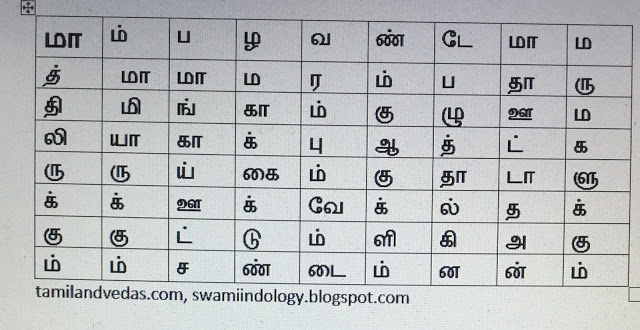
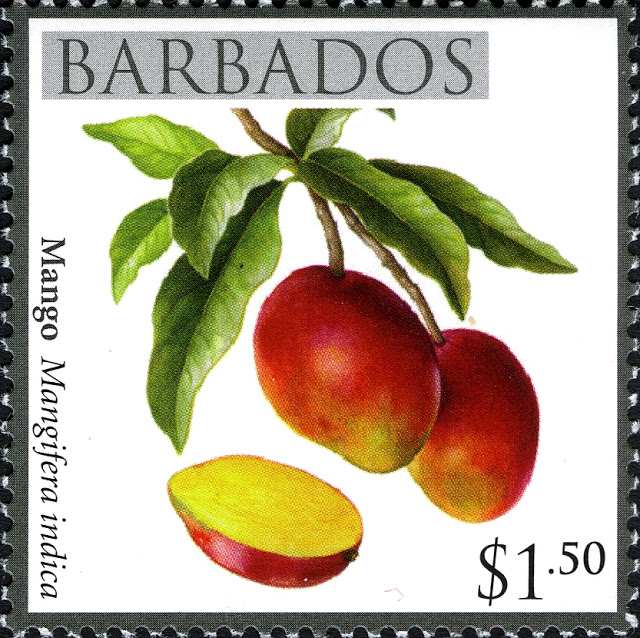
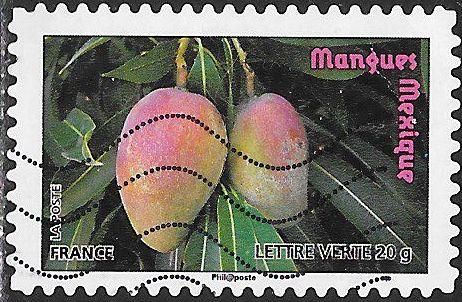
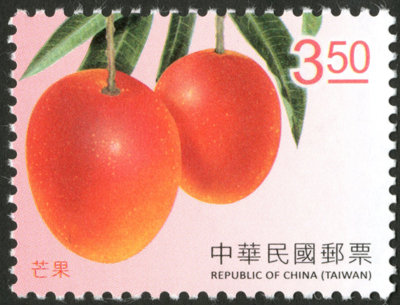
3 மாம்பழம் , மாங்காய் , பழமொழிகள் கண்டுபிடியுங்கள் (Post No.8049)

மாம்பழம், மாங்காய்  – மூன்று

பழமொழிகள்  கண்டுபிடியுங்கள் (Post No.8049)

WRITTEN BY LONDON SWAMINATHAN

Post No. 8049

Date uploaded in London – 26 May 2020   

Contact – swami_48@yahoo.com

Pictures are taken from various sources for spreading knowledge; this is a non- commercial blog. Thanks for your great pictures.

மாம்பழம் , மாங்காய் 3 பழமொழிகள் – இதில்  மா, பழம் போன்ற சொற்கள் பல பழமொழிகளில் வந்திருந்தாலும் இங்குள்ள கட்டத்தில் ஒரு முறையோ இரு முறையையோ மட்டும் வரக்கூடும் .

விடை கீழே கொடுக்கப்பட்டுள்ளது

விடை

1.மாம்பழத்திலிருக்கும் வண்டே, மாமியாருக்கும் மரு மக ளுக்கும் சண்டை,

2.மாதா ஊட்டாத அன்னம் மாங்காய்  ஊட்டும்

3.மா மரம் பழுத்தால் கிளிக்கு ஆகும்; வேம்பு பழுத்தால் கா க்கைக்கு ஆகும்

Source book :Kazaka Pazamozi Akara Varisai, Kazaka Veliyidu

tags – மாம்பழம் , மாங்காய் , பழமொழிகள்

BOMB SHELL THROWN ON TWO KEY TAMIL WORDS- TAMIL-SANSKRIT RELATIONSHIP -PART 6 (Post No.8048)

BOMB SHELL THROWN ON TWO KEY TAMIL WORDS- TAMIL-SANSKRIT RELATIONSHIP -PART 6 (Post No.8048)

WRITTEN BY LONDON SWAMINATHAN

Post No. 8048

Date uploaded in London – 26 May 2020   

Contact – swami_48@yahoo.com

Pictures are taken from various sources for spreading knowledge; this is a non- commercial blog. Thanks for your great pictures.

tamilandvedas.com, swamiindology.blogspot.com

This is part six of P S Subrahmanya Sastri’s lectures at Trivandrum in January 1946 under the auspices of University of Travancore:-

I will continue from page 60

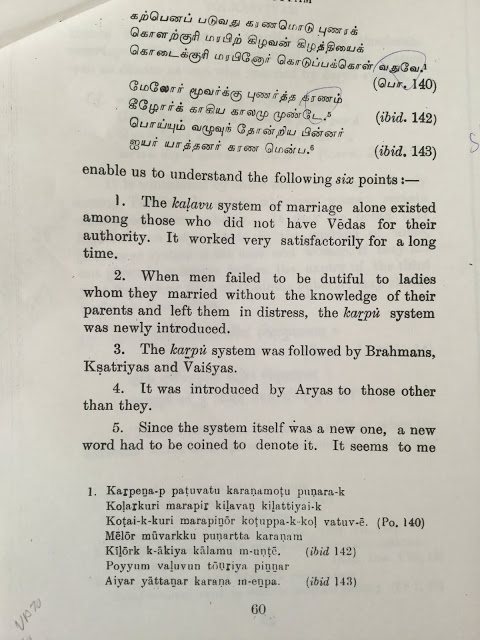
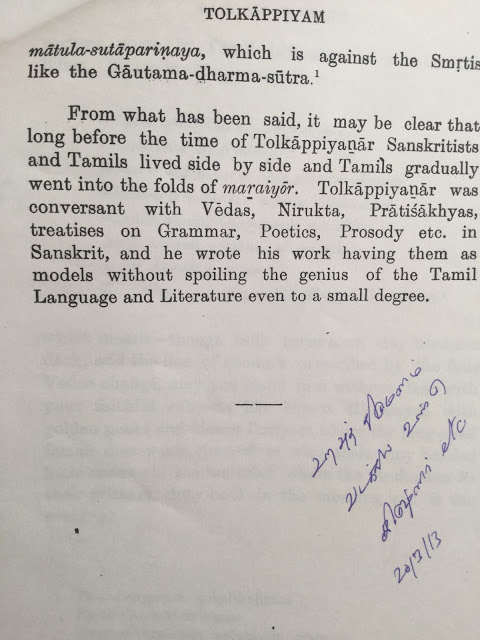
Pages 60-61 Sastri makes some controversial remarks.  He says that Tamils had only Kalavu marriage (Clandestine marriage) and then Aryans introduced Karpu (Chastity) marriage. He goes further and says that the Tamil word Karpu itself has come from Sanskrit word ‘Kalpam’ in Paraskara Grhyasutram.

My comments:

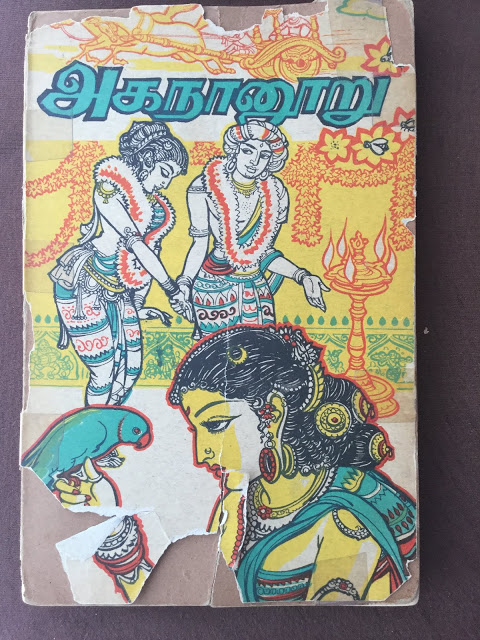
Actually Tamils had both types of marriages like their counterparts in the North. Earlier Sastri himself quoted Gautama Grhya Sutram for 8 types of Marriages. It is same in Manu, Tolkppaim and Gautama GS. Akananuru verses 86 and 136 beautifully describes arranged marriage with all the Sumnagalis greeting and wishing  the newly weds. In both poems it is mentioned that the marriage took place on Rohini star day and the Sanskrit word Vadhu and chaste woman Arundhati  are mentioned. And in the post Sangam Tamil epic Silappaadikaram Kannaki goes round sacred fire in front of Brahmin priests and married Kovalan. And in Purananuru and Tolkappiam the system of Sati (wife burning) is mentioned which is absent in Manu and Rig Veda). In short Tamils and their counterparts in the North had same wedding and funeral customs with slight differences.

These customs are followed only when it is not a clandestine marriage.

Infant instead of ‘Karpu’ I will attribute Sanskrit origin for Kalavu. Because the word is in Greek as well

Kalavu= Clandestine= Clepto= ‘to steal’ in Greek

Page 62 – Sastri rightly refers to Bhodayana who recommends Kalavu marriage if the girl is not married on time. Even in the Mahabharata the story goes to say that all these rules were enacted when one’s wife was taken by another without any consideration.

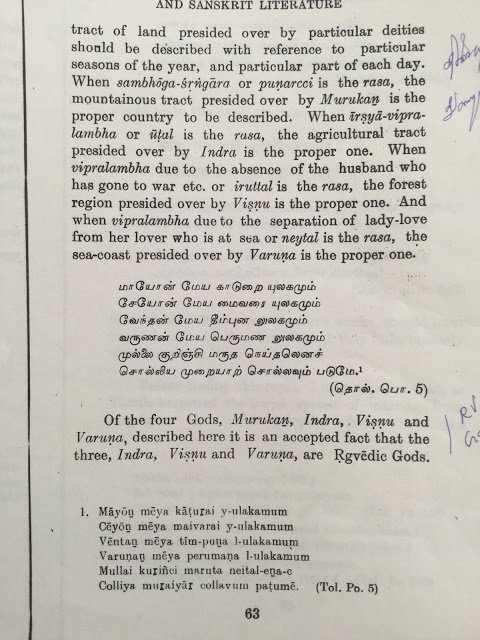
Page 63-64 All gods mentioned by Tol. are Vedic Gods. He explodes the theory that Murugan alias Skanda was a Dravidian god.

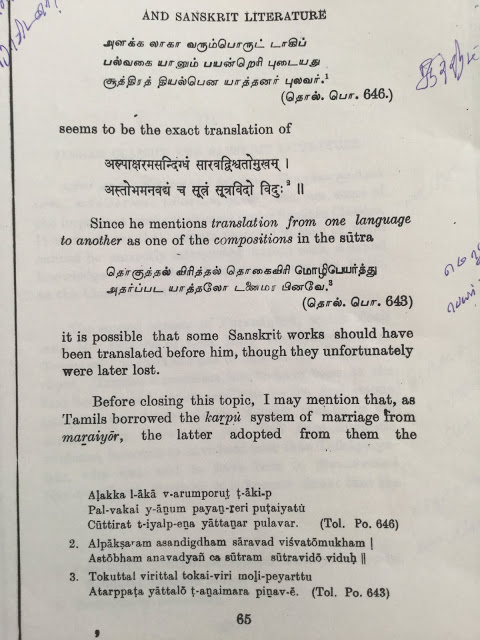
Page 65 – sastri points out to Tol. Sutra about translation and says that even before Tol. ,Sanskrit works must have been translated and unfortunately we lost all of them.

He  concludes by saying author Tolkappian was well versed in all important Sanskrit books.

***

Part III

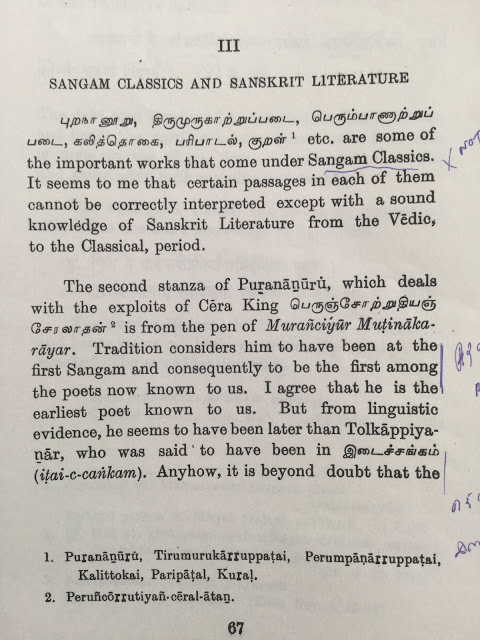
SANGAM CLASSICS AND SANSKRIT LITERATURE

Page 67- earliest poem in Purananuru.

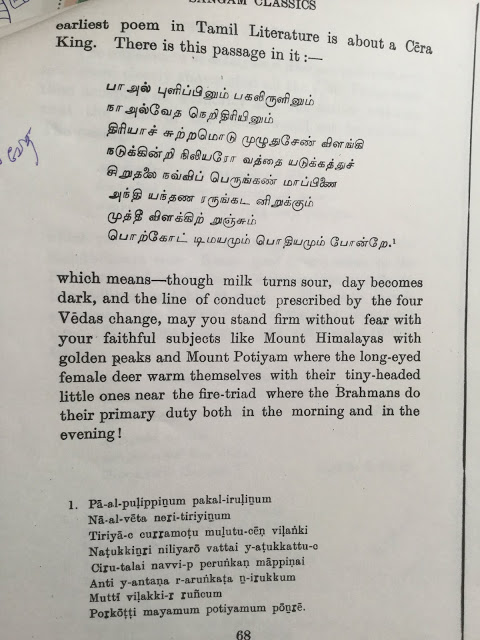
Page 68- reference to 4 Vedas ,Himalayas in Tamil

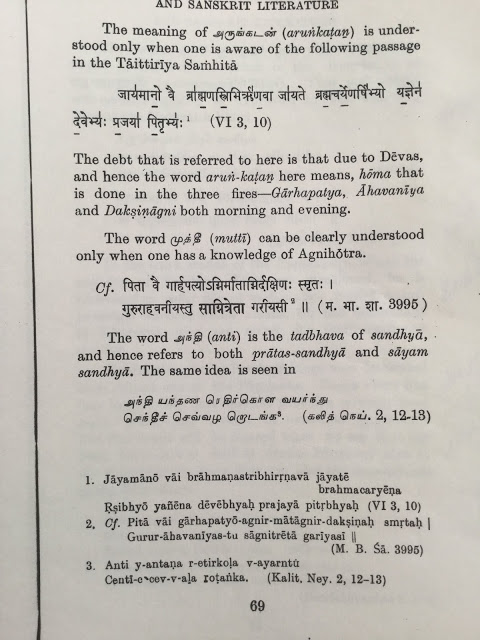
Page 68 – 70 Three types of Fires of Brahmins.

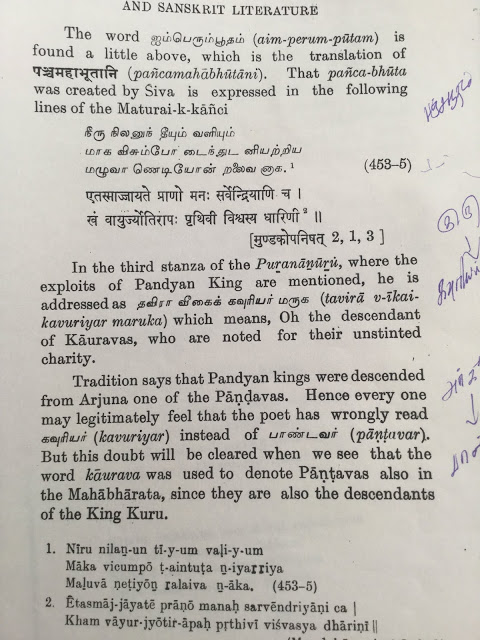
Page 71 – Pancha  bhutas; and Pandyas came from Pandavas.

Pages 72-74 Brahmins and cows were protected; importance of sons to perform last rites.

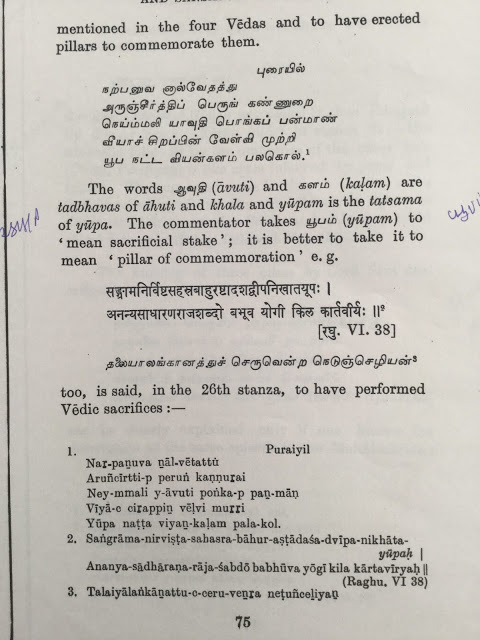
Page 75 Pandyan Nedunchelian’s  interest in Yagas

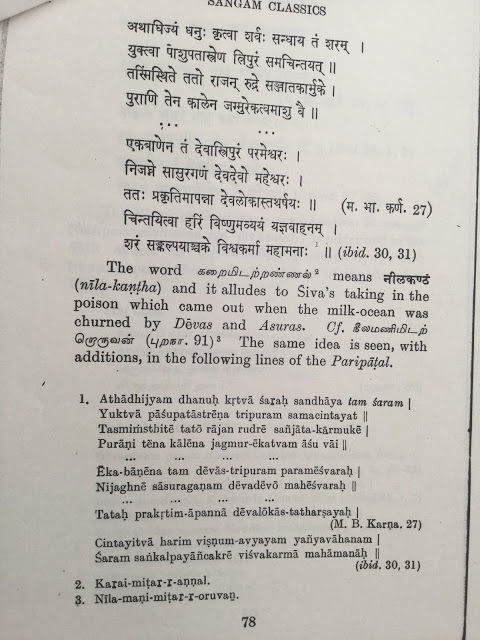
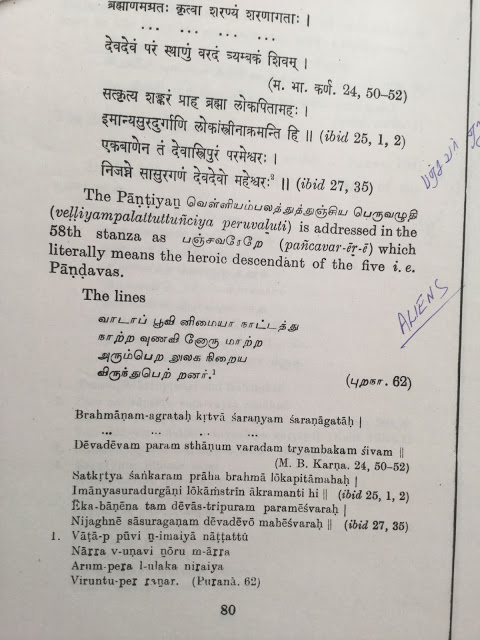
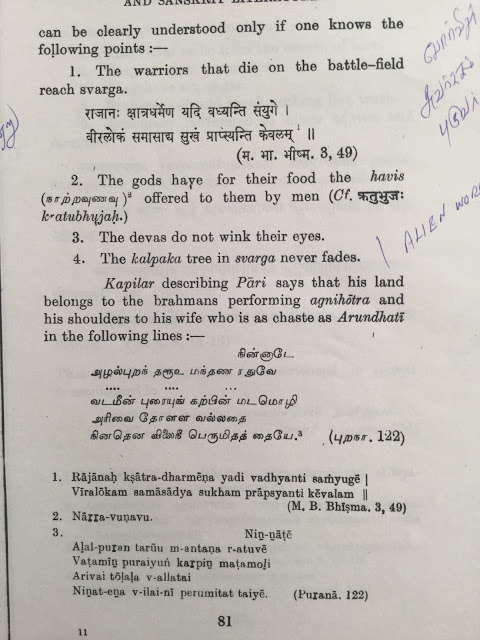
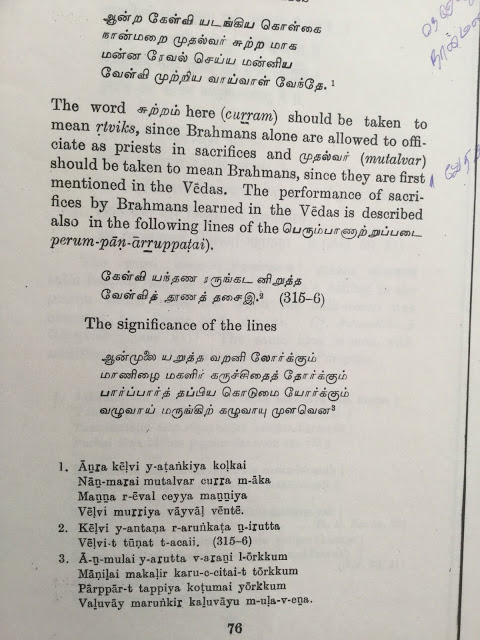
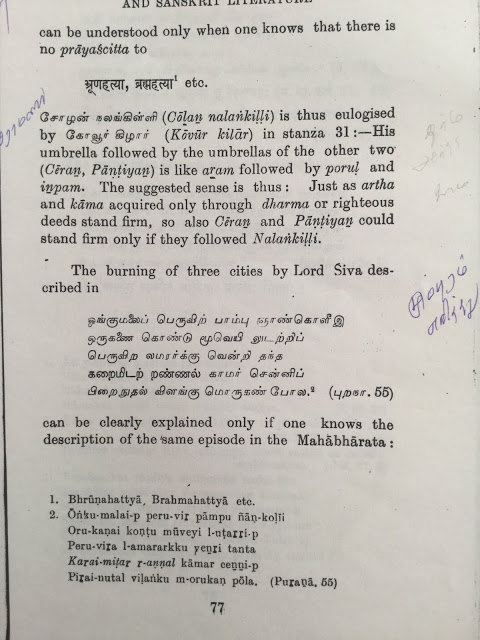
Pages 76-81 All similarities between the Sanskrit and Tamil scriptures.

Please see the attached pages (up to page 81) for references: –


to be continued 

Tags — Tamil- Sanskrit-6, PSS Sastri, Karpu, Kalavu, Marriages

RIG VEDIC SANSKRIT WORDS IN SANGAM TAMIL LITERATURE- Part 1 (Post No.8047)

COMPILED BY LONDON SWAMINATHAN

Post No. 8047

Date uploaded in London – 26 May 2020   

Contact – swami_48@yahoo.com

Pictures are taken from various sources for spreading knowledge; this is a non- commercial blog. Thanks for your great pictures.

Sangam Tamil literature consist of 18 books running to nearly 30,000 lines. Over 2500 poems were composed by more than 450 poets. They belong to first three centuries of modern era (CE). Rig Veda also has over 400 seers with over 1000 hymns. Those hymns have over 10,000 mantras. Rig Veda is dated between 1500 BCE and 4000 BCE.
Here is a list of TAML and SANSKRIT words found in old literatures belonging to both the languages.

Scholars argue that Mina (fish), Neer/Nir (water), Mayura (peacock) found in the Rig Veda are few words borrowed from Tamil.  But no one has given the details of who used those Tamil words in the Rig Veda and what is the position of those Risis (seers) in chronological order. Tamils took at least 300 years to produce 2500 poems, Rig Vedic poets took at least 500 years to produce the present 1000 plus hymns. Someone has to probe into the chronology of those poets before coming to definite conclusions

I am giving a list of Sanskrit words found in the Tamil Sangam Works. I have taken most of the words from the book INDO-ARYAN LOAN WORDS IN OLD TAMIL by S. VAIDYANATHAN, 1971. I have not included words from Cilappadikaram, because I consider it a Post -Sangam work. But he has included Tolkappiam, Tirukkural and Cilappadikram in his book

XXX

Abbreviations used in the list

Tolkappiam- TK

Cilappadikaram -CAM

Tirukkural -TKL

XXX

Tamil Sangam books

A .Pattup pattu

1.Porunaraarruppatai – PNP

2.Cirupanaarruptai – CPP

3.Perumpanaarruppatai – PMP

4. Mullaippattu- MP

5.Maturaikkaanchi- MKI

6.Netunalvaatai – NNV

7.Kurincippaattu – KP

8.Pattinappaalai – PP

9.Malaipatukataam – MPK

10.Tirumurukaarruppatai -TMP

XXX

B .Ettut tokai

1.Purananaauru -PNN

2.Akanaanuru – ANN

3.Narrinai – PMP

4. Kuruntokai – KTK

5.Patirruppattu -PPU

6.Anikurunuuru- Ai. KN

7.Kalittokai -KLT

8.Paripaatal – PPL

XXX

1.Antaram , sky in TMP line 119. அந்தரம்

Intermediate space in RV

2.Manam ,PNN.183-4; Manan TMP line 90, mind மனம்

Manas mind in RV

3.Tuumam, PNN 117-1, smoke தூமம்

Dhuuma , smoke in RV

4.Ticai PP-2, direction திசை

Dis , direction in RV

Disaa in epics

5. Kalam, PMP 415, kalan MKI 48, battlefield, களம்

Khala ,threshing floor in RV

6.Pataakai PP 182, flag, பதாகை

Pat , to fly in RV

Pataakaa , flag in epics

7.Viccai , KLT 119-4, learning  விச்சை

Vidyaa -knowledge and vid- to know, in RV

8.Vecanai , PPL 20-13, entrance வேசனை

Vis , to enter in RV

Vesana – the act of entering in Bh P

9.Mukam, CPP -73, Mukan in PNN.207-4, face முகம்

Mukha , face in RV

10.Tantu ,KTK 156-3, staff, stick தண்டு

Danda , stick in RV

11.Mani , PNN. 56,PNP.21 gem, மணி

Gem in RV

12.Ulakkai , PNN. 221-8, pestle, உலக்கை

Uluukhala , a wooden mortar in RV

13.Aariyar, The kings of Andhra, ANN 276-9, ஆரியர்

Aarya , honourable  in RV

14.Iyakkan , PNN.71-14, name  of a king, இயக்கன்

Yaksha , spiritual apparition in RV

15. Valayam – PPL.13-52, bracelet, வலயம்

Valaya – bangles since the epics,

Var – wrap up, environ in  RV

16.Mangala , PNN.332, auspicious மங்கலம்

Sumangala , auspicious in RV

Also in CAM6-125, beauty

Mangala , luck, Sat.brahmana

17.Vaanikap paricilan , PNN 208-7, TKL.120, TOL.3-622-1 வாணிகப் பரிசிலன்

Vanikan PNN.134-2, a merchant

Vanik (in compounds) in RV

18.Kalam , PNN.228-1, pot கலம்

Kalasa , water pot in RV

19. Punniyam ,PP.204, good deeds புண்ணியம்

Punya , virtuous in  RV

20.Pali ,PNP.183, a ball of rice offered to crow, PP.179. oblation, CAM.5-87 human sacrifice பலி

Bali, oblation in RV

21.Ulaku PNN.107-4, Ulakam PNP.176, world உலகு

Loka in RV

22.Maakam ,MKI 454, sky மாகம் 

Mahaa , great in RV, (Maghavan-Indra)

Kha – sky in RV

23.Kankai , PMP.431, the Ganges கங்கை

Gangaa in RV

24.Puruvam, PNP.26, eye-brow புருவம்

Bhru , eye brow, in RV

25.Uuci- PNN 82-4, north ஊசி

Udici , north in RV

26.Paaci, PNN 229-9, east பாசி

Praaci, east, in RV

27.Vaaranam ,ANN.172-1, elephant வாரணம்

Vaarana , wild, dangerous, in RV

28.Ankam, ANN137-1, body அங்கம்

Anga, limb of the body in RV

29.Acokam , KLT 57-12, Saraca indica, the Asoka tree

Asoka , without heat in RV அசோகம்

Xxxx

FROM POST RIG VEDIC LITERATURE

Kanti CAM 12-57, neck கண்டி

Kantha in Satapata brahmana

xx

Kulam , Ai. KN, 259-3, community , குலம்

Kulan ,TKL 223, family

Kula in Satapata brahmana

xx

Mekalai,  KLT.96-16, upper garment மேகலை

Mekhela , girdle in AV

xx

Navamani CAM 3-116, nine gems நவமணி

Nava , nine in RV,

Mani , gem, RV

xx

Manta maarutam , CAM 4-44, breeze மந்த மாருதம்

Manda , slowly, softly, in epics

Maaruta proceeding from or consisting of the 

Maruts in RV

Xx

Arasa kumarar , CAM 5-158, அரச குமாரர்,

Raja kulaara, panini

Xx

Analan PPl.5-57, the fire god அனலன்

Since Manu and R

Xx

Pintam , PNN.246-6, a ball of rice offered to the deceased ancestors,

பிண்டம்

Pinda , a ball of food offered to the deceased in Srauta and   Grhya sutras

Xx

11.Kutaari , PPL 5-34, axe குடாரி

Kuthaara, axe, in R

Xx

Palaasam KCP 88, butea frondosa பலாசம்

Palaasa  I Aitareya Brahmana

Xx

Cakatam PMP 50, PNN 60-8, , 90-7, 185-2 சகடம்

(with different spellings), cart

Sakata , cart, in Chadogya Upanishad

Xx

Picaaca KLT-65-17, ghosts, பிசாச

Pisaca – demon, imp in AV

Xx

Aatava, sun, ANN.195-19, ஆதவ

Aatapa , sun shine Kathopanishad

Xx

Naakam, elephant, NNv.117, நாகம்

Naaga, elephant, Aitareya Brahmana

Xx

Vata Malai , PNN 67—7, Northern Mountains வட மலை

Uttaraparvata in R

Xx

Kaayam PNN 20-4, aakaayam PPL 4-31, sky

காயம் ஆகாயம்

Aakaasa , sky in Aitareya Brahmana

TO BE CONTINUED……………………….

tags – Sanskrit words, , Sangam Literature, ,part 1,list,Rig Veda

Dhyanam is Ganga Snanam : SRI TYAGARAJA-17 (Post No.8046)

WRITTEN BY R. NANJAPPA                        

Post No. 8046

Date uploaded in London – – – 26 May 2020   

Contact – swami_48@yahoo.com

Pictures are taken from various sources for spreading knowledge; this is a non- commercial blog. Thanks for your great pictures.

tamilandvedas.com, swamiindology.blogspot.com

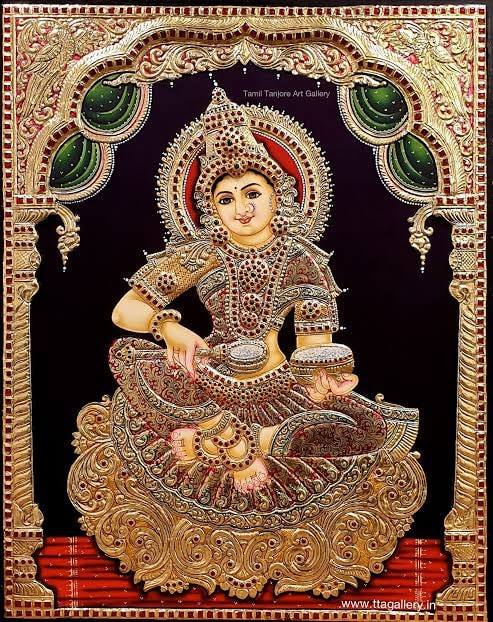
SRI TYAGARAJA-17-          Devotion to Universal Mother 

Smarta Tyagaraja

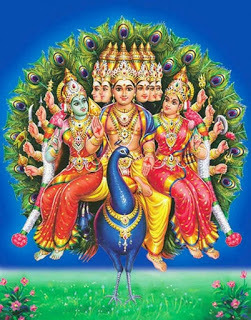
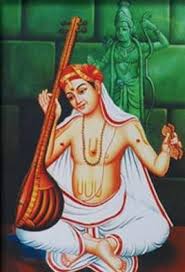
Sri Tyagaraja is generally taken to be a devotee of Rama. That indeed he is. However, not many are aware that though his Ishtadevata was Sri Ramachandra, he was essentially a  Smarta who venerated all forms of God. He had no Shiva-Vishnu bhedam. People know that he sang the general  Pancharatna kirtanas, which are usually rendered together (only) during his Aradhana. But he also sang other Pancharatna kirtanas at some Kshetras. While the ones on Sri Rangam are on Vishnu, his kirtanas on Tiruvotriyur, Kovur and Lalgudi are on Lord Shiva/ Ambal. He also sang 12 kritis on Tiruvaiyaru, 4 of which are on Lord Shiva and 8 on Dharmasamvardhini. He also sang two kritis on Nilayatakshi of Nagapatnam. He sang one on Ambal  and one on Subrahmanya at Brahmapuram  (Sirkazhi). 

Dhyanam is Ganga Snanam

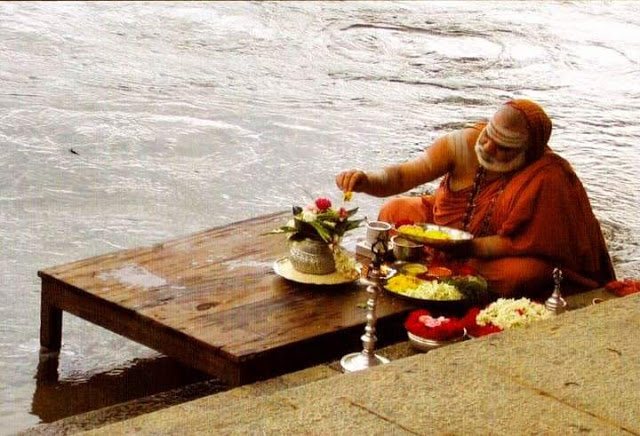
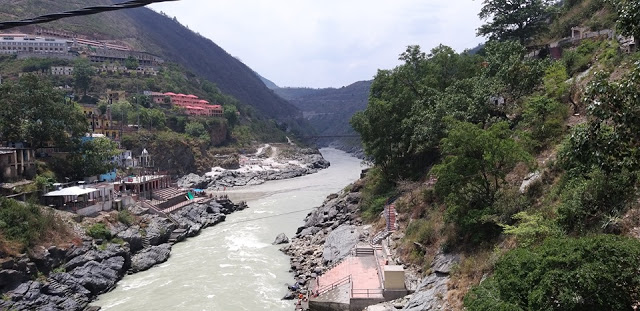
Sri Tyagaraja was of the firm view that Rama dhyana was equal to Ganga snana and did not believe in pilgrimages, (supada dhyanamu sura   Ganga snanamu ra Raghunatha- Paripalaya ;  Rama dhyaname varamaina Ganga snaname- Dhyaname). That he visited a few kshetras is remarkable and that he  sang of the Deities there shows his universal spirit, in the line of a true Smarta.


Plea to Mother to save 

There is a small, but extremely sweet kriti in the rare Raga Sindhukannada or Kesari as follows:

Nannu kanna thalli

Nannu kanna talli naabhagyama

Narayani Dharmambike

Kanakangi ramapati sodhari

karuninchave Katyayani

Kavu kavu mani ne mora bettagaa

gharakadhemi madhi kamalalochani

Neevu brovakunte yevaru broturu

sadavaram bosagu Tyagarajanute

O my mother! O my great fortune!

O Narayani! O Dharmambike!

O of the golden hue! Sister of Vishnu!

O Katyayani! Please show mercy on me!

When I repeatedly beseech you to save me, if you do not save me, who else can come to save me?

O the one who always grants boons, please save this Tyagaraja!.

This is a simple, straight prayer to Mother to save him.

What does Tyagaraja want to be saved from? What are the boons he desires? He makes it clear in another kriti in the Raga Desiya Todi.

Innalla vale

Innalla vale vindaseyaka nivada

nipudaiti Dharmambike

Anyula neranammutavalla phalamu le

damma O Dharmambike O Janani

Ennarani jenanamuletta na tarama

Vaddanarada Dharmambike

manasuna vishayadulu antaneeka nannu

manninchu Dharmambike O Janani

Kamadi gunamula cheta gasi leka

karuninchu Dharmambike

Neemayala cheta dagi limpake O

nirupama Dharmambike O Janani

Malayajagandhi sandadiyani manasuna

maravake Dharmambike O Janani

Giluku sommulatonu sisuvuku baalu 

taginchina Dharmambike O Janani

Padamulaku nenu balumaru mrokkiti

pavani Dharmambike

Peda saadhala baghyamu ni vanuchu

yenchiti Dharmambike O Janani

O Dharmambike! O Universal Mother! Please do not treat me like a stranger, as you have done so far. I have become one of your own from now on. Mother, there is no use depending on others.

Is it possible for me to take countless births? Can you not order them to be stopped? Please bless me so that my mind will not run after sense pleasures.

Please grant me the boon that I will not be seized by kama and other bad gunas. Please do not entice me with your Maya.O peerless Dharmambike!

O the one endowed with the aroma of sandalwood!

Please do not forget me thinking that I am making (vain, useless) noise. O Dharmambike! Did you not come with all your tinkling jewels and feed the child with milk?

I have prostrated at your feet repeatedly. O the immaculate Dharmambike! I have always thought that you are the fortune of those devout souls who do not know much about upasanas/sadhana. 

This kriti Tyagaraja sang at Sirkazhi ( Brahmapuram) made famous by Tirujnanasambandha. Naturally, he sings of the incident of Parvati feeding milk to   Jnanasambandha, then child of three who started singing hymns in praise of the Lord from that day on!. The only kriti of Tyagaraja on Subrahmanya available today is again sung at Brahmapuram, the birthplace of Jnanasambandha who is regarded as an Avatara of Subrahmanya!

Grace alone matters

Here Tyagaraja gives ample hints that we can never deserve divine blessings by any amount of upasana or sadhana and that we simply have to depend upon divine grace! Mother is the form of that grace, that power of the Trimurtis! That is why, even when he talks about the Trimurtis, as when he wonders about the form of Rama, he recalls the Srirupam:

Etavunara nilukada neeku

Enchi chuda naga padavu

Sita Gauri Vagisvariyanu

Sri rupamulanda  Govinda

Where is your place? If I think, you are not traceable anywhere! O Govinda!

Are you in the form of Sita (Lakshmi), Parvati, Sarasvati?

The power of grace is so strong that we celebrate it for nine nights, twice a year  ( in Vasanta and Sharad ritus ) even when Mahadeva has only one night dedicated to him!

The Navaratri kritis of Swati Triunal and the Navavarana kritis of Dikshitar are popular and regularly sung during the Navaratri season; the kritis of Shyama Sastri on Ambal are also famous.

 But Tyagaraja kritis on Goddess are rarely sung, on this or any other occasion. He has given us many kritis on Ambal and  they combine the allusion to various legendary incidents like in  Dikshitar kritis, along with a devout , pleading spirit like that observed in the kritis of Shyama Sastri.

 It will be a good sadhana to at least read and study them during this blessed season.Those musically talented can definitely select nine gems out of these Kritis and make a  Nava kirtana mala of Sri Tyagaraja!  May Universal Mother bless all devotees! 

tag – Sri Tyagaraja-17

To be cotntinued……………………………..

குறுந்தொகைப் பாடலில் ஒரு புதிர் , ஒரு கதை (Post No.8045)

WRITTEN BY LONDON SWAMINATHAN

Post No. 8045

Date uploaded in London – 26 May 2020   

Contact – swami_48@yahoo.com

Pictures are taken from various sources for spreading knowledge; this is a non- commercial blog. Thanks for your great pictures.

tamilandvedas.com, swamiindology.blogspot.com

குறுந்தொகைப்  பாடலில்  ஒரு புதிர் , ஒரு கதை

சங்க இலக்கியம் என்பது 18 நுல்களைக் கொண்டது. அதை பத்துப் பாட்டு, எட்டுத்தொகை என்று இரண்டு நூல்களாகத் தொகுத்துள்ளார். இதில் குறுந்தொகையில் குட்டிக் குட்டிப் பாடலாக இருக்கும். இதனால் இதற்கு குறுந்தொகை என்று பெயர். அதிகபட்சம் 8 வரிகள்தான். அதற்குள் நிறைய விஷயங்களைச் சொல்லி விடுவார்கள். எல்லாம் செக்ஸ் SEX , குடும்ப வாழ்க்கை பற்றிய பாடல்கள். இதில் 225 ஆவது பாடலில் ஒரு புதிர், ஒரு கதை வருகிறது.
கன்று தன் பய முலை மாந்த முன்றில்

தினை பிடி உண்ணும் பெருங் கல் நாட!

கெட்ட இடத்து உவந்த உதவி கட்டில்

வீறு பெற்று மறந்த மன்னன் போல

நன்றி மறந்து அமையாய் ஆயின் மென் சீர் க்

கலி மயிற் கலாவத்தன்ன  இவள்

ஒலி மென் கூந்தல் உரியவாம் நினக்கே

— கபிலர், பாடல் 225, குறுந்தொகை

பொருள்

உன் நாடு பெரிய மலைகள் உடைய நாடு. அங்கே உன் வீட்டின் முன்னால் இருக்கும் தினைப் பயிரை பெண் யானை மேய்ந்து கொண்டு இருக்கிறது. அதே நேரத்தில் அதன் பாலை , குட்டி யானை குடித்துக் கொண்டு இருக்கிறது . (நீ பொருள் ஈட்டச் செல்கிறாய்). செய்த உதவியை , அரசு கட்டில் ஏறிய பின்னர் மறந்து போன மன்னன் போல நீ செய் நன்றி மறந்து திருமணம் செய்வதை தாமதித்தாலும்  கூட,  இந்த தலைவியின் ஆரவாரிக்கும் மயில் தோகை போன்ற மெல்லிய  கூந்தல் உனக்கே உரியது — என்று தோழி கூறினாள்

பொதுவாக,  நன்றி மறக்காவிட்டால் இவள் உனக்குக் கிடைப்பாள் என்று தோழி கூறுவாள் என்று நாம் எதிர் பார்ப்போம் . ஆனால் ‘நன்றி மறந்தாலும்’ என்று கூறுவதன் உட்கருத்து நன்றி மறந்து விடாதே என்பதாகும் .

மேலும் நீ பொருள் ஈட்டச் செல்வதால் கால தாமதம் ஏற்படக்கூடும் என்பது தலைவிக்குத் தெரியும் ; எப்படி யானை தன்  குட்டிக்குப் பால் கொடுக்கும்போதே அதற்கான சத்துணவை மேய்ந்து கொண்டு இருக்கிறதோ அது போல நீயும் பொருள் ஈட்டுவது பிற் காலத்தில் குடும்பம் நடத்தத்தான் என்பது தெரியும் என்று உரைகாரர்கள் விரித்துரைப்பர் 

ஆனால் , “அரசு கட்டில் ஏறிய பின்னர் நன்றி மறந்த மன்னன் போல” , என்று திடீரென்று காதல் பாட்டில், ஒரு வரியை தோழி பயன்படுத்துகிறாள் . இது தனி மனிதனைப் பற்றிச் சொல்லி இருந்தால் நம் வாழ்க்கையில் பார்த்த பல  செய்நன்றி மறந்த ஆட்கள் நம் நினைவில் நிழல் ஆடும். . ஆனால் தோழியோ 2000 ஆண்டுகளுக்கு முன்னர் வாழ்ந்த ஒரு மன்னன் பற்றிப் பேசுகிறாள். அந்தக் காலத்தில் இந்த உவமையின் பின்னுள்ள கதை எல்லோருக்கும் தெரிந்திருக்கும். உரைகாரர்கள் உரை எழுதிய 600, 700 ஆண்டுகளுக்கு முன்னரும் கூட  இக்கதை தெரிந்திருந்தது போலும். இன்று வரை எவரும் அக்கதையைச் சொல்லாமல் உரையை அப்படியே எழுதிச் சென்றுவிட்டனர் !!!

ஜாதகக் கதையும் துரோணர் கதையும்

சென்னை பல்கலைக் கழகப் பேராசிரியர் பதவி வகித்த பேரறிஞர் எஸ். வையாபுரிப் பிள்ளை 75 ஆண்டுகளுக்கு முன்னர் எழுதி வெளியிட்ட இலக்கிய உதயம் நூலில் இந்தப் பாடலைக் குறிப்பிட்டு , ஒரு ஜாதகக் கதையை எழுதி, ஒரு வேளை இந்தக் கதையாக இருக்கலாம் என்கிறார். . புத்தரின் பூர்வ ஜென்மம் பற்றிக் கூறும் 500 கதைகளை ஜாதகக் கதைகள் என்பர் . 2300 ஆண்டுகளுக்கு முன்னர் பாலி மொழியில் எழுதப்பட்ட இந்தக் கதைகள் இந்தியா , இலங்கை, இந்தோனேஷியா, தாய்லாந்து , கம்போடியா முதலிய நாடுகளில் சிற்பங்களாக செதுக்கப்பட்டுள்ளன.. இந்தப் பாடலுக்குப் பொருத்தமான கதை இதுதான் —

மூர்க்கன் என்ற இளவரசன் ஒருவன் இருந்தான். மூர்க்கன் என்ற பெயருக்கேற்ற வாறு கொடியவன்; கண்ணில் மண் உறுத்துவது போல எல்லோர் வாழ்விலும் உறுத்தலாக நின்றவன். இவனை எப்பொழுது தீர்த்துக் கட்டலாம் என்று எண்ணியிருந்த மந்திரிகள், சேவகர்களுக்கு ஒரு அறிய வாய்ப்பு கிட்டியது. ஒரு நாள் மூர்க்கன் , ஆற்றில் குளிக்க ஆசைப்பட்டான். எல்லோரும் அவனை அழைத்துச சென்று நதியில் குளிக்கையில் ஒரே அமுக்காக அமுக்கி ஆற்று வெள்ளத்தில் விட்டுவிட்டனர்.

அவனுடைய அதிர்ஷ்டம் ஒரு மரக்கொம்பைப் பிடித்து உயிர் தப்புகிறான். அவனுடன் ஒரு கிளி, எலி, பாம்பு ஆகியனவும் அந்த மரத்தில் ஏறி உயிருக்குப் போராடிக் கொண்டிருந்தன. ஒரு துறவி மிகவும் பரிதாபப்பட்டு 4 உயிர்களையும் காப்பாற்றி வீட்டிற்குக் கொண்டு வந்து முதலில் எலி, கிளி, பாம்பு ஆகியவற்றுக்கு முதலுதவிச்  சிகிச்சை செய்துவிட்டு மூர்க்கனுக்கும்  சிகிச் சை செய்து காப்பாற்றிவிட்டார் . அவனுக்கோ அதி பயங்கரக் கோபம் .அவன் அரசன் ஆனவுடன் துறவியைப் பிடித்து வந்து வளா ரினால் சவுக்கடி கொடுத்தான் . ஒவ்வொரு அடி கொடுக்கும் போதும்  அந்தத் துறவி , “மனிதனுக்கு உதவி செய்வதைவிட மரக்கட்டைக்கு உதவி செய்வதே மேல்” என்று கவி பாடினார். கூடியிருந்த மக்கள், அதன் பொருளைக் கேட்டபோது, நதியில் நடந்த சம்பவங்களைத் துறவி எடுத்துரைத்தார் ; உடனே மக்கள் அனைவரும் சேர்ந்து மூர்க்கனை அடித்துக் கொன்றுவிட்டு துறவியை அரசன் ஆக்கினர். பின்னர் விசாரித்ததில் பாம்பு, கிளி, எலி ஆகிய மூன்றும் துறவிக்கு நன்றிக் கடன் செலுத்தியதையும் மக்கள் அறிந்தனர் .

****

என் கருத்து

2300 ஆண்டுகளுக்கு முன்னர் உருவான ஜாதகக் கதைகளில் புத்த குருமார்கள் , வலிய புத்தர் பெயரைப் புகுத்தி கதை எட்டுக்கட்டினர் . ஆகையால் அதற்கு முன்னரே இந்தக் கதை பிரசித்த மாயிருக்கலாம். ஆயினும் இதைவிட மக்கள் நன்கு அறிந்தது மஹாபாரதக் கதை என்பது சங்க இலக்கியத்தில் நன்கு தெரிகிறது; ஆகையால் துரோணர் கதையையே  கபிலர் சொல்லி இருப்பார் என்று நான் நினைக்கிறேன் அவர் ஒரு பார்ப்பனப் புலவர் ; சங்க இலக்கியத்தில் அதிகமான கவிதை இயற்றி முதலிடம் பிடித்தவர் ; “புலன் அழுக்கற்ற அந்தணாளன்” என்று பலராலும் போற்றப்பட்டவர் ; தமிழைக் கிண்டல் செய்த பிருஹத் தத்தனை அழைத்து, அவனுக்கு சம்ஸ்க்ருதம் மூலம் தமிழைக் கற்பித்து அவனையும் தமிழ்க் கவிபாட வைத்து அந்தப் பாடலையும் சங்க இலக்கியத்தில் சேர்த்தவர் கபிலர் .

துரோணர் கதை என்ன ?

சிறு வயதில் துரோணரும் பாஞ்சால / பஞ்சாப் மன்னன் ப்ருஷாதாவின் மகன் துருபதனும் அக்நிவேஷ என்ற ரிஷியிடம் பாடம் பயின்றனர் ; பிற்காலத்தில் துருபதன் மன்னன் ஆனான். துரோணாரோ ஏழைப் பிராமணனாக வாழ்ந்து கஷ்டப்பட்டார். பழைய நட்பை மனதிற்கொண்டு, மன்னன் துருபதனிடம் சென்று உதவி கேட்டார். அவனோ உதவி செய்ய மறுத்து அவரை அலட்சியம் செய்தான் . இதன் பின்னர் துரோணருக்கும்  நல்ல காலம் வாய்த்தது. அவர் மாபெரும் குரு வம்ச அரசர்களுக்கு ஆசிரியர் ஆகி பாண்டவர்க்கும் கௌரவர்க்கும் பாடம் கற்பித்தார் .

படிப்பு முடிந்தவுடன் என்ன குரு தக்ஷிணை வேண்டும்? என்று பாண்டவர்கள் கேட்டனர். ; துருபதனைத் தோற்கடித்து அழைத்து வாருங்கள் என்று சொன்னார். அர்ஜுனன் பஞ்சாப்  சென்று துருபதனை வென்று தேர்க்காலில் கட்டி இழுத்து வந்தான் ; அன்று சிறு உதவி கூட செய்ய மறுத்தவன் , விடுதலை வேண்டி பாதி ராஜ்யத்தைத் தருவதற்கு ஒப்புக்கொணடான். இதன் மூலம் பாதி பஞ்சாப் துரோணர் ஆடசியின் கீழ் வந்தது . ஆக நன்றி மறந்த துருபதன் கதையையே கபிலர் பாடல் சொல்கிறது என்பது என் கருத்து.

வாழ்க தமிழ்

tags- குறுந்தொகை, ஒரு புதிர் , ஒரு கதை

ஹிந்தி படப் பாடல்கள் – 48 – பாட்டும் பரதமும்! (Post No.8044)

WRITTEN BY R. NANJAPPA                        

Post No. 8044

Date uploaded in London – – – 26 May 2020   

Contact – swami_48@yahoo.com

Pictures are taken from various sources for spreading knowledge; this is a non- commercial blog. Thanks for your great pictures.

ஹிந்தி படப் பாடல்கள் – 48 – பாட்டும் பரதமும்!

R. Nanjappa

பாட்டும் பரதமும்!

சினிமா இசையை ரசிப்பவர்கள் கூட  நடனத்தை ரசிப்பார்கள் என்று சொல்ல முடியாது, இங்கு அபிநயம், முத்திரைகள், பாவம் , சாஹித்யம் ஆகிய அனைத்து அம்சங்களையும் கூர்ந்து கவனிக்கவேண்டும். பாட்டின் மெட்டு சட்டென்று மனதைக் கவரும்- நாட்டியத்தை ரசிக்கப் பயிற்சி வேண்டும், இல்லாவிடில், ‘ஆட்டத்தைப் பார்த்திடாமல் ஆளை ஆளைப் பார்க்கிறாய்’ என்ற கதிதான்.

இந்தியா- பாரதம். நமது நடனக்கலை-பரதம்! பாவம், ராகம், தாளம்- மூன்றும் அடங்கியது நடனம். ஆனால் அதைச் சரியானபடி அணுக, ரசிக்க பயிற்சி தேவை.

It takes some effort to learn to appreciate classical arts.

50 களில் (60 களில் கூட) நம் படங்களில் டான்ஸ் காட்சிகள் இடம்பெற்றன.. பத்மினி-ராகினி, வைஜயந்திமாலா. ஸாயி ஸுப்புலக்ஷ்மி  ஆகியோரின்  நடனங்கள் இடம் பெறும். வஞ்சிக் கோட்டை வாலிபனில்  வைஜயந்திமாலா-பத்மினி போட்டி நடனம் விரும்பிப் பார்க்கப் பட்டது. இப்பொழுது அத்தகைய நடனக் காட்சிகள் அதிகம் வருவதில்லை. டான்ஸ் என்ற பெயரில் ஏதோ கூத்துக்கட்டி அடிக்கிறார்கள்.

வி.சாந்தாராம் நடனத்தையே முக்கிய அம்சமாக.வைத்து 3 படங்கள் எடுத்தார். இன்று துணிய மாட்டார்கள். 

50 களில் வந்த இரு ஹிந்திப் படங்களிலிருந்து இரு நடனப் பாடல்களைப் பார்க்கலாம்

நாதிர் தீம் தன தீரி நா

na dhir dhim tan re re na re re na
na ja na ja balam balam mere na
na dhir dhim tan re re na re re na

teri aag laga li tan me piya
teri sej saja li maine man me piya
teri aag laga li tan me piya
teri sej saja li maine man me piya
tere nain base nainan me piya
kahi tu hi mujhe nayan fere na
na dhi dhim tan re re na re re na

na dhi dhim tan re re na re re na.

tikhi kajare ki dhar piya tere liye
mere solaha singar piya tere liye
baje man ka sitar
baje man ka sitar piya ter liye
huye fir bhi to hum balam tere na
na dhi dhim tan re re na re re na
na ja na ja balam blam mere na
na dhi dhim tan re re na re re na  

நாதிர் தீம் தன தீரி நா

அன்பே என்னை விட்டுப் போகாதே

உன் நினைவு உடலை எரிக்கிறது

உனக்காக மனதில் இடம் செய்து வைத்தேன்

உன் கண் என் கண்ணில் நிலைத்துவிட்டது

நீயும் என்னைக் கண்ணால் பார்க்கக்கூடாதா?

நாதிர் தீம் தன ரீ ரீ நா.

இந்தக் கண்ணில் தீட்டிய மையும் உனக்காகவே

இந்த அலங்காரமும் உனக்காகவே

என் மனம் உனக்காகவே இசைக்கத் தொடங்கிவிட்டது

பின்  நான்  உன்னவளாகவே ஆகிவிட்டேன்

நாதிர் தீம் தன ….……

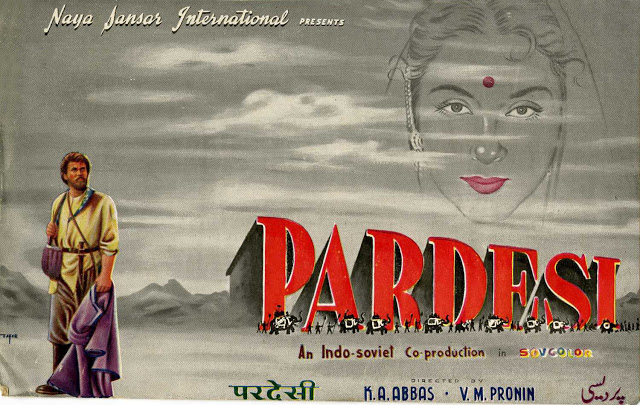
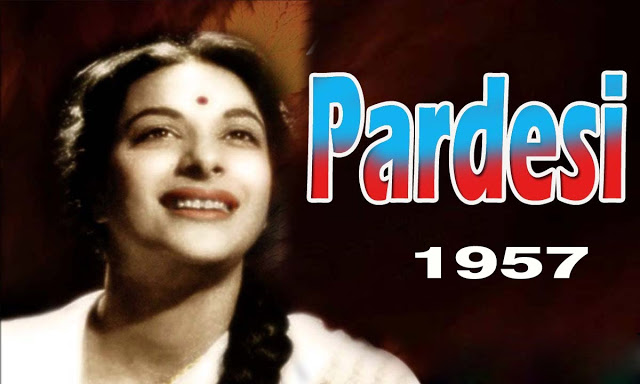
Song: Na dhir dhim –na ja balam  Film: Pardesi: 1957 Lyrics: Prem Dhavan

Music; Anil Biswas  Singer: Lata Mangeshkar Dance: Padmini

YouTube link:

இது இந்தியாவும் ரஷ்யாவும் கூட்டாகத் தயாரித்த படம். -இந்தப் பாட்டை எழுதியவர் ப்ரேம் தவான். தூய சிருங்கார ரசத்தில் அமைந்த பாடல். சிறிய பாடல்தான், எத்தனை நயமாகச் சொல்லிவிட்டார்!

இதற்கு கௌட ஸாரங்க் ராகத்தில்  இசையமைத்திருக்கிறார் அனில் பிஸ்வாஸ். மூன்று நிமிஷங்கள் தான்-ராகத்தைப் பிழிந்து தந்துவிட்டார். இதில் வரும் கெஞ்சும் பாவனை (sense of pleading) மனதைத் தொடுகிறது!

பத்மினியின் நடனத்தைப் பற்றிச் சொல்ல. என்ன இருக்கிறது?

Simple but expressive movements!

பத்மினியின் நடனத்தைப் பார்த்தோம். வைஜயந்திமாலாவின் நடனத்தைப் பார்க்கவேண்டாமா?

போல் ரீ கட் புத்லீ

बोल री कठपुतली, डोरी कौन संग बाँधी
सच बतला तू नाचे किसके लिए
बाँवरी कठपुतली, डोरी पिया संग बाँधी
मैं नाचूँ अपने पिया के लिए

जहाँजिधर साजन ले जाएँ, संग चलूँ मैं छायासी
वो हैं मेरे जादूगर, मैं जादूगर की मायासी
जानबूझकर छेड़के मुझसे पूछे ये संसार
बोल री कठपुतली

पिया होते मैं ना होती, जीवन राग सुनाता कौन
प्यार थिरकता किसकी धुन पर, दिल का साज़ बजाता कौन
दूरदूर जिस गली से गुज़रे, गाती जाए बहार
बोल री कठपुतली

போல் ரீ கட் புத்லீ, டோரீ கௌன் ஸங்க் பாந்தீ

ஸச் பத்லா, தூ நாசே கிஸ்கேலியே

பொம்மையே, உண்மையைச் சொல்லிவிடு!

உன்னை யாருடன் இந்த நூலில் கட்டியிருக்கிறார்கள்?

யாருக்காக நீ ஆடுகிறாய்?  

பாவரீ கட் புத்லீ, டோரீ பியாஸங்க் பாந்தீ

மை நாசூ(ன்) அப்னீ பியா கேலியே

என்னை என் அன்பருடன் இந்த நூலால் கட்டியிருக்கிறார்கள்

நான் என் அன்பருக்காக ஆடுகிறேன்!

ஜஹா(ன்) ஜிதர் ஸாஜன் லே ஜாயே, ஸங்க் சலூ(ன்) மை ஸாயா ஸீ

வோ ஹை மேரே ஜாதூகர், மை ஜாதூகர் கீ மாயா ஸீ

ஜான்பூஜ் கர் சேட்கே முஜ் ஸே பூசே யே ஸன்ஸார்

போல்ரீ கட் புத்லீ ..

என்னை அன்பர்  எங்கு அழைத்துச் சென்றாலும் நான் நிழல்போல்

பின் தொடர்வேன்!

அவரே என்னுடைய ஜாலக்காரர்!

நான் அவர் செய்யும் ஜாலம்!

இந்த சமூகம் என்னை வேண்டுமென்றே சீண்டுகிறது!

என்னைக் கேட்கிறது!

பொம்மையே, உண்மையைச் சொல்லிவிடு!..

பியா ஹோதே மை நா ஹோதீ, ஜீவன் ராக் ஸுனாதா கௌன்.

ப்யார் திரக்தா கிஸ் கீ துன்பர், தில் கா ஸாஃஜ் பஜாதா கௌன்

தூர் தூர் ஜிஸ் கலீ சே குஜ்ரே, காதீ ஜாயே பஹார்

போல்ரீ கட் புத்லீ.

அன்பர் இல்லாமல் நான் இல்லை!

உலகின் இனிய ராகத்தைக் கேட்க வைப்பது யார்?

யாருடைய இசையைக் கேட்டு அன்பு துள்ளிஎழும்?

மனமெனும் வாத்யத்தை இசைப்பது யார்?

வசந்தம்பாடிக்கொண்டே தூர தூர இடங்களுக்கும் போகும்!

போல்ரீ கட் புத்லீ….

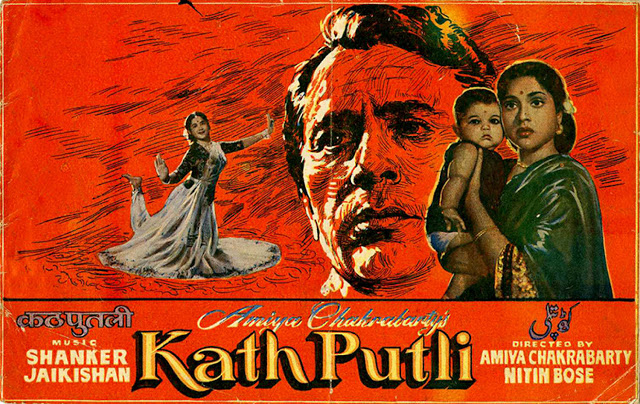
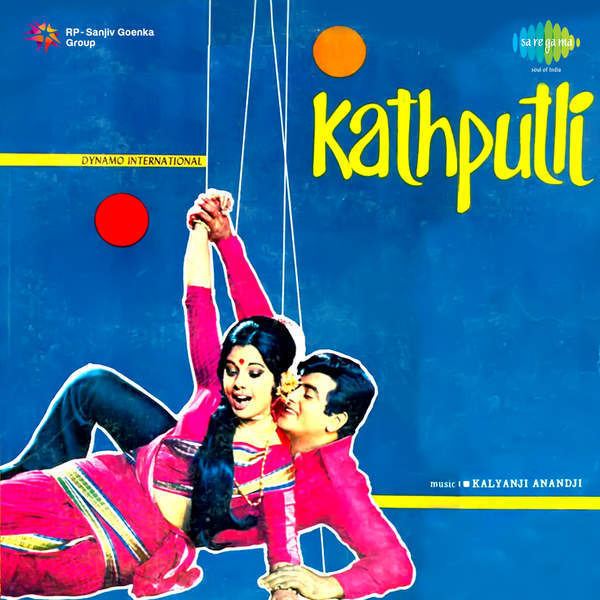
Song: Bolri kathputli Film: Kathputli 1957 Lyricist: Shailendra

Music : Shankar Jaikishan Singer: Lata Mangeshkar

Dance: Vyjayantimala.

Linkto Youtube: https://www.youtube.com/watch?v=J2DNlNxcYH4..

This is fantastic dance and song, by any standards.

The girl, having watched a street puppet show, imagines herself to be a puppet and asks and answers these questions.

Look at the dance. There are no sets, no props, the space is limited and congested. The girl has no make up, no gorgeous dress. Her movements are so natural, simple and graceful. Her abhinaya is excellent. 

How would you classify this dance? Bharatanatyam, Kathak, Kathakali, Kuchipudi? This is the best dance sequence in our movies, it has not been excelled! Hats off to Vyjayanthimala! Simple and elegant.

Credit for dance in the film is given to Sohanlal in the credits. The film is full of dances.

The song is mind boggling! The melody is great, the tune is fast paced and exciting!

The background score is simply out of this world- one does not know how many instruments they used and what kind. Yet so harmonious and melodious. No wonder Shanker-Jaikishan rated this as one of their best. Shanker himself knew dancing, and he could indeed compose for dance! Hats off to Shanker Jaikishan. This is indeed inspired music. They have composed the song in the Raga Kirwani.

The lyrics are superb. The girl is under the spell of the puppet show, and her imagination is fertile, as her dance is instinctive. Shailendra captured the mood so well. “Sang chalun main saayaa si-, main jadugar ki maayaa si”- what terrific words! 

Geeton ki toofan hai, naach ki bahar hai- as Kishore Kumar sang in another film!

Let us think a bit more. Are we all not connected to a higher source- by an invisible thread? Are we not all puppets in its hands? Shailendra has that capacity to suggest profound things through simple words!

Hats off Shailendra!

This idea was expressed so well in the closing dialogue of the film Anand 1971:

 “Hum sab toh rangmanch ki kathputhliyan hain jinki dor uparwale ki ungliyon main bandhi hain. 

Kab, kaun, kaise uthega yeh koi nahi bata sakta hai.”

[நாம் அனைவரும் நாடகமேடையில் பொம்மைகளைப் போன்றவர்கள். இவற்றைக் கட்டிய நூல் ஆண்டவன் கைவிரல்களில் இருக்கிறது. எப்பொழுது, யார், எப்படி எழுவார்கள் என எவரும் சொல்ல முடியாது.]

ஆட்டுவித்தால் ஆரொருவர் ஆடா தாரே
   அடக்குவித்தால் ஆரொருவர் அடங்கா தாரே
ஓட்டுவித்தால் ஆரொருவர் ஓடா தாரே
    உருகு வித்தால் ஆரொருவர் உருகா தாரே
பாட்டுவித்தால் ஆரொருவர் பாடா தாரே
    பணிவித்தால் ஆரொருவர் பணியா தாரே
காட்டுவித்தால் ஆரொருவர் காணா தாரே
    காண்பாரார் கண்ணுதலாய் காட்டாக் காலே
 

                               —அப்பர் 

Note: 

 There is a dance by Kamala Laxman also in this movie, choreographed by Gopi Krishna. Some people say that technically it is superior to    Vyjayanthimala’s dance. I think it is not proper to compare as this dance by Vyjayanthimala is not a professional show but a spontaneous outburst, by an untrained girl who just has an instinct for dance, and is expressing it spontaneously.  In real life both are good professional dancers. But personally, I do not like Kamala Laxman’s dance in this film. She should not have accepted this. This is my personal view. The film deliberately shows her piece in bad light. (as required in the script).

2. This song is repeated in the film two/three times with changes in verses, in a sad mood too. I have written about the first happy version. Do see and enjoy, using the links I have given. Such films are not made now.

3.The sound quality of the videos is not great. The old vinyl records were much better. Try original audio CD on good equipment- one would realise how good and grand the music is!  

***

Virus-free. www.avast.com

Attachments area

Preview YouTube video Padmini’s Dance in Pardesi 1957

Padmini’s Dance in Pardesi 1957

Preview YouTube video PARDESI -1957 – A DANCE SEQUENCE -MUSIC (ANIL BISWAS)

PARDESI -1957 – A DANCE SEQUENCE -MUSIC ( ANIL BISWAS )

Preview YouTube video Bol Ri Kath Putli – Superhit Evergreen Hindi Song – Vyjayanthimala, Balraj Sahni – Kath Putli

Bol Ri Kath Putli – Superhit Evergreen Hindi Song – Vyjayanthimala, Balraj Sahni – Kath Putli

Preview YouTube video bol ri kathputli..lata -sailendra-shankar jaikishan-kath putli 1957 best of Vyjayantimala