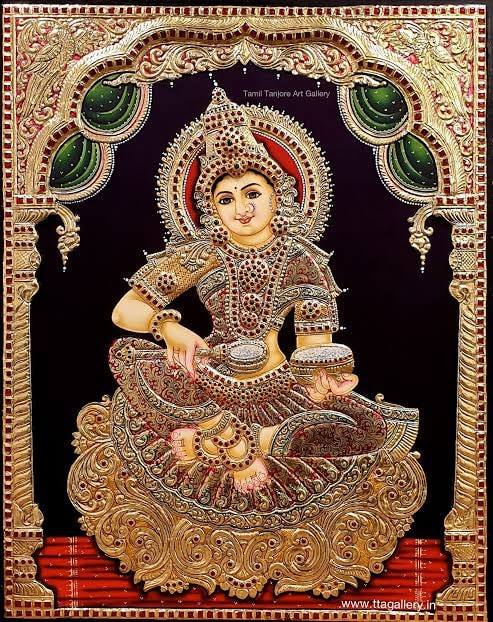
Dhyanam is Ganga Snanam : SRI TYAGARAJA-17 (Post No.8046)

WRITTEN BY R. NANJAPPA                        

Post No. 8046

Date uploaded in London – – – 26 May 2020   

Contact – swami_48@yahoo.com

Pictures are taken from various sources for spreading knowledge; this is a non- commercial blog. Thanks for your great pictures.

tamilandvedas.com, swamiindology.blogspot.com

SRI TYAGARAJA-17-          Devotion to Universal Mother 

Smarta Tyagaraja

Sri Tyagaraja is generally taken to be a devotee of Rama. That indeed he is. However, not many are aware that though his Ishtadevata was Sri Ramachandra, he was essentially a  Smarta who venerated all forms of God. He had no Shiva-Vishnu bhedam. People know that he sang the general  Pancharatna kirtanas, which are usually rendered together (only) during his Aradhana. But he also sang other Pancharatna kirtanas at some Kshetras. While the ones on Sri Rangam are on Vishnu, his kirtanas on Tiruvotriyur, Kovur and Lalgudi are on Lord Shiva/ Ambal. He also sang 12 kritis on Tiruvaiyaru, 4 of which are on Lord Shiva and 8 on Dharmasamvardhini. He also sang two kritis on Nilayatakshi of Nagapatnam. He sang one on Ambal  and one on Subrahmanya at Brahmapuram  (Sirkazhi). 

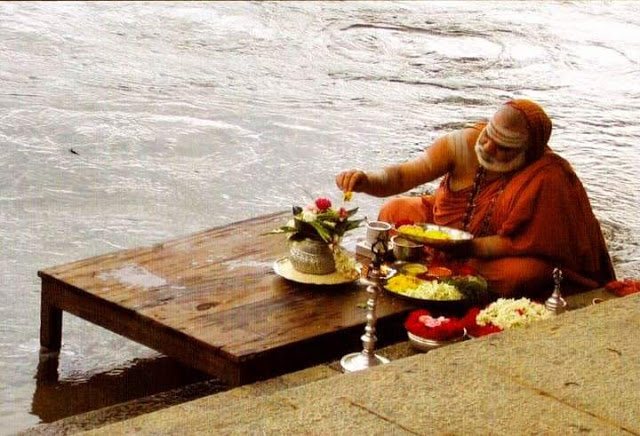
Dhyanam is Ganga Snanam

Sri Tyagaraja was of the firm view that Rama dhyana was equal to Ganga snana and did not believe in pilgrimages, (supada dhyanamu sura   Ganga snanamu ra Raghunatha- Paripalaya ;  Rama dhyaname varamaina Ganga snaname- Dhyaname). That he visited a few kshetras is remarkable and that he  sang of the Deities there shows his universal spirit, in the line of a true Smarta.

Plea to Mother to save 

There is a small, but extremely sweet kriti in the rare Raga Sindhukannada or Kesari as follows:

Nannu kanna thalli

Nannu kanna talli naabhagyama

Narayani Dharmambike

Kanakangi ramapati sodhari

karuninchave Katyayani

Kavu kavu mani ne mora bettagaa

gharakadhemi madhi kamalalochani

Neevu brovakunte yevaru broturu

sadavaram bosagu Tyagarajanute

O my mother! O my great fortune!

O Narayani! O Dharmambike!

O of the golden hue! Sister of Vishnu!

O Katyayani! Please show mercy on me!

When I repeatedly beseech you to save me, if you do not save me, who else can come to save me?

O the one who always grants boons, please save this Tyagaraja!.

This is a simple, straight prayer to Mother to save him.

What does Tyagaraja want to be saved from? What are the boons he desires? He makes it clear in another kriti in the Raga Desiya Todi.

Innalla vale

Innalla vale vindaseyaka nivada

nipudaiti Dharmambike

Anyula neranammutavalla phalamu le

damma O Dharmambike O Janani

Ennarani jenanamuletta na tarama

Vaddanarada Dharmambike

manasuna vishayadulu antaneeka nannu

manninchu Dharmambike O Janani

Kamadi gunamula cheta gasi leka

karuninchu Dharmambike

Neemayala cheta dagi limpake O

nirupama Dharmambike O Janani

Malayajagandhi sandadiyani manasuna

maravake Dharmambike O Janani

Giluku sommulatonu sisuvuku baalu 

taginchina Dharmambike O Janani

Padamulaku nenu balumaru mrokkiti

pavani Dharmambike

Peda saadhala baghyamu ni vanuchu

yenchiti Dharmambike O Janani

O Dharmambike! O Universal Mother! Please do not treat me like a stranger, as you have done so far. I have become one of your own from now on. Mother, there is no use depending on others.

Is it possible for me to take countless births? Can you not order them to be stopped? Please bless me so that my mind will not run after sense pleasures.

Please grant me the boon that I will not be seized by kama and other bad gunas. Please do not entice me with your Maya.O peerless Dharmambike!

O the one endowed with the aroma of sandalwood!

Please do not forget me thinking that I am making (vain, useless) noise. O Dharmambike! Did you not come with all your tinkling jewels and feed the child with milk?

I have prostrated at your feet repeatedly. O the immaculate Dharmambike! I have always thought that you are the fortune of those devout souls who do not know much about upasanas/sadhana. 

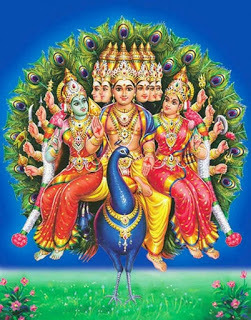
This kriti Tyagaraja sang at Sirkazhi ( Brahmapuram) made famous by Tirujnanasambandha. Naturally, he sings of the incident of Parvati feeding milk to   Jnanasambandha, then child of three who started singing hymns in praise of the Lord from that day on!. The only kriti of Tyagaraja on Subrahmanya available today is again sung at Brahmapuram, the birthplace of Jnanasambandha who is regarded as an Avatara of Subrahmanya!
Grace alone matters

Here Tyagaraja gives ample hints that we can never deserve divine blessings by any amount of upasana or sadhana and that we simply have to depend upon divine grace! Mother is the form of that grace, that power of the Trimurtis! That is why, even when he talks about the Trimurtis, as when he wonders about the form of Rama, he recalls the Srirupam:

Etavunara nilukada neeku

Enchi chuda naga padavu

Sita Gauri Vagisvariyanu

Sri rupamulanda  Govinda

Where is your place? If I think, you are not traceable anywhere! O Govinda!

Are you in the form of Sita (Lakshmi), Parvati, Sarasvati?

The power of grace is so strong that we celebrate it for nine nights, twice a year  ( in Vasanta and Sharad ritus ) even when Mahadeva has only one night dedicated to him!

The Navaratri kritis of Swati Triunal and the Navavarana kritis of Dikshitar are popular and regularly sung during the Navaratri season; the kritis of Shyama Sastri on Ambal are also famous.

 But Tyagaraja kritis on Goddess are rarely sung, on this or any other occasion. He has given us many kritis on Ambal and  they combine the allusion to various legendary incidents like in  Dikshitar kritis, along with a devout , pleading spirit like that observed in the kritis of Shyama Sastri.

 It will be a good sadhana to at least read and study them during this blessed season.Those musically talented can definitely select nine gems out of these Kritis and make a  Nava kirtana mala of Sri Tyagaraja!  May Universal Mother bless all devotees! 

tag – Sri Tyagaraja-17

To be cotntinued……………………………..
குறுந்தொகைப் பாடலில் ஒரு புதிர் , ஒரு கதை (Post No.8045)

WRITTEN BY LONDON SWAMINATHAN

Post No. 8045

Date uploaded in London – 26 May 2020   

Contact – swami_48@yahoo.com

Pictures are taken from various sources for spreading knowledge; this is a non- commercial blog. Thanks for your great pictures.

tamilandvedas.com, swamiindology.blogspot.com

குறுந்தொகைப்  பாடலில்  ஒரு புதிர் , ஒரு கதை

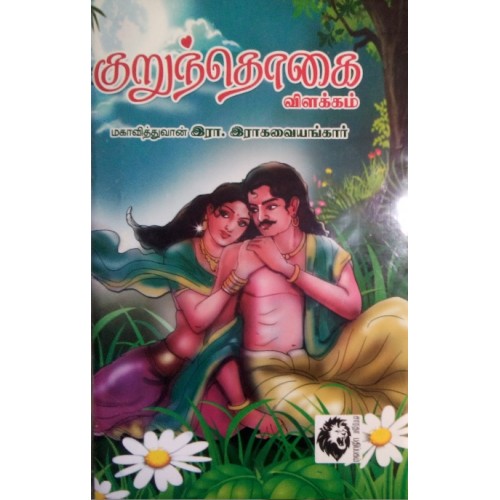
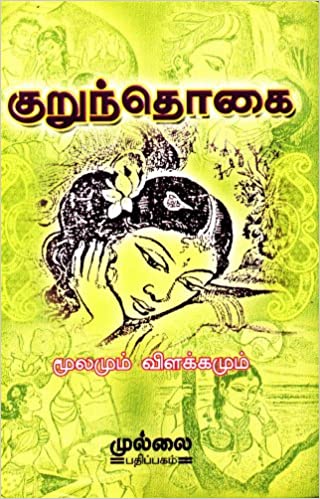
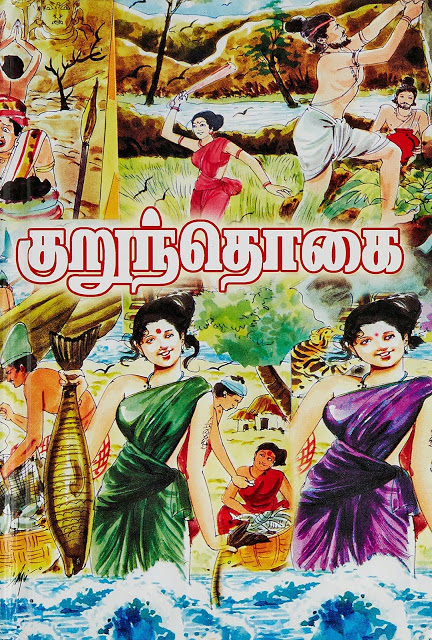
சங்க இலக்கியம் என்பது 18 நுல்களைக் கொண்டது. அதை பத்துப் பாட்டு, எட்டுத்தொகை என்று இரண்டு நூல்களாகத் தொகுத்துள்ளார். இதில் குறுந்தொகையில் குட்டிக் குட்டிப் பாடலாக இருக்கும். இதனால் இதற்கு குறுந்தொகை என்று பெயர். அதிகபட்சம் 8 வரிகள்தான். அதற்குள் நிறைய விஷயங்களைச் சொல்லி விடுவார்கள். எல்லாம் செக்ஸ் SEX , குடும்ப வாழ்க்கை பற்றிய பாடல்கள். இதில் 225 ஆவது பாடலில் ஒரு புதிர், ஒரு கதை வருகிறது.

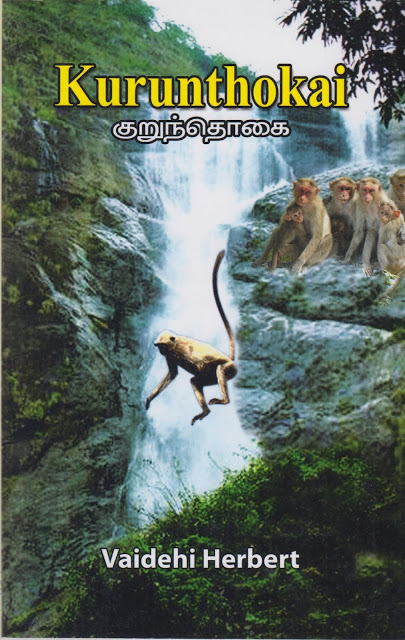
கன்று தன் பய முலை மாந்த முன்றில்

தினை பிடி உண்ணும் பெருங் கல் நாட!

கெட்ட இடத்து உவந்த உதவி கட்டில்

வீறு பெற்று மறந்த மன்னன் போல

நன்றி மறந்து அமையாய் ஆயின் மென் சீர் க்

கலி மயிற் கலாவத்தன்ன  இவள்

ஒலி மென் கூந்தல் உரியவாம் நினக்கே

— கபிலர், பாடல் 225, குறுந்தொகை

பொருள்

உன் நாடு பெரிய மலைகள் உடைய நாடு. அங்கே உன் வீட்டின் முன்னால் இருக்கும் தினைப் பயிரை பெண் யானை மேய்ந்து கொண்டு இருக்கிறது. அதே நேரத்தில் அதன் பாலை , குட்டி யானை குடித்துக் கொண்டு இருக்கிறது . (நீ பொருள் ஈட்டச் செல்கிறாய்). செய்த உதவியை , அரசு கட்டில் ஏறிய பின்னர் மறந்து போன மன்னன் போல நீ செய் நன்றி மறந்து திருமணம் செய்வதை தாமதித்தாலும்  கூட,  இந்த தலைவியின் ஆரவாரிக்கும் மயில் தோகை போன்ற மெல்லிய  கூந்தல் உனக்கே உரியது — என்று தோழி கூறினாள்

பொதுவாக,  நன்றி மறக்காவிட்டால் இவள் உனக்குக் கிடைப்பாள் என்று தோழி கூறுவாள் என்று நாம் எதிர் பார்ப்போம் . ஆனால் ‘நன்றி மறந்தாலும்’ என்று கூறுவதன் உட்கருத்து நன்றி மறந்து விடாதே என்பதாகும் .

மேலும் நீ பொருள் ஈட்டச் செல்வதால் கால தாமதம் ஏற்படக்கூடும் என்பது தலைவிக்குத் தெரியும் ; எப்படி யானை தன்  குட்டிக்குப் பால் கொடுக்கும்போதே அதற்கான சத்துணவை மேய்ந்து கொண்டு இருக்கிறதோ அது போல நீயும் பொருள் ஈட்டுவது பிற் காலத்தில் குடும்பம் நடத்தத்தான் என்பது தெரியும் என்று உரைகாரர்கள் விரித்துரைப்பர் 

ஆனால் , “அரசு கட்டில் ஏறிய பின்னர் நன்றி மறந்த மன்னன் போல” , என்று திடீரென்று காதல் பாட்டில், ஒரு வரியை தோழி பயன்படுத்துகிறாள் . இது தனி மனிதனைப் பற்றிச் சொல்லி இருந்தால் நம் வாழ்க்கையில் பார்த்த பல  செய்நன்றி மறந்த ஆட்கள் நம் நினைவில் நிழல் ஆடும். . ஆனால் தோழியோ 2000 ஆண்டுகளுக்கு முன்னர் வாழ்ந்த ஒரு மன்னன் பற்றிப் பேசுகிறாள். அந்தக் காலத்தில் இந்த உவமையின் பின்னுள்ள கதை எல்லோருக்கும் தெரிந்திருக்கும். உரைகாரர்கள் உரை எழுதிய 600, 700 ஆண்டுகளுக்கு முன்னரும் கூட  இக்கதை தெரிந்திருந்தது போலும். இன்று வரை எவரும் அக்கதையைச் சொல்லாமல் உரையை அப்படியே எழுதிச் சென்றுவிட்டனர் !!!

ஜாதகக் கதையும் துரோணர் கதையும்

சென்னை பல்கலைக் கழகப் பேராசிரியர் பதவி வகித்த பேரறிஞர் எஸ். வையாபுரிப் பிள்ளை 75 ஆண்டுகளுக்கு முன்னர் எழுதி வெளியிட்ட இலக்கிய உதயம் நூலில் இந்தப் பாடலைக் குறிப்பிட்டு , ஒரு ஜாதகக் கதையை எழுதி, ஒரு வேளை இந்தக் கதையாக இருக்கலாம் என்கிறார். . புத்தரின் பூர்வ ஜென்மம் பற்றிக் கூறும் 500 கதைகளை ஜாதகக் கதைகள் என்பர் . 2300 ஆண்டுகளுக்கு முன்னர் பாலி மொழியில் எழுதப்பட்ட இந்தக் கதைகள் இந்தியா , இலங்கை, இந்தோனேஷியா, தாய்லாந்து , கம்போடியா முதலிய நாடுகளில் சிற்பங்களாக செதுக்கப்பட்டுள்ளன.. இந்தப் பாடலுக்குப் பொருத்தமான கதை இதுதான் —

மூர்க்கன் என்ற இளவரசன் ஒருவன் இருந்தான். மூர்க்கன் என்ற பெயருக்கேற்ற வாறு கொடியவன்; கண்ணில் மண் உறுத்துவது போல எல்லோர் வாழ்விலும் உறுத்தலாக நின்றவன். இவனை எப்பொழுது தீர்த்துக் கட்டலாம் என்று எண்ணியிருந்த மந்திரிகள், சேவகர்களுக்கு ஒரு அறிய வாய்ப்பு கிட்டியது. ஒரு நாள் மூர்க்கன் , ஆற்றில் குளிக்க ஆசைப்பட்டான். எல்லோரும் அவனை அழைத்துச சென்று நதியில் குளிக்கையில் ஒரே அமுக்காக அமுக்கி ஆற்று வெள்ளத்தில் விட்டுவிட்டனர்.

அவனுடைய அதிர்ஷ்டம் ஒரு மரக்கொம்பைப் பிடித்து உயிர் தப்புகிறான். அவனுடன் ஒரு கிளி, எலி, பாம்பு ஆகியனவும் அந்த மரத்தில் ஏறி உயிருக்குப் போராடிக் கொண்டிருந்தன. ஒரு துறவி மிகவும் பரிதாபப்பட்டு 4 உயிர்களையும் காப்பாற்றி வீட்டிற்குக் கொண்டு வந்து முதலில் எலி, கிளி, பாம்பு ஆகியவற்றுக்கு முதலுதவிச்  சிகிச்சை செய்துவிட்டு மூர்க்கனுக்கும்  சிகிச் சை செய்து காப்பாற்றிவிட்டார் . அவனுக்கோ அதி பயங்கரக் கோபம் .அவன் அரசன் ஆனவுடன் துறவியைப் பிடித்து வந்து வளா ரினால் சவுக்கடி கொடுத்தான் . ஒவ்வொரு அடி கொடுக்கும் போதும்  அந்தத் துறவி , “மனிதனுக்கு உதவி செய்வதைவிட மரக்கட்டைக்கு உதவி செய்வதே மேல்” என்று கவி பாடினார். கூடியிருந்த மக்கள், அதன் பொருளைக் கேட்டபோது, நதியில் நடந்த சம்பவங்களைத் துறவி எடுத்துரைத்தார் ; உடனே மக்கள் அனைவரும் சேர்ந்து மூர்க்கனை அடித்துக் கொன்றுவிட்டு துறவியை அரசன் ஆக்கினர். பின்னர் விசாரித்ததில் பாம்பு, கிளி, எலி ஆகிய மூன்றும் துறவிக்கு நன்றிக் கடன் செலுத்தியதையும் மக்கள் அறிந்தனர் .

****

என் கருத்து

2300 ஆண்டுகளுக்கு முன்னர் உருவான ஜாதகக் கதைகளில் புத்த குருமார்கள் , வலிய புத்தர் பெயரைப் புகுத்தி கதை எட்டுக்கட்டினர் . ஆகையால் அதற்கு முன்னரே இந்தக் கதை பிரசித்த மாயிருக்கலாம். ஆயினும் இதைவிட மக்கள் நன்கு அறிந்தது மஹாபாரதக் கதை என்பது சங்க இலக்கியத்தில் நன்கு தெரிகிறது; ஆகையால் துரோணர் கதையையே  கபிலர் சொல்லி இருப்பார் என்று நான் நினைக்கிறேன் அவர் ஒரு பார்ப்பனப் புலவர் ; சங்க இலக்கியத்தில் அதிகமான கவிதை இயற்றி முதலிடம் பிடித்தவர் ; “புலன் அழுக்கற்ற அந்தணாளன்” என்று பலராலும் போற்றப்பட்டவர் ; தமிழைக் கிண்டல் செய்த பிருஹத் தத்தனை அழைத்து, அவனுக்கு சம்ஸ்க்ருதம் மூலம் தமிழைக் கற்பித்து அவனையும் தமிழ்க் கவிபாட வைத்து அந்தப் பாடலையும் சங்க இலக்கியத்தில் சேர்த்தவர் கபிலர் .

துரோணர் கதை என்ன ?

சிறு வயதில் துரோணரும் பாஞ்சால / பஞ்சாப் மன்னன் ப்ருஷாதாவின் மகன் துருபதனும் அக்நிவேஷ என்ற ரிஷியிடம் பாடம் பயின்றனர் ; பிற்காலத்தில் துருபதன் மன்னன் ஆனான். துரோணாரோ ஏழைப் பிராமணனாக வாழ்ந்து கஷ்டப்பட்டார். பழைய நட்பை மனதிற்கொண்டு, மன்னன் துருபதனிடம் சென்று உதவி கேட்டார். அவனோ உதவி செய்ய மறுத்து அவரை அலட்சியம் செய்தான் . இதன் பின்னர் துரோணருக்கும்  நல்ல காலம் வாய்த்தது. அவர் மாபெரும் குரு வம்ச அரசர்களுக்கு ஆசிரியர் ஆகி பாண்டவர்க்கும் கௌரவர்க்கும் பாடம் கற்பித்தார் .

படிப்பு முடிந்தவுடன் என்ன குரு தக்ஷிணை வேண்டும்? என்று பாண்டவர்கள் கேட்டனர். ; துருபதனைத் தோற்கடித்து அழைத்து வாருங்கள் என்று சொன்னார். அர்ஜுனன் பஞ்சாப்  சென்று துருபதனை வென்று தேர்க்காலில் கட்டி இழுத்து வந்தான் ; அன்று சிறு உதவி கூட செய்ய மறுத்தவன் , விடுதலை வேண்டி பாதி ராஜ்யத்தைத் தருவதற்கு ஒப்புக்கொணடான். இதன் மூலம் பாதி பஞ்சாப் துரோணர் ஆடசியின் கீழ் வந்தது . ஆக நன்றி மறந்த துருபதன் கதையையே கபிலர் பாடல் சொல்கிறது என்பது என் கருத்து.

வாழ்க தமிழ்

tags- குறுந்தொகை, ஒரு புதிர் , ஒரு கதை

ஹிந்தி படப் பாடல்கள் – 48 – பாட்டும் பரதமும்! (Post No.8044)

WRITTEN BY R. NANJAPPA                        

Post No. 8044

Date uploaded in London – – – 26 May 2020   

Contact – swami_48@yahoo.com

Pictures are taken from various sources for spreading knowledge; this is a non- commercial blog. Thanks for your great pictures.

ஹிந்தி படப் பாடல்கள் – 48 – பாட்டும் பரதமும்!

R. Nanjappa

பாட்டும் பரதமும்!

சினிமா இசையை ரசிப்பவர்கள் கூட  நடனத்தை ரசிப்பார்கள் என்று சொல்ல முடியாது, இங்கு அபிநயம், முத்திரைகள், பாவம் , சாஹித்யம் ஆகிய அனைத்து அம்சங்களையும் கூர்ந்து கவனிக்கவேண்டும். பாட்டின் மெட்டு சட்டென்று மனதைக் கவரும்- நாட்டியத்தை ரசிக்கப் பயிற்சி வேண்டும், இல்லாவிடில், ‘ஆட்டத்தைப் பார்த்திடாமல் ஆளை ஆளைப் பார்க்கிறாய்’ என்ற கதிதான்.

இந்தியா- பாரதம். நமது நடனக்கலை-பரதம்! பாவம், ராகம், தாளம்- மூன்றும் அடங்கியது நடனம். ஆனால் அதைச் சரியானபடி அணுக, ரசிக்க பயிற்சி தேவை.

It takes some effort to learn to appreciate classical arts.

50 களில் (60 களில் கூட) நம் படங்களில் டான்ஸ் காட்சிகள் இடம்பெற்றன.. பத்மினி-ராகினி, வைஜயந்திமாலா. ஸாயி ஸுப்புலக்ஷ்மி  ஆகியோரின்  நடனங்கள் இடம் பெறும். வஞ்சிக் கோட்டை வாலிபனில்  வைஜயந்திமாலா-பத்மினி போட்டி நடனம் விரும்பிப் பார்க்கப் பட்டது. இப்பொழுது அத்தகைய நடனக் காட்சிகள் அதிகம் வருவதில்லை. டான்ஸ் என்ற பெயரில் ஏதோ கூத்துக்கட்டி அடிக்கிறார்கள்.

வி.சாந்தாராம் நடனத்தையே முக்கிய அம்சமாக.வைத்து 3 படங்கள் எடுத்தார். இன்று துணிய மாட்டார்கள். 

50 களில் வந்த இரு ஹிந்திப் படங்களிலிருந்து இரு நடனப் பாடல்களைப் பார்க்கலாம்

நாதிர் தீம் தன தீரி நா

na dhir dhim tan re re na re re na
na ja na ja balam balam mere na
na dhir dhim tan re re na re re na

teri aag laga li tan me piya
teri sej saja li maine man me piya
teri aag laga li tan me piya
teri sej saja li maine man me piya
tere nain base nainan me piya
kahi tu hi mujhe nayan fere na
na dhi dhim tan re re na re re na

na dhi dhim tan re re na re re na.

tikhi kajare ki dhar piya tere liye
mere solaha singar piya tere liye
baje man ka sitar
baje man ka sitar piya ter liye
huye fir bhi to hum balam tere na
na dhi dhim tan re re na re re na
na ja na ja balam blam mere na
na dhi dhim tan re re na re re na  

நாதிர் தீம் தன தீரி நா

அன்பே என்னை விட்டுப் போகாதே

உன் நினைவு உடலை எரிக்கிறது

உனக்காக மனதில் இடம் செய்து வைத்தேன்

உன் கண் என் கண்ணில் நிலைத்துவிட்டது

நீயும் என்னைக் கண்ணால் பார்க்கக்கூடாதா?

நாதிர் தீம் தன ரீ ரீ நா.

இந்தக் கண்ணில் தீட்டிய மையும் உனக்காகவே

இந்த அலங்காரமும் உனக்காகவே

என் மனம் உனக்காகவே இசைக்கத் தொடங்கிவிட்டது

பின்  நான்  உன்னவளாகவே ஆகிவிட்டேன்

நாதிர் தீம் தன ….……

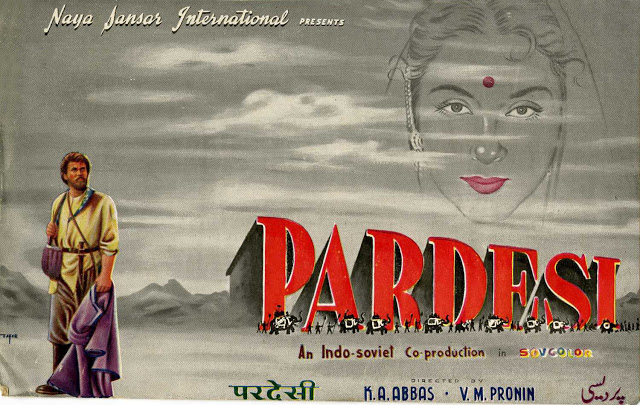
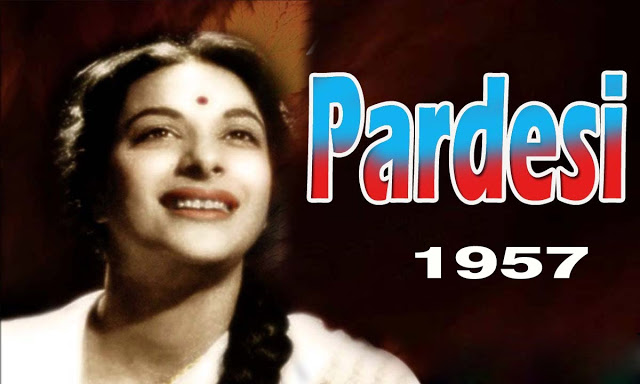
Song: Na dhir dhim –na ja balam  Film: Pardesi: 1957 Lyrics: Prem Dhavan

Music; Anil Biswas  Singer: Lata Mangeshkar Dance: Padmini

YouTube link:

இது இந்தியாவும் ரஷ்யாவும் கூட்டாகத் தயாரித்த படம். -இந்தப் பாட்டை எழுதியவர் ப்ரேம் தவான். தூய சிருங்கார ரசத்தில் அமைந்த பாடல். சிறிய பாடல்தான், எத்தனை நயமாகச் சொல்லிவிட்டார்!

இதற்கு கௌட ஸாரங்க் ராகத்தில்  இசையமைத்திருக்கிறார் அனில் பிஸ்வாஸ். மூன்று நிமிஷங்கள் தான்-ராகத்தைப் பிழிந்து தந்துவிட்டார். இதில் வரும் கெஞ்சும் பாவனை (sense of pleading) மனதைத் தொடுகிறது!

பத்மினியின் நடனத்தைப் பற்றிச் சொல்ல. என்ன இருக்கிறது?

Simple but expressive movements!

பத்மினியின் நடனத்தைப் பார்த்தோம். வைஜயந்திமாலாவின் நடனத்தைப் பார்க்கவேண்டாமா?

போல் ரீ கட் புத்லீ

बोल री कठपुतली, डोरी कौन संग बाँधी
सच बतला तू नाचे किसके लिए
बाँवरी कठपुतली, डोरी पिया संग बाँधी
मैं नाचूँ अपने पिया के लिए

जहाँजिधर साजन ले जाएँ, संग चलूँ मैं छायासी
वो हैं मेरे जादूगर, मैं जादूगर की मायासी
जानबूझकर छेड़के मुझसे पूछे ये संसार
बोल री कठपुतली

पिया होते मैं ना होती, जीवन राग सुनाता कौन
प्यार थिरकता किसकी धुन पर, दिल का साज़ बजाता कौन
दूरदूर जिस गली से गुज़रे, गाती जाए बहार
बोल री कठपुतली

போல் ரீ கட் புத்லீ, டோரீ கௌன் ஸங்க் பாந்தீ

ஸச் பத்லா, தூ நாசே கிஸ்கேலியே

பொம்மையே, உண்மையைச் சொல்லிவிடு!

உன்னை யாருடன் இந்த நூலில் கட்டியிருக்கிறார்கள்?

யாருக்காக நீ ஆடுகிறாய்?  

பாவரீ கட் புத்லீ, டோரீ பியாஸங்க் பாந்தீ

மை நாசூ(ன்) அப்னீ பியா கேலியே

என்னை என் அன்பருடன் இந்த நூலால் கட்டியிருக்கிறார்கள்

நான் என் அன்பருக்காக ஆடுகிறேன்!

ஜஹா(ன்) ஜிதர் ஸாஜன் லே ஜாயே, ஸங்க் சலூ(ன்) மை ஸாயா ஸீ

வோ ஹை மேரே ஜாதூகர், மை ஜாதூகர் கீ மாயா ஸீ

ஜான்பூஜ் கர் சேட்கே முஜ் ஸே பூசே யே ஸன்ஸார்

போல்ரீ கட் புத்லீ ..

என்னை அன்பர்  எங்கு அழைத்துச் சென்றாலும் நான் நிழல்போல்

பின் தொடர்வேன்!

அவரே என்னுடைய ஜாலக்காரர்!

நான் அவர் செய்யும் ஜாலம்!

இந்த சமூகம் என்னை வேண்டுமென்றே சீண்டுகிறது!

என்னைக் கேட்கிறது!

பொம்மையே, உண்மையைச் சொல்லிவிடு!..

பியா ஹோதே மை நா ஹோதீ, ஜீவன் ராக் ஸுனாதா கௌன்.

ப்யார் திரக்தா கிஸ் கீ துன்பர், தில் கா ஸாஃஜ் பஜாதா கௌன்

தூர் தூர் ஜிஸ் கலீ சே குஜ்ரே, காதீ ஜாயே பஹார்

போல்ரீ கட் புத்லீ.

அன்பர் இல்லாமல் நான் இல்லை!

உலகின் இனிய ராகத்தைக் கேட்க வைப்பது யார்?

யாருடைய இசையைக் கேட்டு அன்பு துள்ளிஎழும்?

மனமெனும் வாத்யத்தை இசைப்பது யார்?

வசந்தம்பாடிக்கொண்டே தூர தூர இடங்களுக்கும் போகும்!

போல்ரீ கட் புத்லீ….

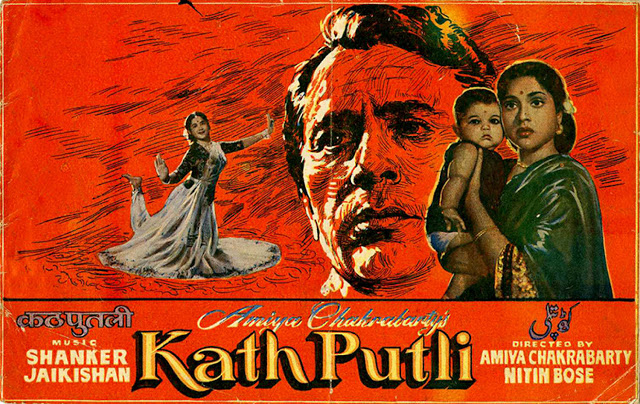
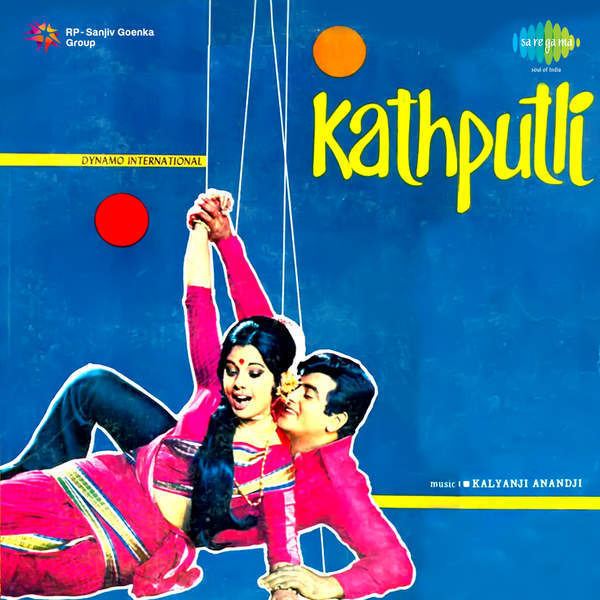
Song: Bolri kathputli Film: Kathputli 1957 Lyricist: Shailendra

Music : Shankar Jaikishan Singer: Lata Mangeshkar

Dance: Vyjayantimala.

Linkto Youtube: https://www.youtube.com/watch?v=J2DNlNxcYH4..

This is fantastic dance and song, by any standards.

The girl, having watched a street puppet show, imagines herself to be a puppet and asks and answers these questions.

Look at the dance. There are no sets, no props, the space is limited and congested. The girl has no make up, no gorgeous dress. Her movements are so natural, simple and graceful. Her abhinaya is excellent. 

How would you classify this dance? Bharatanatyam, Kathak, Kathakali, Kuchipudi? This is the best dance sequence in our movies, it has not been excelled! Hats off to Vyjayanthimala! Simple and elegant.

Credit for dance in the film is given to Sohanlal in the credits. The film is full of dances.

The song is mind boggling! The melody is great, the tune is fast paced and exciting!

The background score is simply out of this world- one does not know how many instruments they used and what kind. Yet so harmonious and melodious. No wonder Shanker-Jaikishan rated this as one of their best. Shanker himself knew dancing, and he could indeed compose for dance! Hats off to Shanker Jaikishan. This is indeed inspired music. They have composed the song in the Raga Kirwani.

The lyrics are superb. The girl is under the spell of the puppet show, and her imagination is fertile, as her dance is instinctive. Shailendra captured the mood so well. “Sang chalun main saayaa si-, main jadugar ki maayaa si”- what terrific words! 

Geeton ki toofan hai, naach ki bahar hai- as Kishore Kumar sang in another film!

Let us think a bit more. Are we all not connected to a higher source- by an invisible thread? Are we not all puppets in its hands? Shailendra has that capacity to suggest profound things through simple words!

Hats off Shailendra!

This idea was expressed so well in the closing dialogue of the film Anand 1971:

 “Hum sab toh rangmanch ki kathputhliyan hain jinki dor uparwale ki ungliyon main bandhi hain. 

Kab, kaun, kaise uthega yeh koi nahi bata sakta hai.”

[நாம் அனைவரும் நாடகமேடையில் பொம்மைகளைப் போன்றவர்கள். இவற்றைக் கட்டிய நூல் ஆண்டவன் கைவிரல்களில் இருக்கிறது. எப்பொழுது, யார், எப்படி எழுவார்கள் என எவரும் சொல்ல முடியாது.]

ஆட்டுவித்தால் ஆரொருவர் ஆடா தாரே
   அடக்குவித்தால் ஆரொருவர் அடங்கா தாரே
ஓட்டுவித்தால் ஆரொருவர் ஓடா தாரே
    உருகு வித்தால் ஆரொருவர் உருகா தாரே
பாட்டுவித்தால் ஆரொருவர் பாடா தாரே
    பணிவித்தால் ஆரொருவர் பணியா தாரே
காட்டுவித்தால் ஆரொருவர் காணா தாரே
    காண்பாரார் கண்ணுதலாய் காட்டாக் காலே
 

                               —அப்பர் 

Note: 

 There is a dance by Kamala Laxman also in this movie, choreographed by Gopi Krishna. Some people say that technically it is superior to    Vyjayanthimala’s dance. I think it is not proper to compare as this dance by Vyjayanthimala is not a professional show but a spontaneous outburst, by an untrained girl who just has an instinct for dance, and is expressing it spontaneously.  In real life both are good professional dancers. But personally, I do not like Kamala Laxman’s dance in this film. She should not have accepted this. This is my personal view. The film deliberately shows her piece in bad light. (as required in the script).

2. This song is repeated in the film two/three times with changes in verses, in a sad mood too. I have written about the first happy version. Do see and enjoy, using the links I have given. Such films are not made now.

3.The sound quality of the videos is not great. The old vinyl records were much better. Try original audio CD on good equipment- one would realise how good and grand the music is!  

***

Virus-free. www.avast.com

Attachments area

Preview YouTube video Padmini’s Dance in Pardesi 1957

Padmini’s Dance in Pardesi 1957

Preview YouTube video PARDESI -1957 – A DANCE SEQUENCE -MUSIC (ANIL BISWAS)

PARDESI -1957 – A DANCE SEQUENCE -MUSIC ( ANIL BISWAS )

Preview YouTube video Bol Ri Kath Putli – Superhit Evergreen Hindi Song – Vyjayanthimala, Balraj Sahni – Kath Putli

Bol Ri Kath Putli – Superhit Evergreen Hindi Song – Vyjayanthimala, Balraj Sahni – Kath Putli

Preview YouTube video bol ri kathputli..lata -sailendra-shankar jaikishan-kath putli 1957 best of Vyjayantimala

கவிதையில் சித்திரங்களைக் காண்பிக்கும் கம்பன் (Post No.8043)

WRITTEN BY S NAGARAJAN                     

Post No. 8043

Date uploaded in London – – – 26 May 2020   

Contact – swami_48@yahoo.com

Pictures are taken from various sources for spreading knowledge; this is a non- commercial blog. Thanks for your great pictures.

கவிதையில் சித்திரங்களைக் காண்பிக்கும் கம்பன்!

ச.நாகராஜன்

சிறப்பான ஒரு கவிதைக்குப் பல அங்கங்கள் உண்டு. முக்கியமான ஒன்று சித்திரம் எனப்படும் இமேஜ் (Image).

இந்த அங்கங்கள் தேவைக்குத் தக ஆங்காங்கே பளிச்சிடும் போது கவிதையைக் கொண்டாடுகிறோம். கவிஞனை மனதிலிறுத்திப் புகழ்கிறோம்.

விஸ்வாமித்திரருடன் ராமனும் லட்சுமணனும் மிதிலை நகரின் வீதிகளின் வழியே செல்வதைக் கம்பன் வர்ணிக்கிறான்.

ஆடல் பாடல், மங்கையரின் கீதம், சோலைகளில் அன்ன நடை போடும் மிதிலை நகரின் அழகிகளைக் கண்டு நாணம் கொண்ட தேவ மகளிர் தோற்றுப் பின்னால் நடக்க வேண்டியது தான் என்ற மனநிலை கொள்வது, மது குடித்த மங்கையரின் ‘ஆட்டம்’ என இப்படிப் பலக் காட்சிகள்.

அனைத்தும் பளிச் பளிச் என ஒவ்வொரு சித்திரமாகக் காட்சிப்படுத்தப்படுகிறது.

இவைகளை வேகமாகப் பார்த்துக் கொண்டே வந்த ராம லட்சுமணர் ஓரிடத்தில் நிற்கின்றனர். ஏன்?

கம்பன் சீதையை அறிமுகப்படுத்தும் அறிமுகக் கவிதை இது:

பொன்னின் ஜோதி போதினி னாற்றம் பொலிவே போல்

தென்னுன் டேனிற் றீஞ்சுவை  செஞ்சொற் கவியின்பம்

கன்னிம் மாடத் தும்பரின் மாடே களிபேடோடு

அன்னம் மாடு முன் துறை கண்டாங் கயனின்றார்

(பால காண்டம், மிதிலைக் காட்சிப் படலம் செய்யுள் 23)

பாடலின் பொருளைப் பார்ப்போம்:-

கன்னி மாடத்து உம்பரின் மாடு – கன்னி மாடத்தின் மேலிடத்தில்

களிபேடோடு அன்னம் ஆடு – மகிழ்ச்சியுள்ள பெட்டை அன்னங்களுடன் ஆண் அன்னங்கள் கூடி விளையாடுகின்ற

முன் துறை -இடத்திற்கு முன்புறத்தில்

பொன்னின் ஜோதி – பொன்னின் ஒளியும்

போதின் இன் நாற்றம் – மலரின் நறுமணமும்

தென் உண் தேனின் தீம் சுவை – வண்டுகள் உண்ணும் தேனின் இனிய சுவையும்

செம் சொல் கவி இன்பம் – செம்மையான சொற்களினால் அமைந்த கவிதையின் ரசமும் ஆகிய இவை அனைத்தும்

பொலிவே போல் – ஓருருக் கொண்டு விளங்கி நிற்பது போல சீதா பிராட்டி தோன்ற

கண்டு – அதைப் பார்த்து

ஆங்கு அயல் நின்றார் – மூவரும் அவ்விடத்தின் அருகில் நின்றனர்

தனது காவிய நாயகியை அறிமுகப்படுத்தும் கம்பன் செம் சொல் கவி இன்பம் போல கவிதை இருக்க வேண்டும் என்று சொல்வதை இங்கேயே தானே கையாண்டு காண்பிக்கிறான்.

தங்கத்தின் ஜோதியென மின்னும் தகதகப்பு, மலர்கள் தரும் சுகந்த மணம், வண்டுகள் உண்ணும் தேனின் இனிமையான சுவை, கவிஞர்கள் இயற்றும் கவிதையில் தரப்படும் செம் சொல் கவி இன்பம் இவை அனைத்தும் சேர்ந்தால் எப்படி இருக்கும்?

ஒளி, நாற்றம், சுவை, ஓசை இந்த நான்கு புலனின்பத்தையும் உதாரணம் காட்டி விட்டான் கம்பன் – தங்க ஒளி, மலர் வாசம், தேனின் சுவை, இனிய கவிதையின் ஓசை – கண்ணுக்கு ஒளி, நாசிக்கு வாசம், வாய்க்கு சுவை, காதுக்கு ஓசை என நான்கு புலன் இன்பத்தையும் கூறியவர் ஊற்றின்பத்தை மறைமுகமாக அறிய வைக்கிறார்.

கண்டு கேட்டுண்டுயுயிர்த்துற்றறியும் ஐம்புலனும்

ஒண்டொடி கண்ணே உள என ஒண்டொடியிடத்தில் ஐம்புலனும் உள்ளன என வள்ளுவன் கூறுவதைக் கம்பன் இங்கு எடுத்தாளுகிறான்.

கவிதையில் ஒரு சித்திரத்தைப் படைக்கிறான்.

Six different women acted as Sita Devi

திரைப்படத்தில் இது ஒரு அறிமுக காட்சி தான். அடுத்து வரும் காட்சிகளில் அந்த சித்திரத்தின் தொடர் காட்சிகள் வருகின்றன!

ஆங்கில இலக்கியத்தில் கூட கவிதைக்கான முக்கியமான இலக்கணங்களுள் இமேஜ் (Image) என்பதும் ஒன்று.

இங்கு கம்பன் 29 சொற்களில் தீட்டுவதற்கு அரிய ஒரு ‘இமேஜை’ப் படைக்கிறான்.

ஏரியின் வளைவில் திரும்பியவுடன் தான் பார்த்த டேஃபொடில் மலர்க் கூட்டத்தைப் பார்த்து பிரமித்த வேர்ட்ஸ்வொர்த்,

“When all at once I saw a crowd

A host of Golden Daffodils

Beside the lake, beneath the trees,

Fluttering and dancing in the breeze” — என்று பாடுகிறான்.

மலர் கூட்டத்தின் சித்திரத்தை நம் முன் எழுப்பும் கவிஞன் அது பிற்காலத்தில் அவன் மனம் வாட்டம் அடையும் சமயம் எல்லாம் முன் வந்து அவனது மனத் தளர்ச்சியைப் போக்கி ஊக்கமளித்து உயர்த்தி ஆனந்தப்படுத்துகிறது என்கிறான்

For oft when on my couch I lie,

In vacant or in pensive mood

They flash upon that inward eye

Which is the bliss of solitude

And then my heart with pleasure fills

And dances with the daffodils

                                   வில்லியம் வேர்ட்ஸ்வொர்த் ( 1770-1850) Daffodils

 கவிதையில்

pensive mood

 inward eye

bliss of solitude

my heart with pleasure fills

dances with the daffodils வரும் வார்த்தைகள்  –

ஒரு அகக் காட்சியை உருவாக்கும் சக்தி வாய்ந்த – வார்த்தைகள் இவை. அவர் அகக்கண்ணில் பழைய சித்திரம் தோன்றி அவரை மகிழ வைத்து நடனமாட வைக்கிறது.

வேர்ட்ஸ்வொர்த் காண்பிப்பது ஒரு மலர்க் கூட்டத்தை – கண்ணுக்கும் மனதிற்கும் நாசிக்கும் மட்டும் அது இன்பம் தரும்.

ஆனால் கம்பனோ ஐம்புலனுக்கும் இன்பம் தரும் ஒரு அறிமுகக் காட்சியைக் காண்பிக்கிறான்.

இப்படி ஒன்றல்ல, இரண்டல்ல பத்தாயிரம் பாடல்களில் அவன் செம் சொல் கவி இன்பத்தை அள்ளித் தருகிறான்!

இமேஜுக்கு – கவிதா சித்திரத்திற்கு ஒரு கவிஞன் கம்பனே!

tags – வேர்ட்ஸ்வொர்த்,கம்பன், சீதை

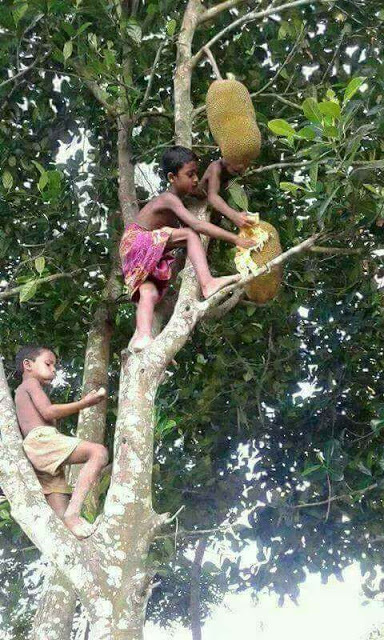
பலாப்பழம் – 3 பழமொழிகள் கண்டு பிடியுங்கள் (Post No.8042)

WRITTEN BY LONDON SWAMINATHAN

Post No. 8042

Date uploaded in London – 25 May 2020   

Contact – swami_48@yahoo.com

Pictures are taken from various sources for spreading knowledge; this is a non- commercial blog. Thanks for your great pictures.

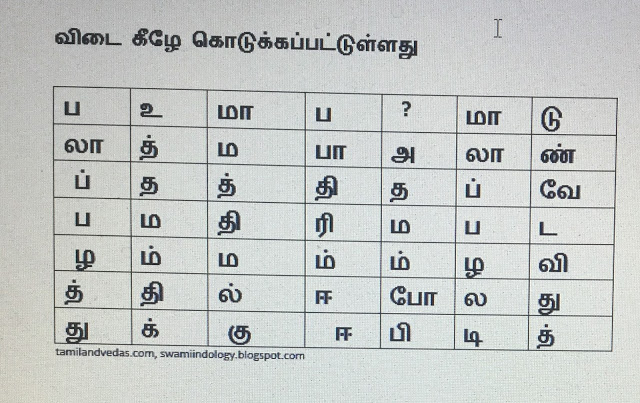
பழமொழிகள் – இதில் பலா , பழம் போன்ற சொற்கள் பல பழமொழிகளில் வந்திருந்தாலும் இங்குள்ள கட்டத்தில் ஒரு முறையோ இரு முறையையோ மட்டும் வரக்கூடும் .

விடை கீழே கொடுக்கப்பட்டுள்ளது

விடை

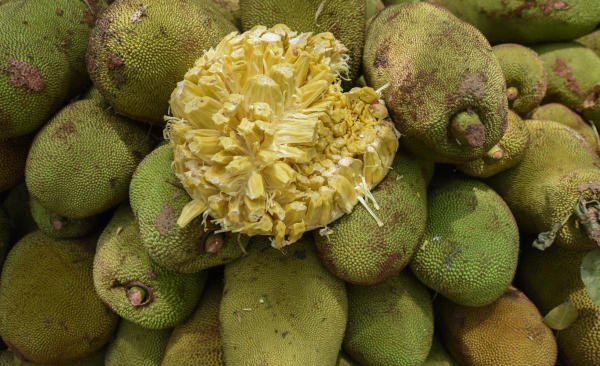
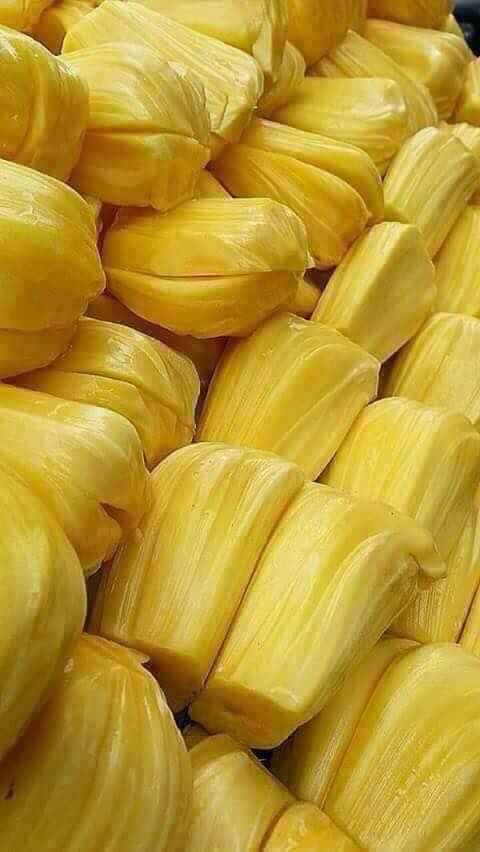
1.பலா ப்பழ த்துக்கு ஈ பிடி த்து விடவேண் டுமா?

2.பலாப்பழத்தில் மொய்த்த ஈ போல

3.பலா உத் தமம், மா மத்திமம், பா திரி அத மம்

tags — பழமொழிகள் , பலாப்பழம்

MORE BLUNDERS OF BISHOP CALDWELL, TAMIL -SANSKRIT RELATIONSHIP – PART 5 (Post No.8041)

WRITTEN BY LONDON SWAMINATHAN

Post No. 8041

Date uploaded in London – 25 May 2020   

Contact – swami_48@yahoo.com

Pictures are taken from various sources for spreading knowledge; this is a non- commercial blog. Thanks for your great pictures.

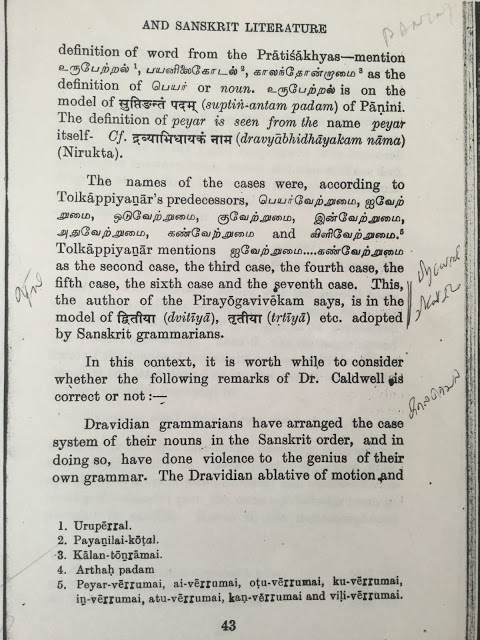
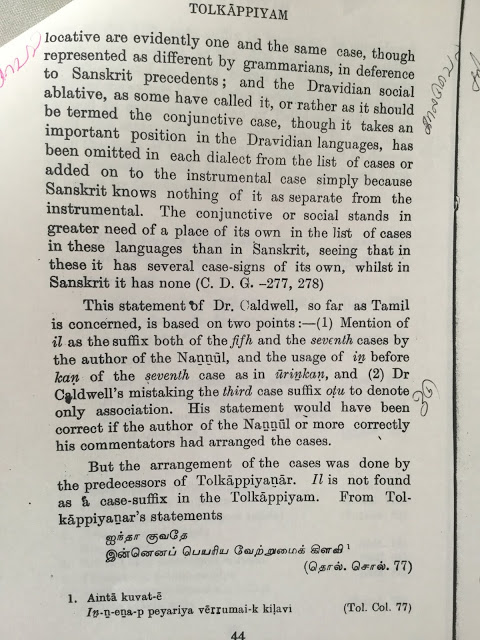
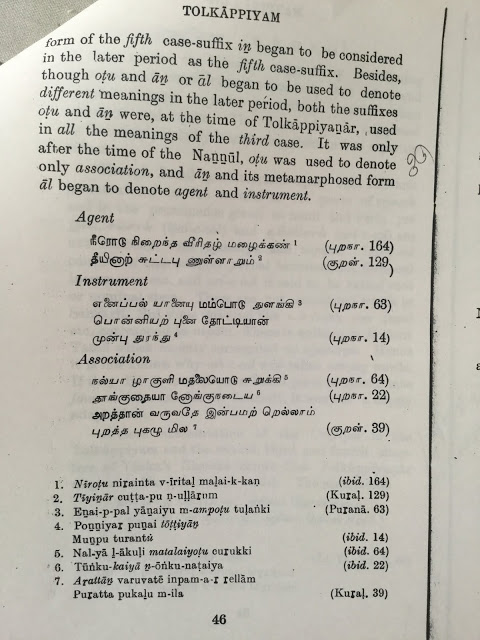
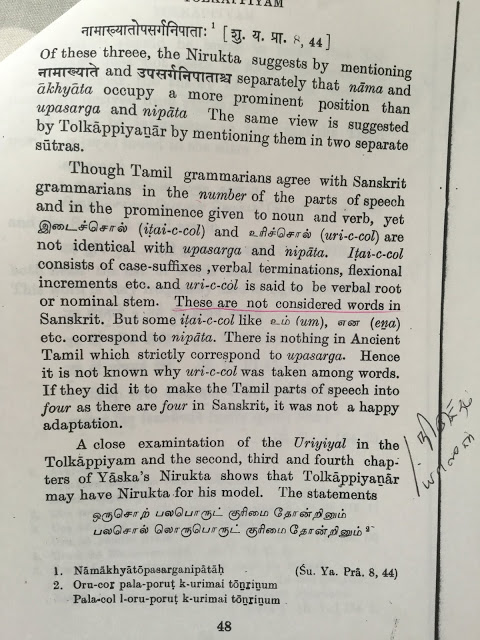
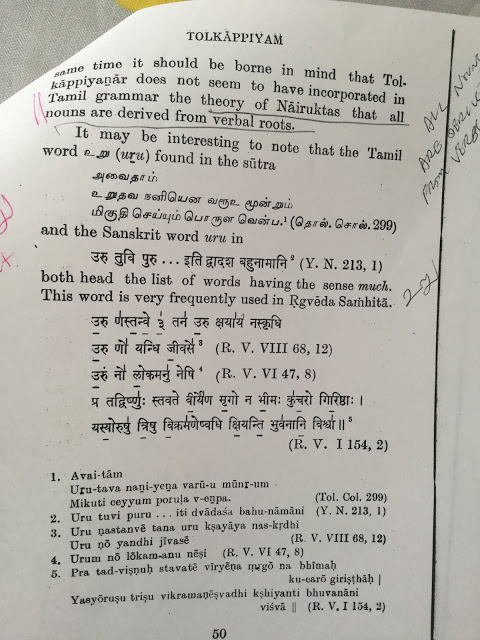
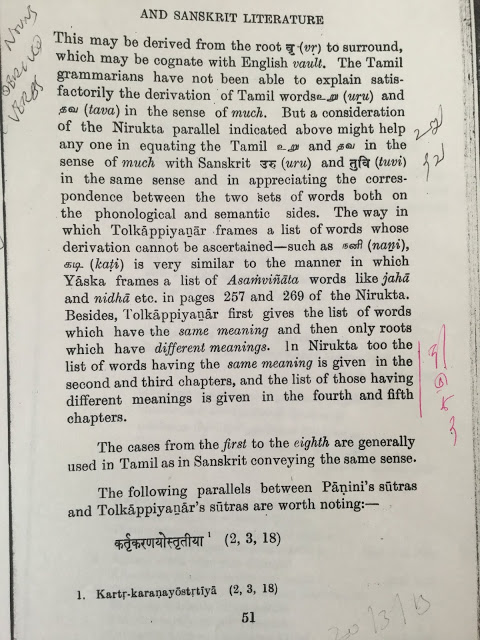
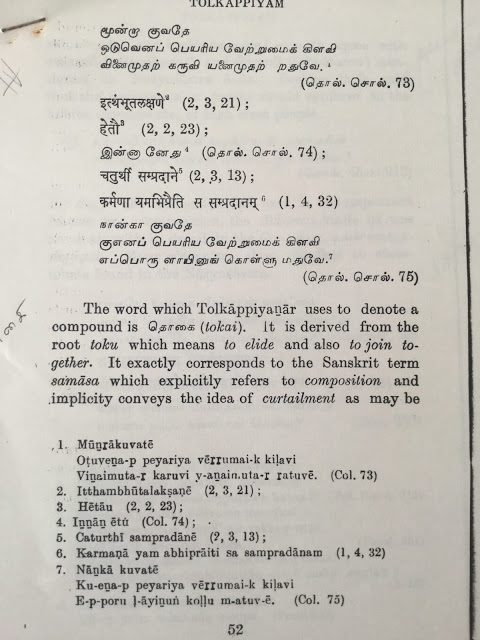
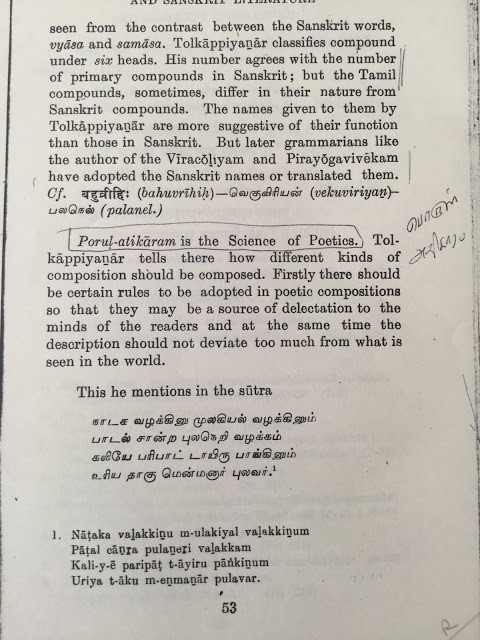
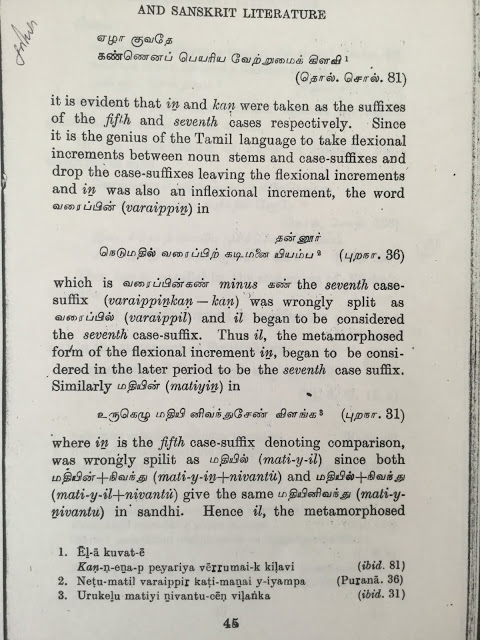
P S Subrahmnya Sastri continues his comparison of Tolkappiam with Sanskrit scriptures

Page 43 – 47 Bishop Caldwell’s criticism against Tamils is wrong says Sastri. He exposes Caldwell’s confusion regarding case suffix in Tolkappiam and Nannul

Page 48- 49Tolkappian followed Nirukta of Yaska

Page 50- 51 Tolkappiar followed Rig Veda in the use of Uru; in page 51 Sastri shows again how Yaska’s Nirukta is followed

51-52 case suffixes in Tolkappiam and Paniniyam are compared

Page 52-53 Tokai of Tol. And Samasam of Sanskrit are same.

PORUL ATIKAARAM – SCIENCE OF POETICS IN TOLKAPPIAM

Now Sastri moves to the last section of Tol.

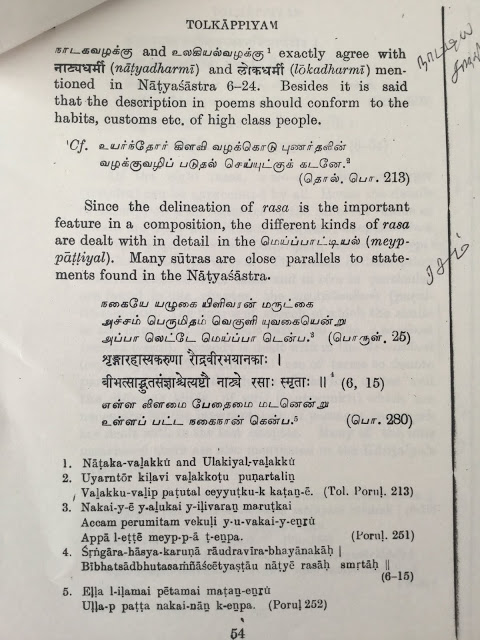
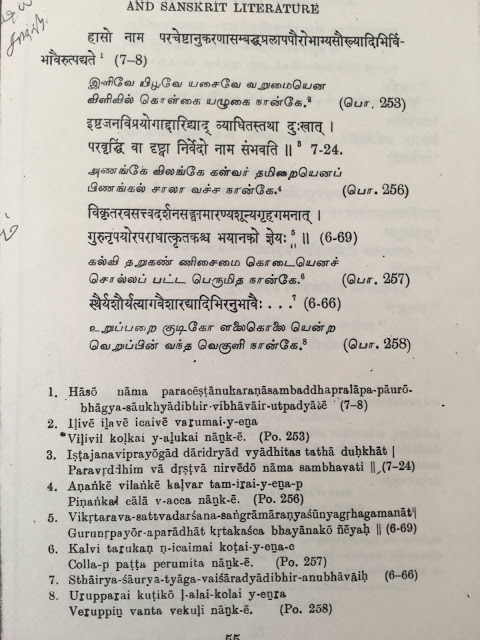
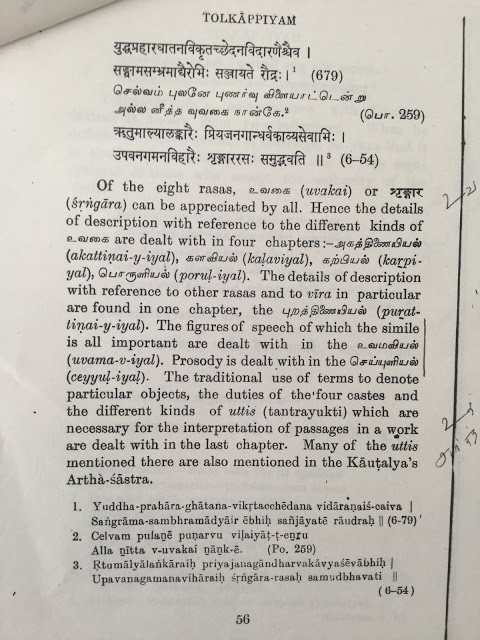
Pages 53 – 56 Tol. Followed Natya Sastra of Bharata in eight Rasas and other things

Pages 56-57 Similarities between Tol and Artha sastra of Kautilya

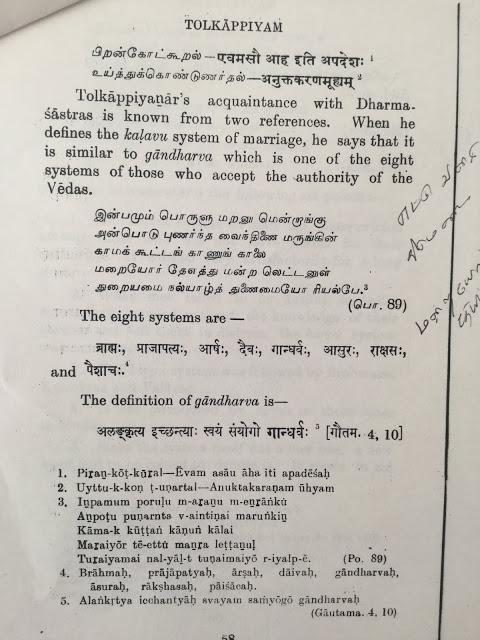
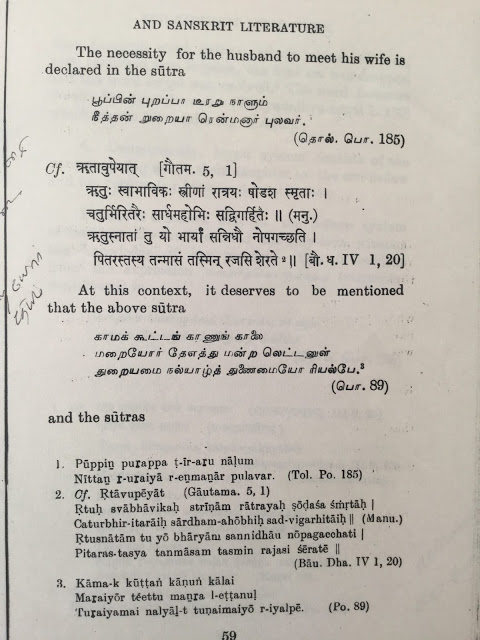
Pages 58-59 Similarities between Dharma Sastras (Manu, Gautama ) and Tol. In describing eight types of marriages.

And in Sutra Tol. Used Dharma, Artha, Kama etc.

Please see attached  pages for references.


tags – Tamil-Sanskrit-5, Relationship, more Caldwell blunders, 

To be continued ………………….

Characteristics of a True Devotee- SRI TYAGARAJA-16 (Post No.8040)

WRITTEN BY R. NANJAPPA                        

Post No. 8040

Date uploaded in London – – – 25 May 2020   

Contact – swami_48@yahoo.com

Pictures are taken from various sources for spreading knowledge; this is a non- commercial blog. Thanks for your great pictures.

SRI TYAGARAJA-16

Characteristics of a True Devotee

True Bhakti is great but not easy!

Tyagaraja has extolled the importance and virtues of Bhakti. Why is it considered great? Is it because it is easy? No, true Bhakti is not easy. But the result is sure! In no other sphere in this world can one be sure of the desired result of his actions or efforts. But devotion to Bhagavan brings its sure rewards! “Na me bhakta pranasyati- My devotee is never destroyed”, declares Bhagavan in the Gita! (9.31) Bhagavan alone is subject to our will- nothing else in this wide world. This is not to say that He will fulfill every wish of ours, but only that if we desire Bhagavan and Bhagavan alone and make efforts in that direction, He makes Himself accessible. Our relationship with everything in this world is based on our body,and ceases with our body. But our connection with Bhagavan, once made, is for ever. We are bound to you for ever, in the seven fold seven births, declares Andal. “Etraikkum ezhezh privikkum untannodu utrome yavom”. எற்றைக்கும் ஏழேழ் பிறவிக்கும் உந்தன்னோடு உற்றோமேயாவோம் உமக்கே நாம் ஆட்செய்வோம் That is why bhakti is considered great. The bond true bhakti creates is timeless, not just permanent.
Bhaktas in Puranas


But how does a true bhakta conduct himself? How can we know unless we see one in real life?

The Puranas give us names of many great devotees.One popular sloka goes:

Prahlada Narada Parashara Pundarika

Vyasaambareesha Suka Saunakha Bhishma dalpyan

Rukmangadarjuna Vasishtha Vibhishanadin

Punyaniman parama Bhagavatan smarami.

Let us remember the great devotees: Prahlada, Narada,etc.The very act of remembrance confers blessings.

Narada himself praises the Gopis of Vraja in his Bhaktisutras. Prahlada in turn praises the devotion of Gajendra, the elephant king. Manikkavachaka expresses anguish that he does not have devotion like that of the hunter, Kannappa. Our Tyagaraja Swami praises the Haridasas and Bhadrachala Ramadas. Sri Ramakrishna praised Rama Prasad. In the Ramayana, we see the devotion of Sabari. The devotion of Lakshmana and Bharata are disguised as brotherly love. Dasaratha too can be considered a great devotee of Rama, for he dies at Rama’s departure! In the Mahabharata, Kunti and Draupadi excel as devotees.

Kunti’s Prayer

 In fact, Kunti dies on hearing that Krishna has left the earth. She has given us an exceptional, perhaps the best , most moving prayer in our entire devotional literature:

Yatha Hrushikesa khalena Devaki

Kamsena ruddhaadhichiram shucharphitaa

Vimochitaaham cha mahatmaja vibho

Tvayaiva naathena muhur vipatganaat.

O my Lord! Controller of the indriyas! Did you protect me like you protected Devaki who was confined in jail for long and suffered? You protected me with my children from every danger.

( Here, Kunti recalls with great feeling that Krishna protected just Devaki, his mother and did not save her six children whom Kamsa killed, whereas in her case, she was saved with all her children from every single danger and trial!)

Vipada: santu na: shashvat

Tatra tatra Jagadguro

Bhavato darsanam yatsyaad

Apunarbhava darsanam


O Krishna , the Jagadguru!

Let all those dangers befall me, which bring me your darsanam, which will remove from me the possibility of another birth! 

Srimad Bhagavatam 1.8.23 &25

Her idea is that  Bhagavan’s darsanam destroys future births, so it is worth having it even if dangers befall her, as they cause such darsanam. How many of us will dare to utter such a prayer?

Lives of Devotees
                      

Our Puranas and Itihasas narrate instances of such devotees. The lives of devotees have been compiled in Marathi under the title Maha Bhakta Vijayam. The Tamil classic dealing with the lives of 63 Saivite Saints is called Periya Puranam – the Great Ancient Tale. There is a story relating to the poet-saint Avvaiyar. Once she was tested by Lord Subrahmanya in the guise of a shepherd boy who asked her what was the greatest thing in the world. After reeling off other things, she said God was the greatest thing but since He too is confined in the heart of the Devotee, it is the greatness of the Devotee which is greatest, beyond all words!

Bhakta in the Gita

Even so, we feel confident only when we see a real devotee in action. When Krishna talks of stitaprajna, Arjuna immediately asks him for a description of such a one, how does he speak, sit and walk! (Gita,2.54) Later, Bhagavan gives a description of devotee.

Adveshta sarva bhutanam 

Maitra: karuna eva cha

Nirmamo nirahankara:

Sama dukkha: sukha kshamee.

Santushta: satatam yogee

Yatatma drudha nishchaya:

Mayyarpita mano buddhir

Yo mad bhakta: sa Me priya:          12.13,14

He who hates no creature, and is friendly and compassionate towards all, who is free from the feelings of “I” and “mine”, even-minded in pain and pleasure, forbearing,ever content, steady in meditation,self-controlled,having firm conviction, with mind and intellect fixed on Me- such a devotee is dear to Me.

Yasmaan nodvijate loke

Lokaan nodvijate cha ya:

Harshaamarshabhayod vegair

Mukto ya:sa cha me priya:                  12.15

He by whom the world is not agitated, and who cannot be agitated by the world, who is freed from joy, envy, fear,and anxiety- he is dear to Me.

Anapeksha: shuchir daksha

Udaseeno gatavyatha:

Sarvaarambha parityagi

Yo Madbhakta sa: me priya:                  12.16

He who is free from dependence, who is pure, prompt, unconcerned, untroubled, renouncing (kartrutva from) every undertaking, who is devoted to Me- he is dear to Me.

Yo na hrushyati na dweshti

Na shochati na kaangshati

Shubhasubha parityaagi

Bhaktiman ya: sa me priya:                   12.17

He who neither rejoices,nor hates, nor grieves nor desires, renouncing good and evil, full of devotion,-he is dear to Me.


Sama: shatrau cha mitrae cha

Tatha maanapamaanayo:

Seetoshna suhka duhkheshu 

Sama: sanga vivarjita:

Tulya ninda stutir mauni

Santushto yena kena chit

Aniketa sthiramatir

Bhaktiman me priyo nara:                    12.18.19

He who is the same to friend and foe, and also in honour and dishonour, who is the same in heat and cold, in pleasure and pain, who is free from attachment; to whom censure and praise are equal; who is silent, content with anything, homeless, steady-minded, full of devotion, – that man is dear to Me.

Ye tu dharmyaamrutam idam

Yatoktam paryupasate

Shraddhadhaana Matparamaa

Bhaktaste ativa me priya:                     12.20

And they who follow this Immortal Dharma, as described above, endowed with sraddha regarding Me as the Supreme Goal, and devoted- they are exceedingly dear to Me.

Here what tough qualities of head and heart are indicated as the requirement of a Bhakta, to qualify for Bhagavan’s approval! Bhakti is not any sentimental woolly-headedness. It involves tough discipline and cultivation of stern virtues. Above all, it involves true character!

Tyagaraja’s Bhakta

Our Tyagaraja Swami is soaked in the tradition of true bhakti. He gives us his picture of the true devotees of God.

Bhaktuni chaaritamu vinave manasa Sitarama

O Mind. I will tell you the conduct of a true devotee of Sitarama. Listen carefully.

(Aa) Saktileka taa goruchu jeevan-

muktudai anandamu nondu…….

He has given up attachment to every thing, and is happy in himself as a jivan mukta.

Japatapamulu taa jesiti nanaraadu

adigaaga mari

kapataatmudu manamai balgaraadu

upama tanaku leka undavalenani

yoorayoora tirugagaraadu

sapala chittudaiyalu sutulapai

saaregu bhrama kaaradane Hari

He should not boast that he is performing japa and tapas.

He should not talk in a hypocritic vein.

He should not go about, seeking publicity that there is no match to him.

He should not be attached to his wife and children, with a mind full of passion.

Bhava vibhavamu nijamani yenjagaraadu

adikaka mari

Shiva madhava bhedamu jeyagaraadu

Bhuvanamandu daane yogyudanani

Bongi potta saakagaraadu

Pavanatmaja dhrutamau Sitapati

Paadamulanu yemara raadanu Hari.

He should  not think that the pleasures of the world obtained in the householder’s stage are real or permanent.

He should not differentiate between Shiva and Vishnu.

He should not think that he alone is perfect, and lead a life resorting to lies.

He should never forget the Feet of Rama, always borne by Hanuman.

Rajasa tamasa gunamulu gaaraadu

Adigaakanu

Avyaja munanu raaledanagaaraadu

Rajayoga margamu nee chittamu

Rajuchuda vidavagaraadu

Rajasikamaniyaina Tyagaraja

Saguni maravaraadane Hari

The bhakta should not cultivate rajasa, tamasa gunas or be swayed by them.

He should not expect that he would gain divine grace without deserving it.

He should not give up meditation. He should not cease from striving to obtain devotion to Bhagavan.

He should never forget Hari, the friend of moon-wearing Shiva.

Tyagaraja relates some more qualities in another kriti- Karuna yela gante.

Paramatmudu jeevatmudu  yogadai

Baragu chundu  bhaktaparadeenuni

Karuna yela gante nee vidhame

Kalyanasundara Rama

Rama blesses those devotees who strive with the conviction that Jivatma and Paramatma are One. What are the characteristics of such a devotee?

Anrutam baadadu alpula vedadu

Sunrupula goluvadu suryuni maravadu

He will never tell lies. He will never ask for anything from low people. He will not serve even good kings. He will not forget (to worship) the Sun.

Maamsamu muttadu madhuvunu traagadu

Parahimsa seyadu yeruganu maravadu

He will not touch meat. He will not taste liquor.

He will not injure others. He will not stop learning.

Mooddeeshanamula vaadadu

Jeevanmuktudai tirugu madamunu joopadu

He will not have the three desires ( for wife, wealth and progeny). He will not go about claiming that he is a jivanmukta.

Vanchana seyadu varulado bongadu

Chanchala chittudai saukhyamu viduvadu

He will not resort to deceit or treachery. He will not utter untruth . He will not entertain worries and lose his peace of mind.

Saakshiyani delisiyandu lakshyamu viduvadu

Kanjakshuni Tyagaraja rakshakudainavaani

Having the trust that God (or own Atma) is the Eternal Witness,he will never swerve from the (spiritual) aim.

This is how Rama’s grace is obtained ( or manifests).

Unlike a yogi, or a sanyasi, the Bhakta does not leave society, but lives in it. He has therefore to integrate well with others. The Gita says that even a Jnani will have to conduct himself properly in the world and should not disturb the faith of others, in the interests of Lokasangraha. So the behaviour of the bhakta assumes importance.

Narsinh Mehta

In our spiritual literature, we have another instance of a Saint-poet giving us the characteristics of the true devotee- the real Vaishnava. This is from Sri Narsinh Mehta!

Vaishnava jan to tene kahiye

Je peed parayi jaanere

Paradukhke upakar kare toye

Man  abhimaan na aanere

Sakala loka maan sahune vande

Ninda na kare kaeneere

Vaach kaach man nischala raakhe

Dhan dhan jananee taeneere

Sama drishti se trishna tyagi

Para stri jene maatare

Jihvatan ki asatya na bole

Par dhan nav jhale haath re

Moha maaya vyape nahi jene

Dridh vairagya jene man maan re

Ram Naam sun taali laagi

Sakala tirath tena tan ma re

Van lobhi ne kapat rahit che

Kaam krodh nivaarya re

Bhane Narasiyyo tenu darshan karta

Kul ekoter taarya re

He is the true Vaishnava

Who knows the pain of others.

Even if he has occasion to help others,

He will not allow his mind to get proud.

A Vaishnava tolerates and praises the whole world.

He will not speak ill of others.

He will keep his words,actions and mind pure.

His mother is indeed blessed.

He sees everything equally, gives up greed and avarice.

He regards other women as his own mother.

His tongue will not utter untruth.

He will never touch the wealth of others.

A Vaishnava does not succumb to the allurements of the world.

He is detached from worldly pleasures.

They are enchanted by the name of Ram.(God)

All the holy tirthas are in their body.

They have abjured greed and deceit.

They have renounced lust and anger.

Narsi longs to meet such a soul

Whose very sight will liberate his entire lineage.

In these days of media  hype, and paid publicity, we really do not know how to identify a real devotee! But going through the literature gives us the company of many great bhaktas. It is said : Yat bhavam, tad bhavati: we become what we think of. May be, thinking of these great devotees for long will move and mould our stony hearts and convert our crude minds too to the devotional fold!!

TO BE CONTINUED …………………………………………..
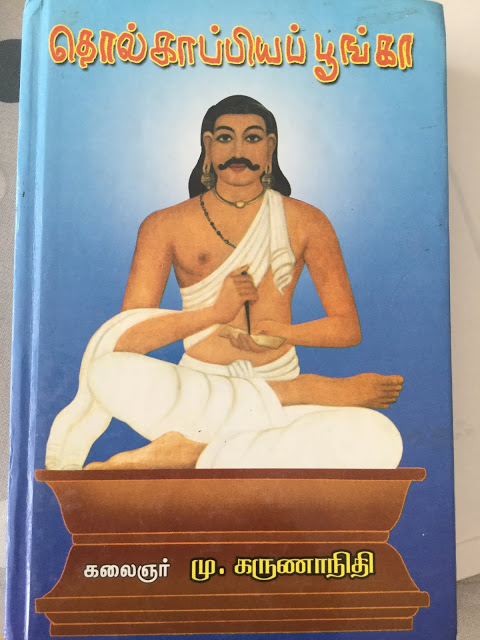
தொல்காப்பியம் பற்றிய 2 வினோத புஸ்தகங்கள் (Post No.8039)

WRITTEN BY LONDON SWAMINATHAN

Post No. 8039

Date uploaded in London – 25 May 2020   

Contact – swami_48@yahoo.com

Pictures are taken from various sources for spreading knowledge; this is a non- commercial blog. Thanks for your great pictures.

தொல்காப்பியம் பற்றிய 2 வினோத புஸ்தகங்கள்

பழைய புஸ்தகங்களையும் பேப்பர் கட்டிங் (Paper Cuttings) குகளையும் வெகு வேகமாகக் களைந்து வருகிறேன்.  சில, நண்பர்கள்  கைகளிலும் , பல, குப்பைத் தொட்டிகளிலும் விழுந்து வருகின்றன . தொல்காப்பியம் பற்றிய இரண்டு வினோத புஸ்தகங்களைப் பற்றி எழுதிவிட்டு நண்பர்களிடம் கொடுக்க ஆசை. ‘பிளாக்’குகள் வந்தவுடன் தமிழில் 10,000 பிளாக்குகளுக்கு மேல் உதயமாயின; இப்போது இன்னும் அதிகரித்திருக்கும். புஸ்தகம் வெளியிடும் பதிப்பகம் வந்தவுடன் எல்லோரும் எழுதி புஸ்தகம் வெளியிடத் துவங்கினர். பழங்கலத்திலேயே  ஒரு நூலுக்குப் பல உரைகாரர்கள் இருந்தனர். திருக்குறளுக்கே அந்தக் காலத்தில் பத்து உரைகள் ! நல்ல வேளையாக நமக்கு 5 உரை மட்டுமே கிட்டின. அதற்கென்ன நாங்கள் எழுதுகிறோம் என்று திராவிடங்களும் எழுதத் துவங்கின. நல்ல வேளை ! அவைகளைப் பார்த்து ரத்தக் கண்ணீர் விட  வள்ளுவனும் இல்லை. பரிமேல் அழகர் போன்ற உரைகாரர்களும் இல்லை.

இதே போல தொல்காப்பியத்துக்கும் உச்சிமேற் புலவர் நச்சினார்க்கு இனியர் உள்பட குறைந்தது ஐந்து உரைகள் உண்டு. நச்சி எழுதியதை பிச்சி  எறிய புது உரைகள் வந்தன. இரண்டு பற்றி மட்டும் பார்ப்போம்.

ஒன்று வள்ளலார் கருத்துக்கள், சைவ நூல் கருத்துக்களை நம்புவோர் எழுதியது.. ஆராய்ச்சியாளர்கள் மு.இராமலிங்கம், பகீரதன் எழுதியது. முதற்பதிப்பு 1994.  வெளியிட்டது -இராமலிங்க பணி மன்றம் , சென்னை.

உலகில் எந்த மொழியிலும் கிடைத்த முதல் நூல் இலக்கண நூல் இல்லை. ஆனால் தமிழன் மட்டும் தங்களுக்கு கிடைத்த நூல்களில் முதல் நூல் இலக்கண நூல் தான். அதுதான் தொல்காப்பியம் என்கிறான். போகட்டும் நம்புவோமாக.

பல நூறு நூல்கள் எங்களிடம் இருந்தன; அவை அழிந்ததால் இந்த நிலை என்று தமிழர்கள் சப்பைக்கட்டு கட்டுவர். இது பசையுள்ள வாதம் இல்லை என்பது கிரேக்க, சம்ஸ்க்ருத மொழிகளில் அ  ழிந்த நூல்களின் எண்ணிக்கையைப் பார்ப்பவருக்குத் தெரியும்.

இந்த நூலில் தொல்காப்பியம் ஓம் என்ற பிரணவ மந்திரத்தில் தோன்றிய யந்திர நூல் என்கின்றனர் ஆசிரியர்கள். குமரிக்கண்டத்தில் கி.மு.8756-ல் ஒரு கடல்கோள் ஏற்பட்டது . அதில் இறந்தவர்களைத் தான் வள்ளுவர் தென்புலத்தார் என்று கூறுகிறார் என்ற புரட்சிக் கருத்தும் உளது. தொல்காப்பியத்தில் இடைச் செருகல்கள் உண்டு (எ .கா.வைசிகன் பெருமை வாணிக வாழ்க்கை) என்று முன்னுரையிலேயே கூறிவிடுகின்றனர்.

தொல்காப்பியத்தை எழுதியது அகத்தியர் என்றும் மொத்தம் 7 அகத்தியர் இருந்ததாகவும் முதல் அகத்தியர் 10, 000 ஆண்டுகளுக்கு முன்னர் இதை இயற்றியதாகவும் சொல்கின்றனர் .தமிழில் எத்தனை எழுத்துக்கள், ஆய்த எழுத்து ஏன்? என்பதற்கெல்லாம் புது செய்திகளை அளிக்கின்றனர்.

தொல் . செய்யுளின் தவறான வைப்பு முறையை மாற்றி எழுதியுள்ளதாகச் சொல்லி புது எண்களும் கொடுக்கின்றனர் தொல்காப்பியத்தின் காலம் 10,000 ஆண்டுகளுக்கு முன்னர் என்று காட்டும் இவர்கள் பிற மொழிகளின் வரலாற்றை அறியாதவர்கள் என்பதைக் காட்டிக் கொடுத்து விடுகிறது..

போகிறபோக்கில் ஆங்கிலம் உள்பட எல்லா மொழிகளுக்கும் 33 எழுத்துக்களே (ஒலி வடிவம்) என்றும் செப்பிவிடுகின்றனர்.

காலஞ்சென்ற பொள்ளாச்சி நா. மகாலிங்கம் தமிழுக்குச் செய்த சேவை அளப்பரியது. தமிழ் கூறு நல்லுலகம் அவருக்கு என்றும் கடமைப்பட்டுள்ளது. தமிழின் மீதுள்ள பேரன்பினால்தான் அவர் இத்தகைய புஸ்தகங்களுக்கு ஆக்கமும் ஊக்கமும் கொடுத்திருப்பார் என்பதைச் சொல்லத் தேவை இல்லை. அவர் பெயர் தமிழர்கள் உள்ளத்தில் என்றும் நிலைத்து நிற்கும் இத்தருணத்தில் சொல்லக் கடமைப்பட்டுள்ளேன்.

*****

இனி இரண்டாவது நூலைக் காண்போம். தலைப்பு தொல்காப்பியத்தில் அகப்பொருள் – பொருளதிகாரம் – எளிய தெளிவுரை ; ஆசிரியர் வழக்கறிஞர் நா. விவேகானந்தன் ; விவேகானந்தா பதிப்பகம் , நாகர்கோவில், 1999.

இதில் பொருளதிகாரம் முழுவதையும் காமத்துப் பால் என்று வருணிக்கிறார். சொல்லப்போனால் அடல்ட்ஸ் ஒன்லி ADULTS ONLY நூல்; பெண்கள் படிக்கக்கூட கஷ்டப்படுவார்கள். எந்தச் செய்யுளை படித்தாலும், நீங்கள் ஜனன உறுப்புகளையும் படுக்கை அறையையும் நினைவில் வைத்துக் கொண்டு படிக்க வேண்டும்; அர்த்தம் செய்துகொள்ள வேண்டும் என்பதைச் சொல்லாமல் சொல்லுகிறார்.

‘பொருளதிகாரப் பூட்டைத் திறக்க இதோ என் சாவி’ என்ற முதற் பகுதியிலேயே ஒவ்வொரு சொல்லுக்கும் இவர் காணும் பொருள் என்ன என்று சொல்லிவிட்டு துவங்குகிறார். அதை இங்கு திருப்பி எழுதினாலேயே இந்தக் கட்டுரை PORNOGRAPHY போர்னோகிராபி (காமக்களியாட்ட நூல்) ஆகிவிடும் என்பதால் இத்துடன் நிறுத்திக் கொள்கிறேன்.

இப்படியும் தமிழில் உரைகள் வரக்கூடும்; எதிர்காலத்தில் இதையும் விட மோசமாக வரக்கூடும் என்பதை எச்சரிக்கவே இக்கட்டுரை.

டாக்டர் இரா. நாகசாமி போன்ற பேரறிஞர்களுடன் பேசுகையில் தொல்காப்பியம் ஒரு இசை நூல் என்பர். அதை விரிவாக எழுதுங்களேன் என்று கெஞ்சசுவேன்.

ஆனால்  ‘தேவர் அனையர் கயவர்’ என்ற திருக்குறள் வரியையே தேவர் ஜாதி, கள்ளர் ஜாதி என்று திரித்து  உரை எழுதும் பேதைகளிடையே  நல்லுரைகள் எடுபடுமா என்ற ஐயப்பாடும் அவ்வப்போது எழும். இருந்த போதிலும் இந்துக்களின் பெரிய நம்பிக்கை- உண்மையை எவராலும் மறைக்க முடியாது. அது ஆயிரம் கோடி சூரியப் பிரகாசத்துடன் கரு மேகங்களைக் கலைத்து விட்டு வெளியே வரும் என்ற நம்பிக்கையில் வாழ்வோமாக

tags — தொல்காப்பியம் , வினோத புஸ்தகங்கள்

–SUBHAM–

ஹிந்தி படப் பாடல்கள் – 47 – முன்னோடிகளுக்கு நன்றி! (Post No. 8038)

WRITTEN BY R. NANJAPPA                        

Post No. 8038

Date uploaded in London – – – 25 May 2020   

Contact – swami_48@yahoo.com

Pictures are taken from various sources for spreading knowledge; this is a non- commercial blog. Thanks for your great pictures.

WRITTEN BY LONDON SWAMINATHAN

Post No. 8039

Date uploaded in London – 25 May 2020   

Contact – swami_48@yahoo.com

Pictures are taken from various sources for spreading knowledge; this is a non- commercial blog. Thanks for your great pictures.

                                   R. Nanjappa

முன்னோடிகளுக்கு நன்றி!

எந்தத் துறையிலும் சரி-  நமக்கு முன்வந்தவர்களுக்கு நாம் கடன் பட்டிருக்கிறோம்.

இது அனேகமாக நமக்கே தெரிவதில்லை. அவர்களை நாம் பார்த்தும் இருக்க மாட்டோம்,

கேள்விப்பட்டும் இருக்கமாட்டோம்; ஆனால் அவர்கள் வாழ்க்கையும் எண்ணங்களும்

நமக்கு வழிகாட்டிகளாக இருக்கும். அவர்கள் வழியை நாம் பின்பற்றாவிட்டாலும், அது

உதவியாகவே இருக்கும். இதை உணர்ந்து அவர்களை நினைவு கூர்வது, அவர்களுக்கு

நன்றி சொல்வது நல்ல பண்பு. இது அனைவருக்கும் வருவதில்லை.

“If I have seen further than others, it is by standing 

upon the shoulders of giants”  – Isaac Newton

அனில் பிஸ்வாஸ்பிதாமஹர்

திரை இசை உலகில் இப்பண்பு மிகவும் குறைவு எனலாம். திரையிசை வளர்ச்சிக்கு

வித்திட்டவர்களில் அனில் பிஸ்வாஸ் ( 1914-2003) முக்கியமானவர். இன்று அவரை 

எவரும் நினைப்பதில்லை.

1935 முதல் 1965 வரை படங்களுக்கு இசையமைத்தார். பல விஷயங்களில் முன்னோடியாக

இருந்தார். பாட்டினிடையே வசனங்களைப் பேசுவது, வசனங்களை ராகத்துடன் பேசுவது,

ராகமாலிகைப் பாடல்கள் என பல உத்திகளைப் புகுத்தினார். இந்திய இசையில் 

பிடிப்பிருந்தாலும் புதிய சங்கதிகளை வரவேற்றார். முதன் முதலில் 12 வாத்தியங்கள்

கொண்ட இசைக்குழுவை (Orchestra) மேலைப் பாணியில் அறிமுகப்படுத்தினார்

Counter melody, overlap, interlude போன்ற மேலை நாட்டு சங்கீத உத்திகளை

அறிமுகப்படுத்தினார். இன்று இவை பிரம்மாண்டமாக. வளர்ந்து விட்டன; ஆனால்

அனில் பிஸ்வாஸை நினைப்பதில்லை!

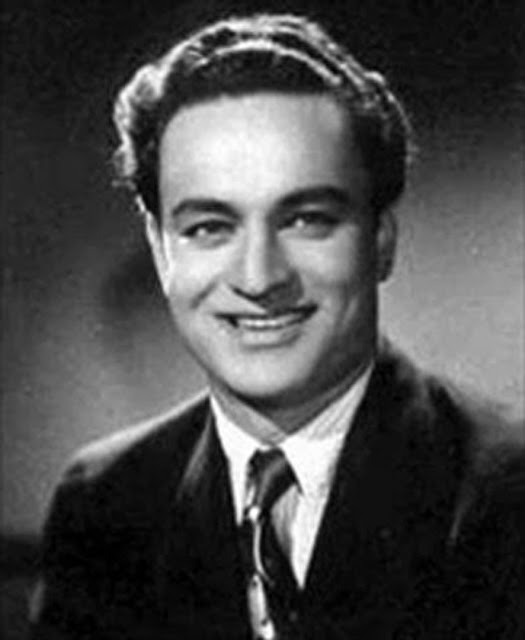
இவர் பல பாடகர்களுக்கு வழிகாட்டி ஊக்குவித்தார்.. முகேஷ், கே.எல். சைகலைப் போல்

பாடமுயன்றபோது, அவரைத் தனிவழியைப் பின்பற்றச் சொன்னார். தலத் முஹம்மத்

குரலில் இருந்த தனித்தன்மையை மற்றவர்கள். குறை சொல்லிக் களைய முயன்றபோது,

அது குறையல்ல, அது ஒரு சிறப்பு அம்சம் (Vibrato) அதை விடக்கூடாது என்று அறிவுறுத்தி

அவருக்கு வழிகாட்டினார். பிறர் பாடியதை அனேகமாக பலர் பாடலாம்-ஆனல் தலத் 

முஹம்மத் பாடியவற்றை வேறு எவரும் பாடமுடியாது!

லதா மங்கேஷ்கரின் தொடக்க காலத்தில் அவருக்கு குரல் பயிற்சியும், மைக்கில் பாடுவதற்கு 

மூச்சுக் கட்டுப்பாடும் சொல்லித் தந்தார். விஷயம் தெரிந்த நௌஷத்,

சி.ராம்சந்த்ரா, ஓ.பி. நய்யார் போன்றவர்கள் இவரிடம் மிகுந்த மரியாதை வைத்திருந்தனர்.

திரை இசையின் பீஷ்ம பிதாமஹர் என்று அழைக்கப்பட்டாலும் இவருக்கு எந்தக் கவுரமோ

பரிசோ வழங்கப் படவில்லை! 1986ல் சங்கீத நாடக அகாடமி விருது வழங்கப்பட்டது. 

இவர் விளம்பரத்தை விரும்பாமலிருந்தார், திரை இசையின் போக்கு பிடிக்காமல்

1965ல் திரையிசையிலிருந்து விலகினார்..இவர் இசையமைத்த மூன்று பாடல்களைப்

பார்க்கலாம்.

ஏக் மை ஹூ(ன்)

जली जो शाखचमन, साथ बाग़बाँ भी जला
जला के मेरे नशेमन को आस्मां भी जला

एक मैं हूँ एक मेरी बेक़सी की शाम है
अब तो तुझ बिन ज़िंदगी भी मुझ पे इक इल्ज़ाम है

दिल पे क्या गुज़री तेरे जाने से कोई क्या कहे
साँस जो आती है वो भी दर्द का पैग़ाम है

आँसूओं मुझ पर हँसो मेरे मुक़द्दर पर हँसो
अब कहाँ वो ज़िंदगी जिस का मुहब्बत नाम है

ஜலீ ஜோ ஷாக்சமன், ஸாத் பாக்பா(ன்) பீ ஜலா

ஜலா கே மேரே நஷேமன் கோ, ஆஸ்மான் பீ ஜலா

இந்த அழகிய சோலை எரிந்து விட்டது, தோட்டக்காரனும் எரிந்து விட்டான்

என் கூடும் எரிந்து விட்டது, வானமே எரிந்து விட்டது

ஏக் மை ஹூன் ஏக் மேரீ பேகஸீ கீ ஷாம் ஹை 

அப் தோ துஜ்பின் ஃஜிந்தகீ பீ முஜ் பே எக் இல்ஃஜாம் ஹை

நான் ஒருவன் இருக்கிறேன், இந்தத் தனிமையான மாலை இருக்கிறது

இப்பொழுது நீ இல்லாமல் வாழ்க்கையே என் மீது சுமத்திய குற்றமாக இருக்கிறது!

தில் பே க்யா குஜ்ரீ தேரே ஜானே ஸே கோயீ க்யா கஹே

ஸான்ஸ் ஜோ ஆதீ ஹை பீ தர்த் கா பைகாம் ஹை

உன் மனதில் என்ன எண்ணங்கள் ஓடின?

இது தெரிந்தால் என்ன சொல்வார்கள்?

விடும் மூச்சுக்காற்றும் துன்பத்தின் செய்தியாக இருக்கிறது

(ன்)ஸுவோ முஜ் பர் (ன்)ஸோ, மேரே முகத்தர் பர் (ன்)ஸோ

அப் கஹா ஃஜிந்தகீ ஜிஸ் கா முஹப்பத் நாம் ஹை

கண்ணீர்நீயும் என்னைப் பார்த்துச் சிரி, என் விதியைப் பார்த்துச் சிரி!

இங்கே காதல் என்று சொல்கிறார்களேஅந்த வாழ்க்கை எங்கே இருக்கிறது?

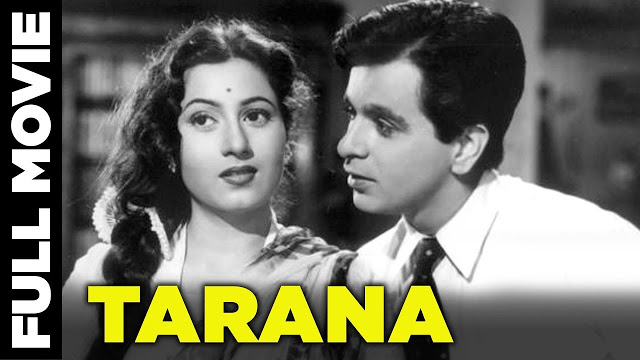
Song: Ek main hun ek meri Film: Tarana, 1951 Lyrics: Kaif Irfani

Music; Anil Biswas Singer: Talat Mahmood

This song can be heard on YouTube: 

ஒரு பெரிய நடிகருக்கும் பாட்டிற்கும் உள்ள தொடர்பு விசித்திரமானது. ஒவ்வொரு பாடகரும்

தன் பாட்டு ஒரு பெரிய  நடிகரின் மீது இருக்கவேண்டும் என்று விரும்புகிறார். அப்போதுதான்

அது பிரபலமாக வாய்ப்பு அதிகம். ஆனால் சில பாட்டுக்கள் ஒரு நடிகரைப்

பிரபலமாக்குவதில் பெரும் பங்கு பெறுகின்றன.

இந்த வீடியோவைப் பாருங்கள். திலீப் குமார் என்ன நடித்துக் கிழித்து விட்டார்? வெறுமே

பாட்டைப் பாடுகிறார்! இது போல் இரண்டு  படங்களில் [ஆர்ஃஜூ, தரானா-1950, 51] அவருக்கு

தலத் பாடிய நல்ல பாட்டுக்கள் அமைந்தன- அவருக்கு Tragedy King என்று முத்திரை

குத்தப்பட்டது! இந்த இரண்டு படத்திற்கும் இசை அமைத்தது அனில் பிஸ்வாஸ்! தொடர்ந்து

திலீப் குமாருக்கு அதே மாதிரி பாடல்கள், அதே போன்ற ரோல்கள்! அதே சமயம், ஆர்ஃஜூ

படத்தில் திலீப் குமாருக்காகப் பாடிய “ தில் முஜே ஐஸீ ஜகா லே சல்” என்ற பாட்டு தான்

தலத்தின் முதல் ஹிட் பாடலாயிற்று!

இந்தப் பாட்டு கஃஜல் வகை- அருமையான உருதுக் கவி! மொழிபெயர்ப்பில் அதன் அழகு

மறைந்து விடுகிறது.

This song depicts the depth of dejection, and Talat’s voice suits the mood and brings out

the beauty of the lyrics. No one else in the Hindi music world could express Urdu words with 

such  felicity or charge them with such emotional fervour. Talat sings in his natural voice,

no gimmicks.

குச் ஔர் ஃஜமானா கஹதா ஹை

कुछ और ज़माना कहता है, कुछ और है ज़िद मेरे दिल की
मैं बात ज़माने की मानूँ, या बात सुनूँ अपने दिल की
कुछ और ज़माना कहता है

குச் ஔர் ஃஜமானா கஹ்தா ஹை, குச் ஔர் ஹை ஃஜித் மேரே தில் கீ

மை பாத் ஃஜமானே கீ மானூ(ன்), யா பாத் ஸுனூ(ன்) அப்னே தில் கீ

குச் ஔர் ஃஜமானா கஹ் தா ஹை

மனதின் நம்பிக்கை ஒருவிதமாக இருக்கிறது

ஆனால் உலகம் வேறு ஒன்றைச் சொல்கிறது!

நான் உலகம் சொல்வதை மதிப்பதா, என் மனது சொல்வதைக் கேட்பதா

உலகம் வேறு ஒன்றைச் சொல்கிறது!

दुनिया ने हमें बेरहमी से ठुकरा जो दिया, अच्छा ही कियानादाँ हम समझे बैठे थे,

निभती है यहाँ दिल से दिल कीकुछ और ज़माना कहता है

इन्साफ़ मोहब्बत सच्चाई, वो रहमकरम के दिखलावेकुछ कहते ज़ुबाँ शर्माती है,

पूछो ना जलन मेरे दिल कीकुछ और ज़माना कहता है

गो बस्ती है इन्सानों की, इन्सान मगर ढूँढ़े ना मिलापत्थर के बुतों से क्या कीजे,

फ़रियाद भला टूटे दिल कीकुछ और ज़माना कहता है

துனியா நே ஹமே பேரஹமீஸே டுக்ரா ஜோ தியா, அச்சா ஹீ கியா

நாதான் ஹம் ஸமஜ் பைடே தே, நிபதீ ஹை யஹா(ன்) தில் ஸே தில் கீ

குச் ஔர் ஃஜமானா கஹ்தா ஹை

உலகம் இரக்கமில்லாது என்னைக் சூராக்கிவிட்டதுஅதுவும் நன்மைக்கே!

இங்கு மனம் ஒப்பிப் பழகுவது வீணே என்று நினைத்து வாளாவிருந்து விட்டேன்

இன்ஸாஃப், முஹப்பத், ஸச்சாயீ, வோ ரஹம்கரம் கே திக்லாவே

குச் கஹதே ஃஜுபா(ன்) ஷர்மாதீ ஹை, பூசோ ஜலன் மேரே தில் கீ

குச் ஔர் ஃஜமானா கஹதா ஹை

நீதி, அன்பு, சத்தியம்இதெல்லாம் ஏதோ பெயருக்குக் காட்டுவதே!

வாய்விட்டுச் சொல்ல கூச்சமாகிறது, என் மனம் படும்பாட்டைக் கேட்காதீர்கள்!

உலகம் வேறொன்றைச் சொல்கிறது….

கோ பஸ்தீஹை இன்ஸானோ(ன்) கீ, இன்ஸான் மகர் டூண்டே  நா மிலா

பத்தர் கே புதோ(ன்) ஸே க்யா கீஜே, ஃபர்யாத் பலா டூடே தில் கீ

குச் ஔர் ஃஜமானா கஹ்தா ஹை

மக்கள் வசிக்கும் இடங்கள் இருக்கின்றனஆனால் தேடினாலும் மனிதனைக் காணவில்லை!

உடைந்து போன மனதிலிருக்கும் குறைகளை கல் சிலைகளுக்குச் சொல்லி என்ன பயன்?

உலகம் வேறு எதையோ சொல்கிறது…..
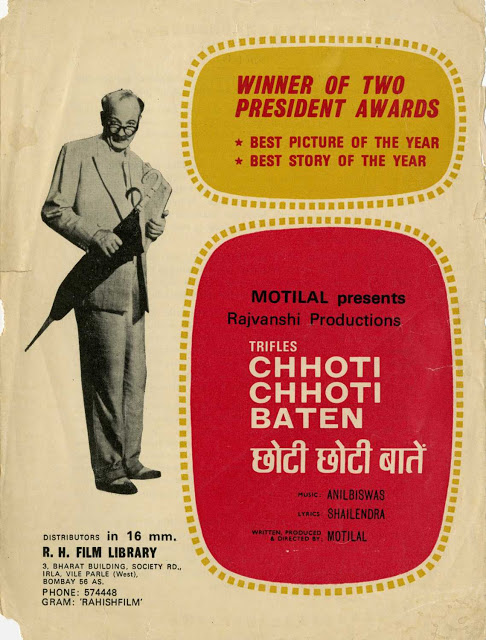
Song: Kuch aur zamana kehta hai Film: Choti Choti Baatein 1965 Lyrics: Shailendra

Music: Anil Biswas Singer: Meena Kapoor

link to YouTube: https://www.youtube.com/watch?v=KAQQl-v1s0U

மிக அருமையான பாடல், இனிமையான பாடல். மனதைத் தொடும்படியாகப் பாடியிருக்கிறார்

மீனா கபூர். இதுவும் மனமுடைந்த நிலையில் ஒருவர் பாடுவது, ஆனால் அதீத

சோகமில்லை. ஒரளவு உலகுடன் சரி செய்து கொண்டு விட்டார் போல் தோன்றுகிறது. 

Reconciled to the world, as it is..
ஃஜிந்தகீ க்வாப் ஹை, தா ஹமே பீ பதா

ज़िंदगी ख़्वाब है था हमें भी पतापर हमें ज़िंदगी से बहुत प्यार था

सुख भी थे, दुख भी थे दिल को घेरे हुएचाहे जैसा था रंगीन संसार था

गई थी शिकायत लबों तक मगरकिससे कहते तो क्या, कहना बेकार था

चल पड़े दर्द पीकर तो चलते रहेहारकर बैठ जाने से इनकार था

चंद दिन था बसेरा हमारा यहाँहम भी मेहमान थे, घर तो उस पार थाहमसफ़र एक दिन तो बिछड़ना ही था

अलविदा अलविदा अलविदा अलविदा

zindagi kwab hai thaa hame bhii pathaa

ஃஜிந்தகீ க்வாப் ஹை தா ஹமே பீ பதா

பர் ஹமே ஃஜிந்தகீ ஸே பஹுத் ப்யார் தா

வாழ்க்கை ஒரு கனவுஇது எனக்கும் தெரிந்துதான் இருந்தது

இருந்தும் இந்த உலகத்தில் மிகுந்த  அன்புடன் இருந்தேன்

ஸுக் பீதே, துக் பீ தே, தில் கோ கேரே ஹுயே

சாஹே ஜைஸா தா ரங்கீன் ஸன்ஸார் தா

மனதை சுகமும் துக்கமும் சுற்றி வளைத்தன

எப்படிப் பார்த்தேனோ, உலகும் அப்படியே தெரிந்தது!

ஆகயீ தீ ஷிகாயத் லபோ(ன்தக் மகர்

கிஸ்ஸே கஹதே தோ க்யா, கஹனா பேகார் தா

உலகைப் பற்றிக் குறை சொல்லவேண்டுமென்று வாய் வரை வந்துவிட்டது

ஆனால் யாரிடம் சொன்னால்தான் என்ன,

சொல்வதில் பயனில்லை என்று உணர்ந்தேன்

சல் படே தர்த் பீகர் தோ சல்தே ரஹே

ஹார்கர் பைட் ஜானே ஸே இன்கார் தா

துன்பத்தைச் சகித்துக்கொண்டு என் வழியில் நடந்தேன்

தோல்வி மனப்பாமையுடன் உட்காருவதை தடைசெய்தேன்

சந்த் தின் தா பஸேரா ஹமாரா யஹா(ன்)

ஹம் பீ மேஹ்மான் தே, கர் தோ உஸ் பார் தா

ஹம்ஸஃபர் ஏக் தின் தோ பிசட்னா ஹீ தா

அல்விதா அல்விதா அல்விதா அல்விதா

இங்கு  நாம் இருப்பது நான்கு நாட்கள் தான்

இங்கு நாம் விருந்தாளிகள் தான், நமது சொந்த வீடு அந்தக் கரையில்!

இந்தப் பயணத்தை ஒரு நாள் விட்டுத்தான் ஆகவேண்டும் என்பது தெரியும்

விடைபெறுகிறேன்விடை பெறுகிறேன்..

Song: Zindagi kwab hai, tha hamein bhi pata Film: Choti Choti Baatein 1965

Lyrics: Shailendra, Music: Anil Biswas Singer: Mukesh

link to Youtube: https://www.youtube.com/watch?v=Wg2wgsi0wQU

இதுவும் அதே மன நிலையில் பாடிய பாடல்தான். ஆனால் இன்னும் முன்னேற்றம்

காணப்படுகிறது. இந்த உலகம் நமது சாஸ்வதமான இடமல்ல என்ற உண்மையை மனதில்

பதியவைக்கிறது.கடினமான பாடல்,

மிக உருக்கமாகப் பாடியிருக்கிறார் முகேஷ்.

இதில் பல வரலாறுகள் அடங்கியிருக்கின்றன. இதைத் தயாரித்து, நடித்து இயக்கியவர்

பழம்பெரும் நடிகர் மோதிலால்- இக்கதை பல வருஷங்களாக அவர் மனதில் இருந்தது.

படம் வெளியாகுமுன் காலமானார். படத்திற்கு அரசின் மெரிட் சர்டிஃபிகேட் கிடைத்தது,

ஆனால் தியேட்டரில் தோல்வி கண்டது. இதுவே  அனில் பிஸ்வாஸ் இசையமைத்த

கடைசிப் படமாக அமைந்தது. இதைப் பாடிய முகேஷ், மோதிலாலின் உறவினர்- முகேஷ்

அவர் சகோதரியின் திருமணத்தில் பாடுவதைக் கேட்டு அவரை பம்பாய்க்கு அழைத்து வந்து

பாடகராக்கினார் மோதிலால்.. அவருக்கு இறுதியாகப் பாடியது முகேஷ்! முகேஷ் “ஜாக்தே

ரஹோ” படத்திலும் “ஜிந்தகீ க்வாப் ஹை” என்று ஒரு பாட்டு மோதிலால் மீது

பாடியிருக்கிறார்!

சிலர் உலகத்தில் உள்ள குறைகளை (மட்டும்) கண்டு, அதை வசைபாடுவர். ‘நான் என்ன

செய்வது, எனக்கு உலகத்தில் எது கிடைத்ததோ அதைத்தானே திருப்பித் தர முடியும்’ என்ற

கருத்தில் ஸாஹிர் லுதியான்வியின் வசன கவிதை “ப்யாசா” படத்தில் வரும்.

[“தேங்கே வொஹீ ஜோ பாயேங்கே இஸ் ஃஜிந்தகீ ஸே ஹம்”] இங்கு ஷைலேந்த்ரா அந்த

மாதிரி எழுதவில்லை! இந்த இடம் இப்படித்தான்; இது நமது சாஸ்வத இடமில்லை என்ற

அடிப்படை உண்மையைச் சொல்கிறார். மூத்தோர் சொல்லும் முதி நெல்லியும் முன்னே

கசக்கும் பின்னே இனிக்கும்!

இப்பாடல்களுக்கு அமைந்த இசையின் தன்மையைப் பாருங்கள்! ஆரவாரமில்லை,

கூச்சலில்லை, அதிக வாத்யங்களின் ஆக்ரமிப்பு இல்லை! 1965 வாக்கில் திரை இசை

திசை மாறத்தொடங்கியது!  

Left no scope for soft, sober music. The likes of Anil Biswas became out of date, and hence

went out of reckoning! But they would never leave the music lovers’ heart.

….

Attachments

Preview YouTube video Ek main hoon ek meri bekasi ki shaam hai from Tarana (1951)

Ek main hoon ek meri bekasi ki shaam hai from Tarana (1951)

YouTube video KUCHH AUR ZAMAANA KEHTA HAI – MEENA KAPOOR -SHAILENDRA -ANIL BISWAS

KUCHH AUR ZAMAANA KEHTA HAI – MEENA KAPOOR -SHAILENDRA -ANIL BISWAS

Preview YouTube video ZINDAGI KHWAB HAI THAA HAMEIN BHI PATA- MUKESH- FILM- CHHOTI CHHOTI BAATEIN(1965)

ZINDAGI KHWAB HAI THAA HAMEIN BHI PATA- MUKESH- FILM- CHHOTI CHHOTI BAATEIN(1965)

tags – ஹிந்தி படப் பாடல்கள் – 47

நீரில் மிதந்த பாறையும் சங்கப் புலவர்களை ஏந்தி மிதந்த சங்கப் பலகையும்! (Post No.8037)

WRITTEN BY S NAGARAJAN                     

Post No. 8037

Date uploaded in London – – – 25 May 2020   

Contact – swami_48@yahoo.com

Pictures are taken from various sources for spreading knowledge; this is a non- commercial blog. Thanks for your great pictures.

நீரில் மிதந்த பாறையும் சங்கப் புலவர்களை ஏந்தி மிதந்த சங்கப் பலகையும்!

ச.நாகராஜன்

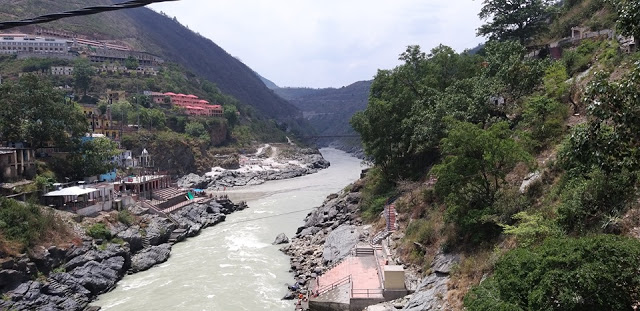
பாறை மீது அமர்ந்து நதியைக் கடந்த மகான்!

குருநானக்கின் புதல்வரான ஸ்ரீ சந்த், உதாஸி பிரிவை ஸ்தாபித்தவ்ர். அவரைப் பற்றிய நிஜ சம்பவம் ஒன்று உண்டு.

1625ஆம் ஆண்டு. ஒரு நாள் ஹிமாசல் பிரதேசத்தில் சம்பா மாவட்டத்தில் உள்ள  இராவதி (ராவி என்று இன்று அழைக்கப்படும் நதி)  நதிக் கரைக்கு அவர் வந்தார். நதியைக் கடந்து அக்கரைக்குப் போக விரும்பிய அவர் படகு ஏதேனும் தென்படுகிறதா என்று பார்த்தார். ஒரு படகும் இல்லை. நதிக் கரையில் ஒரு பெரிய பாறை இருந்தது. அதைப் பார்த்த அவர் அந்தப் பாறை அருகே சென்று, “ஓ! கல் பாறையே! நான் ஒரு உண்மையான சாது என்றால், எனக்கு சற்றேனும் தபோசக்தி இருக்குமெனில் என்னை அக்கரைக்குக் கொண்டு விடு” என்றார்.

பிறகு அந்தப் பாறையில் நதியில் தள்ளி விட்டு அதன் மீது ஏறி அமர்ந்தார்.

என்ன ஆச்சரியம்! பாறை நீரில் அமிழவில்லை. மிதந்து சென்று  மகான் ஸ்ரீ சந்தை அக்கரைக்குக் கொண்டு விட்டது.

நதிக்கரையில் இறங்கிய அவர் அந்த பாறைக்கு நன்றி சொல்லி விட்டுத் தன் வழியே ஏகினார்.

இந்தச் சம்பவத்தைப் பலரும் பார்த்துக் கொண்டிருந்தனர்; அவர்கள் அனைவரும் பிரமித்து நின்றனர். விஷயம் செவி வழிச் செய்தியாக எங்கும் பரவியது.

பல சாதுக்கள் அந்த பாறை அருகில் சென்று ஸ்ரீ சந்த் சொன்னது போலவே சொல்லிப் பார்த்தனர்,

அந்தப் பாறை நீரின் அடி ஆழத்தில் அமிழ்ந்ததே தவிர எவரையும் அக்கரைக்குக் கொண்டு செல்லவில்லை.

ஆண்டுகள் உருண்டோடின.

1703ஆம் ஆண்டு. அந்த நதிக் கரைக்கு பனகந்தி பாபா என்ற சாது வந்தார். அங்கு படகு ஏதும் தென்படாததால் அந்தப் பாறைக்கு அருகில் வந்து, “என்னை அக்கரைக்கு கொண்டு விடு” என்றார். பாறை மீது ஏறி அமர்ந்தார். பாறை நீரில் அமிழவில்லை; மாறாக அவரை அக்கரை கொண்டு சேர்த்தது!

உண்மையான சாதுக்களை ஏந்தி மிதந்து செல்லும் அந்தப் பாறை இன்னும் இராவதி நதிக் கரையில் இருப்பதாகவும் அது இருக்குமிடம் சரியாகத் தெரியவில்லை என்றும் அங்கிருப்போர் இன்றும் சொல்லி வருகின்றனர்.

உண்மையான சாதுக்களை இனம் கண்டு பாறாங்கல்லானது மிதக்கும் சக்தி கொண்டு ஆற்று வெள்ளத்தில் நீந்தி அக்கரைக்குச் செல்வது சாத்தியம் என்பதை நவீன காலம் நிரூபிக்கிறது என்றால் சங்க காலத்தில் மதுரையில் நடந்த திருவிளையாடல் சாத்தியமில்லையா என்ன?

சங்கப் பலகை தந்த படலம்!

மதுரையில் நடந்த 64 திருவிளையாடல்களில் 51வது திருவிளையாடலாக அமைவது சங்கப் பலகை தந்த படலம்.

அதன் சுருக்கம் இது தான்:-

தமிழை ஈந்த சிவபிரான் சங்கப் புலவர்களின் திறமையை அளவிட அவர்களின் வேண்டுகோளின் படி சங்கப் பலகை ஒன்றைத் தந்து அருளினார். உண்மையான புலமை மிக்கவர்களை அது ஏற்றுக் கொள்ளும். இல்லையேல் பலகையில் இடம் தராது கீழே தள்ளி விடும்.

இது எப்படி ஏற்பட்டது என்பது தான் 51வது திருவிளையாடல் கூறும் வரலாறு.

ஒருமுறை பிரம்மா சரஸ்வதி, சாவித்திரி, காயத்ரி ஆகிய முப்பெரும் தேவியருடன் கங்கையில் நீராடச் சென்றார்.

அப்போது கந்தர்வ கன்னி ஒருத்தி யாழினை மீட்ட அந்த இசையால் ஈர்க்கப்பட்ட சரஸ்வதி அதில் லயித்து அப்படியே நின்று விட்டாள்.

பிரம்மாவோ மற்ற இருவருடன் கங்கையில் நீராடி வெளியே வந்தார்.

என்னை விட்டுக் குளித்தது நியாயமா என்று சரஸ்வதி பிரம்மாவைக் கேட்க அவர், “நீ இசையில் மூழ்கி நின்று விட்டாய். அது தவறல்லவா? இக்குற்றம் புரிந்த நீ மானுடப் பிறவியை உனது வடிவமாகிய 48 எழுத்துக்கள் நாற்பத்தெட்டு புலவர்களாக எடுப்பாயாக. சிவபிரான் தலைமைப் புலவராகத் தோன்றி புலமையைக் காப்பார்” என்றார்.

அதே போல நாற்பத்தெட்டு எழுத்துக்களும் நாற்பத்தெட்டு புலவர்களாக அவதரித்தனர்.

சம்ஸ்கிருத எழுத்துக்கள் 50 அல்லது 51 என்று கூறுவர். 68 என்று வசிஷ்டர் கூறுவார். நடைமுறைப் பழக்கத்தில் கூறுகின்ற ஐம்பத்தோரு  அக்ஷரங்களில் ள க்ஷ போன்றவை இல்லாமல் இருப்பது 48 எழுத்துக்கள். இந்த எழுத்துக்களே புலவர்களாகத் தோன்றினர் என்பர்.

முகிழ்தரு முலைநின் மெய்யா முதலெழுத் தைம்பத் தொன்றிற்
றிகழ்தரு மாகா ராதி ஹாகார மீறாச் செப்பிப்
புகழ்தரு நாற்பத் தெட்டு நாற்பத்தெண் புலவ ராகி
அகழ்தரு கடல்சூழ் ஞாலத் தவதரித் திடுவ வாக.

(இ – ள்.) முகிழ்தரும் முலை – அரும்பு போலும் முலையையுடைய மாதே, நின் மெய்யாம் முதல் எழுத்து ஐம்பத்து ஒன்றில் – நினது வடிவமாகிய ஐம்பத்தொரு முதலெழுத்துக்களில், திகழ்தரும் – விளங்கா நின்ற, ஆகாரம் ஆதி ஹாகாரம் ஈறாச் செப்பிப் புகழ்தரும் நாற்பத்தெட்டும் – ஆகாரம் முதல் ஹாகாரம் இறுதியாகக் கூறிப் புகழப்பட்ட நாற்பத்தெட்டு எழுத்துக்களும், நாற்பத்து எண் புலவர் ஆகி – நாற்பத்தெட்டுப் புலவர்களாகி, அகழ்தரு கடல்சூழ் ஞாலத்து – தோண்டிய கடல் சூழ்ந்த நிலவுலகில், அவதரித்திடுவ ஆக -அவதரித்திடுவனவாக.

‘நாற்பத்தெட்டெழுத்து – வடமொழி உயிரெழுத்தில் ஆகாரம் முதலிய பதினைந்தும் ககரம் முதலிய முப்பத்து மூன்றும் ஆம். க்ஷ முதலியன கூட்டெழுத்து ஆதலின் விலக்கப்பட்டன. சீர் நிரம்புதற்கு ஹாகாரம் என நெடிலாக்கிச் சாரியை கொடுத்தார்’ என்று இப்படி 48 எழுத்துக்கள் கொண்டமைக்கு விளக்கவுரை கூறும்.

இந்த நாற்பெத்தெட்டெண்மரும் நாடெங்கும் சென்று தம் புலமையால் அனைவரையும் வென்றனர்.

மதுரை வந்த போது அவர்களை எதிர் கொண்டழைத்த சொக்கநாதர் கோவிலினுள் சென்று மறைந்தார்.

சிவபிரானின் அருள் திறத்தால் மனம் மகிழ்ந்த புலவர்கள் பாண்டிய மன்னனை வணங்கிப் பாடினர்.

பாண்டியன் மீனாட்சி அம்மன் கோவிலில் வடமேற்குதிசையில் ஒரு சங்க மண்டபம் அமைத்து இறையனாரைத் தலைவராகக் கொண்டு நக்கீரர் உள்ளிட்ட 48 புலவர்களுக்கு அதில் இடம் தந்து கௌரவித்தான்.

இந்தப் புலவர்கள் இறையனாரை புலமையை அளக்க ஒரு அளவுகோல் தருமாறு வேண்ட அவரும் ஒரு சங்கப் பலகையைத் தந்தார். பலகையோ சிறியது.

ஆனால் இறையனார், “புலமை சரியாக இருப்பின் இது அகன்று இடம் தரும், கவலை வேண்டாம்” என்று கூறி அருளினார்.

புலவர்கள் மகிழ்ந்து பாடல்களைக் கூற சரியான புலமைக்கு அந்தப் பலகை அகன்று இடம் தந்தது.

இதே பலகை தான் வள்ளுவரின் திருக்குறளை மட்டும் ஏந்தி இதர நூல்களைப் புறம் தள்ளியது.

ஆக, சங்க காலத்தில் இறைவனின் சங்கப் பலகையே புலவர்களின் அருமையையும் தமிழின் பெருமையையும் சங்கம் வளர்த்த தமிழ் மதுரையில் உணர்த்தியது.

*

Mr V Santanam, my father behind Sri Rajaji

தெயவத் தமிழ் பற்றிய விழாக்கள்!

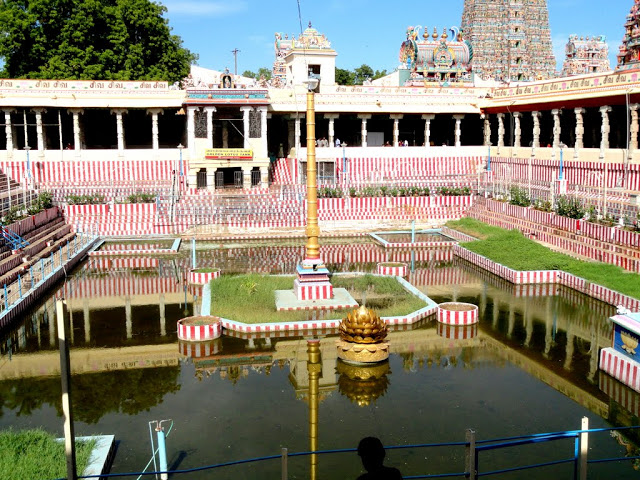
மதுரையில் பழைய காலத்தில் எங்கள் குடும்பத்தினர் தினமும் மீனாட்சி அம்மன் கோவிலுக்குச் செல்வது வழக்கம்.

அங்கு வடமேற்கு மூலையில் அமைந்திருக்கும் சங்கப் புலவர் மண்டபம் சற்று இருட்டாகத் தான் காட்சி அளிக்கும்.

மிகச் சிலரே அந்த பிரகாரத்தைச் சுற்றுவர். தவறாமல் சங்கப் புலவர்களை எட்டிப் பார்த்து நமஸ்கரிப்பது எங்கள் வழக்கம்.

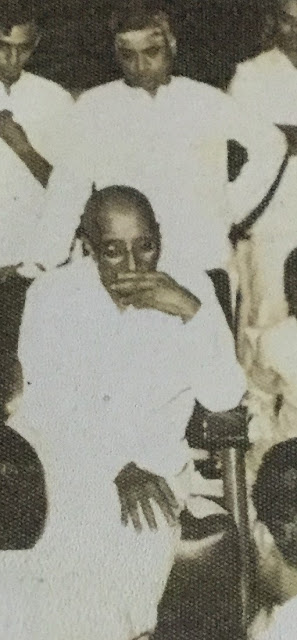
சில போலித் தமிழ் திராவிடங்கள் தமிழை காதல் மட்டும் உள்ள தமிழாக மாற்ற முனைந்து ‘அகநானூறே ஆடி வா, புறநானூறே பொங்கி வா’ போன்ற கோஷங்களை எழுப்பிய காலம் அது. அப்போது எனது தந்தையார் – தினமணி திரு வெ.சந்தானம் , தினமணி மதுரைப் பதிப்பின் பொறுப்பாசிரியராகப் பணியாற்றியவர் –  மதுரையில் ‘தெய்வத் தமிழ் சங்கம்’ உருவாக்கி ஏராளமானோரை தெய்வத் தமிழின் தெய்வத் தன்மையை அனைவருக்கும் உணர்த்தினார்.

கல்லல் இராமநாதன் என்று ஒரு இசைக் கலைஞர். அருமையாக இசை நிகழ்ச்சியை வில்லுப்பாட்டுடன் அந்தக் காலத்தில் நடத்திப் பெரும் பெயர் பெற்றவர்.

அவரை எங்கள் இல்லத்திற்கு வரவழைத்து ஏராளமான கருத்துக்களை என் தந்தையார் தந்து அவரை ஊக்குவிக்கவே அவர் தெய்வத்தமிழின் தெய்வீகத்தை இசை வடிவில் அமைத்தார். அவரது மனைவியும் ஒரு பெரிய இசை வல்லுநர் என்பது குறிப்பிடத் தகுந்தது.

மதுரையில் நாயக்கர் புதுத் தெருவில் பிரம்மாண்டமான கூட்டத்தில் அவர்கள் இசை நிகழ்ச்சி நடந்தது.

அனைவரும் மகிழ்ந்தனர். இதில் பெரும் பங்கை எனது தந்தையாரின் நண்பரும் பெரிய வக்கீலுமான கே. லெட்சுமிநரசிம்மன் வகித்தார்.

அந்தக் காலத்தில் – ஐம்பதுகள், அறுபதுகளில் – பாரதியார் விழாவும் மதுரை முழுவதும் ஆங்காங்கே பிரமாதமாக நடக்கும். பாரதியார் விழா தமிழ் விழாவாக, தேசபக்தி விழாவாக ஜொலிக்கும்!

தெய்வத் தமிழ் தந்த மதுரையில் தமிழுக்கு நடந்த விழாக்கள் மெய் சிலிர்க்க வைப்பவை!

****