‘கலிகெழு கடவுள் கந்தம்’ சிவலிங்கமா? (Post No.8340)

WRITTEN BY LONDON SWAMINATHAN

Post No. 8340

Date uploaded in London – 14 July 2020   

Contact – swami_48@yahoo.com

Pictures are taken from various sources for spreading knowledge; this is a non- commercial blog. Thanks for your great pictures.

tamilandvedas.com, swamiindology.blogspot.com
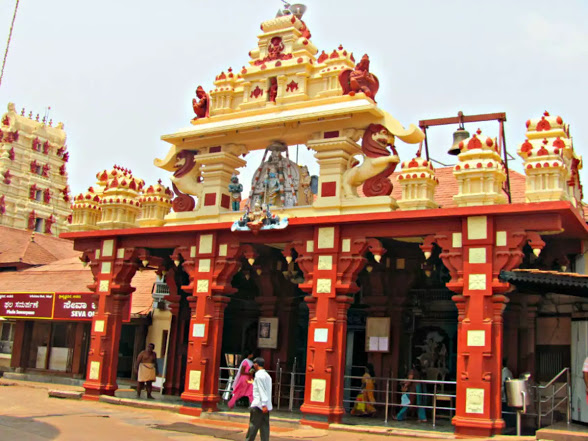
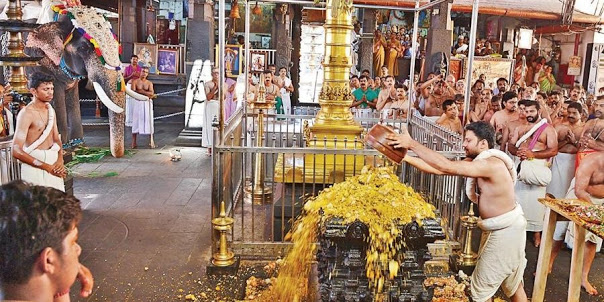
கலிகெழு கடவுள் கந்தம்சிவலிங்கமா ?

கலிகெழு கடவுள் கந்தம் கைவிடப்

பலி கண் மாறிய பாழ்படு பொதியில்

—-புறநானுறு 52, மருதன் இளநாகனார்

‘சிவன்’ என்ற சொல் சங்க இலக்கியத்தில் 30,000 வரிகளில் எங்கனும் இல்லை. அதற்கும் முந்தி தோன்றியதாக அறிஞர்கள் செப்பும் தொல்காப்பியத்தில் விஷ்ணு, ஸ்கந்தன், வருணன் , இந்திரன், துர்கா இருக்கிறார்கள் ;ஆனால் ‘சிவ பெருமான்’ இல்லை. ஆயினும் சிவன் என்று சொல்லாவிடினும், சங்க இலக்கியத்தில், நீலகண்டன், முக்கண்ணன் /த்ரயம்பகன் என்பதைக் காட்டும் பல சொற்கள் உள்ளன. ஆக சிவ வழிபாடு இருந்ததில் ஐயம் இல்லை.

சிந்து சமவெளியில் கண்டுபிடிக்கப்பட்ட சில வடிவங்களை ‘லிங்கம்’ ,’யோனி’ என்றெல்லாம் கதை கட்டிவிட்ட வெள்ளைத்  தோல்களின் முகத்திரையும் கிழிக்கப்பட்டுவிட்டது ; அங்குள்ள யோகி முத்திரையை ‘பசுபதி’ முத்திரை என்று சொல்லப்பட்டதும் தவறு; ஏனெனில் மத்திய கிழக்கில், ஐரோப்பாவில் அதே போல ‘பசுபதி’ முத்திரைகள் இருக்கின்றன என்றும் எழுதிவிட்டனர்.

‘சிவ’,  ‘லிங்கம்’ ஆகிய இரு சொற்களும் தமிழில் மிகவும் பிற்காலத்தில் பயன்படுத்தப்பட்டுள்ளன. ஆயினும் சங்க கால சிவ லிங்கங்களையும் மதுரை, காஞ்சி முதலிய கோவில்களில் காண முடிகிறது.

இந்த புதிருக்கு என்ன விடை?

****

விடுகதை என்ன ?

““தோழி , தோழி , சிவ வழிபாடு இருந்தது; ஆனால் சிவன் சொல் இல்லை ! ஏன்? ஏன்?

தோழி , தோழி, லிங்க வழிபாடு உண்டு;  ஆனால் லிங்கம் என்ற சொல் இல்லை ! ஏன்? ஏன்? விடை என்ன தோழி?”

இதோ விடை :–

தொல்காப்பியத்திலும் சங்க இலக்கியத்திலும் ‘கந்தம்’ ,’ கந்தழி’ என்ற சொல் இருக்கிறது ;

இதே சொற்கள் ரிக் வேதத்திலும் அதர்வண வேதத்திலும் ‘ஸ்கந்தம்’, ‘ஸ்தம்பம்’ ‘ஸ்தாணு’ என்று பயிலப்படுகின்றன .

இதையே பிற்காலத்தில் நாம் ஆகம முறைப்படி கோவில் கட்டியபோது ‘த்வஜ  ஸ்தம்பம், லிங்கம்’ என்று சொன்னோம் என்று தெரிகிறது. ஏனெனில் கொடி நிலை, கந்தழி என்று தொல்காப்பியத்திலும் அடுத்தடுத்து வருகிறது . இதற்கு உரை எழுதியோர் சிவன், லிங்கம் என்ற சொற்களை பயன்படுத்தாமல் மழுப்பலாகவே  எழுதியுள்ளனர்

தொல்காப்பியரும் ‘ஒரிஜினல்’ இல்லை ; அவர் 200 இடங்களுக்கு மேல் ‘என்மனார்’’, ‘மொழிப’ என்ற சொற்கள் மூலம் பழைய வழக்குகளை அடுக்கிச் சொல்கிறார் . அவர் சொல்லும் பெரும்பாலான உவமை உருபுகள் சங்க இலக்கியத்திலே இல்லை. ஆகவே இவர் பழங்கால விதிகளைத் தொகுத்தளித்த பிற்கால மனிதர் என்று தெரிகிறது . இந்த பின்னணியில் பார்த்தால், அக்கால மக்கள்  வேறு சொற்களில் சிவன், லிங்கம் என்பதை குறித்தனர் போலும்.

புறநானுற்றின் இளைய புலவர்களில் ஒருவர் மருதன் இளநாகனார் . இவர் பழைய புலவர்களான கபிலர், பரணர், நக்கீரர் என்ற மூன்று பிராமணப் புலவர்களின் சொற்களை அப்படியே கிளிப்பிள்ளை போல திரும்பச் சொல்லுவார். ஆயினும் இவர் சொல்லும் ‘கடவுள் கந்தம்’ , நமக்குக் கிடைத்த முந்தையோர் பாடலில் இல்லை. தொல்காப்பியத்தில் ‘கந்தழி’ உளது.

***

இதோ 2014-ல் நான் எழுதியது :–

“கதிரவன், தீ, சந்திரன் என்னும் இயற்கைப் பொருள்களையும் தொல்காப்பிய காலத்துத் தமிழர்கள் தெய்வங்களாக வழங்கி வந்தனர்.

கொடிநிலை, கந்தழி, வள்ளி என்ற
வடுநீங்கு சிறப்பின் மன்னிய மூன்றும்
கடவுள் வாழ்த்தொடு கண்ணிய வருமே”
(தொல். பொருளதிகார புறத்திணை இயல் சூத்திரம்)

:கதிர், தீ, மதி இம்மூன்றை வாழ்த்துவதும் கடவுள் வாழ்த்துப் போலவே எண்ணப்பட்டு வரும் என்பது இதன் பொருள்.
கொடிநிலை = சூரியன்
கந்தழி = நெருப்பு (அக்னி பகவான்)
வள்ளி = சந்திரன்

(இந்த விளக்கம் இளம்பூரணர் உரையை ஆதாரமாகக் கொண்டது. வேறு உரைகாரர் இதற்கு மாற்றுப் பொருள் கூறினாலும் வேத கால வருணனையும் இந்திரனையும் பழந்தமிழர்கள் வழிபட்டதாகக் கூறுவதால், அக்னி என்று இளம்பூரணர் எழுதிய உரையே நன்கு பொருந்தும் என்பது என் கருத்து).

இந்தப் பகுதிக்கு பழைய உரைக்கார்களே கொஞ்சமும் சம்பந்தா சம்பந்தம் இல்லாமலேயே உரை எழுதினர் ; புதிய திராவிடங்களோ வழக்கம்போல உளறிக்கொட்டி கிளறி மூடியிருக்கின்றன. சுருங்கச் சொல்லின் வெள்ளைத் தோலினர் , ரிக்வேதத்துக்கு உரை எழுதியது போல பல கோணங்களில் அணுகியுள்ளனர்.

ரிக்வேத, அதர்வண வேத குறிப்புகளைப் படித்தவுடன் இது சிவ, லிங்க , த்வஜஸ்தம்ப வழிபாடு என்பது உறுதியாகிறது .

மதுரை நகரும் நடுவிலுள்ள கோவிலும் 2000 ஆண்டு பழமையானது என்பதற்கு அசைக்கமுடியாத சான்றுகள் உள . அங்கு அங்கயற்கண்ணியும் ஆலவாய் அண்ணலும் உடன் உறைவதை சம்பந்தரும் 1400 ஆண்டுக ளுக்கு முன்னரே பாடிவிட்டார். ஆயினும் முதலில் இருந்தது லிங்கம் மட்டுமே என்பதை திருவிளையாடற் புராணம் கூறுகிறது.

2000 ஆண்டுக ளுக்கு முன்னர் ஒரு நாள், தனபதி  செட்டியார், அடுத்த ஊரில் ‘பிஸினஸ்’ செய்துவிட்டு கடம்பவனக் காட்டின் வழியாக வருகையில் நடுவே 1000 வாட் (1000 Watt Bulbs)  பல்புகள் போட்டது போல ஒரு இடத்தைப் பார்த்தார்; அங்கே கண்கொள்ளாக் காட்சி ; இந்திரன் முதலிய தேவர்கள் சிவலிங்கத்துக்கு அபிஷேக ஆராதனைகள் செய்துகொண்டிருந்தனர் . இதைப் பார்த்த செட்டியார், மறுநாளே பாண்டிய மன்னனிடம் சொல்ல, அவரும் பக்கத்து மணவூரில் இருந்து வந்து பார்த்து, நான்மாடக் கோவில் கட்டி, மதுரை நகரை தாமரை மலர் வடிவில் உண்டாக்கினார். சங்க இலக்கிய நூலான பரிபாடல், மதுரையை தாமரை மலருக்கு ஒப்பிடுகிறது.

சங்க காலத்தில் மதுரை என்ற சொல்லுடைய புலவர் முப்பதுக்கு மேல் உளர். ஆலவாய் என்ற மதுரைப் பெயரை உடைய ஒரு சங்க புலவரும் உளர். ஆக, மதுரையும், லிங்கமும் சங்க காலம் மற்றும் அதற்கு முற்பட்டவை.

***

இப்போது மருதன் இளநாகன் பாட்டின் பொருளைப் பாருங்கள்-

கலிகெழு கடவுள் கந்தம் கைவிடப்

பலி கண் மாறிய பாழ்படு பொதியில்

—-புறநானுறு 52, மருதன் இளநாகனார்

“பாண்டிய மன்னா ! நீ படையெடுத்துச் சென்றால் வடபுல மன்னர் அழிவர்; இப்போது முழவு முதலான ஒலி பொருந்திய தெய்வங்கள் துண்களைக் கைவிடுமாறு , பலி இடம் மாறும்” — என்பது பழைய உரை .

புதிய விளக்கத்தில்,

தெய்வம் வாழும் தூண் – “அம்பலத்தில் அமைந்த தூணில் தெய்வம் இருப்பதாக எண்ணி வழிபட்டு வருதல் பழங்கால வழக்கம்”.

மதுரை ஈழத்துப் பூதன் தேவனார் பாடிய அகநானுற்றுப் பாடலிலும் – 307– இதே கருத்து வருகிறது . “கடவுள் போகிய கறுந்தாட் கந்தத்து “- என்ற வரி மூலம் கடவுள் வெளியேறிய பழைய தூண் பற்றிப் படுகிறார்.

இதிலிருந்து ஒரு விஷயம் தெளிவாகிறது ; லிங்கத்தை ‘கந்து’ என்றும், ‘கந்தழி’ என்றும், வழிபாடு நீங்கினால் வெறும் ‘தூண்’ என்றும் சொல்வர் ; 70 மாடக்கோவில்கள் கட்டிய சோழன், திருவிளையாடற் புராணத்தில் காணப்படும் பாண்டிய மன்னர்கள்தான் பிற்காலத்தில் கோவில் கட்டி துவஜ ஸ்தம்பத்தையும் /கொடிநிலை, வள்ளி/பலி  ஆகியவற்றை கர்ப்பக கிரகத்துக்கு வெளியேயும் அமைத்தனர் என்று தெரிகிறது.

****

வேதத்தில் சான்றுகள் :–

இதோ வேதகால சான்றுகள் —

அதர்வ வேத மந்திரம் 10-7 ல் இந்த பிரபஞ்சத்தைத் தாங்கி நிற்கும் ‘ஸ்கம்ப’ பற்றிப் பாடுகிறது

தெய்வம் உறையும் ‘தூண்’  என்ற கருத்து இங்கும் வருகிறது  குறிப்பாக அக்கினி தேவனை போற்றுகின்றனர்

ரிக் வேதத்தில் 4-13-5ல் சொர்கத்தைத் தாங்கி நிற்கும் ‘தூண்’ என்று அக்கினி தேவன் புகழப்படுகிறான் . கையால் வேத காலத்தில் தூண் என்பதை கருத்து அளவிலும் (abstract idea) சங்க காலத்துக்கு முந்தைய காலத்தில் உருவ (concrete shape) அளவிலும் சமைத்தனர்.

சங்க காலத்திலேயே அதன் வழிபாடு நின்று போய் பாழ் பட்டுவிட்டதை இரண்டு புலவர்கள் படுவதைக் கண்டோம். ஆனால் பிற்காலத்தில் மன்னர்கள் அமைத்த வெற்றி ஸ்தம்பங்கள் இன்றும் உள ; எடுத்துக் காட்டு — அசோக ஸ்தூபி , விதிஷா நகரில் கிரேக்க பக்தன் அமைத்த கருட ஸ்தம்பம், டில்லியிலுள்ள உலகப் புகழ்பெற்ற இரும்புத் தூண் , குதுப்மினார் (முதலில் இந்து ஸ்தூபி)

சுசீந்திரத்தில் உள்ள இறைவனை ஸ்தாணுமாலயன் என்கிறோம். இதில் ‘ஸ்தாணு’வாக உள்ள கடவுளை ரிக் வேதமும் குறிப்பிடுகிறது

ஸ்தாணு – 10-40-3

அதர்வ வேதம் 10-4-1; 14-2-48; 19-49, 10 மேலும் பல இடங்கள்.

ஆனால் எந்த ஒரு இடத்திலும் சிவன்,லிங்கம் என்ற நேரடிப் பொருள் இல்லை. வழிபடக்கூடிய கம்பம், ஸ்தம்பம் என்ற பொருள் மட்டும் தொனிக்கிறது . மேலும் ஆராய்வோம்.

TAGS –  சிவன்,லிங்கம் , கந்தழி, கந்தம், கொடிநிலை , வள்ளி , துவஜஸ்தம்பம் , சிவ

–subham–

UNLEARN FIRST – PART 1 (Post No.8339)

WRITTEN BY R. NANJAPPA                        

Post No. 8339

Date uploaded in London – – – 14 July 2020   

Contact – swami_48@yahoo.com

Pictures are taken from various sources for spreading knowledge; this is a non- commercial blog. Thanks for your great pictures.

UNLEARN FIRST –PART 1

R. Nanjappa

Life is an unlimited, unending classroom, boundless University. So long as we are alive- both literally and figuratively- as long do we keep learning. It happens, consciously and unconsciously, through formal exchange of ideas, observation but mainly through first hand experience. If we pause and think, even failures turn out to be teachers in the end! This gives a new dimension to the revelation made by a student in the Upanishads that he was ‘taught by others than men’.

In India, schooling, from the kindergarten to the university, is controlled and directed by the government. No University is really, totally free even in academic matters, leave alone administration. 

In such formal schooling, we are force-fed certain programs and formulae, theories and doctrines, ideas and opinions. We are not free even in reading and appreciating fiction or poetry; we are forced to think along certain lines: feminist, Freudian, historical, modern, post-modern, post-colonial, etc. When it comes to more serious subjects like history or economics or sociology, we are totally subject, not only to the stated theories or approaches, but the hidden agenda behind the establishment. In many unstated ways they mould our mind. [For instance, the whole of sociology has racist implications.] In India, schooling and a degree or certificate at the end is the ticket to employment in the formal sector-, very source of livelihood. So, we cannot afford to take chances.  Once we get a job and settle down, few of us do any serious reading, and those early impressions we gathered in our academic institutions guide us throughout. We hardly question those beliefs and verify their truth. This becomes the default position. Thus, while learning is limitless and can be continuous in theory, it does not happen in practice. Most of us not only fail to update our knowledge, but often refuse to reexamine what we have learnt, and refuse to entertain new thoughts.

Wrong ideas gained:

Some of the beliefs we have thus imbibed through our formal education system are:

  • Mahatma Gandhi brought us freedom through non-violent struggle.
  • All religions are true and equal.
  • Aryans invaded India (though no one is sure from where, or when)
  • India has been poor for centuries because their religion is “other-worldly”
  • Upper castes have oppressed the lower castes and kept them subjugated for centuries.
  • North India is Aryan and South India is Dravidian
  • North Indian languages are derived from Sanskrit while south Indian languages are derived from Dravidian sources, especially Tamil. The two have nothing in common.
  • India was not one country. India became one only under British colonial administration.
  • Indian scriptures, especially Vedas, are fabrications by Brahmins.
  • Hindu religion is nothing but “brahminism”; all their gods and goddesses were taken from local people.

Lakhs upon lakhs of Indian youngsters learn these “noble truths” year after year through their schooling, through authorised text-books, taught dutifully by uncritical and helpless teachers. How many of us have verified these ‘facts’?

THREE MIGHTY ‘M’s

Three Ms are behind this spectacle: Macaulay,  (Christian) Missionaries and Marxists.

Macaulay laid the foundation for our education, completely eliminating national elements and national pride.  This system was continued by Nehru after Independence. The nationalistic elements that were part of our freedom struggle do not find place in our formal education system.

A large segment of Indian school goers attend schools run by the Christian organizations which enjoy privileges as “minority” institutions- which are denied to the Hindus. The very motive behind the missionaries like Jesuits running schools and colleges is to propagate Christianity (evangelization ) and  undermine Hinduism and other religions.  

Marxists have completely taken over our history- fabricating their own theories. They denigrate  Hindu greatness, exalt the Muslims and British. [They even denied the archaeological evidence in the Ayodhya temple case, and resorted to open lies- the Court had to call their bluff. But their domination in academic circles continues.]

False Statements

Each of these statements noted above is totally false, and unproved. But there is no one book or source where all these are systematically and intelligently countered. 

Gandhi and Independence

 Let us take but one example here- that Gandhiji brought Independence to India through non-violent struggle. There is no doubt that Gandhiji was an apostle of non-violence. There is no doubt that he was running the Indian National Congress, which was engaged in the freedom struggle. But did Independence come only because of Gandhiji and his non-violence?

 Any one who has really “studied” the history of our freedom movement from independent sources knows that Gandhiji’s political programmes were unsuccessful,  that he did not take one movement to a successful or logical conclusion. He had only one major political programme in each of the decades that he led the Congress. The initial Satyagraha of 1921 was called of due to violence at Chauri-Chaura. His individual Salt Satyagraha in April 1930 was successful, but its aftermath was terrible, as the government let loose brutal repression.  His 1942 ‘Quit India ” movement was a total flop and was crushed within 6 months. Gandhiji and all top leaders of the Congress were imprisoned. Gandhiji was released in May 1944 due to failing health. Nehru and others were released in June 1945.  During the final years, Gandhiji was completely sidelined by Nehru, Patel and co. and Gandhiji’s writ did not run in the Congress party as he was not able to provide sound advice, and was immersed in other activities.

 Now there is independent evidence also, from the horse’s mouth. Clement Attlee was the Prime Minister of England at the time of Independence and his Labour Party had supported Indian Independence.

Clement Attlee

He visited India in 1956 and stayed in the Raj Bhavan at Calcutta as the guest of the then (acting) Governor -B.P.Chakravarti. (who was Chief Justice of Calcutta High Court.) Chakravarti asked him why the British had left India in such a hurry, when the Quit India movement had been crushed. Attlee gave several reasons, the most important of which was that due to the influence of Subhas Chandra Bose and his INA, on the Indian Army and Navy personnel, the British were no more confident of their loyalty. When specifically asked about the influence of Mahatma Gandhi , Attlee said, with a disdainful smile, that it was  m-i-n-i-m-a-l, stressing each syllable. This is recorded in the third volume of his book on our freedom movement by R.C.Majumdar, one of India’s greatest historians. This was disclosed in a letter by Justice Chakravarti himself to the Publisers of R.C.Majumdar’s book on the History of Bengal.


Netaji in military uniform as GOC of the Congress volunteer corps in 1928, with Motilal Nehru, Congress president taking salute! Jai Hind!

In fact this has a prior development. As early as 1948, Majumdar had questioned the undue inflation of the role of Gandhiji, and almost total silence on Subhas Bose on the part of Indian establishment, in dealing with Indian independence.

 So, he cites this statement from Attlee as vindication of his own stand, which the Govt of India tried to suppress.

 The same fate has befallen Sri Aurobindo too, though he was the one man feared by the whole British administration. Among all our national leaders, Sri Aurobindo alone has provided a consistent theory of and rationale behind our Nationalism. He alone could provide intellectual justification for the freedom struggle, which rattled the British. He alone could provide a program of practical action. No wonder, Sri Aurobindo was dubbed ‘the most dangerous man’ by the Viceroy Lord Minto himself, as early as April, 1910- much before Gandhiji entered the scene.

Sri Aurobindo presiding over a meeting after the break-up of Surat Congress, 1907. Tilak is speaking!

Most mainline historians think of the role of Netaji and his INA as failure. And they almost completely neglect Sri Aurobindo. But see in what direct and  indirect ways they contributed to our Independence! Let us salute all such forgotten leaders, even while remembering Gandhiji and his monumental work. There is no doubt that Gandhiji roused the masses, but that really did not result in our Independence!

Mahatma Gandhi was a great person. We should never forget that. However, our reverence for his person should not blind us to his faults and failures as a political leader, and should not lead us to belittle or ignore the role of other leaders and factors in our gaining Independence. Gandhiji alone was not the exclusive cause. 

to be continued

Part one over 

Netaji

tags- Unlearn first-1

கண்ணைக் கவரும் நயாகரா! (Post No.8338)

WRITTEN BY S NAGARAJAN                     

Post No. 8338

Date uploaded in London – – –14 July 2020   

Contact – swami_48@yahoo.com

Pictures are taken from various sources for spreading knowledge; this is a non- commercial blog. Thanks for your great pictures.

கோகுலம்கதிர் மார்ச் 2020 இதழில் வெளியாகியுள்ள கட்டுரை

கண்ணைக் கவரும் நயாகரா!

ச.நாகராஜன்

உலகின் அதிசய நீர்வீழ்ச்சிகளுள் அனைவரையும் கவர்ந்திழுக்கும் நீர்வீழ்ச்சி எது என்று கேட்டால் உடனடியாக வரும் பதில் – நயாகரா நீர்வீழ்ச்சி என்பது தான்!

பத்தாயிரம் ஆண்டுகளுக்கு முன்னர் வட அமெரிக்காவில் இருந்த பிரம்மாண்டமான பனிப்பாறைகள் உருக ஆரம்பித்து மிஸிஸிபி நதியாக மாறி ஐஸ் யுகத்தில் நயாகரா நதியாக பரிணமித்தது.

கால வெள்ளம் உருண்டோட இன்று நாம் காணும் நயாகரா நீர்வீழ்ச்சி சுமார் 750 ஆண்டுகளுக்கு முன்னர் உருவானது.

கனடியன் ஃபால்ஸ் எனப்படும் குதிரைலாட அருவி, அமெரிக்கன் அருவி மற்றும் ப்ரைடல் வெய்ல் அருவி ஆகிய மூன்று நீர்வீழ்ச்சிகளாக இது அமைந்துள்ளது.

இது இருக்குமிடம் :லாங்கிட்யூட் 79 W லேடிட்யூட் 43.1 N

அமெரிக்கா மற்றும் கனடா எல்லையில் அமைந்துள்ள இந்த நீர்வீழ்ச்சி அமெரிக்க பகுதியில் சுமார் 184 அடி உயரமும்  1060 அடி அகலமும் உள்ளது. கீழே பெரும் பாறைகள் பெருமளவில் ஆங்காங்கே உள்ளதால் நீர் வீழ்ச்சியின் உயரமும் அதற்குத் தக மாறுகிறது. அமெரிக்க பகுதியில் வரும் நீர் நயாகரா நதியின் நீரில் பத்து சதவிகிதம் தான். மீதமுள்ள நீரெல்லாம் கனடிய பகுதியில் ஹார்ஸ் ஷூ அருவியாக – குதிரை லாட அருவியாக – உருவெடுக்கிறது. இங்கு உயரம் 175 அடி. அகலமோ 2215 அடிமூன்று அருவிகளில் சிறியது நியூயார்க் மாகாண பகுதியில் அமைந்துள்ள ப்ரைடல் வெய்ல் அருவி தான்; ஆனால் பார்ப்பதற்கு இங்கு ஏராளமான ஆர்வமூட்டும் பகுதிகள் உள்ளதால் அனைவரும் இங்கு வரத் தவறுவதில்லை.

வெள்ளமெனக் கொட்டும் நீர் கண்கொள்ளாக் காட்சியைத் தர உலகெங்கும் உள்ள மக்கள் நயாகராவை நோக்கிக் கவர்ந்திழுக்கப்படுகின்றனர்; பெரிய சுற்றுலாத் தலமாக இது இப்போது ஆகி விட்டது.

இங்கு அமைந்துள்ள நயாகரா ஸ்டேட் பார்க்கிற்கு ஆண்டு தோறும் வருகை புரிவோரின் எண்ணிக்கை 80 லட்சத்தையும் தாண்டுகிறது.

நயாகரா அருவி கொட்டுகின்ற அமெரிக்க பகுதியில் நியூயார்க்கும் கனடிய பகுதியில் ஒண்டாரியோவும் இருக்கின்றன.

ஒண்டாரியோவில் உள்ள ஒண்டாரியோ ஏரியையும் அதற்கு 320 அடி மேலே உள்ள ஈரி ஏரியையும் இணைத்து உருவாகும் நயாகரா ஆறு ஒரு நிமிடத்திற்கு எவ்வளவு நீரை வெள்ளமெனச் சுமந்து செல்கிறது தெரியுமா? ஒவ்வொரு நிமிடத்திலும் மலைக்க வைக்கும் அளவான 5140 லட்சம் லிட்டர் நீரைக் கொண்டு செல்கிறது.

உலகில், கிட்டத்தட்ட  நூறு நீர்வீழ்ச்சிகள் நயாகராவை விட அதிக உயரத்தைக் கொண்டிருக்கின்றன. இவற்றில் இரண்டு அருவிகள் நயாகராவை விட இன்னும் அதிக நீரை கொட்டு கொட்டென்று கொட்டுகிறது. என்றாலும் எந்த அருவியும் நயாகரா போல ஒரு அற்புதமான கவர்ச்சியைத் தரவில்லை.

அதிகமான பனியையும் அற்புதமான வர்ணஜால வானவில்லையும் கொண்டிருக்கும் நயாகரா காதலர்களைக் கவர்ந்திழுக்கவே, அது காதலர் உல்லாசப் பயணம் போகத் தகுந்த இடமாக ஆனது; புதிதாக மணமான இளம் தம்பதிகள் தேன்நிலவு செல்ல உகந்த இடமாகவும் ஆனது.

1842ஆம் ஆண்டு நயாகராவிற்கு வந்த உலகின் மிகப் பெரிய எழுத்தாளரான சார்லஸ் டிக்கன்ஸ், “ தேவதைகள் உகுக்கும் கண்ணீரில் என்ன சொர்க்க சத்தியம் மிளிர்கிறதோ” (what heavenly promise glistened  in those angel’s tears) என்று வியந்து  கூறினார்.

இந்த அகலமான நீர்வீழ்ச்சி தங்களின் சாகஸத்தைக் காட்ட சரியான இடம் என்று சாகஸ வீரர்கள் தேர்ந்தெடுத்து, தங்கள் சாகஸங்களைக் காட்ட ஆரம்பித்தனர். பிரான்ஸை சேர்ந்த சார்லஸ் ப்ளாண்டின் என்னும் 34 வயதே ஆன இளைஞர் நயாகராவில் 1600 அடி நீளமும் இரண்டு அங்குல குறுக்களவும் உள்ள கயிறை எடுத்து இரு புறமும் இணைக்கும் விதத்தில் கட்டினார். 1859ஆம் ஆண்டில், அதில் நடந்து காண்பித்து உலகையே பிரமிக்க வைத்தார். ஆயிரக்கணக்கான பார்வையாளர்கள் பார்த்துக் கொண்டிருக்க நான்கு நிமிடங்களில் அவர் நயாகராவை  நடந்து கடக்கவே கூட்டம் ஆரவாரித்தது.  சில நாட்கள் கழித்து இன்னும் அதி சாகஸ செயலாக கண்ணைக் கட்டிக் கொண்டு வேறு அவர் நடந்து காண்பித்தார்.

நயாகராவின் பெருமை உலகெங்கும் பரவவே சக்கரவர்த்தி நெப்போலியனின் தம்பியான ஜெரோம் போனபார்ட் தான் மணந்து கொண்ட மணப்பெண்ணான தனது இளம் மனைவி எலிஸபத் பாட்டர்ஸனுடன் 1803இல் தேநிலவுப் பயணம் மேற்கொண்டார். முதன் முதலாக ஆவணப்படுத்தப்பட்ட பயணம் இது தான். இதைத் தொடர்ந்து ஆயிரக்கணக்கில் இளம் தம்பதிகள் இங்கு வந்து குதூகலமாக தேநிலவைக் கொண்டாடவே ஐரிஷ் எழுத்தாளரான ஆஸ்கார் வைல்ட் கிண்டலாக, “அமெரிக்க மணப்பெண்ணுக்கு இரண்டாவது ஏமாற்றமாகத் திகழ்வது நயாகரா” என்றார். குறும்பான இந்த வாக்கியம் பெருமளவில் அனைவரையும் நகைக்க வைத்தது.

இப்படிப்பட்ட அதி ஆற்றல் வாழ்ந்த நீர் வீழ்ச்சியை சும்மா இருக்க விடலாமா? இந்த நீரை உபயோகித்து கடந்த நூறு ஆண்டுகளுக்கும் மேலாக மின்சக்தி உற்பத்தி செய்யப்படுகிறது. தற்போது நயாகரா தரும் மின்சக்தி 49 லட்சம் கிலோவாட் ஆகும்!

‘பைரேட்ஸ் ஆஃப் தி கரிபியன்’ என்ற பிரபல ஹாலிவுட் திரைப்படத்தின் சில காட்சிகள் நயாகராவில் படம் பிடிக்கப்பட்டு உலக ரசிகர்களைக் கவர்ந்தது.

   நயாகரா நதியருகே 14 வகையான அரிய தாவர வகைகள் உள்ளன. நியூயார்க் நகர் அருகே 1901ஆம் ஆண்டு 170 அரிய வகை மரங்களில் 140 வகைகள் நயாகரா பகுதியில் இருப்பது கண்டுபிடிக்கப்பட்டது. நயாகரா பகுதியில் அரிய வகை மலர்ச் செடி வகைகள் சுமார் அறுநூறுக்கும் மேற்பட்டவை உள்ளன.ஆகவே நயாகரா அமெரிக்காவில் உள்ள இயற்கை ஆர்வலர்கள் பெரிதும் விரும்பும் பகுதியாக அமைந்து விட்டது.

இப்போதுள்ள நீர்வீழ்ச்சி சுமார் 11 கிலோமீட்டர் நகர்ந்து இந்த இடத்திற்கு வந்து விட்டதாக ஆய்வாளர்கள் கூறுகின்றனர். மேலும் சிறுகச் சிறுக நயாகரா பகுதி அரிக்கப்பட்டு வருவதாக விஞ்ஞானிகளின் ஆய்வு கூறுகிறது.

நயாகராவிற்கு நீங்கள் பயணம் செய்ய ஆசைப்பட்டால் உடனே திட்டமிட்டு விடுங்கள். ஏனெனில் இது முற்றிலுமாக 50000 வருடங்களில் அழிந்து விடுமாம் – இது விஞ்ஞானிகளின் எச்சரிக்கை.

HAPPY NIAGARA JOURNEY!

tags–  நயாகரா

INDEX 11 எஸ்.நாகராஜன் கட்டுரை இன்டெக்ஸ் -11 (Post No.8337)

AVVAIYAR WITH CHILDREN

WRITTEN BY S NAGARAJAN                     

Post No. 8337

Date uploaded in London – – –13 July 2020   

Contact – swami_48@yahoo.com

Pictures are taken from various sources for spreading knowledge; this is a non- commercial blog. Thanks for your great pictures.

 KRISHNA AND ARJUNA

நமது பிளாக்கில் எஸ்.நாகராஜன் எழுதிய கட்டுரைகளின் பட்டியலை 2016 முதல் வெளியிடுகிறேன். இது அகர வரிசைப்படி இல்லாவிடினும் இண்டெக்ஸ் INDEX போன்றதே.

இந்தப் பட்டியலை பிரிண்ட் செய்து வைத்துக் கொண்டால் உங்களுக்குத் பிடித்த கட்டுரைகளை நேரம் கிடைத்தபோது படிக்கலாம்

கட்டுரைகளை பிளாக்கில் பெறுவது எப்படி?

பிளாக்கிற்குப் போய் தேடுவதை விட கூகுளில் (google) தேடுவது எளிது. கட்டுரையின் தலைப்பை காப்பிcopy  செய்து கூகுளில் பேஸ்ட் paste செய்யுங்கள் அதன் பிறகு ஆங்கிலத்தில் from tamilandvedas.com  என்று எழுதி க்ளிக் (click) செய்யுங்கள்.

 from swamiindologly.blogspot.com

என்று எழுதியும் பெறலாம்.

எடுத்துக்காட்டு:

ஆரோக்கியம் என்றால் என்ன? அதை எப்படி அடைவது? 

from tamilandvedas.com

ஆரோக்கியம் என்றால் என்ன? அதை எப்படி அடைவது? 

from swamiindology.blogspot.com

நீங்கள் சிறு பிழை விட்டாலும் நீங்கள் எதிர்பார்த்தது கிடைக்காமல் வேறு விஷயம் வரும். அதில் நேரத்தை வீணடிக்காமல் மீண்டும் ஒரு முறை சரியாக எழுதி முயற்சி செய்யுங்கள். இரண்டு பிளாக்குகளில் ஒன்றில் கிடைத்து விடும்

கட்டுரை பெறுவதில் ஏதேனும் சிக்கல் இருந்தால் எங்களைத் தொடர்பு கொள்ளுங்கள் .

KANNAKI AND KOVALAN

July 2019

   1-7-19      6620     நுட்பமான ஜா கணிதம், சௌரமான ஸம்வத்ஸரம்,    

              சாந்திரமான ஸம்வத்ஸரம்!

 2-7-19      6623     பூலோக சொர்க்கம் அமெரிக்கா! (கோகுலம் கதிர் ஜூலை-2019 இதழில் 

                  வெளிவந்தது)

14-7-19       6626     ஆச்சரியமூட்டும் சூரிய பூஜை ஸ்தலங்கள்! (ஞான ஆலயம்  

                          -2019 இதழில் வெளிவந்தது)

15-7-19       6          

16-7-19       6             

17-7-19       6639     ஒரு தலைவர் பெருந்தலைவர் யார்? (மாலைமலர் 14-7-19 இதழில்

                   வெளிவந்தது)

18-7-19       6644     ஆரோக்கியம் என்றால் என்ன? அதை எப்படி அடைவது? 

                            (ஹெல்த்கேர் ஜூலை 2019 இதழில் வெளியான கட்டுரை)

19-7-19       6649    தமிழ்த்தாய் பெற்றெடுத்த தவப்புதல்வன் கண்ணதாசன்!   

               (மாலைமலர் -8-19 இதழில் வெளிவந்தது)

20-7-19       6653     கவிகள் திலகம் கம்பன் கண்ட திலகம்!

21-7-19       6657     தமிழகத்தின் தனிப்பெரும் சகாப்தம் சிவாஜி கணேசன்!  

               (மாலைமலர் 20-7-19 இதழில் வெளிவந்தது)

22-7-19       6663    பலராமனும் கிருஷ்ணனும் கற்ற கலைகளும், கற்ற நாட்களும்!

23-7-19       6668     பேசுவது தேவாரமேயல்லால் பேய்க் கிரந்தங்கள் பேசோம்!

24-7-19       6673     உலகின் அதி வித்தியாசமான வல்லுநர்கள்! – 4

               (பாக்யா 16-6-19 -அ.து. 426 9-10)

25-7-19       6676     சின்மயா லஹரி!

26-7-19       6680     லட்சம் புதிர்கள் – 3 (21-30)                

27-7-19       6685     புலவருக்குப் பரிசு தந்து சவுக்கடி பெற்ற வள்ளல்! (கொங்கு

                  மண்டல சதகம் பாடல் 53) 

28-7-19      6690    பதினான்கு ஜன்மங்கள் வீணானவை, ஆறு பேர்களுடைய 

              வாழ்நாள்கள் வீணானவை –  ஸ்ரீ கிருஷ்ணன் கூறும் இரகசியம்!

29-7-19     6695  வீணான ஐம்பத்தைந்து தானங்கள்! (MBH ஆஸ்வமேதிக பர்வம்)

30-7-19     6700    உலகின் அதி வித்தியாசமான வல்லுநர்கள்! -5

             (பாக்யா 1-7-19 -அ.து. 427 9-11)

31-7-19     6705     படிப் பாட்டுக்கள்!

CHANAKYA AND CHANDRA GUPTA MAURYA

August 2019

   1-8-19      6710    கொண்டு வந்து போட்டுக் கொளுத்து! (மதுரகவிராயர் பாடல்)

 2-8-19      6715     நீரின்றி அமையாது உலகு! (AIR – 1 – 1-8-19)

 3-8-19      6720     பழையதிலிருந்து கற்போம், உயர்வோம்! (AIR – 2 – 2-8-19)
 4-8-19      6725     பசுமைக் கட்டிடம் அமைப்போம்! (AIR – 3 – 3-8-19)

 5-8-19      6731     பிளாஸ்டிக் பொருள்களைத் தவிர்ப்போம்! (AIR – 4 – 4-8-19)

   6-8-19      6736     பிளாஸ்டிக் பொருள்களின் நச்சுத்தன்மை! (AIR – 5 – 5-8-19)

   7-8-19      6740     மும்முடி பல்லவராயன் என்ற விருதைப் பெற்ற லிங்கயன்!   

              (கொங்கு மண்டல சதகம் பாடல் 72)

  8-8-19      6744     ஆரோக்கியம் பற்றித் தெரிந்து கொள்ளுங்கள்! – 1 (All about good

                                 health book) ஹெல்த்கேர் ஆகஸ்ட் 2019 இதழில் வெளியான கட்டுரை)

   9-8-19      6750     சூரியன் அஸ்தமிக்காத நாடு! (கோகுலம் கதிர் ஆகஸ்ட்-2019 இதழில் 

                  வெளிவந்தது)

10-8-19       6755   லட்சம் புதிர்கள் – 4 (31-40)

11-8-19       6760    ஒவ்வொருநாளும் சுற்றுப்புறச் சூழலைக் காப்போம்!(AIR  6 -6-8-19)

12-8-19       6764     அரிய உயிரினம் காப்போம்! (AIR – 7 – 7-8-19)

13-8-19       6769     உலகின் அதி வித்தியாசமான வல்லுநர்கள்! (பாக்யா 16-7-19 – அ.து.  

                  428 – 9-12)

14-8-19       6774     காற்றின் தரம் பற்றிய குறியீட்டு எண்! (AIR – 8 – 8-8-19)

15-8-19       6880     சுதந்திரப் போராட்டம் பற்றிய சில ரகசியங்கள்!

16-8-19       6885     இல்லங்களில் ஆற்றல் திறனைக் கூட்ட வழிகள்! (AIR –9 – 9-8-19)         

17-8-19       6890     எனக்கு உதவும் சாமி யார்?

18-8-19       6894    பேசினால் போதும், உங்கள் முகத்தை வரைந்து விடலாம்!

              (பாக்யா 1-8-19 – அ.து. 429 – 9-13)                 

19-8-19       6899    பல்லவராயன் பட்டம் பெற்ற செய்யான்! (கொங்கு மண்டல சதகம்

                  பாடல் 93)

20-8-19       6903    பாரடோ பிரின்ஸிபிள்!

21-8-19       6908    கம்ப்யூட்டர் கடவுளே சரணம்!

22-8-19       6914    ரிஷிகள் பூமி (ஞான ஆலயம் ஆகஸ்ட் 19 கட்டுரை)

23-8-19        6918    மரங்களை நடுவோம்; பூமியைக் காப்போம்! (AIR –10- 1-8-19)         

24-8-19        6924   ராமாயண வழிகாட்டி – 13                

25-8-19        6930   காந்திஜி ஆசிரமத்திலும் ரமணாசிரமத்திலும் திருட வந்தவர்கள்!

26-8-19        6934   இண்டர் நெட் – பொன்னான ஜோக்ஸ் & SMS ஜோக்ஸ்!

27-8-19        6939  மஹாகவி பாரதியார் பற்றிய நூல்கள் – 60-1   – சேக்கிழார்

              அடிப்பொடி என்.இராமச்சந்திரன் எழுதியுள்ள வழி வழி பாரதி!

28-8-19        6944  மஹாகவி பாரதியார் பற்றிய நூல்கள் – 60-2   – சேக்கிழார்
              அடிப்பொடி என்.இராமச்சந்திரன் எழுதியுள்ள வழி வழி பாரதி!

29-8-19        6948  விநாயகசதுர்த்தி வழிபாட்டின் ரகசியங்கள்! (மாலைமலர் 28-8-19

                  இதழில் வெளிவந்தது)

30-8-19     6952    ஆண்டவன் அருள் பெற அன்னதானம்! (மாலைமலர் 14-8-19

                  இதழில் வெளிவந்தது)

31-8-19     6956    உங்கள் இல்லத்தில் மகிழ்ச்சி பொங்க உலகின் தலை சிறந்த   

              மூன்று பெண்மணிகளின் அன்புரைகள்!

                (மாலைமலர்   -10-19 இதழில் வெளிவந்தது)

CHOZA KING

September 2019

  1-9-19      6961     காவிரியைக்கொங்கு நாட்டிற்கு கொண்டு வந்த அல்லாளன்

              இளையான் ((கொங்கு மண்டல சதகம் பாடல் 79)

 2-9-19      6966     சிரிக்கவும் சிந்திக்கவும் – முல்லா நஸ்ருத்தீன் கதைகள்!

 3-9-19     6971     அறிவியல் வியக்கும் கண் திருஷ்டி! (மாலைமலர் -9-19

                  இதழில் வெளிவந்தது)

 4-9-19     6975     வாழ்க பாரதம்! வெல்க பாரதம்! (AIR Chennai 14-8-19 Broadcast)

18-9-19     6981   கேட்டதைக் கொடுக்கும் காமதேனு! (மாலைமலர் 7-9-19

                  இதழில் வெளிவந்தது)

19-9-19     6987     ஆரோக்கியம் பற்றிய அனைத்தையும் தெரிந்து கொள்ளுங்கள்! 

              ஹெல்த்கேர் செப்டம்பர் 2019 இதழில் வெளியான கட்டுரை!)

20-9-19     6990    கான்மாரி வழிமுறை! (பாக்யா 16-8-19 – அ.து. 430 – 9-14)

21-9-19     6995     மேவார் வீரன் ராணா சங்க்ராம் சிங் – சுவையான சம்பவங்கள்!

22-9-19     7001     உரிச்சொல் நிகண்டு என்னும் வெண்பா நூலை இயற்றியவர்

              யார்? (கொங்கு மண்டல சதகம் பாடல் 91)

23-9-19     7005     சந்தோஷம் தரும் வாழ்க்கை அமைப்போம் வாரீர்!

                 (பாக்யா 1-9-19 – அ.து. 431 – 9-15)

24-9-19     7009    பொய்யரிடம் பொய் சொன்னால் வெற்றி உண்டாகும்!               

25-9-19     7014    பொய்யும் மெய்யும் – வள்ளுவர், பெர்ட்ரண்ட் ரஸ்ஸல்,

             காந்திஜி!

26-9-19     7019    ஐஸன்ஹோவர் பாக்ஸ்! (பாக்யா 16-9-19 – அ.து. 432 – 9-16)

27-9-19     7022    ஊதுபத்தி ஏற்றாதீர்கள்!

28-9-19     7028   ரஷிய விண்வெளி வீரர்கள் கடைப்பிடிக்க வேண்டிய சில

             பாரம்பரியப் பழக்கங்கள்!

29-9-19     7034   பிரச்சினைகளுக்குத் தீர்வு தரும் நவரத்தினங்கள்!

             (மாலைமலர் -9-19 இதழில் வெளிவந்தது)

30-9-19     70        சிவபிரான் – உமா தேவி – சூடான விவாதம்!

TAMIL LOVERS

TAGS – KATTURAI INDEX 11, S.NAGARAJAN, எஸ்.நாகராஜன் கட்டுரை இன்டெக்ஸ் -11

xxxxxxxxxxxxxxxxxxxxxxxxxxxxxxxxxxxxxxxxxxxxxxxxxxxxxxxxxxxxxx

INTERESTING LANGUAGE ANECDOTES (Post No.8336)

WRITTEN BY LONDON SWAMINATHAN

Post No. 8336

Date uploaded in London – 13 July 2020   

Contact – swami_48@yahoo.com

Pictures are taken from various sources for spreading knowledge; this is a non- commercial blog. Thanks for your great pictures.

tamilandvedas.com, swamiindology.blogspot.com

MUSICAL TALK IN GOMERA ISLAND AND TAMIL SANGAM LITERATURE

Two thousand years old Sangam Tamil literature gives interesting details about Whistle Language of the Tamil community. This corroborates the information published in NEW SCIENTIST issue dated 6th August 2015.

Sangam Tamil literature says that the wise cowherds brought back the cows to the shed by using whistles. Other poems described how the whistling kites are whistling in the desert lands.

Both the verses are in Akananuru verses 79, 213.

We such things in Scotland as well. The shepherd dogs act according to the whistling signals of the shepherds. The dogs nicely roundup the sheep and push them inside the fence and then the shepherds lock them.

 In a Spanish Island called Gomera, part of Canary islands, the Guanches have been using whistling through their mouth to pronounce even words. Before the Spanish arrival they used their own language and now Spanish words in whistling.

An interesting letter published in the New Scientist  has the following matter from a reader:-

“Your box on musical language in the article on music’s relationship to spoken language brought to mind the Whistling Language of Gomera in the Canary Islands.

Communication between villagers on hill tops separated by deep valleys is effected by whistling  inflected by local speech patterns. ‘Come home for dinner; your dinner is on the table’, ‘Bring more wood for the fire on the way back’ and many similar instructions and conversations are understood far beyond the range of shouting”.

Their whistle language is heard up to five kilometres. Now UNESCO has appreciated their language skill and classified it as a heritage.

AKANANURU SINGS THE PRAISE OF WHISTLING KITES.

Xxx

Following are some interesting paper cuttings:–

RAT BECAME BEAR IN RUSSIAN!

XXX

COSTLY ERROR

XXX

RISE OF HINGLISH

TAGS — WHISTLE LANGUAGE, GOMERA, HINGLISH, MOUSE AND BEAR, TYPING ERROR

–SUBHAM—

சங்கு பற்றிய 4 பழமொழிகளைக் கண்டுபிடியுங்கள் (Post No.8335)

WRITTEN BY LONDON SWAMINATHAN

Post No. 8335

Date uploaded in London – 13 July 2020   

Contact – swami_48@yahoo.com

Pictures are taken from various sources for spreading knowledge; this is a non- commercial blog. Thanks for your great pictures.

tamilandvedas.com, swamiindology.blogspot.com

ஒரு முறை பயன்படுத்தப்பட்ட சொல், மற்ற பழமொழிகளில் இருந்தாலும், கட்டத்தில் திரும்ப எழுதப்படவில்லை . இத்துடன் பிரசுரமாகும் படங்கள் கொஞ்சம் துப்புத் துலக்க உதவலாம். கீழே விடைகள் உள .

விடைகள் :-

1.சங்கிலே வார்த்தால் தீர்த்தம், சட்டியிலே  வார்த்தால் தண்ணீர்

2.சங்கு ஊ தாமல் தாலி கட்டுவது உண்டா ?

3.சங்கு ஆயிரம் கொண்டு காசிக்குப் போனாலும் தன் பாவம் தன்னோடே

4.சங்கு ஆயிரம் கொண்டு, வங்காளம் போனால் பொன் பாளம் வந்தாலும் வந்தது,  மண்பாளம் வந்தாலும் வந்தது,

tags– Conch in Weddings, Sangu, Sankha, சங்கு , பழமொழி,

—subham–

உலகம் வியக்கும் விசில் WHISTLE மொழி ! (Post No.8334)

WRITTEN BY LONDON SWAMINATHAN

Post No. 8334

Date uploaded in London – 13 July 2020   

Contact – swami_48@yahoo.com

Pictures are taken from various sources for spreading knowledge; this is a non- commercial blog. Thanks for your great pictures.

tamilandvedas.com, swamiindology.blogspot.com

சங்க இலக்கிய நூல்களில் தமிழ் ஆட்டிடையர்கள் பயன்படுத்தும் சீழ்க்கை ஒலி (whistle) பற்றிய குறிப்புகள் உண்டு . ஆங்கிலத்தில் நாம்  அதை விசில் (whistle)  என்று சொல்வோம். தமிழிலும் சர்வ சாதாரணமாக ‘அவன் விசில் அடித்தான்; பெண்களை பார்த்து ‘விசில்’ அடிக்கிறான்’ என்றும் சொல்லுவோம் . இப்போதும் கூட பிரிட்டனில் ஆடு மேய்க்கும் இடையர்கள் சீழ்க்கை ஒலியைப் பயன்படுத்துகின்றனர். மாலை நேரம் நெருங்கியவுடன், அவர்கள் வளர்க்கும் நாயை அனுப்புவார்கள். வாயினால் விசில் ஒலியை எழுப்பியவுடன் அந்த நாய்கள் , ஆடுகளை சுற்றி வளைத்து அவைகளுக்கான அடைப்பு வேலிக்குள் தள்ளும். எல்லா ஆடுகளையும் உள்ளே கொண்டு வந்து அடைக்கும் வரை சீழ்க்கை ஒலி மூலமே ஆட்டிடையன் நாய்க்கு செய்தி அனுப்புவான்.

சங்க இலக்கியத்தில் சீழ்க்கை என்ற சொல் இல்லை. ஆனால் அதை ‘நெடுவிளி’  என்ற சொல்லால் அழைப்பர்.

அகனானூற்றில் — பாடல் 253-ஜப்  பாடியவர் நக்கீரர். அவர் சொல்கிறார்

“பகைமுனை அறுத்துப் பல் இனம் சாஅய்

கணம்சால் கோவலர் நெடுவிளிப் பயிர் அறிந்து

இனம் தலைத் தரூஉம் துலங்கு இமில் நாள் ஏற்றுத் தழூஉபினர் ………………………”

பொருள்

தம்முடைய நெடிய கூப்பிட்டொலியினை அறிந்து பசுவினம் எல்லாம் தம்மிடத்தே ஒன்றாகக் கூடிவருமாறு செய்யும் சிறப்புடையவர் கோவலர் (கோபாலன் =கோவலன்)

கீழ்கண்ட இடங்களில் அகனானூற்றிலும் மணிமேதையிலும் காணலாம்

நெடு விளி – அகனானூறு 79-15, 94-8, 253- 12,

 மணி -6-113

whistling kite

நெடு விளிப் பருந்து – அகம் 299-6 (விசில் அடிக்கும் பருந்து)

இதே போல பல நூற்றா ண்டுகளாக ஒரு தீவில் நடக்கிறது ;அந்த விசில் மொழியைப் பாதுகாக்க யுனேஸ்கோ (UNESCO) நிறுவனமும் அதைப் ‘பாதுகாக்கப்பட வேண்டிய பாரம்பர்யம்’ (Heritage) என்று அறிவித்து அந்தத் தீவின் கல்வி நிறுவனங்களில் விசில் மொழியை– சீழ்க்கை ஒலியை — பாடத்திட்டமாக வைத்துள்ளது.

ஸ்பெயின் நாட்டுக்குச் சொந்தமான கானரி தீவுகளில் ஒரு குட்டித் தீவு கொமெரா (Gomera in Canary Islands of Spain) . குவெஞ்சி இனமக்கள் (Guanche) வசிக்கின்றனர் அவர்கள் ஐந்து கிலோ மீட்டர் தொலைவு வரை கேட்கும் ஒலியை, வாய் மூலம் விசில் அடித்துப் பயன்படுத்துகின்றனர். பள்ளத்தாக்கு நிறைந்த மலைப்பகுதி என்பதால் அந்தக் காலத்தில் ஓடிப்போய் கூப்பிட முடியாது. முதலில் குவெஞ்சி மொழியில் விசில் அடிப்ப

ர். சுமார் 400 ஆண்டுகளுக்கு முன்னர் ஸ்பெயின், அதை வசப்படுத்தியதால் இப்பொழுது ஸ்பானிய மொழியில் விசில் அடிக்கின்றனர். அது 5 கிலோமீட்டர்  வரை கேட்கும்.

‘சாப்பாடு ரெடி , உடனே வீட்டுக்கு வா’, ‘திரும்பி வரும்போது அடுப்பு எரிக்க கொஞ்சம் விறகு வெட்டிக் கொண்டு வா’’ என்பதை எல்லாம் வாய் மொழி விசில் மூலமே சொல்லிவிடுகிறார்கள்.

இதில் இன்னொரு வியப்பான விஷயம் ஸ்பானிய மொழியில் அந்த மொழியை சிப்லோ கோமேரா (Silbo Gomera) என்று அழைக்கின்றனர். சில்போ (silbo) என்பது தமிழ் சீழ்க்கை என்பதன் மருவுதான்.அதுவே ஆங்கிலத்தில் விசில் (Silbo=Silvo= Vislo= Whistle) என்று மருவி இருக்கிறது ; ஆக சங்க இலக்கிய ஆட்டிடையனுடன் மட்டும் ஒற்றுமை நின்றுவிடவில்லை!

நான் பல கட்டுரைகளில் எழுதிவருவதை போல தமிழும் சம்ஸ்கிருதமும்தான் உலக மொழிகளின் மூல மொழி (source language) என்பதை நிரூபிக்க இதுவும் சான்றாக கிடைத்துள்ளது.

நாகரீகத்தை உலகம் முழுதும் பரப்பியது தமிழர்களும் வட இந்திய இந்தியர்களும்தான் . இதனால் உலகின் பழைய மொழிச் சொற்களை தமிழ் அல்லது சம்ஸ்கிருத மூல மொழிக்கு (Originate) இழுத்து வந்து விடலாம். சம்ஸ்கிருத மொழியுடன் நெருங்கிய ஸ்பானிய மொழியில் ‘சீழ்க்கை’ எப்படி இடம் பெற்றது?

இதற்குப் பதில் — ஒரே மூலத்தில் இருந்து பிறந்த சொல் ஸ்பானியத்தில் சிவிலோ (Silvo= silbo= Whislo= Whistle) என்று மாறி அது ஆங்கிலத்தில் விசில் என்று மாறியிருக்கிறது!

ஒரு சொல், இரு சொல் அல்ல! ஆயிரக்கணக்கான தமிழ் சொற்கள் ஆங்கிலத்திலும் பிற ஐரோப்பிய மொழிகளிலும் உளது. பிள்ளை என்பதை பிரெஞ்சு மொழியிலும் ஆண் /பெண் பிள்ளே (Fils-son; fille-daughter)  என்று தான் சொல்லுவர்!

முன்னரே தமிழர்களும் ஆப்பிரிக்க காட்டுவாசிகளும் பயன்படுத்தும் டமார மொழி (Speaking Drums) பற்றி எழுதியுள்ளேன் .

tags — விசில் மொழி,நெடு விளி, பருந்து, WHISTLE ,இடையர்கள்

—-subham—

CONSTRUCTIVE POLITICS-3 (Post No.8333)

WRITTEN BY R. NANJAPPA                        

Post No. 8333

Date uploaded in London – – – 13 July 2020   

Contact – swami_48@yahoo.com

Pictures are taken from various sources for spreading knowledge; this is a non- commercial blog. Thanks for your great pictures.


Gandhiji betrayed by the Gandhicaps!

Yet, when freedom came, the leaders who entered government quietly abandoned all such constructive work, and continued the system that the British had built, and relied on the very bureaucracy which was groomed by and which served, the colonial powers. [ Only Rajaji and Sardar Patel who could tame and tap the bureaucracy.]  Neither the self-styled followers of Gandhiji, nor the leaders of opposition ever thought of constructive action as part of their programme! Nehru, the heir anointed by Gandhiji, did not implement a single idea or programme of Gandhiji!

No political party in India has developed any constructive program or scheme of voluntary public action, after Independence. In Tamil Nadu, a political party even went on the rampage, cutting down roadside trees!  Gandhiji’s ideals and example have been forgotten. 

[Just one recent example. When the Covid-19 related Lockdown was relaxed in Bangalore recently, the first shops to open were the liquor shops, in front of which were serpentine queues, which had to be regulated by the police! This in the land where Gandhiji preached Prohibition! The reason given by the government was that liquor sales brought in revenue! This is done by a government which claims to stand by Indian ethos! Governments won’t mind destroying health if they could get revenue thereby! This is how far we have come away from the Gandhian ideal of constructive work!]

In these dire times when the whole nation is facing the Covid-19 threat, the economy is suffering , and  there is no certainty when things would improve, and normalcy return, why can the Opposition parties  not come out with their own constructive programmes, instead of blaming the government, and criticising them for what is done? Their only demand is that the government should dole out more and more to people, and make them look up to government for everything?

Great Individuals Strive !


We derive consolation from the fact that there are many individuals like Sundarlal Bahuguna across the country who do take up constructive work individually and in small groups. Dr.G.Nammalvar struggled to spread awareness of ecological farming methods in Tamil Nadu. There are scientists like Dr.Vandana Shiva striving to spread awareness about organic farming and the need to free agriculture from the grip of multinational chemical companies and preserve traditional practices and products. She is at the same time exposing the sinister games of the multinational seed and chemical companies. There are many small groups which are trying to protect native seed varieties, and the inherent freedom of the farmer to have his own seeds, without submitting to the wiles of  the crooked multinational seed and chemical companies. Strangely, in this country, they go unrecognised and unrewarded by the authorities. They cannot get political power!  In this country, no movement can gain large public support without political backing. Yet, no political party has understood the value of these programmes and taken up these issues for advocacy.
The party in power only supports the positions favouring multinational companies! 

Volunteers from 50 countries have transformed 70 acres of arid region near Pondicherry into lush green forest!
Picture from www.betterindia.com

(What this source did not make clear is whether these volunteers are attached to Auroville or they work independently. A large variety of environmental work is going on at Auroville including afforestation, conservation of water, farming, etc. More than 2 million saplings have been planted so far. Their afforestation mainly includes indigenous trees and plants  which have medicinal value, and are used in traditional medicine.)

In Independent India, everything has become government-centric, controlled by politicians and bureaucrats. Instead of making people self-reliant, they make them look up to government for everything. 

Can not our politicians be positive and take up some constructive programmes?

tags – constructive politics-3

****

பாரத ஸ்தலங்கள் – 7 (Post No.8332)

WRITTEN BY S NAGARAJAN                     

Post No. 8332

Date uploaded in London – – –13 July 2020   

Contact – swami_48@yahoo.com

Pictures are taken from various sources for spreading knowledge; this is a non- commercial blog. Thanks for your great pictures.

(தேவார வைப்புத் தலங்கள்)

ச.நாகராஜன்

முக்கியக் குறிப்பு : இதுவரை நாம் பார்த்த ஸ்தலங்களின் எண்ணிக்கை பற்றிய குறிப்பு :

பாரத ஸ்தலங்கள் கட்டுரை எண் 1 –  57 தலங்கள்

பாரத ஸ்தலங்கள் கட்டுரை எண் 2 – 253 தலங்கள்

பாரத ஸ்தலங்கள் கட்டுரை எண் 3 – 276 தலங்கள்

பாரத ஸ்தலங்கள் கட்டுரை எண் 4 – 777 தலங்கள்

பாரத ஸ்தலங்கள் கட்டுரை எண் 5 – 200 தலங்கள்

பாரத ஸ்தலங்கள் கட்டுரை எண் 6 –  32 தலங்கள்

இந்தக் கட்டுரை            எண் 7 – 283 தலங்கள்

ஆக மொத்தம் தலங்களின் எண்ணிக்கை  —– 1878 தலங்கள்

தேவாரத் தலங்களில் ஈழத் தலங்களாக திருகோணமலை மற்றும் திருக்கேத்தீச்சுரம் சேர்க்கப்பட்டுள்ளன. தேவாரத் தலங்கள் என்பதால் இதைத் தவிர்க்க முடியவில்லை – இந்தக் கட்டுரைத் தலைப்பு பாரத ஸ்தலங்கள் என்று இருந்தாலும் கூட.

அடுத்து பல சிறப்புகளின் காரணமாக ஒரு ஸ்தலமே வெவ்வேறு தலைப்புகளில் இடம் பெறக் கூடும் என்பதையும் கவனத்தில் கொள்ள வேண்டுகிறேன்.

இனி தொடர்வோம்.

25. தேவார வைப்புத் தலங்கள்!

தேவாரப் பதிகம் பெறாமல் தம் பெயர் மாத்திரம் தேவாரத் திருப்பாடல்களில் குறிப்பிடப்பட்டுள்ள தலங்களை வைப்புத் தலம் என்கிறோம்.

இப்படிப்ப்பட்ட வைப்புத் தலங்கள் 283 உள்ளன.

இவற்றை திரு தி.வே.கோபாலையர் வரிசைப்படுத்திய படி இங்கு காணலாம்:

  1. அகத்தீச்சுரம்
  2. அக்கீச்சுரம்
  3. அசோகந்தி (அயோகந்தி)
  4. அண்ணல்வாயில்
  5. அத்தங்குடி
  6. அத்தமயனமலை
  7. அத்தி
  8. அத்தீச்சுரம்
  9. அமுதனூர்
  10. அயனீச்சுரம்
  11. அரணநல்லூர்
  12. அர்ச்சந்திரம்
  13. அளப்பூர்
  14. அறப்பள்ளி
  15. ஆடகேச்சுரம்
  16. ஆழியூர்
  17. ஆறை
  18. ஆறைமேற்றளி (பழையாறை)
  19. ஆன்பட்டி (பேரூர்)
  20. இடவை
  • இடவைக்குளம்
  • இடைத்தானம்
  • இடைப்பள்ளி
  • இராப்பட்டீச்சுரம்
  • இரும்புதல்
  • இளங்கோயில்
  • இளமர்
  • இளையான்குடி
  • இறைக்காடு
  • இறையான்சேரி
  • ஈசனூர்
  • உஞ்சேனைமாகாளம்
  • உண்ணீர்
  • உதயமலை
  • உருத்திரகோடி
  • ஊற்றத்தூர்
  • எங்களூர்
  • எச்சிலிளமர்
  • எழுமூர்
  • ஏமகூடமலை
  • ஏமநல்லூர்
  • ஏமப்பேறூர்
  • ஏயீச்சுரம்
  • ஏர்
  • ஏழூர்
  • ஏறனூர்
  • ஓரேடகம் (உரோடகம்)
  • கச்சிப்பலதளி
  • கச்சிமயானம்
  • கச்சையூர்
  • கஞ்சனூர் (வட)
  • கஞ்சாறு
  • கடங்களூர்
  • கடம்பை இளங்கோயில்
  • கடையக்குடி
  • கண்ணை
  • கந்தமாதனமலை
  • கரபுரம்
  • கருகற்குரல்
  • கருந்திட்டைக்குடி
  • கருப்பூர் (கருமாரி: திருவேற்காடு என்ற திருத்தலம்)
  • கழுநீர்க்குன்றம்
  • களந்தை
  • கறையூர்
  • காட்டூர்
  • காம்பிலி
  • காரிக்கரை
  • காவம்
  • காளிங்கம்
  • காறை
  • காற்றூர்
  • கிழையம்
  • கிள்ளிகுடி
  • கீழையில்
  • கீழைவழி
  • குக்குடேச்சுரம்
  • குடப்பாச்சில்
  • குணவாயில்
  • குண்டையூர்
  • குத்தங்குடி
  • குமரி
  • குயிலாலந்துறை
  • குரக்குத்தளி
  • குருக்கேத்திரம்
  • குருந்தங்குடி
  • குன்றியூர்
  • குன்றையூர்
  • கூந்தலூர்
  • கூரூர்
  • கூழையூர்
  • கூறனூர்
  • கைம்மை
  • கொங்கணம்
  • கொங்கு
  • கொடுங்கோவலூர்
  • கொடுங்கோளூர்
  • கொடுமுடி
  • கொண்டல்
  • கொல்லிமலை

100) கொல்லியறைப்பள்ளி (அறப்பள்ளி)

101) கொழுநல்

   102) கோட்டுக்கா

   103) கோட்டுக்காடு

   104) கோணம்

   105) கோத்திட்டை

   106) கோவந்தபுத்தூர்

   107) கோழி

   108) சடைமுடி

   109) சாலைக்குடி

   110) சித்தவடம்

   111) சிரப்பள்ளி

   112) சிவப்பள்ளி

   113) சிறப்பள்ளி

   114) சூலமங்கை

   115) செங்குன்றூர்

   116) செந்தில்

   117) செம்பங்குடி

   118) சேலூர்

   119) சேற்றூர்

   120) சையமலை

   121) சோமேசம் (சோமீச்சுரம்)

   122) ஞாழல்வாயில்

   123) ஞாழற்கோயில்

   124) தகடூர்

   125) தக்களூர்

   126) தங்களூர்

   127) தஞ்சாக்கை

   128) தஞ்சை

   129) தஞ்சைத் தளிக்குளம்

   130) தண்டங்குறை

   131) தண்டந்தோட்டம்

   132) தண்டலை

   133) தண்டலையாலங்காடு

   134) தவத்துறை (லால்குடி)

   135) தவப்பள்ளி

   136) தளிச்சாத்தங்குடி

   137) தாழையூர்

   138) திங்களூர்

   139) திண்டீச்சுரம்

   140) திரிபுராந்தகம்

   141) திருக்குளம்

   142) திருச்செந்துறை

   143) திருமலை

   144) திருவண்குடி

   145) திருவாதிரையான்பட்டினம்

   146) திருவாலந்துறை

   147) திருவேட்டி

   148) துடையூர்

   149) துவையூர்

   150) தெள்ளாறு

   151) தென்களக்குடி

   152) தென்கோடி

   153) தென்பனையூர்

   154) தென்னூர்

   155) தேங்கூர்

   156) தேசனூர்

   157) தேரூர்

   158) தேவனூர்

   159) தேவன்குடி

   160) தேனீச்சுரம்

   161) தேறனூர்

   162) தேனூர்

   163) தோழூர்

   164) நங்களூர்

   165) நந்திகேச்சுரம்

   166) நம்பனூர்

   167) நல்லக்குடி

   168) நல்லாடை

   169) நல்லாற்றூர்

   170) நற்குன்றம்

   171) நாகளேச்சுரம்

   172) நாங்கூர்

   173) (பாவ) நாசனூர்

   174) நாட்டுத்தஞ்சை

   175) நாலனூர்

   176) நாலாறு

   177) நாலூர்

   178) நாற்றானம்

   179) நியமநல்லூர்

   180) நியமம்

   181) நிறைக்காடு

   182) நிறையனூர்

   183) நின்றவூர்

   184) நீலமலை

   185) நெடுவாயில்

    186) நெய்தல்வாயில்

    187) நெற்குன்றம்

    188) பஞ்சாக்கை

    189) படம்பக்கம்

    190) (ஆன்) பட்டி

    191) பந்தையூர்

    192) பரப்பள்ளி

    193) பரு(த்)திநியமம்

    194) பவ்வந்திரியும் பருப்பதம் (பவத்திரி)

    195) பழையாறு

    196) பனங்காடு

    197) பனங்காட்டூர்

    198) பன்னூர்

    199) பாங்கூர்

    200) பாசனூர்

    201) பாட்டூர்

    202) பாதாளம்

    203) பாம்பணி

    204) பாவநாசம்

    205) பாற்குளம்

    206) பிடவூர்

    207) பிரம்பில்

    208) பிறையனூர்

    209) புதுக்குடி

    210) புரிச்சந்திரம்

    211) புரிசைநாட்டுப்புரிசை

    212) புலிவலம்

    213) புவனம்

    214) புற்குடி

    215) பூங்கூர்

    216) பூந்துறை

    217) பூழியூர்

    218) பெருந்துறை

    219) பெருமூர்

    220) பேராவூர்

    221) பேரூர்

    222) பேறனூர்

    223) பொதியின்மலை

    224) பொய்கை

    225) பொய்கைநல்லூர்

    226) பொருப்பள்ளி

    227) பொன்னூர்நாட்டுப்பொன்னூர்

    228) போற்றூர்

    229) மகாமேருமலை

    230) மகேந்திரமாமலை

    231) மகோதை

    232) மக்கீச்சுரம்

    233) மணற்கால்

    234) மணிக்கோயில்

    235) மணிமுத்தம்

    236) மத்தங்குடி

    237) மந்தாரம்

    238) மறையனூர்

    239) மாகாளம்

    240) மாகாளேச்சுரம்

    241) மாகுடி

    242) மாகோணம்

    243) மாட்டூர்

    244) மாணிகுடி

    245) மாதானம்

    246) மாநதி

    247) மாநிருபம்

    248) மாந்துறை (தென்கரை)

    249) மாவூர்

    250) மாறன்பாடி

    251) மிறைக்காடு

    252) மிழலைநாட்டு மிழலை

    253) முதல்வனூர்

    254) முந்தையூர்

    255) முழையூர் (முனையூர்)

    256) மூலனூர்

    257) மூவலூர்

    258) வஞ்சி

    259) வடப்பேறூர்

    260) வடமாகறல்

    261) வரந்தை

    262) வரிஞ்சை

    263) வழுவூர்

   264) வளவி

   265) வளைகுளம்

   266) வன்னி

   267) வாதவூர்

   268) வாரணாசி

   269) விடங்களூர்

   270) விடைவாய்க்குடி

   271) விந்தமாமலை

   272) விராடபுரம்

   273) வில்லீசுரம்

   274) விளத்தூர்

   275) விளத்தொட்டி

   276) வெகுளீச்சுரம்

   277) வெள்ளாறு

   278) வெற்றியூர்

   279) வேங்கூர்

   280) வேதம்

   281) வேதீச்சுரம்

   282) வேலனூர்

   283) வேளார் நாட்டு வேளூர்

ஒருமுறை தலங்களின் பெயர்களைப் படித்தாலேயே பிரமிப்பு ஏற்படுகிறது. தலங்களின் பெயர்க்காரணம், மஹிமை, வரலாறு, அவற்றின் சிறப்புக்கள் ஆகியவை பற்றி அறிந்தோமானால் இன்னும் எவ்வளவு வியப்பும் பெருமையும் ஏற்படும்! இந்தத் தலங்களின் பெயர்களை 325 தேவாரப் பாடல்களில் காணலாம்.

tags –பாரத ஸ்தலங்கள் – 7

—xxxxx—-

Interesting Cyanide Naming Case and Jews in Quran (Post No.8331)

COMPILED BY LONDON SWAMINATHAN

Post No. 8331

Date uploaded in London – 12 July 2020   

Contact – swami_48@yahoo.com

Pictures are taken from various sources for spreading knowledge; this is a non- commercial blog. Thanks for your great pictures.

tamilandvedas.com, swamiindology.blogspot.com

I am throwing away all the paper cuttings. Here are two interesting cuttings:-

Metro April 18, 2016

Thank goodness a court intervened to stop a baby being name Cyanide after the mother thought it was the poison that killed Hitler (My comment- LTTE also knows as Tamil Tigers of Sri Lanka also used Cyanide poison to kill themselves whenever they are caught; Rajiv Gandhi’s killers also took Cyanide in Bengaluru; others are caught). Her  lawyers argued that refusing her permission to call her children what she liked violated her human rights.

I work with a health-visiting team and see ridiculous names  or spellings because the parents wanted something ‘different’, with no regard for their child’s future experiences. There need to be guidelines for registrars to stop this trend.

-Sharon Insull via Facebook

My comments – I see lot of Sri Lankans living in London giving names with wrong spellings, wrong meanings, sometimes completely having negative connotations. When I correct Tamil papers from other countries, I see funniest names.

Second letter:–

What is with names having a different spelling? My daughter is called Gyasmyn. (pronounced Jasmine) and so far nobody has forgotten how to say or spell it. I agree names like Cyanide or ridiculous but what is wrong with modern take on traditional names?

Layla Kendrick – Khafaga via Facebook.

There are more letters.

Background to the case

Can “Cyanide” be a name?

Date posted: 6 May 2016

Last month saw the press report on a landmark case in the Court of Appeal where a mother was prohibited from naming her children ‘Cyanide’ and ‘Preacher.’

Judgment in this case was given on 14th April 2016 in the Court of Appeal (Civil Division) by Lady Justice Gloster, Lady Justice King, and Lord Justice David Richards. The initial application was made by the relevant local authority.

The case involved a mother with a long standing history of mental health issues. She had previously had three children removed from her care and the case concerned her fourth and fifth children, who were twins. The twins were made the subjects of interim care orders shortly after birth in favour of the relevant local authority. Whilst in hospital, the relevant local authority was informed of the mother’s intention to register the children’s birth with the names ‘Cyanide’ and ‘Preacher.’ The local authority made an application to the High Court to prevent the children from being so named.

XXXX

The Koran is to blame

To the Guardian

Anti- Semitism is on the rise, but above all it is an Islamic issue. While it is politically correct to be concerned  about caricatures of Mohammed, the fact that the Koran calls Jews cursed, traitors, the greediest of men, liars, corrupters and apes (to name but a few of the more nasty epithets) is never mentioned. It is not just the  Israel- Palestine issue that can turn Muslims to anti- Semitism. It comes straight out of the book held to be the direct word of God- even if it also contains calls to peace

Professor Emmanuel de Kadt, Utrecht University and Brighton

Published in The Week, 28 February, 2015

*****

CROW AND EAGLE; HITCH HIKING CROW

Metro , July 1, 2015

Tags– Cyanide name, Court case, Hitch hiking, Crow and Eagle, Jews in Koran, Anti -Antisemitism