We have already seen that the ultimate or supreme teaching of the Gita is unqualified surrender or ananya bhakti to Bhagavan. Pandits and philosophers make much of the distinction between the different paths but the Gita makes no such distinction. Bhagavan is there at the end of every path. But whereas other paths depend on other (external) means or aids, Bhakti depends on Bhagavan alone at every stage. This is the real significance of the way of devotion. Prahlada says in the Bhagavata:
Manye dhanaabhi jana rupa tapa: shrutauja- steja: prabhava bala paurusha buddhi yogaa: Naaradhanaya hi bhavanti parasya pumso bhaktyaa tutosha Bhagavan gaja yuthapaya. 7-9-9
I think that wealth, good lineage,one’s rupam, tapas, learning, atma tejas, other kinds of excellence, strength, yoga- none of these has the capacity to make Bhagavan happy. But Bhagavan became happy with Gajendra only on account of his bhakti.
Even a jnani has to recognise Bhagavan.
Teshaam jnani nityayukta ekabhaktir visishyate Priyohi janninoatyartham aham sa cha mama priya: Gita.7.17
Among those, that jnani who is ever united with me with undiluted devotion- that bhakta exels. Because I am dear to the jnani who knows Me as I am; he is also dear to me.
(Note how Bhagavan qualifies Jnani here: as one devoted to Him!)
The yogi also has to think of Bhagavan. Ananya chetaa: satatam yo maam smarati nityasa: Tasyaaham sulabha: Partha nitya yuktasya yogina: Gita 8.14 I am easily attainable by that steadfast yogi who ever remembers Me constantly and daily, with singlemindedness, O Partha Mana: samyamya macchitto Yukta aasita Mat para. 6.14
Mind ever controlled, and always thinking of Me, let him sit in yoga, having Me as his supreme goal.
Earlier Bhagavan said the same words in respect of the Stitaprajna: Taani sarvani samyamya Yukta aasita Mat para 2.61 The steadfast, having controlled them all, sits focussed on Me as the Supreme.
Thus, whatever path is followed, it is Bhagavan who is reached at the end. Why then follow all the tortuous paths? Why not be a devotee straight away?
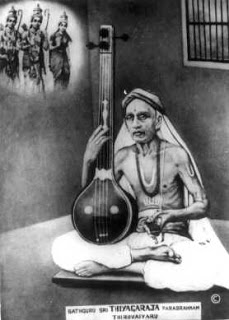
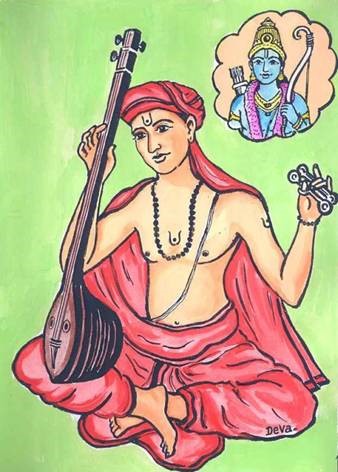
This is what Sri Tyagaraja advocates.
Bhakti- the straight path
Bhakti rahita sastra vidhati dura …..(Mamava Satatam)
He cannot be reached by those who have mastered the Sastras without Bhakti.
Valachi Bhakti margamu tonu ……(Chalamelara) With fondness, I am following the way of Bhakti. Chitta mandu ninnunchi premato jindunchu sad bhaktulanu uttamottama ……………(Raghunandana Rajamohana)
Those real bhaktas who always focus their minds on you and keep thinking of you with love- they are the best. Yogamu neepai anuraagamu …..(Ra ra Sita) To be devoted to you- this is all my yoga. Bhagavadagresarulaku Narada, Prahlada Parashara, Ramadasulu Baaguka Sri Raghuramuni padamula Bhakti jesina reeti Tyagarajuniki ipudu
Kaligi yunte gada …….(Kaligiyunte gada)
To be able to worship you as the best of the Bhagavatas – Narada, Prahlada, Parashara, (Bhadrachala) Ramadas did- well, Tyagaraja can only get this state if he had done meritorious karma in previous births. Sri Saketa Ramuni bhaktiyane Chakkani raja margamulu Devotion to Rama is the royal path. Anuragamuleni manasuna Sujnanamu raadu Without deep bhakti, true wisdom will not arise.
Real devotees do not seek anything other than Bhakti. Varalandu kommani nayandu Vanchana seyuda nyayama Na manasunu bhaktine gori yuntaka When my heart is yearning for your bhakti alone, is it proper for you to try to deceive me by asking me to seek ( other ) boons from you? Nee sadbhakti sagita sastra vihinulaku Mokshamu galata bhuvilo? Is liberation possible for those who lack true bhakti with knowledge of music? Nee bhakti bhagya sudha- nidhi needede janmamu bhubharamu gani
Those who have taken human birth but do not swim in the nectarine ocean of your devotion- they are just a burden on the earth! Padavi nee sadbhaktiyu galgute To be having true bhakti to you- this is the greatest position one can get. Chadivi Veda sastropanishattula satta deliya lenidi padava In spite of vast learning, not knowing the essence of Veda, Sastra, Upanishad- is this a position?
Tyagaraja is quite subtle here. He means that the essence of Veda, Sastra and Upanishad is devotion to Bhagavan. Compare:
Veda sastrani vijnanam ye tat sarvam Janardanaat. …Vishnu Sahasranamam. Vedas, sastras like Itihasa Puranas, and the spiritual knowledge based on experience- all these originated from Janardana. Etulaina bhakti vacchutake yatnamu seyave
By any kind of effort, strive to acquire devotion. ( He says further that it is because the world is surrounded by maya, the body is like a bubble on the surface of water, and devotion to Bhagavan is the medicine for the disease of samsara.)
This reminds us of the celebrated sloka in the Gita:
Tameva saranam gachcha
Sarva bhaavena Bharata
Tat prasaadaat paraam shantim
Stanam prapsyasi shasvatam. 18.62
Take refuge in Him with all your heart, O Bharata! By his grace you shall attain supreme peace and the eternal abode.
Yo Maam evam asammoodho
Jaanaati purushottamam
Sa sarvavid bhajati Maam
Sarva bhaavena Bharata 15.19
He who, free from delusion, thus knows Me, the Highest Spirit, he knowing all worships Me with all his heart, O Bharata!
Note: ‘Sarva bhavena’ can be rendered also as ‘By all means’, what Tyagaraja says ‘etulaina’.
Bhakti is its own reward
Bhakti biccha meeyave bhavuga magu satvika… Mukti kakhila saktiki tri murtula kati melmi Rama O Rama! Please grant me satvika bhakti, which confers auspiciousness. That is even greater than Liberation, all the saktis and even the Trimurtis. Idho bhagyamu gaaka yemi yunnadira Rama Sada nee pada pankajamulanu sammata muga sevinchuvaari O Rama! For those who always worship your lotus feet willingly, this is the greatest pleasure, and nothing else.
Sundara Dasaratha nandana hrudayaara Vindamuna ninnunchi tane brahma-
O the handsome one! Dasaratha’s son! For those who keep you always in their hearts and derive brahmananda, and wherever they see Lord Shiva wearing the moon, all the devas, noble Brahmins, treat them all as Yourself- for such people, what other pleasure is needed?
You told me that you will fall in the net of true devotees who depend on you, that you will make me swim in the ocean of bhakti- you told me this after much deliberation!
Fall in the net of true devotees: as Manickavachaka says: பக்திவலையில்படுவோன்காண்க
Nee namamu che namati nirmala mainati (jnana mosagarada) Through your nama samkirtana, my mind has become pure. Apparama bhakti yento goppara maa- trippatalanu nilpi kanti reppavalenu gaachuna
O my Father! Rama bhakti is so great! It will stop the thought waves of the mind and protect us like the eyelids protect the eyes!
Tyagaraja then enumerates the deeds of others done due to Rama bhakti-
Lakshmidevi valachuna
Lakshmanundu goluchuna
Sukshma bhddhi gala Bharatudu
Joochi joochi solasuna maa
Shabari yengi lichuna
Chandra dharudu mechchuna
Abhala Swamprabhaku daiva
machala padavi nichchuna maa
Kapi vaari dhaatuna
Kaliki rota gattunaa
Aparadhi Tyagraju
Kaanandamu hechchunaa maa
Appa Ramabhakti….
Unless the name is great
Will Lakshi undertake penance to attain Bhagavan?
Will Lakshmana serve so faithfully? Will Bharata, endowed with sharp intelligence, get infatuated ? Will Sabhari dare to offer the remnant of what she had tasted? Will Lord Shiva celebrate? Will God grant the fixed position to Swayamprabha? Can monkeys cross the ocean? Could Yashoda have tied (Krishna)?
That this Tyagaraja , a big sinner, got so much bliss is itself evidence of the greatness of Ramabhakti!
Tyagaraja Kritis for Parayana!
Tyagaraja kritis are full of such gems throughout. Unfortunately, in the ‘katcheri’ culture, not many are sung, and no song is rendered in full ( except the nominal Pancharatnas). But we can study the kirtanas with profit, as sahitya. In fact, we can do parayana: like the Bhagavata, it is full of the stories of devotees and the leelas of Bhagavan. Tyagaraja Swami himself has said they confer bhukti and mukti!
Pictures are taken from various sources for spreading knowledge; this is a non- commercial blog. Thanks for your great pictures.
இரத்தம் உறிஞ்சும் அட்டை வைத்தியம்
அட்டை (Leech) என்பது நீரில் வாழும் பிராணி . இதை பல நோய்களைத் தீர்க்க மனிதர்கள் பயன்படுத்தினர். இப்பொழுதும் மேலை நாடுகளிலும் ஆயுர்வேத வைத்திய சாலைகளிலும் அட்டையைப் பயன்படுத்துகின்றனர்.
சுஸ்ருதர் எழுதிய சுஸ்ருத சம்ஹிதை என்னும் மருத்துவ நூல் 2600 ஆண்டு பழமையானது.
சுஸ்ருதரும் அட்டை வைத்தியம் பற்றி எழுதி இருக்கிறார். அவர் சொல்வதாவது –
அட்டையை ஜல ஆயுகா என்று அழைப்பர் ; ஏனென்றால் தண்ணீரே அதன் உணவு ( ஆயுஹ் =உணவு );
மற்றொரு அர்த்தம்
தண்ணீரே அதன் வீடு என்பதாகும் ; ஒகஸ் = வசிக்கும் இடம்
அவைகளில் 12 வகைகள் உள்ளன. அவற்றுள் ஆறு வகை விஷமற்றவை விஷமுள்ள வவகைகள் பின்வருமாறு …………………………………………
…….. விஷம் இல்லாத வகைகள் இவை ; கிடைக்குமிடங்கள் — யவன, பாண்ட்ய, ஸஹ்ய, பவுத்தன முதலியன ; இங்கே காணப்படும் அட்டைகள் மிகப்பெரியவை.; வலுவானவை; ரத்தத்தை விரைவில் உறிஞ்சுபவை; அதிகம் சாப்பிடும்; ஆனால் விஷம் கிடையாது.
எப்படி வேலை செய்கிறது?
அட்டையின் எச்சிலில் (Saliva), அதாவது உமிழ் நீரில் அபூர்வ ரசாயனப் பொருட்கள் உள்ளன. 1.முதலாவது இது ரத்தத்தை உறையாமல் வைக்கிறது. 2.இரண்டாவதாக ரத்தத்தை இளகச் செய்கிறது. 3.அட்டை ஒருவரை கடிக்கும்போது வலி தெரியாமல் செய்ய சுரக்கும் திரவம் மயக்க மருந்து போல செயல்படுகிறது. 4.மேலும் ரத்தம் உறிஞ்சும் குணம் பாம்புக்கடி விஷம், சிலந்திக்கடி விஷயம் முதலிய விஷங்களை வெளியேற்ற உதவுகிறது. 5.உடலில் வெவ்வேறு இடத்தில் அட்டையைக் கடிக்க வைத்தால் ரத்த ஓட்டம் தங்கு தடையின்றி நடைபெறும். 6.மேலும் உடலில் நடைபெறும் ஜீரணம், உணவு தன்மயமாதல் முதலியவற்றிலும் உதவுகிறது. அட்டையைப் பயன்படுத்துகையில் 130 வெவ்வேறு ரசாயனங்கள் சுரப்பது கண்டறியப்பட்டுள்ளது.
அட்டை வைத்தியம் எகிப்து, கிரேக்கம் முதலிய நாட்டு படைப்புகளிலும் குறிப்பிடப்பட்டுள்ளதால் இதற்கு 3000, 4000 ஆண்டு வரலாறு இருக்கிறது. மெசப்பொட்டேமியா மாயா , அஸ்டெக் நாகரீகங்களிலும் பயன்பட்டது.
இந்தியாவில் சில ஆயுர்வேத மருத்துவ சாலைகளில் இது இன்றும் பயன்படுத்தப்படுகிறது. அமெரிக்கா, ஜெர்மனி, போலந்து, ஆஸ்திரியா முதலிய நாடுகள் இதை விஞ்ஞான பூர்வமானது என்று அங்கீ கரித்திருப்பதால் இந்த சிகிசிசை அங்கு கிடைக்கிறது.
என்ன நோய்கள் குணமடையும்?
இருதய நோய்கள், எக்சிமா என்னும் சொறி சிரங்கு, இரத்த சம்பந்தமான நோய்கள், கீல் வாதம், மூட்டுவலி முதலிய வியாதிகளைக் குணப்படுத்த அட்டை வைத்தியம் பயன்படுகிறது. டெமி மூர் (Hollywood Actress Demi Moore) என்னும் அமெரிக்க நடிகை, தான் இதில் பலன் அடைந்ததாக பகிரங்கமாகவே அறிவித்துள்ளார்.
ஒருவருடைய முகத்திலுள்ள(Facial wrinkles) சுருக்கங்களை நீக்கி இளமைப் பொலிவு அதிகரிக்க அட்டை வைத்தியம் உதவும். முகத்தில் பல இடங்களில் அட்டையைக் கடிக்க வைத்தால் அது சுரக்கும் மயக்க மருந்தானது முகத்தின் தசைப் பகுதியை மரத்துப்(Partial paralysis) போகச் செய்யும்; இதன் மூலம் முகத்தின் தோலில் காணப்படும் சுருக்கங்களை அகற்றலாம்..
2600 ஆண்டுகளுக்கு முன்னர் வாழ்ந்த சுஸ்ருதர் உலகத்தின் முதல் அறுவைச் சிகிச்சை நிபுணர்; இதை உலகம் முழுதும் ஒப்புக்கொண்டுள்ளது. ஆஸ்திரேலியா முதலிய நாடுகள் அவருடைய சிலையை வைத்து மரியாதை செய்திருக்கின்றன. லண்டனிலுள்ள வெல்கம் மருத்துவ ஆய்வு நிலையம் இவருடைய அறுவைச் சிகிச்சை கருவிகளைக் காட்சிக்கு வைத்தது (அதற்குச் சென்று வந்த பின்னர் இந்த பிளாக்கில் படத்துடன் கட்டுரை எழுதியுள்ளேன்.).
Demi Moore
அட்டையின் விலை என்ன?
சுஸ்ருதர் அந்தக் காலத்திலேயே 12 வகைகளைக் குறிப்பிட்டு ஆறுவகைகளுக்கு விஷம் இல்லை என்று எழுதி வைத்துள்ளார். ஐரோப்பியர்களும் ஒரு குறிப்பிட்ட வகையை மட்டும் பயன்படுத்துகின்றனர். இந்தக் கட்டுரை எழுதும் நாளில் ஒரு அட்டை விலை எட்டு (euro) யூரோ, அதாவது 8X 83 ரூபாய் = 664 ரூபாய்.
ஆயுர்வேத நூல் களில் ரக்த மோக்ஷ கர்ம (ரத்தத்தை வெளியற்றல்)அல்லது ஜலூகா அவசரண சிகிச்சை என்பர் மேலைநாடுகளில் Hirudin Therapy ஹிருதினோ தெரபி என்பர். ஒரு முறை சிகிசிசைக்கு ஆகும் செலவு , கட்டுரை எழுதும் நாளில் 40 யூரோ .ஒரு யூரோ = 83 ரூபாய்
ஒரு சிகிச்சசைக்கு ஆகும் நேரம் 1 மணி அல்லது ஒன்றரை மணி. எத்தனை அட்டைகள் தேவை என்பது சிகிச் சையைப் பொறுத்தது . ஒரு அட்டையைக் கடிக்க வைக்கையில் முள் குத்தும் உணர்ச்சி ஏற்படும். பின்னர் வலி தெரியாமல் இருக்க அட்டையே ஒரு திரவத்தைச் சுரந்து விடும் அது இருப்பதே தெரியாது . அது ரத்தத்தைக் குடித்து திருப்தி அடையும் வரை எடுக்க முடியாது. ஏனெனில் ரம்பம் போன்ற பற்களால் சதையைப் பிடித்துக் கொண்டு இருக்கும். ரத்தம் உறிஞ்சி வயிறு நிரம்பிய பின்னர் அதுவே விலகும் வீக்கம் , காயம் வராமல் இருக்க ஒரு திரவத்தைச் சுரந்து விட்டு பிடியைத் தளர்த்தும் அதாவது தான் பயன்படுத்திய அதே மிருகத்தை மீண்டும் பயன்படுத்துவதற்காக இப்படி ஒரு பாதுகாப்பு ஏற்பாடு!
ஒரு அட்டை 15 ml (எம் எல் மில்லி லிட்டர்) வரை ரத்தத்தை உறிஞ்சும் . பின்னர் ஓராண்டு வரை கூட சாப்பிடாமல் உயிர் வாழும் . ஜெர்மனி முதலிய நாடுகள் ஒரு அட்டையை ஒரு முறை மட்டுமே பயன்படுத்தலாம் என்று சட்டம் இயற்றியுள்ளன. அவற்றை உடனேயே கொல்லக்கூடாது என்ற மனிதாபிமான அடிப்படையில் ‘ஓய்வூதியம் பெறும் ‘ அட்டைகளுக்காக தனி குளத்தை கட்டி வைத்துள்ளனர். செய் நன்றி மறக்கக் கூடாதல்லவா ?
tags – இரத்தம் , அட்டை, வைத்தியம், leech therapy, சுஸ்ருதர்
Post No. 8032Date uploaded in London – – – 24 May 2020 Contact – swami_48@yahoo.com
Pictures are taken from various sources for spreading knowledge; this is a non- commercial blog. Thanks for your great pictures. ஹிந்தி படப் பாடல்கள் – 46 – இரு கனவுகள்! R. Nanjappa இரு கனவுகள்! முன்பெல்லாம் ஒரு சினிமாவில் ஒரு டிசைனில் புடவை வந்தால், அது அதே பெயரில் ஃபேஷனாகி விடும். அதே போல சில வகைப் பாடல்களும் ஒரு போக்காக அமைந்துவிடும்.. பியானோ பாட்டுக்கள், படகில்போகும் பாடல்கள், கிளப் பாட்டுக்கள், பார்ட்டி பாட்டுக்கள் என்று இப்படி ஒரு நடை உருவாகிவிடும்! தமிழ்ப் படங்களுக்கு “ப” வரிசையில் பெயர் வைத்தது போல- அது ஒரு சீஸன்! இசைஞர்கள் ஒருவரை ஒருவர் மிஞ்ச முயற்சி செய்ததால், இத்தகைய பாடல்கள் பொதுவாக நன்றாகவே, இனிமையாகவே இருந்தன! பார்ட்டி என்றால் ஏதோ பெரிய கும்பலாகத்தான் இருக்க வேண்டுமென்பதில்லை, பெரிய ஹாலில் தான் நடக்க வேண்டுமென்பதில்லை! சிறு வீட்டில், வேறு இடத்தில் ஒரிருவர் இருந்தலே போதும்! அப்படி இரு பாடல்களைப் பார்க்கலாம்.
தேரே லியே ஹி ஸாத் ரங்க் கே (1971) मैंने तेरे लिए ही सात रंग के सपने चुने सपने, सुरीले सपने कुछ हँसते, कुछ गम के तेरी आँखों के साये चुराए रसीली यादों ने
छोटी बातें, छोटी-छोटी बातों की हैं यादें बड़ी भूले नहीं, बीती हुई एक छोटी घड़ी जनम-जनम से आँखे बिछाईं तेरे लिए इन राहों ने मैंने तेरे लिए ही सात…
भोले-भाले, भोले-भाले दिल को बहलाते रहे तन्हाई में, तेरे ख्यालों को सजाते रहे कभी-कभी तो आवाज देकर मुझको जगाया ख़्वाबों ने मैंने तेरे लिए ही सात… रूठी रातें रूठी हुयी रातो को जगाया कभी तेरे लिए मीठी सुबह को बुलाया कभी तेरे बिना भी तेरे लिए ही दिए जलाये राहो में मैंने तेरे लिए ही सात रंग के सपने चुने सपने सुरीले सपने.
மைனே தேரே லியே ஹீ ஸாத் ரங்க்கே ஸப்னே சுனே,ஸப்னே, சுரீலே ஸப்னேகுச் ஹன்ஸ்தே, குச் கம் கேதேரீ ஆன்கோ கே ஸாயே சுராயே ரஸீலீ யாதோ(ன்) நேஉனக்காகவென்றே நான் வண்ண வண்ண கனவுகளைத் தேர்ந்தெடுத்தேன்!கனவுகள் – இனிய இசையுடன் கூடிய கனவுகள் !சில – மகிழ்ச்சியானவை, சில வருத்தத்துடன் கூடியவைஇனிய நினைவுகள் உன் கண்ணின் சாயையைக் கொள்ளை கொண்டு விட்டன!
பேசிய சின்னச் சின்ன விஷயங்கள்-சின்னச் சின்ன விஷயங்கள் பெரிய நினைவுகளத் தந்துவிடுகின்றன!கடந்த காலத்தின் ஒரு கணத்தைக் கூட நான் மறக்கவில்லை!ஜன்மம் ஜன்மமாக நான் இந்தப் பாதையில்உனக்காகப் பார்த்துக் கொண்டிருக்கிறேன்!உனக்காகவே இந்த வண்ணக் கனவுகள்!
கள்ளம் கபடில்லாமல் இந்த மனதை விளங்கச் செய்தேன்தனிமையில் உன்னைப் பற்றி நினைத்தேன்எப்பொழுதாவது, குரல் கொடுத்து –கனவுகள் என்னை எழுப்பிவிடும்!..உனக்காகவே இந்த பல வண்ணக் கனவுகள்!
மனதிற்கு வருத்தம் தரும் இரவுகள்- சில சமயம் சமாதானம் செய்தேன்உனக்காக இனிய காலை நேரத்தை சில சமயம் திரும்ப அழைத்தேன்நீ இல்லாவிட்டாலும் உனக்காகவே வழியில் விளக்குகளை ஏற்றி வைத்தேன்!உனக்காகவே இந்த வண்ண வண்ணக் கனவுகள்..!
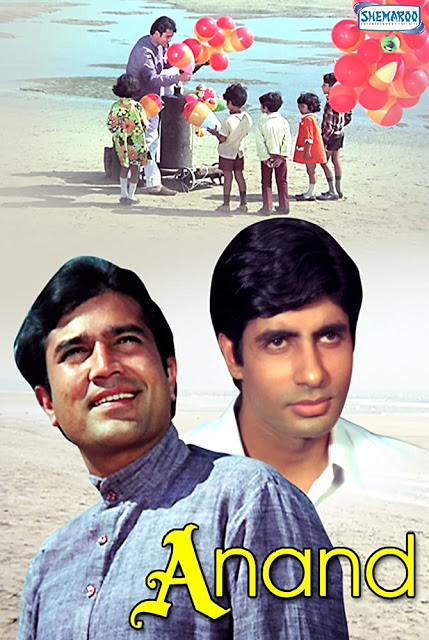
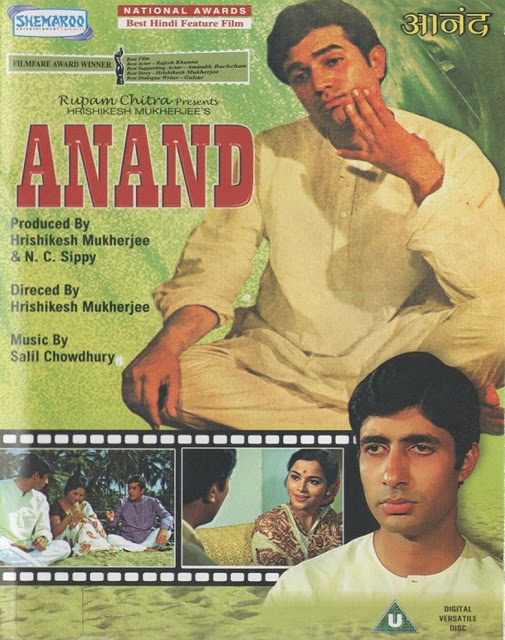
Song: Tere liye hi saat rang ke Film: Anand 1971. Lyricist: Gulzar Music: Salil Chowdhury Singer : Mukesh எத்தனை அருமையான பாட்டு! உருக்கமாகப் பாடியிருக்கிறார் முகேஷ்- அவர் குரலில் இயற்கையாக இருக்கும் தன்மை இது-இந்தப் பாட்டிற்கும் இந்தப் பாத்திரத்திற்கும், சூழ்நிலைக்கும் மிக நன்றாகப் பொருந்துகிறது. சலில் சவுத்ரியின் இசை இங்கு எளிமையாக இருக்கிறது- மெட்டு அழகிய நதிபோல் நேராகப் போகிறது. குல்ஃஜாரின் கவிதை ஒருமாதிரி இருக்கும்- கற்பனை, உருவகங்கள் வித்தியாசமாக இருக்கும். இங்கு – அதிகம் சிரமப்பட வேண்டியதில்லை. சிலவற்றை ஊகித்துக் கொள்ள வேண்டும்! இந்தப் படத்திற்கு லதா மங்கேஷ்கரை இசைஅமைக்கச் சொன்னார் ரிஷிகேஷ் முகர்ஜி. லதா பாடுவதற்கே சம்மதித்தார்! அச்சமயத்தில் ராஜேஷ் கன்னாவுக்கு பின்னணி பாடியவர் கிஷோர்குமார், ஆனாலும் இந்தப் படத்தில் முகேஷ், மன்னா டே பாடினார்கள். பொருத்தமாக அமைந்துவிட்டது. பாட்டிற்கேற்ற பாடகரைத் தேர்ந்தெடுப்பதில் இசைஞரின் தனித் திறமை பளிச்சிடுகிறது. இந்தப் பாட்டில் மூன்று சரணங்கள் இருக்கின்றன. எந்த வீடியோவிலும், ரெகார்டிலும் மூன்றும் இல்லை! இது பழைய நாட்களில் 78 rpm இருந்த போது நடக்கும். இப்போது தொழில் நுட்பம் வளார்ந்த பிறகும் ஏன் இப்படி? நமது இசை, காசுப் பிசாசுகளிடம் மாட்டிக் கொண்டிருக்கிறது! ஆனந்த் படத்தைப் பார்க்காதவர்கள் அவசியம் பார்க்கவும். பாட்டுகளை இன்னும் ரசிக்கலாம்.
இன்னொரு சூழ் நிலையில் மற்றொரு பாடல்
அஜீப் தாஸ்தான் ஹை யே (1960)
अजीब दास्ताँ है ये कहाँ शुरू कहाँ ख़तम ये मंज़िलें है कौन सी न वो समझ सके न हम अजीब दास्ताँ है ये…
ये रौशनी के साथ क्यूँ धुआं उठा चिराग से ये ख्वाब देखती हूँ मैं के जग पड़ी हूँ ख्वाब से अजीब दास्ताँ है ये…
मुबारकें तुम्हें के तुम किसी के नूर हो गए किसी के इतने पास हो के सबसे दूर हो गए अजीब दास्ताँ है ये…
किसी का प्यार ले के तुम नया जहां बसाओगे ये शाम जब भी आएगी तुम हमको याद आओगे अजीब दास्ताँ है ये…
இது ஒரு வினோதமான கதைஎங்கே ஆரம்பம், எங்கே முடிவு-இதன் இலக்கு என்ன?அவருக்கும் தெரியவில்லை, எனக்கும் தெரியவில்லைஇது வினோதமான கதை!.யே ரோஷனீ கே ஸாத் க்யூ(ன்)துவா உடா சிராக் ஸேயே க்வாப் தேக் தீ ஹூ(ன்) மைகே ஜக் படீ ஹை க்வாப் ஸே அஜீப் தாஸ்தான் ஹை யே... இந்த ஓளியுடன் ஏன் புகையும் இந்த விளக்கிலிருந்து கிளம்புகிறது?நான் ஏதேனும் கனவு காண்கிறேனாஅல்லது கனவிலிருந்து விழித்துகொண்டு விட்டேனா?இது வினோதமான கதை….
முபாரகே(ன்) தும்ஹே கே தும்கிஸீகா நூர் ஹோ கயேகிஸீ கே இத்னே பாஸ் ஹோகே ஸப்ஸே தூர் ஹோகயே
அஜீப் தாஸ்தான் ஹை யே. நீ ஒருவருடைய வாழ்வில் ஒளியாகிவிட்டாய்.உனக்கு வாழ்த்துக்கள்.ஒருவருக்கு இவ்வளவு நெருங்கி வந்து விட்டாய்-அதனால் மற்ற அனைவரிடமிருந்தும் விலகிவிட்டாய்!..இது விநோதமான கதை!
கிஸீ கா ப்யார் லேகே தும்நயா ஜகஹ் பஸாவோகேயே ஷாம் ஜப் பீ ஆயேகீதும் ஹம்கோ யாத் ஆவோகேஅஜீப் தாஸ்தான் ஹை யேஒருவருடைய அன்பைப் பெற்றுநீ புதிய உலகைத் தொடங்குவாய்இந்த மாலைப் பொழுது வரும்போதெல்லாம்உன் நினைவு எனக்கு வரும்.இது வினோதமான கதை!
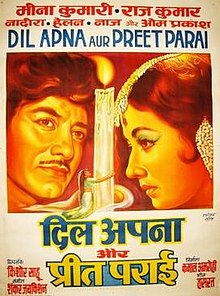
Song: Ajeeb dastan hai ye Film: Dil Apna aur Preet parai 1960 Lyrics: Shailendra Music: Shanker Jaikishan Singer: Lata Mangeshkar & chorus
What a beautiful melody this is! 60 வருஷங்களுக்குப் பிறகும் மங்காமல் இருக்கிறது! இது கதையுடன் தொடர்புடைய பாடல்- ஆனாலும் சில பொது விஷயங்களைச் சொல்கிறார் ஷைலேந்த்ரா! ஒளியுடன் புகையும் ஏன் வருகிறது? ஒருவருக்கு நெருங்கிப் போனால் மற்றவர்களிடமிருந்து விலகிப் போகவேண்டுமா? யோசிக்கவேண்டிய விஷயம்! முதல் பத்தியை வாழ்க்கைக்கே உருவகமாகக் கொள்ளலாம். வாழ்க்கை என்ற நதியில் விதி என்ற படகில் போகிறோம்! இதன் இலக்கு என்ன? இது தெரிந்தால் வாழ்க்கை என்னும் புதிர் அவிழ்ந்துவிடும்! “நீர் வழிப் படூஉம் புணைபோல் ஆருயிர் முறைவழிப் படூஉம் என்பது திறவோர் காட்சியில் தெளிந்தனம் ” என்பது புறநானூறு. 1960-ஷங்கர் ஜெய்கிஷனின் இசையில் இனிமை ஆட்சிபுரிந்தது! இந்தப் படத்தின் இசைக்கு அவர்களுக்கு ஃபிலிம்ஃபேர் அவார்டு கிடைத்தது- ஆனால் இது விவாதத்தைக் கிளப்பிவிட்டது. (தோற்றது- நௌஷத்தின் முகல்-ஏ-ஆஃஜம்!) இரண்டு பாடல்களும் கனவு பற்றிப் பேசுகின்றன! கனவு காண்கிறேனா, விழித்துக்கொண்டு விட்டேனா?
இது சீன தத்துவ அறிஞர் Zhuangzi கூறியதை நினைவு படுத்துகிறது:
Once upon a time, I, Chuang Chou, dreamt I was a butterfly, fluttering hither and thither, to all intents and purposes a butterfly. I was conscious only of my happiness as a butterfly, unaware that I was Chou. Soon I awaked, and there I was, veritably myself again. Now I do not know whether I was then a mandreaming I was a butterfly, or whether I am now a butterfly, dreaming I am a man.
அற்புதமான சுபாஷிதங்கள் பல்லாயிரக்கணக்கில் சம்ஸ்கிருத பாஷையில் உள்ளன. அவற்றில் சில :
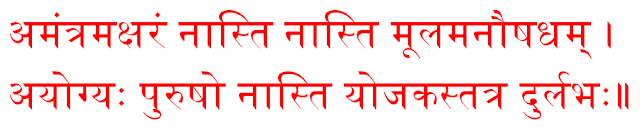
அமந்த்ரமக்ஷரம் நாஸ்தி நாஸ்தி மூலமனௌஷதம் |
அயோக்ய: புருஷோ நாஸ்தி யோஜகஸ்ததத்ர துர்லப: ||
மந்திரத்தின் பயன் தராத எந்த ஒரு அக்ஷரமும் இல்லை; மூலிகையின் பயன் தராத எந்த ஒரு செடியின் வேரும் இல்லை; மனிதர்களில் பயன்படுத்த முடியாதவன் என்று யாரும் இல்லை. ஆனால் இவற்றில் தகுதியையும் பயனையும் அறிந்து அவற்றைத் தகுந்த முறையில் பயன்படுத்தும் ஒருவனைக் கண்டுபிடிப்பது தான் கஷ்டமான காரியம்!
There is no letter that cannot be used as a mantra; there is no root without some medicinal value, and there is no person who is absolutely useless. A yojaka i.e. a person who can identify their utility and put them to proper use is, however, always rare. (Translation by Hindu Swayamsevak Sangha – edited by Dr Shrinivas Tilak)
There is no letter (spoken around) that does not work like a charm, no root that does not work like a medicine, and no undeserving person. But it is difficult to find a person who can realize the potentialities in the above way and associate them with action. (Translation by Dr. T.S. Gourypathy Sastry)
*
அல்பானாமபி வஸ்தூனாம் சஹதி: கார்யசாதிகா |
த்ருணைர்குணத்வமாபன்னைர்பத்யந்தே மத்ததந்தின: ||
மிக அற்பமான வஸ்துக்கள் கூட ஒன்றாகத் திரளும் போது கார்யத்தை சாதிக்கின்றன. வலிமையான யானைகள் கூட புல்கட்டுகள் ஒன்று திரண்டு கயிறாக்கப்படும் போது கட்டப்பட்டு விடுகின்றன.
The group of even trivial things (united) accomplishes the action. The rutty elephants are tied by means of a rope formed of blades of grass. (Translation by Dr. T.S. Gourypathy Sastry)
*
க்ஷமா பலமஸக்தானாம் ஸக்தானாம் பூஷணம் க்ஷமா |
க்ஷமா வஸீக்ருதிலோகீகே க்ஷமயா கிம் ந சாத்யதே ||
பொறுமை பலவீனர்களின் பலமாகும். சக்தி படைத்தவர்களிடம் ஆபரணமாகும். பொறுமையே அனைத்தையும் ஒருவனின் வசமாக்குகிறது. பொறுமையினால் எது தான் அடைய முடியாது!
Forbearance is the strength of the weak and an ornamental of the strong. It is forbearance that brings objects under one’s control. What is not achieved by forbearance? (Translation by Dr. T.S. Gourypathy Sastry)
*
ப்ரியவாக்யப்ரதானேன ஸர்வே துஷ்யந்தி ஜந்தவ: |
அதஸ்ததேவ வக்தவ்யம் வசனே கா தாரித்ரதா ||
இனிய வார்த்தைகளால் அனைவரும் மகிழ்ச்சி அடைகின்றனர். ஆகவே சாதாரணமான இனிய வார்த்தைகள் பேசுவதில் ஏன் தரித்திரம் இருக்க வேண்டும்?!
All feel delighted by pleasant talk. Hence one should talk pleasantly. Why should there be poverty for a mere (plesant) talk? (Translation by Dr. T.S. Gourypathy Sastry)
*
பூர்வஜன்ம க்ருதம் கர்மே தத்தைவமிதி கத்யதே |
தஸ்மாத் புருஷகாரேண வினா தைவம் ந சித்யதி ||
சென்ற ஜன்மத்தில் செய்த வினைகளே (அதிர்ஷ்டம் அல்லது) தெய்வம் ஆகும். ஆகவே முயற்சியின்றி (அதிர்ஷ்டம் அல்லது) தெய்வம் வெற்றி பெற முடியாது.
The endeavour made in the last birth is what is known as (luck or) God. Hence no God (or luck) can succeed without endeavour. (Translation by Dr. T.S. Gourypathy Sastry)
Pictures are taken from various sources for spreading knowledge; this is a non- commercial blog. Thanks for your great pictures.
tamilandvedas.com, swamiindology.blogspot.com
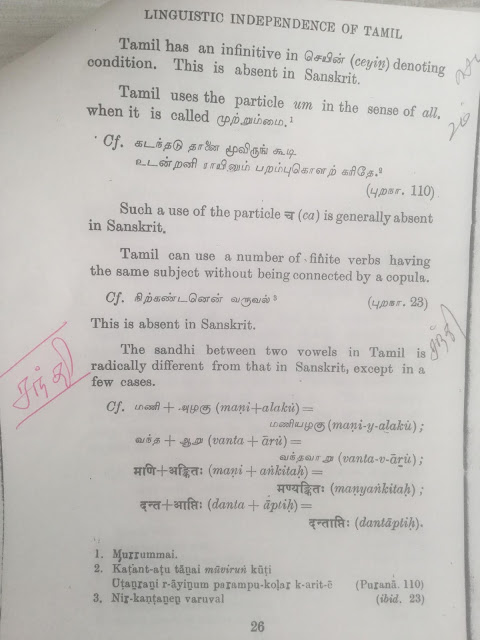
P S SUBRAHMANYA SASTRI’S LECTURE ON TAMIL SANSKRIT RELATIONSHIP IS CONTINUED; HERE IS PART THREE.
BULLET POINTS
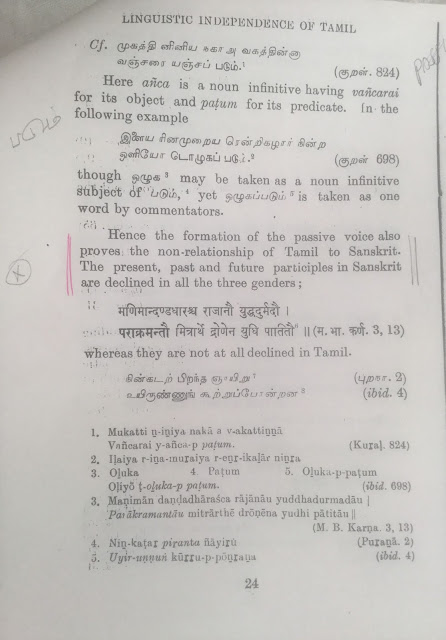
PAGE 24 -PASSIVE VOICE FORMATION
Tamil and Sanskrit form passive voice differently
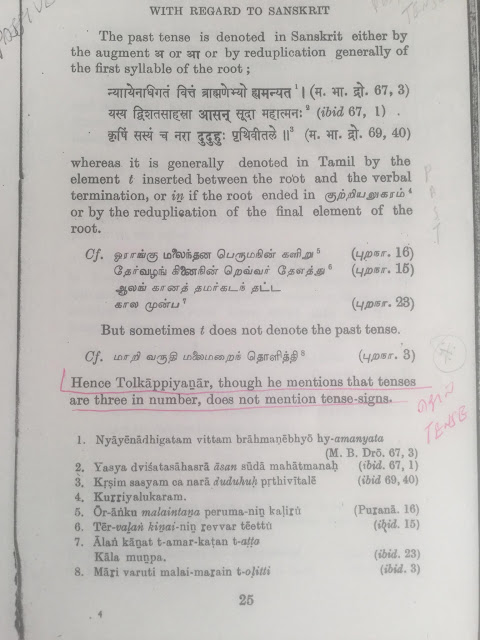
Page 25 – formation of past tense is also different
Page 26 – some sandhi rues are different
Page 27 – Sanskrit words in modern tamil
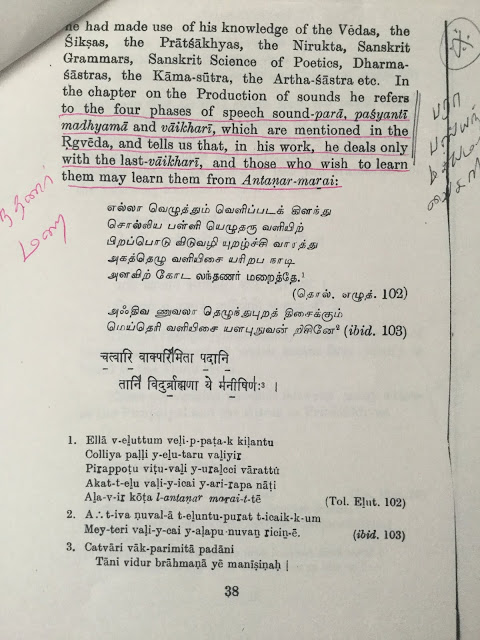
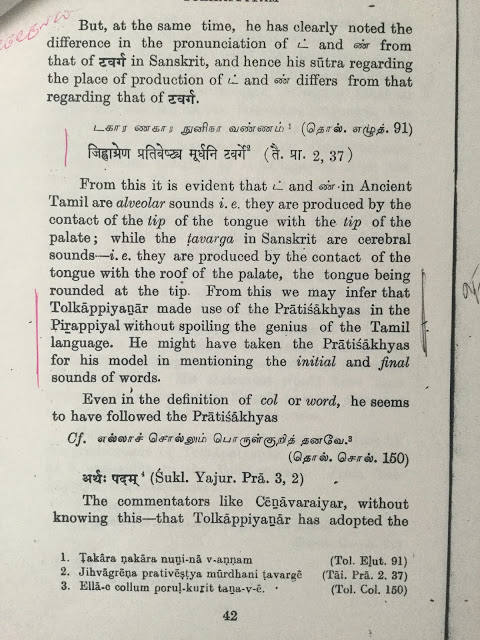
Page 28 – Tolkappiar on Sanskrit
Tamil influence on Sanskrit
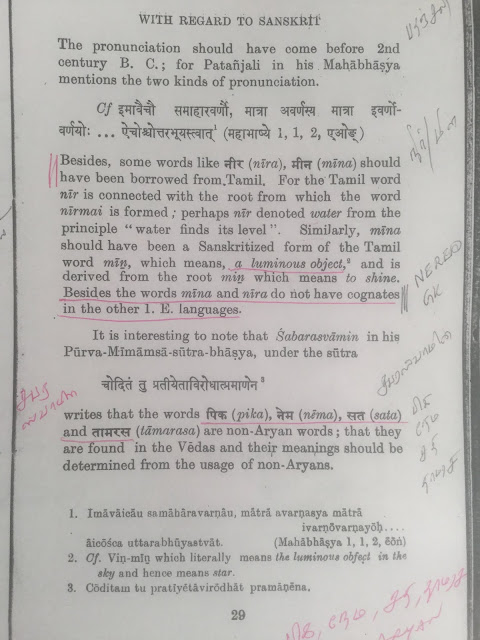
Page 29 – nir/water, min/fish in Sanskrit came from Tamil
SABARA SWAMIN ON NON-ARYAN WORDS
PIKA, NEMA, SATA, TAMARASA
PAGE 30 AND 31 – I DID NOT COPY THEM BECAUSE IT WAS IN SANSKRIT; BUT I HAVE ADDED THE SAME MATTER FROM ‘YONAS AND YAVANAS IN INDIAN LITERATURE’ by Finnish Oriental Society.
ON PAGE 30 FOLLOWING ENGLISH MATTER IS PRINTED—
“Kumaraila Bhatta in his commentary on the same bhasya goes further and says that, when words are borrowed from foreign languages like the Dravidian languages, they are slightly changed in form , and fanciful derivations are given to them”
Pictures are taken from various sources for spreading knowledge; this is a non- commercial blog. Thanks for your great pictures.
SRI TYAGARAJA-14 Way out of Karma
Hinduism is practical
Hindu religion is not centered on philosophical speculation, or too much of theoretical discussion. It takes certain facts as ‘given’ and prescribes certain practices-sure methods- for the realisation of Truth or the aim of life. There is remarkable level of uniformity or similarity in practice among the various branches, no matter the doctrine or dogma or philosophy they follow.
The social structure and other arrangements were designed to facilitate this. It is in this sense that our civilisation is ‘spiritual’.- not in he sense of being “other worldly” The worldly life is not neglected or negated, but made an instrument of the spiritual quest or aim. Thus all life becomes Yoga, as Sri Aurobindo says.
If we take the Veda and the Upanishad, there is practically no theoretical discussion in them, or speculation, on the nature of God, or world, or anything, though it is the fashion to talk of the ‘philosophy’ of the Upanishads.‘Ekam Sat, viprah bahuda vadanti’- That which is, is One ; sages call it variously- declares the Veda. There is no argument, or effort to force this conclusion on any one. In the Upanishad, which is the concluding part of the Veda, (hence Vedanta) the Sages (Rishis) simply relate their experiences and invite the student to undergo the required discipline and find out the truth for himself. They lead the sincere aspirant towards Truth- hence ‘upanishad’. The ultimate quest is for the unifying knowledge- ‘knowing which everything becomes known’. ( cf.ஒன்றாகக்காண்பதுவேகாட்சி– ஔவையார்.)
The Rishis approach the Truth from various angles, but don’t label them or make them into doctrines or cults,.. Later ‘intellectuals’ have developed any number of theories and theologies. The more confusion is created, and doubt sown, the greater is the intellectual!
Given Facts
What are the ‘given’ facts? It is that the world follows some order-Ritam. In practice, this becomes ‘dharma’. Dharma is accomplished through ‘karma’. The effect of past karma causes birth, and karma done now decides future births. So karma is both limitation and opportunity. Karmas are based on guna, which connects one to the world of prakriti. The human situation is coloured by guna, and the human effort is to transcend guna. ‘Traigunya vishayo Veda, nistraigunyo bhava’, is what Krishna tells Arjuna. .
How is this to be accomplished? Either by enquiry into one’s real nature- the real nature of one performing karma, or by surrendering to the Divine Power and seeking His (or Her or Its) grace. Though later thinkers have developed all sorts of fancy theories, some common facts are accepted by all Hindu sects in practice..These are:
1. Ekam Sat. 2. Bhukti and Mukti, Purusha and Prakriti, Papa and Punya , sukha and dukkha, etc 3. Three gunas, three states of consciousness, three states of manifestation ( srishti, stiti, layam), three taapas,three basic categories-jiva, jagat, Ishvara, three categories of Karma, 4. Four Varnas, Asramas, Purusharthas, Antahkaranas: manas, buddhi, chitta and Ahankara 5. Pancha bhutas, pancha indriyas, pancha maha yajnas 6. Six internal enemies, six senses, six Vedic deities, six darshanas, 7. Seven lokas (states of consciousness or planes of being), Sapta rishis, 8. Ashta vasus, ashta siddhis, 9. Nava grahas 10. Ten indriyas, Ten Avataras, etc
With many permutations and combinations out of these, many theories have evolved, both in philosophy and in theology. But the basic sub-stratum of Hindu sects is Karma and rebirth, avatara vada and the concept of adhikari bheda.
Can Karma be subdued?
The most important practical question for man is, if the present birth is the result of past karma, can the pain or suffering due to past bad karma be eradicated or lessened? Can man obtain relief from suffering? There are two clear answers: The absolute Vedantins say that the past karma is like a sent arrow or bullet; it cannot be called back or interfered with. Prarabda is pre-determined, and fixed. They hold that kama and artha are entirely due to prarabda. Our only freedom is to practice dharma and strive for Moksha, which is the real purushartha.( The popular astrological wisdom also goes: Padavi poorva punyanam)
The devotees of God say Divine grace can change the situation. ( W e now have missiles which can pursue and nullify any previously launched weapon or vehicle!)After all it is God who dispenses the effects of karma.He CAN dispense with it! We can never know, we pray and leave matters to Him. Many saints are known to have helped devotees overcome or mitigate their suffering. Popular religion is overwhelmingly based on the power and promise of practical relief, not just promises. It is resorted to as an aid to a prosperous worldly life, not for seeking Liberation.
Karma in many aspects
Sadguru Tyagaraja has reflected on these aspects and given us his advice. We should always remember that Tyagaraja speaks out of personal experience, not out of theoretical knowledge. There is no speculative element in his advice.
Satya roopa ninunu sannuti jesi
Tatvamu delisina Tyagaraju …..(ninnade naela)
This Tyagaraja has had your darshan, O of the form of Truth, and has understood the Truth.
People are bound by karmas; to escape from them, they require Divine grace- this is the basic approach of Tyagaraja. Sakala lokula phalaphalamu lerigi samrkshinchuchu nundaka ..(Aparadamula)
You know the results of the various karmas of people and you save them.
Bahu janmambula vasanayutulai Aahivisha sama vishaya krushtulai bahiraananulai ………..(Yajnadulu) People are governed by the vasanas of many previous janmas , are attracted by sense pleasures which equal the poison of the snake, and are world-oriented.
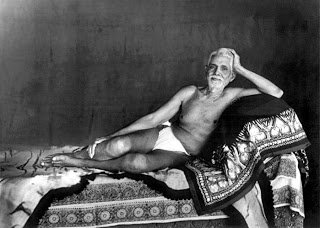
What is this vasana business? Suppose I am fond of coffee and used to a hot cup at 3 p.m.every day. If I have it today, I am satisfied, but this leaves the trace of its craving in me, and makes me anticipate it the next day too. Thus the momentary satisfaction of actually obtaining the object of desire is not the end of the matter. The craving remains. This is the vasana. Karma thus acts like the seed of further karma. When Jnanis warn us about karma, it is due to this. Ramana Maharshi says in his Upadesa Undiyar ( Upadesa Saram in Sanskrit):
Why have these people not understood your greatness, O Rama? What kind of karmas did they perform in previous births? (It is only by God’s grace due to good karmas
that we can even get devotion!
அவனருளாலே அவன்தாள் வணங்கி- மாணிக்கவாசகர்
We get devotion by His grace- Manickavachaka)
Nija bhakta nichaya paapa vimochana Gala pirudu lella goni ….(Yochana) You have acquired the title of one who destroyed the sins of real devotees.
Saranagata janaka nivaranabja……(Krupalavala) One who destroys the sins of those who take refuge in Him. Samsara chidraarttini teerche saktini ……(Talasinantate)
Your power which destroys the troubles and pain caused in samsara.
There is a kriti in which Tyagaraja indicates negatively what kind of Karma of previous births causes good results in this birth.
Toli ne jesina puja phalamu delisenu na paali daivama Paluvidha mula ne dalachi karagagaa balukaka ni vadu neniti gaaka Sarivaralalo jaulaka jesi vu- dara poshakulanu boruguna jesi haridasa rahita puramuna vesi dari jupakundaga Tyagararchita
My God who saves me! Even though I have been praying in many ways with deep yearning of the heart, you are indifferent; and I am neglected. From this, I have understood the (poor) effect of the pujas I did in my previous births.
You have let me get humiliated among my peers; you have surrounded me with people who are only interested in feeding their belly; you have made me reside in a place lacking in real devotees of God ( Haridasas); And you have not shown me a way out. From this I understand the effect of my pujas in poorva janmas!#
That is to say, it is only due to previous good karmas that one gets esteem among people, good company, the company of devotees, and a righteous way of living.
The same refrain he repeats elsewhere: Toli nenu jesina puja phala meelage velavesi teeyaga vachchuna veda deeruna manasaraga
It seems so little is the result of my pujas in previous births! Is it possible to purchase good results by paying a price? Will our troubles end by that?
We may recall here that in the very first hymn that Jnanasambandha sings – “todudaiya seviyan”, as a boy of 4, he refers to his having done puja with many flowers in previous births:
ஏடுடையமலரால்முனைநாள்பணிந்தேத்தஅருள்செய்த
Edudaiya malaraal munai naal panindaetta arul seida You blessed me to perform your puja with many flowers in previous days (births) Toli dushkrutamula nanase ni birudu. ………………… (Yuktamu gaadu) Your fame as one destroying old karmas Toli jesina papavana kudarama…..(Sara sara ) You are the axe to destroy the forest of sins committed in the previous births.
O the one who grants one’s desires! Can I get my desire fulfilled unless it is earned by my previous good karmas? In this Kali age, without knowing the truth, I blamed you. Don’t get annoyed with me. For Tyagaraja to obtain bhakti for your feet like the best of the bhagavatas- Narada, Prahlada, Parashara, (Bhadrachala) Ramadasa- is it possible unless it is destined by his good karma ?
Prarabdamitluntaka orula nana pani ledu
When my prarabda is like this, what is the point in blaming others? Ghanagha jeemutachuka ….(nenarunchinanu) You are like the strong wind that disperses the clouds of sins.
When there is Sitapati, bearing the sword called Nandaka, ready to destroy the forest of sins committed in previous births and confer ananda,
O Mind, what else do you want? Why are you not happy?
Kaamaadi lobha mohamada stoma tamam mulakunu soma surya netrudaina Sri Ramachandarude neeyandundaka, Ikakaavalasinademi
There is Sri Ramachandra, with Surya and Chandra like his two eyes, to remove the darkness caused by the combination of the six bad traits- internal enemies (of kama, kroda, lobha, moha, mata, maatsarya), what else do you want?
Bhakta papa vimochana………(Na moralanu) Rama is the one who removes the sins Sanchita karmamu tolakinchi nannae vela karuninchi broche daivamu …… (Ninne nera—Arabi)
Destroying my accumulated karmas, always bestowing his compassion on me, the God who protects me.
O Lotus-eyed One! What is the use of blaming you? Things only happen according to old karmas! God protects according to the Dharma observed. The quality of thoughts decides the level of spiritual outcome.
Worldly entertainment obtained is according to the money spent.
Vaari vaari manchiki dagi nattu vaari vaari bhagyamu leevaade- vaari …….(Sri Raghuvara) Will you not confer happiness on people according to their good deeds? Sujana nichaya paapa hima chanda surya ……..( Neevera kuladanamu) The Sun which removes the fog of the sins of good people.
Care: karma breeds karma
Sri Tyagaraja thus traverses the whole field of karma. This birth is due to karma, but only a portion is assigned to each birth, out of the karmas accumulated in innumerable births. ( They are more numerous than the sand particles on the shores of the seven seas, says Arunagirinatha: “Ezhukadal manalai alavidin adhikam yenaditar piravi avataram” எழுகடல்மணலைஅளவிடின்அதிகம்எனதிடர்ப்பிறவிஅவதாரம்) What is assigned for this birth is what is called Prarabda. The rest are in waiting- called Sanchita. But in working out prarabda, we generate and accumulate further karma- called Agami. This is because we do not know the right method of performing karma. “Gahana karmano gati:”- it is very difficult to understand the ways of karma, says Gita. So, the Gita tells us the right way of performing karma- how to acquire skill in it, what is this skill, etc ( Yoga karmasu kausalam).#
But whatever it is, it is clear that man by his own efforts cannot get rid of his accumulated karmas. We need Divine grace. But that is not extended arbitrarily- it has to be earned, deserved. So the great bhaktas too stress the importance of devotion, accompanied by right conduct and good works. Sri Tyagaraja has indicated all this in his kritis. Karma to nullify karma
We may look at one allied thought. Arunagirinatha says in his Kandar Anubhuti: ” vidi kaanum vudambu”:
விதிகாணும்உடம்பைவிடாவினையேன்
கதிகாணமலர்க்கழலென்றருள்வாய்
Vidi kaanum vudambai vidaa vinaiyen Gati kaana malark kazhal enru arulvaai
O Lord! When will you bless me with your Lotus Feet that I can come out of this destiny caused by karma which causes the body to be taken (repeatedly)?
It is karma that is the cause of the body. ie the body taken at birth is according to one’s karma. This also opens a way out: just as the present body is the result of past karma, the future body will be decided by present karma! At the same time, man needs Divine Grace to come out of the clutches of karma. Karma is jata- its effects are ordained by God. We have to deserve His grace by effort. Ramana Maharshi asks:
கன்மம்பயன்தரல்கர்த்தனதுஆணையால்
கன்மம்கடவுளோஉந்தீபற
கனமம்ஜடமதால்உந்தீபற
Kanmam payan taral kartanadu aanaiyaal kanmam kaduvlo? undipara Kanmam jatamataal undipara. Karma yields fruit, So the Lord has ordained it. How can karma be the Lord? It is insentient. So we must not commit the mistake of the purvamimamsakas , thinking of karma as ‘param’-supreme. Karma is powerful, but not supreme. It can be tamed with divine grace. This is the way shown by Saints who stress Bhakti. This is the basis of our hope and confidence. Sadguru Tyagaraja is an advocate of Bhakti to tackle karma.
Note: The word karma is not easy to define. It has several layers of meaning, each to be understood in context.The usual English translation is “action”. This is absurd as karma in the religious and philosophical context is a technical term, and in no way means just ‘action’. ( See for eg. Gita 8.3) Even modern Indian writers and speakers use the word ‘action’. This is wrong; the word “karma” is just not translatable.
In a recent book,”The Quest For A Moral Compass” (Atlantic Books, London, 2014), Kenan Malik writes much wrong things about Vedic religion, its chronology, etc, as most Westerners usually and willfully do. They will look for history and sociology even in the Veda, like a vulture sitting on a temple tower looking for carrion. But he has remarked on one aspect of Karma which hits the mark:
“The concept of karma embodies the sense both of free will and of fate. Every person is responsible for her acts and thoughts and hence for her karma. The character of the next incarnation will be shaped by the accumulation of past and current deeds. An individual may be constrained by her actions in past lives, but each can shape her own future through actions in the here and now.
“Karma provides an explanation for one of the most troubling questions within monotheistic faiths: why do bad things happen to good people and good things to bad people?”
“At a metaphysical level the concept of karma embodies an argument for free will. At a social level, however, it transforms itself into an argument for fate. Indeed, fate as a social phenomenon is justified by free will as a metaphysical claim….Freewill in the past becomes an explanation for fatedness in the present.”
page 82-83
This gives the hope that handling present karma well will make us free in the future!
Pictures are taken from various sources for spreading knowledge; this is a non- commercial blog. Thanks for your great pictures.
YAVANAS IN 3500 BCE IN INDIA ; YAVANA MUNDA IN PANINI
Thanks to a wonderful book on ‘YONAS AND YAVANAS IN INDIAN LITERATURE’ by Klaus Karttunen, Finnish Oriental Society ,2015 we get some new information about the Yavanas in India. He has collected hundreds of references, may be thousands, from different sources starting from Hindu epics Mahabharata and Ramayana.
Though I use his sources I form my own opinion about the Yavanas in India and hence this article.
Foreigners, I mean Non- Indians, did FOUR big blunders and mislead the scholarly world.
1.Whenever they found a word ‘Yavana’ in Indian literature (Sanskrit, Prakrit, Pali and Tamil) they translated it as ‘Greek’.
2.Whenever they found the word ‘Yavana’, they placed all those materials as Post Alexander Invasion materials
3.Though ‘Ionian’ meant originally a small area in Turkey, they thought that it was the vast area covered by Greece (after Alexander’s Invasion of India) that influenced India in Astrology, Medicine and Astronomy.
4.Last but not the least, till this day they reject all ‘Yavana’ references in Indian literature as later additions or interpolations!!
My conclusion: –
1.All Greeks are Yavanas , but not all Yavanas are Greeks.
2.Yavana in Indian literature meant five different groups of peoples in Sanskrit and Tamil; a)an ethnic group that were living in North Western part of India; b)Persians c)Romans; d) original Greeks, particularly after Alexander’s invasion of India and e)Muslims also known as Yonas and Jonas
Where is the proof?
Any one in North Western India with fair colour following Non-Vedic culture was called a Yavana.
They migrated to various parts of the world. Probably even the Ionians in Turkey and Greece were Hindu migrants. We have earlier proof of Kassites migrating from Kasi (Benares) kingdom to Babylonia, Hittites (in Sanskrit Kshatrias, now colloquially called Khatti) settling in Middle East and Hykshos (Yakshas in Sanskrit) invading Egypt. Mitanni Civilisation of 1400 BCE in Turkey-Syria has been accepted by all scholars as Hindu civilization with full of Sanskrit names.
Now to Yavanas in India
Mahabharata has over 40 references to Yavanas spreading over 13 out of 18 Parvans (chapters). Thanks to Finnish Oriental Society and Claus Kartunnen in particular, now we have easy access to those references.
No one could interpolate in 45 plus places for nothing. Yavanas are mentioned along with ten or 15 other groups. So I take them as genuine references.
Some may reject this saying the Mahabharata script that exists today can be dated only from fourth century BCE or later. But anyone who read Mahabharata as a whole book would see it as a weak argument. Yavana forces took part even in Mahabaharta war along with Duryodana. His friend King Jeyadratha of Indus valley Kingdom was a close friend of Yavanas. Here we mean a powerful, strong group called Yavanas who have nothing to do with Greece.
Other Sources
Charaka and Susruta, authors of Medical works, mentioned Yavana. Charaka clearly says that they were meat eaters, wheat eaters, wine drinkers and of unhygienic practitioners.
Yavanas are always presented with negative connotations- men of harsh words ,eating with women, drinking liquor a lot.
****
Panini on Yavana Mundas (shaven heads)
Panini of Seventh Century BCE, mentioned Yavanas in Grammar works.
Sutra Literature
Even Gautama and Manu smrtis have references to Yavanas. No one would try to interpolate all these books!
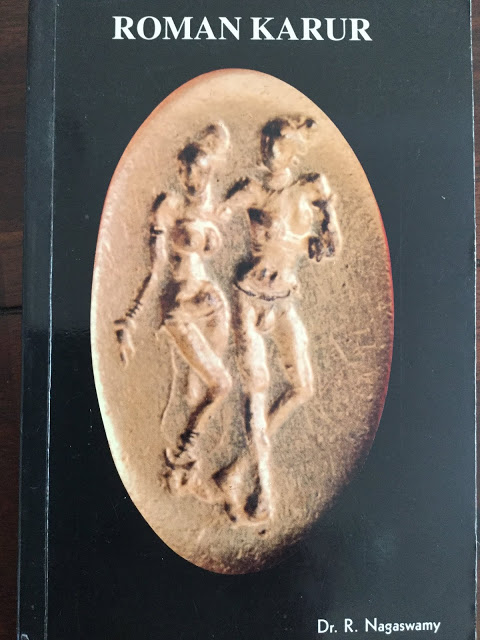
2000 year old Sangam Tamil literature has at least six references to Yavana and two more with the words Mlechha, again with negative connotation only, describing them as unsweet and harsh words. All of them are references to Romans, which is corroborated by the discovery of thousands of Roman coins in Tamil Nadu covering a period of five centuries. ‘Roman Karur’ of Dr Nagasamy, famous archaeologist and Historian gives full details about Tamil references.
Earlier famous poet and playwright Kalidasa ( I agree with other great Sanskrit scholars in dating him to first or second century BCE) mentioned Persians as Yavanas in his work Raghu vamsam.
I wouldn’t deal with any other material here that comes after first few centuries of modern era.
****
Origin of Yavanas
Mahabharata and Ramayana are noticeably clear that Yavanas originated from the Divine Cow Kamadhenu when King Viswamitra attacked Sage Vasishtha. It is a symbolic way of saying that these groups (Yavanas and others such as Pahlavas, Sakas, Hunas, Cinas, Pundras, Dramidas etc) have come from one source.
If we take them as a group of people in North West India, it would make sense and show them they have been there from at least 3500 BCE.
By the way, lot of things attributed to Yavanas, in later literature are not found in Greece or Rome. They are only in Hindu literature. That again proved they were talking about a group in N W India.
****
Three Important References
People who wanted to show that Yavana meant only Greeks cramp over 1000 references of Yavanas into few centuries around 4th century BCE. No genuine scholar would accept it. Those work themselves show that they were done at different periods.
1.Panini
Panini in his Ashtadyayi mentioned Yavana in a few places. We must remember that it is a grammar book.
Darius I mentioned Yavana in in 516 BCE in one of his inscriptions. Even Alexander found a colony of Nysian Greeks in Kabul valley.
Another important reference to ‘Yavana Munda’ in Gana pata which is bypassed my many scholars.
Patanjali on 2-4-10
Patanjali includes Yavanas among those Suudras who are NOT considered impure .
Suudraanaam aniravasitaaanaam
Gana 128 on panini 3-1-134
Yavana explained as verbal derivation
Gana 178 on panini 2-1-72
Bald heads of the Yavanas in a list of tatpurusa compounds
Kamboja Munda, Yavana Munda etc
(For more details go to the end)
2.In the Mahabharata
In one passage of the Mahabharata 1-80-26 , also quoted in the Matsya Purana 34-30 , the Yavanas are sons of Turvasu , the son of emperor Yayati and the brother of Puru ; because of a curse put on them by their grandfather, all the sons of Turvasu were doomed to become barbarians – Mlecha. They are treated as fallen Kshatriyas. Manu also confirmed in 10-44. He said they become Suudraas.
There is a gap of at least 15 generations between the king Yayati and Pandavas. Even if we leave 20 years for a generation it would take Yayati to 3400 BCE. Mahabharata war was fought around 3140 BCE according to Hindu calculations. If we take Indian average of 40 years per king it would make a difference of 600 years (15X40). Guptas and Chera kings were shown to have ruled for over 40 years each. (See Pathitrupathu in Sangam Tamil literature).
If some believe in the archaeological date given to Mahabharata 1500 BCE, even then Turvasu , pro genitor of Yavanas would have lived before 1800 BCE.
We must also remember Krishna’s fight with Kala Yavana (Black Yavana) and Krishna was called Yavanari (enemy of Yavanas) . It is in Bhagavatham and Hari Vamsam.
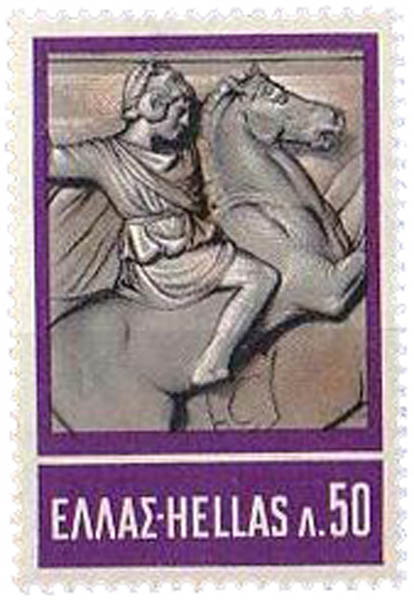
Barbarians /mlechas are called bald/munda in the Mahabharata battle 7-95-20 in which yavanas are included. But the Greeks are not bald headed. All of them, including Alexander were shown with much hair on their heads. So it is very clear they mentioned a group of people or a people of particular ethnicity had this custom of shaving their hair completely or with very short haircut.
3.Gautama Dharma Sutra
3.According to the Gautama dharma sutra 4-21 , the ofspring of the Kshatriyas and Suudra women are Yavanas.
The tone of Indian literature is that Yavanas are sinful and brutal.
































 Tamil and Vedas