Pictures are taken from various sources for spreading knowledge; this is a non- commercial blog. Thanks for your great pictures.
5-10-2020 அன்று ஞானமயம் கேள்வி-பதில் நிகழ்ச்சியில் ((Facebook.com/Gnanamayamஒளிபரப்பப்பட்ட கேள்வி – பதில்
மந்திரங்களைத் தவறாக உச்சரித்தால் பாதிப்பு வருமா?
ச.நாகராஜன்
QUESTION ASKED BY SENTHAMANGALAM GANESAN; THANKS
அன்பார்ந்த தமிழ் நெஞ்சங்களே, சந்தானம் நாகராஜன் வணக்கம்.
மந்திரங்களைத் தவறாக உச்சரித்தால் பாதிப்பு வருமா? என்ற கேள்வி வந்துள்ளது.
பதில் : தவறாக உச்சரிக்காமல் உரிய முறைப்படி ஓதினால் நிச்சயம் அதற்குரிய பலன் முழுமையாகக் கிடைக்கும் என்பது தான்.
விளக்கத்தைச் சற்று விரிவாகப் பார்ப்போம்.
மந்திரம் என்றால் என்ன?
மனனாத் த்ராயதே இதி மந்த்ர: மனத்தினால் மீண்டும் மீண்டும் சொல்லி அதாவது ஜபித்து உய்வைப் பெறுகின்ற ஒன்றே மந்திரம் ஆகும்.
சில மந்திரங்கள் பிரார்த்தனை மந்திரங்கள். சில பலன்களை எதிர்பார்த்து ஓதப்படும் மந்திரங்கள்.
இவற்றை குரு மூலமாகக் கற்று ஓதுவதே சிறப்பாகும்.
ஒவ்வொரு மந்திரத்திற்கும் ஆறு பகுதிகள் உண்டு.
மஹரிஷி – குறிப்பிட்ட ஒரு மந்திரத்தைக் கண்டவர்.
ஸ்வரம் – அந்த மந்திரத்திற்கான குறிப்பிட்ட உச்சரிப்பு அல்லது இசை அமைப்பு
தேவதா – அந்த மந்திரத்தின் அதி தேவதை
பீஜம் – மந்திரத்தின் வித்து போன்ற ஜீவ ஒலி.
சக்தி – மந்திரத்திற்கான திவ்ய சக்தி
கீலகம் – கீலகம் என்றால் தூண் என்று பொருள்படும். அதை ஓதுபவர் இடைவிடாது முயன்று மந்திரத்தை அப்யசிப்பதை இது குறிக்கிறது.
இவை அனைத்தையும் அறிந்தவரே குரு. குறிப்பிட்ட மந்திரத்தை அப்யசித்து சித்தி பெற்று, உரிய சீடர்களுக்கு அவர் வழங்குவார்.
உச்சரிப்பு என்பது மிக முக்கியம். வேதங்களை ஓதுவதற்கென்று குறிப்பிட்ட மரபு, வரைமுறை உள்ளது.
உதாத்தம், அனுதாத்தம், ஸ்வரிதம், தீர்க்க ஸ்வரிதம் ஆகிய இந்த நான்கும் உச்சரிப்பில் கையாளப்படுகின்றன.
உதாத்தம் என்றால் சாதாரண ஸ்வரத்தில் உச்சரிப்பதாகும்
அனுதாத்தம் என்றால் சாதாரண ஸ்வரத்திலிருந்து ஒரு மாத்திரை இறக்கி உச்சரிக்க வேண்டும்.
ஸ்வரிதம் என்றால் சாதாரண ஸ்வரத்திலிருந்து ஒரு மாத்திரை ஏற்றி உச்சரிக்க வேண்டும்.
தீர்க்க ஸ்வரிதம் என்றால் சாதாரண ஸ்வரத்திலிருந்து இரண்டு மாத்திரைகள் ஏற்றி உச்சரிக்க வேண்டும்.
மந்திரத்தில் ஒலி அதாவது உச்சரிப்பு மிக முக்கியமானது என்பதை உணர்த்த யஜூர் வேதத்தில் வரும் ஒரு சம்பவத்தை எடுத்துக்காட்டாகக் கூறலாம்.
ஒரு சமயம் இந்திரனைக் கொல்ல எண்ணிய விருத்ராஸுரன் என்னும் அசுரன் தவம் செய்து இறைவனின் தரிசனத்தைப் பெற்றான்.
‘இந்த்ர சத்ரு வர்தஸ்வ’ என்று இந்திரனைக் கொல்ல வேண்டி அவன் கோரியது, ஸ்வர பேதத்தால் – அதாவது ஒலியை மாறுபட்டு உச்சரித்ததால் – இந்திரன் கொல்லும்படியான சத்ரு என்று ஆகியது; அவன் இந்திரனால் கொல்லப்பட்டான்.
இன்னும் ஒரு சம்பவம்.
தேவர்களை இல்லாமல் செய்வதற்காக பிரம்மனை நோக்கி கும்பகர்ணன் ஒரு பெரும் யாகம் செய்தான். பிரம்மா தரிசனம் தந்தார். அவரிடம் அவன் கேட்க நினைத்தது நிர்தேவத்வம் – அதாவது தேவர்கள் இல்லாத நிலை. ஆனால் அவன் கேட்டதோ நித்ராவத்வம். எப்போதும் தூங்குவது என்பதை! பிரம்மா அவன் கேட்டதைத் தந்தார்.பின்னர் அவன் வேண்டுதலின் பேரில் எப்போதும் தூங்காமல் ஆறு மாத தூக்கம், ஆறு மாத விழிப்பு என்ற நிலையைப் பெற்றான்.
ஆகவே சொல்லுக்கு சொல் தனித் தனியே பொருள் உண்டு.
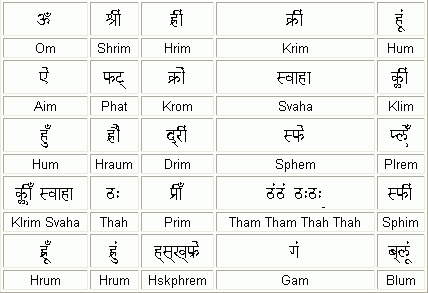
ஓம் என்ற பிரணவ மந்திரத்தை 170 விதமாக உச்சரிக்க முடியும் என்று மந்திர சாஸ்திரங்கள் கூறுகின்றன. அன்னிபெஸண்ட் அம்மையாரோ இந்த பிரணவ மந்திரத்தை 250 விதமாக உச்சரிக்க முடியும் என்று கூறுகிறார். ஒவ்வொரு உச்சரிப்பிற்கும் பலன் வெவ்வேறாக இருக்கும். அதாவது அடையக் கூடிய சித்திகள் வேறு வேறாக இருக்கும்.
மந்திரத்தில் பிரதானமாக இருப்பது ஒலி. ஒலிக்குச் சக்தி உண்டு என்பதை க்ளாட்னி என்ற விஞ்ஞானி நிரூபித்திருக்கிறார்.
ஒரு தகட்டின் மீது நுண்ணிய மணலைப் பரப்பி அதன் ஓரத்தில் வில் ஒன்றை இணைத்து வில்லை அதிரச் செய்வதன் மூலம் மணல் துகள்கள் அசைந்து அதிர்விற்கு ஏற்பப் பல்வேறு வடிவங்கள் உருவாவதை அவர் நிரூபித்துக் காட்டினார். இந்த வடிவங்களுக்கு க்ளாட்னி சித்திரங்கள் என்று பெயர். Chladni Patterns என்று youtubeஇல் பதிவிட்டால் இவற்றை நீங்கள் பார்க்க முடியும்.
சரி அப்படியானால் மந்திரங்களை உச்சரிக்கவே முடியாதோ என்று யாரும் பயப்படத் தேவை இல்லை. இறைவன் திருமுன்னர் மனமும் நம் உணர்ச்சியுமே முக்கியம். எளிய உச்சரிப்பை யார் வேண்டுமானாலும் சுலபமாகச் சொல்ல முடியும். ராம, நமசிவாய, நாராயணா, ஹரே கிருஷ்ணா போன்றவற்றை யார் வேண்டுமானாலும் உச்சரிக்க முடியும்.
மந்திரத்தை ஒருமுனைப்பட்ட மனதுடனும் ஈடுபாட்டுடனும், பக்தியுடனும் சொல்ல வேண்டும் என்று பெரியோர் சொல்கின்றனர்.
மந்திர ஹீனம் கிரியா ஹீனம் என்று ஆரம்பிக்கும் ஸ்லோகம் ஒன்றை பூஜை முடிவில் சொல்வது மரபு.
அதாவது மந்திரத்தைத் தவறாக உச்சரித்தல், அல்லது பூஜை கிரியைகளில் சிலவற்றை விட்டு விட்டிருப்பது ஆகியவற்றை மன்னித்து எனது பிரார்த்தனையை ஏற்று அருள்க என ஒவ்வொரு பூஜையும் முடிவிலும் நாம் சொல்வது பாரம்பரிய மரபாகும்.
ஆகவே குரு மூலமாக மந்திரத்தை உச்சரிப்புடன் கற்று மனதை ஈடுபடுத்தி ஓதுவதால் நல்ல பலன் ஏற்படும் என்பது உறுதி. அதே சமயம், இறைவனது நாமங்களை யார் வேண்டுமானாலும் எப்போது வேண்டுமானாலும் சொல்லலாம். அவையும் நலம் தரும் மந்திரங்களே என்று கூறி வாய்ப்பளித்த ஞானமயம் குழுவினருக்கும் கேட்டுக் கொண்டிருக்கும் உங்களுக்கும் நன்றி கூறி விடை பெறுகிறேன்.
Pictures are taken from various sources for spreading knowledge; this is a non- commercial blog. Thanks for your great pictures.
tamilandvedas.com, swamiindology.blogspot.com
வடக்கில் கிருஷ்ண ஜன்ம பூமியான மதுரா உளது. அதனால் கடல்கொண்ட தமிழ்ச் சங்க மதுராவை ‘தென் மதுரை’ என்று அழைத்தனர் . வடக்கில் இந்துக்களின் மிகப் பழைய புனித ஸ்தலமான காசி உளது. அதனால் தமிழ் நாட்டிலுள்ள காசியை ‘தென் காசி’ என்று அழைக்கிறோம்.. அதே போல வடக்கில் பாடலிபுரம் உளது, தெற்கில் திருப்பாதிரிப்புலியூர் என்று மாற்றிக்கொண்டோம். இது போல நிறைய ஊர்கள் தமிழ் நாடு மட்டிலும் இன்றி பல்வேறு இடங்களில் ‘தக்ஷிண கைலாசம்’ முதலியவற்றைக் காண்கிறோம். ஆனால் பாணினி சொல்லும் ஒரு விஷயம் வியப்பானது.
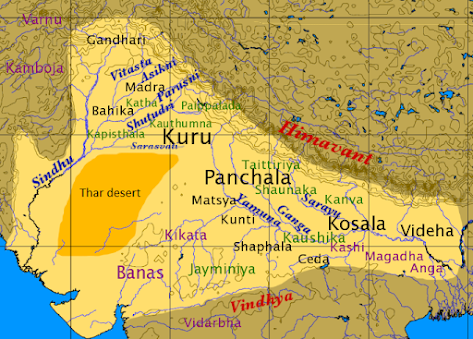
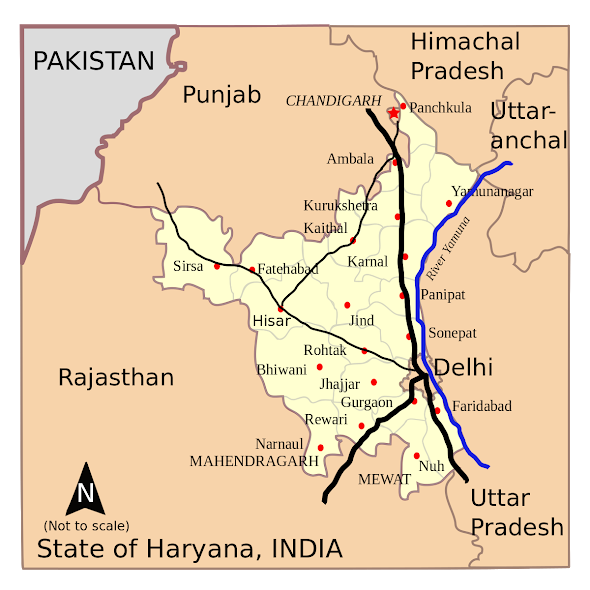
பஞ்சாபிலும் ஒரு கபிஸ்தலம் இருந்தது. இப்பொழுது அது ஹரியானா மாநில எல்லைக்குள் கைதால் என்ற பெயருடன் விளங்குகிறது!
கும்பகோணத்தின் அருகில் ஒரு கபிஸ்தலம் இருக்கிறது. அங்குள்ள கஜேந்திர வரதர் கோவில் மிகவும் புகழ் பெற்றது ; கஜேந்திர மோட்சம் கதையும் மிகவும் பிரபலமானதே. தமிழ் நாட்டில் திருமோகூர் உள்பட பல வைணவத் தலங்களுடன் இக்கதை தொடர்பு படுத்தப்படுகிறது. அதற்கெல்லாம் முன்னதாக குப்தர்கால சிற்பங்கள் 2000 ஆண்டுகளாக நமக்கு இதைக் காட்டி வருகின்றன.
பாணினி 2700 ஆண்டுகளுக்கு முன்னர் வாழ்ந்தார் என்பதை கோல்ட்ஸ்டக்கர் (Goldstucker) ஆதாரப்பூர்வமாக நிரூபிக்கிறார். ‘பாணினி கால இந்தியா’ என்ற தலைப்பில் ஆராய்ச்சி செய்து டாக்டர் பட்டம் வாங்கிய வி.எஸ்.அக்ரவாலா கி.மு.நாலாம் நூற்றாண்டு என்று சொன்னபோதிலும் அவர் எழுதிய ஒவ்வொரு அத்தியாயமும் அவர் சொல்லும் ஆண்டு ‘தப்பு’ என்று காட்டுகிறது. ஏனெனில் நாணயம், நடை உடை பாவனை , அளவுமுறைகள், இலக்கண வழக்குகள் ஆகிய அனைத்திலும் காத்யாயனர், கெளடில்யர் காலத்துக்கும் பாணினி காலத்துக்கும் மிகப்பல வேறுபாடுகளைக் காண்கிறோம். புத்தர், மஹாவீரர் போன்ற பெயர்களையே பாணினியத்தில் காணமுடியாது ஆக 2700 ஆண்டுகளுக்கு முன்னர் ஒரு கபிஸ்தலம் இருந்தது உறுதியாகிறது.
கபிஸ்தலம் என்பது ஸம்ஸ்க்ருதப் பெயர் என்பதில் எவருக்கும் கருத்து வேறுபாடு கிடையாது . அது மட்டுமல்ல ‘கபி’ என்றால் குரங்கு என்பதும் தெரிந்ததே.
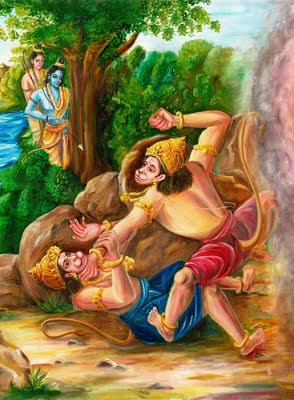
முந்தைய பஞ்சாபில் , தற்போதைய ஹரியானா எல்லைக்குள் இருக்கும் கபிஸ்தலம் 2700 ஆண்டுக்கும் முந்தையது என்பதற்கு பாணினி நூலில் சான்றுள்ளது. ஆனால் கும்பகோணம் அருகிலுள்ள கபிஸ்தலம் அவ்வளவு பழமையுடையது அல்ல. அதற்கு கபிஸ்தலம் என்ற பெயர் வந்ததற்கான காரணங்களும் வலுவாக இல்லை. உ’ப்புக்குச் சப்பாணி ஊருக்கு மாங்கொட்டை’ என்று ஏனோ தானோ என்று அனுமனையும், வாலியையும் சுக்ரீவனையும் வலிய இழுத்து வந்து தொடர்புபடுத்துகின்றனர் . ஆகையால் வாலி- சுக்ரீவன்- அனுமன் தொடர்புக்கு நல்ல ஆதாரம் கிடைக்கும் வரை பஞசாபுக்கும் இதற்கும் தொடர்பு உண்டா என்று ஆராய்தல் நலம் பயக்கும்.
இரண்டு கபிஸ்தலம் பற்றியும் காண்போம்; ஒப்பிட்டு ஆராய்வோம்.
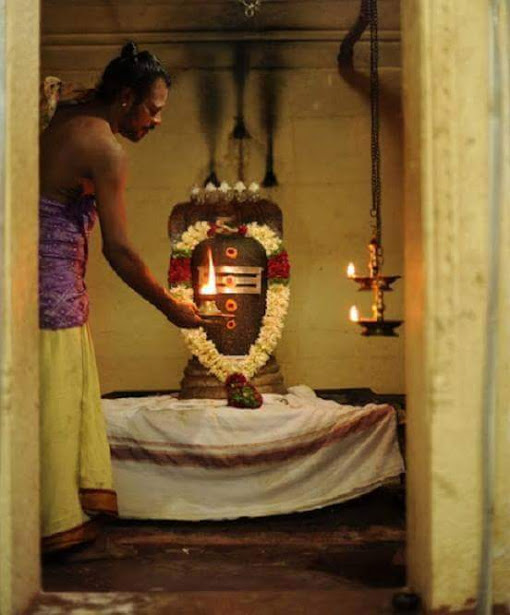
கைதால்(Kaithal=Kapisthal) என்பது இப்பொழுது பஞ்சாப் எல்லையில் ஹரியானா மாநிலத்துக்குள் இருக்கிறது. ஆனால் இதன் பழைய பெயர் கபிஸ்தலம் என்பதை எல்லோரும் எழுதுகின்றனர் யுதிஷ்டிரர் இந்த நகரை ஸ்தாபித்தார். அங்கே ஆஞ்சனேயரின் தாயாரான அஞ்சனி தேவிக்கு ஒரு கோவிலும் உளது. இந்த இடத்தில் மட்டுமே சிவனுக்கு 108 கோவில்கள் உண்டு என்றும் அதில் ஒன்று ஏகாதச லிங்கக்கோவில் என்றும் ஊர் மக்கள் பெருமையாகக் கூறுகின்றனர். குருக்ஷேத்திரத்தைச் சுற்றியுள்ள 48 புண்ய ஸ்தலங்களில் கபிஸ்தலம் முக்கியமானது. 48 கோவில்களையும் வல ம் வருவோர் — பரிக்ரமம் செய்வோர்- இங்கு வருவார்கள் . இதையெல்லாம் பார்க்கும்போது இது மஹாபாரத காலம் முதல் புகழ் பெற்ற ஊர் என்பது தெளிவாகிறது. மேலும் அனுமனின் தாயார் கோவில் இருப்பதால் கபி (குரங்கு) என்ற பெயரையும் தொடர்புபடுத்துகிறது.
இதை கும்பகோணம் அருகிலுள்ள கபிஸ்தலத்துடன் ஒப்பிட்டால் இதில் எந்த ஒரு விஷயத்தையும் காணமுடியவில்லை. கஜேந்திர மோட்சக் கதைக்கு அடுத்தபடியாக, அதற்குச் சம்பந்தமில்லாத வாலி- சுக்ரீவன் – அனுமன் கதையைத்தான் வலுக் கட்டாயமாகச் சேர்க்கின்றனர். ஆகையால் பஞ்சாப்-ஹரியானா கபிஸ்தலம் பெயர், இங்கே எப்படி வந்தது என்பதை ஆராய்தல் அவசியம். வேறு ஏதேனும் காரணம் உண்டா என்பதை துருவி ஆராய்வோம்.
கபிஸ்தலம் பற்றி பாணினி மற்றும் கிரேக்க தூதர் மெகஸ்தனிஸ் கூறும் வியப்பான செய்திகள் இதோ :–
கபிஸ்தல என்பதை கோத்திரங்களில் ஒன்றாக பாணினி குறிப்பிடுகிறார்.சூத்திரம் 8-3-91
பொதுவாக ரிஷிகளின் பெயரிலேயே கோத்திரங்கள் பெயர்கள் அமையும். ஆகையால் கபிஸ்தல என்பதும் ரிஷியின் பெயரே. மெகஸ்தனீஸ் பஞ்சாபிலுள்ள ஒரு மக்கள் குழுவை ‘கம்பிஸ்தலோய்’ என்று அழைக்கிறார். இது கபிஸ்தல என்பதன் மருவு. அலெக்சாண்டரின் படையெடுப்பை எதிர்த்த காடக இனத்தினரோடு அவர்கள் இருந்திருக்கலாம். ஊர்ப்பெயரான கபிஸ்தலத்துடன் தொடர்பில்லாமலும் இருந்திருக்கலாம்..
பாணினி அலெக்ஸ்சாண்டருக்கும் அசோகருக்கும் பல நுறு ஆண்டுகள் முன்னால் வாழ்ந்தவர். ஒரு இனமோ, குழுவோ நகர்ந்து முன்னேற முன்னேற அவர்கள் வாழும் நாடோ , ஊரோ , பிரதேசமோ விரிவடைவதைக் காண்கிறோம்.
தமிழ் நாட்டின் கபிஸ்தலத்தோடு ரிஷி பெயரோ இனப் பெயரோ சம்பந்தப்படவில்லை .இரண்டு கபிஸ்தலங்களும் ஆராய்ச்சியாளருக்கு சவால் விடுகின்றன .
XXXX
பாணினியில் பிராமண அதிசயம்!
பிராமணர்கள் உலக மஹா அதிசயம் என்றும் அவர்கள் வாழும் படிம அச்சுக்கள் (Living Fossils) என்றும் பழமையைக் காக்கும் இனம் என்ற வரிசையில் கின்னஸ் புஸ்தகத்தில் அவர்களைச் சேர்க்க வேண்டும் என்றும் நான் நீண்ட கட்டுரைத் தொடர் எழுதி பல ஆண்டுகள் ஆகிவிட்டன. நீண்ட காலம் பழமையான விஞ்ஞான விஷயங்களைக் கடைப்பிடிக்கும் இனம் என்பதைக் காட்டி இருந்தேன் .
சப்த ரிஷி மண்டலம் எனப்படும் பெருங்கரடி நட்சத்திரக் கூட்டத்தில் (Ursa Major= Great Bear) 7 நட்சத்திரங்கள் இருப்பதும் அதிலுள்ள அருந்ததி/வசிஷ்ட நட்சத்திரத்தை முதலிரவு அறைக்குள் நுழைவதற்கு முன்பாக புதுமணத் தம்பதிகள் ‘அருந்ததி காட்டல்’ என்ற சடங்கில் அருந்ததி நட்சத்திரத்தைக் காண்பது பற்றியும் அனைவரும் அறிவர். சங்க இலக்கிய நூல்களில் அருந்ததி வழிபாடு , சப்த ரிஷி வழிபாடு இரண்டும் குறிப்பிடப்பட்டுள்ளது.
பிராமணர்கள், தினசரி மூன்று முறை சூரிய வணக்கம் செய்வர். இதை ‘சந்தியா வந்தனம்’ என்பர். இதன் இரண்டாவது பகுதியில் நான்கு வேதங்கள் புகழும் காயத்ரி மந்திரம் உளது. அந்த காயத்ரீ தேவதையை இதயத்துக்குள் எழுந்தருளச் செய்ய ஒரு மந்திரம் சொல்லுவார்கள் .
அப்பொழுது தலையின் முன் பகுதியில் கையை வைத்துத் தொட்டு, ஏழு ரிஷிகளின் பெயர்களைச் சொல்லுவர். (இதை நானும் லண்டனில் தினமும் செய்து வருகிறேன்.) அதில் நாங்கள் சொல்லும் ரிஷிகளின் பெயர்கள் ஏழும் அதே வரிசையில் 2700 ஆண்டுகளுக்கு முந்தைய பாணினியின் வியா கரணத்தில் வரிசை மாறாமல் உளது.
இதோ அந்த சூத்திரம்—
சூத்திரம் 2-4-65-ல் அவர் சில இலக்கண விதிகளை விளக்குகிறார்.
‘அத்ரி ப்ருகு குத்ஸ வசிஷ்ட கோ த்தமாரங்கிரேப் ய ஸ் ச’
என்கிறார். அவர் விளக்கும் இலக்கண விதிகளை நாம் இப்போது அலச வேண்டியதில்லை.
இதே வரிசையில் தான் பிராமணர்கள் தினசரி மூன்று முறை 7 ரிஷிகளின் பெயர்களைச் சொல்கிறா ர்கள் —
அத்ரி, பிருகு, குத்ஸ, வசிஷ்ட, கெளதம, காஸ்யப, ஆங்கிரஸ என்பன அந்த 7 ரிஷிக்கள். சில பகுதிகளில் பெயர்கள் ஒன்றிரண்டு மாறுபட்டிருக்கும் . அதே கோத்திரத்தைச் சேர்ந்த ரிஷி என்பதால் பெயர் வரிசையில் மாறுதல் இல்லை.
ஆக 2700 ஆண்டுகளுக்கும் மேலாக பிராமணர்கள் சப்த ரிஷிக்களின் பெயர்களை ஒரே மாதிரியாகச் சொல்லி வணங்கி வருகின்றனர்.
Pictures are taken from various sources for spreading knowledge; this is a non- commercial blog. Thanks for your great pictures.
QUESTION ASKED BY AMBI IYER (IN OUR COMMENT BOX.)
5-10-2020 ஞானமயம் நிகழ்ச்சியில் இடம் பெற்ற கேள்வி-பதில் நிகழ்ச்சியில்ஒளிபரப்பட்ட கேள்வி-பதில்
கோயில், கோவில் இரண்டில் எது சரி?
அன்பார்ந்த தமிழ் நெஞ்சங்களே சந்தானம் நாகராஜன் வணக்கம்.
கோயில், கோவில் இரண்டில் எது சரி என்பது கேள்வி!
இந்தக் கேள்விக்கான பதில் இரு வார்த்தைகளும் சரியே என்பது தான். கோயில் என்ற வார்த்தையை சங்க இலக்கியத்திலும் சைவத் திருமுறைகளிலும் வைணவ இலக்கியத்திலும் காண்கிறோம். கோயில் என்பது கோ, இல் ஆகிய இரு வார்த்தைகளின் சேர்க்கை. கோயில் என்பதற்கு இறைவன் உறைந்திருக்கும் இடம் என்று பொருள். கோ என்பதற்கு மன்னன் என்ற பொருளும் உண்டு என்பதால் மன்னன் வாழும் இல்லம் அதாவது அரண்மனை என்ற பொருளும் உண்டு.
அரண்மனை என்ற பொருளில் கலித்தொகையில் வரும் வரிகள் இவை:
புறநானூறில் 127ஆம் பாடலில் சாயின் றென ஆஅய் கோயில் என்ற வரியைக் காணலாம் (வரி 6)
அதே புறநானூறில் 378ஆம் பாடல் ஐந்தாம் வரி நற்றார்க் கள்ளின் சோழன் கோயில் என்று கூறுகிறது. அதாவது சோழனது அரண்மனை என்று பொருள்.
வெண்கோயில் மாசூட்டும் என்று பட்டினப்பாலையும் (வரி 50) திருக்கிளர் கோயில் ஒருசிறைத் தங்கி என்று பொருநர் ஆற்றுப்படையும் (வரி 90) இதே அரண்மனை என்ற பொருளைத் தரும் வரிகளாகும்.
கோயில் என்பது இறைவன் உறையும் இடம் என்ற பொருளில் வரும் சங்க இலக்கியப் பாடல்களும் நிறைய உண்டு. புறநானூறு 241ஆம் பாடல் மூன்றாம் வரி வச்சிரத் தடக்கை நெடியோன் கோயிலும் என்கிறது. இங்கு நெடியோன் கோயில் என்றால் இந்திரன் கோயில் என்று பொருள்படும்.
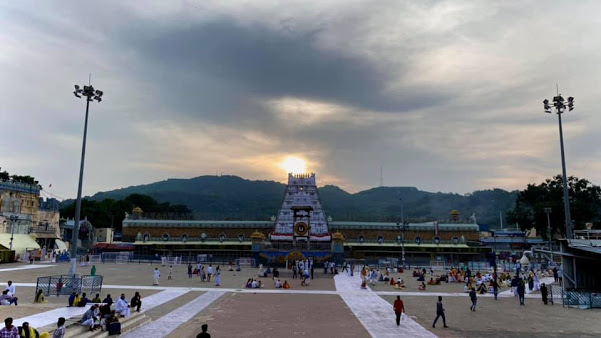
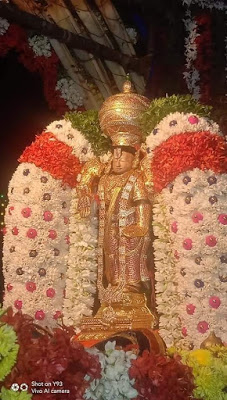
BALAJI TEMPLE, TIRUPATI
பட்டினப்பாலை 286வது வரி கோயிலொடு குடிநிறீஇ என்று சொல்லும் போது இது தெய்வம் உறையும் கோயிலைக் குறிப்பிடுகிறது.புகார் நகரத்தில் சிவன்கோயில், பலராமனுக்கும் கண்ணனுக்கும் கோயில் இருந்ததைச் சிலப்பதிகாரம் இந்திர விழவு ஊர் எடுத்த காதையில், ‘பிறவா யாக்கைப் பெரியோன் கோயிலும்’ என்றும் வால்வளை மேனி வாலியோன் கோயிலும் என்றும் நீலமேனி நெடியோன் கோயிலும் என்றும் குறிப்பிடுகிறது.
கோயில் இல்லா ஊரில் குடி இருக்க வேண்டாம் என்கிறது உலகநாத பண்டிதர் இயற்றிய உலக நீதி.
ஓகார ஈற்றைக் கொண்ட கோ என்னும் மொழியினை இல் என்னும் வருமொழியோடு சொல்லின் ஓகாரம் மிகாது இயல்பாய் முடியும் போது கோவில் என்று ஆகிறது.
இரு வார்த்தைகள் சேரும் போது இசைபட அவை சேர வேண்டும் என இலக்கண விதி கூறுகிறது. இசையின் திரிதல் நிலைஇய பண்பே என தொல்காப்பியம் கூறுகிறது. ஆகவே இசையொடு திரியும் போது வரும் கோவில் என்பதும் சரி தான்; கோயில் என்பதும் சரிதான்.
திருக்கோயில் என்றாலேயே அது சிதம்பரத்தைத் தான் குறிக்கும் என்பது வழக்கு. கோயில் என்று முடியும் தேவாரத் தலங்கள் பல உண்டு. அம்பர்ப் பெருந்திருக்கோயில், கண்ணார்கோயில், தில்லைக் கோயில், நன்னிலத்துப் பெருங்கோயில், மீயச்சூர் இளங்கோயில், வைகல் மாடக் கோயில் என்று இப்படிப் பல கோயிலில் முடியும் தலங்கள் உண்டு.
அதே சமயம் நாகர்கோவில், சங்கரன்கோவில், அழகர் கோவில் என்பதையும் வழக்கில் கூறப்படும் சொற்களாக நாம் கொண்டுள்ளோம்.ஆகவே இறைவன் உறையும் இடத்தை கோயில் என்றும் சொல்லலாம், கோவில் என்றும் சொல்லலாம்.
தொன்றுதொட்டு தமிழகத்தில் அனைவராலும் கூறப்படும் பழமொழிகளில் கோயிலும் உண்டு; கோவிலும் உண்டு. தாயிற் சிறந்ததொரு கோவிலும் இல்லை, தந்தை சொல் மிக்க மந்திரமில்லை. படிக்கிறது திருவாய்மொழி இடிக்கிறது பெருமாள் கோயில்; ஊருக்கு இளைத்தவன் பிள்ளையார் கோவில் ஆண்டி இப்படி ஏராளமான பழமொழிகளில் இரு சொற்களையும் காணலாம்.
இரண்டிற்கும் பொருள் ஒன்றே. வண்ணத்தை colour color என்று இருவிதமாக ஸ்பெல்லிங் குறிப்பிடுவது போல எல்லா மொழிகளிலும் காலத்திற்கேற்ப மாற்றங்கள் உண்டு. கோவில், கோயில் இரண்டும் சரியே, ஒன்றே தான் என்று தெளிந்து கொள்ளலாம்!
Pictures are taken from various sources for spreading knowledge; this is a non- commercial blog. Thanks for your great pictures.
tamilandvedas.com, swamiindology.blogspot.com
ZOOM BROADCAST ON 5TH OCTOBER VIA FACEBOOK.COM/GNANAMAYAM
வணக்கம்.
ஞானமயம் வழங்கும் பங்களூர் செய்தி மடல்.
வழங்குவது பிரஹன்நாயகி சத்ய நாராயணன்.
தலைப்புச் செய்திகள்
சிருங்கேரியில் நடக்கவுள்ள நவராத்திரி விழாவை தொலைக்காட்சியில் காணலாம்.
வாழும் கலை நிறுவனத்திடமிருந்து நவராத்திரி அழைப்பு
புகழ்பெற்ற புண்ய ஸ்தலமான சிருங்கேரி பற்றி ஒரு சிறு அறிமுகம்
விரிவான செய்திகள் :-
கோலாகலமாக வருடந்தோறும் நடைபெறும் நவராத்திரி திருவிழா, இந்த ஆண்டும் ஸ்ரீ சிருங்கேரி சாரதா பீடத்தில் வழக்கம் போல நடைபெறும். கோவிட் நோய் பற்றிய கட்டுப்பாடுகளின் காரணமாக, குறிப்பிட்டவர்கள் மட்டுமே உரிய முறைப்படி உற்சவத்திற்கு அழைக்கப்படுவர். என்றாலும் கூட, ஆங்காங்கு இருக்கும் பக்தர்கள் தாங்கள் இருந்த இடத்திலிருந்தே இந்த உற்சவ நிகழ்ச்சிகளை ஸ்ரீசங்கரா தொலைக்காட்சியில் காணலாம். அன்பர்கள் இந்த நிகழ்ச்சிகளில் கலந்து கொண்டு, அன்னை சாரதா தேவியின் அருளுக்குப் பாத்திரமாகுமாறு, கேட்டுக் கொள்கிறோம்.
அடுத்து, ஸ்ரீ ஸ்ரீ ரவிசங்கர் அவர்களால் நிறுவப்பட்டு, பெங்களூரைத் தலைமையிடமாகக் கொண்டு இயங்கும் நிறுவனமான வாழும் கலை – The Art of Living – நிறுவனம், அனைவருக்கும் விடுத்துள்ள நவராத்ரி அழைப்பு இது:-This Navratri, let’s strengthen our collective resolve for peace and health across the world. The festival marks the time to go inwards, pray, chant, be grateful, and hopeful. Stay safe, in hope, and optimism. Stay in resolve.
அக்டோபர் 16ஆம் தேதி அன்று முதல் The Art of Living துவங்கும் பல நிகழ்ச்சிகளில் நிகழ்நிலையில் அதாவது ONLINE-இல் அனைவரும் கலந்து கொள்ளலாம். கூடுதல் விவரங்களுக்கு live.artofliving.org என்ற இணையதளத்தை அணுகலாம்.
நீங்கள் கேட்டுக் கொண்டிருப்பது பங்களூர் செய்தி மடல்
அடுத்து திவ்ய ஸ்தலமான சிருங்கேரி பற்றி ஒரு சிறு அறிமுகம்.
தொன்றுதொட்டு இருந்துவரும் ஹிந்து தர்மத்திற்கு புத்துயிர் கொடுக்க அவதரித்த ஆதி சங்கரர், பூர்வ மீமாம்ஸகர்களின் கொள்கையை வலியுறுத்திய குமாரில பட்டரின் சீடரான மண்டனமிஸ்ரரை, வாதத்திற்கு அழைத்தார். வாதப் போரைத் தொடங்கிய போது அந்த வாதுப் போருக்கு நீதிபதியாக இருந்தவர் மண்டனமிஸ்ரரின் மனைவி உபயபாரதி. இருவர் கழுத்திலும் மாலையை அணிவித்துக் கொள்ளச் சொன்ன உபயபாரதி, வாதத்தில் யார் கழுத்தில் உள்ள மாலை வாடுகிறதோ அவரே தோற்றவர், என்று அறிவித்தார். பதினேழு நாட்கள் நடந்த வாதத்தில், மண்டனமிஸ்ரரின் கழுத்தில் இருந்த மாலை வாடியது. சங்கரர் வெற்றி பெற்றார்.
பின்னர் உபயபாரதியுடனும் வாதம் செய்து, அவரையும் வென்றார் சங்கரர்.
போட்டி விதியின் படி மண்டனமிஸ்ரர் துறவு மேற்கொண்டார். அவருக்கு சுரேஸ்வரர் என்ற சந்யாச நாமம் அளிக்கப்பட்டது.
தனது சீடர்களுடன் தெற்கு நோக்கி வந்த சங்கரர் சிருங்க கிரியை வந்தடைந்தார்.
சிருங்க கிரி, மஹரிஷி ரிஷ்ய சிருங்கர் தவம் புரிந்த புண்ய ஸ்தலமாகும். பவித்ரமான துங்கா நதிக்கரையில் அமைந்துள்ள சிருங்க கிரியின் அற்புதமான இயற்கை வனப்பில் மூழ்கினார் சங்கரர்.
அவர் அங்கு ஓரிடத்தில் ஒரு அரிய காட்சியைக் கண்டு பிரமித்தார்.
கர்ப்பமுற்ற தவளை ஒன்று வெயிலின் கொடுமை தாங்காமல் தவிக்க, நல்ல பாம்பு ஒன்று இரக்கம் கொண்டு அதன் மீது படம் எடுத்து நிழல் கொடுத்துக் கொண்டிருந்தது. இதுவே தவம் செய்ய சிறந்த இடம் என நிர்ணயித்த சங்கரர் அங்கே ஸ்ரீ சக்ரத்தை ஸ்தாபித்து சிருங்கேரி ஸ்ரீ சாரதா பீடத்தை நிறுவினார். அந்த பீடத்திற்கு சுரேஸ்வரரை முதல் ஆசாரியராகச் செய்து வேத பிரசாரம் செய்யுமாறு ஆணையிட்டார். அதிலிருந்து அந்த ஆசாரிய பரம்பரை, தொடர் சங்கிலியாக இருந்து வருகிறது. 34வது பீடாதிபதியாக இருந்து அருள் புரிந்த ஸ்ரீ சந்திரசேகர பாரதி அவர்களின் சரித்திரம் அற்புதமான ஒன்று. அவரைத் தொடர்ந்து 35வது பீடாதிபதியாக ஸ்ரீ அபிநவ வித்யாதீர்த்தர் வீற்றிருந்து அருள் பாலித்தார். இப்போது 36வது பீடாதிபதியாக அருளாட்சி புரியும் ஸ்ரீ பாரதி தீர்த்தர் பல்மொழி வல்லுநர். அவரது பெருமையும் புகழும் உலகெங்கும் பரவியுள்ளதை அனைவரும் அறிவர். சிருங்கேரி மடத்தின் உள்ளே இருக்கும் ஸ்ரீ சாரதை, சங்கர பகவத்பாதர், வித்யா சங்கரர், ஜனார்த்தனர், சக்தி கணபதி, வாகீஸ்வரி, ராமர் உள்ளிட்ட ஏராளமான கோவில்களை தரிசித்து அன்பர்கள் பக்தி பரவசம் அடைகின்றனர். சிருங்கேரி, கர்நாடகத்தில் சிக்மகளூர் மாவட்டத்தில் உள்ளது. பங்களூரிலிருந்து சிருங்கேரி சுமார் 258 கிலோமீட்டர் தொலைவில் உள்ளது. இதிலிருந்து 83 கிலோமீட்டர் தொலைவில் அமைந்துள்ள ஸ்தலம் உடுப்பியாகும். மக்கள் தொன்று தொட்டு பயபக்தியுடன் வணங்கி வரும் அன்னை ஸ்ரீ சாரதா தேவி அனைவருக்கும் சர்வ மங்களத்தை தர ஞானமயம் சார்பில் பிரார்த்திக்கிறோம்.
Pictures are taken from various sources for spreading knowledge; this is a non- commercial blog. Thanks for your great pictures.
tamilandvedas.com, swamiindology.blogspot.com
அக்டோபர் ஐந்தாம் தேதி திங்கட்கிழமை — இந்து சமய செய்தி மடல் —
இது ‘ஆகாச த்வனி’யின் உலக இந்து சமய செய்தி மடல்
நேயர்கள் அனைவருக்கும் வணக்கம், நமஸ்காரம்
செய்திகள் வாசிப்பது VAISHNAVI ANAND
எங்கள் நிகழ்ச்சிகளை திங்கட்கிழமை தோறும் லண்டன் நேரம் பிற்பகல் 2 மணிக்கும்,
இந்திய நேரம் மாலை 6-30 மணிக்கும் நேரடியாகக் கேட்கலாம்.
உலக இந்து சமய செய்தித் தொகுப்புடன் நேயர்களின் கேள்விகளுக்கும் விடைகளும் அளிக்கப்படுகிறது
உங்கள் பேட்டை, நகரத்தில் நடைபெறும் விழாக்கள், உற்சவங்கள் பற்றி எங்களுக்கு செய்தி அனுப்புங்கள்
எங்களை எந்நேரமும் தொடர்பு கொள்ள Facebook.com /Gnana mayam முகவரியில் அணுகவும்
XXXX
உலகெங்கிலும் வாழும் இந்துக்கள் ‘நவராத்ரி’ விழாவை அக்டோபர் 17ம் தேதி துவங்கு கின்றனர். கோவில்களும் இந்துக்களும் இந்த உற்சவத்தை கொண்டாட தயாராகி வருகின்றனர். இந்த விழாவின் முடிவில் மைசூரில் தசரா விழாவும், மேற்கு வங்கத்தில் துர்கா பூஜையும், தில்லியில் ராம்லீலா உற்சவமும் நடைபெறும் .
தென்னிந்தியாவில் , குறிப்பாக தமிழ் நாட்டில், கோவில்களிலும் வீடுகளிலும் கொலு பொம்மைக் காட்சியும் , தேவியரின் அலங்காரமும் நடைபெறும் ; ஆனால் இந்த ஆண்டு மக்கள், சீன வைரஸ் தாக்குதல் அச்சத்தால் கட்டுத்திட்டங்களுடன் இதைக் கொண்டாடுவர்.
இதற்கிடையில்
மேற்கு வங்க மாநிலத்திலிருந்து இந்துக்களை மகிழ்விக்கும் செய்தி வெளியாகியுள்ளது ………………………..
துர்கா பூஜையை பேட்டைதோறும், ஊர்தோறும், நடத்தும் 37,000 அமைப்பாளர்களுக்கு ஒவ்வொருவருக்கும் 50,000 ரூபாய் தரப்படும் என்று மேற்கு வாங்க மாநில முதலமைச்சர் மம்தா பானர்ஜி அறிவித்துள்ளார். திருவிழாக் காலத்தில் தெருவில் கடைவிரிக்கும் நடைபாதை வண்டிக்காரர்களுக்கு ஒவ்வொருவருக்கும் 2000 ரூபாய் மான்யமும் அறிவித்து இருக்கிறார்.
இரண்டு வாரங்களுக்கு முன்னர் , மம்தா பானர்ஜி, இந்து சமய புரோகிதர்களுக்கும் மாத ஊதியம் 1000 ரூபாயும் வீட்டு வசதி வாய்ப்புகளையும் அறிவித்தார். இதனால் 8000 புரோகிதர்கள் பயன் அடைவர்.
இதைக் கடுமையாக விமர்சித்த பாரதிய ஜனதா தலைவர்கள், இது கடைத் தேங்கயாயை எடுத்து வழிப் பிள்ளையாருக்கு உடைக்கும் செயல் போன்றது ; மக்கள் வரிப்பணத்தை இப்படி வாரி வழங்குகிறாரே என்று குறைகூறினர் .
Xxxx
அடுத்ததாக ஆந்திர மாநில செய்தி
ஆந்திர மாநிலத்தில்,, சித்தூர் அருகில், மேலும் ஒரு சிவன் கோவிலை விஷமிகள் தாக்கியுள்ளனர்.
அபய மங்கலம் என்னும் ஊரில் அபய ஆஞ்சனேயர் கோவில் இருக்கிறது ;
கோவிலிலுள்ள நந்தி சிலையைக் கோவிலுக்குப் பின்னால் கொண்டு சென்று உடைத்திருக்கினர்.
இதன் கீழ் தங்கம் இருக்கும் என்ற வதந்தி பரவியவுடன் பேராசைகொண்ட கும்பல் இதைச்
செய்ததாக போலீஸ் அதிகாரி கூறினார். விஷமிகளைக் கண்டுபிடிக்க உயர் போலீஸ் அதிகாரிகள் கீழே 3 குழுக்கள் அமைக்கப்பட்டுள்ளன.
Xxxxx
நேயர்கள் கேட்டுக்கொண்டிருப்பது திங்கட் கிழமை தோறும் லண்டனிலிருந்து ஒலிபரப்பாகும்
ஆகாசத் த்வனியின்
உலக இந்து சமய செய்தி மடல்
XXX
28 ஆண்டுகாலமாக நாட்டை உலுக்கி வந்த பாபர் மசூதி இடிப்பு வழக்கில் , சிபிஐ கோர்ட் தீர்ப்பு வாங்கியது உங்களுக்குத் தெரியும், வழக்கில் குற்றம் சாட்டப்பட்ட 32 பேரையும் கோர்ட் நிரபராதிகள் என்று சொல்லி விடுதலை. குரற்றம் சாட்டப்பட்டவர்களில் பாரதீய ஜனதா தலைவர் லால் கிருஷ்ண அத்வானி , முரளிமனோகர் ஜோஷி ஆகியோர் பெயர்களும் இருந்தன. இப்பொழுது கோர்ட் , இவர்களை விடுதலை செய்துவிட்டதால் இனி ஏச்சுப் பேச்சுக்கு இடமிராது.
இது சனாதன தர்மத்தின் வெற்றி என்று விசாகப்பட்டின சாரதா பீடத் தலைவர் ஸ்ரீ ஸ்வரூபானேந்திர சரஸ்வதி அறிக்கை வெளியிட்டார்.
Xxxx
யூ கே சங்கீத் சங்கம் என்ற அமைப்பு பேஸ்புக் மூலமாக இசையையும் நாட்டியத்தையும் ஊக்குவித்தும் பரப்பியும் வருகிறது. புரட்டாசி மாதத்தில் இறைவன்- இறைவியின் கல்யாண உற்சவங்களை நடத்துவது சர்வ மங்களத்தையும் தரவல்லது . இதை முன்னிட்டு அக்டோபர்
பத்தாம் தேதி சனிக்கிழமையன்று
ஸ்ரீனிவாச கல்யாணம் நடைபெறும் என்று அறிவிக்கப்பட்டுள்ளது.
சம்பிரதாய பஜனை பத்ததியைப் பரப்புவதில் முன்னிலையில் நிற்கும் புகழ்பெற்ற டாக்டர் உடையாளூர் கல்யாணராமன் இந்த ஸ்ரீனிவாஸ கல்யாண உற்சவத்தை நடத்துகிறார். அவருடன் புகழ்பெற்ற பக்கவாத்யக்காரர்களும் இடம்பெறுவர். இதை பேஸ்புக்கில் கண்டு களித்து சகல செளபாக்கியத்தையம் அடைய விரும்புவோர் யூகே சங்கித் சங்கத்தை பேஸ்புக் மூலம் அணுகலாம்.
xxx
இறுதியாக தமிழகத்தை துயரத்தில் ஆழ்த்திய இரண்டு செய்திகள்
இந்து முன்னணியின் ஸ்தாபகரும், ராஷ்ட்ரீய ஸ்வயம்சேவக சங்கத்தின் பிரசாரக் பொறுப்பு வகித்தவருமான திரு ராம கோபாலன் இறைவனடி சேர்ந்தார். 70 ஆண்டுக்காலத்திற்கு பொதுப்பணி செய்துவந்த ராம கோபாலனை தமிழ் மக்கள் அன்போடு வீரத்துறவி என்று அழைத்துவந்தனர் . அவர் சென்னையில் 94-வது வயதில் வைரஸ் நோய் தாக்குதலால் உயிர்நீ த்தார் . சட்டநாதபுரத்தில் பிறந்த கோபால்ஜி பிரம்மச்சாரி. அவரது உடல் உறையூர் அருகிலுள்ள சீராத்தோப்பில் நல்லடக்கம் செய்யப்பட்டது.
அவர் காயத்ரீ உபாசகர் என்பதையும் முந்தைய சங்கராசார்யார்களின் பரிபூரண ஆசியைப்பெற்றவர் என்றும் காஞ்சி சங்கராசார்யார் ஸ்ரீ விஜயேந்திர சரஸ்வதி அவர்கள் இரங்கல் செய்தி அனுப்பியுள்ளார்.ஏனைய அரசியல் தலைவர்களும் அனுதாபச் செய்தி அனுப்பியுள்ளனர்
கோபால்ஜி, கனல் கக்கும் உணர்ச்சியூட்டும், சொற்பொழிவாளர். எழுத்தாளர், சிறந்த நிர்வாகி. தேச பக்தப் பாடல்களை இயற்றிப் பாடியவர். பல்லாயிரம் தமிழ் மக்களை ஆர்.எஸ். எஸ் பணியில் ஈடுபடுத்தியவர் என்பது குறிப்பிட்டது தக்கது.
xxx
இதே போல மற்றொறு வருந்தத்தக்க செய்தி அம்புலிமாமா- சந்தமாமா என்று அழைக்கப்படும் சிறுவர் பத்திரிக்கைக்கு வண்ண ஓவியங்கள் வரைந்த சங்கர் 97–வது வயதில் சென்னையில் இறந்த செய்தி ஆகும்.
வேதாளமும் விக்கிரமாதித்தனும் கதைகளுக்கு அவர் வரைந்த ஓவியம், குறிப்பாக விக்ரமன் வேதாளத்தை தோளில் சுமந்து செல்லும் காட்சி முதலியன மக்களின் மனதைவிட்டு அகலாது.
ஈரோடு மாவட்டத்தில் பிறந்த சங்கர்,
அம்புலிமாமா தவிர, ராமகிருஷ்ண விஜயம் என்னும் ஆன்மிகப் பத்திரிகைக்கும் அற்புத ஓவியங்களை வரைந்து கொடுத்தார்.
ராமகோபாலன், சங்கர் ஆகியோர் மறைவுக்கு ஞான மயம் குழுவும் அனுதாபத்தைத் தெரிவிக்கக் கடமைப்பட்டுள்ளது
இத்துடன் லண்டனிலிருந்து வரும் செய்திகள் நிறைவடைந்தன…………………………..
செய்திகளை உங்களுக்கு வழங்கியவர் வைஷ்ணவி ஆனந்த்…………………………
நன்றி, வணக்கம்
……………….
அடுத்ததாக நமது கர்நாடக மாநில சிறப்பு நிருபர்
பிரஹன்நாயகி சத்ய நாராயணன், பங்களூர் நகரிலிருந்து செய்தி வழங்குகிறார்
This is a broadcast coming through ZOOM and FACEBOOK.COM / GNANA MAYAM live at 2 pm London Time and 6-30 Pm Indian Time Every Monday.
Even if you miss our live broadcast on Mondays, you can always visit us on FACE BOOK.COM – slash- Gnana Mayam 24 hours a day.
Here is the WEEKLY HINDU NEWS BULLETIN from ‘AaKaASA DWANI’
Read by SUJATHA RENGANATHAN
Hindu Festival Navaratri begins on 17th October this year. Navaratri culminates in Dasara in Mysuru, Durga Puja in West Bengal and Ram Leela in New Delhi.
Normally it is held on Vijaya Dasami day, that is the tenth day of this festival
xxx
Mamata Banerjee showers Durga Puja bonanza in West Bengal
Chief minister Mamata Banerjee of West Bengal has announced Durga Puja bonanza for 37,000 organisers along with guidelines for the biggest festival of West Bengal. She allotted Rs 50,000 to each of the puja organisers like the previous years.
A one-time grant of Rs 2,000 was also announced for 80,000 hawkers ahead of Durga Puja
Two weeks ago Mamata surprised Hindus by announcing a monthly financial assistance of Rs 1,000 and free housing for over 8,000 Hindu priests in WEST BENGAL ahead of the Assembly election, which is likely to be held soon.
The BJP claimed that this was vote bank politics at the cost of tax payers’ money. “
Xxxxx
An idol in a Shiva temple in Andhra is vandalised.
Tension prevailed in GD Nellore mandal of Chittoor district after a Nandi idol installed in Lord Shiva temple on the premises of Sri Abhaya Anjaneya Swamy Temple at Agara Mangalam village was vandalised late on Saturday.
Hours after the issue came to light, Chittoor Deputy Superintendent of Police K Eswar Reddy formed three special teams to investigate the incident.
“As per Hindu tradition, the idol of Nandi, the sacred vehicle, is erected opposite the temple of Lord Shiva.
A rumour circulated that gold is kept under the Nandi idol.
In their greed for gold, the culprits might have shifted the Nandi statue behind the temple and broke it apart,”
A case has been registered. A dog squad has been pressed into service.
XXXXX
Here is some Good News for Sanskrit lovers!
The scholarly and erudite Prof. Sri KE Devanathanji has been appointed as the Vice-chancellor of the Karnataka Sanskrit University He served as the head of the Visishtadvaita department in the Rashtriya Sanskrit Vishwavidyalaya.
Xxxxx
YOU ARE LISTENING TO “AKASA DWANI” NEWS BULLETIN COMING FROM LONDON EVERY MONDAY
Express News Service from VISAKHAPATNAM reports that Sri Sarada Peetham seer Sri Swaroopanandendra Saraswati hailed the CBI special court verdict in Babri Masjid case.
In a statement , the seer said the court upheld the ‘Sanatana Dharma’ of the country.
The verdict brought a 28-year-long wait to an end, he said. He welcomed acquittal of all the accused in the case.
Listeners may have heard already that
Nearly 28 years after the Babri Masjid in Ayodhya was demolished, a special CBI court on Wednesday the 30 -th September acquitted all 32 accused in Babri Masjid demolition case, stating that there was no conclusive proof against the accused.
The 32 accused include former deputy PM LK Advani and Union Ministers Murli Manohar Joshi and Uma Bharti.
The court said that the demolition of the centuries-old mosque was not pre-planned, adding that anti-social elements destroyed the structure despite accused leaders appealing for calm.
The court also observed that late VHP leader Ashok Singhal wanted to save the structure because Ram idols were inside.
Babri Masjid was built in 1528 by Mir Baqi, the commander of Mughal emperor Babur.
The structure was demolished in December 1992 by ‘kar sevaks’ who pointed out that the mosque was built on the site of an ancient Ram temple.
xxxxx
The UK Sangeeth Sangam-a Facebook page is created to propagate fine arts and it will be hosting Srinivasa Padmavathi Kalyanam on 10th October Saturday through its FB page.
Divine weddings are performed on a grand scale giving opportunities for all artists such as singers, dancers, actors and stage decorators to come together and enact a grand wedding ceremony .
We are fortunate to have an event of this scale namely Srinivasa Kalyanam to be performed on Saturday the 10th October by the famous and revered Bhagavatar Dr Shri Udayalur Kalyanaraman and his experienced team of artists.
Please participate and enjoy this divine bliss from the convenience of your own homes!
For more details visit UK SANGEETHSANGAM @ FACEBOOK.
Xxx
Hindus in South India are saddened by the demise of two prominent people in Tamil Nadu.
Rama Gopalan, popularly known as Gopalji ,died at the ripe age 94 in Chennai on 30th September.
The Sangh Parivar and entire Hindu nationalist movement in Tamil Nadu has suffered an irreparable loss with the passing away of Shri. R. Ramagopalan, founder President of Hindu Munnani and RSS Sangh pracharak;
He was a powerful orator, writer, organiser and singer of patriotic songs. He inspired thousands of Tamil youths ; he served the Hindu community for 70 long years. His body was buried at Seerathoppu near Uraiyur. National leaders and Kanchi Shankaracharya Sri Vijayendra Swamikal sent messages praising his service for the Hindu cause.
xxx
KC Sivasankar who had contributed to Chanda mama Magazine for over five decades in creating cartoons, passed away on Tuesday last week in Chennai due to age-related illnesses. He was 97.
He primarily contributed to the magazine, Chandamama (also known as Ambulimama). The magazine was published in 14 languages at one point.
His drawings were colourful with vivid expressions, they created a world of magic for children.
Sankar is the artist behind the signature painting of the Vikram and Vetala series, -showing the sword-wielding King Vikram carrying the corpse on his shoulder .
He worked for the magazine for 60 years and then joined Ramakrishna Vijayam magazine.
Xxxxxxxx
THAT IS THE END OF AKASA DWANI HINDU NEWS BULLETIN BROADCAST FROM LONDON
Date uploaded in London – –5 OCTOBER 2020 Contact – swami_48@yahoo.com Pictures are taken from various sources for spreading knowledge; this is a non- commercial blog. Thanks for your great pictures. tamilandvedas.com, swamiindology.blogspot.com
5-10-2020அன்று ஞான மயம் ஒளி /ஒலி பரப்பில் லண்டன் திருமதி ஹரிணி ரகு , பெங்களூர் திருமதி சத்திய நாராயணன் ஆகிய இருவரும் பாட கர் எஸ் .பி.பாலசுப்ரமண்யத்துக்கு அஞ்சலி செலுத்தினர். ஹரிணி உரை எழுத்து வடிவில் ல்லை. ஆனால் FACEBOOK.COM/GNANAMAYAM ல் கேட்கலாம். பிரஹந்நாயகி உரை இதோ எழுத்து வடிவில் :–
உவமையிலா ஓசை இன்பம் தந்தவர்! (Post No.8776)
5-10-2020 அன்று ஞானமயம் நிகழ்ச்சியில் ஒளிபரப்பான அஞ்சலி உரை உவமையிலா ஓசை இன்பம் தந்தவர்! பிரஹன்நாயகி சத்யநாராயணன் ஞானமயம் சார்பில் உங்கள் அனைவருக்கும் வணக்கம் கூறுவது பிரஹன்நாயகி சத்யநாராயணன்.
MRS BRHANNAYAKI SATHYANARAYANAN
காட்டு நெடு வானம் கடல் எல்லாம் விந்தை எனில் பாட்டினைப் போல் ஆச்சரியம் பாரின் மிசை இல்லையடா! ஆசை தரும் கோடி அதிசயங்கள் கண்டதிலே ஓசை தரும் இன்பம் உவமை இலா இன்பம் அன்றோ! ஆம் மஹாகவி பாரதியார் கூறியது நூற்றுக்கு நூறு உண்மை தான். நாதங்கள் சேரும் நயத்தினுக்கு எதுவும் ஈடாகுமா? லட்சோபலட்சம் மக்கள் பல்லாண்டுகளாகக் கேட்டு மெய்மறந்து இருந்த இசை அதிசயத்தைத் தந்தவர் எஸ்.பி.பி. எஸ்.பி.பி என்ற இந்த மூன்றெழுத்து, இசை உலகில் விளைவித்த அற்புதங்கள், ஏராளம், ஏராளம். பதினாறு மொழிகளுக்கும் மேலான மொழிகளில், ஆயிரம் ஆயிரம் பாடல்களை தன் அமுத கானக் குரலால் அள்ளி வழங்கியவர் இன்று நம்மிடையே இல்லை என்பதை நினைக்கும் போது உள்ளமெலாம் கனக்கிறது.
அவர் பாடிய பாடல்களில் இழைந்தோடிய ராகங்கள் ஏராளம்; அவை தந்த உணர்ச்சிகளோ நவ ரஸ உணர்ச்சிகள். இருப்பினும் ஆன்மீகத்தில் மனதை மேம்படுத்தி அனைவரையும் உயர ஏற்றிய அவரது பக்திப் பாடல்களை யாராலும் மறக்கவே முடியாது.
மனதை இதமாக வருடும் இனிய குரல், எஸ்.பி.பி.யின் குரல்! அது ஆன்மாவின் குரலாக அவரது பக்திப் பாடல்களில் கோடானு கோடி இல்லங்களில் ஒலித்துக் கொண்டே இருந்தது; ஒலித்துக் கொண்டே இருக்கிறது. என்றும் ஒலித்துக் கொண்டே இருக்கும். ப்ரம்ம முராரி சுரார்ச்சித லிங்கம் நிர்மல பாஷித சோபித லிங்கம் ஜன்மஜ துக்க விநாசக லிங்கம் தத் ப்ரணமாமி சதாசிவ லிங்கம் என்று லிங்காஷ்டகத்தை இனிய குரலில் பக்தியைக் குழைத்து, சொல்லுக்குச் சொல் இடம் விட்டு, பொருள் புரியும் படி, இசையாக அவர் வழங்கிய விதம் உவமை இலா ஒன்றாகும். கோடி கன்யா தானத்தை விட ஒரு வில்வத்தை சிவனுக்கு அர்ப்பணிப்பது மேலாகும் என்ற அவரது வில்வாஷ்டக பாடலைக் கேட்போருக்கு மெய் சிலிர்க்கும். என்ன ஒரு அபூர்வமான Presntation! சங்கரா நாத சரீராபரா என்று மத்யமாவதி ராகத்தில் அவர் வழங்கிய பாடல் அவருக்கு தேசிய விருதை மட்டும் வாங்கித் தரவில்லை, பக்தர்களின் ஆழ்மனது அன்பையும் வாங்கித் தந்தது. சங்கராபரணம் பாடல்களைப் பாட முதலில் தயங்கியவர், பின்னர் மிகுந்த உழைப்புடன் கடின பயிற்சி எடுத்துப் பாடினார். வெற்றியும் பெற்றார்.
‘சிவன் எனும் ஒசை அல்லது அறையோ, உலகில் திரு நின்ற செம்மை உளதே’ என்று அப்பர் பெருமான் சிறப்பித்துக் கூறும் அந்த சிவ நாமம் அவரை உயரத்தில் ஏற்றியது! வரணும் அம்மா வரணும் அம்மா, மூகாம்பிகை தாயே சரணம் அம்மா’ என்ற அவரது தேவியின் பாடல்கள் தாயின் அருளை யாருக்குத் தான் பெற்றுத் தரவில்லை. நாராயணா என்று பக்தி இழையோடும் அவரது பாடல்கள், ‘நலம் தரும் சொல்லை நான் கண்டு கொண்டேன் நாராயணா என்னும் நாமம்’ என்ற ஆழ்வாரின் ரகசியத்தை அல்லவா நமக்குக் கற்றுத் தந்தது! ஸ்ரீ கணேச பக்தி புஷ்பாஞ்சலியை நாற்பது லட்சம் பேர் இதுவரை கேட்டிருக்கிறார்கள் என்பதில் ஆச்சரியம் என்ன இருக்கிறது? காவடி பற்றிய அவரது பாட்டு முருக பக்தர்களைக் கவர்ந்ததில் தான் வியப்பேது?
S P B
உள்ளம் உருக்கும் குரலில் அவர் பாடிய ஐயப்ப பக்திப் பாடல் ஒன்றை லட்சோப லட்சம் மக்கள் கேட்டதில், இன்றும் கேட்டு வருவதில் என்ன அதிசயம் இருக்கிறது? ஐயப்பனைப் பற்றிய அந்தப் பாடலைக் கேட்காதவர், பாடாதவர் யார் உள்ளார்?
ஹரிவராசனம் விஸ்வமோகனம் ஹரிததீஸ்வரம் ஆராத்யபாதுகம் அரி விமர்தனம் நித்ய நர்த்தனம் ஹரிஹராத்மஜம் தேவமாஸ்ரயே சரணம் ஐயப்பா சுவாமி சரணம் ஐயப்பா சரணம் ஐயப்பா சுவாமி சரணம் ஐயப்பா என்ற பாடலுக்கு இணை உண்டா என்ன? இப்படி சொல்லிக் கொண்டே போகலாம். பூவுலகில் இருந்து இசை சேவை செய்து ஓயாமல் உழைத்தது போதும், இவரை நம்மருகில் வைத்துக் கொண்டு இனிய இசையை எந்நாளும் கேட்போம் என்று அனைத்து தெய்வங்களும் எண்ணி அவரைத் தம் அருகில் அழைத்துக் கொண்டனவோ!
உவமை இல்லா ஓசை தரும் இன்பத்தை என்றும் நீ வழங்குவாய், எஸ்.பி.பி உன் புகழ் ஓங்குக என்று கூறி, என் சிரம் தாழ்த்தி அஞ்சலி செலுத்தி, உங்கள் அனைவருக்கும் நன்றி கூறி விடை பெறுகிறேன். நன்றி , வணக்கம்!
Pictures are taken from various sources for spreading knowledge; this is a non- commercial blog. Thanks for your great pictures.
tamilandvedas.com, swamiindology.blogspot.com
Years ago, I wrote in my two blogs that Brahmins of India are “LIVING FOSSILS” of the world and they deserve an entry into Guinness Book of Records. I gave umpteen reasons including ‘thrice a day Sandhyavandana water ritual’ shows they are sons of the soil and they did not come from outside India. I also showed that they worship Sun, God of Death, Water, Directions, Prosody, Goddess Gayatri, Sapta Rishis/ Seven Stars in Ursa Major constellation, 100 year full life, River Narmada and all Vedic deities. There is a rare combination of Nature and God in their three times worship every day (Sorry to say that I do only two times a day in London on the banks of River Thamasa called Thames. Guinness Book on Names says that it is similar to River Thamasaa of Valmiki)
Now I have got one more point to prove my case. Brahmin’s daily ceremony includes Gayatri worship. It is the second and most important part. Before the actual recitation of Gayatri Mantra, they invocate Goddess Gayatri from the hilltop in to their hearts/mind. While inviting Goddess to enter his mind/heart he worships seven seers (Sapta Rishis in Northern Great Bear/ Ursa Major constellation), Sanskrit Grammar (Vedic Prosody with seven main meters) and All Vedic Gods.
The wonder of wonders is that a Panini Sutra gives the names of Rishis in the same order as I say it in London. What does it mean?
At least for 2700 years Brahmins are doing this recitation. I was surprised to find the same order in a grammar book where he explained only to teach grammar and not religion or ritual.
A brahmin who does Sandhya Vandana (Sun Worship) every day, touching his forehead, says the names of Seven Seers:-
Some Brahmins use one or two different names but they belong to the same clan (Gotra). So it is not considered a deviation.
And the referred sutra is in Ashtadhyayi of Panini:-
2-4-65 atribrhukutsavasistha gotamaangirasobhyas ca
Here he explains the rules about elision .
We are not concerned about the grammatical rules here.
What I want to show is that the same order is in grammatical rule and Brahmin’s say it in day to day ritual!
So we know that it has been there from Panini’s time or even before that.
Xxx
NUMBER NAMES FOR TAMIL BOOKS
Tamils followed Panini in naming women and in forming feminine names from masculine ones. (Please read my article posted here yesterday ).
Tamils also named books after numbers . Some of the Sangam Age Tamil books are ‘Five short hundreds’ (Ainkurunuru), ‘Ten tens ‘(Pathitrupathu); Post Sangam books have Tirukkural (Holy Couplets=2), Naaladiyaar (Four Lines). Then we see a lot of Ten Verses (Pathikam), 100 verses (Satakam).
All these originated from Sanskrit which are explained in Panini Sutras (aphorism or crispy rules)
The earliest NUMBER books in Sanskrit is Satapata Brahmana (100 chapters). Those who read the first 60 chapters are named students ‘who mastered 60 chapter’s. The book is called Sixty, Shastipathaa in Sanskrit, is the word used for it.
Panini’s own work is called Ashtakam (Eight Chapters) by his followers and the popular name of the book is ASHTA +ADHYAYII (8 chapters).
Tamils also collected the 18 books of Sangam Age into Eight Collections (Ettuthokai) and Ten Long verses (Pathuppaattu) .
The Kaushitaki Brahmana book has 30 chapters and the Aitareya Brahmana book has 40 chapters.
Panini gave them as examples in5-1-62
Trimsach- chatvarimsator brahmane samjnayam
Triamsa- 30
Chatvarimsa-40
This is also followed by the ancient Tamils.
XXX
TAMILS followed Sanskrit grammar in naming the books after authors.
Most famous Tamil book is Tolkaappiyam , the oldest grammar book in Tamil.
Like Panini’s work is called Paaniniiyam after him, Tolkaappiyam is named after its author Tolkaappian.
In Tamil we see many ancient book names such as KaakkaipaatiniiYAM, AvinaYAM etc.
This YA ending is in lot of Sanskrit books which are shown as examples in the commentaries on Panini.
In short, Tamils followed NAMING rules explained in Paniniyam. May be the custom is older than Panini and Tolkappian.