Pictures are taken from various sources for spreading knowledge; this is a non- commercial blog. Thanks for your great pictures.
AROUND THE WORLD SEVERAL DOGS HAVE BEEN HONOURED FOR THEIR SERVICE IN THE ARMY AND PUBLIC LIFE. THEY WERE EVEN AWARDED MEDALS FOR THEIR SERVICE IN THE WORLD WARS. BUT TAMILS WERE THE FIRST TO ERECT A STATUE FOR IT 1400 YEARS AGO
Rig Veda dog SARAMA and Mahabharata Dog that walked with the Pandavas to death may be more famous; but we don’t have statues for them. Tokyo Dog Hachiko may have a statue in front of the railway station. But even before that Tamils sculpted a dog to say, ‘THANK YOU’.
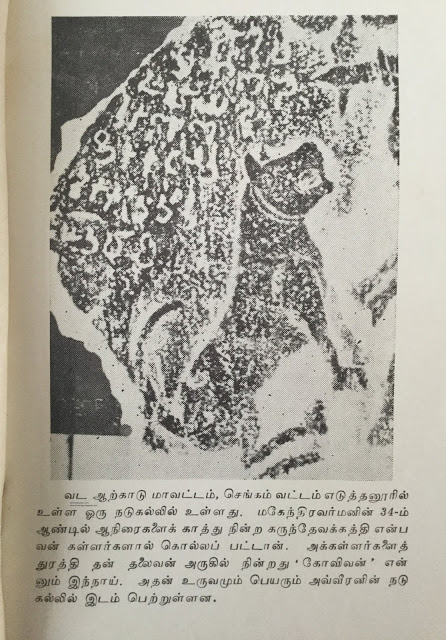
Here are the details
Location – Eduthanur in Sengam area of North Arcot District, Tamil Nadu, India
Name of the Dog – KOVIVAN
Year of the Hero Stone Sculpture – 34th Regnal Year of Mahendra Pallava
Approximately 624 CE
Mahendra Varman was crowned in 590 CE while his father Simha Vishnu was alive. Historians calculate that he ruled for 39 years. This included the period while his father was officially the king.
THE STORY OF THE DOG
Why was it honoured in a Hero Stone?
A villager named Karundeva kathi was guarding the cattle of the village. Robbers came to take away the cattle and other property.
He fought with robbers heroically and the dog helped him in the fight. Unfortunately, he was killed along with the dog in the fight.
Grateful Tamils sculpted the dog in the Hero Stone and inscribed both the names of the dog and his master.
Sources book – SENGAM NADU KARKAL, DR R NAGASAMY, DIRECTOR OF ARCHAEOLOGY, TAMIL NADU, 1972
Tamil Poet Tiruvalluvar has composed ten couplets on gratefulness.
Valluvar says
A help rendered in time of need , however small it may be , should be regarded as much larger than even the world –
-Tirukkural 102
The value of help rendered without any expectation of recompense is larger than even the ocean .
-Tirukkural 103
The noble minded will remember for seven births the friendship of those who saved them from affliction.
-Tirukkural 107
There may be forgiveness for any sin but not for ingratitude.
-Tirukkural 110
The couplet 110 is in Sangam Literature book Purananuru verse 34, Valmiki Ramayana and Pancha Tantra stories of Vishnu Sarman.
16 Feb 2017 – Tamil and Vedas … In my article “ VEDIC DOG AND CHURCH DOG”, posted on 18 January 2013, I have explained the oldest reference to dog … Here are some stories about DOG BURIALS in Mesopotamia and Egypt!
19 Aug 2013 – Picture shows Sri Sathya Sai Baba with dogs. For other Dog stories and animal miracles, please read my earlier posts: 1.Animal Einsteins (Part …
20 Aug 2015 – Two dog and donkey stories illustrate this point. I posted… … Following story is from my post on 5 November 2013. Are the Mantras only for …
tags — Tamil dog, Hero Stone, Kovivan, Dog sculpture
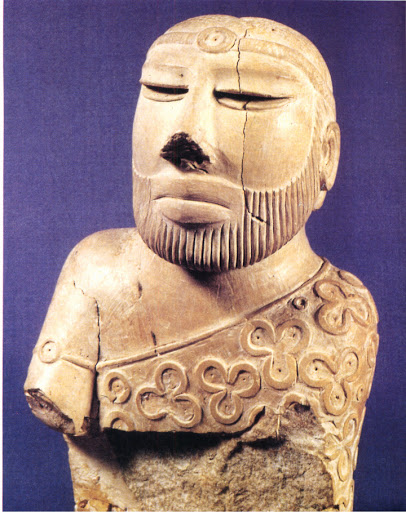
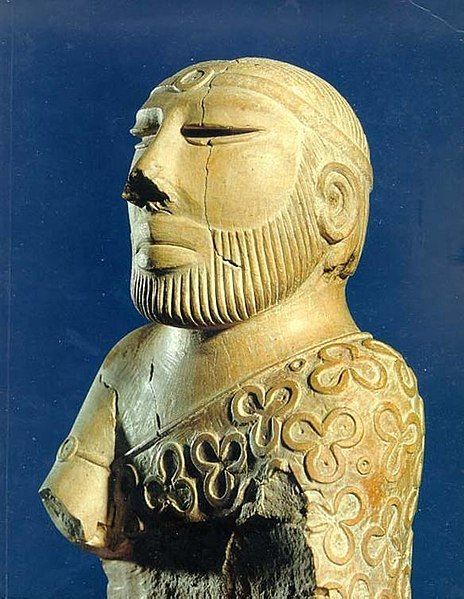
17 cm high Indus Valley Priest King Statue at Karachi Museum, Pakistan.
சிந்து- ஸரஸ்வதி நதி தீர நாகரீகத்தில் ஒரு கம்பீரமான யோகி அல்லது மன்னரின் (Priest King of Indus Valley) சிலை கிடைத்துள்ளது. சங்க இலக்கியத்தில் சொல்லப்படும் ‘நீலக் கச்சை பூவார் ஆடை’ அணிந்துள்ளார். தலையில் பொ ட்டு வைத்தது போல ஒரு பட்டம் கட்டியுள்ளார். கையில் கங்கணம் அணிந்துள்ளார்; ஒரு ஹிந்து யோகிக்குள்ள சர்வ லக்ஷணங்களும் உள; அழகான தாடி. ஆனால் ஐயனுக்கு மீசை இல்லை!!!
அதாவது மீசை உள்ள இடம் மட்டும் சிரைக்கப்பட்டுள்ளது ஏன் ?ஏன் ?ஏன் ? மத்திய கிழக்கு நாடுகளில் இப்படி ஒரு வழக்கம் இருந்ததாக சிலர் சொல்லுவர் .
குற்றம் செய்தவர்களின் கைகால்களை வெட்டுவது இந்துக்கள் கொடுக்கும் தண்டனை. மாறுகால் மாறு கை வாங்குவர்; அதாவது வெட்டி விடுவார்கள் .
‘செக்ஸ்’ (Sexual harassment) விஷயங்களில் ‘சில்மிஷம்’ செய்தால் மூக்கை வெட்டி விடுவார்கள். ராமனிடமும் லெட்சுமணனிடமும் வாலாட்டிய சூர்ப்ப நகையின் மூக்கை லெட்சுமணன் அறுத்ததை நாம் அறிவோம். மூக்கு உடைபட்டான் (Nose cut) என்ற மரபுத் தொடரையும் நாம் பயன்படுத்துகிறோம் .
பரிவட்டம்
தலைக்கு பட்டம் அல்லது பரிவட்டம் கட்டும் பழக்கம் இந்து புரோகிதர்களிடம் உண்டு. இன்றும் கோவில்களில் பரிவட்ட மரியாதை இருக்கிறது. யாக சாலைகளில் பிராமணர்கள் இப்படி பரிவட்டத்துடன் அமர்கிறார்கள்.
பிராமணர்கள் தங்கள் அடையாளத்தைக் காட்ட சிகையை (Tuft) வெவ்வேறு விதமாக அணிவார்கள் . சிதம்பரம் தீட்சிதர்கள் (முன் குடுமிச் சோழியர்கள்) , கேரள நம்பூதிரிகள் ஆகியோர் சிகைகளில் இந்த வேறுபாட்டைக் காணலாம். அஹிசாத்ரா (உ.பி.) விலிருந்து பரசுராமர் அழைத்து வந்த பிராமணர்கள் திரும்பிப்போகக்கூடாது என்பதற்காக அவர்களுடைய நடை, உடை, பாவனைகளை பரசுராமர் மாற்றிவிட்டதாக ‘கேரளோத்பத்தி’ என்னும் நூல் கூறும்.
ஆயினும் மீசை பற்றிய குறிப்புகளோ அதை உதட்டுக்கு மேல் சிரைக்கும் வழக்கம் பற்றிய குறிப்புகளோ இருப்பதாகத் தெரியவில்லை. இந்தப் புதிர் விடுவிக்கப்பட்டால் இன்னும் கொஞ்சம் தெளிவு பிறக்கும்
வேதகாலத்தில் தலை முடியை பின்னலாக பின்னிக்கொள்ளும் வழக்கம் இரு பாலரிடமும் இருந்தது. “கபர்தின்” (Kapardin) என்றால் மயிரைப் பின்னலாக செய்துகொண்டவர் என்று பொருள். பெண்கள் இரட்டைச் சடைப் பின்னலுக்குப் பதிலாக நாலு ஜடை பின்னல் அணிந்ததாக ரிக்வேதம் சொல்லும் (RV.10-114-3)
பூஷன், ருத்ரன் ஆகிய தெய்வங்கள் பின்னால் சடை அணிந்ததாக வேதம் சொல்கிறது
சீனிவாலி (Sinivalai) என்னும் தேவதை நப்பின்னை – ஸு கபர்தின் — என்று அழைக்கப்பட்டாள்.
.வசிஷ்ட மகரிஷி வம்சத்தினர் வலது பக்கம் பின்னல் அணிந்தனர் – ‘தக்ஷிணதஸ் கபர்த’ ; நேராக சடை தொங்கவிட்டதை ‘புலஸ்தி’ என்றனர்; ‘ஒபாச’ என்ற சொல் பெண்களின் கூந்தலைக் குறித்தது. இங்கும் சீ’னி வாலி’ என்னும் தேவதை ‘ஸ்வவபச’ என்று அழைக்கப்படுகிறார். ‘நப்பின்னை’ என்று பொருள் கொள்ளலாம். ; மேலும் ‘நெருக்கமாக’, ‘லூஸாக’ பின்னப்படும் கூந்தலுக்கும் தனித்தனி சொற்கள் உள்ளன.
மயிர் வெட்டும் தண்டனைகள்
சிந்து சமவெளியில் மேல் மீசையை சிரைத்த சிலையைப் போல மீசையை மட்டும் வெட்டுவது யவனர்களுக்குக் கொடுக்கப்பட்ட தண்டனை என்று புராணங்கள் கூறும். அல்லது தலை முடி முழுதும் சிரைக்கப்படும் என்று பிரம்மாண்ட புராணம் கூறுகிறது .
இமயவரம்பன் நெடுஞ்சேரலாதன்
இமயவரம்பன் நெடுஞ்சேர லாதன் , அட்டூழியல் செய்த யவனர்களைப் பிடித்து கையைப் பின்னால் கட்டி அவர்கள் தலையில் எண்ணையை ஊற்றி அவமானப் படுத்தியதாக ‘பதிற்றுப்பத்து’ என்னும் சங்க கால நூலும் பின்னர் எழுதப்பட்ட சிலப்பதிகாரமும் கூறும். மொட்டை அடித்து ஊர்வலமும் விட்டிருக்கலாம்
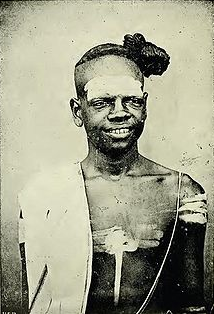
ஏனெனில் பழங்காலத்தில் மரண தண்டனை விதிக்கப்பட்டோரின் தலையை மொட்டை அடித்து முகத்தில் கரும்புள்ளி செம்புள்ளி குத்தி சிவப்புச் சட்டை போட்டு ஊர்வலமாக அழைத்து ச் சென்று தூக்கில் தொங்க விடுவார்கள். இதை சம்ஸ்கிருத நூல்களில் காணலாம்.
மஹா பாரதம்
மஹா பாரதத்திலும் மயிர் தண்டனை உளது. திரவுபதிக்குத் தீங்கிழைத்த ஜெயத்ரதனின் தலையை பீமன் பிறைச் சந்திரன் வடிவுள்ள அம்பைக்கொண்டு தாக்கினான். ஐந்து குடுமியை வைத்துவிட்டு மற்ற எல்லா மயிரையும் மொட்டை அடித்தான் . ஐந்து பாண்டவர்கள் ஞாபகார்த்தமாக ஐந்து குடுமி!!!.—மஹா பாரதம் 3-256-9
भल्लापवर्जितैस्तेषां शिरोभिः श्मश्रुलैर्महीम्| तस्तार सरघाव्याप्तैः स क्षौद्रपटलैरिव॥ ४-६३
bhallaapavarjitaisteShaa.n shirobhiH shmashrulairmahiim | tastaara saraghaavyaaptaiH sa kShaudrapaTalairiva || 4-63
Raghu covered the ground with the bearded heads of westerners that are cut off with crescent-like arrows, as if they are the sheaves of honeycombs swarming with bees. [4-63]
—–FROM SANSKRITDOCUMENTS.ORG
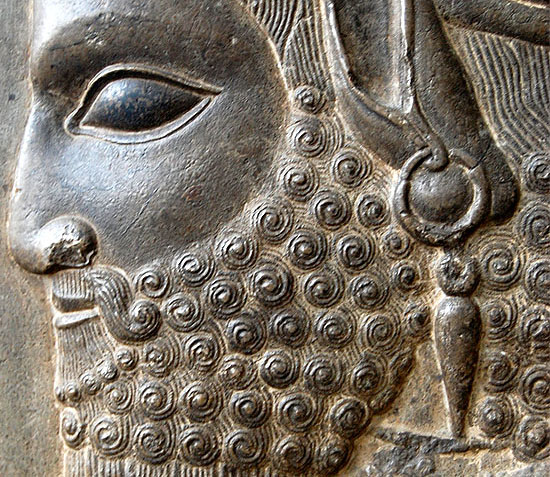
உலக மஹா கவி காளிதாசனும் ரகுவம்சத்தில் இதே உத்தியைக் கையாளுகிறான். ரகுவின் படைகள் பாண்டியர்கள், சேரர்களைத் தோற்கடித்த பின்னர் தரை மார்க்கமாக பாரசீகத்துக்கு – ஈரான் நாட்டுக்கு – செல்கிறது அவர்கள் தாடி தேன் கூடு போல சுருள் சுருளாக இருக்கும்.. அதை பீமன் போலவே பிறைச் சந்திர வடிவ அம்பால் வீழ்த்துகிறான் மாமன்னன் ரகு. ரோஜா போன்ற கன்னம் உடைய , மது குடித்த வாயுடனுள்ள பாரஸீக அழகிகள் முககங்கள் வாடின. பூமி முழுதும் தேன் கூடுகள் விழுந்தது போல பாரசீகர் தலைகள்!!! அவர்களை யவனர்கள் என்றே பாடுகிறான் காளிதாசன்.
நான் முன்னர் ஒரு கட்டுரையில் கூறியது போல வடமேற்கு திசையில் வசிக்கும், தமிழும் சம்ஸ்கிருதமும் பேசாத மிலேச்சர் அனைவரையும் சங்கத் தமிழ் நூல்களும் சம்ஸ்க்ருத நூல்களும் ‘யவனர்’ என்றும் ‘மிலேச் சர்’ என்றும் அழைத்தன. இமயவரம்பன் நெடுஞ்சேரலாதனைப் பாடி , யவனரை இகழ்ந்துரைத்த பார்ப்பனப் புலவர் குமட்டுர் கண்ணனும் நயனில் வன்சொல் யவனர்” என்று மட்டம் தட்டுகிறார். ஆக காளிதாசனும் “யவனர் மயிர் பற்றிப் பாடியதை பார்த்தோம்.
மயிர் என்பது அன் பார்லிமெண்டரி சொல் (Unparliamentary word) அல்ல. திருவள்ளுவரே இரண்டு குறள்களில் ‘மயிர்’ என்றே பாடுகிறார். அது மட்டுமல்ல. முத்தமிழில் — சங்க காலத்தில் — முடிதிருத்துனருக்கு தமிழ் ச் சொல்லே கிடையாது!!! அம்பட்டன், நாவிதன், மயிர் முதலியன ஸம்ஸ்க்ருதச் சொற்களே. முடி திருத்தும் கருவி என்பதும் சம்ஸ்கிருத சொல்லே!!
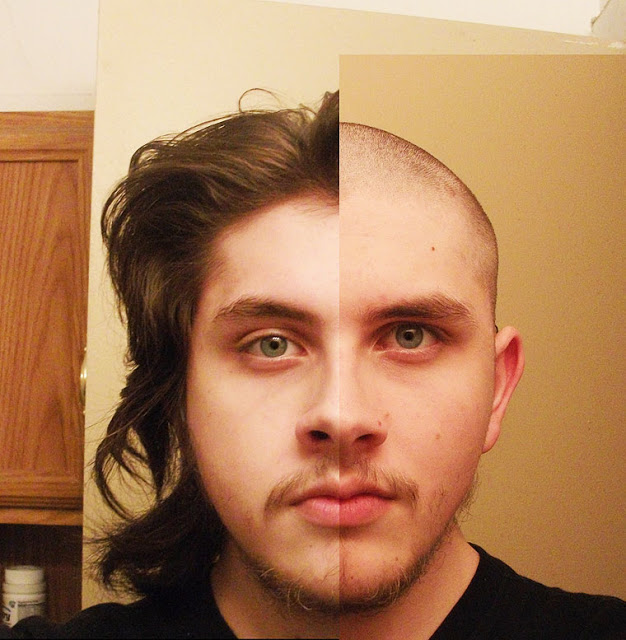
தலை முடியை ஒரு பக்கம் மட்டும் வெட்டுவது ஒரு தண்டனை ஆகும்.
பிராமணர்களுக்கும் க்ஷத்ரியர்களுக்கும் மரண தண்டனை கிடையாது. பிராமணர்களின் தலை மயிரை சிரைத்து அவமானப்படுத்துவர் இது தினசரி சாவது போன்றது ஒழுக்கத்தைப் போற்றும் பிராமணர்களுக்கு. ஒரு பிராமணன் தலையை மற்றோர் பிராமணன் சிரைத்த செய்தி ‘திக நிகாய ‘நூலில் உள்ளது.
ருக்மிணியின் சகோதரன் பெயர் ருக்மி. . அவனுடைய முடி, மீசை எல்லாவற்றையும் வெட்டித் தள்ளினான் கிருஷ்ணன் .இது பாகவத புராணத்திலுள்ளது .
ஏழாம் நூற்றாண்டு சமண மத நூலான ‘வராங்க சரித’த்தில் ஒரு காடசி வருகிறது; .தனக்குக் ,கீழ்ப்படியவேண்டும் என்று சக்ரவர்த்தி கடிதம் அனுப்புகிறான். அதைக் கையில் வாங்கிய குறு நில மன்னன் கடிதத்தைக் காலுக்கடியில் போட்டுத் தேய்த்துவிட்டு, கடிதம் கொண்டு வந்த தூதனின் தலையை ஒரு பாதி (Half Shaved Head) மட்டும் சிரைத்து அனுப்புகிறான்.
லாட (Bengal in India) தேசத்தில் சீக பாஹுவின் – சிம்ஹ பாஹு — மகன்கள் விஜயனும் அவனது தம்பியும் பொறுக்கமுடியாத அக்கிரமங்களைச் செய்கின்றனர். மக்கள் கதறி முறையிடவே விஜயன் மற்றும் அவன் சகோதரனின் தலை மயிரை பாதி சிரைத்துவிட்டு 700 பேருடன் கப்பலில் ஏற்றி நாடு கடத்துகிறான் அவன் இலங்கையில் வந்து இறங்கி, மதுரைப் பாண்டிய மன்னன் மகளை மணந்து சிங்கள ஆட்சியைத் துவங்குகிறான்.
இப்படி மயிர்க் கதைகள் அநேகம் இருக்கின்றன.!!!
SOURCE BOOK:
‘YONAS AND YAVANAS IN INDIAN LITERATURE’, KLAUS KARTTUNEN, FINNISH ORIENTAL SOCIETY, HELSINKI with my inputs from Tamil sources.
tags — மயிர், தண்டனை,சீனிவாலி, சிந்து சமவெளி, சிரைத்த மீசை,, யோகி
Pictures are taken from various sources for spreading knowledge; this is a non- commercial blog. Thanks for your great pictures.
Bhagavad Gita on karma
The orthodox tradition banks on the performance of ‘karmas’. Karma here means the karmas prescribed in the smritis, following Veda. It is classified under various heads. Over the centuries, it has become a subject of great attraction, repulsion, complication and reform.
Bhagavad Gita talks of karma in some detail. But it also warns us: “Gahana karmano gati:” – it is difficult to understand the real nature of karma.The Gita teaching on karma can be stated in brief as under, without technicalities:
For people in the world, karma cannot be avoided. But karma creates bondage. So skill consists in performing karma, without getting into bondage! This is possible only if the desire and attachment to fruit of karma are avoided ie ‘kamya’ karma should be avoided. This is possible if karma is done as ‘yajna’ , without desiring the fruit. Karma then becomes karma yoga, and the fruit of it should be surrendered to Bhagavan.
Bhagavan clearly warns us that pundits will entice us with flowery words (“pushpitam vachaam” into many karmas.(“kriya vishesha bahulaam”){2.42-44} They may get us the higher worlds, but once their fruit is exhausted, we have to come back to this world! ( ksheenae punye, martyalokam visanti) They do not get us liberation.
Bhagavan also says Dana, Yajna, Tapas should not be given up. What does he mean by ‘yajna’ here, as he has warned us about Vedic karmas earlier? It is clear that he cannot mean those big yajnas which only the wealthy can do.
Pancha Maha Yajnas
In the Hindu view, every man born is subject to five debts and these have to be discharged by appropriate karmas, performed as yajna, usually called “pancha maha yajnas”. This is the only karma/yajna enjoined on every dwija but with a peculiarity: Their performance does not confer merit (punya), but non-performance constitutes demerit (papa)! So it has necessarily to be performed as a yajna- ie in discharge of duty, as servicing the debt- as laid down in the Gita itself!
The normal practice of Smartas in respect of performance of any karma is to make a sankalpa ( ie state explicitly the intention and determination) ‘ ‘Parameshwara preetyartam’ ( though other desires are added like ‘sarva mangala avaptyartam’, ishta kamyarta sidhyartam, etc) , and conclude it by dedicating its fruits to Bhagavan ” “Narayanayeti samarpayami, Om Tat Sat, Brahmarpanamastu”. Thus the true spirit of karma is already embedded in the ritual itself, but we have to do it consciously, not mechanically!
Samartha Ramadas on Yajna
This point has been subject to lot of discussions and controversy. Samartha Ramadas has explained it clearly:
It is the duty of Brahmins to perform yajna. But yajna here does not mean Srauta karmas like Vajapeyam, Atiratram, Soma Yajna, etc. It needs special qualifications to perform these yajnas. But by the mere fact of being born a brahmin, he has to discharge the pancha maha yajnas! Pandits usually explain karma/yajna in terms of Agnihotra, etc. They do not talk about pancha maha yajnas which involve service to human beings and other forms of life! But Jnaneshwar has explained yajna only in the sense of pancha maha yajna. In explaining the expression ” yajnashistashina santa: muchyante sarvakilbisher”, (third chapter of Gita) Bhagavadpada too talks of yajna only in the sense of pancha maha yajnas, and not Ashwamedha and such like.
(See: Swaminatha Atreyan: Sri Samartha Ramadas Charitam, Tamil, 2008, p 79-81 )
Sri Ramadas established this position clearly in an assembly of Pundits in Varanasi, by countering and defeating all contrary arguments..
Sri Bhagavannama Bodhendra ( who was the 59th Pontiff of Kanchi Shankara Mutt) too has established, on the basis of our Puranas and Sankara bashya on Sri Vishnu Sahasranama and Bhagavad Gita, that yajna does not mean the big yajnas like Ashvamedha, Vajapeya. These involve himsa, dravyantaram, purushantaram,desaniyamam, kala niyamam, prakara niyamam, etc. Any deficiency or imperfection or deviation in their performance brings bad or unintended consequences. These are almost impossible to perform in this yuga. And all these are after all kamya karmas, which are prohibited by the Gita.
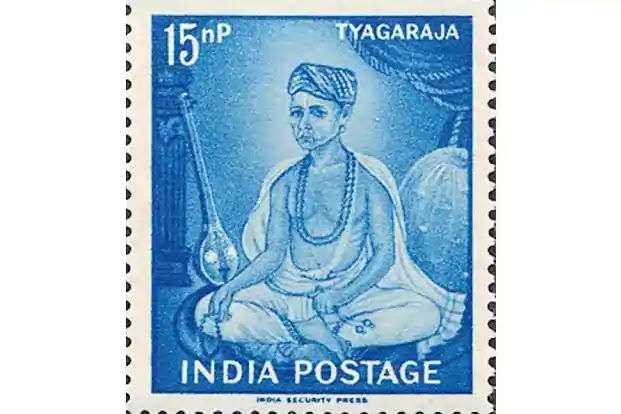
Society in Tyagaraja’s Times
Tyagaraja’s time was one of severe disturbances and disruption in socio-religious life of the Hindus. The smooth flow of Hindu dharma had been interrupted by Muslim invasions and rule; following them, the local rulers had lost their financial power and political independence, and were mutually antagonistic, even seeking support of Muslim sultans against one another, playing into the Muslim hands; the Europeans had come: Portuguese, Dutch,French, besides English; the Christian missionaries were very active. Through all this, the English asserted themselves and slowly made the local rulers dependent on them for support, effectively reducing their span of direct influence. The agriculturists were subject to great suffering. The Brahmin community suffered for want of support. (They could not earn money by following any other occupation, nor could they accept daana from all and sundry; but the traditional means of support were declining). Their greatest problem was regarding dharma: it became difficult to follow the varnasrama, and the Vedic karmas.
Rise of Nama Sidhanta
But what was the alternative? As we saw in previous postings, the Nama Siddhanta took root in Tanjore area in this period, but the old adherents of yajna karmas opposed it as being ‘anacharam’. Sri Bodhendra wrote his treatise “Sri Bhagavan Namamruta Rasodayam” providing a firm sastric base for Nama Sidhanta. He clearly stated:
kali kalmasha chittanam
papa dravya jeevinam
vidhi karma viheenaanaam
gati: Govinda kirtanam.
But still there were murmurs.
Tyagaraja has to be viewed in this background.
In his kritis, Tyagaraja has shown a clear way. First he tackles the Yajnavadins.
Yajna is for the Ignorant
YAJNADULU (Jayamanohari)
Yajnadulu sukhamanuvaariki samu lajnadulu galare Are there (other) ignorant people equal to those who say that yajnas are good? Sujnana daridra paramparula Such people come in paramparas which lack real jnana. Asura chittula jivatma himsukala Yajnadulu sukhamanuvaariki….. These people have the mentality of asura, and the yajnas involve jivahimsa.
No doubt the yajnas were prescribed in the Vedas. But the Vedic dharma changed through the Yugas. In the Kritayuga, it was dhyana, in Treta Yuga it was yajna, in Dwapara it was archana, puja. But in Kali? Yajnas are inappropriate.
Even as the Vedas prescribed yajnas, they were not for all- only for householders. And the very same Veda ( Kaivalyopanishad) also said that any amount of karma cannot lead to Liberation:
Na karmana, na prajaya dhanena tyagenaike amritatvamanasuh parena nakam nihitam guhayam, vibhrajate yadyatayo visanti vedanta vijnana sunischitarthah sanyasayogadyatayaha shuddha satvah te brahmaloke tu parantakale paramritat parimuchyanti sarve
Here are excerpts from a translation done by Major Chadwick, a staunch follower of Bhagavan Ramana, corrected by Ramana himself:
It is not by means of karma immortality is gained, Not even yet by offspring,nor possession of much gold, But by renunciation by some it is attained. The sages who their senses have all thoroughly controlled, Attain that Sat than which high heaven’s Supremacy is less,
Which ever doth within the Heart its radiance unfold. The Adepts by renunciation and one-pointedness Who have become both pure in heart and who have also known The certainty of that one Truth Vedanta does profess,
Attain Self-realization.
From: The Collected Works of Sri Ramana Maharshi, Sri Ramanasramam, 2007. Many terms in the original have deep meaning. For a sample of it, see Talks 511 and 513 (9 and 16 September 1938) in Talks with Sri Ramana Maharshi.
Bhagavan made us see yajna in a new light in the Gita: it is a means of interdependence between man and Devas for their mutual benefit. A man who enjoys what the Devas give without nurturing them in yajna is a thief. But he expanded the meaning of yajna beyond ‘dravya yajna’ to include tapo yajna, jnana yajna, etc! He said these karmas could give prosperity in this world and heaven after death; but once their effect is exhausted, we will have to take birth again. So, giving up kamya karma, one has to perform only ‘niyatam karma’, ‘karyam karma’ ie the ordained duties, that too as yoga, without desire, sankalpa, and attachment to fruit. And the only ordained duty is pancha maha yajna. But in course of time, we forgot the basics and got immersed in yajna karma for their worldly benefits. So Tyagaraja reminds us:
Vedoktam baukarmamu vedagalgu gathagathamau …..(Nee Bhakti Bhagya sudha) The ritual karmas prescribed in the Veda cause distress again and again.( ie by leading to repeated rebirths).
Acharya Shankara and Karma
Acharya Sankara identified man’s problem as Ignorance of his true state, and prescribed only Jnana as the remedy. He said any amount of karma cannot remove ajnana, as they are of the same category. But the embodied being cannot avoid karma altogether, so he has to do it for ‘chitta suddhi’ ie for purification of the mind. But people got attached to yajna/karma for their own sake or for the sake of material benefits, and forgot the adhyatmic goal. So Tyagaraja reminds us that those who are attached to yajnas are ignorant.
The pancha maha yajnas are meant for the welfare of all. including insentient beings, and have to be performed. But the other yajnas are undertaken due to desire, for showing off one’s status and wealth or for prestige, etc.
Raga lobha yuta yajnadulache Bhogamulabbutayadi padava………(Padavi nee) Is that a real status that is obtained by performing yajna accompanied by desire, stinginess,etc? These yajna karmas are performed, prompted by desire and a Rajasika disposition which is the result of one’s one past karma in many previous births:
Bahujanmambula vasanayutulai ahi visha sama vishayakrushtulai bahirananulai Tyagaraju bhajiyinchu Sri Ramuni deliyaka…….(Yajnadulu )
Due to the vasanas acquired in many past janmas, attracted by the sense-pleasures which equal the poison of serpents, ever with a gaze on the world outside, not knowing the truth of Rama worshipped by Tyagaraja, these people indulge in yajna. Are there other ignorant people to match them? The Gita says that the Vedic karmas are subject to the three gunas : Trigunya vishaya veda. (2.45) The object is to rise above them, to go and grow beyond them.
Karmas keep us in Samsara
Tyagaraja Swami says that it is not enough to perform various rites and rituals following karmakanda. Such acts make man sink deep in the forest of Samsara. God’s grace is required to get out of this.
When men followed the karmakanda, undertaking all the rites. desiring their fruit, and were wandering in the forest of Samsara, subject to untold suffering, Did not Rama come as a human Avatara and show them the correct path by his own conduct?
There is little doubt that yajnas are performed mostly for the sake of social prestige, and involve Rajo guna:
Bhuvilo bhogamula koragu Rajasamuna yagadulonarinchi yalayuvarula (Ninne nera) For the sake of enjoying bhogas, people endowed with Rajasa gunas perform yajnas in the world.
Do such yajnas please the Almighty? There is one nama (600) in Sri Lalita Sahasranama: Daksha yajna vinasini.It is known that Daksha performed the yajna due to his dhamba and Mother did not tolerate it but destroyed it! Bhagavan says in the Gita:
“I am rich and well-born. Who else is equal to me? I will perform yajna. I will give. I will rejoice.” Thus deluded by ignorance, Bewildered by many a fancy, covered by the meshes of delusion, addicted to the gratification of lust, they fall down into a foul hell. (From the translation of Swami Swarupananda, Advaita Ashrama) Such yajnas are only in name: ‘nama yajnai’ ( Gita: 16.17)
Sri Tyagaraja reminds us that we should not get addicted to yajnas- as Bhagavan taught us in the Gita long ago! The real Yajnas which merit performance are the pancha maha yajnas , performance of which is a duty, and not a means for profit.
Note:
1.Sri Ramakrishna maintained the same position with regard to Vedic Karmas in general. He did not condemn them, but said they were difficult of performance in this age. He said that the path of devotion shown by Narada is the most suitable path for this age. But he said that Sandhya should not be given up. 2. It is the pancha maha yajna which is stated in Tirukkural No.43 as the prescribed duty of householders.(அறத்துப்பால்—இல்லறவியல்–இல்வாழ்க்கை )
Pictures are taken from various sources for spreading knowledge; this is a non- commercial blog. Thanks for your great pictures.
ஹிந்தி படப் பாடல்கள் – 36 – இரு புதிய குரல்கள்!
R. Nanjappa
இரு புதிய குரல்கள்
சில துறைகளில் “சீனியர்களை” எளிதில் புறக்கணிக்கவோ, மிஞ்சவோ முடியாது. மருத்துவம், சட்டம். அக்கவுன்டன்சி ஆகிய துறைகளில் அவர்களுக்கு மவுசு கூடிக்கொண்டே தான் வரும். சீனியர் வக்கீல் ஒரு வழக்கை எடுத்தால், நீதிபதிகளும் அதிக கவனம் செலுத்துவர். ..சீனியர் ஆசிரியர்களுக்கும் மதிப்பு கூடும்- ஓய்வு பெற்ற பின்பும் அவர்களுக்கு வரவேற்பு இருக்கும்.
சாஸ்திரீய இசையில் பெரியவர்கள் இருந்தாலும், புதிய வித்வான்களும் வந்த வண்ணமிருப்பர். ஒரு நிலைக்குப் பிறகு சீனியர்களின் குரல் எடுபடாது. இளைஞர்களின் குரல் ஓங்கும்!
நமது சினிமா இசையில் ஆறு பாடகர்கள் முக்கிய இடம் பெற்றனர்: முஹம்மது ரஃபி, தலத் மஹ்மூத், முகேஷ், மன்னா டே, கிஷோர்குமார், ஹேமந்த் குமார். இவர்கள் (தலத் தவிர ) சுமார் 30 வருஷம் உச்சத்தில் இருந்தனர். புதிய பாடகர்கள் ஒரு பெரிய ஹீரோ நடிகருக்குப் பாடுவது சாத்தியமில்லை. பெண்களில் லதா-ஆஷா சகோதரிகளை நெருங்க விடவில்லை.
1956-57. மர்ஃபி ரேடியோவும் மெட்ரோ கம்பெனியும் இணைந்து புதிய பாடகர்களை நாடு முழுதும் தேடியது. நௌஷத், அனில் பிஸ்வாஸ், சி.ராம்சந்த்ரா, வஸந்த் தேஸாய், மதன் மோஹன் ஆகிய ஸீனியர் இசைஞர்கள் நடுவர்களாக இருந்தனர். ஆண்களில் மஹேந்த்ர கபூரை தேர்வு செய்தனர். பெண்களில் எவருமில்லை. மஹேந்த்ர கபூர் ஓரளவு கால் ஊன்றினார்.
ஆனால் நமது இசைஞர்கள் அவ்வப்போது புதிய குரல்களை அறிமுகம் செய்துகொண்டிருந்தனர். சுபீர் சென் பற்றிப் பார்த்தோம். இன்று வேறு இருவரைப் பார்க்கலாம்.
ஷ்யாமல்மித்ர
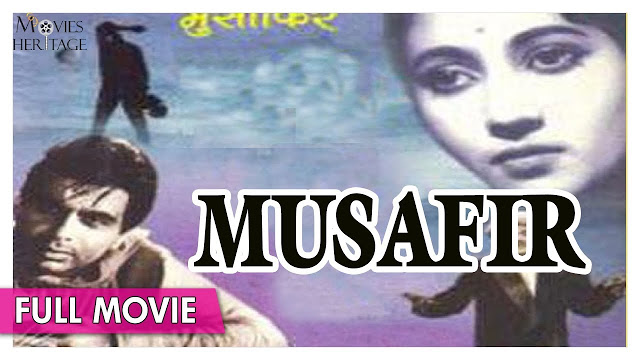
இவரை ஸலில் சவுத்ரி முதலில் ” நௌக்ரி” (1954) என்ற படத்தில் அறிமுகப் படுத்தினார், ‘முஸாபிர்” (1957) என்ற படத்தில் இவருக்குத் தனிப்பாட்டு கிடைத்தது. அருமையான பாடலாகவும் அமைந்தது,
Song: Ek aaye ek jaaye Film: Musafir 1957 Lyrics: Shailendra
Music: Salil Chowdhury Singer: Shyamal Mitra
இது ரிஷிகேஷ் முகர்ஜி டைரக்ட் செய்த முதல் படம். சாதாரண மக்கள் அன்றாடம் படும் பாட்டை விவரிக்கிறது.
எவ்வளவு பொருள் பொதிந்த பாட்டு! இந்த consumer society யின் ஆதிக்கத்தில் நாம் ஒவ்வொருவரும் எவ்வளவு சாமான்களை வாங்கிச் சேர்த்துக்கொள்கிறோம்! கடைசியில் அவ்வளவும் குப்பைக்குப் போகின்றன! பழைய கால பெரிய வீடுகள் போய் சிறிய அடுக்குமாடி தீப்பெட்டி போன்ற இடம் வந்தும் , சாமான் வாங்கும் ஆசை விடவில்லை! வொர்ட்ஸ்வொர்த் Wordsworth சொன்னமாதிரி:
The world is too much with us; late and soon,
Getting and spending we lay waste our powers.
ஷ்யாமல் மித்ராவின் குரல் தனிப்பட்டது. நம் அறுவரின் குரலோடு நெருங்கி வராது. இந்தப் பாடல் எந்த ஹீரோ நடிகரின் மீதோ, வேறு பெரிய நடிகரின் மீதோ படமாக்கப் படவில்லை! ஒரு டீக்கடைப் பையனாக வரும் மோஹன் சோடீ என்ற அன்றைய சில்லறை நடிகன் மீது படமாக்கப்பட்டது. படத்தில் மூன்று பத்திகளும் ஒன்றாக வராது- மூன்று இடங்களில் வரும்! இதனாலெல்லாம் இந்தப் பாட்டை மக்கள் அதிகம் கண்டு கொள்ளவில்லை. சிறிய பாத்திரம்-புதிய குரல் – பெரிய தாக்கம் ஏற்படுத்தவில்லை. ஆனால் 60 ஆண்டுகளுக்குப் பிறகும் இதன் கருத்தாழமும், எளிய மெட்டும் நம்மைக் கவர்கின்றன! ஷைலேந்த்ராவின் பேனா அப்படிப்பட்டது.
This is one of the best movies of Indian cinema. Don’t go by awards or rewards. Rishikesh Mukherjee spreads the spirit of humanism, simple human goodness and homely virtues. India that still lived 60 years ago, from which we all hail.
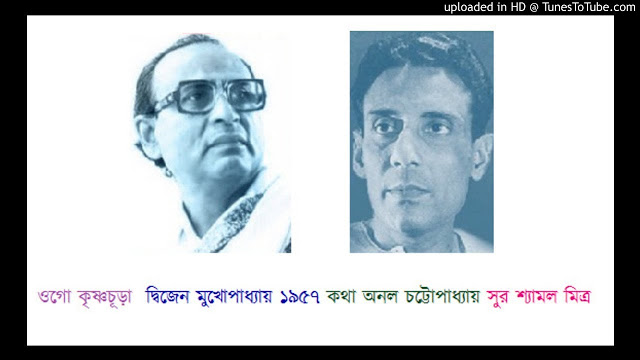
த்விஜேன்முகர்ஜீ
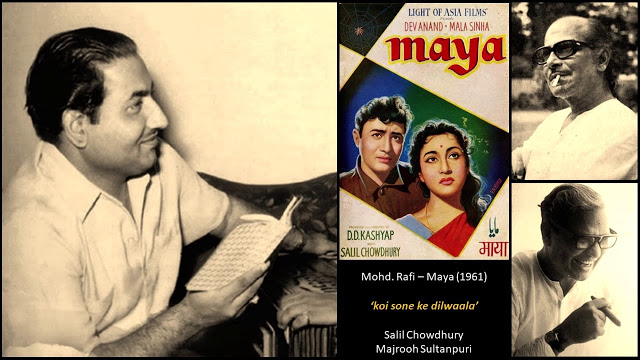
இவரையும் ஸலீல் சவுத்ரி அறிமுகப்படுத்தினார். 1961ல் வந்த ‘மாயா” என்ற படத்தில் ஹீரோ தேவ் ஆனந்திற்காகப் பாடிய சோலோ பாட்டு இது.
ai dil kahaan teri manzil naa koyi deepak hai naa koyi taaraa hai gum hai zameen door aasmaan ai dil kahaan teri manzil
மனமே! உன்இலக்குஎங்கிருக்கிறது?
இங்குஒருவிளக்கும்இல்லை, ஒருதாரகையும்இல்லை!
பூமிமறைந்துவிட்டது, வானம்எங்கோதூரத்தில்‘
மனமே, நீஅடையவேண்டியஇடம்தான்என்ன?
kis liye mil mil ke dil tootate hain kis liye ban ban mahal tootate hain kis liye dil tootate hain patthar se poochhaa sheeshe se poochhaa Khaamosh hai ye sab ki zabaan
ai dil kahaan teri manzil
எதற்காகஇப்படிமனம்உறவாடிபின்உடைந்துபோகிறது?
இந்தமாளிகைஏன்இப்படிகட்டிஉடைந்துபோகிறது?
ஏன்இப்படிமனதுஉடைந்துபோகிறது?
கல்லிடம்கேட்டேன், கண்ணாடியில்கேட்டேன்
மவுனமேஅவற்றின்குரல்!
மனமே, நீஅடையவேண்டியஇடம்தான்என்ன?
dhal gaye naadaan wo aanchal ke saaye rah gaye raste mein apne paraaye rah gaye apne paraaye aanchal bhi chhoota saathi bhi chootaa na hamsafar na caarwaan
அந்தஉறவின்நிழல்வீணில்போய்விட்டது
வழியில்என்னுடையதுபிரிந்துபோய்விட்டது
என்னுடையதுபிரிந்துவிட்டது
நெருக்கமும்நீங்கியது,, துணையும்விட்டது
துணையும்இல்லை, கூடவருபவர்களும்இல்லை
ai dil kahaan teri manzil
naa koyi deepak hai naa koyi taaraa hai
gum hai zameen door aasmaan
மனமே, நீஎங்குதான்சென்றடையவேண்டும்?
ஒருவிளக்கும்இல்லை, ஒருதாரகையும்இல்லை
பூமிகாணவில்லை, வானமும்வெகுதூரத்தில்!
Song: Ae dil kahan teri manzil Film: Maya 1961 Lyrics: Majrooh Sultanpuri
Music: Salil Chowdhury Singer: Dwijen Mukherjee
இது சோகப் பாடல். படத்தின் போக்குடன் சேர்ந்தது. மஜ்ரூஹ்வின் கவிதை பல உள்ளார்ந்த பொருள் தரும் சொற்களைக் கொண்டது.
Many words here go beyond the literal meaning. Mahal means not just a mansion, but the hopes and expectations of the future. Paththar and sheesha obviously mean more than stone and glass: what answer can you expect from them? They obviously mean types of people , or everywhere in the natural and man-made world.. Aanchal ke saaye- literally means the shadow of a piece of worn saree! Here it is taken as standing for female companion. Humsafar, caravan are idiomatic expressions in Urdu. Thus this is great poetry, with lots of involved imagery.
Salil Chowdhury’s tune is enchanting.
த்விஜேன் முகர்ஜி அருமையாகப் பாடியிருக்கிறார். இது ஒரு வங்காளியப் பாட்டின் ஹிந்தி வடிவம் தான்-அவர் முதலில் பாடத் தயங்கினார். இது ஹீரோ தேவ் ஆனந்த் விரும்பிய படியே அவர்மீது படமாக்கப்பட்டது. மிகுந்த வரவேற்பு பெற்றது. ஆனாலும் அவருக்கு ஹிந்தியில் பாட வாய்ப்புகள் வரவில்லை.
இதே பாடலை லதாவும் பாடியிருக்கிறார். எடுபடவில்லை.
த்விஜேன் முகர்ஜீ குரல் ஹேமந்த் குமார் குரல் போல் இருக்கிறது என்றார்கள். இது சரியல்ல, யாரோ போகிற போக்கில் சொல்கிற பேச்சு. இருவர் குரலுக்கும் நல்ல வித்தியாச மிருக்கிறது.
ஷ்யாமல் மித்ர, த்விஜேன் முகர்ஜீ இருவருமே வங்காளி சங்கீத உலகில் மிகப் புகழ் பெற்றவர்கள். ஹிந்தியில் பாட வாய்ப்பில்லாமல் போய்விட்டது. இந்த இரு பாடல்களுமே சிறந்த பாடல்களாக அமைந்து விட்டன. மித்ர சில ஹிந்திப் படங்களுக்கு இசையமைத்தார்.
ஆயிரக் கணக்கில் பாடல்கள் வந்தும் இத்தகைய குரல்களை ஹிந்தித் திரை இசை பயன்படுத்திக் கொள்ளவில்லை.
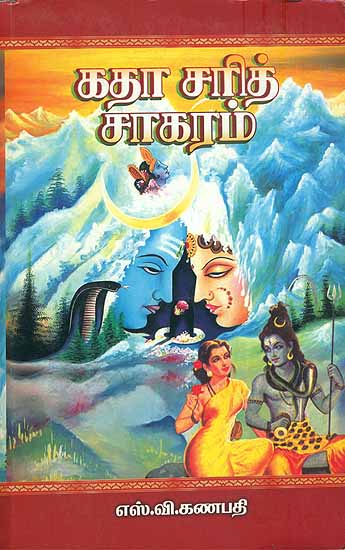
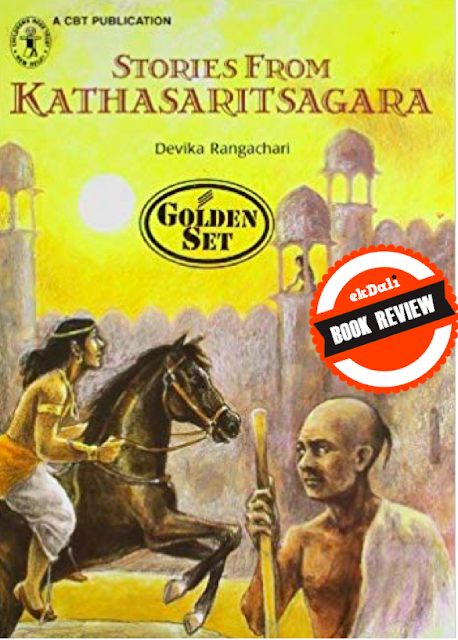
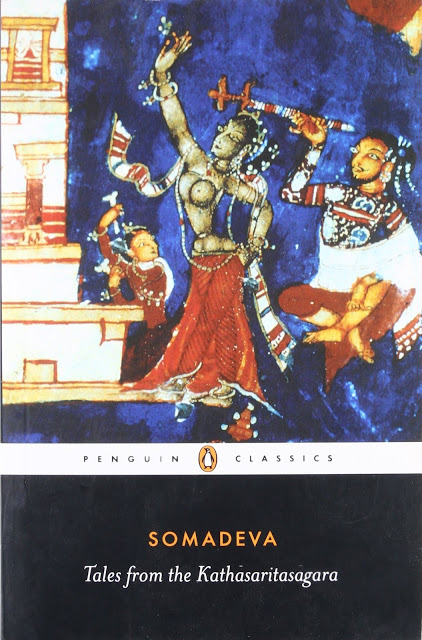
சாகரம் என்றால் கடல். கதைக் கடல் என்ற பொருளைத் தருகிறது கதா சரித் சாகரம்.
ஏராளமான கதைகளுடன் அற்புதமான நீதிகளைத் தருகிறது இந்த நூல். க்ஷேமேந்திரரின் ப்ருஹத் கதா மஞ்சரியை விட சோமதேவரின் கதா சரித் சாகரம் அழகிய நடையில் கதைகளைத் திறம்படச் சொல்கிறது.
சோமதேவர் ஒரு சிவ பக்தர்; சைவர்; பிராமணர். இவரது தந்தையாரின் பெயர் ராமர்.
குல்லுகங்கரா மன்னனான இந்து சந்திரனின் மகள் சூர்யவதிக்காக சோமதேவர் இதை இயற்றினார். காஷ்மீர் மன்னனான அனந்தனின் மனைவி சூர்யவதி இந்த காஷ்மீர் மன்னனின அரசவை கவிஞராக சோமதேவர் இருந்தார்.
அனந்தனைப் பற்றிய செய்தி ஒன்று உண்டு. இவர் தனது அரசுப் பொறுப்பை 1063ஆம் ஆண்டு தனது மூத்த மகனான கலாஸாவிடம் ஒப்படைத்து விட்டு, பின்னர் சில ஆண்டுகள் கழித்து வந்து அதை ஏற்றுக் கொண்டார். பின்னர் இன்னொரு முறை 1077இல் வந்து அரசுப் பொறுப்பை ஏற்றார்.
தனது அரச உரிமையை விட மனமில்லாத மகன் கலாஸா தன் தந்தையைத் தாக்கினார்; இதனால் மனம் நொந்து போன அனந்தன் தன் உயிரைத் தானே மாய்த்துக் கொண்டார்.
இதைக் கேள்விப்பட்டவுன் சூர்யவதி சிதையை மூட்டச் சொல்லி அதில் ஏறி சதியானார். இது நடந்த ஆண்டு 1081.
ஆகவே கதா சரித் சாகரம் 1063லிருந்து 1081ஆம் ஆண்டிற்குள் இயற்றப்பட்டிருக்கலாம் என கருதப்படுகிறது. லம்பகா என்றால் பாகம் என்று பொருள். இது 18 லம்பகாவையும் 134 தரங்கங்களையும் கொண்டுள்ளது. 21388 ஸ்லோகங்கள் இதில் உள்ளன.
உலகில் உள்ள கதைத் தொகுப்பில் எல்லாம் சிறந்ததாகவும் முதலாவதாகவும் விரிவானதாகவும் உள்ள நூல் இது ஒன்றே!
பாரத வாழ்க்கையில் எந்த ஒரு பகுதியையும் பார்க்க வேண்டுமெனில் அதை இந்தக் கதைகளில் பார்க்கலாம். திடுக்கிடும் திருப்பங்கள், மர்மம், கொலை, அறம், பொருள், இன்பம், அரசர்களின் போர் உள்ளிட்ட எதை வேண்டுமானாலும் சொல்லுங்கள், அதைப் பற்றிய கதை ஒன்று இதில் நிச்சயம் உண்டு. சம்ஸ்கிருத நடையோ எளிதானது; நகைச்சுவை ததும்பிய செய்யுள்களும் இதில் உள்ளன.
சந்திரன், சூரியன், இயற்கை வர்ணனை, பெண்களின் அழகு என இதில் வர்ணனைகளுக்குப் பஞ்சமே இல்லை. காவிய அணிகளுக்கு உண்டான இலக்கணம் இதில் காணப்படும்.
மஹாபாரதக் கதைகள், வேதாள விக்ரமாதித்தன் கதைகள், பஞ்சதந்திரக் கதைகள் உள்ளிட்ட பல நூல்களில் காணப்படும் கதைகளும் இதில் உள்ளன.
க்ஷேமேந்திரரின் ப்ருஹத் கதா மஞ்சரி
இந்த நூல் கி.பி.1037ஆம் ஆண்டு வாக்கில் இயற்றப்பட்டதாகக் கருதப்படுகிறது.
இந்த நூல் 18 லம்பகாவையும் 23 குச்சாக்களையும் கொண்டுள்ளது. இதில் உள்ள செய்யுள்களின் மொத்த எண்ணிக்கை 7561.
க்ஷேமேந்திரர் வால்மீகி ராமாயணத்தையும் வியாஸ மஹாபாரதத்தையும் சுருக்கி நூல்கள் இயற்றியுள்ளார். இவற்றின் பெயர்கள் முறையே ராமாயண மஞ்சரி மற்றும் பாரத மஞ்சரி.
ப்ருஹத் கதா ஸ்லோக சங்க்ரஹம்
நேபாளத்தில் கிடைந்த இந்த நூலை இயற்றியவர் புதஸ்வாமின். இவர் சிறந்த கவிஞர். மிகுந்த நகைச்சுவையுடன் கதைகளைத் திறம்படச் சொல்வதில் வல்லவர். 1898ஆம் ஆண்டு இந்த நூல் பிரான்ஸுக்குக் கொண்டு வரப்பட்டு பிரபலமானது.
ஜைன ப்ருஹத் கதா
இது வாசுதேவஹிந்தி என்பவரால் இயற்றப்பட்டது. இதில் இரு பதிப்புகள் உள்ளன. ஒன்றில் 6 பிரஹரணமும் 29 லம்பகாவும் சுமார் 11000 ஸ்லோகங்களும் உள்ளன. இந்த நூலில் கவிதையுடன் வசனநடையும் சேர்ந்திருக்கிறது.
இன்னொரு பதிப்பில் 71 லம்பகாவும் சுமார் 17000 ஸ்லோகங்களும் உள்ளன.
கொங்குவேளிரின் பெருங்கதை
தமிழில் உள்ள இந்த நூலை அரும்பாடுபட்டு வெளிக் கொணர்ந்தவர் உ.வே.சுவாமிநாதையர்.
இதில் 16000 வரிகள் உள்ளன. உதயணனின் கதையை விரிவாக இது கூறுகிறது. நாலடியார், திருக்குறள் ஆகிய நூல்களில் உள்ள கருத்துக்கள் இதில் எதிரொலிக்கின்றன.
கி.பி.750 வாக்கில் இது இயற்றப்பட்டிருக்கலாம் என அறிஞர்கள் கருதுகின்றனர். இது முழுவதுமாகக் கிடைக்காதது ஒரு பெரும் குறை. சுமார் 150 பிரிவுகளை இது கொண்டிருக்கக்கூடும்.
பிரம்மாண்டமான இந்த நூல்களின் பல விவரங்களை நமக்குத் தருபவர் அறிஞர் எல். ஸ்டெர்ன்பாக் (L. Sternbach).
இவரைப் பற்றி ஒரு கட்டுரையை ஏற்கனவே எழுதி இருப்பதால் இவர் செய்த அரிய தியாகத்தையும் ஆற்றிய பணிகளையும் திருப்பி இங்கு கூறவில்லை. தன் சொத்தை முழுவதையும் – வயதான தாயாருக்குப் பராமரிக்க ஒரு சிறு தொகை போக மீதி அனைத்தையும் – இவர் சம்ஸ்கிருதத்திற்காக அர்ப்பணித்தார்!
சுபாஷித வித்வான் என்று அழைக்கப்படும் இவர் சம்ஸ்கிருதத்தின் பால் தீராக் காதல் கொண்டவர். அதிலும் சுபாஷிதங்களில் மிக வல்லவர்.
அனைத்து சுபாஷிதங்களையும் தொகுக்க இவர் பட்ட பாடே பாடு.
இவர் Aphorism and Proverbs in the Katha – Sarit – Sagara என்ற நூலை இரு தொகுதிகளாக வெளியிட்டுள்ளார்.
முதல் பாகம் கதா சரித் சாகரத்திலிருந்து எடுக்கப்பட்ட அழகிய மொழிகளைக் கொண்டது. இவை 50 அத்தியாயங்களில் ஆங்கிலத்தில் தரப்பட்டுள்ளது; அடுத்த தொகுதி இதற்கான மூல சம்ஸ்கிருத ஸ்லோகங்களைக் கொண்டுள்ளது.
சிறந்த ஆராய்ச்சியாளரான இவரது முன்னுரை நீண்ட ஒன்று.
அதிலுள்ள பல முக்கிய விஷயங்களை இந்தக் கட்டுரையில் தந்துள்ளேன்.
பாரதப் பண்பாட்டில் ஆர்வம் கொண்டுள்ளோர் இந்த நூல்களைப் பற்றிய விவரங்களை நிச்சயம் தெரிந்து கொள்ள வேண்டும்.
கதைகளைப் படிக்க வேண்டும்.
அப்போது எப்படிப்பட்ட பாரம்பரியத்தைக் கொண்டவர்கள் நாம் என்பது நன்கு விளங்கும்.
Pictures are taken from various sources for spreading knowledge; this is a non- commercial blog. Thanks for your great pictures.
2700 ஆண்டுகளுக்கு முன்னர் பாணினி எழுதிய வாத்தியங்களின் பெயர்கள் சங்க இலக்கியத்திலும் பிற்கால கல்வெட்டுகளிலும் இருக்கும் அதிசயத்தைக் கேளுங்கள்.
பாணினி எழுதியதோ இலக்கண புஸ்தகம். அதிலுள்ள விஷயங்களோ என்சைக்ளோபீடியா அளவுக்கு இருக்கிறது. அதற்கு உரைகாரர்கள் எழுதிய விஷயங்களுக்கு தமிழ் கல்வெட்டுகள் விளக்கம் தருகின்றன. பாணினி எழுதிய இலக்கண நூலின் பெயர் ‘அஷ்டாத்யாயீ’.
முதல் அதிசயம்
பாணினினியின் காலத்துக்கும் சங்க இலக்கியத்துக்கும் இடைப்பட்ட காலத்தில் எழுந்தது புத்த ஜாதகக் (Jataka Tales) கதைகள் ; அந்த 550 கதைகளில் சொல்லாத விஷயமே இல்லை. அவைகளையும் மஹாபாரதத்தையும் வைத்துக்கொண்டு இந்தியாவின் பல்வேறு துறை வளர்ச்சிகளையும் சொல்லிவிடலாம். இதையெல்லாம் விளக்கும் வண்ணம் அமைந்தவை மத்திய பிரதேசத்தில் பார்ஹுத் (Bharhut) என்னும் இடத்தில் உள்ள சிற்ப வேலைப்பாடுகள் ஆகும். இதேபோல சாஞ்சி ஸ்தூபியிலும் சிற்பங்கள் உள .
இதற்குப்பின்னர் சங்க இலக்கியம் உருவானது. இந்தப் பூர்வ பீடிகை எதற்காக சொல்கிறேன் என்றால் பாணினி சொல்வதெல்லாம் ஆயிரம் ஆண்டுகளுக்குத் தொடர்ச்சியாகக் கிடைக்கின்றன.
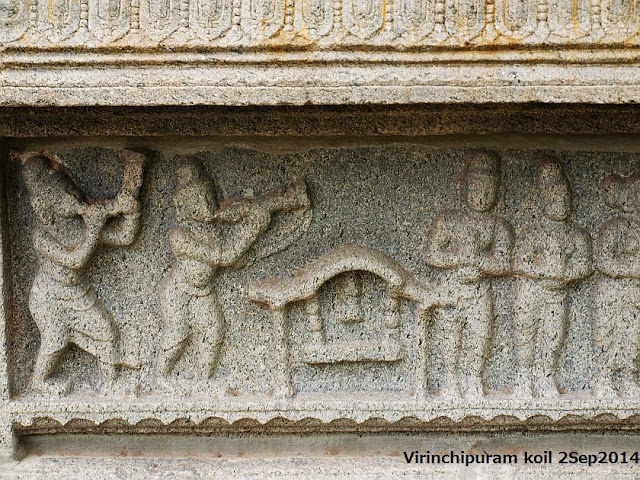
இன்னிசைக் குழுவை நாம் ஆர்க்கெஸ்ட்ரா (Orchestra) என்று ஆங்கிலத்தில் சொல்லுவோம். இதை பாணினி உரைகாரர்கள் ‘தூர்ய’ (2-4-2)
என்கிறார்கள். அதை பாண்டிய மன்னன் நெடுஞ்செழியனைப் புகழ்ந்து பாடிய மாங்குடி மருதன் மதுரைக்கு காஞ்சியிலும் காண்கிறோம். சங்க இலக்கியத்தில் உள்ள 18 நூல்களில் மிகவும் நீண்ட நூல் இதுதான்.
அந்தி விழவில் தூரியங் கறங்க – வரி 460
சிவன் கோவிலில் மாலைநேரத்தில் எல்லா வாத்தியங்களும் சேர்ந்து முழங்கியதைப் பாடுகிறார் .
இந்தக் காட்ச்சி பார்ஹுத் சிற்பங்களில் உள்ளது.
இரண்டாவது அதிசயம்
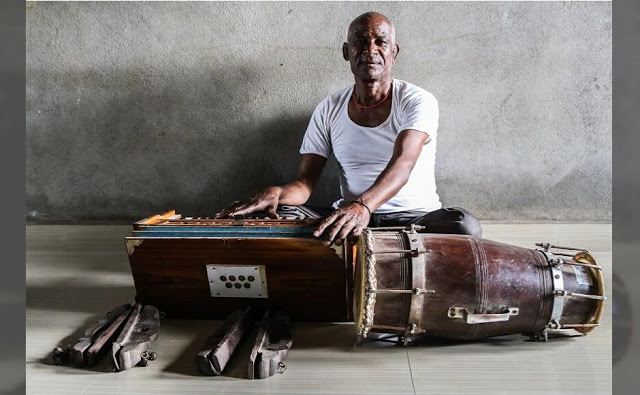
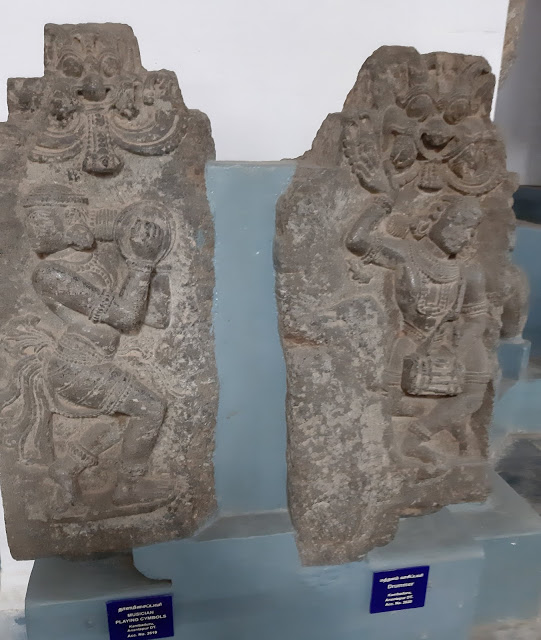
மிருதங்கம், மட்டுகம் , பணவம் ஆகிய வாத்தியங்களை பாணினி குறிப்பிடுகிறார் . இன்று வரை நாம் மிருதங்கம் , மத்தளம் என்பதை பயன்படுத்துகிறோம். மிருதங்கம்- பணவம் இரண்டையும் சேர்த்தும் பேசுகிறார். பணை என்ற முரசு வாத்தியத்தை அகநானுறு — பாடல் 84–முதலிய நூல்கள் நமக்கு காட்டுகின்றன. பண் என்பதே ராகம், பாடல் என்ற பொருளிலும் வருகிறது.
மூன்றாவது அதிசயம்
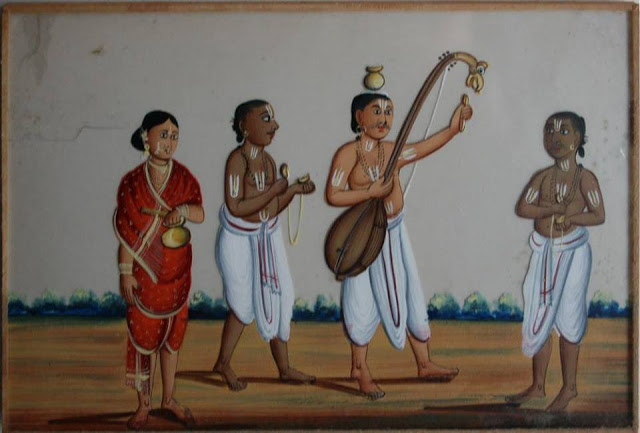
பாணினி அதிகம் குறிப்பிடும் வாத்தியம் வீணை .3-3-65
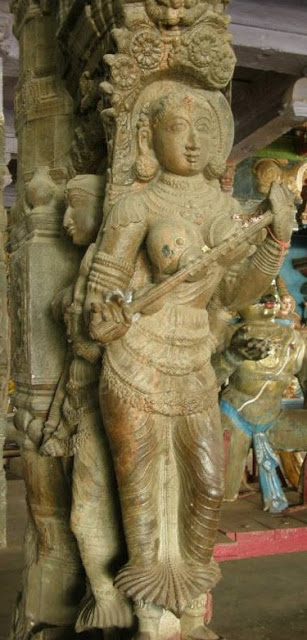
ஓரிடத்தில் 3-2-146 பரிவாதக என்ற சொல்லை பிரயோகிக்கிறார் . அனால் விளக்கவில்லை . தமிழில் தேவார காலம் வரை யாழ் , பின்னர் வீணை வருகிறது சிலப்பதிகாரத்தில் இளங்கோ மாட்டும் ஓரிடத்தில் நாரதர் வீணை என்கிறார். பாணினி சொல்லும் பரிவாதகமும் வீணை என்று பாஷ்யக்காரர் பதஞ்சலிமுனிவர் விளக்குகிறார்.
பல்லவ மன்னர்களில் சகல கலாவல்லவன் மஹேந்திர வர்மன்; 1400 ஆண்டுகளுக்கு முன்னர் அப்பர் காலத்தில் ஆடசிபுரிந்தவன் . அவன் சங்கீரணம் என்ற தளத்தைக் கண்டுபிடித்தவன் . அவனுடைய நீண்ட பட்டங்கள் வரிசையில் ஒன்று ‘சங்கீர்ண சாதி’. . குடுமியான் மலையில் இசைக்கல்வெட்டை சமைத்தவன். அவன் பரிவாதினி வீணையில் வல்லவன் ஆக கிமு.7-ம் நூற்றாண்டில் கேட்ட சொல் இங்கே கி.பி 7-ம் நூற்றாண்டில் ஒலித்தது.
நாலாவது அதிசயம்
மகேந்திர பல்லவனை அடுத்து வந்த பல்லவர்களில் இராஜ சிம்மன் ‘வீணா நாரதன்’, ‘வாத்திய வித்யாதரன்’ என்று புகழப்பட்டான் இவன் ஆதோத்ய வீணை வாசிப்பதில் நிபுணன்.சொல்லப்போனால் இவைகளுக்கெல்லாம் முன்னோடியான ராவணன் கொடியிலேயே வீணையைப் பொறித்தான். அதில் சாம கானத்தை இசைத்தான் இசைக்கருவி வாத்யத்தை பாணினி ‘வாதித’ என்றார். அது வாத்ய என்று மருவியது அதுவும் நச்சினார்க்கினியர் போன்றவர்கள் உரையில் ‘வாச்சியம்’ என்று மருவியது இன்றுவரை இச்சொற்கள் பிரயோகத்தில் இருப்பது பாணிணிக்குப் புகழ் சேர்க்கும்.
ந்ருத்ய, கீத , வாதித்ர,நாட்ய ஆகியவற்றை பாணினி குறிப்பிட்டார். இதை கௌடில்யரின் அர்த்தசாஸ்திரம் கீத , வாத்ய, ந்ருத்த , நாட்ய ஆகிய நாலும் இசையின் அங்கம் 2-27 என்கிறது . சொற்களின் ஸ்பெல்லிங் (Spelling) கொஞ்சம கொஞ்சமாக மாறுவது காலத்தைக் கணக்கிட உதவும்.
ஐந்தாவது அதிசயம்
சம்மத
சம்மத, பிரமத என்பதை மகிழ்ச்சி தரும் விழாக்கள் என்கிறார் 3-3-68.
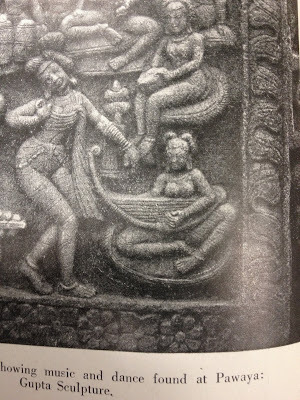
பர்ஹுத் சிற்பங்களில் வாத்யக்காரர்கள் மீது
சாதகம் சம்மதம் துரம் தேவா னாம் –‘ இறைவன் முன்னிலையில் இன்னிசைக் குழு’ என்று எழுதப்பட்டு இருக்கிறது இதில் நான்கு பெண்களின் நாட்டியம், நாலு வித வாத்யம் வாசிப்போர் ஆகியோர் காணப்படுகின்றனர்.
கையினால் தாளம் போடுவதை ஒரு சூத்திரத்தில் எழுதி உள்ளார் ; கட வாத்யம் பற்றியும் பேசுகிறார் தாளம் போன்ற சொல்லை இன்றும் நாம் உபயோகிக்கிறோம்.
வேதத்தில் ‘சமான’ என்ற மாபெரும் விழா பற்றிய விவரங்கள் உள்ளன. அதுவும் சம்மத, பிரமதவுடன் தொடர்புடையதாக இருக்கலாம். அங்கு ஒலிபம்பிக் போட்டி போல விளையாட்டுகளும் ஆடல் பாடல்களும் நடைபெற்றன.
ஆக இவை எல்லாம் ஒரு இலக்கண புஸ்தகம் தரும் சங்கீத விஷயங்கள்!!!
Pictures are taken from various sources for spreading knowledge; this is a non- commercial blog. Thanks for your great pictures.
Cutting the nose , Shaving the hair and cutting the Limbs are common punishments given to offenders in ancient India.
Nose of a sex offender is cut off so that everyone would know he or she is a sex offender. When Surpanakha tried to molest Rama and Lakshmana her nose was cut off.
Murderers and rapists were taken on donkeys in procession after shaving off their hair before hanging them . They were wearing red clothes according to Sanskrit dramas. Their faces were marked with red dots and black dots according to Tamil literature.
2000 year old Sangam Tamil literature gives very interesting information about the punishments meted out to the YAVANAS. In Sangam literature we have six references to Yavanas. They meant mostly to Italians/Romans. In one or two places it might have meant Greeks. They were described as Milechas (barbarians ) with harsh and unsweet language. Sanskrit books and Sangam Tamil literature are noticeably clear that they spoke neither Tamil nor Sanskrit but a very harsh language. After the Muslim invasion of India, Yavana or Yona also meant Muslims until very modern times which we see in the greatest Tamil poet Bharatiyar’s songs.
Here is some interesting information about the Romans/Greeks and how the great Chera King Imayavaramban Neduncheralathan punished them:
“According to the Patikam of the second ten of the Patitruppattu, Imaya varampan put the Yavanas to disgrace by pouring ghee on their heads. Tamil epic Silappadikaram also confirms it
“Chera king captured the Yavanas of barbarous speech , poured oil on their heads, tied their hands to their backs and took their priceless jewels and diamonds.
Kamil Zvelebil, Czech Tamil scholar, translates it,
“Having captured the uncivilised Yavanas of harsh speech, poured oil on their heads, tied their hands to their backs and took their precious beautiful vessels and diamonds.”
***
Aitareya Brahmana of Rig Veda, dated around 1000 BCE, says
Visvamitra’s disobedient elder sons are cursed by their father to become the ancestors of the Andhras, Pundras, Sabaras, Pulindas and Mutibas who live in large numbers beyond the borders; most of the Dasyus are descendants of Visvamitra. – AB.7 –18
Mahabharata and Ramayana add more groups such as Yavanas and Pahlavas to this list.
***
YAVANA HAIR CUT
In the well known puranic account – at least in seven puranas – we read,
A coalition of Haihayas and Talajhangas , allied with North Western peoples- the Sakas, Yavanas, Paaradas, Kaambojas and Pahlavas – conquered Sagara’s father Baahu, but were subsequently slain by the young king Sagara and condemned to various punishments that affected their appearance.
Yavanas were condemned to be either without moustaches or to have their heads completely shaved .
Mahabharata also gives a similar account 3-256- 9 to 11
***
NO MUSTACHE
INDUS VALLEY KING
As punishment for robbing Draupai , the head of Jayadratha , the Sindhu king was shaved by Bhima with a crescent arrow until only five tufts of hair were left. Jayadratha was further ordered to tell everybody that he was a slave of the Pandavas.
King Jayadratha of sindu/ Indus Valley had Yavana wives according to Mahabharata .
INDUS VALLEY HAIR CUT
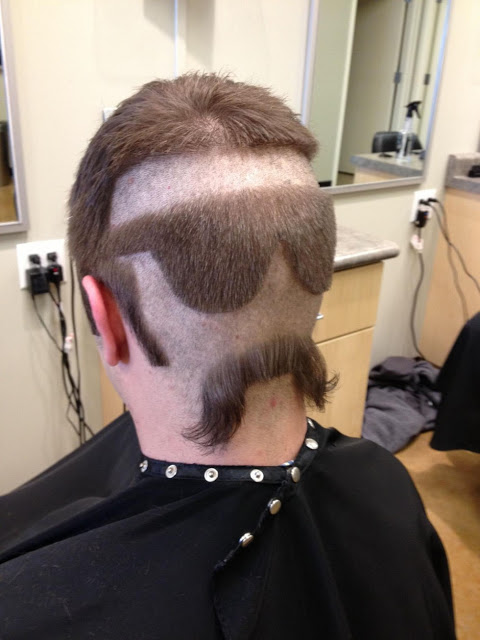
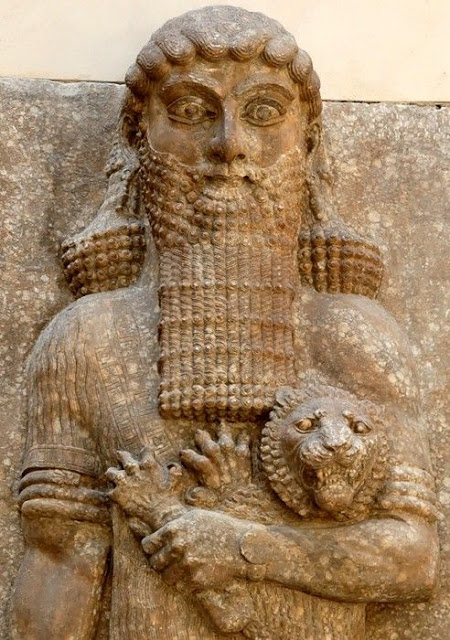
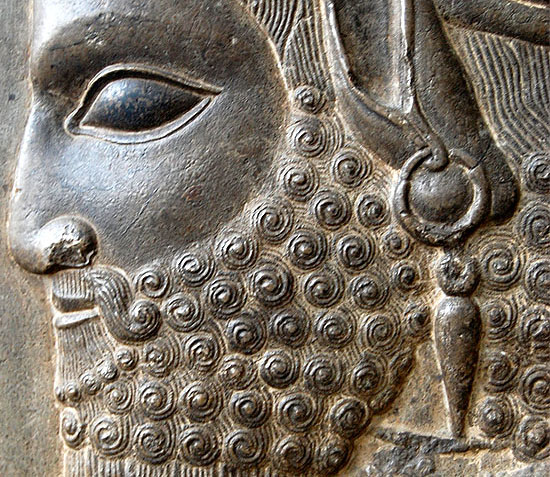
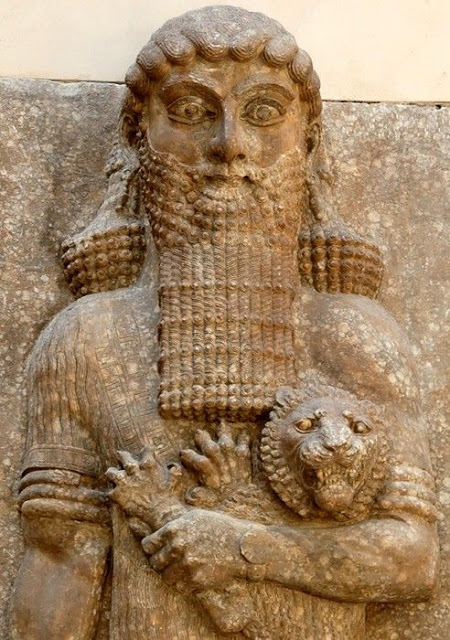
The priest king figure in Indus valley also strange hair cut. We may compare these hair styles with the picture
Kalidasa also talks about hair cut in Raghu Vamsa kavya
He describes the rosy skinned, wine drinking Persian women first, and then in Raghu Vamsa 4-63 he used the same words as in Mahabharata . The arrows Raghu used were bhallam -crescent shaped. The commentators add that the Persians shaved their head completely leaving only the beards which looked like honey combs
Raghu then proceeded by a land route to conquer the pArasIka kings just as a self-controlled yogi possessing divine knowledge proceeds to conquer his own enemies, called his own senses. [4-60]
These pArasIka kings are taken as inhabitants of ancient Persian countries. The commentator sumativijaya calls them – sindhu taTa vAsinAH mlecCha rAjAnaH.
–o)0(o–
यवनीमुखपद्मानां सेहे मधुमदं न सः| बालातपमिवाब्जानामकालजलदोदयः ॥ ४-६१
yavaniimukhapadmaanaa.n sehe madhumada.n na saH | baalaatapamivaabjaanaamakaalajaladodayaH || 4-61
As to how an untimely cloud removes morning sunlight from the faces of just blooming lotuses, raghu has also removed the blooming flush of wine from the lotus-like faces of yavana women when he encountered their men. [4-61]
The yavani-s spoken of by kAlidAsa seem to be of Persian and other races on the north-west of India. Viewing them to be Greek or Ionians is only too far-fetched. – KMJ
Then a tumultuous battle ensued between raghu and the westerners who possess cavalry as their war paraphernalia in a canopy of massive dust wherein the opposing warriors could recognise each other just by the nature of the twanging of their bows. [4-62]
भल्लापवर्जितैस्तेषां शिरोभिः श्मश्रुलैर्महीम्| तस्तार सरघाव्याप्तैः स क्षौद्रपटलैरिव॥ ४-६३
bhallaapavarjitaisteShaa.n shirobhiH shmashrulairmahiim | tastaara saraghaavyaaptaiH sa kShaudrapaTalairiva || 4-63
Raghu covered the ground with the bearded heads of westerners that are cut off with crescent-like arrows, as if they are the sheaves of honeycombs swarming with bees. [4-63]
—–FROM SANSKRITDOCUMENTS.ORG
–o)0(o—
OTHER REFERENCES
Hariamsa on Hair cuts
“Considering his own promise and the words of his preceptor Sagara violated their religious practices and made them change their dress. Having made the Shakas to shave half of their heads he dismissed them. He made the Yavanas and Kaambojas shave their entire head. Paaradas used to have their hair dishevelled and Palhlavas kept beards. They were prohibited from studying Vedas and offering oblation to the fire. Oh my child, Shakas, Yavanas, Kambojas Paradas, Kolasapyas, Mahisas, Darvas, Cholas and Kerlas were all Kshatriyas. Oh, king, at the words of Vasishtha ,their religious practices were put down by the high souled Sagara – Hari Vamsa 10-23 (Hari Vamsa is a supplement to Mahabharata)
Sagara punished the fallen Kshatriyas in this way after his victory and as vengeance for his father’s defeat.
****
In the Dighanikaya , Brahmins shave a brahmin for some kind of offence
Shaving the moustaches and locks is a punishment which is in Bhagavatha purana; Krishna did it to Rukmi, brother of his wife Rukmini.
MAHAVAMSA on Hair Cut
In the Buddhist Sri Lankan history book Mahavamsa (6-39 to 6-42) we see the hair cut punishment; Vijaya and his brothers followed evil customs; people complained about this to their father King Sihabahu – (SIMHABAHU)- of Lata Desa. As punishment the king ordered Vijaya and his followers, seven hundred men , to be partially shaven – half of the head was shaved- and then put on a ship.
***
KERALA BRAHMIN HAIR CUT
Keralotpatti version of Parasurama legend says that after reclaiming the land from the ocean Parasurama brought Brahmins from Ahicchatra. To prevent them from returning home , Parasurama changed their hair style and dress code.
GREEK BOOKS
Megasthanes also talks about this punishment ;he says shaving of hair is a shameful punishment among Indians .
CHINESE SOURCES
A sixth century Chinese text — Wei Shu — mentioned shaving in Sassanid Persia was a punishment for minor crimes. Sometimes one half of the scalp is shaved.
In his fifth century Greek epic Nonnus recounts that Habrathoos had his hair cut off by Deriades in verse 156 he explains that it is a bitter insult to an Indian.
SOURCE BOOK:
‘YONAS AND YAVANAS IN INDIAN LITERATURE’, KLAUS KARTTUNEN, FINNISH ORIENTAL SOCIETY, HELSINKI with my inputs from Tamil sources
TAGS– HAIR CUT, HINDU PUNISHMENTS HALF SHAVED, YAVANA,
Pictures are taken from various sources for spreading knowledge; this is a non- commercial blog. Thanks for your great pictures.
By R. Nanjappa
Guru Is Essential
Greatness of Narada- continued
Most Hindus are familiar with the name of Narada but do not have a clear idea about his greatness. A view has gained currency that he is a michievous character out to manipulate people and promote strife, though in the end all is well. Our various Puranas are replete with stories of Narada in every conceivable situation, something like Mulla Nasruddin. Our Harikatha exponents also spread lighthearted stories about Narada. Our movie and other media also portray him often in a silly vein, often played by minor or comedy artistes. Probably the only exception is Savitri where M.S.Subbulakshmi played Narada and sang the superb song of Sadashiva Brahmendra, ‘Bruhi Mukundeti’, which brilliantly captures Narada’s own state of extreme devotion. In the circumstances, it is refreshing to hear from Tyagaraja the glories of Narada which he narrates in two more kritis.
SRI NARADA MUNI (Bhairavi)
Sri Narada muni gururaya ganti me naadi tapamo gururaya
O Narada Muni! Gurunatha! We had your darshan. Is this the result of our tapas! We have surrendered to you wholeheartedly. To day we have had your darshan , filling our eyes full. We have obtained your darshan; our ties of samsara are removed. You alone are immersed in the Brahmananda of Atma jnana. You alone are the fire which can destroy our ignorance, O gurunatha! O gurunatha, ever bearing the lustrous Veena! O Sadgurunatha, who protected Tyagaraja!
Here too Tyagaraja reveals some new facets. Without tapas, we cannot get darshan of a Guru. Tayumanaswami says (only) those who take to murti worship, pilgrimage to holy places and tirthas will get a guru to impart wisdom:
Murti talam tirtham muraiyaai todanginarkor
Vaartai sola satguruvum vaaikkum paraparame
We all want the most excellent guru, but how many of us develop our competence to deserve one by proper sadhana? Are we fit and deserving as disciples?
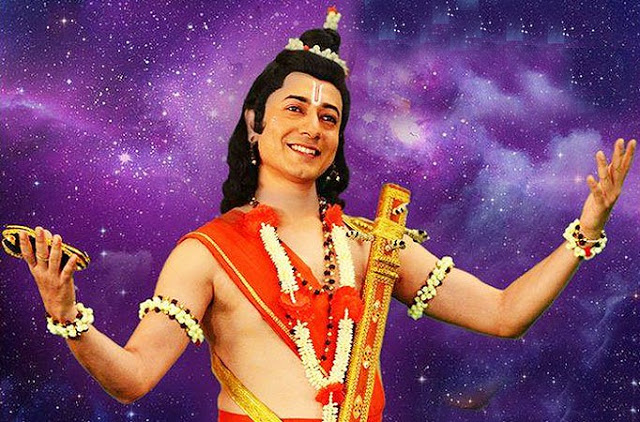
The very darshan of a Sadguru removes our worldly bondage- what we call the power of the very presence: sannidhi visesham. Narada is not a mere devotee, but a supreme Jnani, always immersed in the bliss of the Self. Only such a Guru can destroy our ignorance. Narada always carries a Veena to accompany his singing of the Lord’s praises. It is lustrous because it is divine. About it he is going to reveal something more. The repetition of ‘gururaya’ shows the high reverence Tyagaraja has for this Sadguru.
Narada and Veena
SRI NARADA (Kanada)
Sri Narada nada sara- seeruha bhrunga subhanga
Deena maana rakshaka jaga- deecha bhecha sangaa cha
Veda janita vara veena vaadana tatvagna Khedakara tritaapa rahita khechara vinuta Yaadava kulajaapta sada modahrudaya munivarya Srida Tyagaraja vinuta Srikara maam paalaya.
O Lord Sri Narada ! The honey bee which always goes round the lotus that is Nada!
You protect the prestige of simple devotees. O jagadeesa! O one who shines like the moon!
You know the secret (truth) of the art of playing the exalted Veena, which has originated in the Veda!
You are free from the sufferings caused by the three kinds of afflictions ( taapas)! You are worshipped by the devas! You are the friend of Krishna, the scion of the Yadava clan!
Your heart is always filled with Ananda! You are the greatest of the Munis! You confer prosperity! You are venerated by Tyagaraja! You confer all auspiciousness! Please save me.
In the earlier kriti, Tyagaraja spoke of the veena as lustrous. Here he reveals its reason: it has originated in the Veda.[Veda janitha vara veena] Only those who have mastered the Veda know the secret of playing the veena. Here Tyagaraja reveals the excellences which make Narada the Sadguru! Alas! our concert artistes do not sing these kritis much. Let us bow to Narada, along with Tyagaraja.
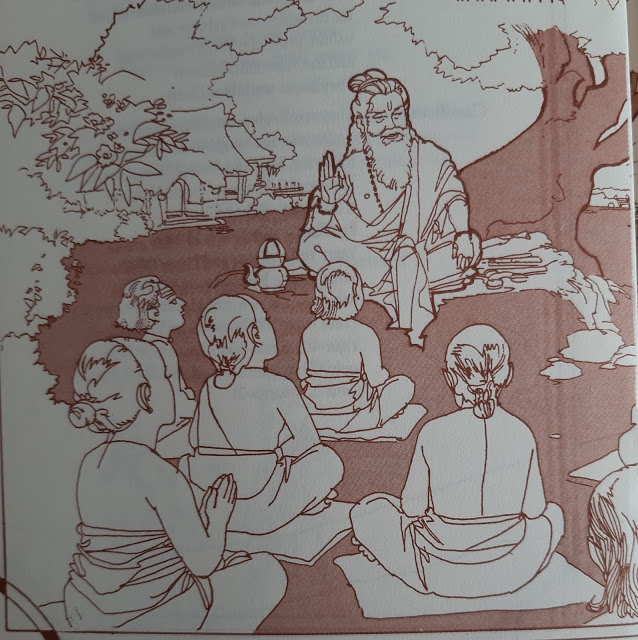
Guru in Human Form?
In the annals of religious lore we get some exalted souls who have had no human guru, but where the Lord himself has become the Guru. Manickavachaka was one such, for whom Lord Shiva himself became the Guru, assuming the form of a youth. Arunagirinatha had no human guru, Lord Subrahmanya himself becoming his guru. He states: O Gurunatha, who blessed me with a rosary: ” japa maalai tanda sargurunatha”. He wants the Lord to come and bless him in the form of the Guru: “Guruvaai varuvaai Arulvaai Guhane!” In our own times, Sri Ramana Maharshi had no human guru.
Rama as Guru!
For Tyagaraja, Narada appeared in his vision and enlightened him. So did Rama! Tyagaraja performed the japa of Rama Shadakshari mantra 96 crore times! And he not only had vision of Rama, but Rama was ever present in his consciousness. It was Rama who instructed him and revealed to him his kritis. Says Tyagaraja:
O the son of Dasaratha! Is is possible for me to discharge the debt I owe you?
O the best of the rasikas who made me shine (even) in far off lands, to my heart’s content!
You thought that the great poets, lacking in devotion do not know the subtleties and inner meaning. So you appeared before me in vision and taught me the kirtanas which can confer both the happiness of this world and Liberation hereafter. Tyagaraja can only worship you; can he ever repay your debt?
Secret of Sacred Poetry
Friends! This is one of the greatest gems of Tyagaraja. Here he reveals the secret strength of his kritis: they are not the product of his fancy, mental effort; they are not just songs to please, but confer bhukti and mukti! He knows that they have made him well known, but he is not claiming any credit. All glory to Rama! It is Rama who taught him and made his name well known! And Tyagaraja reveals one more secret: mere scholarship or poetic skill does not lead to sacred poetry. Such learned poets do not even know the real meaning or secret of the religious truth. Divine blessings are necessary. Rama imparted this secret knowledge: what Gita calls guhyataram, guhya tamam! It is only such kritis which are worth singing and listening to.
Rama’s Role as Guru: Transformation
What did Rama do as Guru? This Tyagaraja explains in another kriti.
O Rama! Your heart and mind are flawless and ever established in their natural state. Knowing this, I always rely on you. My mind is full of deceitful thoughts and always restless. But you should not leave me on that account.
1. Guru is the Sallaki seed, which clears up muddy water. 2. Guru is the wasp which transforms the worm into a wasp! 3. Guru is the Sun ( who removes the darkness of ignorance, and gives light which is enlightenment) 4. Guru is the one who confers auspiciousness.
I have understood that you are such a Guru, O Rama! I am your devotee, please protect and save me!
We saw earlier that the Guru’s job is to transform. Here Tyagaraja tells us how that transformation is brought about. The guru clears up the chitta of the disciple. Sallaki is a kind of soap nut seed which when crushed and put in a vessel of muddy water will cause the muddy impurities to settle down at the bottom and make the water clear. The wasp traps a worm in its muddy nest, and by stinging it daily converts it into a wasp like itself! So the Guru makes a disciple like himself! Guru is the source of enlightenment. And he is the abode of auspiciousness. Here, Tyagaraja states very clearly that he has taken Rama as the Guru!
Guru is Necessary
The presence of a guru is absolutely necessary for spiritual progress. Tyagaraja writes about it strongly.
Without the Guru, it is not possible (even) for a man with good qualities and other merits to get rid of the intense afflictions which seize his mind and heart. One’s own body, children, wealth, wives, close relatives- these become the source of pain and troubles, which spread out. These can be prevented from affecting one’s heart only by the instructions in the knowledge of Truth (Tatva bodhana) which act as the good medicine. It is the Guru who provides this knowledge, with his compassion and saves one. Such a guru is very dear to Tyagaraja.
If it is impossible even for a guni ie a person with good qualities and attainments to be spiritually saved without the aid of a Guru, how about ordinary people like us?
It is seen that most people approaching a saint or sage seek remedy or relief from worldly afflictions, which almost always relate to problems arising from the factors listed in the kriti. And genuine Saints are able to give succour to troubled minds, but also provide us with a spiritual perspective, which alone is the real cure and ultimate remedy for the very illness that is samsara, not just its other ills!
Kutcheri culture and its Discontents
Sri Tyagaraja has given us the quintessence of Gurutatva in his kritis. Unfortunately, the ‘kutcheri’ culture serves mainly the interests of popular entertainment, and the kritis on Narada are not made popular on the platform. Even when they are sung, all the charanams are not handled. When they do Ragam Tanam Pallavi, why can they not take up these words and embellish them? But the serious student and seeker can approach the kritis as literature, and they are sublime literature, throwing light on Itihasa, Purana, morals and ethics, culture and philosophy.
Note: What is Upadesa? We generally talk of Guru giving “upadesa”. But what is the meaning of upadesa? Is it some magic mantra? some mystic formula? some secret technique? Sri Ramana Maharshi has explained it in his own inimitable manner.
The word upadesa literally means restoring an object to its proper place. The mind of the disciple, having become differentiated from its true and primal state of Pure Being, which is the Self and which is described in the scriptures as Sat-chit-ananda (Being-Consciousness-Bliss), slips away therefrom, and assuming the form of thought, constantly pursues objects of sense-gratification. Therefore it is assailed by the vicissitudes of life and becomes weak and disspirited. Upadesa consists in the Guru restoring it to its primal state and preventing it from slipping away from the state of Pure Being, of absolute identity with the Self, or, in other words, the being of the Guru.
The word can also be understood as meaning to present an apparently distant object to close view; that is to say, it consists in the Guru showing the disciple what he had considered as distant and different from himself to be immediate and identical with himself.
…..it is very seldom that a person can realize his true Being, without the grace of the Guru.
From: The Teaching of Bhagavan Sri Ramana Maharshi in His Own Words, edited by Arthur Osborne, Sri Ramanasramam, 1965, p 120.








 Tamil and Vedas