Every sick person takes only gruel made up of broken rice. He would certainly say ,
Just a little bit of rice gruel.
Then I will say, please follow it; you would be cured quickly.
3.Finally , I will ask him who is your doctor now. He would give some name.
I must say,
By god’s grace you are with the right person. He will take care of you.
Then I would return home quickly and happily.
xxx
The deaf man went to his friend’s house as planned. He welcomed him with a smile and offered him a chair. The deaf friend went towards him and sat at the edge of his bed.
1.First question
How is your health? How are you feeling now?
Sick man replied in a very low voice,
Why do you ask me? The temperature has gone up. I am shivering with fever.
Deaf man imagined his answer and said,
‘Oh I am very happy to hear that. By god’s grace it must continue like this’.
Sick friend was taken aback.
2.Second question
Then the deaf man fired his second question-
what is your diet like ?’
Sick man said in anger,
What diet? It is just dust I am having.
It is a phrase in Tamil to say nothing but rubbish.
Immediately the deaf person imagined his reply to be what he expected and said,
‘Please follow it; you would be cured quickly.’
Now the sick man became angrier. He wanted to punch on the face of his friend.
3.Third question
The deaf man rose from the edge of the bed as a sign of leaving in the next minute or so and asked his final question,
Who is your doctor now?
The sick man was dead angry now and so said sarcastically,
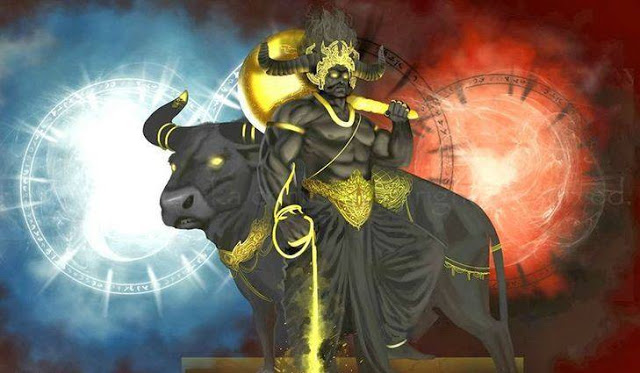
Who the doctor is ! who else it can be other than Yama (god of death in Hindu mythology)?
Deaf man carefully remembered what to say then and said,
‘By god’s grace you are with the right person. He will take care of you’.
The sick man rose from his bed red faced ; but deaf person thought probably he is having some temperature now; I must leave immediately and went out before he got a kick from his friend.
Moral of the story
When you go to an interview for a job or radio or TV channel, if you don’t hear anything properly, please ask the person to repeat. Nothing wrong in it. If it happens more than two or three times, then tell the person to speak loud and clear.
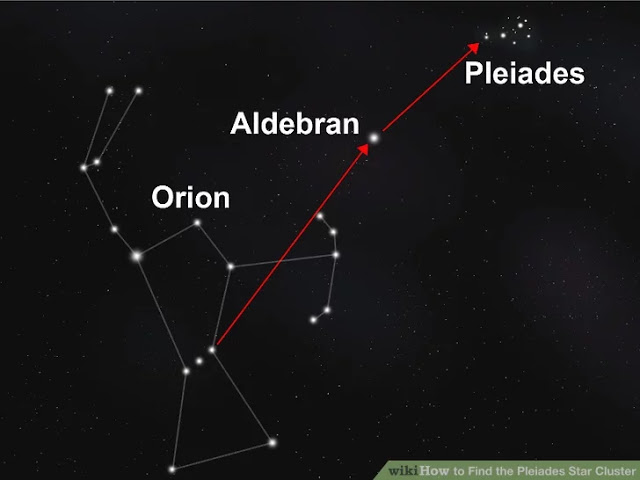
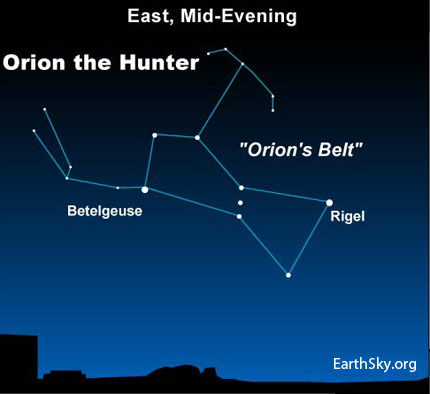
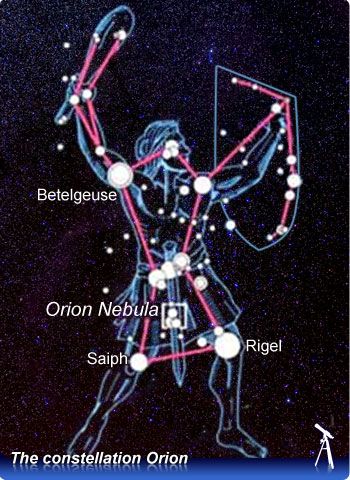
Orion belt மூன்று நட்சத்திரம் = மிருகசீர்ஷம் (மான் தலை)
***
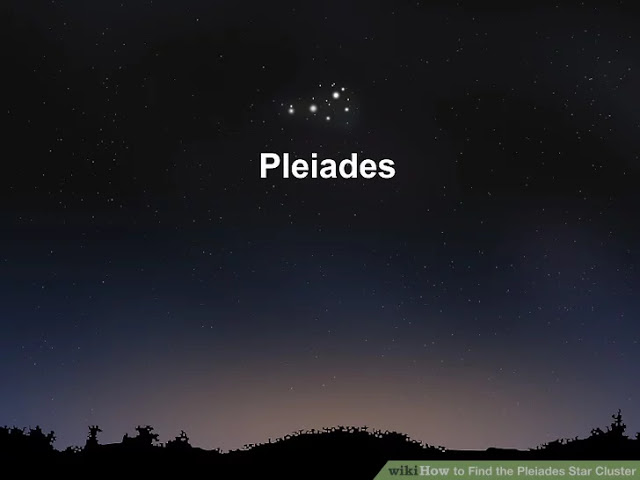
கிருத்திகா (Pleiades)
பாணினி கிருத்திகாவில் துவங்குகிறார் சதபதம் (SATAPATA BRAHMANA,1000 BCE) இதை பூஇஷ்டா , பஹுளா என்று அழைக்கும். இதையோ அதையோ பயன்படுத்தலாம் என்பது பாணினி கருத்து.
கிருத்திகா வரும் இடங்கள் – பா ( பாணினி) 6-4-158, 4-2-23, 4-3-34.
சதபத பிராஹ்மணம் – 2-1-2-3
கார்த்திகை நட்சத்திரம் பற்றிய சுவையான விஷயம் :–
முருகப் பெருமானை ஆறு கார்த்திகைப் பெண்கள் வளர்த்ததை நாம் அறிவோம். பைனாகுலர் வைத்துப் பார்த்தால் 7 நட்சத்திரம் தெரியும். தைத்ரிய ப்ராஹ்மணம் 7 என்று இயம்பும்; அவற்றின் பெயர்களும் உள ; அவையாவன — அம்பா, துலா, நிதத்னி , அப்ரயந்தி , மேகயந்தி , வர்ஷயந்தி, சுபுனிகா.
பிற்கால சம்ஸ்க்ருத இலக்கியங்கள் 6 நட்சத்திரம் என்று உரைக்கும். ஆகையால் “சான் மாதுரகாஹா” — ஆறு தாய்மார்கள் என்று சொல்லும். இதனால் முருகனுக்கு ஷண்முகம் என்று பெயர்.
எனது கருத்து
இதைக் குறிக்க ஆறுமுகங்களை சித்திரமாக வரைந்தனர். ஆனால் உண்மையில் முருகனுக்கு ஒரு முகம்தான் . இதே போல தசரதனுக்கு பத்து ரத்தம் போட்டு சித்திரம் வரைந்திருக்கலாம். நமக்குக் கிடைக்கவில்லை. ஆனால் பத்து திசைகளிலும் தன் சக்தியைக் காட்டிய ராவணனுக்கு பத்து தலைகளை வரைந்து விட்டோம். அவனுக்கும் உண்மையில் ஒரு தலைதான். இவை எல்லாம் புராணங்கள் செய்த கூத்து . இன்று சூப்பர் மேன் , ஸ்பைடர் மேன் , பேண்டம் டார்ஜான் ஆகியோரை சித்தரிப்பது போல பவுராணிகர்கள் சுவைமிகு கதைகளைச் சொல்லிவிட்டார்கள்.
நாம் அரசியல் கொடிகளை இப்போது வைத்திருப்பது போல , தேர்தல் சின்னங்களை வைத்திருப்பது போல, அந்தக் காலத்தில் , ஒவ்வொரு இனத்தாரும் பாம்பு, குரங்கு, கரடி, கழுகு முதலிய சின்னங்களை அணிந்தார்கள் ; இவர்களையே நாம் ராமாயணத்தில் நாகர் , வானரர்கள், ஜாம்பவான் , ஜடாயு என்கிறோம் .
***
மிருகசீர்ஷம்
பாணினி நேரடியாக மிருகசீர்ஷ நட்சத்திரம் பெயரைச் சொல்லவில்லை. அது பௌர்ணமி சந்திரனுட ன் சேர்ந்து இருக்கும் நாள் ‘ஆக்ரஹாயினி’ . அதை மூன்று முறை குறிப்பிடுகிறார் – 4-2-22; 4-3-50; 4-4-110;
கடனைத் திருப்பித்தரும் ஒப்பந்த பத்திரத்திலும் இந்தப் பெயர் வருகிறது 4-3-50
***
ஆருத்ரா :–இந்த நட்சத்திரத்தில் பிறந்தவர் பெயர் ‘ஆர்த்ரக’ .
சங்க இலக்கியப் புலவர் பெயர்களில் புறநானுற்றுப் புலவர் பெயர்—‘கள்ளில் ஆத்திரையனார்’.
***
புனர்வசு நட்சத்திரம்
இந்த நட்சத்திரம் இருக்கும் மண்டலத்தில் 2 நட்சத்திரங்கள் இருப்பது ‘பா’- க்குத் தெரியும். திஷ்ய நட்சத்திரம் சேர்ந்தால் மூன்று ஆகிவிடும். ஓரிடத்தில் ஒருமையில் இன்னொரு இடத்தில் இருமையிலும் சொல்கிறார். மைத்ராயணி, காடக சம்ஹிதைகளும் இவ்வாறு ஒருமை, இருமையை பயன்படுத்துகின்றன.
இதனுடன் ‘புஷ்ய, சித்ய நக்ஷத்ரே’ என்றும் 3-1-166 சொல்கிறார்.
இதன் கீழ் பிறந்தவன் திஷ்ய எனப்படுவான்; ஜாதகக் கதைகளில் அடிக்கடி வரும் பெயர்கள் திஸ்ஸ , புஸ்ஸ; அர்த்த சாஸ்திரம் திஷ்யவுக்குப் பதில் புஷ்யவை பயன்படுத்துகிறது .பதஞ்சசலியும் இதையே விரும்புவதால் ‘புஷ்ய’ என்பது பிற்கால வழக்கு என்று சொல்லலாம்
***
பல்குணி – இரண்டு நட்சத்திரங்கள் ஆகையால் பா . இவைகளை ‘பல்குன்யவ்’ என்று பன்மையில் அழைக்கிறார் 1-2-60
***
ஹஸ்தம் – பா. சூத்திரம் 4-3-34
***
சித்திரை நட்சத்திர பவுர்ணமி சைத்ரி எனப்படும் 4-2-23
***
சுவாதி நட்சத்திரம் 4-3-34
***
விசாகா – இரட்டை நட்சத்திரங்கள் விசாகா , விசாகே
***
அனுராதா நட்சத்திரம் – அனுஷம் – 4-3-34
***
மூல – 4-3- 28
***
ஆஷாட – ரெண்டு நட்சத்திரங்கள் ந. 4-3-34
***
அபிஜித் நட்சத்திரம் – 4-3-36
+++
ஸ்ராவண நட்சத்திரம் – ஓணம் – காடக சம்ஹிதை இதை ‘அஸ்வத்த’ என்று சொன்னது பாணிணிக்குத் தெரியும் 4-2-5; 4-3-48. ஆனால் பா. ஸ்ராவண என்றார் 4-2-23. அரச மரத்தின் பழங்கள் கீழே விழும் பருவம் என்பதால் இதை இப்படி ‘அஸ்வத்த / அரச மரம்’ என்று பெயரிட்டதாக காசிகா உரை பகரும்.
என் கருத்து
வேதத்திலும் சித்த மருத்துவ நூல்களிலும் நிறைய சொற்கள் இரு பொருள் பட வரும். விஷயம் அறியாத அரை வேக்காடுகள் உளறித்தள்ளும் ; ஆகையால் உரைகளைப் படிக்கவேண்டும். சங்க இலக்கியத்தில் ‘மாண்ட’, ‘செத்த’, ‘இறந்’த என்ற சொற்கள் மரணம் என்ற பொருளில் வராது . கடந்த , சிறந்த என்ற பொருளில் வரும். காலப்போக்கில் நாம் பயன்படுத்தும் விதத்தைப் பொறுத்து அர்த்தம் மாறிக்கொண்டே வரும்.
***
ச்ரவிஷ்டா / தனிஷ்டா /அவிட்டம் – 4-3-34.
எது முதல் நட்சத்திரம்? என்ற நேற்றைய கட்டுரையில் அவிட்டம் பற்றிச் சொல்லிவிட்டேன்.
***
சதபிஷக் நட்சத்திரம் – சதயம் – 4-3-36
***
ப்ரோஷ்டபத – 5-4-120; 1-2-60; 4-2-35 — பூரட்டாதி , உத்திராட்டாதி ; தைத்ரிய சம்ஹிதையிலும் இது உள்ளது . இதற்கான அதிதேவதையை மக்கள் பக்தியுடன் வணங்குவதை பா சுட்டிக்காட்டுகிறார்.
நட்சத்திரங்களுக்கு அதி தேவதைகள் உண்டு; அவைகளை வணங்கும் வழக்கம் உண்டு என்பதை 2700 ஆண்டுகளுக்கு முன்னரே பா . எழுதிவிட்டார்.
***
ரேவதி நட்சத்திரம் 4-1-146
***
அஸ்வயுஜ் – 4-3-36 அஸ்வினி நட்சத்திரம் ; நாம் இப்போது முதல் நட்சத்திரமாக வைத்து இருக்கிறோம் .
பயிர்களை விதைக்க ஆஸ்வாயுஜி என்று அழைக்கப்படும் பவுர்ணமி நாள் நல்ல நாள் என்று பா பகர்கிறார் 4-3-45
***
35 பக்கங்களில் இலக்கண புஸ்தகத்தை எழுதிய பாணினி இவ்வளவு விஷயங்களையும் நமக்கு சொல்கிறார்
காத்யாயனர் எழுதிய ‘வார்த்திகா’ , பதஞ்சலி எழுதிய ‘மஹா பாஷ்யம்’ என்னும் பேருரை, அதற்குப்பின்னர் பாணினீயத்தை விளக்க வந்த ‘காசிகா’ உரை ஆகியன கடல் போல விஷயங்களை அள்ளிக் கொடுக்கின்றன. ‘காசிகா’ என்பது வாமன – ஜயாதித்ய என்ற இருவர் 1300 ஆண்டுகளுக்கு முன்னர் எழுதிய உரையாகும்
***
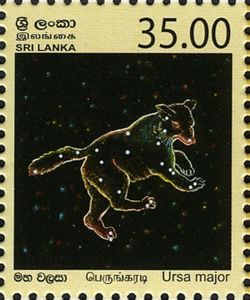
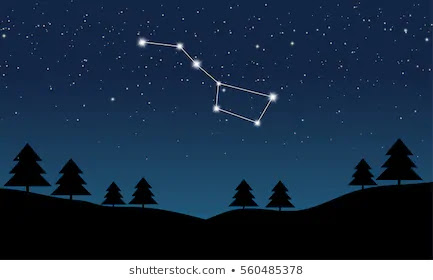
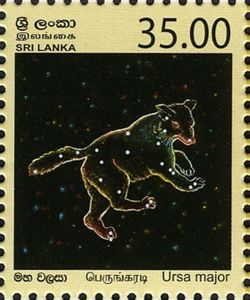
Ursa Major= Great Bear = Sapta Rishi Mandala
சப்த ரிஷி வழிபாடு
தமிழர்கள் விண்ணில் வடக்கு வானத்தில் ஒளிவீசும் 7 நட்சத்திரங்களை – ஏழு ரிஷிகளாக வழிபடுவதை சங்க இலக்கிய புலவர் இளநாகனார் நற்றிணைப் பாடல் 231-ல் பாடுகிறார்.
“மை அற விளங்கிய மணி நிற விசும்பில்
கை தொழும் மரபின் எழு மீன் போல”
என்று எளிய தமிழில் சொல்லிவிட்டார் . இது 2000 ஆண்டுகளுக்கு முன்னர் எழுதியது . இன்றும் பிராமணர்கள் ஒரு நாளைக்கு மூன்று முறை ஸப்த ரிஷிக்களின் பெயர் சொல்லி ‘’சந்தியா வந்தனம் செய்கின்றனர் . கல்யாணத்தன்று அருந்ததி நட்சத்திரம் பார்க்கும் வழக்கமும் தமிழர் இடையே உளது . அந்த நட்சத்திரம் கற்பின் சின்னம் .
Pictures are taken from various sources for spreading knowledge; this is a non- commercial blog. Thanks for your great pictures.
ஹிந்தி படப் பாடல்கள் -23- இரு பாட்டுக்கள் – ஒரே சாயல் (1)
R. Nanjappa
இரு பாட்டுகள் – ஒரே சாயல்
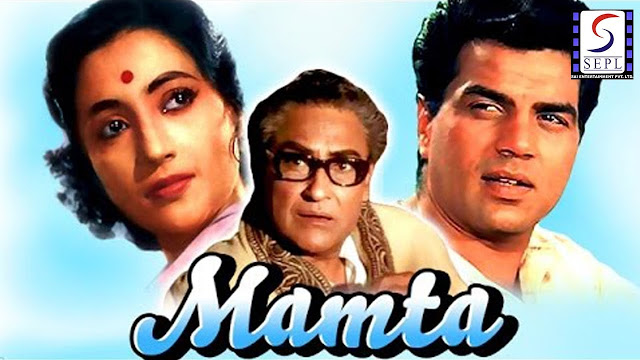
1966. “மம்தா” என்ற படம் வெளிவந்தது. அதில் ஒரு பாட்டு- “ரஹே நா ரஹே ஹம்”- செம ஹிட் ஆனது. இசைஞர் ரோஷன். பாடல் எழுதியவர் கவி மஜ்ரூஹ் ஸுல்தான்புரி. ஒவ்வொரு ரசிகனின் வாயும் இப்பாட்டை
” அண்ணா (தாதா), இது என்ன? இது உங்கள் பாட்டின் தழுவல் தான்! நான் என்ன சொந்தமாகச் செய்துவிட்டேன்?
“ஓ அப்படியா?”
“ஆமாம். உங்கள் “தண்டீ ஹவாயே(ன்) என்ற ‘ நௌஜவான்’ படத்துப் பாட்டிலிருந்து தான் இதை ‘காப்பி’ அடித்தேன் ‘” அப்பனே, இருப்பது எல்லாம் ஏழு ஸ்வரம் தானே! அதையே தானே நாம் எல்லோரும் இப்படி அப்படி திருப்பிப் போட்டு நம் கடையை விரிக்கிறோம்? பின் எது என்னுடையது, எது உன்னுடையது? நீ இந்தப் பாட்டை நன்றாகவே செய்திருக்கிறாய். அதற்கே இந்தப் பாராட்டு!”
இது கற்பனையல்ல. பர்மன் பாராட்டியதும் ரோஷன் சொன்னதும் உண்மையிலேயே நடந்தவை. அப்போது பம்பாயில் இசை ரசிகர்களுக்கு நன்கு தெரிந்த விஷயம். அப்போதெல்லாம் இசைஞர்கள் இப்படி ஒருவரை ஒருவர் பாராட்டிக் கொள்வார்கள். பர்மனும் ரோஷனும் நண்பர்களே. இசைஞர்களிடையே போட்டி இருந்தது,
பகைமை இல்லை!
இருந்தாலும் பர்மனிடம் இருந்த பெருந்தன்மையும், ரோஷனிடமிருந்த பணிவும் பண்புள்ள பெரியவர்களிடம் மட்டுமே நாம் காணக் கூடியது. பெருக்கத்து வேண்டும் பணிவு என்பார்கள்..
[இப்போது ‘இப்படி அப்படி’ திருப்பிப் போடுவதற்கு கம்ப்யூடர்கள் பெரிதும் துணைசெய்கின்றன!]
.
இந்த இரண்டு பாடல்களையும் பார்க்கலாமா?
Thandi Hawayen Lehrake Aaye Ha Ha Ha, Ha Ha Ha Ha Ha la La La La La, Hm Hm Hm Hm Hm kaise Bulaaye
This is an extraordinary song by any standards. The poetry is simply sublime. It combines two worlds-two realities.
There is the physical world- with its meeting and separation. But there is also that state of unity which is transcendental- beyond the physical dimension, with its limitations of time and space. Life is transient, but it is also eternal- not in the sense of extended, infinite time, but in the sense of Timelessness! Majrooh Sultanpuri traverses the two realms seamlessly! And weaves them together in his imagery! Oh, what an excellent poem! It fills the mind with high thoughts, but also wrenches the heart! We all have to go one day, but the thought that we will be remembered comforts us! This the poet conveys without getting into a sad, sentimental mode! This is extraordinary!
Pictures are taken from various sources for spreading knowledge; this is a non- commercial blog. Thanks for your great pictures.
வாழும் வழி காட்டும் சுபாஷிதம்!
ச.நாகராஜன்
நல்ல வாழ்க்கையை வாழ்வதற்காக, நமக்கு வழி காட்டும் சுபாஷிதங்கள் ஏராளம் உள்ளன. அவற்றில் சில இதோ:
அஜராமரவத் ப்ராஞோ வித்யாமர்த ச சிந்தயேத் |
க்ரூஹித் இவ கேஷேஷு ம்ருத்யுனா தர்மமாசரேத் ||
அறிவாளியான ஒருவன் அறிவு பெறுவதிலும் பணம் சம்பாதிப்பதிலும், தான் அழிவற்று இறக்காமல் இருப்பது போல நினைத்து, அவற்றைச் சேகரிக்க வேண்டும். ஆனால் தர்மம் செய்வதிலோ தனது தலை முடியை எமன் பிடித்திருப்பதாக நினைத்து (உடனடியாக) தர்மம் செய்ய வேண்டும்.
A wise man should fix his thoughts upon knowledge and wealth as (if he were) undecaying and undying. He should practice duty as if (he were) seized by the hairs of his head by Death (as if he had not an instant to lose) (Translation by : F.Johnson)
*
அணும்யச்ச மஹத்ம்யச்ச சாஸ்த்ரேப்ய; குஷலோ நர: |
சர்வத: சாரமாத்யாத் புஷ்பேப்ய இவ ஷட்பத: ||
சிறிதானாலும் சரி பெரிதானாலும் சரி சாஸ்த்ர நூல்களிலிருந்து கற்றறிந்தோர், புஷ்பங்களிலிருந்து வண்டு எடுப்பது போல, சிறந்தவற்றை எடுத்துக் கொள்கின்றனர்.
The learned man takes everywhere the best from small and large books, like a bee from flowers.
*
அஞோ ந விதரத்யயதி புனர்தாரித்ர்ய ஷங்க்யா |
ப்ராக்ஞோபி விதரத்யனி புனர்தாரித்ர்ய ஷங்க்யா ||
(இந்த ஜென்மத்தில்) ஏழையாகி விடுவோமோ என்று பயந்து மூடனானவன் தர்ம வழியில் தன் செல்வத்தைத் வழங்குவதில்லை; ஆனால் ஒரு புத்திசாலியோ அடுத்த ஜென்மத்தில் தான் ஏழையாகி விடுவோமோ என்று நினைத்து தாராளமாக வழங்குகிறான்.
An ignorant man does not give his wealth as gift fearing that he may get impoverished in the process (in this birth). But a wise man gives liberally lest *he becomes poor (in the next birth). (Translation by : A.A.R)
*
அஜவச்சர்வணம் குர்யாத் கஜவத் ஸ்நாநமாசரேத் |
ராஜவத் ப்ரவிஷேத்க்ராமம் சோரவத்கமனம் சரேத் ||
ஒருவன் ஆடு போல (எது கிடைத்தாலும் அதை) உண்ண வேண்டும்.
யானை போல (மெதுவாக) குளிக்க வேண்டும்.
எங்கும் ராஜா போல பிரவேசிக்க வேண்டும்.
கிராமத்தில் திருடன் போல (மெதுவாக ஓசையின்றிச்) செல்ல வேண்டும்.
One should eat (anything) like a goat; bathe (slowly) like an elephant; enter a place (boldly) like a king and move village (noiselessly) like a thief. (Translation by : A.A.R)
*
அதிவ்யயோநவேக்ஷா ச ததார்ஜனமதர்மத: |
மோக்ஷணம் தூர சம்ஸ்தானம் கோஷ்வ்யஸனமுச்யதே ||
(வரவுக்கு மீறி) அதிகமாகச் செலவழித்தல், பண விஷயங்களில் அலக்ஷியம், தவறான வழிகளில் பொருள் சம்பாதித்தல், செல்வத்தைத் துறந்து தூர விலகி நிற்றல் ஆகியவை செல்வ சம்பந்தமான தவறான அணுகுமுறைகளாகும்.
Excessive spending (living beyond one’s means), carelessness about money matters, acquiring wealth by wrongful means, as well as forsaking and distancing oneself from wealth (or problems relating thereto) are wrong attitudes towards wealth. (Translation by Mankar Jai)
*
அர்த்தா: பவந்தி கச்சந்தி லப்யதே ச புன: புன: |
புன: கதாபி நாயாதி கதம் து நவயௌவனம் ||
சம்பாதிக்கப்பட்ட செல்வம் கையில் இருந்து பின் இழக்கப்பட்டாலும் கூட மீண்டும் மீண்டும் திரும்பப் பெற முடியும்; ஆனால் கழிந்து போன நவ யௌவனம் – வாலிபத் தன்மையோ ஒரு போதும் திரும்ப பெற முடியாது.
Wealth, (earned and) presently in your possession and then lost, can be regained again and again; but virility of youth and manhood once lost (or wasted) never comes back. (Translation by Mankar Jai)
*
கதே ஷோகோ ந கர்தவ்யோ பவிஷ்யம் நைவ சிந்தயேத் |
வர்தமானேன காலேன, வர்தயந்தி விசக்ஷண: ||
கடந்த கால சோக நிகழ்வுகளைப் பற்றியோ எதிர்காலம் பற்றியோ சிந்திக்காதீர்கள். கையில் இருக்கும் நிகழ்காலம் பற்றி கவனம் செலுத்துபவரே சிறந்த அறிவாளிகள். Do not grieve over past losses (or misfortunes), nor (sit with folded hands) worry about the future. Wise men (are those who) pay attention to (the tasks in hand in) the present
Pictures are taken from various sources for spreading knowledge; this is a non- commercial blog. Thanks for your great pictures.
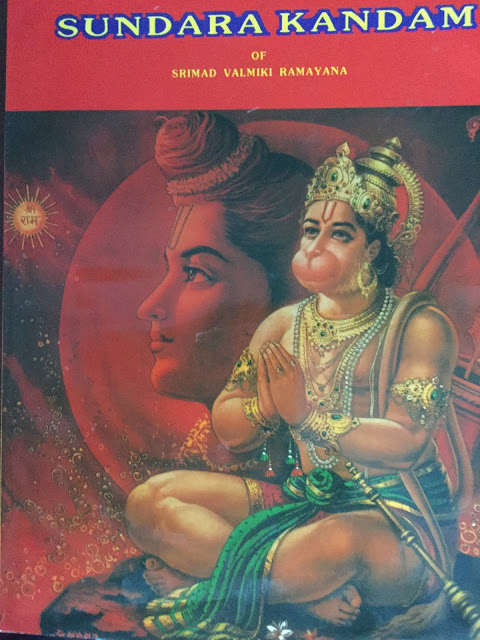
Valmiki’s Ramayana, consisting of 24,000 verses, is one of the most famous epics in the world’s literature. Apart from its literary grandeur, it is also looked upon by the Hindus as a holy text.
Of the six sections or cantos or Kandas of the Ramayana , Sundara Kanda is the fifth section. It has 2885 verses. It deals with the heroic exploits of Hanuman in one day and night, during which he crossed over to Lanka, discovered Sita, inflicted crushing defeat on Rakshasa forces, set fire to Lanka and returned to the southern shore of India to convey the news of Sita’s discovery to Rama. Rama was in Kishkindha at that time.
This section deals with Hanuman, the chief of the Vanaras, the monkeys. Other five cantos are named after the places where the events took place or the occasions to which the subject matter refers. Following the pattern of these earlier kandas or cantos this section should have been called Hanumat Kanda. But why the word ‘Sundara’ which means ‘Beautiful’ is applied to this Kanda?
xxx
Swami Tapasyananda writes in the introduction to his book Sundarakanda and gives eight points:—
1.The direct meaning that comes to one’s mind is that it refers to the literary excellence of the Kanda.it marks the acme of Valmiki s literary and poetical excellence and so it is Sundara or beautiful.
2.It is suggested that it is Sundara because it relieved Sita of her sorrow .
3.Sundara can mean a messenger, and this Kanda includes the message sent by Rama to Sita.
4.Sundara is also a name for an intermediary who establishes a mutual contact between a hero and a heroine as Hanuman did in the case of Rama and Sita.
5.Sundara is the name of a monkey and this chapter is so called because it deals with the achievements of the monkey Hanuman.
6.The recovery of something lost is sometimes described as Sundara, and in this section the topic dealt with is the discovery of Sita who had been lost.
7.It can also be indicative of the great spiritual importance attached to this chapter. The study of this is considered as equivalent to the study of the whole of Ramayana as far as spiritual merit is concerned. Ramayana is Vedas and Sundara Kanda is Upanishads.
8.Here is an allegorical meaning. An ordinary reader sees a great literary work in it. Other readers find spiritual meaning in it. Philosopher devotees have found a hidden allegorical meaning in the whole narrative. It is represented as the quest of the awakened spiritual aspirant to cross over the ocean of Samsara and seek the divine spirit within through an analogy of the various layers of human personality .
Hanuman is the awakened soul. Jambavan is the enlightened spiritual teacher. The vast ocean between India and Sri Lanka is the ocean of Samsara which the aspirant wants to cross. Surasa, Simhika, Mainaka Parvatam and Lanka Lakshmi are the obstacles. Finding Sita is finding divinity in himself.
A word must be said here about the literary merit of this great text. Valmiki’s poetry is characterised throughout by sublimity, felicity and naturalness of expression and epic grandeur.
Sundara Kanda brings out two great characters Hanuman and Sita. Hanuman stands for the ideal masculine strength. Sita stands for the feminine expression of courage. Hanuman is vividly described as one who never considers anything impossible. He is the very embodiment of strength and self -confidence. No danger or difficulty can thwart him from his purpose. Fear is a sentiment that doesn’t come anywhere near Hanuman.
The other character, typifying female heroism , is Sita . In India, Sita is always held as the ideal of woman hood. Generally, woman is considered the weaker sex, timid and dependent on men. But in Sita we get a character that is unparalleled in faithfulness, in courage and in undaunted heroism. They are as great as those of Hanuman, but the main difference is that these qualities are displayed in a passive way.
According to the belief of pious Hindus Sundara Kanda is not merely a narrative of events or allegory, but also a mine of power on which a devotee can draw for spiritual support in difficult worldly situations. Its recital with faith is considered a panacea for all ailments and difficulties of man.
Anyone who reads the introduction of Swami Tapasyananda will definitely read the full Sundara Kanda with faith and devotion and get all the benefits.
Pictures are taken from various sources for spreading knowledge; this is a non- commercial blog. Thanks for your great pictures.
27 நட்சத்திரங்களில் எது முதல் நட்சத்திரம்?- Part 2 (Post 7903)
ஒரு வட்டத்தில் முதல் எது? கடைசி எது?
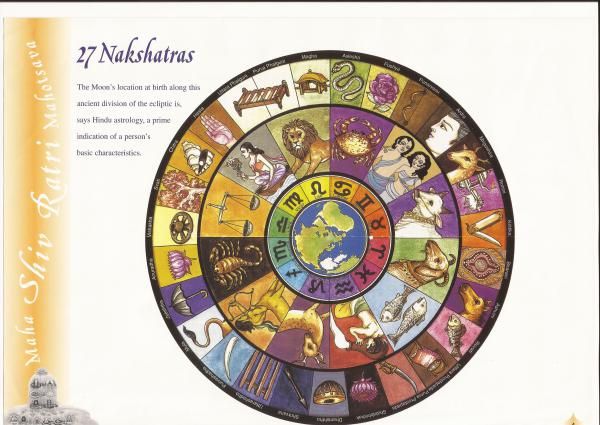
நான் ஒரு இடத்தில் ஒரு புள்ளி வைத்து இதுதான் முதல் என்பேன். என் எதிராளி வேறு ஒரு இடத்தில் புள்ளி வைத்து இதுதான் முதல் என்பான். ஆக, சந்திரன் சுற்றும் வட்டப்பாதையிலுள்ள 27+1 (அபிஜித்) நட்சத்திரங்களில் எது முதல், எது கடைசி என்று யோஜிக்கலாம். ஆனால் இது அப்படித் தீர்மானிக்கப்படக் கூடியதல்ல . இதில் வேறு சில சூட்சுமங்கள் இருக்கின்றன.
நட்சத்திரம் என்றால் ‘ஒளி இல்லாதது’ என்று பொருள் சொல்லி அதற்கு ஒரு கதையும் சொல்கிறது சதபத பிராஹ்மணம். யாஸ்கர் எழுதிய நிருக்தம் இதையும் சொல்லி, ‘ நக்ஷ’ என்றால் ‘அருகில் வர’ என்று பொருள் சொல்லும். சதபதம் சொல்லும் பொருளையே சரி என்பார் ( பாணினி 6-3-75) பாணினி.
வேத கால நட்சத்திரப் பட்டியல் கிருத்திகா / கார்த்திகையுடன் துவங்கும். யாக்ஞ வால்க்ய (1-267) ஸ்ம்ருதி காலம் வரை இது நீடித்ததாக (Hopkins) ஹாப்கின்ஸ் கூறுகிறார் .
SAPTA RISHI MANDALA = GREAT BEAR = URSA MAJOR
அஸ்வினி என்பது கி.பி.490-ல் பட்டியலில் முதலிடத்தைப் பெற்றது . இது மார்ச் 21 ஏற்படும் வெர்னல் எக்வினாக்ஸ் (vernal equinox) எனப்படும் காலம் ஆகும். கிருத்திகாதான் முதல் நட்சத்திரம் என்பதை பதஞ்சலியும் உறுதி செய்கிறார்( 2-2-34). அதாவது 2200 ஆண்டுகளுக்கு முன்வரை இதே நிலை.
வேதாங்க ஜோதிடத்தில் ச்ரவிஷ்டா என்னும் அவிட்ட நட்சத்திரம்தான் முதலில் வருகிறது. இது பற்றி கார்க மஹரிஷி விளக்கம் தருகிறார் . சடங்குளைச் செய்கையில் கிருத்திகா (பஹுல) முதலில் வரும்; சாதாரண விஷயங்களில் அவிட்டம் (ச்ரவிஷ்டா / தனிஷ்டா) முதலில் வரும்.
“கர்மசு கிருத்திகாஹா பிரதமம் ;
ச்ரவிஷ்டா து சங்கியாயாஹா “.
இதை ஆராய்ந்த ஹாப்கின்ஸ் மஹாபாரதத்திலும் இரண்டு விதமான முறைகள் இருப்பதைக் கண்டார்.
2. ஸ்ரவணா தீனி ரிக்சாணி – என்று அஸ்வமேத பர்வத்தில் வருகிறது ; (ஸ்ரவணம் — ஓணம் )
இதை அறியாமல் ப்ளீட் (Fleet) செய்த வேறு ஒரு ஆராய்ச்சியில் ஆதி பர்வத்தில் வரும் 71-34 ஒரு குறிப்பை அளிக்கிறார்:–
பிரதிஸ்ரவண பூர்வானி நக்ஷத்ராணி சகார யஹ .
இதிலிருந்து தெரிவது என்ன ?
சிரவணம் என்னும் ஓணம் இரண்டு குறிப்புகளில் முதலில் வைக்கப்பட்டுள்ளது.
ORION/ RUDRA CONSTELLATION BETELGEUSE IS ARUDRA- THIRU ATHIRAI . RUDRA’S BELT= THREE STARS= MRGA SIRSHAM = DEAR HEAD
அதாவது காலம் உருண்டோடிவிட்டது. தனிஷ்டா/அவிட்டம் முதலில் இருந்த குளிர்கால சங்க்ராந்தி (Winter Solstice) காலத்திலிருந்து மேற்கு நோக்கிச் சென்று இப்போது ஓணத்துக்கு வந்துவிட்டது . பாணினி வேதாங்க ஜோதிடத்தைப் பின்பற்றி ஓரிடத்தில் அதை முன் வைக்கிறார்.
அவர் வேதாங்க ஜோதிடத்தை ஆதரிப்பவர் என்பது, எந்த நட்சத்திரத்தில் பவுர்ணமி வருகிறதோ அதை அந்த மாதமாக குறிப்பிடுவதில் இருந்து தெரிகிறது
சித்திரா நட்சத்திரத்தில் பவுர்ணமி ஏற்பட்டால் அந்த மாதத்துக்கு சைத்ர /சித்திரை என்று பெயர் 6-2-21
தனிஷ்டா காலம் எது ?
குளிர்கால சங்கராந்தி (WINTER SOLSTICE) அவிட்டத்திலிருந்து ஒணத்துக்கு மாறியது எப்போது ?
DHANUR RASI
விச்வாமித்ர மகரிஷி புதிய நட்சத்திர மண்டலத்தைப் படைத்தார் என்று மகாபாரதமும் புராணங்களும் புகழும்; அவர்தான் காலத்துக்கு ஏற்ற காலண்டரை உருவாக்கி புரட்சி செய்தார். ஆங்கில காலண்டரில் ஜூலியன் (Julian Calendar) செய்த மாற்றங்களுடன் உள்ளதையே இன்று நாம் பின்பற்றுகிறோம். அதுபோல விசுவாமித்திரர் தனிஷ்டா எனப்படும் அவ்விடத்தில் இருந்து ஸ்ரவணம் எனப்படும் ஓணத்துக்கு மாற்றினார் . வேத காலத்தில் முதலில் இருந்ததோ கிருத்திகா. இவை எல்லாம் அவற்றின் காலத்தைக் கணக்கிட நமக்கு உதவுகின்றன.
பேராசிரியர் ஜோகேஷ் /யோகேஷ் சந்திர ரே 1934-ல் இதைக் கணக்கிட்டுக் கொடுத்தார் .
ச்ரவிஷ்டா என்னும் அவிட்டத்தின் வானியல் பெயர் – Beta Delphini பீட்டா டெல்பிணி.
இது கி.மு.1372-ல் சூரியன், சந்திரன் ஆகியவற்றுடன் குளிர்கால சங்கிராந்தியில் (WINTER SOLSTICE) சேர்ந்து இருந்தது. ஆகவே இது 3372 ஆண்டுகளுக்கு முந்தையது.
வானியல் கணக்கில் ஒரு டிகிரி கடந்து செல்ல 70 ஆண்டுகள் பிடிக்கும். இவ்வாறு சுமார் 933 ஆண்டுகள் சென்ற பின்னர் , அதாவது கி.மு. ஐந்தாம் நூற்றாண்டில் சிரவணம் முதலிடம் பிடித்தது.
ஆகையால் ச்ரவிஷ்டா நட்சத்திரம் பற்றிப் பேசுவோர் கி.மு. ஐந்தாம் நூற் றாண்டுக்கு முந்தையோர். (கிருத்திகாவை முதலில் வைக்கும் வழக்கம் வேத காலத்தியது )
ஆக இவைகளைக் கால வரிசைப் படுத்தினால்
1.வேத காலத்தில் கிருத்திகா/ கார்த்திகை முதல் நட்சத்திரம்
2.பின்னர் அவிட்டம்/தனிஷ்டா முதல் நட்சத்திரம்
3. அதற்குப் பின்னர் ஓணம் எனப்படும் ஸ்ரவணம் முதல் நட்சத்திரம்
4.தற்கால அஸ்வினி CE 490-ல் வழக்கத்துக்கு வந்தது .
குளிர்கால சங்க்ராந்தி (WINTER SOLSTICE) மாறியவுடனே முதல் நட்சத்திரமும் மாறிவிட்டது என்றும் சொல்வதற்கில்லை. அதை அக்கால வானியல்- ஜோதிட வல்லுநர்கள் விவாதித்து பஞ்சாங்கத்தில் மாற்றிய பின்னர் கூட நிகழ்ந்திருக்கலாம்.
மஹா பாரதத்தில் பலவிதமான குறிப்புகள் இருப்பது அவை அவ்வப்போது சேர்க்கப்பட்டவை. இந்துக்கள் எல்லாவற்றை யும் ‘அப்டேட்’ UPDATE செய்து கொண்டே வருவார்கள்.
கட்டுரைத் தொடரின் மூன்றாவது (இறுதி) பகுதியில் 27 நட்சத்திரங்கள் பற்றி பாணினி என்ன சொல்கிறார் என்பதைக் காண்போம்.
இதனால்தெரிவதுஎன்ன? கலை, இலக்கியம்சம்பந்தப்பட்டவிஷயத்தில்தகுதி, தரம்நிர்ணயம்செய்வதுகற்றறிந்தபெரியோர்களேஎன்பதே. இதையே “உலகம்என்பதுஉயர்ந்தோர்மாட்டே” எனநிகண்டுசொல்லும்!.
தரநிணயம்என்றால்அதன்அடிப்படைஎன்ன? It is a moral judgement –it involves values. ஆனால்இயந்திரகதியில்ஒடும்இன்றையஉலகில்எந்தத்துறையிலும்இந்தத்தார்மீகஅளவுகோல்செல்லாது!
A principal characteristic of technique….is its refusal to tolerate moral judgments. It is absolutely independent of them and eliminates them from its domain. Technique never observes the distinction between moral and immoral use. It tends on the contrary, to create a completely independent technical morality.”
[From: Jacques Ellul: The Technological Society, 1954]
இசையிலும் அப்படித்தான் ஒரு பெரியவர் நிமிர்ந்து நின்றால் போதும், நிலைமை திருந்திவிடும்!
இனி,இருஅழகியபாடல்களைப்பார்க்கலாம்.
ஆஜானேவஃபா, ஆஜானேவஃபா
o o o
o o o o o o o o wafaa ki laaj reh jaayegi aajaa tere aane se mohabbat ki nazar neechi naa ho jaaye zamaane se aa jaan-e-wafaa aa aa jaan-e-wafaa aa
நீவருவதால்அன்பின்கவுரவம்காப்பாற்றப்படும்
உலகத்தின்முன்காதலின்தலைதாழாது
ஓஅன்பே, விரைந்துவா
ஓஅன்பேவிரைந்துவா!
kehte hain kise pyaar zamaane ko dikhaa de duniyaa ki nazar ishq ke qadmon pe jhukaa de qadmon pe jhukaa de aa jaan-e-wafaa aa aa jaan-e-wafaa aa
காதல்என்றால்என்னஎன்றுஉலகிற்குக்காட்டுவோம்!
உலகின்பார்வையைகாதலின்முன்மண்டியிடச்செய்வோம்!
ஓஅன்பேவிரைந்துவா!
aajaa ye meraa naaz uthaanaa hi padegaa aajaa ye meraa naaz uthaanaa hi padegaa jab pyaar kiyaa hai to nibhaanaa hi padegaa jab pyaar kiyaa hai to nibhaanaa hi padegaa aa dil ke liye jaan ki baazi bhi lagaa de aa dil ke liye jaan ki baazi bhi lagaa de ae ae ae duniyaa ki nazar ishq ke qadmon pe jhukaa de qadmon pe jhukaa de aa jaan-e-wafaa aa aa jaan-e-wafaa aa
வா, வந்துஎன்கௌரவத்தைக்காப்பாற்று
உன்காதல்உண்மைஎன்றால்சத்தியத்தைக்காப்பாற்று
காதலுக்காகஉயிரைவேண்டுமானாலும்பணயம்வை
உலகின்பார்வைகாதலுக்குமுன்தலைகவிழட்டும்
ஓஅன்பே, விரைந்துவா!
aa pyaar ke toofaan mein lehraa ke chalaa aa aa pyaar ke tufaan mein lehraa ke chalaa aa har qaid ko har rasm ko thukraa ke chalaa aa har qaid ko har rasm ko thukraa ke chalaa aa aashiq hai to har cheez mohabbat pe lutaa de aashiq hai to har cheez mohabbat pe lutaa de duniyaa ki nazar ishq ke qadmo pe jhukaa de qadmo pe jhukaa de aa jaan-e-wafaa aa
deewaanaa mohabbat kaa kahin dar ke rukaa hai darbaar mein shaahon ke kahin ishq jhukaa hai khud ishq ke darbaar mein shaahon ko jhukaa de aa jaan-e-wafaa aa shaahon ko jhukaa de shaahon ko jhukaa de
aa jaan-e-wafaa aa…
அன்பின்பைத்தியம்எங்காவதுபயந்துநிற்கிறதோ?
தர்பாரின்மூலையில்எங்கோகாதல்தலைகுனிந்துநிற்கிறதோ
வா, தர்பாரையேகாதலுக்குமுன்பணியச்செய்வோம்
ஓஅன்பே, விரைந்துவா!
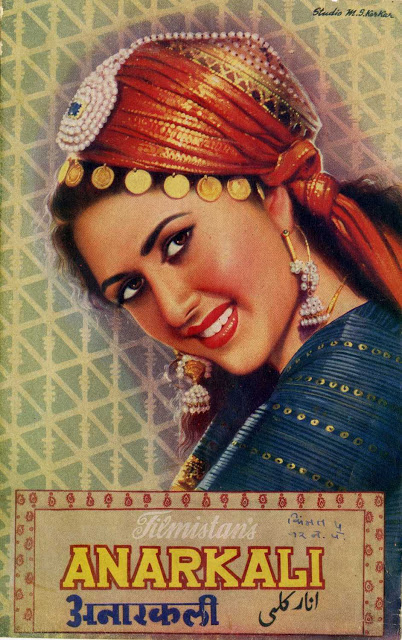
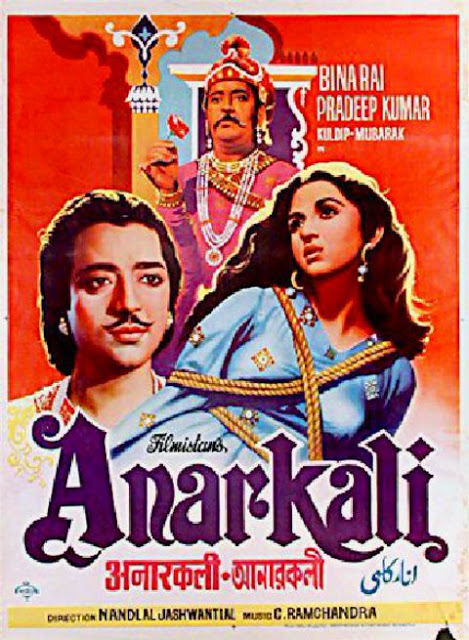
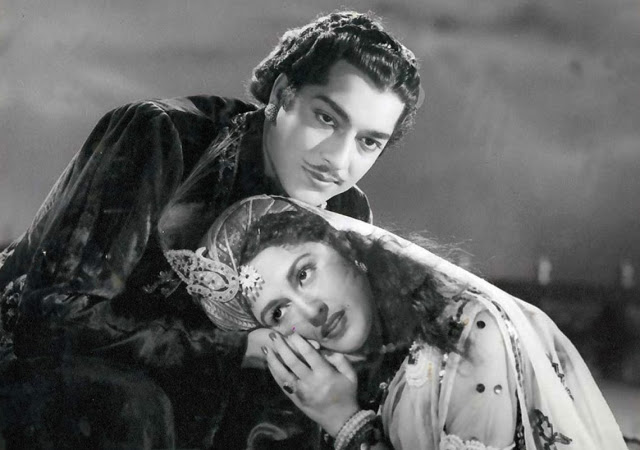
Song: Aa jaanewafa Film: Anarkali 1953 Lyricist: Jan Nisar Akhtar
Pictures are taken from various sources for spreading knowledge; this is a non- commercial blog. Thanks for your great pictures.
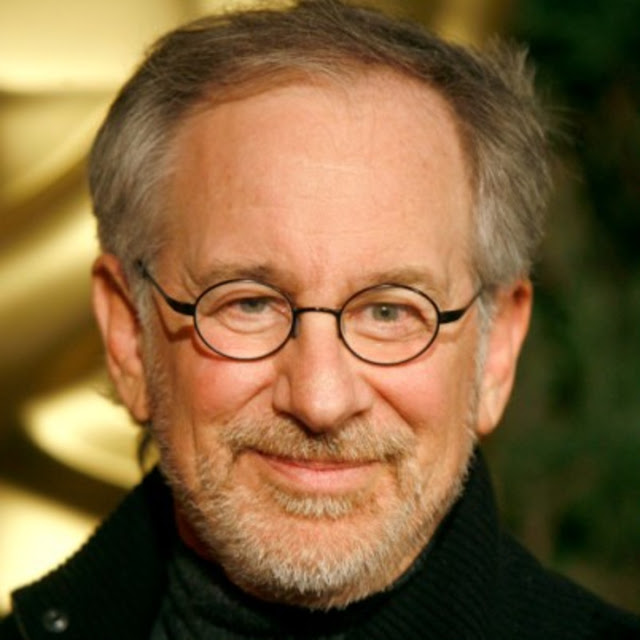
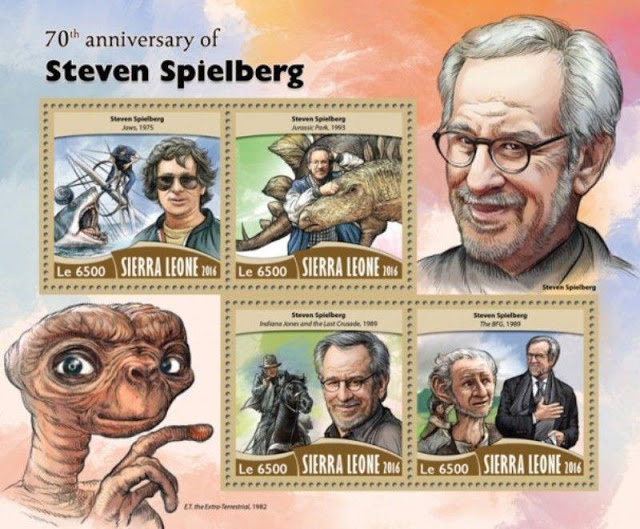
ஸ்டீவன் ஸ்பீல்பெர்க்கின் படைப்பாற்றல் திறன் வளர்ந்தது எப்படி?
ச.நாகராஜன்
1993இல் வெளிவந்து உலகைக் கலக்கிய ஜுராஸிக் பார்க்கை எடுத்த ஸ்டீவன் ஸ்பீல்பெர்க் வளர்ந்த விதம் சுவாரசியமானது.
இளம் வயதிலேயே அவர் திரைப்படம் எடுப்பதில் ஆர்வம் உள்ளவராக இருந்தார்.
அதற்கான படைப்பாற்றல் திறன் அவருக்கு இயல்பாகவே இருந்தது. ஆனால் அதைத் தூண்டி விட்டு அவரை உற்சாகப்படுத்தி அவரை பரிணமிக்க வைத்த பெருமை அவரது தாயான லீயையே (Leah) சேரும்.
இளம் வயதில் ஸ்பீல்பெர்க் பாய் ஸ்கவுட்டில் (Boy Scout) சேர்ந்திருந்தார். ஒரு குட்டித் திரைப்படத்தைத் தயாரித்து அந்தத் தயாரிப்பிற்கான மெரிட் பாட்ஜைப் (Merit Badge) பெற வேண்டும் என்ற ஆசை அவருக்கு வந்தது. அப்போது அவருக்கு வயது 12 தான்!
சமையலறையில் சமைத்துக் கொண்டிருந்த தாயாரிடம் சென்று தன் ஆசையைச் சொன்னார்.
“வெளியே போய் விளையாடு. வேண்டாத வேலையில் எல்லாம் ஈடுபடாதே” என்று மற்ற தாய்மார்களைப் போலச் சொல்லி ஸ்டீல்பெர்க்கை அவர் தாயார் விரட்டி விடவில்லை.
அவரை உற்சாகப்படுத்தினார்.
அதற்கு உதவிகள் செய்தார்; ஏன் தானே நடிக்கவும் செய்தார்!
ஸ்பீல்பெர்க் திரைப்படத்தை எடுக்க அவரது தந்தை ஒரு சூப்பர் -8 மூவி கேமராவை வாங்கித் தந்தார்.
ஸ்பீல்பெர்க் எடுக்க விரும்பிய படம் ஒரு திகில் படம்.
அதில் ஒரு காட்சியில் சமையலறை காபினெட்டிலிருந்து ரத்தம் குபுகுபுவெனப் பொங்கி வர வேண்டும்.
அம்மாவிடம் காட்சி பற்றிச் சொன்னார் அவர்.
உடனே அவர் கடைவீதிக்குச் சென்று 30 செர்ரி கேன்களை வாங்கி வந்தார். அதை சமையலறை காபினெட்டில் ஊற்றி ரத்தம் குபுகுபுவெனப் பொங்கி வரும் ஷாட்டை எடுக்கச் செய்தார்.
படம் வெற்றியானது. அவருக்கு மெரிட் பேட்ஜும் கிடைத்தது.
அவரது தாய் வீட்டையே ஸ்டூடியோவாக மாற்ற அவருக்கு அனுமதி தந்தார். அவ்வப்பொழுது காட்சிக்குத் தக மேஜை நாற்காலிகள் உள்ளிட்ட அனைத்துப் பொருள்களும் இடம் மாற்றி வைக்கப்படும். பின்னணி அமைப்புகள் அமைக்கப்படும்.
இதற்கெல்லாம் அவரது தாயார் தான் உதவுவார்.
பாத்திரங்களின் காஸ்ட்யூமையும் அவர் தயார் செய்து தருவார்.
ஒரு முறை பாலைவனத்தில் ஒரு காட்சி எடுக்கப்பட வேண்டியிருந்தது. தனது காரை எடுத்தார். ஸ்பீல்பெர்க்கைக் கூட்டிக் கொண்டு பாலைவனப் பகுதிக்கே சென்றார்.
இப்படி அனைத்து விதத்திலும் அவரை ஊக்கப்படுத்திய அவரது தாயார் 97 வயது வரை வாழ்ந்து 2017இல் மறைந்தார்.
இளம் வயதில் குழந்தைகளின் ஆசையையும் படைப்பாற்றல் திறனையும் பெரும்பாலான தாய்மார்களும் தந்தைமார்களும் புரிந்து கொள்வதில்லை; புரிந்து கொண்டாலும் அந்த ஆசைக்கு உரம் போட்டு வளர்ப்பதில்லை. குழந்தைகளை ஊக்குவிப்பதில்லை.
ஆனால் சில பெற்றோர்கள் மட்டுமே குழந்தைகளின் ஆசையை நன்கு புரிந்து கொண்டு ஊக்கப்படுத்துவர்.
ஸ்பீல்பெர்க்கின் தாயார் அப்படிப்பட்ட அரிதான தாயார்.
படைப்பாற்றல் திறனை இளம் வயதில் ஒரு குழந்தைக்கு வளரப் பெரிதும் உறுதுணையாக இருக்க வேண்டியது அந்தக் குழந்தையின் குடும்பமே!















 Tamil and Vedas