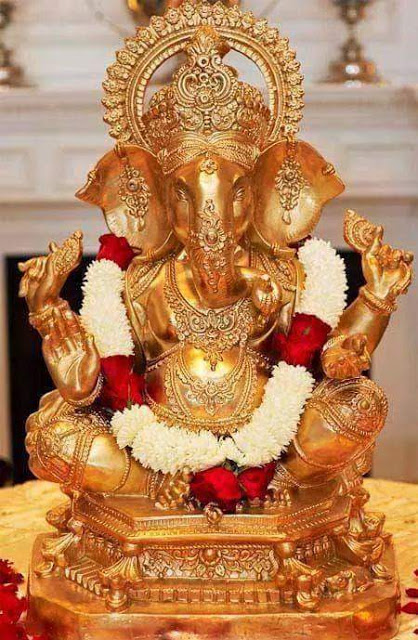
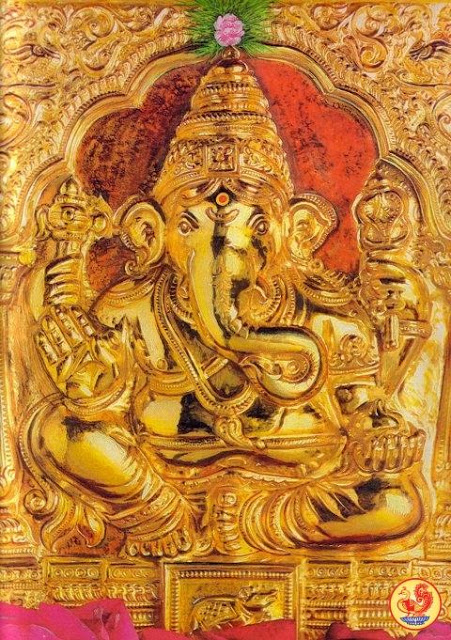
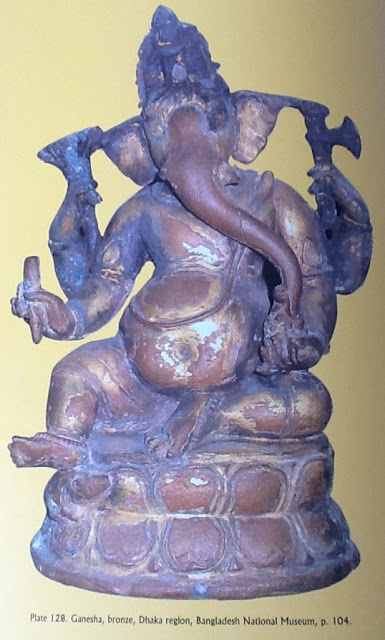
சிவபிரான் பாம்பை அணிந்தது ஏன்? (Post No.7983)

WRITTEN BY S NAGARAJAN                     

Post No.7983

Date uploaded in London – – – 16 May 2020   

Contact – swami_48@yahoo.com

Pictures are taken from various sources for spreading knowledge; this is a non- commercial blog. Thanks for your great pictures.

By ச.நாகராஜன்

பலபட்டடைச் சொக்கநாதப் புலவருக்கு ஒரு கசப்பான அனுபவம் ஒரு தட்டானுடன் ஏற்பட்டது போலும்!

அதை மனதில் வைத்துப் புழுங்காமல் ஒரு பாடலைப் பாடி விட்டார்.

சிவ பக்தரான அவருக்கு வந்தது ஒரு சந்தேகம் – செம்பொன் மேருமலையைக் கொண்ட சிவபிரான் அப்படிப்பட்ட சொக்கத் தங்கமே மலை போல் குவிந்திருக்க அதிலிருந்து ஒரு துளியைக் கூட ஆபரணமாகச் செய்து அணியாமல் பாம்பை ஏன் அணிய வேண்டும்?

சிந்தித்தார், கிடைத்தது ஒரு விடை. அதைப் பாடலாகப் பாடினார் இப்படி:

ஒட்டாக ஒட்டியுங் காற்பொன்னின் மாப்பொன் னுலோபமதாய்,

வெட்டாதி ரான்பணி செய்யாதிரான் செம்பொன் மேருவினைக்

கட்டாகக் கட்டிக் கடுகள வாய்நிறை காட்டவல்ல

தட்டானுக் கஞ்சியல் லோவணிந் தான்சிவன் சர்ப்பத்தையே

பாடலின் பொருள் :

ஒட்டாக ஒட்டியும் – பற்று உண்டாக ஒட்டியும்

கால் பொன்னில் – கால் வராகன் எடையுள்ள பொன்னில்

மாப்பொன் – ஒரு மா வராகன் எடைப் பொன்னை

உலோபமதாய் வெட்டாது இரான் – லோபமாக ஏமாற்றாமல் இருக்க மாட்டான்

பணி செய்யாதிரான் – ஆபரணங்களைச் செய்யாமல் இருக்க மாட்டான்

செம்பொன் மேருவினை – செம்பொன் மலையாகிய மேரு மலையை

கட்டாகக் கட்டி – கட்டாகக் கட்டி

கடுகு அளவாய் – ஒரு சிறு கடுகின் அளவாக

நிறை காட்டவல்ல – எடையைக் காட்ட வல்ல

தட்டானுக்கு அஞ்சி அல்லோ – தட்டானுக்குப் பயந்து  அல்லவா

அணிந்தான் சிவன் சர்ப்பத்தையே – சிவபிரான் பாம்பை அணிந்தான்!

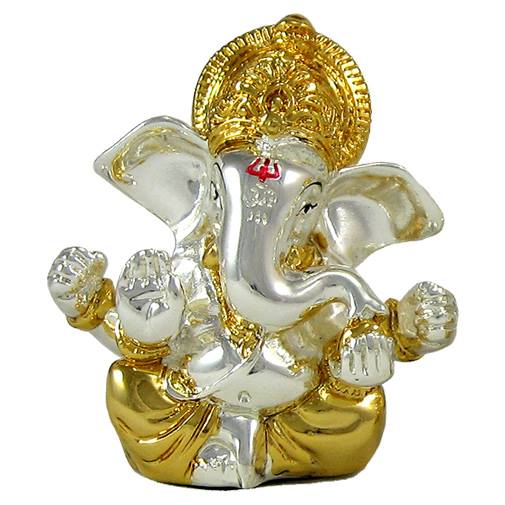
வெள்ளி மலை, பொன் மலை ஆகியவற்றைக் கொண்ட சிவபிரான்,அதை ஆபரணம் செய்ய தட்டானிடம் கொடுத்தால் அவன் அதைத் தட்டித் தட்டிக் கடுகளவாகக் காண்பிப்பான் என்பதற்கு பயந்தே, பாம்பைத் தன் ஆபரணமாக அணிந்தான் போலும்!

*

பாண்டியன் சிவபிரானைப் பிரம்பால் அடித்ததை நினைத்து வருந்தினார் புலவர்.

பாடல் பிறந்தது இப்படி:-

மண்ணென்ற மண்டல மெல்லாம் புரக்கும் வழுதி சற்றும்

தண்ணென்ற நெஞ்சந் தரித்தில னேதனு வேடனெச்சில்

உண்ணென்ற போதுண் டவர்சொக்கர் பாதியுடலம்பச்சைப்

பெண்ணென் றறிந்து மடித்தா னெவ்வாறு பிரம்பு கொண்டே!

பாடலின் பொருள் :

மண்ணென்ற -மண் உலகம் என்று சொல்லப்பட்ட

மண்டலம் எல்லாம் – ராஜ்யத்தை எல்லாம்

புரக்கும் வழுதி  – காக்கின்ற பாண்டிய மன்னன் வழுதி

சற்றும் தண்ணென்ற நெஞ்சம் தரித்திலனே  – சற்றாவது குளிர்ந்த மனத்தை உடையவனாக இல்லாமல் இருக்கிறானே!

தனு வேடன்  -வில்லைக் கொண்ட வேடனாகிய கண்ணப்பன்

எச்சில் உண் என்ற போது உண்டவர் சொக்கர் – எச்சிலை உண் என்று சொன்ன போது அதை உண்டவர் சொக்கேசர் (சிவபிரான்)

பாதி உடலம் – (அவர் உடம்பில்) பாதி உடம்பு

பச்சைப் பெண் என்று அறிந்தும் – பச்சைப் பெண்ணாகிய உமாதேவி என்று அறிந்தும் கூட

பிரம்பு கொண்டே எவ்வாறு அடித்தான் -பிரம்பைக் கொண்டு எப்படித்தான் அடித்தானோ!

வேடன் கண்ணப்பன் அன்பினால் எச்சிலை உண் என்று சொல்ல அதை மனமுவந்து ஏற்றவன் சிவபிரான். அப்படிப்பட்ட சிவபிரானின் பாதி உடம்பை உமா தேவி கொண்டிருக்கும் நிலையில் வழுதி மன்னன், சிவனை எப்படித்தான் அடித்தானோ என்று வியக்கிறார் புலவர்.

***

பெருமை பல வாய்ந்த சிவபிரானுக்குத் தன் மீது சிறிது கூட இரக்கம் இல்லையே, அருள் தரக் கூடாதா என்று ஏங்குகிறார் புலவர். அது பாடலாக வடித்தது இப்படி:-

குதியால் நமனை யுதைத்துள்ளங் காலினிற் கூனிமிர

மதிராகந் தேய்த்தவ் விலங்கேசம் மாமுடி பத்துநக

நுதியால் மிதித்து முயலகன் மேனி நுறுங்க வின்னும்

மிதியாநின் றாலரு ளெங்கேசொக் கேசர்தம் மெல்லடிக்கே

பாடலின் பொருள் :-

குதியால் நமனை உதைத்து – குதிகாலினால் நமனைஉதைத்து

உள்ளங் காலினில் – உள்ளங்காலினால்

கூன் நிமிர – கூன் நிமிரும்படி

மதி ஆகம் தேய்த்து – சந்திரனின் உடம்பைத் தேய்த்து

அவ் இலங்கேசன்  மாமுடி பத்து நக நுதியால் மிதித்து – அந்த இலங்கை அரசனான இராவணனின் தலை முடி பத்தையும் நகத்தின் நுனியால் அழுத்தி மிதித்து

முயலகன் மேனி நுறுங்க – முயலகனின் உடல் நுறுங்கும்படி செய்து

இன்னும் மிதியா நின்றால் – இப்படி பல காரியங்களைச் செய்தும் இன்னமும் மிதிப்பதை நிற்காமல் இருந்தால்

சொக்கேசர் தம் மெல்லடிக்கே அருள் எங்கே – சொக்கேசப் பெருமானின் திருவடிக்கு அருள் எப்படி வரும்!

சிவபிரானின் திருவடிகளுக்கு ஏகப்பட்ட வேலைகள்! நமனை உதைப்பது, சந்திரனின் கூன் நிமிர உடலைத் தேய்ப்பது, இராவணனின் பத்து மகுடங்களையும் நக நுனியால் அழுத்துவது, முயலகனை நுறுங்கச் செய்வது என்று இப்படி பல வேலைகள் இருந்தால் எனக்கு அவர் பாதம் பிடிக்க வாய்ப்பு இல்லையே!  (அவருக்கு இந்தச் செயல்களுக்கே நேரம் போதவில்லையே!) எனக்கு சொக்கேசரின் அருள் எங்கே இருந்து வரும்!

புலவரின் அங்கலாய்ப்பு நியாயம் தானே!

tags — சிவபிரான், பாம்பு, சொக்கநாதப் புலவர்.

***

HOW DID CHURCHILL ESCAPE DEATH IN THE WW?(Post No.7982)

COMPILED BY LONDON SWAMINATHAN

Post No.7982

Date uploaded in London – 15 May 2020   

Contact – swami_48@yahoo.com

Pictures are taken from various sources for spreading knowledge; this is a non- commercial blog. Thanks for your great pictures.

More Battle Anecdotes

This is Winston Churchill s Story

“All was excitement and hustle at Abassiyeh Barracks in Cairo. Two squadrons of the 21st Lancers had already started up the Nile. The other two were to leave the next morning. Altogether seven additional officers from other cavalry regiments had been attached to the 21st to bring them up to full war strength.

A troop had been reserved for me in one of the leading squadron’s . But the delay and uncertainties about my coming had given this to another. Second lieutenant Robert Grenfell had succeeded in getting this vacancy. He had gone off in the highest spirits. At the base everyone believed that we should be too late for the battle. Perhaps the first two squadrons may get up in time, but no one could tell.

‘Fancy how lucky I am’, wrote Grenfell to his family. ‘Here I have got the troop that would have been Winston’s and we are to be the first to start.

Chance is unceasingly is at work in our lives, but we cannot always see its workings sharply and clearly defined. As it turned out this troop was practically cut to pieces in the charge which the regiment made in the battle of September 2, and its brave Young leader was killed”.

Xxx

CLEVER ANSWER

Almost everybody thought that Marshall Joffre had won the first battle of the Marne, but some refused to agree. One day a newspaper man appealed to Joffre

‘Will you tell me who did win the battle of the Marne ?’

“I can’t answer that, said Marshal. But I can tell you that if the battle of the Marne had been lost the blame would have been on me”.

Xxx

MARSHALL SAXE

It is notorious—- says Marmontel in his incomparable biography —- that with much nobleness and dignity of soul Marshall Saxe was fond of mirth and jollity. By taste, as well as by system, he loved merriment in armies, stating that French never did so as well as when they were led on gaily, and what they feared most in war, was weary inactivity. He had always a comic opera in his camp. It was at the theatre that he gave the order of battle: and on these occasions, the principal actress used to come forward and say,

“Gentlemen, tomorrow there will be no play on account of the battle that Marshall gives; after tomorrow the Cock of the village , with the Merry Intrigue etc.”

Tags-  More Battle anecdotes, Winston Churchill, Marshal Joffre

–SUBHAM–

Tyagaraja and Philosophy; SRI TYAGARAJA-6 (Post No.7981)

WRITTEN BY R. NANJAPPA                        

Post No.7981

Date uploaded in London – – – 15 May 2020   

Contact – swami_48@yahoo.com

Pictures are taken from various sources for spreading knowledge; this is a non- commercial blog. Thanks for your great pictures.

SRI TYAGARAJA-6

         Tyagaraja and Philosophy

Sri Tyagaraja is generally regarded as saint-philosopher, besides being a music composer- vaggeyakara. But what exactly do we mean by philosophy or philosopher?

This is one of those words in the English language which has no precise meaning, like God, Truth. Love, Wisdom, Democracy, Socialism, Freedom, etc. It can be made to mean anything,almost.

In its primary sense,it means love of wisdom. In the ancient world, it was understood that wisdom meant knowing the real meaning of phenomena, ie the meaning  or truth of existence. So, it naturally involved ideas about creation, meaning and purpose of existence, God etc. In the beginning, only those who had had some direct knowledge or experience expressed ideas on the subject. But once verbal communication began to flourish, it came to be dominated by intellectuals who indulged in speculation and semantic disputes, so that today in the West, philosophy means mere intellectual speculation on any subject.See this definition in the Oxford Dictionary of Philosophy,2008:

The study of the most general and abstract features of the world and categories with which we think: mind, matter, reason, proof,truth,etc. In philosophy, the concepts with which we approach the world themselves become the topic of enquiry… In this sense, philosophy is what happens when a practice becomes self-conscious. The contemporary spirit …prefers to see philosophical reflection as continuous with the best practice of any field of intellectual enquiry. 

Or this entry from the Penguin  Dictionary of Philosophy,2nd Edition,2005:

….it is often held that philosophy has as a distinct subject-matter the most fundamental or general concepts  or principles involved in thought, action and reality. It is also a common view that philosophical inquiry is a second-order inquiry which has for its subject matter the concepts, theories and presuppositions present in various disciplines and in everyday life.

If philosophy is taken to be a pure disinterested search for knowledge, it is understood not to have an ulterior purpose, but to be a quest undertaken for its own sake.
So, you can talk of a philosophy of anything ! It has no relation to Truth or Wisdom, but the act of philosophising for its own sake! In this sense, we may say philosophy is what the philosopher does! It is primarily preoccupation with concepts, or words.

The practical result of this state of affairs is that we have a plethora of views and opinions on everything, and no certainty on anything! The practical implication of this is terrible for humanity: In the ancient days, philosophy everywhere was concerned with the good life and involved concepts like ethics, virtue, justice, happiness, beauty, etc. Socrates believed that philosophy was not mere belief in doctrines, but virtuous conduct (Knowledge is virtue). True wisdom results in virtuous conduct, since wrong choice between good and evil  is due to ignorance, and not any original sin. He gave up his life, rather than his way of life! 

It is not that ancient philosophers or philosophies had all the right answers, or even the answers. But they were concerned with a deeper reality behind phenomena, however variously conceived, and constantly reminded man of his place in the scheme of things in the universe. What was he here for? Is there any meaning to life or the universe? What is man’s end? The answers were diverse: the Epicureans for instance said that what senses conveyed was infallible. The Stoics said there is no certainty about anything. But they developed a way of life which gave  some direction to people, based on some notion of moral virtue.

 But modern civilization does not  entertain or employ or encourage any idea of ‘virtue’ in the public domain.There is no sense of right or wrong. Public support may be drummed up for any cause. Modern secularists will even claim that to discuss morality in the public domain is itself an infringement of human rights! As Prof. Michael Sandel of Harvard says:
 

Some consider public engagement with  questions of the good life to be a  civic transgression, a  journey beyond the bounds of public reason. Politics and law should not become entangled in moral and religious disputes, we often think, for such entanglement opens the way to coercion and intolerance…Citizens of pluralist societies do disagree about morality and religion.


From: ‘Justice’- What is The Right Thing To Do? ,, Penguin,’2010. This is an important book which discusses this issue with current examples.

In short, modern society has become amoral in the name of progress. If people do get any guidance at all to the conduct of life, beyond civic order, it is from private religious sources, which are not honoured but may be just tolerated. 
But this is not the way the word ‘philosophy’ is ( or,was?) understood in India. In fact, we do not have a word for philosophy in the Western sense- we may call it ‘matam’ ie something held with the mati ie mind. It is just opinion, not Wisdom or Truth, which we call Jnana or personal experience of Tat- that which is. This Jnana is knowledge by identity, through personal experience-aparoksha anubhuti. It is almost impossible to find English equivalents for these words.  

Philosophy in India is essentially spiritual. It is the intense spirituality of India, and not any great political structure, or social organisation that it has developed, that has enabled it to resist the ravages of time and the accidents of history.

Throughout its life it has been living with one purpose. It has fought for truth and against error.

The spiritual motive dominates life in India. Indian  philosophy has its interest in the haunts of men, and not in supra-lunar solitudes.    The great works of Indian philosophy do not have that ex cathedra character which is so prominent a feature of the latter day commentaries. The Gita and the Upanishads are not remote from popular belief. They are the great literature of the country, and at the same time vehicles of the great systems of thought. The Puranas contain the truth dressed up in myths and stories, to suit the weak understanding of the majority. The hard task of interesting the multitude in metaphysics is achieved in India.

The founders of philosophy strive for a socio-spiritual reformation of the country. When the Indian  civilisation is called a Brahminical one, it only means that its main character and dominating motives are shaped by its philosophical thinkers and religious minds, though these are not all of Brahmin birth. The idea of Plato that philosophers must be the rulers and directors of society is practised in India.The ultimate truths are truths of the spirit,and in the light of them actual life has to be refined.

Religion in India is not dogmatic. ….It is the intimate relation between the truth of philosophy and the daily life of people that makes religion always alive and real.


From: Dr.S Radhakrishnan, Indian Philosophy,Vol.I, p.25-6,  Blackie,Second Edition, 1929, reprint 1977. 
This rather long extract explains the position admirably. Though written 90 years ago, no academic has written a better account yet. 

The Veda, Upanishads and the Gita constitute the fountain head of our philosophy, which is more appropriately called Darshana or Insight.Those who gave the truths were Rishis, and Avatara Sri Krishna in the Gita. These do not contain speculation, but spiritual truths directly experienced by the Rishis. They did not make a system out of their insights, but left for earnest people to undertake the discipline and find out for themselves. Later on, some thinkers tried to clothe them in intellectual garb, made formulae/ sutras out of it, built systems of doctrine. What was pure spiritual truth became theological dogmas, held on by different schools which often disagreed and argued with each other. So, sects were formed and quarreled among themselves. It is to be noted that all the sages/saints whom we saw  in earlier postings avoided all philosophical controversy and were only interested in showing a practical way to people to meet  the challenges of changing conditions.
 
Once dogmas and sects based on them arose, every aspect or question of life was subject to detailed analysis by each and a mind-boggling and sense-bewildering variety of propositions was given. These controversies concerned questions such as Advaita V.Dwaita, God with form or formless. Saguna or Nirguna, Who is superior or ultimate-Shiva, Vishnu, Shakti etc, Which way to follow- Jnana, Bhakti or Karma, etc, Freewill V. Fate or predetermination, karma or Grace, etc. It is an irony that while all the commentaries claimed to be based on the  same prastanatraya, people were satisfied with the commentaries and did not go to the original sources themselves!

By the time of Tyagaraja, the position was quite bad. But he avoided all commentaries and commentators and  went to the original sources, and restated the truths based on his own personal experience and insight, in contemporary idiom and language. He has dealt with and answered all the controversies mentioned above. He has shown a practical way for changing times, but based on perennial truths. In this sense, he is a great philosopher in the Indian meaning of the term, besides being a preeminent Sadguru. We shall see his position on these matters, by and by. 


tags – Tyagaraja and Philosophy, SRI TYAGARAJA-6

to be continued……………………………………………..

பானை பற்றிய இரண்டு பழமொழிகளைக் கண்டு பிடியுங்கள் (Post No.7980 )

WRITTEN BY LONDON SWAMINATHAN

Post No.7980

Date uploaded in London – 15 May 2020   

Contact – swami_48@yahoo.com

Pictures are taken from various sources for spreading knowledge; this is a non- commercial blog. Thanks for your great pictures.

ANSWERS

ஒரு பானை சோற்றுக்கு ஒரு சோறு பதம்.

பானையில் பதக்கு நெல் இருந்  தால் மூலையில் முக்கு கு  றுணி தெய் வம் கூ த்  தா டும்.

tags — பானை , இரண்டு பழமொழி,

பொய்கை ஆழ்வாரின் அற்புத சொல்வீச்சு (Post No.7979)

WRITTEN BY LONDON SWAMINATHAN

Post No.7979

Date uploaded in London – 15 May 2020   

Contact – swami_48@yahoo.com

Pictures are taken from various sources for spreading knowledge; this is a non- commercial blog. Thanks for your great pictures.

பொய்கை ஆழ்வாரின் அற்புத சொல்வீச்சு

சம்ஸ்க்ருதத்தில் பாணினி என்ற இலக்கண வித்தகனும் தமிழில் தெய்வப்புலவர் திருவள்ளுவனும் சொற்களைக் குறைவாகப் பயன்படுத்தி நிறைய பொருள்களை வழங்கினர்.

‘சுருங்கச் சொல்லி விளங்க வைத்தல்’ (Brevity is the soul of wit)  என்ற கலையில் வல்லவர்கள் . அவ்விருவரும் . அவர்களுக்குப் போட்டியாக  வருகிறார் பொய்கை ஆழ்வார். இவர் கி.பி ஐந்தாம் அல்லது ஆறாம் நூற்றாண்டைச் சேர்ந்தவர் .  அவர் பாடிய ஒரு பாடலில் கிருஷ்ண பரமாத்மாவின் பத்து லீலைகளை அடுக்கி, அந்த பத்து லீலைகளுக்கும் விளக்கம் தரும் வினைச் சொற்களை  (Verbs)  தனியே அடுக்குகிறார்
ஒரு சிறுவனுக்கு அவனது பாட்டியோ, அம்மாவோ கிருஷ்ணனின் பத்து லீலைகளையும் விவரித்துக் கூறு வதற்கு சிலமணி நேரமாவது ஆகும். ஆனால் பொய்கையை ஆழ்வாரோ ஒரே மூச்சில் சொல்லி விடுகிறார். வானவில்லின் ஏழு நிறங்களை நினைவிற் வைத்துக்கொள்ள, பள்ளிக்கூட விஞ்ஞான ஆசிரியர்கள் ‘விப்ஜியார்’ VIBGYOR  என்ற ஆங்கில (Acronym)  எழுத்தை சொல்லித் தருவார். அதிலுள்ள ஒவ்வொரு எழுத்துமொரு வண்ணத்தைக் குறிக்கும். அதேபோல பொய்கை ஆழ்வார் சுருக்கெழுத்தில் பத்து வினைச் சொற்களைத் தொடுக்கிறார். இதோ முதல் திருவந்தாதியில் வரும் அந்தப் பாசுரம் :–
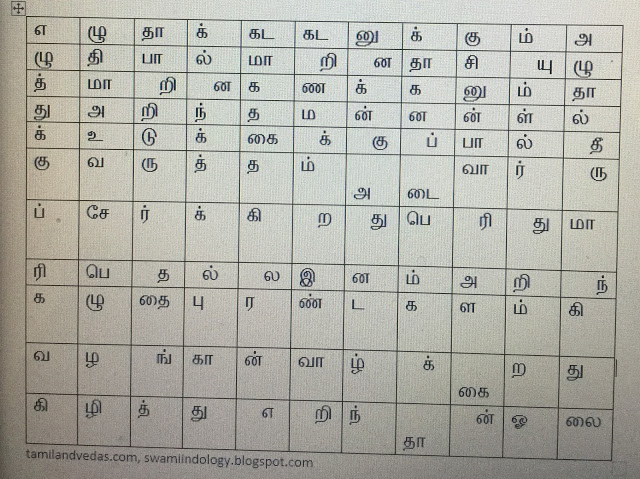
அரவம், அடல் வேழம் ,ஆன் , குருந்தம், புள் வாய்,

குரவை, குடம், முலை, மல், குன்றம் – கரவு இன்றி

விட்டு, இறுத்து , மேய்த்து,ஒசித்து , கீண்டு, கோத்து , ஆடி, உண்டு,

அட்டு, எடுத்த – செங்கண் அவன்

நாலாயிர திவ்ய பிரபந்தம் – பாடல் 2135

பொருள் —

கொம்பை முறித்து , பசுக்கள் மேய்த்து, குருந்த மரத்தை முறித்து, புல்லின் வாய் பிளந்து, குரவை கோத்து குடக் கூத்தாடி, , பூதனையின் முலையை உண்டு, மல்லர்களைக் கொன்று , மலையை எடுத்துப் பிடித்து அரியன செய்தவன் திருமால்.

விளக்க உரை

செந்தாமரைக் கண்ணனாகிய அவன் மறைவு இன்றி காளிய நாகத்தை விட்டடித்தும் ,ஏவி விடப்பட்ட குவளயா  பீடம் என்ற யானையின் தந்தத்தை முறித்து அதைக் கொன்றும் , பசுக்களை மேய்த்தும், குருந்த மர வடிவில் வந்த அசுரனை ஒடித்து அழித்தும், பகாசுரன் வாயைப் பிளந்தும், இடையர் குலப் பெண்களோடு கை கோர்த்து குரவை ஆடியும் , குடங்களை தலையில் வைத்து ஆடியும், கொல்ல வந்த பூதனையின் முலையை  உறிஞ்சி அவளைக் கொன்றும் , கம்சனால் ஏவப்பட்ட மல்லர்களைக் கொன்றும் , இடைக்குல மக்களை பெரும் மழையிலிருந்து காப்பாற்ற கோவர்த்தன மலையையே குடையாகப் பிடித்தும் அருள் பாலித்தான் .

ஸ்ரீ காஞ்சி பிரதிவாதி பயங்கரம் அண்ணங்கராசாரியார் எழுதிய

விளக்க உரை

ஈற்றடியில் ‘எடுத்த’ என்றது –’ அன்’ சாரியை பெறாத பலவின் பாற்பெயர்; சாரியை பெறின் ‘எடுத்தன’ என நிற்கும். இப் பாட்டில், அரவு   முதலிய பெயர்ச்சொற்கள் ‘விட்டு’ முதலிய வினைச் சொற்களை முறையே சென்று இயைதலால் முறை நிரனிறையாம்; இதை வடமொழியில்  ‘யதாஸங்க்யாலங்காரம்’ என்றும், தென்மொழியில்’ நிரனிறையணி’ என்றும் அலங்கார சாஸ்திரிகள் கூறுவர்.

English Translation

The Lord reveals himself in his various acts; he let go the snake kaliya, killed the elephant kuvalayapida, graced the cows, broke the kurundu trees, ripped the bird’s beaks, danced the kuravai with Gopis, played with pots as an acrobat, drank the poison breast, wrestled with killers, and lifted the mount, Out senkammal Lord is he !”

Source :-

நாலாயிர திவ்ய பிரபந்தம்

பாணினியுடன் ஒப்பீடு

பாணினி சூத்ரம் ஒன்றை எடுத்துகாட்டக பார்ப்போம் :_

அஷ்டாத்யாயி  2-3-16

நமஹ ஸ்வஸ்தி, ஸ்வாஹா ஸ்வதா அலம் வஷட் யோகாத்ச

பிற் காலத்தில் வந்த விளக்க உரை –

நமஹ,  ஸ்வஸ்தி, ஸ்வாஹா,  ஸ்வதா,  அலம்,  வஷட் ஆகிய சொற்களோடு

நிற்கும் பெயர்ச் சொல்லோடு நான்காம் வேற்றுமை உறுப்புகளை இணைக்கவேண்டும்

எடுத்துக் காட்டுகள் —

நமோ தேவேப்யஹ – வணக்கம் தேவர்களுக்கு

சுவாஹா அக்நயே – அர்ப்பணம் அக்கினிக்கு

ஸ்வஸ்தி ப்ரஜாப்யஹ – நன்மை குடிகளுக்கு = குடிகளுக்கு நன்மை உண்டாகட்டும் .

ஸ்வதா பித்ருப்யஹ –  அர்ப்பணம் பித்ருக்களுக்கு

அலம் , பிரபு,  க்தஹ – மல்லோ மல் லாய= மல்லனுக்கு மல்லன் ஏற்றவன்- சரியான ஜோடி

வஷட் அக்நயே – அக்கினிக்கு இது

Source book

பாணினியின் அஷ்டாத்யாயி, பகுதி 1, முனைவர் கு.மீனாட்சி , உலகத் தமிழாராய்ச்சி நிறுவனம், சென்னை, 600 113

tags — பாணினி பொய்கை ஆழ்வார் , சொல் வீச்சு ,

ஹிந்தி படப் பாடல்கள் -37- பறவையிடமிருந்து கற்போம்! (Post.7978)

WRITTEN BY R. NANJAPPA                        

Post No.7978

Date uploaded in London – – – 15 May 2020   

Contact – swami_48@yahoo.com

Pictures are taken from various sources for spreading knowledge; this is a non- commercial blog. Thanks for your great pictures.

ஹிந்தி படப் பாடல்கள் -37- பறவையிடமிருந்து கற்போம்!

R. Nanjappa

பறவையிடமிருந்து கற்போம்!

பறவைகளைக் கண்டால் நமக்கெல்லாம் ஒரு சந்தோஷம்- இனம் புரியாத மகிழ்ச்சி! நீல வானில் சிறகடித்துப் பறக்கும் பறவைகள் போல நாமும் சுதந்திரமாகத் திரிய மாட்டோமா என்றிருக்கிறது! நமது வேத கால ரிஷிகள் பறவைகளையும் இரண்டு கால் உயிர்கள் என்று மனிதனுடன் சேர்த்து எண்ணினர்-அவற்றுக்காகவும் பிரார்த்தனை செய்தனர் :- “ஸம் நோ அஸ்து த்விபதே”.

காக்கை குருவி எங்கள் ஜாதி என்று பாடினார் மஹாகவி பாரதியார்.  

ஆங்கிலக் கவி ஜான் கீட்ஸ்  நைட்டிங்கேல் பறவைவயைக் கண்டு, அதன் குரலைக் கேட்டு வியந்து பாடினார், வாழ்க்கைத் தத்துவத்தையே :அதற்குள் புதைத்து வைத்தார்:

Thou wast not born for death, immortal Bird!

No hungry generations tread thee down;

The voice I hear this passing night was heard

In ancient days by emperor and clown:

Perhaps the self-same song that found a path

Through the sad heart of Ruth, when, sick for home,

She stood in tears amid the alien corn;

The same that oft-times hath

Charm’d magic casements, opening on the foam

Of perilous seas, in faery lands forlorn. (7)

                                 John Keats: Ode To A Nightingale, 1819

   நம் திரைக் கவிஞர்களும் பறவையை வைத்துப் பாடாமலிருப்பார்களா? இதோ இரண்டு பாடல்கள்.

பஞ்சீ பனூ(ன்) உட்தீ ஃபிரூ(ன்)

पंछी बनूँ उड़ती फिरूँ मस्त गगन में
आज मैं आज़ाद हूँ दुनिया के चमन में
हिल्लोरी

मेरे जीवन में चमका सवेरा
मिटा दिल से वो गम का अन्धेरा
हरे खेतों में गाए कोई लहरा
यहाँ दिल पर किसी का पहरा
रंग बहारों ने भरा मेरे जीवन में
आज मैं आज़ाद


ओ दिल ये चाहे बहारों से खेलूँ
ओ गोरी नदिया की धारों से खेलूँ
ओ चाँद सूरज सितारों से खेलूँ
ओ अपनी बाहों में आकाश ले लूँ
बढ़ती चलूँ गाती चलूँ अपनी लगन में
आज मैं आज़ाद…

ओ मैं तो ओढूँगी बादल का आँचल
ओ मैं तो पहनूँगी बिजली की पायल
ओ छीन लूँगी घटाओं से काजल
ओ मेरा जीवन है नदिया की हलचल
दिल से मेरे लहरें उठे ठंडी पवन में
आज मैं आज़ाद…  

பன்சீ பனூ(ன்உட்தி ஃபிரூ(ன்மஸ்த் ககன் மே

ஆஜ் மை ஆஃஜாத் ஹூ(ன்) துனியா கீ சமன் மே

இந்த அழகிய வானில் நானும் பறவையாகித் திரிவேன்!

உலகமாகிய சோலையில் இன்று நான் சுதந்திரமாகி விட்டேன்!

மேரே ஜீவன் மே சம்கா சவேரா

மிடா தில் ஸே  கம் கா அந்தேரா

ஹரே கேதொ(ன்) மே காயே கோயீ லஹரா

யஹா(ன்) தில் பர் கிஸீ கா பஹரா

ரங்க் பஹாரோ(ன்) நே பரா மேரே  ஜீவன் மே

ஆஜ் மை ஆஃஜாத் ஹூ(ன்)…

என் வாழ்வில் புது ஒளி உதயமாகிவிட்டது!

மனதிலிருந்த கவலை என்னும் இருள் மறைந்துவிட்டது!

இந்த பச்சைப்பசும் வயல்களில் ஏதோ கீதத்தின் அலை எழுகிறது

இங்கே மனதின்மேல் தடை விதிக்க யாரும் இல்லை!

இந்த வஸந்தம் என் வாழ்வை வண்ணமயமாக்கிவிட்டது!

தில் யே சாஹே பஹாரோ(ன்) ஸே கேலூ(ன்)

கோரீ நதியா கீ தாரோ(ன்) ஸே கேலூ(ன்)

சாந்த் சூரஜ் ஸிதாரோ ஸே கேலூ(ன்)

அப்னீ பாஹே(ன்) மே ஆகாஷ் லே லூ(ன்)

பட்தீ சலூ(ன்) காதீ சலூ(ன்) அப்னீ லகன் மே

ஆஜ் மை ஆஃஜாத் ஹூ(ன்)

வஸந்தத்துடன் விளையாடு என மனம் விழைகிறது

நதியின் நீரோட்டத்தோடு விளையாட விழைகிறது

நிலவு, சூரியன், தாரகையோடு விளையாட விழைகிறது

வானத்தையே என் கைகளால் அணைத்துக்கொள்ள விழைகிறது!

மனதிற்கிசைந்தபடி பாடி ஆடிச் செல்வேன்!

மை தோ ஓண்டூங்கி பாதல் கா ஆஞ்சல்

மைதோ பஹனூங்கி பிஜ்லீ கீ பாயல்

சீன் லூங்கீ கடாவோ(ன்) ஸே காஜல்

மேரா ஜீவன் ஹை நதியா கீ ஹல்சல்

தில் ஸே மேரே லஹரே(ன்)  உடே டண்டி பவன் மே

ஆஜ் மை ஆஃஜாத் ஹூ(ன்).

மேகங்களையே ஆடையாக போர்த்திக் கொள்வேன்.

மின்னலையே சலங்கையாக அணிந்து கொள்வேன்

கரிய மேகங்களிலிருந்து கண் மையை எடுத்துக் கொள்வேன்

நதியைப் போன்று அசைந்தாடிச் செல்லும் என் வாழ்க்கை!

இந்த குளிர்ந்த காற்றில் சந்தோஷ அலைகள் என் மனதிலிருந்து எழுகின்றன

நான் வாழ்க்கை என்னும் சோலையில் இன்று சுதந்திரமாகி விட்டேன்..

Song: Panchi banoon udthi firoo  Film: Chori Chori 1956 Lyrics: Hasrat Jaipuri

Music: Shankar Jaikishan   Singer:  Lata Mangeshkar & Manna Dey

எத்தனை இனிய பாட்டு! அதற்கேற்ப கண்களை உறுத்தாத நடனக் காட்சிகள். நடனமாடுபவர்களின் விரசம் இல்லாத அங்க அசைவுகள் எப்படி இசையுடன் இழைகின்றன, பாருங்கள்!

உருதுக் கவிஞர் இனிய, எளிய ஹிந்தியில் அரிய கவிதை படைத்துவிட்டார்!

இனிய மெட்டில் இப்பாட்டை அமைத்திருக்கின்றனர் ஷங்கர் ஜெய்கிஷன்! இதற்கு அடிப்படை ஸ்காட்லாந்து

நாட்டின் “Comin’ Thro’ the Rye” என்ற  நாட்டுப்புறப் பாடலாகும். நம் இசைவாணர்கள் இது பூபாளி ராகத்தில்  भूपाली அமைந்த பாடல்  என்பார்கள்! இரண்டும் கலந்து நம்மை மயக்க வைக்கும் பாடல்!

ஒரு பறவை எப்படிக் கற்பனையைத் தூண்டிவிட்டது!

What we call a ‘feel good” song!

மற்றொரு பாடல்

தில் மேரா ஏக் ஆஸ் கா பஞ்சி

dil meraa ek aas kaa panchhi, udtaa hai unche gagan par
pahunchegaa ek din kabhi to chaand ki ujli jameen par
dil meraa ek aas kaa panchhi, udtaa hai unche gagan par
 

என் மனம்  நம்பிக்கை என்னும்  பறவை

உயர்ந்த வானில் எழுகிறது!

ஒரு நாள் அந்த சந்திரனின் ஒளிமிகுந்த இடத்தை அடைந்துவிடும்!

வானில் பறக்கும் மனப் பறவை….

ye duniyaa hai naujawaanon ki, zamaanaa hai naujawaanon kaa
hawaayen bhi gungunaati hain, taraanaa ham naujawaanon kaa
badlegi ek din ye hasti, chamkegaa ek din muqaddar
aayegaa jhoomtaa saberaa, jeewan mein roshni ko lekar
dil meraa ek aas kaa panchhi, 

இந்த உலகம் புதிய இளைஞர்களுக்குச் சொந்தமானது!

இளைஞர்களின் கீதம்  காற்றில் கூடப் பரவி வருகிறது!

ஒரு நாள் இந்த நிலை மாறிவிடும், விதி ஒளி மிக்கதாகிவிடும்

நம்பிக்கையாகிய பறவை..

 kabhi manzil bhi mil jaayegi, abhi to har aas baaki hai
 ummmeedon par naubahaaren hain, jahaan tak ye saans baaki hai
 poori hogi har tamannaa, chhoo loongaa aasmaan ko badhkar
 chaahe to ruk naa sakegaa, duniyaa ke raaston pe chalkar
 dil meraa ek aas kaa panchhi
,

ஒரு நாள் இலக்கை அடைந்துவிடுவோம் இப்போது நம்பிக்கை மிகுந்து இருக்கிறது!

உயிர் உள்ளவரை நம்பிக்கை என்னும் புது வஸந்தம் இருக்கும்!

எல்லா ஆசைகளும் நிறைவேறும், வானத்தையே எட்டிப் பிடித்து விடுவோம்!

இந்த உலகின் பாதையில் நின்று விடமாட்டோம்!

என் மனம் நம்பிகை என்னும் பறவை! உயர வானில் பறக்கிறது!

Song:  Dil mera ek aas ka panchi   Film: Aas Ka panchi 1961 Lyrics: Hasrat Jaipuri

Music: Shankar Jaikishan Singer: Subir Sen

சுபிர் சென் பாடிய இன்னொரு அழகிய பாட்டு. ஹஸ்ரத் ஜெய்புரியின்  மற்றொரு சிறந்த கவிதை. Feel good song.

இந்த உலகம் புதிய இளைஞர்களுக்குச் சொந்தமானது:- 61ல் எழுதிய இந்த வரி- இன்று உண்மையாகிவிட்டது! இன்று இந்தியாவின் மக்கள் தொகையில்  50% மேல் இருப்பவர்கள் 25 வயதிற்குக் கீழ் உள்ளவர்கள்! 35 வயதிற்குக் கீழ் உள்ளவர்கள் இந்தியாவின் ஜனத்தொகையில் 65% அதிகம்! இன்று ஊர் உலகமெல்லாம் பரபரத்துக் காணப்படுவதற்கு இதுவும் ஒரு முக்கிய காரணம்! அனால் நமது இளைஞர்களுக்கு இத்தகைய உயர்ந்த கனவோ, கற்பனையோ இருக்கிறதா ?

நம்பிக்கை என்னும் பறவை!

எதிர்காலத்தைப் பற்றிய நம்பிக்கை- இதை பறவையாகக் கற்பனை செய்த அமெரிக்க பெண் கவிஞர் எமிலி டிக்கின்ஸன் எழுதிய ஒரு கவிதை:

“Hope” is the thing with feathers-

That perches in the soul-

And sings the tune without words-

And never stops-at all-

And sweetest -in the Gale-is heard-

And sore must be the storm-

That could abash the little Bird

That kept so many warm-

I ‘ve heard it in the chillest land-

And on the strangest Sea-

Yet -never – in Extremity,

It asked a crumb- of me.

Emily Dickinson; published posthumously, 1891

அசல் செல்வம்

ஸ்ரீ சந்திரசேகர் சிறிதுகாலம் பாரதப் பிரதமராக இருந்தார். அவர் பதவியேற்றபின் ஒரு சமயம் ஒரு பேச்சில் ஒரு கவிதை சொன்னார். இங்கு எமிலி டிக்கின்ஸன் எழுதிய சொற்களின் பிரதிபலிப்பாக இருக்கிறது!

 mujhe dena gaize mein dhamkiyan

gire lakh bar ye bijiya(n)

mere sultanate ye aashiyaan

mere milkiyat ye char pankh

ஒரு இரவில் இடி, மின்னலுடன் , பலத்த காற்றுடன் கூடிய பெருத்த மழை. ஒரு சிறு பறவையின் கூடு கலைந்து விழுந்துவிடுகிறது. அச்சிறு பறவை மழையில் நனைந்து நடுங்கிக் கொண்டிருக்கிறது. அப்போது அது இடி, மின்னலை நோக்கி இந்தச் சொற்களைச் சொல்கிறது:

நீங்கள் என்னை பயமுறுத்திப் பார்க்கிறீர்களா?

 லட்சம்  இடிமின்னல் தான் விழட்டுமே!

என் வீட்டை, என் ராஜ்யத்தைத் தான் வீழ்த்துங்களேன்!

இதோ என் இறக்கைகள்என்னுடைய அசல் சொத்து!

இது இருக்கும் வரை உங்களால் என்ன செய்துவிட முடியும்?”

This embodies a great truth. So long as we keep our essential strength in tact, no external threat can harm us. If we remember the circumstances in which Chandrashekar  became the Prime Minister, we will realise the true import of these lines.

 நாம் பறவைகளிடமிருந்தும் நல்ல விஷயங்களைக் கற்றுக்கொள்ளலாம்!

****

 tags  —  ஹிந்தி படப் பாடல்கள் -37, பறவையிடமிருந்து கற்போம்

கதா சரித் சாகரத்தின் அமிர்த மொழிகள் (Post No.7977)

WRITTEN BY S NAGARAJAN                     

Post No.7977

Date uploaded in London – – – 15 May 2020   

Contact – swami_48@yahoo.com

Pictures are taken from various sources for spreading knowledge; this is a non- commercial blog. Thanks for your great pictures.

ப்ருஹத் கதா, கதா சரித் சாகரம் பற்றிய இரு கட்டுரைகளைத் தொடர்ந்து மூன்றாவது கட்டுரையாக இது அமைகிறது.

கதா சரித் சாகரத்தின் அமிர்த மொழிகள், அறிவுரைகள்!

ச.நாகராஜன்

சம்ஸ்கிருத அறிஞரான எல். ஸ்டெர்ன்பாக் (L.Sternbach) அவர்களுக்கு அவரது இரு நண்பர்களிடமிருந்து கடிதங்கள் ஒரு முறை வந்தன. ஏறத்தாழ இரண்டு கடிதங்களின் சாராம்சமும் கிட்டத்தட்ட ஒன்று தான்!

“நீங்கள் கிட்டத்தட்ட 25 புத்தகங்களை எழுதி இருக்கிறீர்கள். ஆனால் அதில் ஒன்று கூட படிக்கும்படியாக இல்லை! அதில் உள்ள விஷயங்களை விட கீழே அடிக்குறிப்புகள் தாம் அதிகமாக இருக்கின்றன! ஏன், ஒரே ஒரு முறையாவது எல்லோரும் படித்து அனுபவிக்கும் ஒரு புத்தகத்தையாவது நீங்கள் எழுதக் கூடாது?”

‘கேள்வி நல்ல கேள்வி தான்’ என்று ஒப்புக் கொண்ட ஸ்டெர்ன்பாக் , ‘Aphorisms and Proverbs in the  Katha-Sarit-Sagara’ என்ற தனது நூலில் இந்தக் குறையை நிவர்த்திக்கப் போவதாக முன்னுரையில் தெரிவித்தார்.

ஆனால் பழக்க தோஷம் விடாதில்லையா, புத்தகத்தின் அறிமுக உரையில் மட்டும் அடிக்குறிப்புகளை வழக்கம் போலத் தந்து மகிழ்ந்தார்.

கதா சரித் சாகரத்தில் 21500 அறிவுரை அல்லது நீதிமொழி அல்லது சுபாஷிதம் போன்ற ஸ்லோகங்களில் சிலவற்றை மட்டும் தேர்ந்தெடுப்பது என்பது எவ்வளவு கஷ்டமான விஷயம்!

அதைச் சாதித்தார் அவர்.

சுமார் 50 அத்தியாயங்களில் 50 தலைப்புகளைத் தேர்ந்தெடுத்து அவற்றில் சுமார் 900 பொன்மொழிகளைத் தொகுத்தார்; அவற்றிலும் சிலவற்றை நீக்கி விட்டு 733ஐ மட்டும் ஆங்கிலத்தில் தந்தார். இரண்டு பாகங்களாக இவற்றைத் தர நினைத்த ஸ்டெர்ன்பாக் முதல் பாகத்தில் ஆங்கில சுபாஷித மொழிகளையும் அவற்றின் மூல ஸ்லோகங்களை சம்ஸ்கிருதத்தில் இரண்டாம் பாகமாகவும் வெளியிடத் திட்மிட்டார்..

(முதல் பாகம் – 1980 வெளியீடு;  அகில பாரதீய சான்ஸ்கிரிட் பரிஷத், லக்னௌ).

இரண்டாம் பாகம் பற்றிச் சரியாகத் தெரியவில்லை.

முதல் பாகத்தில் உள்ளவற்றில் சிலவற்றை இங்கு பார்க்கலாம் – தமிழாக்கம் என்னுடையது : (புத்தகத்தைப் படிக்க வேண்டும் என்ற உந்துதல் ஏற்பட இவை உதவும் )

  1. Gods : Even the gods are not successful without honouring Ganesa.

கடவுளர் : கணேசரைத் தொழாமல் கடவுளர் கூட வெற்றியடைவதில்லை.

  • Reincarnation : Everything depends upon the power of actions in a former life.

புனர்ஜென்மம் : முந்தைய ஜென்மத்தில் செய்த செயல்களின் சக்தியைப் பொறுத்தே அனைத்தும் இருக்கிறது.

3.Deeds : A person attains similarity to that which he thinks of.

செயல்கள் : ஒருவன் எதை நினைக்கிறானோ அதற்கு இயைந்தபடியே அமைகிறான்.

  • Fate : When Fate is turned against a man, everything in this world turns also.

விதி : விதி ஒருவனுக்கு எதிராகத் திரும்பி விட்டால் இந்த உலகில் அனைத்துமே அவனுக்கு எதிராகி விடும்.

  • Fate : It Is impossible to discern the mysterious way of destiny.

விதி : விதியின் மர்மமான வழியை நுணுகி அறிவதென்பது முடியாத காரியம்.

  • Fortune : (Fortune,) the fickle goddess, if she places her feet at the same time upon two exalted persons, cannot keep her footing long; she will certainly abandon one of the two.

அதிர்ஷ்டம் : (அதிர்ஷ்டம் என்னும்) நிலையற்ற தேவதையானவள், ஒரே சமயத்தில் புகழ் வாய்ந்த இருவரிடம் தன் காலைப் பதித்தாள் எனில், நெடு நேரம் அவள் தன் காலை அவர்கள் மீது வைத்திருக்க முடியாது; ஒருவரை அவர் விட்டு விடுவாள்.

  • Dharma : The righteousness does not sink.

தர்மம் : தர்மம் முழுகாது.

  • Wealth : Wealth, like an unreasonable cloud, suddenly comes and goes.

செல்வம் : செல்வம், ஒரு அறிவுக்கு கட்டுப்படாத மேகக் கூட்டம் போல திடீரென்று வரும், திடீரென்று போகும்.

  •  Poverty : Poverty makes one steal.

ஏழ்மை : ஏழ்மை ஒருவனைத் திருடச் செய்கிறது.

  1. The World : In this transient world nothing is permanent.

உலகம் : இந்த மாறுகின்ற உலகில் எதுவும் நிலையல்ல!

  1. Death : Death is better than dishonor.

மரணம் : அகௌரவத்தை விட மரணமே மேல்.

  1. Love : Love is more charming than one’s native home.

காதல் : ஒருவனின் சொந்த வீட்டை விட அதிக கவர்ச்சியானது காதல்!

  1. Love : What is the lotus-bed without the swan, and what is the swan without the lotus-bed?

காதல் : தாமரை இல்லாத அன்னம் என்ன ஒரு அன்னம், அன்னம் இல்லாத தாமரை என்ன ஒரு தாமரை?

  1. Women : There are some women born in good families, that, having heart virtuous and of transparent purity, become the pearls of ornaments of the earth.

பெண் : நல்ல குடும்பங்களில் பிறந்த சில பெண்மணிகள் இருக்கின்றனர். அவர்களது புண்ணியத்தாலும் பளிங்கு போன்ற தூய்மையாலும்  பூமியின் ஆபரணமாக முத்தென அவர்கள் திகழ்கின்றனர்.

  1. Women : Fickle is the mind of women!

பெண் : பெண்களின் மனம் நிலையற்றது!

  1. Family : The meeting of relations in a foreign land is like a fountain of nectar in the desert.

குடும்பம் : அயல்நாட்டில் உறவினரைப் பார்ப்பதென்பது பாலைவனத்தில் அமிர்த ஊற்றைக் கண்டதற்கு நிகராகும்.

  1. Man : What Is the use of profitless body that is dead even when alive.

மனிதன் : பயனற்ற உடல் இருந்து என்ன பயன், உயிரோடிருக்கும் போது இறந்ததற்குச் சமம் அது.

  1. Great Man : Great men attain the title of great by struggling through great difficulties by the aid of resolution and accomplishing great things.

பெரியோர் : பெரியோர் பெரும் இன்னல்களைக் கடந்து தங்கள் உறுதியாலும், பெரிய விஷயங்களை அடைந்த்தும் பெரிய நிலையை அடைகின்றனர்

  1. Goodness : Good and evil done by a man is made to return upon himself.

நல்ல தன்மை : ஒருவன் செய்த நல்லதும் கெட்டதும் அவன் மீதே திரும்பும்.

  • Goof Fortune : Good fortune is the result of virtue.

நல்லதிர்ஷ்டம் : நல்லதிர்ஷ்டம் புண்ணியத்தின் பயனே.

  • Association with the great : Association with the great produces benefit.

பெரியோர் கேண்மை : பெரியோர் தொடர்பு பெரும் நலன்களை உருவாக்கும்.

  • Firmness : Everything is accomplised by resolution.

உறுதி : அனைத்தும் உறுதியின் மூலம்  அடையப்படுகிறது.

  • Perseverance : Even gods are pleased with perseverance.

விடாமுயற்சி : கடவுளர் கூட விடாமுயற்சியால் சந்தோஷம் அடைகின்றனர்.

  • Wisdom : A Wise man should not serve fools; he should serve wise men.

அறிவு : ஒரு புத்திசாலி முட்டாள்களிடம் பணி புரியக் கூடாது, அவன் புத்திசாலிகளிடமே பணி புரிய வேண்டும்.

  • Courage : Success depends upon courage.

தைரியம் : வெற்றி தைரியத்தைப் பொறுத்தே அமைகிறது.

  • Rumours : A general rumour, though false, injures even great men in this world.

வதந்தி : ஒரு சின்ன வதந்தி, அது தவறானதாக இருந்தாலும் கூட, பெரிய மனிதர்களை இந்த உலகில் பெரிதும் பாதிக்கிறது.

  • Hospitality  Hospitality will not bear its fruit in the next world,  its fruit is in this.

விருந்தோம்பல் : விருந்தோம்புவது அதன் பயனை மேல் உலகத்தில் தருவதில்லை; இந்த உலகத்திலேயே தருகிறது.

  •  Patriotism : Love of dwelling in one’s mother country naturally draws everyman.

தேசபக்தி : தாய்நாட்டில் வசிப்பதென்பது ஒவ்வொரு மனிதனையும் கவர்ந்திழுக்கிறது.

tags –  எல். ஸ்டெர்ன்பாக், கதா சரித் சாகர,  அமிர்த மொழிகள்

***

TAMIL DOG IS THE FIRST DOG IN THE WORLD TO GET A STATUE!(Post No.7976)

WRITTEN BY LONDON SWAMINATHAN

Post No.7976

Date uploaded in London – 14 May 2020   

Contact – swami_48@yahoo.com

Pictures are taken from various sources for spreading knowledge; this is a non- commercial blog. Thanks for your great pictures.

AROUND THE WORLD SEVERAL DOGS HAVE BEEN HONOURED FOR THEIR SERVICE IN THE ARMY AND PUBLIC LIFE. THEY WERE EVEN AWARDED MEDALS FOR THEIR SERVICE IN THE WORLD WARS. BUT TAMILS WERE THE FIRST TO ERECT A STATUE FOR IT 1400 YEARS AGO

Rig Veda dog SARAMA and Mahabharata Dog that walked with the Pandavas to death may be more famous; but we don’t have statues for them. Tokyo Dog Hachiko may have a statue in front of the railway station. But even before that Tamils sculpted a dog to say, ‘THANK YOU’.

Here are the details

Location – Eduthanur in Sengam area of North Arcot District, Tamil Nadu, India

Name of the Dog – KOVIVAN

Year of the Hero Stone Sculpture – 34th Regnal Year of Mahendra Pallava

Approximately 624 CE

Mahendra Varman was crowned in 590 CE while his father Simha Vishnu was alive. Historians calculate that he ruled for 39 years. This included the period while his father was officially the king.

THE STORY OF THE DOG

Why was it honoured in a Hero Stone?

A villager named Karundeva kathi was guarding the cattle of the village. Robbers came to take away the cattle and other property.

He fought with robbers heroically and the dog helped him in the fight. Unfortunately, he was killed along with the dog in the fight.

Grateful Tamils sculpted the dog in the Hero Stone and inscribed both the names of the dog and his master.

Sources book – SENGAM NADU KARKAL, DR R NAGASAMY, DIRECTOR OF ARCHAEOLOGY, TAMIL NADU, 1972

Tamil Poet Tiruvalluvar has composed ten couplets on gratefulness.

Valluvar says

A help rendered in time of need , however small it may be , should be regarded as much larger than even the world –

-Tirukkural 102

The value of help rendered without any expectation of recompense is larger than even the ocean .

-Tirukkural 103

The noble minded will remember for seven births the friendship of those who saved them from affliction.

-Tirukkural 107

There may be forgiveness for any sin but not for ingratitude.

-Tirukkural 110

The couplet 110 is in Sangam Literature book Purananuru verse 34, Valmiki Ramayana and Pancha Tantra stories of Vishnu Sarman.

—Subham—


EARLIER DOG STORIES

Vedic Dog and Church Dog | Tamil and Vedas

tamilandvedas.com › 2013/01/18 › vedic-dog-and-chur…

  1.  

18 Jan 2013 – Picture of the dog that regularly attends Mass in an Italian Church Ramayana Dog and Mahabharata Dog Dog stories are numerous and very …


dog story | Tamil and Vedas

tamilandvedas.com › tag › dog-story

  1.  

8 Sep 2016 – Posts about dog story written by Tamil and Vedas.


Thousand Dog Burials in Mesopotamia and Egypt! (Post No …

tamilandvedas.com › 2017/02/16 › thousand-dog-buria…

  1.  

16 Feb 2017 – Tamil and Vedas … In my article “ VEDIC DOG AND CHURCH DOG”, posted on 18 January 2013, I have explained the oldest reference to dog … Here are some stories about DOG BURIALS in Mesopotamia and Egypt!


Hachiko | Tamil and Vedas

tamilandvedas.com › tag › hachiko

  1.  

18 Jan 2013 – The dolphin story reminded me of Tokyo dog Hachiko and Thekkady … 18 Jan 2013 – The most famous Tokyo dog Hachiko was raised by a …


Dogs at Sringeri and Kanchi Mutts | Tamil and Vedas

tamilandvedas.com › 2013/08/19 › d…

  1.  

19 Aug 2013 – Picture shows Sri Sathya Sai Baba with dogs. For other Dog stories and animal miracles, please read my earlier posts: 1.Animal Einsteins (Part …


Thekkady Raja | Tamil and Vedas

tamilandvedas.com › tag › thekkady-raja

  1.  

29 Jan 2020 – The dolphin story reminded me of Tokyo dog Hachiko and Thekkady … 18 Jan 2013 – The most famous Tokyo dog Hachiko was raised by a …


Sarama | Tamil and Vedas

tamilandvedas.com › tag › sarama

  1.  

25 Jun 2015 – Date: 25 June 2015. Uploaded in London at 14-23. I wrote about the Vedic Dog Sarama and the story’s occurrence in various cultures in …


Two Stories: Differences between Donkey’s Work and Dog’s …

tamilandvedas.com › 2015/08/20 › two-stories-differen…

  1.  
  2.  

20 Aug 2015 – Two dog and donkey stories illustrate this point. I posted… … Following story is from my post on 5 November 2013. Are the Mantras only for …

tags — Tamil dog, Hero Stone, Kovivan, Dog sculpture

XXX

யானை பற்றிய இரண்டு பழமொழிகளைக் கண்டு பிடியுங்கள் (Post No.7975 )

WRITTEN BY LONDON SWAMINATHAN

Post No.7975

Date uploaded in London – 14 May 2020   

Contact – swami_48@yahoo.com

Pictures are taken from various sources for spreading knowledge; this is a non- commercial blog. Thanks for your great pictures.

Indra on Elephant

யானை  பற்றிய இரண்டு பழமொழிகளைக் கண்டு பிடியுங்கள். விடை கீழே கொடுக்கப்பட்டுள்ளது

ஆ  றுகூ
  க்கும்ருணிடி
  ம்மும்
ரு  ன்சைனேன்பி
வர  னேம்யானைனை


ANSWER

ஆனைக்கும் கூட அடி சறு  க்கும்

யானை வரும் பின்னே, மணி ஓசை வரும் முன்னே.

tags — இரண்டு பழமொழி, யானை ,ஆனை

சிந்து சமவெளியில் சிரைத்த மீசை ! (Post No.7974)

RESEARCH ARTICLE WRITTEN BY LONDON SWAMINATHAN

Post No.7974

Date uploaded in London – 14 May 2020   

Contact – swami_48@yahoo.com

Pictures are taken from various sources for spreading knowledge; this is a non- commercial blog. Thanks for your great pictures.

சிந்து சமவெளியில் சிரைத்த மீசை !

17 cm high Indus Valley Priest King Statue at Karachi Museum, Pakistan.

சிந்து- ஸரஸ்வதி நதி தீர நாகரீகத்தில் ஒரு கம்பீரமான யோகி அல்லது மன்னரின் (Priest King of Indus Valley) சிலை  கிடைத்துள்ளது. சங்க இலக்கியத்தில் சொல்லப்படும் ‘நீலக் கச்சை  பூவார் ஆடை’ அணிந்துள்ளார். தலையில் பொ ட்டு வைத்தது போல ஒரு பட்டம் கட்டியுள்ளார். கையில் கங்கணம் அணிந்துள்ளார்; ஒரு ஹிந்து யோகிக்குள்ள சர்வ லக்ஷணங்களும் உள;  அழகான தாடி. ஆனால் ஐயனுக்கு மீசை இல்லை!!!

அதாவது மீசை உள்ள இடம் மட்டும் சிரைக்கப்பட்டுள்ளது  ஏன் ?ஏன் ?ஏன் ? மத்திய கிழக்கு நாடுகளில் இப்படி ஒரு வழக்கம் இருந்ததாக சிலர் சொல்லுவர் .

குற்றம் செய்தவர்களின் கைகால்களை வெட்டுவது இந்துக்கள் கொடுக்கும் தண்டனை. மாறுகால் மாறு கை  வாங்குவர்; அதாவது வெட்டி விடுவார்கள் .

‘செக்ஸ்’ (Sexual harassment) விஷயங்களில் ‘சில்மிஷம்’ செய்தால் மூக்கை வெட்டி விடுவார்கள். ராமனிடமும் லெட்சுமணனிடமும் வாலாட்டிய சூர்ப்ப நகையின் மூக்கை லெட்சுமணன் அறுத்ததை  நாம் அறிவோம். மூக்கு உடைபட்டான் (Nose cut) என்ற மரபுத் தொடரையும் நாம் பயன்படுத்துகிறோம் .

பரிவட்டம்

தலைக்கு பட்டம் அல்லது பரிவட்டம் கட்டும் பழக்கம் இந்து புரோகிதர்களிடம் உண்டு. இன்றும் கோவில்களில் பரிவட்ட மரியாதை இருக்கிறது. யாக சாலைகளில் பிராமணர்கள் இப்படி பரிவட்டத்துடன் அமர்கிறார்கள்.

பிராமணர்கள் தங்கள் அடையாளத்தைக் காட்ட சிகையை (Tuft) வெவ்வேறு விதமாக அணிவார்கள் . சிதம்பரம் தீட்சிதர்கள் (முன் குடுமிச் சோழியர்கள்) , கேரள நம்பூதிரிகள் ஆகியோர் சிகைகளில் இந்த வேறுபாட்டைக் காணலாம். அஹிசாத்ரா (உ.பி.) விலிருந்து பரசுராமர் அழைத்து வந்த பிராமணர்கள் திரும்பிப்போகக்கூடாது என்பதற்காக அவர்களுடைய நடை, உடை, பாவனைகளை பரசுராமர் மாற்றிவிட்டதாக ‘கேரளோத்பத்தி’ என்னும் நூல் கூறும்.

ஆயினும் மீசை பற்றிய குறிப்புகளோ அதை உதட்டுக்கு மேல் சிரைக்கும் வழக்கம் பற்றிய குறிப்புகளோ இருப்பதாகத் தெரியவில்லை. இந்தப் புதிர் விடுவிக்கப்பட்டால் இன்னும் கொஞ்சம் தெளிவு பிறக்கும்

வேத கால வழக்கம்

இந்த வழக்கம் எல்லாம் வேத காலத்தில் துவங்கியது.

வேதகாலத்தில் தலை முடியை பின்னலாக பின்னிக்கொள்ளும் வழக்கம்  இரு பாலரிடமும் இருந்தது. “கபர்தின்” (Kapardin) என்றால் மயிரைப் பின்னலாக செய்துகொண்டவர் என்று பொருள். பெண்கள் இரட்டைச் சடைப் பின்னலுக்குப் பதிலாக நாலு ஜடை பின்னல் அணிந்ததாக ரிக்வேதம் சொல்லும் (RV.10-114-3)

பூஷன், ருத்ரன் ஆகிய தெய்வங்கள் பின்னால் சடை அணிந்ததாக வேதம் சொல்கிறது

சீனிவாலி (Sinivalai) என்னும் தேவதை நப்பின்னை – ஸு கபர்தின் — என்று அழைக்கப்பட்டாள்.

.வசிஷ்ட மகரிஷி வம்சத்தினர் வலது பக்கம் பின்னல் அணிந்தனர் – ‘தக்ஷிணதஸ் கபர்த’ ; நேராக சடை தொங்கவிட்டதை ‘புலஸ்தி’ என்றனர்; ‘ஒபாச’ என்ற சொல் பெண்களின் கூந்தலைக் குறித்தது. இங்கும் சீ’னி வாலி’ என்னும் தேவதை ‘ஸ்வவபச’ என்று அழைக்கப்படுகிறார். ‘நப்பின்னை’ என்று பொருள் கொள்ளலாம். ; மேலும் ‘நெருக்கமாக’, ‘லூஸாக’ பின்னப்படும் கூந்தலுக்கும் தனித்தனி சொற்கள் உள்ளன.

மயிர் வெட்டும் தண்டனைகள்

சிந்து சமவெளியில் மேல் மீசையை சிரைத்த சிலையைப் போல மீசையை மட்டும் வெட்டுவது யவனர்களுக்குக் கொடுக்கப்பட்ட தண்டனை என்று புராணங்கள் கூறும். அல்லது தலை முடி முழுதும் சிரைக்கப்படும் என்று பிரம்மாண்ட புராணம் கூறுகிறது .

இமயவரம்பன் நெடுஞ்சேரலாதன்

இமயவரம்பன் நெடுஞ்சேர லாதன் , அட்டூழியல் செய்த யவனர்களைப் பிடித்து கையைப் பின்னால் கட்டி அவர்கள் தலையில் எண்ணையை ஊற்றி அவமானப் படுத்தியதாக ‘பதிற்றுப்பத்து’ என்னும் சங்க கால நூலும் பின்னர் எழுதப்பட்ட சிலப்பதிகாரமும் கூறும். மொட்டை அடித்து ஊர்வலமும் விட்டிருக்கலாம்

ஏனெனில் பழங்காலத்தில் மரண தண்டனை விதிக்கப்பட்டோரின் தலையை மொட்டை அடித்து முகத்தில் கரும்புள்ளி செம்புள்ளி குத்தி சிவப்புச் சட்டை போட்டு ஊர்வலமாக அழைத்து ச் சென்று தூக்கில் தொங்க விடுவார்கள். இதை சம்ஸ்கிருத நூல்களில் காணலாம்.

மஹா பாரதம்

மஹா பாரதத்திலும் மயிர் தண்டனை உளது. திரவுபதிக்குத் தீங்கிழைத்த ஜெயத்ரதனின் தலையை பீமன் பிறைச் சந்திரன் வடிவுள்ள அம்பைக்கொண்டு தாக்கினான். ஐந்து குடுமியை வைத்துவிட்டு மற்ற எல்லா மயிரையும் மொட்டை அடித்தான் . ஐந்து பாண்டவர்கள் ஞாபகார்த்தமாக ஐந்து குடுமி!!!.மஹா பாரதம் 3-256-9

भल्लापवर्जितैस्तेषां शिरोभिः श्मश्रुलैर्महीम्|
तस्तार सरघाव्याप्तैः स क्षौद्रपटलैरिव॥ ४-६३

bhallaapavarjitaisteShaa.n shirobhiH shmashrulairmahiim |
tastaara saraghaavyaaptaiH sa kShaudrapaTalairiva || 4-63

Raghu covered the ground with the bearded heads of westerners that are cut off with crescent-like arrows, as if they are the sheaves of honeycombs swarming with bees. [4-63]

—–FROM SANSKRITDOCUMENTS.ORG

உலக மஹா கவி காளிதாசனும்  ரகுவம்சத்தில் இதே உத்தியைக் கையாளுகிறான். ரகுவின் படைகள் பாண்டியர்கள், சேரர்களைத் தோற்கடித்த பின்னர் தரை மார்க்கமாக பாரசீகத்துக்கு – ஈரான் நாட்டுக்கு – செல்கிறது அவர்கள் தாடி தேன் கூடு போல சுருள் சுருளாக இருக்கும்.. அதை பீமன் போலவே பிறைச் சந்திர வடிவ அம்பால் வீழ்த்துகிறான் மாமன்னன் ரகு. ரோஜா போன்ற கன்னம் உடைய , மது குடித்த வாயுடனுள்ள பாரஸீக  அழகிகள் முககங்கள் வாடின. பூமி முழுதும் தேன் கூடுகள் விழுந்தது போல பாரசீகர் தலைகள்!!! அவர்களை யவனர்கள் என்றே பாடுகிறான் காளிதாசன்.

நான் முன்னர் ஒரு கட்டுரையில் கூறியது போல வடமேற்கு திசையில் வசிக்கும், தமிழும் சம்ஸ்கிருதமும் பேசாத மிலேச்சர் அனைவரையும் சங்கத் தமிழ் நூல்களும் சம்ஸ்க்ருத நூல்களும் ‘யவனர்’ என்றும் ‘மிலேச் சர்’ என்றும் அழைத்தன. இமயவரம்பன் நெடுஞ்சேரலாதனைப் பாடி , யவனரை இகழ்ந்துரைத்த பார்ப்பனப் புலவர் குமட்டுர் கண்ணனும் நயனில் வன்சொல் யவனர்” என்று மட்டம் தட்டுகிறார். ஆக காளிதாசனும் “யவனர் மயிர் பற்றிப் பாடியதை பார்த்தோம்.

மயிர் என்பது அன் பார்லிமெண்டரி சொல் (Unparliamentary word)  அல்ல. திருவள்ளுவரே இரண்டு குறள்களில் ‘மயிர்’ என்றே பாடுகிறார். அது மட்டுமல்ல. முத்தமிழில் — சங்க காலத்தில் —  முடிதிருத்துனருக்கு தமிழ் ச் சொல்லே கிடையாது!!! அம்பட்டன், நாவிதன், மயிர் முதலியன ஸம்ஸ்க்ருதச் சொற்களே. முடி திருத்தும் கருவி என்பதும் சம்ஸ்கிருத சொல்லே!!

தலை முடியை ஒரு பக்கம் மட்டும் வெட்டுவது ஒரு தண்டனை ஆகும்.

பிராமணர்களுக்கும் க்ஷத்ரியர்களுக்கும் மரண தண்டனை கிடையாது. பிராமணர்களின் தலை மயிரை சிரைத்து அவமானப்படுத்துவர் இது தினசரி சாவது போன்றது ஒழுக்கத்தைப் போற்றும் பிராமணர்களுக்கு. ஒரு பிராமணன் தலையை மற்றோர் பிராமணன் சிரைத்த செய்தி ‘திக நிகாய ‘நூலில் உள்ளது.

ருக்மிணியின் சகோதரன் பெயர் ருக்மி. . அவனுடைய முடி, மீசை எல்லாவற்றையும் வெட்டித் தள்ளினான் கிருஷ்ணன் .இது பாகவத புராணத்திலுள்ளது .

ஏழாம் நூற்றாண்டு சமண மத நூலான ‘வராங்க சரித’த்தில் ஒரு காடசி வருகிறது; .தனக்குக் ,கீழ்ப்படியவேண்டும் என்று சக்ரவர்த்தி கடிதம் அனுப்புகிறான். அதைக் கையில் வாங்கிய குறு நில மன்னன் கடிதத்தைக் காலுக்கடியில் போட்டுத் தேய்த்துவிட்டு, கடிதம் கொண்டு வந்த தூதனின் தலையை ஒரு பாதி (Half Shaved Head)  மட்டும் சிரைத்து அனுப்புகிறான்.

லாட (Bengal in India)  தேசத்தில் சீக பாஹுவின் – சிம்ஹ பாஹு — மகன்கள் விஜயனும் அவனது தம்பியும் பொறுக்கமுடியாத அக்கிரமங்களைச் செய்கின்றனர். மக்கள் கதறி முறையிடவே விஜயன் மற்றும் அவன் சகோதரனின் தலை மயிரை பாதி சிரைத்துவிட்டு 700 பேருடன் கப்பலில் ஏற்றி நாடு கடத்துகிறான் அவன் இலங்கையில் வந்து இறங்கி, மதுரைப் பாண்டிய மன்னன் மகளை மணந்து சிங்கள ஆட்சியைத் துவங்குகிறான்.

இப்படி மயிர்க் கதைகள் அநேகம் இருக்கின்றன.!!!

SOURCE BOOK:

‘YONAS AND YAVANAS IN INDIAN LITERATURE’, KLAUS KARTTUNEN, FINNISH ORIENTAL SOCIETY, HELSINKI with my inputs from Tamil sources.

tags — மயிர், தண்டனை,சீனிவாலி, சிந்து சமவெளி, சிரைத்த மீசை,, யோகி

—SUBHAM—–