WALKING KUMBHAMELA! MILLIONS OF HINDUS MARCH TO HOLY GANGA RIVER.

THIS IS LIKE KUMBHAMELA ON THE MOVE; IT BEATS THE KERALA SABARIMALA AYYAPPA YATRA, PANDHARPUR HOLY YATRA IN MAHARASHTRA AND GIRI PRADAKSHINA IN TAMIL NADU AND ADHRA PRADESH 

How Kanwar Yatra is helping with the consolidation of Hindu Society

July 22, 2025 HINDU POST

कांवड़ यात्राः सामाजिकआर्थिकआध्यात्मिक और वैज्ञानिक दृष्टिकोण

July 23, 2025

FROM THE HINDU POST

The Kanwar Yatra is a significant annual pilgrimage in India, where millions of devotees, known as Kanwariyas, travel—often barefoot—to collect holy water from the Ganges River and offer it to Lord Shiva. The Kanwar Yatra is a pilgrimage undertaken by devotees of Lord Shiva, known as Kanwariyas, during the Hindu month of Shravan (July–August).

The Yatra is inspired by the legend of Samudra Manthan (churning of the ocean), where Lord Shiva drank the poison (halahala) to save the universe. To cool him down, devotees began offering Ganga water to Shiva lingams.

Another legend involves Ravana, the demon king of Lanka, who is said to have carried Ganga water in a kanwar to offer to Lord Shiva in Kailash.

Pilgrims carry kanwars—decorated slings made of bamboo—on their shoulders, with pots filled with holy water from the Ganges River, which they offer to Shiva temples, especially the Shiva lingam at places like Haridwar, Gaumukh, and Sultanganj.

This religious and social event has grown in scale and visibility over the years and plays a notable role in the consolidation of Hindu society. Here’s a detailed look at how it contributes to that process:

Cultural and Religious Consolidation

1.     Shared Religious Identity – The Kanwar Yatra reinforces a collective Hindu identity by bringing together people from diverse regions, castes, and economic backgrounds under a common spiritual cause.

Example:
A Kanwariya from Uttar Pradesh walking alongside one from Bihar or Delhi creates a sense of unity that transcends regional and linguistic differences.

2.     Revival of Rituals and Traditions – The Yatra revives and sustains ancient Vedic traditions, especially those associated with Shaivism (worship of Lord Shiva), reinforcing cultural continuity.

Social Cohesion and Community Building

1.     Volunteerism and Seva (Service) – Local communities often set up free food stalls (langars), medical camps, and resting places for Kanwariyas. This fosters a spirit of service and mutual support.

Example:
In cities like Haridwar and Meerut, thousands of volunteers—many of them youth—participate in organizing logistics, which strengthens community bonds.

2.     Intergenerational Participation – Families often participate together, passing down values and traditions to younger generations, which helps preserve cultural heritage.

Political and Organizational Mobilization

1.     Grassroots Mobilization – The Yatra is often supported by local religious and cultural organizations, which use it as a platform to engage with the public and promote Hindu values.

Example:
Organizations like the VHP (Vishwa Hindu Parishad) and local temple committees often provide logistical support, which helps them build networks and influence.

2.     Symbol of Hindu Assertion
In a pluralistic society, the Kanwar Yatra has become a visible assertion of Hindu identity in public spaces, especially in urban areas.

Digital and Media Amplification

1.     Social Media and Cultural Narratives – The Yatra is widely shared on platforms like Instagram, YouTube, and Facebook, where videos of Kanwariyas dancing, chanting, and performing rituals go viral. This digital presence helps spread awareness and pride in Hindu traditions.

Example:
Hashtags like #KanwarYatra and #HarHarMahadev trend during the season, creating a virtual community of devotees.

Challenges and Criticism
While the Yatra plays a unifying role, it also faces criticism for traffic disruptions, noise, and occasional clashes. However, many state governments have taken steps to manage these issues through better planning and infrastructure. On the other hand, most of the criticism is spread by highly biased and anti-Hindu brigade, who are always at horns with the Hindus.

The Kanwar Yatra is more than a religious journey—it’s a cultural phenomenon that strengthens Hindu social fabric through shared faith, community service, and public expression of devotion. As it continues to evolve, it remains a powerful example of how religious traditions can foster unity and identity in a diverse society.

—SUBHAM—-

TAGS- KANWAR YATRA, HINDU POST, BENEFITS, HINDU CONSOLIDATION, PICTURES

Tamil Proverbs on God- Part 3 (Post No.14,785)

Written by London Swaminathan

Post No. 14,785

Date uploaded in London –  21 July 2025

Contact – swami_48@yahoo.com

Pictures are taken from various sources for spreading knowledge.

this is a non- commercial blog. Thanks for your great pictures.

tamilandvedas.com, swamiindology.blogspot.com

xxxx  

Part 3

174. அண்ணாமலையாருக்கு அறுபத்து நாலு பூசை, ஆண்டிகளுக்கு எழுபத்து நாலு பூசை .
The forms of worship prescribed for Siva are sixty-four; whereas the seasons for feeding religious mendicants are seventy-four.

310. அரியும் சிவனும் ஒன்று, அல்ல என்கிறவன் வாயில் மண்.
Vishnu and Siva are one; let sand be put into the mouth of him who denies it.


388. அவனே இவனே என்பதைவிடச் சிவனே சிவனே என்கிறது நல்லது.
It is better to cry Siva, Siva, than opprobriously to reproach others.


2409. காட்டுப் பூனைக்குச் சிவராத்திரி விரதமா?
Does the wild cat observe the fast of Sivaratri?

1098. இவன் கல்லாது கற்றவன், உள்ளங்கையில் வைகுண்டம் காட்டுவான்.
He has attained the unattainable; he can show Vaikundam Paradise in the palm of his hand.

3218. சிதம்பரத்திலே பிறந்த பிள்ளைக்குத் திருவெம்பாவை கற்றுக் கொடுக்க வேண்டுமா?
Is it necessary to teach venba-holy verses-to a child born and brought up at
Chidambaram?

3219. சிதம்பர சக்கரத்தைப் போய் பார்ப்பதுபோல.
As a demon looks at the circle of Chidambaram.
This proverb refers most likely to magical diagrams generally.

3220. சித்தன் போக்குச் சிவன் போக்கு ஆண்டி போக்கு அதே போக்கு.
The manner of Chittan is like the manner of Siva, the manner religious mendicant is like itself.

3233. சிவபூசை வேளையில் கரடி புகுந்தது போல்.
As a bear entered at the time of Siva puja.

3234. சிவபூசை வேளையிலே கரடியை விட்டு ஆட்டுகிறதா?
Is a dancing bear produced at the time of Siva puja?

3235. சிவலிங்கத்தின் மேல் எலி.
A rat, on Siva linga.

3761. தானே தான் குருக்கள் என்பார் தனங்கள் வாங்கச் சதாசிவன் பேர் பூசை செய்வார்.
To get money they call themselves gurus, and perform pujas in honour of Sadasiva.

3793. திங்களும் சனியும் தெற்கே நோக்க வேண்டும்.
Look south on Monday and Saturday if leaving home.
The direction given in this proverb is intended to convey a caution to those setting out on a journey on Monday or Saturday. It is based on the belief contained in a stanza of which the following is a translation. Sangara, Siva, as the author of good, plants his trident on the earthin certain directions on particular days and at stated hours. On Monday and Saturday in the east for eight naligais*.On Thursday, in the south for twenty naligais. On Friday and Sunday in the west, twelve naligais. On Tuesday and Wednesday in the north, twelve naligais.
* Indian hour of twenty-four minutes.

4036. நக்குகிற நாய்க்குச் செக்கு என்றும் சிவலிங்கம் என்றும் தெரியுமா?
Does a dog addicted to licking, distinguish between an oil-press and a Siva linga ?
The linga, the symbol of the Saiva worship, is anointed with oil.

4391. நௌவியிற்றானே தெய்வறிவைக் கல்.
Know God when you are young.

4437. பச்சிலையும் கிள்ளப்படுமோ பராபரமே!
O God, is a tender plant also to be cut off !


4510. பத்தி இல்லாப் பூனை பரமண்டலத்துக்கு ஏறுமா?
Will an ungodly cat ascend to heaven?

4553. பல முயற்சி செய்யினும் பகவன் மேல் சிந்தை வை.
After making every effort, fix your mind on God.

4597. பறையன் பொங்கல் இட்டால் பகவானுக்கு ஏறாதோ?
If a pariah boil rice as an offering to God, will it not be accepted?

4710. பானையிலே பதக்கு நெல் இருந்தால் மூலையிலே முக்குறுளி தெய்வம் கூத்தாடும்.
If there be a pathaku of rice in the pot, three kurunies of gods will dance in the corner.

4922. பெருமானைச் சேர்ந்தோர்க்குப் பிறப்பு இல்லை, பிச்சைச்சோற்றிற்கு எச்சில் இல்லை.
Those who have attained union with God are not subject to future births, rice given in alms is not refused because it is refuse.

4923. பெருமான் நினைத்தால் வாழ்வு குறைவா, பிரமா நினைத்தால் ஆயுசு குறைவா?
If God is pleased, will there be any lack of prosperity, if Brahma favour, will one’s life be short?

5049. பெளவப் பெருமை தெய்வச் செயலே.
The greatness of the ocean shows the work of God.

5074. மஞ்சனமும் மலரும் கொண்டு துதிக்காவிட்டாலும் நெஞ்சகத்தில் நினைப்பதே போதகம்.
Though one may not worship god by bathing him, and scattering flowers on him, we are taught to keep him in mind.

5108. மதியும் உமது விதியும் உமது.
Thy purpose and thy destiny.
The settled judgment, and the decrees of God, are in harmony.

5190. மனதிற்கு மனதே சாட்சி, மற்றதற்குத் தெய்வம் சாட்சி.
The heart is its own witness, God is the witness of the rest.

5393. மூப்பு ஏன் பிடிப்பது, மூதேவி வாசத்துக்கு அடையாளம்.
Why does, one grow old ? it is a sign that he is under the influence of the goddess of misfortune.

5395. மூர்க்கன் முகத்தில் மூதேவி குடி இருப்பாள்.
The goddess of misfortune dwells in the face of the stubborn.

5667. வலிய வந்த சீதேவியைக் காலால் உதைத்துத் தள்ளலாமா?
Should the goddess of prosperity who came to you spontaneously, be kicked and turned out ?

5602. வறுமைக்கு மூதேவியும் செல்வத்திற்குச் சீதேவியும்.
Adversity is attended by the goddess of misfortune, prosperity by the goddess of fortune.
5669. வாழ்வாருக்குச் சீதேவி வாயிலே.
The goddess of fortune is in the mouth of the prosperous.

5690. விஷம் தீர வைத்தியன் வேண்டும், பாவம் தீரத் தெய்வம் வேண்டும்.
A physician is necessary to counteract poison, and God, to remove sin.

5816. வீட்டு மூதேவியும் காட்டு மூதேவியும் கூடி உலாவுகிறது.
The house-goddess of misfortune, and one of the wilds are walking together.

6038. வேறே வினை தேவை இல்லை, வினையாத்தாள் கோவிலுக்குப் போக வேண்டியதில்லை.
There is no need of another evil, it is not necessary to go to the temple of the goddess of misfortune.

6060. வைசூரி வந்தவர்கள் அம்மா என்று கூப்பிட வேண்டும்.
Those who are attacked with small-pox must call it the goddess.

6107. வையத்தில் வாழ்வாங்கு வாழ்பவன் தெய்வத்துள் வைக்கப்படும்.
He who lives as he ought in this world, will be ranked with the gods.

6118. வையம் தோறும் தெய்வம் தொழு.
Worship God through all the world.

****

DEITY IN TAMIL PROVERBS

871. ஆன தெய்வத்தை ஆறு கொண்டுபோகிறது அனுமந்தராயனுக்குத் தெப்பத்திருவிழாவா?
After the river has carried away every imaginable deity, do you stay to celebrate an aquatic festival in honour of Hanuman?
Said of one seeking the lesser aid when the greater has failed.

949. இடுகிற தெய்வம் எங்கும் இடும்.
A liberal deity will give every-where.

2101. கண்ணைக் கொடுத்த தெய்வம் மதியைக் கொடுத்தது.
The deity that deprived him of sight gave him superior mental endowments.

2105. கண்ணைக் கெடுத்த தெய்வம் கோலைக் கொடுத்தது.
The deity that destroyed the eyes gave a supporting staff.

2836. கெடுப்பாரைத் தெய்வம் கெடுக்கும்.
The deity will destroy those that injure others.

3016. கோயிற் பூனை தேவருக்கு அஞ்சுமா?
Will the temple cat reverence the deity ?

3767. தான் ஒன்று நினைத்தால் தெய்வம் ஒன்று நினைக்கும்.
If he thinks one thing, Deity thinks another.

3808. திருடனுக்குத் தெய்வமே சாட்சி.
The Deity is witness against the thief.

3826. திருவிளக்கு இட்டாரைத் தெய்வம் அறியும், நெய்வார்த்து உண்டாரை நெஞ்சு அறியும்.
The Deity knows those who place sacred lamps, and the mind knows who eats ghee and rice.

4161. நாம் ஒன்று நினைத்தால் தெய்வம் ஒன்று நினைக்கிறது.
When we think of one thing, the deity designs another.

4162. நாய் அறியுமா ஒரு சந்திப் பானை ?
Does a dog know which are sacred vessels?

—Subham—

Tags- Tamil Proverbs, on God, Deity, part 3

Part- 3 Strange Stories from Ganesh Temples in Tamil Nadu (Post No. 3125)

ganesh in drama

Written by London swaminathan


Date: 5 September 2016


Time uploaded in London: 18-25


Post No.3125


Pictures are taken from various sources; thanks.

ganesh dinamalar

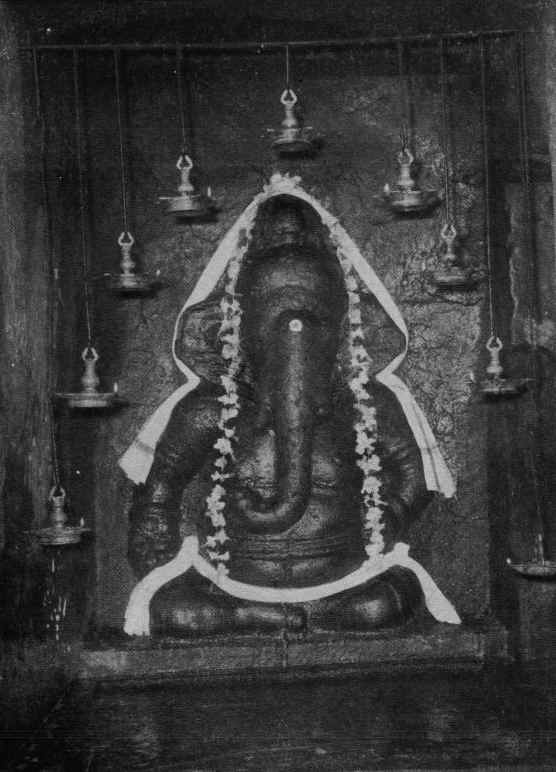
One of the oldest or the oldest of Ganesh temples in Tamil Nadu is Pillayarpatti. Pillayar is the Tamil name for Lord Ganesh. Pillayar patti is in between Karaikkudi and Tiruppattur, very near Kundrakkudi. The small town itself is named after Ganesh. It is a cave temple, probably older than the Pallava cave temples of Tamil Nadu. Scholars who studied the inscriptions around the temple came to the conclusion that Pandyas made it before the Pallava Temples.


Other clues come from the statue carved out of the rock. It is six-foot-tall and the trunk turns towards right hand side. Most of the Ganesh statues will have the trunk turning towards left.


Apart from this, the big statue has got only two arms unlike other statues which have four arms. This Ganesh sits in Ardha Padma asana and the tusks are long and short. No ankusam and Pasam (weapons); modakam in right hand. This Ganesh is known as Karpaka Vinayakar and Desi Vinayakar Pillayar in the inscriptions. Ganesh shrine here is the main shrine and bigger than other shrines.

pillayarpatti

image of Pillayarpatti Vinayaka

Ganesh Temples in North Arcot Area

In the Northern Tamil Nadu we have three important Ganapathy temples. One of them is at Senpakkam near Vellore. Two hundred years ago a minister by name Tukoji Rao was travelling in a cart which hit a stone protruding from the ground. The stone was bleeding and the cart couldn’t move any further. Tukoji  Rao had to spend his night there. He had a dream of Ganesh asking him to build a temple.  Actually the bleeding stone was a Ganesh statue. He got grant from the king and built a temple over Ganesh that was dug out of the ground.


Another miracle happened some decades ago. When Kanchi Paramacharya (Senior Shankaracharya of Kamakoti Mutt) visited Vellore he asked the Mutt staff to break 108 coconuts for the Ganesh. It is a tradition followed in Ganesh temples. Somehow the staff forgot it. When he was coming towards Vellore his junior came behind him, on the elephant in a procession. The elephant refused to move in to Senpakkam road when it came to the junction and was goiing circles in the same junction. Suddenly the staff remembered Senior Shankaracharya’s instruction. Immediately they broke 108 coconuts for Senpakkam  Ganesh. The elephant moved and made their journey smooth.


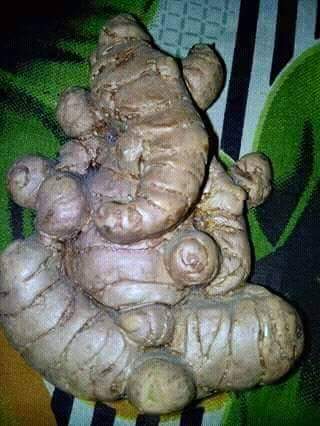
GINGER GANAPATHY ganesh pepper

Ganesh shaped in ginger and capsicum

Tiruvalam is another place where Vinayaka has a small shrine. It is believed that Vinayaka went around his father and mother to get the mango fruit (please see the story in the first part). Ganesh statue is on the banks of the River Ponnai. Famous Saivaite saint Nambi Andar Nambi praised this Ganesh in his hymn.


Another Ganapathy is called Mayapillayar (Magical Ganesh). It is said that he appeared there magically. He came out of nothing. He is in Tiruppattur (North Arcot).


To be continued…………………………..


Don’t go to the Temples empty handed! (Post No. 2950)

கோவிலுக்குச் செல்

Article Written by London swaminathan

Date: 7 July 2016

Post No. 2950

Time uploaded in London :– 13-41

( Thanks for the Pictures)

DON’T REBLOG IT AT LEAST FOR A WEEK!  DON’T USE THE PICTURES; THEY ARE COPYRIGHTED BY SOMEONE.


(for old articles go to tamilandvedas.com OR swamiindology.blogspot.com)


pegnant


There is a beautiful Sanskrit couplet which summarises the ancient Hindu customs and wisdom. Hindus shouldn’t go to the following places without taking something to give:-

Agnihtram grham kshetram garbiniim vrddha balakau

Rikta hastena noppeyaat raajaanam daivatam gurum

Don’t go to or visit empty handed (rikta hastena) a place where Agnihotri, a pregnant woman, elderly people, children, king, God and Guru/teacher live.


One who does Agnihotram every day is an Agnihotri. Agnihotram is a rite of offering cow’s milk into the fire, performed daily in the early morning and in the evening. In the olden days Brahmins maintained three types of fires at home: Gaarhapatya, Aahavaniiya and Dakshinaagniya. So those who visit the house of an agnihotri will take some materials required for the daily ritual. Or as a mark of respect flowers and fruits.

Agnihotram fire ritual became popular after the notorious Bhopal Gas disaster (Union Carbide company in Madhya Pradesh, India) which killed over 3000 people. One agnihotiri’s house was the least affected place in the entire area.


Pregnant women’s cravings are understood and recognised in all the cultures around the world. Hindu women in the neighbourhood cook special dishes liked by the pregnant women and give it to them.


Children always look for toys and toffees. So it is important to take something for the children. When the children are happy, parents also feel happy and shower all the favours on you.


Temples, Gurus or ascetics and elderly people are respected and honoured in Hinduism. So one takes fruits or flowers or the materials required for Puja when they visit such places or people.


Kings or the rulers were considered gods in the olden days because they upheld the rule of law. It was important to take something to them. Sudhama (Kuchela), the poorest of the poor, who had 27 children, took pounded rice in rags and gave it to Krishna. Before he went back home his hut was turned into a palace by the cowherd king Krishna.

children

Hindus always buy flowers, fruits, coconuts and incense sticks before entering the temple. The reason is nothing should be brought home from the temples, because it is god’s property. And yet when the priests give flowers, fruits or Vibhuti/holy ash or Kunkum (vermillion colour powder prepared with turmeric) to the devotees they cant refuse it. To reciprocate their gesture one gives them some money or put some money in the temple Money Box (Hundi) or offer the materials required for the Puja.


–subham–