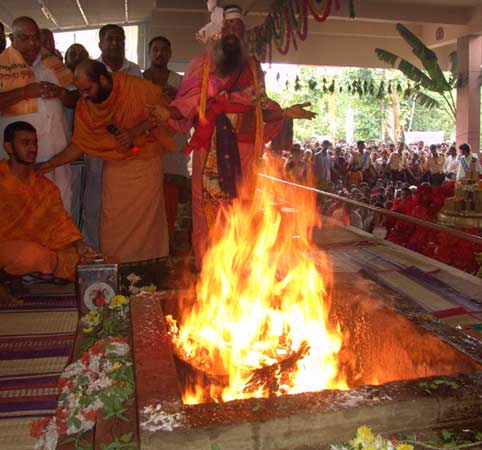
Yoga Teacher Eating Vegetables for 7 years!

usan-Reynolds
Where? Edinburg, Scotland, United Kingdom.

Who? Susan Reynolds, age 29 years.

What? Eating only raw (uncooked) vegetables, drinking cold vegetable juice for 7 years!

Why? I went to India when I was 21. After seeing India everything changed.

How? Yoga teacher Susan eats uncooked fruits, vegetables, grains, seeds, nuts, beans and cold soup made from spinach, herbs and an entire lettuce.

When? October 2013 Press News

(Hindu Yogis (ascetics) survived on such foods for scores of years. Ancient Sanskrit and Tamil literature describes the food taken by Hindu Sanyasins. They ate only vegetables, fruits, honey, milk, grains flours, herbs and nuts. Now a white woman shows us the way!)
Compiled by London Swaminathan

susan 2

Now in Tamil……………………………..

இந்தியா வந்த வெள்ளைக்காரியின் மனமாற்றம்!

எங்கே? எடின்பர்க்,ஸ்காட்லாண்ட், கிரேட் பிரிட்டன்.

யார்? சூசன் ரேனால்ட்ஸ், வயது 29.

என்ன? ஏழு ஆண்டுகளாக வெறும் காய்கறி உணவு; அதுவும் சமைக்காத உணவு.

ஏன்? 21 வயதானபோது இந்தியாவுக்குப் போனேன். அங்கே இருந்தவற்றைப் பார்த்தவுடன் மனம் மாறி யோகா, சைவ உணவில் இறங்கிவிட்டேன் என்கிறார் Susan Reynolds!.

எப்படி? தினமும் பச்சைக் காய்கறிகள், கிழங்கு, கனி வகைகள், பருப்பு, கீரைச் ச்சாறு, மூலிகைகள் இதுதான் அவரது உணவு!

எப்பொழுது? அக்டோபர் 2013 பத்திரிகைச் செய்தி.

susan 3

“கல்யாண சமையல் சாதம், காய்கறிகளும் பிரமாதம்” என்ற சினிமாப் பாட்டுதான் நினைவுக்கு வரும். கல்யாண சமையல் சாதம் என்பதை மட்டும் “கல்யாண கனிவகை ரசங்கள், காய்கறிகளும் பிரமாதம்” என்று மாற்றிக்கொள்ள வேண்டும். பூர்வ ஜன்மத்தில் இந்து யோகியாகப் பிறந்த “விட்ட குறை தொட்ட குறை” என்றே சொல்லத் தோன்றுகிறது. பழந் தமிழ் நூல்களிலும், சம்ஸ்கிருத நூல்களிலும் யோகிகளின் உணவில், தேன், தினை மாவு, கனி வகைகள், கிழங்கு, மூலிகைகள், பால் முதலிய உணவுப் பட்டியல் என்றே வருகின்றது!!!
contact swami_48@yahoo.com for 660 research articles.

லண்டன் பத்திரிகைச் செய்தியை மொழிபெயர்த்தவர்: லண்டன் சாமிநாதன்

10. நீ உள்ளே வரலாம்!

bodhidharmar

Bhodhidharmar of Kancheepuram and his disciples

Article 10 in the series of Zen Buddhism written by my brother Santanam Nagarajan of Bangalore:-swami

ச.நாகராஜன்

டைடோகுஜி மடாலயத்தின் வாயிலை சோகோ அடைந்தார். தனது தொப்பியைக் கழற்றி வாயிலின் அழுக்குத் தரையில் ஒரு புறமாக வைத்தார்.மடாலயத்தில் மரத்தினாலான படியில் உட்கார்ந்து அனுமதிக்காக இறைஞ்சினார். சாதாரணமாக வாயில் எப்போதுமே அழுக்குப் படிந்திருக்கும். அதிலிருந்து சில அடிகள் தள்ளி விசாலமான நடைபாதைப் பகுதிகள் இருபுறமும் ஆரம்பிக்கும்.

உள்ளே பன்னிரெண்டு துறவிகள் பயிற்சி பெற்றுக் கொண்டிருந்த போதிலும் அங்கு மயான அமைதி நிலவியது.மீண்டும் பாரம்பரிய வழக்கப்படி சோகோ அனுமதி வேண்டிக் கூவினார். ஆனால் அவரது குரல் தேய்ந்து மறைந்தது. யாரையும் காணோம்.

சிறிது நேரம் கழித்து,” யாரது?” என்று கேட்டவாறே வந்த மூத்த துறவி ஒருவர் “நீ எங்கிருந்து வருகிறாய்?”: என்று கேட்டார்.

குனிந்த தலை நிமிராமலே தனது கையை நீட்டி தன்னைப் பற்றிய அனைத்து ஆவணங்களையும் சோகோ தந்தார். அதில் அவரது கல்வித் தகுதிகள், அனுமதி கோரும் விண்ணப்பம். உயிரே போவதாக இருந்தாலும் கூட அங்கு தங்கித் துறவிப் பயிற்சியில் ஈடுபடப் போவதற்கான உறுதி மொழி எல்லாம் இருந்தது.

அவரிடம் மாஸ்டரிடம் குறிப்புகளைத் தந்து தன்னை அனுமதிக்குமாறு சோகோ கெஞ்சினார். அந்த்த் துறவி உள்ளே சென்று சற்று நேரம் கழித்துத் திரும்பி வந்தார். “இங்குள்ள பயிற்சி கடினமானது. அதை உன் நோஞ்சான் உடம்பு தாங்காது.ஆகவே வேறு ஏதாவது ஒரு மடாலயம் பார்த்து அங்கு போய்ச் சேர்” என்றார் அவர்.

• சாதாரணமாக பழைய காலத்தில் 150 பவுண்ட் எடையுள்ள சோகோ இப்போது 105 பவுண்ட் எடை தான் இருந்தார்.சோகோவுக்கு மடாலயம் ஆரம்பத்தில் என்ன பதில் சொல்லும் என்பது நன்கு தெரியும். லேசில் ஒருவரை உள்ளே அனுமதிக்க மாட்டார்கள். “இங்கு இடம் இல்லை. மடாலயம் நிரம்பி விட்ட்து”. “ இந்த மடாலயம் மிகவும் ஏழ்மைப்பட்ட நிலையில் இருப்பதால் உன்னை சேர்க்க முடியாது” இத்யாதி பதில்கள் வருபவரைத் திருப்பி அனுப்பத் தயாராக இருக்கும்..

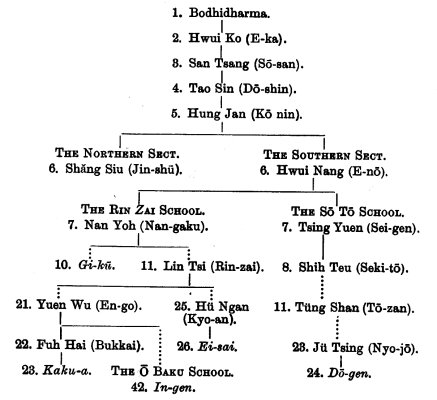
இந்த பதில்கள் எல்லாம் ‘நிவாஜூமே’ என்ற பெயரிடப்பட்டுள்ள ஒரு சோதனை தான்!ஜென் மடாலயங்களின் பாரம்பரிய வழிமுறைகளில் இந்த சோதனையும் ஒன்று. கௌதம புத்தருக்குப் பின்னால் வந்த 28 வது குரு தான் போதி தர்மர். அவர் தான் ஜென் பிரிவின் முதலாவது குருவும் கூட!

zen centre in USA
Zen Centre in the USA

போதி தர்மர் சீனாவுக்கு வந்த பின்னர் அவரிடம் சீடராகச் சேர ஹுயிகியோ என்பவர் அனுமதி வேண்டிக் கெஞ்சினார். அவர் பல நாட்கள் போதி தர்மரிடம் நின்றவாறே கெஞ்சியதாக பாரம்பரிய வரலாறுகள் தெரிவிக்கின்றன. பனிக்காலம் வந்து பனி மழை பொழிய ஆரம்பித்து அவர் முழங்கால்கள் வரை பனி மூடி விட்டன! ஆனாலும் அவர் இடத்தை விட்டு நகரவில்லை. தனது வேண்டுகோளில் உறுதியாக இருந்தார். கடைசியில் தனது உறுதியை வெளிப்படுத்திக் காண்பிக்கும் விதமாக தன் இடுப்பில் இருந்த கத்தியை எடுத்து இடது கையை வெட்டி அதை போதி தர்மருக்குச் சமர்ப்பித்தார்.
அப்போது போதிதர்மர் அவரைத் தன் சீடராக ஆக சம்மதித்து அருளினார். ஹுயிகியோவை ஜப்பானிய மொழியில் ஏகா என்பர். இந்த ஏகா தான் போதி தர்மருக்கு அடுத்து இரண்டாவது ஜென் பிரிவு குருவாக ஆனார்.

ஆகவே தான் 1500 ஆண்டுகளுக்குப் பின்னரும் கூட ஜென் மடாலயத்தில் சேர இப்படிப்பட்ட கஷ்டமான அனுமதி முறை நிலவி வருகிறது! இந்தப் பின்னணியை எல்லாம் நன்கு அறிந்திருந்த சோகோ தனது ஆவணங்களை எடுத்துக்கொண்டு அங்கிருந்த பெஞ்ச் ஒன்றில் அமர்ந்து அனுமதிக்காக இறைஞ்சிக் கூவிய வண்ணம் இருந்தார்.அனுமதி கஷ்டம் தான் என்றாலும் கிடைத்து விடும் என்ற நம்பிக்கையில் இருந்த சோகோ. அது இவ்வளவு கஷ்டமான ஒன்று என்பதை உண்மையிலேயே நினைத்துக் கூடப் பார்த்ததில்லை. சிறிது நேரம் கழித்துக் கையில் ஒரு தடியுடன் ஒரு துறவி வந்தார்.”உனக்கு அனுமதி இல்லை. இருந்தாலும் கூட நீ இங்கேயே இன்னும் இருக்கிறாய். உன்னைப் பார்க்கவே யாருக்கும் பிடிக்கவில்லை. உடனே வெளியே போ!” என்றார் அவர்.

சோகோ அசையவே இல்லை.
இதனால் வெகுண்ட அவர் சத்தம் போட்டு,” என்ன, நீ செவிடா?” என்று கேட்டவாறே தடியால் இரண்டு சார்த்து சார்த்தி சோகோவை வெளி வாயில் கதவை நோக்கி விரட்டினார். சற்று நேரம் கழித்து உள்ளே நுழைந்த சோகோ அங்கே அந்த துறவி இல்லாததைப் பார்த்து தனது வழக்கமான இடத்திற்குச் சென்று அமர்ந்தார். இந்த துரத்தல் சம்பவம் தொடர்ந்து நிகழ்ந்தது. ஆரம்பத்தில் ஓடி ஓடி வெளியே போன சோகோவுக்கு ஒரு கட்டத்தில் கோபம் கொப்பளித்தது. ஆனாலும் மாலை ஆன போது அவர் மனம் கோபத்தைத் ஒதுக்கி விட்டு வருந்த ஆரம்பித்தது.

“நான் யார்? என்ன செய்கிறேன். கசங்கிய துணியைத் துவைப்பது போல என்னை புரட்டிப் புரட்டி அடிக்கிறார்கள். தாயும் தந்தையும் இல்லை தான்! டொயோமோ நகரில் எனக்கு இன்னும் சில உறவினகள் இருக்கிறார்களே! அங்கே அவர்கள் வீட்டிற்குச் செல்லலாமே.இப்படி ஒரு அவமானத்தைச் சகிக்க வேண்டாமே” என்று நெஞ்சமெல்லாம் உருக வருந்தினார் சோகோ.

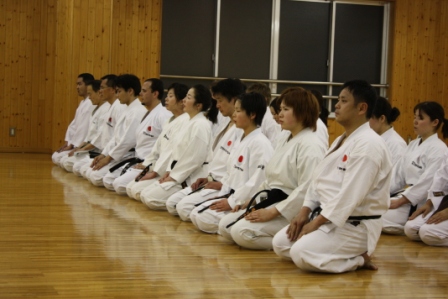
Japan2008Web5
Japanese trainees

காலையில் தனது குரு தனக்குத் தந்த நிர்வாண பணத்தை எண்ணிப் பார்த்தார். அவர் தனது காலணிகளை முடிந்து இதை என்றும் அவிழ்க்காதே என்று சொன்னதையும் சோகோ நினைவு கூர்ந்தார்.
காலையில் எடுத்த தனது உறுதி மொழி என்ன! மாலையில் இப்போது தான் நினைப்பது என்ன?தனது உறுதியெல்லாம் இவ்வளவு தானா!

மூன்று நாட்கள் ஓடின. சோகோவின் முகமெல்லாம் வீங்கி விட்டது.உடலெல்லாம் வலி. தாங்க முடியாத குளிரினால் அவயங்களெல்லாம் விறைத்து விட்டன. கண்கள் பிதுங்கி வெளியே விழும் நிலை! கால்களையோ அசைக்கக் கூட முடியவில்லை.
பள்ளி நாட்களில் தன் வீரத்தைக் காண்பிக்க, வேண்டுமென்றே யாரையாவது சண்டைக்கு இழுத்துத் தன் வீரத்தைக் காண்பித்த தனக்கா இந்த நிலை! சோகோ வெதும்பினார். இங்கே சண்டை போட முடியுமா என்ன?

மூன்றாம் நாள் மாலை ஒரு துறவி சோகோவிடம் வந்தார்:”உன்னை அடித்து வெளியே அனுப்பினாலும் கூட நீ இங்கேயே மூன்று நாட்களாய் இருப்பது உன் உறுதியைக் காண்பிக்கிறது. நீ உள்ளே வரலாம். ஆனால் உன்னை துறவிப் பயிற்சிக்கு அனுமதித்து விட்டோம் என்று மட்டும் எண்ணி விடாதே” என்றார்.

சோகோ மடாலயத்தின் உள்ளே மெதுவாக அடியெடுத்து வைத்தார்.

சின்ன உண்மை
ஜப்பானிய மொழி வார்த்தையான ஜென் மற்றும் சீன மொழி வார்த்தையான சான் ஆகிய இரண்டும் சம்ஸ்கிருத வார்த்தையான ‘த்யான்’ (தியானம்) என்பதிலிருந்தே பிறந்தன.

-தொடரும்
zen centre in California, USA

Zen Centre in California (Pictures rae used from various other sites;thanks.Contact swami_48@yahoo.com

Tolkāppiyar on Translation

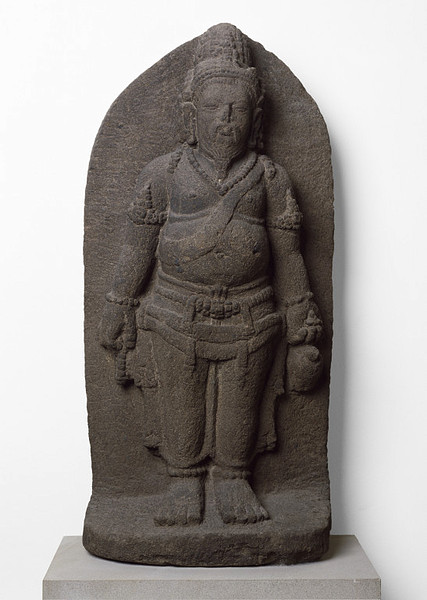
agastya in London

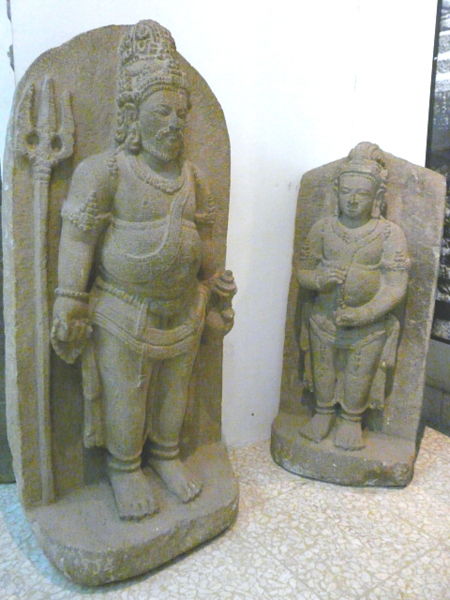
Statue of Agastya in London V&A Museum

Dr.R.Nagaswamy
( I am publishing this article with the permission of Dr R. Nagasamy. He is a well known historian and a reputed archaeologist. He held the posts of Director of Archaeology, Tamil Nadu Government and the Vice Chancellor of Kanchepuram University. He has hundreds of research papers and scores of scholarly books to his credit. He is regularly writing for his blog http://www.tamilarts.academy.com Please visit tamilartsacademy.com for more interesting articles.)

Tolkāppiyar the great grammarian deals with translating texts from other languages to Tamil, in his chapter on Marabiyal. First he gives the definition of Valinul. ( derivative text) “Vāli enappatuvatu atan valiyākum.”

It means that Vāli nūl is a derivative text from an original text.(sutra 650 marapiyal 70)
Perāciriyar the commentator says that texts like Tolkāppiyam and Palkāppiyam are no doubt derivative texts. So according to this commentator Tolkāppiyam is not an original composition. He comments later that it followed “Agattiyam.”

.
Citing a verse Perāciriyar, says that it is the duty of Tamil scholars to follow Tolkāppiyar as he has almost ordered that though he has abridged the original text at places’ he outlines the tenet of the original text (Agattiyam ) and it is virtually an obligatory injunction. Perāciriyar continues. This author does say in the same vien the text of Palkāppiyar, or Palkāyanār which means the later can not be considered as authoritative as Tolkāppiyar.

The question arises when such an authoritative text by Tolkāppiyar exists what is the need for Palkāppiyar to write his work? To this Perāciriyar answers that Palkāppiyar also did not write all about “Ezuttu, Col, and Porul”.

This author Tolkāppiyar saw that Agattiyam had a more detailed treatment of Ceyyul prosody, he condensed the same subjec noting that it was important. Further he followed the science of the original text.

450px-Agastya,Prambanan,Indonesia
Statue of Agastya in Prambanan, Indonesia

Evidently according to Perāciriyar , Tolkāppiyar followed carefully Agattiyam. He also shows that Kakkaipādiniyar who wrote her text later, followed Tolkāppiyar. Perāciriyar questions the attitude of some Tamils saying what is derogatory if they followed an original text and translated it in their work.

Tolkāppiyam then divides secondary texts into four categories . The mode of secondary texts are four. Perāciriyar says that original text can be only one, but secondary texts can be many.

“Tokuttal, virittal, tokai viri molipeyarttal, atarpata yāttalotu anai marapinavē”

“Tokuttal” means the parts elaborately dealt with in the original text, is summarized for the benefit of small unlettered men. “Virittal “means that which are not clear in the original text are elaborated for making them understandable. “Tokai viri” means elaborating those parts both in summary and elaboration that are further enraged. “Moli peysrttal” means the text that were in other languages being translated into Tamil. That is also called Valinūl in Tamil tradition.” Perāciriyar is of the opinion that translated text (molipeyartta ) text is also a “Vali nūl”

“Atarpata yāttal” is conforming to conventions? The translation should follow the same layout of the Original. As translation follows abridgment and elaboration and further enlargement there need not be any fear for both the Tamils and also the Aryas. As this process is called translation -moli peyarttal- the meaning will not be faulted. Iit seems that there were some who opposed translations into Tamil claiming that Tamil language would be affected. Perāciriyar dismisses this apprehension. He assures the Tamils and the Āryas (Sanskritists) there is no likely hood of meaning going wrong.

” is there translated texts in Tamil among the derivative texts ? Is the a question poised. Perāciriyar answers that these are required.When Meanings of Vedic texts, Agamic texts and texts on logic are rendered into Tamil these texts serve as grammar for those texts ( Vedic, Agamic, and logical texts ). So Tolkāppiyar included translations also as derivative texts.” Says Perāciriyar .

05FRLIBRARY2_UVS_1_1507550g
Tamil Manuscripts collected by U.Ve.Sa.

We know from Col atikāram of Tolkāppiyar the Tamils were never against using northern words ( vada col ) and translations of Sanskrit texts like Vedas, Āgamas, and logical texts which included all scientific texts from any language. Perāciriyar goes further and states that Tolkāppiyam belongs to the middle Sangam age and as it is followed to this day this holds good for translating texts into Tami was not considered anti Tamil as held by some modern Tamils. And it also points out that the Tamils remained forward looking for the past two thousand years until we arrive at the second half of twentieth cent.

We have seen that Tolkāppiyar followed Agattiyar and wrote his work as a derivative text-Vali nūl. Agattiyar is said to have composed three texts on Iyal, Icai, and Nātakam – . Perāciriyar states that Agattiyar wrote three texts on Muttamil. Uvama Iyal comm.. By the time of Tolkāppiyam specialization in each Tamill had already been established and Agattiyar was the pioneer who wrote texts on all the three Tamils. Perāciriyar who wrote his commentary on Tolkāppiyam is assigned to 12thcent to the time of Vikrama chola mentions this in chapter on Uvamaiyal.
Contact swami_48@yahoo.com

Pictures are taken from various sites;thanks:- swami

அதர்வண வேத ரத்தினங்கள்

purnahuti

(நான் (London Swaminathan) செப்டம்பரில் இந்தியாவுக்குச் சென்ற போது வழக்கம் போல சென்னை ‘ஹிக்கின்பாதம்ஸ்’ Higginbothams புத்தகக் கடையில் நுழைந்தேன். அதர்வண வேதம் பற்றிய ஒரு நல்ல புத்தகத்தைக் கண்டேன். என்னிடம் ஆங்கிலத்தில் நிறைய வேதப் புத்தகங்கள் இருக்கின்றன. ஆனால் தமிழில் மிகவும் அரிது. அதை உடனே படித்து முடித்தேன் அனைவரும் வாங்கி படிக்கவேண்டிய அந்த நூலின் விவரங்கள் இதோ: அதர்வ வேதம் அருளும் ஆனந்த வாழ்வு- எழுதியவர் கவிமாமணி தமிழ் மாறன், வெளியீடு: ரம்யா பதிப்பகம், தியாகராய நகர், சென்னை-600 017, தொலைபேசி 24340599)
அந்தப் புத்தகத்தில் பக்கம் 212-ல் பொன்மொழிகள் தொகுப்பு உள்ளது. அதிலிருந்து சில பகுதிகள் இதோ:

இனிமை (காண்டம் 1-34)
தேனைப் போல எங்களை இனிமை செய்; என் நாக்கின் நுனியில் தேன்; அடிவரையில் இனிய தேன்; நாம் மொழிவதும் தேன் மயமாகவேண்டும்.
(மனதில் உறுதி வேண்டும், வாக்கினிலே இனிமை வேண்டும் என்ற பாரதி பாடலும் மந்திரம் போல் சொல்லின்பம் வேண்டும் என்ற அவரது வேண்டுதலும் ஒப்பிடற்பாலது)

மருந்து (1-4)
ஜலங்களின் நடுவே அமிர்தம் உண்டு; ஜலங்களில் சிகிச்சை உண்டு.
வானின்று உலகம் வழங்கி வருதலால்தான் அமிழ்தம் என்றுணரற்பாற்று—என்ற வள்ளுவன் வாக்கு ஒப்பிடற்பாலது)

கல் (2-13)
இங்கு வா! கல்லின் மேல் நில்; உனது தேகம் கல் போலாகட்டும். நூறு சரத் காலத்தைக் காண்பாயாகுக!

பயம் (2-15)
வானமும் பயப்படுவதில்லை; பூமியும் பயப்படுவதில்லை. அதனால் துன்பமோ நஷ்டமோ அடைவதில்லை. பிராணனே! நீயும் அங்ஙனே பயப்படாதே! அச்சம் தவிர்.

காதல் (2-30)
எப்படி காற்று பூமியிலுள்ள புல்லை இப்படியும் அப்படியும் அசைக்கின்றதோ, அப்படி உன் மனத்தை என்னிடமிருந்து நீங்காமல் இருப்பதற்கு விருப்பம் உள்ளவளாக, பிரியாதவளாக இருக்க அசைக்கிறேன்

குடும்ப ஒற்றுமை (3-30)
மகன் தந்தையின் ஆணையை அனுசரித்து தாயோடு ஒரு மனம் உடையவன் ஆகுக; கணவனிடம் மனைவி அமைதியுடன் தேனினும் இனிய சொற்களை சொல்பவளாகுக. சகோதரன் சகோதரியை வெறுக்காமல் அனைவரும் ஒற்றுமையாக மங்கல மொழி பேசுங்கள் காலையிலும் மாலையிலும் நல்ல எண்ணம் உங்களுடன் இருக்கட்டும்.

மூன்றும் தெரியும் (4-16)
ஒருவன் நிற்பது, குறுக்கு வழியில் ரகசியமாகப் போவது, மறைந்து உட்கார்ந்து உரையாடுவது போன்ற அனைத்தையும் வருணன் அறிகிறான்.

281

ஆசிகள் (5-30)
பிராணன் வருக; மனம் வருக. கண் பார்வை வருக! பிறகு பலமும் வருக. அவனது சரீரம் நன்கு சேர்க, அவன் தனது திடமான இரு கால்களால் நிற்பானாக.

தூய்மை (6-19)
தேவர்கள் என்னை தூய்மை ஆக்குக; மனிதர்கள் என்னை தூய்மை ஆக்கட்டும். தூய்மை செய்பவன் என்னைத் தூய்மைப் படுத்தட்டும். நல்லறிவும், பாதுகாப்பும் பெற, தேவ சவிதாவே, என்னைத் தூய்மை ஆக்குக.

ஐக்கியம் (6-64)
தேவர்கள் எப்படி தங்களுக்குள் பங்கைப் பெற ஒரு மனதாக இருக்கிறார்களோ, அப்படி நீங்களும் இணக்கமாகுங்கள். மந்திரம், சபை, விரதம், சித்தம், அவி இவற்றில் சமானமாக நடத்தப்படுகிறார்கள். உங்கள் எண்ணம், இருதயம், இவை ஐக்கியமாகி, நீங்கள் ஒன்று சேர்ந்து செயல்படுங்கள்.
(ஒன்றுபட்டால் உண்டு வாழ்வு நம்மில் ஒற்றுமை நீங்கிடில் அனைவர்க்கும் தாழ்வு- என்ற பாரதியின் மொழி நினைவிற்கு வரும்)

தாய் அன்பு ( 7-10)
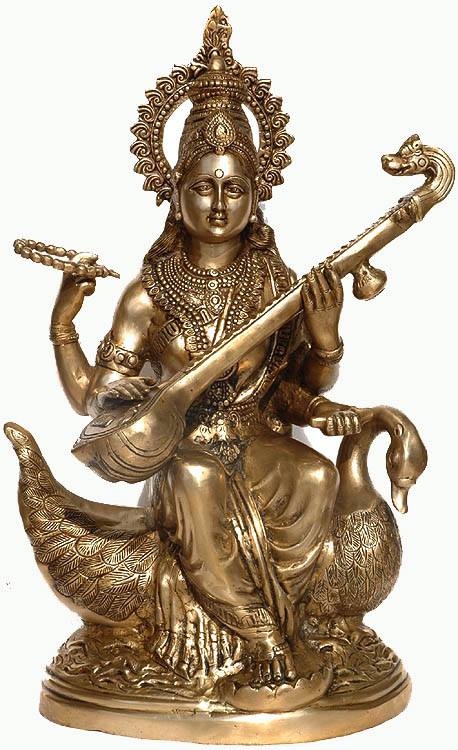
சரஸ்வதியே! சாசுவதமான, சுகம் தரக்கூடியதாய், நல் சிந்தனையைத் தருவதாய், வீரியமும், போஷாக்கு ஊட்டுவதாய், உள்ள உனது புனித ஸ்தனத்தின் அமுதத்தை நாங்கள் பருகும்படி செய்து காப்பாயாக.

கொடை (7-26)
விஷ்ணுவே! சுவர்க்கத்தில் இருந்தும், பூமியில் இருந்தும், வானகத்தில் இருந்தும், குறையாத செல்வத்தை உனது இரு கரங்களில், அள்ளி எமது வலது இடது கரங்களில் அளித்து நிரப்புவாயாக!

ஒற்றுமை (7-54)
அஸ்வினிகளே! உறவினருடனும், தெரியாத மற்றவர்களுடனும் ஒற்றுமையுடனிருக்க மனத்தை தாருங்கள். நாங்கள் எண்ணத்திலும் செயலிலும் ஒற்றுமைப்படவேண்டும். முரண்படாத நல்ல மனம் அடைய வேண்டும். எவருடனும் சண்டை போடாமல் இருக்கவேண்டும்.

உயர்வழி (8-1)
புருஷனே! உயர்ந்து செல்வதே உன்வழி. தாழ்ந்து செல்லாதே. நான் உனக்கு நீண்ட வாழ்க்கையும் வலிமையும் தருகிறேன். நீ எளிதாக இந்த அமுத ரதத்தில் ஏறு. அப்பால், நீ முதுமையிலும் சபையில் பிரசங்கம் செய்வாய்.!
282

கெடுதல் (10-1-5)
கெடுதல் செய்தவரையே கெடுதல் சேரட்டும். பழிச் சொல் சொல்பவரையே பழிச்சொல் அடையட்டும்.
(மறந்தும் பிறன் கேடு சூழற்க—என்ற வள்ளுவன் சொல் நினைவுக்கு வரும்)

பூரணம் (10-8-29)
அவன் பூரணத்தில் இருந்து பூரணத்தை உண்டாக்குகிறான். அவன் பூரணத்துடன் பூரணத்தைப் பொழிகிறான். அது எங்கிருந்து பொழியப்ப்டுகிறது என்பதை நாங்கள் அறியலாமா?

பிரம்மசர்யம் (11.5-17-19)
பிரம்மசரியத்தால், அரசன் தனது ராஜ்யத்தைப் பரிபாலிக்கிறான். குருநாதன் பிரம்மசரியத்தால் பிரம்மசாரியை விரும்புகிறான். கன்னிகை பிரம்ம சரியத்தால் இனிமையான கணவனை அடைகிறாள். குதிரையும் காளையும் பிரம்மசரியத்தால் உணவை அடைகின்றன. தேவர்கள் பிரம்மசரியத்தாலும் தவத்தாலும் மரணத்தை அழித்தார்கள். பிரம்மசரியத்தால் இந்திரன், தேவர்களுக்குச் சொர்க்கத்த்தைக் கொண்டுவந்தான்.

bluemarble2k_big-01

பூமி (12-1, 18, 28, 62, 63)
நீ பெரியவள், நீ பெரிய வசதியுள்ளவள். உனது குலுக்கலும் கலக்கலும் நடுக்கமும் மகத்தானவை. நாங்கள் எழும்போதும் உட்காரும் போதும், நிற்கும்போதும், தாங்கும்போதும், தரையில் கால்கள் தடுமாறாமல் இருக்க வேண்டும். நிலமே உன்னிடத்தில் இருப்போர், நோய்கள் விலகி, துன்பங்கள் விலகி , தீர்க்க ஆயுளுடன் இருக்க நாங்கள் பணிசெய்வோம்! தாயே! தரணி மாதாவே! நீ என்னை க்ஷேமமாக வைத்திரு. செல்வத்திலும் புகழிலும் நிலைக்க வை.
(வந்தேமாதரம் என்னும் பாடலில் நிலமகள் பற்றிப் பாரதி பாடியதை ஒப்பிடுவது இன்பம் தரும்)

வசந்த காலம் (12-2-27/28)
நண்பர்களே எழுமின்! கடந்து செல்மின். இங்கு கல்லாறு ஓடுகிறது. இதைக் கடந்து மங்கலமான இனிமை தரும் மேன்மயை நோக்கிச் செல்லுங்கள்! மனம் தெளிந்து தூயர்களாக , தூய்மை செய்வோராக, விஸ்வே தேவர்களின் அருளோடு, கடினமான பாதைகளைக் கடந்து, சுபிட்சமான இந்த இடத்தில், என் வீரர்களுடன் நூறு வசந்த காலம் அனுபவிக்க வேண்டும்!

சத்யம் (14-1-1)
சத்தியத்தால் பூமி ஸ்தாபிதமாயுள்ளது. சூரியனால் சுவர்க்கம் நிலைபெற்றுள்ளது. நேர்மையினால் ஆதித்தர்கள் நிற்கிறார்கள். சோமனும் சுவர்க்கதிலே ஒளிர்கிறான்.

மணப்பெண் (14-2-26)
சுமங்கலிகளாகவும் வீடுகளை விருத்தி செய்பவளாகவும், கணவனுக்கு மங்களம் சேர்ப்பவளாகவும், மாமனார்க்கு மேன்மையும் மாமியார்க்கு இனிமை வழங்குபவளாகவும் இந்த வீட்டில் நுழைக! மாமனார்க்கு சேவை செய்வாயாக; அதே போல புருஷனுக்கு சுகம் கொடுப்பாயாக; வீட்டிற்கு இன்பம் சேர்ர்ப்பாயாக. குடும்பத்துக்கு இன்பமும் சுகமும் வழங்குவாயாக.
(வேத காலப் பெண்களைப் போற்றி “புதுமைப் பெண்” என்ற பாடலைப் பாரதியார் பாடியுள்ளார். ஒப்பிட்டுப் பார்ப்பது நலம்)

செல்வம் (16-9)
நலமுடன் வேள்வி செய்ய செல்வம் உள்ளது. நான் செல்வத்தை வெற்றிகொள்ள வேண்டும். செல்வந்தனாக வேண்டும். நீ எனக்கு செல்வம் அளிப்பாயாக.
தீர்க்காயுள் (17-1-27)
நான் பிரஜாபதியின் கேடயமுடன், காஸ்யபரின் மேன்மையான ஒளியுடன், மகிழ்ச்சிகரமான ஆயுளுடன் அதிர்ஷ்டத்துடன் ஆயிரம் ஆண்டுகள் வாழ வேண்டும்.

சரஸ்வதி (18-4-45, 47)
தூயவர்கள் சரஸ்வதியை அழைக்கிறார்கள்; வேள்வி வளரும்போது சரஸ்வதியை அழைக்கிறார்கள்; சரஸ்வதியை புலவர்கள் போற்றி இசைக் கிறார்கள். வேண்டுவோருக்கு வேண்டியதை சரஸ்வதி கொடுப்பாளாக.
sarasvati metal

சாந்தம் (19-9-1, 11, 2)
சுவர்க்கம் எங்களுக்கு சாந்தி அளிக்கட்டும்’ பூமியும் ஆகாசமும், தண்ணீரும், தாவர மூலிகைகளும் சாந்தி தருக. ருத்திரர்கள், வசுக்கள், ஆதித்தியர்கள், அக்னிகள், மகரிஷிகள், தேவர்கள், பிரகஸ்பதி சாந்தமானவர்களாக இருப்பதும் இருக்கப்போவதும் சாந்தம்; எங்களுக்கு எல்லாம் சாந்தி தருவதாக.
(எனது கட்டுரை “ஓம் சாந்தி, ஓம் சாந்தி, ஓம் சாந்தி” என்பதில் முழு விளக்கம் கொடுத்திருக்கிறேன்)

அச்சமின்மை (19-5)
வானமும், பூமியும், சோதி மண்டலமும் எனக்கு அச்சமின்மை தருக; பின்புறத்திலிருந்தும் முன்புறத்திலிருந்தும், மேலிருந்தும் கீழிலிருந்தும் அச்சமின்மை எங்களுக்கு ஆவதாக. நண்பர்கள், அறிமுகம் இல்லாதவர்கள், மற்றும் அறிந்த விஷயம் அறியாத விஷயம் எதிலும் அச்சமின்மை தருக. இரவிலும் பகலிலும் எமக்கு அச்சமின்மையை நல்கி, எல்லா திசைகளும் நண்பர்களாகுக.
(பாரதியார் “அச்சமில்லை” என்ற பாடலிலும், “ஜயபேரிகை” என்ற பாடலிலும் “தெளிவு” என்ற பாடலிலும் இந்தக் கருத்துகளை எதிரொலிக்கிறார்.வள்ளுவனும் “அச்சமே கீழ்களது ஆச்சாரம்” என்று ஏசுகிறார்.)

அக்னி (19-55)
ஒவ்வொரு மாலையிலும், அக்னியே, எங்கள் இல்லத் தலைவன்; ஒவ்வொரு காலையிலும் அவன் எனக்கு நல்ல மனம் தருபவன்; மிகு செல்வத்தையும் பொருளையும் அளிக்கும் உன்னை வளர்த்து , நாங்கள் வாழ்வில் வளம் பெறுவோமாக.

தேகவலிமை (19-60)
வாயிலே (நல்) வாக்கும், மூக்கிலே பிராண மூச்சும், கண்களிலே தெளிவான பார்வையும், கேட்கும் காதும், நரைக்காத கேசமும், உடையாத பற்களும், கைகளில் பலமும் வேண்டும்! தொடைகளிலே திடம், கால்களில் துரித இயக்கம், பாதங்களில் சுவாதீனம் எங்களுக்கு வேண்டும். நான் துன்பமின்றி, என் ஆன்மா சேதமுறாமல் இருக்க வேண்டும்.
(தேசிய கவி சுப்பிரமணிய பாரதி “சக்திக்கு ஆத்ம சமர்ப்பணம்” என்னும் பாடலில் இந்தக் கருத்தை ஒவ்வொரு உடல் உறுப்பாகச் சொல்லிப் பாடுகிறார்).

நூறு வயது (19-67-1/8)
நாங்கள் நூறு சரத் காலங்களைப் பார்க்கவேண்டும்; நூறு சரத் காலங்கள் ஜீவிக்கவேண்டும்; நூறு சரத் காலங்கள் விழித்தெழ வேண்டும்; நூறு சரத் காலங்கள் ஏறவேண்டும்; நூறு சரத் காலங்கள் சிறப்புற வேண்டும்; நூறு சரத் காலங்கள் வாழ வேண்டும்; நூறு சரத் காலங்கள் நலமுற வேண்டும்; நூறு சரத் காலங்கள் மேலும் மேலும் சிறப்புற வேண்டும்;
(பிராமணர்கள் தினமும் சந்தியாவந்தனத்தில் இந்த மந்திரத்தைச் சொல்லுவார்கள்)

அக்னி பகவான் (20-10)
“அனைத்தும் அறிந்த அறிவுக் கடவுளாக, தேவதூதனாகச் செயல்பட்டு, தேவர்களுக்குத் தரப்படும் ஆஹுதி உணவை மிகச் சிறப்பான முறையில் அவர்களுக்குச் சேர்ப்பிக்கும் உன்னதப் பணியை ஆற்றும் அக்னியே! ஆற்றல் மிக்க உன்னை எங்கள் ப்ரியமுள்ள தேவதையாக வரிக்கிறோம்.
( பாரதியாரின் “தீ வளர்த்திடுவோம்” என்ற பாடலிலும் “வேள்வித் தீ” என்ற பாடலிலும் அக்னி பகவானைப் போற்றும் துதிகள் உள்ளன.).

Contact Santanam Swaminathan :- swami_48@yahoo.com
Om Shanti! Om Shanti!! Om Shanti!!!

international day of peace 2012

Om Peace! Om Peace!! Om Peace!!!

The peace In the sky, The peace In the mid-air
The peace on the earth , The peace In waters
The peace In plants, The peace In forest trees
The peace In All Devas, The peace In Brahman
The peace In all things
The peace In peace—
May that peace come to me (Yajur Veda VS,Chapter 36, Verse 17)

Hindu Vedic hymns begin with the mystic symbol Aum (Om). They end with Aum Shanti; repeated three times. Shanti means peace. When they finish reciting their Vedic hymns, they conclude with Om Shanti! Om Shanti!! Om Shanti :!!! This is unique to Hinduism.

Why should they pray for peace? Why should they repeat it three times? There are many answers. Hindus do most of the things three times. Three means certainty. Even the judicial courts and auctioneers follow this. The judicial courts call a person three times. Auctions of things are concluded after repeating the final bidding three times. Hindus go around the idols and statues and temples three times. Peace repeated three times will bring peace without doubt.
Another meaning:

When they utter peace three times, it means peace for him, peace for his family and peace for everyone. All of us look after ourselves first, then our immediate family and then comes everyone else. Even on the plane they instruct oneself to put the oxygen mask to himself/ herself first and help others later. If one is not safe and secure the person can’t help anyone else.

why no peace

There is another meaning for doing it three times. This is to avoid the troubles coming to any human being from three different areas: Adi Baudhik, Adi Daivika and Adyaathmika: troubles from the realms of physical, divine and individual. It may be natural calamities, curses, fate, diseases etc.

If we want to live peacefully we must have peace in our minds and there must be peace in our families and then peace should be in our neighbourhoods. If we don’t have peace in our neighbourhoods, we can’t live in peace. Hindus always pray for peace for everyone in the world. The prayer for sharing all that is good is characteristic of the Vedas. Most of the prayers for the common good. This positive thinking gives immense confidence and does a lot of good.

Brahmins who were reciting Vedas with this in mind were given lot of money and lands in the olden days. Not all of us can sit together and do prayers for universal peace. So Brahmins were given this job and they were paid in cash and kind by the old kings of India. They prayed for just rule, good rains, happiness and universal peace. Every major event will finish with two Sanskrit hymns ‘Kale Varshatu Parjanya:’ and ‘Swasti Prajabya Paripalayantam’.

The beauty of their prayer is they pray even for two legged and four legged animals. They pray for Earth and heaven. This boosted peoples’ confidence and served as shock absorbers at the time of calamities. If one reads the Vedic prayer, one will understand the mental makeup of the Hindus. They ended major rituals with the mantra ‘Lokas Samastha Sukino Bhavantu’. Let the whole world be happy and heathy!
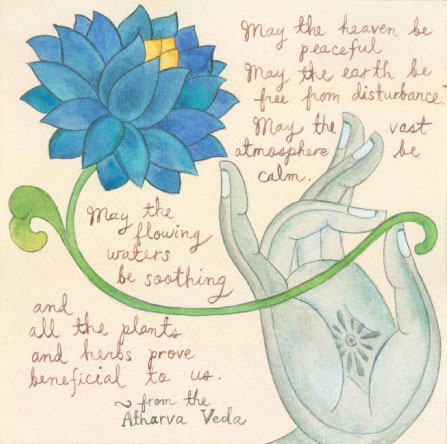
Given below are some of the hymns on peace from Atharva Veda (kanda 19); this is the most famous “shanti mantra”:

May heaven grant us peace.
May the earth grant us peace.
May the wide atmosphere grant us peace.
May the waves on the water grant us peace.
May the herbs bring us peace.
May the past and the future grant us peace
May everything that there is bring us peace.

After this they name all the gods and heavenly bodies and pray for peace. Then comes the mantra below:

The earth will grant us peace; the atmosphere will grant us peace.
Heaven will grant us peace
Water will grant us peace
The herbs and the trees will grant us peace
May all the gods grant us peace
Let there be peace every where
Let the universe be full of peace
May everything be peaceful
May there be peace everywhere.

peaceRainbow

In short the word PEACE is repeated innumerable times in the above mantras.. This stresses the importance they gave to personal peace and world peace. Hymns on peace are found in other parts of the Vedas as well.
Om Shanti! Om Shanti !! Om Shanti !!!

Contact swami_48@yahoo.com (Pictures are taken from various sites;thanks.Article is also available in Tamil)
ஓம் சாந்தி! ஓம் சாந்தி!! ஓம் சாந்தி!!!

peaceRainbow

ஓம் சாந்தி! ஓம் சாந்தி!! ஓம் சாந்தி!!!
“ஒன்று பரம்பொருள் நாம் அதன் மக்கள்
உலகின்பக் கேணி என்றே—மிக
நன்று பல் வேதம் வரைந்த கை பாரத
நாயகி தன் திருக் கை” —தேசிய கவி சுப்ரமண்ய பாரதி—

இந்து மதத்தில் வேத மந்திரங்கள் அனைத்தும் ஓம் என்னும் பிரணவ மந்திரத்தில் துவங்கி ஓம் சாந்தி என்ற வாழ்த்துடன் முடிவடையும். அந்த ஓம் சாந்தி என்ற சொல்லையும் மூன்று தடவை சொல்லி நிறைவு செய்வார்கள். அது மட்டுமின்றி “ லோகாஸ் ஸமஸ்தோ சுகினோ பவந்து” என்ற மந்திரத்தையும் சொல்லி முடிப்பார்கள். உலகெங்கும் மக்கள் பேரின்பத்தோடு வாழ வேண்டும் என்பதே அவர்களின் பிரார்த்தனை. சில மந்திரங்கள் இன்னும் குறிப்பாக இரண்டு கால் பிராணிகள், நாலு கால் பிராணிகள் அனைத்தும் நலமோடு வாழவேண்டும் என்றும் கூறும்.

உலகையே இன்பக் கேணியாக மாற்றும் வேதம் ஏன் இப்படி உலக அமைதிக்காக பிரார்த்திக்கிறது? அதுவும் மூன்று முறை சாந்திக்காக ஏன் பிரார்த்திக்கிறோம்? இதன் தாத்பர்யம் (கருத்து) என்ன?
எந்த மனிதனும் முதலில் தனக்கு அமைதி இருந்தால்தான் குடும்பத்தில் அமைதியை உண்டாக்கமுடியும். குடும்பத்தில் அமைதி இருந்தால்தான் நாட்டிலும் உலகிலும் அமைதியை உண்டாக்கமுடியும். மூன்று முறை சாந்தி (அமைதி) சொல்லுவது தனக்கும், குடும்பத்திற்கும் உலகிற்கும் அமைதி உண்டாகவேண்டும் என்று பிரார்த்திப்பதாகும்.

ஒரே மனிதனிலும் மனோ, வாக், காயம் (உள்ளம், சொல், உடல்) மூன்றும் அமைதியாக இருக்கவும் ஓம் சாந்தி, ஓம் சாந்தி ஓம் சாந்தி என்று சொல்லுவது அவசியமாகும்.

ஒரு மனிதன் நிம்மதியாக வாழ அவனது சுற்றுப் புறம் அமைதியாக இருக்கவேண்டும். அவனது குடும்பத்தில் அமைதி நிலவ வேண்டும். இந்தக் கருத்து எல்லாம் வேத காலத்திலேயே இருந்ததைப் பார்க்கையில் அவர்களது அறிவு முதிர்ச்சி எந்த அளவுக்கு உயர்ந்திருந்தது என்பது தெரிகிறது.
ஏன் மூன்று முறை சொல்லுகிறார்கள்? இந்துக்கள் எதையும் உறுதி செய்ய மூன்று முறை செய்வது வழக்கம். கோவிலைச் சுற்றுவதில் இருந்து கோர்ட்டில் பெயர் சொல்லி அழைப்பது வரை எல்லாம் மூன்று முறை செய்கின்றனர். ஏலம் போடுவோர் கூட மூன்று முறை அழைத்துவிட்டு ஏலம் போடும் பொருளைக் கேட்டவருக்கே கொடுத்துவிடுவர்.

வேதத்தின் பல பகுதிகளில் சாந்தி பற்றிப் பேசினாலும் அதர்வ வேதத்தில் 19-ஆவது காண்டத்தில் இருக்கும் சாந்தி மந்திரம்தான் மிகவும் புகழ் பெற்றது. அதில் சில பகுதிகளை மட்டும் காண்போம்:

international day of peace 2012

வானம் (நமக்கு) அமைதி வழங்கட்டும்
பூமி அமைதி வழங்கட்டும்
காற்றுமண்டலம் அமைதி வழங்கட்டும்
கடல் அலைகள் அமைதி வழங்கட்டும்
மூலிகைகள் அமைதி வழங்கட்டும்
கடந்தகாலமும் எதிர்காலமும் அமைதி வழங்கட்டும்
எல்லாப் பொருட்களும் அமைதி வழங்கட்டும்.
இதற்குப் பின், எல்லா கடவுளரும், வான மண்டலத்தில் வலம் வரும் எல்லா கிரகங்களும் நட்சத்திரங்களும் அமைதி நல்க பிரார்த்திக்கப்படுகிறது.
பூமி நமக்கு அமைதியை நல்கும்
காற்றுமண்டலமும் வானமும் நமக்கு அமைதியை நல்கும்
தண்ணீர் நமக்கு அமைதியை நல்கும்
தாவரங்கள் நமக்கு அமைதியை நல்கும்
எல்லாக் கடவுளரும் நமக்கு அமைதியை நல்கும்
எங்கும் அமைதி நிலவட்டும்
பிரபஞ்சம் முழுதும் அமைதி நிலவட்டும்
நலங்கள் பெருகட்டும்.

இப்படிப் பல பிராத்தனைகள் வருகின்றன. யஜூர் வேதத்திலும் த்யௌ சாந்தி: அந்தரிகஷம் சாந்தி:– என்ற மந்திரம் இதே பொருளைக் குறிக்கும்.

அந்தக் காலத்தில் இப்படி மந்திரம் சொல்லும் பார்ப்பனர்களுக்கு மன்னர்கள் பொன்னையும் பொருளையும் நிலத்தையும் கொடுத்து உதவினார்கள். ஆக்கபூர்வமான எண்ணங்களைப் பரப்ப அவர்களுக்கு இப்படி வாரி வழங்கப்பட்டது. உலகம் முழுதும் நலமுடன் வாழ அவர்கள் அல்லும் பகலும் பிரார்த்தித்தனர். எல்லோரும் இப்படி செய்யமுடியாதென்பதால் அவர்களுக்கு சமுதாயத்தைப் பாதுகாக்கும் பொறுப்பு வழங்கப்பட்டது.

why no peace

எப்போதும் ஆக்கபூர்வமான சொற்களைக் கேட்பதும் சொல்லுவதும் ஒருவருடைய நம்பிக்கையைப் பலமுறை பெருக்குகிறது. கஷ்ட காலங்களில் எதையும் தாங்கும் இதயத்தைக் கொடுக்கிறது. மனநோய் அருகில் வராமல் காக்கிறது. மோட்டார் வாஹனங்களில் உள்ள ‘ஷாக் அப்சார்பர்’ போல செயல்படுகிறது. எந்நிலையிலும் சம நிலை தவறாமல் வாழ்க்கை என்னும் வண்டி ஓட வகை செய்கிறது.
இந்துக்கள் எல்லா பூஜைகள், விழாக்கள், பண்டிகைகள், யாக யக்ஞங்கள் ஆகியவற்றை முடிக்கும்போது ‘காலே வர்ஷது பர்ஜன்ய:’ என்ற ஸ்லோகத்தையும், “ஸ்வஸ்தி ப்ரஜாப்ய பரிபாலயந்தாம்” என்ற ஸ்லோகத்தையும், சொல்லி நிறைவு செய்வர். வீழ்க தண்புனல், வேந்தனும் ஓங்குக,ஆழ்க தீயது எல்லாம், வையகமும் துயர் தீர்கவே என்பது இதன் பொருள்.

ஓம் சாந்தி! ஓம் சாந்தி!! ஓம் சாந்தி!!!

Contact swami_48@yahoo.com
Pictures are used from other websites;thanks.

Great Men Think Alike- on Conversions

narayana guru

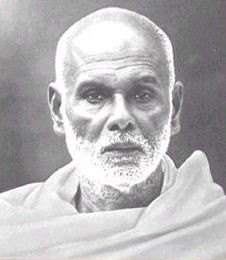
Sri Narayana Guru on Conversions:

Sri Narayana Guru was a philosopher and social reformer born in a backward community in Kerala. He was a Sanyasin without the robes of one. He insisted that every individual must follow strictly the tenets of his own religion, perceiving simultaneously, the oneness underlying all religions. Once a Christian approached him with a request for a Mantra (religious incantation).

“What is your religion?”, inquired Swamiji.
‘Christianity’
“Have you studied the Holy Bible and given a fair trial to its teachings”?
‘No……. Not yet’

“Be a good Christian first”, was the advice. This incident reminds one of a similar conversation between a Christian aspirant and the late revered Shankaracharya of Sringeri Mutt.
Narayana Guru used to say, “Whatever be the religion, it is enough if an individual is good”.
When some speakers at a conference in Varkala after the historic temple entry Satyagraha at Vaikom, insisted conversion was the only solution to the caste problem, Sri Narayana Guru said, “ For spiritual elevation it is not necessary to abandon…… Swadharma. The idea of conversion has its origin in jealousy. Once it is realised that jealousy is an outcome of ego or arrogance, enthusiasm for conversion will die down. Santana Dharma is supreme.”

vivekananda
Swami Vivekananda on Conversions

Refer to ‘The Complete Works of Swami Vivekananda’, Advaita Ashram, Kolkata, 1979, Volume V, pp. 233-35, for the text of Swami’s interview to the editor of Prabuddha Bharat, in which Swami Vivekananda stated that arrangements must be made to receive back into Hinduism those who had been converted to Christianity and Islam.

Hundred years ago, Swami Vivekananda had warned against conversions. He said, “Every man going out of the Hindu pale is not only a man less, but an enemy the more.”

In his works, Swami Vivekananda gave the most heart-rending accounts of the calumnies that Christian missionaries spread about Hinduism, about India, about him personally.

Swami Vivekananda wrote, “The child is taken to school and the first thing he learns is that his father is a fool, the second thing that his grandfather is a lunatic, the third thing that all his teachers are hypocrites, the fourth that all the sacred books are lies. By the time he is sixteen, he is a mass of negation, lifeless and boneless “.

Swami Vivekananda told the Christians in America about the false propaganda by the Christian missionaries, “If all India stands up and takes all the mud that is at the bottom of the Indian Ocean and throws it up against the Western countries, it will not be doing an infinitesimal part of that which you are doing to us …”

On his return from America, Swami Vivekananda told his audience in Madras, “It is not true that I am against any religion. It is equally untrue that I am hostile to the Christian missionaries in India. But I protest against certain of their methods of raising money in America. What is meant by those pictures in the school-books for children where the Hindu mother is painted as throwing her children to the crocodiles in the Ganga?

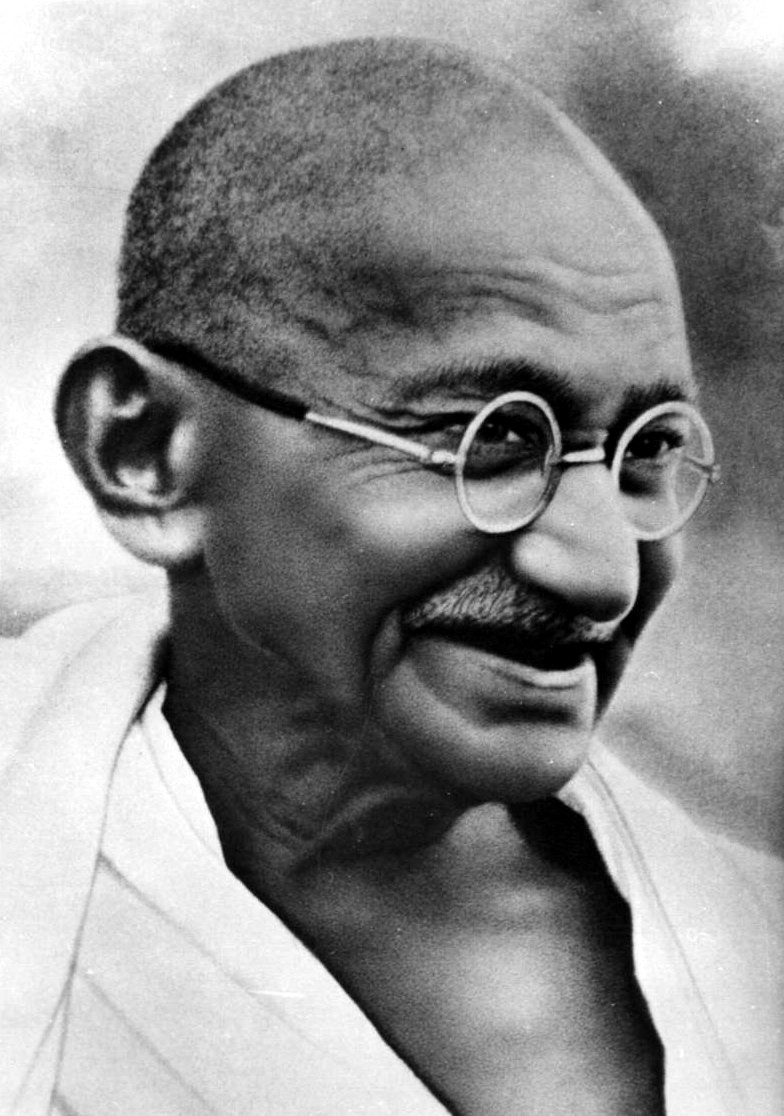
Gandhi_smiling_R
Mahatma Gandhi on Conversion

I disbelieve in the conversion of one person by another. My effort should never to be to undermine another’s faith. This implies belief in the truth of all religions and, therefore, respect for them. It implies true humility. (Young India: April 23, 1931)

Conversion-Impediment to Peace: It is impossible for me to reconcile myself to the idea of conversion after the style that goes on in India and elsewhere today. It is an error which is perhaps the greatest impediment to the world’s progress toward peace. Why should a Christian want to convert a Hindu to Christianity? Why should he not be satisfied if the Hindu is a good or godly man? (Harijan: January 30, 1937)

No Such Thing as Conversion: I believe that there is no such thing as conversion from one faith to another in the accepted sense of the word. It is a highly personal matter for the individual and his God. I may not have any design upon my neighbour as to his faith which I must honour even as I honour my own. Having reverently studied the scriptures of the world I could no more think of asking a Christian or a Musalman, or a Parsi or a Jew to change his faith than I would think of changing my own. (Harijan: September 9, 1935)

No Conversion Designs Upon Me: I am not interested in weaning you from Christianity and making you Hindu, and I do not relish your designs upon me, if you had any, to convert me to Christianity. I would also dispute your claim that Christianity is the only true religion. (Harijan: June 3, 1937)

I hold that proselytisation under the cloak of humanitarian work is unhealthy to say the least. It is most resented by people here. Religion after all is a deeply personal thing. It touches the heart.

Why should I change my religion because the doctor who professes Christianity as his religion has cured me of some disease, or why should the doctor expect me to change whilst I am under his influence? (Young India: April 23, 1931).

(Compiled by Swaminathan from websites and book ‘The Perspective’ by DB Thengadi.
Read London Swaminathan’s ‘One Minute Interview’ Series and ‘Great Men Think Alike’ Series+ 600 articles)

swami_48@yahoo.com

கருமமே கண்ணாயினார்!

kumaragurupara

16.சம்ஸ்கிருதச் செல்வம்

ச.நாகராஜன்

சம்ஸ்கிருத இலக்கியத்தில் தனக்கென அழியாத இடத்தைப் பெற்ற மாபெரும் கவிஞரான பர்த்ருஹரியின் நீதி சதகத்திலிருந்து ஒரு பாடலை முன்பு பார்த்தோம்.(அத்தியாயம் 9). இன்னொரு பாடலை இப்போது பார்க்கலாம்.

ஒரு தீரனான மனிதன் கார்ய சித்தியைப் பெறுவது பற்றி அழகுற நீதி சதகத்தில் 73ஆம் பாடலில் கூறுகிறார் அவர். பாடல் இதோ:

க்வசித் ப்ருத்வீசய்ய: க்வசிதபி பர்யங்க ஸயக:
க்வசித் சாகாஹார: க்வசிதபிச ஸால்யோ தன ருசி: I
க்வசித் கந்தாதாரீ க்வசிதபிச திவ்யாம்பரதர:
மநஸ்வீ கார்யார்த்தி ந கணயதி துக்கம் ந ச சுகம் II

கார்யார்த்தி : கார்யசித்தி பெற விரும்பும் (ஒரு காரியத்தில் வெற்றி பெற விரும்பும்)
மநஸ்வீ : தீரனான ஒரு மனிதன்
துக்கம் : துக்கத்தையோ
சுகம் : சுகத்தையோ
ந கணயதி : பாராட்ட மாட்டான்
க்வசித் ப்ருத்வீசய்ய: : சில சந்தர்ப்பங்களில் வெறும் பூமியில் படுப்பான்
க்வசிதபி பர்யங்க ஸயக: : வேறு சந்தர்ப்பத்தில் உயர்ந்த கட்டிலிலும் படுப்பான்
க்வசித் சாகாஹார: : ஒரு சமயம் வெறும் காய் கிழங்குகளையே புசிப்பான்
க்வசித் ஸால்யோ தன ருசி: : இன்னொரு சமயம் உயர்ந்த சம்பா அரிசி சாதத்தைப் புசிப்பதில் ருசி கொள்வான்
க்வசித் கந்தாதாரீ : ஒரு சமயம் கந்தை ஆடையை அணிவான்
க்வசிதபிச திவ்யாம்பரதர: : இன்னொரு சமயமோ திவ்யமான ஆடையை அணிவான்

ஆக வெற்றியை விரும்பும் ஒரு மனிதன் சுக துக்கங்களைப் பொருட்படுத்தமாட்டான். இப்படி வெற்றி பெற இலக்கணம் வகுக்கிறார் பர்த்ருஹரி.

இந்தப் பாடலை குமர குருபரர் எழுதிய பாடலுடன் ஒப்பிட்டுப் பார்க்கலாம். நீதி நெறி விளக்கத்தில் 53ஆவது பாடலாக இது மலர்கிறது.

மெய் வருத்தம் பாரார், பசி நோக்கார் கண் துஞ்சார்,
எவ்வெவர் தீமையும் மேற்கொள்ளார் – செவ்வி
அருமையும் பாரார், அவமதிப்பும் கொள்ளார்
கருமமே கண்ணாயினார்

இதன் பொருள்: ஒரு காரியத்தைச் செய்ய வேண்டுமென்று முனைப்புடன் இறங்கியவர்கள் தனது உடலில் உண்டாகும் நோவைப் பொருட்படுத்தமாட்டார் பசியைப் பார்க்க மாட்டார், தூங்க மாட்டார், யார் தீங்கு செய்தாலும் அதைப் பொருட்படுத்த மாட்டார்,காலத்தின் அருமையைப் பற்றியும் கவலைப்படமாட்டார். அடுத்தவர் கூறும் அவமதிப்பான சொற்களைக் கேட்கமாட்டார் தங்கள் காரியத்திலேயே கண்ணாயிருந்து அதில் வெற்றி பெறுவதிலேயே கவனமாக இருப்பார்.

எடுத்த காரியத்திற்குத் தடைகள் செய்வோர் ஏராளம். அதை விட்டு விடுமாறு கூறுவதோடு அவமதிப்பைச் செய்வோரும் ஏராளம்.ஆனால் அதையெல்லாம் மீறி தனது உறுதியை விடாமல் எடுத்த காரியத்தில் வெற்றி பெறுபவனே உண்மையில் தீரன் ஆவான்.

புராணங்களில் புகழுடன் திகழும் துருவன், நசிகேதன், பகீரதன் என ஏராளமானோர் நமக்கு உத்வேகம் ஊட்டுகின்றனர்.
நல்ல காரியத்தை லட்சியமாகக் கொள்வோம்; அதை முடித்து வெற்றியும் பெறுவோம்!

நாகராஜன் எழுதிய 60 கட்டுரைகளும் லண்டன் சுவாமிநாதன் 600 (60+600=660) கட்டுரைகளும் இந்த பிளாக்கில் கிடைக்கும். படித்து மகிழ்க.

9. ஒரு போதும் இதை நீ அவிழ்க்கக் கூடாது!

Metal_Buddha_Head__66092

by ச.நாகராஜன்

சோகோவை தன் அருகில் அழைத்த ரோஷி,”இதோ பார், குருவாக இருக்கப் பயிற்சி பெறும் ஒருவர் தனியாக இருத்தல் கூடாது. மக்களோடு மக்களாக இணைந்து அவர்களுடன் பழக வேண்டும்.ஒரு குருவிடம் சிஷ்யனாக இருப்பது சரி தான், ஆனால் இப்போது நீ ஒரு புத்த மடாலயத்தில் சேர்ந்து அனைவருடன் பழக வேண்டும்” என்றார்.

ஜென் குருவாக ஆக வேண்டுமானால் ஒரு புத்த மடாலயத்தில் சேர்வது இன்றியமையாதது. ஜென் மடாலயங்களிலேயே மிகவும் பெரியதான டைடோகுஜி மடாலயத்தில் சோகோ சேர வேண்டும் என்று முடிவானது. அது க்யோடோ என்னும் இடத்தில் இருந்தது. அது இருந்த இடம் சோகோ நடந்து சென்றால் ஒரு மணி நேரத்தில் அடையக் கூடிய தூரம் தான்!

ஒரு புத்த மடாலயத்திற்குக் கிளம்ப வேண்டுமென்றால் துறவி அணியும் ஆடை அடங்கிய புங்கோ என்ற பெட்டியை எடுத்துக் கொள்ள வேண்டும்.
உண்ணுவதற்கான கப்பரை, க்ஷவரம் செய்ய கத்தி, அதை தீட்டுவதற்கான சாணைக்கல், சூத்ரா புனித நூல்கள்,உள்ளாடைகள், மழைக்காலத்தில் அணியும் தொப்பி இத்யாதிகள் அடங்கிய இரண்டு மூட்டைகள் தோளிலிருந்து தொங்க பாரம்பரிய உடைகளை அணிந்து, சந்தனக் கட்டையால் ஆன காலணிகள், ஒரு தொப்பி ஆகியவற்றை அணிந்து நடந்து செல்வது துறவிகளின் வழக்கம்.

எல்லாவற்றையும் சோகோ சேகரித்தார். ரோஷி சோகோவின் அருகில் வந்து, “என்ன, எல்லாம் தயாரா.புங்கோ ரெடியா?” என்று கேட்டார்.
“இல்லை. அதைத் தான் தயார் செய்து கொண்டிருக்கிறேன்” என்றார் சோகோ.
“சரி,உன்னுடைய புங்கோ மூடியை என்னுடைய அறைக்குக் கொண்டு வா” என்று உத்தரவிட்டார் ரோஷி.

சோகோ புங்கோ மூடியை ரோஷியிடம் தந்த போது அதில் மூன்று ஆயிரம் யென் நோட்டுக்களை அதில் போட்டார் அவர். ஆயிரம் யென் என்பது அந்தக் காலத்தில் மிகவும் பெரிய தொகை!
”இது எதற்காகத் தெரியுமா?” ரோஷி கேட்டார்.

சோகோ அவரிடம் அடைக்கலம் ஆன சமயம் அவரிடம் தன்னிடம் அப்பா கொடுத்த பணம் கொஞ்சம் இருக்கிறது என்று சொல்லி இருந்தார். அதனால் இதுவரை கைச்செலவுக்கான பாக்கட் மணி அவருக்கு தரப்படவில்லை. ஆனால் இப்போதோ ஒரு மடாலயத்தில் சேரப் போகிறார். ஆகவே தான் அவர் இப்போது செலவுக்காக ரோஷி பணம் தருகிறார் என்று எண்ணினார் சோகோ. ஆனால் ரோஷி அடுத்தாற் போலச் சொன்ன சொற்கள் அவரைத் தூக்கிவாரிப் போட வைத்தது.

“இது உன் நிர்வாணப் பணம். உனது சவத்தை அடக்கம் செய்வதற்காக! நீ மடாலயத்தில் பயிற்சி பெறுவதற்காகச் செல்கிறாய். அதில் உன் உயிரையே கூட இழக்கக் கூடும்! பயிற்சி காலத்தில் ஒருவேளை வழியில் இருக்கும் சாக்கடையில் நீ இறக்க நேரிட்டால் உன்னிடம் இருக்கும் இந்தப் பணம் அடுத்தவருக்குத் தொந்தரவு தராமல் உன் சவத்தை அடக்கம் செய்ய உதவும்!” அவரது கூரிய பார்வை சோகோவின் உறுதியை அதிகரித்தது.

உலகப்போரின் போது சோகோவின் சகாக்கள் போர்க்களம் சென்ற போது சாவு என்றால் என்ன என்பதைப் பற்றி சோகோ நன்கு சிந்திப்பார். ஆனால் இப்போது ரோஷி, ‘இது உன் சவத்தை அடக்கம் செய்வதற்காக’ என்று கூறிய போது சாவு என்பது இப்போது ஒரு புதிய அர்த்தத்தை சோகோவிற்குத் தந்தது.

ivory 3

அது அவரது உடல் அடையும் மரணத்தைக் குறிக்கவில்லை “நான்” என்ற அகங்கார எண்ணத்தின் சாவையே ரோஷி குறிப்பிட்டிருந்தார்.
என்னதான் பேசினாலும், எவ்வளவு தான் பேசினாலும் “நான்”என்பது ஒவ்வொருவருக்கும் எவ்வளவு இனிமையான ஒரு விஷயம்! நம்மைச் சுற்றியுள்ள தளைகளைத் தீவிரப் பயிற்சியினால் அகற்றினாலன்றி நமது அறிவை மேகமூட்டம் சூழ்ந்து நமது உ::ள்ளார்ந்த தயை எனும் பண்பு அடைக்கப்படுகிறது.ஆகவே நான் என்ற அகங்காரத்தை அழிக்க வேண்டும்! சோகோ மனமார்ந்து உறுதி பூண்டார்.

இந்தக் காலத்தில் சோகோ தனது சிஷ்யர்களை ஒரு மடாலயத்திற்கு அனுப்பும் போது அவர்களின் சவங்களை அடக்கம் செய்வதற்காக பல ஆயிரம் யென்களைத் தர வேண்டியதாயிருக்கிறது. மறு நாள் அதிகாலை நேரத்தில் ரோஷியின் அறைக்குச் சோகோ சென்றார்.
“உங்கள் அனுமதியுடன் நான் விடைபெற்றுச் செல்கிறேன்” என்றார் பணிவுடன் சோகோ.

சமையலறைப் பக்கமாகச் சென்று அங்கிருந்த வாயிலின் வழியே அழுக்குப் படிந்த தரையை மிதித்தார் சோகோ. கற்றுக்குட்டியாகப் பயிற்சியில் இருப்பவர் முன் வாயில் வழியாகச் செல்ல எப்பொழுதுமே அனுமதி இல்லை!

தனது சந்தனக் காலணிகளை சோகோ எடுத்த போது ரோஷி தன் பின்னால் வந்திருப்பதை அறிந்து சோகோ திடுக்கிட்டார். ஒரு கற்றுக்குட்டியை வழியனுப்ப வருபவர் அல்ல அவர். அவரது உயரிய நிலை மிக மிக மேலானது.

ஆனால் அவரோ சோகோவின் முன்னால் வந்து கீழே அமர்ந்து சோகோவின் காலணிகளில் இருந்த கயிறுகளைக் கட்டலானார்.திகைத்துப் போன சோகோ,” வேண்டாம் வேண்டாம், நானே செய்து கொள்கிறேன்” என்று அலறிவாறே கால்களைப் பின்னால் இழுத்துக் கொண்டார்.

ஆனால் அவரோ,”வா, இந்தப் பக்கம்” என்று சோகோவை அழைத்துக் காலணிக் கயிறை நன்கு முடிச்சுப் போட்டு, “ஓரு போதும் இதை நீ அவிழ்க்கக் கூடாது” என்றார்.போய்ச் சேரப் போகும் மடாலயத்தின் வாயிலில் காலணிகளைக் கழற்றி வைக்க அந்த முடிச்சை அவிழ்த்துத் தான் ஆக வேண்டும். ரோஷி சொன்னதன் பொருள் அது அல்ல, ஆழ்ந்த அர்த்தத்தைக் கொண்ட ஒன்று. ஜென் துறவியாக வேண்டும் என்ற உறுதியை என்றுமே அவிழ்த்து விடாதே என்பதைக் பூடகமாக ரோஷி அப்படிச் சொன்னார்.
மனமெல்லாம் நிறைய, உறுதி கெட்டிப்பட ரோஷியைக் குனிந்து தலை வணங்கி அந்த புலர்காலை இருளில் சோகோ மெல்ல நடக்கலானார்.

சின்ன உண்மை
புத்த மதம் தோன்றிய தாயகமான பாரதத்தில் இன்று 772 புத்த தலங்கள் உள்ளன. பீஹாரில் 250, ஆந்திராவில் 200, ஒரிஸாவில் 100, மத்ய பிரதேசத்தில் 53, ஜம்மு-காஷ்மீரில் 30, மஹராஷ்டிரத்தில் 28, குஜராத்தில் 20, ஆகிய இவற்றோடு ஏனைய மாநிலங்களில் மீதமுள்ள 91 தலங்கள் உள்ளன.

-தொடரும்

Mysterious Atharva Veda-Part 2

AtharvaVeda

(Please read Part 1 before reading this Part-2:also my earlier articles: Sex Mantras in Egypt and Atharva Veda and Gems from The Atharva Veda))

I have covered 8 kandas out of 20 kandas in the first part. Now let us look at Kanda 9:-

Kanda 9: Sukta 10, Mantras 302
Famous sukta of the Ashvinis ( Honey-lash Sukta)
Consecration of new houses
Glorification of cows, bulls and goats
Prayers to prevent diseases
Proper reception of guests

Kanda 10: Sukta 10, Mantras 350
Most famous Kena Sukta is in this kanda (containing metaphysical and philosophical question)
Prayers for fighting demons & purging poison
Charms for ensuring victory
About woman
Prayers to cow

CDSA179

Kanda 11: Sukta 10, Mantras 373
Hymn to Rudra (with Shiva’s several names such as Pasupati, Bhava.
Virtue of Brahmacharya (celibacy)
Prayers to Food grains
Hymns on the Brahman
Hymns on warfare

Kanda 12: Sukta 5, Mantras 304
Bhu sukta/Pruthvi sukta (motherland)
Prevention of TB
Hymns on Heaven & Cows

Kanda 13: Sukta 4, Mantras 188
Funeral ceremonies, ancestors
Spiritual upliftment
atharva__veda__samhita___volumes__idd462

Kanda 14: Sukta 2, Mantras 139
Marriages
Husband and wife

Kanda 15: Sukta 28, Mantras 220
Paramatman
Wandering mendicants

Kanda 16: Sukta 8, Mantras 103
Charms for removing misery
Ensuring victory
Kanda 16 is a short kanda

Kanda 17: Sukta 1, Mantras 30
Prayer for victory
Surya and Usha are addressed along with Indra

14oeb_medicine

Kanda 18: Sukta 4, Mantras 283
Conversation between Yama and his sister Yami
Hymns to ancestors and Agni
Kanda 19: Sukta 72, Mantras 453
Hymns on Fire Sacrifice
Hymn on Water
Hymn on Agni
Hymn on Four Castes (Like Purushasuktam)
Hymns Nakshatras (celestial Stars)
Hymns on Peace

Kanda 20: Sukta 143, Mantras 928
Long hymn on Indra

Vedas Backdrop

This is only a summary. It is not exhaustive. Atharva Veda gives lot of scope for research. Many hymns are not understood properly. Even the early translators said that the meaning is obscure. Atharva Veda scholars have also dwindled in number. Now they are in Gujarat and Kerala only.

Contact swami_48@yahoo.com ;pictures are taken from various websites.Thanks.