கையில் புல்லாங்குழலுடன் சுவர்க்கத்துக்குப் போன புனிதர்!!!

Anayar

இசை மூலம் இறைவனை அடைந்த ஆனாய நாயனார்
எழுதியவர்:– லண்டன் சுவாமிநாதன்
கட்டுரை எண்—982; தேதி— 16th April 2014.

அறுபத்து மூன்று சிவனடியார்களின் கதைகளைக் கவிதை வடிவில் தந்தது பெரிய புராணம். இதை நமக்குத் தந்தவர் சேக்கிழார் பெருமான். இதில் வரும் அப்பர், சுந்தரர், சம்பந்தர், கண்ணப்பர், நந்தனார் முதலிய கதைகள் பலருக்கும் தெரியும். ஆனால் சேக்கிழார் பாடிய இன்னும் சிலரைப் பற்றி பலருக்கு அதிகம் தெரியாது. குறிப்பாகப் புல்லாங்குழல் ஊதிக்கொண்டே சிவலோகம் சென்ற ஆனாயர் பற்றி பலருக்கும் தெரியாது. புல்லாங்குழலில் நமசிவாய மந்திரத்தை இசைத்தவுடன் சிவனே பூவுலகிற்கு வந்து ஆனாய நாயனாரை புல்லாங்குழல் ஊதிக் கொண்டே அழைத்துச் சென்ற அற்புதமான வரலாற்றை சேக்கிழார் மிக அழகாகப் பாடியுள்ளார். இது உலகில் வேறு எங்கும் நடக்காத அதிசயம்!!

flute, anayanar2

மேல் மழநாடு என்பது சோழ சாம்ராஜ்யத்தின் ஒரு பகுதி. அங்கே திருமங்கலம் என்று ஒரு ஊர். மங்கலம் என்றால் பிராமணர்கள் வாழும் ஊர் என்பது பொருள். ஆனால் அந்த ஊரில் வாழ்ந்த ஒர் மாடு மேய்க்கும் இடையர் பற்றிய கதை இது. அவர் பெயர் ஆனாயர். அவருக்கு தெரிந்தது மாடு மேய்க்கும் தொழில் ஒன்றுதான். கிருஷ்ண பரமாத்மாவின் ஜாதி. ஆனால் கண்ணனுக்கோ உலகில் தெரியாத விஷயம் இல்லை. ஆனாயருக்கு மாடு மேய்க்கும் தொழிலோடு வேறு இரண்டே விஷயங்கள் மட்டும் தெரியும். ஒன்று புல்லாங்குழல் வாசிப்பது, இரண்டு பஞ்சாட்சர மந்திரத்தை ஜபிப்பது. அதையும் புல்லாங்குழலிலேயே வாசித்து மகிழ்வார்.

செய்யும் தொழிலே தெய்வம் என்று இருந்த அவரது கவனிப்பில் ஆடு மாடுகள் எல்லாம் சாப்பிட்டுப் பல்கிப் பெருகின. ஒரு நாள் ஒரு கொன்றை மரத்தைப் பார்த்துவிட்டார். அதன் பூக்கள் சரம் சரமாகத் தொங்கியதைக் கண்டவுடன் சிவ பெருமான நினைவில் மூழ்கிவிட்டார்.

ராமகிருஷ்ண பரமஹம்சருக்கும் இது போன்ற ஒரு அனுபவம் உண்டு. ஒரு பச்சைப் பசேல் என்று பச்சைக் கம்பளம் விரித்தார் போன்ற வயல் வெளியில் ஒரு நாள் நடந்து கொண்டிருந்தார். தூரத்தில் வானத்தில் கருமேகங்கள் திரண்டு வந்தன. ஒரு பக்கம் பச்சை வயல்; மறுபக்கம் நீல மேகம்; இந்தப் பிண்ணனியில் வெள்ளை நிறக் கொக்குகள் சிறகடித்துப் பறந்தன. இந்த அற்புதமான இயற்கை எழிலைப் பார்த்தவுடன் அவருக்கு இவற்றை எல்லாம் படைத்த இறைவன் நினைவுக்கு வரவே வயல் வரப்பிலேயே சமாதி நிலைக்குப் போய்விட்டார். அவருடன் வந்தவர்கள் அவரை வீட்டுக்குத் தூக்கிக்கொண்டு போக வேண்டி இருந்தது. அவர் சமாதி கலைந்து சுய நினைவுக்கு வர சில நாட்கள் ஆயின!!

aanaayanar

நாமாக இருந்தால் இந்த அற்புதமான காட்சியை உடனே மொபைல் போனில் புகைப் படம் பிடித்து அதை பேஸ் புக்கில் போட்டு பெருமைப் பட்டிருப்போம். ஆனால் ஆனாய நாயனார், ராம கிருஷ்ண பரமஹம்சர் போன்றோருக்கு சத்யம் – சிவம்—சுந்தரம் மூன்றும் இறைவனின் படைப்பு. எங்கெங்கெல்லாம் சுந்தரம் (அழகு) இருக்கிறதோ அது எல்லாம் அவர்களுக்கு இறைவனையே நினைவுபடுத்தும்.

கொன்றை மரத்தையும் அழகிய பூங்கொத்துக்களையும் கண்ட ஆனாயர் எடுத்தார் புல்லாங்குழலை, இசைத்தார் நமசிவாய மந்திரத்தை! இதைத் தொடர்ந்து அவரைச் சுற்றியிருந்த உலகமெல்லாம் ஆடாது அசங்காது நின்றன. இதோ சேக்கிழார் பாடல் வாயிலாகவே அதைக் காணுங்கள்:

“வள்ளலார் வாசிக்கும்
மணித் துளை வாய் வேய்ங்குழலின்
உள்ளுறை அஞ்செழுத்து
ஆக, ஒழுகி எழும் மதுர ஒலி
வெள்ளம் நிறைந்து எவ்வுயிர்க்கும்
மேல் அமரர் தருவிளை தேன்
தெள் அமுதின் உடன் கலந்து
செவி வார்ப்பது எனத் தேக்க”.

அதாவது அவர் வாசித்தது அமிர்தத்தையும் கற்பக மரம் ஒழுக்கும் தேனையும் கலந்து கொடுத்தது போல இருந்ததாம் (அமரர் தரு= கற்பக விருட்சம்).

அடுத்தாற்போல பசுக்களும் கன்றுகளும் மான் முதலிய காட்டு விலங்குகளும் என்ன செய்தன என்று படியுங்கள்:–

ஆன் நிரைகள் அறுகு அருந்தி
அசைவிடாது அணைந்து அயரப்
பால் நுரை வாய்த் தாய்முலையில்
பற்றும் இளம் கன்றினமும்
தான் உணவு மறந்து ஒழிய
தட மருப்பின் விடைக் குலமும்
மான் முதலாம் கான் விலங்கும்
மயிர் முகிழ்த்து வந்து அணைய.”

பொருள்:– பசுக்கள் சாப்பிட்ட உணவை அசைபோட மறந்தன. கன்றுகள் பாதியில் பால் குடிப்பதை நிறுத்தின. காளைகள் வந்து குழுமின. மான் முதலிய விலங்குகள் மயிர்க்கூச்சம் அடைந்தன.

anayar color

மயில் முதலிய பறவைகள் என்ன செய்தன என்பதையும் நம் கண் முன்னே படம் போலக் காட்டுகிறார் சேக்கிழார் பெருமான்:

ஆடு மயில் இனங்களும் அங்கு
அசைவு அயர்ந்து மருங்கு அணுக
ஊடு செவி இசை நிறைந்த
உள்ளமொடு புள் இனமும்
மாடு படிந்து உணர்வு ஒழிய
மருங்கு தொழில் புரிந்து ஒழுகும்.
கூடியவன் கோவலரும்
குறை வினையின் துணை நின்றார்

பொருள்:– மயில்கள் ஆடுவதை நிறுத்திவிட்டு ஆனாயரைச் சூழ்ந்து நின்றன. பறவைகள் அவரைச் சுற்றி கூடு கட்டின. இடையர்கள் பாதி வேலைகளைப் போட்டுவிட்டு அவரைச் சூழ்ந்து நின்றனர்.

பூமிக்கடியில் வாழும் நாகர்கள், வானத்தில் சென்று கொண்டிருந்த தெய்வ மகளிரான அரம்பையர், வித்யாதரர், சாரணர், கின்னரர், தேவர்கள் ஆகியோர் விமானங்கள் எல்லா வற்றுடனும் அங்கே கூடிவிட்டனர்.

பணி புவனங்களில் உள்ளார்
பயில் பிலங்கள் அணைந்தார்
மணிவரை வாழ் அரமகளிர்
மருங்கு மயங்கினர் மலிர்ந்தார்
தணிவு இல் ஒளி விஞ்சையர்கள்
சாரணர் கின்னரர் அமரர்
அணி விசும்பில் அயர்வு எதி
விமானங்கம் மிசை அணைந்தார்.

இந்தப் பாடல்கள் புல்லாங்குழல் இசையின் மகிமையையும் பாடுவதால் அப்படியே பாடல் வடிவில் படிப்பது இன்பம் பயக்கும்.

மரங்கள் அசையவில்லை. ஆறுகள் ஓடவில்லை, அருவிகள் நீர் ஒழுக்கு இன்றி அப்படியே நின்றன. கடல் அலைகள் வீசவில்லை என்று சேக்கிழார் பாடிக்கொண்டே போகிறார். இப்படி ஸ்தாவர, ஜங்கமப் பொருட்கள் எல்லாம் பாதிக்கப்பட்ட நிலையில் சிவனும் உமையும் இந்த இசையில் மயங்கி காளை வாகனத்தில் ஏறிப் புறப்பட்டனர்.

ஆனாயர் குழல் ஓசை
கேட்டருளி அருள் கருணை
தான் ஆய திரு உள்ளம்
உடைய தவ வல்லியுடன்
கானாதி காரணர் ஆம்
கண்ணுதலார் விடை உகைத்து
வான் ஆறு வந்து அணைந்தார்
மதி நாறும் சடை தாழ

“உடனே எம்முடன் வருக. வீட்டுக்குள் போய் ‘’ட்ரஸ்’’ எல்லாம் ‘சேஞ்ச்’ (’மாற்ற) பண்ண வேண்டாம். அப்படியே எம்முடன் வருக”– என்று சிவனும் உமையும் கூறினர்:–

“இந்நின்ற நிலையே நம்பால்
அணைவாய் என, அவரும்
அந்நின்ற நிலை பெயர்ப்பார்
ஐயர் திருமருங்கு அணைந்தார்”

உடனே விண்ணவர்கள் மலர் மாரி பொழிந்தனர். முனிவர்கள் வந்து வேதம் ஓதினர். ஆனாயர் புல்லாங்குழலை நிறுத்தவே இல்லை. வாசித்துக் கொண்டே சிவனுடன் சென்று விட்டார். இவ்வாறு இசைக் கருவியை வாசித்துக் கொண்டே சிவலோகம் போன ஒரு தொண்டரைப் பற்றி படிக்கும் போது வியப்பாக இருக்கிறது. நாமும் கதையை முடித்தோம். நமசிவவாய ஓம்!!

விண்ணவர்கள் மலர் மாரி
மிடைந்து உலகம் மிசை விளங்க,
எண்ணில் அரு முனிவர் குழாம்
இருக்கு மொழி எடுத்து ஏத்த’
அண்ணலார் குழல் கருவி
அருகு இசைத்து அங்கு உடன் செல்லப்
புண்ணியனார் எழுந்தருளிப்
பொன் பொதுவினிடைப் புக்கார்.

சுபம்! Contact swami_48@yahoo.com
How did Rare Indian Animal ‘Asunam’ become extinct?

Mythical_Creatures_by_Jesteppi
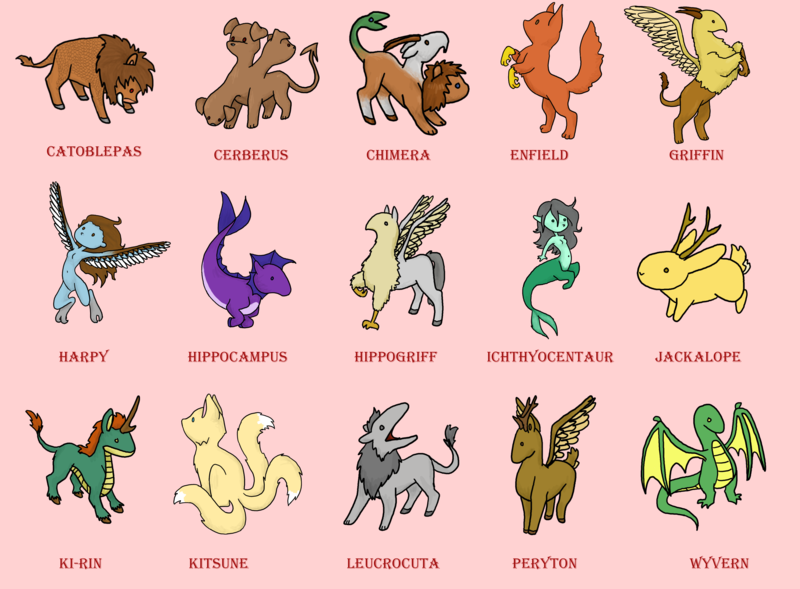
Chart of mythical animals around the world

Written by London Swaminathan
Post No. 981; dated 15th April 2014

Sonic boom and Sonic bomb
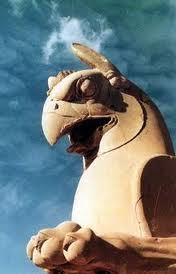
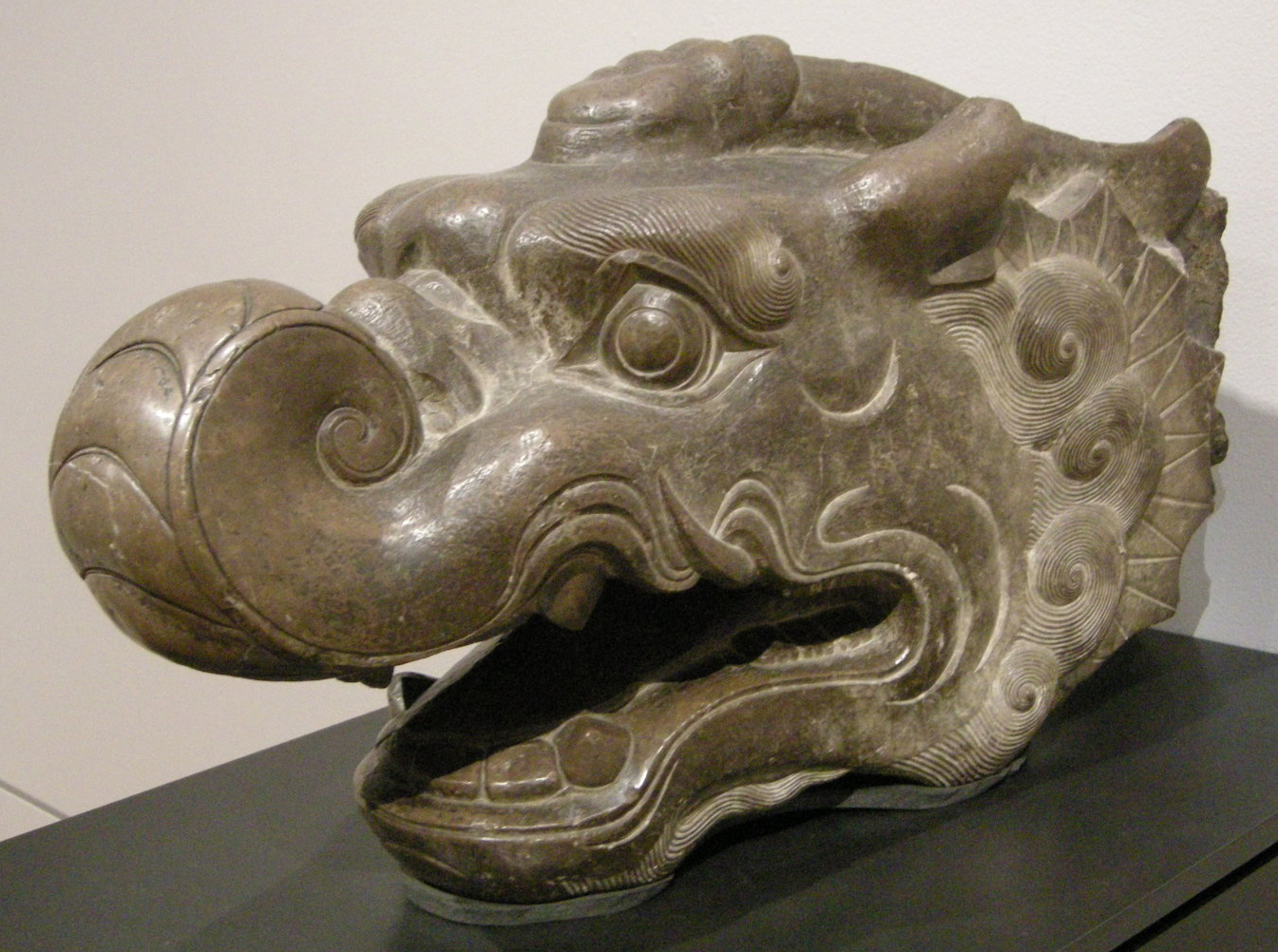
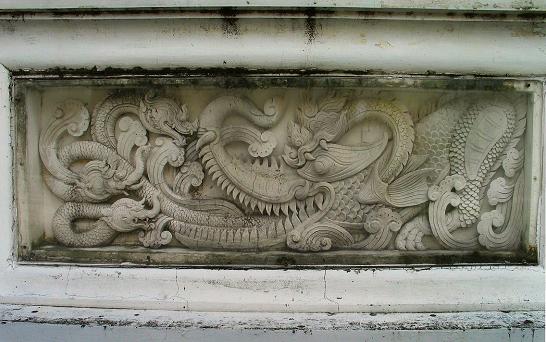
Tamil literature gives us very interesting information about a rare animal called ‘Asunam’. It is phonophobic. It has got a good taste for melodious music. It is more musical than most men. But the minute someone plays on a big drum it dies at once. Sangam Tamil literature is 2000 year old. We have three references to this ‘Asunam’and later literature gives more information. It is not a mythical animal like griffin or Makara or Yali. Somehow palaeontologists and paleo zoologists missed this. Now we get more scientific information about sonic bombs and low frequencies emitted by submarines that killed even giant squids. Dolphins and whales commit mass suicides because of sonar disturbances. So we may look into this extinct animal again armed with all the scientific facts.

homa-bird-2

Mysterious Vedic Bird ‘Homa’

Tamil literature

‘Natrinai’ is one of the anthologies of Sangam Tamil literature and verses 244 and 304 give the following information:
In the mountainous ‘Kurinji’ area, ‘Asunam’ lives in the caves. It listens keenly to the buzzing sound (music) of the bees and beetles. The heroine of a love poem says, “My lover is like an Asunam. When he is near me it gives pleasure. When he is temporarily separated it gives me great sorrow. I am like Asunam attracted by melodious music and then killed by loud beating of the drums.

The commentator explains that the Tamils played on lyre to attract the Asunams from the caves and suddenly played on drums to kill them. Another verse from another Sangam Tamil anthology called ‘Akananuru’ (verse 88) gives similar information. The only difference is that the commentator describes Asunam as a bird here.
‘Nammanik kadikai’– is one of the 18 minor Tamil works. Verse three of the book is very clear about Asunam. It described it as an animal. It compares Asunam with several other people in public life.
The celebrated author Kamban of Kamba Ramayanam compared himself to Asunam! He said, “Among the stalwarts of Tamil language, probably my poems may be like playing drums to Asunams”. Kamban was so humble that he said his poems may not be of good quality, but the fact of the matter is that he is considered one of the great poets of the Tamil speaking world.

homa-bird-1
Homa bird is the logo of Iran Airlines

My Research Findings on ASUNAM:–

My research on the Asunam based on the above verses and Tamil encyclopaedia Abhidana Chintamani has found out the salient features of Asunam stories. I can summarise them as follows:–
1.Though there are only three references in the ancient Sangam literature, we know that it is not a bird, but an animal.
2.It lived in the caves of the mountains which ancient Tamils called ‘Kurinji ‘lands.
3.Asunam loved mellifluous music but susceptible to harsh music particularly high decibel noise. Modern research shows that sounds of 185 decibels or more can kill human beings.
4.Tamils deliberately played on lyre to attract it and killed them by playing on big drums. It may be one of the reasons for its extinction. The other reason is noise pollution. It might have slowly disappeared.
5. Very few references in the 2000 year old Sangam Tamil literature show that it was a rare animal even at that time. Other animals like tigers, elephants and bears are referred to hundreds of times.
6.Ancient Tamils knew the power of sound waves. Modern research in this field has led into the development of sonic bombs. We already knew the effect of sonic booms emitted by supersonic jets. We now know the effect of sonar waves on dolphins and whales.
7.It will be good that if Tamils do more research and find out the fossils from mountainous area.
8.I have given the full details of the poets names with full quotes in the Tamil version of this article and we know where those poets lived in ancient Tamil Nadu. So we can narrow down the area of our search.
9.Adi Shankara who lived in the first century BC or before, adds some interesting details ( I follow Kanchi Paramacharya in dating Adi Shankara, which is supported by Tamil literature. Please read my earlier article for the dating)

China,_testa_di_makara,_
Mythica Hindu Makara in China

Adi Shankara on Deer Hunt
Verse (sloka) 76 of Viveka Chudamani of Adi Shankara says,
The deer, the elephant, the moth, the fish and the honey bee —- these five are annihilated because of their slavery to one or the other of the senses such as sound etc., through their attachment. What then is the condition of a man who is attached to all these five?
The commentators add the following information about deer:
“The deer is always fascinated by melodious sound and the deer hunter sings to charm the deer. Attracted by the melody of sound, the deer has no awareness of the danger it is in and turns in the direction of the music; the hunter soon makes it his target”.
Asunam may belong to the family of deer.

Makara-1thailand
Makara in Thailand

Contact swami_48@yahoo.com
My other articles on related topics:

https://tamilandvedas.wordpress.com/2013/02/16/hindu-eagle-mystery-deepens/

Four Birds in One Sloka: Adi Sankara and Nature | Tamil …
tamilandvedas.wordpress.com/…/four-birds-in-one-sloka-adi-sankara-an…‎
9 -7- 2012

The Mysterious Vedic Homa Bird – Tamil and Vedas
tamilandvedas.wordpress.com/…/the-mysterious-vedic-homa-bird-does-it…‎
10 Dec 2011 –

The Mysterious Vedic Homa Bird: Does It Exist?
1

சப்தம் கேட்டால் இறந்துவிடும் அதிசய மிருகம் ‘அசுணமா’!!

Mythical_Creatures_by_Jesteppi

கட்டுரையாளர்—லண்டன் சுவாமிநாதன்
கட்டுரை எண்—980; தேதி— 15 ஏப்ரல் 2014.

(This article is available in English)

சங்கத் தமிழ் இலக்கியத்தில் ஒரு அதிசய விஷயம் இருக்கிறது. அசுணமா என்னும் ஒரு மிருகம் பற்றிய தகவல் இது. இப்போது இந்த விலங்கு உலகில் இல்லை. எவ்வளவோ விலங்குகள் இப்படி அழிந்து போய்விட்டன. படங்களில் மட்டுமே காணலாம். தொல்விலங்கியல் (Paleontolgy or Paleo zoology) என்னும் துறை இது போன்ற விலங்குகளின் எலும்புக்கூடுகள் ,படிம அச்சுக்கள் (Fossils) ஆகியவற்றை சேகரித்து வைத்துள்ளன. ஆனால் தமிழ் இலக்கியத்தில் உள்ள அசுணமா பற்றி அவர்களுக்கு ஒன்றும் தெரியாது. தடயங்களும் கிடைக்கவில்லை.

வேதத்திலும் ராமகிருஷ்ண பரமஹம்சர் கதையிலும் வரும் ஹோமா பறவை (Homa Bird) பற்றி முன்னர் எழுதினேன். அதைப் போன்றே இதுவும் காலப்போக்கில் அழிந்து போய் இருக்கவேண்டும். இதோ அந்த அதிசய அசுணமா பற்றிய விவரம்:–

நற்றிணைப் பாடல் 244, பாடியவர் கூற்றங்குமரனார்
“விழுந்த மாரிப் பெருந்தண் சாரல்
கூதிர்க் கூதளத்து அலரி நாறும்
மாதர் வண்டின் நயவரும் தீம் குரல்
மணம் நாறு சிலம்பின் அசுணம் ஓர்க்கும்
உயர் மலை நாடற்கு உரைத்தல் ஒன்றே”

பொருள்:—மழை கொட்டும் குளிர்ந்த மலைப்பகுதி. அங்கே கூதிர்க் காலத்தில் கூதாளி பூ மலர்ந்து மணம் வீசும். அழகிய வண்டு மிக இனிமையாக ரீங்காரம் செய்யும். அதை நறுமணம் வீசும் குகையில் இருந்து அசுணம் என்னும் விலங்கு கூர்ந்து கேட்கும்.

நற்றிணைப் பாடல் 304, பாடியவர்:- மாறோக்கத்து நப்பசலையார்

“மணிமிடை பொன்னின் மாமை சாய, என்
அணிநலம் சிதைக்குமார் பசலை; அதனால்
அசுணம் கொல்பவர் கைபோல், நன்றும்,
இன்பமும் துன்பமும் உடைத்தே,
தண்கமழ் நறுந்தார் விறலோன் மார்பே.

பொருள்:– (என் காதலன் என்னோடு இருந்தால் என் அழகு குன்றாது). அவர் என்னை விட்டுப் பிரிந்துவிட்டால், தங்கத்தையும் நீலமணியையும் சேர்த்துக் கட்டிய மாlலையில், தங்கத்தின் அழகு குன்றுவது போல என் மேனி அழகு குன்றும். பசலை தோன்றி அழகைக் கெடுத்துவிடும். அதனால் குளிர்ந்த மணம் கமழும் மாலை அணிந்த என் காதலன் மார்பு அசுணம் என்னும் விலங்கைக் கொல்பவர் கை போன்றது. அதாவது இன்பம் தந்து பின்னர் துன்பத்தைக் கொடுக்கும்.

இதன் விளக்கம் என்ன கூறுகிறது என்றால், அசுணம் என்னும் சங்கீத ஞானம் ( இசையறி விலங்கு ) உடைய விலங்கைக் கொல்வோர் முதலில் யாழ் என்னும் கருவியை வாசிப்பர். அதைக் கேட்டு அது மகிழ்ந்து அருகில் வரும். பின்னர் பெரிய டாமாரம், முரசு முதலியவைகளை வாசிப்பர். அந்த சப்தம் தாங்காமல் அது அப்படியே இறாந்துவிடும். இது போல என் காதலர் பிரிந்தால் என்னை வாட்டி வதைத்து கொல்வது போலாகும் என்று தலைவி உவமை காட்டுகிறாள்.

homa-bird-2
Picture of Vedic Homa bird in Iran

அகநானூற்றிலும் ஒரு பாடல் உண்டு.

பாடல் 88; பாடியவர்:– ஈழத்துப் பூதந்தேவன்
இரும்புலி தொலைத்த பெருங் கை யானைக்
கவுள் மலிபு இழிதரும் காமர் கடாஅம்
இருஞ் சிறைத் தொழுதி ஆர்ப்ப யாழ் செத்து
இருங்கல் விடர் அளை அசுணம் ஓர்க்கும்
காம்பு அமல் இறும்பில் பாம்பு படத் துவன்றி.
கொடுவிரல் உளியம் கெண்டும்
வடி ஆழ் புற்றின வழக்கு அரு நெறியே?

பொருள்:—“புலியைக் கொல்லும் பெரிய கை உடையது யானை. அதன் கன்னத்தில் இருந்து மத நீர் வடியும். அதில் வண்டின் கூட்டம் மொய்க்கும். அதன் ரீங்காரத்தை யாழின் ஒலி என்று கருதி பெரிய குகைகளில் உள்ள அசுணப் பறவைகள் உற்றுக் கேட்கும். அத்தகைய காட்டில் பாம்புகள் இறந்து போகும் படி கரடிகள் புற்றுகளைத் தோண்டும். என் காதலன் இப்படிப்பட்ட கஷ்டமான வழியில் சென்றானோ?”

நான்மணிக் கடிகை என்ற பிற்கால பதினென் கீழ்க்கணக்கு நூலிலும் ‘அசுணமா’ வருகிறது. இதில் முதல் தடவையாக அசுணம்+மா (மிருகம், விலங்கு) என்ற சொல் வருவதால் அசுணம் என்பது பறவை இல்லை என்பதும் தெரிகிறது:

பறைபட வாழா அசுணமா உள்ளம்
குறைபட வாழார் உரவோர் – நிறைவனத்து
நெற்பட்ட கண்ணே வெதிர்சாம் தனக்கொவ்வாச்
சொற்பட வாழாதாம் சால்பு (நான்மணிக்கடிகை, பாடல் 3)

பொருள்:— பறையின் ஒலி செவியில் விழுந்தால் ‘அசுணமா’க்கள் உயிர் வாழாது. அறிவுடையோர் ஊக்கம் குறைந்துவிட்டால் உயிர்வாழ மாட்டார் (காண்க-1). மூங்கில்கள் நெல் (தானியம்) தோன்றியவுடன் அழிந்துவிடும். மானமுள்ளவன் அவச்சொல் ஏற்பட்டால் உயிர்வாழ மாட்டான் (காண்க–2).

(1).அதாவது பயனுடைய செயல்களைச் செய்யும் வலிமை போய்விட்டால் தர்மன் முதலிய பஞ்ச பாண்டவர்கள் மேரு மலையை நோக்கி நடந்தே உயிர்விட்டது போல.. (2.)அதாவது சிறைவைக்கப்பட்ட சேர மன்னன் கணைக்கால் இரும்பொறை தண்ணீர் கேட்டவுடன் அவமானப் படுத்தப்பட்டான். உடனே உயிர் துறந்தான், கோவலனுக்கு மரணதண்டனை விதித்தது தவறு என்று கண்ணகி சுட்டிக் காட்டியவுடன் பாண்டிய மன்னனும் அவனது மனைவியும் உடனே உயிர்விட்டனர்.

homa-bird-1
Mythical Vedic Homa Bird is the emblem of Iran Airlines

அசுணம் பற்றி எனது ஆராய்ச்சி முடிவுகள்

1.மூன்று சங்க இலக்கியப் பாடல்களில் அகநானூற்று உரையில் மட்டும் பறவை என்று வருகிறது. பாட்டில் விலங்கா பறவையா என்ற சொல் இல்லை. உரைகாரர்தான் அவ்வாறு கூறுகிறர். குகையில் வாழக்கூடியது விலங்காகத்தான் இருக்க வேண்டும் என்பது என் கருத்து.
2.இது குறிஞ்சி நிலப் பாடல்களில் மட்டும் மூன்று புலவரால் பாடப் படுவதால் இது மலையும் மலை சார்ந்த பகுதிகளிலும் வாழ்ந்த ஒரு விலங்கு என்றே கருத வேண்டும்.
3.மேலும் யாழ் வாசித்து பின்னர் பெரிய பறை (முரசு) ஒலி எழுப்பி கொன்ற செய்தியும் இருப்பதால் தமிழர்கள் இதை மாமிசத்துக்காக வேட்டையாடியே கொன்றிருக்கலாம்.
4.ஒலி அலைகளுக்கு எவ்வளவு சக்தி உண்டு என்பதை இது காட்டுகிறது. இப்படிப்பட்டதொரு விலங்கு,— சப்தம் அதிகரிக்கும் உலகில்— தாமாகவே அழிந்து போயிருக்கவும் வாய்ப்பு உண்டு.
5.இது மலைக் குகைகளில் வாழும் என்பதை எல்லா புலவர்களும் கூறுவதால் அந்தத் தகவல் சரியாகவே இருக்கும்.
6.இதைப்பற்றி சங்க நூல்களில் மூன்றே குறிப்புகள் மட்டும் வருவதால் 2000 ஆண்டுகளுக்கு முன்னரே இது அபூர்வ விலங்கு ஆகியிருக்க வேண்டும்.
7. நவீன கால ஆராய்ச்சிகள் இது உண்மை என்றே காட்டுகின்றன. 185 டெசிபல் சப்தத்துக்கு மேல் கேட்டால் உடனே மரணம் சம்பவிக்கும். அதை அடிப்படையாக வைத்து சோனிக் பாம்ஸ் (சப்த வெடிகுண்டுகள் உருவாக்கப்பட்டுள்ளன. மேலும் நீர் மூழ்கிக் கப்பல்களில் இருந்து வெளியாகௌம் கீழ்மட்ட அலைவரிசை ஒலிகள் டால்பின், திமிங்கிலம் போன்ற பிராணிகளைக் கொன்றதௌ அல்லது குழப்பிவிட்டது தற்கால ஆய்வுகளில் உறுதி செய்யப்பட்டுள்ளது. டால்பின் எனப்படும் மிக புத்திசாலியான கடல் விலங்கும் திமிங்கிலங்களும் கூட்டமாகக் கடற்கரைக்கு வந்து “தற்கொலை” செய்துகொள்வதற்கு நீர்மூழ்கிக் கப்பலின் ஒலி அலைகளே காரணம் என்றும் கண்டுபிடிக்கப்பட்டுள்ளது.

China,_testa_di_makara,_
Hindu Mythical animal Makara in China

கம்ப ராமாயணத்தில் அசுணம்

கம்பனும் ராமாயணத்தில் அசுணமா பற்றிப் பாடுகிறான்.
துறை அடுத்த விருத்தத் தொகைக் கவிக்கு
உறை அடுத்த செவிகளுக்கு ஓதில் யாழ்
நறை அடுத்த அசுண நல் மாச் செவிப்
பறை அடுத்தது போலும் என் பாஅரோ.
பொருள்:–சான்றோர்கள் பல விருத்தப் பாக்களைக் கேட்டிருப்பார்கள். அந்தப் பாக்களுக்கு உறைவிடமாகத் திகழும் சான்றோர்களுக்கு என் பாடலை ஓதினால் இசை என்னும் தேனைச் சாப்பிட்ட சிறந்த விலங்கின் காதுகளில் பறை ஒலி விழுந்தது போல இருக்கும்.

அபிதான சிந்தாமணியில் சிங்காரவேலு முதலியார் கீழ்கண்ட செய்தியை எழுதி வைத்துள்ளார்.:–
அசுணம் : இது பேடையை விட்டு நீங்காத பறவை இதனிறம் உருவம் முதலிய நன்றாக விளங்கவில்லை. இதன் ஓசையை தலவனீக்கத்தில் தலைவி பொறாமைக்குத்த் தமிழ்நூலார் உவமை கூறுவர்.. (இந்தத் தகவல் பறவை என்று சொல்லுவது சரியெனப் படவில்லை).

Makara-1thailand
Hindu Makara in Thailand

மான் வேட்டை பற்றி ஆதி சங்கரர்

ஆதி சங்கரர் பாடிய விவேக சூடாமணி தோத்திரத்தில் பாடல் 76-ல் மான்களை இசை பாடி பிடிக்கும் வழக்கத்தைக் குறிப்பிடுகிறார். ஆக அசுணமா என்பது இது தொடர்புடைய ஒரு விலங்காக இருக்கலாம்.
பாம்புகளுக்கு செவிகளே இல்லை என்று உயிரியல் நிபுணர்கள் கூறியபோதும் மகுடி ஊதி பாம்பு பிடிக்கும் பாம்புப் பிடாரர் பற்றி இந்தக் காலம் வரை செய்திகள் கிடைக்கின்றன.( பாம்புக்கு கட் செவி= கண்களே செவி என்று தமிழில் ஒரு சொல் உண்டு. இது பற்றி நான் எழுதிய ஆய்வுக் கட்டுரையில் முழு விவரம் காண்க.)

My Articles related to this topic:—

Mysterious Tamil Bird Man | Swami’s Indology Blog
SWAMIINDOLOGY.BLOGSPOT.COM

Four Birds in One Sloka: Adi Sankara and Nature | Tamil …
tamilandvedas.wordpress.com/…/four-birds-in-one-sloka-adi-sankara-an…‎
9 -7- 2012

The Mysterious Vedic Homa Bird – Tamil and Vedas
tamilandvedas.wordpress.com/…/the-mysterious-vedic-homa-bird-does-it…‎
10 Dec 2011 –

https://tamilandvedas.wordpress.com/2013/02/16/hindu-eagle-mystery-deepens/

contact swami_48@yahoo.com

Hindu View: What is the use of Hands and Feet?

hands for worship

Swamiji praying with his hands.

This article is posted already in Tamil with all the original quotes: swami.
By London Swaminathan
Post No. 979; Date 14th April 2014

Vedic Prayer to Bharati’s poems

Bhadram karnebei srnu yama deva:……………. Devahitham yadayu: (Yajur Veda 25/21).

Hindus believe that the limbs of the body are given for worshipping God. Hands are raised to pray to God. Mouths sing the glory of God. Ears listen to all that is good. Feet are given to go on pilgrimage. Head and heart are there to think about God. These are daily routines which one should do in addition to the house chore.

We read such lofty thoughts in the ancient Vedas and the Upanishads. The above mantra Bhadram Karnebi…….. is in Yajur Veda and other Upanishads attached to Atharva Veda.

Meaning of the Mantra

“O Gods ! May we ever hear with our ears such words which are beneficial to all.
O Adorable ones, may we see with our eyes what is auspicious.
May we sing praises to you and enjoy with strong limbs and body the life allotted to us by the Gods” (Yajur Veda 25/21)

mouth for singing

Sri Sathya Sai Baba singing Bhajans.

Tamil Epic Silappadikaram

Ilango was a post Sangam Tamil poet. He wrote an epic on an incident that happened in the second century AD, but the language of the epic shows that he lived in a later period around fifth century AD. He praised Rama and Krishna in one of the verses in the epic:–

“Vain are the ears which do not hear the glory of the doughty champion, who measured the three worlds with his two feet and yet found them too small; who penetrated with his younger brother into the wild jungle to the reddening of his lotus feet; who pulled down in the battle the ‘SO’ fortress and deprived ancient Lanka of its protection. Vain are the ears which do not hear the glory of TIrumal.

“Vain are the eyes which do not see the dark-hued lord, the great god, Mayavan, the god in the blossomed lotus of whose navel appeared all the great worlds, and who has red eyes, red feet, red hands and red lips. Vain are the eyes of those who while looking must wink.

“Vain is the tongue that will not praise him who triumphed over the deceit of the foolish schemer Kamsa and who went as the messenger of the five Pandavas to the hundred Kauravas, praised in all four directions, to the accompaniment of Vedic chanting. Vain is the tongue which does not say ‘Narayana’.

datta speaking

Devotees are listening to Sri Ganapati Sachidananda Swamiji

Poets of Devotional Movement

Later Tamil poets, Appar of the Seventh Century and Kulasekara Alvar of later period also pray to God that all their limbs, from foot to head, must be utilised in the service of God.
Tamil Saivite saint Appar alias Tirunavukkarasu went to every temple with a spade and axe in his hand to remove the weeds on the towers and on the temple grounds. Appar, in his Thiru Anga Malai (Hymn of Garland of Limbs) sings that every limb of his body should worship god. Kulasekara Alvar, one of the 12 Vaishnava saints, in his Mukundamala (sloka 16) addresses each of his limbs to pray to God

akhandabhajan2001_1

Baba devotees singing Bhajans.

Bharatiyar

Bharati has sung the longest poem on this theme. C.Subramanya Bharati (1882-1921), the greatest Tamil poet of the modern times, has mentioned all the limbs in his poem on Sakti. He prayed to goddess Sakti to give strength to all his limbs and make him an instrument of Sakti. It is a long poem with 46 stanzas. Following few stanzas give us some idea of the intensity of his prayer. We can clearly see the influence of the Vedic hymn “ Bhadram Karnebi srunuyama Deva:”.

(Sakti means Mother Goddess and Power)
(In Tamil the poem begins with “Sakti thanakke karuviyaakku……………”)

Stanza1
Of hands make an instrument of Sakti,
They will sure with all achievements be linked;
Of hands make an instrument of Sakti
They will grow powerful even to smite a stone.

Stanza 2
Of eyes make an instrument of Sakti,
They will ken the way by Siva Sakti shown;
Of eyes make an instrument of Sakti
They will grow with truth and beauteous grace.

Stanza 3
Of ears make an instrument of Sakti,
They will hearken to the words of Sakti;
Of ears make an instrument of Sakti
They will long for hymns of Sakti divine

From stanza 13 to 23 he prays for mind, from 24 to 29 on ‘chitta’, from 30 to 41 on intellect and finally from 41 to 45 on soul.

His final stanza is very interesting and shows how much energy he has gained by chanting this hymn:–
Stanza 46

‘’Praise to be Siva Sakti’’ may you sing;
Chant “Siva Sakti Sakti “ jump and dance;
‘’Praise to be Siva Sakti’’ may you sing;
Play you, singing Siva Sakti Sakti.’’

(Bharati Poems–Translated from English into Tamil by Dr T N Ramachandran)

Contact swami_48@yahoo.com
தியானத்துக்கு மிகவும் அவசியம் பூனை!!!

SONY DSC

மூட நம்பிக்கைகள் தோன்றுவது எப்படி? 4 கதைகள்
Post No. 978 ; Date 14th April 2014
By London Swaminathan

பேராசிரியர் ராமானுஜ சீனிவாசன் இந்திய கலாசாரம் பற்றி எழுதிய புத்தகம் ஒன்றில் இசையில் மூட நம்பிக்கைகள் வளர்ந்தது பற்றி நான்கு கதைகள் சொல்லுகிறார். இவை இசைக்கு மட்டுமின்றி எல்லாவற்றுக்கும் பொருந்தும்.

முதல் கதை: தியானத்துக்கு மிகவும் அவசியம் பூனை!!!

ஒரு ஊரில் ஒரு குரு இருந்தார். ஒரு நாள் அவருடைய ஆஸ்ரமத்தில் திடீரென்று ஒரு பூனை புகுந்தது. அது நோய்வாய்ப்பட்ட பூனை. ஆகையால் குரு அதை அன்புடன் கவனித்து நோயைக் குணப்படுத்தினார். இப்போது பூனைக்கு துணிச்சல் வந்துவிட்டது. குருநாதர் தியானம் செய்கையில் கூட அவர் மடியில் உட்கார்ந்து கொஞ்சத் துவங்கியது.

இந்த அன்புத் தொல்லை பொறுக்காததால், பூனையை குருநாதர் தினமும் தனது கட்டில் காலில் கட்டிப் போட்டுவிட்டு தியானம் செய்யத் துவங்கினார். குருநாதரின் சீடர்கள் இதை உன்னிப்பாகக் கவனித்தனர். நாளடைவில் குருநாதருக்கு வயதாகி இறந்தும் போனார்.

ஆஸ்ரமத்தின் பிரதம சீடர் குருநாதர் பதவிக்கு வந்தார். அவரும் பூனையின் கட்டில் கால் ‘’மர்மத்தை’’ அறியாமல் தினமும் அதைக் கட்டிலின் காலில் கட்டிப் போட்டுவிட்டுத் தியானம் செய்யத் துவங்கினார். நாளாக நாளாக எல்லோரும், தியானத்தைவிட பூனையைக் கட்டில் காலில் கட்டிப் போடும் சடங்கை பயபக்தியுடன் செய்யத் துவங்கினர். அந்தப் பூனைக்கு வயதாகியதால் அது இயற்கை மரணம் எய்தியது. உடனே புது பூனை ஒன்றை வாங்கி கட்டில் காலில் கட்டத் துவங்கிவிட்டனர்!
பிரதம சீடரும் இறந்தவுடன் சீடர்கள் ஆள் ஆளுக்கு ஒரு பூனையை வாங்கி கட்டில் காலில் கட்டத் துவங்கினர்! இப்படியாக தியானத்தைவிட பூனை முதலிடம் பெற்றது!

Tambourine_21787

கதை 2: ஆஹிரி பாடினால் சாப்பாடு கிடைக்காது!!!

ஆஹிரி ராகத்தைப் பாடினால் சாப்பாடு கிடைக்காது என்று கர்நாடக சங்கீத உலகில் ஒரு மூட நம்பிக்கை உண்டு! இதற்கும் ஒரு சம்பவமே காரணம். அந்தக் காலத்தில் ஒரு ஊரிலிருந்து இன்னொரு ஊருக்குப் போவோர் ஒரு கம்பின் நுனியில் கட்டுச் சாத மூட்டையைக் கட்டிக் கொண்டு அதைத் தோளில் சார்த்திக்கொண்டு வழிநடைப் பயணம் போவார்கள். ஒரு பாகவதர் இப்படிப் போகும் போது களைப்பால் அந்தக் கம்பை மரத்தில் சார்த்திவிட்டு ஒரு மரத்தடியில் உட்கார்ந்தார். பல ராகங்கள் பாடினார். அவர் தன்னை மறந்து பாடிக்கொண்டே இருந்ததில் கம்பு சூடாகி திடீரென்று எகிரிக் குதித்தது. அப்போது அவர் ஆஹிரி ராகம் பாடிக்கொண்டிருந்தார். எட்ட முடியாத உயரத்தில் சோற்று மூட்டை இருந்தது. இந்த சம்பவத்தை அவர் சாதாரணமாக எல்லோரிடமும் கூறிச் சிரித்துக் கொண்டிருப்பார். மக்கள் அதிலிருந்து ஆஹிரி ராகம் என்ற விஷயத்தை மட்டும் எடுத்துக் கொண்டு , ஆஹிரி ராகம் பாடினால் சாப்பாடு கிடைக்காது என்று வதந்தி கிளப்பினர். அது மூட நம்பிக்கையாக வளர்ந்து விட்டது!!

good tabla

கதை 3: சாவேரி பாடினால் சோகம் வரும்!!!

நான் ஒரு சங்கீதப் போட்டியை வேடிக்கை பார்க்கப் போயிருந்தேன். யார் மிகவும் நன்றாகப் பாடினாரோ அவருக்கு முதல் பரிசு கிடைக்கவில்லை! போட்டியின் நீதிபதிகளாக வந்தவர்களில் ஒருவர் மிகவும் பிரபலமான சங்கீத நிபுணர்! அவர் நடுவராக இருந்தும் நன்றாகப் பாடியவருக்கு பரிசு கிடைக்காதது எனக்கும் ஆச்சர்யத்தைத் தந்தது. இறுதியில் அந்த நடுவர் பேச எழுந்தார். “ஒருவர் மிக நன்றாகப் பாடினார். ஆனால் ராகமாலிகையில் ஒரு பாட்டுப் பாடியதில் சாவேரி ராகத்தைக் கடைசியாக வைத்துவிட்டார். இது தவறு. கடைசியாகப் பாடவேண்டிய ராகங்கள் மங்களகரமான மத்யமாவதி, சௌராஷ்டிரா ராகங்கள் ஆகும். இதை அவர் பின்பற்றவில்லை என்றார். இதைக் கேட்கவே எனக்கு விநோதமாக இருந்தது. இப்படி ஒரு விதியும் கிடையாது என்பது பழைய பாடகர்களின் பாடல் வரிசையைப் பார்த்தாலேயே தெரியும்.

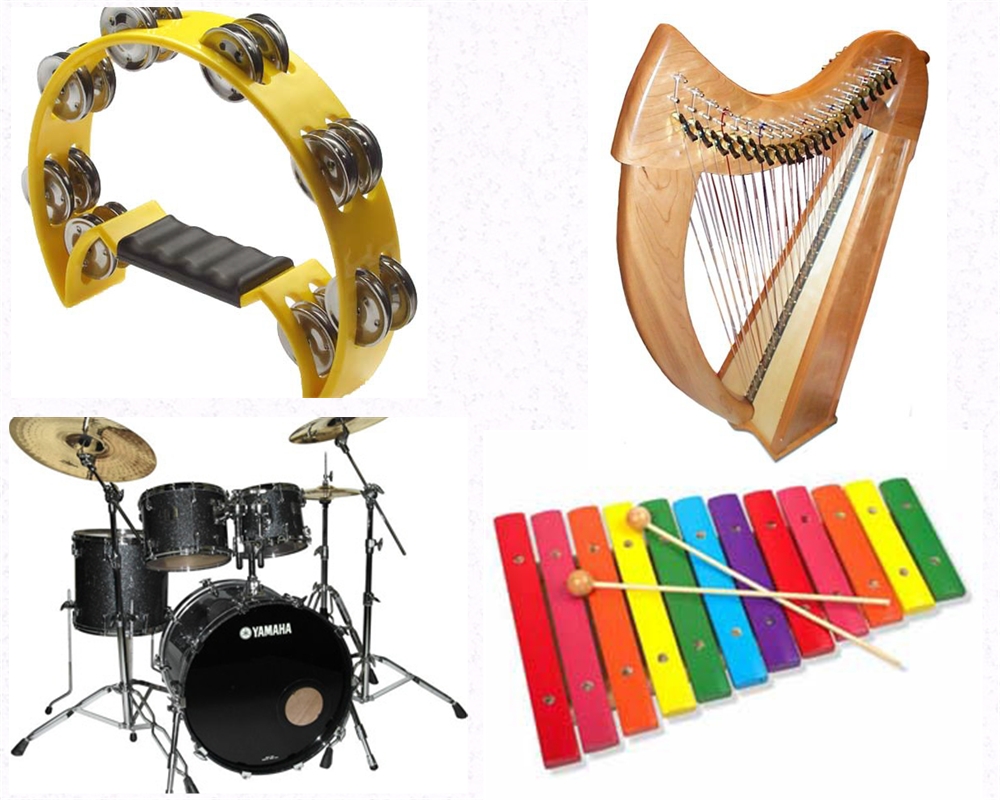
Musical Instruments3

கதை 4: கணபதியா? ஹம்சத்வனியா? எது முக்கியம்?

இன்னொரு கச்சேரிக்குப் போயிருந்தேன். அவர் ஹம்சத்வனியில் ‘ரகுநாயகா’ கீர்த்தனையில் துவங்கி ராமன் புகழ் பாடினார். அந்தக் காலத்தில் எல்லோரும் பிள்ளையார் மீது முத்துசுவாமி தீட்சிதர் பாடிய ஹம்சத்வனி க்ருதியான வாதாபி கணபதிம் பாடி கச்சேரி யைத் துவக்குவர். இதற்குக் காரணம் கணபதி பிரார்த்தனையுடன் எந்த ஒரு செயலையும் துவங்க வேண்டும் என்ற சம்பிரதாயம் ஆகும். அது மட்டுமல்ல. கம்பீரமான ஹம்சத்வனியும் அந்த சபையில் ஒரு நல்ல சூழ்நிலையை உருவாக்கும்..
இது போல ஹம்சத்வனி ராகத்தில் கச்சேரியைத் துவக்காத சிலருடன் நான் பேச்சுக் கொடுத்துப் பார்த்ததில் அவர்கள் கணபதியை மறந்துவிட்டு ஹம்சத்வனிதான் முக்கியம் என்று நினைத்தது தெரியவந்தது. எனக்கு இவர்களை நினைத்து அழுவதா சிரிப்பதா என்றே தெரியவில்லை!!
மேற்கூறிய விஷயங்கள் பேராசிரியர் சீனிவாசன் எழுதிய ஆங்கிலப் புத்தகத்தில் இருக்கின்றன. ஆங்கிலத்தில் இருந்து நான் தமிழில் மொழி பெயர்த்தேன்.

trimurti

மூட நம்பிக்கைகள் உருவாவது ஏன்?

1. எல்லோரும் செய்கிறார்கள் என்று நாமும் செய்வது.
2. ஒரு செயலின் காரணத்தை முன்னோர்கள் சொல்லாமல் மறைப்பது. அல்லது அந்தப் பெரியோர்களிடம் நாம் பயந்துகொண்டு காரணத்தை வினவாமல் விடுவது.
3. இப்படிச் செய்யாவிடில் ஏதேனும் எதிரிடை விளைவுகள் ஏற்படும் என்று அஞ்சுவது அல்லது நாலு பேர் நம்மை என்ன நினைப்பார்கள் என்று கவலைப்படுவது.
4. யாரோ ஒரு பெரியவர் செய்த செயலை நாமாகத் தவறுதலாகப் புரிந்துகொண்டு பின்பற்றுவது அல்லது கீழே விழுந்தாலும் மீசையில் மண் ஒட்டவில்லை என்பதைப் போல தவறாக விளக்கம் கொடுப்பது.

Musical Instruments

மூட நம்பிக்கை இல்லாத துறையோ இடமோ இல்லை. வெளிநாடுகளில் வாழும் பெரிய பெரிய எழுத்தாளர்களும் நடிகர், நடிகைகளும், அரசியல்வாதிகளும் விளையாட்டு வீரர்களும்— எண், வர்ணம், தேதி, கிழமை—- ஆகியன பற்றிப் பலவகையான மூட நம்பிக்கைகளை வைத்திருப்பது அவ்வப்போது பத்திரிக்கை பேட்டிகளில் வெளி வருகிறது!!!

contact swami_48@yahoo.com
Mystic No.7 in Music !!

seven blue

Compiled by London Swaminathan
Post No.977; Date 13th April 2014

Professor Ramanuja Srinivasan (1887-1975) writes:

“It may be incidentally pointed out that the number 7 which gives the number of time units in Misrajati appears to have fundamental importance in nature. In most of nature’s processes this number turns up at every turn as it were. We have seven days in the week; we have seven lokas, seven Rishis, twice seven manas, seven colours in the spectrum, seven notes in the music scale and so on.

Certain diseases reach critical stages on the 7th, 14th, 21st, 28th days, all multiples of seven. It is no wonder 7 was considered a mystic number by our ancients. Many of our folk tunes (chindus, Temmangus in Tamil) which are a natural expression of the musical soul of the nation seem to be in Misra patterns. Kavadi Cindus such as ‘Bhumi Mechidum’, ‘Sendhil Managar’, and the popular Anandakalippu tune ‘ Nandavanathil Or Andi’ (all Tamil songs) are in this Tala. Many of the devotional hymns lend themselves naturally to this tala patern; very many of the well-known padas of Kshetrajna are in Tripura Tala. There is something remarkable therefore about this tala. May it not be that because of the uniqueness of the number 7 that Syama Sastri gave that special prominence to Tripua Tala?

The above piece is from page 99 of Facets of Indian Culture By R Srinivasan

Aaroganam

Why Kalidasa chose No.7?

“ As regards ‘Shakuntalam’, let me at the outset make a few observations about the construction of the drama. To me, this play seems to be perfect from the stand point of construction and scenic development. You know there are seven acts in ‘Shakuntalam’. I wonder why Kalidasa chose the number seven for the number of acts in his best play. According to the rules of Sanskrit histrionic art, a drama may have from five to ten acts. Kalidasa has taken the number seven. We know that seven is considered to be a mystic number, full of occult significance; there are the seven notes of the musical scale and the seven prismatic colours. It is also interesting to note that Shakespeare when he speaks of the world as a stage divides the life of man into seven stages

“And one man in his time plays many parts
His acts being seven stages”—————-

Might it not be that Kalidasa wanted to show this drama was to represent the world with the seven great stages and so divided into seven acts? I would even go further and try to show that there is some analogy between the seven stages mentioned by Shakespeare and the seven acts of ‘Shakuntalam’.
Page 168 of Facets of Indian Culture By R Srinivasan.
(Then the professor compares both the plays in detail).

&&&&&
seven

ORIGIN OF SAPTA SWARAS ( Seven Musical Notes)

It is said that the seven principal Svaras have been primarily devised according to the voices and sounds of animals and birds.
Kalidasa refers to the traditional belief in his Raghuvamasam (1-39), where Dilipa and Sudakshina, on their way to the hermitage of Vashista, came across the sounds of the peacocks, corresponding to the Sadja ( Sadjasamvadhini keka dvidha bhinnah sikhandibhih)
R or Rsaba is like the sound of the bull
Ga or Ganghara is like the sound of the goat
Ma or Madhyama is like the sound of the Kraunca bird
Pa or Panchama is like the sound of the cuckoo
Dha or Dhaivata is like the sound of the horse
Ni or Nisada is like the sound of the elephant

From ‘Sixty Four Arts in Ancient India’, Anil Baran Ganguly, Delhi, 1962

days of wek

Please read my article Four Stages of Life and Seven ages of Man (posted on 21st March 2013:

Four Stages of Life and Seven Ages of Man
Mar 21, 2013
contact swami_48@yahoo.com

சங்கீதம் தோன்றிய கதை: ஒரு புராண வரலாறு

Musical Instruments3

கட்டுரையாளர்: லண்டன் சுவாமிநாதன்
கட்டுரை எண்:- 976 தேதி- 13th April 2014

மனிதன் என்பவன் வெறும் வயிறு, மூளை மட்டும் படைத்தவன் அல்ல; அவனுக்கு இருதயம் என்ற ஒன்றும் இருக்கிறது. அதுதான் அந்த இரண்டையும் விட அதிக முக்கியப் பங்காற்றுகிறது.. அர்ஜுனன் வெறும் வீரனாகவும் வில் வீச்சு நிபுணனாகவும் மட்டும் இல்லை. அவன் இசையிலும் நடனத்திலும் தேர்ச்சி பெற்றிருந்தான். விராடனுடைய சபையில் (அஞ்ஞாதவாச காலத்தில்) அவன் பிருஹன்னளை என்ற பெயரில் மாறுவேடம் பூண்டு தங்கிய காலத்தில் அந்நாட்டு இளவரசிக்கு இரண்டு கலைகளையும் கற்பித்தான்.

இசைக்கு பாம்புகளும் மிருகங்களும் மயங்குகின்றன என்றால் மனிதர்கள் மயங்குவதில் வியப்பு என்ன? மிருகங்களைவிட கூடுதலாக மனிதன் ரசிக்காததே வியப்பான விஷயம்.

கல் மனத்தையும் கரைக்க வல்லது சங்கீதம். இறைவனை அடையவும் உயர்ந்த சிந்தனை ஏற்படவும் சங்கீதம் உதவும். இறைவனை அடைய சம்சார சாகரம் என்னும் பிறவிப் பெருங்கடலைக் கடக்க வேண்டும் என்று வள்ளுவர் முதல் நேற்றுவந்த கவிஞர்கள் வரை பாடி வைத்துள்ளனர். இந்தக் கடலைக் கடக்க பல வழிகள் உண்டு. ஞானக் கப்பல் அல்லது ஞானப் பாலம் என்பன சில வழிகள்.

good tabla

சங்கீதம் என்னும் பாலம் சுருக்கு வழியில் இறைவனை அடைய உதவுவதால் “நாளும் இன்னிசையால் தமிழ் (தேவாரம்) பரப்பிய” ஞான சம்பந்தர் முதலானோர் இந்த வழியைத் தேர்ந்தெடுத்தனர். ஊர் ஊராக அவர் பாடிக் கொண்டு செல்லுகையில் அவரைத் தொடர்ந்து 5000 பேர் வரை பாடிக் கொண்டு சென்றதாக நூல்கள் மூலம் அறிகிறோம்.

வேதத்தில் இருந்து தோன்றியது இசை என்றும் சொல்லுவர். சாமவேதம் இசையுடன் ஒதப் பட்டது. இராக்ஷசனாகிய ராவணன் சாமவேதத்தில் வல்லவன். தன் நாட்டுக் கொடியில் வீணைச் சின்னத்தைப் போட்டு இசைக்கு பெருமை சேர்த்தவன். சாம வேதம் இசையின் தோற்றுவாய். சாம வேதத்துக்கும் மூத்தவன் சிவன். அவனுக்குப் பிடித்த இசை சாமகானம்.

இந்த சங்கீதம் தோன்றியது பற்றி பிரம்ம புராணம் கூறும் கதை சுவையானது மட்டுமல்ல. ஒருவரை சிந்திக்கவும் வைக்கிறது. சிவனை “மகிழ்விக்க” சங்கீதம் தோன்றியதாம்! அப்போது அதை நம்மையும் மகிழ்விக்கும் தானே? இதோ கதை:–

தட்சனின் யாகத்தில் சிவனை அவமதித்ததைக் கண்டித்து பார்வதி தீக்குளித்த கதையும் அந்த சதி தேவியை சிவன் உயிர்ப்பித்த கதையும் அனைவரும் அறிந்த கதை.

Tambourine_21787

கைலாசத்துக்கு சிவனும் உமையும் திரும்பி வரும் செய்தியை தேவ லோக பத்திரிக்கை நிருபரான நாரதர் பிரம்மாவுக்கும் விஷ்ணுவுக்கும் தெரிவித்தார். கோபக் கனல் பொங்க திரும்பிவரும் சிவனுக்கு ஆறுதல் தர அவர்கள் ஒரு வரவேற்பு உபசாரமும் இன்னிசை நிகழ்ச்சியும் ஏற்பாடு முடிவு செய்தனர். சங்கீதத்தில் நிபுணன் என்று தனக்குத் தானே பெருமை பாராட்டும் நாரதர் முந்திக் கொண்டு நான் தான் பாடுவேன் என்றார். தேவர்கள் எல்லோரும் சரி என்று சொல்லவே அவர் பாடத் துவங்கினார். ஒரே அபஸ்வரம்.

ராகங்கள், ராகினிகள் ஒவ்வொன்றும் மனிதன் போலவே உருவம் பெற்றவை. நாரதர் பாடிய அபஸ்வரத்தில் அவைகளின் முகம் நாணிக் கோணியது. தலைகள் அறுந்து விழுந்தன. எல்லோருக்கும் தர்மசங்கடம் ஆகிவிட்டது. ஒரு நல்ல பாடகரைக் கொண்டு இதைச் சரிக்கட்ட வேண்டும் என்று தேவர்கள் சபை ஏக மனதாக ஒரு தீர்மானம் நிறைவேற்றியது. நல்ல பாடகருக்கு எங்கே போவது?

trimurti

அட, கையில் வெண்ணையை வைத்துக் கொண்டு யாராவது நெய்க்கு அலைவார்களா? இதோ நமது மாட்சிமை தங்கிய சிவபெருமானையே கேட்கலாமே என்று யோசனை கூறினர். கடவுள்களில் எளிதில் திருப்திப்படுத்தக் கூடியவர் சிவன் தான். கொஞ்சம் புகழ்ந்தாலும் போதும் வரங்களை அள்ளி வீசிவிடுவார். இதனால் இவருக்கு ‘ஆசுதோஷ்’ என்று பெயர். எளிதில் மகிழக்கூடியவர் என்று இதற்கு அர்த்தம்.

எல்லோரும் சிவனைத் தோத்தரித்து வேண்டவே அவரும் இசைந்தார். ஆனால் என் பாட்டை ரசிக்கக்கூடிய நல்ல ‘ஆடியன்ஸ்’ (ரசிகர் குழு) வேண்டும் என்று ஒரு நிபந்தனை போட்டார். உடனே உலக மகா ரசிகன், புல்லாங்குழல் வித்வான் விஷ்ணுவை (கிருஷ்ணாவதாரத்தில் ப்ளூட்) அழைத்து முதல் வரிசையில் உட்கார வைத்தனர். கச்சேரி களை கட்டியது. ஆடல் வல்லானாகிய நடராஜனுக்கு சங்கீதம் என்பது ரத்தத்தில் ஊறிய கலை. சாமகானப் ப்ரியன் வேறு. அவர் பாடப் பாட ராகங்களும் ராகினிகளும் முழு உருப்பெற்றனர். புதுப் பொலிவும் பெற்றனர்.

Musical Instruments

இது பிரம்ம புராணத்தில் உள்ள கதை. யாரோ ஒருவர் மிகைப் படுத்தி எழுதியதாக சிலர் சொல்லக்கூடும் ஆனால் இதில் இந்துக்களின் சிந்தனைப் போக்கு தெளிவாகத் தெரிகிறது. அது என்ன?
1. இசை என்பது இறைவனிடம் தோன்றியது.
2. இசை– துன்பம் கோபம் இவைகளைப் போக்கி ஒருவரை மகிழச் செய்யும்
3. இசைக்கு உயிர் உண்டு. இசை என்பதை சரியான ஸ்வரத்தில் பாடாவிடில் உரு மாறும். நன்றாகப் பாடினாலோ திரு ஏறும்.
4. சப்தம் என்பது சக்தி வாய்ந்தது. அஷ்டாவக்ரன் கதையில் தவறான வேத ஸ்வரம் எப்படிக் கருவில் இருந்த குழந்தையை அஷ்ட (எட்டு) வக்ரம் (கோணல்) அடையச் செய்ததோ அது போல ஒலி அலைகளுக்கு சக்தி உண்டு.
5. தேவலோகத்தில் இசையும் நடனமும் ஒரு முக்கியக் கலை.
இவ்வளவு விஷயங்களையும் இந்தக் கதையிலிருந்து உணரலாம். இந்த உண்மைகளைப் புகட்டவே ஒருவர் இப்படிப் புராணக் கதையை எழுதினார் என்று சொன்னாலும் மிகை இல்லை.

beautiful saraswati

இந்துக் கடவுள்களும் இசைக் கருவிகளும்

எகிப்து நாட்டு சிற்பங்கள், கிரேக்க நாட்டு சிற்பங்கள் ஆகியவற்றில் இசைக் கருவிகளைக் கண்டபோதிலும், அந்த தெய்வங்கள் மறைந்து ஆயிரம் ஆண்டுகள் ஆகிவிட்டன. ஆனால் அதற்கும் முன் சாமவேதத்தில் தோன்றிய இசையை இந்துக் கடவுள் கைகளில் உள்ள இசைக் கருவிகள் இன்றும் இசைத்துக் கொண்டிருக்கின்றன. ஆயுத பூஜை அன்று அத்தனை இசைக் கருவிகளையும் இறைவன் முன்னிலையில் சந்தனம் குங்குமம் இட்டுப் பூப்போட்டு பூஜை செய்யும் வழக்கம் உலகில் வேறு எங்கும் இல்லை!!

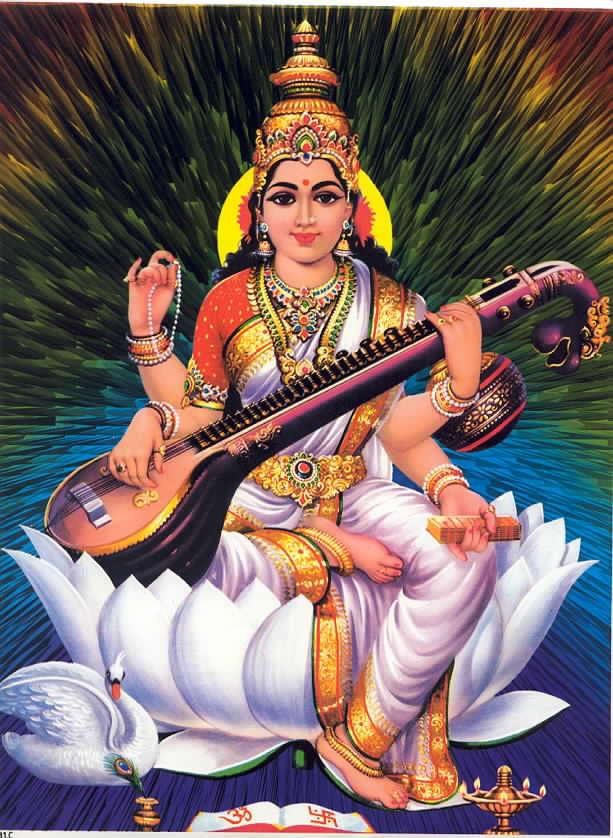
சரஸ்வதி கையில் வீணை
சிவன் கையில் உடுக்கை
விஷ்ணு கையில் சங்கு
கண்ணன் கையில் புல்லாங்குழல்
நந்தி கையில் மிருதங்கம்
நாரதர் கையில் வீணை
இப்படி அடுக்கிக் கொண்டே போகலாம். பிருங்கி, தும்புரு….. என்று பட்டியல் நீண்டு கொண்டே போகும்.

நடராஜர் ஆடும் போது யார் யார் என்ன வாத்தியங்கள் இசைத்தனர் என்பதை சில ஸ்லோகங்களில் படித்தால் தேவலோக ‘ஆர்க்கெஸ்ட்ரா’ பற்றி நன்கு விளங்கும்.
Contact swami_48@yahoo.com

Superstition in World of Music !

Musical Instruments

Compiled by London Swaminathan
Post No. 975; Date 12th April 2014

“Superstition is a seasoned sneak who can insidiously worm his way into any field of human thought or activity. There is practically no department of human life where he does not rear his ugly head and music is no exception

“Superstition is generally defined as blind belief or action which has not the support of reason. Superstitious people do a thing simply because other people do it or tradition demands it. The following story gives a striking picture of typical superstition.

STORY 1
“ A Guru was living in an Ashrama with his disciples. A sick cat one day strayed into the place and the Guru tended it and brought it back to normal health. The cat became the pet of the hermitage and stayed there. As time went on, it began to take liberties with the Guru and started disturbing him when he was in meditation. So he tied it to his cot before sitting for meditation. All the disciples noticed it. In course, the Guru passed away and the senior disciple took his place as the head of the Ashrama.
As time went by, tying the cat to the cot became an important item in meditation, and accent shifted from meditation proper to tying the cat. The cat died. As meditation cannot begin without the cat-tying item they got hold of another cat for the purpose. After some time meditation reduced to tying the cat to a cot and nothing more. Every disciple got hold of a cat and meditation started and ended with tying the cat to the cot!!
Musical Instruments3

STORY 2
“I attended a music competition at which there were two judges one of whom was a well known musicologist and so dominated the show. The lady who was to me obviously was the best singer did not get the first prize. I was greatly surprised. The musicologist judge was asked to say a few words at the end. He referred a Ragamalika song sung by the best singer (who did not however get the prize) and said it was not right to have used the raga (tune) Saveri as the last in raga series, it being associated with the sentiment of sorrow and it was usual to finish with auspicious ragas like Sourashtra or Madhyamavati. I was greatly amused to hear the savant indulging in such a fabric of fanciful assumptions, probably based on hearsay.

good tabla

STORY 3
Here is again another striking example of superstition. Till a few years ago it was usual to begin a classical concert with the piece “Vatapi Ganapatim” in raga Hamsadhwani by Dikshitar. It had many advantages and set the right atmosphere at the beginning and it was in praise of Ganapati, the remover of all obstacles. After sometime I noticed some performers began their concerts with the kritis ‘Raghunayaka’ or ‘Raghukula tilaka’, all in Hamsadhwani. I asked one of the musicians why they did not begin with a piece on Sri Ganapati as per tradition. His answer simply floored me. He said that he intention was NOT to propitiate Ganapati , but to begin with raga Hamsadhwani in which vatapi ganapatim was composed!

Tambourine_21787

STORY 4
Take again the unfortunate raga ‘Ahiri’. It is sincerely believed by some that if one sings it in the morning he will have to go without food for the whole day. This superstition developed almost on the lines of the cat story given above. A musician tied his food packet to the end of a bent bamboo and started singing ‘Ahiri’ raga. As the day got hot the bent bamboo straightened itself and the food packet went up high in the air and beyond possibility of being reached. So the man missed his lunch. From this solitary instance developed the superstition about Ahiri raga. Poor Ahiri!!

trimurti

Do we need Miracles for making one great?

Some people do not feel happy unless the lives of great people abound in fantastic occurrences; they mistakenly think that such stories and miracles add glamour to the lives of such great saints and sages. The truth is just the other way about. The greatness of saint Thygaraja stands rooted in his music and his unparalleled devotion to Sri Rama; he does not need any boosting up with the stories and miracles.”
Source: Facets of Indian Culture by Professor Ramanuja Srinivasan, Bharatiya Vidya Bhavan, Bombay. Year 1990.

contact swami_48@yahoo.com

‘India – Most Important Country for Students of Religion’

13 p

Compiled by London Swaminathan
Post No. 974 Date:- 12th April 2014

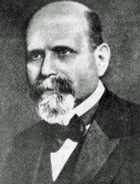
Professor Moriz Winternitz (1863—1937) was an Austrian Orientalist. He assisted Max Muller in the preparation of the second edition of the Rig Veda.

PROFESSOR WINTERNITZ wrote in 1916:—

“ India remains still the most important country on earth for the student of religion. In India we meet with all forms religious thought and feeling which we find on earth, and that not only at different times but also all together even today. Here we find the most primitive belief in ancestral Spirits, in Demons and Nature Deities with a primeval imageless sacrificial cult. Here also is a polytheism passing all limits, with the most riotous idolatry, temple cult, pilgrimages and so forth. And, side by side with and beyond these crudest forms of religious life, we find what is deepest and most abstract of what religious thinkers of all times have ever thought about the deity, the noblest pantheistic and the purest monotheistic conceptions.

MORIZ_WINTERNITZ_1863-1937

In India we also find a priest craft as nowhere else on earth side by side with a religious tolerance which lets sect after sect, with the most wonderful saints, exist together. Here there were and still are forest recluses, ascetics and mendicant monks, to whom the renunciation of this world is really and truly a matter of deepest sincerity, and together with them idle mendicant monks, vain fools and hypocrites, to whom religion is only a cloak for selfish pursuits for the gratification of greed for money, of greed for fame or the hankering after power.

From India also a powerful stream of religious ideas has poured forth over the West , and especially over the East, has flooded central Asia , has spread over Tibet, china, Korea and Japan, and has trickled through the further East down to the remotest islands of the East Indian Archipelago. And finally, in India as well as outside India, Indian religions have often mixed with Christianity and with Islam, now giving and now taking.

poets of india

Indeed, sufficient reasons exist to welcome every work which contributes in one way or other to a richer, or deeper or wider knowledge of Indian religion. I would like, therefore, to draw attention in what follows to recently published works of this nature.

There are the exceedingly meritorious publications of Arthur Avalon with reference to the literature of the Tantras………………..

Source: Page 117 of Arthur Avalon’s ‘Shakti and Shakta’

contact swami_48@yahoo.com

கடவுள் ஏன் கை, கால்களை கொடுத்தார்?

akhandabhajan2001_1

கடவுள் ஏன் கை, கால்களை கொடுத்தார்? வேதம் முதல் பாரதி வரை தந்த பதில்கள்

எழுதியவர் லண்டன் சுவாமிநாதன்
கட்டுரை எண் 973; தேதி 12th April 2014

உடலின் அங்கங்கள் ஒவ்வொன்றும் இறைவனை வணங்குவதற்கே என்று முதல் முதலில் வேத கால ரிஷிகள் பாடினார்கள். இதில் அற்புதம் என்னவென்றால் தமிழில் இளங்கோ அடிகள், அப்பர், குலசேகர ஆழ்வார், பாரதியார் ஆகிய எல்லோரும் இதே கருத்தை மேலும் மேலும் சுவைபடப் பாடியுள்ளனர்.

வேதத்தில் ரிஷிகள் பிரார்த்தனை

ஓம் பத்ரம் கர்ணேபி: ஸ்ருணுயாம தேவா:
பத்ரம் பஸ்யேமாக்ஷபிர் யஜத்ரா:
ஸ்திரை ரங்கைஸ் துவஸ்டுவாம்ஸஸ் தனூபி:
வ்யஸேம தேவஹிதம் யதாயு:
ஓ தேவர்களே! நல்ல மங்களகாரமான செய்திகள் எங்கள் காதுகளில் விழட்டும். போற்றுதலுக்குரிய பெரியோர்களே, எங்கள் கண்கள் மங்களகரமான விஷயங்களைக் காணட்டும். நாங்கள் (வாயால்) உன் புகழைப் பாடிக் கொண்டிருப்போமாக. கடவுளால் எங்களுக்கு கொடுக்கப்பட்ட வாழ்நாள் முழுதும் கட்டுடலும் வலிமையான அங்கங்களும் எங்களுக்கு இருக்க அருள் புரிவாயாக (யஜூர் வேதம்)
இதே பிரார்த்தனை அதர்வ சீர்ஷோபநிஷத் முதலிய பல இடங்களிலும் வருகின்றன.

datta speaking
People are listening to Sri Ganapati Sachidanada Swamiji

சிலம்பில் நாராயணன்

முதலில் ‘நெஞ்சை அள்ளும் சிலப்பதிகாரம்’ என்று பாரதியாரால் பாடப்பட்ட சிலம்பில் இளங்கோ கூறுவதைப் பார்ப்போம்.

இறைவன் நமக்கு நாக்கைக் கொடுத்ததே நாராயணன் புகழ் பாடத்தான் என்று இளங்கோ அடிகள் பாடுகிறார்.

வடவரையை மத்தாக்கி, வாசுகியை நாணாக்கி
கடல் வண்ணன்! பண்டொரு நாள் கடல் வயிறு கலக்கினையே;
—————————–
மூ உலகும் ஈரடியால் முறைநிரம்பா வகைமுடியத்
தாவியசே வடிசேப்பத் தம்பியொடும் கான் போந்து,
சோ அரணும் போர்மடியத் தொல் இலங்கைக் கட்டழித்த
சேவகன் சீர் கேளாத செவியென்ன செவியே!
திருமால் சீர் கேளாத செவியென்ன செவியே!

பெரியவனை மாயவனைப் பேர் உலகம் எல்லாம்
விரிகமல உந்தியுடை விண்ணவனைக் கண்ணும்
திருவடியும் கையும் திருவாயும் செய்ய
கரியவனைக் காணாத கண்ணென்ன கண்ணே
கண்ணிமைத்துக் காண்பார் – தம் கண்ணென்ன கண்ணே?

மடந்தாழும் நெஞ்சத்துக் கஞ்சனார் வஞ்சம்
கடந்தானை நூற்றுவர் பால் நாற்றிசையும் போற்றப்
படர்ந்தாரணம் முழங்கப் பஞ்சவர்க்குத் தூது
நடந்தானை ஏத்தாத நாவென்ன நாவே?
நாராயணா என்னா நாவென்ன நாவே?

சிலப்பதிகாரம், ஆய்ச்சியர் குரவை, இளங்கோ அடிகள்

பொருள்: மூன்று உலகங்களையும் இரண்டே அடிகளில் முடித்தான் (வாமன அவதாரம்). அந்த அடிகள் சிவக்குமாறு தம்பியுடன் காட்டுக்குப் போனான் ‘சோ’ என்னும் அரணை அழித்ததைவிட பழமைமிகு இலங்கையின் காவலை அழித்தான். இந்த சேவகன் புகழைக் கேட்காத காதுகளும் காதுகள் என்று சொல்லத் தகுதி உண்டா?

எல்லோர்க்கும் மூத்தவன் — உலகம் எல்லாம் அவன் உந்தியிடத்தில் தோன்றிய தாமரையில் விரிந்தது — கண்கள், கைகள், வாய். காலடிகள் ஆகியன சிவந்து தோன்றும் அந்தக் கருப்பனை (கிருஷ்ணனை) காணாத கண்களை யாராவது கண் என்று அழைப்பார்களா! அவனைக் கண்கொட்டாமல் பார்க்கவேண்டும். அதை மீறி கண்களை இமைத்தால் அவைகள் கண்களே இல்லை!

அறியாமையின் ஒட்டுமொத்த வடிவம் கம்சன். அவனுடைய வஞ்சனை எல்லாவற்றையும் கண்ணன் சமாளித்தான். பாண்டவர்க்காக அவன் கௌரவர்கள் இடத்தில் தூது சென்றபோது வேதங்கள் எல்லாம் அவனோடு சென்றன. அத்தகையவனின் பெருமையைச் சொல்லாத நாக்கும் ஒரு நாக்கா? நாராயணா என்று சொல்லாத நாக்கை எவரேனும் நாக்கு என்று சொல்ல முடியுமா?

mouth for singing

Sri Sathya Sai Baba singing Bhajan songs

குலசேகர ஆழ்வாரின் முகுந்தமாலா

குலசேகர ஆழ்வார் எழுதிய முகுந்த மாலையில் 40 ஸ்லோகங்கள் இருக்கின்றன. அதில் 16ஆவது ஸ்லோகம் கடவுளை வணங்குவதே கை, கால்களின் பணி என்று காட்டுகிறது. ‘’ஜிஹ்வே! கீர்த்தய கேசவம் முரரிபும் சேதோ’’ என்ற ஸ்லோகத்தின் மொழிபெயர்ப்பு இதோ:

வாராய் நாக்கே! கேசவனை ஸ்தோத்திரம் செய்!
நெஞ்சே முராசுரனைக் கொன்ற கண்ணனை தியானம் செய்.
கைகளே திருமாலை ஆராதியுங்கள்!
காதுகளே தன்னையடைந்தவர்களை ஒருகாலும் நழுவ
விடாதவனான கண்ணனுடைய கதைகளைக் கேளுங்கள்!
கண்களே! கண்ணனைக் கண்டு அனுபவியுங்கள்!
கால்களே! எம் பெருமான் திருக்கோயிலுக்குச் செல்லுங்கள்!
மூக்கே! முகுந்தனுடைய திருவடிகளில் ஸமர்ப்பித்த துளசியை நுகரு!
தலையே! எம்பருமானை வணங்கு!

வேதத்தில் அவர்கள் படித்த ‘’பத்ரம் கர்ணேபி ஸ்ருனுயாம தேவா” என்ற கருத்துக்களை எல்லோரும் பதிகங்களிலும் பாசுரங்களிலும் பாடுவதைப் படிக்கையில் பேரின்பம் கிட்டும்.

அப்பர் பாடிய திரு அங்க மாலை

தலையே நீ வணங்காய் – தலைமாலை தலைக்கணிந்து
தலையாலே பலிதேரும் தலைவனைத் தலையே நீ வணங்காய்
கண்காள் காண்மின்களோ – கடல் நஞ்சுண்ட கண்டம் தன்னை
எண்தோள் வீசி ஆடும் பிரான் தன்னைக் கண்காள் காண்மின்களோ
செவிகாள்! கேண்மின்களோ! – சிவன் எம்மிறை செம்பவள
எரிபோல் மேனிப் பிரான் திறம் எப்போதும் செவிகாள்! கேண்மின்களோ!
வாயே! வாழ்த்து கண்டாய் – மதயானை யுரி போர்த்துப்
பேய்வாழ் காட்டகத்து ஆடும் பிரான் தன்னை வாயே! வாழ்த்து கண்டாய்

மேலும் பல பாடல்களில் — மூக்கே, நெஞ்சே, கை, ஆக்கை, கால் என்று பல உறுப்புகளும் இறைவனையே வணங்கவேண்டும் என்று பாடுகிறார்..
திருவங்க மாலை 4-9-5 தேவாரத் திருமுறை 4

hands for worship

Swamiji praying with hands

பாரதி பாடல்

நமது காலத்தில் வாழ்ந்த பாரதியும் வேதக் கருத்துக்களை எதிரொலிக்கும் பாடலைப் பாடுகிறார். அவர் பாடிய பாடல்தான் மிக நீண்ட பாடல். 46 பகுதிகளைக் கொண்டது :–
பாடலின் தலைப்பு: சக்திக்கு ஆத்ம சமர்ப்பணம்

கையைச், சக்தி தனக்கே கருவியாக்கு – அது
சாதனைகள் யாவினையும்ங் கூடும் – கையைச்
சக்தி தனக்கே கருவியாக்கு – அது
சக்தியுற்றுக் கல்லினையுஞ் சாடும்.

கண்ணைச், சக்தி தனக்கே கருவியாக்கு – அது
சக்தி வழியினை அது காணும் – கண்ணைச்
சக்தி தனக்கே கருவியாக்கு – அது
சத்தியமும் நல்லருளும் பூணும்.

செவி, சக்தி தனக்கே கருவியாக்கு – சிவ
சக்தி சொலும் மொழியது கேட்கும் – செவி
சக்தி தனக்கே கருவியாக்கு – அது
சக்தி திருப்பாடலினை கேட்கும்.

இதைத் தொடர்ந்து மனம், சித்தம், மதி, அகம் என்று எல்லாவற்றையும் சேர்த்துப் பாடுகிறார். இறுதியாக:-

“சிவ, சக்தி என்றும் வாழி என்று பாடு – சிவ
சக்தி சக்தி என்று குதித்தாடு – சிவ
சக்தி என்றும் வாழி என்று பாடு சிவ
சக்தி சக்தி என்று விளையாடு” —- என்று சொல்லி முடிக்கிறார்.

பாரதி ஆடுவதும் பாடுவதும் விளையாடுவதும் இறைவனைக் குறித்தே!
bodypartsadaptivebook
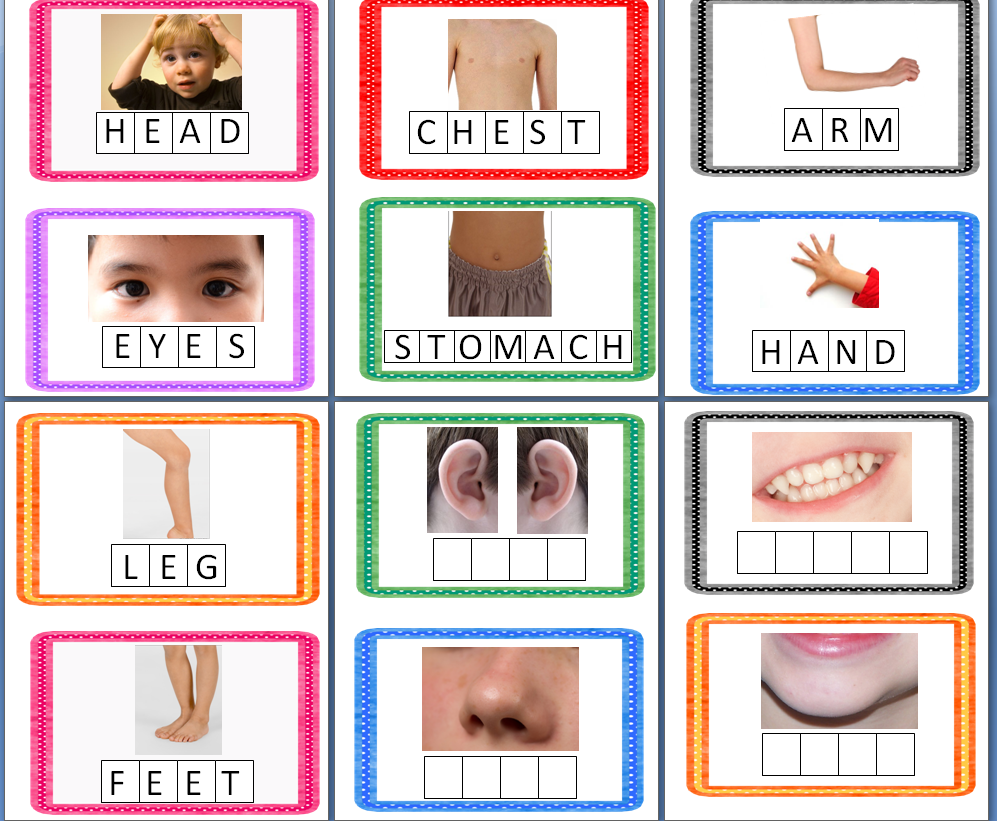
Body Parts are for worshipping God

Contact swami_48@yahoo.com