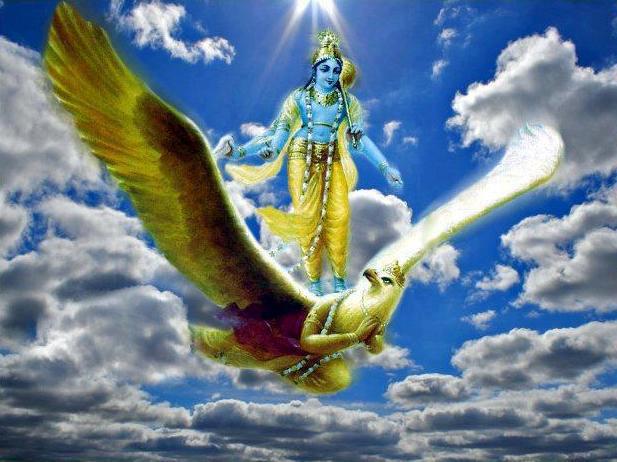
A Hindu Story in Sumerian Civilization

garuda vahan

Written by London Swaminathan
Post No.–: 1036; Dated 11th May 2014.

(My earlier articles on this subject are listed at the end.)

Garuda (eagle/falcon) is associated with three tasks in Hindu scriptures: 1)Bringing Amrita from heaven to release his mother from slavery

2) Bringing Soma herbs from the remotest Himalayan mountains to Vedic sages to perform Somayaga.

3)Bringing emeralds from the deeper valleys and hence emeralds is known as Garudaratna, favourite of Kubera, God of Wealth and Friend of Lord Shiva.

Sumerian literature reflects these tasks in slightly different forms. It may be due to their migration from India in the remotest periods. Middle East history is very clear about their migration from remote areas. Egyptians also say that they migrated to that country. Hindus are the only ace in the world who never talk about any migration from any other part of the world. Sangam Tamil literature is also very open in saying that they belonged to a land between Venkatam (now in Andhra Pradesh, South India) and Kumari on the southern sea shore. Foreign scholars deliberately distorted this picture with vested interests. Sanskrit words such as Tiamath, Sumukhan,Azigi, Vizigi (snake gods) in Sumeria can be explained only through Vedic literature.

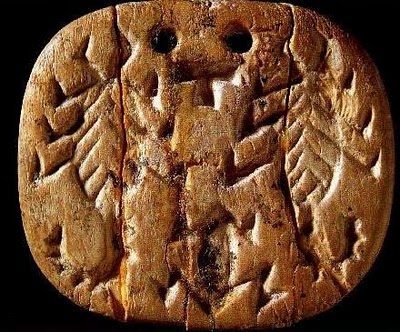
eagle 883 BCE
Picture of Eagle headed genie from Assyria 883 BCE.

There are 60,000 lines on clay tablets in chaste Sumerian ‘emegir’ and another 60,000 lines in ‘emesal’. Emegir is like Sanskrit spoken by kings and higher strata of the society and emsal is like Prakrit spoken by women and lay men. In Sanskrit dramas Kings speak Sanskrit, jesters and women speak Prakrit. This is seen in Hindi and Tamil films even today. Those who are higher ups in the society use posh language and comedians and country women use colloquial language.

The story of Garuda (eagle) and Amrita is in Hindu mythology and Sumerian civilization. My research shows that the entire human beings were divided into two groups at one time. They were Eagle people and Snake (Nagas) people. We can see this division in Hindu, Egyptian, Mayan Civilizations and the Middle East. At one time Middle East was the melting pot where people of every race and culture came together. Rig Veda also has hymns praising eagle as Suparna, Syena etc. I give below two stories from Sumerian and Hindu scriptures. No one needs to explain the connection because it is self explanatory in the stories.

Sumerian Eagle Story:

In the days before there was a king on earth, when the sceptre, the diadem, the crown and the staff of office were placed before Anu in the heavens, the great Annunaki, who determined men’s fate, held counsel on the subject of earth. The gods, especially Ishtar and Enlil, set about finding a king for men and it seemed, chose Etana. All went well, until Etana complained that he had no heir. He addressed the sun god Shamash and said:

O my Lord, by your order let it come forth:
Grant me the herb of birth.
Tell me which is the herb of birth.
Set aside my shame, set for me a name.

Shamsh, to whom Etana’s libations and offerings of wild sheep had been agreeable, answered him: ‘Take to the road and reach mountain’.
garuda vahanam, tiruppullani, fb

Garuda Vaganam, Tiruppullani

Now this mountain had recently been the scene of a drama enacted by an eagle and serpent. The two creatures lived side by side with their progeny. One day the eagle conceived the criminal design of eating the serpent’s little ones. He accomplished the heinous crime in spite of the wise remonstrance of one of his little ones, ‘young but very intelligent’, who put into him the fear of Shamash’s wrath.

And the serpent, in fact, brought his plaint before the god of justice, who said to him:

‘Take to the road and reach mountain.
I will keep you a buffalo.
Open the interior and pierce his belly!
Make your habitation in his belly.
Birds of all kinds will descend from the sky.
The eagle will descend with them.
He will seize on the flesh.
When he comes inside the beast, you shall clutch him by the wing
Cut off his wings, his pinions, his claws.
Tear him and throw him into the ditch;
Let him die there from hunger and thirst!

And so it was done. Deceived by the serpent’s stratagem, the eagle fell into his power and was condemned to perish slowly in the ditch.

When Etana had come to the mountain he found the eagle in the prison and , as Shamash had counselled him to do, he asked for the herb which would give him a son. The eagle promised to procure it for him as soon as he had regained his strength. For eight months Etana brought food until the eagle was at last able to fly again. He offered to carry Etana up to the very sky of Anu.
Map Sumeria
Map of Sumer (modern day Iraq and Iran)

Etana’s fear of heights however caused problems and the attempt ended in failure. Nevertheless back home in Kish, Etana had a dream about successfully reaching Ishtar’s realm, taken as a sign to make another attempt. This time the eagle secured him well and the pair reached the gate of heaven. Here the extant text (on clay tablets) breaks off, but it is probable that Etana did obtain the plant of birth, since further fragments and the Sumerian king list mentions a son named Balih.

Some cylinder seals of the Akkadian period and an impression from one of the middle Assyrian period show a pastoral scene with a man riding on the back of a large flying bird, thought relate in some way to the legend of Etana, though the Akkadian seals are two to three hundred years earlier than the oldest texts of the story known.

Page 65 of New Larousse Encyclopedia of Mythology, Hamlyn, 1989 and
Page 109 of Dictionary of the Ancient Near East, the British Museum ,year 2000 .

(Etana may be Yatna , a Sanskrit word for perseverance ,effort and his son Balih ,may be Bali, one of the kings with Sanskrit names. I interpret Etana as Yatna, becaue Etana’s ssistant was Sumukhan in Sumerian literature. No one can explain Sumukhan. Actually it is another name of Garudan and Ganesh. Strangely Garudan has another name Vinayaka. In short both the names of Garuda and Ganesh are interchangeable!!! I will write about it in another post. No one knows the etymology of the word ‘sumeru’. In fact, it is a pure Sanskrit word: Su+ Meru.)
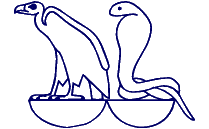
nebti
Egyptian symbol for Upper and Lower Egypt

In some records Etana was the 12th king: In the Sumerian king list, the twelfth king of the city state Kish after the time of the Flood is described as a shepherd who ascended to heaven. The full story is recounted in mythological compositions of the old Babylonian period and later.

Garuda Story from Hindu Mythology

Garuda means ‘the devourer’. Garuda is the celestial bird which is the mount/Vahana of god Vishnu. Garuda, often depicted as part human and part eagle, was the offspring of Kasyapa, one of the seven divine sages. Kashyapa married Vinata. Garuda was associated with fire and the sun. He was regarded as an incarnation of Agni. He was the enemy of the Nagas, the race of serpents.

According to the mythology, Vinata was enslaved by his sister/co wife Kadru, the mother of all snakes. Kadru promised to release her if Garuda brought the elixir of life ‘Amrita’ from the heaven. Garuda stole it from the heaven in order to free his mother from Kadru. Indra discovered the theft and fought a fierce battle with Garuda. The Amrita was recovered partly, but Indra was worsted in the fight. One of his epithets is Amrtaharana. He placed the elixir of life on the sharp bladed grass Dharba and the snakes licked it splitting their tongues, which have been forked ever since. Vinata was released.
In the Vedas Garuda is praised as Suparna and Syena.
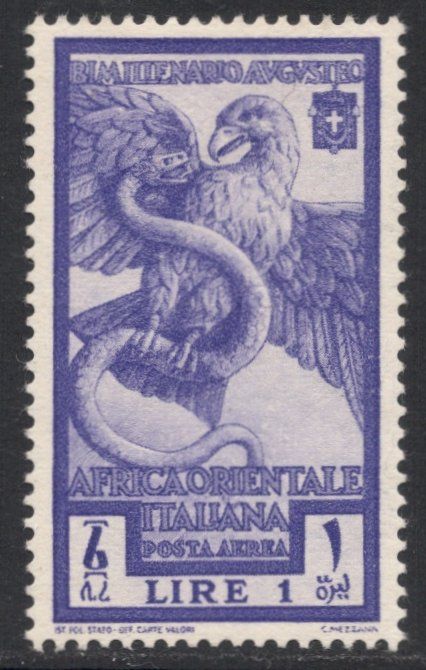
eagle symbol of roman empire
Eagle was the symbol of Roam Empire, Stamp from Italy (ancient Rome)

Soma herb is mythical and reported to be brought by an eagle to the Vedic people, and even to their gods, from its place of origin:

Eagle/ Garuda references: RV- I-80:2; 93-6; RV. III 43-7; IV 18-13, 26-4/7, 27-3/4; V-45-9; VI-20-6; VIIII-82-9; 100-8; IX 68-6, 77-2, 86-24, 87-6;X-11-4; 99-8;144-4/5.

The guardians of Soma tried to attack eagle and it escaped, according to Rig Veda(RV). Gandharvas also linked with the Soma plant in many verses. Mandalas of Kasyapa, Angirases and Bhrgus have more verses on Soma than others. There are ten Mandalas(divisions) in the Rig Veda.

The Rig Veda and Avesta (Yasna Ceremony) agree on many points regarding Soma (Haoma plant).
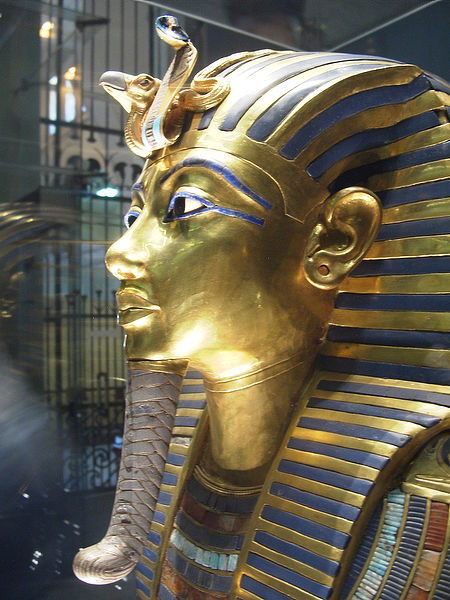
Tutankhamun Mask
Tutankhamen mask with snake like Hindu God Shiva.

Read my earlier posts Sumerian culture:

Double headed Eagle: Sumerian Indian Connection (posted on 18-12-2011)
Birds for Finding Direction: Sumerian to Tamil Nadu via Indus Valley (8-4-13)
Hindu Eagle Mystery Deepens Feb.16, 2013
Karikal Choza and Eagle Shaped Fire Altar
Are Mayas, Hindu Nagas?
Four Birds in One Sloka
Hindu Vahanas around the World
Gods and Birds
Vishnu Seal in Indus Valley Civilization
Bahrain (Dilmun) Mysteries (posted 10-11-2012)
TAMIL ARTICLE—“Bahrain Athisayangal “( posted 7-11-2012)
Confusion about Vedic Soma Plant (Posted on 5-5-2013)
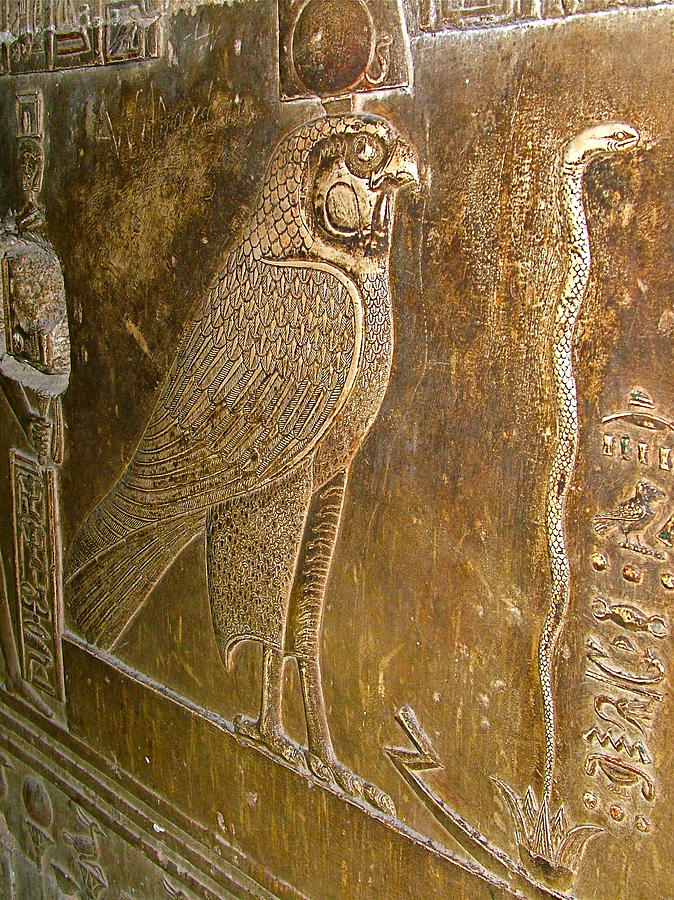
falcon,snake,temple-of-hathor
Picture of falcon, snake, Temple of Hathor in Egypt
Contact swami_48@yahoo.com

ஆன்ம ஞானம் பெற அதிசுலபமான அதிசய வழி!

yv1
Post No. 1035; Dated 11th May 2014.

By ச.நாகராஜன்

விளங்காத மர்மம் விளக்கும் அரிய நூல்!

ஆன்மீக நாட்டம் உடைய ஒவ்வொரு மனிதனின் மனத்திலும் தோன்றும் விடை காண முடியாத கேள்விகள் ஏராளம். இந்தப் பிறவியின் மகத்துவம் என்ன, ஏன் இப்படி ஒரு வாழ்க்கை தனக்கு அமைந்தது, விதியா,முயற்சியா எது மேலோங்கும், இறப்புக்குப் பின்னர் எங்கே போகப் போகிறோம், மறு ஜென்மம் உண்டா, புண்யம் எது,பாவம் எது, எப்படி வாழ்ந்தால் ஆன்ம ஞானம் கிடைக்கும் இத்யாதி கேள்விகள் ஏராளம். விடை தான் தெரியவில்லை. இந்தக் குறையை நீக்க வல்ல ஒரு அற்புதமான நூல் ‘’யோக வாசிஷ்டம்’’. ஒவ்வொரு மர்மமான கேள்விக்கும் ஆணித்தரமாக நேரடியாக பதிலைத் தருவதில் இதற்கு நிகரான இன்னொரு நூல் இல்லை என்றே சொல்லலாம்.

அதனால் தானோ என்னவோ உயரிய ஞானம் உடைய அறிஞர்கள் பலரும் இதில் உள்ள கருத்துக்களைப் பிரதிபலித்துத் தங்கள் நூல்களில் கருத்துக்களை எழுதியுள்ளனர்.ஜேம்ஸ் ஆலன், அன்னி பெஸன்ட், பெர்க்ஸன், பால் ப்ரண்டன், அலெக்ஸாண்டர் கானான்,சர் ஜேம்ஸ் ஜீன்ஸ்,வில்லியம் ஜேம்ஸ், சி.இ.எம்.ஜோட், ஆலிவர் லாட்ஜ், ஷோப்பன்ஹோவர், டபிள்யூ.ஆர்.இஞ்ஜே உள்ளிட்ட நூற்றுக்கணக்கான அறிஞர்கள் யோக வாசிஷ்ட கருத்துக்களை வார்த்தைக்கு வார்த்தை நேரடியாக அப்படியே தெரிவித்துள்ளனர்.

விதி என்பது இல்லவே இல்லை!

தைவம் நாம ந கிஞ்சன் (விதி என்று ஒன்றும் இல்லை- 2-5-18)
தைவம் ந வித்யதே (விதி என்பது இல்லவே இல்லை- 2-8-13)
மூடை: ப்ரகல்பிதம் தைவம் (மூடர்களால் உருவாக்கப்பட்ட தே விதி – 2-8-16) என்று இப்படி அடித்துச் சொல்லும் யோக வாசிஷ்டம் மனிதனின் செயல்களே அவனுக்குப் பின் விளைவுகளை ஏற்படுத்துகிறது. அதுவே விதி என்று சொல்லப்படுகிறது என்று விளக்குகிறது.

yv2

நீடித்திருக்கும் வியாதிக்கு இப்போது மருந்து சாப்பிட்டால் எப்படிஅது தீருமோ அதே போல முந்தைய கருமங்களின் தீய விளைவுகளை இப்போதைய நல்ல கர்மங்களால் மாற்ற முடியும் என்று விளக்கி மனித குலத்திற்கே பெரும் ஆறுதல் செய்தியை அது தருகிறது!
மனமே எல்லாம் என்று கூறி அதைச் செம்மைப் படுத்தி நல்ல எண்ணங்கள் மூலம் உயரிய நிலையை அடைய முடியும் என்பது
யோக வாசிஷ்டம் தரும் அற்புத செய்தி!

பிறப்பு,இறப்பு,கர்ம பலன்கள் உள்ளிட்ட அனைத்து விஷயங்களை விளக்கும் இந்த நூல் எப்படிப்பட்ட வழிகளின் மூலம் அருமையான ஆன்ம ஞானத்தை அடைந்து உலகியல் துன்பங்களிலிருந்து விடுதலை பெறலாம் என்ற ரகசியத்தையும் சுலபமாக விளக்குகிறது.

அதிசய வழிகள் நான்கு

இதற்கான அதிசய வழிகள் நான்கு!

சந்தோஷ: சாதுசங்கஸ்ச விசாரோத்ய சமஸ்ததா I
ஏத ஏவ பவாப்யோத்யாவுபாயாஸ்தரணே ந்ருகாம II (2-16-18)

சந்தோஷம் (எப்போதும் திருப்தி), நல்லோர் இணக்கம் (சாதுக்களுடன் சேர்தல்),விசாரம், அமைதி –இவையே மனிதருக்கு உலகம் என்னும் சாகரத்தைக் கடக்கும் வழிகளாகும். இதை எளிதாக நான்கு ‘ஸ’காரங்களாக ஸந்தோஷம், ஸத் சங்கம், ஸத் விசாரம், ஸமஸ்தம் என்று நினைவில் கொ:ள்ளலாம்.

சந்தோஷம்
விஷயங்களில் ஆசையில்லாது, சந்தோஷமாக (திருப்தியுடன் ) இருக்கும் ஒருவனுக்கு பெரும் சக்திகள் (வளங்களும் கூட) ஒரு அரசனிடம் இருக்கும் ஏவலாள்கள் போலக் காத்துக் கிடக்கும் என்பதை உறுதியாக யோக வாசிஷ்டம் தெரிவிக்கிறது. எவ்வளவு அரிய செய்தி இது!

நல்லோர் இணக்கம்
மனதில் இருக்கும் இருளை சாதுக்கள் அகற்றுவர்.சூரிய ஒளி போன்ற ஞானத்தைத் தருவர். தர்மங்கள் செய்வதாலும்,புனிதத்தல யாத்திரை மேற்கொள்வதாலும் விரதங்களாலும் மதச் சடங்குகள் மற்றும் யாகங்களாலும் என்ன பயன், ஒருவன் சாதுக்களுடன் சேர்ந்து இருக்கும் போது!

விசாரம்
நான் யார்? (கோஹம்)உலகில் பிறப்பு என்ற தோஷம் எப்படி வந்து சேர்ந்தது?( கதமயம் தோஷ: சம்ஸாராக்ய உபகத: 2-14-50) இப்படி தர்க்கரீதியாக விசாரம் செய்வதே விசாரம்!

சமஸ்தம்
அனைத்து உயிர்களிடமும் நட்பாக இருந்தால் உயரிய ஆன்மா தன்னைத்தானே சுத்தப்படுத்துகிறது (ஸ்வயம் ஏவ ப்ரஸீததி)
ஆக இந்த நான்கு வழிகளில் எந்த ஒரு வழியை மேற்கொண்டாலும் இறை சக்தி அருளைப் பாலித்து பெரும் வளங்களைத் தந்து முக்தியை நல்கும் என யோக வாசிஷ்டம் அறுதியிட்டு உறுதி கூறுகிறது.
yv3

ராமர் வசிஷ்டரிடம் கேள்விகள் கேட்க பிரம்ம ரிஷி வசிஷ்டர் பதில்களைத் தீர்க்கமாக அளிக்கிறார். அதுவே ஒரு லட்சம் சுலோகங்கள் கொண்ட யோக வாசிஷ்ட நூலாக அமைகிறது.இன்று நமக்குக் கிடைத்திருக்கும் ஸ்லோகங்கள் 32000 தான்!

அதி சுலப வழி விசாரமே

மேலே கூறிய நான்கு வழிகளில் மிக சுலபமான வழியாக ரமண மஹரிஷி கூறுவது, ‘நான் யார் என்று இடைவிடாது உன்னேக் கேள்வி கேள்! அனைத்து மர்மங்களும் தானே பிடிபடும்’ என்பதே!
எப்போதும் திருப்தி, நிஜமான உயரிய பண்புகள் உள்ள சாதுக்களை நாடுதல், அனைத்து உயிர்களிடமும் சமத்துவம் என்பதெல்லாம் பலருக்கும் கடைப்பிடிக்க சற்று சிரமமான வழிகள். ஆனால் எங்கிருந்தாலும் எந்த நேரத்திலும் சற்றும் செலவின்றி ஆண், பெண் யாரானாலும் அந்தஸ்து பேதமின்றி நாடு,இனம்,மொழி தாண்டி சுலபமாக செய்யக்கூடியது விசாரமே!

அதனால் தான் அவர், ஆன்ம வித்தை உரை என்ற அற்புதமான பாடலில் பல்லவி, அனுபல்லவி ஐந்தே ஐந்து சரணங்களில்

“ஐயே!அதி சுலபம் – ஆன்மவித்தை
ஐயே! அதி சுலபம் “ என்று கூறி விளக்குகிறார்.
பொருள் பொதிந்த அடுக்குமொழித் தமிழ்க் கவிதை வரிகளைப் இந்தப் பாடலில் படித்தால் மஹரிஷி ஒரு மஹாகவியும் கூட என்பதை உணர்ந்து விடலாம்!
na's BD

சரணங்களின் கடைசி வரிகளைப் பார்ப்போம்:-
பொய் உருவான அகங்காரத்தை நான் யார் என்ற இடைவிடாத கேள்வி மூலம் ஒழித்து விட்டால்,

“சுயமான்மா விளங்குமே;இருள் அடங்குமே;இடர் ஒடுங்குமே; இன்பம் பொங்குமே” என்றும்,

மாம்சமான சரீரத்தை நான் என்று எண்ணாமல் நான் யார்? இடம் எது என்று விசாரிப்பதால்,
“இதய குகையுள் தானாய்த் திகழும் ஆன்ம ஞானமே; இதுவே மோனமே; ஏக வானமே” என்றும்

உண்மை சொரூபத்தை உணர்ந்து விட்டால் பின் அறிவதற்கு என்ன இருக்கிறது? “தன்னைத் தன்னில்” உணர்ந்து விட்டல்,
“தன்னுள் மின்னும் ஆன்ம பிரகாசமே; அருள் விலாசமே,அக விநாசமே; இன்பவிகாசமே” என்றும் ,

கர்மங்களின் கட்டு அவிழ,
“இம்மார்க்கம் மிக்கு எளிது! .. .. சும்மா அமர்ந்திருக்க அம்மா! அகத்தில் ஆன்ம ஜோதியே; நிதானுபூதியே: இராது பீதியே; இன்ப அம்போதியே” (இன்ப அம்போதி –ஆனந்தக் கடல்) என்றும்,

அண்ணாமலையானைக் காண அவன் அனுக்ரஹம் வேண்டும்,
“உள் நாடு உளத்து ஒளிரும் அண்ணாமலை என் ஆன்மா காணுமே; அருளும் வேணுமே: அன்பு பூணுமே: இன்பு தோணுமே”
என்றும் அற்புதமான சிறிய ஐந்து வரிப் பாடல்கள் ஐந்தின் மூலம் விளக்குகிறார்.

யோக வாசிஷ்டம் கூறும் அதிசய வழிகள் நான்கில் அதிசுலபமான ‘நான் யார்’ என்ற விசார வழியை அனுபூதியாக உணர்ந்தவர் மஹரிஷி ரமண மகான்! அனைவரையும் உய்விக்க எண்ணும் அருளுடன், “ஐயே! அதி சுலபம் ஆன்ம வித்தை” என்று அவர் கூறும் போது யோக வாசிஷ்டத்தின் உண்மைக் கூற்றையும், அதை மெய்ப்பிக்கும் மஹரிஷியின் மாண்பையும் எண்ணி எண்ணி நம் மெய் சிலிர்க்கும்!
அவருடன் இணைந்து அதி சுலபம் ஆன்ம வித்தை என்று பாடியவாறே நான் யார் என்ற விசார மார்க்கத்தை மேற்கொண்டு சம்சார சாகரத்தைக் கடந்து விடலாம்! அப்போது … ..

“சுயமான்மா விளங்குமே;இருள் அடங்குமே;இடர் ஒடுங்குமே; இன்பம் பொங்குமே”
yv5

ஆன்மீக மாத இதழ் ஞான ஆலயம் ஜூலை 2013 இதழில் வெளியான கட்டுரை

(This article was written by my brother S Nagarajan: swami)

Contact swami_48@yahoo.com
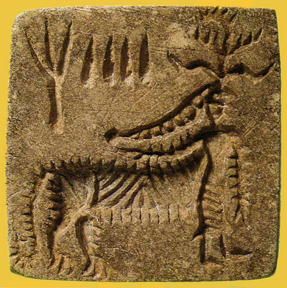
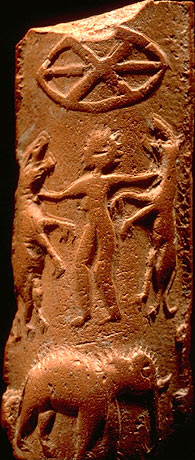
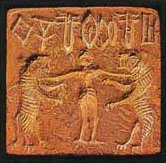
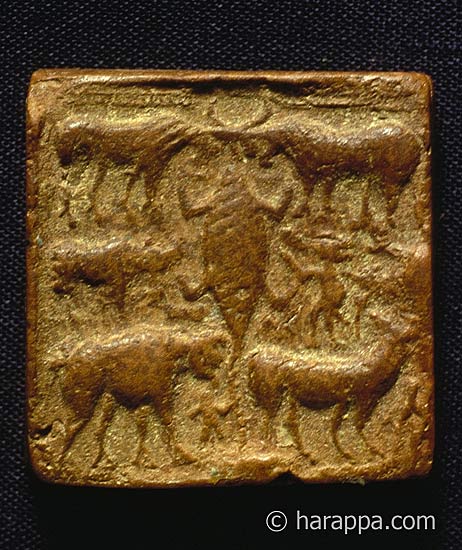
Indus Valley – Brahmin Connection!

tigerladyK50a

By London Swaminathan
Post No. 1034; Date 10th May 2014

The world was misled by some scholars in the case of Indus Valley Civilization. They made two or three false statements as a result of which we are unable to decipher the script until today. More than fifty different decipherments are available today and none of them is accepted by everyone. The first false statement made by the early excavators introduced the Aryan- Dravidian division into it. The second false statement introduced the Dravidian decipherment theory in the script. Both of them not only failed to make any progress but also prevented others to look at it from different angles.

Sumerian culture was bilingual from the very beginning. People speaking different languages lived together in a small geographical area. Hundreds of gods and goddesses were seen in the Middle East and Egypt. We have to apply the same rule to Indus Valley Civilization. It is possible that we may have had different language speakers and worshippers of different faiths under one roof. We have seen such a condition even in the Buddhist period 2600 years ago. So it is important that we look at the Indus Valley/ Sarasvati Valley civilization from a new angle.

Now that we know the date of decline of the civilization and satellite pictures of Saraswati’s dried up basin, all those myths about Aryan invasion and destruction are finished once and for all. My research into this civilization shows some Brahmin connection to the civilization. It will prove that the Brahmins lived there at the peak of the civilization.

industablet2

1.Story of Saraswat Brahmins: In the Mahabharata, Rishi Saraswata is represented as being the son of the personified river Saraswati. In a time of great drought he was fed with fish by his mother, and so was enabled to keep up his knowledge of the Vedas, while other Brahmanas were reduced to such straits for the means of subsistence that study was neglected and the Vedas were lost. When the drought was over, the Brahmanas flocked to him for instruction, and 60,000 acquired knowledge of the Vedas from him. This shows that there was a drought lasting for a long period and the Saraswat Brahmins migrated to different parts of India. Even today we see Saraswat Brahmins in different parts of the country.

2. Ram’s sons invaded Indus cities: Please see my earlier article Indus Valley Cities in Ramayana. Mahabharata also confirms what Ramayana says about the Gandharva rulers of Indus region. Chitrangada was the elder son of King Shantanu and Queen Satyavati. Chitrangada thought too highly of himself and was killed in his youth by a Gandharva of the same name as his during an extended battle along the banks of River Saraswati. We know that the mighty Saraswati was running through the region in Vedic days and slowly disappeared during Mahabharat times.

tigersrampant

3. Contrary to the foreign scholars’ propaganda, Hindu literature says that the Asuras and Devas were sons of one and the same mother. Both of them had Brahmins as their Gurus. Asuras (demons) had Sukra (venus) as their teacher and Devas (angels) had Brihaspati (Jupiter) as their teacher. This was referred to even by Sangam Tamil Poets 2000 years ago (See Kalitokai lines 99-1/2). Brihaspati was praised as the king of Sindhu Desa in the Navagraha Stotras. So the Brahmins belong to Indus country.

4. Brahmins all over the world perform Sandhyavandhana three times a day. The water mantra was given by the sage Sindhudweepa. This also shows that the Brahmins are closely connected to the Indus area. We read about Sindhudweepa Amabrish and Jayadratha as kings of Indus area.

calendar symbol 3

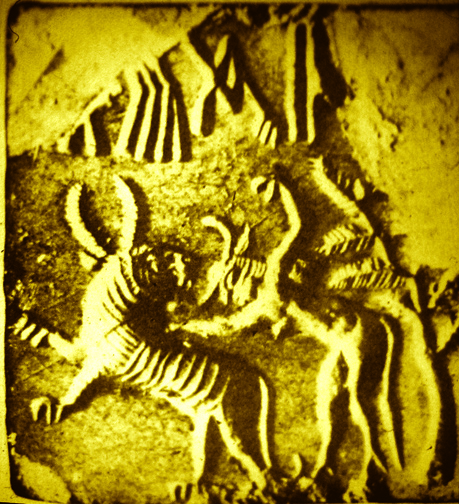
5. The big mystery about the Indus seals is that we don’t see the cow in any of the 4000+ seals, but have only bulls. Is it because the Brahmins and others regarded Cow as a holy animal?

narrativeseal

6. Though almost all the civilizations appeared on the banks of rivers, Brahmins’ life is entirely based on water. They can’t survive without water which is essential for their religious ceremonies. The Great Bath and the rooms around it in Mohanjo daro might have been be used by the Brahmins for their religious ceremonies.

7. I have already written about the most famous Sugarcane (Ikshwaku) dynasty and the discovery of sugar in the Indus excavations.

8. I have already dealt with the discovery of sesame seeds in the Indus area and the use of it by the Brahmins in Hindu funeral ceremonies and the water ablutions for the departed souls. This also proves the Brahmin link to Indus valley.

scorpion 4

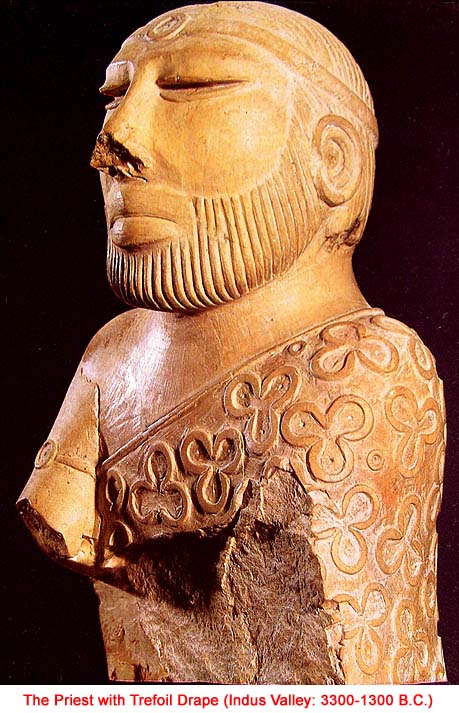
9. We have one Guru or king’s picture in the Indus. The way he wears the cloth on his left shoulder is the way Vedic pundits wear their upper garment. Even the Muslims going around Kaba in Mecca wear their cloth in this style.

10. Some scholars have even identified some fire places in the excavated areas of Indus Valley. They believe that Brahmins had performed fire ceremony every day. The strange, unidentified symbol in many of the seals may be a filter used for extracting Somarasa by the Brahmins.

cult2

11. Brahmanabad and Brahmin Janapadas were there only in the Indus area and nowhere else in India.

12. Manu says, “The country that the Gods made between the two divine rivers, the Sarasvati and the Drsadvati, is what they call the Land of Veda”. Manu was mentioned in Rig Veda in several places. Vedas are dated between 6000 BCE and 1000 BCE. Since Vedic names were found in 14th century in Turkey, Syria, Iraq, Iran and Egypt (please see Bogazkoy Excavations, Dasaratha letters in Egypt, Tushrata in Syria/Turkey, Mittani kings, Horse manual of Kikkuli), Vedas must have been there even before Indus Valley’s decline. The Sanskrit names were found in a vast geographical area from Egypt to Southern most part of India. Modern research has found more evidence in the names of Azigi, Vizigi, Tiamat, Sumukan of Sumerian civilization and Atharva Veda.

Indus priest

13. Buddha made the peepal tree popular. Peepal sticks (Ficus religiosa) were used by Brahmins even before the Buddha. There was a sage with the name of the Ficus tree: Pippaladan. Brahmins are the one who use this tree from Vedic days until today in their day to day ceremonies like Agnihotram and Samidhadanam. Ficus tree motifs are there in Indus valley in the seals and pots.

OLYMPUS DIGITAL CAMERA

14. Vedic society had many gods and worship but not the temples as we have them today. This is seen only in India. All other ancient civilizations had big structures for worship. Indus valley also had no places of worship.

15. We see lot of divine figures with horns in the Indus valley. Only Brahminical explanations are available for such figures in the Vedas and other stotras. Eka Sringi (one horn), Naikasringi (not one horn, but many horns), Chatwari Srunga: (God Agni) are described in the Vedas and Vishnu Sahasranama.

16. Bull fighting, identified in some Indus seals, is in Sangam literature. But even the Tamil references link it with the Yadava community and Lord Krishna.

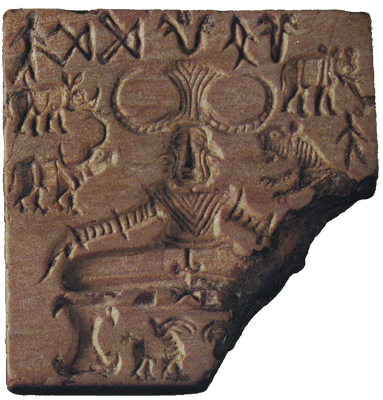
dilmun seal pasupati
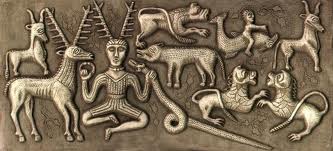
Pasupati seal is found in Bahrain (above), Denmark, Rome and Indus Valley.

cereunnos
Cerunnos, Irish God (Pasupati)

17. Tamil literature has no knowledge of Indus valley at all. 2000 year old Sangam Tamil literature praised the holy Ganges in many places, Yamuna in one place and Himalayas in several places along with Hindu Gods. In the absence of any connection between the Tamils and the Indus valley, we cannot think of deciphering the script through Dravidian languages. We have no evidence of the huge Indus bricks in ancient Tamil Nadu.

Contact swami_48@yahoo.com
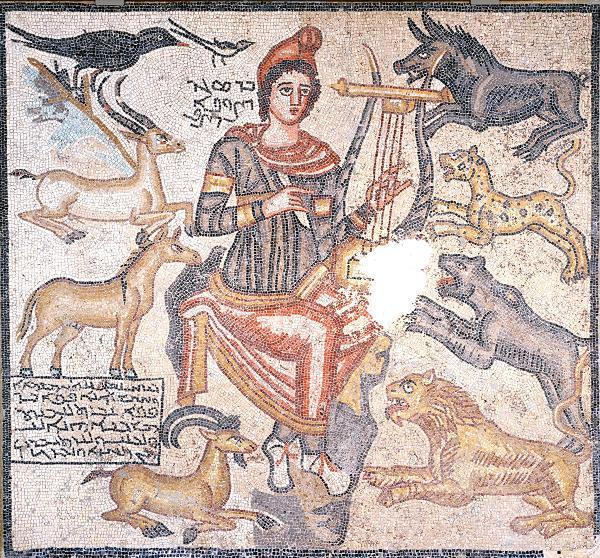
Roman_Orpheus_Taming_Wild_Animals
Roman God (Pasupati) with animals.

Read my other posts on Indus:
Bull Fighting: Indus Valley to Spain via Tamil Nadu (posted 21/1/12)
Human Sacrifice in Indus Valley and Egypt (posted on 31/10/12)
Ghosts in Indus Seals and Indian Literature
Flags: Indus Valley- Egypt Similarity
Tiger Goddess of Indus Valley: Aryan or Dravidian?
Indra on Elephant Vahana in Indus Valley
Indus Script Deciphered
Human sacrifice in Indus Valley and Egypt 0ct.31, 2012
Indus Valley Cities in Ramayana Dec.18, 2012

Open Sesame’: Password to Heaven Post No 756 dated 23rd December 2013
Change ‘’Indus’’ valley civilization to ‘’Ganges’’ valley civilization! Ulta! 29-3-2014
Indus Valley Case: Lord Indra Acquitted Post No 764 dated 28th Dec. 2013
‘Sex Worship’ in Indus Valley
Flags: Indus Valley – Egypt Similarity (15/1012)

The Sugarcane Mystery: Indus Valley and the Ikshvaku Dynasty
Vishnu in Indus Valley Civilization (posted on 19-10-11)
Serpent Queen: Indus Valley to Sabarimalai 18 June 2012
Fall of Brahmin Kingdoms in Pakistan and Afghanistan 23-3-14

IthyphallicProtoSiva
Pasupati in Indus Valley.

சிந்து சமவெளி: பிராமணர் தொடர்பு!

tigersrampant

எழுதியவர் லண்டன் சுவாமிநாதன்
கட்டுரை எண்:-1033 ; தேதி:- 10 மே 2014

சுமேரிய நாகரீகத்தில் துவக்க காலம் முதலே இரு மொழி பேசுவோர் வசித்தனர். இதே போல சிந்து சமவெளியிலும் பல மொழி பேசுவோர், பல தெய்வங்களை வழிபடுவோர் இருந்திருக்கலாம். எழுத்து ஒன்றாக இருந்தாலும் மொழி வேறுபட முடியும். இனம் ஒன்றாக இருந்தாலும் மதம் (வழிபாடு) வேறுபட முடியும். இன்றைய இந்தியா எப்படி இருக்கிறதோ அதே போல இருந்திருக்க வாய்ப்பு உண்டு. சிந்துவெளி பிரதேசத்தில் பிராமணர் செல்வாக்கு எவ்வளவு இருந்தது என்பதை ஆராய்வதே இக்க் கட்டுரையின் நோக்கம்.

சிந்து சமவெளி என்றும் சரஸ்வதி நதி தீர நாகரீகம் என்றும் அழைக்கப்படும் மொஹஞ்சதாரோ ஹரப்பா நகர நாகரீகம் யாருடையது என்று இன்னும் உறுதியாகத் தெரியவில்லை. அதனுடைய எழுத்துக்களும் இன்று வரை எல்லோரும் ஏற்கும் முறையில் படித்தறியப்படவில்லை. ஐம்பதுக்கும் மேலான வகையில் படித்துக் காட்டி இருக்கிறர்கள். ஆனால்– ‘’சாண் ஏறினால் முழம் சறுக்கி விழுந்த’’– கதையாக எல்லோரும் மண்னைக் கவ்விவிட்டார்கள்.

ஆரம்பத்தில் இரண்டு தவறுகள் நடந்ததால் இதை ஆராய்வோர் மூளை எல்லாம் மழுங்கிவிட்டது. ஹரப்பாவைத் தோண்டுவதற்கு நூற்றாண்டுக்கு முன்னரே இருந்து வந்த ‘ஆரிய- திராவிட’ வாதத்தை இதில் புகுத்தியதால் முறையான ஆராய்ச்சிக்கு வழி இல்லாமல் போனது. எல்லோரும் சேணம் கட்டிய குதிரை போல பார்வை குறைந்து போனார்கள். ஆனால் இவை எல்லாம் இப்போது “பொய்யாய் பழங்கதையாய்” போய்விட்டன. புதுப் புது தடயங்களும் விண்வெளியில் இருந்து எடுக்கப்பட்ட சரஸ்வதி நதி தீரப் படங்களும் பழைய வாதங்களை தவிடுபொடி ஆக்கிவிட்டன.

இரண்டாவது தவறு சில சோவியத்-பின்னிஷ் “ஆராய்ச்சியாளர்கள்” அறிக்கை வெளியிட்டு இது ‘திராவிட மொழி அமைப்பு போல’ இருக்கிறது என்று கூறினார்கள். இது நடந்து அறுபது ஆண்டுகள் உருண்டோடிவிட்டன. இதில் எள்ளளவாவது உண்மை இருந்திருந்தால் கம்ப்யூட்டர்கள் போன்றவற்றைக் கொண்டு மகத்தான முன்னேற்றம் கண்டிருப்பார்கள். ஆனால் இதுவரை முன்னேற்றம் ஏற்படவில்லை. ஆக அதுவும் “பொய்யாய் பழங்கதையாய்” போய்விட்டது!

நாற்பது ஆண்டுகளாக இது பற்றி ஏறத்தாழ முப்பது புத்தகங்களை மீண்டும் மீண்டும் படித்த பின்னர் என் மனதில் பட்டதைச் சொல்லுகிறேன்:
industablet2

பிராமண நாகரீகமா?
பிராமணர்களுக்கும் இந்த நாகரீகத்துக்கும் தொடர்பு அதிகம் இருப்பது போலத் தோன்றுகிறது. எதையும் ஆதாரம் இல்லாமல் எழுதினால் நான் எழுதுவதை படிப்பதையே நிறுத்திவிடுவார்கள் என்பது தெரியும். ஆகவே நான் சேகரித்த ஆதாரங்களைக் கொடுக்கிறேன்:

1.மனுஸ்ருதி எனப்படும் மனுதர்ம சாஸ்திரத்தில் “இரண்டு தெய்வீக நதிகளான சரஸ்வதிக்கும் திரிஷத்வதிக்கும் இடைப்பட்ட இடம் கடவுளால் உண்டாக்கப்பட்டது என்றும் இதற்கு பிரம்மாவர்த்தம் என்று பெயர் என்றும் கூறுகிறார்.(மனு 2-17) இது சிந்து/சரஸ்வதி நதி தீரப் பிரதேசம். ஆக சிந்து சமவெளி நாகரீகம் தெய்வ பூமியில் உருவான நாகரீகம். ஆகையாலதான் ஏராளமான முத்திரைகளில் இதுவரை இனம் காணப்படாத ஒரு வடிகட்டி காணப்படுகிறது. இது சோம ரசத்தை வடிகட்டின சின்னமாக இருக்கலாம்.

2.சூதாட்டம் என்பது இந்தியா முழுதும் இருந்ததை ரிக் வேதமும் , மஹாபாரதமும் சங்க இலக்கியமும் (புறம் 43 காண்க), திருக்குறளும் (சூது என்னும் அதிகாரம் காண்க) உறுதி செய்கின்றன. இதை பிராமணர்களும் ஆடியது சங்க இலக்கியம், வேதம் வாயிலாகத் தெரிகிறது. சிந்து சமவெளியில் சூதாட்டக் காய்கள் கிடைத்திருக்கின்றன. சாருதத்தன் என்ற பிராமணன் சூதாட்டத்துக்கு அடிமையானதை வடமொழி நாடகங்கள் கூறுகின்றன.

3.உலகின் மிகப் பழமையான சமய நூல் ரிக் வேதம். அதில் பத்தாவது மண்டலத்தில் வரும் ஒரு பாடல் அம்பரீஷன் மகனான சிந்துத்வீபனால் பாடப்பட்டது. (எழுதப்பட்டது அல்ல) அது முழுக்க முழுக்க நீரின் சிறப்பைப் பாடுவது. இதை தினமும் பிராமணர்கள் மூன்று வேளைகளிலும் சொல்லி தலையில் நீரைப் ப்ரோக்ஷணம் (ஆபோஹிஷ்டா மயோ புவ:) செய்து கொள்கிறார்கள். ஆக சிந்துவெளியில் ஒரு வேதகால ரிஷி இருந்ததும் அவருடைய மந்திரம் இன்றுவரை பிராமணர் வீடுகளில் பயன்படுத்தப்படுதுவதும் தெரிகிறது.

4.சிந்து சமவெளியில் கிடைத்த எள் மர்மம் பற்றி தனிக் கட்டுரை எழுதி இருக்கிறேன். எள்+நெய் (எண்ணை) என்பதை உலகமே பயன்படுத்தலாம். ஆனால் அந்த எள்ளை பிராமணர்கள் மட்டுமே நீத்தார் நினைவாக இன்றுவரை பயன் படுத்துகின்றனர். இதன் மூலமாக சிந்து வெளி—எள்—பிராமணர் தொடர்பு தெரிகிறது.

tigerladyK50a

5. இதே போல சிந்துவெளியில் கண்டுபிடிக்கப்பட்ட சர்க்கரை பெயரில் (இக்ஷ்வாகு= கரும்பு வம்சம்) ஒரு வம்சமே இருப்பதையும் எழுதி இருக்கிறேன்.
( சிந்துவெளி நாகரீகம் பற்றி நான் இதுவரை எழுதிய எல்லா கட்டுரைத் தலைப்புகளும் கீழே கொடுக்கப்பட்டுள்ளன.)

6.அரசமரம் (போதி) புத்தர் மூலமாகப் பிரபலமானது. ஆயினும் அவர் அந்த மரத்துக்கு அடியில் போய் உட்காரக் காரணம் அது இந்துக்களின் புனித மரம் என்பதே. புத்தருக்கும் முன்னதாக பிப்பலாடன் (அரசமரத்தான்) என்ற பெயரில் ரிஷிகள் இருந்தனர். பிராமணர்கள் பூணூல் போட்டவுடன் இளம் வயதில் இருந்தே அரசங் குச்சிகளைப் பயன் படுத்தியே ஹோமம் (சமிதாதானம்) முதலான காரியங்களை செய்கின்றனர்.

7. நதிக் கரைகளில்தான் முக்கால் வாசி நாகரீகங்கள் உருவாயின. ஆயினும் பிராமணர்கள் நீரைப் பயன்படுத்தும் அளவுக்கு வேறு யாரும் சமயச் சடங்குகளில் பயன்படுத்துவது இல்லை. சிந்துவெளியில் பெரிய குளம் அதனருகில் குளியல் அறைகள் இருப்பது சமயச் சடங்குகளை நினைவுபடுத்துவதாக உள்ளது.

8.சிந்து சமவெளி குரு: பிராமணர்கள் இடது தோளில் பூணூல் அணிந்திருப்பர். வேத பாடசாலைகளிலும், யாக சாலைகளிலும் அவர்கள் துண்டு அணிவதும் இதே போல இடது தோளிலேயே இருக்கும். சிந்து சமவெளி குருவின் முத்திரையும் ஒரு வேத கால ரிஷியை நினைவுபடுத்துகிறது. மெக்காவில் காபாவைச் சுற்றும் முஸ்லீம்களும் பிராமணர் போல வெள்ளை வேஷ்டி அணிந்து இடது தோளில் துண்டு போட்டு சுற்றுவதை இன்றும் காணலாம். ஆனால் அவர்கள் வலமாகச் சுற்றுவதில்லை. இஸ்லாம் மதம் தோன்றுவதற்கு முன்னரே மெக்கா வழிபாட்டுத் தலமாக இருப்பதால் பழைய வழ்க்கத்தை அந்த மத ஸ்தாபகர் அப்படியே பின்பற்றி இருக்கக்கூடும்.

9 சிந்து சமவெளி முத்திரைகளில் இனம் தெரியாத ஒரு சின்னம் இருக்கிறது. இது சோம யாகத்தில் சோம ரசம் வடிக்கப் பயன்பட்ட வடிகட்டியாக இருக்கக்கூடும்.

calendar symbol 3

10. சிந்து சமவெளி வீடுகளில் அக்னி வைக்கப்பட்ட இடங்கள் என்று சில இடங்களை அடையாளம் கண்டுள்ளனர். சில ஆய்வாளர்கள் இந்த விளக்கத்தை ஏற்றுக் கொண்டிருக்கிறார்கள்.

11.பிராமணர்கள் தெய்வமாக வணங்கிய பசுமாட்டின் முத்திரை எங்குமே இல்லை. ஆனால் காளைமாடு மட்டும் முத்திரைகளில் உள்ளன. 4000–க்கும் மேலான முத்திரைகளில் பசுக்களே இல்லை என்பது மிக மிக அதிசயமான ஒரு விஷயம். பசுவை தெய்வமாகப் போற்றியதால் இப்படிச் செய்தார்களோ என்று எண்ண வைக்கிறது.

12. சிந்து பகுதியில் மிகப் பழைய நகரமான ஒரு நகரத்துக்கு பிராமணாபாத் என்று பெயர். இந்தியாவில் (இப்போது பாகிஸ்தானில் இருக்கிறது) ஜாதிப் பெயரில் இருந்த ஒரே நகரம் இதுவாகத்தான் இருக்கும்! சிந்துவெளியில் இது இருப்பதும், அந்தப் பகுதியில் பிராமண ஜனபதம் (நாடு) இருந்ததும் வியப்பான விஷயமே. ஏனெனில் பிராமணர்கள் நாடாளுவது பற்றிய விதிகள் எந்த ஸ்மிருதியிலும் (சட்டப் புத்தகம்) இல்லை.

13. பிராமணர்களுக்குரிய மலர் தாமரை என்றும் மிருகம் யானை என்றும் பிற்கால சம்ஸ்கிருத நூல்கள் கூறுகின்றன. இவை இரண்டும் சிந்து வெளியில் உள்ளன.

narrativeseal

14.வேதத்தில் வேறு எல்லா நதிகளையும் விட அதிகமாகப் போற்றப்படுவது சரஸ்வதி நதியாகும். அந்த நதியின் பெயரில் ‘சாரஸ்வத்’ பிராமணர்கள் என்ற ஒரு பிரிவே உண்டு. அவர்கள் இன்று நாடு முழுதும் உள்ளனர். சிந்துவெளிக்கும் (சரஸ்வதி சமவெளி) பிராமணர்களுக்கும் உள்ள தொடர்பை இதுவும் பறை சாற்றுகிறது.

15. பிராமணர்கள் சுப காரியங்களிலும் அசுப காரியங்களிலும் பயன்படுத்துவது பருத்தியால் ஆன வேஷ்டிகளே. சிந்து சமவெளியிலும் பருத்தி கிடைத்திருக்கிறது. இது சமயப் புத்தகங்களிலும் இடம் பெற்றுள்ளது.

16.அசுரர்களுக்கும் தேவர்களுக்கும் அந்தணர் இருவர்தான் குல குருக்கள். இதை சங்கத் தமிழ் இலக்கியமும் புராணங்களும் உறுதி செய்கின்றன. ஆரிய- திராவிட வாதம் பேசுவோருக்கு இந்த சங்க காலச் செய்யுட்கள் செமை அடி கொடுக்கின்றன. வெளி நாட்டு அறிஞர்கள் அசுரர்ககளையும், ராக்ஷசர்களையும் திராவிடர்கள் என்று கூறுவர். ஆனால் தமிழ் இலக்கியமோ பஞ்ச திராவிடர்களை பிராமணர்கள் ( ஐந்து தேச பிராமணர்கள்) என்றும் அசுரர்களுக்கு, பிராமணனாகிய சுக்ரனே குரு என்றும் சொல்லுகின்றன.

இதற்கும் சிந்து சமவெளி நாகரீகத்துக்கும் என்ன தொடர்பு என்று சிலர் எண்ணலாம். தேவர்களுக்கு குருவான வியாழன் (குரு கிரகம்) சிந்து தேச அதிபதி என்று நவக் கிரக துதிகள் பாடுகின்றண. அசுரர் குருவான சுக்ராச்சாரியார் காப்பியக் குடியின் தலைவர். அதாவது தொல்காப்பியரின் குடி. சிந்துவெளியில் சுக்கிரனும் குறிக்கப் படுவதாக பின்னிஷ் ஆய்வாளர் கூறுகின்றனர். ஆக அந்தணர் இருவர்தான் ஒரு தாய் வயிற்றில் பிறந்த அசுரர், தேவர்களுக்கு ‘குரு’க்கள் என்பதை எல்லோரும் ஒப்புக் கொள்கின்றனர்.

‘’நறவினை வரைந்தார்க்கும் வரையார்க்கும் அவை எடுத்து,
அறவினை இன்புறூஉம் அந்தணர் இருவரும்’’–(கலித்தொகை 99-1/2)

Indus priest

திருமுருகாற்றுப்படையிலும் ‘’இருவர் சுட்டிய பல்வேறு தொல்குடி’’ (178) என்ற வரி வருகிறது. ஆனால் இங்கே தொல்குடி என்பதை தொல்காப்பியக் குடி என்று சிலரும் அகத்தியர் வசிட்டர் வழியில் தோன்றிய குடிகள் என்றும் தாய், தந்தையர் என்றும் பல விளக்கங்கள் கூறுவர்.

மணிமேகலையில் ‘’அந்தணர் இருவர்’’ என்ற வரி வருகிறது. ஆனால் அங்கே பிரம்மாவின் புத்திரர்கள் என்ற விளக்கமும் பாடலில் வருவதால் அது வசிட்டர், அகத்தியர் வழிவந்த பிராமணர்களைக் குறிக்கும் என்று உரைகரர்கள் கூறுவர். ஆகையால் அதை இப்பொழுது சிந்து சமவெளியுடன் தொடர்புபடுத்த முடியாது.

17. சிந்துவெளி முத்திரைகளில் பல கொம்புகளுடன் உடைய உருவங்கள் கிடைக்கின்றன. இப்படிக் கொம்பன் பற்றிப் பேசும் ஒரே இலக்கியம் வேத இதிஹசங்கள்தான். சத்வாரி சிருங்கா: என்று அக்னியையும் விஷ்ணுவையும் போற்றும் மந்திரங்கள் இருக்கின்றன. இதே போல ஏக ஸ்ருங்கி என்பதும் வடமொழியில் உண்டு. சிந்து முத்திரையில் ஒற்றைக் கொம்பு (ஏகஸ்ருங்கி) நிறைய உண்டு. பிராமணர்கள் தினமும் வழிபடும் அக்னி, ரிக்வேதத்தின் முதல் மந்திரத்திலும் கடைசி மந்திரத்திலும் இருப்பதே இதன் முக்கியத்தைக் காட்டும்.

IthyphallicProtoSiva

18. சிந்து சமவெளியில் இறை வழிபாடு இருந்தது. ஆனால் கோவில் இல்லை. இது போலவே வேத காலத்திலும் வழிபாடு உண்டு. ஆனால் இன்று நாம் காண்பது போல உயர்ந்த கோவில்கள் இல்லை. மற்ற நதிக்கரை நாகரீகங்களுக்கும் இந்தியாவுக்கும் உள்ள பெரிய வேறுபாடு இது.

சிந்து சமவெளியும் கந்தர்வர்களும்

19. நான் முன்னரே ஆங்கிலக் கட்டுரை ஒன்றில் குறிப்பிட்டதை மீண்டும் நினைவு படுத்துகிறேன். சிந்துவெளியில் இன்றைய இந்தியாவைப் போலவே பல்வேறு தரப்பினர் ஒரே நேரத்தில் இருந்திருக்கலாம். புத்தர் காலத்திலும் கூட இப்படி பல பிரிவினர் இருந்ததை நாம் அறிவோம். ஆக ராமனின் மகன்கள் லவனும் குசனும் கந்தர்வர்களிடம் இருந்து சிந்துவெளி நகரங்களைக் கைப்பற்றியதை நான் ராமாயண ஆதாரங்களோடு எழுதினேன். இதை மகாபாரதமும் உறுதி செய்கிறது. சந்தனுவுக்கும் சத்யவதிக்கும் சித்ராங்கதன் என்று ஒரு மகன் இருந்ததாகவும் அவன் அகந்தையால் அழிந்தான் என்றும் சரஸ்வதி நதிதீரத்தில் கந்தர்வர்களுக்கும் அவனுக்கும் நடந்த யுத்தத்தில் அவனுடைய பெயர் உடைய ஒருவனே அவனைக் கொன்றான் என்றும் மகாபாரத ஆதி பர்வம் கூறும் (1-101). ஆக சிந்துவெளியை கந்தர்வர்கள் ஆட்சிபுரிந்ததை இரு இதிஹாசங்களும் உறுதி செய்கின்றன. மகா பாரதம் ஜெயத்ரதன் என்ற மன்னனையும் சிந்து தேச அரசன் என்றே குறிப்பிடுகிறது. பிராமனர்கள் நாகரீகமாக இருந்தபோதிலும் கந்தர்வர் ஆட்சிப் பொறுப்பில் இருந்திருக்கவும் வாய்ப்பு உண்டு.

scorpion 4

தமிழர்களுக்கு தொடர்பு உண்டா?

இந்த நாகரீகத்துக்கும் தமிழர்களுக்கும் “ஸ்நானப் பிராப்தி” கூட கிடையாது. சங்க இலக்கியத்தின் 27,000 வரிகளில் சிந்து நதி பற்றிய பேச்சே இல்லை. வடமேற்கு இந்தியா பற்றிய பிரஸ்தாபமும் இல்லை. அவர்களுக்குத் தெரிந்ததெல்லாம் புனித கங்கை நதியும் இமய மலையும் தான். பஞ்சாப் பகுதியில் இருந்து வந்த யவனத் தச்சரைப் பற்றிய குறிப்புகள் உரைகளில் காணப்பாட்டாலும் யவன, தச்சர் என்ற இரண்டுமே வடமொழிச் சொற்கள் என்பதையும் நினைவிற் கொள்ளவேண்டும்.

சிந்து சமவெளியில் காணப்படும் புலிப் பெண், பேய் முத்திரை, பசுபதி முத்திரை, சப்த மாதா முத்திரை, வடிகட்டிச் சின்னம், நர பலி இவைகளுக்குச் சங்கத்தமிழ் இலக்கியத்தில் விளக்கம் கிடையாது. மேலும் பசுபதி முத்திரை சிந்து சமவெளிக்கு மட்டும் உரித்தானது அல்ல. உலகம் முழுதும் கிடைத்துள்ளது. இதே போல, காளை பிடித்தலும் (மஞ்சு விரட்டு) கண்ணபிரானின் யாதவ குல விளையாட்டு. கலித் தொகையிலும் அவ்வாறே சித்தரிக்கப் பட்டுள்ளது. இது தவிர, ஆரியர்கள் இவர்களை ஓட ஓட விரட்டி இருந்தால் இலக்கியத்தில் எங்காவது ஒரு இடத்திலாவது குமுறி இருப்பார்கள்—குதறி இருப்பார்கள் அப்படியும் ஒன்றும் நடக்கவில்லை. ஹரப்பா, மொஹஞ்சதாரோ செங்கல் என்பதும், தமிழர்கள் பயன்படுத்தியதற்கான பழம் தடயங்கள் எதுவும் கிடைக்கவில்லை. ஆக தமிழர்களுக்கும் இந்த நாகரீகத்துக்கும் தொடர்பு ஒரு கேள்விக் குறியாகவே தொக்கி நிற்கிறது

dilmun seal pasupati

(Seal from Bahrain surrounded by animals(Pasupati)

INDUS VALLEY CIVILIZATION
என்னுடைய முந்தைய 30 கட்டுரைகள்: Read my other 30 posts on Indus:

சிந்து சமவெளியில் பேய் முத்திரை
சிந்து சமவெளியில் ஒரு புலிப் பெண் Aug.23, 2012
கொடிகள்: சிந்து சமவெளி- எகிப்து இடையே அதிசய ஒற்றுமை
‘எள்’ மர்மம்: ரிக் வேதம் முதல் சிந்து சமவெளி வரை! Post No 755 dated 23/12/13
தேள்— ஒரு மர்ம தெய்வம்!

சிந்து சமவெளி & எகிப்தில் நரபலி1 November 2012
சிந்து சமவெளியில் செக்ஸ் வழிபாடு (26/7/13)
கொடி ஊர்வலம்: சிந்து சமவெளி – எகிப்து அதிசய ஒற்றுமை (15/10/12)
‘திராவிடர் கொலை வழக்கு: இந்திரன் விடுதலை’ Post-763 dated 28th Dec. 2013.
சிந்து சமவெளியில் அரசமரம்
சிந்து சமவெளி நாகரீகம் பெயரை மாற்றுக! march 29, 2014
1500 ஆண்டு பிராமண ஆட்சியின் வீழ்ச்சி 24-3-14

Roman_Orpheus_Taming_Wild_Animals
Picture of Roman Orpheus surrounded by animal (Pasupati)
Bull Fighting: Indus Valley to Spain via Tamil Nadu (posted 21/1/12)
Human Sacrifice in Indus Valley and Egypt (posted on 31/10/12)
Ghosts in Indus Seals and Indian Literature
Flags: Indus Valley- Egypt Similarity
Tiger Goddess of Indus Valley: Aryan or Dravidian?
Indra on Elephant Vahana in Indus Valley
Indus Script Deciphered

Human sacrifice in Indus Valley and Egypt 0ct.31, 2012
Indus Valley Cities in Ramayana Dec.18, 2012
Open Sesame’: Password to Heaven Post No 756 dated 23rd December 2013
Change ‘’Indus’’ valley civilization to ‘’Ganges’’ valley civilization! Ulta! 29-3-2014
Indus Valley Case: Lord Indra Acquitted Post No 764 dated 28th Dec. 2013
‘Sex Worship’ in Indus Valley

cult2
Picture of mysterious symbol (Somarasa Filter?)

Flags: Indus Valley – Egypt Similarity (15/1012)
The Sugarcane Mystery: Indus Valley and the Ikshvaku Dynasty
Vishnu in Indus Valley Civilization (posted on 19-10-11)
Serpent Queen: Indus Valley to Sabarimalai 18 June 2012
Fall of Brahmin Kingdoms in Pakistan and Afghanistan 23-3-14

contact :– swami_48@yahoo.com

OLYMPUS DIGITAL CAMERA

An Interesting Story about Art of Cooking

kalyana samaitya sadham

By London Swaminathan
Post No. 1032; Dated 9th May 2014

“We should not speak ill of food. We should not throw away food. We should produce plenty of food. We should let no one who comes for food be turned away.”
Taittiriya Upanishad 3-7-10

Cooking is one of the Sixty four Arts, which a Hindu woman supposed to learn and master. Whether they master it or not, women are the cooks in most of the houses around the world. But when it comes to big weddings or social events, we always hire men cooks. They are experts in the art of cooking for a huge gathering. Big Anna dhanas (Food Donation) are organised by philanthropists, religious organisations and temples. Nala and Bhima, two characters from Hindu mythology and the epic Mahabharata were famous cooks. Men take pride in referring to them and comparing with them.

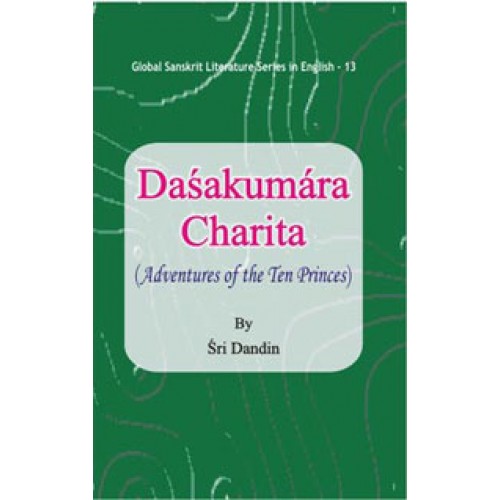
We have an interesting story in the Sanskrit romance called Dasa Kumara Charita of Dandin. He lived in the seventh century CE. So this story is at least 1300 year old. Dasa Kumara Charita narrates the story of ten adventurous young men. Here is one of the stories:

A youth by name Saktikumara of Kancheepuram , Tamil Nadu, went on a journey with the intention of choosing a girl for him. Though he was the son of a merchant he went in the guise of a palmist. He took some rice with him. Wherever he went, parents who were anxious of getting their daughters married quicker came to see him. They asked him to read the hands of their daughters. When he found some interesting girls, he wanted to test them before proposing to them.

cooking ingredients

He always asked the girls to take the rice with them and provide lunch for him. But all the girls just laughed and ignored his request. They simply turned their faces away. Sakti went to many cities and village and spent a lot of time desperately looking for a suitable girl for him. At last he came to a city on the banks of the River Kaveri.

He went in to an old house and asked whether they were interested in reading hands. There lived a young girl by name Gomini with her parents and old servant maid. They were interested in his palmistry. As soon as he saw the girl, he liked her very much but did not allow his passion to spoil his judgement. As usual he wanted to test the girl and asked her to cook lunch for him with the rice he brought. Even before he finished his sentence, Gomini just signed to the old lady in the house to take it to the kitchen. She gave him water to wash his feet. She swept the floor and cleaned the place as quickly as possible.

First she pounded the rice, separated the husk and dried the rice in the sun. She asked the old lady to take the husk and sell it to the goldsmith who was always in need of it for polishing ornaments. She asked her to buy dry wood, an earthen pot and two earthen plates with that money on her way back. While Saktikumaran was watching, the old lady went out.

Later Gomini pounded the rice and lighted the oven. She put the cleaned rice flour in to the pot and started cooking. Then she got down the pot and poured the gruel out and tested the rice in the pot with a spoon to see whether it was properly cooked. When she felt it was done, she turned the pot upside down with a plate on to drain it. She allowed all the surplus liquid to run out.

dasa best

She made sure that the fire wood in the oven was put off. She called the old lady again and asked her to sell the charcoal in the market and asked her to buy all the groceries required and a few vegetable for the day’s cooking. The old lady carried out her instructions at once. She prepared the food nicely.

Through the old lady she asked Saktikumara to take an oil bath and come for lunch. He had his food served on a plantain leaf sitting on a wooden plank provided by Gomini. He was served with rice, ghee, vegetable soup and curd (Yogurt). He got a typical south Indian meal and hospitality. Even the water was scented with patala leaves. Fully satisfied with the tasty food and the hospitality, he went to her parents and asked for her hand. Gomini’s parents readily agreed.

The story described in detail the way she cooked the food and the way she showed hospitality to a stranger. Guests were treated like kings in those days.

Taittiriya Upanishad says, ”Honour your guest. Look upon him as if God came to receive your attention”.

IMG_1085

Contact swami_48@yahoo.com

ஹனுமானுக்கும் ராமருக்கும் நடந்த போட்டியில் வென்றது யார்?

rama's anger at ocean

Post No 1031
Dated 9th May 2014
Written by my brother S Nagarajan

ஞான ஆலயம் ஏப்ரல் 2014 இதழில் வெளிவந்த கட்டுரை

வடநாட்டில் பிரஸித்தமாக வழங்கி வரும் ஹனுமத் புராணத்திலிருந்து ஒரு கதை!

ஹனுமானுக்கும் ராமருக்கும் நடந்த போட்டியில் வென்றது யார்?

By ச.நாகராஜன்

நாரதர் கலகம்

ஒரு முறை ஹனுமான் தன் அன்னை அஞ்சனா தேவியை தரிசிக்க ஆவலுற்று ராமரிடம் அனுமதி பெற்றுக் கிளம்பினார். அதே தருணத்தில் காசி மஹாராஜன் ராமரின் தரிசனத்திற்காகக் கிளம்பினான். வழியில் நாரதர் காசிராஜனைப் பார்த்து,” நீ எங்கே போகிறாய்?” என்று கேட்டார்.” நான் ராமசந்திர மஹாபிரபுவைத் தரிசிக்கச் சென்று கொண்டிருக்கிறேன்” என்றான் காசிராஜன்.

“எனக்கு ஒரு காரியம் செய்ய வேண்டுமே!”என்றார் நாரதர்.
“தங்கள் கட்டளை என் பாக்கியம்” என்றான் காசி ராஜன்.
அங்கு அரச சபையில் எல்லோருக்கும் வந்தனம் செய். ஆனால் அங்கு இருக்கும் விஸ்வாமித்திரருக்கு மட்டும் வந்தனம் செய்யாதே. அவரைக் கண்டு கொள்ளாதே!” என்றார் கலக நாரதர்.

காசிராஜனுக்குத் தூக்கி வாரிப் போட்ட்து. மஹாமுனிவரான விஸ்வாமித்திரரை நமஸ்கரிக்கக் கூடாதா! ஐயோ! இது என்ன கோரம்!! விக்கித்து நின்ற அவன் நாரதரை நோக்கி,”மஹரிஷி விஸ்வாமித்திரரை நமஸ்கரிக்கக் கூடாதா?ஏன், ஸ்வாமி” என்றான்.

hanuman bhajan

“ஏன் என்பது பின்னால் தெரியும். சொன்னதைச் செய்வாயா?” என்று கேட்டார் நாரதர். கலக்கமுற்ற காசிராஜன் இருதலைக் கொள்ளி எறும்பானான். நாரதரிடம் அவர் சொல்லியபடி செய்வதாக வாக்களித்து விட்டு, ராமரது அரச சபைக்குச் சென்று ராமரை ஆனந்தக் கண்ணீர் வழியக் கண்டு ஆனந்தமுற்று வணங்கினான்.அங்குள்ள வசிஷ்டர் உள்ளிட்ட அனைவரையும் வணங்கி ஆசி பெற்றான். ஆனால் விஸ்வாமித்திரரை மட்டும் வணங்கவில்லை. சபையில் இந்த அவமரியாதையை நன்கு கவனித்த விஸ்வாமித்திரர் அங்கு சும்மா இருந்தார்.பின்னர் ராமரைத் தனியே சந்தித்தார். “ராமா! உன்னை எல்லோரும் “மர்யாதா புருஷோத்தமன்” என்கின்றனர். மஹரிஷிகளை வணங்கும் மாண்பு மிக்க உன் அரச சபையில் எனக்கு இன்று மரியாதை கிடைக்கவில்லையே!” என்று வருத்தமுற்றுக் கூறினார்.

துணுக்குற்ற ராமர்,” என்ன விஷயம்?” என்றார். இன்று அரச சபைக்கு வந்த காசிராஜன் என்னைத் தவிர அனைவரையும் வணங்கினான்! வேண்டுமென்றே என்னை அவமானம் செய்து விட்டான்! இது சரியா?” என்றார் விஸ்வாமித்திரர்.

ராம பிரதிக்ஞை

“ராம ராஜ்யத்தில் பெரும் முனிவரான தங்களுக்கு ஒரு அவமானம் என்றால் அது அனைவருக்குமே அவமானம் தான்! உங்களை இப்படி அவமதித்த காசி ராஜனை என் மூன்று பாணங்களால் இன்று மாலைக்குள் கொல்கிறேன்” என்று வாக்களித்தான் ராமன்.

ராமரின் இந்த சபதம் காட்டுத்தீ போல எங்கும் பரவி காசிராஜனையும் அடைந்தது. அவன் ஐயோ என்று அலறியவாறே நாரதரை நோக்கி ஓடினான். ”நீங்களே எனக்கு அபயம்! உங்களால் தான் எனக்கு இந்த நிலை ஏற்பட்டுவிட்டது!” என்று அலறினான்.

நாரதரோ புன்முறுவலுடன் கூறினார்:” பிரதிக்ஞையை நானும் கேட்டேன். மூன்று பாணங்கள் சும்மா விடுமா, என்ன? ஆனாலும் நீ பயப்படாதே! உடனடியாக அஞ்சனா தேவியிடம் சென்று அவரின் காலைக் கெட்டியாகப் பற்றிக் கொள்! அவர் உனக்கு அபயம் அளிப்பதாகச் சொன்னாலும் விடாதே! மூன்று முறை அபயம் அளிக்குமாறு கேள்! மூன்று முறை அவர் அப்படி உறுதி அளித்ததும் காலை விடு; கவலையையும் விடு” என்றார் நாரதர்.

ramaya nama
அஞ்சனாதேவியும் ஆஞ்சநேயனும்

காசிராஜன் கணம் கூடத் தாமதிக்கவில்லை.உயிர் பிரச்சினை ஆயிற்றே. ஓடினான், அஞ்சனா தேவியின் கால்களைக் கெட்டியாகப் பிடித்துக் கொண்டு உயிர்ப் பிச்சை தருமாறு வேண்டினான். “காலை விடு! குழந்தாய்! அபயம் கேட்டு வந்த உன் உயிருக்கு நான் உத்தரவாதம் அளிக்கிறேன். என்ன விஷயம்? ஏன் இப்படி பயப்படுகிறாய்?என்றார் அஞ்சனாதேவி.

“மூன்று முறை அபயம் அளித்து வாக்குறுதி தாருங்கள்.அப்போது தான் கால்களை விடுவேன்” என்றான் காசி ராஜன். அஞ்சனாதேவியும் மூன்று முறை வாக்குறுதி அளித்தார். காசிராஜன் நடந்த விஷயம் அனைத்தையும் சொன்னான். அஞ்சனாதேவிக்கு தூக்கிவாரிப் போட்டது. ராமரின் மூன்று பாணங்கள் இன்று மாலைக்குள் உன்னைத் தாக்குமா!அதிலிருந்து உன்னை யார் காப்பாற்றுவது?” என்றார் அஞ்சனா. ஆனால் தான் அளித்த வாக்குறுதியை நினைத்துப் பார்த்து ஒரு கணம் மயங்கி நின்றார். அப்போது உற்சாகத்துடன் அனுமார் உள்ளே நுழைந்து.” அம்மா! “ என்று கூவி அவர் கால்களில் பணிந்து வணங்கினார். அஞ்சனாதேவியின் திடுக்கிட்ட முகத்தைப் பார்த்த அனுமன், “என்ன விஷயம் தாயே ! நான் வந்ததில் கூட உற்சாகம் காண்பிக்கவில்லையே!” என்று வினவினான்.

அஞ்சனா காசிராஜனுக்குத் தான் அளித்த வாக்குறுதியைக் கூறி ராமரின் பிரதிக்ஞையையும்கூறி ,” இப்போது என்ன செய்வது? மகனே! நீ தான் காசிராஜனைக் காப்பாற்ற வேண்டும்.உன் அன்பான அம்மாவின் வேண்டுகோள் இது” என்றார்.

அனுமன் பதறிப் போனான். பிரபுவின் பாணங்கள் ஒன்றல்ல இரண்டல்ல மூன்றிலிருந்து யாரேனும் பிழைப்பார்களா, என்ன? “ஆனால், தாயே! இது வரை என்னிடம் நீங்கள் ஒன்று கூடக் கேட்டதில்லையே! முதல் முறையாக ஒன்றைக் கேட்கிறீர்கள்! அதைச் செய்யாமல் இருந்தால் நான் உண்மையான மகன் அல்லவே! வருவது வரட்டும்! காசிராஜன் உயிருக்கு நான் உத்தரவாதம். ராமரின் பாணங்களே வந்தாலும் சரி தான்!”, என்றான் உறுதியான குரலில் அனுமன். அஞ்சனாதேவியும் காசிராஜனும் மகிழ்ந்தனர்.

“அம்மா! விஷயம் கஷ்டமான ஒன்று! உடனே போக எனக்கு அனுமதி கொடுங்கள்!”” என்று கூறிய அனுமன், காசிராஜனை நோக்கி,”உடனே நீங்கள் சரயு நதி சென்று கழுத்து வரை ஜலத்தில் மூழ்கி ராம ராம என்று ஜபிக்க ஆரம்பியுங்கள்! இன்று மாலை வரை நமக்கு நேரம் இருக்கிறதே!” என்று கூறினான்.

மூன்று பாணங்கள்! மூன்று நாமங்கள்!!

காசிராஜன் சரயு நதிக்கு ஓடோடிச் சென்று கழுத்து வரை ஜலத்தில் மூழ்கி பயபக்தியுடன் ராம நாமத்தை ஜபிக்கலானான் விஷயம் வெகு சீக்கிரம் பரவி மக்கள் கூட்டம் சரயு நதிக் கரையில் கூடியது. இங்கே அனுமன் ராமரிடம் திரும்பி வந்து அவர் சரண கமலங்களைக் கெட்டியாகப் பிடித்துக் கொண்டான்.”ஸ்வாமி! எனக்கு ஒரு வரம் அருள வேண்டும்” என்று பிரார்த்தித்தான்.

“இது என்ன அதிசயம்! காலம் காலமாக நான் வரம் தருகிறேன் என்று சொல்வது வழக்கம்! நீ மறுப்பதும் வழக்கம். இன்று நீயே கேட்கிறாயே. வரத்தைத் தந்து விட்டேன். கேள் எது வேண்டுமானாலும்” என்றார் ராமர்.

“ஸ்வாமி! தங்கள் நாமம் பாவனமானது. அதைச் சொல்லும் எந்த பக்தனுக்கும் எப்படிப்பட்ட தீங்கும் வராமல் நான் காக்க வேண்டும்.அதில் எப்போதும் வெற்றி பெற வேண்டும். இந்த வரத்தை அருளுங்கள்” என்றான் அனுமன்.

“வரம் தந்தோம். நீ ராம நாமத்தை ஜபிப்பவனை எப்போதும் காக்க முடியும்! இதில் தோல்வியே உனக்கு ஏற்படாது!”என்று வரத்தை ஈந்தார் ராமர்.

ஒரே பாய்ச்சலில் அங்கிருந்து சரயுவுக்குத் தாவிய அனுமன் காசிராஜனிடம்,”விடாதே! தொடர்ந்து ராம நாமத்தை ஜபி! நான் உன் பக்கத்தில் இருக்கிறேன்!” என்றான்.விஷயம் விபரீதமானதை மக்கள் அனைவரும் உணர்ந்து விட்டனர்.சரயுவில் முழு ஜனத்திரளும் திரண்டு விட்டது.

ராமர் காசிராஜன் சரயு நதியில் இருப்பதை அறிந்து கொண்டார். “எதுவானாலும் சரி! என் பிரதிக்ஞையை நிறைவேற்றுவேன்! இதோ, எனது முதல் பாணத்தைத் தொடுக்கிறேன்” என்று தன் முதல் அம்பை எடுத்து காசிராஜனை நோக்கி விட்டார்.

அம்பு காசிராஜனை நோக்கி வந்தது. ஆனால் காசிராஜன் ராம நாமம் ஜபிக்க அனுமான் அருகில் நிற்க செய்வதறியாது திகைத்த ராமபாணம் இருவரையும் வலம் வந்து வணங்கி ராமரிடமே திரும்பியது. திடுக்கிட்ட ராமர்,” என்ன ஆயிற்று?” என்று வினவினார். “ என்ன ஆயிற்றா! அங்கு காசிராஜன் உங்கள் நாமத்தை ஜபித்தவாறே இருக்க அனுமனோ அவன் அருகில் நிற்கிறார். இருவரையும் வலம் வந்து வணங்கி வந்து விட்டேன்” என்றது பாணம்.

paritala,AP,136 ft hanuman
ராமர் சினந்தார். தனது அடுத்த பாணத்தை எடுத்து ஏவினார். அது காசிராஜனை நோக்கி வந்தது. இப்போது அனுமன் காசிராஜனை நோக்கி, “ இதோ பார்! இப்போதிலிருந்து சீதாராம்! சீதாராம் என்று ஜபிக்க ஆரம்பி” என்றார். காசிராஜனும் சீதாராம் சீதாராம் என்று மனமுருகி ஜபிக்க ஆரம்பித்தான்.வேகமாக வந்த இரண்டாவது பாணம் மலைத்து நின்றது. அன்னையின் பெயரைக் கேட்டவுடன் காசிராஜனை வலம் வந்து வணங்கித் திரும்பியது.

“ ஏன் திரும்பி வந்தாய்?”என்று கேட்ட ராமரிடம் அன்னையின் பெயரையும் தங்களின் பெயரையும் உச்சரிப்பவரை வணங்குவது அன்றி வதை செய்வது முடியுமா?” என்று பதில் சொன்னது பாணம். கோபமடைந்த ராமர், “நானே நேரில் வந்து காசிராஜனை வதம் செய்கிறேன்” என்று மூன்றாவது பாணத்துடன் சரயு நதிக்கு வந்தார்.

ராமரே வேகமாக வரவிருப்பதை அறிந்த அனுமன் காசிராஜனை நோக்கி, “ ராமருக்கு ஜயம்! சீதைக்கு ஜயம்! ராம பக்த ஹனுமானுக்கு ஜயம்!” என்று ஜபிக்க ஆரம்பி என்றார். காசிராஜனும்,”ஜய ராம் ஜயஜய சீதா ஜயஜயஜய ஹனுமான்!” என்று ஜபிக்க ஆரம்பித்தான். ஆனால் களைத்திருந்த அவனது குரல் கம்மியது. உடனே அனுமன் தன் ஒரு அம்சத்தை அவன் குரலில் புகுத்தினார். இப்போது கம்பீரமாக அவன் குரல் ஒலித்தது. இதையெல்லாம் பார்த்த வசிஷ்டர் பெரும் கவலை அடைந்தார்.ஒரு புறம் ராமர், மறு புறம் அவரது பக்தனான அனுமன்! வேகமாக அனுமனிடம் வந்த அவர்,” ஹே! அனுமன்! ராமரின் பிரதிக்ஞையைப் பற்றி உன்னை விட வேறு யார் நன்கு அறிந்திருக்க முடியும். இந்த காசிராஜனை விட்டு விடு. ராம பாணத்தால் அவன் பெறப் போவது யாருக்கும் கிடைக்க முடியாத மோக்ஷமே!” என்று அறிவுரை பகர்ந்தார்.
ramachandra swami

அனுமனின் விரதம்
அனுமனோ அவரை நோக்கி,” மா முனிவரே! நமஸ்காரம்! ராம நாமத்தை ஜபிப்பவனைக் காப்பது என் விரதம்! இதில் என் உயிர் போனால் தான் என்ன! காசிராஜனைக் காப்பது என் தர்மம்” என்றான். ராமர் பாணத்துடன் அருகில் வந்து கொண்டிருந்த அந்த சமயத்தில் விஸ்வாமித்திரர் நடக்கும் அனைத்து லீலையையும் பார்த்துக் கொண்டிருந்தார். வசிஷ்டர் காசிராஜனை நோக்கி, “மன்னா! இதோ இருக்கிறார் விஸ்வாமித்திரர். இவரை வணங்கு!” என்றார்.

காசிராஜன் ராமசீதா ஹனுமானுக்கு ஜயம் என்று கூறியவாறே விஸ்வாமித்திர்ரை அடிபணிந்து வணங்கினான். விஸ்வாமித்திர்ர் மனமகிழ்ச்சியுடன் காசிராஜனுக்கு ஆசி அளித்து “நீடூழி வாழ்வாயாக” என்றார். அருகில் வந்த ராமரை நோக்கி,” இதோ, காசி ராஜன் என்னை வணங்கி ஆசி பெற்று விட்டான்! என் மனம் குளிர்ந்தது. உன் அம்பை விட வேண்டாம்!” என்று கட்டளை இட்டார். குருதேவரை வணங்கிய ராமர் தன் மூன்றாம் அம்பை அம்பராதூணியில் வைத்தார். ராமருடன் நடந்த போட்டியில் பக்த ஹனுமான் வென்றதைக் கண்ட மக்கள் அனைவரும் ராமருக்கும் ஜயம்! ராம பக்த ஹனுமானுக்கு ஜயம் என்று கோஷமிட்டனர்.

நாரதர் உணர்த்திய ராம பக்தனின் மஹிமை
நடந்ததை எல்லாம் பார்த்த அஞ்சனா தேவி ஆஞ்சனேயனை உச்சி முகர்ந்து ஆசீர்வதித்தார். கலக நாரதரோ ராம நாம மஹிமையையும் பக்த ஹனுமானின் சிறப்பையும் அனுமனின் அன்னை மீதான பக்தியையும் விஸ்வாமித்திரரின் மஹிமையையும் உலகிற்கு உணர்த்திய வெற்றியில் புன்முறுவல் பூத்தார்.

contact Swami_48@yahoo.com

********************

Important Vedic Quotations on Rivers & Water

avani avittam,riverside,fb

Written by London swaminathan
Post No. 1030; Dated 8th May 2014.

It is true that almost all the civilizations appeared on the banks of the big rivers. It shows how vital water is for our survival. But for the Hindus, water is more important. Their entire life is based on water, from birth to death, and all the ceremonies use water. This is very important in debunking the Aryan migration theory. If they have lived in a very cold area like central Asia or far away in the north, the Vedas would not have so many hymns involving water in the ceremonies. Hindu or Indian civilization grew slowly on the soil of holy Ganga and expanded to holy Sindhu and Sarasvati regions. The order of rivers in the Nadhi Sukta (RV 10-75) clearly shows this east ward march of Indian civilization.

Here are some important quotations from the Hindu scriptures, from the Vedas to Manu Smriti:

Hindus invoke the seven holy rivers every day whenever and wherever they take a bath or shower. A Hindu believes that the presence of the seven sacred rivers in the water makes it holy and all his sins are washed away. He feels fresh like a flower and pure like a crystal after such a bath. The seven sacred rivers he invokes are Ganga (River Ganges), Yamuna (River Jamuna) Sindhu (River Indus), Sarasvati, Narmadha, Godavari and Kaveri. This hymn is in Ahnika Sutravali (verse 106)

Gange cha Yamune chaiva Godavari Sarasvati
Narmadhe Sindho Kaveri Jalesmin Sannidhim Kuru
–Ahnika Sutravai, Verse 106

The beauty in the above hymn is that the Hindus considered the whole country from north to the south, from east to west as one country. It shows how integrated the country was before foreigners invaded in wave after waves.
samitadhanam

Vedic King of Indus Valley Civilization praise water

Indus Valley king Sindhudvipa was the son of Amabrisha. He is the seer for the following Vedic hymn. Brahmins recite the first three verses every day. Priests use this in full in all the house and temple consecration ceremonies. Brahmins of India do a prayer called ‘Sandhya Vandhana’ three times a day, in which they praise water as the energy giver and a healer. It begins with ‘Apo hista mayo bhuva:’….:

“Waters! You are health giving,
Give us energy, so that
We may look on great delight.

Give us a portion of the sap, the most
Beneficent you have,
Like mothers longing with love.

So gladly do we go with you
To the home for which you make us live.
Waters! Give us progeny.

Gracious be Divine waters for
our protection, be there for our drink,
and stream on us bliss and happiness.

Sovereigns over precious things,
and rulers over men, Waters!
We seek healing balm of you.

Within waters — so Soma has
Told me – all healing balms,
And Agni, benign to all.

O waters, teem with medicine to keep
My body safe from harm,
So that I long may see the sun.

Whatever sin is found in me,
whatever evil I have wrought
if I have lied or falsely sworn
waters remove it far from me.

The waters I this day have sought,
And to their moisture have we come
O Agni, rich in milk, come you, and
with your splendour cover me .”– (RV. 10-9)

avani avittam, individual

Satapata Brahmana says, “Waters are indeed sacred” (Medhya va Apah S.B.1-1-1-1) and “Water is in fact nectar” (Amrtahyapah SB 3-9-4-16).

The Rig Veda has the famous Nadi sukta (River Hymn RV 10-75). The poet/ seers regarded the rivers as life bestowing, life nurturing and life protecting Divine Mothers. Till this day girls are named after those rivers. In places like Varanasi and Haridwar, they worship the river water with Arti (lamps shown to the rivers in clock wise direction). There are Puranas (mythical stories) for all the seven sacred rivers. Whenever there is a big Yaga or Temple consecration or a great sage’s birth day Hindus bring waters from 108 sacred rivers.

Banks of the rivers are regarded suitable sites for performing sacrifices (Gopatha Brahmana 1-2-14)

water-running

Offerings are made to the rivers in sacrifices (RV 1-23-18; 7-47-3). River Sarasvati is praised in scores of places. The Vedic seers invoked the rivers for their protection ( avantu ma sindhavah pinvamanh RV 6-52-4). The water is the very breaths of people (apo vai pranah SB 3-8-2-4). They are the sources of plenitude (te sindhavo varivo dhatana RV 7-47-4). They are prayed to give people nourishment and delight. (RV 10-9-1).

Manu says, “A man who gives water obtains complete satisfaction in life” (4-229)

In Tamil Literature

Two thousand year old Sangam Tamil literature praise Holy Ganga in several places and Yamuna with Gopis in another place! Powerful Chera King Chenguttuvan of second century CE came all the way to Ganges two times in his life just to wash the stone for sacred sculptures.

Tamil poet Tiruvalluvar says in the Tamil Veda Tirukkural (verse 20),
“Even as life on earth cannot sustain without water, virtue too depends ultimately on rain”. Kapilar in Natrinai (verse 1) repeats the same words.

karnatakajog falls

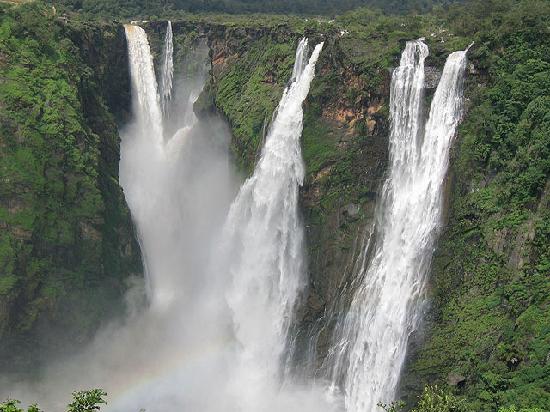
Jerasappa Falls in Karnataka

Tamil epic Silappadikaram describes the rivers Kaveri of Choza country and Vaigai of Pandya country in beautiful verses. Paripatal, part of Sangam literature has lengthy poems in praise of River Vaigai.

Plenty of Tamil proverbs are there stressing the importance of preserving water and optimum use of water (‘Neeraiyum Seeraadu’ in Tamil).

Contact swami_48@yahoo.com
water3

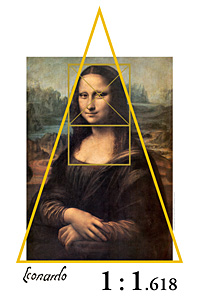
இயற்கையில் கணித இரகசியம்! –3

monalisa fibonacci
Post No 1029: Dated 8th May 2014
By ச.நாகராஜன் (Part-3)

“எல்லாமே எண்கள் தான்!”
-பிதகோரஸ்

இயற்கையில் உள்ள கணித ரகசியங்களையும் வடிவமைப்பு ரகசியங்களையும் கண்டுபிடிக்க விஞ்ஞானியாகத் தான் இருக்க வேண்டும் என்பது கட்டாயமில்லை. ஐன்ஸ்டீன் ஒளியின் வேகத்தைக் கண்டுபிடிக்க ஒளியின் மீது ஏறிச் செல்வது போலக் கற்பனை செய்து அதைக் கண்டு பிடித்தார். ஆனால் சாமானியராக இருந்த பலரும் கணித ரகசியங்களைக் கண்டுபிடித்துள்ளனர்.

எடுத்துக்காட்டாக ‘குட் வில் ஹண்டிங்’ (Good Will Hunting) என்ற ஆங்கிலத் திரைப்படத்தில் வரும் கதாநாயகனான வில் ஹண்டிங் என்ற இருபது வயது இளைஞனைக் கூறலாம். இந்த ஆங்கிலப் படம் உண்மைச் சம்பவத்தை அடிப்படையாகக் கொண்டது. உள்ளூர் மதுபானக் கடையில் வேலை பார்த்து வந்த ஹண்டிங் மிகப் பெரும் மேதைகளாக இருந்த கணிதப் பேராசிரியர்களால் தீர்க்க முடியாத கணிதப் பிரச்சினைகளை அனாயாசமாக தீர்த்து விடுவான்.

ஆயிரத்து தொள்ளாயிரத்து எழுபதுகளில் அமெரிக்காவில் சாண்டியாகோவில் வாழ்ந்தவர் ஐந்து குழந்தைகளுக்குத் தாயாரான பெண்மணி மர்ஜோரி ரைஸ். அவர் கணிதப் பேராசிரியர்கள் கண்டுபிடிக்கவே முடியாது என்று நினைத்த ஜாமெட்ரி வடிவங்களை இல்லத்தில் இருந்தபடியே கண்டுபிடித்து அனைவரையும் பிரமிக்க வைத்தார். 1976இல் அவர் இப்படி 58 விசேஷ வடிவங்களை அமைத்துக் காட்டினார்.

1998ஆம் ஆண்டு கல்லூரி மாணவரான ரோலண்ட் க்ளார்க்ஸன் என்பவர் மிகப் பெரும் பிரைம் எண்ணை – பகா எண்ணைக் கண்டு பிடித்தார். (பகா எண் என்பது ஒன்றாலும் அதே எண்ணினாலும் மட்டுமே வகுக்கக் கூடிய ஒரு எண். உதாரணமாக 11 என்ற எண்ணை ஒன்றாலும் அதே பதினொன்றாலும் மட்டுமே வகுக்க முடியும்) இப்போது புதுப் புது பிரைம் நம்பர்களைப் பெரும்பாலும் கல்லூரி மாணவர்களே கண்டுபிடிக்கின்றனர்!

கயாஸ் (CHAOS) எனப்படும் குழப்பம் அல்லது சீரற்ற தன்மை பற்றிய கயாஸ் தியரி என்று ஒன்று உண்டு. இந்த குழப்பத்திலும் கூட ஒரு ஒழுங்கு இருக்கிறது என்பதை இப்போது கண்டு பிடித்துள்ளனர்.

வானத்தில் உள்ள மேகக் கூட்டங்கள் வெவ்வேறு வடிவத்திலும் அளவுகளிலும் சீரற்ற தன்மையில் இருப்பது போல நம் கண்களுக்குத் தோன்றினாலும் அதை உயர்த்திலிருந்து பார்க்கும் போது அதிலும் ஒரு ஒழுங்கு, லயம் இருப்பதைப் பார்த்து விஞ்ஞானிகள் பிரமிக்கின்றனர்.

இப்படி கணித மர்மங்களை ஏன் கண்டுபிடிக்க வேண்டும் என்பதை விஞ்ஞானிகள் விளக்குகின்றனர். முதலாவதாக பிரபஞ்சத்தில் உள்ள புதிர்கள் அனைத்திற்கும் விடைகளை கணித எண்களே தருகின்றன! பிரபஞ்சத்தில் உள்ள மர்மங்களைக் கண்டுபிடித்து விட்டால் நாளை என்ன நடக்கும் என்ற கணிப்பைச் சரியாகச் செய்ய முடியும். ஒரு விண்கல் நம் பூமியின் மீது மோத வருகிறது என்றால் அதைத் தடுக்கும் தற்காப்பு நடவடிக்கையிலும் ஈடுபட முடியும்.

அத்தோடு இந்த இயற்கை கணித ரகசியங்களைக் கண்டுபிடித்து விட்டால் மிக உயரிய நாகரிகத்தை அடைந்து வளமுடன் அனைவரும் வாழும் வழியையும் கண்டு பிடிக்கலாம்.

sri_yantra

இந்துமத ரகசியங்கள்

நமது முன்னோர்கள் இந்த அரிய ரகசியங்களைக் கண்டு பிடித்து அவற்றை யந்திரங்களாக மாற்றி வழிபட வழி வகுத்தனர்.ஸ்ரீ சக்ர யந்திரம் என்பது பிரபஞ்ச தத்துவத்தையும் ரகசியத்தையும் சிறு யந்திரத்தில் அடக்கிக் காண்பிக்கப்பட்ட வழியே என்றும் அதிக ஆற்றலைக் கொண்ட இந்த யந்திரத்தை இப்போது ‘டீ- கோட்’ செய்ய விஞ்ஞானிகள் முயல்கின்றனர் என்பதும் சுவையான செய்தி அல்லவா! நான்காம் தலைமுறை கணினி கூட ஸ்ரீயந்திரத்தின் சிக்கலான அமைப்பைக் கண்டுபிடிக்க முடியவில்லை இதுவரை!

பெயரில் உள்ள எழுத்துக்களுக்கும் எண்களுக்கும் உள்ள தொடர்பை முதலில் பிதகோரஸ் கூறினார் என நம்புகின்றனர். ஆனால் வடமொழியில் உள்ள ‘கடபயாதி சங்க்யா’ என்ற முறை எதையும் கணித சூத்திரத்தில் அடக்கி விடும் ஒரு வழி முறையாகத் தொன்று தொட்டு நம் நாட்டில் இருந்து வருகிறது. பெயரில் உள்ள எழுத்துக்களுக்கும் எண்களுக்கும் உள்ள தொடர்பை -இந்த கடபயாதி வழிமுறை உள்ளிட்ட விஷயங்களை – பல சம்ஸ்கிருத நூல்கள் விளக்குகின்றன!

எடுத்துக்காட்டாக ஆதி சங்கரரின் பெயரிலேயே அவர் பிறப்பு பற்றிய அனைத்து விவரங்களும் அமைந்துள்ளன. சம்-க-ர என்பதற்கு உரிய எண்களாக 5-1-2 ஆகியவை அமைகின்றன. கடபயாதி முறைப்படி இந்த எண்களைத் தலைகீழாகத் திருப்பிப் போட்டு விவரங்களை அறிய வேண்டும். அதன் படி இந்த எண்கள் 2-1-5 என்ற வரிசையில் மாற்றி அமைத்துப் பார்த்தால் 2 என்பது அவர் பிறந்த மாதமான வைகாசி மாதத்தையும் ஒன்று முதல் பக்ஷமான வளர்பிறையையும் ஐந்து என்பது அவர் பிறந்த திதியான பஞ்சமியையும் குறிக்கும். வைகாசி மாதம் சுக்லபட்சம் பஞ்சமியில் சங்கரர் அவதரித்தார் என இதன் மூலம் அறிய முடிகிறது.

மஹாபாரதத்தின் உண்மைப் பெயரான ஜய என்பதை 8-1 என்ற எண்கள் குறிக்கின்றன. இதை கடபயாதி முறைப்படி திருப்பிப் போட்டால் வருவது 18. ஆகவே பதினெட்டுப் பர்வங்களைக் கொண்ட இந்த நூலில் பதினெட்டு என்ற எண் முக்கியத்துவத்தைக் கொண்டதாக அமைக்கப்பட்டுள்ளதை அறிய முடிகிறது. இவை எளிய உதாரணங்கள். ஆனால் சிக்கலான பல மர்மங்களை இந்த முறைப்படி சம்ஸ்கிருத நூல்களில் மறைத்து வைத்துள்ளனர். இதை ஆராய்வோர் பிரமித்து மலைக்கின்றனர்.

பிரபஞ்சத்தில் உள்ள அனைத்து மர்மங்களையும் ஆராய்ந்து பார்த்து விட்டு, “எல்லாமே எண்கள் தான்” என்ற பிரபலமான தத்துவத்தைச் சொன்னார் பேரறிஞர் பிதகோரஸ். ஆனால் இதையே தொலைக்காட்சி, ரயில், கார் போன்ற நவீன வசதிகள் இல்லாத தமிழக குக்கிராமத்தைச் சேர்ந்த சாதாரண பாமரன் ஒருவன் “எல்லாம் ஒரு கணக்குத் தான்” என்று சர்வ சாதாரணமாகச் சொல்லும் போது பிரபஞ்சம் பற்றிய பேரறிவை அவனது அனுபவபூர்வமான வார்த்தைகளில் கண்டு பிரமிக்க வேண்டி இருக்கிறது! ஆராய்ந்து பார்த்தால் எல்லாமே எண்கள் தான்!!

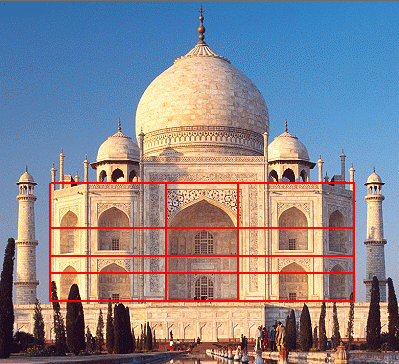
taj-mahal-golden-ratio

அறிவியல் அறிஞர் வாழ்வில்.. ..

பிரபல கணித மேதையான நேபியரைப் பற்றி சுவையான சம்பவங்கள் ஏராளம் உண்டு. ஆன்மீகத்திலும் கணிதத்திலும் அளவற்ற ஆர்வம் கொண்டவர் நேபியர். அவர் ஒரு பிரபலமான மாஜிக் நிபுணரும் கூட! ரஸவாதத்திலும் ஆவிகளுடன் தொடர்பு கொள்வதிலும் கூட அவருக்கு ஆர்வம் அதிகம். சின்ன பெட்டி ஒன்றில் ஒரு சிலந்தியையும் கூடவே எடுத்துக் கொண்டு எங்கும் போவது அவரது வழக்கம். அவருடன் இருக்கும் கறுப்புச் சேவல் தான் அவருக்குக் குறி சொல்லும் பரிச்சயமான ஆவி!

இந்தச் சேவலை வைத்துக் கொண்டு தான் தன்னுடைய பணியாளர்களில் யார் தன் வீட்டிலிருந்து திருடிக் கொண்டு போகிறார் என்பதை திருட்டு நடக்கும் போது அவர் கண்டுபிடிப்பார். தன்னுடைய பணியாளர்களை ஒவ்வொருவராக வரச் சொல்லி ஒரு அறையில் பூட்டுவது அவர் வழக்கம். தன்னுடைய சேவலைத் தடவுமாறு அவர்களிடம் கூறுவார். பின்னர் சேவல் யார் திருடன் என்பதை அவரிடம் கூறும். ஆனால் உண்மையில் நடப்பது என்னவெனில் கறுப்பு வண்ணச் சேவலின் மீது கறுப்புப் பொடியை அவர் தடவி விடுவார்..பணியாளர் ஒவ்வொருவராக சேவலைத் தொட்டுத் தடவ வேண்டும். குற்றம் இழைக்காதவர்கள் கள்ளம் கபடமின்றிச் சேவலை நன்கு தடவுவார்கள். உண்மையான குற்றவாளியோ அதைத் தடவுவது போலப் பாசாங்கு செய்வார். நேபியர் ஒவ்வொருவரின் கையையும் சோதிக்கும் போது எவர் கை மிகவும் சுத்தமாக இருக்கிறதோ அவர் தான் குற்றவாளி என்று கண்டுபிடித்து விடுவார்.

‘ மதி ‘ பாதி, ‘மாஜிக்’ பாதி!! எப்படி கணித மேதையின் தந்திரம்!

Contact swami_48@yahoo.com
*****************

மூன்று புகழ்பெற்ற பிரிவுபசார உரைகள்

namaskar

எழுதியவர் லண்டன் சுவாமிநாதன்
கட்டுரை எண்.- 1028; தேதி 8 மே 2014

உலக இலக்கியங்களில் வேறு எங்கும் இல்லாத அற்புதமான பிரிவுபசார உரைகள் சம்ஸ்கிருத இலக்கியங்களில் உள்ளன. உலகில் ஒரு இனத்தின் பெயரில் இல்லாத பழைய மொழி சம்ஸ்கிருதம்.. ஆகவே, அதிலுள்ள விஷயங்களும் உலகத்திற்கே சொந்தம்.

ராமாயணத்தில் ராமனுக்கு கௌசல்யா அளித்த பிரிவுபசாரச் சொற்பொழிவும், சகுந்தலைக்கு வளர்ப்புத் தந்தையான கண்வ மகரிஷி வழங்கிய பிரிவுபசார புத்திமதியும், வேதக் கல்வியை முடித்து வீடு திரும்பும் மாணவருக்கு மகரிஷிகள் வழங்கிய பல்கலைக்கழக பட்டமளிப்பு விழாச் சொற்பொழிவும் ஆழமான பொருள் பொதிந்தவை. இந்த முத்தான– சத்தான சொற்பொழிவுகளில் உள்ள விஷயங்கள் எக்காலத்துக்கும் பொருந்தும். இதில் வியப்பான விஷயம் என்னவென்றால் மற்றவர்கள் நாகரீக முதிர்ச்சியடையும் முன்னரே நாம் எந்த அளவுக்கு அறிவில் முதிர்ச்சி பெற்றிருந்தோம் என்பதையும் இவை காட்டும். ஏனெனில் இந்த மூன்று உரைகளும் 2000 ஆண்டுகளுக்கு முன் எழுதப்பட்டவை. அதற்கும் ஆயிரம் ஆண்டுகளுக்கு முன் நடந்த நிகழ்ச்சிகள் பற்றியவை.
முதலில் தைத்திரீய உபநிஷத்தில் வரும் ஆசிரியர் பிரிவுபசார உரை. இது ஒருபட்டமளிப்பு விழா உரை போன்றது:

“உண்மையே பேசு; கடமையைச் செய்.
வேதங்களைப் புறக்கனிக்காமல் தொடந்து படி;
ஆசியருடன் வாழ்ந்த காலம் இன்றுடன் முடிவுக்கு வருகிறது.
(வீட்டிற்குச் சென்று) –திருமணம் செய்து கொண்டு குழந்தைகளைப் பெற்று வாழ்க.
உண்மயிலிருந்தும் தர்மத்திலிருந்தும் கொஞ்சமும் பிறழாதே
சமூகம் பயன்பெற ஏதேனும் (தொழில்) செய்.
சாதனைகள் புரிக. கற்றதை மறந்துவிடாதே; திரும்பத் திரும்ப நினைவு கூறு.
கடவுளையும் முன்னோர்களையும் நினைவில் வை.

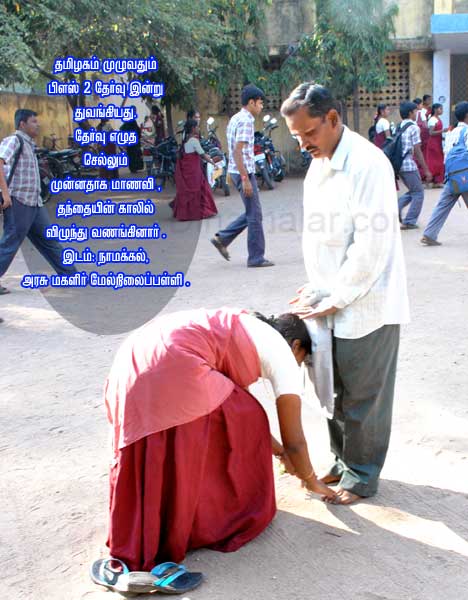
girl is paying respect to her dad.

தந்தை தாய், ஆசிரியர் கடவுள்
தாயை மதித்திடு. கடவுளாக வணங்கு.
தந்தையை மதித்திடு. கடவுளாக வணங்கு.
உனது குருவையும் கடவுளாக வணங்கு.
விருந்தினரை உபசரி. உன்னைப் பரிசோதிக்க கடவுளே வந்திருப்பதாக எண்ணு.
நல்லது, கெட்டது எது என்று பகுத்தறி. கெட்டதை உதறு.
எப்போதும் நல்லதே செய்.

உன் ஆசிரியர் இடத்தில் எது எது நல்லதோ அதைப் பின்பற்று; மற்றதை மற.
இதுநாள் வரை நீ வாழ்ந்த உன் குருவை விடப் பெரிய ஆட்களைச் சந்திக்கப் போகிறாய்.
அவர்களுக்கு உரிய மரியாதை செய். (Taittiriya Upanishad 1-11)

இந்த அற்புதமான உரைக்குப் பின் குருவுக்கு சிஷ்யன் குருதட்சிணை வழங்குவான். ஏகலைவன், தனது கட்டை விரலையே காணிக்கையாகச் செலுத்தினான். அர்ஜுனனோவெனில் குருவின் எதிரியான பஞ்சாப் அரசனையே தேர்ச் சக்கரத்தில் கட்டி இழுத்து வந்து குருவின் காலடியில் சமர்ப்பித்தான். குருவுக்காக உயிரையும் கொடுக்கத் தயங்காத மாணவர்கள்!

3000 ஆண்டுகளுக்கு முந்தைய இந்த உரை இன்றும் பயன்படுத்தப்படுகிறது.

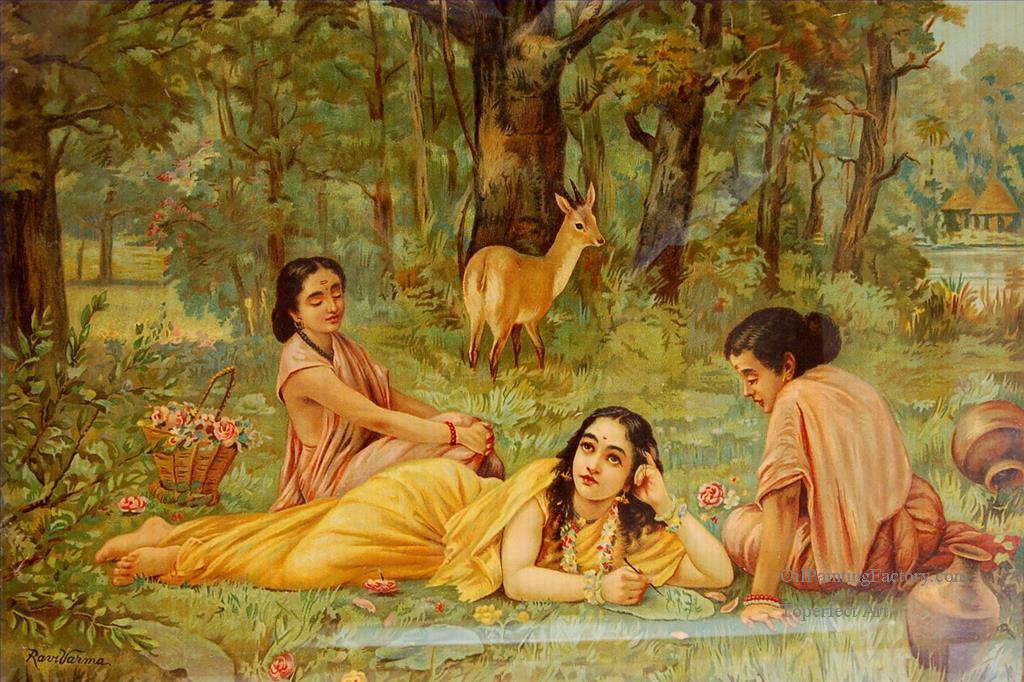
Shakuntala-Raja-Ravi-Varma

கண்வ மகரிஷி பேருரை

உலகப் புகழ் பெற்ற கவிஞன் காளிதாசன்–அவனுடைய ஏழு நூல்களையும் பயிலாதவர்கள் பாரத கலாசாரம் பற்றிப் பேசும் தகுதியை இழந்துவிடுவர். எப்படி ஒருவர் சங்க இலக்கியம் படிக்காமல் இந்தியப் பண்பாடு பற்றிப் பேசமுடியாதோ அப்படி காளிதாசன். அவன் எழுதிய நாடகங்களில் உலகமே போற்றி வியந்த நாடக நூல் சாகுந்தலம். அதில் சகுந்தலை என்னும் அழகி உலகம் அறியாத அப்பாவிப் பெண். காட்டிலுள்ள முல்லைக் கொடியும் மரம் செடி கொடிகளும் ஆஸ்ரமத்தில் வளரும் கிளிகளும் மான்களும் அவளுடைய சகோதர சகோதரிகள். பறவைகள் சாப்பிடாவிட்டால் சாப்பிடமாட்டாத பருவ மங்கை. அவரைப் பறவைகள் (சகுன) வளர்த்ததால் அவளுக்கு சகுந்தலை என்று பெயர். இதோ அவள் கணவன் வீட்டுக்குப் (அரசனின் அரண்மனை) போவதற்கு முன், வளர்ப்புத் தந்தை கண்வர் சொன்னது:

“என் அன்பு மகளே. உன் கணவன் வீட்டுக்குச் செல்லப் போகிறாய். அங்கே:-
உன்னை விட வயதில் மூத்த பெரியோருடன் கவனமாகப் பழகி, அவர்களுக்குச் சேவை செய். அரசனின் சக மனைவிகள் இடத்தில் நட்போடு வாழ். கணவன் உனக்கு ஏதேனும் கஷ்டம் கொடுத்தாலும் கோபத்தில் எதையும் சொல்லிவிடாதே. நீ யார் யாருக்குச் சேவை செய்கிறாயோ அவர்களுக்கு எல்லா மரியாதைகளும் கொடு. செல்வத்திலும் சுக போகங்களிலும் வாழப் போகும் நீ அகந்தையும் தலைக்கனமும் ஏறாமல் பார்த்துக்கொள். அப்படி வாழ்ந்தால்தான் பெண்கள் இல்லத்தரசி என்ற பெயர் எடுப்பர். இதற்கு மாறாக நடப்பவர்கள் குலத்தைக் கெடுக்கவந்த கோடாரி என்று பெயர் எடுப்பர்.” (சாகுந்தலம், காட்சி 4)

இதையெல்லாம் சொல்லி முடித்த பின், வயதில் மூத்த ஞானத்தில் முதிர்ந்த மகரிஷி கண்வர், தன் மனைவி இருக்கும் திசையைப் பார்த்து, “அன்பே நீ என்ன நினைக்கிறாய்?” என்று கேட்கிறார். அவள் உடனே, “ஒரு மணப் பெண்ணுக்கு இது அருமையான புத்திமதி. அன்பு மகளே, எப்போதும் இதை நினைவில் வைத்துக்கொள்” என்கிறார்.

காளிதாசன் உலக மகா கவிஞன் மட்டுமல்ல. பெரிய சைகாலஜிஸ்ட்= உளவியல் நிபுணன். ஒரு பெண்ணின் வாயால் இது எல்லாம் சரி என்று சொன்னால்தான் மற்றொரு பெண் நம்புவாள். இல்லை என்றால் இந்த ஆண்களுக்கு என்ன தெரியப் போகிறது என்று நினைத்து விடுவார்கள். அது மட்டுமல்ல. பெண்கள் என்றாலேயே அம்மாவின் கருத்தே முதலில் நிற்கும். அவளுக்கு அதிகாரம் அதிகம். அந்த முறையிலும் மனைவி கருத்தைக் கேட்கிறார் மகரிஷி கண்வர். இதற்குப் பின், பல சுவையான கட்டங்கள் வருகின்றன. கட்டுரைக்குத் தொடர்பில்லாத விஷயம் என்பதால் அடுத்த பேருரையைப் பார்ப்போம்.

ram sita

ராமனுக்கு கௌசல்யா வழங்கும் பிரிவுபசாரம்

“ராமா, காட்டுக்குப் போகாதே என்று சொன்னாலும் நீ கேட்கப் போவதில்லை. போ. ஆனால் சீக்கிரம் திரும்பி வா. எந்த தருமத்தை இத்தனை காலம் காத்தாயோ அதுவே உன்னை ரட்சிக்கும். நாள் தவறாமல் கோவிலுக்குப் போய் கும்பிட்டாயே அந்த தெய்வங்கள் உன்னைப் பாதுகாக்கும். நல்லோர் சென்ற பாதையிலேயே செல்வாயாக விஸ்வாமித்ர மஹரிஷி கொடுத்த ஆயுதங்கள் உன்னைப் பாதுகாக்கும். நீ அப்பாவுக்குக் காட்டிய பணிவும், கீழ்ப்படிதலும் அம்மாவுக்குக் கொடுத்த மரியாதையும் உன்னை நீடுழி வாழ வைக்கும். சந்தோஷமாக இரு. கடவுளை தியானித்து மகிழ்ச்சியாக இரு. காட்டில் விஷ ஜந்துக்களும் கொடிய மிருகங்களும் உலாவும். அவைகளிடமிருந்து ஒரு தீங்கும் வராமல் இருக்க என் ஆசீர்வாதங்கள். ராக்ஷசர்களும் பிசாசுகளும் உலவும் இடம் இருண்ட கானகம். ஜாக்கிரதையாக இரு.
(அயோத்யா காண்டம், அத்தியாயம் 25,வால்மீகி ராமாயணம்)

இதன் பிறகு கௌசல்யா உலகிலுள்ள எல்லா இந்து தெய்வங்களின் பெயரையும் வரிசையாக சொல்லி வாழ்த்துகிறாள். பருவங்கள், நாட்கள், மாதங்கள், பறவைகள், மிருகங்கள், தாவரங்கள் என்று எல்லா பெயர்களையும் சொல்லி வேண்டுகிறாள்.

காளிதாசனின் காலம் கி.மு. முதல் நூற்றாண்டு. இதற்குச் சங்க இலக்கியத்தில் காணப்படும் 200க்கும் அதிகமான அவனது உவமைகளே சான்று என்று ஏற்கனவே பல கட்டுரைகள் எழுதிவிட்டேன். இத்துடன் கௌசல்யாவின் பிரிவுபசாரத்தை ஒப்பிடுகையில் வால்மீகி ராமாயணம், காளிதாசனுக்குப் பல நூற்றாண்டுகளுக்கு முன்னரே எழுதப் பட்டிருக்கவேண்டும். அவ்வளவு பழைய ‘ஸ்டைலில்’ எழுதி இருக்கிறார் வால்மீகி.

abivadayae

இந்த மூன்று பேருரைகளும், இந்தியர்களை என்றும் தலை நிமிர்ந்து நிற்கச் செய்யும். ஏனெனில் மூன்றும் சத்தியத்தை அடிப்படையாக உடையவை!

contact swami_48@yahoo.com
Famous Farewell Speeches from India
namaskar

Written by London Swaminathan
Post No. 1027; Dated 7th May 2014.

It is amazing to read a valedictory address of a vice chancellor from a university or an educational institution that existed 3000 years ago in India. The beautiful speech is in Sanskrit in Taittiriya Upanishad. This was delivered at the end of Vedic education. In those days most of the schools were under the trees near the teacher’s (Guru’s) residence. We have beautiful descriptions of Ashrams (residential schools and sages’ residences) surrounded by parrots and deer. Since this is a remarkable speech it is recited/repeated even today in Vedic institutions.
Here is what the teacher said in his valedictory speech:

“After having taught the Vedas, the teacher instructs the pupil thus:
Speak what is true.
Do your duties.

Continue, without neglect, the study of the Veda.
Now that you have come to the end of your stay with your teacher, marry and bring forth progeny.

(Since the students observed absolute celibacy for at least 12 years from the age of 5 or 7, the teachers have to tell them marry and have progeny!)

Do not swerve from truth and Dharma (charity/meritorious acts).

Do something useful in social economy.
Achieve greatness, and do not fail to refresh your memory in respect of what you have learnt.
Remember the Gods and your ancestors.
Honour your mother and look upon her as God.

girl is paying respect to her dad.

Honour your father and look upon him as God.

Honour your teacher as God.
Honour your guest. Look upon him as if God came to receive your attention.
May you ever exercise your understanding and, distinguishing the good from the blame-worthy,
Avoid the latter and do what is good.

Follow all that was good in your teacher’s life, not any other.
(To err is human. Teacher also knows his limitations. So he warned that the pupil should take only good things from him. The teachers were very humble and admitted their mistakes openly).
You will meet better men than even the teachers with whom you have lived. Show them due respect”.
(Taittiriya Upanishad 1-11)

Shakuntala-Raja-Ravi-Varma
Kalidasa in Sakuntalam

Kalidasa, the most famous Indian poet, gives another farewell speech in his most famous Sanskrit drama Sakuntalam.

Sage Kanva, foster father of Sakuntala, gives an excellent farewell address when she was about to leave for her husband’s house (palace):

“ My child, you are now leaving for your husband’s home; when you enter it: Serve your elders with diligence; be a friend to your co-wives; even if wronged by your husband do not cross him through anger.
Treat those who serve you with utmost courtesy.
Be not puffed up with pride by wealth and pleasures;
Thus do girls attain the status of mistress of the home; those who act contrary are the bane of their families”.

After giving this advice, the sage asked his wife’s opinion on it, because in Hindu homes, wife is the home minister. She can veto anything that a husband says regarding daughter’s wedding or her family life. Kanva’s wife not only approved it at once and but also advised Sakuntala to keep those precepts always in mind.

This is again 2000 year old! I have dated Kalidasa to first century BCE on the basis of Sangam Tamil literature, where in 200+ similes out of his 1000+ similes were used, some of them verbatim! (Details are in my earlier posts).

ram sita

Kausalya’s Farewell to Rama

Valmiki Ramayana has a long farewell speech of Kausalya, Rama’s mother. This farewell speech in Ayodhya kanda (chapter 25), is also an indication of the period Valmiki wrote it. This is entirely different from Kanava’s speech. The archaic style of Valmiki shows that he must have written it hundreds of years before Kalidasa. Kausalya goes on and on about Gods and Demi- gods. She invokes all the Gods in Hindu pantheon. Unlike Sakuntala and the Upanishad students, Rama, the prince, goes to deep forest infested with wild animals. So we can understand her concern.

Important points from her speech:
“May Dharma, which you observed with joy and piety, protect you.
Follow in the steps of the good. May the gods whom you have worshipped daily in the temples and the great sages protect you in the forest.

May the weapons bestowed upon you by sage Visvamitra defend you (against any attack.)
May your obedience to your father and respects towards your mother ensure you a long life.
Be happy, ever happy through the meditation of all the things between the heaven and the earth, the gods and your foes.

May everything be successful
.
Then in her long speech she invoked the blessings of sacrificial fuel, the Kusha grass, the Vedas, the libations, the temples, the holy chants of the ascetics, rocks, trees, bushes, birds, serpents, lions, Sadhyas, Devas, Maruts, Dhatar, Vidhatar, Pushan, Bhaga, Aryaman, all the Guardians led by Indra, six seasons, years, months, weeks, days, Shruti, Smriti, Dharma, Skanda, Bhagavat, Soma, Brihaspati, Saptarishi, Narada, Siddhas, Varuna, Shukra, Soma, Dhanada, Yama, Brahma and Surya.

abivadayae

She warns him about the wild animals and poisonous creatures and the demons and goblins in the forest and blessed him not to be harmed by those things.
This is like any other mother’s laments.

In all the above three farewell speeches we see great importance is given to truth, dharma, respect to elders, diligence and humility.

Contact swami_48@yahoo.com