சிரியா, துருக்கியில் இந்துக்கள் ஆட்சி!

mitanni

Research paper written by London Swaminathan
Research article No.1342; Dated 12th October 2014.

சிரியாவும் துருக்கியும் இப்போது முஸ்லீம் நாடுகள். ஆனால் 4000 ஆண்டுகளுக்கு முன் இவையும் இராக்கும் ஈரானும் இந்துக்கள் ஆண்ட இடங்கள்! நான் சொல்லும் விஷயம் புதிதல்ல. இந்தியா சுதந்திரம் அடைவதற்கு முன்னரே நடந்த அகழ்வாராய்ச்சிட்யில் கண்ட விஷயங்களை வேண்டுமென்றே வெளிநாட்டு அறிஞர்கள் மறைத்துவிட்டு ஆரிய—திராவிட கட்டுக்கதைகளை அவிழ்த்து விட்டனர். காஞ்சி பரமாசார்ய சுவாமிகள் 1932 ஆம் ஆண்டில் சென்னையில் நடத்திய உபந்யாசத்தில் கூட இதை எல்லாம் பற்றிப் பேசியுள்ளார். அதே போல அவர் சுட்டிக்காட்டிய இன்னும் ஒரு விஷயம் போர்னியோ தீவின் அடர்ந்த காட்டில் 1600 ஆண்டுக்கு முந்தைய மூலவர்மன் கல்வெட்டாகும். அதாவது தென்கிழக்காசிய நாடுகள், மலேசியா, சிங்கப்பூர், பர்மா, இந்தோநேசியா அனைததையும் இந்துக்கள் 1500 ஆண்டுகளுக்கு ஆண்டனர்.

வெளிநாட்டு “அறிஞர்கள்”, திராவிட “அறிஞர்கள்”, மார்கசீய “அறிஞர்கள்” ஆகியோரின் கூட்டுச் சதித் திட்டத்தில் நமது வரலாறு மறைக்கப்பட்டு விட்டது. இன்று வரை நம் குழந்தைகள் மௌர்ய சாம்ராஜ்யம் அதற்கு முன் சிந்து சமவெளி நாகரீகம் என்று படித்துக் கொண்டிருக்கின்றனர். அதவது 1500 ஆண்டு இடைவெளி! இந்த 1500 ஆண்டுகளில் ஆண்ட மன்னர் பட்டியல் புராணங்களில் உள்ளது. மெகஸ்தனீஸ் இந்தியா வந்தபோது மகத சாம்ராஜ்யத்தின் 154ஆவது மன்னர் ஆள்வதாகவும் அதற்கு 6000 ஆண்டுகளுக்கு முன் அவர்கள் ஆட்சி துவங்கியதாகவும் எழுதி இருக்கிறார். இனியாவது நம் பிள்ளைகள் அகழ்வாராய்ச்சியில் கிடைத்த உண்மைத் தகவல்களையாவது கற்க வழி செய்யவேண்டும்.

வரலாற்றில் ஆர்வம் உடையோர் தெரிந்துகொள்ள வேண்டிய நான்கு முக்கிய விஷயங்கள்:
1.அமர்னா கடிதங்கள் ( தசரதன் எழுதிய 13 கடிதங்கள் )
2.பொகஸ்கோய் கல்வெட்டு
3.மிட்டன்னிய நாகரீகம்
4.கிக்குலி எழுதிய குதிரைப் பயிற்சி நூல்

(அமர்னா என்பது எகிப்து நாட்டிலும், பொகஸ்கோய் என்பது துருக்கி நாட்டிலும், மிட்டனியர் ஆண்ட பிரதேசம் சிரியா நாட்டிலும் உள்ளன)

hittite3

இவை எல்லாம் விக்கிபீடியா போன்ற எல்லா கலைக் களஞ்சியங்களிலும் ஆங்கிலத்தில் இருக்கின்றன. இவை தவிர காசைட்டுகள், ஹிட்டைட்டுகள், ஹிக்சோஸ் (யக்ஷர்கள்) மூவர் பற்றியும் படிக்கவேண்டும். இவற்றில் தமிழர் வரலாறும் உள்ளது. கே.கே. பிள்ளை என்பார் கி.மு.1800-வாக்கில் எகிப்தைத் தாக்கியோர் இலங்கையை சேர்ந்த யக்ஷர்கள் என்கிறார். நிற்க.

முதலில் சிரியா, துருக்கியை ஆண்ட மிட்டன்னிய நாகரீக வரலாற்றை சுருங்கக் காண்போம். இவர்கள் யார் என்பதும், எப்படி வந்தார்கள் என்பதும் இதுவரை மர்மமாக உள்ளது. இவர்கள் இந்துக்கள் என்பதால் யாரும் ஆராய்ச்சியும் செய்யாமல் ஒதுங்கிவிட்டனர். இவர்களை ஆர தீர ஆய்ந்தால் திராவிட, ஆரிய வாதம் தவிடுபொடியாகி விடும் என்பது அறிஞர்களுக்குத் தெரியும். அது மட்டுமல்ல. இந்தியர்கள் உலகெங்கும் குடியேறி நாகரீகத்தைப் பரப்பியதும் தெரிந்துவிடும். இதனால் வெள்ளைக்கார அறிஞர்கள் எழுதிய பல நூறு புத்தகங்கள் குப்பைத் தொட்டிக்குப் போய்விடும் என்பதும் தெரியும்.ஆகையால்தான் மௌனம்!!!

மிட்டன்னிய நாகரீகம் பற்றி முதலில் கி.மு.1500 வாக்கில் எகிப்தில் ஒரு கல்லறையில் குறிப்பு இருக்கிறது. பிறகு 400 ஆண்டுகளுக்கு இவர்கள் பற்றி ஆங்காங்கே பேச்சு அடிபடுகிறது. இவர்கள் பெயர்கள் எல்லாம் ராமாயணம், புராணம், விஷ்ணு சஹஸ்ரநாமம் ஆகியவற்றில் வரும் தூய சம்ஸ்கிருத பெயர்களாக இருக்கின்றன. மிகவும் அதிகம் அடிபடக்கூடிய மிட்டன்னிய மன்னன் தசரதன் என்பவன் ஆவான். அவன் தனது மகள் ததுஹிபாவை (தத்த சிவா) எகிப்திய மன்னன் அமனோபிசுக்கு மணம் செய்துகொடுத்தான். அவன் இறக்கவே, அடுத்த மன்னன் அவளை மனைவியாக வரித்துக் கொண்டான்.
எகிப்திய- மிட்டனிய தொடர்புக்குப் பின்னர் எகிப்தில் ஏராளமான சம்ஸ்கிருத பெயர்கள் கிடைக்கின்றன. ராம்செஸ் என்ற பெயரில் மட்டுமே 11 மன்னர்கள் இருக்கின்றனர். இந்த ராம்செஸ் பற்றியும் காஞ்சி பரமாசர்ய ஸ்வாமிகள் 80 ஆண்டுகளுக்கு முன் பேசி இருக்கிறார். யாரும் கண்டுகொள்ள வில்லை!!!!
அந்தக் காலத்தில் ஒவ்வொரு மன்னனும் பல்வேறு நாட்டுப் பெண்களைத் திருமணம் செய்துகொள்வது மரபு. யாரேனும் படை எடுத்தால் உடனே பெண் கொடுத்த நாடுகளும் படை அனுப்பும். இந்த முறையில்தான் தசரதனும் எகிப்துக்குப் பெண் (தனது மகள்) கொடுத்தான். எகிப்திய மன்னனோ மலை முழுங்கி மஹாதேவன். தசரதன் எவ்வளவோ கடிதங்கள் எழுதியும் பதிலே சொலவில்லை.

Cuneiform_letter_to_Amenhotep_III
Dasaratha Letters in cuneiform script

அன்புச் சகோதரனே,
நான் ஐந்து ரதங்களையும் அவற்றுக்கான குதிரைகளையும் அனுப்பினேனே. தங்க மோதிரம், காதுக்கான தோடுகள் அனுப்பினேனே. வந்து சேர்ந்ததா? ஏன் பதிலே எழுதவில்லை? நான் உனக்கு உடம்பில் நோய் தீர இரண்டு முறை இஷ்டார் (துர்கையின் தங்கச் சிலை) விக்ரஹம் அனுப்பினேனே. ஏன் பதிலே இல்லை? இப்படிப் புலம்பித் தள்ளி இருக்கிறான கடிதங்களில். இவை எல்லாம் கி.மு 1340க்கு முன்!! அப்புறம் தசரதனை அவனது மகனே கொலை செய்ததாகவும் வரலாறு போகிறது.

தசரதன் செய்த ஒரு உடன்படிக்கையில் வேத மந்திரங்களில் வரும் மித்ரன், வருணன், இந்திரன், நாசத்யர் (அஸ்வினி குமாரர்கள்) அக்கிய நான்கு தெய்வங்களின் பெயரில் சத்தியப் பிரமாணம் செய்து உடன் படிக்கை செய்துகொண்டனர். இது பொகஸ்கோய் கல்வெட்டில் இருக்கிறது. மித்ரனை இவர்கள் முதல் தெய்வமாக வணங்கியதால் இவர்கள் தங்களை மித்ரன்னியர் (மிட்டனி) என்று அழைத்துக் கொண்டனர். நகர நாகாரீகம் நடத்திய நகரீகம் மிக்கவர் என்பதால் மற்றவர்கள் இவர்களை நகரிக, நாகரீக என்றும் அழைத்தனர். இவர்களை வேறு பல சொற்கள் கொண்டும் குறிப்பிடுகின்றனர். அவற்றின் பொருள் தெரியவில்லை.

மிட்டன்னியரில் தசரதனைப் போல பிரதர்தன என்று ஒருவன் பெயர். இந்த மன்னன் பெயர் நமது புராண மன்னர் பட்டியல் சஹஸ்ரநாமம் ஆகியவற்றில் வரும் பெயர். மற்றொன்று புத்தரின் தந்தை சுத்தோதனன் போல உள்ளது. இவர்கள் அனுப்பிய கிக்குலி என்பான் எழுதிய குதிரைப் பயிற்சி நூலில் சம்ஸ்கிருத எண்கள் இருப்பதையும் பல கட்டுரைகளில் எழுதிவிட்டேன்.

800px-Mitannian_-_Cylinder_Seal_with_a_Row_of_Human_Figures_above_Animals_-_Walters_42685

Mitannian seal

தசரதன் எழுதிய கடிதங்கள் அமர்னா என்னும் இடத்தில் கிடைத்ததால் அவைகளை அமர்னா கடிதங்கள் என்பர். இதில் ஒன்று பிரான்சில் காட்சியகத்தில் இருக்கிறது. இறுதியாக தசரதன் மன்னன் சத்திவாச(சத்ய வாசன்) ஹிட்டைட் மன்னர்களுக்குக் கப்பம் கட்டும் மன்னன் ஆகி உடன்படிக்கை செய்து கொண்ட தகவலும் கிடைத்திருக்கிறது. மிட்டன்னிய வம்சம் ஆண்ட தலை நகர் வசுகன்னி எங்கே இருக்கிரது என்று இதுவரை கண்டுபிடிக்க முடியவில்லை. பல ஆராய்ச்சியாளர்கள் ஊகத்தின் பேரில் கட்டுரை எழுதி இருக்கிறார்கள். ஹுர்ரியன் என்ற பெயரும் உண்டு. இது சூரியன் என்பதன் மரூஉ ஆகும். சூரியன்=மித்ரன்=மிட்ரன்ய=மிட்டன்னி.

சில மொழிகளில் வேற்று மொழிச் சொற்களை எழுதும்போதும் சில எழுத்துக்களில் (லிபி) வேற்று மொழிச் சொற்களை எழுதும்போதும் அதே சபதத்தைக் கொண்டுவர முடியாதென்பது உலகறிந்த உண்மை.

ஜெயலலிதா, ஷேக்ஸ்பியர் முதலிய சொற்களை 500 ஆண்டுகளுக்கு முன் சேக்சுபியர், செயலலிதா என்றே எழுதியிருப்பர். பின்னர்தான் ஜ, ஹ,ஷ, க்ஷ எனபன (கிரந்த எழுத்துக்கள்) சேர்க்கப்பட்டன. இது போல பல சம்ஸ்கிருத பெயர்கள் கியூனிபார்ம் எழுத்துகளில் எழுதப்பட்டபோது சிறிது உருமாறி யிருக்கலாம். இன்றும் கூட தமிழிலோ சம்ஸ்கிருத்திலோ HARRY POTTER ஹாரி பாட்டெர் என்ற ஒலியை ஆங்கிலத்தில் உச்சரிப்பது போல எழுதவே முடியாது. இது தெரியாமல் பல “அறிஞர்கள்” மொழியியல் என்ற பெயரில் உளறி வருகிறார்கள். இன்றும் கூட தமிழில் இருதயம், முகம் போன்ற வடமொழிச் சொற்களுக்கு தமிழ்ச் சொல்லே இல்லை. இதை வைத்துக் கொண்டு தமிழனுக்கு இதயமே இல்லை என்று சொன்னால் பரிகசிக்கமாட்டர்களா?

மிட்டன்னிய மன்னர் பட்டியல்

கீர்த = கிரீட, அல்லது கீர்த்தி எனப் பொருள் கொள்ள முடியும்
சுத்தர்ன = புத்தரின் தந்தை சுத்தோதன போன்றது
பரதர்ன = பிரதர்தன
சௌஸ்ததர = சௌசதர (சௌசம் = சுத்தம்)
அர்த தாம = புகழ் பெற்ற ருத்ர தாமன் என்ற அரசன் பெயர் போன்றது
சுத்தர்ன 2
அர்தகுமார = குமார
அர்த தாம 2
சுத்தர்ன 3
சத்திவாச/ கீர்த்திவாச = சத்ய வாச அல்லது வாக்ய; க்ருத்திவாச எனபது சிவபெருமானின் ஒரு பெயர்
சத்துவர = சத்வ அல்லது சத்யவரன்
வசசத்த = வசு சத்ய
சத்துவர 2

mitanni

மேற்கண்ட சப்தங்கள் சம்ஸ்கிருதம் என்பது உறுதியானபோதும் எழுதப்பட்ட லிபியின் காரணமாகவும், எழுதப்பட்ட பிராந்தியம் காரணமாகவும் உருமாற்றம் அடைந்தன. தமிழ் ஊர்ப் பெயர்களை வெள்ளைக்காரர்களும் கிரேக்கர்களும் உருத்தெரியாமல் சிதைத்ததை நாம் அறிவோம். ஆரல்வாய் மொழி என்பதை ஆராம்பொலி, தஞ்சாவூர் என்பதை டேஞ்சூர் என்று ஆயிரக்கணக்கான இடப்பெயர்களைச் சிதைத்தனர். இதற்காக டேஞ்சூர் தமிழ் ஊர் இல்லை நாம் சொல்வதில்லை.

மேலும் மேற்கூறிய பெயர்கள் தந்தை பெயரை பேரனுக்குச் சூட்டும் இந்து முறையில் மாறி மாறி வருவதையும் காணலாம். அது மட்டுமல்ல பாண்டிய மன்னர்கள் சடையன், மாறன் ஆகிய பெயர்களை மாறி மாறி வைத்துக் கொண்ட முறையையும் காண்கிறோம் (ஜடா வர்மன், மாறவர்மன்)
அமெனோபிஸ், ஆகநாடன் ஆகிய இருவருக்கும் பின் வந்த துதகாமுன் என்ற ரசனின் மனைவி பெயர் அங்கனா. இதை அஞ்சனா அல்லது அங்கனா (தேவலோக மகளிர்=சுரா+அங்கனா) என்றும் படிக்கலாம்.

பஞ்ச ஜனா:
வேதத்தில் பஞ்ச ஜனா: என்று ஐந்து வகை மக்கள் குறிப்பிடப்படுகின்றனர். இவர்களில் த்ருஹ்யூ என்னும் குடியினர் மேற்காசிய நாடுகள் அனைத்துக்கும் சென்று இந்து கலாசாரத்தைப் பரப்பினர். இது கி.மு 2000 ல் அல்லது அதற்கு முன் நடந்தது என்பதை சுமேரியாவை இந்திரன் தாக்கியது ஏன்? என்ற கட்டுரையில் சில தினங்களுக்கு முன் கொடுத்து இருக்கிறேன்.

mitanni_map

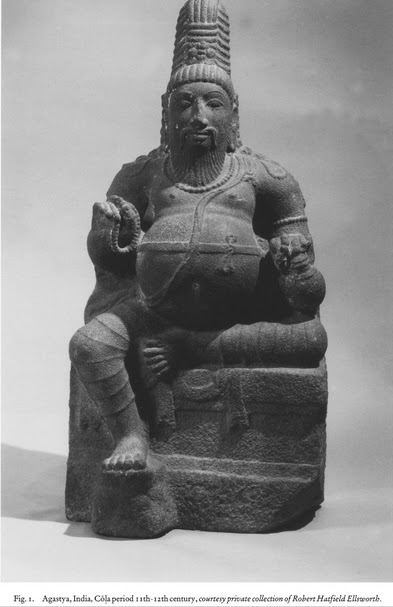
அகத்திய, கௌண்டின்ய கோத்த்ர ரிஷிக்கள் தென் கிழக்காசிய நாடுகளுக்குச் சென்று கிழக்கு திசையில் கலாசாரத்தைப் பரப்பியது போல இதுவும் கலாசார பரப்புதலாகத் துவங்கி அரசியலில் முடிந்தது.
—-சுபம் —

Hindu Kings Who Ruled Syria and Turkey!

mitanni

Research paper written by London Swaminathan
Research article No.1341; Dated 11th October 2014.

Foreign “scholars” who wrote Indian history books deliberately hid some glorious chapters of Indian history — 1500 year rule of the Hindus in South East Asian countries and 2000 year rule of Hindus in Syria, Turkey and Iraq. Though the Bogazkoy inscription mentioning the Vedic Gods, Amarna letters of Dasaratha in Egypt, Kikkuli’s Horse manual with Sanskrit numbers were discovered long before Indian independence, they never found a place in our school and college text books.

The British writers who wrote our history books wrote more about their “achievements” and “developments” in India than Indian contribution and cultural expansion. But instead of blaming them now, we have to blame our “scholars” who never bothered to correct it or update it. All over the world they updated their past history saying that they had glorious civilization around 1000 BCE or 2000 BCE. Indian history has a huge gap between Mauryan dynasty and Indus Valley. The Marxist and Dravidian scholars are very happy! They never recognised any of the 153 generations mentioned by Megasthenes and the Hindu Puranas.

It is not too late to read about the glorious Hindu rule in Syria and Turkey.

mitanni_map

Amarna letters

Between 1600 BCE and 1200 BCE the major powers of the Near East contended with each other for control of the region by means of war and diplomacy. Much of our knowledge of this period comes from the Amarna letters, a collection of clay tablets containing correspondence between Egyptian rulers of the later 18th Dynasty and their neighbours. They reveal amongst other things, the existence of Mitanni (Amarna is in Egypt).

The Amarna letters date from the reigns of Amenophis III and IV (Akhenaten) and Tutankhamun (1390—1327 BCE). Written in Akkadian, the diplomatic language of the time, in cuneiform script, they include letters from subject princes and regions in the Near East. In the letters we see rulers sending gifts to each other and sometimes entering into dynastic marriages such as that between Amenophis III and Taduhepa, daughter of Tushratta (Dasaratha) of Mitanni.

Tushratta wrote to his son in law, “ I have sent you , as a present to my brother, five chariots and five yoke of horses, and as a present to Taduhepa my sister, I have sent trinkets of gold, a pair of gold earrings ….. and godly stones”. After the death of Amenophis III, Taduhepa was married to his son Akhenaten.
Tushratta twice sent the statues of Ishtar of Nineveh to Egypt to heal the pharaoh of Egypt. (Ishtar is Goddess Durga. Foreign writers always give their known equivalents instead of original names. All the Greek writers wrote that Indians worship Bacchus and Hercules meaning Shiva/Indra and Vishnu)

Mitanni_teshub
Mitannian seal

Mitanni (Mitranya Desa) appears in history in 1480 BCE, when Parrattarna (Pratardhana) was in control of Aleppo in Syria , By the end of 15th century BCE, Saushatar brought Assyria under Mitannian control. Tushratta was assassinated by his son in 1340 BCE. He was the last king of independent Mitanni. His kingdom was destroyed by the Hittites and Assyrians. A document from the Hittite capital Hattusa records a treaty in which Tushratta’s son Shattiwaza is recognised as the ruler of Mitanni as a Hittite vassal. Mitanni’s capital was called Washukanni (Vedic God Vasu) .
A powerful Hurrian (Surya Vamsa; Hurrian=Suryan)) state in north Mesopotamia and Syria (named after Surya, Hindu sun god) , Mitanni is first mentioned in an Egyptian tomb inscription dating to the early the fifteenth century BCE and last attested at the time of Assyrian king Tiglath-pilesar 1115—1077 BCE.

The name Mitanni comes from a personal name maiita (MITRA for Sun) known from Nuzi In Iraq. Since Bogazkoy inscription mentioned Mitra in Mitannian Peace Treaty, there is no doubt that it denotes MITRA, the Vedic God. Hurriya is also Surya=Sun=Mitra.
Mitra, Surya, Hurya, Solomon, Suleyman, Shulman are all same (H=S)

Mitanni changed in to a geographical name Maittani. The state was also known as Hurri in Hurrian, Khanigalbat in Assyrian and some other texts, Khabigalbat in Babylonian, and Naharina or Nahrima in Egyptian.
Sanskrit word Nagara= Nagarika= City dwellers ,Cultured, Posh

800px-Mitannian_-_Cylinder_Seal_with_a_Row_of_Human_Figures_above_Animals_-_Walters_42685

Scholars could not identify or locate its capital Washukanni. Its identification with Tell Fekherieh is disputed. By the mid fifteenth century BCE, Mitanni has conquered many parts of Iraq, Turkey, Syria which stretched to the Mediterranean sea. Its kings campaigned against Egypt and Hatti and eventually signed peace treaties with them.

It has been argued that the glass production in the fifteenth century BCE should be attributed to Mitanni and the best early glass comes from Nuzi in Iraq.
After Mitannian contact with Egypt, we see lot of Sanskrit names among Egyptian royals. Tutankhamen’s wife was Ankenan. It is the corrupted form of Anjana or Angana (Surangana= Sura+ angana= Woman of Devaloka)

Mitanni Kings with pure Sanskrit Names
Kirta (1500 BCE) = Kreeta/Crown or Kirti=Fame
Shuttarna = Sudhana or Sudharsana (Gautama Buddha’s father name was Sudhodana)
Paratarna = Pratardhana in Vishnu Sahsranama
Shaushtatara = Suacadhara (Pure?)
Artatama = Like Rudra Daman(130—150 CE), Arta Daman or Arta Dharma
Shuttarna II
Artashumara = Artha Kumara
Artatama II
Shuttarna III
Shattivaza/ Kirtiwasa = Sathya vakya, Sathya Vacha, Kirti Vacha, Krittivasan is name of Lord Shiva
Shattuvara= Satvavara or Sathyavaran
Wasashatta = Vasu satva or Sathya
Shattuara II =

(Like India, grand father’s name or great grand father’s name was repeated. Pandyas alternated with Maran and Sadaiyan; Maravarman and Jadavarman)

Cuneiform_letter_to_Amenhotep_III
Dasaratha Letter to Egyptian Paharoah

Hindu Migration
Vedas mention Pancha Jana (five tribes) in many places. Of the five tribes, Druhyus were the people who migrated to West Asia. Now we get lot of proof for this from the 8th Mandala of Rig Veda. The names correlate with the names in Iraq and Iran. It should have happened before 2000 BCE.
In my post “Did Indra Attack Ur in Sumeria?”, I have given enough proof for the Vedic contact with Mesopotamia (Iraq).

hittite3

Old Reference:
Following is the piece posted by me under Indus Valley to Egypt: Lapiz lazuli Export:
“The contact between Egypt and the Hindu kings of Turkey and Syria is well documented. Thanks to the clay tablets of Amarna letters we know that Dasaratha’s daughter Taduhepa ( Datta shivaa) was married to Amenophis III of Egypt. Dasaratha was ruling Syria and Turkey around 1380 BCE. He was assassinated in 1340 BCE. Mitanni kings followed Vedic religion is confirmed by Bogazkoy inscription where all the four major Vedic gods are mentioned in a peace treaty. Pratardhana – name in Vishnu sahasranama – was ruling Aleppo now in Syria. Turkey and Syria were ruled by the Vedic kings from 1480 BCE according to the clay tablets.

Dasaratha sent Amenophis five chariots, five horses, trinkets of gold, a pair of gold rings and goodly stones, says one of the Amarna letters. We have more Sanskrit names and horse manual with Sanskrit numbers around 1400 BCE in Turkey. Marrying one’s daughter with a king of a neighbouring country is a typical Hindu custom followed by kings from Kanyakumari to Kashmir and beyond. Afghan Gandhari and Iranian Kaikeyi were married to Drudharashtra and Dasaratha, because all those countries were ruled by the Hindus in those days.

(Mitannian Dasaratha is different from Ramayana Dasaratha. Like Tamils, Tamilize Sanskrit words, Mitannians also wrote Dasaratha as Tushratta, Pratardhana as Parartana. Even today Sri Lankan Tamils write Damayanthy as Tamayanthy. Mauritius Tamils are still worse and they write Subramanya as Soupramoniamme due to French influence. Greek writer, Chinese visiors and British rulers distorted all place names and people’s names beyond recognition. Beautiful Aralvaymozi became Aramboli, Tarangampadi changed to Tranqbar, Tutukkudi changed to Tuticorin < Alexander became Alikasunda etc.)

The horse manual written by Kikkuli ( Aswa Sena) runs to 1080 lines on clay tablets. Though it was written in Hittite language the numerals Aika,Tera,Pancha, Satta, Nava vartaana (1,3,5,7,9 intervals) and words for colours are in Sanskrit.
mitanni

Books used: Dictionary of the Near East by the British Museum, Time’s World History, Arya Tanagini by A. Kalyanaraman and Wikipedia.)

ரிஷிகள் யார்? ரிஷிகள் எத்தனை வகை?

rishi

கட்டுரை மன்னன் :– லண்டன் சுவாமிநாதன்
ஆராய்ச்சிக் கட்டுரை எண்- 1340; தேதி அக்டோபர் 11, 2014.

உலகின் மிகப் பழமையான நூலான ரிக்வேதத்தில் பல இடங்களில் ரிஷி என்ற சொல் பயிலப்படுகிறது. “மந்திரத்தை வாக்கிய வடிவத்தில் சொல்பவர்” — என்று வேதத்தின் சர்வானுக்ரமணி கூறும்.
யாஸ்கர் எழுதிய நிருக்தம் போன்ற நூல்களில் சொற்பிறப்பியல் அடிப்படையில் ரிஷி என்ற சொல்லுக்கு விளக்கம் தரப்படுகிறது:

சாயனர் “ர்ஸ்: என்றால் ‘மேலே செல்’ என்பார். இதிலிருந்து பிறந்தது ரிஷி — ரிக் வேத பாஷ்யத்துக்கு முன்னுரை தருகையில் ‘த்ருஸ்’ என்ற சொல்லையும் காட்டுவார். ‘பார்’ என்பது இதன் மூலம். அதாவது மனிதனின் ஊனக் கண்ணால் காண முடியாததை ஞானக் கண்ணால் கண்டு நமக்கு வேத மந்திரங்களை அளித்தார்கள்.

இந்து மதம் தவிர, உலகிலுள்ள எல்லா மத நூல்களும் ஒரு மதத் தலைவர் சொன்னதை அடிப்படையாகக் கொண்டவை. உலகிலுள்ள எல்லா மதங்களும் ஒரு மனிதனால் தோற்றுவிக்கப்பட்டவை. இந்துக்களின் வேதமோ, இந்து மதமோ மனிதனால் தோற்றுவிக்கப் படவில்லை. அது சநாதனமாக – தோற்றமோ முடிவோ இல்லாத ஒன்றாக— இருந்து வருகிறது. வேத மந்திர ஒலிகளும் இப்படித்தான்.

நாம் ரேடியோவில் ஒரு நிலையத்தைக் கேட்க வேண்டுமானல் ஒரு அலை வரிசயைத் தேர்ந்தெடுக்கிறோம். அது போல ரிஷிகள் மனதை ஒரு முகப்படுத்தி மந்திரங்களைக் கேட்கிறார்கள். எப்படி ஆயிரக் கணக்கான நிலயங்களின் ரேடியோ அலைகள் நம்மைச் சுற்றி இருக்கிறதோ அது போல பிரபஞ்சத்தில் பல்லாயிரக் கணக்கான மந்திர ஒலிகளும் நம்மைச் சுற்றி இருக்கின்றன என்று இந்துக்கள் நம்புவர்.

ரிஷிகள் முக்காலம் உணர்ந்த “த்ரிகால” ஞானிகளும் ஆவர். எப்படி நாம் ஒரு வீடியோ “டேப்”பைப் பார்க்கையில் REWIND ரீவைண்டு, FAST FORWARD பாஸ்ட் பார்வர்ட் என்று முன் பின்னால் உள்ளதைப் பார்க்கிறோமோ அது போல ரிஷிகளும் செய்கின்றனர். மஹாபாரத யுத்தக் காட்சியை கண்ணன் — விஸ்வரூப தரிசனத்தில் — அர்ஜுனனுக்கு பாஸ்ட் பார்வர்ட் செய்து காட்டுவதைப் படிக்கிறோம்.

இதே போல த்ரிகரண சுத்தி என்பதும் ரிஷிகளிடத்தில் உள்ளது. ஆதி சங்கரர் ஒரு துதியைப் (கனக தாரா ஸ்தோத்திரம்) பாடும்போது தங்க நெல்லிக்காய் மழை பெய்தது. முத்து சுவாமி தீட்சிதர் ஒரு ராகத்தைப் (அமிர்தவர்ஷனி) பாடும்போது மழை கொட்டியது. நாம் அதையே துதிக்கும் பொழுதும், பாடும்பொழுதும் ஏன் அப்படி நடப்பதில்லை?

rishi shishya

1.அவர்களைப் போல சொல், செயல், சிந்தனை மூன்றிலும் தூய்மை இருக்க வேண்டும்.
2.அவர்களைப் போல தீவிரம் (Intensity ஈடுபாடு) மற்றும் நேரம், காலம், சூழ்நிலை அணுசரனையாக இருக்க வேண்டும். நேரம், காலம், சூழ்நிலை பற்றி அவர்கள் ஞானக் கண்ணால் அறிய முடியும்.
“ரிஷிர் தர்சனாத் ஸ்டோமன் ததர்ச இதி ஔவமன்யவ:” — என்பதை யாஸ்கர் மேற்கோள் காட்டுவார்.

அவர்கள் “சூத்ர த்ருஷ்டா” என்றும் “சூத்ர கர்தா” இல்லை என்றும் சொல்லுவர்.
சதபத ப்ராஹ்மணம் ரிஷி என்பதற்கு “அதிகம் பாடுபடுபவர், கஷ்டப்படுபவர்” — என்று பொருள் சொல்லும். அதாவது தீவிரத் தவம் புரிவோர்.

தைத்ரீய ஆரண்யகம் , “முன்னேறிச் செல், தோன்று” என்று பொருள் காணும்.

தான் மட்டுமின்றி மனித குலத்தையும் முன்னேற்ற விரும்பியதால்தான் அவர்கள் காயத்ரி மந்திரம், மிருத்யுஞ்சய மந்திரம் போன்ற அரிய பெரிய மந்திரங்களை நமக்கு அளிததனர்.

ராஜ ரிஷிக்களும் சப்த ரிஷிக்களும்
ஜனகன், புத்தன், ராமன், கிருஷ்ணன் இவர்களை ராஜ ரிஷிகள் என்பர். கண்ணனும் ராஜரிஷி பற்றி கீதையில் (4-2) சொல்கிறான். இன்னும் ஒரு ஸ்லோகத்தில் (10—6) சப்த ரிஷிக்கள் , நான்கு மானச புத்ரர்கள், 14 மனுக்கள் பற்றி கிருஷ்ணன் சொல்லுவான்.

இதற்கு ஸ்ரீ இராமகிருஷ்ண மடம் அண்ணா அவர்கள் எழுதிய உரை மிகவும் அருமையானது. அவர் சொல்வதாவது:–

முன்னவர்களான ஏழு மகரிஷிக்கள்:

1.நீண்ட ஆயுள்
2.மந்திரங்களை காணும் சக்தி
3.ஈசுவரத்தன்மை
4.தெய்வீகப்பார்வை
5.குணத்தாலும், வித்தையாலும், வயதாலும் உயர்வு
6.தருமத்தைப் பிரத்யக்ஷமாக அனுஷ்டித்துக் காட்டல்
7.கோத்ரப் பிரவர்த்தகராக இருத்தல்
இவ்வேழு லக்ஷணங்களும் அமைந்தவர்கள் ரிஷிகள்.

இவர்களில் முக்கியமானவர்கள் ஏழு மகரிஷிகள்; ஒவ்வொரு மன்வந்தரத்திலும் இவர்கள் வெவ்வேறாவர். இந்த கல்பத்தில் முதல் மன்வந்தரத்தில் தோன்றிய ஸப்தரிஷிகள்:–
மரீசி, அங்கிரஸ், அத்ரி, புலஸ்தியர், புலஹர், க்ரது, வசிஷ்டர்.
இப்போது நடக்கும் வைவஸ்வத மன்வந்தரத்துக்கு உரிய ஸப்தரிஷிகள்:
அத்ரி, வசிஷ்டர், விசுவாமித்திரர், ஜமதக்னி, பரத்வாஜர், கௌதமர், காசியபர்
நால்வர்: ஸனகர் ஸநந்தனர் ஸனாதனர் ஸனத் குமாரர்.

shankarasiva

இதுதவிர ரிஷிக்களை வேறு பல வகைகளிலும் பிரிப்பர்:

ராஜ ரிஷி:
க்ஷத்திய குல அரசர்கள் – ரிஷிகளின் தன்மை பெற்றவர்கள்
பிரம்ம ரிஷி:
பிராமண குலத்தை சேர்ந்த ரிஷி முனிவர்
ஜன ரிஷி:
மக்களிடையே இருந்து ரிஷிகளின் நிலைக்கு உயர்ந்தோர்.
காண்ட ரிஷி:
வேதங்களின் காண்டங்களுக்குப் பொறுபான ரிஷிக்கள்
மஹரிஷி:
ரிஷிகளுக்குள் உயர் நிலை அடைந்தவர். நாம் தலைவர், பெருந்தலைவர் என்று சொல்வது போல
பரம ரிஷி:
மிக உயர்ந்த நிலையிலுள்ள ரிஷி
ச்ருத ரிஷி:
வேத ஒலியைக் கேட்போர்
தவ ரிஷி:
தவத்தில் சிறந்தவர்
சத்ய ரிஷி:
சத்யத்தில் நிலைபெற்றவர்.
தேவ ரிஷி
தெய்வீக நிலைக்கு உயர்ந்தோர்.

agastya in nepal,bharatkalyan97.blogspot

பதஞ்சலி பிரிவினை
பாணினி எழுதிய அஷ்டாத்யாயீ என்னும் உலகமே வியக்கும் சம்ஸ்கிருத இலக்கண நூலுக்கு மஹாபாஷ்யம் என்ற அளவிலும் தரத்திலும் பெரிய விளக்கவுரை (பாஷ்யம்) செய்ஹ பதஞ்சலி என்ற ரிஷி. வேறி இரண்டு விளக்கம் தருவார்:

மந்திரத்தைக் கண்டவர்கள் ஒரு வகை. கல்ப சூத்ரம் போன்ற பெரிய நூலகளை எழுதியோர் மற்றொரு வகை. ஆன்மீக எழுத்தாளர்களையும் ரிஷி வகையில் சேர்த்துவிட்டார் பதஞ்சலி.

மஹாபாரதமோ எனில் வேறு வகையில் ரிஷிக்களைப் பிரித்துரைக்கும்:

கிருஹஸ்தாஸ்ரமி: இல்லறம் நடத்தும் ரிஷிமார்கள்.
ரிஷிக்களில் இந்த வகைதான் அதிகம். பெரிய ரிஷிக்கள் அனைவரும் இல்லறத்தை நடத்தியே பெரும் புகழை எய்தினர். வசிட்டர், விசுவா மித்திரர், அகத்தியர் ஆகிய அனைவரும் மனைவியுடன் வாழ்ந்தவர்

ஊர்த்வரேதஸ்: — பிரம்மசர்யம் அனுட்டித்த ரிஷிக்கள்
ஆஸ்ரமவாசிகள்:– கானகம் முதலிய இயற்கைச் சூழ்நிலையில் ஆஸ்ரமம் அமைத்து எளிமையான வாழ்வு வாழ்ந்தோர்.

யாயவரஸ்: நாடோடி ரிஷிக்கள். நாடு விட்டு நாடு சென்று பலருக்கும் உதவியவர்கள்
புரோகித வ்ருத்திகா: — புரோகிதம் செய்த ரிஷிக்கள்

சாதரண வ்ருத்திகா: — சாதாரண வாழ்க்கை நடத்திய ரிஷிக்கள்
சஸ்த்ர அத்யாபகா :– ஆயுதப் (சஸ்த்ரம்) பயிற்சி அளித்த ரிஷிகள்
சாஸ்த்ர அத்யாபகா: — சாத்திரப் பயிற்சி அளித்த ரிஷிகள்

உக்ர தபஸ்வீ: — இவர்கள் சூப்பர் பாஸ்ட் ரயில் போல உக்ரமான தவம் செய்து விரவில் பலன் பெற முயன்றோர்.

சாதரண தபஸ்வீ: இவர்கள் சாதாரண வேகத்தில் செல்லும் ரயில் போல தவம் செய்தோர்.
இந்தப் பிரிவினைகள் அவர்களை வருணிக்கப் பயன்படுத்திய சொற்கள். ஒருவர், ஒரு பிரிவில் மட்டுமே இருக்க வேண்டும் என்பதல்ல.

( உதவிய நூல்கள்:— பழங்கால இந்தியாவில் ரிஷிமார்கள் – சி.பி. பாண்டே எழுதிய நூல் —- ப்ருகு வம்சம் – ஒரு ஆய்வு, ஜயந்தி பண்டா எழுதிய நூல்—பகவத் கீதை, அண்ணா உரை, ஸ்ரீ ராமகிருஷ்ண மடம், சென்னை).
– சுபம் —

Who is a Rishi? How many types of Rishis?

valmiki

Research paper written by London Swaminathan
Research article No.1339; Dated 10th October 2014.

The word Rishi means a man to whom Vedic hymns are revealed, an author of sacred hymns, a poet; a priestly singer of those hymns, a saint or sage of ancient India.

Definition of a Seer(Rsi):

In the earliest Vedic text like the Rig-Veda, the word Rsi occurs several times. There are various interpretations:
The Rig-Veda Sarvanukramani 1-4 explains the word Rsi as one who recites the mantra form of the sentence – yasya vaakyam ca rsih.
Sayana derives Rsi from rs ‘to go’. In the introduction to his commentary of the Rig-Veda he connects the word Rsi with drs ‘to see’ and explains how the Veda which is beyond the scope of perception is revealed first of all to the sages through the favour of god.

In the Nirukta 2-11 Yaska quotes the opinion of Aupamanyava, ‘rsir darsanat stoman dadarsa iti aupamanyavah’. This means that the Veda is eternal and it has not been created by any agency. The Nirukta further informs us that the mantras are directly revealed to the Rsis through their meditation and prescience. So the Rsis are called ‘sukta drastarah and not sukta kartarah.

The Satapatha Brahmana derives the word Rsi from rs ‘to toil hard’, ‘to suffer from’.

The Taitriya Aranyaka explains Rsi as abhi+aa+rs ‘ to go forward’, ‘to appear’.
Besides the etymological meaning of the word Rsi, it carries the ideas relating to poetic and prophetic vision, super sensuous knowledge, righteousness and ecstasy.
(Source: Bhrgus – A Study by Jayanti Panda)

Rishis are inspired poets. The seven Rishis are mind born sons of Brahma, the creator. The seven Rishis are represented in the sky by the seven stars of the Great Bear (Ursa Major) constellation.

Bruhu

“The seven great sages of old, and four elders and the Manus also are of My nature and born of My mind and from them are all these creatures in the world “ – (10-6 – Bhagavad Gita )

Atri, Brhu, Kutsa, Vasistha, Gautama, Kasyapa and Angirasa are Sapta Rishis (Seven Sages) now. They change during every Manvantara (Life of one Manu is one Manvantar. There are 14 Manus).
Four Elders: Sanakar, Sanandanar, Sanadanar and Sanatkumarar
Saptarishis showed Pravruti Marga and the Four showed Nivruti Marga.

“Thus transmitted from father to son, Arjuna, this yoga remained known to the Rajarsis (royal sages). It has, however, long since disappeared from this earth”. (4-2 – Bhagavad Gita)

Rama ,Krishna, Buddha and Janaka were all kings —Raja Rsis– who taught the highest wisdom.

rishi

The Seven Sages have the following seven virtues or criteria for being a Saptarishi:

1.Long life: A rishi lives for a longer period than the normal life span of a human being
2.Mantra Drshta: Like Radio boxes receive the radio wavelengths one tunes in, they receive certain mantras by fine tuning their minds. Like TV boxes they can see anything from a distance. They can see present, past and future. It is like rewinding, watching or fast forwarding a video tape. Everything is recorded already.
3.Divinity: They are almost like Gods. They have all the powers of Gods, but they don’t use it for themselves.

4.High Status: This is what differentiate them from other Rishis. They are high by virtue of their good qualities, Vedic education/studies and age.
5.Practice: They preach what they practise. They practise what they preach. Thought, Word and Deed are one and that is known as Tri Karana Suddhi.
6.Divine Vision: Perspective outlook. Always work for the uplift of the society.
7.Gotra Pravardha: The human race evolved from these seven Rishis. So each one must be in charge of one clan and devise ways for his clan based on their Time, Place and Circumstances. They can change the rules considering the above three.

( I have taken the seven virtues from Anna’s commentary on Bhagavad Gita in Tamil and expanded with additional points).

rishi shishya

Types of Rishis (seers)

How many types of Rishis (seers) are there in our scriptures? In fact the English word seer itself came from the Sanskrit word Rishi. Seer is the mirror image of Rsi.
Of the ten Mandalas of the Rig Veda, eight are attributed to eight Rishis or his family:
Rig Veda
Mandala 2: Grtsamada (Brigu)
Mandala 3: Visvamitra
Mandala 4: Gautama (Vamadeva)
Mandala 5: Atri
Mandala 6: Bharadwaja
Mandala 7:Vasistha
Mandala 8: Kanva
Mandala 9: Angira
Mandala 1 and 10 are attributed various Rishis.

shankarasiva

Baudhayana Dharmasutra Gives a list of different types of seers:

Sruta rsi = One who hears Vedas from their teachers
Kanda rsi = Rishis of different Kanadas (sections) of the Vedas
Tapa rsi = Those who do severe penance
Satya rsi = Those who are truthful learners
Deva rsi = Equal to devas; divine
Sapta rsi = Seven Great Sages
Maha rsi = Great/ Exalted position
Parama rsi = Supreme/ Exalted position
Brahma rsi = Rsi of Brahmana community
Raja rsi = Rsi of Kshatriyas community (Kings)
Jana rsi = Common man becoming a Rsi

Patanjali, author of Mahabhasya on Panini’s Ashtadyayi, affirmed two new categories of Rsis:
Mantrakrit = the revealers or composers of Vedic hymns
Mantrakritsama = a writer of Vedangas like Kalpasutra.

agastya in nepal,bharatkalyan97.blogspot

Ten Types in the Ramayana and Mahabharata:

Grihasthasramis = Householder but Rsis
Urdhvaretas = who have no wives or children; celibates
Asramavasis = Hermit dwellers
Yayavaras = Continuous wanderers
Purohita- vrittikas = Priestly saints
Sadharana vrittikas = Usual type rsis
Saastras adyapakas = Teacher rsis
Sastras adhyapakas = Rsis who give arms training
Ugra tapasvis = Practising severe penance
Sadharana tapsvis = Practising ordinary austerity
Majority of the seers were householders.

Source: Rsis in Ancient India by C B Pandey 1987.

contact swami_48@yahoo.com

சுமேரியாவை இந்திரன் தாக்கியது ஏன்?

interpreter

Indus Valley Interpreter in Akkadian Cylinder Seal

கட்டுரை மன்னன் :– லண்டன் சுவாமிநாதன்
ஆராய்ச்சிக் கட்டுரை எண்- 1338; தேதி அக்டோபர் 10, 2014.

உலகின் மிகப் பழமையான சமய நூலான ரிக்வேதத்தில் பத்து மண்டலங்கள் உள்ளன. இதில் எட்டாவது மண்டலத்தில் பல புரியாத, புதிர்கள், மர்மமான விஷயங்கள் இருந்தன. இப்போது மேற்காசியாவில் உள்ள சுமேரிய பாபிலோனிய நாகரீகங்கள் பற்றி மேலும் மேலும் தகவல் கிடைக்கவே ஒவ்வொரு புதிராக விடுவிக்கப்படுகின்றது. எட்டாவது மண்டலத்தில் நிறைய வரலாற்றுச் செய்திகள் இருக்கின்றன. அவைகள் —அசுரர்கள் பற்றியவை. அசுரர்கள் என்போர் — வேத காலத்தில் பிரிந்து சென்ற இந்துக்கள் தான்.

ரிக்வேதத்தில் மிகவும் விரிவாகப் பேசப்படும் யுத்தம்—தச ராக்ஞ யுத்தம்—அதாவது பத்து ராஜா போர் — இந்தப் போருக்குப் பின்னர் பல இந்துக்கள் மேற்கே ஈரானிலும் இராக்கிலும் குடியேறினர். வேதங்களைப் படித்த ஜொராஸ்தர் என்பார் தனியாக ஒரு கோஷ்டியைக் கூட்டிக்கொண்டு ஈரானுக்குப் போய் பார்ஸி மதத்தை ஸ்தாபித்தார். அவர் நிறுவிய மதம் வேத கால யாக யக்ஞங்களைப் பின்பற்றினாலும் வேதம் யாரை தேவர் என்று சொல்கிறதோ அதை அவர்கள் அசுரர் என்பர் — அதாவது கோஷ்டிப் பூசல் — ( திராவிட கழகம் உடைந்து நமது காலத்திலேயே பல ‘’மு.க.’’ க்கள் உண்டானது போல)

இது ஒரு புறமிருக்க — சில மன்னர்களின் பெயர்கள் ரிக் வேதத்திலும் பார்ஸி மதப் புத்தகமான சென் ட் அவஸ்தாவிலும் ஒன்றாக இருப்பதை பலரும் கவனித்தனர். சுமேரியாவில் பயன்படுத்தப்படும் ‘’மாண’’ என்ற எடை ரிக் வேதக் கவிதையிலும் உள்ளது. இதைக் கண்ட மாக்ஸ்முல்லர் கூட, இந்த ஒப்பீடு சரி என்றால், வேதத்தின் இந்தப் பகுதி மிகப் பழமையானதாகத் தான் இருக்கும் என்றார். இப்போது அந்தப் பகுதி எல்லாம் கி.மு.2000 ஐ ஒட்டியது என்பது ‘’நிரூபணம் ஆகிவிட்டது.’’

talageri good

Vedic Hindus Migratory Route from Talagei’s book The Rig Veda- A Historical Analysis.

உலகம் முழுதும் சுமேரிய, எகிப்திய, சீன, எபிரேய (ஹீப்ரு) வரலாற்று நூல்களில் வரும் மன்னர்களுக்கு எல்லா என்சைக்ளோ பீடியாக்களிலும் (கலைக் களஞ்சியம்) தேதி — ஆண்டு குறித்து விட்டனர். இந்தியாவில் மட்டும் 150 ஆண்டுகளுக்கு முன் எழுதப்பட்ட பழைய வரலாற்றை மாணவர்கள் படித்துக் கொண்டிருக்கிறார்கள்!!!!!!!!

புதிய வரலாற்றின்படி பார்த்தால் எது கி.மு.2000 என்று வருகிறதோ அதுதான் ரிக்வேதத்தின் கடைசி பகுதி. இதை வைத்து ஸ்ரீஈகாந்த் தலகரி போன்றோர் இதற்கும் 2000 ஆண்டுகளுக்கு முந்தையது ரிக் வேதத்தின் பழைய பகுதி என்று காட்டுகின்றனர். சுருங்கச் சொன்னால் வேதத்தின் பல பகுதிகள் கி.மு 4000–ஐ ஒட்டி எழுந்தது எனலாம். இற்றைக்கு 6000 ஆண்டுகளுக்கு முன்னர்!!!

பாரசீக மொழி ஆய்வாளர்களும் ரிக்வேதத்தின் எட்டாவது மண்டல காலமும் சென் ட் அவஸ்தாவின் காலமும் நெருங்கியவை என்று காட்டுகின்றனர். இரானிய சம்பிரதாயமும் ‘’ட்ராய்’’ நகர யுத்தத்துக்கு 600 ஆண்டுகளுக்கு முன் ஜொராஸ்தர் (கி.மு1800) வாழ்ந்தார் என்பர். காஞ்சி பரமாசார்ய ஸ்வாமிகள் 1932 ஆம் ஆண்டு சென்னைப் பிரசங்கங்களில் சௌராஷ்டிர (குஜராத்) பகுதியில் இருந்து சென்றவரே ஜொராஸ்தர் என்கிறார் — சௌராஷ்டிர = ஜொராஸ்ட்ர.

துவாரகாபுரியில் கடலடியில் கிடைத்த பொருட்கள் 5000 ஆண்டுகளுக்கு முன் என்பதால் க்ருஷ்ணரின் ஆட்சிக்குப் பின்னர் துவாரகை மூழ்கியது என்ற புராணச் செய்தியும் உண்மையாகி விட்டது. ‘’இந்துக் கடவுளரின் கடற்படைத் தாக்குதல்கள்’’ — என்ற எனது பழைய கட்டுரையில் கிருஷ்ணர், காலதேயர் (சால்டியர்), நீவாட கவசர்கள் (கடற் கொள்ளை யர்கள்) மீது கடற்படைத் தாகுதல் நடத்தி வெற்றி கொண்டதையும் காட்டியுள்ளேன். இதே போல முருகப் பெருமான், சேரன் செங்குட்டுவன் ஆகியோர் தென் பகுதியில் கடற்படைத் தாக்குதல் நடத்தி கடம்பறுத்த தையும், கடல் நடுவில் இருந்த மாமரம் அழித்ததையும் (சூரபன்மன்), யவனர்களை மொட்டை அடித்து தலையில் எண்ணை பூசியதையும் காட்டியுள்ளேன் — (மாமரம் ,கடம்பமரம் என்பன அவர்களது சின்னங்கள்=காவல் மரங்கள்)

talageri rivers

இவை எல்லாம் காட்டுவது யாதெனில் இந்தியாவின் மகத்தான கடற்படை எகிப்துவரை சென்று ஆட்சி அமைத்ததாகும். மேற்காசியாவில் உள்ள மிட்டன்னிய (சிரியா) ஆட்சியாளர் அனைவரின் பெயரும் தூய சம்ஸ்கிருதத்தில் இருப்பதை உலக அறிஞர்கள் அனைவரும் ஒப்புக்கொண்டு விட்டனர். காசைட்டுகள், ஹிட்டைட்டுகள் ஆகியோர் சம்ஸ்கிருத மொழிக் குடும்பத்தைச் சேர்ந்தவர்கள் என்பதையும் உலகம் ஒப்புக்கொண்டுவிட்டது. எகிப்தைத் தாக்கிய ஹிக்சோஸ் என்பவர் யக்ஷர்கள் என்றும் பலர் கருதுவர். ஆனால் உறுதி செய்யப்படவில்லை.

இதுவரை கிடைத்த சான்றுகள் அனைத்தும் கி.மு 2000 முதல் கி.மு 1800 வரை பெரிய குடியேற்றம், படை எடுப்பு இருந்ததைக் காட்டுகின்றன. சுமேரியாவில் பல மொழிகள் பேசப்பட்டதையும் உலகம் அறியும். மெலுஹா (சிந்து சமவெளி) என்னும் இடத்தில் இருந்து வந்த மொழிபெயர்ப்பாளரின் உருவம் அக்கடிய மன்னன் படத்துடன் உள்ள சிலிண்டர் முத்திரை கிடைத்து இருக்கிறது. அது கி.மு 2500-ஐச் சேர்ந்த்து —( நரம் சின்= நரச் சந்திர என்ற மன்னன் உடையது — சின் என்பது சந்திர என்ற சொல் ஆகும் — நாம் ராமச் சந்திர, ஹரிச் சந்திர என்பது போல)

சுமேர் பகுதியில் 3000 கடவுள் பெயர்கள் இருப்பதை முன்னரே ஒரு கட்டுரையில் காட்டிவிட்டேன். ஏன் இவ்வளவு கடவுள் பெயர்கள்? ஏன் இவ்வளவு மொழிகள், ஏன் இவ்வளவு மொழி பெயர்ப்பாளர்கள்? ஏன் இவ்வளவு மொழி பெயர்ப்புகள்? அதுவும் கி. மு.3000-த்தில்? ஏன் என்றால் அது உலக மக்களின் படை எடுப்புத்தளமாக விளங்கியது. சம்ஸ்கிருத நூல்களில் எகிப்துக்கும் ‘’மிஸ்ர தேசம்’’ என்று பெயர்—அதாவது கலப்பட பூமி—ஆக தூய இரத்தம் உடைய ஒரே இடம் பாரத பூமி – மற்ற எல்லா இடங்களும் ‘’கலப்படங்கள்’’ என்பது 4000 வருஷத்துக்கு முன்னிருந்த நிலை! அதாவது கி.மு. 2000.

ரகசிய எட்டாம் மண்டலம் தரும் விசித்திர தகவல்கள்
RV. 8-5-37
புரோகிதருக்கு காசு என்ற மன்னன் (இரானியர்) 100 ஒட்டகங்களையும், 10,000 பசுக்களையும் தானம் கொடுத்தான்.
((ஆர். வி. என்ற ஆங்கில எழுத்து ரிக் வேதம் என்பதன் சுருக்கம்))
RV 8-64-6
பரசு, திரிந்திர (ஈரானிய பாரசீக=பரச=பெர்சிய) ஆகியோர் ஒரு லட்சம் பரிசு தந்தனர்.
RV 8-12-9
சூரிய கிரணங்கள் எரிப்பது போல இந்திரன் அர்சசானாவை (ஈரானிய எர்ஷான்) அழித்தான்
RV 8-32-2
அர்சசானா (ஈரானிய எர்ஷான்), ஸ்ரீபிந்து, அஹி சுஷ்வ ஆகியோரைக் கொன்றான்.
RV 8-46-32
பலபூதனும், தார்க்ஷனும் புரோகிதருக்கு 100 ஒட்டகங்கள் தானம் கொடுத்தார்கள்.

இதில் ஒட்டகம் என்பது குறிப்பிடத் தக்கது. இந்திய மொழிகள் அனைத்திலும் சம்ஸ்கிருதப் பெயர்தான் (உஷ்ட்ர=ஒட்டை=ஒட்டகம்) பயன்படுத்தப்படுகிறது. இது ராஜஸ்தானுக்கு அப்பால் பாலைவனங்களில் வசிப்பது. ஈரானியர்களும் பிராமணர்களை மதித்து தானம் கொடுத்தது அவர்களும் நம்மவரே என்பதற்குச் சான்று பகரும். சங்கத் தமில் இலக்கியத்தில் ஒட்டகம் ஒரே ஒரு இடத்தில் மட்டும் குறிப்பிடப்படுகிறது!
earliestcivilsation map

சேர, சோழ, பாண்டிய மன்னர்கள் – தொடர்ந்து 1500 ஆண்டுகளுக்கு—ஒருவரை ஒருவர் தாக்கி அழித்து — அரண்மனைகளைத் தரைமட்டமாக்கி—பெண்களின் முடியைக் கத்தரித்து—கயிறு திரித்து வெற்றி பெற்ற மன்னரின் தேரை இழுத்து வந்ததையும்—இரத்த ஆறு ஓடியதையும்—சங்க இலக்கியத்தில் படிக்கிறோம். ஆனால் அவர்கள் தூய தமிழர்கள். அது போலவே இந்திரனால் தாக்கப்பட்ட ஆட்களும் நம்மவரே! நமது காலத்திலேயே இலங்கைத் தமிழர் குழுக்கள் ஒருவரை ஒருவர் குண்டு வைத்து தகத்து அழித்ததையும் கண்டோம்.- ஆனால் எல்லோரும் தமிழர்களே!!

மேலும் இந்திரன் என்பது ராஜா=மன்னன் என்று பொருள்படுமேயன்றி ஒரு தனி நபரைக் குறிப்பது அல்ல.

சுமேரியா மீது தாக்குதல்

தெற்கு மெசபொடோமியாவில் லார்சா என்னும் நகரம் இருக்கிறது. இங்கிருந்து ஆண்ட மன்னர்களில் ஒருவர் எமிசம் (கி.மு2004). இவருடைய பெயர் ரிக் வேத எட்டாம் மண்டலத்தில் எமுசா என்று உள்ளது. இது சம்ஸ்கிருத சப்தமில்லாத ஒரு விநோதப் பெயர். அவரை இந்திரன் கொன்றான் (8-76 முதல் 78 வரை). இதைப் பாடிய ரிஷி குருசுதி தனக்கு ‘’மாண’’ அளவு தங்கம் வேண்டும் என்று பாடுகிறார். ‘’மாண’’ என்பது அரை பவுண்டு (சுமார் முப்பது சவரன்) – என்று நூல்கள் சொல்லும்.

தைத்ரீய சம்ஹிதையில் வரும் ஒரு குறிப்பும் இதை உறுதிப்படுத்துகிறது:
‘’நீ போக முடியாத இடங்களில் எல்லாம் போய் வெல்லுவேன் என்று சொன்னாய். அசுரன் வனமோசா, ஏழு மலைகளுக்கு அப்பால் அசுரர்களுக்குக் காவலாக நிற்கிறான். அவனை அழித்து தேவர் விரும்பும் செல்வத்தைக் கொண்டுவா. அந்தப் பன்றியைக் கொல்’’.

இந்தப் பிரார்த்தனையைத் தொடர்ந்து ‘’இந்திரன் ஒரு தர்ப்பைக் கட்டின் முடிச்சைப் பிடித்து மலைகளைப் பிளந்து அவனைக் கொன்றான்’’.

ஆக எமுஷா என்பவனிடம் நிறைய செல்வம் இருந்தது தெரிகிறது. அவன் அசுர மன்னன் என்பதும் தெரிகிறது. அசீரியாவை (அசுர பூமி) ஆண்ட பல மன்னர்களின் பெயரில் அசுர என்ற சொல் இருப்பதையும் கவனிக்க வேண்டும். விஷ்ணுவின் வராக அவதார கதையும் இதனுடன் தொடர்புடையதாக இருக்கலாம்.

((சிறு வயதில் அம்புலி மாமாவிலும் வேறு பல இடங்களிலும் ஏழு மலை தாண்டி, ஏழு கடல் தாண்டி ஒரு குகையில்……………………. என்று கதைகள் படித்தோம். அவை எல்லாம் வேத கால வசனங்கள் என்பதைக் குறிப்பிடலும் பொருத்தம்))
peryplus_first_century_AD_1000px

எட்டாவது மண்டலத்தில் வரும் பல பெயர்கள் வேதத்தில் இருப்பதைப் போல அவஸ்தா நூலிலும் உள்ளன:

சுஷ்ரவ = ஹுஷ்ரவ
இஷ்டஸ்வ (1-122) = விஸ்டஸ்ப
இந்த்ரோத (8-68) = பாபிலோனிய மன்னன் இந்தாது
ஹுஷ்ரஸ்வவுடன் வேத கால மன்னன் திவோதச அதிதிக்வ உடன்பாடு செய்து கொண்டதையும் வேதம் பகரும் (1-53-9)

((சுதாச, திவோதாச என்னும் வேத கால மன்னர்களின் பெயரில் தாச என்ற பின்னொட்டு இருப்பதைக் கவனித்தல் நலம் — தாச, தஸ்யூ என்பவர்கள் திராவிடர்கள் என்று வெள்ளைக்காரன் கட்டிவிட்ட பொய் மூட்டைகள் எல்லாம் இதன் மூலம் அவிழ்ந்து உதிர்ந்து விழுந்து அழியும். அவர்களுக்கு உதவியவர்கள் விஸ்வாமித்ரர், வசிஷ்டர் என்ற இரண்டு மிகப்பெரிய ரிஷிக்கள் ஆவர். புரானங்களிலும் கூட அசுர குரு சுக்ராசார்யார் என்றும் அவர் ஒரு பிராமணர் என்றும் படிக்கிறோம் சங்கத் தமிழ் இலக்கியமும் கூட குரு, சுக்ரன் ஆகிய இருவரையும் இரண்டு அந்தணர்கள் என்று புகலுவதையும் மனதிற் கொள்க. புகல்=பகர்=சொல்))

மெகஸ்தனீஸ் சொல்லும் அதிசயச் செய்தி!!!
2300 ஆண்டுகளுக்கு முன் இந்தியாவுக்கு வந்த மெகஸ்தனீஸ் என்ற கிரேக்க தூதர் ஒரு முக்கிய செய்தியைச் சொல்கிறரார்:-

உலகநாடுகளில் ஒரு ஒப்பற்ற இடத்தை வகிப்பவர்கள் இந்தியர்கள். அவர்கள் பதி எழு அறியாப் பழங்குடியினர். தந்தை பாக்கஸ் முதல் மஹா அலெக்சாண்டர் வரை அவர்கள் இதுவரை 154 மன்னர்களைக் கண்டுவிட்டனர். அவர்கள் ஆண்ட காலம் 6451 ஆண்டுகள் 3 மாதங்கள்.
(மெகஸ்தனீஸ் எழுதிய இண்டிகா நமக்குக் கிடைக்காத போதிலும் பிளினி, அர்ரியன் மேற்கோள்கள் மூலம் இவற்றை நாம் அறிகிறோம். இதை அப்படியே நாம் எடுத்துக் கொண்டால் மகத சாம்ராஜ்யத்தின் முதல் மன்னன் 2300+6451= 8751 ஆண்டுகளுக்கு முன் இருந்திருப்பான். அதாவது சுமேரிய, எகிப்திய நாகரீகங்கள் நமக்கு கொசுப் போல. நாம் இயமலை!!! — ஆயினும் அறிஞர் பெரு மக்கள் ஒரு மன்னருக்கு 20 ஆட்சி ஆண்டு சராசரி என்று நிர்ணயித்து இருப்பதால் மெகஸ்தனீசுக்கு 3000 ஆண்டுகளுக்கு முன்னர் என்பதே பொருத்தம். அதாவது இற்றைக்கு 5300 (2300+3000 = 5300) ஆண்டுகளுக்கு முன்— கலியுக துவக்கம் போதுதான் புதிய ஆட்சி மலர்ந்தது என்பது மகத சாம்ராஜ்யத்துக்குப் பொருந்தும் (மெகஸ்தனீஸ் நமக்கு 2300 ஆண்டுகளுக்கு முன் வாழ்ந்தவர்))

கிரேக்க ஆசிரியர்கள் பாக்கஸ், ஹெர்குலீஸ் என்றெலாம் நம்மவருக்கு பெயர் சூட்டுவதிலும் ஒரு தாத்பர்யம்—சூட்சுமம்—இருக்கிறது. அவர்களும் நம்மையே அவர்களுடைஅய மூதாதையர்களாகக் கருதுகின்றனர்!!!!!

silkroads2000BCE

இறுதியாக ஒரு எச்சரிக்கை:
வெள்ளைகாரர்கள் செய்த அதே தவறை நாமும் செய்து விடக்கூடாது. இந்திரன் என்ற சொல்லைக் கண்டவுடன் அவனுக்கு காலம் நிர்ணயித்து விடக்கூடாது. இது மன்னன், ராஜ என்ற பொதுப் பெயர்.

இரண்டாவது எச்சரிக்கை:
தசரதன், எமுஷா என்று பெயரைப் பார்த்தவுடன இவன் அவனேதான்— என்று முடிவு செய்துவிடக்குடாது. ராமாயண தசரதன், சிரியாவை ஆண்ட தசரதன் (கி.மு1400), அசோகனுடைய பேரன் தசரதன், எனது நண்பர் விருதுநகர் தசரத நாடார் ஆகிய பல தசரதன்கள் உண்டு. ராமசெஸ் என்ற பெயரில் மட்டும் எகிப்தில் 11 மன்னர்கள் உண்டு. அலெக்சாண்டர் என்ற பெயரில் நமது தாத்தா காலம் வரை பல மன்னர்கள் இருந்திருக்கிறார்கள். ஆக ரிக் வேதத்தின் எட்டாம் மண்டலத்தின் காலம் கி.மு. 2000 ஐ ஒட்டி என்று முடிவு கட்டிவிட வேண்டாம். ஒரே பெயரில் பல மன்னர்கள் இருப்பது தெரியவந்தால் இதுவும் மாறலாம்!!!

சுபம்.

Did Indra attack Ur in Sumeria?

interpreter

Indus Valley interpreter in an Akkadian cylinder seal dated 2500 BCE.

Research paper written by London Swaminathan
Research article No.1337; Dated 9th October 2014.

The Eighth Mandala of the Rig Veda is the most interesting and mysterious of all the Mandalas. It is full of historical data. It is all about foreign lands, particularly Iran and Sumeria. Scholars who consider Rig Veda as a historical document of Vedic Hindus are puzzled with the details in the Mandala (Section). The more we know about Mesopotamia (Iraq), the more we understand the Eighth Mandala.

Scholars who have studied this Mandala have identified the following historical data in this Mandala:
RV 8-5-37
Avestan (Iran) Kasu gives 100 camels and 10,000 cows to the priest
RV 8-64-6
Parshu (Persian Parsa) and Tirindra (Tiridates) give 100 000 gifts
RV 8-12-9
Like rays of sun, Indra consumes Arshasana (Iranian Ersan)
RV 8-32-2
Indra killed Sri Binda, Anarshani (Iranian Ersan), Ahishuva (Dragon or Snake Shuva).
RV 8-46-32
Balbutha and Taruksha have made a gift of 100 camels to the sage

Talk of camels and the Iranian names show that the Vedic Hindus started migrating to Iran at that period. But we must note that wherever the sages went they received the gifts. In short they were respected and they did Hindu Yagas.

earliestcivilsation map

After the Dasrajna Yuddha (Ten Kings War) mentioned in the Rig Veda there was a big migration of Vedic Indians towards Mesopotamia. They were called Asuras. Most of the Assyrian (Asura land) kings have this ASUR in their names as prefix or suffix. The group that went towards the West was led by Zarathustra/ Zoroaster. He called Vedic gods Asuras in revenge. Scholars have also noticed that the grammar and language of Zend Avesta coincided with the late period of Rig Veda. This means the Vedic Hindus were well settled in the Ganges and Indus plains when this group went towards the west.

Sage Savya Angirasa mentions Sushravas in the hymns (RV 1-53-9 and 10). He says that Divodasa Atitigva entered into an alliance with the youthful Sushravas. He is identified with Hushrava of Avesta (Iran).

Sage Kakshivan Ausija mentions Ishtashwa in RV 1-122 who is identified with Vistaspa of Avesta (Iran). Now we know from Mesopotamian and Avestan records that they lived around 2000 BCE.

Indrota (Indatu) of RV 8-68 is identified with Indatu of the Babylonian cuneiforms. He became the king of Babylon around 2000 BCE.

talageri good
Vedi Hindu Migration to West Asia (from Talegeri Book The Rig Veda)

Emusha of RV 8-76 to 78 is identified with Emissun of Larsa near UR. The sage of 8-78-2, Kurusuti prays, for a MANA of gold. Max Muller admitted that if the MANA here indeed be the Sumerian MANA (measurement), the text would be very ancient. Mana is a half pound gold.

From this hymn we come to know that Indra slayed Emusha. The name itself is a strange Non Vedic name. He was the king of Sumerian Emissum who ruled Larsa around 2000 BCE.

Tattriya Samhita also confirms this:
“I slay in inaccessible places…… (sacrifice). It said, “thou sayst that those can slay in inaccessible places – if this be so, the boar Vamamosha (Emusha) guards for Asuras, behind seven mountains, the wealth which the gods must obtain; prove title by slaying the boar.Indra by sezing the tuft of a dharba grass, pierced the mountains and slew him”.

Thus it was a historical battle in which Emusha of Sumeria was killed by Indra. Larsa is very near Uruk (Ur). This battle took place around 2004 BCE.
talageri rivers

So Indians carried out lot of attacks in West Asia. Actually Asuras were also a splinter group of the Vedic Hindus. They revolted against the group that won the Ten Kings war. It was led by Sudasa with the support of Vasishta. All Dasa names are Vedic Hindus!!!

The mention of “seven mountains” led to the phrase in Indian stories, “beyond seven mountains and seven seas, there is a cave” etc. As children we have read such stories in Chandamama magazine. It is a Vedic phrase!!

From this we know that our forces travelled a long distance to attack the enemies. I have already explained in my post NAVAL ATTACKS OF HINDU GODS that how Lord Krishna eliminated the Chaldean forces (Kaladeyas) and the sea pirates (Nivata kavachas). The naval battles are described in detail in Mahabharata, Harivamsa and Bhagavatha Purana. These battles took place around 3100 BCE. The submarine discoveries under the sea near Dwaraka proved that it was a port 5000 years ago. Lord Muruga and Seran Senguttuvan also eliminated sea pirates and Yavanas according to Skanda Purana and Tamil epic Silappadikaram.

Naram Sin who ruled Akkadian empire (Mesopotamia/ Iraq) around 2250 BCE had an interpreter from Meluha (Indus Valley). Sumeria had several languages around 2500 BCE. Kassites and Hittites were people of Indian origin. All the names of Mitannian kings around 1400 BCE are in Sanskrit. They ruled Syria. Hyksos who attacked Egypt around 1700 BCE were Yakshas from India or Sri Lanka.

Modern research shows the role of Vedic Hindus in West Asia. Scholars admit that Sumeria was a melting pot of many language speakers and cultures from the very beginning. I have already written a post about 3000 Gods of Mesopotamia (Iraq). Egyptians and Sumerians say that they came from outside where as Megasthenes who visited India 2300 years ago says that Indians claim that they have been ruling for 154 generations when I came here. It shows Hindus were the sons of the soil where as Egyptians and Sumerians were migrants from India. Sanskrit scriptures called Egypt ‘Misra Desa’ meaning Land of Mixed people. So the purity of blood was maintained only in India and not in other places.

One may wonder why so many languages existed around 3000 BCE in Sumeria. Only Hindu scriptures have the answer.

Contact swami_48@yahoo.com

கடவுள் பெயர் என்ன? எல்/அல்- ஈலா- இடா – அல்லா!!!

EL, chicago037-1
El at Chicago Museum

கட்டுரை மன்னன் :– லண்டன் சுவாமிநாதன்
ஆராய்ச்சிக் கட்டுரை எண்- 1336 ; தேதி அக்டோபர் 9, 2014.

எல் மற்றும் அல் என்பது பாபிலோனிய சுமேரிய நாகரீகங்களில் கடவுளரைக் குறிக்கும் சொல். இதே சொல் வேதங்களிலும் தமிழிலும் இருப்பது குறிப்பிடத்தக்கது. இந்த ஒற்றுமையைக் காணும்போது மனித குலம் ஒன்றே — அவனுக்கு இறைவனும் ஒருவனே — என்ற எண்ணம் மேலோங்கும்.

எல் என்ற தமிழ் சொல் சங்க இலக்கியத்தில் பல இடங்களிலும் கையாளப்படும் சொல் ஆகும். எல் என்றால் சூரியன், ஒளி, பெருமை, நாள், வெளிச்சம் என்று பல பொருள்கள் இருக்கின்றன. எல்லி என்பது இரவைக் குறிக்கும். வேறு சில எல் சொற்கள்:–

எல்லியறிவன் = சேவல்
எல்லிநாதன் = சந்திரன்
எல்லு = சூரியன்
எல்லிப் பகை = சூரியன்
எல் = நாள், பகல், சூரியன், பெருமை
எல்லவன் = சந்திரன், சூரியன்
எல்லம்மா = கிராம தேவதை

இதில் எல்லம்மா என்ற கிராம தேவதையும் எல் என்ற சூரியனும் இந்துக்கள் வழிபடும் தெய்வங்களாகும்.

வேதத்தில் ஆப்ரி சூக்தம் என்னும் பகுதி ரிக் வேதத்தின் பத்து மண்டலங்களிலும் இருக்கிறது. இதில் பாரதி, ஈலா/ இடா- சரஸ்வதி – என்று மூன்று பெண் தெய்வங்கள் குறிப்பிடப்படுகின்றன.

ஈலா என்பதும் ஈடா என்பதும் ஒன்றே. ல=ர=ட ஆகிய மூன்று எழுத்துக்களும் இடம் மாறும் என்பது மொழியியல் விதி. தமிழ் மொழியிலும் இதைக் காணலாம்.

பல்+ பொடி= பற்பொடி (ல=ர)
கள்+ குடியன் = கட்குடியன் (ள=ட)

((இது தெரியாத சில மொழியியல் “அறிஞர்கள்” — ஆரியர்கள் இந்தியாவில் நுழைந்தவுடன் ‘ட’ என்னும் சப்தம் ‘ல’ என்று மென்மை யுற்றதாக உளறிக்கொட்டி கிளறி மூடியிருப்பதைக் கண்டு ரசிக்கலாம். இங்கு மட்டும் அல்ல. பசிபிக் தீவு மொழிகளிலும் இப்படி மாறி இருப்பதை என் முந்தைய கட்டுரைகளில் குறிப்பிட்டுள்ளேன். உலகில் தமிழ் மொழிக்கு மிக நெருங்கிய மொழி சம்ஸ்கிருதம் அல்லது சம்ஸ்கிருத மொழிக்கு மிக நெருங்கிய மொழி தமிழ் என்றும் சொல்லலாம். இரண்டும் ஒரு தாய் வயிற்றுப் புதல்வர்கள்!))

ரிக்வேதத்தில் வரும் ஈலா தேவி இன்றும் கூட குஜராத்தியர் தன் புதல்விகளுக்குச் சூட்டும் பெயர். புதன் என்னும் கிரகத்தின் மனைவி பெயரும் ஈலா. இவளே மொழிக்கும் பூமிக்கும் உரிய தேவதை என்று சாயனர் போன்ற பல பெரியோர் உரை பகரும். இந்த ஈலாவை பசுவுடன் தொடர்பு படுத்தும் வேதம். யாகங்களில் ஈலா வழிபடப்படுவதால் நெய் கையுடையாள், நெய்க் காலுடையாள் என்றும் போற்றப்படுகிறாள்.

இன்னொரு சுவையான விஷயம்—இளாவ்ருத என்ற பெயரில் பாபிலோனிய, அக்கடிய பண்பாட்டில் ஒரு கடவுள் இருக்கிறார். இவர் அனு என்னும் பெரிய கடவுளின் எடு பிடி.

இந்துக்களும் இளாவ்ரத என்ற பெயரில் ஜம்புத்வீபம் போல ஒரு பெரிய நிலப்பகுதி இருப்பதாகச் சொல்லுவர். அதன் மத்தியில்தான் மேரு ((சுமேரு)) – தங்க மேரு இருக்கிறது என்று புராணங்கள் வருணிக்கின்றன.

el-cannanite-god
Canaanite God El

மெசபொடோமியாவில் எல் – இலு – அல் — அல்லா
செமிட்டிக் இன மொழிகளில் ‘எல்’ என்பது கடவுள் என்ற பொருளில் வழங்குகிறது. அதை காளை மாட்டுடன் தொடர்பு படுத்துவர். வலிமைக்கும் மதிப்புக்கும் பெயர் எடுத்த காளையை ரிக் வேதம், இந்திரனுடன் ஒப்பிடும். சிந்து சமவெளி முத்திரைகளிலும் அதிகம் காணப்படும் விலங்கு இது.

எல் என்ற சொல் இஸ்ரேல் என்ற நாட்டின் பெயரிலும் அராபிய மொழி அல்லா (கடவுள்) என்ற பெயரிலும் வருகின்றன. எபிரேய மொழிப் பெயர்களில் ‘எல்’ சப்தம் ஒட்டிக் கொண்டிருப்பதைக் காணலாம்.

பைபிளில் 230 முறை எல் பயன் படுத்தப்படுகிறது. சிரியா பகுதி உகாரிதிக் நூல்களில் 500க்கு மேலான இடங்களில் வருகின்றது. இவைகளில் பாதி இடங்களில் எல் என்ற பெயரில் உள்ள ஒரு குறிப்பிட்ட கடவுளைக் குறிக்கும் சொல்லாக வரும்.

கானான் பகுதி மக்கள் “எல்” என்னும் கடவுளை வழங்கினர்.

Budhadeva
Budha (planet mercury) and Ila

இதிலிருந்து அறிவது என்ன?
மானுடர் அனைவரும் ஒரு தாய் வயிற்றுப் புதல்வர்கள் — நம்முடைய மூதாதையர்கள் இந்தப் பூமியின் ஏதோ ஒரு பகுதியில் ஏதோ ஒரு காலத்தில் வசித்தபோது வனங்கிய கடவுளர் காலப்போக்கில் புதுப்புது உருவங்களையும் பெயர்களையும் பெற்றனர். அதன் எச்ச சொச்சங்களையே மேலே கண்டோம்.

அல்லாவும் ஈலாவும் ஒன்றே! எல்லும் அல்லும் எல்லம்மாவும் ஒன்றே!

“ஒன்றாகக் காண்பதே காட்சி” – அவ்வையாரின் வாக்கு!!!

El or Ilu in the Bible and Ila in the Vedas

EL, chicago037-1
Canaanite God in Chicago Museum

Research paper written by London Swaminathan
Research article No.1335; Dated 8th October 2014.

El is the word for God in Semitic languages.
Ila was the name for goddess in Vedic scriptures.
El is linked with the Bull
Ila is identified with the Cow.
El—Ila comparison makes interesting reading.
El means the Sun, light and Proud in ancient Tamil literature!

El or Ilu is the common Semitic noun for god and it was the name of an important deity in the near east in Mesopotamia, the designation Ilu was used for deities in general, but no god named il from texts.
The term El/Il is mentioned over five hundred times In the Ugaritic (Syrian) texts with about half the references referring to the specific deity.

The noun El appears in the Bible 230 times.
El was a wise and benevolent patron of the divine council. El often appears in Hebrew personal names and in the term “Israel” itself.
El was linked with the bull, a clear symbol of strength and honour.
The name El is related to Arabic Allah (meaning God).

el-cannanite-god
God El

Ilabrata is a Mesopotamian deity (Ilavrata is one of the nine continents in Hindu mythology. In the centre of Ilavrata stands the Golden Meru says Bhagavatham Purana.

Ila / Ida in Vedic Literature

Ila or Ida in the Rig Veda is food, refreshment or a libation of milk. Ila is personified as the goddess of speech. She is called the instructress of Manu, and frequent passages ascribe to her the first institution of the rules of performing sacrifices. Ila has the epithets ‘butter handed and butter footed’.

According to the Vedic commentator Sayana, she is the goddess presiding over the earth. A legend in the Satapata Brahmana represents her as springing from a sacrifice which Manu performed for the purpose of obtaining offspring.

According to another Ila was the son of Manu (Sudyumna)and turned into a woman. Planet mercury’s (Budha) wife is Ila.
Ila the deity worshipped at Ilaayaspada or ilaspada is one of the three great goddesses in the Vedas. She is worshipped in all the Apri suktas of all the families of composers in the Rig-Veda, and specifically named in all the ten Mandalas.
Budhadeva
Budha with his wife Ila.

Tamil El + Sun or Day or Bright

In 2000 year old Sangam Tamil literature, El is used for Sun, Light, Day time or Proud. Elli is night. Elli Nathan is the moon. Ellavan refers to both the sun and the moon.
Ellamma is a village goddess in Tamil country. In the same way Gujaratis have ila as a common feminine names.

Number seven in Tamil also comes from El. Number seven stands for divinity in Hinduism.

Source: Dictionary of the Near East and The Rig Veda by Shrikant Talageri.

ஒரே தமிழ்ப் புலவருக்கு 40 லட்சம் தங்கக் காசுகள்!

Kanishka-G66-CNG
Kanishka gold coin

கட்டுரை மன்னன்:– லண்டன் சுவாமிநாதன்
ஆய்வுக்கட்டுரை எண்:–1334; தேதி:– 8 அக்டோபர் 2014.

பதிற்றுப் பத்து என்னும் நூல் சங்க கால இலக்கியத்தைச் சேர்ந்த 18 நூல்களில் ஒன்று. பத்துப் பாட்டு + எட்டுத்தொகை சேர்ந்து 18 நூல்கள். அவற்றில் எட்டுத்தொகையில் இடம்பெற்ற எட்டு நூல்களில் ஒன்றாம் பதிற்றுப் பத்து — சேர மன்னர்தம் கொட்டைச் சிறப்பையும் படை மறத்தையும் விளக்கிக் கூறும். ஒவ்வொரு சேர மன்னர் மீது பாடிய பத்துப் பாக்கள் வீதம் 100 இருக்க வேண்டும். ஆனால் முதல் பத்தும் கடைசி பத்தும் கிடைத்தில.

இந்த நூல் பழங்கால சேர நாட்டின் பல அதிசய பழக்க வழக்கங்களை தன்னகதே கொண்டது. இதில் பாடல்களுக்கு முன் பாடினோர் வரலாறு என்று சேர்க்கப்பட்டுள்ள பதிகப் பகுதி வியப்பான செய்திகளைத் தருகிறது. இவைகளை உறுதி செய்ய வேறு இடங்களில் தகவல் கிடைக்குமா என்று ஆராய்தல் நலம் பயக்கும். அதுவரை இதைத் தலைமுறை தலை முறையாக பாதுகாத்தல் நம் கடமை.

KumaraguptaTigerslayer

Kumara Gupta: Tiger Slayer

இரண்டாம் பத்து பாடியவர் குமட்டூர் கண்ணனார். இவர் ஒரு அந்தணர். சேரன் இமயவரம்பன் நெடுஞ்சேரலாதன் பற்றிப் பாடியதற்காக அவருக்குக் கிடைத்த பரிசு 500 ஊர்கள் !! அது மட்டுமின்றி 38 ஆண்டுகளுக்கு தென்னாட்டு வருவாயில் ஒரு பகுதியும் இவருக்குக் கிடைத்ததாம்.
( பாரியிடம் இருந்த 300 ஊர்களையும் அவன் ஏற்கனவே தானமாகக் கொடுத்துவிட்டதை கபிலர் என்னும் புலவர் புறநானூற்றில் கூறியதையும் நினைவுகூறல் பொருத்தம்.)

மூன்றாம் பத்துப் பாடியவர் பாலைக் கௌதமனார். இவர் பல்யானைச் செல்கெழு குட்டுவனைப் பாடினார். “நீ வேண்டும் பரிசில் யாது?” — என்று சேர அரசன் புலவரை நோக்கிக் கேட்டான். அதற்கு அவர் — யானும் என் பார்ப்பனியும் சுவர்க்கம் புகல்வேண்டும் — என்று கூறினர். இவரும் ஒரு அந்தணப் புலவர். மன்னரும் அறிஞர்களைக் கலந்தாலோசித்து ஒன்பது வேள்விகளைச் (யாகம்) செய்தான். பத்தாம் வேள்வியைச் செய்யும்போது புலவரும் அவர் மனைவியும் காணாமற் போயினர் எனப் பதிகம் தெரிவிக்கிறது.அதவது மாயமாய் மரைந்து விட்டனர். (இது போன்ற அதிசய நிகழ்ச்சிகள் பலவற்றை ஏற்கனவே இன்னொரு கட்டுரையில் தந்துள்ளேன்.)

Samudra-4787f-405.60
Samudra Gupta Gold Coin

நான்காம் பத்தைப் பாடியவர் காப்பியாற்றுக் காப்பியனார். இவர் களங்காய்க்கண்ணி நார்முடிச் சேரல் என்ற மன்னரைப் பாடினார். அதற்காக அவர் பெற்ற பரிசு நாற்பது லட்சம் பொன்னும், சேரன் ஆண்ட நாட்டின் ஒரு பகுதியும் எனப் பதிகம் செப்பும்.

( இவர் தொல்காப்பியர் போல காவ்ய கோத்ர அந்தணர் என்பது பெயரிலிருந்து தெரிகிறது.)

ஐந்தாம் பத்தைப் பாடியவர் பரணர். இவர் பெரிய வரலாற்று அறிஞர். வரலாறு பாடிய முதல் தமிழன். ஒவ்வொரு பாட்டிலும் ஏதேனும் ஒரு வரலாற்று நிகழ்ழ்சி அல்லது போரை உவமையாக வைத்துப் பாடுவார். காளிதாசன் போல உவமை மன்னன். அவரைப் போல ஒரே பாட்டில் ஏழெட்டு உவமைகளைத் திறம்படப் பயன்படுத்துவார். இவரும் ஒரு அந்தணர். சேரன் செங்குட்டுவனைப் புகழ்ந்து இவர் பாடினார். அவன் இவருக்கு உம்பற்காடு என்னும் பகுதியில் வரும் வருவாயையும் தன் மகன் குட்டுவஞ் சேரலையும் பரிசிலாக அளித்தான் என்று பதிகம் கூறும்.

chandra gupta
Chandra Gupta Gold Coin

ஆறாம் பத்தைப் பாடியவர் காக்கை பாடினியார் நச்செள்ளியார். இவர் பெண்பாற் புலவர். இவர் ஆடுகோட்பாட்டுச் சேரலாதனைப் பாடினார். இவர் பெண் என்பதால் நகை செய்து கொள்வதற்காக ஒன்பது துலாம் பொன்னையும் லட்சம் பொற்காசுகளையும் பெற்றார்.

ஏழாம் பத்தைப் பாடியவர் புகழ்மிகு கபிலர். புலன் அழுக்கற்ற அந்தணாளன் என்று எல்லோராலும் புகழப்பட்ட இவர் பாரியின் ஆருயிர்த் தோழர். மூவேந்தர்களைப் பகைத்துக்கொள்ள பயந்து தமிழகமே நடுங்கிய ஞான்று அவர்களை இவர் சாணக்கியன் போலத் துச்சமாக எண்ணினார். ஜாதிமதம் பாராது பாரியின் மகள்களைத் தன் மகள் போல பாவித்து திருமணம் செய்வித்த பின்னர் தீப்பாய்ந்து உயிர் துறந்தார். அதற்கு முன்னர் தமிழ் மொழியைக் கிண்டல் செய்த வட நாட்டு மன்னன் பிரகதத்தன் என்பவனுக்கு தமிழ் சொல்லிக் கொடுத்து அவனையும் செய்யுள் இயற்றவைத்தார். இனி இவர் பற்றிப் பதிகம் தரும் தகவலைப் பார்ப்போம்:
gupta5

இவர் சேர மன்னன் செல்வக் கடுங்கோ வாழியாதனைப் பாடியவர். அதற்காக அவன் கொடுத்த பரிசு நூறாயிரம் பொற்காசுகள் — அது மட்டும் அல்ல — நன்றா என்னும் குன்றின் மீது கபிலரை அழைத்துச் சென்று கண்ணுக்கெட்டிய தூரம் வரை காணும் ஊர்கள் அனைத்தையும் பரிசாகக் கொடுத்தான். என்னே பெருந்தன்மை!!

எட்டாம் பத்தைப் பாடியவர் அரிசில் கிழார் — கிழார் என்பது வேளாளர்க்குரிய பட்டப் பெயர் — பேகன் காலத்தில் வாழ்ந்தவர். இவர் பெருஞ் சேரல் இரும்பொறையைப் பாடி ஒன்பது லட்சம் பொற்காசுகளைப் பரிசாகப் பெற்றர். அது மட்டும் அல்ல. அரசன் தன் மனைவியுடன் வெளியே வந்து, இந்த அரண்மனைக்குள் உள்ள சிம்மாசனமும் எல்லாப் பொருட்களும் உமக்கே சொந்தம் என்றான். புலவரோ பேராசை இல்லாத பெருந்தகை. ஆதலால் இவை அனைத்தும் எனக்கு வேண்டாம் என்றார்!!

ஒன்பதாம் பத்தைப் பாடியவர் பெருங்குன்றூர்க் கிழார். குடக்கோ இளஞ்சேரல் இரும்பொறை என்னும் மன்னரை இவர் பாடினார். இதற்கு அவன் 32,000 பொற்காசுகளைக் கொடுத்தான். கிருஷ்ண பரமாத்மாவுக்கு அழுக்குத் துணியில் முடித்து வைத்த அவலைக் கொடுத்து பெரும் மாட மாளிகைகளைப் பெற்ற குசேலர் —சுதாமா — போல, இவரும் திரும்பிச் சென்ற போது பெரிய வீடு வாசல்களையும் பொருட்களையும் ஏற்கனவே சேர மன்னன் அனுப்பியிருந்ததைக் கண்டு வியந்தார்.

ஒன்று, பத்து ஆகிய பதிகங்கள் கிடைக்காதது தமிழர்களின் துரதிருஷ்டமே.

586px-KumaraguptaFig

இவற்றில் இருந்து நாம் அறிவதென்ன?

தமிழ் நாட்டின் செல்வ வளம் அளப்பற்கரியது. பொற்காசுகளின் எண்ணீக்கை அபரிமிதமானது. நம்மால் நம்ப முடியவில்லை. ஆனால் பொற்காசுகள் ஒரு மில்லி கிராமிலும் செய்ய முடியும்.

மன்னர்களின் பெருந்தன்மை கடலினும் பெரிது. இது போல புலவர்களுக்கு வாரி வழங்கிய வள்ளல்கள் வேறு எந்த இலக்கியத்திலும் காணக் கிடைத்தில.

பார்ப்பனர்களிடத்தும் அவர்தம் யாக யக்ஞங்களிலும் மன்னர்களுக்கு இருந்த மதிப்பும் மரியாதையும் பார்ப்பனர்களின் தமிழ்ப் புலமையும் இவற்றிலிருந்து தெரிகிறது.

பெண்களும் கவி பாடுவதில் சளைக்க வில்லை என்பதும் இன்றுபோல் பெண்களுக்கு அன்றும் நகை நட்டுகளில் ஆசை உண்டு என்பதும் ஒன்பது துலாம் பெற்றதில் இருந்து தெரிகிறது. ஆண் புலவர்களுக்குப் பொற்காசு! அம்மையாருக்கு தங்க பிஸ்கட்டுகள்!!!

பத்தாவது வேள்வி இயற்றும் போது மாயமாய் மறைந்த பார்ப்பனப் புலவரும் அவர்தம் மனைவியும் அதிசய நிகழ்ச்சிகளில் அடங்குவர். மேலும் ஆராய வேண்டிய விஷயம்.

பாரி என்னும் சின்ன மன்னனிடம் 300 ஊர்கள் இருந்தன. அது கபிலர் தந்த தகவல். ஒரு சேர மன்னன் ஒரு பிராமணனுக்கே 500 ஊர்கள் கொடுத்ததாகப் பதிகம் கூறுகிறது. ஆக இப்போதைய இந்தியாவில் ஆறு லட்சம் கிராமங்கள் இருப்பது போல அந்தக் காலத்தில் எவ்வளவு இருந்தன என்ற புள்ளி விவரத்தையும் சேகரிக்க வேண்டும். இது புள்ளி விவரத் துறை இயலின் கீழ் ஆராயப்பட வேண்டிய விஷயம்.
India-Gupta-Gold-Dinar-Coin3

சேர மன்னர்களின் ஆட்சிக்காலம் பற்றி பதிற்றுப்பத்து தரும் தகவலும் வரலாற்று ஆய்வுக்குத் துணை செய்யும். அவற்றைத் தனியே காண்போம்.

contact swami_48@yahoo.com

Pictures are taken from various sites;thanks.

1000 Gold Coins Prize Scheme from Vedic Days!

aa-gold-coins-12-3-09

Research paper written by London Swaminathan
Research article No.1333; Dated 7th October 2014.

(This is part of my research article series on Mahavamsa)

Giving thousand gold coins as prizes has been in practice from the Vedic days. It shows that Hindus were the inventors of decimal system and they always think high. It also shows the richness of Indians in thought, word and deed. We read about 1000 gold pieces prize from Brihad aranyaka Upanishad to the latest period of Mahavamsa, the Sri Lankan chronicle. Tamil Hindus also followed this 1000 gold coin prize scheme from Sangam Tamil period.

Emperor Janaka of Videha Kingdom, performed a sacrifice – Yaga—in which he proposed to give one thousand cows, with gold attached to the horns, to the most erudite Vedic scholar. An assembly of scholars from Punjab, Sind in Pakistan, Gandhar in Afghanistan, Haryana, Uttar Pradesh and several other regions were sitting in the Vedic assembly. Yajnavalkya took all the cows and the gold. This is one of the earliest references to 1000 gold pieces.

In the Rajasuya sacrifice where the Dasapreya rites are performed, Hotr priests (Rig Vedic pundits) get a circular ornament of gold as dakshina/fees, where as Adhvaryu (Yajur Vedic Pundits) get two ornaments, Udgatr (Sama Vedics) a garland of flower and Brahmins a horse etc. This is in addition to regular dakshinas (fees). Like Yudhistra of Mahabharata, Tamil Cholza King Peru Nar Killi also performed Rajasuya where the other two kings of Chera and Pandya Kingdoms were present. The Brahmins would have received these presents in Choza kingdom.

cash at home2

Tamil Sangam period also had a story of 1000 gold coins. King Shenpaka Pandya announced that he would give 1000 gold coins for a poem on a particular theme. A poor Brahmin brought someone else’s poem, supposed to be written by Lord Shiva himself. A learned poet by name Nakkiran challenged them. Here also we come across a prize of 1000 coins.

1800 years ago, a Brahmin by name Parasara won lot of gifts through Yagas and Yajnas and was returning home. He took rest in a village called Tankal. He challenged the young Brahmin boys playing on the road to repeat Vedas after him. One child took the challenge and repeated Vedas after him. Amazed at his skill the selfless Brahmin gave him all the gold he won. But the jealous Brahmins of the town told the king that his father stole the money from the royal treasury. Immediately he was arrested and detained in the prison. His wife Kartika fought his case and won. Here the point to be noted is that his enormous prizes won through Yahas and Yajnas. He was carrying a white parasol. Brahmins who do Soma yaga will get such special gifts. Apart from kings only learned Brahmins can hold white umbrella. Others will be beheaded if they pretend to be kings (source Katturai Katai: Tamil Epic Silappdikaram).

File photo of Swiss Francs five cent coins heaped in a pile in the old vault  of the former Schweizerische Volksbank in Basel

Four Million Gold Coins!!

Pathitrupathu (Ten Decad) is a collection of old poems on Sangam age Chera Kings. Foreword to each decad describes what the poet got from the Chera king as a gift for composing that poem.

Kumattur Kannanar, a Brahmin poet, got 500 villages for composing a decad on Imayavaramban Neduncheralathan,
Palai Gauthama, another Brahmin poet, composed poem on Selkezu Kuttuvan, and went straight to heaven with his wife (in short mysteriously disappeared). That was the prize he actually asked from the king.

Kappiyatru Kappianar, another Brahmin poet, received four million gold coins from Nar Mudi Cheral. He belonged to Kavya Gotra like Tol Kappiyanar, author of the oldest Tamil book.
Paranar, a great Brahmin poet of Sangam age, got Umbarkadu area as a gift from Senguttuvan.

Kakaipadini Narchellai, a poetess, received one hundred thousand gold coins and Gold bars weighing nine Tulas.

Kapilar, the greatest Brahmin poet of Sangam age, who was praised as a Brahmin of spotless character by many, received 100,000 gold coins and the lands whatever he could see from the hill! Selva Kadungo Vaziyathan gave him this.

Arisil Kizar received 900 000 gold coins from Peruncheral Irumporai and a throne was offered to him. But he refused to take it.
cash at home

Perumkundrur kizar got 32,000 gold coins and some plots and houses.
(All these gold coins may not be heavy, may be weighing fraction of a gram )

Mahavamsa Coins

Mahavamsa, the Sri Lankan chronicle, has got many references to 1000 Panas (Scholars believe that the English word Money came from Pana, which is derived from the Phoenicians called Panis in Vedic days).

Mahavamsa Chapter 6: During fifth century BCE, a Bengal king announced 1000 coins as prize money to catch a lion which was threatening the villagers. He sent the bundle of coins on an elephant around the town. Even today we see Americans announcing prize money on the heads of terrorists!

Chapter 7: When the Pandya Princess from Madurai came to Sri Lanka to marry King Vijaya, he begged his first wife Kuvenna who belongs to Yakshini clan to leave him. He says that he will spend 1000 coins for Puja for her.
power of skt, fb

Chapter 9:–Like Kamsa threatened Devaki, a Sri Lankan princess known as Unmatha (mad) Chitra was threatened when she was pregnant. Like Devaki, she also exchanged her male child to a female child just to escape from the wrath of the king. She gave the lady 1000 coins for this exchange. Later, like Krishna, that male child became a king with the name Pandu abhayan.

Chapter 10:– When Pandu Abahaya’s uncles came to know that he is alive they planned to kill him. Immediately his mother gave the foster father another 1000 coins to take him to a safer place.

Chapter 23 : A lazy but a strong youth was given a difficult job by the prince and was asked to see a Brahmin living at a faraway town. He did it and received appreciation of everyone. And the prince gave him 1000 coins.

Chapter 23 : Pusa Devan helped the king Duttagamani to secure an important victory over a Tamil king. The king asked him to bring his arrow and laid it on the ground. He bathed it with coins and donated all to Pusadevan.

Ahapter 35: King Vasaban consulted an astrologer to find how long he would live. It was the days where every king was murdered or killed within a few years of their rule. The astrologer told Vasaban that he would live for another 12 years. Vasaban bribed the astrologer with 1000 coins to keep his mouth shut.

Thus we see 1000 coins from the Vedic days to the latest period of Mahavamsa spreading over 2000 years. Since Hindus were the inventors of modern numerals (1, 2, 3, 4…..), decimal system and zero, it is no surprise to see 1000 coins or four million gold coins in Tamil, Sanskrit and Pali literature.

Swami_48@yahoo.com