அற்புத ஒற்றுமைகள்! தமிழும் சம்ஸ்ருதமும் ஒன்றே!!

Ashoka_Rock_Edict_at_Junagadh

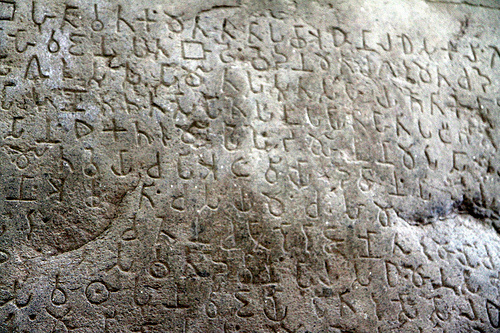
ஜூனாகட் என்னும் இடத்தில் ஒரே பாறையில் அசோகன், ருத்ரதாமன், ஸ்கந்தகுப்தன் ஆகிய மூன்று மாபெரும் மன்னர்களின் கல்வெட்டுகள் பொறிக்கப்பட்டுள்ளன.

கட்டுரையை எழுதியவர் :– லண்டன் சுவாமிநாதன்
ஆராய்ச்சிக் கட்டுரை எண்- 1503; தேதி 21 டிசம்பர், 2014.

கட்டுரையின் முதல் பகுதி ‘’தமிழும் சம்ஸ்ருதமும் ஒரு தாய் வயிற்றுப் பிள்ளைகள்’’ — என்ற தலைப்பில் வெளியாகியது. அதைப் படித்துவிட்டு இந்த இரண்டாம் பகுதியைப் படிக்க வேண்டுகிறேன். இது எனது நாற்பது ஆண்டு மொழி ஆராய்ச்சியின் முடிவுகள்:

1.இரண்டாயிரம் ஆண்டுகளுக்கும் முன் வாழ்ந்த தமிழ் , சம்ஸ்கிருதக் கவிஞர்கள் ஒரே பாணியைப் பின்பற்றி கவிகள் இயற்றியிருப்பது உலக மகா அதிசயம்! எந்த ஒரு கவிஞனிடமும் நீ ‘’அ’’ என்னும் எழுத்தில் இவ்வளவு கவிகள் பாட வேண்டும் ‘’ஆ’’ என்னும் எழுத்தில் இவ்வளவு கவிகள்தான் பாட வேண்டும் என்று யாரும் சொல்ல முடியாது. அப்படிச் சொன்னால் கவிதைகள் எழுதவும் வராது. ஆனால் வியப்பிலும் வியப்பு இப்படித் தான் இரு மொழி கவிஞர்களும் பாடி இருக்கின்றனர். அது மட்டும் அல்ல. இதே உத்தியைப் பயன் படுத்தி சிந்து சமவெளி எழுத்துக்களைப் படிக்கலாம். மாணிக்கவாசகர் பொன்றோரின் காலத்தை உறுதியாக்ச் சொல்லலாம். நான் ஒவ்வொன்றாக விளக்குகிறேன்.

முதலில் குறள், கீதை இரண்டை மட்டும் ஒப்பிட்டுக் காட்டினனேன். இதோ மேலும் சில எடுத்துக் காட்டுகள். ஒவ்வொரு எழுத்திலும் துவங்கும் கவிதைகளை/ செய்யுட்களைப் பாடற் முதற் குறிப்பு அகராதியில் இருந்து எடுத்துள்ளேன்:

நற்றிணை:–அ-35, ஆ-8, இ-26, ஈ-2, உ-20, ஊ-1, எ-9, ஏ-0, ஐ-3, ஒ-7, ஓ-4 ஔ-0
அககநனூறு:-அ-42 ஆ-6, இ-24, ஈ-2, உ-17, ஊ-2, எ-9, ஏ-1, ஐ-0, ஒ-4 ஓ-4 ஔ-0
புறநானூறு:–அ-32, ஆ-12, இ-22, ஈ-4, உ-11, ஊ-4, எ-14, ஏ-4, ஐ-1 ஒ-11 ஓ-4 ஔ-0
குறுந்தொகை:- அ-43, ஆ-7, இ-17 ஈ-2, உ15, ஊ-3 எ-13 ஏ-0, ஐ-1 ஒ-5 ஓ-2 ஔ-0
ஐங்குறு நூறு:- அ-107 ஆ-4, இ-11 ஈ-1 உ-7 ஊ-0 எ-20 ஏ-2, ஐ-1 ஒ-2 ஓ-1 ஔ-0
கலித்தொகை:- அ-18, ஆ-3, இ-7 ஈ-2, உ-4 ஊ-1 எ-6 ஏ-2 ஐ-0 ஒ-5 ஓ-0 ஔ-0
பதிற்றுப் பத்து:- அ-4 ஆ-2+1 இ-7+1 ஈ-0 உ-6 ஊ-0, எ-3+1 ஏ-0 ஐ-0, ஒ-1 ஓ-1 ஔ-0
junagadh-5

ஜூனாகட் அசோகன் பிராமிகல்வெட்டு

சங்க காலத்துக்குப் பிந்திய நூல்கள்
நாலடியார்:- அ-28 ஆ-11 இ-37 ஈ-4 உ-22 ஊ-5, எ-14 ஏ-4 ஐ-0 ஒ-5 ஓ-3 ஔ-0
பழமொழி:- அ-27 ஆ-18 இ-19 ஈ-2 உ-24 ஊ-2 எ-15, ஏ-1 ஐ-0 ஒ-10 ஓ-3 ஔ-0
திருக்குறள்:- அ-157 ஆ-23 இ-113, ஈ-8, உ-81 ஊ-21 எ-45 ஏ-9 ஐ-4 ஒ-40 ஓ-6 ஔ-0

இவற்றில் பெரும்பாலான நூல்கள் 400 பாடல்களையும் ஐங்குறு நூறு 500 பாடல்கலையும் திருக்குறள் 1330 குறள்களையும் பதிற்றுப் பத்து 80 பாடல்கள் + 8 பதிகங்களையும் உடையவை.

உயிர் எழுத்துக்களில் துவங்கும் பாடல்கள் சராசரியாக 28 விழுக்காடு வரும். குறளில் இது 38 விழுக்காடு வரை செல்வதால் காலத்தால் பிந்தியது என்று கொள்ளலாம். நாலடியார் பழமொழி ஆகியவற்றில் உயிர் எழுத்துப் பாடல்கள் 30 விழுக்காட்டைத் தாண்டுவதும் காலத்தின் தாக்கத்தைக் காட்டும். ‘’ஔ’’ என்னும் எழுத்தில் பாடல்கள் துவங்காமை குறிப்பிடத்தக்கது. ஆயினும் இதை ஒன்றை வைத்து மட்டும் காலத்தைக் கணக்கிடாமல் இதற்கு 50 மதிப்பெண்களும் எத்தனை வடசொற்கள் உள்ளன என்பதற்கு 50 மதிப்பெண்களும் கொடுத்தால் இன்னும் துல்லியமான முறையில் காலத்தைச் சொல்லலாம். இதற்கு சந்தானம் முறை என்று எனது தந்தையின் பெயரைச் சூட்டுவதற்கு ஆசை. அதை அறிஞர் உலகம் ஏற்றபின்னர் செய்வதே முறை.

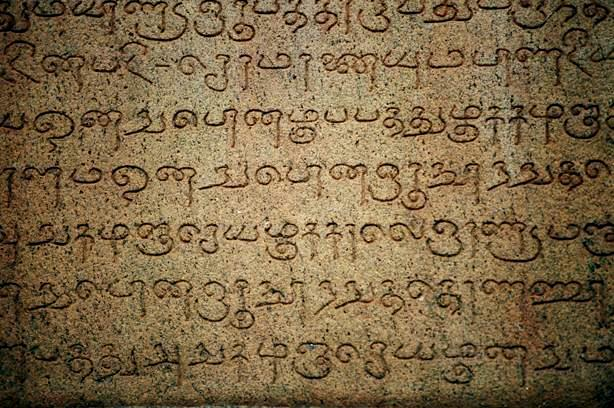
suvadi_spl
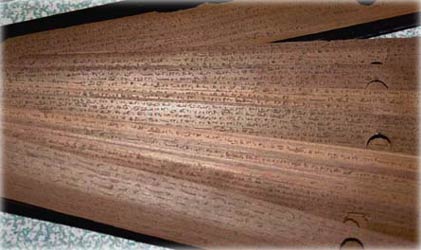
தமிழ் ஓலைச் சுவடிகள்

இது போல ‘’க’’ முதல் ‘’ன’’ வரை தனிப் பட்டியல் உள்ளது. அதைத் தனியே காண்போம்.
இப்பொழுது இதை நான்கு வட மொழி நூல்களுடன் ஒப்பிடுவேன்:
பகவத் கீதை, ஆதி சங்கரரின் விவேக சூடாமணி, காளிதாசனின் குமார சம்பவம், சாகுந்தலம்:–

வடமொழியில் எ, ஒ ஆகிய குறில்கள் இல்லை. மேலும் க்ரு, க்லு என்பன உண்டு.
பகவத் கீதை:- அ-97, ஆ-17, இ-21, ஈ-1, உ-8, ஊ-2, ரு-1 , ஏ-21, ஐ ஓ-2 ஔ -0

விவேக சூடாமணி:- அ-105, ஆ-14, இ-8 ஈ-1 உ-7, ஊ-ஒ, ரு-1, ஏ-13 ஐ-0 ஓ-0 ஔ
குமார சம்பவம்:- அ-85 ஆ-14 இ-23 ஈ-2 உ-20 ஊ-1 ரு-1, ஏ-14 ஐ-0 ஓ–0 ஔ-0
சாகுந்தலம்: –அ-29 ஆ-6 இ-6 ஈ-1 உ-6 ஊ-0, ஏ 5, 0, ஐ-0 ஓ-0 ஔ-1

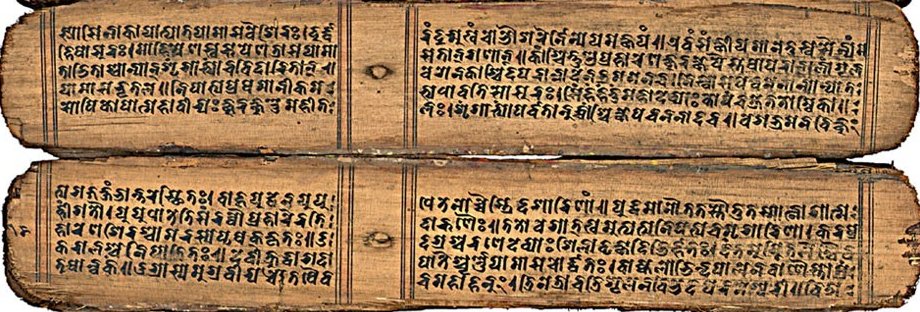
skt olai
சம்ஸ்கிருத ஓலைச் சுவடிகள்

இவைகளை நூற்றுக்கு எனக் கணக்குப் போட்டால் உயிர் எழுத்தில் துவங்கும் ஸ்லோகங்கள் கீதையில் 24%, விவேக சூடாமணியில் 25-86%, குமார சம்பவத்தில் 25-68 % சாகுந்தலத்தில் 27-27 விழுக்காடு வரும். தமிழும் வடமொழியும் ஏறத்தாழ ஒரே விழுக்காடு உடையனவாக இருப்பதைக் காணலாம்.
இது போலவே ‘’க’’ — முதல் மெய்யெழுத்துக்களையும் ஒப்பிடலாம். அவைகளிலும் இரு மொழி ஒற்றுமையைக் காணமுடியும்.

contact swami_48@yahoo.com

Amazing Tamil-Sanskrit Similarities! Helps to decipher Indus Script!

Ashoka_Rock_Edict_at_Junagadh

Junagadh Rock where Asoka, Rudradaman and Skanda Gupta inscribed their achievements.

Research paper written by London Swaminathan
Research article No.1504; Dated 21st December 2014.

(Tamil version of this article is also available)

In the first part of the article under the title “Tamil and Sanskrit have common Ancestry”, I compared the Bhagavad Gita and Tamil Veda “Tirukkural” and showed how the Tamilians and Sanskritists thught in the same way. Also showed how both the languages behave in the same way and proved that they have common ancestry. Once we understand this process it is easy to decipher the Indus script. 25 percent to 30 percent of the scripts on the seals must begin with vowels or similar sounds. It is easy to fix the controversial dates of Tiruvalluvar and Manikkavasagar. I will give my views on these subjects in separate articles. Now I will give you more examples to show that Tamil and Sanskrit came from the same source and evolved in the same way.

I have found out that (1) whether it is Sanskrit verses or Tamil verses 25 to 30 percent of verses will begin with words in vowels. (2) The second thing is that the verses with short sound words will be more than the long sound words. For instance there will be more verses with ‘’a’’ than ‘aa’ or with ‘Ka’ than ‘Kaa’. (3) This uniformity shows that Indians can think in only one way and the Indian languages will behave the same way.

If we go to Oxford dictionary and see how many words begin in vowels (a,e,i,o,u) we can’t even compare them with Tamil or Sanskrit because the language (vowels) is not similar. You can’t differentiate from the dictionary whether it is long A or short A unless you go through the pronunciation of each and every word (E.g. a, all, ant, and etc)

junagadh-5
Junagadh Asokan Inscription

Look at the following examples:
Bhagavad Gita : Verses beginning with vowels 171 out of 700 i.e. 24%
Viveka Chudamani of Shankara: Vowel slokas 150 out of 580 i.e. 25-86%
Kumara Sambhavam: vowel slokas 160 out of 623 i.e. 25-68%
Sakuntalam: Verses with Vowels as initial letters 54 out of 198 i.e. 27-27%
(There is one sloka with Au as initial letter in Shakuntalam; though it is one of the vowels both in Tamil and Sanskrit there is no sloka except one verse in Shakuntala.)

Now compare them with the Sangam Tamil Literature:
Natrinai : 115 verses out of 400 begin with vowel words 28-75%
Akananuru : 111 verses out of 400 i.e. 27-75%
Purananuru: 119 verses out of 400 29-75 %
Kuruntokai: 108 out of 400 i.e. 27%
Ainkurunuru 156 out of 500 i.e 31-2 %
Kalitokai 48 out of 150 i.e. 32%
suvadi_spl
Tamil Manuscript on palm leaves

Post Sangam Period
Naladiyar 133 out of 400 i.e. 33%
Pazamozi 121 out of 400 i.e. 30-25%
Tirukkural 508 out of 1330 i.e. 38-12%
Tiruvasagam 172 out of 656 i.e. 26-2%

Post Sangam verses have more percentage i.e. over 30 %. This method will determine their dates of the works as well. But I will prefer this and use of Sanskrit words must be taken into account ( 50% for use of Sanskrit words+50 % for this method).

I will give you a few examples to show how verses with short and long sounds begin:
Natrinai: a 35, aa 8, I 26, ii 2, u 20, uu 1, e 9, ee 0, ai 3, o 7, oo 4
Akananuru: a 42, aa 6, I 24, ii 2, u 17, uu2, e 9, ee 1, ai 0, o 11, oo4

Throughout Tamil literature and Sanskrit we can see this up and down between short and long sounds.

It is same in Sanskrit works; I will give you a few examples:
Bhagavad Gita: a 97, aa 17, I 21, ii 1, u 9, uu 2, Ru 1, ee, 21, oo2, ai 0, au-0
V. Chudamani: a105, aa 14, I 8, ii 1, u 7, uu 0, Ru 1, ee 13, oo 0, ai 1
Kumara sambhavam: 85, 14, 23, 2, 20, 1,1, 14, 0,0

skt olai
Sanskrit manuscript on palm leaves

No one dictated to the poets to write this way. There is no grammar book giving such a rule! These show Tamil and Sanskrit have a common ancestry. I want to name this method after my father Santanam. So I will call this Santanam Method subject to the approval of the scholars of Tamil and Sanskrit speaking world.

Contact swami_48@yahoo.com

Tamil and Sanskrit: Rewrite Linguistics Theory

reading

Tamil and Sanskrit: Rewrite Linguistics Theory

Research paper written by London Swaminathan
Research article No.1502; Dated 20th December 2014.

People who don’t know Tamil and Sanskrit have written lot of theories in Linguistics. Once they know all the rules governing Sandhi (joining rules for words or phrases) rules in Tamil and Sanskrit, they will reconsider their theories. People wrote that Aryans got X sound after mingling with the Dravidians and Dravidians got Y sound after coming into contact with the Aryans etc. They fixed their own point in a circle and called it as the starting point. People who know what a circle is know there is no starting point or finishing point. It is in your mind that you fix a point. In the same way they said that Aryans came with Sanskrit from somewhere in Europe and Dravidians came with Tamil from the Mediterranean. But once you change the starting point as India, all their linguistic theories fall like pack of cards. They will crumble into powder.

Somewhere I read that Aryans had D sound only and then they got soft L sound from Dravidians. But this D/L or R/L changes are natural. They are in Tamil itself:

Pal+Podi = Parpodi (tooth + powder= tooth powder)L=R
Kal+Kudiyan = Katkudiyan (Toddy+Drinker= toddy drinker)L=T
Kan+Sevi = Katsevi (snake)N=T
There are hundreds of examples like this.

Whatever the linguists explain as changes due to two language speakers coming in to contact with each other are happening in the language itself!
There are scores of changes occurring in Tamil itself. In Sanskrit language Sandhi rules is a big chapter, a must for all Sanskrit students.

brain 2
We know that Sanskrit has sister languages in Europe. Once you know that Indians moved from Ganges plains to Europe then all the words are explained. In the same way we see lot of words in Greek (which according to those linguists a language related to Indo-European in turn to Indo Aryan languages) from Tamil. I have given a long list of Tamil words in Greek in one of my previous articles; I can give a few now

Clepto=Kalavu (Theft)
Tele=Tolai (Long)
Paleo= Pazaiya (old)
Mega = Ma (big)
Terra= Tarai (Terrain)
Cota=Sutta (burnt)
Odo=Odu (run)
Nereids=Neer (water)
Oryza= Arisi (Rice)
Ginger=Inji (Zingibera)
Hora= Orai (Hour)
Yavanika = (Ezini) Curtain
Even before Alexander invaded the North West of India, we see Greek/Tamil words. So it has nothing to do with Alexander’s invasion.

linguist book

There are thousands of English words similar to Tamil. No linguistics theory can explain them ( I have one note book full of such words. Sathur Sekaran from Tamil Nadu was interviewed by me at the BBC Tamil Service in London in the 1990s on his book with the same theme). Once we know that all the major languages are related either to Sanskrit or Tamil, then there is no explanation needed.

Indian Civilization Originated in the East

Ganges is referred to in the oldest part of the Rig Veda. Hindus named East as Purva Disa. All words with the same sound mean ‘the oldest’ , ‘the beginning’, ‘the first’. If some asked you what is your Purvikam? It means what is your origin? Pura means ‘once upon a time’, ‘Purana. means old story, Purva means East, Purvika= ancestry, Purva Disa= East, East belongs to Indra. East is called Direction of Indra.

brain

Dravid Maharashtra

I read a review for a booklet titled “Dravid Maharashtra” (Marathi book by Vishwanath Khaire, published by Sadhna Prakashan, Shaniwar Peth, Pune-30) in 1978. It is about place names in Maharashtra which are similar to Dravidian place names. The author examined a large number of place names in Maharashtra and traced them back to their Tamil origin. He argued that Maharashtra may be the missing link between the Aryan and Dravidian cultures. I have read similar articles linking lot of place names in Pakistan and Afghanistan to Tamil names. No wonder people find link with Sanskrit or Tamil place names around the world. Adri Rishi’s name with Adriatic Sea, Kasyapa Rishi’s name with Caspian Sea, Kashyapa Rishi’s name in Kashmir, Agastya’s name with Augustus, Iran’s name with Arya, Syria’s name with Surya, Lebanon’s name with Lavana (salty white), Laos name with Lava etc.

linguistic_levels13721
We have proof for all these things; but only westerners refused to accept them as proof because they thought we all came into India like them (British,French , Portuguese and the Dutch). This theory suited their political ends. Even when they found out Vedic names in the Cunieform tablet in Turkey dated 1400 BCE, even when they found Dasaratha’s name in Amarna letters of Egypt, even when they found Sanskrit Horse Manual in Syria/Turkey, they never included them in the text books in India but included a scores of chapters about their own reformation to civilize Indians!!

Indian scholars, who were after big jobs at high level in the British ruled India, played second fiddle to them. When you change the theory that Indians went out from the subcontinent to spread culture and civilization, then everything falls in its place. Horse originated in India is the latest theory. Indians were the pioneers in iron and steels in the ancient world. So, you change the date for all these things and then their theories will bite the dust.

Moses has no proof! Raging Controversy!

Without any historical or archaeological proof for Moses they have founded three great Semitic religions. Still they were debating whether Moses existed. His name is repeated 136 times in Quran. There is a raging controversy in British and American newspapers every week about Moses because a new film is being released on 26th December, 2014 .

All the mysterious links with Tamil and Sanskrit are explained logically once you change the dates and starting point. No one needs to accept Western dates. If everything needs to be supported by archaeology their religions will disappear, their literature would have no date. Max Muller fixed 200 year rule only for Vedic language. If you apply the same rule to Greek and Tamil, the dates for their literature will crumble like powder. No date for Homer and Tokappian will pass the litmus test.

In short you can challenge the Western theories in every respect. You can pay them by their own coin.

Vedas and the Scientist

sun_planets

Compiled by London Swaminathan
Post No.1501; Dated 20th December 2014.

Dr A S Ramanathan (Deputy Director General of Meteorology, Rtd. and K S R I Research Fellow) gave a talk on Vedas and the Scientist under the auspices of K S R Institute, Madras-4 on May 29, 1983. He observed:

i)Very interesting results follow when a very careful study of the entire Vedic literature is made by a scientist, having a good knowledge of the language as well as the rituals, with traditional background too ( Dr Ramanathan himself is such research scholar). Madhusudhana Ojha-Vidyavacaspati of Rajathan has compiled the Vedic mantras by different subjects — only some of these have been published so far. Based on this further research important scientific conclusions emerge

ii)The Veda indicates all the intelligent processes that take place in the Cosmos, leading to evolution of various objects, starting with the primordial fluid filling the Cosmos. The processes being infinite in number and existing for all time, the Vedas too are ‘ananta’, ‘anaadee’ and ‘apaourusheya’ – not man-made. We have also the ‘Sabda Veda’ – the utterances of the seer-Rsis. The entire Vedas form a ‘’Shrishti Vidya’’!

iii)The Rig-Veda hymns – Riks represent the formation of the ‘’Pinda’’ limited by its diameter; the ‘’Yajus’’ indicates the ‘’Chaiytanya’’ – Pramna the centre; the ‘’Sama’’ represents the ‘mahima’ of the created living object, having therefore a mandalakaara. As the circumference is about the three times the diameter, ‘’Saama’’ is said to be ‘’Tricham’’. As ‘’Mahimaa’’ is subsequent to creation the ‘’Saaman’’ has to be charted only after the recital of the Rik or Yajus — c.f. Bhagavad Gita X-22 relating to Krishna’s Vibhuti.

iv)The word Yajna has a very wide meaning. One important ‘Yajna’ is the “Samvatsara Yajna” – the creation of the Solar System described in the “ Aghamarchana Suktam” (c.f. also Purusha Suktam) Rita and Satya – terms occurring here always go together. The former is the all pervading fluid – the primordial base of creation; when a centre of creation appears and an object created around it – this is Satya.

The radiance of the Sun extends from the centre in expanding circles – orbits 24, degrees apart lead to the change in seasons. We have the manifestations in Space or Air, Fire, Water and Earth in that order, as also Sound – Vaak – R R
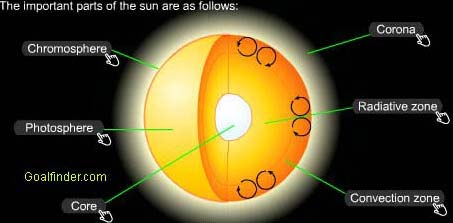
sun-chromosphere-photospher

Vedas and the Scientist II

‘Sabda’ and ‘Artha’ always go together; these have also the meaning; Energy and ‘Matter’. The right type of flow of energy will lead to constructive creation. Any departure will lead to destruction. Hence the stress on ‘svara’ in Vedic utterance.
The term ‘Chandas’ (metre) normally sets a limit to the number of words used in a ‘Rik’; at a deeper level, it represents the limit of size, activity etc in regard to a created object.

Dr C R Swaminathan who presided pointed out that the Vedic culture once prevailed universally and even today practices analogous to Aginihotra and Shraddhas (including Mahamalalaya) are observed among ancient tribes in Africa Australia and the Far East. He also referred to “Sabdaraasis” being eternal and not man-made the extent Vedas are not the whole thing.

3.Dr K R Radhakrishnan (Director General of Police) who was the ‘observe’ said:
‘Yajna’ represents the process of conversion of thermal energy into electrical energy, reaching out into space. The white surface of the central surface of the Sun is the photo sphere; it is surrounded by the chromosphere; we have also the ‘prominences’ of enormous extent; beyond them is halo of light – the ‘corona’. We may find this indicated in the Vedic mantras (Mandehaarunadwipa – may refer to the penumbra of the sun). Modern physicists who have accumulated vast data on the sun are not yet clear about its origin. They need the intuitive perception of the ancient seers. (c.f. The Tao of Phycis by Frit jof Capra)
Note: Angiras (Prof. K S Sharma, Court Road, Pithanpura, Saharanpur, Uttar Pradesh, India) has given unique interpretations to Vedic mantras, deriving from there laws pertaining to Physics, Chemistry, Biology, Astronomy and Mathematics.

For example, from the Gayatri he finds the way in which a planet becomes fit for higher biological life and how there had been cosmic exoduses and immigrations. From the first Rig-Vedic hymn, he gets at the process of energy production in the body of Sun and also how energy like a fluid has higher and lower levels. His researches deserve to be pursued by scholars.

Mahesh Yogi Institute also has undertaken research into Vedas from the scientific point of view. – R R
—From Indian Express 1983 Paper cuttings

sun 2

Cosmic Migration (Paper cutting from 3rd December 1977)

The Vedic Mantras may be interpreted at various levels, poetical, psychological (symbolic), ritualistic, philosophical (mystic), scientific etc. Generally, the interpretations are based on the meanings of each word – often compounds. In the most sacred Gayatri Mantra, which occurs in all the Vedas, “the supreme light of the God-head, Surya Savitri is invoked as the object of our desire, the deity who shall give his luminous impulsion to all our thoughts. “To prepare a new birth and a new creation for man, by his illumination and upward voyaging is the function of Surya, the Divine Light and Seer”(Aurobindo).

Without prejudice to such spiritualistic interpretation Shri K S Sharma of Saharanpur,U.P (see article dated Oct.18,1977) has attempted elucidations of Gayatri and other Mantas on the material-scientific plan, by dividing the compound of words into the elementary ones up to each letter, and by taking words from each mantra, in the reverse order also (i.e. from the end to the beginning).

For example Bhoor means a walkable place below an atmosphere in a heavenly body, which is said to be the third and surrounds two heavenly bodies. Bhuvah is Bhu—v—aha meaning to be or coming into existence. Svah is one’s own nature tat means when; sava means water. Itur is I-tu-u-a-R meaning devoid of wealth. In this way the Gayatri is made to indicate

i)the way in which a planet becomes fit for habitation of the higher biological life ii)governance of beings living below ,above or at the surface of the planet earth, by a group of nine planets and a constellation of 12 stars.

planetorder

iii)a cosmic exodus
iv) a cosmic immigration. Dealing with hymn 121 of the Tenth Mandala of Rig Veda similarly, he gets at the details of space voyages.

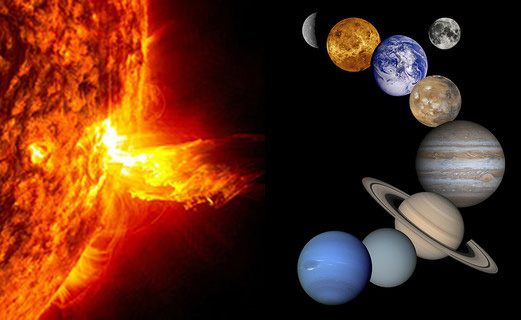
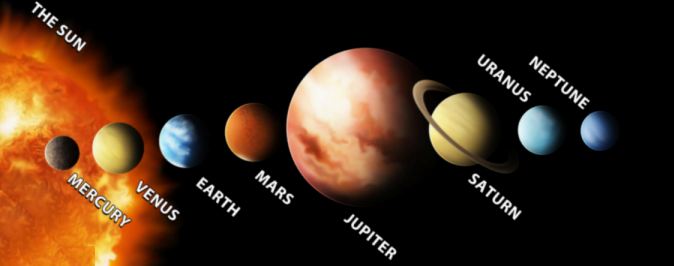
Some of his conclusions are : Everyone of the planets has been or would be fit for biological life at one time or another. Within our solar system, Neptune should have been the first n this respect. When it grew old and unable to bear life, life should have been transferred to Uranus. Similarly successive transfers ought to have been to Saturn, Jupiter, the parents of the asteroids, Mars and Earth. The future transfers would be successively to Venus, Mercury and the solidified Sun, and then to another solar system.

The first human emigrants from Mars (lost paradise) to the Earth, brought with them the comprehensive guide, the Vedas, capable of uncovering the hidden scientific mysteries.

These interpretations cannot be dismissed as fanciful or farfetched as the details can be checked with lexicons (cf. the theories about Tirumolar’s Tirumanthiram).

The hymns of the First Mandala of the Rig Veda also are interpreted to afford scientific techniques. We may deal with the first hymn to Agni and compare the interpretations of Sayana, Aurobindo and Sharma in a separate article. In passing, we may note that this and other hymns together deal with heat-light atoms, particles, energies, X Rays, neutrons, molecules, spectra, planetary, atmospheres, motions and distances, spacecraft and platform etc. the Isavasya Upanishad indicates electron as the connecting link between matter and life, while the Atharva Veda is related to higher mathematics. The Sama Veda naturally deals with sound (the seven notes and stringed instruments) – R R

Indian Express 3rd December 1977

contact swami_48@yahoo.com

தமிழும் சம்ஸ்கிருதமும் ஒரு தாய் வயிற்றுப் பிள்ளைகள்!

tamil

கட்டுரையை எழுதியவர் :– லண்டன் சுவாமிநாதன்
ஆராய்ச்சிக் கட்டுரை எண்- 1500; தேதி 20 டிசம்பர், 2014.

இந்தியாவின் இரண்டு பழைய மொழிகள் தமிழும் சம்ஸ்கிருதமும் ஆகும். இந்த இரண்டு மொழிகளும் சிவனிடமிருந்து தோன்றியவை என்றும் ஒன்றுக்கு பாணிணியையும் மற்றொன்றுக்குக்கு அகத்தியனையும் இலக்கணம் எழுத சிவ பெருமானே பணித்தான் என்றும் ஆன்றோர் கூறுவர். இதை எல்லாம் பிற்காலக் கதைகள் என்று சொல்லுவோரும் கூட வியந்து போற்றக்கூடிய சில மொழியியல் அம்சங்கள் இரு மொழிக்கும் பொதுவாக அமைந்துள்ளன.

எனது நாற்பது ஆண்டுக்கால மொழி ஆய்வில் கண்ட சில உண்மைகளைப் பகிர்ந்து கொள்கிறேன். சுமேரியாவில் ‘’ஊர்’’ என்ற ஒரு இடம் உள்ளது. இது தமிழில் வரும் ‘’ஊர்’’ என்பதைப் போலவே இருப்பதாக எண்ணி தமிழர்கள் மகிழ்வர். இது புரம், புரி என்பதன் திரிபு என்றும் வட இந்தியா முழுதும் ஜெய்ப்பூர், உதய்பூர், நாக்பூர் என்று பல ‘’ஊர்’’கள் காஷ்மீர் வரை பரவிக் கிடப்பதால் இது சம்ஸ்கிருதமே என்றும் சொல்லி வேறு சிலர் மகிழ்வர். உண்மையில் ஒரு மொழி எப்படி இரு வகையாகப் பிரியும் என்பதற்கு இது சரியான எடுத்துக் காட்டு. அதாவது இச் சொல்லுக்கான மூலம் ஒன்றே. அது தமிழில் ஊர் என்றும் சம்ஸ்கிருதத்தில் புரம் என்றும் கவடு விட்டுப் பிரிந்தது.

sanskrit-letters

இன்னொரு எடுத்துக் காட்டு மூலம் இதை விளக்குகிறேன். ஆங்கிலத்தில் எண் 1 என்பதற்கு ‘’ஒன்’’ என்பர். இது தமிழ் ‘’ஒன்று’’க்கு நெருக்கமானது. ஆனால் சம்ஸ்கிருதத்திலோ ‘’ஏகம்’’ என்பர். ஆங்கிலத்தில் எண் 8 என்பதற்கு ‘’எயிட்’’ என்பர். இது தமிழ் ‘’எட்டு’’ என்பதற்கு நெருக்கமானது. சிறிது ஆழமாகப் போய்ப் பார்த்தால் ‘ஒன்’ என்பது ‘யுன்’, ‘ஐன்’ என்று மாறி ‘ஒன்’ என்றாயிற்று என்பர். இதே போல ‘எட்டு’ என்பது ‘ஆக்டோ’, ‘அஷ்ட’ என்பதாக மாறி ‘’எயிட்/அயி’’ட் ஆயிற்று என்பர். ஆக ஒரு மூலச் சொல் இப்படி இருவகையாகப் பிரியமுடியும் என்று தெரிகிறது.

சில சொற்கள் தமிழில் இருந்து வந்ததோ என்றும் சில சம்ஸ்கிருதத்தில் இருந்து வந்ததோ என்றும் எண்ண வைக்கும். தமிழில் இருந்து கன்னடம், தெலுங்கு, மலையாளம் எப்படி உருவாயிற்று என்று பார்த்தால் கூட, வரலாறு, புவியியல், பிறமொழிப் படையெடுப்பாளர் ஆகியவற்றால் எல்லாம் எப்படி மொழிகள் உருவாகின்றன என்பது விளங்கும்

Devimahatmya_Sanskrit_MS_Nepal_11c

ரிக் வேதத்தில் தமிழ் சொற்கள்
மீன், நீர், மயில் (மயூர) போன்ற தமிழ் சொற்கள் ரிக் வேதத்தில் இருப்பதாகவும், தொல்காப்பியத்திலும் சங்க இலக்கியத்திலும் காலம், உலகம், மனம், காமம் முதலிய சம்ஸ்கிருதச் சொற்கள் இருப்பதாகவும் அறிஞர்கள் சொல்லுவர். இதை எதிர்ப்போர் இவை எங்கள் மொழியில் இருந்து அங்கே சென்றவை என்று வாதிடுவர். உண்மையில் சில சொற்கள் காலத்தையும் மீறி உரு மாறாமல் இருந்ததால் இவைகளை இப்போது எந்த மொழியில் புழங்குகிறதோ அந்த மொழிச் சொல் என்று நாம் வாதாடுகிறோம். ஆனால் இவை இரு மொழிக்கும் பொதுவான சொற்கள் என்பதை அறிந்தால் இரு மொழிக்கு இடையில் உள்ள பிரிவினைக் கோடு மறைந்து போகும்.

பெரிய ஆதாரம்
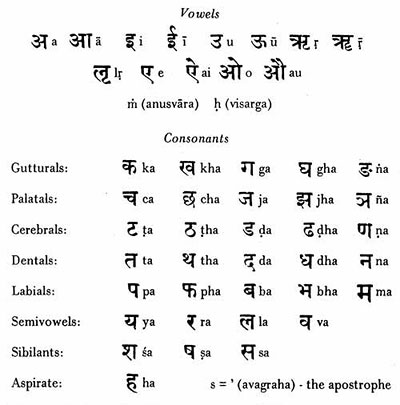
இவைகளை எல்லாம் விட பெரிய ஆதாரம் இரு மொழி இலக்கியங்களில் உள்ளன. தமிழுக்கு மிக நெருக்கமான மொழி சம்ஸ்கிருதம்! இதே போல சம்ஸ்கிருதத்துக்கு நெருக்கமான மொழி தமிழ். இரு மொழிகளிலும் உள்ள பழைய கவிதை நூல்களை எடுத்துக் கொண்டு கடைசி பக்கத்தில் உள்ள பாடல் முதற்குறிப்பு அகராதிக்குப் போங்கள். ஒவ்வொரு மொழியிலும் உயிர் எழுத்தில் எத்தனை பாடல்கள் துவங்குகின்றன என்று பாருங்கள். அற்புதமான ஒற்றுமை இருப்பதைக் காண்பீர்கள்.

‘’ஔ’’ என்ற எழுத்தில் இரு மொழிகளிலும் பாடலே துவங்காது. அல்லது அபூர்வமாக இருக்கும். யாரும் பழைய காலப் புலவர்களிடம் போய் நீ இந்த எழுத்தில் துவங்கும் பாடல்கள் இவ்வளவுதான் பாட வேண்டும் என்று சொன்னதும் இல்லை. அப்படி இலக்கண விதிகள் எதுவும் இல்லவும் இல்லை. ஆயினும் இரு மொழிகளும் ஒரே பாணியைப் பின்பற்றுவதைக் காணலாம்.

இரு மொழிகளிலும் உயிர் எழுத்துக்களில் துவங்கும் பாடல்கள் ‘மூன்றில் ஒரு பகுதி’ அல்லது ‘நான்கில் ஒரு பகுதி’ இருக்கும். இவ்விரு மொழிகளை மட்டுமே எளிதில் ஒப்பிடும் மாதிரியில் இரு மொழி அரிச்சுவடியும் கிட்டத்தட்ட ஒன்றாகவும் இருக்கிறது. இரு மொழி மக்களின் சிந்தனை, செயல்பாடு, நம்பிக்கைகள், பழக்க வழக்கங்கள் ஆகியனவும் ஒரே மாதிரி உள்ளன. வெகு சில விஷயங்களே மாறுபடும். அத்தகைய மாற்றங்களை உலகில் எல்லா இடங்களிலும் காண முடிகிறது.

tamil 3

கீதையும் குறளும்
பகவத் கீதையில் அ-97, ஆ-17, இ-21, ஈ-1, உ-9, ஊ-2, க்ரு-1, ஏ-21, ஓ-2 வில் துவங்கும் ஸ்லோகங்கள் =171
மொத்தம் ஸ்லோகங்கள் 700
ஆக நாலில் ஒரு பகுதி உயிர் எழுத்தில் துவங்குபவை

திருக்குறளில் அ-157, ஆ-23, இ-114, ஈ-8, உ-81, ஊ-21, எ-45, ஏ-9, ஐ-4, ஒ-40, ஓ-6 ஔ-0 -வில் துவங்கும் பாடல்கள் = 508
மொத்தம் உள்ள குறள்கள் 1330

ஆக மூன்றில் ஒரு பகுதி அல்லது நான்கில் ஒரு பகுதி இருப்பதோடு ஔ – வில் எதுவும் இல்லை என்பதும் குறிப்பிடத்தக்கது. அது மட்டுமல்ல.

குறில் ஒலிகளில் ( அ, இ, உ, ஒ) அதிகப் பாடல்களும் நெடில் ஒலி எழுத்துக்களில் குறைவான (ஆ, ஈ, ஊ, ஏ, ஓ) பாடல்களும் இருப்பதையும் காணலாம். இவை எல்லாம் இரு மொழியிலும் இயற்கையாகவே அமைந்துள்ள விஷயங்கள் —- யாரும் போய் கட்டளை இட்டுச் செய்தது அல்ல. மேலும் கவிதை என்பது உள்ளத்தில் எழுந்து பீறிட்டு எழும் உணர்வுகள். அதற்கு யாரும் தடைகளோ விதிகளோ போட முடியாது. ஆக கவிதைகள் கூட இரு மொழிகளும் ஒரே மூலத்தில் பிறந்து ஏறத் தாழ ஒரே விதிகளைப் பின்பற்றுவதைக் காட்டுகின்றன.

மொழிகளுக்குள் சொற்களை இணைப்பதற்கான சந்தி விதிகள் இருக்கின்றன. இவை உலகில் தற்போதைய மொழிகளில் காணப்படாத புதுமை. ஆனால் சம்ஸ்கிருதத்திலும் தமிழிலும் மட்டும் உண்டு.

டூத் + பவுடர் என்ற இரு சொற்களை ஆங்கிலத்தில் அப்படியே இணைத்து டூத் பவுடர் என்று எழுதலாம். ஆனால் தமிழில் பல்+ பொடி= பற்பொடி என்று மாறுவதைக் காணலாம். இது போல சந்தி விதிகளை இன்றும் பயன்படுத்துவது தமிழும் சம்ஸ்கிருதமும் மட்டுமே.
கட்டுரையின் இரண்டாவது பகுதியில் மேலும் பல விஷயங்களைத் தருகிறேன்.

Sanskrit and Tamil have Common Ancestry!

tamil

Research paper written by London Swaminathan
Research article No.1499; Dated 19th December 2014.

Scholars have been wondering for long about some of the Tamil words found in Rig Veda and other Vedic literature.

E.g. Neer=Water, Min = Fish, Mayur=Pea cock are a few words in the Vedic literature that are considered Tamil

In the same way Tamil scholars are disputing the Sanskrit words found in the oldest Tamil book Tolkappiam.
E.g. Kala= Time, Kama= desire (particularly sexual), Manas= mind, Bhuta as in Pancha Bhuta= elements etc.

These are only few examples. It is a pity that the so called scholars knew only one of the two ancient languages of India. People in the North knew Sanskrit in addition to Hindi. People in the South knew Tamil and English to some extent. If both of them have studied both Tamil and Sanskrit, they would have known that there is more similarity between the two languages than dissimilarities.

If there is any one language in the world that is closest to Tamil, that is Sanskrit. If there is anyone language in the world that is closer to Sanskrit, that is Tamil. Most of the worlds in the major languages of the world can be traced back to these two languages. The thought process, beliefs, customs and culture are amazingly similar. Those who study Sangam Tamil literature would know that there is no difference in values or customs between the South and the North. They may very rarely come across one or two exclusively Tamil customs, which is possible in any part of the world that are geographically wide apart.

If someone finds similarity with Ur in Sumer with Ur=Town in Tamil, immediately there will be another one to point out Ur in Sumer is similar to Pur/Pura in Sanskrit. The fact of the matter is almost all the words in ancient languages can be traced back to Tamil or Sanskrit. These are the two languages that coexisted long before several ancient languages. More over languages tend to branch out and develop new dialects depending upon the geography, climate, history of other language speakers coming in to contact etc.

sanskrit-letters

One more example from English
In English, if we look at numbers ONE and EIGHT, the sounds are similar to Tamil in
ONE= ondru in Tamil
EIGHT = Ettu in Tamil
If we go deeper in to it, it will show Une/Eine are the basis of ‘one’
Eight= Octo/Ashta are the basis for ‘eight’

This is to show that it can only branch out in the Sanskrit way or the Tamil way.

Biggest Proof
The biggest proof lies in the ancient poems of two languages. If we go to the index page of any old poetry book either in Tamil or Sanskrit we can see amazing similarity between the poems staring in vowels. For instance, in any Tamil or Sanskrit book, the poems beginning with the words in vowels will form 25 % of the entire work or one third of the work.

Devimahatmya_Sanskrit_MS_Nepal_11c
Look at the following example:

Slokas in Bhagavad Gita with initial letter a- 97, aa-17, i-21, ii-1, u-9, uu-2, kru-1, ee-21, oo-2.
Total = 171 out of 700 slokas
Tamil ‘Tirukkural’
a-157, aa-23, i-114, ii8, u-81,uu-21, e-45,ee-9,ai-4, 0-40, 00-6
= 508 out of 1330

Though Tamil and Sanskrit have ‘Au’ as one of the vowels, there is no verse beginning with Au (ow sound as in Owl) in Tirukkural or Bhagavad Gita!!

This is not the only one similarity. We can see another pattern. Vowels with short sound (a,e,u,o) will have more verses than vowels with long sounds (aa, ee, uu, oo etc)

Nobody could have gone to a Tamil or Sanskrit poet thousands of years ago and dictated that you must sing verses starting with this vowel these many times only. This is a natural process. In fact the vowels and case suffixes are nearly same in Tamil and Sanskrit.

I have done research for years comparing these languages initial letters of the poems. The charts show a clear pattern. I will give more charts in the second part. The Sandhi rules (joining of words) and internal changes when compound words are created are also unique to Tamil and Sanskrit.

If I add tooth+powder in English it is tooth powder, but not in Tamil or Sanskrit!

contact swami_48@yahoo.com
tamil 3

சம்ஸ்கிருத மொழி அதிசயங்கள்!

yogaveshti,indus style

கட்டுரையை எழுதியவர் :– லண்டன் சுவாமிநாதன்
ஆராய்ச்சிக் கட்டுரை எண்- 1498; தேதி 19 டிசம்பர், 2014.

ஒவ்வொரு மொழியிலும் பல அதிசயங்கள் இருக்கத்தான் செய்யும். தமிழில் 12 உயிர் எழுத்துக்களில் ஒன்றான ‘’ஔ’’ என்னும் எழுத்தில் ஒரு சொல் கூட சங்க இலக்கியத்தில் இல்லை! சங்க இலக்கியத்துக்கு பல நூறு ஆண்டுகளுக்குப் பின்னால் வந்த திருக்குறளிலும் இல்லை. நாம் அறிந்த ஔவையார் என்ற புலவர் பெயரையும் அவ்வையார் என்றே அக்காலத்தில் எழுதினார்கள். தமிழில் பல எழுத்துக்களுக்கு தேவையே இல்லை என்பதை வேறு ஒரு கட்டுரையில் பட்டியல் போட்டுக் காட்டியுளேன். இன்னும் பல அதிசயங்கள் தமிழ் மொழியில் உண்டு. அதைத் தனியே காண்போம்.

சம்ஸ்கிருத மொழி அதிசயங்கள் பற்றி மோனியர் வில்லியம்ஸ் என்ற அறிஞர் என்ன கூறுகிறார் என்று பாருங்கள்:
“எண்ணிக்கையில் அதிகமான நூல்களைப் படைத்தது மட்டும் நம்மை வியப்பில் ஆழ்த்தவில்லை. அவர்களுடைய நூல்களின் நீளத்தைப் பாருங்கள்! வர்ஜில் என்ற புகழ் பெற்ற கவிஞரின் ‘’ஏனிட்’’ என்னும் நூலில் 9000 வரிகள்! கிரேக்க நாட்டின் முதல் காவியமான – ஹோமர் எழுதிய — இலியட்டில் 12,000 வரிகள். அவரே எழுதிய மற்றொரு காவியமான ஆடிஸியில்15,000 வரிகள்! ஆனால் இந்துக்களின் மஹாபாரதத்திலோ இரண்டு லட்சம் வரிகள்! இத்தோடு அதன் பிற்சேர்க்கையான ஹரிவம்சத்தைச் சேர்த்தால் இன்னும் அதிகமாகும்!

அவர்களுடைய இலக்கியத்தில் உள்ள ஞானம், இயற்கை அழகு, குடும்பத்தினர் இடையே நிலவும் அன்பு, வாத்சல்யம், நீதி போதனை ஆகிய எதிலுமே கிரேக்க, ரோமானிய (லத்தீன்) காவியங்களுக்கு அவை சளைத்தவை அல்ல”.

ஹெர்மன் ப்ரமோபர் என்பவர் ஜெர்மானிய அறிஞர் — அவர் கூறுகிறார்: “நமக்குத் தெரிந்த ஐரோப்பிய மொழிகளில் கிரேக்க மொழிதான இலக்கியச் செறிவுடைய வளமான மொழி. ஆனால் அதில் ஒரு வினைச் சொல் 68 வடிவங்கள் எடுப்பதை நாம் அறிவோம். அது கண்டு வியக்கிறோம். சம்ஸ்கிருதத்தில் ‘’க்ரு’’ (செய்ய) என்ற வினைச் சொல் 336 வினை வடிவங்களை உடையது! இதில் இன்னும் எவ்வளவோ சேர்க்க முடியும். அவைகளைச் சேர்க்காமல் 336.

athithi devo bhava

உபநிஷத்துகள் பற்றி மூவர் எழுதிய ஆங்கிலப் புத்தகத்தில் சம்ஸ்கிருத மொழியீன் ஆழத்தை அளந்து காட்டுகின்றனர்.

“சம்ஸ்கிருதத்தில் 800 வேர்ச் சொற்கள் இருக்கின்றன. அவைகளை அறிந்துவிட்டால் அவை மூலம் உருவாகும் நூற்றுக் கணக்கான சொற்களை அறிய முடியும். ஒரு எடுத்துக் காட்டு ‘’ராம’’ என்ற சபத்துக்கு வேரான ‘’ரம்’’, ரம்யதி என்பதை எடுத்துக் கொண்டால் அமைதியாக இரு, ஆனந்தமாக இரு, ஓய்வாக இரு, இன்பமாக இரு, மற்றவர்களுக்கு ஆனந்தம் கொடு,காதல் செய், விளையாடு, இன்பம் ஊட்டு, சாந்தமாக இரு, நிறுத்து, அசையாமல் நில் எனப் பல பொருள் தொனிக்கும்.

இதை எப்படி எல்லாம் பயன்படுத்த முடியும் என்பதற்குக் கீழே உள்ள எடுத்துக் காட்டைப் பாருங்கள்:
மூஷ் என்றால் திருடு என்று பொருள். மூஷிகம் என்றால் எலி. எல்லாப் பொருட்களையும் திருடிச் செல்லும் பிராணி. மூஷிக ரதி என்றால் பூனை என்று பொருள். இதில் ரம் என்ற இணைப்பு இருக்கிறது அதாவது எலியைத் தடுத்து நிறுத்தும் பிராணி அல்லது எலியினால் மகிழ்ச்சி கொள்ளும் பிராணி என்று பல பொருள் சொல்லலாம்—மூஷிக+ரதி.

இதையே ஆன்மீக விஷயங்களில் கூடப் பயன்படுத்தலாம். மூசிக என்பது ஆத்மா. மூஷிகரதி என்பது ஆன்மஞானம் பெற்றவன்.

இதையே வேத மந்திரங்களுக்கும் நாம் பயன்படுத்திப் பார்க்கலாமம். வேத மந்திரங்களின் பொருள் ஒரு மட்டத்தில் ஏதோ எலி, பூனை கதை சொல்லுவது போல இருக்கும். அதன் அடையாள பூர்வ அர்த்தமோ ஆன்மீக ரகசியமாக இருக்கும். அதன் மந்திர சப்தமோ, மந்திர ஒலியினால் வரும் பலன்களைக் கொடுக்கும்.

four vedas

வேத கால மொழி பல ‘’மறை’’கள் (ரகசியங்கள்) நிறைந்தவை. அது மட்டுமல்ல சொல்லின் இலக்கணம் முக்கியமல்ல. அந்தச் சொல்லுக்கு என்ன என்ன பொருள் என்று பார்த்தால் பக்கம் பக்கமாக எழுத முடியும். அந்தக் காலத்தில் குருகுல வாசத்தில் குரு தனது சீடர்களுக்கு இந்த ரகசியங்களை அவரவர் தராதரம் அறிந்து போதிப்பார்.

ரிக் வேதத்தில் 24 பிரிவுகள் இருந்தன. வியாசர் என்னும் மாபெரும் அறிஞர் அவை அழிந்து வருவது கண்டு, வருத்தப்பட்டு அவற்றைக் காப்பாற்ற முயன்றார். பெரிய ‘’கம்பெனி எக்ஸிகியுட்டிவ்’’ மாதிரி திட்டம் எல்லாம் போட்டு, நான்கு உலக மகா அறிஞர்களை அழைத்து வேதத்தை நான்காக வகுத்து அவைகளைப் பாதுகாக்கும் பொறுப்பைக் கொடுத்தார். அப்படியும் நமக்குக் கிடைத்தது ரிக்வேதத்தின் ஒரே பிரிவு மட்டும்தான். பெரும்பகுதி அழிந்துவிட்டன. அந்த ஒரு பகுதியைக் கூட எவராலும் புரிந்துகொள்ள முடியவில்லை. அவ்வளவு பழமையானது — ரகசியங்கள் நிறைந்தது. சுமேரிய ஜில்காமேஷ் காவியம் போல எளிமையானது அல்ல. அதைப் போல சுவையில் மட்டமானதும் அல்ல. ரிக் வேத மந்திரங்கள் 10,000-க்குமேல் இருக்கின்றன. ரிக் வேத துதிகளின் எண்ணிக்கை 1028. சில துதிகளில் ஒரு மந்திரம் மட்டும் உண்டு. அதிகமாக ஒரே துதியில் 58 மந்திரங்கள் இருப்பதையும் காணலாம்.

ரிக்வேதம் தவிர வேறு மூன்று வேதங்களும் இருக்கின்றன. ஏறத்தாழ 20 வெளிநாட்டு அறிஞர்கள் இவைகளை மொழி பெயர்க்கிறேன் என்று வந்து திக்கு முக்காடித் திணறிப் போனதை அவர்கள் மொழிபெயர்ப்பு என்னும் ‘’தமாஷைப்’’ படிப்பவர்களுக்கு விளங்கும். ஒரு சொல்லை ஒருவர் மரம் என்றால் மற்றொருவர் நதி என்பார். இன்னும் ஒருவர் இது இராக்கதர் என்பார். இன்னும் ஒருவர் இது பொருளே விளங்காத பிதற்றல் என்பார். இன்னும் ஒருவர் படி எடுத்தவர் பிழை செய்திருக்கலாம், அந்தச் சொல்லுக்குப் பதில் இந்தச் சொல்லைப் போட்டால் எப்படி இருக்கிறது? என்று இடைச் செருகல் செய்வார். வேத மொழி பெயர்ப்புகளை அருகருகே வைத்துக் கொண்டு ஒப்பீட்டுப் பார்ப்பவர்களுக்கு நிறைய ‘’ஜோக்’’குகள் கிடைக்கும்.

classical skt

அந்தக் காலத்தில் இவர்கள் காசியில் உள்ள பண்டிதர்களை அழைத்தபோது வேதத்தின் புனிதத்தை உணர்ந்தவர்கள் மொழிபெயர்க்க உதவிசெய்ய மறுத்துவிட்டனர். பிராமணர்களில் மூன்றாந்தர ஆட்கள், காசுக்காக ஆசைப்பட்டு இவர்களுக்கு அரைக்குறை அர்த்தத்தைச் சொல்ல, ஆங்கிலமும் தெரியாமல் உளர, அவர்கள் சம்ஸ்கிருதமும் தெரியாமல் திணற, எல்லாம் கோளாறாகப் போயிற்று.

இப்பொழுது அமெரிக்காவில் சில புதுரக அறிஞர்கள் தோன்றியுள்ளனர். வேதத்தில் எதை எடுத்தாலும் ‘’செக்ஸ்’’ என்று சொன்னால் நன்றாகப் புத்தகம் விற்கும் என்று ஒரு சிலர் எழுதி பெரிய புத்தகக் கம்பெனிகள் மூலம் அவைகளை ஏற்றுமதி செய்கின்றனர். இன்னும் சிலர் இந்து மதத்தில் குழப்பம் விளைவிக்க வேண்டும் என்று ‘’சமுத்ரம்’’ என்றால் அது ‘’கடல்’’ அல்ல, அது வெறும் குளம், ‘’புரம்’’ என்றால் சிந்து சம்வெளிக் ‘’கோட்டை’’கள் என்றெல்லாம் தத்துப் பித்து என்று எழுதி வருகின்றனர். இவர்கள் எல்லார் வங்கிக் கணக்குகளிலும் சேரும் பணம் எங்கே இருந்து வருகிறது என்பதைப் பார்த்தால் இவர்களின் பின்னால் இருக்கும் ஆட்களையும் சூழ்ச்ச்சிகளையும் சதிகளையும் நாம் அறியலாம்.

வெற்றி எட்டும் திக்கும் எட்ட கொட்டு முரசே!
வேதம் என்றும் வாழ்க வென்று கொட்டு முரசே! — பாரதி

The Richness of Vedic Language!

athithi devo bhava

Compiled by London Swaminathan
Article No.1497; Dated 18th December 2014.

German scholar Hermann Brumhofer says,

“To indicate the great wealth of forms, the following fact of the verbal inflections will suffice: while Greek, admittedly the richest in forms of all the European languages, in the finite verb shows 68 forms from the present stem, ‘curtins’, here the single root ‘Kr’ – to make – which is indeed exceptionally far developed shows within the same limits no less than 336 forms; to these further belong stems of the perfect, of the aorist with S , of the future with S , of the operative with S, further each a passive, a causative, a desiderative, and intensive stem; and finally, as infinitive, verbal noun, then fully declinable participles and four infinitives; the extraordinary wealth of infinitive forms is now shown most clearly”.

800 Roots!

The Upanishads by A Shearer, Peter Russell and Richard Lannoy, says

“Like many ancient languages, Sanskrit has a logical mathematical structure. Every word is divisible in to component parts, most of which can in turn be traced to one of about 800 roots. These roots, the foundations of the language, are monosyllabic sounds representing general qualities of action. One root can have many meanings, which may be related or even contradictory. For example, the root RAM means: ‘to be calm’; ‘to rest’; ‘to delight in’; or ‘cause delight to’; ‘to make love’; to join; to make happy; to play; to be peaceful and also to stand still, or to stop.

We are all mice and cats!
The world view which shaped Sanskrit was a holistic one, and the language reflects this breadth of vision. Objects are defined in terms of their function; actors and actions are seen as inter related parts of a greater whole. Thus the word ‘’mushika’’ comes from the root MUSH, meaning ‘to steal’ and means ‘that which steals’, in this case ‘a mouse’, and, taking it a step further, the word mushikarati, a compound of ‘mushika’ and ‘rati’ (from the root RAM), means literally ‘’that which delights in’’, or’’ stops the mouse’’ – in other words , a cat!

classical skt

At a less domestic level, ‘mushika’ is used to symbolise the Self, the unattached pure consciousness. For the self, in assuming the identity in the world of particulars, steals that which does not really belong to it. And ‘’mushikarati’’ symbolises the ‘’realised man’’, one who enjoys the Self.

Philosophical Sanskrit is extremely aphoristic; one word in the original usually needs several English words to render it correctly – sometimes even a paragraph. Added to this, Indian tradition often analyses words symbolically rather than grammatically. Each syllable sound is thought to have its own meaning, and thus the interpretation of a word when taken as combination of symbolic syllables may be quite different from its etymological meaning.

This unique versatility makes Sanskrit ideally suited to suggesting subtle nuances and multiple associations, and to conveying different levels of meaning. A word passage may be interpreted in a variety of ways, none of which need exclude the others. Thus the same text could be understood as a mythological story, a psychological treatise, a spiritual discourse, or teaching on the Absolute – or all of these simultaneously.

four vedas
Longest hymn with 58 mantras!

The Vedas are said to be infinite in number. What are available now are only selections. The rig Veda has as many as 24 recessions of which Sakala samhita alone is extant. This Samhita consists of 1028 hymns which contain a total number of 10,600 mantras.

The shortest hymn consists of a single mantra and the longest fifty eight. The Samhita text itself would fill in octavo volume of 600 pages of thirty lines each. The Rig Veda alone is equivalent to the existing poems of homer. With respect to the number, length and merit of some of India’s literary works, Monier William says:

“Nor is their mere number that astonishes us. We are appalled by the length of some of India’s literary productions as compared with those of European countries. For instance

Virgil’s Aeneid is said to consist of 9000 lines,
Homer’s Iliad of 12,000 lines,
and that Odyssey 15000 lines
Whereas in Sanskrit epic poem called Mahabharata, contains at least 200,000 lines, without reckoning the supplement called Harivamsa.

In some subjects too, especially in poetical descriptions of nature and domestic affection, indian works do not suffer by a comparison with the best specimens of Greek and Rome, while in the wisdom, depth and shrewdness of their moral apothegms they are unrivalled.

yogaveshti,indus style

Vedic preservation
It is most surprising that all the Vedas have come down to us without change. Extraordinary precautions were taken to preserve the texts being tampered with. The earliest mechanism was the composition of the pada patha work, in which every word of the Samhita text is separated and given in its original form – in no way changed by the rules of Sandhi (Joining rules)

Vedas are preserved without any change for thousands of years. Theys passed it by word of mouth. To preserve its purity they adopted certain methods. They invented four different intonations/swaras for mantras. Vedas are recited in the ordinary connected form known as Samhita-patha. It is like continuous reading of poetry but with a specific tone. To avoid interpolation, they invented four different ways of reciting it.
Of the four different pathas, the first one is

Pada pattha = word text
This gives the separate words as each originally appeared, independently.
Krama patha = step text– puts each word of the above pada patha twice; first in connection with the preceding words; next, with the succeeding, so that the order a b c d gives the krama numbers ab, bc, cd.

Jatapatha
The Jatapatha = the woven text — exhibits each krama member three time and the second time in reversed order
Ab ba ab/ bc,cb, bc/cd dc ed

Ghana patha
The Ghana patha shows the order ab ba abc cba abc /bc, cb, bed, deb, bed

Senseless as such endless repetitions are in themselves, they still have this value for us, that they fix absolutely the wording of the text, and in that, indeed, their purpose is accomplished.

Contact swami_48@yahoo.com
தேமா பூமா மாபூமா தே : தமிழ் என்னும் விந்தை! -13

sarasvati_3

சருப்பதோபத்திரம் – 2
கட்டுரையை எழுதியவர் :– S Nagarajan
ஆராய்ச்சிக் கட்டுரை எண்- 1496; தேதி 18 டிசம்பர், 2014.

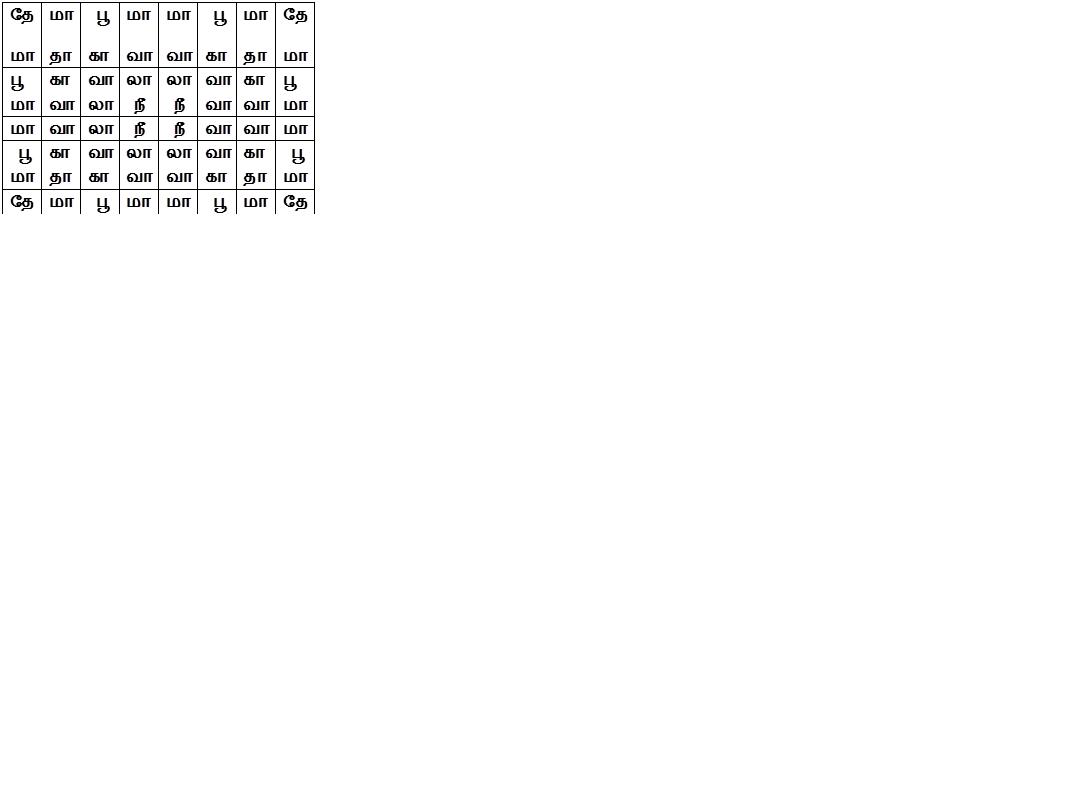
சருப்பதோபத்திரம் இலக்கணத்தை விளக்கி மாறனலங்காரம் தந்த சூத்திரத்தைப் பார்த்தோம். இதற்கு உதாரணமாக அந்த நூல் தரும் செய்யுள் இது:

தேமாபூமாமாபூமாதே

மாதாகாவாவாகாதாமா

பூகாவாலாலாவாகாபூ

மாவாலாநீநீவாவாமா

இதை 64 அறைகளில் அடைத்துப் பார்த்தால் வரும் சித்திரம் இது:-

bandhamnew13

தே மா பூ மா மா பூ மா தே
மா தா கா வா வா கா தா மா
பூ கா வா லா லா வா கா பூ
மா வா லா நீ நீ வா வா மா
பூ கா வா லா லா வா கா பூ
மா தா கா வா வா கா தா மா
தே மா பூ மா மா பூ மா தே

செய்யுளின் பொருளைப் பார்ப்போம்:

தேமாபூ – தேனும் வண்டும் பொருந்திய பூவினிடத்து
மாமா – பெரிய திருமகளும்

பூமாதேமாது – பூமிதேவியுமாகிய அழகு பொருந்தின மாதர்கள்

ஆகாகாவாகா – (வா ஆகா வாகா எனப் பாட மாற்ற) வந்து தங்கு மார்பினையும்
புயத்தினையுமுடையவனே!
தாமா – துளவ மாலிகையை உடையவனே!
பூகாவாலாலா – பூமியை எடுக்கப்பட்ட பிரளயத்தின் மேல்
ஆல் இலையில் துயிலப்பட்டவனே!
பூமாவாலா – பொலிவினோடும் கூடிய மிகுந்த
பாலத் தன்மையோனே!
நீலாவாமா – நீல நிறத்தினனே! வாமனரூபமானவனே!

மூன்றாம் அடியின் இறுதி வாகா நாலாம் அடியின் முந்த வந்த நீ என்னும் அவற்றோடு கூட்டி நீவா கா எனச் சேர்த்து நீ வந்து என்னைக் காப்பாயாக என்றவாறு.

திருமகளை மார்பிலே ஏந்திய விஷ்ணுவை நீ வந்து என்னைக் காப்பாயாக என்று துதிக்கும் துதிப் பாடல் இது.

இதனுள் ஏமம் ஏம் என நின்றது
உம்மை வேற்றுமை பண்பு என்பன முதலிய தொகைகளும் ஒருமைபன்மை மயக்க வழுவமைதியும் வந்து மாட்டுறுப்பாகப் பொருள் உரைத்தவாறு காண்க.

ஆல் – பிரளயம்; வா – வந்து; மாது – மாதர்கள்; பூ-தாமரை; பூ – பொலிவு
தமிழின் சிறப்பு அதன் ஒவ்வொரு எழுத்துக்கும் பல அர்த்தங்கள் உண்டு என்பது தான்! இதனாலேயே இது போன்ற சித்திர் கவிகள் அழகுடனும் பொருளுடனும் மிளிர்கின்றன.

இந்தப் பாடலில் உள்ள எழுத்துக்கள் 64. இதில் ‘மா’ எட்டு முறையும் ‘வா’ ஏழு முறையும் தக்க பொருளுடன் வந்து அமைவதைப் பார்க்கலாம்!

எந்த வாயில் வழியே சென்றாலும் செய்யுளைக் காண முடிகிறது. அது தான் சருப்பதோபத்திரம்.

இனி, இன்னும் ஒரு செய்யுளைக் காண்போம்!
-தொடரும்

புல், ஊசி, கண்ணாடி, முள் உவமைகள்

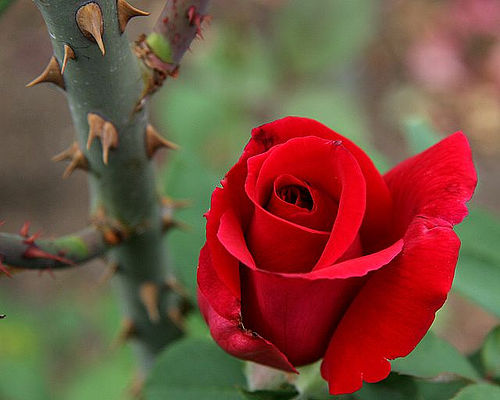
roses-thorns5b15d
புல், ஊசி, கண்ணாடி, முள் உவமைகள்

கட்டுரையை எழுதியவர் :– லண்டன் சுவாமிநாதன்
கட்டுரை எண்- 1495; தேதி 18 டிசம்பர், 2014.

சூரியனையும், சந்திரனையும், தாமரையையும், ரோஜாவையும் உவமையாகக் கையாள எந்தக் கவிஞராலும் முடியும். ஆனால் முள், புல், ஊசி, கண்ணாடி முதலிய உவமைகளை அதிகம் காண முடியாது. மஹாபாரதத்தில் உள்ள மூவாயிரத்துக்கும் மேலான உவமைகளில் எள்ளும் முள்ளும் புல்லும் இடம் பெறுகின்றன.

எள் என்பது தானியங்களில் சிறியது ஆகையால் சின்னப் பொருட்களை ஒப்பிடவும், பிறரை சிறுமைப் படுத்தி மட்டம் தட்டவும் எள் உவமை பயன்படுகிறது. தமிழில்கூட அவனை ‘’எள்’’ளி நகையாடினர் என்று இளப்பமாகக் கூறுவதுண்டு. இதே போல கடுகு, வெண் கடுகு ஆகியவற்றையும் ஒப்பிடுவர்.

சீதையைப் பற்றிக் கூறும் இராட்சசர்கள், அவளை எள் அளவுக்குக் கிழித்து விழுங்குவோம் என்று பயமுறுத்துகின்றனர் (3-231-5).

மஹாபாரதத்தில் ராமர், சீதை கதைகள் உண்டு. ஆனால் ராமாயணத்தில் மாபாரத கதபாத்திரங்களின் பெயர்கள் வாரா.

சகுந்தலை ஆகாய மார்கமாகவும் அரசன் துஷ்யந்தன் தரை மார்கமாகவும் பயணம் செய்வது மஹா மேருவுக்கும் கடுகுக்கும் உள்ள அளவுக்குப் பெரிய வித்தியாசம் ஆகும் என்பது இன்னும் ஒரு உவமை (1-69-3)

புல்
எலும்பும் தோலுமாக இருந்த சாணக்கியனைப் பார்த்து நந்த வம்ச அரசர்கள் சிரித்தனர். அதற்குக் காரணம் அவர் ஒரு புல் தடுக்கி விழுந்ததாகும். உடனே அவர் அந்தப் புல்லைப் பிடுங்கி இது போல உன் வம்சத்தையும் வேரறுப்பேன் என்று சபதம் செய்தார். தனது உச்சுக் குடுமியை அவிழ்த்து சபதம் செய்த அவர், நந்த வம்சத்தை வேருடன் சாய்க்கும் வரை குடுமியை முடியேன் என்றும் சபதம் செய்ததாக வரலாறு. இறுதியில் சொன்னபடியே நந்த வம்சத்தை ஒழித்து மௌரிய வம்சத்தைப் பதவியில் அமர்த்தினார்.

பாரதியாரும் கூட காலா! என் காலருகே வாடா! உன்னை சிறு புல் என மதிக்கிறேன் – என்று புல் பற்றிப் பாடுவார்.

மாபாரதப் போர் நிகழாமல் தடுக்கும் முயற்சியை ஒரு கை அளவு புல் கொண்டு இமயமலையை மறைப்பதற்குச் சமம் என்று பீமன் யுதிஷ்டிரனிடம் சொல்லுவதாக ஒரு உவமை 3-36-22

சீதையுடன் ராவணன் பேச வந்தபோது அவள் —- இருவர் இடையேயும் ஒரு புல்லைப் போட்டாள். ராவணனை சிறு புல் என என மதிப்பதாகப் பொருள். இது வால்மீகி, துளசி, அத்யாத்ம ராமாயணங்களிலும் வருகிறது.

தொல்லை கொடுப்போரையும், தொல்லைகளையும் முள்ளுக்கு ஒப்பிடுவது வழக்கம். இடும்பி என்பவளை ஒழிக்க சூளுரைக்கும் பீமன், அந்தக் காட்டையே முள்கள் இல்லாமல் செய்வதாகக் (3-12-72) கூறுகிறான். தமிழில்கூட முள்ளை முள்ளால் எடுக்கவேண்டும் என்ற பழமொழி உண்டு.
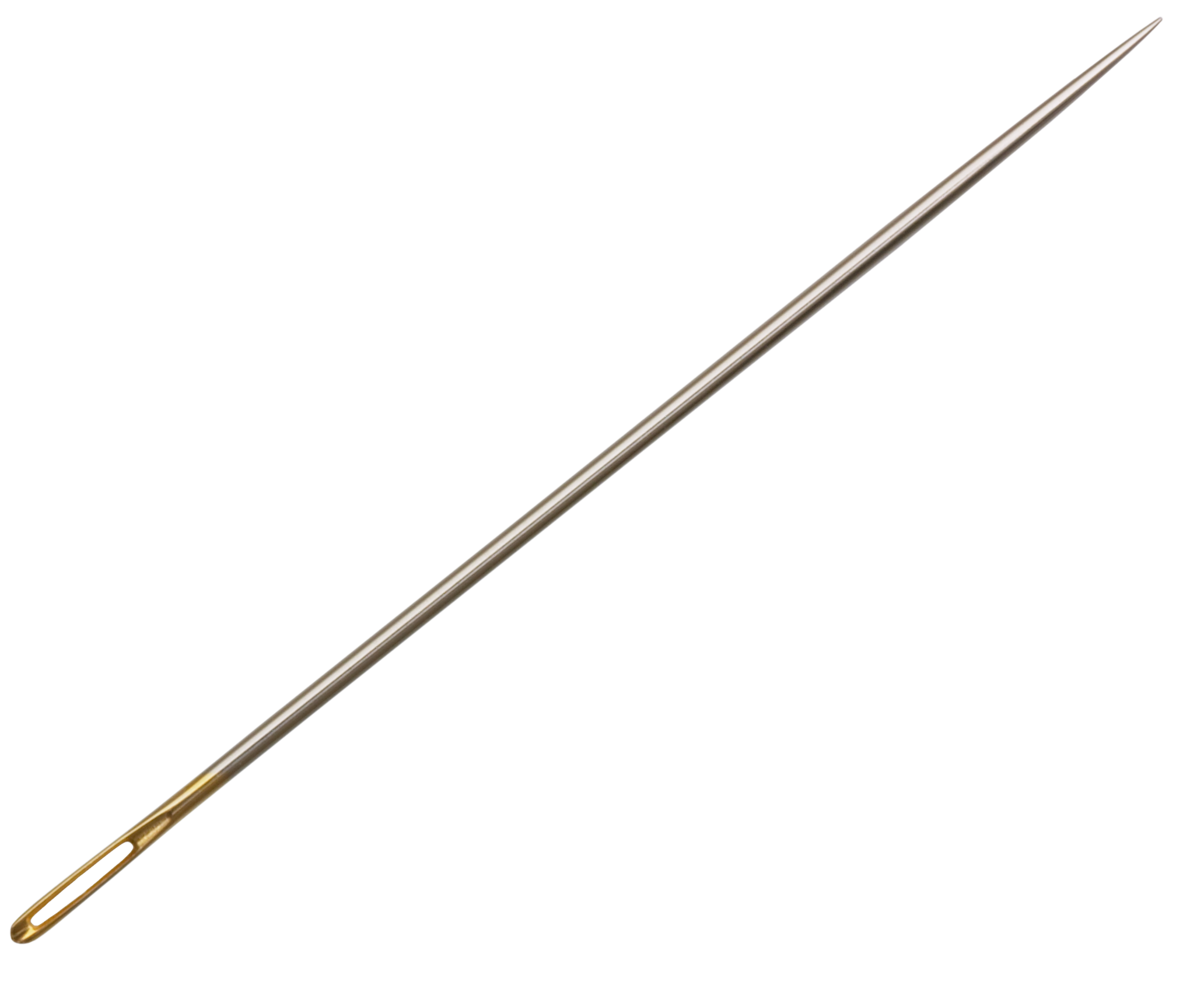
Sewing_needle

ஊசி
மஹாபாரதத்தில் முக்கிய மேற்கோள் பஞ்ச பாண்டவர்களுக்கு ‘’ஊசி முனை இடத்தைக் கூட கொடுக்க முடியாது’’ — என்று துரியோதணன் கூறுகிறான்.
யயாதி என்னும் மன்னன் சர்மிஷ்டையின் அழகைப் பாராட்டும் போது ஊசி அளவுக்குக் கூட மாசு மருவற்ற அழகி அவள் என்று புகழ்கிறான்(1-77-14).

கண்ணாடி உவமை
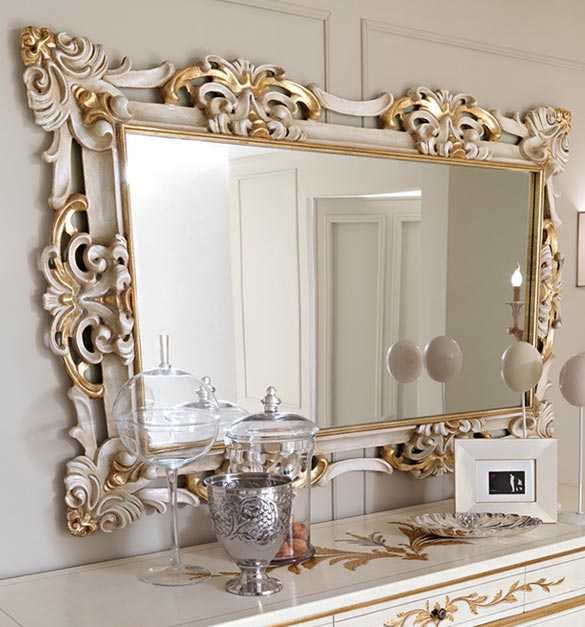
கண்ணாடி உவமை எல்லா மொழி இலக்கியங்களிலும் இருக்கும். மஹாபாரதத்தில் சகுந்தலை அதைப் பயன்படுத்துகிறாள். தன்னை மறந்துவிட்ட துஷ்யந்தனைக் கண்டிக்கும்போது, ஒவ்வொருவனும் கண்ணாடியில் தனது முகத்தைப் பார்க்கும் வரை தானே உலக அழகன் என்று நினைக்கிறான் என்று சொல்லி ஒரு இடி இடிக்கிறாள்.

Beautiful Classic Patterned Design Luxury Wall Mirrors Ideas

இவ்வாறு மாபாரதத்தில் 232 பொருட்கள் பல இடங்களில் மீண்டும் மீண்டும் பயன்படுத்தப்படுகின்றன.
(உவமை வரும் ஸ்லோகங்கள் வேண்டுவோர் எனது ஆங்கிலக் கட்டுரையில் அவற்றைக் காண்க)