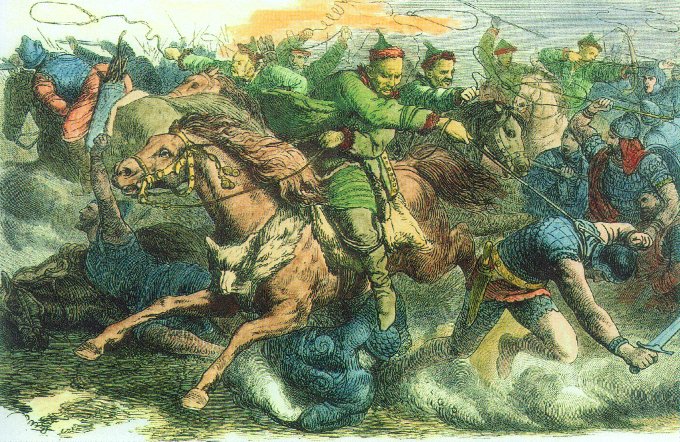
100 யானைகளை மலையிலிருந்து உருட்டிவிட்ட ஹூண மன்னன்!

huns map

ராஜதரங்கிணி அதிசயங்கள் – பகுதி-2

கட்டுரையை எழுதியவர் :– லண்டன் சுவாமிநாதன்
ஆராய்ச்சிக் கட்டுரை எண்- 1475; தேதி 11 டிசம்பர், 2014.

(நிறைய கட்டுரைகள் எழுதிக் கொண்டிருப்பதால் ஆங்கிலத்தில் வெளியான எனது கட்டுரையின் சுருக்கமான சாராம்சத்தை மட்டும் தருகிறேன்.)

“ராஜதரங்கிணி அதிசயங்கள் முதல் பகுதி”–யில் இந்த நூல் ஏன் தமிழர்களுக்கும் இலங்கை மக்களுக்கும் முக்கியமானது என்று எழுதினேன். முதல் தரங்கத்தில் (அத்தியாயத்தில்) ஹூண மன்னன் மிகிரகுலன் செய்த அட்டூழியங்கள் பற்றி வருகிறது.

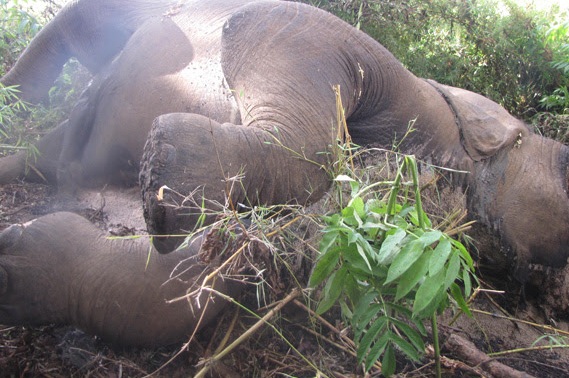
1.மிகிரகுலன், நூறு யானைகளை மலையில் இருந்து உருட்டிவிட்டு அவை கதறிக் கதறி சாவதைக் கண்டு மகிழ்ந்தான். அரண்மனைக்குள் நுழைவதற்கு முன் “என்ன இது விநோத சப்தம்?– என்று வினவினான். காஷ்மீர் மலை முகட்டில் இருந்து ஒரு யானை மலைப் பள்ளத்தில் விழுந்துவிட்டது. அதனுடைய கதறல் சப்தம் இது — என்று அதிகாரிகள் கூறினர். உடனே அவனுக்கு மயிர்க்கூச்சம் ஏற்பட்டது. கேட்பதற்கே வேடிக்கையாக இருக்கிறது. மேலும் பல யானைகள மலை உச்சிக்குக் கொண்டு சென்று விரட்டி விழச் செய்யுங்கள் என்றான். அது முதல் அவனுக்கு யானைகளை உருட்டி விளையாடுவது பொழுது போக்கு ஆகிவிட்டது!!

2.மனைவி பிளவுசில் (ரவிக்கை) பாதங்கள் படம் இருப்பதைப் பார்த்து அதை ஏற்றுமதி செய்த இலங்கை மீது படை எடுத்தான். மனைவி அழகான ‘’டிசைன்’’ போட்ட பிளவுஸ் அணிந்து வந்தாள். உடனே இதை எங்கு வாங்கினாய்? மார்பகப் பக்கத்தில் கால் சுவடுகள் இருக்கிறதே! என்றான். அரசாங்க அதிகாரி ஓடி வந்து, இதை இலங்கையில் இருந்து வரவழைத்தோம். அங்கு மன்னரின் பாதங்களைப் போட்டு இப்படி துணிகள் தயாரிக்கிறார்கள் என்றனர். உடனே கோபம் பொத்துக் கொண்டு வந்தது. ‘’படை எடு, படை எடு’’- என்று கூச்சலிட்டான். இலங்கை மன்னன் புயல் வேக ஹூணப் படைகள் வருவதை அறிந்து ஓடி ஒளிந்தான். வேறு ஒரு மன்னனை பதவியில் அமர்த்திவிட்டு, மிகிரகுலன், புத்த மதப் பொக்கிஷங்களைச் சூறையாடிவிட்டு காஷ்மீருக்குத் திரும்பினான்.

3.போகும் வழியில் தமிழ்ச் சோழ மன்னன் தலையிலும் இரண்டு தட்டு தட்டிவிட்டுப் போனான். இவை எல்லாம் கல்ஹணர் எழுதிய விஷயங்கள். யார் அந்தச் சோழன் என்பதை தமிழர்கள் ஆராய வேண்டும்.

4.ஒரு அணையில் பாறாங்கல் அடைத்துக் கொண்டது. யாரவது ஒரு பத்தினி தொட்டால் பாறை அகன்றுவிடும். அதில் ஒரு யக்ஷன் இருக்கிறான் என்று அறிஞர்கள் சொன்னார்கள். பத்தினி என்று சொல்லிக் கொண்ட பெண்கள் தொட்டும் நகராமல் ஒரு குயவப் பெண் தொட்டவுடன் பாறை விலகியது. இதனால் கோபம் அடைந்து உயர் ஜாதிகளைச் சேர்ந்த மூன்று கோடிப்பேரை கொன்று குவித்தான். உயர்குலப் பெண்கள், அவர்களுடைய கணவன்மார்கள், குழந்தைகள் எல்லோரையும் கொன்றான்.
huns_gd

(இப்படி நடக்குமா? என்று நாம் யோசிப்போம். ஆனால் வரலாற்றில் இப்படி எவ்வளவோ சம்பவங்கள் உண்டு. ஹிட்லர், ஸ்டாலின், சூ என்லாய் போன்றோர் கோடிக் கணகான மக்களைக் கொன்றார்கள். அமெரிக்கா அணுகுண்டு வீசி ஹிரோஷிமா, நாகசாஹியில் ஒன்றும் அறியாத அப்பாவி ஜப்பானிய பொதுமக்களை மில்லியன் கணக்கில் கொன்று குவித்தது. அண்மையில் சதாம் ஹுசைனின் பேரக் குழந்தையைக் கூட அமெரிக்கா கொன்றது. இந்திரா காந்தியை சீக்கியர்கள் கொன்றனர் என்பதற்காக 3000 சீக்கியப் பெண்கள் குழந்தைகள், ஆண்களை ரவுடிக் கும்பல்கள் கொன்றன. திருஞான சம்பந்தர் என்ற பிராமண சிறுவனின் மடத்துக்கு தீவைத்த 8000 சமணர்களை பாண்டிய மன்னன் கழுவேறச் செய்தான். பொற்கொல்லன் ஒருவன் காரணமாக கோவலன் கொலையுண்டதால் கண்ணகி என்னும் பத்தினித் தெய்வத்துக்கு ஆயிரம் பொற்கொல்லர்களைப் பாண்டிய மன்னன் பலி கொடுத்தான் என்பது சிலப்பதிகாரம் நமக்கு அளிக்கும் செய்தி. இலங்கையில் கடைசி காலத்தில் ஆயிரக் கணக்கான தமிழர்கள் கொல்லப்பட்டனர். ஆயிரம் யானைகளைக் கொல்வோர் மீது மட்டுமே பரணி பாட முடியும் என்று தமிழ் நூல் கலிங்கத்துப் பரணி கூறுகிறது. ஆயினும் முறையான போரில் எதைக் கொன்றாலும் அது குற்றமாகாது என்று எல்லா நாடுகளும், மதப் புத்தகங்களும், இலக்கியங்களும் சொல்லும்.)

5.இவ்வளவு பாபம் செய்தும் இவன் கொடுத்த தானங்களை வாங்க காஷ்மீரி பிராமணர்கள் வரிசையில் நின்றனர்! அத்தகைய பிராமணர்க்ளும் கொடியவர்களே என்று காஷ்மீரி பிராமணன் கல்ஹணன் சாடுகிறான். இவர்தான் ராஜ தரங்கிணி என்னும் நூலின் ஆசிரியர்.

6.இறுதியில் எல்லாவற்றுக்கும் பரிகாரமாக கூரான வாள் பொருத்தப்பட்ட கொதிக்கும் இரும்புப் பலகையின் மீது ஏறி உயிர்விட்டான் மிகிரகுலன்.

7.இவனுக்கு புத்தமதம் பிடிக்காது. ஆகையால் ஆப்கனிஸ்தானத்தில் உள்ள புத்த விஹாரங்களையும் தூபிகளையும் நாசம் செய்து புத்த குருமார்களைக் கொன்று குவித்தான். சைவ சமயத்துக்கு மட்டும் ஆதரவளித்தான். சீன யாத்ரீகன் யுவாங் சுவாங்கும் இதைக் குறிப்பிடுகிறான்.

8.இவன் ஆண்டது கி.பி.515-ஐ ஒட்டிய காலம். அப்பொழுது தமிழ் நாட்டில் பல்லவர் ஆட்சி நடந்தது. ஆயினும் ஆங்காங்கே சேர சோழ, பாண்டிய மன்னர்கள் பெயரளவுக்கு இருந்திருக்கலாம்.

9.இவனுடைய ஆட்சி குவாலியர் (ம.பி) வரை இருந்தது ஒரு கல்வெட்டால் தெரிகிறது. பிறகு யசோ வர்மன் அல்லது பாலாதித்யன் என்ற குப்த மன்னன் இவனை விரட்டி அடித்தனர். அதற்குப் பின்னரே காச்மீரையும் ஆப்கனிஸ்தானத்தையும் வென்றான்.

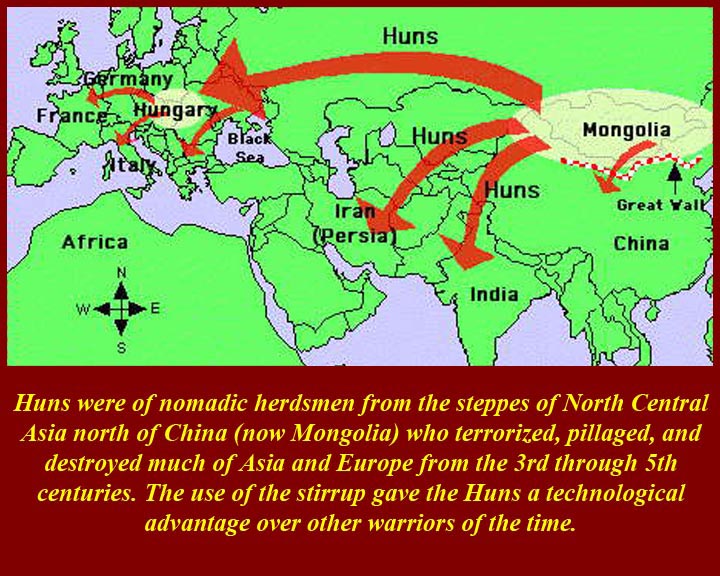
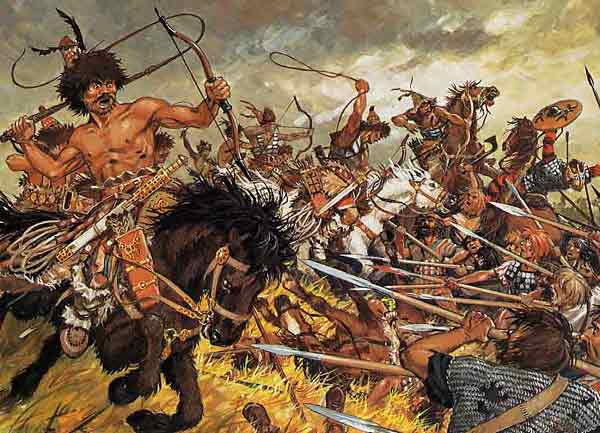
10.ஹூணர்கள் என்பவர்கள் மங்கோலிய வம்சத்தினர் — நாடோடி மக்கள் — புயல் போல வருவர் — காட்டுமிராண்டிகள் போல நடந்து கொள்வர். புயற் காற்று சேதத்தை உண்டாக்கிவிட்டு போய்விடுவது போல இவர்களும் போய் விடுவர். போகும் வழியில் கிடைத்ததை எல்லாம் வாரிச் சுருட்டிக் கொண்டு போய்விடுவர்.
elephants

மேற்கூறிய விஷயங்களை விரிவாக அறிய விரும்புவோர், ஸ்லோகம் வாரியான முழு மொழி பெயர்ப்பையும் இந்தக் கட்டுரையின் ஆங்கில வடிவில் காண்க.

மூன்றாவது பகுதியில் மேலும் பல சுவையான செய்திகளைத் தருகிறேன்

—சுபம்—-
Hunnen

தமிழில் பழ மறையைப் பாடுவோம்: பாரதியார்

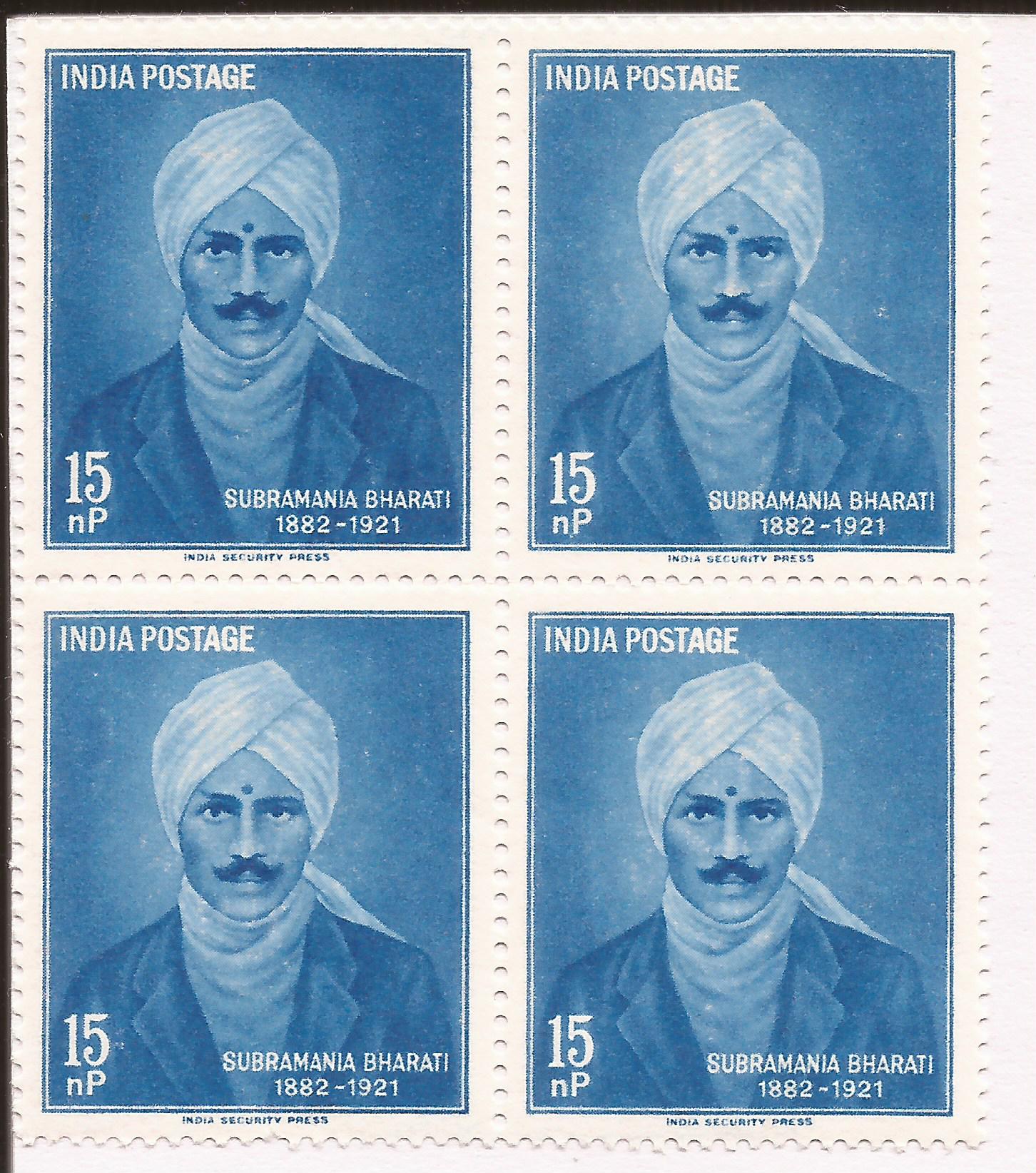
bharati stamp

கட்டுரையை எழுதியவர் :– லண்டன் சுவாமிநாதன்
ஆராய்ச்சிக் கட்டுரை எண்- 1474; தேதி 11 டிசம்பர், 2014.
Today is Bharathyar’s Birth Day

அமிழ்தம் அமிழ்தம் என்று கூவுவோம்—நித்தம்
அனலைப் பணிந்து மலர் தூவுவோம்
தமிழில் பழமறையைப் பாடுவோம்—என்றும்
தலைமை பெருமை புகழ் கூடுவோம்

பாரதியார் ஒரு தீர்க்கதரிசி. அவர் சொன்னதெல்லாம் நடந்து வருகிறது. சந்திரமண்டலத்தியல் கண்டு தெளிவோம் என்றார். நாம் சந்திரனுக்கு விண்கலம் அனுப்பி வெற்றி கண்டு விட்டோம். சிங்களத் தீவினுக்கோர் பாலம் அமைப்போம் என்றார். இன்னும் ஐம்பது ஆண்டுகளுக்குள் இலங்கைக்கு சாலைப் பாலம் அமைத்து விடுவோம். எல்லோரும் அமர நிலை எய்தும் நன்முறையை இந்தியா உலகிற்களிக்கும் என்றார். நாம் வல்லரசு ஆகும் காலம் வெகுதூரத்தில் இல்லை. அப்போது நாம் சொல்வதை எல்லோரும் கேட்பர்.

தேமதுரத் தமிழ் ஓசை உலகமெலாம் பரவும் வகை செய்தல் வேண்டும் என்றார். இன்று உலகெங்கும் தமிழ் பள்ளிகளும் தமிழ் சங்கங்களும் தமிழ் கோவில்களும் உள. சொல்லில் உயர்வு தமிச் சொல்லே அதை தொழுது படித்திடடி பாப்பா என்றார். இன்று தமிழ் மொழி செம்மொழியாக் கப்பட்டுவிட்டது. மறைவாக நமக்குள்ளே பழங்கதைகள் பேசுவதிலோர் மகிமை இல்லை. திறமான புலமை எனில் வெளிநாட்டோர் அதை வணக்கம் செய்தல் வேண்டும் என்றார். இன்று இந்தியர்கள் திறமையை உலகமே கண்டு வியந்து பெரிய பதவிகளைக் கொடுத்து உயர்ந்த சம்பளத்தில் அமர்த்தியுள்ளது.

தமிழில் பழமறையைப் பாடுவோம், வேதம் என்றும் வாழ்கவென்று கொட்டு முரசே என்றும் பாடினார். வேதத்தின் பெருமைதனை உலகம் போற்றத் துவங்கிவிட்டது. அவர் எதை எதை எல்லாம் மற்றவர்கள் செய்ய வேண்டும் என்று எதிர் பார்த்தாரோ அதைத் தானே செய்தும் காட்டினார்.
அவர் பாடல்களில் நிறைய வேத மந்திரங்கள் மொழிபெயர்க்கப்பட்டுள்ளன. இதோ சில எடுத்துக் காட்டுகள்:

அயம்லோகாஹா ப்ரியதமஹ = அனைத்திலும் இனியது இவ்வுலகம் என்று அதர்வ வேதம் கூறுகிறது. இதை உலகு இன்பக் கேணி என்று மொழி பெயர்த்தார்:
ஒன்று பரம்பொருள் நாம் அதன் மக்கள்
உலகின்பக் கேணி என்றே – மிக
நன்று பல்வேதம் வரைந்த கை
பாரத நாயகி தன் திருக் கை — என்று பாடினார்.

ஏகம் சத் விப்ராஹா பஹூதா வதந்தி = உண்மை ஒன்றே; அறிஞர்கள் அதைப் பலவாறாகப் புகல்வர் – என்று கடவுள் ஒருவரே என்று ரிக் வேதம் சொன்னதையும் மேற்கூறிய வரிகளில் காணலாம்.

இந்துக்கள் பிள்ளையாரைத் தொழாமல் எந்தக் காரியத்தையும் செய்யமாட்டார்கள். சுக்லாம் பரதரம் என்று மந்திரத்தைச் சொல்லித் தலையில் குட்டிக் கொண்டு அமிர்த தாரை விழும் இடத்தில் ‘’அக்யூபிரஸ்ஸர்’’ கொடுத்துவிட்டுத்தான் எல்லா பூஜைகளையும் தொடங்குவர்.. அதை அவர் அழகிய தமிழில்
வெள்ளாடை தரித்த விட்டுணு என்று செப்பிய மந்திரத் தேவனை
=சுக்லாம் பரதரம் விஷ்ணும் சசிவர்ணம் என்று சொல்கிறார்.

Subramanya Bharati

இப்பொழுது எல்லா இந்துக்களுக்கும் ஓம் பூர் புவஸ்ஸுவஹ தத் சவிதுர் வரேண்யம், பர்கோ தேவஸ்ய தீமஹீ என்ற காயத்ரி மந்திரம் தெரியும். இதை அவர் அழகிய தமிழில்
“செங்கதிர்த் தேவன் சிறந்த ஒளியினைத் தேர்கின்றோம்—அவன்
எங்கள் அறிவினைத் தூண்டி நடத்துக” — (காயத்ரி மந்திரம்)
என்று மொழி பெயர்த்தார். சம்ஸ்கிருதம் தெரியாதவர்களும் இந்தத் தமிழ் மந்திரத்தைச் சொன்னால் அறிவு தெளிவு பெறும். நினைத்ததெல்லாம் கைகூடும்.

தர்மம் சர, சத்யம் வத, ……….. என்று தைத்ரீய உபநிஷத் சொல்கிறது. அதைத் தூய தமிழில்,

வேத வானில் விளங்கி, ‘அறம் செய்மின்
சாதல் நேரினும் சத்தியம் பூணுமின்
தீதகற்றுமின் என்று திசை எல்லாம்
மோத நித்தம் இடித்து முழங்கியே — என்று மொழி பெயர்த்தார்.

பிருஹத் ஆரண்யக உபநிஷதத்தில் வரும் புகழ் பெற்ற
அசதோ மா சத் கமய
தமஸோ மா ஜ்யோதிர் கமய
ம்ருத்யோர் மா அம்ருதம் கமய — என்ற மந்திரத்தை
இருளை நீக்கி ஒளியினைக் காட்டுவாய்
இறப்பை நீக்கி, அமிர்தத்தை ஊட்டுவாய் — என்று அற்புதமாக மொழிபெயர்த்துள்ளார்.

பாரதியாரின் பாடலில் அதர்வ வேதத்தின் தாக்கத்தை அதிகம் காணமுடிகிறது.
கண்ணம்மா என் காதலி – என்ற பாடலில்
பாயும் ஒளி நீ எனக்கு, பார்க்கும் விழி நான் உனக்கு
தோயும் மது நீ எனக்கு, தும்பியடி நான் உனக்கு
வீணையடி நீ எனக்கு, மேவும் விரல் நான் உனக்கு
பூணும் வடம் நீ எனக்கு, புது வயிரம் நான் உனக்கு
வான மழை மது நீ எனக்கு, வண்ண மயில் நான் உனக்கு
பானம் அடி நீ எனக்கு, பாண்டமடி நான் உனக்கு

என்பதெல்லாம் அதர்வண வேத (14-2-71) கல்யாண மந்திரத்தின் பாணியில் இருக்கிறது:

இதே போல சக்திக்கு ஆத்ம சமர்ப்பணம் என்ற கவிதையில் கை முதல் துவங்கி ஒவ்வொரு அங்கத்தையும் இறைவன் பணியில் பயன்படுத்துவது அதர்வண வேத (19-60) மந்திரத்தின் பாணியில் இருக்கிறது:

ஈசாவாஸ்யம் இதம் சர்வம் யத் கிஞ்ச ஜகத்யாம் ஜகத் — என்ற ஈசாவாஸ்ய உபநிஷத வாக்கியம்
துச்சமெனப் பிறர் பொருளைக் கருதலாலே
சூழ்ந்ததெல்லாம் கடவுள் எனச் சுருதி சொல்லும்
என்ற வரிகளில் காணலாம்

இப்படி பாரதி பாடல் முழுதும் வேத முழக்கத்தைக் காணலாம். அவர் பாடியதெல்லாம் வேத மந்திரம் போன்ற சக்தியுடையவை. ஏனெனில் உள்ளத்தில் ஒளி உண்டாகில் வாக்கினிலே ஒளி உண்டாகும் என்று அவரே பாடி வைத்துள்ளார். பாரதி பாடலை நேரம் கிடைக்கும் போதெல்லாம் படியுங்கள் உங்கள் உடலிலும், வீட்டிலும் பாசிட்டிவ் வைப்ரேஷன்ஸ் பரவுவதைக் காண்பீர்கள்.

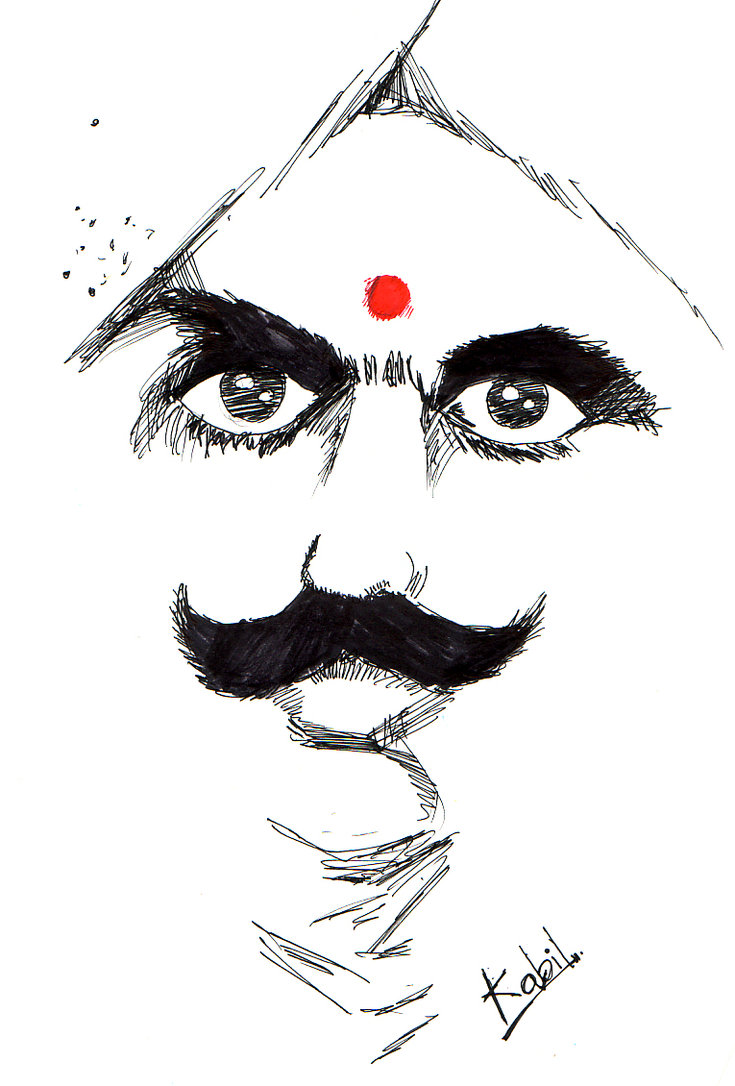
Barathi_by_Kabil
இதோ அவர் எடுத்தாண்ட சில வேத மந்திரங்கள்:
ஜீவா ஜ்யோதிர் அஸுமஹி – ரிக்வேதம்
பொருள்:- அறிவொளி துலங்க நாம் வாழ்வோம்.

ஸர்வ ஆஷா மம மித்ரம் பவந்து
எட்டு திக்கும் என் நண்பர் குழாம் ஆகட்டும் (அதாவது யாதும் ஊரே, யாவரும் கேளிர்)
ஆநோ பத்ராஹா ருதவோ யந்து விஸ்வதஹ – ரிக் வேதம்
அனைத்து திசைகளில் இருந்தும் உயர்ந்த எண்ணங்கள் எங்களை வந்தடைவதாகுக.

அதர்வ வேத மந்திரம் : மணமகளிடம் சொல்கிறான்:–
நம் இருவர் பார்வையும் இனிதாகட்டும்
நம்முடைய முகத்தில் நல் இணக்கம் பிரதிபலிக்கட்டும்
உன் இதயத்தில் எனக்கு இடம் கொடு
நாம் ஈருடல், ஓருயிர்

மணமகள் சொல்கிறாள்:–
இதோ இந்த ஆடையால் உன்னைப் போர்த்துகிறேன்
இது மனுவிடம் இருந்து வந்தது
நீ எனக்கு மட்டுமே சொந்தம் ஆவாயாக
மற்ற எந்தப் பெண்ணையும் புகழாதே
–அதர்வ வேதம் 7-36/37

ஓ இந்திரனே! இந்தப் பெண்ணையும் ஆணையும்
சக்ரவாகப் பறவைகள் போல சேர்த்து வைப்பாயாக
நல்ல வீட்டில் சுகமாக வசித்து
குழந்தைகளுடன் முழு வாழ்வு வாழட்டும்

நான் இது, நீ அவள்
நான் பாட்டு, நீ கவிதை
நான் வானம் நீ பூமி
நாம் இருவரும் கூடி வாழ்வோம்
குழந்திகளுக்கு பெற்றோர் ஆஅவோம்
–அதர்வ வேதம் 14-2

என்னுடைய முந்தைய பாரதி பற்றிய கட்டுரைகள்:
1.மனம் ஒரு பெண், மனம் ஒரு புலி (Posted on 17-2-2014)
2.Quotes from the Greatest Tamil Poet Bharati (11-12-2013)
3.வாழ்க்கையில் வெற்றி பெற பாரதி அட்வைஸ் 10-12-2013
4.பாரதியுடன் 60 வினாடி பேட்டி (16-1-2012 & 10-9-2014)
5.பாரதியின் பேராசை (Posted on 27-12-2012)
6.பாரதி பாட்டில் பகவத் கீதை (Posted on 10-12-2012)
7.பேய்கள் பற்றி பாரதி & விவேகாநந்தர் (Posted on 29-11- 2012)
8.சொல்லில் உயர்வு தமிழ்ச் சொல்லே (Posted on 10-9-2012)
9.பாரதி பாட்டில் பழமொழிகள் (Posted on 25-6-2012)
10.உங்களுக்கு வள்ளுவனையும் பாரதியையும் தெரியுமா? (27-3-2014)
11.காலா என் காலருகே வாடா! ஞானிகளின் ஞானத் திமிர் (23-3-2014)
12.ஆரிய பாரதி வாழ்க (செப் 10, 2014)

Jesus name in Bhagavad Gita! Tamil Fish symbol in Britain!!

kilpeck church-2
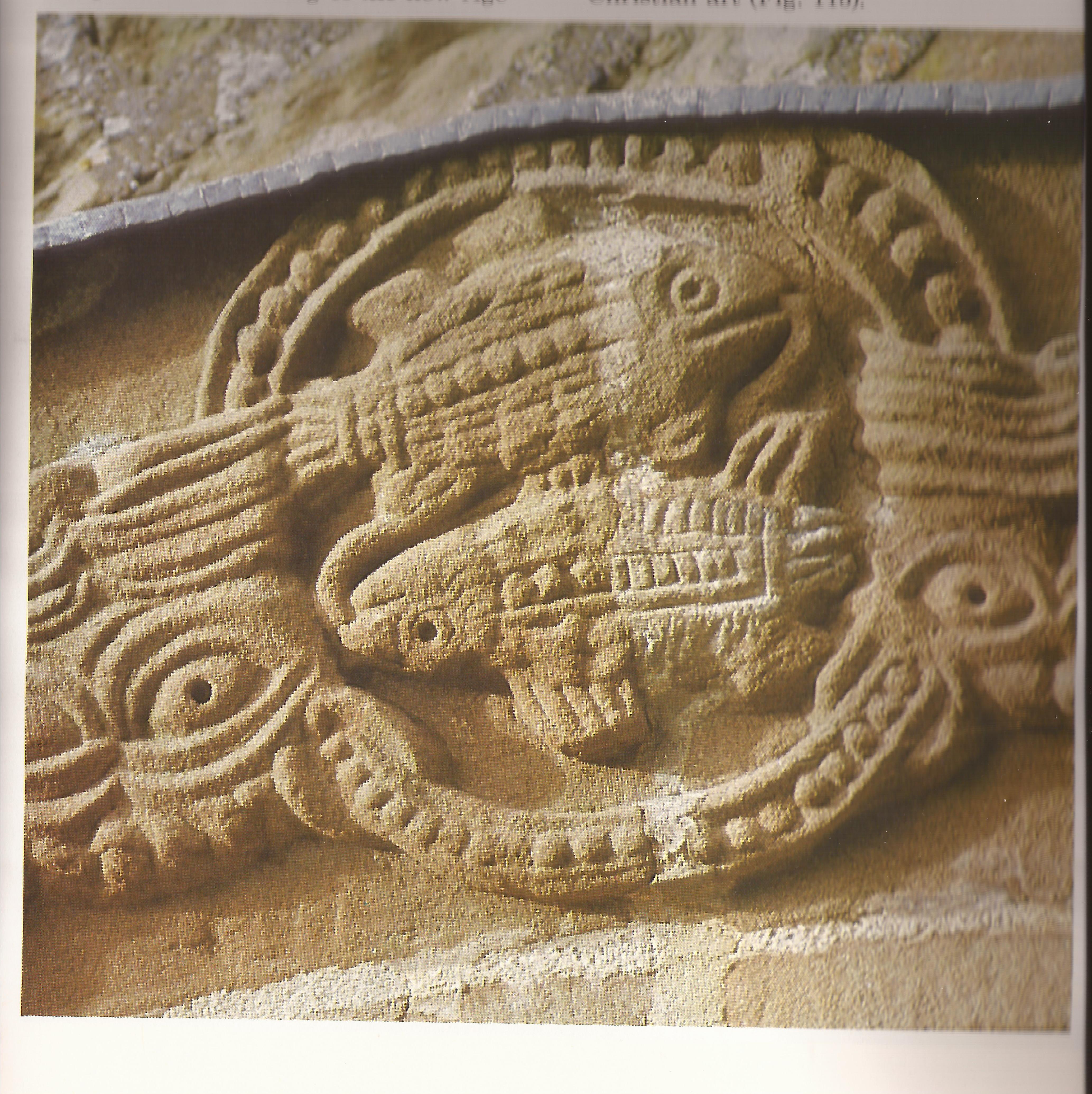
Norman relief carving on the porch of Kilpeck Church, Herford and Worcester (Britain)

Research paper written by London Swaminathan
Research article No.1473; Dated 10th December 2014.

Two thousand years ago Tamil Kings of Pandya Kingdom have two fishes as their emblem. Indus valley civilization has God’s name in the fish icon. Lord Vishnu’s first avatar was Fish (Matsya). Vedas have a mysterious king by name Matsya Sammada. Jesus Christ was identified with Fish. Pandya’s emblem is found around the word.

Why did medieval people use the secret name Fish for Jesus?
Why did Pandya Kings use two fishes as their emblem?
Why do we have the fish emblem around the world?
Why does Manmatha, God of Love, kept Fish in his flag?
Why do we see saints associated with fish including the Sindhi saint?

I have already answered most of these questions in my article Fish God around the World. Now I have more evidence to show that Jesus’ name is a Sanskrit word found in Bhagavad Gita. Now I have evidence to show why Tamil twin fish was used around the world.

Jesus =Jasanam aham Makara: — Lord Krishna (Gita 10-31)

three fishes scan

Three fishes with the name of the fish in Greek Ixths in the Abbey Church, Hexam Priory, Northumberland

Scholars struggled very hard to justify why Jesus was identified with Fish symbol. At last they found out a circuitous route to explain it. They took him all the way to Greece and named him fish in Greek language! No one can see any logic in this strange link! In Greek “Ichtys” means fish and it was the acronym for” Iseous Christos Theou Hyos Soter” (Jesus Christ, Son of God, Saviour). This is a scholarly invention or concoction. It is like giving the meaning for the word ‘WIFE’ as “Worries Invited Fore Ever”! A senseless joke. The fact of the matter is that in the Bhagavad Gita, Hindus’ holy book, Lord Krishna says, “Jasaanaam makaras ca asmi”. The meaning is “Of the fishes I am Makara”. Makara is translated as shark or alligator or even big fish. Here the Sanskrit word for fish is Jasa. In course of time this sound was used for Isa (God), Yasa/s(fame) and names such as Jason etc.

In short, the Sanskrit word for fish and the name of Jesus sounded similar. But scholars struggled very hard to give umpteen interpretations for Jesus’ link with fish.

gold coin
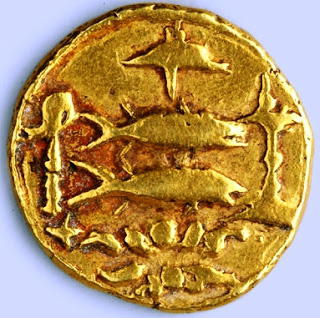
Gold coin of Alupas, Karnataka Pandyas

The fish symbol stands for Gods and Devas in Indus seals according to several scholars which is corroborated by Vishnu’s first incarnation in the story of Great Floods. Even the Biblical name Nova is from the Sanskrit word Nava/Nova=ship. Nova simply meant shipman/boatman. English words Navy, Naval etc came from this Sanskrit word.

Kalidasa also compared fish with devas.
(For more information please read my tow part article Sanskrit in Bible)

vira pandya
Vira Pandya and Sundara Pandya issued coins like this

Fish is a Lucky Symbol and a Love Symbol
Why do we find the Tamil symbol of Two Fishes around the world?
In ancient Egypt kings and priests could not eat fish, because they were considered sacred like the Hindu’s Holy Cow. The eel was sacred symbol of God of Heliopolis and the perch was to the Goddess Neith. In China, fish was the symbol of happiness and sexual pleasure.

In Hindu myth Vishnu as fish saved Manu, the ancestral father of the human race. Greek philosopher Aristotle ignorantly thought fishes were unisexual!

1.The Zodiacal sign Pisces has two fishes. Pandya coins and flags had the same symbol.
2.Norman relief carving on the porch of Kilpeck Church, Hertford and Worcester (U.K.) have the same emblem.
3.Of the Eight Auspicious symbols of Buddhism we have two fishes.

4.Mahavira’s mother had seen 16 auspicious things in her dream and one of them was two jumping fishes.
5.Three fishes were inscribed on several churches to mean Jesus+ 2 Fish
6.The fish on the choir wall of San Miniato al Monte, Florence (Italy) is lit by sun beam for a few seconds every year. It was built in 13th century.

7.Duomo Museum, Orvieto, Italy has two fish sculpture.

pandya-flags
Pandya Flag looked like this.

Conclusion
Emblem of Two fishes has been in use for several thousand years. Hindus, Buddhists and Jains used it even before Christ was born. Pandya kings used it for nearly 2000 years. They represent God Vishnu, Luck and Happiness.

contact swami_48@yahoo.com

மஹரிஷி கவிஞன் பாரதி!

SM_BHARTHI_2317e(1)

டிசம்பர் 11 மஹாகவி பாரதியாரின் ஜன்ம தினம். அதையொட்டிய சிறப்புக் கட்டுரை இது!

மஹரிஷி கவிஞன் பாரதி!

Wriiten by ச.நாகராஜன்
Post No.1472; Dated 10th December 2014

செய்யு(ள்) நலம் சீரழிந்து செந்தமிழும் வாடுகையில்
உய்யு(ம்) நலம் காட்டியவன் ஓர் கவிஞன் – நெய்யுமொரு
கூட்டிற்கோ தேன் கூடு கொட்டு தமிழ்ச் சந்த மொழிப்
பாட்டிற்கோ பாரதியே தான் – ச.நாகராஜன்

தமிழ் தவம் இருந்து பெற்ற கவிஞன்
தமிழ் தவம் இருந்து பெற்ற பிள்ளை பாரதியார். தேசத்தையும் தெய்வத்தையும் ஒன்றாகப் போற்றி தமிழால் பாடி உயர்ந்த சிந்தனைகளை உலகிற்கு அளித்த மகாகவி அவன்.
தேசமும் தெய்வமும் ஒன்றே என்பதைப் பல இடங்களில் அவன் குறிப்பிடுகிறான்.
எடுத்துக்காட்டாக இரு இடங்களைக் குறிப்பிடலாம்.

குரு கோவிந்த சிங் கூறுவதாக வரும் பின் வரும்வரிகள் அவன் தன் கருத்தைத் தெளிவாகத் தெரிவிப்பது கண்கூடு:

“காளியும் நமது கனக நன்னாட்டுத் தேவியும்
ஒன்றெனத் தேர்ந்த நல் அன்பர்காள்!”

இன்னொரு பாடல் :
“முன்னை இலங்கை அரக்கர் அழிய
முடித்த வில் யாருடை வில்?
எங்கள் அன்னை பயங்கரி பாரத தேவி
நல் ஆரிய ராணியின் வில்”

Barathi_by_Kabil

தேசத்தையும் தெய்வத்தையும் தமிழால் பாட அவன் ஏன் முன் வந்தான்?

அதற்கும் அவனே பதில் கூறுகிறான்:
“யாமறிந்த மொழிகளிலே தமிழ் மொழி போல் இனிதாவதெங்கும் காணோம்!”
உலக மகா கவிஞர்களை எல்லாம் பின்னுக்குத் தள்ளி அவன் முன்னணியில் இருப்பதற்கான காரணம் கவிதையை ரஸானுபாவத்திற்காக மட்டும் பாடாமல் தேச எழுச்சிக்கும் சமுதாய உயர்வுக்கும் பெண் விடுதலைக்கும் இன்னுமுள்ள பிற நல்ல காரணங்களுக்காகவும் பயன்படுத்தி தன் தனித்தன்மையை உறுதிப்படுத்தியது தான்! உயர்ந்த சிந்தனையிலிருந்து ஒருபோதும் கீழே வராமல் இருந்த கவிதை ரிஷி அவன்.

ஆனால் காலத்தின் மாறுதலுக்கேற்ப யுகாவதார கவியாய் அவனை ஏன் சுட்டிக் காட்ட வேண்டி இருக்கிறது எனில், இது வரை தோன்றிய அனைத்துக் கவிஞர்களிடமிருந்தும் மாறுபட்டு புதிய நடையில் புதிய சிந்தனையுடன் புதிய லட்சியங்களுக்காக புதிய யுகம் தோன்றுவதற்காக அவன் பாடியது தான்.
போகின்ற பாரதத்தை போ போ போ என்று தூற்றித் தள்ளி விட்டு வருகின்ற பாரதத்தை

small bharati
“ஓளி படைத்த கண்ணினாய் வா வா வா
உறுதி கொண்ட நெஞ்சினாய் வா வா வா”

என்று அவன் வரவேற்ற பாங்கே தனி! இந்தப் பாடலை முழுவதுமாகப் படித்தால் புதிய மந்திரத்தைத் தரும் புது மஹரிஷி கவிஞன் பாரதி என்பதை உணர முடியும்.
பழைய புதிய கவிதா இலக்கணத்தின் சங்கமம்!

அதற்காக சம்பிரதாயமான கவிதை ருசியை அவன் தராமல் இல்லை.
கம்பன் அலை புரண்டு ஓடி வரும் தெள்ளிய கோதாவரி ஆற்றைக் கவிதையுடன் ஒப்பிட்டு இப்படிக் கூறுகிறான்:

“சவியுறத் தெளிந்து தண்ணென்று ஒழுக்கமும் தழுவிச்
சான்றோர் கவியெனக் கிடந்த கோதாவரி”
(ஆரணிய காண்டம் சூர்ப்பணகைப் படலம்,1)

ஒரு கவிதை என்றால் அதில் ஒளி, தெளிவு, குளுமை, ஒழுக்கம் ஆகிய பண்புகள் இருக்க வேண்டும் என்பது கம்பனின் கவிதைக் கொள்கை.

பாரதியின் பாடல்கள் அனைத்தும் கோடி சூரிய பிரகாசம் கொண்ட ஒளிப் பாடல்கள். அதில் தெளிவு பற்றிச் சொல்லவே வேண்டாம். எந்த ஒரு பண்டிதரின் உதவியும் அதைப் புரிந்து கொள்ளத் தேவை இல்லை. சிறு குழந்தை கூட அதைப் படித்துத் தெளிந்து உத்வேகம் பெற முடியும். மனதிற்கு இதமான குளுமையைத் தருவதோடு உயர்ந்த சிந்தனையை மனதில் ஏற்றும் ஒழுக்கம் உள்ள பாடல்கள் அவனுடையவை.

shivaji bharati
உலகின் ஒப்பற்ற கவிதா வரிகள்
உதாரணத்திற்கு இரு பாடல் வரிகளை இங்கு குறிப்பிடலாம்;
ஆசை முகம் மறந்து போச்சே – சொற்றொடரே எளிமையானது; புதுமையானது; மனதின் உருக்கத்தை வெளிப்படுத்துவது.

ஆசை முகம் மறந்து போச்சே – இதை
யாரிடம் சொல்வேனடி தோழி
நேசம் மறக்கவில்லை நெஞ்சம் –எனில்
நினைவு முகம் மறக்கலாமோ?

பாடலை ஒரு முறை மனம் தோய்ந்து படித்துப் பார்த்தால் இனம் புரியாத ஒரு மேலான உணர்வு தோன்றுகிறது, இல்லையா! இதைத் தொடர்ந்து வரும் வரிகளைப் பார்ப்போம்.

தேனை மறந்திருக்கும் வண்டும் – ஒளிச்
சிறப்பை மறந்துவிட்ட பூவும்
வானை மறந்திருக்கும் பயிரும் – இந்த
வையம் முழுதுமில்லை தோழி” -ஆசை முகம் மறந்து போச்சே!!!

jesudas baharati

இதற்கு ஈடான வரிகள் உலக இலக்கியத்தில் எங்கும் இல்லை என உறுதிபடக் கூறலாம்! தேன் – வண்டு, ஒளிச் சிறப்பு – பூ, வான் – பயிர், இப்படி ஒரு அருமையான தொடர் வரிசையை மாபெரும் கவிஞன் ஒருவனால் மட்டுமே பளிச் பளிச் என மின்னல் போலத் தர முடியும். இதில் ஒளி, தெளிவு,குளுமை, ஒழுக்கம் ஆகியவற்றைக் காண முடிகிறது அல்லவா!

இன்னொரு பாடலான கண்ணம்மா என் காதலியில் வரும் அமர வரிகளுக்கு ஈடு இணை உண்டா, என்ன?

பாயு மொளி நீ யெனக்குப் பார்க்கும் விழி நானுனக்கு;
தோயும் மது நீ யெனக்குத் தும்பியடி நானுனக்கு;
வாயுரைக்க வருகுதில்லை; வாழிநின்றன் மேன்மை யெல்லாம்;
தூயசுடர் வானொளியே! சூறையமுதே! கண்ணம்மா!

வீணையடி நீ யெனக்கு, மேவும் விரல் நானுனக்கு;
பூணும் வடம் நீ யெனக்கு, புது வயிரம் நானுனக்கு;
காணுமிடந்தோறும் நின்றன் கண்ணி னொளி வீசுதடி!
எத்தனை நாட்கள் வேண்டுமோ இதன் சிறப்பினை எடுத்துக் கூற! வேதம் ஆழ்ந்து உரைக்கும் மிக மேலாம் சிந்தனைகளை இதில் காணலாம்!

என்னென்று சொல்வது பாரதியாரின் புகழை!
bharati ms

மஹரிஷி கவிஞன் பாரதியை முழுவதுமாகப் பல முறை படித்தவர்கள் அவன் புகழை முற்றிலும் உரைக்க நாள் ஆயிரமும் நா ஆயிரமும் போதா என்றே கூறுவர். என்றாலும் ஹா.கி, வாலம் அம்மையார் பாரதியின் புகழைக் கூறும் சில வரிகளை இங்கே நினைவு படுத்திக் கொண்டு மகிழ்வோம்:

வீரக் கனல் பொங்கும் வெற்றி மணிச் சிங்கம்!
விண்ணாடு மண்ணாடு வியந்து பணி தங்கம்!
கோரப் பகை அடிக்கும் கொடிய மணிக் கதிர்வேல்! ‘
கொடியவர்கள் கொட்டமழி நெடிய மணி நேமி

ஆருக்கும் அஞ்சாத ஆரமர் செல்வன்
அன்புக்கு என்பு தரும் அருளாளன் அண்ணல்

போருக்கு ரகுராமன்! புலமைக்கு வாணி!
பொற்புக்கும் நட்புக்கும் புண்ணியக் கண்ணன்
என்னென்று சொல்வேன் என்னென்று சொல்வேன்”

என்று அவர் பாரதியின் புகழை நெஞ்சாரக் கூறி மகிழ்கிறார்.
பாரதியின் கவிதா வரிகளில்

“சுவை புதிது பொருள் புதிது வளம் புதிது சொற் புதிது
அது ஜோதி மிக்க நவ கவிதை எந்நாளும் அழியாத மஹா கவிதை

பாரதியைக் கற்போம்

கற்பார் பாரதி அல்லாது வேறொன்றைக் கற்பாரோ, என்ன!

ஆயுள் முழுவதும் பாரதியைக் கற்போம்; உயர்ந்த மஹரிஷிகளின் சிந்தனையைப் பெறுவோம். தேசமும் தெய்வமும் ஒன்று எனத் தெளிந்து தமிழால் பாடி நலம் பெறுவோம் வளம் பெறுவோம்!

******

List of 121 Upanishads

The_Brihadaranya_4dfb3f98d7021
Compiled by London Swaminathan
Post No 1471 Dated 9th December 2014

What is the meaning of Upanishad?
Upanishads were written in Sanskrit at least 3000 years ago. There are 13 principal Upanishads. They are the Hindu philosophical treatises. Literal translation of the word UPANISHAD is “sitting down near” (the Guru). Seekers of enlightenment approach a teacher (guru), sit down at his feet and listens to him.

How many Upansihads are there?
There are more than 250 Upansihads. Some of the Upanishads were written 200 years ago.
Which one is the longest Upanishad?
Brihad Aranyaka (Big Forest ) Upanishad
Which is the shortest of the major Upanishads?
Isavasya Upanishad, just 18 verses.

Which is the oldest Upanishad?
Brihad Aranyaka (Big Forest ) Upanishad (before 800 BCE)
Are they all important books? What are the major books?
Adi Shakara, one of the greatest philosophers of the world, wrote commentaries on the important Upanishads. The 13 principal Upanishads are given in CAPITAL letters below.

What is the favourite Upanishad of Mahatma Gandhi?
Isavasya Upanishad, just 18 verses

gpa057
Upansihads in alphabetical order:–

1.Advayatarakopanishad
2.Adhyatmopanishad
3.AITAREYOPANISHAD
4.Akshamalikopanishad
5.Akshyupanishad
6.Amritanadopanishad
7.Amritabindu Upanishad
8.Annapurna Upanishad
9.Arunyopanishad
10.Asramopanishad
11.Atmapujopanishad
12.Atmabodhopanishad
13.Atharvashikopanishad
14.Atharvasirsopanishad
15.Atmopanishad
16.Avadhutopanishad
17.Avyakta Upanishad

nnn791

18Bahbricopanishad
19.Bhasmajabalopanishad
20.Bhavanopanishad
21.Bhikshukopanishad
22.Brahmopanishad
23.Brahmavidyopanishad
24.BRIHADARANYAKOPANISHAD
25.Brihadjjabalopanishad
26.Brahmabindupanishad

27.Caturvedopanishad
28Cakshusopanishad
29.CHANDOGYOPANISHAD

upanishads_in_daily_life_idk769

30.Dhyanabindupanishad
31.Dakshinamurtyupanishad
32.Dattatreyopanishad
33.Devyupanishad
34.Dvayopanishad

35.Ekaksharopanishad

36.Ganapathy Upanishad
37.Gopalapurvatapinyupanishad
38.Gopalatapani Upanishad
39.Garudopanishad
40.Garbhopanishad
41.Gayatrirahasyopanishad
42.Gayatri Upanishad

43.Hamsopanishad
44.Hayagrivopanishad

45.ISAVASYOPANISHAD

shankar

46.Jabaladarsanopanishad
47.Jabalyupanishad
48.Jabalopanishad

49.Kalagnirudropanishad
50.Kalisamtaranopanishad
51.KAIVALYOPANISHAD
52.Katharudropanishad
53.KATHOPANISHAD
54.Kausitakibrahmanopanishad
55.KENOPANISHAD
56.Krishnopanishad
57.Ksuburikopanishad
58.Kundikopanishad

59.Langulopanishad

ekanath eswar

60.Mahopanishad
61.MANDUKYOPANISHAD
62.Mahavakyopanishad
63.Mahanarayanopanishad
64.MAITRAYANI UPANISHAD
65.Maitreyi Upanishad
66.Mantrikopanishad
67.Mandalabrahmanopanishad
68.MUNDAKOPANISHAD
69.Mudgalopanishad
70.Muktikopanishad

71.Nadabindupanishad
72.Narayanopanishad
73.Niralambopanishad
74.Nilarudropanishad
75.Nirvana Upanishad
76.Nrisimhapurvatapinyupanishad
77.Naradaparivrajakopanishad

twelve_essential_upanishads_

78.Pasupatabrahmopanishad
79.Paingala Upanishad
80.Parabrahmopanishad
81.Panca brahmopanishad
82.Paramahamsa Upanishad
83.Paramahamsa parivraja Upanishad
84.Pranagnihotropanishad
85.PRASNOPANISHAD
86.Pranavopanishad

87.Ramarahasya Upanishad
88.Ramapurvatapinyu panishad
89.Radho Upanishad
90.Rudropanishad
91.R udrahridayo Upanishad
92.Rudrakshaja valopanishad

93.Sarabhopanishad
94.Savitryu Upanishad
95.Sandilya Upanishad
96.Sanyasa Upanishad
97.Sarasvatirasyopanishad
98.Saubhagyalakshmiopanishad
99.Sita Upanishad
100.Skandopanishad
101.Sarirakopanishad
102.Sarvasariropanishad
103.Suryopanishad
104.Sabala Upanishad
105.Sukrarahasyopanishad
106.SVETASVATAROPANISHAD

Upanishads-and-Vedas2

107.Tarasara Upanishad
108.Tejabindu Upanishad
109.Trisikharabrahmanopanishad
110.TAITTIRIYOPANISHAD
111.Tripuropanishad
112.Tulasyupanishad
113.Turiyatitopanishad

114.VAJRASUCIKOPANISHAD
115.Varaha Upanishad
116.Vasudevai Upanishad
117.Yogacudamanyupanishad
118.Yajnavalkyopanishad
119.Yogakundalyupanishad

120.Yogatattva Upanishad
121.Yogarajopanishad

ராஜதரங்கிணி அதிசயங்கள் – பகுதி 1

rajatarangini

கட்டுரையை எழுதியவர் :– லண்டன் சுவாமிநாதன்
ஆராய்ச்சிக் கட்டுரை எண்- 1470; தேதி 9 டிசம்பர், 2014.

ராஜதரங்கிணி என்றால் என்ன?
காஷ்மீரின் வரலாற்றைக் கூறும் நூல் ராஜதரங்கிணி — இதை கல்ஹணர் என்ற காஷ்மீரி பிராமணர் எழுதினார் — இது வடமொழியில் எழுதப்பட்டது. இதில் 3449 சுவைமிகு ஸ்லோகங்கள் உள்ளன. காஷ்மீர் வரலாறு நமக்கு எதற்கு என்று பல தமிழர்கள் நினைக்கலாம். இலங்கை மன்னரையும் சோழனையும் தோற்கடித்த மிஹிரகுலன் என்ற காட்டுமிராண்டி மன்னன் பற்றிய சுவையான செய்திகள், இலங்கை வரை ஆட்சிச் சக்கரத்தை பரவ விட்ட லலிதாதித்யன் போன்ற மன்னர்கள் பற்றிய செய்திகள் இதில் உள.

பாரதத்தின் முதல் பிரதமரான ஜவஹர்லால் நேருவும் ஒரு காஷ்மீரி பிராமணர். அவருடைய மைத்துனர் ஆர்.எஸ்.பண்டிட் இதை வடமொழியில் இருந்து ஆங்கிலத்தில் மொழி பெயர்த்தார். எங்கு தெரியுமா? சிறையில் உடகார்ந்து கொண்டு! அப்பொழுது நேருவும் சிறைவாசம் செய்தார். 1934 ஆம் ஆண்டில் அவர் இந்த ஆங்கில மொழி பெயர்ப்புக்கு டேராடூன் சிறையில் இருந்தே முன்னுரை எழுதினார். புத்தகத்தை சாஹித்ய அகாடமி வெளியிட்டது.

கல்ஹணரை வெளிநாட்டுக்கார்கள் மிகவும் பாராட்டுகின்றனர். ஏனெனில் தற்கால வரலாற்றுப் புத்தகம் போல மன்னர்களின் ஆண்டுகளைக் குறிப்பிட்டு இவர் புத்தகம் எழுதி இருக்கிறார். ஆனால் பல மிகைப்பட்ட செய்திகள் இருக்கதான் செய்யும். ஏனெனில் அவர் எழுதியது 12 ஆம் நூற்றாண்டில் — கிட்டத்தட்ட கம்பன் தமிழில் ராமாயணம் எழுதிய காலம் இது — நூலின் பெயர் ‘’அரசர்களின் ஆறு’’, அதாவது ராஜ தரங்கிணி. இதை அவர் எட்டு அத்தியாயங்களாகப் பிரித்துள்ளார். ஒவ்வொன்றும் ஒரு தரங்கம். (தரங்கம் என்றால் அலை என்று பொருள்)

கல்ஹணரைப் பற்றிய ஒரு விநோதச் செய்தி — இவர் கலியுக துவக்கம் கி.மு.3100 என்பதை ஒப்புக்கொள்ளாமல் 2500 என்கிறார். காஷ்மீரின் ஆட்சியை முஸ்லீம்கள் கைப்பற்றுவதற்கு 200 ஆண்டுகளுக்கு முன்னர் எழுதிய நூல் இது.

kalhanas_rajatarangini_medium

இவர் மிகப் பழங்காலத்தில் நடந்த விஷயங்களைச் சொல்லும் போது தெளிவில்லாமலும், இவரது காலத்தை ஒட்டிய செய்திகளைத் துல்லியமாகவும் கூறுவதாக நேரு கருதுகிறார்.

கல்ஹணர் ஒரு பெரிய கவிஞர். வரலாற்றைக் கவிதை நடையில் எழுதிய புத்தகம், அநேகமாக, உலகில் இது ஒன்றாகத்தான் இருக்கவேண்டும். நிறைய உவமைகலைப் பயன்படுத்துகிறார். ‘’பாலைவனத்தில் வசிப்பவனுக்கு கங்கை நதியில் மூழ்கிக் குளிக்கும் அருமை பெருமை தெரியுமா?’’ – என்பது போன்ற பல உவமைகளைப் போகிற போக்கில் அள்ளித் தெளித்து இருக்கிறார்.

புத்தகத்தில் காஷ்மீர் அரசர்களின் சூழ்ச்சிகள், சூதுவாதுகள், காம சேஷ்டைகள், கொடூரங்கள், பிராமணர்களின் முறை தவறிய பேராசை ஆகியவற்றை விவரிக்கிறார். பல நல்ல விஷயங்களையும் சொல்கிறார். லலிதாத்தியன் என்ற மன்னனின் கடல் கடந்த ஆட்சி, சூர்யா என்ற மன்னனின் பொறியியல் பணிகள், மேகவர்ணன் என்பவன் போர் மூலம் ‘’அஹிம்சையயை’ நிலைநாட்ட முயன்றது ஆகிய எல்லாவற்றையும் இதில் படிக்கலாம்.
stories_from_rajatarangini_tales_of_kashmir_idi013

கட்டுரையின் இரண்டாவது பகுதியில் சோழனையும் இலங்கை மன்னனையும் வென்ற ஹூணன் மிகிரகுலன் பற்றிய விவரங்களைத் தருகிறேன். அவன் மூன்று கோடிப் பேரை ஏன் கொன்றான், 100 யானைகளை ஏன் மலை மீதிருந்து உருட்டிவிட்டான் என்ற விஷயங்களையும் காண்போம்.

ராஜதரங்கிணி அதிசயங்கள் தொடரும்………………………………..

அகநானூறு அதிசயங்கள்– பகுதி 2

roman karur
Dr R Nagasamy ,an eminent archaeologist, historian and a Tamil-Sanskrit scholar has written several books on Tamil culture.

கட்டுரையை எழுதியவர் :– லண்டன் சுவாமிநாதன்
ஆராய்ச்சிக் கட்டுரை எண்- 1469; தேதி 9 டிசம்பர், 2014.

முதல் பகுதி நேற்று வெளியாகியது. அதைப் படித்துவிட்டு இதைப் படிக்க வேண்டுகிறேன்.

அதிசயம் 5
அகநானூற்றில் பல காடுகளின் பெயர்கள் வருகின்றன. அவை அழும்பிற்காடு, ஆஅய்ஆனம், ஆலங்கானம், உம்பற்பெருங்காடு, உறந்தைப் புறங்காடு, ஓரிக்கானம், குடவாயின் மிளை, சாய்க்கானம், முள்ளூர்க் கானம், வலத்துப்புறமிளை முதலியன. (மிளை என்பது சின்னக் காடு; கானம் என்பதும் காடு)

இந்துக்கள் புனித நதிகள், புனித மலைகள், புனித கற்புக்கரசிகள், சிரஞ்சீவியாக வாழும் ஏழு மனிதர்கள், புனித நகரங்கள் என்று எல்லாவற்றையும் ஏழு ஏழாகப் பிரித்து ஸ்லோக வடிவத்தில் சிறுவர்களுக்குக் கற்பிப்பது வழக்கம் (அந்தக் காலத்தில்). இப்பொழுது ஆர்.எஸ்.எஸ்.இயக்கத்தில் மட்டும் இதைக் கற்பிக்கிறார்கள். இதனால் அவர்களுக்கு பூகோளம், சரித்திரம், புராணம், இதிஹாசம் எல்லாம் அத்துபடியாகிவிடும். சாகும் வரை இந்தப் பாடல்கள் மறக்காது. தமிழ்நாட்டில் வேதாரண்யம் (திருமறைக்காடு) போன்ற காடுகள் புனிதம் மிக்கவை. இப்பொழுது காடு எல்லாம் நாடு ஆக மாறிவிட்டது.

அதிசயம் 6
பல விழாக்களின் பெயர்களையும் அகநானூற்றில் காணலாம். சங்க காலத்தில் விழா என்று சொல்லாமல் விழவு என்பர். சங்க இலக்கியச் சொற்களில் குறில் ஒலியில் இருந்த சொற்கள் எல்லாம் இப்பொழுது நெடில் ஒலியில் ஒலிக்கப்படும். புறவு என்று இருப்பதை நாம் புறா என்று நெடிலாக உச்சரிப்போம். அதே போல விழவு என்பதை இப்பொழுது விழா என்போம். சங்க கால விழாக்கள்:-
உள்ளி விழவு, உறந்தை விழவு, கழார்ப் புதுப்புனல் விழவு, கார்த்திகை விழவு, கூடல் விழவு, பங்குனி விழவு, பரங்குன்ற விழவு, பூந்தொடை விழவு, யாழ் விழவு, வேல் விழவு முதலியன.

இதில் கார்த்திகை விழா, பங்குனி உத்திரம், கூடல்—பரங்குன்ற (சித்திரைத் திருவிழா) விழாக்கள் இன்றும் பெருமளவில் கொண்டாடப்படுகின்றன. எல்லாப் பௌர்ணமி நாட்களும் இந்துக்களுக்கு திருவிழா நாட்கள். திருஞான சம்பந்தர் தேவாரத்திலும் எல்லா விழாக்களையும் ஒரு சேரப் பட்டியல் இடுகிறார். படித்து இன்புறுக.

(உள்ளி விழவு- சுமேரிய பூருள்ளி விழவு- வட இந்திய ஹோலி விழவு தொடர்பு பற்றி நான் எழுதிய ஆய்வுக் கட்டுரையையும் படிக்க வேண்டுகிறேன்)
arta culture

அதிசயம் 7
தமிழ் நாட்டிலும் சங்க காலத்தில் ஜாதிகள் இருந்தன. பெரும்பாலும் அந்தந்தக் குலத்தில் பிறந்தவர்கள் அந்தந்தத் தொழில்களையே செய்து வந்தனர். அவை அண்டர் (இடையர்), அத்தக் கள்வர், அந்தணர், உமணர், உழவர், குயவர், கொல்லர், தட்டார், பரதவர், பழையர், பாணர், யானைப் பாகர், வேளாப் பார்ப்பார் முதலியோர்.

உலகம் முழுதுமே ஜாதிகள் இருந்தன. எல்லா நாட்டு சரித்திரத்தைப் படிப்போருக்கும் ஓருண்மை புலப்படும். ராஜா மகன்தான் ராஜாவானான். அப்படி மாறுபட்டு இருந்தால் அது வன்முறைப் புரட்சியில்—கிளர்ச்சியில் ஏற்பட்ட மாறுதலாக இருக்கும். படைத் தலைவன் மகன் படைத் தலைவன் ஆனான்.

அதிசயம் 7
பிராணிகள் பற்றி பல குறிப்புகள் உள. அவற்றில் ஒலி கேட்டால் இறந்துவிடும் அசுணமா என்னும் அதிசய மிருகம் பற்றி நான் ஏற்கனவே எழுதி விட்டேன். சிலர் இதை பறவை என்பர். சிலர் இதை மலைப் பாம்பு என்பர். இன்னும் சிலர் இப்பொழுது அழிந்து போய்விட்ட ஒரு மிருகம் என்பர்.

அதிசயம் 8
பறந்தலை என்ற சொல்லை நாம் இப்பொழுது பயன்படுத்துவதில்லை. சங்க காலத்தில் பாழ்பட்ட இடத்தையும் போர்களத்தையும் இச் சொல் குறித்தது. இதன் மூலம் தமிழர்கள் நடத்திய போர்களையும் போர்க் களங்களையும் நாம் அறிய முடிகிறது.

அகநானூற்றில் இடம் பெறும் சங்க இலக்கியப் போர்களங்கள்:-
ஆமூர்ப் பறந்தலை, கழுமலப் பறந்தலை, குறுக்கைப் பறந்தலை, கூடற் பறந்தலை, தலையாலங்கானப் பறந்தலை, பருவூர்ப் பறந்தலை, பாழிப் பறந்தலை, பெருந்துறைப் பறந்தலை, மணவாயிலுறத்தூர்ப் பறந்தலை, முசிறிப் பறந்தலை, வல்லப் பறந்தலை, வாகைப் பறந்தலை, வெண்ணிப் பறந்தலை.
உலகிலேயே நீண்ட காலத்துக்கு உட்சண்டை—கோஷ்டிப் பூசல் போட்ட ‘’பெருமை’’ தமிழர்களுக்கு மட்டுமே உண்டு. சங்க காலம் துவங்கி (கி.மு. முதல் நூற்றாண்டு) முஸ்லீம் மன்னர்களும் வெள்ளைக்காரனும் தமிழர்களைத் துண்டாடும் வரையில் ஏறத்தாழ 1600 ஆண்டுகளுக்கு சேர, சோழ, பாண்டியர்கள் ஒருவரை ஒருவர் அடித்துக் கொண்டு செத்தார்கள். இது போல யாங்கனும் கண்டதில்லை. அண்மைக் காலத்தில் இலங்கையிலும் இதையே கண்டோம்.

03FRNAGASWAMY_1_214265e

அதிசயம் 8
பல அரிய வழக்குகளும் அகநானூற்றில் இடம் பெறும்.
வேளாப் பார்ப்பனர்கள்— பிராமணர்களில் ஒரு சாரார் — சங்குகளை அறுத்து வளையல் செய்தல் முதலிய தொழில்களில் ஈடுபட்டனர். இவர்கள் வேள்வி முதலிய அறுதொழில்களைச் செய்யாமையால் வேளாப் பார்ப்பார் என்று அழைக்கப்பட்டனர்.
சிவபெருமானையே உனக்கு குலம் கோத்திரம் ஏதேனும் உண்டா? என்று கேள்வி கேட்ட நக்கீரனார் ஒரு வேளாப் பார்ப்பார் என்பர்.

சங்கறுப்பது எங்கள் குலம், சங்கரனார்க்கு ஏது குலம்.
நெற்றிக் கண்ணைத் திறப்பினும் குற்றம் குற்றமே
என்று சொன்னதாக வரலாறு.

ஏனைய வழக்குகள்:
தொல்காப்பியத்தில் வேத காலக் கடவுளரான இந்திரன், வருணன் ஆகியோரை தமிழர் வழிபடும் தெய்வங்களாகத் தொல்காப்பியர் குறிப்பிடுவார். சிலர் இதை இடைச் செருகல் என்று பிதற்றுவர். அவர்கள் சொல்வது தவறு என்பதற்கு அகநானூற்றில் உள்ள வருண வழிபாடு ஒரு சான்று ஆகும். நுளைச்சியர் சுறா மீனின் கொம்பை நட்டு வருண பகவானுக்கு பரவுக் கடன் கொடுத்த செய்தி இங்கே உள்ளது.
கழங்குக் குறி பார்த்தல், பல்லி சகுனம் கேட்டல், நிமித்தம் பார்த்தல், நடு கல்லைப் பூசித்தல் போன்ற விஷயங்களும்,

குட ஓலை எடுத்துப் பிரமாணம் செய்தல், மணமகளைப் புதல்வர்களை ஈன்றெடுத்த நால்வர் குளிப்பாட்டல், சுவரில் கோடு கிழித்து நாள் எண்ணுதல் முதலிய விஷயங்களும் குறிப்பிடத் தக்கவை.

15FRNAGASWAMY_LD_693654f

அதிசயம் 9
பெண்களும் அக்காலத்தில் சிறந்த கவிஞர்களாக விளங்கினர். ஏறத் தாழ 12 பெண் புலவர்களின் பாடல்கள் அகநானூற்றில் இடம்பெற்றுள்ளன.
அஞ்சில் ஆந்தை மகள் நாகையார், அள்ளூர் நன்முல்லையார், ஒக்கூர் மாசாத்தியார், ஔவையார், கழார்க் கீரன் எயிற்றியார், குமிழிஞாழார் நப்பசலையார், நக்கண்ணையார், போந்தைப் பசலையார், மதுரை நல்வெள்ளியார், முள்ளியூர்ப்பூதியார், வெள்ளிவீதியார், வெறி பாடிய காமக்கண்ணியார்.
இவர்களில் காமக்கண்ணி என்பது காஞ்சீபுரம் உறை காமாக்ஷியின் தமிழ் மொழி பெயர்ப்பு ஆகும். இதை காஞ்சி பரமாசார்ய சுவாமிகளும், உ.வே.சாமிநாத அய்யரும் உறுதி செய்துள்ளனர்.

இன்னும் ஒரு அதிசயம் பெண்களின் பெயர்கள் ‘’ஐ’’ அல்லது ‘’இ’’ என்னும் உயிர் எழுத்துக்களில் முடிவதாகும். வடமொழியில் உள்ள பெண்கள் பெயர்களும் இப்படித்தான் இருக்கும். இது இமயம் முதல் குமரி வரை வாழ்ந்த மக்கள் ஒரே இனத்தவர் என்பதற்கு மேலும் ஒரு சான்று.
வடமொழியில் ‘’ஆ’’ என்னும் உயிர் எழுத்தில் முடிந்த பெயர்களைத் தமிழர்கள் ‘’ஐ’’ என்பதில் முடிப்பர்: எடுத்துக்காட்டு: சீதா=சீதை, கீதா=கீதை, அபலா=அபலை
உலகம் முழுதும் உள்ள பெரிய மொழிகளில் தமிழ், சம்ஸ்கிருதம் இவைகளின் தாக்கத்தைக் காணலாம். சுருங்கச் சொல்லின் எல்லாப் பெயர்களையும் சொற்களையும் இவ்விரு மொழிகளில் அடக்கிவிடலாம்.

அதிசயம் 10
சில புலவர்களின் பெயர் தெரியாத காரணத்தாலோ, அல்லது அவர்கள் பயன்படுத்திய சொற்றொடர்களின் சிறப்பு காரணமாகவோ, அந்த சொற்றொடர்களின் பெயர்களே அவர்கள் பெயராக சங்க இலக்கிய நூல்களில் காணப்படுகிறது. குறுந்தொகையில் இத்தகைய 13 பெயர்களை ஏற்கனவே கண்டோம். இந்நூலில் ஐந்து பெயர்கள் உள்ளன:

அந்தி இளங்கீரனார், இம்மென்கீரனார், ஊட்டியார், நோய்பாடியார் வண்ணப்புறக் கந்தரத்தனார்.
உலகின் மிகப் பழைய நூலான ரிக் வேதத்தில் இம்முறை கையாளப்பட்டுள்ளது. உலகில் வேறு எந்த கலாசாரத்திலும் இருப்பதாகத் தெரியவில்லை. நம்மவரின் சொல், செயல், சிந்தனை ஆகியன ஒரே மாதிரியானவை எனபதற்கு இது மேலும் ஒரு சான்று.
அகநானூற்று அதிசயங்கள் தொடரும்…………………………

Kashmiri King who attacked Tamil Nadu and Sri Lanka

huns map

Compiled by London Swaminathan
Article No.1468; Dated 8th December 2014.

Rajatarangini Wonders – Part 2

Who is who?
Kalhana was the author of Rajatarangini. Here is his report on the cruel king Mihirakula who rolled 100 elephants down the hill and enjoyed their death.

Mihirakula was the king who ruled North India from 515 CE to 530 CE. He was a son of Toramana. We know that his rule extended from Afghanisatan to Madhya Pradesh. But Kalhana says that he killed 30 million people and he attacked Sri Lanka and Tamil Nadu. He was a king from the race of White Hunas. He decimated Buddhism in Afghanistan, but supported Saivism in Kashmir. Earlier he was defeated by Malawa King Yasovarman or Baladitya, the last Gupta king. Then he conquered Kashmir and Afghanisatan. Kalhana’s report about his expedition to Sri Lanka and Tamil Nadu is not corroborated by secondary sources.

In the first part of Rajatarangini under the title “Nehru on Rajatarangini”, I have explained the comments of Jawaharlal Nehru, the first Prime Minister of India, on the twelfth century work Rajatarangini (River of Kings) of Kalhana .

Here in the second part, Kalhana’s narration about the cruellest king of India, Mihirakula, is given in (first Taranga, sloka 289 onwards) his own words:-

huns_gd

“Then when the land was overthrown by the Mleccha hordes, his son Mihirakula of violent deeds, who was comparable to the God of destruction, became king.

To the south belongs to God of Death(Yama); the northern direction eager through rivalry to vanquish it, found an excuse and in him brought forth another god of death.

His approach was known by the sight of vultures, crows and the like, eager to feed on those being massacred by his encircling army, to the population fleeing before him.
Day and night surrounded by thousands of slaughtered human beings, this “Royal Vetala” lived even in his pleasure places.

Pity for children, clemency towards women, or respect for the aged, this enemy of humanity’s terrible appearance had none while he massacred.

(My comments: Hindu tradition is to announce that all the invalids, women, Brahmins, children should move to safer places before the war. The two warring sides will chose a place outside the town. But after defeat they set fire to the towns and palaces of the king).

Hunnen
Attack on Sri Lanka
“He, on one occasion, having noticed that the queen was wearing a blouse of stuff made in Ceylon, which had foot-marks on the breast worked in gold, was inflamed with rage.

“In Ceylon, cloth is manufactured bearing the mark of king’s foot” – thus he was told by the chamberlain who had been questioned whereupon he gave orders to march.

Having obtained the union with the stream of liquid rut from the temples of the elephants of his army, the southern ocean secured the delight of on embrace with the Yamuna.
(Ocean is blue and Yamuna is black; play on colours)

“Together with the king of Ceylon he, by an impetuous attack, rooted out his rage originating in the sight of footmarks on his beloved.

From a distance on sighting his various forces from the palaces of Lanka the Titans (Rakshasas), apprehending a repetition of the activities of Rama, trembled.

Having installed there another king he, with all his fierce puissance, carried away cloth known as Yamusadeva, marked with the figure of the sun.
(My commenyts: Sri Lanka was ruled by Mugalan until 512 CE and then Kumaradasa came to power)

“Turning back, he dispersed the kings of Cola, Karnata, and Lata just by his very smell the tusker in rut scatters the elephants.

(In Tamil Nadu certain areas were under Pallava King Kumara Vishnu around that time. May be the coastal areas were under Choza Rule.)

After his departure, the cities with the shattered battlements, which were their girdles, complained of the rape to the ruling princes who had returned.
(My comments: Cities were compared to women in Kalidasa’s works, Sangam Literature and the Bible. Here the cities are described as women by Kalhana)

Hundred Elephants were pushed down from the Hill
When he reached the gate of Kashmir, on hearing the distressful trumpeting of a tusker who had fallen down a precipice, his hair stood on the end with delight.

In his excitement to hear this, the perverse minded man, who was in raptures, had a hundred mighty elephants forcibly hurled down.

The various wicked acts of this king have not been narrated. The touch of the sinful is pollution for the limbs, so would it be for speech to describe them; hence his other inhumanities have not been mentioned.

Who can understand the acts of men of amazing activities and vulgar minds, since even he took to piety for the purpose of acquiring merits?

For in Srinagari the foul minded man founded the temple of Mihireswara and in Holada a big city named Mihirapura.

elephants

Attack on Brahmin’s Greed

The Brahmans of Gandhara accepted from him gifts of Agraharas; they no doubt, too, were of similar character as his own and were the meanest Brahmins.

The advent of clouds with the gathering darkness gladdens the peacock whereas the wild goose is happy with the clear skies of autumn; for the attraction of the donor and the donee towards each other there has to be a very close similarity of tastes.

(Kalhana himself was a Brahmin from Kashmir. But he attacked Brahmin community whenever he found them doing wrong things)

For seventy years having enjoyed the earth, this “Bhairava on earth” when his body was afflicted with several diseases entered the flames.

“Here is the slayer of three crores liberated who even towards himself been pitiless” — thus had a voice, at the time when he relinquished the body, announced from the firmament.

Thus those who say this, in their view he alone is the liberal donor who had broken through cruelty by Agraharas and such other works.

When overrun by the impious Dards, Bhauttas and Mlecchas this country had lost religion, he had promulgated the observance of religious conduct by settling the people from the land of Aryas; having determined on a terrible penance he had made the burning of his own body an act of atonement; for this very reason he had given one thousand Agraharas in gift to the Brahmins born in the Gandhara country at Vijayeswara, then eventually an iron platform studded with razors, swords and knives, red hot with fire, he had boldly given up his own body – thus others state, on account of this unadulterated popular tradition, that the cruelty of that lion like man is irreproachable. When upon the burning of the city by the wrath of the Naga the Khasas had become dominant, there occurred for their destruction the incidents narrated above – so say others.
(Khasas are hill tribes)

mountain-bull

Engineering Work
While he was diverting the river Chandrakulya, a rock in midstream which was impossible to remove, caused obstruction. Then to the king who had practised penance, the gods spoke in a dream; a mighty Yaksa who is a Brahmachari resides here in the rock; were a chaste woman to toch the roack the Yaksa would not be able to obstruct. The following day he caused to be done wht he was told in the dream.

After numerous ladies of high family had endeavoured in vain, on being eventually touched by a potter woman named Candraavati the mighty boulder moved.

For this sin the wrathful king had thereupon slaughtered, together with their husbands, brothers and sons, three crores of women of high families.

(Here Kalhana repeats what other stories he heard from the public)
This legend is true according to some; nevertheless the slaughter of living beings on large scale for a cause is a felony”.

–From Rajatarangini, Chapter 1/Taranga 1

contact swami_48@yahoo.com

Stories and Quotes on Fate and Free will

woman-crossroads

Article written by S Nagarajan

Research article No.1467; Dated 8th December 2014.

Fate and Free will – Part VII
Santhanam Nagarajan

Bhartruhari – the famous king turned saint has sung categorically thus
(in his famous Niti Sathakam meaning 100 verses on morals):

“Whether dive in the ocean or ascend the Samairoo hills, get victory over the enemy in the field of battle, engage in husbandry, trade or service, soar high in heaven like birds, what is not destined would never happen and whatever happen cannot be undone.”

To illustrate his point, he has given an example also in another verse:
“A serpent, not experiencing to live long and being confined in a basket, was in great bodily trouble and out of hunger all his organs had become loose. A mouse, having made a hole in the said basket, fell into the mouth of that serpent, who, being satisfied with its flesh, escaped through that hole. Now, you may observe that in prosperity and adversity, God is the cause of causes.”

But at the same time, like Thiruvalluvar, the Tamil poet, Bartruhari also says:
“Laziness is a great enemy of mankind. There is no kinsman better than one’s own efforts, from the performance of which all troubles are removed.”

Hence, even fate is all powerful; one has to make his best efforts at all times.
Similar views are expressed in ‘The Bustan of Sadi’.

We can read some of the stories:
A poor man dropped a dinar in the road. He searched much, but at last, despairing, abandoned the attempt.
Someone came along and found the coin by chance.

Good and ill fortunes are predestined. Our daily portion depends not upon our strength and efforts, for those who are strongest and strive the most stands often in the direst need.

free will
One more story:

A darwesh remarked to his wife, who was of ill-favored countenance: “Since Fate has made thee ugly, do not encrust thy face with cosmetic.”

Who can attain good fortune by force? Who, with collyrium, can make the blind to see?

Not one among the philosophers of Greece or Rome could produce honey from the thorn.

Wild beasts cannot become men; education is wasted upon them.

A mirror can be freed from stain, but it cannot be made from a stone.

Roses do not blossom on the branches of the willow; hot baths never yet made an Ethiop while.

Since one cannot escape the arrows of Fate, resignation is the only shield.

The wisdom of east strongly favours Fate. But at the same time it advise us to work

(Note: Niti Sathakam: three verses -English translation by: Mr Sohan Lal
The Bustan of Sadi: two stories – English translation by Mr A. Hart Edwards)
We will analyze further.

******************
fate2

Mother of Aurobindo Ashram’s View on Fate
Fate and Free will – Part VIII
Santhanam Nagarajan

The Mother of Sri Aurobindo Ashram has clearly defined destiny.

Who is Mother? Originally named Mirra Alfassa, the Mother was born in Paris on 21st February 1878. Between 11 and 13 a series of psychic and spiritual experiences revealed to her not only the existence of God but man’s possibility of uniting with Him, of realizing Him integrally in consciousness and action, of manifesting Him upon earth in a life divine.

At the age of thirty-six the Mother journeyed to Pondicherry, India, to meet Sri Aurobindo. She saw him on 29th March 1914 and at once recognized him as the one who for many years had inwardly been guiding her spiritual development. She went back to Paris and returned to Pondicherry on 24th April 1920 to resume her collaboration with Sri Aurobindo, and remained there for the rest of her life.

She worked for 50 years in Aurobindo Ashram and left her body on 17th November 1973 at the age of ninety five. In her spiritual charged life she had touched all spiritual subjects and advised the ardent seekers of Truth about all spiritual matters. She explains the destiny as follows:
“I shall give you a simple example – but it may occur in any state of consciousness.

A stone falls. If it fulfills its destiny, it will fall to the ground, won’t it? But you are there and you have a vital or mental will – one or the other – and you catch the stone in your hand. You have changed the destiny of the stone. A leaf falls to the ground if it follows its normal destiny. You have a vital will; you take the leaf in your hand. You have changed the destiny of the leaf. This happens millions of times in the universe and nobody notices it because it is so common.

But imagine that you have a very high range of consciousness. If into the determinism down here you can bring by aspiration, an urge, a prayer, a higher consciousness, if you can take hold of your higher consciousness, so to say, and bring it into the material destiny. Everything would immediately be changed. But because you do not see or understand what is happening, you say that it is chance or a miracle.

Not every destiny is active in a material destiny, and if you want to change this material destiny, you must be able to bring down another one from above. In this way, something new will enter into it – these “descents” of the higher consciousness take place all the time, but because we do not understand them, this ‘something new’ that comes is turned by ordinary people into a miracle.”

Bringing down the Supramental force and consciousness into the physical and material world, everything will be changed in an absolutely unexpected way.

Thus material destiny could be changed and you have to work hard to bring down another one from above.

Great sages and saints agree that by Divine Grace the destiny can be changed, altered, modified, eliminated.

Fate and Freewill series is written by S Nagarajan. To be continued…………..

contact swami_48@yahoo.com

அகநானூறு அதிசயங்கள்– பகுதி 1

akanan1

கட்டுரையை எழுதியவர் :– லண்டன் சுவாமிநாதன்
ஆராய்ச்சிக் கட்டுரை எண்- 1466; தேதி 8 டிசம்பர், 2014.

ஏற்கனவே இவ்வரிசையில்,
புறநானூறு அதிசயங்கள்
நற்றிணை அதிசயங்கள்
பதிற்றுப்பத்து அதிசயங்கள்
குறுந்தொகை அதிசயங்கள்
என்று நான் எழுதிய கட்டுரைகளையும் படிக்க வேண்டுகிறேன்.
எட்டுத் தொகை நூல்களில் ஒன்றான அகநானூற்றில் காதல், குடும்ப வாழ்வு தொடர்பான 400 அகத்துறைப் பாடல்கள் உள.

அதிசயம் 1
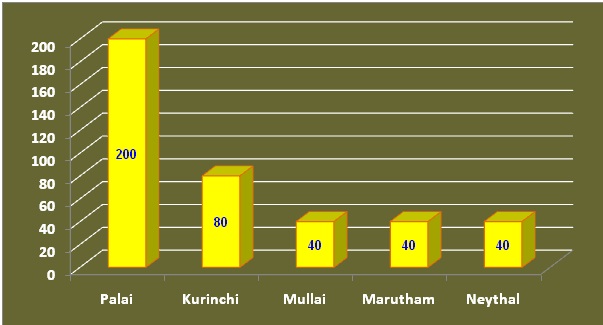
அகநானூற்றில் மிகப்பெரிய அதிசயம் பாடலின் தொகுப்பு முறையாகும். தமிழர்கள் கணிதத்தில் எவ்வளவு ஆர்வமும் கவனமும் செலுத்தினர் என்பதற்கு இந்த ஒரு சான்றே போதும். 400 பாடல்களையும் 1,2,3,4,5,6……. என்று எழுதுங்கள். அதில் ஒற்றைப்படை எண்கள் உடைய பாடல்கள் எல்லாம் பாலைத் திணையாகவும் பத்து தொடர்ந்தனவெல்லாம் நெய்தலாகவும், நாலு தொடர்ந்தனவெல்லாம் முல்லையாகவும் இரண்டும் எட்டும் தொடர்ந்தனவெலாம் குறிஞ்சியாகவும், ஆறு தொடர்ந்தன வெல்லாம் மருதமாகவும் நூல் முழுதும் தொகுக்கப்பட்டுள்ளது.

இதைத் ‘’தமிழ் இலக்கியத்தில் எண்கள்’’ என்ற எனது 1995 தஞ்சாவூர் உலகத் தமிழ் மாநாட்டு ஆய்வுக்கட்டுரையில் குறிப்பிட்டேன். இப்பொழுது சிறிது விளக்கமாகவே கூறுகிறேன்:–

பாலை
1,3,5,7,9,11…………………………….. இப்படி 397,399 வரை எல்லா ஒற்றைப்படை எண்ணுள்ள பாடல்களும் பாலைத் திணையைச் சேர்ந்த பாடல்களாக இருக்கும்.
நெய்தல்
10, 20, 30, 40, இப்படி ……………….390, 400 வரை பத்தில் முடியும் எண் பாடல்கள் அனைத்தும் நெய்தல் திணையைச் சேர்ந்த பாடல்களாக இருக்கும்.
முல்லை
4,14,24,34,44,54……………………. 394 வரை இவ்வாறு நாலு என்ற எண்ணுள்ள பாடல்கள் அனைத்தும் முல்லைத் திணையைச் சேர்ந்த பாடல்களாக இருக்கும்.
குறிஞ்சி
2,12,22,32,42…………………….. 8, 18, 28, 38……………………. 392, 398 வரை இவ்வாறு இரண்டு எட்டு என்ற எண்ணுள்ள பாடல்கள் அனைத்தும் குறிஞ்சித் திணையைச் சேர்ந்த பாடல்களாக இருக்கும்.
மருதம்
6,16,26,36……………………………..396 என்ற வரை இவ்வாறு ஆறு என்ற எண்ணுள்ள பாடல்கள் அனைத்தும் மருதத் திணையைச் சேர்ந்த பாடல்களாக இருக்கும்.

akanan2

இப்படிச் செய்வதால் புத்தகத்தைப் படி (பிரதி) எடுப்போர் தவறு செய்யும் வாய்ப்புகள் குறைவாகும். யாரேனும் ஒருவர் தவறு செய்தாலும் அதை எளிதில் கண்டுபிடித்துத் திருத்தி விடலாம். இப்படிப் பிரித்ததிலும் கூட 200+40+40+80+40 என்ற அழகைக் காணலாம்.

பிராமணர்கள் வாய்மொழியாகவே வேதத்தைப் பரப்பவேண்டும் என்ற கொள்கையினை உடையோராதாலால் அதில் இடைச் செருகல் வரக்கூடாது என்பதற்காக, பல்லாயிரம் வருடங்களாக, அதை

1.வாக்கிய பாடம்,
2.கிரம பாடம்,
3.கண பாடம்,
4.ஜடா பாடம்
என்று சொற்களைக் கணித அடிப்படையில் கூட்டிக் கூட்டிச் சொல்லுவர்.

மனப்பாட சக்தியுள்ள ஒருவரைப் புகழும்போது, ‘’அவரா? அவர் அதைத் தலைகீழாகச் சொல்லச் சொன்னாலும் சொல்வாரே, அந்த அளவுக்குப் புலமை’’ என்போம். இது போல பிராமணர்கள் பெரிய புலமை பெறும் போது அவர்களுக்கு ‘கனபாடி’கள் என்ற பட்டமும் கிடைக்கும். இதே போல தமிழர்களும் எண் அடிப்படையில் பாடல்களை வகுத்தது அவர்களின் திறமைக்கு ஒரு சான்றெனில் அது மிகையாகாது.

Akananuru graph
அதிசயம் 2
அகநானூற்றில் 108 ஊர்களின் பெயர்கள் உள்ளன. 2000 ஆண்டுப் பழமையான ஊர்களை அறிய இது பெரிதும் உதவுகிறது. தமிழர்கள் மிகவும் தெய்வ நம்பிக்கை உடையவர்கள். ஆகையால் அலைவாய் (திருச்செந்தூர்), அரங்கம் (ஸ்ரீரங்கம்), கோடி (தனுஷ்கோடி), மதுரை, வேங்கடம் (திருப்பதி) முதலிய பல புண்ய க்ஷேத்திரங்களைக் குறிக்கத் தவறவில்லை.

அதிசயம் 3
அகநானூற்றில் குறைந்தது 14 நாட்டுப் பிரிவுகள் வருகின்றன. இப்போது நாம் நாடு என்றால் பெரிய நிலப்பரப்புடைய அமெரிக்கா, ரஷ்யா, பிரிட்டன் என்போம். 2000 ஆண்டுகளுக்கு முன் தமிழர்கள் இதைச் சிறு நிலப்பரப் பிற்கே பயன்படுத்தினர். எல்லா மொழிகளிலும் காலப்போக்கில் சொற்களின் பொருள் மாறும். ஆங்கிலத்திலும் கூட 400 ஆண்டுகளுக்கு முன் ஷேக்ஸ்பியர் பயன்படுத்திய சொற்கள் இன்று பொருள் மாற்றிப் பயன்படுத்தப்படுகின்றன.
இடையநாடு, குடநாடு, கொங்குநாடு, கோசர் நாடு, துளுநாடு, தொண்டைநாடு, பாணன் நாடு, புகார் நாடு, பூழி நாடு, மழவர் நாடு, மாறோக்கநாடு, வடுகர்நாடு, வேம்பிநாடு, வேளிர்நாடு முதலியன.

‘’நாடு’’ என்னும் சொல் பொருள் மாறியது பற்றி எழுதியவுடன் வேறு ஒரு விஷயமும் நினைவுக்கு வருகிறது.

பல வெளிநாட்டுக்காரர்கள் ரிக் வேதத்தை மொழி பெயர்க்கிறேன் என்ற பெயரில் தத்துப்பித்து என்று உளறி வைத்துள்ளனர். இதை உளறல் என்று கண்டுபிடிக்க நீங்கள் பெரிய சம்ஸ்கிருத அறிஞராக இருக்க வேண்டாம். 20 வெளிநாட்டுக்காரர்கள் ரிக் வேதப் பாடல்களை மொழிபெயர்த்ததைக் கையில் வைத்துக் கொள்ளுங்கள். ஒவ்வொருவரும் என்ன சொல்கிறார்கள் என்று பாருங்கள். ஒன்றுக்கு ஒன்று சம்பந்தா சம்பந்தமே இராது.

திருக்குறளிலும் பதின்மர் உரை என்று பத்துப் பேர் எழுதிய உரைகள் உண்டு. அதில் பெரிய வேற்றுமைகளையோ கலாசார எதிர்மறை விளக்கங்களையோ காணமுடியாது. ஆனால் வேதத்துக்குப் பொருள் எழுத வந்தோருக்கு நம் கலாசாரம் தெரியாது என்பதைவிட அவர்களின் உள்நோக்கம் என்ன என்பதைப் பார்க்கையில் அவர்களின் குட்டு வெளிப்பட்டுவிடும். சாயம் வெளுத்துப்போகும்!

akanan3

அதிசயம் 4
அகநானூறு குறிப்பிடும் தமிழர்களின் தெய்வங்கள்:
அருந்ததி, இராமன், இல்லுறை கடவுள், உமை, கண்ணபிரான், கவிர மலைத் தெய்வம், குபேரன், கொல்லித் தெய்வம், சந்திரன், சிவபெருமான், சூரியன், செல்லூர்த் தெய்வம், நடுகற் கடவுள், நள்ளியடுக்கத்துச் சூர்,
புகார்த் தெய்வம், பாழி அணங்கு, பொதியில் தெய்வம், மழுவாள் நெடியோன், முருகன், வேம்பினடிக் கடவுள், வேளூர்வாய்த் தெய்வம்.
இது தவிர ஏரி, குளம், காடு, மலை, குன்று, மரங்களில் உறையும் அணங்குகள் பற்றிய குறிப்புகளும் நிறைய உண்டு.

தமிழர்களைப் பற்றி சில அரசியல் கட்சிகள் தவறான பிரச்சாரத்தைச் செய்ததால் தற்கால இளைஞர்களுக்கு தமிழர்கள் என்போர் ஏதோ தனிப்பட்ட ஒரு இனம், அவர்கள் ஆகாசத்தில் இருந்து குதித்த உலக மஹாப் பழங்குடி மக்கள், அவர்களுக்கு வேறு ஒரு கலாசாரம் உண்டு என்ற எண்ணம் உண்டாகும் இவை எல்லாம் மஹா அபத்தம் என்பதை அறிய நீங்கள் மிகப்பெரிய தமிழ் அறிஞராக இருக்க வேண்டும் என்பது இல்லை.

வர்த்தமானன் பதிப்பகம் போன்ற பதிப்பகங்கள் வெளியிட்ட சங்க இலக்கிய மேல் கணக்கு நூல்கள் 18 ஐயும் எடுத்துக் கொண்டு பத்துப்பாட்டையும் (10 நூல்கள்) எட்டுத்தொகையையும் ( எட்டு நூல்கள்) படியுங்கள். இமயம் முதல் குமரி வரை எல்லாம் ஒரே பண்பாடே என்று நீங்களே கட்டுரை எழுதத் துவங்கி விடுவீர்கள். திருநெல்வேலி பெட்டி வெல்லம், நெல்லை லாலகடை அல்வா, மணப்பாறை முறுக்கு, மானாமதுரை சாம்பார் சாதம், மதுரை நாகப்பட்டிணம் கடை காராச்சேவை, ஐயங்கார் மெஸ் புளியோதரை என்பது போல சில ‘’ஸ்பெஷல்கள்’’ ஆங்காங்கே இருக்கத்தான் செய்யும். இது உலகம் முழுதும் உண்டு.
ஐயர் வீட்டுக் கல்யாணங்களில் கூட திருநெல்வேலி வழக்கம், மதுரை சம்பிரதாயம், தஞ்சாவூர் பார்ப்பனர் வழக்கம், ஆற்காட்டு ஐயர் சம்பிரதாயம் என வேறுபடும் ஆனால் அவர்கள் எலோரும் பிராமணர்களே. செட்டியார் வீட்டுக் கல்யாணங்களிலும் பிரதேசத்துக்குப் பிரதேசம் பழக்க வழக்கங்கள், சம்பிரதாயங்கள் மாறுபடும். அவர்கள் அனைவரும் வடநாட்டு ஷ்ரேஷ்டிகளே=செட்டி=ஷெட்டி.

கோவில் வாஹன அலங்கராத்தில் கூட சூர்யப்பிரபை, சந்திரப்பிரபை என்ற வாஹனங்களைத் தென் தமிழ்நாட்டுக் கோவில்களில் காணமுடியாது. அதற்கேன வட அற்காடு விஷ்ணுவை ஆரியர் என்றும் தென் தமிழ்நாட்டுப் பெருமாளைத் திராவிடன் என்றும் சொல்லும் மடைமை ஈங்கு இல்லை. ஆயினும் வெள்ளைகாரன் போல பி.எச்டி. பட்டம் வாங்க விரும்பினால், உலகத் தமிழ் நாட்டில் பொன்னாடை கிடைக்க வேண்டுமானால் நீங்களும் பிரித்தாளும் சூட்சியில் இறங்கலாம்.

அகநானூற்று அதிசயங்கள் தொடரும்…………………………