Swami Vivekananda on Krishna and Gopis

beauiful krishna radha

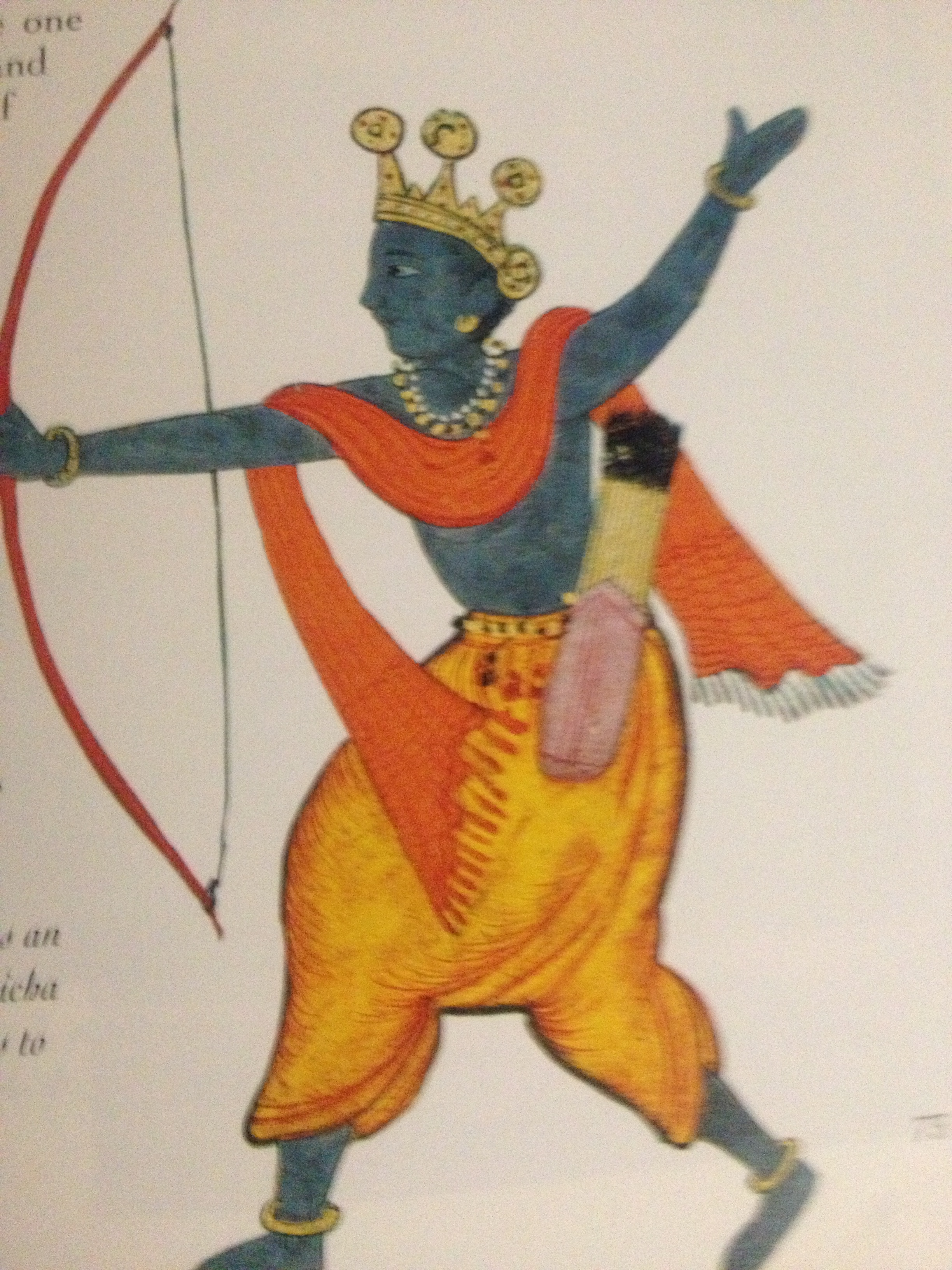
Sri Krishna with Radha

Compiled by London Swaminathan
Post No. 895 Dated 8th March 2014

Swami Vivekananda says,
“Krishna can never be understood until you have studied the Gita, for he was the embodiment of his own teaching. Every one of these incarnations came as a living illustration of what they came to preach. Krishna, the preacher of the Gita, was all his life the embodiment of that Song Celestial; he was the great illustration of non-attachment. He gives up his throne and never cares for it. He, the leader of India, at whose word kings come down from their thrones, never wants to be a king. He is the simple Krishna, ever the same Krishna who played with the Gopis”.

“ Ah, the most marvellous passage of his life, the most difficult to understand, and which none ought to attempt until he has become perfectly chaste and pure, that most marvellous expansion of love, allegorised and expressed in that beautiful play in Vrindaban , which none can understand but he who has become mad with love, drunk deep of the cup of love! Who can understand the throes of love of the Gopis – the very ideal of love, love that wants nothing, love that does not even care for anything in this world, or the world to come?”

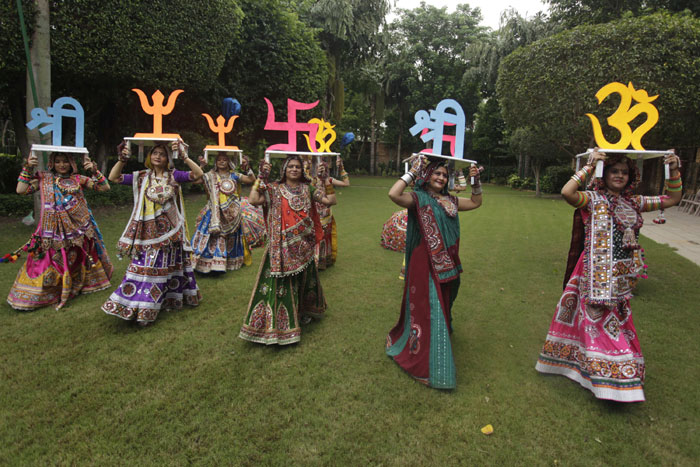
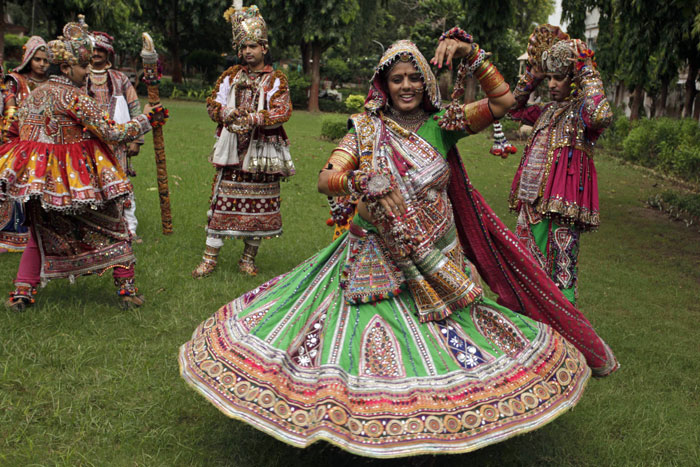
B_Id_425983_Dancers
Garba Dance

“They hated every adjective that was applied to Krishna; they did not care to know that he was the Lord of Creation, they did not care to know that he was almighty, they did not care to know that he was omnipotent, and so forth. The only thing they understood was that he was infinite Love, that was all. The Gopis understood Krishna only as the Krishna of Vrindaban. He, the leader of the hosts, the King of Kings, to them was the shepherd and the shepherd forever.”

“ I do not want wealth, nor many people, nor do I want learning; no, not even do I want to go to heaven. Let me born again and again, but Lord, grant me this, that I may have love for Thee, and that for love’s sake”.

“A great land mark in the history of religion is here , the ideal of love for love’s sake, work for work’s sake, duty for duty’s sake and it is for the first time fell from the greatest of Incarnations, Krishna, and for the first time in the history of humanity, upon the soil of India. The religions of fear and of temptations were gone forever, and in spite of the fear of hell, and temptation of enjoyment in heaven, came the grandest of the ideals, love for love’s sake, work for work’s sake, duty for duty’s sake”.

Let me repeat, Impure Fools!

“And what a love! I have told you just now that it is very difficult to understand the love of the Gopis. There are about wanting fools, even in the midst of us, who cannot understand the marvellous significance of that most marvellous of all episodes. There are, let me repeat impure fools, even born of our blood, who try to shrink from that as if something impure. To them I have only to say, first, make yourselves pure; and you must remember that he who tells the history of the love of the Gopis is none else but Shuka deva. The historian who records this marvellous love of the Gopis is one who was born pure, the eternally pure Shuka, the son of Vyasa. So long as there is selfishness in the heart, so long is love of god impossible; it is nothing but shop keeping. I give you something, O Lord, you give me something in return. And says the Lord – if you do not do this, I will take good care of you when you die. I will roast you all the rest of your lives, perhaps, and so on. So long such ideas are in the brain, how can one understand the mad throes of the Gopis’ love?”

“O for one, one kiss of those lips! One who has been kissed by Thee, his thirst for Thee increases for ever, all sorrows vanish, and he forgets love for everything else but for Thee and Thee alone”. Ay , forget first the love for gold, and name and fame, and for this little trumpery world of ours. Then, only then, you will understand the love of the Gopis, too holy to be attempted without giving up everything, too sacred to be understood until the soul has become perfectly pure. People with the ideas of sex, and of money, and of fame, bubbling every minute in the heart, daring to criticise and understand the love of the Gopis! That is the very essence of the Krishna Incarnation. Even the Gita, the great philosophy itself, does not compare with the madness of enjoyment, the drunkenness of love, where disciples and teachers and teachings and books and all these things have become one, even the ideas of fear, and God, and heaven. Everything has been thrown away. What remains is the madness of love. It is forgetfulness of everything, and the lover sees nothing in the world except that Krishna and Krishna alone, when the face of every being becomes a Krishna, when his own soul has become tinged with the Krishna colour. That was the great Krishna!”

“Do not waste your time upon little details. Take up the framework, the essence of the life”.
Source: Selections from The Complete Works of Swami Vivekananda, Advaita Ashrama, Calcutta 700 014, Year of publication 1990.

B_Id_425986_Dancers_

Reference to Gopis in Tamil Literature

One of the earliest references to Gopis bathing in the River Yamuna and Krishna bending the trees so that the shepherd girls can get leaves to hide their bodies come from 2000 year old Sangam Tamil Literature. The reference is in verse 59 by Madurai Marudan Ilanagan in Akananauru.

Ramakrishna Paramahamsa on the Gopis

How wonderful was the intensity of their Love! At the very sight of the Tamala tree, they were seized with the madness of Love. This was also the case with Gauranga. Looking at a forest before him, he thought that it was brundhavan. Oh! If one is favoured with but a particle of this ecstatic love! What devotion! This devotion the Gopis had, not only full to the brim but over flowing in super abundance.
Once Radha, to prove her chastity, carried on her head a pitcher filled with water. The picture had a thousand holes, but not a drop of water spilled. People began to praise her, saying, “ Such a chaste woman the world will never see again!” Then Radha said to them: Why do you praise me? Say, Glory unto Krishna! Hail Krishna! I am only his handmaid”.

Contact swami_48@yahoo.com

‘நல்லோர் அவை புக்க நாகமும் சாகா!’

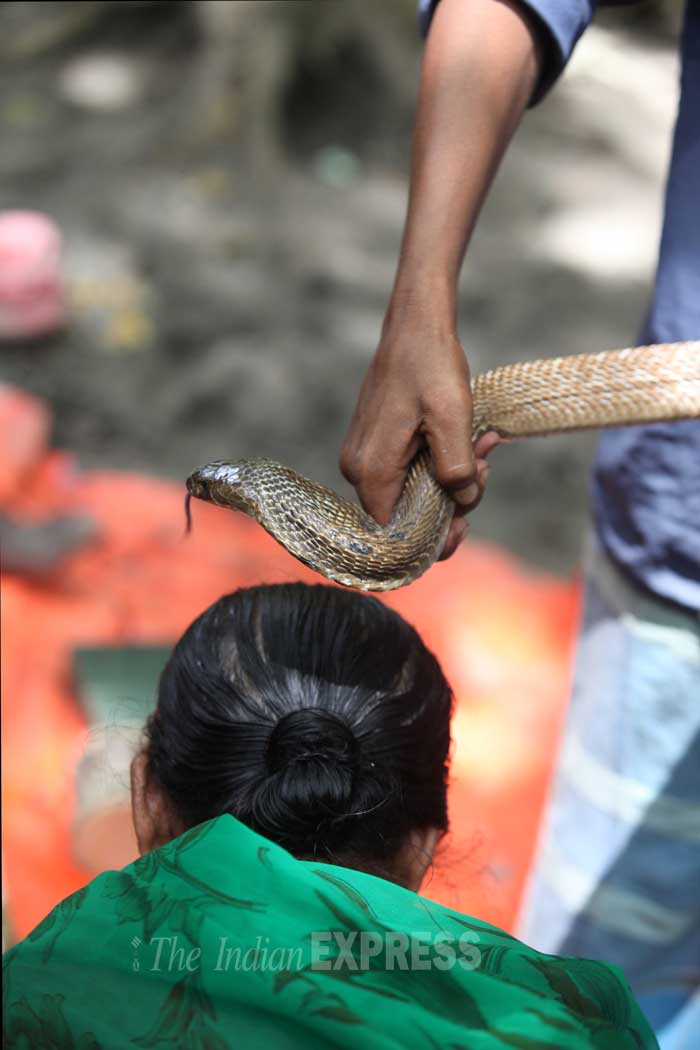
B_Id_411182_manasa-puja-2
Picture of Snake blessing during Naga Panchami puja

By London Swaminathan
Post No. 894 dated 8th March 2014

தமிழர்களின் இரக்க சிந்தனையில் பாம்பு கூட உயிர் பிழைத்து விடுமாம்!
சங்க நூலில் ஒன்றான கலித்தொகையில் ஒரு உவமை வருகிறது:–

‘’தாங்காச் சினத்தொடு காட்டி உயிர் செகுக்கும்
பாம்பும் அவைப்படின் உய்யுமாம்’’ — நெய்தற்கலி

பொருள்: பயங்கர கோபத்துடன் சீறிப் பாய்ந்து மற்றவர்கள் உயிரை வாங்கும் பாம்பையும் கூட நல்லவர்கள் கூடி இருக்கும் இடத்திற்குள் வந்தால் அடித்துக் கொல்ல மாட்டார்கள் என்கிறார் நெய்தற்கலி பாடிய நல்லந்துவனார்.

மகாபாரதத்திலும் இப்படி ஒரு கதை வருகிறது.

கல்வி கேள்விகளில் தேர்ச்சிபெற்ற கவுதமி என்ற பிராமணப் பெண்ணின் மகனைப் பாம்பு கடித்திவிடுகிறது. அவன் இறந்த பின்னர் அந்தப் பாம்பை ஒரு வேடன் பிடித்துக் கொண்டுவந்து, அம்மையே உன்மகனைக் கொன்ற இந்தப் பாம்பினை எந்த வகையில் கொல்ல வேண்டும் என்ரு சொல்லுங்கள் கொன்று பழி தீர்க்கிறேன் என்றான். அவளோ இதை கொன்றாலும் தன் மகன் உயிருடன் வரப்போவத்ல்லை என்று சொல்லி பாம்பினை உயிருடன் விட்டுவிடச் சொல்கிறாள் (ம்.பா. 13/1)
‘’நல்லவர் கண்ணில் நாகம் அகப்பட்டாலும் கொல்லார்’’ என்ற தமிழ்ப் பழமொழியை இது உண்மையாக்கிவிட்டது.

‘’நல்லோரவை புக்க நாகமும் சாகா’’ — என்று பிற்காலத்திலும் சொல்லப்பட்டுள்ளது.

B_Id_411187_snakes-1
Naga Panchami Festival

பாம்புகளை எப்போதுமே தீய பிராணிகளாகவே எல்லா நாட்டு இலக்கியங்களும் வருணிக்கும்.அதிலும் விஷமுடைய பாம்பையும் விஷமற்ற பாம்பையும் வேறுபடுத்தியும் காண்பர்:

நஞ்சுடைமை தானறிந்து நாகம் கரந்துறையும்
அஞ்சாப் புறங் கிடக்கும் நீர்ப்பாம்பு – நெஞ்சில்
கரவுடையார் டம்மைக் கரப்பர் கரவார்
கரவிலா நெஞ்சத்தவர் –(வாக்குண்டாம்)

நாகப் பாம்புக்கு விஷம் இருப்பதால்தான் மறைந்து வாழ்கிறது. நீர்ப் பாம்புக்கு விஷம் இல்லாததால் அஞ்சாமல் வெளியே இருக்கும்.. அதுபோல நெஞ்சில் வஞ்சனை (கரவு) உடையார் தங்களைத் தாமே மறைத்துக் கொள்வர். வஞ்சம் இல்லாதோர் மறைந்து வாழ மாட்டார்கள்.

நாக பஞ்சமி அன்று உயிருடன் இருக்கும் நாகத்துக்குப் பூஜை செய்வதும், வாரம் தோறும் பாம்புப் புற்றில் பால் வார்ப்பதும் நாட்டின் பல்வேறு பகுதிகளில் நடைபெறுகிறது. கேரளத்தில் பாம்புக் கோவில்கள் உள்ளன. ஆயினும் இவை எல்லாம் தெய்வ வழிபாடு என்ற வகையில் வந்துவிடும். தமிழர்களோவெனில், தெய்வ சம்பந்தம் இல்லாத ‘அசெம்பிளிக்குள்’ வந்தாலும் பாம்புகளை அடிக்கமாட்டார்கள் என்பது ரசிக்கத் தக்கது!!

contact swami_48@yahoo.com

Kanchi Paramacharya’s Golden Sayings

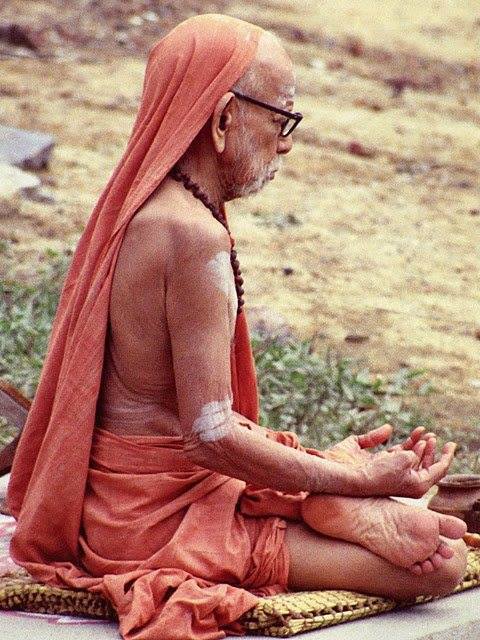
kanchi thavam,fb

Voice of the Guru — Pujyasri Candrasekharendra Sarasvati Svami

Compiled by London Swaminathan
Post No. 893 Dated 7th March 2014

From the book ‘’Hindu Dharma – The Universal Way of Life’’, Bharatiya Vidya Bhavan, Bombay, Year of Publication 2000.

Conversion

All religions have one common ideal -worship of the lord, and all of them proclaim that there is but one god. The one god accepts your devotion irrespective of the manner of your worship, whether it is according to this or that religion. So there is no need to abandon the religion of your birth and embrace another. Page 17

Man and beast

Animals go transversely. That is why they are called ‘’tiryak’’ in Sanskrit. Man who grows upright ought to have, unlike beasts, a high ideal before him. He will then obtain more happiness than all other creatures. But what do we see in reality? Man experiences more sorrow than all other creatures. P 12

Character

The decay of a religion in any country could be attributed to the lack of character of its leaders and of the people constituting the establishment responsible for its growth. P21

Hindus’ Gift to the World

All sounds originate in space. From them arose creation. According to science, the cosmos was produced from the vibrations in space. By virtue of their austerities the sages had the gift of seeing the ‘mantras’ in space, the mantras that liberate men from this creation. The Vedas are ‘’apaureseya’’ – not the work of any human author — and the very breath of the Paramatman (God) in his form as space. The sages saw them and made a gift of them to the world. Page 28

Karma Theory

According to Karma theory, every action of a man has an effect corresponding to it. Based on this belief our religion declares that, if a man commits sin, he shall pay the penalty for it. Also if his action is a virtuous one, he shall reap the benefits thereof. Our religion further asserts that one is born again and again so as to experience the consequences of one’s good and bad actions. P.36

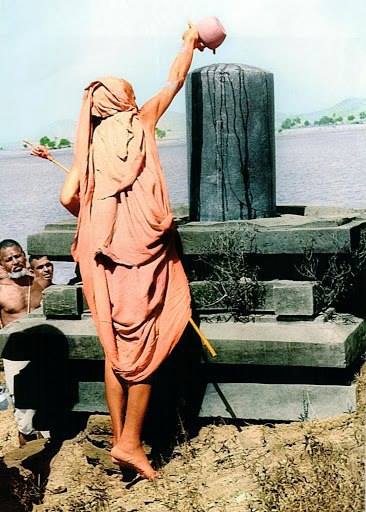
shiva and kanchi

God’s Gift to Us

In His mercy the Lord gives us every time a fresh opportunity to wash away our sins. The Guru, the Sastras (scriptures) and the temples are his gifts to wipe away our inner impurities. P.37

Rebirth

If you accept the doctrine that human beings are born only once, you cannot but form the impression that god is neither compassionate nor impartial — think of all the differences at birth — and that he functions erratically and unwisely. How are we to be devoted to such a God and have the faith that he will look on us with mercy? How are we to account for the differences between one being and another if we do not accept the doctrine that our life now is determined by the good and the bad we did in our past births. P 38

The Vedas

The Vedas are not only the source of the various divisions of Hinduism, all the religions of the world may be traced back to them. It is our bounden duty to preserve them for all time to come with their glory undiminished. p 46

Mantra Vibrations

The sound of some mantras has greater value than their meaning. Their syllables chanted in a particular manner create a special energy, but their meaning has no special significance. Take the mantra recited to cure a man stung by a scorpion. The words, the syllables, constituting the mantra have no special meaning. Indeed they say the meaning is not to be told. But by chanting, the mantra vibrations are caused in space and one stung by a scorpion will be cured. P 86.

Mantra Miracle

In Tiruvanaikka (near Tirucirapalli), people have seen with their own eyes a tree bare of foliage putting forth green shoots under the spell of the mantras. The ‘sthala vriksha’ here — the tree sacred to a temple or a place — is the white Jambu tree. That is why the place is called Jambukesvaram (Tiruanaikka). Once the tree was dead except for one branch or so. Then the Cettiars – the trustees of the temple – had an Ekadasa Rudra Abhiseka conducted for it. And, behold, by the power of the mantras, the tree put forth fresh leaves. P 87

Contact swami_48@yahoo.cm

யானையை விழுங்கிய மலைப் பாம்புகள்: தமிழ் புலவர் தகவல்

lv_corcodile_snake_fight_03032014

A few days ago London Newspapers published a photo of a five hour fight between a crocodile and a snake in Queensland, Australia. Needless to say that the snake won the fight.

கட்டுரையாளர் – லண்டன் சுவாமிநாதன்
கட்டுரை எண்:- 892 தேதி:– 7 மார்ச் 2014

சங்க இலக்கியத்தில் மலைப் பாம்புகளின் நடவடிக்கைகளைக் கூர்ந்து கவனித்த தமிழ்ப் புலவர்கள், அவைகள் யானைகளை விழுங்கியது பற்றிப் பாடி வைத்திருக்கின்றனர். யானையை மலைப் பாம்பு விழுங்க முடியுமா? இதோ முதலில் சில உண்மைச் சம்பவங்கள்:—

கனடாவில் அண்மையில் நடந்த ஒரு நிகழ்ச்சி நல்ல உள்ளங்கள் எல்லாவற்றையும் உலுக்கிவிட்டது. உள்ளத்தை உருக்கியும் விட்டது. கண்ணீரை உகுக்கவும் வைத்தது. இரண்டு சிறுவர்கள், ஒரு நண்பர் வீட்டில் தூங்கப் போனார்கள். ஒரு மலைப் பாம்பு, கூரையில் காற்று வருவதற்காக வைத்த துளை மூலமாக வந்து அவர்கள் மீது விழுந்தது. அடுத்த கணம் அவர்கள் இருவரையும் நசுக்கிக் கொன்றுவிட்டது. யமன் எப்படி எல்லாம் வருவான் என்பதற்கு இது நல்ல உதாரணம்.
(வெளிநாடுகளில் வசிப்போர் மற்ற குழந்தைகளுடன் தங்கள் குழந்தைகள் பழகுவதற்காகவும் சுயமாக வாழக் கற்பதற்காகவும் “ஸ்லீப் ஓவர்” என்று பரஸ்பரம் அனுப்புவார்கள். ஆனால் இறந்து போன குழந்தைகள் 6 வயதுக்குட்பட்டவர்கள். இவ்வளவு சிறிய வயதில் அனுப்புவது பொதுவாக நடை பெறாது.)

அந்த மலைப் பாம்பு கீழே கூட்டில் அடைத்து வைக்கப்பட்டிருந்தது எப்படியோ தப்பித்து, ‘‘வெண்டிலேஷன் சிஸ்டம்’’ வழியாக உள்ளே வந்து விட்டது. கனடாவில் நியூபிரன்ஸ்விக் பகுதியில் கேம்ப்பெல்டன் என்னும் இடத்தில் 2013 ஆகஸ்டில் இந்த துயர சம்பவம் நடந்தது.

இன்னொரு சம்பவம்

அமெரிக்காவில் ப்ளோரிடாவில் ஒரு காதலன் — காதலிக்கு 12 ஆண்டு சிறைத் தண்டனை கிடைத்தது. காரணம்? ஜரேன் ஹேர் என்ற பெண்ணும் அவளுடைய பாய் Fரெண்டும் வளர்ப்பு மிருகங்களை விற்கும் தொழில் நடத்திவந்தனர். அவர்கள் கூட்டில் அடைத்து வைத்திருந்த மலைப் பாம்பு தப்பித்து வந்து அவர்களுடைய இரண்டு வயதுப் பெண்ண நெரித்துக் கொன்றுவிட்டது. இது நடந்தது 2011 ஆகஸ்ட் மாதம்! ஆக இருவருக்கும் அலட்சியக் கொலைக்காக 12 ஆண்டு சிறைத் தண்டனை.
Python-vs-Impala-MAIN-3027609
I the jungles of Africa it is always an antelope the python attacks. Probably it likes venison.

பாலி தீவில் மூன்றாவது சம்பவம்:

மக்கள் எல்லோரும் பார்த்துக் கொண்டிருக்கும் போதே ஒரு மலைப் பாம்பு ஒரு மனிதனை நசுக்கிக் கொன்ற சம்பவம் 2013 டிசம்பரில் இந்தோநேஷியாவில் பாலி தீவில் நடந்தது. 13 அடி நீள மலைப் பாம்பு ஒரு ஹோட்டல் பக்கம் அடிக்கடி நடமாடவே சுற்றுலாப் பயணிகள் கவலைப்பட்டனர். பக்கத்து ஹோட்டல் பாதுகாப்பு ஊழியர் அம்பர் அரியாண்டோ முல்யோ (59 வயது), ‘’நான் பிடிக்கிறேன்’’– என்று முன்வந்தார். பாம்பின் தலையையும் வாயையும் பிடித்த பின்னர் 13 அடி மலைப் பாம்பை தோளில் போட்டுக் கொண்டார். அடுத்த நிமிடம் அவருடைய உடலை வளைத்து நெருக்கியது. எல்லோரும் யாது செய்வதென்று அறியாமல் திகைத்துப் போலீசுக்குப் போன் செய்தார்கள். அவர்கள் வருவதற்குள் முல்யோ மூச்சுத் திணறி இறந்து போனார். இப்படி எத்தனையோ சம்பவங்கள்.

அமெரிக்காவில் மலைப் பாம்பை வளர்த்துவந்த ஒரு ஆஜானுபாகு உடலுடைய பல பீமன், கார் கராஜில் நுழைந்தபோது மலைப் பாம்பு வளைத்துப் பிடித்துக் கொன்றுவிட்டது. இது எப்படி நடந்தது என்பது மர்மமாகவே இருக்கிறது. கூட்டிற்குள் இருந்த மலைப்பாம்பு எப்படி அவரை நசுக்கியது என்பது புரிபடவில்லை.ஒருவேளை அவர் அதை வெளியே எடுத்துக் கூண்டை சுத்தம் செய்ய முயன்றிருக்கலாம்.அப்போது மரணப் பிடியில் சிக்கி இருக்கலாம்.

luislang3

உயிரியல் நிபுணர்களுக்கு ஒன்று மட்டும் நன்றாகத் தெரியும். மலைப் பாமபு யானை பலத்தில் ஒருவரை நெருக்கி மூச்சுத் திணறச் செய்ய சில நிமிடங்கள் போதும்! மிகக் கொடிய விஷம் படைத்த ராஜநாகம் தன் விஷத்தின் மூலம் பெரிய யானையையும் கொன்றுவிடும். ஆனால் மலைப் பாம்புகள் பெரிய மிருகங்களைக் கொல்வது அவைகளைச் சாப்பிடுவதற்காகத்தான். அவைகளின் தாடை எலும்புகள் எவ்வளவு வேண்டுமானாலும் விரிந்து கொடுக்கும். மிருகத்தை மூச்சுத் திணறச் செய்தவுடன் சூடாகச் சாப்பிட்டுவிடும். அது வயிற்றுக்குள் போய் ஜீரணமாகப் பல மாதங்கள் ஆகும். அது வரை அது இரை தேட வேண்டியதில்லை!!

மஹாபாரதத்தில் அகத்திய மாமுனியை எட்டி உதைந்த, தற்காலிக இந்திரப் பதவி வகித்த, நகுஷனை அவர் மலைப் பாம்பாகப் போகச் சபித்ததும், அவன் பூமியில் விழுந்து நெளிந்ததும் நினைவுகூறத் தக்கது.பாகவத புராணத்தில் வரும் காளீய நர்த்தனக் கதையும் ஒப்பிடற்பாலது.

காடுகளில் ஏராளமான மிருகங்களை மலைப் பாம்புகள் இப்படித்தான் கொல்கின்றன. மேலை நாடுகளில் வசிப்போர் இது போன்ற செய்திகளை அடிக்கடி படங்களுடன் பார்க்கிறோம். இந்தியக் காடுகளிலும் இது போன்ற சம்பவங்களைக் கானகவாசிகள் சொல்லக் கேட்டிருக்கிறேன்.

தமிழ்ப் பத்திரிக்கைகளுக்கு எழுதிவந்த ஜியாவுடீன் என்பவர் தேக்கடிப் பகுதி காடுகளில் நடக்கும் விஷயங்களை, மதுரையில் எங்கள் வீட்டுக்கு வரும்போது கதை கதையாகச் சொல்வார்.

attapady python
This is a python that was caught in Kerala,India

தமிழ்ப் புலவர்கள் கண்ட காட்சி

இந்தப் பிண்ணனியில் தமிழ்ப் புலவர் பாடல்களை ஆராய்ந்தால் உண்மை விளங்கும்:
அகநானூறு 68, நற்றிணை 14 மற்றும் 261, மலைபடு கடாமில் வரி 259 ஆகியவற்றில் சங்கப் புலவர்கள் இதைப் பாடினர். பிற்காலத்தில் நக்கீரதேவ நாயனார் அருளிய பதினோராம் திருமுறையில் இந்தக் காட்சியைக் காணலாம். இன்னும் பல சிற்றிலக்கியங்களிலும் காணப்படும்.

நற்றிணைப் பாடலைப் (261) பாடியவர் சேந்தம் பூதனார். குறிஞ்சி நில வருணனை:–

நெடும் பல் குன்றத்துக் குறும்பல மறுகி.
தா இல் பெரும் பெயல் தலைஇய யாமத்து,
களிறு அகப்படுத்த பெருஞ்சின மாசுணம்
வெளிறு இல் காழ் மரம் பிணித்து நனி மிளிர்க்கும்
சாந்தம் போகிய தேம் கமழ் விடர் முகை

பொருள்: நெடிந்து உயர்ந்த மலையில் இரவு நேரத்தில் மழை கொட்டுகிறது. அப்பொழுது ஒரு பெரிய மலைப் பாம்பு (மாசுணம்) ஒரு யானையை விழுங்கிக் (களிறு அகப்படுத்த0 கொண்டிருக்கிறது. அது மரத்தில் தொங்கியவாறு யானையின் உடலை வளைத்துப் பின்னிப் புரட்டி விட்டது. ஒருபுறம் சந்தன (சாந்தம்) மரத்தில் இருந்து நல்ல வாசனை வருகிறது.

anaconda

This is anaconda snake. Pythons and Anacondas grow up to 20 feet long.

மலைபடுகடாம் பாடிய பெருங் கௌசிகனார் என்ற புலவர்,

கானகப் பட்ட செந்நெறிக் கொண்மின்
கயங்கண்டன்ன வகன்பை யங்கண்
மைந்திமலி சினத்த களிறுமத னழிக்குங்
தஞ்சுமரம் கடுக்கும் மாசுணம் விலங்கி
பொருள்: காட்டு வழியாகப் போங்கள். (ஆனால் ஜாக்கிரதையாக இருங்கள்). பாம்புகள் கீழே கிடக்கும். அவைகள் மரக் கட்டைகள் போலத் தோன்றும். அவைகள் அழகிய கண்களையும் ,அகன்ற படத்தினையும் உடைய பெரிய பாம்புகள் ஆகும். அவை யானையையும் விழுங்கும்.
இதே போல அகநானூற்றில் (68), “வெண் கோட்டி யானை விளிபடத் துழவு, மகல் வாய்ப் பாந்தள்” என்றும் காணலாம்.

திருஞான சம்பந்தரும் தேவாரத்தில்

பரிய களிற்றை யரவு விழுங்கி மழுங்க – என்று பாடுவார்.

களிறென்று பெரிய மாசுணம்……பெயர்தரு பிருதியெம் பெருமானை – என்று பெரிய திருமொழியில் (1. 2:10) பெரியாழ்வாரும் பாடுகிறார்.

கம்ப ராமாயணத்தில்,
பெரிய பாந்தள், மறங்கிளர் மான யானை வயிற்றின வாக வாய்சோர்ந்துறங்கின — (கம்ப.தாடகை.11, சித்திர கூட 4-35, சேது பந்தன 20).

ஆதாரம்: மகா மகோபாத்தியாய தக்ஷிணாத்ய கலாநிதி டாக்டர் உ.வே.சாமிநாதையர் பதிப்பித்த பத்துபாட்டு மூலமும் நச்சினார்க்கினியருரையும்.

contact swami_48@yahoo.com

400 Types of Yagas (Fire Ceremonies)

charles yaga

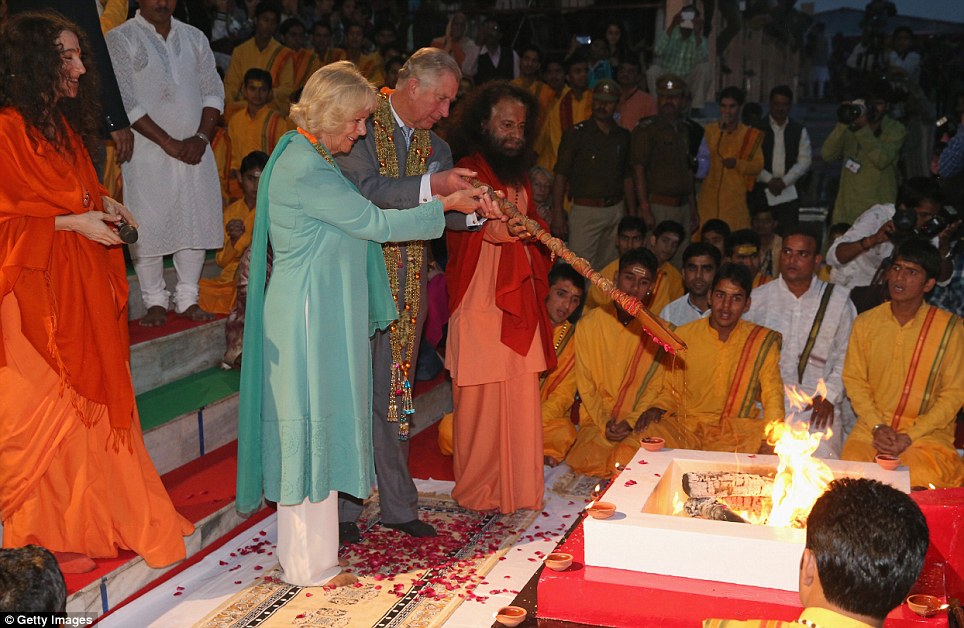
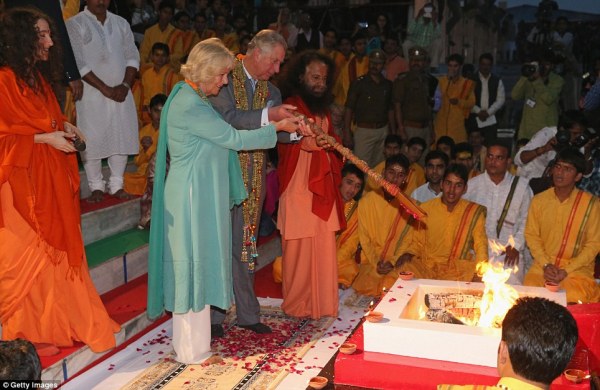
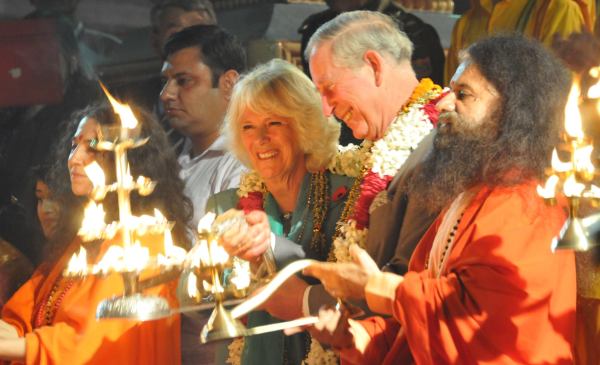
Prince Charles and Camilla Parker with Swami Chidananda Saraswati at Rishikesh taking part in a Yajna.

“The Brahmin spoiled himself and spoiled others. By abandoning his Dharma he became a bad example to others. Now, after he had divested himself of his dharma, there was nothing to give him distinction, to mark him out from others” — Kanchi Paramacharya Pujya Sri ChandraSekarendra Sarasvati.

By London Swaminathan
Post No. 891 dated 6th March 2014

Kanchi Paramacharya Sri Chandrasekarendra Saraswati Swamikal mentioned in one of his lectures that there are 400 different types of Yagas (Fire Altar Ceremonies) and Yajnas.

Following are excerpts from his talks on different occasions:

“What is a Yajna?

It is the performance of a religious duty involving Agni, the sacrificial fire, with the chanting of mantras. The word itself is derived from the root “Yaj” meaning “to worship”, to evince devotion. The performance of yajna is to please Paramatman (god) and various duties. Yajna is also called ‘Yaga’.

Three fold purpose

The Vedic sacrifices have a threefold purpose. (1) The first is to earn the blessings of the deities so that we as well as all other creatures may be happy in this world. (2) The second is to ensure that, after our death, we will happily live in the world of the celestials. (£) The third purpose is the most important and it is achieved by performing sacrifices, as taught by the Gita, without any expectation of reward. Here we desire neither happiness in this world nor residence in paradise. We perform sacrifices only because it is our duty to invoke the blessings of the gods for the welfare of the world.
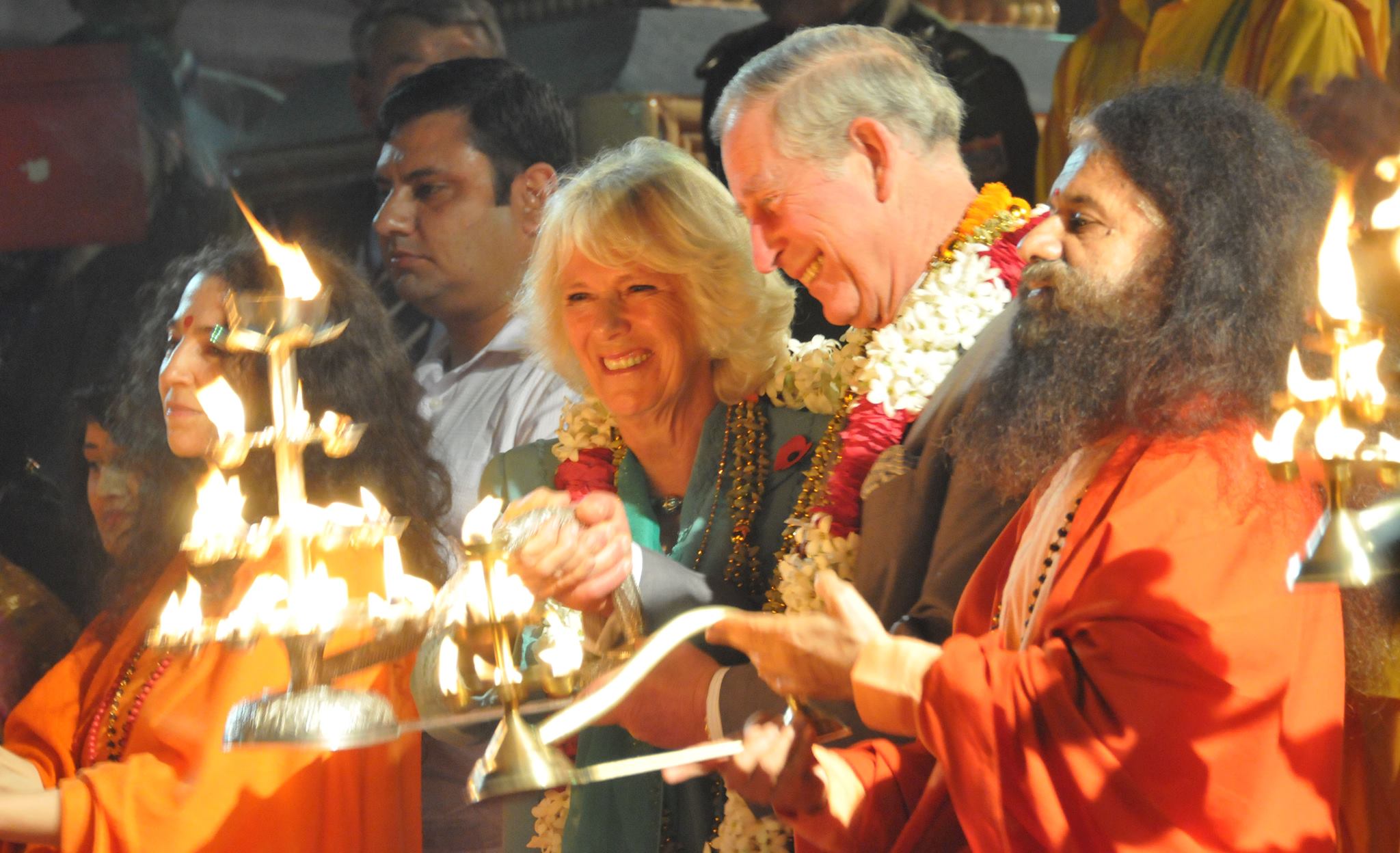
chalres arti

Lord Krishna says,

“Keep performing sacrifices. You will attain all good fortunes. May these sacrifices of yours be the cow that grants you all you desire (Kamadhenu)”

“One is enjoined to perform 21 sacrifices. These are of three types: Paka yajna, Havir yajna and Soma yajna. In each category there are seven divisions. In all the seven Pakayajnas as well as in the first five Haviryajnas there is no animal sacrifice. It is only from the sixth Haviryajna onwards (niruda pasubandha) that animals are sacrificed.

To tell the truth, there is no sacrifice, in which a large number of animals are killed. For Vajapeya, which is the highest type of Yajna performed by the Brahmins, only twenty three animals are mentioned. For Asvamedha (horse sacrifice), the biggest of the sacrifices conducted by imperial rulers, one hundred animals are mentioned.

There are three types of sacrifices mentioned in the Atharva Veda-:
Santikam for peace, Paustikam for strength and Abhicarikam to bring injury to enemies. There are sacrifices which come independently under the Atharvaveda. According to Valmiki Ramayana Indrajit performed the Nikumbhila mentioned in this Veda.

Thevaram sung at Omampuliyur temple has good information about Yagas.
Aupasana: Aupasana begins with marriage and it is performed every day until one becomes a sanyasin or until one’s death.

Though members of the fourth Varna/caste do not wear the sacred thread they have the marriage ‘samskara’, along with it, Aupasana. Aupasana is one of the rights of this caste and it is to be conducted every day with the recitation of certain verses.

Samidhadhana : SAMIDHADHANA is performed by the student/bachelor twice a day offering sticks of Palasa tree in the fire. The rite is not continued after marriage.

Now I am adding my comments:- swami
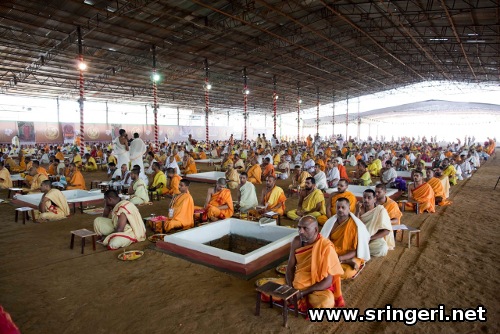
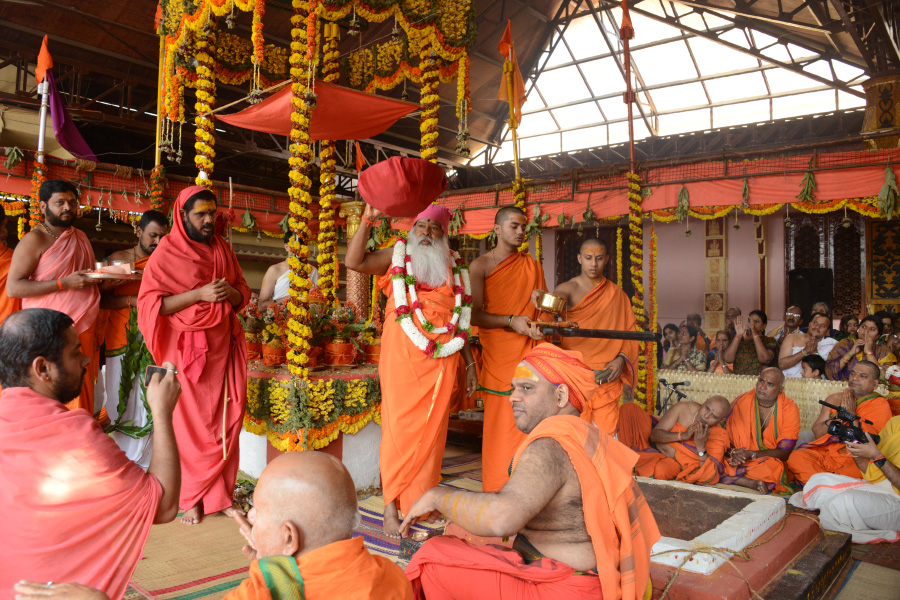
Thousand Priests at Yagashala

1000 priests at a Yagashala.

400 types of Yagas

I have tried to list as many Yagas as possible by looking at various sources:
1.Maha Ganapathy Homam: To get the blessings of Lord Ganesh it is performed in the beginning of all Hindu ceremonies and new ventures. Lord Ganesh is the god for success and wisdom. He will give troubles for those who ignore s him. He is always remembered in every new endeavour, whether it is secular or religious.

2.Sudarsana Homam: It is performed to get rid of evil spirits and troubles from enemies.
3.Navagraha Homam: It is performed to pacify the Nine Planets and avoid the evil effects of planets. This is also done in all the new buildings and new houses.

4.Ayush Homam: This is performed on every birth day of a family member for healthy and long life. The first birth anniversary of every child is celebrated with Ayush Homam and lot of people are fed on that day.
5.Agnihotra: Done by the married people. During the Bhopal Poison gas tragedy nearly 3000 people died. But two people who performed Agnihotra escaped from the evil effects of poisonous gas. It was widely reported in the news papers.

6.Kushmanda homam : This homa is a Prayaschitha Homa performed to get rid of the sins done by a person. Prayaschita means atonement.

7.Samidhadhanam: Every Brahmin bachelor is supposed to do it every day with peepal or palasa sticks and ghee in the fire. It is a very short ceremony with positive mantras. They praise the Gods as the greatest, brightest, most intelligent, strongest, boldest etc and pray for the same qualities.

8.Aupasanam: Done by the married people every day in the morning and the evening. They start doing it after the birth of the first baby.
9.Mahamrutyunjaya homam : This is performed by repeating the Mrtyunjaya (Conquering death) mantra from the Rudram of Yajur Veda. A very short mantra repeated by Hindus very often. (Beginning Om Trayamabakam Yajaa mahe…..)

10.Lagu Mrutyunjaya homam: another type of the above one.
11.Vasthu homam: It is done during the construction of new houses or buildings
12. Purushasukta homam: Done with the recitation of Purushasukta from the Rik Veda.

13.Sri Sukta homam: Sri Suktam is a Vedic hymn in praise of Goddess.
14.Bhagavadgita homam :
15.Punyahavachanam:
16.Agnimukam:
17.Jayadhihomam:
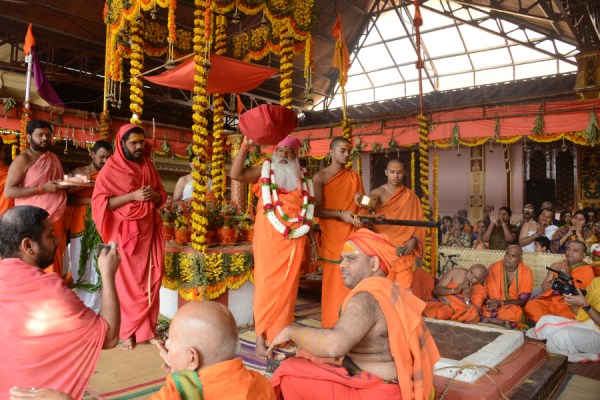
pratishtha-yagashala-purnahuti
Picture of Sri Ganapati Sachidananda in a Yagashala.

18Vichinnagni sandhanam:
19.Sri vidya navavarana homam:
20.Agnistoma :
21.Jyotistoma:
22.Mahavrata yaga:

23.Gasava yagam:
34.Ukthya yagam :
25.Avahanthihomam

Homa Vidhanam by Anna, (Sri Ramkrishna Mutt publication, 16, Ramakrishna Matam Road, Mylapore, Chennai 600004) gives instructions to do the most popular homams.

26.Rudram Homam
27.Rudra Ekadasani
28.Maha Rudram
29.Ati Rudram
Rudra Ekadasi: When Rudram is recited 121 times (11 priests recite it 11 times) it is Rudra Ekadasi.
When Rudram is recited 1331 times (11X11X11) it is Maha Rudram
When Rudram is recited 14641 times (11X 11X11X11) it is Ati Rudram
Sri Sathya Sai Baba performed Ati Rudram in Chennai and Puttaparthi. It was the biggest Homam done in modern times.
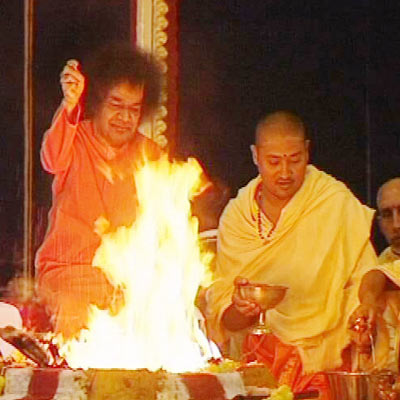
rudra baba

Sri Sathaya Sai Baba organised the biggest Ati Rudra in Chennai and Puttaparthi

30.Atirathram: Atirathram is very popular because of its performance every year in Kerala. Foreigners showed a great interest in it and recorded everything for the benefit of future generations. It was held at Panjal village in Thrissur district. The “Athiratram ritual literally means “building of the fire place and performed overnight” and usually held to propagate universal peace and harmony. It was documented about 40 years ago by US based Indologist Frits Stall (Emeritus Professor of Philosophy and South Asian Studies at the University of California at Berkley). He is no more. He recorded everything for the benefit of the posterity in 1975.

31.Aswamedham: Kshatriya rulers (kings) only did this in ancient India. A horse will be sent to different countries as the representative of the king. Whoever challenges it will have to go to war with the king. If they are defeated or pay tributes to the emperor they will be left untouched.

32.Purushamedham : It is the sacrifice of a man. But in the later times, they did it only with the dummies made up of flour, without sacrificing a man. Every ancient culture had some sort of sacrifice like this.

33.Rajasuyam: Kings do it to re establish their sovereignty. During the epic period Yudhistra/Dharma did it. During Sangam age, a Choza king did it.
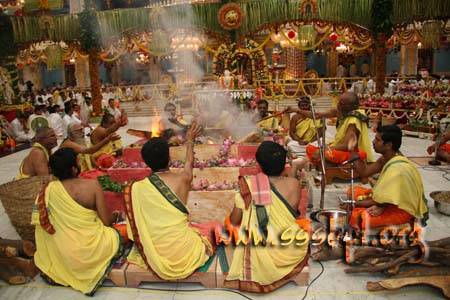
Homam in front of Sayeeshwara

34.Vajapeyam: See Kanchi Shankaracharya’s talk given above.
35.Somayagam : Details are given already.
36.Puthrakameshti yagam : Done by Dasaratha to get issues.
Puthra Kameshti Yajna is described in the Ramayana. Childless couples performed it to get children.

Yagas: More done in Rajasthan

I am adding the following from the book Vedic Culture and its Continuity (Article by Taditions of Vedic Sacrifice in Rajasthan by Dr.Vibha Upadhyaya, Department of History, University of Rajasthan, Jaipur)
No other state of India has yielded so many Yajnasthambas as Rajasthan. King Bhagavata did Asvamedh sacrifice according to Gosundi Inscription (150-100 BC).

1 day Praayaaniiya sacrifice
2 day Chaturvimsa sacrifice
3 day Abhiplava sacrifice
21 day Prishthya sacrifice
27 day Navaraatra sacrifice
36 day Pratiloma Prishthya sacrifice
48 day Ayu sacrifice
49 day Gau sacrifice
50 day Dasaraatra sacrifice
60 day Mahavrata sacrifice
61 day Udaayaniiya sacrifice

According to Katyayan seven soma sacrifices are Agnishtoma, Atyagnishtoma, Ukthya, Sodasin, Vaajapeya, Atiraatra, Aaptoyaama.
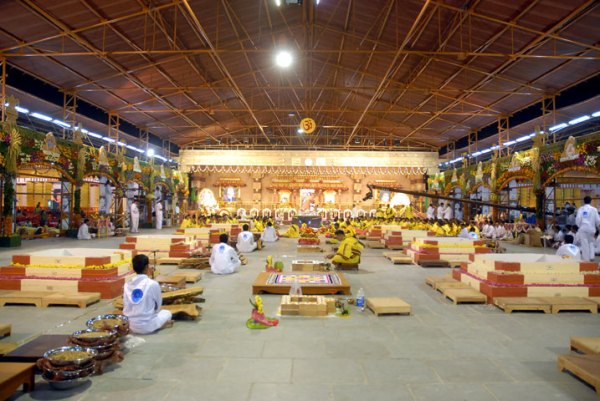
chennai_04

More information from other sources:

From other Hindu literatures we come to know about the following:
Agnishtoma is so called because Agni is praised or the last chant is addressed to Agni. It is performed on New moon or Full moon day.

Atyagnishtoma is obtained by adding the sodasin cup and an additional victim to Indra to Agnishtoma sacrifice.

Vaajapeya sacrifice is performed to achieve over lordship (aadhipatya) or prosperity or Svarajya. No 17 is predominant in this sacrifice.

Sahasra dakshina Triraatra: 1000 cows are given to Brahmins as donation (Dhaanam. Taitriya Samhita gives a detailed description of this sacrifice. This is a combination of Agnishtoma, Ukthya and Atiraatra.
Asvi Tri raatra: Is called so because on the second day a horse was immolated.
Aaptoyaama sacrifice is performed the whole day and extended through the next night. According to Asvalayan, those who desire good breed of cattle should perform it. Over 1000 cows are given to the performer with a chariot plated with silver to which female mules are yoked.

Atiraatra is mentioned in Rig Veda. This Soma sacrifice is finished after the day and night passed.
In Sodasin an additional victim viz. a ram is sacrificed for Indra. In Ukthya a goat is sacrificed.

Agnihotra is performed every day. When poisonous gas leaked from a factory and killed 1000 people, only the family who performed Agnihotra escaped.
Long sacrificial session for Agnihotra is also described in the Sutras.
Pundarica Sacrifice: Pundarica is another name of Vishnu. Vnaparva of Mahabharata (30-117) says It is a great Yajna like Asvamedha and Rajasuya.
Sarvamedha Yajna.

Purushamedha Yajna: Yajur Veda (VS 30-31) gives details about this Yagna. It means human sacrifice. But in reality no human being was sacrificed. It was only done symbolically. Satapata Brahmana of Yajur Veda adds,
Then a voice said to him, ‘Purusha, do not consummate (these human victims): if thou wert to consummate them, man (purusha) would eat man.’ Accordingly, as soon as fire had been carried round them, he set them free, and offered oblations to the same divinities.

Human sacrifice is practised all over the world. We have references in the Bible. Tamils sacrificed their heads in front of Kali or Durga just before wars ( I have already written about it with pictures). Kabalikas sacrificed human beings. When Adi Shankara was taken for sacrifice, one of his disciples tore the Kabalika and saved Adi Shankara.

Prof.Asko Parpola adds: Only symbolical figures were sacrificed in the fire.
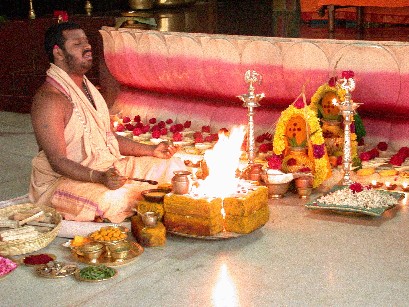
yagam1
Picture of Narayani Amma in a Yajna

Asvamedha Yajna: A horse was slain along with 200+ different animals, birds, insects, plants etc. The king established his sovereignty over the land which the horse travelled. Anyone who challenged the horse had to fight with the king who performs this Yagna.

Coins issued for Sacrifice: Samudra Gupta of 4th century AD issued gold coins with Yupa and Asva (Sacrificial post and horse). Pandya king Mudukudumi Peruvazuthi also issued coins after Asvamedha.Terracota seals with Yupa sthamba with railings are recovered from Sambhar.

Raja Sawai Jaising performed Sarvamedha, Purushamedha, Asvamedha Yajna and Vaajapeya according to ‘Isvar Vilasa Maha Kavyam’ by Krishnabhatta Kavi. This is published in 1958.
12 year long Satras were done inside the Naimisaranya forest. Puranas were composed during theses 12 year long satras.

Yagas spreading over 100 Nights

Srautha Sutras say that some yagas were conducted from one night to 100 nights (Sata Ratra Kratu), according to R Anantakrishna Sastry in his book Maha Meru Yatra (Ariyanayakipuram, Tirunelveli District, 1936).
Purananuru verse 166 in Sangam Tamil literature gives detailed information about 21 types of Yagas. The commentators add much information on this verse. It was in praise of Punchathur Brahmin Vishnu Dasan of Kaundinya Gotra.

At Pudukottai in Tamil Nadu, Sahasra Chandi, Satha Chandi yajnas were organised by Swami Shanthanantha.
Sri Singaravelu Mudaliyar of A.Abidhana Chintamani (Tamil Encyclopaedia) gives some new information on Yagas. He gives a long list of thirty yagas. ( I have given it in full in my Tamil article)
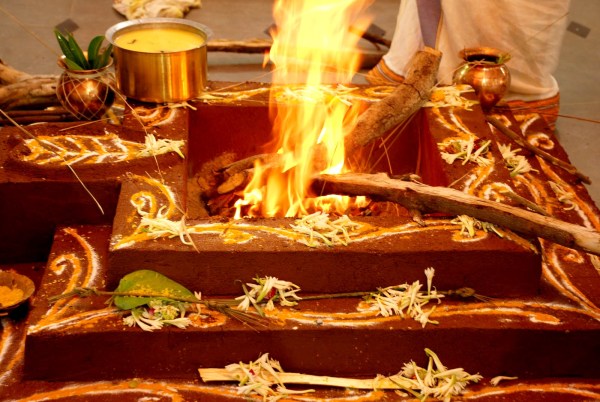
puranapanda_srinivas._1_
For more information contact swami_48@yahoo.com
(Source: Hindu Dharma: The Universal Way of Life, Bharatiya Vidya Bhavan,Mumbai, year of publication 2000, Rs 600)
400 வகை யாகங்கள்: காஞ்சி பரமாசார்யார் உரை

rudra baba

Sri Sathya Sai Baba in Ati Rudra Maha Yagna

By London Swaminathan லண்டன் சுவாமிநாதன்
கட்டுரை எண் — 890 தேதி 6 மார்ச் 2014

சென்னையில் 20-11-1932-ல் ‘ஹவிர் யக்ஞங்களும் ஸோம யக்ஞங்களும்’ என்ற தலைப்பில் காஞ்சி காமகோடி பீடாதிபதி ஜகத்குரு ஸ்ரீ சங்கராசார்ய சுவாமிகள் (காஞ்சி பரமாசார்யார்) நிகழ்த்திய சொற்பொழிவின் சுருக்கம்:

விவாஹ காலத்தில் எந்த அக்கினியை சாக்ஷியாக வைத்துக் கொண்டு விவாஹம் பண்ணுகிறோமோ அதை வரன் வீட்டில் வைத்துக்கொண்டு அதில் ஔபாசனம் ஆரம்பித்துக்கொண்டு ஆயுள்பரியந்தம் அதை வைத்துக் காப்பாற்றிக் கொண்டு வர வேண்டும். வருஷத்தில் ஆறு கர்மாக்கள் ஔபாசனாக்கினியால் பண்ண வேண்டும்.

Homam in front of Sayeeshwara

ஒரு பிள்ளை பிறந்தபின் மயிர் நரைப்பதற்கு முன் அக்னிஹாத்திரம் செய்யவேண்டும். பிள்ளை பிறக்காவிட்டால் அக்னிஹாத்திரம் இல்லை.

ஸந்யாசிக்கு சாதுர்மாஸ்யம் என்று ஒன்று உண்டு. அது ஒரே இடத்திலிருந்து பண்ண வேண்டியது. கிருஹஸ்தனுக்கு அது ஒரு யாகம். அக்கினியாதனம், அக்னிஹாத்திரம், தரிசபூர்ணமாஸம், ஆக்ரஹாயணி, சாதுர்மாஸ்யம், பசுபந்தம், சௌத்ராமணி என்னும் ஏழும் ஹவிர் யக்ஞங்கள்.
வேறு சில சொற்பொழிவுகளில் அவர் கொடுக்கும் தகவல்களின் சுருக்கம்.
ஒவ்வொருவரும் 21 வகை யஜ்ஞங்களை செய்துவரவேண்டும். இவை பாக யஜ்ஞ, ஹவிர் யஜ்ஞ, சோம யஜ்ஞ என்று மூன்று பிரிவுகளாகப் பிரிக்கப்பட்டுள்ளன. பாக யஜ்ஞம் ஏழிலும், முதல் ஐந்து ஹவிர்யஜ்ஞங்களிலும் உயிர்ப்பலி கிடையாது. வாஜபேய யஜ்ஞம் முதல்தான் உயிர்ப்பலி உண்டு. பிராமணர்கள் செய்யக்கூடிய பெரிய யஜ்ஞமான வாஜபேய யஜ்ஞத்தில் 23 பிராணிகளும், க்ஷத்ரியர்கள் செய்யும் மிகப்பெரிய யாகமான அஸ்வமேதத்தில் நூறு பிராணிகளும் பலியிடப்பட்டன.
அதர்வ வேதம் யாகங்களை,

அமைதிக்கான சாந்திகம், பலத்துக்கான பௌஷ்திகம், எதிரிகளை நாசம் செய்வதற்காண ஆபிசாரிகம் என மூன்று வகையாகப் பிரித்துள்ளது.

இராமபிரானைத் தோற்கடிக்க இந்திரஜித், நிகும்பிலயாகம் (ஆபிசார வகை) செய்ய முயன்றான்.
‘’காமதேனு போன்று யாகங்கள், மனிதனுக்கு விரும்புவதைக் கொடுப்பவை என்றும் மனிதனைப் படைத்தபோதே பிரம்மா அவர்களுக்கு யாகங்களை அளித்ததையும் பகவத் கீதை ஸ்லோகம் மூலம் சுவாமிகள் விளக்குகிறார்.

யாகங்கள் செய்வதன் மூன்று நோக்கங்களையும் சுவாமிகள் விளக்குகிறார்:1. எல்லா உயிரினங்களும் நலமுடன் வாழப் பிரார்த்திப்பது 2.இறந்தபின்னர் மேலுலகத்தில் சுகமாக வாழ 3. எல்லாவற்றையும் விட மேலாக, பிரதிபலன் எதிர்பார்க்காமல், உலக நலனுக்காக இதைச் செய்வது நமது கடமை என்று எண்ணிச் செய்வது.

யஜ்ஞங்கள் மூன்று தினுஸு, யஜ்ஞம் என்பது யாகம் வேதத்தில் யஜ்ஞாதிகள் சொல்லப்பட்டிருக்கின்றன. வேதத்தில் ஏறக்குறைய 400 வகை யாகங்கள் சொல்லப்பட்டிருக்கின்றன.

chennai_04
Ati Rudra in Chennai by Baba

ஒவ்வொரு பிராமணனும் செய்யவேண்டிய யஜ்ஞங்கள் 21. அவைகளில் பாக யஜ்ஞங்கள் ஏழு போக பாக்கி உள்ளவை 14. யாகங்களைப் பற்றிய விஷயங்கள் வேதங்களில் நிறைய சொல்லப்பட்டிருக்கின்றன.
ஸோம யாகங்கள் ஏழு. அக்னிஷ்டோமம் முதல் யாகம். அதைச் செய்தவர்கள் ஸோமயாஜி. கடைசியில் இருப்பது வாஜபேயம். அதைச் செய்தவர்கள் வாஜபேயர்கள். வட தேசத்தில் பாஜபே என்று அவர்களைச் சொல்லுவார்கள். வாஜபேயம் பண்ணினவர்களுக்கு அவப்ருத ஸ்நான காலத்தில் அரசர்கள் சுவேதச் சத்திரம் (வெண்குடை) பிடிக்க வேண்டும். திருவாங்கூர், மைசூர் இந்த ராஜ்யங்களில் அவர்களுக்கு சுவேதச் சத்திரம் கொடுக்கிறர்கள்.

ஸோம யாகம் பண்ணும்பொழுது ஸோமலதைச் சாற்றைப் பிழிந்து ஸோமபானம் செய்வார்கள். ஸோமலதையும் கிருஷ்ணாஜினமும்( மான் தோல்) இப்பொழுது மலையாளத்தில்தான் கிடைக்கின்றன. மற்ற இடங்களில் இல்லை. நம்பூதிரிகளில் பத்துக் குடும்பத்தில் ஒருவராவது ஸோம யாகம் பண்ணுகிறர்ர்கள். யஜ்ஞம், தானம், தபஸ், இவைகளைச் செய்வதினால் சித்த சுத்தி உண்டாகிறது என்று நம்முடைய ஸ்ரீ ஆச்சார்யர்கள் சொல்லியிருக்கிறர்கள்.

ஜோதிஷ்டோமம் ஜன்மாவில் ஒருதடவையாவது பண்ணவேண்டும்.

பரமாத்மாவை அறியப் பிரயத்தனப்படுகிறவர்கள் யஜ்ஞம், உபவாசம் முதலியவைகள் எல்லாவற்றையும் பரமேசுவரப் ப்ரீதியாகப் பண்ணவேண்டும்ம். பூர்வ ஜன்மத்தில் யாகங்கள் பண்ணினவன் இந்த ஜன்மத்தில் விவேகத்தைப் பெறுகிறான்.

(சுவாமிகளின் உரைச் சுருக்கத்தை மேலே கண்டீர்கள்)

27.02.05MahaRudra 009 (1)

Maha Rudar Yagna by several priests.

400 யாகப் பட்டியல் தயாரிப்போம்:

சுவாமிகள் 82 ஆண்டுகளுக்கு முன் நடத்திய உரையை மீண்டும் ஒரு முறை படித்தபோது 400 யாகங்களின் பட்டியல் கிடைக்குமா என்று தேடினேன். சுமார் 40 யாக, ஹோமங்கள் பட்டியலே கிடைத்தது. எதிர் கால ஆராய்சியாளருக்காவது நாம் அந்தப் பட்டியலை வைத்திருப்பது நல்லது.

இதோ இதுவரை நான் சேகரித்த யாக, யக்ஜஞ, ஹோம பட்டியல்:
1.ஸ்ரீ மஹா கணபதி ஹோமம்: எந்தக் காரியத்தைத் தொடங்கும் முன்னரும் நாம் செய்ய வேண்டியது.

2.நவக்ரஹ ஹோமம்: புதிய கட்டிடம், வீடு கட்டிய போதும், மேலும் பல புதிய முயற்சிகள் செய்யும்போதும் ஒன்பது கிரகங்களின் தீய பார்வை படாமல் இருக்க செய்யும் ஹோமம்.

3.சுதர்ஸன ஹோமம்: இது எதிரிகளின் தொல்லையைப் போக்கும்.

கேரளத்தில் திருச்சூர் அருகில் நடத்தப்படும் அதிராத்ர யக்ஞம்: பாஞ்சால் என்னும் கிராமத்தில் 1975 முதல் அதிராத்ர யக்ஞம் நடத்தப்படுகிறது. அமெரிக்க கலிபோர்னியா பல்கலைக் கழக தத்துவ இயல் பேராசிரியர் ப்ரிட்ஸ் ஸ்டால் இதை அப்படியே படம்பிடித்து உலகிற்கு அளித்தார்.

puranapanda_srinivas._1_

100 இரவு யாகங்கள்

100 இரவுகள் நடத்தும் யக்ஞம்: திருநெல்வேலி மாவட்ட அரியநாயகிபுரம் ஆர்.அனந்தகிருஷ்ண சாஸ்திரி 1936 ல் எழுதிய மகாமேரு யாத்திரையில் ஒரு இரவு முதல் நூறு இரவு வரை நடத்தப்படும் (சதராத்ர்க் க்ரது) பற்றி சிரௌத சூத்திரங்களால் தெரிந்துகொள்ளலாம் என்று எழுதியுள்ளார்.
ராஜஸ்தான் பல்கலைக் கழக வரலாற்றுப் பேராசிரியர் விபா உபத்யாய எழுதிய கட்டுரையில் அந்த மாநிலத்தில்தான் யூப ஸ்தம்பங்கள் அதிகம் என்று சொல்லி கல்வெட்டுகளில் குறிப்பிட்ட யாகங்களின் பட்டியலை கொடுத்துள்ளார். இந்தக் கட்டுரையின் ஆங்கில மொழிபெயர்ப்பில் விரிவாகக் கொடுத்துள்ளேன்.

12 ஆண்டுகள் நீடிக்கும் யக்ஞம் பற்றிப் புராணங்கள் கூறுகின்றன. நைமிசாரண்யம் காட்டில் நடந்த ரிஷிகள் கூட்டத்தில்தான் புராணங்கள் இயற்றப்பட்டன.

அஸ்வமேதம்: அரசர்கள் செய்யும் மிகப்பெரிய யாகம் இது. இதில் நூறு வகை மிருகங்கள் பலியிடப்படும். ராஜாவின்யாகக் குதிரை எங்கெல்லாம் செல்கிறதோ அவை எல்லாம் ராஜவுக்குச் சொந்தம். அதை மறுப்பவர்கள் குதிரையைப் பிடித்து கட்டிப்போடலாம். பின்னர் பெரிய யுத்தம் நேரிடும். 200 வகையான பிராணிகள், பறவைகள், பூச்சிகள், தாவரங்கள் முதலியன தீயில் இடப்படும். இறுதியில் நாடு நாடாகச் சென்று திரும்பிய குதிரையும் பலியிடப்படும்.

புருஷமேதம்: நர பலி கொடுக்கும் யாகம். ஆனால் இது நடை பெற்றதாகத் தெரியவில்லை. ஜப்பானியர்கள் ஹராகிரி செய்துகொள்வது போல தமிழ் வீரர்கள் போருக்கு முன், கழுத்தை அறுத்து, தங்களைப் பலியிட்டுக் கொண்ட செய்திகள் தமிழ் இலக்கியம் முழுதும் இருப்பதையும், சிலைகள் தமிழ்நாடு முழுதும் இருப்பதையும் பற்றி ஏற்கனவே படங்களுடன் எழுதிவிட்டேன். மஹாபாரதத்திலும் இப்படி களபலி நிகழ்ச்சி இருப்பதையும் குறிப்பிட்டேன். இது போல புருஷமேதம் இருந்திருக்கலாம். ஆனால் அஸ்கோ பர்போலா போன்ற சம்ஸ்கிருத் அறிஞர்கள் இது அடையாள பூர்வமாக (அதாவது மனித பொம்மை செய்து) நடத்தப்பட்டதாகக் கூறுகின்றனர். பல்லாயிரக் கணக்கான குழந்தைகள் பலிகொடுக்கப்பட்ட கல்லறைகள் பஹ்ரைனில் உள்ளன. பல்லாயிரக் கணக்கான அடிமைகள் பலியிடப்பட்டதை எகிப்திய கல்லறைகளில் காண்கிறோம். பாரத நாட்டில் இப்படி எதுவும் நடக்கவில்லை.

ராஜசூயம்: சோழ மன்னன் பெருநற்கிள்ளீ நடத்திய ராஜசூய யக்ஞத்தில் சேர,சோழ,பாண்டிய மன்னர்கள் மூவரும் ஒரே மேடையில் அமர்ந்ததை பிராமணர்களின் முத்தீக்கு ஒப்பிட்டு அவ்வையார் பாடிய பாடல் புறநானூற்றில் (367) உள்ளது. தர்மன் செய்த ராஜசூய யாகம் பற்றி மஹாபாரதத்தில் மிக விரிவாக உள்ளது.

DSC_0081
At Sri Narayani Peedam

வாஜபேயம்: பாரதத்தின் முன்னாள் பிரதமர் அடல் பிஹாரி வாஜ்பாயி இந்த வாஜபேய குடும்பத்தில் பிறந்த பிராமணர். இந்த ஜாதியினர் செய்யக் கூடிய மிகப் பெரிய யாகம் இதுதான். இதில் 23 பிராணிகள் பலியிடப்படும்.

புத்ர காமேஷ்டி யாகம்: குழந்தைகள் இல்லாதவர்கள் செய்யும் யாகம். தசரதன் செய்த இந்த யாகம் குறித்து ராமாயணத்தில் விரிவாகப் பேசப்படுகிறது.

புறநானூற்றில் யாகம்

பூஞ்சாற்றுர்ப் பார்ப்பான் கௌணியன் விண்ணந்தாயன் மீது ஆவூர் மூலங்கிழார் பாடிய ஆர்புதமான பாடலில் 21 வகை யாகம் பற்றிய அரிய தகவல்களைப் பாடுகிறார். உரைகாரர்கள் முக்கியத் தகவல்களைச் சேர்த்துள்ளனர்.

ஔபாசனம்: பிராமணர்கள் முதல் நான்கு வருணத்தவர்களும் திருமணம் ஆன பின்னர் செய்ய வேண்டிய தினசரி ஹோமம் இது. சந்யாசி ஆனால் இதைச் செய்ய வேண்டாம்.

சமிதாதானம்: தினமும் இரண்டு முறை பிரம்மச்சாரி மாணவர்கள் செய்யவேண்டிய ஹோமம்.

அக்னிஹோத்ரம்: தினமும் செய்யவேண்டியது. போபாலில் விஷவாயு வெளியேறி 3000 பேர் இறந்தபோது அக்னிஹோத்ரம் செய்த இரண்டு குடும்பத்தினர் மட்டும் விஷவாயு பாதிக்காமல் தப்பிய செய்தி பத்திரிகைகளில் வெளியானது.

புருஷசூக்த ஹோமம் என்பது ரிக்வேதத்தில் உள்ள புருஷசூகத மந்திரத்தைச் சொல்லி செய்வது.
ம்ருத்யுஞ்சய ஹோமம்: ஸ்ரீ ருத்ரத்தில் ஆயுளை வளர்க்கவும் மரண பயத்தைப் போக்கவும் வரும் மந்திரம் ஓம் திரயம்பகம்….. என்ன்னும் மந்திரம் ஆகும். இதைச் சொல்லி செய்யும் ஹோமம் இது.
காயத்ரி ஹோமம்: காயத்ரி மந்திரத்துடனும், பகவத் கீதா ஹோமம் கீதை ஸ்லோகங்களுடனும் செய்யப்படும்.

yagam1

Picture of Sri Narayani Amma at Narayana Peedam (See Largest Golden Temple in the World posted here)

பாபா செய்த மகத்தான யக்ஞம்

ருத்ரம் என்பது சிவனைப் போற்றும் யஜூர்வேதப் பாடலாகும். இதைப் பலமுறை உச்சரித்து ருத்ர யாகம் செய்வார்கள். நமது காலத்தில் சென்னையிலும் புட்டபர்த்தியிலும் ஸ்ரீ சத்ய சாய் பாபா இதைப் பெரிய அளவில் நடத்தி உலகையே வியப்பில் ஆழ்த்தினார்:–

ருத்ர ஏகாதசி: 11 புரோகிதர்கள் 11 முறை ருத்ரத்தைப் பாராயணம் செய்து 121 தடவை ஹோமம் செய்வது
மஹாருத்ரம்: ருத்ரத்தை 1331 (11X11X11) தடவைப் பாடி யாகம் செய்வது
அதிருத்ரம்: ருத்ரத்தை 14641 (11X 11X11X11) தடவைப் பாடி யாகம் செய்வது.

தமிழ்க் கலைகளஞ்சிய தகவல்

நூறு ஆண்டுகளுக்கு முன் ஆ. சிங்காரவேலு முதலியார் தொகுத்த அபிதான சிந்தாமணி என்ற என்சைக்ளோபீடியா தரும் தகவல் பின்வருமாறு:–

யாகங்கள்: இவை பிரமம், தெய்வம், பூத, பிதுர், மானுஷம் என்பன. இவற்றுள் வேதம் ஓதல் பிரம யாகம். ஓமம் வளர்த்தல் தெய்வ யாகம். பலியீதல் பூத யாகம். தர்ப்பணம் செய்தல் பிதுர் யாகம். இரப்போர்க்களித்தல் மனுஷயாகம். இவை வேதங்களிலும் புராணங்களிலும் கூறிய அக்னி காரியங்களாம். இவற்றின் குண்ட மண்டல மந்திராதி கிரியைகள் ஆங்காங்கு வழக்கங்குறைந்து சிதைந்தும் பிறழ்ந்தும் கிடத்தலின் அவைகளின் கிரியைகளையும் குண்ட மண்டல வேதிகைகலையும் எழுதாது பெயர் மாத்திரம் எழுதுகிறேன்.

(1).அக்னிஷ்டோமம் (2)அத்யனிஷ்டோமம் (3) உக்தீயம் (4) சோடசீ (5) வாசபேயம் (6) அதிராத்ரம் (7) அப்தோரியாமம் (8)அக்னியாதேயம் (9) அக்னிஹோத்ரம் (10) தரிச பூர்ணமாசம் (11) சாதுர்மாஸ்யம் (12) நிருட பசுபந்தம் (13) ஆக்கிரயணம் (14) சௌத்திராமணி (15) அஷ்டகை (16) பார்வணம் (17) சிராத்தம் (18) சிராவணி (19) அக்ரசாயணி (20) சைத்திரி (21) ஆச்வயுசீ (22) விசுவசித் (23) ஆதானம் (24) நாசிகேதசயனம் (25) காடகசயனம் (26) ஆருண கேதுக சயனம் (27) கருடசயனம் (28) பௌண்டரீகம் (29) சத்திரயாசம் (30) சாவித்ரசயனம்

N.B. I have given more information in the English version of this article. I am not translating everything to keep it short: swami

Contact swami_48@yahoo.com

அடியார்கள் வானில் அரசாள ஆணையிட்ட அற்புதர் சம்பந்தர்!

For picture of Sambandar click on this
sambandar1

Post No.889 Dated 6th March 2014
By ச.நாகராஜன்

தமிழ் அறிந்தோர் பாக்கியசாலிகள்

தமிழராகப் பிறந்தவர்களும் தமிழைப் பயின்றவர்களும் பாக்கியசாலிகள். ஏனெனில் பெறுதற்கு அரிய சுவர்க்கத்தைப் பெற பக்தியுடன் உள்ளமுருக, தான் பாடிய பாடல்களைப் பாடினாலே போதும் என்று சொல்லக் கூடிய அற்புத பாலகரான சம்பந்தரின் பாடல்கள் தமிழ் மொழியில் தானே அமைந்திருக்கிறது.
நாளும் கோளும் நமக்கில்லை; எந்நாளும் நன்னாளே என்பதை ஆணித்தரமாக பிரகடனப்படுத்தும் திருஞான சம்பந்தரைப் போன்ற மாபெரும் கவிஞரையோ யோகியையோ பக்தரையோ பதினாறு வயதில் தன்னைச் சார்ந்தவர்களுடன் இறைஜோதியில் ஐக்கியமான இன்னொரு அவதாரத்தையோ மனித குல வரலாற்றிலேயே பார்க்க முடியாது!

அஷ்ட கிரஹ சேர்க்கையால் என்ன ஆகுமோ என்று நல்லோர்கள் உளம் பதை பதைக்க காஞ்சி பரமாசார்யாளை அணுகிய போது அவர் மென்மையாக ஞானசம்பந்தரின் கோளறு பதிகம் இருக்கிறதே அதை உள்ளமுருக எங்கும் இசைத்தாலே போதுமே என்றார். தமிழகமெங்கும் பட்டி தொட்டிகளில் எல்லாம் சம்பந்தரின் பதிகம் முழங்கியது. ஒரு வித தீங்கும் நம்மை அணுக வில்லை.

கோளறு பதிகம்

திருமறைக்காட்டில் அப்பரைக் கண்டு ஆனந்தம் கொண்ட சம்பந்தர் மதுரைக்கு கிளம்ப இருந்த தருணத்தில் அப்பர் தயங்கியவாறே நாள் சரியாக இல்லையே என்று கூற சம்பந்தர் திருவாய் மலர்ந்தருளிய பாடல்களே கோளறு பதிகம்.

சாதாரணமாக ஒருவர் ஒரு காரியத்தை உத்தேசித்து வெளியிடங்களுக்குச் செல்லக் கிளம்புகையில் பெரியோரோ அல்லது மனைவியோ மங்களாசாஸனம் செய்து வழி அனுப்புவது நமது பாரம்பரிய வழக்கம்.

பன்னிரெண்டு வருடங்கள் சிவபெருமானை ஆராதித்து ருக்மிணிக்கு புத்திரர்களைப் பெற்றதைச் சுட்டிக் காட்டி ஜாம்பவதி தனக்கும் புத்திரனை வேண்டி கிருஷ்ணரை வேண்டும் போது அவர் “சரி, விடை கொடு நான் கிளம்புகிறேன்” என்று இமயமலைக்குத் தவம் செய்யக் கிளம்பியபோது ஜாம்பவதி கூறிய மங்களாசாஸனம் இது:

“யாதவரே!க்ஷேமமுண்டாகவும் ஜெயமுண்டாகவும் செல்லக் கடவீர்! ப்ரம்மா, சிவன், காஸ்யபர்,நதிகள்,தேவர்கள் புண்யக்ஷேத்திரங்கள், ஓஷதிகள், த்ரேதாக்னிகள், வேதங்கள், ரிஷிக்கூட்டங்கள், யாகங்கள், கடல்கள்,தக்ஷிணைகள்,ஸாமங்கள்,நக்ஷத்ரங்கள்,பித்ரு தேவதைகள், நவக்ரஹங்கள்,தேவபத்தினிகள், தேவகன்னிகைகள், தேவமாதர்கள், மன்வந்தரங்கள், பசுக்கள், சந்திரன், சூர்யன், விஷ்ணு, காயத்ரி, ப்ரம்மவித்தை, ருதுக்கள், ஆண்டுகள், க்ஷணம், லவம், முகூர்த்தம்,நிமிஷம், யுகம் இவையெல்லாம் உமது மனத்திற்கு அனுகூலமாக நீர் செல்லுமிடமெல்லாம் சுகமாக உம்மைக் காப்பாற்றக் கடவன. குற்றமற்றவரே! நீர் ஜாக்கிரதையோடு க்ஷேமமாக வழியில் செல்லும்” (அனுசாஸனபர்வம் 45ஆம் அத்தியாயம், மஹாபாரதம்).

ஒரு காரியத்தை வெற்றிகரமாக ஆக்க எத்தனை தெய்வ சக்திகளும் இயற்கை சக்திகளும் நமக்கு அனுகூலமாக இருக்க வேண்டும் என்பதை இதைப் பார்த்தாலேயே தெரிந்து கொள்ளலாம்.
ஆக சூதிலும் வாதிலும் வல்ல புத்த மற்றும் சமணர்களின் இருப்பிடத்திற்கே செல்லும் சிறு குழந்தையான சம்பந்தரை (தந்தை நிகர்த்த!) அப்பர் கவலையுடன் பார்த்துக் கூறியவை சரி தானே! அவரது கவலையால் சம்பந்தர் கோளறு பதிகம் அருள, தமிழ் அறிந்த அனைவருக்கும் சாசுவதமாக வானில் அரசாளும் வரம் உத்தரவாதமாகக் கிடைத்தது (அப்பருக்கு இப்போது வாழும் இனி வரவிருக்கும் தமிழர்களின் நன்றி!)

சம்பந்தர் மிக வேகமாக வேயுறு தோளிபங்கன் என்று தொடங்கி கோளறு பதிகத்தை அருளினார்.

(பாடல் 1இல்)ஞாயிறு திங்கள் செவ்வாய் புதன் வியாழன் வெள்ளி
சனி பாம்பு இரண்டும் உடனே ஆசு அறும் நல்ல நல்ல அவை நல்ல
(பாடல் 2இல்)ஒன்பதோடு ஒன்றோடு ஏழு பதினெட்டொடு ஆறும்
உடனாய நாட்கள் அவை தாம் அன்பொடு நல்லநல்ல அவை நல்ல
(பாடல் 3இல்)திருமகள் கலை அது ஊர்தி செயமாது பூமி
திசை தெய்வம் ஆன பலவும் அரு நெதி நல்ல நல்ல அவை நல்ல
(பாடல் 4இல்)கொதி உறு காலன் அங்கி நமனொடு தூதர்
கொடுநோய்கள் ஆன பலவும் அதிகுணம் நல்ல நல்ல அவை நல்ல
(பாடல் 5இல்)வெஞ்சிண அவுணரோடும் உரும் இடியும் மின்னும்
மிகையான பூதம் அவையும் அஞ்சிடும் நல்ல நல்ல அவை நல்ல

(பாடல் 6இல்) கோளரி உழுவையோடு கொலை யானை கேழல்
கொடு நாகமொடு கரடி ஆள் அரி நல்ல நல்ல அவை நல்ல
(பாடல் 7இல்) வெப்பொடு குளிரும் வாதம் மிகை ஆன பத்தும்
வினை ஆன வந்து நலியா அப்படி நல்ல நல்ல அவை நல்ல
(பாடல் 8இல்) ஏழ்கடல் சூழ் இலங்கை அரையன் தனோடும்
இடரான வந்து நலியா ஆழ்கடல் நல்ல நல்ல அவை நல்ல
(பாடல் 9இல்) மலர்மிசையோனும் மாலும் மறையோடும் தேவர்
வருகாலமான பலவும் அலைகடல் மேரு நல்ல நல்ல அவை நல்ல
(பாடல் 10இல்) புத்தரொடு அமணை வாதில் அழிவிக்கும் அண்ணல்
திருநீறு செம்மை திடமே அத்தகு நல்ல நல்ல அவை நல்ல
என்று பாடி மனிதனுக்குத் தேவையான சகல சக்திகளின் அனுக்ரஹத்தையும் தரும் திருநீறு செம்மை திடமே என பிரகடனப்படுத்திக் கிளம்பி விடுகிறார்.

ஆனால் பதிகம் தொறும் இறுதியான பதினோராம் பாட்டிலே பதிகப் பயனைச் சொல்லும் பழக்கமுடைய “நம் பந்தம் போக்க வந்த” சம்பந்தர் பக்தர்களுக்கு இன்ப அதிர்ச்சியைத் தருகிறார் :-
“ஞான முனிவன் தான் உறு கோளும் நாளும் அடியாரை வந்து நலியாத வண்ணம் உரை செய் ஆன சொல்மாலை ஓதும் அடியார்கள் வானில் அரசு ஆள்வர்; ஆணை நமதே” என்ற அவரது கம்பீரமான அருளுரைக்கு இணையாகத் தமிழ் மொழியில் இன்னொரு ஆணையும் இல்லை; அதை அதிகாரத்துடன் (AUTHORITY) சொல்ல இதுவரை யாரும் பிறக்கவும் இல்லை.

சம்பந்தர் பதினாறே வயதிற்குள் பாடிய பதிகங்கள் பதினாறாயிரம். நமக்குக் கிடைத்தவையோ வெறும் 384. ஒரு பதிகம் எனப்படுவது பத்துப் பாடல்களைக் கொண்டது. பதினோறாவது பாடல் பதிகம் பாடினால் ஏற்படும் பயனைச் சொல்வது. ஆக பதினாறாயிரம் பதிகங்கள் ஒரு லட்சத்தி எழுபத்தாறாயிரம் பாடல்களைக் கொண்டிருக்கும். இன்று நம்மிடம் உள்ள பாடல்களோ எண்ணிக்கையில் சுமார் 4147 தான்!
இந்தப் பாடல்களில் இதே போல இன்னும் மூன்று இடங்களில் ஆணை நமதே என்று ஆணையிடுகிறார்.

sambandar2
Please click here for the picture of Sambandar

ஆணை நமதே பதிகங்கள்

திருநனிபள்ளி தலத்தில், ‘காரைகள் கூகை முல்லை’ எனத் தொடங்கும் பதிகத்தின் இறுதிப் பாடலில்,”நனி பள்ளி உள்க; வினை கெடுதல் ஆணை நமதே!” என்றும் திருவேதிகுடி தலத்தில், ‘நீறு வரி ஆடு அரவோடு’ எனத் தொடங்கும் பதிகத்தின் இறுதிப்பாடலில்,”இமையோர் அந்த உலகு எய்தி அரசாளும் அதுவே சரதம்; ஆணை நமதே!” என்றும்
திருக்கழுமலம் தலத்தில், ‘மடல் மலி கொன்றை” என்று தொடங்கும் பதிகத்தின் இறுதிப் பாடலில்,”வான் இடை வாழ்வர்,மண்மிசைப் பிறவார்,மற்று இதற்கு ஆணையும் நமதே” என்றும் கூறி தன் முத்திரையுடன் கூடிய ஆணையை மொத்தம் நான்கு முறை பிறப்பிக்கிறார்.

இந்த நான்கு பதிகங்களையும் உளம் உருக ஓதுவார்க்கு துயரம் இல்லை; மண்மிசைப் பிறக்க மாட்டார், வானில் அரசாள்வர் என்பது உறுதி!

இதே போல திருவெண்காடு தலத்தில் ‘மந்திரம்’ எனத் தொடங்கும் பதிகத்தில் அல்லலோடு அருவினை அறுதல் ஆணையே என்றும், திருப்பூந்தராய் தலத்தில் ‘மின் அன எயிறு’ எனத் தொடங்கும் பதிகத்தில் சிவகதி சேர்தல் திண்ணமே என்றும் சீர்காழி தலத்தில் ‘நம் பொருள் நம் மக்கள்’ எனத் தொடங்கும் பதிகத்தில் மிக்க இன்பம் எய்தி வீற்று இருந்து வாழ்தல் மெய்ம்மையே என்றும் (போனஸாக) பக்தர்களுக்குத் தனது ஆணைப் பரிசுகளை வழங்குகிறார்.

ஆணை நமதென்னவலான்!

இப்படி இவர் ஆணையிட்ட திறத்தையும் அதிகாரத்தையும் கண்டு வியந்த நம்பியாண்டார் நம்பி தனது ஆளுடைய பிள்ளையார் திருத்தொகையில் (65 அடிகள் கொண்ட பாடலில் 45ஆம் அடியில்) ‘திருவடியை அத்திக்கும் பத்தரெதிர் ஆணை நமதென்னவலான்” என்று பாடுகிறார்.

ஆணை நமதே என்று சொல்லக்கூடிய வல்லவரான சம்பந்தர் முருகனின் அவதாரம் என திடமுடன் உரைத்த அருணகிரிநாதர், கந்தர் அந்தாதியில் (29ஆம் பாடலில்) “திகழு மலங்கற் குரைத்தோனலதில்லை தெய்வங்களே” என்று கூறி சம்பந்தப் பெருமான் ஆகிய குமரக் கடவுள் அன்றி வேறு பிரத்யக்ஷ தெய்வங்கள் இல்லை என்று கூறுகிறார். இதே பாடலில் சம்பந்தர் பதிகம் ஓதும் பயனைக் கூறுவதையும் வியந்து போற்றுகிறார்.

வள்ளலாரோ சம்பந்தரை தன் ஞானகுருவாக ஏற்றுக் கொண்டு உத்தம சுத்த சற்குருவே என்றும் இன்னும் பல பாடல்களில் சிவ குருவே, என் உயிர் எனும் குருவே என்றும் அவரை பக்தியுடன் வியந்து ஓதுகிறார்.ஆதி சங்கரரோ சௌந்தர்யலஹரியில் 75ஆம் ஸ்லோகத்தில் தேவியின் பாலை அருந்தி கவிதை மழை பொழிந்த திராவிட சிசு என்று அவரைப் போற்றுகிறார்.

சம்பந்தரின் அருள் செயல்கள்

ஏராளமான தெய்வீக அற்புதங்களைக் காட்டி அனைவரையும் ஆட்கொண்டவர் சம்பந்தர். அந்த அற்புதங்களில் முக்கியமானவற்றை 12ஆம் நூற்றாண்டில் வாழ்ந்த திருக்கடவூர் உய்யவந்த தேவநாயனார் தான் பாடிய திருக்களிற்றுப்படியார் என்ற நூலில் இப்படிப் போற்றுகிறார்:

ஓடம், சிவிகை,உலவாக்கிழி, அடைக்கப்
பாடல்,பனை, தாளம், பாலை நெய்தல் – ஏடு எதிர், வெய்யு
என்புக்கு உயிர் கொடுத்தல் ஈங்கிவைதாம் ஓங்கு புகழ்த்
தென்புகலி வேந்தன் செயல்
ஓடம் – திருக்கொள்ளம்பூதூர்ப் பதிகம் (கொட்டமே எனத் தொடங்கும்)
சிவிகை – நெல்வாயில் அரத்துறைப் பதிகம்
உலவாக்கிழி – திருவாவடுதுறைப்பதிகம்
அடைக்கப்பாடல் – மறைக்காட்டுச் ‘சதுரம் மறை’ப் பதிகம்
பனை –திரு ஓத்தூர்ப் பதிகம்
தாளம் – திருக்கோலக்காப் பதிகம்
பாலை நெய்தல் – திருநனிப்பள்ளிப் பதிகம் (காரைகள் எனத் தொடங்கும்)
ஏடு எதிர் – திருப்பாசுரம் (வாழ்க அந்தணர் எனத் தொடங்கும்)
வெப்பு – திருநீலகண்டப்பதிகம் (அவ்வினைக்கு இவ்வினை எனத் தொடங்கும்)
என்புக்கு உயிர் கொடுத்தல் – திரு மயிலாப்பூர்ப் பதிகம் (மட்டு இட்ட எனத் தொடங்கும்).

ஆணையிடும் அதிகார ரகசியம்!

சம்பந்தரின் புகழ் எழுத்துக்கும் மனிதப் புலன் உணர்வுக்கும் அப்பாற்பட்டது. அவரால் எப்படி இப்படி அடியார்கள் வானில் அரசாள்வர் ஆணை நமதே என்று ஆணையிட முடிந்தது என்று அதிசயித்து வியப்போருக்கு அவரே தன் பாடலில் பதிலைத் தந்து விடுகிறார்.
திருஇலம்பையங்கோட்டூர் தலத்தில் ( சென்னைக்கு அருகே திருவிற்கோல தலத்திற்கு அருகில் கூவம் ஆற்றின் மறுகரையில் உள்ளது இத்தலம்) பத்துப் பாடல்களிலும் ஒவ்வொரு பாடலின் இரண்டாம் அடியிலும் “எனதுரை தனதுரையாக” என்று அருளுகிறார்.
அதாவது முருகனாக வந்த சம்பந்தரின் உரை சிவபிரானது உரையே என்பது இதிலிருந்து தெளிவாகிறது. சிவனது உரை என்னும் போதே ஆணை நமதே என்று திருஞானசம்பந்தர் சொல்வதற்கான (அதாரிடி எனப்படும்) அதிகாரத்தின் காரணமும் நமக்குத் தெளிவுபடுகிறது.
சம்பந்தர் அருளியதெல்லாம் முருகன் அருளியது; அது சிவபிரானின் உரை என்ற முத்திரையையும் பெற்றது!

சிவப்பிரகாசரின் புகழ்மாலை

சிவப்பிரகாச சுவாமிகள் தனது நால்வர் நான்மணி மாலையில் பாடிய பாடலை மனத்தில் இருத்தி ஞானசம்பந்தரை வணங்கி அவர் இட்ட ஆணையைப் பயன்படுத்தி அடியாரான எல்லோரும் வானில் அரசாளலாம்!

வல்லார் பிறப்பறுப்பர் வண்மை நலம் கல்வி
நல்லாதரவு இன்ப ஞானங்கள் – எல்லாம்
திருஞான சம்பந்தன் சேவடியே என்னும்
ஒரு ஞான சம்பந்தமுற்று!

சின்ன உண்மை:
சோழ நாட்டில் சீர்காழி திருத்தலத்தில் அந்தணர் குலத்தில் அவதரித்த திருஞானசம்பந்தரின் குரு பூஜை வைகாசி மாதம் மூல நட்சத்திரத்தில் ஆண்டு தோறும் நடக்கிறது.தெய்வத் தமிழ் தினம் இது!

சிறந்த ஆன்மீக மாத இதழான ஞான ஆலயம் செப்டம்பர் 2013இல் வெளியாகியுள்ள கட்டுரை.

*************************************

Contact swami_48@yahoo.com

ராமருக்குச் சீதை சொன்ன ஆயுதம் பற்றிய கதை!

ram sita jungle

Post no.888 Dared 5th March 2014
ராமாயண வழிகாட்டி — அத்தியாயம் 19

ச.நாகராஜன்

ராமாயணத்தின் நாயகியான சீதை பெரும் மேதை என்பதை வால்மீகி ராமாயணத்தை நுணுகிப் படிப்போர் புரிந்து கொள்ள முடியும். பாரம்பரியம் பாரம்பரியமாக வரும் பழைய கதைகளையும் அருமையான சமுதாயத்தின் வழக்கு மொழிகளையும் அவர் ஆங்காங்கே எடுத்துக் கூறுவதே இதற்குச் சான்றாகும்.

யுத்த காண்டத்தில் சீதை கூறிய கரடி கதையை முன்னர் பதினொன்றாம் அத்தியாயத்தில் பார்த்தோம். இன்னொரு கதையை அவர் ராமருக்கு எடுத்துக் கூறுவது ஆரண்ய காண்டத்தில் ஒன்பதாவது ஸர்க்கத்தில் அழகுற அமைந்துள்ளது. அதைப் பார்ப்போம்.

ஸுதீக்ஷ்ண முனிவரால் விடை கொடுக்கப்பட்டு தண்டகை என்று பெயரிடப்பட்டுள்ள காட்டிற்குச் செல்லும் போது சீதை தண்டகாவனத்திற்கு எழுந்தருளத் தனக்கு இஷ்டமே இல்லை என்று ராமரிடம் கூறி, “ராக்ஷஸர்களைக் கண்டதுமே தேவரீர் பாணப் பிரயோகம் செய்வீர்; ஆயுதம் எடுத்தல் தகாது”, என்று கூறி ஒரு கதையைக் கூற ஆரம்பிக்கிறார்.

ram in jungle

“ மஹா பாஹுவே! முன்னொரு காலத்தில் உண்மையையே பேசுபவரும் பரிசுத்தருமான ஒரு முனிவர் பரிசுத்தமாய் இருப்பதும், களிப்புற்ற மான்களையும் பறவைகளையும் கொண்டதுமான ஒரு வனத்தில் வசித்து வந்தார். சசி தேவியின் மணாளனான இந்திரன் அவரது தவத்திற்கு இடையூறை செய்வதற்கென்றே கத்தியைக் கையில் கொண்டு போர் புரியும் வீர உருவத்தைக் கொண்டு அவரது ஆசிரமத்திற்கு வந்தான். அந்த ஆசிரமத்தில் அப்போது புண்ணிய தவத்தில் ஆஸக்தியுடைய அவருக்கு கூர்மையானதும் சிறந்ததுமான அந்தக் கத்தியானது பாதுகாப்பு திரவியம் என்ற முறையில் கொடுக்கப்பட்டது.

அவர் அந்த ஆயுதத்தை ஏற்றுக் கொண்டு பாதுகாப்புப் பொருளாக அதைப் போற்றி தனது அடைக்கலப் பொருளான அதைக் கையில் எடுத்துக் கொண்டே எப்போதும் வனத்தில் சஞ்சரித்துக் கொண்டிருந்தார். பாதுகாப்புப் பொருளில் மனதைச் செலுத்தி அவர் பழங்களையோ அல்லது கிழங்குகளையோ கொண்டு வர எங்கு சென்றாலும் அந்தக் கத்தியின்றி போவதில்லை. அந்த முனிவர் சதா ஆயுதத்தைத் தரிப்பவாய் இருந்து காலக் கிரமத்தில் தவத்தில் ஊக்கத்தை விடுத்து தனது புத்தியை குரூரமாக ஆக்கிக் கொண்டார். அந்த ஆயுதத்தினுடைய சேர்க்கையால் அந்த முனிவர் சுய நிலை தவறி கொடுமையில் ஈடுபட்டு தருமம் க்ஷீணிக்கப்பெற்று அதனால் நரகத்தை அடைந்தார்.

ஆயுத சகவாசத்தால் விளைவது இப்படித்தான் ஆகும் என்பதாய் உள்ள இது ஒரு பழங்கதை” (ஒன்பதாவது ஸர்க்கம் 16 முதல் 23வது ஸ்லோகம் முடிய சீதை கூறும் இந்தக் கதையைக் காணலாம்)

சீதையின் கதையைக் கேட்ட ராமர் சீதையைப் போற்றி, “ தேவீ! க்ஷத்திரியர்களால் வில்லானது கஷ்டப்படுகிறவர்களின் முறையீடு இருக்கக் கூடாது என்கிற காரணத்தால் தரிக்கப்படுகிறதென்ற இந்த நியமனமானது உன்னாலேயே சொல்லப்பட்டு விட்டது. நான் அதைத் தவிர வேறு இல்லை என்று பதில் கூறுகிறேன்” என்கிறார்.

ramas arrow

ஸ்லோகத்தைப் பார்ப்போம்:-
கிம் து வக்ஷயாம்யஹம் தேவி த்வயைவோக்தமிதம் வச: I

க்ஷத்ரியைதார்யதே சாபோ நார்தஷப்தோ பவேதீதி II

(பத்தாவது ஸர்க்கம் மூன்றாவது ஸ்லோகம்)

தேவி – தேவீ
க்ஷத்ரியை: – க்ஷத்திரியர்களால்
சாப: – வில்லானது
ஆர்த ஷப்த: – கஷ்டப்படுகிறவர்களின் முறையீடு

ந பவதே இதி – இருக்கக் கூடாது என்கிற காரணத்தால்
தார்யதே – தரிக்கப்படுகிறதென்கிற
இதம் வச: – இந்த நியமனமானது
த்வயா ஏவ – உன்னாலேயே சொல்லப்பட்டு விட்டது.
அஹம் கிம் து – நான் அதைத் தவிர வேறு இல்லை என
வக்ஷயாமி – பதில் கூறுகிறேன்

ஆயுதம் ஆபத்தையே விளைவிக்கும் என்ற இந்த சாசுவதமான மொழியை சீதை கூறுவது எந்தக் காலத்துக்கும் பொருந்தும். இந்தக் காலத்துக்குக் கூடவே பொருந்தும்.

பழமையான இதிஹாஸமான ராமாயணம் உலகின் ஆதி காவியம் என அழைக்கப்படுகிறது. அதில் பழங்கதை என சீதை கூறுவதை நோக்கும் போது நமது ஹிந்து நாகரிகம் கல் தோன்றி மண் தோன்றாக் காலத்தே தோன்றியது என்று கூறுவதில் தடை என்ன இருக்கிறது?

ஆரண்ய காண்டம் ஒன்பதாவது ஸர்க்கமும் பத்தாவது ஸர்க்கமும் சுவாரசியமான ஸ்லோகங்களைக் கொண்டுள்ளவை என்பதோடு அனைவரையும் கவர்வதுமாகும்.

(This article is written by my elder brother S Nagarajan: swami)
Contact swami_48@yahoo.com

*****************

‘மலர்ந்தும் மணம் வீசாத மலர்’

hibiscus

எழுதியவர்- லண்டன் சுவாமிநாதன்
கட்டுரை எண்–887 தேதி: 5 மார்ச் 2014

ஆதி சங்கரர் எழுதிய அற்புதமான வினா – விடை (பிரஸ்னோத்தர ரத்னமாலிகா) துதியில் இருந்து இதுவரை பல அரிய கருத்துக்களை வள்ளுவன் முதலிய தமிழ்ச் சான்றோர்களுடன் ஒப்பிட்டுப் பார்த்தோம். பொது இடங்களில் பேசுவது எப்படி? art of public speaking பற்றி இன்று மேலும் சில கருத்துக்களை நோக்குவோம்.

நன்றாகக் கற்ற பின்னரும் சபையில் அதை எடுத்துரைக்க முடியாத ஆட்களை மலர்ந்தும் நல்ல மணம் பரப்பாத பூக்கொத்துகளுக்கு ஒப்பிடுகிறான் வள்ளுவன்:

இணரூழ்த்தும் நாறா மலர் அனையர் கற்றது
உணர விரித்து உரையாதார் (குறள் 650)

ஆதிசங்கரரும் இதே கருத்தைதான் கொண்டுள்ளார்:

புத்தி இல்லாமையின் அடையாளம் என்ன?
தான் கற்றதை எடுத்துரைக்க இயலாததே. (பாட்டு 10)

யார் செவிடன்?
நல்லவர்களின் பேச்சைக் கேட்காதவன் என்பார் சங்கரர்.

என்ன அற்புத ஒற்றுமை! திருவள்ளுவரும் செவிடனென்ற சொல்லையே பயன்படுத்துகிறார்:
கேட்பினும் கேளாத் தகையவே கேள்வியால்
தோட்கபடாத செவி (குறள் 418)

பொருள்: கேள்வி ஞானத்தால் துளைக்கப்படாத காதுகள், மற்ற ஒலிகளைக் கேட்கும் நல்ல காதுகளாக இருந்தாலும் அவை செவிட்டுக் காதுகளே.

அறிஞர்கள் எப்படிச் சிந்திக்கின்றனர் பாருங்கள்!
மற்றொரு கேள்வியை சங்கரர் கையாளும் விதத்தைப் பார்ப்போம்:

lecture
யார் முட்டாள்?
தேவையான நேரத்தில் இனிமையாகப் பேசத் தெரியாதவன்

வள்ளுவனும் சொல்லுவான்:–
இனிய உளவாக இன்னாத கூறல்
கனியிருப்பக் காய் கவர்ந்தற்று (குறள் 100)

அடே, வந்திருக்கும் விருந்தாளிக்கு மாம்பழம் கொடுடா என்றால் புளிப்பு மாங்காயைக் கொடுப்பது போல சிலர் நல்லதையே சொல்லமாட்டார்கள். அவர்கள் எல்லாம் துரியோதனன் வாரிசுகள்!

புத்திசாலிகள் எதைத் தவிர்க்க வேண்டும்? என்ற கேள்விக்கு
மற்றவர்களைப் பற்றி வம்பு பேசுவதைத் தவிர்க்க வேண்டும் என்பார் சங்கரர்.

எந்த வார்த்தை மகிழ்ச்சி தரும்? சத்தியம் (உண்மை விளம்புவது) என்பார் சங்கரர். இவை எல்லாம் இருவேறு கருத்துக்கு இடம் கொடுக்காத பெரிய உண்மைகள். ஆகவே விட்டு விடுவோம்.

எவனை ஊமை என்று அழைக்கலாம்?
தக்க நேரத்தில் ஆறுதல் சொல்லாதவனை என்பார் ஆதி சங்கரர்.

இதை வள்ளுவன்
வேட்பத்தாஞ் சொல்லிப் பிறர் சொல் பயன் கோடல்
மாட்சியின் மாசு அற்றார் கோள் (646) —
என்ற குறள் மூலம் ஆமோதிக்கிறான்.

எவனுக்கு உலகமே அடிமையாகும்? என்ற கேள்விக்கு இனிமையான சொற்கள் உடையவனுக்கு உலகமே அடிமை ஆகும் என்பார் சங்கரர்.

lecture

சொல்லாற்றல் இருந்தால் அவன் சொல்லை உலகம் விரைந்து கேட்கும் என்று வள்ளுவனும் மொழிவான்:

விரைந்து தொழில் கேட்கும் ஞாலம் நிரந்தினிது
சொல்லுதல் வல்லார்ப் பெறின் (648)

இன்னொரு கேள்வியில் வள்ளவனும், சங்கரரும் 100 விழுக்காடு ஒத்துப் போகிறார்கள். காதில் தேனாகப் பாய்வது எது? என்ற கேள்விக்கு ஆதி சங்கரர் அளித்த பதில் பெரியோரின் நல்லுரை என்று மறுமொழி தருகிறார். இதையே வள்ளுவனும்

செவி உணவின் கேள்வி உடையார் அவி உணவின்
ஆன்றோரோடு ஒப்பர் நிலத்து (413) என்கிறார்.

நல்ல விஷயங்களைக் காதில் போட்டுக் கொள்பவர்கள் தேவ லோகத்தில் அமிர்தம் சாப்பிடும் தேவர்களுக்குச் சமமானவர்கள் என்று சொல்லுகிறார்.

ஆதிசங்கரரின் பிரஸ்னோத்தர ரத்ன மாலிகாவை எனது லண்டன் நண்பர் மீனாட்சிசுந்தரம் ராஜகோபாலன் கவிதை வடிவில் அழகாக மொழி பெயர்த்திருக்கிறார். மேலே கண்ட ஒரு வினா-விடைப் பகுதியை மட்டும் தருகிறேன்:–

செவியுள் அமுதெனச் சேர்க்கும் அனுபவம்?
சீரிய ஞானியர் செப்பிடும் நீதி!
புவியுள் எது மரியாதை தருவது?
பூமியுள் இரந்து பயனுற மறுப்பது (பாடல் 8)

seminar1a-resized

அனுமனின் சொல்லாற்றல்

அனுமனின் சொல்லாற்றலால் அவனை ‘சொல்லின் செல்வன்’ என்று போற்றுவார் கவிச் சக்ரவர்த்தி கம்பர்.

ராமனின் குண நலன்களை வருணிக்கும் வால்மீகியோ, ராமனை

மித பாஷி= (குறைவாகப் பேசுபவன்)

ஹித பாதி= ( மற்றவர்களுக்கு மகிழ்ச்சி தருவதை சொல்பவன்)

ஸ்ருத பாஷி= (உண்மையே பேசுபவன்)

பூர்வ பாஷி (தலைக் கனம் கொஞ்சமும் இல்லாமல் நதானே போய் முதலில் பேசுபவன்)

என்று நான்கு அடைமொழிகளால் வருணிப்பார். இந்த நான்கு குணங்களும் இருந்தால் அவனை யார் வெல்ல முடியும்?

அனுமனின் சொல்லாற்றலுக்கு எடுத்துக் காட்டு, சீதையைக் கண்டு பேசிவிட்டு, முதல் முதலில் ராமனைச் சந்தித்தவுடன்,

கண்டெனன் கற்பினுக்கு அணியைக் கண்களால்
தெண் திரை அலை கடல் இலங்கைத் தென் நகர்
அண்டர் நாயக இனி துறத்தி ஐயமும்
பண்டு உள துயரும் என்று அனுமன் பன்னுவான்

-சுந்தர காண்டம், திருவடி தொழுத படலம், கம்ப ராமாயணம்

இந்தக் காலத்தில் பத்திரிக்கைகளில் தலைப்புச் செய்தி போடுவது போல கண்டேன் கற்பினுக்கு அணியை (சீதையை) என்று சொல்லிவிட்டு என் கண்களால் பார்த்தேன் என்றும் சேர்க்கிறான். இக்காலப் பத்திரிக்கைகள் போல சொல்லப்படுகிறது, அறியப் படுகிறது, நம்பப்படுகிறது என்றெல்லாம் சொல்லாமல் என் கண்களால் கண்டேன் என்கிறான். இங்கே அனுமனின் சொல்லாற்றலையும் கம்பனின் கவி புணையும் ஆற்றலையும் ஒருங்கே காண்கிறோம்.

இதனால்தான் ராமன் – அனுமன் முதல் சந்திப்பின் போதே

இல்லாத உலகத்து எங்கும் ஈங்கிவன் இசைகள் கூறக்
கல்லாத கலையும் வேதக் கடலுமே – என்னும் காட்சி
சொல்லாலே தோன்றிற் றன்றே! யார் கொல் இச் சொல்லின் செல்வன்!
வில்லார் தோள் இளைய வீர! விரிஞ்சனோ! விடைவலானோ!

இந்தச் சொல்லின் செல்வன் நான்மறைகளை நாலு வாயாலும் சொல்லும் பிரம்மாவா? மொழிகளுக்கு எல்லாம் மூல முதல்வனான விடை ஏறு சிவ பிரானா? என்று வியக்கிறான் ராமன். காரணம் முதலில் அனுமன் தன்னைப் பணிவுடன் அறிமுகப் படுத்திக் கொண்ட முறை!!

ஆக பொது இடங்களில் பேசுவது எப்படி என்பதில் ஆதி சங்கரரரும் வள்ளுவரும் ஒன்றிப்போவதைக் கண்டு சுவைத்து மகிழலாம். இவ்வாறு வடமொழி தென் மொழிப் பாடல்களில் இருவேறு உள்ளங்கள் இணையும் போது அளப்பற்ற மகிழ்ச்சி ஏற்படுகிறது.

contact swami_48@yahoo.com

Art of Public Speaking: Views of Adi Shankara & Valluvar

lecture

By London Swaminathan
Post No 886 Dated 4th March 2014

Public speaking is an art. In the olden days, ministers and ambassadors are praised for their skill in speaking and presentation of facts. The virtues and qualities of Hanuman (Anjaneya) are praised sky high by Valmiki, Kamban (Tamil) and Tulsidas (Hindi) for his skill in speaking. Tamil poet Kamban praised him as Master of Words (Sollin Selvan). Maruti was praised as an expert in Grammar ( Nava Vyakaran).

Adi Shankara in his Question and Answer Hymn ‘Prasnottara Ratnamalika’ says the following about speaking:
Q:-What is unitelligence?
A:-Not repeating what is learnt ( Sloka 10)

If one is not able to say what s/he learnt, s/he is like a flower without fragrance. Tamil poet Valluvan says,
“Those, who cannot express thought acquired after deep study
Are like a bunch of flowers without fragrance “–(Kural 650)

Who is Dumb?
Adi Shankara says,
Q.Who is a dumb?
A.He who cannot speak comforting words at proper time (verse 21)

Valluvan also echoes this,
“Using harsh words, when pleasing words are available,
Is like eating green fruits while there are ripe ones” – Kural 100

Shankara’s next question on the related topic is
Q.Who can make this world as his slave?
A.He who speaks sweet words, make this world as his slave.

lecture

Valluvan says on the same subject,
“If there are men capable of speaking on affairs cogently and with charm, the world will listen to them eagerly” – Kural 648

Q.What is embellishment of speech?
A.Truth (sloka 22)

All the Indian poets hail Truth as the highest virtue. ‘Sathyam Vatha= Speak Truth’ — is a Vedic command. ‘Satyameva Jayate= Truth alone triumphs’– is the motto of Government Of India which is taken from the Mundaka Upanishad. Valluvan has done ten couplets on it.

It will be relevant to quote on Rama from my earlier post Lord Shri Rama – The Best PR man:
Valmiki praised the way Sri Rama spoke to people. The way Valmiki described him showed Sri Rama was the best PR Man. The best company would have hired him as a Public Relations Officer with the highest pay. Why? He was Srutha Bhashi, Hitha Bhashi, Mitha Bhashi and Purva Bhashi according the Adi Kavi Valmiki.

 Srutha Bhashi: Rama always spoke truth
 Hitha Bhashi: He spoke whatever was pleasant to hear.
 Mitha Bhashi: He spoke very little.
 Purva Bhashi: He did not wait for others to open a dialogue. He opened the conversation.

Brevity is the soul of wit
Valluvan also adds a valid point on the art of public speaking:
A few faultless words, who have not learned to speak
At inordinate length, they love to squeak. – Kural 649

seminar1a-resized

Related topic

Adi Shankara advises everyone should listen to the discourses of the wise:
Q: What should be considered as nectarine words by the ears?
A: The advice of holy elders (sad upadesah).

It is interesting to see his expression ‘nectarine’. Valluvar goes one step further and says one must have food only when there is nothing to listen to:
“When food for thought is not available through instructions from the learned
The stomach too may be provided some food” – Kural 412

Who is Deaf?
Shankara condemns those who don’t listen to good as deaf
Q: Who is a deaf man ?
A: That one who does not listen to advice given for his good.
Valluvan agrees with him one hundred percent, when he says,

“Ears that have not been penetrated by words of instruction from the learned
Will be effectively deaf, even if functionally in order” – Kural 418.

It is a pleasure to study the thoughts of great people and it gives more pleasure to see the same thoughts in Sanskrit and Tamil, the two great languages of India.

Contact swami_48@yahoo.com