Six Types of Laughter!Tamil and Sanskrit Quotations on Laughter!

laugh3

Written by London Swaminathan

Research Article No.1555;   Dated 7th January 2015


Sanskrit book Dasarupa, a treatise on Dramaturgy, mentions six varieties of laughter/Hasa:


Smita

Hasita

Vihasita

Upahasita

Apahasita

Atihasita


Among these,the first two are to be noted with reference to the good characters in Sanskrit dramas. Kalidasa mentioned Mandasmita in his Malavikagnimitra. The mandasmita, in which the teeth are slightly visible, would accordingly correspond to the ‘hasita’ variety. Fotr teasing and mocking, there is another word – parihasa.


English word smile is related to smita.
laugh5

Valluvar Comedy!


Tamil poet Tiruvalluvar who lived 1500 years ago, sang about the importance  of laughter in life. He mentioned laughter, smile, contemptible laughter,teasing, mockery etc in over 25 places in his verses. Though his couplets are ethical in nature, he never missed an opportunity, to mention it wherever possible. Sanskrit language has got lot of quotes on laughter and smile. I have given below only the important quotations from both the literature.

Tiruvalluvar says that there is no life for a person who does not laugh.


“Even a bright day is gloomy to them who live in this grand world without


the light of smiles! — (Kural couplet 999)


Laughter is the light that lightens the world, he says.

laugh6

He is the one who advises everyone to laugh when you face some difficulties. He must be a very good psychologist to give such a bold advice:-


“Laugh when trials and troubles confront you, for there is no other way to overcome grief” – (Kural couplet 621)


One’s spirit should not be broken by misfortune, defeat or adversity.He would advise one to laugh, when he meets misfortune, because there is nothing like this to overcome it, and pass on to victory  in due course (Rajaji’s commentary on Tirukkural).


That is what probably Carlyle  had in mind when he said:


“Wondrous is the spirit of cheerfulness

And its power of endurance”


(from SM Diaz commentary on Tirukkural)


Valluvar must have watched friends gathering very often to chit chat and laugh, but when troubles come all the friends run away. So he gives a sound advice:-


“Friendship is not that which shines as a smile in the face; friendship is which shines as a joy in the soul within” ( Kural 786)
laugh2

Drunkards Comedy


Many of us have seen the words and deeds of the drunkards. They are always funny. It was no different in Valluvar’s days. Here is a couplet to prove it:


“The people will soon find out and laugh at men who drink secretly and stagger senseless with drooping eyes” —- ( Kural 927)

Rajaji, First Governor General of India, explained this couplet: Those who drink in secret, soon become the laughing stock of the locality, for the effect of indulgence can not long remain unknown.


Even in today’s Indian films we see drunkards are used to generate laughter.


Valluvar warns everyone not to laugh or whisper into one’s ears in front of kings and government officials (now Prime minister, Chief minister etc).


laugh7

Laughter in Sanskrit Literature


One of the Navarasa/nine sentiments in Sanskrit dance-dramas is laughter. All the Sanskrit dramas have characters of jesters (Vidushaka). Every royal court had one Vidushaka or Vikata kavi. They can take any liberty to crack jokes on kings, officials and the administration. Nobody mistook them. Tenali Rama of Andhra Pradesh was a well known ‘vikata kavi’(jester/poet). Humour is part of Indian literature.

There are some sayings about laugher in Sanskrit:


Satire does not prohibit your entry into heaven – Padataditaka

svaragaayatim na parihaasakathaa runaddhi
laugh4

Mockery begets quarrel–  Sanskrit saying

hasyam kalaha kaaranam

Superficial learning invites derision — Kahavatratnakar p 122

pallavagraahi  paandityam upahaasasya  kaaranam

Ridiculing others is like savouring nectar — Kahavatratnakar p 143

paropahaaso hi sudhaasamo bhavet

Even Indra, the lord of gods, belittles himself if he struts around proclaiming his virtues  — Canakya Niti 6-17


Sanskrit quotations are taken from Suktisudha, Chinmaya International Publication.

laug1

contact swami_48@yahoo.com

புத்திசாலிப் பெண்களின் சைகை மொழிகள்!

eye1

Article wriiten by London swaminathan

Research Article No 1554; Posted on 7th January 2015

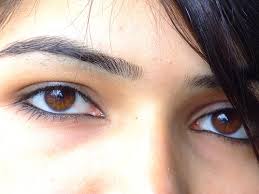
கண்களால் பேசுவர் பெண்கள்!   “அண்ணலும் நோக்கினான் அவளும் நோக்கினாள்” என்ற கம்ப ராமாயணக் காட்சியை நாம் அறிவோம். காதா சப்த சதி என்னும் பிராக்ருத மொழி நூலில் 700 காதல் கவிதைகள் உள. நிறைய விரசமான கவிதைகள் இருப்பதால் அது புகழ் பெறவில்லை. ஆயினும் சில கவிதைகளை கருத்து நயத்துக்காகவும் வேறு சில கவிதைகளை கவி நயத்துக்காகவும் படிக்க வேண்டும். ஒரு காட்சியை மட்டும் காண்போம்.

கோதாவரி வரிக் கரையில் ஒரு வீடு. அங்கே ஒரு அழகி. அவளுடைய கணவன் வெளியே வேலைக்குப் போய்விட்டான். வாலிப வயதுடைய தம்பி மட்டும் வீட்டில் இருக்கிறான். அண்ணனும் வேறு யாரும் வீட்டில் இல்லையே என்று எண்ணீ , அண்ணியைக் கணக்குப்போடுகிறான்.

அந்தப் பெண்ணுக்கோ சொல்லவும் முடியவில்லை, மெல்லவும் முடியவில்லை. அவன் அருகே வருவதற்கு முன்பாகவே கண்கள் மூலமாக அவனைச் சுவற்றில் உள்ள ஒரு ஓவியத்துக்கு அழைத்துச் செல்கிறாள். அவனுக்கு அர்த்தம் புரிந்துவிட்டது வெட்கித் தலை குனிகிறான். அது என்ன ஓவியம்?

ராம லெட்சுமணர்கள் சீதா தேவியுடன் இருக்கும் அற்புதமான ஓவியம் அந்த வீட்டுச் சுவரை அலங்கரிக்கிறது. அதில் லெட்சுமணன் சீதையைப் பார்க்காது நிலத்தை நோக்கிய வண்ணம் பார்த்துப் பணிவுடன் நிற்கிறான். இராமபிரான் சீதையைத் திருமணம் செய்த நாளில் இருந்து அவள் காலில் உள்ள மெட்டியைத் தவிர வெறும் எதையும் காணாத நித்திய பிரம்மச் சாரி அவன்.


இந்த ஓவியத்தைக் கண்களால் காட்டிய அந்த உத்தமி என் கணவன் ராமன்,  நீ லெட்சுமணன் போன்ற பெருந்தகை, நான் கற்பில் வழுவாத சீதை என்பதைச் சொல்லாமல் சொல்லிவிடுகிறாள்.

எவ்வளவு அருமையான கவிதை. பாரதீயப் பண்பாட்டை காதா என்னும் இரண்டு வரிச் செய்யுள் மூலம் கவிஞன் பாடிவிட்டான்.

gss4

இந்தக் கவிதை சொல்லும் வேறு சில செய்திகளும் உண்டு. அந்தக் காலத்தில் வீடுகளில் கூட ஓவியங்க்கள் இருந்தன. அவை தெய்வீக ஓவியங்கள். தென்னாட்டில் 2000 ஆண்டுகளுக்கு முன்னரே ராமாயணம் வீடுதோறும் முழங்கியது — என்ற செய்திகளையும் அறிகிறோம்.

சங்க கால பாடல்களிலும் சுவரில் உறையும் தெய்வங்கள் பற்றிய குறிப்புகள் உள. எட்டுத் தொகை நூல்களில் ஒன்றான பரிபாடலில் (19-59) திருப்பறங்குன்ற ஓவியங்கள் பற்றிய ஒரு காட்சி வருகிறது கணவன் மனைவி எல்லோரும் பறஙகுன்ற கோவிலில் உள்ள ஓவியங்களைப் பார்க்கின்றனர்.


மநைவி ஒரு ஓவியத்தைப் பார்த்து அதோ ஒரு பூசை (பூனை) என்கிறாள். அது என்ன? முனிவர் இருக்கும் இடத்தில் பூனை? என்று வினவுகிறாள். அவன் சொல்கிறான், அடியே! உனக்குக் கதை தெரியாதா? அஹல்யையை மானபங்கப்படுத்திய இந்திரன் நைசாக பூனை உருவத்தி ல் நழுவுகிறான். அவர்தான் கௌதம முனிவர் என்று கதை சொல்கிறான். ஆக அந்தக் காலத்தில் —- 2000 ஆண்டுகளுக்கு முன்னர் — தமிழ் நாட்டுக் கோவிலகளில் புராண ஓவியங்கள் இருந்ததையும் அக்தைகளை மக்கள் நன்கு அறிந்திருந்தனர் என்றும் அறிகிறோம்.


காதா சப்த சதி,  சங்க இலக்கியம் போலவே அந்தக் கால சமுதாய சூழ் நிலையை நமக்கு எடுத்தியம்புகிறது.

eye2

திரிபங்கி – 2

Post No 1553; Dated 7th January 2015.

தமிழ் என்னும் விந்தை! -25

திரிபங்கி – 2

by ச.நாகராஜன்

திரிபங்கிக்கு மாறனலங்காரம் தரும் இலக்கணம் இது.


நனியொரு பாவாய் நடந்தது தானே

தனிதனி மூன்றாஞ் சால்புறு பொருண்மையிற் பகுப்ப நிற்பது

திரிபங்கியதாகும்.

திரிபங்கிக்கு உதாரணச் செய்யுளாக மாறனலங்காரம் தரும் செய்யுள் இது:-

“வாரிதிபார் மன்மதன் பூசல்பார் வெய்ய மாமதி பார்      

ஊரலர்பா ரன்னையிங் கேசல்பாருய் யுமாறிலைபார்  

சோர்குழல்பார் பொன்னிறஞ்சேர்தல்பார் துய்யமான் மயல்பார்  

நாரணனே தென்னரங்கேசனே தெய்வ நாயகனே


இதனை மூன்றாகப் பகுத்த பா கட்டங்களில் வருமாறு:-

வாரிதிபார் மன்மதன்பூசல்பார் வெய்யமாமதி பார்
ஊரலர் பார் அன்னையிங்கேசல் பார் உய்யுமாறிலை பார்
சோர்குழல் பார் பொன்னிறஞ்சேர்தல் பார் துய்யமான்மயல் பார்
நாரணனே தென்னரங்கேசனே தெய்வநாயகனே

 வாரிதிபார்    ஊரலர் பார்     சோர்குழல் பார்       நாரணனே

மன்மதன்பூசல்பார்      அன்னையிங்கேசல் பார்  பொன்னிறஞ்சேர்தல் பார்                                  தென்னரங்கேசனே

வெய்யமாமதி பார்   உய்யுமாறிலை பார்   துய்யமான்மயல் பார்   தெய்வநாயகனே

யாழ்ப்பாணக் கவிஞர் க.மயில்வாகனப் பிள்ளை இயற்றிய கட்டளைக் கலித்துறையில் அமைந்த திரிபங்கிப் பாடல் இது:-

“தந்தையென் பேனன்னை தானுமென் பேன்சற் குருவுமென்பேன்                                      

சிந்தையன் பாய்நின்னை நாடிநிற் பேனற் றிருநகுலை         

வந்துறச் சீர்மன்னு வாழ்வளிப் பாய்மற் றருணிறையத்  

தந்திருப் பாய்வன்னி சேர்கரத் தாய்தற் பரமுதலே”

இச்செய்யுள் மூன்று வஞ்சித் துறை ஆகுமாறு கீழ்க்கண்டபடி பிரிக்கலாம்:-

  1. தந்தை யென்பேன்  சிந்தையன்பாய்  வந்துறச் சீர்     தந்திருப்பாய்
  2. அன்னைதா னுமென்பேன்      நின்னைநா டிநிற்பேன்   மன்னுவாழ் வளிப்பாய்                      வன்னிசேர் கரத்தாய்
  3. சற்குரு வுமென்பேன்    நற்றிரு நகுலை   மற்றரு ணிறையத்   தற்பர முதலே

நேரிசை வெண்பாவில் அவர் அமைத்த இன்னொரு திரிபங்கி வெண்பாப் பாடல் இது:-

கங்கரா பன்னாகக் கச்சார் வியனிடையாய்     

பங்கதனின் மின்னாள் பயில்வடிவா –

வெங்கயிலை     மன்னா வியனகுலை வானவா

இங்கஞ்சல்         என்னா யியைபயனும் ஈ

இந்த வெண்பா கீழ்க்கண்ட இரு வெண்பாக்களை உருவாக்கும்:-

  1. பன்னாகக் கச்சார் வியனிடையாய் பங்கதனின்   மின்னாள் பயில் வடிவா வெங்கயிலை – மன்னா    வியனகுலை வானவா விங்கஞ்ச லென்னா         யியைபயனு மீகங்க ரா
  2. பயனுமீ கங்கரா பன்னாகக் கச்சார்      வியனிடையாய் பங்கதனின் மின்னாள் – பயில்வடிவா   வெங்கயிலை மன்னா வியனகுலை வானவா    விங்கஞ்ச லென்னா வியை

எப்படி ஒரு அற்புதமான கவித்  திறமையை நம் தமிழ் கவிஞர்கள் கொண்டிருக்கிறார்கள், பாருங்கள்!

வளம் வாய்ந்த நம் தமிழ் மொழி அன்றோ செம்மொழி!

*****

contact swami_48@yahoo.com

Wife’s Insult inspires Husbands !

gatha_sapt

Article wriiten by London swaminathan

Research Article No 1552; Dated 6th january 2015


Gatha sapta sati (GSS) is a book of 700 erotic verses in Prakrit language. It was compiled by King Hala. There is a story behind his scholarship.


Indian literature has several stories where wives scorn their illiterate husbands as a result of which they study well or earn well and become great! Kalidasa, an illiterate, was married to a learned queen. She rejected him for being illiterate and then he prayed to Goddess Kali and acquired great knowledge. Valmiki went back to his wife to find out whether she will share his sins of hunting animals and she said no. Ho got inspired and became a great sage and poet. Many a lazy men were provoked by their wives to become active in life and earn money. This is the reason, probably for saying, “behind every great man there is a woman!!”


gss4

Hala was a satavahana king who lived around first century CE. His wife was Malayavathy, who was a great Sanskrit scholar. Both of them enjoyed life as king and queen. One day they went to a lake for water sport. In those days kings and queens used to go to rivers or specially constructed royal ponds during Spring Festival known as Vasanta Urchavam. General public also join them. When Hala and Malayavathy were playing with water vigorously, she got annoyed. She cant breathe properly because Hala was throwing water on her continuously. She shouted,”Modakasya tadaya”. The meaning of the Sankrit command is Dont throw water on me i.e. Ma Udakasya tadaya.


The king thought she was enjoying his sport and ordering for “Modaka”, an Indian sweet favourite to Lord Ganesh. Immediately he ordered his servants to fetch Modakams. The queen laughed loudly. In fact, she laughed at him for his ignorance. Hala got insulted when he came to know the reason for her laughter.

gss 2

As soon as he came back to the palace he vowed that he would learn Sanskrit and beat every scholar. So he threw a challenge to every scholar in his town  to teach him Sanskrit grammar within six months time. One scholar by name Sarva varman came forward and accepted his challenge. But Gunatya, who was a royal poet, objected to it saying that no one can teach sanskrit grammar in six months. An argument followed in which Gunatya said that he would stop speaking Sanskrit and writing in Sanskrit if sarvavarman fulfilled his promise.

Gunatya was a great scholar who wrote Brhat katha in Sanskrit. His bad luck, Sarvavarman taught Hala sanskrit in six months. Gunatya started burning his Brhat Katha, which was prevented by Hala. Gunatya went to another country and started wrting the same book in Paisaci language.

In the meantime Hala started composing poems. His Prakrit poems are part of Gatha sapata sati. He was called Kavi Vatsala, one who was a great patron of poets. He gave them gold coins for beautiful verses like his predecessor Emperor Vikaramaditya. He mitated Vikramaditya in all his deeds. Like Vikramaditya he started an era in his name, Salivahana Shahapta, though he did not win any big wars. Like Vikramnaditya who was the patron of great poet Kalidasa he was the patron of Gunatya and others.We can see the inspiration he got from Kalidasa and Vikramaditya. Many poets of Gatha sapata sati have imitated Kalidasa, but they are not very popular.

gss3

Though sapta sati (GSS) is full of erotic verses, we get lot of information about the soicial life of odinary folk in the first few centuries of common era. English, Hindi, Sanskrit, Telugu and Tamil translations of GSS are available.


One must read ancient Sanskrit, Tamil and Prakrit books to understand and appreciate Indian culture.

contact swami_48@yahoo.com
புகழ் மிகு பிராக்ருத காதல் நூல் தோன்றிய கதை !

gatha_sapt

கட்டுரை எழுதியவர்: லண்டன் சுவாமிநாதன்

ஆராய்ச்சிக் கட்டுரை எண் —  1551; தேதி:6 ஜனவரி 2015

பிராக்ருத மொழியில் காதா சப்த சதி என்ற ஒரு காதல் நூல் இருக்கிறது. இதில்   சங்க இலக்கிய அகத்துறை பாடல்களைப் போலவே காதல் பாடல்கள் உள்ளன. 700 பாடல்கள் இருப்பதால் `சப்த சதி`  என்று பெயர் இட்டனர். இதைச் சுமார் 2000 ஆண்டுகளுக்கு முன்னர் ஹாலன் என்ற சாதவாஹன மன்னன் தொகுத்தார் என்பர். இந்த நூல் தோன்றிய வரலாறு ஒரு சுவையான வரலாறு ஆகும். இந்தப் புத்தகத்தில் ஹாலனின் சுமார் 40 கவிதைகளும் இடம்பெறுகின்றன. ஆனால் முதலில் அவனுக்குக் கவிபாடும் திறமை கிடையாது.

சாதவாஹனனின் மனைவியின் பெயர் மலயவதி. சம்ஸ்கிருதப் புலமை பெற்ற அறிவாளி. இவ்விருவரும் நீர்விளையாட்டிற்காக ஆற்றங்க்கரைக்குச் சென்று ஒருவர் மீது ஒருவர் நீரை இறைத்து விளையாடினர். அப்பொழுது அவனிடம் அவள் சொன்னாள்: மோதகஸ் தாடய என்று — இதன் பொருள்- மா உதகஸ் தாடய — அதாவது “தண்ணீரால் அடிக்காதீர்கள்”. ஆனால் மன்னனுக்கு வடமொழி தெரியாததால், அவள் மோதகம் (கொழுக்கட்டை) கேட்கிறாள் என்று நினைத்துக்கொண்டு , உடனே கொழுக்கட்டை கொண்டுவாருங்களென்று கட்டளை இட்டான. அவள் குபீர் என்று சிரித்து விட்டாள். வடமொழி சந்தி இலக்கணப்படி மோதக என்பதை மா+உதக என்று பிரிக்க வேண்டும்.

gss 2

உடனே ஹாலனுக்கு அவமானம் தாங்காமல்கல்வி வெறி பிடித்தது! எப்படியாவது சம்ஸ்கிருதம் கற்றுக்கொள்ள வேண்டும் என்று முடிவு செய்தான். ஆறே மாதங்க்களில் தனக்கு யார் சம்ஸ்கிருதம் கற்றுத் தரமுடியும் என்று சவால் விட்டான். சர்வ வர்மா என்ற பண்டிதன் தான் கற்பிக்க முடியும் என்றார். அவரது சபையில் இருந்த பிரபல எழுத்தாளர் குணாட்டியரோ முடியவே முடியாது என்றார். அவர்தான் பிருஹத் கதை ( பெருங்கதை) எழுதிய பேரறிஞர். வடமொழி இலக்கணம் கடினமானது என்றும் ஆறு மாத காலத்தில் சர்வ வர்மன் கற்றுத்தந்தால் இனிமேல் தான் சம்ஸ்கிருதத்தில் எழுதுவதையே நிறுத்தி விடுவதாகவும் சூளுரைத்தார்.


சர்வ வர்மன் தான் சொன்னபடி ஆறே மாதங்களில் ஹாலனுக்கு சம்ஸ்கிருத இலக்கணத்தைக் கற்றூக் கொடுத்தார். குணாட்டியர் சொன்ன சொல் தவறாமல் அந்த நாட்டைவிட்டே வெளியேறி வேறிடத்திற்குச் சென்றார். பைசாச மொழியில் பெருங்கதை என்னும் நூலைச் செய்தார். குணாட்டியர்,  தான் ஏற்கனவே எழுதிய பெருங்கதையை எரிக்க எத்தனித்தபோது அதை ஹாலனே தடுத்து நிறுத்தி புத்தகத்தைக் காப்பாற்றினார்.

காலப் போக்கில் ஹாலனே பெரும் கவிஞன் ஆனான்

ஏராளமான புலவர்களை ஆதரித்து கவி வத்சலன் என்ற பெயரும் எடுத்தான். விக்ரமாதித்தன் போலவே இவனும் பெரிய அறிவாளி. அவனைப் போலவே இவனது சபையிலும் அறிஞர்கள் இருந்தனர். விக்ரம சஹாப்தம் போலவே சாலிவாஹன சஹாப்தம் என்றும் துவக்கப்பட்டது. ஹாலன் தொகுத்த முக்கிய 700 பாடல்கள் காதா சப்த சதியில் இருக்கின்றன.


gss4

விக்ரமாதித்தன்  சபையை அலங்கரித்த காளிதாசனே இவர்களுக்கு ஊற்றுணர்ச்சி தந்திருக்க வேண்டும். விக்ரமாதித்தன் ஆயிரகணக்கில் பொற்காசுகளைக் கவிஞர்களுக்குக்  கொடுத்த ஒரு பாடலும் இந்த சப்த சதியில் இருப்பது இதை மெய்ப்பிக்கிறது. மேலும் காளிதாசனின் உவமைகளை பல ஊர் பேர் தெரியாத புலவர்கள் இதில் (திருடி) பயன்படுத்தியுள்ளனர்.


contact swami_48@yahoo.com
gss3

தமிழ் என்னும் விந்தை! -24 ! திரிபங்கி – 1

தமிழ் என்னும் விந்தை! -24

திரிபங்கி – 1

by ச.நாகராஜன்

Post No 1550 ; Date 6th January 2015


ஒரு பாடலிலேயே மூன்று பாடல்கள் வர முடியுமா? தமிழ் என்னும் விந்தையில் மட்டும் முடியும்!

திரி என்றால் மூன்று என்று பொருள். பங்கம் என்றால் பேதம். ஆக திரி பங்கி என்றால் மூன்று பேதம் அல்லது பங்கம் உடையது என்று பொருளாகிறது.

இதற்கு தண்டியலங்காரம் இரு உதாரணங்களைத் தருகிறது. இந்த உதாரணங்களையே பரிதிமால் கலைஞரும் தன் நூலில் விளக்கியுள்ளார்.

பாடல்களைப் பார்ப்போம்.

ஆதரந் தீரன்னை போலினி யாய் அம்பி காபதியே!

மாது பங்காவன்னி சேர் சடையாய் வம்பு நீண்முடியாய்!  

 ஏதமுய்ந் தாரின்னல் சூழ்வினை தீரெம்பி ரானினியார்!  

ஓது மொன்றே உன்னு வாரமு தேஉம்பர் நாயகனே!

இதன் பொருள்:-

அன்னையே போன்று இனிமையாய் விளங்குபவனே! அம்பிகையின் நாயகனே! உமாதேவியை இடப்பாகத்தில் கொண்டு விளங்குபவனே! வன்னிப் பத்திரத்தைச் சடைமுடியில் தரித்தவனே! மகுடம் போன்ற சடை முடியுடையவனே! குற்றம் நீங்கி உய்ந்தவர் பிறவித் துன்பத்தைத் தரும் வினையைத் தீர்ப்பவனே! பேரின்பத்தினை உடைய ஞானிகளால் போற்றப்படும் ஒப்பற்ற பொருளே! நின்னை நினைப்பவர்க்கு அமுதமாக இருப்பவனே! தேவர்களின் நாயகனே! நின்னை ஏத்துதும்!

இனி இப்பாடலை மூன்று விதமாகப் பிரிப்பதைப் பார்ப்போம்:

  1. “ஆத ரந்தீர்  மாது பங்கா  ஏதம் உய்ந்தார்      ஓதும் ஒன்றே!”
  2. “அன்னை போல் இனியாய்    வன்னி சேர் சடையாய்   இன்னல் சூழ் வினைதீர்  உன்னுவார் அமுதே!”
  3. “அம்பிகா பதியே      வம்புநீண் முடியாய்    எம்பிரான் இனியார்    உம்பர் நாயகனே!”

எப்படி பொருளுடன் கூடிய அற்புதமான மூன்று பாடல்கள் மலர்ந்துள்ளன, பார்த்தீர்களா!

கட்டளைக் கலித்துறையில் அமைந்த பாடல் இது.

திரிபங்கியைக் கட்டங்களில் அமைத்துப் பார்ப்போம்:-

கிடைமட்டமாகப் படித்தால் நான்கு வரிகளில் உள்ள  பாட்டை செங்குத்தாக  மூன்று வரிசைகளில் படித்தால் மேலே உள்ள மூன்று பாடல்கள் மலர்வதைக் காணலாம்!

ஆத ரந்தீர் அன்னைபோ லினியாய் அம்பிகா பதியே
மாது பங்கா வன்னிசேர் சடையாய் வம்புநீண் முடியாய்
ஏத முய்ந்தார் இன்னல்சூழ் வினைதீர் எம்பிரா னினியார்
ஓது மொன்றே உன்னுவா ரமுதே உம்பர் நாயகனே


இதே போன்ற இன்னும் ஒரு வகைப் பாடலைக் கீழே காண்போம்:-

சங்கந்தா பூணாரந் தாமே கலைதாநற்  

 புங்கவன்மால் காணாப் புலவுடைய –

கங்கரா!  கோணா கலாமதி சேர் கோடீர!

சங்கரா!    சோணாசலா சலமே தோ!”

இதன் பொருள்:-

நன்மை புங்கவன் மால் காணா புலவுடைய கம் கரா – நன்மை மிக்க பரிசுத்தனாகிய நான்முகனும் திருமாலும் கண்டறியாத புலால் நாற்றம் வீசும் கபாலத்தை ஏந்தும் கையினை உடையாய்! கோண் ஆ கலா மதி சேர் கோடீர – வளைவு பொருந்திய பிறைச் சந்திரன் பொருந்திய சடை முடியை உடையாய்! சங்கரா – சுகத்தைச் செய்பவனே! சோண அசலா – பொன் மயமாகிய மலையை இடமாகக் கொண்டவனே! சலம் ஏதோ – கோபம் யாதோ? சங்கம் தா – (யாம் இழந்த சங்க வளையல்களைத் தா;     பூண் ஆரம் தா – பூண்டிருந்த மாலைகளைத் தா; மேகலை தா – (நழுவி ஒழிந்த) மேகலாபரணத்தைத் தா!

இந்த வெண்பாவை கீழ்க்கண்ட இரு வெண்பாக்களாக படிக்கலாம். ஆகவே இது திரிபங்கி ஆகிறது.

நேரிசை வெண்பா

  1. பூணாரந் தாமே கலைதரநற் புங்கவன்மால்  காணாப் புலவுடைய கங்கரா – கோணா    கலாமதி சேர் கோடீர சங்கரா சோணா     சலாசலமே தோசங்கந் தா”


நேரிசை வெண்பா

  1. “சலமேதோ சங்கந்தா பூணாரந் தாமே                      கலைதா நற் புங்கவன்மால் காணாப் – புலவுடைய              கங்கரா! கோணா கலாமதிசேர் கோடீர!                    சங்கரா! சோணா சலா!”

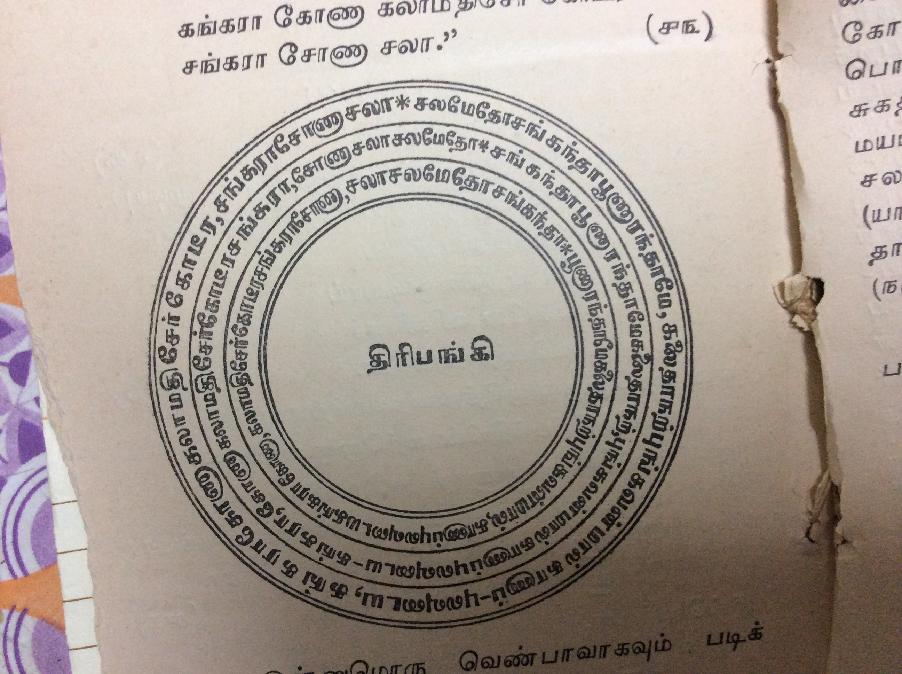
திரிபங்கியின் சித்திரம் கீழே தரப்பட்டுள்ளது

 tribhangi

ஒரு பாடலில் மூன்று பாடல்கள் வரும் விந்தை நல்ல பல தமிழ்ப் புலவர்களால் செய்யப்பட்டுள்ளது.

***************

Lord Shiva Composed Tamil Poems! The Wonder that is Tamil- Part 6

siva japam

Written by London swaminathan

Research Article No.1549; dated 5th January 2015.


Sangam Tamil litearture has 18 books and one of them is Mullaippattu. It has one finite verb in the whole poem.


Nedunal vadai,one of the Ten Long Poems, has got one subject proper that too in the last line –181st line.


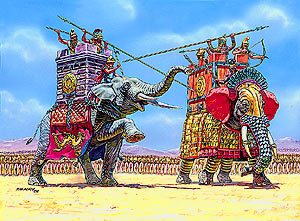
Kalingathu Parani is one of the famous books in the Parani (Barani) genre. if someone has to be the hero of a Parani poem, he must have killed at least one thousand elephants. The hero of the poem Kalingathu Parani is Karunakara Tondaiman. He led an army against Anantavarman, the King of Kalinga. It happened during the reign of Kulottunga Chola (1070-1120 CE). Jayamkondar was the court poet who composed this Kalingathu Parani.


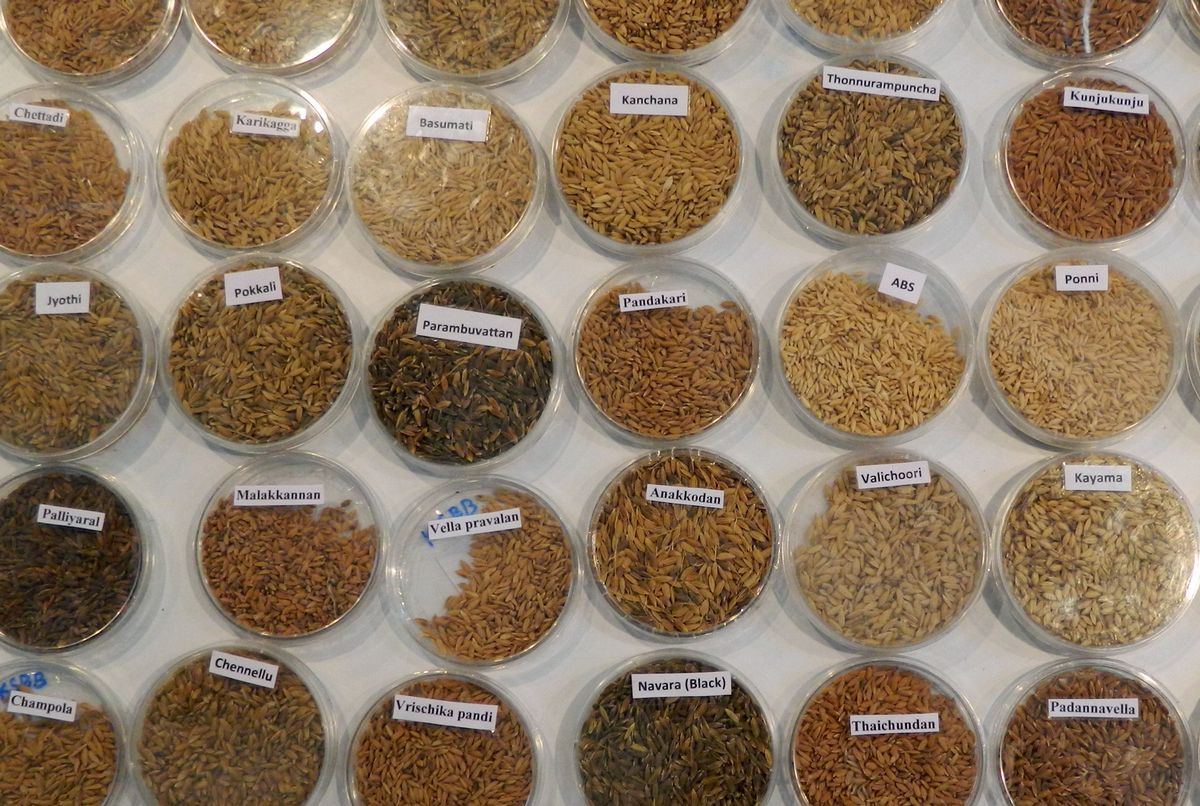
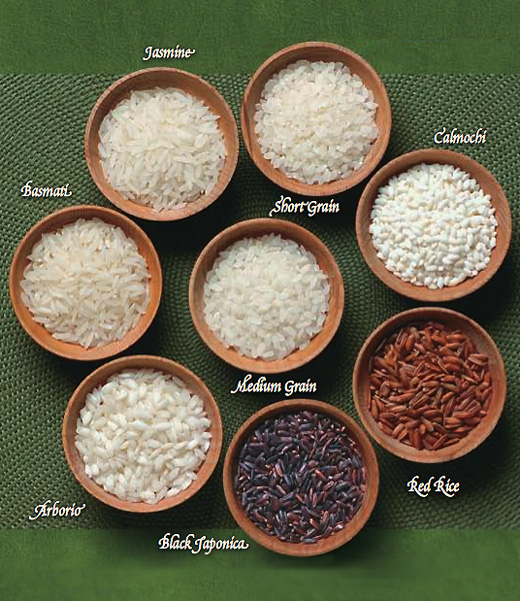
Pallu is another type of composition in Tamil.  It describes the life of farmers and the status of agricultural community. Mukkudal Pallu is the most famous Pallu litearature. No one knows the name of the author. it was written in the later part of 17th century. The town Mukkudal is in Tirunelveli district of Tamil Nadu. the poet lists thirty varieties of paddy, twenty five kinds of bulls and 25 varieties of fish.

rg_hyd_201210_rice_kerala

Tamil is a ‘faceless’ and a ‘heartless’ language. Tamil hasn’t got any word for heart or face in its vocabulary. The words that are  used for face and heart (muham and irudhayam) are of Sanskrit language (Mukam, Hruthaya).

Lord Shiva was not mentioned by the word ‘Shiva’ anywhere in ancient Tamil books. Only devotional books of post Sangam literature use the word ‘Shiva’. But references like ‘ the one with blue throat’, the one with Bull flag, ‘the one who burnt the three forts’ are abound in ancient Tamil books.


Tamils consider ‘Tirukkural’ as their greatest book. It consists of 1330 couplets giving moral advice to everyone. The beauty of the book is anyone can follow it irrespective of one’s faith. If anyone wants to understand the meaning of the saying ‘Brevity is the soul of wit’ one must read this book. This is the Tamil book that is translated in more number of languages than any other Tamil work.


The strange thing about Tirukural is that the early Christian scholars who translated it into European languages refused to translate the third chapter because it talks about sex. Sex was a taboo for European scholars but not for Indians. Indians praise Vatsyayana, who wrote the oldest book on sex ‘Kama Sutra ‘ in Sanskrit, as a Rishi (sage).

elephant

Oldest Tamil inscriptions exist from third century BC and there are more than 80,000 inscriptions are in Tamil. A lot of research is awaited in to these historical treasure.


An epigraph with musical notes is in Arachalur near Erode in Tamilnadu. It is dated to 2nd century AD. Vannakkan Thevan Sathan is the author of this piece. Whatever way you read it, it will be same. The matter found in the epigraph is used in dance and music.


Tamils were the first to use white colour wigs in the court of justice. British judges and barristers follow this custom even today. Young Karikal Cholzan, the most famous Tamil king, wore this wig to satisfy two old men. The king did it to pretend like an old judge. Cankam poem :Porunar Atruppadai lines 187-188; also in Manimekalai and Pazamozi refer to this anecdote.


Tamil race is very old. The poet Kapila who lived around first century AD mentions in his poem that one of the Tamil kings is 49th king in his dynasty. It takes his ancestors to 1000 or 1500 BC. Irunkovel  is the king and this reference is found in poem 201 of Pura Nanuru.


Lord Shiva’s Poems!

Lord Shiva is considered  the first one to preside over the first Tamil Academy called ‘Sangam’. His poem is still there in one of the books. Kurunthokai poem No 1 (by Iraiyanar).


Lord Shiva was the first one to give a recommendation letter to a Tamil poet known as Bana Bhadran who went to see a king called Seraman Perumal Nayanar for funds. This poem is still available in Thiruvilaiyadal Puranam (Mathi mali purisai mada kudal——)

murugan1

Proof Reader Skanda

Lord Skanda (Murugan) worked as a proof reader for Kachiappa Sivacharyar who translated Skanda Purana from Sanskrit. He got the first poem from Lord Murugan himself. He composed 10,342 poems during a long period. Every night he used to put the poems he wrote for the day at the temple near the god. When he came the next day poems were corrected and kept ready at the same place. When he was ready to launch the book, scholars objected to the very first poem saying it was not according to the grammar book Tolkappiyam.

He was very upset and went home saying that he would come back the next day with proof. That night Lord Muruga appeared in his dream and told him not to worry and someone came next day to the assembly of poets and showed a proof from another Tamil grammar book called Veerasoziyam.

rice-varieties

20,000 Proverbs !

Tamil is so rich that 20,000 proverbs are listed in three books. The foreigners who came to preach Christianity compiled all of them and translated them in to English. One may not see that many proverbs in any other language in the world. Rev P .Percival published 6156 proverbs and Danish Missionary John Lazarus and Rev. Herman Jensen 9417 and 3644 proverbs respectively.

There is a Tamil book  called ,’Paza Mozi’ with 400 ethical poems each ending with one proverb. No where in the world we can find such a book.

One of the great four Saivaite poets known as Appar alias Thirunavukkarasar sang one pathikam (10 poems)  on Shiva with proverbs.


22,000 Devotional Poems !

22000 devotional poems were written, thousand years ago by a number of Saivaite  and 12 Vaishnavaite (Azvars) devotees.


Lord Shiva’s play ground was the famous city Madurai which has the architectural wonder of the world -Meenakshi Temple. Shiva’s 64 divine acts were listed in the book called ‘Thiruvilayadal Puranam.’ It was translated in to Sanskrit by a poet under the title ‘Siva Leelarnavam’.

contact swami_48”yahoo.com


வள்ளுவர் ‘காமெடி’: சிரிப்பு எத்தனை வகை?

laugh5

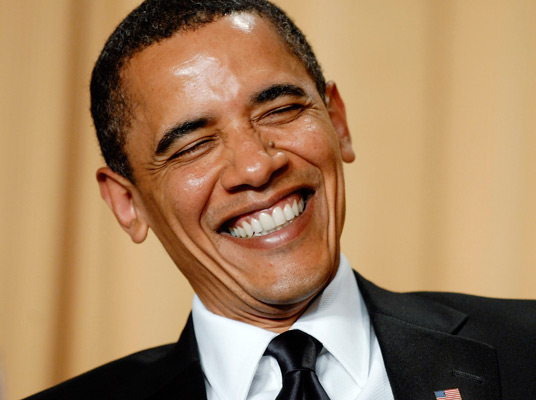
President of USA, Obama, laughing

Written by London Swaminathan
Research Article No.1547; Date: 5th January 2015

சிரிப்பது எவ்வளவு அவசியம் என்று இப்போது மருத்துவர்களும் உளவியல் அறிஞர்களும் சொல்லுகின்றனர். வள்ளுவன் இதை 1500 ஆண்டுகளுக்கு முன்னரே சொல்லிவிட்டான. அது மட்டுமல்ல சிரிப்பில், புன்முறுவலில் எத்தனை வகை இருக்கிறது என்பதையும் வெவ்வேறு குறளில் வெவ்வேறு பொருளில் பயன்படுத்திக் காட்டுகிறான்.


காதலியின் புன்முறுவல், நண்பனின் சிரிப்பு, எள்ளி நகை ஆடுவோரின் ஏளன, இளக்காரச் சிரிப்பு, பகைவர்களின் பொய்யான சிரிப்பு, உண்மையான சிரிப்பு என்று பல இடங்களில் பல பொருள் தொனிக்கப் பாடுகிறான். வள்ளுவனுக்கு ‘காமெடி’ என்றால் என்ன என்பது நன்றாகவே தெரிந்திருக்கிறது. கஷ்டம் வந்தாலும் சிரியுங்கள். அதுதான் சிறந்த மருந்து என்று சொல்லுகிறான். அவன் பெரிய மன நோய் நிபுணன் என்றும் தெரிகிறது.


நகல் வல்லர் அல்லார்க்கு மாயிரு ஞாலம்

பகலும் பாற் பட்டன்று (999)


மற்றவர்களோடு சந்தோஷமாகப் பேசிப் பழகாதவர்களுக்கு இந்தப் பெரிய உலகம், பகல் நேரத்திலும் கூட இருட்டாகவே இருக்கும்.

இந்தக் குறள் மூலம் சிரிப்பு என்பது வாழ்க்கையில் எவ்வளவு முக்கியமானது என்பதை வள்ளுவர் வலியுறுத்துகிறார்.

laugh3

இடுக்கண் வருங்கால் நகுக !!


இடுக்கண் வருங்கால் நகுக அதனை

அடுத்தூர்வது அஃதொப்பது இல் (621)

வேலை செய்கையில் கஷ்டம் வந்தால் அதை மகிழ்ச்சியாக வரவேற்க வேண்டும். அந்த சந்தோஷம்தான் சிறந்த ஆயுதம். அதைவிடச் சிறந்த துணை வேறு ஒன்றும் இல்லை. வள்ளுவன் பெரிய ‘சைக்காலஜிஸ்ட்’ என்பது இதில் தொனிக்கிறது.


முகநக நட்பது நட்பன்று நெஞ்சத்து

அகநக நட்பது நட்பு (786)

வெளியே சிரித்துச் சிரித்துப் பேசினால் அது உண்மையான நட்பு ஆகிவிடாது. மனதில் மகிழ்ச்சி நிலவ பழக வேண்டும்.

laug1

குடிகாரன் காமெடி

அந்தக் காலத்திலேயே குடிகாரன் காமெடி நிறைய உண்டு என்றும் தெரிகிறது. இன்று சினிமாவிலும் நிஜ வாழ்விலும் பார்க்கிறோம்.


உள்ளொற்றி உள்ளூர் நகப்படுவர் எஞ்ஞான்றும்

கள்ளொற்றிக் கண் சாய்பவர் (927)

எங்கே கள் கிடைக்கும் என்று மறைவாக அறிந்து, யாருக்கும் தெரியாமல் அதைக் குடித்துவிட்டு மயங்கிக் கிடப்பவனைக் கண்டு ஊரே சிரிக்கும்.


போலிச் சிரிப்பு !


முகத்தின் இனிய நகாஅ அகத்தின்னா

வஞ்சரை அஞ்சப்படும் (824)

வெளியிலே சிரித்து சிரித்துப் பேசி, பின் பக்கமாக நமக்கு குழிபறிக்கும் வஞ்கர்களிடம் மிகவும் பயப்படவேண்டும். நேருக்கு நேர் குறைகூறுவோர் நல்ல எதிரிகள்! மறைவாக எதிரி வேலை செய்பவர்களைக் கண்டால் மிக மிக ஜாக்கிரதையாக இருக்க வேண்டும் என்பது வள்ளுவர் வாக்கு. குறள். 817-ல் இதையே சொல்கிறார்.


பகச் சொல்லிக் கேளிர்ப் பிரிப்பர் நகச்சொல்லி

நட்பாடல் தேற்றாதவர் (187)

சந்தோஷமாகப் பேசி நண்பர்களாக ஆவது சிறந்தது. இது தெரியாத புறங்கூறுவோர் —- (நமக்குப் பின்னால் நம்மைப் பற்றி இல்லாததும் பொல்லாததும் சொல்லுவோர்) — உறவினர்களைக் கூடப்பிரித்து விடுவார்கள்.


மிகச் செய்து  தம் எள்ளுவாரை நகச் செய்து

நட்பினுள் சாப்புல்லற்பாற்று (829)


வெளியே நண்பர் போல நடித்து உள்ளத்தில் வெறுப்பு வைத்து இருப்பவரை சிரித்துக் கொண்டே விலக்கிவிட வேண்டும்.

laugh2

நகுதற் பொருட்டன்று நட்டல் மிகுதிக்கண்

மேற்சென்று இடித்தற் பொருட்டு (782)


சிரித்து மகிழ்வதற்கு மட்டும் நண்பர்கள் அல்ல;

நண்பர்கள் தப்பு செய்தால் இடித்துரைத்து  நல்வழிப்படுத்த வேண்டும்.


பூமாதேவியும், பஞ்சபூதங்களும் சிரிக்கும் !


வஞ்ச மனத்தான் படிற்றொழுக்கம் பூதங்கள்

ஐந்தும் அகத்தே நகும் (271)

பொய்யான ஒழுக்கம் (போலி சந்யாசி) உடையவனைக் கண்டு, அவன் உடம்பில் இருக்கும் ஐம்பூதங்களும் சிரிக்கும்.


இலமென்று அசைஇ இருப்பாரைக் காணின்

நிலமென்னும் நல்லாள் நகும்  (1040)

உழைக்காமல், என்னிடம் பணமே இல்லையே, என்று வருந்தும் சோம்பேறிகளைக் கண்டு பூமாதேவி சிரிப்பாள்.


கோபம் என்பது, முகத்தில் சிரிப்பினையும், உள்ளத்தில் மகிழ்ச்சியையும் கொன்றுவிடும். இதைவிடப் பெரிய பகைவன் யார்? (304)

நகையும் உவகையும் கொல்லும் சினத்தின்

பகையும் உளவோ பிற


நகை ஈகை இன்சொல் இகழாமை நான்கும்

வகை என்ப வாய்மைக் குடிக்கு (953)

முக மலர்ச்சி, தயாள குணம், இனிமையாகப் பேசுதல், மற்றவர்களை மட்டம் தட்டாமல் பழகுதல் ஆகிய நான்கு குணங்களும் நல்ல குடியில் பிறந்தோருக்கு அடையாளங்கள்.

laugh4

பெரியவர்கள் முன்னிலையில் சிரிக்காதீர்கள் !

மன்னர்கள் ( இப்போது பெரியவர்கள், அரசாங்கத்தில் பதவியில் உள்ளவர்கள், முதலமைச்சர்கள் )  முன்னிலையில் சிரிக்கக்கூடாது, பிறர் காதில் ரகசியமாக எதுவும் சொல்லக்கூடாது என்றும் வள்ளுவர் எச்சரிக்கிறார் (694)


தொகச் சொல்லி தூவாத நீக்கி நகச் சொல்லி

நன்றி பயப்பதாம் தூது (685)

ஒரு தூதன் சொல்ல வேண்டியதை மட்டும் சொல்ல வேண்டும். சொல்லக் கூடாதவற்றை நீக்க வேண்டும். பகை அரசர் மகிழும் படி பேச வேண்டும். தனது அரசனுக்கு நன்மை கிடைக்கும்படி செய்ய வேண்டும்.

laugh7

காதலிகளின் புன்முறுவல்


காமத்துப் பாலில் குறிப்பறிதல் என்னும் அதிகாரத்தில் மூன்று குறள்களில் (1094, 1095, 1098) நகும் என்ற சொல் வருகிறது.

நான் அவளைப் பார்க்கும் போது வெட்கத்தால் நிலத்தைப் பார்ப்பாள். நான் பார்க்காத சமயத்தில் என்னைப் பார்த்து புன்முறுவல் செய்வாள் (1094)

நேராகப் பார்க்காமல், காணாதவள் போல ஓரக் கண்களால் என்னைப் பார்த்துப் புன்முறுவல் செய்வாள் (1095)


நான் அவளை ஆசையோடு பார்ப்பேன். அவள் என் மீது கருணை கொண்டு ஒரு மாதிரியாக சாய்த்துப் பார்த்துப் புன்முறுவல் செய்வாள். அப்போது அவள் மயில் போல இருப்பாள் (1098)


கதுமெனத் தாம் நோக்கி தாமே கலுழும்

இதுநகத் தக்கது உடைத்து (1173)

முன்பு காதலரைத் தேடி என் கண்கள் ஓடின. இப்போது காதலரைக் காணாது கண்ணீர் விடுகிறன. எனக்கே சிரிப்பு வருகிறது.

laugh8

யாங்கண்ணின் காண நகுப அறிவில்லார்

யாம்பட்ட தாம்படா வாறு (1140)

என் கண்களுக்கு முன்னாலேயே என்னைப் பார்த்து சிரிக்கின்றனர். எனக்கு வந்த கஷ்டம் இவர்களுக்கு வந்தால்தான் தெரியும்! (ஒரு பெண்ணின் புலம்பல்)

குறளில் சிரிப்பு, புன்முறுவல், முகமலர்ச்சி பற்றி வரும் இடங்கள்:–


நக=மகிழ 187, 685, 829 மலர 786, சிரிக்க 1173

நகப்படுவர் = இகழப்படுவர் 927

நகல் = மனத்தில் மகிழ்தல் 999

நகா அ = சிரித்து 824

நகுக = மகிழ்க 621

நகுதல் = நகையாடி மகிழ்தல் 784

நகுப = நகைக்கின்றார் 1140

நகும் = இகழ்ந்து சிரிக்கும் 271; மகிழும் 774, இகழ்ந்து தனக்குள் சிரிக்கும் 1040, மகிழும் 1094, 1095, 1095(புன்முறுவல்

laugh6

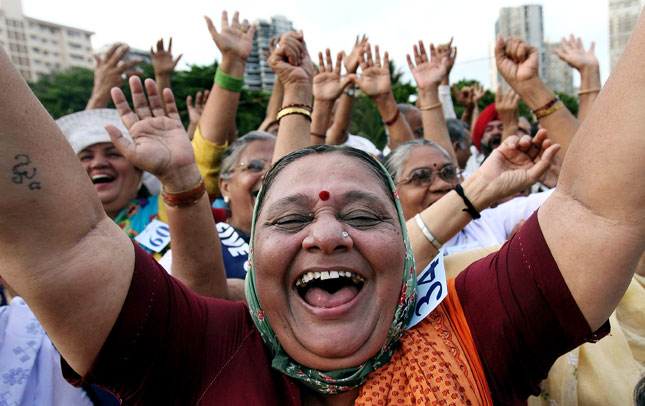
World Laughing Day, Mumbai

நகை = சிரிப்பு 182, 304, 694, 817, விளையாட்டு 871, 878, 995 முகமலர்ச்சி 953, சிரிப்பு 1274

வள்ளுவர் காலத்தில் சிரிப்புக்கு எவ்வளவு முக்கியத்துவம் இருந்தது என்பதை இவை காட்டும்.

–சுபம்–


சுழிகுளம் – 2

suzi 3

தமிழ் என்னும் விந்தை! -23

சுழிகுளம் – 2

by ச.நாகராஜன்

Post No 1548  Dated 5th January 2015


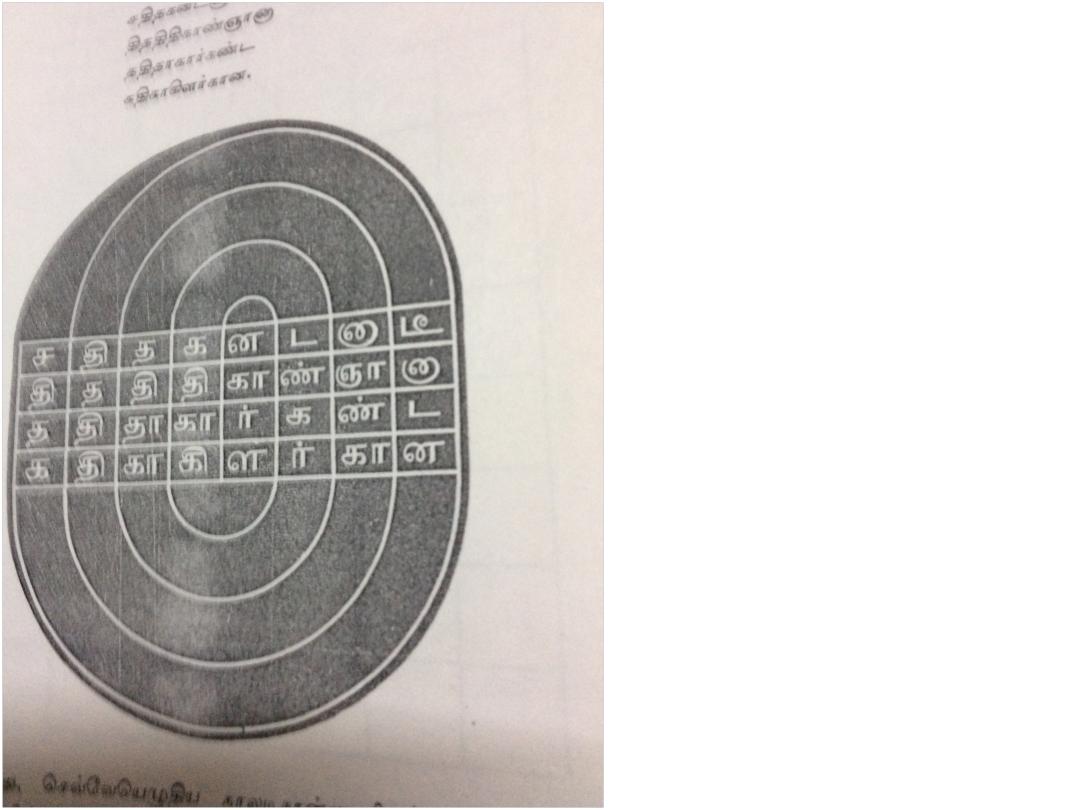
சுழி குளத்தை விளக்கும் விதமாக மாறனலங்காரம் தரும் சூத்திரம் இது:-

“தெழித்தெழு நீர்குளத் தினுட்செறிந் ததைக்கொடு   

             சுழித்தடங் குவபோன் றடங்குதல் சுழிகுளம்”

ஆரவாரித்து எழுகின்ற புனல் குளத்தினுள் தனது இடத்தை அடைந்தது யாதொன்று, அதனைக் கைக் கொண்டு சுற்றி உள்ளே அடங்குவது போலச் சுற்றிப் பாவினகத்துப் பொருளைக் கொண்டடங்குதல் சுழிகுளம் என்பது இதன் பொருள்

மாறனலங்காரம் தரும் உதாரணச் செய்யுள் இது:-

“சதிதகனடனாடீ                                            

திததிதிகாண்ஞானா                                            

ததிதாகார்கண்ட                                             

 கதிகாகிளர்கான


இதன் பொருள்:-

தாளவொத்துக்குப் பொருந்தக் கூத்தாட நின்றவனே! உண்மையான காவல் தொழிலை உனதாகக் கொண்டவனே! தயிரைத் தாகித்துண்ட கண்டத்தை உடையவனே! கிளர்ந்த கானத்தை உடையவனே! நீயே கதி, காப்பாயாக!

துறை – வஞ்சித்துறை

இதன் சித்திரத்தைக் கீழே  காணலாம்:

சுழிகுள வகையில் யாழ்ப்பாணக் கவிஞர் மயில்வாகனப் பிள்ளை, வஞ்சித் துறையில் இயற்றிய செய்யுள் இது:-


“தகுநகு லேசுரங்                                                 

 குலவிவ யச்சிர                                                     

 நவிறல முனாச்சு                                                      

 குவலயம் முயலே”


இதன் திரண்ட பொருள் : தகுந்த நகுலேச்சுரம் என்னும், விளங்கி வலிமை பொருந்திய பிரதான தலமாகச் சொல்லப்படும் தலத்தின் முன்னர் உலகம் உய்தல் ஆயிற்று.

இப்படி ஏராளமான செய்யுள்கள் சுழிகுள வகையில் தமிழ் இலக்கியத்தில் உண்டு.

***************

Thousand Kings before Kalidas!

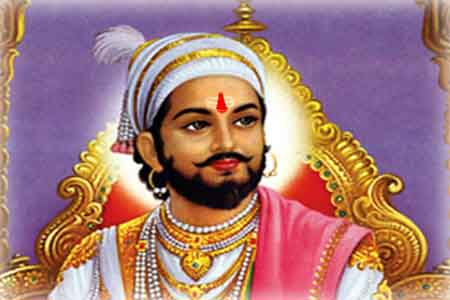
Shivaji

Veera Shivaji

Research paper written by London Swaminathan

Research article No.1546; Dated  4 January 2015.

Foreigners who wrote Indian history said that India had  kings only from sixth century BCE. But Vedic literature and later literature give the names of thousands of kings.  No one has listed all the kings until today. Hearsay reports and temple legends name hundreds of kings. Every country in the world had several kings with same names like Ramses,William, Napoleon, Louis etc. In India we had several Ramas and Dasarathas. No one has listed them like Dasaratha I, Dasaratha II etc.

Purananuru, a Sangam Tamil literature book, sings about “thousands of kings” lived before Sangam age.  Kalidasa, the greatest poet of the classical age also sang about “thousand kings” before the age of Raghu who was the  forefather of Lord Rama. This shows that they had a very clear idea of Indian history. I have already written in  my posts  How ancient is Indian Civilization about the Vamsavali (lineage) given in the Upanishads and the references to  Vamsavali in  Panini’s Ashtadyayi and Purananuru (verse 201 of Kabilan).

I give below two more such references from Kalidasa’ Raghuvamsa and Purananuru:

  1. The sky is full of stars and planets, but yet one moon gives more light than others in the night.

Likewise there are one thousand kings, but yet they say that this king of Magadha is the best

(Raghuvamsa 6-22).

This comparison of moon among stars shows that there are innumerable kings

like millions of stars. This is confirmed by the following Tamil verse that is over

2000 years old:

This big earth was ruled by countless kings like the sand particles on the sea shore.

They are all dead and gone. So, do something good before you die — is the message  given by the poet Siruventheraiyar (Puram 363) to his contemporary ruler.

MaharanaPratap1

Maharana pratap

Once again it shows the historical sense of Tamil poets. They knew that there were thousands of kings before their period and so he aptly used the sand particle simile. There are more poems which sang about countless number of kings.

When Egypt, Sumeria and Israel listed their kings from very ancient times, Indians still stuck to the history written by foreigners. We knew Indus valley Civilization existed from 2600 BCE, but no one did try to find out the names of the kings.Even if we had five kings for every 100 years, we must have 130 kings for each area.  We had several names in the Mahabharata. One must list them chronologically and do more research.

We need a Dictionary of Kings, both historical and not historical. Local temple puranas, what are  known as Sthala Puranas in Tamil Nadu give more names of kings. Stories like Katha sarit Sagara and Vetal and Vikramditya give several names which may be fictional or no fictional. I am compiling a list of all the kings in my Dictionary of Indian Kings. Then there are categories like the kings

who did Aswamedha Yajna. Satapata Brahmana and other Vedic literature give a list of those people.  One has to do a patient research to find out the past history of ancient India.

contact swami_48@yahoo.com