Hindu Temple Mystery!

IMG_0534

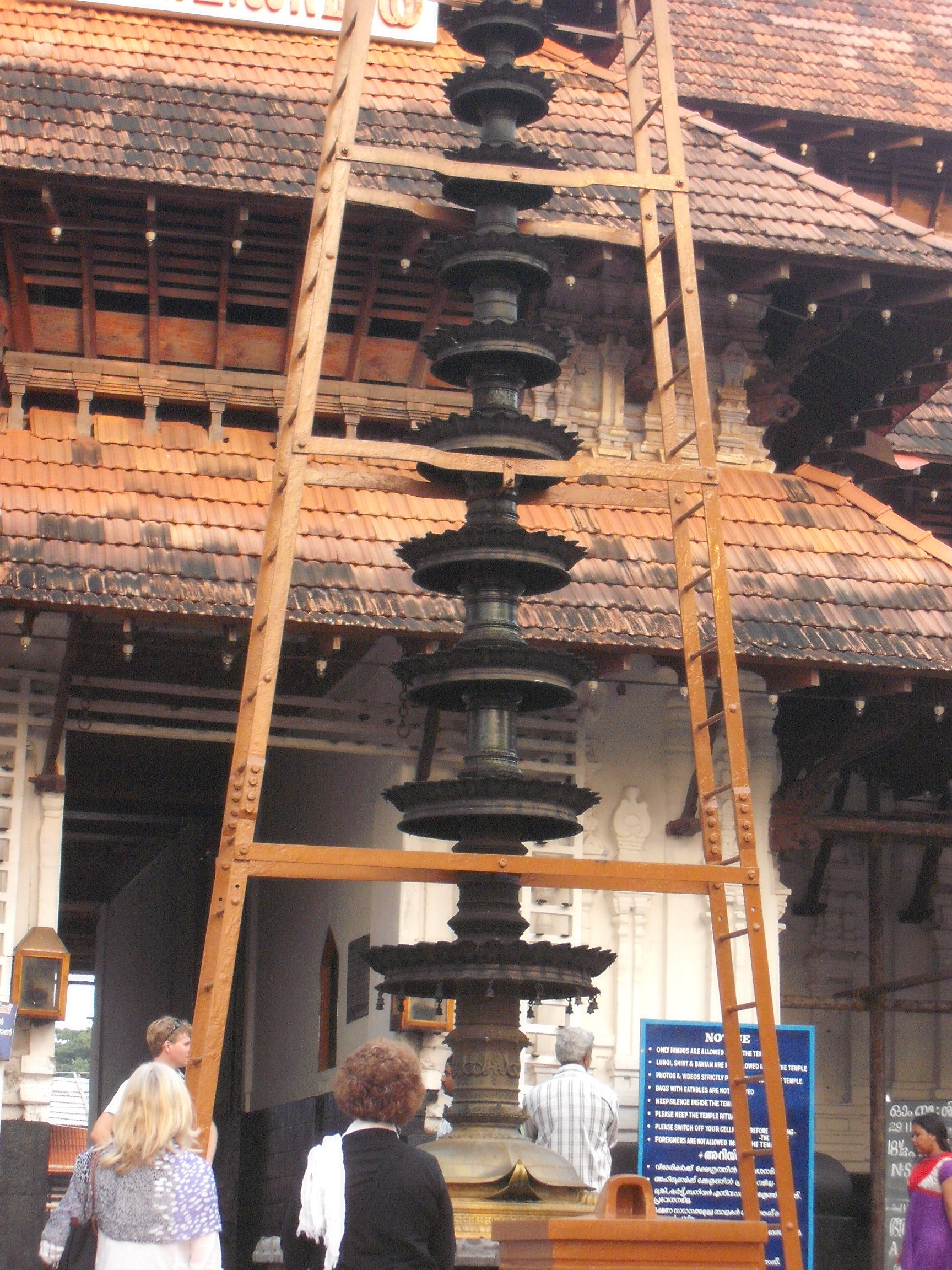
Thirissur Temple in Kerala

Research article by London swaminathan

Post No.2230

Date: 9  October 2015

Time uploaded in London: 21-43

Thanks for the pictures.

Don’t use pictures. Don’t reblog for at least a week.

If you read any modern book on Hindu Temple architecture they broadly classify the temples into three categories: Nagara, Dravida and Vesara. But these are relatively modern terms. It is neither found in Varahamihira’s classification of temples or Tamil saint Appar’s classification of temples. Both of them lived before seventh century CE. Temples did not exist during Vedic times. But they existed during Epic times. We have references to Temple worship in Ramayana and Bhagavata. They may not be the gigantic temples like the temples we see today. They may be just places of worship inside a palace or under a banyan tree.
DSCF5084

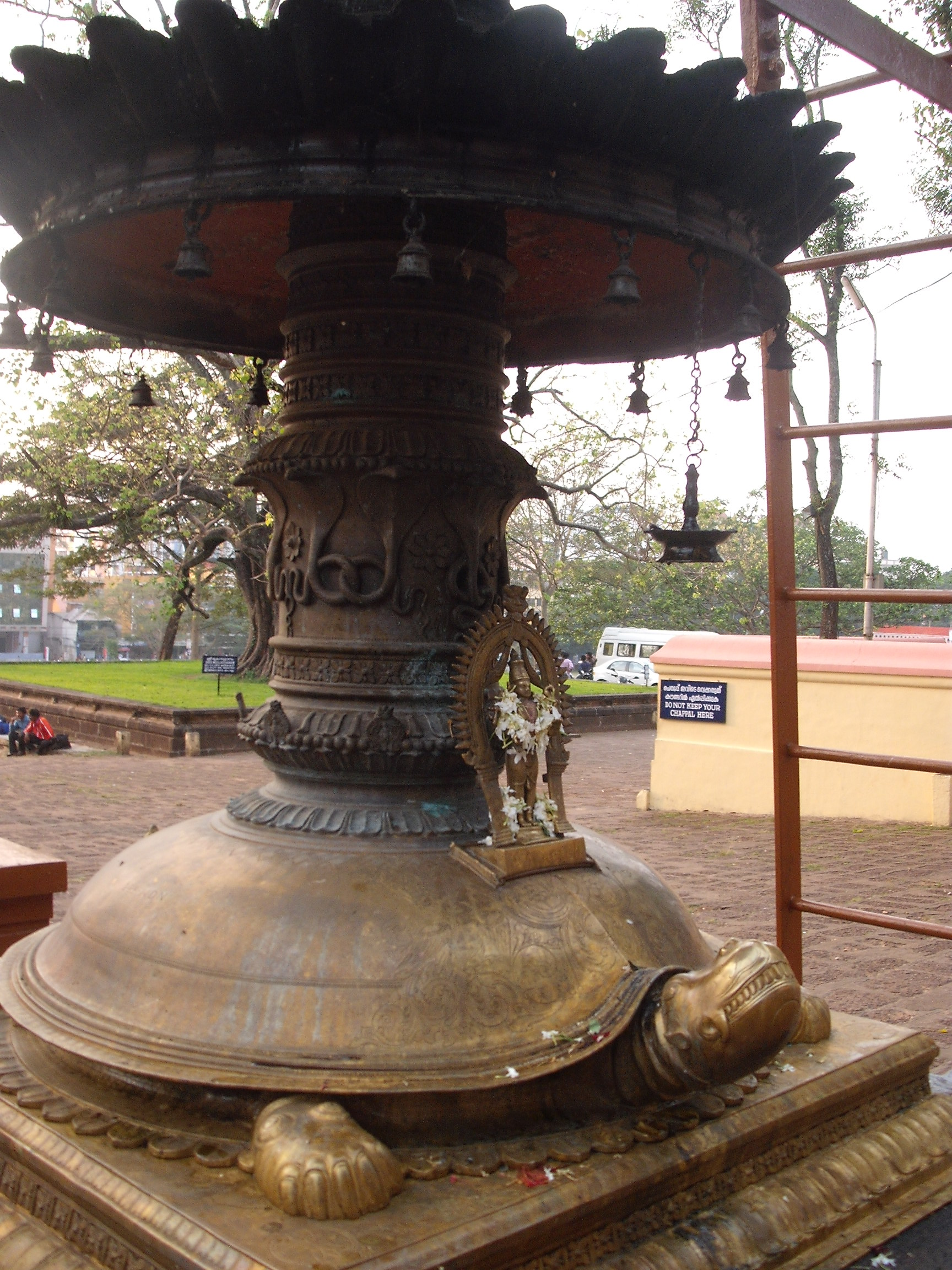
Dwajasthamba with Tortoise

Nagara type of North Indian temples have curvilinear towers. They have square base. Dravida type of South India have towers like pyramids. They have octagonal base. Vesara type of temples combined both these styles. They have circular base. Earlier temples were built with perishable materials such as wood, brick, clay and mortar. Then Guptas built cave temples probably following the Buddhist caves. The gigantic temples we see today came into existence around eighth century CE. In the South, Pandyas and Pallavas made cave temples from sixth century CE at Kazukumalai, Tirupparankundram, Tirumeyyam,Pillayarpatti, Kundrakkudi Kanchi and Mamallapuram. Athiyaman also made such temples in Namakkal.

Varahamihira enumerates twenty types of temples!

(Read my article Twenty Types of Temples in Ancient India- posted on 30th March 2015. In another article I have listed all the temples from the Tamil epic Silappadikaram). Later Appar mentioned seven types of temples:-

Appar alias Tirunavukkarasu, one of the Four Great  Saivite Tamil saints sings about

“If the seventy eight great temples of the Lord

Whose matted crest is adorned with the great flood

KARAKKOYIL, GNAAZHARKKOYIL  girt with well protected

Groves, the hill like KOKUDIKKOYIL of  Karuppariyal

ILANGKOYIL where with the chanting of the Rig Veda

The Brahmins hail and adore the lord MANIKKOYIL

AALAKKOYIL  and every TIRUKKOYIL where Siva abides

Are circumambulated and hailed in humble

Adoration, evil Karma will get annulled “

(Sixth Tirumurai, Adaivu Tiru Thandakam of Appar)
DSCF5082

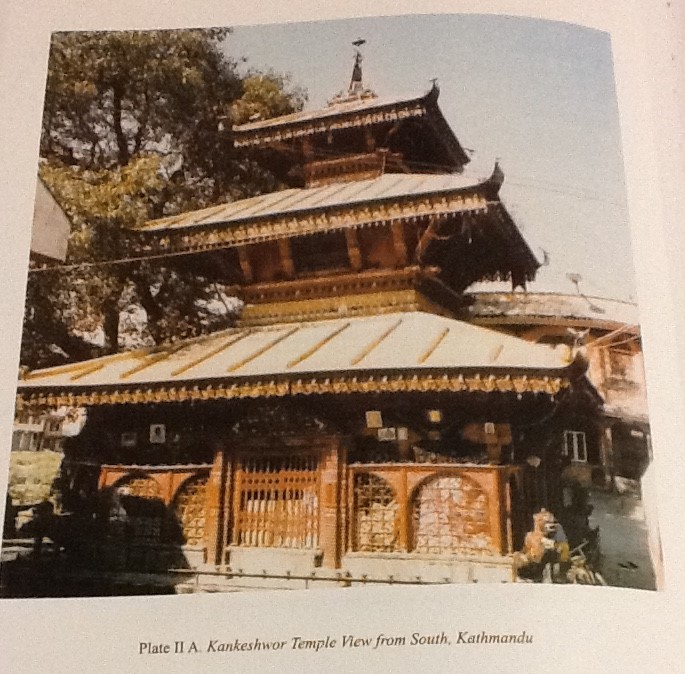
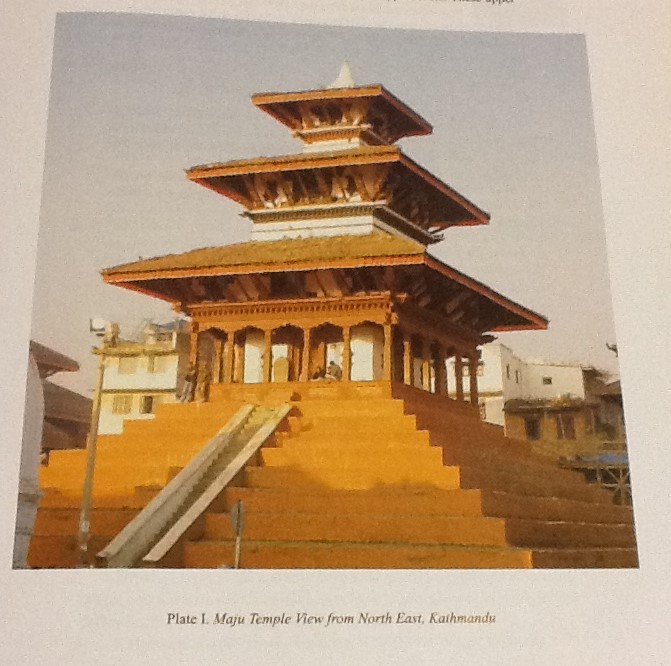
He and his junior contemporary Sambandar visited nearly 300 temples in Tamil speaking areas of South India in the seventh century CE. But we could not even figure out the temples mentioned in Appar’s Thevaram hymn. My research shows that the Kerala Type of temples were the oldest type. We can see such temples from Kerala to North East India. It is also seen in Nepal. Such type of temples don’t fall under the Nagara, Vesara, Dravida Types. The structure of the temples are designed to withstand the monsoon climate. The rain water drains easily in the step like tiled sheds. It helps the teak wood inside to last for longer. Periodically they wold have changed the roof and wood. No mention of these temples in the modern temple architecture books show that they were not taken into account in the classification of temples.
IMG_6786 (2)

Nepalese Temple

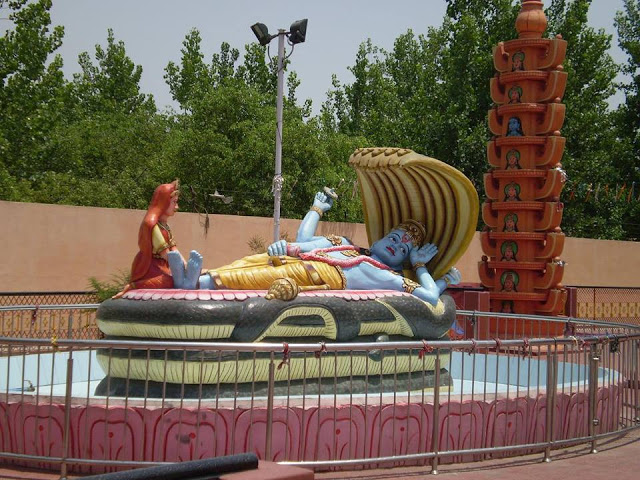
The mystery lies not only in its structure but also its occurrence from southernmost tip of the land to the Himalayan country of Nepal. We see them even beyond north east India, in Burma, Thailand and other South East Asian countries. After Cambodian and Javan kings modelled their temples on the stone temples of India, this structure continued its existence only in the royal palaces of those countries. Before eighth century they also must have had temples like Kerala. Two things remain a mystery until today:

  1. How come the temples from Kerala to Nepal were built in the same style?
  2. Why there was no mention of this type in Temple architecture books? I mean they were not listed under the three main categories.

3.Third Mystery

There is another mystery surrounding the Dwajasthama, the Flag Staff. In Kerala, most of the temples have erected the Dwajasthamba on Tortoise/Turtle. There is no explanation to show why Kerala temples only followed this type of Flag staff. Tortoise is associated with various things such as Kurma Avatara, Kurma Mudra, Kurma Asana etc in Hindu literature. But we have no explanation to show why they differed from other temples in the erection of Dwajasthamaba. We have Mandapas (Halls) erected on Turtle/ Tortoise in Tamil Nadu, but no Dwajasthamba.
IMG_6785 (2)

Temple in Nepal

After studying these things and other ancient customs in Kerala temples, I concluded that they were the oldest models available today. More research is required to put them in the correct place in the development of Hindu Temple architecture. Till we do it there will be some gaps in the study of temple architecture.

–Subham–
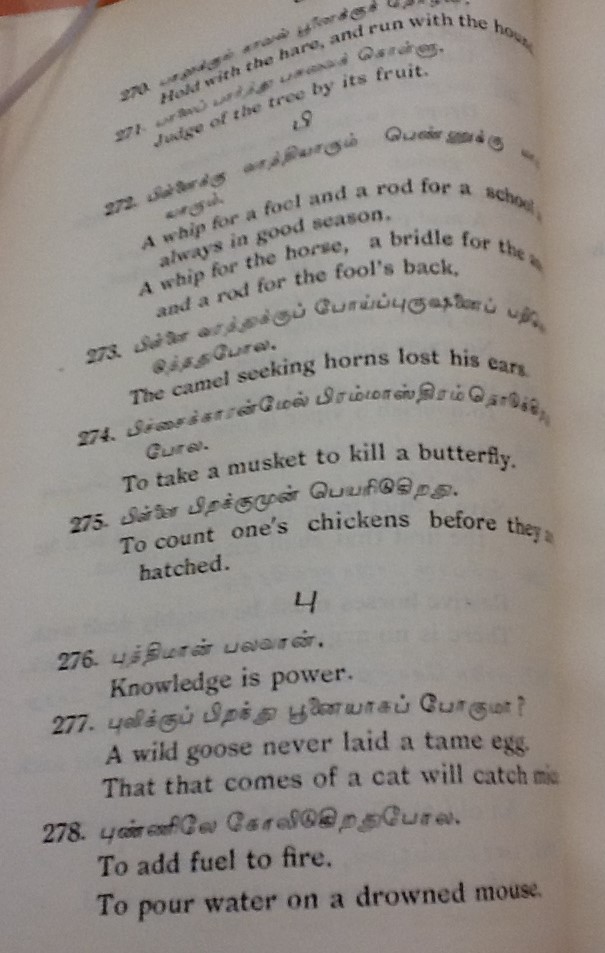
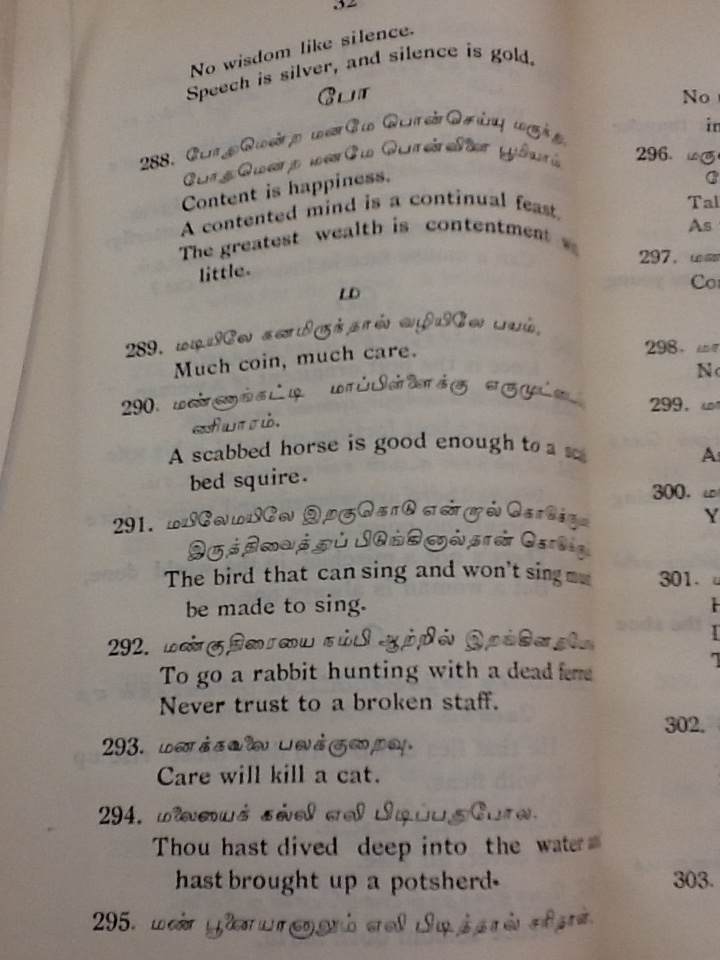
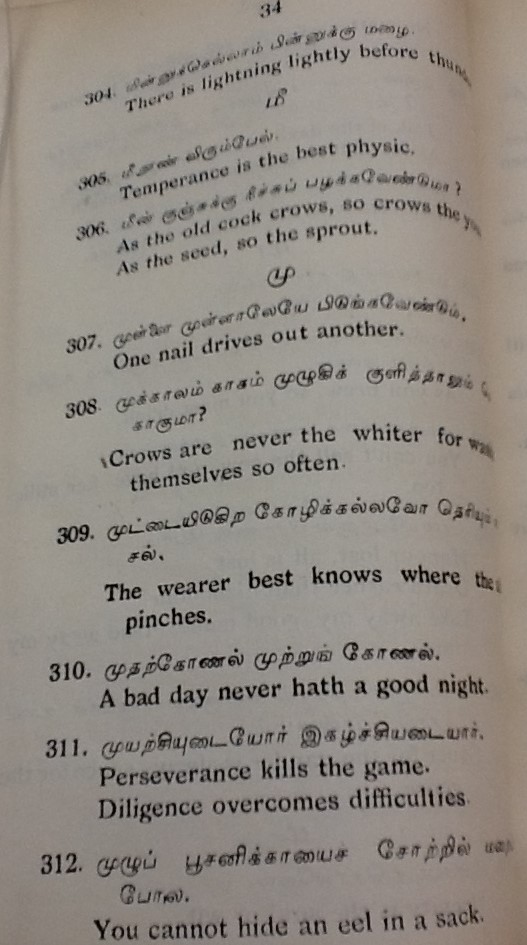
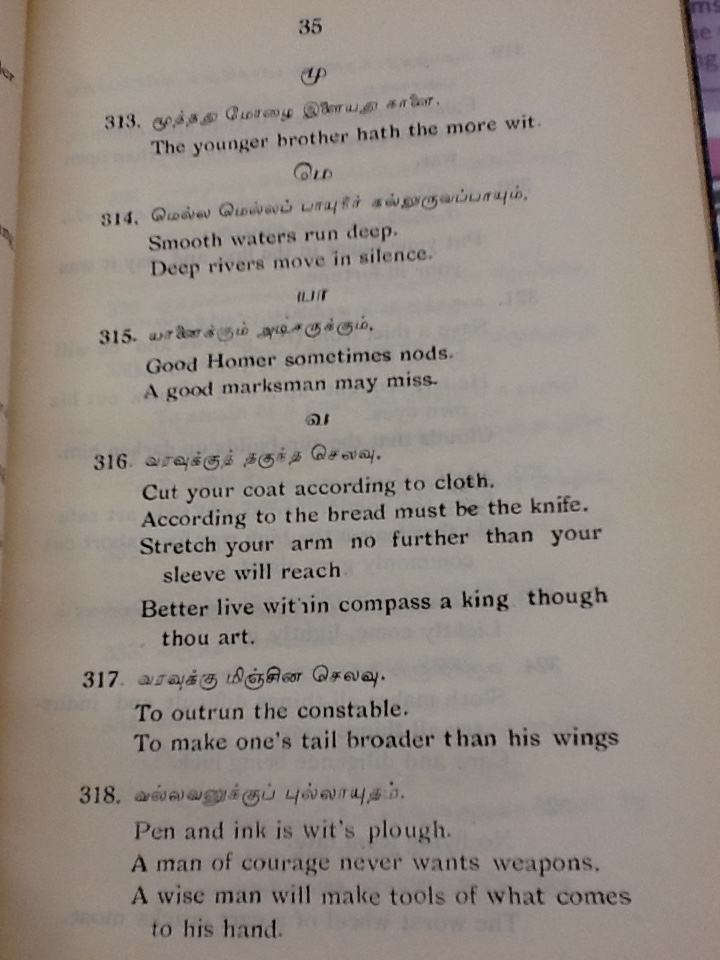
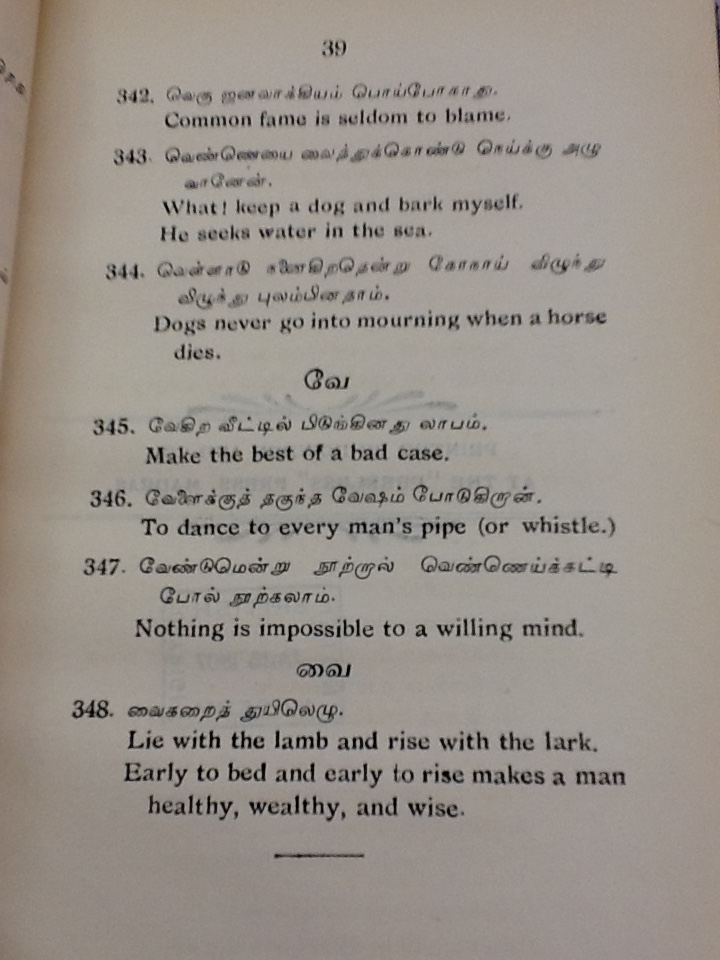
4.தமிழ்ப் பழமொழிகள்: TAMIL- ENGLISH PROVERB BOOK -2 (Fourth/last Part)

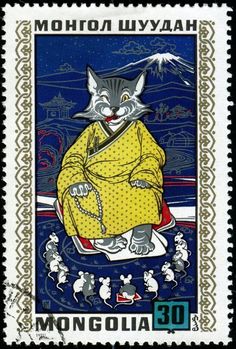
cat and mouse

பாலுக்கும் காவல் பூனைக்கும் தோழன்

Compiled by London swaminathan

Post No.2229

Date: 9  October 2015

Time uploaded in London: 15-17

Thanks for the pictures.

Don’t use pictures. Don’t reblog for at least a week.

Third part of Proverb book –Two was published yesterday. This is the Fourth and last part of Book Two.

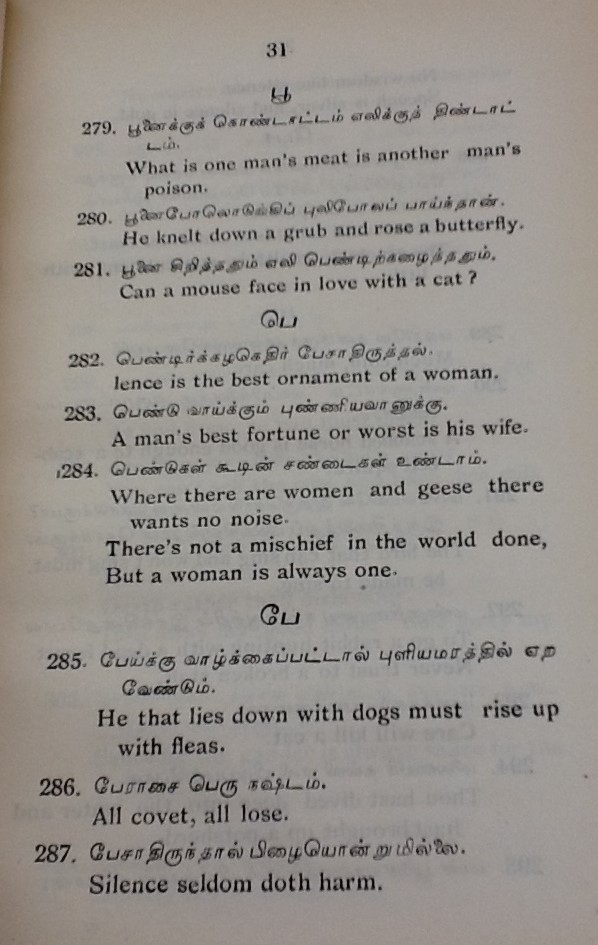
page31

mouse and cat

பூனைக்குக் கொண்டாட்டம், எலிக்குத் திண்டாட்டம்

page32

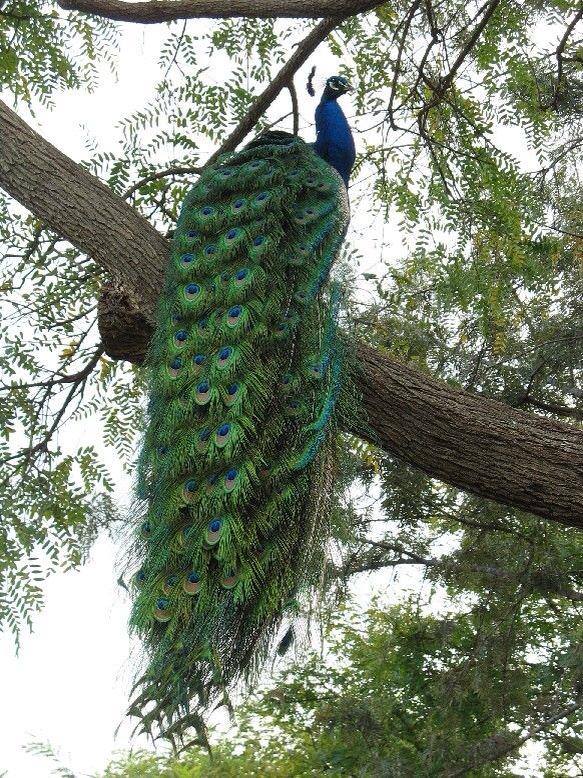
solai mayil

மயிலே மயிலே, இறகு கொடு என்றால் கொடுக்குமா?

page33

ONE PAGE MISSING

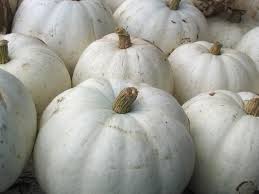
pumpkin

முழுப் பூசனிக்காயை சோற்றில் மறைத்தது போல

page35

2nd yanai anbu

யானைக்கும் கூட, அடி சருக்கும்

page36

Valparai_GhatRoad

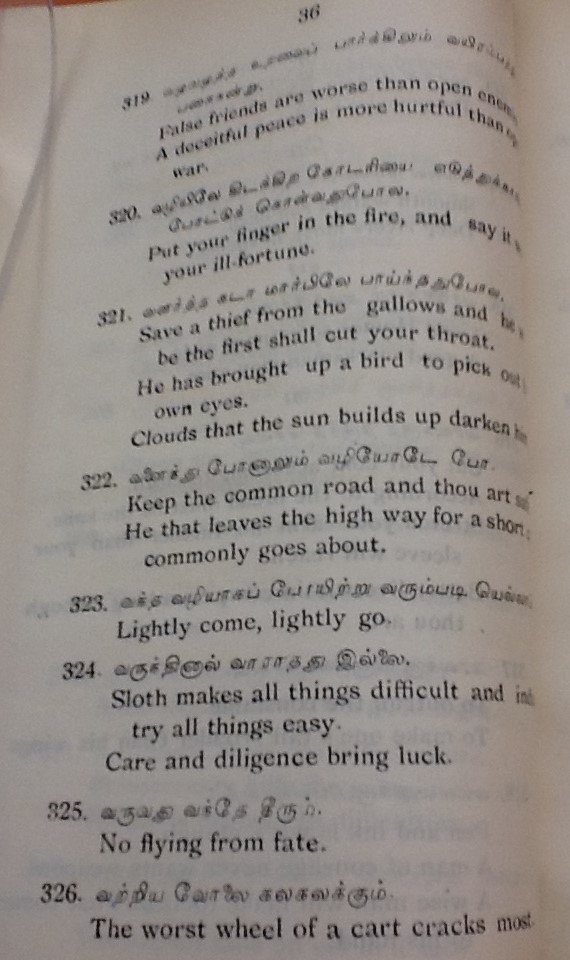
வளைந்து போனாலும் வழியோட போ.

page38

plantain leaf whites

விருந்துக்கும் மருந்துக்கும் மூன்று பொழுதுதான்!

page39

dam

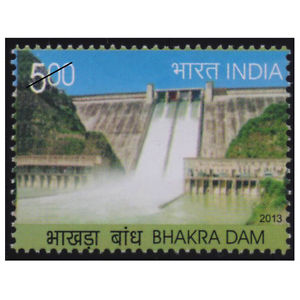
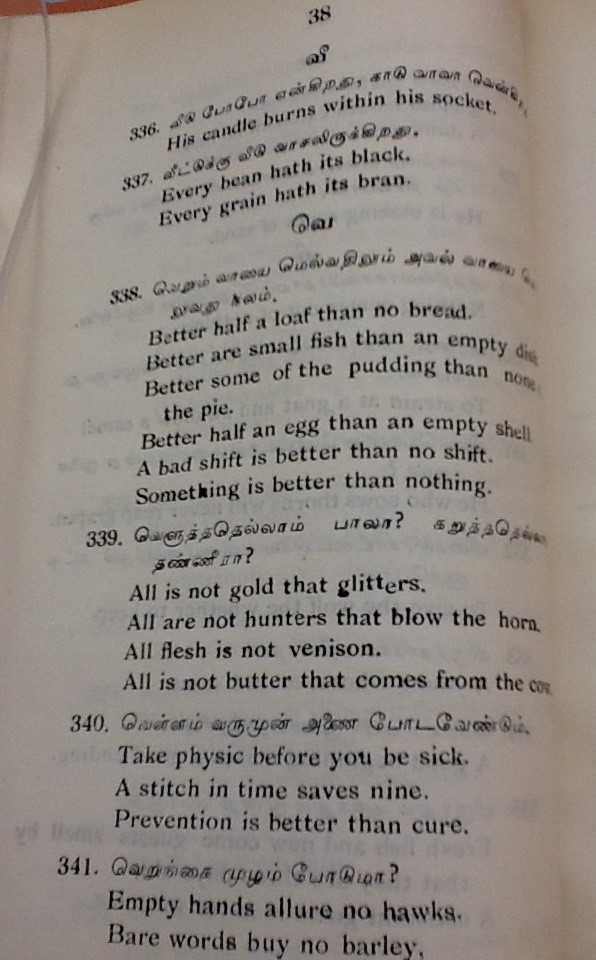
வெள்ளம் வருமுன், அணை போட வேண்டும்

page40

boat suprabadh

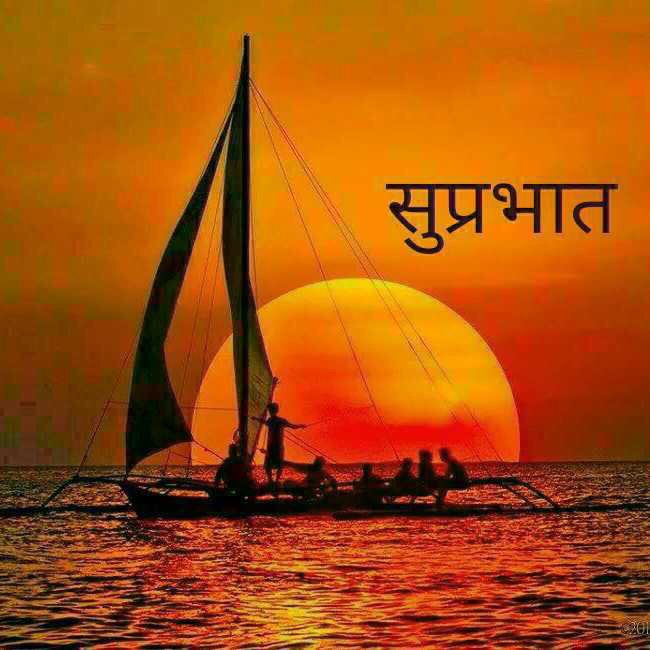
வைகறைத் துயில் , எழு!

page41

pag42

–SUBHAM–


பரம (ஹம்ஸ) ரகசியம் !

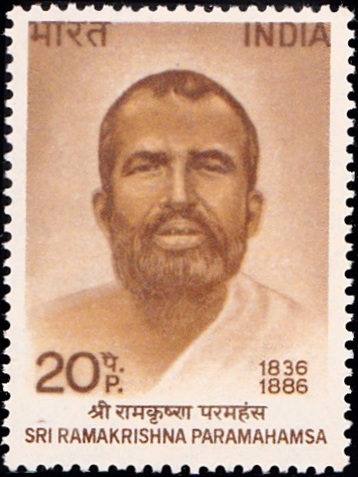
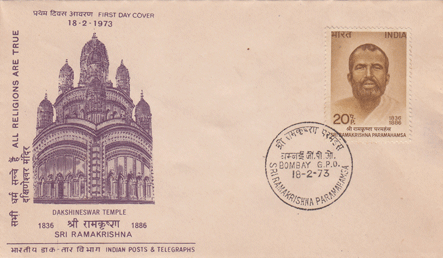
567-Sri-Ramakrishna-Paramahamsa

ராமகிருஷ்ண கதாம்ருதம்

Written by S NAGARAJAN

Post No.2228

Date: 9  October 2015

Time uploaded in London: 9-20 AM

Thanks for the pictures.

Don’t use pictures. Don’t reblog for at least a week.


By .நாகராஜன்


பரமஹம்ஸர் கூறிய மூன்று மந்திரங்கள்

தர்மம் மிக நுட்பமானது. சூட்சுமமானது. பெரியோர்கள் கூட தர்ம விஷயத்தில்  திகைக்கின்றனர்.

அயோக்கியர்கள் நிறைந்த உலகம் இது, அடிக்கடி வந்து தொந்தரவு செய்கின்றனர். அஹிம்சை வழியைப் பின்பற்றி பேசாமல் நடந்து சென்றால் கலி யுகத்தில் நம் பிழைப்பு ஓடுமா? அவர்களை அடிப்பதா? அல்லது நாம் ஓடி வந்து விடுவதா?

ஆகவே தான் இந்த மாதிரி சந்தேகங்களைத் தீர்க்க பெரியோர்களை நாடுங்கள், அவர் கூறுவதே தர்மம் எனத் தெளியுங்கள் என நமது அற நூல்கள் கூறுகின்றன.

இந்த வகையில் ராமகிருஷ்ண பரமஹம்ஸர் போகிற போக்கில் ஏராளமான ரகசியங்களைக் கூறிக் கொண்டே வந்திருக்கிறார். அதை நல்ல வேளையாக விவேகானந்தர், மகேந்திரநாத் குப்தா (எம்), பரமஹம்ஸரின் இதர சீடர்கள் வரி வரியாகத் தொகுத்து நம்மிடம் தந்துள்ளனர்.

மகேந்திரநாத் குப்தா அவற்றையெல்லாம் தம்மிடம் நாடி வந்த பக்தர்களுக்கு அவ்வப்பொழுது தெளிவாகச் சொல்லி வந்துள்ளார்.

ஒரு நாள் தன் சீடர்களிடம் அவர் கூறியது பரமஹம்ஸரின் மூன்று மந்திரங்களைப் பற்றி!

பக்தர் ஒருவர் பரமஹம்ஸரிடம், “என்ன பாவம் செய்தேன் நான்! என்னுடைய தட்டில் இருந்த மீனை பூனை கவ்விக் கொண்டு சென்று விட்டது. அதை என்னால் தடுக்கவே முடியவில்லை” என்றார். அதைக் கேட்டு உறுதியான குரலில் பரமஹம்ஸர் கூறினார்:” அது ஏன் அப்படி இருக்க வேண்டும்? ஒரே ஒரு தடவை அதை அடி! உன் அடி ஒன்றும் பூனையைக் கொன்று விடாது!”

பக்தர் தன்னை பரமஹம்ஸர் வெகுவாகப் பாராட்டுவார் என்று நினைத்திருந்தார். பாவம், அவர் ஏமாந்தே போனார்!

மோசமான நபர்கள் உள்ள உலகத்தில் வாழ பரமஹம்ஸர் மூன்று தாரக மந்திரம் போன்ற வழிகளைச் சொல்லி உள்ளார்.

FDC

அனுமதி; சீறு; தள்ளி நில்!

அதை பரம(ஹம்ஸ) ரகசியம் என்றே சொல்லலாம்! 1) முதலில் கொஞ்சம் சலுகை கொடு, அதாவது அனுமதி! 2) அப்புறம் சீறு 3)தள்ளி நில் இவையே அந்த மூன்று ரகசியங்கள்.

நல்லதும் கெட்டதும் கலந்ததே உலகம். அதில் வாழும் மனிதர்களும் அப்படியே தான். அவர்களிடம் நல்லதும் இருக்கும், கெட்டதும் இருக்கும். முதலில் எதைச் செய்யவும் அனுமதி அல்லது சலுகை தரலாம். ஆனால் அது தீமை பயக்கும் விதத்தில் இருக்குமானால் சீறத்தான் வேண்டும். அடிதடி போன்ற வன்முறை இல்லாவிட்டாலும் கூடச் சீறித்தான் ஆக வேண்டும். அப்படிச் செய்ய பிடிக்கவில்லை எனில் மரத்தடியில் சென்று உட்கார்ந்து ஹரி நாமம் ஜெபிக்க வேண்டியது தான்! ஆனால் உலகத்தில் வாழ வேண்டுமென்றால் சீறினால் தான் முடியும்.

மூன்றாவதாக, “ஒரு மனிதனிடம் ஏராளமான குறைகளைக் கண்டால் என்ன செய்வது? அவனைத் தூர இருந்து சல்யூட் செய்! டைகர் நாராயணனுக்கு எப்படி மனிதர்கள் வணக்கம் செலுத்துகிறார்களோ, அதே போல! அந்த நாராயணனுக்கும் நமஸ்காரம் செய்ய வேண்டியது தான் – ஆனால் தூரத்திலிருந்தே செய்ய வேண்டும். அது உன்னை அடித்து முழுங்கி விடாத தூரத்தில் நீ இருக்க வேண்டும்! அதாவது தள்ளி நில்!” என்கிறார் அவர்!

இதைச் சொன்ன மகேந்திரநாத் குப்தா, பரமஹம்ஸர் இதையெல்லாம் ஏன் சொல்ல வேண்டும் என்று கேட்டு விட்டு, அப்போது தான் தன்னை அண்டிய பக்தர்கள் அமைதியாக வாழ்க்கையைக் கழிக்க முடியும், அமைதியாக இருக்கும் வாழ்க்கையில் தான் கடவுளைப் பற்றி அதிகமாகச் சிந்தித்து துதிக்க முடியும் என்பதனால் தான் அவர் இப்படி அருளியுள்ளார் என்று கூறினார்.

“The first thing necessary is a quiet and peaceful life. If I have to go about the world the whole day to make a living, it is hard for me to attain anything very high in this life”” என்று ஸ்வாமி விவேகானந்தரும் இதையே வலியுறுத்திக் கூறியுள்ளார்.

இப்படி எல்லாம் வழி காட்டி வந்ததால் தான் பரமஹம்ஸரை கருணா சமுத்திரம் என்று அழைக்கிறோம் என்று மகேந்திரநாத் குப்தா உணர்ச்சி பொங்கக் கூறினார்.

அவருடைய சீடர்களுக்கு உலகியல் வழியில் தெளிவு ஏற்பட்டது. நமக்கும் தான்!

***********

டாக்டருக்கும் யமனுக்கும் வேறுபாடு என்ன?

cartoon-doctor-8

Compiled by London swaminathan

Post No.2227

Date: 9  October 2015

Time uploaded in London: 9-03 காலை

Thanks for the pictures.

ஒரு அருமையான சம்ஸ்கிருத ஸ்லோகம்.

இது, பல்லாயிரக் கணக்கான சம்ஸ்கிருதப் பாடல்கள் நிறைந்த புத்தகமான சுபாஷித ரத்ன பாண்டாகாரம் என்னும் நூலில் இருக்கிறது. அதாவது சம்ஸ்கிருத தனிப்பாடல் திரட்டு நூலில் ஒரு பாடல். அதில் டாக்டர்களைப் பற்றிக் கூறுவது உலகில் எல்லா மொழிகளிலும் ‘ஜோக்’-குகளாக உள்ளன.

வைத்யராஜ! நமஸ்துப்யம் யமராஜ சஹோதர!!

யமஸ்து ஹரதே ப்ராணான், வைத்ய: ப்ராணான் தனானி ச!

“ஹே, டாக்டர்! யமரஜனின் சகோதரனே!! உனக்கு வணக்கங்கள்!

யமன் என்பவன் உயிரை (மட்டும்) கொண்டுபோகிறான். டாக்டர்களோ உயரையும் பணத்தையும் சேர்த்துக் கொண்டுபோகிறார்கள்!!!”

இதே கருத்து உலகம் முழுவதிலும் டாக்டர்கள் பற்றிய “ஜோக்”–குகளில் இருப்பதை முன்னரே ஆங்கிலத்தில் நிறைய சம்பவங்கள் மூலம் கொடுத்துள்ளேன்.

டாக்டர்களின் அனுபவமின்மை பற்றியும் பல பொன்மொழிகள் உள. தமிழில் சொல்லுவோம்:

“ஆயிரம் பேரைக் கொன்றவன் அரை வைத்தியன்” – என்று! இதுவும் சம்ஸ்கிருதத்தில் காணப்படுகிறது!

ஹத்வா ந்ருணாம் சஹஸ்ரம், பஸ்சாத் வைத்யோ பவேத் சித்த:

ஆயிரம் பேரின் கதையை முடித்தவுடன்தான், ஒரு டாக்டர் பெரிய டாக்டர் ஆகிறார்.

xxx

doctor

யாருக்கு முதல் மரியாதை என்று ஒரு டாக்டருக்கும் வழக்கறிஞருக்கும் வாக்கு வாதம் வரவே டயொஜெனிஸ் (கி.மு.412) என்ற கிரேக்க நாட்டு தத்துவ அறிஞரிடம் சென்றனர். அவர் சொன்னார்:

திருடன் முதலில் போகட்டும்; மரணதண்டனை நிறைவேற்றுபவன் அவன் பின்னால் செல்லட்டும்!

Xxx

அலெக்ஸாண்டர் துமா என்பவர் பிரபல பிரெஞ்சு நாவலாசிரியர். மார்செய் நகரத்தின் பிரபல டாக்டர் ஜிஸ்டால், அவரை விருந்துக்கு அழைத்தார். விருந்து எல்லாம் சுகமாக முடிந்தவுடன் தன்னுடைய ஆல்பத்தைக் காட்டினார் டாக்டர்.

“ஓய், நாவலாசிரியரே! நீரோ எழுத்துச் சித்தர்! எழுத்துத் தச்சர்! எங்கே பார்க்கலாம், உமது கை வல்லமையை? என் ஆல்பத்தில் ஏதாவது எழுதுங்கள் பார்க்கலாம்”– என்றார் டாக்டர் ஜிஸ்டால்.

நாவலாசிரியர் துமா, பேனாவை எடுத்தார், எழுதினார்:

“டாக்டர் ஜிஸ்டால் ஊருக்கு வந்தார்

நோய்களை ஒழிக்க மிகவும் முயன்றார்;

மருத்துவ மனைகளுக்கு வேலையே இல்லை!!

—இதை எழுதிக் கொண்டிருக்கையில் டாக்டர் குறுக்கிட்டார். “எழுத்தாளரே உமது புத்தியைக்காட்டிவிட்டீரே! உங்கள் வர்க்கமே சோறு கண்ட இடம் சொர்க்கம் என்னுமினம். நான் விருந்து கொடுத்தவுடன், என்னை இந்திரனே சந்திரனே என்று புகழ்ந்து தள்ளுகிறீர்களே!”

நாவாலசிரியர் சொன்னார்; “அட! ஏன் அவசரப்படுகிறீர்கள்; நான் இன்னும் எழுதியே முடிக்கவில்லையே”- என்று சொல்லிக் கொண்டே கடைசி வரியை எழுதி முத்தாய்ப்பு (முத்தான ஆப்பு) வைத்தார்:

“ஊரின் இடு(சுடு)காடு பெரிதாகிவிட்டது!”


முழுக்கவிதையையும் படியுங்கள்:—-


“டாக்டர் ஜிஸ்டால் ஊருக்கு வந்தார்

நோய்களை ஒழிக்க மிகவும் முயன்றார்;

மருத்துவ மனைகளுக்கு வேலையே இல்லை!!

“ஊரின் இடு(சுடு)காடு பெரிதாகிவிட்டது!”

–சுபம்–

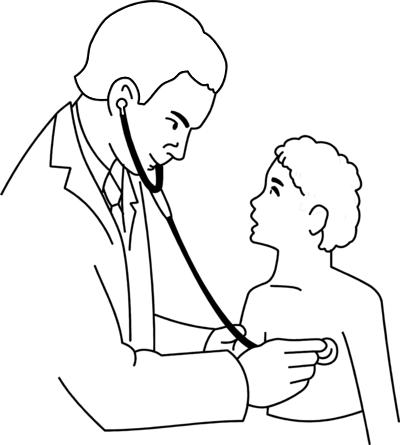
What is the difference between the Doctor and Yama?

doctor

Compiled by London swaminathan

Post No.2226

Date: 8  October 2015

Time uploaded in London: 19-58

Thanks for the pictures.

Don’t use pictures. Don’t reblog for at least a week.

Yama is the God of Death in the Hindu mythology. There is a funny couplet in the collection of Sanskrit couplets dealing with different subjects, known as Subhasita Ratna Bhandagaram.

Vaidhyaraaja!Namastubhyam Yamaraaja Sahodara!

Yamastu harate praanaan, Vaidhyah Praanaan  dhanaani cha!


Meaning

Hello Doctor! Brother of God of Death (Yamaraja)! I salute You!

God of death takes away our lives! Doctors take away our lives and our money too!

There is another saying in Sanskrit

Hatvaa nrnaam sahasram paschaat  vaidhyo bhavet siddhah

Meaning

It is only after finishing off a thousand (patients)  that a doctor becomes proficient.

Doctors are the butt of many jokes around the world conveying the same feeling. I have already given the following  anecdotes elsewhere:

xxx

cartoon-doctor-8

A lawyer and a doctor having a dispute about precedence, referred it to Diogenes, who gave it in favour of the lawyer in these terms:

“Let the thief go before and the executioner follow.”

Diogenes: Greek Philosopher 412 BCE to 323 BCE

Xxx

Alexander Dumas, the French novelist, being the guest one day of Dr Gistal, an eminent doctor of Marseilles, was asked by his host after dinner to enrich his album with one of his witty improvisations.

“Certainly,” replied Dumas with a smile, and drawing out his pencil he wrote under the eyes of the doctor, the following lines:

“Since Dr.Gistal came to our town,

To cure diseases casual and hereditary,

The hospital has been pulled down” –

“You flatterer!”, exclaimed the doctor, mightily pleased.

But the poet went on —

“And we have made a larger cemetery.”

Xxx

Funny Doctor Cartoons And Jokes2

The patient was lying on the stretcher waiting to be pushed into the operating room. “I am so nervous,” he remarked to a sympathetic young woman standing by.

“This is my first operation.”

“So am I,” said the young lady, “my husband is the doctor and it is first too.”

–Subham–

3.தமிழ்ப் பழமொழிகள்: TAMIL- ENGLISH PROVERB BOOK -2 (Third Part)

சிதம்பரத்தில்  பிறந்த பிள்ளைக்குத் திருவாசகம் கற்றுக் கொடுக்கவேண்டுமா?

Compiled by London swaminathan

Post No.2225

Date: 8  October 2015

Time uploaded in London: 17-10

Thanks for the pictures.

Don’t use pictures. Don’t reblog for at least a week.


Second part of Proverb book –Two was published yesterday. This is Third part of Book Two.

தனி மரம் காடாகாது  (தனி மரம் தோப்பு  ஆகாது)

துரும்பு நுழைய, இடம் கொடுத்தால் யானையைக் கட்டுவான் –(இடத்தைக் கொடுத்தால் மடத்தைப் பிடுங்குவான்)

நரிக்கு நாட்டாமை கொடுத்தால் கிடைக்கு இரண்டாடு கேட்கும்
நிழலின், அருமை வெயிலில் போனால்தான்   தெரியும்

பணம் பத்தும் செய்யும்

பார்த்தால் பூனை, பாய்ந்தால் புலி

தொடரும்………………………….

பிரேதக் கடத்தல்

கனடா நாடு ஆண்டுதோறும் பேய்கள் பற்றிய தபால்தலைகளை வெளியிடுகிறது

Written by S NAGARAJAN

Post No.2224

Date: 8   October 2015

Time uploaded in London:  16-17

Thanks for the pictures.

Don’t use pictures. Don’t reblog for at least a week.


பாக்யா வார இதழில் கடந்த நாலரை ஆண்டுகளாக வெளி வந்து கொண்டிருக்கும் அறிவியல் துளிகள் தொடரில் 25-9-2015 இதழில் 240வது அத்தியாயமாக வந்த கட்டுரை

பிரேதக் கடத்தல்

.நாகராஜன்

சுவர்க்கத்திற்குப் போக விரும்புபவர்கள் கூட இறக்க விரும்புவதில்லை.” –  ஸ்டீவ் ஜாப்ஸ்

மனிதன் இறக்கும் போதும் கூடத் தன்னை நல்ல விதமாக “அனுப்பி வைப்பதையே” விரும்புகிறான். எரித்தாலும் சரி, புதைத்தாலும் சரி, கௌரவமாக அனுப்புங்கள் என்பதே ஒவ்வொருவரின் வேண்டுதலும்!

ஆகவே, கடத்தல்களில் மோசமான கடத்தல் பிரேதக் கடத்தல் தான் என்பதை அனைவரும் ஒப்புக் கொள்வர். மிகவும் பிரபலமானவர்களின் உடல்களைப் புதைத்தால் அபாயத்தையும் கூடவே புதைப்பது போலத் தான்.

சமீபத்தில், லைவ் ஸயின்ஸ் ஜூலை 2015 இதழில் ஸ்டீபனி பப்பாஸ் என்ற அறிவியல் ஆய்வாளர் தந்திருக்கும் தகவல் நம்மை பரபரப்படைய வைக்கிறது.

ஜெர்மனியில் உள்ள கல்லறை ஒன்றிலிருந்து பிரபல டைரக்டரான எஃப்.டபிள்யூ.மர்னாவ் என்பவரின் உடலைக் கடத்தப் பலமுறைகள் முயற்சிகள் நடந்திருக்கின்றன. இவர் 1922ஆம் ஆண்டு அந்தக் கால  மௌனப் படமான ‘நொஸ்பெராடு’ என்ற படத்தில் பேய்களைப் பற்றிச் சித்தரித்திருந்தார்.

இவர் 1931ஆம் ஆண்டு மரணமடைந்தார். ஜெர்மனியின் தென்மேற்கில் உள்ள ஸ்டான்டார்ஃப் கல்லறையில் இவரது உடல் முறைப்படி அடக்கம் செய்யப்பட்டது.ஆனால் இன்றோ?

இவரது தலையை, அதாவது மண்டைஓட்டைக் காணோம் என்ற தகவலை பிரபல பத்திரிகையான வாஷிங்டன் போஸ்ட் தருகிறது. அவரது கல்லறையில் மெழுகுவர்த்தி ஒன்று எரிந்து கொண்டிருந்தததாம்.

நிச்சயமாக பிசாசுப் பேர்வழிகளின் கைவரிசை தான் இது என்று அனைவரும் வருத்தத்துடன் கூறுகின்றனர். சில சமயம் கொள்ளைக்காரர்கள் இதற்கு ஒரு விலையை வைத்து சவத்தை வாங்க விரும்புவர்களிடம் அதை ஒப்படைப்பதும் உண்டு.

பிரபல நகைச்சுவை நடிகரான சார்லி சாப்ளின் 1977இல் இறந்தார். அவரது உடலை அடுத்த ஆண்டே திருட முயற்சித்தனர். அமைதிக்குப் பெயர் பெற்ற ஸ்விட்சர்லாந்தில் அமைதியாக மீளா உறக்கத்தில் இருந்த அவருக்கா இந்த கதி என்று உலகமே அல்லோலகல்லோலப் பட்டது. 2014இல் இண்டிபெண்டண்ட் பத்திரிகைக்குப் பேட்டி அளித்த அவரது மகன் உலகின் மோசமான சம்பவம் இது என்று விமரிசித்தார்.

உடலைத் திருப்பித் தர பெரும் தொகையை சவத் திருடர்கள் கேட்ட போது சார்லி சாப்ளினின் மனைவி பணம் தர மறுத்து விட்டார். செத்த உடலுக்கு என்ன மதிப்பு இருக்கிறது என்ற அவரது பதிலைக் கேட்டத் திருடர்கள் அதிர்ந்து போனார்கள்.

ஆனால் நல்ல வேளையாக இந்தப் பேச்சை ஒட்டுக் கேட்ட போலீஸார் கிழக்கு ஐரோப்பாவில் பதுங்கி இருந்த இரண்டு பிரேதத் திருடர்களைப் பிடித்தனர். ஒரிஜினல் கல்லறையிலிருந்து சற்று தூரத்தில் சவத்தைப் புதைத்து வைத்திருந்தது கண்டுபிடிக்கப்பட்டது.

ஆனால் ஆப்ரஹாம் லிங்கனுக்கே ஆபத்து என்பதைத் தான் யாராலும் ஜீரணிக்க முடியவில்லை! 1876இல் அவரது உடலுக்கு பெரும் தொகை பிணையாகக் கேட்கப்பட இருந்த ஒரு முயற்சியை ஆரம்பத்திலேயே ரகசிய போலீஸார் தகர்த்தனர். அவரது மகன் ராபர்ட் அறிவியல் ரீதியில் தன் தந்தையின் உடலைக் காப்பாற்றி விட்டார்.

சவப்பெட்டியை கெட்டியான எளிதில் தகர்க்க முடியாத கான்க்ரீட் சுவர் ஒன்றை அமைத்து அதன் கீழ் புதைத்து விட்டார் அவர்.

அதனால் அதை யாராலும் தோண்டி எடுக்க முடியாது, அப்போதும், இப்போதும், எப்போதும்!

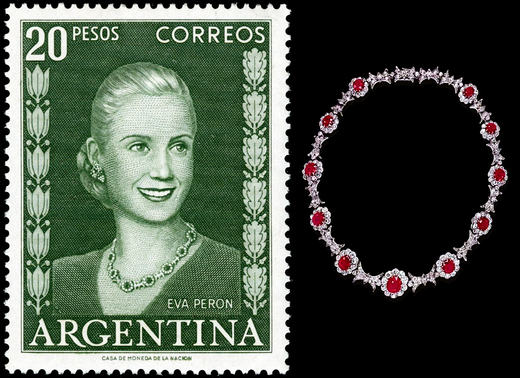
அர்ஜெண்டினாவின் ஜனாதிபதியான ஜுவான் பெரானுக்கு 1955இல் மகத்தான சோதனை ஒன்று ஏற்பட்டது. பதனிடப்பட்டு இருந்த அவரது அன்பு மனைவி ஈவா பெரானின் உடலை ராணுவ அதிகாரிகள் கடத்திக் கொண்டு சென்று விட்டனர். அர்ஜெண்டினாவில் இடம் விட்டு இடமாக அந்தப் பிரேதம் “பயணம்” செய்து கொண்டிருந்தது. ஒருவழியாக பெரும் முயற்சியின் பேரில் ஸ்பெயினில் தஞ்சமாகப் புகலிடம் கொண்டிருந்த பெரான் 1971இல் அதைத் திரும்பப் பெற்றார். போனஸ் அயர்ஸில், நல்ல ஒரு கோட்டை போல அரண் செய்யப்பட்ட இடத்தில் அவர் தன் மனைவியை மீண்டும் நல்லடக்கம் செய்தார்.

சமீபத்தில் 2009 டிசம்பர் 11ஆம் தேதி சைப்ரஸ் ஜனாதிபதியான டஸாஸ் பபடோபௌலஸ் என்பவரின் கல்லறையைக் காணச் சென்ற அவரது முன்னாள் மெய்காப்பாளர் அதிர்ச்சி அடைந்தார். அங்கு ஒரு பெரும் பள்ளம் தான் இருந்தது. அலறி அடித்துக் கொண்டு தேட ஆரம்பித்த போலீஸார் அவரது உடல் இன்னொரு கல்லறையில் ஒளித்து வைக்கப்பட்டிருந்ததைக் கண்டு பிடித்தனர். விசாரணையில் சகோதரர்கள் இருவரின் வேலை இது என்பது தெரிய வந்தது. அவர்களில் ஒருவன் ஆயுள் கைதியாக இருந்தான்.  அவனை சிறையிலிருந்து விடுவிக்க வெளியில் இருந்த ‘புத்திசாலியான’ அவனது சகோதரன் பிணையாக இந்த உடலைப் பயன்படுத்த திட்டமிட்டான். கடைசியில் பிடிபட்டான்.

திருடு போகும் பிரேதங்கள் ஒருபுறம் இருக்க, இறந்த பின்னர் உடலைத் தானம் செய்வோரின் எண்ணிக்கை அமெரிக்கா, பிரிட்டன், இந்தியாவில் அதிகரிக்க ஆரம்பித்துள்ளது.

ஆராய்ச்சிக்காகவும் மருத்துவ மாணவர்களின் கல்விக்காகவும் பலரும் தங்களின் உடலைத் தானமாகத் தருகின்றனர். இப்படி உடலைத் தானமாகத் தருவதில் சட்ட சிக்கல்கள் நிறையவே உள்ளன. முறைப்படி தனது விருப்பத்தைத் தெரிவித்தவரின் உடலே தானமாகப் பெறப்படும். அவரது நெருங்கிய உறவினர் மட்டுமே அந்த உடலைத் தானமாகத் தர முடியும்.

இந்தியாவில் ஏற்பட்டுள்ள விழிப்புணர்ச்சி காரணமாக உடல் அங்கங்களைத் தானமாகக் கொடுப்போரின் எண்ணிக்கைம் சமீப காலத்தில் அதிகரித்துக் கொண்டே போகிறது.

இந்த அங்கங்களைப் பெறுவோர் மறுவாழ்வு பெறுவதும் இதனால் அதிகரிக்கிறது. பத்திரிகைகளின் சரியான ஆதரவும் சமூக ஆர்வலர்களின் ஊக்கமும் இதில் பெரும் பங்கு வகிக்கின்றன.

‘இறந்த பின்னும் நீங்கள் ஃபேஸ்புக்கை பார்க்கலாம் இன்னொருவர் முகத்தில் உங்கள் கண்களைப் பொருத்துவதன் மூலம்’ என்ற ஈமெயிலைப் பெறாதவர் இன்று அநேகமாக இருக்கவே முடியாது.

இருந்தாலும் இறந்தாலும் பிறருக்கு உதவி செய்பவரே மேலோர்!

அறிவியல் அறிஞர் வாழ்வில்

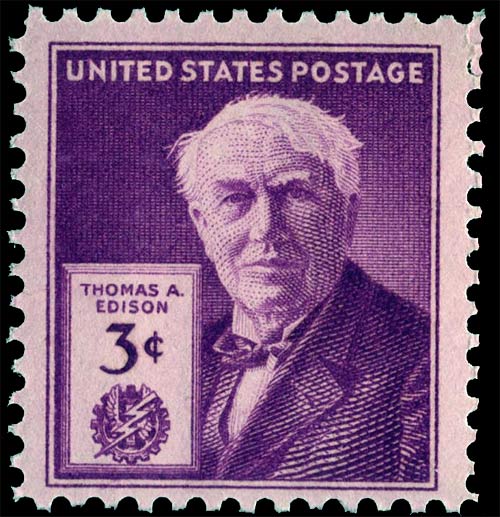
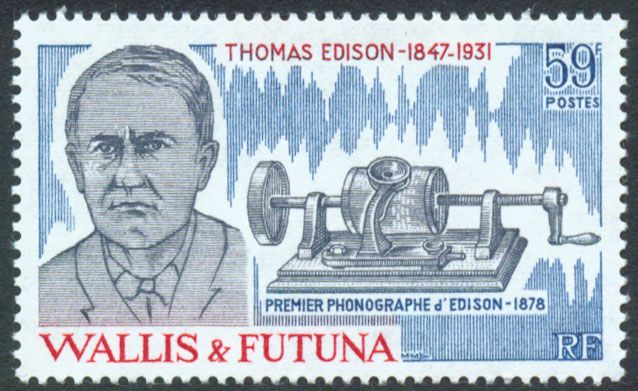
பிரபல விஞ்ஞானியான தாமஸ் ஆல்வா எடிஸன் தன்னை ஒரு விஞ்ஞானி என்று சொல்லிக் கொண்டதேயில்லை. தன்னை ஒரு வியாபாரி என்று சொல்லிக் கொள்வதில் தான் அவருக்கு விருப்பம் அதிகம். ‘எதிலும் லாபம் எப்போதும் லாபம்என்பதே அவரது முக்கியக் குறிக்கோள். ஒரு சமயம் அவரை ஒரு விஞ்ஞானி என்று குறிப்பிட்டிருந்த ஒரு பத்திரிகை கட்டுரையைக் காண்பித்து அவர் தனது நண்பர் ஒருவரிடம் கூறினார் இப்படி:-“இதோ பார், தப்பாகப் போட்டிருக்கிறார்கள். நான் ஒரு விஞ்ஞானி இல்லை. நான் ஒரு கண்டுபிடிப்பாளன் (Inventor). ஃபாரடேயை எடுத்துக் கொள். அவர் ஒரு விஞ்ஞானி. அவர் பணத்திற்காக உழைக்கவில்லை. அவர் அதற்கு நேரமே இல்லை என்று சொல்லி விட்டார். ஆனால் நானோ அதற்காகத் தான் உழைக்கிறேன். நான் ஒவ்வொன்றையும் வெள்ளி டாலரின் அளவை வைத்தே தான் மதிப்பிடுகிறேன். அந்த அளவுக்கு அது வரவில்லை எனில், அது சரிப்படாது என்பதை அறிந்து கொள்வேன்”.


அவர் ஒரு பிரம்மாண்டமான கோடைகால வாசஸ்தல மாளிகை ஒன்றைக் கட்டியிருந்தார். அதைப் பற்றி அவருக்கு ஏகப்பட்ட கர்வம். அந்த மாளிகையில் அதிக உடலுழைப்பின்றி காரியங்களை ஆற்றவல்ல ஏராளமான இயந்திர சாதனங்களை அவர் அமைத்திருந்தார். ஒரு சமயம் அவர், அவற்றை ஒவ்வொன்றாகத் தன் நண்பர்களுக்குக் காண்பித்தவாறே மாளிகையைச் சுற்றி வந்து கொண்டிருந்தார்.செல்லும் வழியில் திருப்பம் ஒன்றில் சுழல் குகை போன்ற ஒரு வழியில் செல்ல வேண்டியிருந்தது. அந்தச் சுழல் குகையைக் கடக்க பெரும் பிரயத்தனம் செய்தவாறே அனைவரும் கடந்தனர்.


அவர்களின் ஒருவர் கேட்டார்:” மிஸ்டர் எடிஸன், இப்படிப்பட்ட அருமையான சாதனங்களை நீங்கள் அமைத்துள்ளீர்கள். இந்த குகை மட்டும் ஏன் இப்படி அமைக்கப்பட்டிருக்கிறது? இந்த வழியைச் சுழற்றிச் சுழற்றி நாங்கள் நொந்து போனோம்

இதைக் கேட்ட எடிஸன் ஹாஹாஹா என்று சிரித்தார். “நண்பரே! இந்த சுழல் வழியை நீங்கள் ஒவ்வொருவரும் தள்ளும் போதும் எனக்கு மேலே மாடியில் உள்ள தொட்டியில் எட்டு காலன் தண்ணீர் நிரம்புகிறது. நீங்கள் வழியையா கடக்கிறீர்கள்? எனக்குத் தண்ணீர் நிரப்புகிறீர்கள்என்றார் அவர்.


நண்பர்கள் வியப்பு மேலிட விழுந்து விழுந்து சிரித்தனர்.

எதிலும் லாபம் எப்போதும் லாபம்; இப்படி ஒரு அபூர்வ விஞ்ஞானி!

*****************

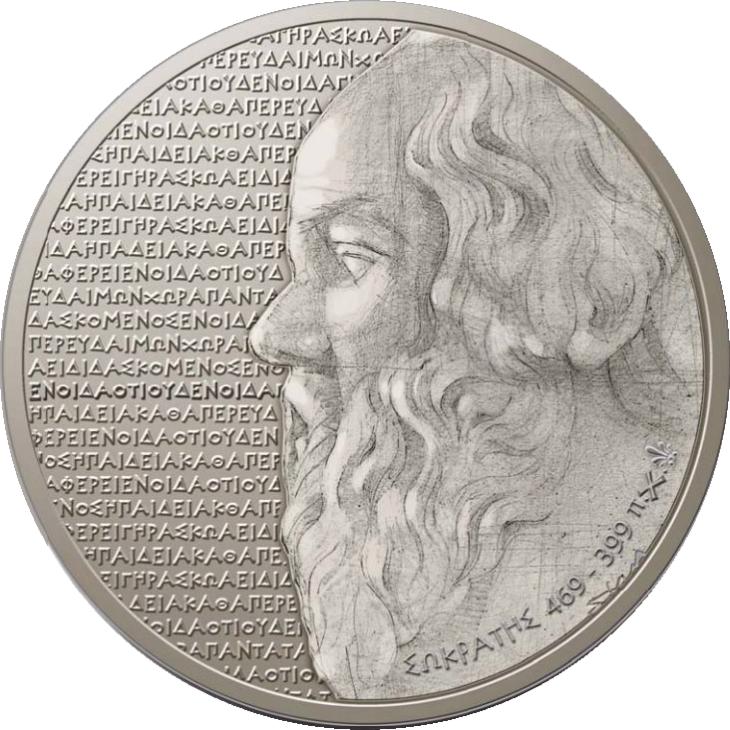
Socrates – A True Citizen of Athens!

socrates

Compiled by London swaminathan

Post No.2223

Date: 7   October 2015

Time uploaded in London: 21-34

Thanks for the pictures.

Don’t use pictures. Don’t reblog for at least a week.

Greek philosopher Socrates lived in Athens. He was preaching his philosophy in Athens, which the rulers did not like. Therefore they brought up a false case against him. They accused him of poisoning the youth of Athens with his bad teachings. In the end he was imprisoned and sentenced to death.

Hearing of this, Plato, Creto and his other disciples were deeply grieved. Therefore some of them were planning to get him out of prison secretly. They even made arrangements to this effect. But they feared that Socrates would never agree to their plan. So they sent Creto to persuade him.

One early morning, Creto entered the prison. He saw that Socrates was sleeping soundly on a cot. Socrates knew that he had only forty eight hours to live. He seemed to be absolutely unconcerned about it. Creto did not want to disturb him and so he sat down in a corner.

After sometime Socrates woke a up and Creto conveyed his and other disciples’ wish. He told him that all were bent upon releasing him by breaking open the prison.

socrate3

But Socrates said no and continued, “The laws of Athens and the people of Athens may have done injustice to me. But for the reason we should also commit an injustice, is not proper. To counter lie with a lie and evil with an evil is not ethically right. Thus have I always held. It is therefore unworthy of me to escape from prison stealthily. I was brought up by the state, married according to her laws; nay, I even joined the army to defend her – all these things I did as part of the duty of a citizen. If I so wished I could have migrated to another state, for nobody can compel me to stay here. But by staying here I have accepted all the rights and responsibilities of a citizen. Today I may be guilty in the eyes of the people and that too, assuming for the sake of argument, unjustly. But I have been sentenced according to the laws of the State. Now if I accept your advice and run away, don’t you think that I shall be shaking the very foundation of laws of the land? And thereby will I not be harming the state and the citizens? Creto to act like this will be to return evil for evil”.

–Subham–

2.தமிழ்ப் பழமொழிகள்: TAMIL- ENGLISH PROVERB BOOK -2 (Second Part)

Compiled by London swaminathan

Post No.2222

Date: 7   October 2015

Time uploaded in London: 21-20

Thanks for the pictures.

Don’t use pictures. Don’t reblog for at least a week.


First part of Proverb book –Two was published yesterday. This is second part of Book Two.

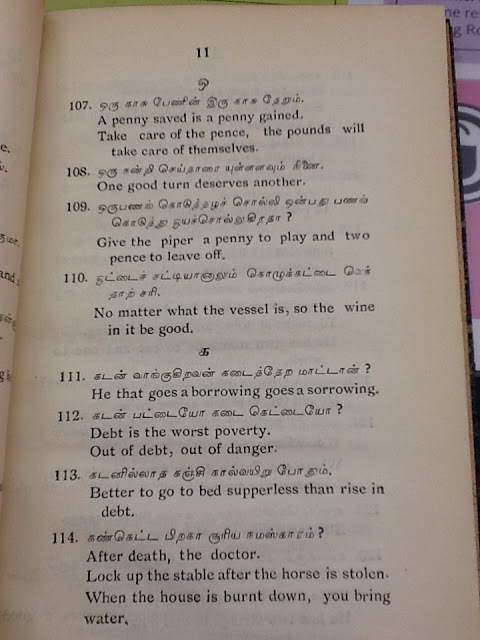
ஒரு காசு பேணின்,  இரு காசு  தேறும்

கழுதை அறியுமா கந்தப் பொடி வாசனை (கழுதைக்குத் தெரியுமா கற்பூர வாசனை?)

கரும்புள்ளபோதே ஆட்டிக் கொள்

குட்டுப்பட்டாலும் மோதிரக் கையால குட்டுப்படனும்

கெண்டையைப் போட்டு வராலை   இழுக்கிறது

கொட்டினால் தேள், கொட்டாவிட்டால் பிள்ளைப்பூச்சி

சட்டியி்ல், இருந்தால்தானே அகப்பையில் வரும்.

to be continued…………………………………….

ஆழ்வார் அமுதம்: நம்மாழ்வார்

வானவர்க்குத் தான் தெய்வம் நீ என்றால் அது உனக்குப் புகழா, என்ன?


Written by S NAGARAJAN

Post No.2221

Date: 7th   October 2015

Time uploaded in London:  9-34 am

Thanks for the pictures.

Don’t use pictures. Don’t reblog for at least a week.


.நாகராஜன்


இறைவனை எப்படி விளக்குவது?


இறைவன் பெரியவன்! எல்லாம் வல்லவன்!!

ஆகவே “ஒழிவில் காலம் எல்லாம் உடனாய் மன்னி வழுவிலா அடிமை செய்ய வேண்டும்” என்று ஆழ்வார் ஆசைப்படுகிறார் (நம்மாழ்வார் திருவாய் மொழி 3 -3 1)

ஆனால் இறைவன் யார்? எங்கே இருக்கிறான்? உருவமாகவா? அருவமாகவா? மனிதருள் அவதாரமாகவா? இயற்கையாகவா? மணியாகவா? ஒளியாகவா?

கேட்கிறார்:

புகழும் நல் ஒருவன் என்கோ?

பொருவில் சீர்ப் பூமி என்கோ?

திகழும் தண் பரவை என்கோ?

தீ என்கோ? வாயு என்கோ?

நிகழும் ஆகாசம் என்கோ?

நீள் சுடர் இரண்டும் என்கோ?

குன்றங்கள் அனைத்தும் என்கோ?

மேவு சீர் மாரி என்கோ?

விளங்கு தாரகைகள் என்கோ?

நாவியல் கலைகள் என்கோ?

ஞான நல்லாவி என்கோ?

பங்கயக் கண்ணன் என்கோ?

பவளச் செவ்வாயன் என்கோ?

அங்கதிர் அடியன் என்கோ?

அஞ்சன வண்ணன் என்கோ?

செங்கதிர் முடியன் என்கோ?

திரு மறு மார்வன் என்கோ?

சாதி மாணிக்கம் என்கோ?

சவி கொள் பொன் முத்தம் என்கோ?

சாதி நல் வயிரம் என்கோ?

தவிவில் சீர் விளக்கம் என்கோ?

ஆதியஞ் ஜோதி என்கோ?

ஆதியம் புருடன் என்கோ?

அடியவர் வினை கெடுக்கும் நச்சு மாமருந்தம் என்கோ?

நலங்கடல் அமுதம் என்கோ?

அச்சுவைக் கட்டி என்கோ?

அறுசுவை அடிசில் என்கோ?

நெய்ச்சுவைத் தேறல் என்கோ?

நான்கு வேதப் பயன் என்கோ?

சமய நீதி நூல் என்கோ?

நுடங்கு கேள்வி இசை என்கோ?

இவற்றுள் நல்ல மேல் என்கோ?

வினையின் மிக்க பயன் என்கோ?

கண்ணன் என்கோ? மால் என்கோ? மாயன் என்கோ?

வானவர் ஆதி என்கோ?

வானவர் தெய்வம் என்கோ?

வானவர் போகம் என்கோ?

வானவர் முற்றும் என்கோ?

ஊனமில் செல்வம் என்கோ?

ஊனமில் சுவர்க்கம் என்கோ?

ஊனமில் மோக்கம் என்கோ?

ஒளி மணிவண்ணன் என்கோ?

நளிர்மணிச் சடையன் என்கோ?

நான்முகக் கடவுள் என்கோ? (திருவாய்மொழி 3-4- 1 முதல் 7)

யாரை இறைவன் என்று சொல்வது? எப்படி அவனை விவரிப்பது?

தேவர்களுக்கு மட்டுமா தெய்வம் அவன்?

அவன் வானில் உறைபவர்க்கு மட்டும் தான் தெய்வம், அவர்களுக்கு மட்டுமே அருள் பாலிப்பான் என்றால், அவன் ஒரு தெய்வமா, அப்படிப்பட்ட தெய்வத்தால் எனக்கு என்ன பயன்? அவனுக்கு அது புகழ் ஆகுமா?

ஈசன் வானவர்க்கு என்பன் என்றால் அது தேசமோ? (திருவாய்மொழி 3-3-4)

நிச்சயம் இல்லை!

சரி, மேலே சொன்ன அனைத்தில் யார் என ஆழ்வார் இறைவனை இனம் கண்டாரா?

கண்டார்; விடையையும் தெரிவித்து விட்டார்! இப்படி:-

யாவையும் எவரும் தானாய் அவரவர் சமயம் தோறும் தோய்விலன்

 புலன் ஐந்துக்கும் சொலப்படான்

உணர்வின் மூர்த்தி

அவனை அடையக் கூடிய வழி? அதையும் கூறுகிறார்;-

ஆவி சேர் உயிரின் உள்ளால் ஆதுமோர் பற்றிலாத பாவனை அதனைக் கூடில் அவனையும் கூடலாம்! (திருவாய்மொழி 3-5-10)

இல்லதும் உள்ளதும் அல்லது அவன் உரு’! ((திருவாய்மொழி 1-2-4)

பிணக்கு அற அறுவகைச் சமயமும் நெறி உன்னி உரைத்த கணக்கறு நலத்தனன் (திருவாய்மொழி 1-3-5)

ரகசியம் புரிகிறது

ஆஹா! ஆழ்வார் சொன்ன ரகசியம் கொஞ்சம் புரிகிறது.

இறைவன் அனைவருக்கும் பொது; அனைத்தும் ஆனவன் அவன்! அனைவருக்கும் அருள் பாலிப்பவன்.

வேண்டுதல் வேண்டாமை இலான்!

ஒவ்வொரு சமயமும் தன் தெய்வம் என் தெய்வம் என்று சொல்லுபவனும் அவனே! பற்றிலாத பாவனை கூடில் அவனையும் கூடி விடலாம்.

அந்த பாவனை வருவதற்கு அவன் நினைவு வேண்டும்; பக்தி வழி நடத்தல் வேண்டும்; சேவை செய்ய வேண்டும். To know God; To Love God; To Serve God இதுவே வழி!

இதைச் செய்தால் ஒழிவில் காலம் எல்லாம் உடனாய் மன்னி வழுவிலா அடிமை செய்ய முடியும்!

இதைத் தெளிவாகச் சொல்கிறார், நமக்காக, நம்மாழ்வார்!

ஆழ்வாரின் பாடல்கள் அத்தனையும் நம்மை வாழ்விக்கும் அமுதம்!

******************