அதிதி தேவோ பவ; உண்டி கொடுத்தோர் உயிர் கொடுத்தோரே! (POST NO.3796)

Written by London swaminathan


Date: 7 APRIL 2017


Time uploaded in London:- 14-55


Post No. 3796


Pictures are taken from various sources; thanks.


contact; swami_48@yahoo.com


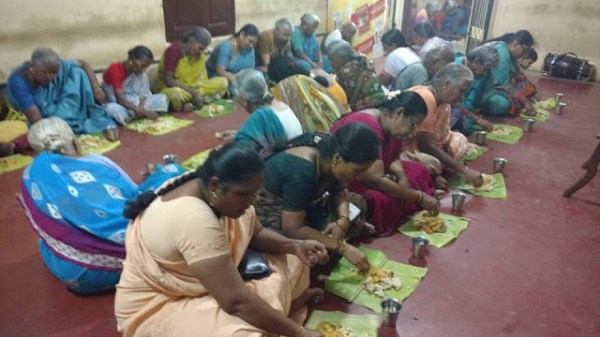
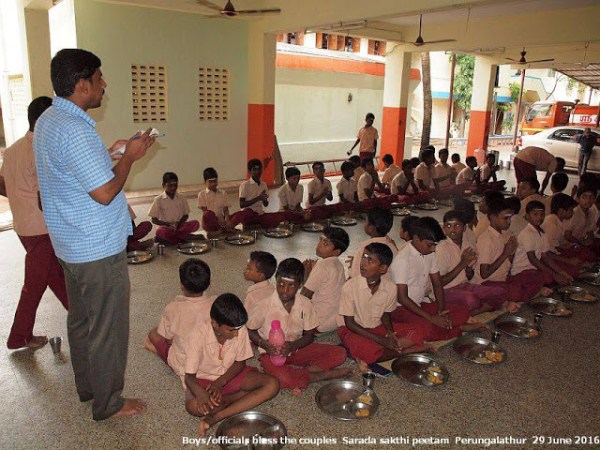
விருந்தோம்பல் என்னும் பண்பை தமிழ், சம்ஸ்கிருத இலக்கியம் வலியுறுத்துவது போல உலகில் வேறு எங்கும் காணமுடியாது.

காளிதாசனும், சங்க இலக்கியப் புலவர்களும் இந்தப் பண்பை எப்படி வலியுறுத்துகின்றனர் என்று ஒரு சில எடுத்துக்காட்டுகளின் மூலம் காண்போம்.


ஆரிய-திரவிடப் பிரிவினைகள் பொய்மையானவை என்பதும்  இந்திய கலாசாரம் 2000 ஆண்டுகளுக்கு முன்னரே ஒரே கலாசாரம்தான் என்பதும் இந்த ஒரு பண்பில் — விருந்தோம்பல் — என்னும் பண்பில் தெரிந்துவிட்டது. விருந்தினர்களைக் கவனிக்க முடியாத நிலை வந்துவிட்டதே என்று சீதையும் கண்ணகியும் வருத்தப்பட்டதை நமது இலக்கியங்கள் அடிக்கோடிட்டுக் காட்டியதிலிருந்தே நமது பண்பாடு ஒன்று என்பது விளங்கும். அதுமட்டுமல்ல தைத்ரீய உபநிஷத் (1-20) காலத்திலிருந்து இதற்காக பல மந்திரங்களும் பாடல்களும் இருப்பது போல உலகில் வேறு எந்த இலக்கியத்திலும் காணமுடியாது. வள்ளுவர் எழுதிய திருக்குறள் போன்ற நீதி நூல்களில் இதற்கென்று ஒரு அத்தியாயத்தையே ஒதுக்கியதிலிருந்தும் இது விளங்கும்.


அதிதி தேவோ பவ விருந்தினரைக் கடவுளாகக் கருதுக – தைத்ரீய உபநிஷத் (1-20)

காளிதாசரின் ரகுவம்சத்தில்


“காட்டில் விளையும், ஆரோக்கியத்தைத் தரும் ‘செந்தினை’ எனும் தானியத்தில் ஒரு பகுதி விருந்தினர்களுக்காக ஒதுக்கப்படுகிறதா? அவைகளை மாடுகள் முதலியன மேய்ந்து சேதமாக்காமல் இருக்கின்றனவா? “(ரகுவம்சம் 5-9)


“கருணையுள்ள உமது குரு, உங்களை இல்லற வாழ்வுக்குச் செல்ல அனுமதித்தாரா? ஏனெனில் எல்லா ஆசிரமத்திலுள்ளவர்களுக்கும் உதவுவது இல்லற தர்மம்தான்” (ரகு.5-10)


नीवारपाकादि कडंगरीयैरामृश्यते जानपदैर्न कच्चित्|
कालोपपन्नातिथिकल्प्यभागं वन्यं शरीरस्थितिसाधनं वः॥ ५-९

nīvārapākādi kaḍaṁgarīyairāmṛśyate jānapadairna kaccit
kālopapannātithikalpyabhāgaṁ vanyaṁ śarīrasthitisādhanaṁ vaḥ || 5-9


अपि प्रसन्नेन महर्षिणा त्वं सम्यग्विनीयानुमतो गृहाय|
कालो ह्ययं संक्रमितुं द्वितीयं सर्वोपकारक्षममाश्रमं ते॥ ५-१०

api prasannena maharṣiṇā tvaṁ samyagvinīyānumato gṛhāya
kālo hyayaṁ saṁkramituṁ dvitīyaṁ sarvopakārakṣamamāśramaṁ te || 5-10


இதே கருத்து திருக்குறளிலும் உள்ளது:—

இல்வாழ்வான் என்பான் இயல்புடைய மூவர்க்கும்

நல்லாற்றின் நின்ற துணை

பொருள்: இல்லறம் நடத்துபவன் மற்ற மூவர்க்கும் ( பிரம்மச்சாரி, வானப்ரஸ்தன், சந்யாசி) ஒரு துணையாவான்.


இன்னொரு இடத்தில், “ரகுவம்சத்தில் பிறந்தவர்கள் உயிரையே கேட்டாலும் கொடுப்பார்கள். ஆகவே விஸ்வாமித்ரர் கேட்டபடி ராமரையும் லெட்சுமணரையும் அவருடன் அனுப்பிவைத் தார் தசரதர்”(11-2) காளிதாசன் சொல்கிறான்.


இந்தக் கருத்து புறநானூற்றிலும் வருவது குறிப்பிடத்தக்கது:-


……… இந்திரர்

அமிழ்தம் இயைவது ஆயினும், இனிது எனத்

தமியர் உண்டலும் இலரே; முனிவு இலர்;

துஞ்சலும் இலர்; பிறர் அஞ்சுவது அஞ்சி,

புகழ் எனின் ,உயிரும் கொடுக்குவர்; பழி எனின்,

உலகுடன் பெறினும், கொள்ளலர்

–புறம் 182, க.மா.இளம்பெருவழுதி


சங்க இலக்கியத்தில் விருந்தோம்பல் பற்றி வரும் இடங்கள் கணக்கிலடங்கா; இதோ ஒரு சில எடுத்துக் காட்டுகள்;-

புறம்.173-ல் சிறுகுடி கிழான் பண்ணனை ‘பசிப்பிணி மருத்துவன்’ என்று சோழன் குளமுற்றத்துத் துஞ்சிய கிள்ளிவளவன் பாராட்டுகிறான்.

புறம்.18-ல் பாண்டியன் நெடுஞ்செழியனை குடபுலவியனார் பாரரட்டுகையில் உண்டிகொடுத்தோர் உயிர்கொடுத்தோரே; என்ற வரியைப் பாடுகிறார்; இதே வரி பின்னர் மணிமேகலையிலும் வருகிறது.

கோவூர்க்கிழார் பாடிய பாடலில் (புறம்.46), விருந் தின் சிறப்பு தி காட்டப்படுகிறது. பகுத்துண்டு பல்லுயிர் ஓம்புதல்- தமிழரின் பண்பாடு என்பது கோவூர்க் கிழார் கருத்து; இது குறளிலும் வரும் (322).


புறம்.141 (பரணர்), புறம்134 (முடமோசி)-ல் மறுமைப் பயனை மனதிற் கொள்ளாமல்,மக்களின் வறுமையைத் தீர்க்கவே ஈத்துவப்பர் என்று கூறப்படுகிறது.


அகம்.203, புறம்.177 முதலிய பாடல்களில் வந்த விருந்தினரை உபசரித்துவிட்டு, அடுத்தவர்க்காக காத்திருக்கும் செய்தி வருகிறது!

மணிமேகலையில் சீழ்தலைச் சாத்த்னார் சொல்லுவது:


ஆற்றுனர்க்கு அளிப்போர் அறவிலை பகர்வோர்


ஆற்றா மாக்கள் அரும் பசி களைவோர்


மேற்றே உலகின் மெய்ந்நெறி வாழ்க்கை


மண்தினி ஞாலத்து வாழ்வோர்க் கெல்லாம்


உண்டி கொடுத்தோர் உயிர் கொடுத்தோரே (மணி.11-92)


xxxx

FROM MY OLD POST:–


கிருஷ்ணர் வணங்கும் ஆறு பேர்:–


நித்யான்ன தாதா தருணாக்னிஹோத்ரி


வேதாந்தவித் சந்திர சஹஸ்ர தர்சீ


மாஸோபாவாசீச பதிவ்ரதா ச


ஷட் வந்தனீயா மம ஜீவ லோகே


பொருள்: இந்த மனிதர்கள் வாழும் பூமியில் நான் ஆறு வகையான மக்களை வணங்குகிறேன்: தினமும் அன்னதானம் செய்வோர், தினமும் அக்னிஹோத்ரம் செய்வோர், வேதம் அறிந்தவர்கள், சஹஸ்ர சந்திர தரிசனம் செய்து—சதாபிஷேகம் செய்துகொண்டோர் – மாதா மாதம் உபவாசம் இருப்போர், பதிவ்ரதையான பெண்கள்.


–subham–

ஆரோக்கியம் பற்றிய சில தவறான தகவல்களும் நம்பிக்கைகளும்! – 2 (Post No.3795)

Written by S NAGARAJAN


Date: 7 April 2017


Time uploaded in London:-  6-36 am


Post No.3795


Pictures are taken from different sources; thanks.


contact: swami_48@yahoo.com


பிப்ரவரி 2017 ஹெல்த்கேர் இதழில் வெளியான கட்டுரை

ஆரோக்கியம் பற்றிய சில தவறான தகவல்களும் நம்பிக்கைகளும்! – 2


by ச.நாகராஜன்


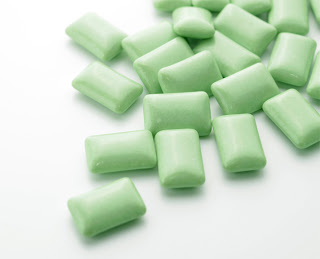
7) நீங்கள் சாப்பிடும் சூயிங் கம் உங்கள் வயிற்றில் ஏழு வருடங்கள் தங்கி இருக்கும்.


சூயிங் கம்மில் இருக்கும் எலாஸ்டமர்கள், ரெசின்கள், வேக்ஸ் போன்ற  இடு பொருள்கள் ஜீரணிக்க முடியாதவையே. ஆனால் அதற்கு அவை ஏழு வருடங்கள் உங்கள் வயிற்றில் தங்கி இருக்கும் என்று அர்த்தமில்லை. அனைவராலும் பரிந்துரைக்கப்ப்டும்  பைபர் உள்ளிட்ட உணவு வகைகளும் கூட ஜீரணிக்க முடியாதவையே. ஆனால் ஜீரண அமைப்பானது வலிமை வாய்ந்த ஒன்று.  உட்கிரகிக்க முடியாதது என்று ஒன்று இருந்தாலும் கூட் அது தொடர்ந்து தன் வேலையைச் செய்யத்தான் செய்யும். சூயிங்கம்மின் ஒட்டுப் பசை போன்ற விசித்திரமான  இயல்பு பற்றிக் கவலைப்பட வேண்டாம்.. அது ஜீரணப் பாதை வழியே சென்று நேராக டாய்லட்டைத் தான் அடையும்.


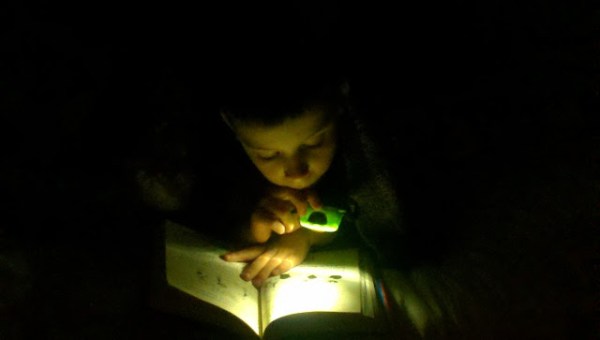
8) இருட்டில் படித்தாலோ அல்லது டிவியின் அருகில் இருந்து பார்த்தாலோ உங்கள் பார்வை பழுதுபடும்.

மங்கிய வெளிச்சத்தில் பார்ப்பதோ அல்லது பலவண்ணம் கொண்ட டிவி டியூபை அருகிலிருந்து  பார்ப்பதோ நிச்சயமாக உங்கள் கண்களை அதிகம் உழைக்க வைக்கும் என்பதில் ஐயமில்லை. ஆனால் அது நீண்டகால சேதத்தை விளைவிக்கும் என்பதற்கு இது வரை ஆதாரங்கள் ஏதுமில்லை. ஆயிரத்தி தொள்ளாயிரத்து அறுபதுகளில் இது ஒருவேளை உணமையாய் இருந்திருக்கக் கூடும் ஏனெனில் அப்போது சில டிவி பெட்டிகள் அதிக கதிரியக்கத்தை வெளிப்படுத்தும் தன்மை உடையனவாக தயாரிக்கப்பட்டு வந்தன. ஆனால் இந்தப் பிரச்சினைக்குத் தீர்வு காணப்பட்டு பல காலம் ஆகிறது. இன்றைய டிவி பெட்டிகளும் கம்ப்யூட்டர்களும் பாதுகாப்பானவையே.

உங்கள் குழந்தைகள் டிவி அல்லது கம்ப்யூட்டரின் அருகில் இருந்து பார்த்தால், அது அவர்களின் கண்களுக்குத் தீங்கு விளைவிப்பதாகத் தோன்றினால் ஒரு டாக்டரிடம் சென்று கண் பார்வையைப் பரிசோதிப்பது நல்லது. தான். என்றாலும் கூட டிவி அருகிலிருந்து பார்ப்பது கண்ணாடி அணியும் தேவையை உருவாக்காது..


9) ஒரு நாளைக்கு நீங்கள் எட்டு டம்ளர் தண்ணீர் அருந்த வேண்டும்.

பொதுவாகப் பார்த்தால் உடலில் நீர்ச்சத்தே இல்லாமல் நாம் நடப்பதில்லை. அத்துடன் நமது உடல் பொதுவாகவே தனது திரவத்தின் அளவை சீராக்கிக் கொண்டே இருக்கும். ஒரு நாளைக்கு எட்டு டம்ளர் தண்ணீர் குடிக்க வேண்டும் என்பது 1945ஆம் ஆண்டு கிளப்பி விடப்பட்ட ஒரு தகவல். நேஷனல் ரிஸர்ச் கவுன்ஸிலைச் சேர்ந்த  ‘ஃபுட் அண்ட் நியூட்ரிஷன் போர்ட்; என்ற அமைப்பானது  வயதுக்கு வந்தவர்கள் ஒரு நாளைக்கு இரண்டரை லிட்டர் நீர் அருந்த வேண்டும் (எட்டு டம்ளர் நீருக்குச் சமம்) என்று தெரிவித்தது. ஆனால் இதில் பரிதாபம் என்னவென்றால் அனைத்து ஊடகங்களும் இந்த வரியுடன் நிறுத்திக் கொண்டது. அடுத்த வரியைக் கவனிக்கவே இல்லை. அடுத்த வரியில் அது, இந்த இரண்டரை லிட்டர் நீரும் உங்களுக்கு உங்கள் உணவிலிருந்தே கிடைக்கும் என்று தெரிவித்திருந்தது.

ஆகவே இப்போது இந்த வரி இப்படி திருத்தப்பட வேண்டும். எட்டு டம்ளர் தண்ணீரை ஒரு நாளைக்கு குடியுங்கள் அல்லது அந்த அளவு நீரைத் தரும் உணவைச் சாப்பிடுங்கள்!


10) சாப்பிட்ட பின்னர் ஒரு மணி நேரம் கழித்துத் தான் நீச்சல் அடிக்கச் செல்ல வேண்டும்


இந்தத் தவறான தகவல் ஏராளமானோரின் பொன்னான மணி நேரங்களை வீணாக்கியது தான் மிச்சம். சாப்பிட்ட பின்னர் ஒரு மணி நேரம் கழித்துத் தான் நீச்சலுக்குச் செல்ல வேண்டும் என்று சொல்வதற்கான ஒரு காரணமும் உண்மையில் இல்லை. ஒரு பிரமாதமான விருந்திற்குப் பின்னர் எந்த விதமான உடல் ப்யிற்சியும் மேற்கொள்ளக் கூடாது என்பது பொதுவான உண்மை  தான்.   ஆனால் அப்படிப்பட்ட விருந்தை தினமும் ஒருவர் சாப்பிடுவதில்லை.

தினமும் சாதாரண உணவு வகைகளைத் தான் சாப்பிடுகிறோம். இன்னொன்று, விருந்தோ சாதாரண சாப்பாடோ அதிக வேகமாகப் பாயும் நீர் எப்போதுமே ஒருவருக்கு ஆபத்துத் தான்! அப்படிப்பட்ட நீரை விட்டுப் பாதுகாப்பான இடத்திற்குத் தான் நீங்கள் நீந்தச் செல்ல வேண்டும்.


11) இறந்த பிறகும் கூட விரல் நகங்களும் முடியும் வளரும்


இந்தத் தவறான தகவல் பல வருடங்களாக இயற்பியல் நிபுணர்கள் மறுக்க முடியாத ஒன்றாக இருந்தது. இதை அவர்களால் காரணத்துடன் மறுக்கவும் முடியவில்லை. இப்போது சரியான தகவல் தெரிய வருகிறது. இறந்த பின்னர் உடலில் உள்ள தோல் வறள ஆரம்பிக்கிறது. மெலிதான திசுக்கள் பின்னடைவு அடைகிறது. தோல் வறளும் போது நகங்கள் பார்ப்பதற்குத் தெளிவாகவும் பிரதானமாகவும் இருக்கிறது. இதுவே தான் முடி வளர்வது போலத் தோன்றுவதற்கும் காரணமாக ஆகிறது. தோல் சுருங்க ஆரம்பிக்கவே முடி மிகவும் பிரதானமாக ஆகிறது.வளர்வது போன்ற ஒரு பிரமையைத் தோற்றுவிக்கிறது!


12) ஷேவ் செய்யப்பட்டவுடன் முடி வேகமாகவும், சொர சொரப்பாகவும், கறுப்பாகவும் ஆகிறது

இந்த தகவல் தவறு என்பதை நீங்களே உங்கள் முடியின் மீது அதிக கவனம் செலுத்துவதன் மூலம் அறிய முடியும். புதிய முடி வளரும் போது அதன் நுனி மழுங்கி இருக்கும். நாட்பட நாட்பட, அது நலிந்து மெலிதானது போலத் தோன்றும். அது சரி, அது ஏன் கறுப்பாகக் காணப்பட வேண்டும். மற்ற இடங்களைப் போல சூரிய வெளிச்சத்தால்  ப்ளீச் செய்யப்படாததால் தான்!

இது சம்பந்தமாக ஒரு ஆய்வு கூட இருக்கிறது. 1928இல் நடந்தது இது. ஷேவ் செய்த போதும் ஷேவ் செய்யப்படாத போதும் உள்ள முடி வளர்ச்சி பற்றி செய்யப்பட்ட ஆய்வில்  அது கறுப்பாகவும் இல்லை, சற்று கனமாகவும் இல்லை, அது வேகமாகவும் வளரவில்லை என்பது கண்டுபிடிக்கப்பட்டது! சமீப காலத்திய ஆய்வுகளும் கூட இதை நிரூபிக்கின்றன.


12) காரமான உணவு வகைகள் மற்றும் மன அழுத்தம் அல்சர் என்னும் வயிற்றுப் புண்ணை உருவாக்குகின்றன

இரவு சாப்பிட்ட கார உணவு தான் வயிற்றுப்புண்ணை உருவாக்கி விட்டது என்று மறுநாள் காலையில் எண்ணினால் அது தவறு. ஒரு காலத்தில் டாக்டர்கள் மன அழுத்தம், வாழ்க்கை முறை மற்றும் கார வகை உணவுகளே அல்சருக்கு காரணம் என்று நம்பினர். ஆனால் இப்போதோ அல்சருக்கு காரணம் Helicobacter pylon  என்ற பாக்டீரியா என்பதைத் தெரிந்து கொண்டனர்.

வயிறில் சிறு குடலில் ஏற்படும்  புண்கள் சில சமயம் சில மருந்துகளினால் கூட வருகின்றன. ஆஸ்பிரின் இரும்புச் சத்துக்கான அயர்ன் மாத்திரைகள் ஆகியவையே வயிற்றுப் புண் ஏற்பட முக்கிய காரணம் என்று டாக்டர் அருண் சுவாமிநாத் என்பவர் கண்டு பிடித்துள்ளார். இவர் நியூயார்க் நகரில் உள்ள லெனாக்ஸ் ஹில் மருத்துவமனையில் இன்ஃப்ளேமெடரி பவல் டிசீஸ் திட்டத்திற்கான டைரக்டர் ஆவார்.


13)உங்கள் உடலில் உஷ்ணத்தின் பெரும் பகுதி தலை வழியே செல்கிறது.

இந்தத் தகவல் தவறானது என்று 2006ஆம் ஆண்டு நிரூபிக்கப்பட்டது. மனித உடலில் உள்ள மொத்த உஷ்ணத்தில் தலை வழியே செல்லும் உஷ்ணமானது 7 முதல் 10 சதவிகிதம் அளவே என்பது கண்டுபிடிக்கப்பட்டது. அதாவது  தலையின் வழியே செல்லும் உஷ்ணமானது மொத்த உடலில் உள்ள தோல் பரப்பில் தலையில் உள்ள தோல்பரப்பின் விகிதாசார அளவிலேயே இருக்கிறது!


14) குளிரில் ஈரத் தலையுடன் வெளியில் சென்றால் ஜலதோஷம் பிடிப்பது நிச்சயம்


குளிர் காலத்தில் தலையை உலர்த்த நேரமில்லை என்று ஈரத் தலையுடன் வெளியில் செல்கிறீர்கள்,! ஜலதோஷம் வந்து விடும் என்று கவலைப் பட வேண்டாம்.

எல்லோரும் ஈரத் தலை ஜலதோஷத்தைத் தரும் என்று சொல்கிறார்கள். ஆனால் நிபுணர்களின் கருத்துப் படி வைரஸ் மற்றும் பாக்டீரியா தான் ஜலதோஷத்தைத் தருகின்றனவே தவிர காலநிலையில் உள்ள உஷ்ண நிலை மாறுபாடு அல்ல. ஆகவே தலை சிறிது ஈரமாக இருந்தாலும் கூட ஜலதோஷம் வந்து விடுமோ என்று கவலைப்படுவதை இனி விட்டு விடலாம்.

(அடுத்த இதழில் முடியும்)

. *************


ஆதாரம் : லைவ் ஸயின்ஸ் இதழ்

நன்றி: லைவ் ஸயின்ஸ்


‘யாயும் ஞாயும் யார் ஆகியரோ?’ (Post No.3794)

Written by London swaminathan


Date: 6 APRIL 2017


Time uploaded in London:- 20-27


Post No. 3794


Pictures are taken from various sources; thanks.


contact; swami_48@yahoo.com


காளிதாசனும், செம்புலப்பெயநீராரும்

சங்கத் தமிழ் நூல்களில் ஒன்று குறுந்தொகை. அருமையான காதல் பாடல்கள் உள்ள நூல். அதில் ஒரு அருமையான பாடல். காதலர் மனம் ஒன்றுபடுவதற்கு செம்மண் நிலத்தில் பெய்த மழை நீர் உவமையாக கூறப்பட்டுள்ளது. செம்மண் நிலத்தில் மழை நீர் புரண்டு ஓடுவதை நேரில் கண்டவர்களுக்கு இந்த உவமையின் பொருள் நூறு மடங்கு கூடுதலாகவே விளங்கும்.


இதை எழுதிய புலவர் பெயர் தெரியாததாலோ அல்லது உவமை மிகவும் பிரசித்தமடைந்ததாலோ அவருக்கு செம்புலப் பெயனீரார்  என்றே நூலில் பதிவு செய்துவிட்டனர். இது போல சுமார் 20 புலவர்களின் பெயர்கள் இப்படி அவர்களுடைய சொற்றொடர்களைக் கொண்டே சூட்டப்பட்டுள்ளது. ரிக்வேதத்தைத் தொகுத்தவர்கள் கையாண்ட முறை இது. அதிலும் இவ்வாறு பல புலவர்களின் பெயர்கள் சொற்றொடரின் மூலம் அறியப்படுகின்றது.


யாயும் ஞாயும் யார் ஆகியரோ

எந்தையும் நுந்தையும் எம் முறைக் கேளிர்

யானும் நீயும் எவ்வழி அறிதும்

செம்புலப் பெயல் நீர் போல

அன்புடை நெஞ்சம் தாம் கலந்தனவே

–குறுந்தொகை 40, செம்புலப்பெயனீரார்


பொருள்:

காதலன் கூறுகிறான்: “என்னுடைய தாயும் நின்னுடைய தாயும் ஒருவருக்கொருவர் எத்தகைய உறவினர்? என் தந்தையும் நின் தந்தையும் எந்த முறையில் உறவினர்? இப்பொழுது யானும் நீயும் ஒருவரை ஒருவர் எவ்வாறு முன்பு அறிந்தோம்? செம்மண் நிலத்தே பெய்த மழை நீர், அம்மண்ணோடு கலந்து அத்தன்மையை அடைவது போல நமது உள்ளங்கள் (தாமாகவே) ஒன்றுபட்டன.


காதலர்களின் மனம் ஒன்று பட்டதற்கு இப்படி ஒரு உவமையைப் பயன்படுத்தியது போல, சங்க காலத்துக்கு முன் வாழ்ந்த காளிதாசரும் மழை நீர் உவமையைப் பயன்படுத்தியுள்ளார்.


ஒரே சுவையுடைய மழை நீர் எங்கெங்கு விழுகின்றதொ அந்தந்த நிலத்தின் சுவையைப் பெறுவதுபோல சத்வம் என்ற ஒரே குணமுடைய இறைவன், கைக்கொள்ளும் குணங்களுக்கு ஏற்ப தொழில்களையும் பெயர்களையும் ஏற்கின்றீர் (சத்வ குணம் காரணமாக விஷ்ணுவாகவும், ரஜோ குணம் காரணமாக பிரம்மனாகவும், தமோ குணம் காரணமாக ருத்திரத் தனமையையும் அடைகின்றீர். எப்படி நீர் என்பது ஒன்றுதானோ அதே போல இறைவன் ஒருவனே.

ரசாந்தராண்யேகரசம் யதா திவ்யம் பயோஸ்ச்னுதே

தேசே தேசேகுணேஷு  ஏவம் யதாத்வம்அவிக்ரியஹ

— ரகு வம்சம் 10-17


செம்புலப் பெயனீரார் மன ஒற்றுமை பற்றி சொன்னார்; காளிதாசன் மும்மூர்த்திகளும் ஒருவரே என்ற பேருண்மையைச் சொன்னார்; இருவரும் பயன்படுத்திய உவமை– மழை நீர்.


சுவாதி நட்சத்திரத்தன்று பெய்யும் மழை நீர், முத்துச் சிப்பிகளின் வாயில் விழுந்தால் அது எப்படி முத்தாகி றதோ அது போல ,ஆசிரியர் சொல்லும் சொல், நல்ல மாணவன் காதில் விழுந்தால் முத்தாகும் என்று மாளவிகாக்னிமித்ரம் நாடகத்தில் காளிதாசன் சொல்லும் உவமை தமிழில் உள்ளதையும், காடக விதைகள் எப்படி கலங்கிய நீரை தெளிவாக்குமோ அதுபோல முட்டாள்களும்   அறிவாளிகளுடன் இருக்கையில் மனத் தெளிவு பெறுவர் என்ற  உவமை தமிழில் உள்ளதையும் முன்னர் இரண்டு கட்டுரைகளில் எழுதிவிட்டேன்.


பெண்களின் கொப்பூளை (நாபியை) நீர்ச் சுழலுக்கு ஒப்பிடுவதைக் காளிதாசன் காவியங்களிலும் சங்க இலக்கியப் பாடல்களிலும் காணலாம்.


காளிதாசன் கையாண்ட 1300 + உவமைகளில் சுமார் 250 உவமைகள் சங்க இலக்கியத்தில் காணப்படுவதால் சங்க காலத்துக்கு முன் வாழ்ந்தவன் காளிதாசன் என்று முந்தைய பல கட்டுரைகளில் காட்டியுள்ளேன்.


காளிதாசன் சொல்லும் இன்னொரு அருமையான உவமை ரகுவம்சத்தில் வருகிறது (5-54). பிரியம்வதன் என்பது என்பெயர் . என்னை, யானையாகப் போகும்படி மதங்க முனிவர் சபித்தார். நான் அவரை வணங்கிய பின்னர் அவரது கோபம் தணிந்தது. சாந்தமாகிவிட்டார். நீர் என்பது வெந்நீர் ஆவது தீயின் சேர்க்கையாலோ அல்லது சூரிய ஒளியின் சேர்க்கையாலன்றோ! தண்ணீரின் இயற்கையான குணம் குளுமைதானே! (முனிவர்களின் இயற்கைக் குணம் சாந்தம்தானே).

–Subham–

Water Images in Kalidasa and Tamil Sangam Literature (Post No.3793)

Written by London swaminathan


Date: 6 APRIL 2017


Time uploaded in London:- 18-09


Post No. 3793


Pictures are taken from various sources; thanks.


contact; swami_48@yahoo.com


Great men think alike. Kalidasa, the most famous poet of India and a Sangam Tamil poet Sempulapeyarnirar use the water image in a beautiful way.


Kalidasa in Raghuvamsa says,


Water from the sky which is originally of one taste gains diversity of flavours in different regions. Similarly, Hari, being immutable assumes different conditions in different qualities (RV 10-17). The image gives the idea of monism.


Sempulap peyal nirar, Tamil poet who lived nearly 2000 years ago, says in Kuruntokai (verse 40):


“What are my mother and your mother to each other?

What is the relationship between my father and your father?

How did we come to know each other?

Like the (rain) water which falls on a field with red soil,

(mingle with it and becomes red)

the loving hearts have blended with each other.


Kalidasa used it illustrate monism; Tamil poet used it to illustrate the union of hearts.


(I have been emphasizing through several articles that Kalidasa lived before the Sangam age, probably around 1st century BCE. I am using 250 plus similes of Sangam poets to illustrate my point and those similes are already in Kalidasa’s seven works).

In the Kumara sambhava (2-25), he says that “the speed of the Wind Gods Maruts can be guessed from their faltering motion as is the stoppage of their current from the refulgence of waters.


As the sprouting of a seed requires water before it can make its appearance, similarly, the work of gods can be accomplished by the Cupid in diverting the mind of Siva from meditation towards Parvati (K.S.3-18)


Siva, on account of suspension of the vital airs is imagined to be a reservoir of water unruffled with ripples, a cloud not blustering up to burst into a shower, or like a lamp steady in a place free from wind (K.S.3-48)


Cupid who died leaving Rati whose very life depends upon him, is imagined as the torrent of water abandoning a lotus after breaking down a dam (K.S. 4-6)


The mind already firmly resolute and bent on its desired object cannot be diverted and is so imagined to be like downward flowing water which cannot be drawn back (K S 5-5). So Menaka’s advice to Parvati whose mind already leaned to Siva went amiss.


Seeing the moon-like face of Parvati, Siva had the water of his mind rendered clear (K S 7-74).

Water is always cool; seers are always kind!


In the Raghuvamsa (RV 5-54) Matanga cursed Pri yamvada to turn into an elephant. He fell at his feet and the sage relented afterwards. The hotness of water is due to its contact with the fire or the solar heat; what is coolness is but the natural property of water. This indicates that abut is the sage was kind-hearted.


स चानुनीतः प्रणतेन पश्चान्मया महर्षिर्मृदुतामगच्छत्|
उष्णत्वमग्न्यातपसंप्रयोगाच्छैत्यं हि यत्सा प्रकृतिर्जलस्य॥ ५-५४

sa cānunītaḥ praṇatena paścānmayā maharṣirmṛdutāmagacchat
uṣṇatvamagnyātapasaṁprayogācchaityaṁ hi yatsā prakṛtirjalasya || 5-54

“But, when I prostrated before his feet and importuned that great sage matanga relented to modify the curse as above… for the heat of water is owing to its contact with either fire or solar heat… what is coolness is but the natural property of water… isn’t it… [5-54]


The Sanskrit poets describe navel as a mark of beauty and it therefore, compared to the watery eddy (RV 6-52)

नृपम् तमावर्तमनोज्ञनाभिः सा व्यत्यगादन्यवधूर्भवित्री|
महीधरम् मार्गवशादुपेतम् स्रोतोवहा सागरगामिनीव॥ ६-५२

nṛpam tamāvartamanojñanābhiḥ sā vyatyagādanyavadhūrbhavitrī |

mahīdharam mārgavaśādupetam srotovahā sāgaragāminīva || 6-52

She who has a navel as beautiful as an eddy, and who is scheduled to become another man’s wife, that princess indumati moved past that prince susheNa of shUrasena kingdom, just as an ocean bound river moves past a mountain met by chance on its way. [6-52]


The family of Raghu with the child King comparable to the water with a lotus in the condition of a bud in it (RV 18-37). This indicates the tender and lovely heart of King Sudarsana.


नवेन्दुना तन्नभसोपमेयम्
शाबैकसिंहेन च काननेन।
रघोः कुलम् कुट्मलपुष्करेण
तोयेन चाप्रौढनरेन्द्रमासीत्॥ १८-३७

navendunā tannabhasopameyam
śābaikasiṁhena ca kānanena |
raghoḥ kulam kuṭmalapuṣkareṇa
toyena cāprauḍhanarendramāsīt || 18-37


That dynasty of Raghu with this young king sudarshana obtained similitude to the sky with new moon, a forest with a single lion-cub, and a lake with solitary bud of lotus. [18-37]


Thus Raghu’s line, whose chief was now a child,/Showed like the night while still the Moon is young,/Or like a forest where one Lion-cub/Alone doth range, or as a silent lake/Before its lilies bloom.


In the Malavikagnimitram (M.M.1-6), the skill of teacher which when communicated to a worthy student, attains greater excellence, is likened to the water of a cloud, which when dropped into a sea-shell, acquires the nature of a pearl.


Just as a stupid person becomes wise by association with the wise, similarly, the turbid water becomes clear by contact with the purifying fruit of the Kataka tree (M M 2—7)


(Rain drops falling on the day of Swati star becoming pearl in the oysters and the Kataka seed purifying water are used by Tamil poets as well; I have written about it already).


Source books :–Kuruntokai

Raghuvamsa.sansrit documents.com

The Imagery of Kalidasa by Dr Mrs Vinod Aggarwal

xxx

My Old articles on the same subject:

1.Kalidasa’s simile in Tamil ‘Kalitokai’ about Water Purification! (Post No.3775); posted on 31 March 2017

2. Women and Rivers in Kalidasa and Tamil literature; posted on 10 November 2014
3. Kalidasa’s age: Tamil works confirm 1st century BC. Posted on 22 January 2012
4. Nature’s Orchestra in the Forest: Sanskrit Tamil Poets’ Chorus (Post No. 3489); 27 December 2016
5. Pearls in the Vedas and Tamil Literature

Posted on Post No. 1048 ; dated 17th May 2014.

  1. Gem Stones in Kalidasa and Tamil Literature (13 February 2012)


–Subham–


உள்ளம் பெருங் கோயில்–‘சரீரமாத்யம் கலு தர்மசாதனம்’ (Post No.3792)

Written by London swaminathan


Date: 6 APRIL 2017


Time uploaded in London:-9-57 am


Post No. 3792


Pictures are taken from various sources; thanks.


contact; swami_48@yahoo.com


உள்ளம் பெருங் கோயில்; ஊனுடம்பு ஆலயம்

வள்ளற் பிரானார்க்கு வாய் கோபுரவாசல்

தெள்ளத் தெளிந்தார்க்குச் சீவன் சிவலிங்கம்

கள்ளப் புலனைந்தும் காளா மணி விளக்கே


திருமந்திரம், பாடல் எண் 1823


பொருள்:-


மனமே இறைவன் இருக்கும் கருவறை/கோயில். கோபுர வாசல் நம்முடைய வாய். இதற்குள் குடி கொண்டிருக்கும் கடவுள் நமக்கு அருட் கருணைஅயை வாரி வழங்கும் கள்ளல்- கருணைக் கடல். சமய நூல்களைக் கற்றுத் தெளிந்தோர்க்கு ஆத்மாவே சிவலிங்கம். இந்தக் கோவிலில் எரியும் ஐந்து விளக்குகள் நம்முடைய ஐம்புலன்களாகும் எளிதில் தீய வழிகளில் செல்லக்கூடியவை என்பதால் கள்ளப் புலன்கள் என்றார் திருமூலர்.


“ஆத்மலிங்கம் பஜரே, அதி அத்புத லிங்கம் பஜரே” — என்று பஜனையில் பாடல்கள் பாடுவதும், உள்ளே உறையும் இறைவனை நினைத்தே.


சுவரை வைத்துத்தான் சித்திரம் என்று தமிழில் ஒரு பழமொழி உள்லளது. ஆரோக்கியமான உடலின்றி மனிதன் ஆன்மீக முன்னேற்றம் அடைய முடியது. பலவீனமான உடலினால் ஆத்ம முன்னேற்றம் அடைய முடியாது என்பதால்தான், பகவத் கீதையைப் படிப்பதைவிட காலபந்து விளையாடுவது மேல் என்று சுவாமி விவேகாநந்தரும் சொன்னார்.

அப்பர்  பெருமான் அருளுரை


அப்பரும் தேவாரத் திருப்பதிகத்தில் இந்தக் கருத்தை வலியுறுத்துவார்:


காயமே கோயிலாகக் கடிமனம் அடிமையாக

வாய்மையே தூய்மையாக மனமணி யிலிங்கமாக

நேயமே நெய்யும்பாலா நிறையநீ ரமையவாட்டிப்

பூசனை ஈசனார்க்குப்  போற்றவிக் காட்டினோமே

-நாலாம் திருமுறை, தேவாரம்


பொருள்:

இவ்வுடம்பைக் கோயிலாகவும்,  நல்ல நினைவுகளை உடைய மனத்தை அடிமையாகவும் கொண்டு, வாய்மையைத் தூய்மையாகவும் வைத்து, மனதிற்குள் ரத்தினம் போல ஜொலிக்கும் ஆன்மாவை இலிங்கமாகப் பாவித்து, அன்பை நெய்யும் பாலாய் நிறைய வைத்துப் பூசித்து, இறைவனைப் போற்றினேன்.


இந்தப் பாடல்களுக்கு பலவகையில் பொருள் கொள்ளமுடியும்:


1.இறைவன் எல்லோரிடமும் உள்ளான். ஆகவே எல்லோரையும்

நல்ல ஆத்மாவாகக் காண வேண்டும்

2.நாமே இறைவன்; அஹம் பிரம்மாஸ்மி– என்னும் உபநிஷத் கருத்து. எல்லோரிடமும் இறைவன் இருக்கிறான். அவனைக் காணும் பக்குவம்நமக்கு வேண்டும்.

3.மூன்றாவது பொருள்- இறைவனைத் தேடி ஆறு, கடல், கோயில், குளம், மலை, காடு என்று யாத்திரை போக வேண்டிய அவசியமில்லை அவனை உள்ளத்தில் பார்க்கத் தெரிந்து கொண்டால்.

  1. நாலாவது பொருள் — இறைவனை உணர வேண்டுமானால், உடலைச் சரிவரப் பாதுகாக்கவேண்டும். பலவீனனால் ஆத்மாவை உண்ர முடியாதென்று உபநிஷத் கூறும்.

‘சரீரமாத்யம் கலு தர்மசாதனம்’


காளிதாசனும் உடலைப் பராமரிக்கவேண்டியதன் அவசியத்தை ஒரு பொன்மொழியால் உணர்த்துகிறான்.

சரீரமாத்யம் கலு தர்மசாதனம்– குமார சம்பவம் 5-3


சிவனை அடைய தவமியற்றும் பார்வதியை ஒரு யோகி சந்த்தித்துச் சொல்கிறார்: உன் உடலின் சக்திக்கேற்ற தவத்தை மேற்கொண்டிருக்கிறாயா? ஏனெனில் தர்ம காரியங்களைச் செய்வதற்கு மூல நம்முடைய உடல்தான் ;அதாவ்து உடலை வருத்தி தவம் இயற்றுதல் அவசியமன்று.


உடலில் உயிர் துடிப்பு இருக்கும்வரை எந்தப் புருஷார்த்தத்தைத்தான் அடைய முடியாது? என்று கதாசரித் சாகரம் சொல்லும் (நான்கு புருஷார்த்தம்: அறம், பொருள், இன்பம், வீடு

சரீரே சதிகோ நாம புருஷார்த்தோ ந சித்யதி


நாமும் உடலை ஆலயமாகக் கருதி உள்ளத்தே ஆண்டவனைக் காண முயற்சியும் பயிற்சியும் செய்வோம்.


சுபம்–

Meticulous Details of Funerals of Vali, Jatayu and Ravana (Post No.3791)

Written by London swaminathan


Date: 5 APRIL 2017


Time uploaded in London:-19-37


Post No. 3791


Pictures are taken from various sources; thanks.


contact; swami_48@yahoo.com


First part of this article, “Interesting Funerary Customs during Ramayana Period” (Post No.3782) was posted on 2nd APRIL 2017


Valmiki amazes us by giving us very minute details.


Following is the second and final Part:-


“On the 11th day of the funeral of Dasaratha, Bharata donated gold and gems to the Brahmins. The donation list includes cows and goats, male and female servants, chariots and special mansions!


When Bharata broke the news of Dasaratha’s death to Rama in the forest Rama fainted and looked like an elephant crushed by a landslide. Another simile Valmiki used was Rama fell like a tree with its flowering branches that is severed by an axe in the forest.


Sita also felt sad and Rama consoled her. Then he said to Lakshmana, “ Bring the pressed pulp of the Ingudi tree and fresh bark so that we may proceed with the water rite for our magnanimous father. Let Sita go first, you follow her and I will be the last in the funeral procession. Sumatara, Chief Minister, held Rama’s hand and led them to the Mandakini River. There they offered the water to Dasaratha, saying ‘Father, may this prove agreeable to you.’ Then Rama turned towards south and offered water again saying, ‘I offer it to you. Let it reach you in the region of your ancestors. Then Rama offered Pinda. He placed the pulp of the Ingudi tree mixed with Badari fruits on the Dharba grass.


( Though we don’t use Ingudi pulp and Badari fruits nowadays, Dharba grass is used until now.)


Then Rama killed demon Viradha, by throwing his body into a pit, at his request. We didn’t know what happened to his body. Viradha was the one ho suggested that he must be thrown into a pit
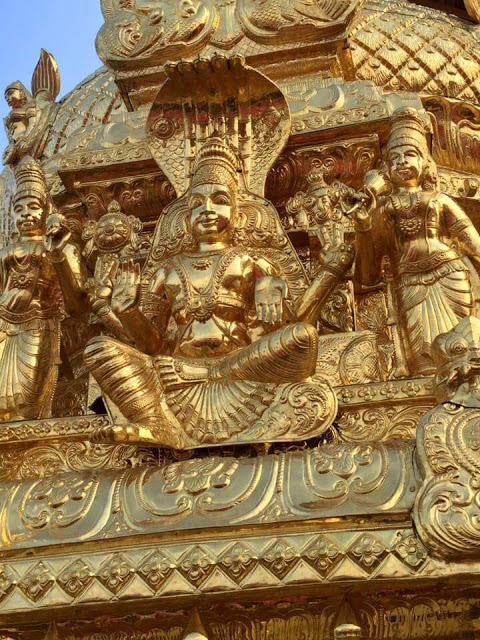
 

Jatayu cremated! (Aranya Kanda)


When Jatayu died half way through his speech, Rama decided to give the honour by cremating him. He instructed Lakshmana to bring the fuel. Then Rama himself placed the King of Winged Creatures on the funeral pyre and ignited the flame. Then Rama went into the forest with his brother, killing a few fat Rohi deer, stewed the flesh on the green grass as an oblation to the bird. Tearing off the flesh of those deer and kneading it into balls, he offered it. He recited those sacred formulas uttered by the Brahmins so as to send Jatayu’s soul to heaven. Both the brothers went to the river, bathed and did Udaka ceremony (ritual presentation of water to the ancestors).


Vali’s Funeral Rites (Kishkinda Kanda)


Vali (Bali) was the monkey king. When he was killed by Rama, Sugriva, Tara and others were grief stricken. Lakshmana says to Sugriva, “Inaugurate obsequies without delay with the assistance of Tara and Angada. Issue the order that a large quantity of dry would be gathered together with the sacred sandal wood, for the funeral pyre. Let Angada bring garlands and robes of every kind, together with butter, oil, perfumes and all that is requisite. O Tara, you do find a palanquin without delay. Let those who are skilful and strong, accustomed to palanquins, hold themselves in readiness to bear Vali away.

Vali’s body was placed in a chariot with beautiful carvings. Priceless ornaments, strings of pearls and splendid crowns gave it a dazzling appearance; it was covered with clay, painted red and sprinkled with sandal paste. Festooned with wraths of lotuses, shining like the dawn, it was strewn with innumerable flowers.


“ Having laid the corpse on its couch, Sugriva covered the body with ornaments of every kind together with wreaths and cloths. The great monkey leader preceded the litter, scattering jewels of every kind in profusion. All the wives of Vali accompanied the procession. Angada ignited the funeral pyre. He circumambulated it. Rama officiated at the funeral rites.


Valmiki gave all the minute details of the funeral ceremony. Normally people consider it inauspicious to talk about it. But Valmiki was very descriptive. Thanks to him, now we know how it was done several thousand years ago. For great saints like Valmiki, life and death are like changing worn-out clothes.


Ravana’s Funeral (Yuddha Kanda)


When Ravana was killed by Rama in the final battle, his brother Vibhishana refused to do the cremation. But Rama asked him to do it saying, “ Death brings enmity to an end”.


At these words of Raghava, Bibishana hastened to carry out the funeral rites.


Entering the City of Lanka, that Indra began to prepare for the Agnihotra Ceremony in honour of his brother. Carts, wood of varying essences, fire utensils, sandal, logs of every kind, fragrant gums, perfumes, cloths, jewels, pearls and coral were all assembled by him and he soon returned surrounded by titans, whereupon accompanied by Malyavan, he initiated the sacrifice.
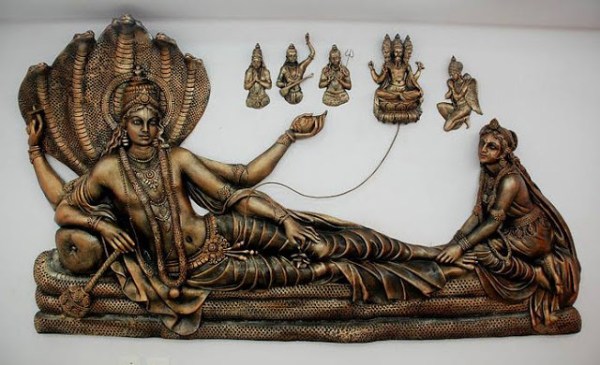
Having placed Ravana, the Supreme Lord of the titans, wrapped in linen cloth, s on a golden bier, the Twice born with Bibishana at their head, their eyes suffused with tears, raised the litter decorated with many fragrant and divine symbols to the sound of innumerable music instruments and funeral chants and all, turning their faces towards the south took up pieces of wood which had been distributed among them.


Then the Brahmins, versed in the Yajur Veda, bearing flaming brands went forward and those who had taken refuge with them and the women of the inner apartments followed sobbing with tottering steps, running hither and thither. And Ravana was placed in a spacious ground, amidst profound lamentation and a great pyre was built with pieces of sandal and Padmaka wood and grass, according to tradition; and he was covered with antelope skins.


Thereafter in honour of the King of the Titans, a rare offering was made to the ancestors and the altar was installed to the south-west with the sacred fire in its proper place. Then curd and clarified butter were poured on Ravana’s shoulder and a wooden mortar placed at his feet with one between his thighs. Vessels of wood and the lower and upper sticks, with a spare pestle, were set there to the prescribed rules.


Now the titans sacrificed a goat in honour of their king, according to tradition, as taught by the great Rishis, and, dipped a cloth in butter, they covered the face of their sovereign, who was adorned with garlands and sprinkled with perfumes. Thereafter Bibisbana’s companions, their faces bathed in tears, covered the body with cloths and every kind of roasted grain, whereupon Bibishana kindled the fires according to the sacred rites and, having laved him with a cloth which had been previously wetted with water and mingled with linseed and sacrificial grass, be bowed down to him; then he addressed the consorts of Ravana again and again in order to console them, finally entreating them to return home. And when they had all re-entered the City of Lanka, that Indra among the Titans, took up his place by Rama in an attitude of reverence.


A lot of details are here about the funeral of a Rakshasa King. It differs in many ways with the modern funeral. But in a vast country like India with thousands of castes and sub castes the funeral rites differ widely from area to area.

In Dasaratha’s funeral Sama Veda was used and here in Ravana’s funeral Yajur Veda was used.


Earlier in Aranya Kanda, we came across the shapeless demon Kabandha who was killed by Rama and Lakshmana. he was also cremated by the brothers; though he melted like butter in the fire, he rose up from the ashes, wearing spotless raiment ad a celestial garland. Now he looked very handsome and wore ornaments in his limbs and ascended a chariot drawn by swans. Before ascending to heaven he instructed Rama and Lakshmana to meet Sabhari, a female ascetic.
The chapters on funerals raise many questions. If Vyasa was the one who divided Vedas into four, how come Valmiki mentioned two different Vedas. Probably the Vedas were known as Rik, Sama and Yajjur already and Vyasa allocated the portions to his four disciples for preservation. Why two different Vedas were used in two different funerals is also another debatable matter.


The funeral processions were pompous, but we must remember they were ones for kings like Dasaratha,Bali (Vali) and Ravana


Lot of Dhanams (gifts) were given to Brahmins. Bird Jatayu, Demon Ravana, Monkey Vali/Bali and Human Dasaratha were cremated according to the scriptures. So there were no caste differences among them. Thanks to Valmiki we learnt a lot which can be compared with the funeral rites in the Smrtis and other cultures.


–Subham–
ராவணன் கிரீடம் பற்றி கம்பன் தரும் அதிசயத் தகவல் (Post No.3790)

Written by London swaminathan


Date: 5 APRIL 2017


Time uploaded in London:-15-36


Post No. 3790


Pictures are taken from various sources; thanks.


contact; swami_48@yahoo.com


மகரம் என்றால் சுறாமீன் , முதலை என்ற இரண்டு பொருள் இருந்தும் சுறாமீன் என்ற அர்த்தத்திலேயே ஆபரணங்களில், அணிகலன்களில் பயன்படுத்தப்படுகிறது. ராவணன் இப்படி சுறாமீன் வடிவ அல்லது சுறாமீன் பொறித்த ஒரு நீண்ட கிரீடத்தை அணிந்து வந்தான் என்று கம்பன் போகிறபோக்கில் (சுந்தர காண்டம்) சொல்லி விடுகிறான். இது ஒரு அதிசயமான விஷயம். ஏனெனில் இப்படிப்பட்ட மணிமுடி பற்றிய குறிப்பு வேறு எங்கும் இல்லை.


வளர்ந்த காதலர் மகரிகை நெடுமுடி

அரக்கரை வரக் காணார்

தளர்ந்த சிந்தை தம் இடையினும் நுடங்கிட

உயிரொடு தடுமாறி

களம் தவா நெடுங்கருவியில்கைகளில்

செயிரியர் கலைக் கண்ணால்

அளந்த பாடல் வெவ் அரவு தம் செவிபுக

அலமரலுறுகின்றார்

பொருள்:

“ராவணன் மீது நாள்தோறும் வளரும் காதலை உடைய வித்தியாதர மகளிர் சிலர், சுறாமீன் வடிவு பொறித்த நீண்ட மகுடத்தைப் பூண்ட ராவவணன், தம்மிடம் வருவதைக் காணவில்லை. அதனால் தளர்ந்த மனம்,  இடையைக் காட்டிலும் அதிகமாமகத் துடித்தது. அவர்கள் தடுமாறினர். இசைக் கலைஞர்கள் கருவிகளை இசைத்து கண்களால் அவற்றை அளந்து பாடிய பாடல்கள் காதுக்குள் பாம்பு புகுந்தது போலப் புகவே அவர்கள் துன்புற்றனர்.”


உலகில் பல பண்பாடுகளில் மகர தோரணங்கள் உண்டு; மகர மோதிரங்கள் உண்டு; மகர காதணிகள், கை வளையங்கள் உண்டு; ஆனால் மகர வடிவில் கிரீடம் கிடையாது; மகரம் பொறித்த கிரீடமும் இல்லை. ராவணன் ஏன், எப்படி இப்படி ஒரு கிரீடம் அணிந்தான் என்பதற்கான விளக்கமும் இல்லை. உலகில் வேறு எங்குமில்லாத அளவுக்கு ஐரோப்பியர்கள் மட்டும் மன்னரின் மணி முடிளை அப்படியே சேகரித்து வைத்துள்ளனர். அதிலும் கூட இப்படி ஒரு கிரீடம் இல்லை.


நம்முடைய மன்னர்களின் கிரீடங்கள் அழிக்கப்பட்டு, நகைகளாகவும் சங்கிலிகளாகவும் செய்யப்பட்டு விட்டன. ஆயினும் எல்லாக் கோவில்களிலும் சுவாமிக்கும் அம்மனுக்கும் உள்ள கிரீடங்கள் ஓரளவுக்கு நம்முடைய பழம்பெரும் கலாசாரத்தைப் பிரதிபலிப்பனவாக உள்ளன. அங்கும் இப்படி இருப்பதாகத் தெரியவில்லை.


Elephant Crown of Demetrios

பல்லவ கீரிட அதிசயம்

பல்லவ சாம்ராஜ்யத்திலும் இப்படி ஒரு அதிசய மணிமுடி/ கிரீடம் பற்றிய குறிப்பு கிடைக்கிறது

இந்த வியப்பான விஷயம் பல்லவர் கல்வெட்டில் உள்ளது. இது பற்றி வரலாற்றுப் பேரறிஞர்   டாக்டர் இரா.நாகசாமி , “யாவரும் கேளிர்” என்ற அவரது நூலில் கூறுவதாவது:-

“காஞ்சி வைகுந்தப் பெருமாள் கோவிலில் நந்தி வர்மனின் வரலாற்றைக் குறிக்கும் சிற்பங்கள் உள்ளன. அவற்றில் நந்திவர்மனுக்குச் சூட்டுவதற்காக மகாமாத்திரர் முதலானோர் ஒரு தட்டில் முடியை ஏந்தி வந்தனர் என்றும், நந்தி வர்மனின் தந்தையால் அதை என்ன என்று அடையாளம் கண்டுகொள்ள முடியவில்லை என்றும் அது பல்லவர் முடி என்றும், யானை உருவில் இருந்தது என்றும் குறிப்பு உள்ளது. இந்தியாவின் வடமேற்குப் பகுதியில் ஆண்ட அரசர்கள் யானைத்தலை  போன்ற முடிகளைப் பூண்டிருப்பது காண்பிக்கப்பட்டுள்ளது வைகுண்டப் பெருமாள் கோவில் கல்வெட்டு இவ்வாறு கூறினும் சிற்பத்தில் யானைதத்லை போன்ற முடி காணப்படவில்லை”.

எனது கருத்து:

கல்வெட்டிலுள்ள பல விஷயங்கள் சிற்பத்தில் இல்லை. சிற்பத் திலுள்ள பல விஷயங்கள் இலக்கியத்தில் இல்லை என்பதற்குப் பல எடுத்துக்காட்டுகள் உள்ளன.


துர்கையின் மான் வாஹனம் பற்றி சிலப்பதிகாரம், தேவாரம் (கலையதூர்தி) போன்ற பல நூல்களில் குறிப்புகள் உள்ளன. ஆனால் நமது கோவில்களில் மான் வாஹன துர்கையைப் பார்க்க முடியாது. படங்களிலும் கூட மான் வாஹனம் கிடையாது. சிங்கம் அல்லது புலி வாஹனம்தான் இருக்கும். ஆனால் இராக், துருக்கி, கிரீஸ் போன்ற நாடுகளில் மான் வாஹனத்தில் தேவியர் பவனி வரும் சிலைகள் உள்ளன. இது துர்கைதான். ஆனால் ஒவ்வொரு ஊரிலும் வேறு வேறு பெயர்களால் அவளை அழைப்பர்.


ஆக, “கல்லைக் கண்டால் நாயைக் காணோம், நாயைக் கண்டால் கல்லைக் காணோம்” என்ற கதை இலக்கியத்திலும், வரலாற்றிலும் உளது. எங்கேயாவது சுறாமீன் கிரீடத்தின் சிலையோ படமோ கிடைக்கிறதா என்று ஆராய்வது நமது கடமை.


–Subham—


துன்பங்கள் நீங்க வழி; அனுமன் கண்டுபிடிப்பு (Post No.3789)

Written by London swaminathan


Date: 5 APRIL 2017


Time uploaded in London:- 9-012am


Post No. 3789


Pictures are taken from various sources; thanks.


contact; swami_48@yahoo.com


கம்ப ராமாயணத்தில் ராமன் புகழைத் தேடிக் கண்டுபிடிக்கத் தேவை இல்லை; கண்டவிடமெல்லாம் அவன் நாமமே; அவன் புகழைப் பாடத் தானே ராமாயணம் இயற்றினான் கம்பன். ஆயினும் அதை அவன் சொல்லும் அழகு, அவன் சொல்லும் இடம், அதைச் சொல்ல அவன் பயன்படுத்தும் கதாபாத்திரம் இவைகளை எல்லாம் நோக்குமிடத்து ராமன் புகழைவிட கம்பன் புகழ் ஓங்கிவிடும்.


‘சீதையைக் கண்டுபிடி’ — என்று ராமன் கட்டளையிட்டான். அதைச் சிரமேற்கொண்டு பறந்தான் இலங்கைக்கு; வழியிலோ பல இடையூறுகள் அவைகளையும் கடந்தான். இலங்கைக்குள் வந்த பின்னரும் மனதில் கொஞ்சம் சம்சயம்; அதாவது ஐயப்பாடு.


இப்படி இடையூறுகளாக வருகிறதே, நான் என்ன செய்வது! அப்போது அவனுக்கு மனதில் பளிச்சிடுகிறது ராம நாமம்:


“ஊறு கடிது ஊறுவன ஊறு இல் அறம் உன்னா

தேறல் இல் அரக்கர்புரி தீமை அவை தீர

ஏறும்வகை எங்கு உ ளது? இராம!” என எல்லாம்

மாறும் அதின்மாறு பிறிதுஇல் என வலித்தான்”.


—கடல்தாவு படலம், சுந்தர காண்டம், கம்ப ராமாயணம்

பொருள்:-


இது என்னடா! கடும் துன்பங்கள் வழியில் ஏற்படுகின்றதே! அரக்கர்களோ தெளிவில்லாதவர்கள். கெடுதல் இல்லாத அறம் என்பதையே அறியாதவர்கள். இவர்கள் செய்யும் தீமைகளைக் கடந்து செல்ல நான் என்ன செய்வேன்? இதற்கு வழி என்ன? இராமன் – என்று சொல்ல எல்லாத் துன்பங்களும் நீங்கும். இதைத் தவிர வேறு வழி இல்லை – என்று கருதிய அனுமன், ராம நாமத்தை உச்சரிப்பதை உறுதியாகப் பிடித்துக்கொண்டான்.


அவ்வாறு ராம நாமத்தைச் சொன்ன அனுமனுக்கு எவ்வளவு பெரிய வெற்றியும், புகழும் கிடைத்தது என்பதை நாம் அறிவோம்.

ராம! நீ நாமமு ஏமி ருசிரா!

வாழ்க இராமன் திரு நாமம்.


–சுபம்–

ஆரோக்கியம் பற்றிய சில தவறான தகவல்களும் நம்பிக்கைகளும்-1(Post No.3788)

Written by S NAGARAJAN


Date: 5 April 2017


Time uploaded in London:-  6-22 am


Post No.3788


Pictures are taken from different sources; thanks.


contact: swami_48@yahoo.com


திருநெல்வேலியிலிருந்து வெளி வரும் மாத பத்திரிகை ஹெல்த்கேர் இதழில் வெளியாகியுள்ள கட்டுரை

ஆரோக்கியம் பற்றிய சில தவறான தகவல்களும் நம்பிக்கைகளும்! – 1


by ச.நாகராஜன்


திருப்பித் திருப்பிச் சொல்லப்பட்டிருப்பதால் நாம் மிகவும் நம்பிக்கை கொண்டுள்ள சில தகவல்கள் உண்மையில் தவறுதலான தகவல்களே!


இதை மருத்துவ அறிஞர்கள் விளக்குகின்றனர்.

சில தகவல்களின் இன்றைய உண்மையான நிலையை அறிந்து கொண்டால் பயப்படாமல் வாழலாம்; பிறரை பயமுறுத்தாமலும் வாழலாம்!


  • தடுப்பூசி பற்றிய தவறான தகவல்


தடுப்பூசி போட்டுக் கொள்வது ஃப்ளூவை உண்டாக்கும் என்பது தவறான தகவல் என்பது ராக்கேல் வ்ரீமேன் தரும் உண்மைச் செய்தி!

‘அரைகுறை உண்மைகளை நம்பாதீர்கள்’ என்ற நூலை இன்னொருவருடன்  இணைந்து எழுதியுள்ளார் டாக்டர் ராக்கேல் வ்ரீமேன் (Don’t Swallow your Gum! Myths, Half Truths and outright lies about your Body and Health, Dr Rachel Vreeman , Co-author of the book.)


தடுப்பூசி ஆடிஸம் என்ற வியாதியையும் உருவாக்கும் என்ற செய்தி பரப்பப்பட்டுள்ளது. அதுவும் தவறு தான் என்கிறார் இவர்.

எட்டுக் குழந்தைகளின் பெற்றோர்கள் தங்கள் குழந்தைகளுக்கு தடுப்பூசி போடப்பட்டதால் தான், அவர்களுக்கு ஆடிஸம் எனப்படும் மனச்சிதைவு நோய் உருவானது என்று கூறியுள்ளனர்.

இதனால் ஏகப்பட்ட் வதந்திகள் பரவலாயின. ஆனால் 2002ஆம் ஆண்டு எடுக்கப்பட்ட ஒரு மிகப் பெரிய ஆய்வில் இது உண்மை இல்லை என்று கண்டுபிடிக்கப்பட்டது.


இந்த ஆய்வுக்காக 530000 பேர்கள் ஆமாம் ஐந்து லட்சத்து முப்பதினாயிரம் குழந்தைகள் ஆய்வுக்குட்படுத்தப்பட்டனர். தடுப்பூசிக்கும் மனச்சிதைவு நோய்க்கும் எந்த வித சம்பந்தமும் இல்லை என்பது இந்த ஆய்வு மூலம் கண்டுபிடிக்கப்பட்டுள்ளது. என்றாலும் வதந்தி வதந்தி தானே! விடாமல் பரவுகிறது!!

  • விட்டமின் துணை உணவு பற்றிய தவறான தகவல்


விட்டமின் துணை உணவுகள் ஒருவரின் ஆரோக்கியத்தை மேம்படுத்தும் என்பது தவறான தகவல். இதை நம்பவே கூடாது. இது பொய் என்பது ஒரு புறமிருக்க உண்மையில் இந்த துணை உணவுகள் உண்மையில் மகா ஆபத்தானவை என்பதை உணர்ந்து கொள்ள வேண்டும்.


ஒரு பிரம்மாண்டமான ஆய்வு 25 வருடங்களாக நடத்தப்பட்டு வந்தது.2015ஆம் ஆண்டில் ஆய்வின் முடிவு வெளியிடப்பட்டது. அதிகமாக விடமின்களை சாப்பிடுவது சில சமயம் கான்ஸரில் கொண்டு போய் விட்டு விடும்! நான்கு வயது பையன் ஒருவன் இப்படி விடமின்களைச் சாப்பிட்டதால் விடமின் டி நச்சுநோய்க்கு ஆளானான்.

இதற்குப் பதிலாக விடமின்கள் உள்ள நல்ல உணவைச் சாப்பிடுவதே நலம் என்கின்றனர் மருத்துவர்கள்!


  • குளிர்கால பருவநிலை பற்றிய தவறான நம்பிக்கை


குளிர்கால பருவநிலை உங்களுக்கு நோயைக் கொடுத்து விடும் என்பது தவறான நம்பிக்கை!

வ்ரீமேன் லைவ் சயின்ஸ் பத்திரிகைக்கு அளித்த பேட்டியில், வெறும் குளிரானது குளிரைத் தருவது உண்மை தான் என்றாலும் இப்படிப்பட்ட உஷ்ணநிலை மட்டும் வைரஸ் தாக்குதலைத் தந்து விட முடியாது என்கிறார்.


தி நியூ இங்கிலாந்து ஜர்னல் ஆஃப் மெடிசின் என்ற பத்திரிகை இதை விரிவாக வெளியிட்டுள்ளது.

ஒரு இதமான உஷ்ணநிலையில், குளிர் கிருமிகளைத் தும்மும் போது ஏற்படும் நோயை விட, நிச்சயமாக ஐஸ் பாத் எடுப்பதாலோ அல்லது குளிர் அறையில் நடுங்குவதாலோ நோய் வர வாய்ப்பில்லை என்பது தான் உண்மை!


ஆனாலும் கூட குளிரான சூழ்நிலை விஷக்கிருமிகளை எப்படித் தாக்குகிறது என்பது தெரியவில்லை.


சில விஞ்ஞானிகள் குளிர் காலத்தில் எல்லோரும் வீட்டில் அதிக நேரம் இருப்பதாலும் ஒருவருட்ன் ஒருவர் அதிகமாக ஊடாடுவதாலுமே கிருமிகளின் தாக்குதலுக்கு இலக்காகின்றனர் என்கின்றனர்!


  • மூளைத் திறனைப் பயன்படுத்துதல் பற்றிய தவறான தகவல்


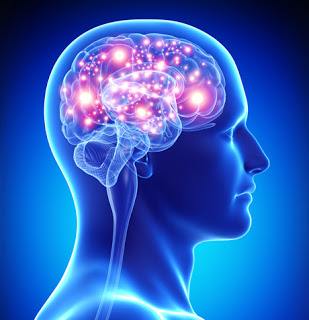
பல ஆண்டுகளாகத் திருப்பித் திருப்பிச் சொல்லப்படும் ஒரு தகவல் நாம் நமது மூளைத் திறனில் பத்து சதவிகிதமே உபயோகப்படுத்துகிறோம் என்பது!


தன்னம்பிக்கை ஊட்டும் மோடிவேஷனல் பேச்சாளர்களுக்கு இப்படிப் பேச்சை ஆரம்பிப்பது ஒரு வழக்கமான ஆரம்பம். 1907இலிருந்தே இவர்கள் உங்கள்  மூளையில் பத்து சதவிகிதமே நீங்கள் பயனப்டுத்துகிறீர்கள் என்று சொல்லி வருகின்றனர். ஆனால் இது உண்மை இல்லை.


வரீமேனும் இந்தியானா பல்கலைக்கழகத்தைச் சேர்ந்த டாக்டர் ஆரான் கரோலியும் ஒரு புத்தகத்தையே இப்படிப்பட்ட மூட நம்பிக்கையைப் போக்க எழுத வேண்டியதாயிற்று!.

இன்று மூளையை ஸ்கேன் செய்து அதன் இயக்கத்தை எந்த ஒரு நேரத்திலும் பார்க்கும் விஞ்ஞானிகள் இந்தத் தவறான த்கவலை நினைத்துச் சிரிக்கின்றனர்!


இது ஜனரஞ்சகமான உணமை, அவ்வளவு தான்! நாம் நமது மூளையின் முழுத் திறனை எட்டவில்லை என்று நம்பும் ஒரு நம்பிக்கையின் அடிப்படையில் பரப்பப்படும் தகவ்ல் இது என்கிறார் வ்ரீமேன்!


  • இனிப்பு எனர்ஜியை அதிகமாக்கி பிரச்சினை தரும் என்பது பற்றிய தவறான தகவல்


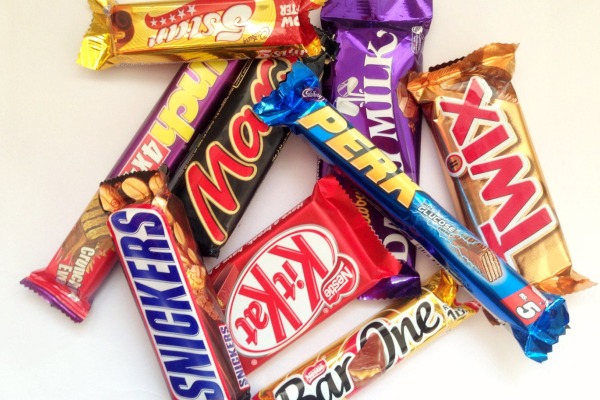
ஜீனி அல்லது இனிப்பைச் சாப்பிடும் குழந்தைகள் ‘லிட்டில் பிசாசுகளாக’ மாறிக் கொண்டாட்டம் போடுகின்றனர் என்பது எல்லாப் பெற்றோரின் நம்பிக்கையாக இருக்கிறது.

கூல் எய்ட் என்ற சர்க்கரை இனிப்பில்லாத ஒரு மருந்தை குழந்தைகளுக்குக் கொடுத்தனர் ஆய்வாளர்கள். ஆனால் அதில் இனிப்பில்லை என்ற தகவல் பெற்றோர்களுக்குத் தெரிவிக்கப்படவில்லை.

பெற்றோர்களோ தங்கள் குழந்தைகள் இனிப்பைச் சாப்பிட்டதால் அதிக எனர்ஜியுடன் ஓவர்-ஆக்டிவ் ஆக இருப்பதாகப் புகார் செய்தனர்!


1994இல் ஜர்னல் ஆஃப் அப்நார்மல் சைல்ட் சைக்காலஜி என்ற பத்திரிகையில் இந்த வேடிக்கையான ஆராய்ச்சியின் முழு விபரமும் வெளியிடப்பட்டுள்ளது.


  • தலையில் அடிபட்டு விட்டால் அது மிகவும் ஆபத்து என்ற நம்பிக்கை


தலையில் அடிபட்ட ஒருவர் சுயநினைவுடன் இருக்க வைக்கப்பட வேண்டும் பொதுவாக அனைவரிடமும் உள்ள ஒரு நம்பிக்கை.

தலையில் அடிபட்டுவிட்டால் உடனடியாக மருத்துவ உதவி தேவை என்பது சரி தான்! ஆனால் இது உடனடியாக உயிரைப் பறித்து விடும் என்பது தவறு! ஒரு குறிப்பிட்ட விதமான விதத்தில் தலையில் பட்ட அடியை வைத்துக் கொண்டு பொதுவாக இந்த நம்பிக்கையைப் பரப்பி விடுகிறார்கள் அனைவரும்!


எந்த ஒரு அடியானது மூளையில் இரத்தக் கசிவை ஏற்படுத்துகிறதோ அது தான் ஆபத்தான ஒன்று! இவர்களுக்கு ல்யூசிட் பீரியட் (Lucid Period) என்பதைத் தொடர்ந்து கோமா நிலையோ அல்லது சில சமயம் மரணமோ சம்பவிக்கும். ஆனால் இது மிகவும் அசாதாரணமான ஒன்று. சாதாரணமாக இது எளிதில் சம்பவிக்காது. என்கிறார் வ்ரீமேன்.

டாக்டரைப் பார்த்துவிட்டு அவர் இது சாதாரணமான அடி தான் என்று சொல்லி விட்டால் கவலைப்பட ஏதுமில்லை என்பது வ்ரீமேனின் ஆறுதலான செய்தி!


  • இன்னும் சில தவறுதலான நம்பிக்கைகள் பற்றி அடுத்த இதழில் பார்க்கலாம்!

*************


ஆதாரம் : லைவ் ஸயின்ஸ் இதழ்

நன்றி: லைவ் ஸயின்ஸ்


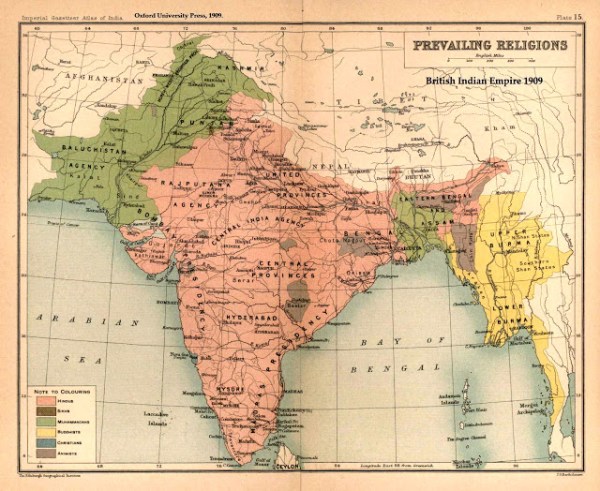
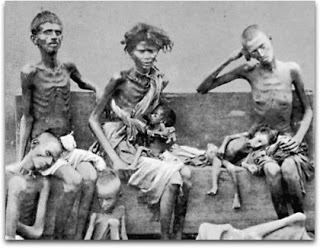
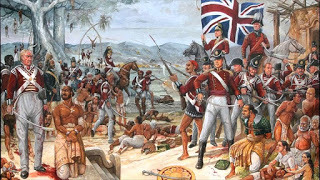
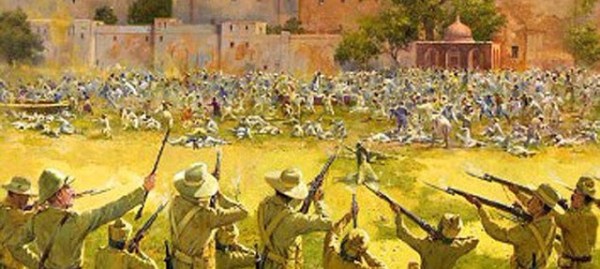
British Atrocities in India (Post No.3787)

Compiled by London swaminathan


Date: 4 APRIL 2017


Time uploaded in London:- 10-30 am


Post No. 3787


Pictures are taken from various sources; thanks.


contact; swami_48@yahoo.com


Following are the excerpts from the book ‘Orient and Occident’ Written by Manmath C Mallik, Barrister at Law, London (Year 1913):-


Blood Boiling Anecdotes:

Page 110/111


“Neither better- caste Hindus nor Bengalis of any caste would serve foreigners in any menial capacity; but the low class Hindu and Moslem are always available, and these may, by their timid and unintelligent ways, perhaps rouse the foreigner’s ire. Beating of servants is so common in European society outside Presidency towns that an employer that has been an exception to the rule is sometimes heard to brag that he has never thrashed his servants. The thrashing is indirectly encouraged by the judiciary and local police, who, on account either of backstairs influence or of fear of incurring the displeasure of superiors, let a culprit escape justice, except in very grave cases that cannot be hushed up, and even then the murderer is generally let off with a fine of twenty or thirty rupees (E1 5s. to €2), because European juries, composed of clerks and shop- assistants, cannot be persuaded to convict of grave offence a member of their own race.” It is, as a London paper once remarked, cheap homicide.” It is doubtless cheap for the criminal but it is far from cheap for the Government, for every such case undermines its authority and prestige and shakes the popular faith in its capacity to protect its subjects. By law the Government has power to appeal against acquittals or inadequate punishment to the High Court, and when this power is exercised in the more advanced provinces a conviction with a term of imprisonment generally satisfies the claims of justice. In these cases the poor witnesses, being of the class to which the victim belongs, are so browbeaten and frightened when giving evidence that they often contradict themselves in details. Such contradiction is made the excuse for acquittal or for a nominal punishment when a European is the offender; but on much flimsier evidence Indians charged with similar offences are severely punished or sent to the gallows.


Page 114 of ORIENT AND OCCIDENT


“A few cases may serve to illustrate the state affairs. In the first week of February, 1911, a Mohammedan member of the Viceroy’s Council was travelling in the only first-class compartment of a train. A European military officer, joining the train, felt himself too exalted to travel with a native,” and asked the Indian gentleman to leave the compartment, on his hesitating to move as there was no other first-class carriage, the officer forced him, by the threat of using his sword, to get out and to go into a second-class carriage. The Anglo-Indian papers did not report the promotion, usual in such cases, gained by this officer for his “imperial” attitude towards an Indian gentleman. This is by no means an isolated instance.


There is scarcely an Indian judge, Raja, or Councillor (not to speak of humbler mortals) that has not had, when travelling by rail, similar experience of this rude imperialism. In answer to a question in the House of Commons in April, 1911, the Under- Secretary for India stated a case in which a Mohammedan Councillor had left his servant in charge of his luggage in a first-class compartment while he was in the restaurant car. A European sub-engineer of the railway turned the servant out, and forced him to travel to the next station (43 minutes) on the footboard. It was stated that the “imperial” engineer was made to apologize to the Mohammedan Councillor, but it was not stated whether the apology was tendered in the presence of the servant, who was arrested by the police for breach of railway regulations by travelling on the footboard and for failing to commit suicide. The engineer doubtless became a hero in his community and received promotion for his imperial bearing. The treatment of third- class passengers by the lower type of Europeans, as well as by the railway servants generally, may be imagined.


One would have thought that after the beneficent influence produced by the Royal visit cases of assault at railway-stations on Indian gentlemen would be unknown. In January, 1913, a case is reported to have been heard in the second magistrate’s court at Bombay, in which an I.M.S. was charged with pushing and insulting at the Grant Road station a Hindu gentleman, who with his wife wished to get into a first-class compart- ment next to the one in which the I.M.S. was travelling. Hitherto “high-born” personages in East and West have objected to travel with smaller fry in the same compartment, but matters are advancing fast, and humble individuals must


116 ORIENT AND OCCIDENT


not wish to travel in the same train with the “imperial” breed. In this case the Hindu gentleman happened to be an ex-sheriff of Bombay. Although, being an athlete, he was strong enough to knock his assailant down, he preferred to lay a charge, at the hearing of which the culprit was let off with an apology.


One may imagine what would have happened if the position of the parties had been reversed. Europeans of the type of the I.M.S. are better recruiting- sergeants for the extreme Nationalist Party than seditious preachers and writers, and yet the authorities proclaim their helplessness to control them or to protect the people under their care. While Europeans in India indulge in these pranks, Indian gentlemen, however exalted their rank, receive grudging obedience from their servants and scant courtesy from policemen and subordinate officials, who regard every European tag-rag as a greater personage than even Rajas and Nawabs.


At the racecourse at Calcutta the writer once witnessed the Chief of a Tributary State- an honoured guest at the King’s Coronation refused admission to the paddock by the European policeman at the entrance probably because he was dressed in ordinary Indian costume, while every foreigner was being admitted without showing a ticket. A steward luckily seeing from a distance the Maharaja


Page 117


turned away , rushed to the spot and took him in.  These unfortunate incidents are more frequent on railways, and the authorities, instead of punishing the offenders, seem by their inaction and by the approbation of the foreign Press to encourage rudeness in the same way as Colonial harsh treatment of Indians is condoned by the Imperial Government. It is a strange nemesis that so many Moslem gentlemen have recently experienced such rudeness, as if to prove to Moslems generally the falsity of the anxiety of reactionary officialdom to conciliate them at the expense of Hindus. Perhaps the apology is tendered when the offended party is Moslem, while no notice would be taken of insult to a Hindu. Reaction would display greater wisdom if it were to issue private instructions to the “imperial” breed to display their “high-born” manners towards Hindus alone and to conciliate Moslems at every opportunity.


So long as this attitude continues, Indian Nationalism has a substantial ground for its propaganda, and with increasing strength its cry will grow louder that the only security against foreign outrage is to deport the offender. There are people in Britain who object to travel in the same railway compartment with their humbler fellow-countrymen not so well groomed as themselves, and who object to go up in lifts with servants or postmen.


Page119


American Atrocities against Blacks


Matters in India have not yet come to the pass described in a book reviewed in a London Liberal journal in July, 1910, where it is stated that in parts of the United States, when a white man takes a dislike to a negro and shoots him dead, a false charge against the negro of attempting to kill him is pleaded as his excuse;  that such charge is certified by other white men that were never near the place of outrage, and that on such evidence the murderer is acquitted, and the judge comes down from the bench to congratulate the accused and to express regret for putting him on trial.


In India, the people being meek and disarmed, the excuse of threatened assassination or outrage is not available but pretexts for assaults are often found and the criminal goes scot-free. Impartial justice is of prime importance in advancing contentment and national well-being.


Page 136

“The Colonial claim is nothing but an arrogant assertion of superiority of a petted and pampered portion of the Empire, and of their ability to dictate to its rulers. The attitude of British statesmen is incomprehensible, since there is nothing to show that in the hour of need the Colonials will be more helpful to the Empire than Indians, or that they will claim no return for any service they may render to their sovereign In any case, if this civil strife is permitted to continue within the Empire, or to grow as it has been doing for some years, it is vain to expect peace and prosperity under the existing political conditions.


“Asiatics, if not permitted to give blow for blow, which alone will bring the uncultured Colonial to reason, will be driven to seek other means of rousing his conscience and of advancing the happiness of mankind. The British Empire or Dominions or Possessions- by whatever name it may please people to call the British territories in Asia-cannot be safe under present conditions. Until the people of India are fully trusted, and bold statesmanship removes all barriers from their paths of service to their sovereign and country, the British dominions will owe a good deal of their security to foreign alliances or to the goodwill of foreign nations”.


(Thousands of such incidents made Gandhi, Tilak, Netaji, Poet Bharatiyar and others to fight against the British rule in India)


–Subham–