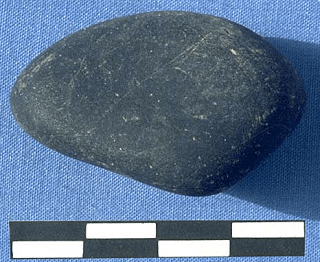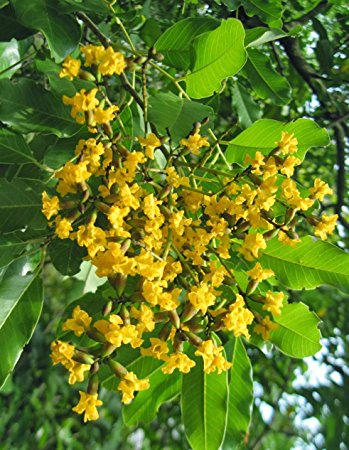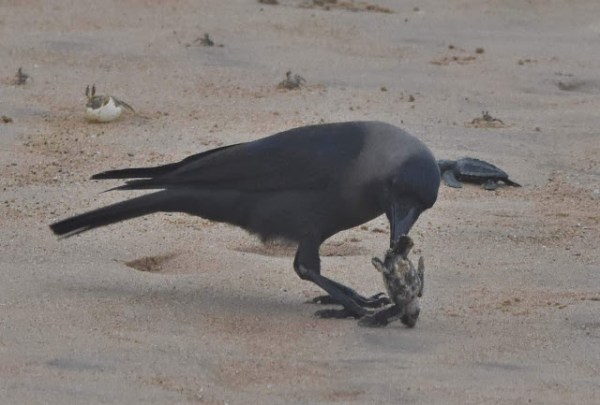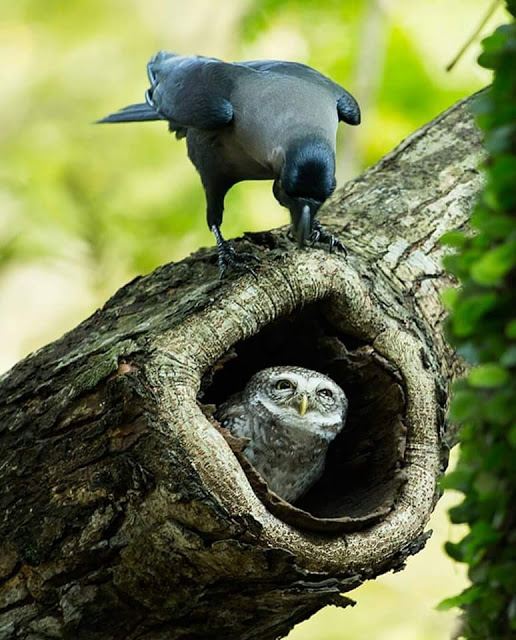
சங்கத் தமிழில் தங்கமும் உரைகல்லும்! (Post No.3889)

Written by London Swaminathan


Date: 8 May 2017


Time uploaded in London: 20-19


Post No. 3889


Pictures are taken from various sources; thanks.


contact; swami_48@yahoo.com


உரைகல் பற்றிய உவமைகளைக் காளிதாசனும் சங்கத் தமிழ்ப் புலவர்களும் பயன்படுத்தியுள்ளனர். உலகில் வேறு எந்தக் கலாசாரத்திலும் பார்க்கமுடியாத உவமைகள் இவை.

இதிலிருந்து இரண்டு விஷயங்கள் புலப்படும்:

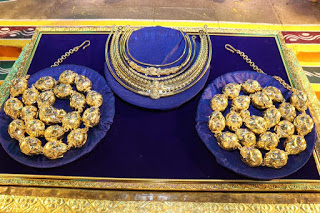
  1. உலகிலேயே பணக்கார நாடு இந்தியாதான். மக்கள் எல்லோருடைய கைகளிலும் தங்கம் இருந்ததால் புலவர்கள் தங்கத்தின் மாற்றைப் பார்க்கும் உரைகல் உவமையைப் பயன்படுத்தியுள்ளனர்.


  1. உலகப் புகழ் பெற்ற அறிஞன், கவிஞன் காளிதாசன் கி.மு .இரண்டாம் நூற்றாண்டிலிருந்து கி.பி. ஐந்தாம் நூற்றாண்டு வரை வாழ்ந்ததாகப் பல அறிஞர்கள் 700 ஆண்டு வீச்சில் அவரது காலத்தை நிர்ணயித்தனர். உலகில் வேறு எந்தக் கவிஞகுக்கும் இல்லாத சிறப்பு இது!


ஆனால் நானோ 20, 30 கட்டுரைகள் மூலமாக காளிதாசன் சங்க காலத்துக்கும் முன்னால் வசித்தவன் என்றும் இதற்கு 200-க்கும் மேலான காளிதாசன் உவமைகள், சங்கத் தமிழரின் பதினென் மேல்கணக்கு நூல்களில் காணக்கிடக்கின்றன என்றும் காட்டிவருகிறேன். அவ்வகையில் உரைகல் உவமையும் சேரும். காளிதாசன் சொன்னதை தமிழ்ப் புலவர்களும் பயன் படுத்தியுள்ளனர். ஒரு சில எடுத்துக் காட்டுகளைக் காண்போம்.


காளிதாசன் பகர்வது:-


செல்வத்துக்கு அதிதேவதையான லெட்சுமி ஓரிடத்திலும் நிலையாக இருக்க மாட்டாள்; ஆனால் மன்னன் அதிதிக்கு அருள்புரியும் நோக்கத்தோடு அவன் எப்போதும் அவனிடம் இருந்தாள் எப்படி இருந்தாள் என்றால்  உரைகல்லின் மீது காணப்பாடும் தங்க ரேகை போல நிலையாக இருந்தாள் (ரகுவம்சம் 17-46)


प्रसादाभिमुखे तस्मिंश्चपलापि स्वभावतः।
निकषे हेमरेखेव श्रीरासीदनपायिनी॥ १७-४६

prasādābhimukhe tasmiṁścapalāpi svabhāvataḥ |
nikaṣe hemarekheva śrīrāsīdanapāyinī|| 17-46


மேகதூத காவியத்தில் காளிதாசன் புகல்வான்:

மேகமே! உஜ்ஜைனி நகர ராஜவீதிகள் வழியாக, காதலர் வீட்டுக்குச் செல்லும் காதலிகளுக்கு உன் மின்னல் வெளிச்சத்தால் வழிகாட்டு. உன் மின்னலானது உரைகல்லில் படிந்திருக்கும்  தங்க ரேகை போல மெல்லியதாக இருக்கட்டும் (மேக.36)


இதே போல விக்ரம ஊர்வசீய நாடகத்திலும் உரைகல் உவமை வருகிறது


சங்கத் தமிழ் புலவர்கள்


சங்கத் தமிழ் புலவர்கள் செப்பியதைக் காண்போம்:

நற்றிணையில் (25) பேரிசாத்தனார்:-

செவ்வரி இதழ் சேண்நாறு பிடவின்

நறுந்தாது ஆடிய தும்பி, பசுங்கேழ்ப்

பொன் உரை கல்லின், நல்நிறம் பெறூஉம்

வளமலை நாடன்


பொருள்:

நீண்ட தூரம் கமழும் பிடவப் பூவின் நறுந்தாதை நுகர்ந்த வண்டு, அந்த மகரந்தத் தூள் படிந்ததால் பொன் உரை கல் போலத்  தோன்றும் வளம் உடைய நாட்டவனே…………………………………….


நற்றிணை (3) பாடலில் இளம்கீரனார் மொழிவது:-

கட்டளை அன்ன இட்டு அரங்கு இழைத்து

கல்லாச் சிறா அர் நெல்லி வட்டு ஆடும்


பொருள்:

பொன்னை உரைக்கும் கல்லைப் போல வட்டமான அரங்கு அமைத்து, தம் தொழிலைக் கல்லாத சிறுவர்கள் நெல்லிக்காயை விளையாட்டுக் கருவியாகக் கொண்டு ஆடுவர்.


கச்சிப்பேட்டு நன்னாகையார் குறுந்தொகையில் (192) உரைப்பது:

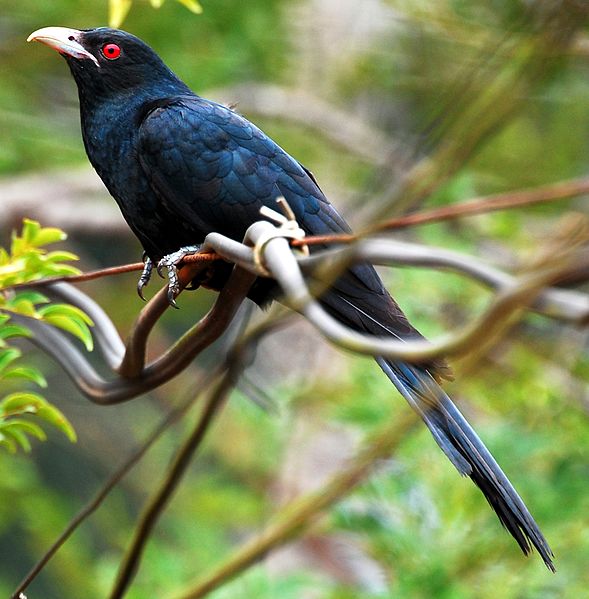
மின்னின் தூவி இருங்குயில், பொன்னின்

உரைதிகழ் கட்டளை கடுப்ப, மாச்சினை

நறுந்தாது கொழுதும் பொழுதும்


பொருள்:

மின்னுகின்ற இறகுகளை உடைய இனிய கரிய குயில் மாந்தோட்டப் பூவிலுள்ள நறும் தாதைப் பூசி, பொன்னை உரைத்த உரைகல் போல விளங்கும்.


பரணர் பாடிய அகநானூற்றுப் பாடல் (178):

வண்பிணி அவிழ்ந்த வெண்கூதாளத்து

அலங்குகுலை அலரி தீண்டித்தாது உகப்

பொன்னுரை கட்டளை கடுப்ப…………..


பொருள்:

வெண் நாரைகள் இருப்பது போலத் தோன்றும் வெள்ளிய கூதளன் செடியின் அசையும் கொத்தில் உள்ள மலரில் பொருந்தியது; அப்போது அம்மலரின் பொடி மேலே உதிர்தலால் பொன் உரைக்கும் கட்டளைக்கல்            லைப் போல அழகுற தோன்றியது.

உருத்திரக்கண்ணனார் (ருத்ராக்ஷன்) பாடிய பெரும்பாணாற்றுப் படையிலும் இப்படி உவமை உண்டு.


திருக்குறளில் (505)


பெருமைக்கும் ஏனைச் சிறுமைக்கும் தத்தம்

கருமமே கட்டளைக் கல்

பொருள்:

அவரவர் செய்யும் செயல்களே அவர்களுடைய பெருமை, சிறுமை என்ற தகுதியைக் காட்டும் உரைகல்லாக இருக்கின்றன


–Subham–


ஹிந்துவாக இருப்பதில் என்ன சிறப்பு இருக்கிறது? (Post No.3888)


Written by S NAGARAJAN


Date: 8 May 2017


Time uploaded in London:-  6-14 am


Post No.3888


Pictures are taken from different sources; thanks.


contact: swami_48@yahoo.com


ஹிந்து மதத்தின் பெருமை

ஒரு ஹிந்துவாக இருப்பதில் என்ன சிறப்பு இருக்கிறது? – 1


மூலம் : FRANCOIS GAUTIER

தமிழாக்கம் : ச.நாகராஜன்


  • கடவுள் மீது எனக்கு நம்பிக்கை – ஆஸ்தீகன் – சரி தான், ஏற்றுக்கொள்கிறோம்.
  • கடவுள் மீது எனக்கு நம்பிக்கை இல்லை – நாஸ்திகன் – சரி தான், உங்களை நாஸ்திகனாக ஏற்றுக்கொள்கிறேம்.
  • உருவ வழிபாட்டைச் செய்ய விரும்புகிறேன். – உம், தொடருங்கள். மூர்த்தி பூஜை செய்பவர் நீங்கள்.
  • உருவ வழிபாட்டைச் செய்ய விரும்பவில்லை – அதனாலென்ன, பரவாயில்லை, நீங்கள் நிர்குண பிரம்மத்தின் மீது கவனம் கொள்பவர்.
  • நமது மதத்தில் உள்ள சிலவற்றை விமர்சிக்க விரும்புபவரா, வாருங்கள், நாம் தர்க்கரீதியானவர்கள் தாம். நியாயம், தர்க்கம் முதலியவை ஹிந்து தர்மத்தின் அடிப்படைக் கோட்பாடுகளே.
  • நம்பிக்கைகளை அப்படியே ஏற்க விரும்புகிறேன். நிரம்ப மகிழ்ச்சி. அப்படியே தொடருங்கள்.


  • முதலில் பகவத்கீதையைப் படித்து விட்டு என் பயணத்தைத் தொடர விரும்புகிறேன். – நிச்சயமாக, அப்படியே ஆகட்டும்!
  • முதலில் உபநிஷத்துகளைப் படித்து விட்டு என் பயணத்தைத் தொடர விரும்புகிறேன். – நிச்சயமாக, அப்படியே ஆகட்டும்!


  • முதலில் புராணங்களைப் படித்து விட்டு என் பயணத்தைத் தொடர விரும்புகிறேன். – நிச்சயமாக, அப்படியே ஆகட்டும்
  • புராணங்களையோ இதர சாஸ்திரங்களையோ படிக்க விரும்பவில்லை. பிரச்சினையே இல்லை. பக்தி மார்க்கத்தில் செல்லலாம்,அன்பரே!
  • பக்தி மார்க்கம் பிடிக்கவில்லை. அதனாலென்ன, கர்மத்தைச் செய்யுங்கள். கர்ம யோகியாக இருங்கள்
  • வாழ்க்கையை அனுபவிக்க விரும்புகிறேன். சரி தான், வாருங்கள், அது சார்வாக கொள்கை.
  • எல்லா வித இன்பங்களும் எனக்கு வேண்டாம். கடவுளை அடைய விரும்புகிறேன். ஓ, ஜெயம் உண்டாகட்டும், அது சாதுவின் வழி. சந்யாச மார்க்கம் அது.
14) கடவுள் என்ற கருத்தே எனக்குப் பிடிக்கவில்லை. – நீங்கள் இயற்கையை விரும்புகிறீர்கள். உங்களை வரவேற்கிறோம். (மரங்கள் நமது நண்பர்களே. பிரகிருதி அல்லது இயற்கை என் வழிபடுவதற்கான ஒன்றே தான்)

15)  ஒன்றே தெய்வம் என்பது எனக்குப் பிடிக்கிறது. உயரிய ஆற்றல் ஒன்று மட்டுமே உண்டு. சபாஷ்! அது தான் அத்வைதக் கொள்கை.


அடுத்த பகுதியுடன் இந்தக் கட்டுரை நிறைவுறும்.

ஆதாரம் : 28-04-2017 தேதியிட்ட TRUTH வார இதழ் (கல்கத்தாவிலிருந்து வெளி வருகிறது)

இதன் ஆங்கில மூலத்தைக் கீழே காணலாம்:


What is special about being a Hindu

by Francois Gautier
1) Believe in God ! – Aastik – Accepted.

2) Don’t believe in God! – You’re accepted as Nastik.

3) You want to worship idols– please go ahead. You are a murti pujak.

4) You dont want to worship idols– no problem. You can focus on Nirguna Brahman.

5) You want to criticise something in our religion. Come forward. We are logical. Nyaya, Tarka etc. are core Hindu schools.

6) You want to accept beliefs as it is. Most welcome. Please go ahead with it.

7) You want to start your journey by reading Bhagvad Gita– Sure!

8) You want to start your journey by reading Upanishads– Go ahead.

9) You want to start your journey by reading Purana– Be my guest.

10) You just don’t like reading Puranas or other books. No problem my dear. Go by Bhakti tradition. (bhakti– devotion)

11) You don’t like idea of Bhakti! No problem. Do your Karma. Be a karmayogi.

12)You want to enjoy life. Very good. No problem at all. This is Charvaka Philosophy.

13)You want to abstain from all the enjoyment of life and find God– Jai ho ! Be a Sadhu, an ascetic!

14)You don’t like the concept of God. You believe in Nature only– Welcome. (Trees are our friends and Prakriti or nature is worthy of worship).

15)You believe in one God or Supreme Energy. Superb! Follow Advaita philosophy.


நன்றி

28-04-2017 TRUTH
PART -2


ஒரு ஹிந்துவாக இருப்பதில் என்ன சிறப்பு இருக்கிறது? – 2


16) எனக்கு ஒரு குரு வேண்டும். – அப்படியே ஆகட்டும், ஒரு குருவிடம் செல்லுங்கள், ஞானத்தை அடையுங்கள்

17) எனக்கு குரு தேவையில்லை. அதனாலென்ன, நீங்களே தொடங்கலாம். தியானியுங்கள், படியுங்கள்.

18) சக்தி என்ற ஆற்றலை நம்புகிறேன். நீங்கள் ஒரு சக்தி உபாசகர்.

19) எல்லா மனிதரும் சமம் என்று நம்புபவன் நான் – ஓஹோ! அட, நீங்கள் ஹிந்து மதத்தைக் கொண்டாடுகிறீர்களே, “வஸுதைவ குடும்பகம்” – உலகனைத்தும் நமது குடும்பம் என்று அல்லவா அது சொல்கிறது!

20) வருகின்ற பண்டிகையை என்னால் கொண்டாட முடியவில்லையே. கவலை வேண்டாம். அடுத்த பண்டிகை இதோ வருகிறது. அதைக் கொண்டாடி மகிழுங்கள். வருடம் முழுவதும் ஒவ்வொரு நாளுமே பல பண்டிகைகளைக் கொண்டது ஹிந்து  மதம்.

21) தினசரி வேலை செய்யவே நேரம் முழுவதும் போகிறது  மத அனுஷ்டானம் செய்ய நேரமே இல்லை. – அதனால் பரவாயில்லை. நீங்கள் இன்னும்  ஒரு  ஹிந்து தான். எதுவும் கட்டாயமில்லை.

22)  ஆலயங்களுக்குச் சென்று வழி பட ஆசை – பக்தி மிகச் சிறந்ததே


23) ஆலயங்களுக்குச் செல்ல விருப்பமில்லை -அதனால் என்ன, ஆலயம் செல்லாவிட்டாலும் குட, நீங்களும் ஒரு ஹிந்து தான்.

24) ஹிந்து மதம் என்பது ஒரு வாழ்க்கை முறை. அதில் சர்வ சுதந்திரம் உண்டு.

25) ஒவ்வொன்றிலும் கடவுள் இருக்கிறார் என்று நீங்கள் நம்புகிறீர்கள். – சரி தான். அதனால் நீங்கள் தாய், தந்தை, குரு, மரம், நதி, மிருகங்கள், பூமி, பிரபஞ்சம் அனைத்துமே வழிபாட்டுக்கு உரியனவே என வழிபடுகிறீர்கள்.

26) எல்லாவற்றிலும் கடவுள் இருக்கிறார் என்பதில் எனக்கு உடன்பாடில்லை – ஒரு பிரச்சினையும் இல்லை. உங்கள் கருத்தை மதிக்கிறோம்.

27) “சர்வே ஜனா சுகினோ பவந்து” (அனைவரும் சந்தோஷத்துடன் இருக்கட்டும்) நீங்கள் இதையே கருத்தில் கொண்டுள்ளீர்கள்.

நீங்கள் உங்களுக்கு ஏற்புடையதைத் தேர்ந்தெடுத்துக் கொள்ளலாம்.

எனது ஹிந்து நண்பரே!

இது தான் ஹிந்து மதத்தின் சாரம்! அனைத்தையும் உள்ளடக்கியது அது.

ஆகவே தான் காலத்தையெல்லாம் தாண்டி அது நிற்கிறது.

எத்தனை எத்தனை சோதனைகளை உள்ளும் புறமுமாக அது சந்தித்து வெற்றி கண்டிருக்கிறது. எல்லாவற்றையும் உட்கிரகித்து அனைத்து நல்லனவற்றையும் தன்னுள்ளே அது ஏற்றிக் கொண்டுள்ளது!

ஆகவே தான் அது சனாதனமாக உள்ளது.

மனித குலத்தில் தோன்றிய உலகின் ஆதி நூலாகிய ரிக்வேதத்தில் உள்ள ஒரு துதிப்பாடல் அனைத்தையும் சுருக்கமாகச் சொல்லி விடுகிறது இப்படி:

“உலகெங்கிலுமிருந்தும் எல்லா திசையிலிருந்தும் நல்லன அனைத்தும் எங்களிடம் வரட்டும்”


ஆதாரம் : 28-04-2017 தேதியிட்ட TRUTH வார இதழ் (கல்கத்தாவிலிருந்து வெளி வருகிறது)

இதன் ஆங்கில மூலத்தின் தொடர்ச்சியைக் கீழே காணலாம்:
16)You want a Guru. Go ahead. Receive gyaan.

17)You don’t want a Guru .. Help yourself! Meditate, Study!

18)You believe in Female energy! Shakti is worshipped.

19)You believe that every human being is equal. Yeah! You’re awesome, come on let’s celebrate Hinduism! “Vasudhaiva kutumbakam” (the world is a family).

20) You don’t have time to celebrate the festival. Don’t worry. One more festival is coming! There are multiple festivals every single day of the year.

21)You are a working person. Don’t have time for religion. Its okay. You will still be a Hindu.

22)You like to go to temples. Devotion is loved.

23)You don’t like to go to temples–no problem. You are still a Hindu!

24)You know that Hinduism is a way of life, with considerable freedom.

25)You believe that everything has God in it. So you worship your mother, father, guru, tree, river, prani-matra, earth, universe!

26)And if you don’t believe that everything has GOD in it– No problems. Respect your viewpoint.

27) “Sarve jana sukhino bhavantu” (May you all live happily), You represent this! You’re free to choose, my dear Hindu!


This is exactly the essence of Hinduism, all inclusive. That is why it has withstood the test of time in spite of repeated onslaught both from within and outside, and assimilated every good aspects from everything .

That is why it is eternal !!!


There is a saying in Rigveda , the first book ever known to mankind which depicts the Hinduism philosophy in a Nutshell “Ano bhadrah Krathavo Yanthu Vishwathah”– Let the knowledge come to us from every direction.



நன்றி

28-04-2017 TRUTH VOL.85 NO. 2

இத்துடன் இந்தக் கட்டுரை நிறைவுறுகிறது

–Subham–
Gold and Touch Stone in Kalidasa and Tamil Literature (Post No.3887)

Written by London Swaminathan


Date: 7 May 2017


Time uploaded in London: 21-21


Post No. 3887


Pictures are taken from various sources; thanks.


contact; swami_48@yahoo.com


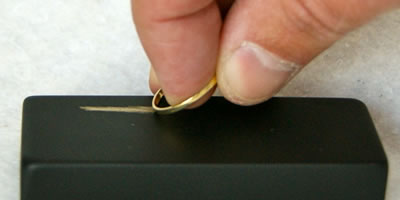
Gold is a precious bright yellow metal. Streaks of gold appears charming on the black touch stone, and it remains firm and distinct on the clean touch stone. So Tamil and Sanskrit poets have used this image in their poems.


In Kalidasa’s Meghaduta, the flashes of lightning in dark-blue cloud are imagined to be as charming as  the streak of gold on the black touchstone which has peculiar brightness (Meghaduta 40)


In the Vikrama Urvasiyam (5-19), Kalidasa used the touch stone simile which is used by several Sangam age Tamil Poets as well.

The Goddess of Wealth, though fickle by nature became steady due to the magnanimous and virtuous qualities of King Atithi as a streak of gold on the clean touch stone remains firm and distinct (Raghuvamsa 17-46)


प्रसादाभिमुखे तस्मिंश्चपलापि स्वभावतः।
निकषे हेमरेखेव श्रीरासीदनपायिनी॥ १७-४६

prasādābhimukhe tasmiṁścapalāpi svabhāvataḥ |
nikaṣe hemarekheva śrīrāsīdanapāyinī|| 17-46


The lady called kingdom-fortune though naturally fickle was constant with him who was inclined to be gracious; and hence she was like an ineffaceable streak of gold upon a touchstone. [17-46]


In Sangam Tamil Literature

Famous Sangam Tamil Poet Paranar compares a rock strewn with yellow flowers to a touch stone with gold streaks (Akananauru 178)

Ilamkeeranaar in Natrinai verse 3 says the illiterate children used to play with gooseberries in a touchstone shaped circle (Narrinai 3)

Berisattanar, in Natrinai verse 25, says that the beetle that sucked nectar from the flowers looked like a touch stone with gold streaks, because the beetle was smeared with the golden coloured pollen grains.

In Kuruntokai 192, Kachipedu Nannaakaiyaar, says that the black winged cuckoo looks like a touchstone with golden streaks after it visited the mango flowers loaded with pollen grains.


Perumpanatruppadai author uruththirankannanar also used the touchstone simile (Line 221)

Tamil Veda Tirukkural (505) says,

“A man’s deeds are the touchstone of his greatness and littleness.”


Kalidasa’s 200 similes were used by the Sangam age Tamil poets 2000 years ago. I have been showing that Kalidasa lived well before Sangam age somewhere between first and second century BCE. Kalidasa could not have copied from scores of Tamil poets. Then the world would not have praised him for the apt similes Moreover Kalidasa had better knowledge about the Ganges, Himalayas, Northern rivers and Hills and mythological characters than the Tamil poets.


Raghuvamsa sloka is taken from the sanskritdocumets.org

–subham–


தமிழர் வாழ்வில் வேங்கை மரம்! புலியா, மரமா? (Post No.3886)

Written by London Swaminathan


Date: 7 May 2017


Time uploaded in London: 14-17


Post No. 3886


Pictures are taken from various sources; thanks.


contact; swami_48@yahoo.com


வேங்கை என்ற தமிழ்ச் சொல்லுக்கு இரு பொருள் உண்டு; புலி என்றும் வேங்கை மரம் என்றும் அர்த்தம்.


சங்க இலக்கியத்தில் வேங்கை மரம் பற்றிய பாடல்கள் நிறைய உள்ளன. வேங்கை மரம் பூத்தால் திருமணம் நடக்கும் என்ற நம்பிக்கையும் இதற்கு ஒரு காரணம்.


இது பற்றிய இரண்டு அதிசய விஷயங்கள்!


உலகப் புகழ் பெற்ற கவிஞன்  காளிதாசனும் புலி என்றும் மரம் என்றும் பாடுகிறான். சங்க காலத்துக்கு முன் வாழ்ந்தவன் காளிதாசன் என்ற கருத்தை வலியுறுத்தி ஏழு ஆண்டுகளாக நிறைய கட்டுரைகள் தந்தேன். இன்று வேங்கை மரம் மேலும் ஒரு சான்றாக வருகிறது!


2000 ஆண்டுகளுக்கு முன்னர் யானையும் புலியும் சண்டை போடுவது, தமிழகக் காடுகளில் தினமும் நடந்த ஒரு நிகழ்ச்சி. வேங்கை மரத்தின் பூக்கள் , பாறைகளில் விழுந்து காட்சி தருகையில் அது புலி போலவேஎ தோன்றும். இதைப் பார்க்கும் யானை, அது உண்மையான புலி என்று எண்ணி அதனுடன் மோதுகிறதாம். இது கபிலர் கண்ட காட்சி(கலித்தொகை 38, 49)

வேங்கை என்ற தமிழ்ச் சொல் வேங்கா ( Benga பேங்கா) என்று நேபாளத்திலும் வழங்கி வருகிறது. தமிழும், சம்ஸ்கிருதமும்தான் உலக மொழிகளுக்கு எல்லாம் மூல மொழிகள் என்றும் உலகின் எல்லா பழைய சொற்களையும் இம்மொழிகளில் தோன்றியதாகக் காட்ட முடியும்  என்றும் நான் எழுதி வருவதற்கு இது மேலும் ஒரு சான்று!

வேங்கை மரம் பற்றிய பாடல்கள் சிலவற்றைக் காண்போம்:-

2000 ஆண்டுகளுக்கு முன்னர் தமிழ் நாட்டின் காடுகளில் யானையும் புலியும் சண்டை போடுவது தினமும் நடந்த நிகழ்ச்சிகளாகும்.


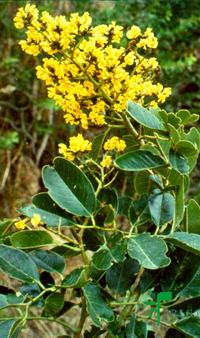
வேங்கை மரத்தின் மஞ்சள் நிறப் பூக்கள் பாறைகளில் மீது விழுந்து கிடப்பது, புலி உட்கார்ந்து இருப்பது போலத் தோன்றுமாம். இதைக் காணும் யானைகள் அதை உண்மையான புலி என்று எண்ணி மோதுமாம். இது கபிலர் கண்ட காட்சி (கலித்தொகை 38,49)


காட்டு ஓரப் பகுதிகளில் இசைக் கலைஞர்கள் பறை கொட்டி இசை பாடியதைக் கேட்ட யானைகள், அதை புலி உறுமல் என்று எண்ணி கோபம் கொண்டனவாம். உடனே அங்கே பூத்துக் கிடந்த வேங்கை மரங்களை புலி என்று கருதி தாக்கி, அதன் ஒரு கிளையை தன் தலைமீது போட்டுக்கொண்டு பிளிறியதாம் அந்த சப்தம் மலைமீது மோதி எதிரொலி செய்தனவாம். இது பரணர் கண்ட காட்சி (பதிற்றுப் பத்து 41)


பண்ணமை முழவும் பதலையும் பிறவும்

கண்ணறுத்து இயற்றிய தூம்பொடு கருக்கிக்

காவின் தகைத்த துறைகூடு கலப்பையர்

கைவல் இளையர் கடவுட் பழிச்ச

மறப்புலிக் குழூ உக்குரல் செத்து வயக்களிறு

வரைசேர்பு எழுந்த சுடர்வீ வேங்கைப்

பூவுடைப் பெருஞ்சினை வாங்கிப் பிளந்துதன்

மாயிருஞ் சென்னி அணிபெற மிலைச்சி

வழையமல் வியன்காடு சிலம்பப் பிளிறும்

பதிற்றுப் பத்து-41, பரணர்


நெடுவெண் நிலவினார் (குறுந்தொகை 47) வேறு ஒரு காட்சியை நம்முன் வைக்கிறார்:-


வானில் பிரகாசிக்கும் நிலவைப் பார்த்த தோழி , காதலன் வருவதற்குரிய நேரம் அதுவல்ல என்கிறாள்; ஏனெனில் கீழே வேங்கை மரத்தின் மஞ்சள் நிறப்பூக்கள் பாறைகளின் மீது விழ்ந்து கிடக்கின்றன. இதைப் பார்த்து புலி என்று காதலன் அஞ்சக் கூடும்:-


கருங்கால் வேங்கை வீ உகு துறுகல்

இரும்புலிக் குருளையின்  தோன்றும் காட்டிடை

எல்லி வருநர் களவிற்கு

நல்லை அல்லை  வெண்ணிலவே


–நெடுவெண்ணிலவினார், குறுந்தொகை 47


புறநானூற்றிலும் (பாடல் 202) புலி வருகிறது!


அரும்பற மலர்ந்த கருங்கால் வேங்கை

மாத்தகட்டு ஒள்வீ தாய துறுகல்

இரும்புலி வரிப்புறம் கடுக்கும்


இப்படிப்பட்ட மரத்தைக் கண்ட யானைகள் அது உண்மையான வேங்கைப் புலி என்று அஞ்சி ஓடுகின்றனவாம்!


உறுபுலி உருவேய்ப்பப் பூத்த வேங்கையைக்

கறுவுகொண்டு அதன் முதல் குத்திய யானை –கலி.38


வேங்கை தா அய தேம்பாய் தோற்றம்

புவிசெத்து வெரீஇய புகர்முக வேழம் – அகம்.12


இவ்வாறு எண்ணற்ற குறிப்புகளுள. சில குறிப்புகளை மட்டும் எடுத்துக்காட்டுகளாக கொடுத்தேன்


காளிதாசனில் வேங்கை மரம்


व्याघ्रानभीरभिमुखोत्पतितान्गुहाभ्यः
फुल्लासनाग्रविटपानिव वायुरुग्णान्।
शिक्षाविशेषलघुहस्ततया निमेषा
त्तुणीचकार शरपुरितवक्त्ररन्ध्रान्॥ ९-६३


vyāghrānabhīrabhimukhotpatitānguhābhyaḥ
phullāsanāgraviṭapāniva vāyurugṇān |
śikṣāviśeṣalaghuhastatayā nimeṣā
ttuṇīcakāra śarapuritavaktrarandhrān || Raghuvamsa 9-63


தசரதர் அச்சமற்றவர், வேட்டையாடச் சென்றபொழுது குஹைகளில் இருந்து வெளிவந்த புலிகள், அவரை நோக்கிப் பாய்ந்தன. பாய்கின்ற அப்புலிகள் காற்றினால் ஒடிக்கப்பட்டு கீழே விழுகின்ற வேங்கை மரக் கிளைகள் போல் காணப்பட்டன. தசரதர் நொடிப்பொழுதில் அம்புகளை அந்தப் புலியின் வாயில் புதைத்தார். அப்பொழுது அவை அம்பு நிறைந்த அம்பறாத் துணிகள் போல் இருந்தன.இது அப்படியே தமிழில் உள்ளது Raghuvamsa 9-63


–சுபம்–


.

மறக்கின்ற தருணமும் நினைக்கின்ற தருணமும்! (Post No.3885)

Written by S NAGARAJAN


Date: 7 May 2017


Time uploaded in London:-  5-18 am


Post No.3885


Pictures are taken from different sources; thanks.


contact: swami_48@yahoo.com


கடவுளும் மனிதனும்

மறக்கின்ற தருணமும் நினைக்கின்ற தருணமும்!


.நாகராஜன்


ஒரு பிரம்மாண்டமான அடுக்கு மாடிக் கட்டிடம் கட்டப்படுக் கொண்டிருந்தது. ஒரு நாள் சூபர்வைஸர் ஒருவர் தரையிலிருந்து பதினாறாம் மாடியில் இருந்த ஒரு தொழிலாளியைக் கூவி அழைத்துக் கொண்டிருந்தார். ஆனால் அந்தத் தொழிலாளிக்கோ அவரது அழைப்பு காதில் விழவில்லை.


அவர் பத்து ரூபாய் நோட்டு ஒன்றை மடித்து குறி பார்த்து அவனை நோக்கி எறிந்தார். நோட்டு பறந்து போய் தொழிலாளியிடம் விழுந்தது. அதை ஆவலுடன் பார்த்த் தொழிலாளி அதை எடுத்துத் தன சட்டைப் பையில் பத்திரமாக்ப் போட்டுக் கொண்டு தன் வேலையைத் தொடர்ந்து பார்க்க ஆரம்பித்தான்.


தன்னை அவன் கவனிக்காததைக் கண்ட சூபர்வைஸர் ஒரு ஐநூறு ரூபாய் நோட்டை எடுத்து நன்கு மடித்து அவனை நோக்கிக் குறி பார்த்து எறிந்தார். நோட்டு தொழிலாளியிடம் வந்து விழுந்தது. ஐநூறு ரூபாய் நோட்டு!! அதை ஆவலுடன் எடுத்துக் கொண்ட தொழிலாளி தன் சட்டைப் பையில் பத்திரமாக வைத்துக் கொண்டான். தன் வேலையைத் தொடர்ந்தான்.


இப்போது சூபர்வைஸர் ஒரு சிறிய கல்லை எடுத்துக் கொண்டு குறி பார்தது அதை அவன் மேல் எறிந்தார். கல் வந்து விழுந்தது. உடனே தொழிலாளி கல் வந்த திசையை நோக்கிப் பார்த்தான். அங்கு சூபர்வைஸர் நின்று கொண்டிருந்தார். சூபர்வைஸர் தான் சொல்ல வேண்டியதைச் சொன்னார்.


இதே தான் நம் வாழ்க்கையிலும் நடக்கிறது.


கடவுள் நம்மிடம் தொடர்பு கொள்ள நினைக்கிறார். ஆனால் நாமோ ந்மது பிஸியான உலகியல் வாழ்க்கையில் ஈடுபட்டுக்கொண்டிருக்கிறோம், அவரைக் கவனிக்க முடியாமல்.

உடனே அவர் சில சிறிய பரிசுகளை அனுப்புகிறார். ஊஹீம், அவரை நம்மால் கவனிக்க முடியவில்லை. பிறகு அவர் சில பெரிய பரிசுகளை அனுப்புகிறார்.


ஊஹீம், இப்போதும அவரைக் கவனிக்க முடியவில்லை. பரிசுகளைப் பத்திரப் படுத்திக் கொள்கிறோம்.


தந்த அவருக்கு ஒரு நன்றி கூடச் சொல்லமுடியவில்லை, பார்த்தால் தானே சொல்ல முடியும்!  நாம் அதிர்ஷ்டசாலி என்று நினைத்துக் கொண்டு நம் வாழ்க்கையைத் தொடர்கிறோம்.


உடனே அவர்  ஒரு சின்ன கல்லால் நம்மை அடிக்கும் போது – அது தான், சில தொந்தரவுகளை அனுப்பும் போது -உடனே, கடவுளே, எனக்கு மட்டும் ஏன் இந்த சோதனை என்று கதறுகிறோம்.


இப்போது நமது முழு பார்வையும் கவனமும் கடவுள் மீது திரும்புகிறது.


அடடா! என்னே மனிதனின் விசித்திரமான போக்கு! என்னே அவன் வாழ்க்கை!!


அதனால் தான் இப்படிச் சொல்கிறார்கள் போலும்:

HE GIVES AND GIVES AND FORGIVES ; AND

WE GET AND GET AND FORGET..?!!!!


அவன் கொடுக்கிறான்; கொடுத்துக் கொண்டேஇருக்கிறான்; அவனைக் கவனிக்காத போதும் கூட மன்னிக்கிறான்


நாம் பெறுகிறோம்; பெற்றுக் கொண்டே இருக்கிறோம்; அவன் அனைத்தையும் தந்ததையும் மறந்து அவனையும் மறக்கிறோம்!


SOURCE

From : TRUTH WEEKLY 28-4-2017  ISSUE

தமிழில் தந்தது ச.நாகராஜன்


இதன் மூலத்தை ஆங்கிலத்தில் கீழே காணலாம்:


Snippet from Social Media


Pain or Mercy !


A Construction Supervisor from 16th Floor of a Building was calling a worker on Ground Floor. Because of noise the worker did not hear his call.


To draw attention, the Supervisor threw a 10 Rupee note in front of worker. He picked up the note, put it in his pocket and continued to work.


Again to draw attention the Supervisor threw a 500 Rupee note and the worker did the same.


Now the Supervisor picked a small Stone and threw on the Worker. The Stone hit the Worker. This time the worker looked up and the supervisor communicated with him.

This Story is same as to our ‘LIFE’ …
God wants to communicate with us, but we are busy doing our worldly jobs. Then, he give us small gifts and big gifts. We just keep them without looking from where we got it. We are the same.

Just keeping the gifts without thanking Him, we just say, we are LUCKY. And when we are hit with a small stone, which we call PROBLEMS, then only we look up and communicate with him.


That’s why it is said :–


He gives, gives and forgives

And We get, get and forget.. …..

***

நன்றி : Truth magazine

Venkai Tree is Tiger: Kalidasa and Tamil Poets Imagine! (Post No.3884)


Written by London Swaminathan


Date: 6 May 2017


Time uploaded in London: 21-05


Post No. 3884


Pictures are taken from various sources; thanks.


contact; swami_48@yahoo.com


The word ‘Venkai; means a Venaki tree and a tiger in Tamil. The surprising thing about the word is that it is called Venga (benga) even in Western Nepal. So, my favourite hypothesis that Sanskrit and Tamil were the original languages of the world and you can trace any old word to these two languages – is confirmed once again.


My next favourite hypothesis that Kalidasa lived well before Tamil Sangam age is confirmed once again in this Venkai-Asana tree (Pterocarpus marsupium) comparison. I have been showing that over 200 similes of Kalidasa were used by 400+ Sangam Tamil poets


The Venkai tree and its surrounding ground with its flowers looks like a tiger according to Kalidasa and Sangam Tamil poets. Tamil poets are very familiar with this image. We have got lot of this images in Sangam Literature.

The Venaki tree in the field blossoms in the season for marriages of olden days and for the harvest of the fields. So, it has some significance in the life of the villagers. One of the Tamil poets says “One day in her usual overheard speech, the lady companion enquires the heroine why her mother prayed that the Venkai tree should blossom and immediately looked at her face. She thereby suggests to the overhearing hero that her mother may thereafter restrain her daughter from going to the field and thereby indirectly urges him to marry soon” (Natrinai 206)


Here are some scenes from Sangam Tamil Poetry:


“A block of rock covered with Venaki blossoms looks like the coloured spots and stripes on the tiger’s skin (Kuruntokai.202)

“The elephant hears the blended notes of the musical notes of the musicians and mistakes it for the roar of a tiger, gets angry, attacks a blossomed Venkai tree, tears off one of its branches and wearing it on its head makes a roar that echoes in the mountain rocks” (Pathitrupathu -41)


“There is a picture of an impenetrably dark night on a mountain in which the tiger springing from its lair attacks and kills an elephant, drinks its blood and cleans its mouth rubbing it against the trunk of the Venkai” (Natrinai 158)


The name Venkai denotes the tiger (also the tree) and it is a wondrous sight that the blossomed tree resembles the tiger with its dots and stripes Purananuru 202. This fact has attracted the imagination of many poets of the age and they have described the elephants attacking with vengeance or running away from the tree mistaken for a tiger (Pura.202, Kali.38, Aka.12). Poet Senkannanar has put this image in a nutshell in the three words ‘Venakiyum puli Iindrana’ meaning that the tree has given birth to a (blossomed) tiger (Natrinai 389)


The poet, Netuven Nilavinar (Kuruntokai 47), in an apostrophe to the moon, says,

“The lady companion addresses the moon and states that it is not favourable to the hero’s coming to her at night, since it is so bright that even the rock whereon the Venaki flowers have fallen and spread appears bright and clear and looks like a tiger cub, and may, in her opinion, frighten him when he comes that way.”


“An angry elephant attacks a Venkai tree and destroys its branches (thinking it as a tiger); the branches are not broken but only bent to the ground; the branches continue to blossom and the girls find it easy to pluck the flowers standing on the ground (Kuru.208). This picture is in the utterance of the heroine suggesting the companion that the hero has caused her untold sufferings but has been merciful enough to make her still live without perishing and undergo some more sufferings by others”.


Asana (Venkai in Tamil) Tree in Kalidasa

In the Raghu Vamsa (9-63), the spotted tigers rushing onward appeared like the branches of Asana Tree, full of reddish yellow blossoms, broken and blown off by the wind, says Kalidasa.


व्याघ्रानभीरभिमुखोत्पतितान्गुहाभ्यः
फुल्लासनाग्रविटपानिव वायुरुग्णान्।
शिक्षाविशेषलघुहस्ततया निमेषा
त्तुणीचकार शरपुरितवक्त्ररन्ध्रान्॥ ९-६३

vyāghrānabhīrabhimukhotpatitānguhābhyaḥ
phullāsanāgraviṭapāniva vāyurugṇān |
śikṣāviśeṣalaghuhastatayā nimeṣā
ttuṇīcakāra śarapuritavaktrarandhrān || 9-63


In consequence of the agility of the hand from long practice, the dauntless king in the twinkling of the eye turned the wide opened mouth of tigers into quivers, as it were, of those tigers that rushed upon him from their caves, by filling their mouth cavities with arrows, and made them resemble the blossom laden branches of the Asana trees broken down by the wind. [9-63]


Both the tigers and Asana tree branches with flowers have a colourful look.


Though I have come across only one reference to Tiger and the tree in Raghuvamsa, there are references to the tree in his other works.


–Subham–

வாக்கு நயம், யாக்கை நயம்-காக்கை இசை, குயில் இசை (Post No.3883)

Written by London Swaminathan


Date: 6 May 2017


Time uploaded in London: 14-48


Post No. 3883


Pictures are taken from various sources; thanks.


contact; swami_48@yahoo.com


ஒரு தமிழ்ப் புலவர் குயிலையும் காக்கையையும் வைத்து நமக்கு ஒரு நல்ல அறிவுரை வழங்குகிறார்.


ஒருவருடைய தோற்றத்தைக் கண்டு அவரை எடை போடாதீர்கள். அவருடைய பேச்சை வைத்து, அதாவது கருத்து ஆழத்தைக் கொண்டு, அவரை எடை போடுங்கள் என்று தமிழ்ப் புலவர் மொழிகிறார்.


ஒருவர் பட்டு வேஷ்டி, ஜரிகை அங்க வஸ்திரம், குங்கும சந்தனப் பொட்டு, வைர மோதிரம் அணிந்து மேடை ஏறிப் பாட வரலாம். ஆயினும் அவர் பாடும் பாட்டு ரசிக்கும்படியாக இல்லையானால் கூட்டம் கலைந்துவிடும். அது போலவே ஒருவர் நன்றாக உடை அணிந்து பெரிய மனிதர் தோரணையில் உலா வரலாம். ஆயினும் அறிஞர் இடையே அவர் பேசத் துவங்கினால் அவருடைய உண்மை மதிப்பு தெரிந்துவிடும்.


வாக்கு நயத்தாலன்றிக் கற்றவரை மற்றவரை

ஆக்கை நயத்தால் அறியலாகாதே – காக்கையொடு

நீலச் சிறுகுயிலை நீடிசையால் அன்றியே

கோலத் தறிவருமோ கூறு

–நீதி வெண்பா

பொருள்:-

காக்கையொடு நீலச் சிறுகுயிலை-காக்கையையும்   அதைப் போலவே கருநிறக் குயிலையும்


நீடு இசையால் அன்றி – இனிமை மிக்க இசைக்குரலால் அல்லாமல்

கோலத்து அறிவருமோ கூறு-  உருவத்தினால் அவற்றின் பெருமையை அறியக்கூடுமோ, நீ சொல்

(அவற்றின் பெருமையை எப்படி உருவத்தால் அறிய முடியாதோ, அதைப் போலவே)


கற்றவரை மற்றவரை – படித்த பெரியவர்களையும், படிக்காத மற்றவர்களையும்

வாக்கு நயத்தால் அன்றி – அவரவர்களின் பேச்சின் இனிமையினால் அல்லாமல்

ஆக்கை நயத்தால் அறியலாகாதே – உடம்பு அழகினால் அறிய முடியாது.


இதைப் போலவே சம்ஸ்கிருதத்திலும் ஒரு பா உண்டு:-


காகஹ கிருஷ்ணஹ பிகஹ கிருஷ்ணஹ கோ பேதஹ பிககாகயோஹோ

வசந்த காலே சம்ப்ராப்தே காகஹ காகஹ பிகஹ பிகஹ


பொருள்:-

காகமும் கறுப்பு, குயிலும் கறுப்பு; பின்னர் குயிலுக்கும் காகத்துக்கும் வேறு என்னதான் வேறுபாடு?

(ஓ அதுவா?)


வசந்த காலம் வந்துவிட்டால், காக்கை காக்கைதான், குயில் குயில்தான்! ( அதாவது அதன் வண்டவாளம் தெரிந்து விடும்.குயில் இனிமையாகப் பாடத் துவங்கும்; காகம் கர்ண கடூர சப்தம் உண்டாக்கும்)


ஏன் இப்படிக் காகத்தையும் குயிலயும் ஒப்பிடுகிறார்கள் என்றால், காகத்தின் கூட்டில் குயில்கள் முட்டை இடும். அவைகளுக்கு அடைகாக்கத் தெரியாது. காக்கையும் குயிலின் தந்திரத்தை அறியாமல் எல்லாவற்றையும் அடை காத்து குஞ்சு பொறிக்கும். வசந்த காலம் வருகையில் குயில் இனிமையாகப் பாடிக்கொண்டு பறந்தோடிப் போகும்.

காளிதாசன், குயிலின் இந்தக் குணத்தைக் குறிப்பிட்டு பெண்களின் தந்திர புத்தியைச் சாடுகிறான். ஒன்றுமறியாத பறவை இனமே இப்படி ஏமாற்றினால், எல்லாம் அறிந்த மனித இனப் பெண்கள் எப்படியெல்லாம் ஏமாற்றுவார்கள்? என்று அவனது உலகப் புகழ் பெற்ற சாகுந்தல நாடகத்தில் ஒரு வசனம் வருகிறது (5-22)


அதே போல ரகு வம்ச காவியத்திலும் (12-39) சூர்ப்பநகை குயில் போல இனிமையாகப் பேசி ராம லெட்சுமணர்களைக் கவரப் பார்த்தாள் என்று காளிதாசன் சொல்லுவான். அதன் உட்பொருள் குயில் போலத் தந்திரம் செய்து ஏமாற்றப் பார்த்தாள் என்பதே.

இவ்வாறு ஓரிரு இடங்களில் குயில் பயன்படுத்தப்பட்டிருந்தாலும், நூற்றுக் கணக்கான இடங்களில் பெண்களை வருணிக்கையில் குயில் போன்ற இனிமையான குரலையும் மயில் போன்ற அழகையும் உடையவர்கள் என்றே இந்தியப் புலவர்கள் போற்றிப் புகழ்வர்.


–subham–

.

பூமியைக் காப்பாற்ற நாஸாவின் புதுத் திட்டம்! (Post No.3882)


Written by S NAGARAJAN


Date: 6 May 2017


Time uploaded in London:-  5-49 am


Post No.3882


Pictures are taken from different sources; thanks.


contact: swami_48@yahoo.com


பாக்யா 5-5-2017 தேதியிட்ட இதழில் அறிவியல் துளிகள் தொடரில் வெளியாகியுள்ள கட்டுரை

பூமியைக் காப்பாற்ற நாஸாவின் புதுத் திட்டம்!

ச.நாகராஜன்


“சந்திரனை ஆராய்வதற்காக இவ்வளவு தூரம் சந்திரனுக்கு நாம் வந்துள்ளோம். மிக முக்கியமான விஷயம் என்னவென்றால் இப்போது நாம் நமது பூமியைக் கண்டு பிடித்திருக்கிறோம் – அபல்லோவில் சென்ற் விண்வெளி வீரர் வில்லியம் ஆண்டர்ஸ்


    தத்து எடுப்பது என்பது தொன்றுதொட்டு இருந்து வரும் ஒரு பழக்கம் தான்! பிள்ளைகளை சுவீகாரம் எடுப்பது போல இப்போது நிறுவனங்களும் பல கிராமங்களை தத்து எடுத்து வளர்ச்சிப் பணிகளை மேற்கொள்வது வரவேற்கத்தக்க ஒரு நவநாகரீக முன்னேற்றம்.


    இந்த வழியில் அமெரிக்க விண்வெளி ஆய்வு நிறுவனமான நாஸா ஒரு புதுத் திட்டத்தை வகுத்திருக்கிறது. பூமியை தத்து எடுக்கும் திட்டம் தான் அது.


    நாளுக்கு நாள் பூமியில் இருக்கும் அனைத்து வளங்களும் சுரண்டப்பட்டு வருகின்றன. நீர் வளம், ஆற்றில் உள்ள மண் வளம்,  போன்றவை சுரண்டப்படுகின்றன; பூமியைச் சுற்றி இருக்கும் காற்று மாசு படுத்தப் படுகிறது.


   இதனால் புவியைப் பாதுகாக்க நாஸா விழிப்புணர்ச்சிய ஏற்படுத்த முன் வந்துள்ளது. இந்தத் திட்டத்தின் படி பூமியின் மேற்பரப்பானது 64000 அறுகோண வடிவமுள்ள துண்டுகளாகப் பிரிக்கப்பட்டுள்ளது. ஒவ்வொன்றும் 55 மைல் அகலமுள்ளது. இவற்றில் யார் வேண்டுமானாலும் ஒரு பகுதியைத் தத்து எடுத்துக் கொள்ளலாம். அவர்களுக்கு ஏதாவது ஒரு பகுதி அளிக்கப்படும். அவர்களுக்கு தத்து எடுத்ததற்கான நற்சான்றிதழும் வழங்கப்படும். 2017, ஏப்ரல் 22ஆம் தேதி பூமி தினம் என்பதால் அதற்குள் 64000 துண்டுகளையும் தத்து எடுக்க அனைவரும் முன் வர வேண்டுமென்று நாஸா வேண்டுகோள் விடுத்துள்ளது. 64000 பகுதிகளும் தத்து எடுக்கப்பட்டால் ஒரு பட்டியல் தயாரிக்கப்பட்டு அடுத்த கட்ட நடவடிக்கை எடுக்கப்படும்.


புவி விஞ்ஞானம் சம்பந்தமாக 18 விண்வெளி கலங்களை நாஸா இதுவரை அனுப்பியுள்ளது. இவற்றிற்கு உறுதுணையாக பெரும் கப்பல்கள், விமானங்கள், தரையில் இயங்கும் பெரும் சோதனைக்கூடங்கள் ஆகியவை அனைத்து உதவிகளையும் செய்கின்றன. இதன் மூலம் பூமியில் வாழும் ஒவ்வொரு மனிதருக்கும் சுற்றுப்புறச் சூழல் பாதுகாப்பை இவை அளிக்கின்றன.

இந்த திட்டங்களின் மூலம் கடல் உஷ்ணநிலை, தாவரங்களின் நிலை, மேகங்கள் இருக்கும் உயரம், வளிமண்டலத்தில் உள்ள தூசு, மாசு, மண்வள்ம் உள்ளிட்ட பல அரிய புள்ளி விவரங்கள் சேகரிக்கப்பட்டுள்ளன.

பூமியைத் தத்து எடுத்துக் கொண்டோர் புவி வளத்தைப் பாதுகாக்க வேண்டியதன் அவசியத்தைப் பற்றிய விழிப்புணர்ச்சியை ஏற்படுத்த வேண்டும், அவ்வளவு தான்!

பூமியைப் பற்றி ஏராளமான அரிய தகவல்கள் உள்ளன.

நமக்குத் தெரிந்த வரையில் இந்த பிரபஞ்சத்தில் உயிரினம் வாழத் தகுதி உள்ள ஒரே கிரகம் பூமி தான்!


பூமியில் என்ன அடங்கியிருக்கிறது என்று பார்த்தால் நமக்குக் கிடைப்பது இரும்பு – 32.1%, ஆக்ஸிஜன் – 30.1%, சிலிகான் – 15.1%, மக்னீஷியம் – 13.9% மற்றவை 8.8 %


பூமியின் மேற்பரப்பில் 70 சதவிகிதம் நீரால் சூழப்பட்டுள்ளது. நீலக் கடலை விண்வெளி விஞ்ஞானிகள் மேலிருந்து பார்த்து ஆச்சரியப்பட்டு இதற்கு நீல கிரகம் என்று பெயர் சூட்டப்பட்டிருப்பது சரி தான் என்று மகிழ்ந்து கூறினர்.

பூமியின் வளி மண்டலம் சுமார் பத்தாயிரம் கிலோமீட்டர் தூரம் வரை உள்ளது. முதல் 50 கிலோமீட்டர் மிகவும் அடர்த்தியாக இருக்கிறது


பூமி ஒரு முறை சுற்றுவதற்காக ஆகும் காலம் 23 மணி, 56 நிமிடம் 4 விநாடிகள். சூரியன் தனது பாதையில் ஒரு டிகிரி நகர்தலையும் எண்ணிப் பார்க்கும் போது இது 24 மணி நேரமாக ஆகிறது


பூமியில் ஒரு வருடம் என்பது சரியாகப் பார்த்தோமேயானால் 365.2564 நாட்கள் ஆகும். கூடுதலாக உள்ள .2564 நாளை நான்கு வருடத்திற்கு ஒரு முறை லீப் வருடத்தில் சேர்த்துக் கொள்கிறோம். பூமிக்கு ஒரு சந்திரனும் இரண்டு சாடலைட்டுகளும் உண்டு.

இப்படி புவி பற்றிய அரிய விவரங்கள் ஏராளம் உண்டு. ஆகவே தனித்துவம் மிக்க நாம் வாழும் கிரகத்தைக் காப்பாற்ற உத்வேகமூட்டவே பூமி தினம் கொண்டாடப்படுகிறது.


இதை நாஸா நல்ல விதத்தில் கொண்டாட, தத்தெடுக்கும் திட்டத்தை அறிவித்திருப்பது வரவேற்க வேண்டிய ஒரு செய்தியே 


அறிவியல் அறிஞர் வாழ்வில் .. ..

    ஃபேஸ்புக்கை உருவாக்கிய மார்க் ஜுக்கர்பெர்க்கிற்கு பல விசித்திரமான பொழுதுபோக்குப் பழக்கங்கள் உண்டு.     

     ஒவ்வொரு வருடமும் ஒரு புது ஹாபியை அவர் மேற்கொள்வார். 2009ஆம் ஆண்டு அவர் ஒவ்வொரு நாளும் ஒரு புது டையை அணிந்து கொண்டு அனைவரையும் அசத்தினார். 2010ஆம் ஆண்டு அனைவருக்கும் அவர் ஒரு சவால் விட்டார்- தான் சீன மொழியான மாண்டரினைக் கற்று புலமை பெறப்  போவதாக! அதன்படியே சீன மொழியை தினமும் கற்றார்.


   2011ஆம் ஆண்டு அவர் எடுத்த ஹாபி – தன் கையால் கசாப்பு செய்யப்பட்ட மாமிசத்தையே தான் உண்ணப் போவதாக எடுத்த முடிவு. கலிபோர்னியாவில் பன்றி மாமிசத்தை நண்பர்களுடன் அவர் சாப்பிடும்போது அவர்கள் தாங்கள் அதை விரும்பிச் சாப்பிட்டாலும் கூட அது உயிருடன் இருந்ததை நினைக்க விரும்பவில்லை என்றனர். இதை பொறுப்பற்ற தன்மை என்று விமரிசித்த அவர் கோழி வெள்ளாடு பன்றி போன்றவற்றை எப்படி அறுப்பது என்பதைக்  கற்று தானே கசாப்பு வேலையை ஆரம்பித்தார். இதனால் வெளியிடங்களில் சென்று சாப்பிடும் போது அவர் சைவ உணவையே சாப்பிட வேண்டியிருந்தது. இப்படி விசித்திர பழக்கங்களை மேற்கொள்வதன் மூலம் ஃபேஸ்புக்கில் உள்ள வேலைப் பளுவிலிருந்து மீள முடிகிறது என்கிறார் அவர்!

***

Women are Cuckoos: Kalidasa and Tamil Poets agree! (Post No.3881)

Written by London Swaminathan


Date: 5 May 2017


Time uploaded in London: 14-12


Post No. 3881


Pictures are taken from various sources; thanks.


contact; swami_48@yahoo.com


Women are Cuckoos (Koels) say Kalidasa and other poets. Is it a compliment or a complaint? Both, I would say.

When the poets want to praise them, they say that women’s voice is like the Koel (Cuckoo). When they wanted to attack their cunningness, they say women are as cunning as a cuckoo!


There is a popular couplet in Sanskrit:

“The crow is black and the cuckoo is black. What is the difference between the two? It is when spring arrives that the crow is identified and the cuckoo is identified as cuckoo” (by their harsh and sweet voice)


kakah krsnah pikah krshnah ko bedhah pikakakayoho

vasanta kale samprapta Kakah kakah pikah pikah


Kalidasa in his most famous work, Shakuntalam says, “king Speaks,

Intuitive cunning is seen even in females

of lower creatures; what then of those

endowed with reason and understanding;

the cuckoo, as we know, has her young reared

by other birds before they take to the air”

(Shakuntalam Act 5- 22)


The voice of cuckoo is sweet but cuckoo is cunning by nature. In the Raghuvamsa (12-39), Surpanakha speaks in sweet voice as that of a cuckoo. But she is planning cunningly to capture Rama and Lakshmana by her magical wile.


in the Shakuntalam drama women are portrayed as tricky as cuckoo. Intuitive cunningness exists even in females other than humans (species of animals and birds). What then in regard to those that possess power of understanding? The female cuckoos indeed, cause their offspring to be reared by other birds, before flying in the sky (AS 5-22 and Malavikagni Mitram 3-41)


In hundreds of places, the poets described the voice of women is as sweet as a cuckoo.


In one of the verses in Niti Venba, a collection of didactic poems by an anonymous author, the poet says “a person’s nature can’t be known by his appearance but known only by his speech like we know a crow from a cuckoo from its difference in voice.”


–Subham–


காகத்திடம் கற்க வேண்டிய ஆறு விஷயங்கள்! (Post no.3880)

Written by London Swaminathan


Date: 5 May 2017


Time uploaded in London: 6-16 am


Post No. 3880


Pictures are taken from various sources; thanks.


contact; swami_48@yahoo.com


காகத்திடம் உலக மக்கள் கற்றுக்கொள்ள வேண்டிய விஷயங்களை தமிழ்ப் புலவர்கள் அழகாகச் சொல்லுகின்றனர்:


1.காலை எழுந்திரு


2.பிறர் காணாமல் புணர் (மறைவாக செக்ஸ்)


3.மாலையிலும் குளி


4.பிற பெண்களிடம் போகாமல் உன் மனையில் புகு.


5.கிடைத்த உணவைப் பகிர்ந்து உண் (முதலில் எல்லோரையும் அழை)


6.எல்லோருடனும் பாடிப் பேசி மகிழ் (மாலை வேளைகளில் மரங்களில் காககங்கள் கா, கா என்று பேசி மகிழ்வதைக் காணலாம்).


காலை எழுந்திருத்தல் காணமலே புணர்தல்

மாலை குளித்து மனை புகுதல் – சால

உற்றாரோடுண்ணல் உறவாடலிவ் வாறும்

கற்றாயோ காக்கைக் குணம்


வள்ளுவனும் தமிழ் வேதமாகிய திருக்குறளில்  செப்பினான்:


பகல்வெல்லும் கூகையைக் காக்கை இகல்வெல்லும்

வேந்தர்க்கு வேண்டும் பொழுது (குறள் 481)


பொருள்:-


பகல் நேரத்தில் பெரிய கோட்டானைச் சிறிய காகம் கூட வென்றுவிடும். அதனால் பகைவரை வெல்லக் கருதும் மன்னன், ஏற்ற காலத்தை தேர்ந்தெடுக்க வேண்டும்.


பஞ்ச தந்திரக் கதையில், ஆந்தைகளைக் காகம் எப்படி வென்றது என்பதையும், அஸ்வத்தாமா படுகொலைகளுக்கு ஆந்தைகள் எப்படித் தூண்டின என்பது பற்றியும் ஒரு கட்டுரையில் முன்னரே தந்து விட்டேன்


காக்கை கரவா கரைந்துண்ணும் ஆக்கமும்

அன்னநீ ரார்க்கே உள  (குறள் 527)


காகம், உணவு கிடைத்தால், அதனை மறைத்துத் தான் மட்டும் உண்ணாது, மற்ற காகங்களையும் அழைத்து உண்ணும். அதுபோன்றவர்களுக்கே செல்வச் சிறப்பு கிட்டும்


My articles on Crows

INDIAN CROW by Mark Twine ; 9 February 2013


What can a Crow Teach You?

Date : 5  August  2015

Strange Belief about Crows in India and Britain!!

Research Article No. 1678; Dated 26 February 2015.


Strange Bird Stories in Mahabharata!

Research Article no. 1711; dated 12 March 2015


பிரிட்டனில் கா கா ஜோதிடம்! மேலும் ஒரு அதிசயம்!!

Research Article No. 1679; Dated 27 February 2015.


கா…கா…கா…!!! கா..கா..கா..!!!

28 March 2013


–Subahm–