பாரதியார் நாமம் வாழ்க: பாரதிதாசன் (Post No.4586)

Date: 6 JANUARY 2018


Time uploaded in London- 6-13 am


Compiled by S NAGARAJAN


Post No. 4586

Pictures shown here are taken from various sources such as Facebook friends, Books, Google and newspapers; thanks. Pictures may not be related to the story. They are only representational.


பாரதி போற்றி ஆயிரம் – 23

  பாடல்கள் 137 முதல் 141


கவிதை இயற்றியோர்: பல்வேறு கவிஞர்கள்

தொகுப்பு : ச.நாகராஜன்

பாரதிதாசன் பாடல்கள்

 பாரதியார் நாமம் வாழ்க


வாளேந்து மன்னர்களும் மானியங்கொள்

    புலவர்களும் மகிழ்வாய் அந்நாள்

தாளேந்திக்கா த்த நறுந் தமிழ் மொழியைத்

    தாய்மொழியை உயிரை இந்த

நாள் ஏந்திக் காக்குநர் யார்? நண்ணுநர் யார்?

    என அயலார் நகைக்கும் போதில்

தோளேந்திக் காத்த எழிற் சுப்ரமணிய

    பாரதியார் நாமம் வாழ்க!


கிளைத்தமரம் இருந்தும் வெயிற் கீழிருந்து வாடுநர்

      போல் நல்லின்பத்தை

விளைத்திடு தீந் தமிழிருந்தும் வேறு மொழியே

      வேண்டி வேண்டி நாளும்

களைத்தவர்க்கும் கல்லாத தமிழர்க்கும்

      கனிந்தபடி தோலுரித்துச்

சுளைத் தமிழ்பாற் கவியளித்த சுப்ரமணிய

      பாரதியார் நாமம் வாழ்க!


தமிழ்க் கவியில், உரைநடையில், தனிப்புதுமை

      சுவையூட்டம் தந்து சந்த,

அமைப்பினிலே ஆவேசம், இயற்கையெழில்,

     நற்காதல் ஆழம் காட்டித்

தமைத்தாமே மதியாத தமிழர்க்குத்

     தமிழறிவில் தறுக் குண்டாக்கிச்

சுமப்பரிய புகழ் சுமந்த சுப்ரமணிய

     பாரதியார் நாமம் வாழ்க!


மக்களுயர் வாழ்க்கையிலே மாதர்க்கு

     விடுதலையை மறுத்திருக்கும்

துக்கநிலை தனையகற்றித் தூயநிலை உண்டாக்கிப்

     பெண்மை தன்னில்

தக்கதொரு தாய்த்தன்மை, சமத்துவ நிலை காட்டி

     உயிர் தளிர்க்கும் காதல்

துய்க்கும் விதம் எழுத்தளித்த சுப்ரமணிய

     பாரதியார் நாமம் வாழ்க!


பழங்கவிகள் படிப்பதற்கோ பழம்படிப்பும்

     பெரியாரின் துணையும் வேண்டும்

விழுங்குணவை விழுங்குதற்கும் தமிழர்க்கே

     உறக்கமில்லை கட்டாயத்தால்

வழங்குதற்கோ ஆட்சியில்லை; தெளிதமிழிற்

     சுவைக் கவியால் மனத்தை அள்ளித்

தொழும்பகற்றும் வகைதந்த சுப்ரமணிய

     பாரதியார் நாமம் வாழ்க!

                                                (கவிதை தொடரும்)


கவிஞரைப் பற்றிய குறிப்பு ஏற்கனவே வெளியாகியுள்ளது.


குறிப்பு : இந்தப் பகுதிக்கு பாரதி பற்றி எழுதப்பட்ட பாடல்களை ஸ்கேன் செய்தோ, போட்டோ எடுத்தோ அனுப்பி உதவலாம். கவிஞரின் பெயர், அவரைப் பற்றிய 50 வார்த்தைகளுக்கு மிகாமல் உள்ள குறிப்பு, பாடல் வெளியிடப்பட்ட இதழ் அல்லது நூல் பற்றிய குறிப்பு ஆகியவற்றையும் அனுப்ப வேண்டுகிறோம். 


*****


Mother in Law becomes a Donkey! Tamil Folk Tale (Post No.4585)

Written by London Swaminathan 


Date: 5 JANUARY 2018


Time uploaded in London- 20-56


Post No. 4585

Pictures shown here are taken from various sources such as Facebook friends, Books, Google and newspapers; thanks.

Related image


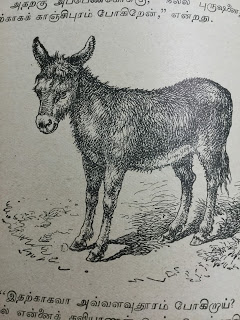
There are over 20,000 proverbs in Tamil language; hundreds of them have beautiful stories behind them. One interesting story about a mother in law is based on a popular proverb – ‘As the time went by Mother in Law became a donkey!’ (Vara vara maamiyaar Kazuthai pola Aaanaalam)


The story is as follows:

There lived a couple in a village. Ammanji had a wife by name Vallala Kandi. The very name of the woman shows that she was an unruly woman; a bad- tempered woman. There were always shouts and fights in the house. The man’s name show that he was a naïve man. Both of them had their mothers living with them. They also fought with one another.

Ammanji’s mother got fed up with what was happening inside the house. One day Amannji’s mother ran away from home and took shelter in a temple far away from the madding crowd. Since it was dark nobody noticed her departure.


During mid night, Goddess Kali in the temple started for a city round. She saw this old woman and asked what brought her to the temple. She explained everything happening at home. Kali was very kind towards her and told her she would be alright if she ate the mango fruit. Saying so Goddess gave her a mango fruit.


In the meantime, Ammanji got worried about her mother went in search of her at the first light of the day. Someone told him that he saw an old woman in the Kali temple. Ammanji ran to the temple and came to know everything happened in the night. Ammanji was given the fruit but he refused and insisted his mother should eat it. She ate it and had a piggy back ride on her son Ammaanji. He was feeling her rough skin; but as the time went by, he felt smoother and smoother skin. He turned back and was wonderstruck when he saw his mother. She looked younger now. When she went home, he saw her completely  changed and became a young woman. Ammanji, his wife and mother in law couldn’t believe their own eyes.


Ammanji’s wife was a bit jealous and planned something in her mind. Next day she told her mother—Ammanji’s mother in law – – to run away from home. She did so and took shelter in the same temple. Kali appeared before her asked her the reason. When she told Kali about her ‘sufferings’, Kali knew that it was a lie. But Kali gave her a mango fruit and told her everything would change  when she eat the fruit. She hurriedly ate the mango.

In the meantime Ammanji’s wife became very anxious and persuaded her son to go out and look for her mother. Ammanji came straight to the temple and met her mother in law. By the time he came there, she finished eating her mango fruit.


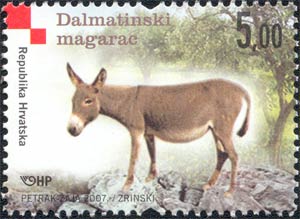
As before, Ammanji offered her a lift home. She had a piggy back ride. To Ammanji’s surprise the body weight of the lady slowly increased and her skin became rougher and rougher. When he turned back, he saw a lady with a donkey’s face; He tried very hard to supress his laughter. When they reached home, he didn’t see his mother in law at all, but only a donkey. Ammanji and his mother were happy. Ammanji’s wife and mother in law were sad.


This gave birth to a proverb, “As the time goes by mother in law became a donkey”.


–Subham–


பிராமண, க்ஷத்ரிய, வைஸ்ய, சூத்ரர் (Post No.4584)

Written by London Swaminathan 


Date: 5 JANUARY 2018


Time uploaded in London- 8-12 am


Post No. 4584

Pictures shown here are taken from various sources such as Facebook friends, Books, Google and newspapers; thanks.


பிராமண, க்ஷத்ரிய, வைஸ்ய, சூத்ரர் பெயர் வைக்கும் முறை (மநு நீதி நூல்- part 10)-


second chapter 149 (2-30)

  1. குழந்தை பிறந்த பத்தாவது அல்லது பன்னிரெண்டாவது நாள் தந்தையானவர் பெயர்சூட்டு (நாமதேயம்) வைபவத்தை ஏற்பாடு செய்ய வேண்டும். அல்லது நல்ல நாளில் நல்ல திதியில் முகூர்த்த நாளன்றும் வைக்கலாம்.


150.பிராமணர் பெயரில் மங்களத்தையும், க்ஷத்ரியர் பெயரில் பலத்தையும், வைஸ்யர் பெயரில் பொருளையும் (செல்வம்) சூத்திரர் பெயரில் தாழ்வையும் கட்டும் சொற்கள் இருக்க வேண்டும்


151.பெயரின் இரண்டாவது பகுதி பிராமணர்களுக்கு சந்தோஷத்தைக் காட்டும் சொல்லும் (ஸர்ம), க்ஷத்ரியர்களுக்குப் பாதுகாப்பைக் காட்டும் சொல்லும் (வர்ம), வைஸ்யர்களுக்கு சுப வாழ்க்கை (பூதி) பற்றியும் சூத்திரர் பெயரில் சேவை (தாஸன்) தொடர்பான சொல்லும் இருக்கலாம்.

152.பெண்களுடைய பெயர் எளிதில் உச்சரிக்கத் தக்கதாகவும் சுபச் சொல் உடையதாகவும் , மங்களம் தருவதாகவும், நன்மை தரும் சொல்லாகவும், கெட்ட பொருள் தராததாகவும், உயிர் எழுத்தில் நெடிலில் முடிவதாகவும் இருக்க வேண்டும் (எ.க.கருணா, சீதா, கீதா)

153.குழந்தை பிறந்த நாலாவது மாதத்தில்  வீட்டை விட்டு வெளியே வந்து குழந்தையைச் சூரியனுக்குக் காட்டும் நிகழ்ச்சியும் ஆறாவது மாதத்தில் அன்ன ப்ராஸ்னம் எனப்படும் உணவூட்டும் நிகழ்ச்சியும் ஏற்பாடு செய்யலாம்; இது தவிர அந்தந்த குடும்பத்தின் பழக்க வழக்ககங்களுக்கு உரித்தான சடங்குகளையும் மூன்றாவது மாதம் முதல் செய்யலாம்.


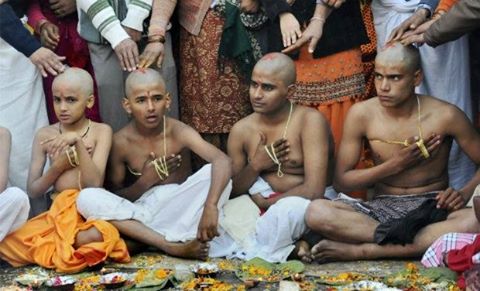
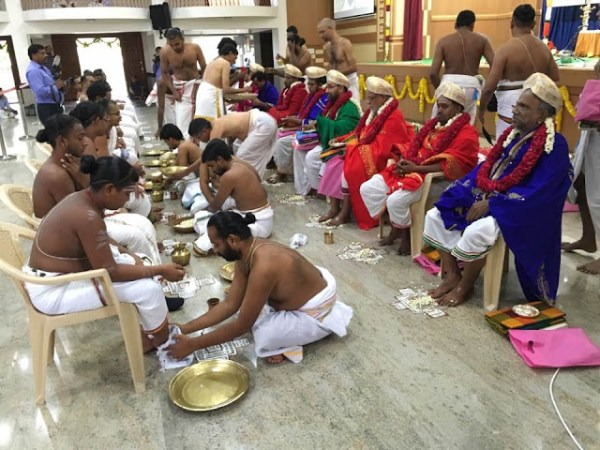
154.இருபிறப்பாளர் ஜாதிகளில் பிறந்த எல்லாக் குழந்தைகளுக்கும் முடி இறக்கல் முதல் ஆண்டிலோ மூன்றாவது ஆண்டிலோ செய்யப்பட வேண்டும் என்று வேத விதிகள் சொல்கின்றன. கருவுற்ற காலத்தில் இருந்து எட்டாவது ஆண்டில் பிராமண பையனுக்கும், பதினோராம் வயதில் க்ஷத்ரிய மாணவர்களுக்கும், 12-வது ஆண்டில் வைஸியப் பையனுக்கும் உபநயனம் (பூணூல்) செய்விக்க வேண்டும்


  1. பிரம்ம தேஜஸை விரும்பும் பிராமணக் குழந்தைகள் அதை 5 வயதிலும், பலத்தை விரும்பும் க்ஷத்ரியர் ஆறு வயதிலும், தனத்தை விரும்பும் (வணிகத்தில் வெற்றி பெற விரும்புவோர்) வைஸ்யர் எட்டு வயதிலும் பூணூல் (உபநயனம்) போட்டுக்கொள்ளலாம்.


  1. இவ்வாறு பூணூல் (உபநயனம்) போட்டுக்கொள்ள பிராமணனர், க்ஷத்ரியர், வைஸ்யருக்கு முறையே 16, 22, 24 வயது வரை அனுமதி உண்டு.(ஸாவித்ரியை வழிபடும் உரிமை)


157.மேலே குறிப்பிட்ட கால வரம் புக்குள் செய்யாவிடில் அவர்கள் விராத்தியர்கள் என்று அழைக்கப்படுவர்.

அவர்களுக்கு ஸாவித்ரியை வழிபடும் உரிமை இல்லை.

158.இவர்கள் மீண்டும் இரு பிறப்பாளராக சில சடங்குகளைச் செய்யலாம். அப்படிச் செய்து மீண்டும் வராதோருடன் ஏனையோர் திருமண உறவுகளையோ வேதச் சடங்கு செய்யும் உறவுகளையோ வைக்கக் கூடாது. துன்பம் வந்த காலத்தும் உதவக் கூடாது

வைதீக கார்யங்களில் இருந்து நீக்கிவைக்கப்பட வேண்டும் பெண் கொடுக்கவோ வாங்கவோ கூடாது.(2-40)


159.இனி எந்தெந்த வர்ணத்தார் என்ன மேலாடை, கீழாடை அணிய வேண்டும் என்பதைக் காண்க. பிராமண, க்ஷத்ரிய, வைஸ்யர் முறையே கருப்பு மான் தோல் (கிருஷ்ண சாரம்), புள்ளி மான் தோல், ஆட்டின் தோல் ஆகியவற்றை மேலாடையாகவும், சணல்,  பட்டு நூல், ஆட்டின் மயிர் (கம்பளியை) ஆகியவற்றால் ஆன உடைகளை கீழாடைகளாகவும் அணிக(2-41)

160.இடையில் சுற்றிக்கொள்ள இந்த மூன்று வர்ணத்தாரும் முறையே மிஞ்சிப் புல் (முங்கா புல்), வில்லின் ஞாணைப் போன்ற முறுவல் புல் (மூர்வா), சணல் நார் ஆகியவற்றை மேடு பள்ளமில்லாமல் பின்னி அரை ஞாண்  மேல் அரை ஞாண் கட்ட வேண்டும் 2-42


161.மேற்சொன்னவை கிடைக்கவில்லை என்றால் மூன்று வர்ண பிரம்மச்சாரிகளும் தருப்பை, நாணல், சவட்டைக் கோறை ஆகியவற்றினால் ஆன ஞாணை மூன்று அல்லது ஐந்து வடமாக, (குல வழக்கப்படி), ஒரு முடிச்சுடன் அணியலாம்

2-43


162.மூன்று வர்ணத்தாரும் போடும் பூணூல் முறையே வலதுபுறம் செல்லும்; பஞ்சு நூல், சணல் நூல், வெள்ளாட்டின் மயிர் ஆகியவற்றால் இருக்க வேண்டும். 2-44


எனது கருத்து

மனு சொல்லக்கூடிய பெயர் சூட்டும் முறை ஆய்வுக்குரியது. எப்போது வரை இந்த முறை பின்பற்றப்பட்டது என்பதை கிடைக்கும் நூல்களைக் கொண்டு ஆராயலாம். அம்புலி மாமா போன்ற சிறுவர் நூல்களில் கூட மானர் பெயர் என்றால் வர்மன் என்றும் வைஸ்யர் என்றால் தனஎன்ற சொல்லும் இருப்பதைக் காணலாம். ஆனால் இது அப்படியே பின்பற்றப்படவில்லை. மஹாபாரதப் பெயர்களை- சிந்து சம்வெளிப் பெயர்களுடன் (ஊகம் தான்) ஒப்பிட்டுக் காட்டிய எனது ஆய்வுக் கட்டுரையில் சேனன் என்று 24, வர்மன் என்று 13, கேது என்று 9 etc. முடிவதைக் காட்டினேன். ஆனால் அங்கும் கர்ணன், துரோணன் என்றும், கசாப்புக் கடைக்காரனுக்கு தர்மவியாதன் என்றும் பெயர் இருப்பது ஆய்வுக்குரியது. சங்க காலத் தமிழர் பெயர் கள் வேறு விதமாக உள்ளன. ஒரு விஷயம் மட்டும் உறுதியாகத் தெரிகிறது.


மநு என்பவர் கி.மு இரண்டாம் நூற்றாண்டைச் சேர்ந்தவர் அல்ல; அதற்கு மிகவும் முந்திய காலத்தில் வாழ்ந்தவர். ஏனெனில் கி.மு. இரண்டாம் நூற்றாண்டில் பல உப ஜாதிகள் தோன்றிவிட்டன. வெறும் 4 வர்ணம் மட்டும் இருக்கவில்லை!


இரண்டாவது சுவையான விசயம் மூன்று வர்ணத்தார் (சூத்திரர் தவிர) பூணுல் போட்டுக் கொண்டது, வெவ்வேறு வகையான ஆடைகளை அணிந்தது,  அரை ஞாண் கயிறு அணிந்தது என்பதெல்லாம் எக்காலம் வரை நீடித்தது?


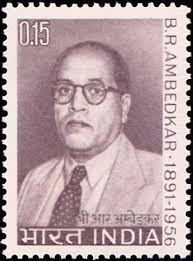
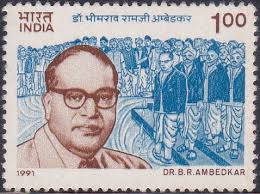
மஹாராஷ்டிரத்திலும் (அம்பேத்கர் பூமி), தமிழ்நாட்டிலும் மட்டும் எப்படி அரசியல்வாதிகள் எல்லோருக்கும் சூத்திரர் முத்திரை குத்தினர் என்பதும் ஆராயப்பட வேண்டியது. மற்ற எல்லா மாநிலங்களிலும் நான்கு அல்லது அவர்களின் உட் பிரிவுகளுடன் ஜாதிகள் இருந்தன. இவ்விரு மாநிலங்களில் மட்டும், பிராமணர் அல்லாதார் அனைவரும் சூத்திரர் என்று சொல்லி அம்பேத்கர் கட்சி, திராவிடக் கட்சிகள் அரசியல் ஆதாயம் தேடின. இது ஜாதி வெறியை வளர்க்கவும் வேரூன்றச் செய்யவும் காரணமா? என்றும் ஆராய வேண்டும்


மநுதர்மம்—- ஜாதியின் பெயரால் வேற்றுமை பாராட்டியது தவறு என்று சொல்லும் தர்மவான்கள்’, இன்று ஜாதியின் பெயரால் சிலருக்கு விஷேச சலுகை தருவது எவ்வகையில் நியாயம் என்பதையும் இதயத்தைத் தொட்டு ஆராய வேண்டும்; பணக்காரர்களும் ஜாதியின் பெயரால் உரிமை பெறுவது நியாம என்றால் மநு ஆயிரம் மடங்கு மேலானவர் என்று ஆகிவிடும்; ஏனெனில் அவர் ஆரம்பதில் எழுதிய ஸ்லோகங்களிலேயே விருப்பு வெறுப்பற்ற காம க்ரோதம் இல்லாதவர்களுகே இந்த சாஸ்திரம் என்று திட்ட வட்டமாகக் கூறிவிட்டார்.


அரசியல் சட்ட அமலாக்கத்தில் இருந்து 25 ஆண்டுகளுக்கு மட்டுமே இந்த ஜாதிவாரிச் சலுகைகள் இருக்க வேண்டும் என்று சொன்ன புதிய மநுவையும் — அம்பேத்காரையும் — காற்றில் பறக்கவிட்ட அரசியல்வாதிகள் அல்லது அவரது கட்சியினர் மநுவைக் குறைகூறினால் உலகம் கைகொட்டிச் சிரிக்கும் என்பது எமது துணிபு.


to be continued………………………………….

சகல வியாதிகளையும் போக்கும் சூரிய ஸ்துதிகள் (Post No.4583)

Date: 5 JANUARY 2018


Time uploaded in London- 5-41 am


Written by S NAGARAJAN


Post No. 4583

Pictures shown here are taken from various sources such as Facebook friends, Books, Google and newspapers; thanks. Pictures may not be related to the story. They are only representational.


ஞான ஆலயம் ஜனவரி 2018 இதழில் வெளியாகியுள்ள

மகர சங்கராந்தி சிறப்புக் கட்டுரை.

ஞான ஆலயம் வருட சந்தா ரூ300. சந்தா அனுப்ப வேண்டிய முகவரி :திருமதி மஞ்சுளா ரமேஷ், பழைய எண் 7, புதிய எண் 32, அருணாச்சலபுரம் இரண்டாவது தெரு, அடையாறு, சென்னை, 600020


குஷ்ட ரோகம், கண் வியாதிகள் உள்ளிட்ட சகல வியாதிகளையும் போக்கும் சூரிய ஸ்துதிகள்


ச.நாகராஜன்
1

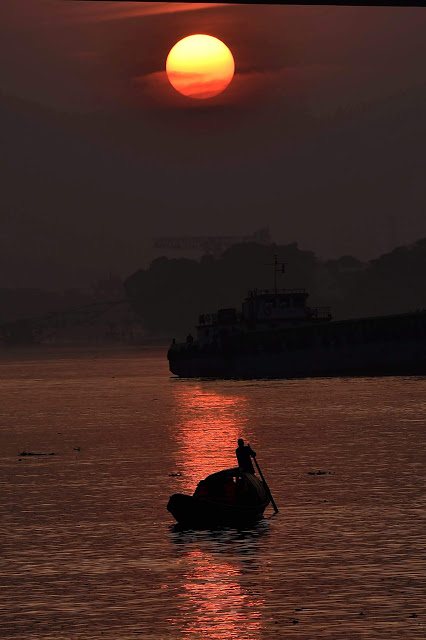
உலகின் எல்லா நாகரிகங்களும் சூரியனைக் கண்டு பிரமித்து வியப்பவை. ஆனால் ஹிந்து நாகரிகமோ சூரியனின் அபார வல்லமையை ஆய்ந்து கண்டு பிடித்து அதை மனித குலத்தின் நன்மைக்காகப் பெறுவதற்குள்ள அனைத்து வழிகளையும் தந்திருக்கும் நாகரிகமாக அமைகிறது.

ஏராளமான சூரிய ஸ்துதிகள், சூரிய வழிபாட்டு முறைகள் ஹிந்து பாரம்பரியத்தில் உள்ளன. அவற்றில் சிலவற்றை மட்டும் இங்கு பார்ப்போம்.

2

ஏழாம் நூற்றாண்டில் ஹர்ஷவர்த்தனனின் சாம்ராஜ்யம் மிகப் பெரிதாக விளங்கியது. ஹர்ஷவர்த்தனனும் அவனது தந்தை ப்ரபாகரவர்த்தனனும் சூரிய தேவனை உபாசிப்பவர்கள்.


அவனது அரசவையில் மிகப் பெரும் கவிஞராக மயூர பட்டர் என்பவர் இருந்தார். அபாரமான சம்ஸ்கிருத சொல் வன்மை உடையவர் அவர். அவருக்கு அதிரூபலாவண்யம் கொண்ட பேரழகியாக ஒரு மகள் இருந்தாள்.

அவளது அழகு அனைவரையும் சொக்க வைக்கும் அழகு.

அப்படிப்பட்ட அழகைப் பார்த்த மயூர பட்டர் அதைத் தன் அழகிய சொற்களினால் வர்ணித்துக் கவிதை இயற்றினார்.

இந்தப் பாடல்களைக் கேட்ட மகள் பெரிதும் வருத்தமடைந்தாள். சொந்தப் பெண்ணின் அழகை எந்தத் தந்தையாவது வர்ணிப்பானா? இது முறையா என்று அவள் வெகுண்டாள்.

மிகுந்த ஒழுக்க சீலமும் ஞானமும் வாய்ந்த அவள் பெரும் தபஸ்வினியும் கூட.

தந்தையை நோக்கி, “இப்படி நீங்கள் தகாத ஒரு செயலைச் செய்ததற்காக என்னை வர்ணித்த அந்தக் கண்கள் பார்வையை இழக்கட்டும். உங்கள் உடலைக் கொடிய குஷ்டம் தாக்கட்டும்” என்று சாபம் கொடுத்தாள்.

பெரும் சக்தியைக் கொண்டிருந்த அவளது சாபம் உடனே பலித்து விட்டது.மயூர பட்டர் பார்வையை இழந்தார். அவரது உடலோ குஷ்ட ரோகத்தால் பீடிக்கப்பட்டு சோபையை இழந்தது.

மயூர பட்டர் துக்கத்தினால் அழ, அவரது நிலையைக் கண்டு பரிதாபப்பட்ட மகளும் தன் சாபம் அவருக்குச் செய்த கெடுதியைக் கண்டு நொந்து போனாள்.

பின்னர் மனத்தெளிவு பெற்று தந்தையிடம், “தந்தையே! கவலைப்பட வேண்டாம். அனைத்து ரோகங்களையும் போக்கி ஆரோக்கியத்தையும் நீண்ட ஆயுளையும் தரும் சூரியனைக் குறித்து உங்கள் வாக் வன்மையால் நூறு செய்யுள்களைக் கொண்ட சூர்ய சதகம் ஒன்றை இயற்றி அவனை வழிபடுங்கள். வழி பிறக்கும்” என்றாள்.

மகளின் அமிர்தம் போன்ற வார்த்தைகளைக் கேட்டு மகிழ்ந்த மயூர பட்டர் மனமுருக சூரியனை நோக்கி நூறு மந்திர சக்தி வாய்ந்த அபூர்வமான பாடல்களைப் பாடலானார்.

என்ன ஆச்சரியம்! பாடல்கள் முடிந்த போது அவர் மேனி குஷ்ட ரோகம் நீங்கிப் பளபளத்தது. கண் பார்வை தீர்க்கமாக வந்தது.

ஹர்ஷவர்த்தனன் உள்ளிட்ட அனைவரும் ஆச்சரியத்தால் பிரமித்தனர்.அவரையும் அவர் மகளையும் உலகமே போற்றியது.
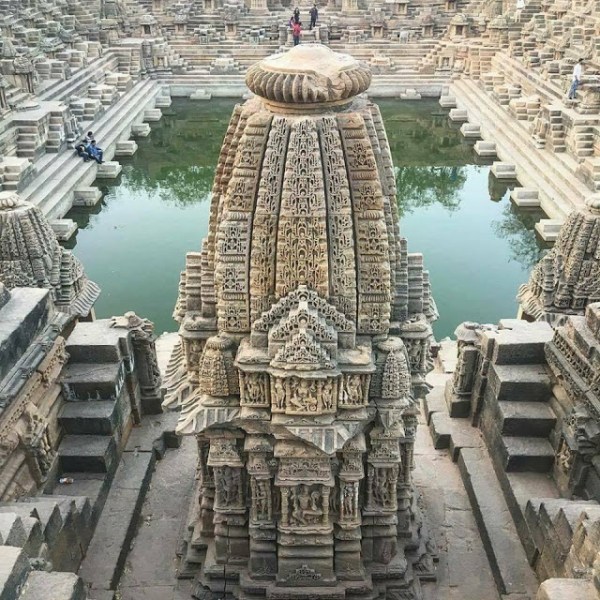
 

SUN TEMPLE AT MODHERA IN GUJARAT

அந்த நூறு பாடல்களைக் கொண்ட சதகம் சூர்ய சதகம் என்றும் மயூர சதகம் என்றும் அனைவராலும் போற்றப்பட்டு இன்று வரை ஓதப்பட்டு வருகிறது.

குஷ்டரோகம், கண்பார்வை இல்லாமை உள்ளிட்ட ரோகங்களால் வருந்தும் யாரானாலும் சரி, அவர்கள் இந்த நூறு ஸ்லோகங்களையும் ஒதியோ அல்லது ஓதக் கேட்டோ சூரியனை பயபக்தியுடன் வழிபட்டால் அவர்கள் ரோகம் நீங்கி ஆரோக்கியம் பெறுர். இதை வரலாறு கூறும் ஏராளமான சம்பவங்கள் நிரூபிக்கின்றன.

சுமார் 12 பேரறிஞர்கள் இந்த சூர்ய சதகத்திற்கு விரிவுரை என்னும் பாஷ்யத்தைச் செய்திருப்பதிலிருந்தே இதன் மஹிமையைச் சுலபமாக அனைவரும் அறியலாம்.

சமீபகாலத்தில், காஞ்சி பரமாசார்யாள் இதை பிரபலப் படுத்தியது குறிப்பிடத் தகுந்தது.

இதை இன்று சுலபமாக நெட்டிலிருந்து தரவிறக்கம் செய்து கொள்ளலாம்.


3

முக்கோடி வாழ்நாளும் , முயன்றுடைய பெரிய தவமும், எக்கோடியாராலும் வெல்லப்படாய் என்ற வரத்தையும் பெற்ற இராவணனை எப்படி வதம் செய்வது என்று ராமன் சற்று திகைத்து நின்ற போது அவனுக்கு எதிரில் தோன்றிய அகஸ்திய மாமுனி ஆதித்ய ஹ்ருதயம் என்ற அற்புதமான சூரிய வழிபாட்டு மந்திரத்தைக் கற்பித்தார்.

இன்று வரை அனைவருக்கும் பலன் தரும்  மஹா மந்திரம் இது.


“இவனே பிரம்மா; இவனே விஷ்ணு; இவனே சிவன், ப்ரஜாபதி” (ஏஷ ப்ரஹ்மா ச விஷ்ணுஸ்ச, சிவ ஸ்கந்த:ப்ராஜாபதி) என்ற அபூர்வமான ரகசியத்தை விண்டுரைத்த அகஸ்தியர் அவனை வழிபடும் பெயர்களை ஆதித்ய ஹ்ருதயத்தில் தந்துள்ளார்.

அதைச் சொல்லி விட்டு அகஸ்தியர், “இதோ, இந்தக் கணத்திலேயே ராவணனை வதம் செய்”  (அஸ்மின் க்ஷணே, மஹா பாஹோ, ராவணம் த்வம் வதிஷ்யஸி) என்று அருளினார்.

இந்த வார்த்தை அன்னை ஜானகிக்கு பொருள் பொதிந்த ஒன்றாக அமைந்திருப்பதை சுந்தர காண்டம் ஓதும் அனைவரும் உணர்வர்.
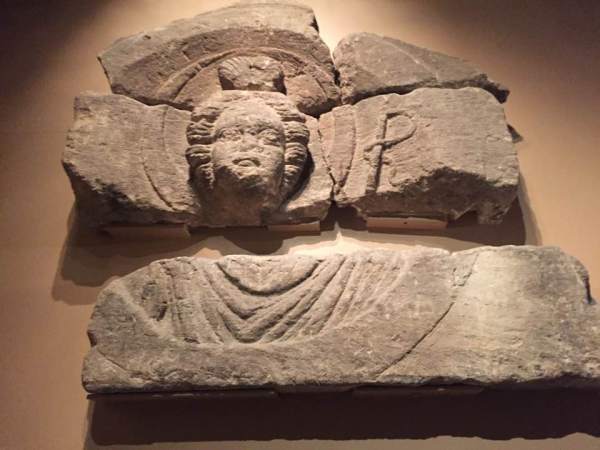
 

SUN SCULPTURE IN BATH IN ENGLAND, UK

அசோக வனத்தில், கோர ராக்ஷஸிகள் அன்னையைச் சூழ்ந்திருக்க அவர்களில் ஒருத்தி, “என் வார்த்தையை அங்கீகரித்து நடக்காவிட்டால் இந்த க்ஷணத்தில் நாங்கள் எல்லோரும் உன்னைக் கொன்று தின்று விடுவோம் (அஸ்மின் முகூர்த்தே ஸர்வாஸ்த்வாம் பக்ஷயிஷ்யாமஹே வயம்) என்று பயமுறுத்தியதற்குப் பதிலடியாக வந்த மந்திர வார்த்தையாக அஸ்மின் க்ஷணே ராவணனை வதம் செய் என்ற அகஸ்தியர் வார்த்தை அமைவதை உணரலாம்.

கண் வியாதி, கண் பார்வைக் குறைவு உள்ளிட்ட அனைத்து வியாதிகளையும் போக்கும் சூரிய மந்திரம் ஆதித்ய ஹ்ருதயம். எதிரிகளை ஒழிப்பது; பரம மங்களமானது; சர்வ மங்களத்தையும் அருள்வது; அனைத்துக் கவலையையும் ஓட்டுவது, ஆயுளைத் தருவது என்பதை ஆதித்ய ஹ்ருதயமே உறுதி செய்கிறது.

(ஆதித்ய ஹ்ருதயம் புண்யம் ஸர்வ சத்ரு விநாஸனம் I

ஜயாவஹம் ஜபேந் நித்யம் அக்ஷய்யம் பரமம் சிவம் II

ஸர்வ மங்கள மாங்கள்யம் ஸர்வபாப ப்ரணாஸனம் I

சிந்தாஸோக ப்ரஸமனம் ஆயுர்வர்த்தந முத்தமம் II ஸ்லோகம் 4, 5)

இதை இரண்டு தரமோ மூன்று முறையோ தினமும் பாராயணம் செய்வது தொன்று தொட்டு இருந்து வரும் வழக்கமாக இருந்து வருகிறது.

வால்மீகி ராமாயணத்தில் யுத்த காண்டத்தில் சொல்லப்படும் ஆதித்ய ஹ்ருதயம் பற்றி மேலே பார்த்தோம்.

இன்னொரு ஆதித்ய ஹ்ருதயம் (சற்று நீளமானது) ஸ்ரீ பவிஷ்யோத்தர புராணத்தில் ஸ்ரீ கிருஷ்ணார்ஜுன சம்வாதமாக – கிருஷ்ணனுக்கும் அர்ஜுனனுக்கும் நடக்கும் உரையாடலாக – அமைகிறது.)
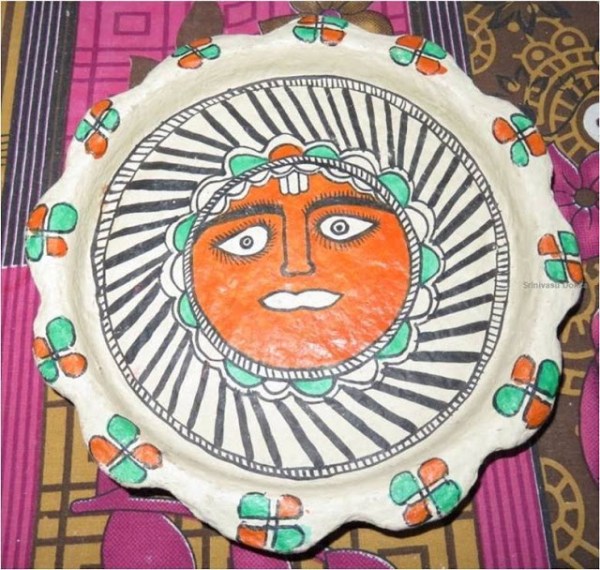
சிவபிரானால் அருளப்பட்ட சூர்யாஷ்டகம், “ஆதி தேவ நமஸ்துப்யம்” என்று ஆரம்பிக்கும் எட்டு ஸ்லோகங்களைக் கொண்டது. சுலபமாக சில வினாடிகளில் அன்றாடம் அனைவரும் கூறும் அஷ்டகம் இது. பெரிய பலனைத் தர வல்லது.

இன்னொரு சூர்யாஷ்டகம் ஸ்ரீ பண்டித ரகுநாத சர்மாவினால் அருளப்பட்டுள்ளது. ப்ரபாதே என்று இது ஆரம்பிக்கும்.

சூரியனை கவசமாகக் கொள்ள விரும்புவோர் ஓதுவதற்கு உரிய சூர்ய கவசம் ஸ்ரீ சூர்ய உவாச என்று ஆரம்பிக்கும்.

ஸ்ரீப்ரஹ்ம யாமளத்தில் உள்ள இது ‘த்ரைலோக்ய மங்களம் நாம சூர்ய கவசம்’ என்று அழைக்கப்படுகிறது


4

வேதங்கள் சூரியனை ‘ரோக நாசகன்’ என்று புகழ்கின்றன. ரிக் வேதம் முதலாம் மண்டலத்தில் நாற்பதாம் சூக்தத்தில் சூரியனைப் பற்றிய அனைத்து இரகசியங்களையும் பற்றி அறியலாம். நண்பர்களின் நண்பனான சூரியனே என்று இது சூரியனை விளிக்கிறது. உனது சிவப்புக் கிரணங்களினால் எனது பீடைகள் தூர விலகுகின்றன என்று அது கூறுகிறது.

ரிஷிகள் சூரியனின் மகத்தான சக்தியை உணர்ந்தவர்கள்.  ஆகவே சூரியனுக்கு என ஒரு தனி உபநிஷத்தே உள்ளது. சூர்யோபநிஷத் என்னும் உபநிடதத்தில் சூரியனே ஞான விஞ்ஞான ஆனந்த ரூபன் என்று வர்ணிக்கப்படுகிறான்.

சூர்ய காயத்ரியின் மஹிமையோ எல்லையற்றது.
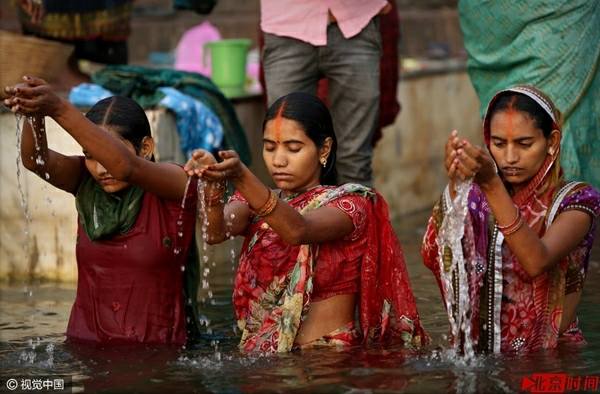
“ஓம் பாஸ்கராய வித்மஹே, திவாகராய தீமஹி, தன்னோ சூர்ய ப்ரசோதயாத்” என்பதே சூர்ய காயத்ரி.

(“ஒம் அஸ்வத்வஜாய வித்மஹே பாச ஹஸ்தாய தீமஹி, தன்னோ சூர்ய ப்ரசோதயாத்” என்றும் சூர்ய காயத்ரி சொல்லப்படுகிறது)

ஆரோக்கிய ப்ராப்தி, சக்தி, புகழ், தேஜஸ் உள்ளிட்ட சகல நலன்களையும் பெற சூர்ய சூக்தத்தை பாடம் செய்யுங்கள் என்பது ரிஷிகளின் அருளுரை. சூர்ய சூக்தம் 47 அபூர்வமான சக்தி வாய்ந்த மந்திரங்களைத் தன்னுள் கொண்டுள்ளது.

சூரிய மந்திரத்துடன் சூர்ய ஸ்தவராஜத்தின் ஐந்து பாடங்களையும் சிரத்தையுடன் ஒருவன் சொன்னால் எப்பேர்ப்பட்ட ரோகமும் போய் விடும் என்பது முனிவர்களின் அருள் வாக்கு.

சாந்தோக்ய உபநிஷத் (1-4-1&2) புத்ர ப்ராப்திக்கு சூரியனை வழிபடுமாறு அருளுரை பகர்கிறது.

மைத்ராயண்யுபநிஷத் சூரியனுக்கும் ஓம்காரத்திற்கும் உள்ள தொடர்பை விளக்குகிறது.

சூரிய ஜப விதிகளை வல்லார் வாய் கேட்டு, குரு மூலம் ஆசி பெற்று அனுஷ்டிப்பதே உசிதம்.


5
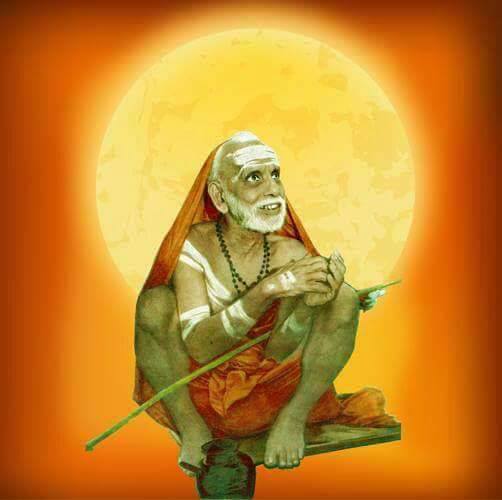
இன்னும் யாக்ஞவல்க்யர் அருளிய சூர்யகவச ஸ்தோத்திரமும், மஹாபாரதத்தில் வரும் சூரிய அஷ்டோத்தரமும் பக்தர்களுக்கு சூரியனின் அருளைப் பொழிவதற்காகவே உள்ளன.

யுதிஷ்டிரர் அருளியுள்ள சூர்ய ஸ்தோத்ரமும் மஹாபாரதத்தில்  உள்ளது.

ஆயிரம் நாமங்களால் ஆயிரமாயிரம் கிரணம் கொண்ட சூர்யனை வழிபடுவதற்கெனவே சூர்ய ஸஹஸ்ரநாமமும் பிரபலமாக உள்ளது.

எட்டாம் இடத்தில் தோஷத்துடன் சூரியன் ஒரு ஜாதகத்தில் அமைந்திருந்தால் எதிர்கால விபரீதங்களைத் தடுக்க சூரியனின் அருள் வேண்டி சூரிய வழிபாட்டை மேற்கொள்ளலாம்.

அன்றாட ஆரோக்கியத்தை உறுதி செய்து நீண்ட ஆயுளைப் பெற விரும்புவோர் காலம் காலமாக செய்யப்பட்டு அனுபவத்தால் உண்மை என்று அறியப்படும் சூரிய நமஸ்காரத்தை உரிய மந்திரங்களுடன் தினமும் செய்து சூரியனை காலை நேரத்தில் வழிபடலாம்.

6

இன்னும் மந்திர மற்றும் தந்த்ர சாஸ்திரங்கள் அருளும் விவரங்கள் அபாரமானவை.

இந்த மந்திர,தந்திர பிரயோகங்களை நன்குணர்ந்த குருமார்கள் மூலமாகவே பெற வேண்டும் என்பதால் இங்கு குறிப்பிடவில்லை.

சூரியனுக்கு உரிய யந்திரமாக அமைவது கீழே தரப்பட்டுள்ள யந்திரம்:


6 7 2
1 5 9
8 3 4

சூரியனுக்கு உரிய நவக்ரஹ ஸ்துதி:

ஜபாகுஸும ஸங்காசம் காச்யபேயம் மஹாத்யுதிம் I

தமோரிம் ஸர்வ பாபக்நம் ப்ரணதோஸ்மி திவாகரம் II

சூரியனுக்குரிய ஸ்தலம் : சூரியனார் கோவில் (மாயவரத்திலிருந்து திருவையாறு செல்லும் பாதையில் சுமார் 27 கிலோமீட்டர் தொலைவில் உள்ளது)

இதர தலங்கள் : கோனார்க் உள்ளிட்ட ஏராளமான தலங்கள்

சூரியனின் மனைவி : உஷா ப்ரத்யக்ஷா

சூரியன் அதிபதியாக உள்ள ராசி : சிம்மம்

நவக்ரஹங்களுக்கு நடுவில் உள்ளவர்.

அதி தேவதை:அக்கினி

ப்ரத்யதி தேவதை: ருத்ரன்

நிறம்: சிவப்பு

தானியம் : கோதுமை

மலர் : செந்தாமரை, எருக்கு

வஸ்திரம்: சிவப்பு ஆடை

ரத்தினம் : மாணிக்கம்

சமித்து: முருக்கு

7

சூரியனை வழிபடுவதற்கான விசேஷ தினங்கள் ஏராளம் உள்ளன. மகர சங்கராந்தி (பொங்கல்) அன்று விசேஷமாக சூரிய நாராயண பூஜை செய்வது தொன்று தொட்டு இருந்து வரும் மரபு. பாரதமெங்கும் இதைக் கொண்டாடாமல் யாரும் இருப்பதில்லை.

சூரியன் பிறந்த தினமான ரத சப்தமி தை மாதம் அமாவாசை கழிந்த ஏழாம் நாளன்று வருகிறது. அன்று தெற்கு நோக்கிச் சென்ற சூரியன் தன் பயணத்தை முடித்துக் கொண்டு வடக்கு நோக்கிச் செல்லத் தொடங்குகிறான். அன்று சூரியனை வழிபடுவதன் மூலமாக நீடித்த ஆயுளையும் நல்ல உடல் நலத்தையும் பெறலாம். புதிய தொழில் துவங்க ரத சப்தமி நல்ல நாள். பெண்கள் இந்த நாளில் சூரியனை வழிபடுவதன் மூலமாகச் சிறப்பான மேல் நிலையை அடைவர்.

ரத சப்தமிக்கான ஒரு அருமையான நீண்ட கதை உண்டு,

அதில் ஒரு அந்தணன் ஒரு மரத்தடியில் தினமும் சூரியனின் 12 நாமங்களைச் சொல்லி வழிபட மரத்திலிருந்து ஒரு குரல் ஏதேனும் கேள் என்று தினமும் ஒலிக்க, அதை அவன் தன் மனைவியிடம் கூற, அவள் சிறிது அன்னமும் செல்வமும் அருளும் படி கேட்கச் சொல்ல, அதை அந்தணன் கூறி வழிபட,  வீ ட்டிற்குத் திரும்பி வந்தவன் வீடு முழுவதும் மலை போல அன்னமும், ஏராளமான செல்வமும் குவிந்து கிடப்பதைப் பார்த்துத் திகைக்க, பின்னர் அவனும் அவன் மனைவியும் அனைவருக்கும் அன்ன தானமும் செல்வ தானமும் தினமும் செய்து பெரும் புகழ் பெற்றனர் என்று வருகிறது.

சூரியனின் வழிபாடு ஹிந்து வாழ்க்கை முறையில் இரண்டறக் கலந்த ஒரு அன்றாட வழிபாடு.

சூரியனின் பெருமையில் இது வரை நாம் பார்த்தது எழு கடல் மணலில் ஒரு சிறு  மணல் துளியைத் தான்.

சகல சௌபாக்கியங்களையும் பெற பிரத்யக்ஷ தெய்வமாக – அன்றாடம் நாம் காணக் கூடிய தெய்வமாக – அறிவியலும் வியந்து ஆமோதிக்கும் பெரும் சக்தியாக – விளங்குவது சூரியனே.

அவனை வழிபட்டு உயர்வோம்; உய்வோம்!

****
 

Ten Greatest Literary Wonders (Post No.4582)

Written by London Swaminathan 


Date: 4 JANUARY 2018


Time uploaded in London- 20-24


Post No. 4582

Pictures shown here are taken from various sources such as Facebook friends, Books, Google and newspapers; thanks. Some picturers were used from Brahmi by Ankhita Roy and Malay mandal


Wonder 1

India is a land of wonders. It is a land of literary wonders. Take any subject; It is in the first place; but this article is about the language, literature and linguistics. Nowhere in the world we see 900 plus poets 2000 years ago. We have all the names of the poets and their poems intact. Vedic anukramani gives a list of 435 poets and the Tamil Sangam literature gives a list of approximately 470 poets. We have 1028 hymns containing 10,600 verses or mantras in the Rig Veda alone. It is the oldest book in the world. It is the oldest anthology in the world. Tamil Sangam had 470 poets who had composed 2380 poems. Rig Veda was there at least 4000 years ago when Sarasvati was flowing from the Himalayas to the sea. Tamil Sangam literature came 2000 years after the Vedic poems. Post-Vedic poets prepared the Index- the first in the world.

What does it show? It shows that India, that is Bharat, was the most civilized country and most literate in the ancient world. This also shows that all other civilizations such as Babylonian, Egyptian and Chinese came later. Because literature is the scale with which can measure the wisdom, knowledge and maturity of a society. To reach such a level of intelligence, the community should have lived there several thousand years before that literary production.


Wonder 2


Women wrote Poems!

The literacy and progressive thoughts of the Hindus is highlighted by at least 50 poetesses, which is not seen anyhere in the world. Oldest book Rig Veda has more than 20 poetesses. Sangam literature which came 2000 years after the Vedas has another 25 Tamil poetesses.

This galaxy of intellectuals show that no civilization came nearer to the Hindu civilization.

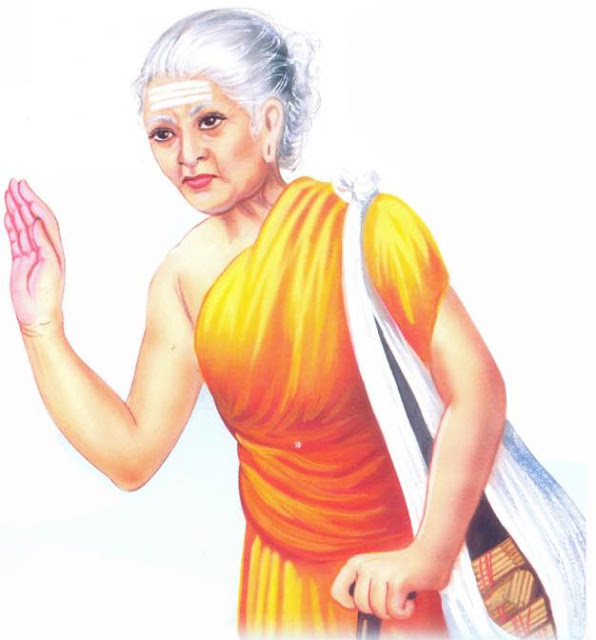
Women were so educated that they attended the debating societies and (Gargi Vachaknavi) questioned great philosopher such as Yajnavalkya. In Tamil poetess Avvaiyar was fearless in questioning the war mongering Tamil kings.

Wonder 3

The Vedic literature was huge. In every culture, there is a time gap between the poetry and prose. In Sanskrit, four Vedas with 20,000 verses and a huge mass of prose literature ( Brahmanas and Aranyakas) came well before the Greeks started writing. Tamils wrote 2000 years after the Sanskrit poets. The great wonder about this bulky literature is that they passed it by word of mouth until today, at least for 4000 years!


Wonder 4

Another literary wonder is the production of Upanishads – the philosophic treatises- before other philosophers of the world. Moses, Zoroaster, Mahavira, Confucius, Buddha—all came after the Upanishads according to the Hindu dating of the Upanishads.


Wonder 5

In those Upanishads we have a long list of Gurus – over 50 generations of teachers- who passed the wealth of knowledge. That shows how old our teaching is. And in the Puranas (mythologies) we have 140 generations of kings. Longest and continuous list which the world has ever seen. Sumeraian and Egyptian king lists were made up by scholars like Berosus of 2nd century BCE. There are big gaps.. In spite of dry climate helping them to preserve 60,000 clay tablets and Egyptian writings on papyrus the list is incomplete. Together with the Upanishadic list of hereditary teachers and Puranic list of 140 generations before Megasthenes, we stand in the front. These Hindu scriptures are another literary wonder.


Wonder 6

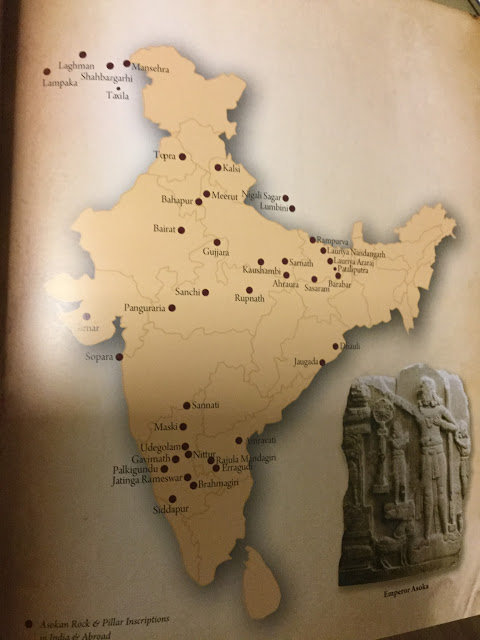
The inscriptions of Emperor Asoka was a great literary wonder. Suddenly we see Brahmi script from Afghanistan to the southernmost part of Sri Lanka—biggest geographical mass—the largest country in the world. This happened 2300 years ago. That means Indians were literate from Kashmir to Kandy in Sri Lanka. Unless they could read Asoka would not have installed so many inscriptions.


Wonder 7


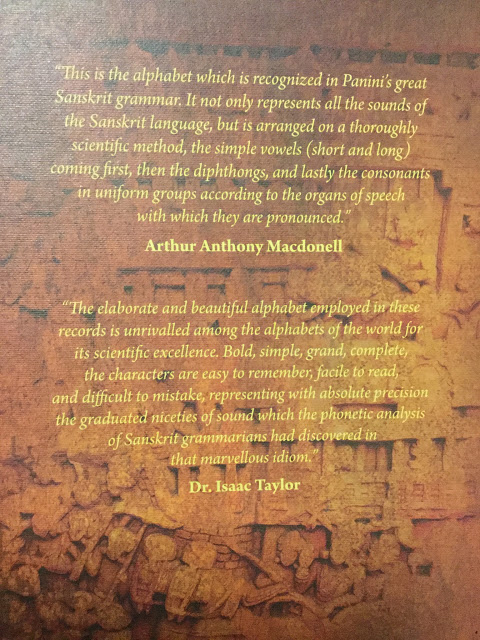
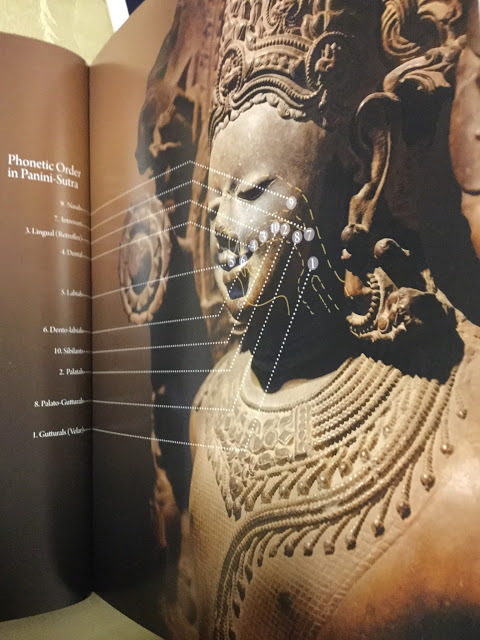
The Brahmi script itself is a great wonder. Though some scholars think that it was derived from Phoenician, the undeniable fact is that it is very different from those Semitic scripts. Brahmi script is alphabetical and scientifically arranged. It followed Paninian phonetics. The greatest wonder abbot the Brahmi script is that it gave the scripts, the glyph to all the languages of South East Asia and South and North India.


Wonder 8

Hindus were first in all the literary ventures whether its wring stories or wring sex manuals. The first grammar book was from Panini of seventh century BCE. The world is wonderstruck with the conciseness of Ashtadyayee of Panini. This grammar book is considered a wonder of human thought


Wonder 9

Language and linguistics are dealt with even in a religious book like Rig Veda. Similes, number symbolism, metaphors using literary subjects show the level of knowledge in the Vedic society. I have already written about the Vedic lingustics and four types of sounds and hymns on Vac—the speech. Higher thoughts and world welfare were dealt n the hymns. The last hymn of the Rig Veda prays for the integration. It can serve as the World National Anthem or the UN national Anthem. The hymns on Earth in the Atharva Veda  can serve as the anthem for all the environmental organisations.

Please see below the relevant hymns:

Language and Linguistics

RV 1-164, 4-58, 8-59, 8-100, 10-71, 10-114, 10-125, 10-177


RV 1-164, 10-71, 4-3, 10-125


World Welfare

10-191, , YV 36, AV 19-60, AV 7-69, AV 3-30,


Wonder 10

Hindus stood first in the production of dictionaries, thesauruses such as 2000 year old Amarakosham. In every field of language they stood first. The Vedic prosody is also highly developed. The syllabus had six different subjects including etymology, grammar and astrology/astronomy. This is also another indication of highly developed culture.


Linguistics | Tamil and Vedas

https://tamilandvedas.com/tag/linguistics/

Vedic Hindus were highly educated. We come across many linguisticobservations in all the four Vedas. Rig Veda, the oldest book, has many hymns dealing with linguistic points. Satyakam Varma has summarised them in his book Vedic Studies. Rig Vedic hymns 1-164, 4-58, 8-59, 8-10, 10-114, 10-125, 10-177 and many …

IS THERE POETRY OR PHILOSOPHY IN THE RIG … – Tamil and Vedas

https://tamilandvedas.com/…/is-there-poetry-or-philosophy-in-the-rig-veda-post-no-4…

23 Oct 2017 – Written by London Swaminathan Date: 23 October 2017 Time uploaded in London- 20–15 Post No. 4329 Pictures shown here are taken from various sources such as Facebook friends, Books, Google and newspapers; thanks. We know that the Rig Veda is the oldest religious book in the world; we know…


DIRGATAMAS HYMN- A RIDDLE IN THE RIG VEDA – Tamil and Vedas

https://tamilandvedas.com/…/dirgatamas-hymn-a-riddle-in-the-rig-veda-post-no-4453…

2 Dec 2017 – The Rig Vedic hymn 1-164 is a great hymn. Probably that is the longest hymn in the oldest book in the world with 52 mantras. It is like an encyclopaedia touching various subjects. It is a riddle because the poetDirgatamas has used lot of numbers which can be interpreted in many ways. In fact Wilson, Max …

Strange Names for Unknown Poets of Rig Veda … – Tamil and Vedas

https://tamilandvedas.com/…/strange-names-for-unknown-poets-of-rig-veda-and-tami…

14 Dec 2014 – Research paper written by London Swaminathan Research article No.1486; Dated 14th December 2014. Some poets have got strange names in the Rig Veda as well as in Sangam Tamil literature. Some of thepoets are named after the epithets they use. There is a reason behind it. Shrikant G.Talageri, in …

You visited this page on 03/01/18.

Poetry in Vedas | Tamil and Vedas

https://tamilandvedas.com/tag/poetry-in-vedas/

By London Swaminathan. Rig Veda, the oldest religious book in the world, has beautiful poetry in it. The Vedas are records of man’s earliest thoughts on God and philosophical matters. When the Vedic seers wanted to convey their thoughts they used lot of similes as well. Vedas can be interpreted symbolically, …

Big Bang in the Rig Veda! (Post No.4235) | Tamil and Vedas

https://tamilandvedas.com/…/big-bang-in-the-rig-veda-post-no-423…

22 Sep 2017 – The Big Bang is described in the Rig Veda 6000 or 7000 years ago. Cosmologists wonder that such a thought occurred to one or two seers on the banks of River Sarasvati in India. Hindus are great cosmologists that the same creation is described in several Brahmanas, Puranas and Manau Smrti as well.


–Subham–

சாணக்கிய நீதியில் பாம்பு!!! பரமஹம்சர் சொன்ன பாம்பு கதை (Post No.4581)  

சாணக்கிய நீதியில் பாம்பு!!! பரமஹம்சர் சொன்ன பாம்பு கதை (Post No.4581)


Written by London Swaminathan 


Date: 4 JANUARY 2018


Time uploaded in London- 8-16 am


Post No. 4581

Pictures shown here are taken from various sources such as Facebook friends, Books, Google and newspapers; thanks.


தமிழ் இலக்கியத்தில் பாம்பு, மலைப் பாம்பு பற்றி வரும்  விஷயங்களையும், கம்பனும் காளி தாசனும் பயன்படுத்தும் பாம்பு உவமைகளையும் முந்தைய ஆராய்ச்சிக் கட்டுரைகளில் தந்தேன். சாணக்கிய நீதியில் பாம்பு பற்றி வரும் சுவையான விஷயங்ளைக் காண்போம்


நிர்விஷேணாபி ஸர்பேன கர்தவ்யா மஹதீ பணாஹா

விஷமஸ்து ந சாப்யஸ்து பணாடோபோ பயங்கரஹ


–சாணக்கிய நீதி, அத்தியாயம் 9, ஸ்லோகம் 10

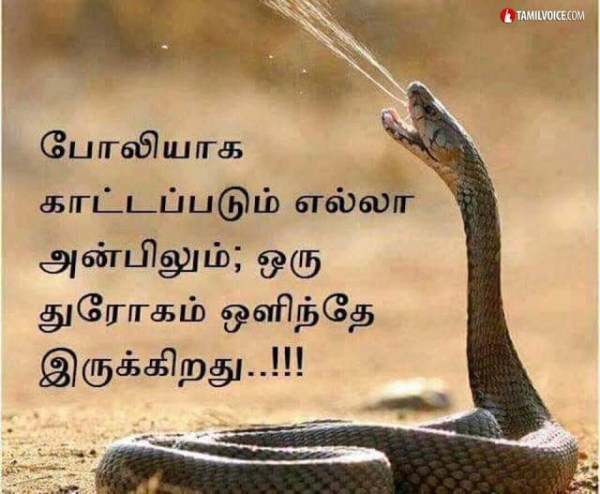
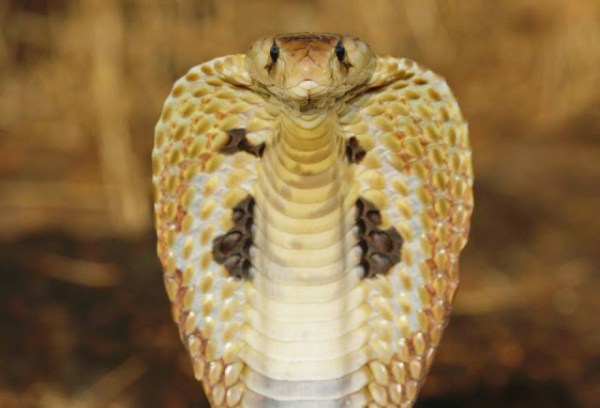
விஷமே இல்லாத ஒரு பாம்பும் கூட அதன் தலையைத் தூக்கி படம் விரித்தாட வேண்டும் (படம் காட்ட வேண்டும்); விஷம் இருக்கிறதோ இல்லையோ பாம்பு படம் விரித்தாடுவது பயத்தை உண்டாக்கும்.


சாணக்கியனின் அருமையான போதனை இது. நல்லோர் எல்லோரும் வல்லவர்களாக இருக்க வேண்டும்; பலம் இல்லாதவர்கள் கூட பலம் இருப்பது போல நடித்தால்தான் தங்களைக் காப்பாற்றிக் கொள்ள முடியும்


ராமகிருஷ்ண பரமஹம்சர் சொன்ன பாம்பு கதை


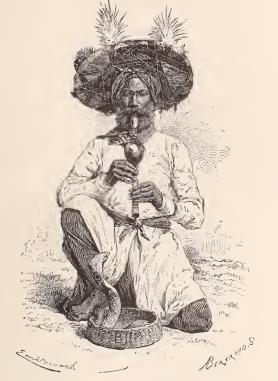
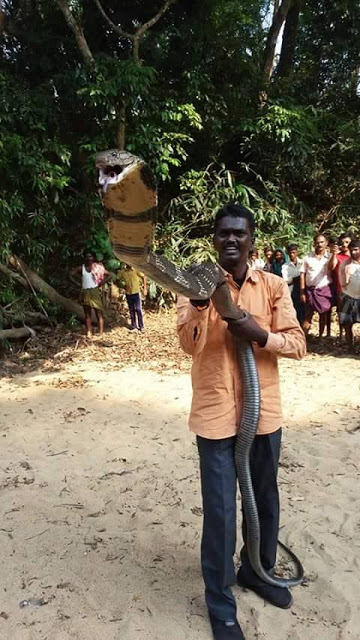
ராமகிருஷ்ண பரமஹம்ஸர் இதை அழகான ஒரு கதையாகக் கூறுகிறார். ஒரு ஊரின் ஒதுக்குப் புறத்தில் ஒரு பாம்பு வசித்து வந்தது. மிகவும் கொடிய பாம்பு; யார் வந்தாலும் கடித்து விஷத்தைப் பாய்ச்சிவிடும்; அவர்கள கதி ‘சகதி’தான். ஒருமுறை அந்தப் பக்கமாக ஒரு சாது சந்யாஸி வந்தார். அவரையும் பாம்பு துரத்தியது ஆனால் அருகில் வந்தவுடன் அந்த யோகியின் தவ வலிமையால் அது சாதுவாக நின்றது என்னைக் கடிக்க வேண்டுமா? கடி என்றார். ஆனால் அது பதிலே சொல்லவில்லை.


உடனே அந்த ஸாது சந்யாஸியும் அதன் மேல் கருணை கொண்டு நல்லுபதேசம் அளித்தார். “ பாம்பே! இனிமேல் யாரையும் கடிக்காதே- என்றார் அதுவும் தலையையசைத்து சம்மதம் சொன்னது.


நாளடைவில் இதன் மென்யை மக்கள் தவறாகப் புரிந்து கொண்டனர். இது கிழட்டுப் பாம்பாகி விட்டது; விஷம் எல்லாம் தீரந்து போய்விட்டது என்று அதன் மீது கற்களை வீசினர். அப்போதும் அது ஸாதுவாக இருப்பதை அறிந்து அதன் வாலைப் பிடித்து தர தர என்று இழுத்தனர். அதற்கு உடம் முழுதும் காயம் ஏற்பட்டது.


சிறிது காலத்துக்குப் பின்னர் அதே ஸந்யாஸி அந்த வழியாகப் போக நேரிட்டது. பாம்பின் பரிதாப நிலையைக் கண்டார்; குசலம் விசாரித்தார்


பாம்பு தனக்கு ஏற்பட்ட அவல நிலையைச் சொல்லி, அவருடைய உபதேசத்தைப் பின்பற்றியதால் இந்தக் கதி என்றது.


ஸந்யாஸி சொன்னார்: “பாம்பே! நான் உன்னைக் கடிக்காதே என்று தானே சொன்னேன்; சீறி பயமுறுத்தக் கூடாது என்று சொல்லவில்லையே!”

இதைச் சொன்ன பரமஹம்ஸர் மேலும் சொல்லுவார்:

பலரும் நீதி வாக்கியங்களை, உபதேசங்களைப் புரிந்து கொள்வதில்லை; அல்லது அரைகுறையாகப் புரிந்து கொள்கி றார்கள். இந்த உலகத்தில் வாழும் வரை மற்றவர்கள் உன்னை மரியாதையாக நடத்தும்படி பார்த்துக்கொள்; அவர்கள் உன்னைக் கண்டு அஞ்ச வேண்டும்; மற்றவர்களைத் துன்புறுத்தாதே; மற்றவர்களைத் துன்புறுத்தவும் அனுமதியாதே.


இது நல்ல புத்திமதி. ஸாதுவான பள்ளிக் குழந்தைகளுக்குச் சொல்லித தர வேண்டிய அறிவுரை; பலரும் பள்ளி, கல்லூரிகளில்  கஷ்டப்படுவதைக் கேட்கிறோம்.


பாதகம் செய்பவரைக் கண்டால்—நாம்
பயம் கொள்ளல் ஆகாது பாப்பா
மோதி மிதித்துவிடு பாப்பா – அவர்
முகத்தில் உமிழ்ந்துவிடு பாப்பா

என்று பாரதி சொன்னதும் அதுவே


XXXX

பரஸ்பரஸ்ய மர்மாணி யே பாஷந்தே நராதமாஹா

த ஏவ விலயம் யாந்தி வல்மீகோதரஸர்பவத்


–சாணக்கிய நீதி, அத்தியாயம் 9, ஸ்லோகம் 2


ஒருவருடைய ரஹஸ்யங்களை மற்றொருவனுக்குச் சொல்லுபவன் , பாம்புப் புற்றிலுள்ள பாம்பு போல அழிவான்


XXXX


துர்ஜனஸ்ய ச ஸர்பஸ்ய வரம் ஸர்போ ந துர்ஜனஹ

ஸர்போ தசதி காலேன துர்ஜனஸ்து பதே பதே

–சாணக்கிய நீதி, அத்தியாயம் 3, ஸ்லோகம் 4


பொருள்


கெட்டவர்களையும் பாம்புகளையும் ஒப்பிடுங்கால், பாம்பு நல்லது ஆகிவிடும்; ஏனெனில் பாம்பு எப்போதாவது நம்மைக் கடிக்கிறது; கெட்டவர்களோ ஒவ்வொரு அடிக்கும் ஒரு முறை நம்மைக் கடிப்பார்கள்; துன்புறுத்துவார்கள்.


XXXX


சாணக்கியன் சொன்ன பாம்பும், கெட்டவர்களும் என்ற உவமை தமி ழ் இலக்கியத்திலும் உளது. எனது முந்தைய ஆய்வுக் கட்டுரைகளில் காண்க.


பாம்பு மந்திரம்: அதர்வண வேதமும் …

https://tamilandvedas.com/…/பாம்பு-மந்திரம்-அதர…


18 Oct 2016 – பாம்பு மந்திரம்: அதர்வண வேதமும், கம்பனும் காளிதாசனும் (Post No.3264). snake-nandhu-fb. Research Article by London Swaminathan. Date: 18 October 2016. Time uploaded in London: 14-59. Post No.3264. Pictures are taken from various sources; thanks. (Picture is used only for representational purpose; no connection with the current article.) Contact swami_48@yahoo.com. snakes-banded-egyptian-cobra.


பாம்பு | Tamil and Vedas

https://tamilandvedas.com/tag/பாம்பு/


Written by London Swaminathan. Date: 22 October 2017. Time uploaded in London- 6-59 am. Post No. 4325. Pictures shown here are taken from various sources such as Facebook friends, Books, Google and newspapers; thanks. தேவாரத்தைப் பக்தியோடு படிப்பது ஒருவிதம்; ஓதுவாரின் இனிய குரலில் கோவில் பிரகாரங்களில் கேட்டு ரசிப்பது மற்றொரு விதம்; இலக்கிய …


பாம்பு தலையில் பூமி! கம்பன் …

https://tamilandvedas.com/…/பாம்பு-தலையில்-ப…


7 Nov 2016 – இதில் நமக்கு வேண்டியது , பல்தலைப் பாந்தள் ஏந்திய மொய்நிலம், அதாவது பல தலைகளையுடையபாம்பின் தலையிலுள்ள பூமி! இன்னொரு பாடலில் … அரசனை சூரியன், வாயு பகவான் ஆகியோருடன் ஒப்பிடுவதும் தமிழ் சம்ஸ்கிருத இலக்கியத்தில் உள்ளது. Atlas holding the earth in Greek …


மலைப் பாம்பு | Tamil and Vedas

https://tamilandvedas.com/tag/மலைப்-பாம்பு/


கட்டுரை எண்:- 892 தேதி:– 7 மார்ச் 2014. சங்க இலக்கியத்தில்மலைப் பாம்புகளின் நடவடிக்கைகளைக் கூர்ந்து கவனித்த தமிழ்ப் புலவர்கள், அவைகள் யானைகளை விழுங்கியது பற்றிப் பாடி வைத்திருக்கின்றனர். யானையை மலைப் பாம்புவிழுங்க முடியுமா? இதோ முதலில் சில உண்மைச் ………………..


–subham–


மாக்ஸ்முல்லர் மர்மம்! – 12 (Post No.4580)

Date: 4 JANUARY 2018


Time uploaded in London- 6-24 am


Written by S NAGARAJAN


Post No. 4580

Pictures shown here are taken from various sources such as Facebook friends, Books, Google and newspapers; thanks. Pictures may not be related to the story. They are only representational.


நண்பரா, கைக்கூலியா!

மாக்ஸ்முல்லர் மர்மம் – 4 : கட்டுரை எண் 4269 – வெளியான தேதி 4-10-2017 ; மாக்ஸ்முல்லர் மர்மம் – 5 : கட்டுரை எண் 4327 – வெளியான தேதி 23-10-2017 ; மாக்ஸ்முல்லர் மர்மம் – 6 -கட்டுரை எண் 4355 – வெளியான தேதி 1-11-2017; மாக்ஸ்முல்லர் மர்மம் -7 கட்டுரை எண் 4385 – வெளியான தேதி  11-11-17; மாக்ஸ்முல்லர் மர்மம்-8 கட்டுரை எண் 4451 – வெளியான தேதி 2-12-17; மாக்ஸ்முல்லர் மர்மம் – 9 கட்டுரை எண் 4501 – வெளியான தேதி 16-12-17; மாக்ஸ்முல்லர் மர்மம் – 10 கட்டுரை எண் 4538 -வெளியான தேதி 24-12-17 ; மாக்ஸ்முல்லர் மர்மம் – 11 கட்டுரை எண் 4563 -வெளியான தேதி 30-12-17


இதனுடைய தொடர்ச்சியாக இக் கட்டுரை வெளியாகிறது.


மாக்ஸ்முல்லர் மர்மம்! – 12

ச.நாகராஜன்


21

சென்ற அத்தியாயத்தில் தமிழில் கொடுக்கப்பட்டுள்ள ஸ்வாமிஜியின் கருத்துக்களை ஆங்கில மூலத்தில் கீழே அப்படியே தருகிறோம்.


The Complete Works of Swami Vivekananda/Volume 6/Conversations and Dialogues/IX


IX

(Translated from Bengali)

(From the Diary of a Disciple)

(The disciple is Sharatchandra Chakravarty, who published his records in a Bengali book, Swami-Shishya-Samvâda, in two parts. The present series of “Conversations and Dialogues” is a revised translation from this book. Five dialogues of this series have already appeared in the Complete Works,Volume 5)

[Place: Calcutta. year: 1897.]


While our study had proceeded thus for a while, Swamiji raised the topic about Max Müller and continued thus: Well, do you know, my impression is that it is Sayana who is born again as Max Müller to revive his own commentary on the Vedas? I have had this notion for long. It became confirmed in my mind, it seems, after I had seen Max Müller. Even here in this country, you don’t find a scholar so persevering, and so firmly grounded in the Vedas and the Vedanta. Over and above this, what a deep, unfathomable respect for Sari Ramakrishna! Do you know, he believes in his Divine Incarnation! And what great hospitality towards me when I was his guest! Seeing the old man and his lady, it seemed to me that they were living their home-life like another Vasishtha and Arundhati! At the time of parting with me, tears came into the eyes of the old man.


Disciple: But, sir, if Sayana himself became Max Müller, then why was he born as a Mlechchha instead of being born in the sacred land of India?


Swamiji: The feeling and the distinction that I am an Aryan and the other is a Mlechchha come from ignorance. But what are Varnâshrama and caste divisions to one who is the commentator of the Vedas, the shining embodiment of knowledge? To him they are wholly meaningless, and he can assume human birth wherever he likes for doing good to mankind. Specially, if he did not choose to be born in a land which excelled both in learning and wealth, where would he secure the large expenses for publishing such stupendous volumes? Didn’t you hear that the East India Company paid nine lakhs of rupees in cash to have the Rig-Veda published? Even this money was not enough. Hundreds of Vedic Pundits had to be employed in this country on monthly stipends. Has anybody seen in this age, here in this country, such profound yearning for knowledge, such prodigious investment of money for the sake of light and learning? Max Müller himself has written it in his preface, that for twenty-five years he prepared only the manuscripts. Then the printing took another twenty years! It is not possible for an ordinary man to drudge for fortyfive years of his life with one publication. Just think of it! Is it an idle fancy of mine to say he is Sayana himself?


****


COMPLETE WORKS OF SWAMI VIVEKANANDA  VOLUME 4

ON PROFESSOR MAX MÜLLER

(Written for the Brahmâvadin, from London, June 6, 1896.)


Do you know that Prof. Max Müller has already written an article on Shri Ramakrishna for the Nineteenth Century, and will be very glad to write a larger and fuller account of his life and teachings if sufficient materials are forthcoming? What an extraordinary man is Prof. Max Müller! I paid a visit to him a few days ago. I should say, that I went to pay my respects to him, for whosoever loves Shri Ramakrishna, whatever be his or her sect, or creed, or nationality, my visit to that person I hold as a pilgrimage. “मद्भक्तानां च ये भक्तास्ते मे भक्ततमा मताः — They who are devoted to those who love Me — they are My best devotees.” Is that not true?

The Professor was first induced to inquire about the power behind, which led to sudden and momentous changes in the life of the late Keshab Chandra Sen, the great Brâhmo leader; and since then, he has been an earnest student and admirer of the life and teachings of Shri Ramakrishna. “Ramakrishna is worshipped by thousands today, Professor”, I said. “To whom else shall worship be accorded, if not to such”, was the answer. The Professor was kindness itself, and asked Mr. Sturdy and myself to lunch with him. He showed us several colleges in Oxford and the Bodleian library. He also accompanied us to the railway station; and all this he did because, as he said, “It is not every day one meets a disciple of Ramakrishna Paramahamsa.”


The visit was really a revelation to me. That nice little house in its setting of a beautiful garden, the silverheaded sage, with a face calm and benign, and forehead smooth as a child’s in spite of seventy winters, and every line in that face speaking of a deep-seated mine of spirituality somewhere behind; that noble wife, the helpmate of his life through his long and arduous task of exciting interest, overriding opposition and contempt, and at last creating a respect for the thoughts of the sages of ancient India — the trees, the flowers, the calmness, and the clear sky — all these sent me back in imagination to the glorious days of Ancient India, the days of our Brahmarshis and Râjarshis, the days of the great Vânaprasthas, the days of Arundhatis and Vasishthas.


It was neither the philologist nor the scholar that I saw, but a soul that is every day realising its oneness with the Brahman, a heart that is every moment expanding to reach oneness with the Universal. Where others lose themselves in the desert of dry details, he has struck the well-spring of life. Indeed his heartbeats have caught the rhythm of the Upanishads  “तमेवैकं जानथ आत्मानमन्या वाचो विमुञ्चथ — Know the Atman alone, and leave off all other talk.”


Although a world-moving scholar and philosopher, his learning and philosophy have only led him higher and higher to the realisation of the Spirit, his अपरा विद्या (lower knowledge) has indeed helped him to reach the परा विद्या (higher knowledge). This is real learning. विद्या ददाति विनयम् — “Knowledge gives humility.” Of what use is knowledge if it does not show us the way to the Highest?


And what love he bears towards India! I wish I had a hundredth part of that love for my own motherland! Endued with an extraordinary, and at the same time intensely active mind, he has lived and moved in the world of Indian thought for fifty years or more, and watched the sharp interchange of light and shade in the interminable forest of Sanskrit literature with deep interest and heartfelt love, till they have all sunk into his very soul and coloured his whole being.


Max Müller is a Vedantist of Vedantists. He has, indeed, caught the real soul of the melody of the Vedanta, in the midst of all its settings of harmonies and discords — the one light that lightens the sects and creeds of the world, the Vedanta, the one principle of which all religions are only applications. And what was Ramakrishna Paramahamsa? The practical demonstration of this ancient principle, the embodiment of India that is past, and a foreshadowing of the India that is to be, the bearer of spiritual light unto nations. The jeweller alone can understand the worth of jewels; this is an old proverb. Is it a wonder that this Western sage does study and appreciate every new star in the firmament of Indian thought, before even the Indians themselves realise its magnitude?


“When are you coming to India? Every heart there would welcome one who has done so much to place the thoughts of their ancestors in the true light”, I said. The face of the aged sage brightened up — there was almost a tear in his eyes, a gentle nodding of the head, and slowly the words came out: “I would not return then; you would have to cremate me there.” Further questions seemed an unwarrantable intrusion into realms wherein are stored the holy secrets of man’s heart. Who knows but that it was what the poet has said—


तच्चेतसा स्मरति नूनमबोधपूर्वं ।
भावस्थिराणि जननान्तरसौहृदानि ॥

—”He remembers with his mind the friendships of former births, firmly rooted in his heart.”

His life has been a blessing to the world; and may it be many, many years more, before he changes the present plane of his existence!


மாக்ஸ்முல்லர் பற்றிய இன்னும் பல கருத்துக்களை ஸ்வாமிஜி கூறியுள்ளதை COMPLETE WORKS OF SWAMI VIEVEKANANDA நூலில்

எட்டாம் தொகுதி உள்ளிட்டவற்றில் காணலாம்.

தொடரின் இறுதிப் பகுதிக்கு வருவோம்

****                     தொடரும்
Be a Snake! Paramahamsa and Chanakya Advise! (Post No.4579)

picture by Lalgudi Veda


Written by London Swaminathan 


Date: 3 JANUARY 2018


Time uploaded in London- 18-35


Post No. 4579

Pictures shown here are taken from various sources such as Facebook friends, Books, Google and newspapers; thanks.


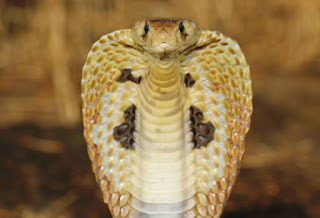
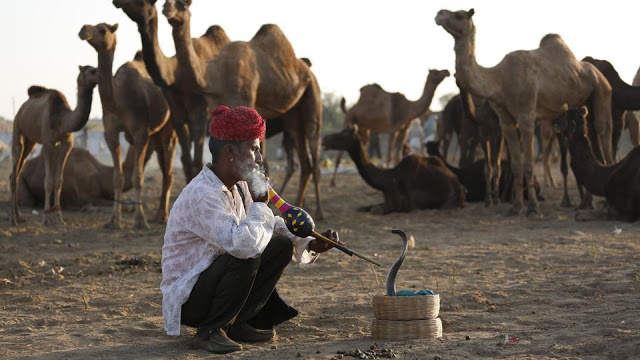
A snake must be a snake; it must instil fear in others; otherwise it will die. Ramakrishna Paramahamsa, the great saint and Chanakya , the great philosopher, statesman and astute politician agree on snakes!

Chanakya says,

“Even a snake with no poison should raise its hood. Be there poison or not, the raising of the hood instils fear”—Chanakya Niti, Chapter 9, sloka/verse 10


Here is the verse in Sanskrit:-

nirvishenaani sarpena karthavyaa mahati fanaa

vishamastu na chaapyastu fanaayopo bhayankarah

Sometimes you may be weak or in a weaker position, but yet you can pretend to be strong.

Ramakrishna Paramahamsa narrates a story:-

“A serpent dwelt in a certain locality. No one dared to pass by that way; for whoever did so was instantaneously bitten to death by the serpent.


Once a holy man passed by. As usual the serpent pursued the sage with a view to biting him, but when it approached the holy man, it lost all kits ferocity and was over powered by his gentleness. Seeing the snake, the holy man said,

‘Well, friend! Do you want to bite me?’ The snake was abashed and did not reply. At this the sage said again, ‘hearken friend, do not injure anyone in future’. The snake bowed and nodded assent.


After the sage, had hone his own way, the entered its hole, and began to live a life of innocence and purity without even wishing to harm anyone. In a few days, it became a common belief in the neighbourhood that the snake had lost all its venom and was no more dangerous, and so people began to tease it. Some pelted stones at it., and others dragged it mercilessly by the tail. Thus there was no end to its troubles.

Fortunately, sometime after, the sage again passed that way seeing the bruised and battered condition of the poor snake, was very much moved to pity and inquired about the cause of its distress.

At this the snake replied, Sir, I have been reduced to this state, because I Have not been injuring anyone since I received your instruction. But alas! they are so merciless!

The sage smilingly said, ‘Dear friend, I only advised you not to bite anyone, but I never asked you not to hiss and frighten others. Although you should not bite any creature, still you should keep everyone at a considerable distance from you by hissing’.


Similarly, if you live in this world, make yourself feared and respected. Do not injure anyone, but do not at the same time let others injure you.

Source:

Sayings of Sri Ramakrishna, Sri Ramakrishna Math, Mylapore, Chennai 600004

Canakyaniti, Satya Vrat Shastri, Bharatiya Vidya Mandir, Kolkata


Snake and Great men

If You see a Snake……………….

“Between a snake and a wicked person, it is the serpent which is better. Serpent bites ever and anon but a wicked person does so at every step”—Chanakya Niti, Chapter 3, Sloka


Three other poets sang about great men and poisonous snakes

Even if poisonous snakes enter an assembly of scholars it will pass through them unscathed. They won’t hurt them, says a Tamil poem in ‘Pazamozi Four Hundred’. Even the Sangam Tamil Literature (Neithal kali, Kali Tokai) gave the same message.

Another poet ( of Tamil book “Aranerisaram” ) viewed the snakes differently. He says, look at this, If you give water to a cow it gives you milk; but if you give milk to a cobra, it produces poison! Likewise, the books read by bad people are interpreted negatively. The same books read by the great people are interpreted positively”.

The best examples for this poem are our Vedas and the Epics. Foreigners who read these books interpreted them negatively. They are like snakes that convert milk into poison. The great Tamil kings Chera, Chola and Pandyas fostered Vedas and Vedic Yajnas for over 2000 years according to Sangam Tamil Literature. In the North, more Asvamedha Yajnas and Rajasuyas were done. Vedas are viewed positively in Kalidasa’s works and Sangam Tamil works. They are like cows that turns water into milk.

Tamil poetess Avvaiyar in her book ‘Vakkundaam’ compared water snake to good people and cobra to bad people. She says that the water snake is not poisonous and it lies openly on the banks of rivers and lakes. But the cobra is poisonous and so it hides in the holes. Good people don’t fear any one, bad people fear others and lead a secret life! They pretend to be good.

Chanakya also agrees,

“Those vile men who disclose each other’s secrets come o naught, for sure, like a snake in an ant-hill” – Chapter 9, Verse 2s

–Subham–

புஸ்தக ஆசிரியர் படுகொலை (Post No.4578)

Written by London Swaminathan 


Date: 3 JANUARY 2018


Time uploaded in London- 8-23 am


Post No. 4578

Pictures shown here are taken from various sources such as Facebook friends, Books, Google and newspapers; thanks.


மொகலய சாம்ராஜ்யத்தில் பஞ்சம் இல்லாத பொருள்– படுகொலைகள். அப்பன் மகனைக் கொல்வதும், மகன் தந்தையைக் கொல்வதும், சஹோ தரர்கள் ஒருவருக்கு ஒருவரைத் தீர்த்துக் கட்டுவதும் சர்வ சாதாரணம்– அன்றாட நிகழ்ச்சிகள். அக்பரின் மகன் சலீம் — அதாவது மொகலாயப் பேரரசன் ஜஹாங்கீர்- நடத்திய ஒரு படுகொலை, வரலாற்றில் ஆதாரத்தோடு பதிவாகிவிட்டது.

அபுல் பாசல் என்பவர் புகழ்பெற்ற எழுத்தாளர். அவர் பாரசீக மொழியில் அக்பர்நாமா என்ற ஒரு புத்தகத்தில் அக்பரின் முழு வரலாற்றையும் தந்துள்ளார்; அதன் ஒரு பகுதி அயினி அக்பரி ஆகும். அக்பரின் நெருங்கிய நண்பர்; அவரது சபையில் இருந்த நவ ரத்னங்களில் ஒருவர்.


அக்பர் தனது மகன் சலீமை அலஹாபாத் பகுதிக்கு அதிகாரியாக- ஆட்சிப் பிரதிநிதியாக நியமித்தார். அங்கே பணம் வெள்ளம் போல பெருகியது. வரி வசூல் மிகப் பிரமாதமாக இருந்தது. பணம் இருக்கும் இடத்தில் குணம் இருக்குமா? இருக்காதே!


சலீம் தன்னை சுதந்திர ஆட்சியாளராகப் பிரகடனம் செய்து கொண்டார்.  அது மட்டும் அல்ல. பணத் திமிரில் தங்கக் காசுகளையும், தாமிரக் காசுகளையும் அடித்து — அச்சடித்து– அவைகளை அக்பரின் பார்வைக்கு அனுப்பினார்.


அக்பர் அதைப் பார்த்தார்; ஆஹாசத்துக்கும் பூமிக்கும் குதித்தார்; கோபக் கனல் பொங்கியது; கூப்பிட்டார் ஆப்த நண்பர் அபுல் பாஸலை; என் மகன் சலீமுக்கு நல்ல புத்திமதி சொல்லி வாருங்கள்; இப்படி ஊதாரியாகவும் தான் தோன்றியாகவும் இருக்கிறானே! என்றார்.


அக்பரின் மகன் சலீம், பிற்காலத்தில் ஜஹாங்கீர் என்ற பெயருடன் ஆட்சியைப் பிடித்தவர். அவருக்கு அபுல் பாஸல் புறப்படும் திட்டமும் அவரது நோக்கமும் உளவாளிகள் மூலம் தெரிய வந்தது. நல்ல சதித் திட்டம் போட்டார்.


அந்தக் காலத்தில் மத்தியப் பிரதேச காடுமலைகள் அடங்கிய ஓர்ச்சா (Orcha) பிரதேசத்தை வீர சிம்ஹ தேவன் (பீர்சிங்தேவ்) ஆண்டு வந்தான்; மாபெரும் வீரன் அவனை சலீம் அழைத்தார். அன் பரே! அபுல் பாஸலைத் தீர்த்துக்கட்டும் என்றார்.

பீர் சிங் தேவ் 500 வீரர்களுடன் காட்டில் மறைந்திருந்தார். அபுல் பாஸலுக்கு ஏதோ ஆபத்து வரப்போகிறது என்பது பராபரியாகத் தெரியும்; ஆயினும் அக்பரின் மகன் குட்டிப் பயல் — சலீம் கொலை செய்யும் அளவுக்கு கிராதகன் — மாபதகன் — என்பது அவரது அறிவுக்கு எட்ட வில்லை. அக்பர் சும்மாவா ஆளை அனுப்புவார்? அவரும் படை வீரர்களின் பாதுகாவலோடுதான் பாசலை அனுப்பினார். ஆயினும் வீர சிங்க தேவனின் 500 வீரர்களுக்கு அவர்கள் ஈடு கொடுக்க முடியவில்லை. அபுல் பாஸலை ‘பைசல்’ செய்தனர்; ஆள் காலி; தலை பூமியில் உருண்டது; அதை ஜாக்கிரதையாக எடுத்து அந்தப் பொக்கிஷத்தை ஜஹாங்கீருக்கு அனுப்பியும் வைத்தார்.


ஜாஹாங்கீருக்கு ஏக குஷி! பிற்காலத்தில் ஜஹாங்கீர் இது பற்றி தமது நினைவலைகளில் — ஞாபகார்த்தக் குறிப்புகளில் எழுதினார்:-


அபுல் பாஸலை ஒரு  சண்டையில் வீர சிங்க தேவன் கொன்றார். அவருடைய தலையையும் எனக்கு அனுப்பி வைத்தார்.


அபுல் பாஸல் தனக்கு எதிராகச் சதி செய்ததாகவும், தனக்கும் தன் தந்தை அக்பருக்கும் இடையே சமரஸம் நிலவாதபடித் தடுத்ததாகவும் ஜஹாங்கீர் குற்றமும் சாட்டினார். எப்படி இருக்கிறது கதை!


சலீம், ஜஹாங்கீர் என்ற பெயரில் பட்டம் ஏற்றவுடன் வீர் சிங்க தேவனுக்கு பதவி உயர்வு கொடுத் து அவர் ஒர்ச்சா பிரதேசத்தின் தனிப்பெரும் தலைவர் என்ற அங்கீகாரத்தையும் அளித்தார்.


வீர சிங்க தேவன், பண்டேல் கண்ட் பிரதேசத்தில் தெய்வ நிலை எட்டிய மா புருடன்; அவரைத் தெய்வமாகவே அந்தப் பிரதேச மக்கள் வழிபாடுகின்றனர்.


இதற்கு இன்னும் ஒரு காரணமும் உண்டு. அவர் வீரர் மட்டுமல்ல; கோவில் குளங்களையும் அரண்  மனைளையும் கோட்டை கொத்தளங்களையும் கட்டிய ஒரு அரசனும் ஆவார். ஜோதிடர்களைக் கலந்தாலோசித்து ஒரு முஹூர்த்தத்தில் 52 கட்டுமானப் பணிகளுக்கு அடிக்கல் நாட்டினார். அவர் கட்டிய கோவில்கள் கோட்டைகளை இன்றும் காணலாம். டிக்கம் கார் என்னும் இடத்தில் அபுல் பாஸலைக் கொலை செய்த கத்தி காட்சிக்கு வைக்கப்பட்டுள்ளது அவரது சமாதியும் பேட்வா (Betwa)வில் உள்ளது


வீர சிம்ஹ தேவின் புகழும் அவரது மகன் ஹர்தாள் (ஹரி தயாள் ) லாலாவின் புகழும் கொடிகட்டிப் பறக்கிறது. மகன் ஹர்தாள் லாலாவுக்கு (Datia) டாடியா என்னும் இடத்தில் கோவிலும் உள்ளது. ஏன் தெரியுமா? ஹரி தயாளுவை அவரது சஹோதரர் குற்றம் சாட்டிக் கொன்று விட்டார். என் மனைவியுடன் நீ கள்ளக் காதல் கொண்டாய், ஆகவே ஊமத்தை செடியின் விஷ விதைகளைச் சாப்பீட்டுச் செத்துப் போ! என்று சொல்ல அவரும் அப்படியே செய்தார்; செத்தார்; பூத உடல்போயிற்று ; புகழ் உடம்பு வந்து சேர்ந்தது. கல்யாணம், கார்த்திகை என்றால் அவருக்கு ஆராதனை; பூஜை. அது மட்டும் அல்ல அவர் காலரா நோயைத் தீர்த்துவைக்கும் தெய்வம் என்ற புதுப் பட்டமும் கிடைத்தது.

இதெல்லாம் நடந்து 400 ஆண்டுகள் ஆகிவிட்டன.  அம்மக்கள் பிற்காலத்தில் போரிட்டபோதெல்லாம் ஹர்தயாள், வீர சிந்தேவ் ஆகியோர் ஆவி ரூபத்தில் வந்து உதவியதாகவும் கதைகள் உண்டு.


–சுபம்- சுபம்–

கண்ணதாசனின் அதீத உளவியல் ஆற்றல்! -2 (Post No.4577)

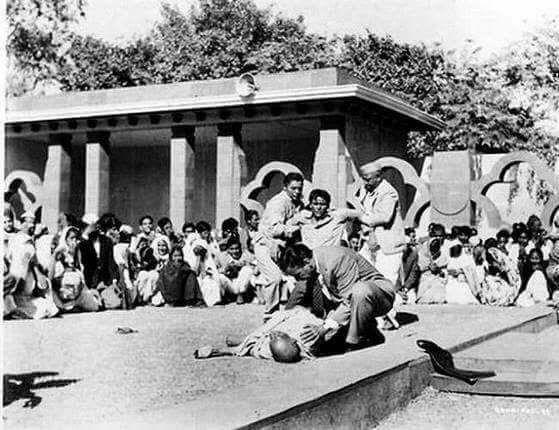
MAHATMA GANDHI SHOT DEAD

Date: 3 JANUARY 2018


Time uploaded in London- 6-50 am


Written by S NAGARAJAN


Post No. 4577

Pictures shown here are taken from various sources such as Facebook friends, Books, Google and newspapers; thanks. Pictures may not be related to the story. They are only representational.


முதல் கட்டுரை எண் 4551 – 27-12-2017 அன்று வெளியாகியுள்ளது. அதைப் படித்து விட்டு இங்கு தொடரவும்.


கண்ணதாசனின் ஈ.எஸ்.பி. பவர் (E.S.P.Power) – அதீத உளவியல் ஆற்றல்! -2


ச.நாகராஜன்

6

சேலத்தில் கவிஞர் வாழ்ந்த காலத்தில் ஒரு நாள். அவர் ‘அமைச்சர்’ என்ற இதழின் நிர்வாகியான அருணாசலம் என்ற அருணனிடமும் (அருணாசலம் பின்னாளில் அருணோதயம் பதிப்பாளர் ஆனார்), கவிஞரின் எழுத்துக்களைத் தொலைபேசி வாயிலாகக் கேட்டு அவர் சொல்லச் சொல்ல எழுதி வந்தவருமான கற்பூரபாண்டியனிடமும் தான் கண்ட கனவைத் துயரத்துடன் விவரிக்கிறார்.


“28-1-1947 அன்று இரவு பயங்கரமான கனவு ஒன்றைக் கண்டேன். மகாத்மா காந்தியை யாரோ சுட்டு விடுகிறார்கள்’ என்றார் கவிஞர்.

“அந்த மனிதருக்கா அப்படி ஆகும்” என்று அவர் கூற்றை மறுத்து இருவரும் கேலி செய்கிறார்கள்.

ஆனால் 30-1-1947 இரவு 7 மணி செய்தியில் வானொலி மகாத்மா காந்திஜியை கோட்ஸே சுட்டுக் கொன்றதை அறிவித்த போது அனைவரும் விக்கித்துப் போயினர்.


7

மழை இல்லாத காலத்தில் எல்லாம் கவிஞர் மழை பொழிக என்று சொன்னவுடன் மழை பெய்தது.

1972இல் வரலாறு காணாத வறட்சியைத் தமிழகம் கண்டது. ஏரி, குளம், ஆறு அனைத்தும் வறண்டன.

மக்கள் தவிதவித்துப் போயினர்.


கம்பன் விழாவில் கலந்து கொள்ள பாண்டிச்சேரி சென்றார் கவிஞர். உடன் சென்றவர் அவர் உதவியாளர் இராம. கண்ணப்பன்.


பாண்டிச்சேரியிலும் மழை இல்லை.ஒரே வறட்சி.

விழாவின் இறுதி நாளன்று பேசிய கவிஞர் சொன்னார்:” நான் கண்னனை வணங்குவது உண்மை எனில் புதுச்சேரி எல்லையைக் கடக்கு முன் மழை பெய்ய வேண்டும். பரந்தாமன் இங்கு நான் கொடுத்த வாக்கைக் காப்பாற்றுவான்.”

அவர் வாக்கு பொய்க்கவில்லை.

வருணன் அதைக் கேட்டான். ஓடி வந்தான்.

பேச்சை முடித்து கவிஞர் திண்டிவனம் வந்து சேர்ந்த போது புதுச்சேரி மழையில் மிதப்பதாக்ச் செய்தி வந்தது!

இன்னும் இரு சம்பவங்கள்.


ஒன்று மதுரை அன்பர் ஒருவர் குமுதம் இதழுக்கு ஒரு கடிதம் எழுதி கவிஞர் மதுரையில் மழை. பெய்யப் பாட வேண்டும்” என்றார்.


கவிஞரும் பாடினார்:


23 வரிகள் கொண்ட பாடல்.

அதில் முதல் ஆறு வரிகளையும் கடைசி ஆறு வரிகளையும் இங்கு தருகிறேன்:

ஞானம் தூங்கினால் நல்லறம் தூங்குமே

நலங்கள் தூங்கினால் நானிலம் தூங்குமே

கானம் தூங்கினால் கலைகளும் தூங்குமே

கலைகள் தூங்கினால் காவியம் ஏங்குமே

தானம் தூங்கினால் தவங்களும் தூங்குமே

தவங்கள் தூங்கினால் தருமமும் ஏங்குமே ….


வண்ணமாம் மின்னல்கள் வளரொளி நடனங்கள்

காணத் துடிக்கிறோம் கவின் மழை பொழிக நீ!

தேனின் துளிகளைத் தேசத்தில் ஊற்றுக.

சேரும் நதிகளில் திருப்புனல் காட்டுக

ஆனினம் உயிரினம் அனைத்தும் வாழவே

ஐய பெய்கவே, அம்மையே பெய்கவே!


ஏதோ வருணன் தனது உயிர் நண்பன் போலப் பாடலைப் பாடி விட்டார் கவிஞர்.

மழை பெய்யுமா? குமுதம் இதழைப் படித்த மக்கள் ஆவலுடன் எதிர்பார்த்தனர்.

பெயதது. கொட்டோ கொட்டு என்று மழை பெயதது.

வருணன் தன் உற்ற நண்பனைக் கைவிடவில்லை.

குமுதம் என்று மதுரையை அடைந்ததோ அன்றே மழை!

நண்பருக்கும் ஆச்சரியம், மக்களுக்கும் ஆச்சரியம்.

நன்றியை அனைவரும் தெரிவித்தனர்.

இதே போல சென்னையில் வானதி பதிப்பகத்தார் மயிலாப்பூர் கபாலீஸ்வரர் கோவிலில் மழை வேண்டி ஒரு விசேஷ கவியரங்கம் ஏற்பாடு செய்திருந்தனர்.

கவிஞரும் அதில் பங்கேற்றார்.


பனிரெண்டு அறுசீர் விருத்தச் செய்யுள்களை அங்கு அவர் பாடினார்.


வான் முட்டும் கோபுரங்கள்

வானுக்குச் செய்தி சொல்வீர்!

தேன்முட்டும் இதழாள் சக்தி

தேவியைத் துயிலெ ழுப்பீர்!

கான்முட்ட மழைபொழிந்து

காவிரி பெருகி ஓடி

மீன்முட்டும் வெள்ளக் காடாய்

வியன் நிலம் ஆவதாக!

என்று இறுதி விருத்தத்தை முடித்தார்.

கவியரங்கம் முடிந்தது. மயிலை கபாலீஸ்வரர் கோவிலிலிருந்து கிளம்பினார் கவிஞர். தியாகராய நகர் வருவத்ற்குள் அடை மழை கொட்டியது.

இப்படிப் பல சம்பவங்கள்!!


இந்தச் சம்பவங்கள் கட்டுக் கதை அல்ல! அவரது உதவியாளராக இருந்த இராம கண்ணப்பன், “கண்ணதாசனின் அர்த்தமுள்ள அனுபவங்கள்” என்ற நூலில் இவற்றைத் தெரிவிக்கிறார்.

(புத்தக வெளியீடு: கங்கை புத்தக நிலையம், தி.நகர், சென்னை – 17 – முதல் பதிப்பு டிசம்பர் – 1991 – 181 பக்கங்கள்)

நமது நன்றி இராம கண்ணப்பனுக்கு உரித்தாகுக!


8

குமுதம் இதழில் வாரம் ஒரு கவிதையை எழுதி வந்தார் கவிஞர்.

ஒரு இதழில் கவிதை ஒன்று வெளியானது.

தாலாட்டுக் கவிதை அது.

கவிஞரின் அண்ணனான ஏ.ஏல்.சீனிவாசனுக்கு பேரக்குழந்தை பிறந்தது.கவிஞருக்கும் பேரன் தானே! பாடினார்:


அவனை எழுப்பாதீர் அப்படியே தூங்கட்டும்

கண்ணை விழித்திந்த காசினியைப் பார்க்குங்கால்

என்ன துயர் வருமோ எங்கெங்கே அடி விழுமோ

மோதல் வருமோ முறைகெடுவார் துயர் வருமோ

இந்த வயதினிலே இப்பொழுதே தூங்குவதே

சுகமான தூக்கம், அவன் சுகமாகத் தூங்கட்டும்”


துரதிர்ஷ்டவசமாக ஒரே வாரத்தில் குழந்தை இறந்தது.

அப்படியே தூங்கட்டும்; அவனை எழுப்பாதீர் என்று எழுதியதில் அறம் வைத்துப் பாடி விட்டேனோ. சுகமாகத் தூங்கட்டும் என்று சொல்லிய போது ஒரே நீள் தூக்கமாகப் போயிற்றே!


கவிஞரின் மனம் சமாதானம் அடையவில்லைல். புலம்பினார்.

அவனை எழுப்பாதீர், அப்படியே உறங்கட்டும்

என்றே நான் எழுதியதன் ஈரம் உலரவில்லை

அறம்பாடி விட்டேனோ அறியேன் சிறுகுருவி

திறம்பாட முடியாமல் செத்த கதை பாடுகிறேன்”


கண்ணதாசனின் கதறலை அடுத்த இதழ் குமுதம் தாங்கி வந்தது. மக்களும் சேர்ந்து அழுதனர்; கவிஞனின் சொந்தத் துக்கத்தில் பங்கு கொண்டனர்.


9

கவிஞனின் வாக்குப் பொய்க்காது என்பது அவர் அடிக்கடி சொல்லும் ஒரு வரி.

அதை ஏனையோரும் ஏற்றனர்; அதன் நிரூபணத்தையும் அடிக்கடி பார்த்து வந்தனர்.

அவரது சக்தி அபூர்வமான ஒன்று. தமிழை அருவியெனக் கருத்து வெள்ளத்துடன் கொட்டியதில் மட்டும் விஞசவில்லை கண்ணதாசன்.


கண்ணனின் அருள் தாங்கி ஒரு அருள் சக்தியும் கொண்டு வாழ்ந்து வந்தார்.

சமீப காலத்தில் தமிழகம் கண்ட ஒரு “சக்தி” பெற்ற “கவிஞர்” அவர் என்பதுடன் இந்தத் தொடரை முடித்துக் கொள்வோம்.

***

எனது நன்றி : இராம கண்ணப்பன் அவர்களுக்கு – பல நல்ல விஷயங்களை அப்படியே காற்றோடு போக விடாமல் எழுத்திலே பதிவு செய்தமைக்காக!


(இந்த இரு கட்டுரைத் தொடர் முற்றும்)