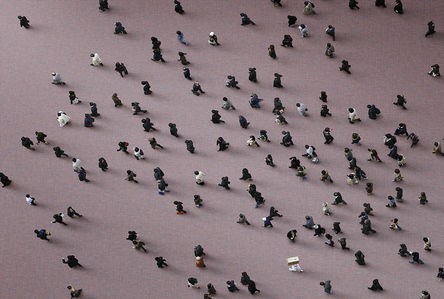
காலத்தை உறைய வைக்கும் அதிசய புகைப்பட நிபுணர்! –1(Post.5086)

Written by S NAGARAJAN


Date: 8 JUNE 2018


Time uploaded in London –  8-35 am  (British Summer Time)


Post No. 5086


Pictures shown here are taken from various sources such as Facebook friends, Books, Google and newspapers; thanks. Pictures may be subject to copyright laws.


பாக்யா 8-6-18 இதழில் அறிவியல் துளிகள் தொடரில் வெளியாகியுள்ள (எட்டாம் ஆண்டு பதிநான்காம்) கட்டுரை

காலத்தை உறைய வைக்கும் அதிசய அறிவியல் புகைப்பட நிபுணர்! – 1

.நாகராஜன்


ஆடம் மக்யார் (Adam Magyar) என்பவர் ஒரு கம்ப்யூட்டர் நிபுணர். கல்லூரியிலிருந்து பாதிப் படிப்பில் வெளிவந்தவர். தனக்குத் தானே புகைப்படக் கலையைக் கற்பித்துக் கொண்டவர். உலகெங்கும் சுற்றிக் கொண்டே இருக்கும் நிரந்தரப் பயணி. பெரிய புகைப்படக் கலைஞர். உலகமெங்கும் பெரும் புகழ் பெற்று வருபவர்.

அவரது தீவிரமான புகைப்படக் கலை ஆர்வத்தால் தீவிரவாதி என்று கூட அவரை போலீஸ் சந்தேகப்பட்டது.

விஷயம் என்ன என்பதைப் பார்ப்போம். நியூயார்க்கில் யூனியன் ஸ்குயர் சப் வே ஸ்டேஷன் என்று ஒரு ஸ்டேஷன் இருக்கிறது. எப்போதும் கூட்டமாக இருக்கும் ரயில் நிலையம் அது. அங்கு ஒரு நாள் காலை நேரத்தில் மக்யார் தீவிரவாதி என்ற சந்தேகத்தால் பிடிக்கப்பட்டார்.

அந்தச் சமயத்தில் ஸ்டெயின்லெஸ் என்ற தனது ஒரு அதிசயமான திட்டத்தில் அவர் ஈடுபட்டிருந்தார். ஹை ரெஸொல்யூஷன் இமேஜஸ் எனப்படும் அதி நவீன போட்டோ தொழில்நுட்பம் மூலம் மிக வேகமாகப் போகும் ரயில்களையும் அதில் ஏறி இறங்கும் பயணிகளையும் அவர் அதிசயிக்கத்தக்க விதத்தில் ஸ்டெயின்லெஸ் திட்டத்திற்காகப் படம் பிடித்துக் கொண்டிருந்தார். இந்த போட்டோ கலைக்காக கம்ப்யூட்டரில் பயன்படுத்தப்படும் சாஃப்ட்வேர் எனப்படும் மென்பொருளை அவரே கண்டுபிடித்திருந்தார். அதற்கான ஹார்ட்வேரையும் அவரே தயாரித்துக் கொண்டார். இதன் மூலம் ஒரு படத்தை ஆயிரக்கணக்கான துண்டுகளாக ஆக்கிப் பின்னர் ஒன்று சேர்த்து முழுப் படமாக ஆக்குவார்.

சப்வேயில் குகைப்பாதையில் செல்லும் பயணிகளை அவர்களுக்குத் தெரியாமலேயே படம் பிடிப்பார். அந்தப் படங்களை சாதாரண கேமரா எதுவும் நிச்சயமாகப் பிடிக்க முடியாது.

தனது சாதனங்களை அவர் பிளாட்பாரத்தில் அடுக்கி வைத்துக் கொண்டிருந்தார். கேமரா, ஸ்கேனர், வோல்டேஜ் மீட்டர்,பேட்டரி பேக், நீல மற்றும் கறுப்பு நிற கேபிள்கள், முக்காலி, லேப் டாப் என்று அனைத்து சாதனங்களையும் ஒழுங்கு படுத்தியவர் ட்ரெயினின் வருகைக்காகக் காத்துக் கொண்டிருந்தார்.

நியூயார்க் நகர மக்களோ இப்போது விவரமானவர்களாக ஆகி விட்டார்கள். 9/11 இரட்டை கோபுர தாக்குதல் என்ற கோர நிகழ்ச்சிக்குப் பின்னர் சந்தேகமான ஆளோ சாதனங்களோ தென்பட்டால் உடனடியாக அவர்கள் போலீஸாரை உஷார் படுத்துவர்.

நீண்ட சடைமுடியுடன் சந்தேகாஸ்பதமான சாதனங்களுடன் ஒருவர் ப்ளாட்பாரத்தில் இருப்பதைப் பார்த்த பலரும் நேரடியாக போலீஸாரை நாடி அவர்களை உஷார்படுத்தினர்.

உடனடியாக போலீஸ் படை விரைந்தது.

“யார் நீ?என்ன செய்கிறாய்?” போலீஸின் அதிரடி விசாரணை மக்யாரிடம் துவங்கியது.

“நான் ட்ரெயினை ஸ்கேன் செய்து கொண்டிருக்கிறேன்.”

“எங்களுடன் வா” என்று அவரை போலீஸார் விசாரணை அறைக்கு அழைத்துச் சென்றனர். துப்பறியும் போலீஸாரின் நுண்ணறிவுப் பிரிவைச் சேர்ந்த இரு அதிகாரிகள் அவரை விசாரிக்க ஆரம்பித்தனர்.

“யாருக்காக வேலை செய்கிறாய்? என்ன வேலை செய்கிறாய்?”

நிலைமையை நன்கு உணர்ந்து கொண்ட மக்யார் தான் யாரென்பதை விளக்க ஆரம்பித்தார்.நல்ல வேளையாக கணினியில் அவர் எடுத்த நூற்றுக்கணக்கான நல்ல புகைப்படங்கள் இருந்ததால் அவர் பிழைத்தார்.

அவர் ஒரு புகைப்படக் கலைஞர் தான், தீவிரவாதி அல்ல என்பது நிரூபணமானது. அவரது இணையதளத்தையும் போலீஸ் பார்வையிட்டது.கடைசியாக 25 டாலர் அபராதத்தை மட்டும் விதித்து அவரை ஸ்டேஷனை விட்டு அப்புறப்படுத்தியது.

25 டாலர் அபராதம் ஏன்? முக்காலி ஸ்டேண்டை ஸ்டேஷன் பிளாட்பாரத்தில் பயன்படுத்திய தவறுக்காக!  ஆனால் இது போன்ற ஏராளமான சங்கடமான தருணங்களை அவர் அடிக்கடி சந்திப்பது வழக்கம்.

ஹங்கேரியில் 1972ஆம் ஆண்டில் பிறந்தவர் மக்யார். தனது 20ஆம் வயதில் ஆசிய நாடுகளில் அவர் சுற்றி அலைந்து கொண்டிருந்தார். இந்தியா என்றால் அவருக்கு மிகவும் பிடிக்கும். இமயமலைப் பகுதிகள், இந்தியாவில் இருக்கும் சந்யாசிகள், ஆங்காங்கே உள்ள நகரங்களில் தெருக்களில் பல பொருள்களை விற்கும் தெரு வியாபாரிகள் என அவர் தனக்குப் பிடித்த விஷயங்களைப் புகைப்படமாகப் பிடிக்க ஆரம்பித்தார்.

சம்பிரதாயமாக எடுக்கும் புகைப்படங்களிலிருந்து அவரது வழி மாறி வித்தியாசமான ஒன்றாக ஆகியது! டிஜிடல் தொழில்நுட்பத்தில் அவருக்கு ஈடுபாடு வந்தது.

அதிலும் அவர் ஒரு புரட்சியைச் செய்தார். தனக்கான விசேஷ மென்பொருளை அவரே தயாரிக்க ஆரம்பித்தார். போட்டோக்களில் சாதாரணமாக ஏற்படும் சிதைவுகளையும் ஒழுங்கீனங்களையும் அவர் அறவே நீக்க முயன்றார். ‘நாய்ஸ்’ எனப்படும் புள்ளிவிவர டேட்டா ஒழுங்கீனத்தையும் அவர் களைந்தார்.

இதன் விளைவாக ஒவ்வொரு புகைப்படமும் அபாரமாக துல்லியமாக வர ஆரம்பித்தது. போட்டோ கலையில் காலத்துடன் அவர் “விளையாட” ஆரம்பித்தார்.

ஆம், மில்லி செகண்டுகளை நிமிடங்களாக நீட்டினார். சில கணங்களை அப்படியே உறைய வைத்தார். இப்படி உறைய வைக்கப்பட்ட தருணங்களில் வரும் சித்திரங்கள் – போட்டோக்கள்- சாதாரணக் கண்ணினால் பார்க்கவே முடியாதவை.

ஐன்ஸ்டீன், ஜென் புத்தமதம் என பல விஷயங்களிலும் அவரது நிபுணத்வம் விளையாடவே அதிசயமான போட்டோக்கள் உருவாக ஆரம்பித்தன. கண்டதையெல்லாம் கேமராவில் பிடித்தால் அது போட்டோ அல்ல என்கிறார் மாக்யார்.

ஒவ்வொரு கணத்தையும் அதன் ஜீவனை போட்டோவில் பிடித்து அதை உயிருள்ளதாக ஆக்க வேண்டும் என்பதே அவர் சித்தாந்தம். இதற்கு தொழில்நுட்பத்தையும் கலையையும் கலவையாக ஆக்கி அவர் ஒரு புதுவழியைக் காண்பிக்கிறார். “இயக்கத்திற்கும் இயக்கம் இல்லாமல் இருப்பதற்கும் நடுவில்  ஒரு ஸ்பேஸ் – வெளி இருக்கிறது. அங்கு காலம் வளைகிறது. ஆனால் அது இயற்பியல் விதிகளின் படி இருக்காது.” என்கிறார் அவர்.

தொழில்நுட்பம் கணித விதிகளைக் கொண்டது. கலையோ உணர்வுபூர்வமாக நுட்பமானது. இவை இரண்டும் சாதாரணமாக ஒன்றோடு ஒன்று இழைவதில்லை. ஆனால் இரண்டையும் தன் சாமர்த்தியத்தால் இழைய வைத்துள்ளார் மாக்யார்.

இவரது போட்டோக்களைப் பார்த்து மக்கள் வியக்கின்றனர்; மயங்குகின்றனர்.  அவரது சாதனைகளை இன்னும் சற்றும் பார்ப்போம்.
அறிவியல் அறிஞர் வாழ்வில் ..

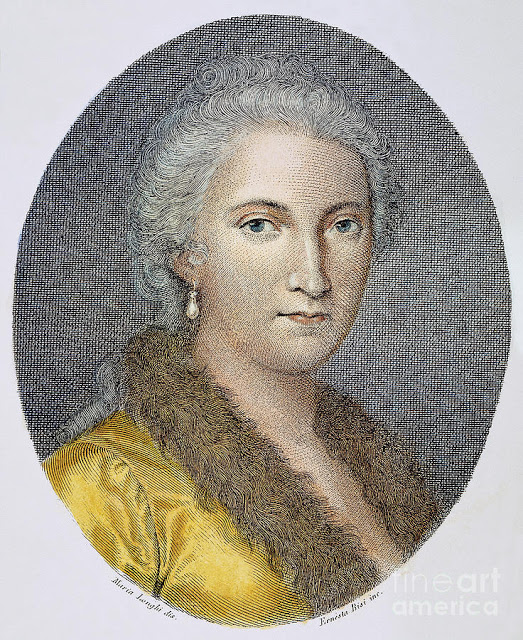
இத்தாலியைச் சேர்ந்த பெண்மணியான மரியா அக்னேசி (Maria Agnesi 1718-1799) சிறந்த கணித மேதை.

நமது கணித மேதை ராமானுஜனைப் போலவே கணிதத்தில் கடவுளைக் கண்டார் அவர். பெரிய செல்வந்தர் வீட்டுப் பெண்ணான அவருக்கு வீட்டிலேயே நல்ல கல்வி கிடைத்தது.  பிரெஞ்சு, இத்தாலி, கிரேக்கம்,ஹிப்ரூ, ஸ்பானிஷ், ஜெர்மானிய மொழி, லத்தீன் என பல மொழிகளிலும் 11 வயதிலேயே விற்பன்னரானார் அவர்.

ஒன்பதாம் வயதில் லத்தீனில் பெண்களின் உரிமை பற்றியும் அவர்கள் கல்வி கற்க வேண்டியதன் அவசியத்தையும் பற்றி ஒரு ம்ணி நேர உரை ஒன்றை அவர் எழுதினார். கணிதத்தில் அவர் பெயரால் ‘தி விட்ச் ஆஃப் அக்னேசி’ என்று ஒரு curve இருக்கிறது.

கணிதத்தில் தீவிர கவனம் செலுத்துவதே ஆன்மாவிற்கான பிரார்த்தனை என்று நம்பிய அவர் ஏழைகளின் உயர்வுக்காகப் பாடுபட்டுத் தொண்டாற்றினார். தேவாலய பணிகளில் ஈடுபட்டார்.

81 வயது வரை வாழ்ந்த அவர் ஒரு சிறிய மருத்துவ மனையில்

இறுதி வரை தொண்டாற்றி வந்தார்.
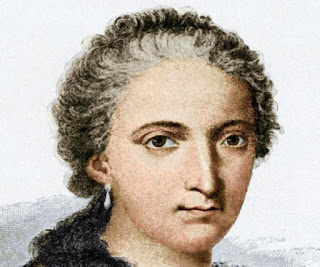
தூக்கத்தில் எழுந்து நடக்கும் வியாதியால் அவர் பாதிக்கப்பட்டவர். ஆகவே நள்ளிரவில் எழுந்து சிக்கலான கணிதத்திற்கு விடை காண முயலுவார்- தூக்க கலக்கத்துடன். தூக்கம் வந்தவுடன் தூங்கி விடுவார்.

தூங்கி எழுந்தவுடன் காலையில் அவருக்கு அதற்கான விடை கிடைத்து விடும்.

கணிதத்தையும் கடவுளையும் இணைத்ததால் அவர் கணித வரலாற்றில் தனி ஒரு இடத்தைப் பிடித்துள்ளார்.

***
 

வேதம் படிக்க 36 ஆண்டு! யாரைக் கல்யாணம் கட்டலாம்?- மநு (Post No.5085)

Written by london swaminathan


Date: 7 JUNE 2018


Time uploaded in London –  22-14  (British Summer Time)


Post No. 5085


Pictures shown here are taken from various sources such as Facebook friends, Books, Google and newspapers; thanks. Pictures may be subject to copyright laws.


மநு சொல்லும் விநோதச் செய்திகள்

மநு நீதி நூல்- Part 18

Third Chapter begins

வேதம் படிக்க 36 ஆண்டு! யாரைக்  கல்யாணம் கட்டலாம்?- மநு (Post No.5085)


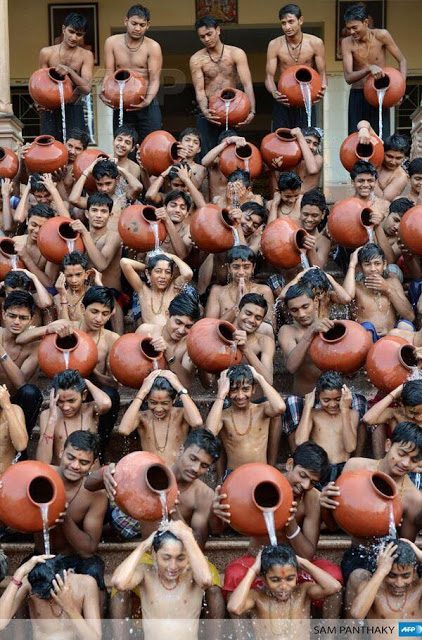
3-1.மூன்று வேதங்களையும் படிப்போர் 36 ஆண்டுகள் அல்லது 18 ஆண்டுகள் அல்லது 9 ஆண்டுகள் அல்லது வேதத்தின் ஒரு கிளையை (ஷாகா) முடிக்கும் வரை பயிலலாம்.

3-2.மூன்று அல்லது இரண்டு அல்லது ஒரு வேதத்தைப் பயின்ற பின்னர் இல்லற வாழ்வில் காலடி எடுத்து வைக்கவும்

3-3.வேதம் பயின்று முடித்தவனை சந்தனம், மலர் மாலை, மதுபர்க்கம் (பால்+தேன்), பசு தானம் கொடுத்து மரியாதை செய்க

3-4.இந்த பட்டமளிப்பு விழாவுக்குப் பின்னர் அழகான பெண்ணை மணக்கலாம்.

3-5. மதச் சடங்குகளைச் செய்யவும் பிரஜா உற்பத்திக்காகவும் தன் கோத்ரத்தில் சேராத தாயின் ஏழு தலைமுறைகளில் தொடர்பில்லாத ஒரு பெண்ணை கல்யாணம் கட்டு.  இது   மூன்று வருணத்தாருக்கும் பொருந்தும்.


3-6. ஆடு மாடு, தன, தான்யம் மிகுந்த குடும்பத்தில் பெண் எடு; ஆயினும் பின்வரும் பத்து குலத்தைத் தவிர்.


3-7.ஆண் குழந்தைகளே பெறாத குடும்பம், சடங்குகளைப் பின்பற்றாதோர், வேதம் ஓதாதோர், உடல் முழுதும் முடியுடையோர், க்ஷயரோகம், வயிற்று வலி, மூல வியாதி உடையோர், பெரு வியாதி, வெண் குஷ்டம் உடையோர், யானைக் காலர், குடும்பத்தில் பெண் எடுக்காதே.

3-8.செம்பட்டை முடி, சிவப்புக் கண்கள், உடல் முடியுடையோள், நோயாளி, கடும் சொல் உடைய பெண்கள் வேண்டாம்

3-9. நட்சத்திரம், நதி, மலை, மரம், அடிமைப் பெண்கள் , ஈன ஜாதி, பறவை, பாம்பு ஆகிய பெயர்களை உடைய பெண்கள் வேண்டாம்.

யார், யாரை மணக்கலாம்?

3-10. அழகான, நற் பெயர் உடைய, மென் குரல், மென் முடி, வெண் பற்கள், இன் சொல்லினள், அன்ன நடை உடைய பெண்கள் நல்லது


3-11.சஹோதரன் இல்லாதவள், தகப்பன் பெயர் தெரியாதவள் வேண்டாம். அவர்களுக்குப் பிறப்போர் புத்ரிகா, புத்ரன் ஆவர். பின்னொரு அத்யாயத்தில் விளக்கம் உளது.

3-12.தனது வருணப் பெண்ணை மணப்பது சிறப்பு; ஆயினும் இரண்டாம் கல்யாணம் செய்வதாயின் பின்வரும் கட்டளைகளை மனதிற் கொள்க

3-13. நாலாம் வருணத்தவன் (சூத்திரன்) தனது வருணத்திலும் வைஸ்யன் தனது இனம்+ நாலாம் வருணத்திலும், க்ஷத்ரியன் மற்ற இரு வருணத்திலும் பிராஹ்மணன் நால் வருணத்திலும் மணக்கலாம்.

3-14 . அந்தணனுக்கும் அரசனுக்கும் சொந்த இனத்தில் பெண் கிடைக்காவிடில் முதல் மணமே நாலாம் வருண பெண்ணைக் கூட மணக்கலாம்.

3-15. தாழ்ந்த ஜாதியில் மணப்பவர்கள், பிறக்கும் குழந்தைகளையும் நாலாம் வருணத்துக்கு இழுத்துவிடுவர்.

3-16. நாலாம் வருணத்தவனை மணப்பவன் பதிதன் என்று அத்ரி, சௌனகர், கௌதமன் பிருகு முதலியோர் கூறுவர்.


3-17.  தாழ்ந்தகுலப் பெண்ணுடன் படுக்கும் அந்தணன், நரகத்தை அடைவான். பிறக்கும் பிள்ளையும் பிராஹ்மணன் இல்லை.

3-18. அப்படிப் பிறக்கும் பிள்ளை கொடுக்கும் பிண்டத்தை பித்ருக்கள், தேவர்கள் ஏற்க மாட்டார்கள்.

3-19. தாழ் குலப் பெண்ணின் அதர பானமும் மூச்சுக் காற்றும் பிறக்கும் குழந்தைகளுக்கும் பாவத்தை உண்டாக்கும்.

3-20. அடுத்த ஸ்லோகத்தில் இம்மை மறுமைப் பயன்களை நல்கும் எட்டுவகைத் திருமணங்கள் பற்றி இயம்புவேன்


எனது கருத்துகள்

  1. தமிழ் இலக்கியத்தில் நக்கீரர் 48 ஆண்டுகள் வேதம் பயின்றதாக உரைகாரர் உரைப்பர். ஒரு முனிவர் வேதம் எல்லாம் படிக்க 300 ஆண்டுகள் போதவில்லை என்றும் நாலாவது ஜன்மத்தில் பயின்றாலும் ‘கற்றது கை மண் அளவு கல்லாதது உலகளவு’ என்று இந்திரன் சொன்னதாகவும் முன் ஒரு கட்டுரையில் கண்டோம். இப்போதுள்ள வேதங்களையே எவரும் முழுக்க கற்க இயலாது; அழிந்து போன வேதங்களைக் கணக்கிற் கொண்டால் பல ஜன்மங்களும் போதாது.


2.இந்த 36 ஆண்டு, 48 ஆண்டு மனப்பாடப் படிப்பு இந்தியாவின் தனிச் சிறப்பாகும் இத்தகைய விஷயங்கள் வேறு பண்பாட்டில் இல்லாததால், ஆரிய-திராவிட வாதம் கட்டுக்கதை என்பது வெள்ளி டை மலை என விளங்கும். வெளிநாட்டில் இருந்து இந்துக்கள் வரவில்லை. இந்த நாட்டில் தோன்றிய பண்பாடே காரணம்.


  1. பிராஹ்மணர்கள் நால் வ மணக்கலாம் என்பதே புரட்சிகரமான கருத்து. மற்ற வர்ந்த்தாரும் ஏனையோரை மணக்கலாம் என்பது தற்காலத்துக் கருத்.து

4.மநு, மற்ற ஸ்ம்ருதிகாரர்களின்  கருத்துகளையும் மொழிகிறார். அகவே அக்காலத்திலேயே பல ஸ்ம்ருதிகள் இருந்ததை அறிகிறோம் அக்காலத்தில் கலப்பு மணம் இருந்ததை மநுவும் கோடிட்டுக் காட்டுகிறார். மக்களுக்குப் பல ஸ்ம்ருதிகளைப் பின்பற்றும் உரிமை இருக்கையில் மநு ஸ்ம்ருதியை மட்டும் எடுத்துக் கொண்டு குறைகூறுவதில் என்ன பொருள் உளது?


5.யாரை மணந்து கொள்ளலாம் என்பதில் கோத்ர முறை வருகிறது; ஒரே கோத்ரத்தில் பிறந்தவரை மணக்கக் கூடாது, நெருங்கிய உறவினரை மணக்கக் கூடாது  என்பதெல்லாம் இன்றைய விஞ்ஞான உலத்தில் ஏற்கப்பட்டுள்ளது.


  1. நட்சத்திரங்களின் பெயர்கள், நதிகளின் பெயர்களை பெண்களுக்குச் சூட்டக் கூட்டாது என்பது விநோதமான கருத்து . இன்றும் நட்சத்திரப் பெயர்களான ரேவதி, அஸ்வினீ, பரணி, கிருத்திகா, ஆருத்ரா, கங்கா, நர்மதா காவேரி, ஸரஸ்வதீ என்பதெல்லாம் சர்வ சாதாரணமாகப் பெரும்பாலோர் பெயர்களில் காணலாம். இந்துக்கள் எல்லா இயற்கைப் பொருட்களுக்கும் பெண்களின் பெயர்களையே சூட்டுவர். இதிலிருந்து மநு மிகப் பழங்காலத்தவர் என்பது தெளிவாகிறது


7.இத்தகைய பெயர் சூட்டும் முறையும் ஏனைய பண்பாட்டில் இல்லாததால் இந்துகள் அனைவரும் இங்கு தோன்றி ஒரே கலாசாரத்தை உருவாக்கினர் என்பது பொருத்தமாகும்.

8.வியாதிகள் பற்றி மநு எச்சரிப்பது ஆரோக்கிய வாழ்வை விரும்புவோரின் பட்டியலில் மநுவும் ஒருவர் என்பது புலனாகிறது.


9.மூன்று வேதங்களைப் பயின்றோர் த்ரிவேதி;

நான்கு வேதங்களைப் பயின்றோர் சதுர்வேதி;

இரண்டு வேதங்களைப் பயின்றோர்  த்விவேதி என அறியப்பட்டனர். ஒரு வேதத்தைப் பயின்றோர் கூட அரிதாகி வரும் நாளில் பெயரளவுக்கே த்ரிவேதி,சத்ர்வேதி முதலிய பெயர்கள் புழக்கத்தில் உள்ளன. ஆனால் அத்தகையோர் ஒருகாலத்தில் இருந்தனர்.

  1. பெண்களின் வருணனையில் அன்ன நடை யானை நடை முதலியன சங்கத் தமி ழ் இலக்கியத்தில் இருக்கிறது ஆக இமயம் முதல் குமரி வரை சிந்தனை ஒன்றே. அதுமட்டுமல்ல இக்கருத்துகள் வேறு கலாசாரத்தில் இல்லாததால் பாரத கலாசாரம் இங்கே தோன்றி இங்கே வளர்ந்தது என்பதையும் அறிக.

தொடரும்……………


‘SEA IS A CHANNEL, EARTH IS A COURTYARD’ FOR INDIANS (Post No.5084)

Written by london swaminathan


Date: 7 JUNE 2018


Time uploaded in London –  17-40  (British Summer Time)


Post No. 5084


Pictures shown here are taken from various sources such as Facebook friends, Books, Google and newspapers; thanks. Pictures may be subject to copyright laws.


‘SEA IS A CHANNEL, EARTH IS A COURTYEARD’ FOR INDIANS (Post No.5084)


Bana in his Harsha Charita says, “To them the earth appeared as a platform in the courtyard and the sea as a mere channel. The high mountain of the north and the wide coastline of the seas of the south offered no impediments but served as bridges for adventurous travellers’.


According to Bana of sixth century CE, Lakshmi is self drawn by sea voyage.

Mricakatika of Sudraka (second century CE) describes the eight courtyard building of courtesan Vasantasena. There is a beautiful description of each section. This was the building owned by a courtesan 2000 years ago! Now we can imagine how the palaces of those days looked. At the instance of Charudatta, hero of the story, the jester went to  Vasanta sena’s palace to return her jewels. Seeing the grandeur of her palace with eight courtyards, he was surprised and made a comment to her servant whether her mistress was interested in shipping business so that she had such riches.

Kalidasa also made references to wealth earned by shipping and the laws governing the shipwrecked wealth. This shows the massive maritime trade of India .

Tamil proverb also says the same ‘Go across the sea and look for treasure’ is the Tamil proverb (Tirai Kadal odiyum Diraviyam thedu)


Sangam Tamil literature has full details of foreign imports and exports through the Tamil Nadu harbours. Lot of details correlated with the discovery of thousands of Roman coins of the first few centuries of our era.


Sabhaa parvan of Mahabharata mention Antaakhi, Romaa and Yavanapur which are identified with Rome (Italy), Antioch (Turkey) and Alexandria (Egypt). Indian sailors frequented these harbours.


Aranyaka parvam of Mahabharata has the following details about sarthavaha:

The big caravan was crowded with elephants, horses, chariots and the number of oxen, donkeys, camels and men on foot were overwhelming that the caravan appeared as ocean of moving men. It included not only merchants but also Brahmins well versed in the Vedas, young and old, and women with children. Damayanti in search of Nala also joined this caravan under the Saarthavaha leader. When some mischievous youths approached Damayanti with evil intentions, the elders supported Damayanti and showed her kindness.

But the caravan camped at the wrong place during the night. It was the route of wild animals and particularly elephants going to waterholes. In the night, herds of elephants trampled upon some campers and there was utter confusion. Some were crushed to death by the elephants and others ran helter skelter. Damayanti was one of the lucky persons to escape. The caravan continued its journey next morning.


Though Mahabharata is an epic dealing with religion it is an encyclopaedia of ancient Hindu life. It gives very minute details like this on various subjects.


We have details about inter galactic travel of Arjuna, Concept of Time, Acupuncture, Bird Migration, flora and fauna of India, military formations, warfare and a lot in the epic.


–Subham–

செல்வம் சேர வாஸ்து வழி ! Clutter-ஐ ஒழியுங்கள்! (Post No.5083)

Written by S NAGARAJAN


Date: 7 JUNE 2018


Time uploaded in London –  8-39 am  (British Summer Time)


Post No. 5083


Pictures shown here are taken from various sources such as Facebook friends, Books, Google and newspapers; thanks. Pictures may be subject to copyright laws.


செல்வம் சேர வாஸ்து வழி

Clutter-ஐ ஒழியுங்கள்!


ச.நாகராஜன்


1

காசு மேலே காசு வரும் கட்டுரையைப் படித்தீர்களா? நீரை வடகிழக்கு மூலையில் வைத்தவர்களுக்கு செல்வம் சேருவதற்கான  நல்ல அறிகுறி வரும் என்று எழுதியிருந்தேன். அதில் சற்று கங்கா ஜலம் அல்லது பன்னீருடன் சில மலர்களையும் தூவலாம். தினம்தோறும் புதிய ஜலத்தை நிரப்புமாறும் இந்தப் பழக்கத்தைத் தொடர்ந்தால் காரண்டியாக காசு வரும் என்றும் குறிப்பிட்டிருந்தேன்.


சார், ஒண்ணும் பலிக்கலை சார் என்று சொல்பவர்கள் இருந்தால் அவர்களுக்காகத் தான் இந்தக் கட்டுரை.

அன்பர்களுக்கு உத்வேகமூட்ட ஒரு உண்மைச் சம்பவத்தைக் குறிப்பிடுகிறேன்.


நெருங்கிய சொந்தம். நல்ல கூர்மையான புத்திசாலி. நல்ல உழைப்பாளி. ஆனால் உழைப்புக்கும் தீர்க்கமான புத்திக்கும் தகுந்த ஊதியம் கிடைக்கவில்லை. என்னிடம் ஆலோசனை கேட்ட போது


Clutter-ஐ ஒழிக்குமாறு ஆலோசனை கூறினேன்.

குறிப்பாக விபத்தில் சிக்கியிருந்த ஒரு ஸ்கூட்டர் பல காலமாக வீட்டு வாசலின் முன்னால் நிறுத்தப் பட்டிருந்தது. அதை உடனடியாக அகற்றுமாறு கூறினேன்.

சில மாதம் கழித்து மீண்டும் ஆலோசனையைக் கேட்டார்.

ஸ்கூட்டர் வெளியேற்றப்படவில்லை என்பதை அறிந்த நான் கண்டிப்பாக அதை அகற்றுமாறு கூறியதோடு அதை எடுத்துச் செல்பவர்களுக்கு சற்று பணம் கூடக் கொடுக்கலாம் என்று சொன்னேன்.


உடனடியாக ஸ்கூட்டர் அகற்றப்பட்டது.


மறு நாள் இந்தியாவின் தலை சிறந்த பெரிய வங்கியிலிருந்து அவருக்கு பிரமாதமான வேலை நல்ல சம்பளத்துடன் கிடைத்தது.

மகிழ்ச்சிக்கு கேட்கவா வேண்டும். வருடங்கள் உருண்டோடின. மிக நல்ல அந்தஸ்து. நல்ல செல்வம் சேர்ந்தது.

சென்ற வாரம் கூட இதைப் பற்றி அவர் குடும்பம் கூறி மகிழ்ந்தது.


இது போல ஏராளமான உண்மைச் சம்பவங்கள் உள்ளன.

உங்கள் வீட்டு நிகழ்வும் அதில் சேர வேண்டுமானால் Clutter-ஐ அகற்றுங்கள்.


2

எது சார் குப்பை என்று கேட்டால் சுலபமான பதில் எது உங்களுக்குத் தேவையில்லையோ அதெல்லாம் குப்பை தான் என்று சொல்லலாம்.


வீட்டில் சுவர் ஓரத்தில் தொங்கும் ஒட்டடை, பேனில் படிந்து கிடக்கும் தூசி, ஆங்காங்கு பயன்படுத்தாமல் இருக்கும் டேபிள், சேர் உள்ளிட்ட பல பொருள்களின் மீதுள்ள தூசி எல்லாமே குப்பைகூளம் தான்.


ஓடாத கடிகாரம் : கடிகாரம் இருக்கும்; ஆனால் அது ஓடவில்லை.


உடனடியாக அதை ஓடும் கண்டிஷனில் ரிப்பேர் செய்யுங்கள்; அல்லது அதை வீட்டை விட்டு அகற்றி விடுங்கள்.

இதே போல பல காலம் பயன்படுத்தாத உடைந்து போன பொருள்களை சற்று கூட தாக்ஷண்யம் இன்றி வெளியில் அகற்றி விடலாம்.


மலர் செடிகள் வைப்பது நல்லது தான்; ஆனால் நீர் ஊற்றாமல் அது வாடி வதங்கி  இருப்பது தான் தவறு.

பழுத்துப்போன காகிதங்கள், உபயோகமற்ற டயரிகள், தேவையற்ற பாத்திரங்கள், காலி பாட்டில்கள், முக்கியமாக பால் கவர்கள், பழைய பேப்பர்கள் .. அடடா. லிஸ்ட் முடிவில்லாத ஒன்று.

இவற்றை சிறிது பணம் கிடைக்கும் என்பதற்காக சேர்த்து வைத்து வர வேண்டிய பெரிய செல்வத்தை இழக்காமல் – அது வரும் வழியைத் தடை செய்ய விடாமல் – அகற்றி விடுங்கள்.

சரி, முக்கியமான ஆவணங்கள், வீட்டுப் பத்திரம் உள்ளிட்டவை பழையதாகத் தானே இருக்கும் அவற்றை என்ன செய்வது என்ற கேள்வி எழலாம்.


மிக முக்கியமான ஆவணங்களை அழகான ஃபோல்டரில், அல்லது பையில் அல்லது பைலில் வைத்து அதைச் சுற்றி ஒரு தங்க நிற ரிப்பனைக் கட்டி விடுங்கள். போதும்.

கம்ப்யூட்டரில் கூட ஈ மெயிலில் தேவையற்ற அஞ்சல்களை அழித்து விடுங்கள்.

இது வாழ்முறைப் பழக்கமாக ஆகும் போது செல்வம் சேர விடாமல் இருக்கும் தடைகள் அகலும்.

வீட்டைச் சுற்றிலும் கூட தோட்டம் உள்ளிட்டவற்றில் குப்பைகளைச் சேர்க்கக் கூடாது.


தோட்டத்திலிருந்து பழைய சாமான்களை அகற்றிய பிரபலமான ஒருவர் மிக உச்சத்திற்குச் சென்ற சம்பவம் கூட உண்டு.

ஆக வடகிழக்கில் நீர் வைத்தேன்; வடக்கில் காஷ் பாக்ஸை வைத்தேன் பலனில்லை என்று வருத்தப்பட்டால் உங்கள் வீட்டில் உள்ள clutter மீது கவனம் செலுத்துங்கள். அது தான் தடை!


3

Cleanliness is next to Godliness என்று சும்மா சொல்லவில்லை. சுக கந்த மால்ய சோபே என்று லக்ஷ்மியை போற்றுவதற்குக் காரணம் சுத்தமான நறுமணம் கமழும் இடத்தில் இருப்பவள் அவள் என்ற உண்மையை உள்ளத்தில் இருத்தியே!

ஆக அழுக்கை அகற்ற முயற்சி செய்யும் போது நல்ல அறிகுறிகளைக் காணலாம்.

வாஸ்து சாஸ்திரம் சொல்லும் உண்மை இது.

***

மஹாபாரதத்தில் வாணிபம்- வியாபாரம் (Post No.5082)

Written by London Swaminathan 


Date: 7 JUNE 2018


Time uploaded in London – 7-22 AM


Post No. 5082


Pictures shown here are taken from various sources such as Facebook friends, Books, Google and newspapers; thanks. Pictures may be subject to copyright laws.


WARNING: PLEASE SHARE MY ARTICLES; BUT DON’T SHARE IT WITHOUT AUTHOR’S NAME AND THE BLOG NAME. BE HONEST; OTHERS WILL BE HONEST WITH YOU


மஹாபாரதத்தில் வாணிபம்- வியாபாரம் (Post No.5082)

வேத காலம் முதல் வணிகச் செய்திகள் கிடைக்கின்றன. ‘பாணி’ என்ற வணிகர்கள் பற்றிய செய்திகளும் அவர்களின் அடாவடிச் செயல்களை இந்துக்கள் கண்டித்ததையும் வேதத்தில் காண்கிறோம்; பிற்காலத்தில் ‘பனியா’ என்ற சொல் வணிகர்களைக் குறித்தது. வியாபாரிகளைக் குறிக்கும் இச் சொல்.( ‘பாணி’  ) பீனீஷியர்களைக் குறித்ததாகவும் சிலர் கொள்வர். மாபாரதத்தில் இல்லாதது உலகில் எதுவும் இல்லை என்ற ஸம்ஸ்க்ருத ஸ்லோகம் பிரசித்தமானது “வ்யாச்சோசிஷ்டம் ஜகத் ஸர்வம்” என்பர்- அதாவது வ்யாஸ பகவானின் எச்சில்தான் உலகம் முழுதும்  உளது என்பது  தாத்பர்யம் (கருத்து)- இதன் பொருள் யாது என்றால் இவ்வுகில் வியாஸர் என்ற முனிவரின் வாயில் வராத சொல் எதுவும் இல்லை என்பதாம்.


உலக மஹா இதிஹாசமான– உலகிலேயே நீண்ட கவிதை நூலான– மஹாபாரதத்தில்– எதிர்பாராத ஒரு வர்த்தகச் செய்தி வருகிறது- நள தமயந்தி கதையில் அச் செய்தி உளது!

ஆரண்யக பர்வம் தரும் தகவல் இதோ:-

சேதி நாட்டில் வியாபாரம் செய்து பெரும் பொருள் ஈட்டும் நோக்கத்தோடு ஒரு பெரிய சார்த்தவாஹன வண்டித் தொடர் சென்று கொண்டிருந்தது. அது வேத்ரவதி நதியைக் கடந்து செல்லும் தருணத்தே தமயந்தியும் அக்கூட்டத்தில் சேர்ந்துகொண்டாள். வேத்ரவதியின் தற்காலப் பெயர் பேட்வா நதி. நடுக்காட்டின் வழியே சென்ற போது சார்த்தவாஹ தலைவர் மணிபத்ரா கடவுளை நோக்கிப் பிராத்தனை செய்தார்.


(மணிமேகலை என்பது தமிழ் வணிகர் தெய்வம்; மணிபத்ரா என்பது வடக்கத்திய வியாபாரிகளின் தெய்வம்– எனது முந்தைய கட்டுரையில் மேல் விவரம் காண்க).


அந்தக்கூட்டத்தில் யானைகள், குதிரைகள், ரதங்கள் எல்லாம் அணிவகுத்துச் சென்றன. அதிலுள்ள கழுதைகள்,  காளை மாடுகள், ஒட்டகங்கள், மக்கள் எல்லாம் கடல் போலக் காட்சி அளித்தன. வியாபாரிகள் மட்டுமின்றி வேதம் ஓதும் பிராஹ்மணர்களும் அதில் காணப்பட்டனர்.

(முன் காலத்தில் காடுகளைக் கடந்து வேற்றூருக்குச் செல்ல விரும்புவோர் இத்தகைய மாசாத்தனுடன் (சிலப்பதிகாரம்- மாசாத்தான்) செல்வர். அவ்வகையிலேயே தனி ஒரு பெண்ணான இளவரசி தமயந்தியும் சேர்ந்துகொண்டாள். குழந்தைகளும் பெண்களும் வயோதிகர்களும் அதில் சென்றனர் என்பதை மாபாரதம் தெளிவு படுத்துகிறது.)


இந்தியர் வாழ்வின் இணையற்ற என்சைக்ளோபீடியா (கலைக் களஞ்சியம்)  மஹாபாரதம்- ராக்கெட் விஞ்ஞானம் முதல் வேதாந்தம் வரை அத்தனை விஷயங்களையும் உடைத்து.


(கண்டம் விட்டுக் கண்டம் பாயும் ஏவுகணைகள், காலப் பயணம், மேலுக மக்களை அர்ஜுனன் கண்டது முதலிய விஞ்ஞான விஷயங்களை எனது முந்தைய கட்டுரைகளில் கண்டு மகிழ்க)


இத்தகைய கூட்டத்தில் இளமைத் துடிப்புள்ள சில காமப் பிசாசுகளும் இருந்தன. அவர்கள், பேரழகியான தமயந்தியைக் கண்டவுடன் நக்கல் அடிக்கத் தொடங்கினர்; சிலர் ஜொள்ளு விட்டனர். உடனே அங்கிருந்த பெரியோர் அத்தகைய காமாந்தகர்களை விலக்கி, தமயந்தியின் சோகக் கதையை அன்புடன் வினவினர். மஹாபாரதம் இன்னும் ஒரு விஷயத்தையும் செப்பத் தவறவில்லை.


தமிழ் பேரர்சர்கள் படையெடுக்கும் முன் ஒரு படை (தூஸிப் படை) முன் சென்று வழி செய்தது போல, இந்த வணிகர் குழுவிலும் ஒரு தொழிலாளர் படை முன்னே சென்று காடு வெட்டி, புதர் அகற்றி வழி செய்தனவாம்; இத்தகைய சிறு விஷயங்களையும் செப்பும் இதிஹாசம் மஹாபாரதம்.

‘சார்த்தவாஹ’ வெறும் வணிகர் தலைவனாக மட்டுமின்றி அதன் எஜமானனாகவும் விளங்கினன் என்கிறது இந்நூல்.


மாலை நேரம் நெருங்கியது; சூரிய தேவன் மலை வாயில் விழுந்து கொண்டிருந்தான். சார்த வாஹத் தலைவன் கட்டளையின் பேரில் அவரவர் முகாம் அடித்தனர். ஆனால் அந்த முட்டாள் வணிகர் தலைவனுக்கு அது யானைப் பாதை என்பது தெரியாது. வனவிலங்குகள் குளிக்கவும் தண்ணீர் குடிக்கவும் நீர் நிலைகளை நோக்கி வரும் பாதை அது. யானைகள் தண்ணீர் குடிக்க கூட்டம் கூட்டமாக வரவே வணிகர்கள் பீதி அடைந்து ஓடினர். அவர்களில் பலர் மிதிபட்டு இறந்தனர்; ஒரே களேபரம்; அங்கும் இங்கும் அனைவரும் சிதறி ஓடினர்; துயரக் காட்சி.


இத்தகைய குழப்பத்துக்கு இடையே உயிர் தப்பிய அதிர்ஷ்டசாலிகளில் தமயந்தியும் ஒருவள் (ஒருத்தி); அவள் நளனைத் தேடிச் செல்லும் நெடும் பயணம் இது. வணிகர்களுடன் சேர்ந்து அவளும் காட்டைக் கடந்தாள்.


மஹாபாரதத்தில் வியாஸர் எத்தனை வகைச் செய்திகளைத் தொகுத்துட அளிக்கிறார் என்பது வியப்புறும் செய்தி;  2000 ஆண்டுகளுக்கு முன் இந்தியாவுக்கு வந்த ஒரு கிரேக்கன் இந்த நாட்டில் ஒரு லட்சம் ஸ்லோகங்கள் உடைய ஒரு கிரந்தம் (நூல்) இருக்கிறதாம் என்று வியப்புடன் எழுதியுள்ளான்.

வாழ்க மஹாபாரதம் – வளர்க இந்திய வணிகம்


– சுபம், சுபம்–

36 YEAR VEDIC STUDY & EIGHT TYPES OF MARRAIAGES IN MANU (Post No.5081)

Written by London Swaminathan 


Date: 6 JUNE 2018


Time uploaded in London – 16-31


Post No. 5081


Pictures shown here are taken from various sources such as Facebook friends, Books, Google and newspapers; thanks. Pictures may be subject to copyright laws.


WARNING: PLEASE SHARE MY ARTICLES; BUT DON’T SHARE IT WITHOUT AUTHOR’S NAME AND THE BLOG NAME. BE HONEST; OTHERS WILL BE HONEST WITH YOU


36 YEAR VEDIC STUDY & EIGHT TYPES OF MARRAIAGES IN MANU (Post No.5081)


Let us continue our study of Manu Smrti; We have already finished first two chapters out of the 12 chapters. Now look at the salient features of first 44 slokas/couplets in the Third chapter.


My Comments

The interesting points are….

1.Brahmins studied the Vedas for 36 years or 18 or 9 years; If it is three Vedas it took 36 years. Now we know the surnames such as Trivedi, Chaturvedi, Dwivedi mean study of three Vedas, or four Vedas or two Vedas. Those who are born in those families still keep those surnames. In Tamil Nakkirar, author of Tiru Murugatrup Padai said to have mastered the Vedas in 48 years. Indra advised one sage that he cant even finish the Vedas in three lifetime.’ what we learnt is of the size of a stone and what we have not learnt is the size of earth’ is a saying that came of the story. Each one studied only one ‘shaka’ i.e. branch from each Veda. Vedas has over thousand shakas/branches in the ancient days.


2.Coming to marriages, Manu wants one to choose a girl with good name, good body marks (samudrika Lakshnam). It is strange Manu bans girls with Nakshatra/Stars and Rivers’ names. Now a days it is common to see Ganga, Narmada, Sindhu, Kavei Swati, Krithika, Asvini, Bharani etc.

3.Gait of Hamsa or Elephant for a girl is typical Indian. It is found through out Tamil and Sanskrit literature. All these show our culture is indigenous not imported from outside the country.


4.Eight Types of marriages is also found in oldest Tamil book Tolkaappiam and other books. We see plenty of examples in Mahabharata, Ramayana and other scriptures for these types of marraiges.

5.Love marriage is known as Gandharva marriage.

  1. Manu discusses second marriage and so it was in practice in the ancient times. The inter-caste marriages also were in vogue from the days of epics.


7.Another interesting point is neither Swayamvaram marriage of Kshatriays nor eight different types of marriages were practised in any other culture ouside India. This is another proof that the Hindu culture originated and developed in this country. No one came from outside.


8.The study of Vedas or study of any other subject under Gurukula for 48 years also unique to Hindus. This is also another proof that the sons of the soil developed the culture here. No one came from outside. The use of water for marriages, boons, curses, rituals also show that this is a tropical culture.

9.Talking about 100 years life (decimal number) is also typical Vedic and not found in any other culture. One more proof to show that this culture evolved here in Bharat.Decimal system is found in every chapter of the Vedas.


  1. There is a reference to other Smrtis. If it is not an interpolation, we come to know Manu Smrti is not the only smrti that was followed in his times. If it is true one cannot blame the society only on the basis of Manu Smrti. When people were given choices, no one can find fault with Manu for certain slokas or rules.

11.Some of the rites (see 44) were not followed anywhere in India as far as we know. So Manu Smrti must be very ancient and later enlarged with more couplets. Particularly the slokas about the fourth caste- Shudra might have been later interpolations.

  1. The Hindu society was very health conscious. Manu warns about some diseases and advised people not to marry form those families.


xxx

THIRD CHAPTER OF MANAVA DHARMA

3-1. The vow of studying the three Vedas under a teacher must be kept for thirty-six years, or for half that time (18 YEARS), or for a quarter (9 YEARS), or until the (student) has perfectly learnt them.

  1. A student who has studied in due order the three Vedas, or two, or even one only, without breaking the rules of studentship, shall enter the order of householders.
  2. He who is famous for (the strict performance of) his duties and has received his heritage, the Veda, from his father, shall be honoured, sitting on a couch and adorned with a garland, with the present of a cow and the honey-mixture/MADHUPARKA.

WHO TO MARRY?

3-4. Having bathed, with the permission of his teacher, and performed according to the rule the Samavartana the rite on returning home, a twice-born man shall marry a wife of equal caste who is endowed with auspicious bodily marks.

  1. A damsel who is neither a Sapinda on the mother’s side, nor belongs to the same family on the father’s side, is recommended to twice-born men for wedlock and conjugal union.
  2. In connecting himself with a wife, let him carefully avoid the ten following families, be they ever so great, or rich in kine, horses, sheep, grain, or (other) property,

NO DISEASES OR THICK BODY HAIR OR RED HAIR


3-7. (Viz.) one which neglects the sacred rites, one in which no male children (are born), one in which the Veda is not studied, one (the members of) which have thick hair on the body, those which are subject to hemorrhoids, phthisis, weakness of digestion, epilepsy, or white or black leprosy.

  1. Let him not marry a maiden with reddish hair, nor one who has a redundant member, nor one who is sickly, nor one either with no hair on the bod) or too much, nor one who is garrulous or has red eyes,


NO RIVER NAME!! NO STAR NAME!!

3-9. Nor one named after a constellation, a tree, or a river, nor one bearing the name of a low caste, or of a mountain, nor one named after a bird, a snake, or a slave, nor one whose name inspires terror.

GAIT OF HAMSA

3-10. Let him wed a female free from bodily defects, who has an agreeable name, the (graceful) gait of a Hamsa or of an elephant, a moderate (quantity of) hair on the body and on the head, small teeth, and soft limbs.

  1. But a prudent man should not marry a maiden who has no brother, nor one whose father is not known, through fear lest (in the former case she be made) an appointed daughter and in the latter lest he should commit sin.


SECOND MARRIAGE

3-12. For the first marriage of twice-born men wives of equal caste are recommended; but for those who through desire proceed to marry again the following females, chosen according to the direct order of the castes, are most approved.

  1. It is declared that a Sudra woman alone can be)the wife of a Sudra, she and one of his own caste the wives of a Vaisya, those two and one of his own caste the wives of a Kshatriya, those three and one of his own caste the wives of a Brahmana.
  2. A Sudra woman is not mentioned even in any ancient story as the first wife of a Brahmana or of a Kshatriya, though they lived in the greatest distress.
  3. Twice-born men who, in their folly, wed wives of the low caste, soon degrade their families and their children to the state of Sudras.


OTHER SMRTIS/ LAW BOOKS!!!

3-16. According to Atri and to (Gautama) the son of Utathya, he who weds a Sudra woman becomes an outcast, according to Saunaka on the birth of a son, and according to Bhrigu he who has (male) offspring from a (Sudra female, alone).

  1. A Brahmana who takes a Sudra wife to his bed, will ( after death) sink into hell; if he begets a child by her, he will lose the rank of a Brahmana.
  2. The manes and the gods will not eat the offerings of that man who performs the rites in honour of the gods, of the manes, and of guests chiefly with a LOW CASTE wife’s assistance, and such a ma) will not go to heaven.
  3. For him who drinks the moisture of a Sudra’s lips, who is tainted by her breath, and who begets a son on her, no expiation is prescribed.


EIGHT TYPES OF MARRIAGES

3-20. Now listen to (the) brief (description of) the following eight marriage-rites used by the four castes (varna) which partly secure benefits and partly produce evil both in this life and after death.

  1. (They are) the rite of Brahman (Brahma), that of the gods (Daiva), that of the Rishis (Arsha), that of Pragapati (Pragapatya), that of the Asuras (Asura), that of the Gandharvas (Gandharva), that of the Rhashasas (Rakshasa), and that of the Pisakas (Paisaka).
  2. Which is lawful for each caste/ varna and which are the virtues or faults of each (rite), all this I will declare to you, as well as their good and evil results with respect to the offspring.
  3. One may know that the first six according to the order followed above are lawful for a Brahmana, the four last for a Kshatriya, and the same four, excepting the Rakshasa rite, for a Vaisya and a Sudra.
  4. The sages state that the first four are approved (in the case) of a Brahmana, one, the Rakshasa rite in the case of a Kshatriya, and the Asura (marriage in that) of a Vaisya and of a Sudra.
  5. But in these Institutes of the sacred law three of the five (last) are declared to be lawful and two unlawful; the Paisaka and the Asura (rites) must never be used.
  6. For Kshatriyas those before-mentioned two rites, the Gandharva and the Rakshasa, whether separate or mixed, are permitted by the sacred tradition.
  7. The gift of a daughter, after decking her (with costly garments) and honouring (her by presents of jewels), to a man learned in the Veda and of good conduct, whom (the father) himself invites, is called the Brahma rite.

GIFT OF DAUGHTER/ KANYAA DAANAM

3-28. The gift of a daughter who has been decked with ornaments, to a priest who duly officiates at a sacrifice, during the course of its performance, they call the Daiva rite.

  1. When (the father) gives away his daughter according to the rule, after receiving from the bridegroom, for (the fulfilment of) the sacred law, a cow and a bull or two pairs, that is named the Arsha rite.
  2. The gift of a daughter (by her father) after he has addressed (the couple) with the text, ‘May both of you perform together your duties,’ and has shown honour (to the bridegroom), is called in the Smriti the Pragapatya rite.
  3. When (the bridegroom) receives a maiden, after having given as much wealth as he can afford, to the kinsmen and to the bride herself, according to his own will, that is called the Asura rite.

LOVE MARRIAGE

3-32. The voluntary union of a maiden and her lover one must know (to be) the Gandharva rite, which springs from desire and has sexual intercourse for its purpose.

  1. The forcible abduction of a maiden from her home, while she cries out and weeps, after (her kinsmen) have been slain or wounded and (their houses) broken open, is called the Rakshasa rite.
  2. When (a man) by stealth seduces a girl who is sleeping, intoxicated, or disordered in intellect, that is the eighth, the most base and sinful rite of the Pisakas.


USE OF WATER

3-35. The gift of daughters among Brahmanas is most approved, (if it is preceded) by a libation of water; but in the case of other castes it may be performed by the expression of mutual consent.

  1. Listen now to me, ye Brahmanas, while I fully declare what quality has been ascribed by Manu to each of these marriage-rites.

TEN GENERATIONS (decimal system)

3-37. The son of a wife wedded according to the Brahma rite, if he performs meritorious acts, liberates from sin ten ancestors, ten descendants and himself as the twenty-first.

  1. The son born of a wife, wedded according to the Daiva rite, likewise (saves) seven ancestors and seven descendants, the son of a wife married by the Arsha rite three (in the ascending and descending lines), and the son of a wife married by the rite of Ka (Pragapati) six (in either line).
  2. From the four marriages, (enumerated) successively, which begin with the Brahma rite spring sons, radiant with knowledge of the Veda and honoured by the Sishtas (good men).

100 YEARS LIFE! (Decimal System)

3-40. Endowded with the qualities of beauty and goodness, possessing wealth and fame, obtaining as many enjoyments as they desire and being most righteous, they will live a hundred years.

  1. But from the remaining (four) blamable marriages spring sons who are cruel and speakers of untruth, who hate the Veda and the sacred law.
  2. In the blameless marriages blameless children are born to men, in blamable (marriages) blamable (offspring); one should therefore avoid the blamable (forms of marriage).
  3. The ceremony of joining the hands is prescribed for (marriages with) women of equal caste (varna); know that the following rule (applies) to weddings with females of a different caste (varna).

STRANGE RITES

3-44. On marrying a man of a higher caste a Kshatriya bride must take hold of an arrow, a Vaisya bride of a goad, and a Sudra female of the hem of the bridegroom’s garment.


to be continued…………

–SUBHAM–

ஹிந்துக்களின் உயரிய குணங்கள்-2 (Post No.5080)

Written by S NAGARAJAN


Date: 6 JUNE 2018


Time uploaded in London –  7-22 am  (British Summer Time)


Post No. 5080


Pictures shown here are taken from various sources such as Facebook friends, Books, Google and newspapers; thanks. Pictures may be subject to copyright laws.


இது தான் இந்தியா

ஹிந்துக்களின் உயரிய குணங்கள்-சில உண்மைச் சம்பவங்கள் – 2


ச.நாகராஜன்


5

கல்கத்தாவில் உள்ள ஹத்கோலாவில் தத்தா என்ற ஜமீந்தார் குடும்பம் வாழ்ந்து வந்தது. அந்தக் குடும்பத்தில் ராம்துலால் சர்கார் என்பவர் மானேஜராக வேலை பார்த்து வந்தார். மனிதர் நாணயமானவர். நல்ல திறமையானவர். ஜமீந்தார் குடும்பத்தின் மேல் விசுவாசம் கொண்டவர். அவருக்கு மாத சம்பளம் 5 ரூபாய்.

அவரை தத்தா குடும்பத்தினருக்கு மிகவும் பிடிக்கும்.

ஒரு நாள் கங்கை நதி நீர் பிரவாகத்தில் சரக்குக் கப்பல் சிக்கிக் கவிழ்கிறது என்றும் முழுவதுமாகக் கவிழவில்லை என்றும் செய்தி பரவியது. அதில் கொண்டைக்கடலை ஏற்றப்பட்டிருந்தது.

அது தத்தாவின் கப்பல்.

கப்பலில் இருந்த சரக்கில் எவ்வளவு நீரில் அமுங்கி ஈரமாயிற்று எவ்வளவு நல்ல விதமாக உலர்ந்து இருக்கிறது என்பது தெரியவில்லை.

யாரும் ஈரமான கொண்டைக்கடலையை வாங்க மாட்டார்கள். வீணாகப் பணத்தைக் கொடுக்க யாருக்குத் தான் மனம் வரும்?

ராம்துலால் நல்ல அனுபவஸ்தர். அறிவாளி. தனது ஆழ்ந்த அறிவால் எவ்வளவு ஈரமாகி இருக்கும் என்பதை தனக்குக் கிடைத்த தகவலின் மூலமாக ஊகித்தறிந்தார். தத்தாவின் சார்பாக அதை ஏலத்திற்குப் பேசினார். அதிர்ஷ்டவசமாக ஈரமாகிப் போன கொண்டைக்கடலை சிறிய அளவே இருந்தது.

சந்தையில் கொண்டைக்கடலை நல்ல விலைக்குப் போய் பல லட்சம் ரூபாய்கள் கிடைத்தது.

அதை அப்படியே தத்தாவிடம் கொண்டு வந்து அவர் கொடுத்தார்.

தத்தா கூறினார்: “ராம்துலால்! இது என் பணமல்ல! உனது பணமே! நீ தான் முழுகிக் கொண்டிருந்த கப்பலின் சரக்கை நல்ல விலைக்குப் பேசி அதைப் பெற்றாய். ஆகவே அது உன்னுடைய பணமே. இதில் ஒரு பங்கைக் கூட என்னால் பெற முடியாது. சந்தோஷமாக இந்த முழுப் பணத்தையும் நீயே எடுத்துக் கொள்ள அனுமதிக்கிறேன்.”


இங்கு யாரைப் புகழ்வது! தனது பொருள் போல சரக்கை விற்று முழுப் பணத்தையும் நாணயமாக அளித்த ராம்துலாலையா, அது தன்னுடையதே அல்ல, ராம்துலாலிந் அறிவாலும் முயற்சியாலும் கிடைத்த பணம் அவருக்கே என்று சொன்ன தர்மாத்மா, உதாரகுணசீலர் தத்தாவையா?

இவ்வளவு பெரிய தொகையைப் பெற்றுப் பணக்காரராகி விட்ட ராம்துலால் அதற்குப் பின்னாலும் தான் தத்தாவிடம் வேலை பார்க்கும் ஊழியர் என்றே இறுதி வரை சொல்லி வந்தார்.

அவர் இறந்த பின்னர் அவரது மகனும் மருமகளும் தத்தாவிடம் வந்து 5 ரூபாய் இனாமாகப் பெற்றுச் செல்வது வழக்கம். இந்த மரியாதையை இறுதி வரை அவர்கள் தத்தாவுக்குச் செலுத்தி வந்தனர்.

6

பிரபுபாத ஸ்ரீ ஸ்ரீ பிஜாய்கிருஷ்ண கோஸ்வாமியின் சிஷ்யர் ஸ்ரீ ஸ்ரீ குலதானந்தா. அவர் தான் நேரில் கண்ட ஒரு சம்பவத்தை அனைவருடனும் பகிர்ந்து கொண்டார். அதுதான் இது:-

குலதானந்தா கூறியது: எனது மாமாவின் குடும்பத்தில் பிறந்த குழந்தைகள் எல்லாம் இறந்து போயின. அவரது குரு அந்த கிராமத்திற்கு வந்தார். அப்போது மாமாவிற்கு அப்போது பிறந்த குழந்தையின் உடல் நீல நிறமானது. அவர் குருதேவரிடம் வந்து தன் குழந்தையைக் காக்குமாறு கெஞ்சிக் கேட்டுக் கொண்டார்.

குருநாதர் அவரை ஒரு வில்வ இலையைக் கொண்டு வருமாறு ஆணையிட்டார்.

அது வந்தவுடன் அதில் குங்குமத்தை இட்டு சற்று நேரம் தியானித்தார்.

“இதோ பார், இதை எடுத்துக் கொண்டு ஓடிப் போய் பிறந்த உன் குழந்தையின் மார்பில் வை. அப்போது அந்தக் குழந்தை நீண்ட காலம் உயிர் வாழ்வான். அவனுக்கு ஹரிசரண் என்று பெயர் வை. நீ எங்காவது வழியில் நின்றால் விளைவு மோசமாக இருக்கும்.”

எனது மாமா குரு சொன்னபடியே செய்தார். ஆண் குழந்தை உயிர் பிழைத்தது. அடுத்த நாள் அவர் குருவிடம் குழந்தை நலமாக இருப்பதைச் சொன்னார். பின்னர் கேட்டார்:”குருஜி! குழந்தைக்கு ஏன் ஹரிசரண் என்று பெயர் வைக்கச் சொன்னீர்கள்?”


அதற்கு குருஜி தனது பையனின் பெயர் ஹரிசரண் என்று பதில் கூறினார்.

அவரது குழந்தையின் வாழ்நாள் மாற்றப்பட்டு சீடரின் குழந்தைக்கு வந்து சேர்ந்தது.

மூன்று நாட்கள் கழித்து குருஜியின் பையன் இறந்த செய்தி அனைவரையும் எட்டியது.

தனது சிஷ்யரின் குழந்தையின் வாழ்நாளை நீட்டிக்க தன் மகனை தியாகம் செய்தார் குருஜி!

***  முற்றும்


ஆதாரம் : ட்ரூத் ஆங்கில வார இதழ் (30-3-2018)


தமிழர் தெய்வம் மணிமேகலையும் மணிபத்ராவும் (Post No.5079)

மணிபத்ரா


Written by London Swaminathan 


Date: 5 JUNE 2018


Time uploaded in London – 19-31


Post No. 5079


Pictures shown here are taken from various sources such as Facebook friends, Books, Google and newspapers; thanks. Pictures may be subject to copyright laws.


WARNING: PLEASE SHARE MY ARTICLES; BUT DON’T SHARE IT WITHOUT AUTHOR’S NAME AND THE BLOG NAME. BE HONEST; OTHERS WILL BE HONEST WITH YOU


தமிழர்களின் ஐம்பெரும் காப்பியங்களில் தனித்து நிற்பது ‘நெஞ்சை அள்ளும் சிலப்பதிகாரம்’ என்று பாரதியாரால் போற்றப்பட்ட சிலப்பதிகாரம் ஆகும்; அதன் தொடர்கதை மணிமேகலை என்னும் காப்பியத்தில் உள்ளதால் அவைகளை இரட்டைக் காப்பியங்கள் என்று அழைப்பர் தமிழர்.

யார் இந்த மணிமேகலை?

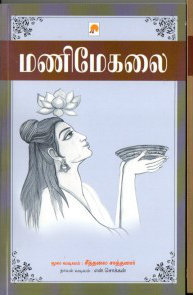
மாதவியின் மகளுக்கு மணிமேகலை என்று பெயர்; மாதவி , மணிமேகலை என்பதெல்லாம் ஸம்ஸ்க்ருதப் பெயர்கள். மணிமேகலை என்பது கடல் வணிகரின் பாதுகாப்புத் தெய்வம் ஆகும். இந்த தெய்வம் தென் இந்திய வணிகர்களின் பெண் தெய்வம். வடக்கிலுள்ள வணிகர்கள் மணிபத்ரா என்ற யக்ஷனை இது போலப் பயணிகளின் தெய்வமாகக் கருதினர். 2300 ஆண்டுகளுக்கு முந்தைய ஜாதகக் கதைகளில் மணிபத்ரா, மணிமேகலை போன்ற தெய்வங்களின் கதைகள் வருகின்றன. புத்த மதத்தினர் ராமாயண, மஹாபாரத, பஞ்ச தந்திர, ஹிதோபதேச மற்றும் நாட்டுப்புற கதைகளை எல்லாம் புத்தர் பெயரில் ஏற்றி பௌத்த ஜாதகக் கதைகள் என்று பாலி மொழியில் எழுதி வைத்தனர். இதுவும் நன் மையில் முடிந்தது. ஸமுத்ர வாணிஜ (வணிகர்) கதை, மஹா ஜனக கதை முதலியன மூலம்  அக்கால கடல் வணிகத்தை நாம் அறிய முடிகிறது.


மஹா ஜனக ஜாதகத்தில் ஒரு உரையாடல் வருகிறது:–


மஹா ஜனகன் என்பவன் சென்ற கப்பல்  உடைந்து போய் உயிரைக் கையில் பிடித்துக்கொண்டு மூச்சு இளைக்க நீந்திக் கொண்டிருந்தான்.

அப்பொழுது மணிமேகாலா தேவி அவனைப் பார்த்தாள்; இருவருக்கும் இடையே நடந்த உரையாடல்:—


மணிமேகலை:-

யாரையா நீ? இந்தப் பரந்த பெருங்கடலில் பயனின்றி கைகளை அடித்துகொண்டு தப்பிக்கலாம் என்ற நப்பாசையுடன் போகிறாயே நீ யார்? யாரை நம்பி இப்படி உயிர் பிழைக்கலாமென்ற நம்பிக்கையுடன் போகிறாய்?


மஹா ஜனகன்:

ஓ, தேவதையே! எவன் ஒருவன் ஆனாலும் நம்பிக்கையுடன் முயற்சி செய்வது அல்லவோ கடமை; எனக்குக் கண்ணுக்கு எட்டிய தூரம் வரை கரை தென் படவில்லை என்பது உண்மைதான்; ஆயினும் கரையை அடைய என் பயணத்தைத் தொடர்வேன்.

மணிமேகலை:-

கடலில் உன் தைரியத்தைக் காட்டுவதில் பயன் ஒன்றும் இல்லை, அன்பனே! கரையை அடைவதற்கு முன்பே நீ அழியப் போகிறாயே!

மஹா ஜனகன்:


ஓ கடவுளே! நீ இப்படிச் சொல்லலாமா? நான் அழிந்தாலும் கூட எனக்கு ஏற்படக்கூடிய அவப் பெயரை நான் தவிர்க்கலாமே. என்னைப் போல முயற்சி செய்பவன், பின்னர் வருத்தப்படுவதற்கு எதுவும் இராது.


மணிமேகலை:-

வெற்றி பெறாத முயற்சியில் என்ன பலன்? அதுவும் வெற்றி என்பது கண்ணுக்கு எட்டிய தொலைவில் காணவில்லையே! மரணம் என்பது தவிர்க்க முடியாத சூழ்நிலையில் என்ன பயன்?

மஹா ஜனகன்:

பார்! என் தோழர்கள் அனைவரும் மூழ்கி இறந்து விட்டனர்; ஆயினும் நான் மட்டும் நீந்துகிறேன் பார்; என் உடலில் சக்தி உள்ள வரை நான் நீந்துவேன். நான் கடலைக் கடக்க முயற்சி செய்வேன்.”

மணிமேகலையின் கோவில் காவேரி முகத்வாரத்தில் இருந்தது. குமரி முதல் கடாரம் வரை அவள் வணங்கப்பட்டாள்.

இந்த உரையாடலானது, அந்தக் கால மாலுமிகளின் நம்பிக்கையையும், விடா முயற்சியையும், நற் பெயர் எடுக்க வேண்டும் என்ற பேரவாவையும் காட்டுகிறது


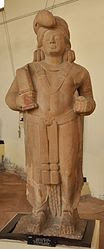
வடக்கில் மணிபத்ரா என்ற யக்ஷ்னை இதே போல வணிகர்கள் வழிபடுவர். மதுரா முதலிய இடங்களில் அவாது சிலைகளும் கோவில்களும் இருந்தன. இப்பொழுது மிகப்பெரிய மணிபத்ரா சிலை மதுரா ஜில்லாவில் (உ.பி) இருக்கிறது. குவாலியர் பகுதியில் ஒரு காலத்தில் பெரிய அளவில் மணிபத்ரா வழிபாடு நடந்து வந்தது.

ஸமுத்ர வணிக ஜாதகத்தில் உள்ள ஒரு கதையும் 2300 ஆண்டுகளுக்கு முன்னர் கடல் பயணம் என்பது எவ்வளவு சர்வ சாதாரணமாக இருந்தது என்பதைக் காட்டுகிறது.

இதோ அந்தக் கதை:

ஒரு நகரத்தில் தச்சர்கள் அனைவரும் சேர்ந்து மரச்சாமான்கள் செய்து விற்பதற்காக கடன் வாங்கினர். ஆனால் அவர்கள் திட்டம் குறித்த காலத்துக்குள் நிறைவேறவில்லை; கடன் கொடுத்தவர்களோ நச்சரிக்கத் துவங்கினர். தச்சர்கள் அனைவரும் ஒரு திட்டம் போட்டனர்; நாம் எல்லோரும் ஒரு கப்பல் செய்வோம்; திரை கடல் ஓடித் திரவியம் கொணர்வோம் என்றனர். அந்த திட்டப்படியே ஒரு நாள் கப்பலில் புறப்பட்டனர். அவர்களுடைய அதிர்ஷ்டம் காற்றும் கடலும் அவர்களுக்கு உறுதுணையாக நின்றன.  ஒரு அழகான தீவுக்குச் சென்றனர். தென்னை மரங்களும் பழ மரங்களும் காய்த்துத் தொங்கின. அங்கு இவர்களுக்கு முன்னமே வேறு ஒருவன் உடைந்த கப்பலில் இருந்து அங்கு நீந்தி வந்து வசித்தான்; இவர்களைப் பார்த்தவுடன்

“ஆஹா, என்ன  ஆனந்தம்

உழைக்காமலேயே வாழும் இடம் இதுதான்.

நெற்றி வேர்வை நிலத்தில் சிந்தி உழைக்கும் உழைப்பாளிகள் இங்கு  வர வேண்டாம். எனது தாய்நாட்டைவிட இதுதான் இன்பம் தருகிறது”.

இந்தப் பாடல் கிரேக்க புலவன் ஹோமர் எழுதிய ஆடிஸி காவியத்தில் வரும் மாயா லோக மனிதர்கள் போல இருக்கிறது. அவர்கள் தேன் குடித்து உயிர் வாழ்ந்தனர்;  ஆடிஸியஸை அழைத்த போது அந்த சோம்பேறித் தனமான சுக போகம் வேண் டாம் என்றும் வீர தீரச் செயல் செய்யவே விருப்பம் என்றும் பதில் கொடுத்துவிட்டு வெளியேறுகிறான்.  அதை நினைவு படுத்துகிறது இந்த ஜாதக் கதை.


ஆகவே பழங்கால வணிகரின் வாழ்க்கையை அறிய இந்த ஜாதக் கதைகளும் ஏனைய நூல்களும் உதவுகின்றன; கடற்பயணம் என்பதும் கனவுலகம் போன்ற வெளிநாடுகளும் எல்லோரும் அறிந்த விஷய மாக இருந்தது.

-சுபம்–

TAMIL GODDESS MANIMEGALAI AND MANIBHADRA (Post No.5078)

Yaksha Manibhadra

Written by London Swaminathan 


Date: 5 JUNE 2018


Time uploaded in London – 16-42


Post No. 5078


Pictures shown here are taken from various sources such as Facebook friends, Books, Google and newspapers; thanks. Pictures may be subject to copyright laws.


WARNING: PLEASE SHARE MY ARTICLES; BUT DON’T SHARE IT WITHOUT AUTHOR’S NAME AND THE BLOG NAME. BE HONEST; OTHERS WILL BE HONEST WITH YOU


Tamils have five epics and two of them, Silappadikaram and Manimegalai are called twin epics. Manimegalai followed the story of Silappadikaram. The heroine of Manimegalai was named after the goddess of sea travellers, particularly the business community. Her counter part in Northern India was Manibhadra, a male deity.


There is a very interesting conversation of Manimeghala and a shipwrecked traveller in the Mahajanaka Jataka. These Jataka stories are at least 2300 years old.


Those who travelled together on ships were known as Saamyaatrikaa. In the Maha Janaka Jataka story, Mahajanaka was swimming for his life after a shipwreck. He was addressed by the goddess Manimekhalaa. The dialogue between the two proves the indomitable courage and power of ancient Hindu sailors.

Mani:

“Who is the fellow who in the vast ocean is ineffectively beating his hands. Depending upon whom you are making this effort?

Sailor Janaka:

“O Goddess! It is my firm belief that in life one should exert as far as possible, and, therefore, even though the shore is not visible, I am continuing my effort to reach it.

M:- “It is useless to show your courage in the sea. You are bound to perish before reaching the shore.

S:- “O Goddess, why do you say like this? Even if I perish making effort then I will be saved at least from calumny. One who exerts  like me has not to repent afterwards.

M:_But an effort which is destined not to succeed, of which there is no end in sight, what is the use of such an effort when  death is inevitable?”

Sailor Janaka:-

“The fellow taking it for granted that he will not be able to cross the ocean ceases his efforts then it is due to his own weakness. Whether success accrues or not a man who draws up his programme and tries for its success then he is sure to succeed. It is evident from the fact that all my comrades have drowned but I am still swimming and alive. So far as any energy is left in me I shall certainly make efforts to cross the ocean”—Mahajanaka Jataka


North Indian merchants had Yaksha Manibhadra as the presiding deity of caravan leaders (saarthavaahana). All over North India they had temples for Manibhadra. The colossal statue of Yaksha discovered in Parkham in Mathura district represented him. Padmavati in Gwalior district was a great centre of Manibhadra cult.

Story of Caravan Leaders

Saarthavahanas were the source of travellers’ tales. Seamen had stories of Yakshas, Nagas, Spirits, demons and aquatic animals. Samudra Vanija Jataka story has one such story.

“Once upon a time carpenters borrowed money from some people to make some furniture. But they could not finish the work on time. The creditors pestered them for their money. When the carpenters realised that they could not do it on time, they decided to migrate to some foreign land. After constructing a large ship they sailed to a far off place. Favourable winds helped them to reach a beautiful island with coconut trees and fruit trees. Even before they went to the island, there was already a sailor from a wrecked ship, who sang joyously, ‘they are simpletons who eke out their living by farming and the sweat of labour. They are not required in my domain. This land is far better my mother land”.


This island was like the island described by Homer in his Odyssey. Lazy men who were known as lotus eaters lived there on honey. When they invited Odyssus to live that kind of lazy life, he refused to join them. The jataka tale referred to the same kind of life.

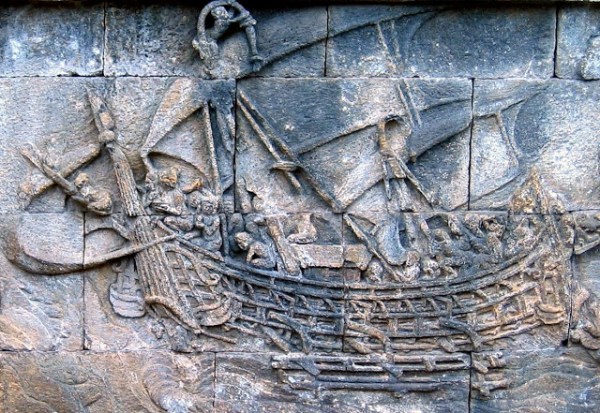
Indian Ship in Indonesia (Borobudur, Java)

From the 2300 year old Jataka stories, we come to know a lot about the land and sea merchants of ancient India.


–subham–


ஹிந்துக்களின் குணங்கள்- உண்மைச் சம்பவங்கள் – 1 (Post No.5077)

Written by S NAGARAJAN


Date: 5 JUNE 2018


Time uploaded in London –  7-21 am  (British Summer Time)


Post No. 5077


Pictures shown here are taken from various sources such as Facebook friends, Books, Google and newspapers; thanks. Pictures may be subject to copyright laws.


இது தான் இந்தியா

ஹிந்துக்களின் உயரிய குணங்கள்-சில உண்மைச் சம்பவங்கள் – 1


ச.நாகராஜன்


1

ஹிந்துக்களின் பாரம்பரிய தர்மம் சத்தியம் பேசுவது; பிறர் பொருளுக்கு ஆசைப்படாமல் இருப்பது; உண்மையாக உழைப்பது; நேர்மையாக இருப்பது: எளிமையாக வாழ்வது உள்ளிட்ட பல உயரிய குணங்களைக் கொண்டதாகும்.


இதை விளக்கும் சம்பவங்கள் கடந்த பல நூற்றாண்டுகளில் ஏராளம், ஏராளம் உண்டு.


அதைத் தொகுத்தால் ஒரு பெரிய கலைக்களஞ்சியம் ஆகி விடும்.

மெய் சிலிர்க்க வைக்கும் சம்பவங்கள் பலவற்றை ஆங்கிலேயர்கள் தங்கள் நூல்களில் எழுதியுள்ளனர்.

நெகிழ வைக்கும் சில சம்பவங்களை இங்கே காணலாம்.

2

1943ஆம் ஆண்டு!


பிரான்சை சேர்ந்த மருத்துவக் கம்பெனி ஒன்று கல்கத்தாவில் உள்ள பிரபல டாக்டர் ஒருவரைத் தங்கள் தயாரிப்புகளைப் பரிந்துரைத்து விற்பனையை அதிகரிக்க வேண்டும் என்று வேண்டிக் கொண்டது.அதன் பிரதிநிதிகள் டாக்டரை சந்தித்தனர்.

அப்போது அவர்கள் டாக்டரிடம் கூறி வியந்த சொற்கள் இவை:

“நாங்கள் உலகெங்கும் சுற்றி வருகிறோம். இங்கு இந்தியாவில் பஞ்சத்தால் மக்கள் வாடி வதங்குகிறார்கள். பிச்சை எடுத்தாலும் கூட உணவு கிடைப்பதில்லை. பெரிய மளிகைக் கடைக்கு அருகில் கூட பஞ்சத்தால் மக்கள் இறப்பதைக் காண்கிறோம்.  ஆனால் அதிசயம் என்னவெனில் இப்படிப்பட்ட கொடுமையான காலத்தில் அவர்கள் மளிகைக் கடையைச் சூறையாடி இருக்க வேண்டும். அவர்கள் எங்கும் திருடவும் இல்லை; கொள்ளை அடிக்கவுமில்லை; சூறையாடவும் இல்லை.”


கடுமையான சோதனை காலத்தில் கூட உயிரை இழக்க ஹிந்துக்கள் தயாராக இருந்தார்களே தவிர கொள்ளையிலோ, கொலையிலோ அவர்கள் இறங்கியதில்லை!


3

1942ஆம் ஆண்டு. நவம்பர் மாதம்.

கல்கத்தா ஹை கோர்ட்டைச் சேர்ந்த ஒரு பிரபல அட்வகேட் கூறியது இது:


எங்கள் கிராமத்தில் இருந்த ஒரு விவசாயி ஒரு கனவானிடம் வேலை பார்த்து வந்தார். அந்த கனவான் அவருக்கு 10 ரூபாய் தர வேண்டும். அவர் அந்த விவசாயியிடம் அதைப் பின்னால் தருவதாகக் கூறினார். அந்த விவசாயி என்னிடம் வந்து, “ஐயா! இந்த பஞ்ச காலம் மகா கொடுமையானது. எனக்கு வேலை தந்த அந்த கனவானிடம் இரண்டு  மூன்று  முறை எனக்கு வர வேண்டிய பணத்தைக் கேட்பதற்காகச் சென்றேன். ஆனால் என்னால் அதைக் கேட்க முடியவில்லை. எனக்கு ஏழ்மையின் கொடுமை தெரியும். அவரும் அப்படியே அதில் வாடி இருக்கும் போது அவரிடம் எப்படி நான் கேட்பது?”


4


சிசு பாபு பெரிய பணக்காரர்.தர்மாத்மா. சந்தன் நகரில் வசித்து வந்தார் அவர். அவரைப் பற்றிய இரு சம்பவங்கள் உண்டு.


  1. ஒரு ஏழை பிராமணர் தன் பெண்ணின் கல்யாணத்திற்காக உதவி வேண்டி சிசுபாபுவைச் சந்தித்தார். மாப்பிள்ளை யார் என்று கேட்டார் சிசு பாபு. கல்யாண தேதி, கல்யாணத்திற்கு ஆகும் செலவு எவ்வளவு என்பதையும் அந்த பிராமணரிடம் அவர் கேட்டுத் தெரிந்து கொண்டார். அங்கிருந்து சென்ற பிராமணருக்கோ ஒரே கவலை. வெளிப்படையாக உதவுகிறேன் என்று சிசுபாபு சொல்லவில்லை. உதவி செய்வாரா என்றெல்லாம் கவலைப்பட்டு உருகினார் அவர்.

கல்யாணம் நிச்சயமானவுடன கல்யாண தேதியை சிசு பாபுவிடம் சென்று அவர் கூறினார்.

திருமண தினத்திற்கு முந்தைய நாள் தேவையான அனைத்தையும் வழங்கிய சிசுபாபு செலவிற்கான பணத்தையும் தந்தார்.

பிராமணரின் கண்களிலிருந்து கண்ணீர் தாரைதாரையாகக் கொட்டியது. நன்றியைத் தெரிவித்த கண்ணீர் அது.


  1. சிசுபாபுவின் மாளிகை வீட்டில் ஒரு பெரிய சாண்ட்லியர் விளக்கு ஹாலில் எரிந்து கொண்டிருக்கும். ஒரு நாள் வீட்டைச் சுத்தம் செய்யும் வேலைக்காரி வீட்டை சுத்தம் செய்யும் போது அதைத் தவறுதலாக உடைத்து விட்டார். அந்த விளக்கின் மேல் சிசுபாபு கொண்டிருந்த பிரியத்தை அவர் அறிவார். கண்ணீர் விட்டுக் கதறினார் அந்த வேலைக்காரி.

இதைப் பார்த்த வீட்டின் திவான் (மானேஜர்) அந்த வேலைக்காரியைக் கடுமையாகத் திட்டியதோடு, அவளை அடிக்கவும் ஆரம்பித்தார்.

கங்கையிலிருந்து திரும்பி வந்த சிசுபாபு நடந்ததை அறிந்தார்.

மானேஜரைக் கடிந்து கொண்டார்:” அவளே தன் தவறுக்காக வருந்தி அழுகிறாள்; நீங்கள் அவளை அடிக்கிறீர்களே! இது சரிதானா?” என்றார் அவர்.

வேலைக்காரி தேம்பித் தேம்பி அழுதாள். கடைசி வரை சிசுபாபுவிற்கு விசுவாசமாக இருந்தாள் அவள்!

எளியவர்களிடம் பரிவு என்பது உயர்ந்தோர் குணம். ஒரு ஹிந்துவுக்கு இயல்பாகவே அது உண்டு!


***
ஆதாரம் : ட்ரூத் ஆங்கில வார இதழ் (30-3-2018)