STINGY AMERICANS (Post No.5195)

Economy & Endurance Anecdotes (Post No.5195)


Written by London swaminathan


Date: 8 JULY 2018


Time uploaded in London –  9-17 am (British Summer Time)


Post No. 5195


Pictures shown here are taken from various sources such as Facebook friends, Wikipedia, Books, Google and newspapers; thanks. Pictures may be subject to copyright laws.


STINGY ROOSVELT

Shortly before sailing back to England foreign correspondent Quentin Reynolds was received by President Roosevelt in his office at the White House. While he was there the President put through a transatlantic call to another eminent statesman, Winston Churchill.
Mr Reynolds was slightly startled when, after a conversation, the President said
‘I will have to hang up now. My three minutes are up’.

Xxx

STINGY COOLIDGE
A visitor to the Whitehouse during the Coolidge administration said to the President that that he would greatly appreciate the gift of a cigar, not for himself but for a friend who had the eccentricity of collecting cigar bands from famous smokers all over the world .

President Coolidge thought the matter-over for a few seconds, then reached for a box of cigars.
Taking one out he carefully removed the band , replaced the cigar in the box , and handed the band to his visitor .

Xxx

BIG MONEY MAKES YOU STINGY!
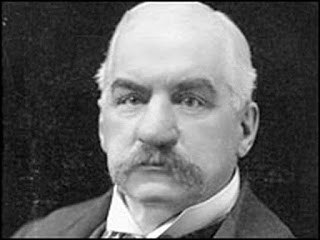

At Lobbs, the famous English bootmaker, one day, I saw on the floor a heap of twenty or thirty boots , all needing cobbling badly.
Oh sir, Lobbs explained , these Belong to the best customer I ever had . He used to come in here and order15 or 20 pairs of boots ,
But when his father died he left him some three million dollars.

“Well, sir, since then he has not ordered a single pair of New boots but sends the old ones to be repaired”.
Who is he, Lobbs, I asked.
An American, sir…… his name is Pierpont Morgan
Xxxxx

 
Endurance anecdotes
In the days of the homestead law a prospective settler sought out a lawyer friend and asked him to explain the law and its operations.

I don’t know the exact text of the law, said his friend, but I can give you the draft of it. The government is willing to bet you 160 acres of land against 14 dollar that you can’t live on it five years without starving to death


XXX
BUYER SENT HOME!

Much more eccentricity anecdotes

Alfred Stieglitz has always been a highly arbitrary and erratic dealer in paintings . Once, at a show of the work of Georgia O Keefe, a wealthy woman expressed, with a slightly patronising attitude, a desire to purchase a certain picture . Repelled subtly by the woman’s manner Stieglitz snapped,
“Why do you want that painting? Give me some reason why you want it”
The prospective purchaser could think of no satisfactory reason and was refused the picture.

Xxx
 

‘Don’t you know who I am?’

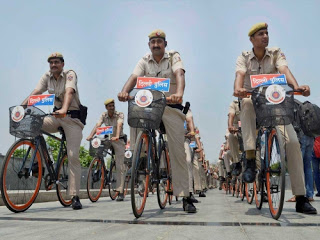
A traffic cop will signal Pop Gershwin to stop. Pop has been exceeding the speed limit, perhaps in the u unconscious belief that the father of the jazz king has rights that even the police force must respect.
Don’t you know who I am? He asks the officer
I am the father of George Gershwin
At the same time, being a New Yorker, he pronounces the first name to rhyme with judge
(The Jewish American pronunciations of George and judge are surprisingly similar)

The officer scratches his head. He doesn’t know every judge in Gotham. Perhaps this judge Gershwin is a big run up in the Bronx. Better to be safe than sorry.

A salute and he  lets Pa Gershwin pass.
Who now can tell Pa that Gershwin isn’t the king?
Xxxx SUBHAM XXX


‘ஞானிக்கில்லை இன்பமும் துன்பமும்’ (Post No.5194)

Written  by London swaminathan


Date: 8 JULY 2018


Time uploaded in London –  6-41 am (British Summer Time)


Post No. 5194


Pictures shown here are taken from various sources such as Facebook friends, Wikipedia, Books, Google and newspapers; thanks. Pictures may be subject to copyright laws.


‘ஞானிக்கில்லை இன்பமும் துன்பமும்’

-நறுந்தொகை, வெற்றி வேற்கை (அதிவீர ராம பாண்டியன்)


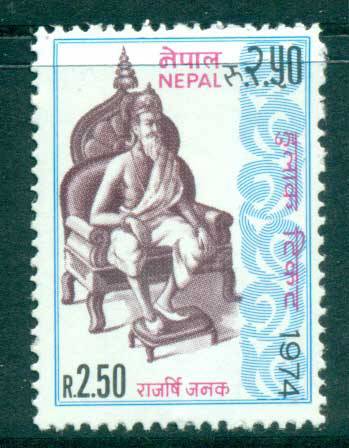
‘மிதிலைக்கு அரசனான ஜனகனுக்கு ஒன்றுமே தெரியாது; அவருக்கு மண்ணாசைதான் அதிகம்’ என்று சில முனிவர்கள் குறை கூறினார்கள். அவரது குருவான யாக்ஞவல்கியரின் காதிலும் இது விழுந்தது. ஜனகனின் பெருமையை உலகிற்கு உணர்த்த ஒரு தந்திரம் செய்தார். ஒரு நாள் எல்லா ரிஷி முனிவர்களும் இருந்த சமயத்தில், ஜனகனுடைய அவையில் யக்ஞவல்கியர் தத்துவச் சொற்பொழிவு செய்துகொண்டிருந்தார்.


அச்சமயத்தில் ஒரு சேவகன் ஓடி வந்து அரசே! குதிரை லாயம் தீப்பிடித்து எரிகிறது; அணைக்க முடியவில்லை’ என்றான். அரசன், ‘சரி, போ’ என்றார். கொஞ்ச நேரம் ஆயிற்று; மற்றொரு காவலன் வந்து மன்னர், மன்னவா! அரண்மனையின் ஒரு புறத்திலும் தீ பரவிவிட்டது; எங்களால் ஒன்றும் செய்ய இயலவில்லை என்றான்; மன்னனோ ‘‘சரி, நீ போகலாம்’ என்றார்.


முதல் காவலன் வந்து சொன்னபோது சில  முனிவர்கள் பயந்து தண்ணீர் குடிக்கப் போவது போல பாவனை செய்து வெளியேறினர். இரண்டாவது காவலன் வந்து சொன்னபோது அசெம்பிளியில் பாதி காலி; ஒவ்வொரு முனிவரும் ஏதோ அவசர வேலை இருப்பது போல வெளியே போயினர்.

சிறிது நேரத்தில் மூன்றாவது காவலன் வந்து அரசே; இந்த அறை வரை தீ வந்துவ்ட்டது; எங்களால் தீ ஜ்வாலையைத் தாங்க முடியவில்லை; நாங்கள் வெளியேறுகிறோம்; நீங்களும் வெளியேறுங்கள் என்று கெஞ்சினான். மீதியிருந்த முனிவர்கள் கைத்தடி காலணி, கமண்டலம் சகிதம் குதிங்கால் பிடறியிற் அடிக்க ஓடினர்.

ஜனகன் சொன்னான்,

“மிதிலாயாம் ப்ரதீப்தாயாம் நமே தஹ்யதி கிஞ்சன”-


“ எரிவதில் என்னுடையது என்றும் எதுவும் இல்லை!” —


தீயின் உக்கிரம் மெதுவாகத் தணிந்தது; ஜனகனும் யாக்ஞவல்கியரும் தொடர்ந்து தத்துவ விவாதம் நடாத்திக் கொண்டு இருந்தனர். ஓடிப்போன முனிவர்கள் ஒவ்வொருவராகத் திரும்பி வந்தனர். அவர்கள் வந்த காரணம், மன்னன் இறந்தானா? தலைமைக் குரு இறந்தாரா என்று பார்க்கத்தான்!


எல்லோரும் மீண்டும் வந்து அமர்ந்த பின்னர் குரு சொன்னார்:

“உண்மை ஞானி ஜனக மாமன்னன் ஒருவன்தான் ; நீங்கள் எல்லோரும் உயிர் பிழைக்க ஓடியதோடு கமண்டலமும் கைத்தடியும் எரிந்து விடும் என்று அஞ்சி அவைகளையும் எடுத்து ஓடினீர்; ஜனகனோ இந்த அரண்மனையே தன்னுடையது அல்ல” என்ற ஆன்ம ஞானம் பெற்றவன் என்றார்.


முனிவர்கள் வெட்கித் தலை குனிந்தனர்; ‘ஞானிக்கில்லை இன்பமும் துன்பமும்’.
“மிதிலை எரிந்திட வேதப் பொருளை


வினவும் சனகன் மதி—தன்


மதியினிற் கொண்டதை நின்று முடிப்பது


வல்ல நம் அன்னை மதி”–       (சுப்ரமண்ய பாரதி)

–சுபம்-

மரணம் உண்டா, இல்லையா? – திருதராஷ்டிரனின் கேள்வி? (Post No.5193)

Written by S NAGARAJAN


Date: 8 JULY 2018


Time uploaded in London –   5-52 AM (British Summer Time)


Post No. 5193


Pictures shown here are taken from various sources such as Facebook friends, Wikipedia, Books, Google and newspapers; thanks. Pictures may be subject to copyright laws.


மஹாபாரதச் செல்வம் : ஸம்வாதம்


மரணம் உண்டா, இல்லையா? – திருதராஷ்டிரனின் கேள்வி?


ச.நாகராஜன்

1

மஹாபாரதம் ஐந்தாவது வேதம் என்று புகழப்படுகிறது. வேதங்களில் என்ன சொல்லப்பட்டிருக்கிறதோ அதன் சாரத்தை மஹாபாரதம் தருகிறது. வேதங்களை அனைவரும் கற்று ஓத முடியாது; அதற்குரிய காலமும் போதாது. ஆனால் மஹாபாரதத்தை அனைவரும் படிக்கலாம். அதை படிக்க போதுமான காலமும் மனித வாழ்வில் உண்டு.

பல மர்மங்களை வேதம் மட்டுமே அவிழ்க்கிறது. அந்த மர்மங்களை மஹாபாரதத்தில் தேடிப் பார்த்தால் கிடைக்கும்.

மர்மத்தை அவிழ்க்கும் விடையும் கிடைக்கும்.

உத்யோக பர்வத்தில் நாற்பத்திரண்டாவது அத்தியாயம் ஸநத்ஸுஜாதருக்கும் திருதராஷ்டிரனுக்கும் நடந்த அருமையான சம்வாதம் ஒன்றை விளக்குகிறது.

அதன் சாரத்தை சுருக்கமாக இங்கே காணலாம்.

2

திருதராஷ்டிரன் : ஸநத்ஸுஜாதரே! மரணம் (மிருத்யு) என்பது இல்லையென்று நீர் உபதேசித்திருப்பதாக கேள்விப்பட்டிருக்கிறேன். தேவர்களும் அசுரர்களும் மரணம் இல்லாமல் இருப்பதற்காக குருகுல வாசத்தை அனுஷ்டித்தார்களே; அவ்விரண்டில் எது உண்மை?


ஸநத்ஜ்ஸுஜாதர் : சிலர் கர்மாவினால் மரணம் இருப்பதாகச் சொல்கிறார்கள். மற்றவர்கள் மரணம் இல்லை என்று சொல்கிறார்கள். மரணம் என்னும் மிருத்யு இருக்கிறான்; இல்லை என்கிற இரண்டும் சத்தியமாக இருக்கின்றன. சில வித்வான்களால் இந்த மிருத்யுவானது அனாத்மாவில் ஆத்ம புத்தியாகிய மோகமாக ஒப்புக் கொள்ளப்பட்டிருக்கிறது.

நானோ ஆத்ம ஸ்வரூபத்திலிருந்தும் தவறுதலான அஞ்ஞானத்தை மிருத்யுவாக – மரணமாகச் – சொல்கிறேன். அதேபோல தன் ஸ்வரூபத்தில் இருக்கையில் தவறாமையை மோட்சமாகச் சொல்கிறேன். தவறுதலால் அசுரர்கள் அவமானத்தை அடைந்தார்கள். தவறாமையால் தேவர்கள் பிரம்மமானார்கள்.

மரணமானது பிராணிகளை புலி போலத் தின்பதில்லை. ஏனெனில் மரணத்தின் ரூபமானது அறியப்படுகிறதில்லை, அல்லவா? சிலர் இதைக் காட்டிலும் வேறாக யமனை மிருத்யுவாகவும், புத்தியில் வசிப்பவனாகவும், மரணமற்றவனாகவும், பிரம்மநிஷ்டனாகவும், அந்தத் தேவனைப் புண்ணியசாலிகளுக்கு சுகத்தையளிக்கிறவனும் பாவிகளுக்குத் துக்கத்தைக் கொடுக்கிறவனுமாகப் பித்ருலோகத்தில் ராஜ்யத்தை ஆள்பவனாகவும் சொல்கிறார்கள்.

இவனுடைய ஆணையால் மனிதர்களுக்குக் கோபமும் தவறும் லோபரூபமான மிருத்யுவும் உண்டாகின்றன.

அகங்காரத்தினால் சாஸ்திரங்களுக்கு விரோதமான வழிகளில் செல்கின்றவன் ஆத்மாவின் தியானத்தை அடைவதில்லை.

மோகத்தை அடைந்தவர்களான அவர்கள் அந்த மரணத்தின் வசமாகி, இங்கிருந்து பரலோகம் சென்று மறுபடியும் கீழே விழுகிறார்கள். பிறகு புலன்களை (கர்மங்களை) அனுசரித்து அவர்களைச் சுற்றுகின்றன. இதனால் மரணம் காரணமாக அவன் மிருத்யு ஆகிறான். அவர்களுக்குக் கர்மம் பயன் தரத் தொடங்குகின்றன. அவர்கள் அந்த கர்ம பயனில் விருப்பமுள்ளவர்களாகி அதனைத் தொடர்கிறார்கள்.

ஆகவே அவர்கள் மரணத்தைத் தாண்டுவதில்லை.

தேகத்தை எடுத்த ஒருவன் பரமாத்மாவை அடையக் கூடிய யோகத்தை அறியாததால் போகத்தின் சேர்க்கையை அடைகிறான். அது புலன்களுக்கு மகா மோகத்தை உண்டு செய்கிறது.

புலன்களின் சேர்க்கை புலன் இன்பத்தை நினைக்கச் செய்து அனுபவிக்கத் தூண்டுகின்றன. காமமும் குரோதமும் மூடர்களை மிருத்யுவுக்குக் கொடுக்கின்றன.

தீரர்களோ தைரியத்தினால் மிருத்யுவைத் தாண்டுகிறார்கள்.

எந்த வித்வான் விஷயங்களை (புலனின்பம் தொடர்பானவற்றை) தள்ளுகிறானோ அவனை மிருத்யுவானவன் பிடிப்பதில்லை.

காமங்களை அனுபவிக்கும் ஒருவன் காமங்களுடன் நசிக்கிறான்.

காமங்களை விட்டவன் எல்லா புண்ணிய பாவத்தையும் நாசம் செய்கிறான்.

இதோ பிராணிகளுக்கு அஞ்ஞான ரூபமான இருளாகிற நரகமானது காணப்படுகிறது. பிராணிகள், மோகத்தை அடைந்து மேலே பார்த்துக்கொண்டு பள்ளத்திற்கு எதிராய்ப் போவது போல ஓடுகின்றன. இவ்வுலகில் மூடனுடைய செய்கை போன்ற செய்கையில்லாத இந்த மனிதனுக்கு மிருத்யுவானவன் புல்லால் செய்யப்பட்ட புலி போல என்ன செய்வான்?

விஷயங்களை நினையாமல் இருப்பவன் வேறு ஒன்றையும் நினைப்பதில்லை. அப்போது மிருத்யுவானவன் புல்லால் செய்த பாம்பு போல ஆகிறான்.

கோபத்தாலும் லோபத்தாலும் உண்டான மோஹ பயங்களுடன் கூடிய இந்த ஆத்மாவே மிருத்யு.

இவன் உமது சரீரத்தில் இருக்கிறான்.

இவ்வித மிருத்யு உண்டாவதைத் தெரிந்து கொண்டு ஞானத்தில் இருப்பவன் இவ்வுலகத்தில் மிருத்யு பற்றிய பயத்தை அடைவதில்லை. அவனுடைய விஷயத்தில் மிருத்யுவானவன் மிருத்யுவின் விஷயத்தை அடைந்து மனிதன் நசிப்பது போல நசிக்கிறான்.


3

மரணத்தைப் பற்றி மஹாபாரதத்தில் பல இடங்களில் முக்கியமான கருத்துக்கள் இடம் பெறுகின்றன.

அதில் மிக முக்கியமான விஷயமாக சொல்லப்படுவது மரணம் ஏற்படுவது கோபத்தாலும் லோபத்தாலுமே என்பது தான்.

புலனின்பத்தால் ஏற்படும் கர்மங்களின் வழியே ஜனன மரணச் சுழல் ஏற்படுகிறது. விஷய தோஷங்களை விட்டவன் தீரனாகி மரணத்தை வெல்கிறான்.

தீரனுக்கு முன்னால் மிருத்யுவானது புல்லால் செய்த புலி. புல்லால் செய்த பாம்பு.

அருமையான இந்த உவமைகள் மூலம் ஸநத்ஸுஜாதர் வாயிலாக மரணபயத்தை வெல்ல வழி கூறும் மஹாபாரதம்,அந்த வழியைக் கடைப்பிடித்தால், அவர்களுக்கு மரணம் இல்லை, ஆனால் மிருத்யுவுக்கே மிருத்யு ஏற்படும் என்று முத்தாய்ப்பாகக் கூறுகிறது.

இந்தக் கருத்து பல இடங்களில் வெவ்வேறு விதமாகத் திருப்பித் திருப்பிச் சொல்லப்படுகிறது.


ஐந்தாவது வேதமாகக் கொண்டாடப்படும் மஹாபாரதம் அனைவருக்கும் ஒரு வரபிரசாதம்!

***

அழகிய மிதிலை நகரினிலே யாருக்கு ஜானகி………Part 2 (Post No.5192)

Written  by London swaminathan


Date: 7 JULY 2018


Time uploaded in London –  15-58 (British Summer Time)


Post No. 5192


Pictures shown here are taken from various sources such as Facebook friends, Wikipedia, Books, Google and newspapers; thanks. Pictures may be subject to copyright laws.


கட்டுரையின் முதல் பகுதியில் மிதிலை நகரம் பற்றிய சில கதைகளைக் கண்டோம். இப்போது மேலும் பல  சிறப்புகளைக் காண்போம்:-


மிதிலை, விதேஹ என்ற பெயர்களுடன், திரபுக்தி (இப்போது திர்ஹுத் மாவட்டம்) முதலிய பெயர்களும்

இந்தப் பகுதிக்கு உண்டு.

பீமனும் அர்ஜுனனும் கிருஷ்ண பகவானுடன் இந்திரப் பிரஸ்தம் (டில்லி) நகருக்குச் சென்று விட்டு ராஜக்ருஹம் நகருக்குத் திரும்புகையில் இங்கே வந்தனராம். கர்ண மாமன்னன் தனது திக் விஜயத்தில் மிதிலையையும் வென்றானாம். இதெல்லாம் மாபாரதச் செய்திகள்.


உலகிலேயே நீண்ட காவியமான மஹா பாரதத்திலுள்ள ஒரு வரி  மிகவும் பிரபல்யமானது.


காவலர்கள் ஓடோடி வந்து மன்னர் மன்னவா! மிதிலை நகரம் எரிந்து கொண்டிருக்கிறது என்று கூச்சலிட்டனராம். வேதப் பொருளை வினவிக் கொண்டிருந்த மாமன்னன் தத்துவ வித்தகன் ஜனகன் சொன்னானாம்:


“மிதிலாயாம் ப்ரதீப்தாயாம் நமே தஹ்யதி கிஞ்சன”–

“இதில் எரிவதில் என்னுடையது என்றும் எதுவும் இல்லை!” —

என்று அவர் விடை இறுத்தாராம்.


அவ்வளவு உயர் நிலையை அடைந்த ஜீவன் ஜனகன்.


ராமன் நடந்தே சென்றான்!

ராமாயணத்தில் ஒரு சுவையான செய்தி உண்டு. அயோத்தி நகரிலிருந்து ராம லக்ஷ்மணர்களை அழைத்துச் சென்ற விஸ்வாமித்ர மஹரிஷி நாலே நாட்களில் மிதிலைக்கு வந்ததாகப் படிக்கிறோம். தற்போதைய அயோத்திக்கும் ஜனக்பூருக்கும் இடையுள்ள தூரம் சுமார் 450 கிலோமீட்டர் (சுமார் 270 மைல்கள்) ராம லக்ஷ்மணர்கள் விசால நகரில் ஓரிரவு தங்கினராம். ஆக ஐந்து நாட்கள் என்றி வைத்துக் கொண்டாலும் அந்தச் சிறுவர்களும் கிழட்டு முனிவரும் ஒரு நாளைக்கு சுமார் 54 மைல்கள் நடந்திருக்க வேண்டும்.


ஒரு வேளை குதிரையில் சென்றிருந்தால் இன்னும் அதிகம் பயணித்து இருக்கலாம்!

பெண் கொடுக்க காசி மன்னன் மறுப்பு


காசி மன்னன் பிரம்மதத்தன் விதேஹ நாட்டு மன்னனுக்குப் பெண் கொடுக்க மறுத்து விட்டா னாம். அவனுக்கு நிறைய மனைவிகள் உண்டு. என் மகள் சக்களத்தி தொல்லைக்கு உள்ளாவள் என்பதே அவர் சொன்ன காரணம்.


மிதிலை நகரம் இந்துக்கள், சமணர்கள், பௌத்தர்கள் எல்லோருக்கும் பயன்பட்டது. சமண மத்தின் கடைசி தீர்த்தங்கரர் ஆன மஹா வீரர் இந்த ஊரில் 30 ஆண்டுகள் வசித்தார். அவருடைய மாமா பெயர விதேஹ தத்தா. மஹாவீரரின் மாமா சேடகனும் மிதிலையை ஆண்டவர்களில் ஒருவர்.

நாலு புறமும் மார்க்கெட்!


மிதிலை பற்றிய தகவல் 2300 ஆண்டுக்கு முந்தைய ஜாதகக் கதைகளில் இருந்தே அதிகம் கிடைக்கின்றன. ராமாயண மஹாபாரத, புராண, சமண சமய நூல்களும் பல தகவல்களைப் பொழிகின்றன.


மிதிலை நகரின் நான்கு வாயில்களிலும் நான்கு மார்க்கெட்டுகள் இருந்தனவாம். மக்கள் பொருள்களைக் கொணர்ந்து விற்றனர .விதேஹ நாட்டில் 16000 கிராமங்கள், 16,000 நாட்டியப் பெண்கள், 16,000 கிடங்குகள் இருந்தனவாம் (16000= ஏராளமான)


புத்தரின் சீடன் ஒருவன் வண்டிகள் நிறைய பொருட்களை ஏற்றிக் கொண்டு ஸ்ரவஸ்தி நகரிலிருந்து மிதிலைக்கு வந்து பண்டமாற்று வியாபாரம் செய்தான் என்று பௌத்த நூல்கள் பகரும்.


ஜனகருக்கு அறிவுரை வழங்கிய  அறிஞர் பெருமக்கள், கோசல, குரு, பாஞ்சால தேசங்களிலிருந்து வந்தனராம் அவர்கள்:

அஸ்வல, ஜரத்கார்வ, அர்த்தபாக கார்கி வாசக்நவி (பெண்), உத்தாலக ஆருணி, விதக்தா, சாகல்ய, கஹோல கௌசிகதேய


இதுதவிர பிரஹ்மாயூ என்ற பெயருடைய பிராஹ்மண அறிஞனின் பெயரும் புஸ்தகங்களில் அடிபடுகிறது. அவரை புத்தர் தனது மதத்துக்கு இழுத்தாராம். புத்தரும் புத்தரின் சீடர்களும் மிதிலைப் பெரு நகரில் பேருரை ஆற்றினர்.

அங்கதி என்ற மிதிலை மன்னனுக்கு மூன்று அமைச்சர்கள் உதவினராம்; திருவிழா நாட்களில் அந்நகரம் தேவ லோகம் போலக் காட்சி தந்ததாம்.

சூர்யப்ரக்ஞாப்தி ஜியசத்து என்பவர் மிதிலையை ஆண்டதாகக் கூறுவர். இது கோசல நாட்டின் ப்ரசேனஜித் என்பர் சிலர்.


மிதிலை நகரிலிருந்து ஆட்சிபுரிந்த சாதின என்ற அரசன் ஆறு சத்திரங்களைக் கட்டினான். அவற்றில் தினமும் ஆறு லட்சம் துண்டுகள் பரிமாறப் பட்டனவாம்.


வேத இலக்கியத்தில் நமீசாப்ய என்பவன் ஆண்டதாக ஒரே ஒரு தகவல் இருக்கிறது.


ஜாதக் கதைகள்,சமண, பௌத்த நூல்களில் வரும் மன்னர்களின் பெயர்கள் ஆராய்ச்சிக்குரியது. இந்த மன்னர்களின் பெயர்களை நாம் கேட்டதே இல்லை.


நான் ஆங்கிலத்தில் 1500-க்கும் மேலான

அரசர்களின் பெயர்களை வெளியிட்டேன். இந்தியாவை ஆண்ட 3000 அரசர் என்று தலைப்பிட்டு எழுதினேன். ஜாதகக் கதைகள், கதாசரித் சாகரம், விக்ரமாதித்தன் கதைகள் ஆகியவற்றிலுள்ள பெயர்களை எல்லாம் பொறுமையாகத்  தொகுத்தால் 3000 மன்னர்களை விட மிஞ்சிவிடும்!!


–சுபம்–

அழகிய மிதிலை நகரினிலே யாருக்கு ஜானகி……… (Post No.5191)

Written  by London swaminathan


Date: 7 JULY 2018


Time uploaded in London –  11-59 am  (British Summer Time)


Post No. 5191


Pictures shown here are taken from various sources such as Facebook friends, Wikipedia, Books, Google and newspapers; thanks. Pictures may be subject to copyright laws.


‘அழகிய மிதிலை நகரினிலே

யாருக்கு ஜானகி காத்திருந்தாள்?’–

என்ற கண்ணதாசனின் பாடல் மிகவும் பிரஸித்தம்

(திரைப்படம்- அன்னை)


“மிதிலை எரிந்திட வேதப் பொருளை


வினவும் சனகன் மதி—தன்


மதியினிற் கொண்டதை நின்று முடிப்பது


வல்ல நம் அன்னை மதி”–       (சுப்ரமண்ய பாரதி)

என்ற பாரதியின் பாடல் அதையும் விட பிரபலமானது.

Sita Devi Temple in Janakpur, Nepal

இப்பேற்பட்ட மிதிலா புரியைப் பற்றி- அன்னை ஜானகி பிறந்த ஊரைப் பற்றி- நிறைய சுவையான கதைகள் உண்டு. ஒவ்வொன்றாகத் தருவன்; சுவைத்து மகிழ்க.


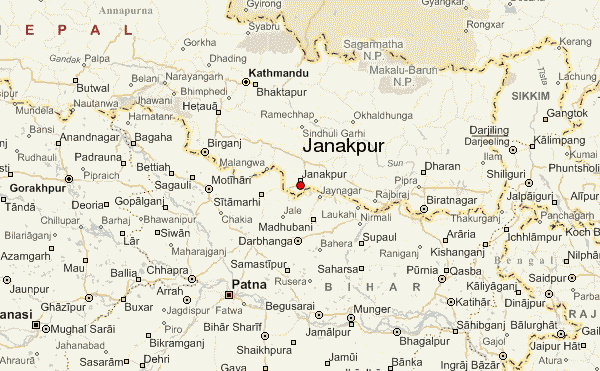
மிதிலையின் தற்போதைய பெயர் ஜனக்பூர். இது நேபாள நாட்டில் உள்ளது. பீஹார் மற்றும் நேபாளத்தின் தென்பகுதி அந்தக் காலத்தில் விதேஹ தேசம் என்று அழைக்கப்பட்டது. அதை ஆண்ட ஜனகன் மாபெரும் தத்துவ ஞானி. அவனது சபையில் பெண் அறிஞர்களும் இருந்தனர். அப்போது அறிஞர் மஹாநாட்டில் தலை சிறந்த தத்துவ ஞானியான யாக்ஞவல்கியரை யாரும் கேள்வி கேட்க அஞ்சிய நேரத்தில் பெண்மணி  கார்க்கி வாசக்னவி எழுந்து நின்று ‘ஐயரே!’ என்று துவங்கினாள். ஜனகர் பற்றிய கதைகளையும் வாசக்னவி பற்றிய உபநிஷத் கதைகளையும் முன்னரே எழுதிவிட்டேன்.


விதேஹ என்ற பெயர் ஏன் வந்தது என்ற சுவையான கதையைக் காண்போம். விஷ்ணு புராணக் கதை:-


வசிஷ்ட மஹரிஷி, இந்திரனுக்கு ஒரு யாகம் செய்து கொடுத்துவிட்டு விதேஹ நாட்டை நோக்கி விரைந்து வந்தார். காற்றினும் கடுகி வந்த முனிவர் ஐயாவுக்கு ‘ஷாக்’ அடித்தது. ஏனெனில் எந்த நிமி என்ற மன்னனுக்காக இவர் ஓடோடி வந்தாரோ அந்த நிமி, கௌதம ரிஷியைக் கொண்டு யாகத்தை நடத்தி விட்டு ‘ஹாயாக’ உறங்கிக் கொண்டு இருந்தார்.

“ஏன் பள்ளி கொண்டீர் ஐயா?” என்று பாடவா பாடுவார்? கொடுத்தார் ஒரு சாபம்!

“பிடி சாபம்; நீ விதேஹன் ஆகக் கடவது”

வி+தேக= உடலற்றவன்

அது முதற்கொண்டு அந்த நாட்டுக்கு விதேக ( உடலற்ற) என்ற பெயர் வந்ததாம்.

ஐயா நிமி என்ன இளிச்சவாயனா? அவர் சொன்னார்;

பிடி சாபம்!


தூங்கும் மன்னனுக்கு சாபம் இடுவது சட்டப் பு த்தகத்தின்படி தவறு! ஆகையால் நீவீரும் அழிவீராக! என்றார்.


நிமி இறந்தவுடன் அவர் உடலைக் ‘’’கடை’’ந்தனர். உடனே அதிலிருந்து ஒரு குழந்தை பிறந்தது. அதன் பெயர் மிதி; அவர் ஆட்சி புரிந்தவுடன்  அந்தத் தலைநகருக்கு மிதிலா என்று பெயர் ஏற்பட்டது.


((இந்த உடலைக் கடைந்து பிள்ளை பெறும் சம்பவம் மநு சாஸ்திரத்தில் வேனன் கதையிலும் வருகிறது. இது ஒரு Technical Term) டெக்னிக்கல் டேர்ம்; அதாவது அறிஞர்கள் அகராதியில் செயற்கை முறைக் குழந்தை என்று பெயர். அதாவது CLONING க்ளோனிங். ; முனிவர்கள் இதைச் சொன்னாலும் புரியாது என்பதற்காக இப்படி’’கடை’’ந்து      பிள்ளை பெற்றதாக விள்ம்புவர்.

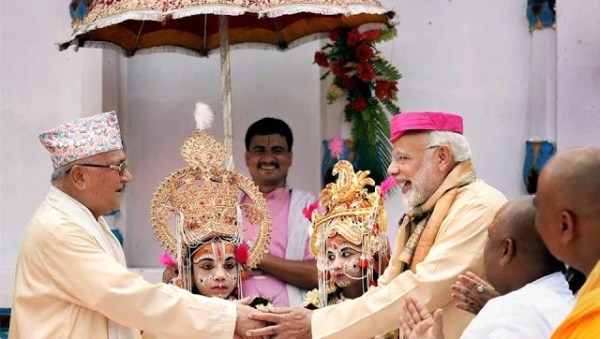
Narendra Modi in Janakpur


இன்னொரு கதையைக் காண்போம்

சுருசி என்று ஒரு மன்னர் வாழ்ந்தார்; இறந்தார். அவருடைய மனைவியின் பெயர் சுமேதா. அவளுக்கு குழந்தை வேண்டும் என்று ஆசை. புத்தரின் அஷ்ட சீலக் கொள்கைகளைக் கடைப்பிடித்து நோன்பு நோற்றாள். உடனே சக்கா

(புத்தமத அகராதியில் இந்திரனின் பெயர்- சக்ரா)

அவள் முன் முனிவர் வடிவத்தில் வந்தார். ‘உன்னைப் பற்றி நீயே 15 துதிகள் பாடுக’ என்று கட்டளையிட்டார். அந்த அம்மையாரும் அப்படியே செய்ய ஒரு குழந்தை பிறந்தது என்று ஜாதகக் கதைகள் புகலும்.


இன்னொரு சுவையான கதை:-

விதேஹ நட்டின் மன்னன் தட்சசீல பல்கலைக் கழகத்தில் பயின்றான். அந்த மன்னனுக்கு அறிவுரை புகல நான்கு அமைச்சர் பெருமக்கள் இருந்தனர். அந்த மிதிலை நகரில் பிங்குத்தர என்று ஒரு பிரம்மச்சாரி இருந்தான. அவனும் பல்கலைக் கழக மேம்படிப்புக்காக தட்சசீல நகருக்குச் சென்றான். அங்கு ஒரு குருகுலத்தில் சேர்ந்த கற்கக் கசடறக் கற்றான். குருவுக்கு நன்றி சொல்லி கிளம்பினான்.

அவர் சொன்னார்_;

அன்புமிக்க மாணவா! என் குடும்பத்தில் ஒரு வழக்கம் உண்டு. பருவம் அடைந்த ஒரு மங்கை இருந்தால், அந்த நங்கையை மூத்த மாணவனுக்கு மணம் முடிப்பது வழக்கம். எனக்கொரு மகள் உண்டு அவளை உனக்குக் கன்னிகா தானம் செய்ய விழைகிறேன் என்றார். அடடா! ஒரு கல்லை விட்டு எறிந்தேன்! இரண்டு மாங்காய்கள் விழுகின்றனவே. வலியக் கிடைக்கும் அழகியை யார் நழுவ விடுவார் என்று சொல்லி அவளைக் கல்யாணம் கட்டி கிரஹஸ்தனாக விடு போய்ச் சேர்ந்தான்.


இன்னும் வரும்………………………………..


-சுபம்-


ரோம் எரிந்தபோது | Tamil and Vedas

tamilandvedas.com/tag/ரோம்…

மிதிலை எரிந்திட வேதப் பொருளை . … மிதிலை … //tamilandvedas.com/2013/03/24/%e0%ae%9c%e0%ae%a9 …


Interesting Stories from Mithila, Sita’s Birth Place (Post No.5190)

Sita Mandir, Janakpur, Nepal.

COMPILED  by London swaminathan


Date: 7 JULY 2018


Time uploaded in London –   7-17 am  (British Summer Time)


Post No. 5190


Pictures shown here are taken from various sources such as Facebook friends, Wikipedia, Books, Google and newspapers; thanks. Pictures may be subject to copyright laws.


There are many interesting stories about the City of Mithilaa.
The most famous story is from the Upanishad about the philosopher king Janaka discussing the meaning of the Veda when Mithila was on fire.
Janaka was not only a great king and a great sacrificer but also a great patron of culture and philosophy. His court was adorned with learned Brahmanas from Kosala and Kuru Panchala regions. Some of them are named , Asvala, Jaratkarva, Artabhaga Miss Garki Vacaknavi, Uddalaka Aruni, Vidagdha Sakalya and Kahoda Kausitakeya A Brahmin named Brahmayu who was well versed in history, grammar and worldly wisdom lived in Mithilaa.

In the Mahabharata,12-17, there is a saying attributed to Janaka of Mithilaa. Seeing his city burning in a fire the king of Mithilaa sang thus
“In this world, nothing of mine is burning
Mithilaayaam pradtaayaam na me dahyati kincana”

xxx

But there are other stories not that popular.
Mithilaa was the capital of the kingdom of Videha also called Tirabhkti, modern Tirhut.

Mithila has been identified with the modern Janakapura, a small town within the Nepal border.

During the reign of Janaka, it took Visvamitra together with Rama and Lakshmana four days to reach Mithilaa from Ayodhyaa to. On the way they rested for one night at Visala (Valmiki Ramayana)

(My comments: the road distance today is 450 kms. They must have travelled by a short cut route and they could have walked at least 50 miles a day or by horse ride it is quicker)
According to Satapata Brahmana, Videha was so named after Madhava, the Videha who colonised it. Videha was famous for handsome people and horses of noble breed
xx


Narendra Modi in Janakpur, Nepal.
Mahabharata on Mithilaa
Bhima and Arjuna visited it with Krishna on his way from Indraprastha to Rajagriha.

Mahabharata points out that Karna conquered  Mithilaa during his digvijaya.


xxx
Jain literature on Mithilaa
Mahavira 24th Tirthankara of Jainism Mahavira was born in Videha and he lived there for thirty years. He was called Videha and his mother was called Videhadattaa.

xxx

Story of Nimi
Vasisthta having performed a fire sacrifice of Indra proceeded to Mithilaa to commence a sacrifice for King Nimi. On reaching there he came to know that the king had engaged Gautama to perform the sacrificial rites. Seeing the king asleep he cursed him thus king Nimi will be bodiless. (Videha =vigata Deha) because he rejected me. The king on awakening cursed Vasistha saying that he too would perish as he cursed a sleeping king.
The sages churned the body of Nimi and as a result of the churning a child was born, afterwards known as Mithi. After Mithi, Mithilaa was named and the kings were called Maithilas.
This is in Vishnu Purana
Xxx


Jataka stories
MIthila had at each of it’s four gates a market town. They formed for suburban towns. Videha contained 16000 villages 16000 store houses and 16000 dancing girls.


A disciple of the Buddha who was an inhabitant of Sravasti took cart loads of articles and went to Videha for trade. There he sold his articles and filled the carts with articles got in exchange.

King Videha had four sages to instruct him in law. The son of this king was educated at Taxila. A young named Pinguttara living in Mithilaa went to  Taxasiila and studied under a famous teacher. He soon completed his education. Then after diligent study he proposed to take leave of his teacher and go back home. But in the teacher’s family there was a custom if there be any daughter ripe for marriage, she should be given to the eldest pupil. So the teacher said,
I shall give you my daughter and you shall take her with you. He went home as a married man.
Xxx

Sumedha and Buddha


Sumedha, a childless widow of Suruchi, king of Mithilaa prayed for a son. She took the eight fold vow (Ashtasiilaani), and sat meditating upon the virtues. Sakka  in the guise of a sage came to fulfil her desire. He was entreated by her to grant her the boon of a son. She was asked by him to sing her own praises in fifteen stanzas, which she did to his satisfaction. Afterwards she was blessed with a child.

Xxx
Videha was ruled by Cedaga, Mahavira’s maternal uncle. He was an influential leader of Lichchavi confederacy. His daughter Cellanaa or Vaidehi was married to Srenika Bimbisara of Magadha and became the father of Kunika Ajatasatru

XX x

Vedas mentioned a king named Namiisaapya
Xxx
600000 pieces a day!
King Saadhina of Mithilaa lived in happiness for many years. He ruled this city righteously. Six alms halls were built by him. Daily sixth thousand pieces were spent in alms.
Xxx
Bodhi sattvaavadana kala of Kshemendra refers to Mithilaa ruled by Pusphadeva who had two pious sons named Chandra and Surya. The munificent king Vijitavi of Mithilaa was banished from his kingdom. He took shelter in a leaf hut near the Himalayas. Mithilaa was governed by the descendants of a Nagadeva, Sagaradeva, and Mahadeva
Xxx
3000 Kings of India!!!

Sita Stamp.

Some time back I started posting the names of 3000 Kings of India. After 1500 plus, kings I got one here and one there. So I stopped posting them Here in  Mithilaa, we come across following new names:

Mostly from Jataka stories

Mahajanaka,

King Saadhina,
Namisaapya, Vedic index I, 436
Pushpadeva,
Vijitaavi
Cedaga, jain sources
King Angati,
Mithi
King Mahadeva (Madhva)
King Pabhata
King Suruci

Nagadeva
Sagaradeva

(other kings are already covered in the Purana list of Kings)
Xxx
Polygamy
Brahmadatta, king of Benares, had a daughter named Sumedha whom he declined to give in marriage to a Videha king who had large number of wives, fearing that her cowives wold make herself life miserable. Polygamy appears to have been in vogue among some Videha kings.


Source- India Antiqua, Leyden, 1947

Xxx SUBHAM xxx

காசி விஸ்வநாதர் கோவிலுக்கும் கங்கைக்கும் இடையே தாழ்வாரம்! (Post No.5189)

Written by S NAGARAJAN


Date: 7 JULY 2018


Time uploaded in London –   5-47 AM (British Summer Time)


Post No. 5189


Pictures shown here are taken from various sources such as Facebook friends, Wikipedia, Books, Google and newspapers; thanks. Pictures may be subject to copyright laws.


காசி விஸ்வநாதர் கோவிலுக்கும் கங்கைக்கும் இடையே தாழ்வாரம்!


ச.நாகராஜன்


சொந்த நாட்டில் பரர்க்கடிமை செய்தே துஞ்சிடோம்

இனி அஞ்சிடோம்  – மகாகவி பாரதியார்


ஹிந்துக்களின் புனித பூமி

அயோத்யா

மதுரா

காசி

அயோத்யாவில் ராமர் பிறந்தார். ராம ஜென்ம பூமி அது.

மதுரா கிருஷ்ணனின் பூமி. கிருஷ்ண பூமி அது.

காசி விசுவநாதர் ஹிந்துக்களின் புனித தெய்வம். கங்கையோ பாவங்களைப் போக்கும் நதி. விசுவநாத கங்கா பூமி அது.

இந்த மூன்றிலும் இருந்த் ஹிந்து பாரம்பரிய சின்னங்களை முகலாய ஆட்சி தரைமட்டமாக்கியது. அத்தோடு நிற்கவில்லை, அங்கு மசூதிகளை அமைத்தது.

பாபர் மசூதியை அகற்றி அயோத்யாவில் ராமர் கோவில் அமைப்பதையும், காசி விசுவநாதர் சொத்தை காசி கோவிலுக்கு கொடுப்பதையும், மதுராவில் உள்ள மசூதியை அகற்றி அங்கு கிருஷ்ணர் கோவில் அமைப்பதையும் நியாயமாக இஸ்லாமியர் ஏற்று நடவடிக்க எடுத்திருந்தால் அவர்கள் பாராட்டுக்குரியவர்களாக அமைந்திருப்பர். முன்னோர்கள் செய்த இழிசெயலை நீக்கிய புண்ணியம் அவர்களுக்குக் கிடைத்திருக்கும்.

ஆனால் நிலைமை அப்படியில்லை.

வழக்கு.

வழக்குக்கு மேல் வழக்கு.

போகட்டும், நியாயம் ஜெயிக்கும்.


இப்போது காசி விசுவநாதர் ஆலயத்திற்கும் கங்கைக்கும் இடையே பிரம்மாண்ட்மான ஒரு நடையை அமைக்க 600 கோடி ரூபாய் செலவில் ஒரு திட்டம் உருவாகி இருக்கிறது.


வரவேற்க வேண்டிய திட்டம் இது.

நடை அல்லது தாழ்வாரம் 56 மீட்டர் – அதாவது சுமார் 183 அடி அகலம் கொண்டது. நீளம் சுமார் 400  மீட்டர் – 1308 அடி.

இங்குள்ள சுமார் 166 வீடுகளை இதற்காக அகற்ற வேண்டியிருக்கிறது.

இதில் 56 பேர்கள் உடனடியாக சம்மதித்து விட்டனர். இன்னும் 60 பேரிடம் அவர்கள் இடத்தை வாங்க அரசு நடவடிக்கை எடுத்து வருகிறது. நியாயமான உரிய இழப்பீட்டை அரசு வழங்க முன் வந்திருக்கிறது.

ஆனால் இதற்கு சிலர் எதிர்ப்பு தெரிவித்துள்ளனர். சுமார் 400 ஆண்டு பழமையான அமிர்தேஷ்வர் மஹாதேவரின் கோவில் ஒரு வீட்டின் உள்ளே இருக்கிறது.

இன்னும் பெரிய மற்றும் குட்டி கோவிலக்ள் 46 அகற்றி வேறு இடத்தில் ஸ்தாபிதம் செய்யப்பட்டால் தான் இந்தத் திட்டம் நிறைவேறும்.

பொதுவாக அரசிற்கு மக்களின் ஆதரவு உள்ளது. பிரதமர் நரேந்திர மோடி அவர்களின் தொகுதி இது.

ஆகவே அரசியல்வாதிகள் உள்ளே நுழைந்து குழப்பம் விளைவிக்க முயல்வது இயற்கையே!

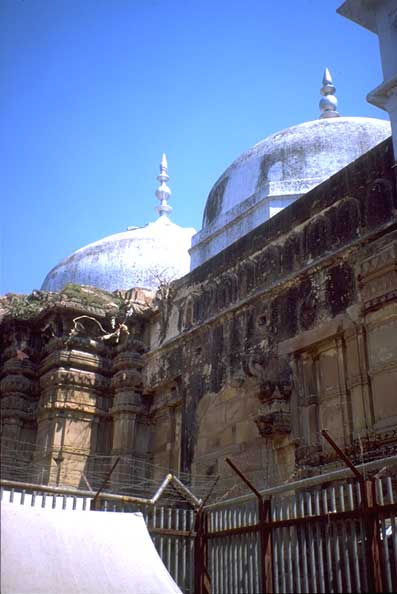
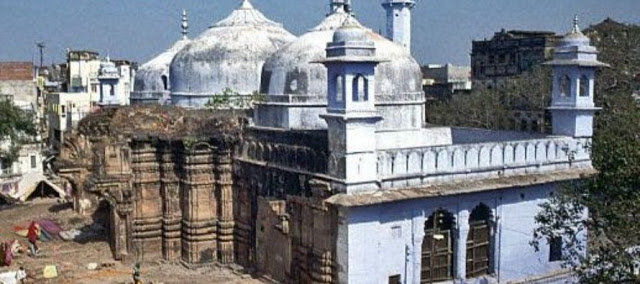
1669ஆம் ஆண்டு ஔரங்கசீப் காசி விசுவநாதர் ஆலயத்தை இடித்தான். அங்கு க்யான்வாபி மசூதியைக் கட்டினான்.

அஹல்யாபாய் ஹோல்க்ர் ம்சூதியை அகற்றி விட்டு காசி விசுவநாதர் கோவிலை அமைக்க எவ்வளவோ முயன்றார். அது முடியவில்லை. ஆகவே மசூதிக்கு அடுத்தாற்போல் புதிய இடத்தில் காசி விசுவநாதர் ஆலயத்தை 17870இல் நிறுவினார்.


இப்போதைய கங்கா தர்ஷன் திட்டத்தின் கீழ் இந்த தாழ்வாரம் வரவேற்கப்பட வேண்டிய ஒன்று. இங்குள்ள ஜனநெரிசலையும் இதர பல பிரச்சினைகளையும் இந்த கோவில் நடை தீர்க்கும்.

இதை வரவேற்போம்.

இதைப் பற்றிய தனது கருத்தை ஆங்கில வார இதழான ‘ட்ரூத்’ தனது 29-6-2018 இதழில் தந்துள்ளது.

அது அப்படியே கீழே தரப்பட்டுள்ளது:-


  1. The ndtv and National Herald channels both shaded under typical secular minority

politics have now expressed concern over  secular sentiments associated with the recent

Government move to bring in certain changes  for betterment in the environment and

restoration approach to the pristine Kashi  Viswanath temple, the abode of Lord Shiva

in Varanasi. The very old temples on the approach road with encroachment or no

encroachment, built in the past have also been  regarded as sacred places of worship since decades or centuries, and deserve to be honoured and protected through mutual  agreement between the developing  authorities and the temple owners keeping in mind that– SANTHIMITTE VARAM THYAGA: for some great purpose often sacrifice must fetch higher priority. While some reports reveal that many of the house owners are happy with the deal, those having private temples disagree to the plan. The Authorities are reported  to have assured that they will only get rid of the encroachments and ensured rehabilitation of the shrines and idols that fall along the route. This need to be honourably and diligently pursued.

  1. As per PTI reports from Allahabad, the Kashi Vishwanath Mandir Trust had filed a suit in 1991 claiming that a temple was constructed by Maharaja Vikramaditya more than 2,000 years ago on the site, where the mosque had been later erected.

Alleging that the temple was demolished by Mughal emperor Aurangzeb in 1669 and a mosque constructed on a part of the land with the remains of the razed place of worship, the Trust has sought removal of the Gyanvapi Masjid from the site and possession of the entire piece of land.

In its application before ADJ Varanasi, the Anjuman Intazamia Masjid had contended that a “Mandir-Masjid dispute” could not be adjudicated by a civil court as it was “barred by law” and demanded that the trust’s petition be dismissed at the outset.

However the lower court dismissed the application. The Sunni Waqf Board had moved the court challenging the ADJ Varanasi’s orders turning down its request for being made a party to the civil suit. Initially,both parties had challenged the lower court orders filing petitions under Article 226 (power of High Courts to issue certain writs) of the Constitution.

Upon the high court’s advice, Anjuman Intazamia Masjid had filed an amendment application under Article 227 dealing with power of superintendence over all courts by the high court, which was allowed. The Sunni Waqf Board could not come up with the same and, hence, was granted one week’s time. Justice Chandra directed that the petitions be placed before the bench having the requisite jurisdiction.

  1. Non-Hindu perpetrators unashamedly feel pride on the existence of their super imposed monuments on Hindu shrines as a mark of their past victory and dominance, and the pseudo- secularists join them. May good sense dawn upon Hindus, now victims of induced divisionism, and all others concerned, to usher in the victory of Truth and glory to the All-merciful Lord Kashi Viswanath.

நன்றி : TRUTH VOLUME 86 ISSUE 11 –   29-6-2018


***


RARE PAINTINGS AND RARE SCULPTURES (Post No.5188)

COMPILED  by London swaminathan


Date: 6 JULY 2018


Time uploaded in London –   13-58

 (British Summer Time)


Post No. 5188


Pictures shown here are taken from various sources such as Facebook friends, Wikipedia, Books, Google and newspapers; thanks. Pictures may be subject to copyright laws.


A KRISHNA WITH A LION AND ELEPHANT IN TWO HANDS IN THAILAND PRASART MUSEUM. PALLAVA PAITINGS OF SITHTHANNAVASAL (TAMIL NADU) ARE IN 1926 BOOK. KRISHNA’S ADVENTURE OF LIFTING GOVARDHANA HILL IS IN GUJARAT. SOME RARE PIECES FROM VERY OLD BOOK ARE GIVEN BELOW:


MAHADEVA- PALLAVA PERIOD

GANDHARVA

APSARA

MUSIC PARTY- BAGH FRESCO

KRISHNA LIFTING GOVARDHANA HILL

RAMA’S DEPARTURE FROM AYODHYA

DAANA LILA


WOMAN IN THE KITCHEN

INDRA AND MAHA KALA (BHAIRAVA)

KRISHNA LIFTING A LION AND AN ELEPHANT

–SUBHAM–

சங்க இலக்கியத்தில் யூபம்- பகுதி 2 (Post No.5187)

RESEARCH ARTICLE by London swaminathan


Date: 6 JULY 2018


Time uploaded in London –   7-26 am

 (British Summer Time)


Post No. 5187


Pictures shown here are taken from various sources such as Facebook friends, Wikipedia, Books, Google and newspapers; thanks. Pictures may be subject to copyright laws.


நேற்றைய கட்டுரையில் புறநானூறு, அகநானூறு, பெரும்பாணாற்றுபடை முதலிய சங்ல நூல்களில் காணப்படும் யூபம் எனும் வேள்வித் தூண் பற்றிய செய்திகளைக் கண்டோம். ரிக் வேத ஸம்ஸ்க்ருதச் சொல்லை புறநானூற்றுப் புலவர்கள் தயக்கமின்றி தமிழ் பாக்களில் அள்ளித் தெளித்திருப்பதையும் சுவைத்தோம். இன்று எண்-17 க்கும் யூபத்துக்கும் உள்ள தொடர்பையும் ராவணன் மகன் மேகநாதன் நூற்றுக் கணக்கில் யூபங்கள் நட்டதையும் காண்போம்.


முதுகுடுமிப் பெருவழுதியைப் பாராட்டிய நெட்டிமையார், “நீ வென்ற பகைவர்கள் எண்ணிக்கை அதிகமா? அல்லது நீ செய்த யாகங்களும், அதன் காரணமாக நட்ட யூபத் தூண்களும் அதிகமா? என்று வியந்தார். அவனுக்குப் போட்டி ராவணன் மகன் மேக நாதன். அவனூடைய யாக பூமியில் நூற்றுக் கணக்கான யூப ஸ்தம்பங்கள் இருந்ததாக வால்மீகி ராமாயணத்தின் உத்தரகாண்டம் செப்பும்.

யூபம் என்பது இருவகைப்படும் ஒன்று அலங்காரத்துக்காக யாகப் பந்தல்களில் நடப்படும் தூண்கள். மற்றொன்று வேள்விக்காக நடப்படும் யூபம். இது 17 முழம் அளவு உடையது.

ஏன் 17 முழம்?

இது ஒரு மர்மமான எண்; வேதத்தில் பல இடங்களில் இது காணப்படுகிறது. வாஜபேய யாகத்தில் 17 குதிரை ரதங்களின் போட்டி நடைபெறும் ஏனெனில் 17 என்பது பிரஜாபதியின் எண் என்றெல்லாம் விளக்கப்படுகிறது (எனது முந்தைய கட்டுரைகளில் விளக்கம் உளது)

அது மட்டுமல்ல இந்த 17-க்கும் அடி முதல் நுனி முடிய 17 பெயர்களும் இருக்கின்றன. (எனது ஆங்கிலக் கட்டுரையில் பெயர்கள் உள; கண்டு மகிழ்க)


பால காண்டத்திலும் (14-22) யூபம் பற்றிய சுவையான செய்திகள் உண்டு.

பால காண்டத்தில் அஸ்வமேத யாகம் பற்றிய செய்திகளில் 21 கம்பங்கள் நடப்பட்டதாக வால்மீகி பாடுகிறார். அதன் உயரம் 21 முழம் என்பார்.


ஏன் 21?

பிராஹ்மணர்கள் முத்தீ வழிபடுவோர். அதாவது ஆஹவனீயம், கார்கபத்யம், தக்ஷிணாக்னி என்ற முத்தீயை வழிபடுவதால் ஒவ்வொன்றுக்கும் ஏழு ரிஷிகள் வீதம் (ஸப்த ரிஷி 3×7= 21) 21 நடப்பட்டதாம்.

யூபஸ்தம்பத்தை– வேள்வித்தூணை– புத்தாடை கட்டி அலங்கரித்து அதன் மேல் பழக்குலைகள், இலை தழை தோரணங்கள் கட்டுவராம். யூப ஸ்தம்பத்தின் இடை, நடு, அடி, முடி ஆகியவற்றுக்குப் பிரத்யேக மான ஸம்ஸ்க்ருதப் பெயர்கள் சூட்டப்பட்டுள்ளன.


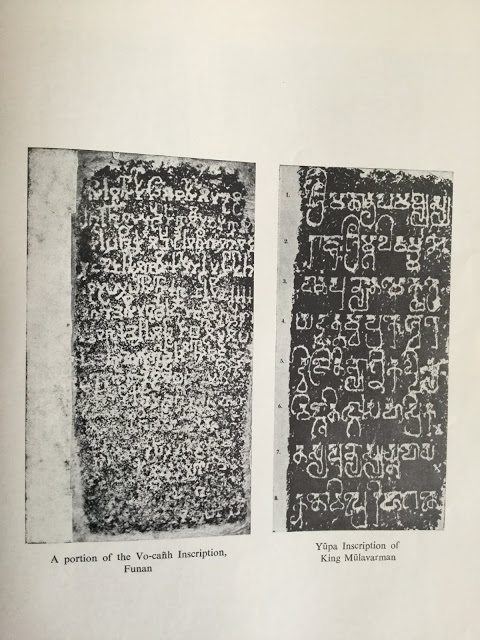
முதல் கட்டுரையில் யூபம் நட்ட தமிழ் மன்னர்களின் பெயர்களைக் கண்டோம். இந்தோநேஷியவில் மூலவர்மன், அஸ்வ வர்மன், குண்டுங்கா பெயர்களைக் கண்டோம். ராஜஸ்தான், உத்தரப் பிரதேச யூபங்களில் குஷாண, மாளவ, மோகாரி அரச குடும்பங்களின் பெயர்களும் விக்ரம, குஷாண, க்ருத யுக ஆண்டுகளின் பெயர்களும் காணப்படுகின்றன.


பொது ஆண்டு 102 முதல் மூல வர்மனின் பொ.ஆ.400 வரை ஆண்டுகளும் குறிப்பிடப்பட்டுள்ளன. இது இந்துக்களின் வரலாற்று உணர்வைக் காட்டும்.


இதில் பிராஹ்மணர்களுக்குக் கொடுத்த தக்ஷிணையும் இடம்பெறுகிறது. இந்தோநேஷியா நாட்டில் மூல வர்மன் நடத்திய யாகத்தின் பெயர் பஹுசுவர்ணகம். இதில் ஐயர்களுக்கு தங்கம் தரப்படும்.


இது வால்மீகி ராமாயணம் பால காண்டத்திலும் (1-95) உளது; ஆக வால்மிகீ ராமாயணம் சொல்வதும் கல்வெட்டு சொல்வதும் வரலாற்று உண்மைகளே!


யூபம் என்ற சொல்லை யாதவ ப்ரகாஸரின் ‘வைஜயந்தி’ எனும் ஸம்ஸ்க்ருத அகராதி நன்கு விளக்குகிறது.

யூபம் பற்றிய அலங்காரம், தோற்றம், எண்ணிக்கை, அதன் தாத்பர்யங்கள் ஆகியவற்றைக் காண்கையில் இது யாக பலிக்கான தூண் அல்ல, பெரிய தத்துவங்களை விளக்க வந்த வேள்வித்தூண் என்பது குன்றிலிட்ட விளக்கு போல விளங்கும். பலிக்கான மிருகம் தூணிலிருந்து அவிழ்த்து விடப்பட்ட பின்னரே யாகம் நடந்ததையும் மாவு ரூபத்தில் மிருக பொம்மைகள் யாகத்தீயில் இடப்பட்டதையும் வியாக்யானங்கள் விளக்குகின்றன.


அவையனத்தையும் மெய்ப்பிக்கிறது 17, 21 முதலான மர்ம எண்கள். வெறும் பலிக்கு ஒரு தூண் என்றால் இவ்வளவு விளக்கம் வந்திராது.


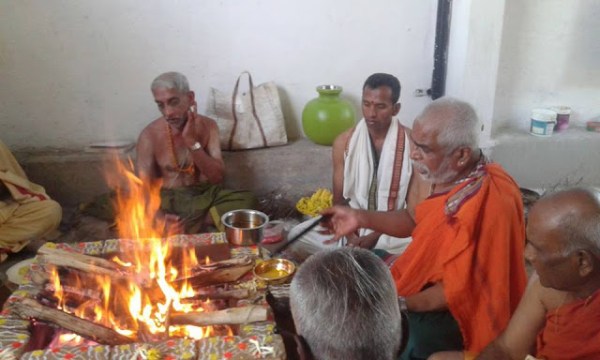
காஞ்சி சுவாமிகள் 400 வகை யாகங்கள் இருப்பதாக்ச் சொன்ன விஷயத்தை தனிக் கட்டுரையில் முன்னர் தந்தேன். இதோ மேகநாதன் செய்த 7 யாகங்கள்:

அக்னிஷ்டோம

அஸ்வமேத

பஹுஸுவர்ணக

ராஜசூய

கோமேத

வைஷ்ணவ

மஹேஸ்வர

(வால்மீகி ராமாயணம், உத்தரகாண்டம் 25-8)

வாழ்க யூப ஸ்தம்பம்! வளர்க தமிழ்!!

OLD ARTICLE

Mysterious Number 17 in the Vedas! (Post No.3916) | Tamil and …

tamilandvedas.com/2017/05/17/mysterious-number…


  1. 400 Types of Yagas (Fire Ceremonies) | Tamil and Vedas

tamilandvedas.com/2014/03/06/400-types-of-yagas…

Prince Charles and Camilla Parker with Swami Chidananda Saraswati at Rishikesh taking part in a Yajna. “The Brahmin spoiled himself and spoiled others. By …


  1. Pancha Maha Yajnas | Tamil and Vedas

tamilandvedas.com/tag/pancha-maha-yajnas

Posts about Pancha Maha Yajnas written by Tamil and Vedas. about; … Prince Charles doing Yajna in … called also Veda-yajnah,Sacrifice to Brahman or the Vedas.


–சுபம்–


YUPA- SACRIFICIAL POST- PART 2 (Post No.5186)

RESEARCH ARTICLE by London swaminathan


Date: 6 JULY 2018


Time uploaded in London –   5-53 am

 (British Summer Time)


Post No. 5186


Pictures shown here are taken from various sources such as Facebook friends, Wikipedia, Books, Google and newspapers; thanks. Pictures may be subject to copyright laws.


We have already seen the references to Yupa, the sacrificial post, in the Rig Veda, Tamil Sangam Literature and 19 Yupa inscriptions found in India and Indonesia.


An interesting nomenclature concerning Yupa is found in Brahmana Adhyaya of the Bhumiknda of Yadhavaprakasa’s Vaijayanti, a well known Sanskrit lexicon.

While Yupa is a consecrated sacrificial post, Homayupa is one that is set up at sacrifices only for the decoration. The two Yupas that flank every fire at sacrifices are known by the name Upastha. Whatever, Yupa and the like, stands in front of the fire, is called Agnishta. The middle and the top of Yupa are called Samaadaana and Tarman respectively. The ring near the top is called Chasthaala. The rough unhewn bottom part of a Yupa is called Tuupara. Its girdle is known as Parivyaana, and wrappings Kumbaa.


Number 17

If the Yupa is seventeen cubits long, these seventeen cubits, from bottom upwards are designated, Methika, Uttraasa, Svarumochana, Anjana, Vaiyathita, Kshaalana, Savasiirshaka, Sudhanva, Rathagaruta, Saikhaalika, Karanjaka, Vaasava, Vaishnava, Tvaashtra, Saumya, Maadhura and  Vejana respectively.

During the Vajapeya Yaga, a race of 17 chariots was held.

Prajapati is represented by Number 17.

Number 17 is a mysterious number in the Hindu Vedas. I have already explained it  in my article (see below)

Mysterious Number 17 in the Vedas! (Post No.3916) | Tamil and …

tamilandvedas.com/2017/05/17/mysterious-number…

Research article Written by London Swaminathan Date: 17 May 2017 Time uploaded in London: 19-46 Post No. 3916 Pictures are taken from various sources such as Face …


From the above description, we come to know that there was one post for symbolically tying the victim and other posts to decorate the Yajna Bhumi.

An idea of the picturesque view of the Yajna Bhumi can be gathered from the Asvamedha Sacrifice scene in Valmiki Ramayana (Bala Kanda 14-22/27):–


We are told that 21 Yupas were erected and every one of them was octagonal and 21 cubits long. They are draped each in a cloth and adorned with fruits, foliage and flowers. The 21 Yupas were likened to  the Seven Rishis (Sapta Rsi= Ursa Major Constellation). The idea is that each of the sacrificial fires, ie. Gaarhapatya, Aahavaniiya and Dakshinaagni was allotted seven posts. There were thus three groups of seven each.


The elaborate descriptions, exact size and naming of the different parts show they were not pillars or posts for animal sacrifice or tying of the victim of the Yaga. All these explain the philosophy, some of which is already lost, behind the Yupa.


Ravana’s son Meghanaada is credited with a number of sacrifices. His sacrificial grove is described in the Ramayana to be bristling with hundreds of Yupas. The vast number only denotes their decorative role (Uttarakanda 25-3)


Regarding the inscriptions on Yupas, all are dated and this shows the historical sense of Hindus that existed 2000 year ago. We find Vikrama era, Kushana era and Krita era.

I have already given the names of Sangam Age Tamil kings and the Indonesian Kings in the first part. In North Indian Yupa inscriptions we come across:

Kushana

Maalava

Mokhari.

The Yagas performed were

Dvaadasa raatra,

Sapta soma samsthaa

Ekashasti raatra

Tri raatra,

aptoryaaman,

Pundariika etc.


Another interesting information available from the Indonesian Mulavarman’s Yupa is that he did ‘Bahusuvarnaka Yaga’.

It is also known as Bahu Hiranya (lot of gold)

Bahusuvarnaka is mentioned in Valmiki Ramayana (Balakanda 1-95).

Now we know from Uttarakanda that Meganada did the following seven sacrifices:

agnishtoma

Asvamedha

Bahu suvarnaka

Rajasuuya

Gomedha

Vaishnava

Mahesvara.


Thus Mulavarman proved tht Ramayana gives historical information and Ramyana proved that Mulavarman did a sacrifice which was famous from the Ramayana days.

In other words Ramayana and Sanskrit inscriptions corroborate the details of Yagas.

( I have given lot of Yaga names in my article about ‘400 types of Yagas’. We may add the details found here as well.)

Source: Ramayana, Sangam Tamil Literature, Rig Veda and ‘Indian Antiqua, Kern Institute, Leyden, 1947’.

–Subham–