1001 அருமையான ஆங்கிலத் திரைப்படங்கள்! (Post No.5654)

WRITTEN BY S NAGARAJAN

Date: 12 November 2018

Time uploaded in London – 6-30 AM (GMT)

Post No. 5654

Pictures shown here are taken from various sources including google, Wikipedia, Facebook friends and newspapers. This is a non- commercial blog.

1001 அருமையான ஆங்கிலத் திரைப்படங்கள்!

ச.நாகராஜன்

இறப்பதற்கு முன் பார்க்க வேண்டிய 1001 ஆங்கிலத் திரைப்படங்களின் பட்டியலைத் தொகுத்துத் தருகிறது 1001 Movies You Must See Before You Die என்ற ஆங்கிலப் புத்தகம். இதைத் தொகுத்து வழங்கி இருப்பவர்  Steven Jay Schneider.

1900 ஆம்  ஆண்டிலிருந்து 2016ஆம் ஆண்டு வரை வந்திருக்கும் ஆங்கிலப் படங்களில் சிறந்தவற்றை இப்புத்தகம் வழங்குகிறது. இறப்பதற்கு முன் பார்க்க வேண்டிய படங்கள் இவை!

 இப்படி ஒரு நூலை யாராவது தொகுக்க மாட்டார்களா என ஏங்கி இருக்கும் பல்லாயிரக்கணக்கான திரைப்பட ஆர்வலர்களுக்கு வர பிரசாதம் இந்தப் புத்தகம்.

116 ஆண்டு ஆங்கிலத் திரைப்பட வரலாறு தொகுக்கப்பட்டது போன்ற ஒரு கலைக்களஞ்சியமாக இது அமைகிறது!

முதலில் தொகுக்கப்பட்ட பட்டியலில் 1300 படங்கள் இடம் பெற்றன. ஆனால் திருப்பித் திருப்பி ஆராய்ந்து யோசித்து 1001 படங்களைத் தெரிவு செய்துள்ளார் ஸ்டீவன் ஜே ஷ்னெய்டர்.

அனைத்துப் படங்களின் பெயர்களும் நூலின் ஆரம்பத்திலேயே அகர வரிசைப்படி தரப்பட்டுள்ளது. எடுத்துக்காட்டாக ஒரு படத்தைப் பார்க்கலாம். 1998 ஆம் ஆண்டு வெளியான ஒரு படம் டாம்  டய்க்வெரின் ‘ரன் லோலா ரன்’. (Tom Tykwer’s Run Lola Run).

20 நிமிடம் நடக்கும் ஒரு சம்பவம் மூன்று முறை எடுக்கப்பட்டிருக்கிறது.


ஒரு சில நிமிடங்களில் சூழ் நிலை எப்படி மாறும் என்பதைக் காட்ட மூன்று முறை சற்று நேரத்தை மாற்றிக் காண்பிக்கிறார் டைரக்டர். லோலாவுக்கு என்ன நேருகிறது? படத்தைப் பார்த்தால் தெரியும்; காலத்தின் அருமையும் புரியும்!

அடடா, என்ன மாற்றம்! அவசியம் பார்க்க வேண்டிய படம் இது.

சிசில் பி டெமிலியின் டென் கமாண்ட்மெண்ட்ஸ்

ஸ்டீவன் ஸ்பீல்பெர்க்கின் ஜுராஸிக் பார்க்.

ஆல்ஃப்ரட் ஹிட்ச்காக்கின் சைக்கோ!

இப்படி ஒவ்வொரு படமும் வெளி வந்த ஆண்டு, டைரக்டர், நடித்தவர்கள், கதை உள்ளிட்ட அனைத்தையும் சுமார் 150 முதல் 500 வார்த்தைகளில் ஒவ்வொரு கட்டுரையிலும் தருகிறார் நூலாசிரியர்.

22 விஷயங்களாகப் படங்கள் தொகுக்கப்பட்டு அதில் இடம் பெறும் படங்கள் இறுதியில் தரப்பட்டுள்ளது. இதில் இடம் பெறும் 22 விஷயங்கள் :

Action, Adventure, Animation, Avant-Garde, Comedy, Crime, Docu-drama, Documentary, Drama, Experimental, Family, Fantasy, Horror, Musical, Mystery, Noir, Romance, Sci-fi, Short, Thriller, War and Western.

இப்படங்களை இயக்கியுள்ள 596 பிரபலமான டைரக்டர்களின் பெயர்களும் டைரக்டர் இண்டெக்ஸில் தரப்பட்டுள்ளது. இரண்டாம் உலகப் போர் பற்றிய் படங்களா?

இதோ The Bridge on the river Kwai (1957), The Great Escape (1963), Gone with the Wind (1939).

படங்கள் அணி வகுக்கின்றன!

என்றாலும் கூட நாம் விரும்பும் அனைத்துப் படங்களும் இதில் காண முடியுமா என்றால், அது சந்தேகம் தான்.

எடுத்துக்காட்டாக உலகப் போர் சம்பந்தமாக நாம் விரும்பும், The Guns of Navarone, Force Ten from Navarone முதலியவை 1001 படங்களில் இடம் பெறவில்லை. அனைவரும் ரசித்துப் பார்த்த கொள்ளை அடிக்கும் சம்பவம் இடம் பெறும் The Italian Job போன்ற படங்கள் சிலவும் இதில் இல்லை.

ஆனால் ஒன்று, இப்படி ஒவ்வொருவரின் விருப்பத் தேர்வையும் இடம் பெறச் செய்ய வேண்டுமானால் தொகுப்பாளர் 10001 படங்கள் என்று தலைப்பை மாற்ற வேண்டியிருக்கும்! ஸயின்டிபிக் பிக்ஷன் படங்கள் பற்றியோ கேட்கவே வேண்டாம். அன்றாட வாழ்க்கை, காமெடி, த்ரில்லர் என அசத்துகிறது பட்டியல்!.

ஆர்ட் பேப்பரில் அச்சிடப்பட்டிருக்கும் புத்தகத்தில் ஏராளமான படங்கள் வேறு. மலரும் நினைவுகளைக் கொண்டு வரும் படி உள்ளது.

திரைப்படத் துறை 100 ஆண்டுகளுக்கு மேலாக வலுவுள்ள ஒரு பொழுதுபோக்குத் துறையாக ஆகி உள்ளது. ஏழை முதல் பணக்காரன் வரை, நாடு, மொழி, பால்,இனம், வயது பேதமின்றி குறைந்த செலவில் நிறைந்த மன நிறைவைத் தருவது நல்ல திரைப்படங்களே!

2012இல் எடுக்கப்பட்ட ஒரு கணக்கின் படி இதுவரை உலகில் 1,32,000 திரைப்படங்கள் எடுக்கப்பட்டுள்ளன. அவற்றில் அமெரிக்காவில் மட்டும் 44000 திரைப்படங்கள் எடுக்கப்பட்டுள்ளன. இது திரைத்துறையின் பிரம்மாண்டத்தைக் காண்பிக்கிறது!

ஆக இப்படி திரைப்படங்கள் பற்றிய ஒரு தொகுப்பு நூல் என்றால் அது திறம்பட தொகுக்கப்பட்டிருக்க வேண்டும். அதைச் சிறப்பாகச் செய்துள்ள ஸ்டீவன் ஜே ஷ்னெய்டர் பாராட்டுக்குரியவரே! இவர் திரைப்பட விமரிசனகர்த்தா. தயாரிப்பாளர். திரைப்படத் துறை பற்றி நன்கு அறிந்தவர். சினிமா கலை பற்றிப் பல நல்ல புத்தகங்களை எழுதியவரும் கூட.

இறப்பதற்கு முன் இந்த 1001 படங்களில் முடிந்தவற்றைப் பார்த்து முடிப்போம்!

****

கணபதியின் 16 நாமாக்கள் (பெயர்கள்) WORD SEARCH (Post No.5653)

Written by London Swaminathan

swami_48@yahoo.com

Date: 11 November 2018

GMT Time uploaded in London –20-44
Post No. 5653

Pictures shown here are taken from various sources including google, Wikipedia, Facebook friends and newspapers. This is a non- commercial blog

16 NAMES OF LORD GANESH IN TAMIL WORD SEARCH


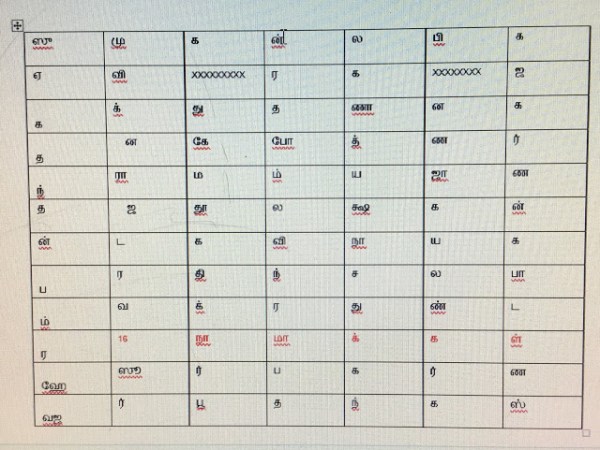
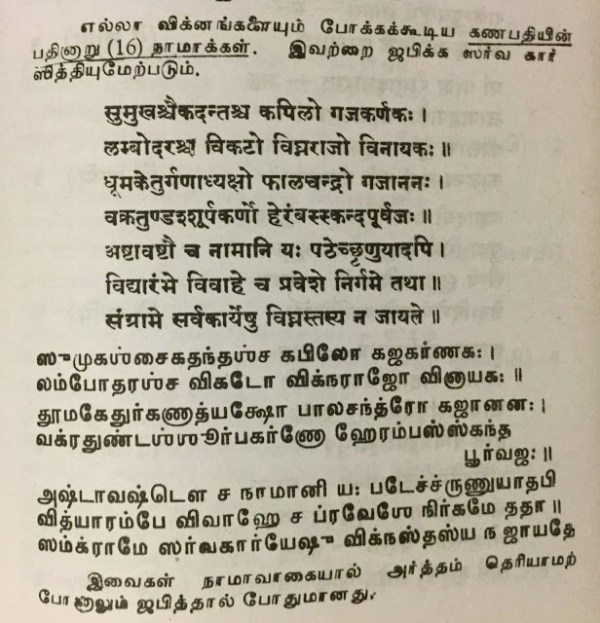
இந்தக் கட்டத்தில் மஹா கணபதியின் 16 நாமாக்கள் இருக்கின்றன. எந்த பூஜையைத் துவங்கும் முன்னரும் மஞ்சள் பொடியால் பிள்ளையார் போல குவித்து வைத்து இந்தப் பதினாறு பெயர்களையும் சொல்லி மஞ்சள் பிள்ளையாரை அர்ச்சித்து வழிபாட்டடினைத் துவங்குவர். நீங்களும் கட்டத்தில் கண்டு பிடியுங்கள். விடையும் கீழே உளது தினமும் படித்துப் புண்ணியம் பெறலாம்.

ஸு மு ன் பி
வி XXXXXXXXX XXXXXXXX
க் து ணா
  ன கே போ த் ர்
ந் ரா ம் ஜா
  ஜ தூ க்ஷ ன்
ன் வி நா
தி ந் பா
ம் க் து ண்
16 நா மா க் ள்
ஹே ஸூ ர் ர்
வஜ ர் பூ ந் ஸ்


Answer

1.ஸுமுகன், 2.ஏக தந்தன், 3.கபிலன், 4.கஜகர்ணன், 5.ஹேரம்பன

6.லம்போதரன், 7.தூமகேது, 8.கஜானன், 9.வக்ரதுண்டன்

10.ஸ்கந்த பூர்வஜன்,11.விகடன், 12.விக்னராஜன், 13.கணாத்யக்ஷன்

14.பாலசந்திரன், 15.விநாயகன், 16.ஸூர்ப்பகர்ணன்

-subham-

பிறப்பு, இறப்பு தீட்டு யார் யாருக்கு? எவ்வளவு காலம்? (Post No.5652)

Written  by London Swaminathan

swami_48@yahoo.com

Date: 11 November 2018

GMT Time uploaded in London –15-44
Post No. 5652

Pictures shown here are taken from various sources including google, Wikipedia, Facebook friends and newspapers. This is a non- commercial blog

மநு நீதி நூல் – பகுதி 32

பிறப்பு, இறப்பு தீட்டு யார் யாருக்கு? எவ்வளவு காலம்? (Post No.5652)

மானவ தர்ம சாஸ்திரம் என்றும் மநு ஸ்ம்ருதி என்றும் அழைக்கப்படும் மநு நீதி நூலின் ஐந்தாவது அத்தியாயத்தைத் தொடர்ந்து காண்போம். ஸ்லோகம் 57 முதல் 110 வரையுள்ள முக்கிய அம்சங்களை முதலில் எடுத்துரைப்பேன்.

பிறப்பு இறப்பினால் வரக்கூடிய தீட்டின் காலம் என்ன, யாருக்குத் தீட்டு என்பன பற்றி செப்பிய பின், இந்தப் பகுதி அரசன் என்பவனை இறைவனுக்குச் சமமாகக் கூறுகிறது.

என் கருத்துக்கள்

இது ஆரிய திராவிடம் பேசுவோருக்குச் செமை அடி, தொகை அடி ,வகை அடி கொடுக்கும் பகுதி. இந்தியாவில் ஆரியர், திராவிடர் என்று இரு வேறு பிரிவினர் உண்டு என்ற வெள்ளைக்காரன் வாதத்துக்கு ஆப்பு வைக்கும் அருமையான பகுதி.

எப்படி ஆப்பு அவைக்கிறார்?

1.பிறப்பு, இறப்பு தீட்டு, பிண்டக் கிரியைகள், திதி என்பன காஷ்மீர் முதல் கன்யாகுமரி வரை பின்பற்றப்படுகின்றன. புறநானூற்றிலும் பிண்டம் என்னும் ஸம்ஸ்க்ருதச் சொல் உண்டு சங்க இலக்கியத்தில் 12 இடங்களில் வருகிறது இது உலகில் வேறு எந்த கலாசாரத்திலும் இல்லாமல் இமயம் முதல் குமரி வரை மட்டுமே காணப்படுவதால் இந்துக்கள் வெளியே இருந்து வந்தனர் என்று சொல்லுவோரின் முகத்தில்  கரி பூசப்படுகிறது.

2.பிறப்பு, இறப்பு தீட்டுப் போக குளியல் முறையைக் கூறுவதால் இந்துக்கள் இந்த நாட்டின் மண்ணின் மைந்தர்களேயன்றி குளிர்ப் பிரதேச நாடுகளில் இருந்து வரவில்லை என்பது நிரூபணமாகிறது.

3.ஏழு தலை முறை பற்றி மனுவும் சங்க இலக்கியமும் திருக்குறளும் செப்புவது இமயம் முதல் குமரை வரை ஒரே கலாசாரம் எனபதைக் காட்டி, ஆரிய திராவிடம் பேசும் பேய்மானிகளின் வாயில் வாக்கரிசி போடுகிறது.

4.தமிழிலும் ஸம்ஸ்க்ருதத்திலும் அரசனை இறைவன் என்று போற்றுகின்றனர். மநு சொன்னதையே வள்ளுவனும் பகர்வான். இறை,கோ என்ற தமிழ் சொற்கள் அரசனையும் இறைவனையும் குறிக்கும் கோயில் என்பது கடவுளின் கோயிலையும் மன்னன் அரண்மனையையும் குறிக்கும், மநு,  மன்னனை வேத காலக் கடவுளருடன் ஒப்பிடுகிறான். இது சங்க இலக்கியத்திலும் உளது. எகிப்து போன்ற சில கலாசாரங்களில் மன்னனை கடவுள் என்று போற்றியபோதும் தமிழ் ஸம்ஸ்க்ருதத்தில் உள்ளது போல இருவருக்கும் ஒரே சொற் பிரயோகம் இல்லை. தேவ என்பது கடவுளையும், மன்னனையும் குறிக்கும் ஸம்ஸ்க்ருதச் சொல்.

தேவி என்பது மஹாராணியையும் இறைவியையும் குறிக்கும் சொல்.

முறை செய்து காப்பாற்றும் மன்னவன் மக்கட்கு

இறையென்று வைக்கப்படும் -குறள் 388

அதிகாரத்தின் பெயர் இறைமாட்சி (மன்னரைப் பற்றியது)

பொருள்

முறையாக ஆண்டு மக்களைக் காப்பாற்றும் ன்னன், மக்களால் இறைவன்/ கடவுள் என்று கருதப்படுவான்

செங்கோண்மை என்னும் அதிகாரத்திலும் மன்னனுக்கு இறை என்றே வள்ளுவன் சொல்லுவான்


  1. இந்தப் பகுதியில் பிணங்களை எடுத்துச் செல்லும் திசைகள் பற்றி மநு புகல்வதும் தற்கொலை பற்றி சொல்வதும் விநோதமான விஷயங்கள். இது, மநு மிகமிக முற்காலத்தவன் என்பதைக் காட்டும். ஏனெனில் நமக்குத் தெரிந்த வரலாற்றுக் காலத்தில் பிணங்களுக்கான திசை பின்பற்றப்பட்ட செய்திகள் கிடைத்தில.
  1. எண்.105 முதல் 110 வரையுள்ளஸ்லோகங்கள் அருமையான பொன்மொழிகள் மநுவின் தூய்மைக் கொள்கை இதில் தெரிகிறது. படித்து மகிழ்க.

8.ஸ்லோகம் 75ல் வெளிநாட்டு மரணச் செய்திக்கான தீட்டு பற்றி மொழிவதால். மநு எழுதிய காலத்திலேயே பல ஜாதிக்காரகளும் வெளிநாட்டில் வசித்தது தெரிகிறது

அமங்கலமான விஷயங்கள் பின்பகுதியில் வருவதற்காக பக்கங்களை மாற்றிக் கொடுத்துள்ளேன். படித்து மகிழ்க.


ஐந்தாம் அத்தியாயம் இன்னும் வரும்………………..

TAGS- பிறப்பு- இறப்பு தீட்டு, அரசன் கடவுள், தூய்மை அடையும் முறை

..சுபம்—

KING IS GOD – MANU AND VALLUVAR AGREE (Post No.5651)

Written  by London Swaminathan

swami_48@yahoo.com

Date: 11 November 2018

GMT Time uploaded in London –14-04
Post No. 5651

Pictures shown here are taken from various sources including google, Wikipedia, Facebook friends and newspapers. This is a non- commercial blog

The king who protects his people rendering justice,

according to the laws of the land

Will be hailed as the Divine Lord, by his subjects.

–Tirukkuraal 388

WE CONTINUE FROM SLOKA 57 OF FIFTH CHAPTER OF MANU SMRTI

In this section, MANU discusses the impure period that follows birth or death of near and dear. He also discusses ruler of the land.

MY COMMENTS

The amazing thing about this section is Hindus follow the same beliefs from Kashmir to Kanyakumari.

1.Though Egypt and other cultures considered King as God, the amazing thing about Hindus is Sanskrit and Tamil have the same words for God and King. Same word for God and King. And the second amazing thing is he is compared with the Vedic gods in Sangam literature and Manu. Tiruvalluvar, author of Tamil Veda Tirukkura,l called King as God like Manu. The Tamil word Irai and Ko stand for God and King. Tamil word Koil stands for Hindu Temple and Hindu Palace.

2.This section explodes the Aryan Migration theory and Dravidian and Aryan division theory. From birth to death water and bathing are used to remove impurity. So the Hindus belong to tropical region. They did not come from temperate regions.

No other culture in the world uses water for such rituals. This shows that Hindus did not come from outside and they are the sons of the soil.

3.Only Hindus considered Teacher as God. Manu deals with impure period after teacher’s death. This is not found in any other culture. So Hindus are sons of the soil; never came from outside. When they migrated to other countries they took some of the customs.

4.No other culture in the world the rules for impure period. This shows they have evolved all such rules in this country. Since Manu’s name is in the Rig Veda and he talks about flowing Sarasvati river and he never spoken about Sati, he must have lived in the Vedic period.

5.Slokas 105 to 110 are beautiful quotations on Purity

6.His directions about the directions for dead bodies and suicide are interesting.

7.The concept of Seven Generations is repeated in Tamil and Sanskritliterature hundredsof times. The absence of this Seven Generations in other cultures show thatHindus are sons of the soil and Aryan immigration is concocted by vested interests. Since Tamils also repeat Seven Generations, they had the same belief.


KING IS GOD


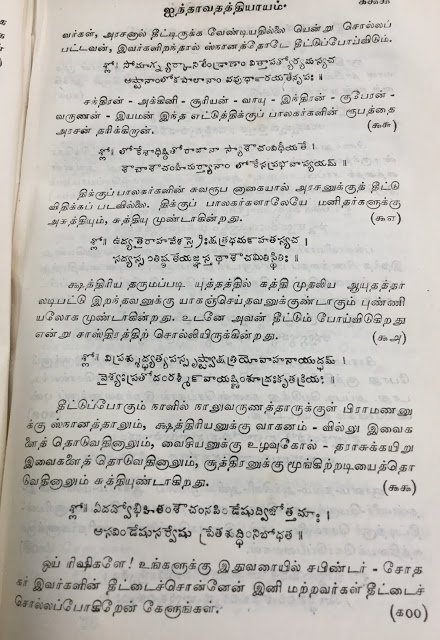
  1. A king is an incarnation of the eight guardian deities of the world, the Moon, the Fire, the Sun, the Wind, Indra, the Lords of wealth and water (Kubera and Varuna), and Yama.
  2. Because the king is pervaded by those lords of the world, no impurity is ordained for him; for purity and impurity of mortals is caused and removed by (those) lords of the world.
  3. By him who is slain in battle with brandished weapons according to the law of the Kshatriyas, a (Srauta) sacrifice is instantly completed, and so is the period of impurity (caused by his death); that is a settled rule.
  4. (At the end of the period of impurity) a Brahmana who has performed the necessary rites, becomes pure by touching water, a Kshatriya by touching the animal on which he rides, and his weapons, a Vaisya by touching his goad or the nose-string (of his oxen), a Sudra by touching his staff.

  5. Thus the purification (required) on (the death of) Sapindas has been explained to you, O best of twice-born men; hear now the manner in which men are purified on the death of any (relative who is) not a Sapinda.
  6. A Brahmana, having carried out a dead Brahmana who is not a Sapinda, as (if he were) a (near) relative, or a near relative of his mother, becomes pure after three days;
  7. But if he eats the food of the (Sapindas of the deceased), he is purified in ten days, (but) in one day, if he does not eat their food nor dwells in their house.
  8. Having voluntarily followed a corpse, whether (that of) a paternal kinsman or (of) a stranger, he becomes pure by bathing, dressed in his clothes, by touching fire and eating clarified butter.
  9. Let him not allow a dead Brahmana to be carried out by a Sudra, while men of the same caste are at hand; for that burnt-offering which is defiled by a Sudra’s touch is detrimental to (the deceased’s passage to) heaven.

SOURCE OF PURITY


  1. The knowledge of Brahman austerities, fire, holy food, earth, restraint of the internal organ, water, smearing with cow dung, the wind, sacred rites, the sun, and time are the purifiers of corporeal beings.

  2. Among all modes of purification, purity in the acquisition of wealth is declared to be the best; for he is pure who gains wealth with clean hands, not he who purifies himself with earth and water.

  3. The learned are purified by a forgiving disposition, those who have committed forbidden actions by liberality, secret sinners by muttering sacred texts, and those who best know the Veda by austerities.

  4. By earth and water is purified what ought to be made pure,

 a river by its current,

a woman whose thoughts have been impure by the menstrual secretion,

a Brahmana by abandoning the world (samnyasa).

  1. The body is cleansed by water,

the internal organ is purified by truthfulness,

the individual soul by sacred learning and austerities,

the intellect by (true) knowledge.


  1. Thus the precise rules for the purification of the body have been declared to you; hear now the decision (of the law) regarding the purification of the various (inanimate) things.


BACK TO SLOKA 57


Impure Periods


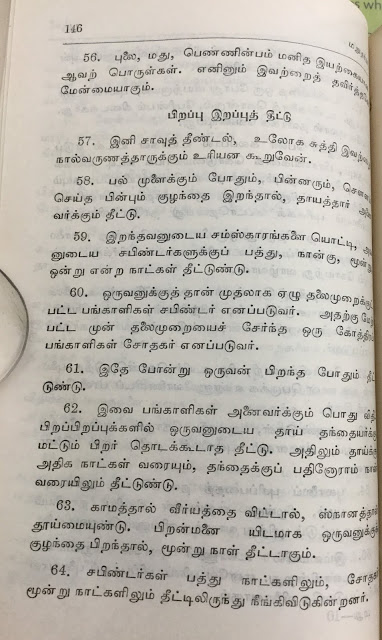
  1. I will now in due order explain the purification for the dead and the purification of things as they are prescribed for the four castes (varna).
  2. When (a child) dies that has teethed, or that before teething has received (the sacrament of) the tonsure (Kudakarana) or (of the initiation), all relatives (become) impure, and on the birth (of a child) the same (rule) is prescribed.
  3. It is ordained (that) among Sapindas the impurity on account of a death (shall last) ten days, (or) until the bones have been collected, (or) three days or one day only.

Co feeding relatives are Sapindas.

SEVEN GENERATIONS


  1. But the Sapinda-relationship ceases with the seventh person in the ascending and descending lines, the Samanodaka-relationship when the (common) origin and the (existence of a common family)-name are no (longer) known.
  2. As this impurity on account of a death is prescribed for (all) Sapindas, even so it shall be (held) on a birth by those who desire to be absolutely pure.
  3. Or while the impurity on account of a death is common to all (Sapindas), that caused by a birth falls on the parents alone; (or) it shall fall on the mother alone, and the father shall become pure by bathing;
  4. But a man, having spent his strength, is purified merely by bathing; after begetting a child (on a remarried female), he shall retain the impurity during three days.
  5. Those who have touched a corpse are purified after one day and night (added to) three periods of three days; those who give libations of water, after three days.

Ritual for Deceased Teacher


  1. A pupil who performs the Pitrimedha for his deceased teacher, becomes also pure after ten days, just like those who carry the corpse out (to the burial-ground).
  2. (A woman) is purified on a miscarriage in as many (days and) nights as months (elapsed after conception), and a menstruating female becomes pure by bathing after the menstrual secretion has ceased (to flow).
  3. (On the death) of children whose tonsure (Kudakarman) has not been performed, the (Sapindas) are declared to become pure in one (day and) night; (on the death) of those who have received the tonsure (but not the initiation, the law) ordains (that) the purification (takes place) after three days.
  4. A child that has died before the completion of its second year, the relatives shall carry out (of the village), decked (with flowers, and bury it) in pure ground, without collecting the bones (afterwards).

Rules for Child


  1. Such a child shall not be burnt with fire, and no libations of water shall be offered to it; leaving it like a (log of) wood in the forest, (the relatives) shall remain impure during three days only.
  2. The relatives shall not offer libations to (a child) that has not reached the third year; but if it had teeth, or the ceremony of naming it (Namakarman) had been performed, (the offering of water is) optional.
  3. If a fellow-student has died, the Smriti prescribes an impurity of one day; on a birth the purification of the Samanodakas is declared (to take place) after three (days and) nights.
  4. (On the death) of females (betrothed but) not married (the bridegroom and his) relatives are purified after three days, and the paternal relatives become pure according to the same rule.
  5. Let mourners eat food without factitious salt, bathe during three days, abstain from meat, and sleep separate on the ground.
  6. The above rule regarding impurity on account of a death has been prescribed (for cases where the kinsmen live) near (the deceased); (Sapinda) kinsmen and (Samanodaka) relatives must know the following rule (to refer to cases where deceased lived) at a distance (from them).
  7. He who may hear that (a relative) residing in a distant country has died, before ten (days after his death have elapsed), shall be impure for the remainder of the period of ten (days and) nights only.
  8. If the ten days have passed, he shall be impure during three (days and) nights; but if a year has elapsed (since the occurrence of the death), he becomes pure merely by bathing.
  9. A man who hears of a (Sapinda) relative’s death, or of the birth of a son after the ten days (of impurity have passed), becomes pure by bathing, dressed in his garments.
  10. If an infant (that has not teethed), or a (grownup relative who is) not a Sapinda, die in a distant country, one becomes at once pure after bathing in one’s clothes.
  11. If within the ten days (of impurity) another birth or death happens, a Brahmana shall remain impure only until the (first) period of ten days has expired.

DEATH OF TEACHER


  1. They declare that, when the teacher (acarya) has died, the impurity (lasts) three days; if the (teacher’s) son or wife (is dead, it lasts) a day and a night; that is a settled (rule).
  2. For a Srotriya who resides with (him out of affection), a man shall be impure for three days; for a maternal uncle, a pupil, an officiating priest, or a maternal relative, for one night together with the preceding and following days.
  3. If the king in whose realm he resides is dead, (he shall be impure) as long as the light (of the sun or stars shines), but for (an intimate friend) who is not a Srotriya (the impurity lasts) for a whole day, likewise for a Guru who knows the Veda and the Angas.
  4. A Brahmana shall be pure after ten days, a Kshatriya after twelve, a Vaisya after fifteen, and a Sudra is purified after a month.
  5. Let him not (unnecessarily) lengthen the period of impurity, nor interrupt the rites to be performed with the sacred fires; for he who performs that (Agnihotra) rite will not be impure, though (he be) a (Sapinda) relative.
  6. When he has touched a Candala, a menstruating woman, an outcast, a woman in childbed, a corpse, or one who has touched a (corpse), he becomes pure by bathing.
  7. He who has purified himself by sipping water shall, on seeing any impure (thing or person), always mutter the sacred texts, addressed to Surya, and the Pavamani verses.
  8. A Brahmana who has touched a human bone to which fat adheres, becomes pure by bathing; if it be free from fat, by sipping water and by touching (afterwards) a cow or looking at the sun.
  9. He who has undertaken the performance of a vow shall not pour out libations (to the dead) until the vow has been completed; but when he has offered water after its completion, he becomes pure in three days only.

SUICIDE


  1. Libations of water shall not be offered to those who (neglect the prescribed rites and may be said to) have been born in vain, to those born in consequence of an illegal mixture of the castes, to those who are ascetics (of heretical sects), and to those who have committed suicide,
  2. To women who have joined a heretical sect, who through lust live (with many men), who have caused an abortion, have killed their husbands, or drink spirituous liquor.

DIRECTION FOR DEAD BODIES


  1. A student does not break his vow by carrying out (to the place of cremation) his own dead teacher (akarya), sub-teacher (upadhyaya), father, mother, or Guru.
  2. Let him carry out a dead Sudra by the southern gate of the town, but (the corpses of) twice-born men, as is proper, by the western, northern, or eastern (gates).
  3. The taint of impurity does not fall on kings, and those engaged in the performance of a vow, or of a Sattra; for the (first are) seated on the throne of Indra, and the (last two are) ever pure like Brahman.
  4. For a king, on the throne of magnanimity, immediate purification is prescribed, and the reason for that is that he is seated (there) for the protection of (his) subjects.

WAR DEATHS

  1. (The same rule applies to the kinsmen) of those who have fallen in a riot or a battle, (of those who have been killed) by lightning or by the king, and (of those who perished fighting) for cows and Brahmanas, and to those whom the king wishes (to be pure).

—to be continued……………………

tags- Impure Periods, Birth and death, King and God, Purity Quotes

–subham–

45 நிமிடங்களில் எவரையும் பைத்தியமாக்கும் மௌன சேம்பர் (Post no. 5650

WRITTEN BY S NAGARAJAN

Date: 11 November 2018

Time uploaded in London – 7-29 AM (GMT)

Post No. 5650

Pictures shown here are taken from various sources including google, Wikipedia, Facebook friends and newspapers. This is a non- commercial blog.

45 நிமிடங்களில் எவரையும் பைத்தியமாக்கும் மௌன சேம்பர்!

ச.நாகராஜன்

மௌனத்தின் மஹிமை அபாரமானது. அனைத்தையும் செய்ய வல்லது என்று நமது அற நூல்கள் கூறுகின்றன.

மௌனம் சர்வார்த்த சாதனம் என்பது உலகியல் வழக்கிலான ஒரு பழமொழி.

கற்றவர் அவையில் ஒன்றும் தெரியாதவனாக இருந்தால், ‘நீ பேசாதே; அது உனக்கு மிகவும் நல்லது’ என்று பெரியோர் கூறுவர். பேசாமல் இருந்தாலே அந்த அவையில் நாமும் ‘பெரிய’ ஆளாக இருக்கக்கூடும்.

பேசி – உளறினாலோ – நுணலும் தன் வாயால் கெடும் என்ற பழமொழி தான் நமக்கு உரித்தாகும்.

சரி, பிரபஞ்சத்தில் மௌனம் உண்மையில் மௌனம் தானா?


விண்கலம் பிரபஞ்ச ஓசையைப் ‘பிடித்த போது’ அது கூட்டுப் பிரார்த்தனையின் இசையை ஒத்திருந்தது என்பதை முழு விவரங்களுடன் ஆதாரங்களுடன் என் கட்டுரையில் முன்பு விளக்கியுள்ளதால் அதை இங்கு மீண்டும் தரவில்லை.

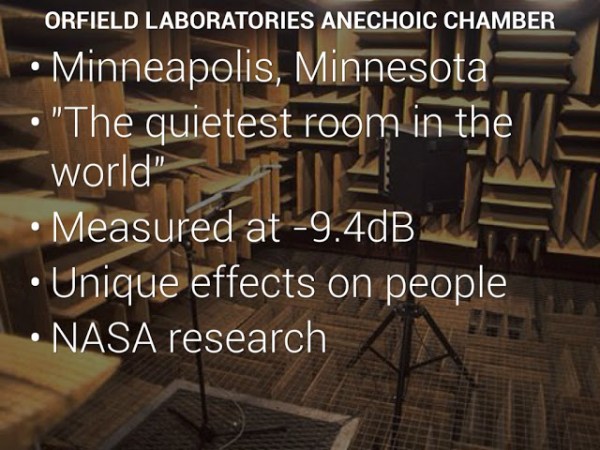
மௌன சேம்பர் ஒன்றை விஞ்ஞானிகள் அமைத்தனர். Anechoic – அதாவது எந்தவித எதிரொலியும் வராத ஒரு அறை என்று பொருள். 99 சதவிகிதம் எந்த ஒலியும் உள்ளே வர முடியாத இந்த அறை மின்னசோட்டாவில் அமைக்கப்பட்டது.

இங்கு யாராலும் 45 நிமிடங்களுக்கு மேல் இருக்க முடியாது. இருந்தால் பைத்தியம் தான் பிடிக்கும். ஏன்?

ஆர்பீல்ட் லாபரட்டரியின் இந்த ஒலியில்லா அறையில்(Orfield Labs’ anechoic chamber) உள்ளே செல்லும் ஒருவர் மௌனம் அதிகமாக இருக்க இருக்க அதிக ஓசையைக் கேட்பர். எந்த ஓசையை?

அவர்கள் உடலில் எழும் ஓசையைத் தான்! அவர்கள் இதயத் துடிப்பு அவர்களுக்குப் பெரிதாகக் கேட்கும். நாளங்களில் ஓடும் ரத்தம் பாயும் ஓசை நயாகரா நீர்வீழ்ச்சி எழுப்பும் ஓசையை விட அதிகமாகக் கேட்கும். உணவு வயிற்றில் ஜீரணமாகும் போது எழும் ஓசை பொறுக்கவே முடியாத அளவு இருக்கும்.

இதை விளக்குகையில் விஞ்ஞானி ஆர்பீல்ட், “

அங்கு குறிப்புகள் எதுவும் இருக்காது.நீங்களே நிலைமையை அறிந்து உங்களை பாலன்ஸ் செய்து கொள்ள வேண்டியது தான். அங்கு நிற்க முடியாது. உட்கார்ந்தால் தான் இருக்க முடியும். அதுவும் 30 நிமிடங்களுக்கு மேல் என்றால் பைத்தியம் தான் பிடிக்கும்” என்கிறார்.

உங்களின் உடல் ஓசை பெரிதாகிக் கொண்டே போகும் – தாள முடியாத அளவு. ஆக மௌனம் என்பது சாதாரண விஷயம் இல்லை.

தக்ஷிணாமூர்த்தி மௌனத்தையே உபதேசமாக தன்னைச் சுற்றி உள்ள நான்கு மஹரிஷிகளுக்கும் அருள்கிறார்.

மௌனத்தில் சர்வ ஓசையும் அடக்கம்.

இதை அறிந்த தாயுமானவர் மௌனகுரு வணக்கம் செய்கிறார். அதில் ஒரு பாடல் இது:

சருகுசல பட்சணிக ளருகோடி யல்லால்

சகோரபட் சிகள்போலவே

தவளநில வொழுகமிர்த தாரையுண் டழியாத

தன்மைய ரனந்தகோடி

இருவினைக ளற்றிரவு பகலென்ப தறியாத

ஏகாந்த மோனஞான

இன்பநிட் டையர்கோடி மணிமந்த்ர சித்திநிலை

எய்தினர்கள் கோடிசூழக்

குருமணி யிழைத்திட்ட சிங்கா தனத்தின்மிசை

கொலுவீற் றிருக்கும்நின்னை

கும்பிட் டனந்தமுறை தெண்டனிட் டென்மனக்

குறையெலாந் தீரும்வண்ணம்

மதுமல ரெடுத்துனிரு தாளையர்ச் கிக்கவெனை

வாவென் றழைப்பதெந்நாள்

மந்த்ரகுரு வேயோக தந்த்ரகுரு வேமூலன்

மரபில்வரு மௌன குருவே

இரவு     பகல் அறியாத ஏகாந்த மோன ஞான இன்ப நிட்டையர் கோடி சூழ இருக்கும் மௌன குருவின் மஹிமையைச் சொல்லப் போமோ!

சர்வ மௌனத்தையும் தன்னுள் அடக்கிவைத்திருந்தாலும்  பைத்தியம் பிடிக்காமல் இருக்கும் யோகிகள் கோடானு கோடி பேர்! அவர்களை மோன நிலையை அடையச் செய்து அருள் பாலிக்கும் மௌன குரு – தக்ஷிணாமூர்த்தியின் சக்தியும், அருளும் வார்த்தைகளுக்கு அப்பாற்பட்டது.

விஞ்ஞானிகளின் ஒரு சின்னச் சேம்பர் நமக்கு ஓசையின்மை பற்றி – ஒலியின்மை பற்றி – மௌனம் பற்றி – இவ்வளவு விஷயங்களைத் தெரிவிக்கும் போது நாளைய உலகம் தரப்போகும் பெரிய சோதனைகளின் முடிவு இன்னும் எத்தனை எத்தனையைத் தரப்போகிறதோ!

***

பி.பி.சி.யின் ரிச்சர்ட் க்ரே எழுதிய ஆங்கிலக் கட்டுரையின் மூலம் இதோ:

There’s a small room in Minnesota that blocks out 99% of all external sound. That’s an impressive number! Also impressive: nobody can take more than 45 minutes alone in the room before they go nuts.

The Daily Mail describes Orfield Labs’ anechoic chamber—perfect for making extremely sensitive audio measurements. But also perfect for sending you into a hallucinatory hell so hellacious you’ll need a chair:

‘When it’s quiet, ears will adapt. The quieter the room, the more things you hear. You’ll hear your heart beating, sometimes you can hear your lungs, hear your stomach gurgling loudly. ‘In the anechoic chamber, you become the sound.’ And this is a very disorientating experience. Mr Orfield explained that it’s so disconcerting that sitting down is a must. He said: ‘How you orient yourself is through sounds you hear when you walk. In the anechnoic chamber, you don’t have any cues. You take away the perceptual cues that allow you to balance and manoeuvre. If you’re in there for half an hour, you have to be in a chair.’

That sounds swell. Just the serene quiet of you, your thoughts, and the unceasing pounding of the human heart. Your brain can’t take it, apparently, and begins to fabricate sounds that aren’t really there—completely delusional noises meant to block out the churning of your own horrid biomass. One ticket to Minneapolis, please! [Orfield Labs via Daily Mail via Verge]

http://www.bbc.com/future/story/20170526-inside-the-quietest-place-on-earth

  • By Richard Gray

29 May 2017

மலர்கள் குறுக்கெழுத்துப் போட்டி (Post No.5649)


Written  by London Swaminathan

swami_48@yahoo.com

Date: 10 November 2018

GMT Time uploaded in London –18-43
Post No. 5649

Pictures shown here are taken from various sources including google, Wikipedia, Facebook friends and newspapers. This is a non- commercial blog

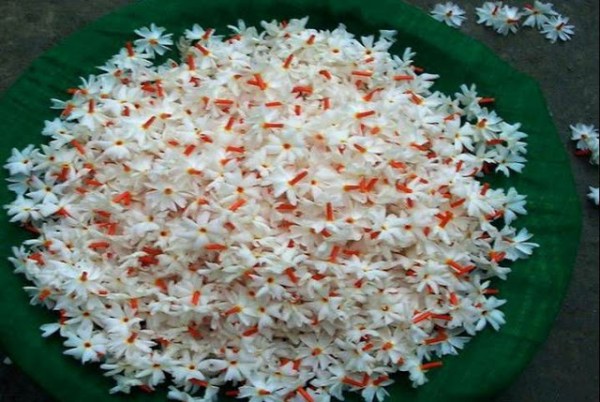
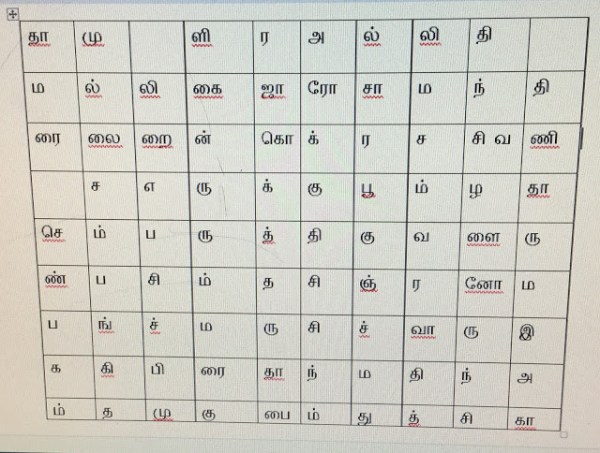
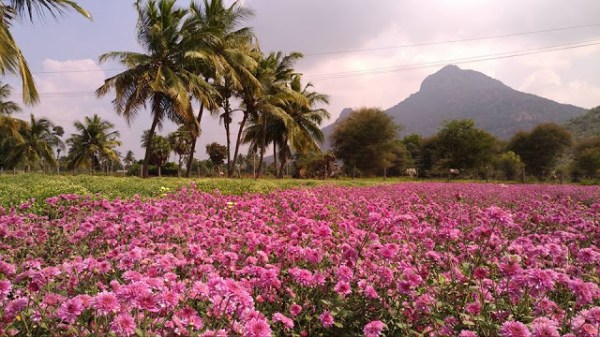
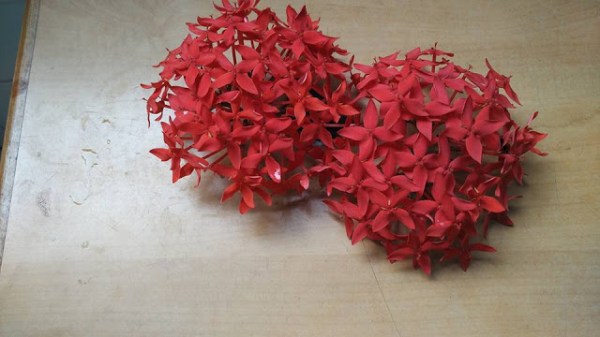
இந்தக் கட்டத்தில்  குறைந்தது 23 மலர்கள் உள்ளன.

கண்டுபிடியுங்கள்.

விடைகளைக் கீழே சரி பாருங்கள்

தா மு ளி ல் லி தி
ல் லி கை ஜா ரோ சா ந் தி
ரை லை றை ன் கொ க் சி வ ணி
ரு க் கு பூ ம் தா
செ ம் ரு த் தி கு ளை ரு
ண் சி ம் சி ஞ் னோ
ங் ச் ரு சி ச் வா ரு
கி பி ரை தா ந் தி ந்
ம் மு கு பை ம் து த் சி கா


மல்லிகை ,தாமரை, முல்லை, அரளி , அல்லி, சாமந்தி ,கொன்றை, ரோஜா,  மருதா ணி, பிச்சி,  எருக்கு, சம்பங்கி, செம்பருத்தி, சிவந்தி, செண்பகம், குவளை, மனோரஞ்சிதம் , காசித் தும்பை,  இரு வாச்சி, அந்தி மந்தாரை, குமுதம், தாழம் பூ,  மரு

TAGS– மலர்கள், குறுக்கெழுத்துப் போட்டி

—சுபம்—

Why does Rahu devour Sun and Moon? (Post No.5648)

Written  by London Swaminathan

swami_48@yahoo.com

Date: 10 November 2018

GMT Time uploaded in London –13-16
Post No. 5648

Pictures shown here are taken from various sources including google, Wikipedia, Facebook friends and newspapers. This is a non- commercial blog

We continue with Niti Sataka of Bhartruhari. Let us look at slokas/couplets 28,29,30

Bhartruhari stresses in thse three slokas that one must do commendable things.  The animals and humans are in different groupings because of their difference in actions. If a man goes higher and obtain fame , that will differentiate him from ordinary people and animals.

These slokas are about Fame

परिवर्तिनि संसारे
मृतः को वा न जायते ।
स जातो येन जातेन
याति वंशः समुन्नतिम् ॥ 1.29 ॥

What man is not born again while he passes from one birth to another? But that man is only truly born by whose birth his family attains to dignity.

Bhartruhari says one attains fame by improving the prosperity and dignity of the family.

Tamil poet Thiruvalluvar, author of Tamil Veda Tirukkural, says,

If one takes birth in this world one should come with qualities which bring fame; if it is not it is better not to appear al all- Kural 236

He adds,

The gods will honour those who have earned everlasting fame rather than the sages who have attained the abode of the gods – Kural 234

xxx


कुसुमस्तवकस्येव
द्वयी वृत्तिर्मनस्विनः ।
मूर्ध्नि वा सर्वलोकस्य
शीर्यते वन एव वा ॥ 1.30 ॥

There are two uses both for a flower bunch (inflorescence) and also for a wise man; they may be exalted on the head or wither in the forest.

Lord Krishna in Bhagavad Gita says

Uththishta , Yaso labha!

Arise! Attain Fame

— Bhagavad Gita 11-33

In Tamil and Sanskrit there are sayigs about men

‘Like a lamp inside a pot’ (may be compared to forest flower)

‘Like a lamp at the top of a hill’ (may be compared to flower on the head of a beautiful woman)

Some wither like beautiful flowers in the forest, without anyone knowing about it.

Others are praised like the flower bunch on the head of a beauty.

xxx

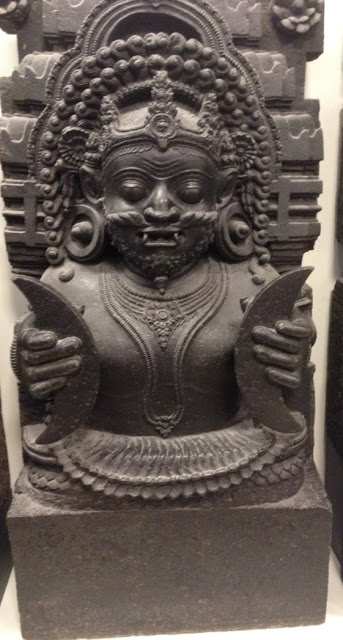
Rahu devouring Moon

‘Although there are plantes like Brihaspati who is the head of the devas, yet Rahu with great mighty power never attack Brihaspati and others. He devours Sun (Lord of the Day) and Moon (Ruler  of the Night) during the periods of eclipse’.

सन्त्यन्ये‌உपि बृहस्पतिप्रभृतयः सम्भाविताः पञ्चषास्

तान्प्रत्येष विशेषविक्रमरुची राहुर्न वैरायते ।
द्वावेव ग्रसते दिवाकरनिशाप्राणेश्वरौ भास्करौ
भ्रातः पर्वणि पश्य दानवपतिः शीर्षावशेषाकृतिः ॥ 1.31 ॥

Here Bhartruhari insists one must do great things; difficult it may be but that which brings glory. That is why Rahu, the snake, goes to Sun and Moon leaving other bright objects in the sky such as Jupiter (Brihaspati) or Venus (Sukra).

No use of fighting with a weakling; no use of beating a dead snake; if one needs fame one must take big tasks.

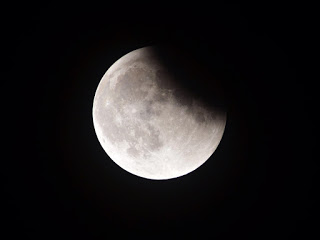
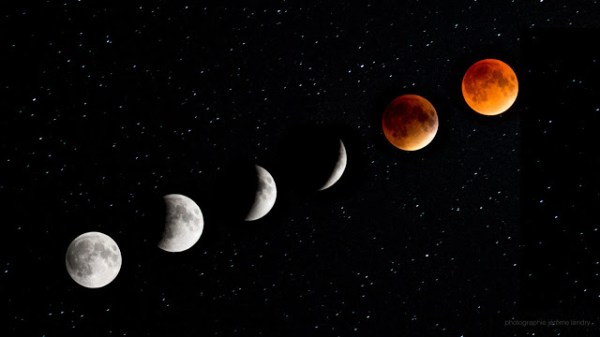
Hindus who calculated the exact time of eclipses thousands of years ago, used to explain the eclipses to lay men as snakes devouring the sun and the moon.  During the eclipse the sun or moon looks like a round ball devored by someone and released back slowly. Rahu’s head was cut off by Lord Vishnu when he tried to steal the Elixir Amruta according to Hindu Mythology.

–subham–

சூரியனையும் சந்திரனையும் பாம்பு விழுங்குவது ஏன்? (Post No.5647)

Written  by London Swaminathan

swami_48@yahoo.com

Date: 10 November 2018

GMT Time uploaded in London –11-57 AM
Post No. 5647

Pictures shown here are taken from various sources including google, Wikipedia, Facebook friends and newspapers. This is a non- commercial blog

பர்த்ருஹரியின் நீதி சதகம் ஸ்லோகங்கள் 28,29,30

நீதி சதகத்தில் நூறு பாடல்கள் இருப்பதை அறிவோம். இதுவரை 27 பாடல்களை குறள் கீதை முதலிய நூல்களுடன் ஒப்பிட்டுப் பார்த்தோம். நமது அறிவு வேட்டையைத் தொடர்வோம்.

பாடல் 28

பரிவர்தினி ஸம்ஸாரம் ம்ருதஹ கோ வா ந ஜாயதே

ஸ ஜாதோ யேன ஜாதேன யாதி வம்சஹ ஸமுன்னதிம் -28

நிலையற்ற இந்த உலகத்தில் யார் பிறப்பு- இறப்புச் சுழலில் விழவில்லை? ஒருவனுடைய குடும்பத்தின் செல்வ வளத்தையும் பெருமையையும் அதிகரிக்கும் பிறப்பே சிறந்தது.

பிராணிகளும், தாவரங்களும் இறக்கின்றன, பிறக்கின்றன. ஆனால் மனிதனுக்கும் அவைகளுக்கும் வேறுபாடு இல்லாவிடில் மனிதர்களும் அவைகளுடன் எண்ணப்படும். ஆகையால் வளத்தையும் நல்ல பெயரையும் சம்பாதிக்கும் வாழ்வே வாழ்வு ஏனையவை மிருக வாழ்வு.

ஒருவனுடைய மகன் செய்யும் செயற்கரிய செயல்களைக் கண்டு, இவன் தந்தை என்ன தவம் செய்து இந்தப் பிள்ளையைப் பெற்றானோ என்று வியக்க வேண்டும் என்று வள்ளுவனும் சொல்வான்.

புகழோடு வாழும் வாழ்க்கையே வாழ்க்கை; அல்லது பிறக்காமல் இருப்பதே மேல் என்றும் வள்ளுவன் மொழிவான்.

அவன் செப்பிய  குறள்கள் இதோ

மகன் தந்தைக்கு ஆற்றும் உதவி இவன் தந்தை

என்னோற்றான்கொல் எனுஞ்சொல் –குறள் 70

தோன்றின் புகழொடு தோன்றுக அஃதிலார்

தோன்றலின் தோன்றாமை நன்று- 236

உத்திஷ்ட! யஸோ லப!! எழுந்திரு! புகழ் அடை!!

–என்று அர்ஜுனனுக்கு கிருஷ்ணனும் பகவத் கீதையில் கட்டளை இடுகிறான் (11-33)

இவை மேற்கூறிய பர்த்ருஹரியின் கருத்தை எதிரொலிக்கும்.

xxx


குஸுமஸ்தபகஸ்யேவ த்வயீ வ்ருத்திர் மனஸ்வினஹ

மூர்த்னிவா ஸர்வலோகஸ்ய சீர்யதே வன ஏவ வா –29

பூங்கொத்து இருக்கிறது; அது காட்டிலும் இருக்கலாம்; அல்லது பெண்களின் தலையிலும் இருக்கலாம் இதே போலத்தான் ஒவ்வொருவருக்கும் இரண்டு நிலைகள் இருக்கின்றன.

பூங்கொத்து, பெண்களின் தலையை அலங்கரிக்கையில் சிறப்பு பெறும்; அதே பூங்கொத்து காட்டில் மலர்ந்து, யாரும் பார்க்காமல் உதிர்ந்தும் போவதுண்டு. ஆக புகழ் பெறுவதும் புகழ் இல்லாமல் வாழ்வதும் நம் கையில் இருக்கிறது.

வள்ளுவன் இந்த உவமையை வேறு ஒரு இடத்தில் பயன்படுத்துகிறான்.

வாசனை இல்லாத கல்யாண முருங்கைப் பூ

வள்ளுவன் சொன்னான்:-

இணரூழ்த்தும் நாறா மலரனையர் கற்றது

உணர விரித்துரையாதார் – குறள் 650

தான் படித்த விஷயத்தை அழகாக விளக்கத் தெரியாதவர்கள், மலர்ந்தும் மணம் வீசாத மலர்களுக்கு ஒப்பாவர்

தமிழில்  இதை விளக்கும் அழகான பழமொழிகளும் உள

குடத்திலிட்ட விளக்கு போல (காட்டுப் பூ)

குன்றிலிட்ட விளக்கு போல (பெண்களின் சிகை அலங்காரப் பூ)

இஃதே போல சம்ஸ்கிருத்தத்திலும் ஒரு பாடல் உண்டு


நல்ல குலத்தில் பிறந்து அழகாக, இளமையுடன் தோன்றினாலும், படிக்கா விட்டால், வாசனை இல்லாத கிம்சுக (கல்யாண முருங்கைப் பூ போலத்தான்) மலர் போலவே இருப்பர்.

ரூப யௌவன சம்பன்னா விசால குல சம்பவா:

வித்யாஹீனா ந சோபந்தே நிர்கந்தா இவ கிம்சுகா:

xxxx

சூரியனையும் சந்திரனையும் பாம்பு விழுங்குவது ஏன்?

செயற்கரிய  செயல் செய்தால்தான் பெருமை; இதை பர்த்ருஹரி அழகாக விளக்குகிறார்

ஸந்த்யன்யேஅபி ப்ருஹஸ்பதி ப்ரப்ருதயஹ ஸம்பாவிதாஹா பஞ்சஷா

ஸ்தான்ப்ரத்யேஷ விஷேஷ விக்ரமருசீ ராஹுர்ந வைராயதே

த்வாவேவ க்ரஸதே திவாகர நிசா ப்ராணேஸ்வரௌ பாஷ்யவரௌ

ப்ராதஹ பர்வணி பஸ்ய தானவபதிஹி சீர்ஷாவசேஷா க்ருதிஹி-30

வானத்தில் குரு போன்ற கிரஹங்கள் பிரகாசிக்கின்றன. ஆனால் ராஹு அவைக   ளை விழுங்குவதில்லை. கிரஹண காலத்தில் சூரியனையும் சந்திரனையும் அல்லவா ராஹு விழுங்குகிறான். இவ்வளவுக்கும் அவன் தலை மட்டும்தான் இருந்தது!

இந்துக்களுக்கு ராஹு கேது ஆகிய இரண்டும் சாயா (shadows) கிரஹங்கள் (நிழல்கள்) என்பது தெரிந்தும், பாமர மக்களுக்குப் புரியவைப்பதற்காகவும், கிரஹண காலத்தில் சில செயல்களைச் செய்யக்கூடாது என்று எச்சரிக்கவும் சூரியனையோ, சந்திரனையோ ராஹு அல்லது கேது விழுங்குவதாகச் சொல்லுவர். உண்மையில் கிரஹண காலத்தில் , சூரியனோ சந்திரனோ பாம்பின் வாயில் போய்விட்டு கொஞ்சம் கொஞ்சமாக வெளியே வருவது போலவே தோன்றும். மேலும் அமிர்தத்தைத் திருட முயன்ற ராஹு என்னும் பாம்பை விஷ்ணு வெட்டியதால் தலை மட்டுமே எஞ்சியதாகப் புராணக் கதைகள் புகலும். இதில் பர்த்ருஹரி உவமையாகக் காட்டி சொல்ல விழைவது என்ன வென்றால்,

பெரிய செயல்களைச் செய்தால்தான் புகழ். நோஞ்சானை அடித்துப் போட்டுவிட்டு பயில்வான் என்று பெயர் வாங்குவதில் பொருள் இல்லை.

செத்த பாம்பை அடித்துவிட்டு வீரன் என்று சொல்வதிலும் பொருள் இல்லை. ஆக செயற்கரிய செயலைச் செய்க.

இதை வள்ளுவனும் ஒரு குறளில் விளம்புவான்:-

நிலவரைநீள்புகழ் ஆற்றின் புலவரைப்

போற்றாது புத்தேள் உலகு –குறள் 234

ஒருவன் பூவுலகத்தில் புகழ் மணக்கும் செயல்களைச் செய்வானாகில், தேவலோகத்தில்  அவனுக்குத் தான் வரவேற்பு கிடைக்கும்; தேவர்களைப் போற்றமாட்டார்கள்.

परिवर्तिनि संसारे
मृतः को वा न जायते ।
स जातो येन जातेन
याति वंशः समुन्नतिम् ॥ 1.32 ॥

कुसुमस्तवकस्येव
द्वयी वृत्तिर्मनस्विनः ।
मूर्ध्नि वा सर्वलोकस्य
शीर्यते वन एव वा ॥ 1.33 ॥

सन्त्यन्ये‌உपि बृहस्पतिप्रभृतयः सम्भाविताः पञ्चषास्
तान्प्रत्येष विशेषविक्रमरुची राहुर्न वैरायते ।
द्वावेव ग्रसते दिवाकरनिशाप्राणेश्वरौ भास्करौ
भ्रातः पर्वणि पश्य दानवपतिः शीर्षावशेषाकृतिः ॥ 1.34 ॥

–subham–

பெங் சுயி- லோ ஷு சதுரம் (Post No.5646)

WRITTEN BY S NAGARAJAN

Date: 10 November 2018

Time uploaded in London – 8-52 AM (GMT)

Post No. 5646

Pictures shown here are taken from various sources including google, Wikipedia, Facebook friends and newspapers. This is a non- commercial blog.

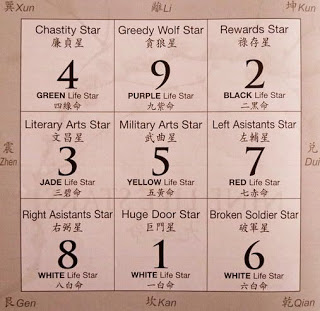
பெங் சுயி– லோ ஷு சதுரம்

ச.நாகராஜன்

கிறிஸ்து பிறப்பதற்கு முன் 2200 ஆண்டுகளுக்கு முன் சீனாவை ஆண்ட மன்னன் யூ, ஒரு நாள் மஞ்சள் நதிக்கரை ஓரம் உலாவப் போனான்.  அப்போது அங்கு ஒரு ஆமையைப் பார்த்தான். அதன் ஓட்டில் ஒரு சில புள்ளிகள் காணப்பட்டதையும் அவை சதுர வடிவத்தில் உள்ள கட்டங்களில் இருப்பது போலவும் அமைந்திருப்பதையும் பார்த்து ஆச்சரியப்பட்டான்.

அந்தப் புள்ளிகளின் கூட்டுத்தொகை ஒரே மாதிரியாக வரவே அவன் ஆச்சரியப்பட்டு தன் அரண்மனைக்கு அதைக் கொண்டு வந்தான்.  அந்த ஆமைக்கு அன்றிலிருந்து ராஜ உபசாரம் தான்!

 ஆமை ஓட்டின் முதுகில் இருந்த மாயச் சதுரம் போலவே தானும் அமைக்க ஆரம்பித்தான். அன்றிலிருந்து மாயச் சதுரத்தின் மகிமை உலகில் பரவ ஆரம்பித்தது.

அந்த மாயச் சதுரத்தின் ரகசியத்தை உணர்ந்தவர்கள் பெங் சுயி என்ற சீன வாஸ்து சாஸ்திரத்தைக் கண்டனர்.

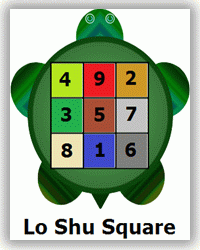
ஆமையின் முதுகில் இருந்த மாயச் சதுரம் இது தான்:


தெற்கு   


 4    9     2

 3    5     7

 8    1     6

  வடக்கு   

இது வியக்க வைக்கும் பல விந்தைகளைக் கொண்டது.

இது லோ ஷு சதுரம் (LO SHU SQUARE) என்று அழைக்கப்படுகிறது.

இதை வைத்தே பெங் சுயி சூத்திரமான The Eight Mansions Formula அமைக்கப்பட்டுள்ளது.

குவா நம்பர் என்ற ஒரு எண் இருக்கிறது. இதைக் கண்டுபிடிக்க குவா சூத்திரம் உள்ளது. இதை ஒவ்வொருவரும் கண்டு பிடித்துக் கொண்டு அதற்குத் தக தன் உத்தியோகத்தை மேம்படுத்திக் கொள்ளலாம்.

பெங் சுயியின் வெற்றிக்கு நிதர்சனமாக நாம் காணும் ஒரு நகரம் ஹாங் காங். மேலை நாடுகள் உள்ளிட்ட பல நாடுகளின் மல்டி நேஷனல் நிறுவனங்கள் இப்போது பெங் சுயி படி தங்கள் வணிகத்தை மேம்படுத்தி வருகின்றன.

வீடு கட்டுவதற்கு விரும்பும் ஒருவர் இந்த பெங் சுயி உத்திகளின் படி வீட்டை அமைத்துக் கொள்ளலாம்; ஏற்கனவே வீட்டைக் கட்டியுள்ளவரும் தங்கள் வீட்டின் பகுதிகளை இதற்கேற்ப மாற்றிக் கொள்ளலாம்.

பெங் சுயி சாஸ்திரத்தில் பிரபலமான லில்லியன் டூ இது பற்றித் தனது புத்தகமான ‘Feng Shui – The complete Guide to the art and practice of Feng Shui’-இல் விளக்கியுள்ளார்.


பெங் சுயி என்றால் காற்றும் நீரும் என்று பொருள். இதை நமது வாழ்க்கையின் வளத்திற்காகப் பயன்படுத்துவதற்கு இதன் அடிப்படை விதிகளை அறிந்து கொள்ள வேண்டும்.

அனைத்தையும் செய்வது ‘ச்சீ’ (Chi) எனப்படும் ஆற்றல் தான்! இந்த ஆற்றலை நமக்கேற்றவாறு முறைப்படுத்துவதற்கு பெங் சுயி உத்திகள் தேவை.

செல்வ வளம், உடல் நலம், மன நிம்மதி என அனைத்தையும் பெங் சுயி மூலம் அடைய முடியும்.

போஸ்டனில் உள்ள ஹார்வர்ட் பிஸினஸ் ஸ்கூலில் பட்டம் பெற்ற லில்லியன் டூ பல வருட காலம் பெங் சுயி பற்றி ஆராய்ந்தார். தான் கற்றவற்றைப் பிறருக்குச் சொல்லித் தர விளைவுகள் அபாரமாக நல்ல விதத்தில் இருந்தன.

அந்த அனைத்து உத்திகளையும் படங்களுடன் விளக்கி 360 பக்கங்கள் கொண்ட இந்த நூலை உருவாக்கி இருக்கிறார்.

ஏழு பகுதிகள் கொண்ட இந்த நூலில் முதல் பாகம் பெங் சுயி உருவான வரலாறை விளக்குகிறது. இரண்டாம் பகுதி பெங் சுயி அடிப்படைகளை விளக்குகிறது.மூன்றாம் பகுதி நமது வீட்டில் இதை எப்படிப் பயன்படுத்துவது என்பதை விளக்குகிறது. நான்காம் பகுதி தனி நபர் மேம்பாட்டுக்கானது. ஐந்தாம் பகுதி நமது தோட்டத்தில் பெங் சுயியைமுதல் எப்படிப் பயன்படுத்தலாம் என்பது பற்றி விளக்குகிறது. வணிக வெற்றிக்கு பெங் சுயி எப்படி உதவும் என்பதை ஆறாம் பகுதியும் எல்லாச் சூழ்நிலைகளுக்கும் பெங் சுயியின் உதவியை எப்படி மேற்கொள்ளலாம் என்பதை ஏழாம் பகுதியும் விளக்குகிறது.

யின் மற்றும் யாங் (Yin and Yang) ஆற்றலை எட்டு திசைகளிலும் சமச்சீராக்கி நமது குடும்பத்தையும், நம்மையும்  மேம்படுத்தும் இந்த பெங் சுயி ஒரு அற்புதக் கலை.

இதை முறையாக விளக்கும் லில்லியன் டூ புத்தகம் பெங் சுயி ஆர்வலர்களுக்கு ஒரு வரபிரசாதம்.

****
குறிப்பு : இந்தக் கட்டுரை ஆசிரியர் எழுதிய மாயச் சதுரமும் கணிதப் புதிர்களும் என்ற நூலில் முதல் அத்தியாயத்தில் உள்ள முதல் மூன்று பாராக்கள் இந்தக் கட்டுரையின் முற்பகுதியாக அமைகிறது.

Tags- யின், யாங்மாயச் சதுரம்லோ ஷு சதுரம்

மறைந்திருக்கும் குறள் எவை? (Post No.5645)

Written  by London Swaminathan

swami_48@yahoo.com

Date: 9 November 2018

GMT Time uploaded in London –19-27
Post No. 5645

Pictures shown here are taken from various sources including google, Wikipedia, Facebook friends and newspapers. This is a non- commercial blog

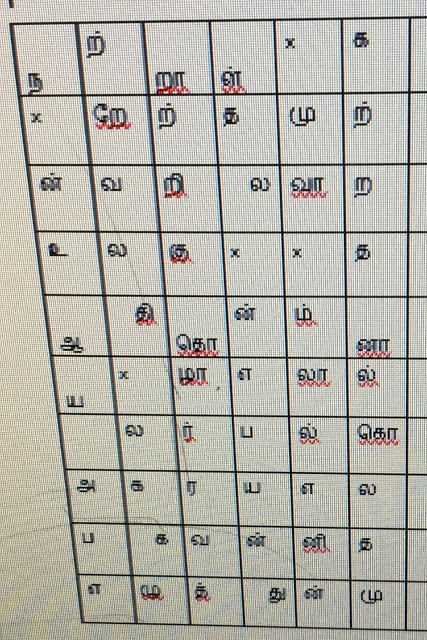
கீழேயுள்ள கட்டத்தில் கடவுள் வாழ்த்து என்னும் அதிகாரத்தின் கீழ் உள்ள இரண்டு திருக்குறள்கள் இருக்கின்றன. கண்டு பிடியுங்கள். சொற்கள் முழுதாக இருக்கும். பிரிக்கப்படவில்லை. உலகு என்று ஒரு சொல் இருக்குமானால் அது உலகு என்றே வரிசைப்பட இருக்கும்.


ANSWER:–

அகர முதல எழுத்து எல்லாம் ஆதி

பகவன் முதற்றே உலகு (1)

கற்றதனால் ஆய பயன் என் கொல் வாலறிவன்

நற்றாள் தொழார் எனின் (2)

–SUBHAM–